1/9
How Venetian Glass Seduced American Artists a Century Ago
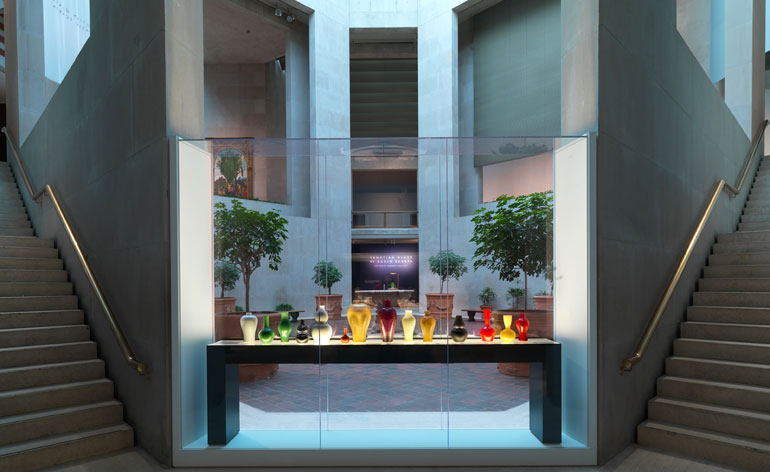
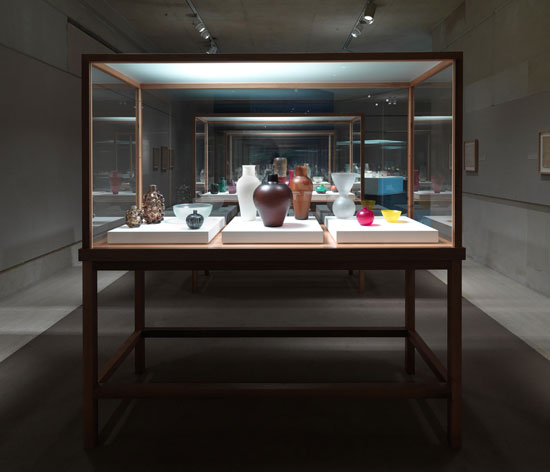
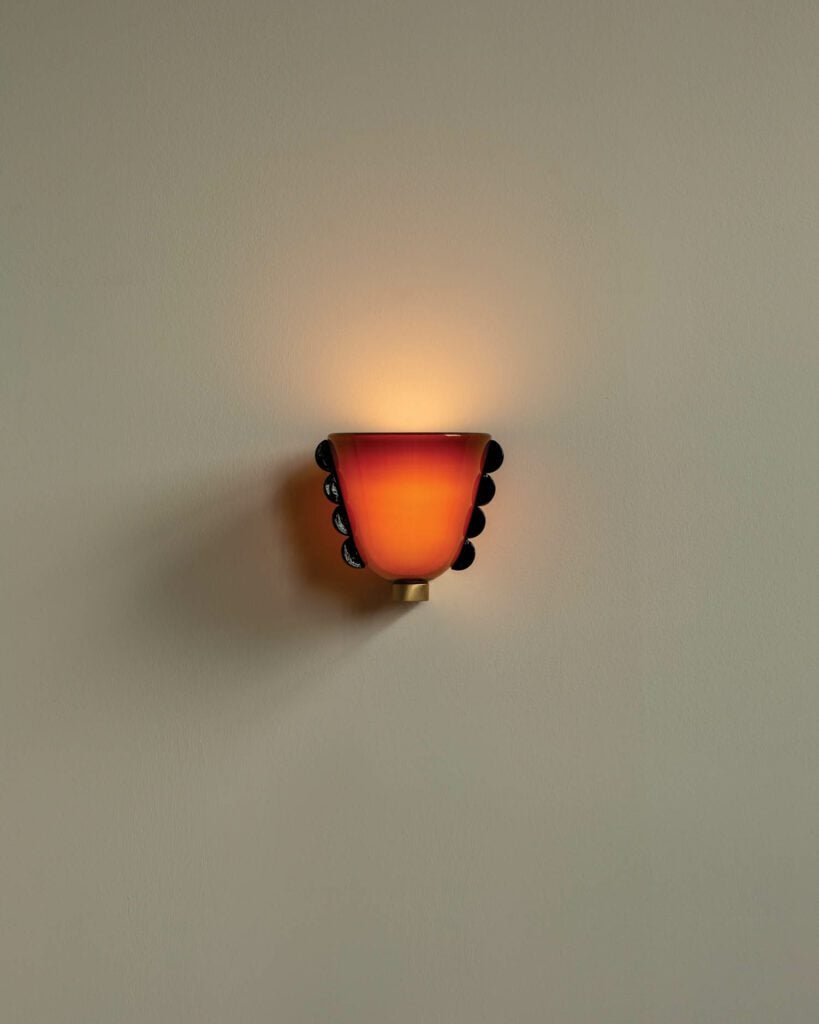
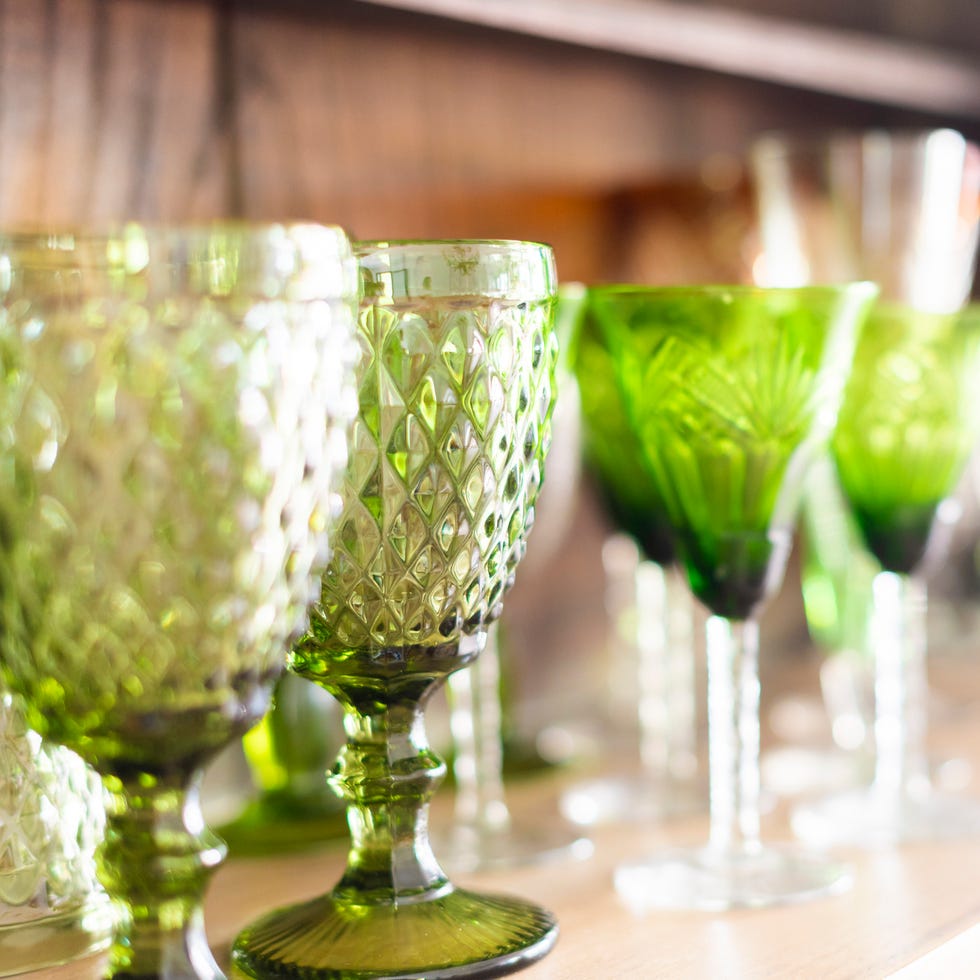
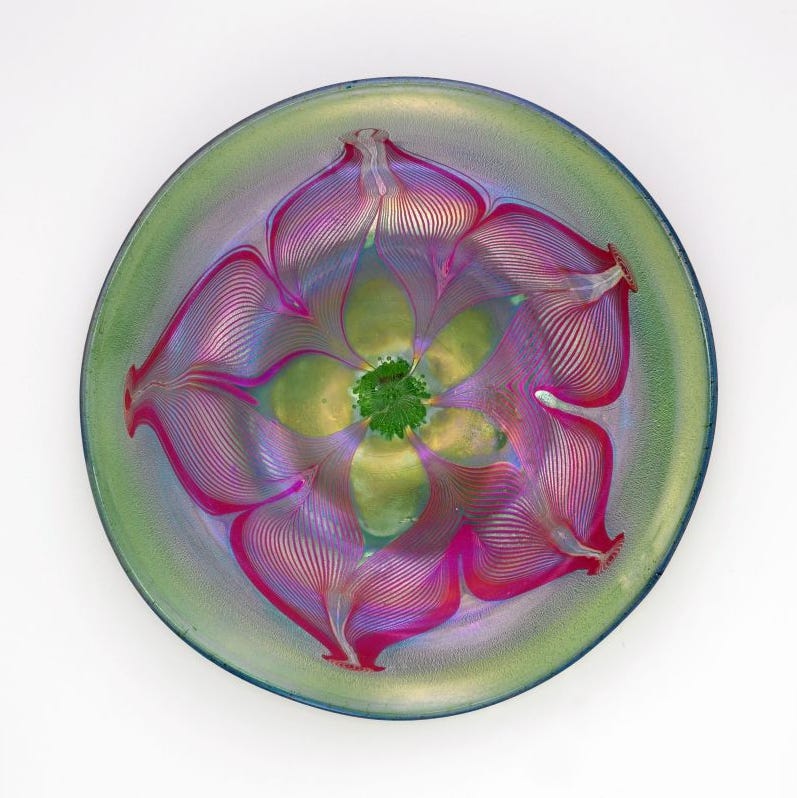
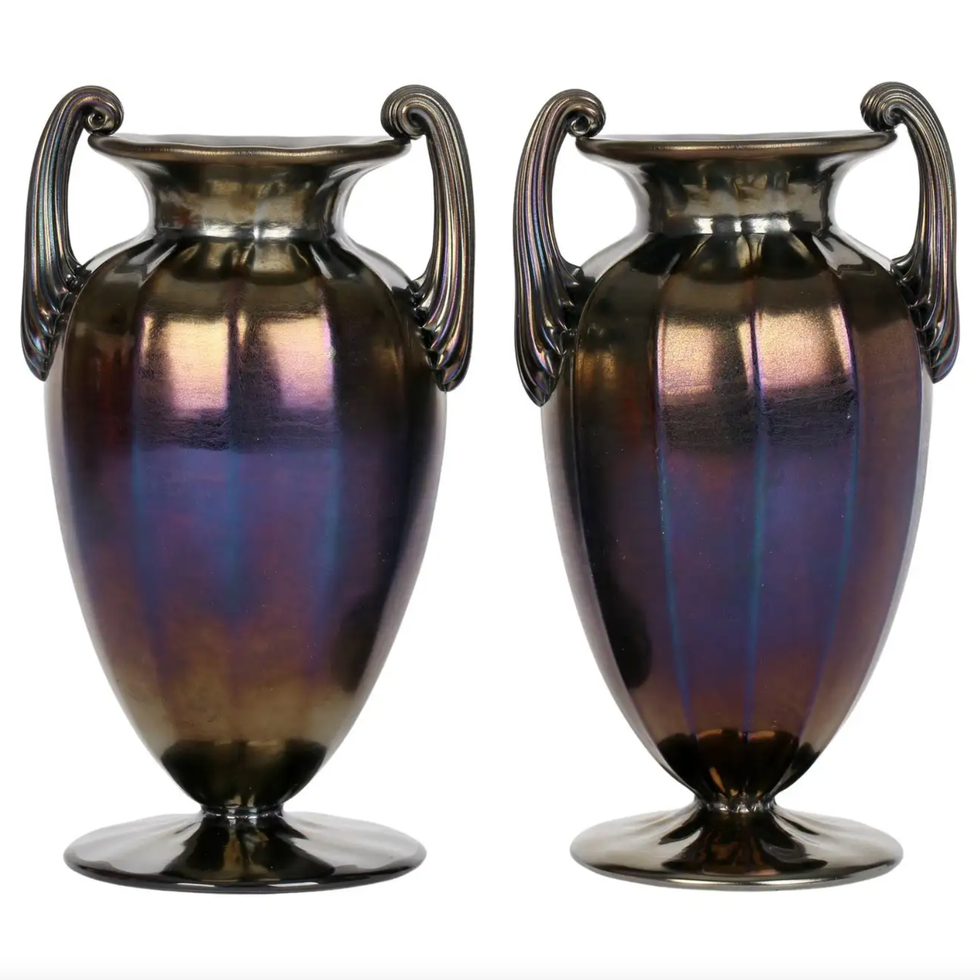
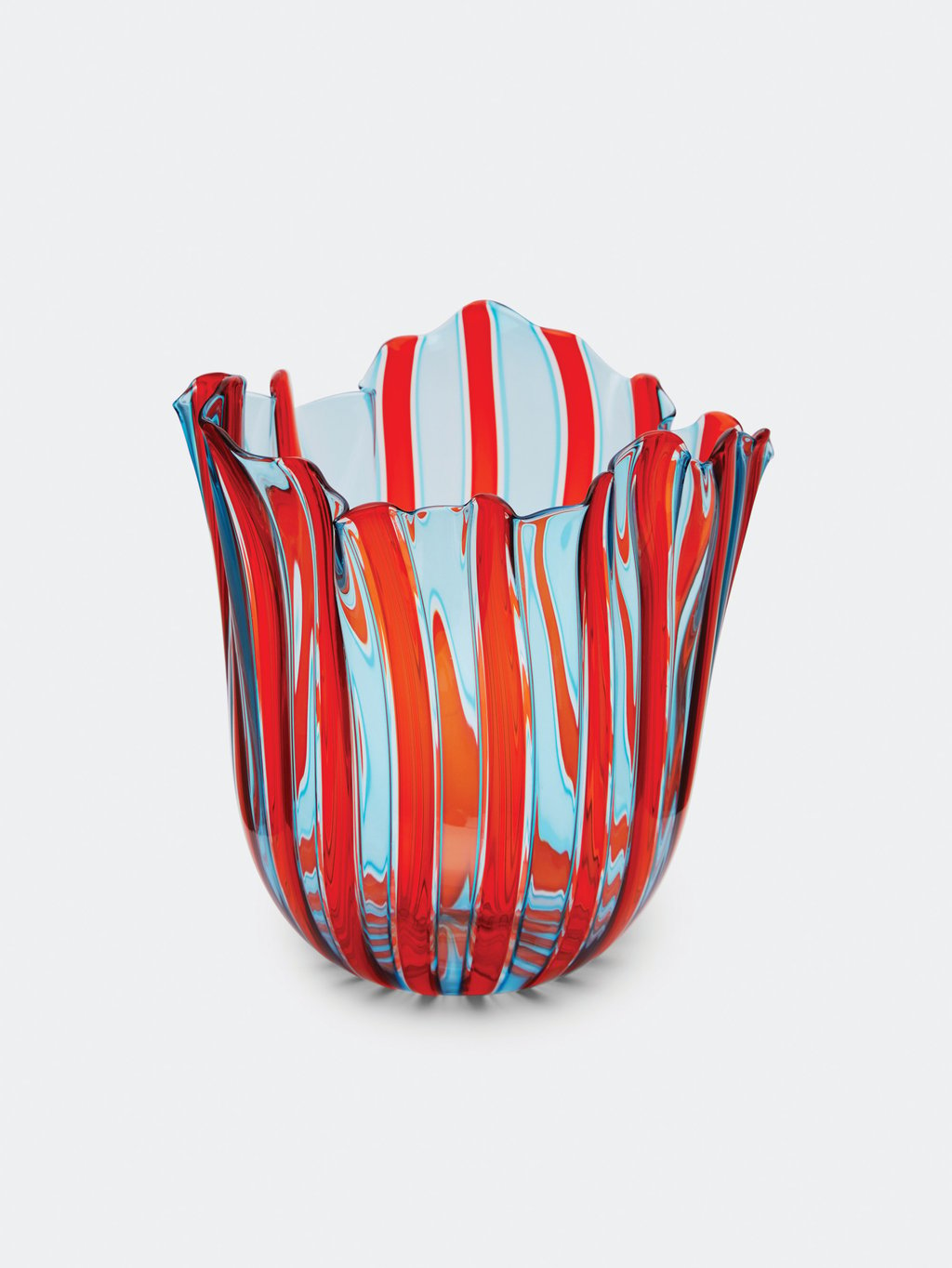
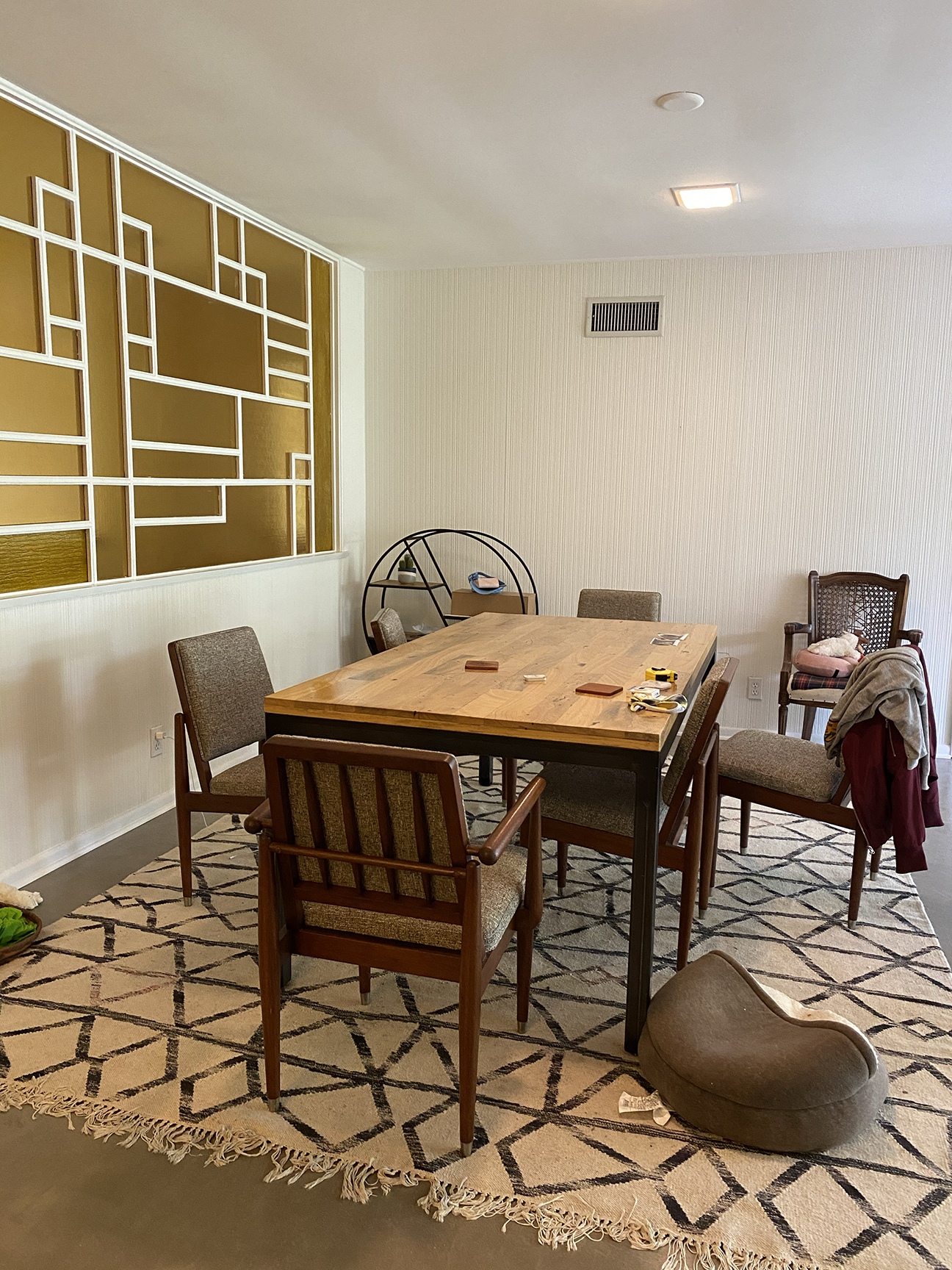
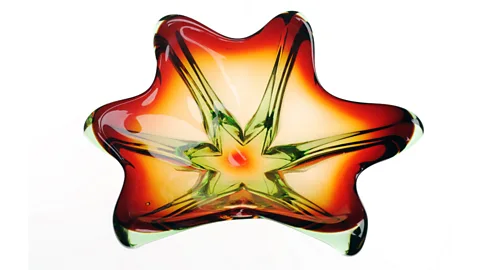
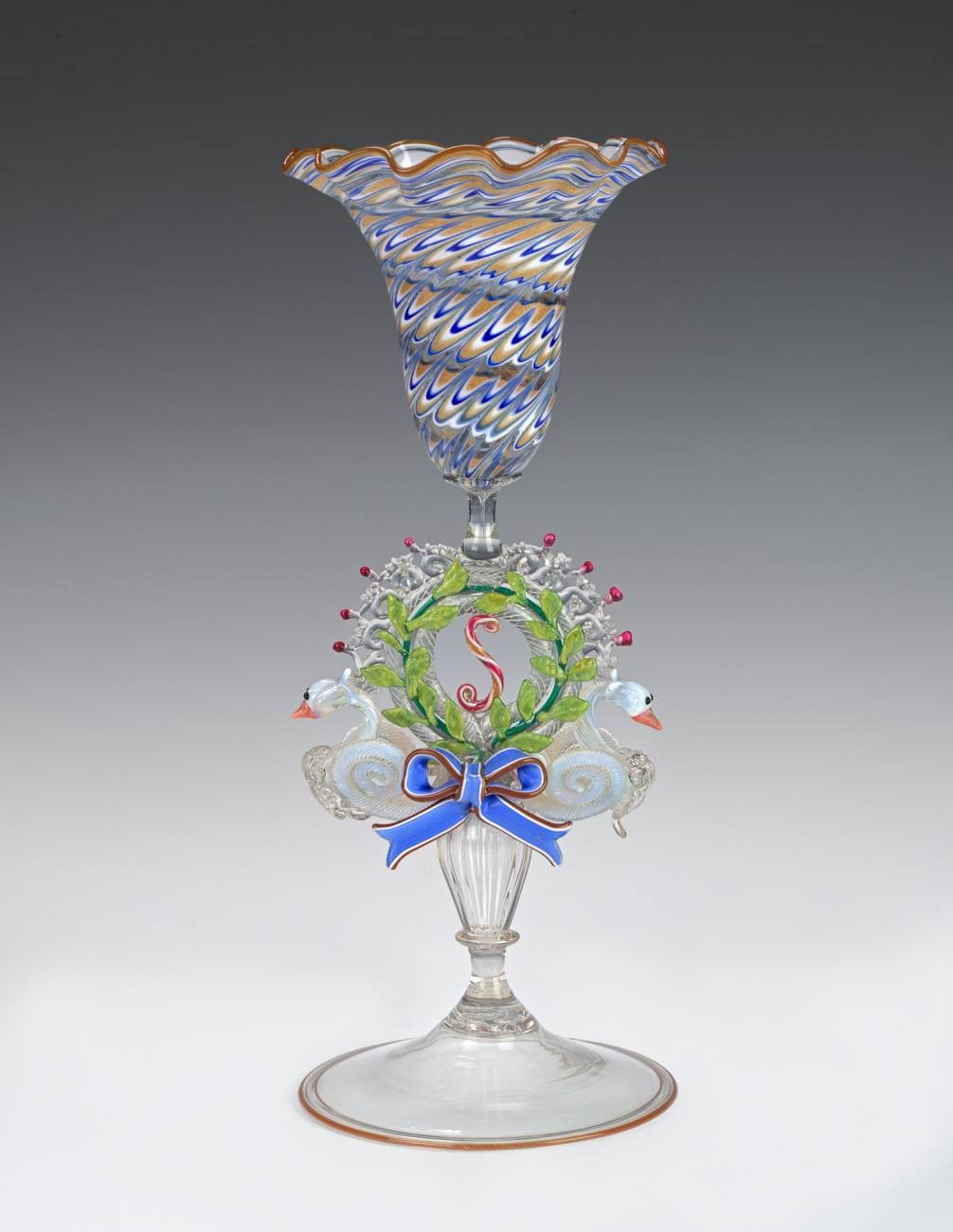
Between the 1860s and 1910s, Venetian glass, particularly from the island of Murano, emerged as a highly coveted luxury item globally, captivating both American elites and artists. This period saw a significant cultural impact in the United States, with homes and institutions being adorned with these glass creations. Art critic James Jackson Jarves, for instance, accumulated approximately 300 pieces, which he later donated to the Metropolitan Museum of Art. American artists residing abroad not only depicted glass objects in their works but also captured the essence of the Venetian glassmaking industry, including glass blowers, bead stringers, and glowing furnaces, in their paintings, watercolors, and prints.
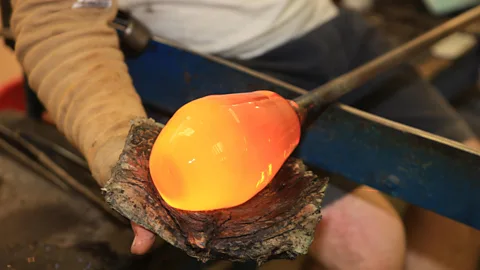
Venice had a long-standing history of glass production dating back to the Middle Ages. However, its economic decline, loss of political autonomy, and high tariffs in the 18th and early 19th centuries led to a cessation of its 500-year-old glassmaking tradition. The city itself also fell into disrepair by the 1850s. The revival of Venetian glassmaking began when Antonio Salviati, a lawyer, observed the deteriorating mosaics of St. Mark’s Basilica. He established a mosaic and glassmaking manufacturing business, bringing together descendants of old glassmaking families who helped rediscover lost techniques from the Renaissance and ancient Rome. To expand his enterprise, Salviati opened a showroom in London, exhibited his works at international fairs, and distributed his glass through esteemed American retailers like Tiffany & Co. His workers, meanwhile, developed innovative techniques and styles that attracted numerous American collectors, tourists, and artists.
The book, "Sargent, Whistler, and Venetian Glass: American Artists and the Magic of Murano," edited by Crawford Alexander Mann III and published by Princeton University Press, delves into this resurgence of Venetian glass and its influence on American concepts of taste, labor, and beauty during this critical era. This extensively illustrated book accompanies a traveling exhibition, which has been showcased at the Smithsonian American Art Museum in Washington, DC.
Artists like James McNeill Whistler, who visited Venice in 1879, found the city and its glass intoxicating. His 1880 etching, "Nocturne: Furnace," illustrates a glassblower working at night, observed from a gondola. John Singer Sargent’s paintings depict young women engaged in labor within the city and factories, offering a realistic portrayal of the work involved in producing glass, lace, and other crafts. Other American artists like Ellen Day Hale focused on the electrification of glass street lights and lamps in Venice, while Louise Howland King Cox portrayed glass pieces as delicate elements of daily domestic life. Over time, Venetian glass profoundly influenced American glassmakers and consumers. Venice further solidified its artistic standing by establishing its biennale in 1895, where Murano glassworkers frequently held concurrent exhibitions of their creations. As the reputation of Venetian glass grew, its perceived value increasingly shifted towards fine art, as encapsulated by Oscar Wilde’s observation that a painting, in its primary aspect, possesses no more spiritual message than an exquisite fragment of Venetian glass.
This historical account highlights the significant interplay between art, industry, and cultural exchange, demonstrating how Venetian glass transcended its functional purpose to become a symbol of beauty and artistic expression, deeply influencing American aesthetic sensibilities and artistic production during the late 19th and early 20th centuries. The book and accompanying exhibition serve as a testament to the enduring allure and historical significance of Murano glass.
#VenetianGlass #AmericanArt #MuranoGlass #ArtHistory #GlassMaking #LuxuryItems #CulturalExchange #ArtExhibitions #PrincetonUniversityPress #VenetianGlass #AmericanArt #MuranoGlass #ArtHistory #GlassMaking #LuxuryItems #CulturalExchange #ArtExhibitions #PrincetonUniversityPress
0 comment in total
 No comments yet
You may also like

The Story Behind One of the Oldest Art Glass Studios in the US
Experts Say These Rare Antique Glassware Finds Are Always Worth Buying at Vintage Stores


How modern designers are transforming glassware with creative touches

11 of the most beautiful ceilings in Chicago
Carlo Scarpa’s Venetian glassware for Venini goes on show at the Met in New York

A Tiffany rival, and a genius of stained glass

15 Famous Paintings That You Can Bring Home as Canvas Art


An Interior Stained-Glass Window Casts an Amber Glow on This Once Drab L.A. Home

glass art and design Archives
Thank These 2 Chain Restaurants For Today's Vintage Lamp Nostalgia

Original Stained Glass Windows Inspired This Historic Home's New Look

Why glamorous glassware is booming


Malone Studio glass artists keep Newport windows looking their best
Glass Is Red-Hot: Here Are 6 New Collections to Know

Expand Your Art Collection with These Gallery-Worthy Vessels
These Glassware Pieces Are Mind-Blowing
These Glass Light Fixtures Nod to Traditional Venetian Techniques


Louis Comfort Tiffany: The Man Behind the Iconic Tiffany Lamps
This Inspired Line Made Me a Colored Glass Convert


Glass Blocks Are the Vintage Trend We're Loving in 2025—Here's How to Use Them