1/9
Why glamorous glassware is booming
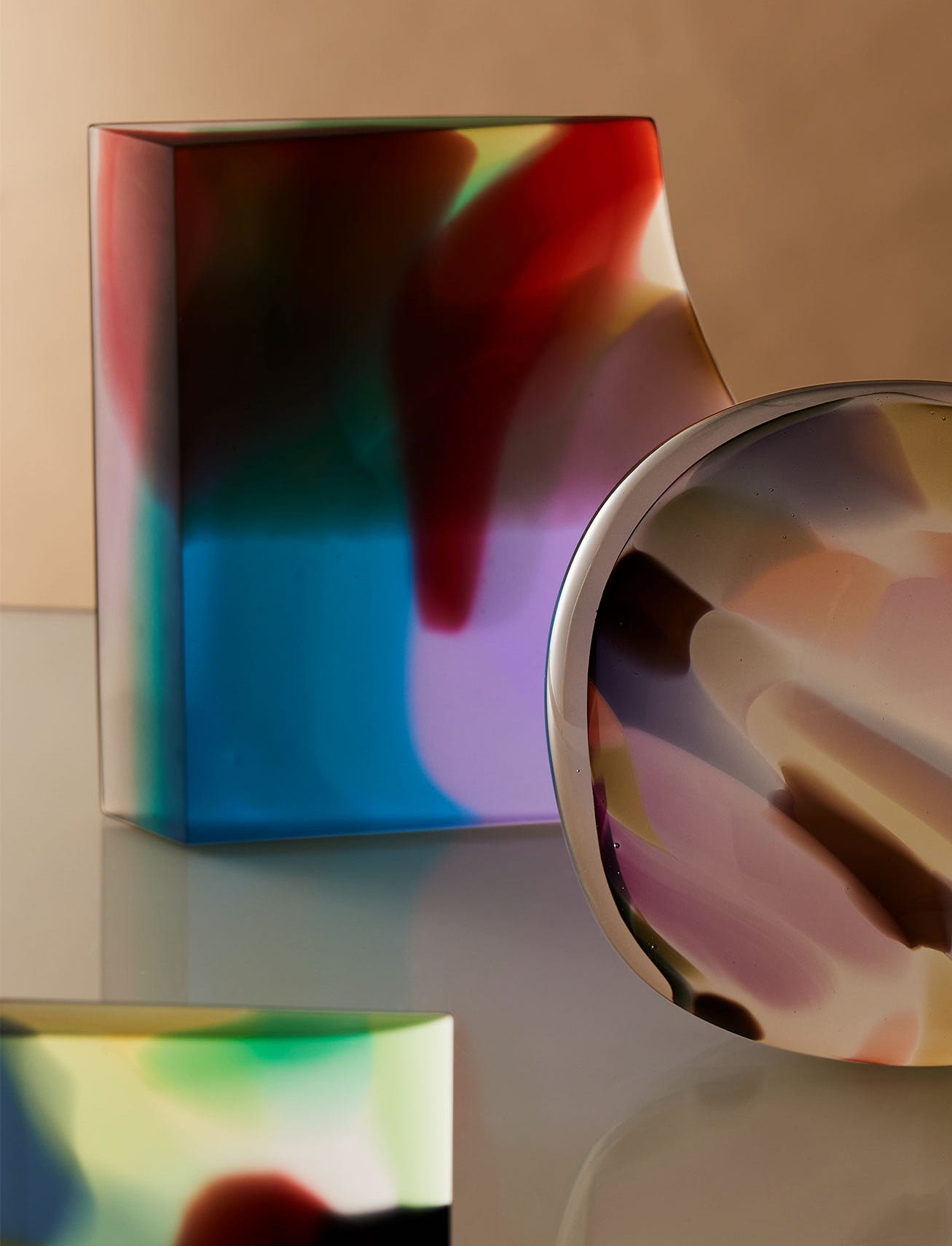
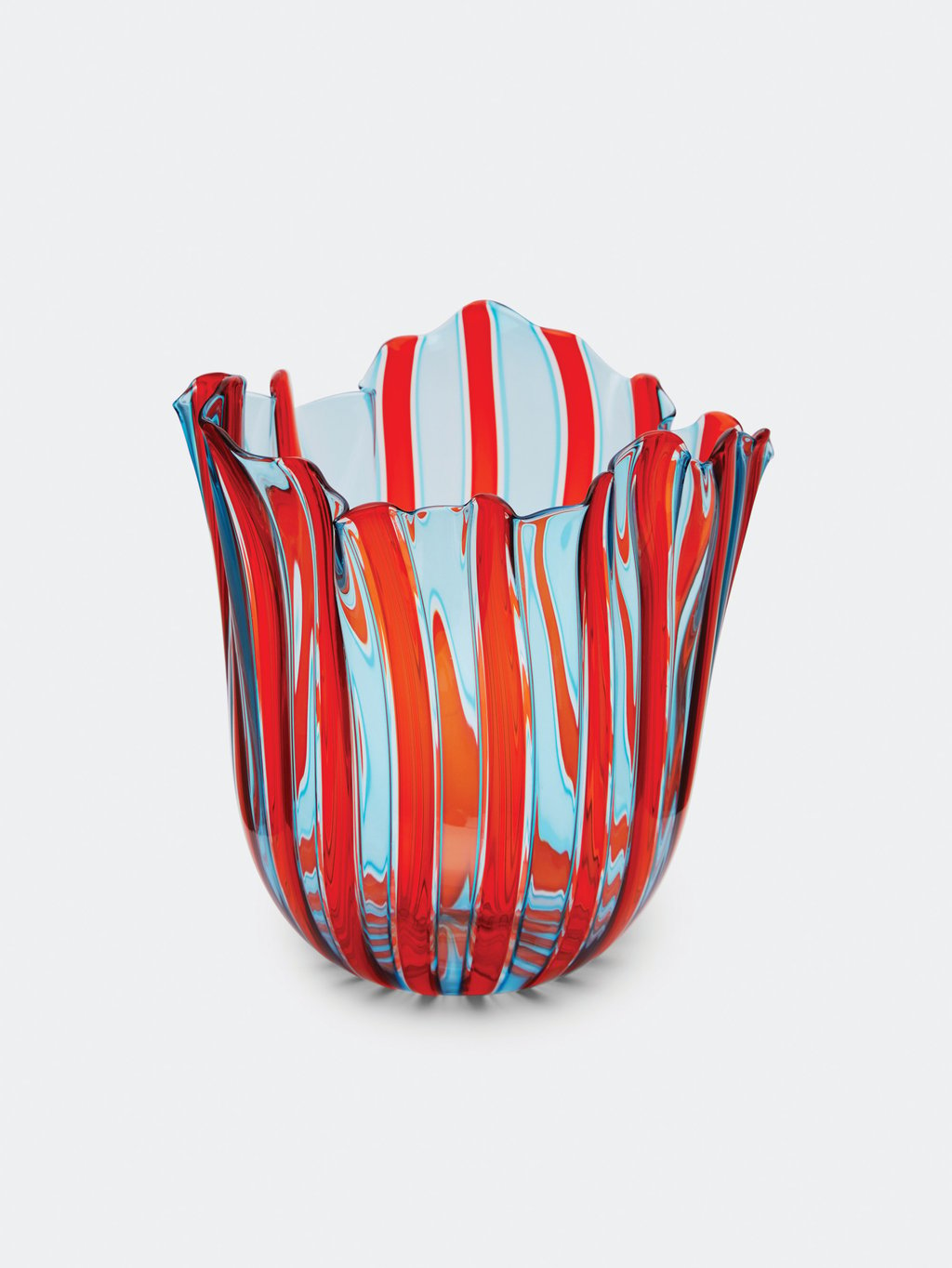
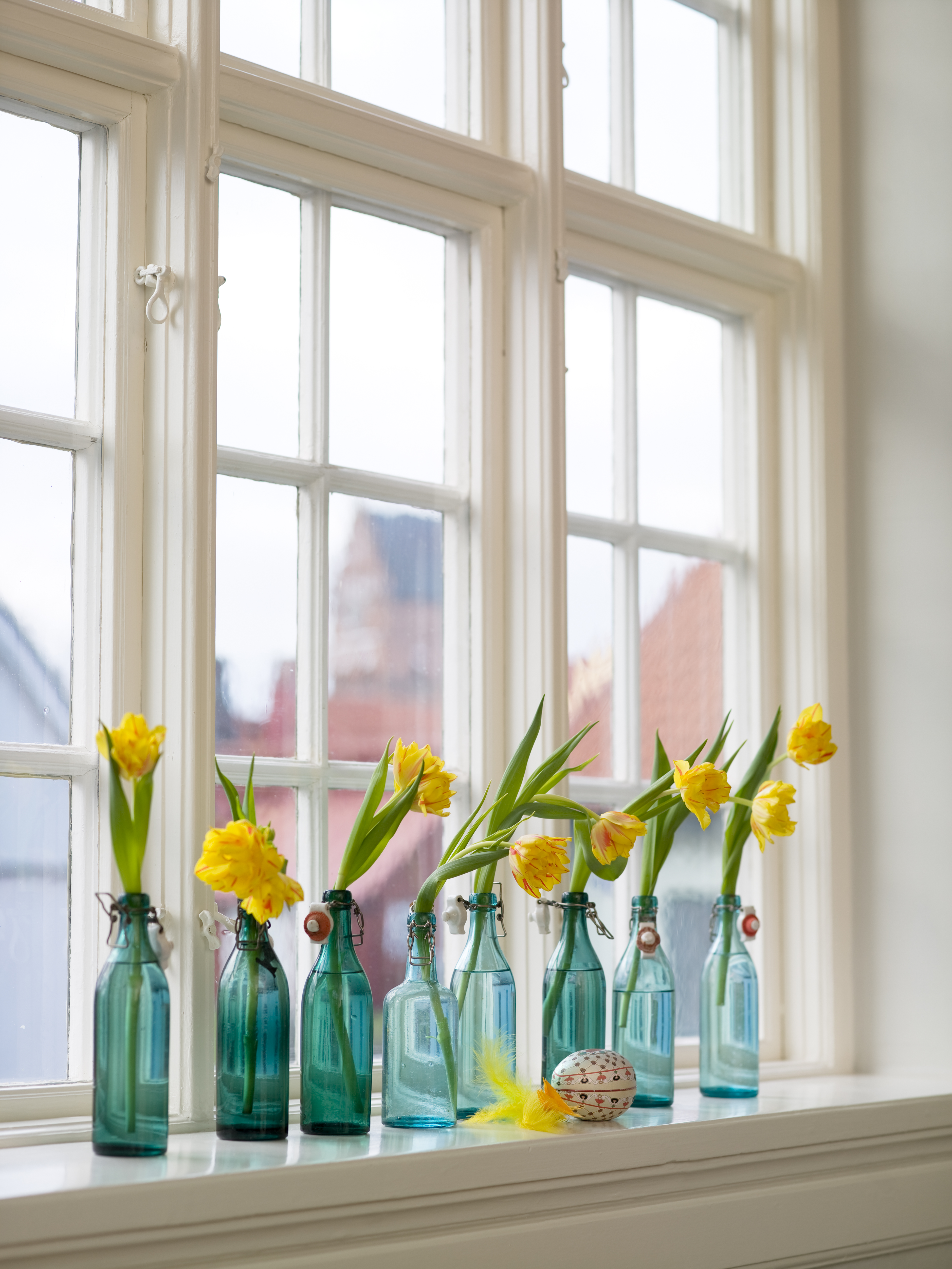
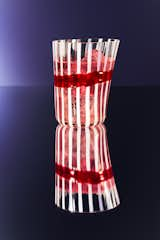
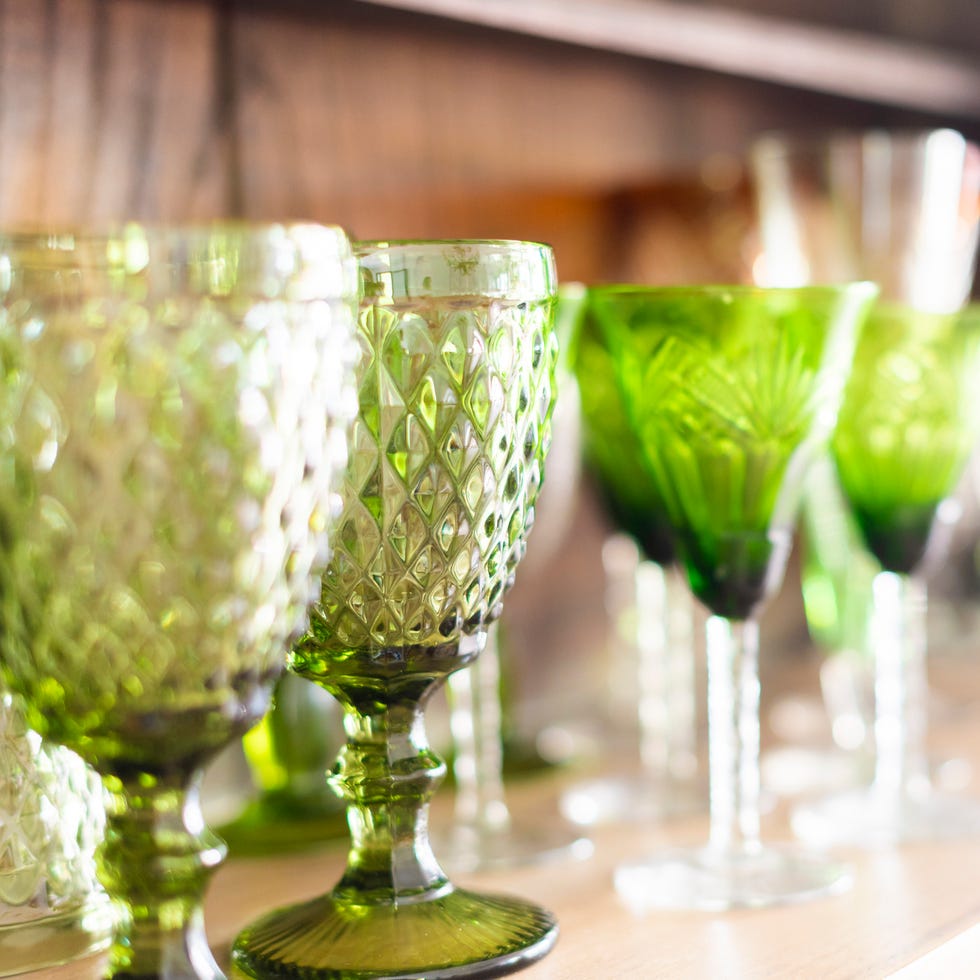
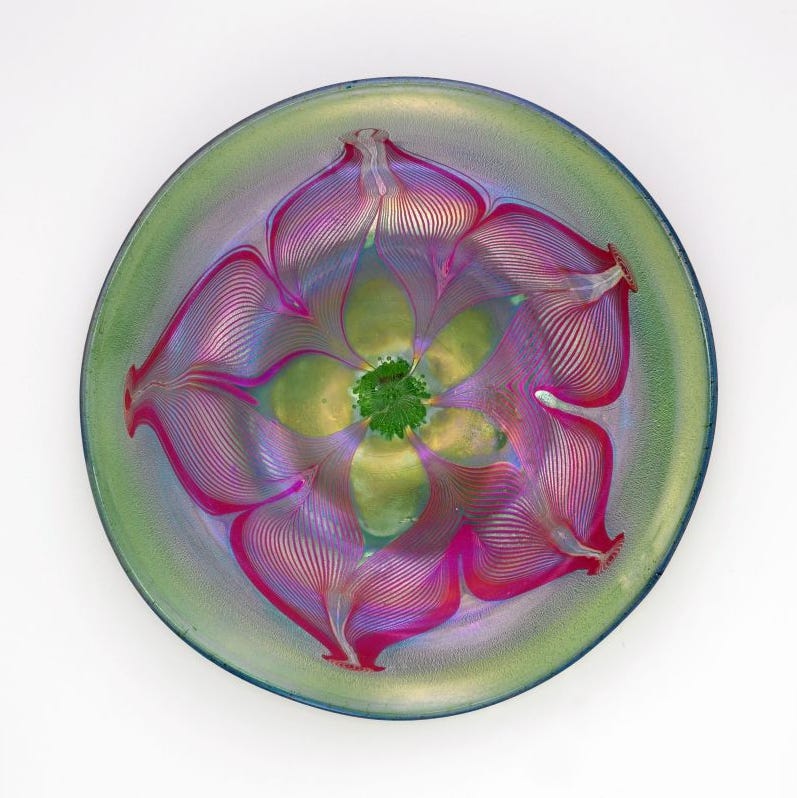
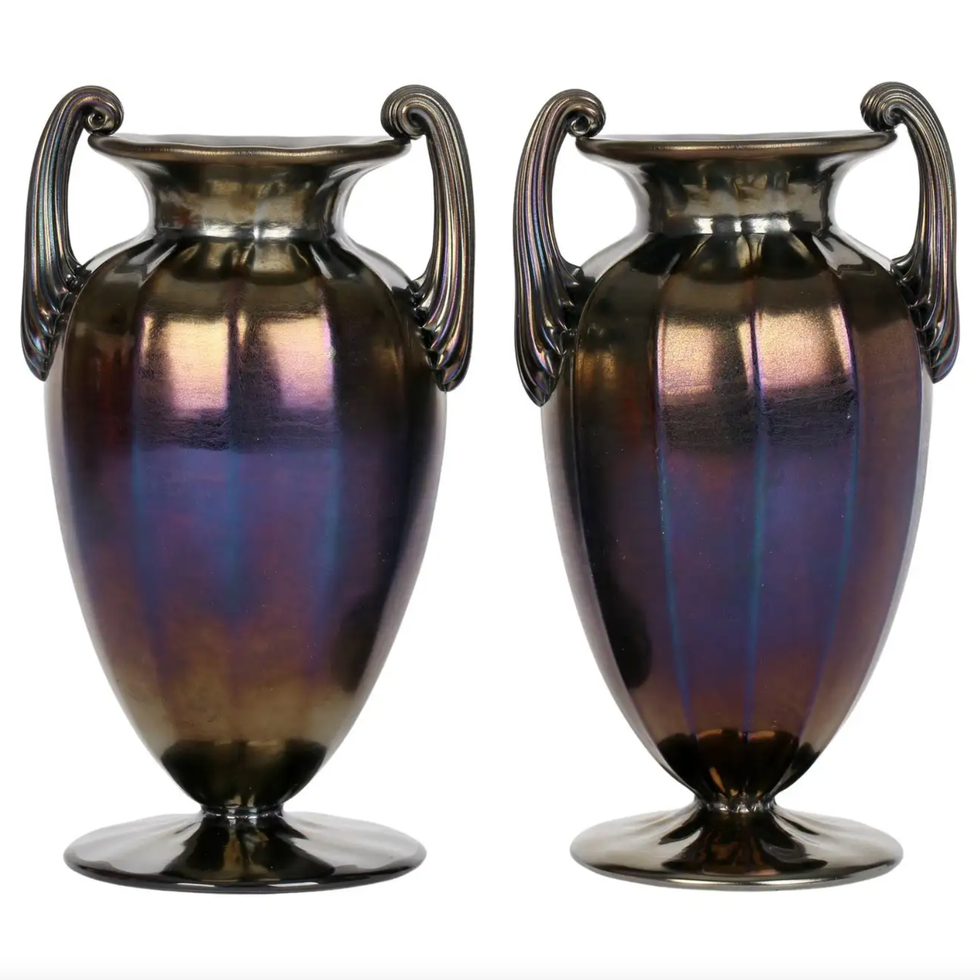
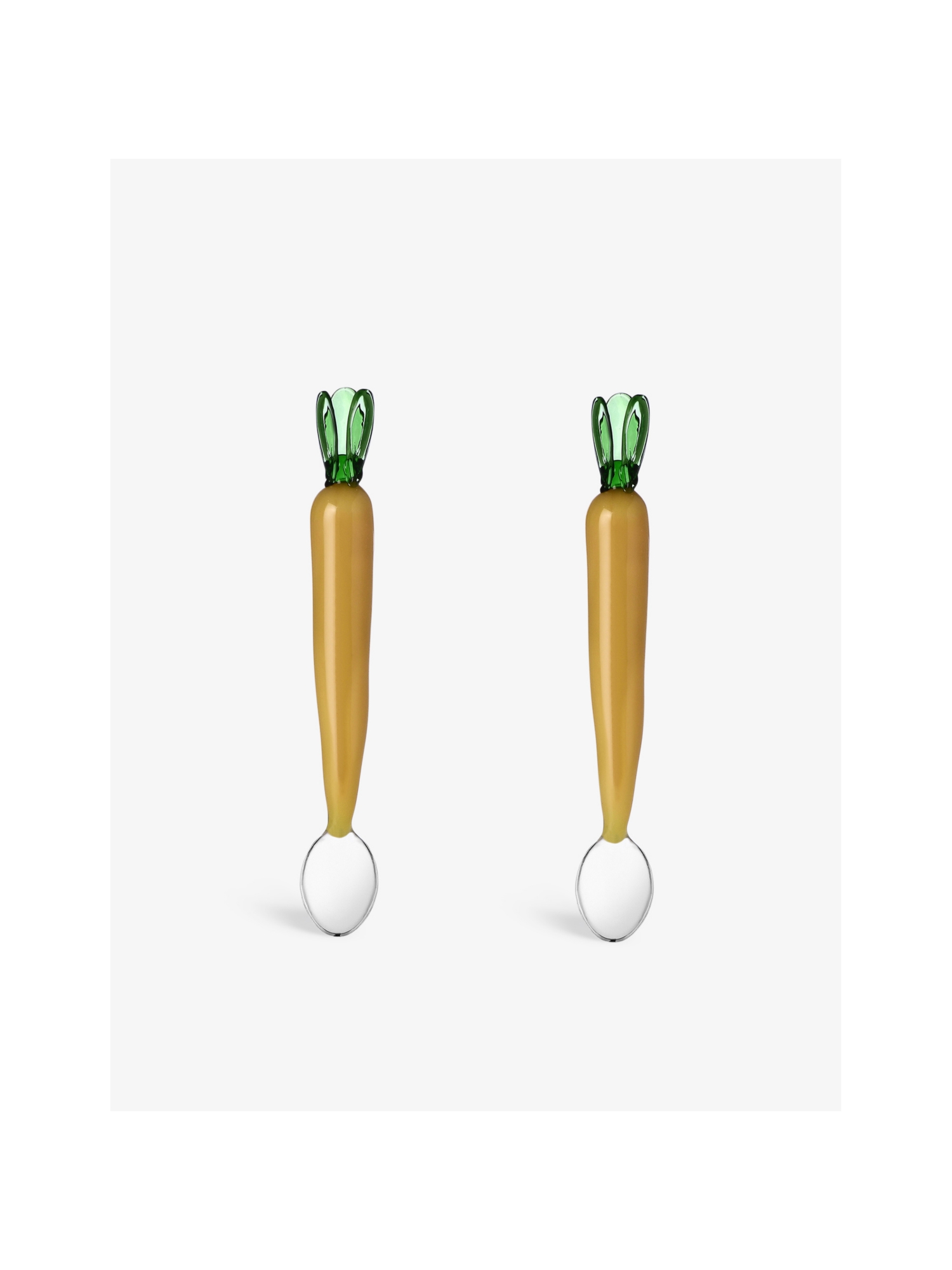
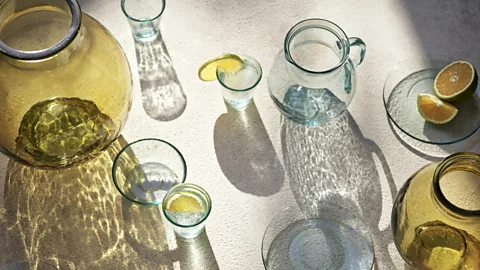
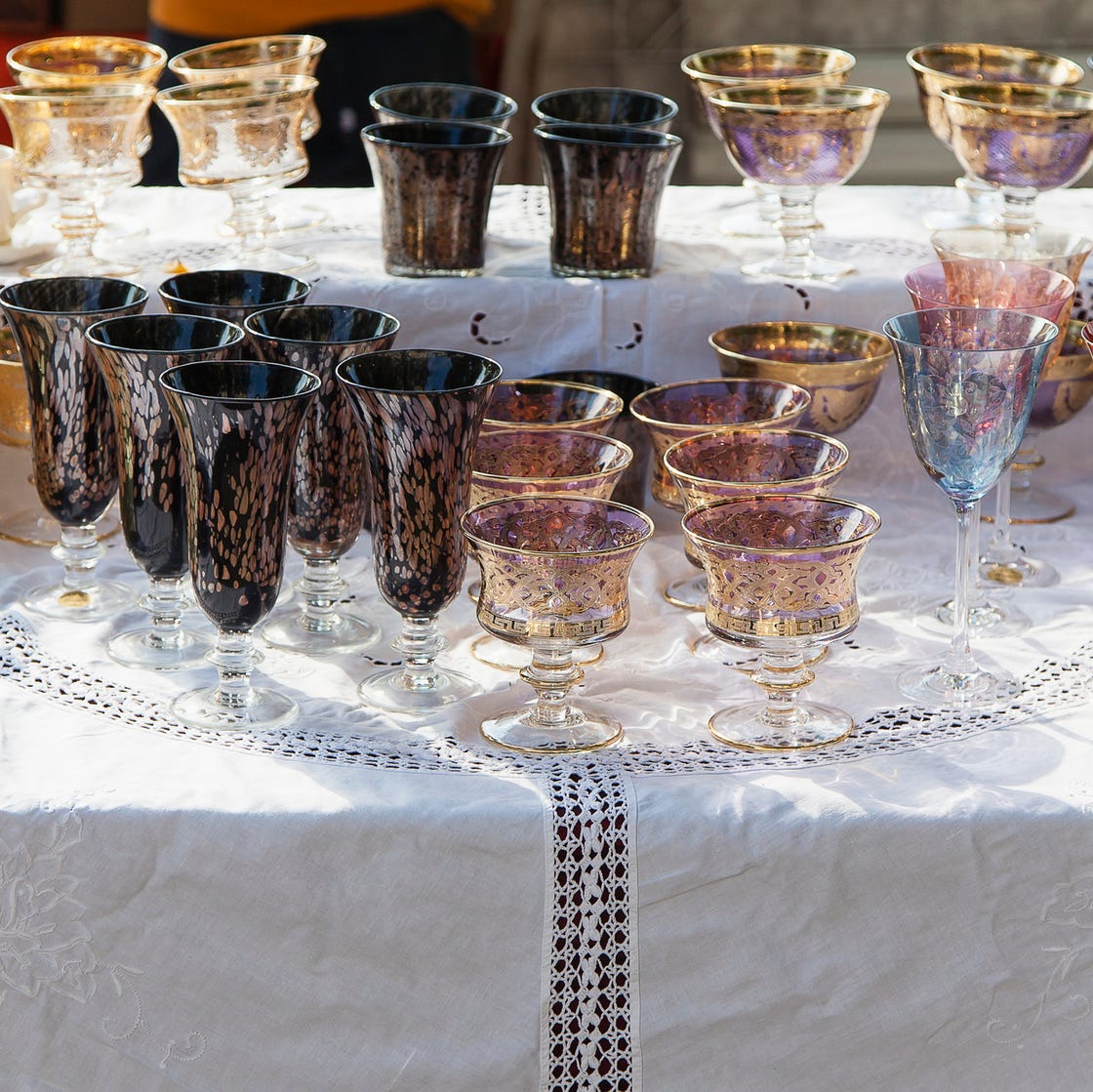
Glassware, historically considered less significant than ceramics, is experiencing a resurgence in popularity, driven by a renewed appreciation for its aesthetic and historical value. Collector Mark Hill notes the puzzling disparity in value and scholarly attention between glass and ceramics, despite glass's enduring appeal. Mid-century glassware, particularly pieces from Murano, Sweden, Finland, Denmark, the UK, the US, and Czechoslovakia, remains highly sought after. This era showcased a wide range of styles, from Murano's elaborate, kaleidoscopic designs using ancient techniques like murrine to the modernist simplicity and nature-inspired colors favored by Finnish designers such as Alvar and Aino Aalto with their iconic Savoy vase, and Timo Sarpaneva's textured Finlandia glassware. These designers often influenced each other, with British designers like Geoffrey Baxter drawing inspiration from Scandinavian aesthetics, incorporating natural textures into his designs. The international studio-glass movement, initiated in the 1960s by American artists like Harvey Littleton, democratized glassmaking by enabling individual artists to produce pieces in smaller furnaces, leading to more expressive works.
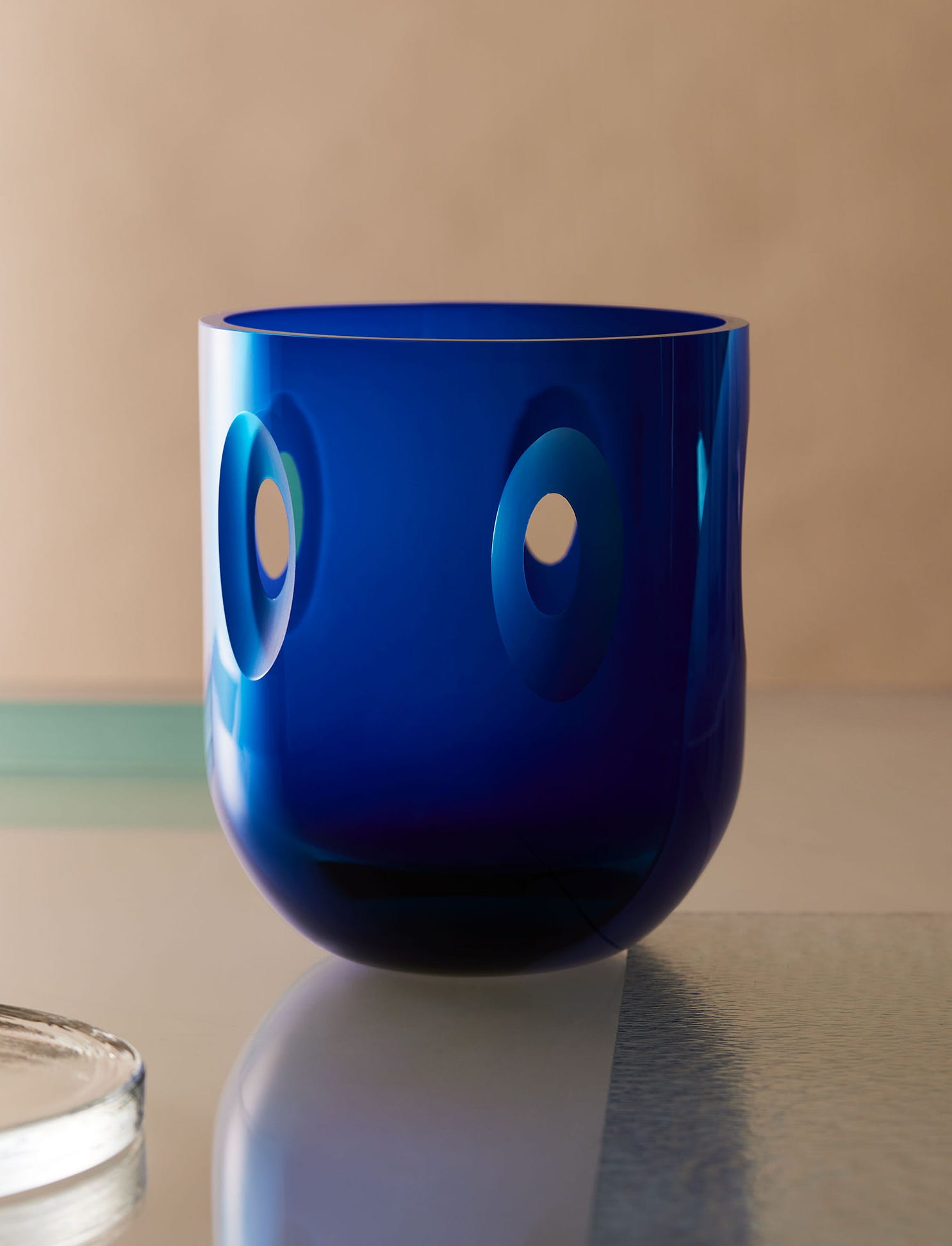
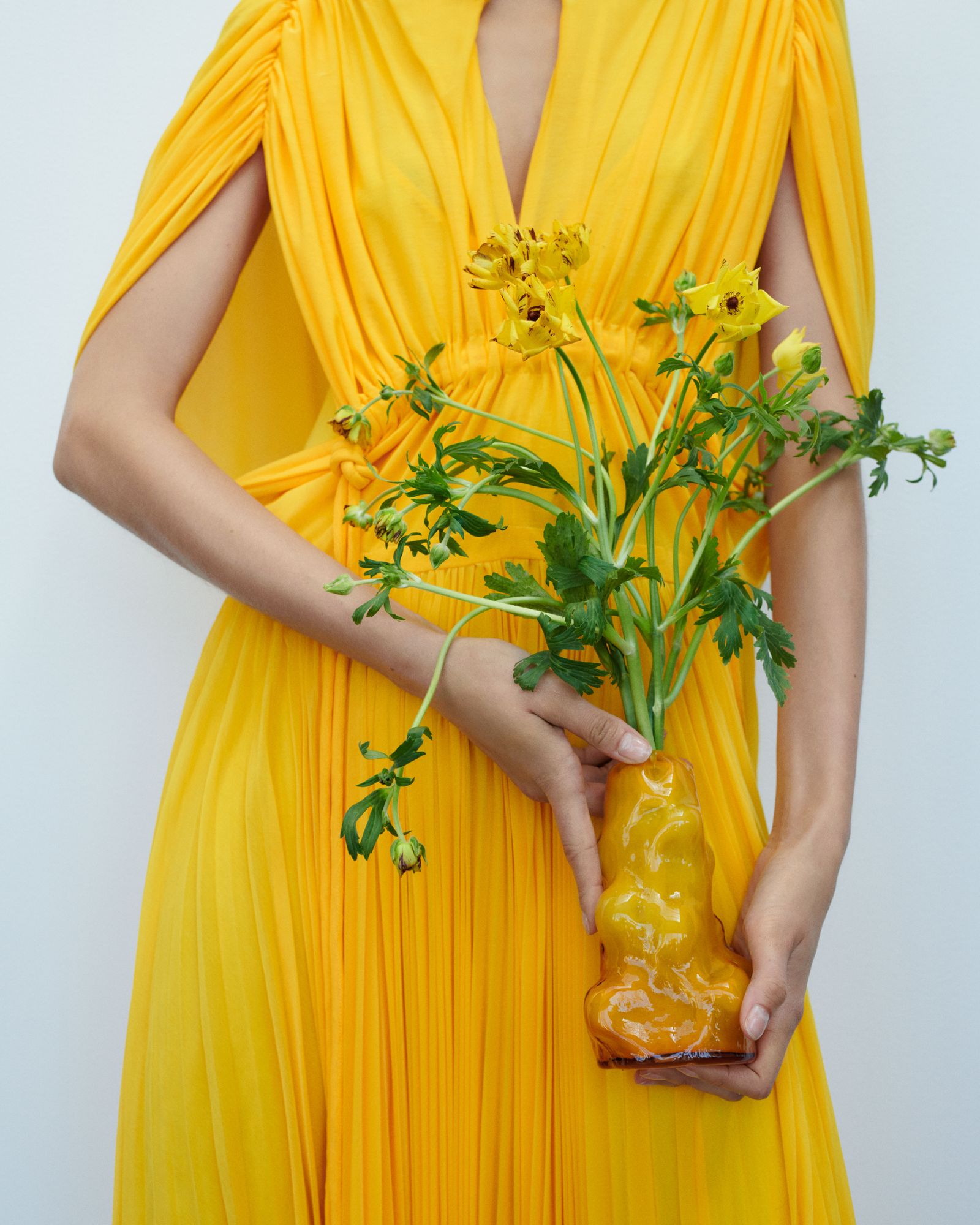
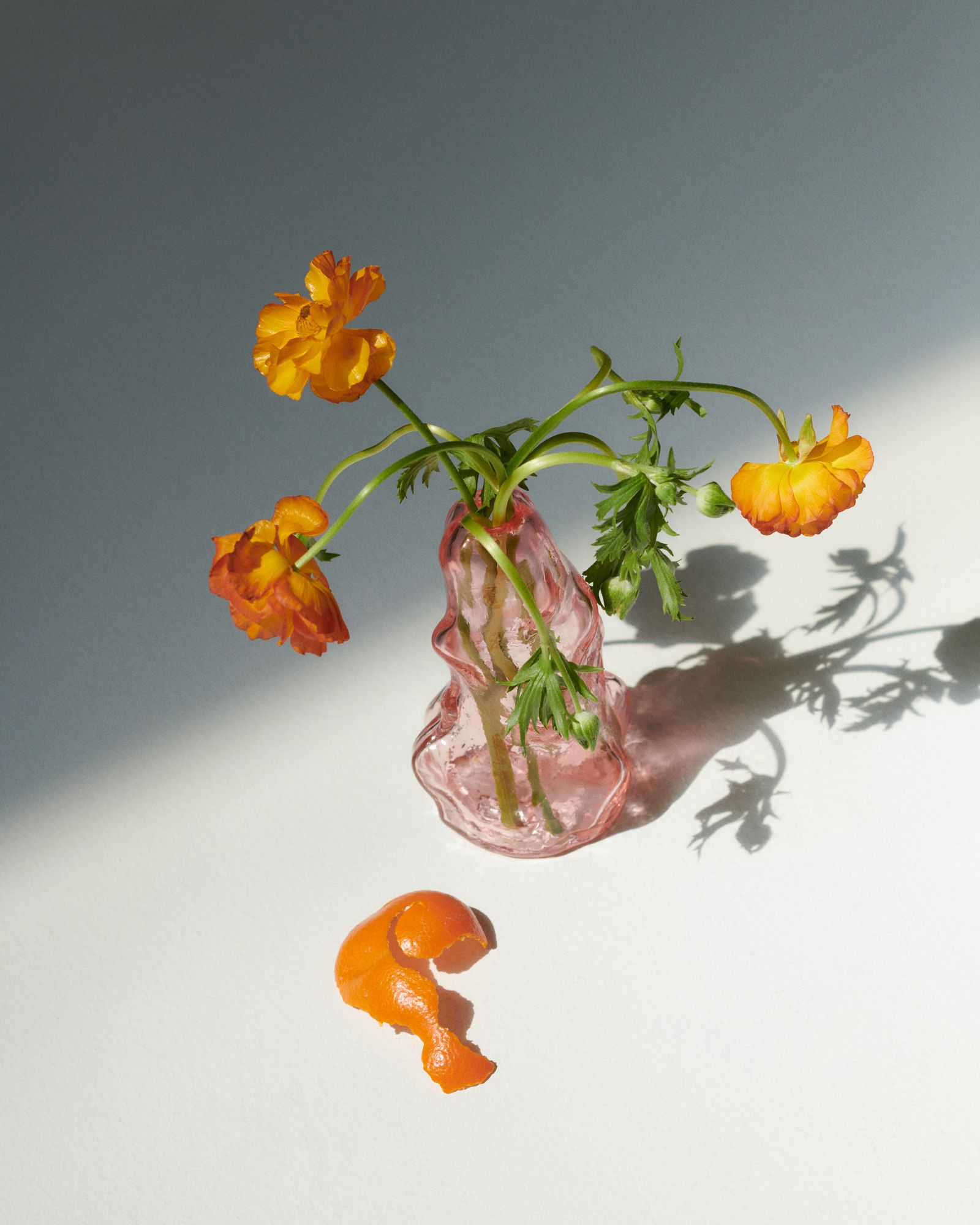
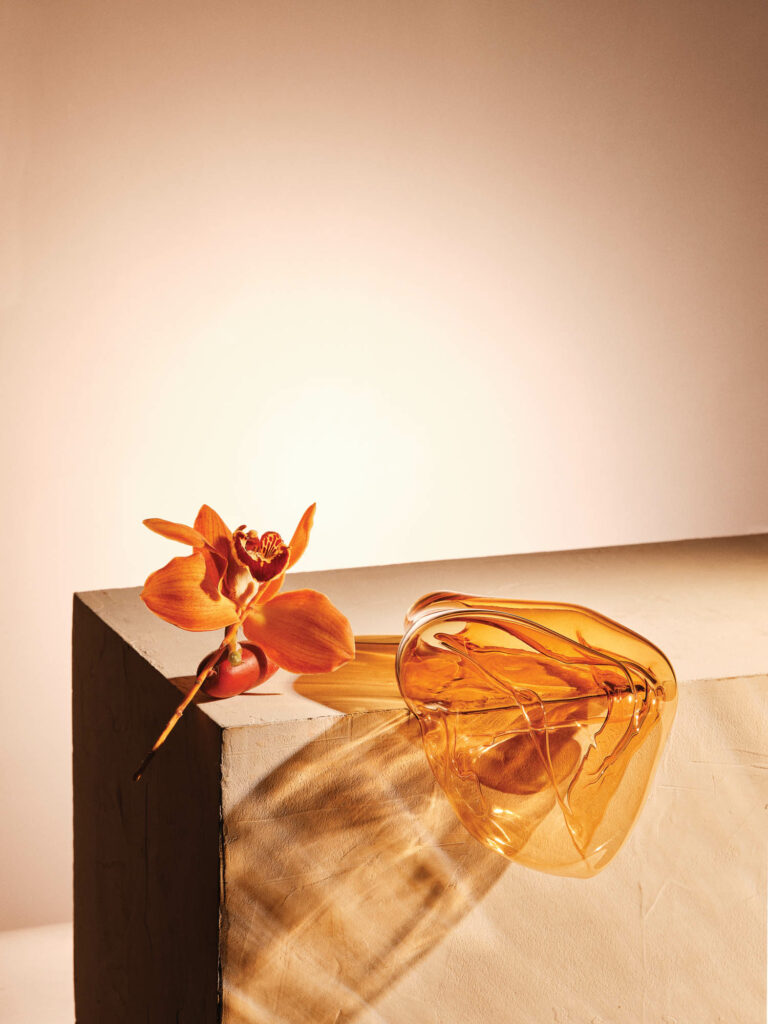
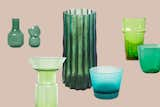
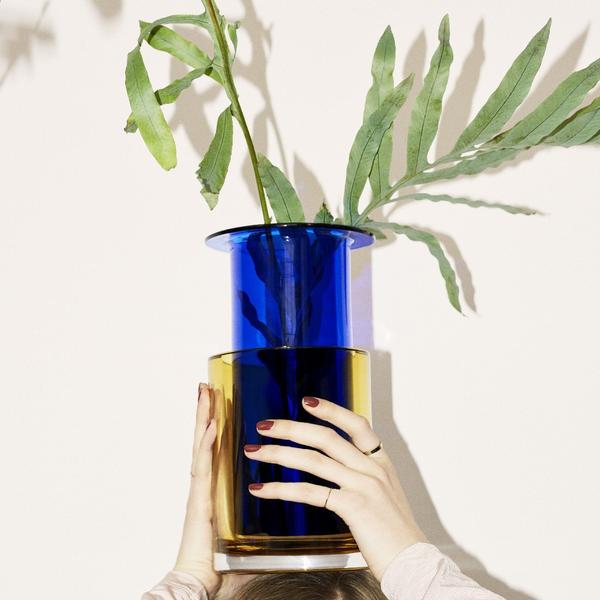
Contemporary homeware brands are now channeling this mid-century aesthetic, exemplified by Danish brand Hay's Splash vase, which utilizes techniques like rolling molten glass over colored fragments. While the visual appeal of glass is a significant draw, current trends also reflect an interest in authentic craftsmanship, a sentiment highlighted by the Netflix series "Blown Away," which showcased the skill and drama of glassblowing. This show also brought attention to the increasing number of women entering the previously male-dominated field of glassmaking. Modern glass artists, such as Deborah Czeresko, the winner of "Blown Away," are also using their craft to explore conceptual and political themes, addressing issues like feminism and environmentalism through installations. Designers like Erwan and Ronan Bouroullec experiment with glass for architectural and conceptual pieces, while artists like Jochen Holz utilize techniques like lamp-working to create unique, asymmetrical glassware in vibrant hues.
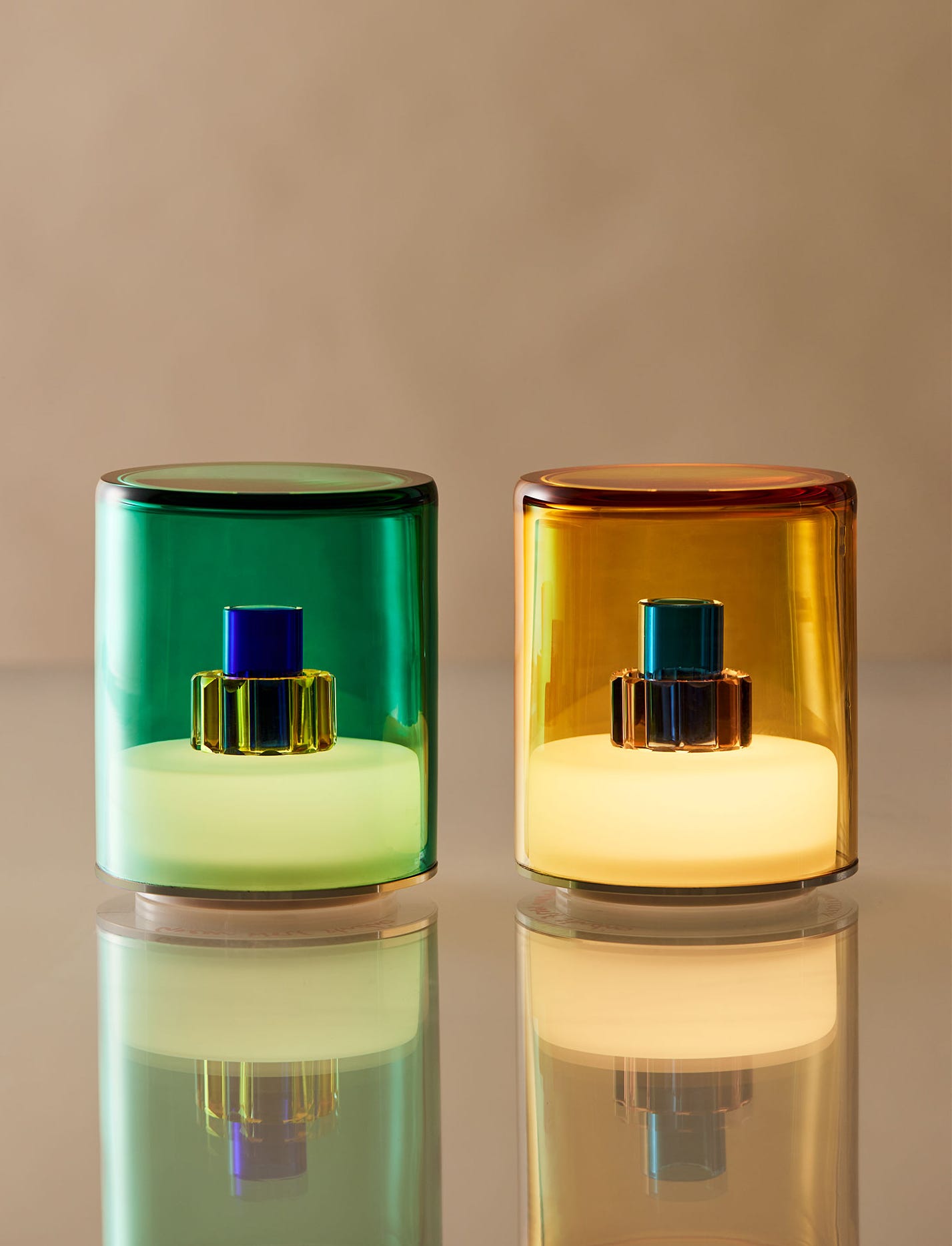
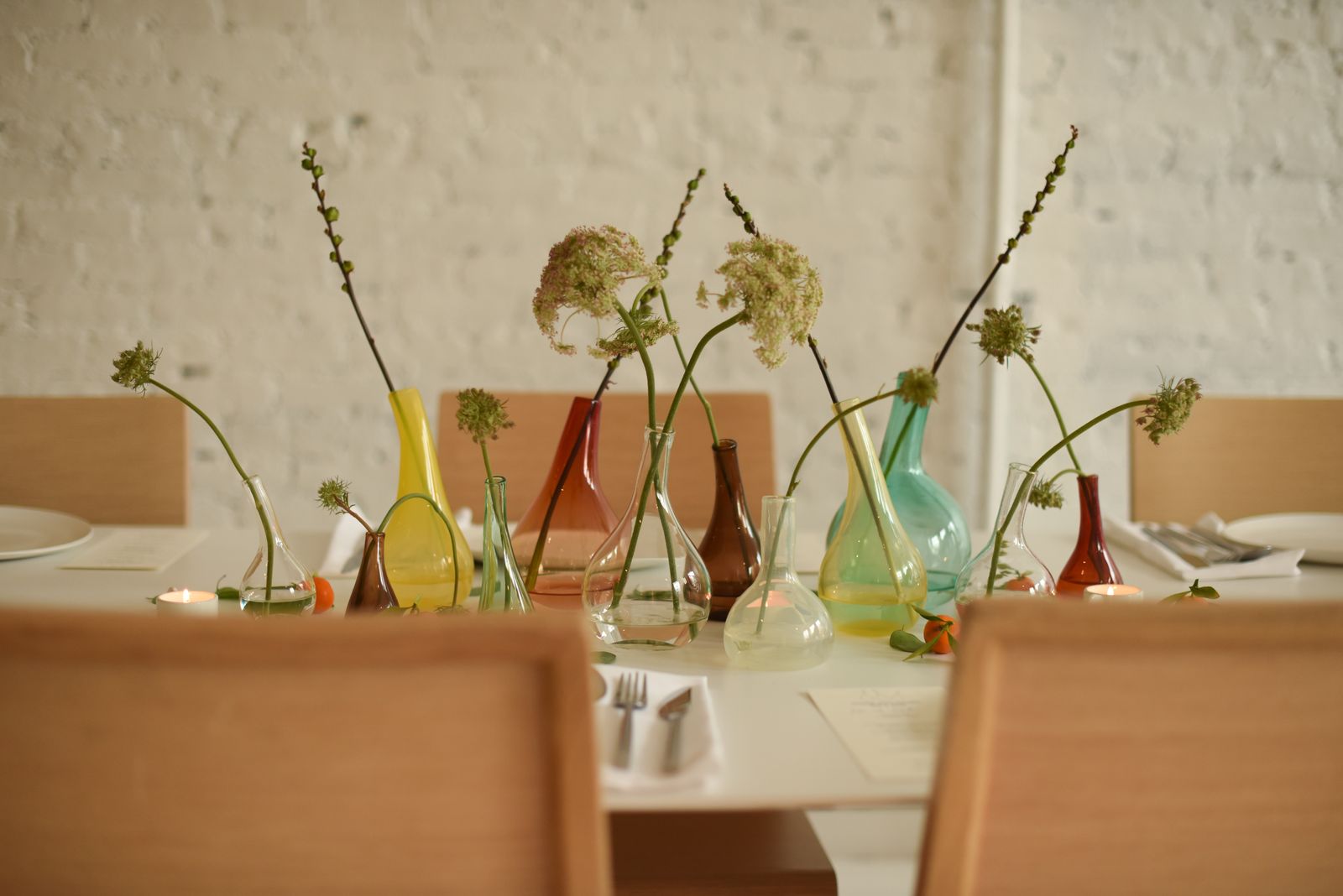
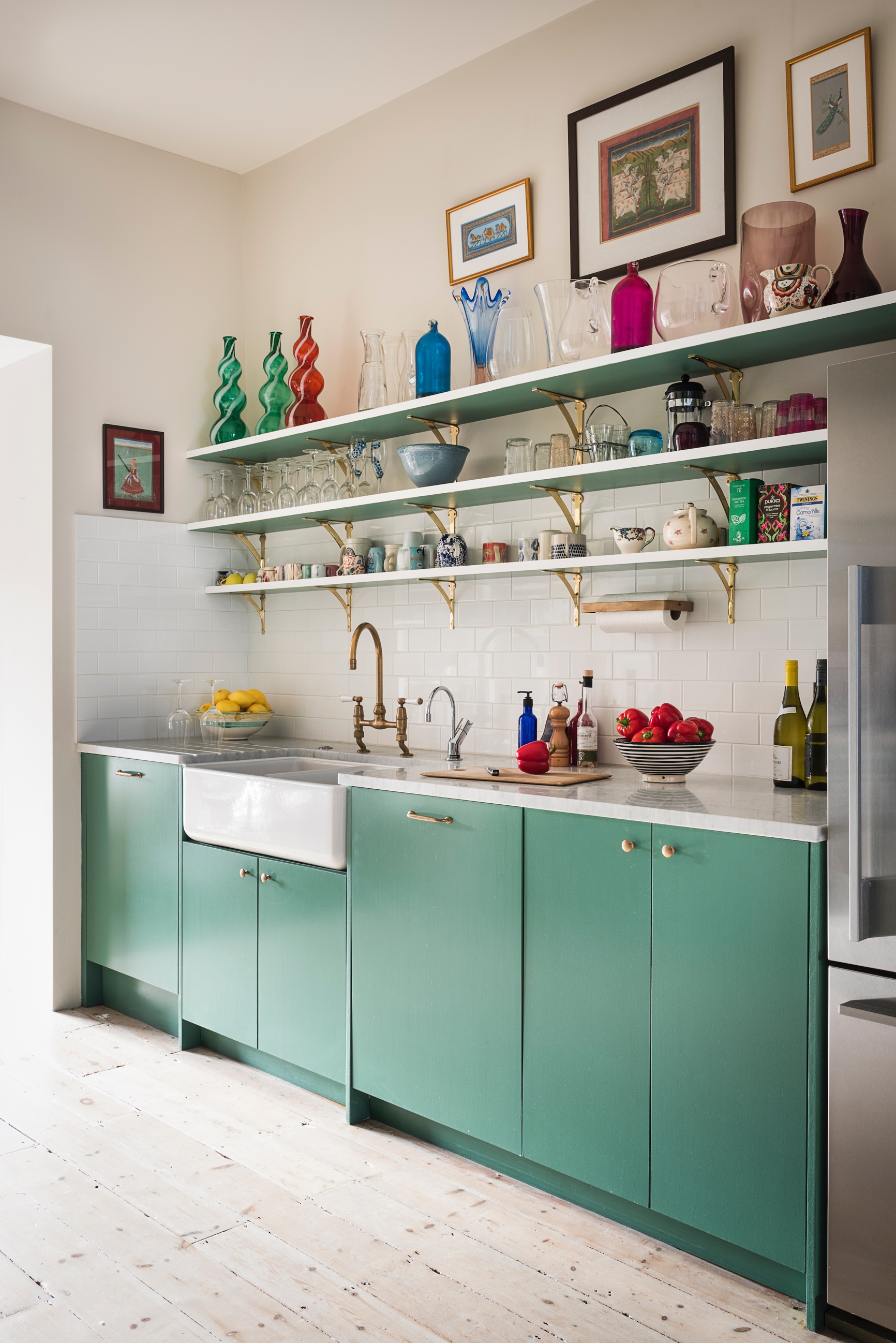
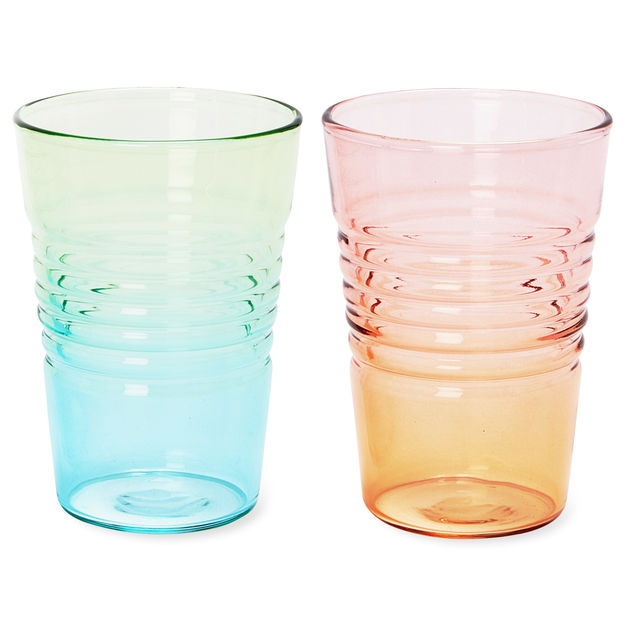
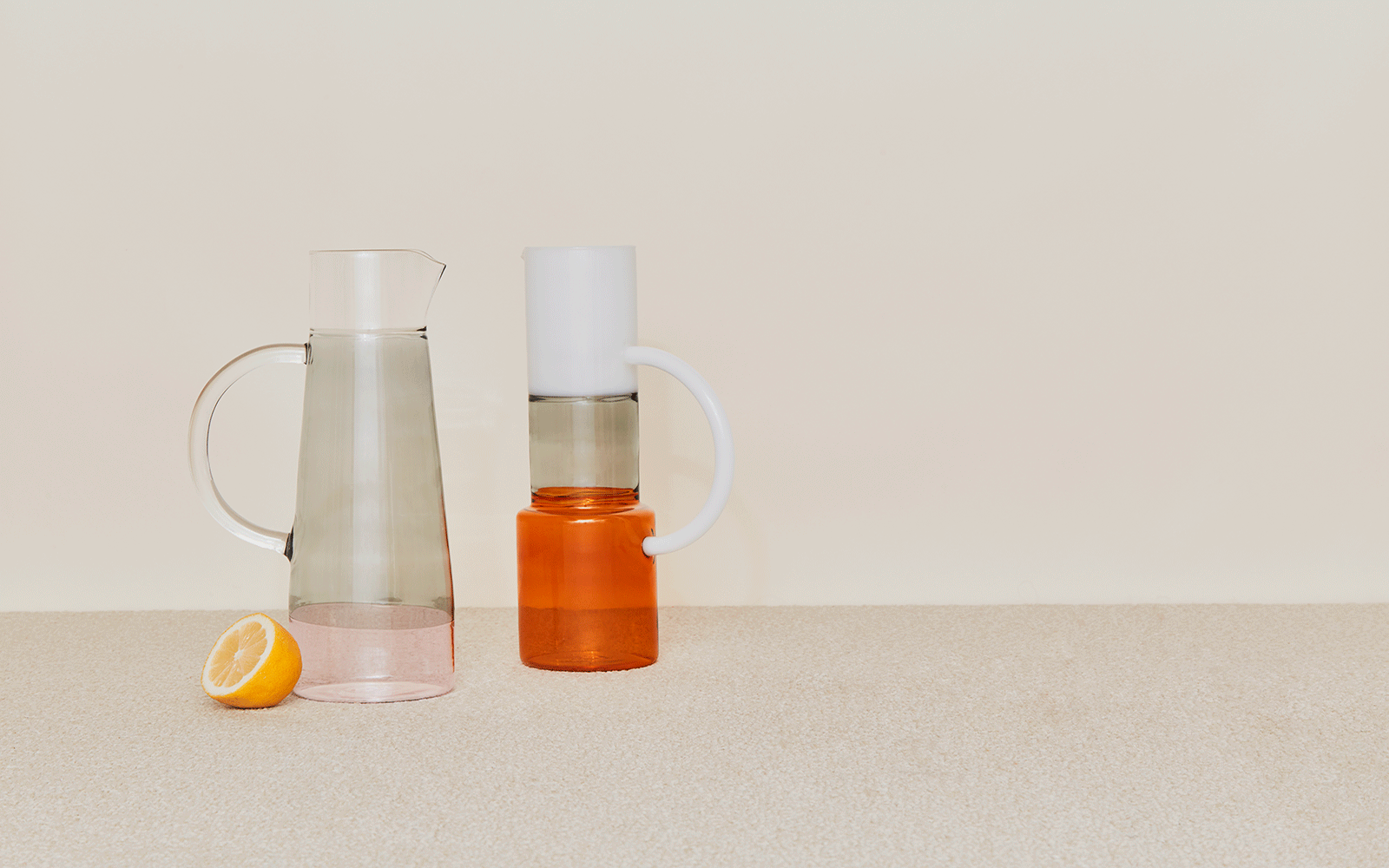
The industry is also evolving to incorporate more environmentally friendly practices. Manufacturers such as Japanese brand Sugahara and H&M Home are developing ranges from recycled glass and employing energy-saving production methods. British artist Allister Malcolm uses waste lead crystal, reuses offcuts, and powers his studio with solar panels. The "market for craft" report indicates a significant increase in the value of sales for individual glass pieces in England. Emerging trends include the growing popularity of colored glass, as observed by Turkish brand Nude, and a movement towards mismatched sets in tableware, offering greater freedom in design and color, as noted by SCP owner Sheridan Coakley. Technological advancements like 3D printing are enabling more intricate designs, while traditional handcrafted methods, such as lost-wax casting, remain vital for artists like Angela Jarman, ensuring the continued evolution and appreciation of glamorous glassware.
#GlasswareDesign #MidCenturyModern #ArtGlass #HomewareTrends #SustainableDesign #Glassblowing #Craftsmanship #InteriorDecoration #NordicDesign #GlasswareDesign #MidCenturyModern #ArtGlass #HomewareTrends #SustainableDesign #Glassblowing #Craftsmanship #InteriorDecoration #NordicDesign
0 comment in total
 No comments yet
You may also like
Glamorous Glass Bricks Are Booming – Again

Glass Is Red-Hot: Here Are 6 New Collections to Know


Glassware Traditions We Love From Around the World—and Their Modern Interpretations

manipulate glass with the 'touch-me' vase collection by matteo silverio + stefano bullo
These Glassware Pieces Are Mind-Blowing
Colorful Glassware is Trending — Here are 5 Ways to Display Your Collection to Give it Pride of Place in Your Home

Restoration Hardware’s Growing Sale Is Overflowing With Sleek, Luxurious Pieces
This Inspired Line Made Me a Colored Glass Convert

How modern designers are transforming glassware with creative touches

Costco Is Selling a 4-Pack of Viral Ribbed Glass Tumblers With Lids for Less Than $25
Experts Say These Rare Antique Glassware Finds Are Always Worth Buying at Vintage Stores

15 Rising Stars of Product Design

Why these colourful yet divisive ceramics are back in fashion
Material Innovation At Its Best: Explore Design Standouts
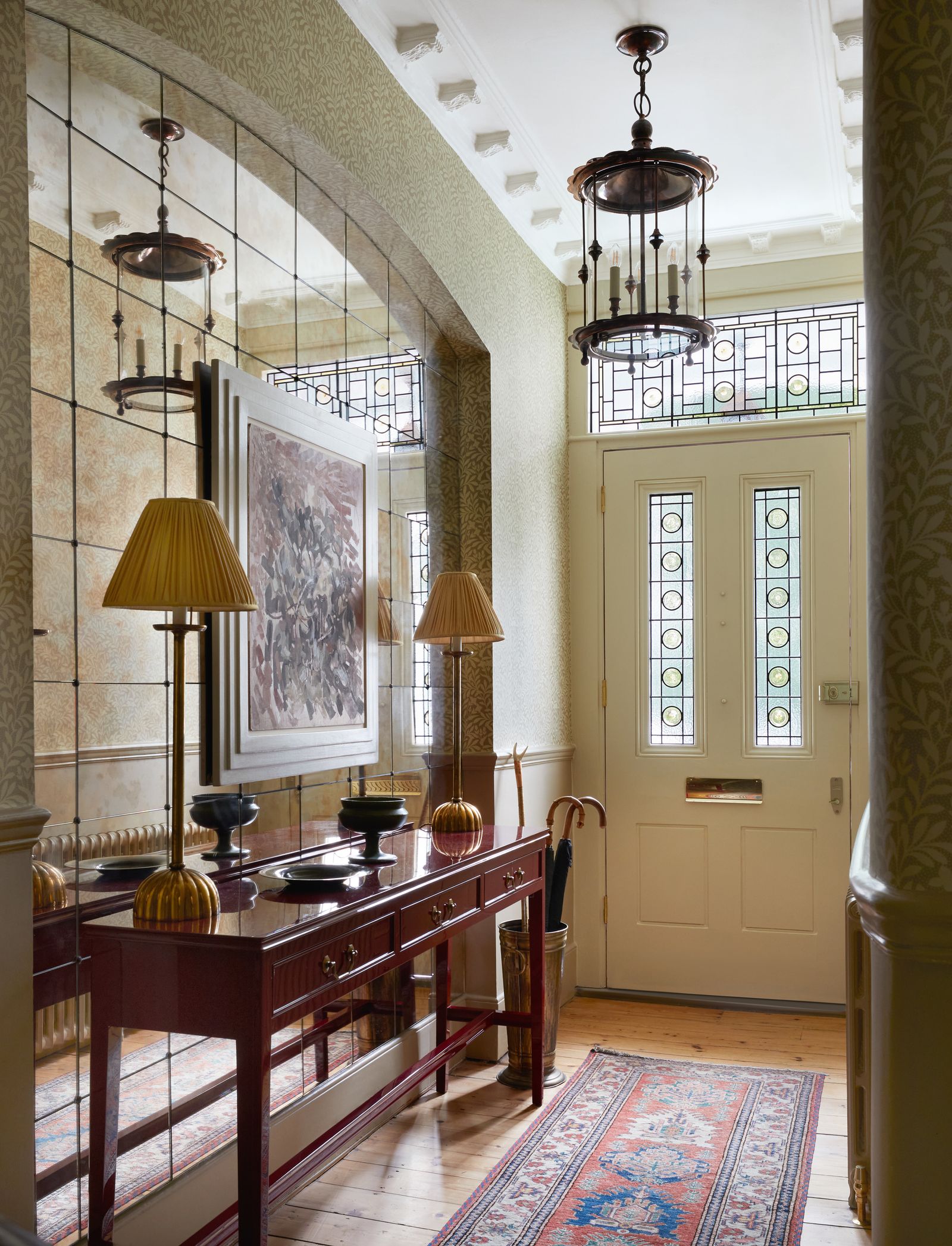
Stained glass is having a renaissance in interiors – here's how to use it well
These Chic, Affordable Vases Are Delivering All the Vibes
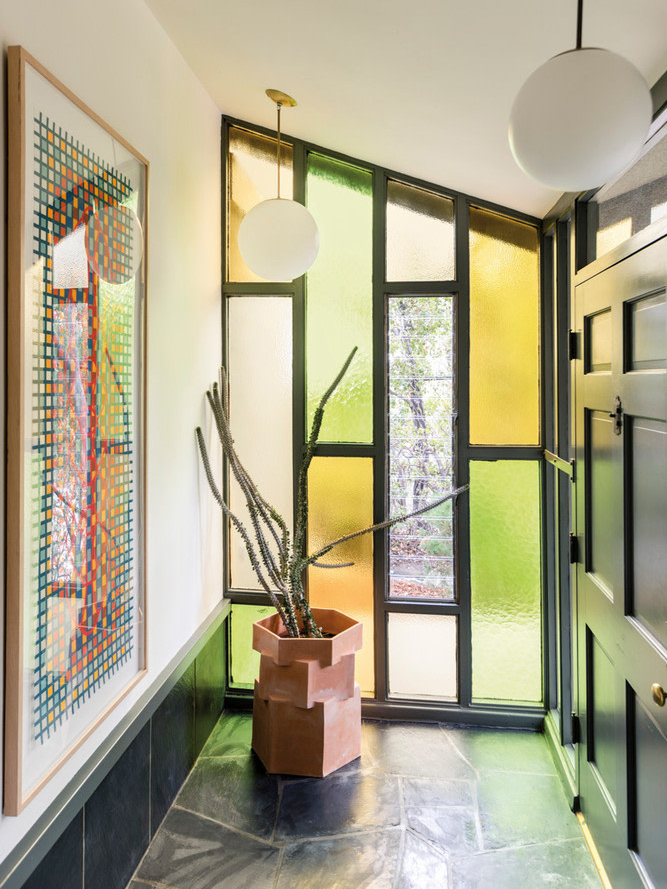
Stained Glass Isn’t Just Found in Churches Anymore
Designers Say This Century-Old Glass Trend Is About to Be EVERYWHERE in 2026

Best Luxury Tableware & Dinnerware 2025

Glass Blocks Are the Vintage Trend We're Loving in 2025—Here's How to Use Them