This Genius Tile Hack Could Transform Your Bathroom—But Pros Say There's a Catch
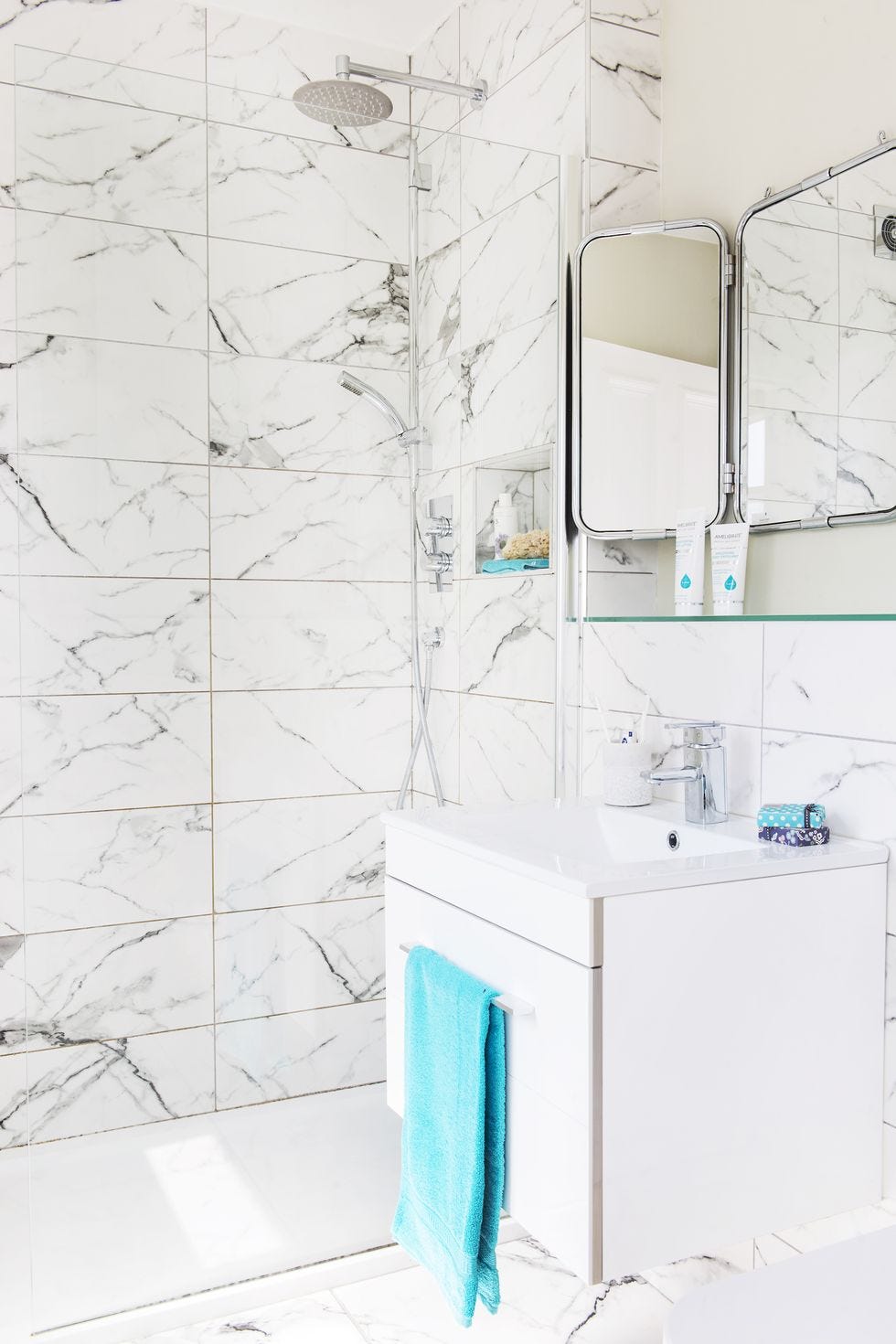
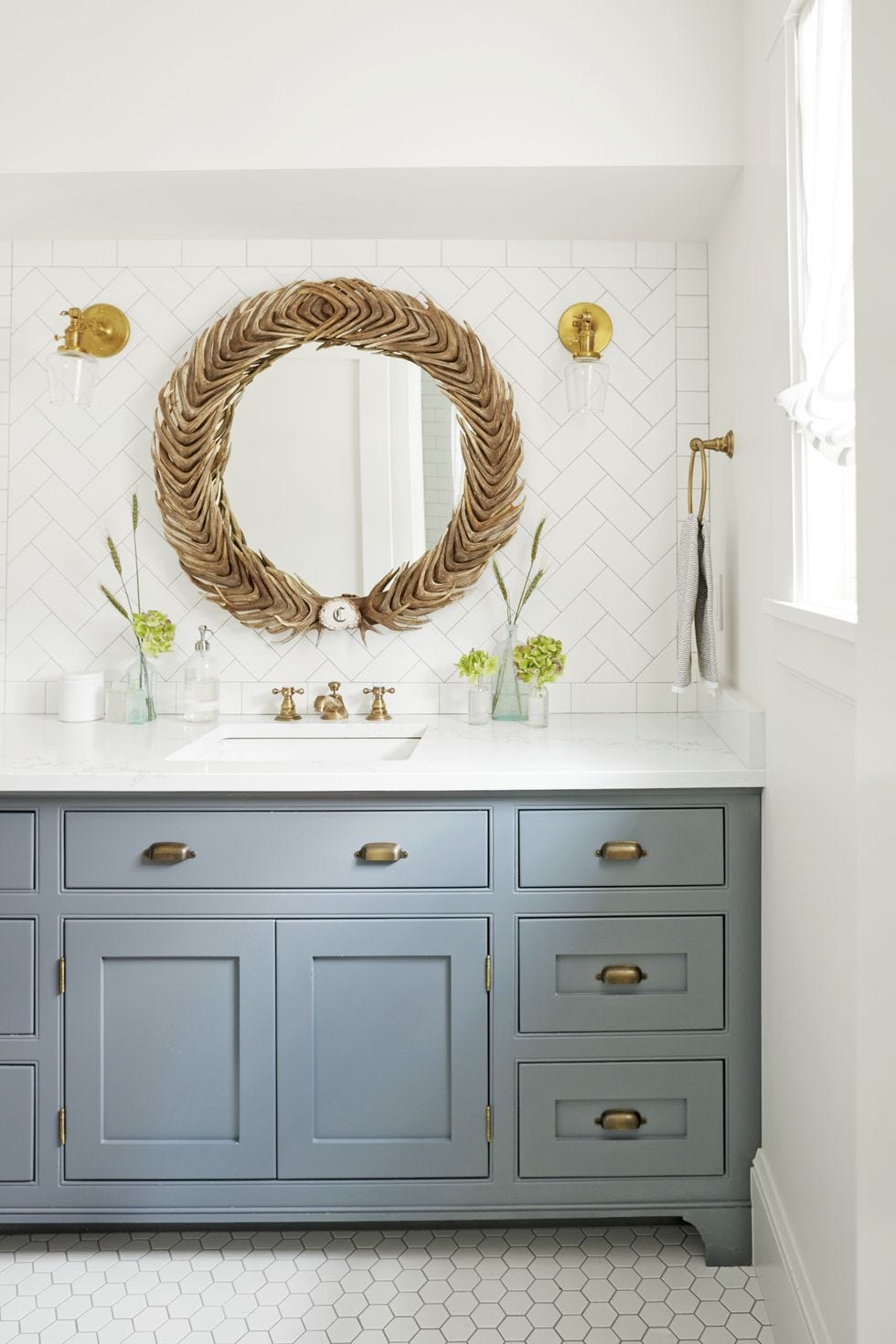
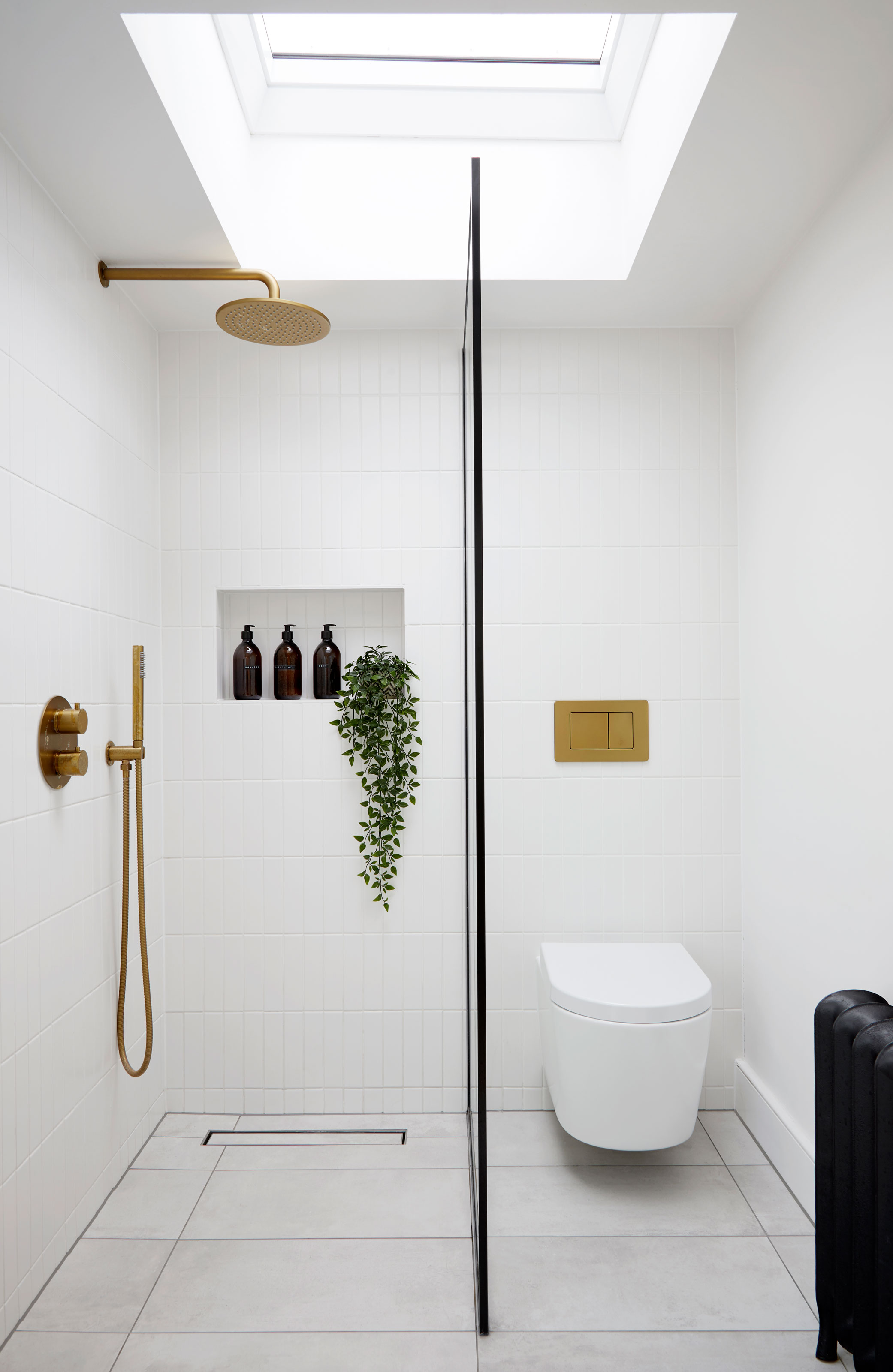
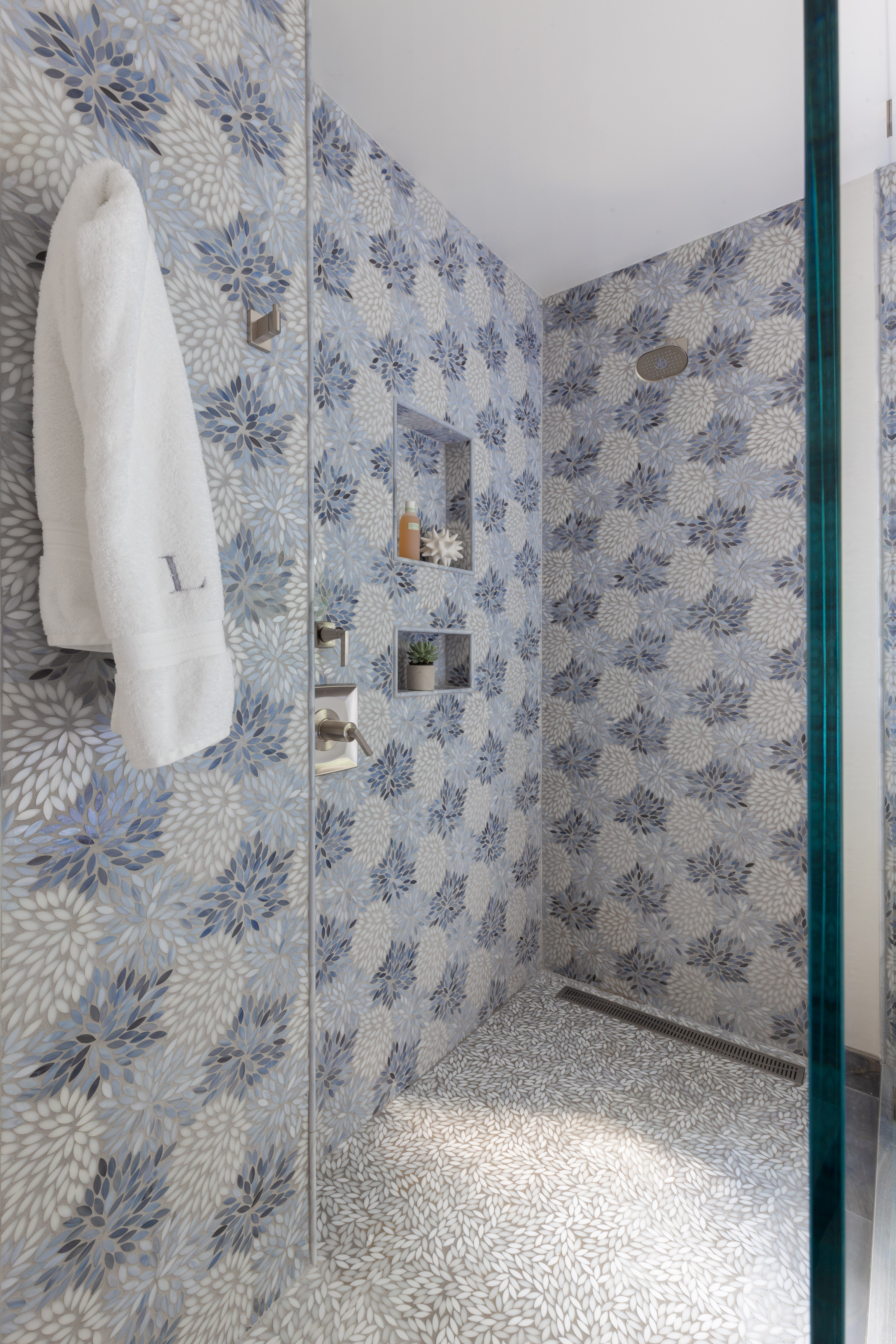
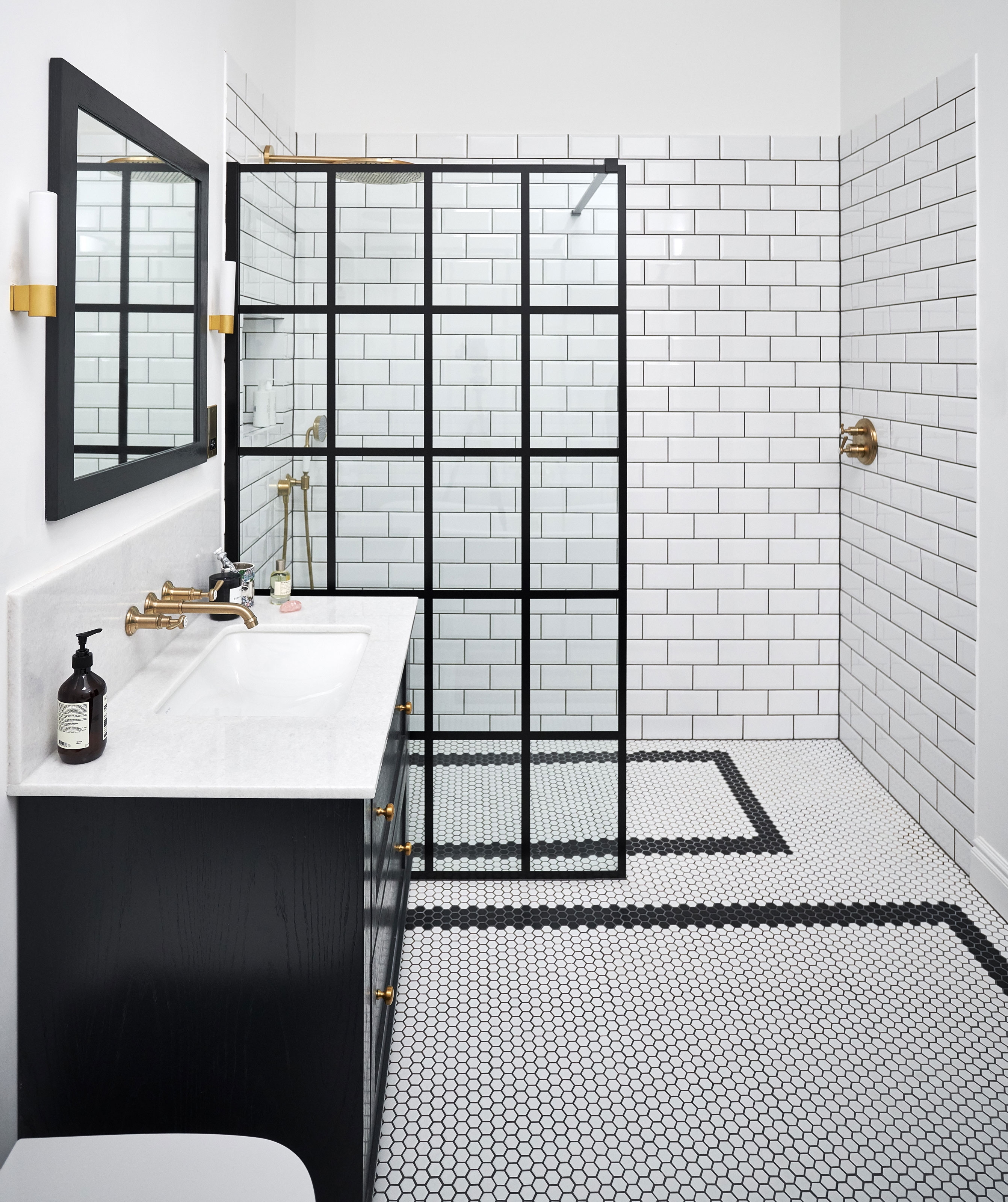
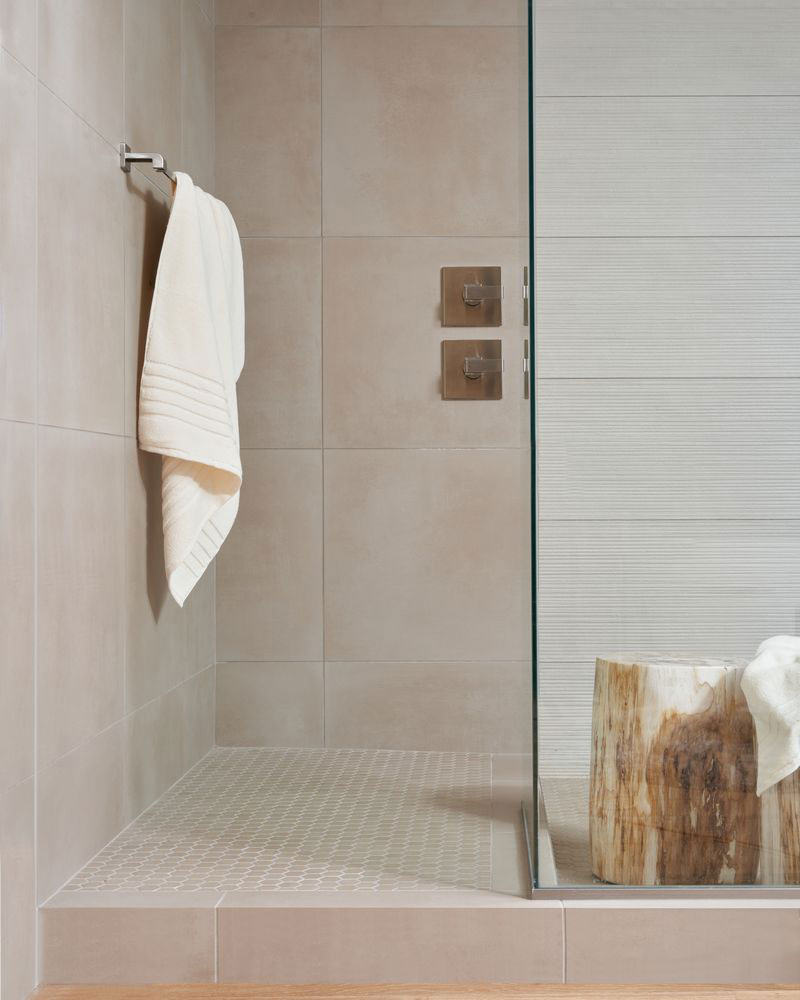
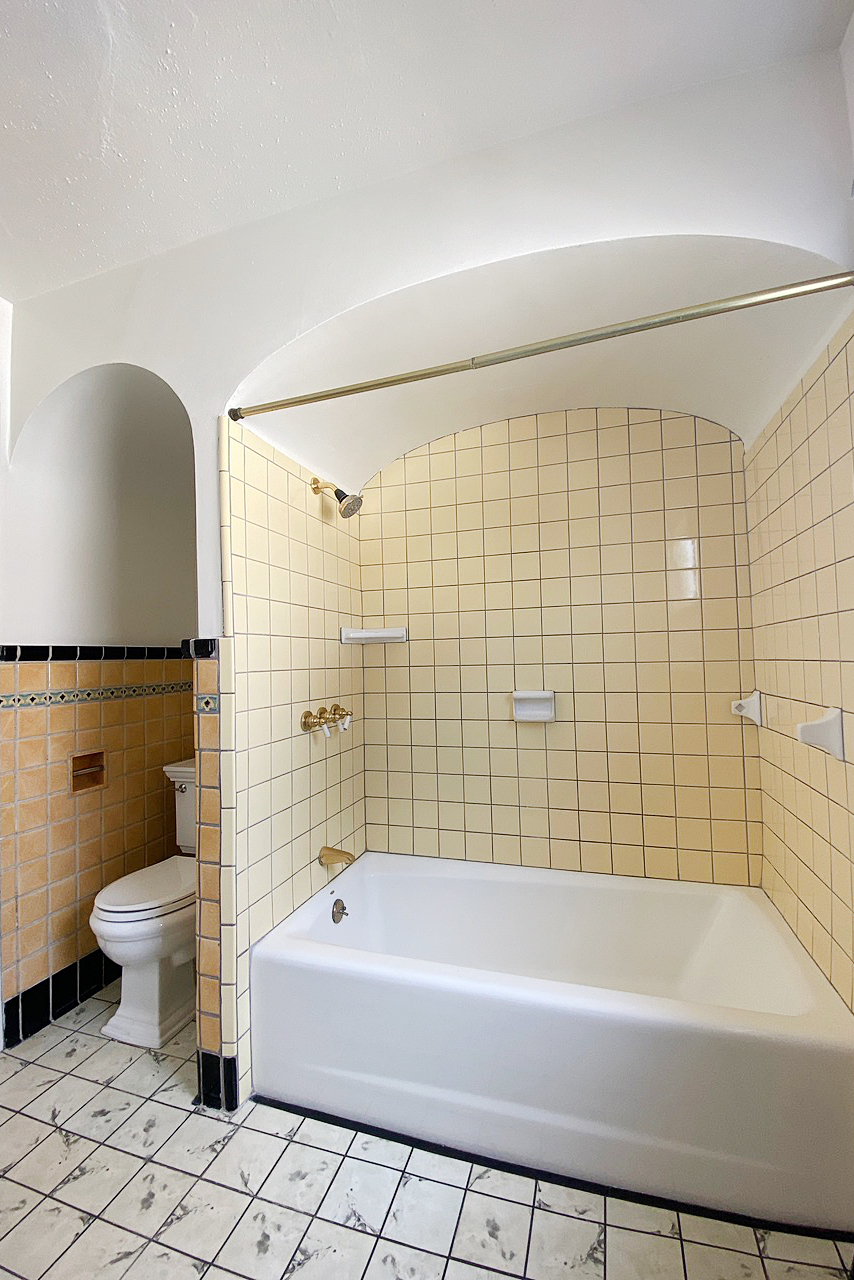
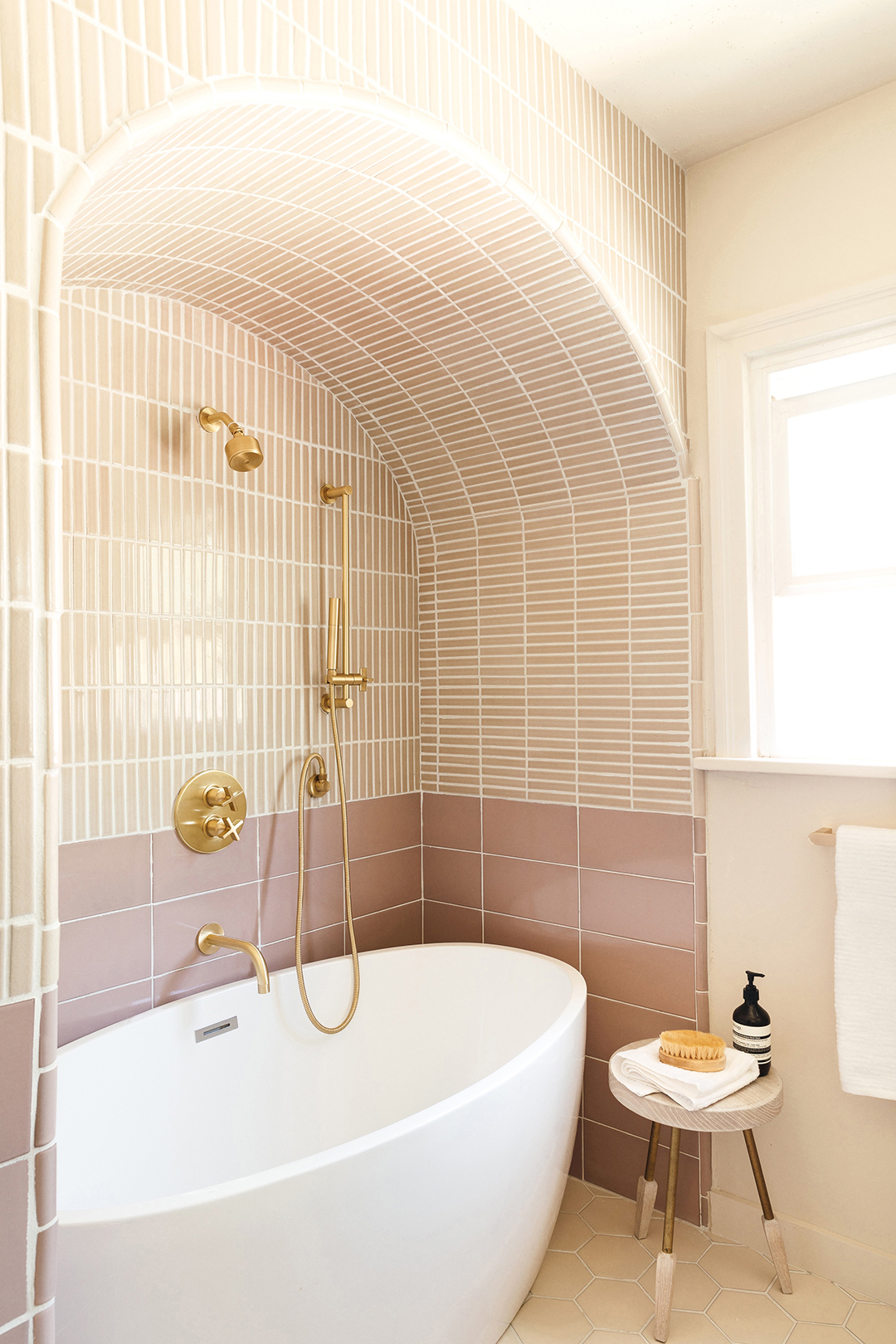
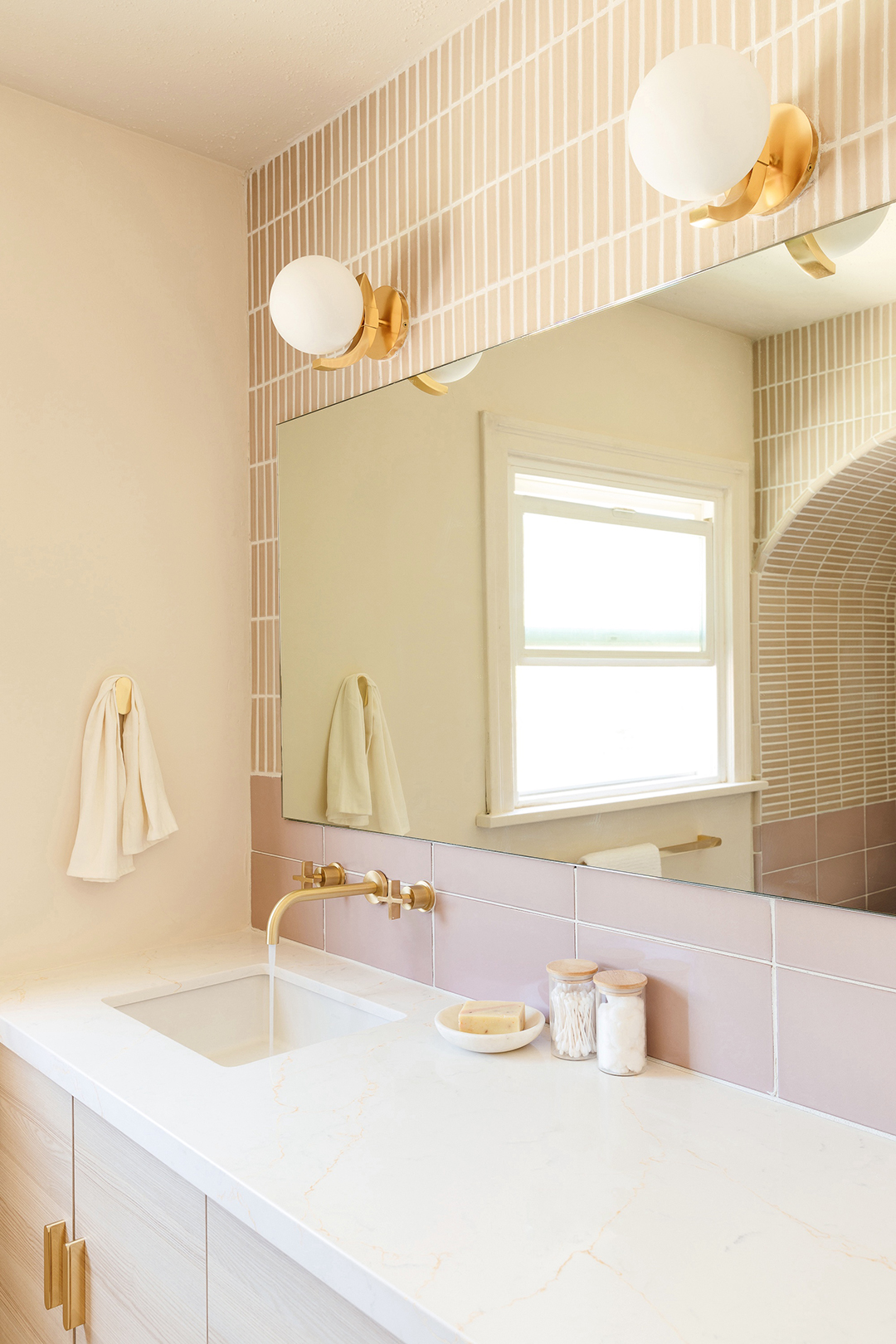
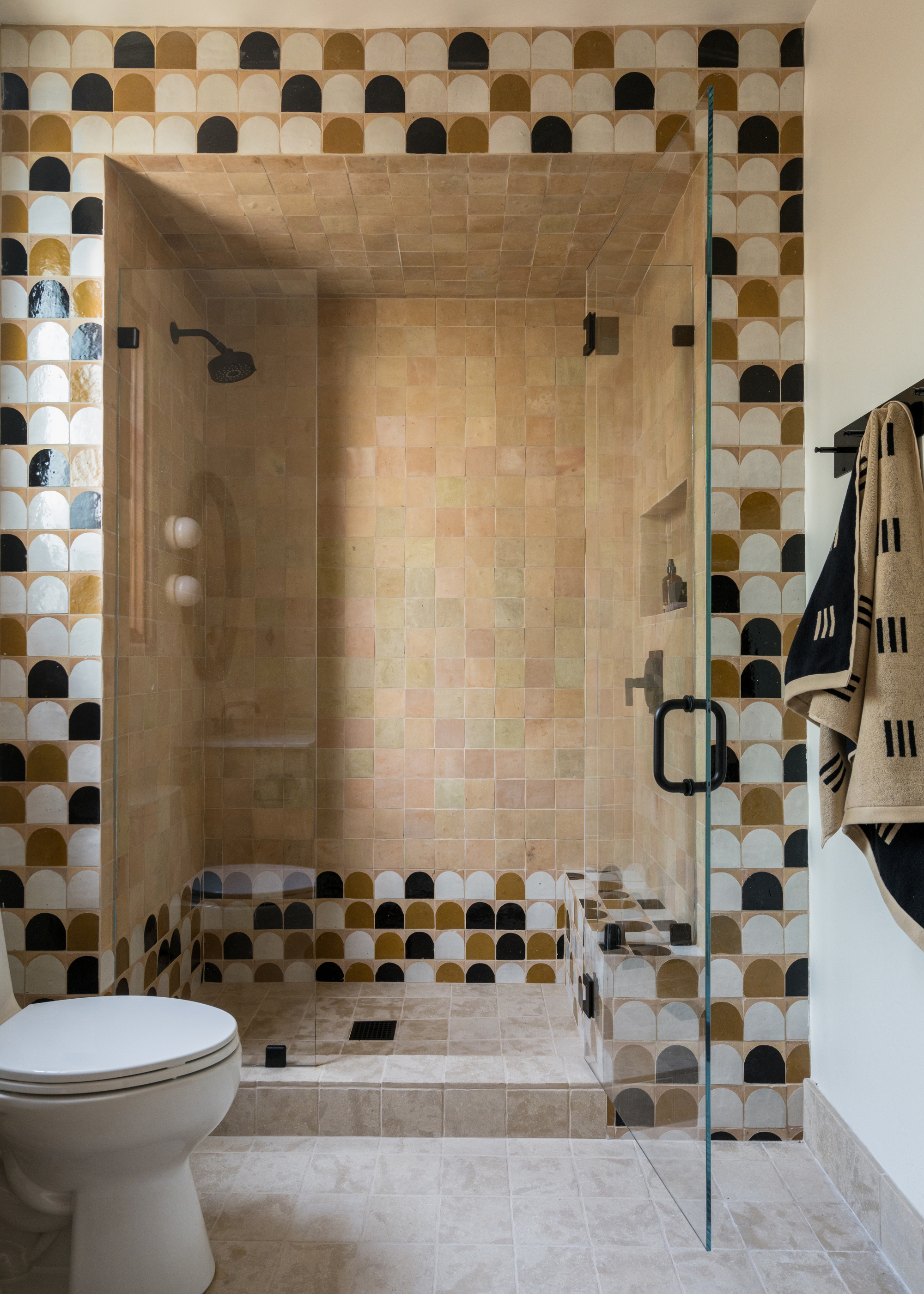
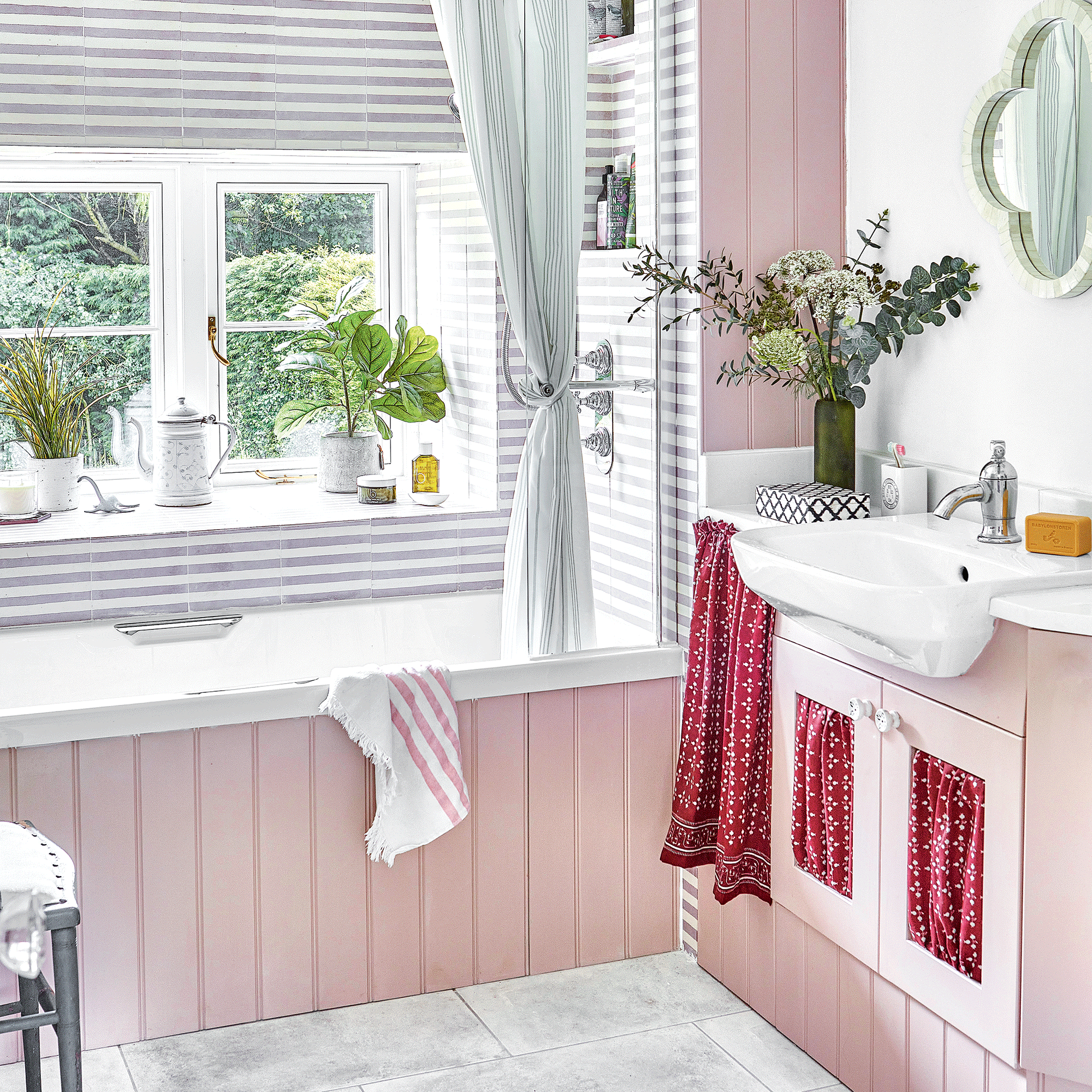
The idea of refreshing a living space often leads to considering paint as a quick and effective solution, especially for bathroom tiles. While painting tile in a bathroom can introduce a new color or transform the ambiance, it is a task with specific considerations that differ significantly from painting drywall. Experts confirm that painting over bathroom tile is feasible, but success hinges on understanding various factors, including the type of tile and the specific bathroom area being painted. For instance, high-humidity zones like showers are less suitable for painted tiles compared to backsplashes in less frequently used bathrooms.
There are clear advantages to painting bathroom tile. It serves as a more efficient and less disruptive alternative to tile removal and replacement, which is typically a time-consuming and messy undertaking. Additionally, painting is a more affordable option, circumventing the high costs associated with new materials and professional labor for a full renovation. Modern paint formulations, such as Chalk Paint, are designed to adhere effectively to diverse surfaces like stone, concrete, and porcelain without extensive preparation like sanding. These specialized paints offer a durable and aesthetically pleasing finish.
However, painting bathroom tiles also presents several drawbacks. The inherent moisture and humidity in bathrooms can lead to issues like paint peeling and bubbling over time, and the color may fade. Furthermore, the bathroom must be out of commission for a significant period during the painting and drying process, potentially up to 48 hours, to ensure proper paint adherence and curing. Using the wrong type of paint can result in poor adhesion, especially on glazed ceramic or porcelain tiles, and grout lines may crack. In such cases, regrouting and sealing might be a more effective long-term solution than painting.
For those determined to paint their bathroom tiles, a methodical approach is crucial. The first step involves thorough cleaning of the tiles to remove all dirt and soap scum, often using a water and vinegar solution or a deep cleaner. If necessary, a fine-grit sandpaper can be used to create a more receptive surface for the paint. Next, a thin coat of primer should be applied to create a smooth base and enhance paint adhesion. After stirring the chosen paint thoroughly, it should be applied in thin, even layers using a high-quality brush, emphasizing patience to ensure durability. Finally, a non-water-based wax or lacquer sealant is essential to protect the paint, lock it in, and provide water resistance. Ample curing time, typically 14 to 21 days for the sealant, is vital for the painted tiles to achieve their maximum durability, requiring careful handling during this period.
To prolong the life of painted bathroom tiles, several protective measures are recommended. Opting for tough, abrasion-resistant paints like epoxy, enamel, or tile-specific formulations is crucial, while avoiding standard wall paints or water-based varieties. The use of a non-water-based sealant is imperative to combat the effects of steam and moisture, preventing paint from running or deteriorating. Additionally, avoiding harsh, bleach-based cleaning solutions on the painted surfaces will help preserve the color and integrity of the paint over time.
#BathroomTile #PaintingTiles #HomeImprovement #DIYProjects #InteriorDesign #PaintPros #TileTransformation #HomeRenovation #DesignTips #BathroomTile #PaintingTiles #HomeImprovement #DIYProjects #InteriorDesign #PaintPros #TileTransformation #HomeRenovation #DesignTips
0 comment in total
 No comments yet
You may also like
Designers Say This Small Change Can Make a "Huge Difference" Your Bathroom

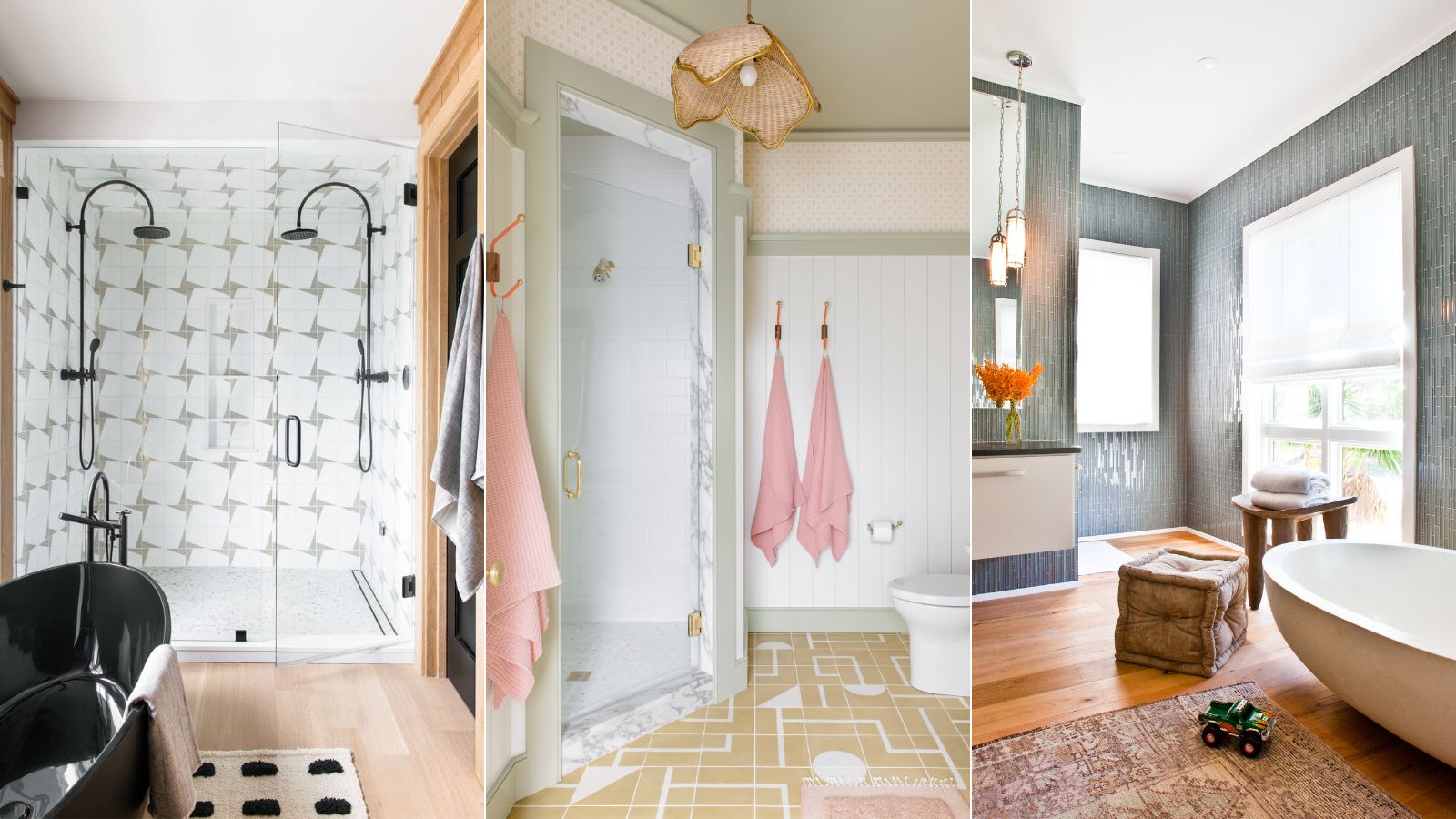
This is the easiest trick to elevate a boring bathroom, according to an interior designer

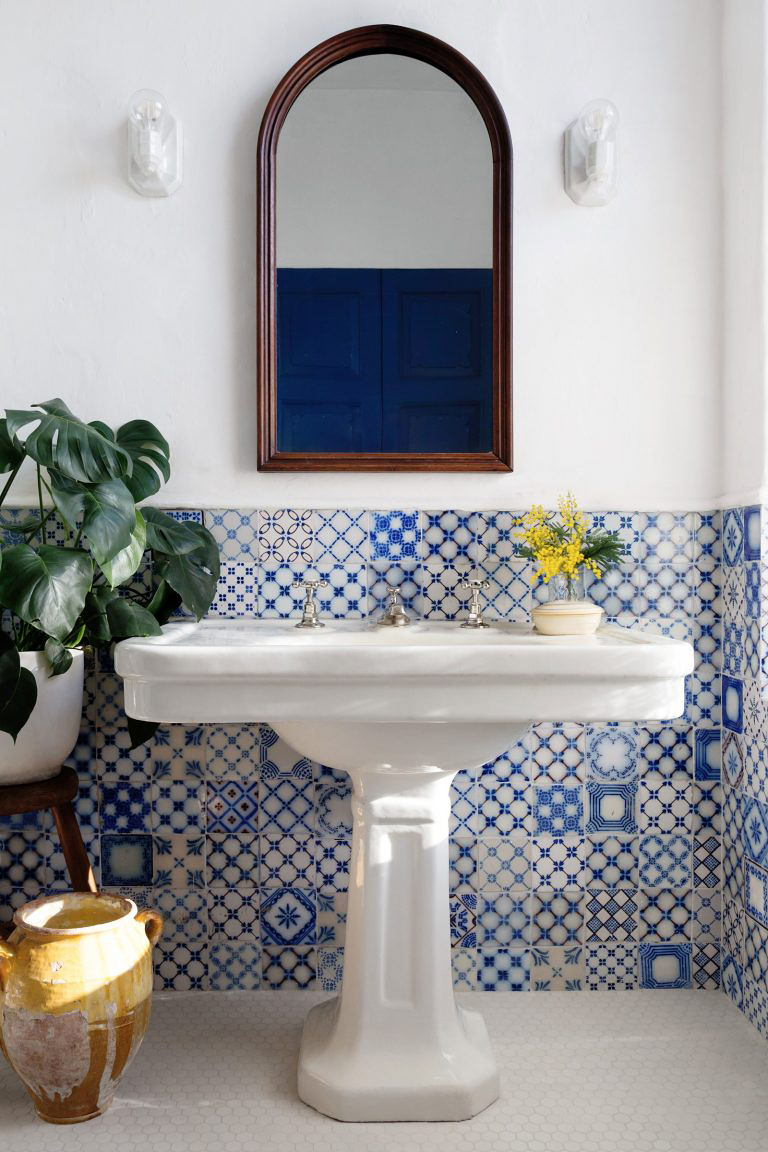
Forget the Tub—These Bathroom Backsplash Ideas Steal the Show
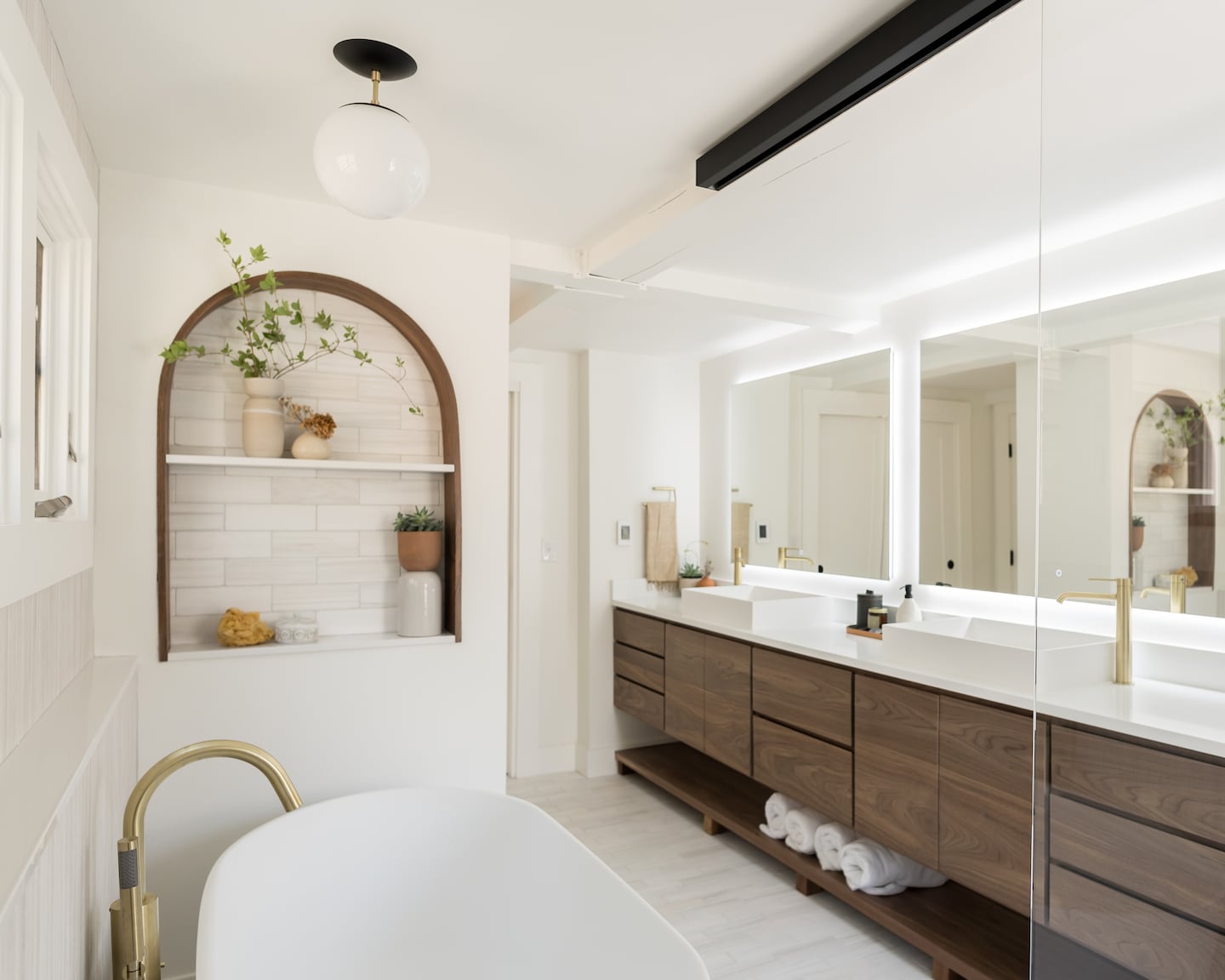
Space in a bathroom partition wall results in an unexpected focal point for makeover

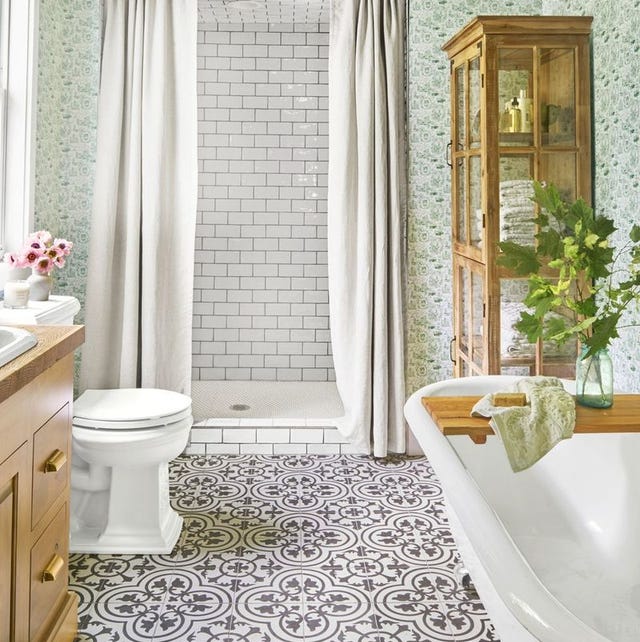
These Bathroom Tile Ideas Make a Major Design Statement
13 shower floor tile ideas – from color and layout to picking the right size

This Moody Tile Trend Is the Key to Updating a Dated Bathroom, Designers Say
'Tile drenching': The statement-making interiors trend to try in 2025
The Easy Upgrade That Can Change Your Bathroom Experience

Before You Splurge on Backsplash Tile, Consider This Clever Hack
The Addition That Made This Bathroom’s 1920s Archways Feel Fresh

Experts warn against these 6 bathroom flooring mistakes - what to do instead
The Popular Tile Choice In 2025 That You Might End Up Regretting Sooner Than You Think
Traditional Bathroom Tile Is Out—Here’s What to Do Instead
"Your Eye Doesn't Know Where to Land" — Yes, You Can Have Too Much Tile in Your Bathroom, Here's the Rule to Get the Balance Right
Designers use this trick to make a bathroom feel more expensive – and it can work for a small space, too
Upgrading THIS Simple Feature Makes Your Bathroom Look More Expensive, According to Designers
5 Experts Share Their Favorite Tile for a Knockout Shower
Nixing the Medicine Cabinet Streamlined This Tiny Bathroom Remodel
Mosaic Sinks Could Be the Next Bathroom Craze