1/10
"Your Eye Doesn't Know Where to Land" — Yes, You Can Have Too Much Tile in Your Bathroom, Here's the Rule to Get the Balance Right
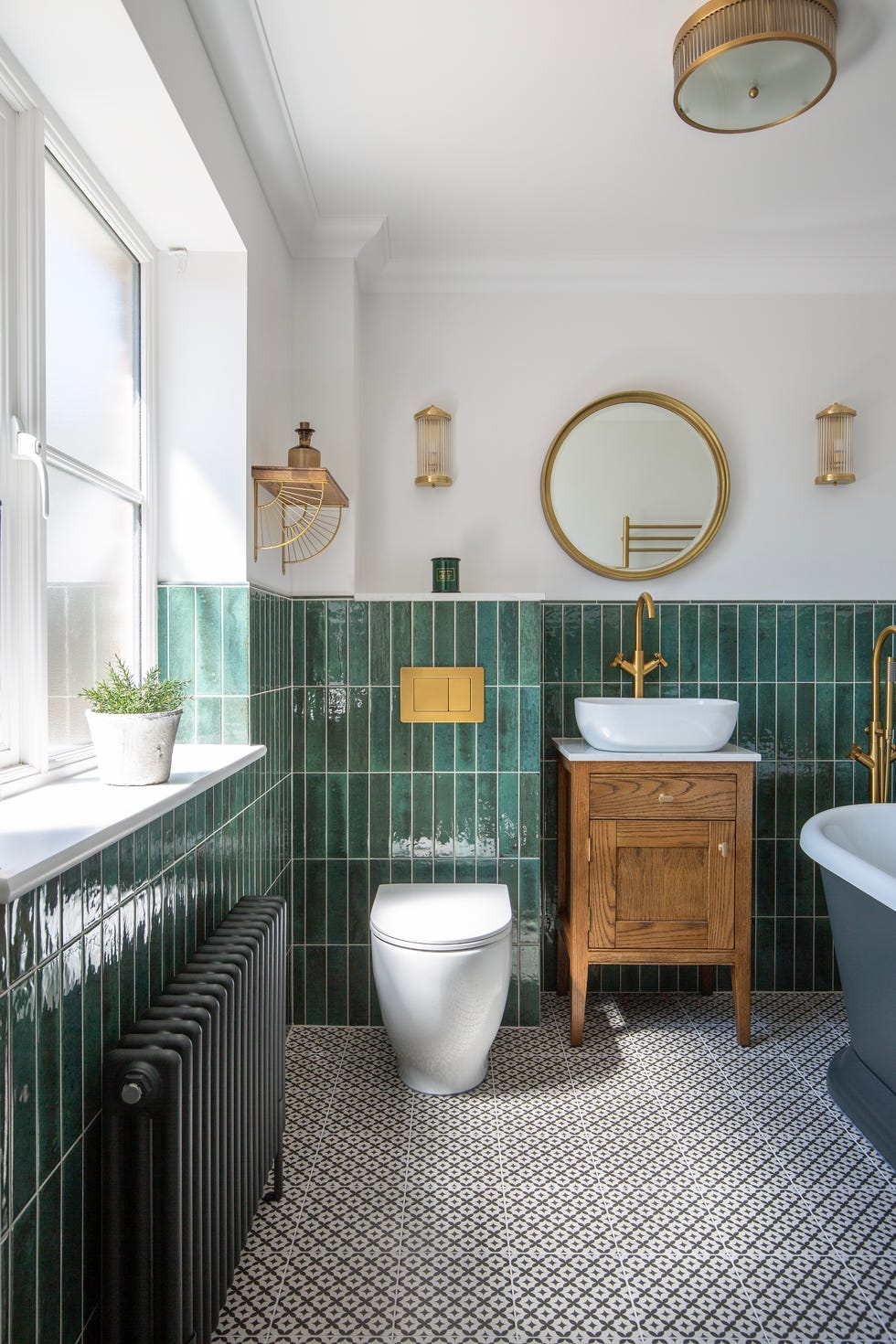
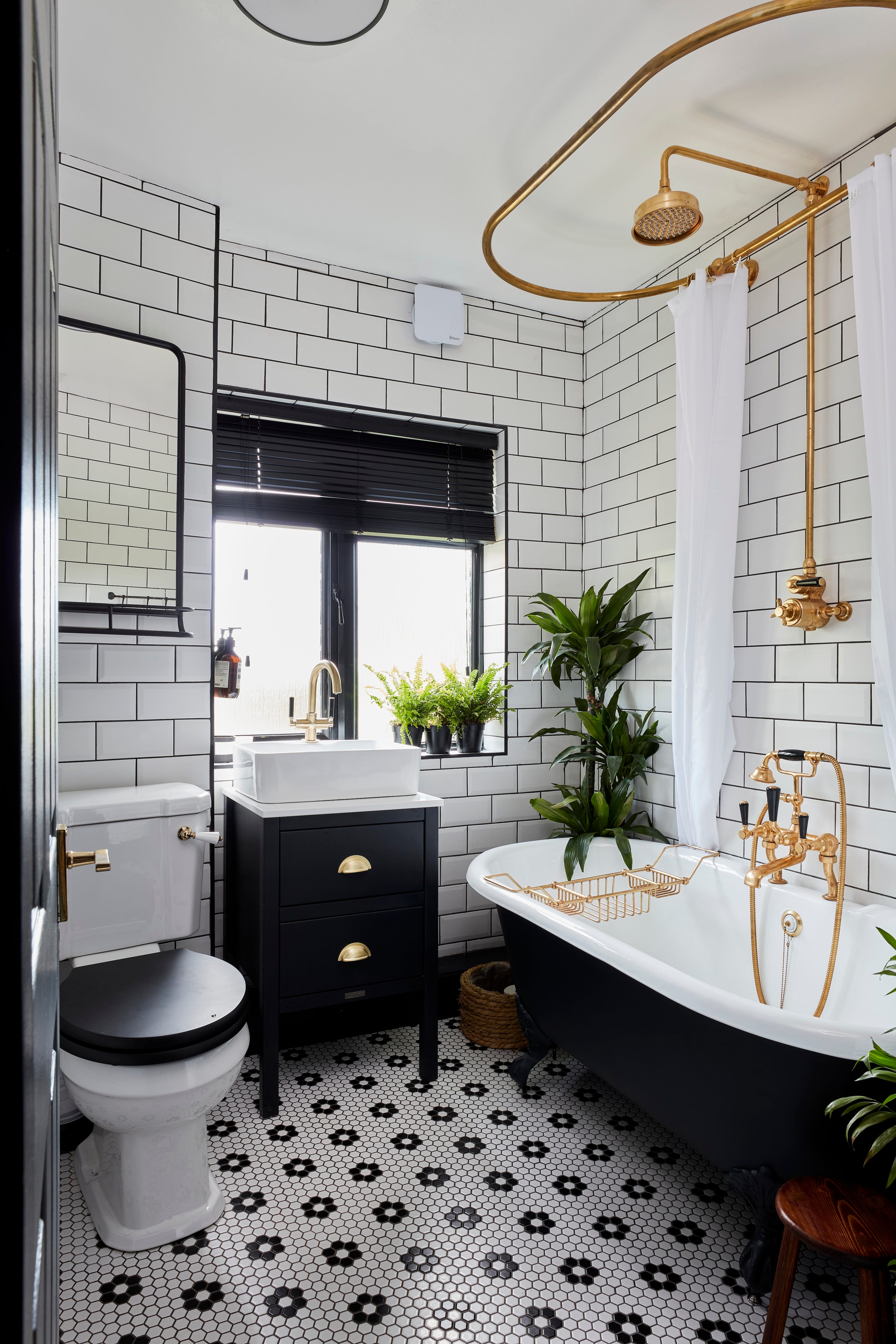
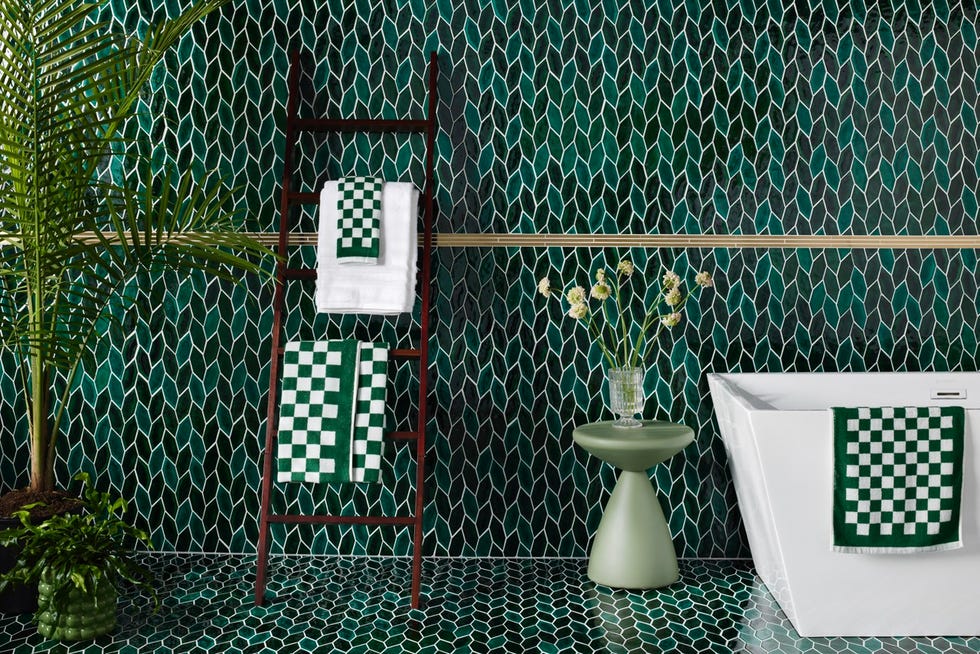
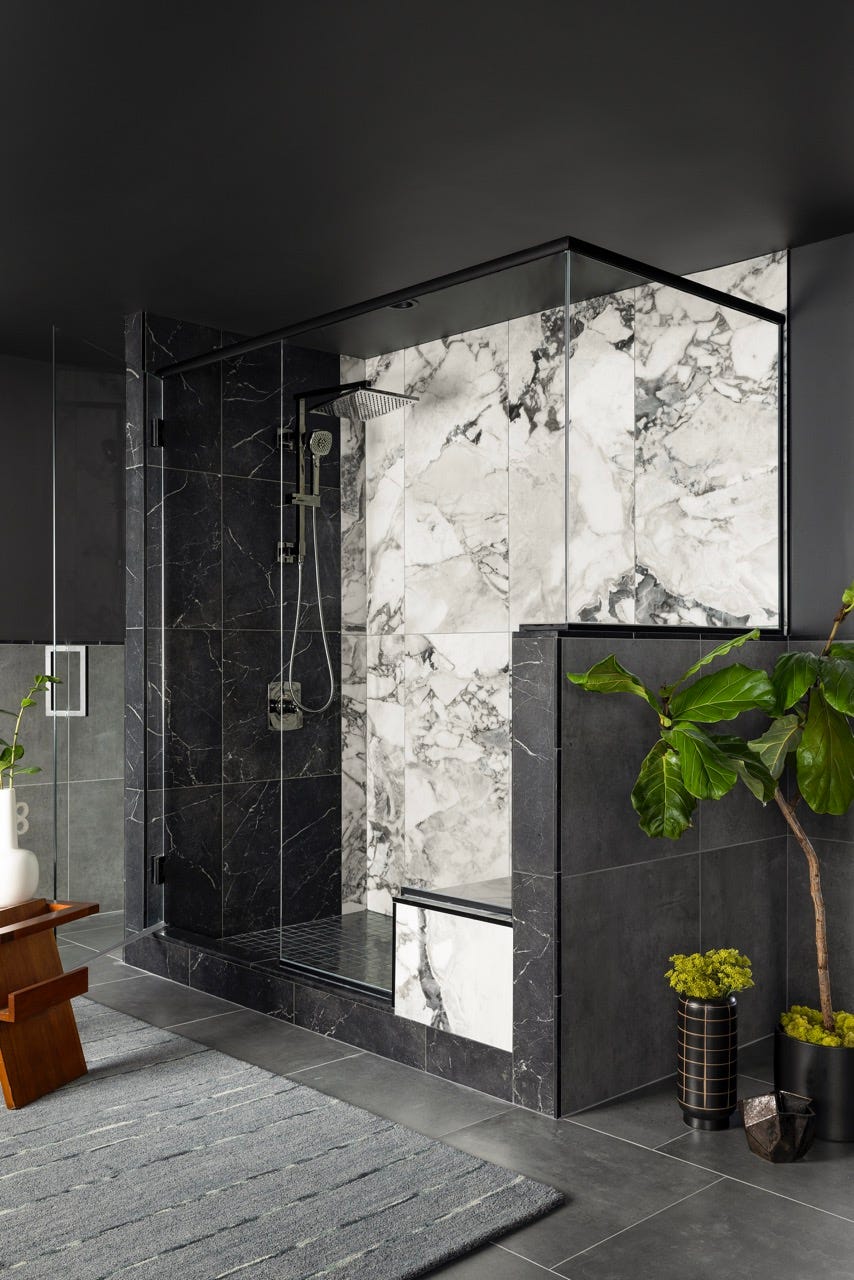
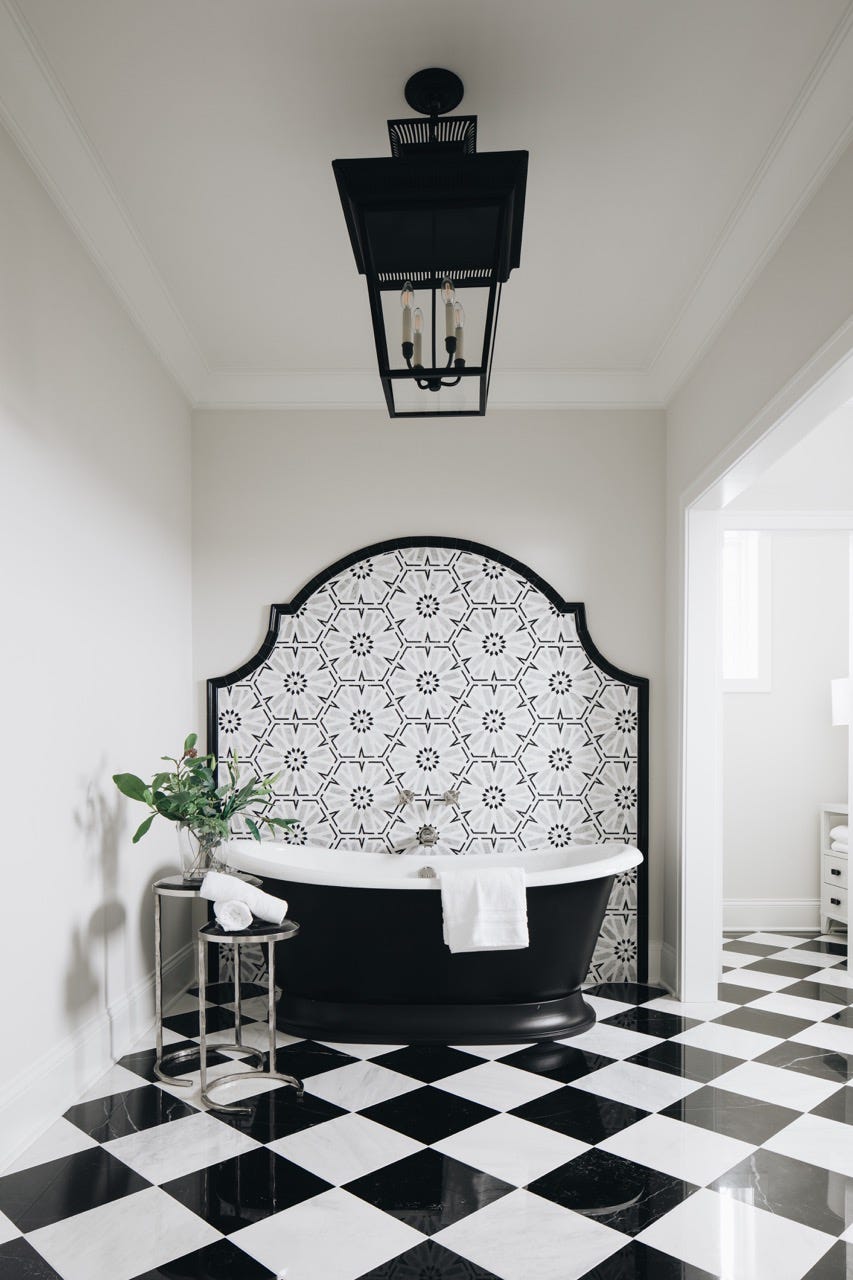
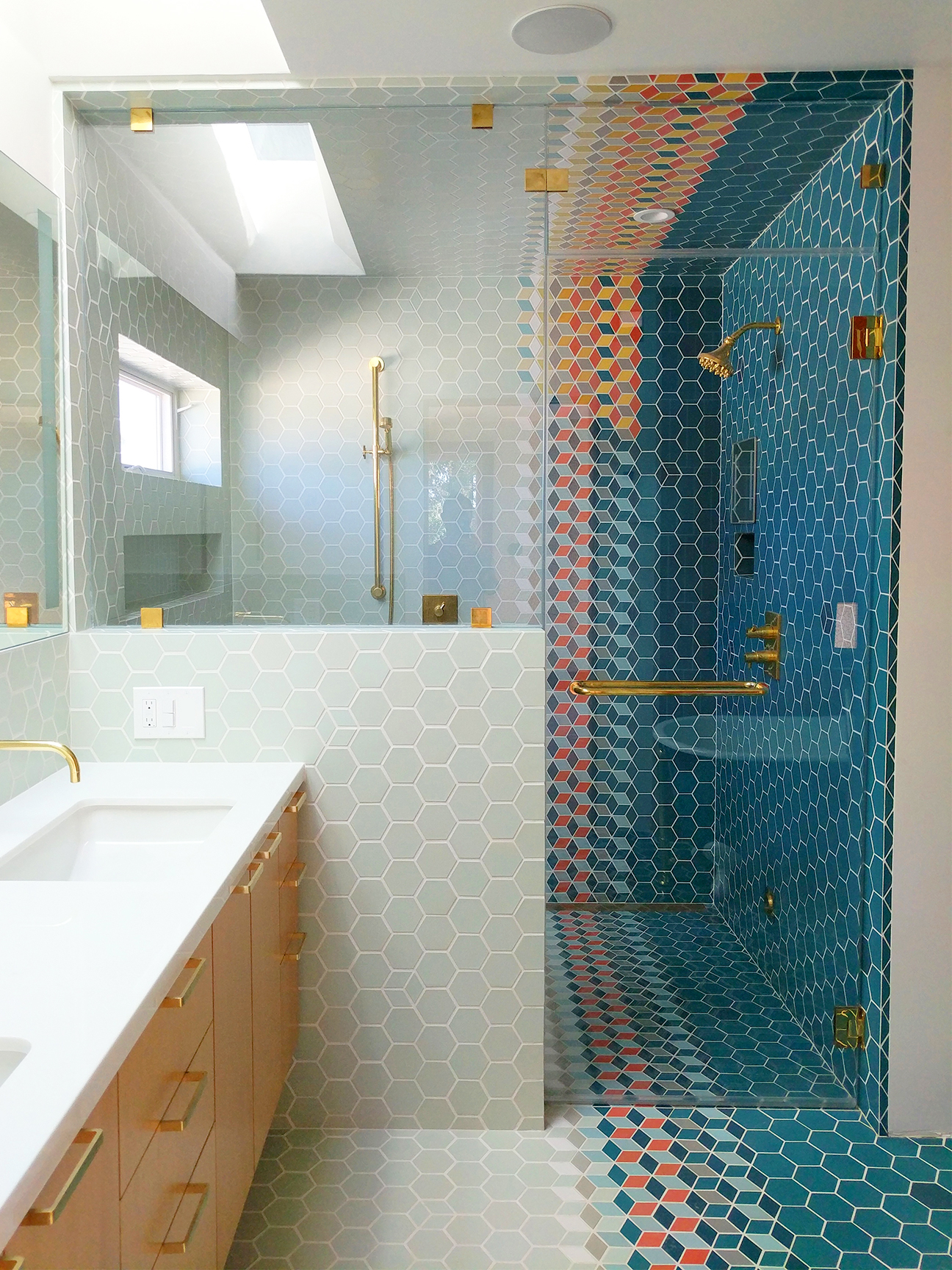
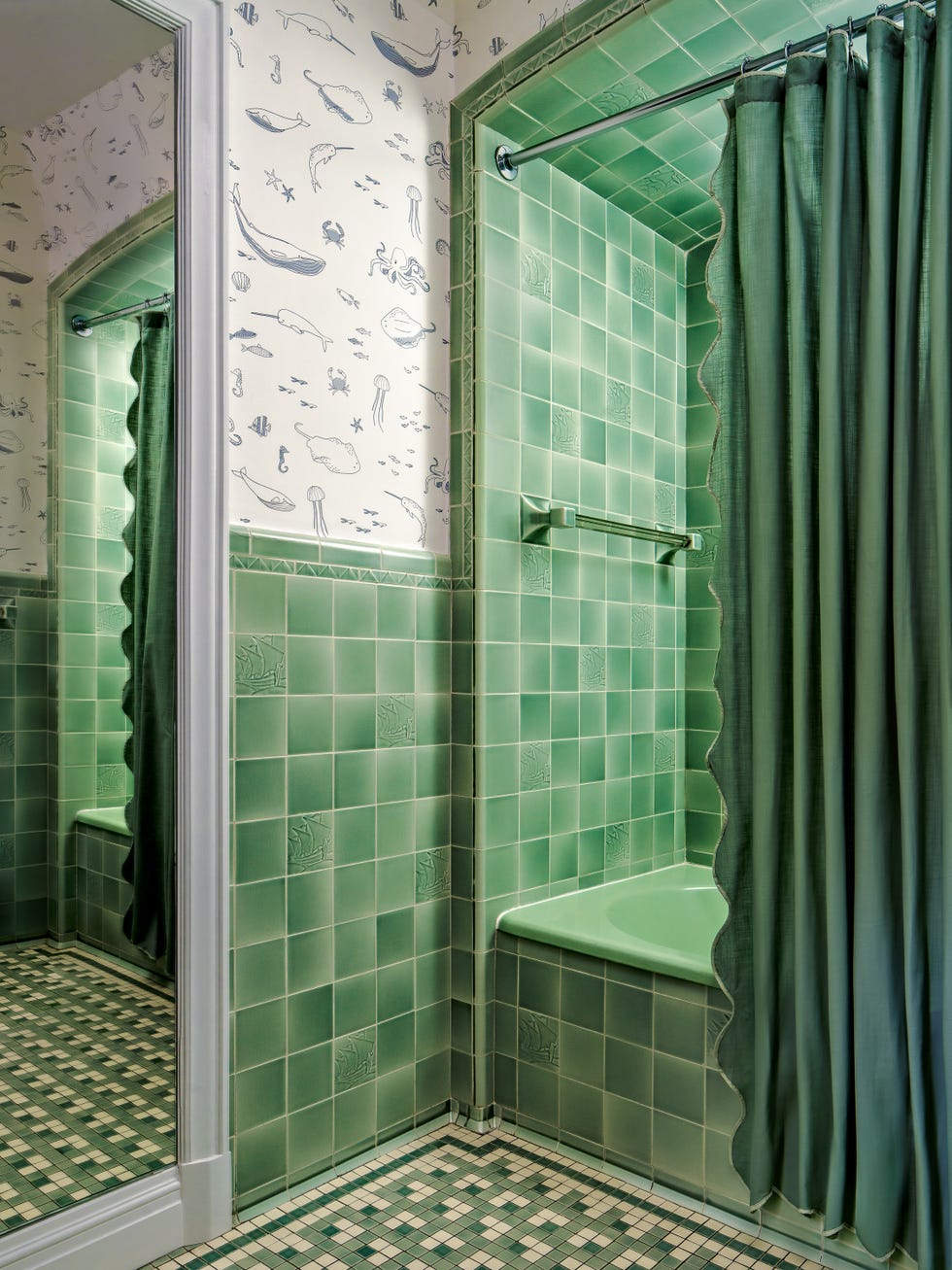

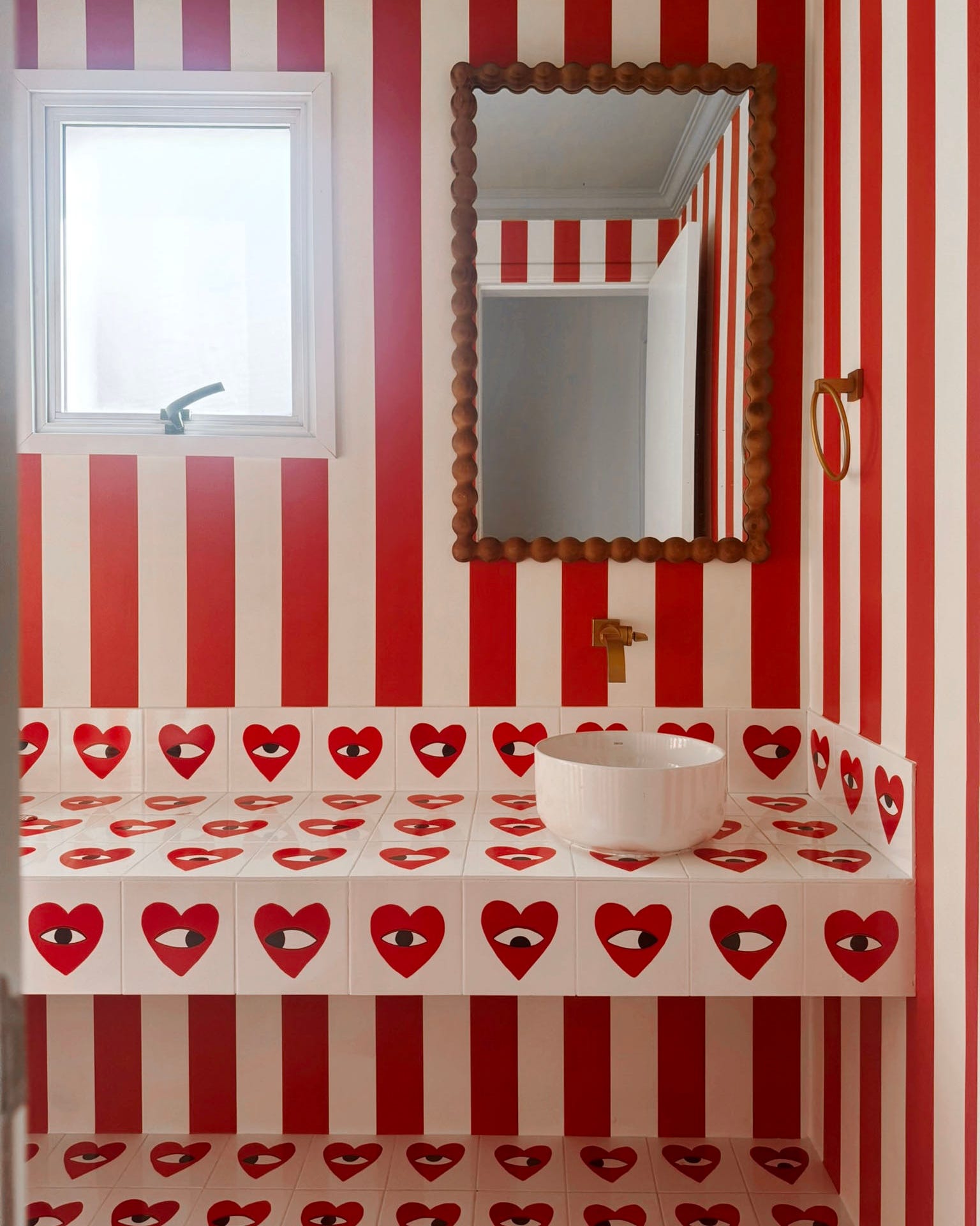

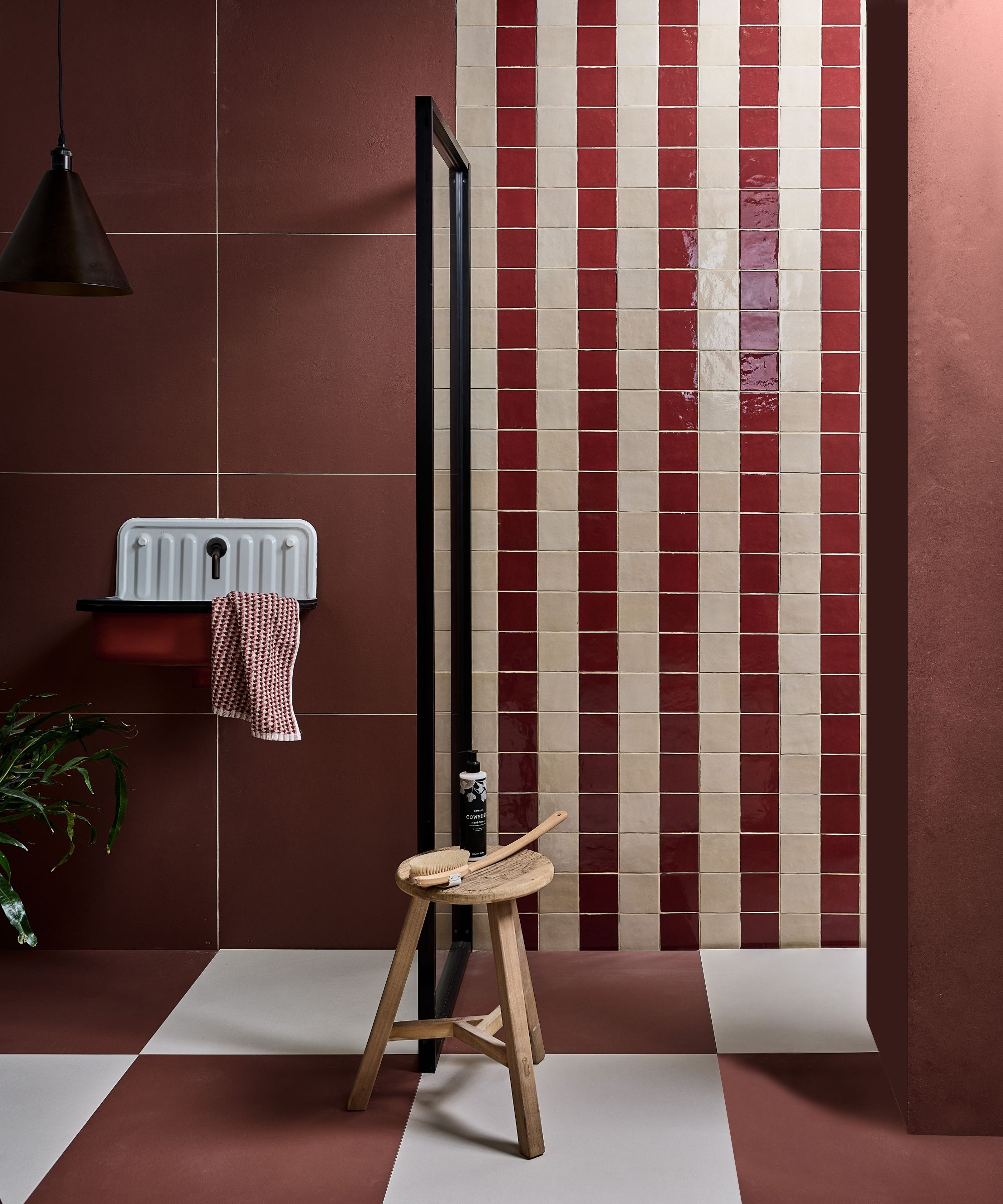
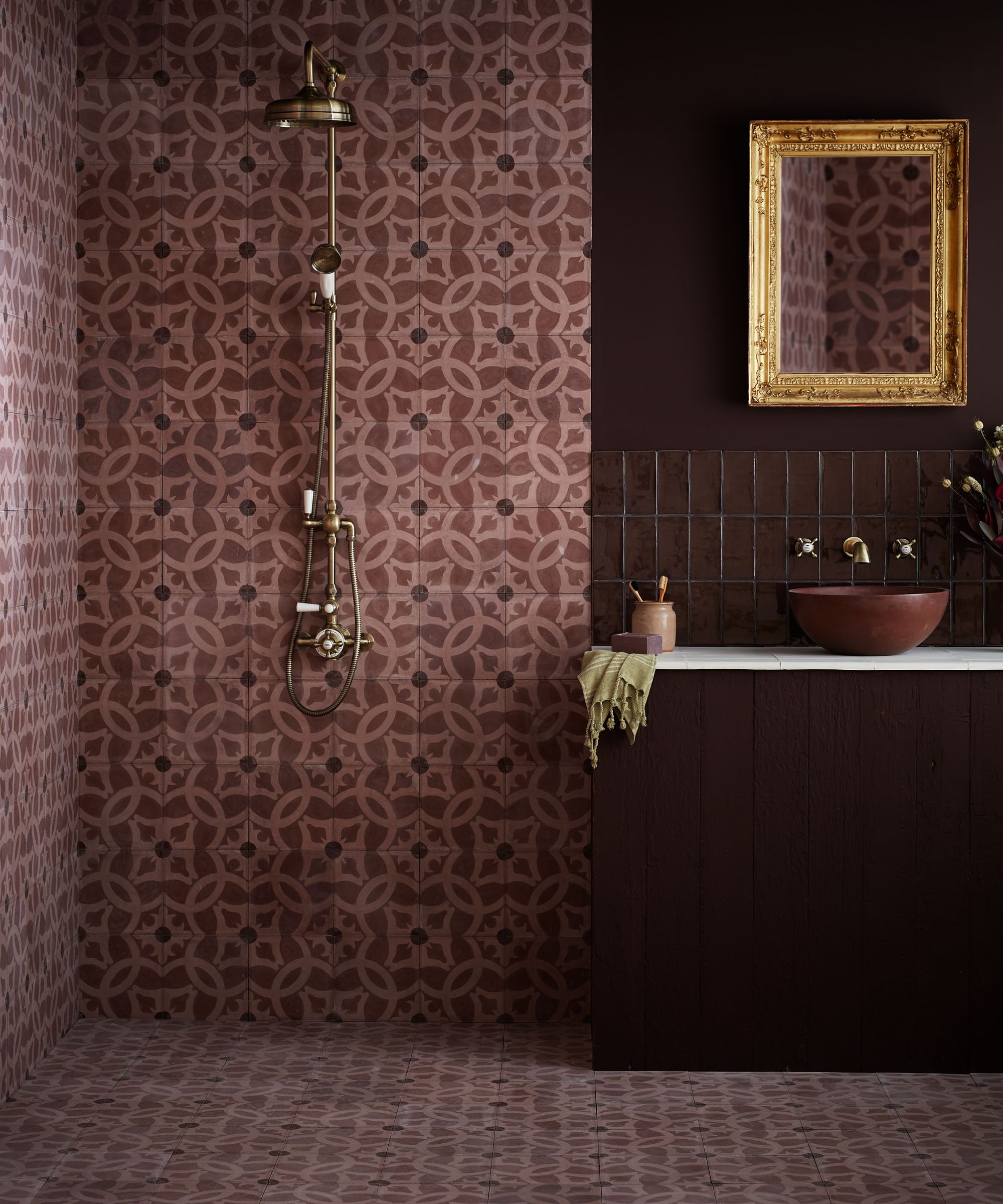
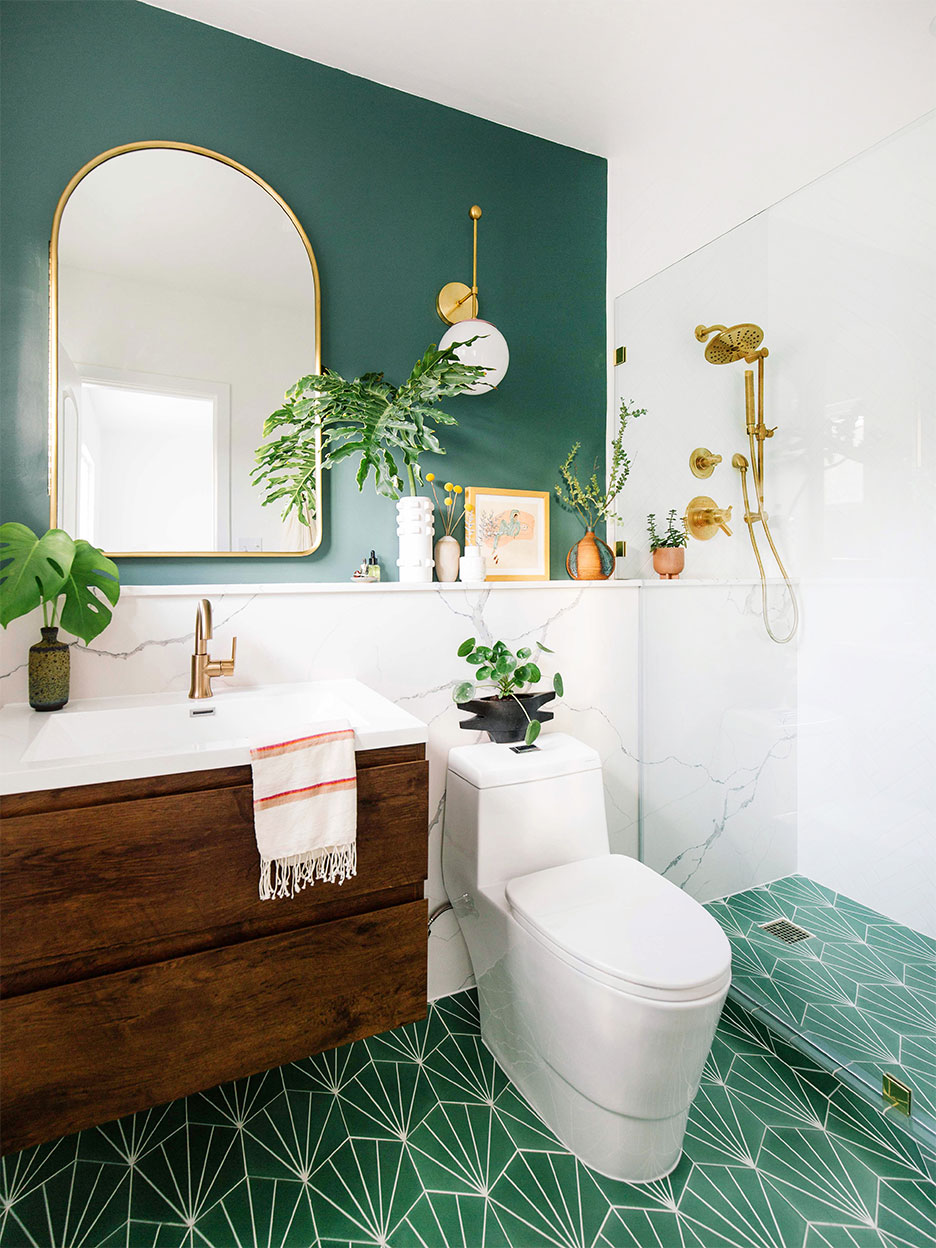
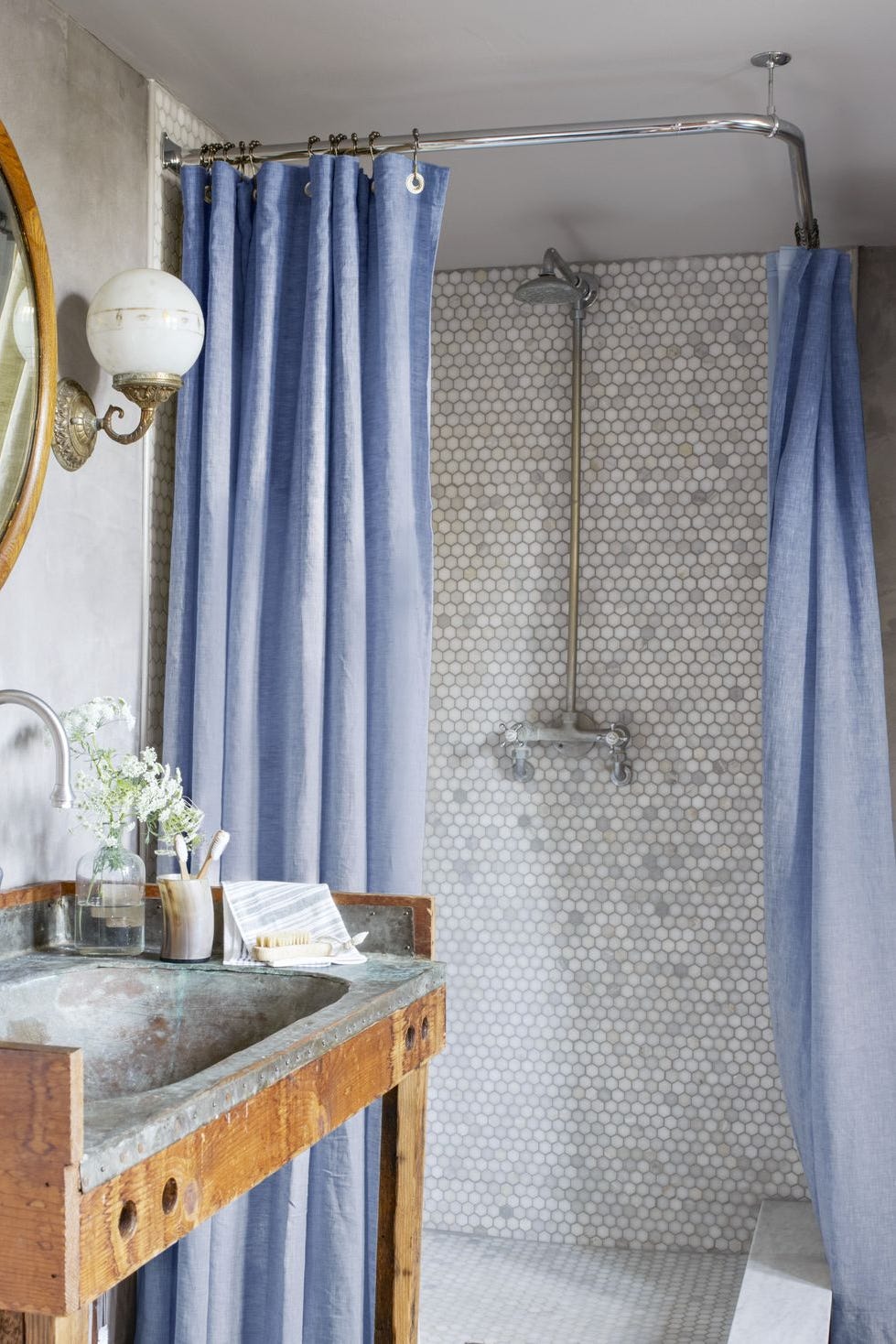
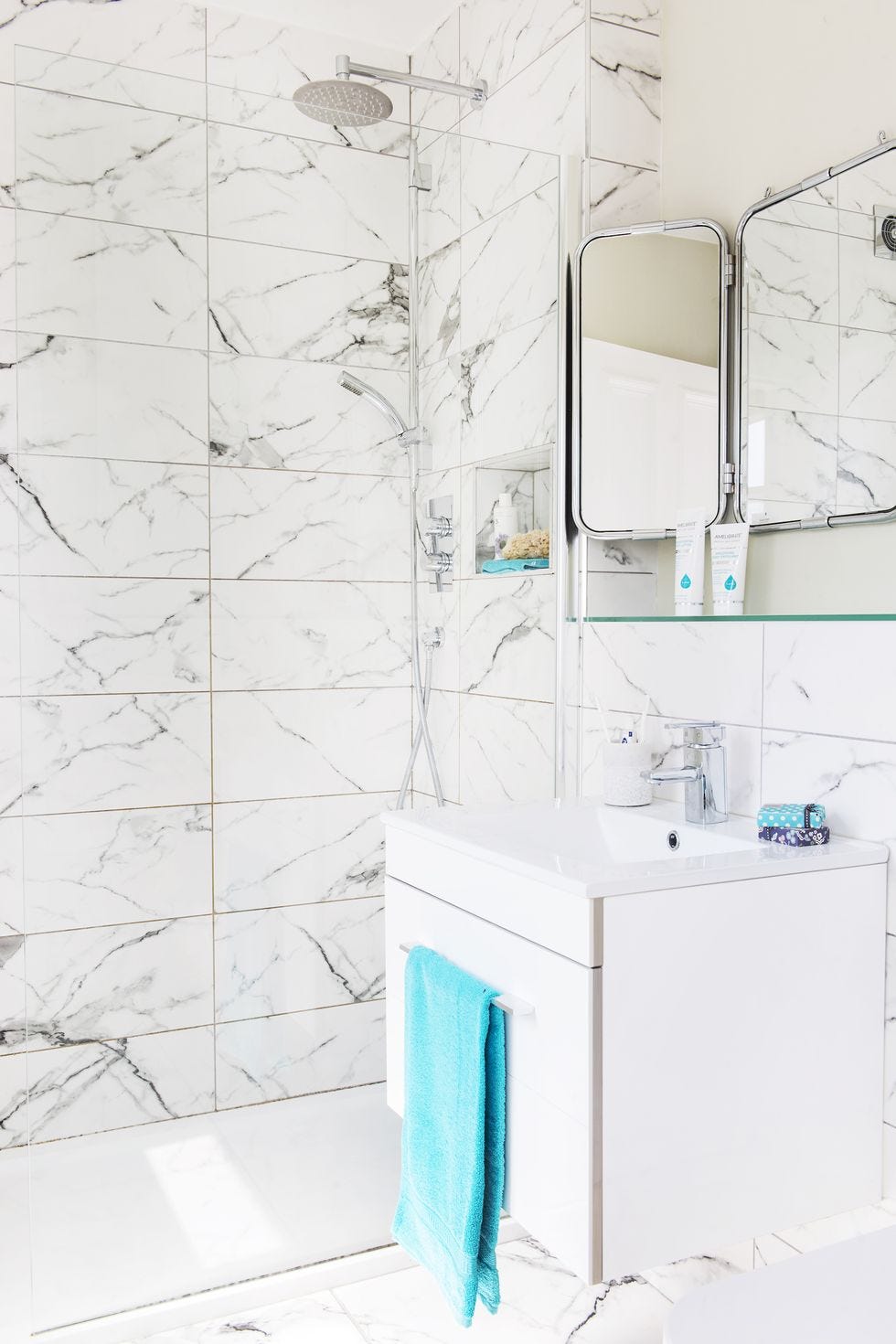
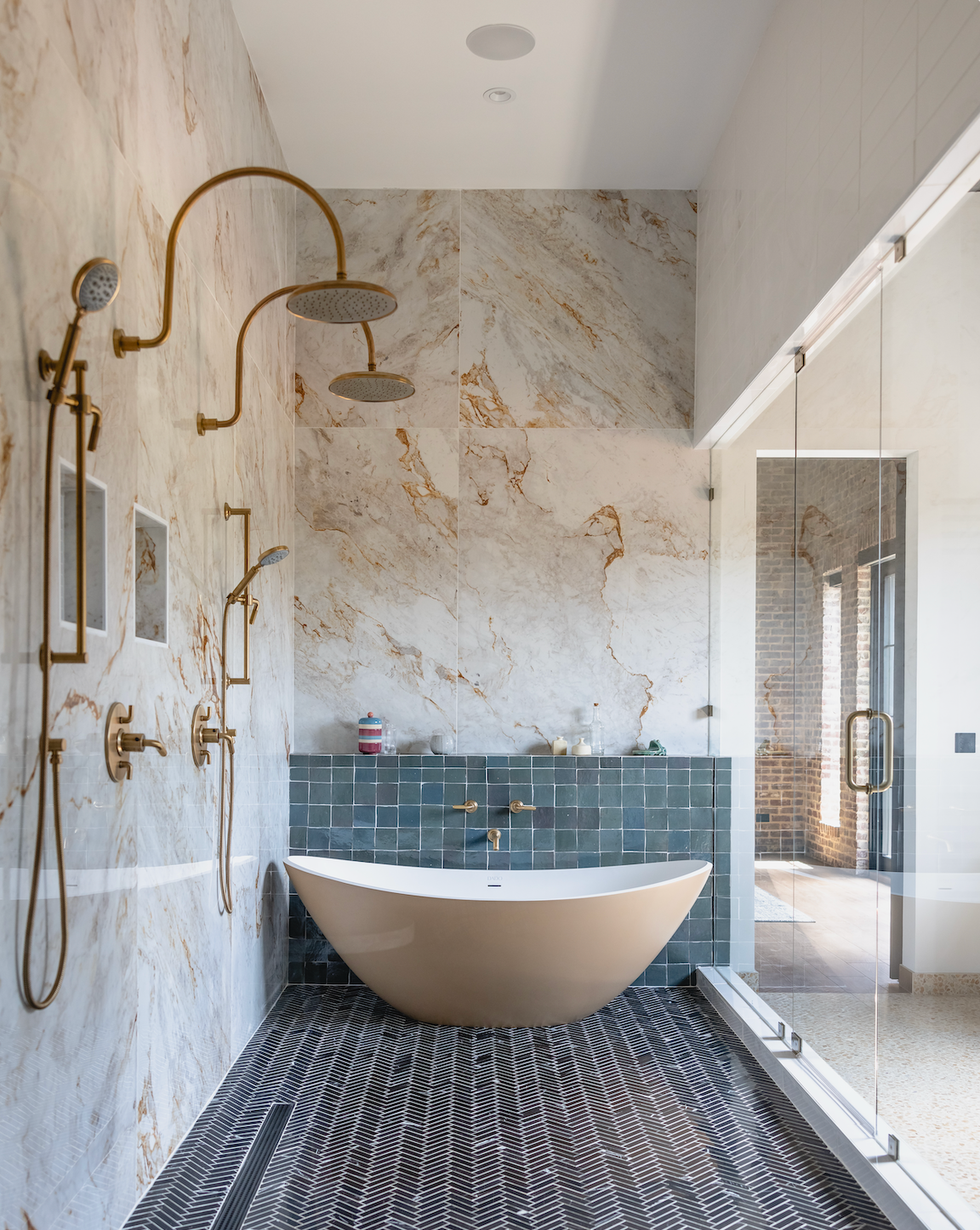
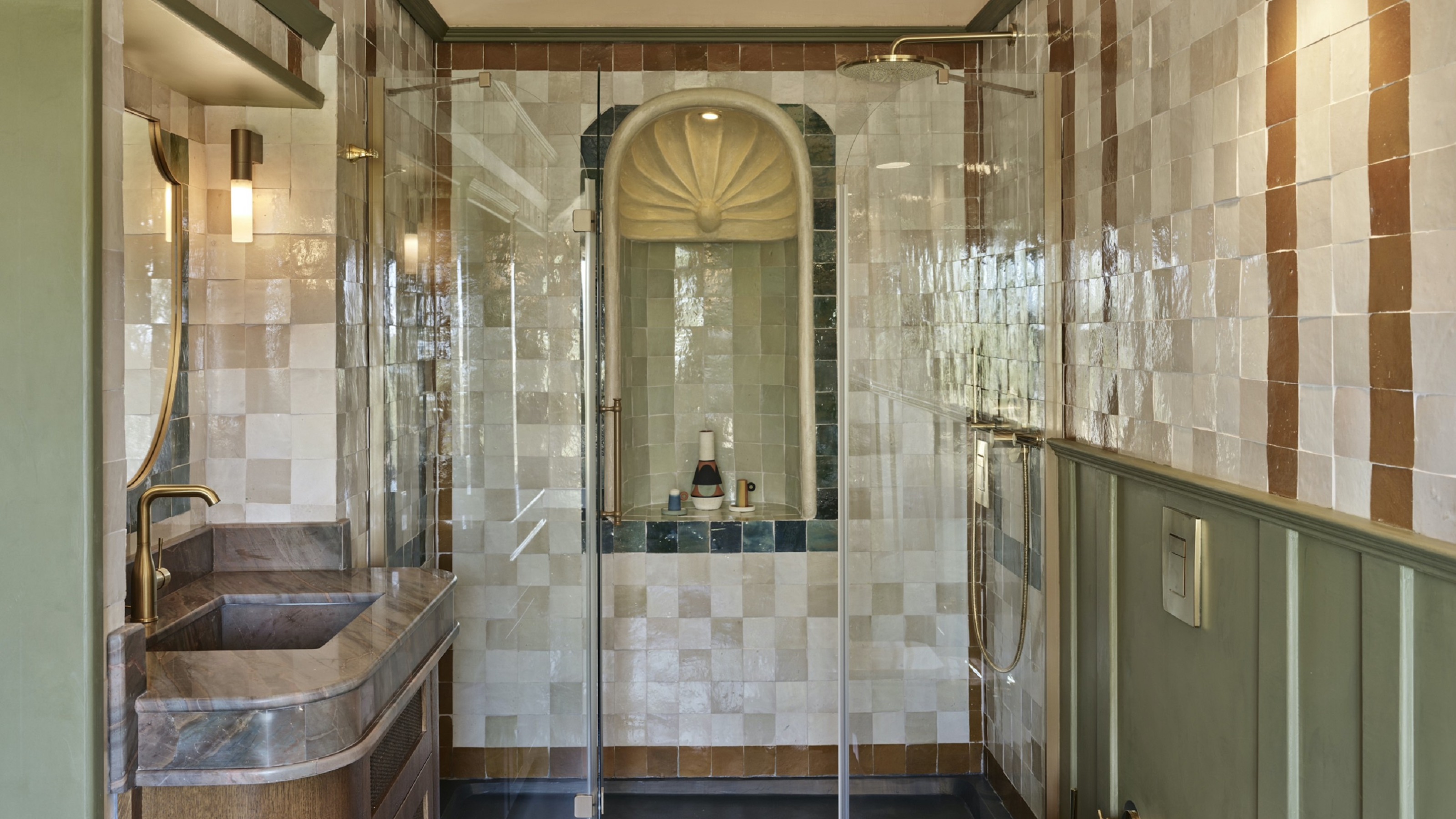
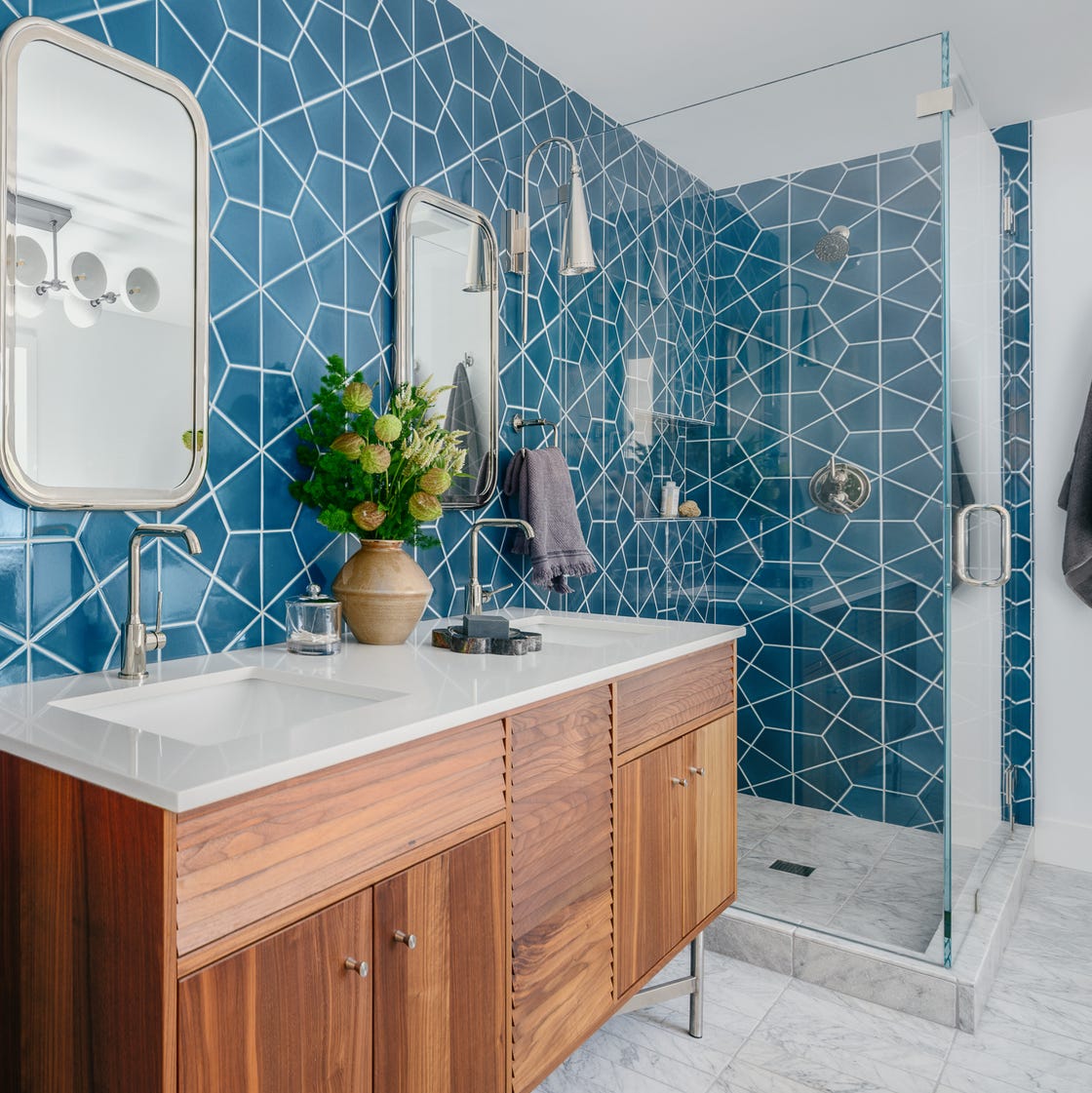
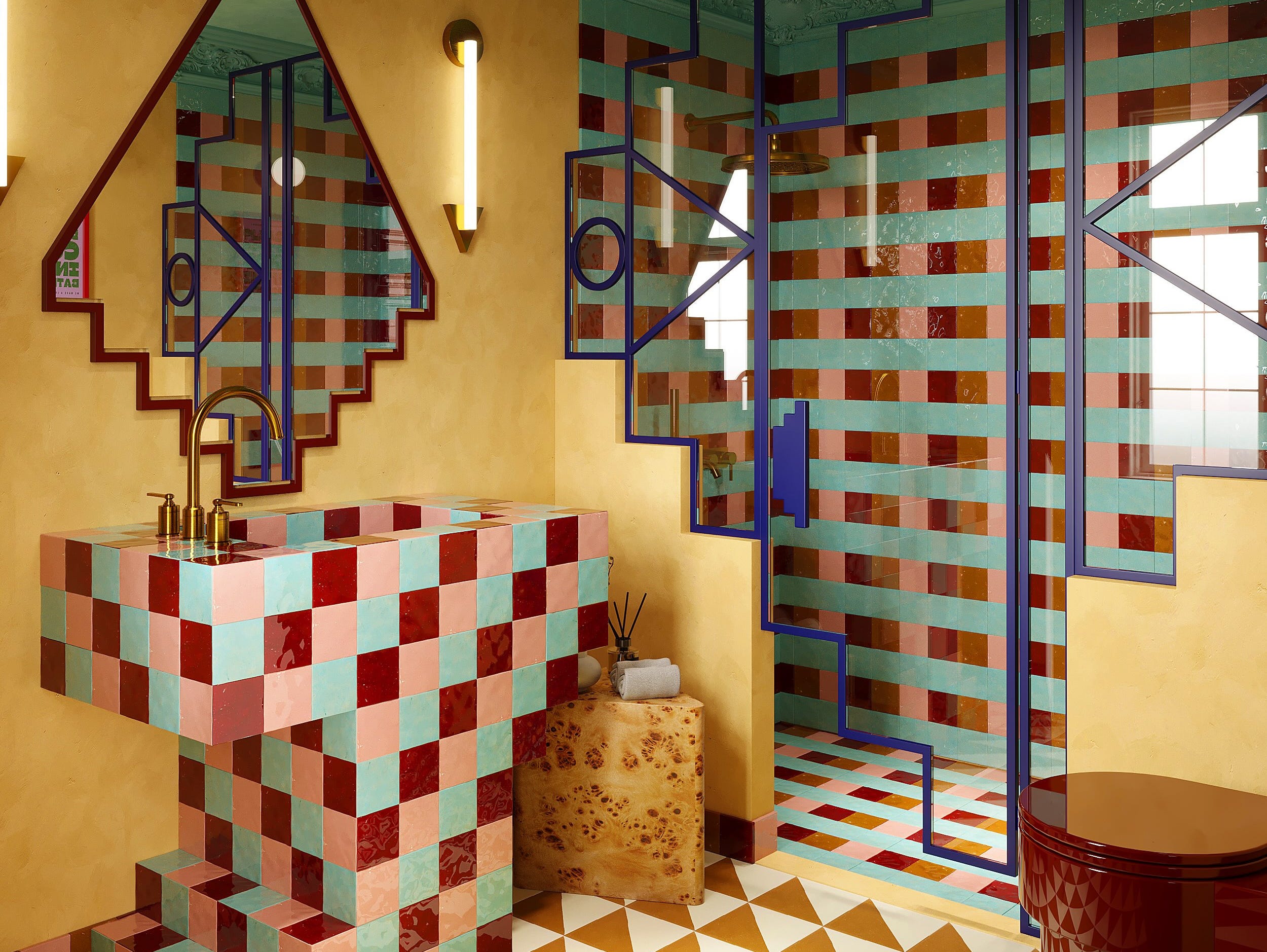
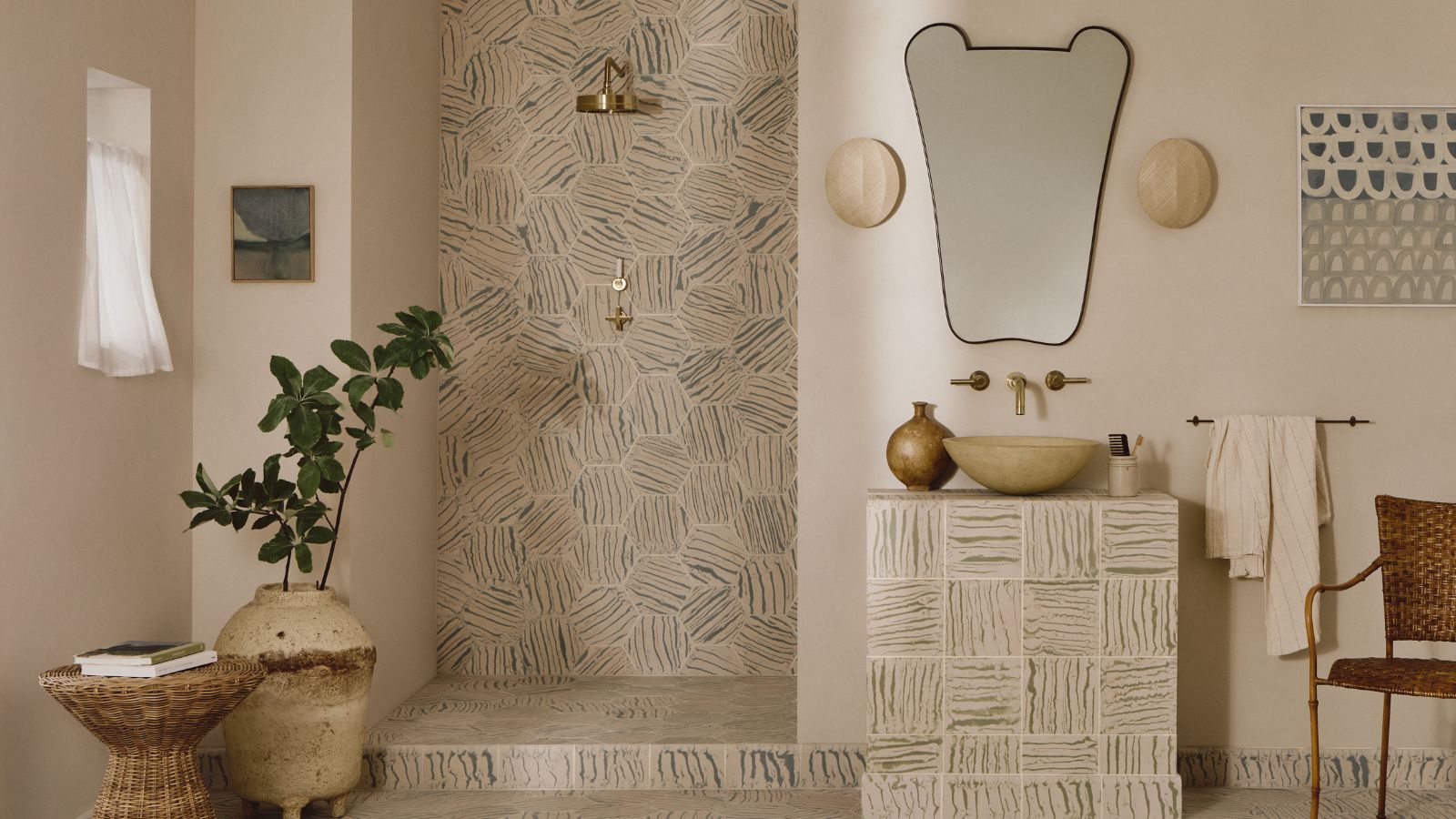
While tile drenching can be a striking design choice, it is possible to use too much tile in a bathroom, leading to an overwhelming and chaotic feel. The key to achieving a balanced and elegant tiled bathroom lies in understanding where to draw the line and how to create visual harmony. Expert bathroom designers emphasize that issues often arise when every surface in the bathroom competes for attention, such as a combination of patterned floors, bold walls, and mosaic showers. This lack of a clear focal point prevents the eye from resting, resulting in a cluttered aesthetic rather than a curated one. The type of tile used also significantly influences whether a space feels balanced. Small-scale, heavily patterned tiles over large expanses, especially with contrasting dark grout, can cause visual discomfort. Similarly, marble or marble-effect ceramic tiles with strong veining can overwhelm a space if not book-matched carefully. The 'divas' of the tile world—statement geometrics, bold encaustics, or heavily veined marbles—need breathing room to truly shine and should be treated as hero pieces rather than used indiscriminately on every surface.
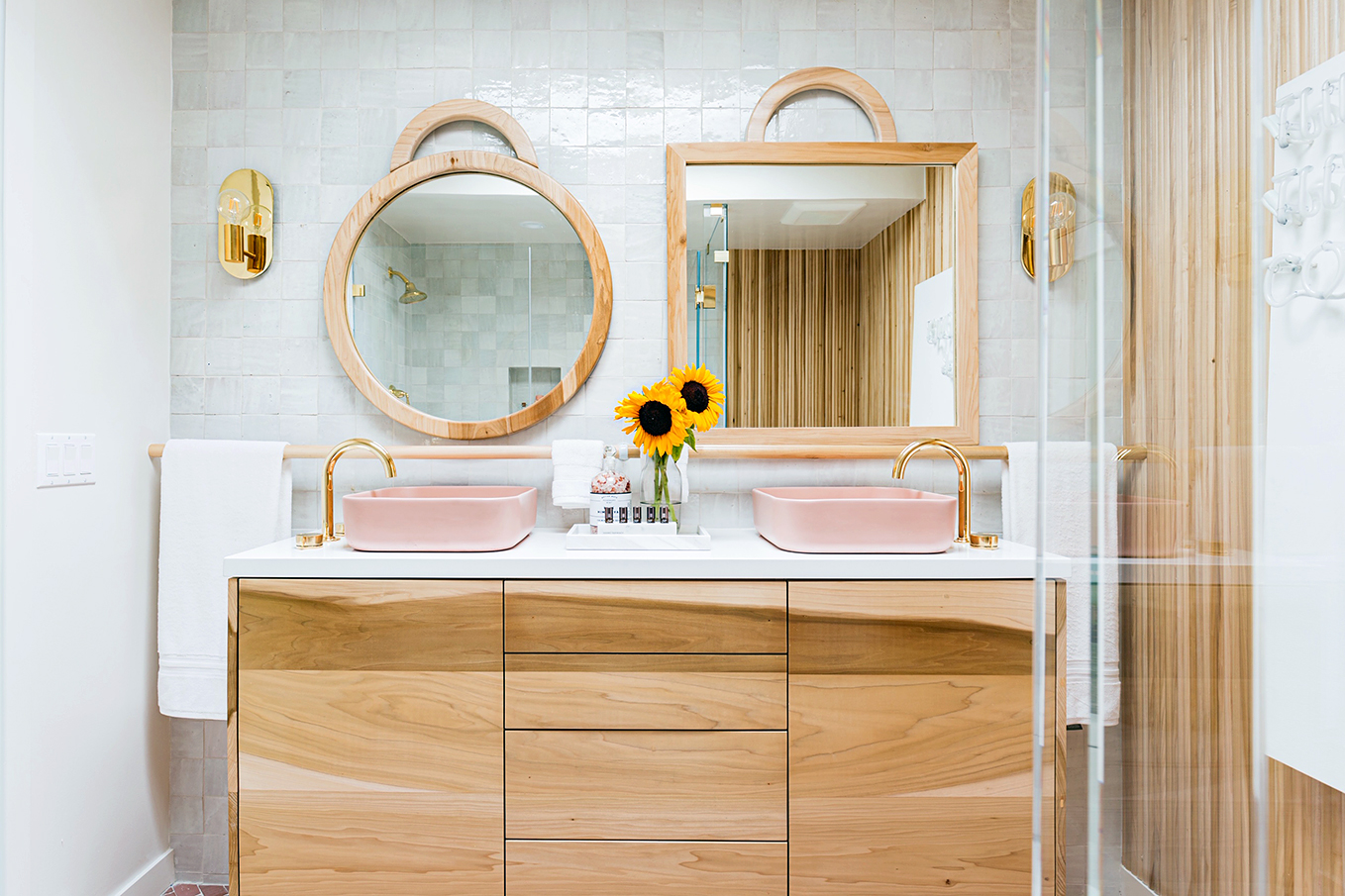
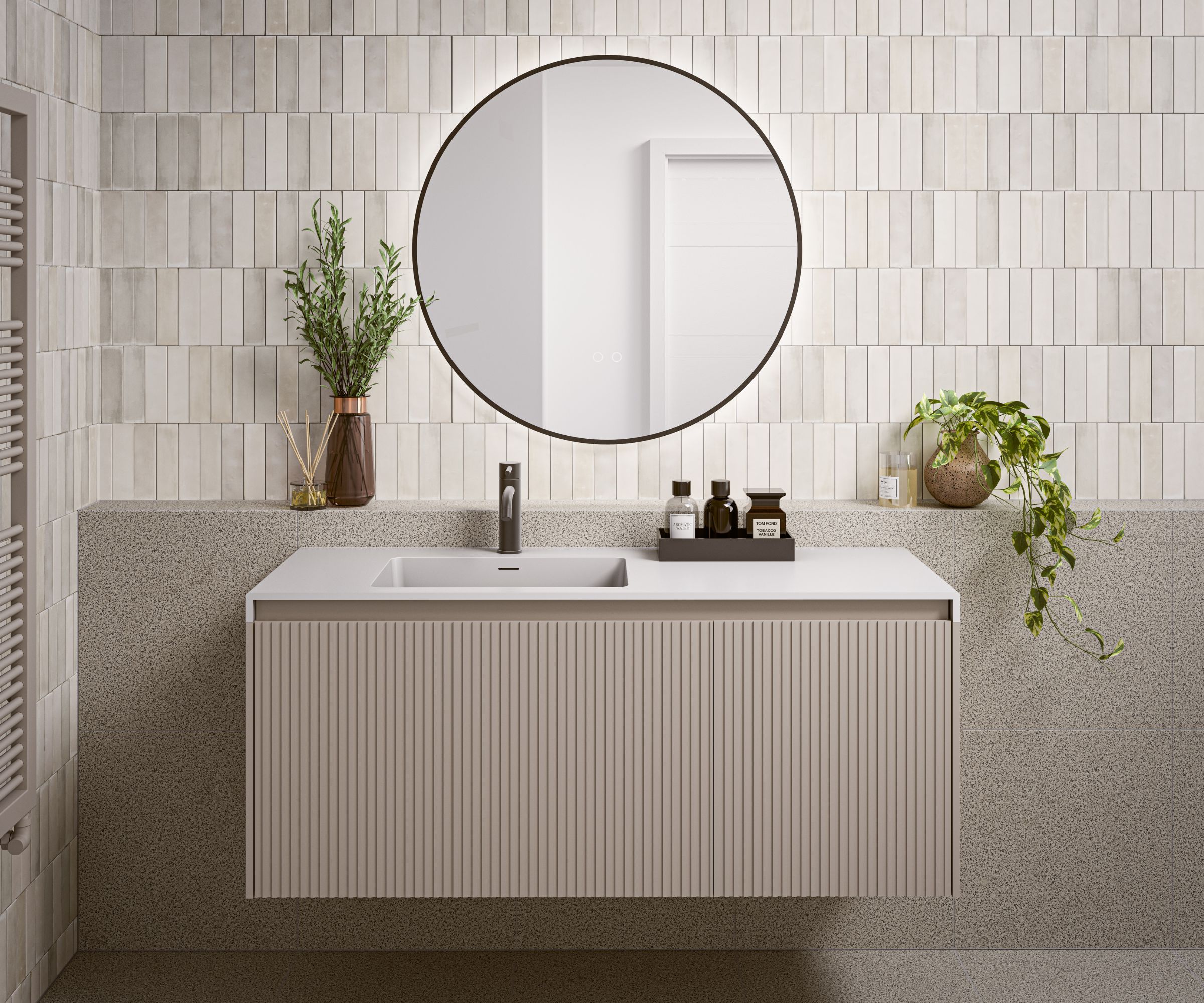
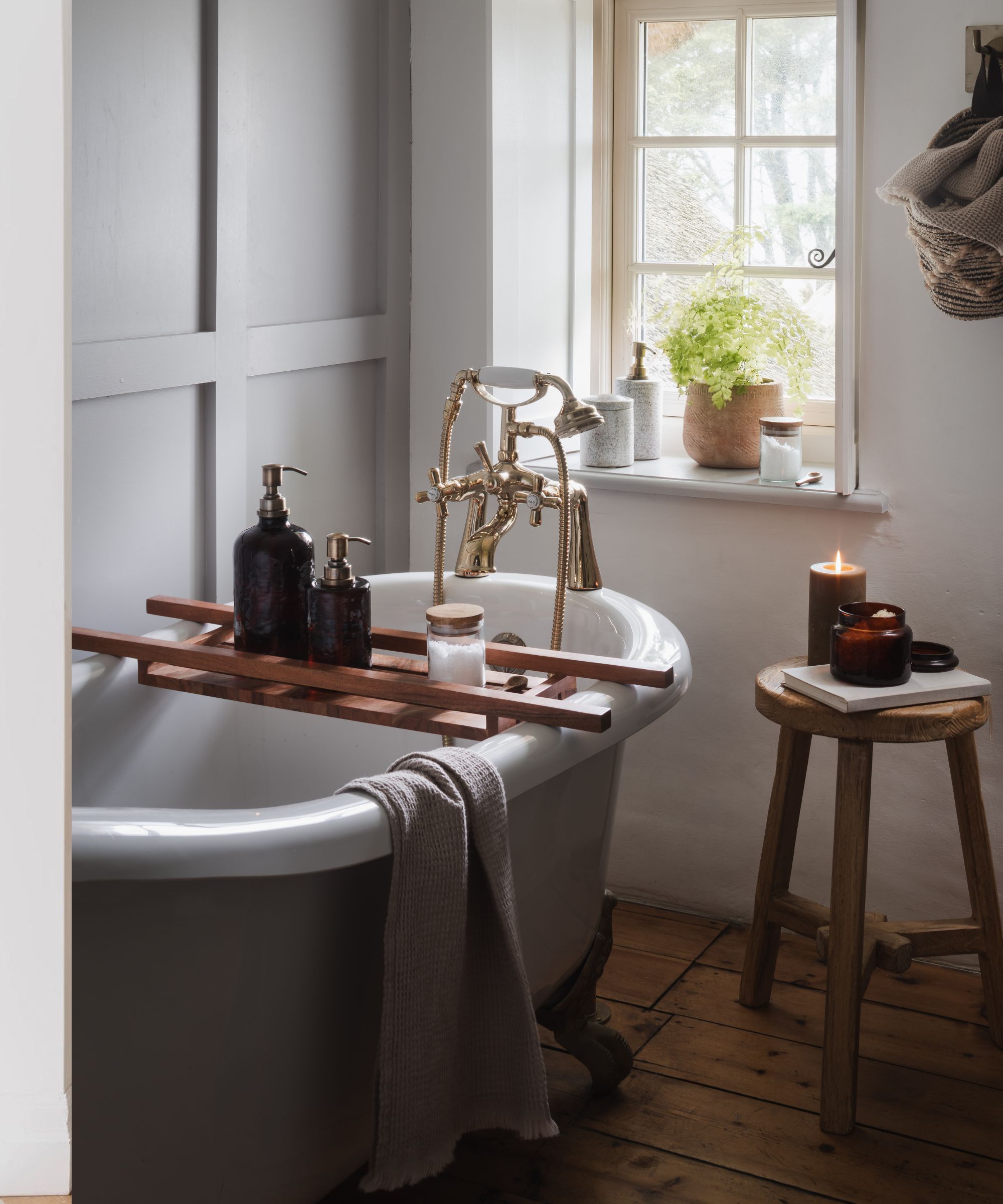
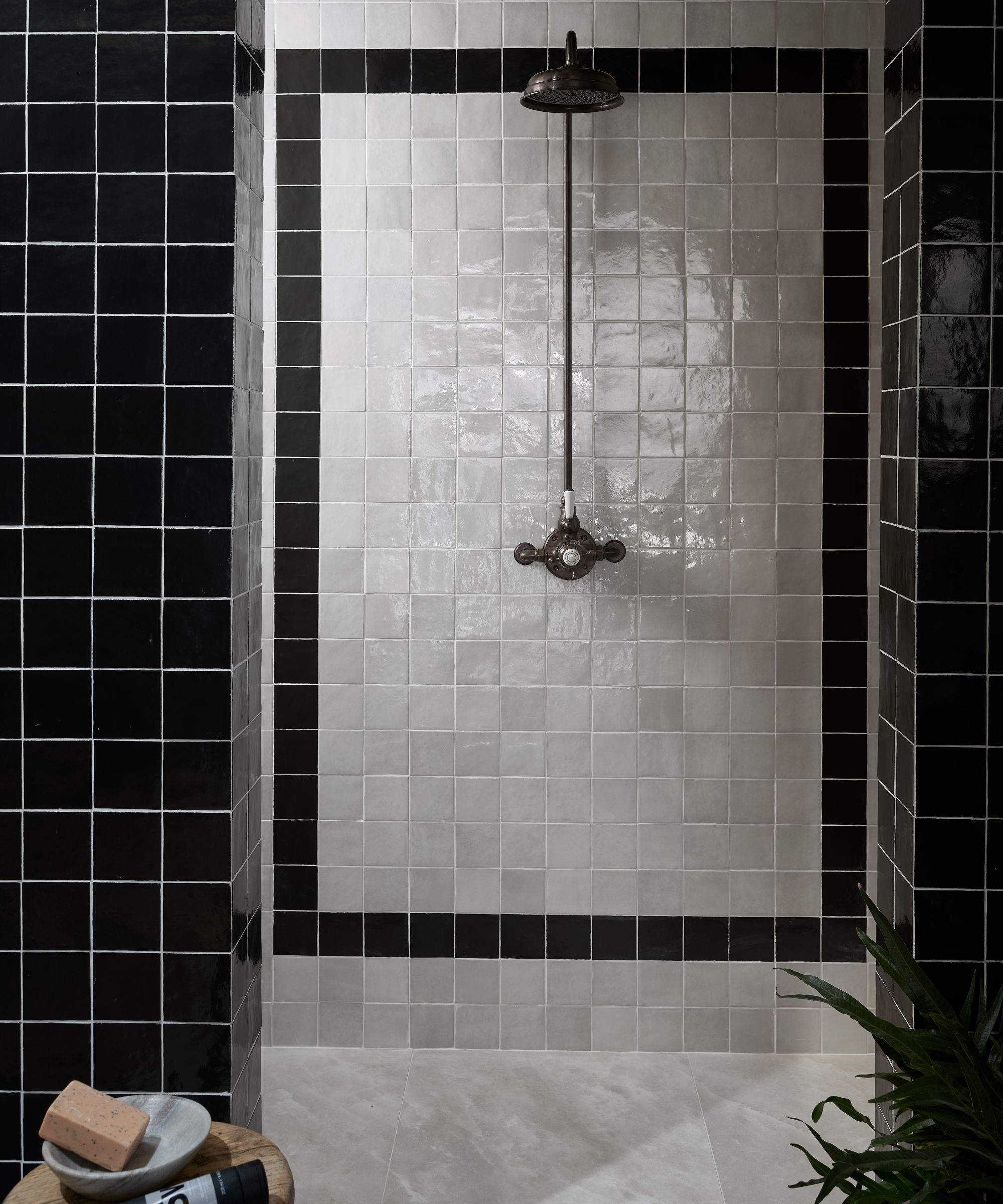
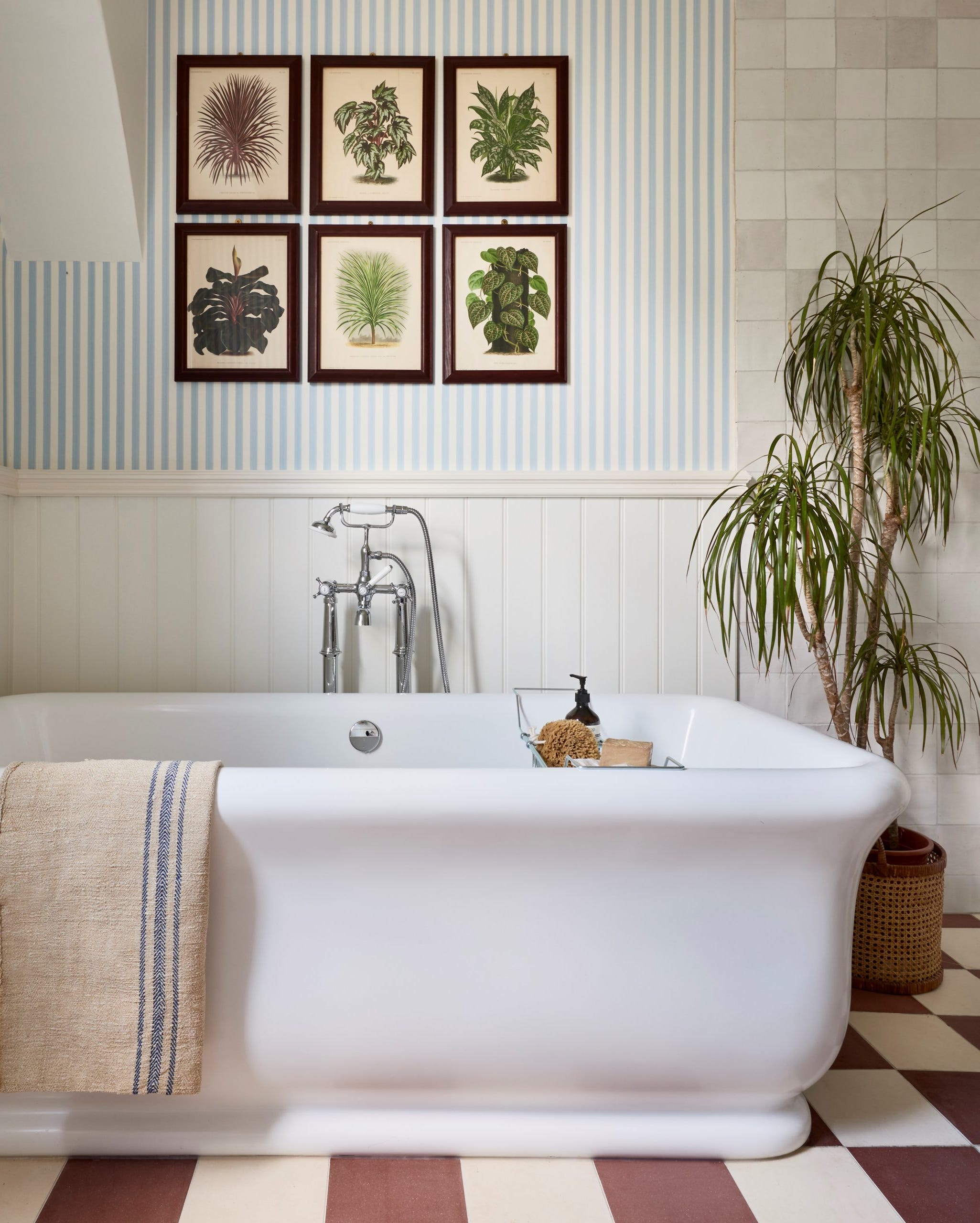
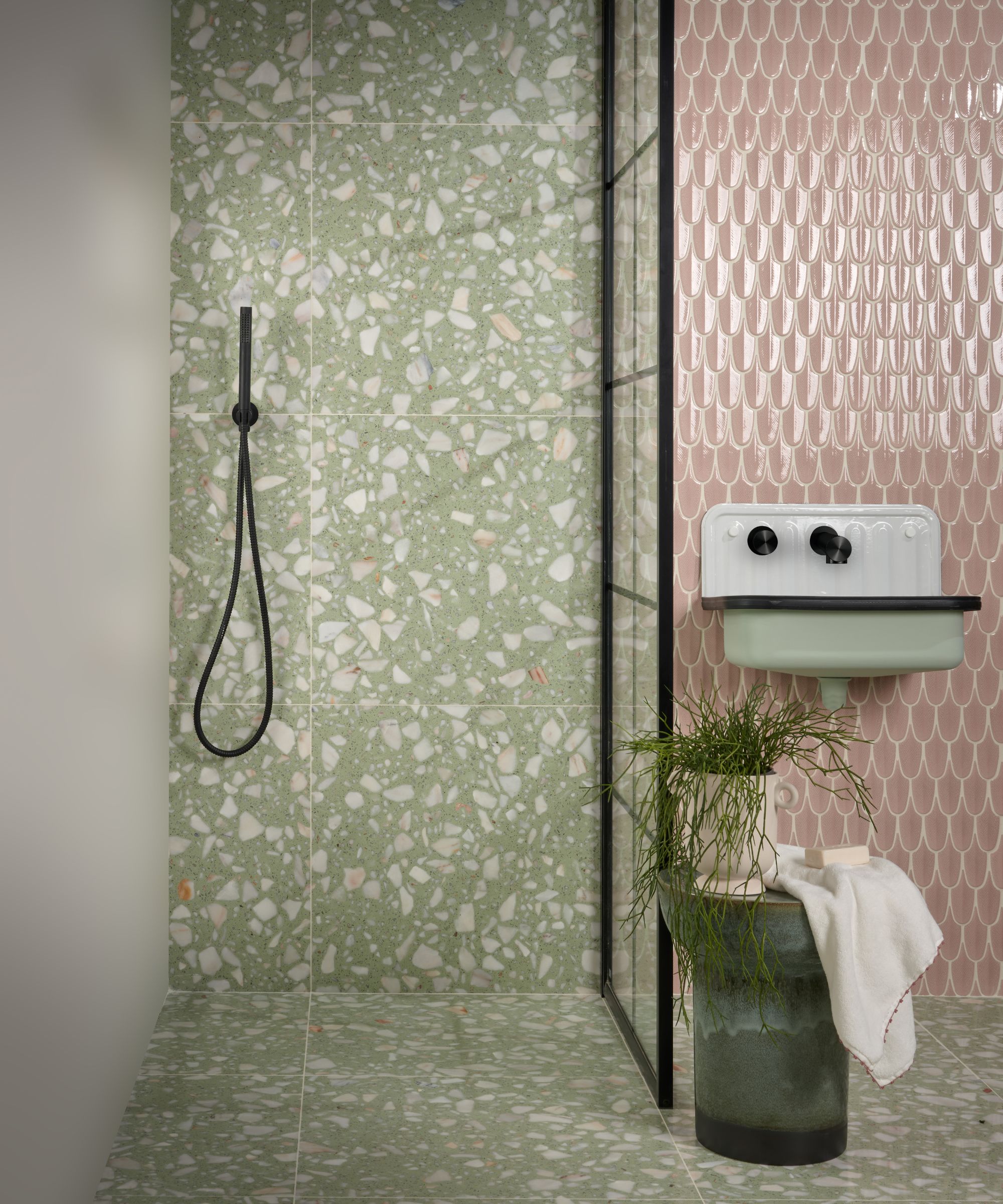
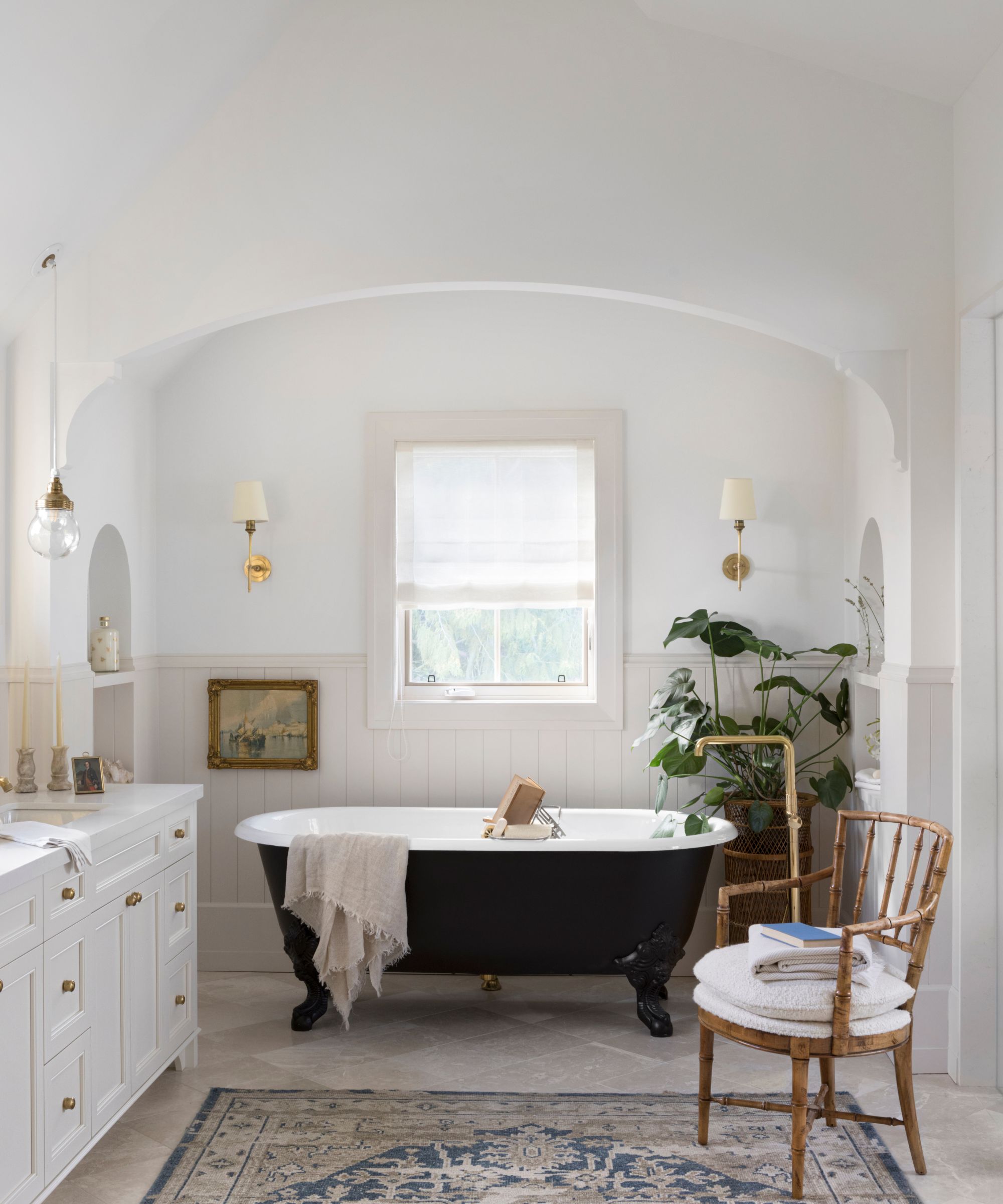
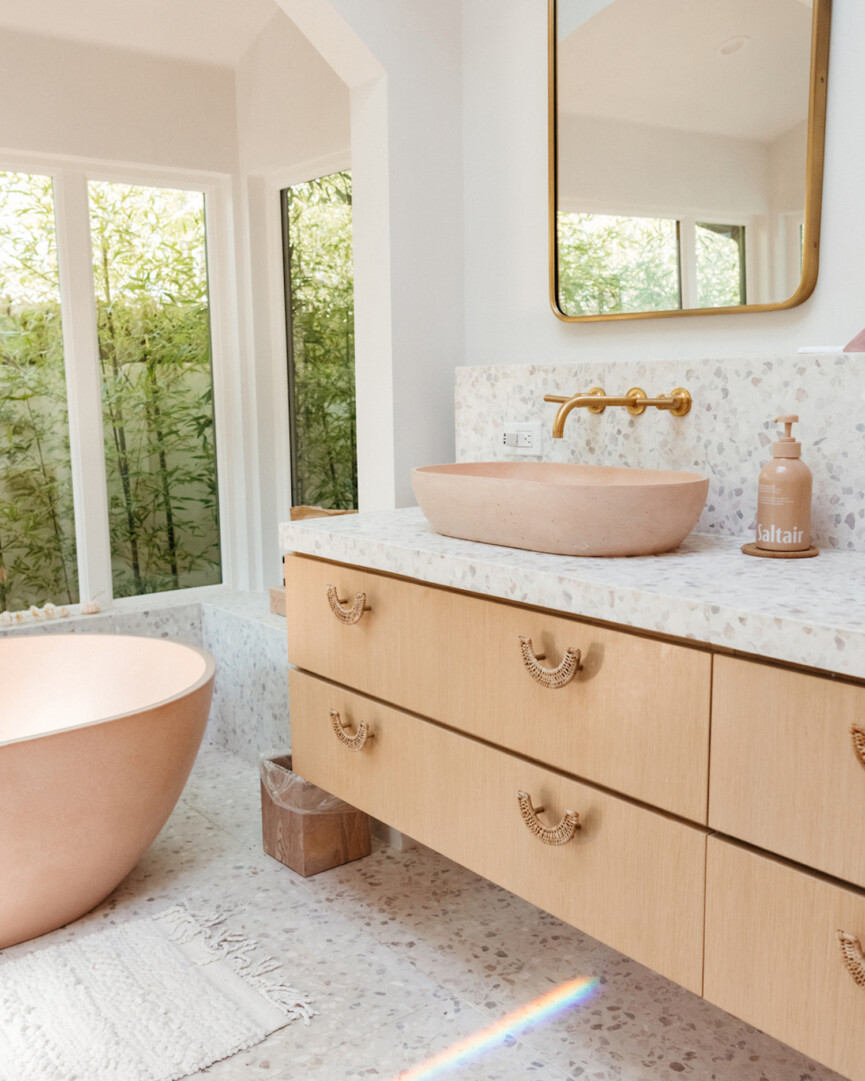
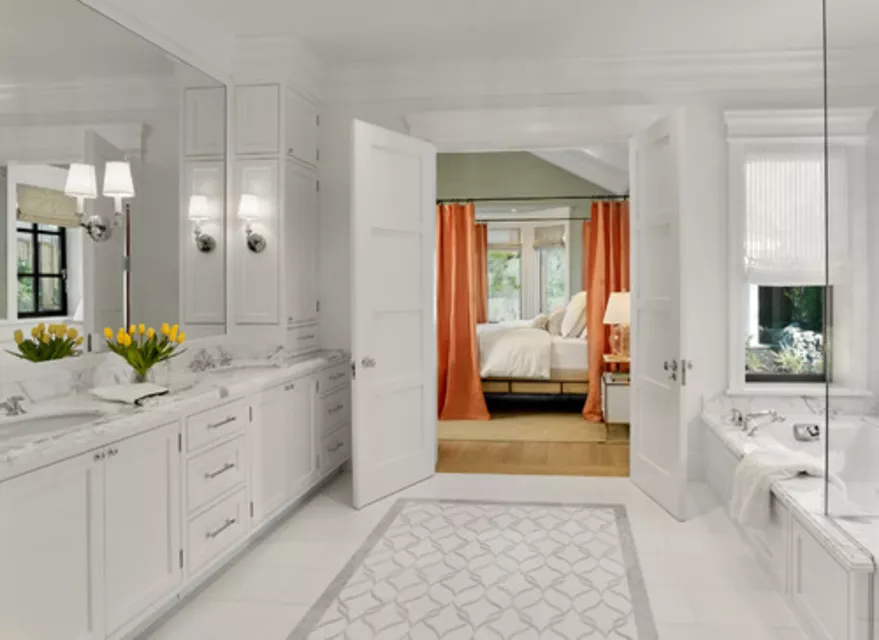
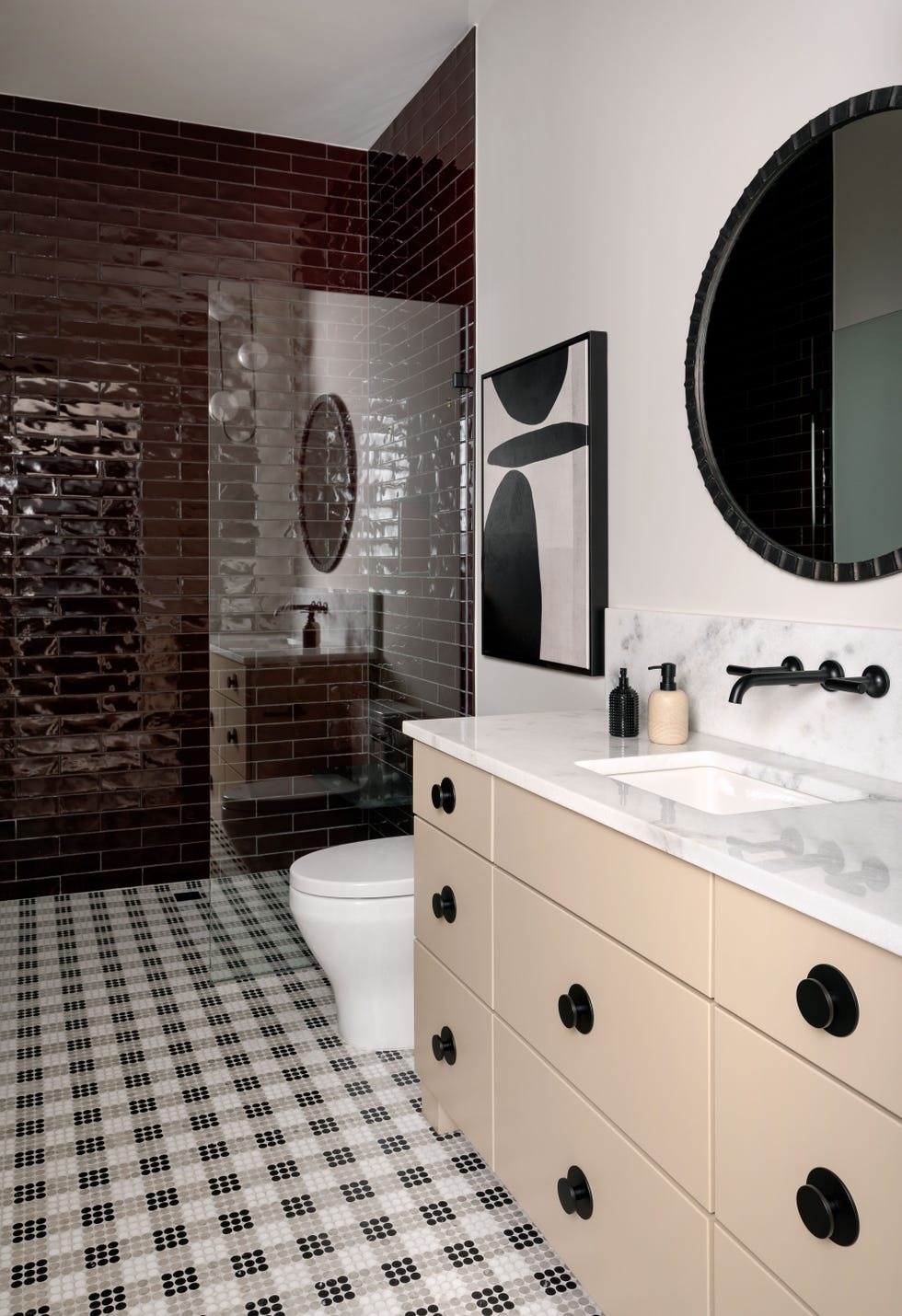
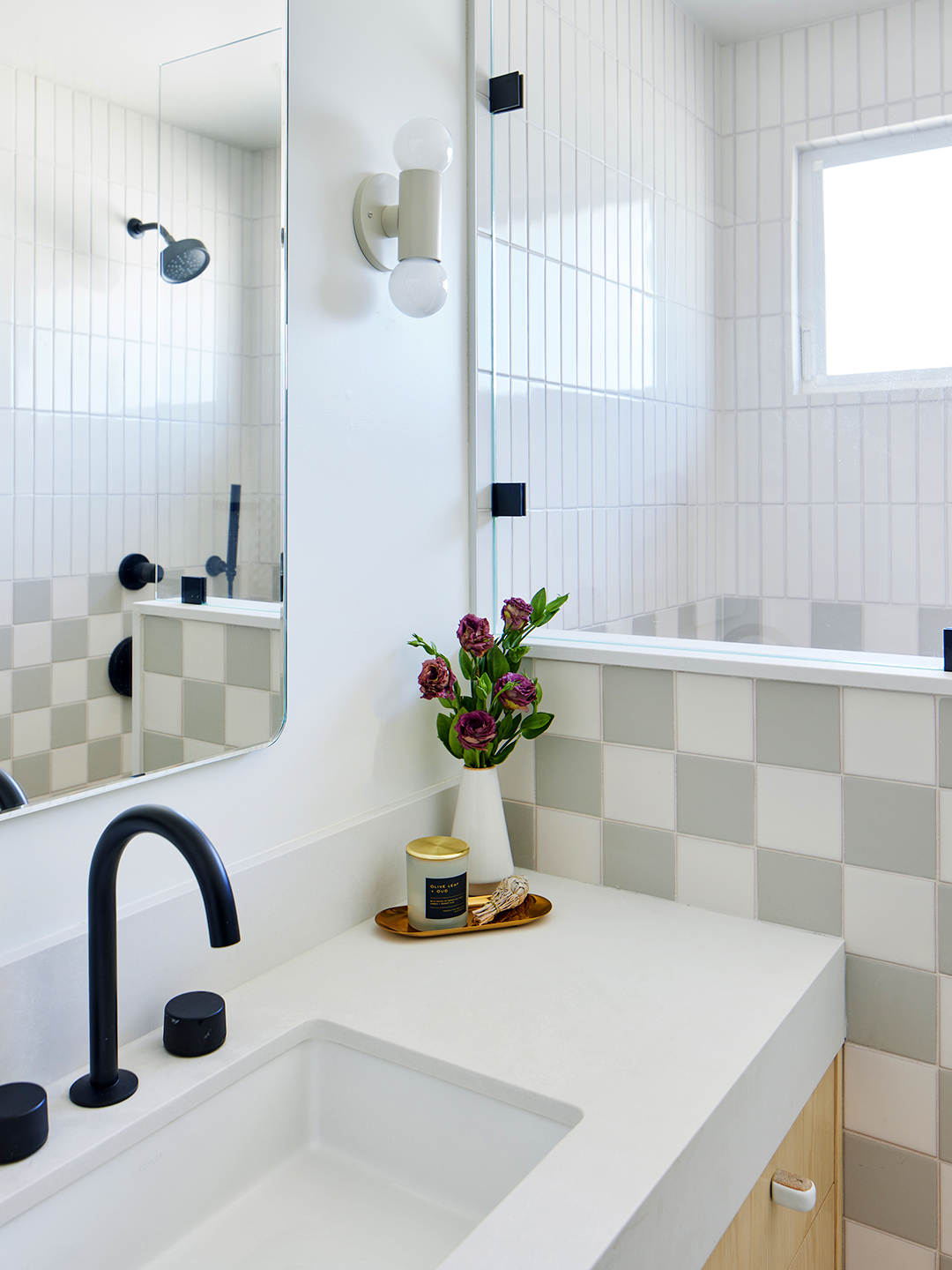
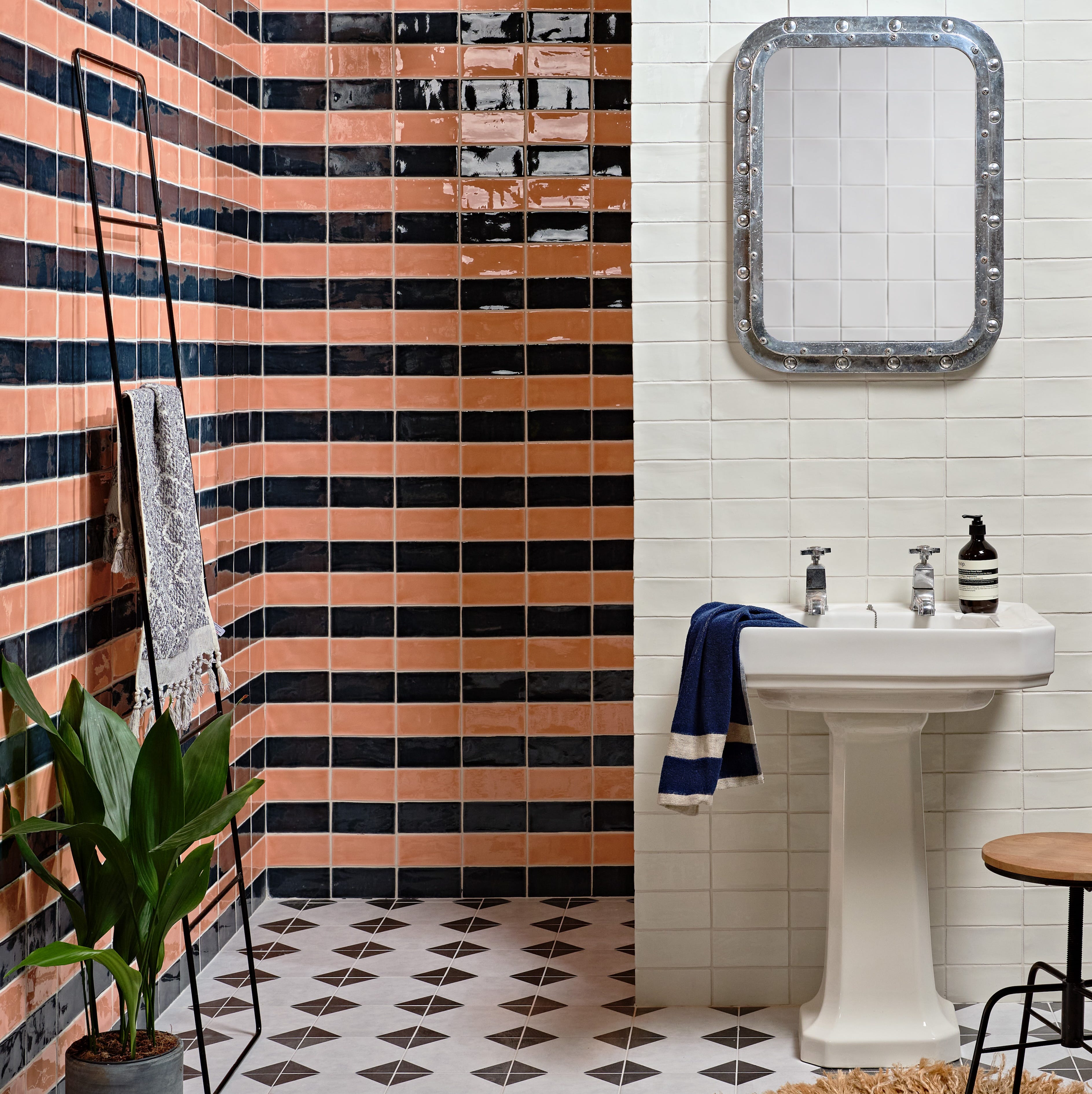
To achieve a balanced tiled bathroom, the primary strategy involves contrast and relief. Designers recommend identifying one clear visual focus point and building the design around it. For instance, if a bold floor tile is chosen, the walls should be more subdued, and vice-versa. Combining contrasting finishes and materials can also help maintain balance. This might involve pairing statement tiles with calmer surfaces like painted walls, micro cement, timber joinery, or softer textures such as linen. Thoughtful lighting can further enhance the design by drawing attention to texture and detail without overwhelming the space. Even in tile-drenched bathrooms, cohesion is paramount. This can be achieved by sticking to a single color palette but playing with variations in finish, such as mixing gloss and matte tiles, or using large-format porcelain on walls offset with mosaics underfoot. The goal is to create drama and depth without sensory overload by keeping tones harmonious and introducing different shapes or finishes within the same color and material family.
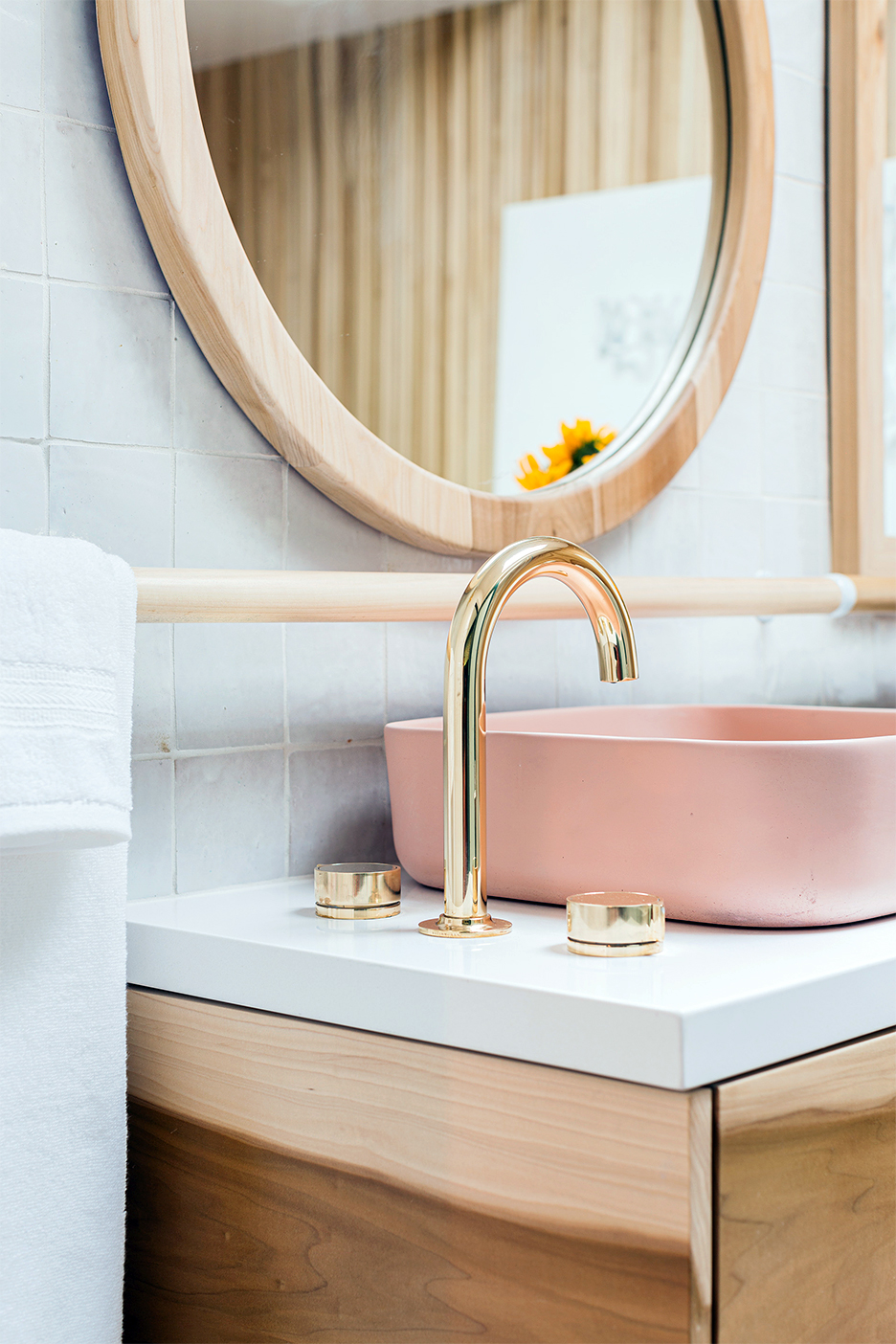
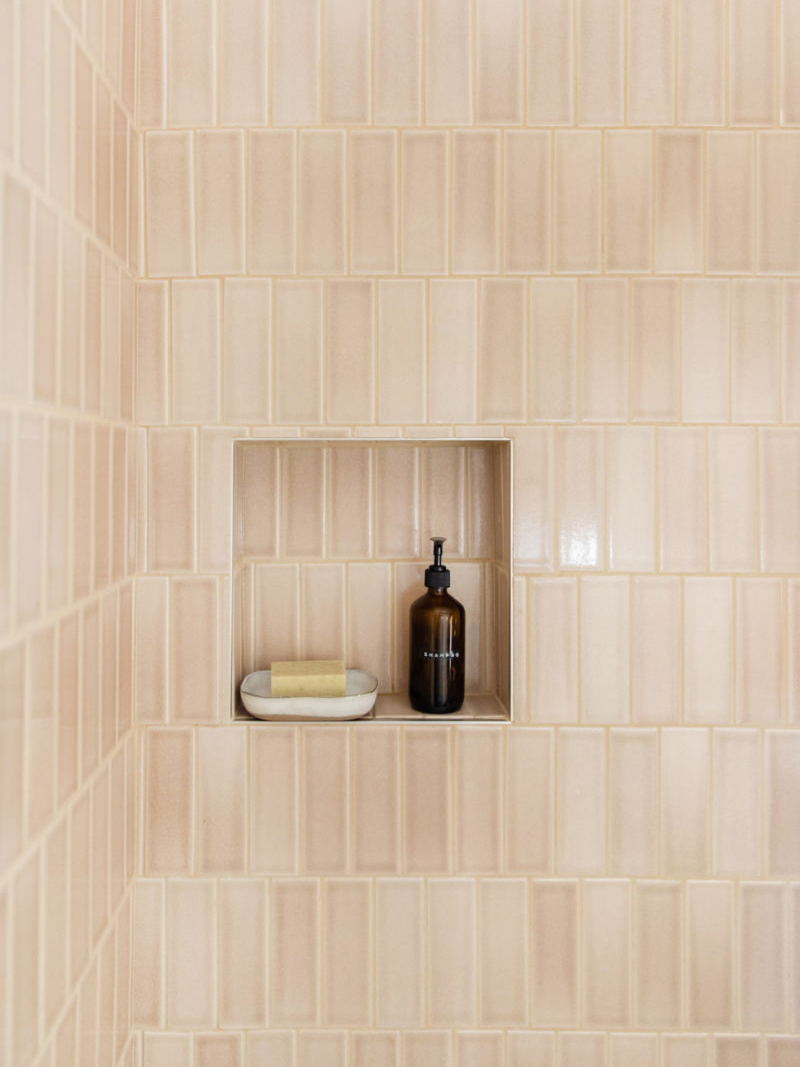
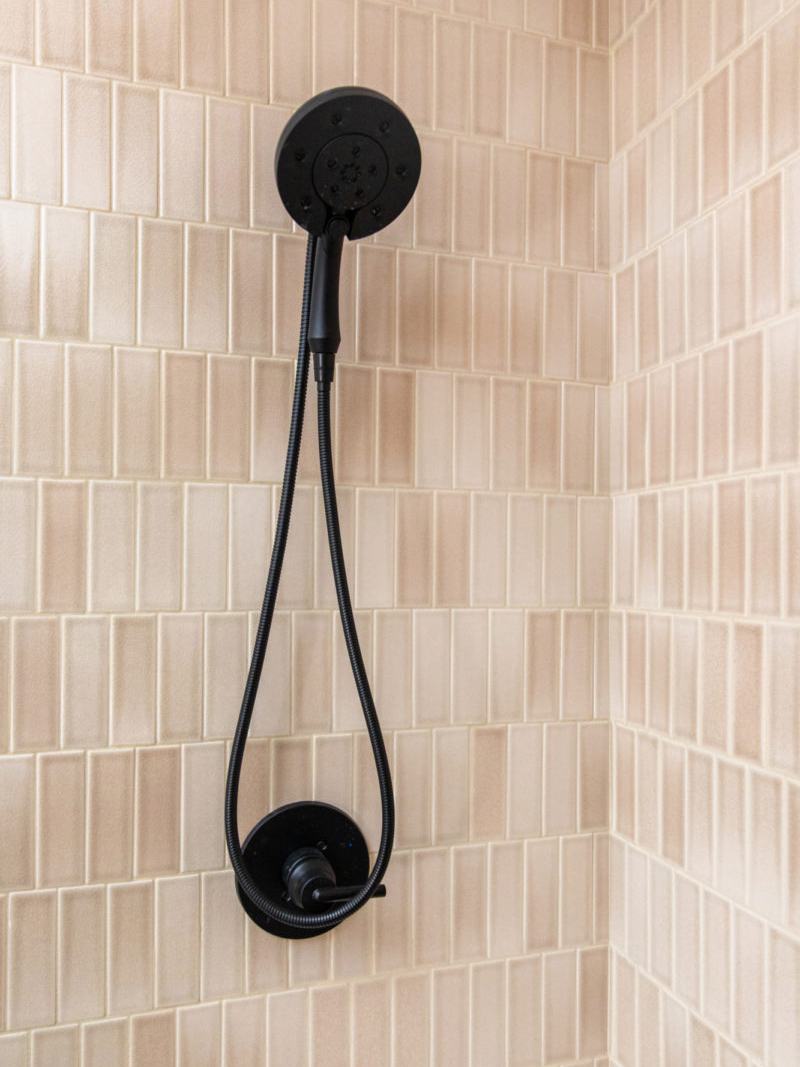
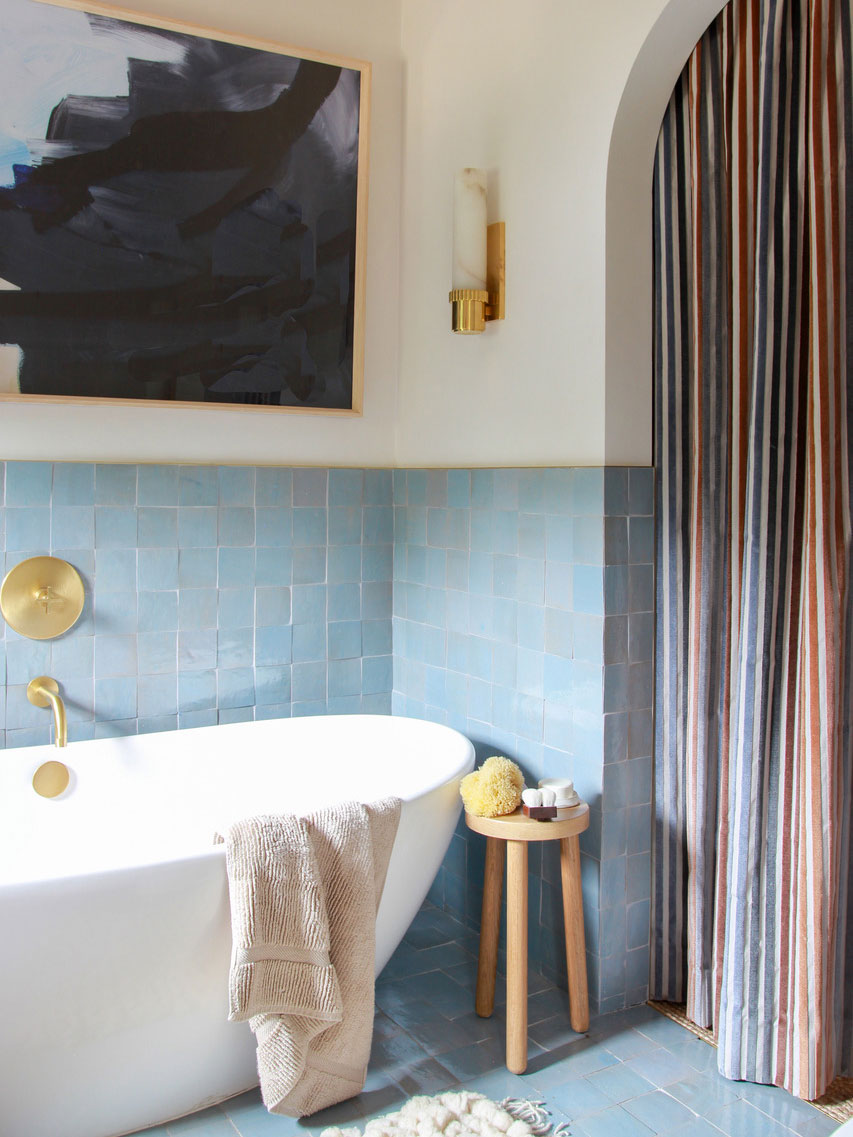
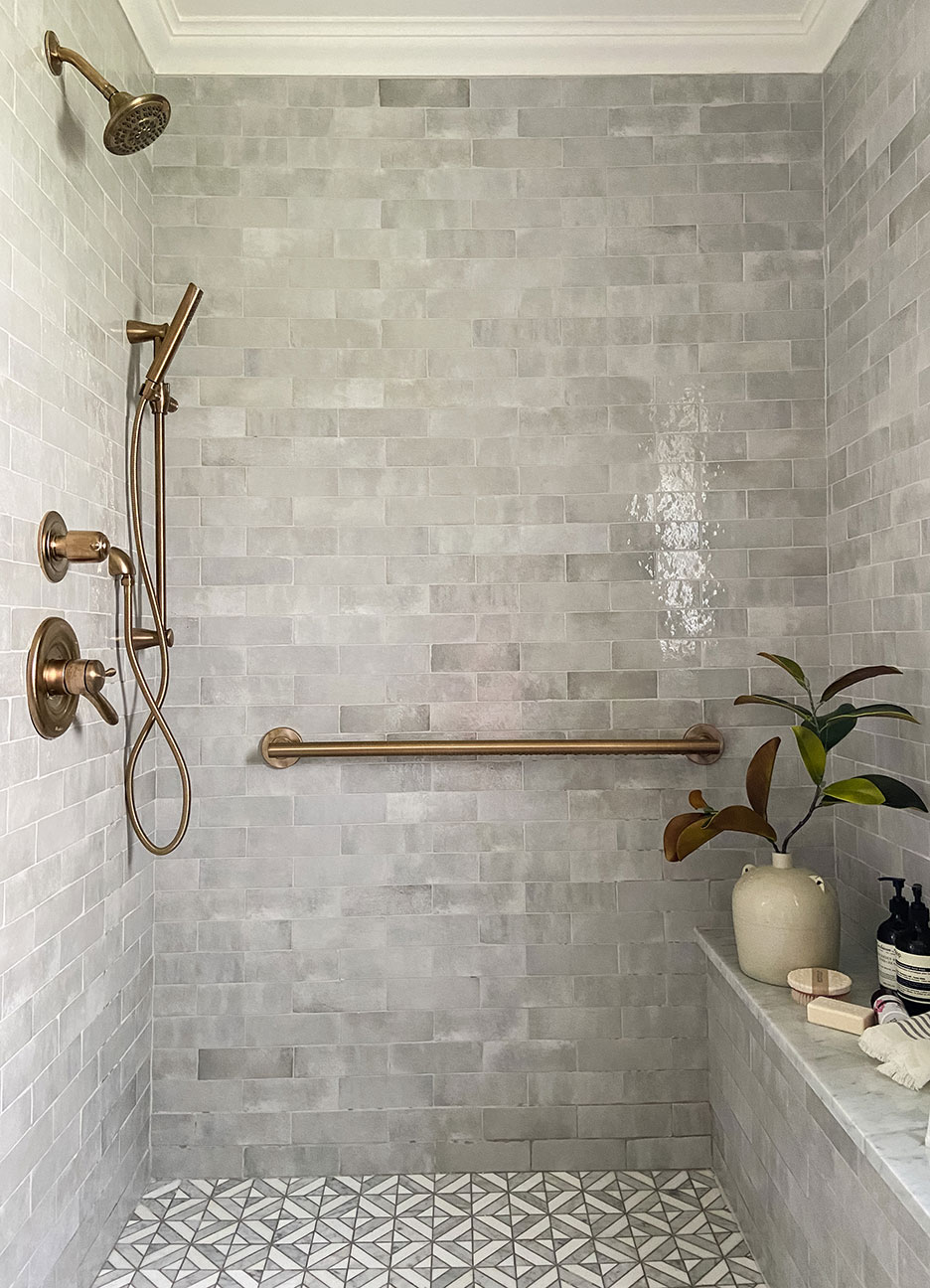
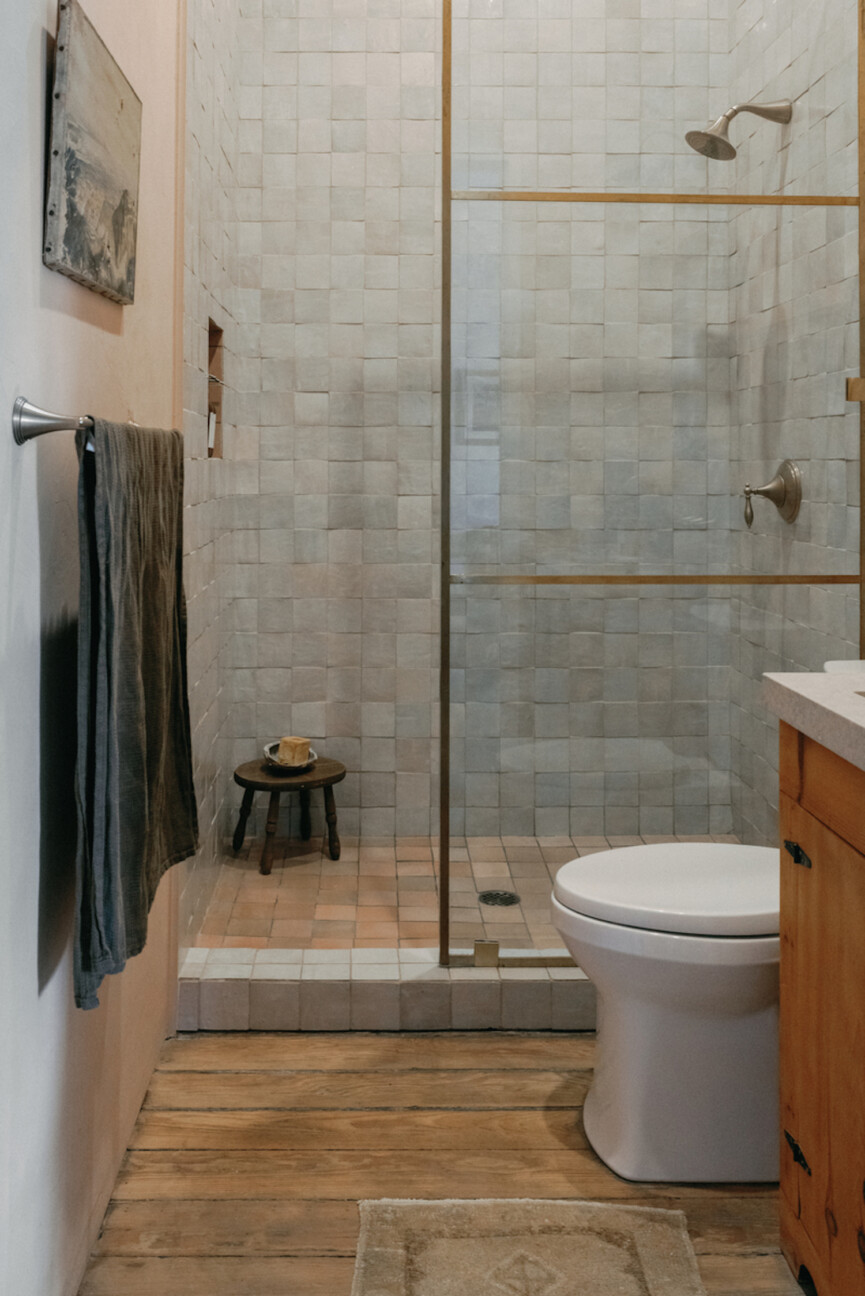
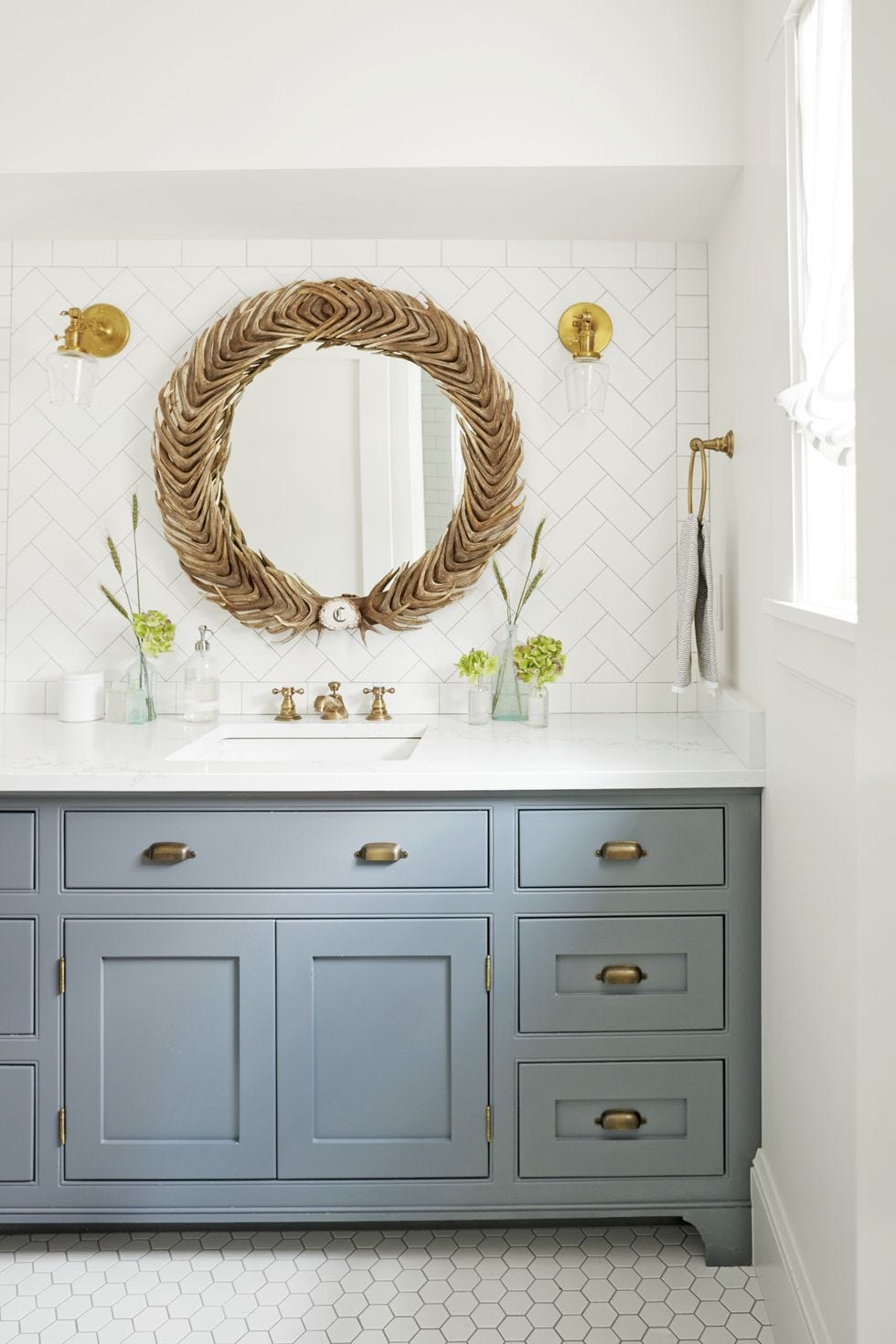
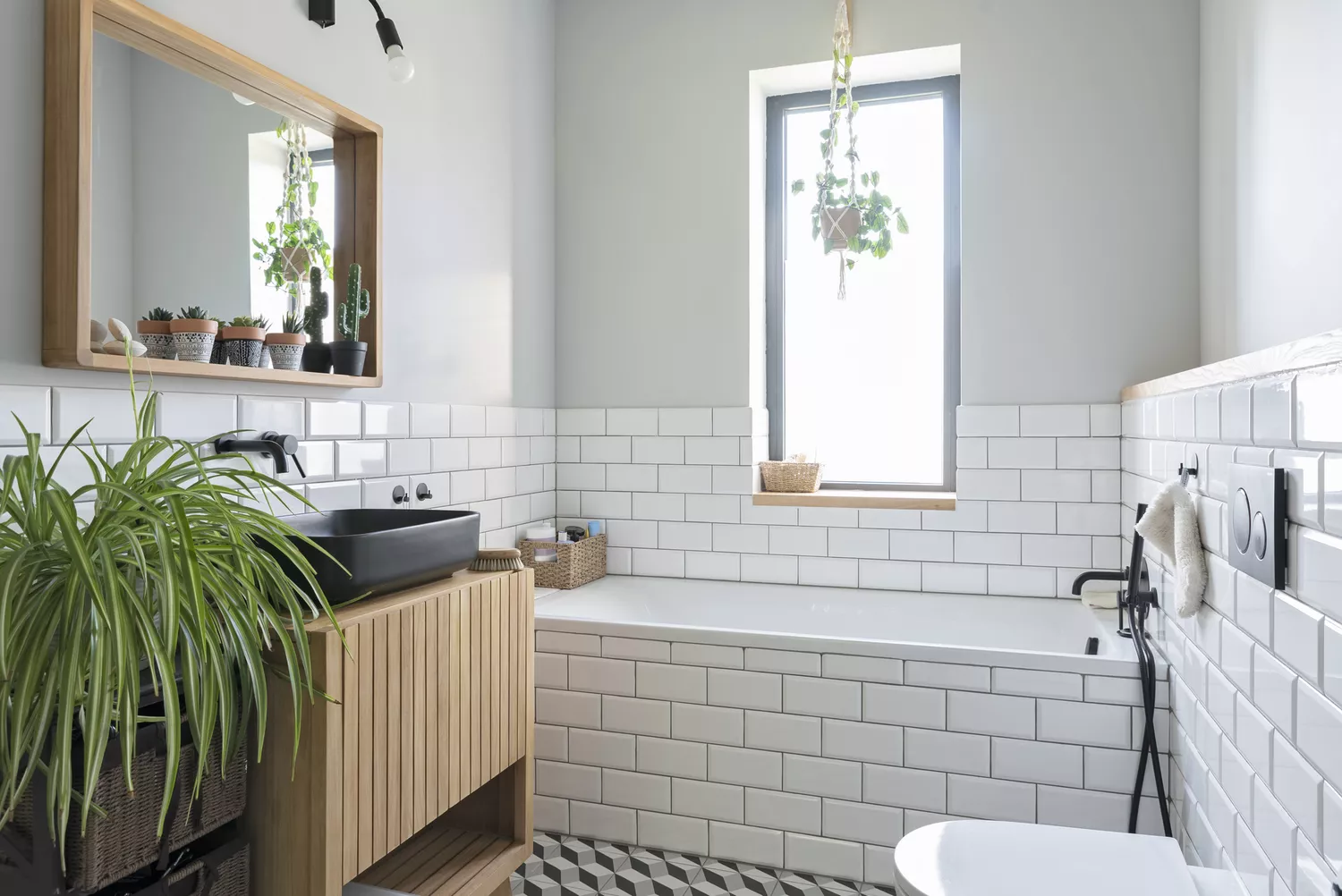
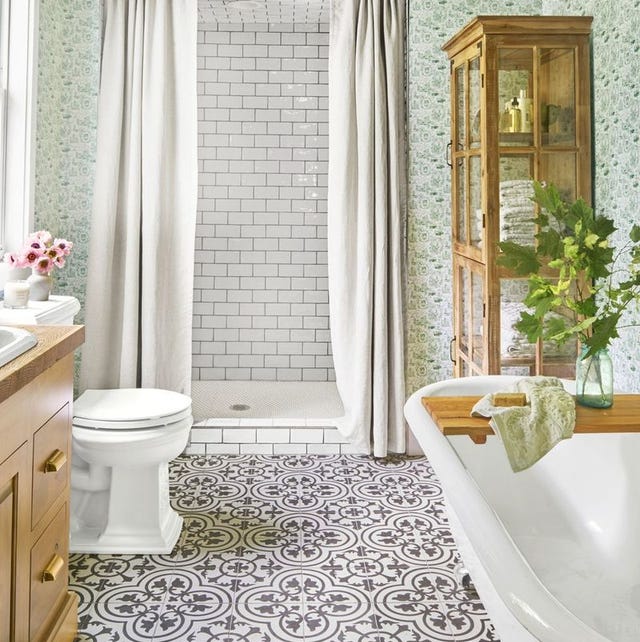
Certain types of tiles are inherently less likely to overwhelm a space, regardless of how generously they are used. Classic metro tiles, soft stone effects, and large-scale porcelains in muted shades are considered reliable, fail-safe choices. These act as a dependable backbone for a bathroom, providing an all-over tiled look without dominating. Solid-colored ceramics, neutral Zellige tiles, and soft-toned cement tiles are also safe bets. Their simplicity allows for generous application without tipping into excess, while still adding texture and depth to the design. By understanding these principles of contrast, focal points, and judicious material selection, it is possible to create a tiled bathroom that is both striking and serene, avoiding the common pitfall of an overwhelming aesthetic.
#BathroomDesign #TileTrends #InteriorDesign #HomeDecor #TileDrenching #DesignBalance #BathroomTiles #ModernBathrooms #DesignTips #BathroomDesign #TileTrends #InteriorDesign #HomeDecor #TileDrenching #DesignBalance #BathroomTiles #ModernBathrooms #DesignTips
0 comment in total
 No comments yet
You may also like
Chevron Tiles and Mismatched Mirrors Help Energy Flow in This Feng Shui Bathroom
4 Designer Tips for Creating an All-Tile Bathroom

Bathroom organizing mistakes – experts explain where you're going wrong and how to fix it

15 Bathrooms With Amazing Tile Flooring

6 bathroom design myths experts say you shouldn't believe
5 Experts Share Their Favorite Tile for a Knockout Shower
We Asked Designers What Makes a Bathroom Look Cramped and We Wish We Knew This Sooner
The "Stark Spa" Feel Is Out—Here Are 12 Bathroom Tile Trends That'll Define 2025


Bathroom Tiles

Designers Reveal the Bold Design Trend That's Taking Over Homes

7 Designers Weigh in on the Best Tile for Bathroom Floors
Nixing the Medicine Cabinet Streamlined This Tiny Bathroom Remodel
This Genius Tile Hack Could Transform Your Bathroom—But Pros Say There's a Catch
Interior designers believe these are the bathroom tiling trends to follow (and avoid)

Finally, This Is How to Organize Your Bathroom Once and for All


'Organize Your Life': Tools and tips to keep your bathroom clean and tidy

'Tile drenching': The statement-making interiors trend to try in 2025
Should your shower tiles match the rest of your bathroom?
These Bathroom Tile Ideas Make a Major Design Statement

6 Bathroom Tile Patterns Designers Are Ready To Say Goodbye To