1/2
What You Need To Know About Window Insulation
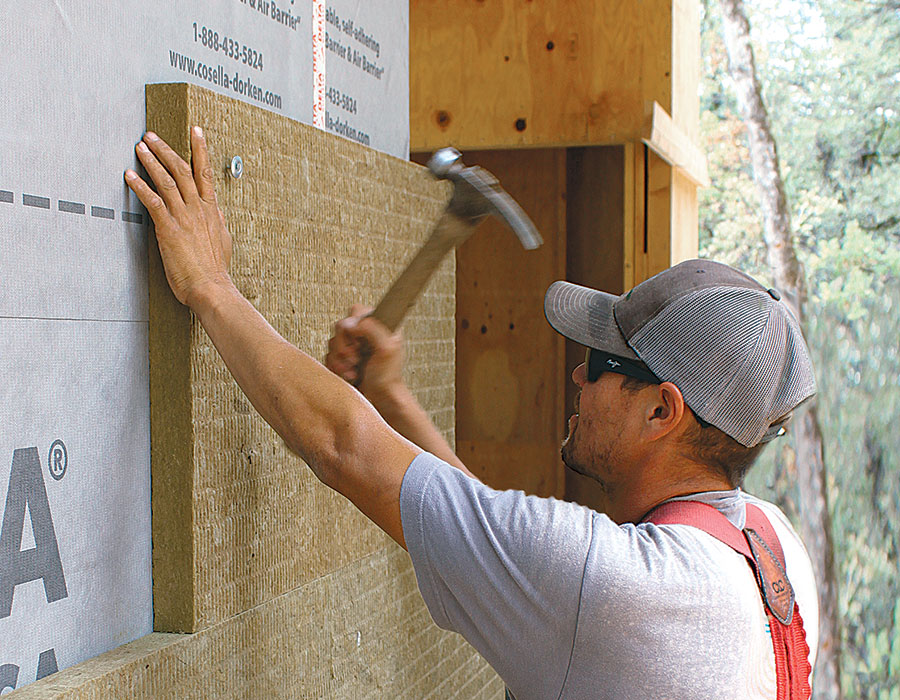
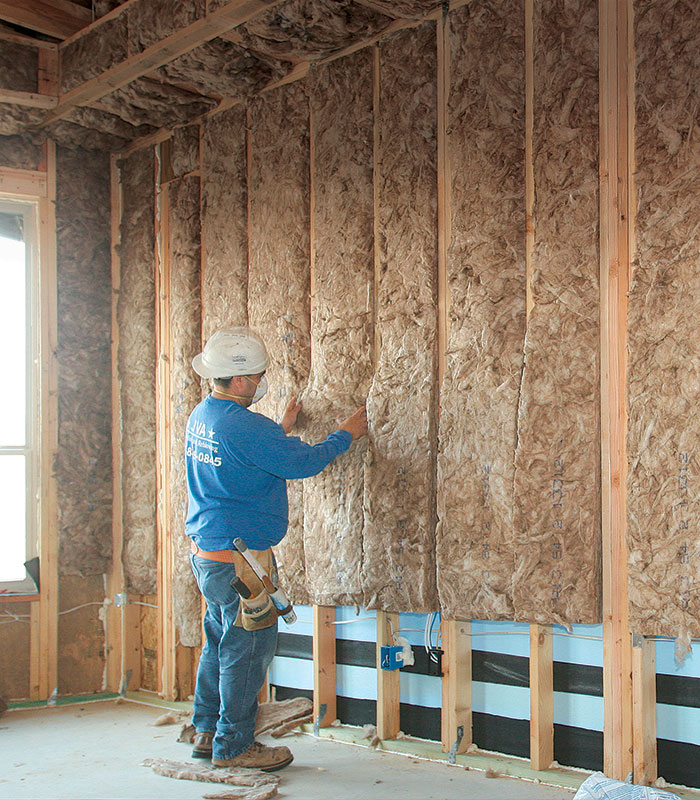
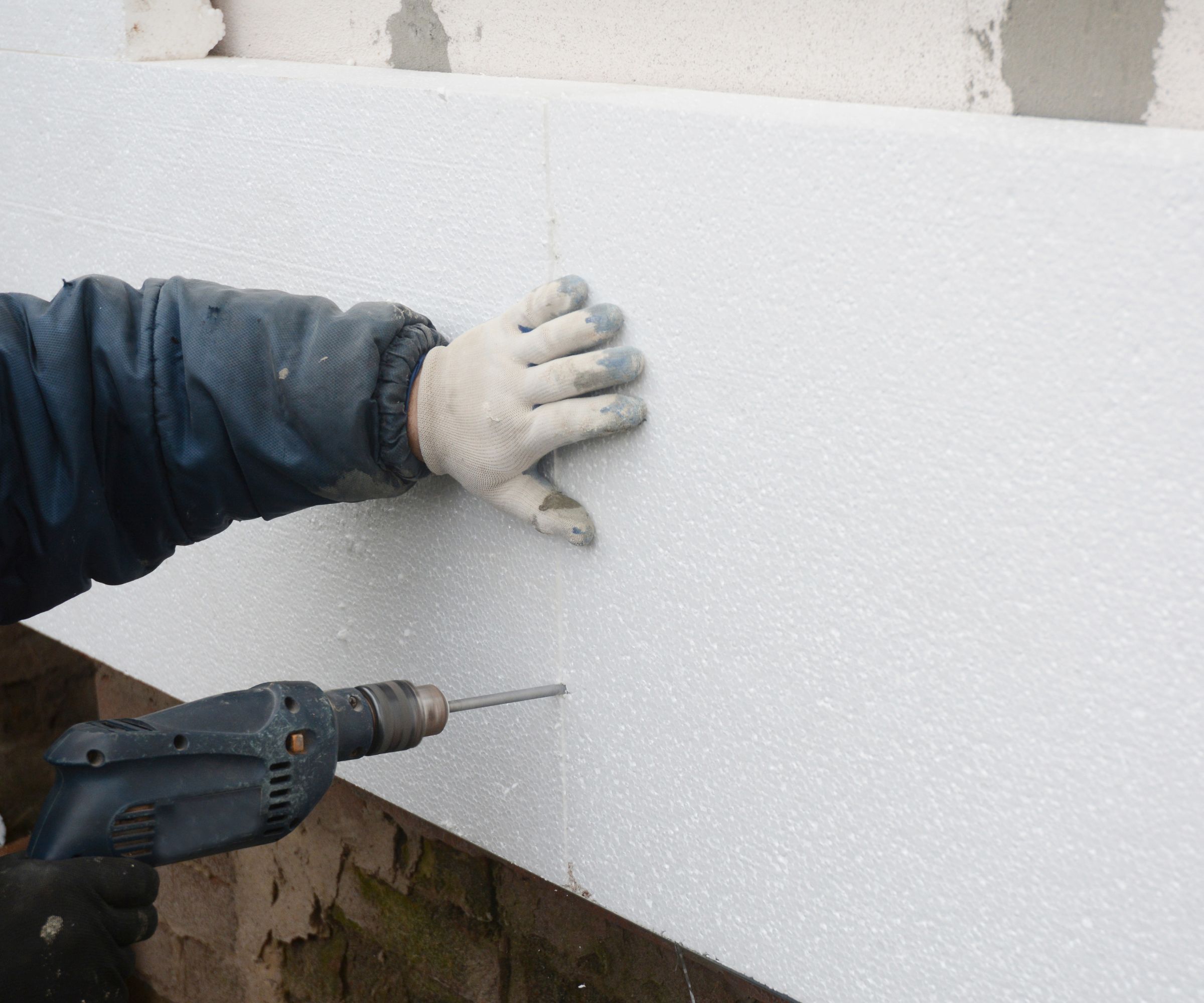
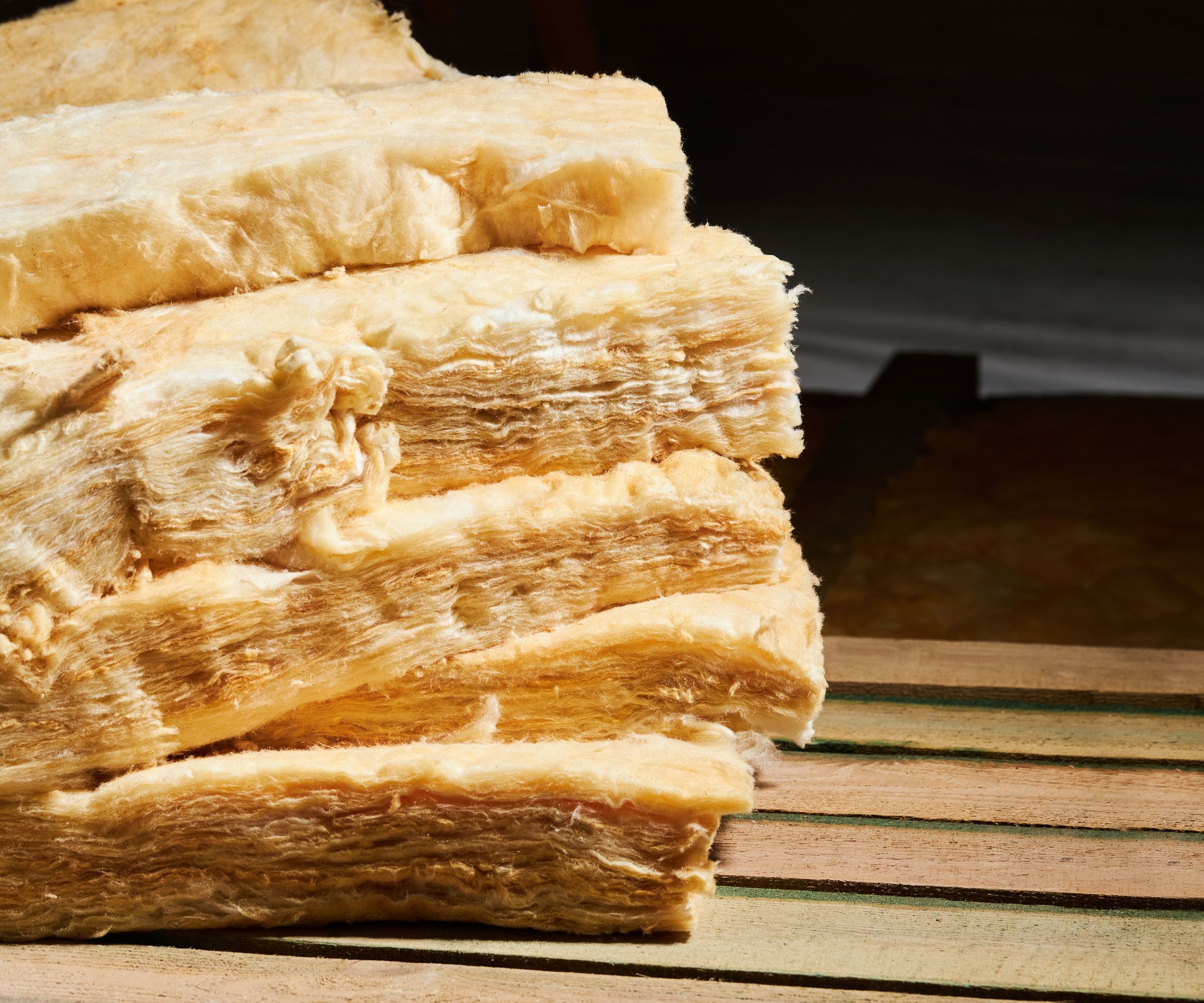
Window insulation is crucial for maintaining a warm home during winter, primarily by utilizing air as an insulator. Materials like fiberglass, cellulose, mineral wool, and foam work by trapping small pockets of air, which is a poor thermal conductor, thereby preventing heat transfer through walls and ceilings. This principle extends to window glass; single-pane windows feel cold due to poor insulation, while double- or triple-pane windows, which contain a layer of air or inert gas like argon or neon between panes, offer superior insulation by impeding heat transfer. According to Jeramy Sibley, president of Glass Doctor, insulated windows significantly reduce heating costs and improve indoor comfort by maintaining consistent temperatures. Jeff Palla, president of Mr. Handyman, reinforces this, stating that properly insulating windows is a smart investment that can save homeowners up to $583 annually, as per Energy Star.
Window insulation acts as a barrier against heat loss. While insulated glass is the most direct method, addressing gaps around windows is also vital. Sibley emphasizes that barriers preventing airflow through these gaps enhance comfort. Palla outlines four key strategies for insulating windows without replacing the glass: draft stoppers, curtains and blinds, caulk and weatherstripping, and window film.
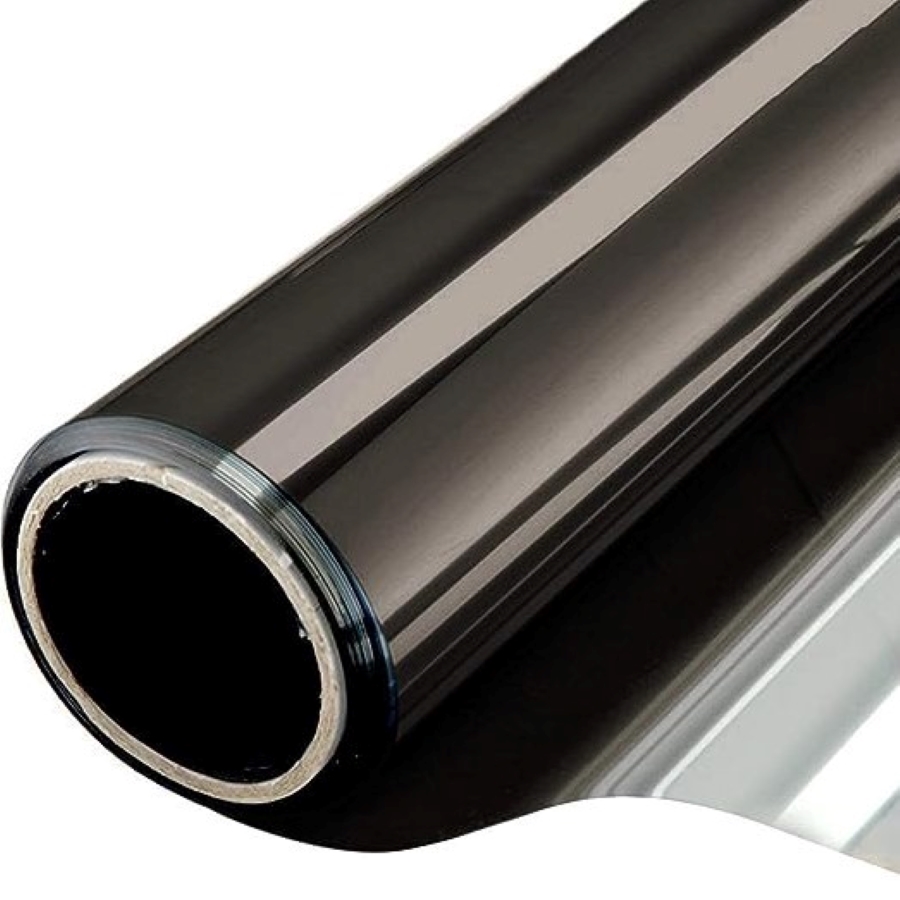
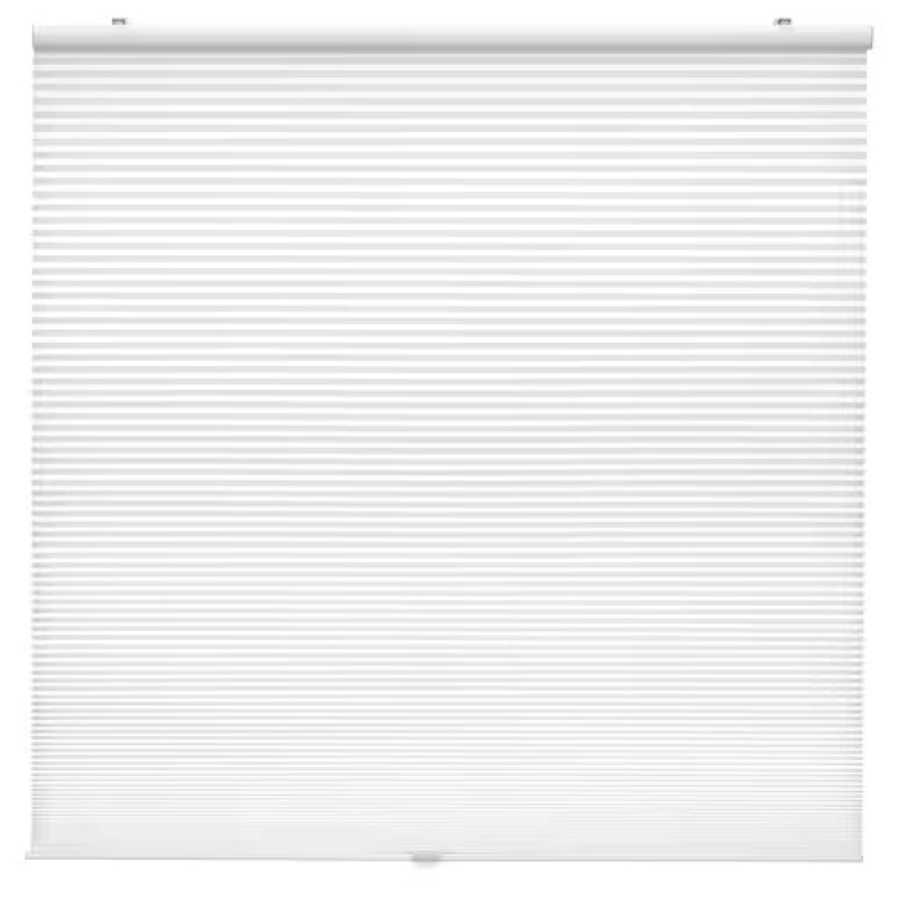
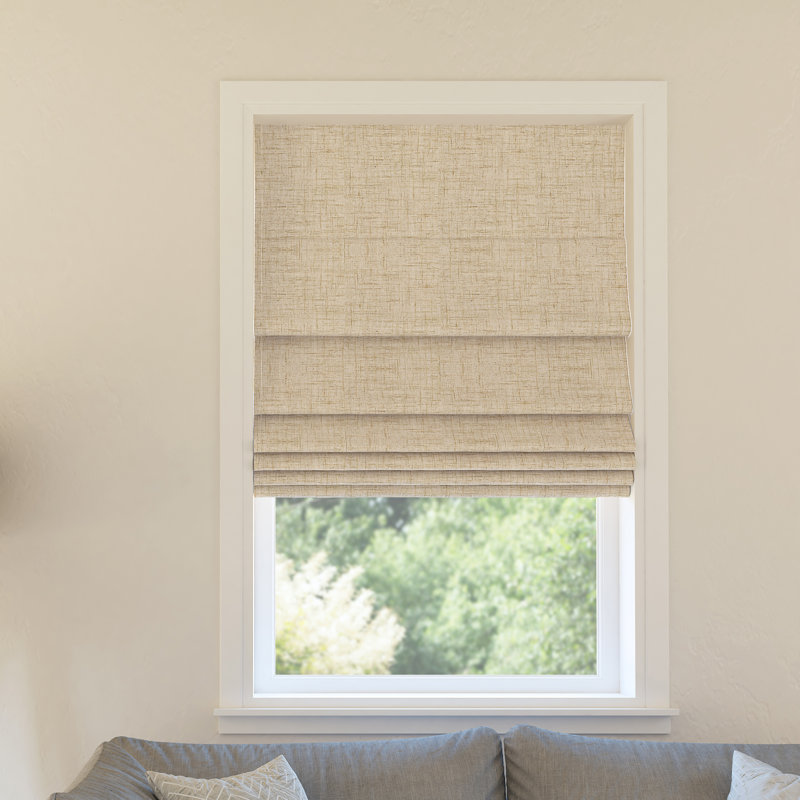
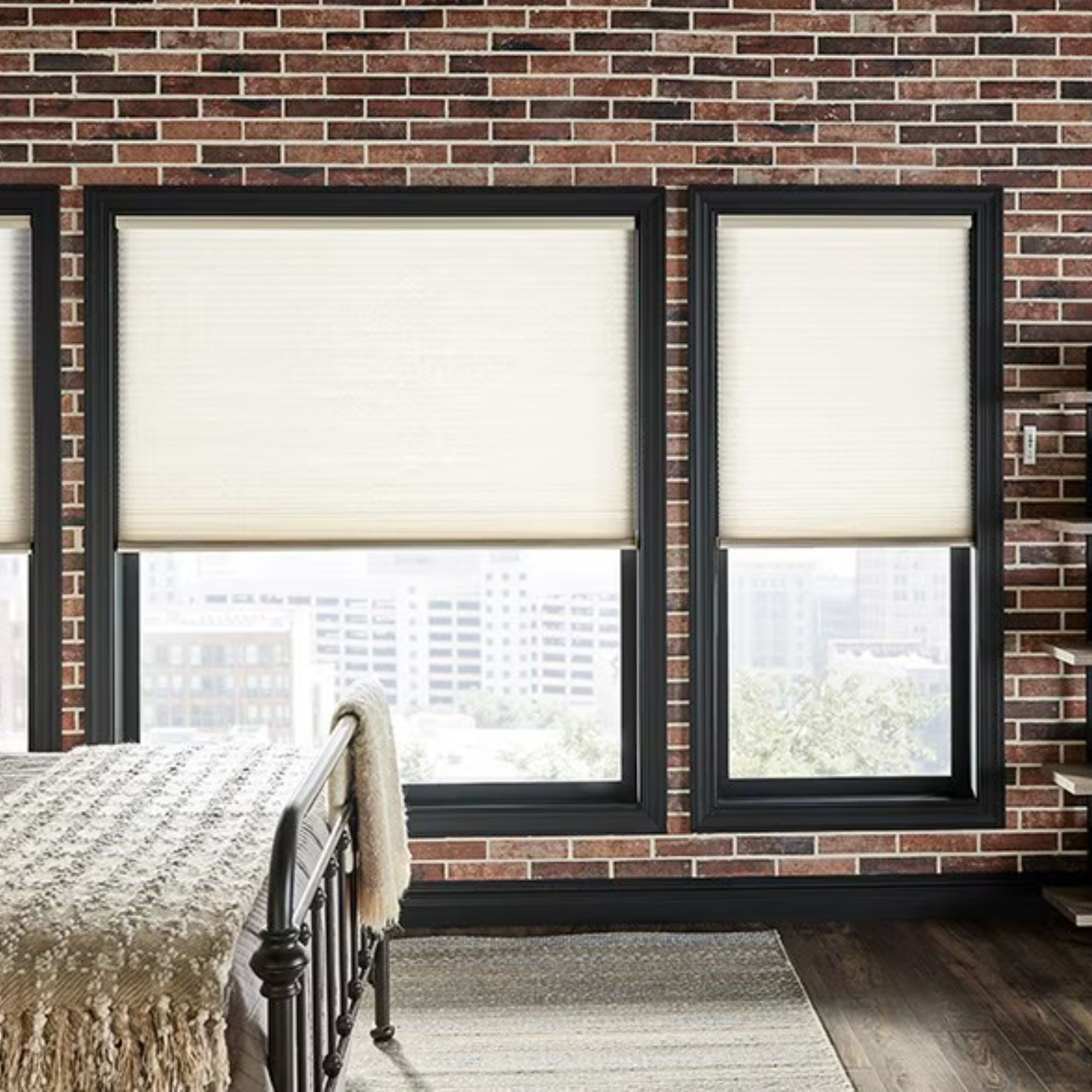
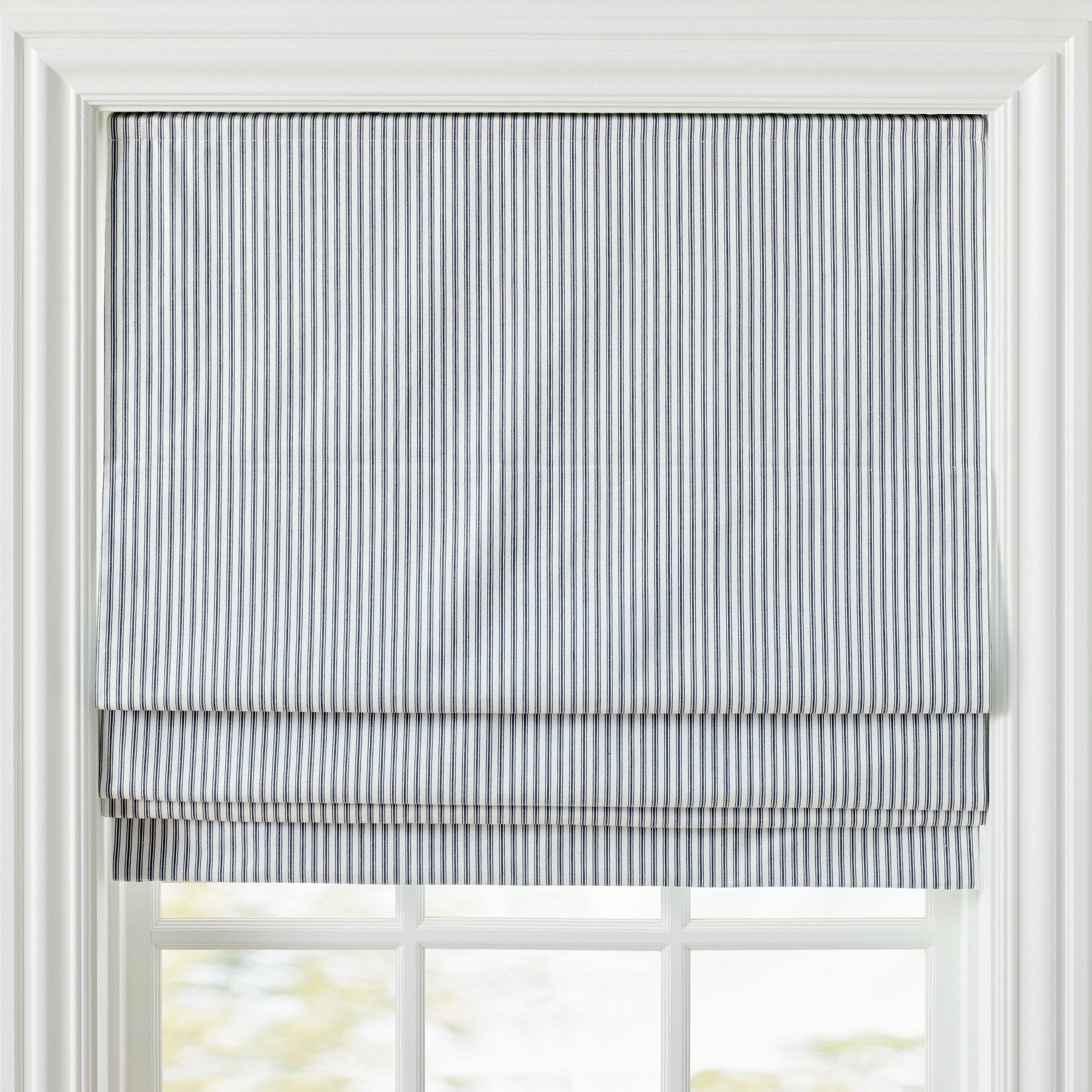
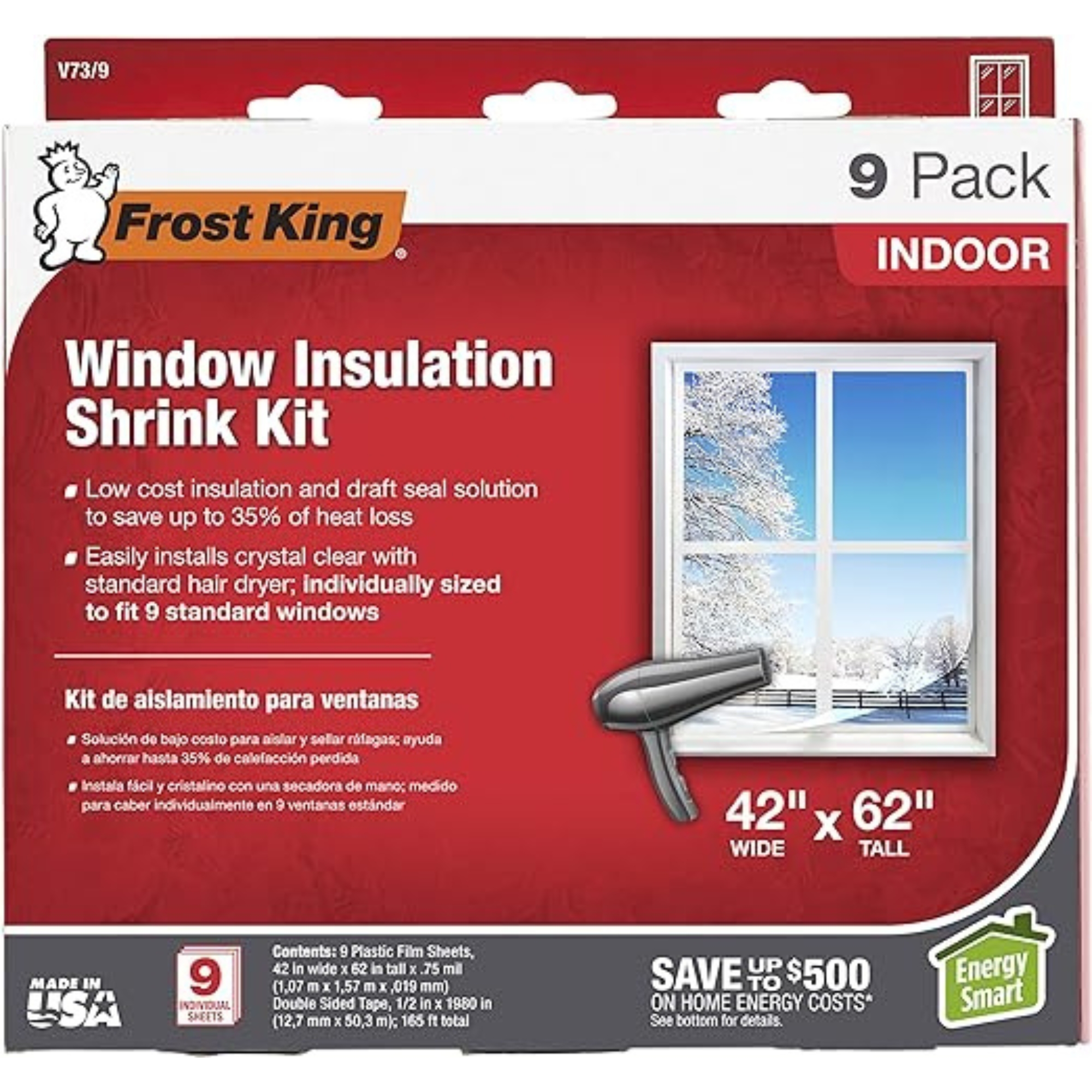
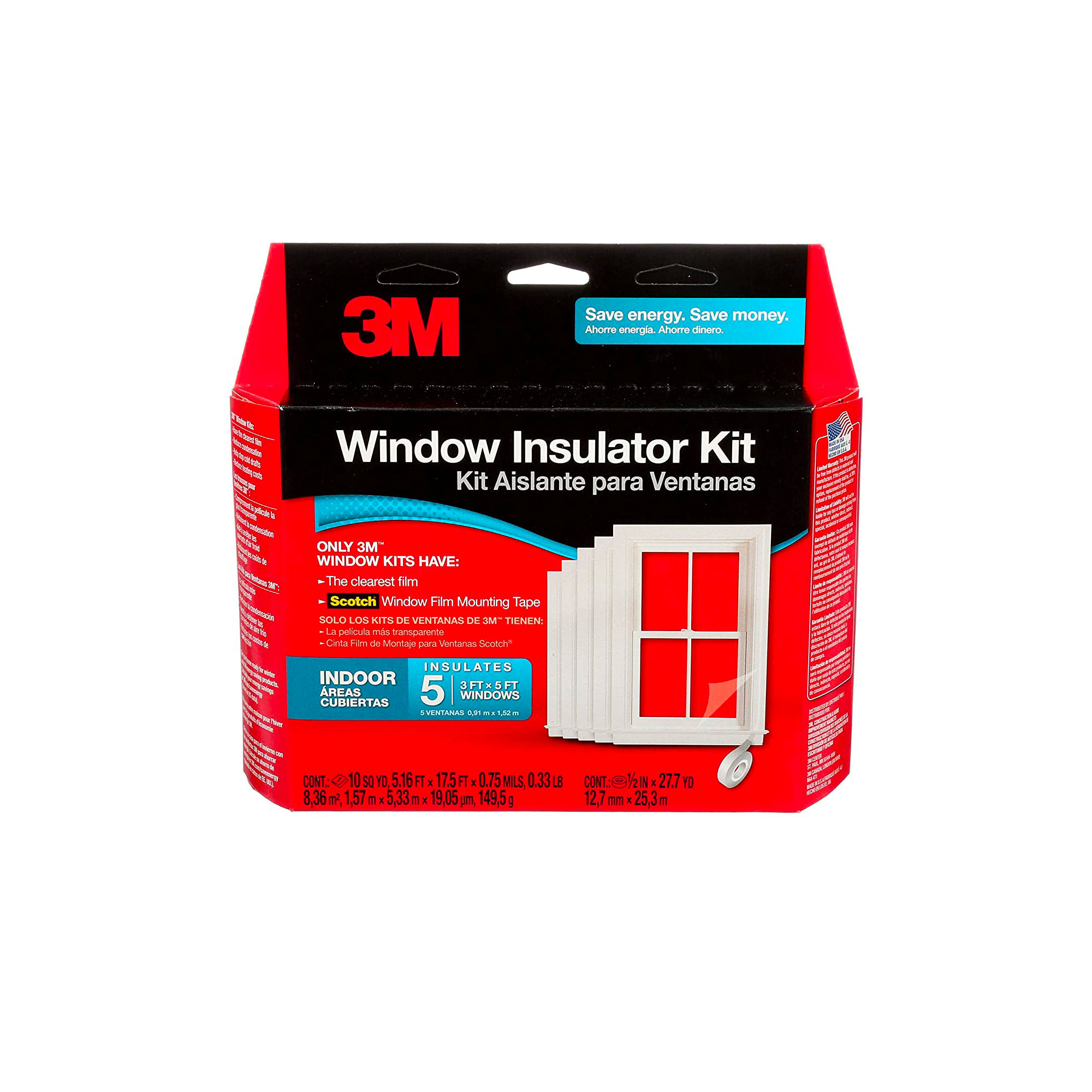
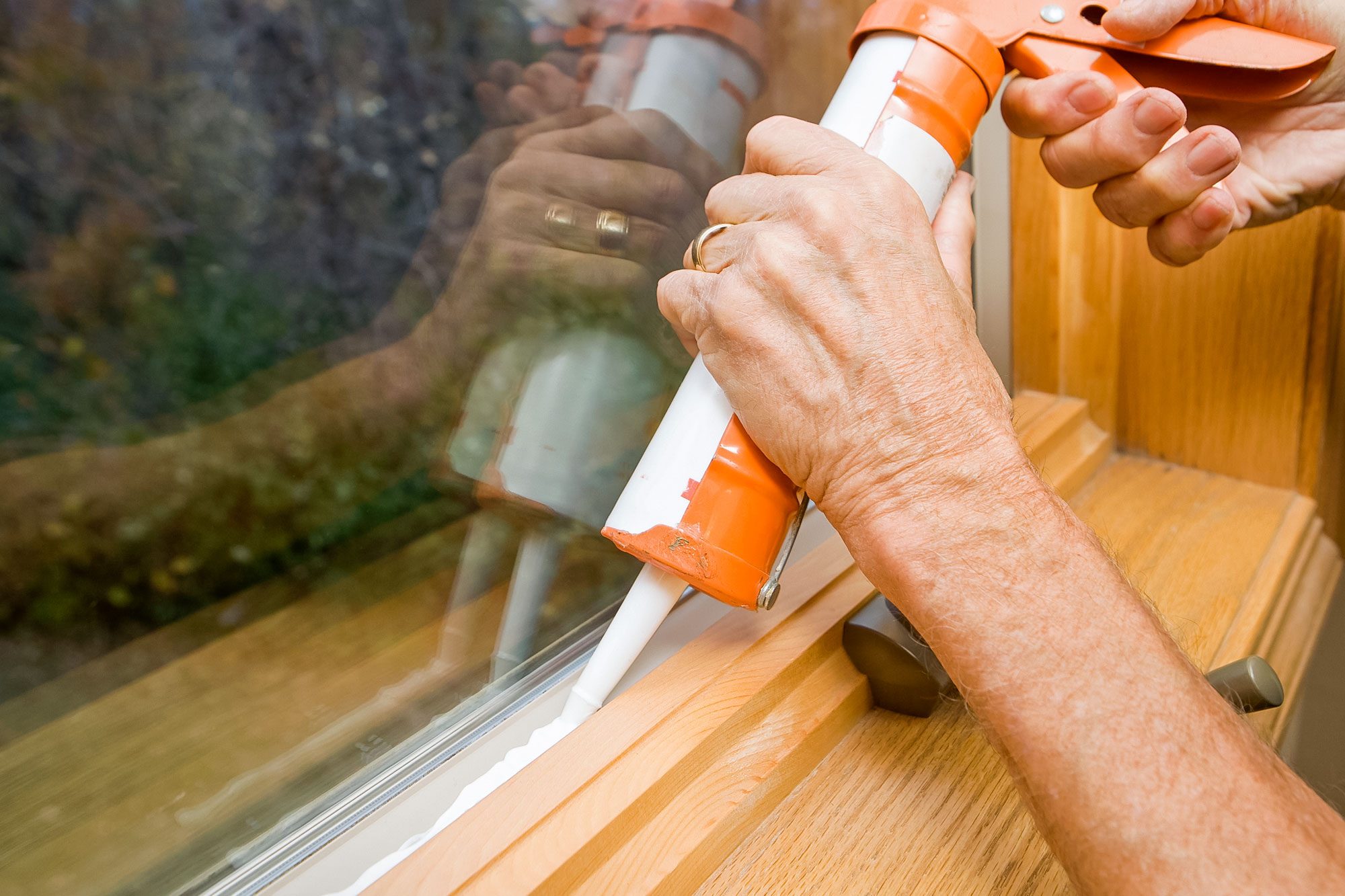
Draft stoppers, typically fabric tubes placed at the bottom of windows, are particularly effective for double-hung windows prone to leakage. Certain window treatments, such as cellular or honeycomb shades, and fleece-lined or blackout curtains, can act as a thermal barrier, much like a blanket. Caulk is used to seal gaps between the window glass and frame, while weatherstripping tightens seals around sashes and jambs. Window film, whether DIY or professionally installed, creates an insulating air buffer and seals drafts.
Insulated window glass, often made from tempered or safety glass, uses the principle that gas molecules, being farther apart than solid materials, transmit less heat energy. This is why double- or triple-pane windows are effective at preventing drafts and heat transfer. Sibley compares various window types for their insulating properties: single-hung windows, with one moveable and one fixed pane, are good for climate control and wind resistance; double-hung windows offer similar benefits with better airflow management due to two moveable sashes; casement windows, which seal tightly like a door, are considered excellent for cold weather; and sliding windows, combined with double or triple-glass panes, provide sufficient protection against cold.
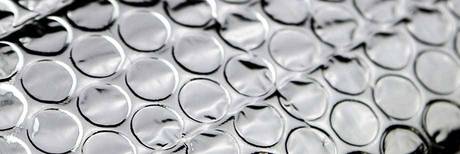
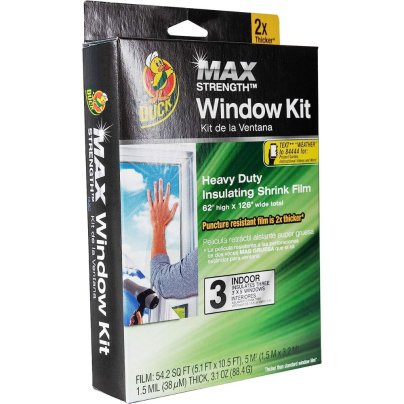
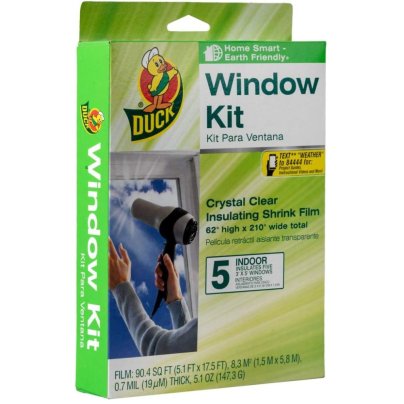
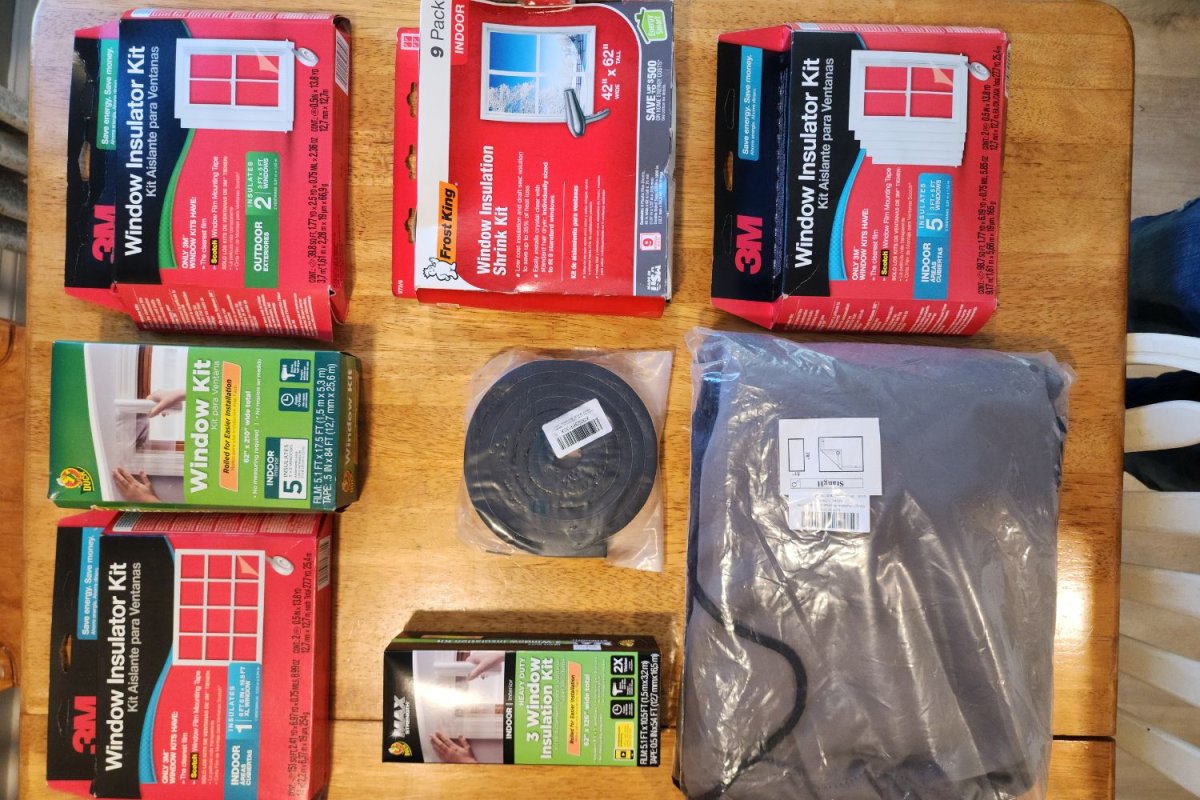
Replacing all single-pane windows with multi-pane alternatives can be costly. Therefore, alternative methods for winterizing windows are essential. Palla suggests installing inexpensive window film to reinforce glass against cold. Sibley offers a DIY bubble wrap method: cut bubble wrap to fit each pane, moisten the glass, press the bubble wrap on, and secure with double-sided tape if necessary. The bubble wrap can be easily removed by pulling a corner.
#WindowInsulation #EnergyEfficiency #HomeHeating #DIYInsulation #Winterization #HomeImprovement #ThermalComfort #WindowTypes #EnergySavings #WindowInsulation #EnergyEfficiency #HomeHeating #DIYInsulation #Winterization #HomeImprovement #ThermalComfort #WindowTypes #EnergySavings
0 comment in total
 No comments yet
You may also like
What to Consider When Choosing Insulation

Loft Insulation


5 ways to insulate a wall to lower your energy bills and block out noise – and which ones are a mistake to DIY


High-Tech Windows

Home insulation materials


6 areas of your home you should never insulate – and why it's a hazard that can do more harm than good
Prep for Winter Weather with These 8 Window Insulation Kits

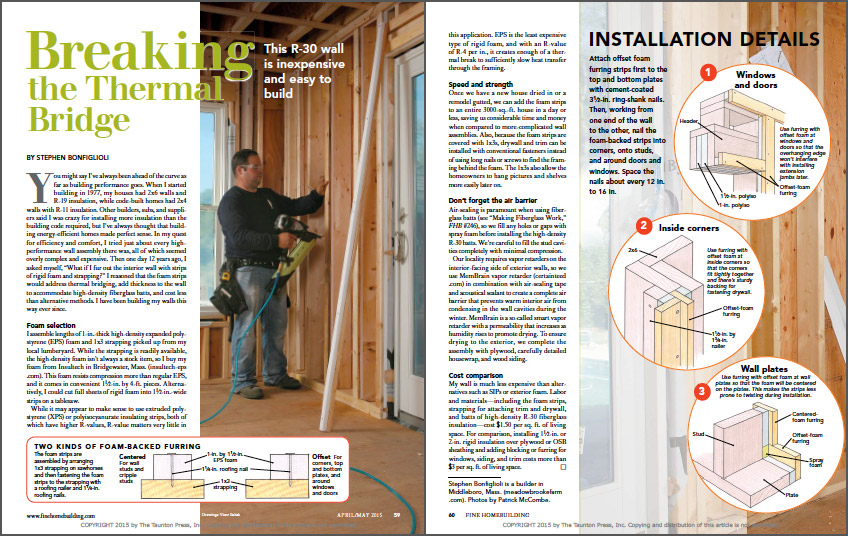
An Easy Way To Build a Well-Insulated House
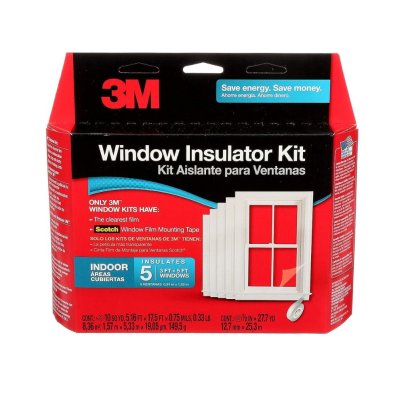
Surprisingly, Our Favorite Window Insulation Isn’t the Thickest


Insulating window coating for retrofit

Windows and Frames: The Silent Revolution Changing the Way We See Light and Landscapes


The 4 areas of your home pros say to always insulate to keep it toasty in colder weather – plus, where to never insulate

6 Ways to Choose the Right Window Designs for Your Home


Which window treatments will actually keep my house cool? 5 ideas that will help control the temperature inside


The $54 Frost Fix That Stops Drafty Windows – and Looks Great

8 budget fixes for drafty windows — including a $2.99 beauty product I use every single day

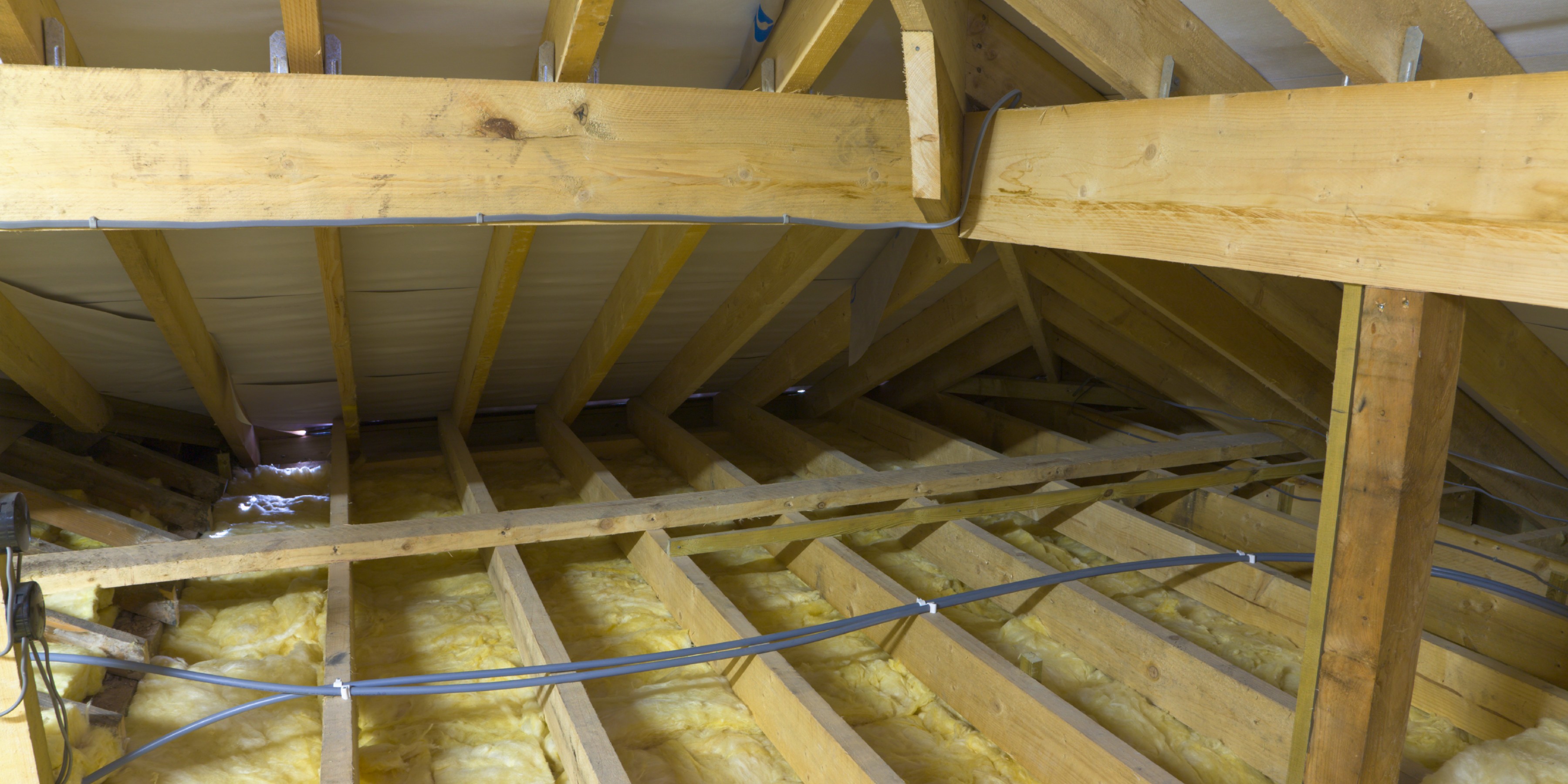
This is how to get your roof and loft insulation right so that your home stays warm and energy efficient all winter long

6 types of attic insulation and how to pick one for your home
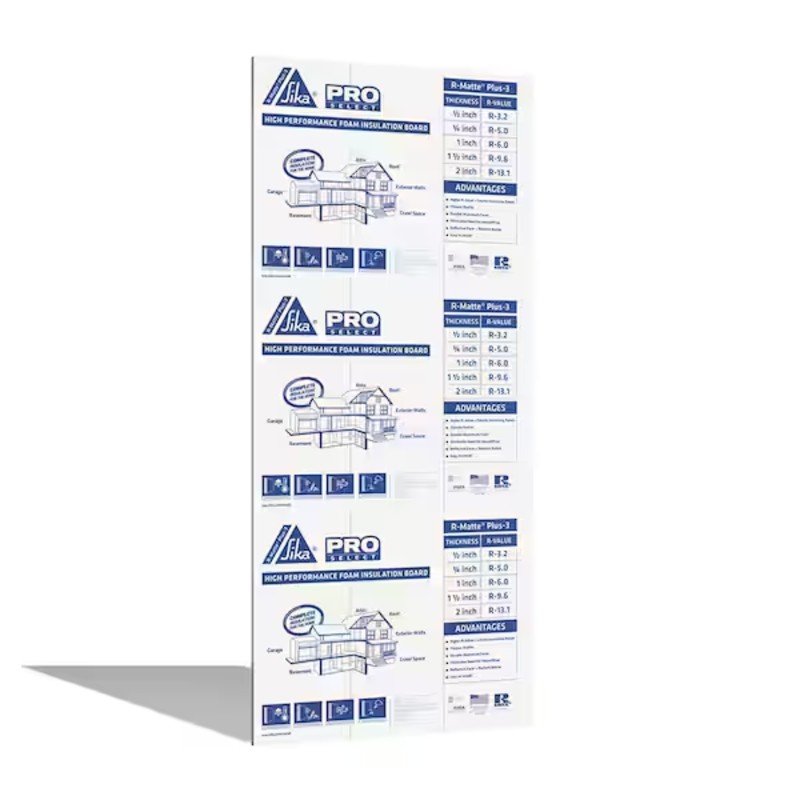
After Researching Over 20 Options for Exterior Walls Insulation, There is One Clear Winner
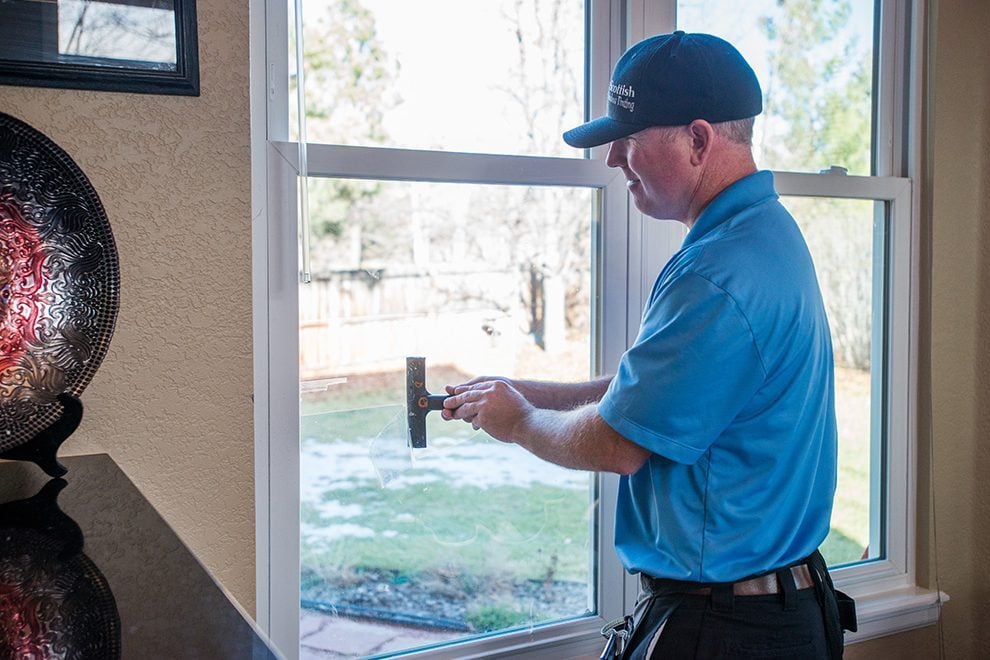
Home Window Tinting: What To Know Before You Buy