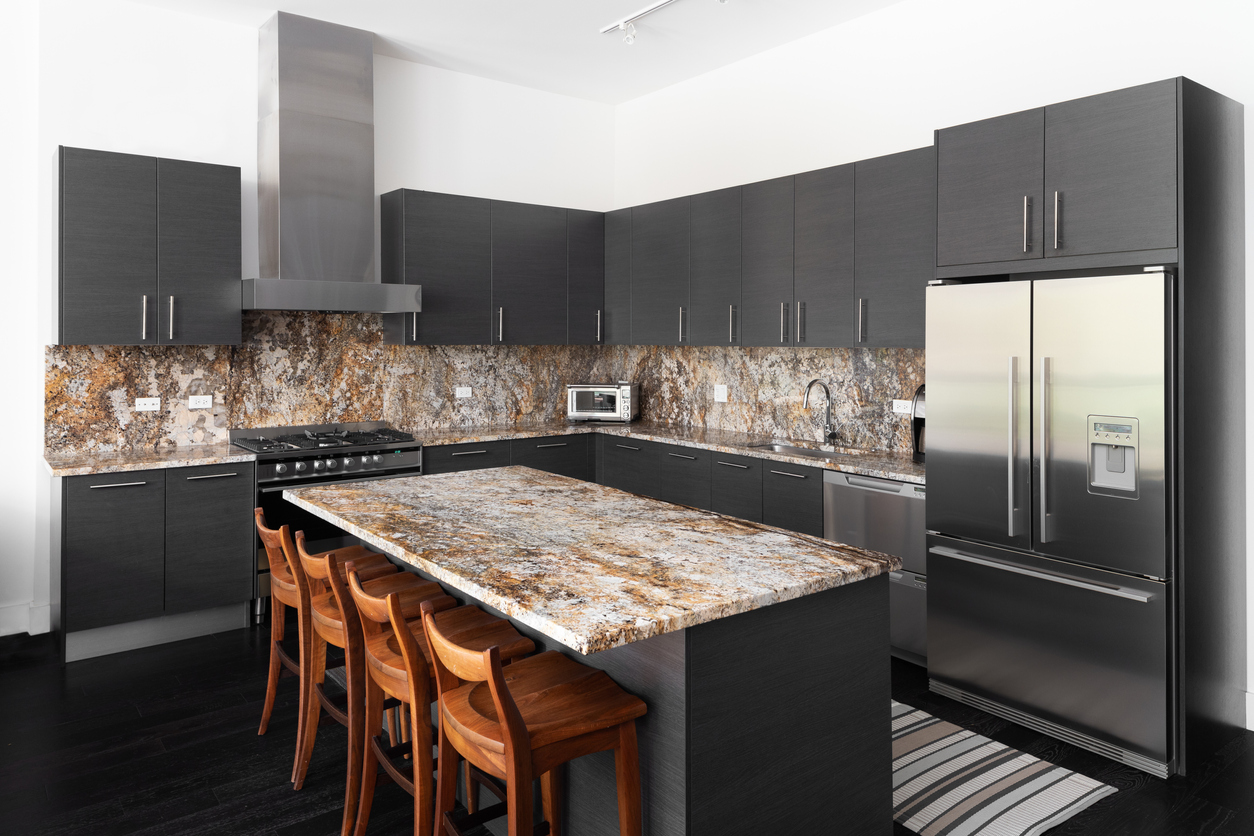
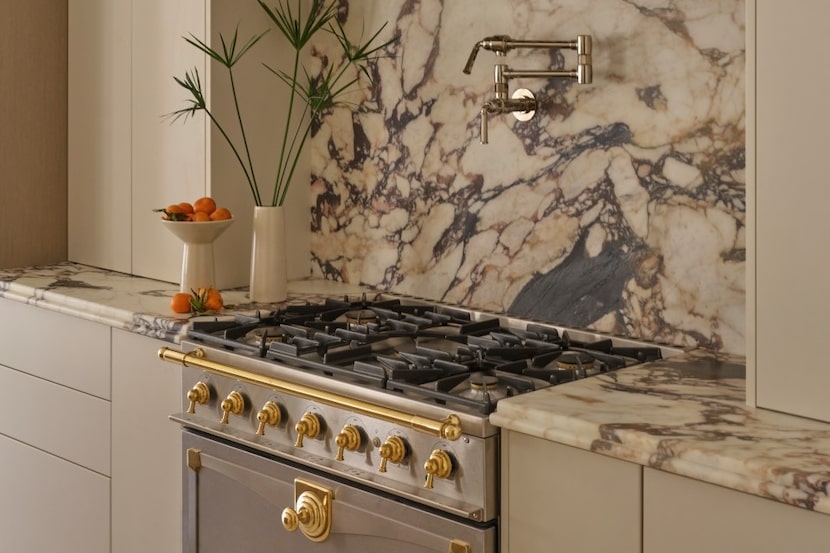
1/2
Clean up those marble countertops and keep your stone protected from stains
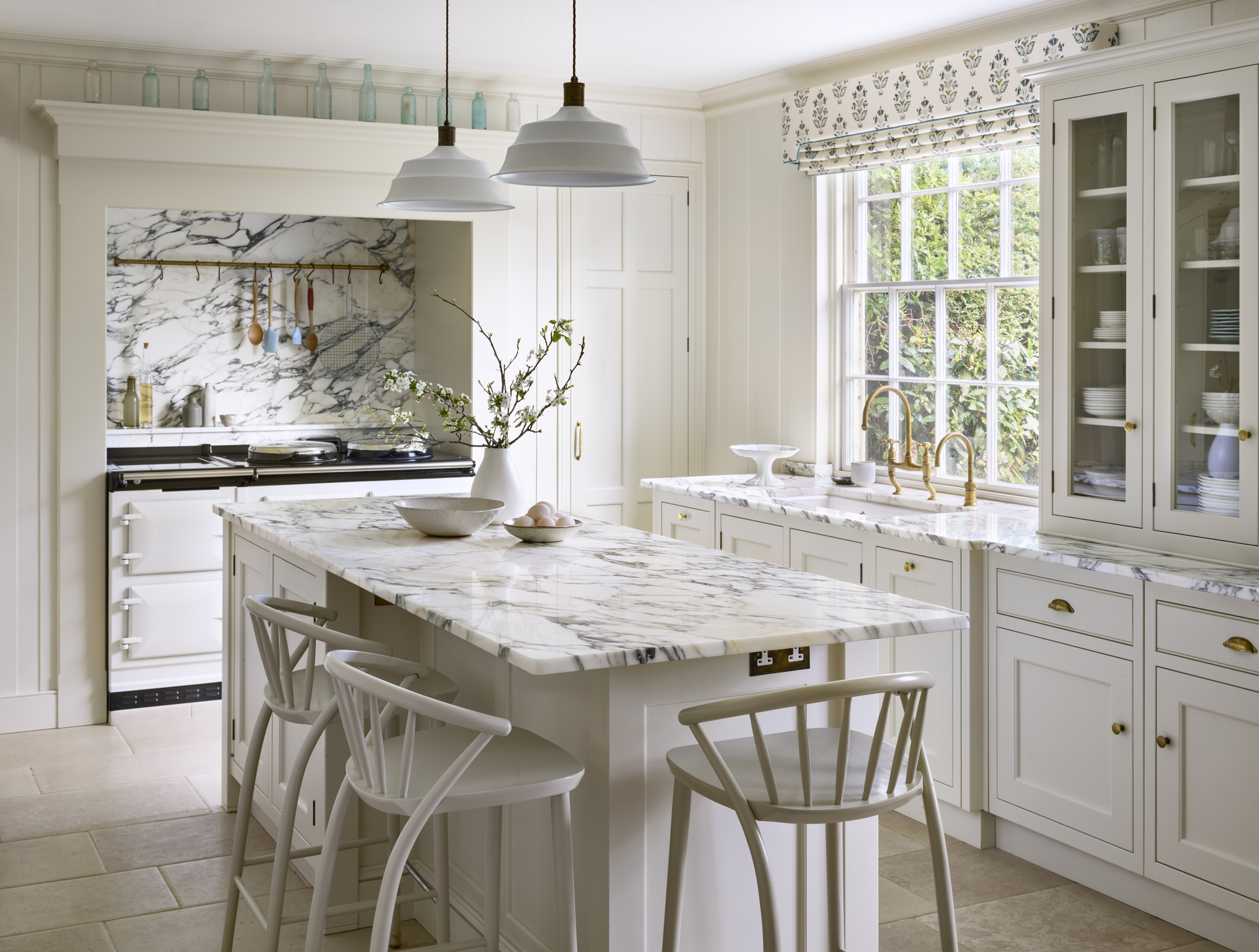
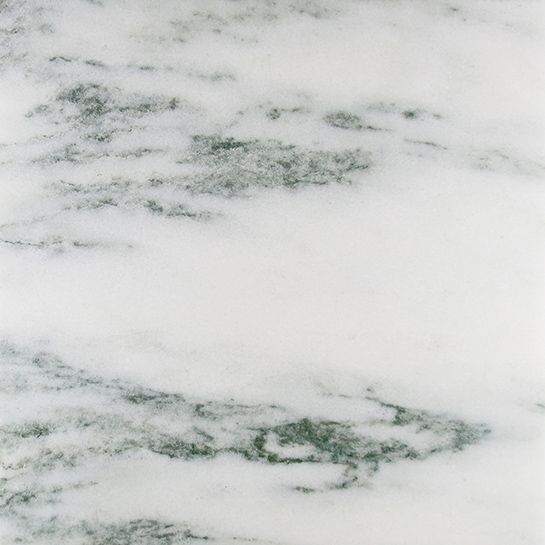
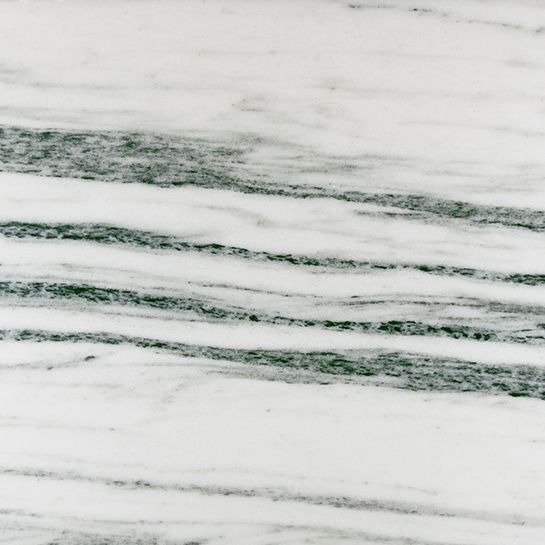
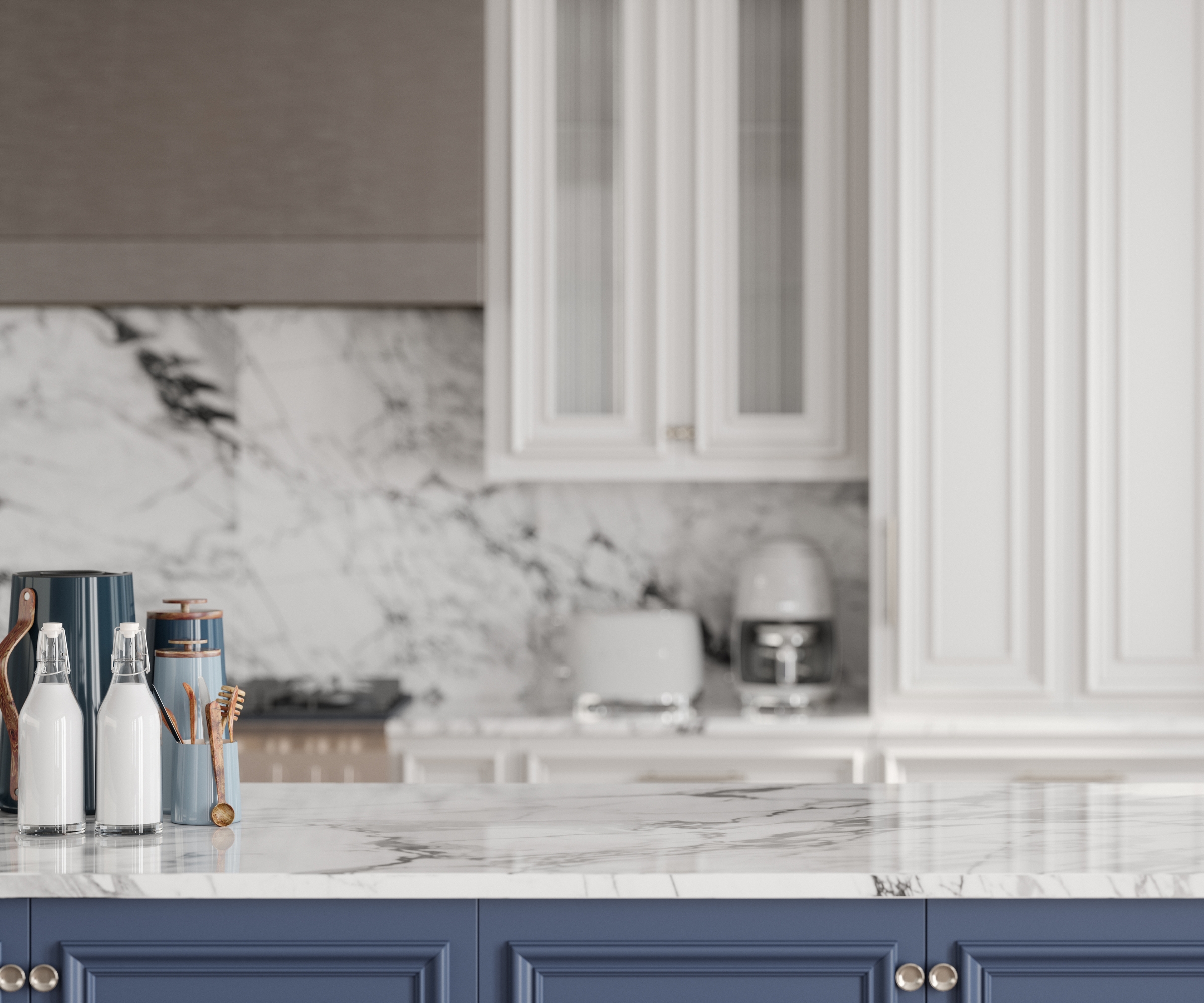
Marble countertops, a popular and enduring trend in home design, require specific care to maintain their beauty and prevent stains. Despite their elegant appearance, marble is a notoriously porous material susceptible to drips and spills. This guide offers simple, speedy, and effective methods for cleaning and protecting marble, drawing on expertise from April Renee Graves, chief operating officer and partner at Aria Stone Gallery, and Jason Flores, operations manager for Dallas Sunrise Maids.
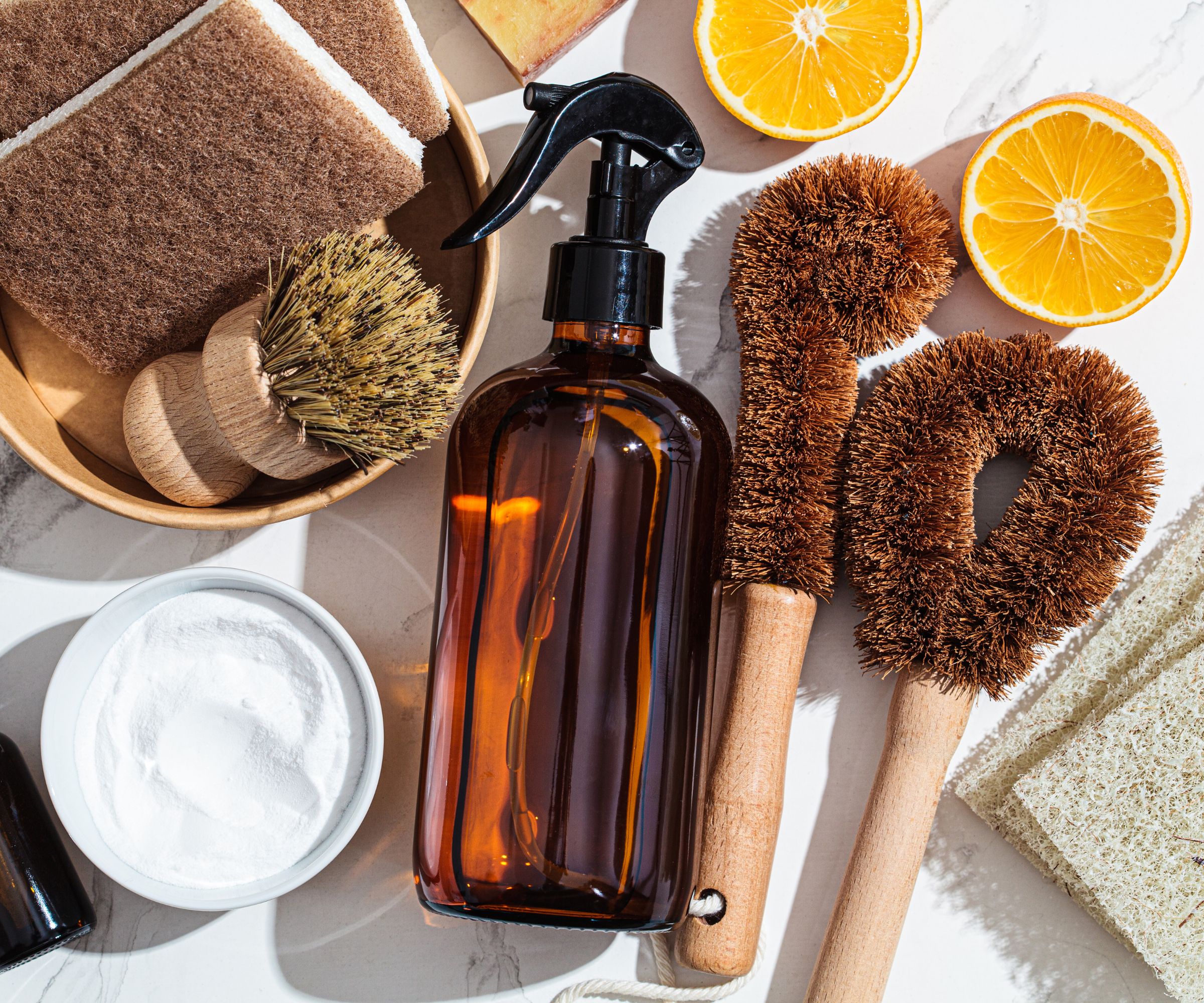
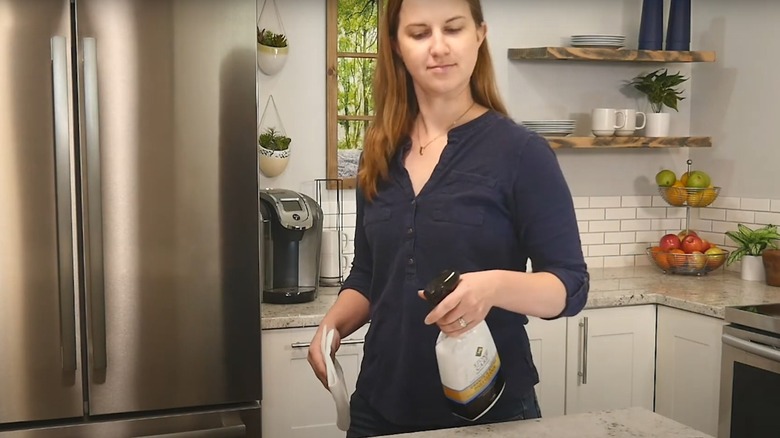
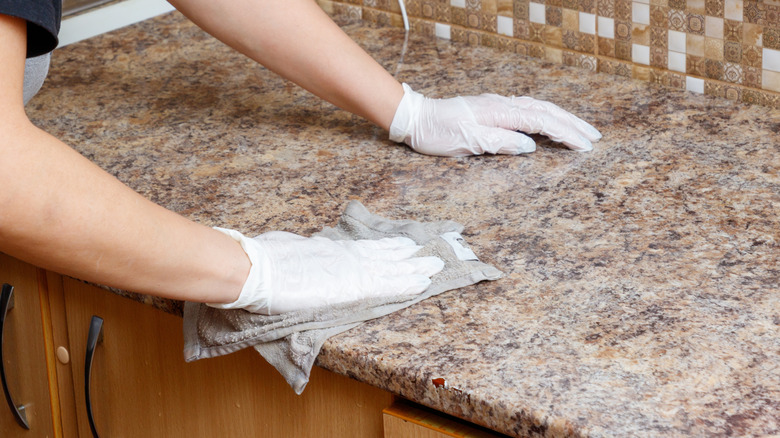
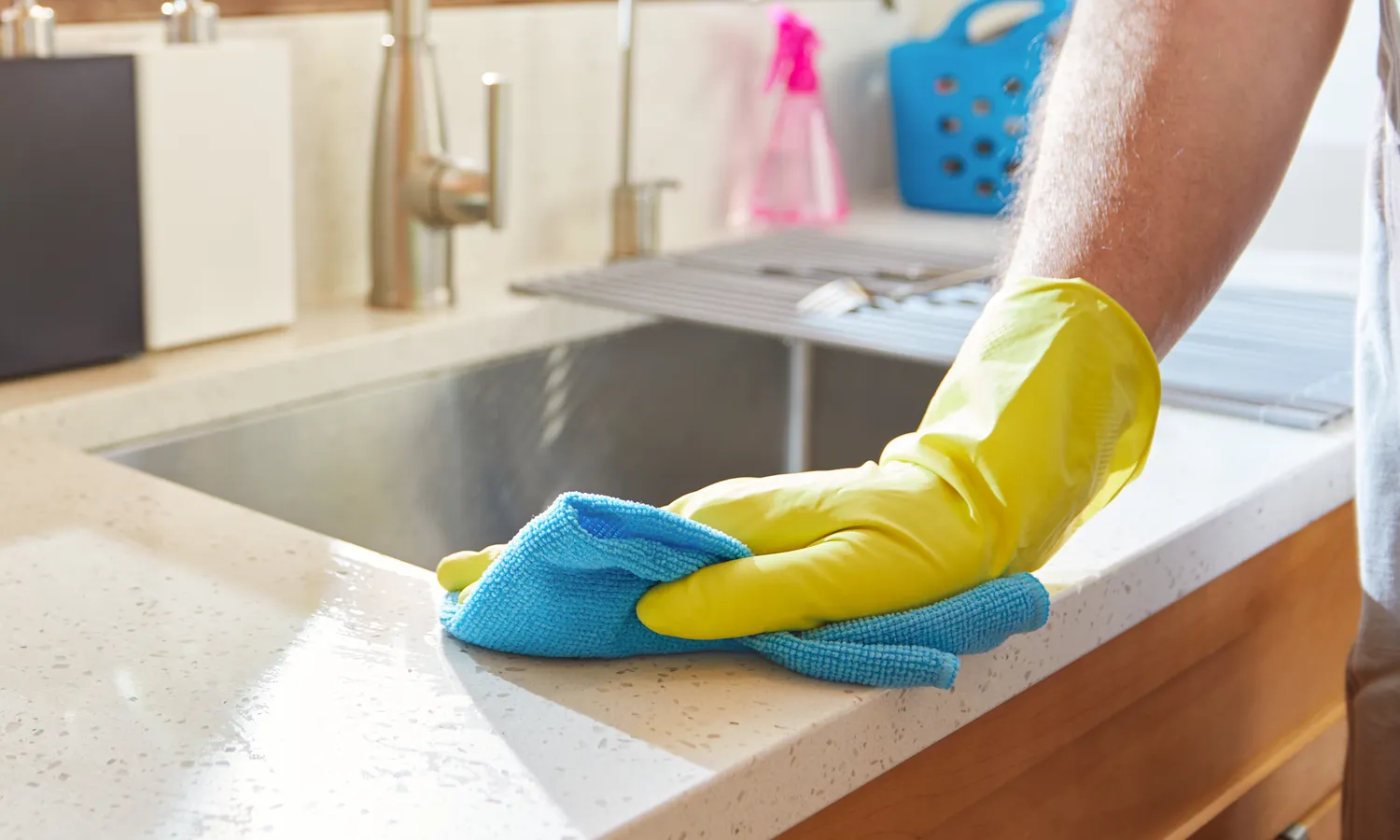
For daily care, the most effective cleaning combination is mild soap and water. Prompt action is crucial; addressing spills immediately is the best way to prevent them from setting. Coffee, wine, juice, spaghetti sauce, cooking oils, butter, makeup, and lotions are common culprits that can stain marble. Using a soft, damp cloth with dish soap, such as Dawn, followed by a second wipe with a clean, barely wet cloth to remove soap residue, is recommended. Finally, thoroughly dry the surface with a soft, absorbent, lint-free cloth, such as microfiber, to prevent water spots.
It is important to avoid abrasive cloths or sponges, as well as acidic cleaners like lemon or vinegar, and any products marked as abrasive or scouring, as these can damage the marble's surface or etch it. Regular maintenance also includes preventative measures. Graves advises covering the messiest areas of countertops while working and faithfully using coasters for drinks and trivets for hot pots and pans. Coasters prevent moisture rings, while trivets protect against etching and scratches from heavy or hot items. The principle is to avoid situations that necessitate scrubbing.
In cases where a spill is missed and a stain develops, a simple remedy involves creating a paste of baking soda and water, with a consistency similar to peanut butter. This paste should be spread over the stain, covered with plastic wrap, and left for 12 to 24 hours. This method often draws out the stain. If the mark persists, professional buffing might be necessary to address stubborn stains and etching.
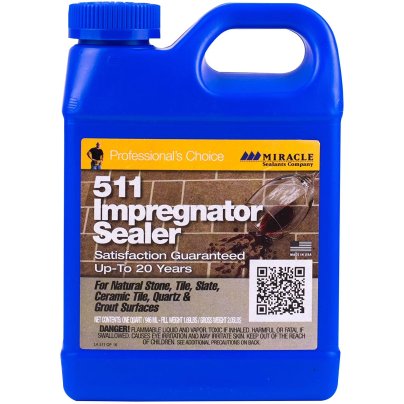
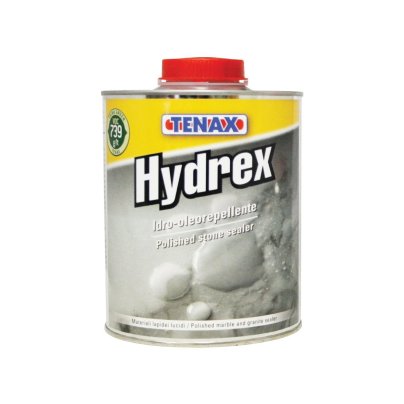
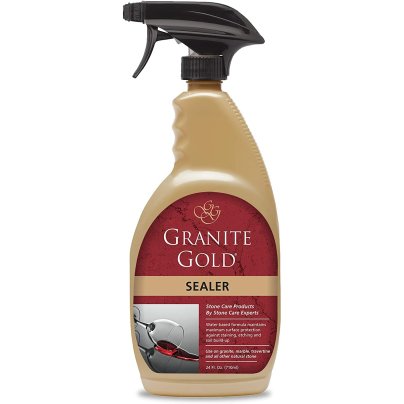
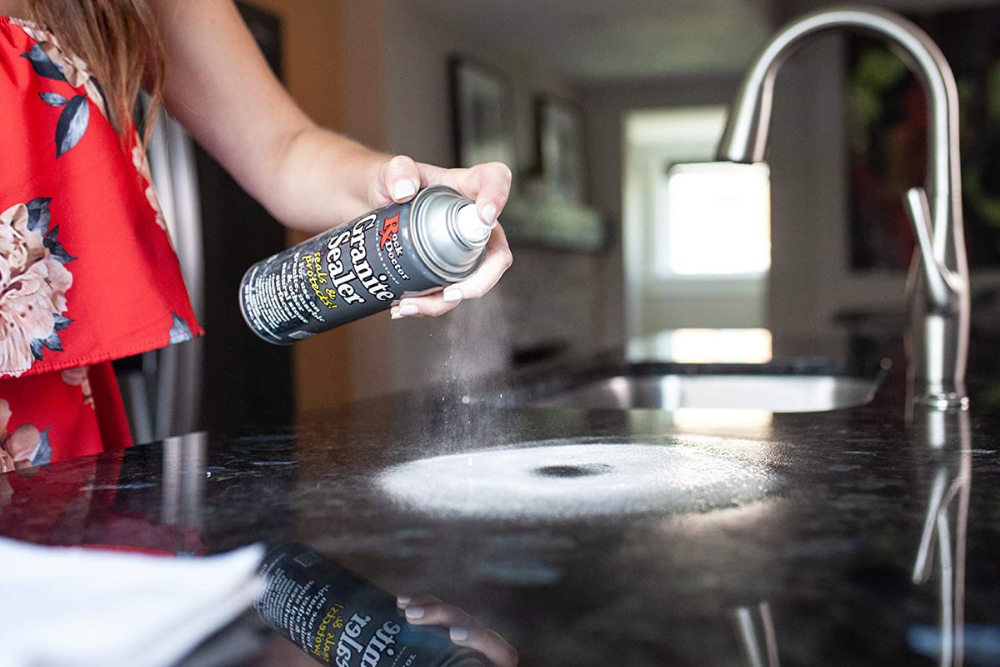
Sealer application is a critical component of marble maintenance, acting as a "top coat of armor." Sealers help prevent absorption and make liquids easier to wipe off the surface. The type of sealer and application process depend on the specific stone and the sealer used by the initial fabricator, as different stones have varying porosities. Impregnating nano sealers, which fill minuscule spaces in the stone, are often recommended for enhanced stain resistance. Color-enhancing sealers can also be used to bring out vibrant tones and can reduce the appearance of scratches. While marble demands attention, experts assert that its timeless beauty makes it a worthwhile investment for countertops, similar to its historical use in flooring and tiles.
#MarbleCountertops #HomeMaintenance #StoneCare #CleaningTips #StainRemoval #KitchenDesign #InteriorDesign #SurfaceProtection #DIYHomeCare #MarbleCountertops #HomeMaintenance #StoneCare #CleaningTips #StainRemoval #KitchenDesign #InteriorDesign #SurfaceProtection #DIYHomeCare
0 comment in total
 No comments yet
You may also like

How to Get Red Wine Stains Out of White Marble Countertops

Marble Countertops: 9 Tips for Choosing a White Marble Slab

Marble vs. Quartz Countertops: Which Is Better?


The Right Way to Remove Stains From Granite Countertops

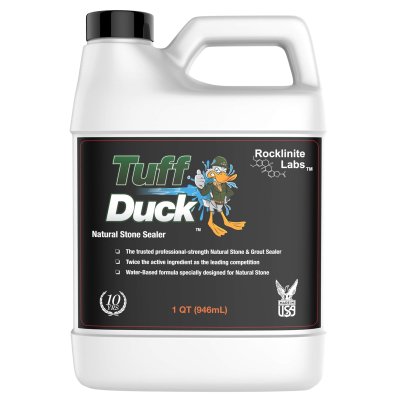
We Researched 30 Marble Sealers—Our Top Pick is Long-Lasting and Easy to Apply

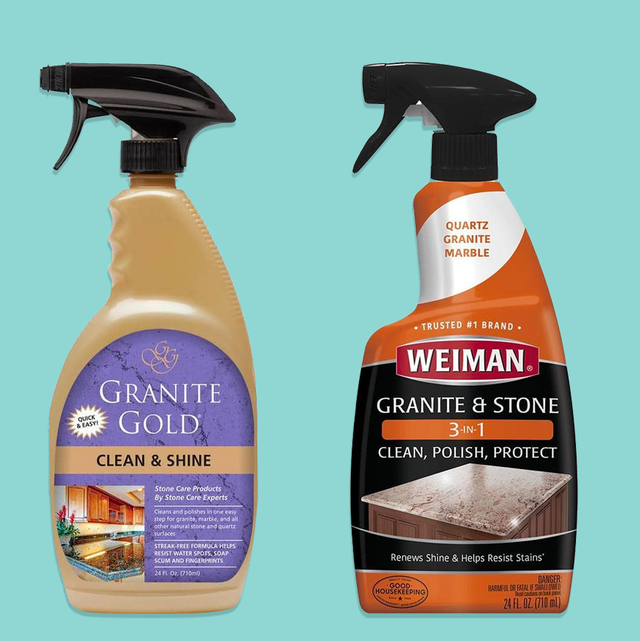
Our Pros Swear By These Kitchen Countertop Cleaners


How to Clean Granite Countertops—and Remove Stubborn Stains

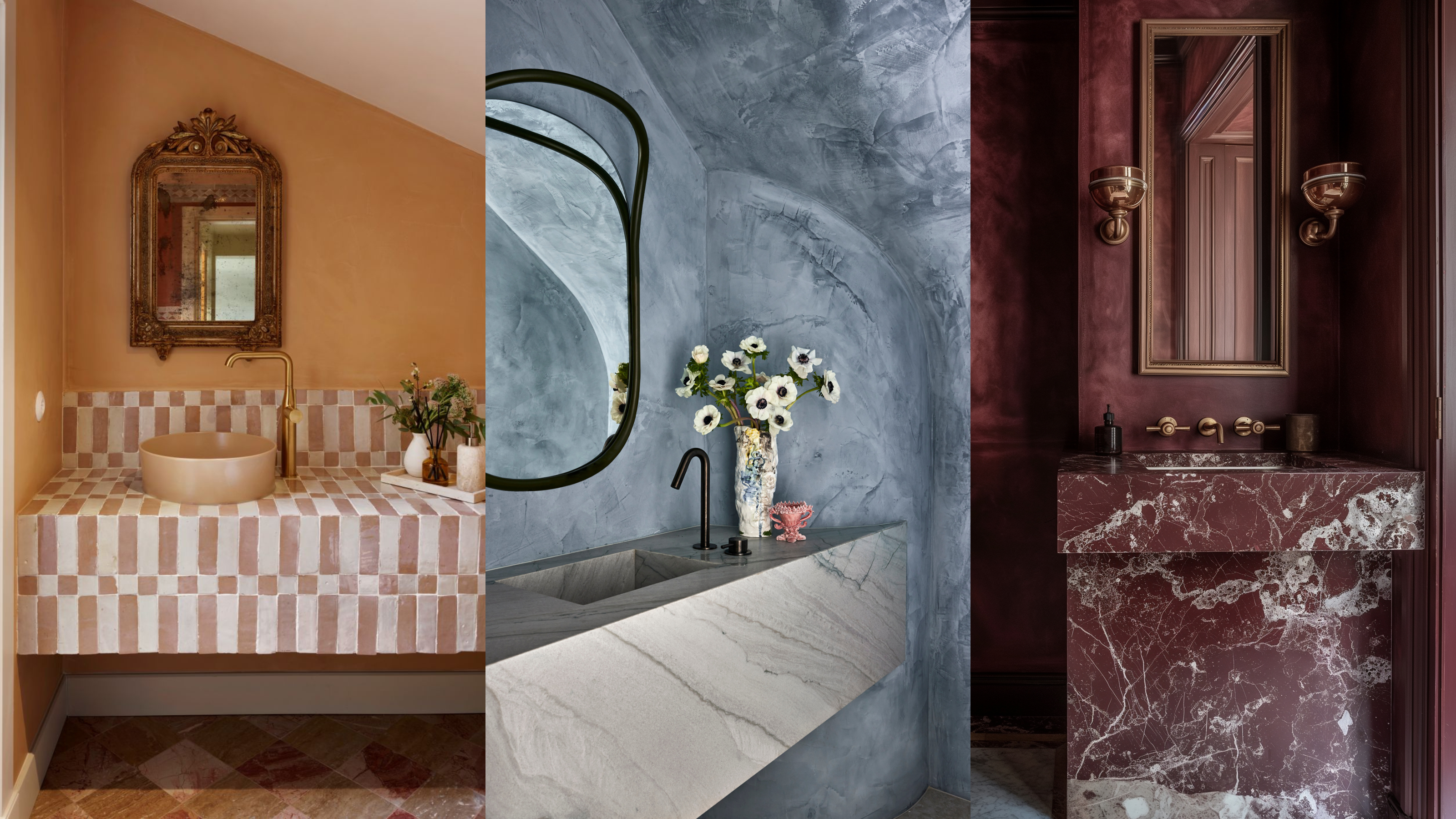
7 Material Options for Your Bathroom Countertops

5 cleaning myths that will damage your countertops – and what to do instead

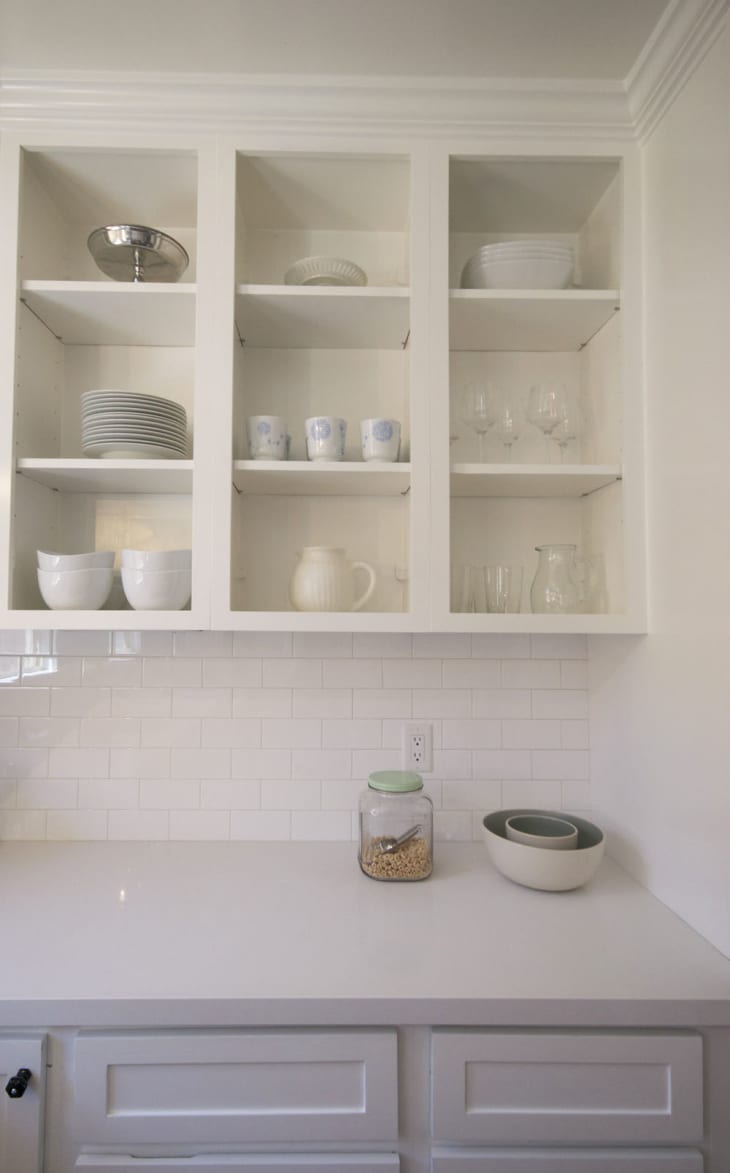
How To Clean & Maintain Countertops: From Corian to Quartz
The Best Quartz Countertop Cleaners According To Reviews

Insider Tips For Buying Marble Or Stone Remnants Secondhand

How To Clean Marble Countertops And Tile


How to Properly Clean Quartz Countertops — And the Products You Should Never (Ever) Use

5 Problems With Tiled Backsplashes in Kitchens That No One Ever Talks About

The Best Countertop Materials for Every Type of Kitchen
The Best Granite Sealers for Countertop Maintenance
How to care for natural stone in your home – 7 expert tips, including what to never do
9 important tips for choosing a white marble slab

The Right Way To Clean Quartz Countertops, According To Experts