1/14
We Researched 30 Marble Sealers—Our Top Pick is Long-Lasting and Easy to Apply
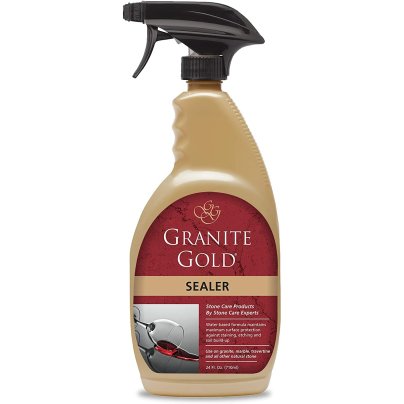
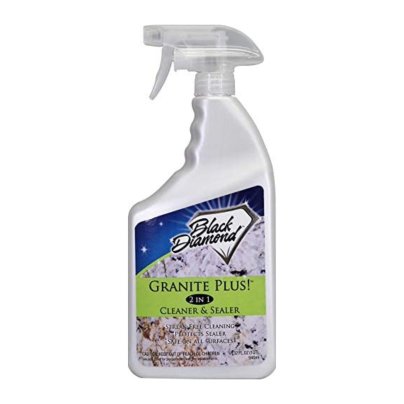
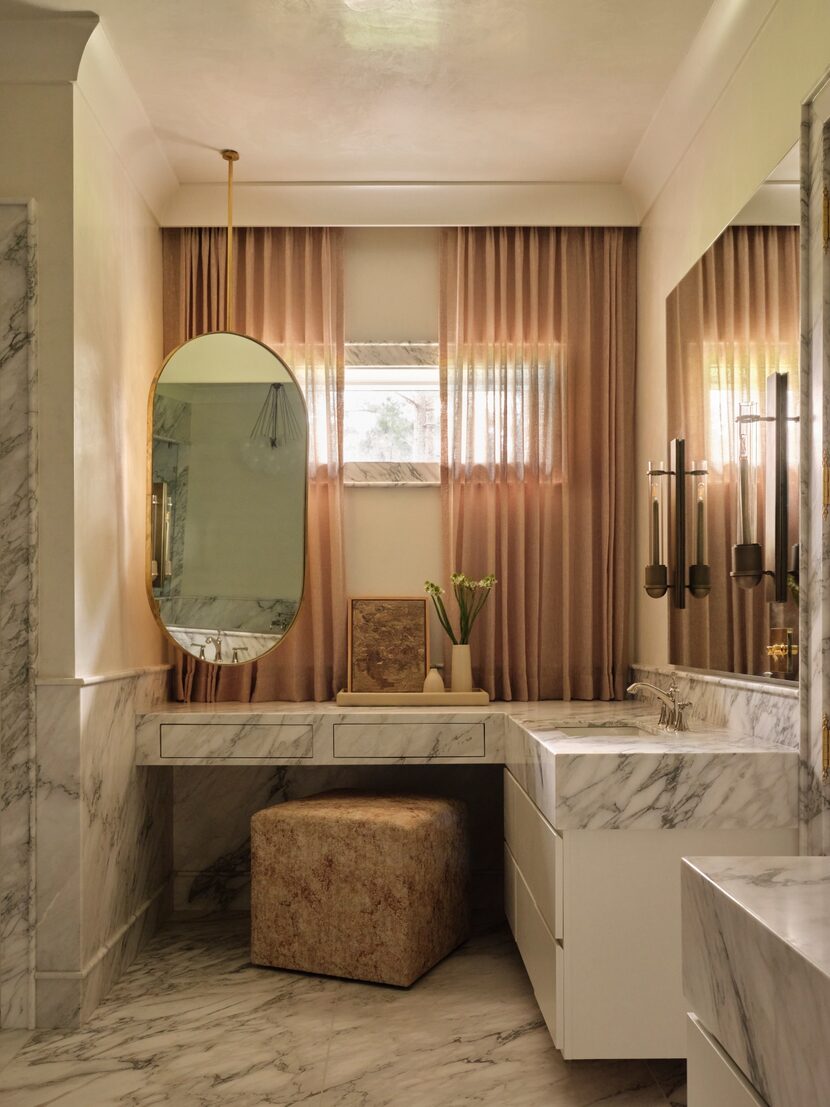
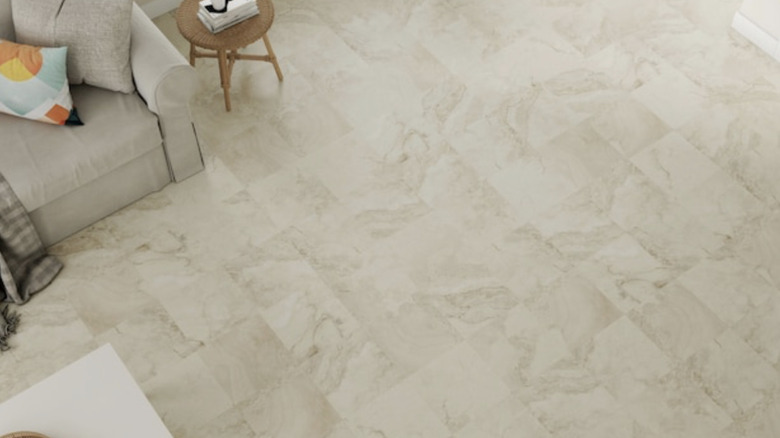
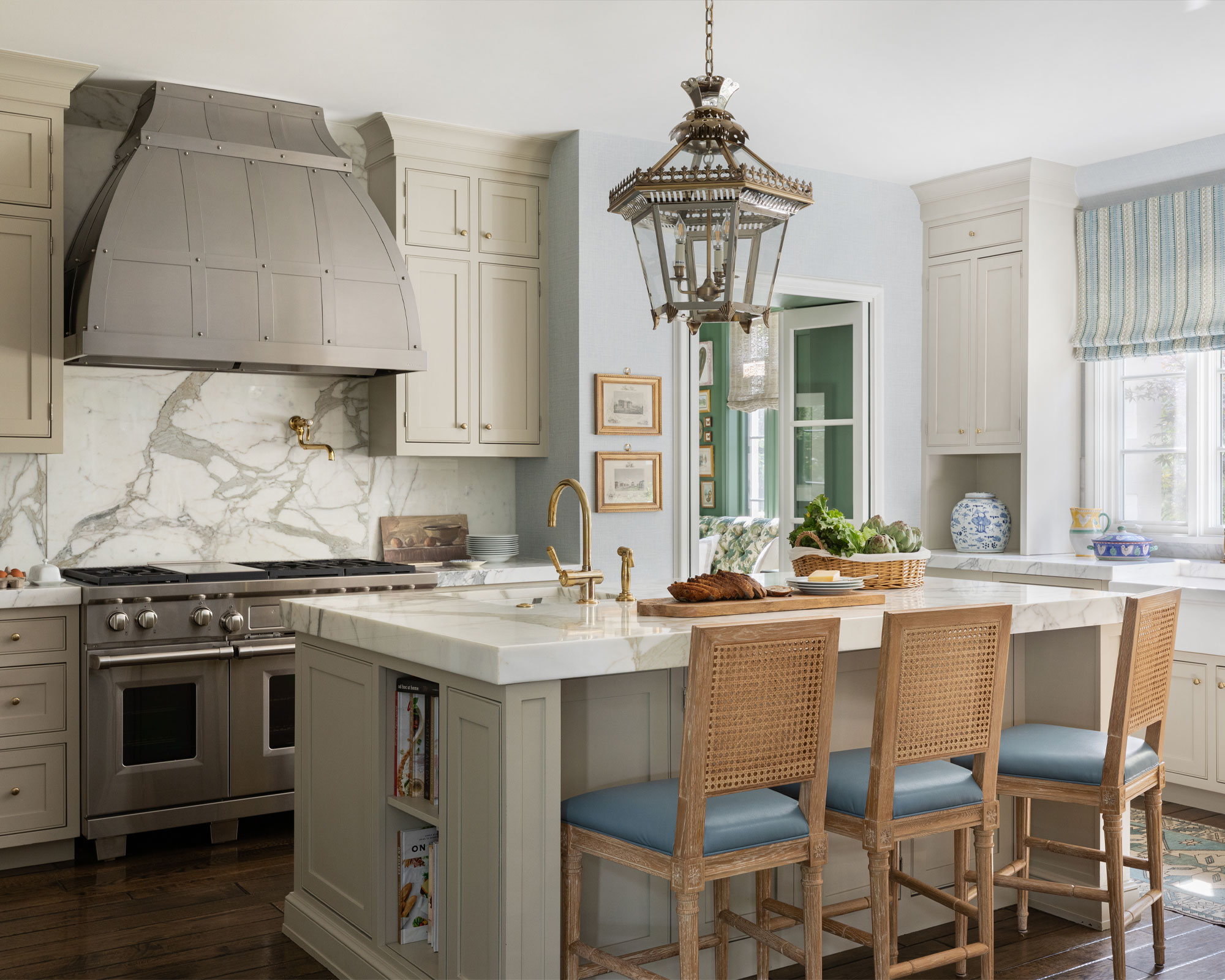
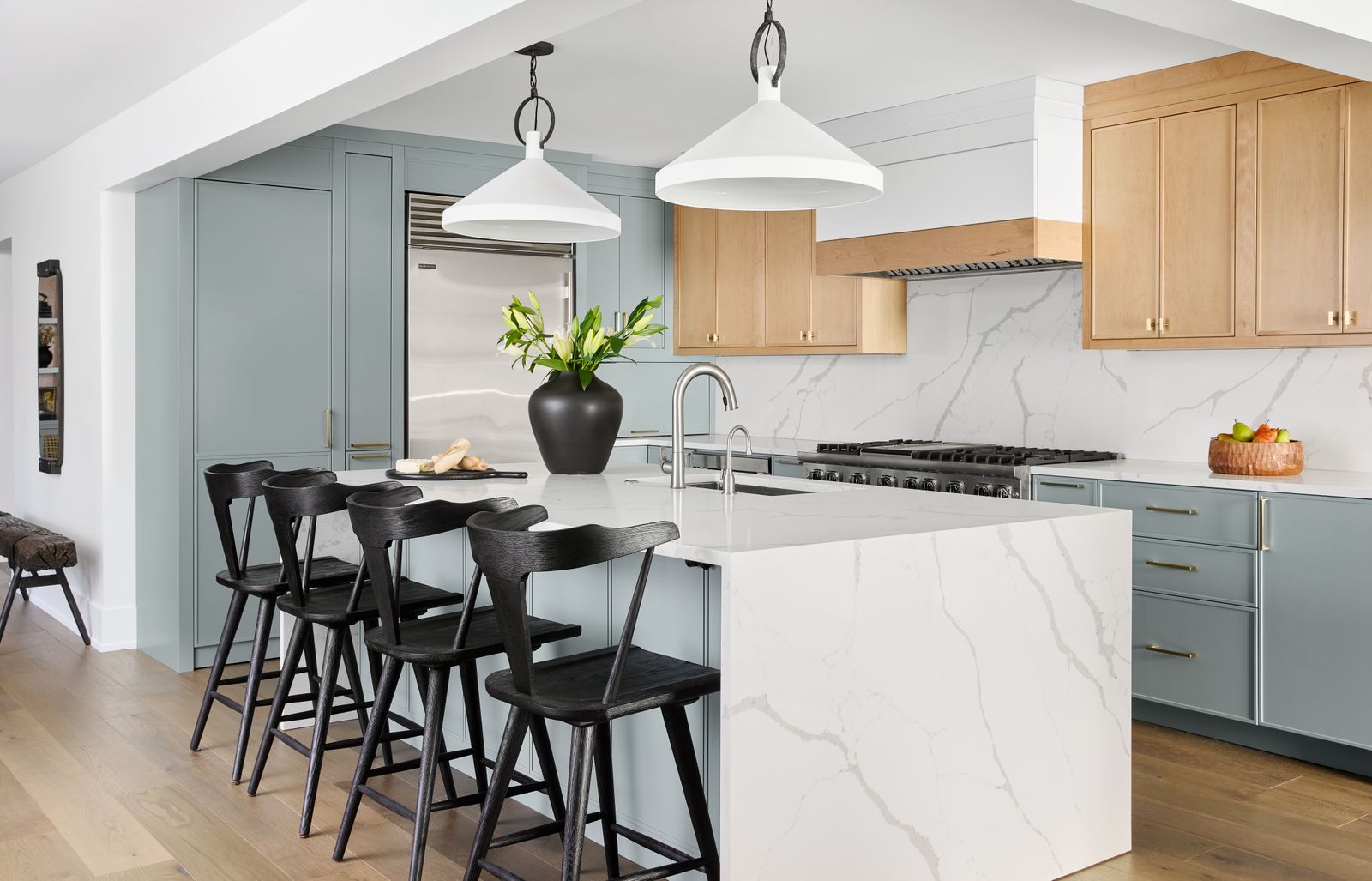
Marble and granite surfaces, while aesthetically pleasing, are inherently porous and vulnerable to stains from common household spills such as red wine, coffee, cooking oil, and soap dyes. To protect these surfaces, particularly in high-traffic areas like bathrooms and kitchens, the application of a quality marble sealer is essential. A comprehensive review of over 30 popular products, including insights from a veteran interior designer, highlights the importance of selecting a penetrating or impregnating sealer specifically designed for natural stone and marble.
Key considerations for choosing the best marble sealer include multi-functionality, ease of application, surface coverage, lifespan, and environmental friendliness. Most effective sealers penetrate the stone to create an invisible, protective barrier that repels liquids without altering the natural appearance or sheen of the marble. Some products also offer additional benefits, such as inhibiting the growth of bacteria, mold, and mildew, making them suitable for kitchen and bathroom environments. Compatibility with various natural stones, including granite, travertine, limestone, slate, and concrete, as well as tile and grout, is a common feature among many sealers.
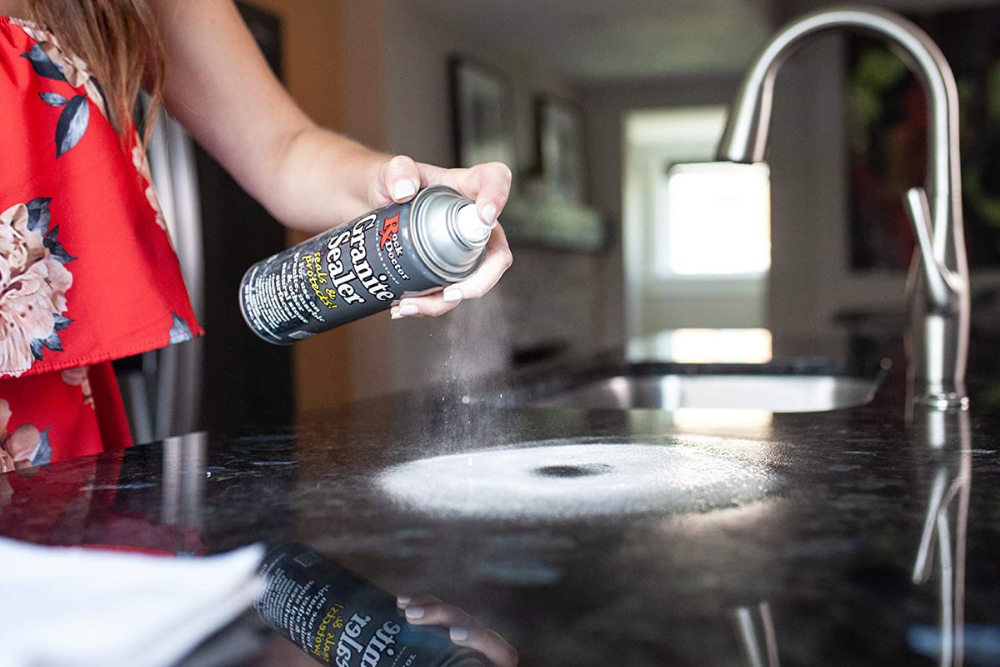
Application typically involves cleaning the marble surface thoroughly, then applying the sealer with a sponge, cloth, or spray bottle. After a brief waiting period for the sealer to absorb, excess product is wiped away, and the process may be repeated two to three times for optimal sealing. The sealer generally requires about 24 hours to cure completely. Over-application should be avoided to prevent streaky or cloudy finishes. The surface coverage of sealers can vary, but an average of 800 square feet per gallon is common, though porous materials may require more product.
The lifespan of a marble sealer varies, with most interior applications lasting up to five years and exterior applications up to three years. Some cleaning and shining products with sealing properties may require more frequent reapplication, sometimes as often as monthly. Unopened sealers typically have a shelf life of about one year, emphasizing the importance of purchasing an appropriate quantity to minimize waste. Environmental friendliness is another critical aspect, with many sealers featuring water-based, non-toxic, and biodegradable formulas that are safe for food preparation areas and produce low VOCs and minimal odor.
To determine if marble is adequately sealed, a water test can be performed: applying a small amount of water to the surface and observing if it darkens the stone. If darkening occurs, resealing is necessary. Polished marble, being less porous, may not require sealing or may not absorb the sealer effectively. The cost of sealing marble yourself is relatively low, typically under $50, whereas professional sealing can range from $100 to $200. Cleaning the marble thoroughly before sealing is crucial to ensure proper penetration and prevent trapping dirt or stains beneath the sealant. Impregnating sealers, which penetrate the stone to form a protective barrier, are distinct from topical sealers that create a surface film.
#MarbleSealant #GraniteProtection #StoneCare #HomeMaintenance #KitchenCountertops #BathroomDesign #StainPrevention #DIYHomeImprovement #SurfaceProtection #MarbleSealant #GraniteProtection #StoneCare #HomeMaintenance #KitchenCountertops #BathroomDesign #StainPrevention #DIYHomeImprovement #SurfaceProtection
0 comment in total
 No comments yet
You may also like
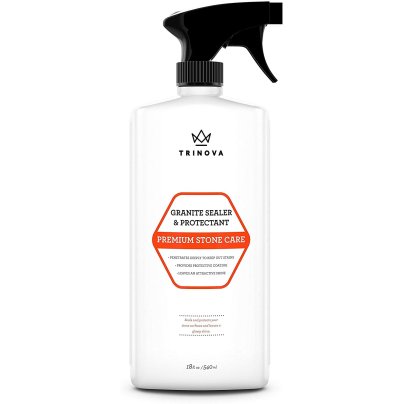
The Best Granite Sealers for Countertop Maintenance
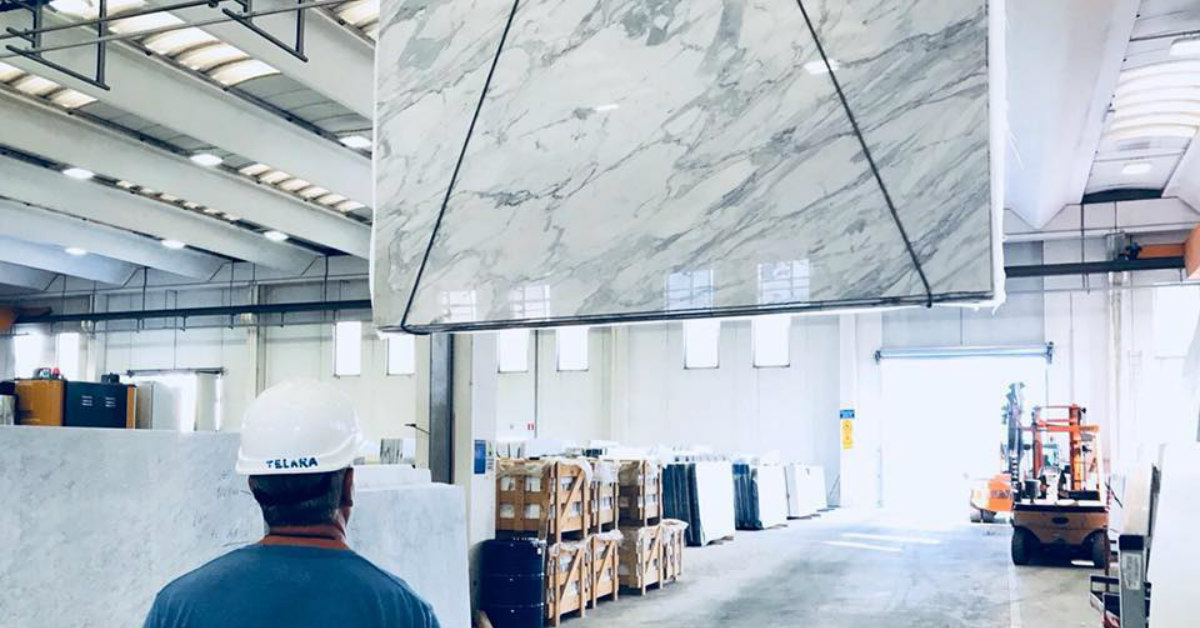
With 7 generations in the biz, here’s why this Italian man says Alabama marble is unique

Top-Rated Brands For Reliable Peel-And-Stick Floor Tiles That Last
How To Clean Marble Countertops And Tile

See Our Top Picks For The Best Grout Sealers, Including Some Expert Tips
This Countertop Material Is More Durable and Colorful Than the Boldest of Marbles

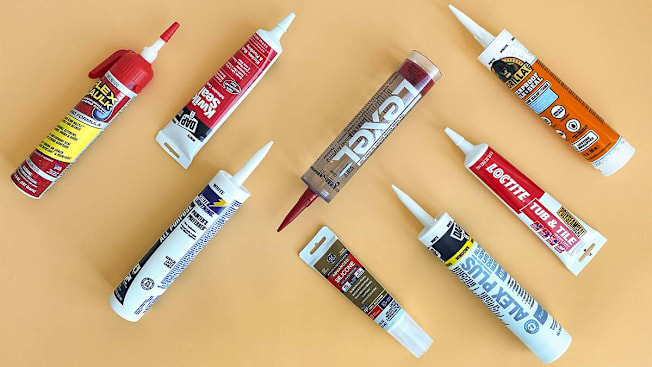
The Two Best Caulks for Small Home Projects
The Best Caulk for Perfectly Sealed Showers and Tubs
We Researched the Best Driveway Sealers—Our Top Pick Is Ideal for DIYers and Pros Alike
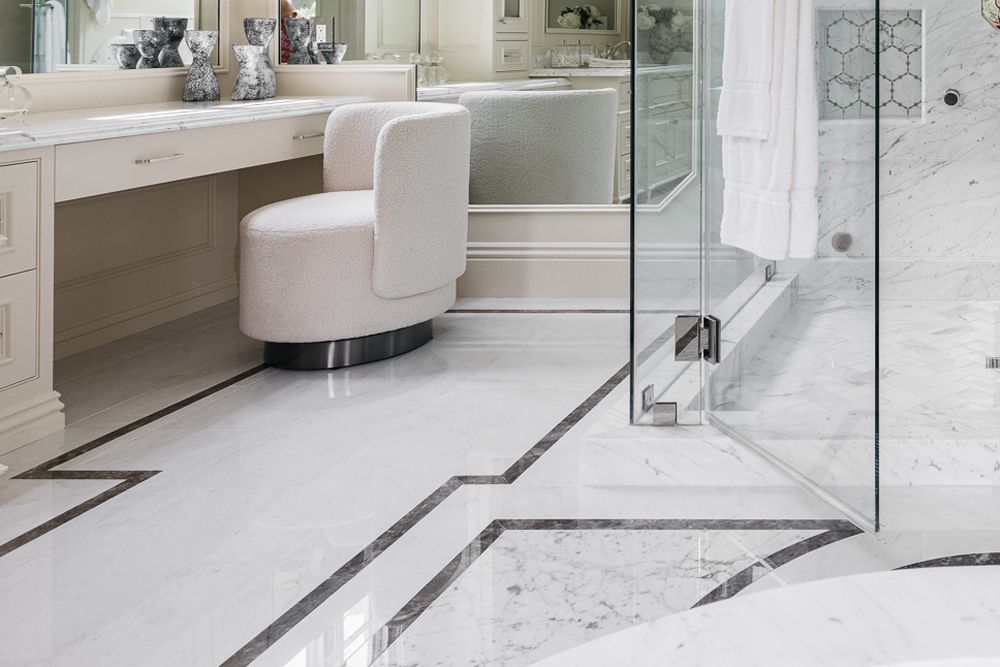
Marble Floors: Elegant, but Challenging to Install and Maintain


Best Marble Companies in India | Top 10 Manufacturers

9 important tips for choosing a white marble slab

Clean up those marble countertops and keep your stone protected from stains

Sealants


Is marble still on trend? Interior designers have their say

Marble Countertops: 9 Tips for Choosing a White Marble Slab

Best Caulk & Sealant Guide: Popular Types of Caulk and How To Choose

We Put the 7 Best Deck Sealers to the Test. Here's How They Performed—and Which You Should Choose


Flooring Adhesives & Sealants
Restoring the gloss on scratched cultured-marble countertops