
How To Clean Marble Countertops And Tile
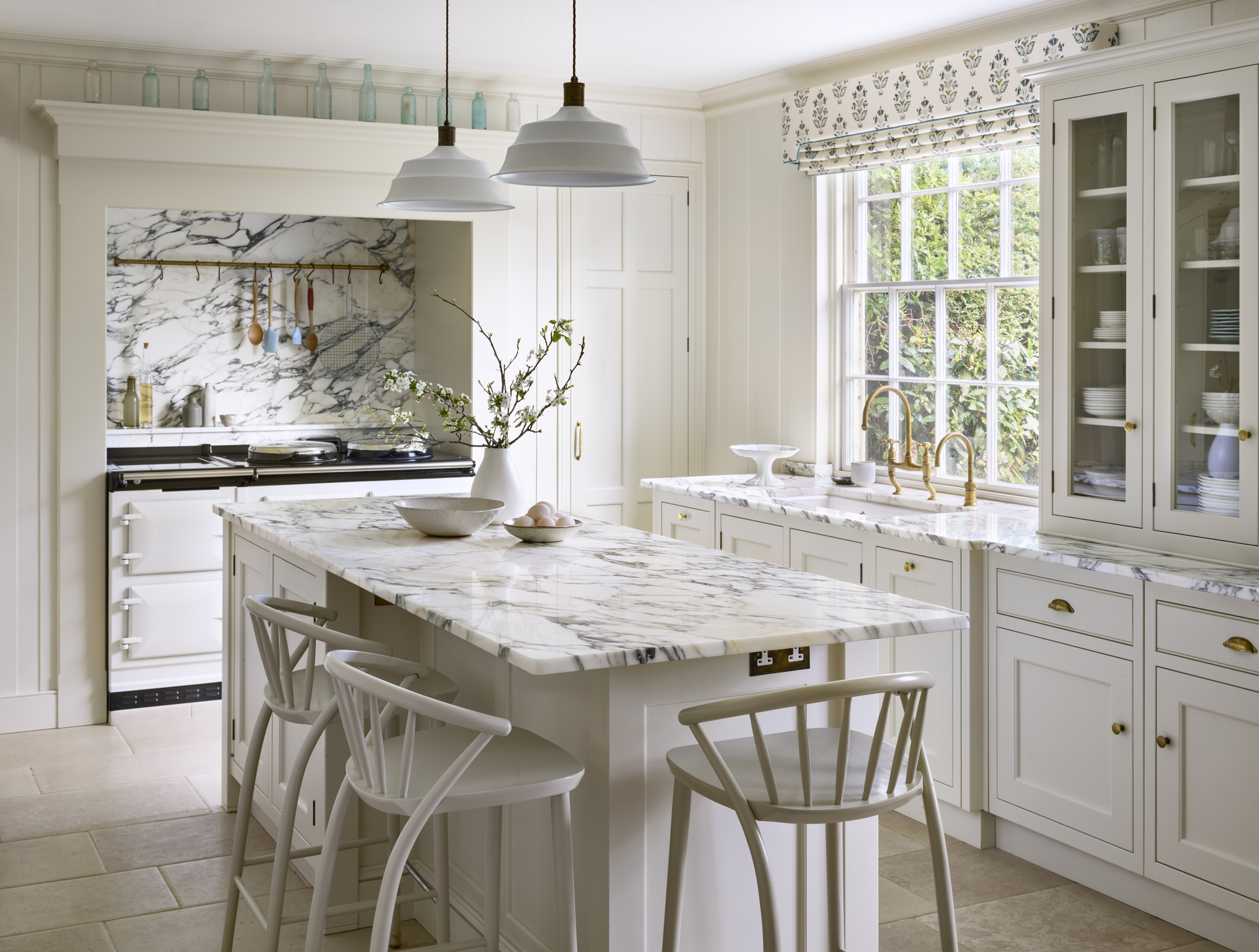
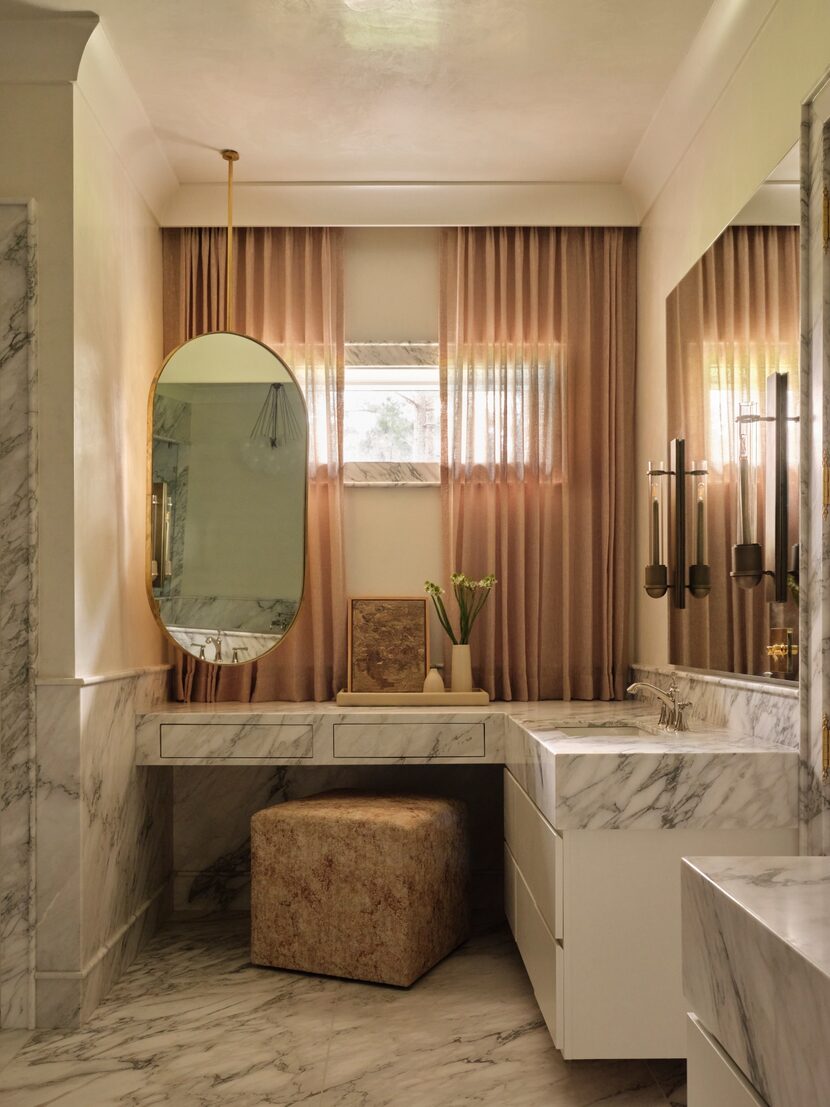
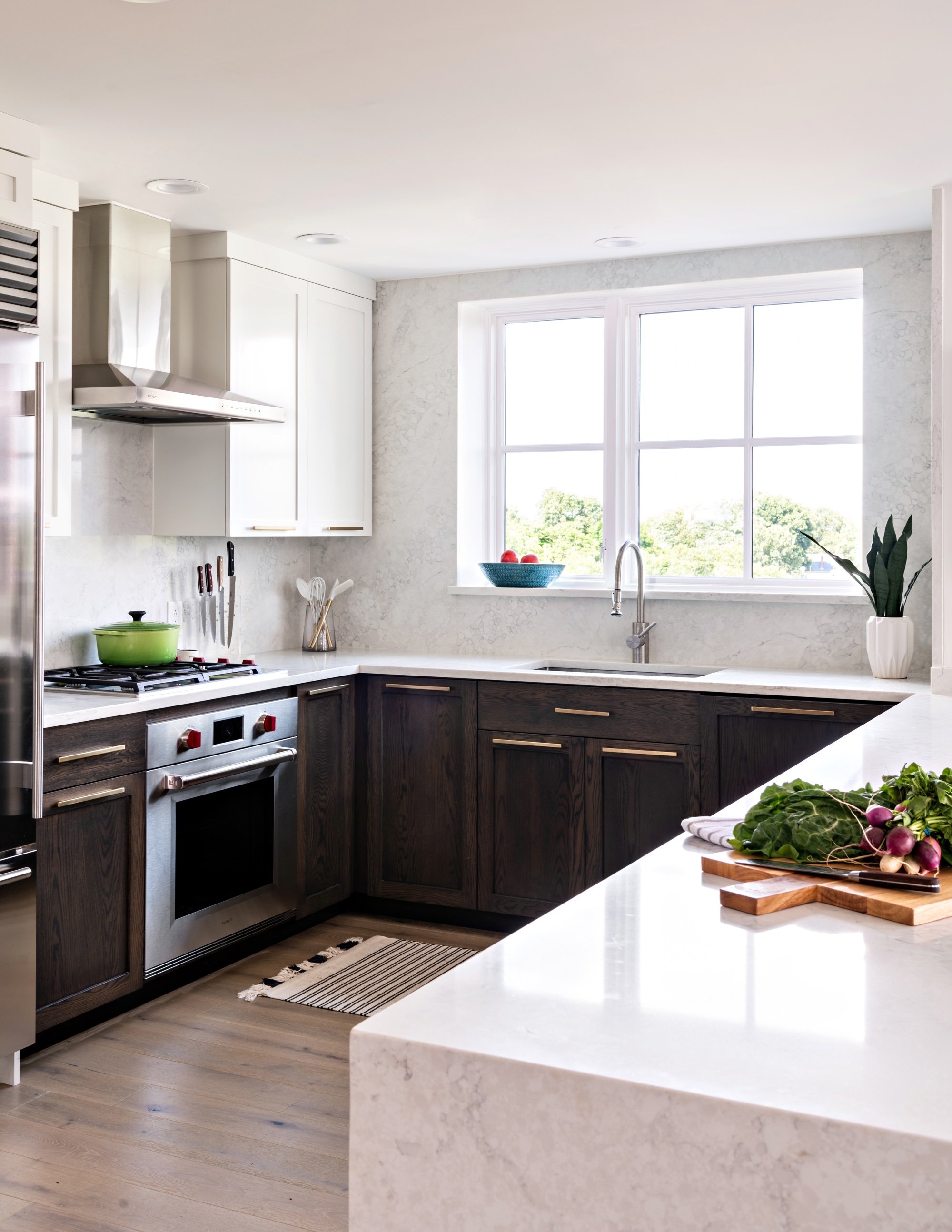
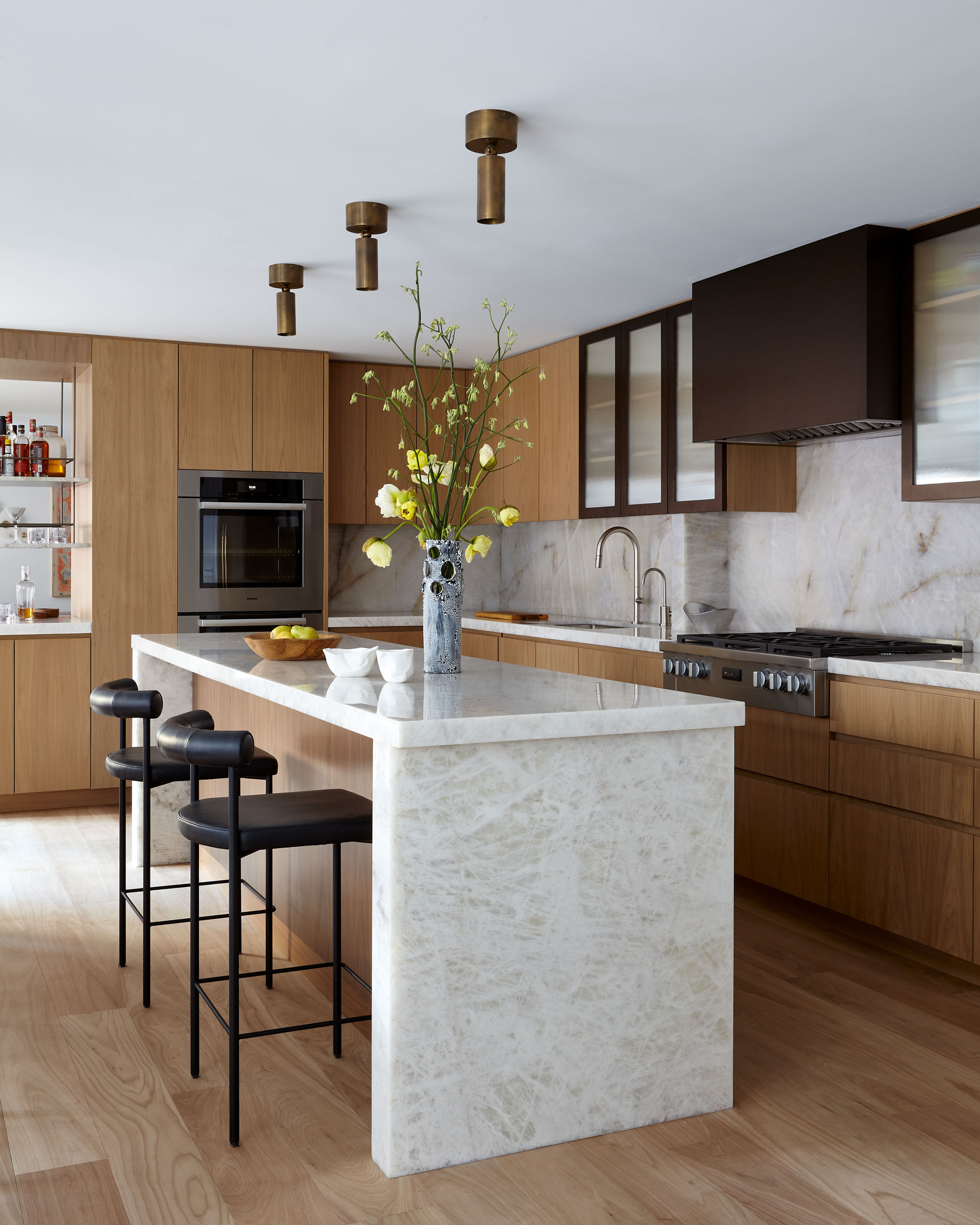
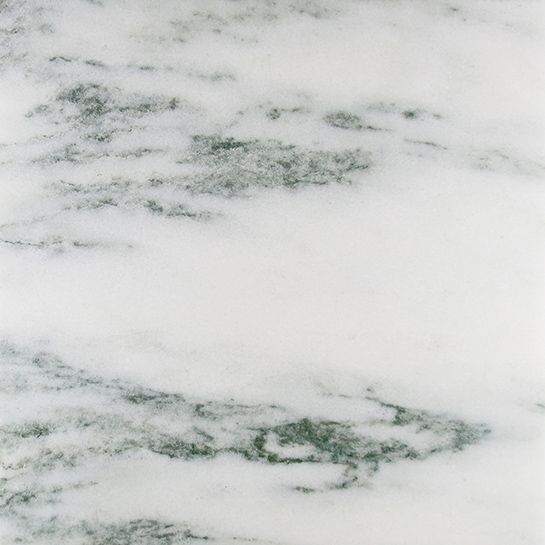
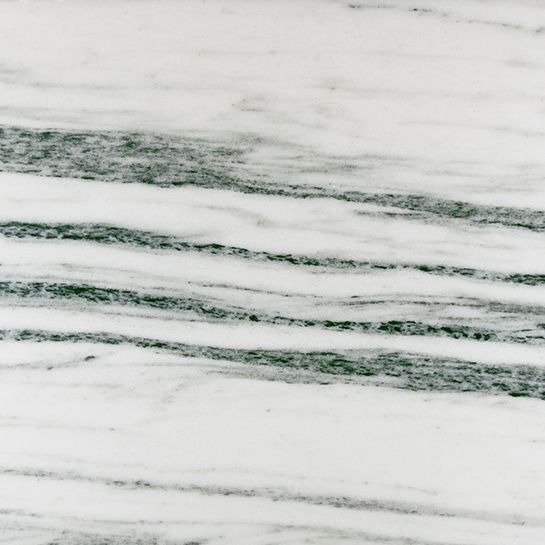
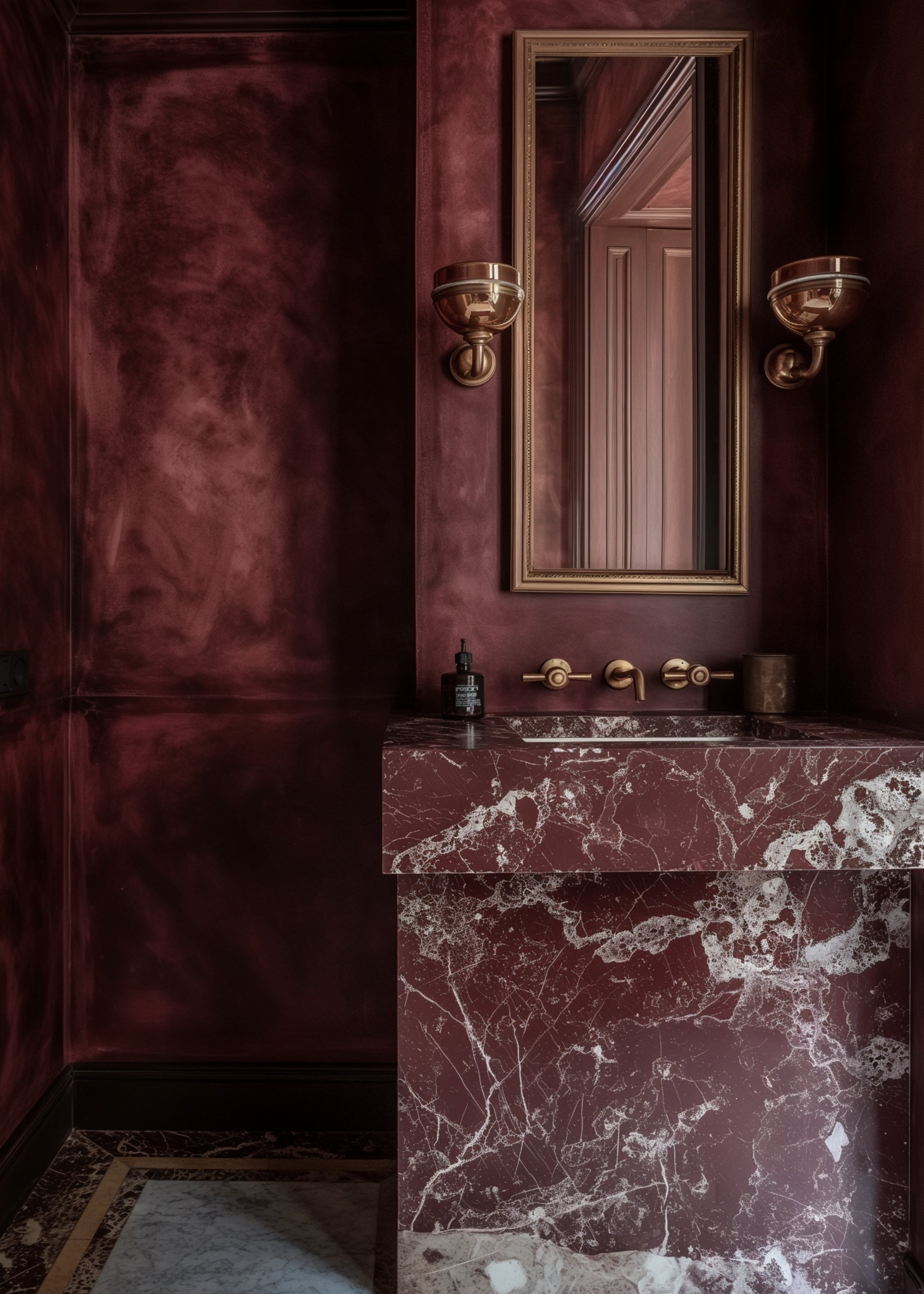
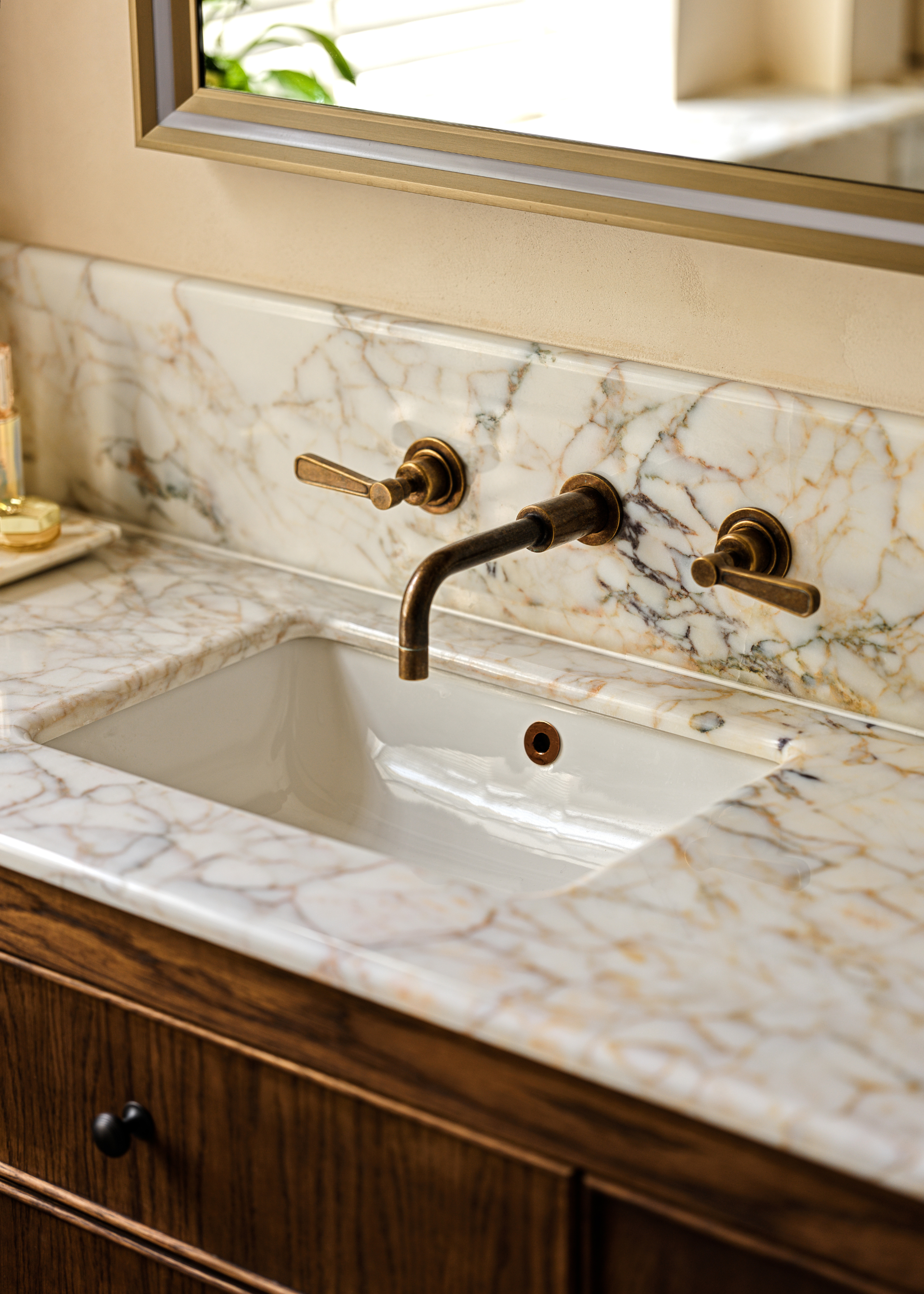
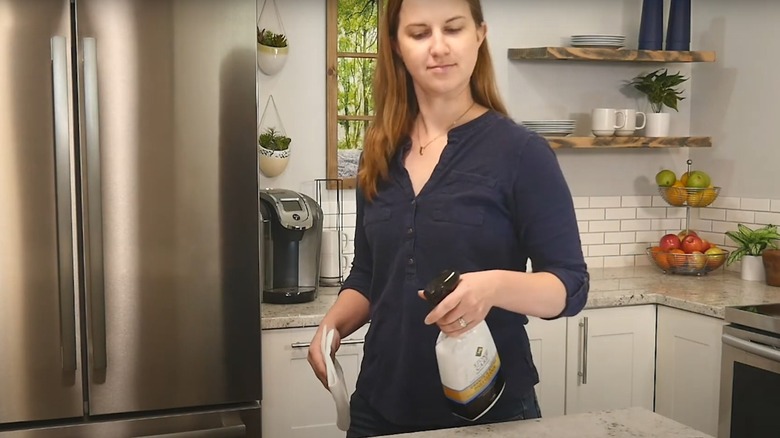
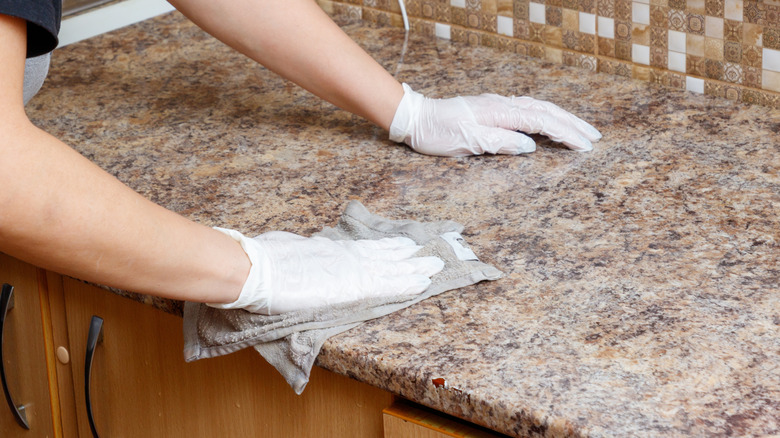
Marble surfaces, admired for their unique veining and sense of movement, present specific cleaning and care challenges due to their porous nature and susceptibility to etching and staining. Etching occurs when acidic substances like lemon juice, alcohol, or tomato sauce react with the calcium carbonate in the marble, creating dull, discolored spots or rings. The visibility of these etch marks can vary depending on lighting conditions. To prevent etching, it is crucial to promptly wipe up spills, especially those involving acidic liquids. In terms of cleaning products, experts, including the Marble Institute of America (MIA), strongly advise against using acidic cleaners such as vinegar, lemon juice, or bleach on marble. Instead, mild soap and water are recommended for routine cleaning, effectively removing most surface dirt without causing damage. The most popular marble finishes are polished, which is glossy and reflective, and honed, which offers a satiny, smoother appearance and is often used in high-traffic areas.
To mitigate staining and etching, applying a spray sealant at least once a month is highly recommended. Sealants act as a protective barrier, slowing down the penetration of liquids and providing more time to clean spills before they can cause permanent damage. While sealants can prevent stains, they do not fully protect against etching, as demonstrated by personal experiences where etching may occur despite regular sealing. Despite best efforts, stains can still happen. The MIA provides specific solutions for various common stains: oil-based stains (grease, cooking oil, cosmetics) can be cleaned with a soft liquid cleanser, household detergent, ammonia, or mineral spirits; organic stains (coffee, tea, fruit, food) respond to a mixture of 12 percent hydrogen peroxide and a few drops of ammonia. Rust stains are particularly challenging and may be permanent, requiring a poultice for removal. Small paint stains can sometimes be removed with lacquer thinner or by careful scraping, while commercial products are available for smoke stains. Water spots and rings can be buffed out using dry #0000 steel wool.
For etching that occurs despite preventive measures, wetting the surface with water and applying marble polishing powder, then rubbing it in with a damp cloth or a buffing pad with a low-speed power drill, can help remove the etch mark and restore shine. Deep etching may necessitate honing. If a stain proves persistent, professional stone cleaning can remove the sealer and stain, but this process often results in a honed finish rather than restoring the original polish.
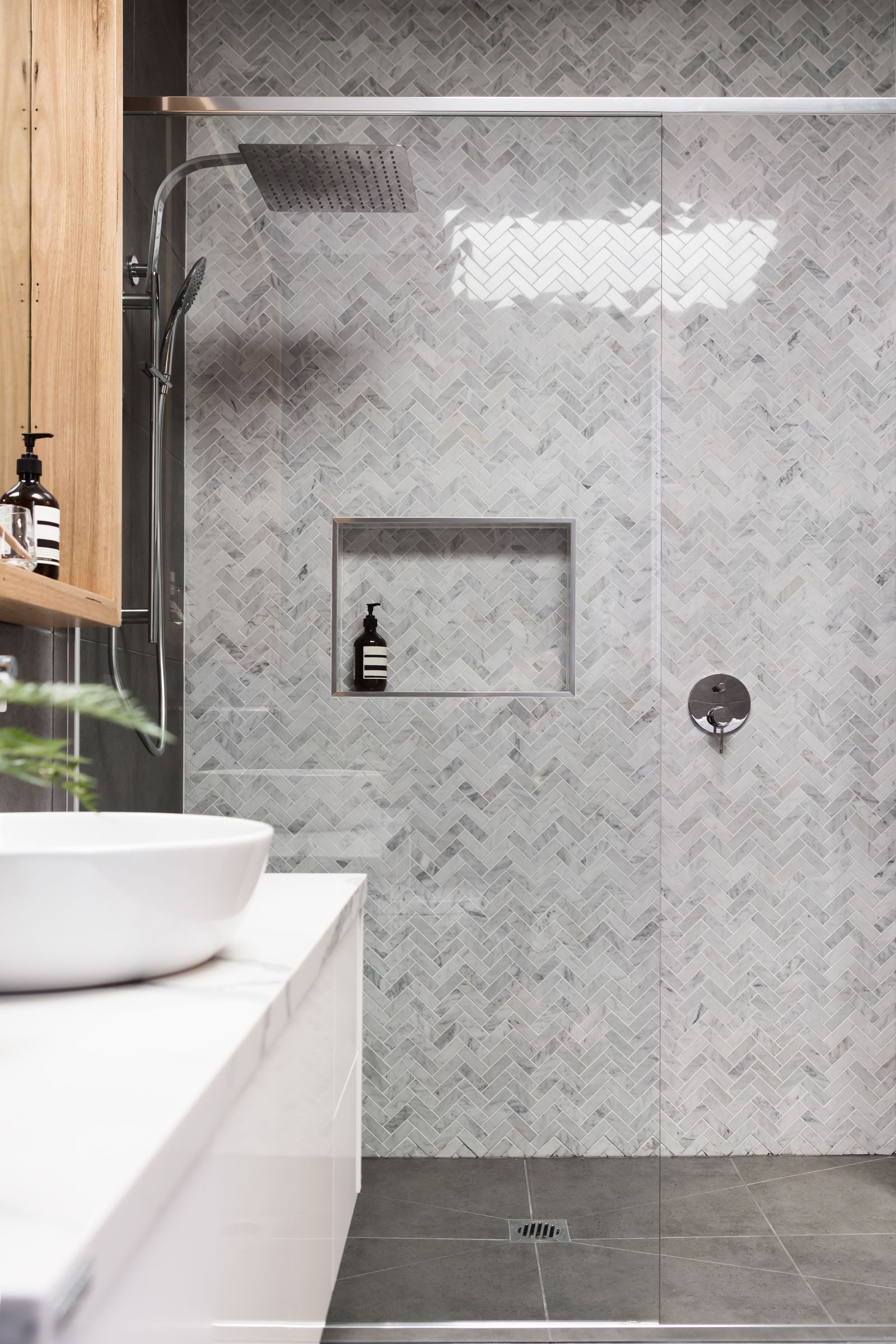
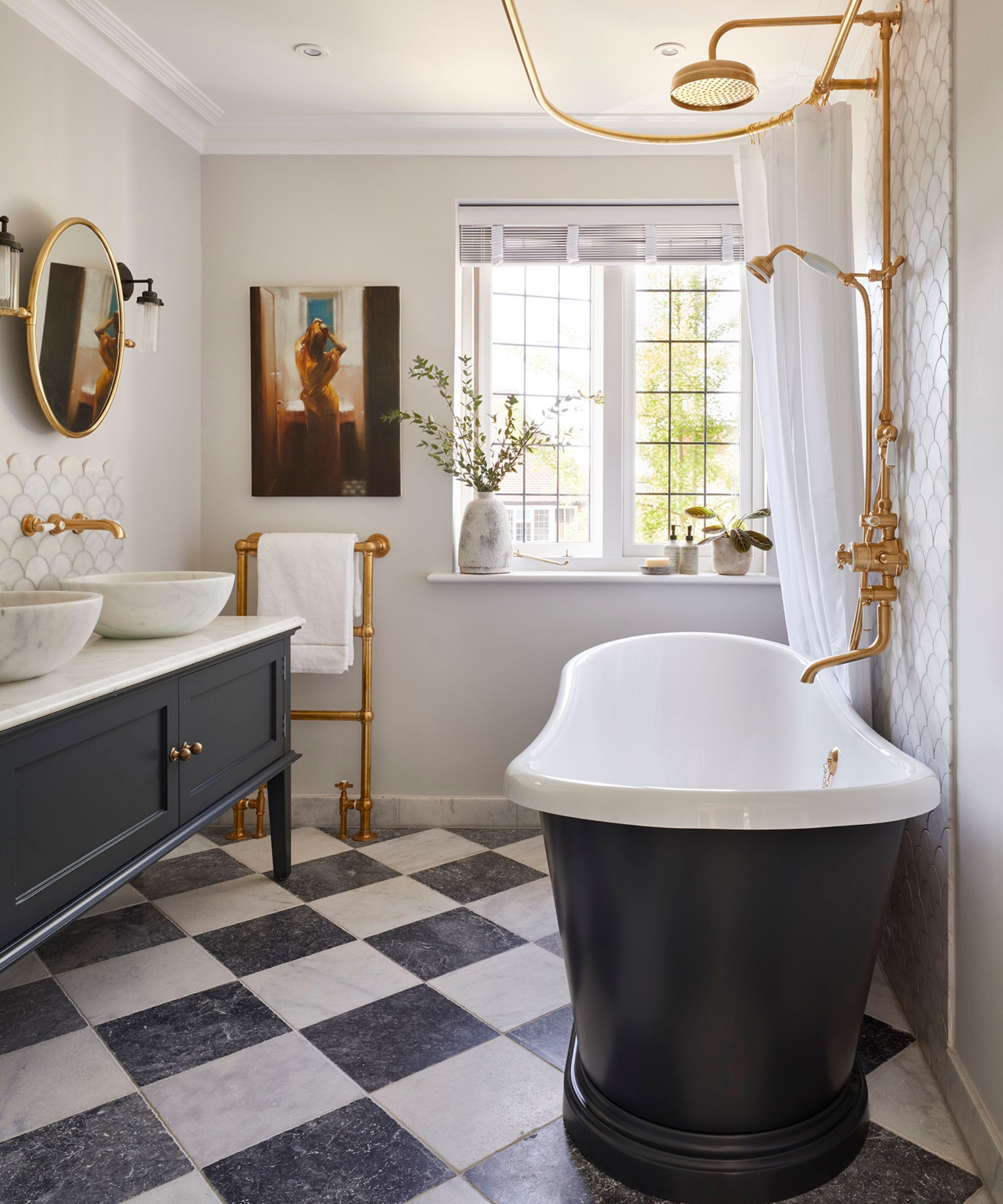
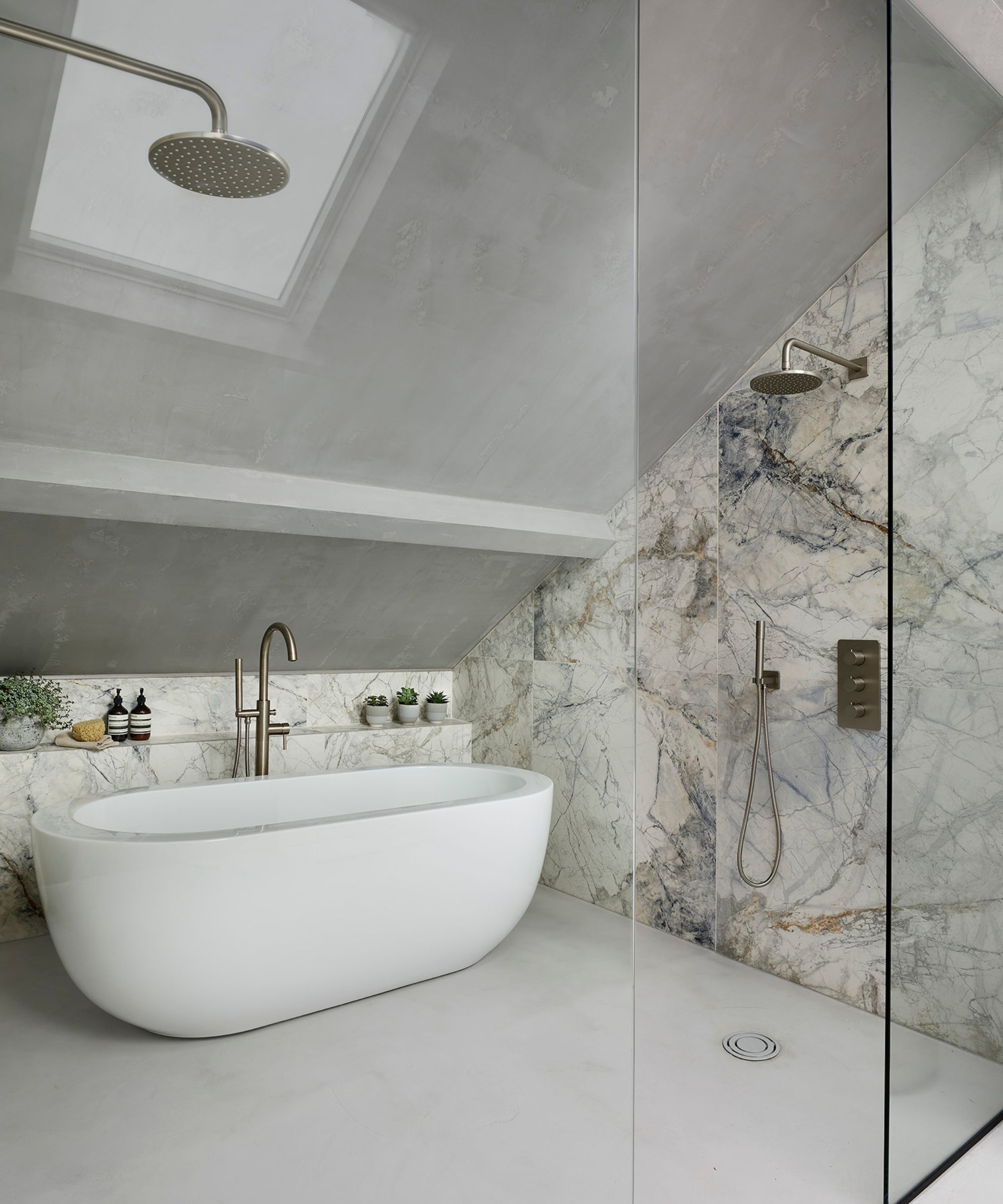
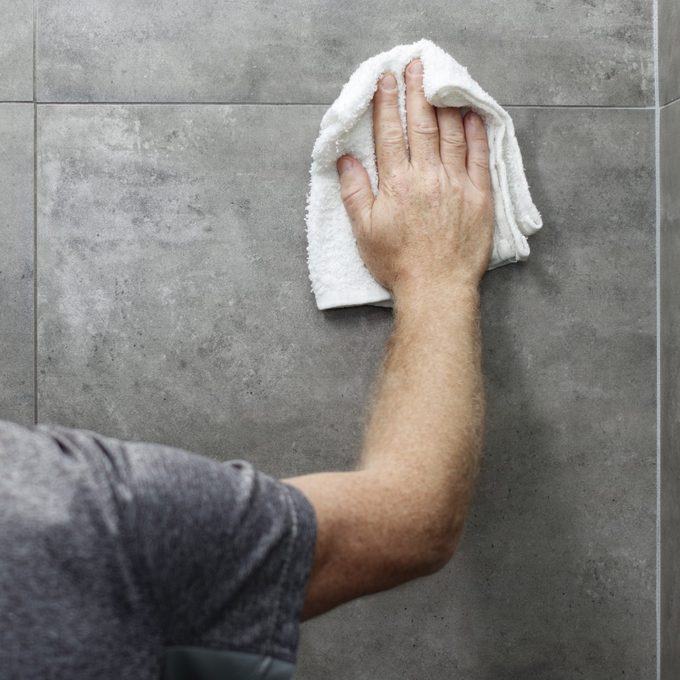
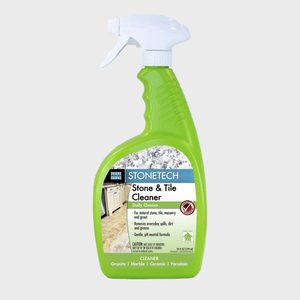
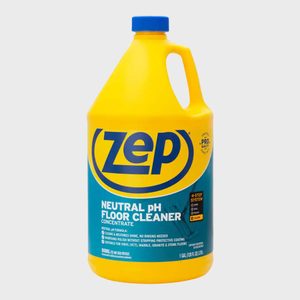
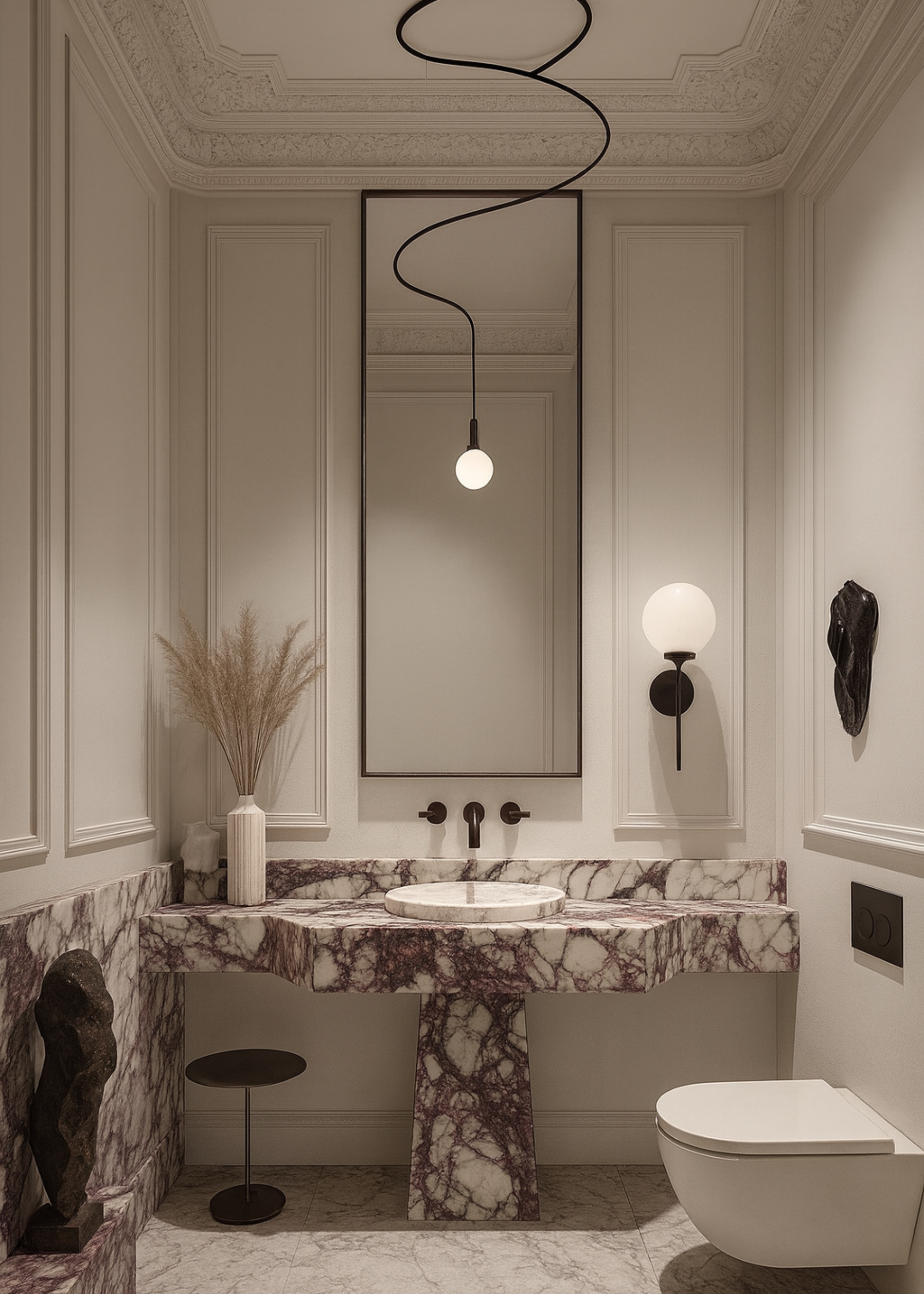
For marble flooring, frequent dust-mopping and cleaning with a mild, phosphate-free biodegradable liquid dishwashing soap or stone soap are recommended. Soapless cleaners are preferred to minimize streaks. After washing, rinsing with clean water and drying is essential. As with countertops, acidic cleaners should be avoided, and old vacuums with worn metal parts should not be used to prevent scratches. In bathrooms, marble is generally safer as it's less exposed to the harsh substances found in kitchens. To prevent soap scum buildup in showers, a squeegee should be used after each use, and non-acidic residue removers or a diluted ammonia solution (½ cup ammonia to 1 gallon water) can be used, though frequent ammonia use may dull the surface. Careful sealing of bathroom marble, especially in shower pans, is advised, and bleach should be avoided to preserve the marble's shine, with soap and water remaining the preferred cleaning agents.
#MarbleCare #CountertopCleaning #TileMaintenance #StoneEtching #StainRemoval #HomeMaintenance #InteriorDesign #CleaningTips #MarbleCare #CountertopCleaning #TileMaintenance #StoneEtching #StainRemoval #HomeMaintenance #InteriorDesign #CleaningTips
0 comment in total
 No comments yet
You may also like
How to Clean Tile Floors—From Ceramic to Cement Surfaces


How to Properly Clean Quartz Countertops — And the Products You Should Never (Ever) Use

Professional cleaners never waste their time with standard mops on tile floors – this is the $13 essential they always recommend instead

How To Clean & Maintain Countertops: From Corian to Quartz
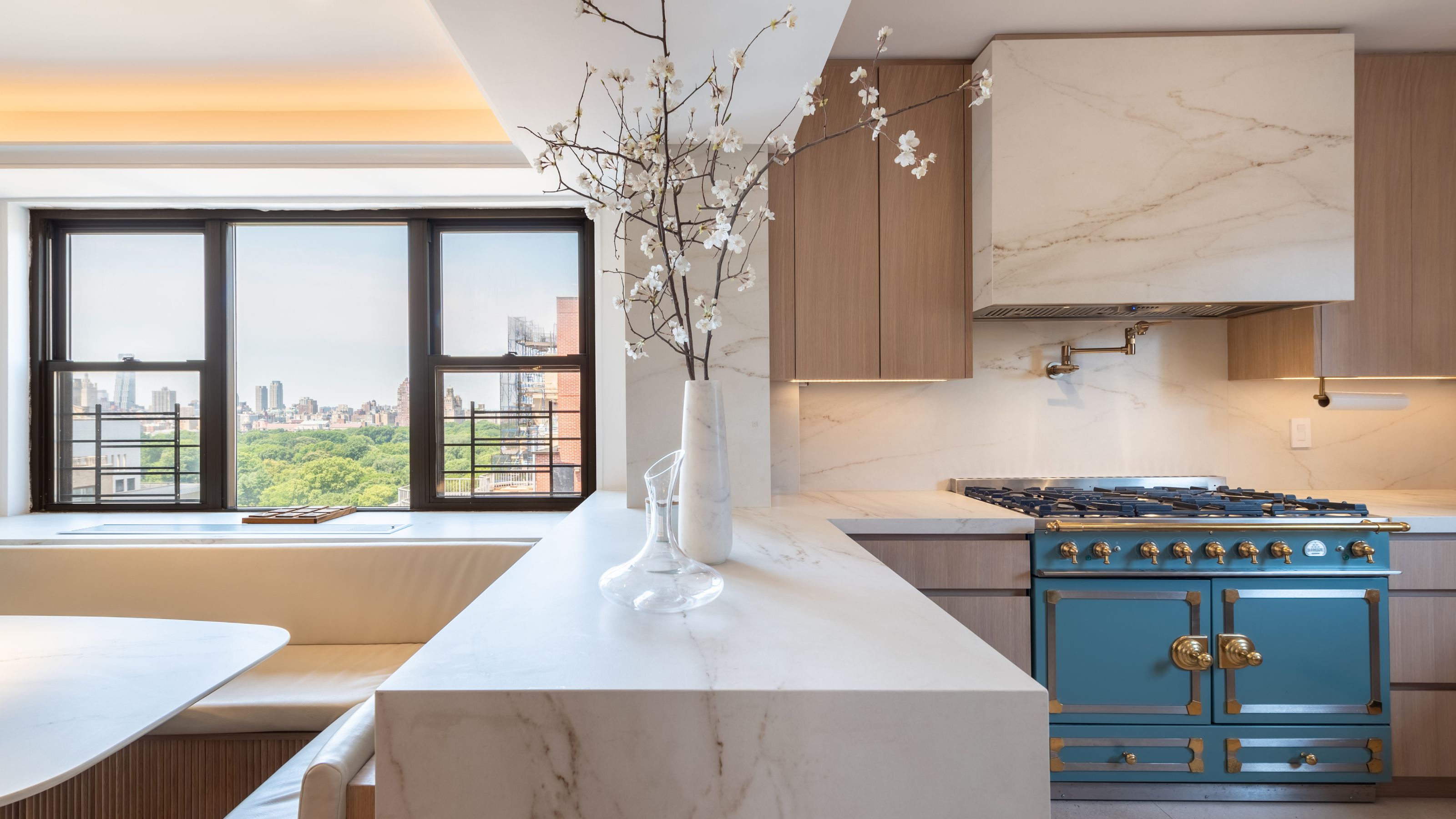
How to Get Red Wine Stains Out of White Marble Countertops
How to Clean Tile Floors Quickly and Easily


How to Clean Granite Countertops—and Remove Stubborn Stains

6 Best Grout Cleaners of 2026, Tested and Approved by Cleaning Experts


5 cleaning myths that will damage your countertops – and what to do instead

The Right Way to Clean Quartz Countertops
How to Clean Every Type of Floor Quickly and Easily
7 Material Options for Your Bathroom Countertops
Clean up those marble countertops and keep your stone protected from stains

Marble Countertops: 9 Tips for Choosing a White Marble Slab
The 7 Best Grout Cleaners of 2025
The Best Quartz Countertop Cleaners According To Reviews

You're cleaning your bathroom floor wrong, experts warn – here's how to get it right
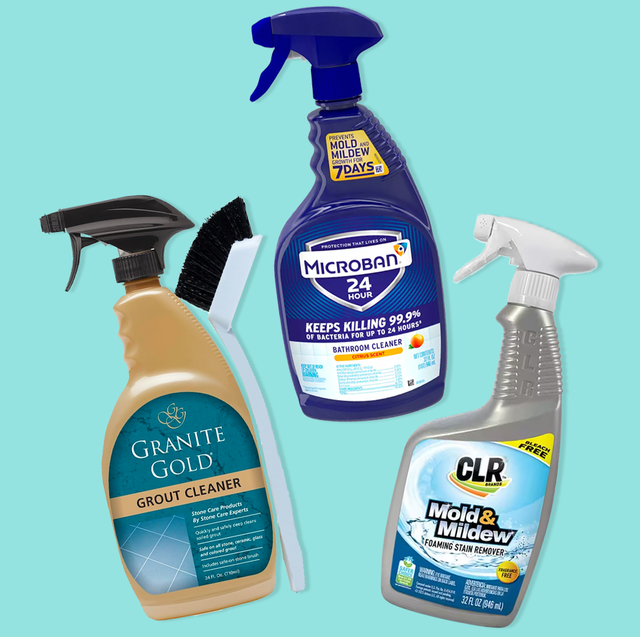
6 Best Grout Cleaners for a Brilliant Bathroom
Best tile cleaner: 6 smart picks to spruce up your tiling

This Is the Best Way to Clean Granite Countertops