1/4
Experts say to follow these 7 rules when mixing metals in your home
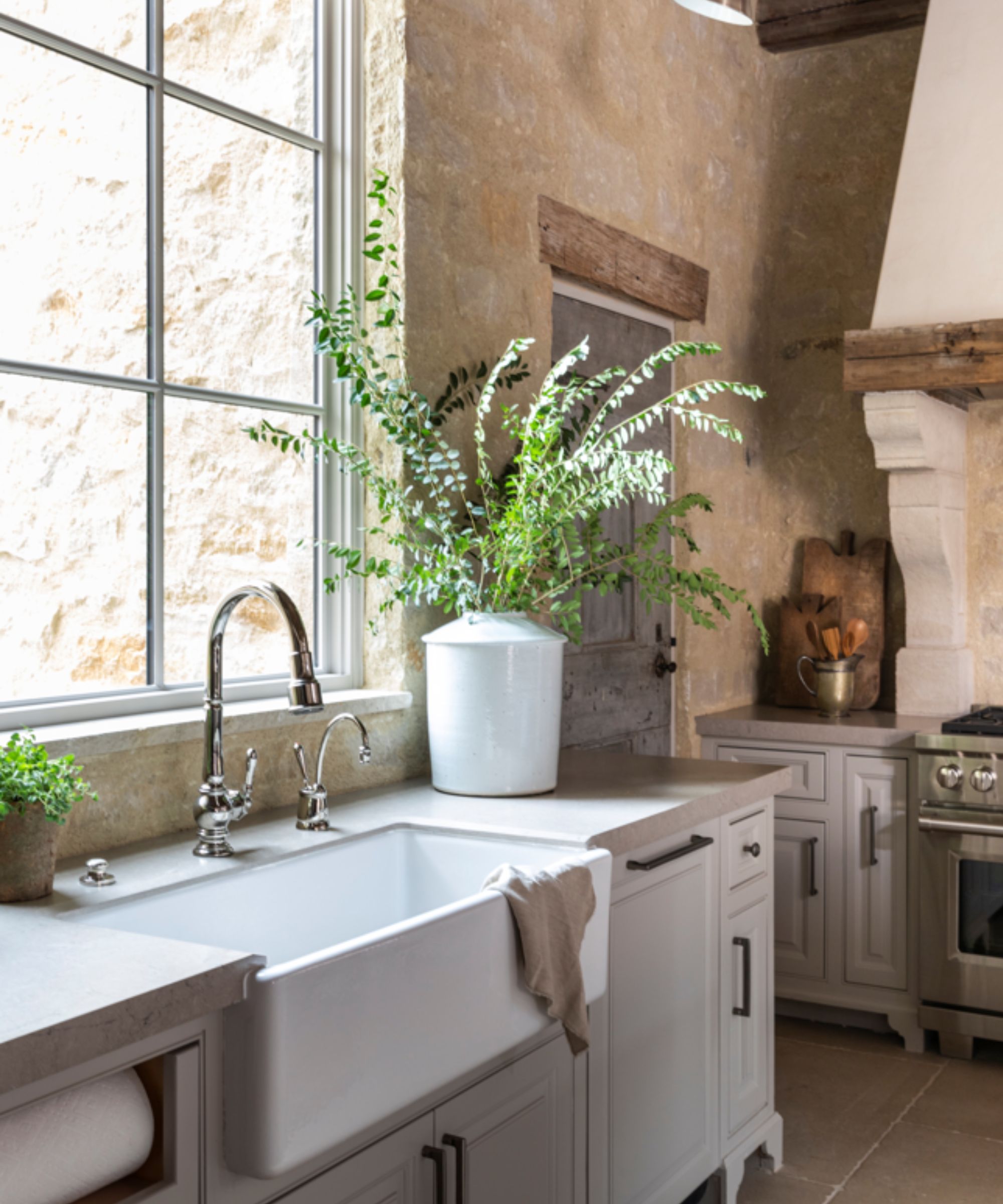
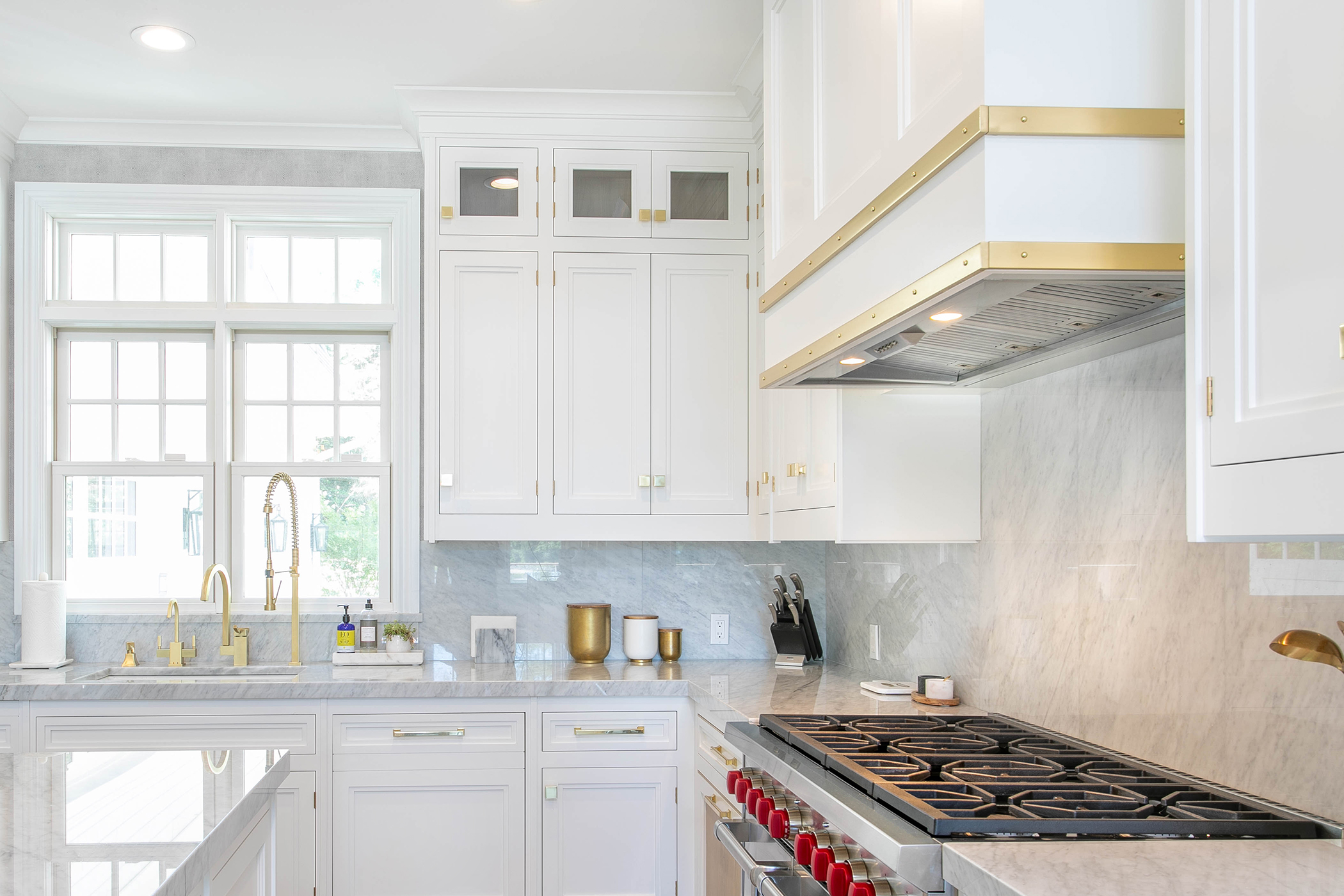
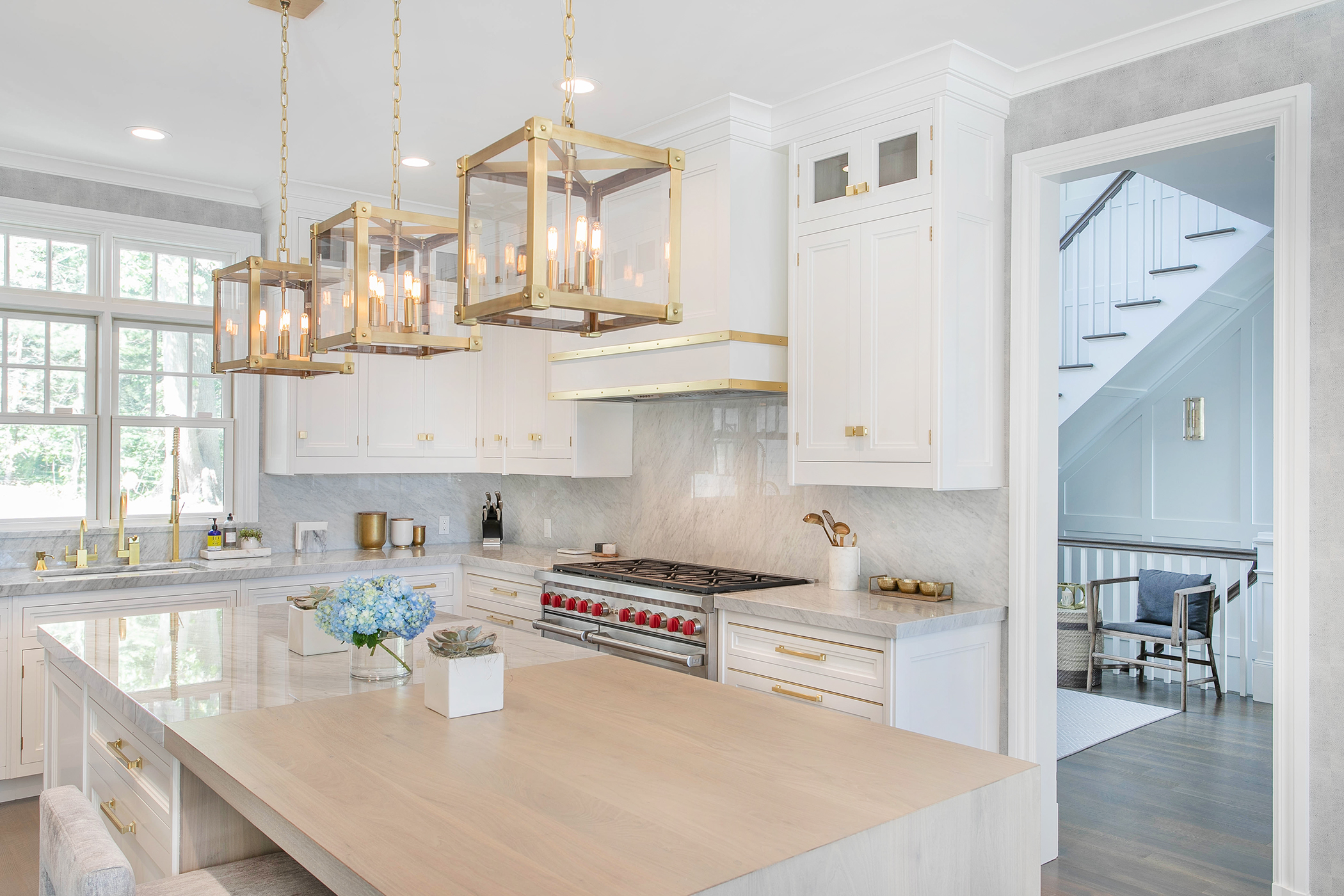
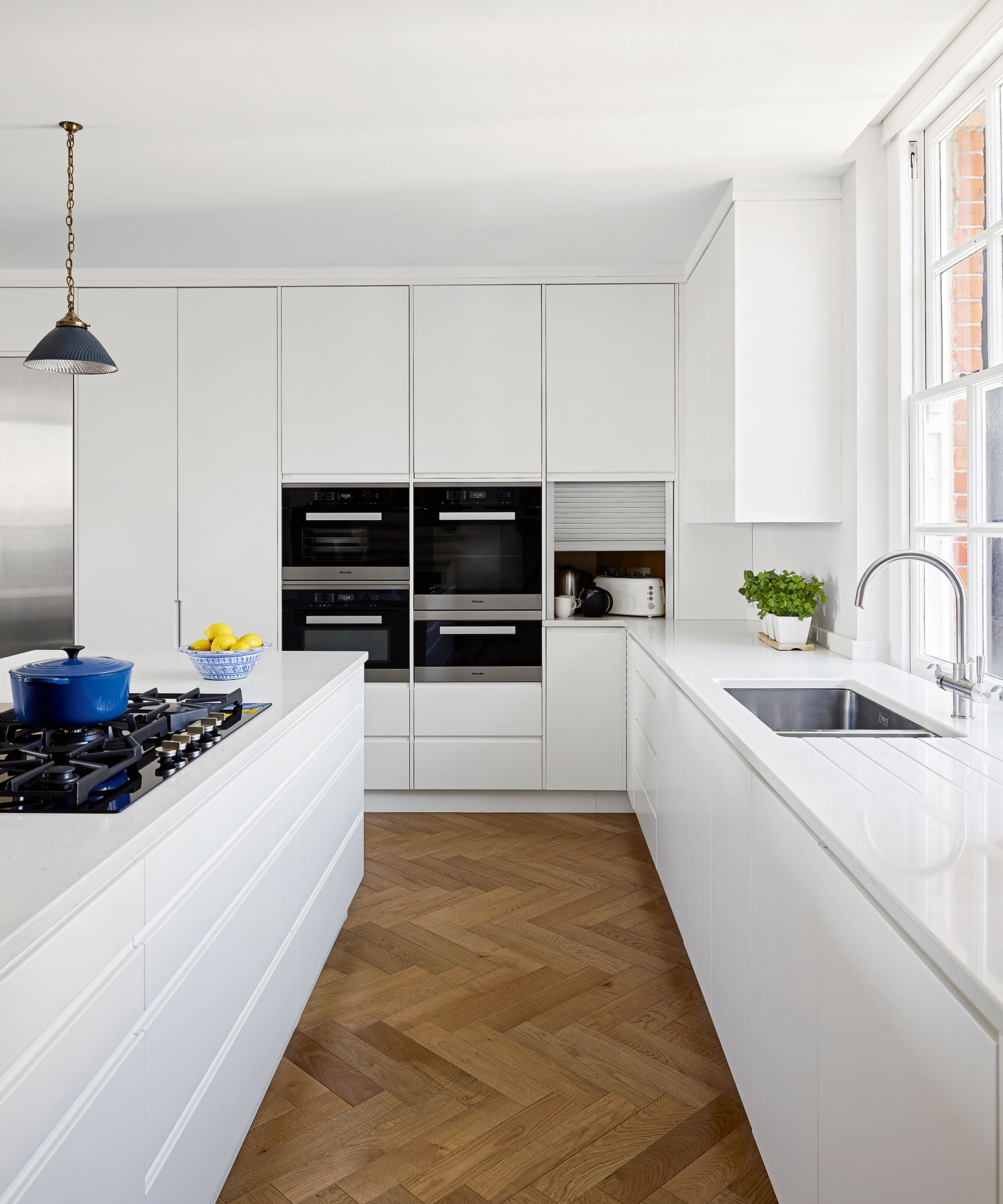
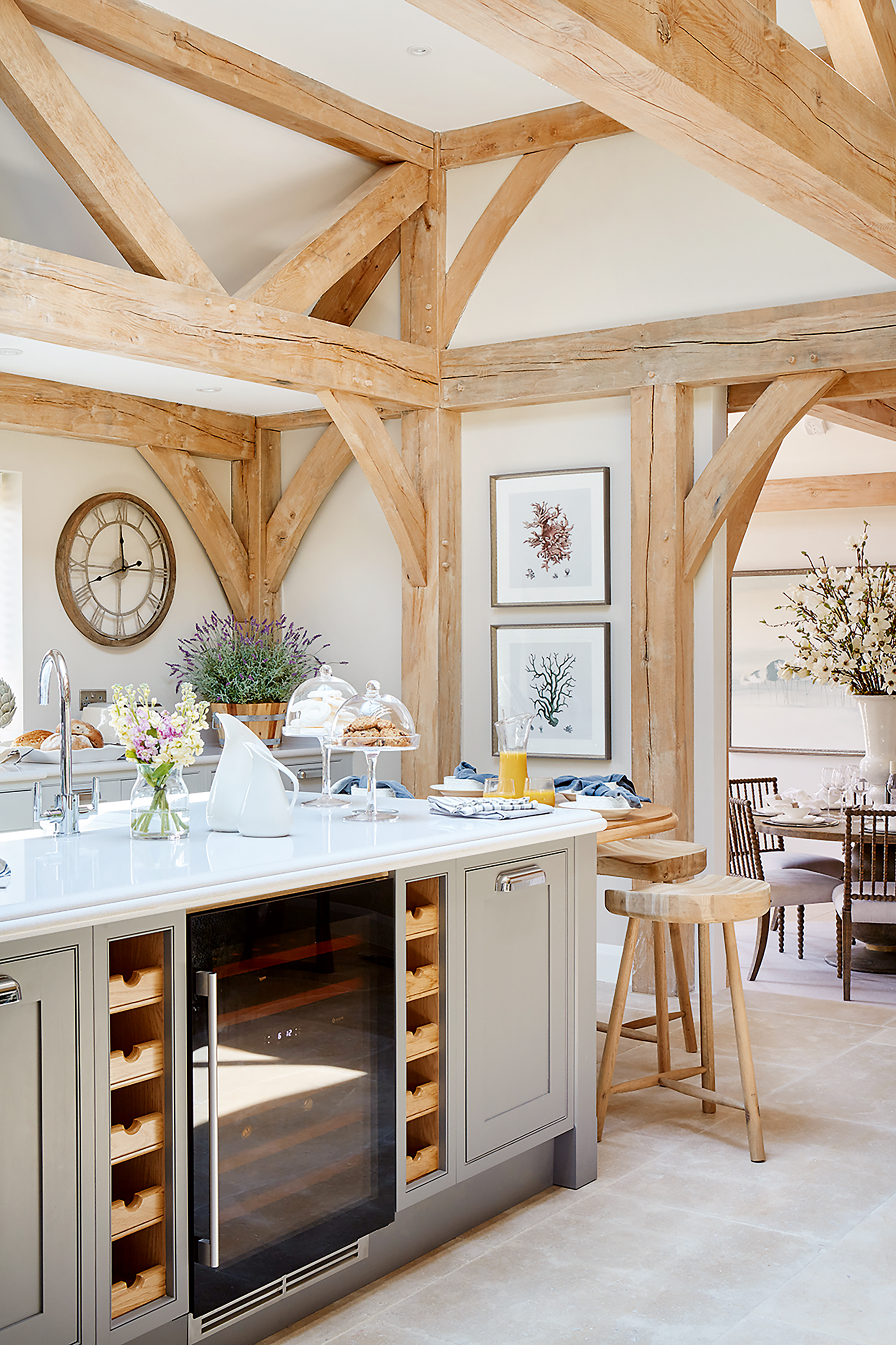
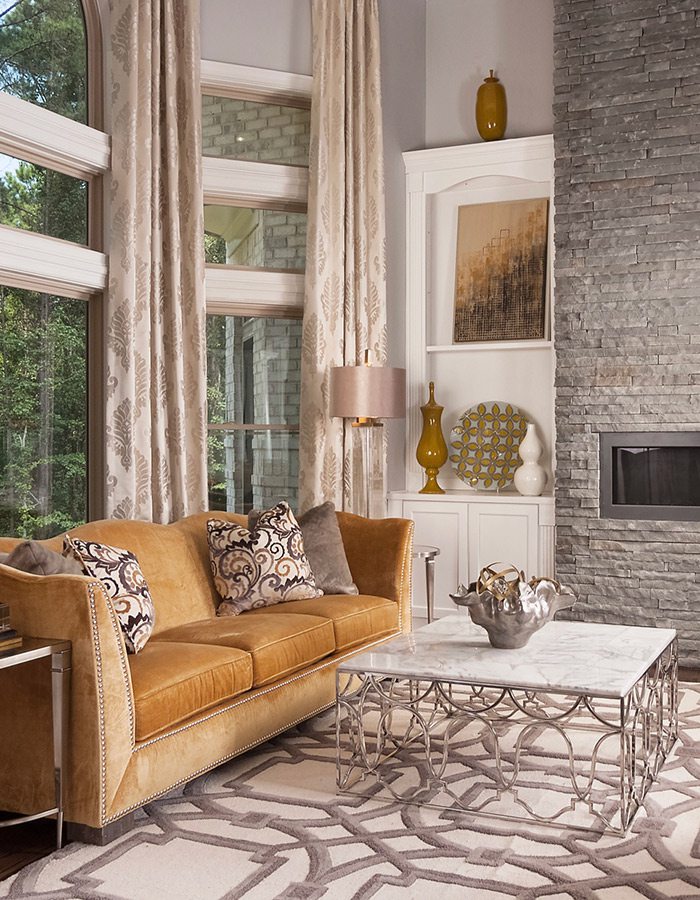
The article discusses the growing trend of mixing metal finishes in home interiors, moving away from uniform metallic aesthetics to a more layered and intentional design approach. Designers like Javier Burkle of Burkle Creative emphasize that individual fixtures, such as faucets and hardware, can each have their own distinct moment, contributing to a cohesive yet varied look that avoids the sterility of a catalog page. This design strategy applies to all rooms, utilizing appliances, hardware, and light fixtures to infuse personality and character into a space.
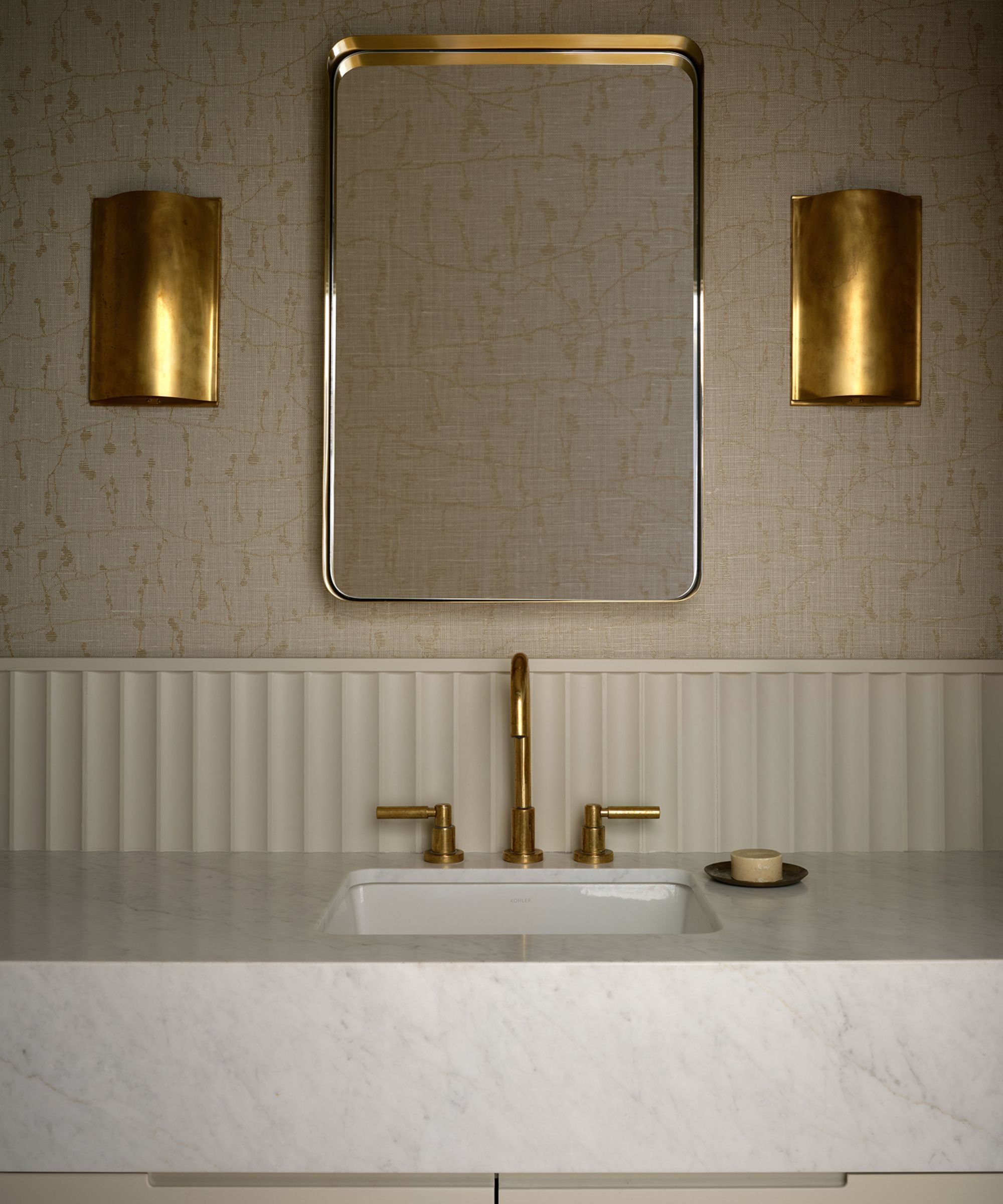
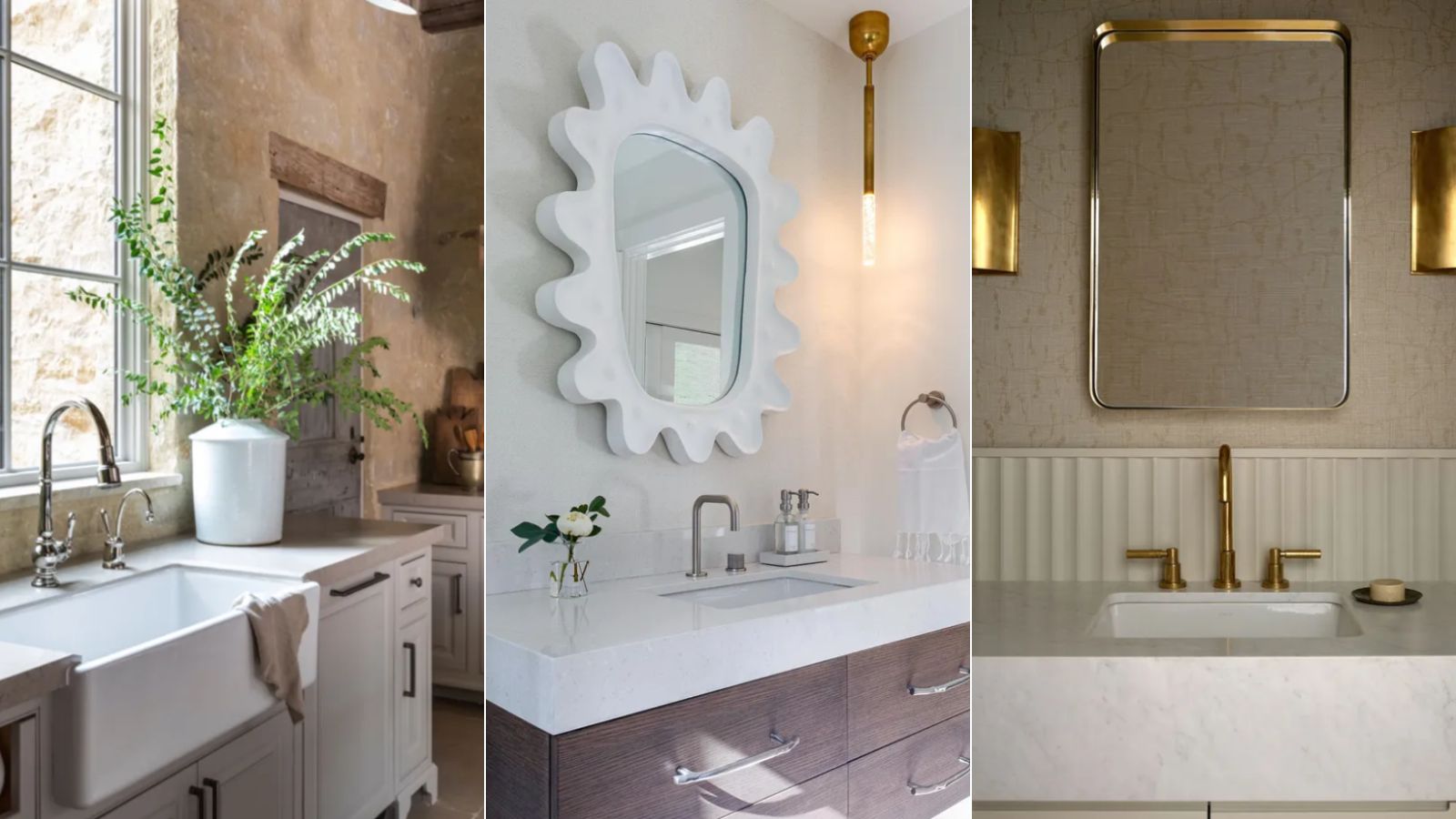
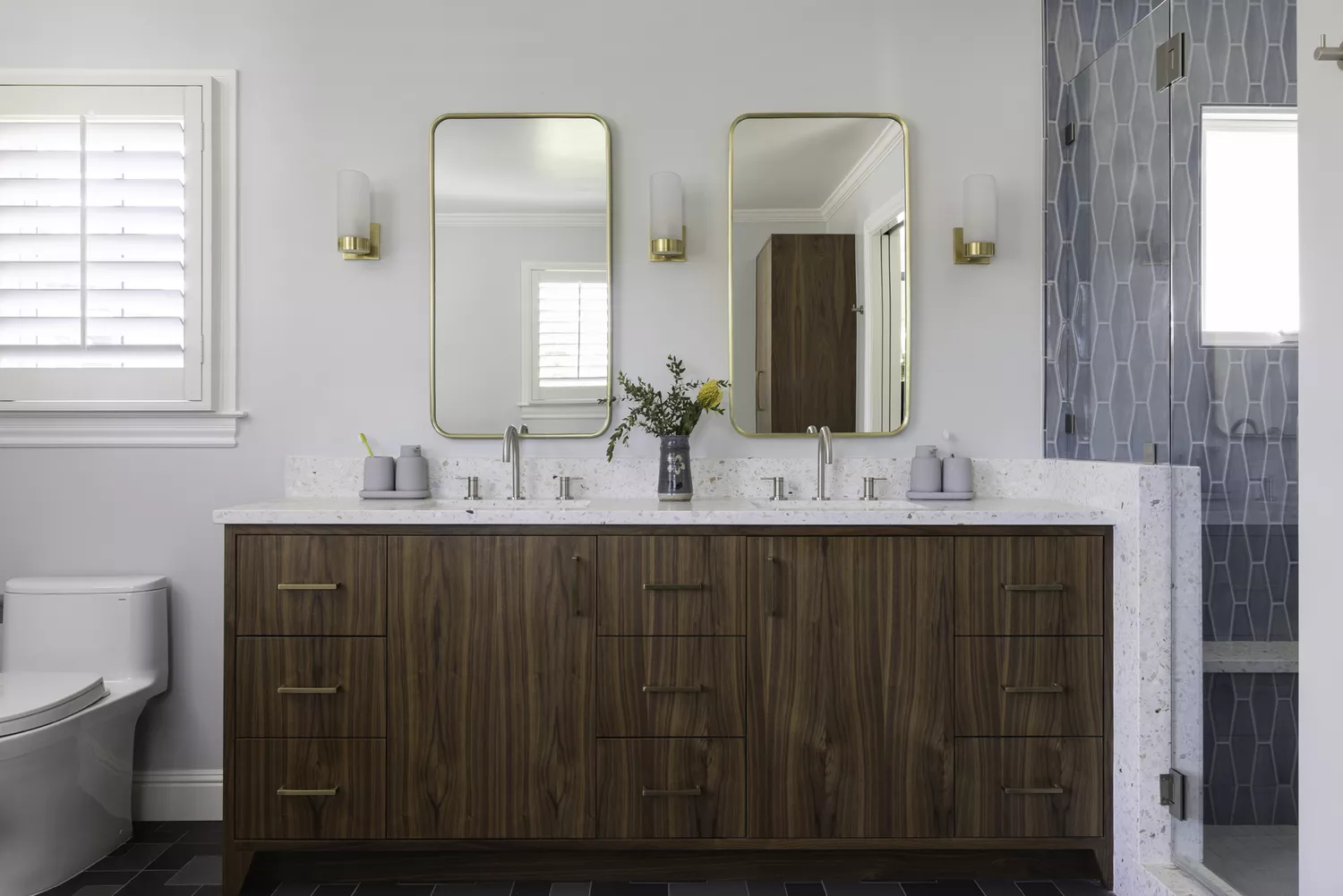
Carla Hrncir from Dunbar Road Design highlights how introducing different metal fixtures and hardware elevates a space, citing an example where a custom-made brushed brass mirror and brass pulls were paired with a contrasting faucet. The sconce backplates were chosen to complement the vanity's paint color, ensuring a collected and classically beautiful bathroom.
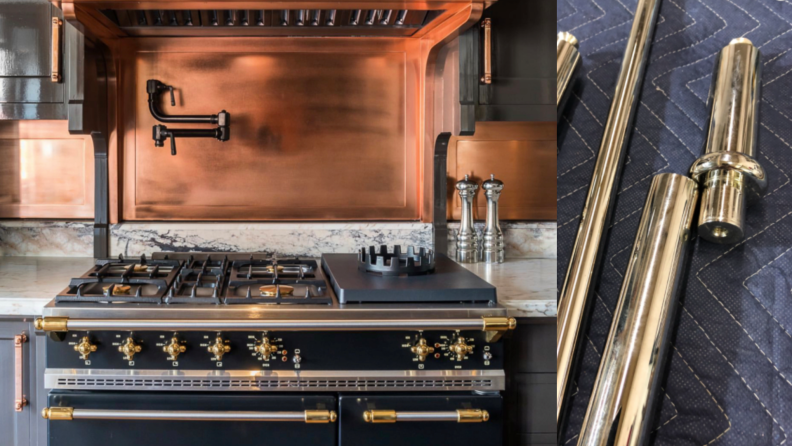
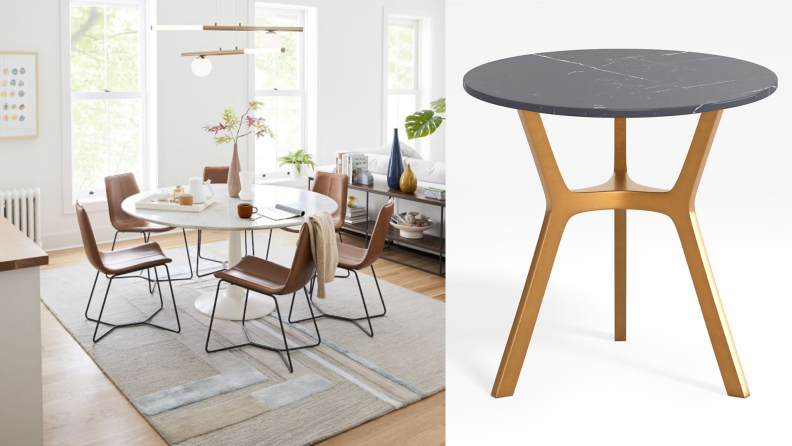
Understanding the characteristics of different metals is crucial for successful mixing. Warm metals include gold, brass, bronze, and copper, while silver metals like chrome and nickel are considered cool. Oil-rubbed bronze can vary in tone, adding another layer of complexity. Metals are also available in various finishes, such as satin, brushed, antiqued, matte, and polished. The objective is for the mixed metals to appear intentional, not haphazard.
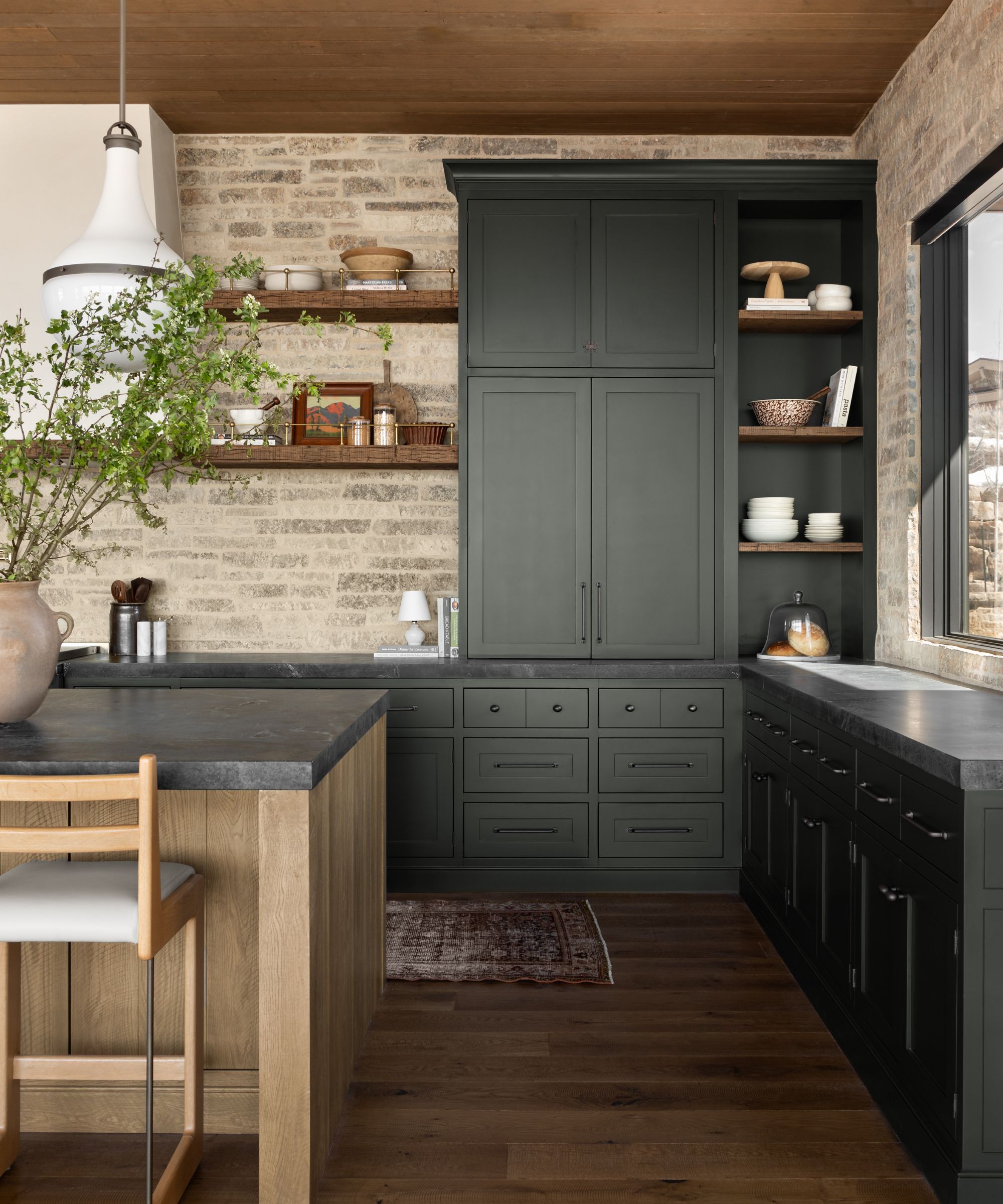
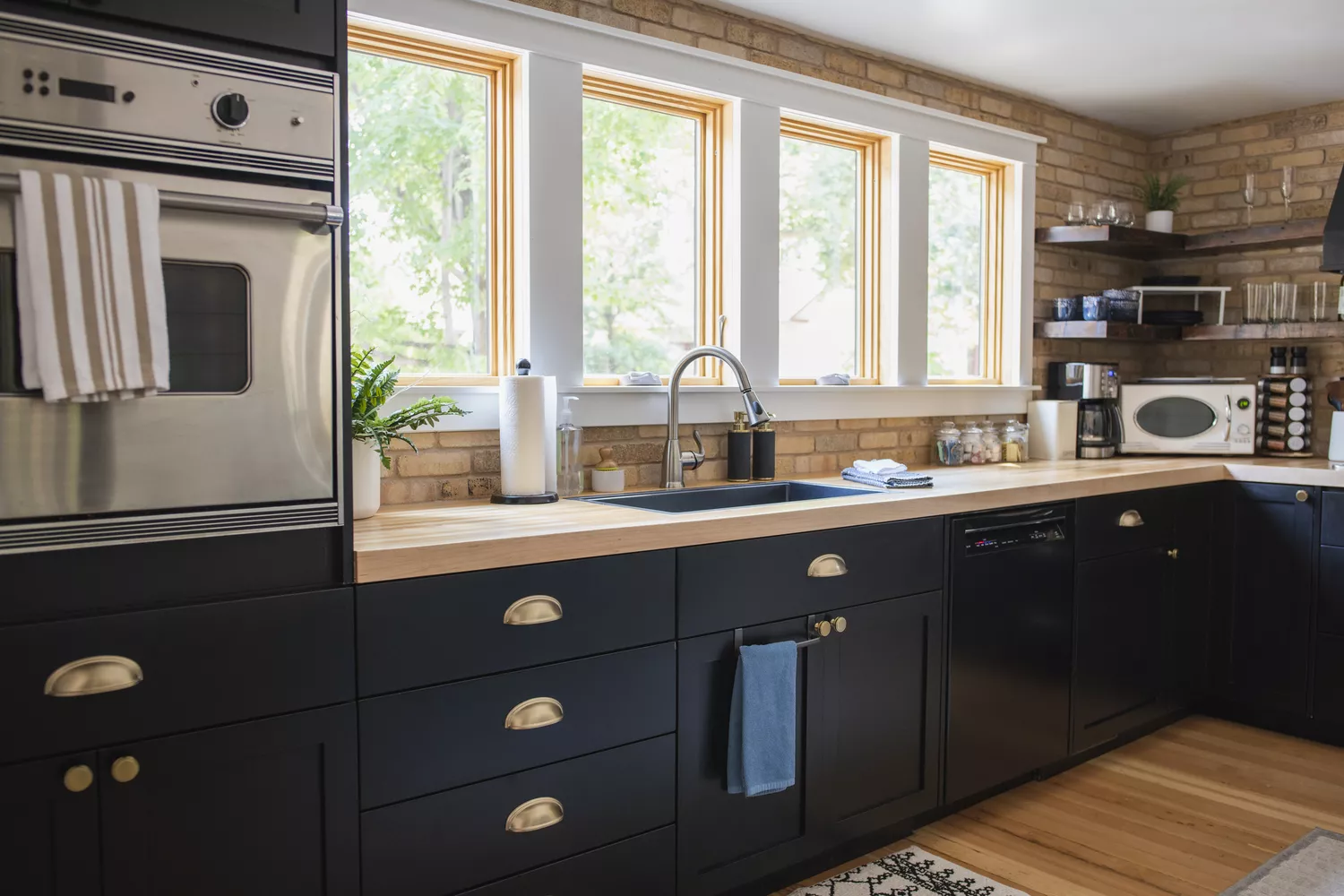
Seven guidelines are provided for effectively mixing metals. Firstly, choose a primary metal to prevent the room from appearing disheveled and use another metal for dimension. Secondly, avoid mixing metals of the same tone; instead, pair contrasting tones like brass with bronze or silver with brass, rather than polished nickel with brushed steel, which lacks visual distinction. Thirdly, assess the room's overall ambiance. For a light-filled space, a darker primary metal can create balance, or inspiration can be drawn from a beloved element like a backsplash or stone.
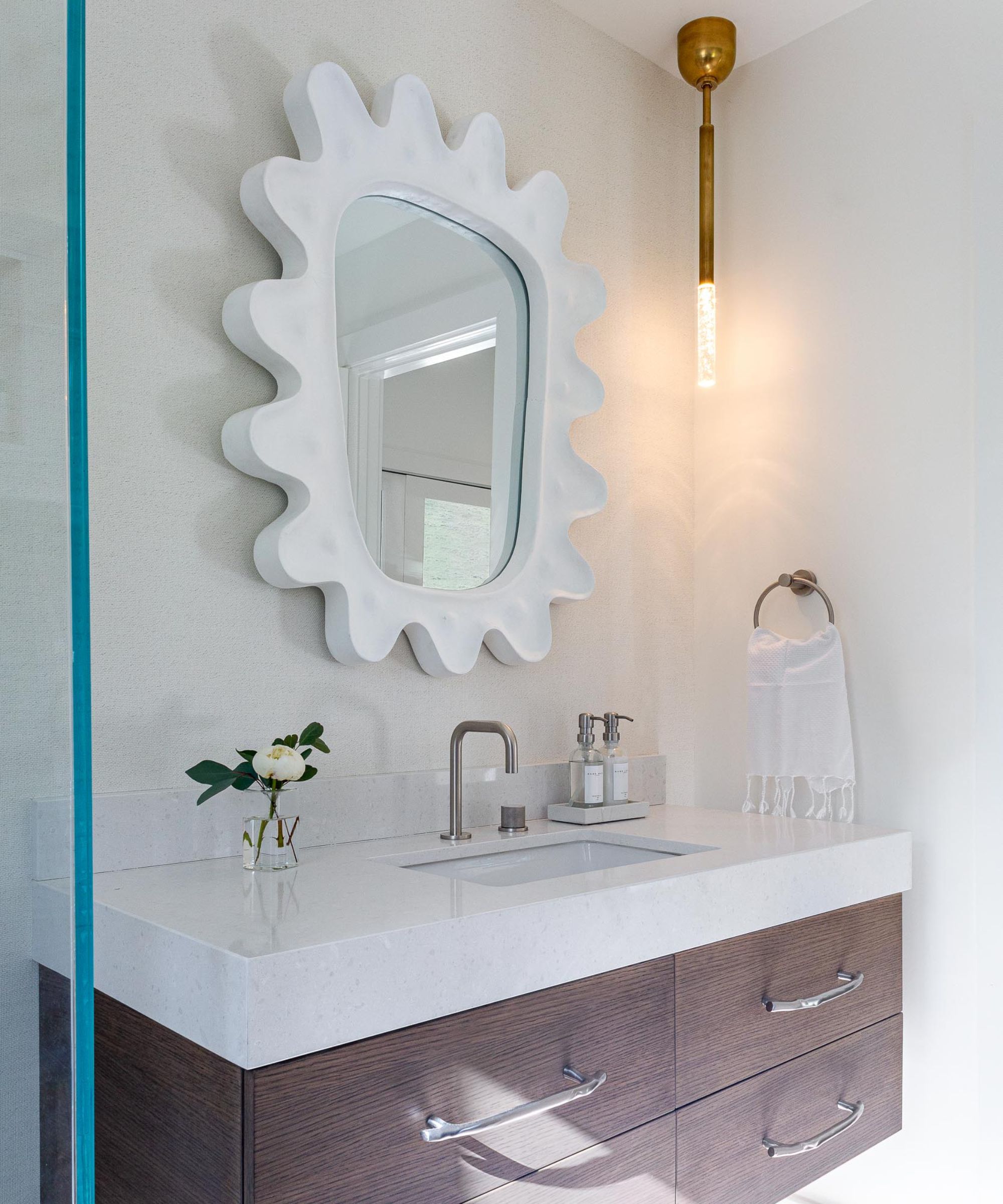
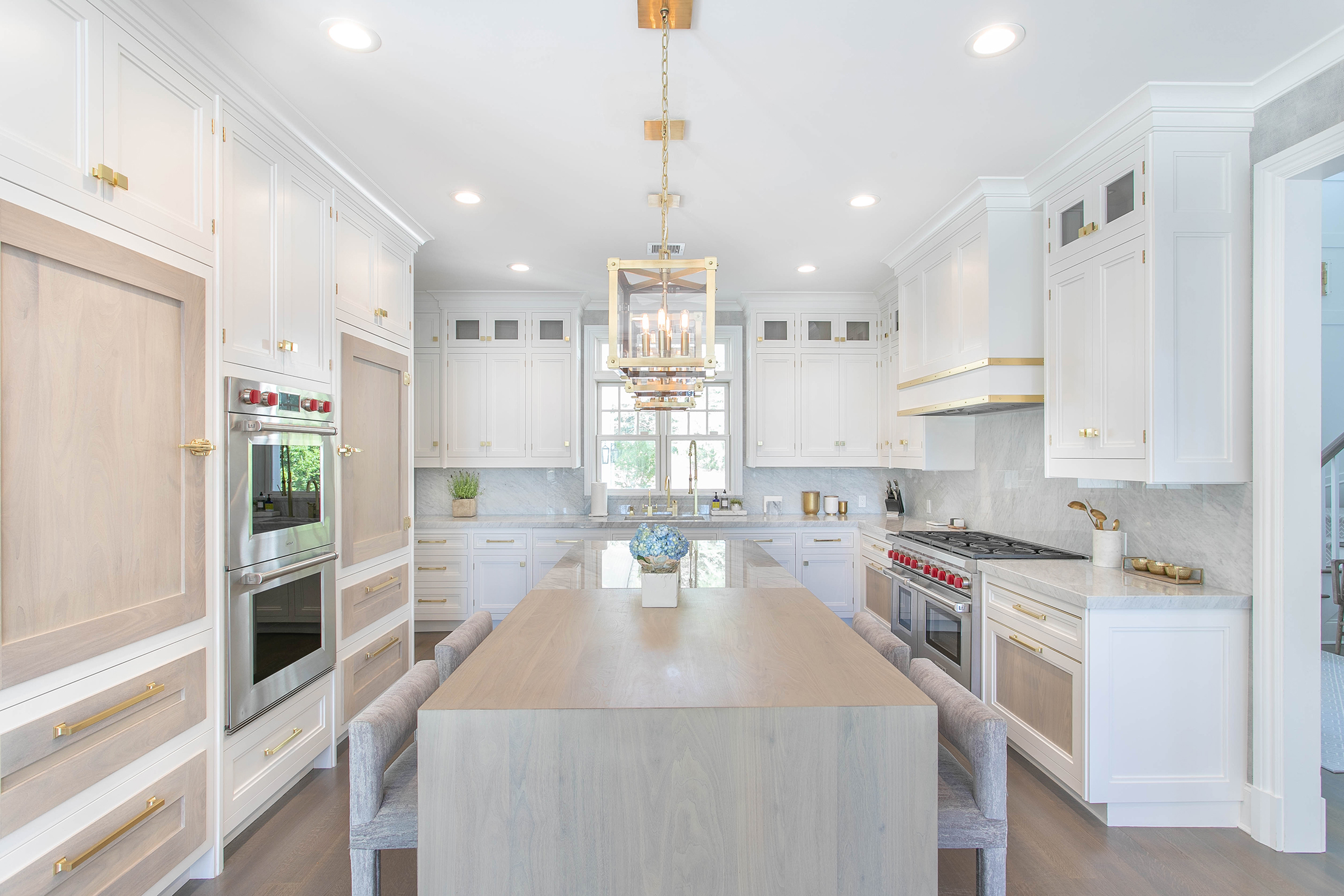
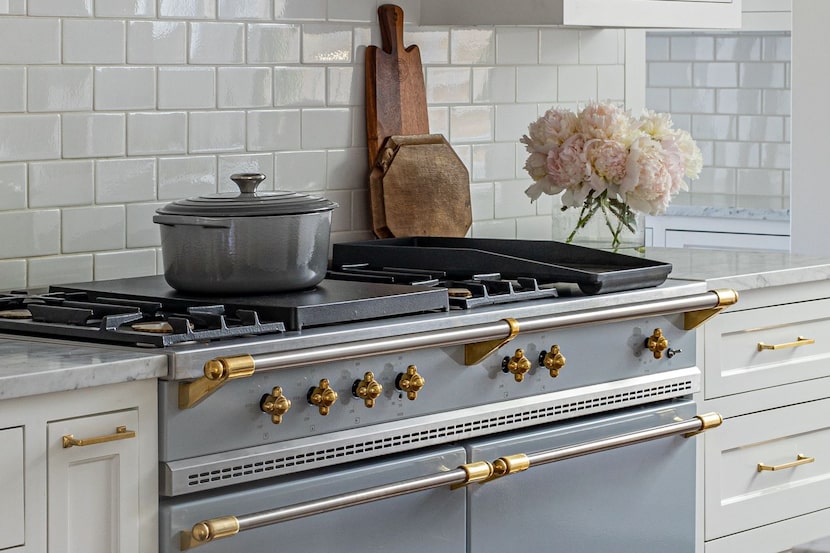
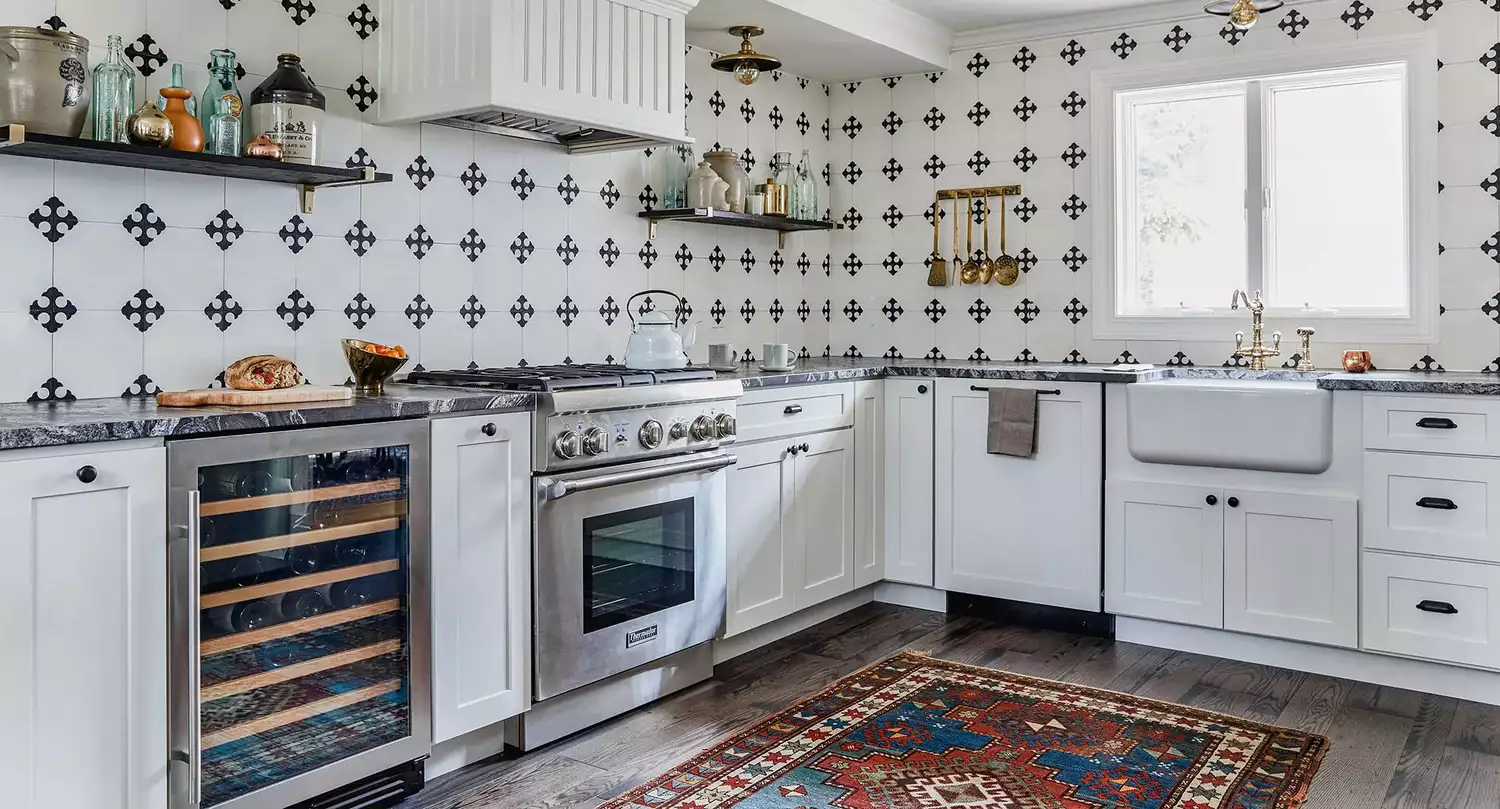
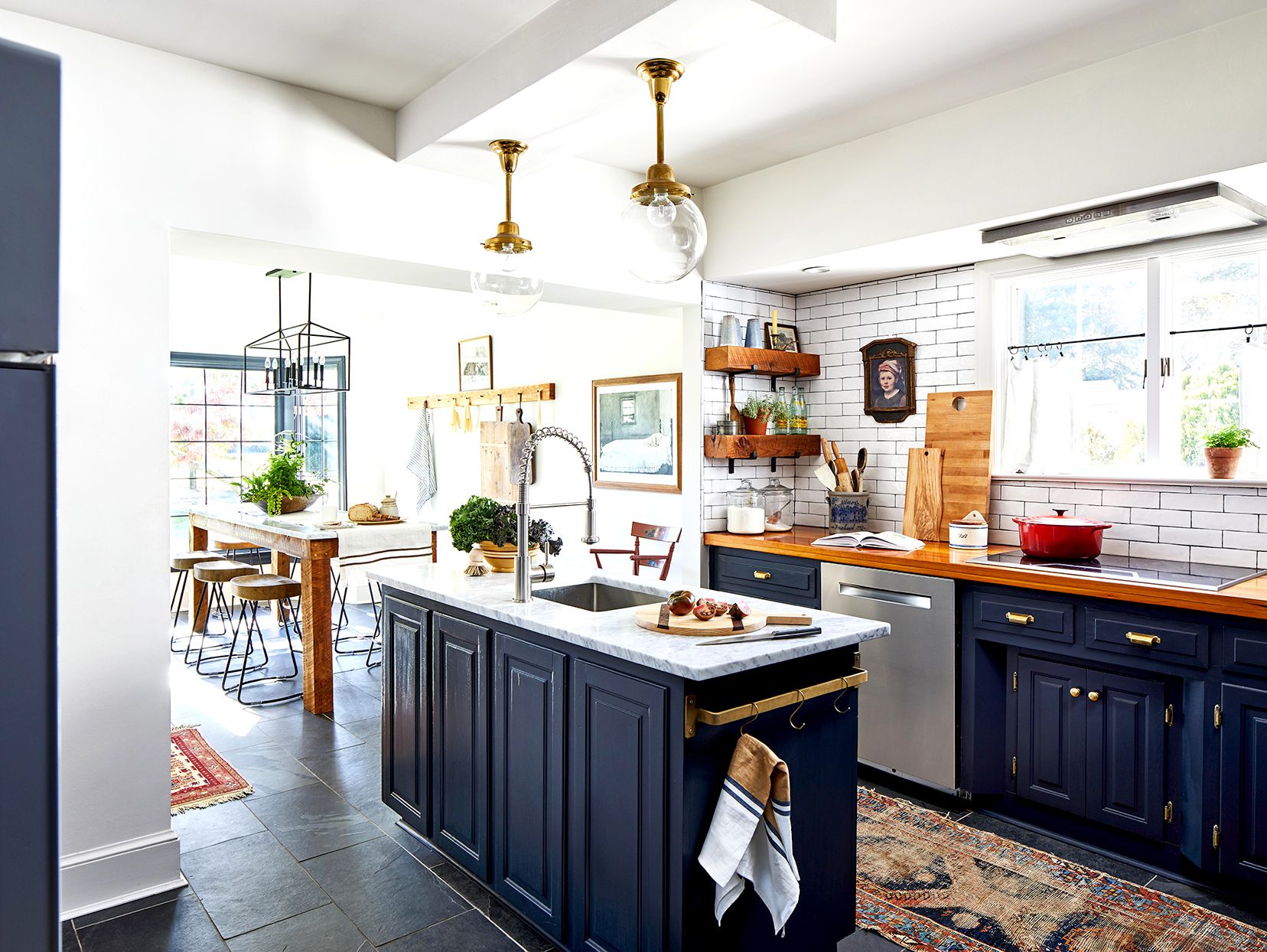
Fourthly, designers recommend limiting the number of metal finishes to no more than two per space. Lisa Henderson, for instance, prefers unlacquered brass on door hardware and polished nickel on cabinetry. In kitchens, stove fittings are considered part of this rule, with coordinating unlacquered brass finishes on ranges, cabinetry, and plumbing hardware or polished nickel. Fifthly, repeat metals within a space to reinforce the intentionality of the mix. Sixthly, exercise caution when mixing different brands for the same metal, as their appearances can vary despite identical descriptions; ensure visual consistency. Lastly, consider incorporating unexpected styles, such as modernly shaped fixtures in traditional metal finishes like an oil-rubbed bronze faucet with contemporary lines.
#HomeDesign #InteriorDesign #MixingMetals #HomeDecor #DesignTips #ArchitecturalHardware #FixtureSelection #HomeDesign #InteriorDesign #MixingMetals #HomeDecor #DesignTips #ArchitecturalHardware #FixtureSelection
0 comment in total
 No comments yet
You may also like
3 simple rules to follow when mixing metals in your interiors, according to a designer

5 rules of thumb for mixing wood tones around your home, shared by interior designers

How To Mix Metal Finishes

Mixing, Matching and Getting It Right
Once considered a design crime, mixed metals are now the look of the moment

8 appliance placement rules for harmony in the kitchen, according to experts
Your Bathroom Fixtures Shouldn't Match, Some Designers Say—How to Nail the Look

7 Golden Rules for Mixing and Matching Patterns That Designers Swear By

The 8 Dos and Don’ts of Mixing Patterns in Your Home
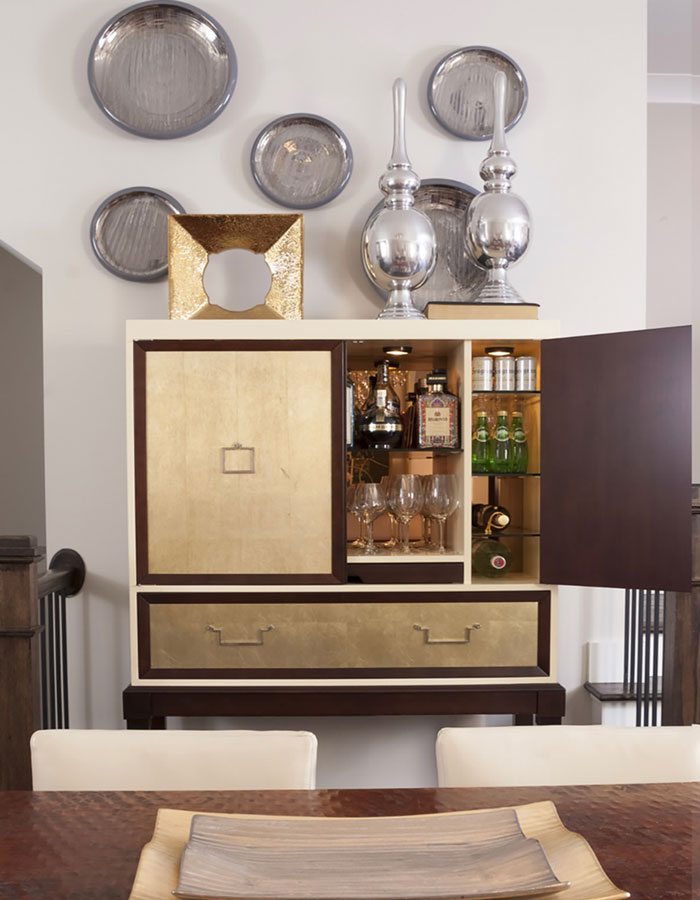
A Guide to Mixing Metals in Your Home Decor
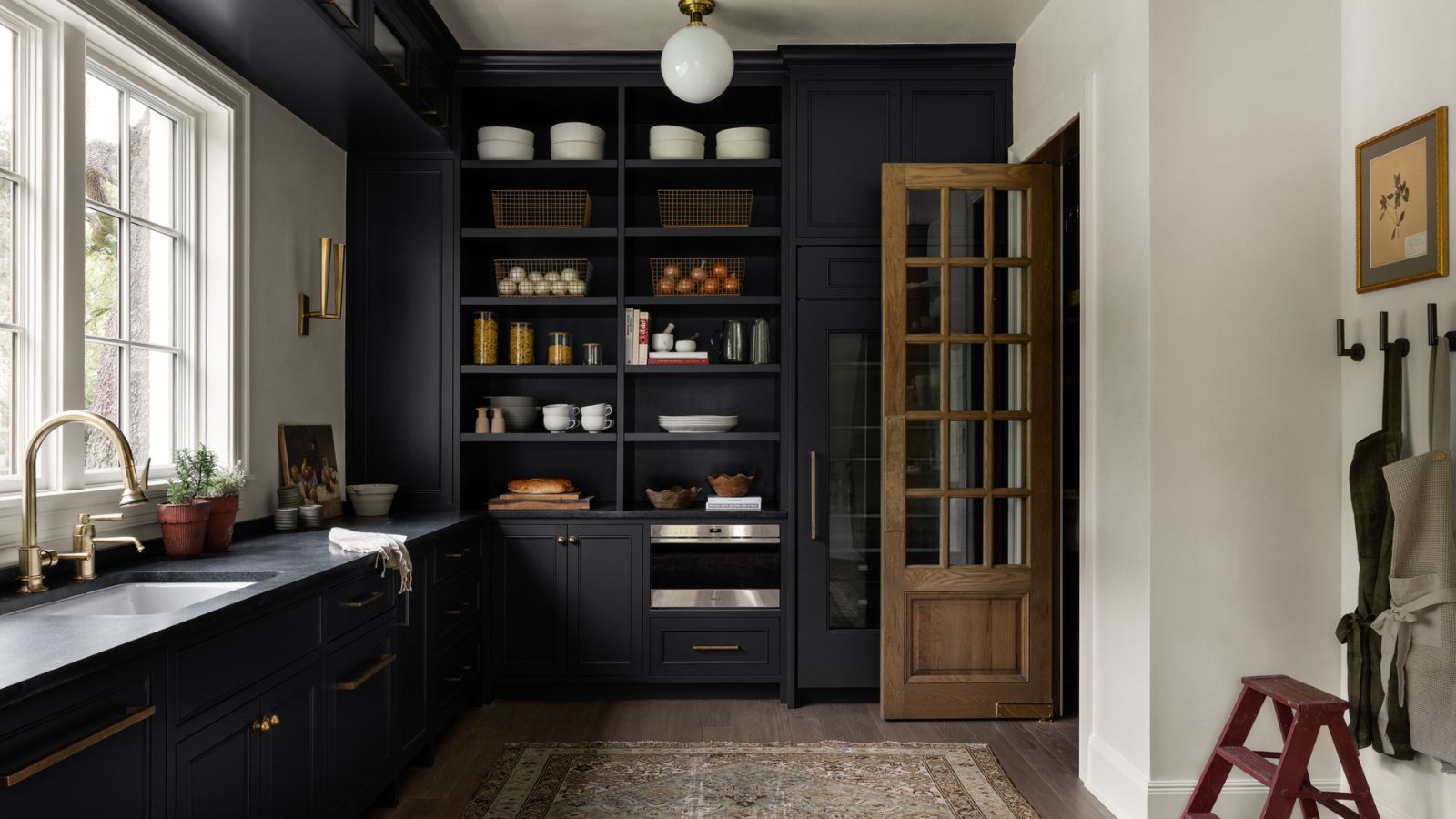
'I never incorporate more than three finishes in a kitchen' – here's how Shea McGee mixes metals in a kitchen for balanced, cohesive scheme
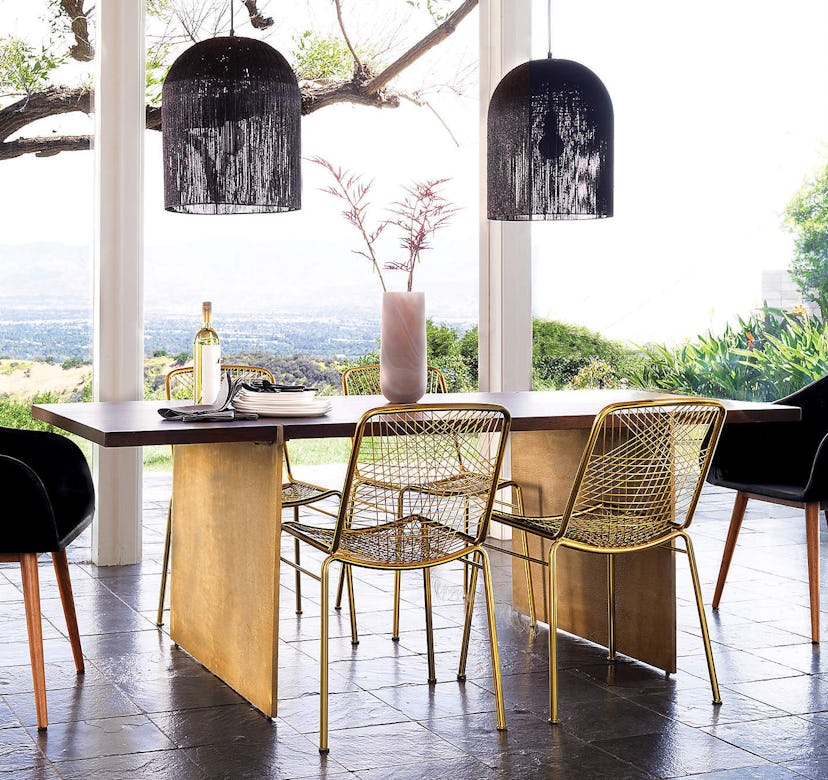
The One Rule You Should Always Follow When Decorating With Brass Decor
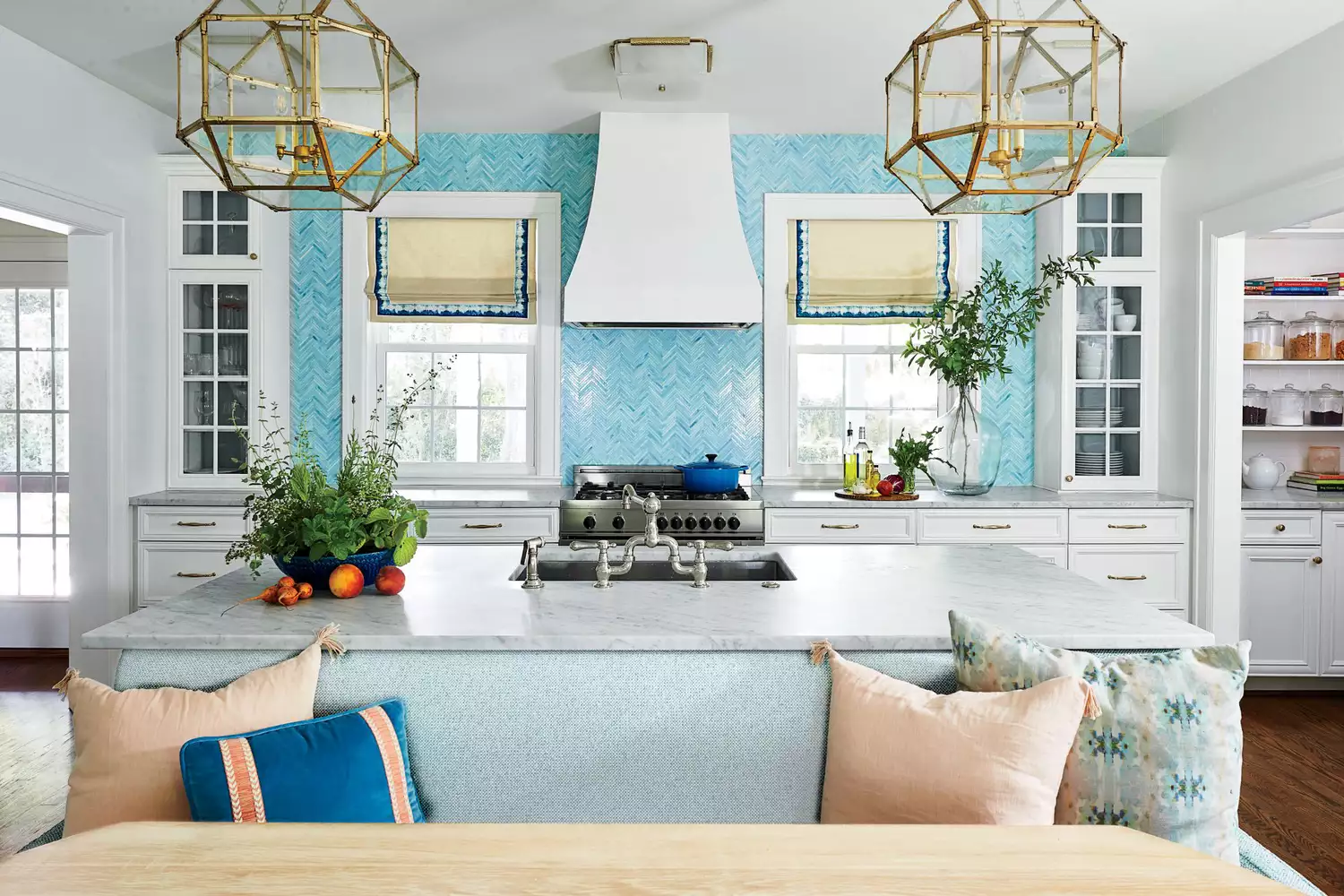
The One Mistake To Avoid When Mixing Metals In Your Home
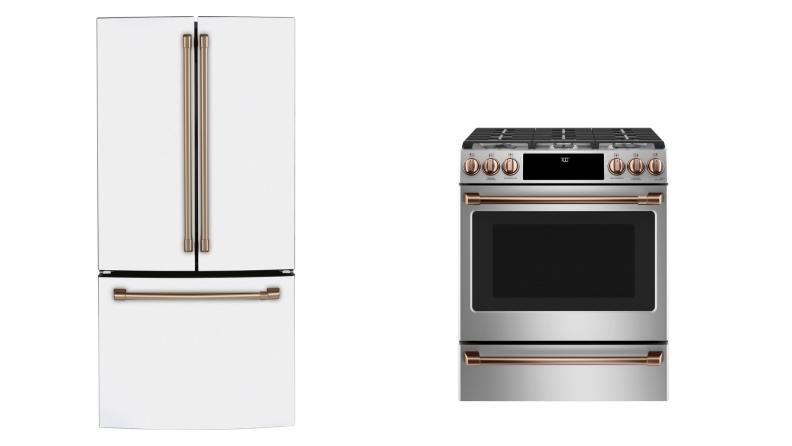
Here’s how you can start mixing metal décor in your home

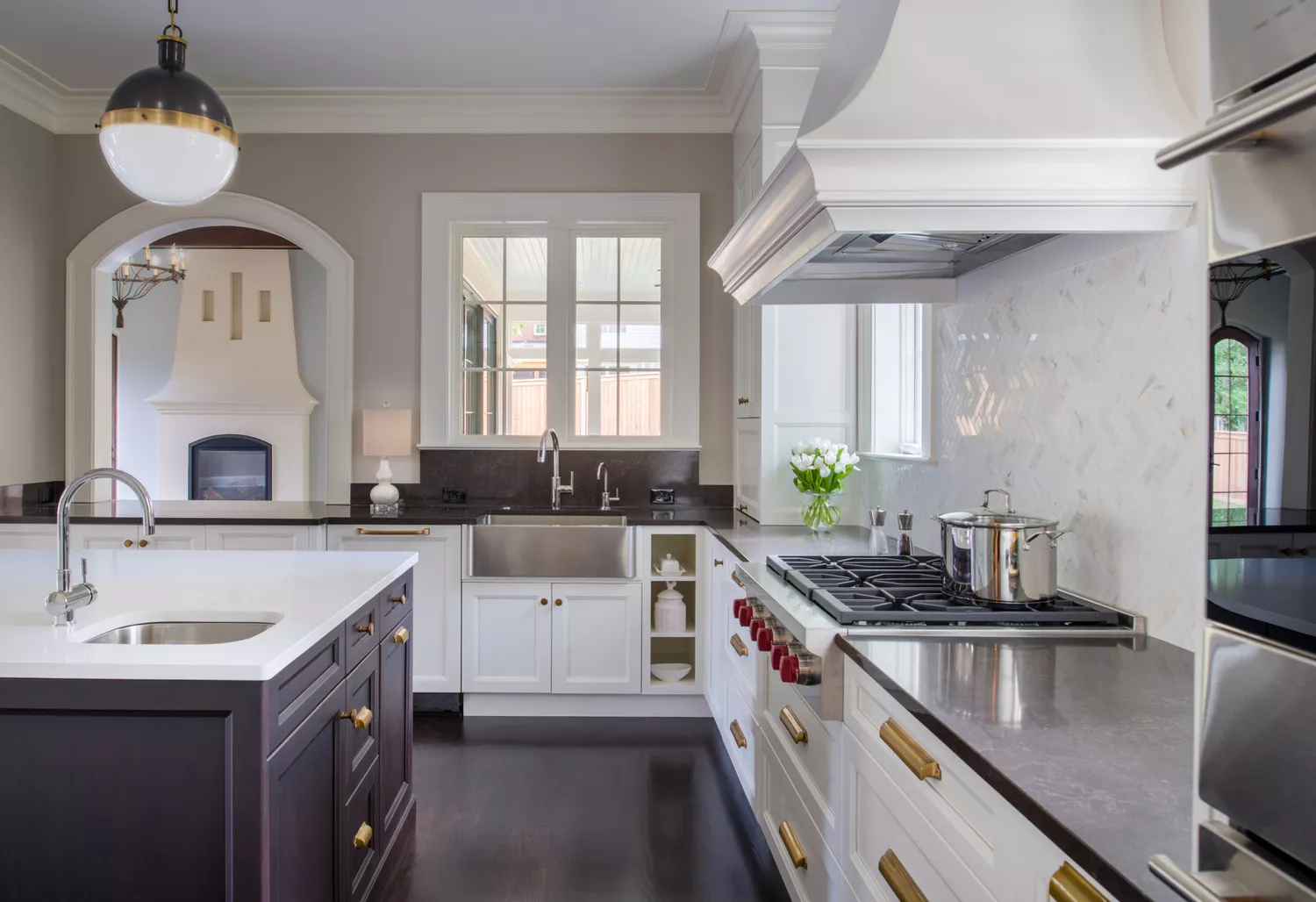
It’s Official: Mixed Metals Are the "It" Trend of 2025 Kitchens, Designers Say
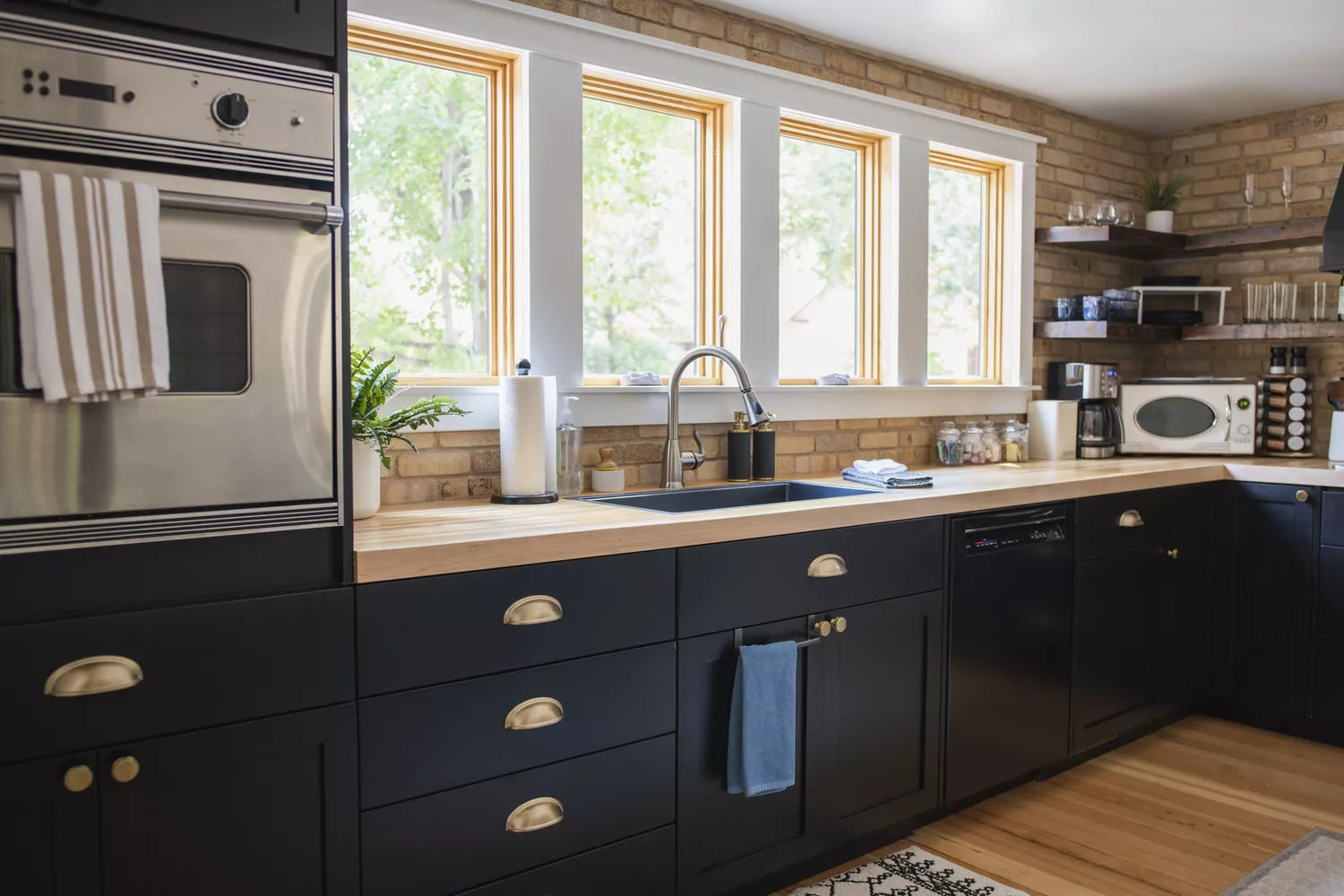
These 5 Hardware Finishes Are So Outdated, Designers Say
The ONLY Advice You Need to Mix Patterns Like a Pro!

How to Mix Metals in Your Home: 5 Tips to Decorate With Metals Flawlessly

Still Doing This in Your Kitchen? A Designer Says It’s the Fastest Way to Date Your Home