1/4
3 simple rules to follow when mixing metals in your interiors, according to a designer
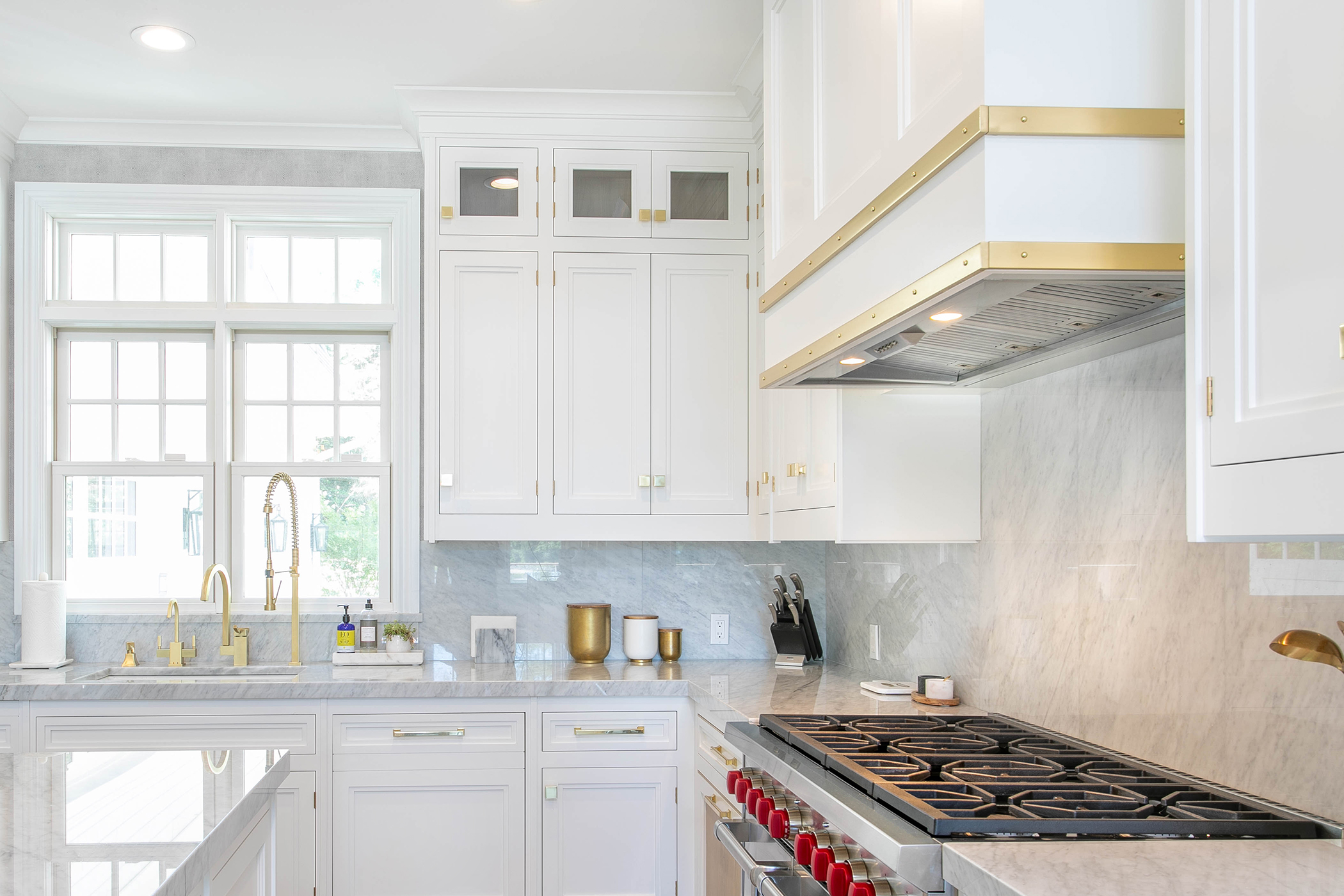
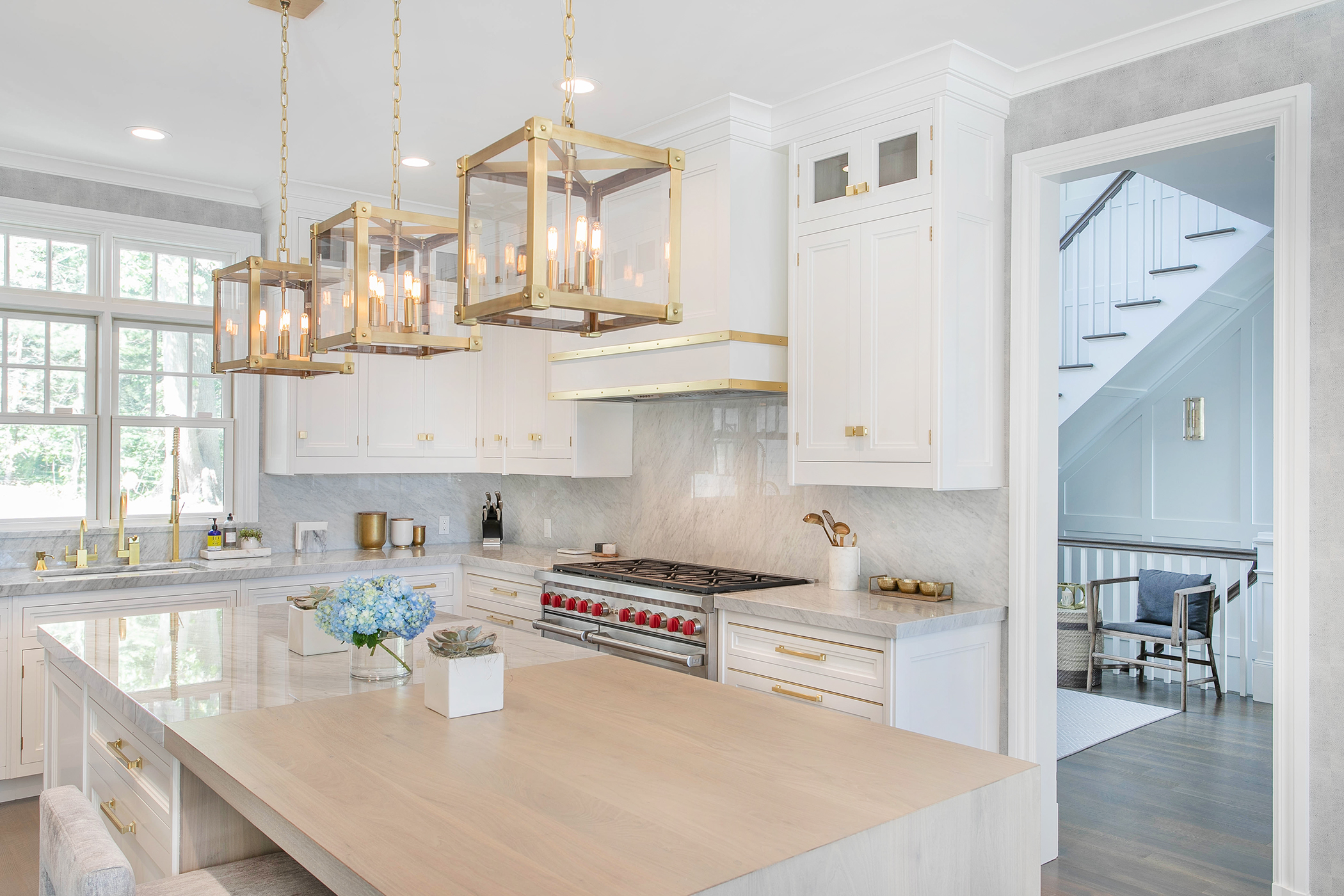
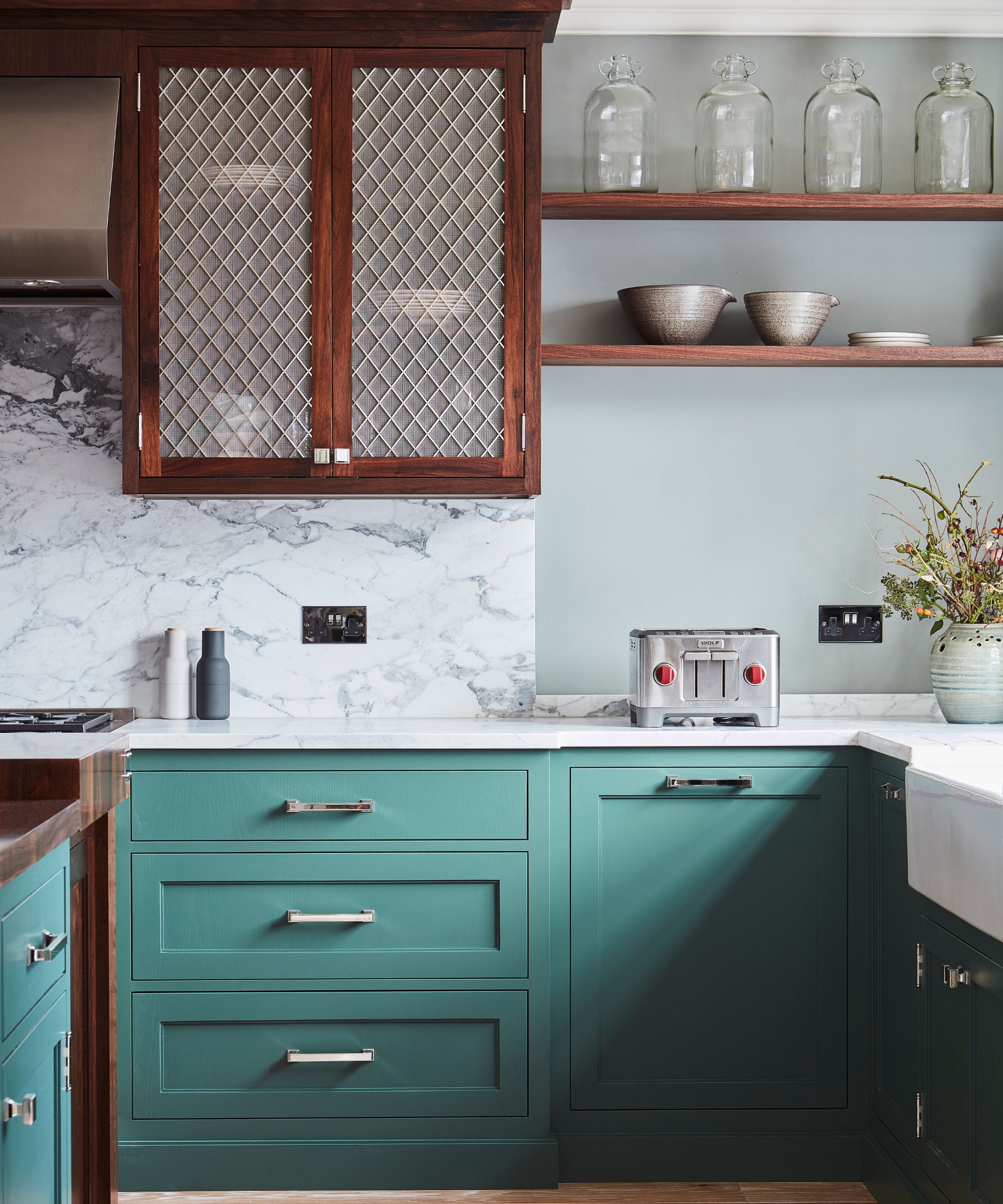
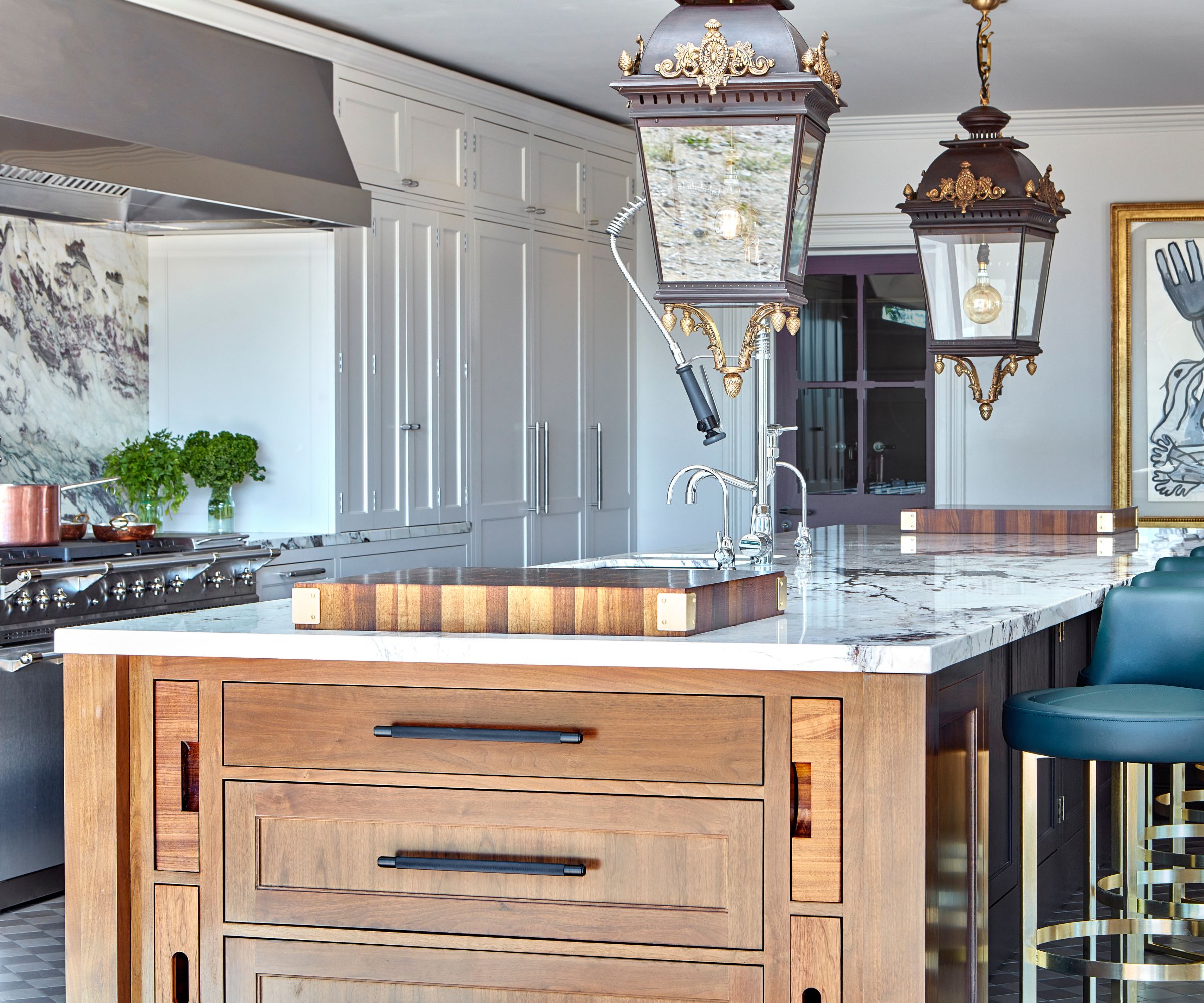
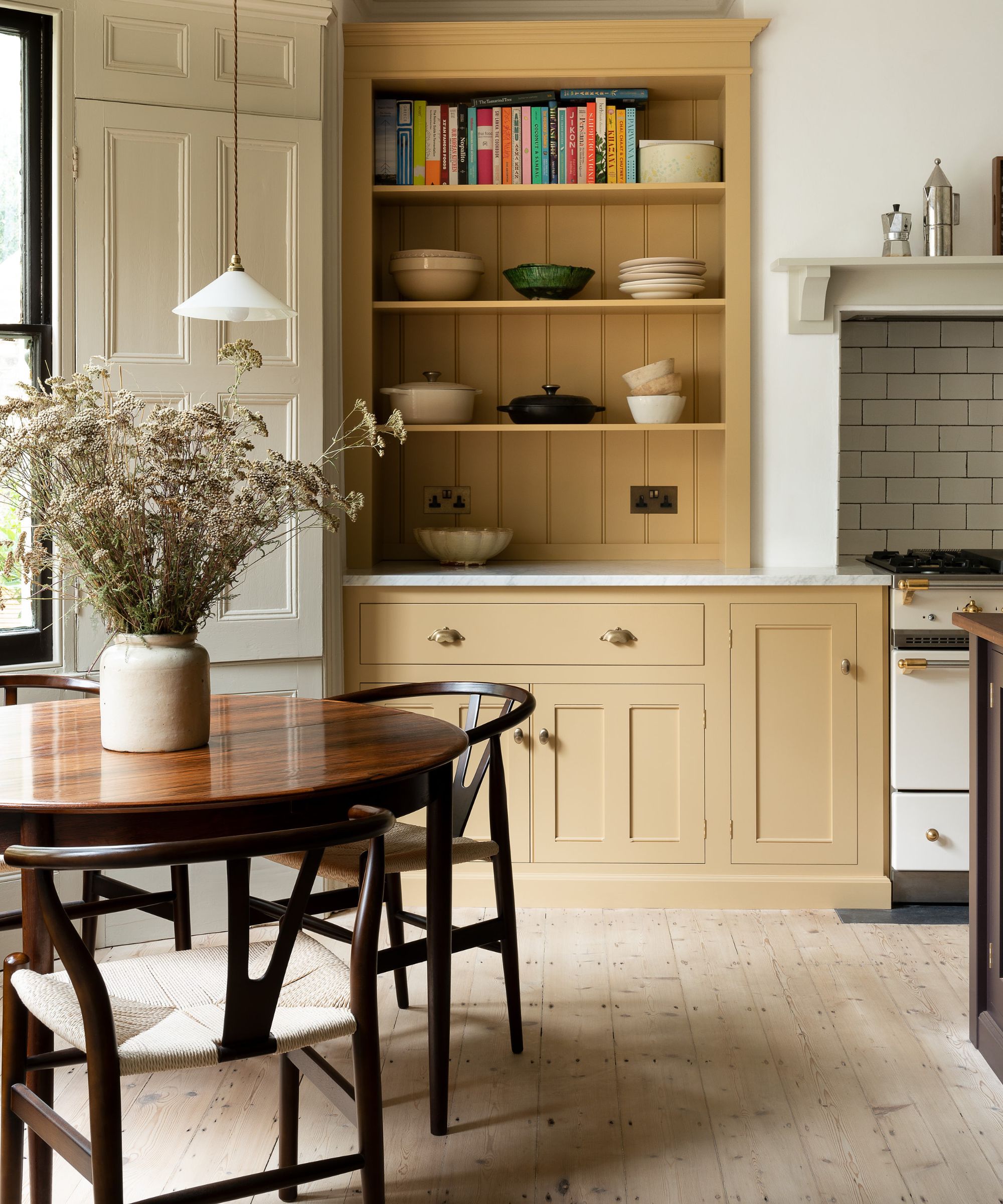
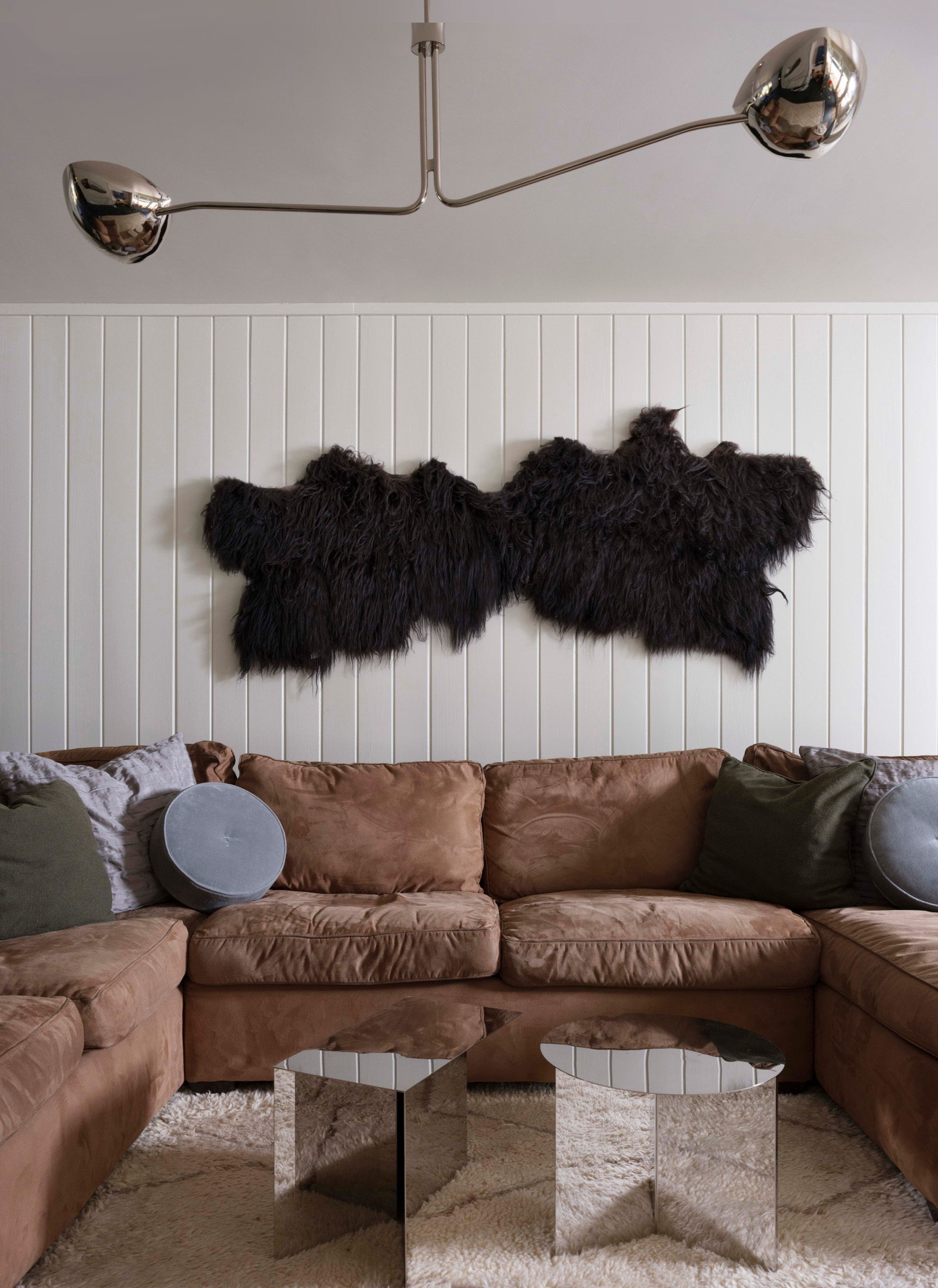
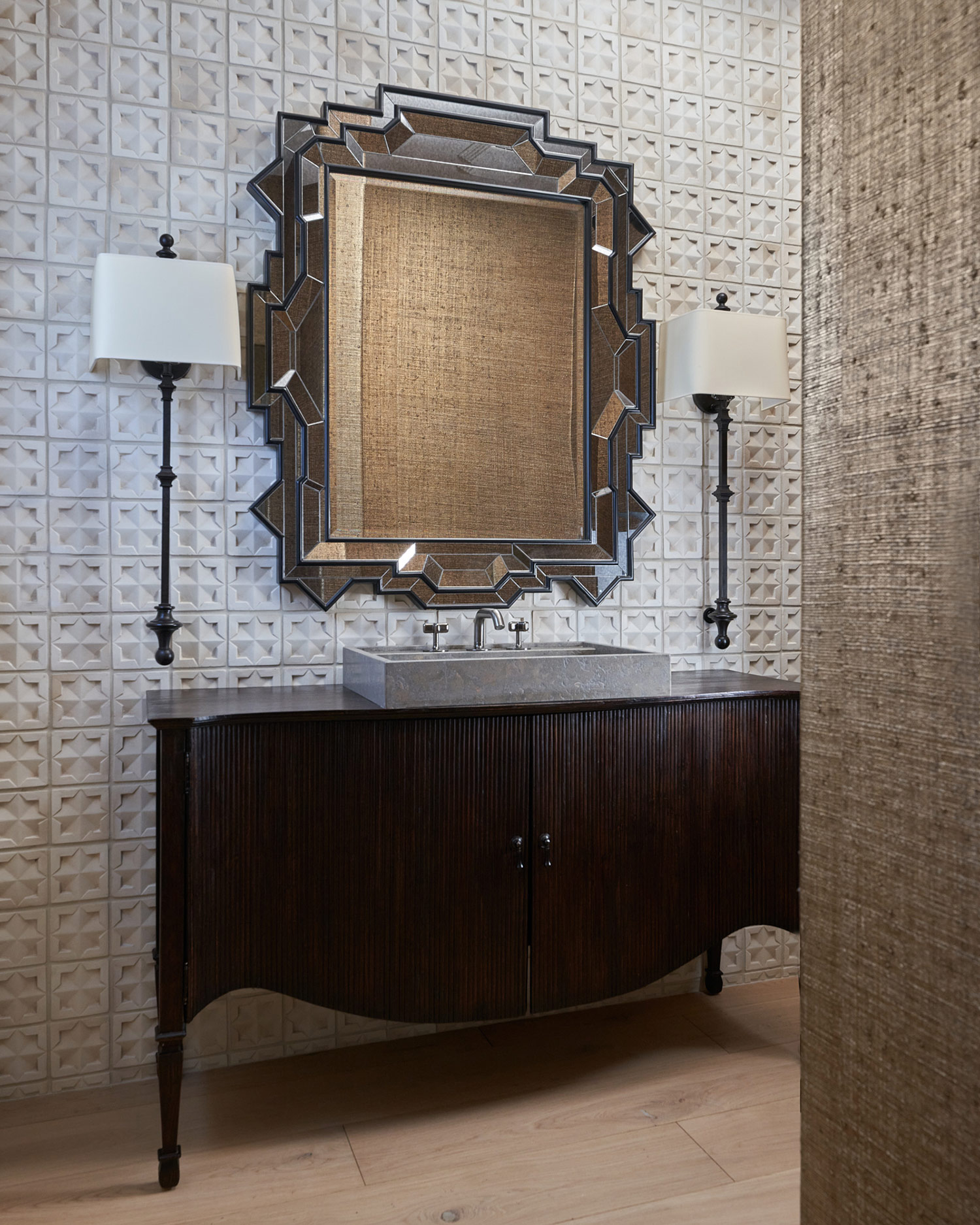
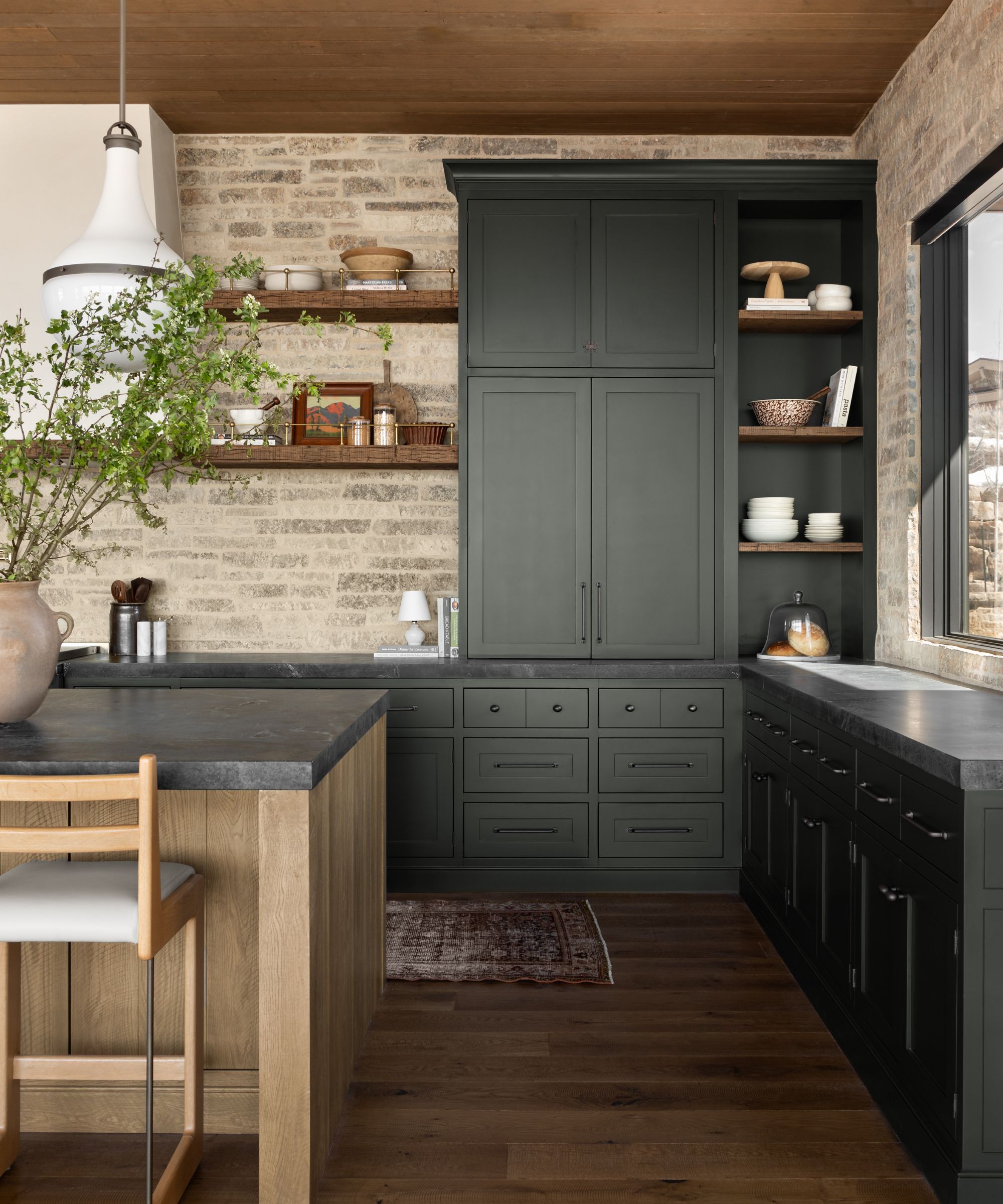
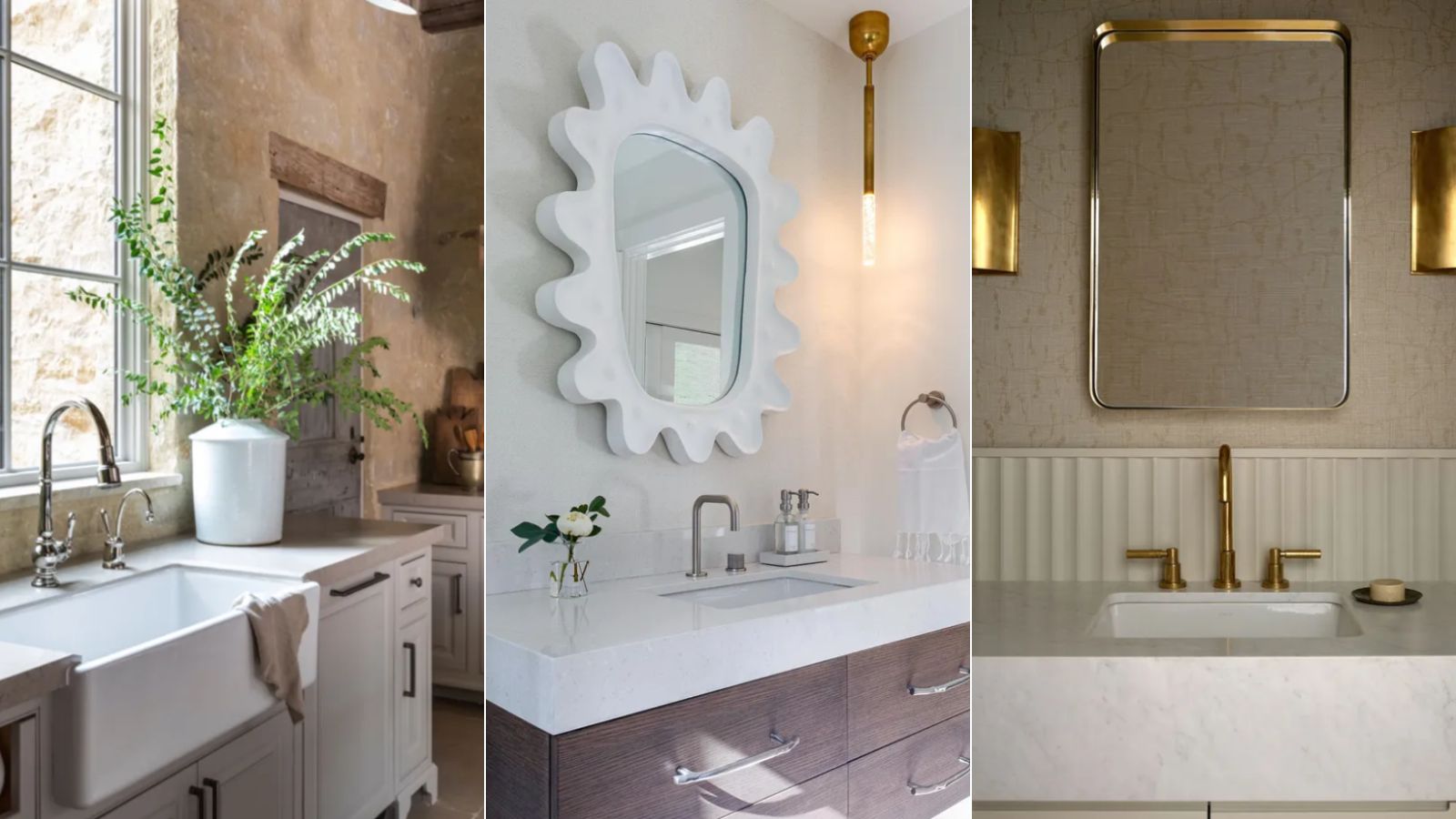
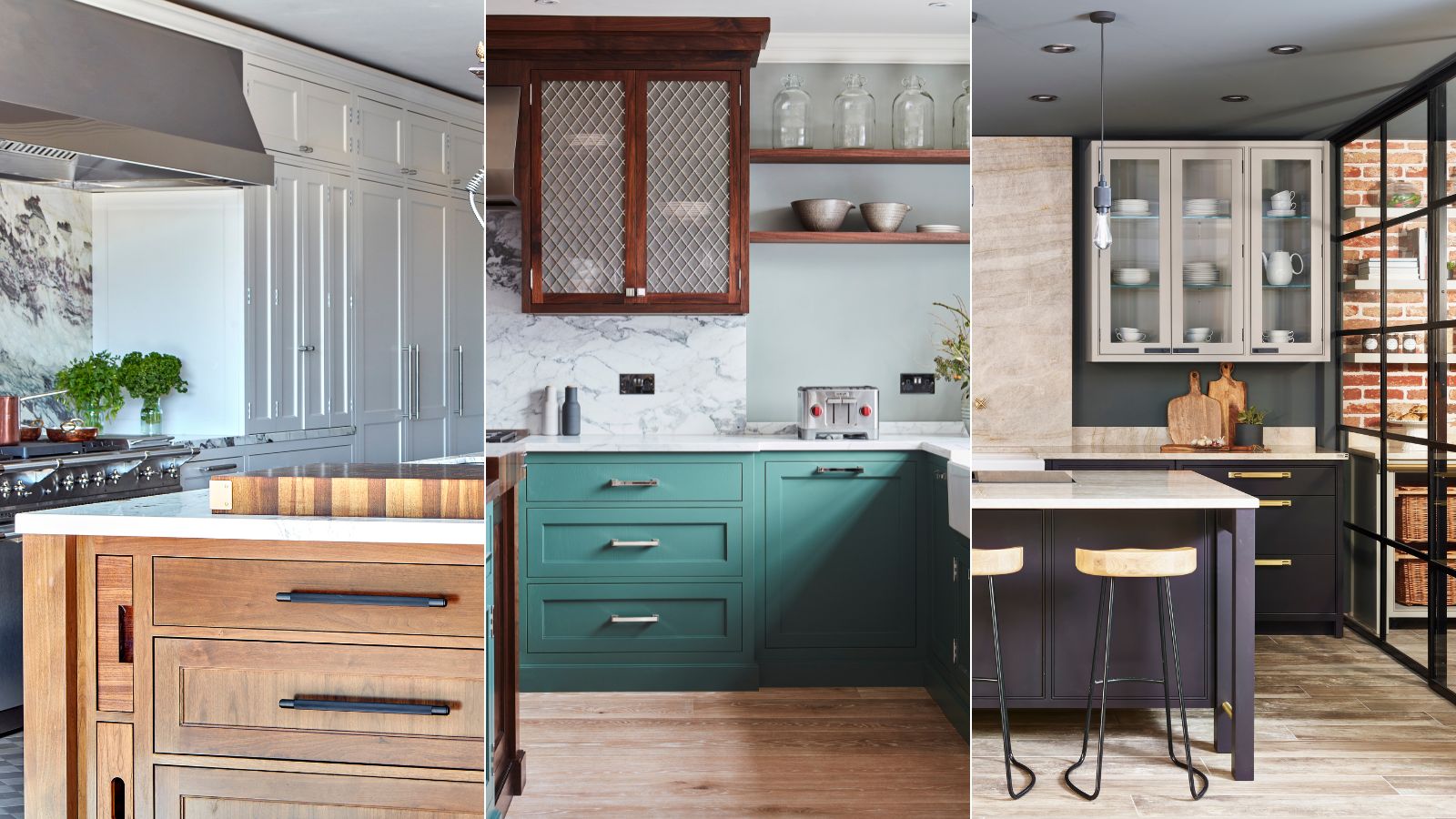
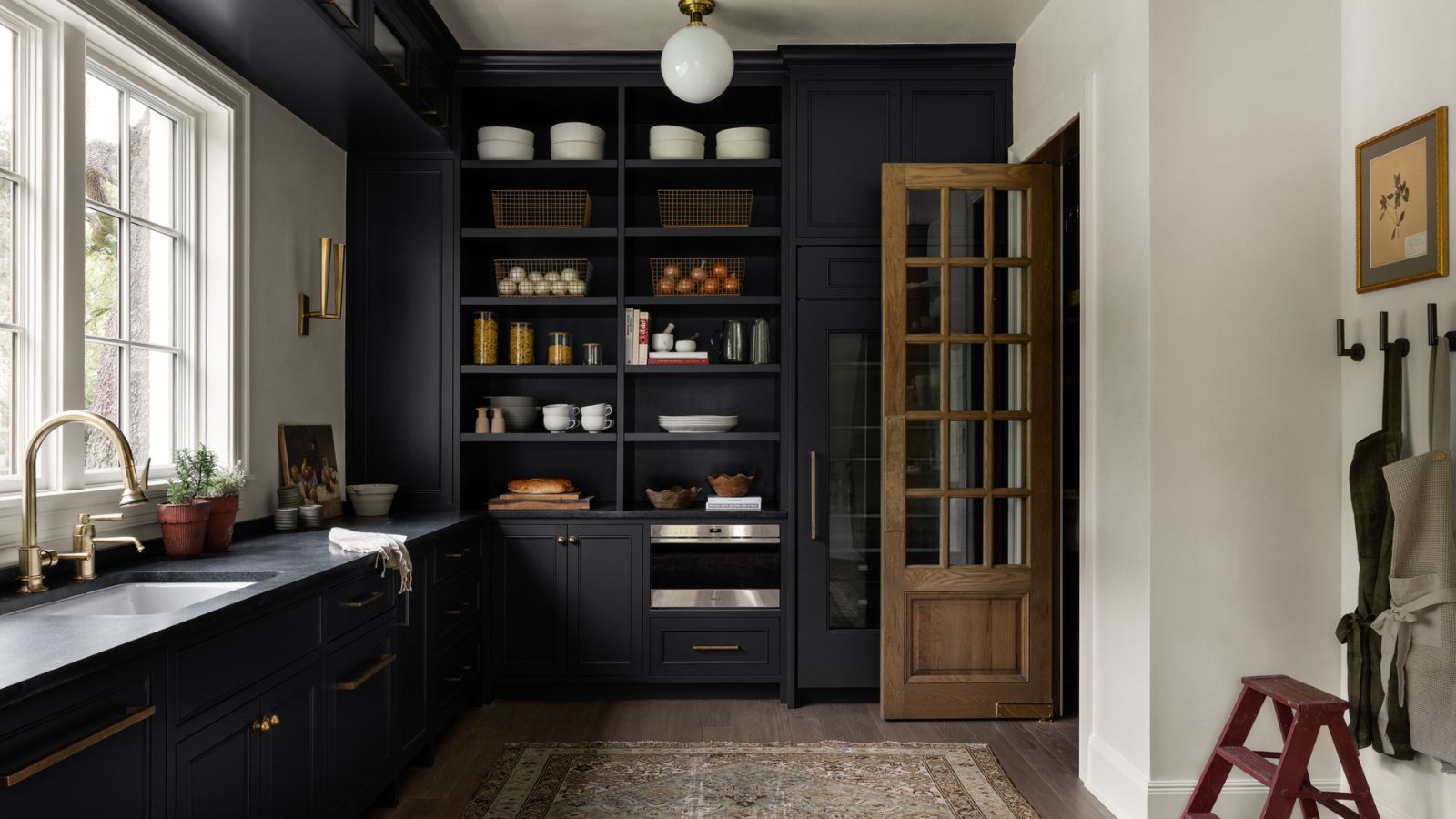
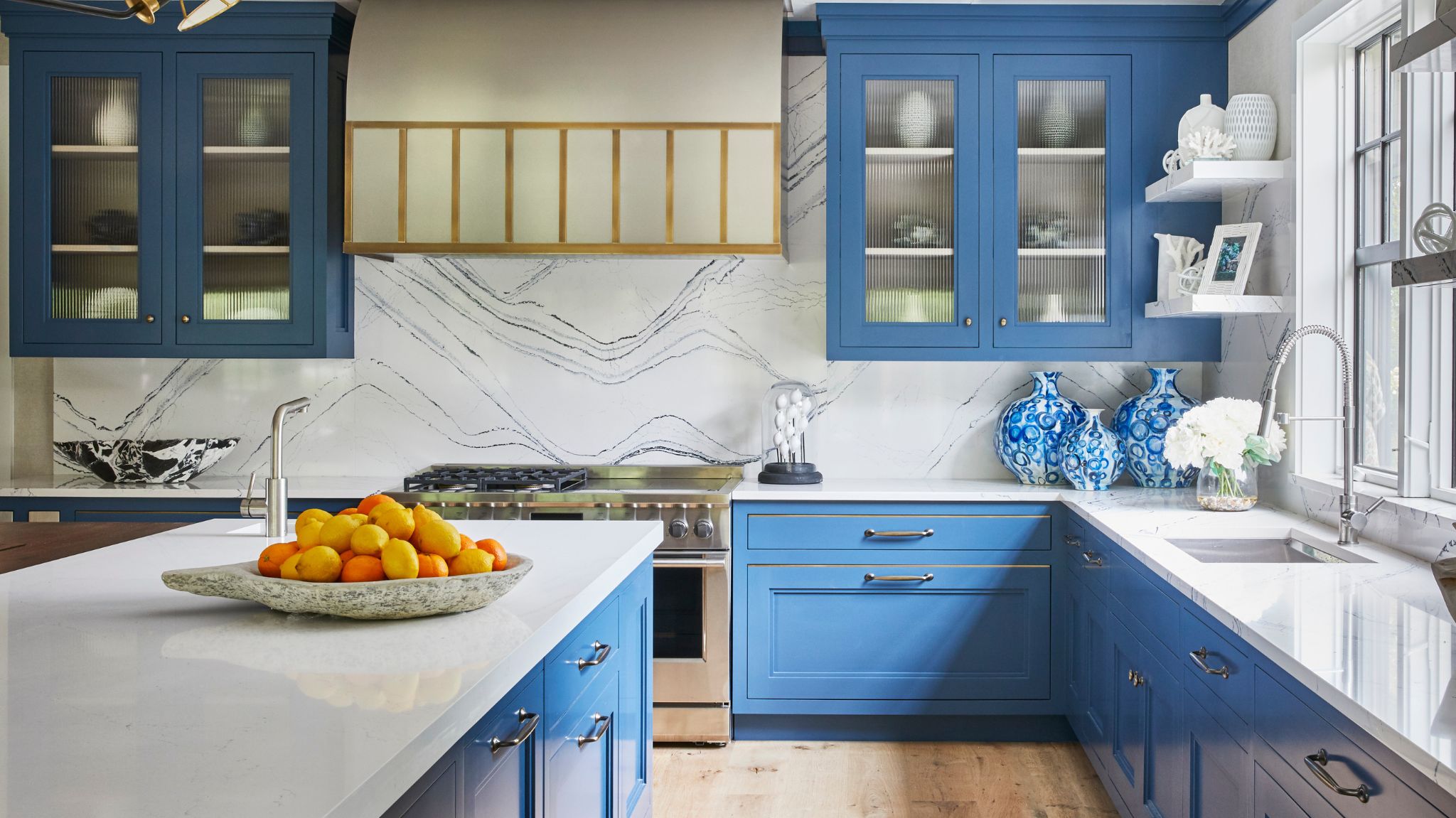
Metal fixtures and hardware are integral components of kitchens and bathrooms, capable of significantly elevating the aesthetic of a space. The challenge lies in selecting and combining these elements harmoniously, especially when aiming to mix different metal finishes within a single room. Interior design expert Jordan Samson offers three key principles to guide homeowners and designers in achieving a balanced and intentional look when incorporating mixed metals. These rules are crucial for ensuring that the diverse range of available finishes, from the warmth of brass to the coolness of chrome, complements the overall style of the interior.
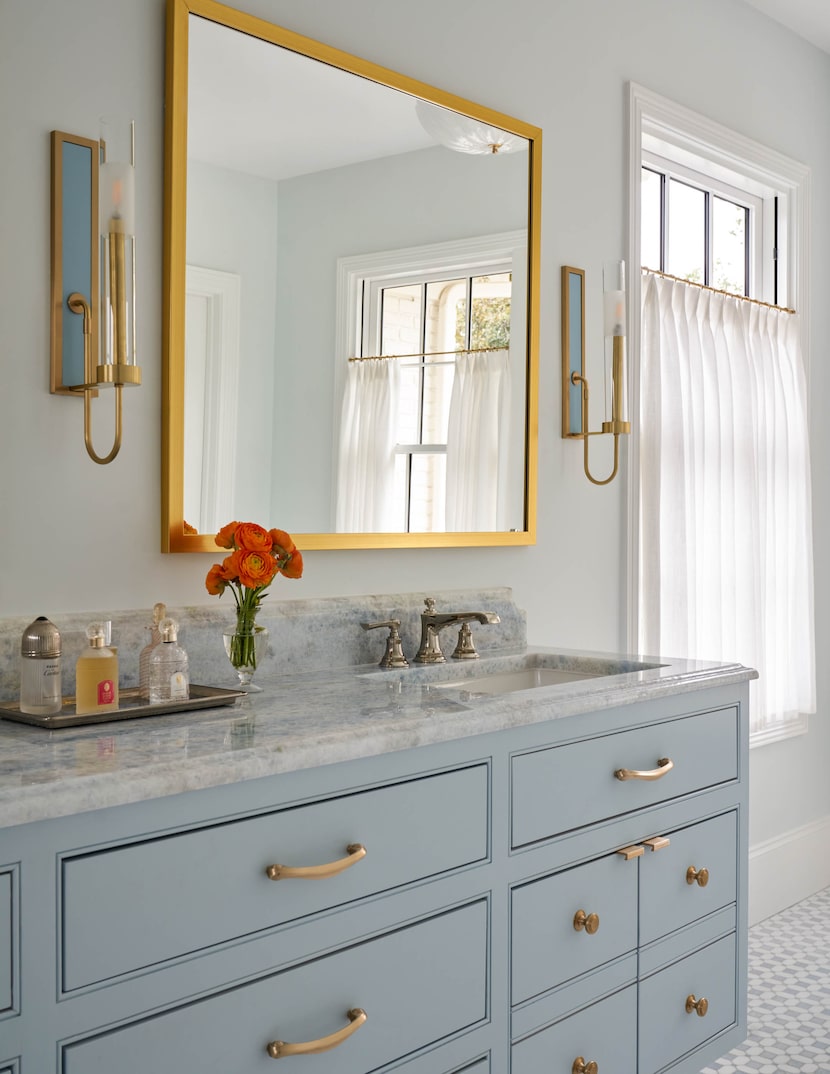
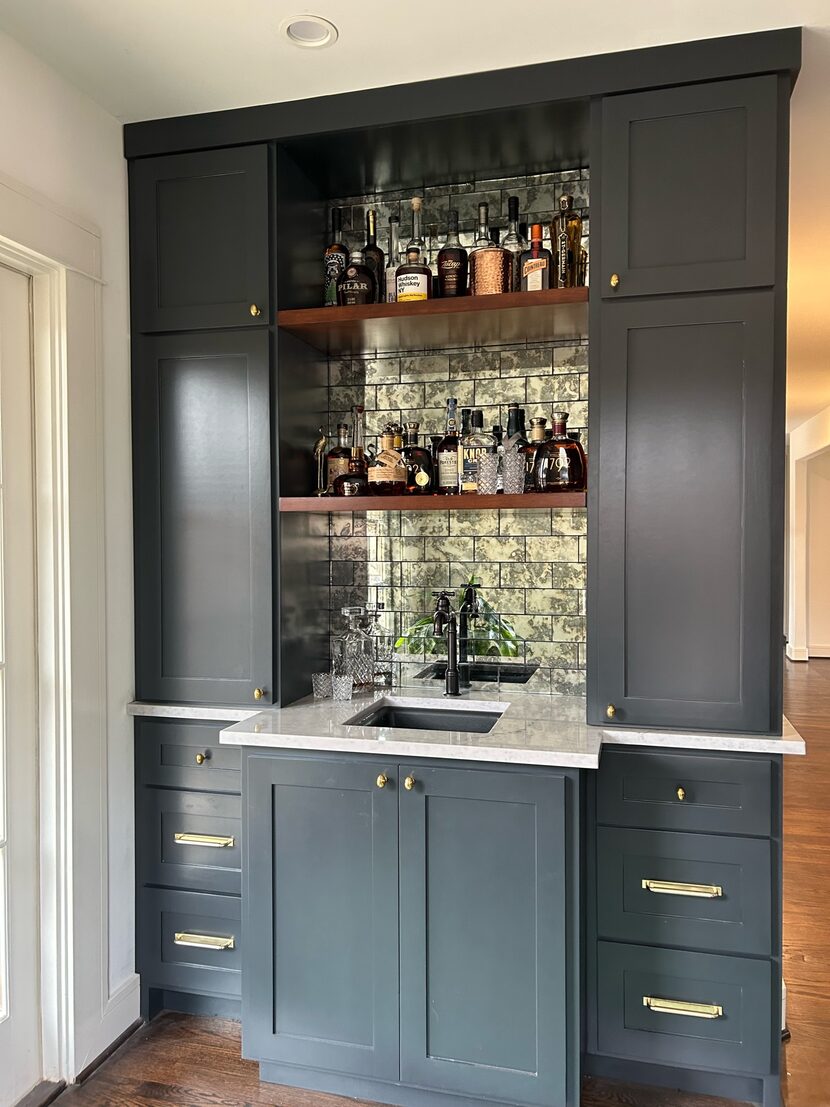
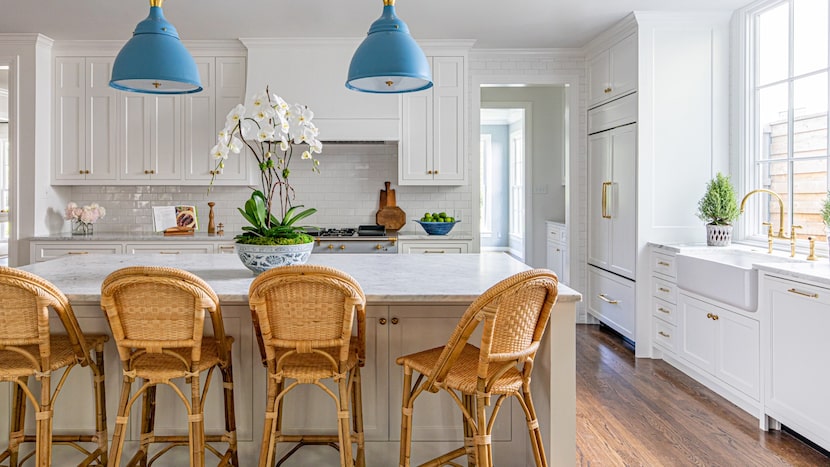
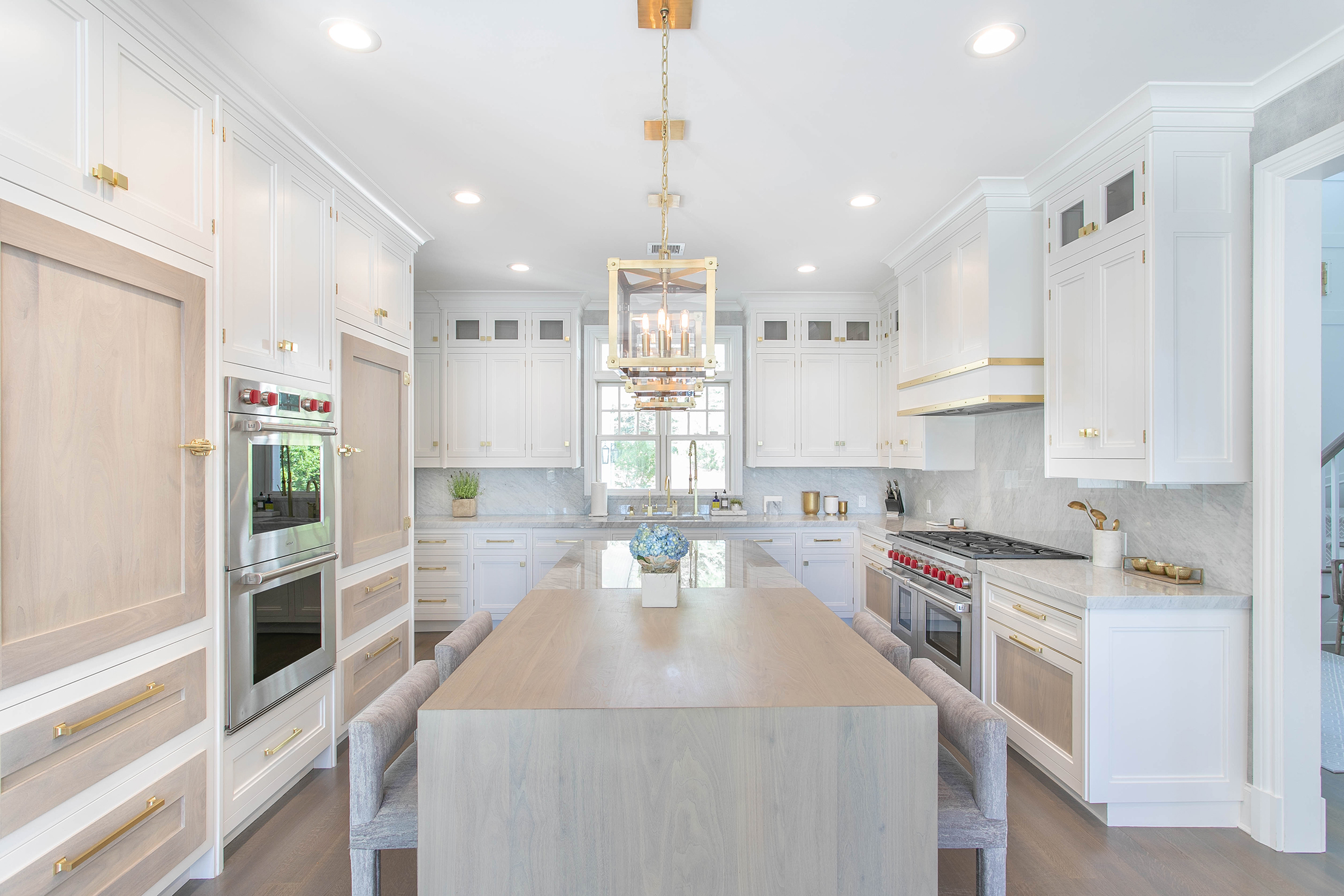
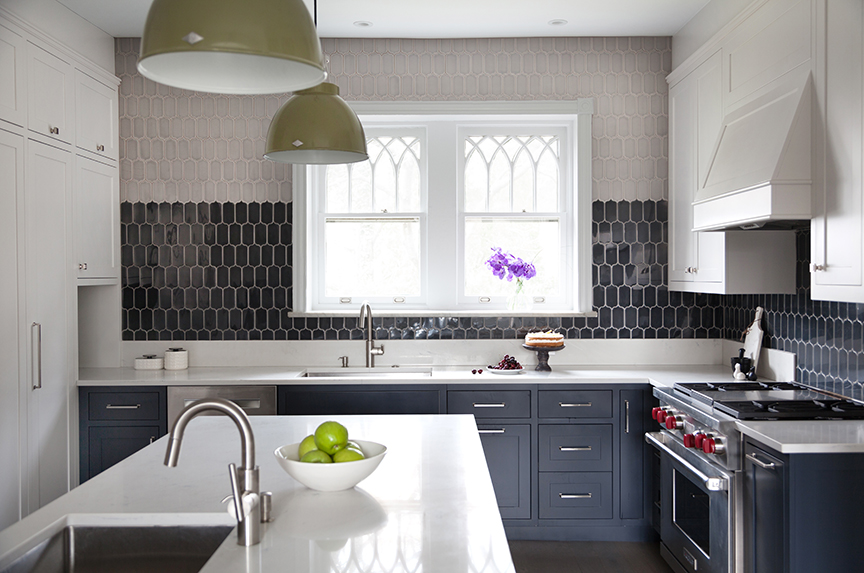
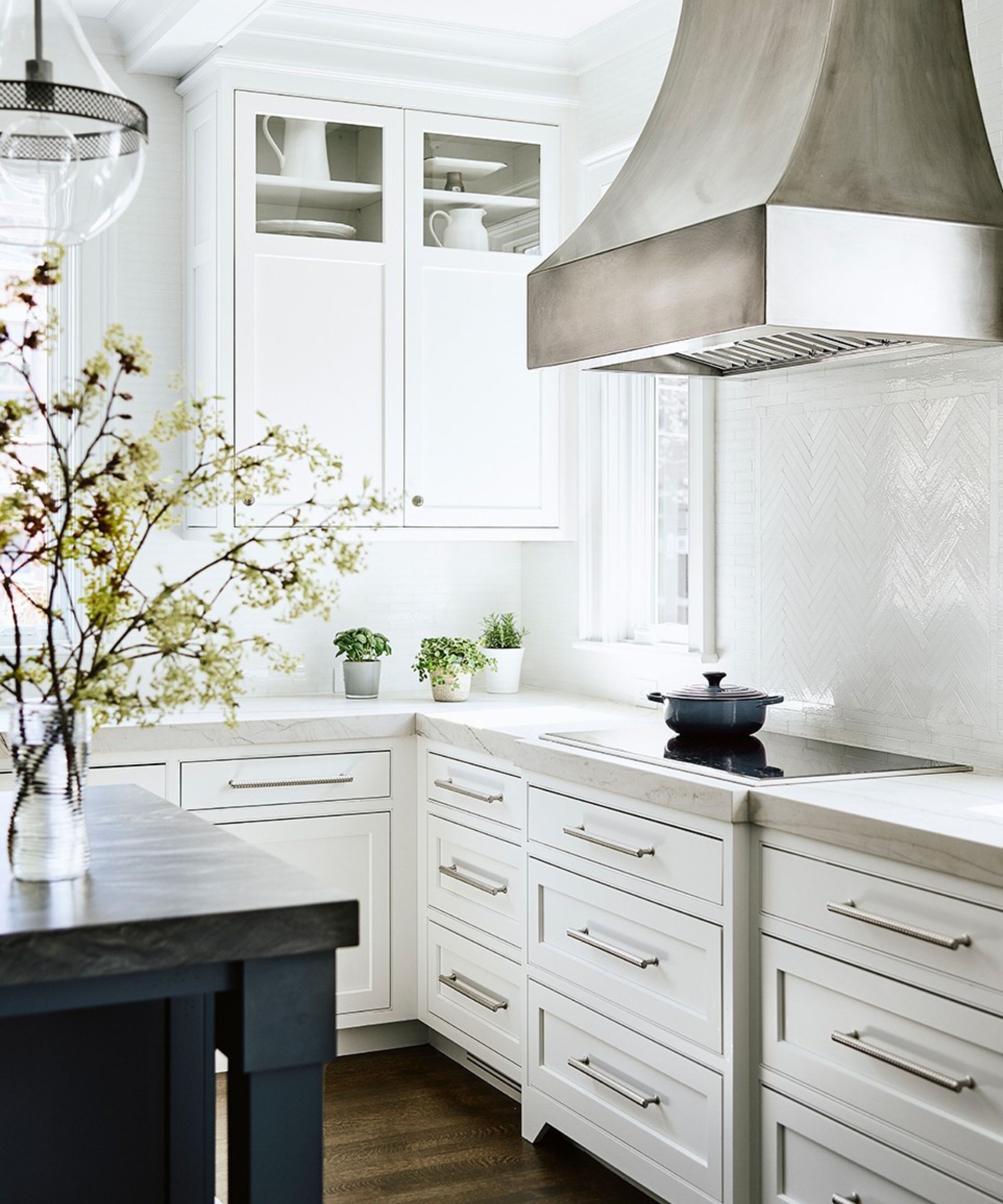
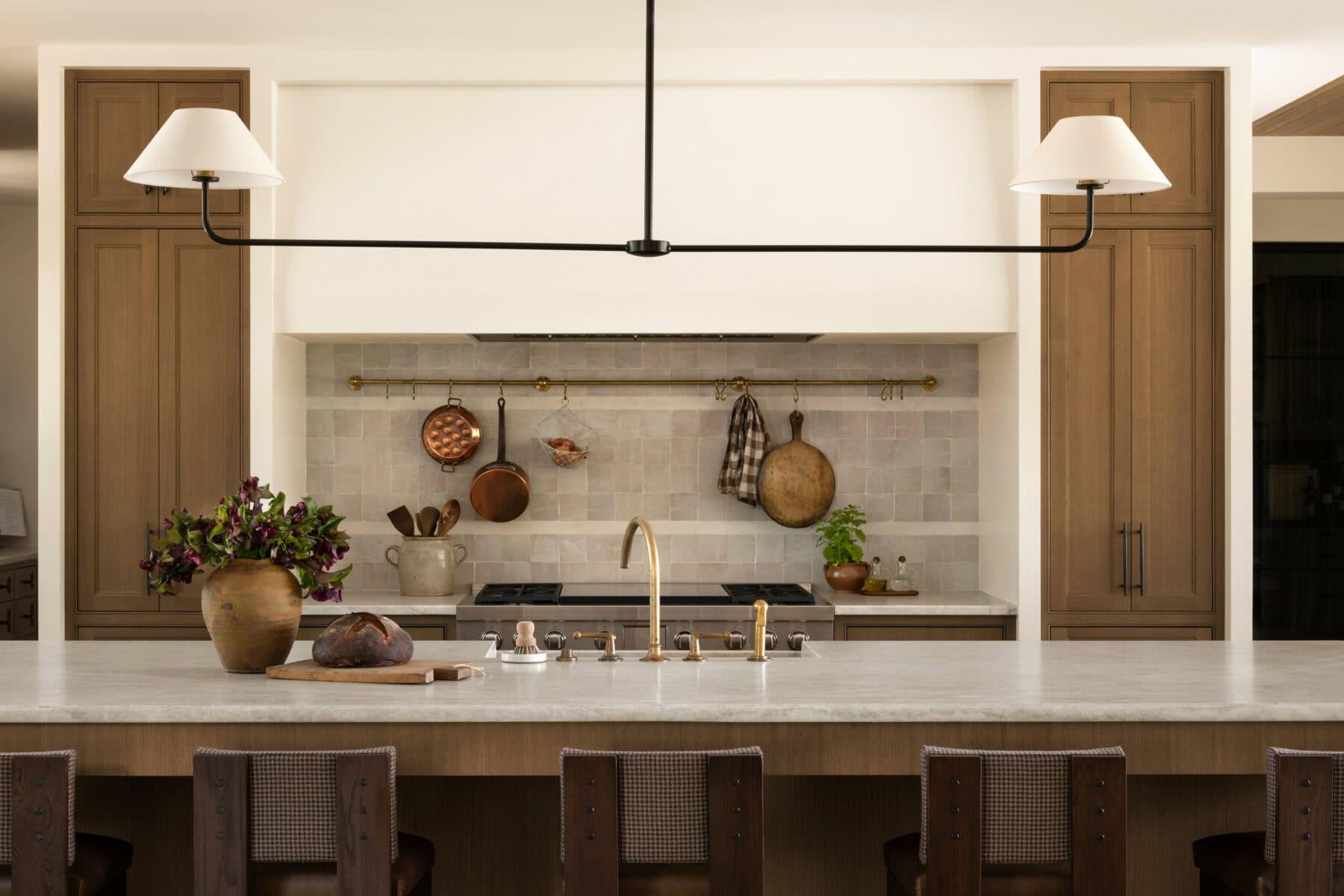
The first rule emphasizes limiting the number of different metals used per room to a maximum of three. Samson advises this restriction to maintain design intention and avoid visual clutter. The size of the room is a critical factor in applying this rule; larger spaces can accommodate up to three metals, while smaller rooms might benefit from restricting the choice to just one or two. This thoughtful approach prevents the space from appearing chaotic or accidental, instead fostering a sense of deliberate design.
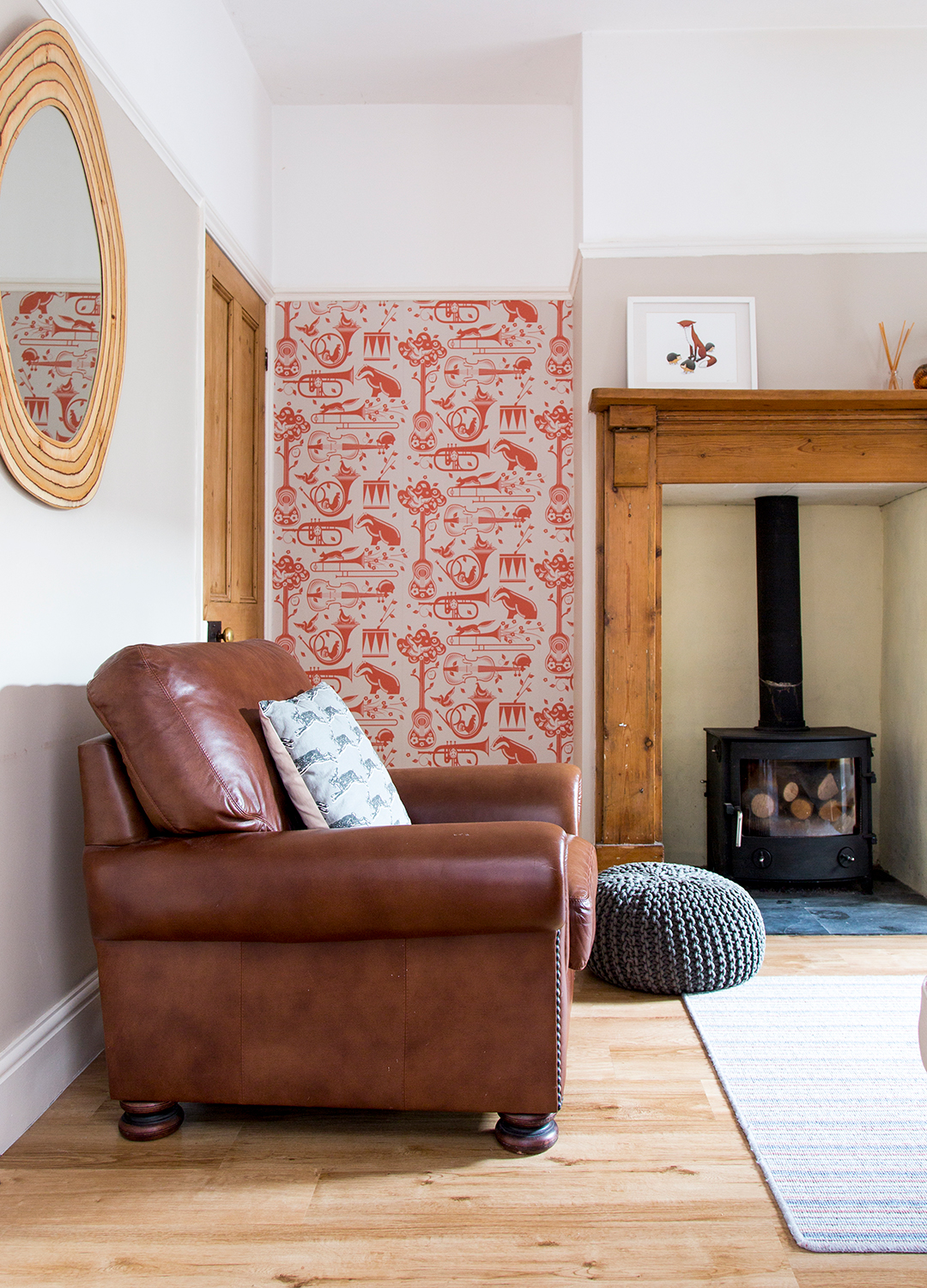
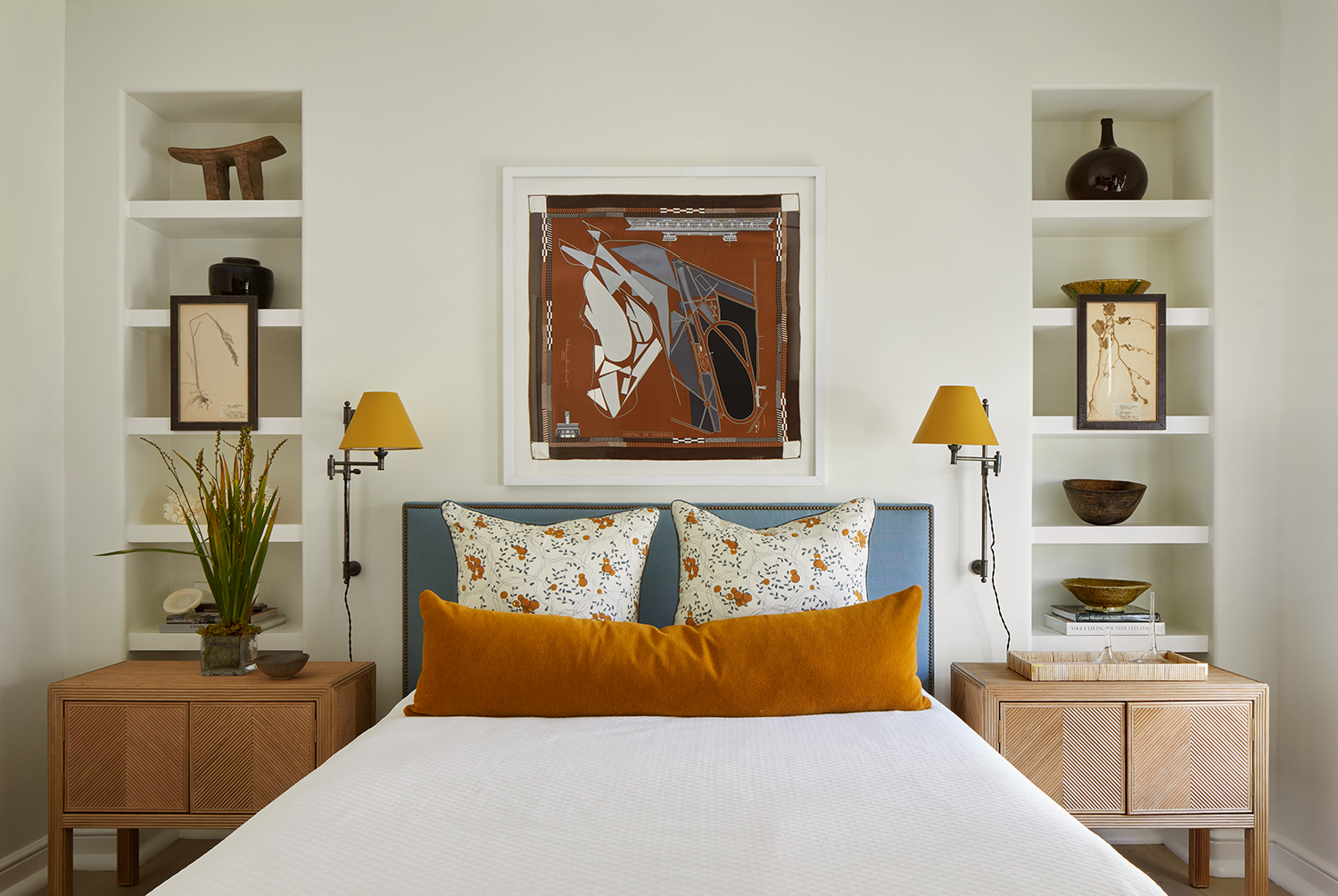
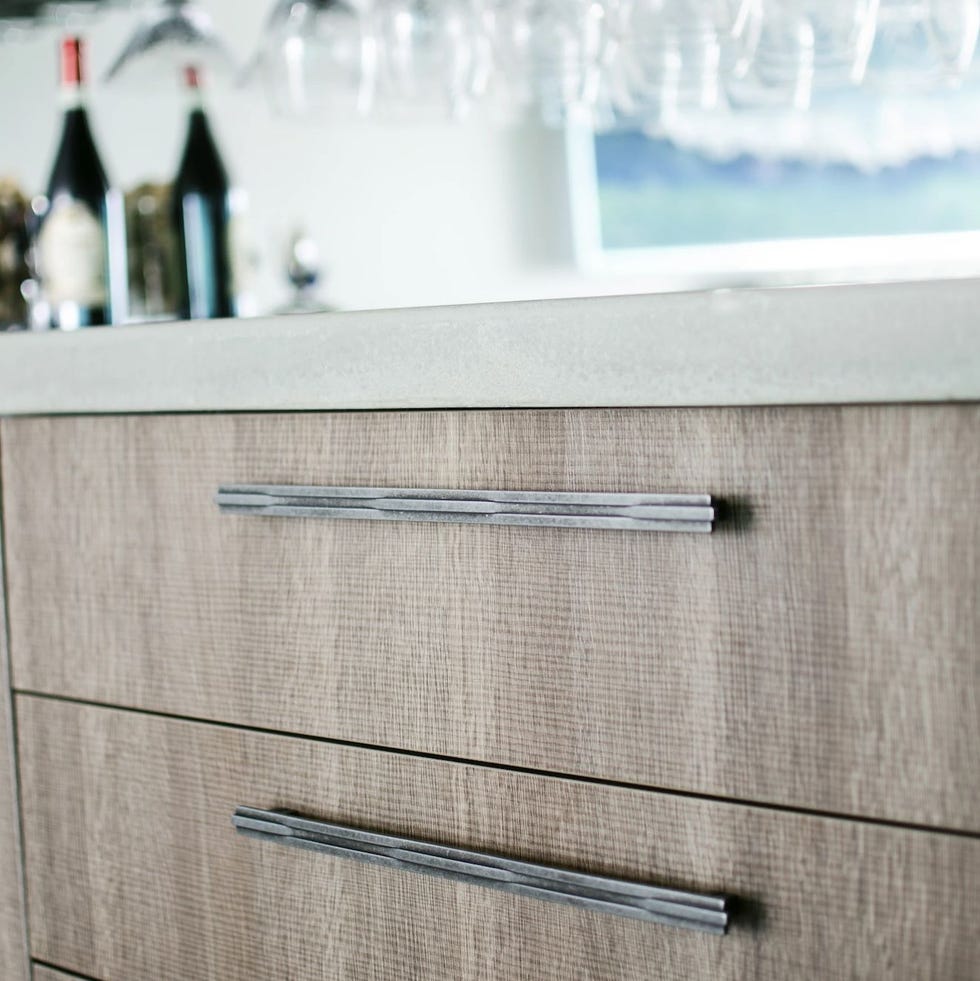
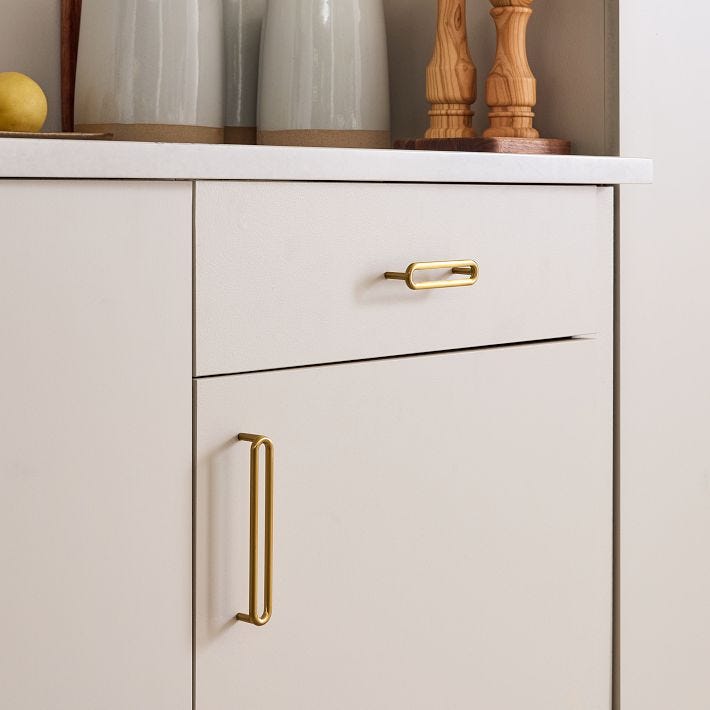
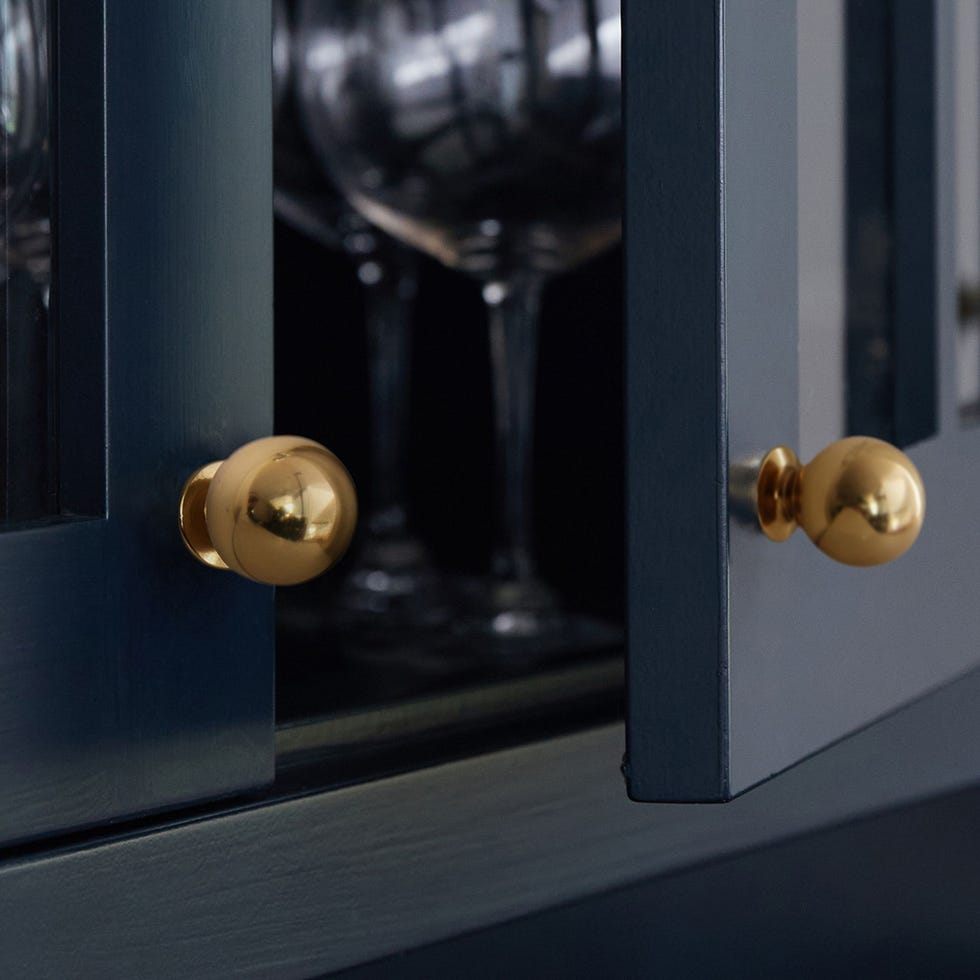
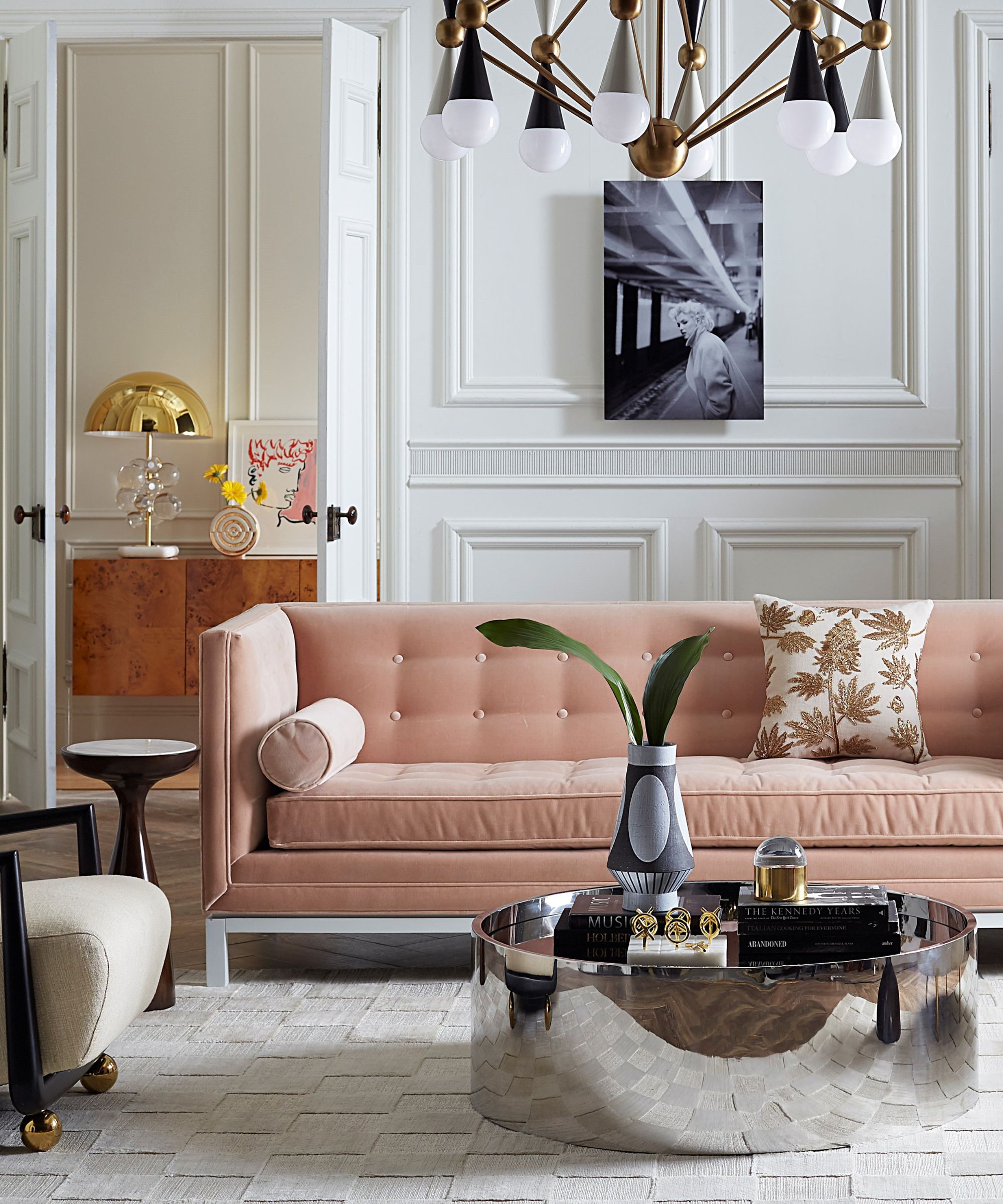
Secondly, careful consideration of metal undertones is paramount. Metals are broadly categorized into those with warm undertones, such as brass and nickel, which are typically well-suited for traditional decor styles. Conversely, metals with cool undertones, like chrome and silver, tend to align better with modern aesthetics. Black metals, being a neutral option, offer versatility and can be successfully paired with either warm or cool undertones. Samson specifically cautions against combining metals that are too similar in appearance, such as nickel and chrome, black and oil-rubbed bronze, or brass and gold. Such pairings can lack the necessary contrast, leading to an unintentional or mismatched look, as if due to a lack of inventory. The goal is to create distinct yet complementary visual elements through strategic contrast.
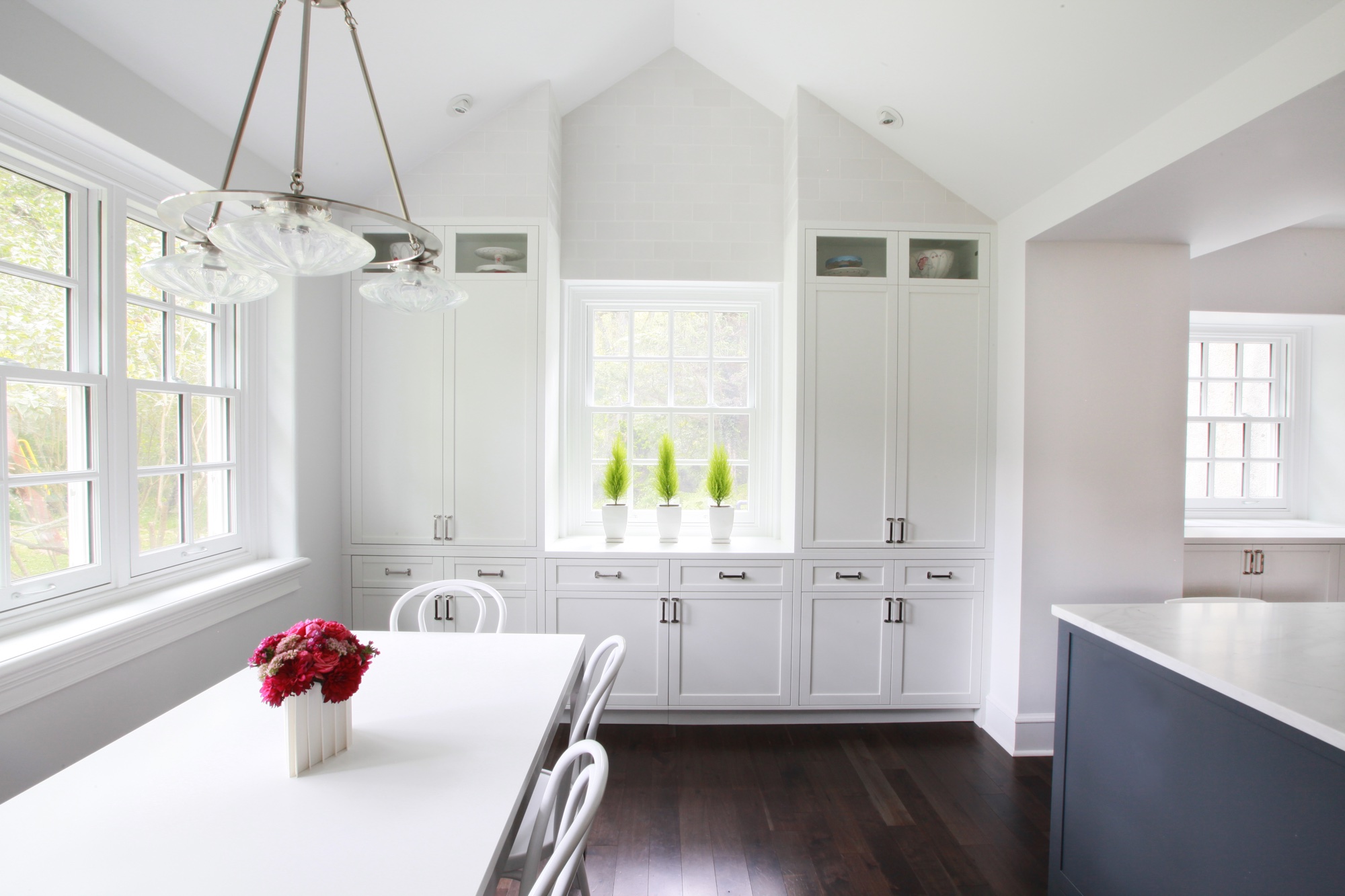
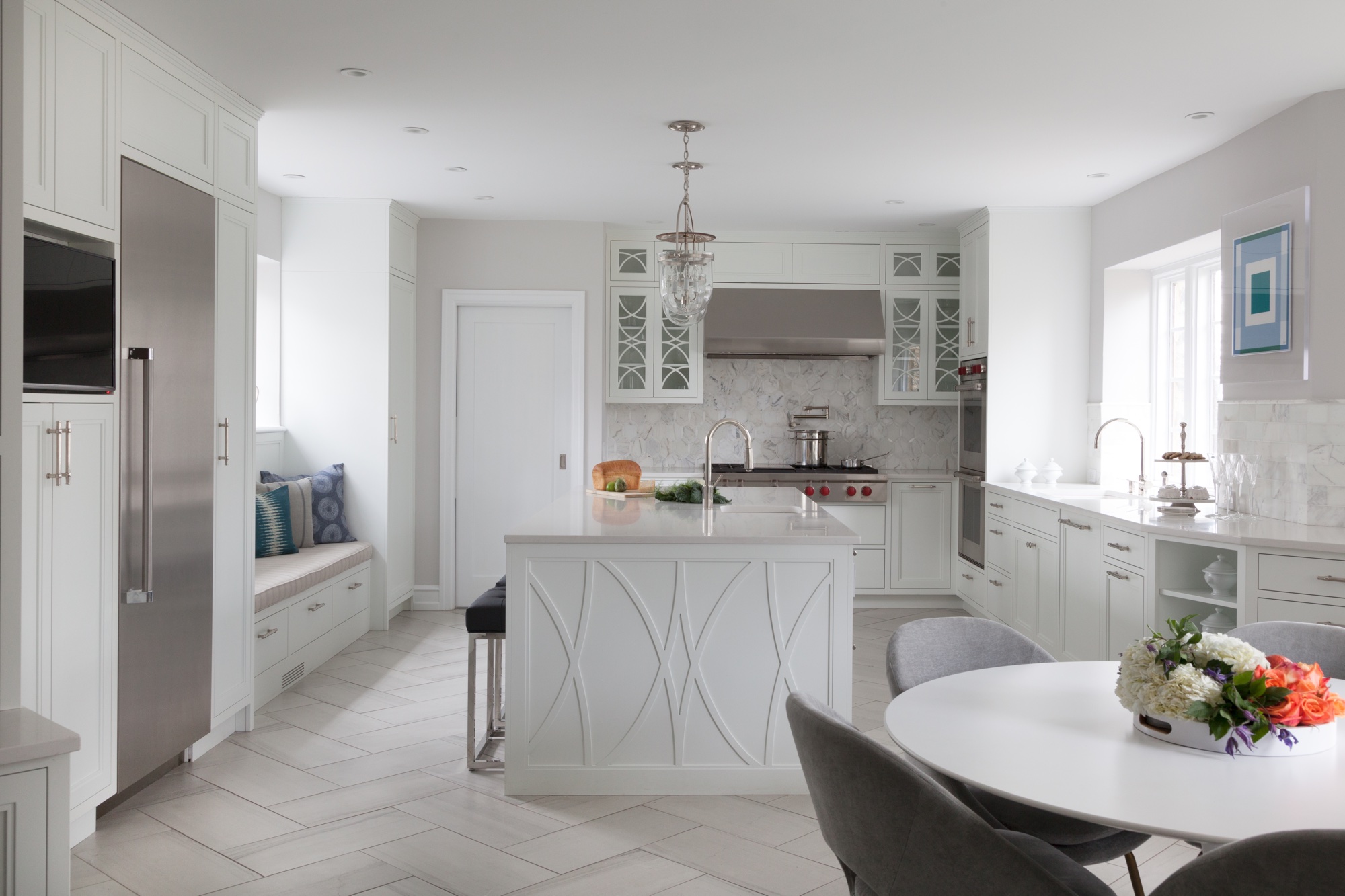
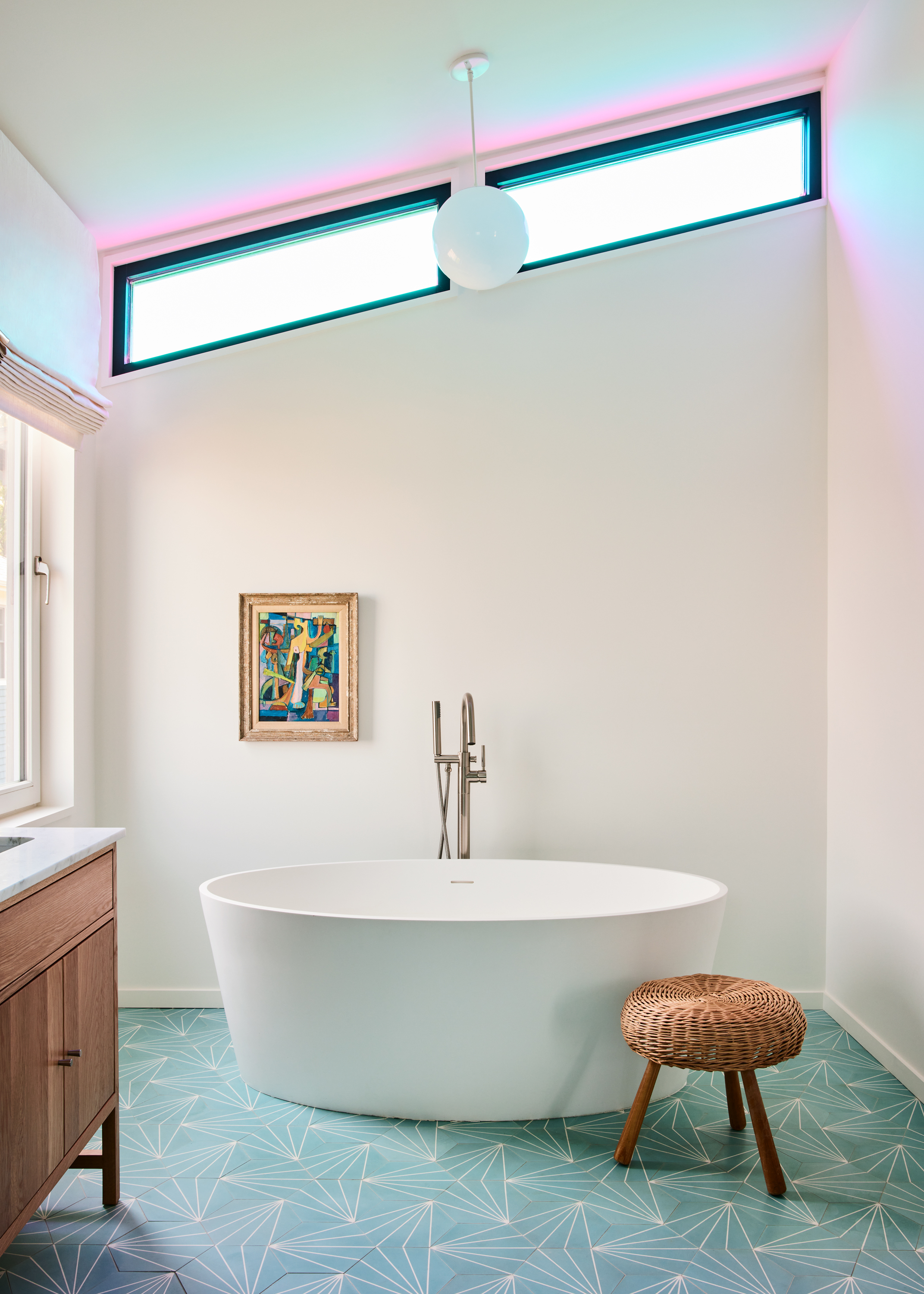
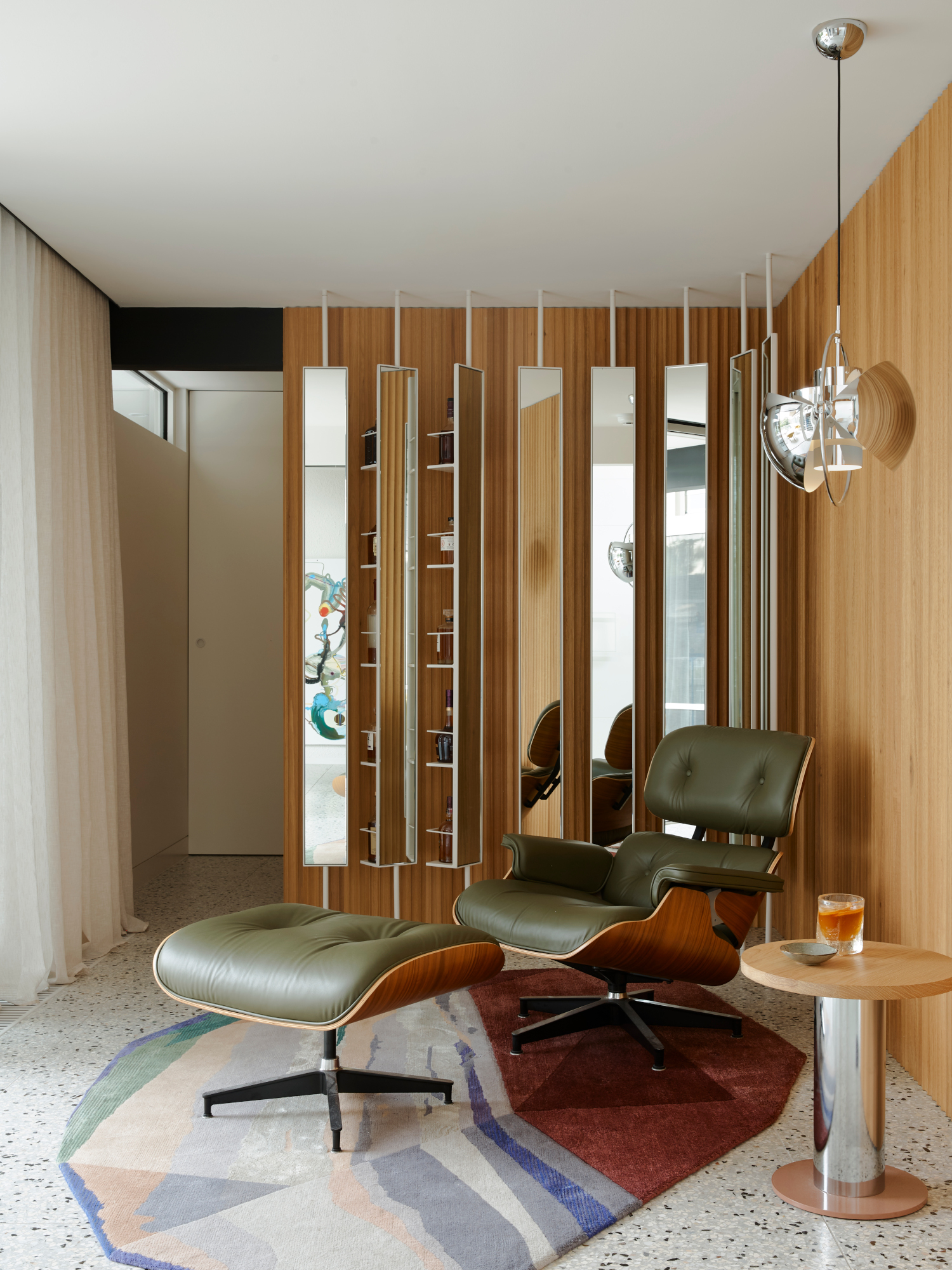
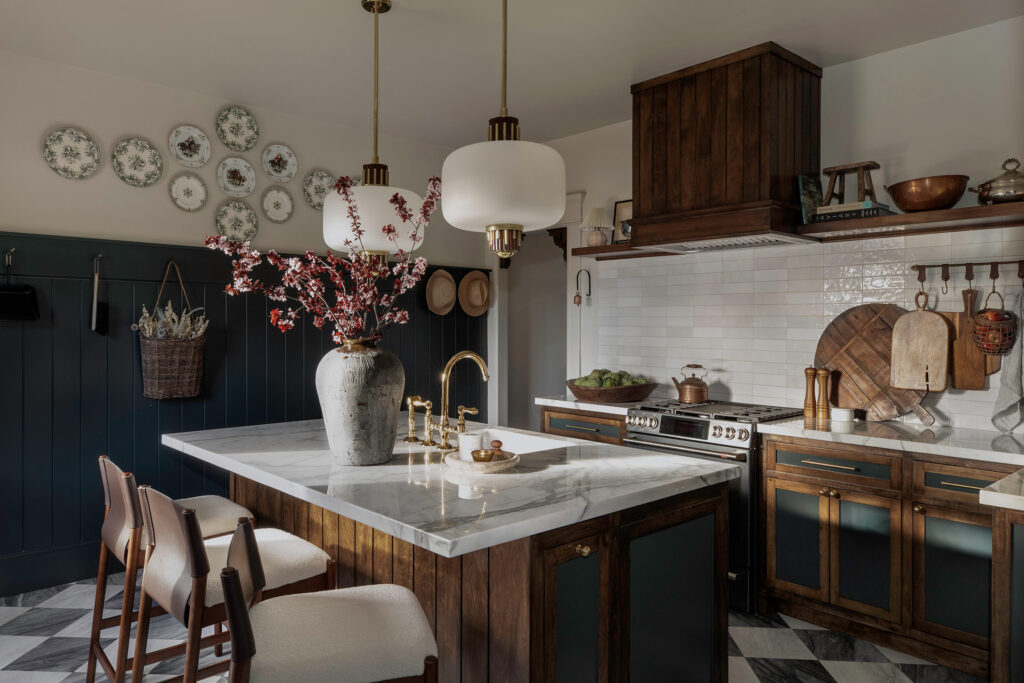
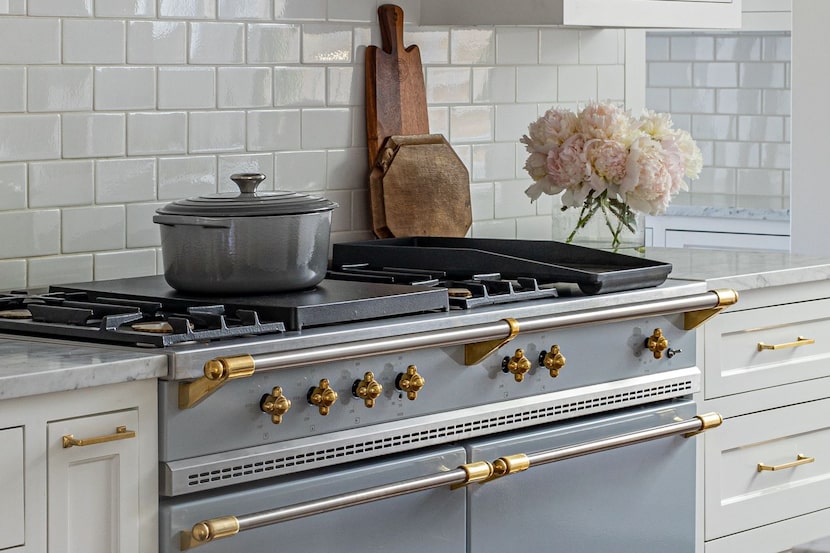
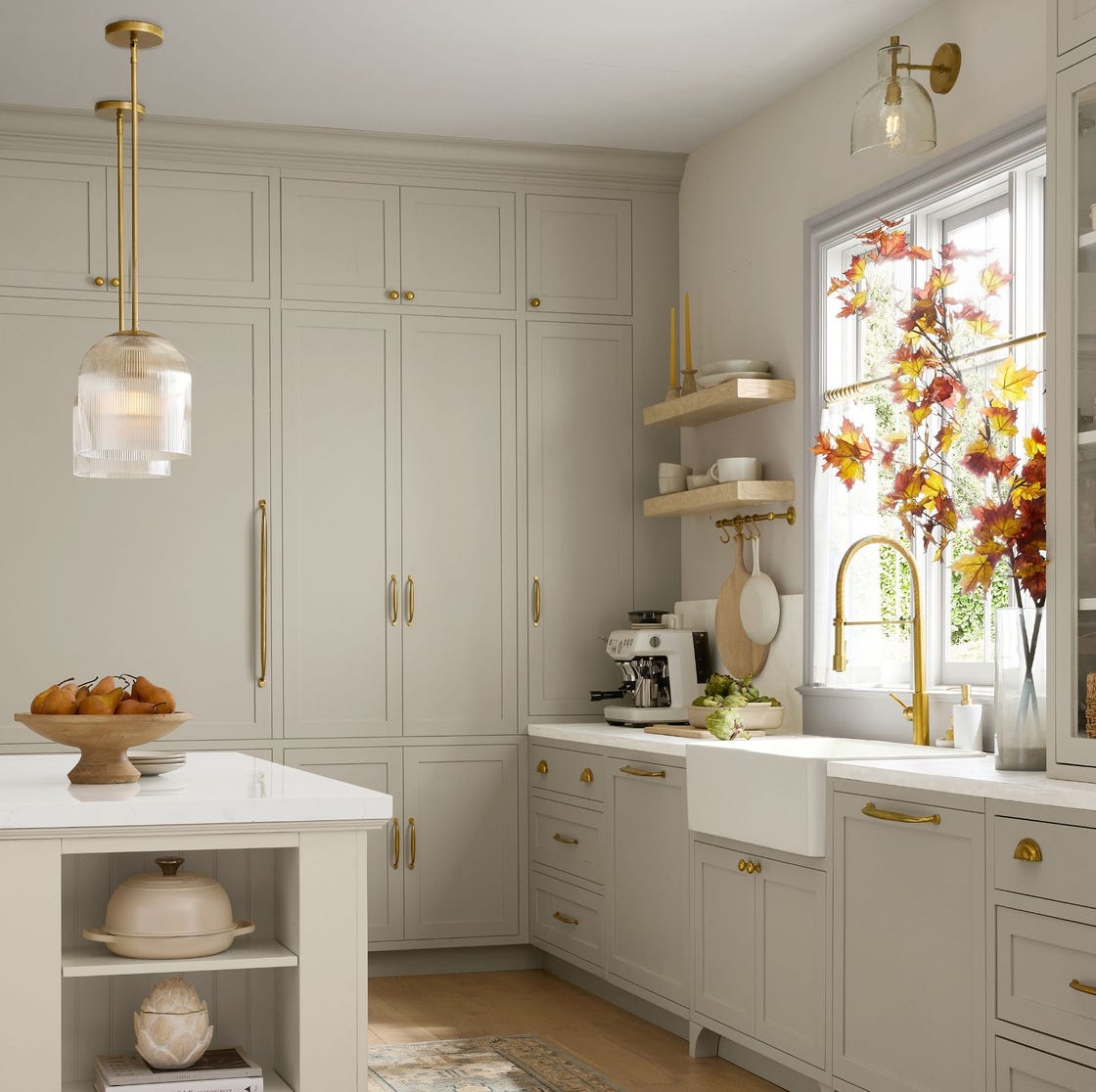
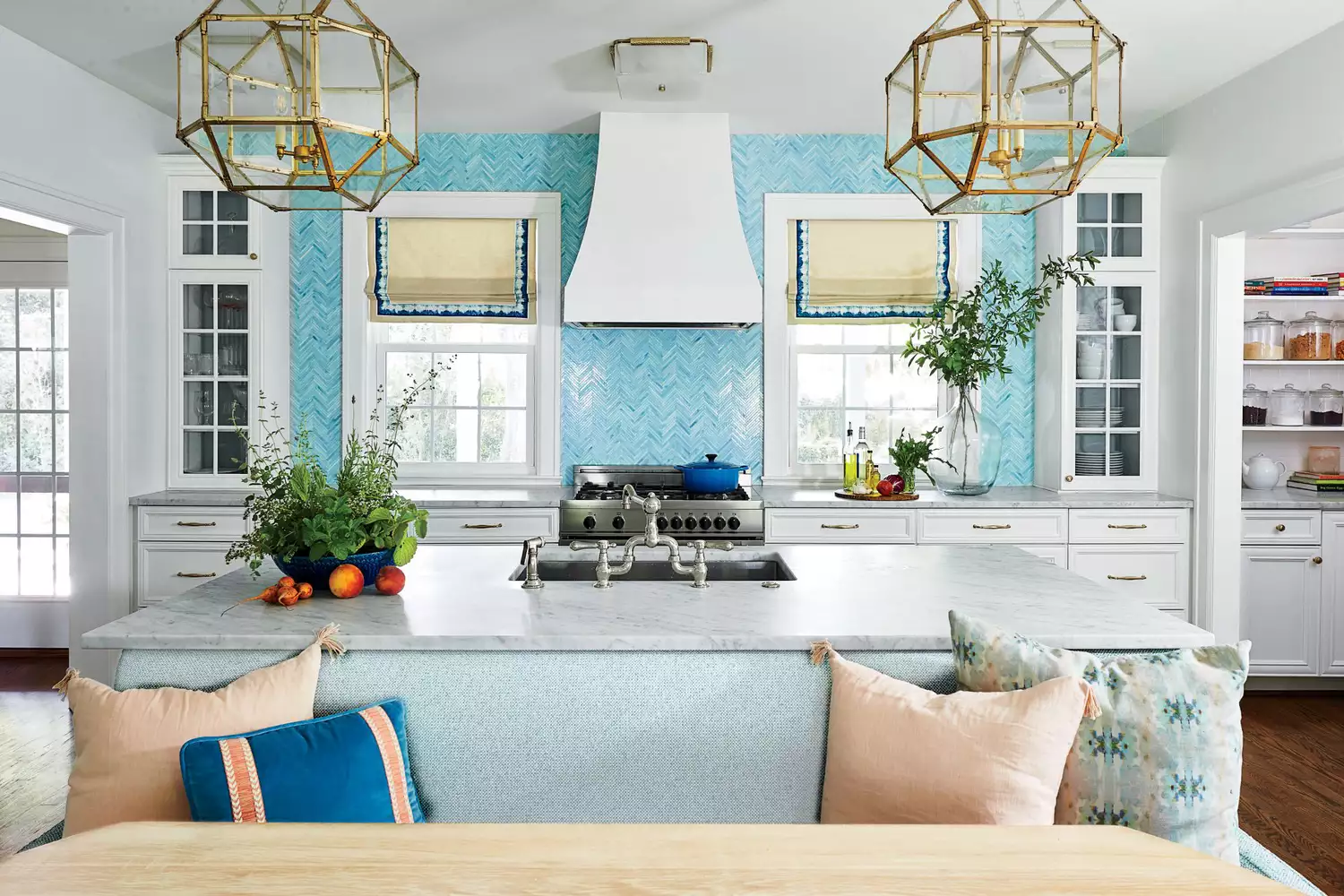
The third rule focuses on grouping items by function to ensure visual cohesion. When mixing metals, a practical approach is to assign a single finish to all fixtures that share a common function. For instance, all plumbing fixtures within a room should ideally share the same metal finish. Similarly, all door and cabinet hardware could feature another consistent finish. Lighting fixtures then offer an opportunity to either match one of the existing finishes or introduce a third metal, provided the overall limit of three metals per room is respected. This functional grouping creates an organized and balanced appearance, reinforcing the intentionality of the mixed-metal design rather than presenting a random assortment. Adhering to these guidelines helps homeowners confidently experiment with mixed metals, achieving a sophisticated and layered aesthetic in their interiors.
#InteriorDesign #MetalMixing #HomeDecor #DesignTips #KitchenDesign #BathroomDesign #FixtureFinishes #ColorTheory #HardwareSelection #InteriorDesign #MetalMixing #HomeDecor #DesignTips #KitchenDesign #BathroomDesign #FixtureFinishes #ColorTheory #HardwareSelection
0 comment in total
 No comments yet
You may also like
Experts say to follow these 7 rules when mixing metals in your home

5 rules of thumb for mixing wood tones around your home, shared by interior designers

Can you (and should you) mix kitchen cabinet hardware? Expert tips on how to nail this eclectic trend
'I never incorporate more than three finishes in a kitchen' – here's how Shea McGee mixes metals in a kitchen for balanced, cohesive scheme
Once considered a design crime, mixed metals are now the look of the moment

'This elevates any room and works every time' – these chic finds prove the unexpected chrome theory is the design trick every room needs
How To Mix Metal Finishes
A Renowned Designer Reveals How to Buy Gorgeous Kitchen Hardware

The rule of three is the secret behind every beautiful home - here's how it works

How to Mix Metals in Your Home: 5 Tips to Decorate With Metals Flawlessly

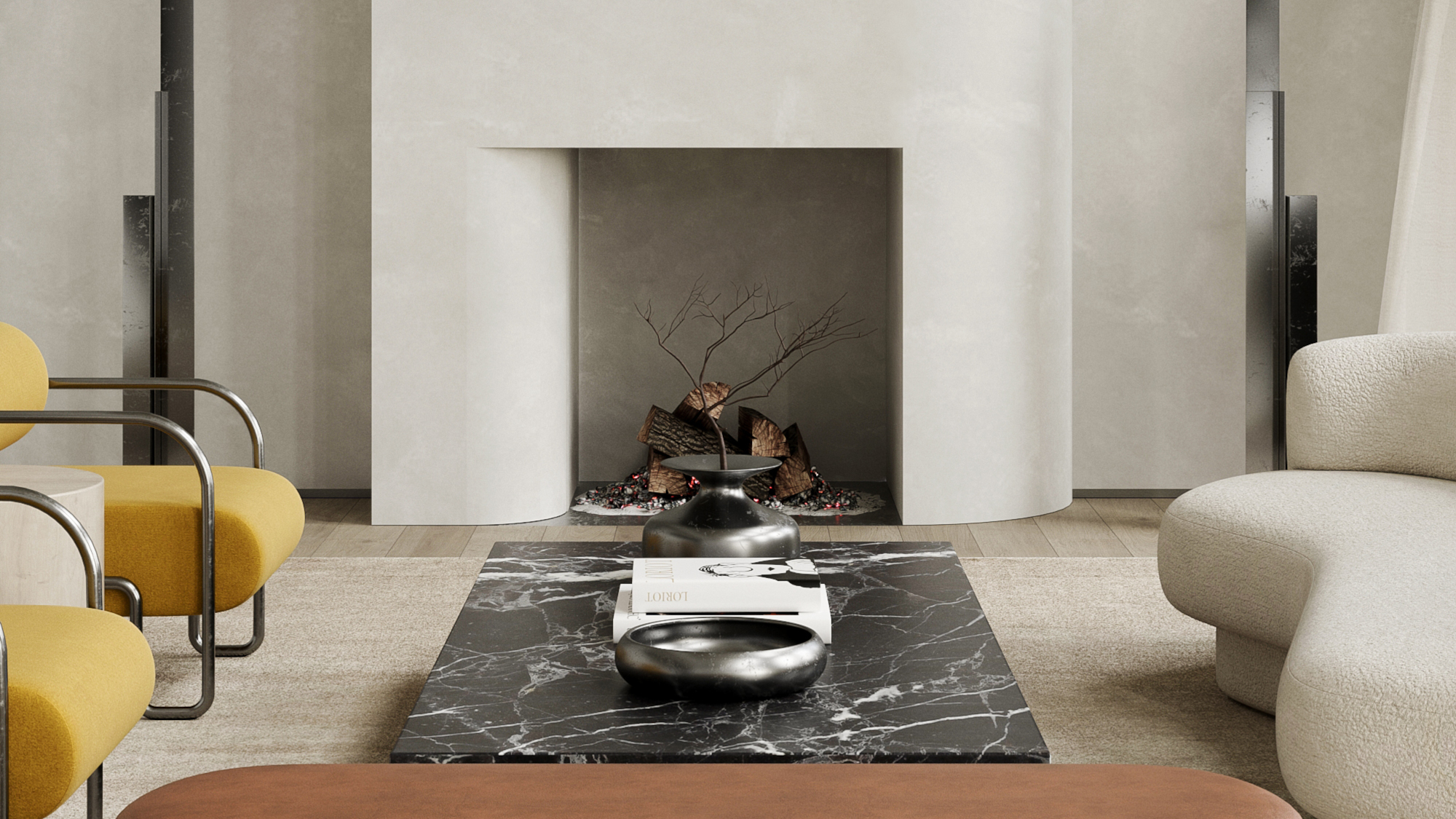
Gold who? Cool metals are a trend for 2024 – this is how designers are using them
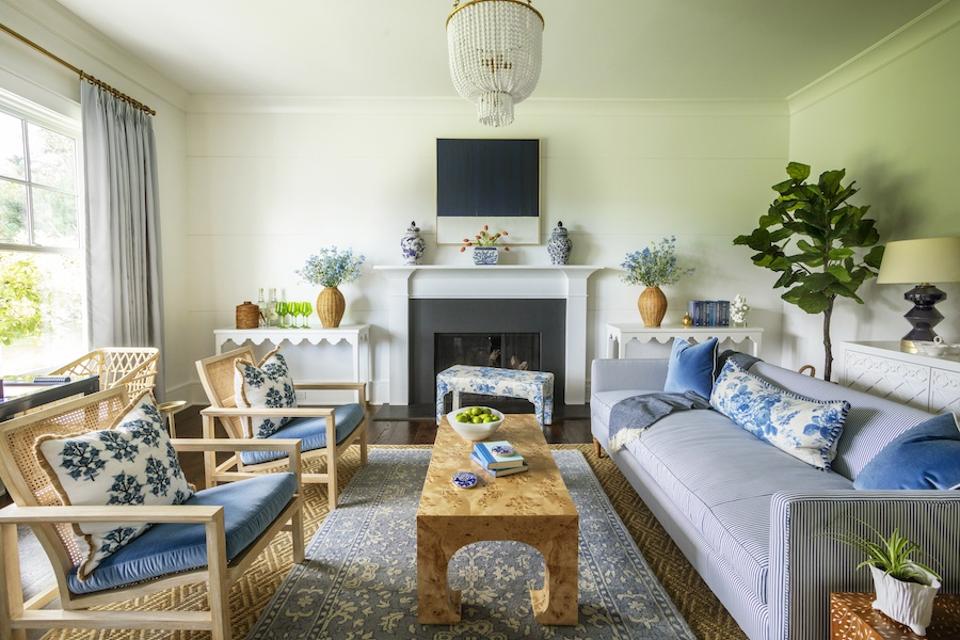
Interior Designers Share Their Best Traditional Design Tips

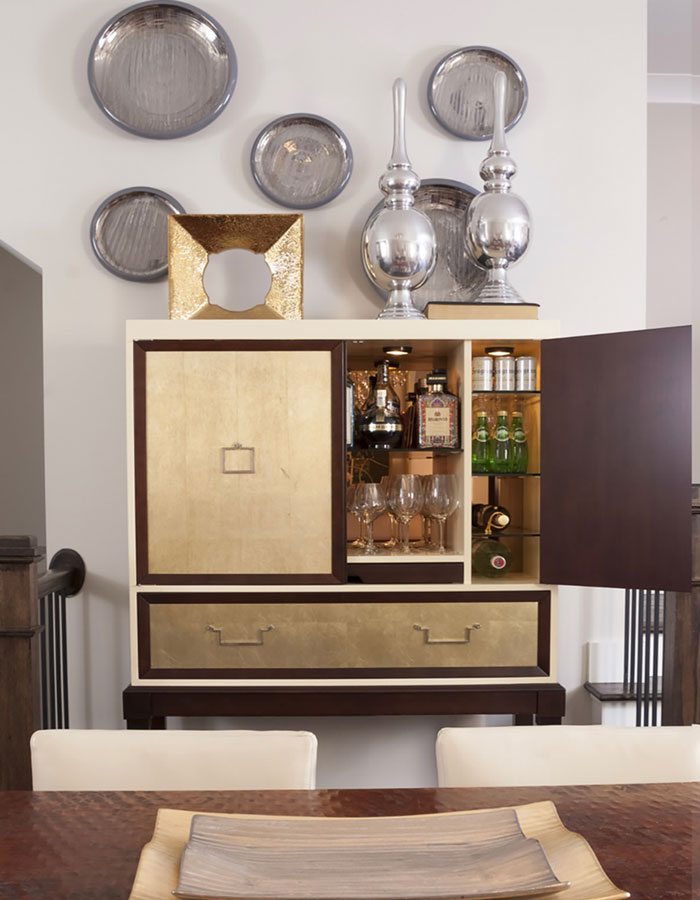
A Guide to Mixing Metals in Your Home Decor
Interior design experts reveal the colour rules you should be breaking
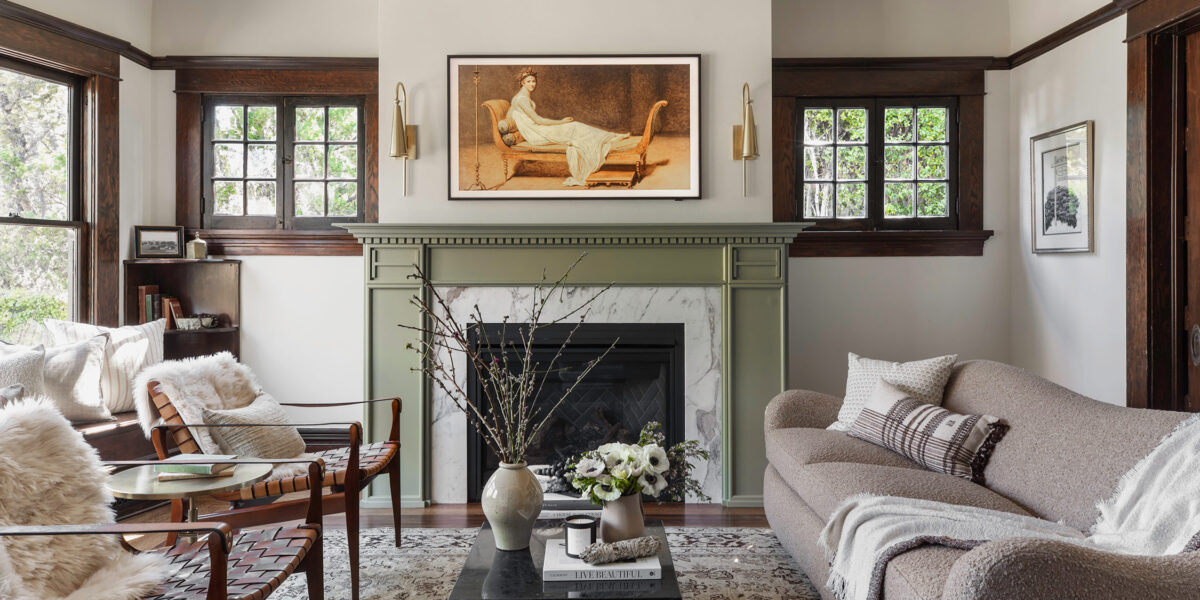
This Is the Correct Way to Mix Design Eras and Styles
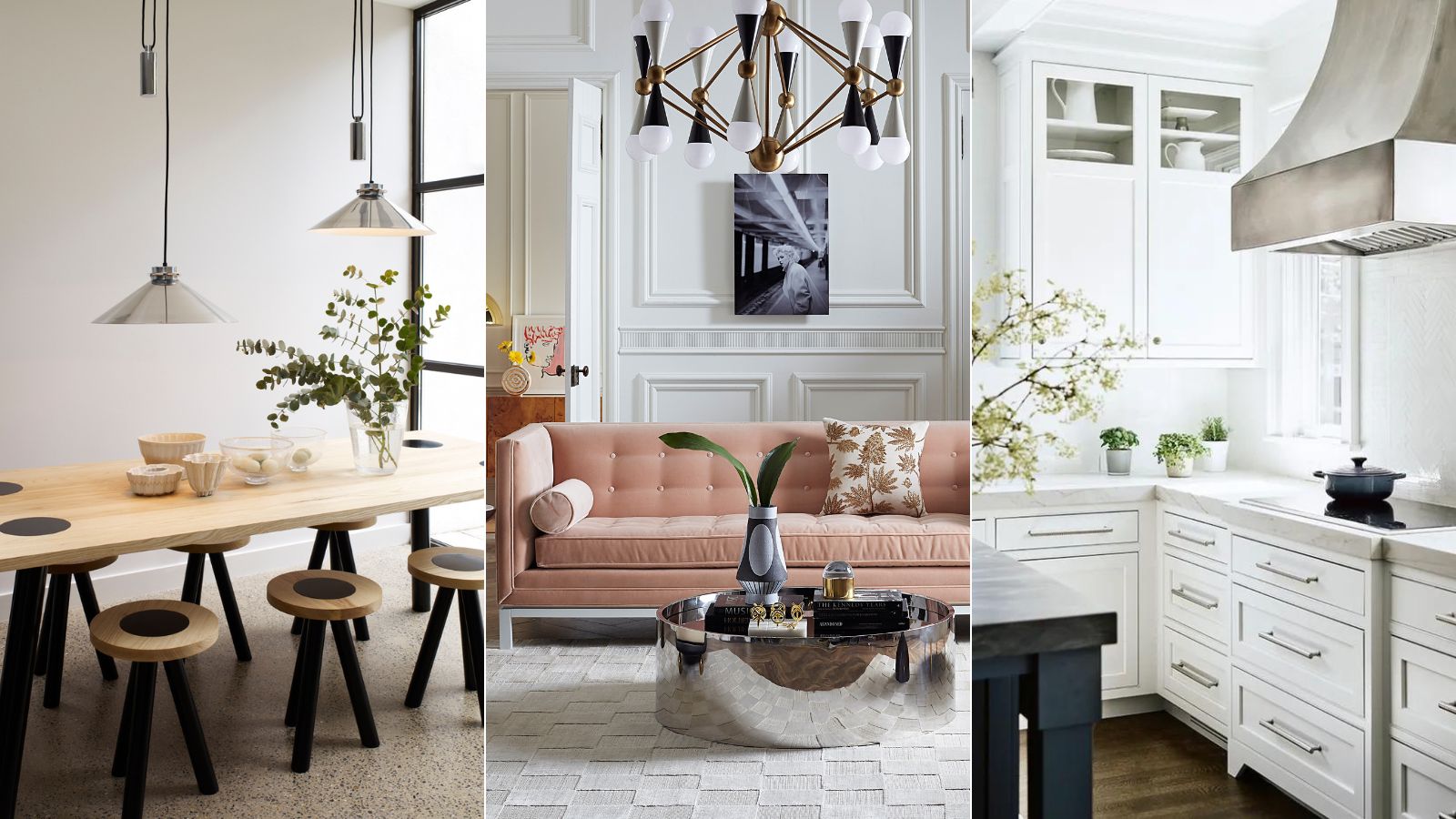
Bye bye brass, is 2024 the year of the cool metals? Interior designers tell us why chrome is back
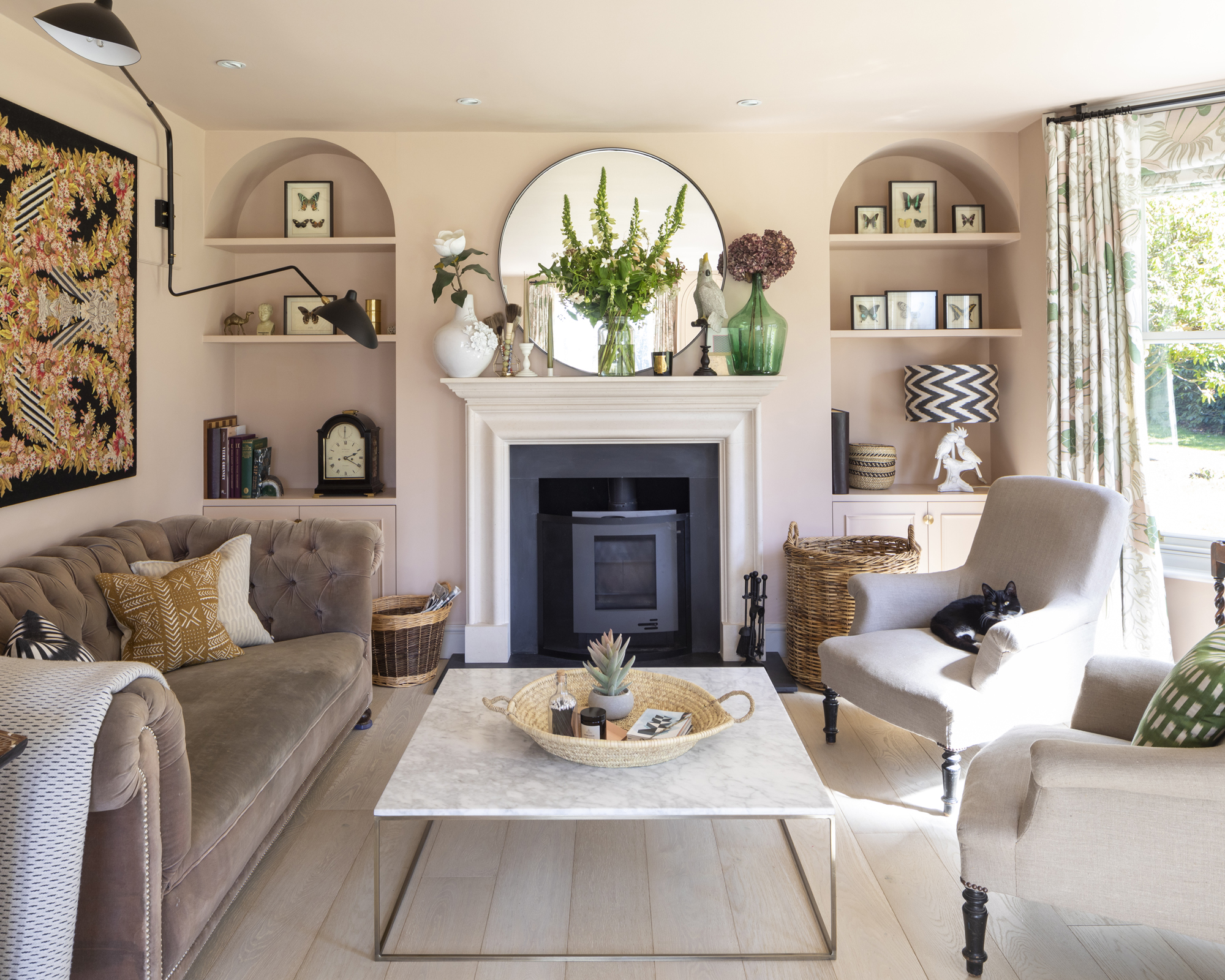
The rule of thirds – how experts use this design trick for successful schemes
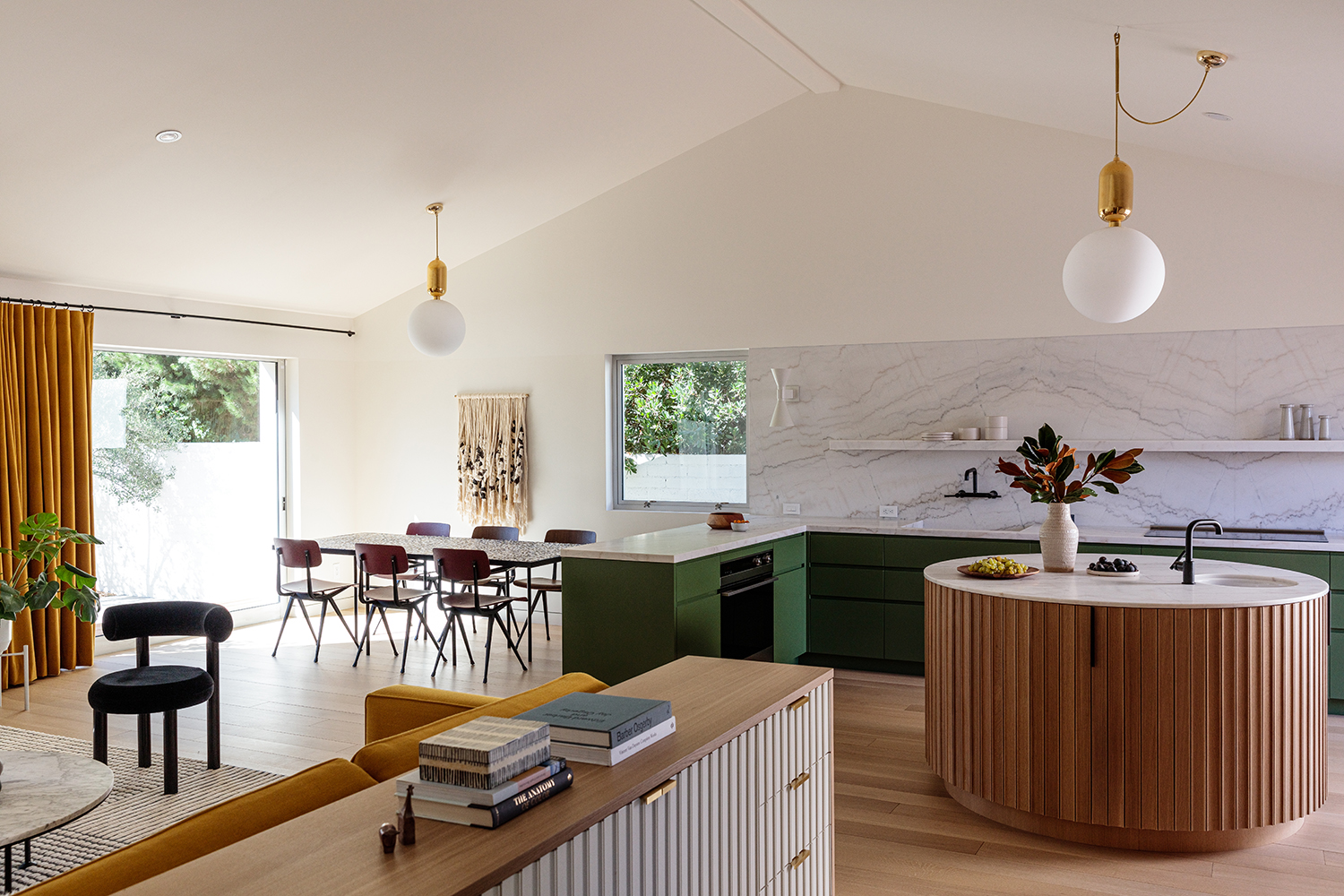
10 rules to achieve balance in interior design - the secret style sauce which brings schemes together
The Library: The Key Principles That Define a Well-Designed Home – And Why They Work
The One Mistake To Avoid When Mixing Metals In Your Home