1/5
Can you (and should you) mix kitchen cabinet hardware? Expert tips on how to nail this eclectic trend
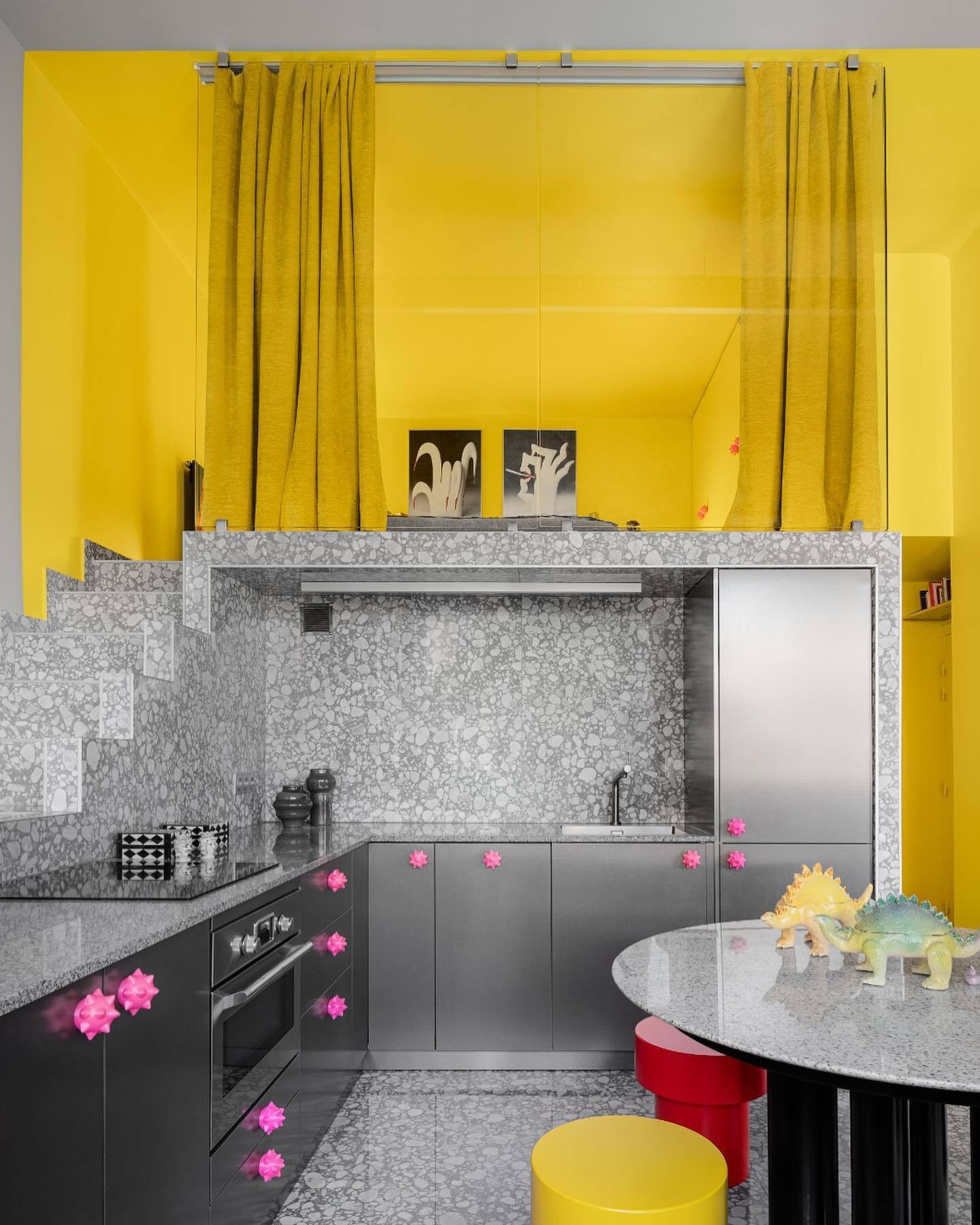
In contemporary kitchen design, homeowners are increasingly exploring eclectic and personalized aesthetics, moving away from uniform kitchen cabinet hardware. This shift is driven by a desire for unique appeal rather than adherence to traditional matching sets. Experts confirm that mixing kitchen hardware, whether in terms of styles or finishes, is a prominent trend in 2024. This approach allows for a playful yet sophisticated enhancement of a kitchen's visual interest.
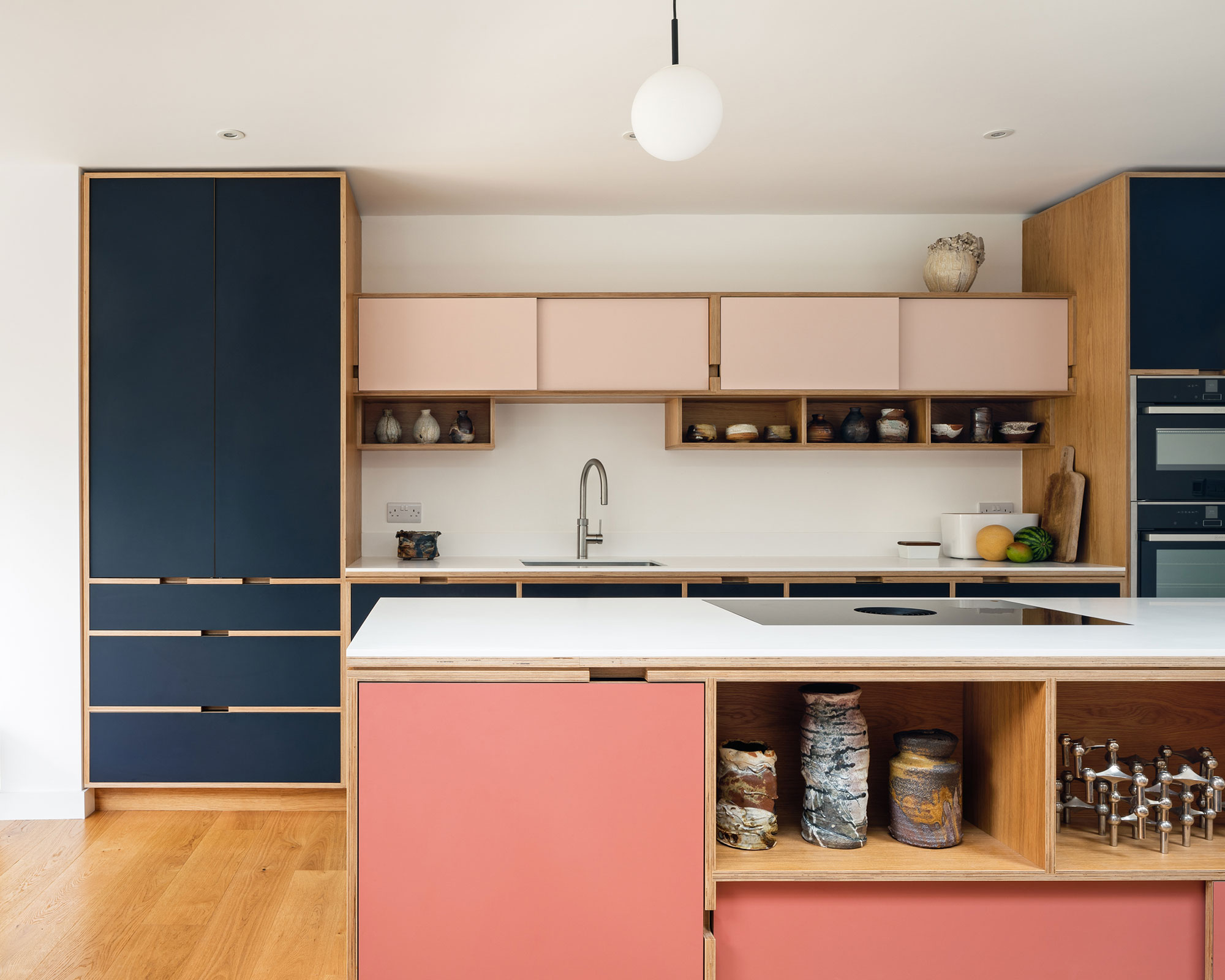
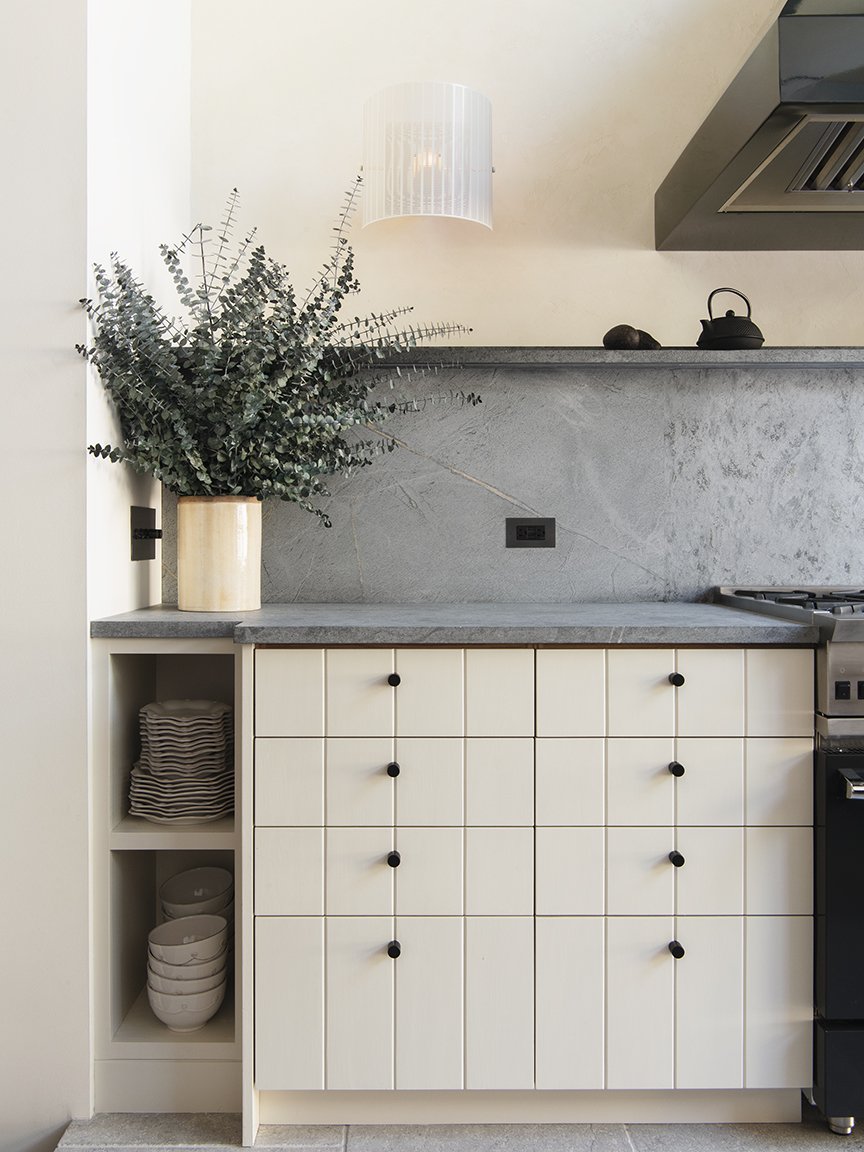
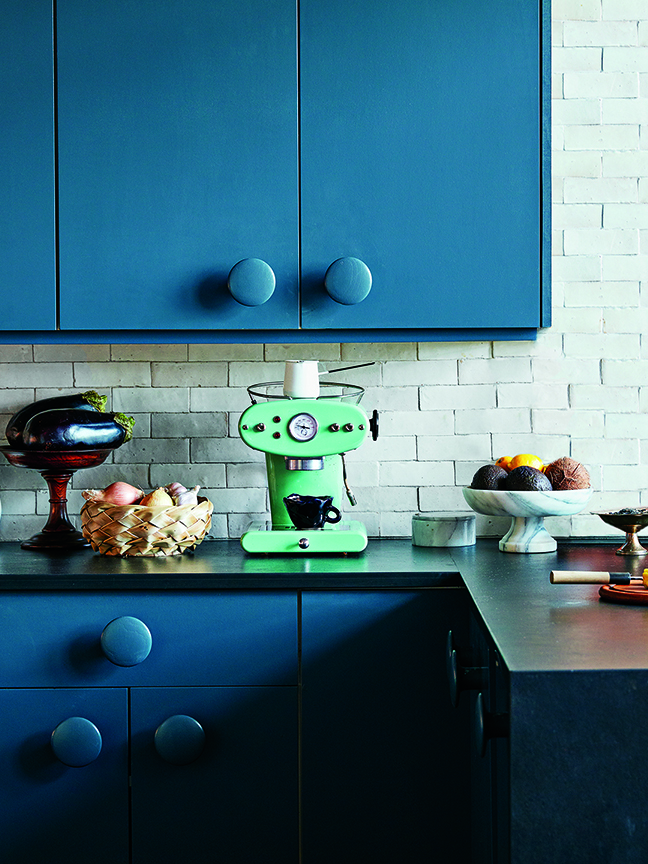
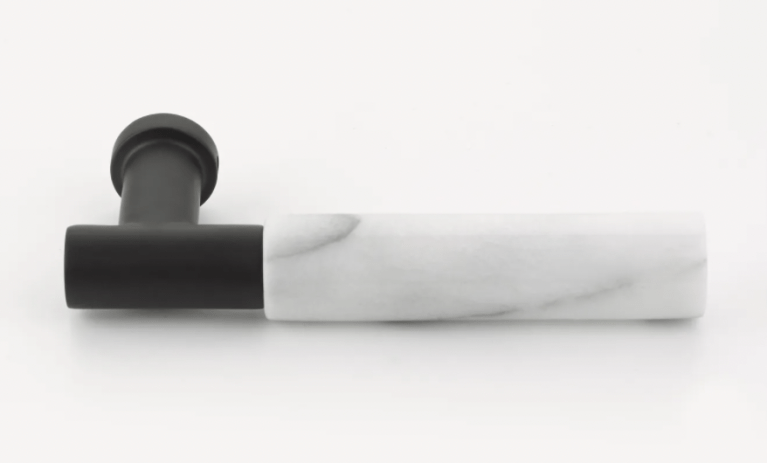
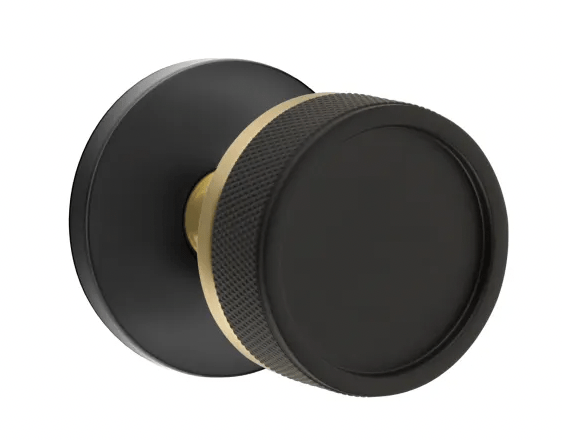
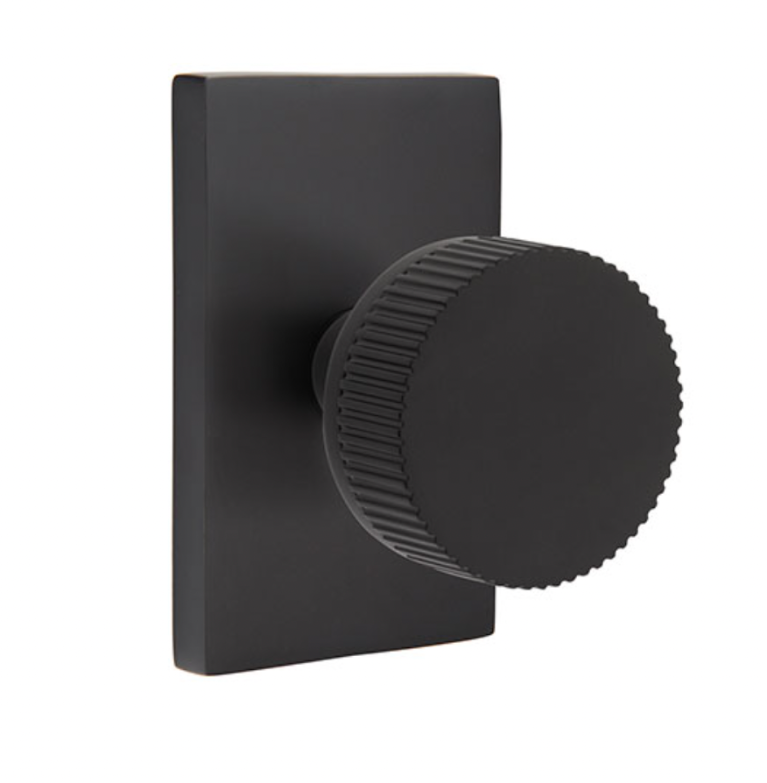
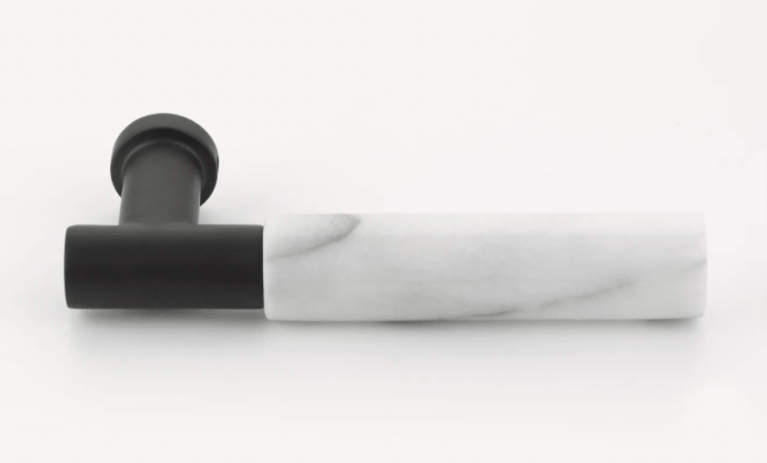
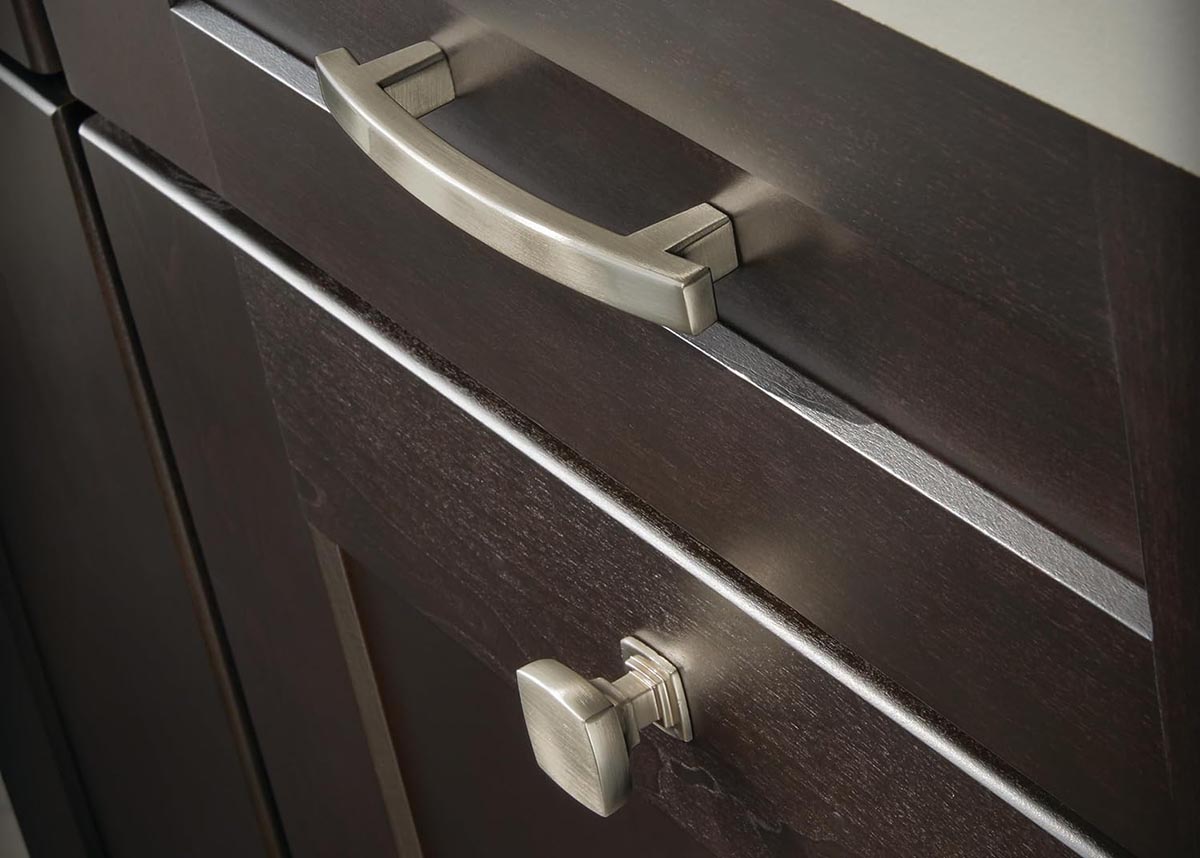
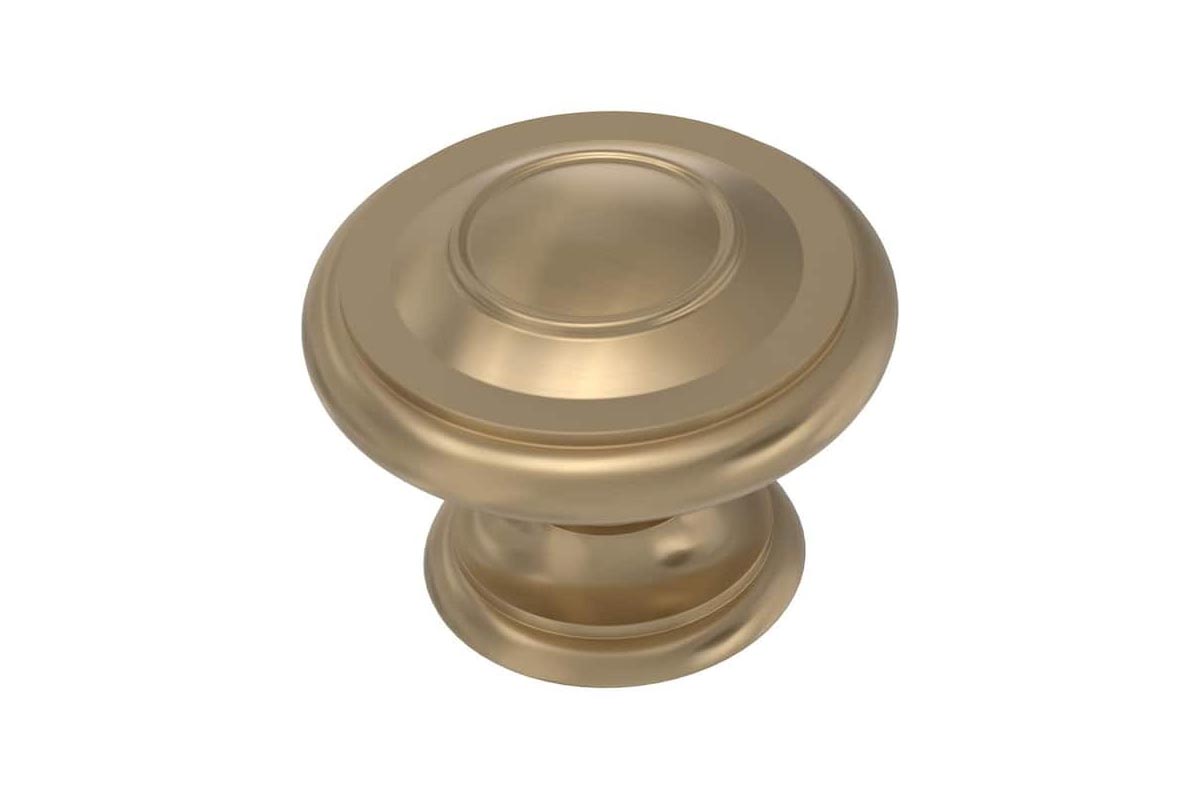
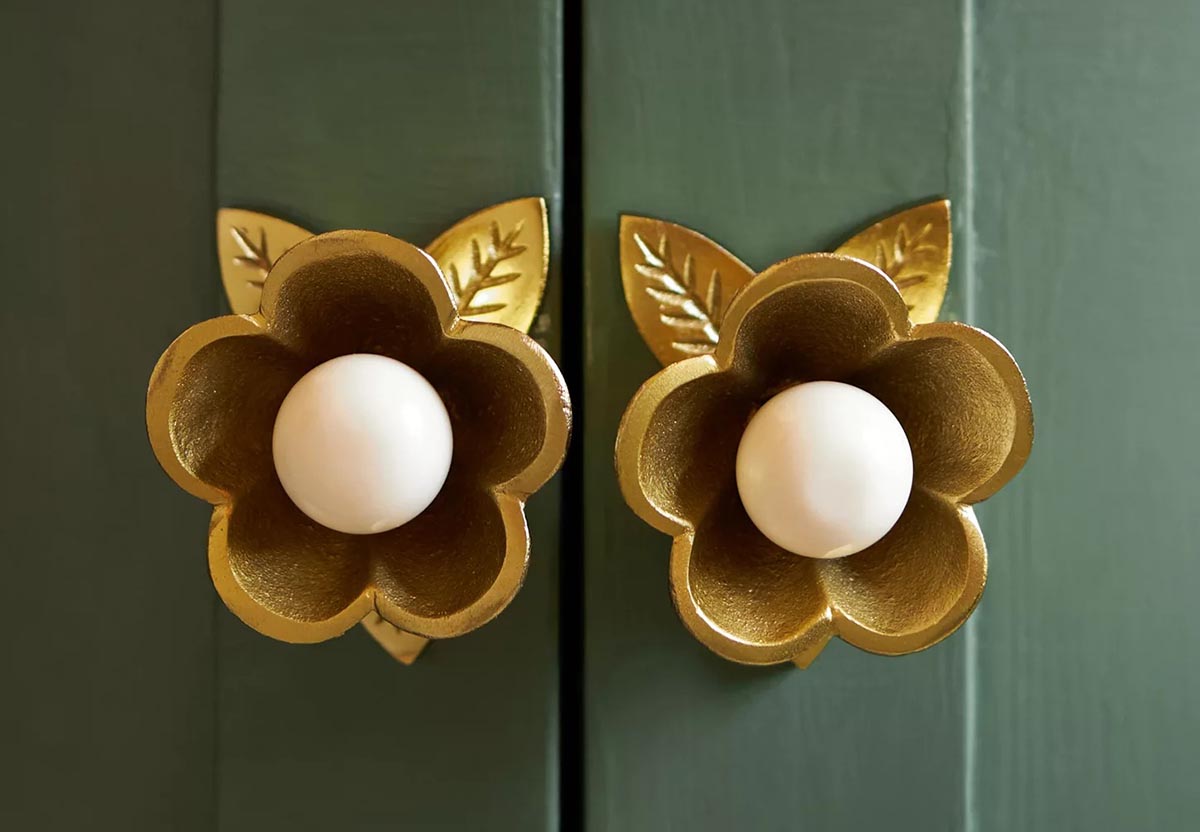
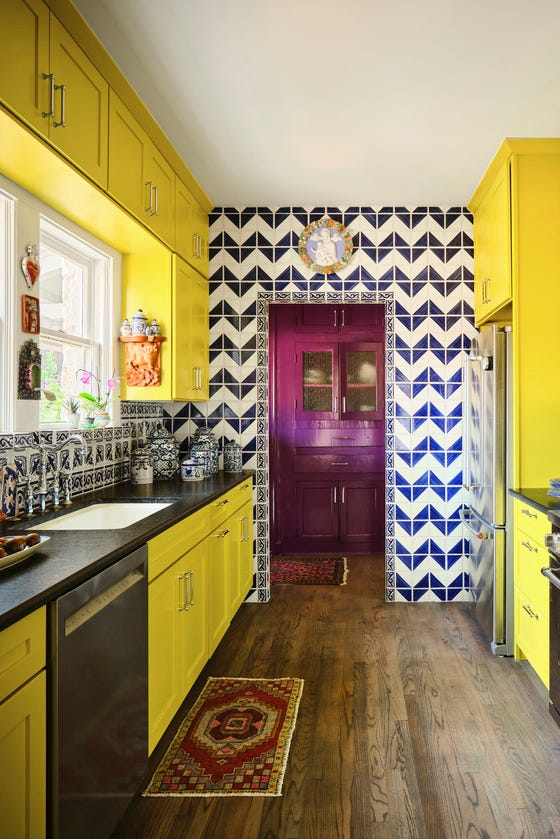
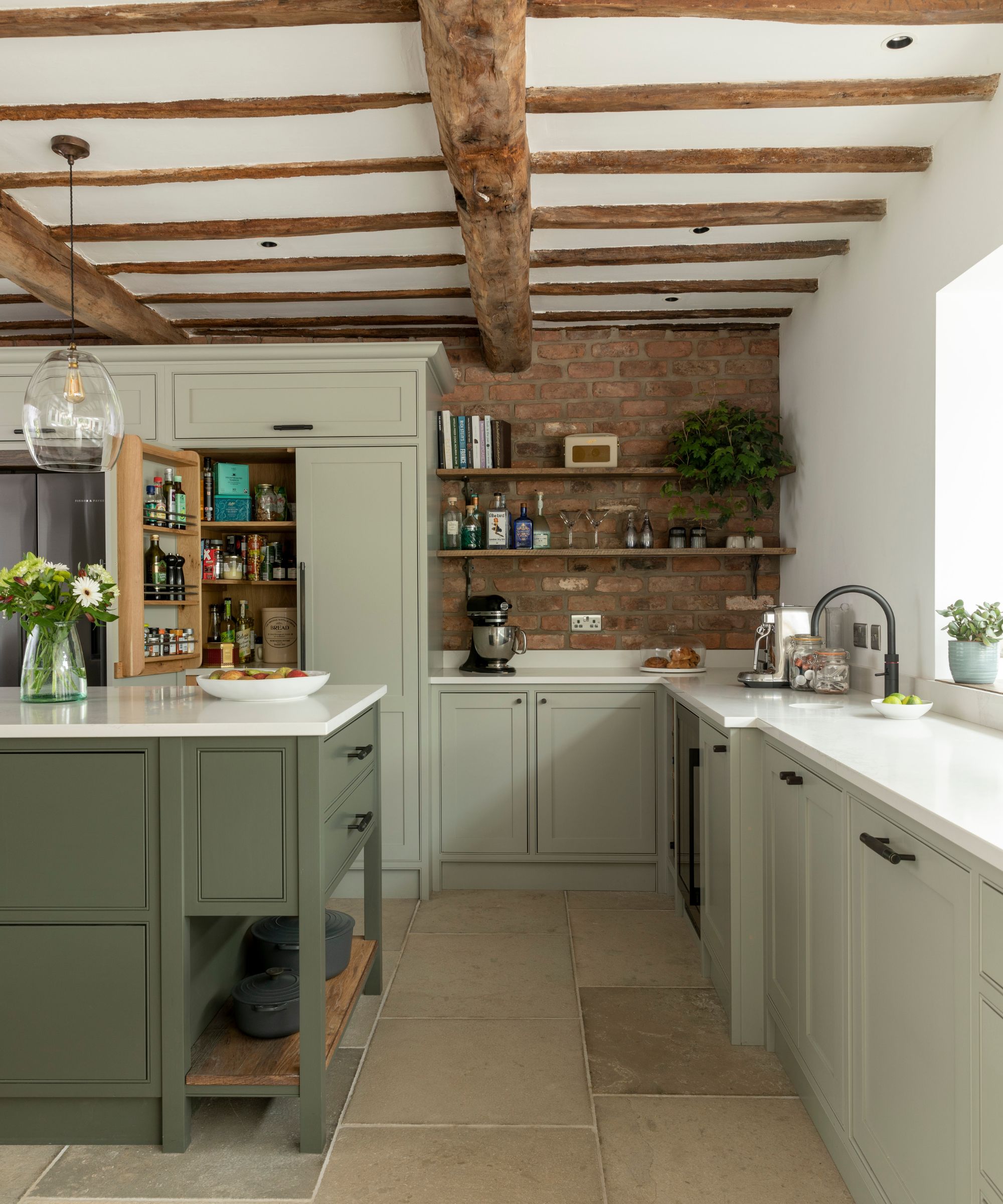
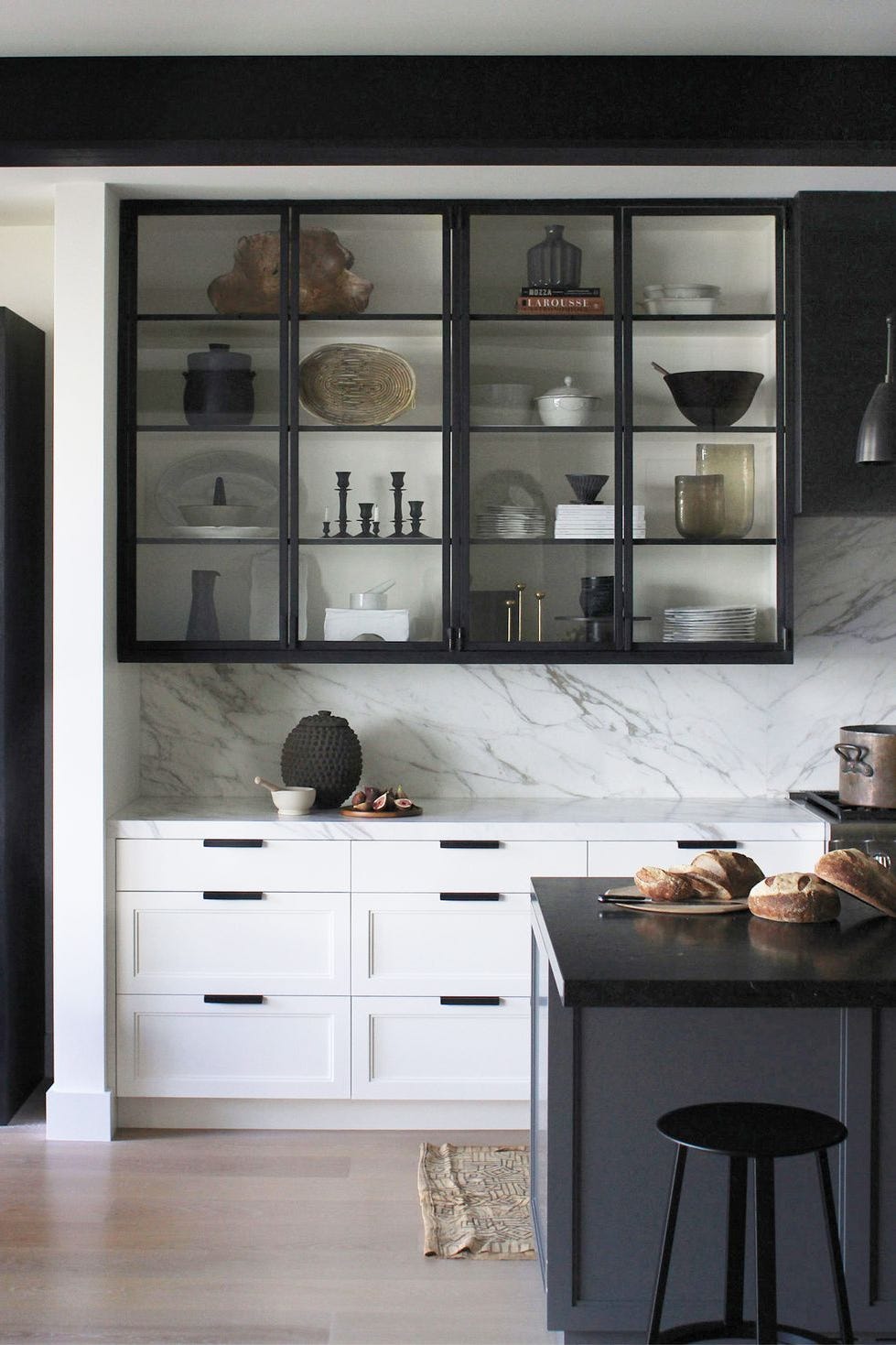
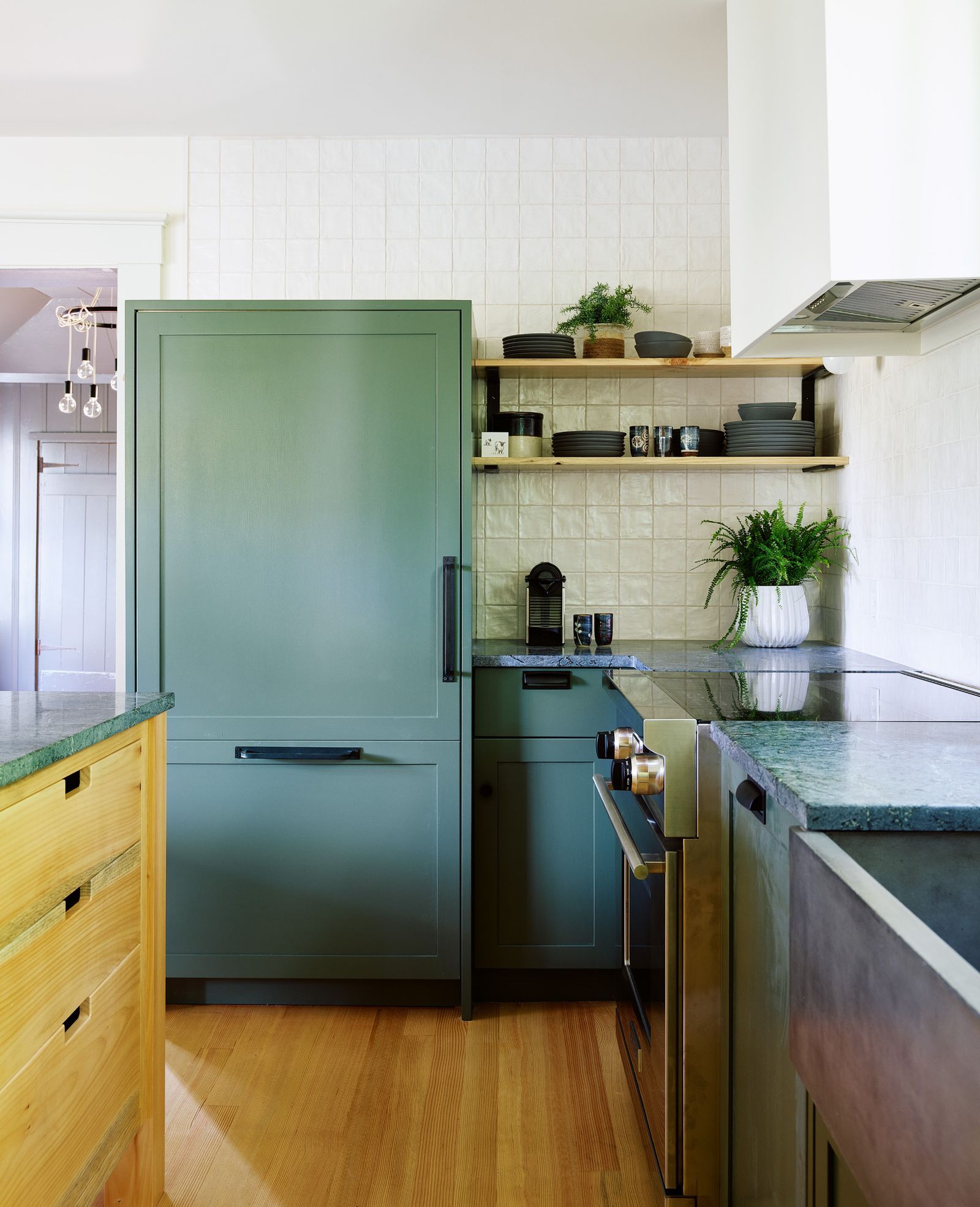
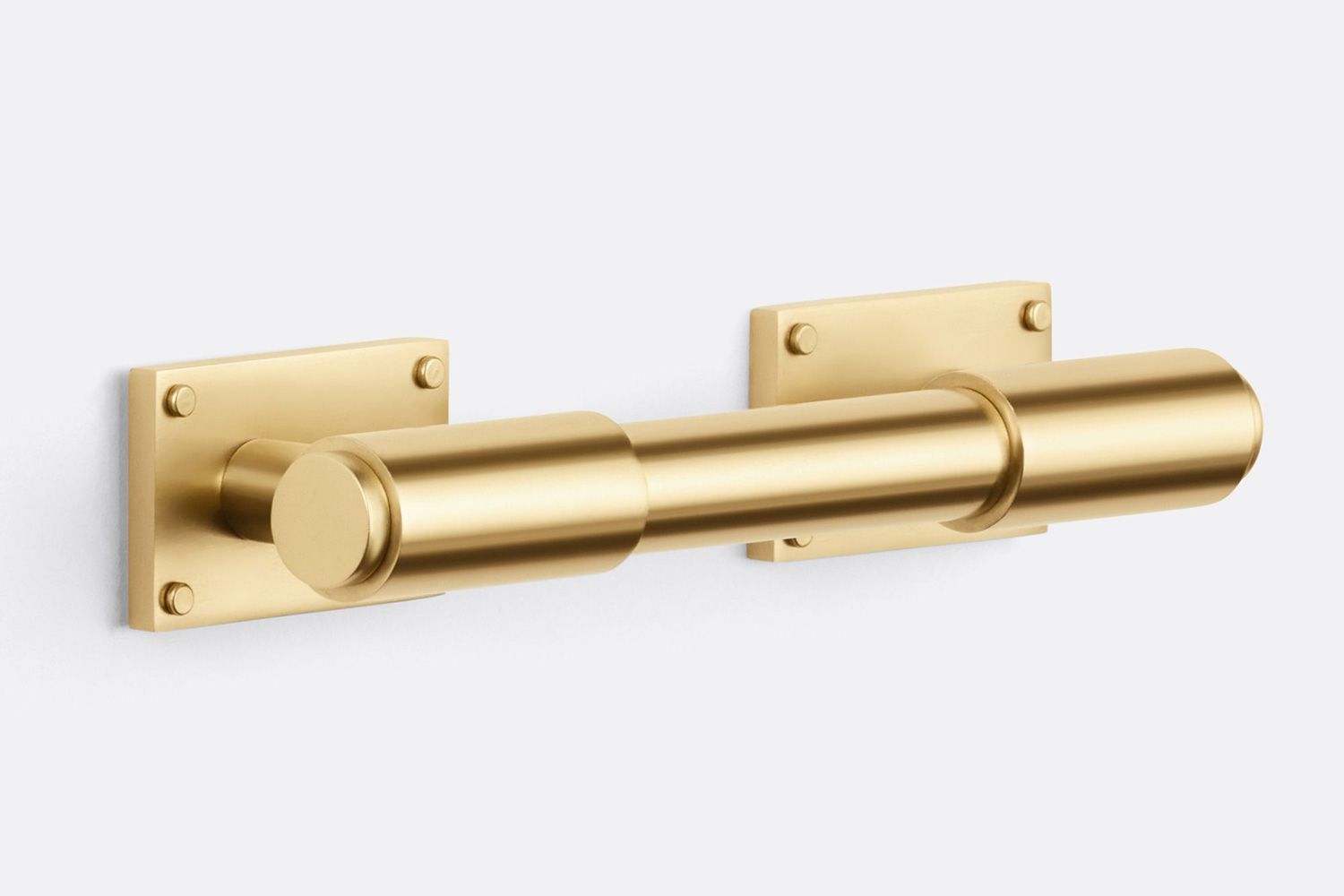
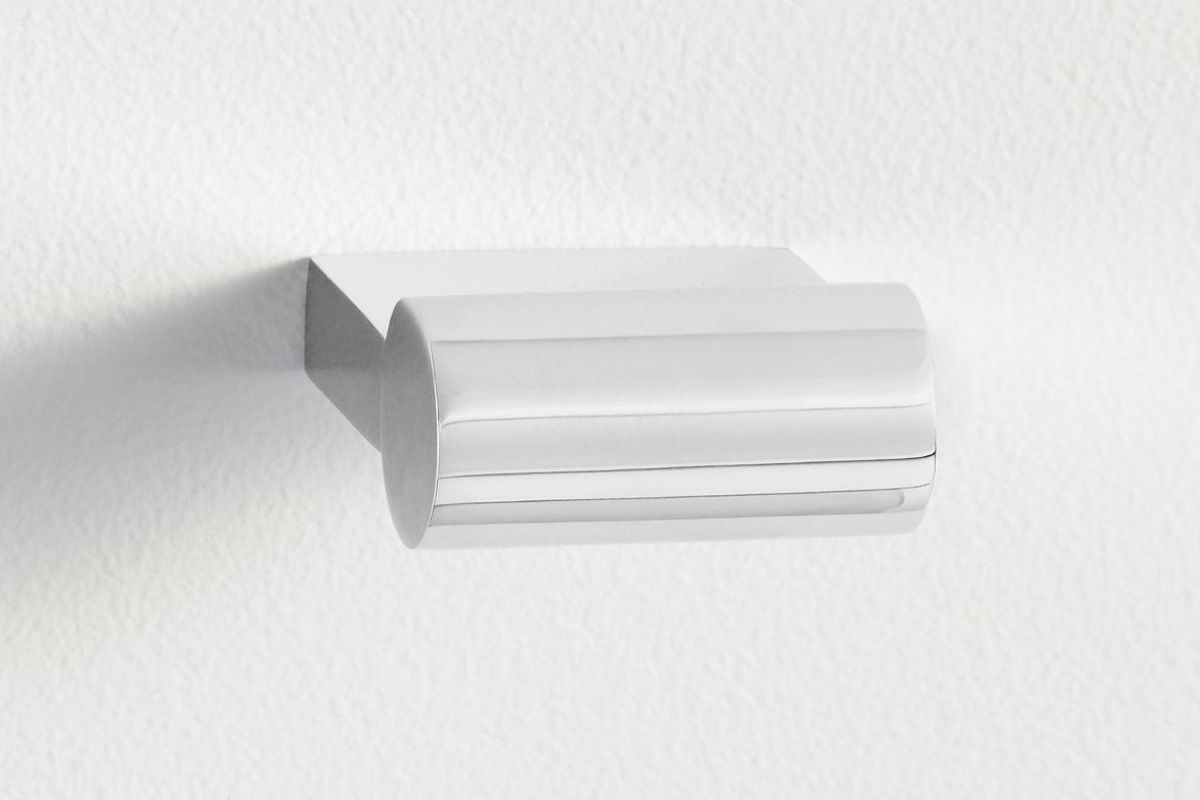
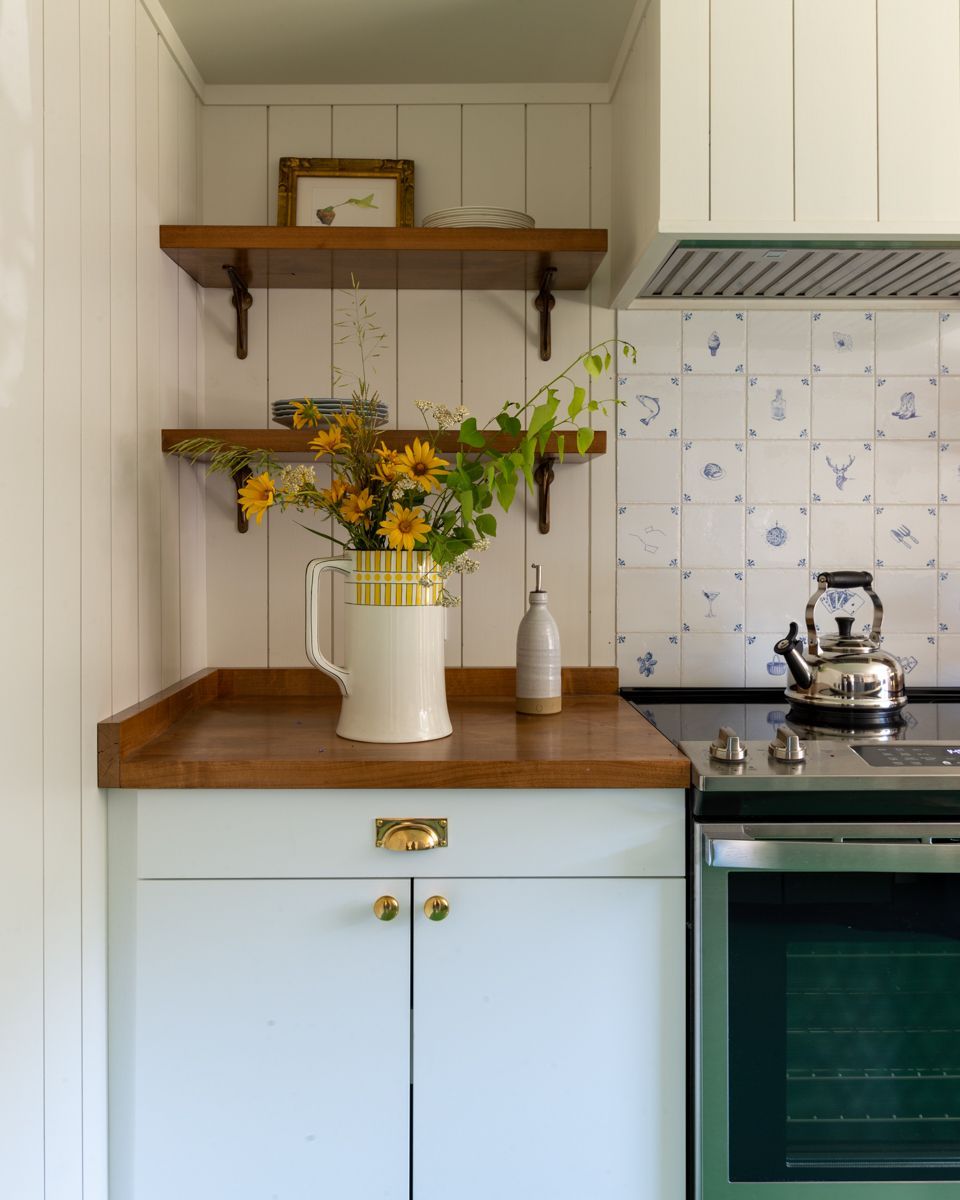
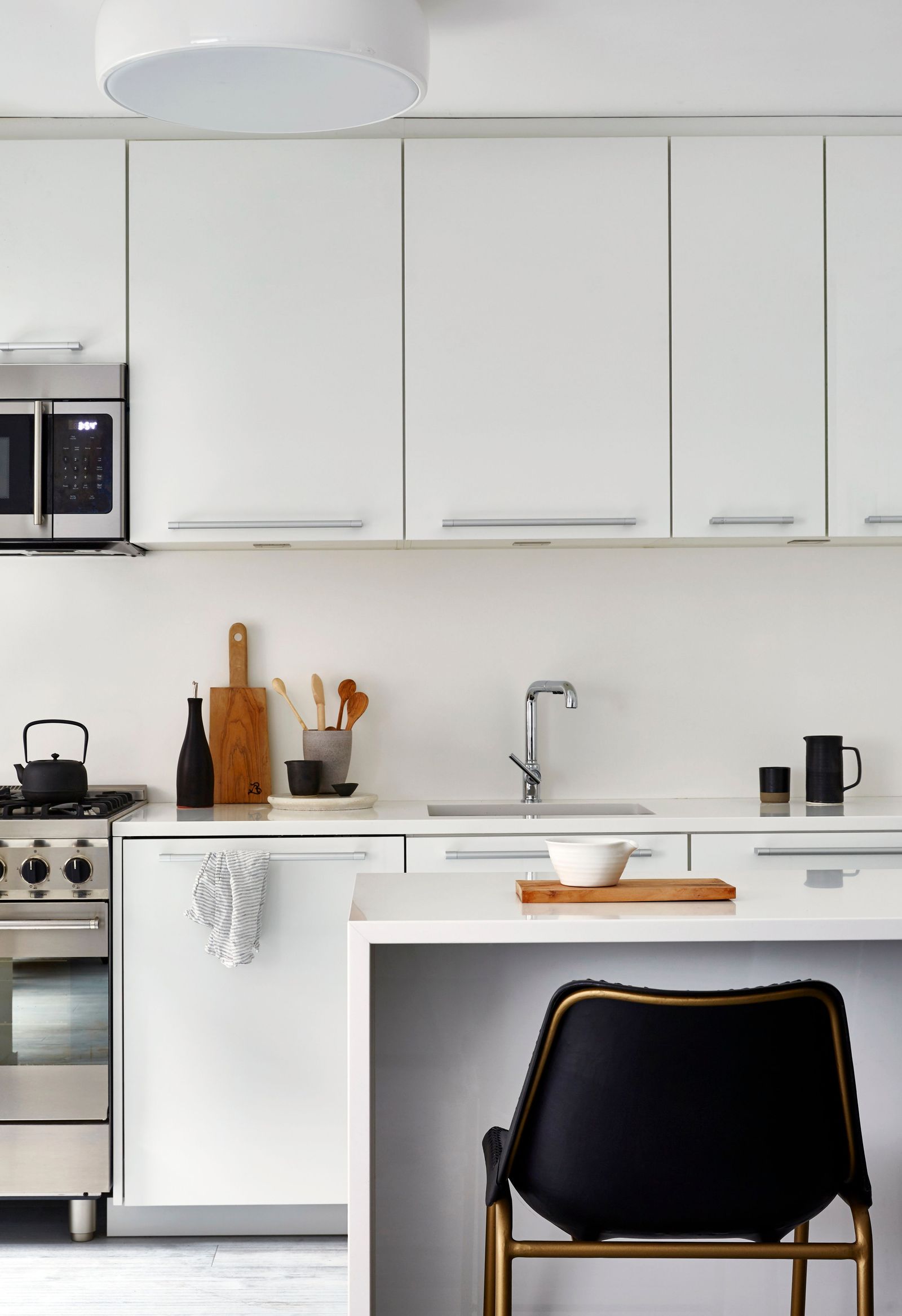
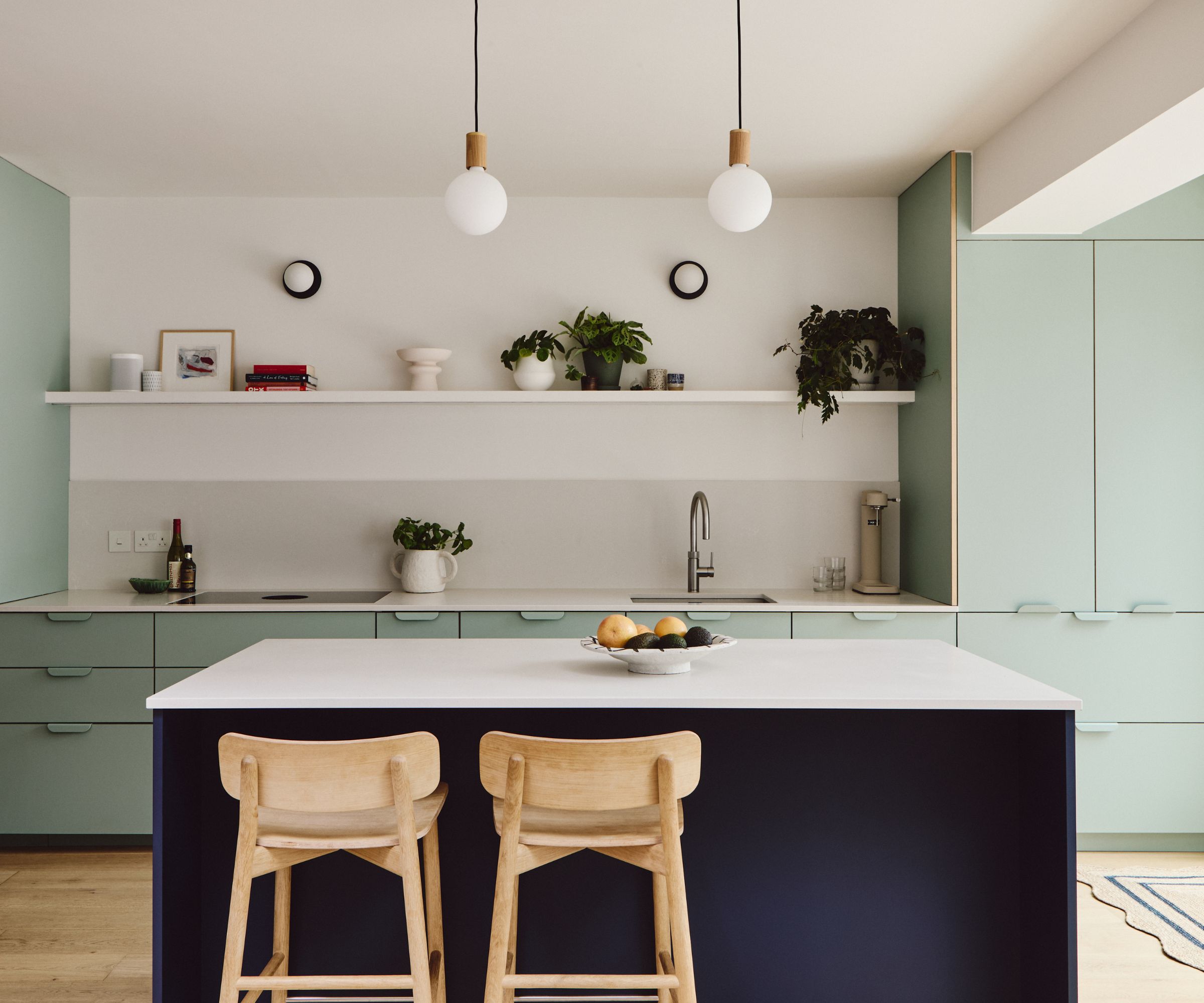
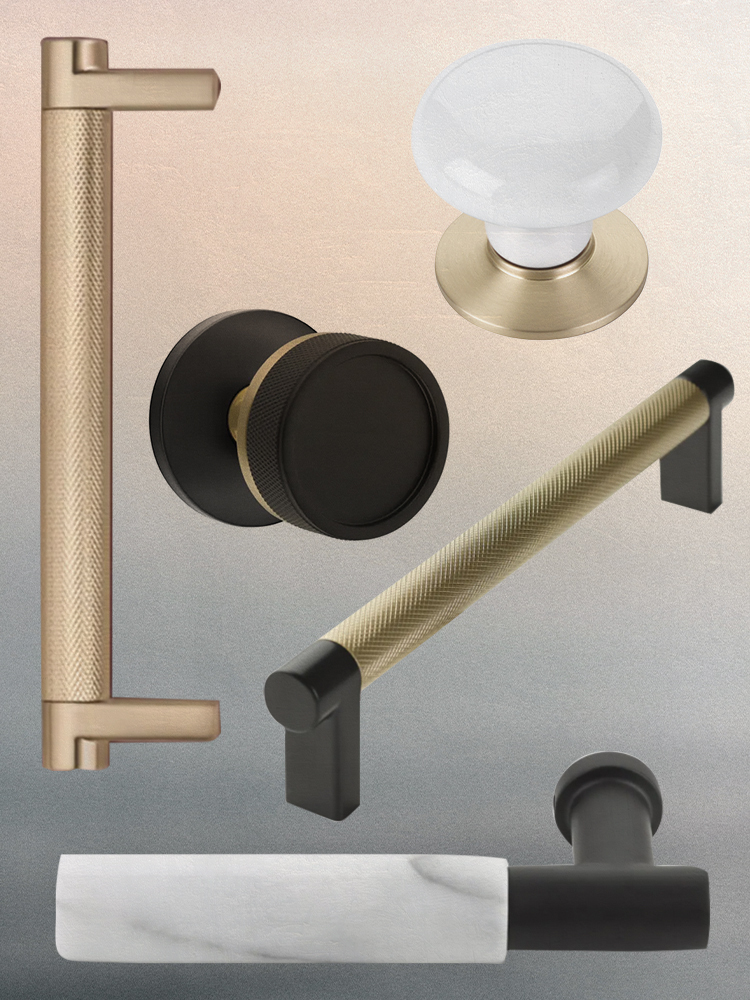
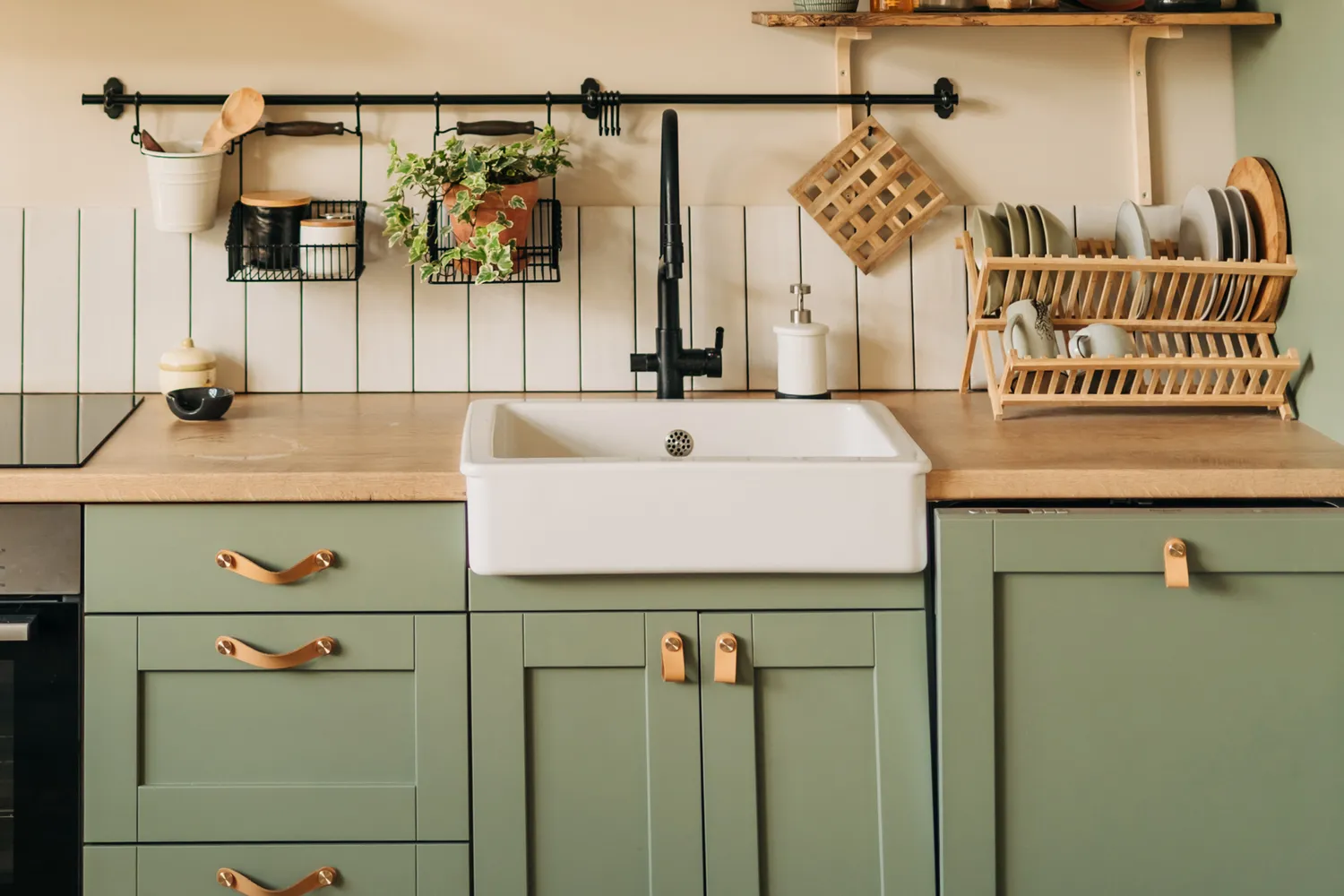
Mixing hardware styles involves selecting different handle types based on their practical functions and aesthetic contributions to specific cabinet or drawer designs. For instance, bar handles may be suitable for drawers but less so for wall cabinets, necessitating a blend of handle types like bars, T-bars, and knobs. This functional consideration ensures that the hardware not only looks good but also optimizes usability for various cabinet elements, including tall appliance housings that benefit from longer bar handles. The key is to achieve a curated look by limiting the variation to two or three distinct styles to avoid a cluttered or unconsidered appearance.
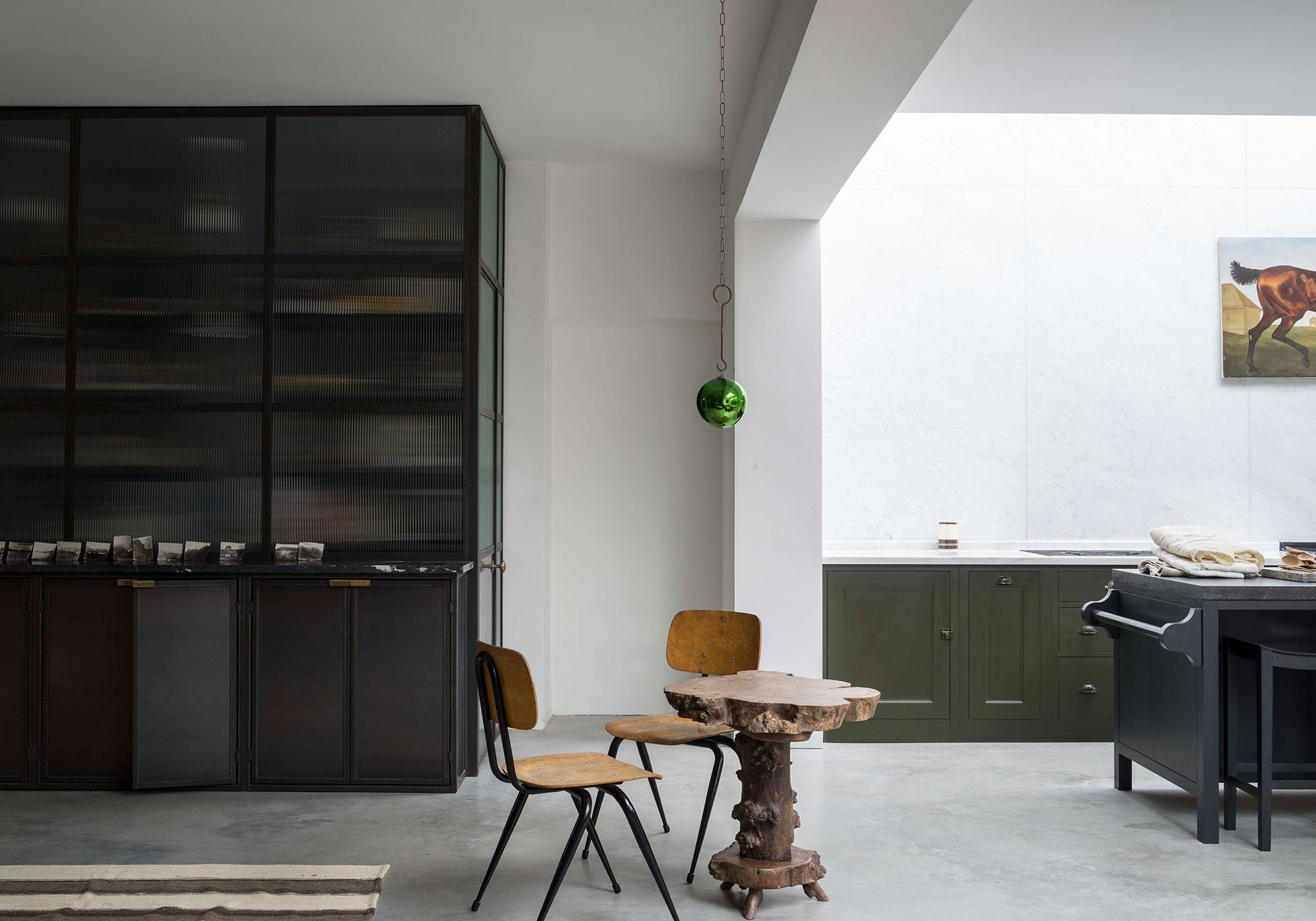
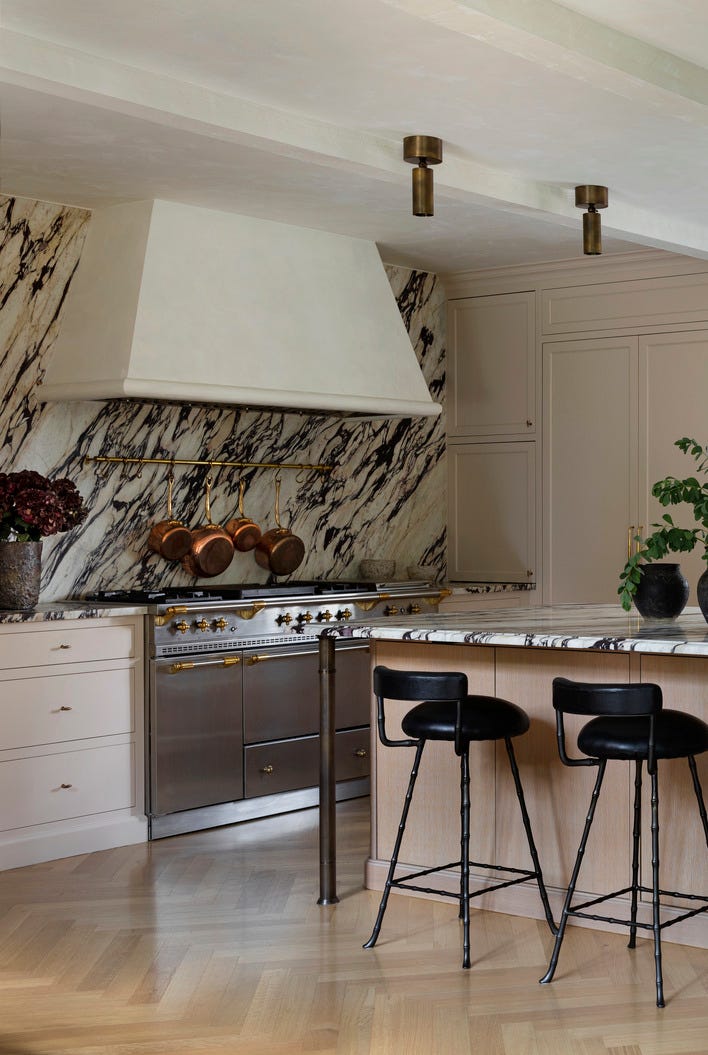
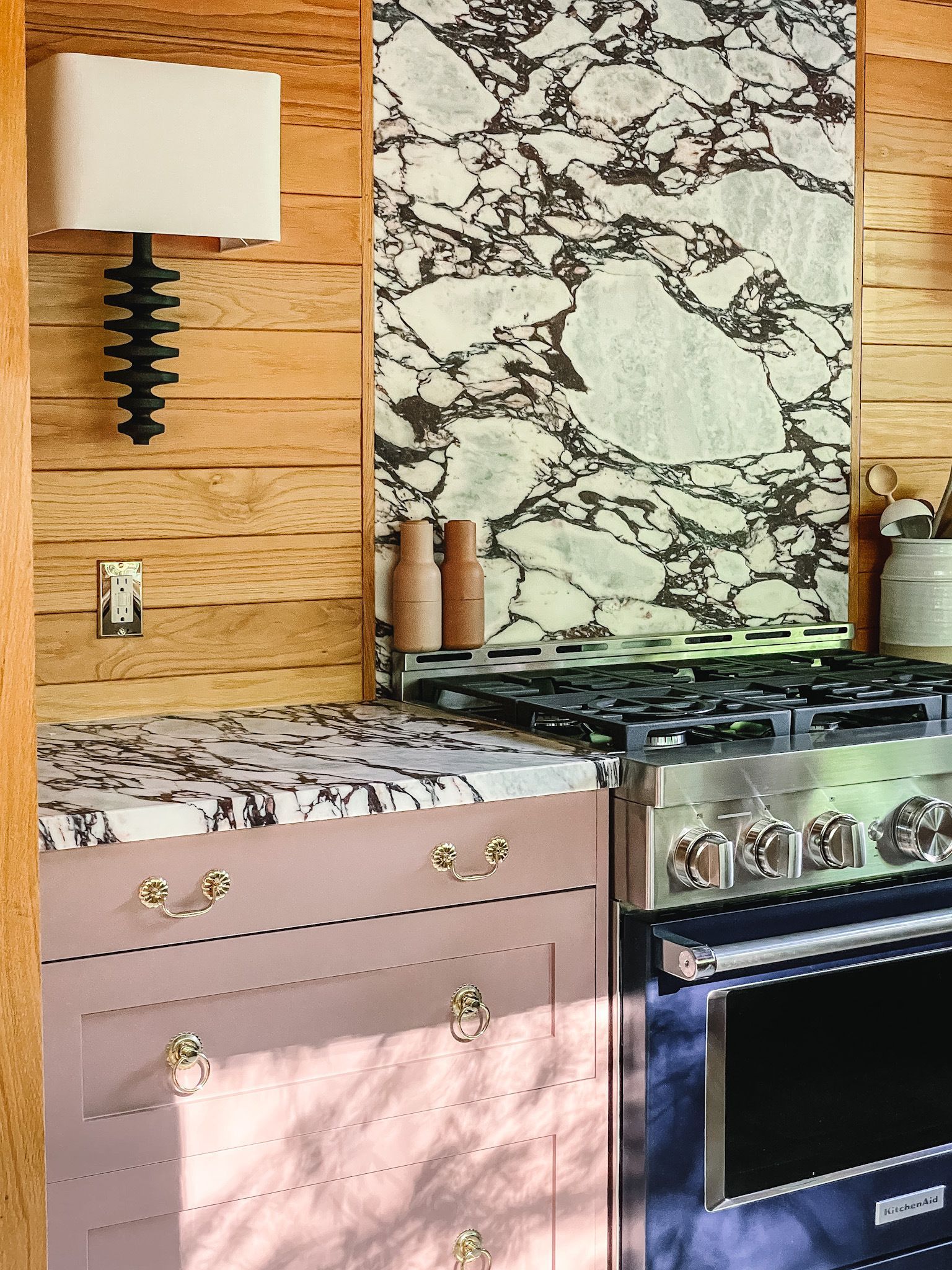
Beyond style, mixing hardware finishes, particularly metals, is another way to introduce character. While historically a point of contention, designers now advocate for strategic metal pairings to create eye-catching effects. This trend aligns with the broader movement towards eclectic interior design in 2024, offering a subtle yet enduring method to infuse personality into a kitchen. The judicious combination of different finishes can add depth and a high-end, luxurious feel to the space.
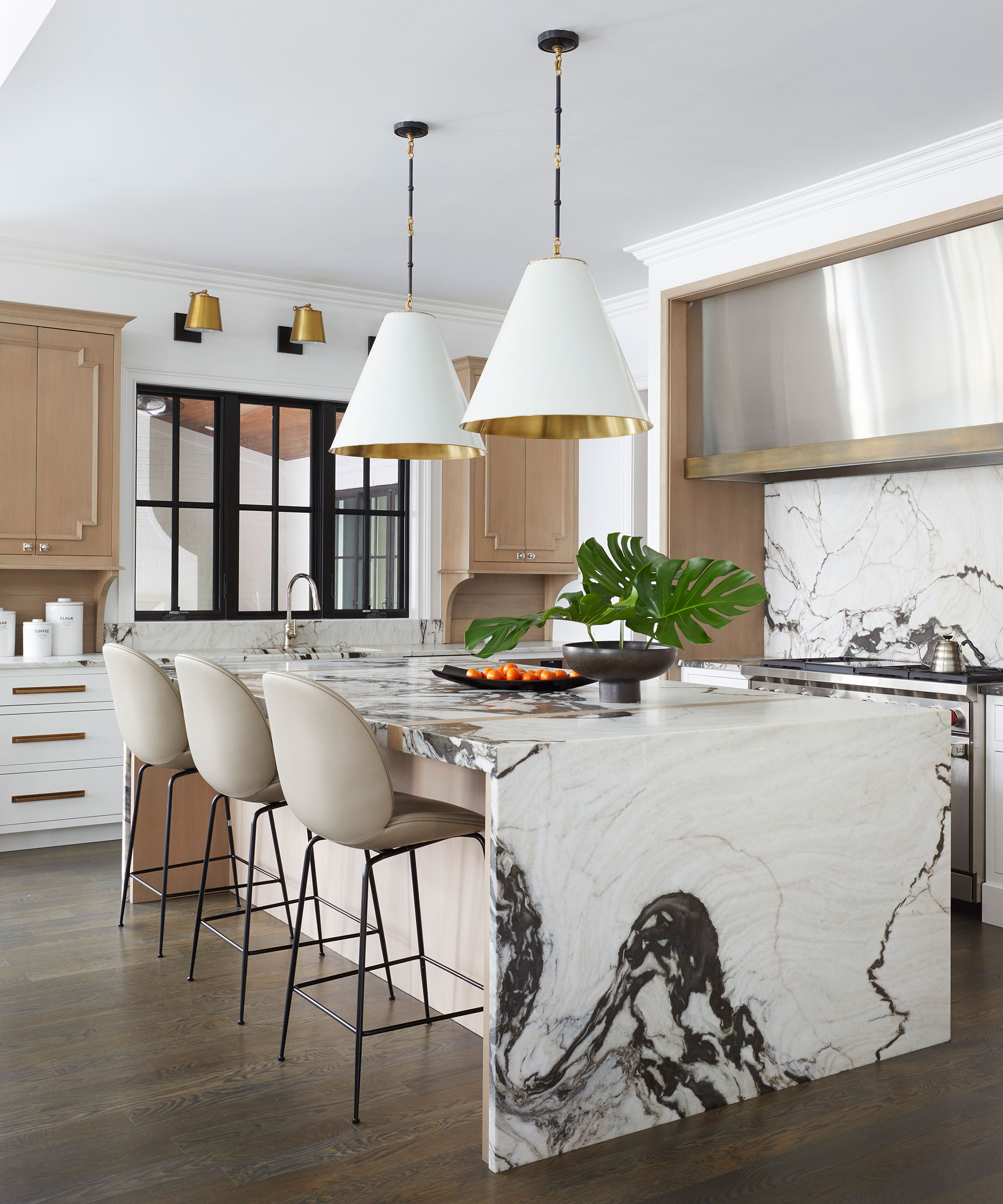
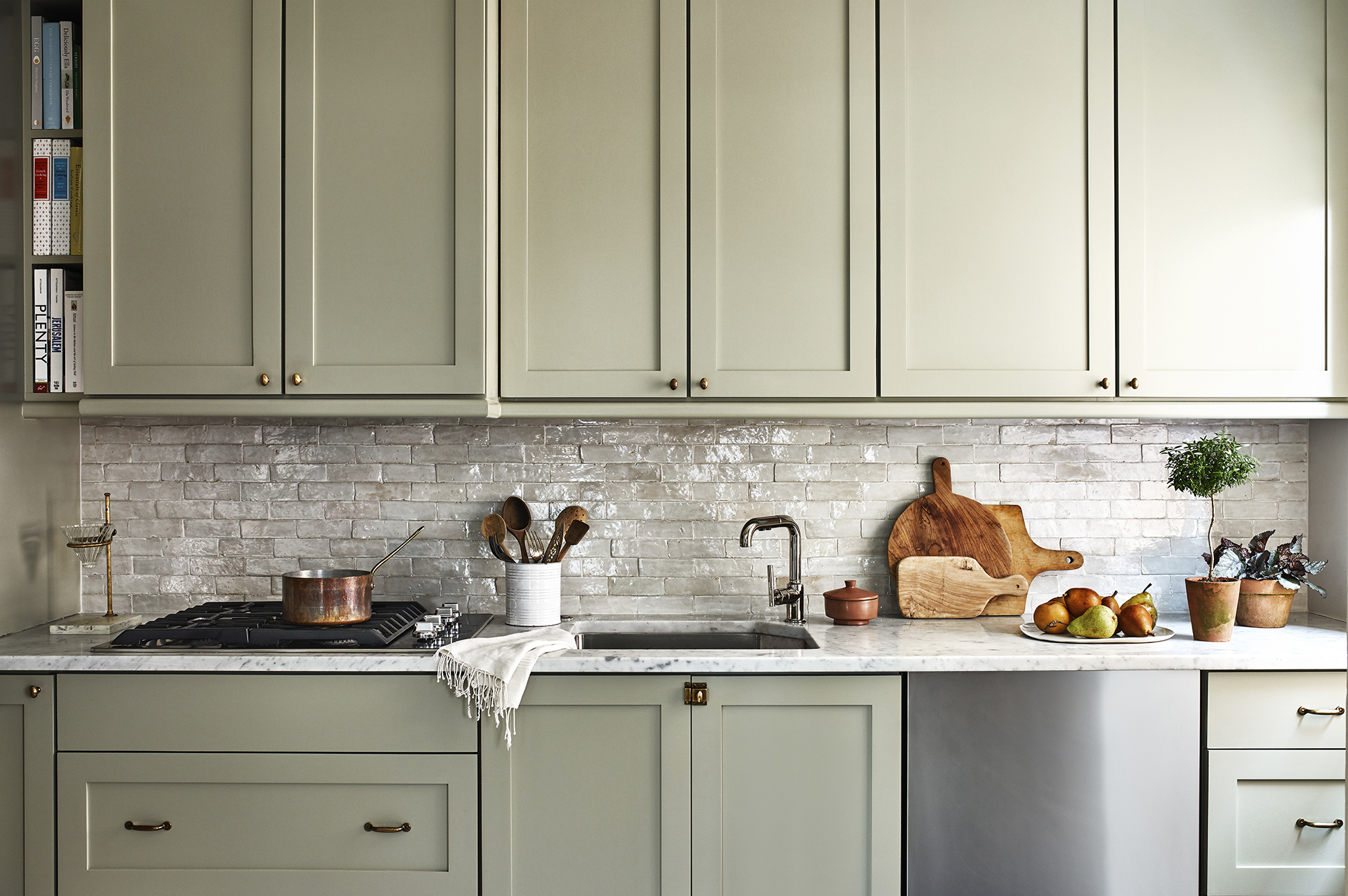
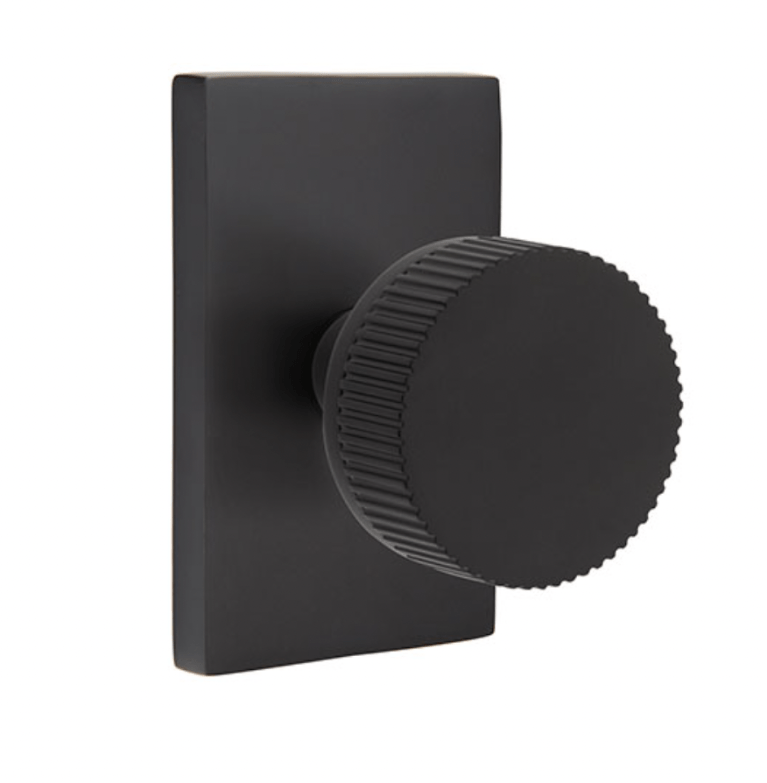
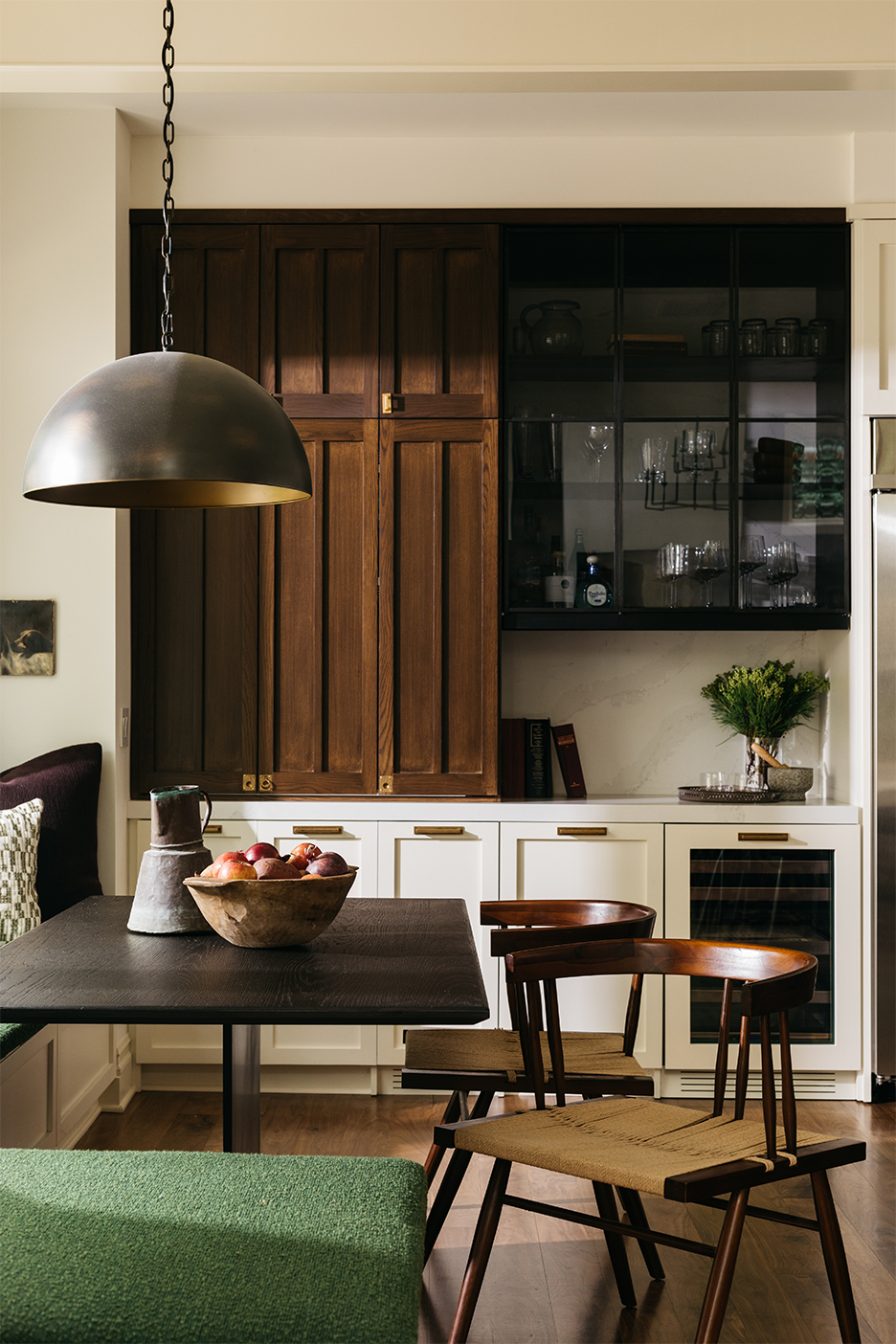
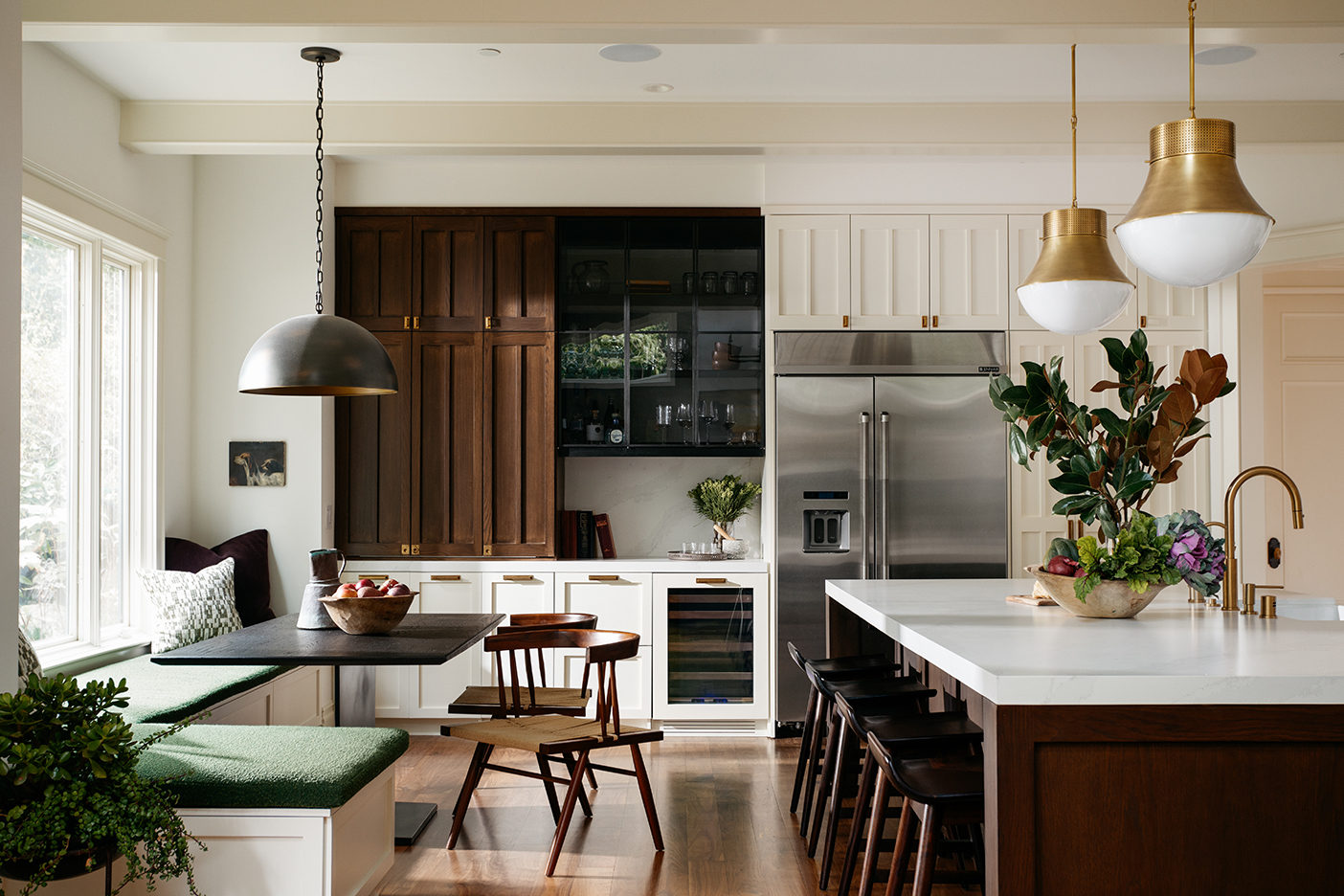
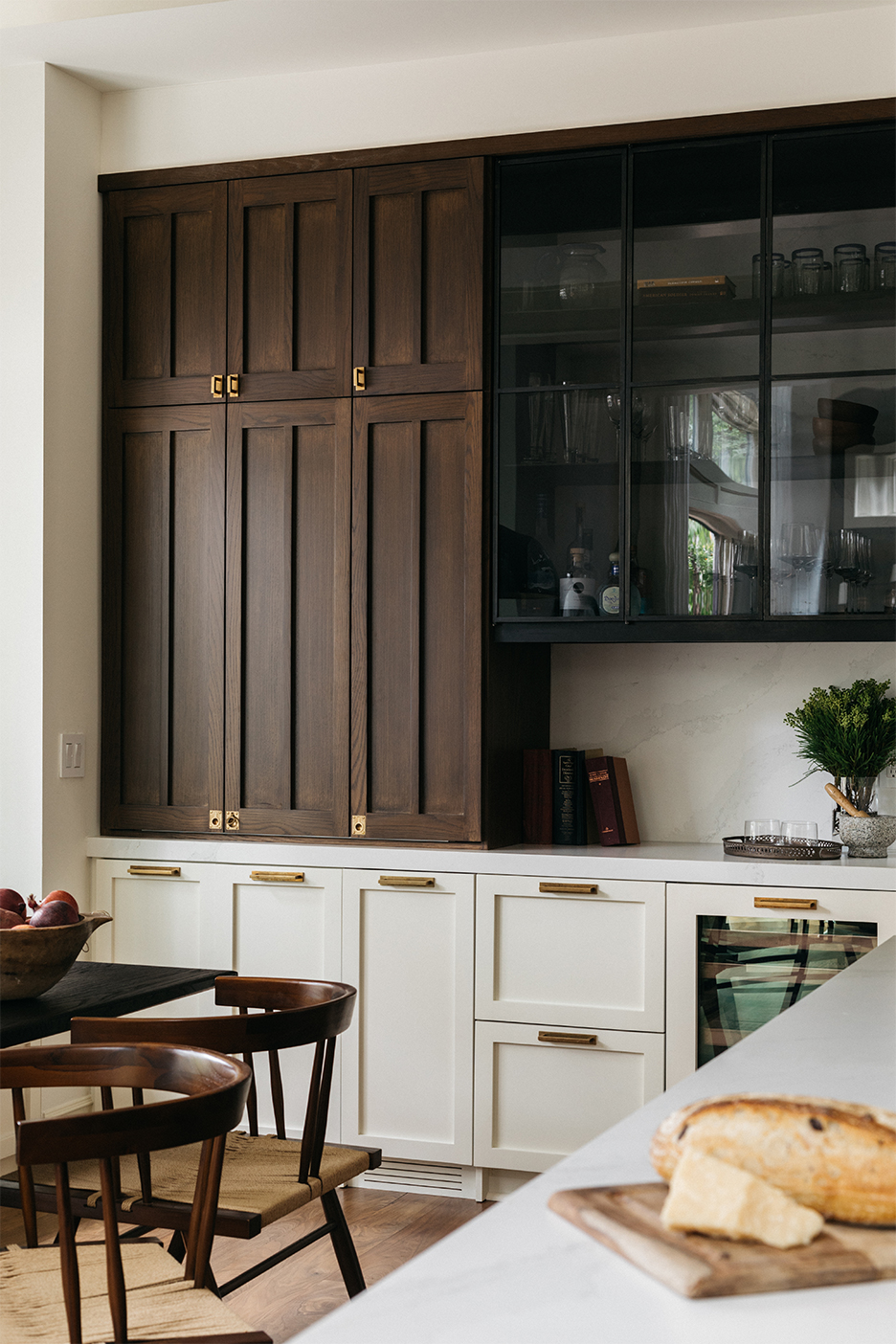
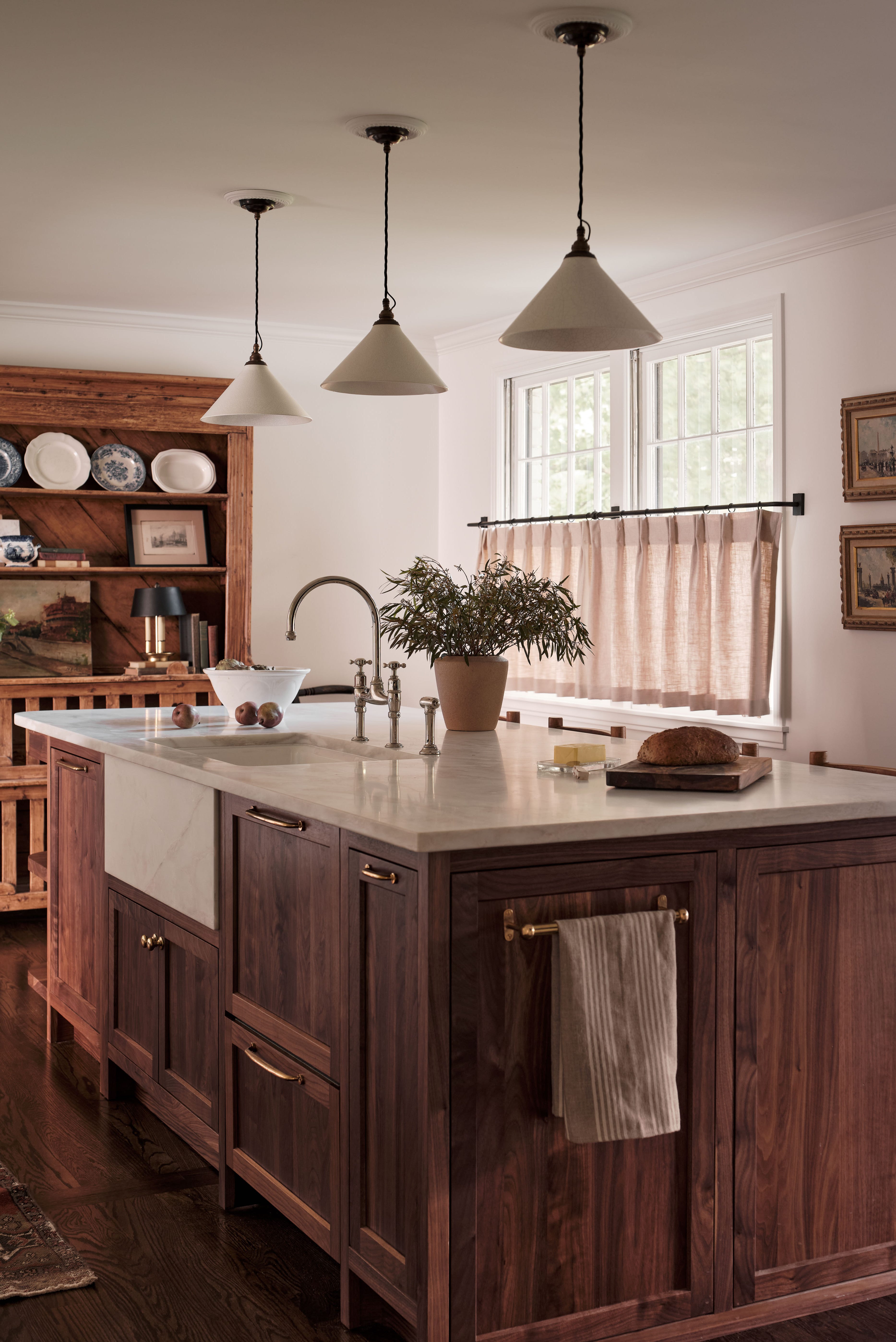
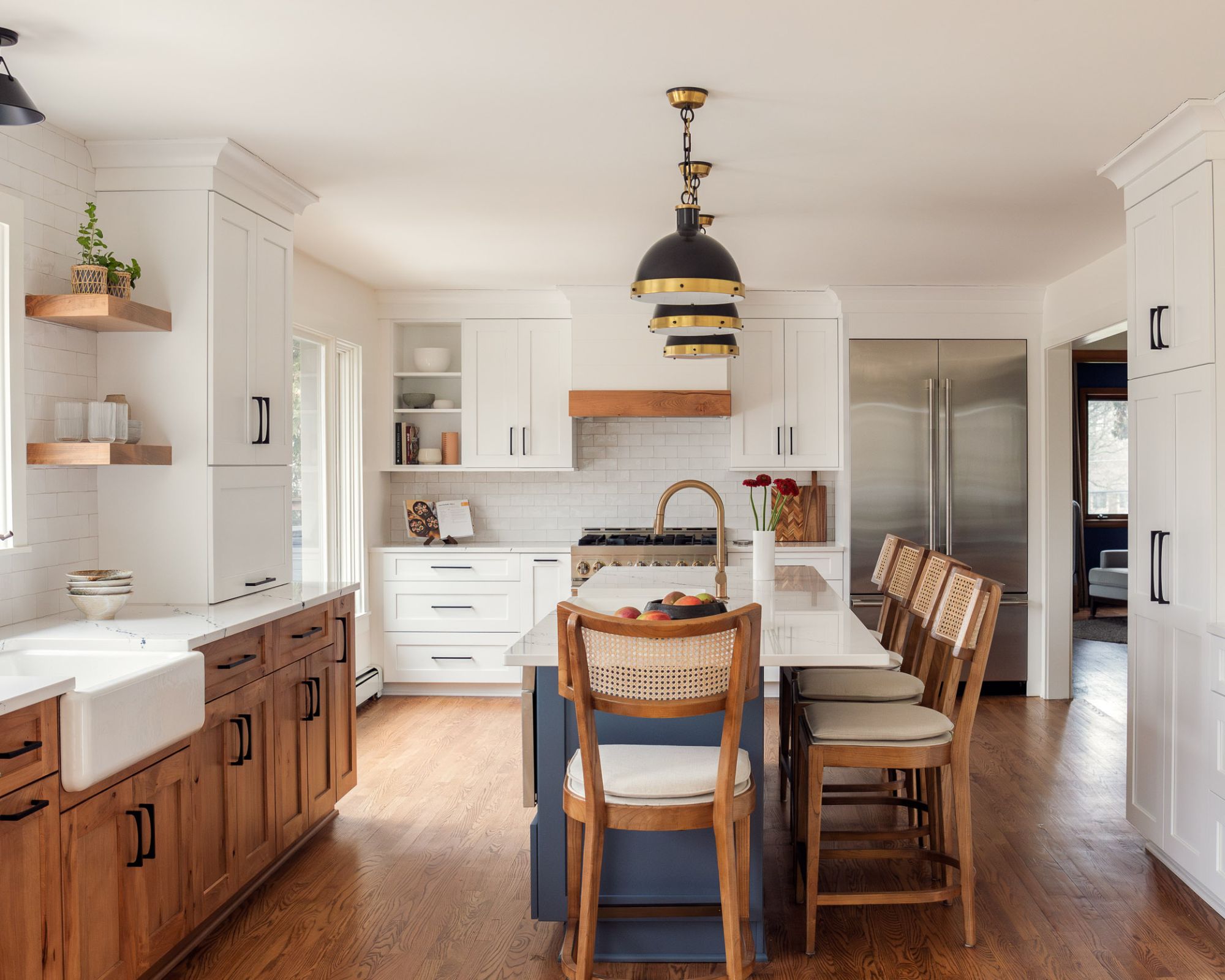
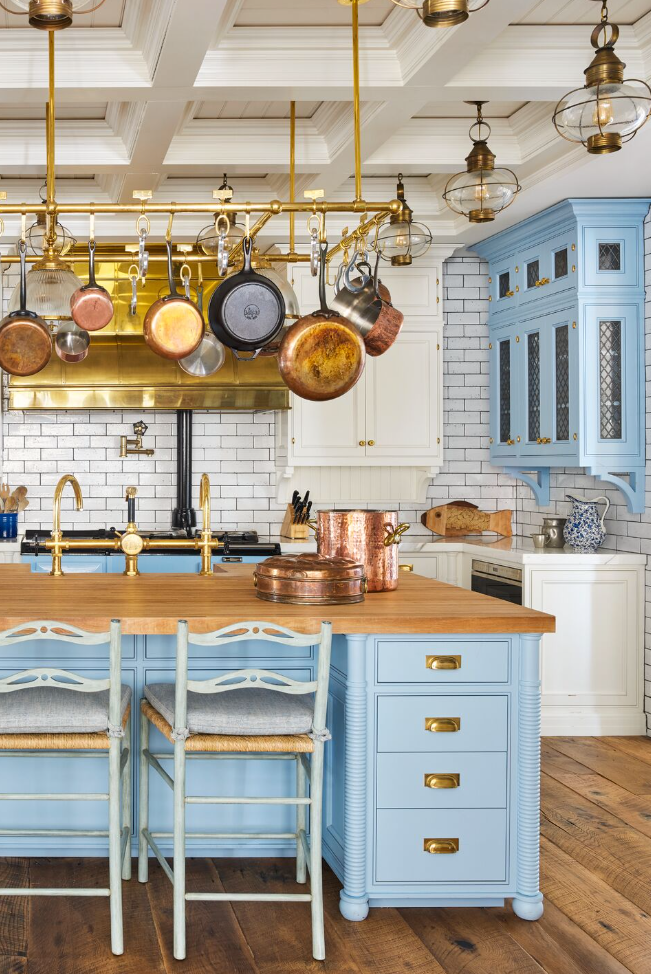
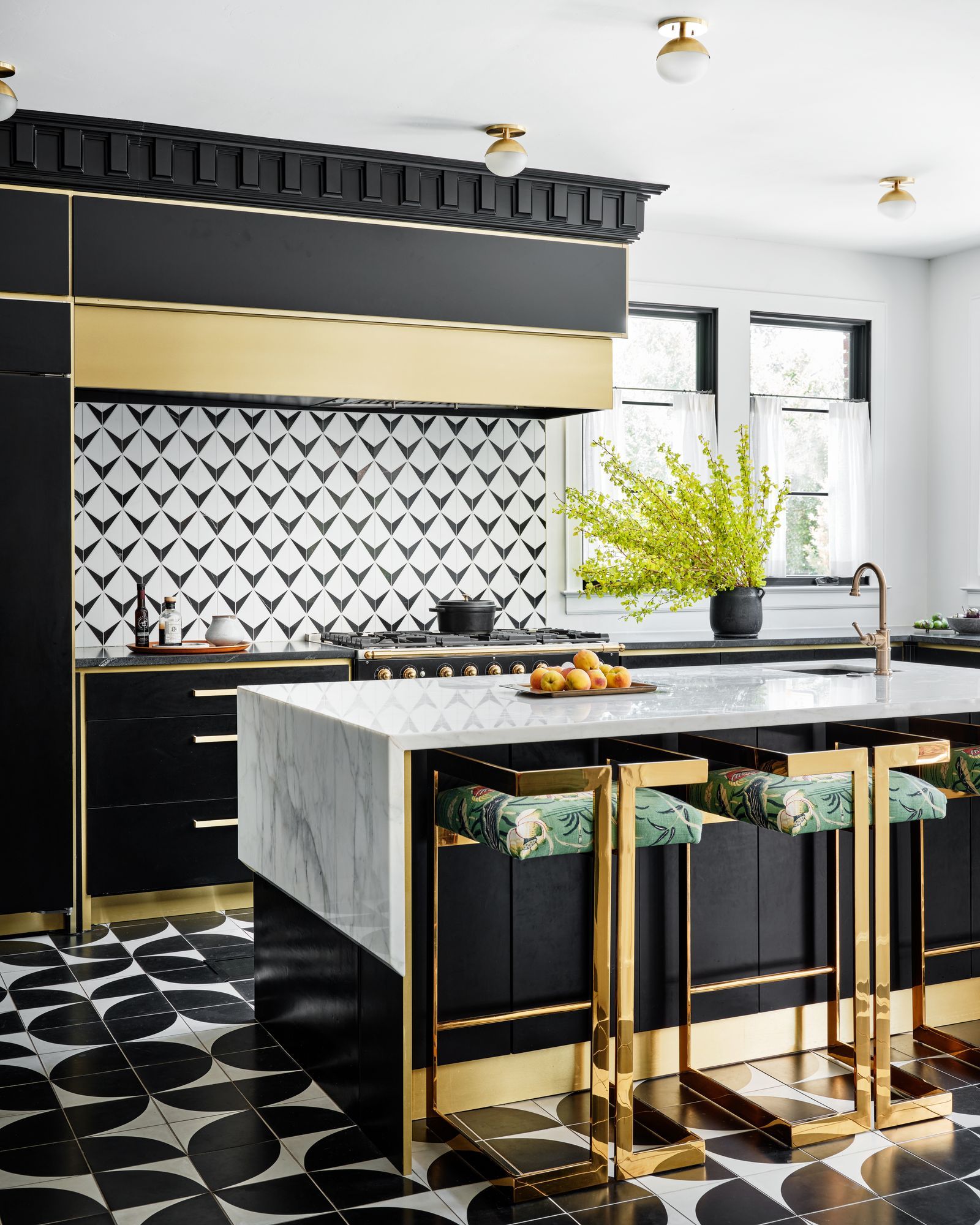
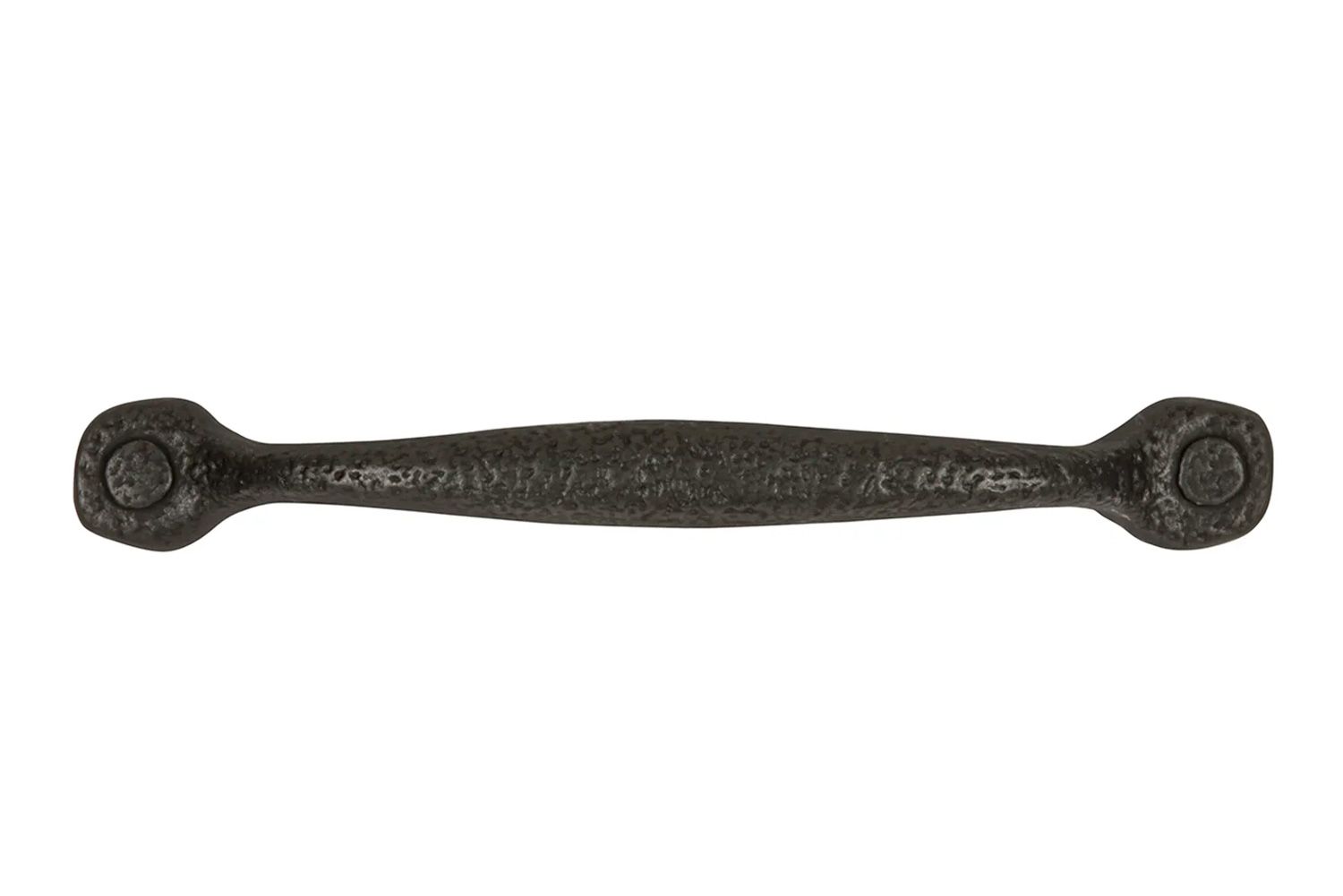
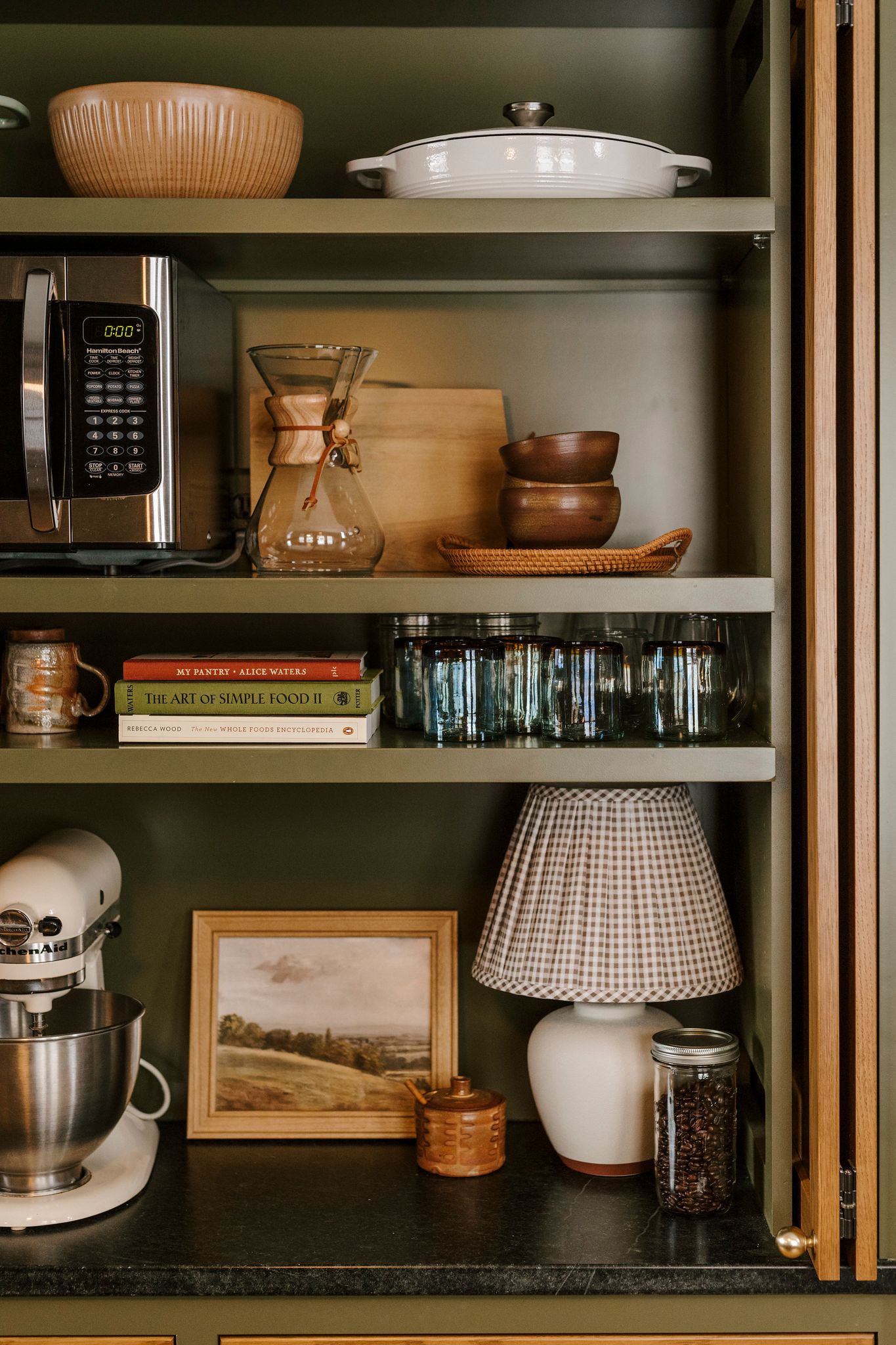
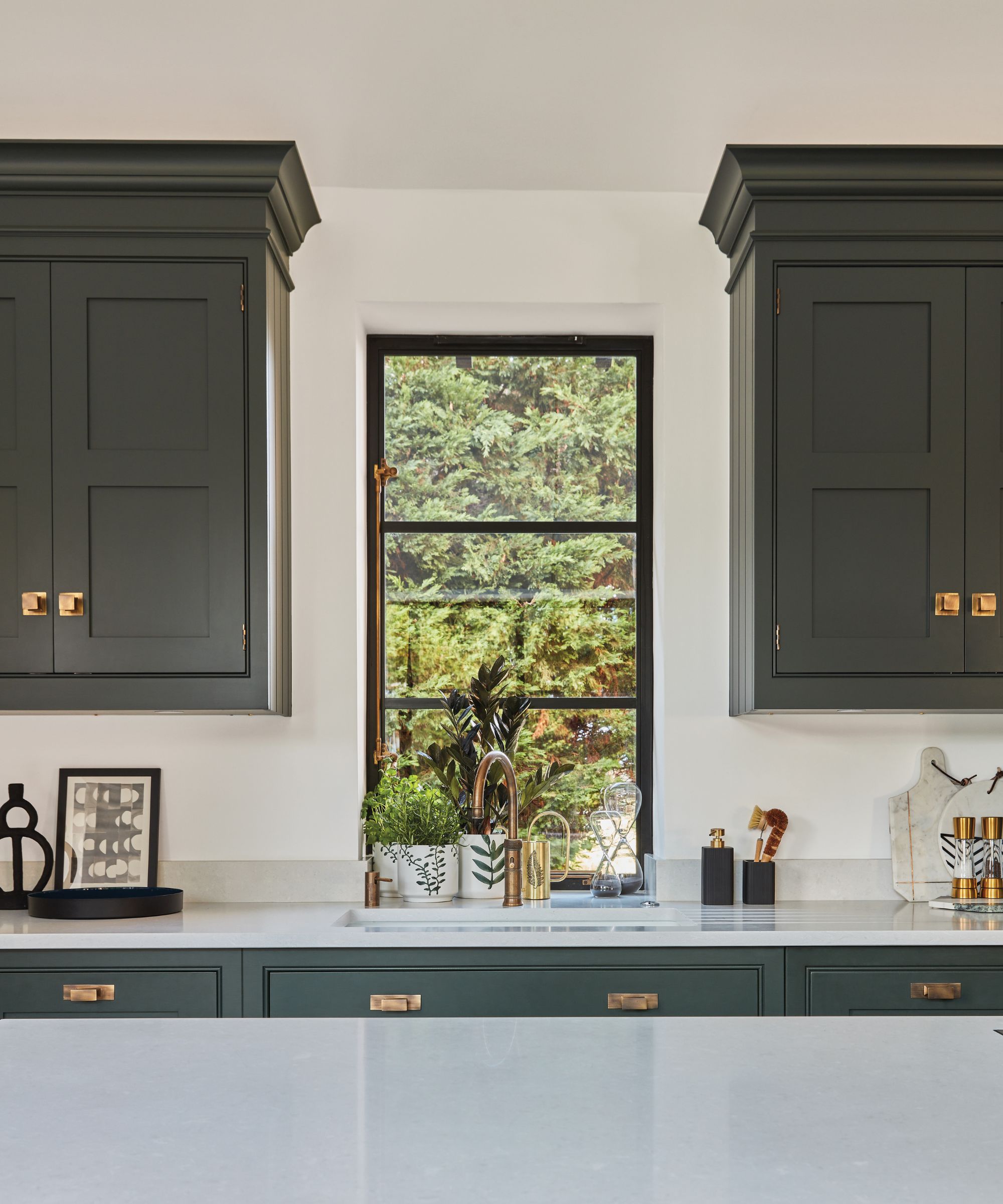
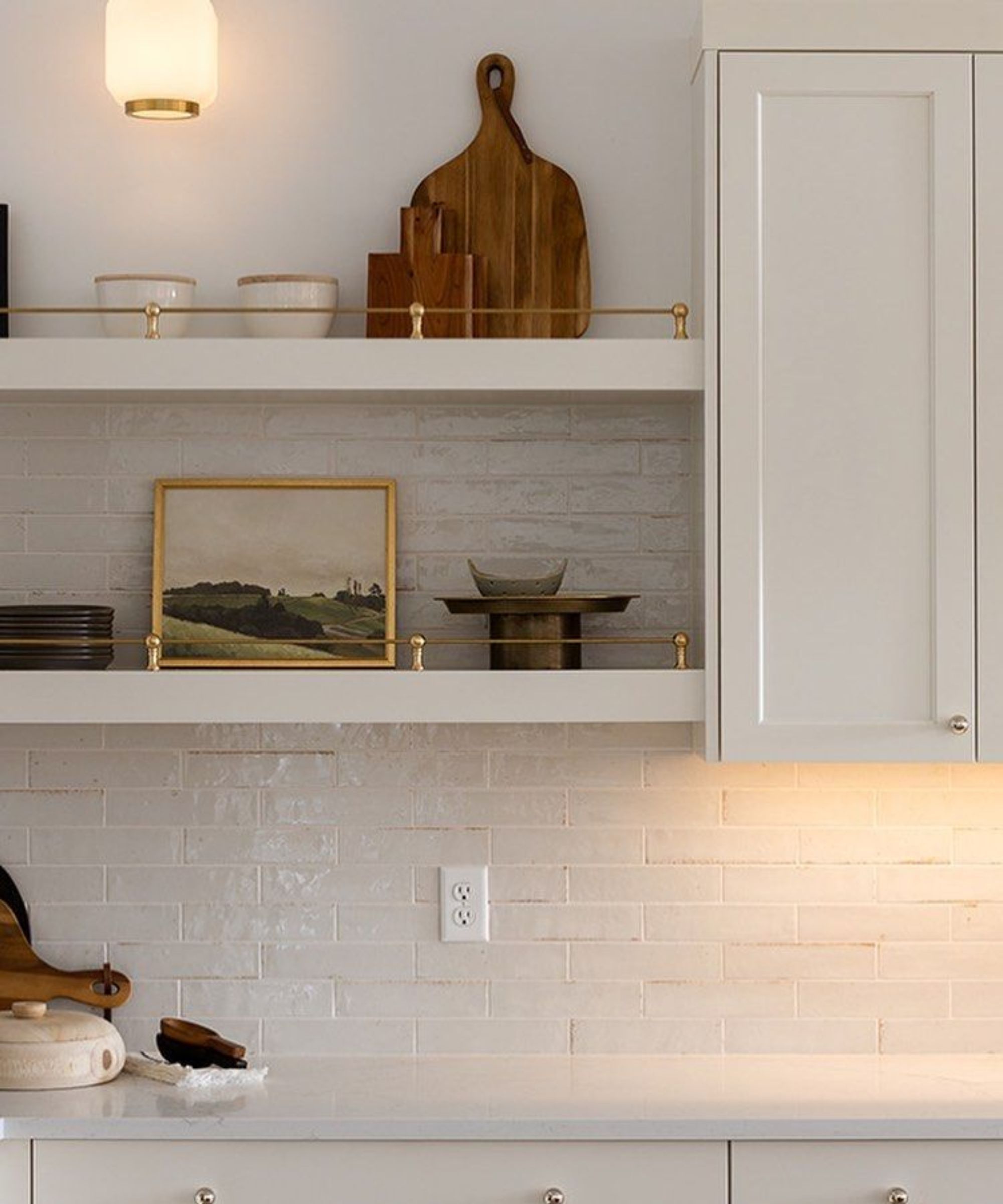
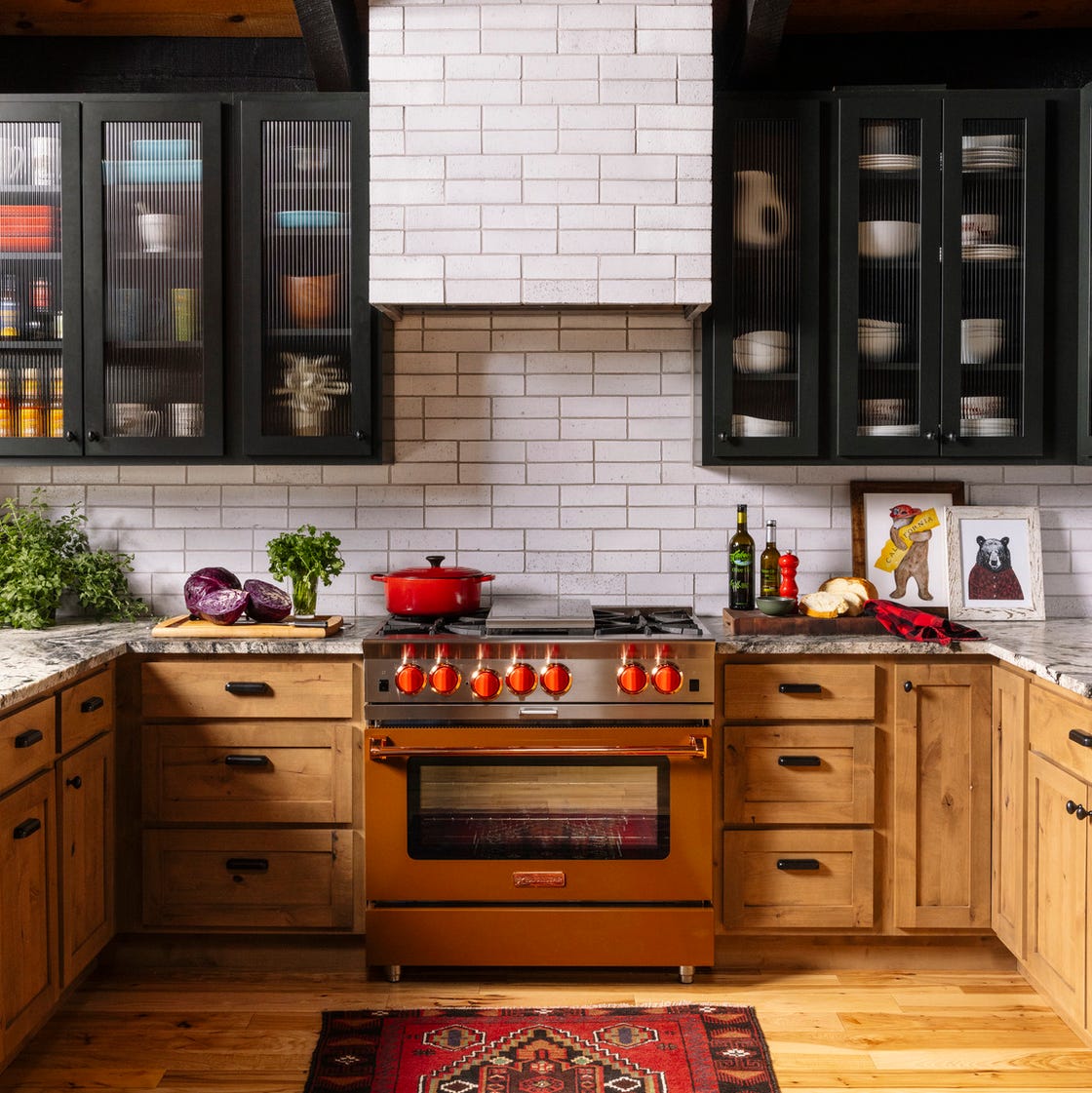
To ensure a cohesive yet dynamic aesthetic when mixing hardware finishes, adherence to certain guidelines is recommended. Designers suggest limiting the palette to two or three metal finishes and applying a 70/30 ratio. This means choosing one dominant metal finish and style for approximately 70% of the hardware, with the remaining 30% featuring accent metals. This calculated approach prevents the kitchen from appearing haphazardly mismatched, instead fostering a sense of intentional curation. An example involves pairing deep, rich-colored cabinetry with gold hardware as the dominant feature, complemented by industrial matte black handles on lighter cabinets. This contrast draws the eye, highlighting different zones and details within the kitchen.
Ultimately, mixing kitchen cabinet hardware is an approved and enduring design strategy that adds visual interest and personality to a space. However, success hinges on a restrained approach, ensuring that the selection of styles and finishes is deliberate and contributes to a curated, rather than overwhelming, design scheme. This trend is expected to persist, reflecting a broader preference for customized and character-filled interiors.
#KitchenDesign #CabinetHardware #EclecticStyle #InteriorDesignTrends #KitchenTrends #MixedMetals #HomeDecor #DesignTips #KitchenRemodel #KitchenDesign #CabinetHardware #EclecticStyle #InteriorDesignTrends #KitchenTrends #MixedMetals #HomeDecor #DesignTips #KitchenRemodel
0 comment in total
 No comments yet
You may also like
Mix-and-match kitchen cabinet ideas – 10 ways to make a kitchen feel bright, spacious and bold
3 Kitchen Cabinet Styles Are Better Than 1—Give This Craftsman-Inspired Trio a Try

69 Stylish Kitchen Cabinet Ideas to Solve All Your Storage Problems


Renovating your kitchen? Here are 2022’s cabinet trends

The Best Hardware for Every Kind of Kitchen Cabinet, Period
Transform Your Kitchen with the Best Cabinet Hardware

6 Kitchen Trends That Will Transform Your Space in 2025, According to Designers
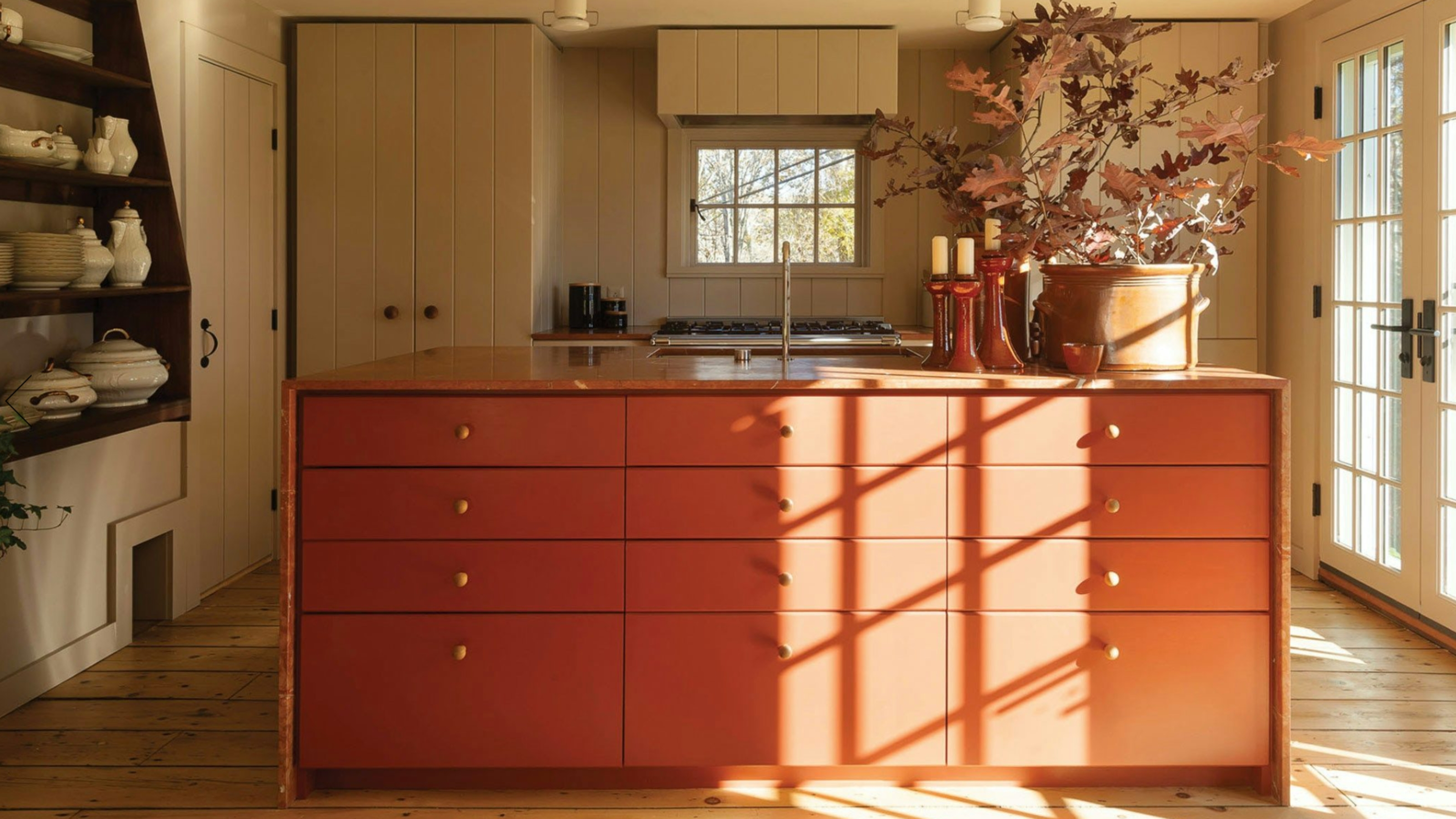
Sometimes the Smallest Detail in Your Kitchen Makes the Biggest Impact, and This Colorful Cabinet Pull Trend Proves It

We Cracked the Code on Mixing and Matching Hardware

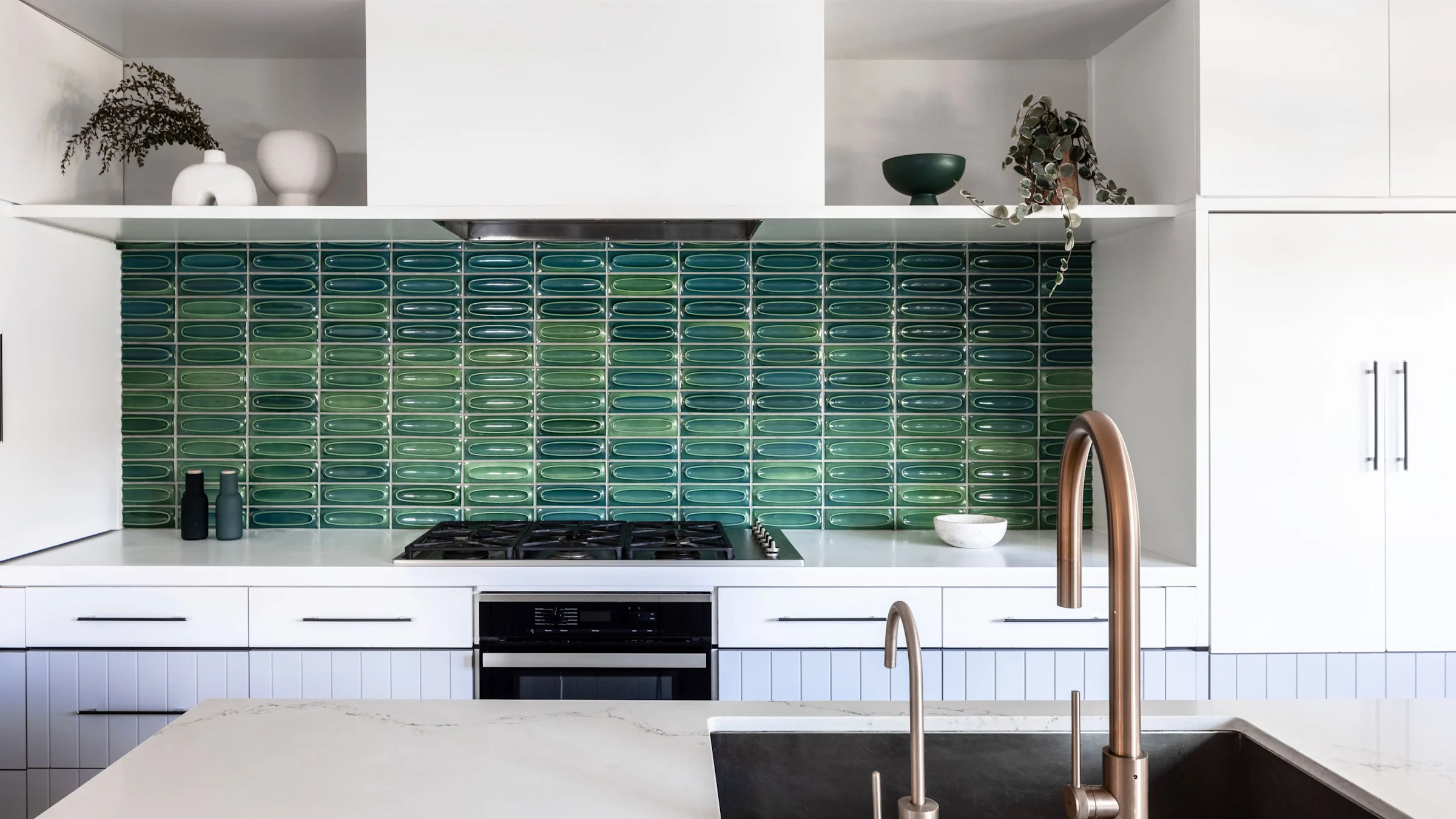
10 'Mix and Match' Cabinet Ideas That Will Make Your Kitchen Look So Much More Interesting

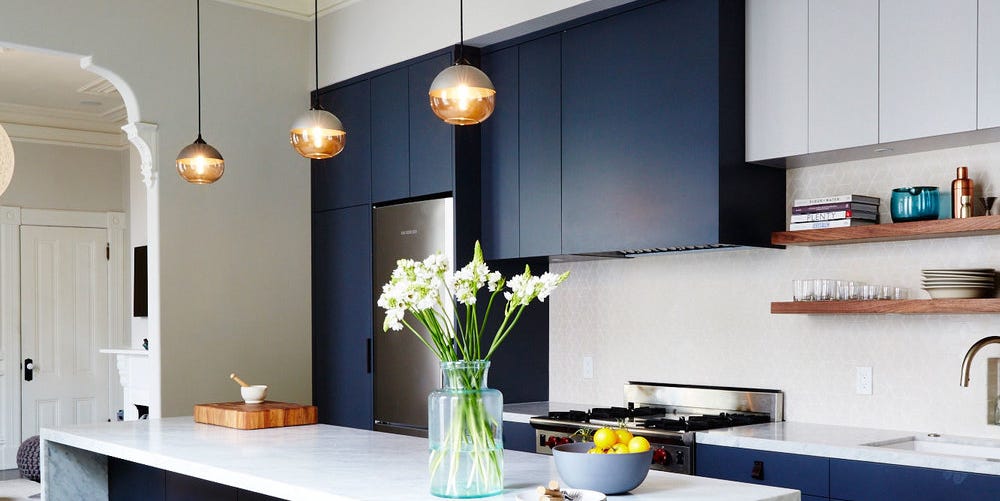
14 Kitchen Cabinet Colors You Can Easily Mix and Match
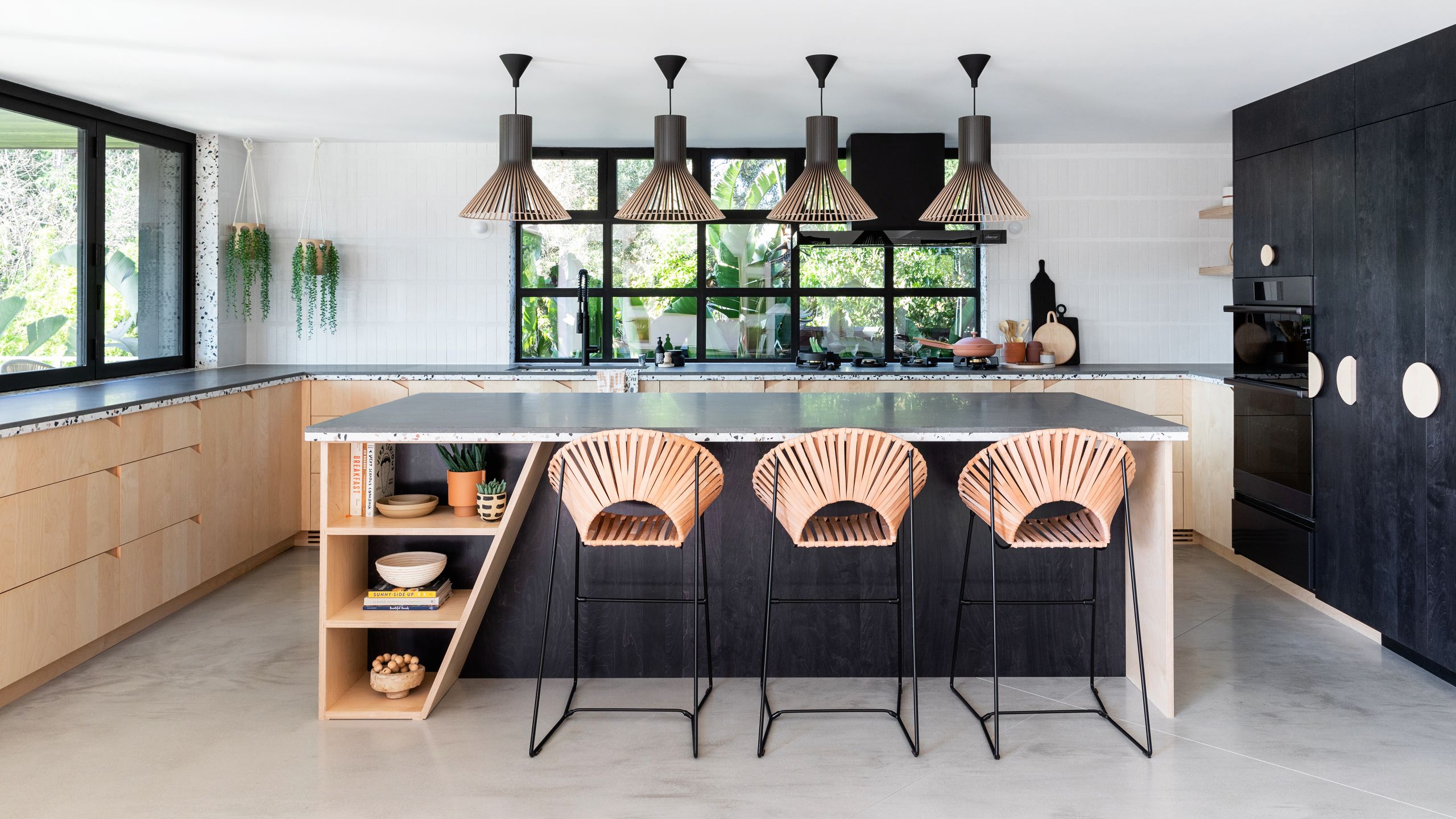
39 Kitchen Cabinet Design Ideas to Give Your Space an Ultimate Makeover

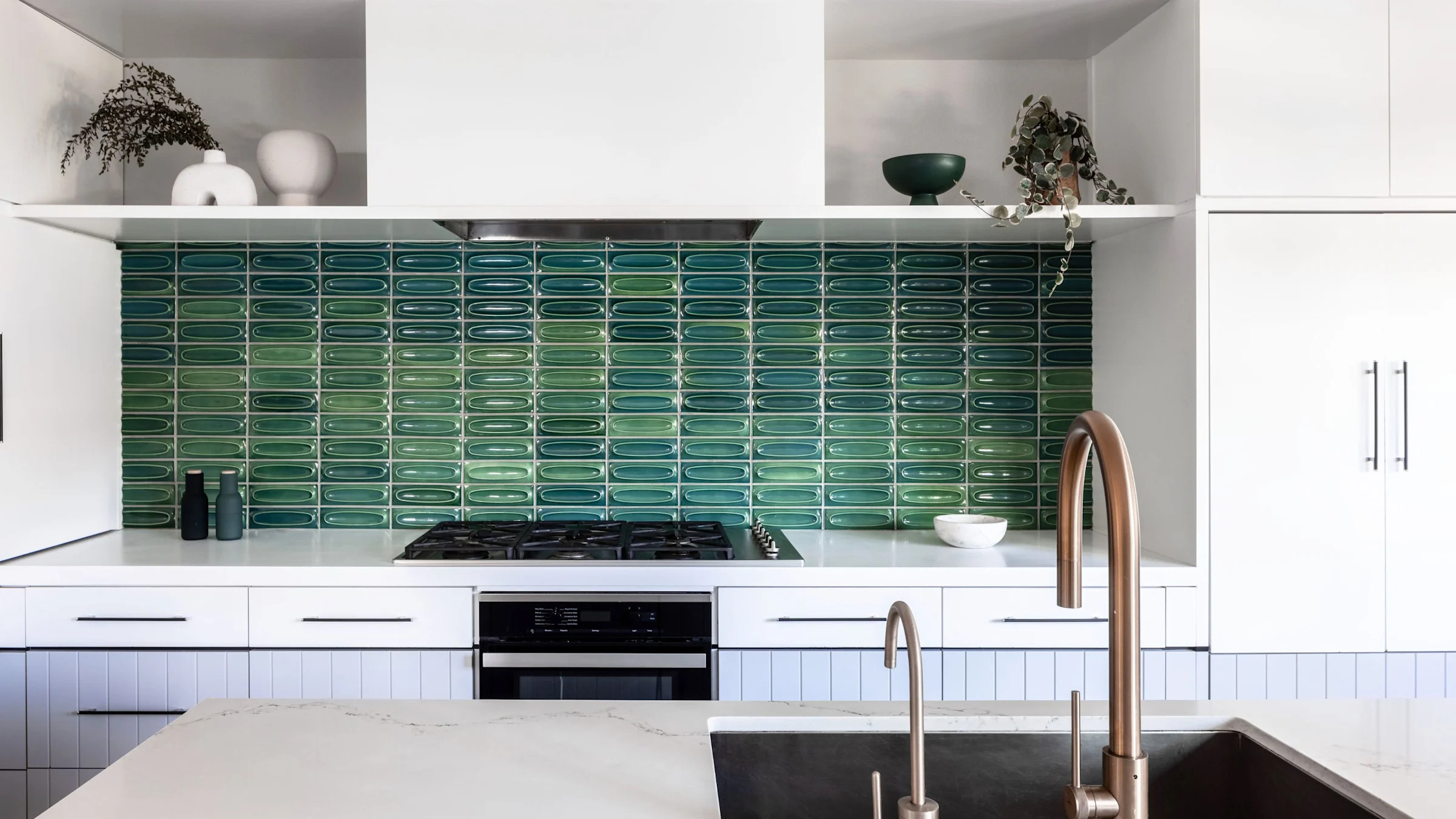
10 'Mix and Match' Cabinet Ideas That Will Make Your Kitchen Look So Much More Interesting

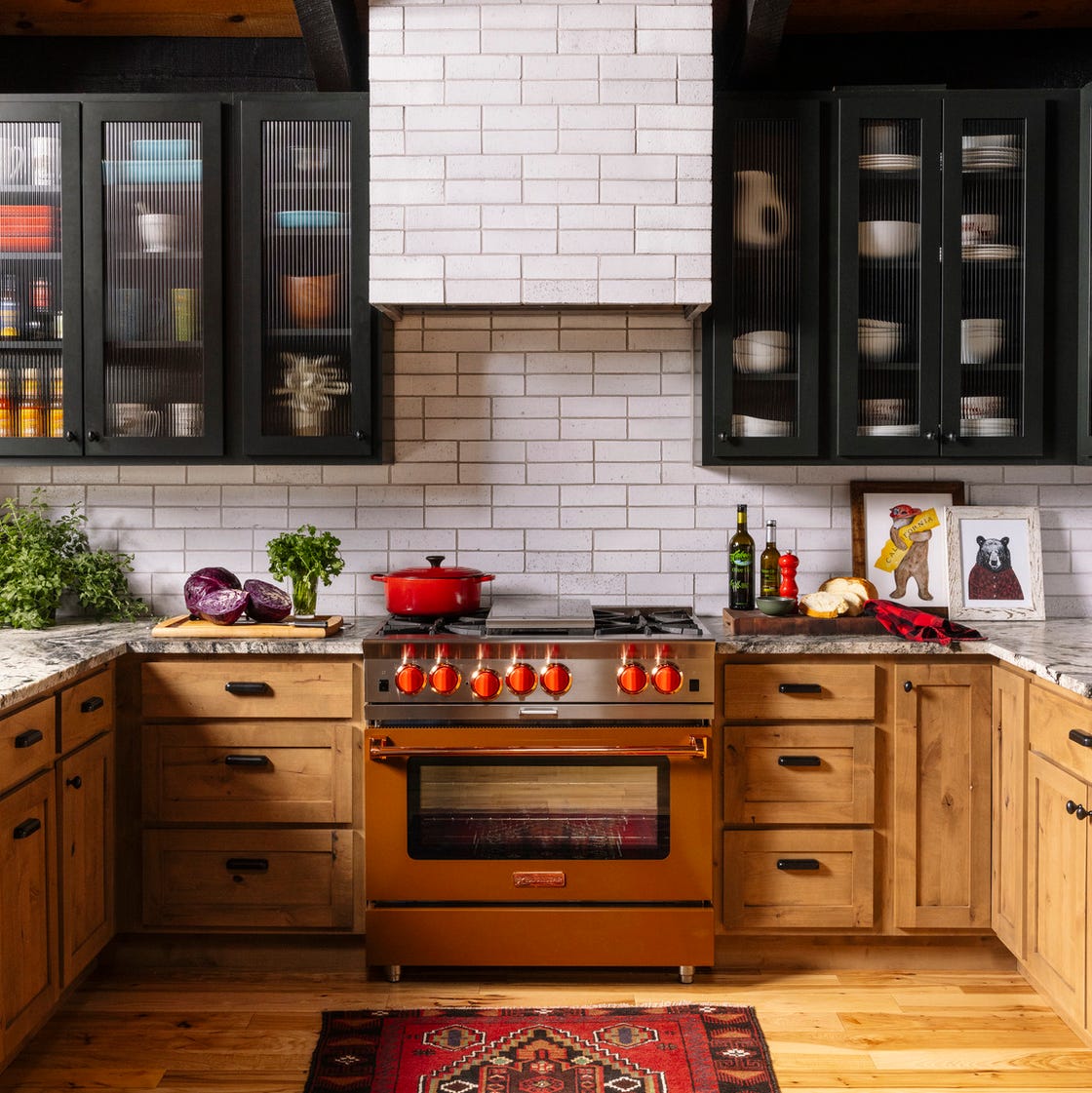
Meet the Only Piece of Furniture You Can Use In Every Room: Storage Cabinets
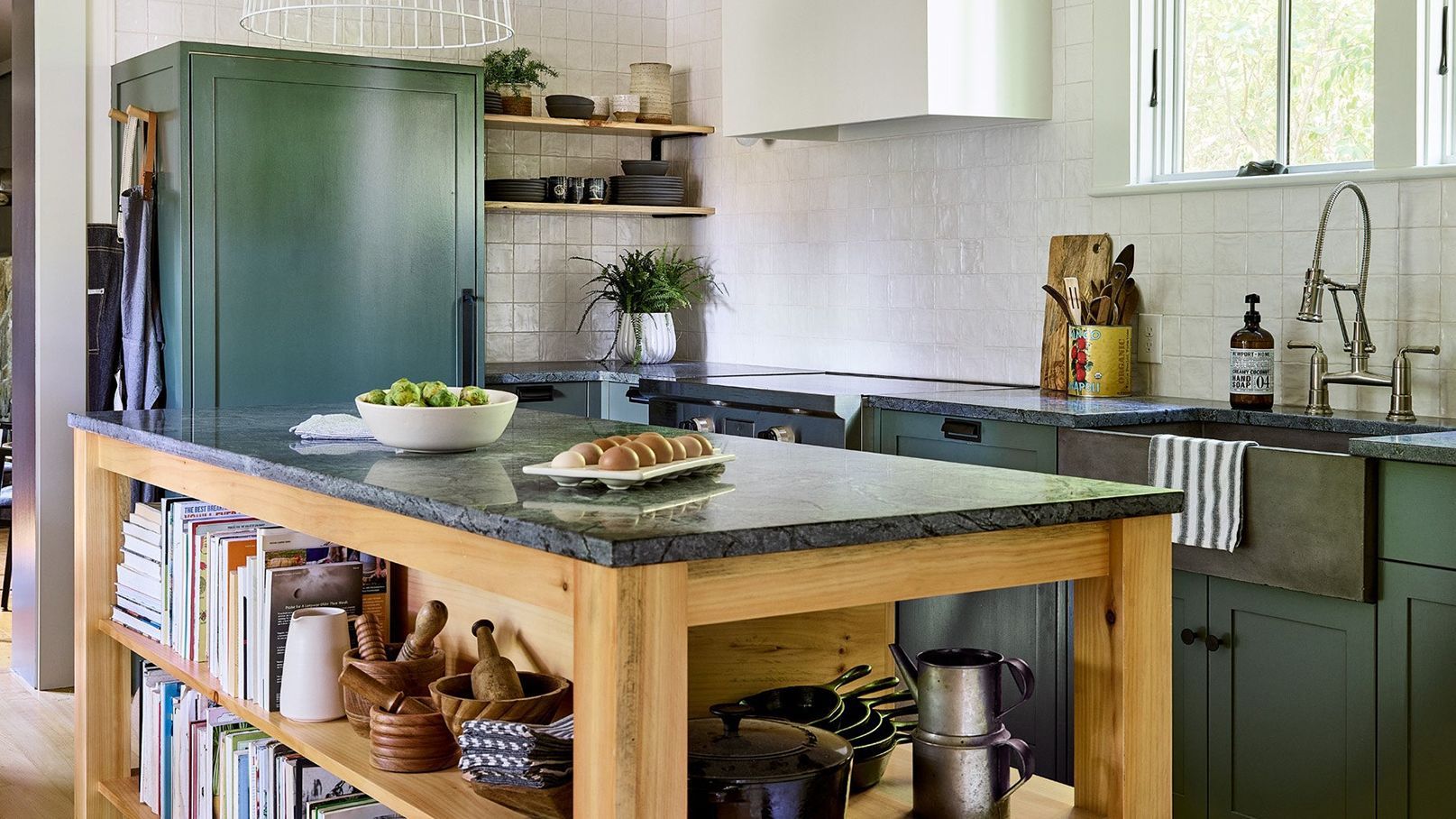
Kitchen cabinets and countertops: 13 combos that look good together

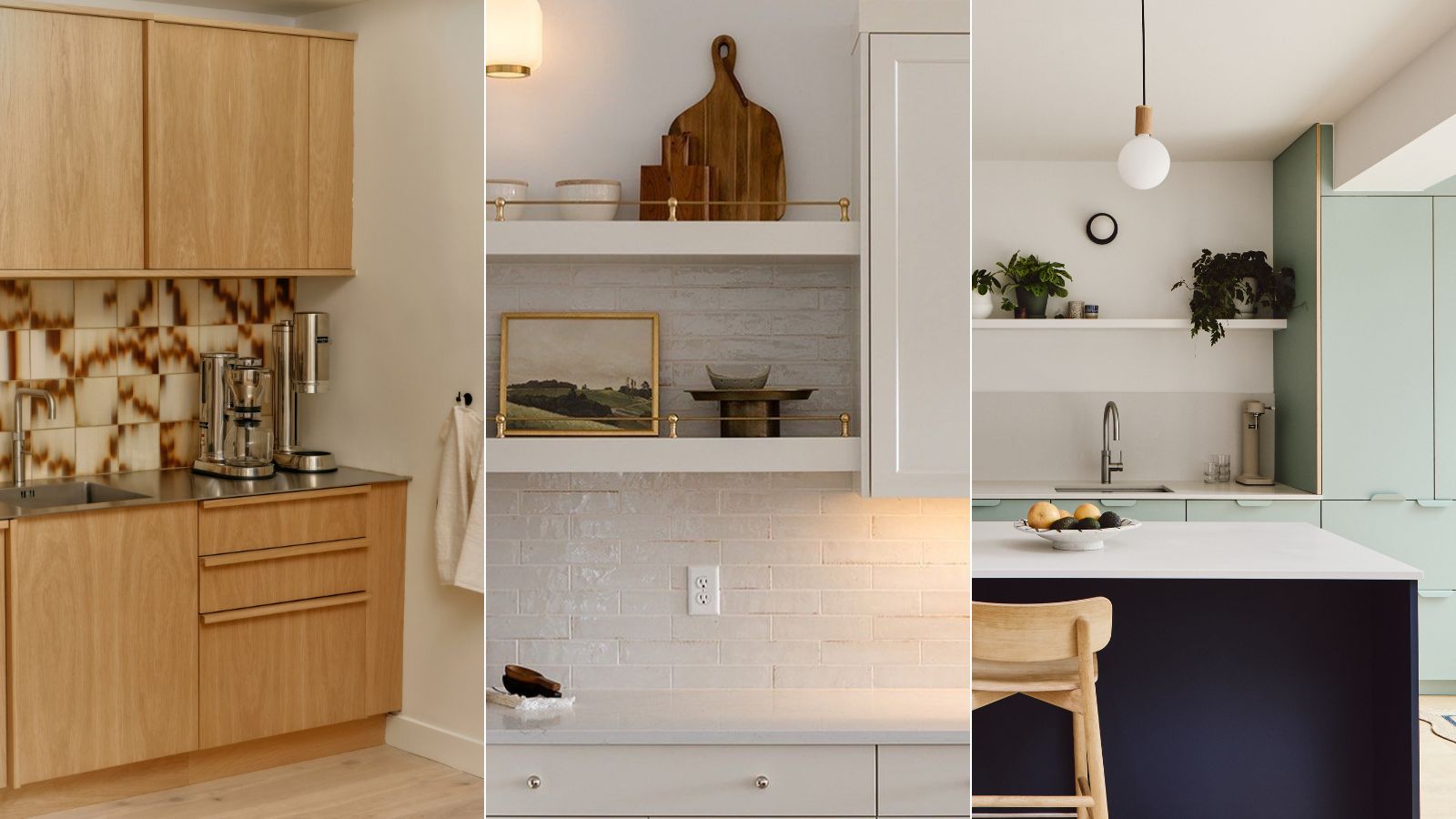
10 kitchen hardware trends to know about if you’re updating your scheme in 2025
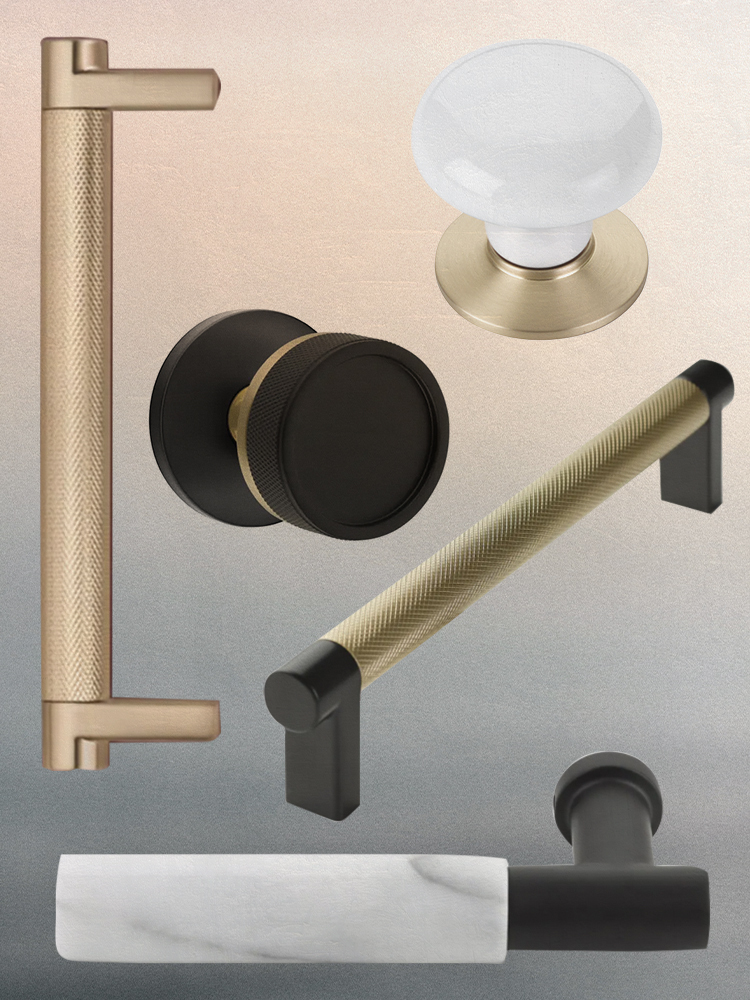
We Cracked the Code on Mixing and Matching Hardware
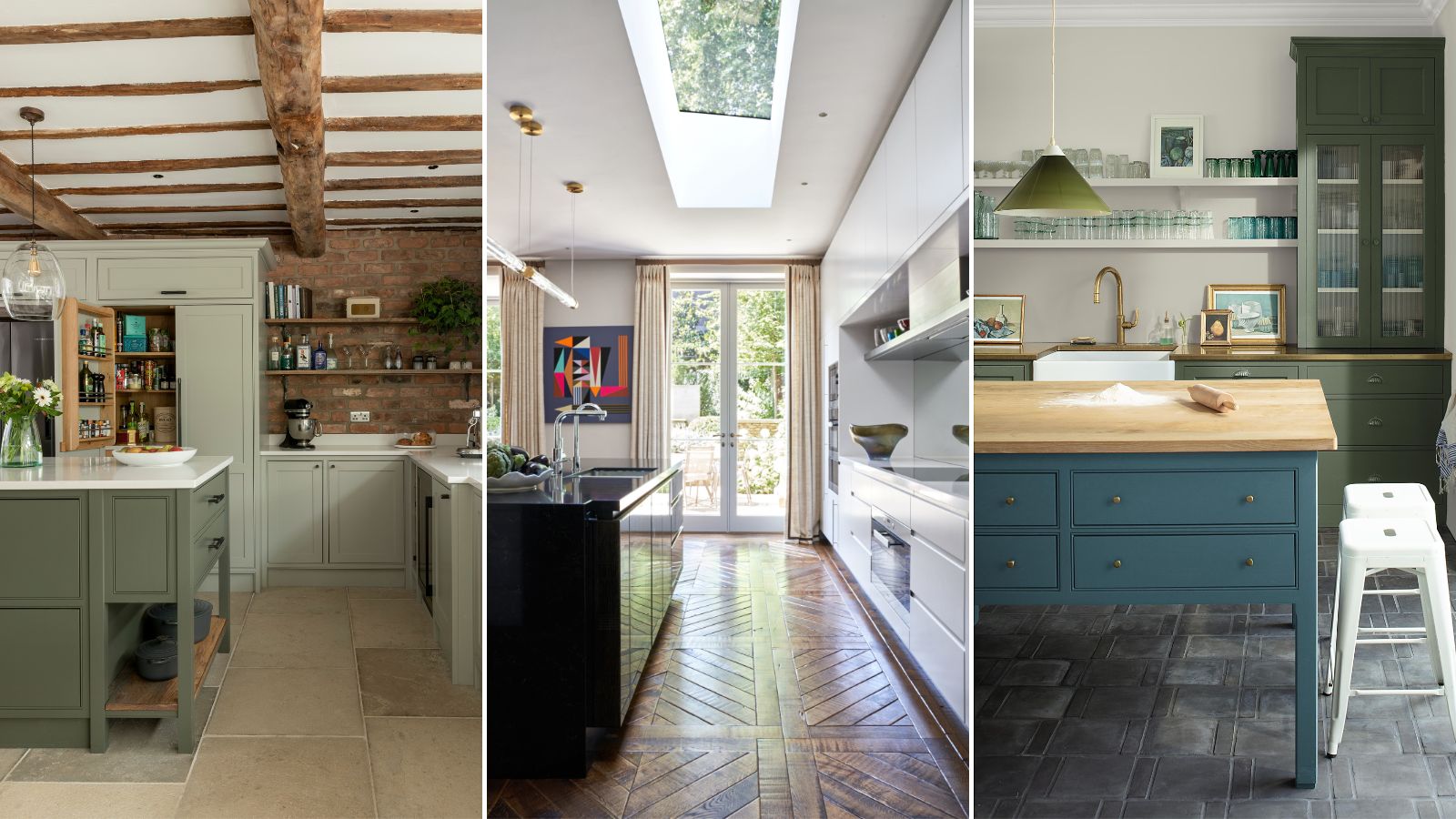
5 fail-safe kitchen cabinet color combinations that always work
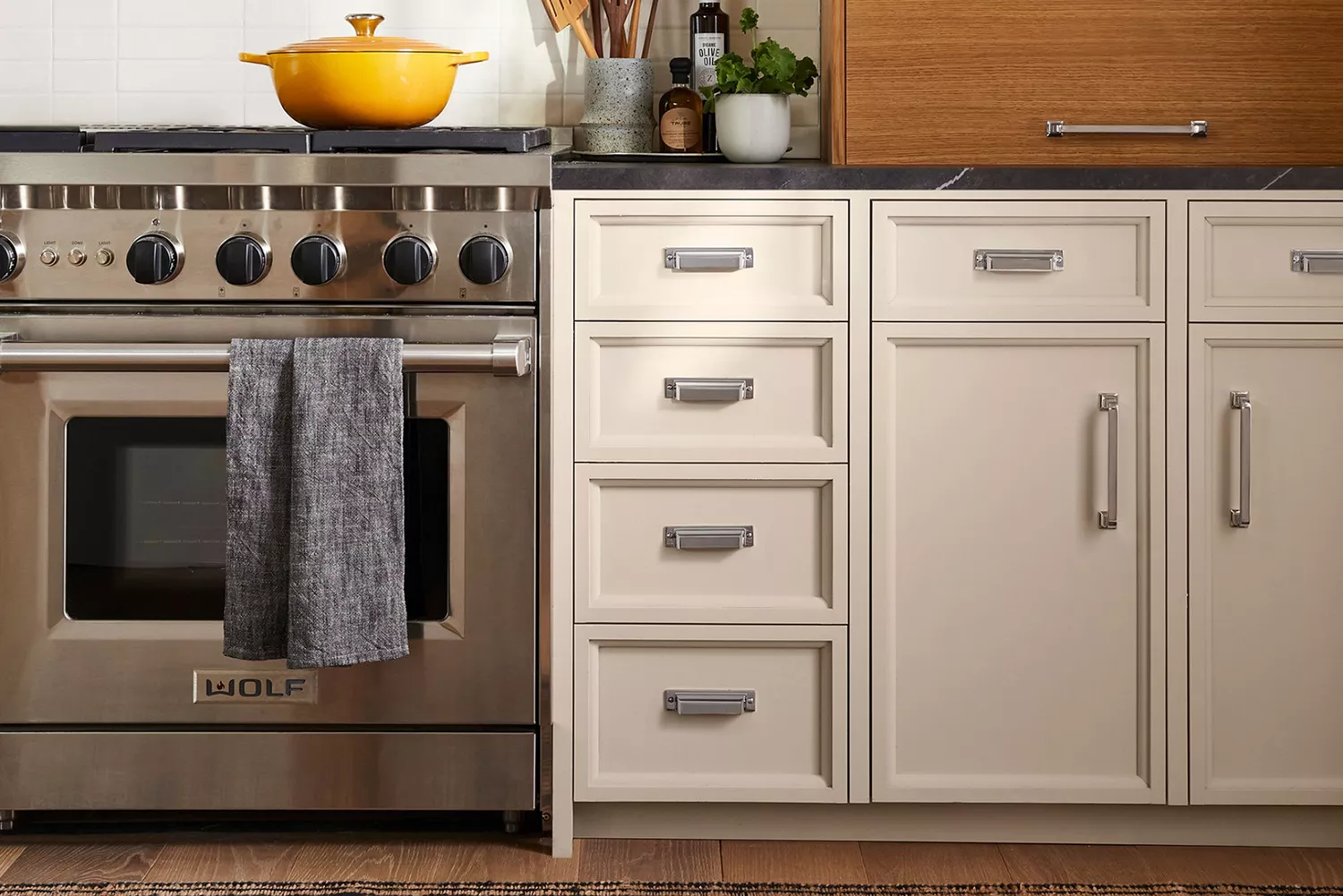
New Cabinet Hardware Updates a Kitchen Instantly — Designers Love These Retailers

The #1 Cabinet Hardware Mistake Designers See in Kitchens—and How to Get It Right