How To Mix Metal Finishes
This guide provides practical advice on how to effectively mix and match metal finishes in interior design, addressing a common question in home decor. It acknowledges that while trends and preferences for mixing metals have evolved, the general principle of combining different metal types within a space remains acceptable, contingent on the specific room, overall design elements, and desired aesthetic. The article aims to demystify the process of integrating various metal finishes by offering tips and guidelines to help achieve a cohesive and visually appealing look.
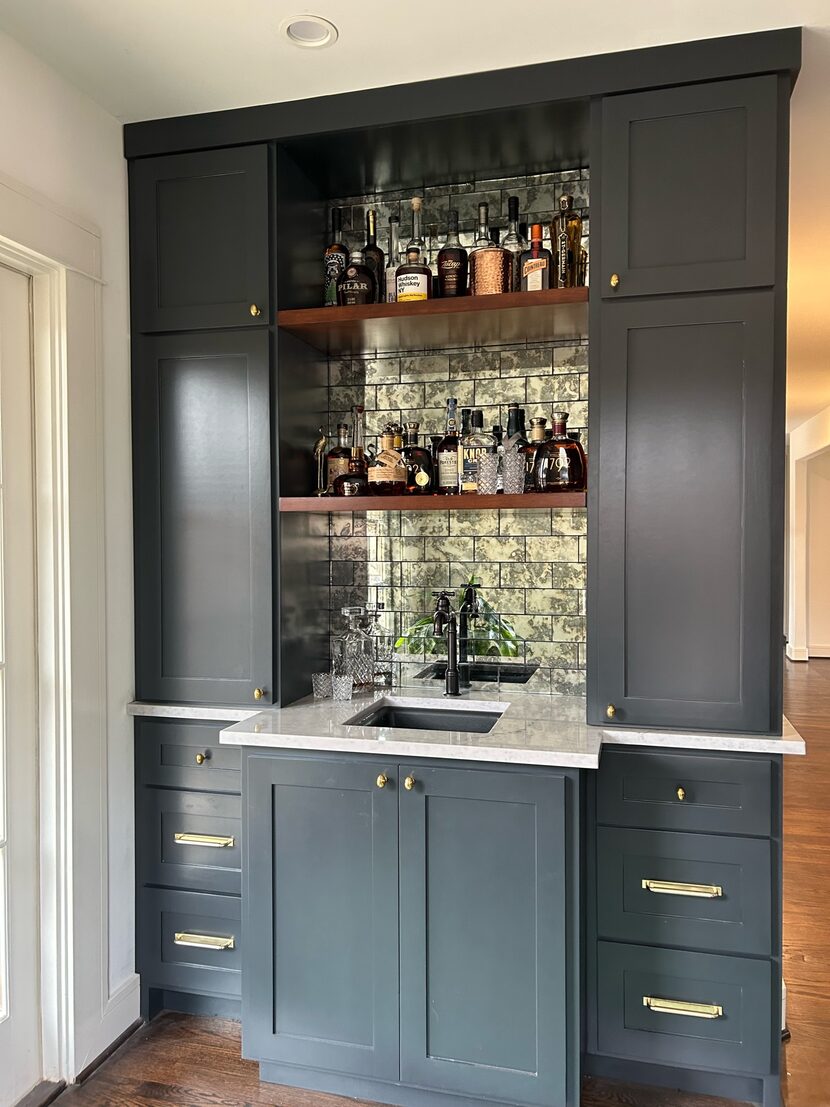
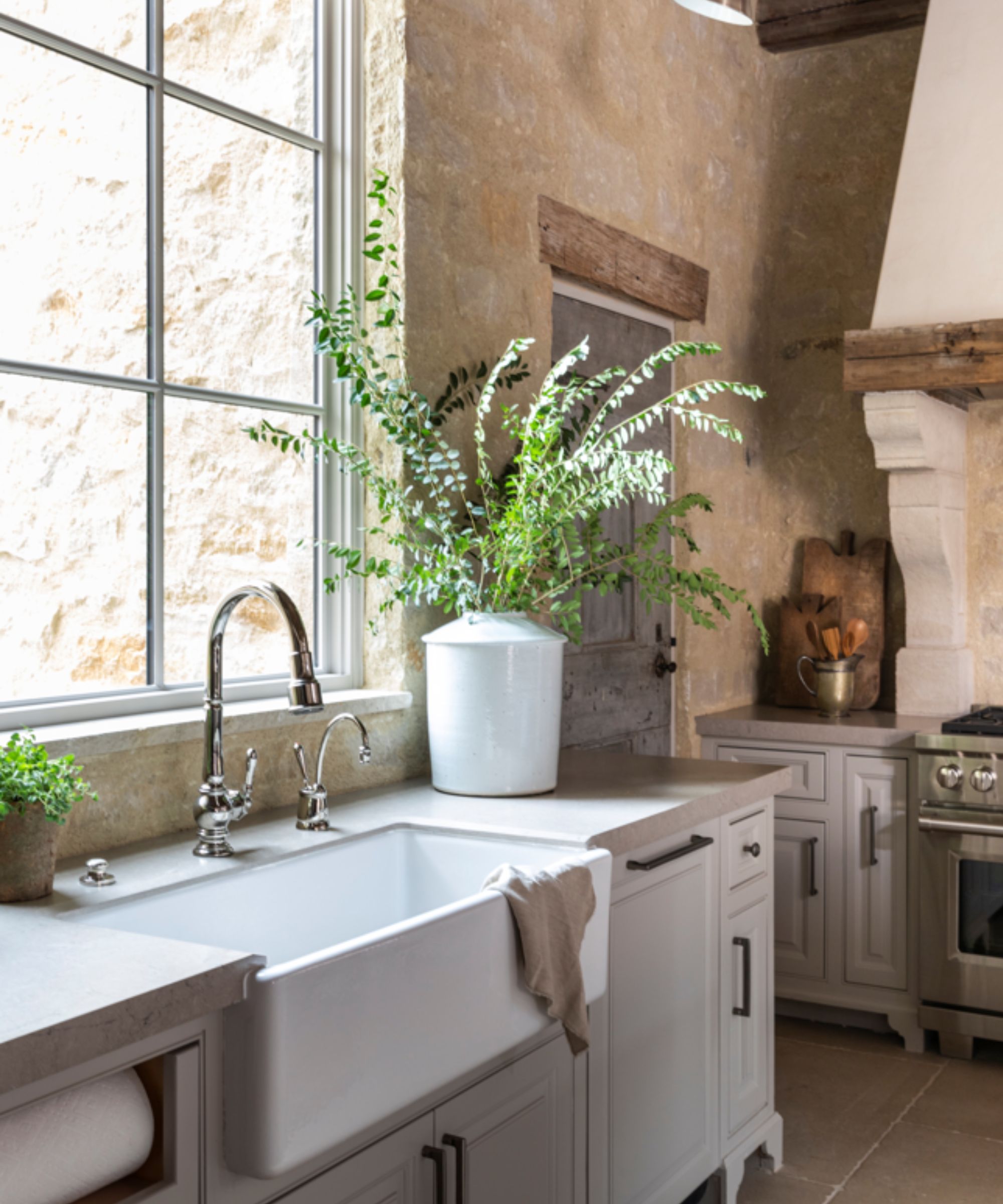
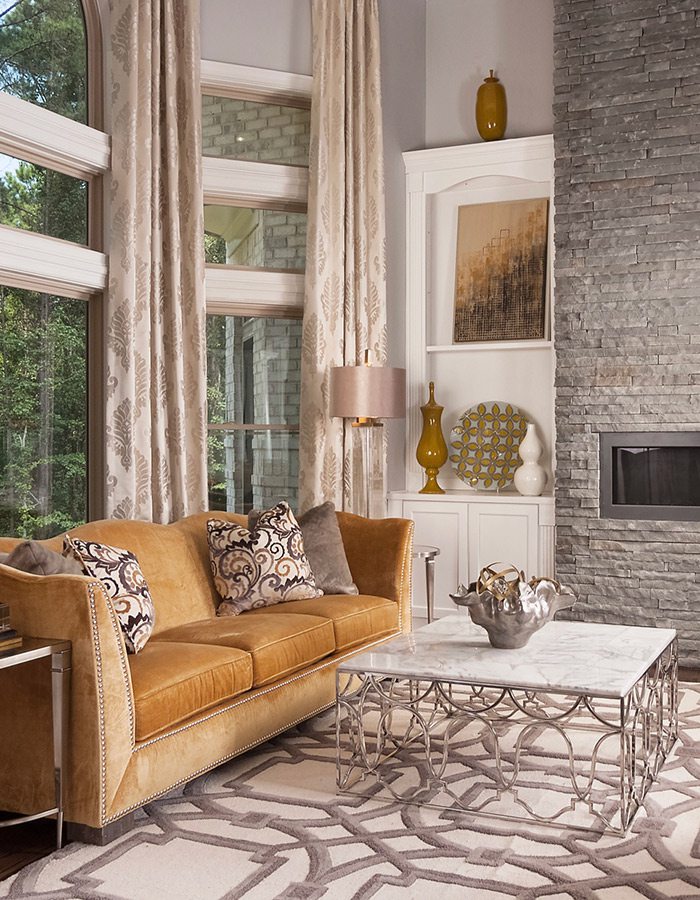
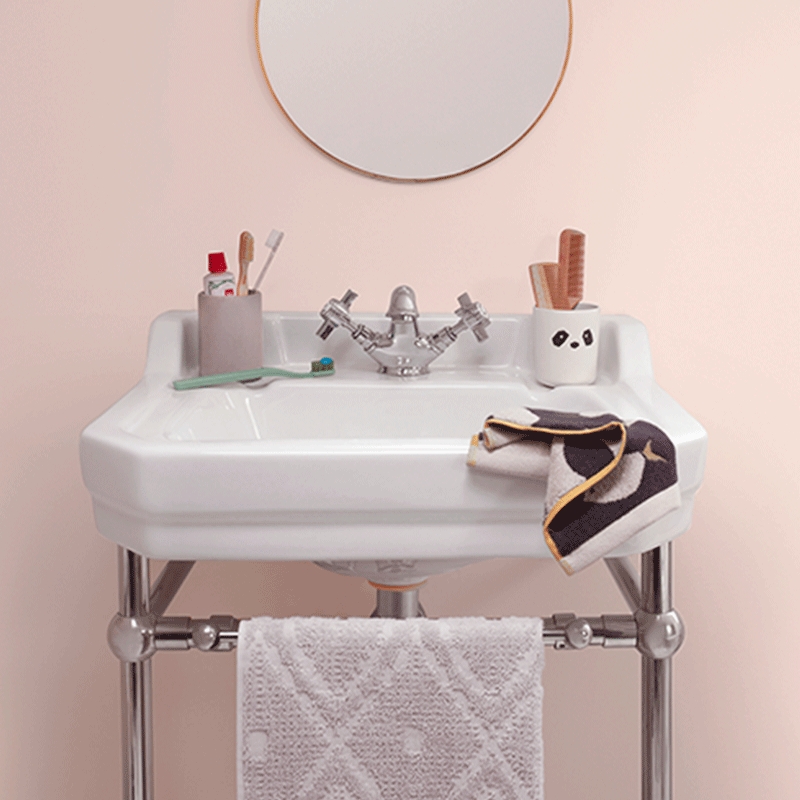
The initial step in mixing metals involves narrowing the palette to two or three complementary finishes. It emphasizes identifying the undertones of metals, such as the warm undertone of nickel making it more compatible with brass and gold than chrome. Black metals are categorized as a neutral element, capable of harmonizing with any other metal without counting towards the chosen palette of two to three finishes, providing versatility in design. This foundational step ensures a curated selection rather than a haphazard combination.
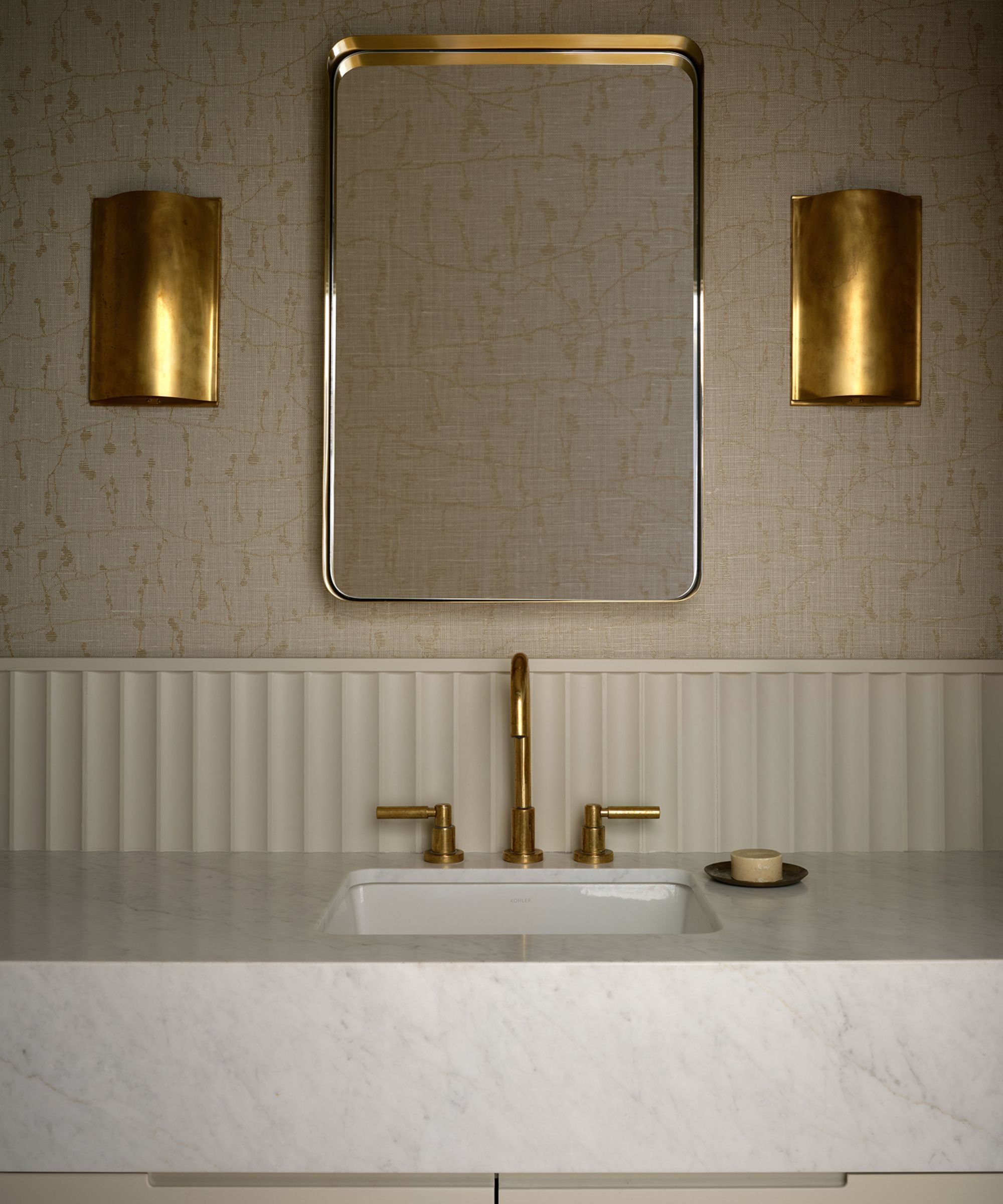
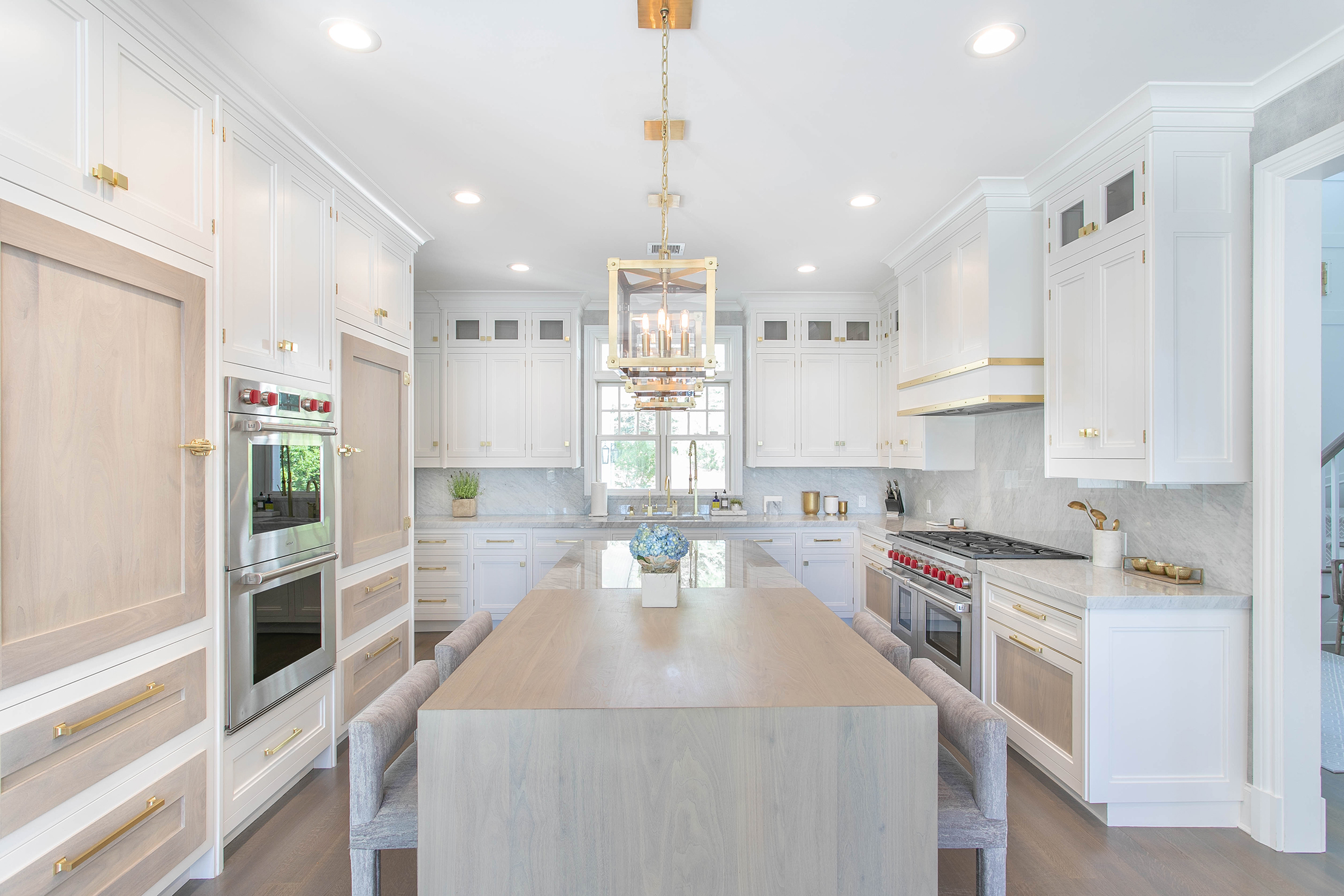
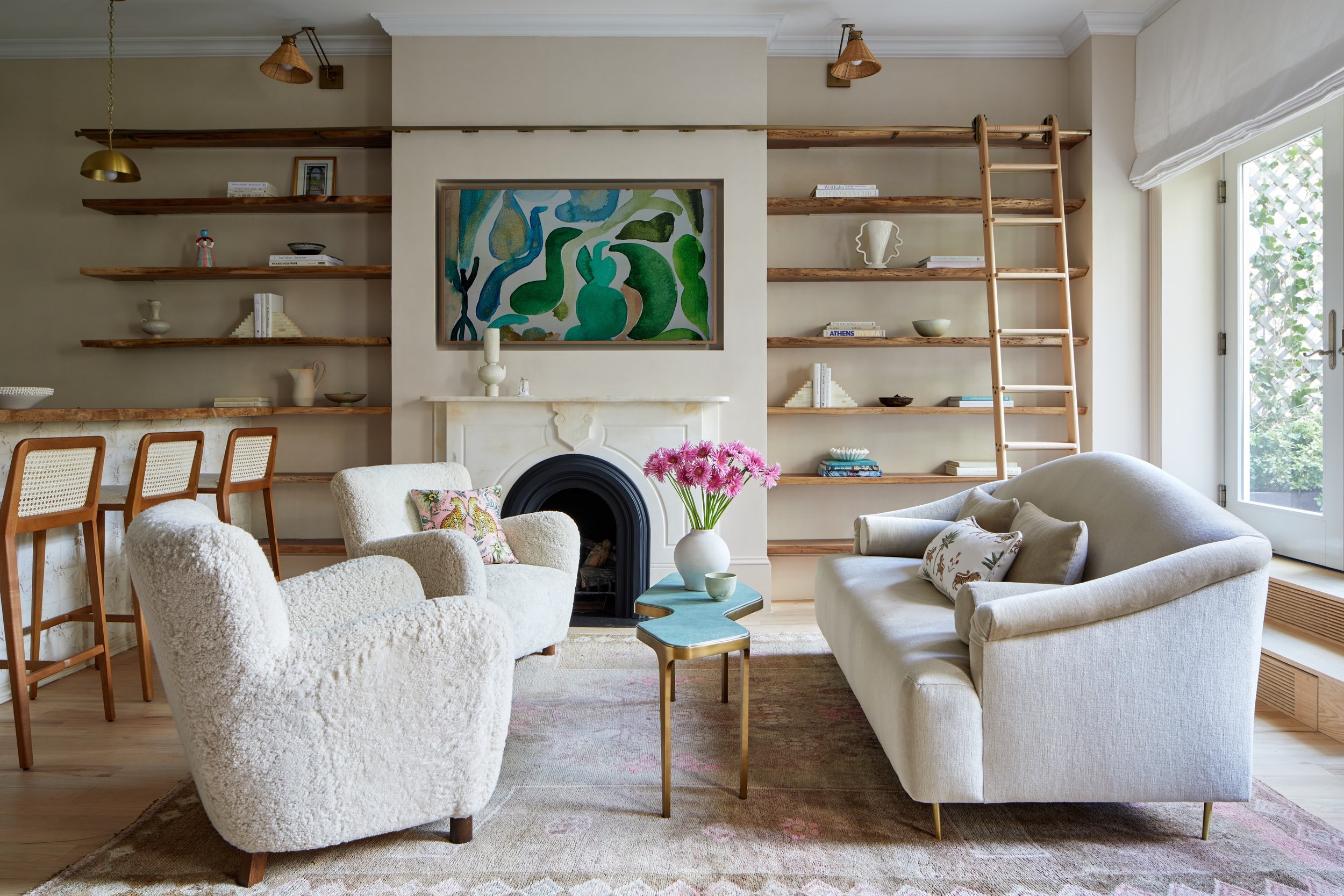
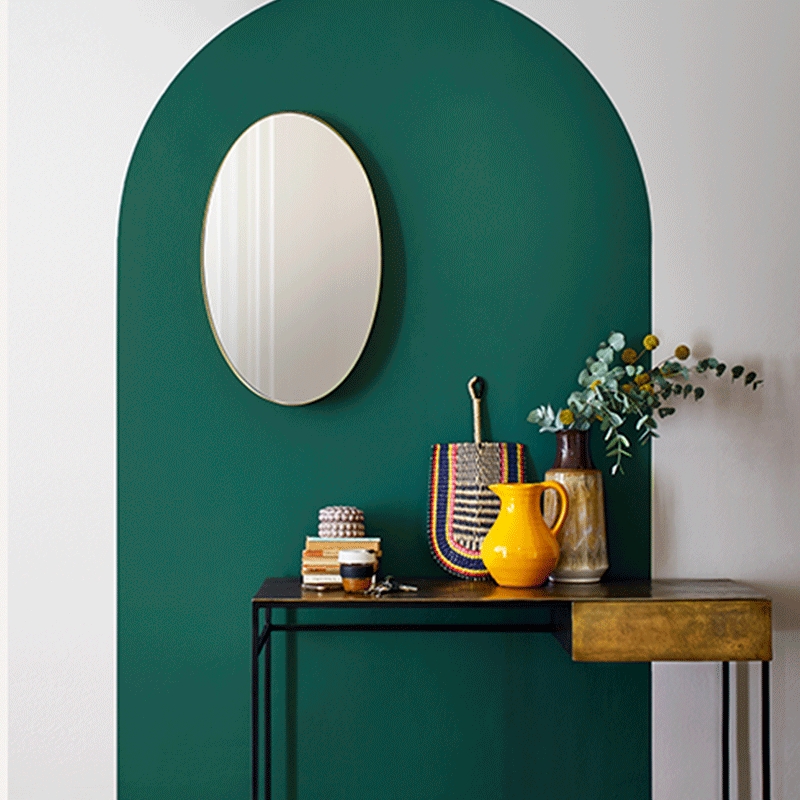
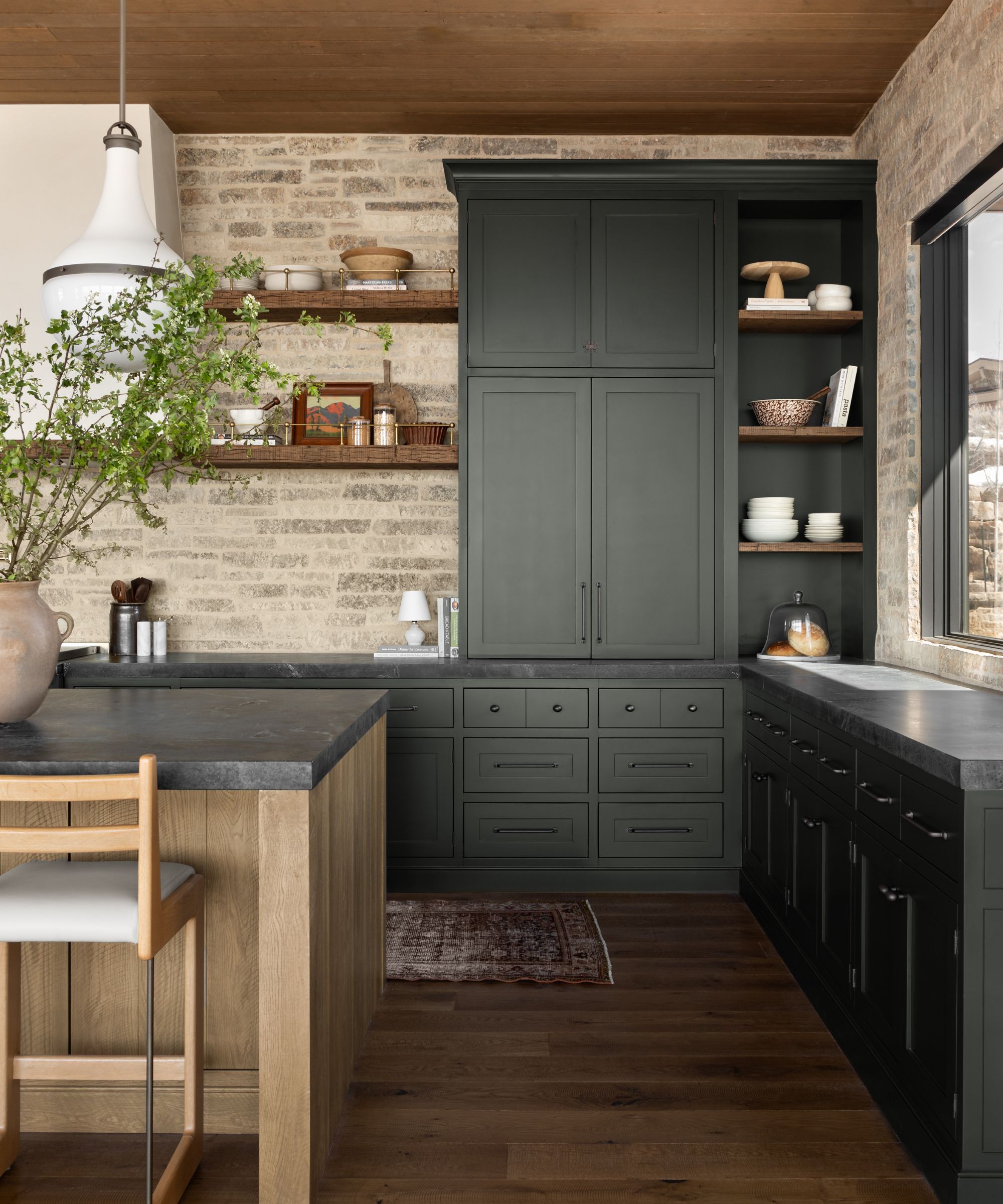
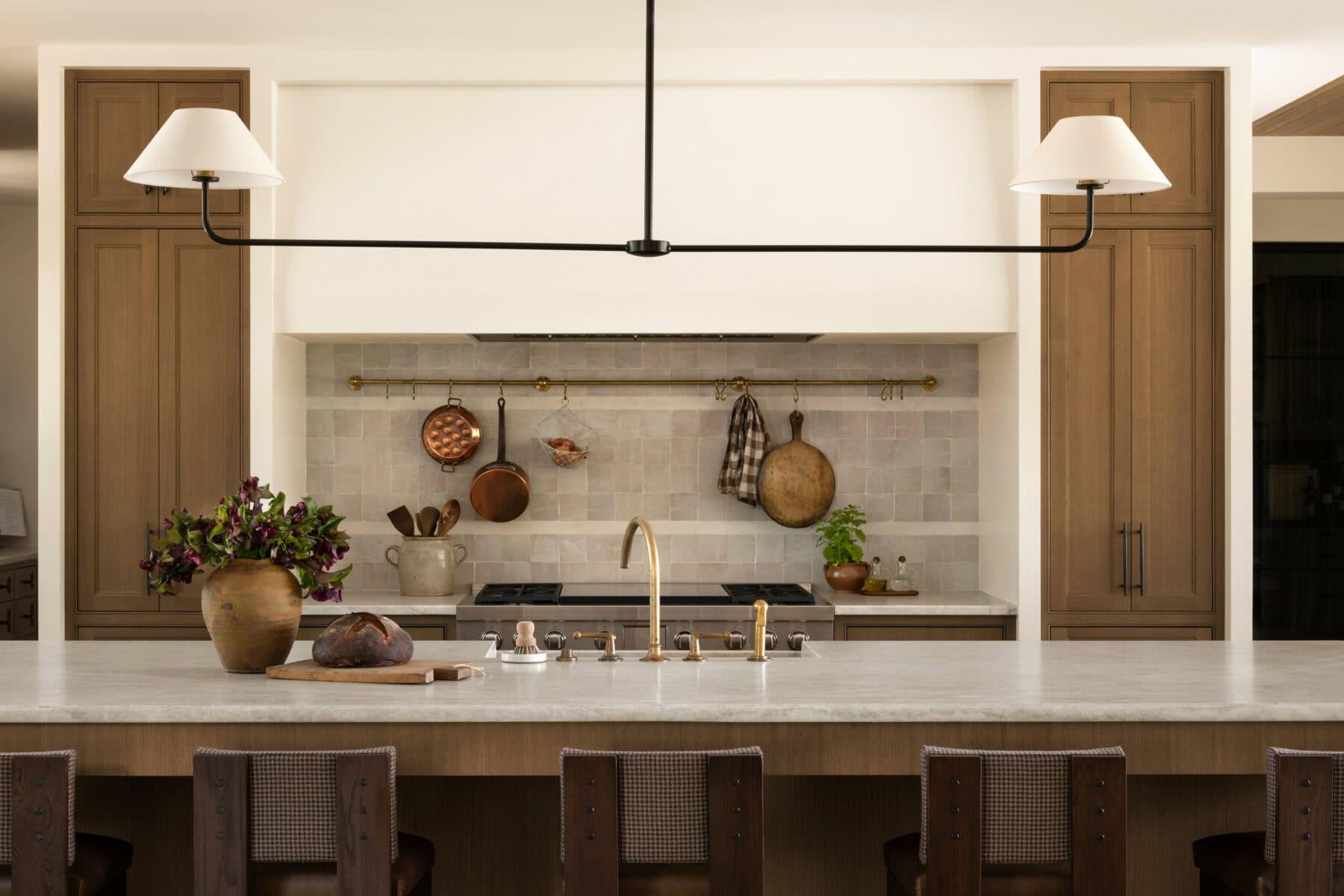
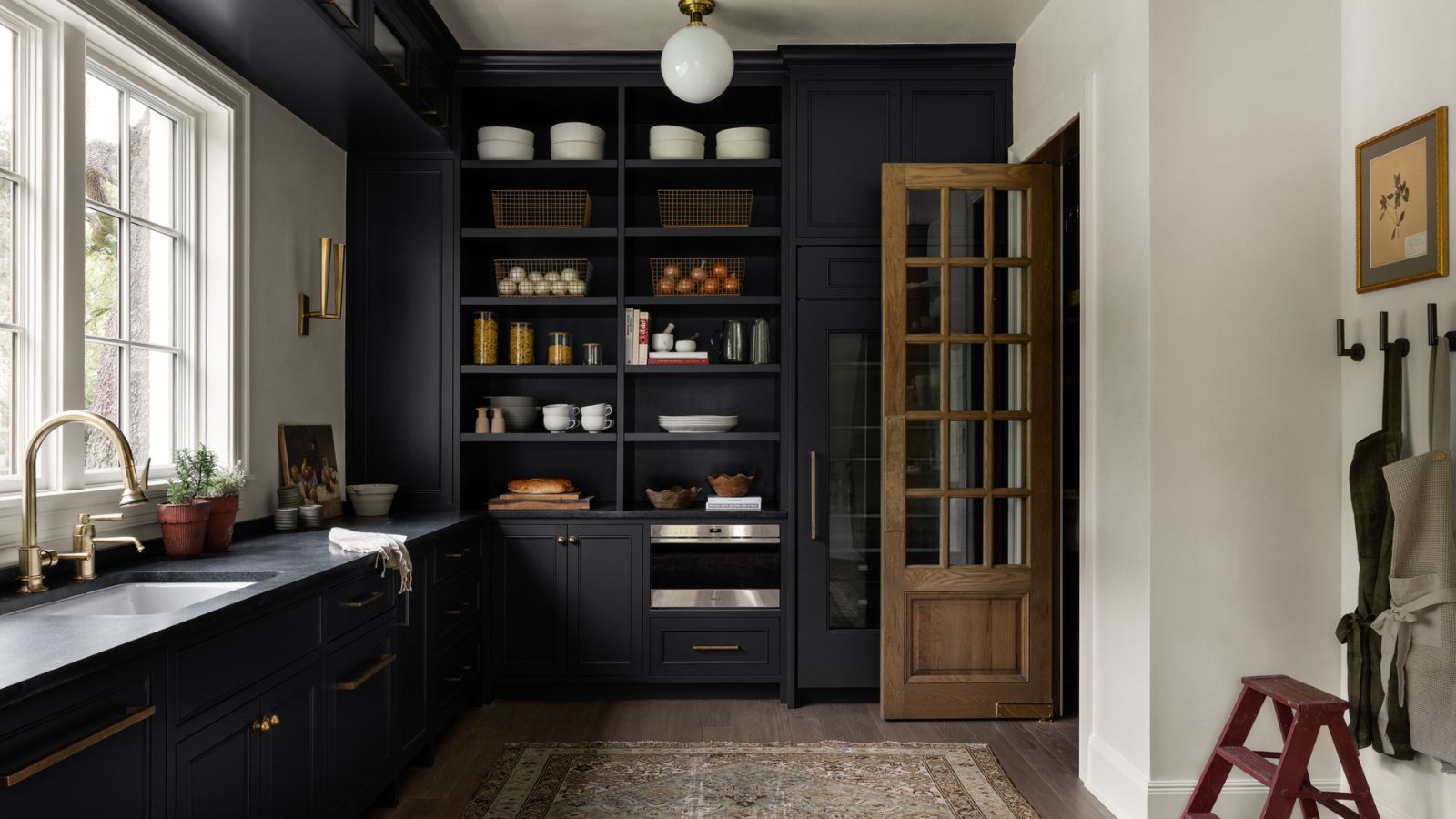
The next principle suggests selecting a dominant metal finish, rather than attempting to distribute all chosen metals equally. The idea is to have one primary metal that consistently flows through the house for major fixtures and finishes, with other metals serving as accents. For instance, using the same metal for all door handles while varying hardware in other areas allows for a consistent base with subtle variations. The McGee Home is cited as an example, where unlacquered brass was the dominant metal, complemented by black accents for depth and visual interest, illustrating how a dominant finish provides a sense of unity across different spaces.
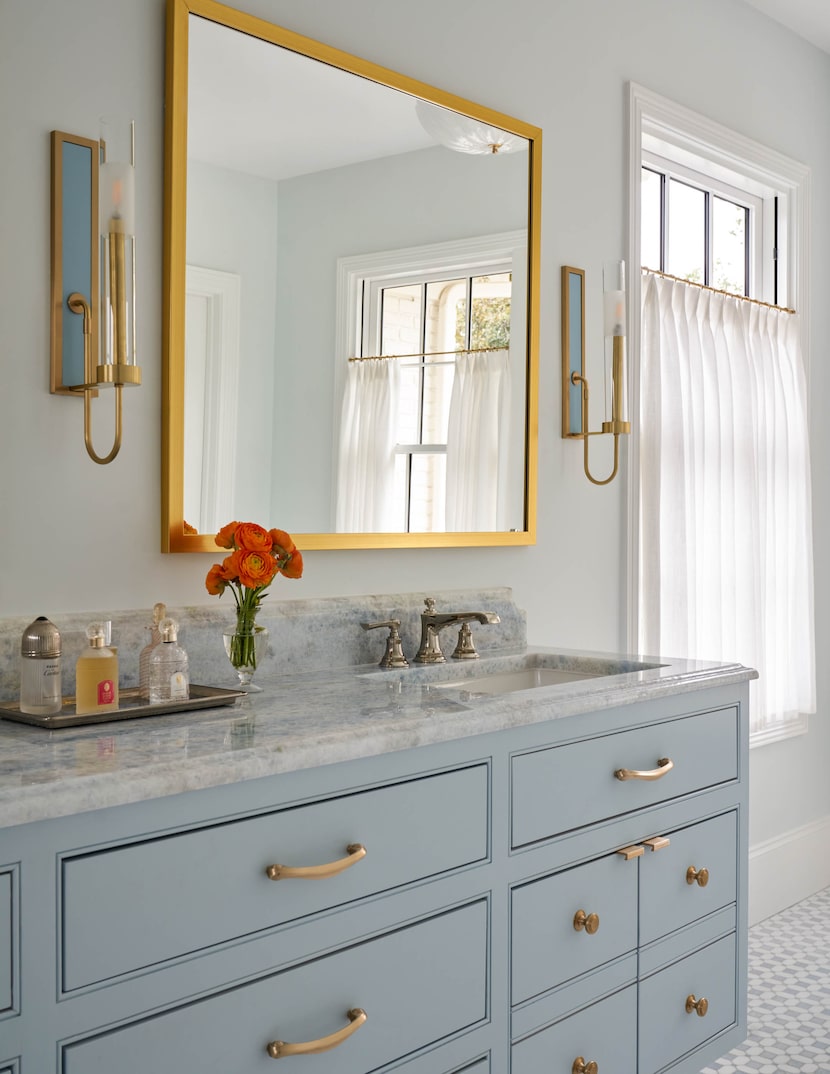
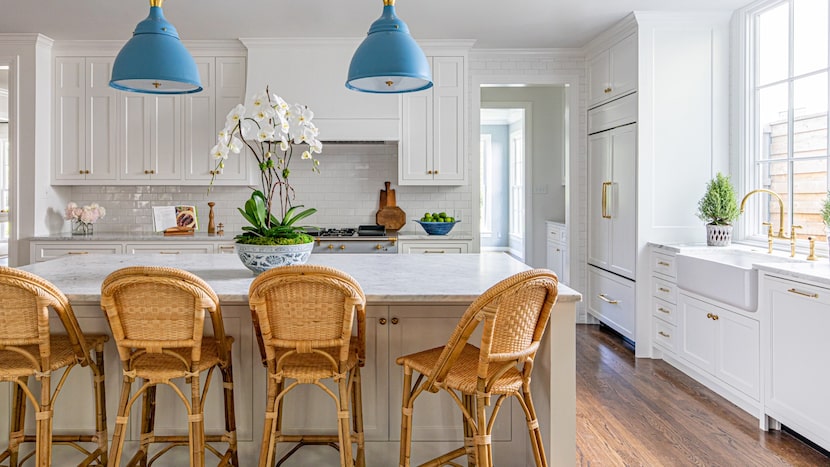
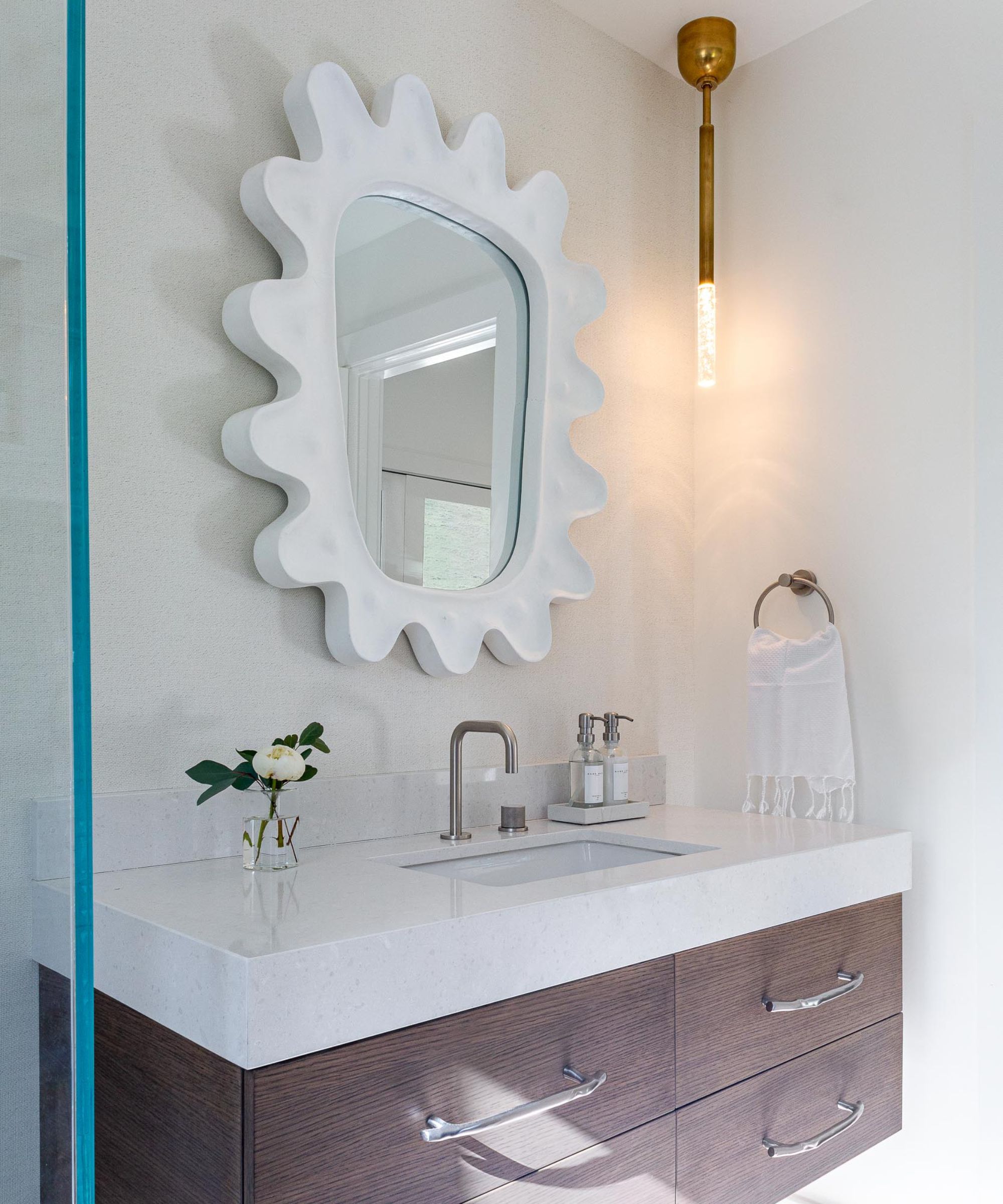
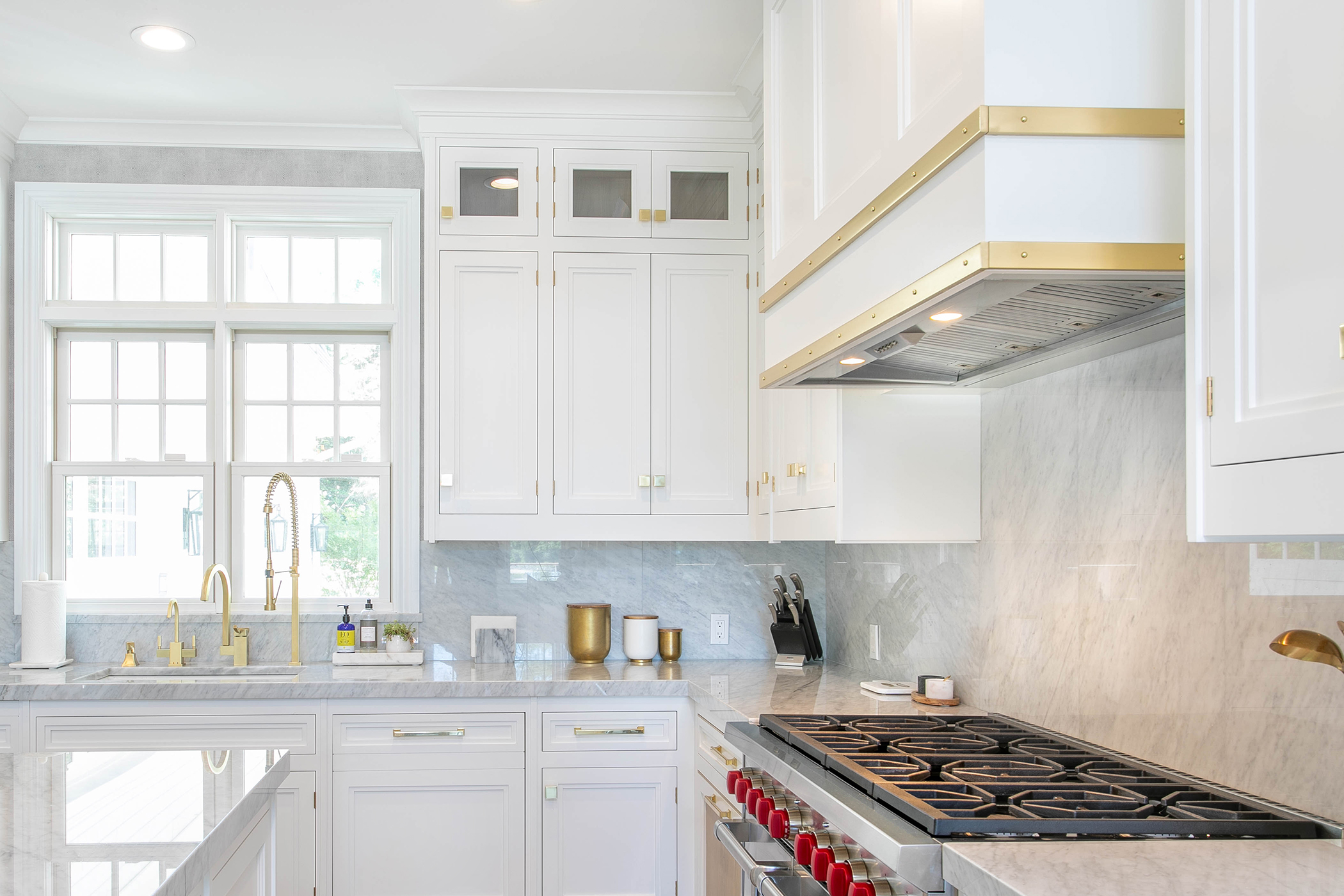
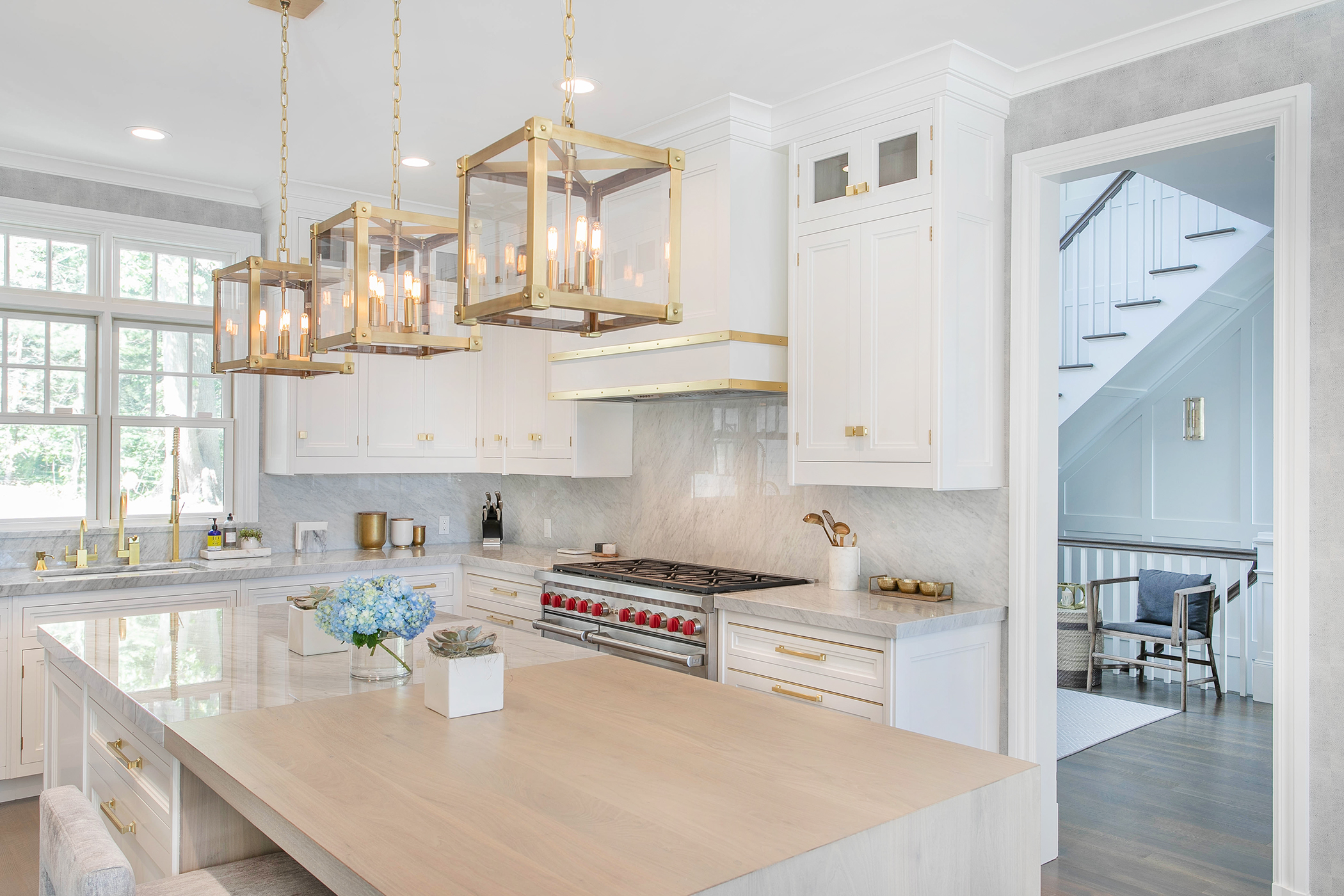
Placement is another critical consideration when integrating multiple metals within a single room. The article recommends separating metals by height, ensuring that similar items are on the same visual plane. A common application involves using one metal for lighting fixtures and another for cabinet hardware and faucets, which helps create a harmonious blend without overwhelming the space. This strategic placement prevents visual clutter and ensures that each metal has its distinct presence.
Finally, the guide stresses the importance of creating balance by spreading the dominant finish throughout the home. This approach gives context to the mixed metals, allowing them to work together harmoniously. Decorative accents can also be employed to enhance synergy between different finishes. An example from The McGee Home highlights the use of copper gutters and lanterns on the exterior that will develop a patina over time. While copper wasn't a major interior finish, its presence was subtly echoed through elements like vintage copper pans in the pantry, demonstrating how minor details can contribute to an overarching balanced design. These strategies help designers achieve a sophisticated and well-integrated metal scheme within a home environment.
#MixedMetals #InteriorDesign #HomeDecor #MetalFinishes #DesignTips #PaletteSelection #DominantFinish #CohesiveDesign #StylingGuide #MixedMetals #InteriorDesign #HomeDecor #MetalFinishes #DesignTips #PaletteSelection #DominantFinish #CohesiveDesign #StylingGuide
0 comment in total
 No comments yet
You may also like
Experts say to follow these 7 rules when mixing metals in your home

Metal furniture makeover

Time to Shine: Let’s Restore All Your Rusty Metal

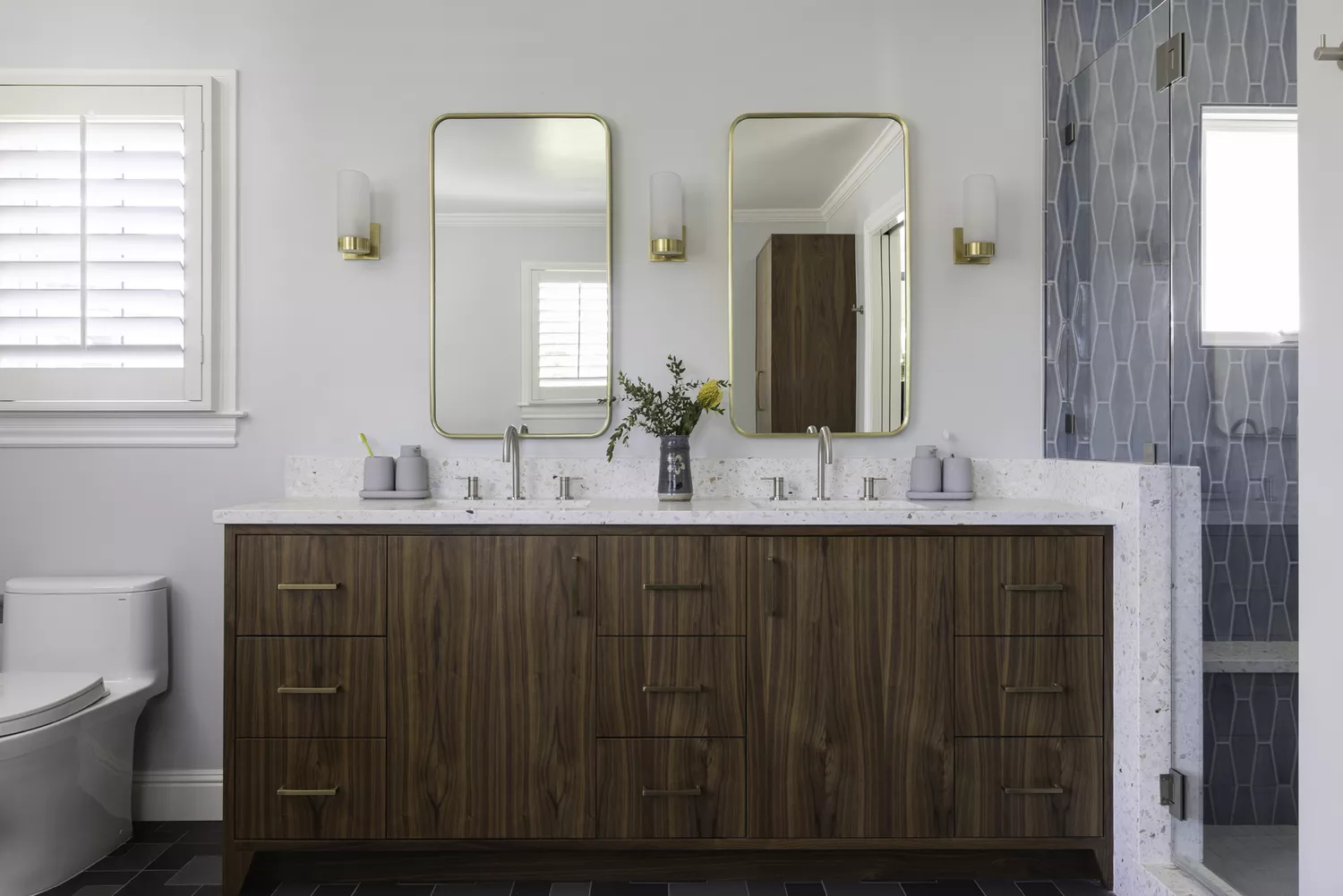
Your Bathroom Fixtures Shouldn't Match, Some Designers Say—How to Nail the Look

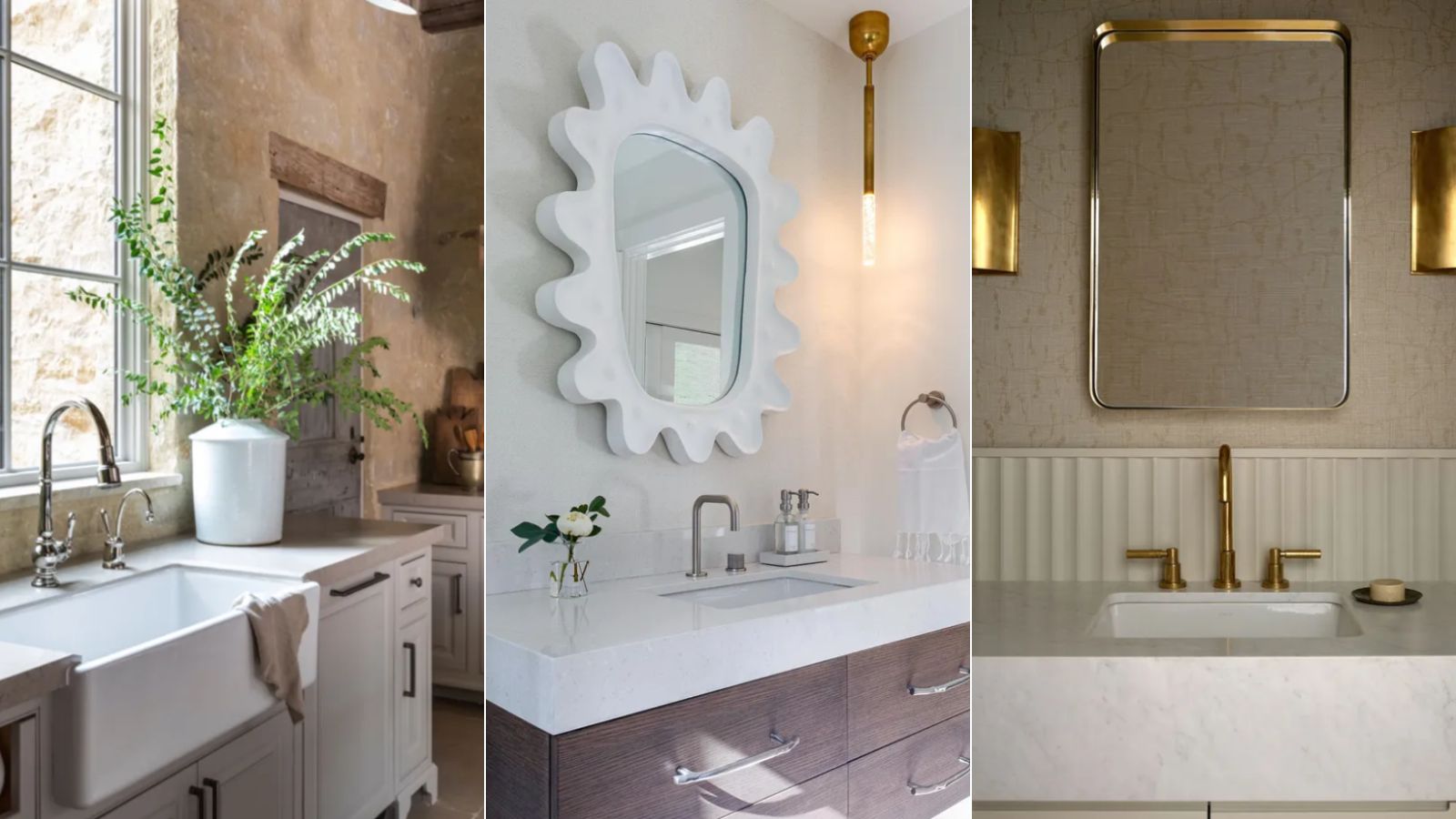
3 simple rules to follow when mixing metals in your interiors, according to a designer


Molten Metal Meets Wood to Create One of a Kind Furniture

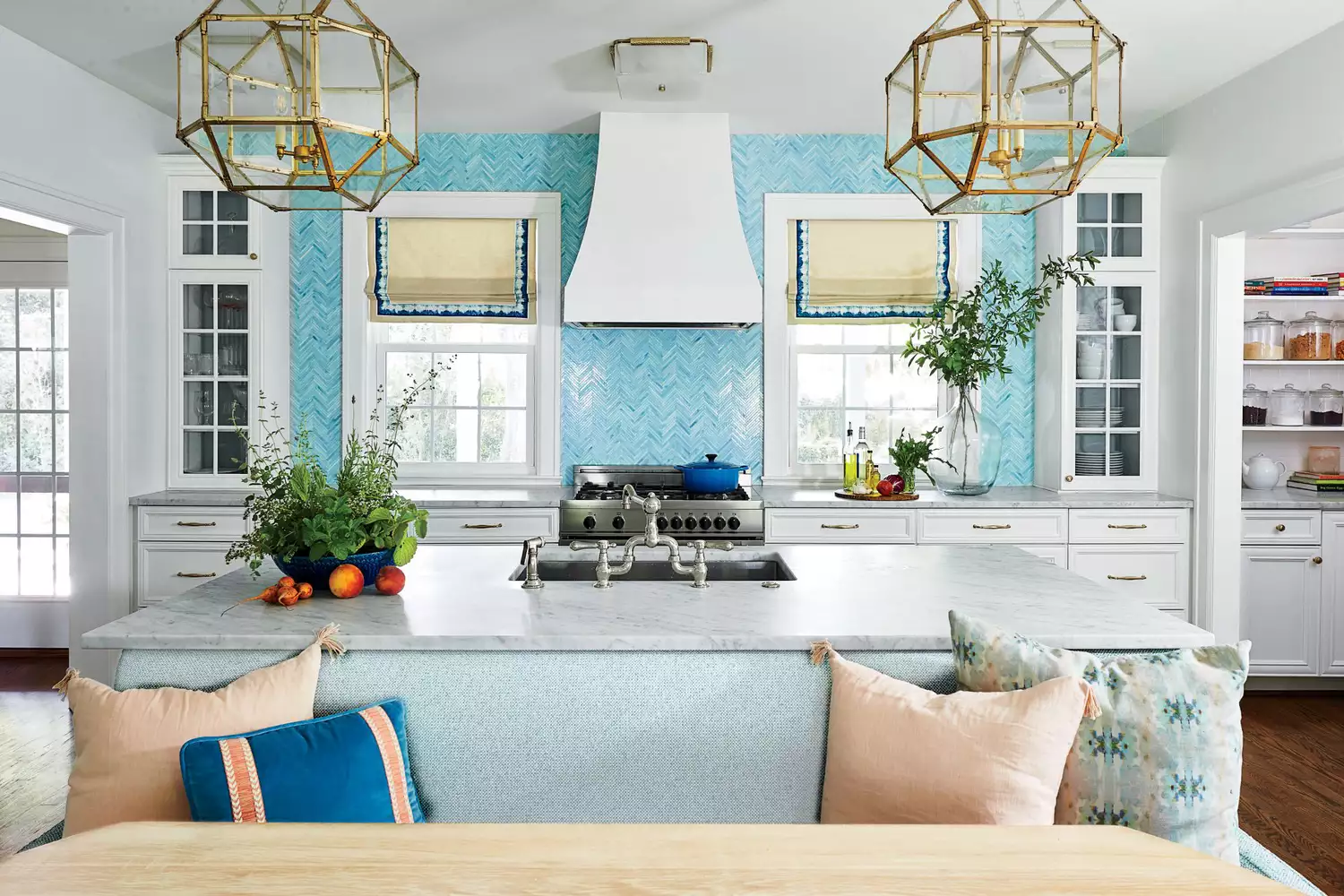
The One Mistake To Avoid When Mixing Metals In Your Home
Paint finishes explained – an expert guide to choosing the perfect type of paint for your projects

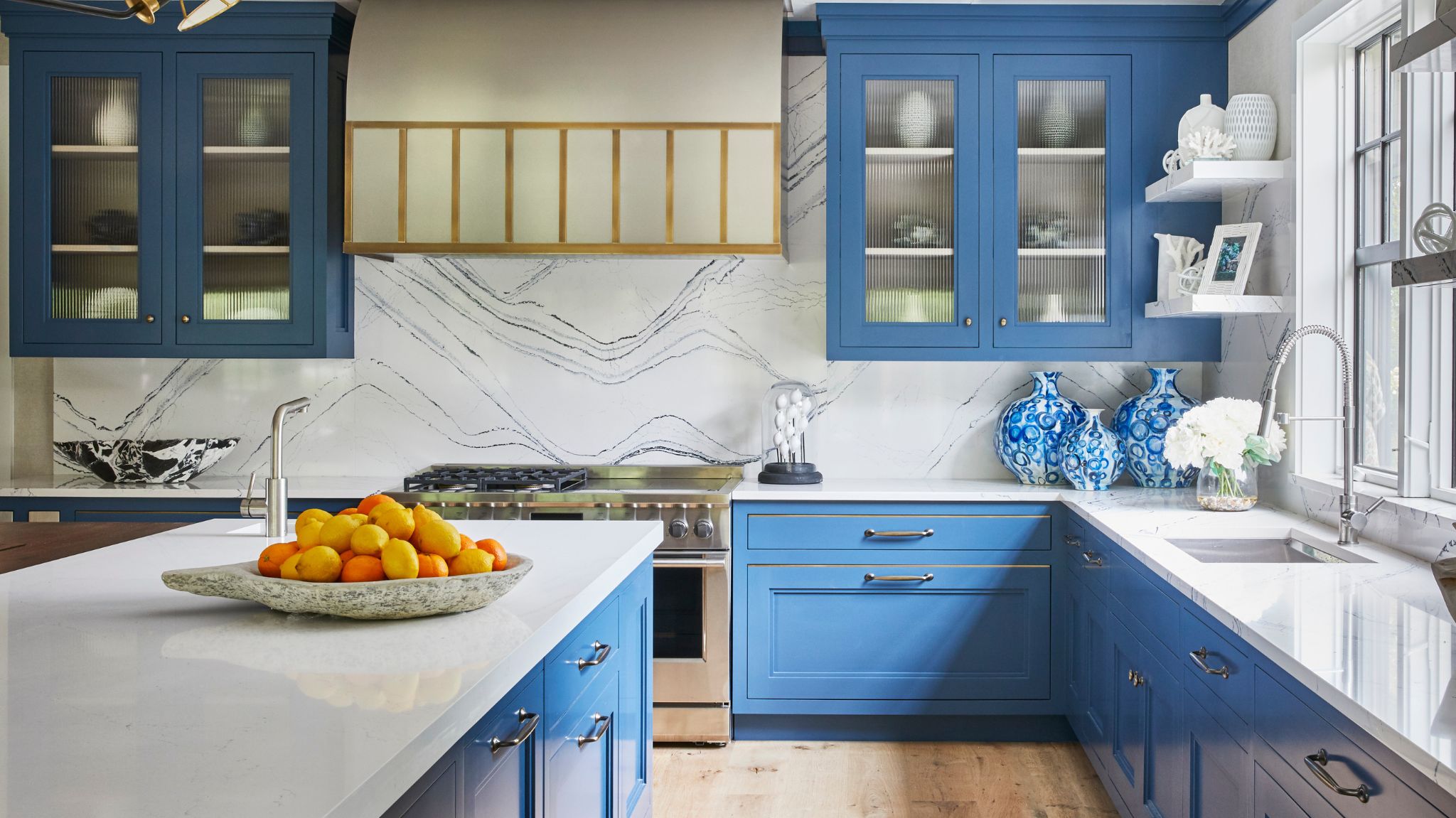
Once considered a design crime, mixed metals are now the look of the moment
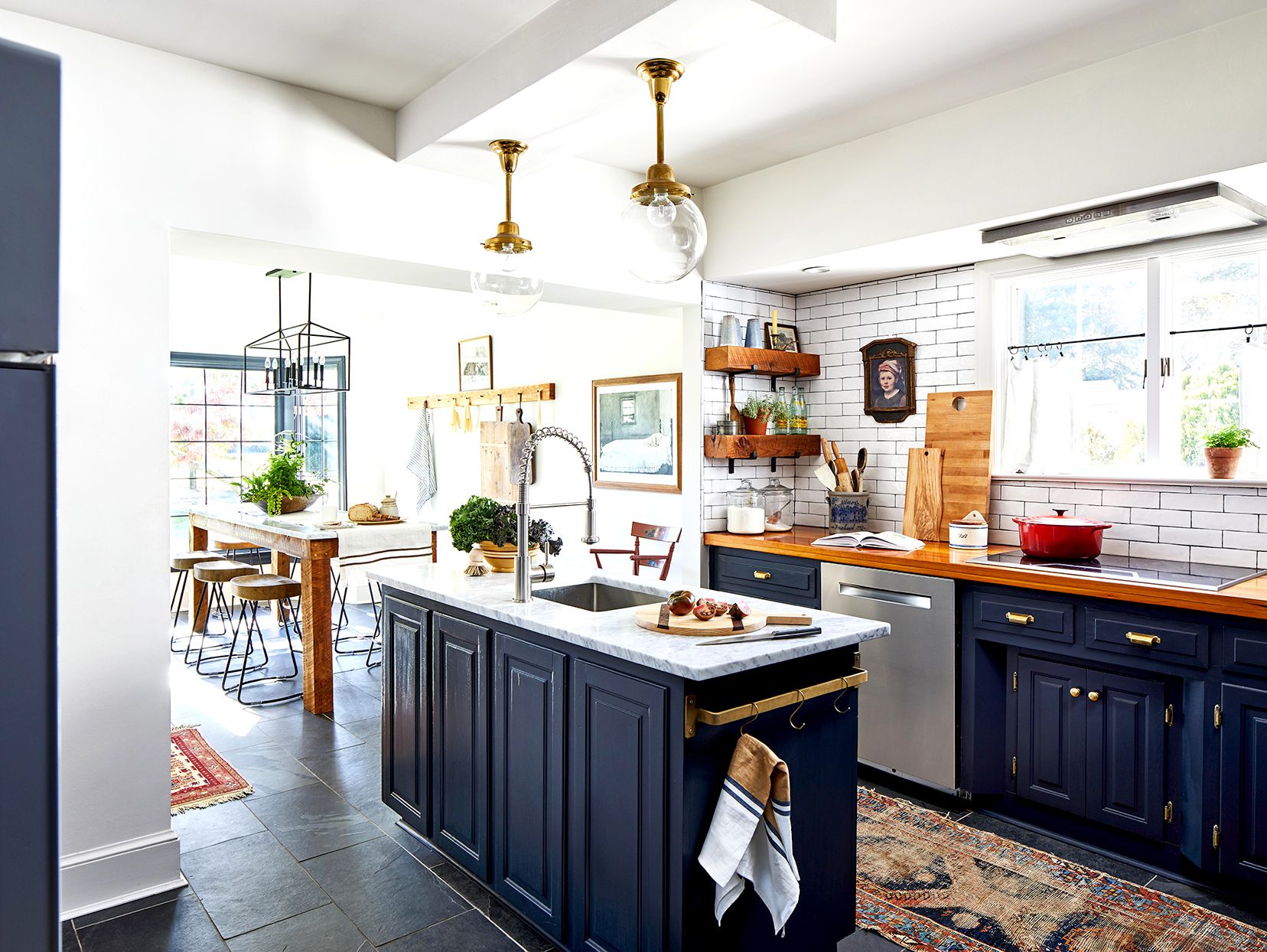
How to Mix Metals in Your Home: 5 Tips to Decorate With Metals Flawlessly

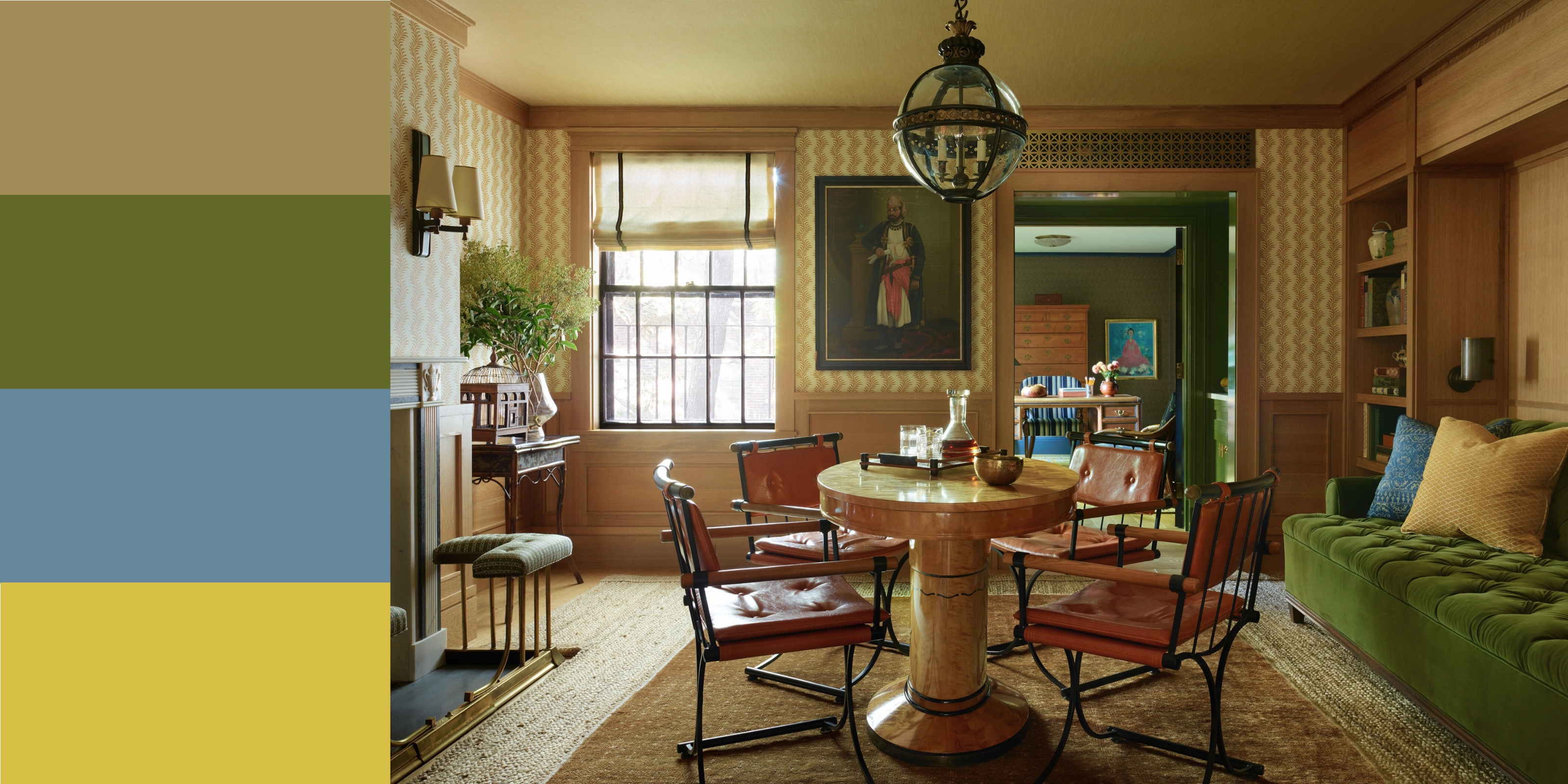
What Colors Go With Gold? 13 Color Pairings That Bring the Best Out of Warm Metallics
This Texture-Rich Finish Is Designers' Go-To for Instant Patina

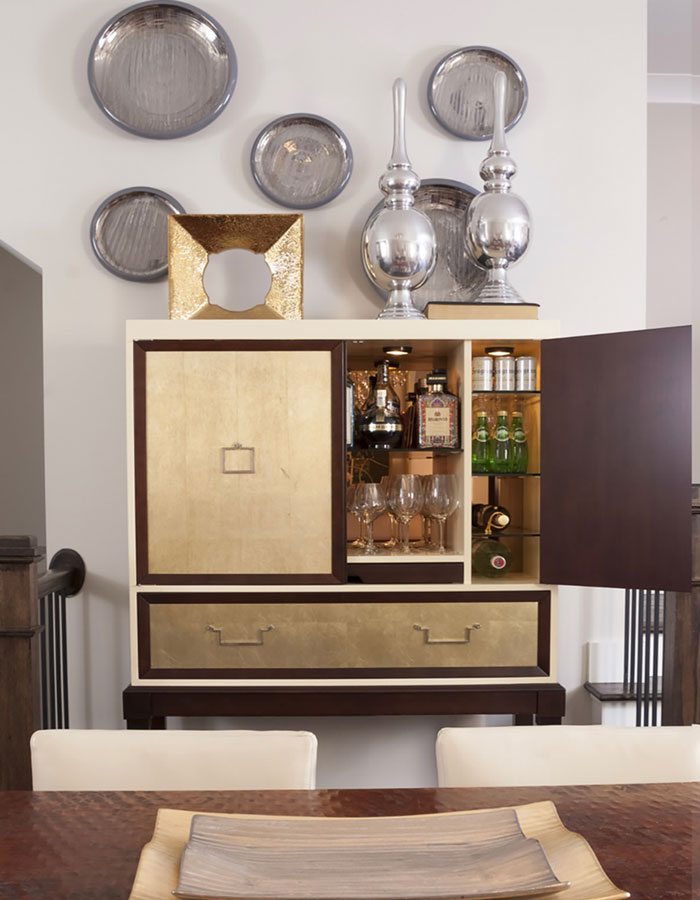
A Guide to Mixing Metals in Your Home Decor
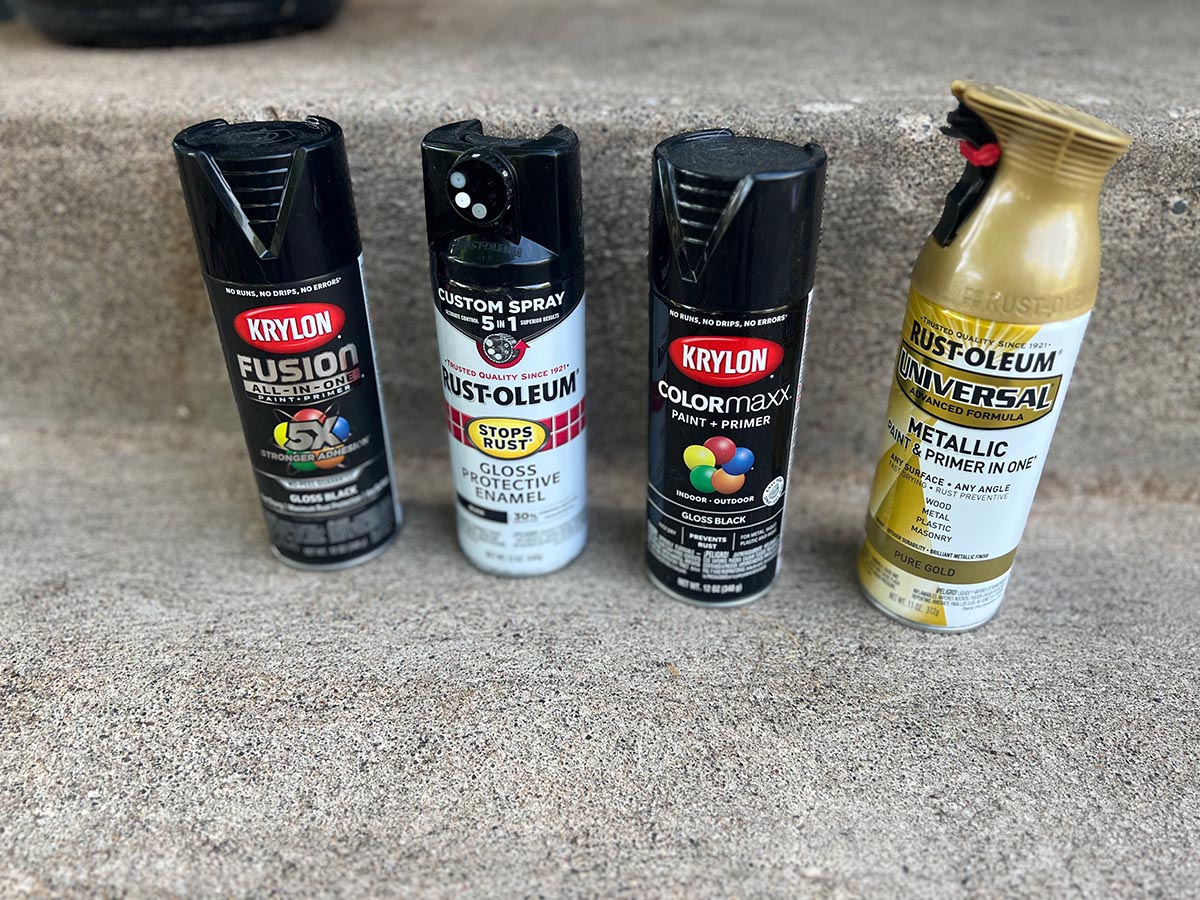
We Tested the Best Spray Paints for Metal and This Was The Winner


Sheet Metal
Metal Panels - Shadow Series from Dri-Design

Understanding paint finishes

Ideal Work showcases innovative finishes, coatings and flooring on Dezeen Showroom
Paint mixing | Colour mixing service with Dulux
'I never incorporate more than three finishes in a kitchen' – here's how Shea McGee mixes metals in a kitchen for balanced, cohesive scheme