Your Bathroom Fixtures Shouldn't Match, Some Designers Say—How to Nail the Look
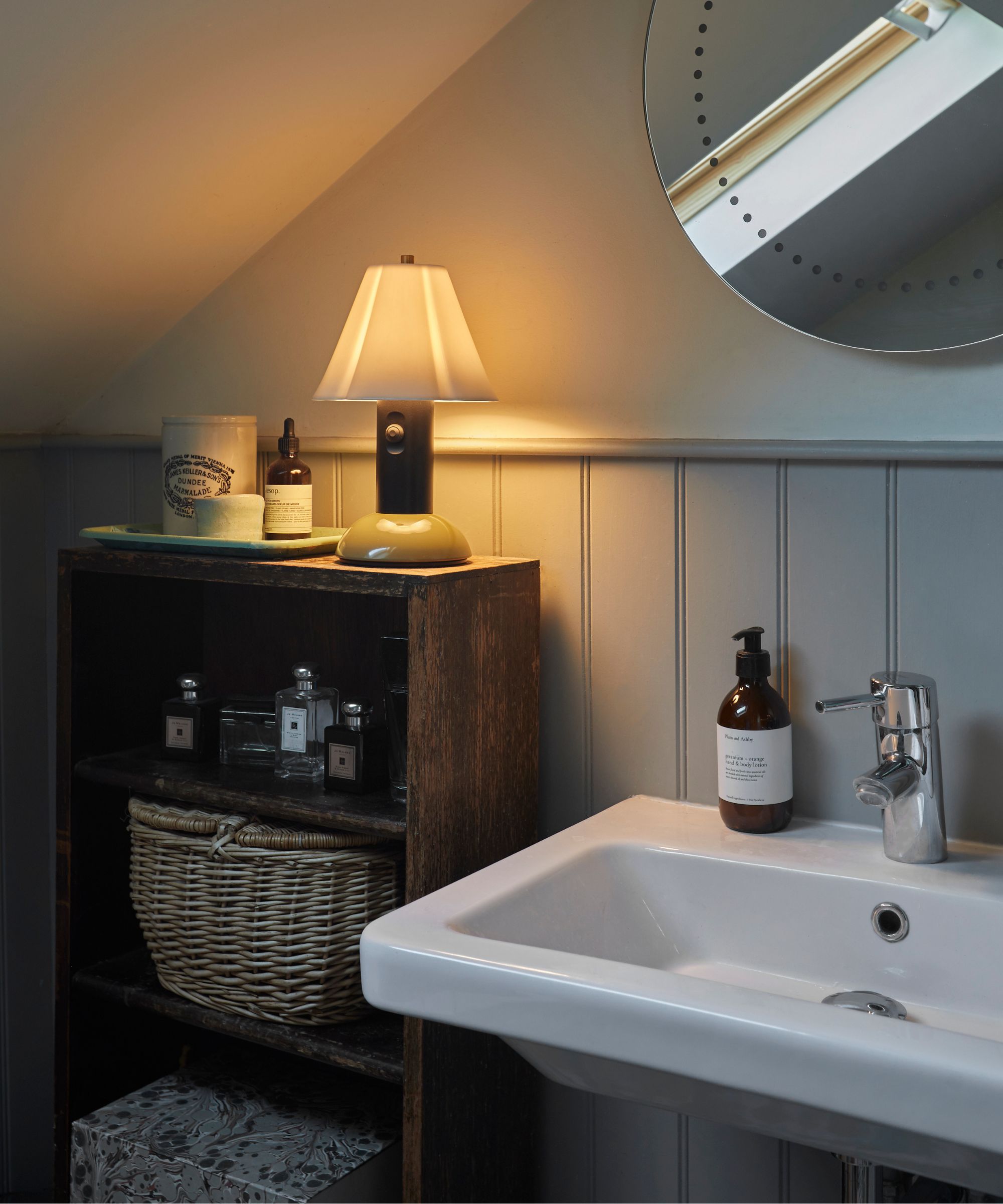
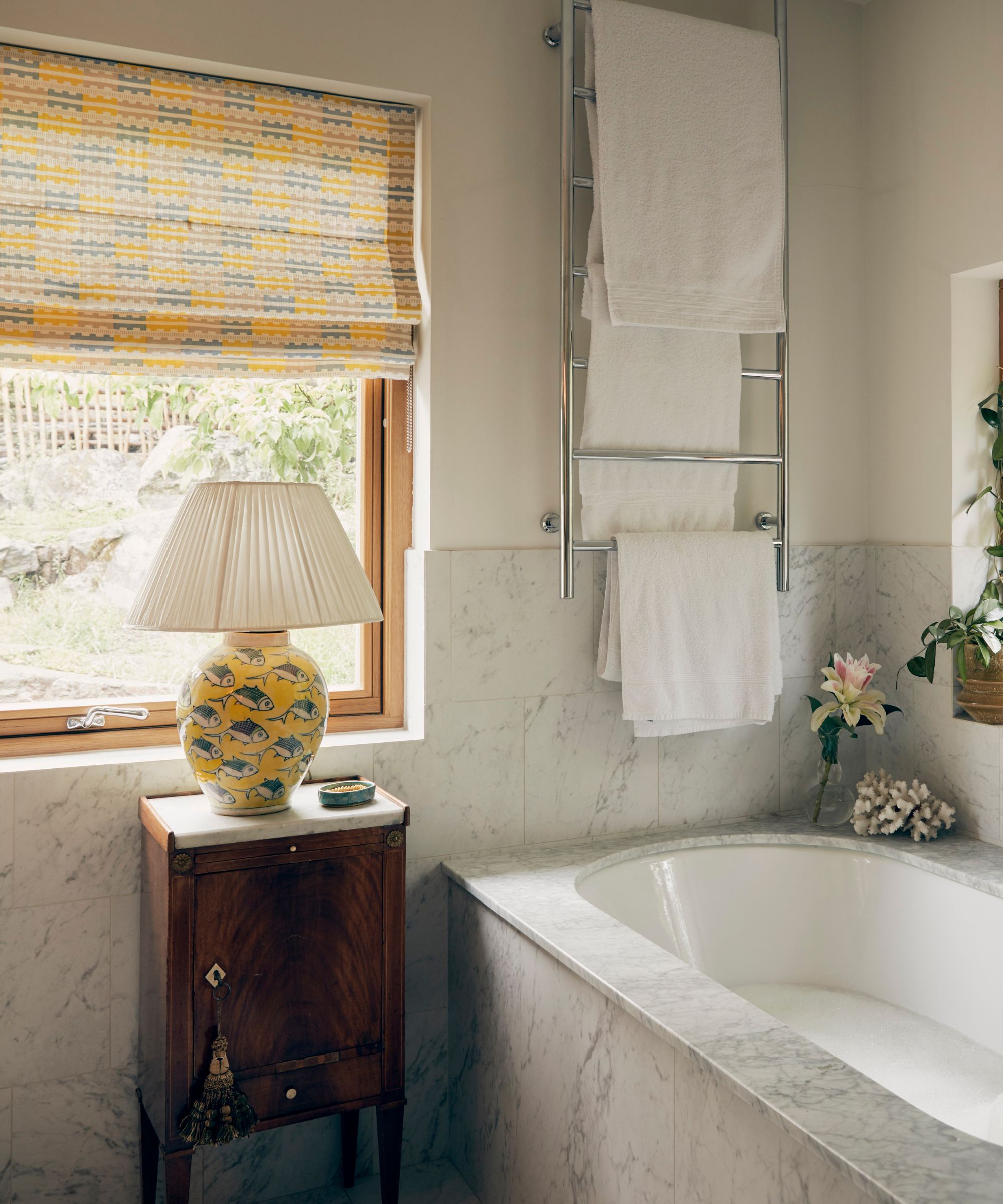
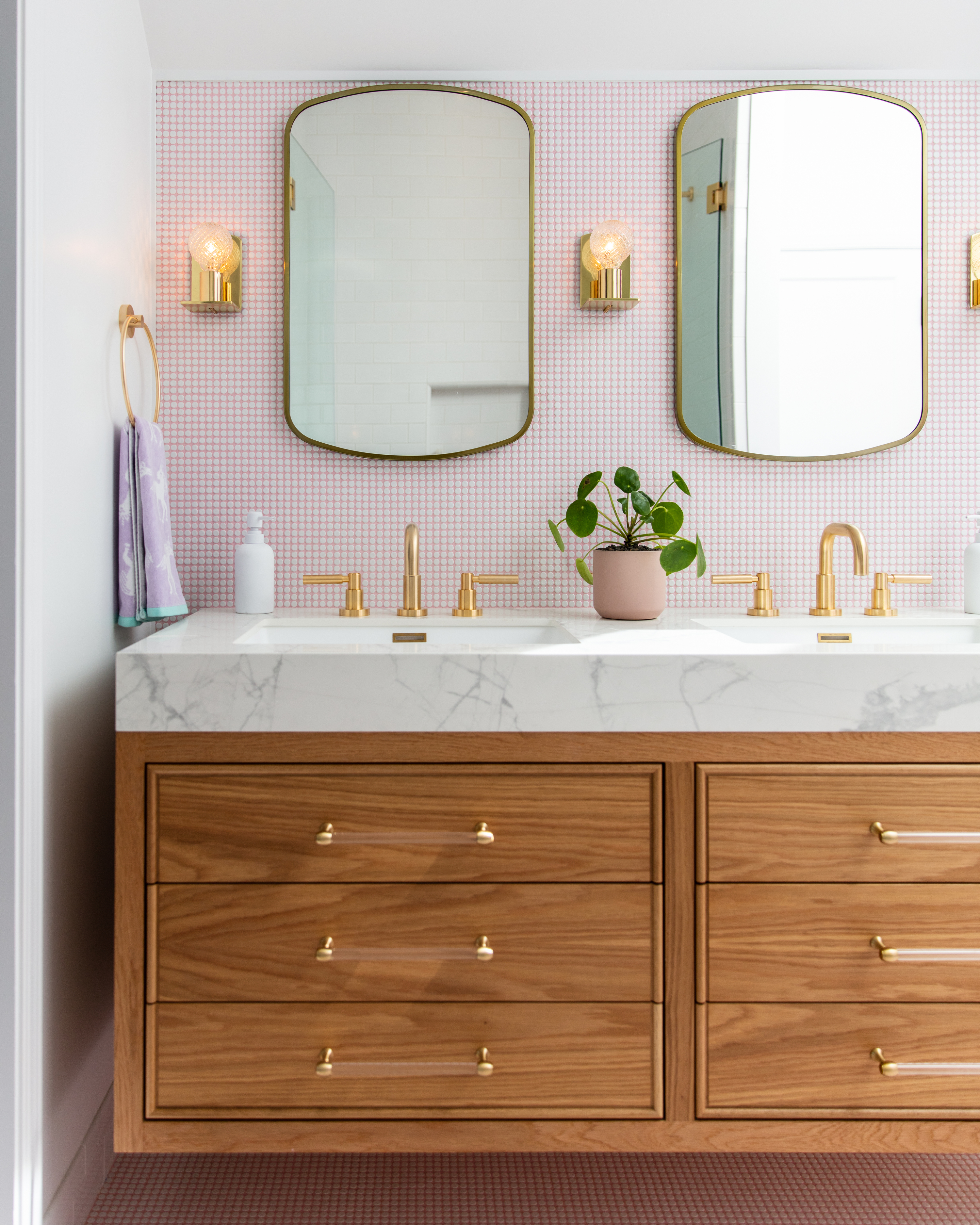
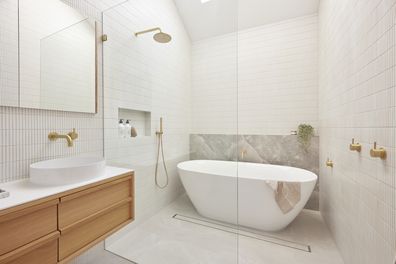
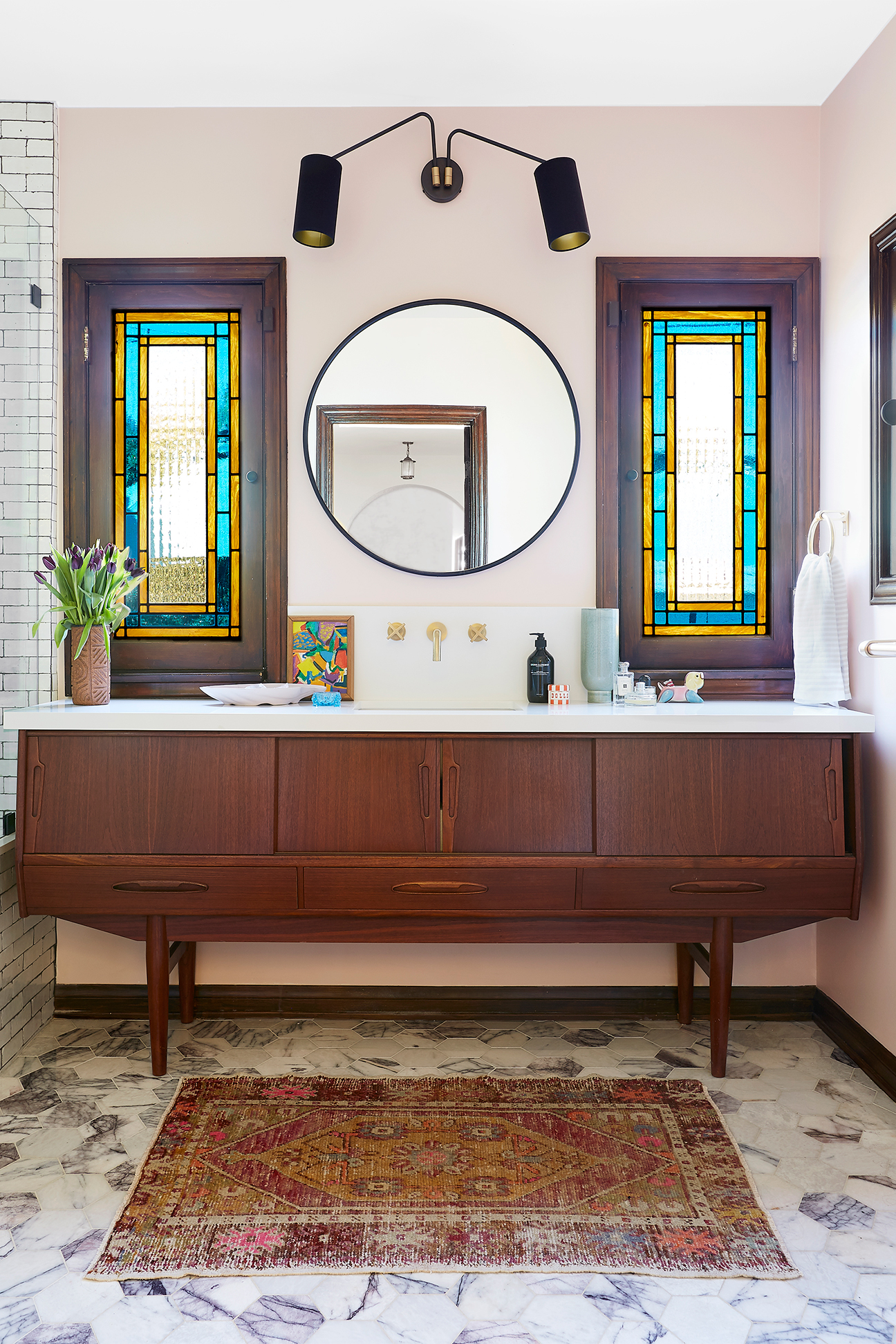
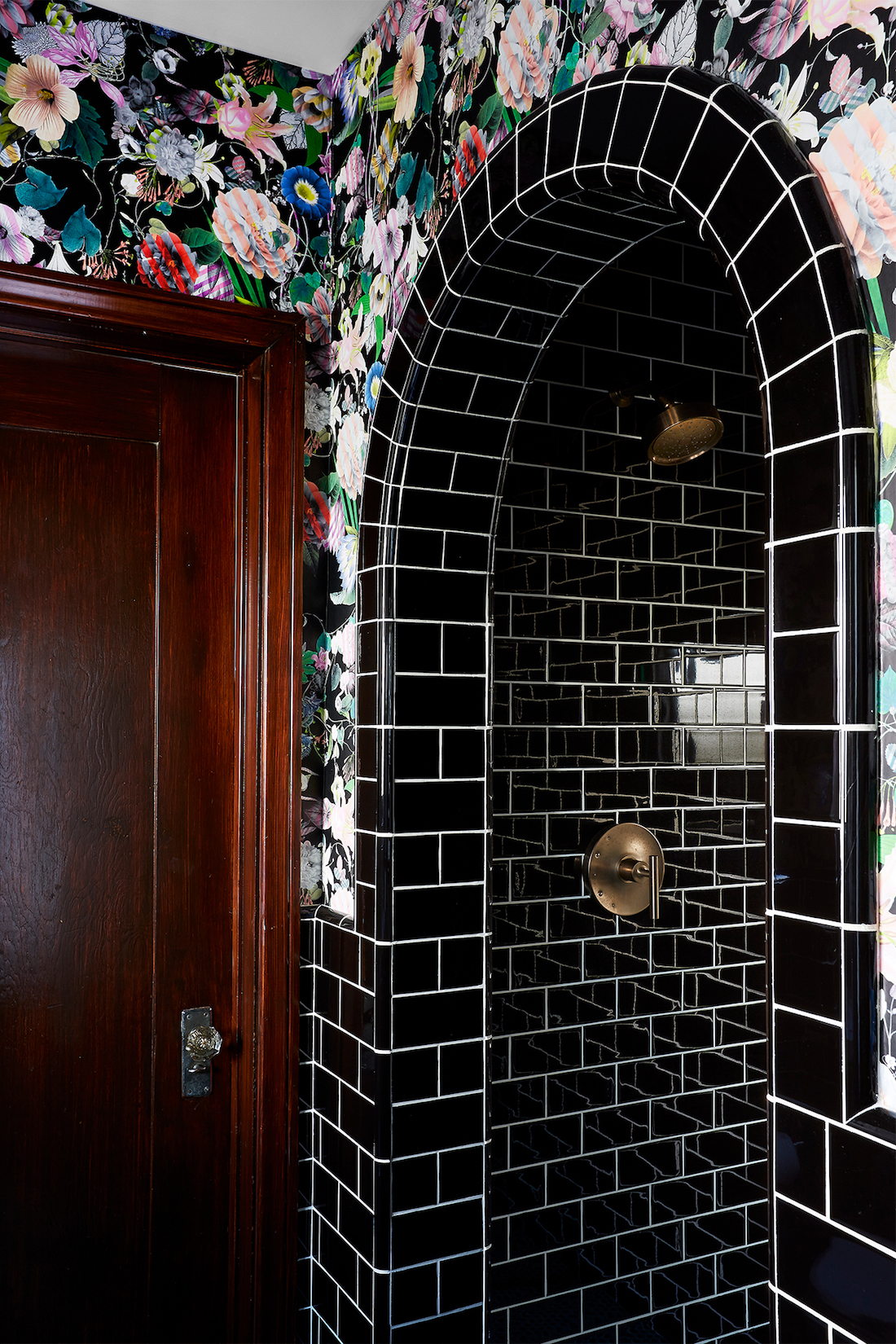
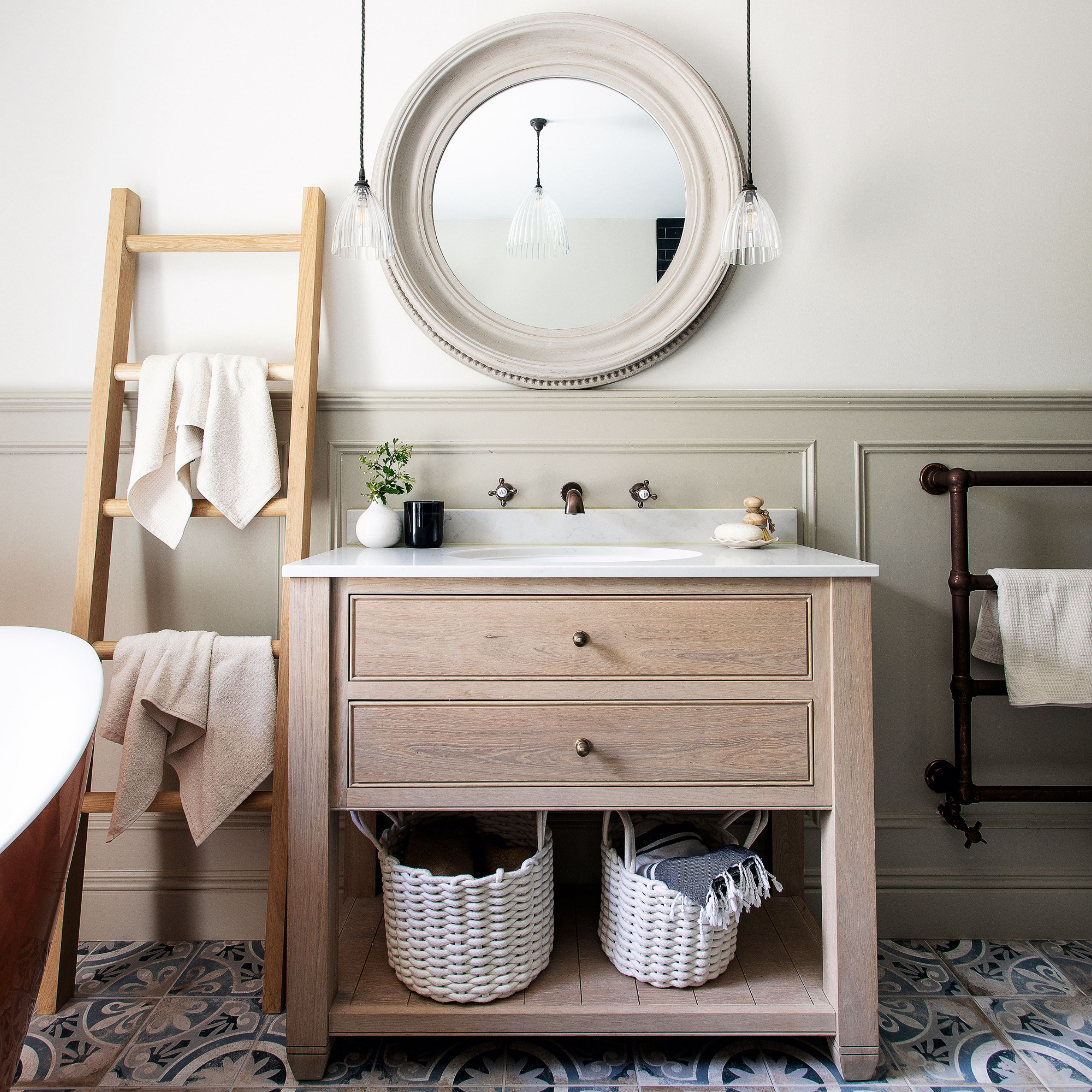
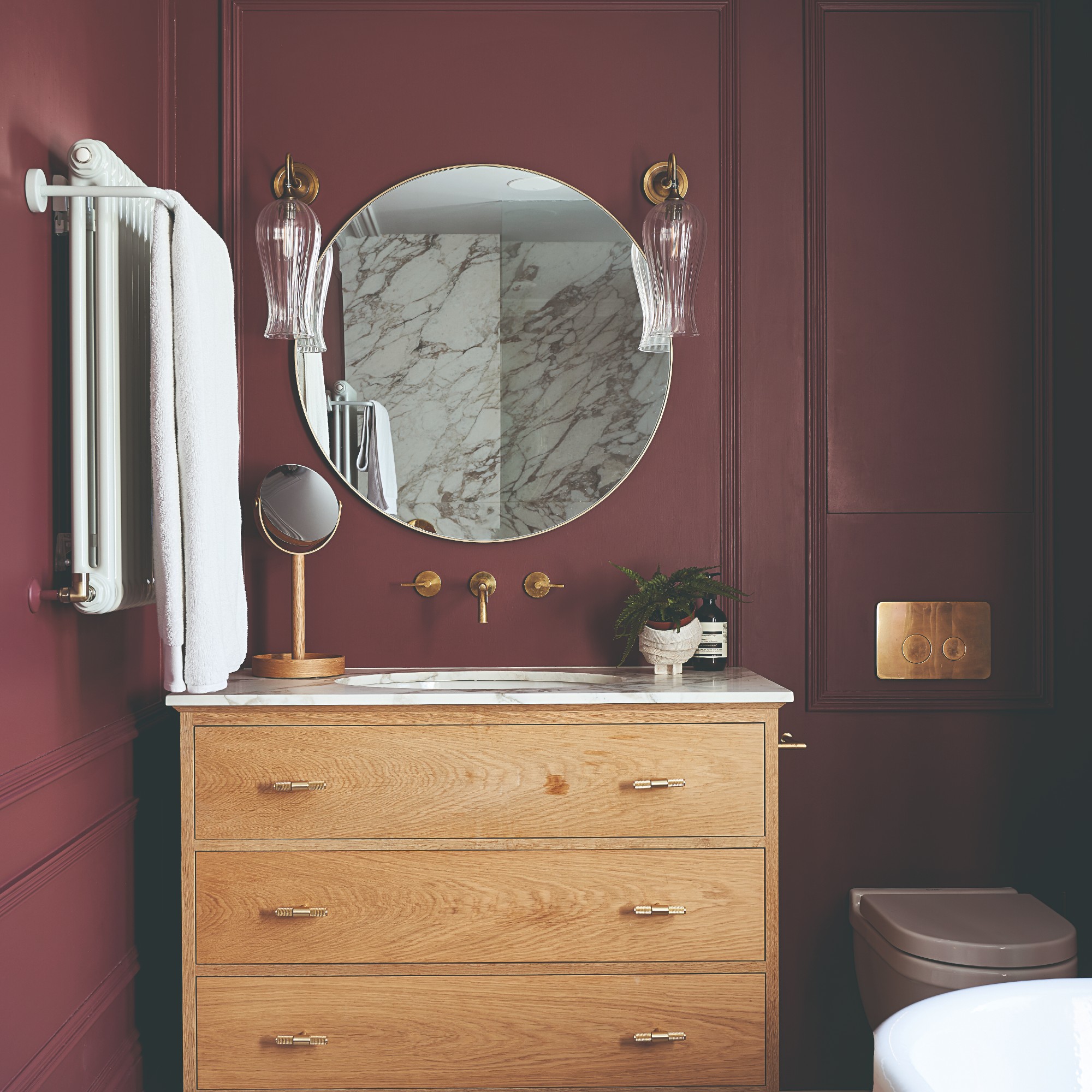
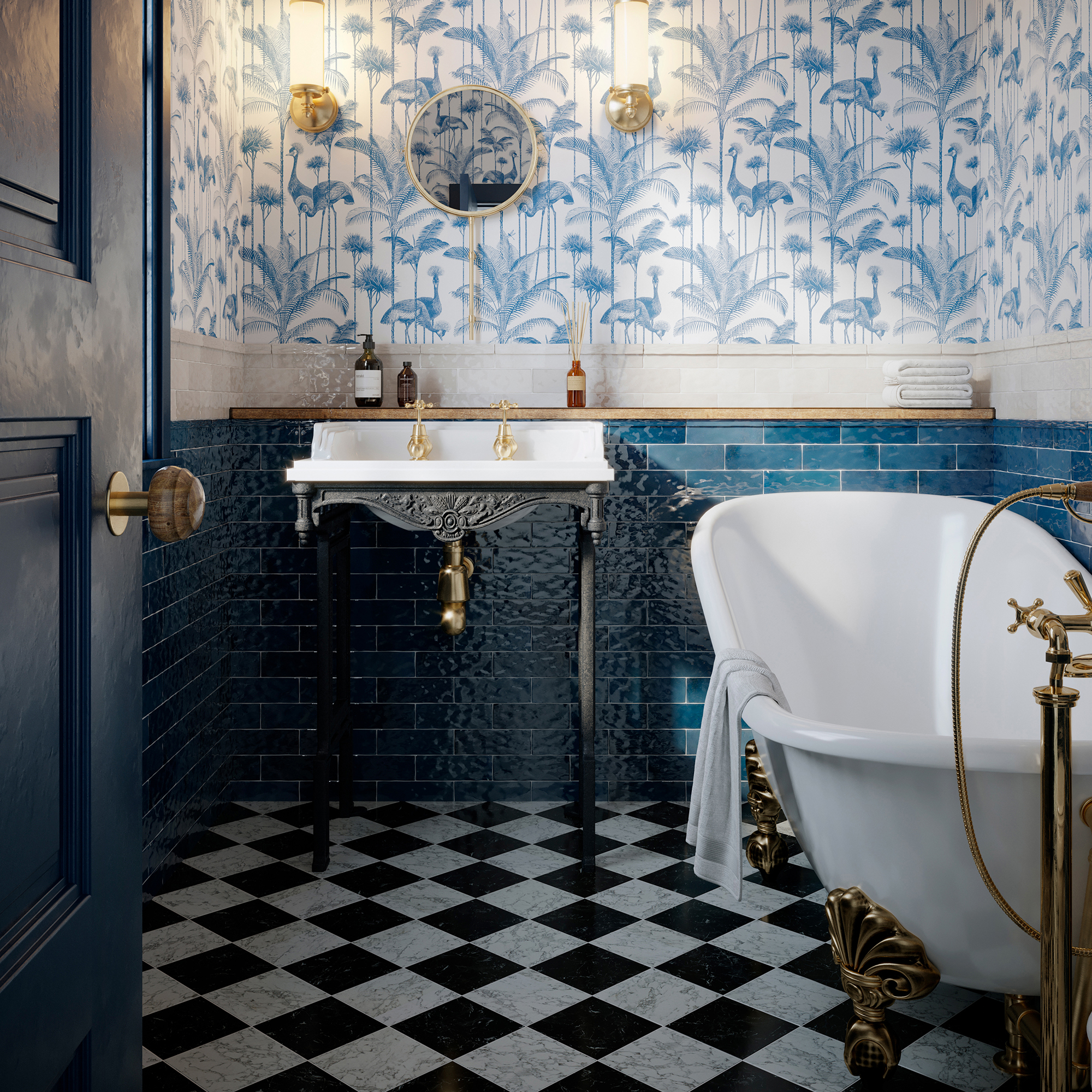
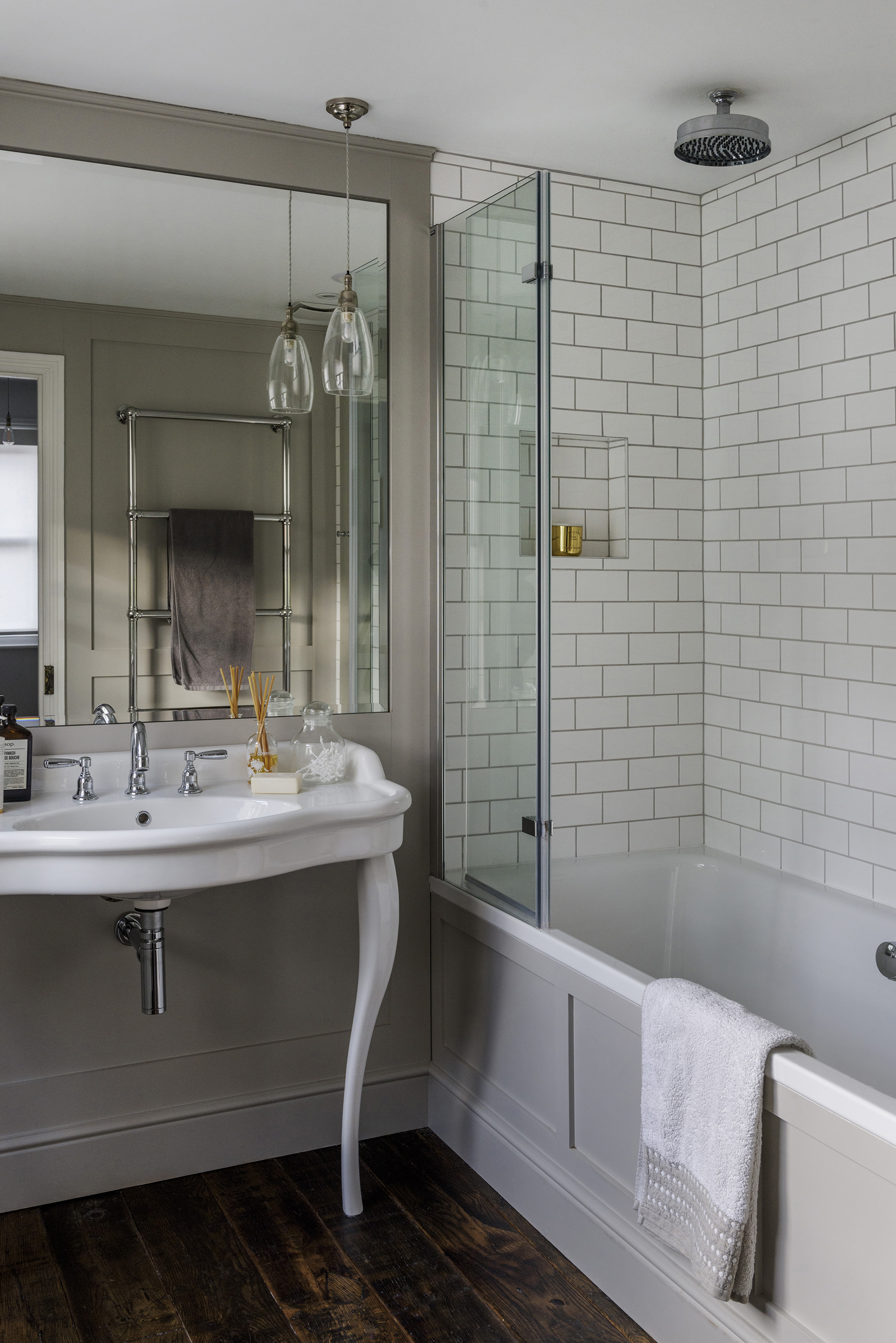
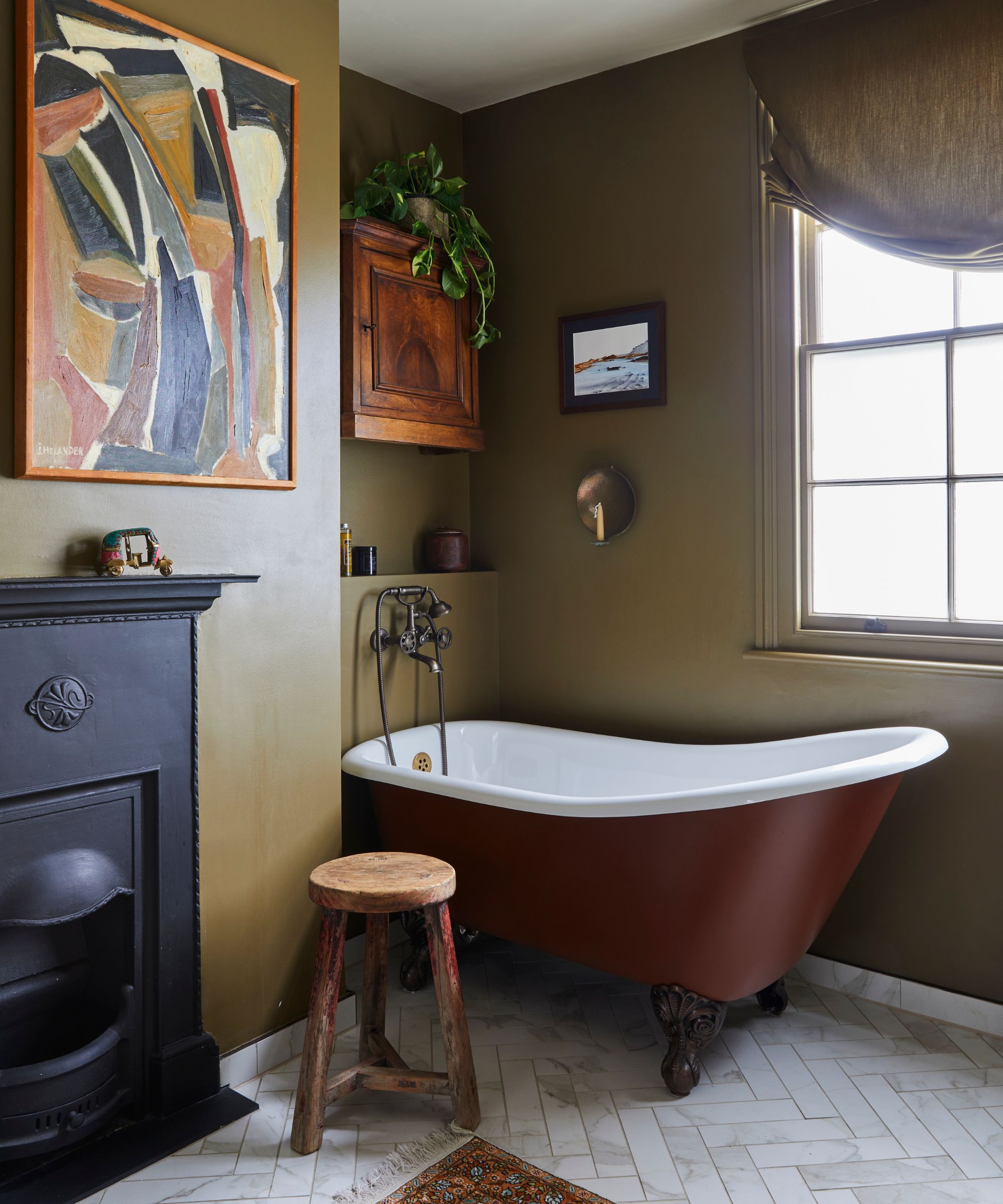
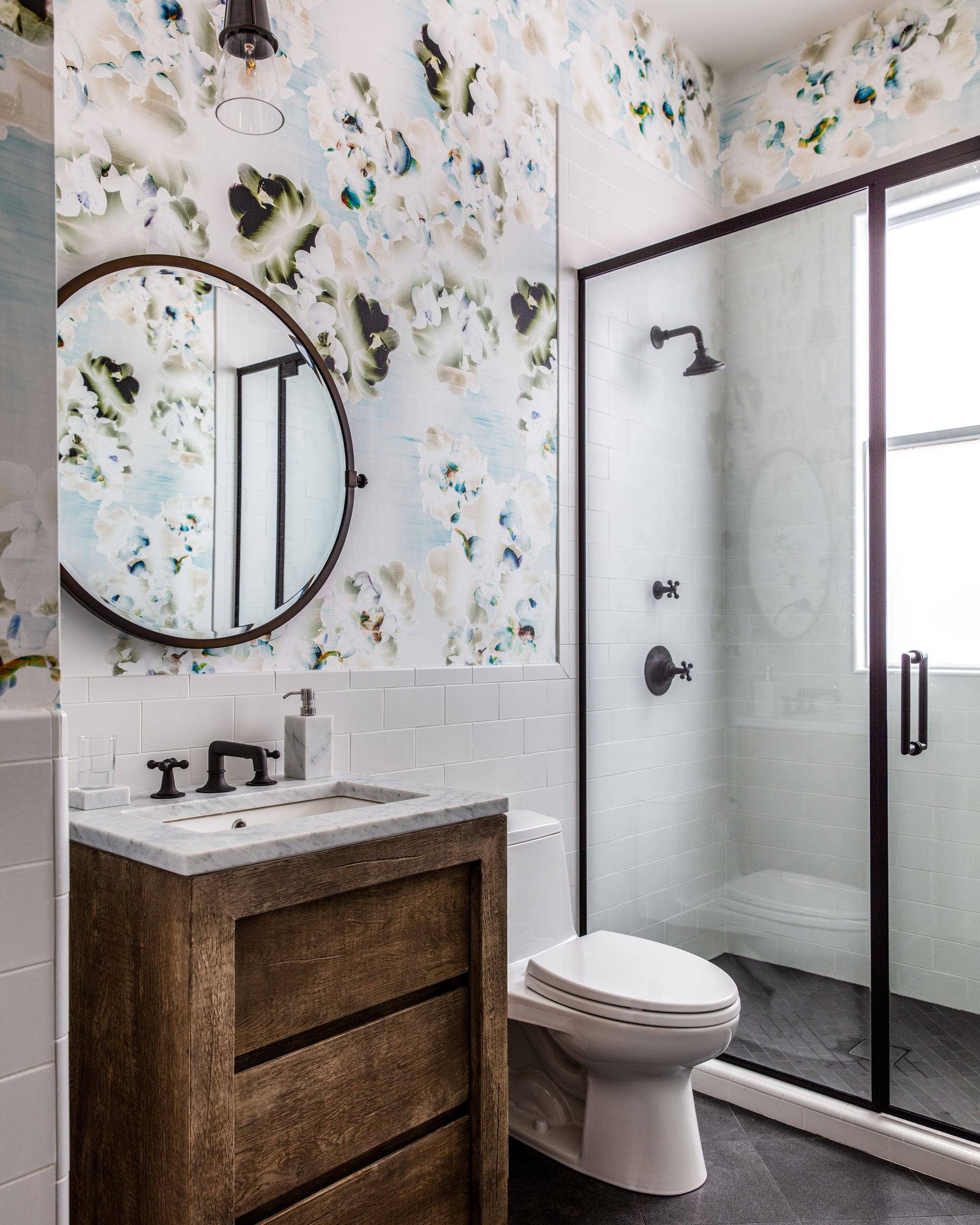
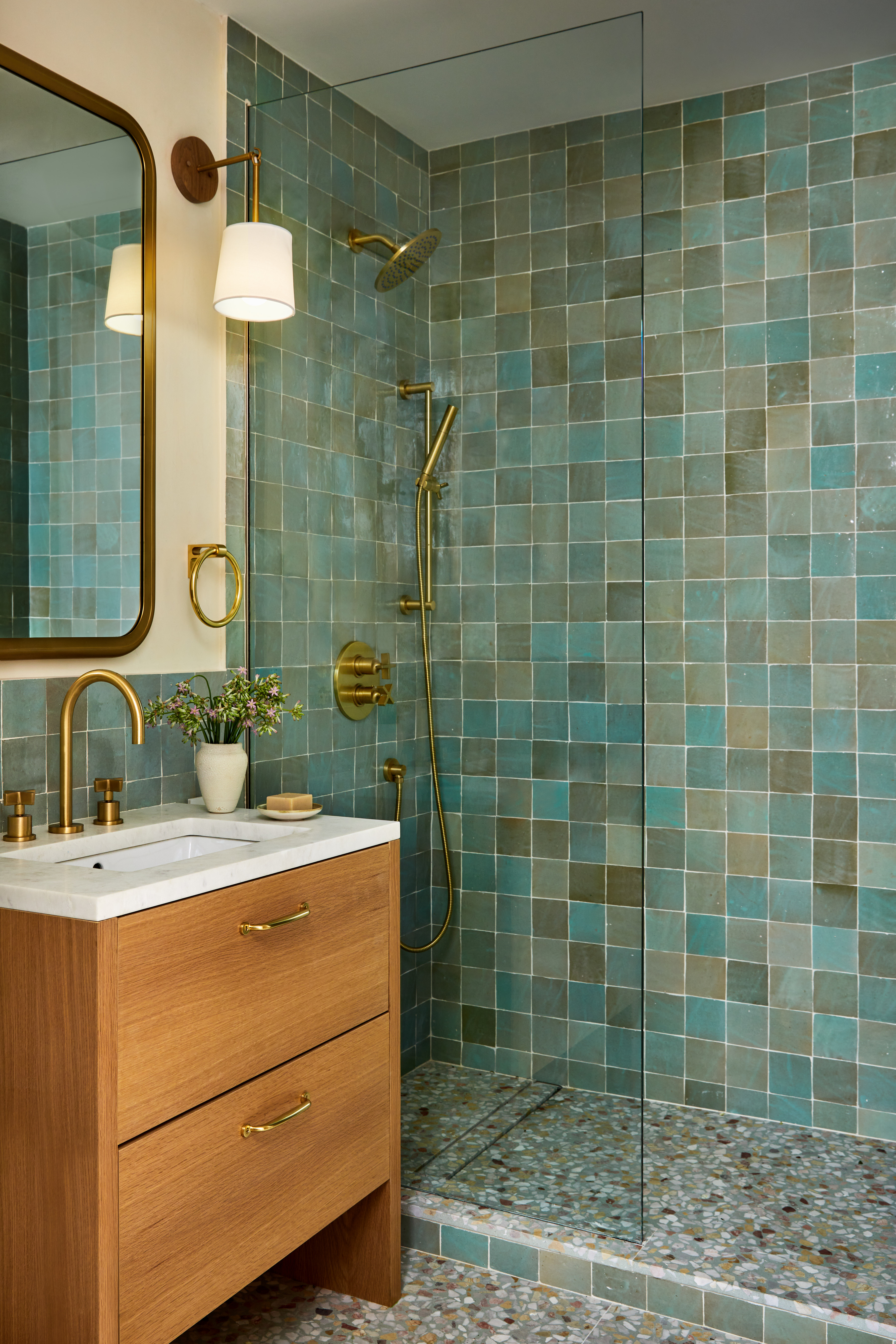
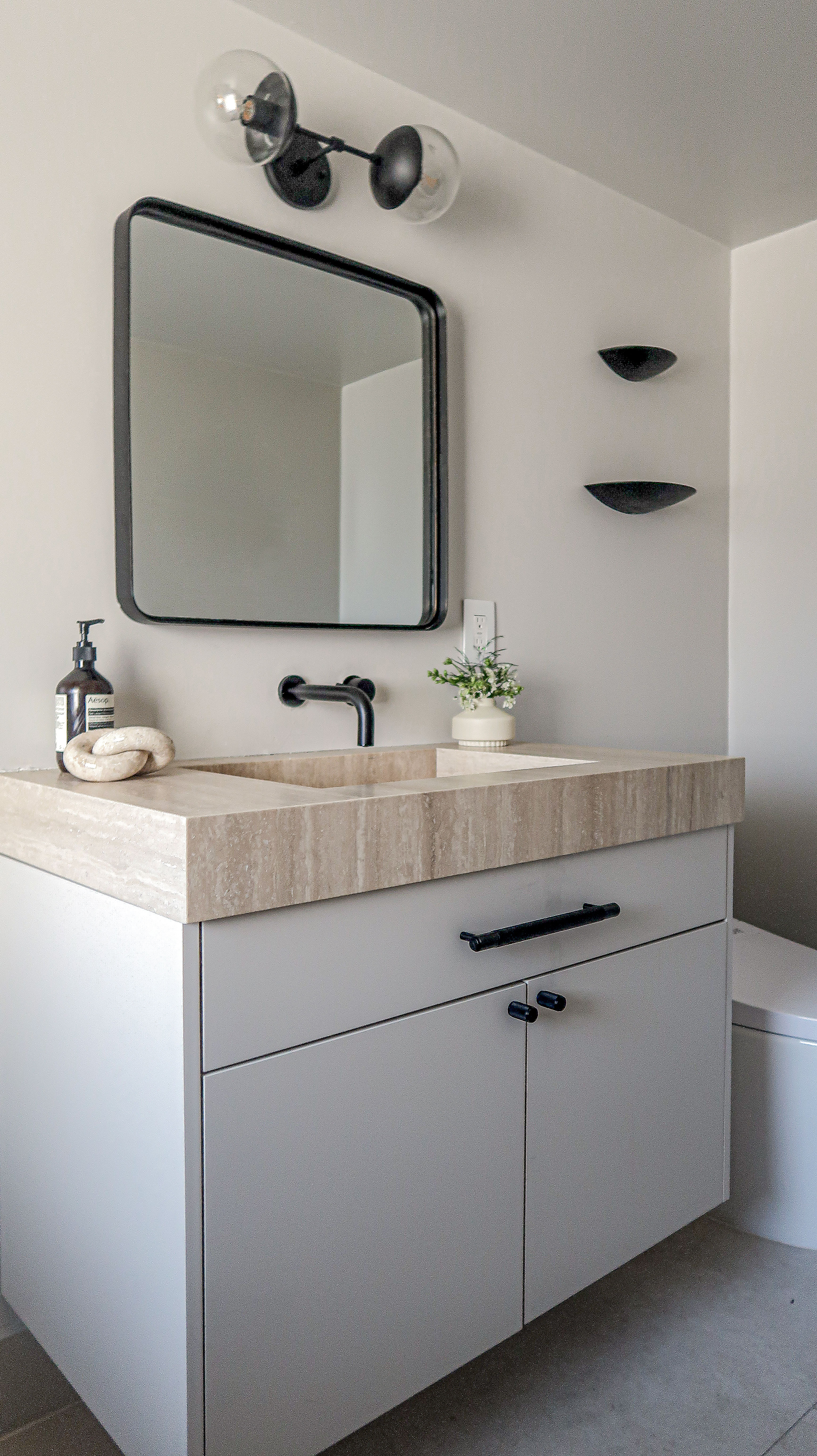
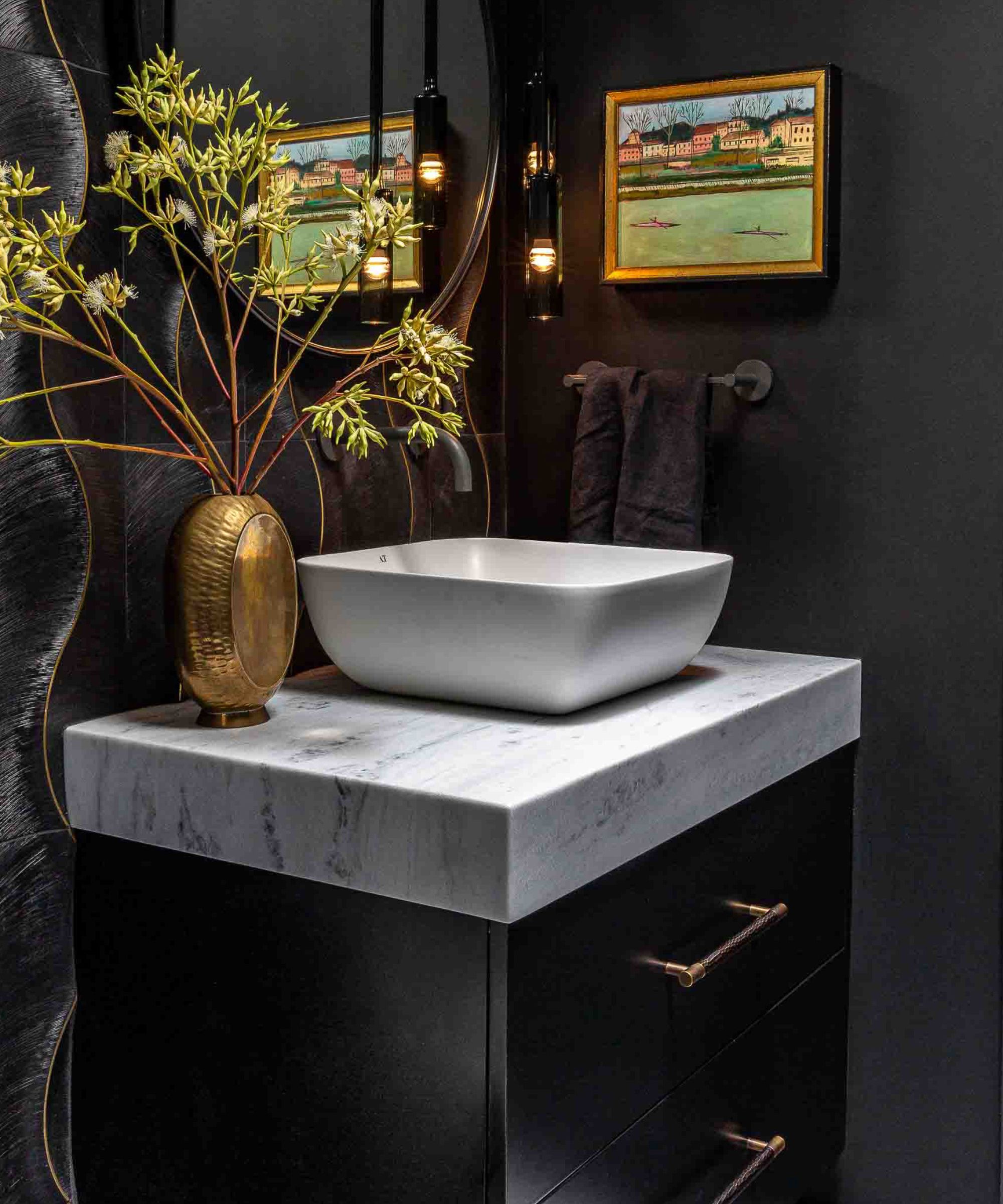
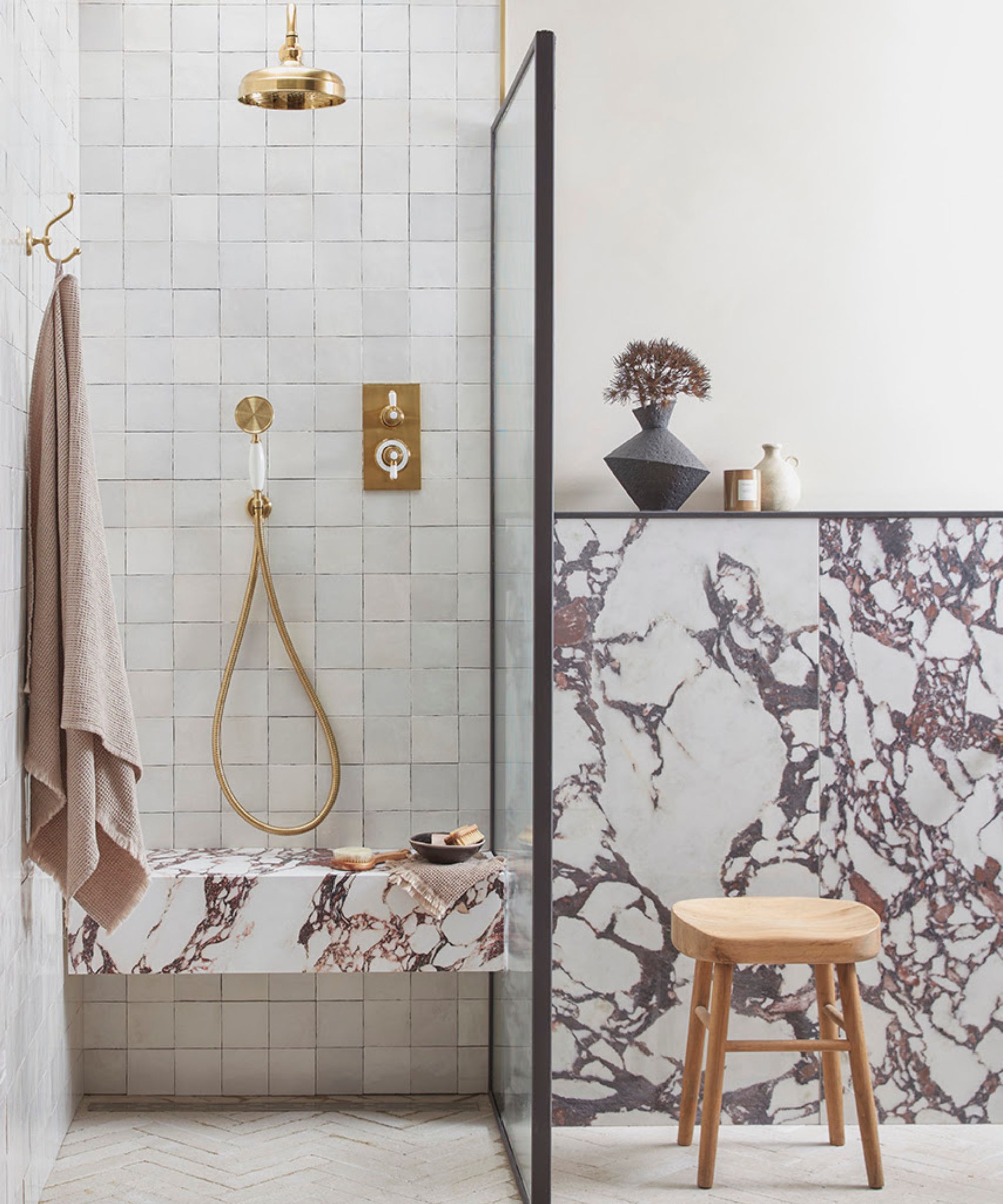
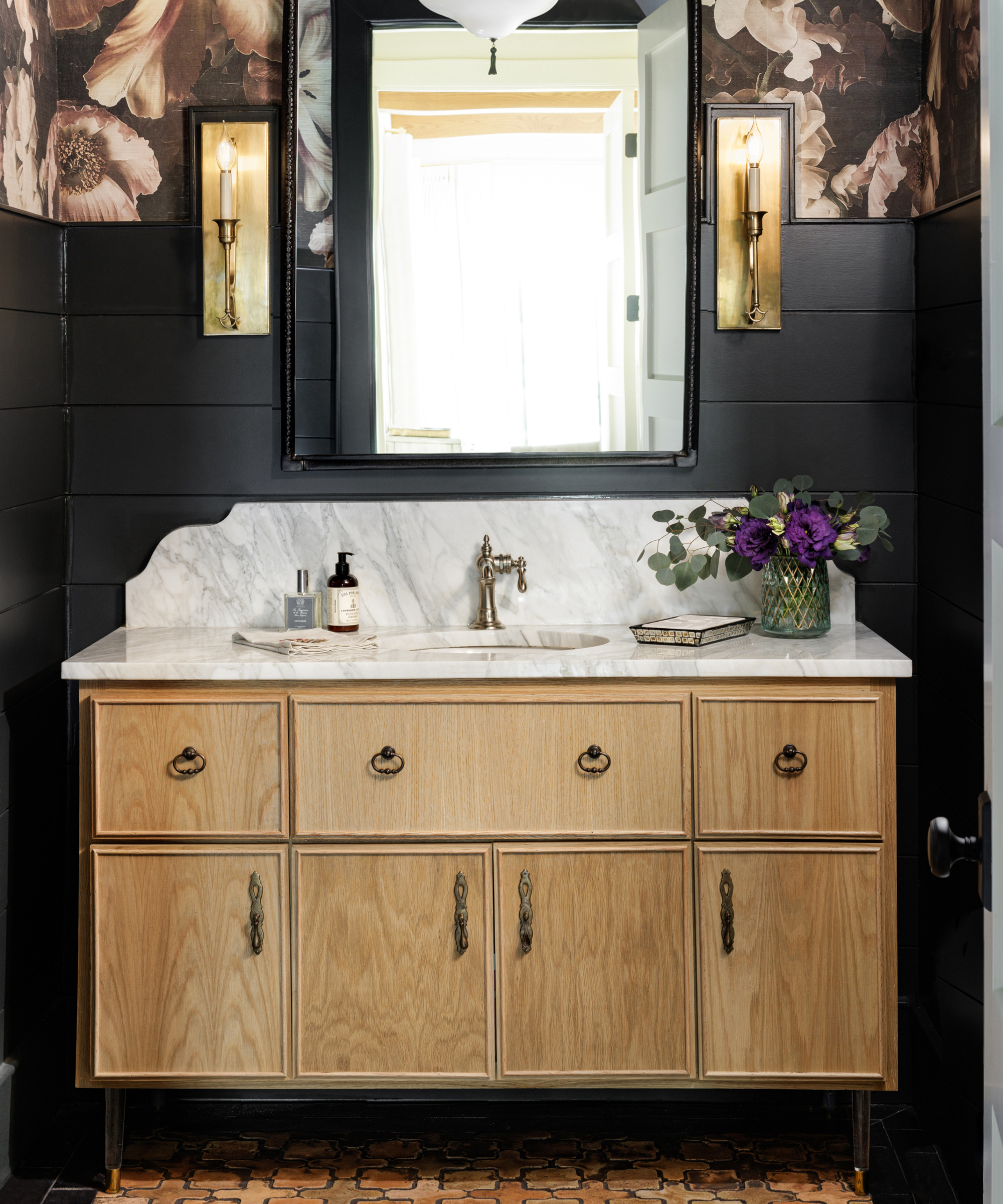
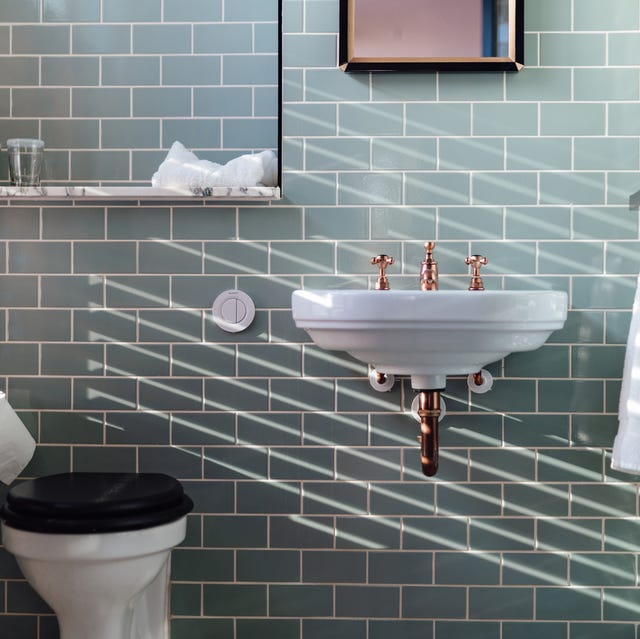
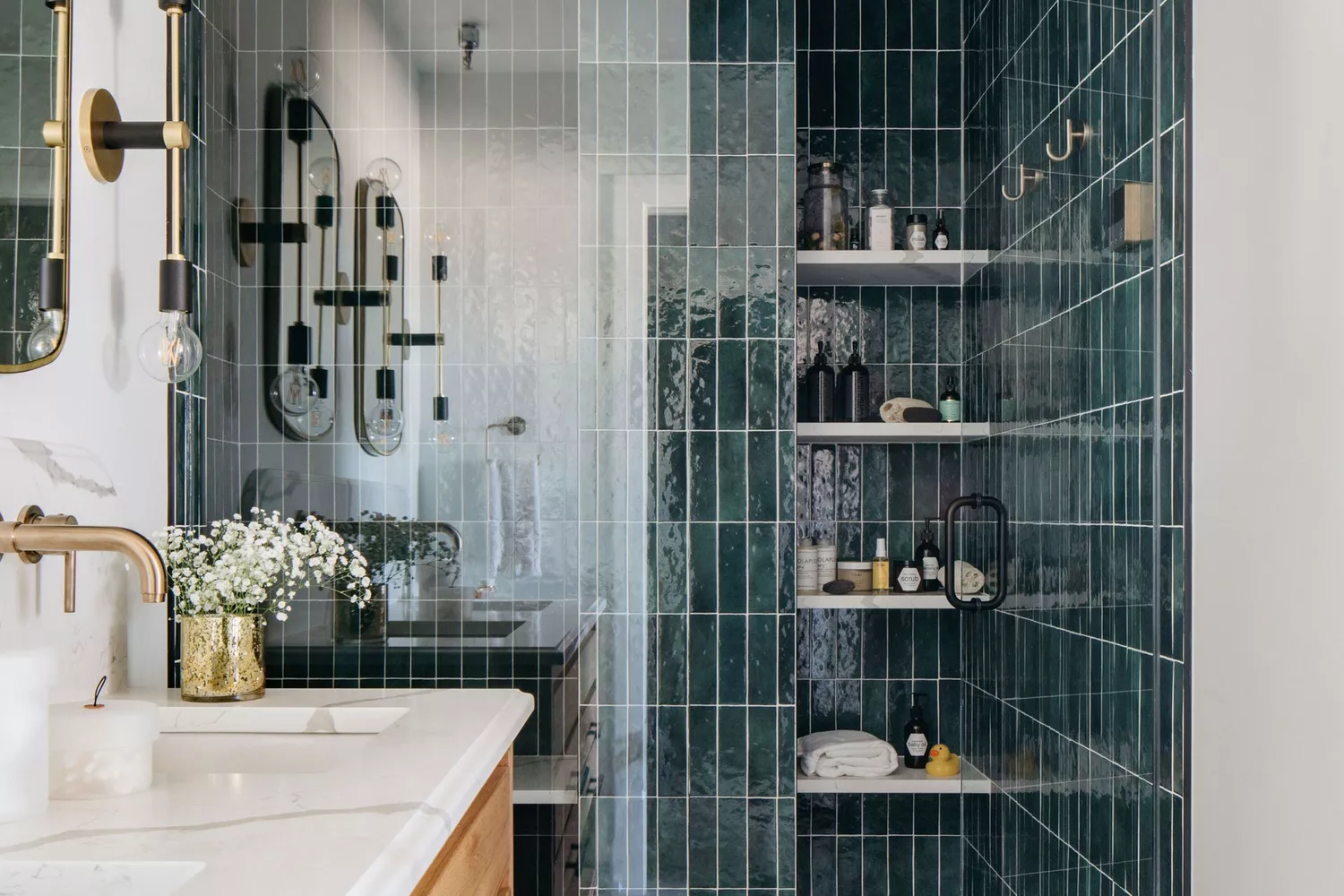
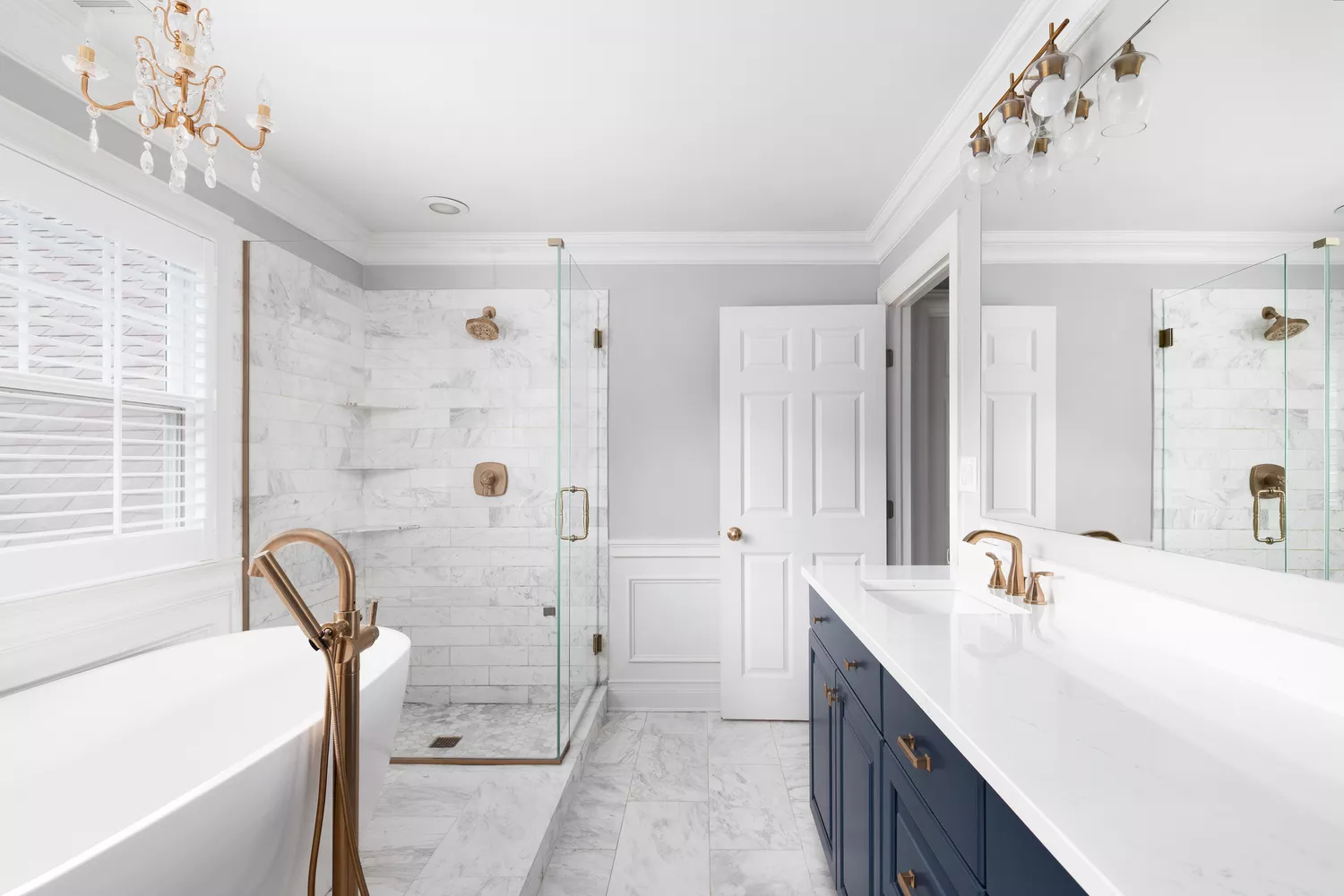
Conventional wisdom often dictates that all metal finishes in a bathroom should match to achieve a stylish and intentional look. However, according to several designers, this rule is becoming outdated, and mixing metals can create a sophisticated and intentional aesthetic. This approach is particularly useful during renovations where changing every fixture might not be feasible, or when homeowners are drawn to fixtures with varied metal finishes.
Sallie Lord, founder of GreyHunt Interiors, supports the idea of mixing metals, noting that different finishes for faucets and shower suites can be effectively integrated by tying them into other elements like lighting or cabinet hardware. Despite this flexibility, designers emphasize that successful metal mixing requires adherence to certain guidelines, rather than simply throwing various finishes together haphazardly.
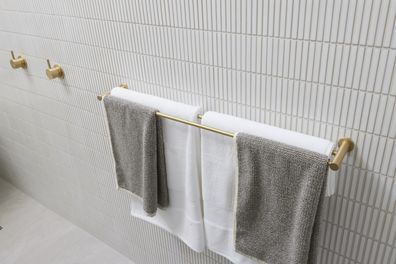
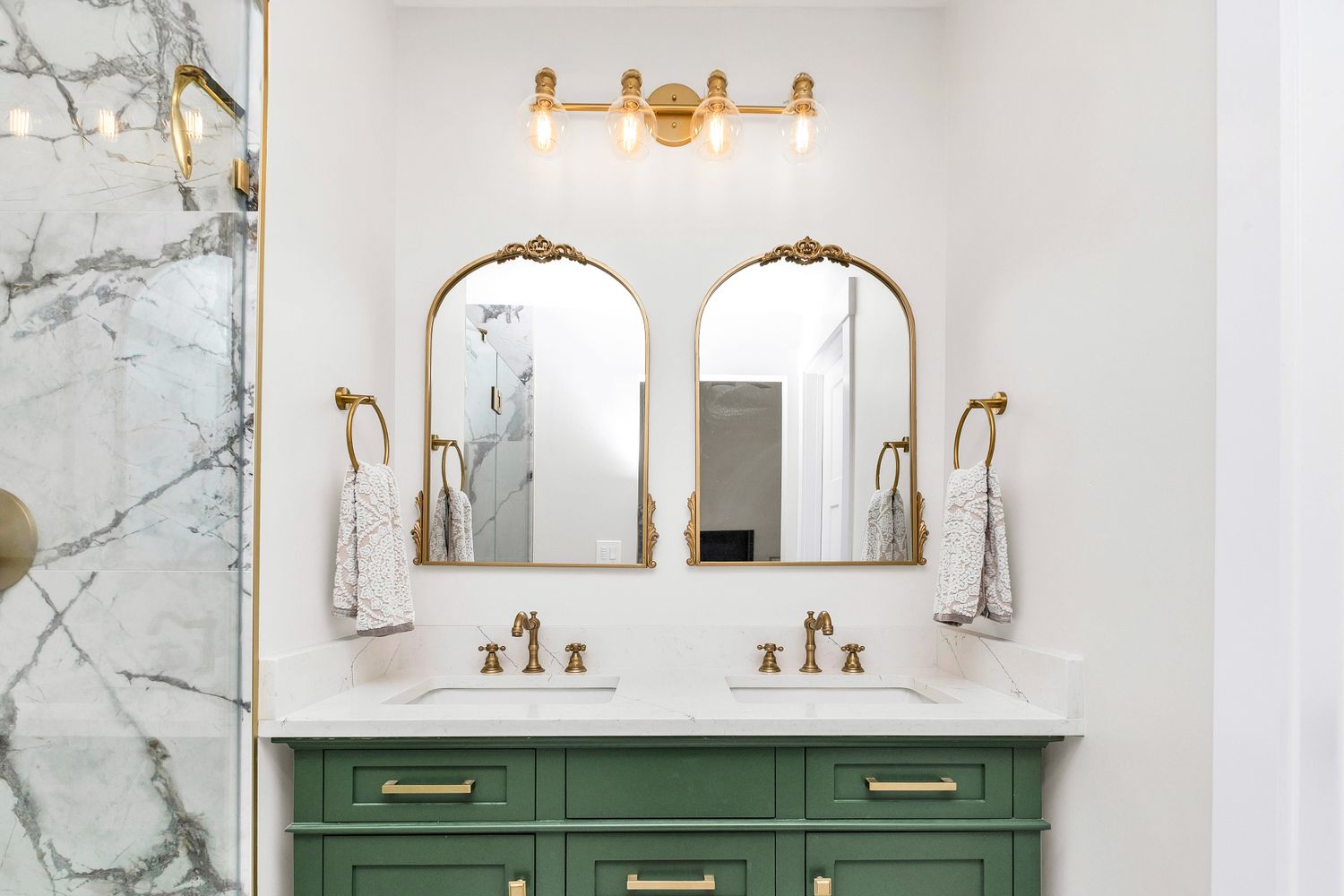
Megan Warren, owner of Megan Warren Design, categorizes metals into three types: architectural (doorknobs, window hardware), functional (appliances, plumbing fixtures), and decorative (lighting, cabinet hardware, furniture details). Warren advises sticking to two main metal types within a space and avoiding mixing them within the same category. This means maintaining consistency within each category; for example, the sink's metal should match the shower's, and cabinet hardware should align with lighting fixtures. While not every single element needs to match, consistency within these defined categories is crucial.
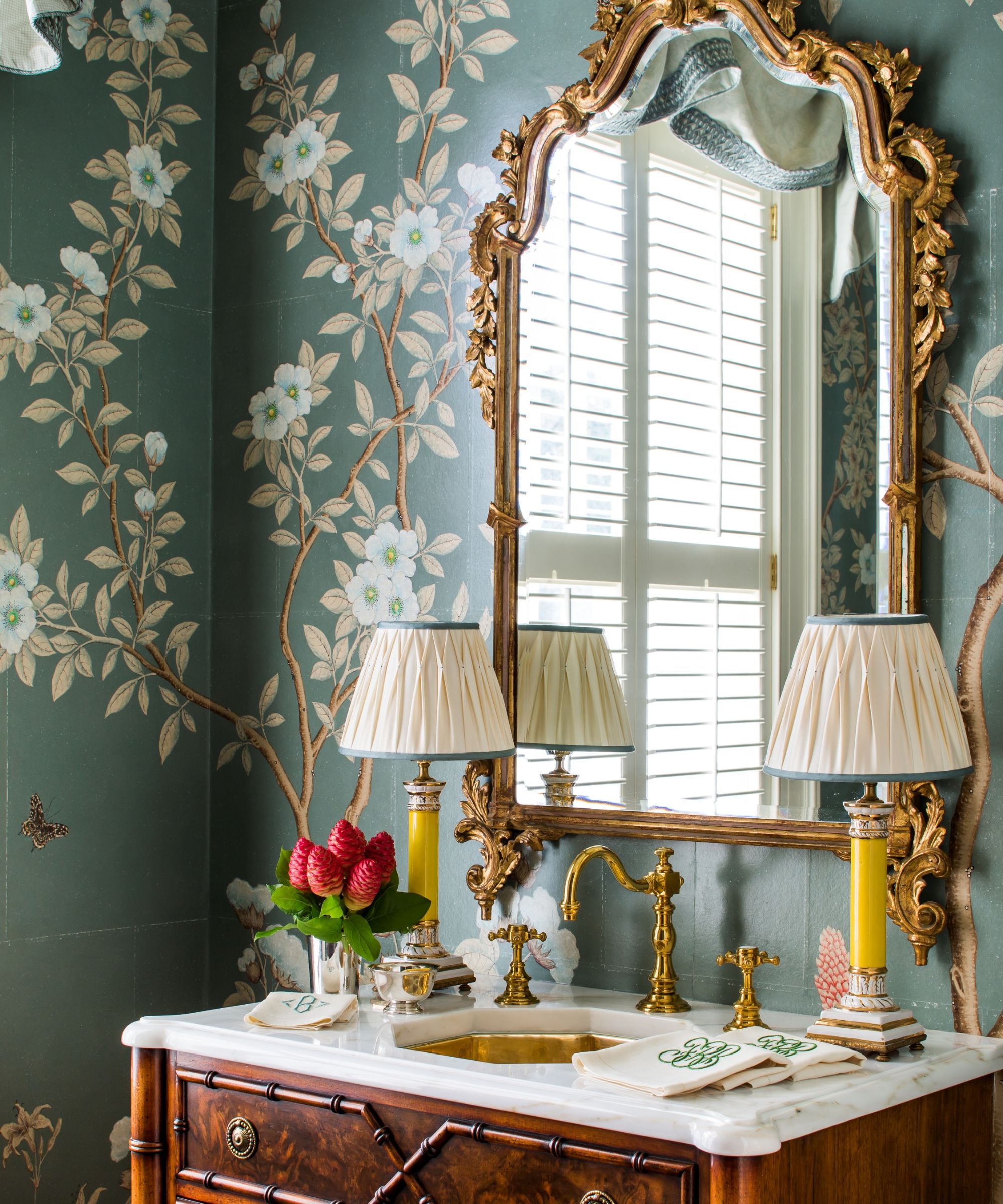
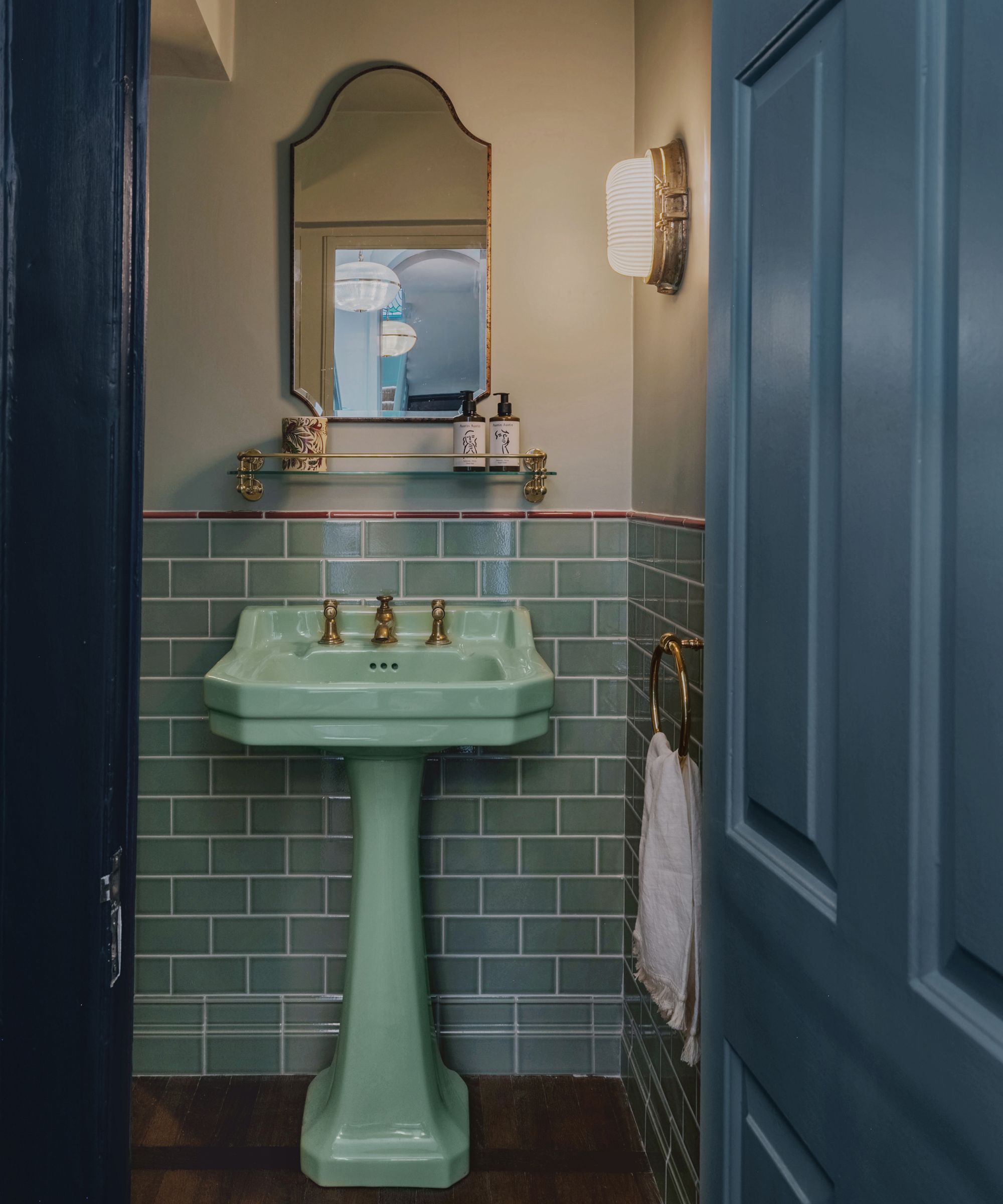
Another important rule pertains to brand consistency when using the same metal finish. If mixing metals, it is advised not to switch brands for a single finish, particularly for plumbing fixtures like showers, due to variations in rough-ins behind the wall. For instance, if a Delta brass faucet is chosen, other brass elements in the bathroom should also be from Delta. Brand variation is acceptable when transitioning to a different metal finish.
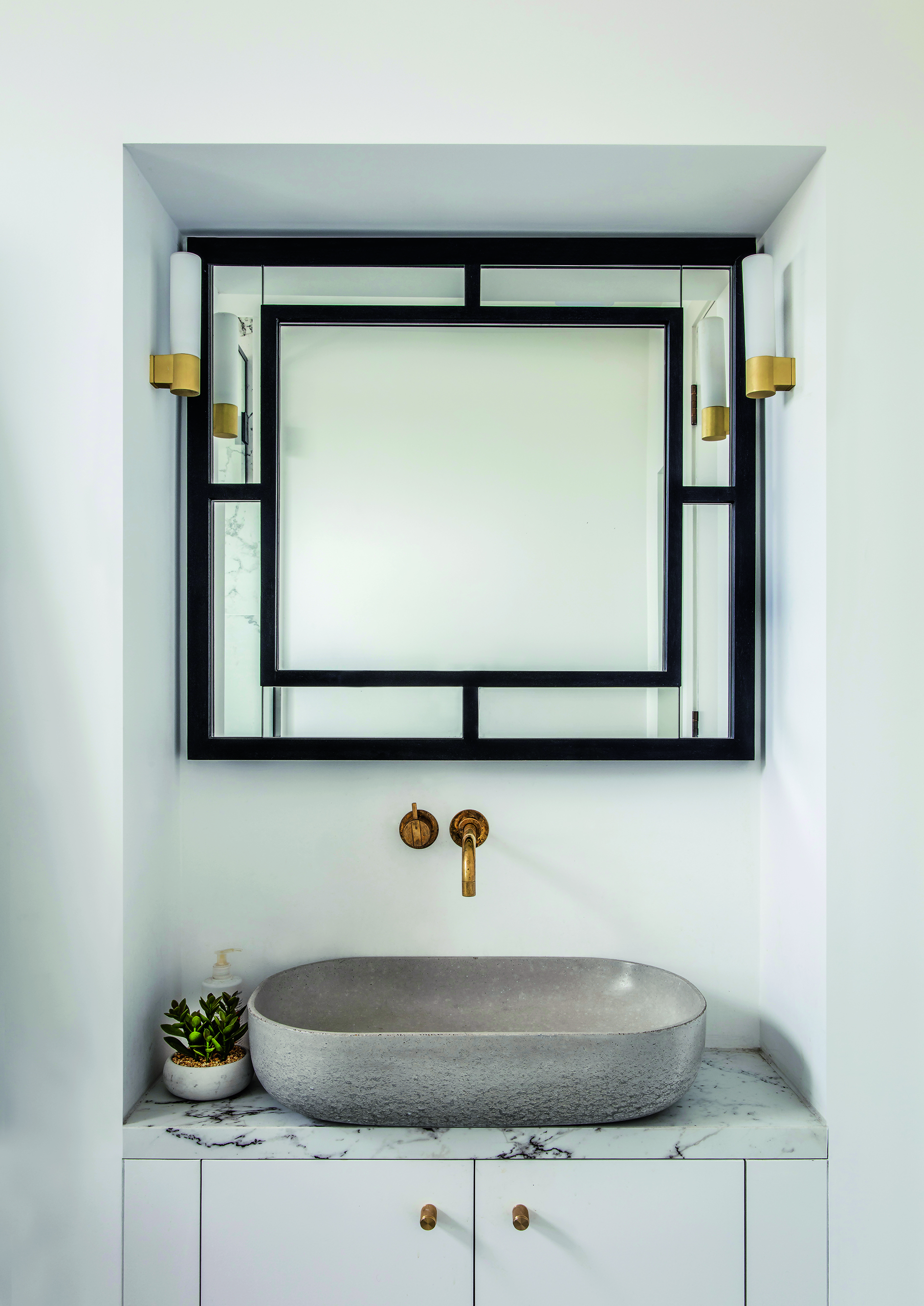
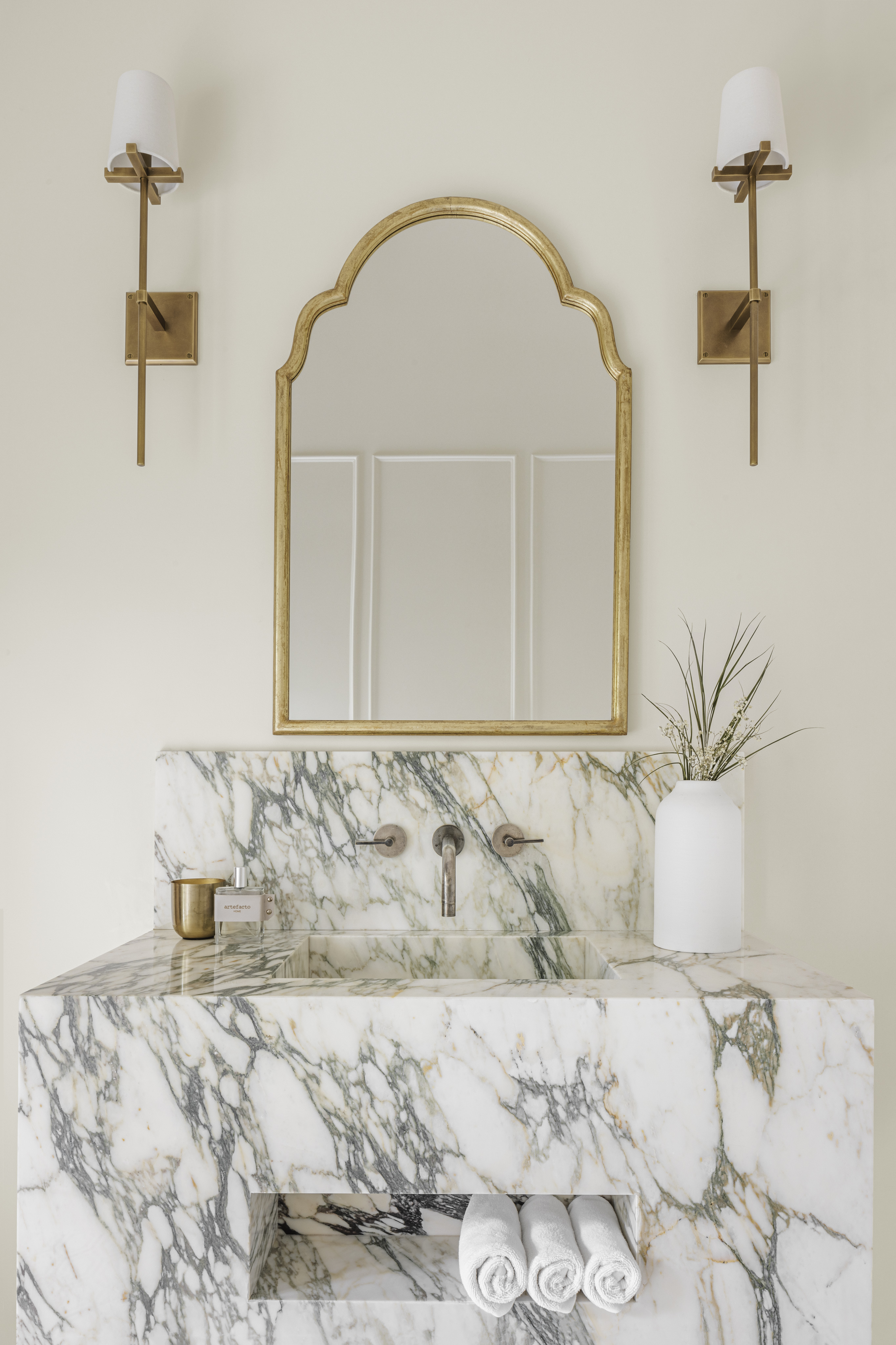
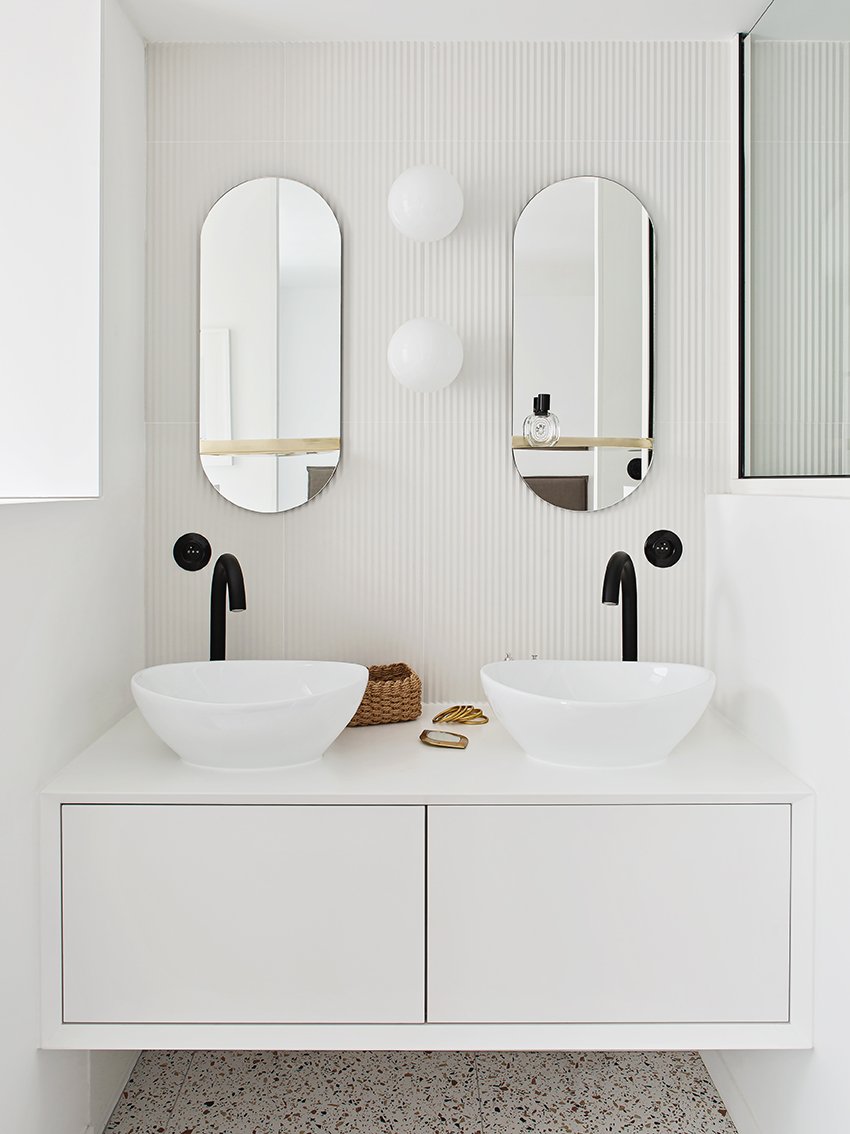
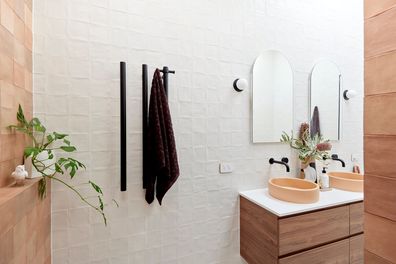
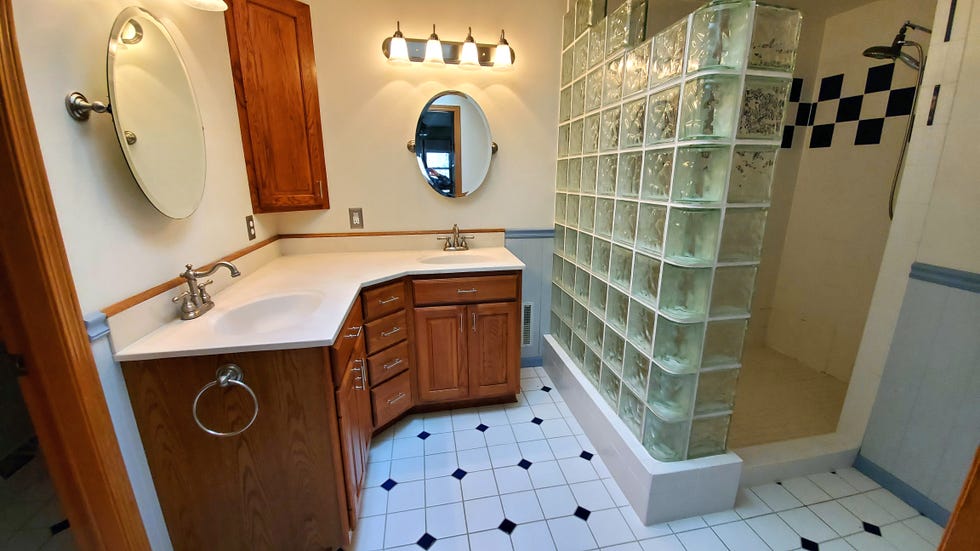
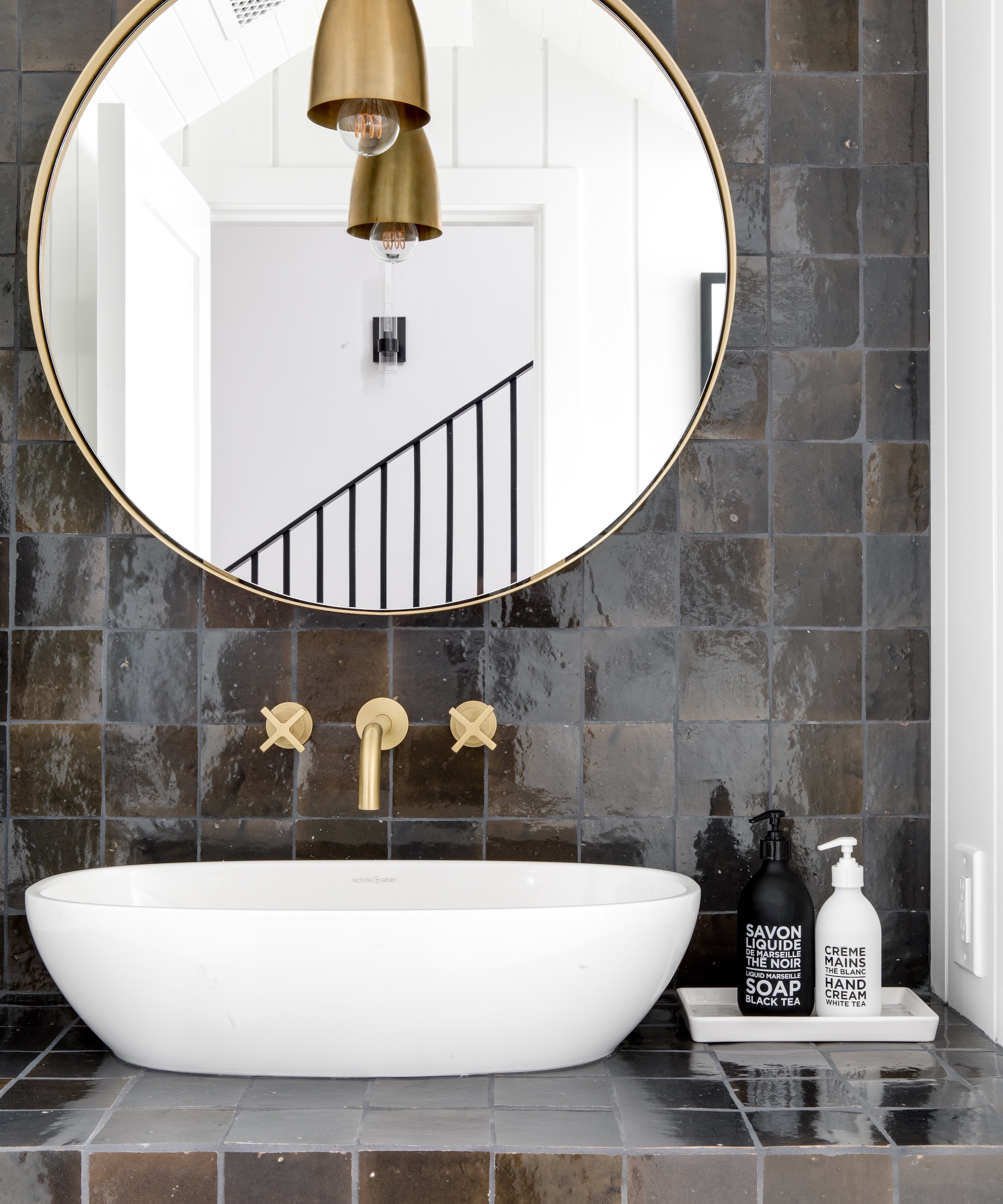
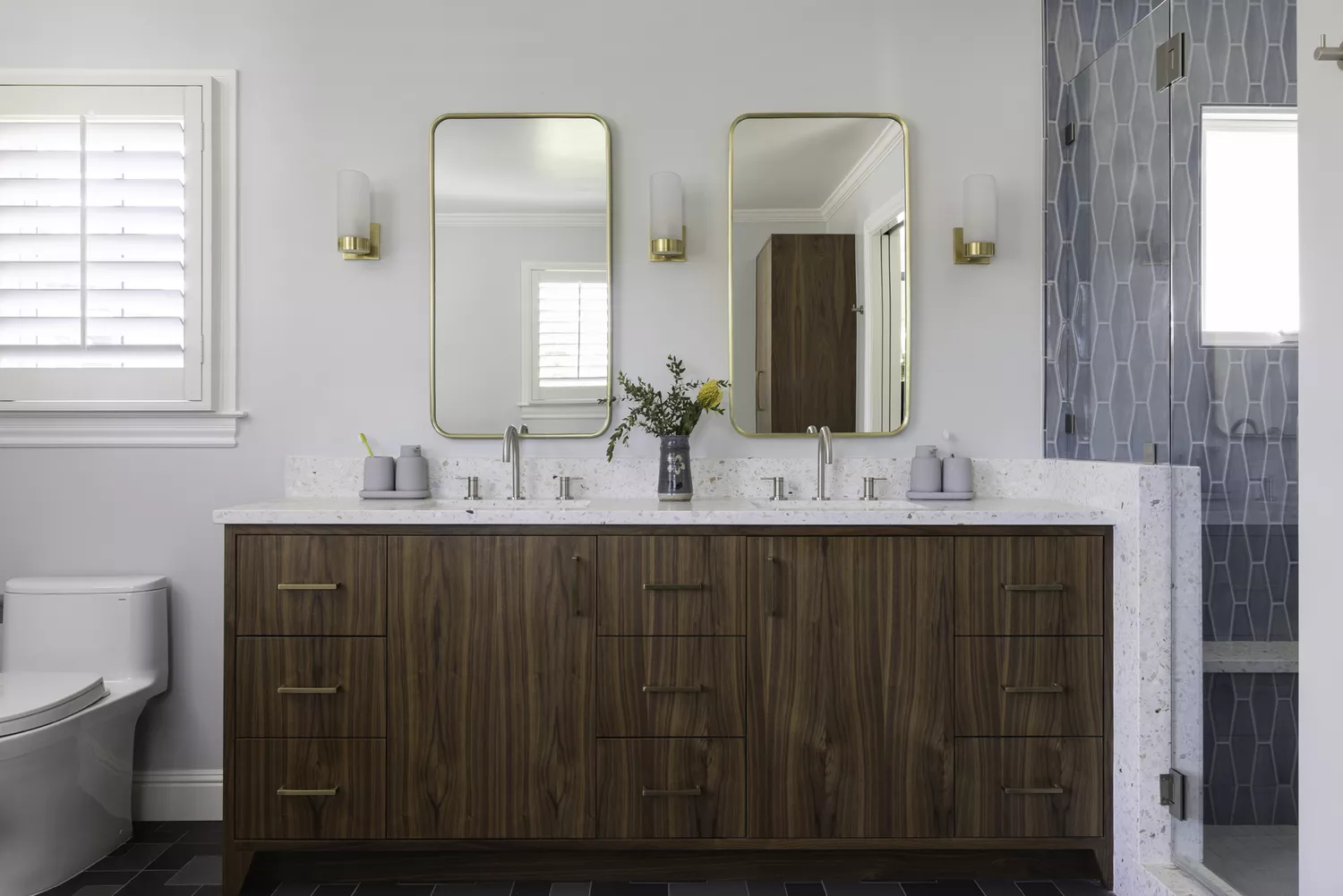
Varying the finish of the metals is also key. Designers suggest ensuring that mixed metals have distinct finishes, such as polished, matte, or brushed. Shauna Glenn of Shauna Glenn Design points out that mixing chrome with shiny brass is generally not recommended, but pairing brushed nickel with shiny brass, or chrome with matte black, can be very effective. The goal is to create intentional contrast rather than a near-match that could appear accidental.
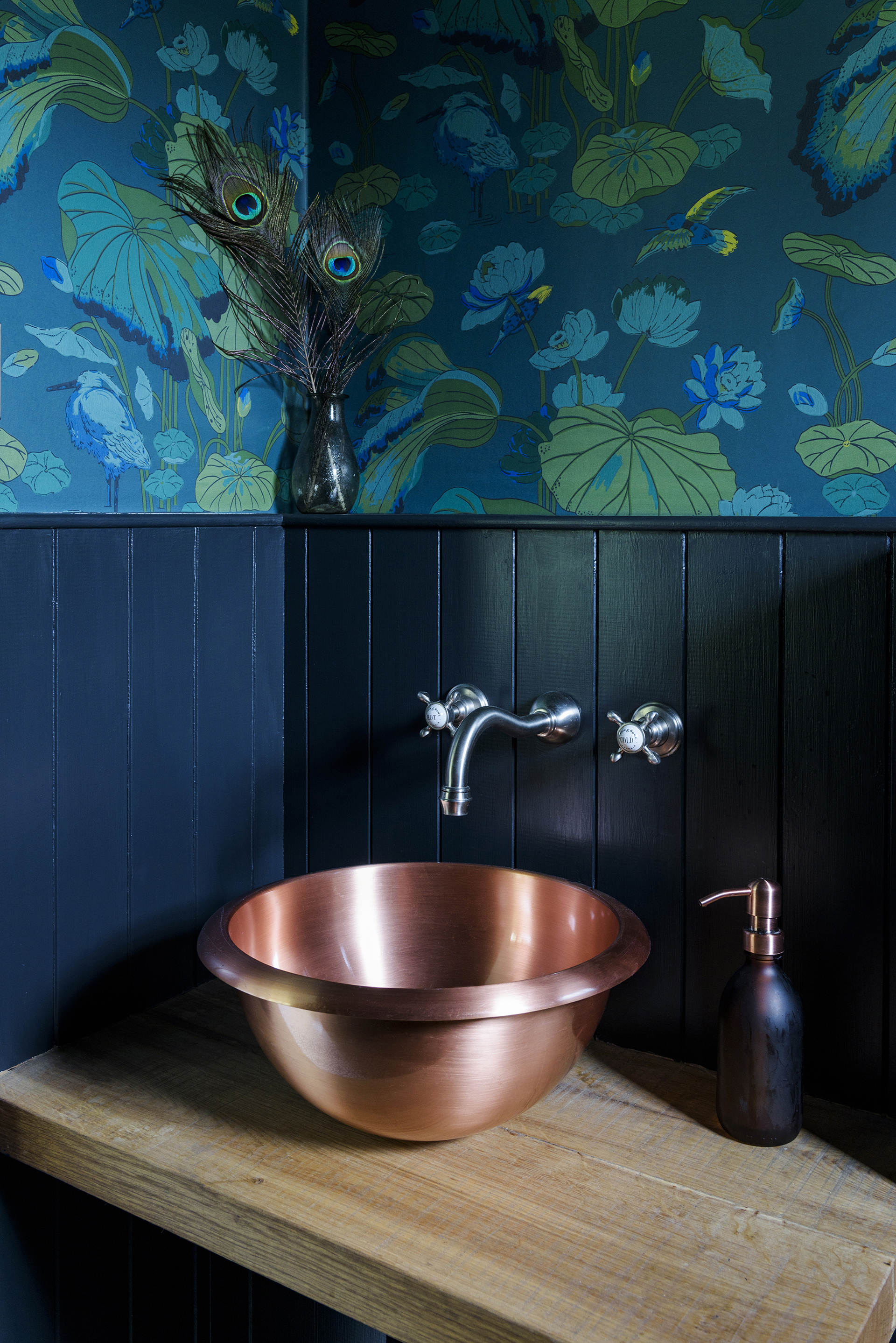
Lina Galvão, co-founder of Curated Nest Interiors, highlights the importance of similar undertones. Even if metals differ in color (e.g., silver and gold), they should share either warm or cool undertones to ensure a cohesive look. Pairing warm metals with warm metals and cool with cool creates a harmonious balance. Additionally, Galvão suggests choosing metals that are sufficiently different from each other. For example, mixing copper and brass might look like a mistake because they are too similar, whereas satin nickel and brass create a pleasing combination due to their distinct appearances but shared warm undertones.
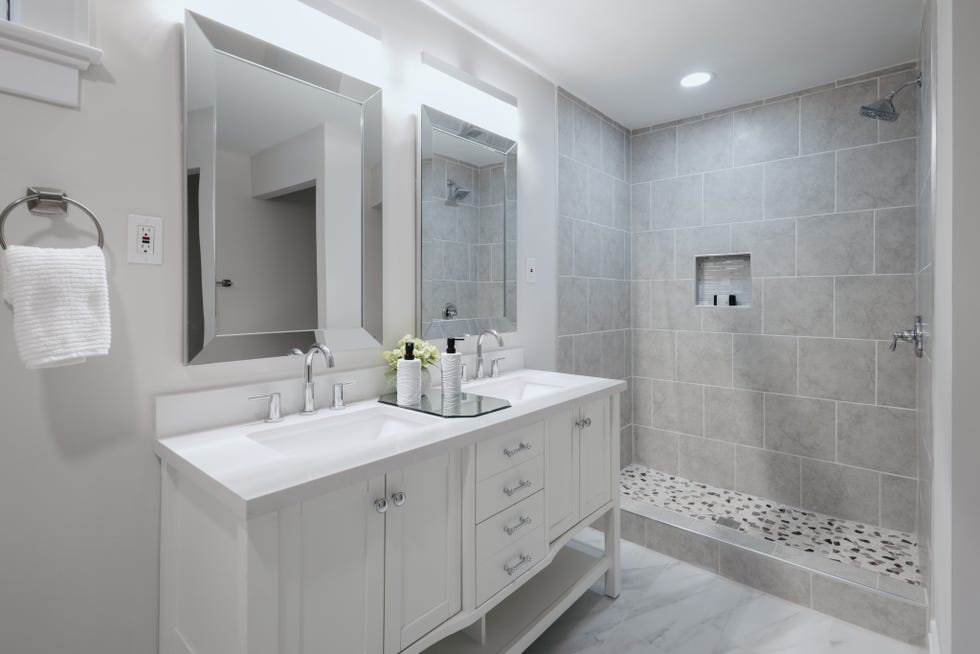
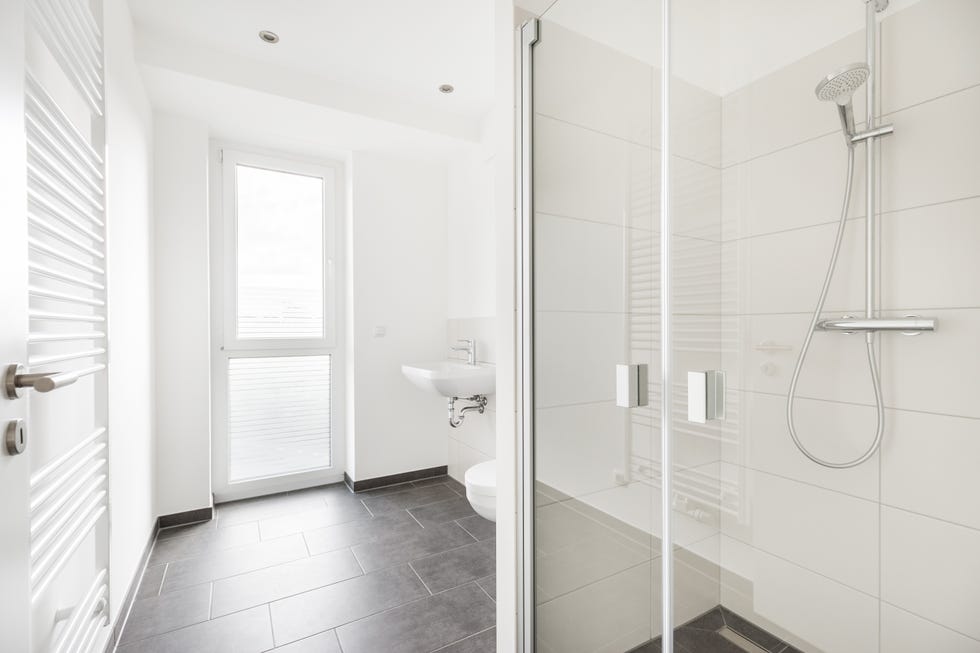
Finally, Galvão recommends that each metal finish appear at least twice within the bathroom. A single isolated metal element can stand out unfavorably and disrupt the overall integration. By repeating a metal finish in multiple spots, a sense of rhythm and collectedness is established, which can enhance the character of a new build or a modern, minimalist bathroom.
#BathroomDesign #HomeDecor #MixedMetals #InteriorDesign #FixtureFinishes #DesignTrends #RenovationTips #DecoratingIdeas #BathroomDesign #HomeDecor #MixedMetals #InteriorDesign #FixtureFinishes #DesignTrends #RenovationTips #DecoratingIdeas
0 comment in total
 No comments yet
You may also like
Designers Say Your Bathroom is Missing This 1 Thing

Design pros share their best tips for renovating and styling your bathroom

The 5 bathroom lighting rules design experts always follow for a bright and beautiful space

5 Bathroom Lighting Mistakes That Instantly Dim the Space, According to Designers
5 Bathroom Lighting Mistakes to Avoid — Designers Advise How to Dodge The Most Common Problems

8 Bathroom Reno Mistakes That INSTANTLY Cheapen the Look of Your Home, According to Experts

How to Redecorate Your Bathroom, According to Interior Designers
Updating your bathroom in 2025? Designers say these 5 swaps will completely transform your space
Designers use this trick to make a bathroom feel more expensive – and it can work for a small space, too
Don't Make These 9 Mistakes When Remodeling Your Bathroom, Pros Warn
13 bathroom design mistakes to avoid at all costs, according to experts
5 bathroom hardware ideas to elevate your scheme
8 Things in Your Bathroom That Instantly Give Designers the Ick
8 common design mistakes that make your home look dated — and how to avoid them
Colorful bathroom suites are making a comeback – 5 ways to style these retro fixtures in any scheme
Interior designers believe these are the bathroom tiling trends to follow (and avoid)

Where To Find First-Class Bathroom Fittings

Who Says Your Bathrooms Have to Look the Same?
5 "Impractical" Choices to Avoid in a Bathroom — These Make Your Spaces More Difficult to Use
5 stellar 2023 bathroom design trends you need to add to your home design