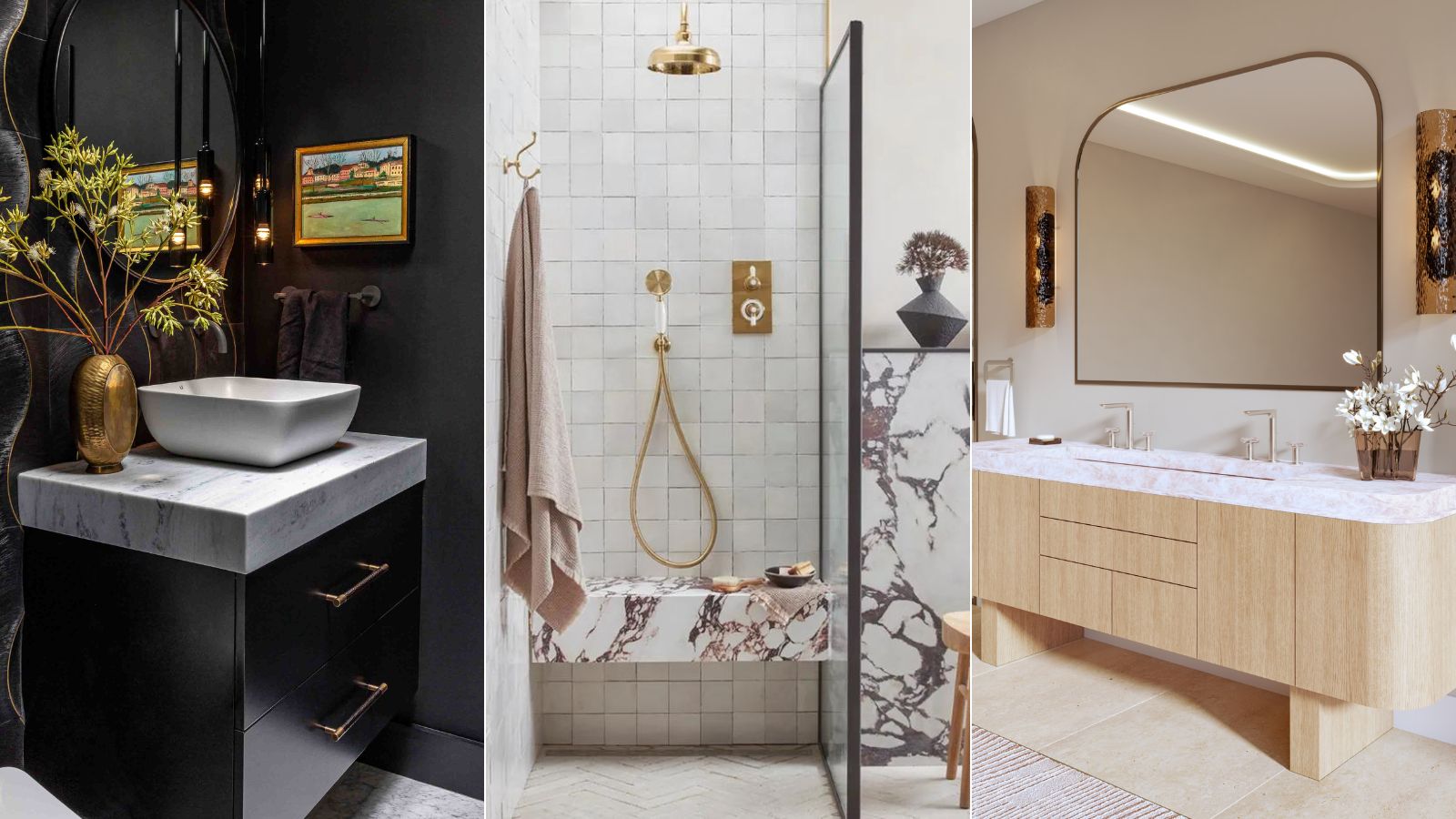
1/6
5 bathroom hardware ideas to elevate your scheme
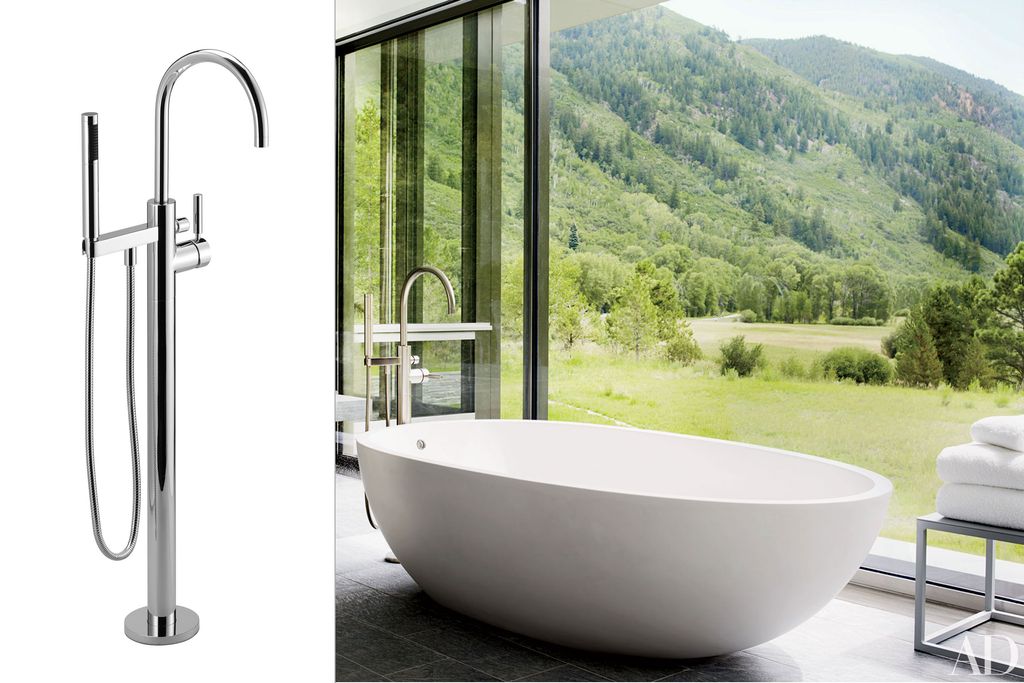
The article discusses how bathroom hardware, though small in size, plays a significant role in defining the aesthetic of a bathroom. It emphasizes that while major features like countertops, tiles, and decor are central to a bathroom's design, hardware acts as the final touch that unifies all these elements. The article provides five distinct ideas for incorporating bathroom hardware, ranging from ensuring cohesion across all fixtures to embracing playful details and mixing traditional with modern styles.
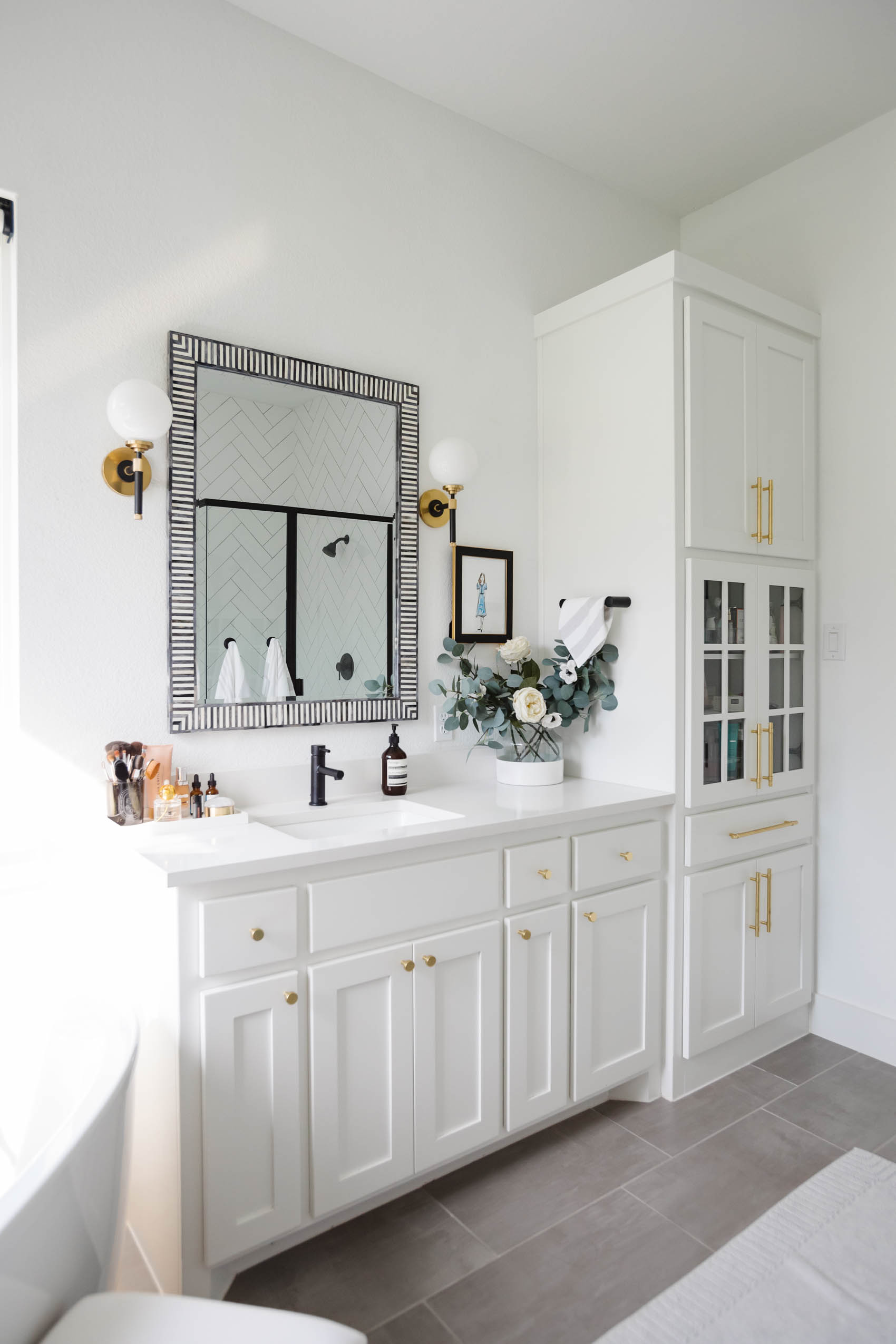
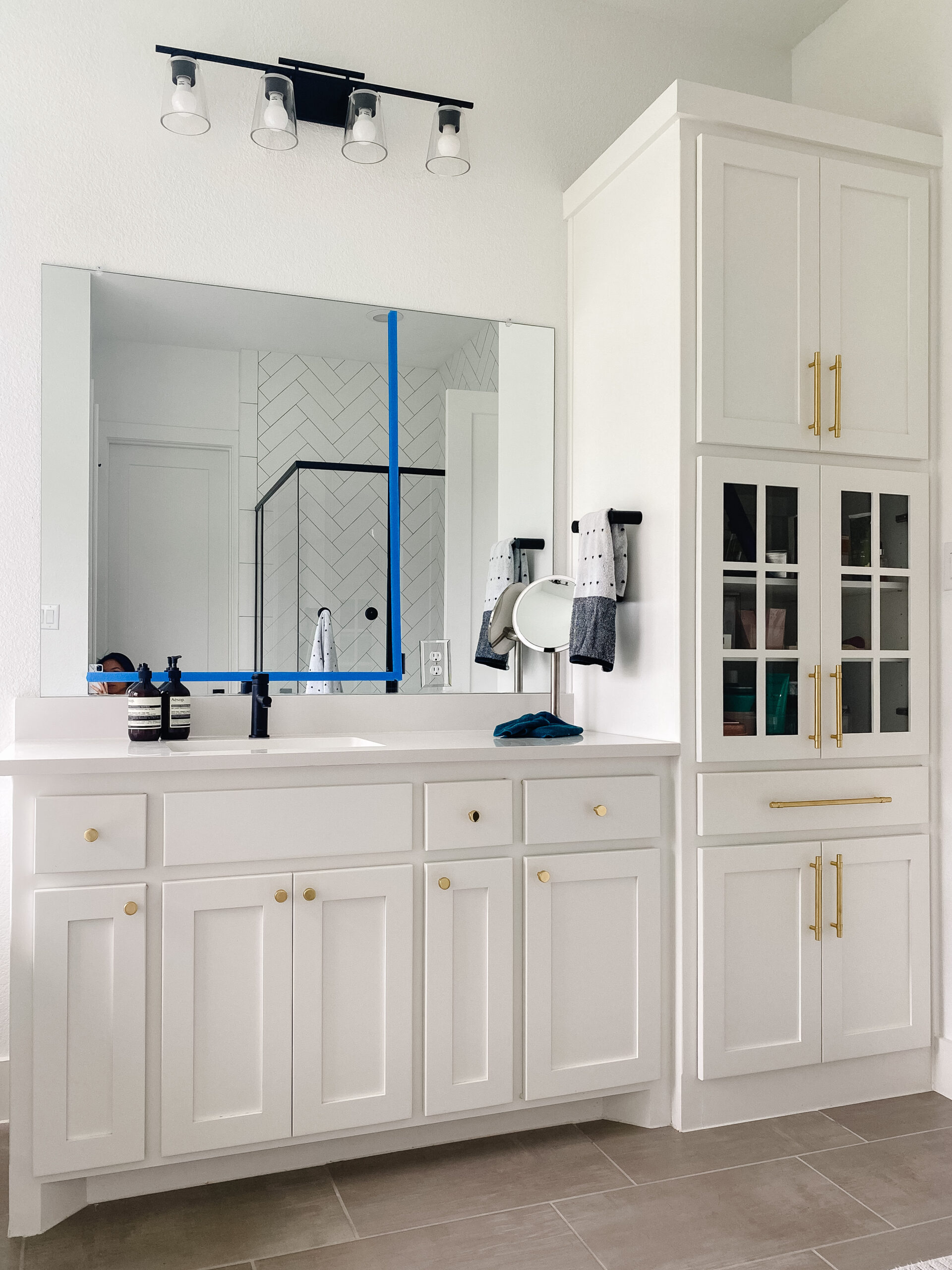
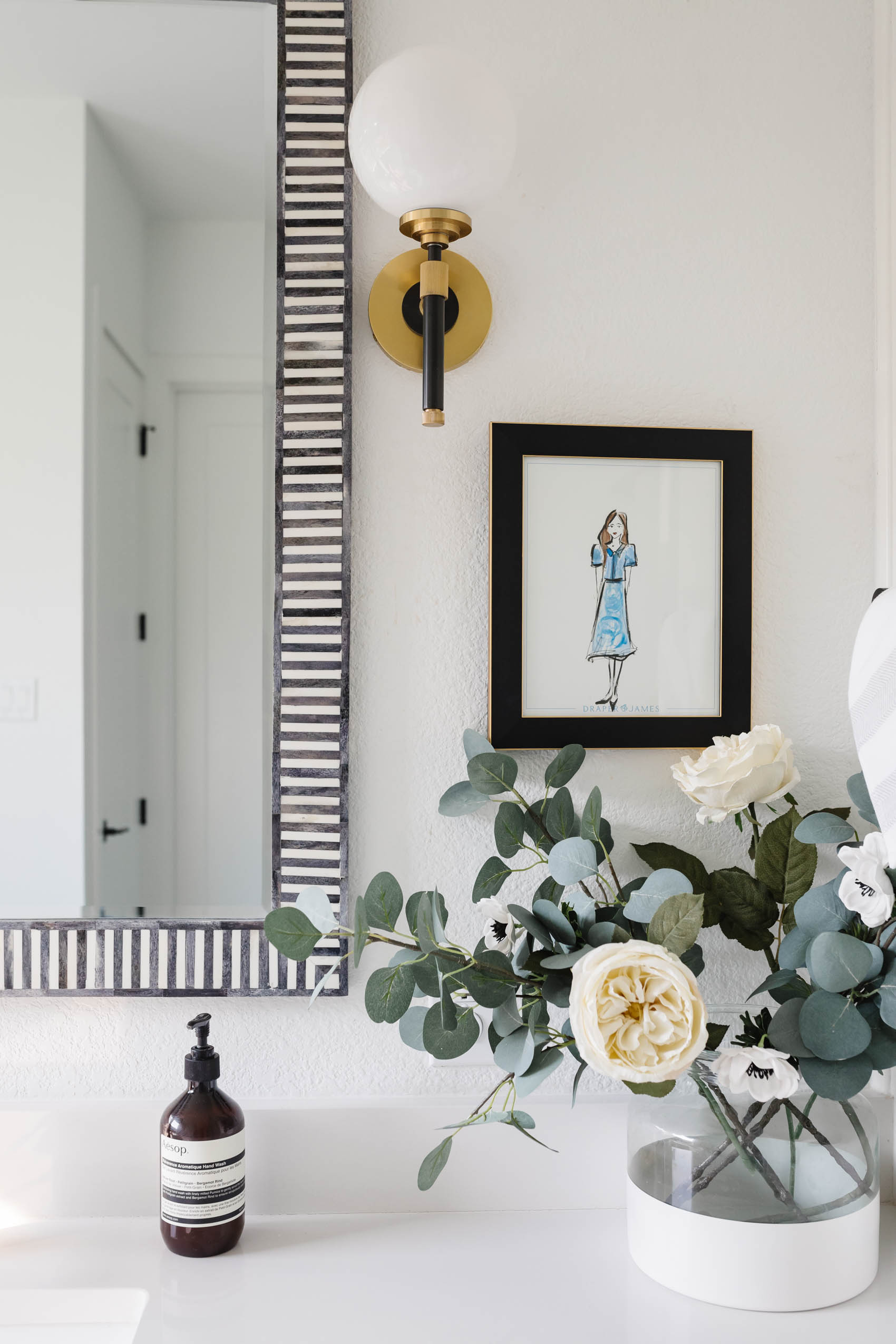
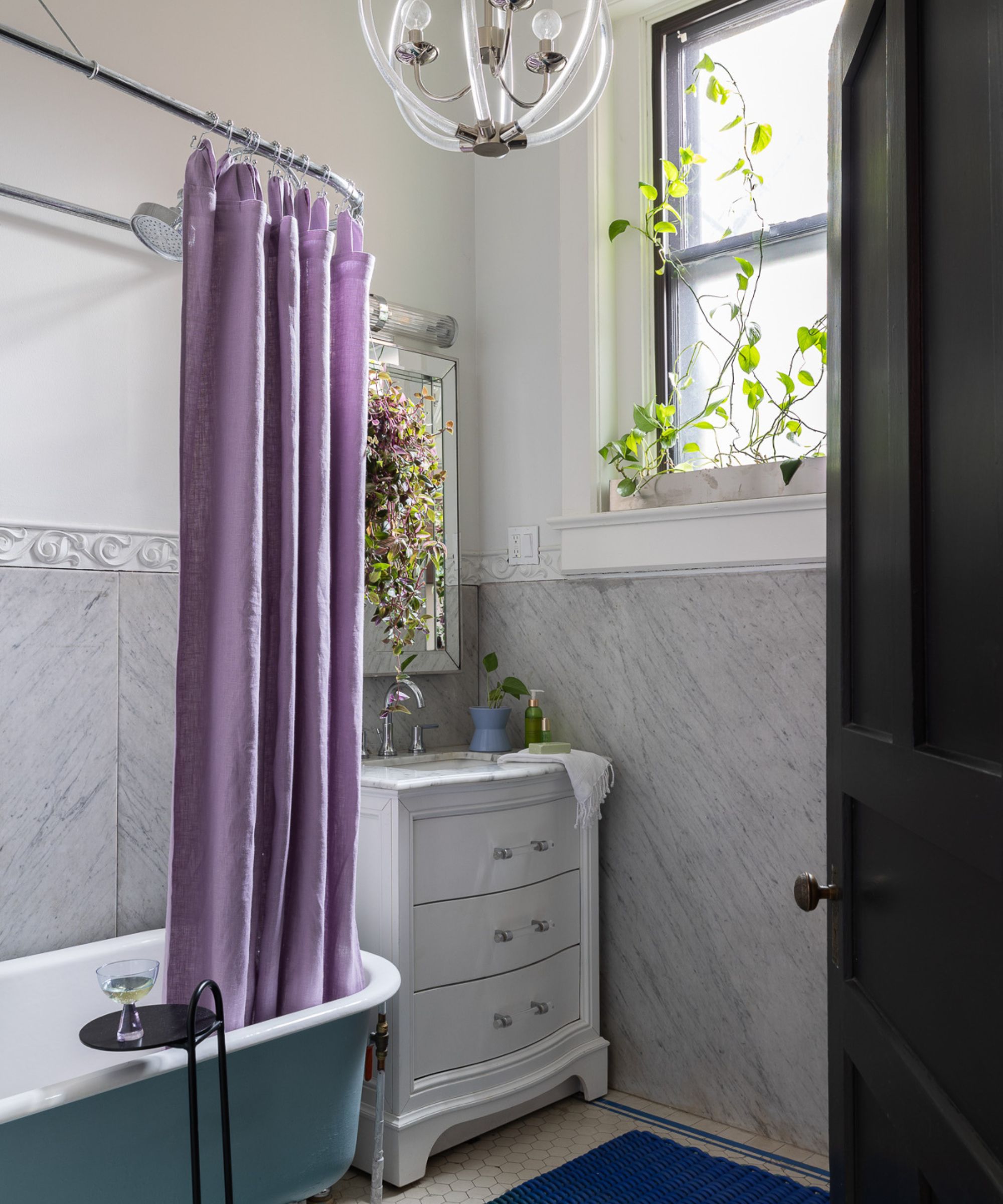
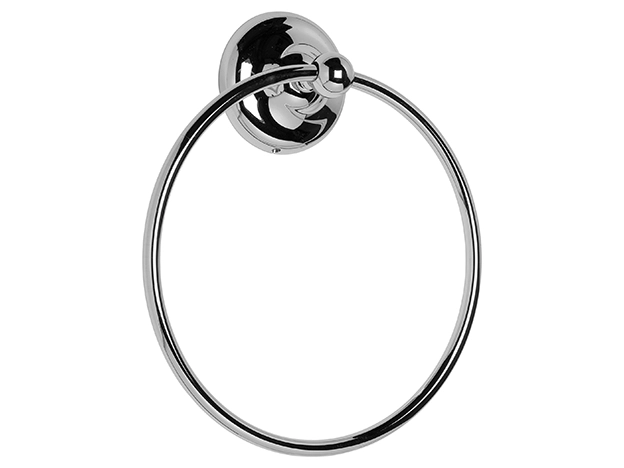
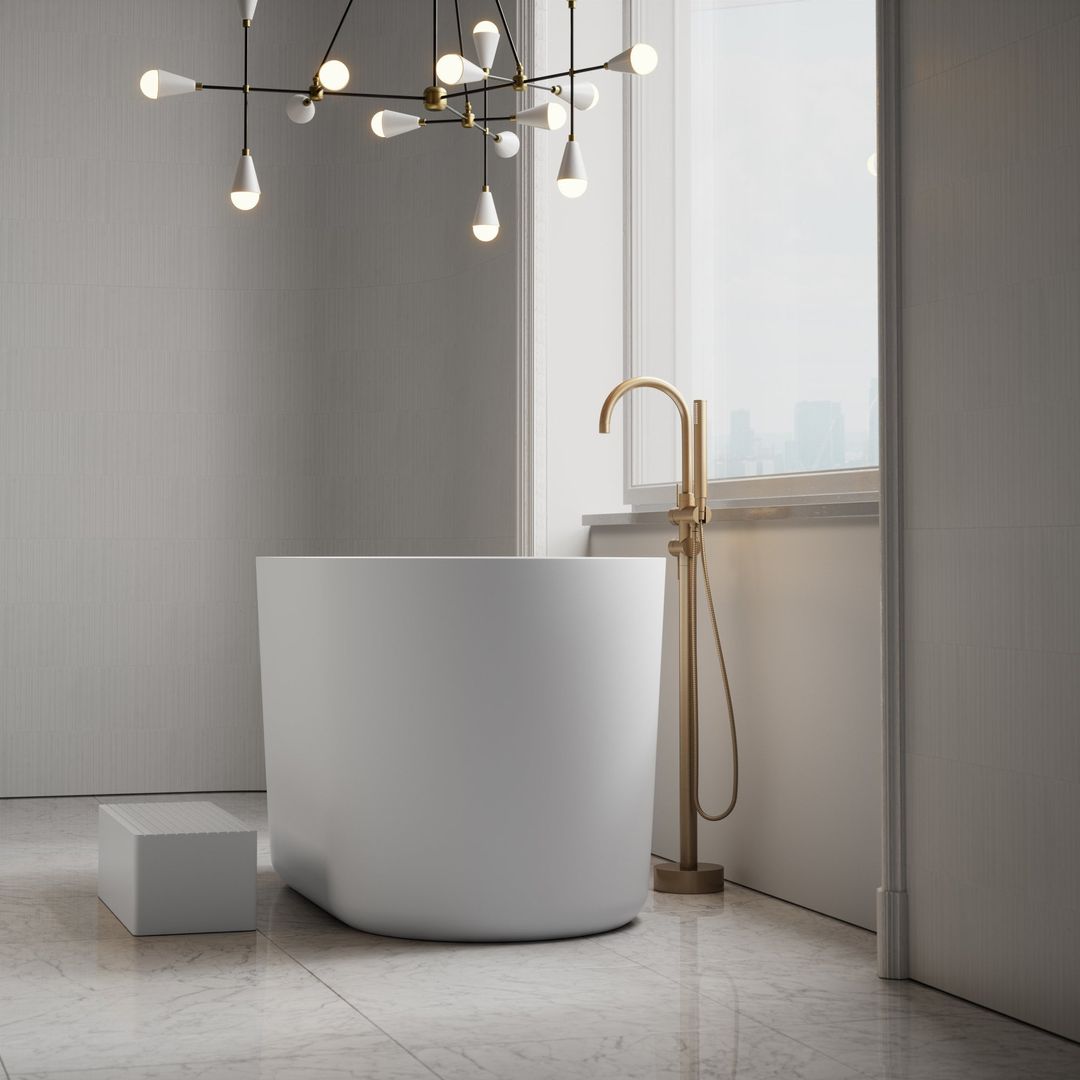
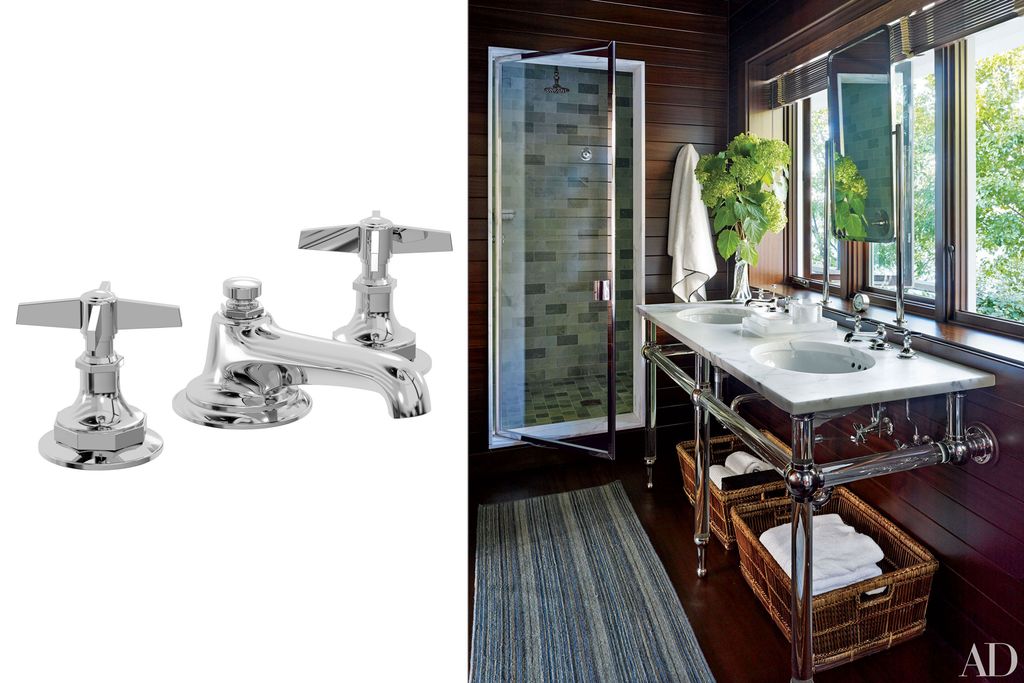
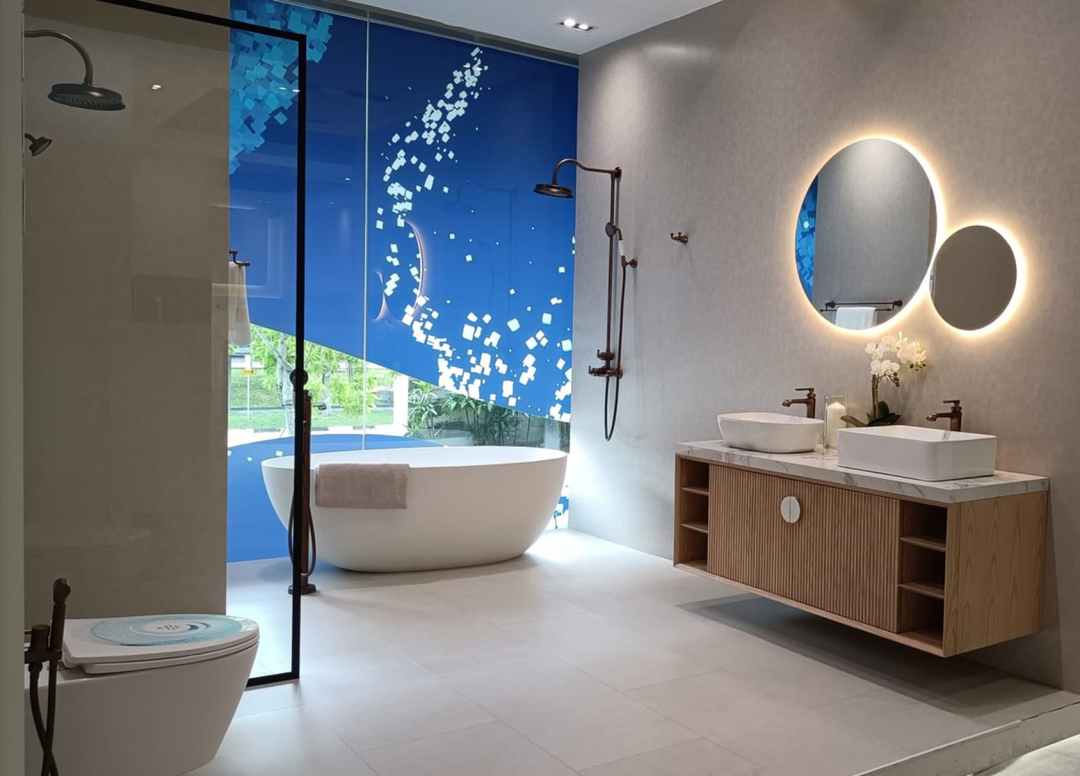
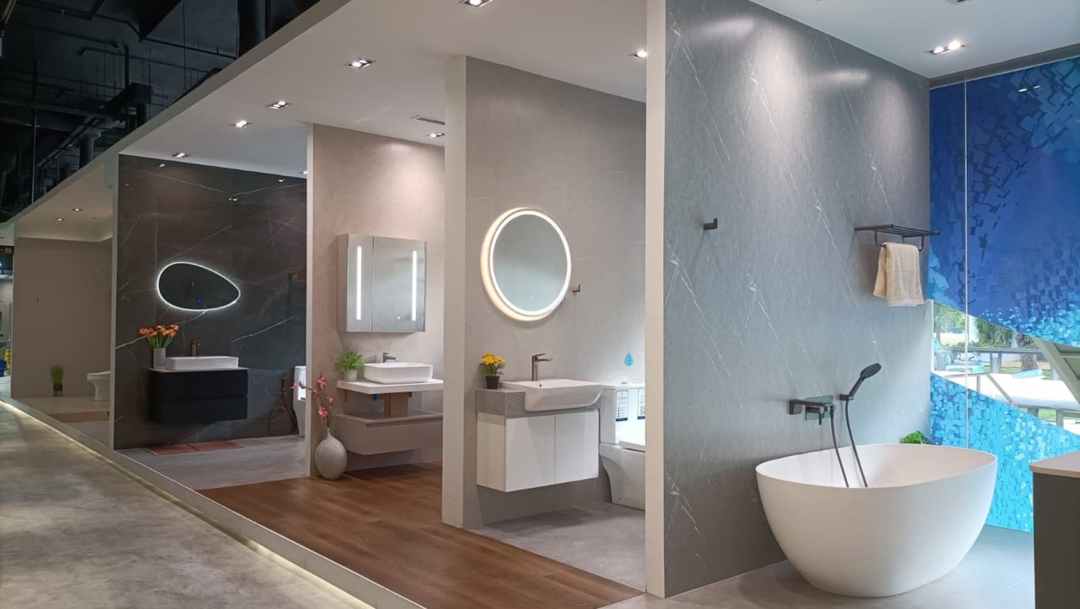
The first idea presented is to create cohesion by matching hardware finishes. This involves selecting a consistent finish for faucets, vanity handles, light fixtures, and towel rings to achieve a sophisticated and harmonious look. Oscar Roberts, managing director at Turnstyle Designs, highlights the importance of avoiding jarring contrasts, such as mixing antique brass with high-sheen chrome. He also notes a growing trend among designers to move away from hard finishes like chrome and nickel in favor of antique finishes, such as burnished brass, which add warmth and character, especially when combined with organic textures.
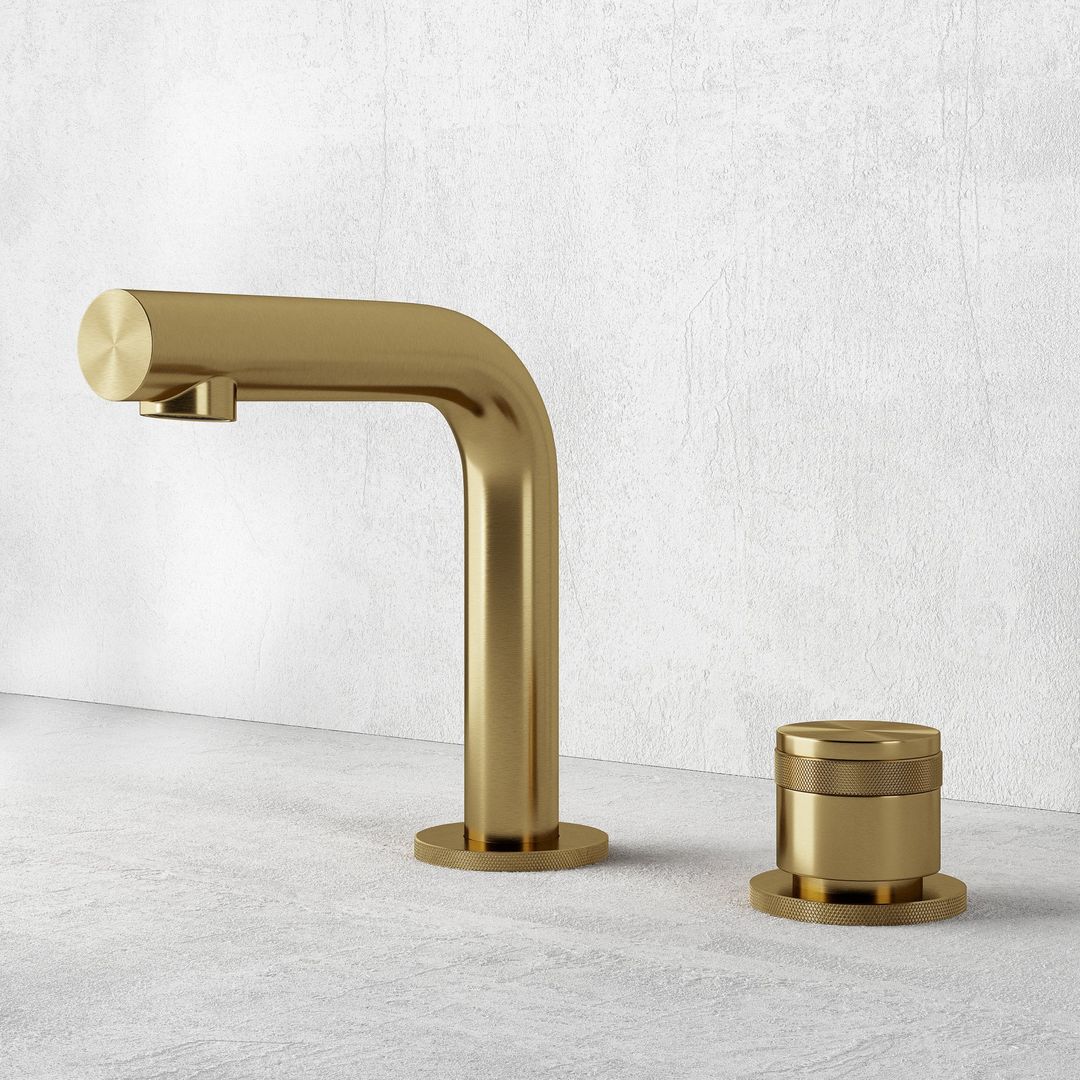
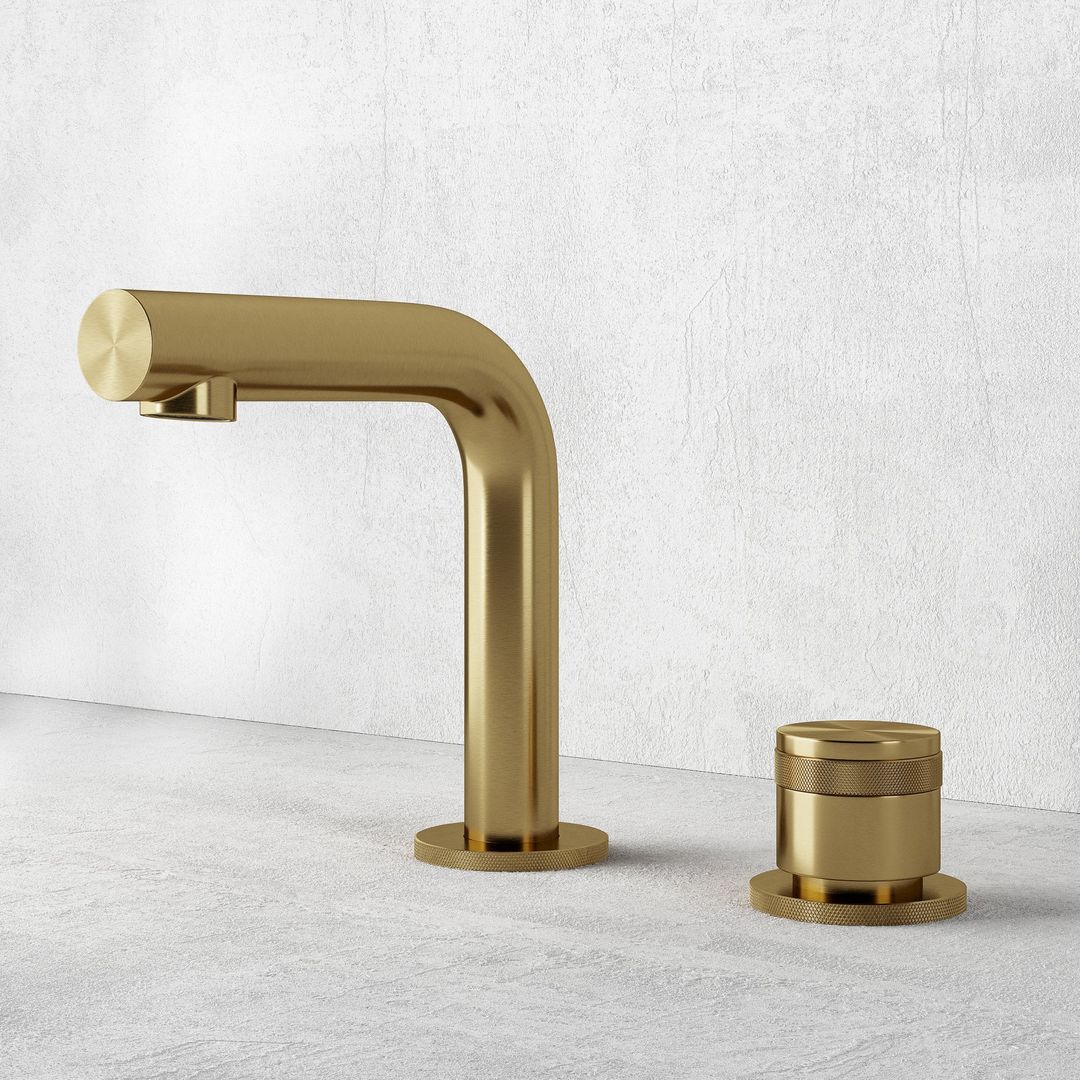
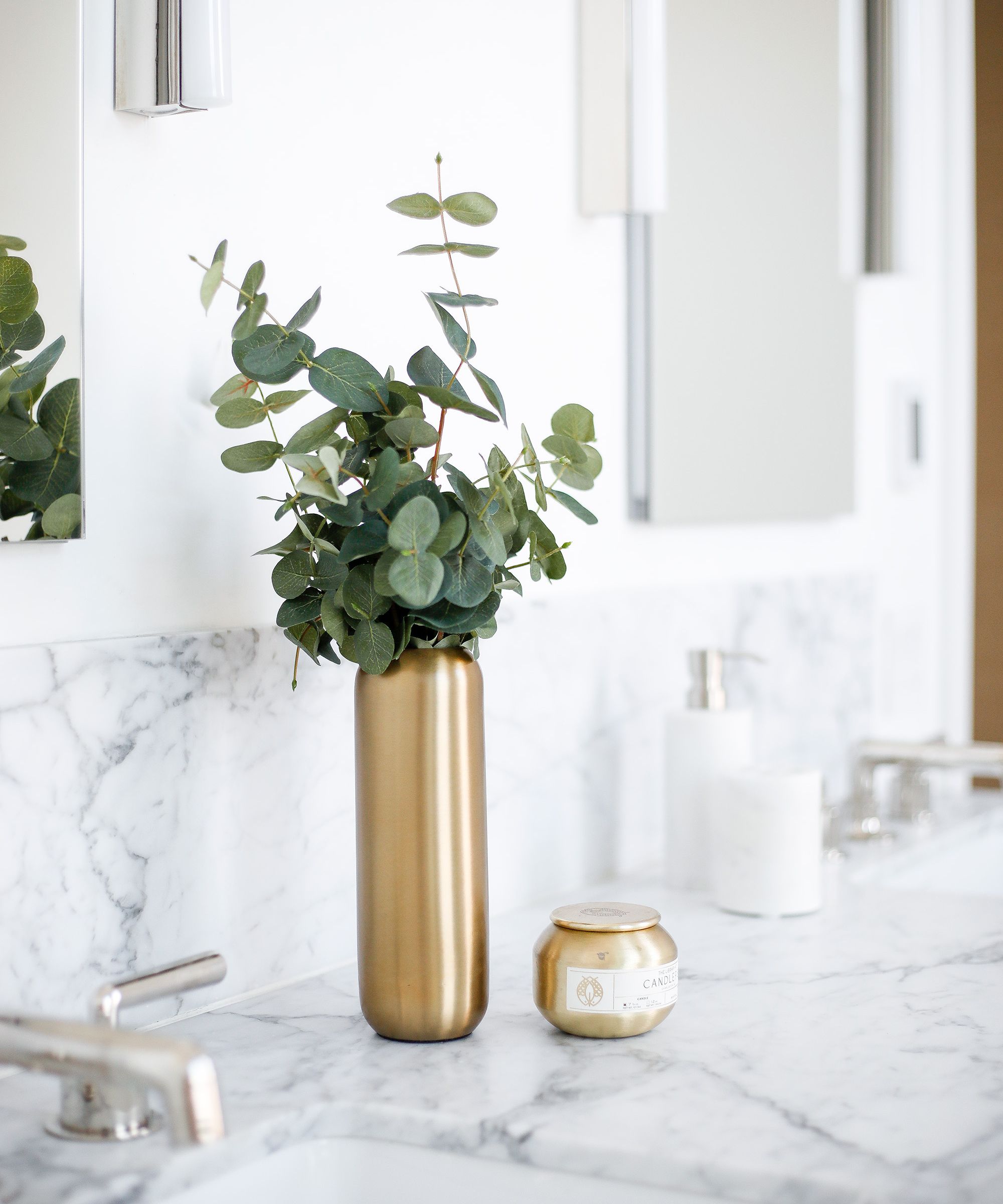
The second suggestion is to keep the design classic with brassware. Brass is described as a timeless and enduring choice that pairs well with various bathroom color schemes. Its popularity ensures a wide range of eye-catching designs, allowing for unique appeal. Jeevan Seth, CEO at JTP, explains that brushed brass offers a perfect balance of being eye-catching and on-trend without being overwhelming, and coordinating all main bathroom fixtures in brass can create a cohesive and flowing decorative scheme.
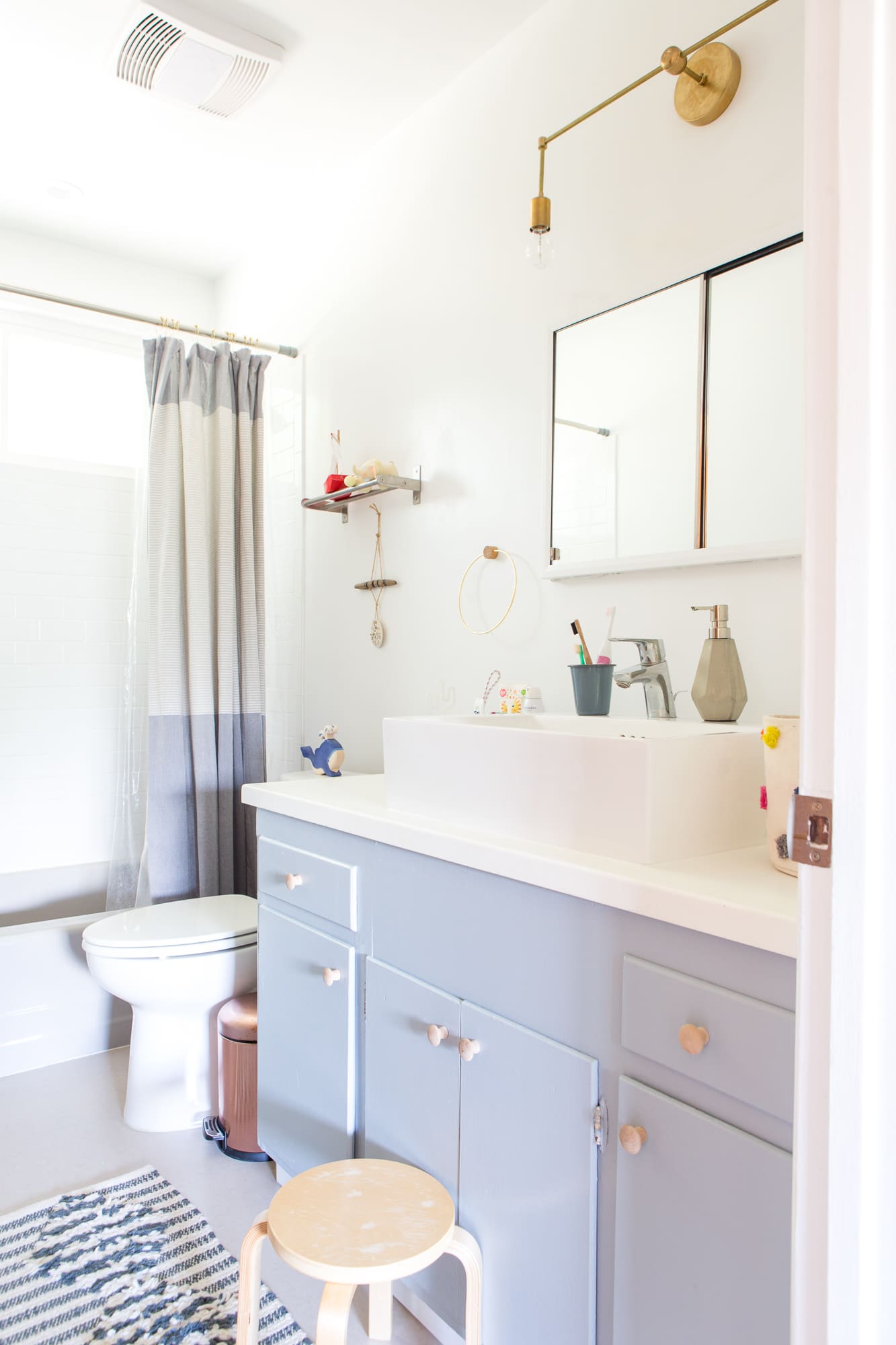
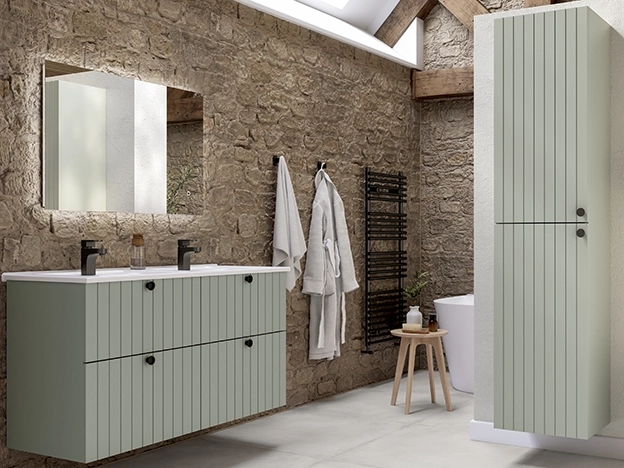
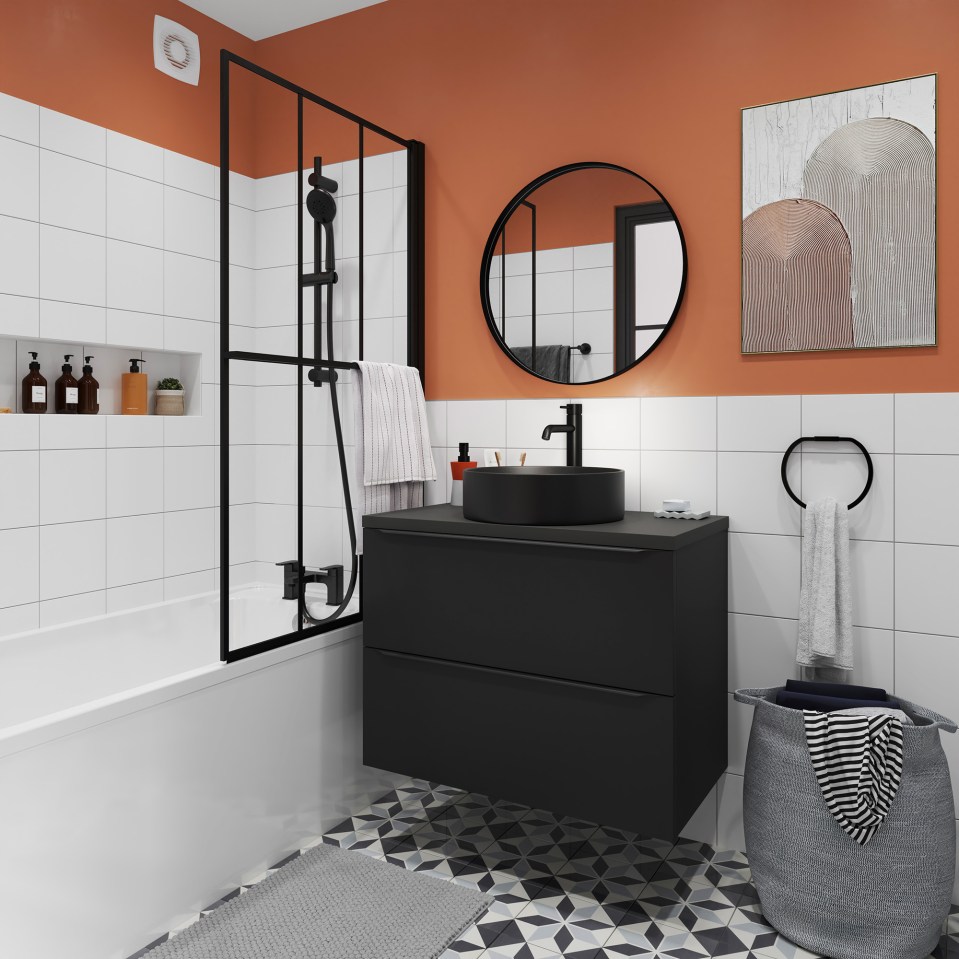
The third idea focuses on introducing contrast between hardware and vanity colors. This approach makes the hardware stand out and elevates the overall design. The article clarifies that this doesn't necessarily mean making the hardware the sole statement piece. It cites an example where natural wooden vanities paired with iron hardware add a decorative touch without overpowering the space. For a bolder statement, larger fixtures or a more contrasting color against the wall or vanity finish are recommended.
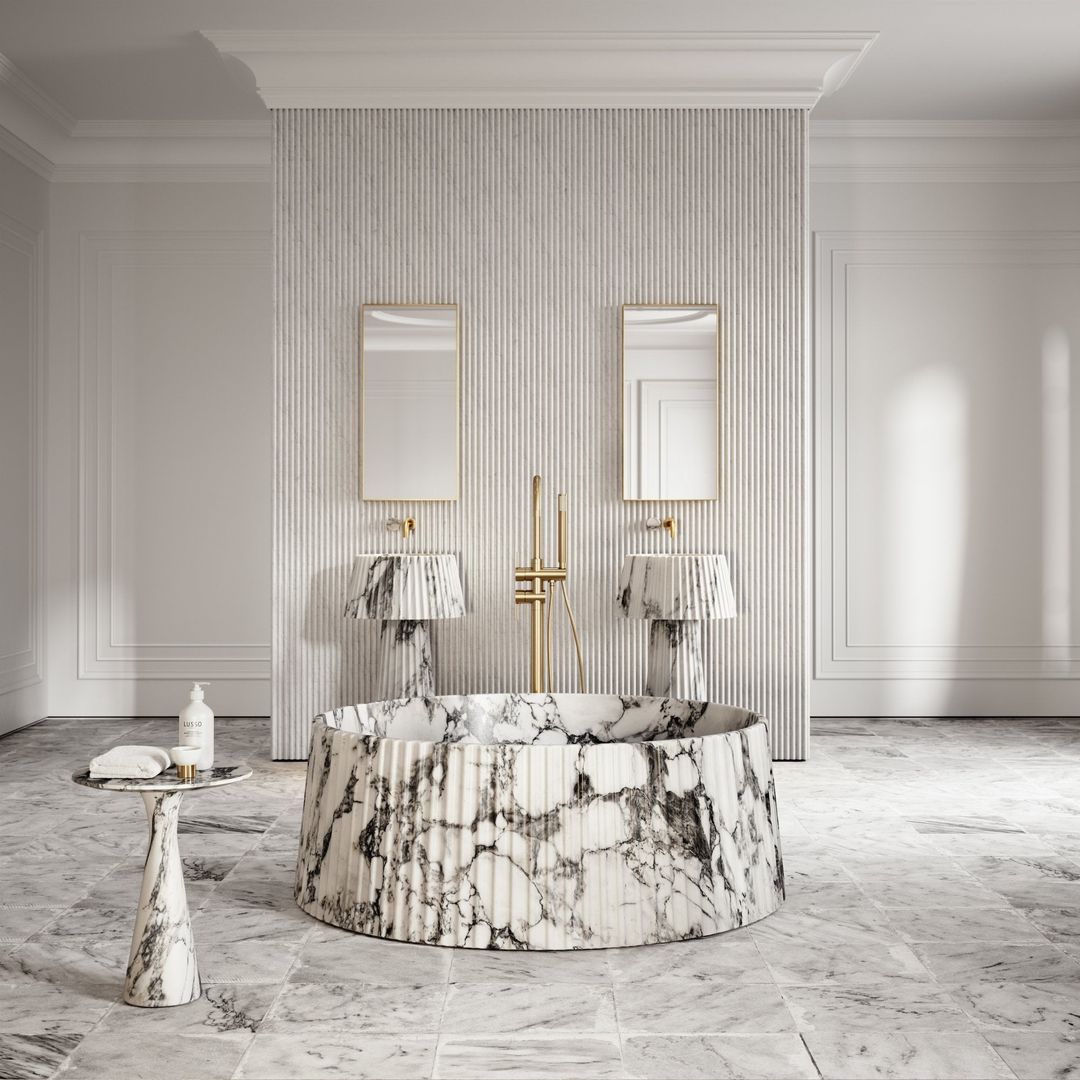
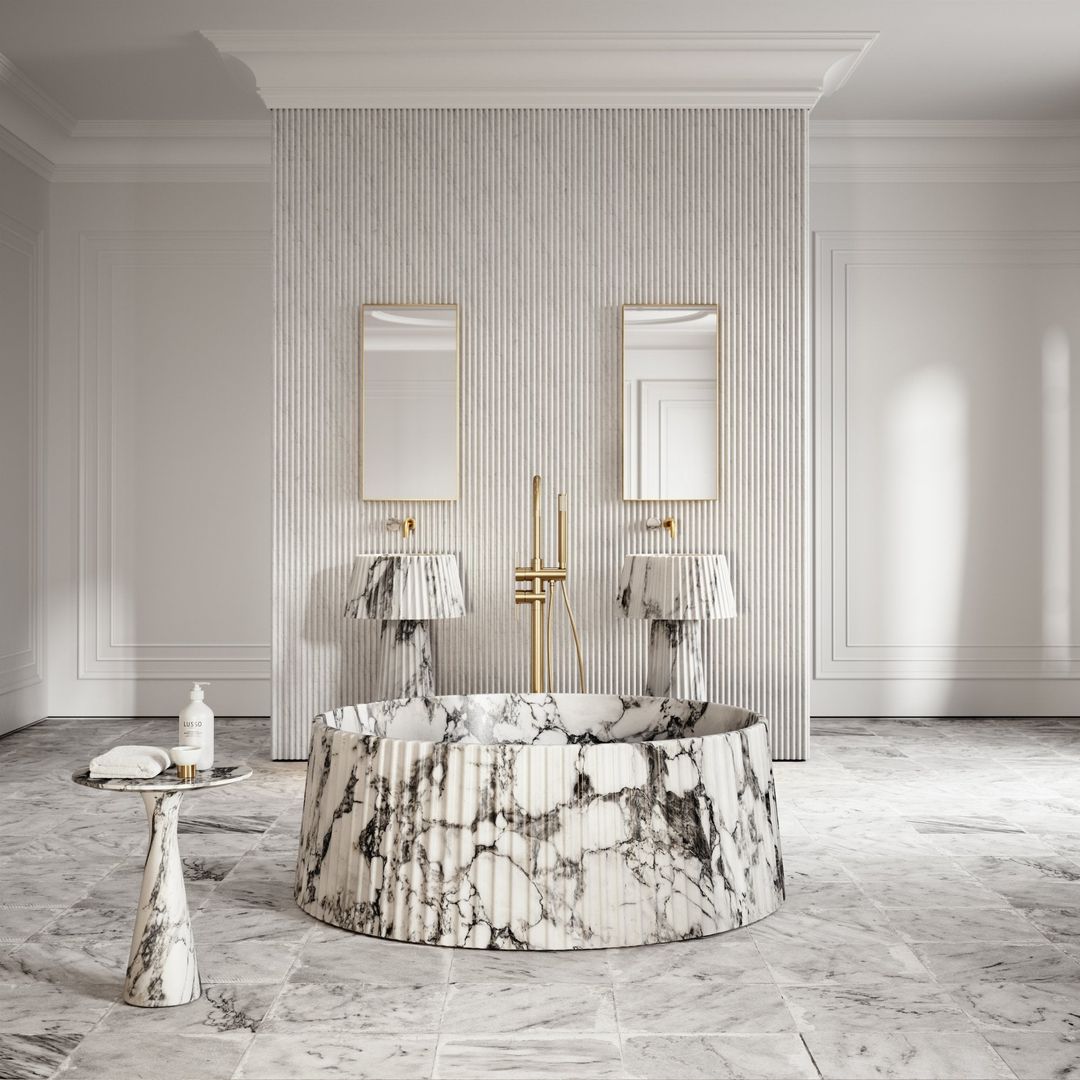
Fourth, the article encourages adding playful details to bathroom hardware. It notes the increasing versatility in hardware designs, with decorative elements becoming more common. Brassware with polished stone detailing is highlighted as an enduring trend, offering a unique twist on classic styles. Louise Ashdown, head of design at West One Bathrooms, mentions a preference for Kallista's brassware collections that integrate marble and onyx into handles, or feature bright colored handles, which are suitable for transitional bathroom spaces. She suggests pairing polished nickel with pink onyx inlays with a neutral color palette and tactile materials, keeping the space uncluttered to let the brassware be the focal point.
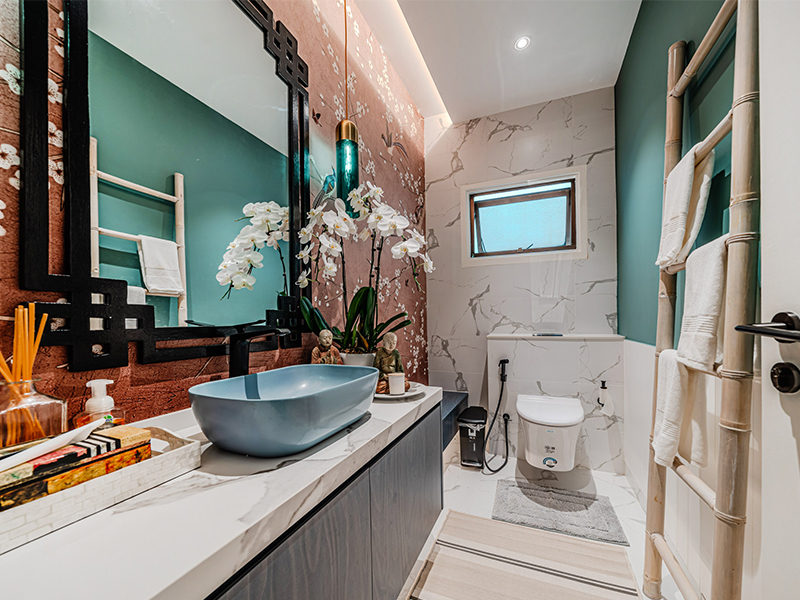
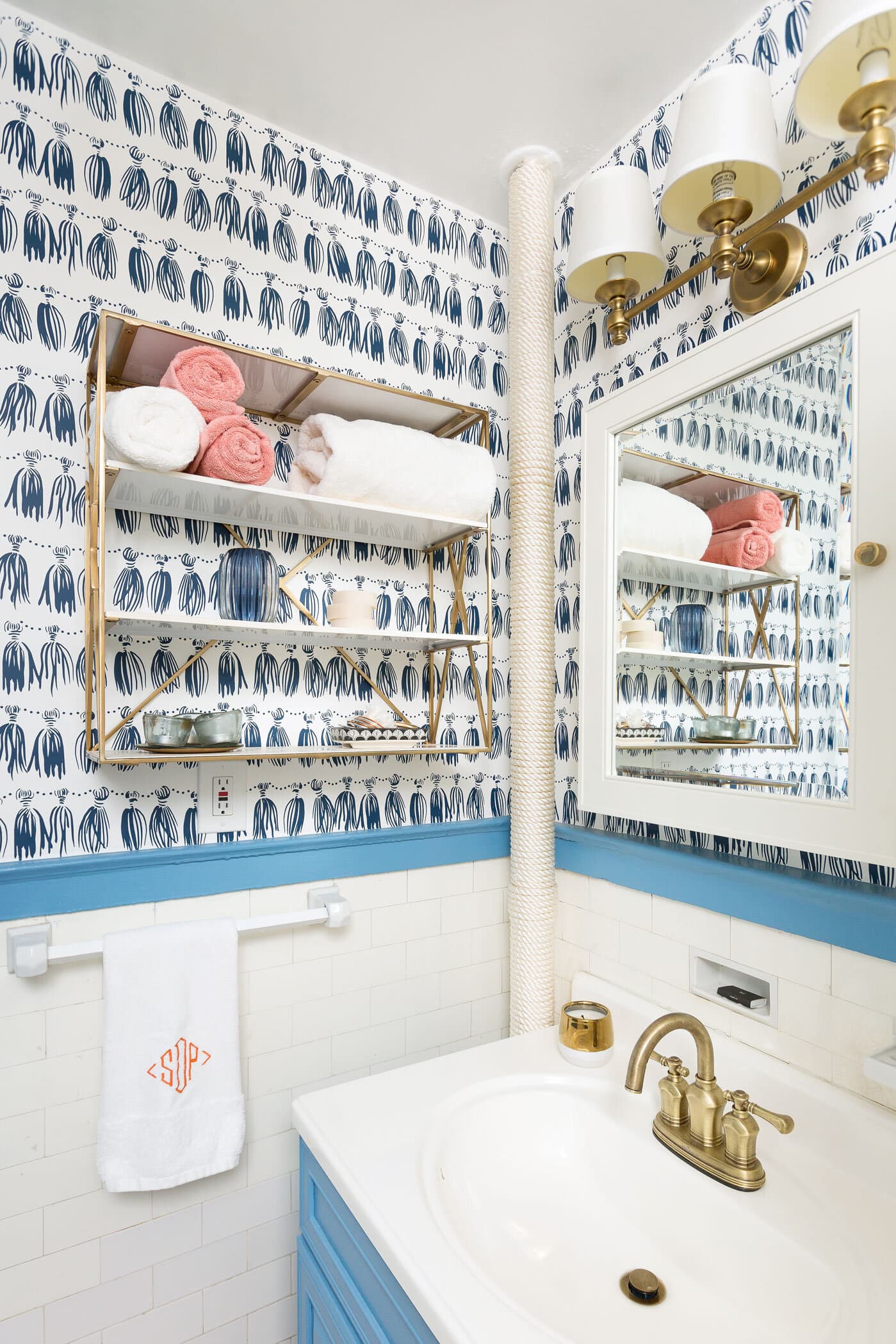
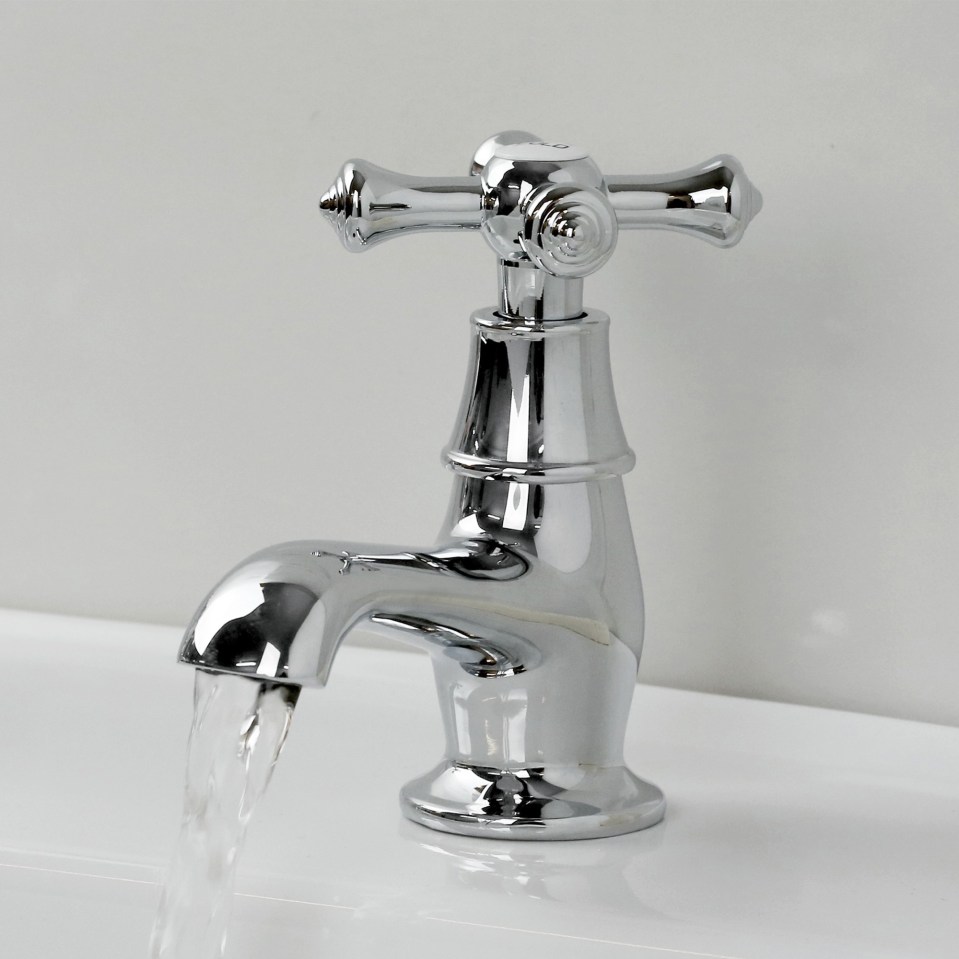
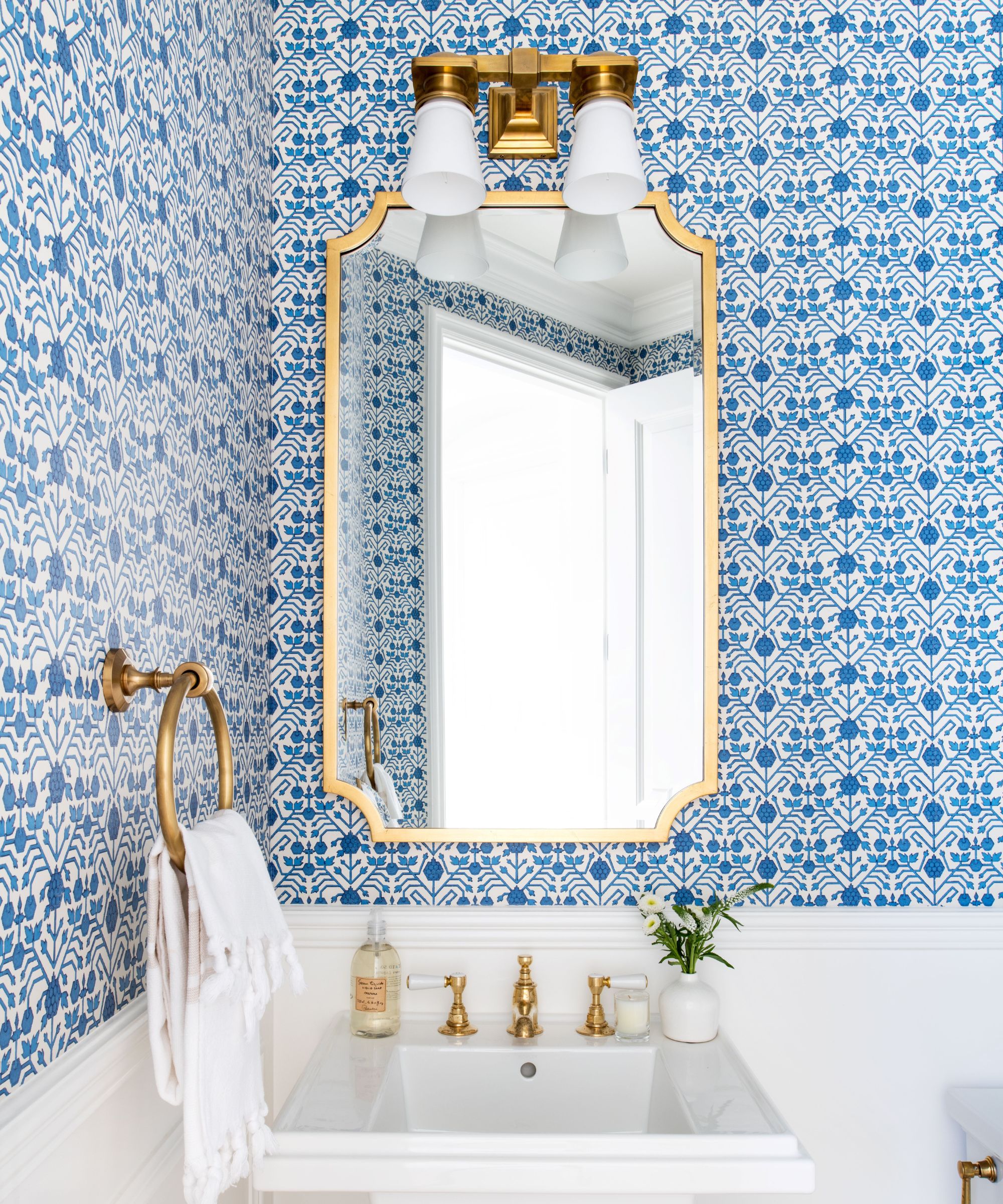
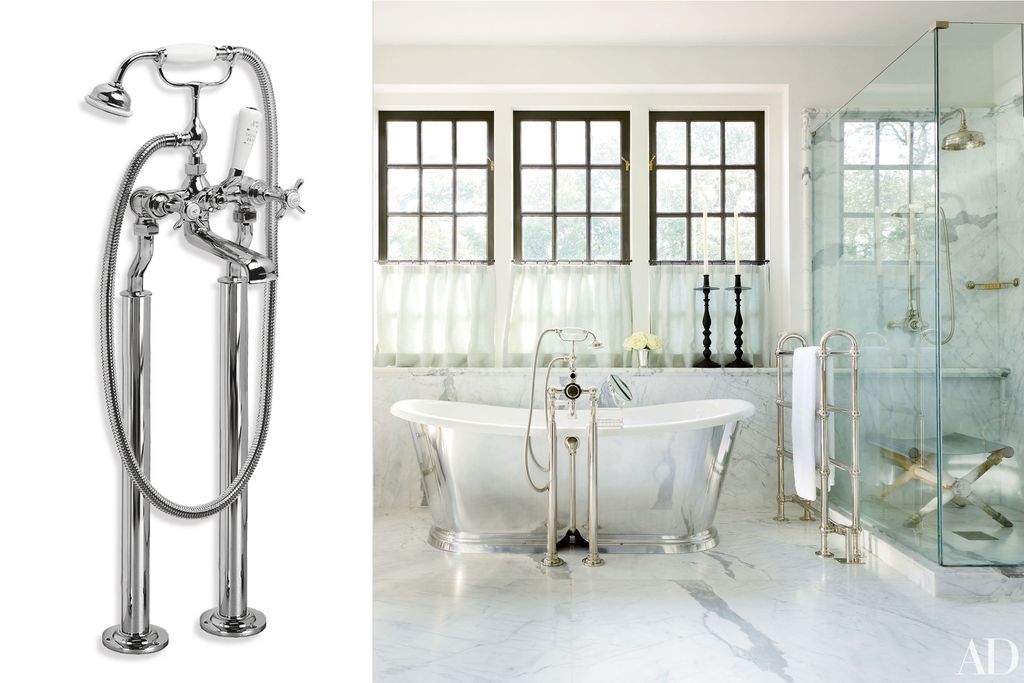
Finally, the fifth idea promotes embracing traditional hardware in a modern bathroom setting. This involves mixing old and new elements to infuse character and personality. For a transitional bathroom, introducing traditional hardware into a contemporary space is a key strategy. An example is provided of a blue bathroom with white tiles where brass hardware beautifully contrasts against the blue wall, adding warmth and timeless appeal that could not be achieved with finishes like chrome or nickel. The article also suggests combining different hardware designs—knobs, handles, and drawer pulls—in the same finish, like brass, to create more visual interest and an eclectic look.
#BathroomHardware #InteriorDesign #HomeDecor #Brassware #VanityDesign #CohesiveDesign #TransitionalBathroom #ModernBathroom #DesignTips #BathroomHardware #InteriorDesign #HomeDecor #Brassware #VanityDesign #CohesiveDesign #TransitionalBathroom #ModernBathroom #DesignTips
0 comment in total
 No comments yet
You may also like
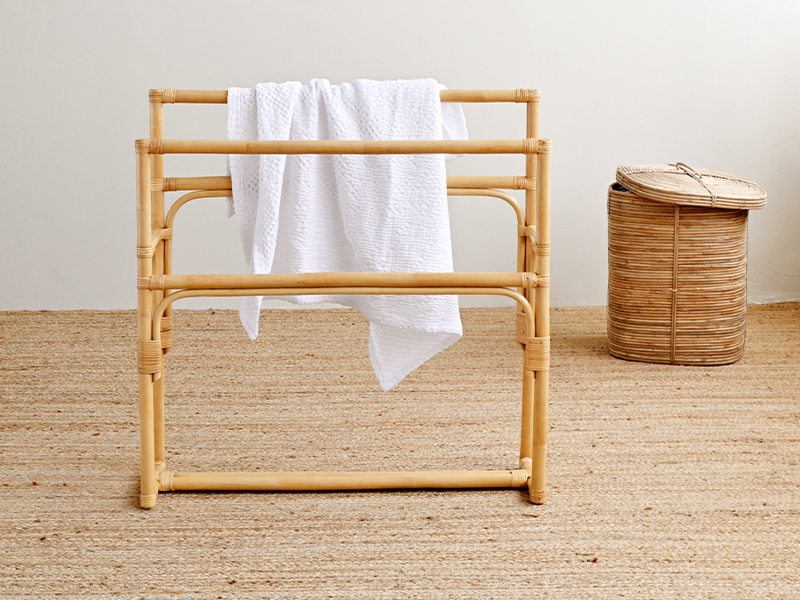
Make your bathroom pretty (and practical) with these cupboards and accessories)

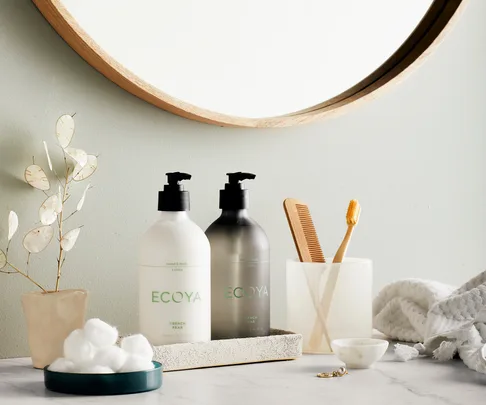
12 stylish accessories to update your bathroom vanity

5 updates to give your bathroom an influencer-approved aesthetic

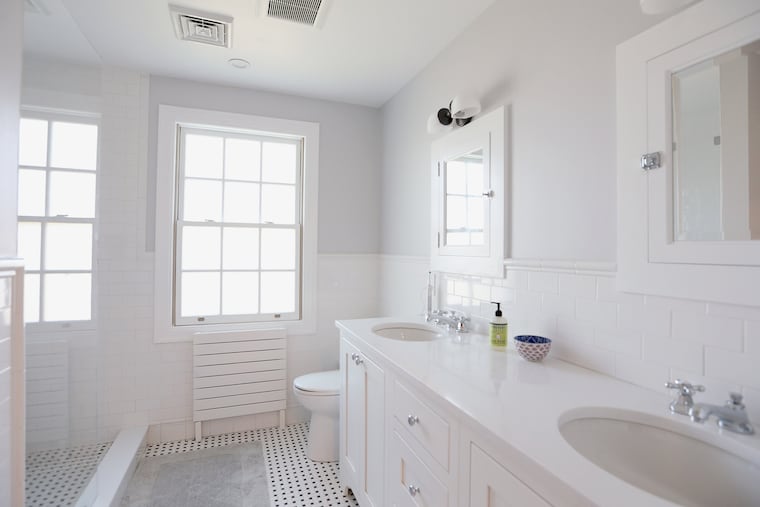
Five bathroom updates that will help your space stand the test of time

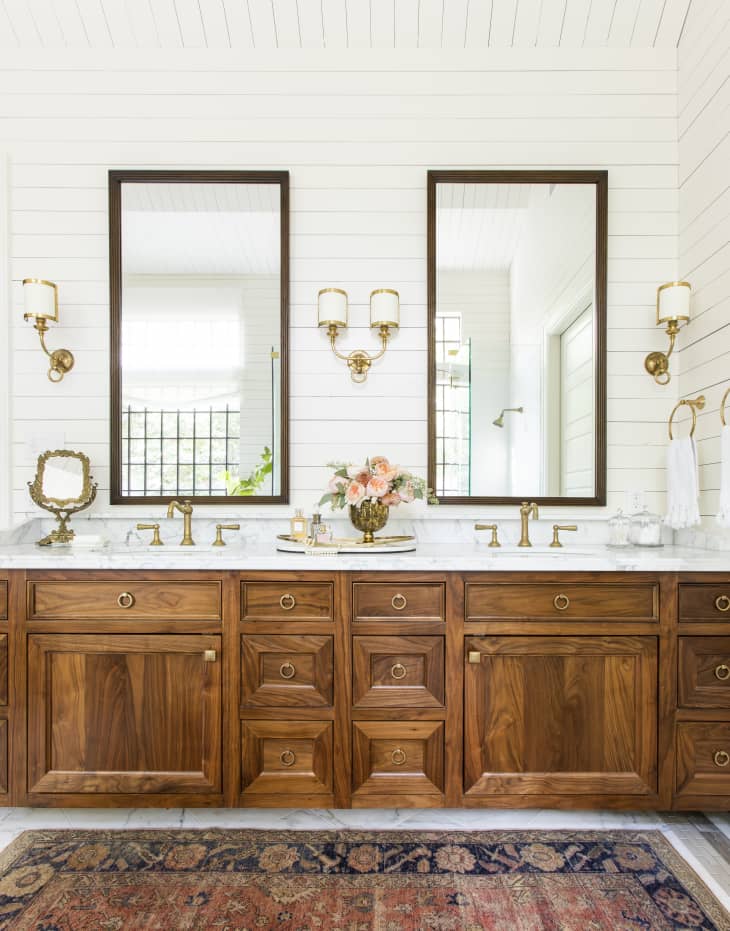
The Easy (and Cheap!) Bathroom Update that Makes a Big Difference
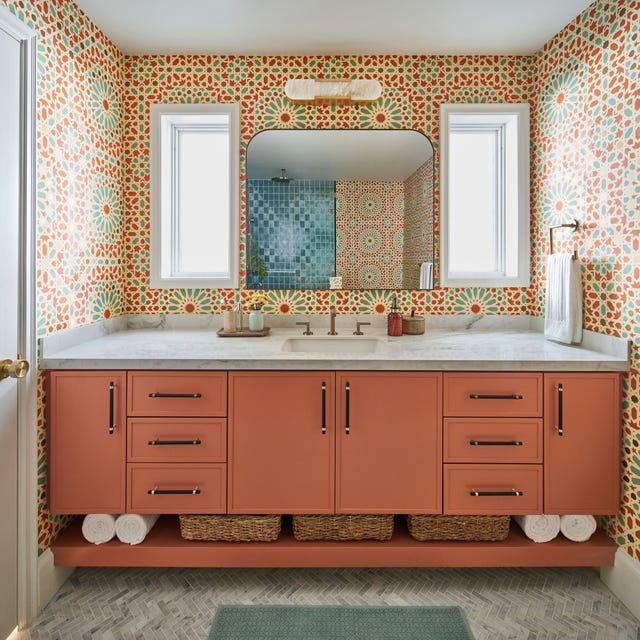
Your Bathroom Is a Sacred Space—Keep It Organized With These Nifty Products
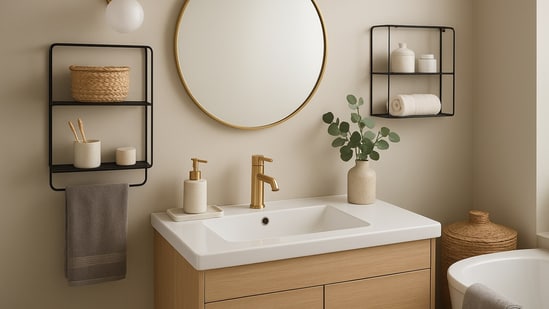
10 Must-have bathroom accessories that will give your space a luxurious upgrade | Hindustan Times

Where To Find First-Class Bathroom Fittings

Luxury Bathroom Accessories That Transformed Our Space

9 Bathroom Décor Items to Thrift for a Luxe Upgrade
5 updates to give your bathroom an influencer-approved aesthetic

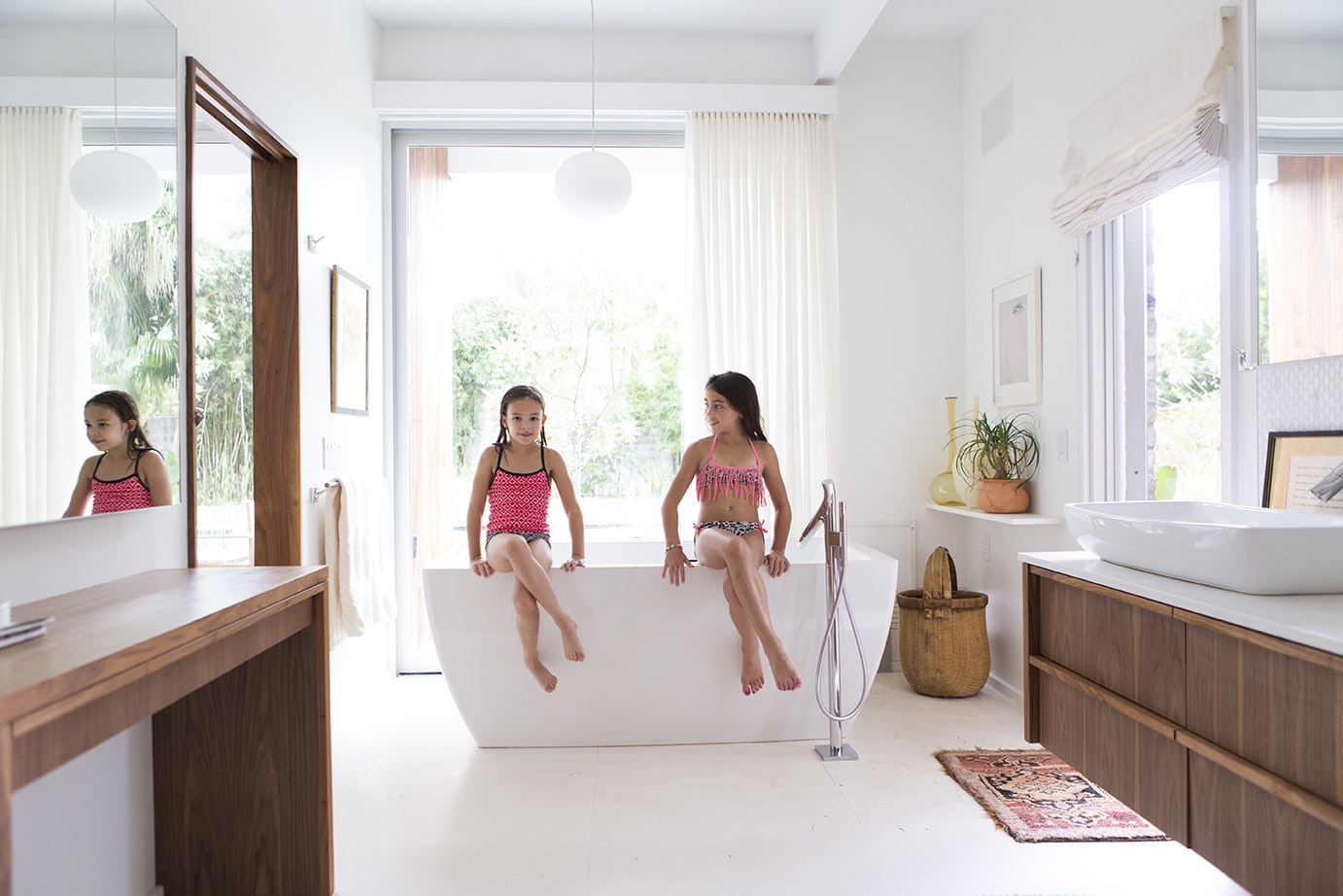
Dwell’s Top Picks for Bathroom Fixtures to Get You Renovation-Ready

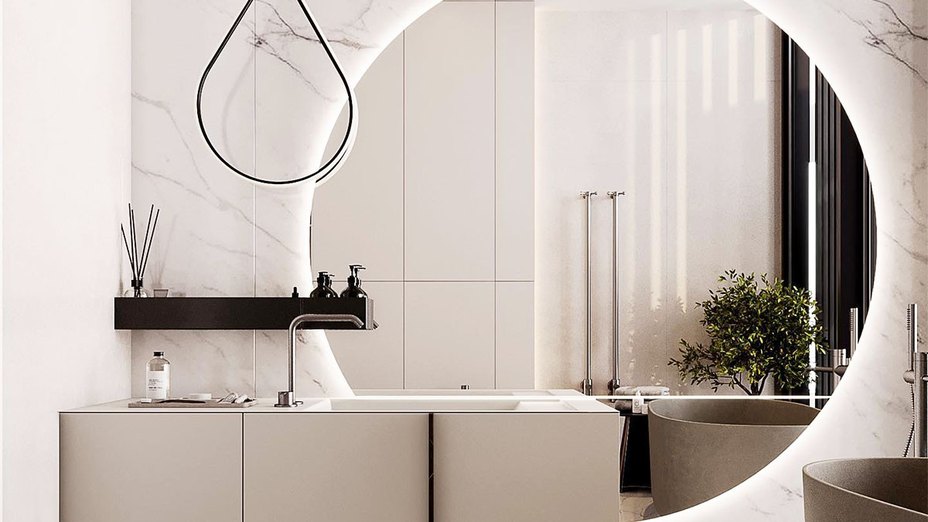
Bring On the Glam: 5 Bathroom Design Ideas That Are Exquisitely Extra
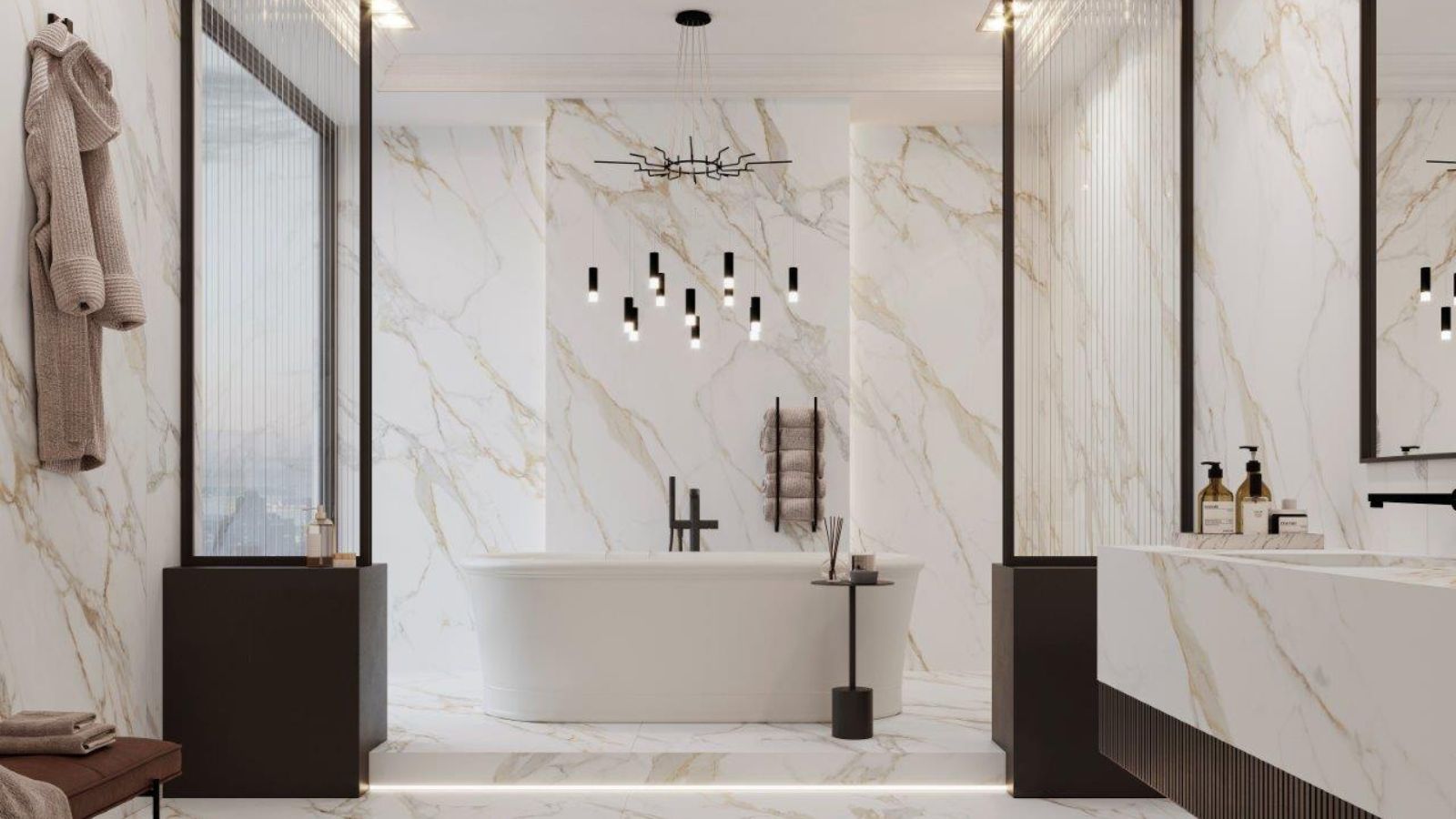
How to make your bathroom essentials look nice – 9 must-have buys to instantly elevate your space
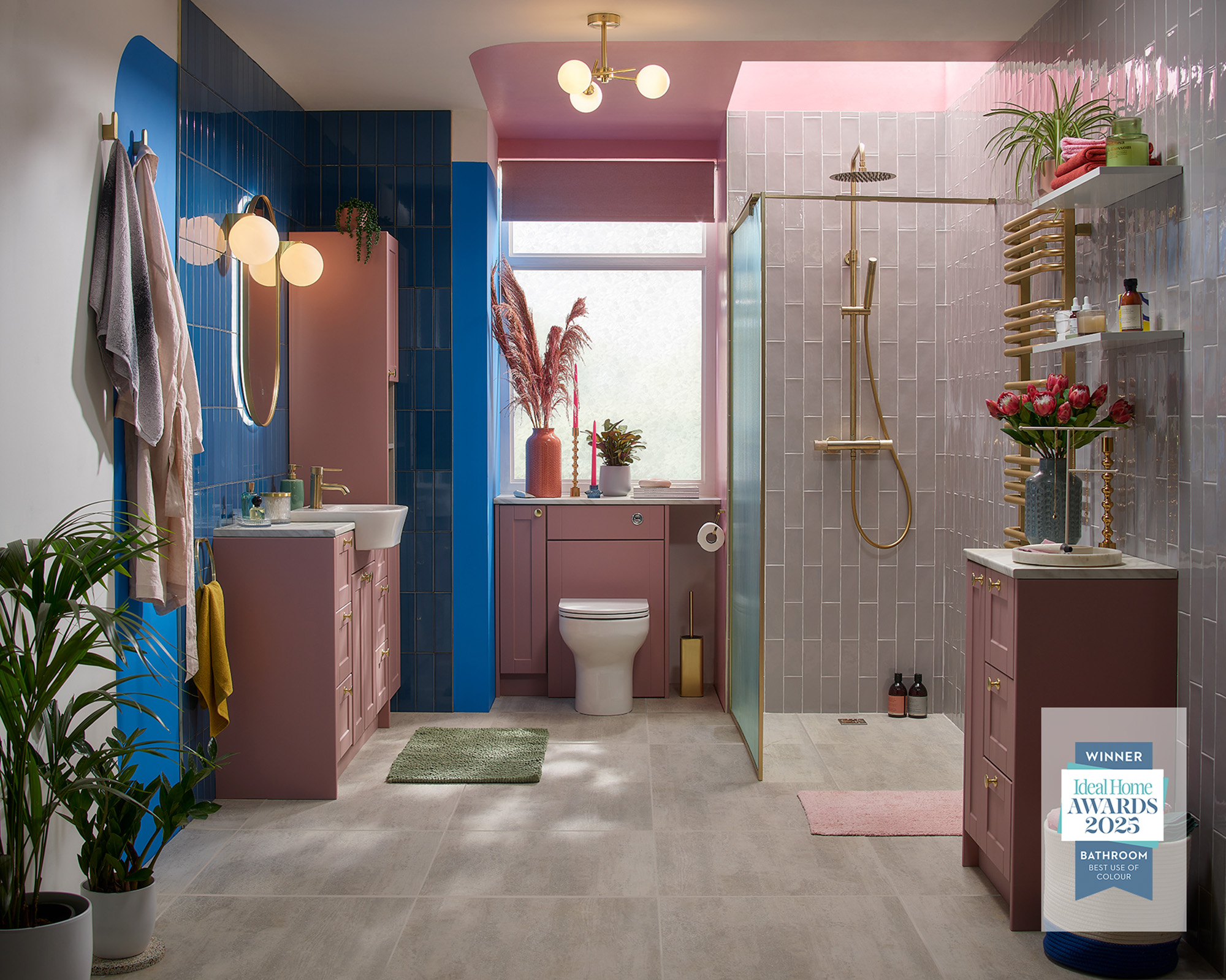
7 bathroom upgrades from on-trend taps to easy-fit flooring

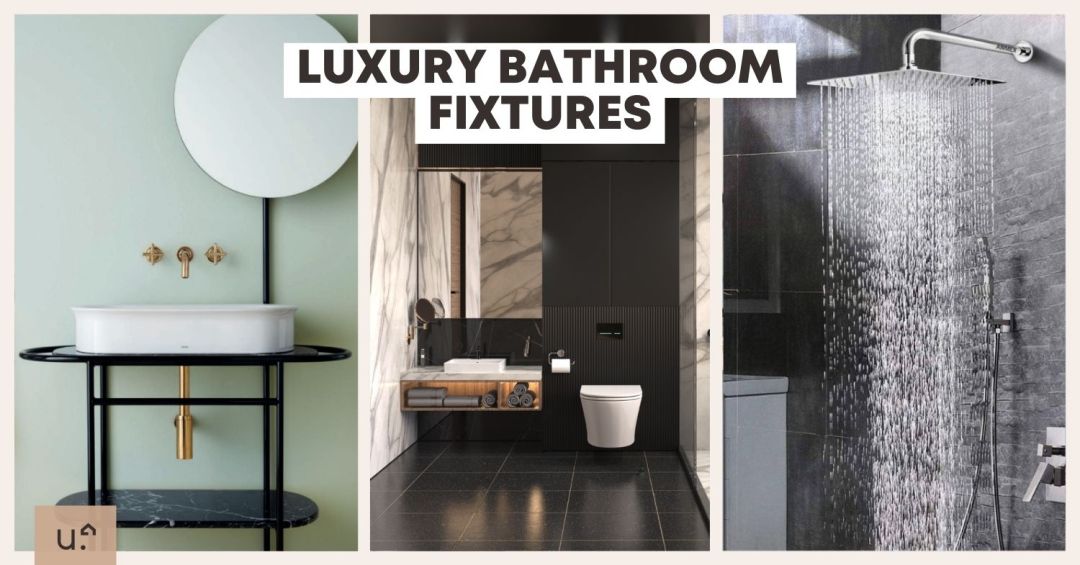
6 Best Bathroom Fixture Brands That’ll Give Your Home High-SES Vibes
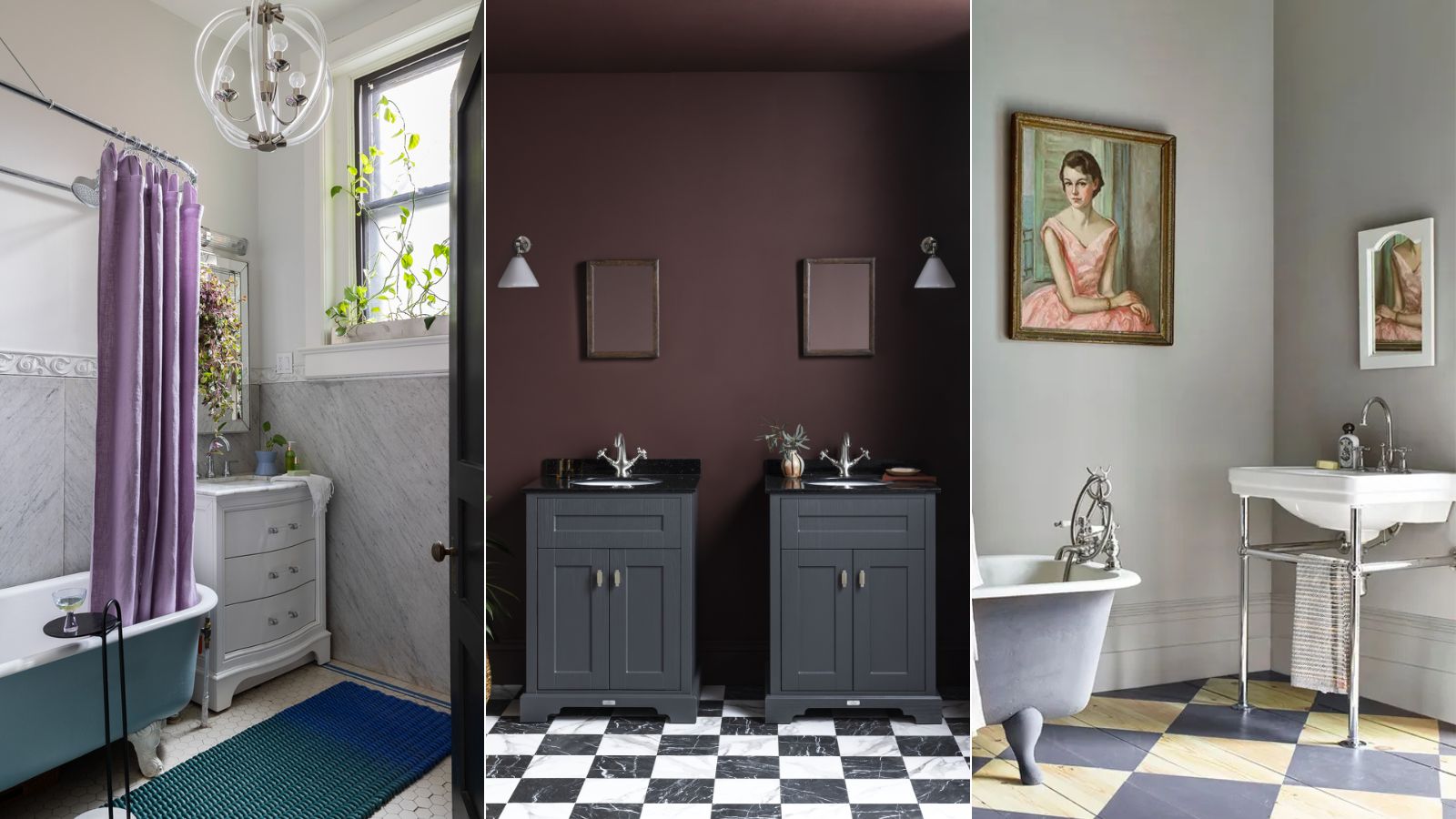
Updating your bathroom in 2025? Designers say these 5 swaps will completely transform your space

Bathroom Accessories

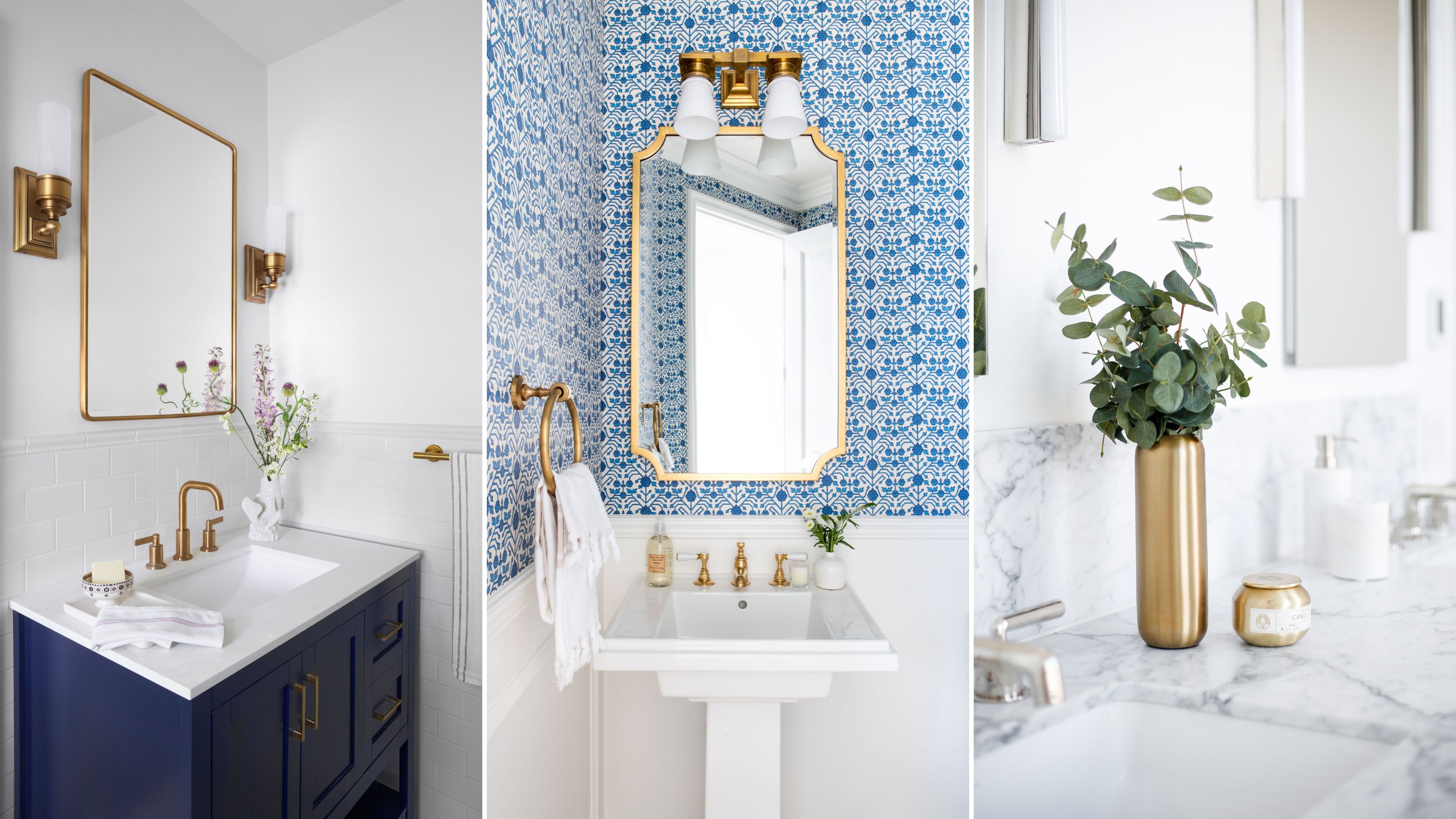
Small bathroom upgrades — 5 stunning ideas that will make your space shine

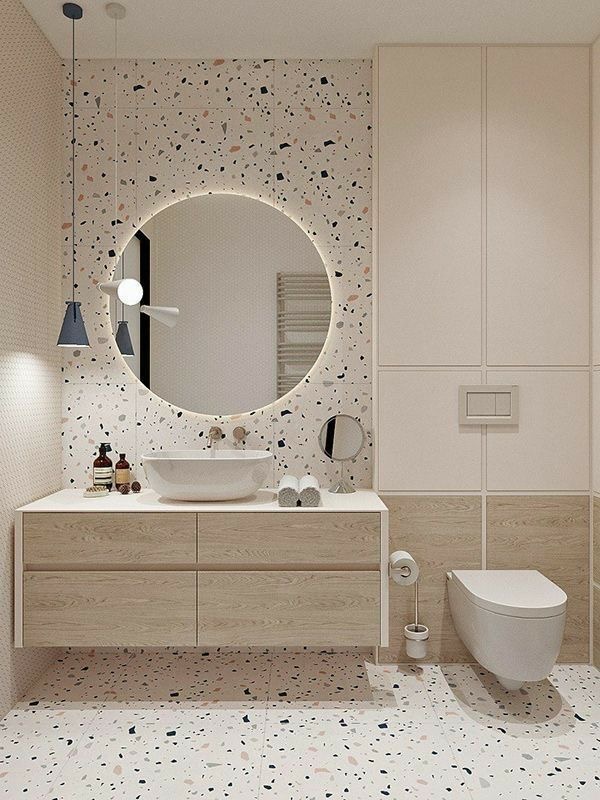
Bathroom Decor Ideas