This Is the Most Overlooked Thing When It Comes to Your Bedroom's 'Good Energy' — According to Feng Shui
The ancient practice of Feng Shui emphasizes the importance of balancing energy, or ‘chi’, within living spaces to promote well-being. This extends significantly to the bedroom, a sanctuary for rest and rejuvenation, where subtle elements can profoundly impact the room's energetic flow. Among these elements, the interaction between your bed and nightstands is often overlooked, yet it plays a crucial role in maintaining good Feng Shui and, consequently, your sleep quality and overall life balance.
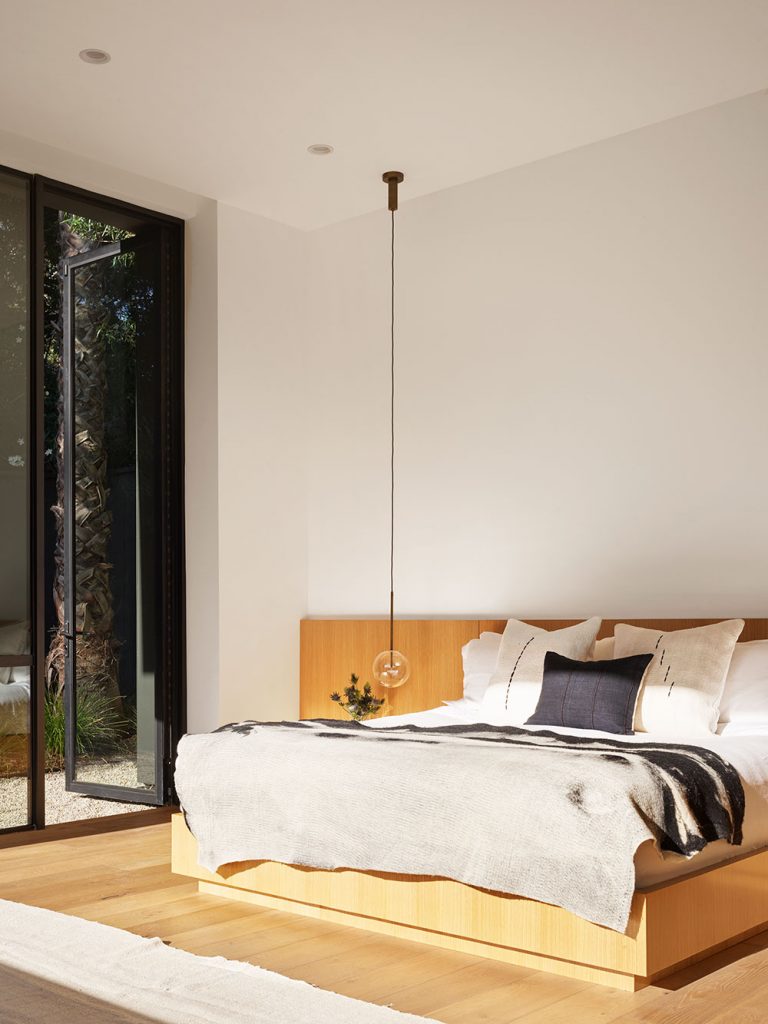
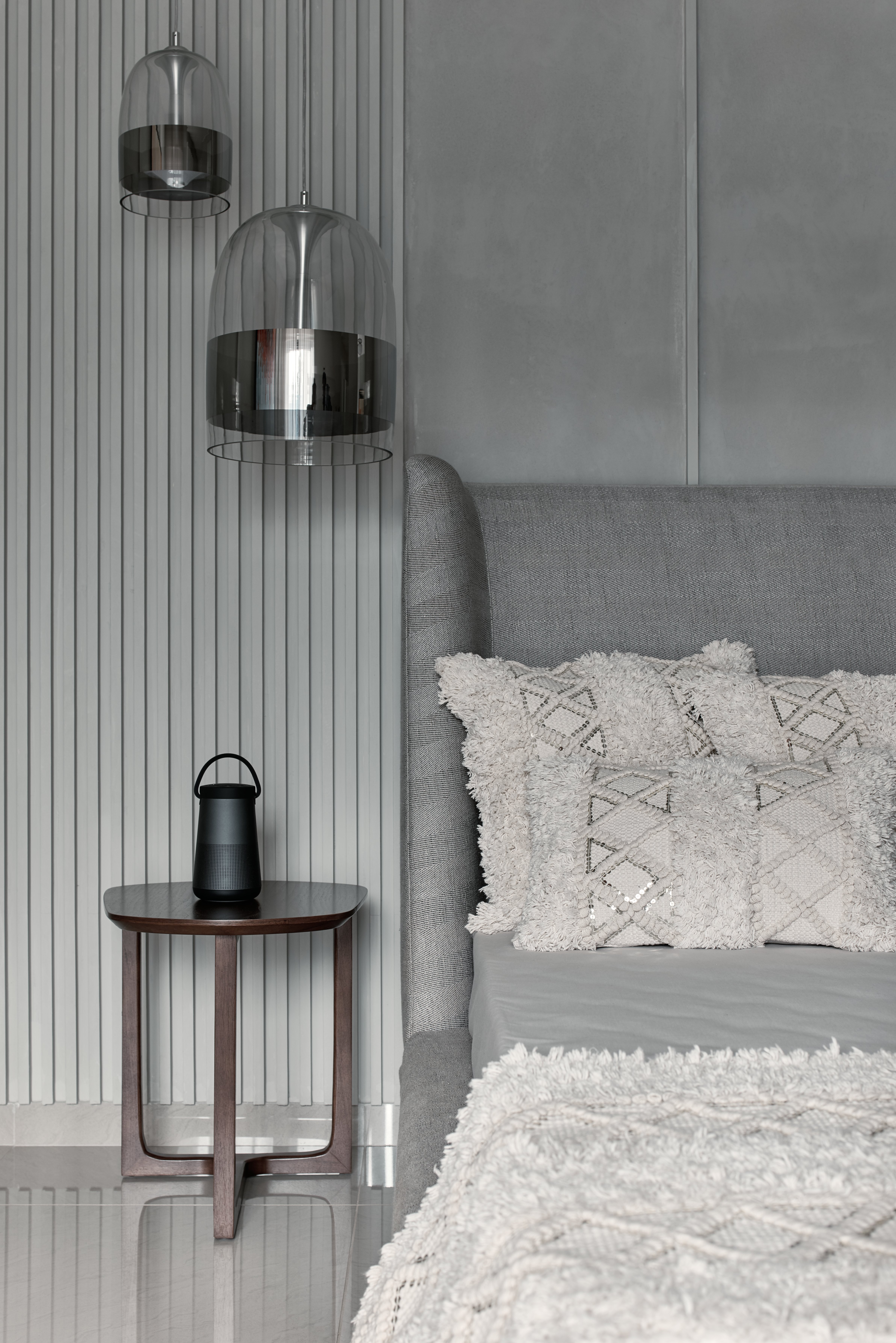
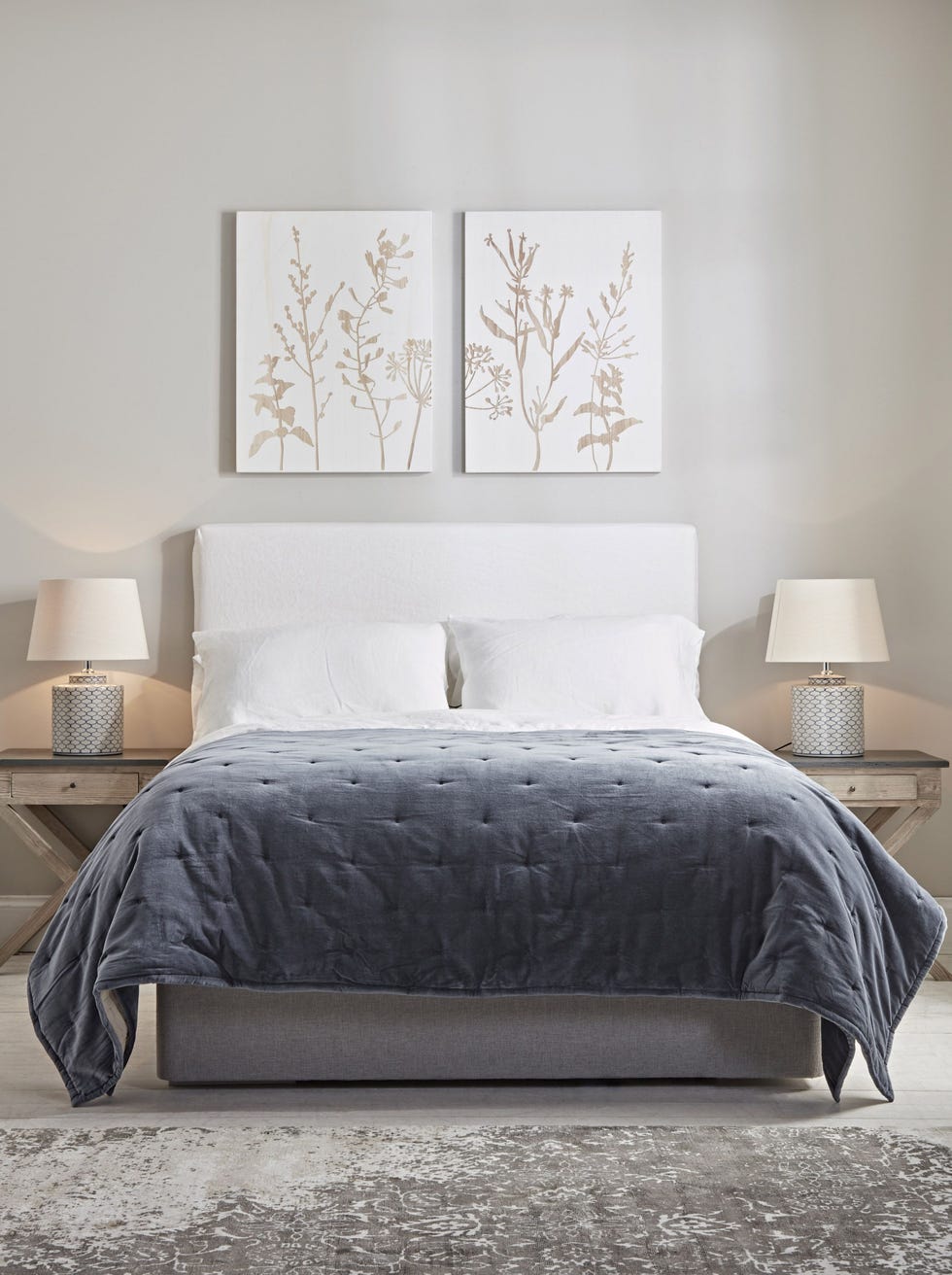
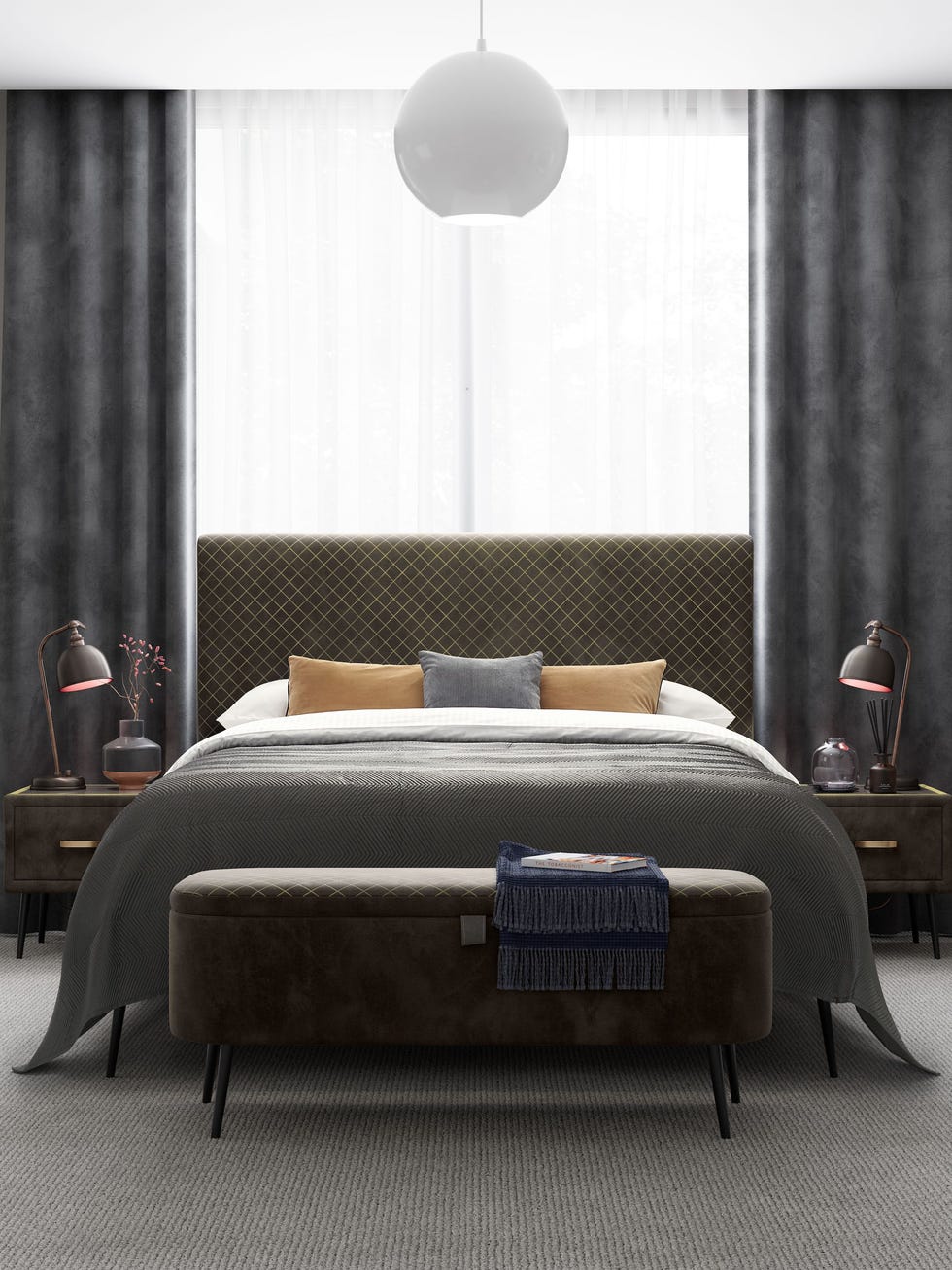
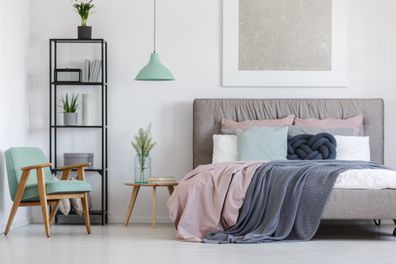
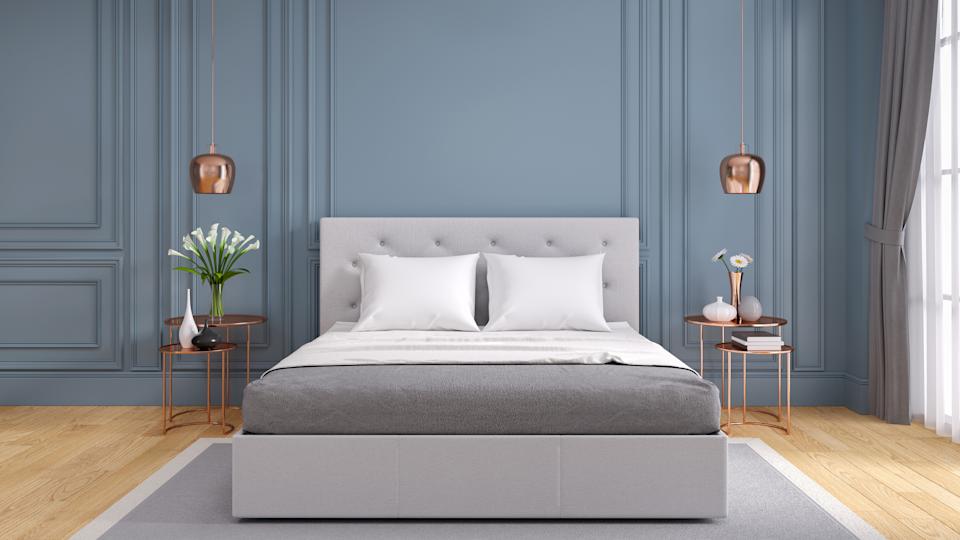
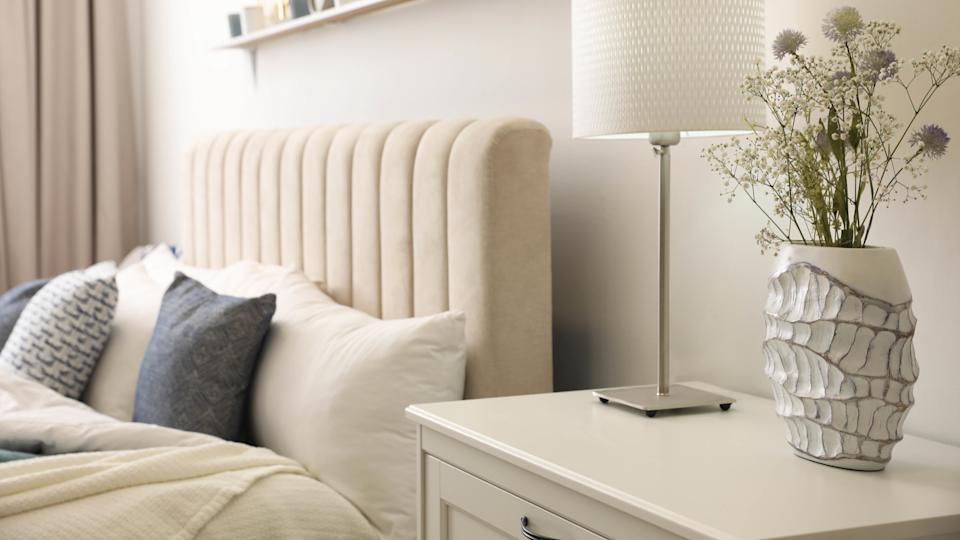
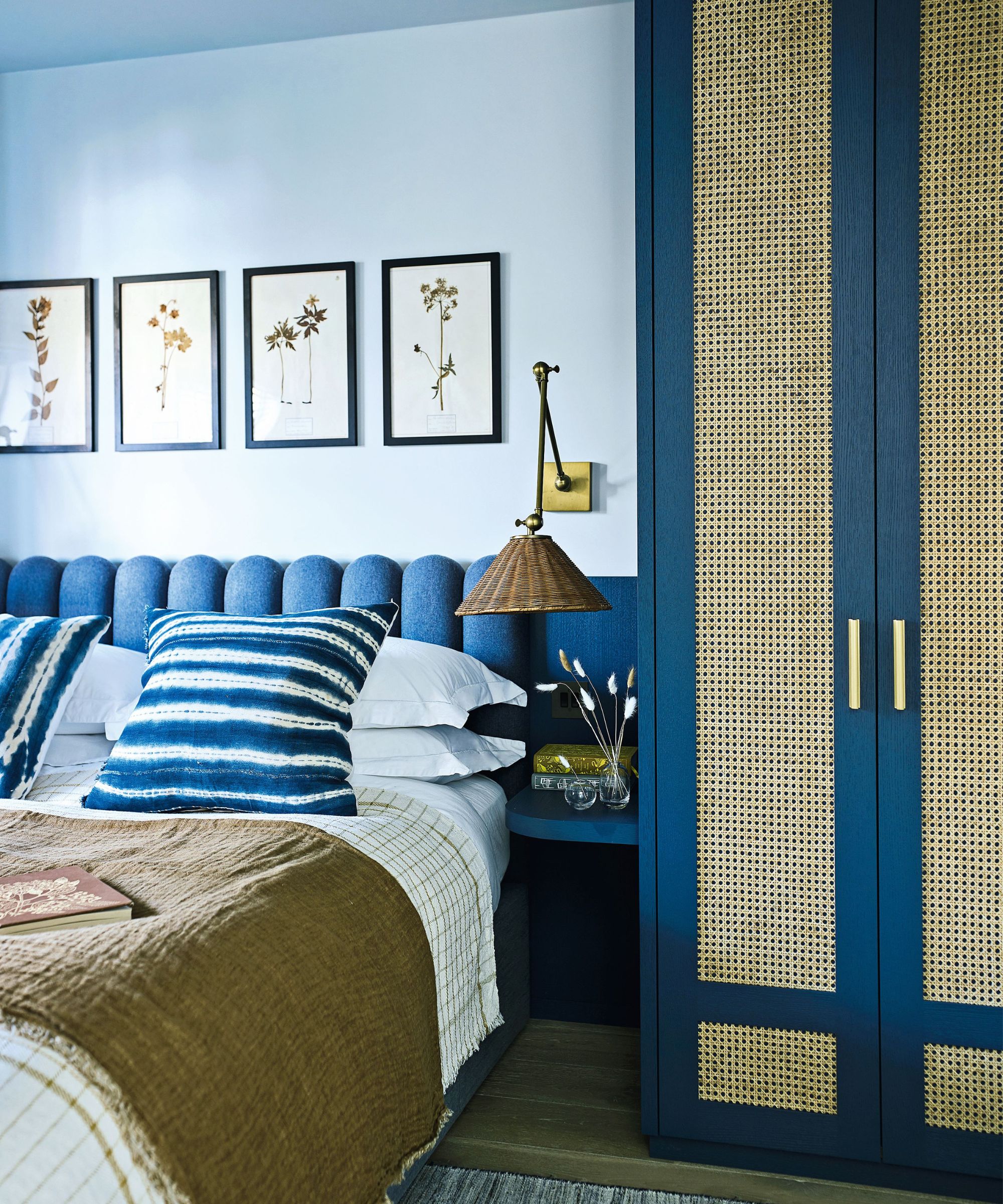
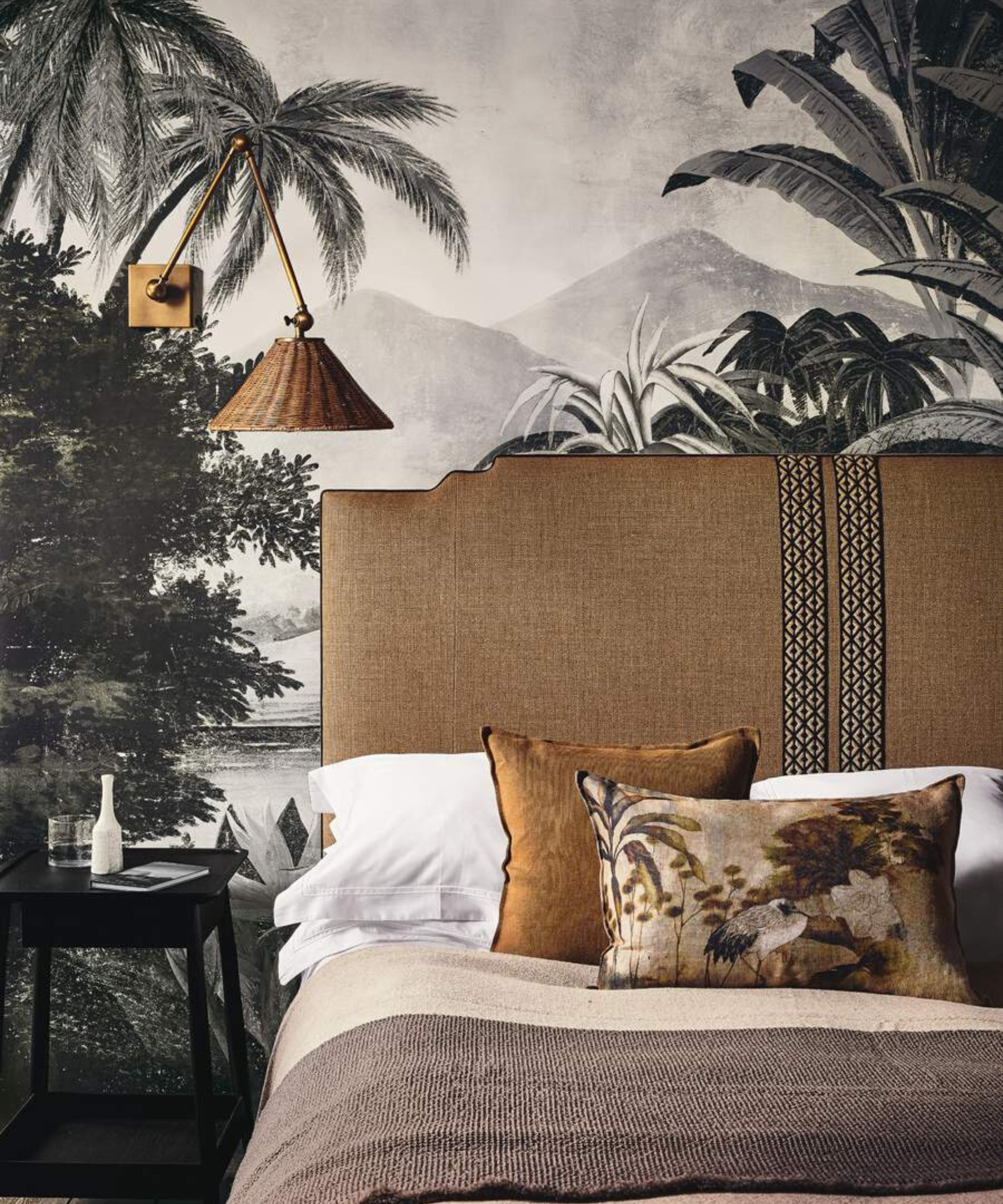
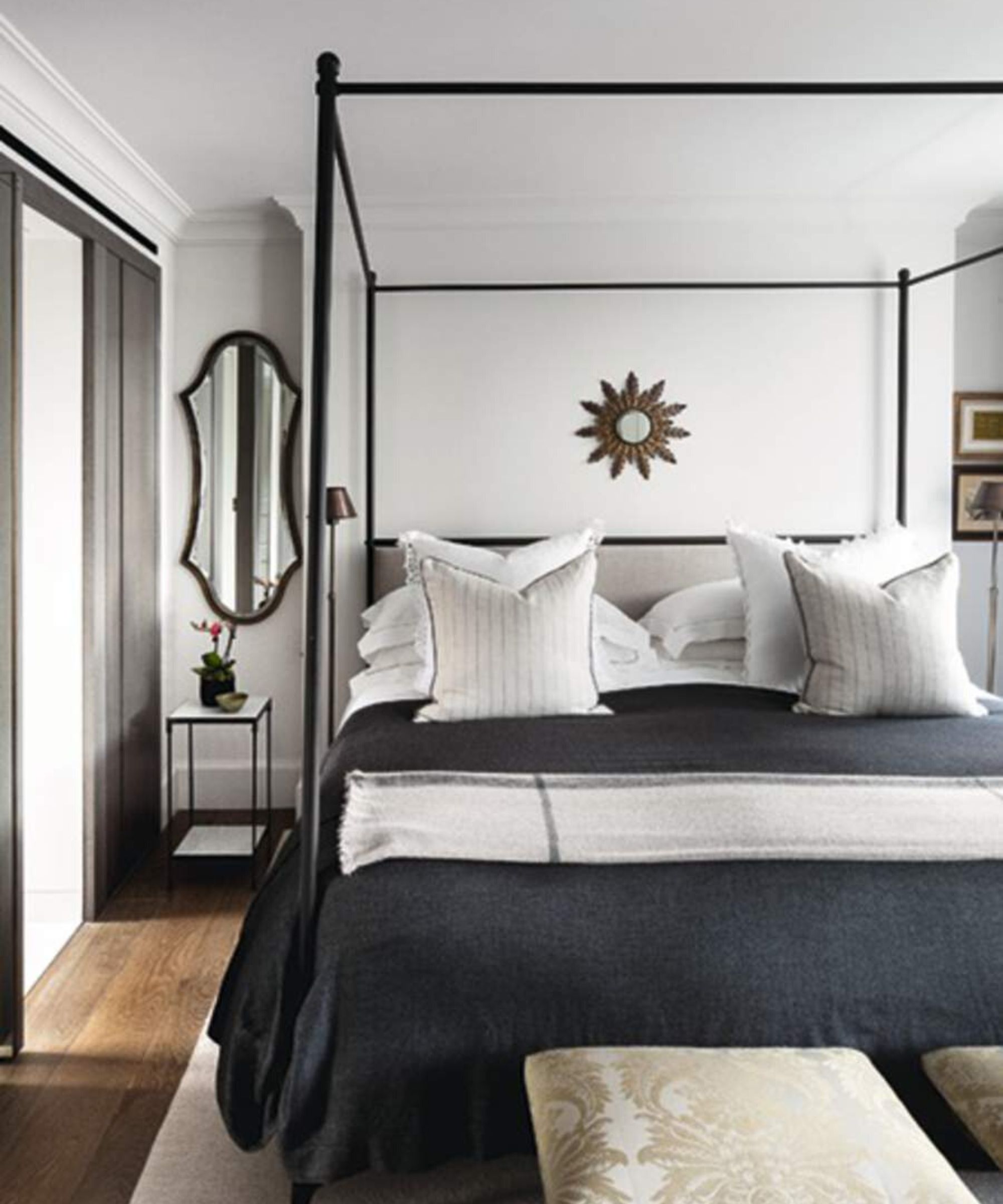
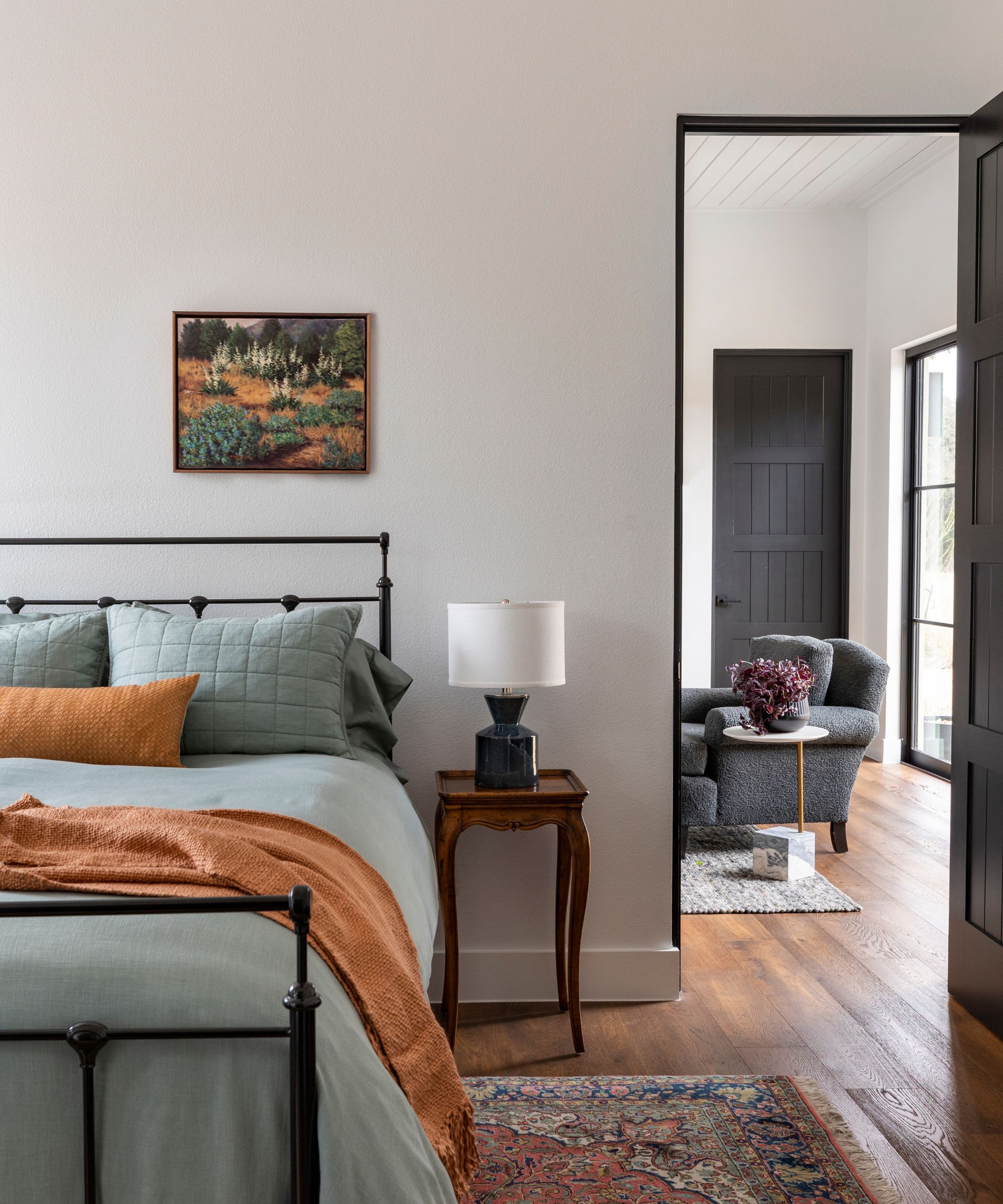
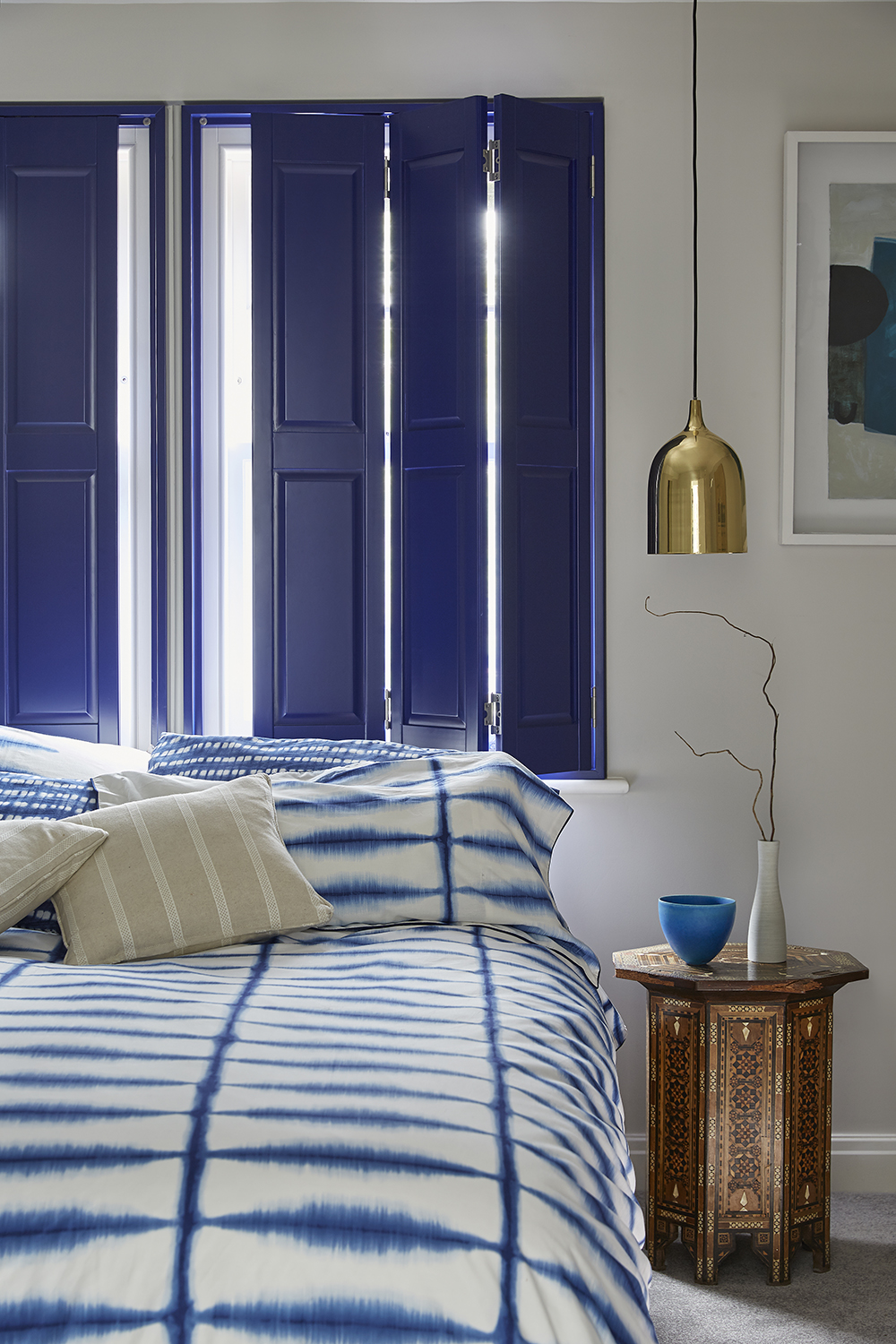
According to Feng Shui principles, symmetry around the bed is paramount. This means having matching nightstands on either side of the bed. This arrangement creates a sense of balance and support for both occupants of the bed, symbolizing equality in a relationship. Even for individuals sleeping alone, this symmetry fosters a feeling of stability and readiness for partnership. Feng Shui expert Dave Wheeler from Smac Studio highlights that having two nightstands, whether occupied or not, creates an energetic invitation for a partner, ensuring that both sides of the bed are equally supported. Interior designer Claire Delmar further supports this by explaining that matching nightstands contribute to the overall balance and harmony of the room, preventing feelings of imbalance or uneasiness.
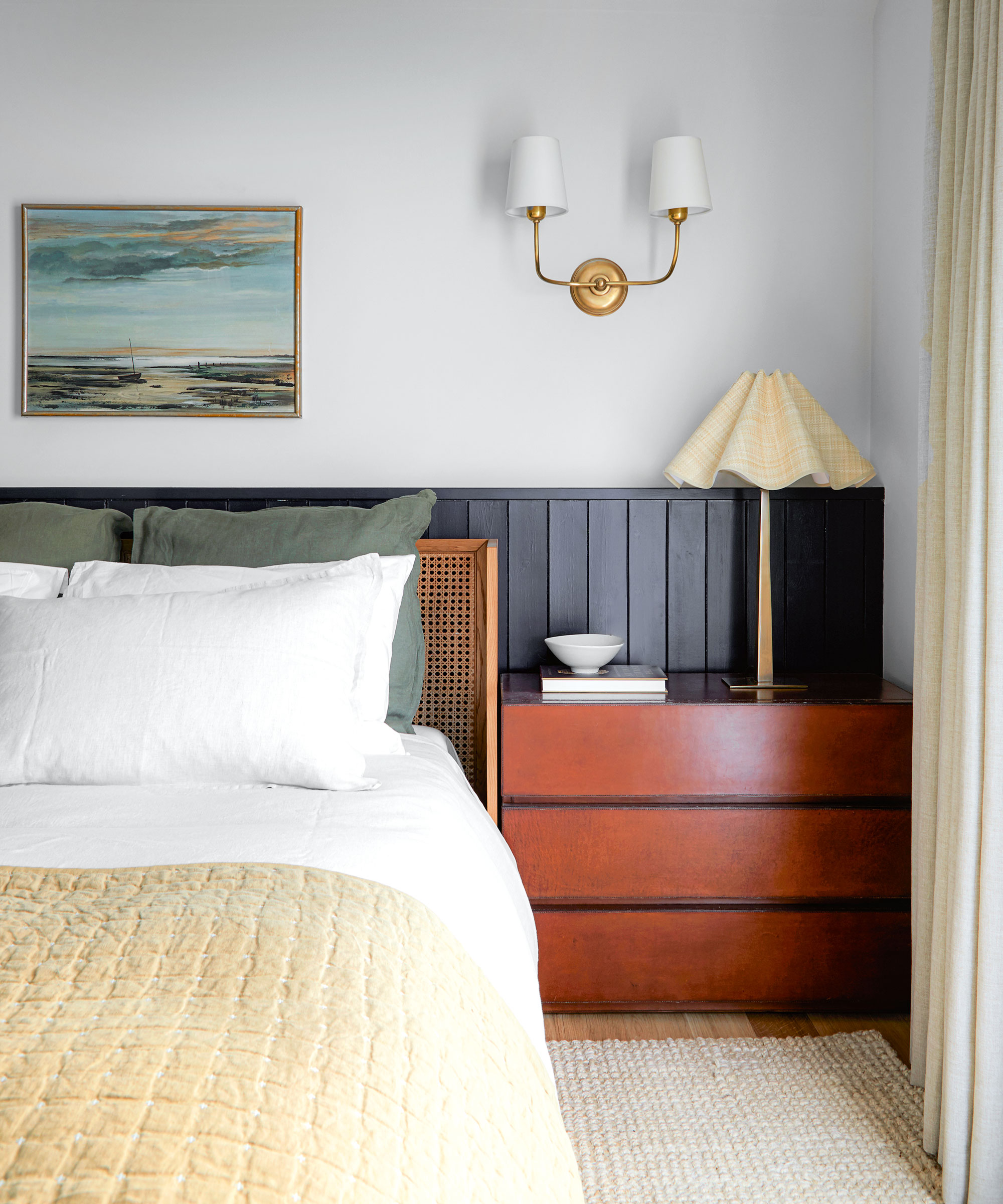
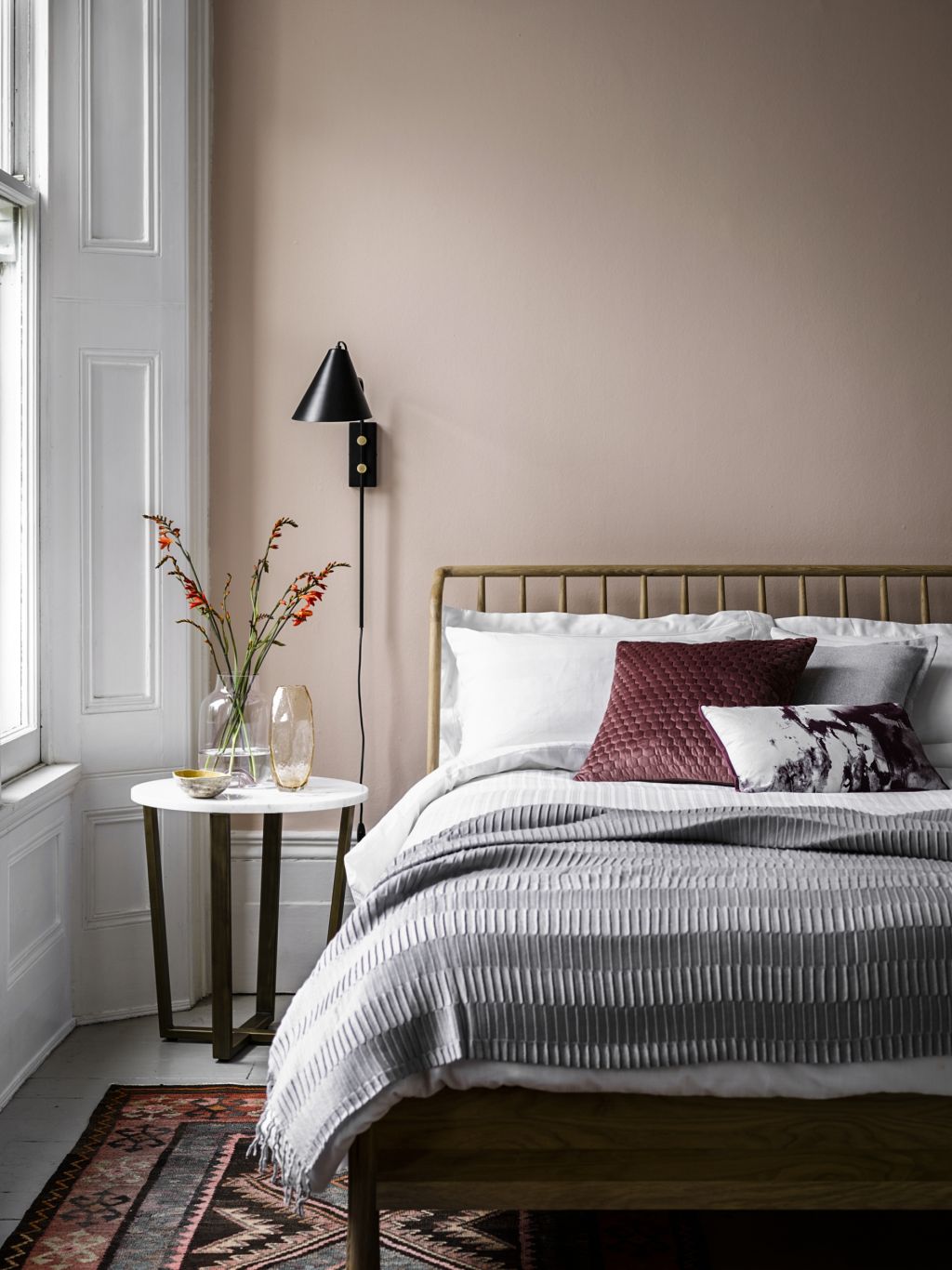
Beyond just having two nightstands, their size and scale in relation to the bed are also critical. Nightstands should ideally be proportional to the bed, neither too small nor too large. A nightstand that is too small might appear insignificant, failing to provide adequate energetic support, while one that is too large can overwhelm the space and create a cluttered feeling. The height of the nightstands is another key consideration; they should be level with or slightly lower than the top of the mattress. This ensures that items placed on them are easily accessible without disrupting the restful energy of the bed, and it avoids creating a visual barrier that could impede the flow of chi. Wheeler points out that nightstands that are too high can feel oppressive, while those that are too low can make reaching for items awkward, both of which can negatively impact comfort and energy flow.
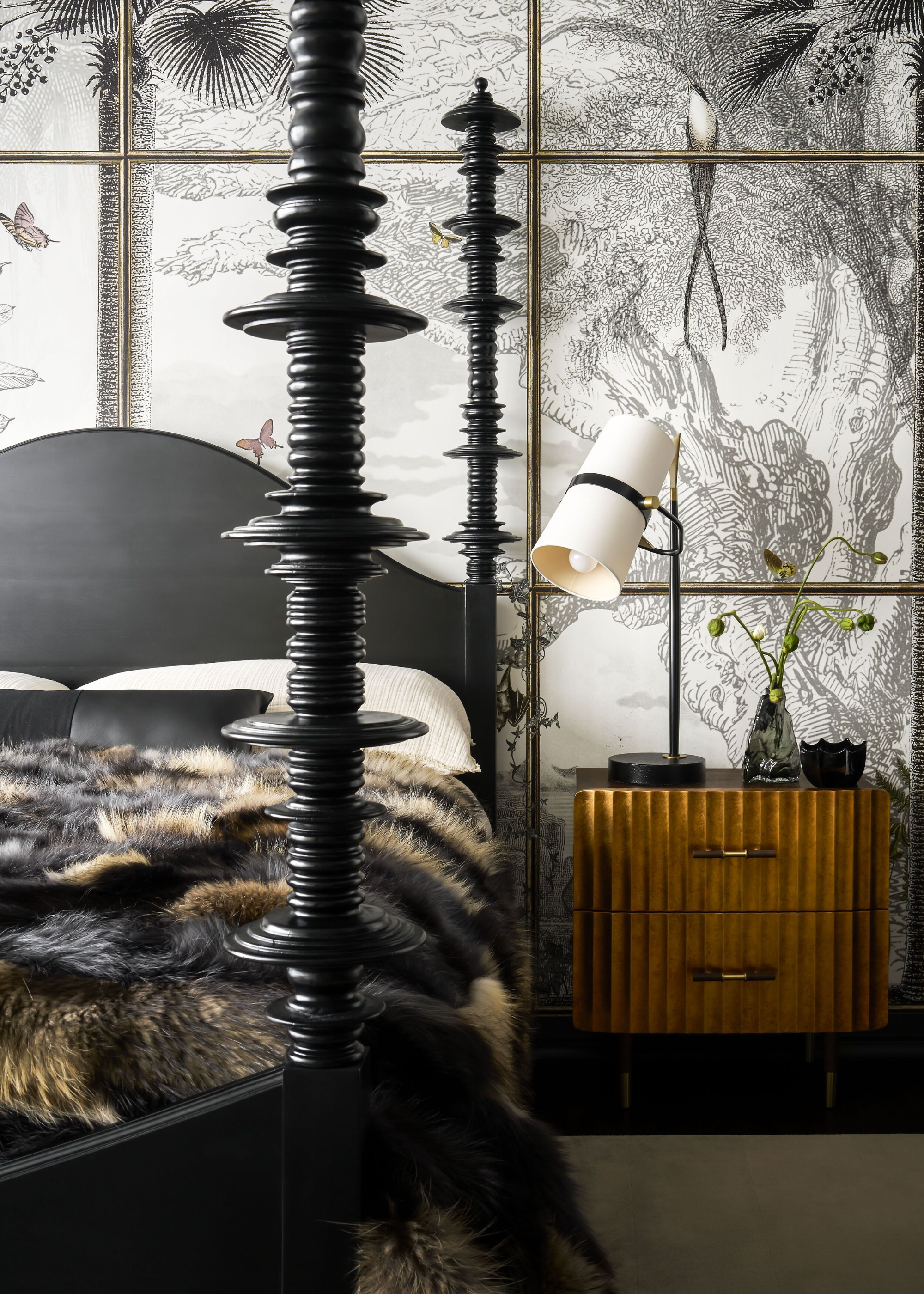
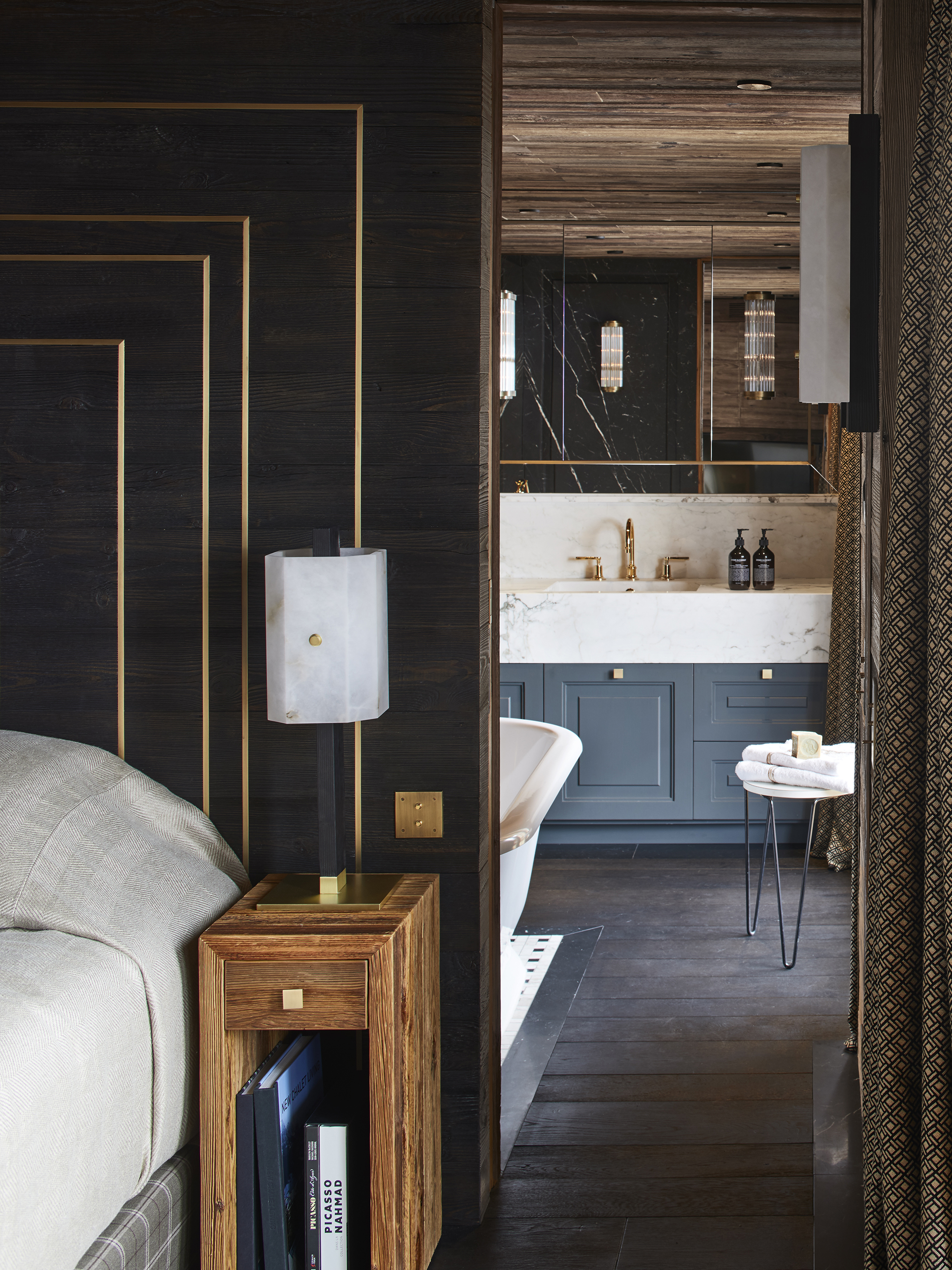
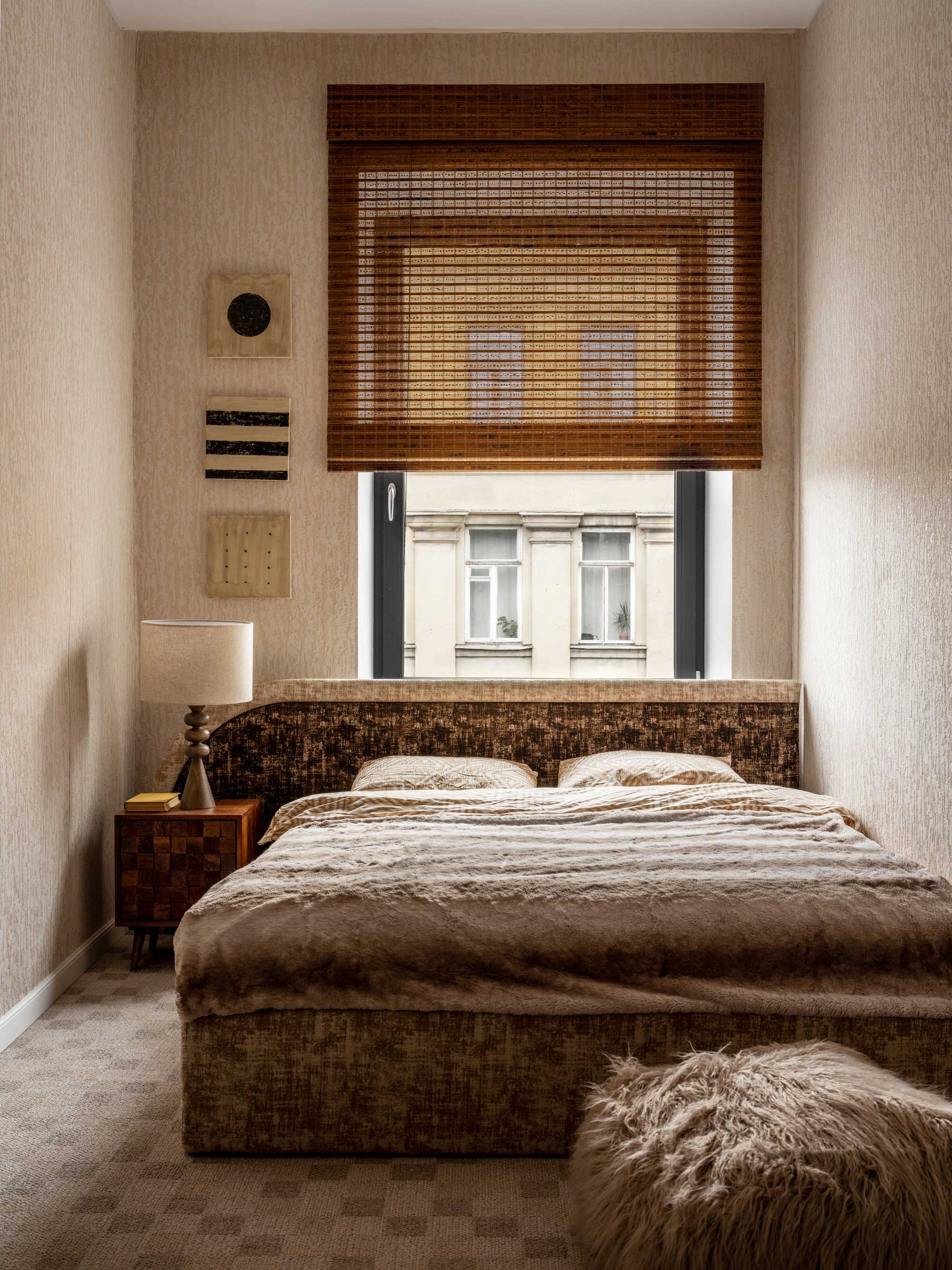
Claire Delmar also advises against choosing nightstands with sharp corners. Instead, she recommends selecting nightstands with rounded edges or soft lines to promote a gentler, more soothing energy. Sharp corners are believed to generate 'sha chi' or negative energy, which can disrupt the peaceful atmosphere essential for a good night's sleep. Materials and colors also play a role. Natural materials like wood can ground the space and bring in earthy, calming elements, while lighter, neutral colors can enhance a sense of tranquility and openness. Avoiding overly vibrant or stimulating colors in the bedroom, especially on nightstands, helps maintain a serene environment.
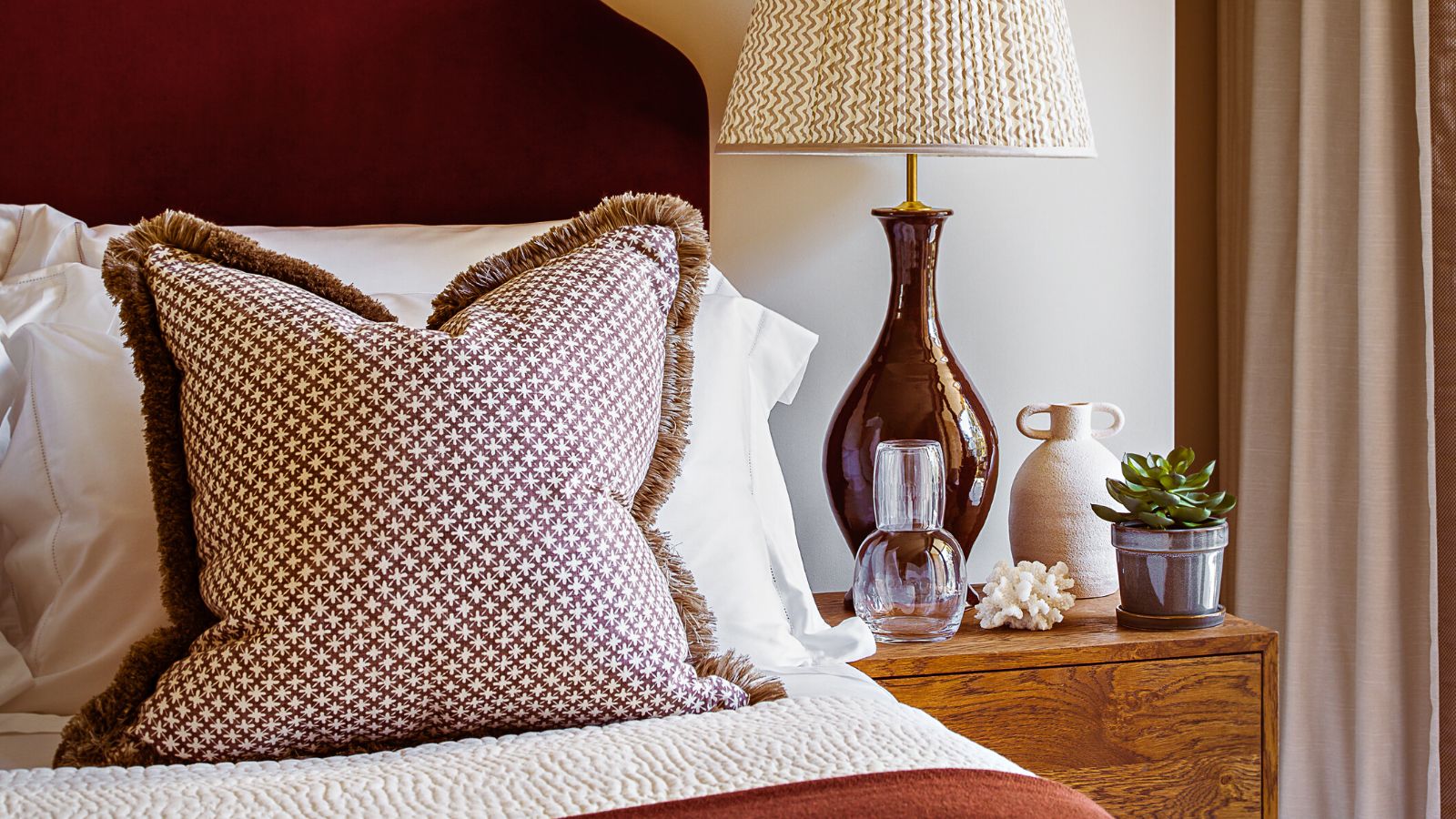
Practicality and functionality are also integral to good Feng Shui. Nightstands should offer enough surface area for essential items such as a lamp, a book, or a glass of water, without becoming overcrowded. Clutter on nightstands can create stagnant energy, disrupting the flow of chi and causing mental distraction. Incorporating drawers or closed storage can help keep the surface clear and tidy, promoting a sense of order and calm. The idea is to have everything you need within easy reach, but out of sight, to foster an uncluttered and peaceful sleeping environment. This thoughtful consideration of the bed and nightstand relationship ensures a harmonious bedroom that supports restorative sleep and overall well-being.
#FengShui #BedroomDesign #Nightstands #HomeDecor #InteriorDesign #EnergyFlow #Symmetry #SleepEnvironment #FengShui #BedroomDesign #Nightstands #HomeDecor #InteriorDesign #EnergyFlow #Symmetry #SleepEnvironment
0 comment in total
 No comments yet
You may also like
Bedroom Feng Shui – 10 tips for creating a zen-like space to encourage sleep

Should your bed face the door? Here's what the experts think

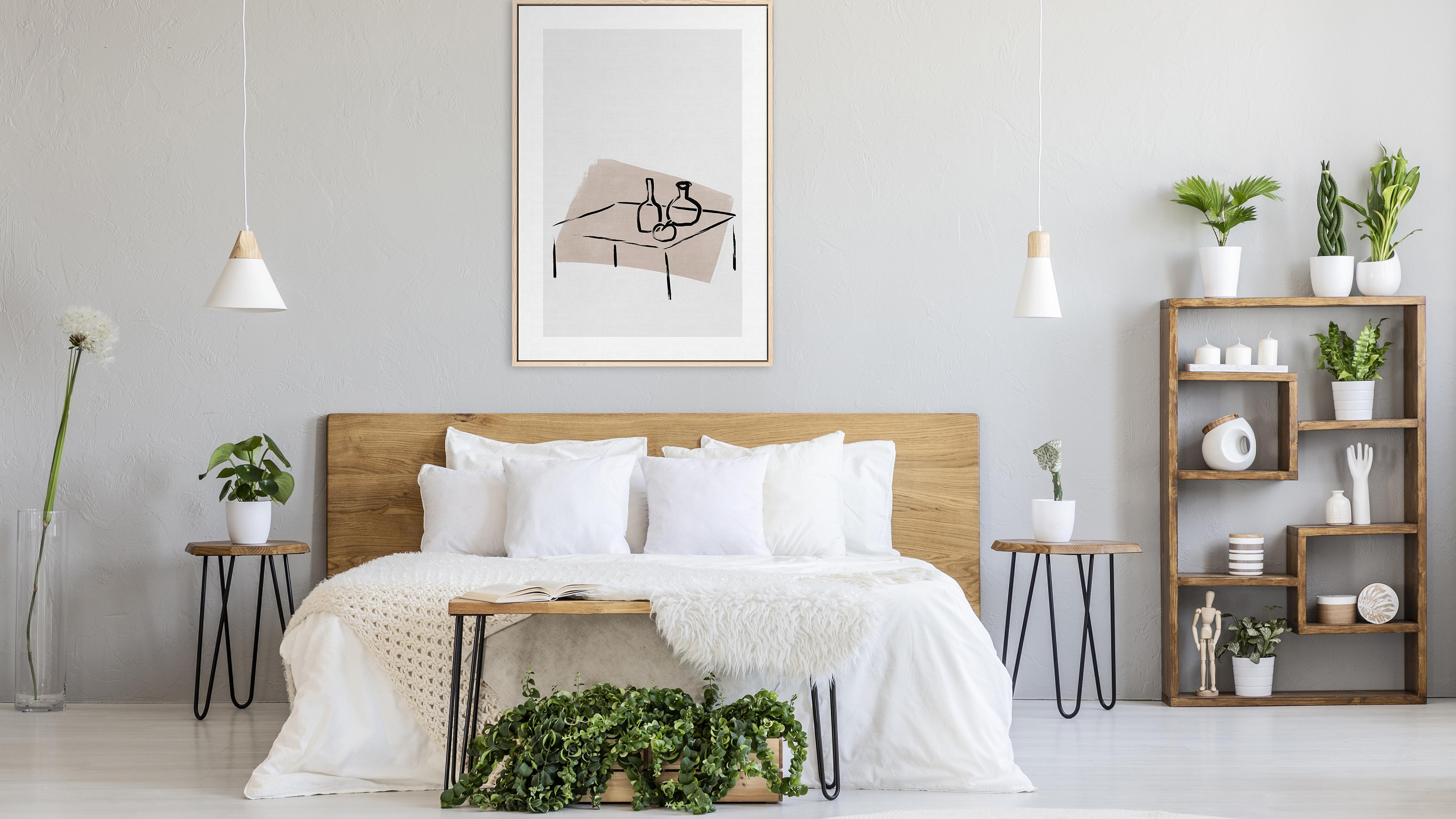
Feng shui bedroom layout tips and rules – how to create a zen sleeping space

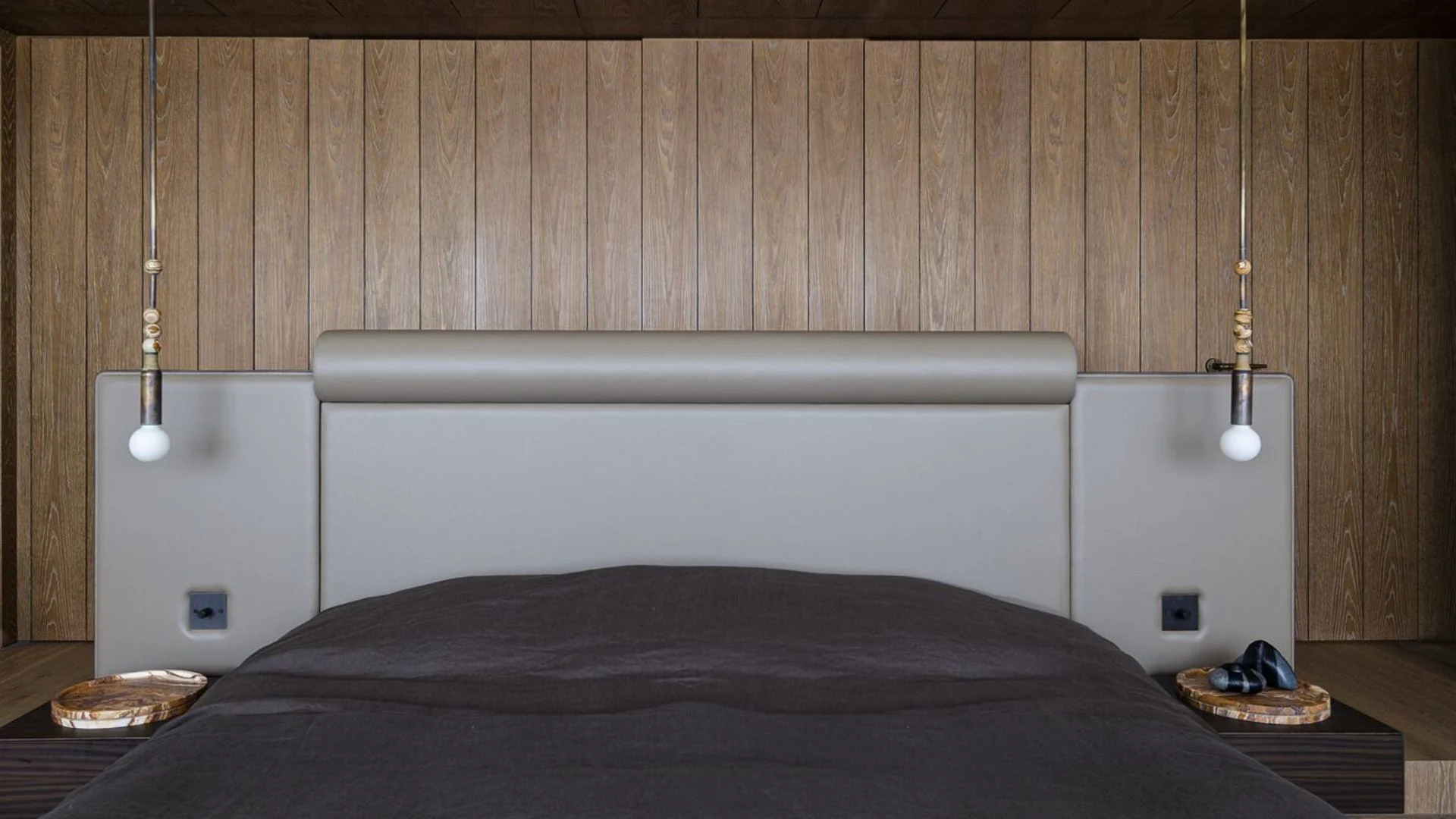
3 Things That Really Matter When Choosing Your Headboard If You Want a Bedroom With Good 'Energy'

How to Feng Shui your bedroom

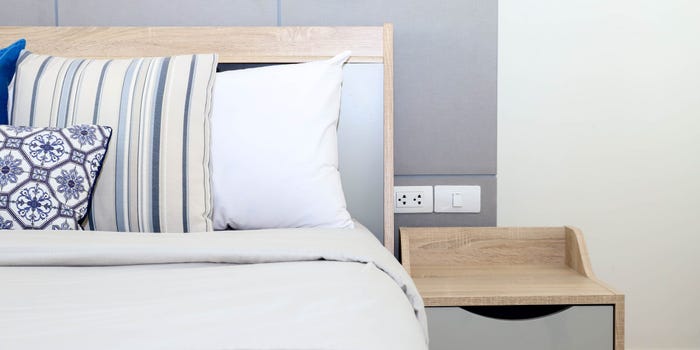
14 ways to bring feng shui to your bedroom for harmony and balance
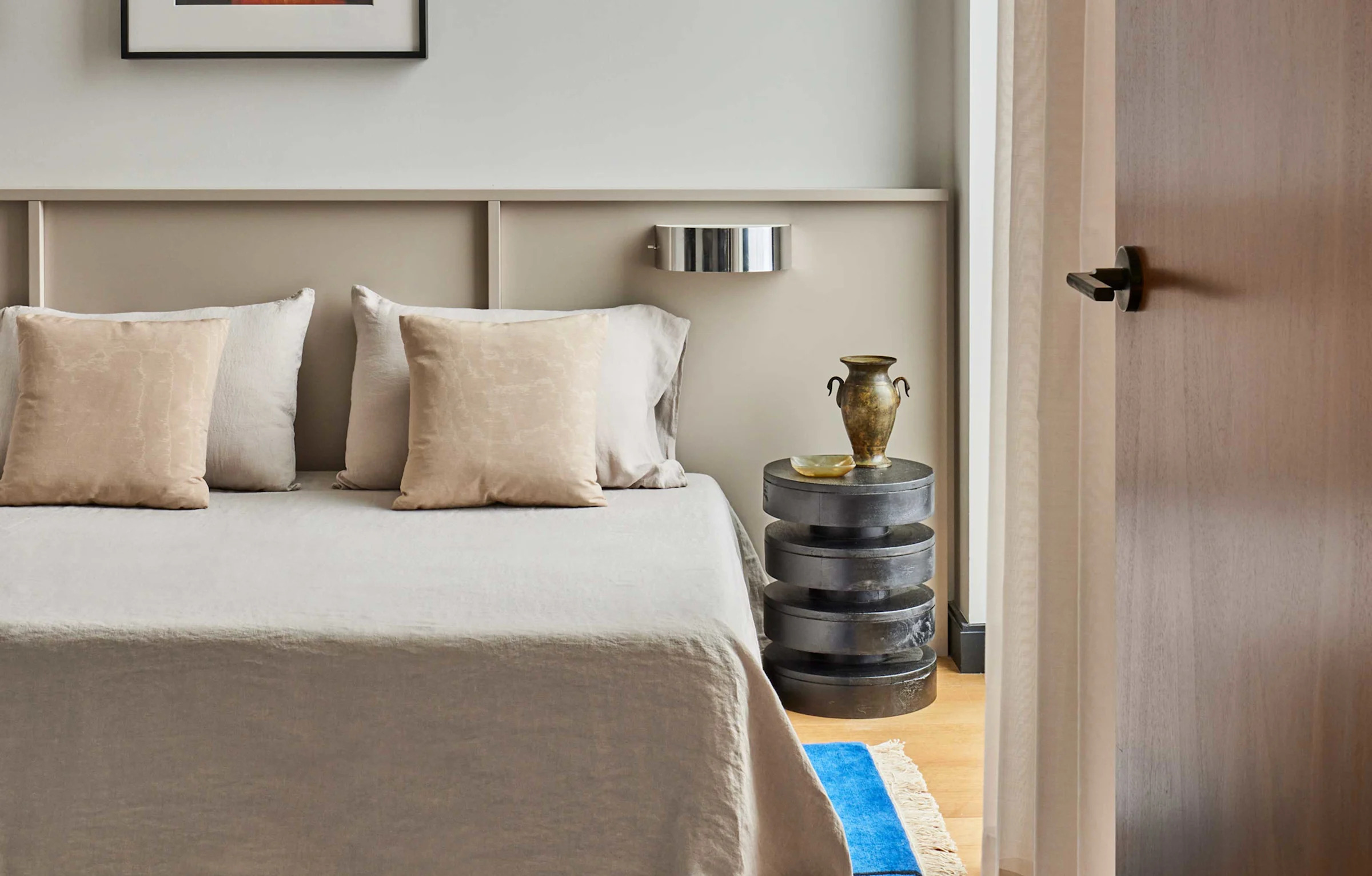
This furniture layout is one of the biggest Feng Shui mistakes you can make in a bedroom - here's how to fix it
Should my bed be facing the door? Why the wrong bedroom layout could be disrupting your sleep

This big Feng Shui mistake in your bedroom could be causing your poor sleep
Decorating Your Bedroom With Feng Shui
This is where your guest room should be in your home, according to Feng Shui

These Feng Shui experts say you shouldn't position your bed like this if you want to sleep well — and it's a common layout idea
These Feng Shui experts say you shouldn't position your bed like this if you want to sleep well – and it's a common layout idea
H&G's interiors therapist shares 9 tips for embracing Feng Shui in a tiny bedroom
Why you should put a glass of water under the bed at night
Pre-holiday feng shui purge: 5 items you need to throw away today
5 Things You Should Never Put Above Your Bed — Especially If You Want Good Feng Shui in Your Home
Feng Shui bedroom layout – 8 ways to curate a rejuvenating space

Use Feng Shui for great hosting energy
Why your bed should never face away from the door, plus 3 more Feng Shui bedroom rules