1/8
What Paint Finish is Replacing Limewash? This is the Richly Textured Alternative Designers Are Using on Walls Now
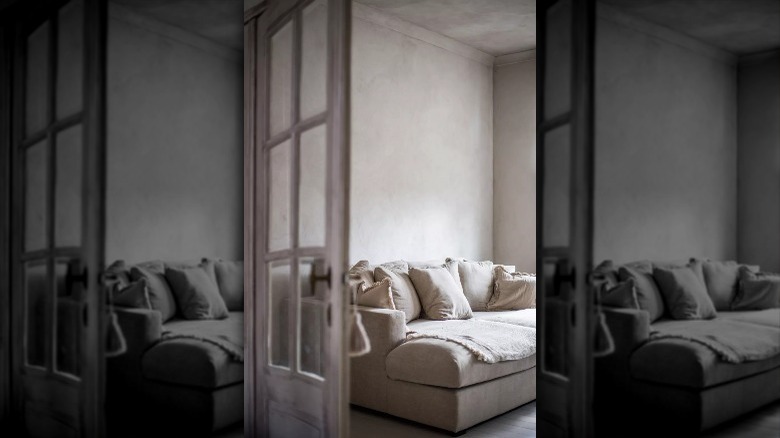
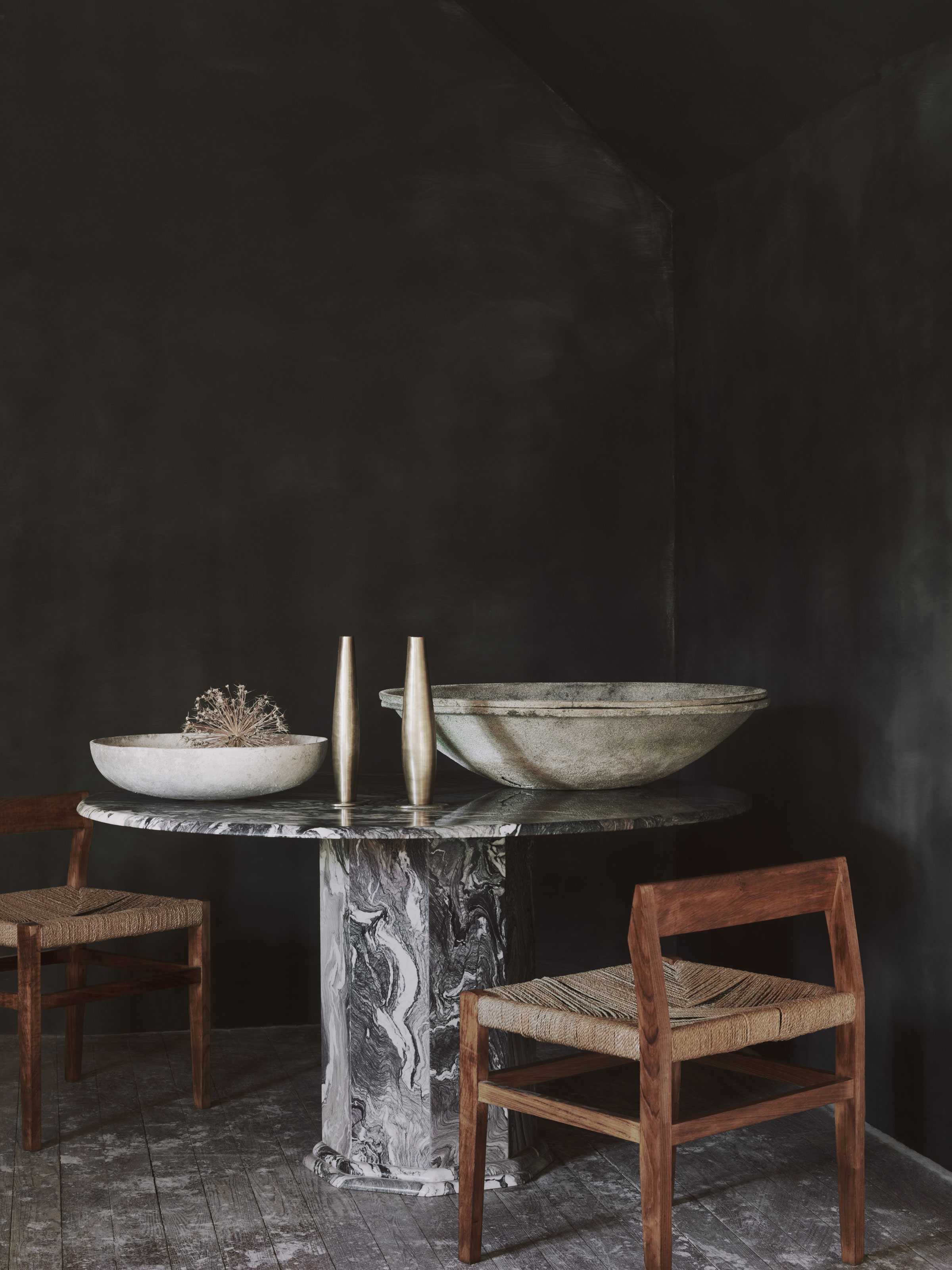
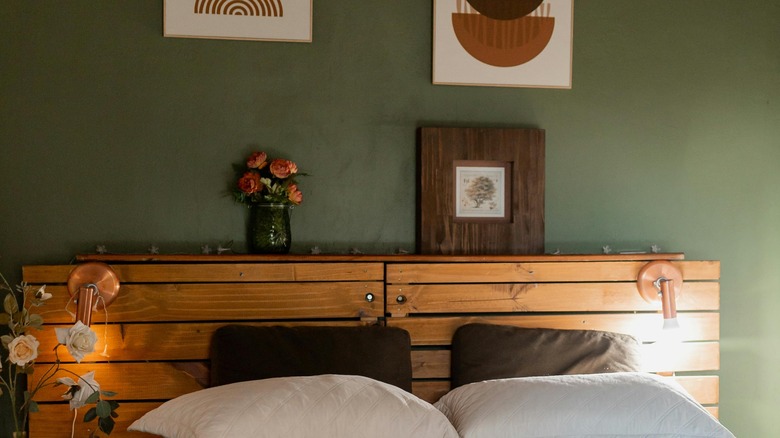
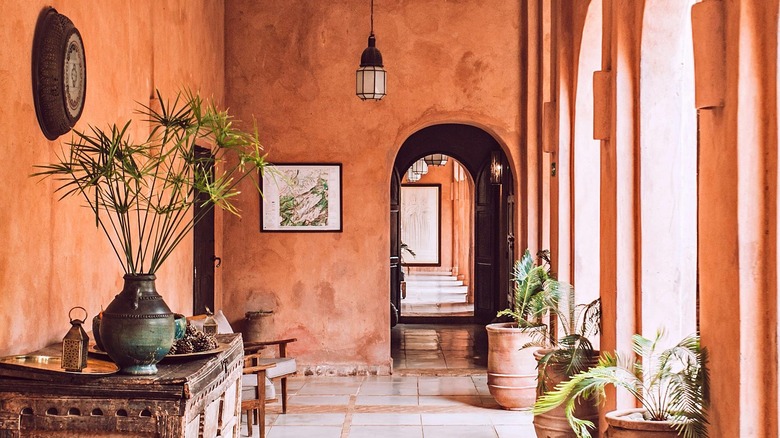
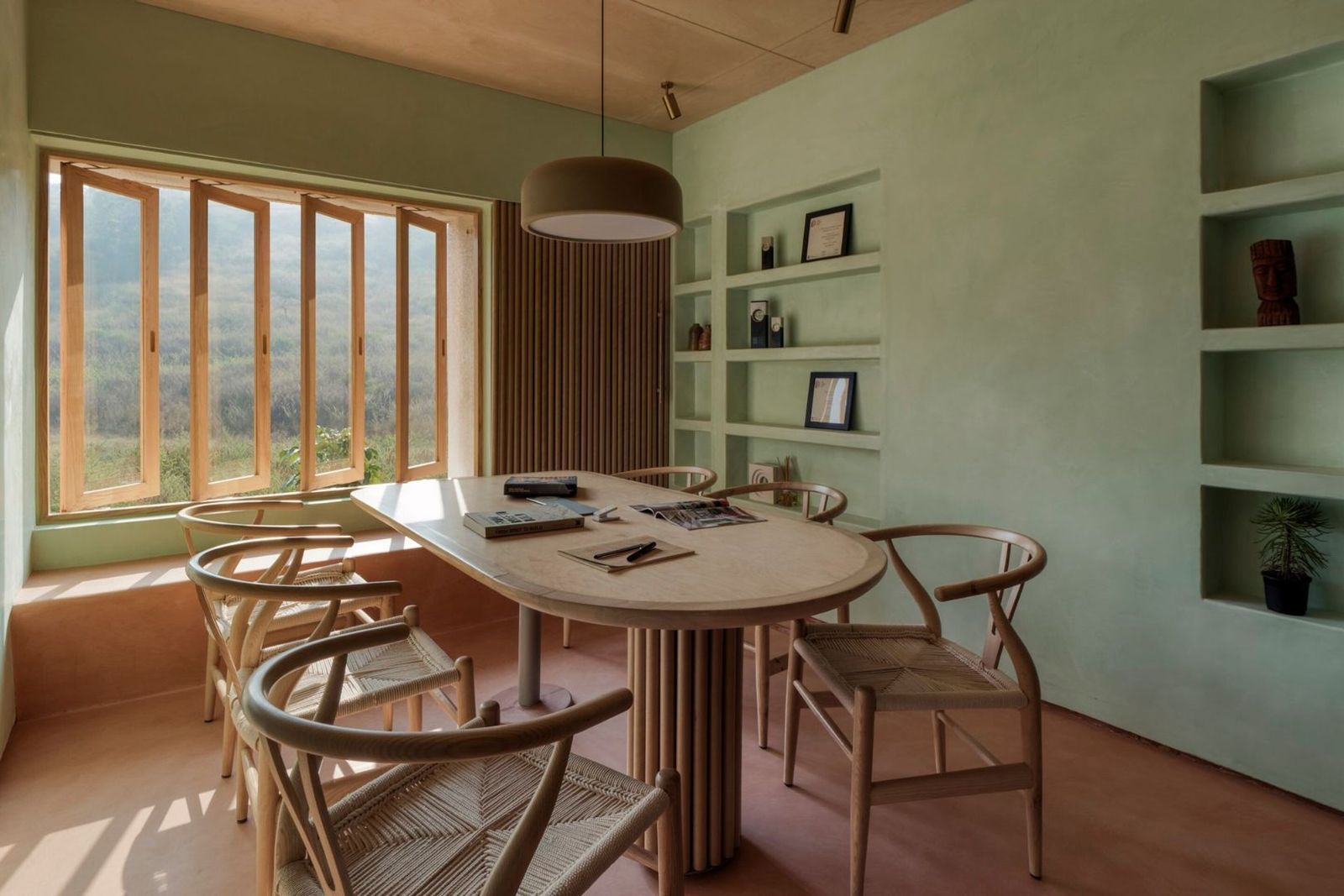
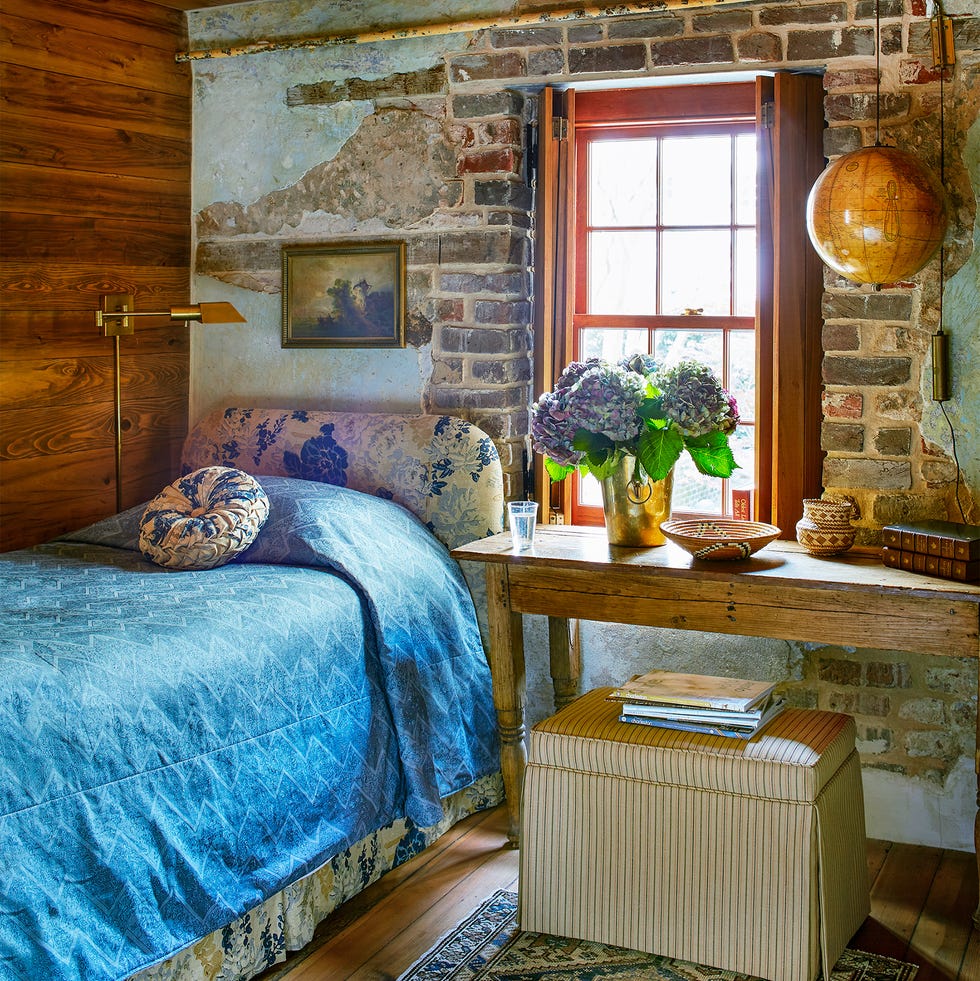
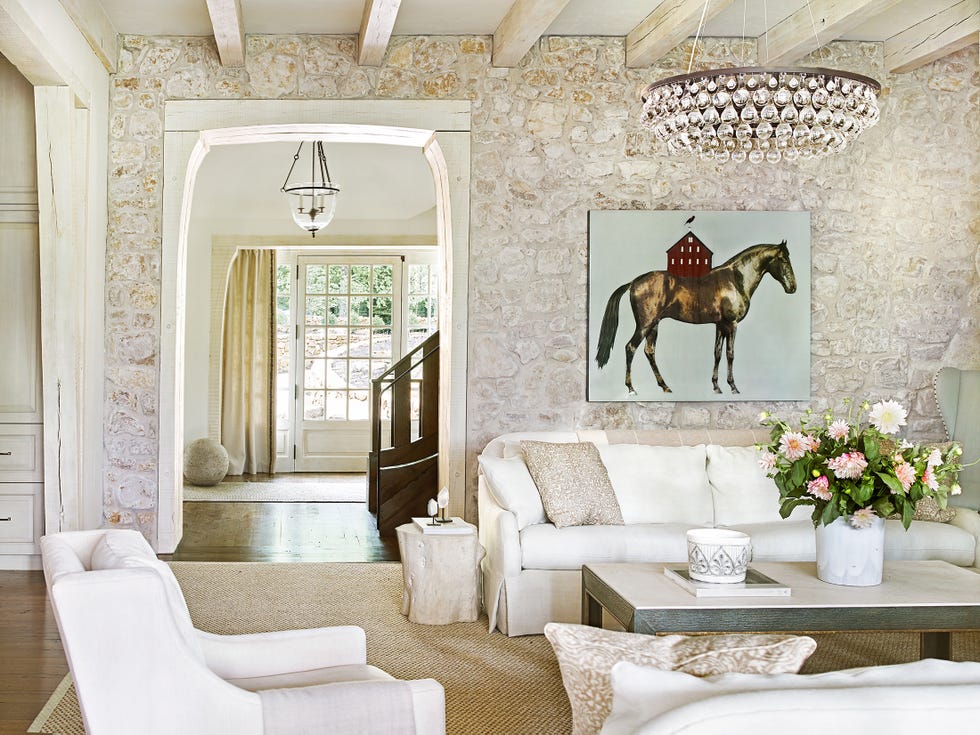
Limewash, a textured wall finish that adds depth and interest, has seen a significant surge in popularity over recent years. Its ability to intensify colors and provide a unique character to even modern new builds has made it a favorite among designers. However, as with many interior design trends, there's a growing sentiment that limewash might be becoming overused, prompting a search for fresh alternatives that offer similar textural qualities without feeling repetitive.
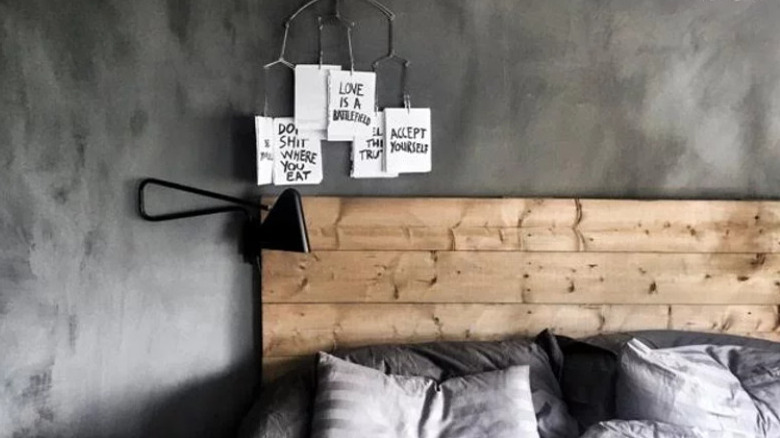
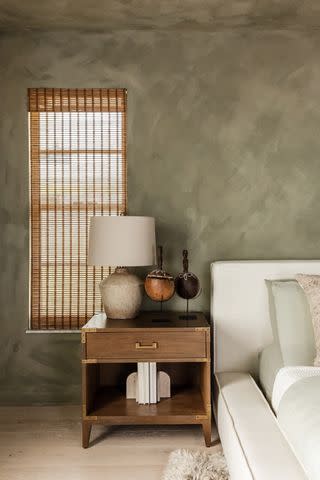
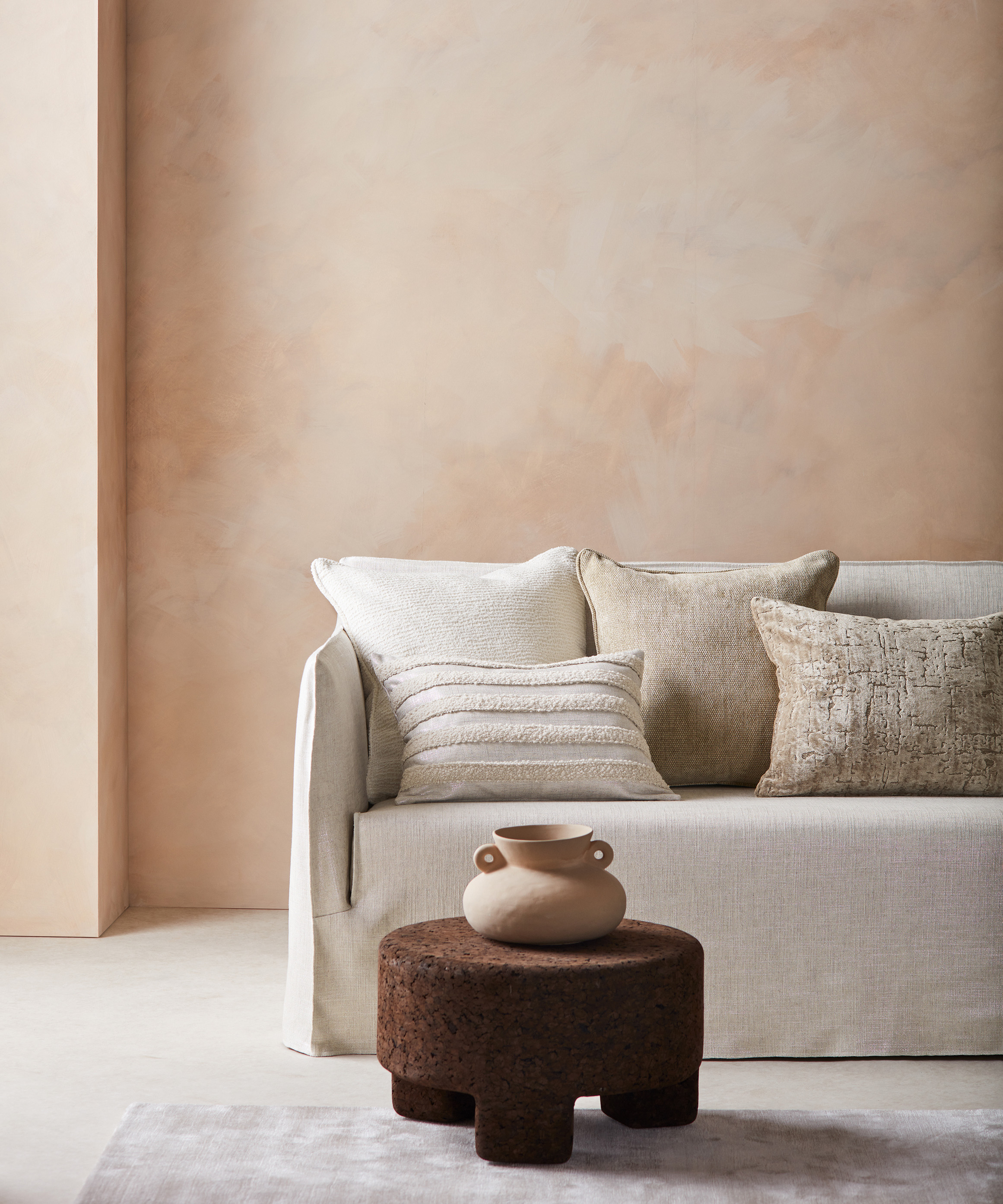
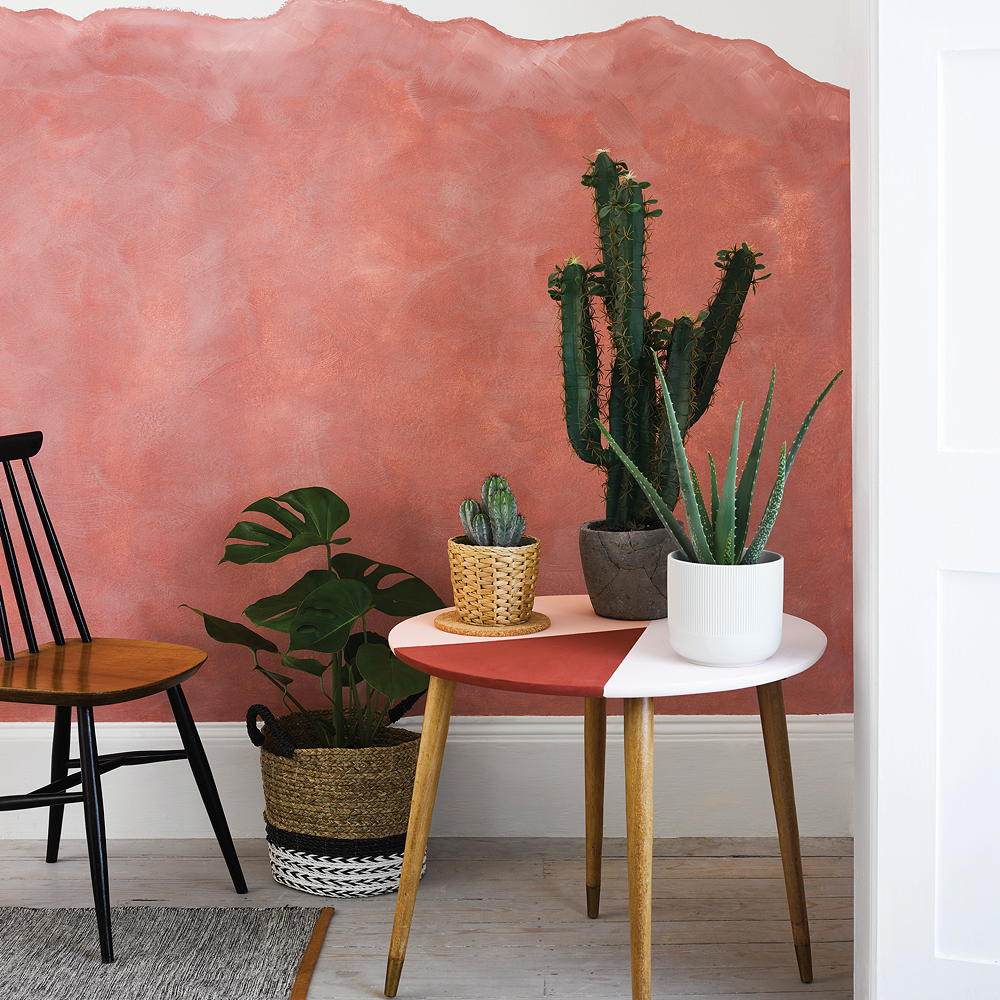
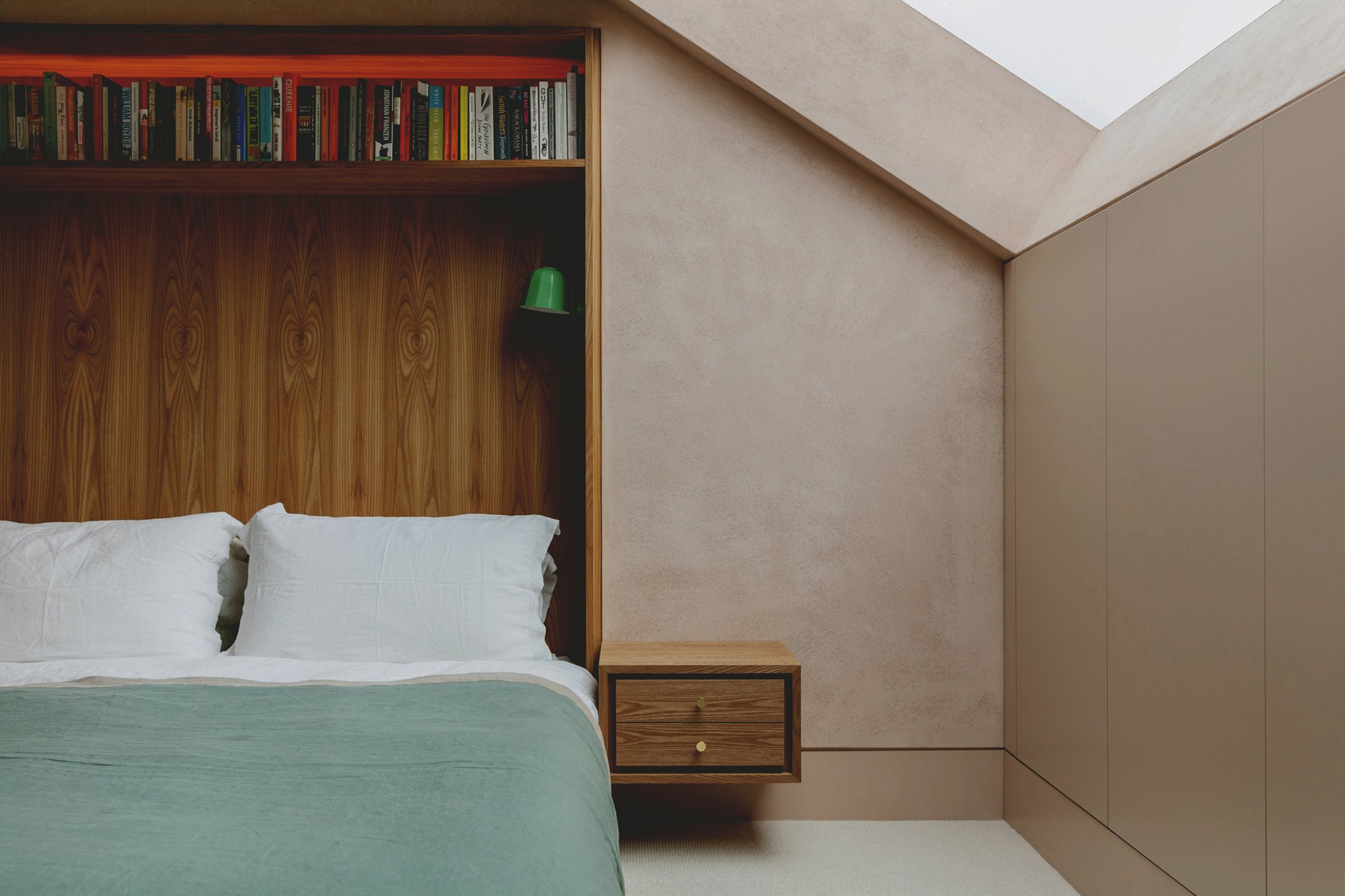
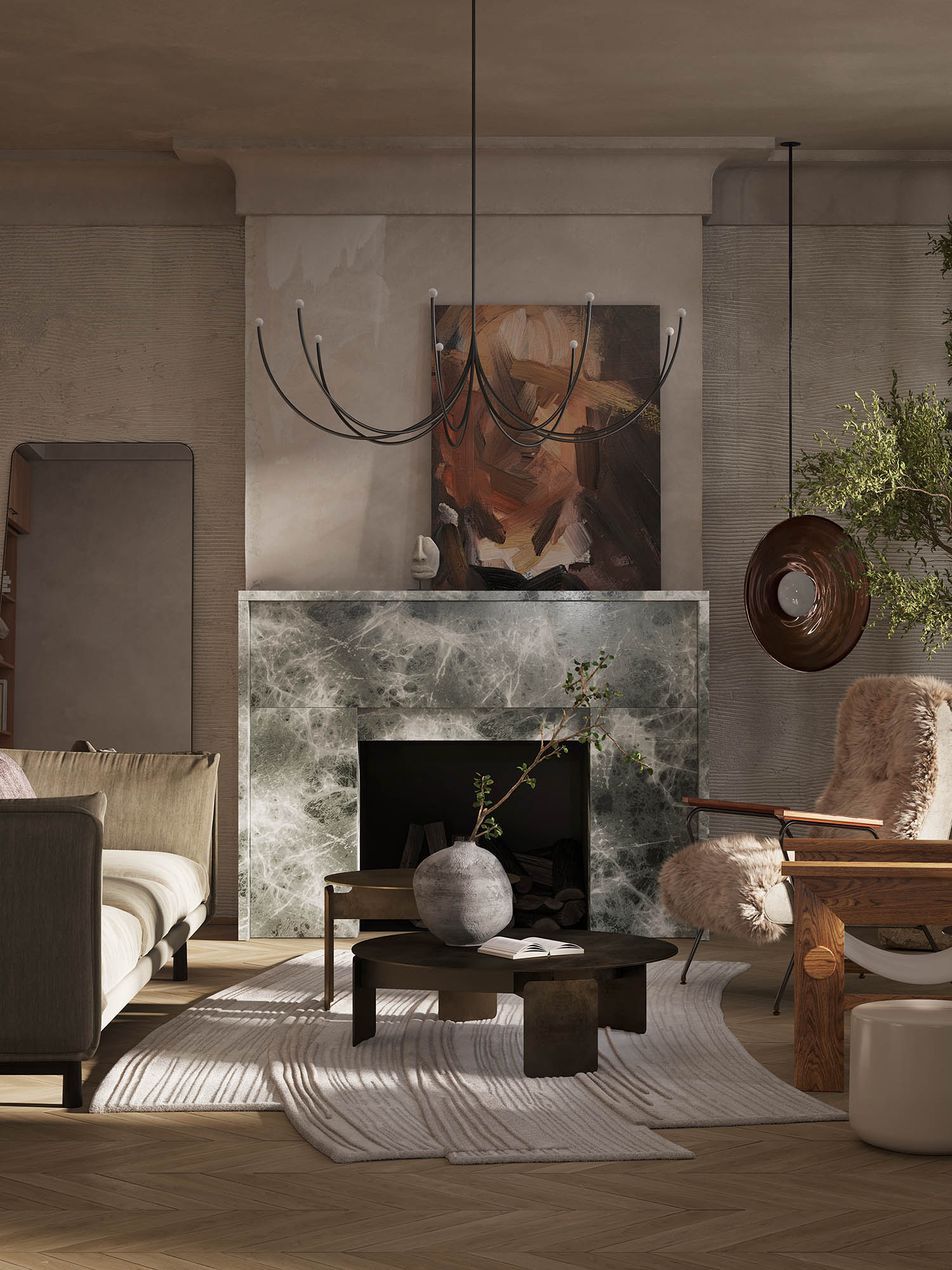
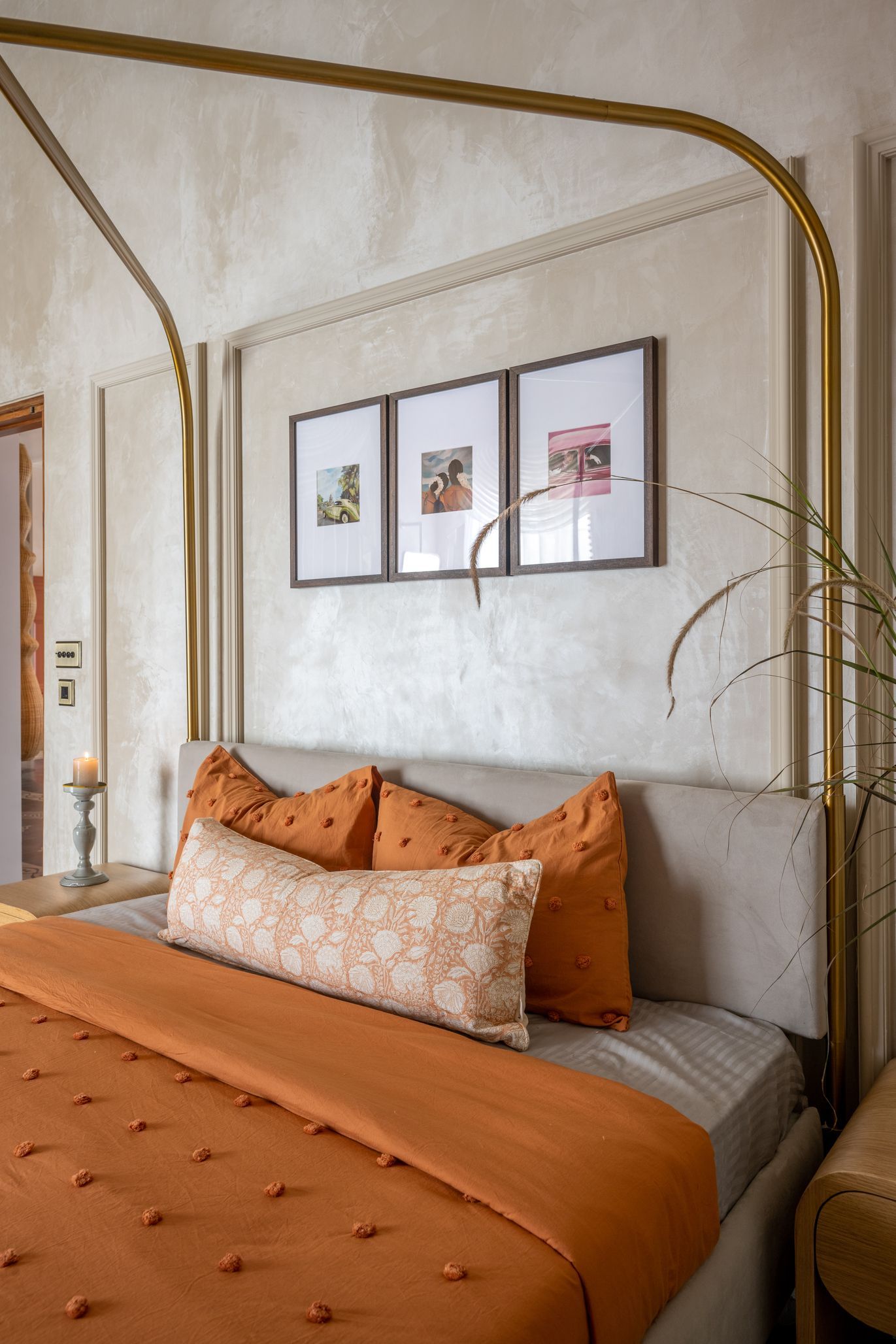
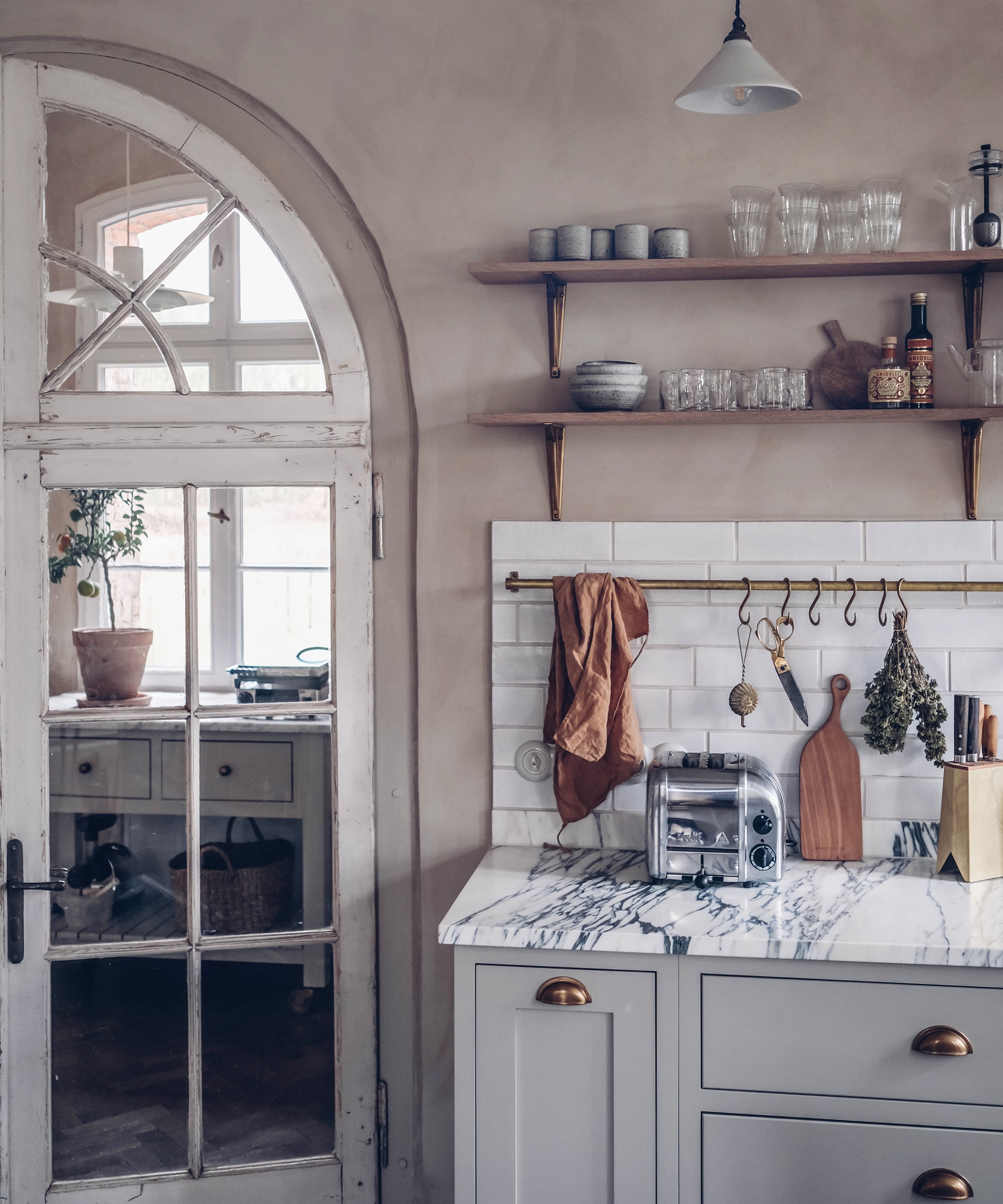
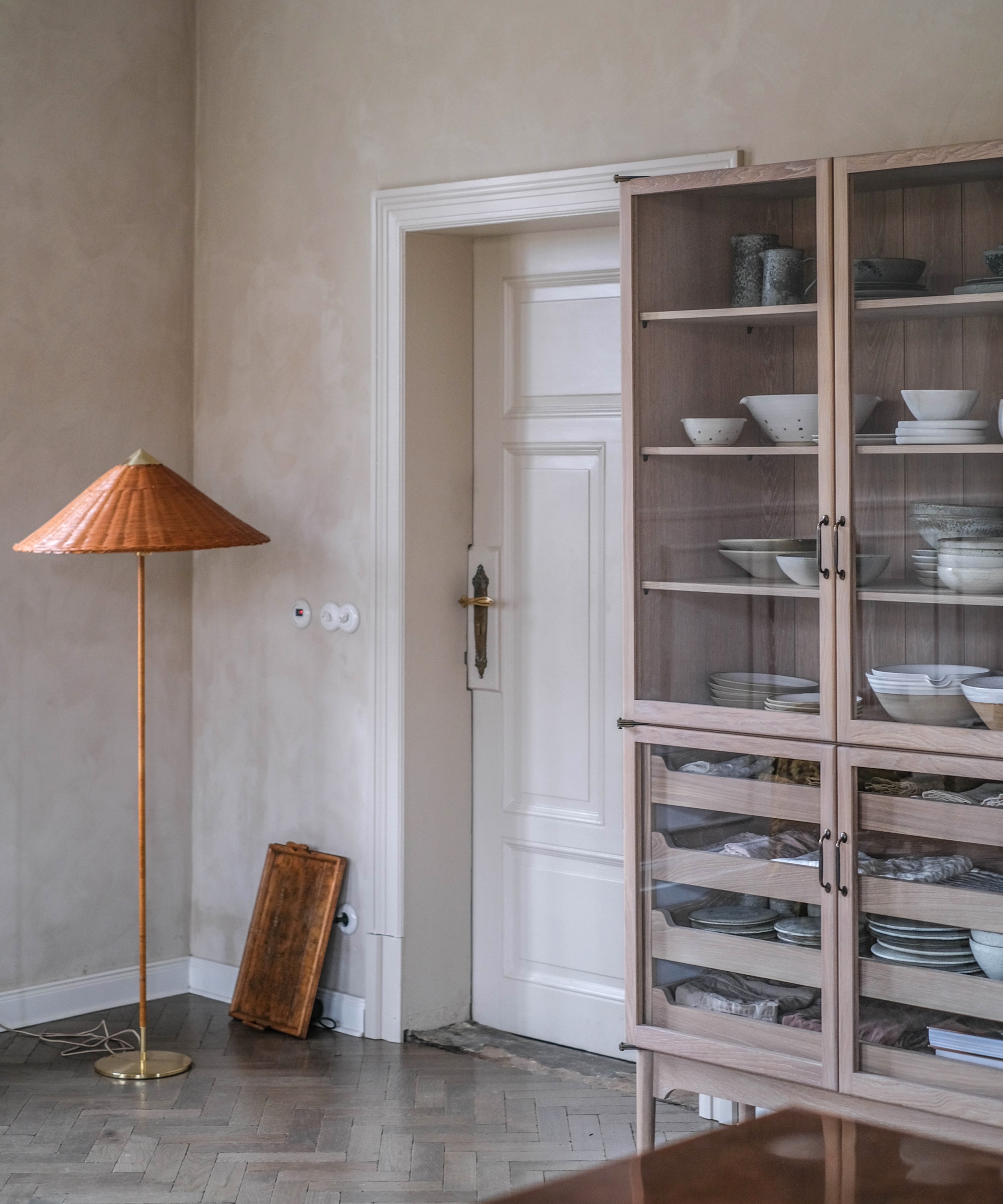
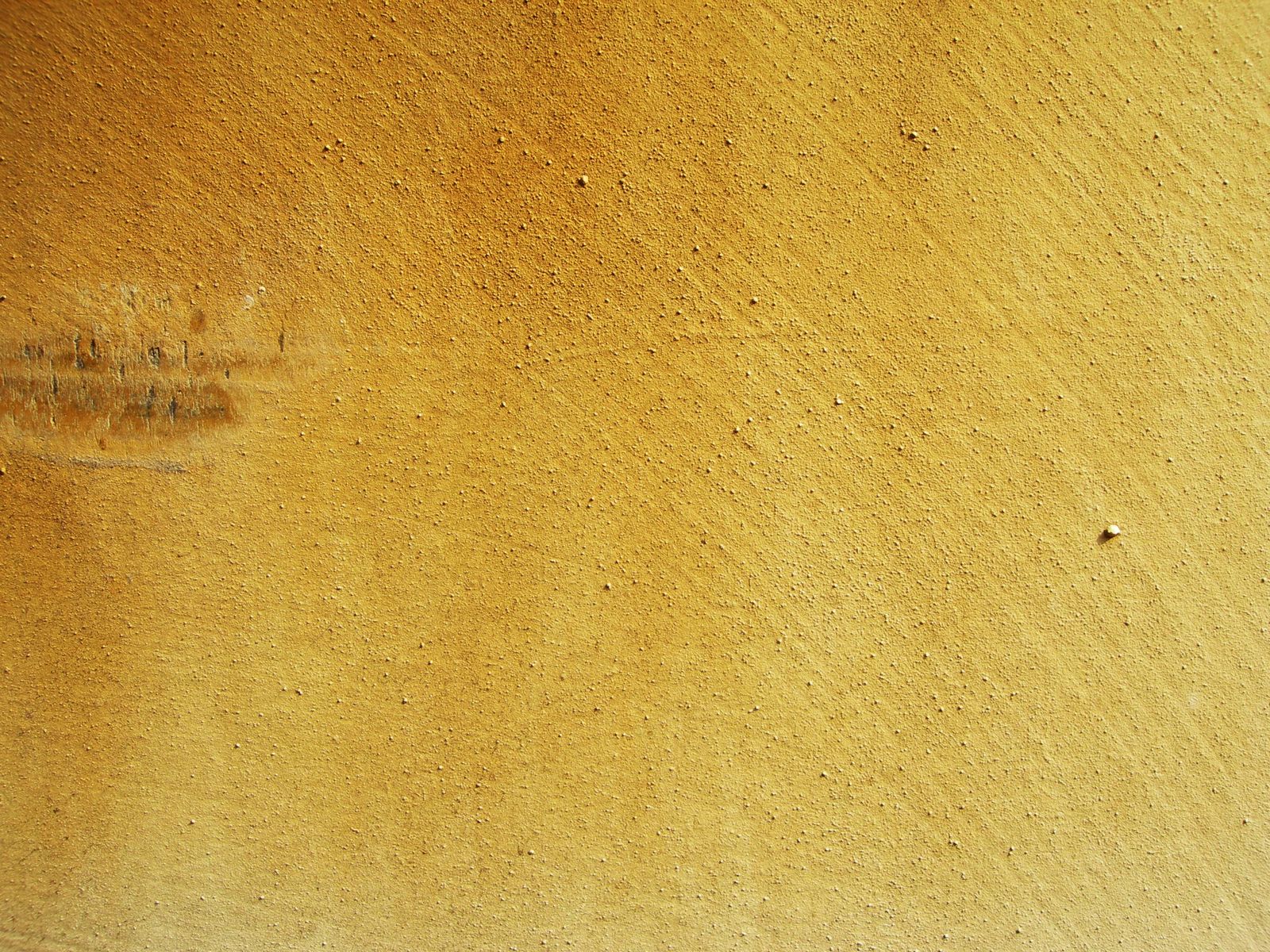
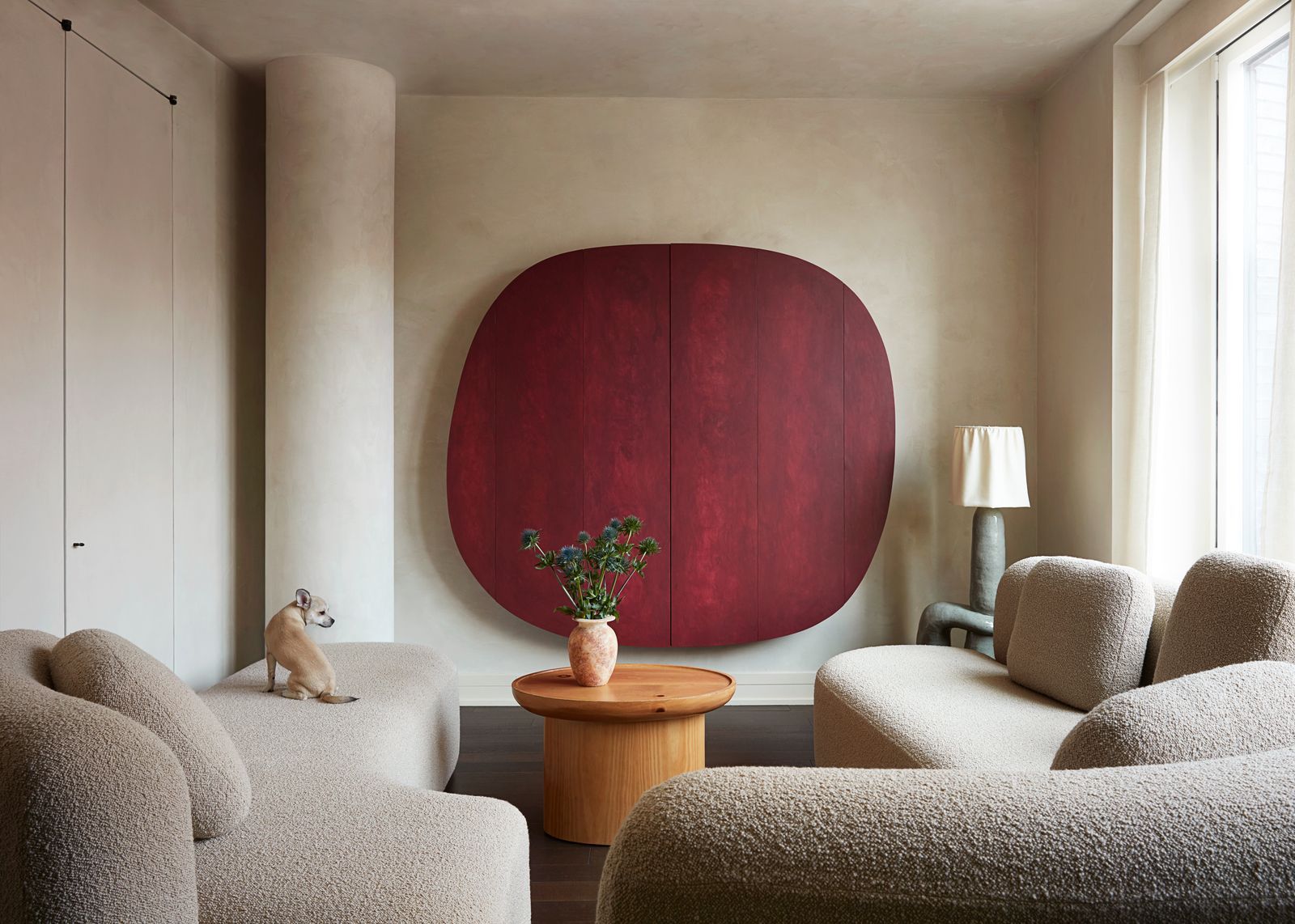
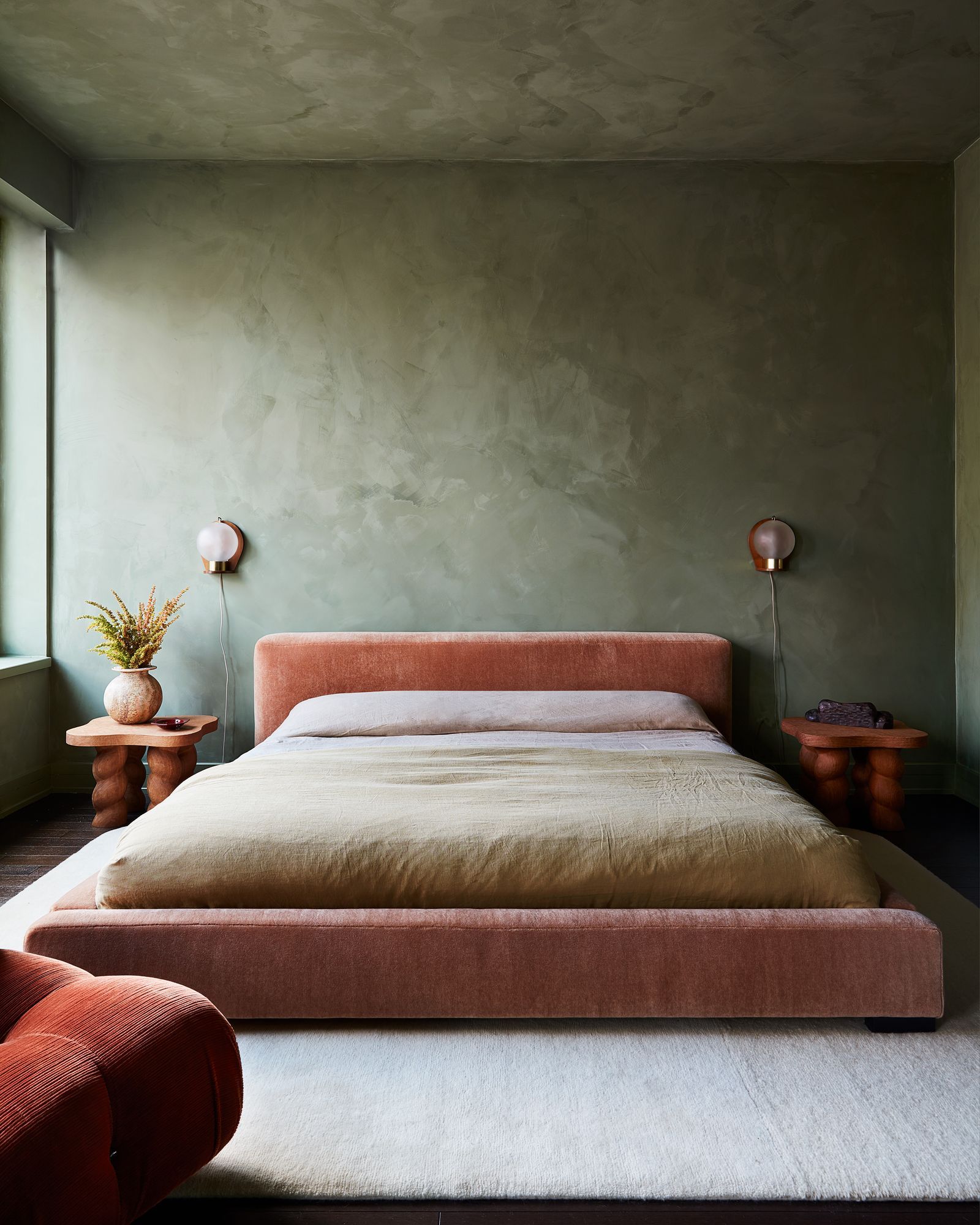
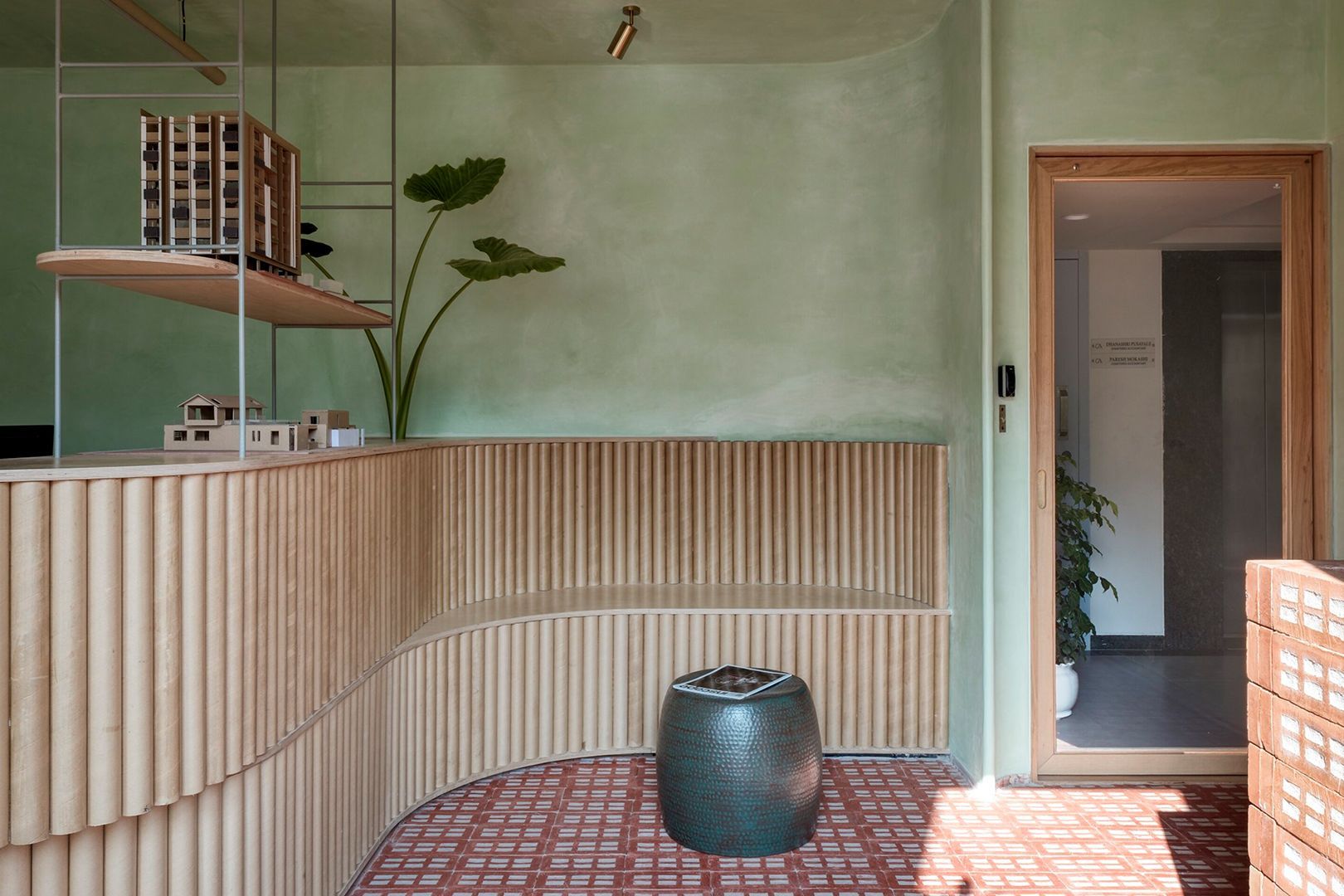
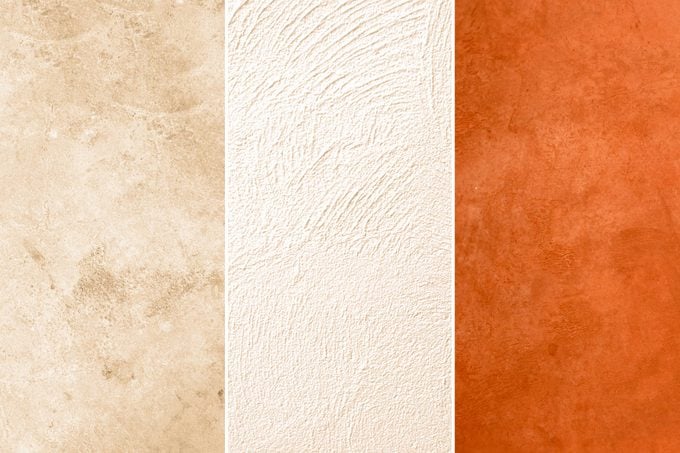
Interior designers are increasingly turning to Roman clay as a successor to limewash. Roman clay is a plaster-like finish, typically applied with a putty knife, that offers a smooth yet versatile appearance. It can emulate the look of stone, stucco, or even marble, depending on the application and desired effect. Unlike limewash, it is generally less glossy and more casual, akin to Venetian plaster but with a softer sheen. Designers appreciate its durability compared to limewash, though proper application is crucial to prevent marking or chipping. Whitney Romanoff of Meet West highlights its forgiving nature, ease of maintenance, and suitability for smooth walls, noting its ability to reflect light beautifully due to a slight sheen. Ashley Ausland of Ausland Interiors values Roman clay for its inherent solidness, depth, and texture, which she believes are superior to limewash, and its old-school aesthetic that interacts well with light.
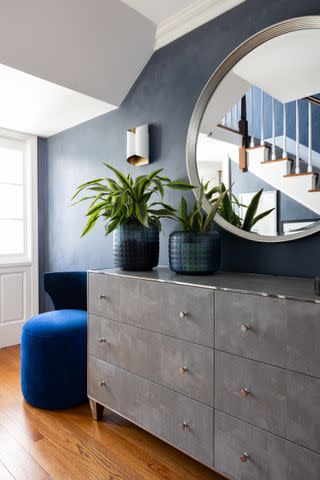
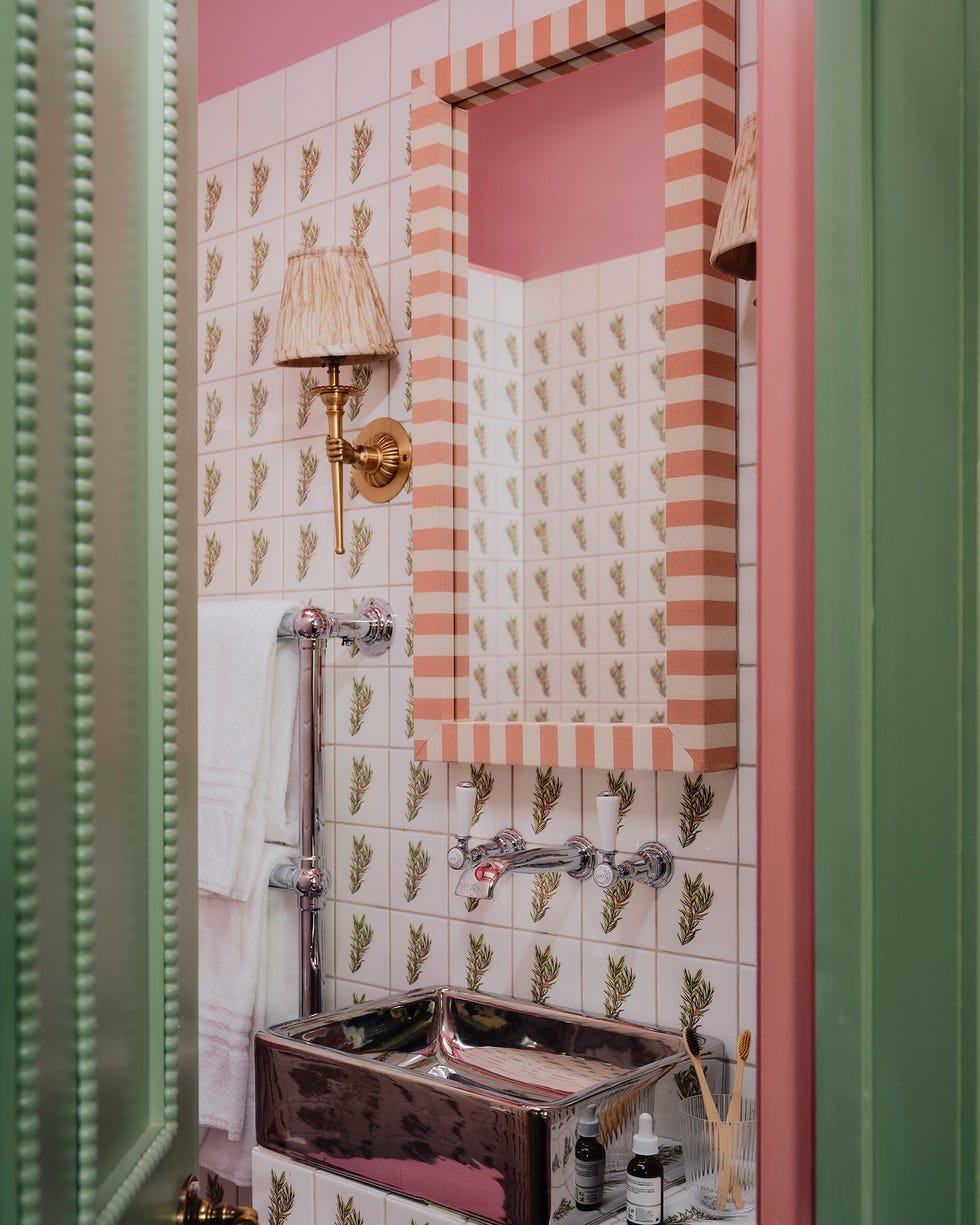
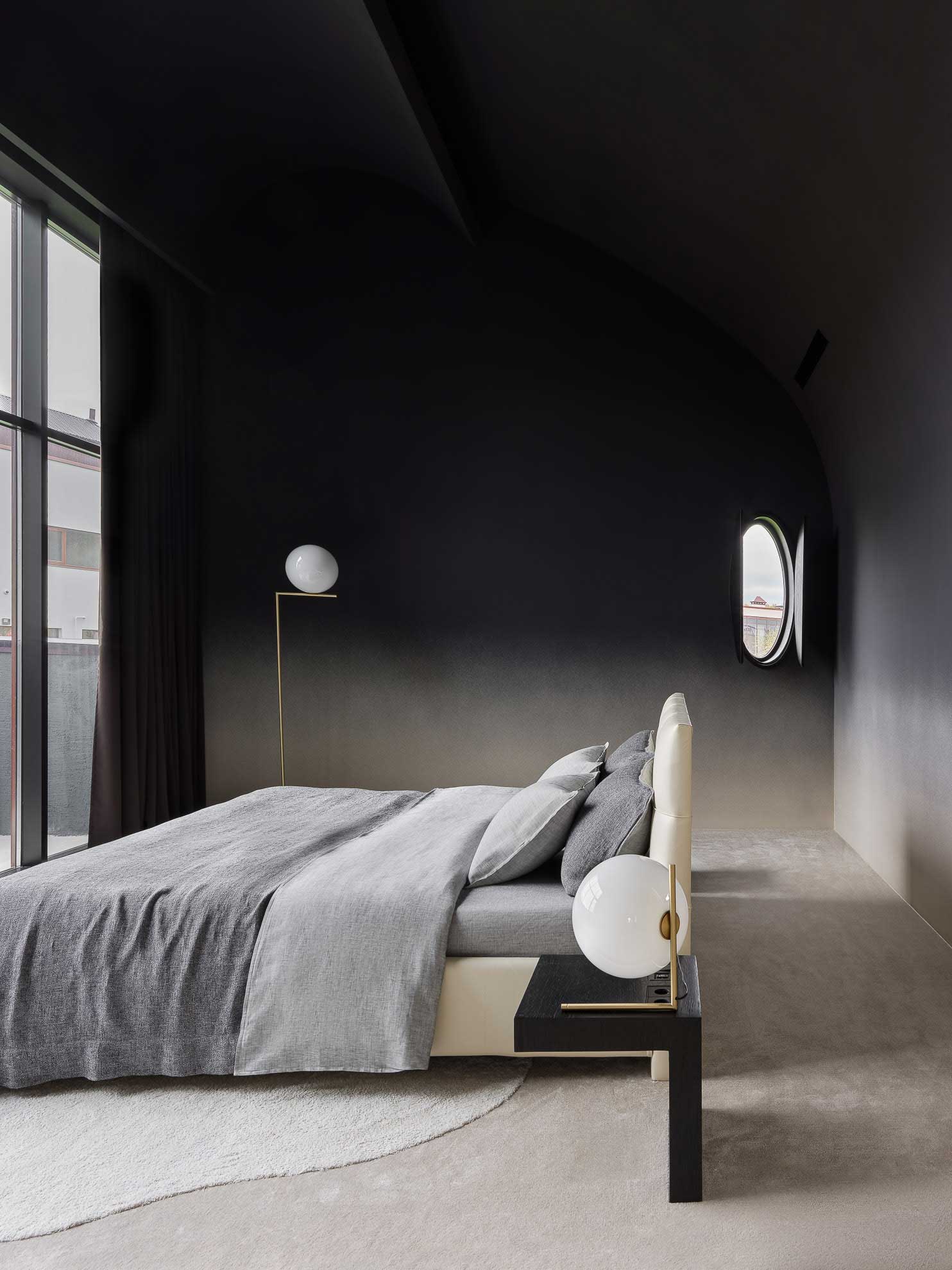
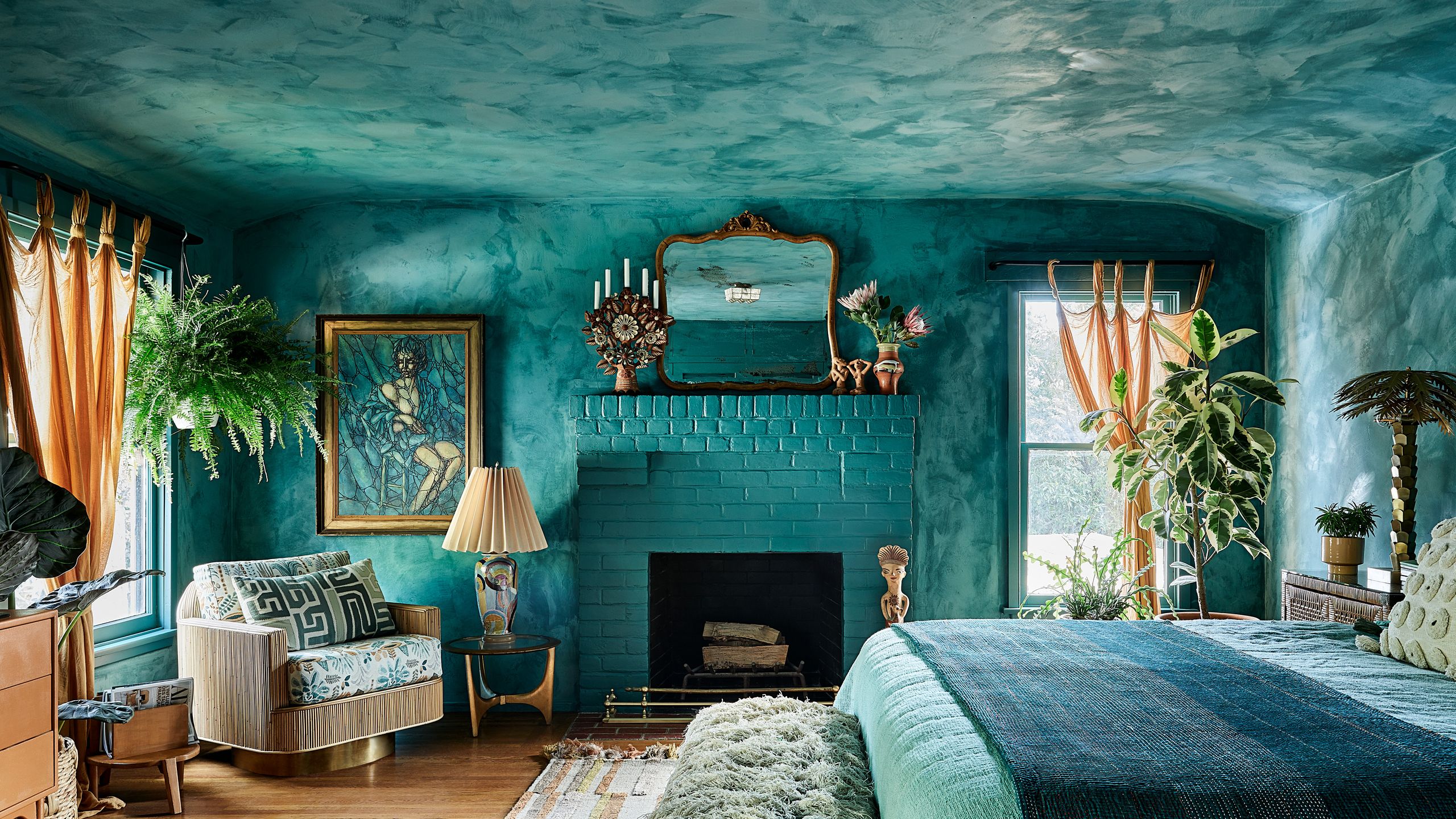
Designers utilize Roman clay in various spaces to achieve an elevated feel. Ashley Ausland and Whitney Romanoff frequently incorporate it into bathrooms, and Romanoff also applies it in areas requiring an atmospheric boost, where its sheen can accentuate a cloud-like effect. The finish's low volatile organic compound (VOC) content and ease of touch-up using common household items like a kitchen sponge or sandpaper are additional practical benefits. Brittny Button, founder of Button Atelier, advocates for painting over plaster-like finishes, including Roman clay, to introduce textural depth and an 'old-world' ambiance, creating a sense of history and transforming walls into a form of art.
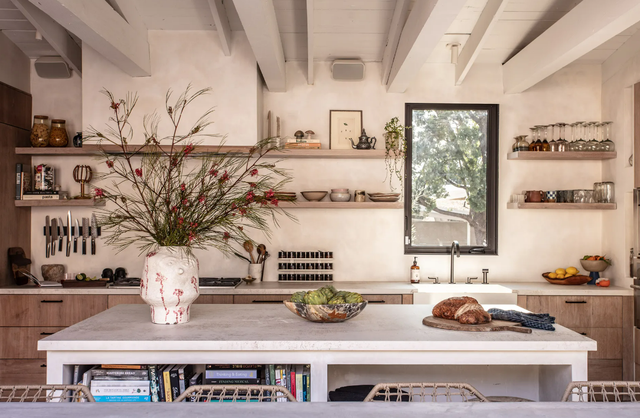
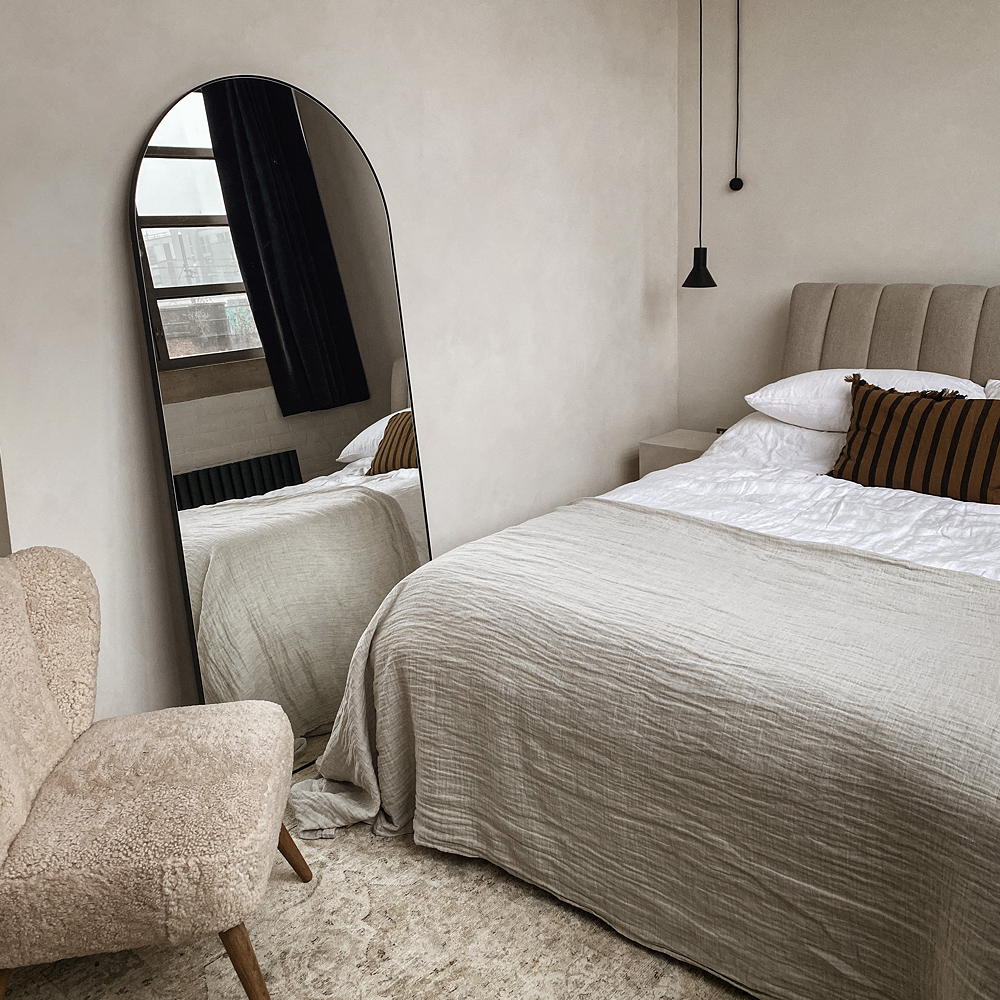
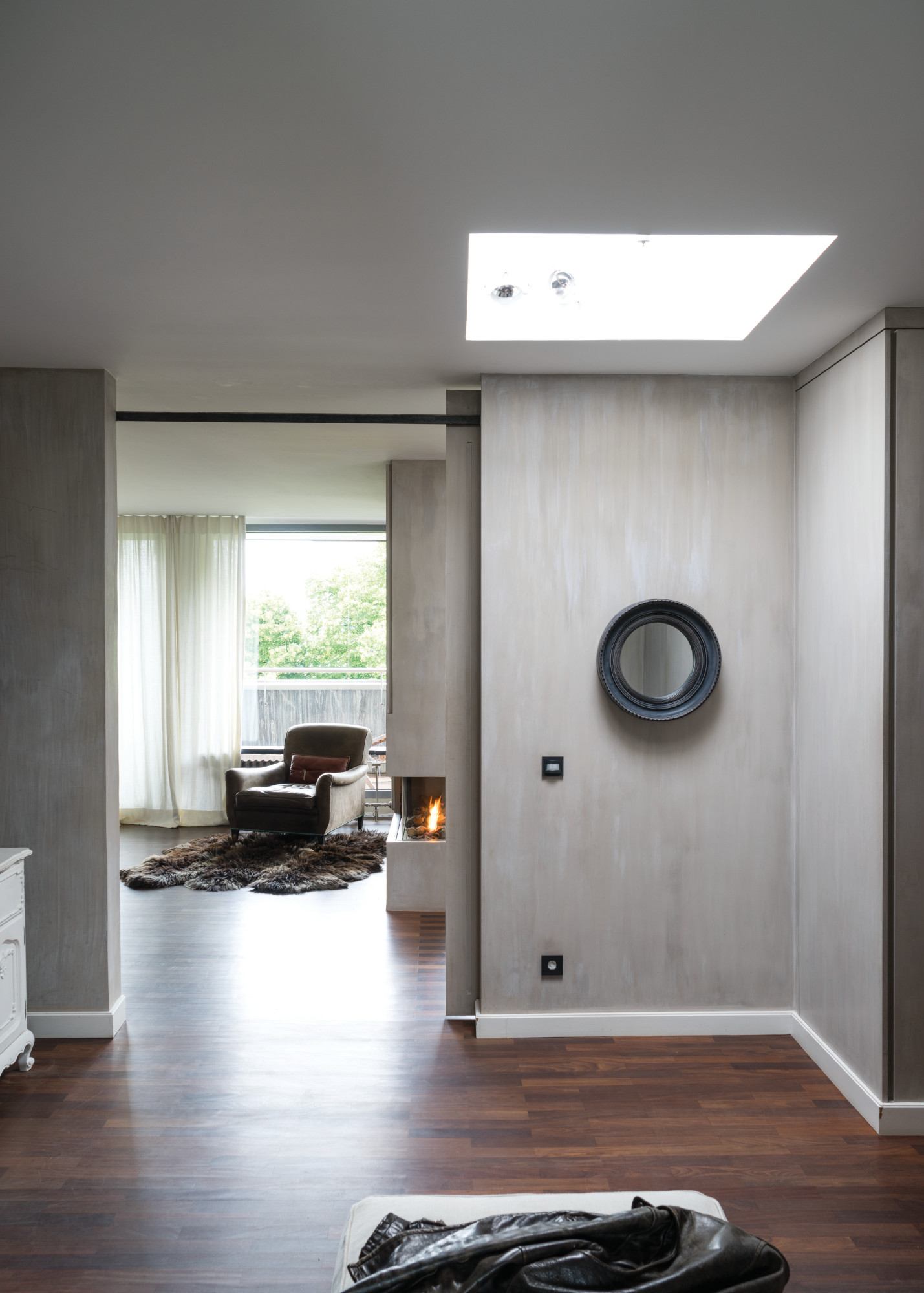
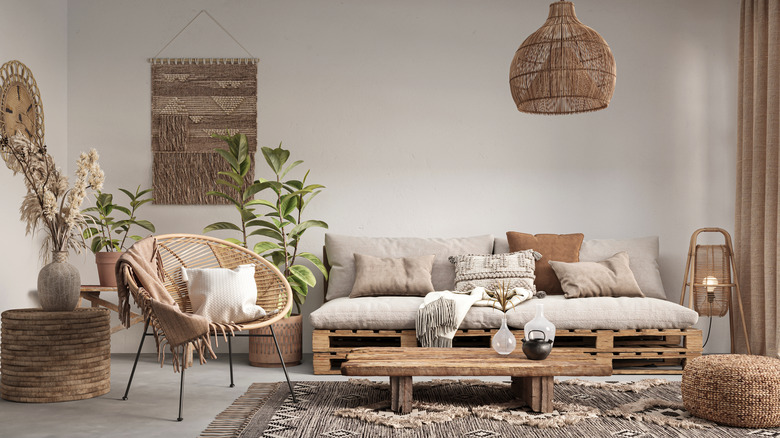
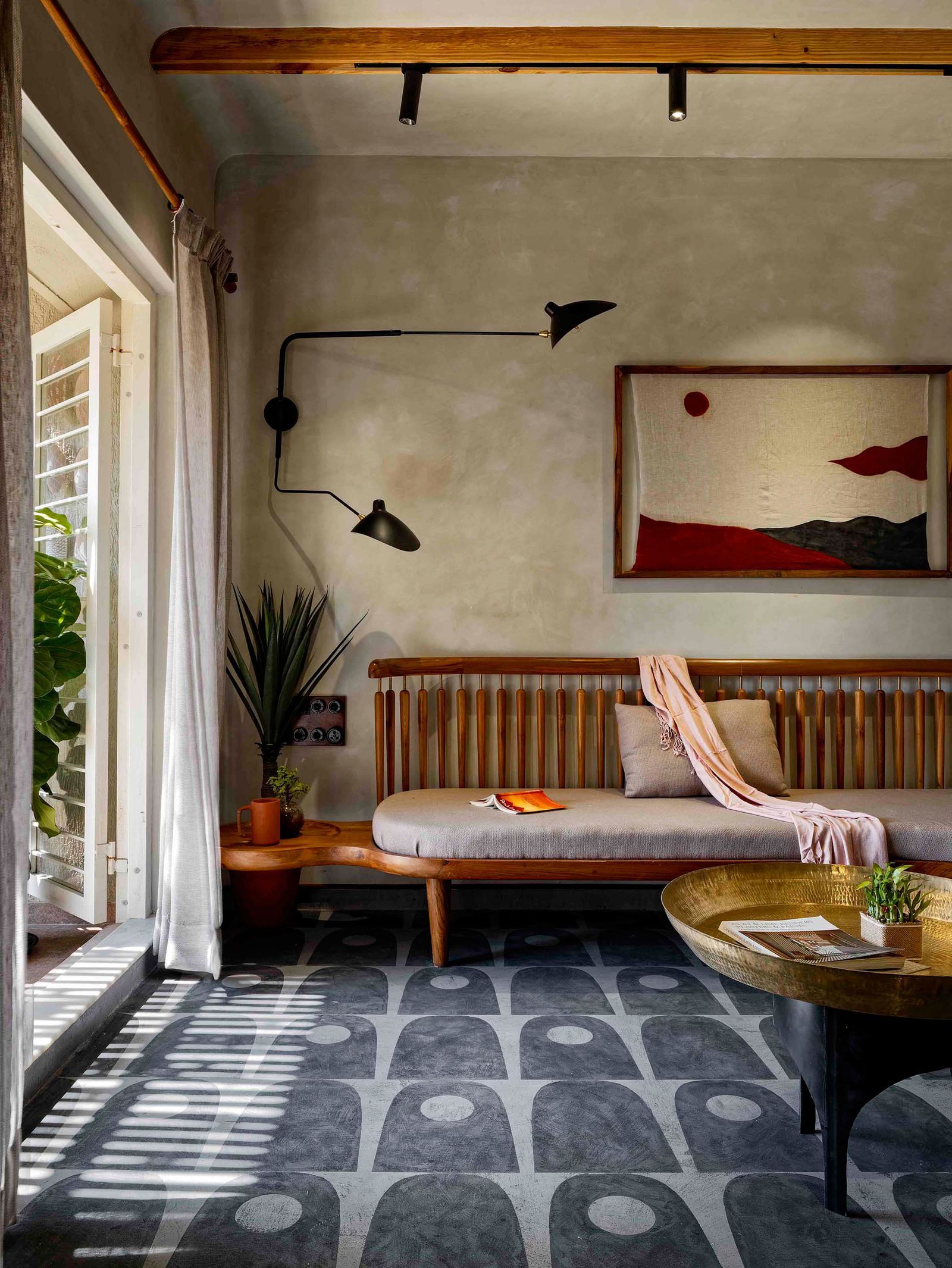
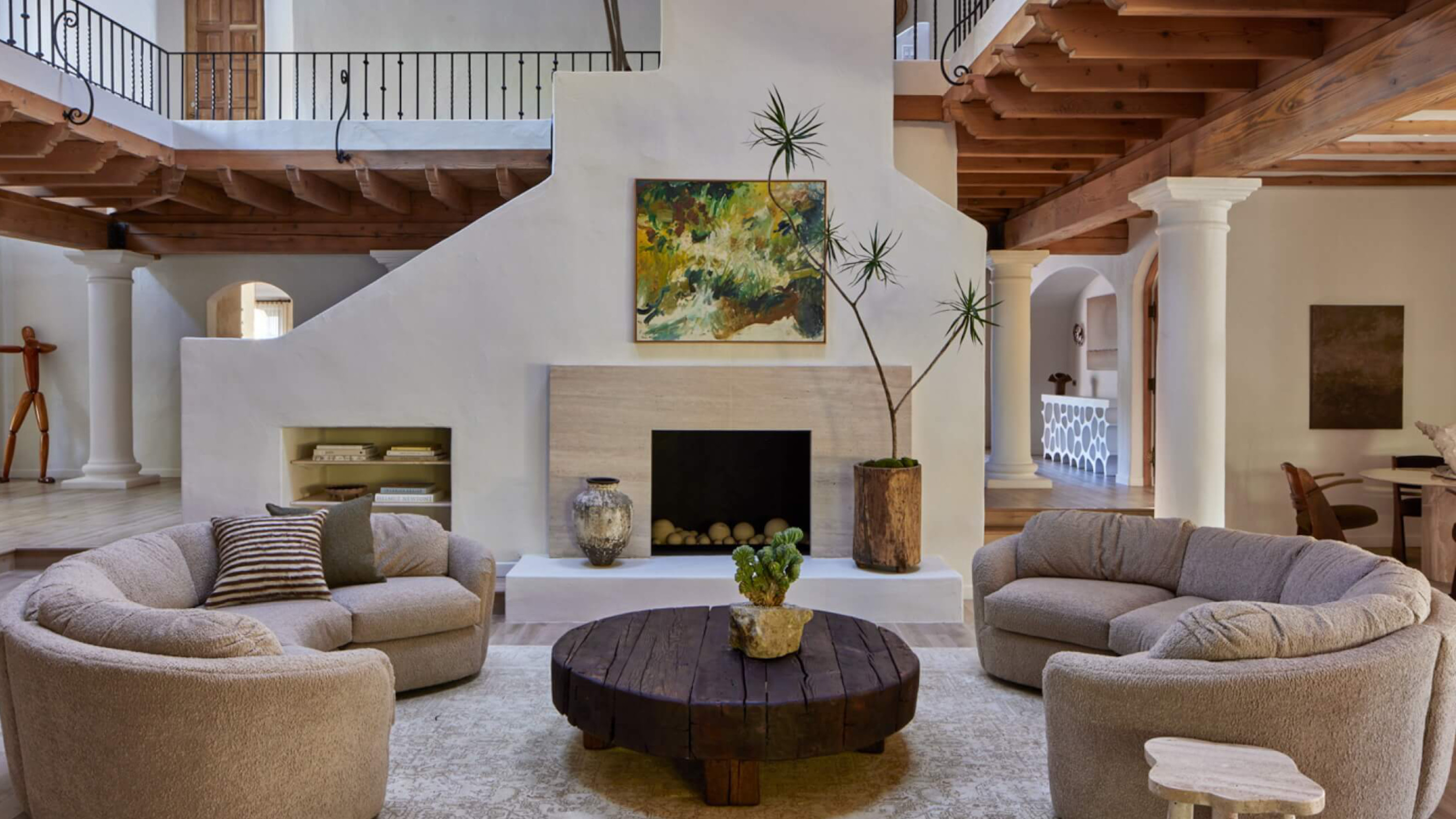
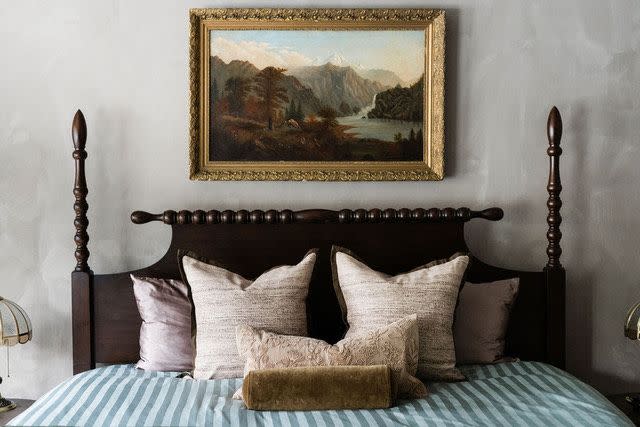
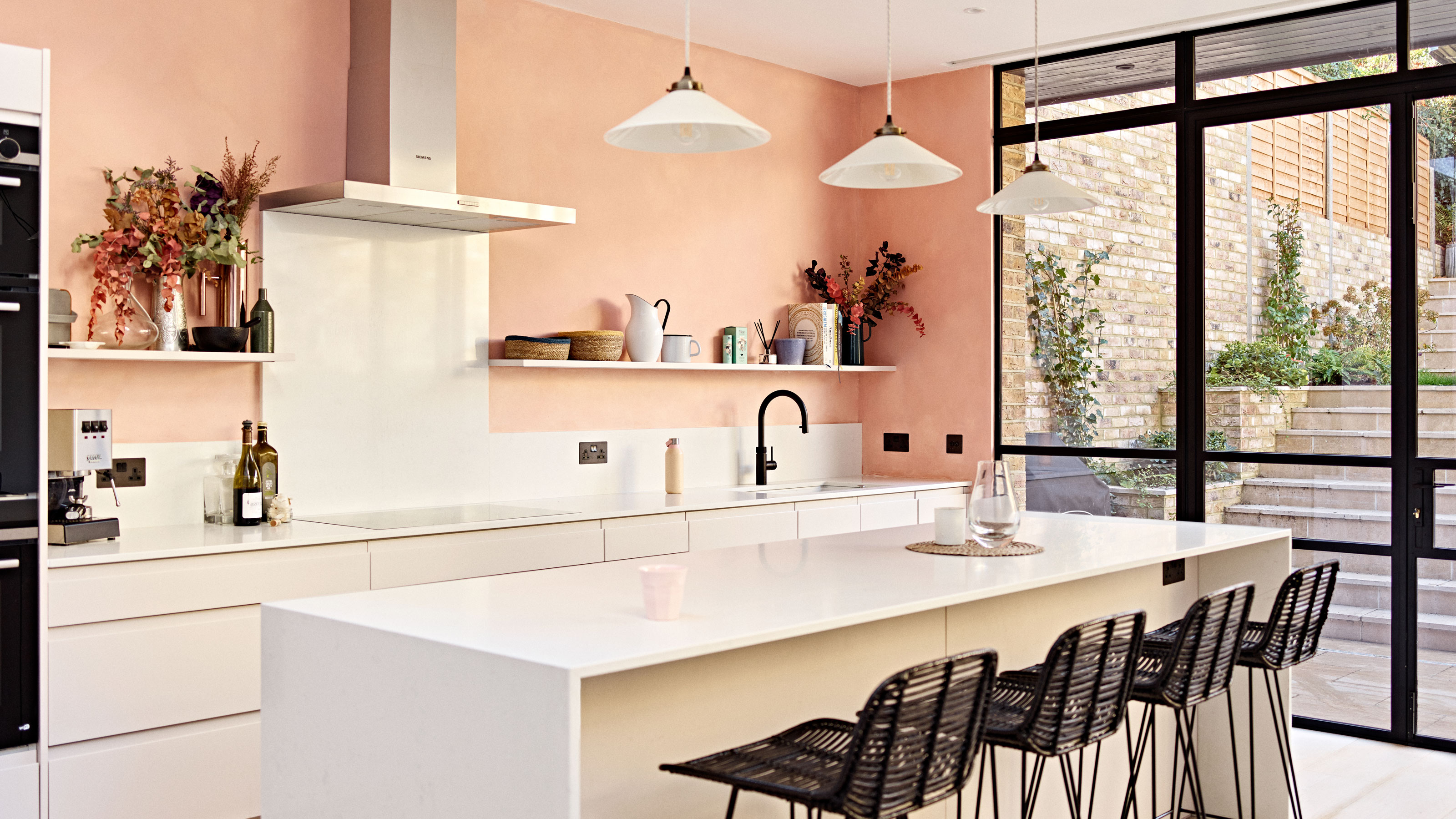
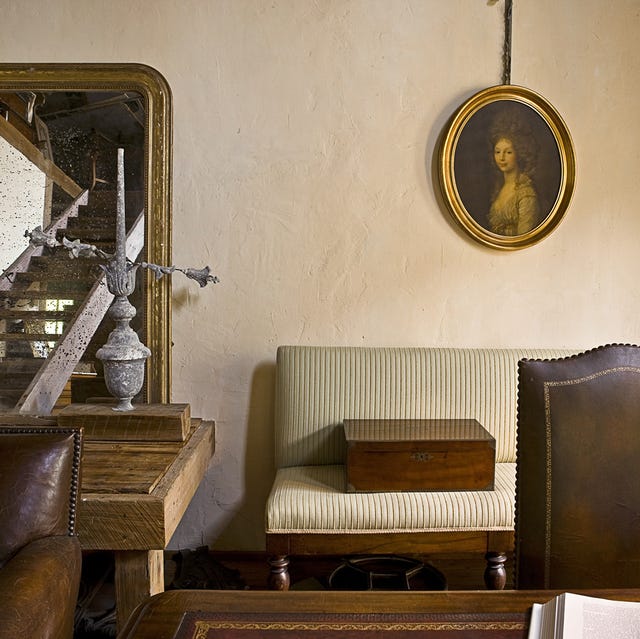
Despite the emergence of alternatives, limewash is not expected to become obsolete. Its appeal stems from its resemblance to naturally aged walls, a characteristic that has maintained its relevance for centuries. However, contemporary usage often involves a matte finish in neutral tones such as off-white, pale creams, or tawny tans, applied holistically across multiple adjoining rooms to create a unified, warm aesthetic. This approach, as exemplified by Brittny Button's Casa Encanto project, demonstrates how limewash can still be modern and sophisticated.
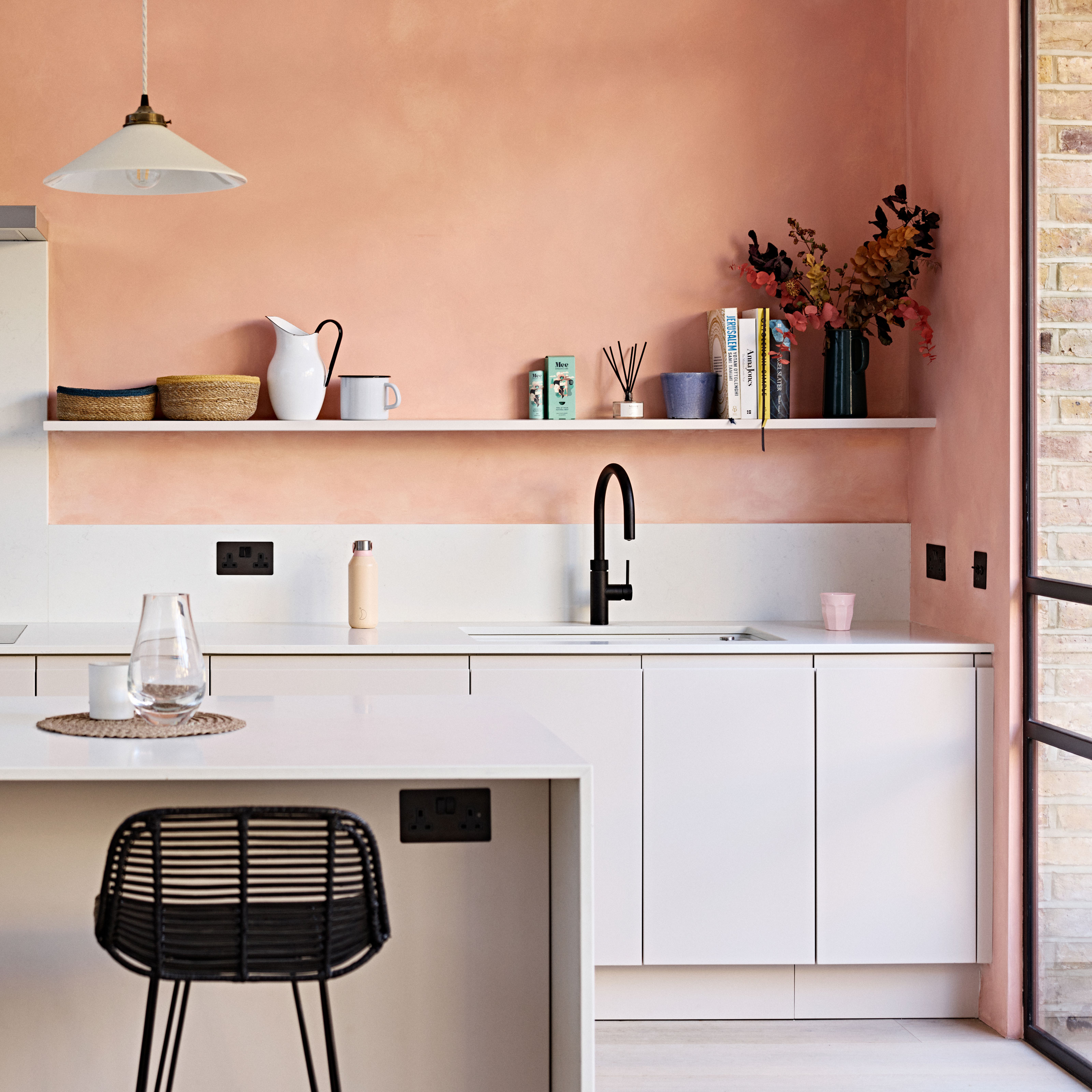
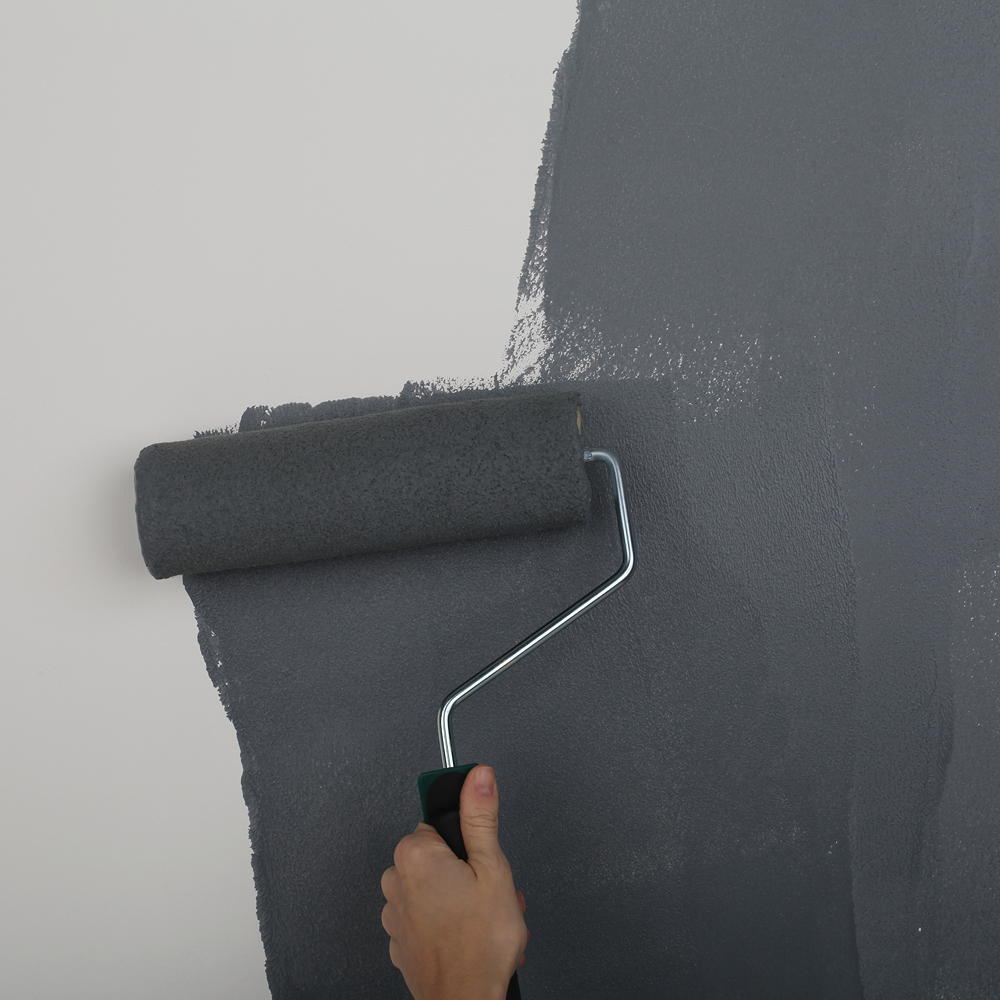
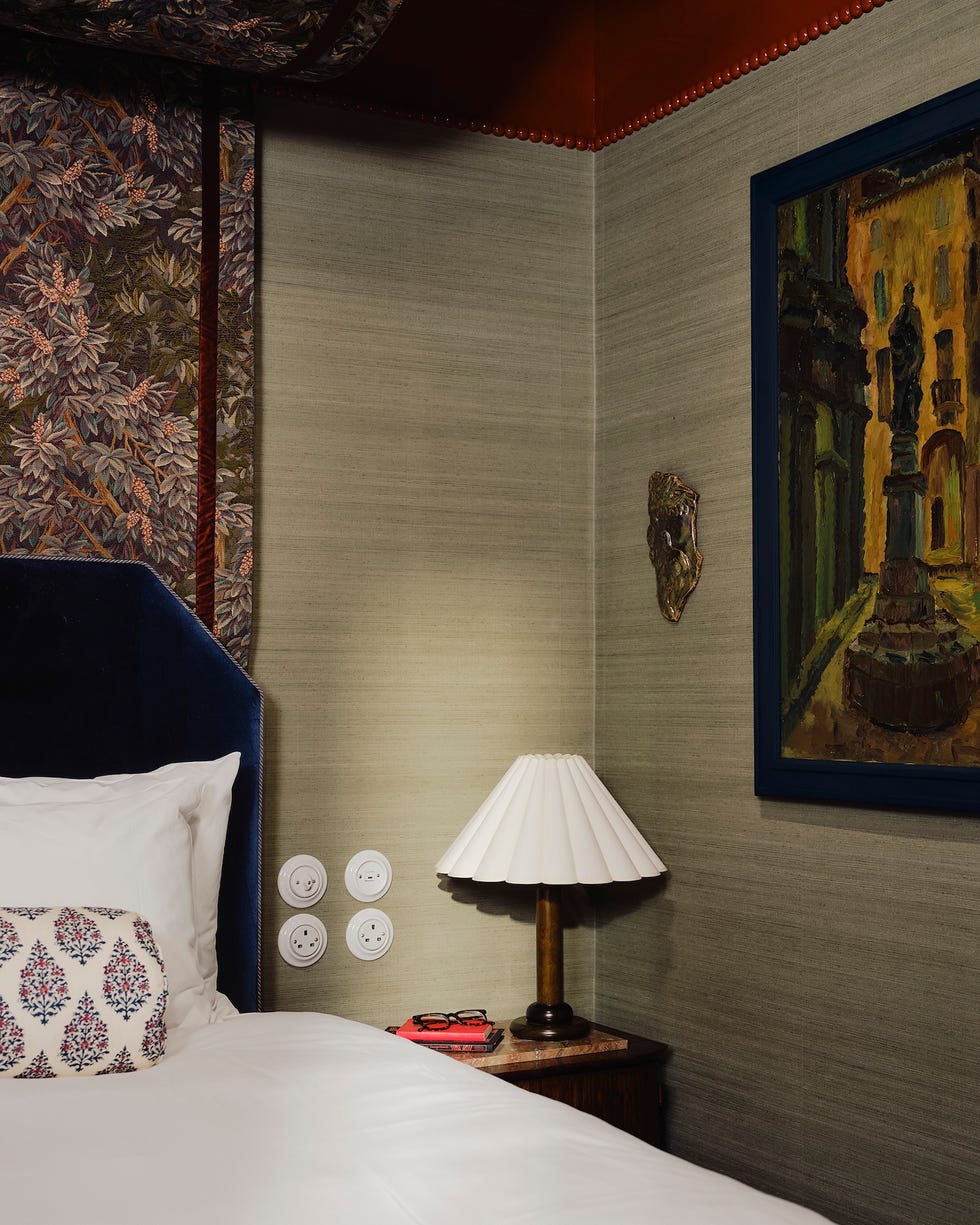
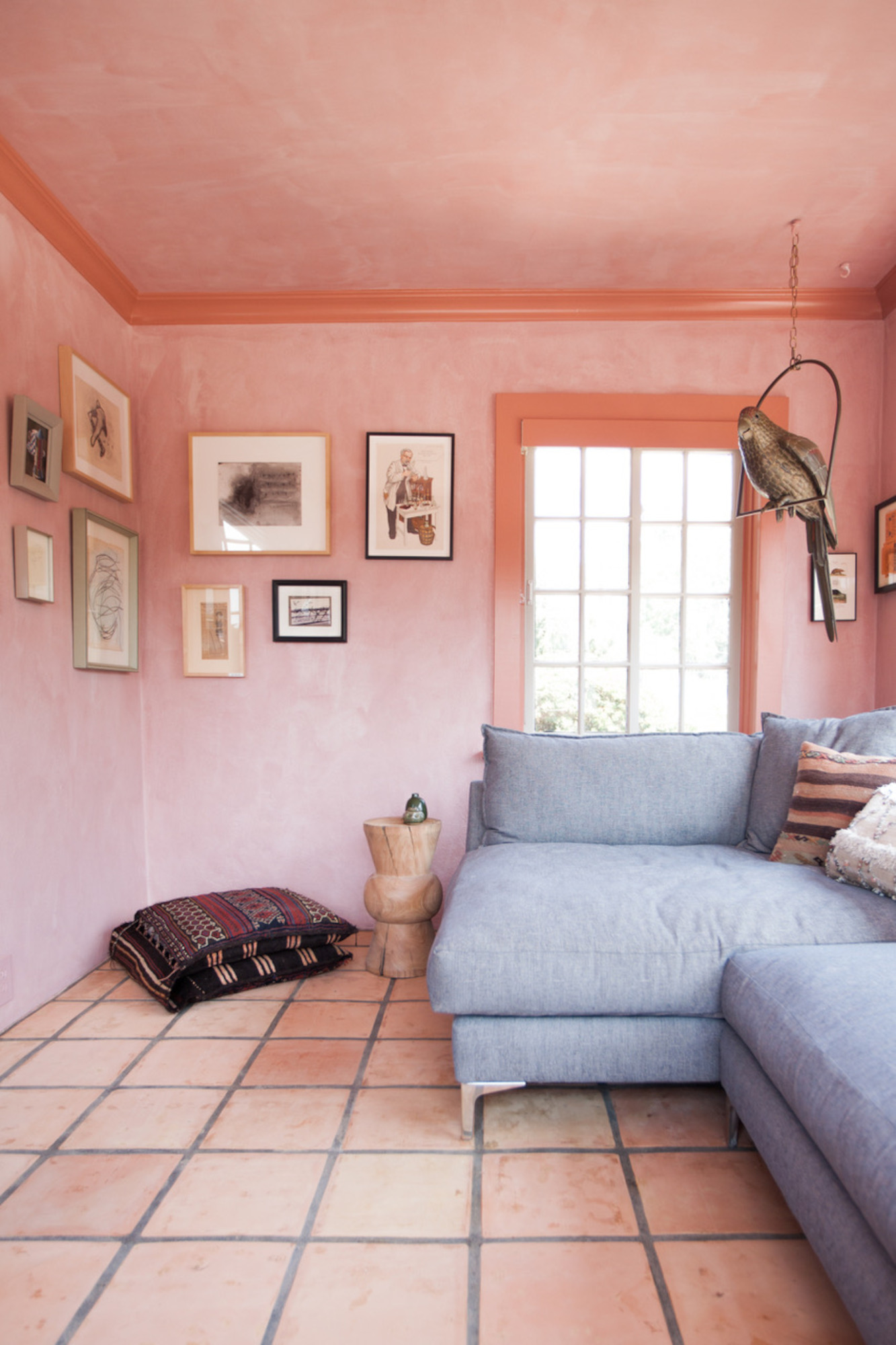
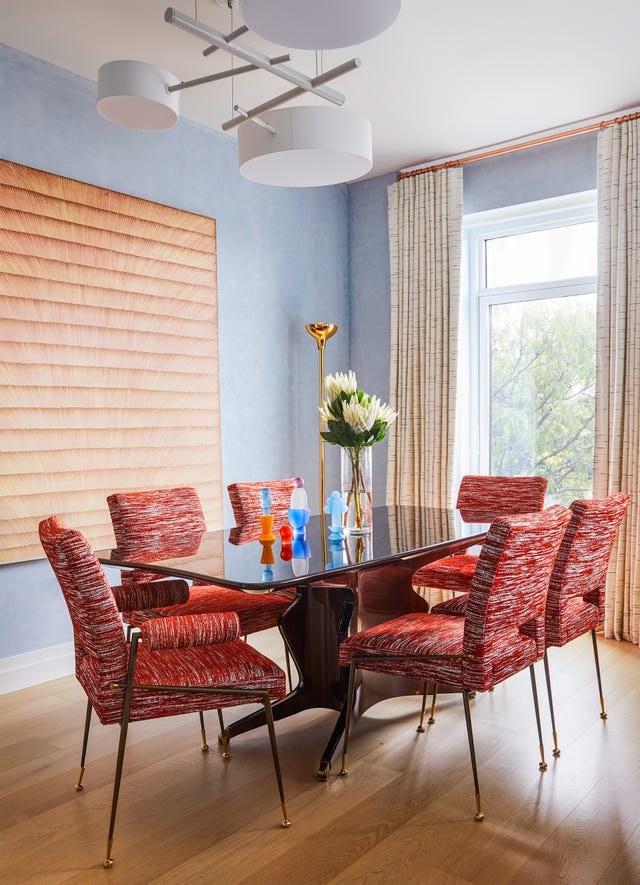
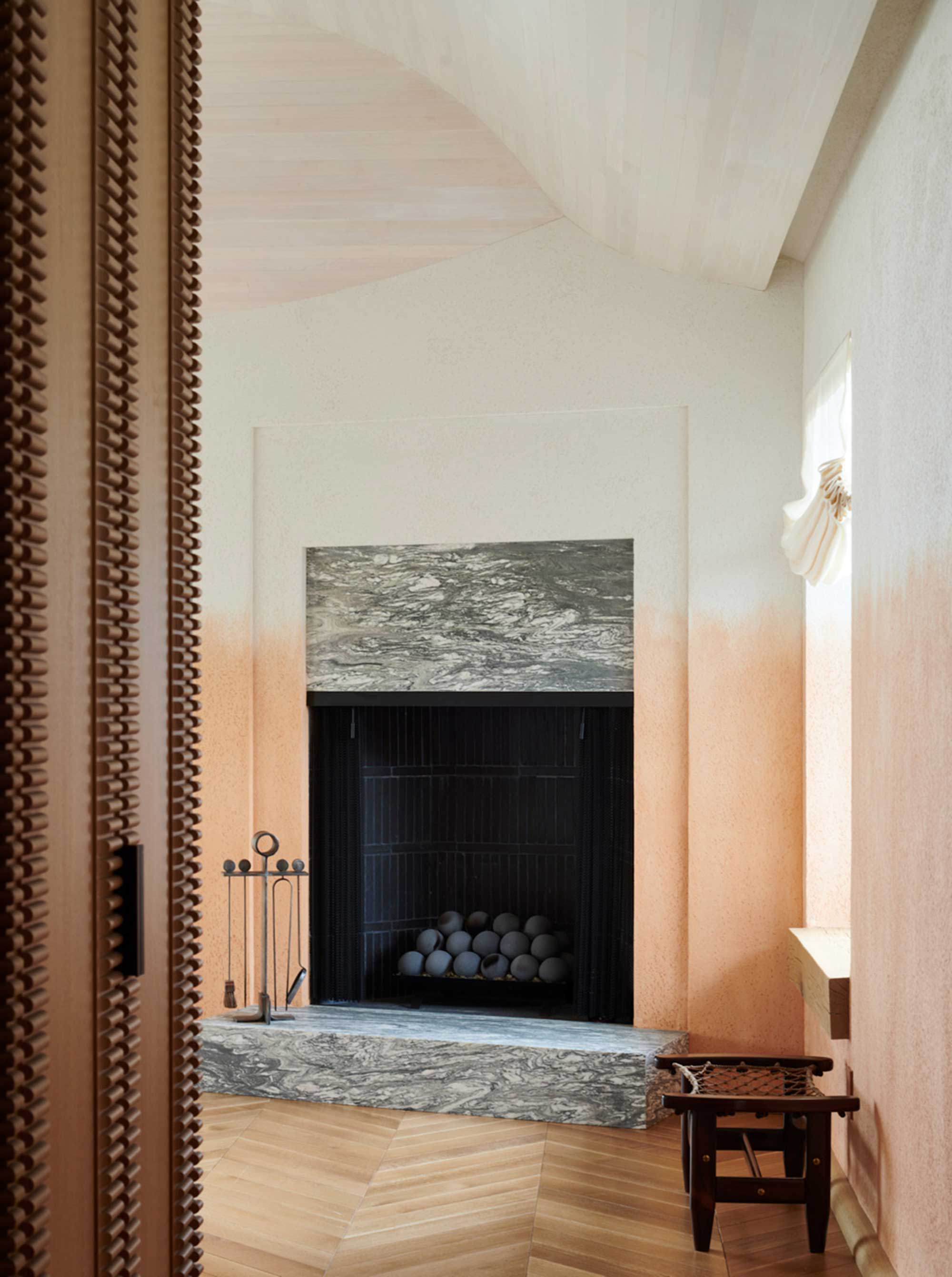
Other plaster and plaster-like finishes are also gaining traction as alternatives. Lauren Lerner, founder of Living with Lolo, suggests Venetian plaster for its tactile richness, depth, and versatility in textures. Drew Michael Scott of Lone Fox Home recommends Meoded's Tonachino Firenze and Marmorino Palladino, noting their effectiveness in adding visual movement to flat surfaces, albeit requiring more effort than limewash. E-designer Amanda Foster prefers artisanal plasters for their organic, sculptural patterns, which create depth and movement. She also points to mineral paint as a viable option for those desiring a limewash-like chalky, matte finish with enhanced pigment and depth, allowing for layering of colors for unique results.
#InteriorDesignTrends #WallFinishes #RomanClay #LimewashAlternatives #TexturedWalls #HomeDecoration #PaintIdeas #PlasterFinishes #DesignInspiration #InteriorDesignTrends #WallFinishes #RomanClay #LimewashAlternatives #TexturedWalls #HomeDecoration #PaintIdeas #PlasterFinishes #DesignInspiration
0 comment in total
 No comments yet
You may also like
4 Creative Ways To Use Limewash Paint To Transform Your Home

How to add texture to your walls - a beginner's guide to the many beautiful plaster finishes
What is limewash paint: Four places to use it in your home

Rediscover Limewash Paint, the Old-World Finish That's Trending Again

8 Limewash Paint Colors That Will Add Elegance and Style to Your Home
Designers Are Ditching "Flat Painted Walls" for THIS Unexpected Trend

Say Goodbye to Shiplap—Here Are 4 Wall Treatments Designers Are Choosing Instead

This Surprising NEW Trend Is Replacing Accent Walls
Limewash paint ideas – 10 ways to use this trending wall finish to bring texture to your home
What To Know About Textured Paint

This Texture-Rich Finish Is Designers' Go-To for Instant Patina
What Is Limewash Paint: Four Places to Use It in Your Home

Forget Single Painted Accent Walls: This Stunning Trend Is Taking Over

10 Limewash Wall Color Ideas That Add Old-World Elegance To Your Space
Limewashing trend: why this European paint trend is perfect for your kitchen

Ombre walls are having a moment – these 5 rooms have the best, most elevated versions of them
Instagram can't get enough of this new textured paint craze - here's how to get the look
10 living rooms with limewash walls that prove that this textural wall finish is the perfect cozy-but-chic finishing touch
This Outdated Paint Trend is now Predicted to Return — Designers Love its "Fun, Eye-Catching Glamor"
8 Limewash Paint Colors for a Beautiful, Timeless Home, According to Interior Designers