1/11
Limewash paint ideas – 10 ways to use this trending wall finish to bring texture to your home
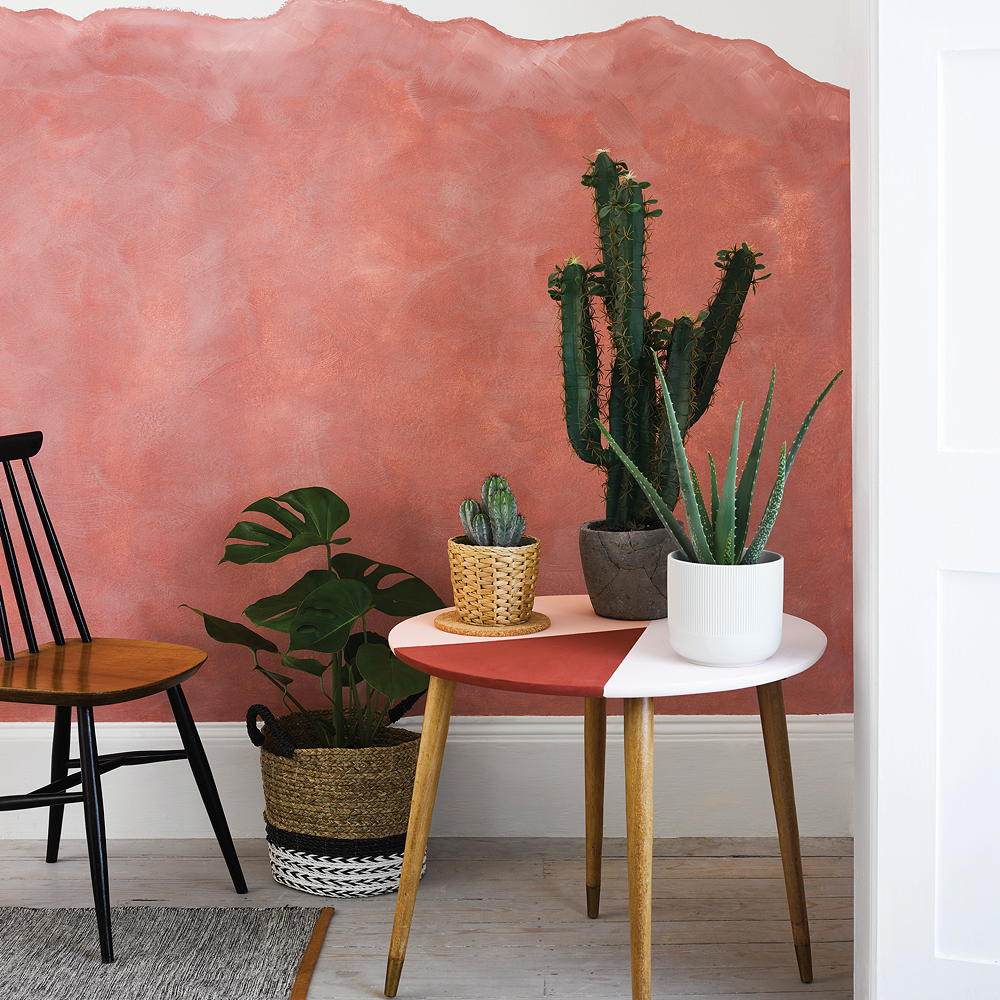
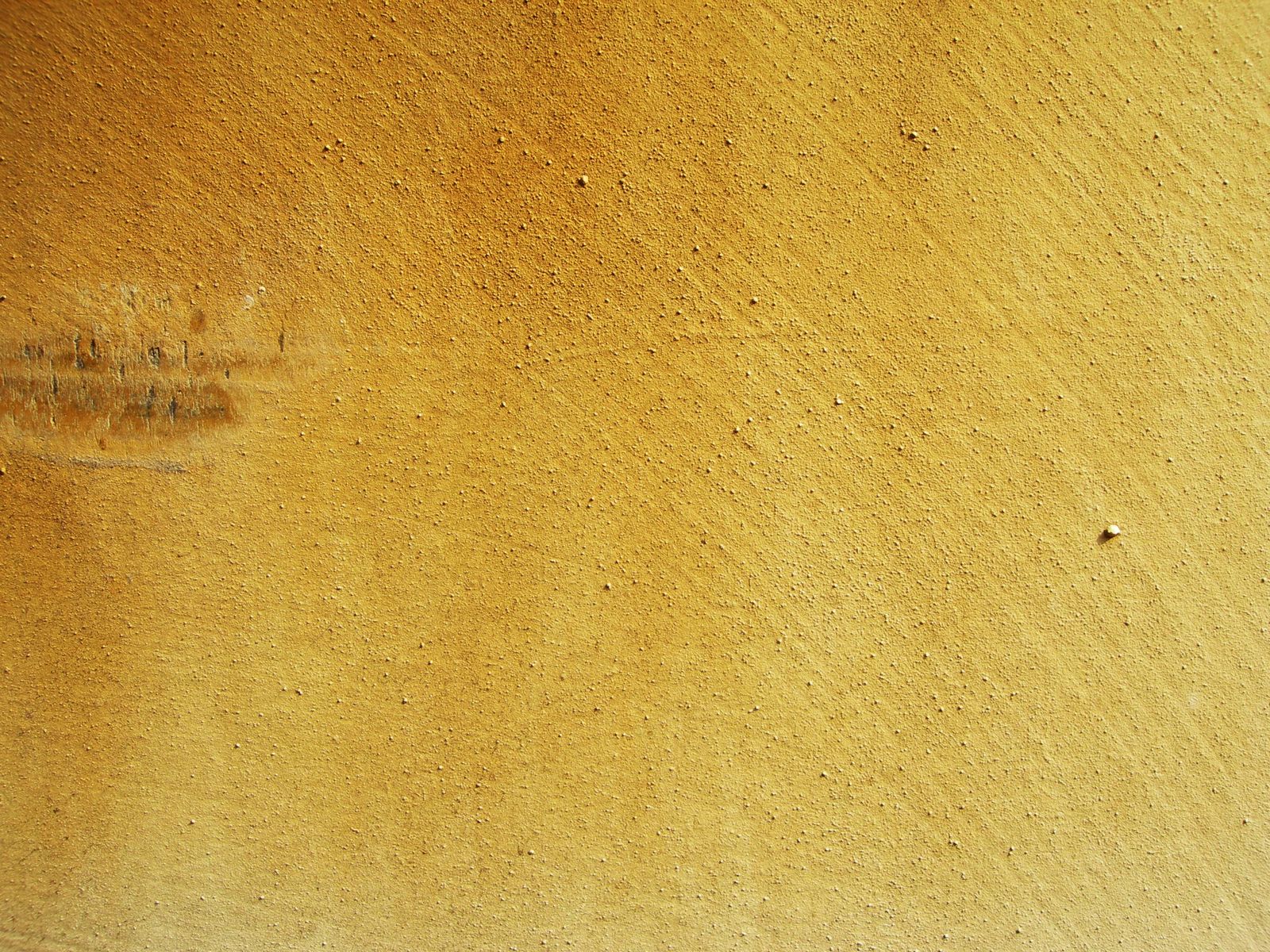
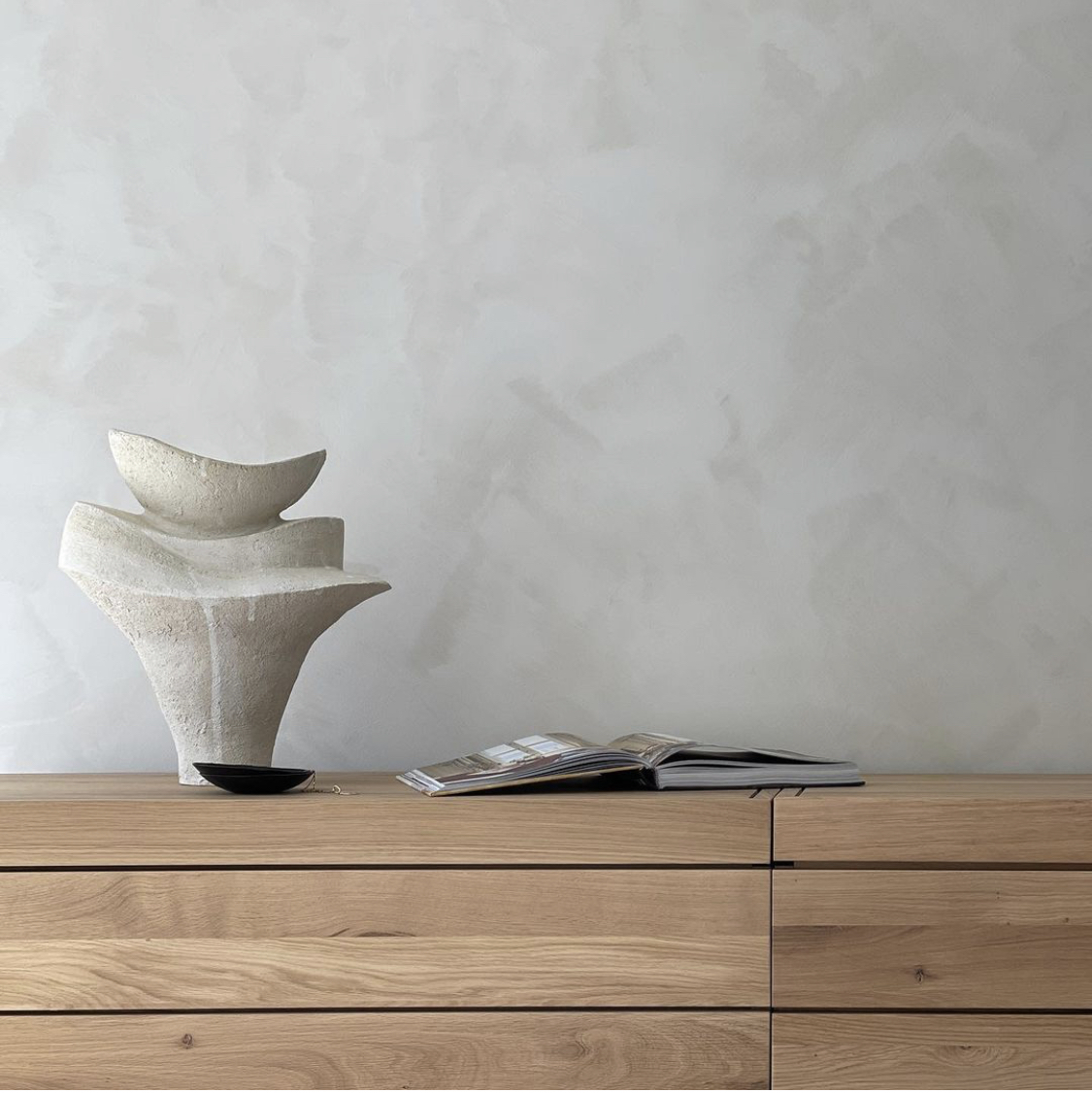
Limewash paint ideas are currently a popular trend, offering a way to introduce texture into interior design. Unlike previous maximalist paint effects, limewash has been embraced by minimalists to add depth without making a room feel bare. Traditionally, limewash was chosen for its practical benefits, such as being a breathable finish suitable for old or damp walls, penetrating the surface, and building color through successive coats. Modern limewash is recognized by its cloudy, mottled appearance, which results from its application method. The versatility of limewash allows for experimentation with different types and application techniques to achieve various finishes.
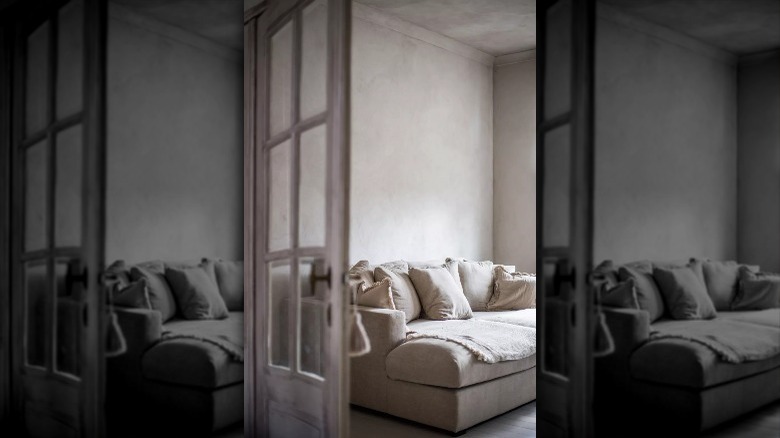
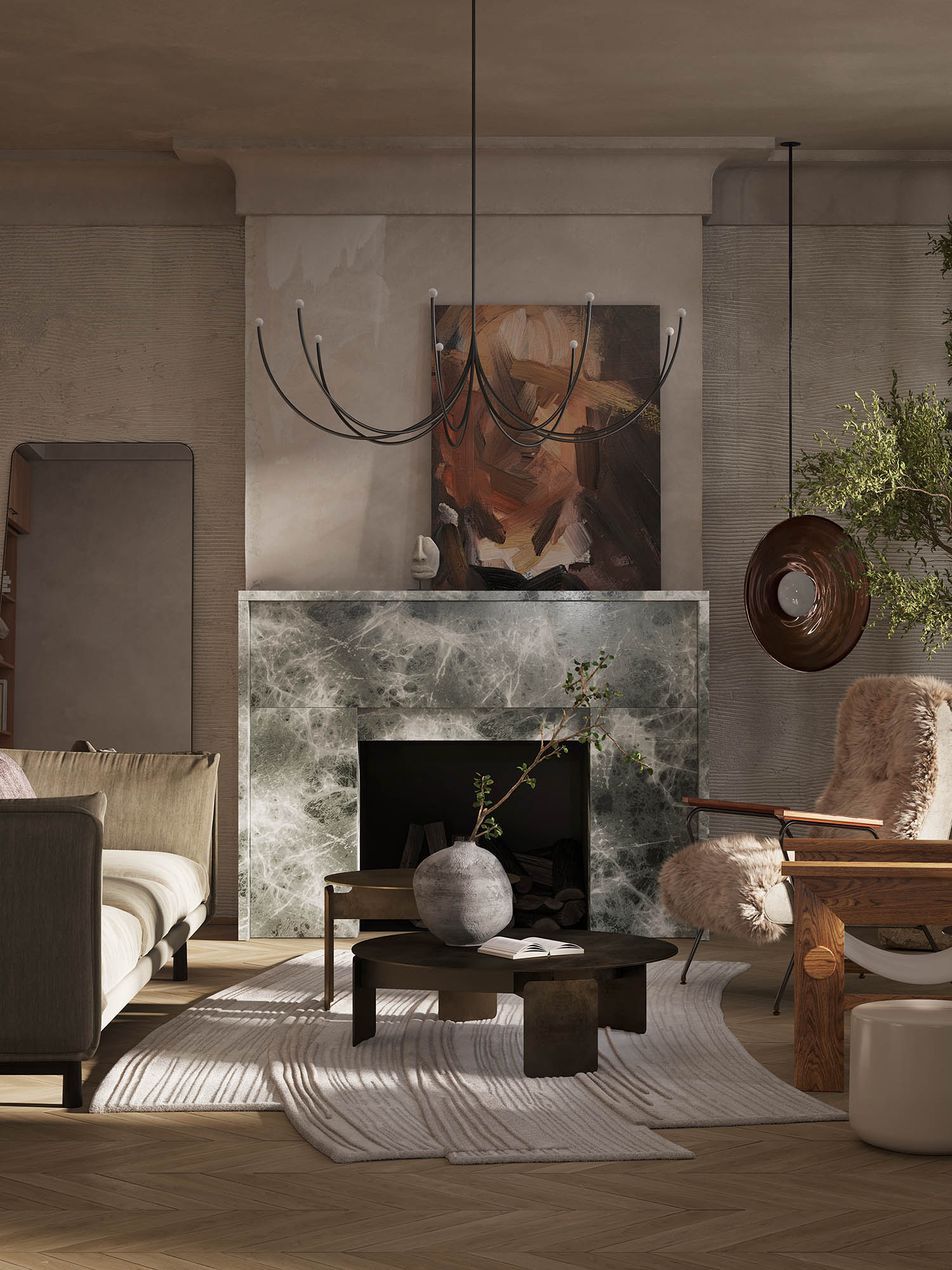
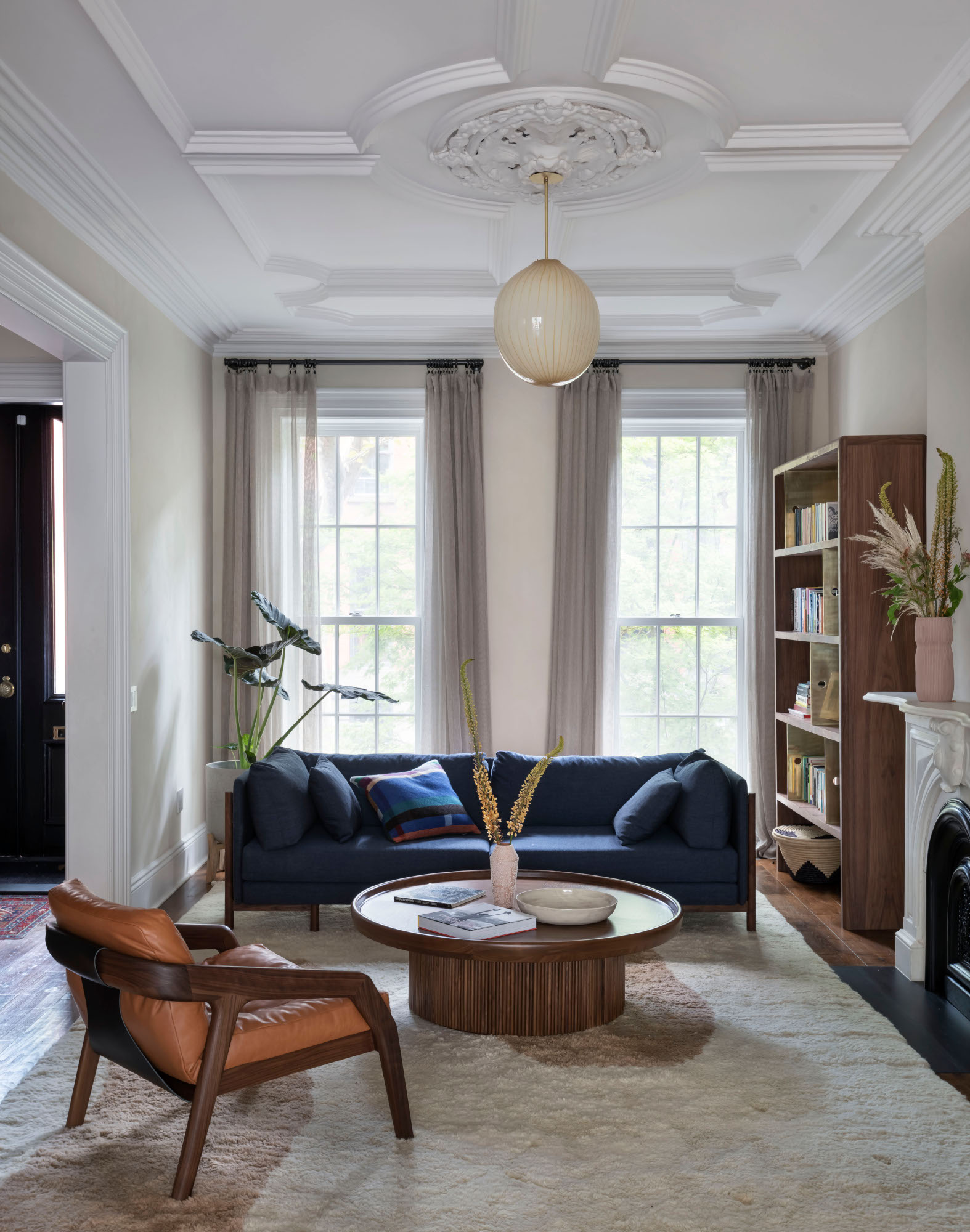
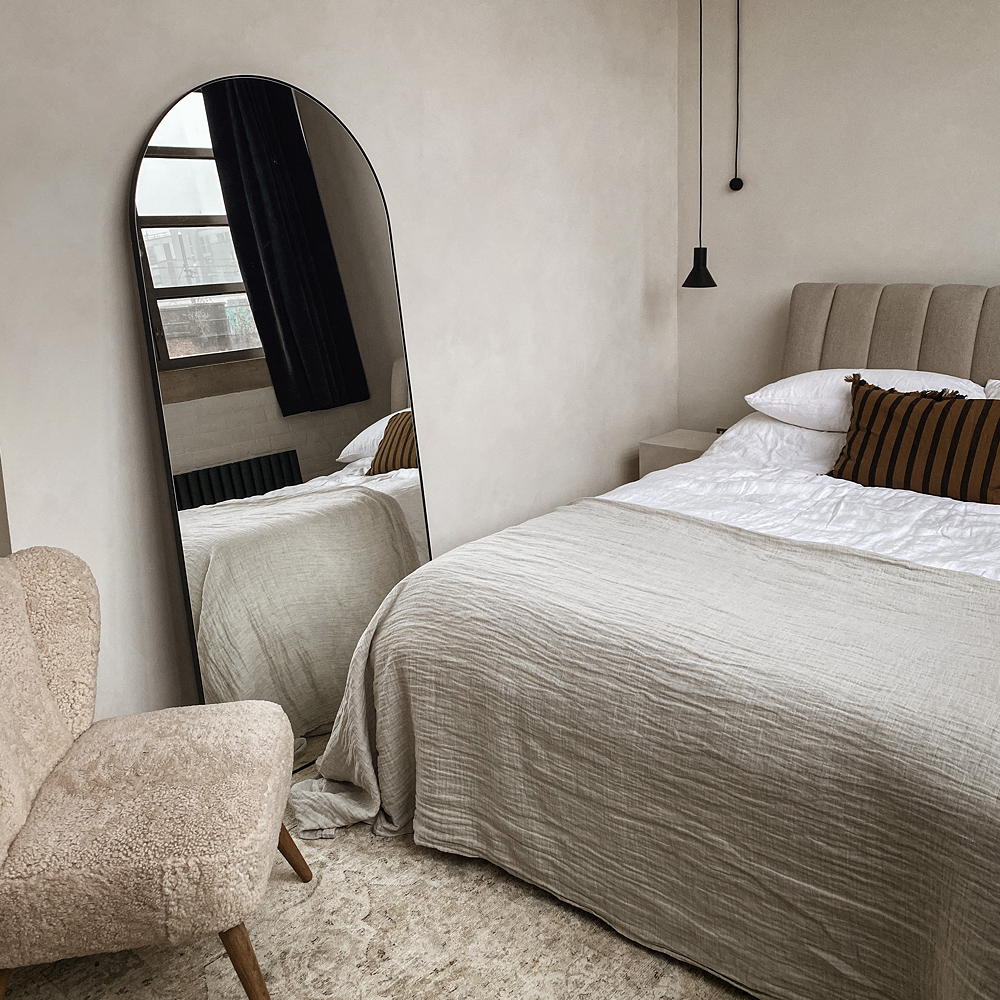
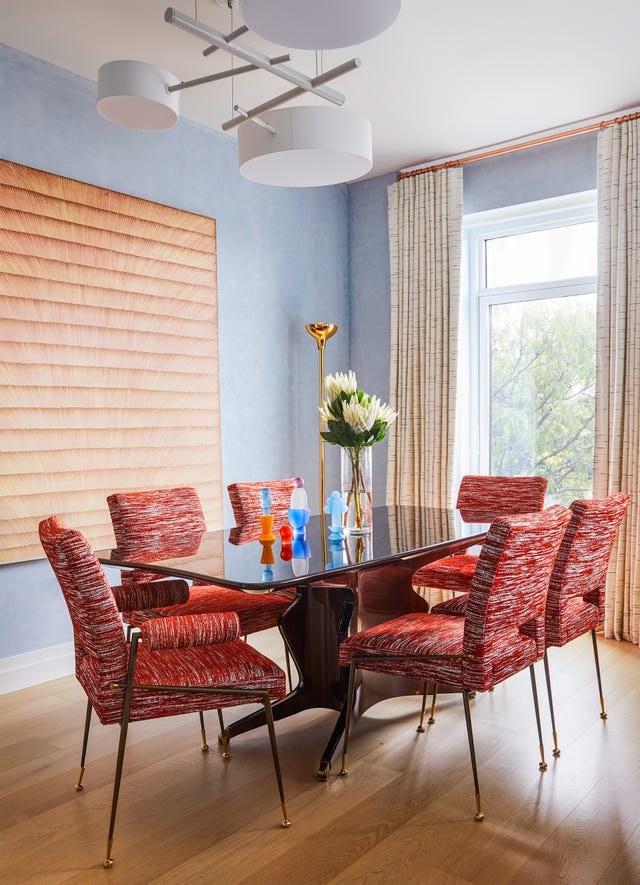
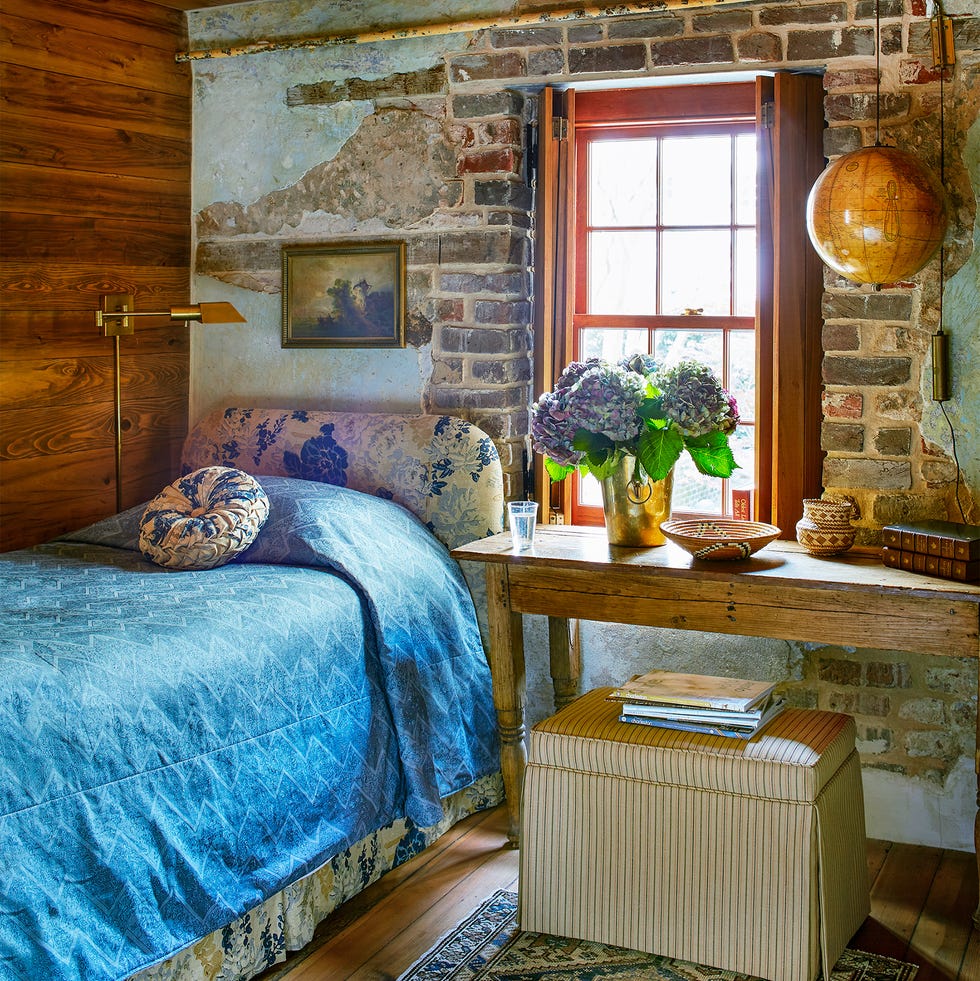
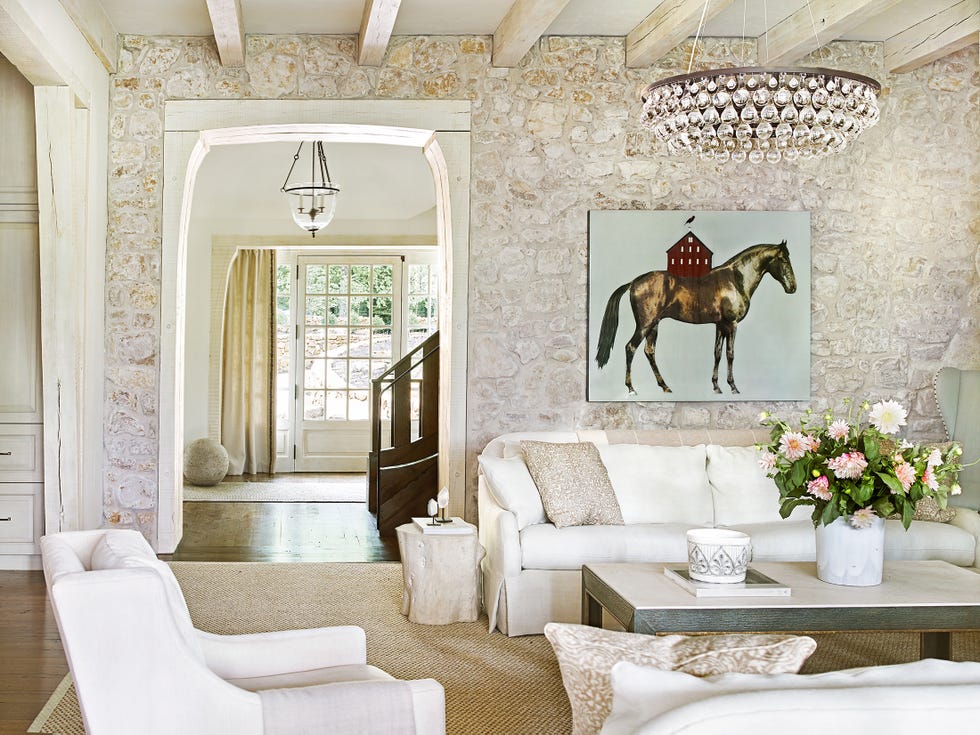
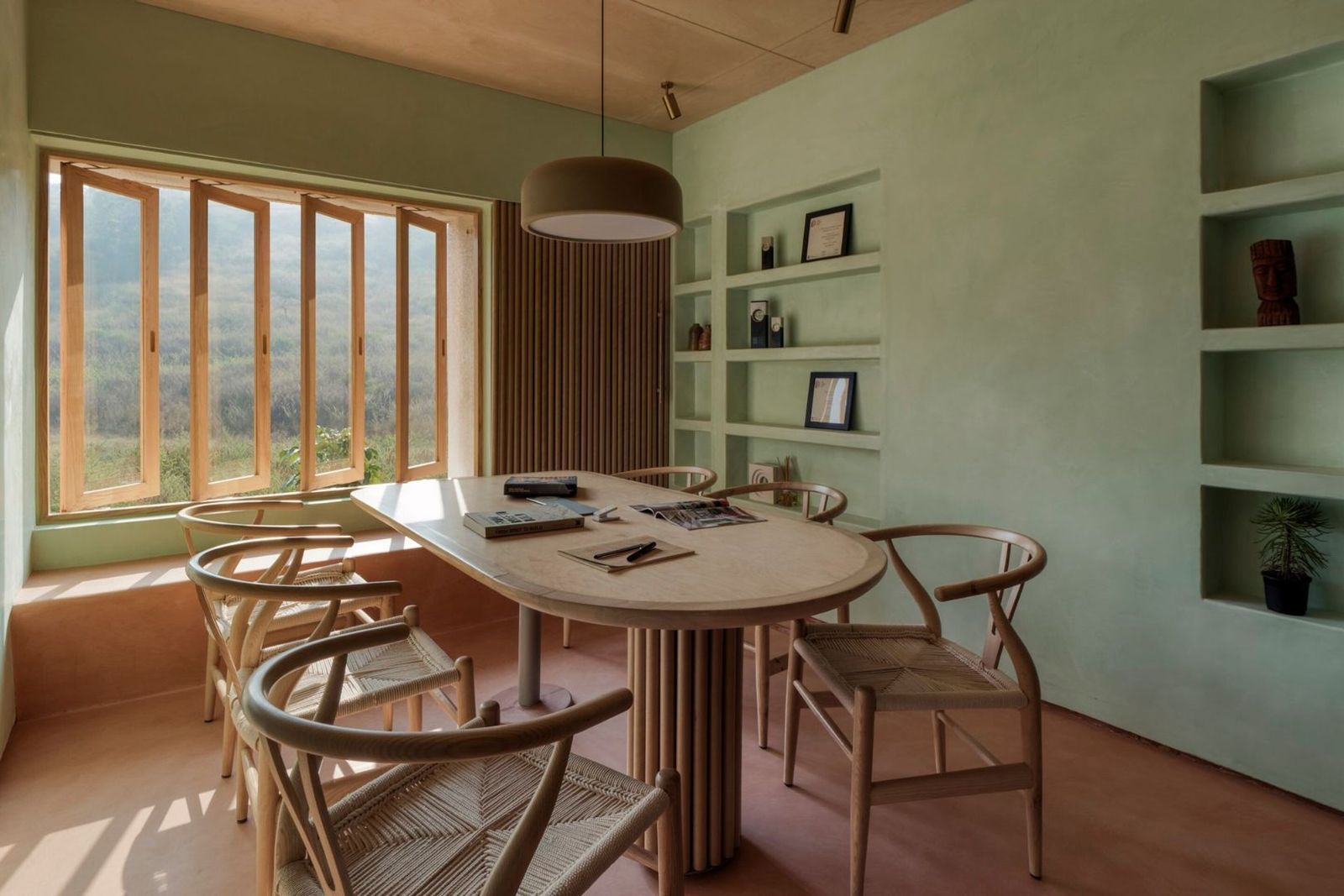
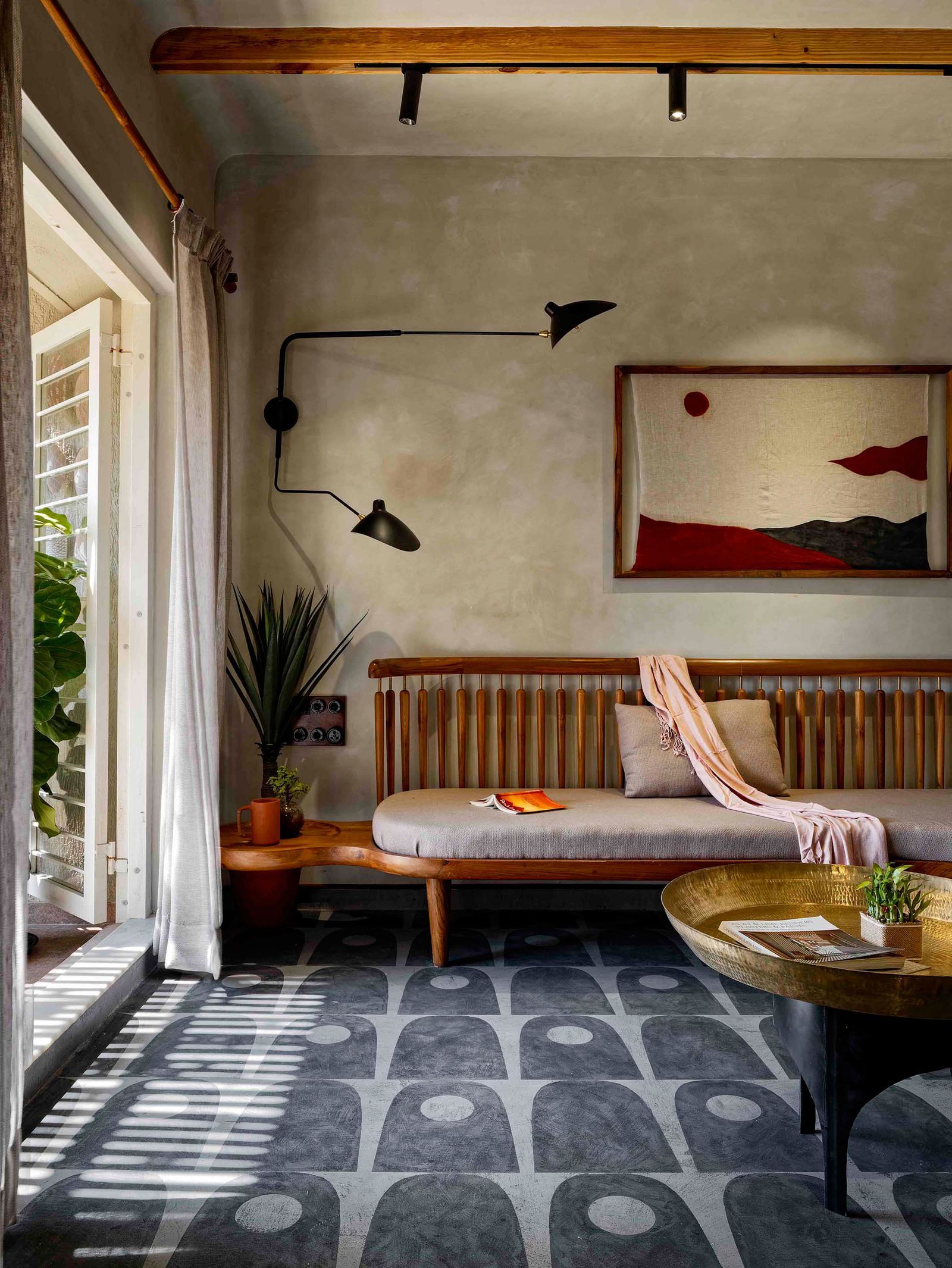
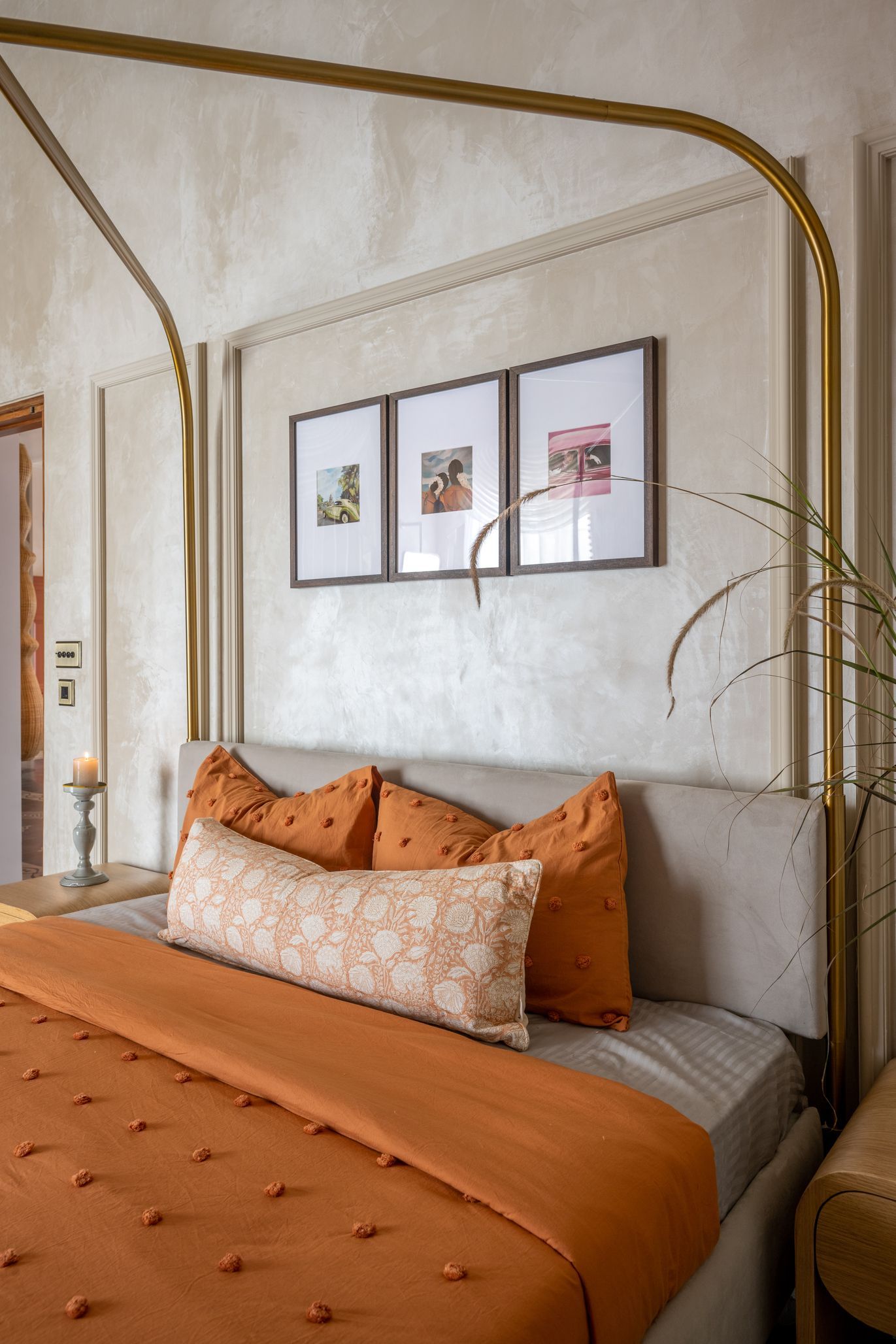
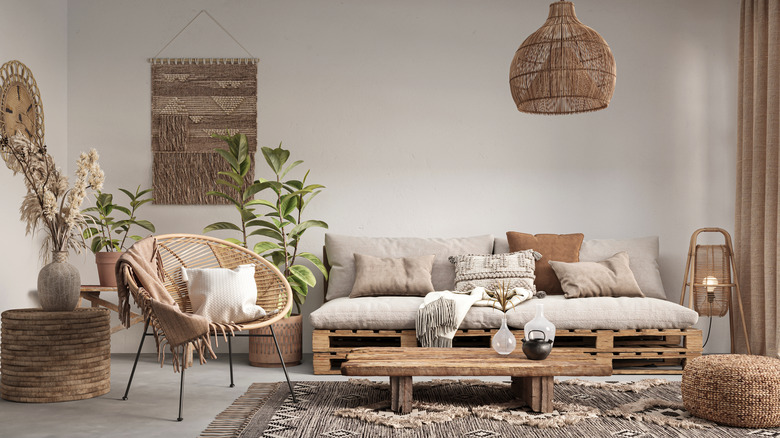
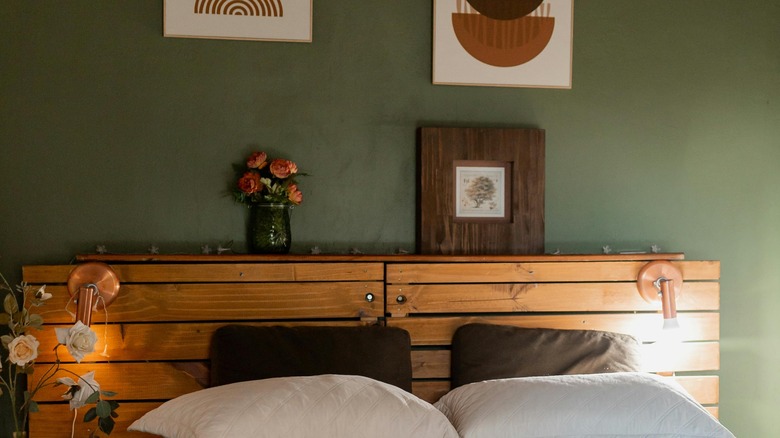
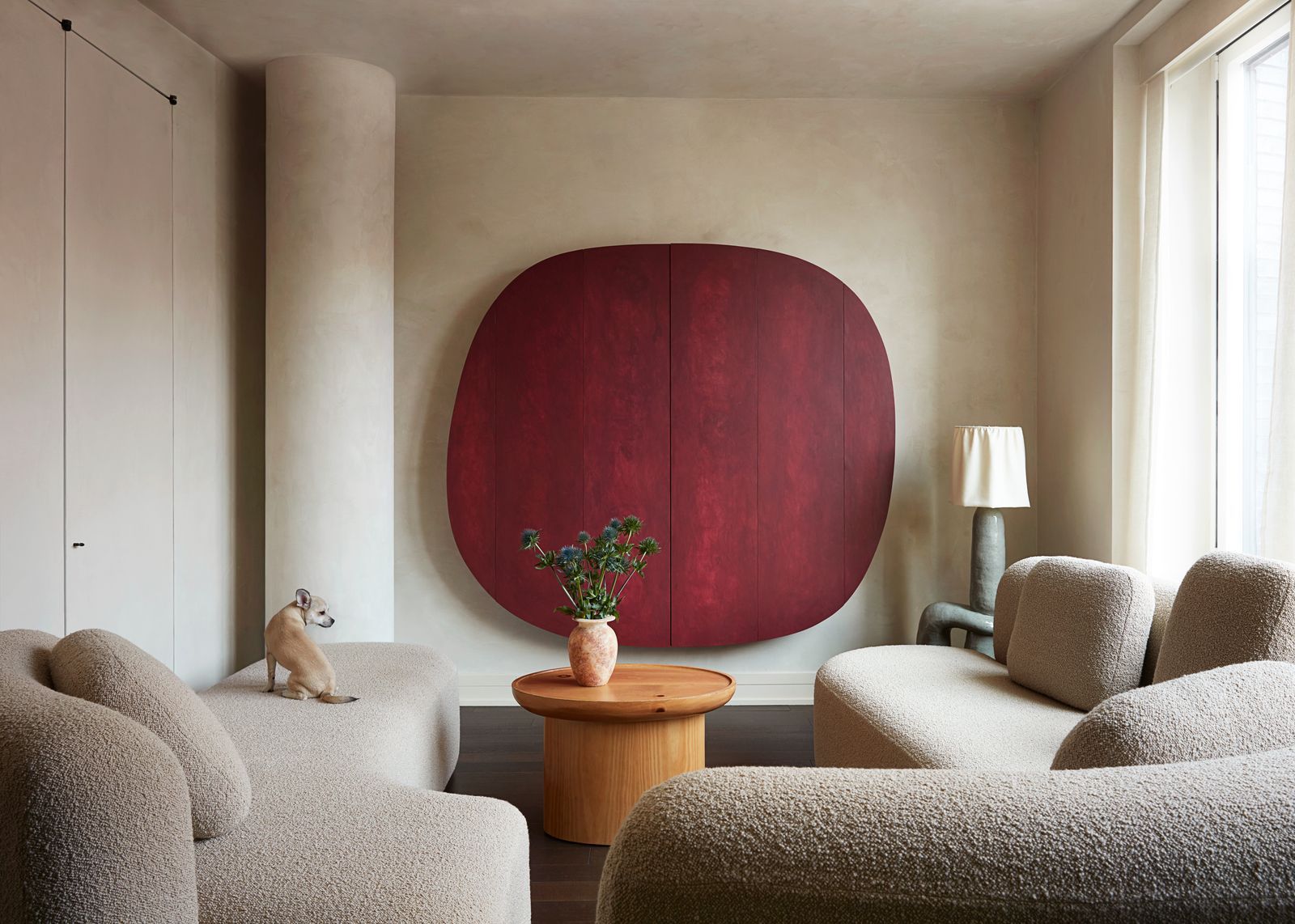
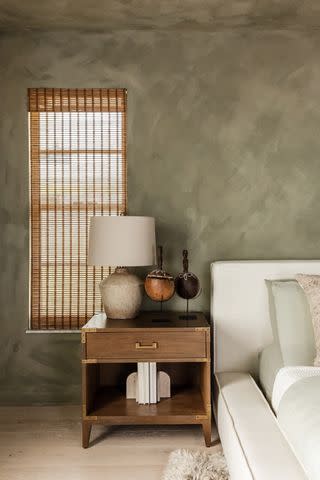
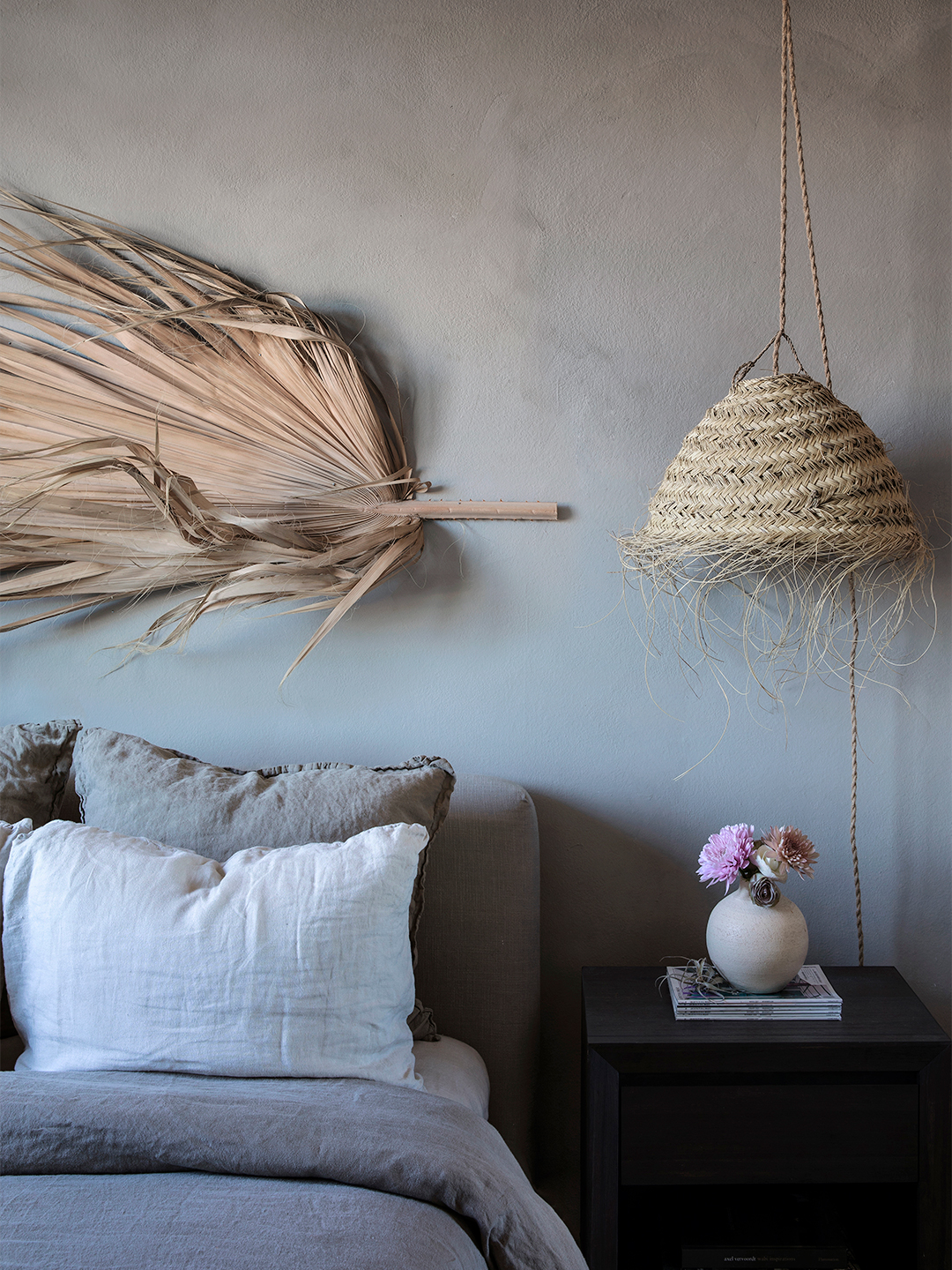
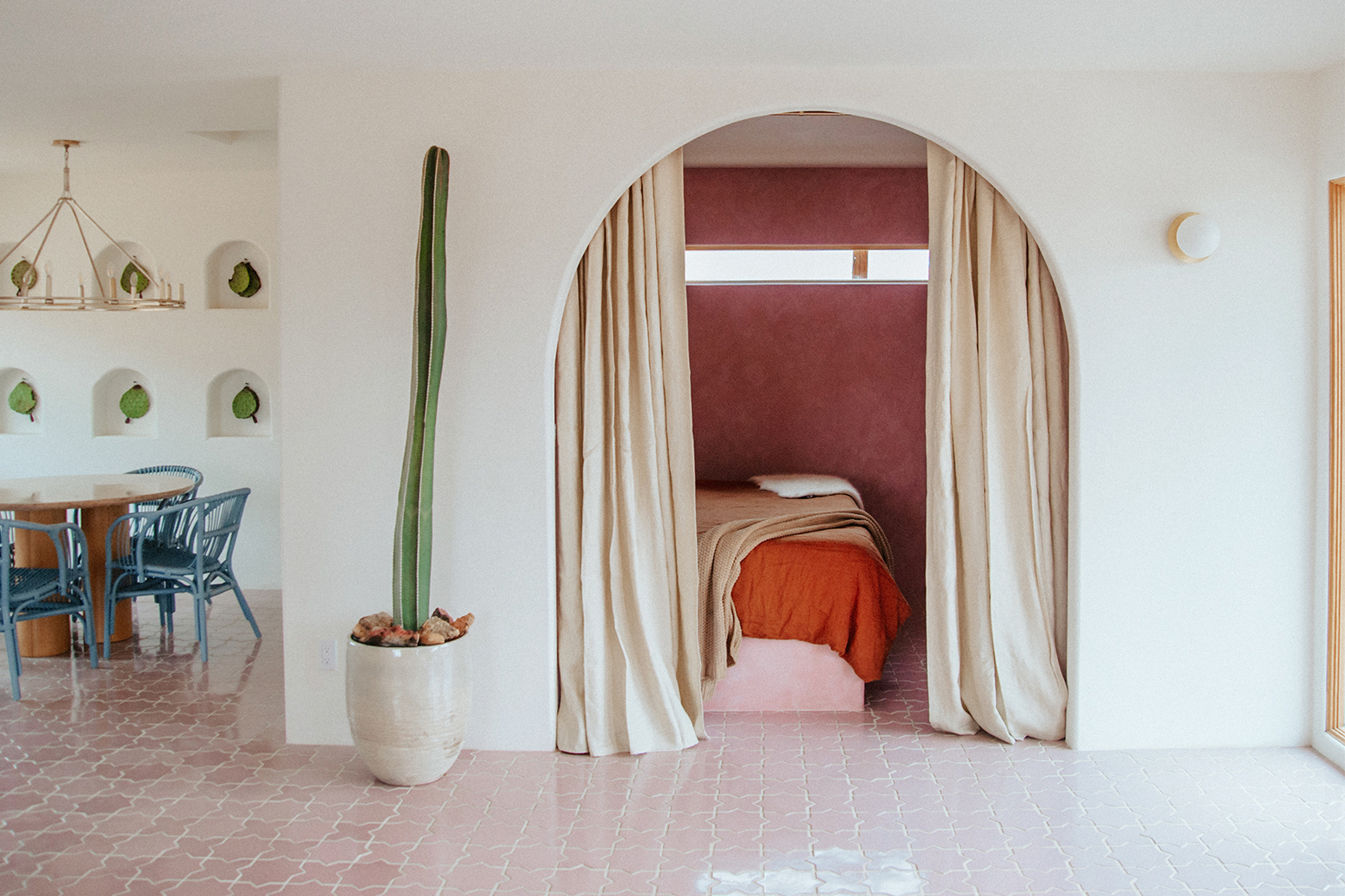
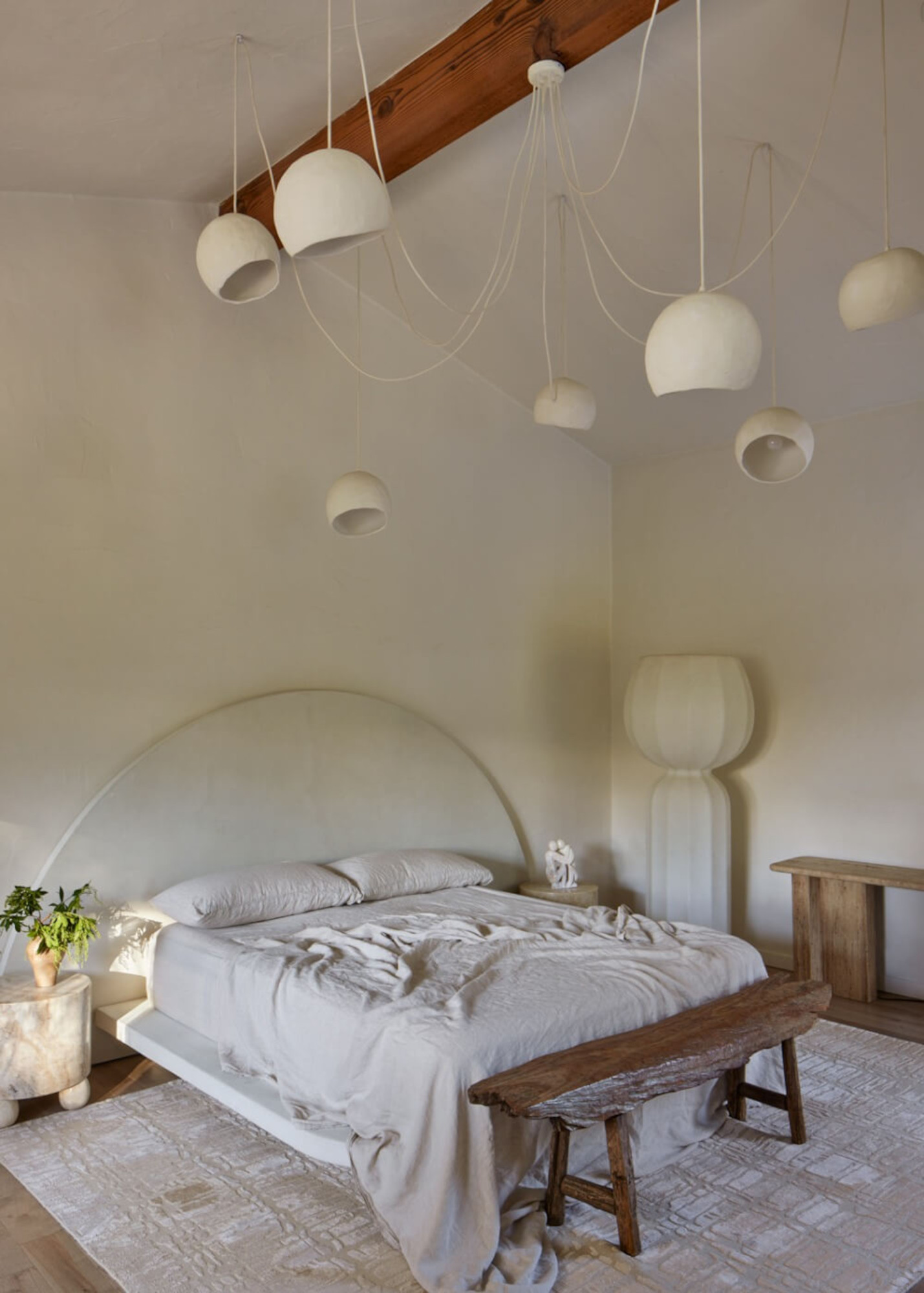
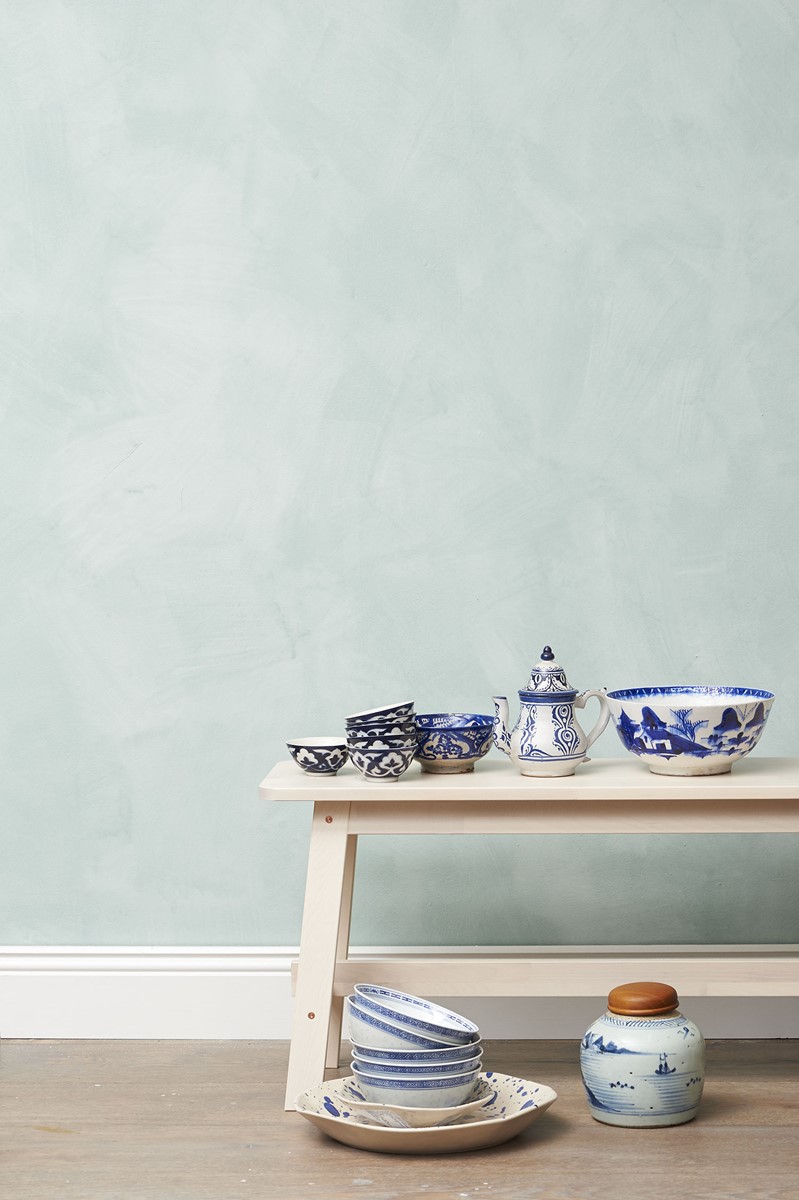
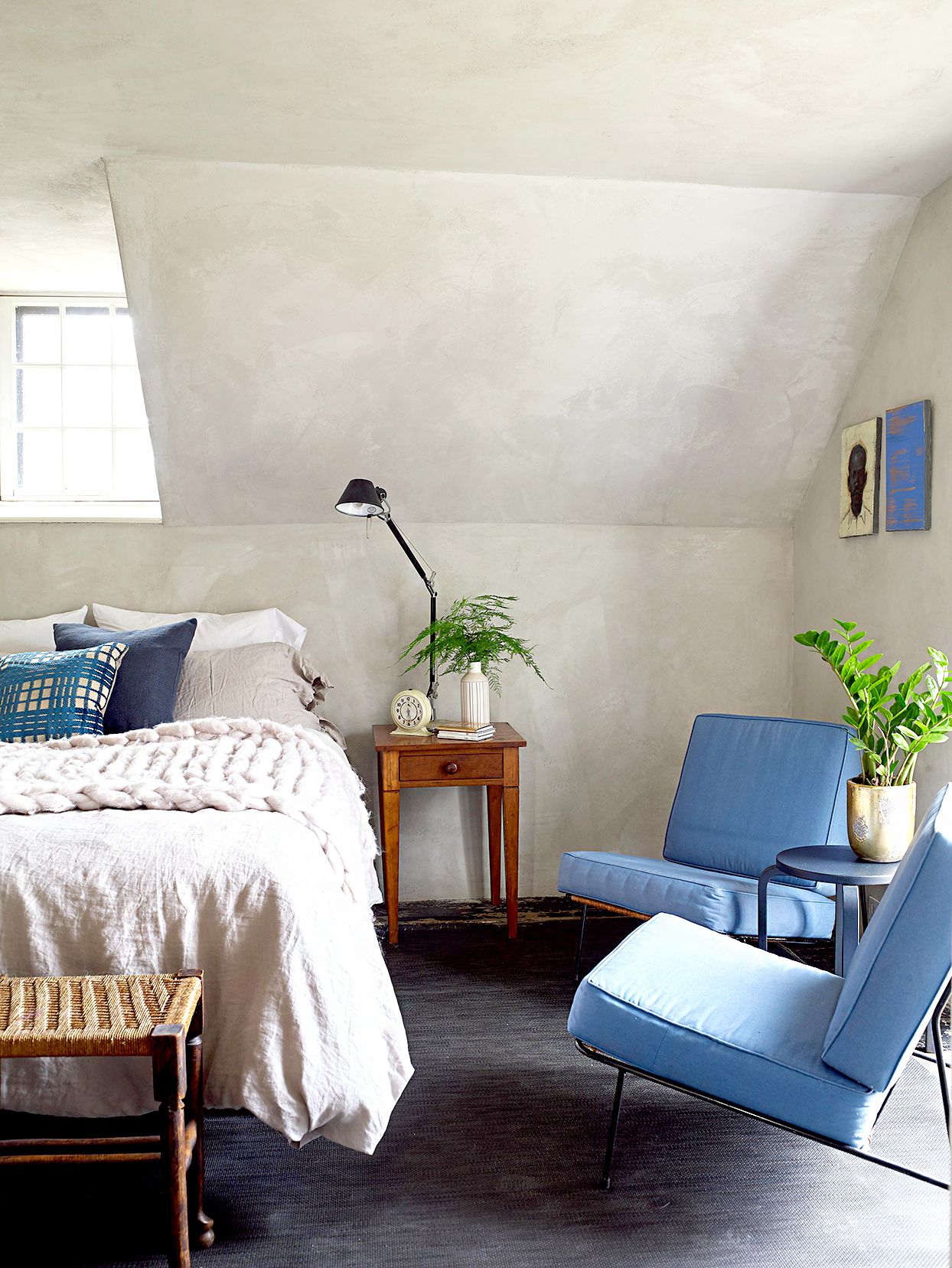
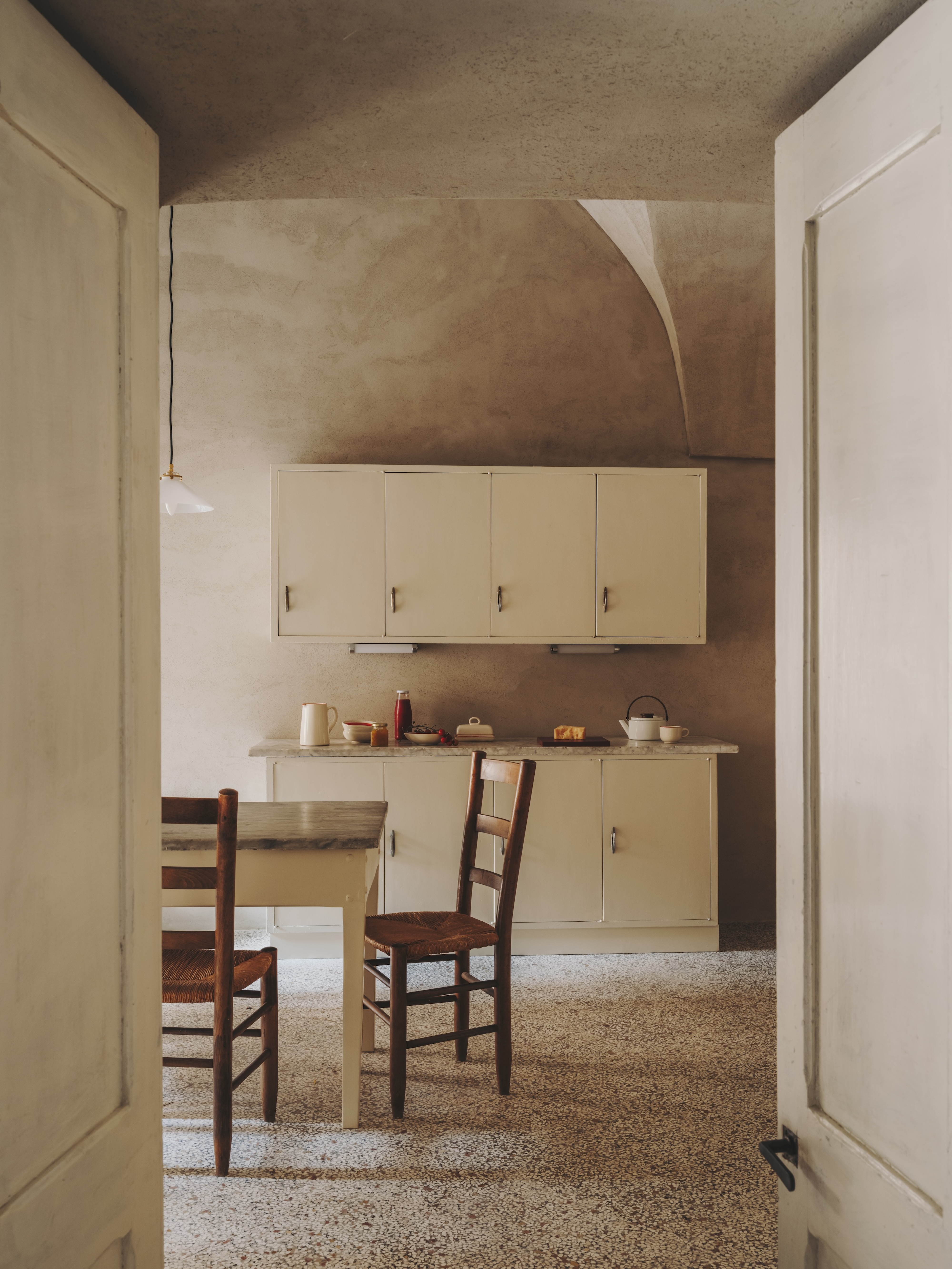
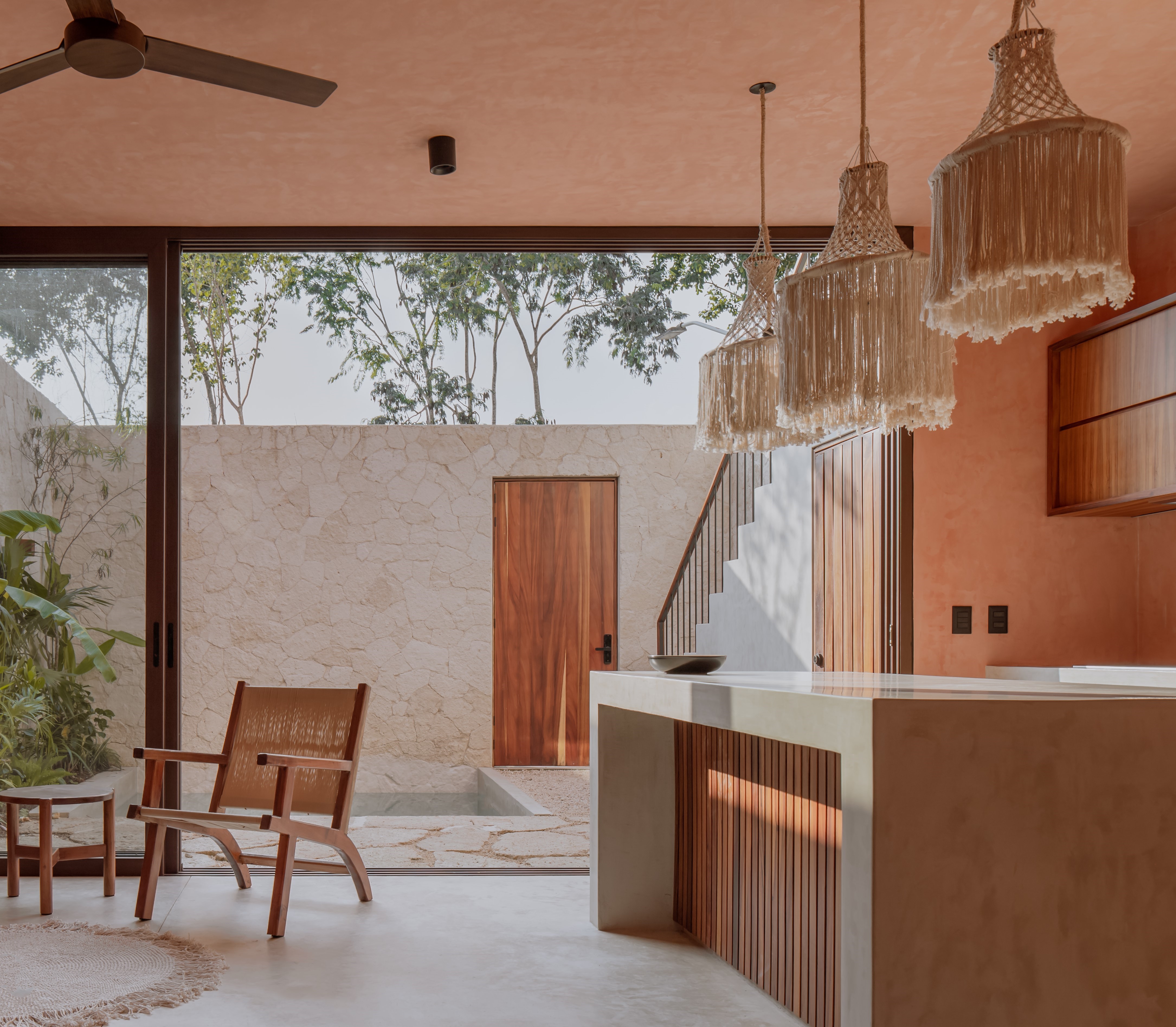
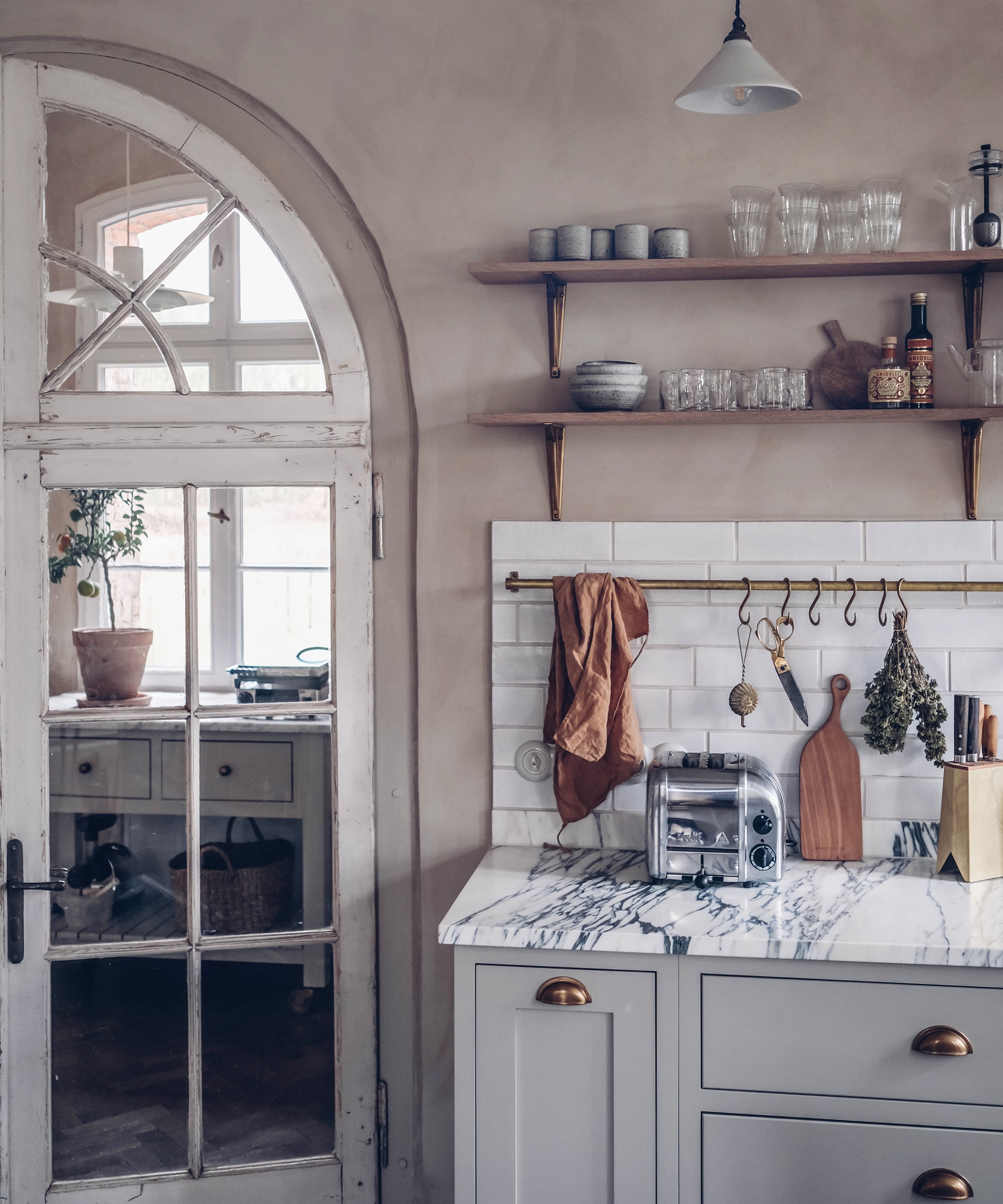
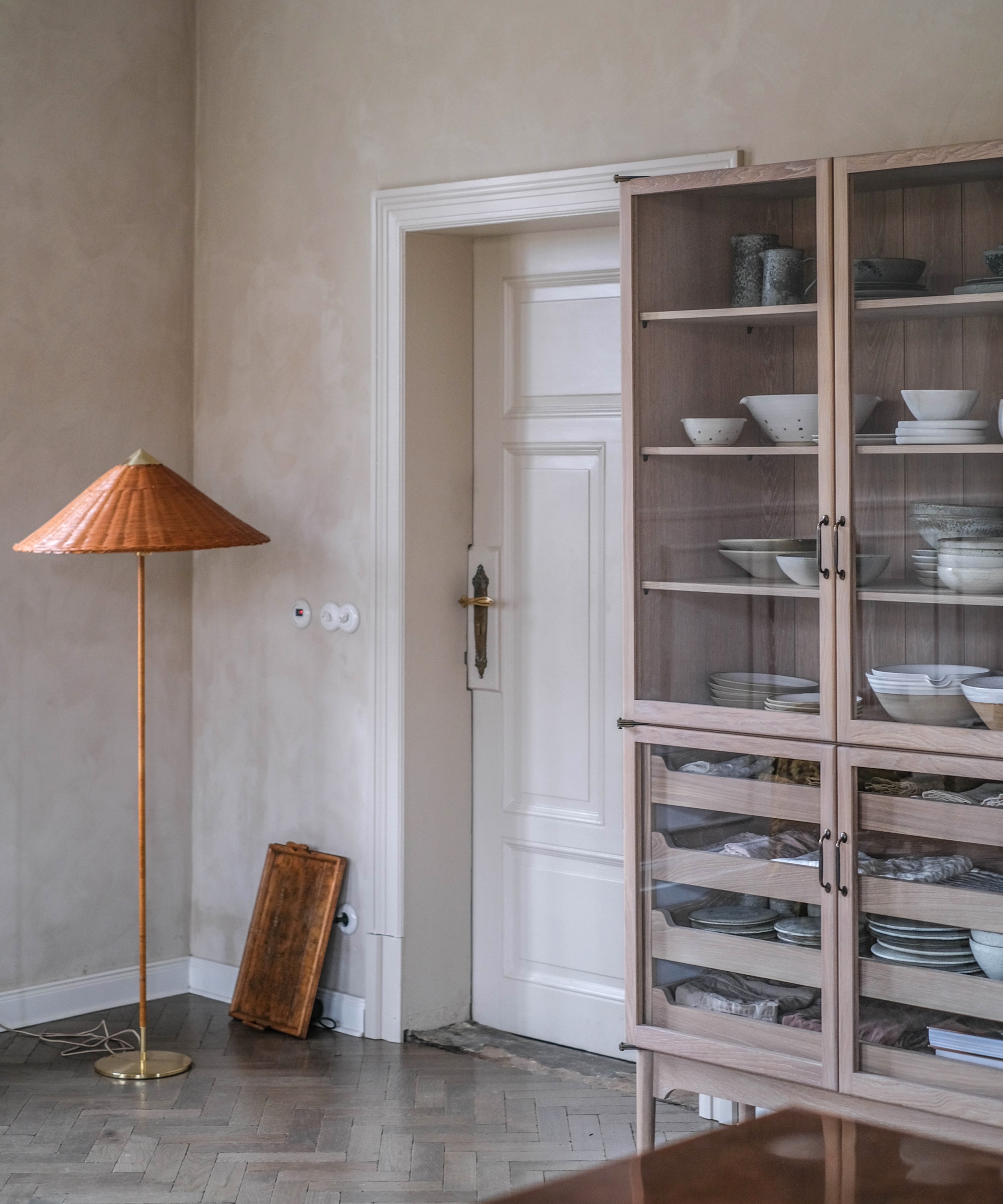
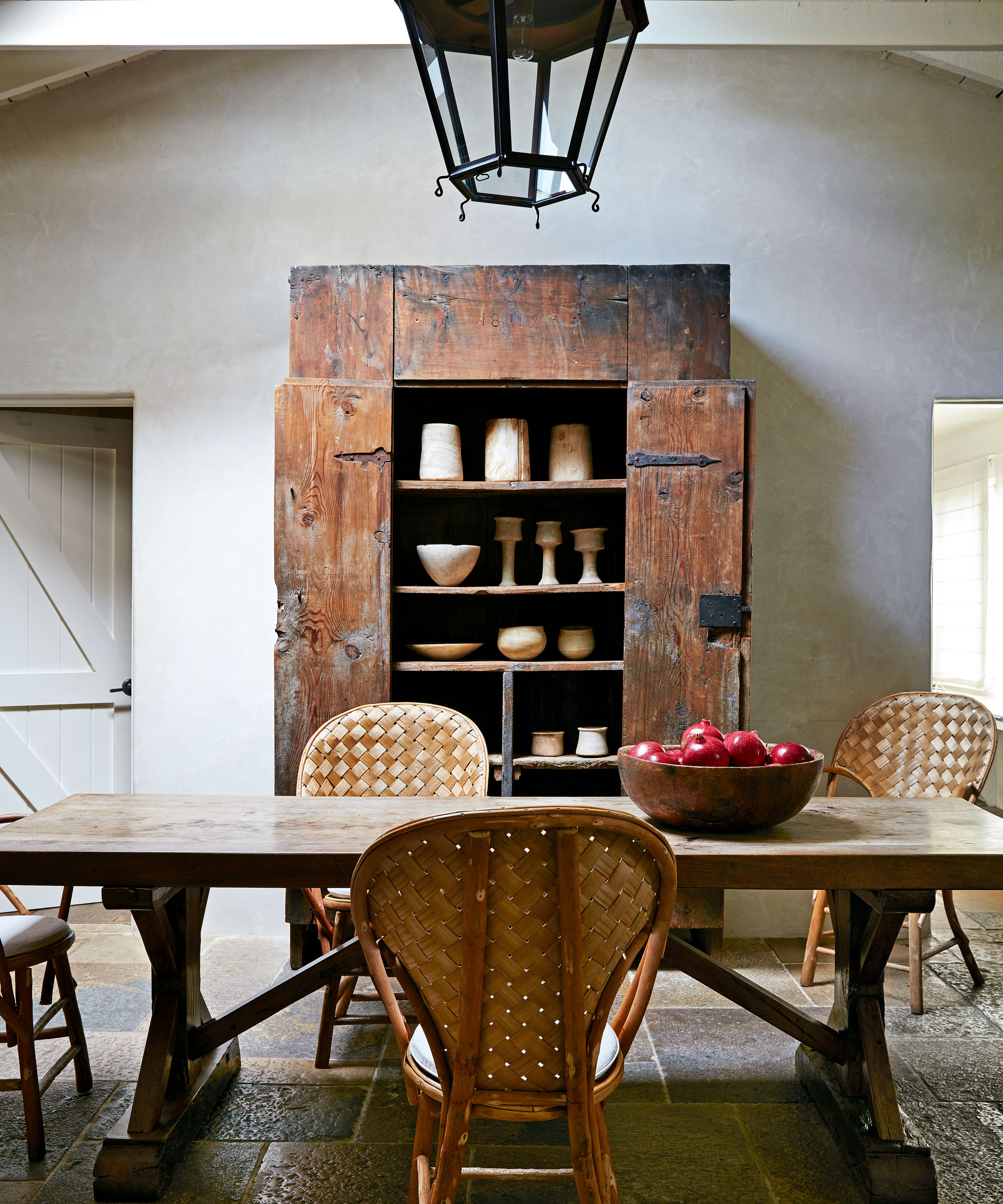
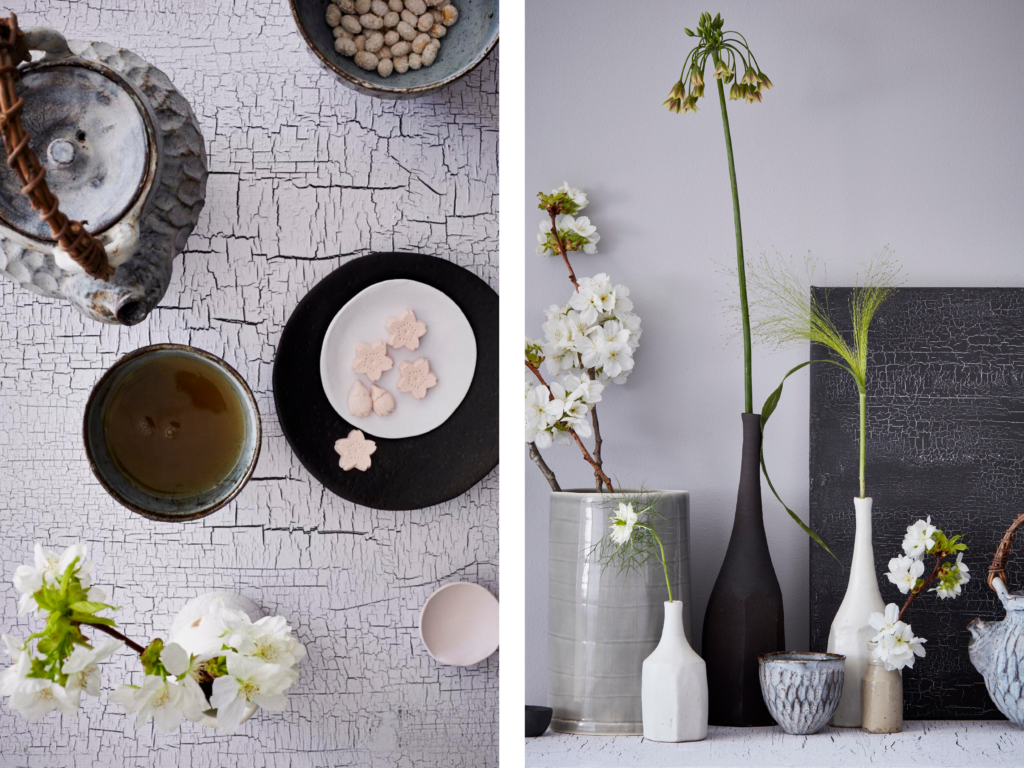
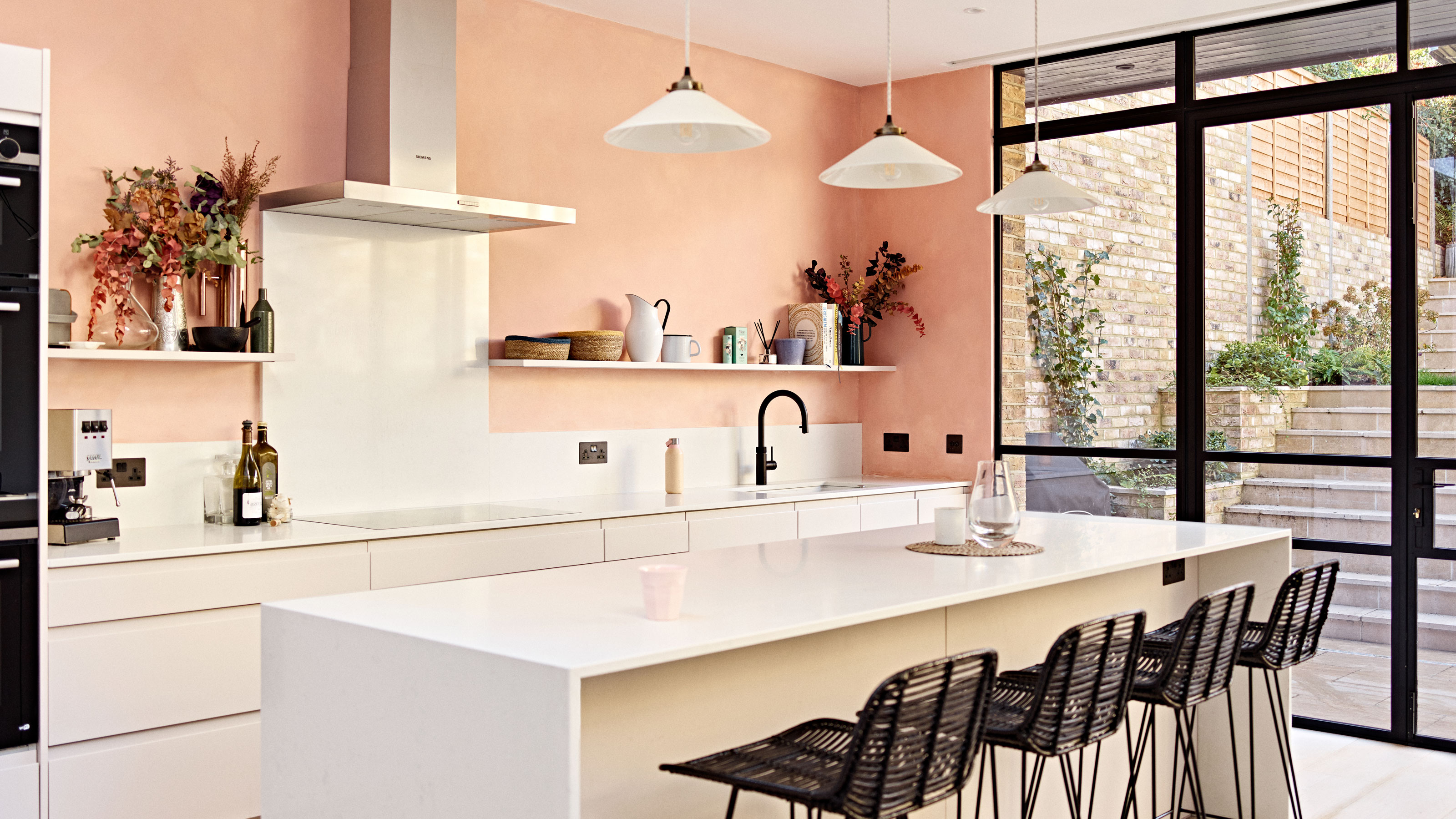
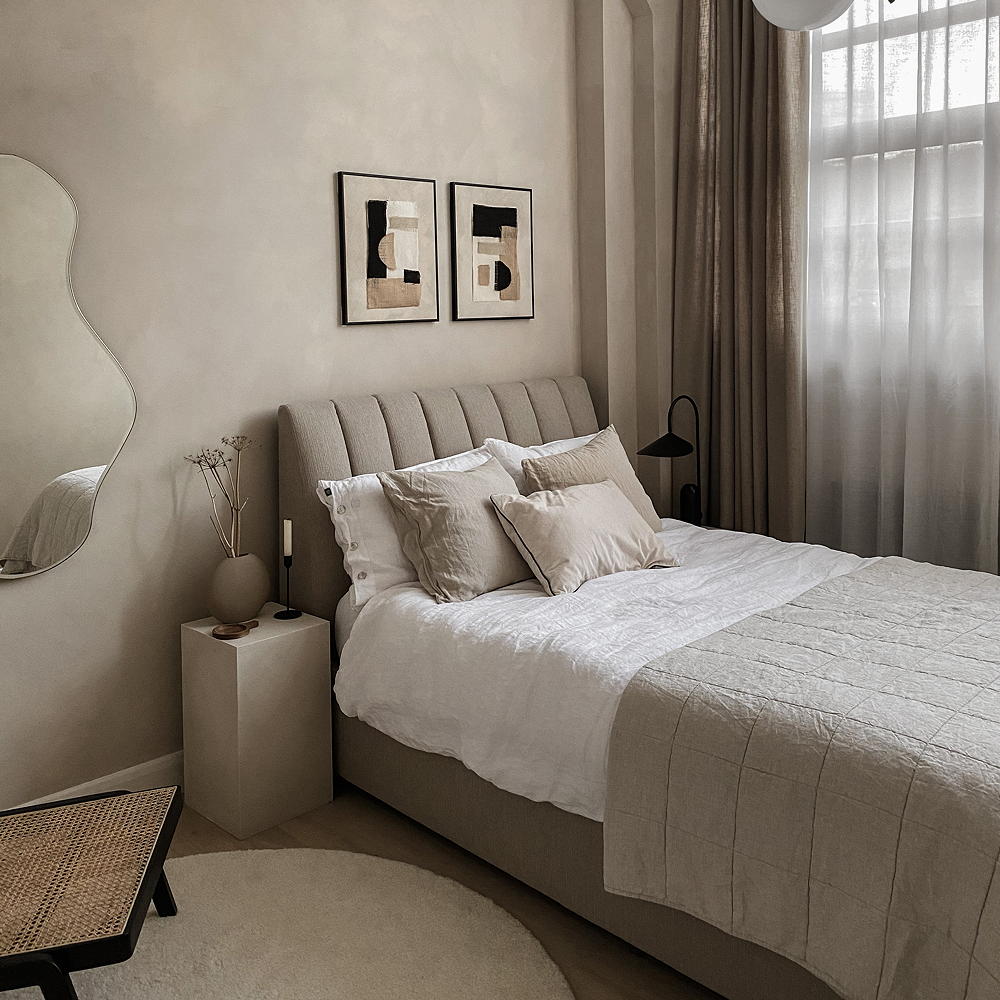
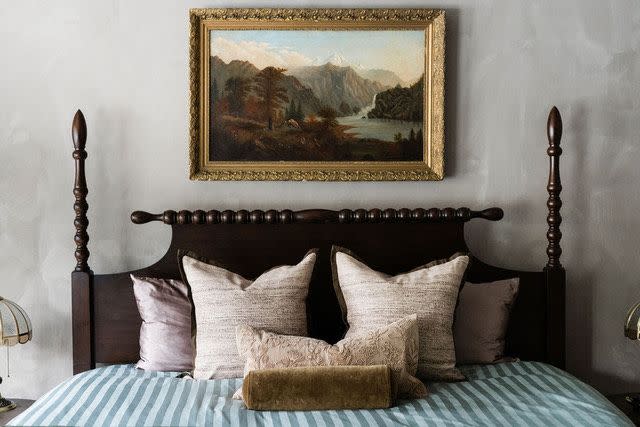
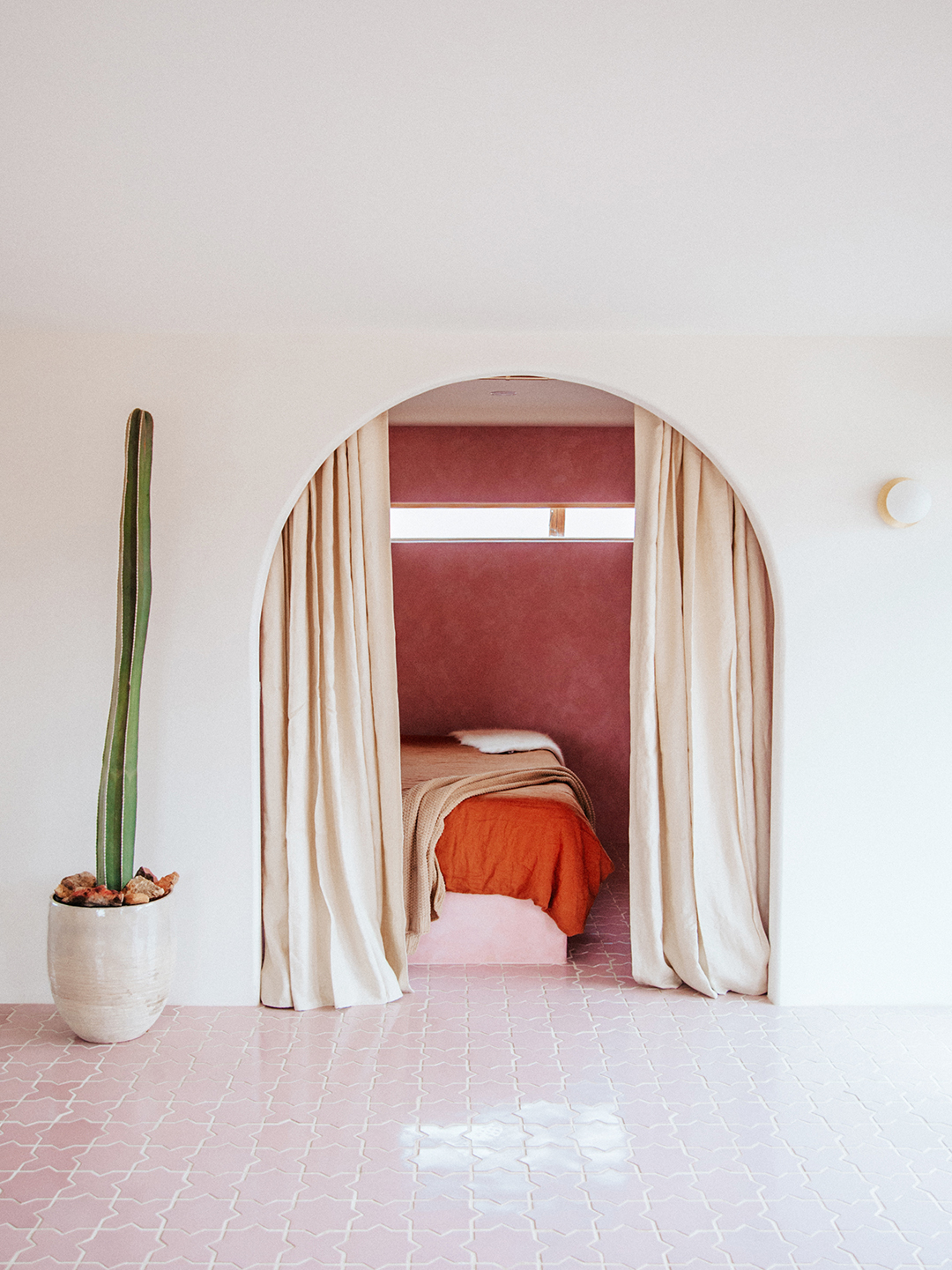
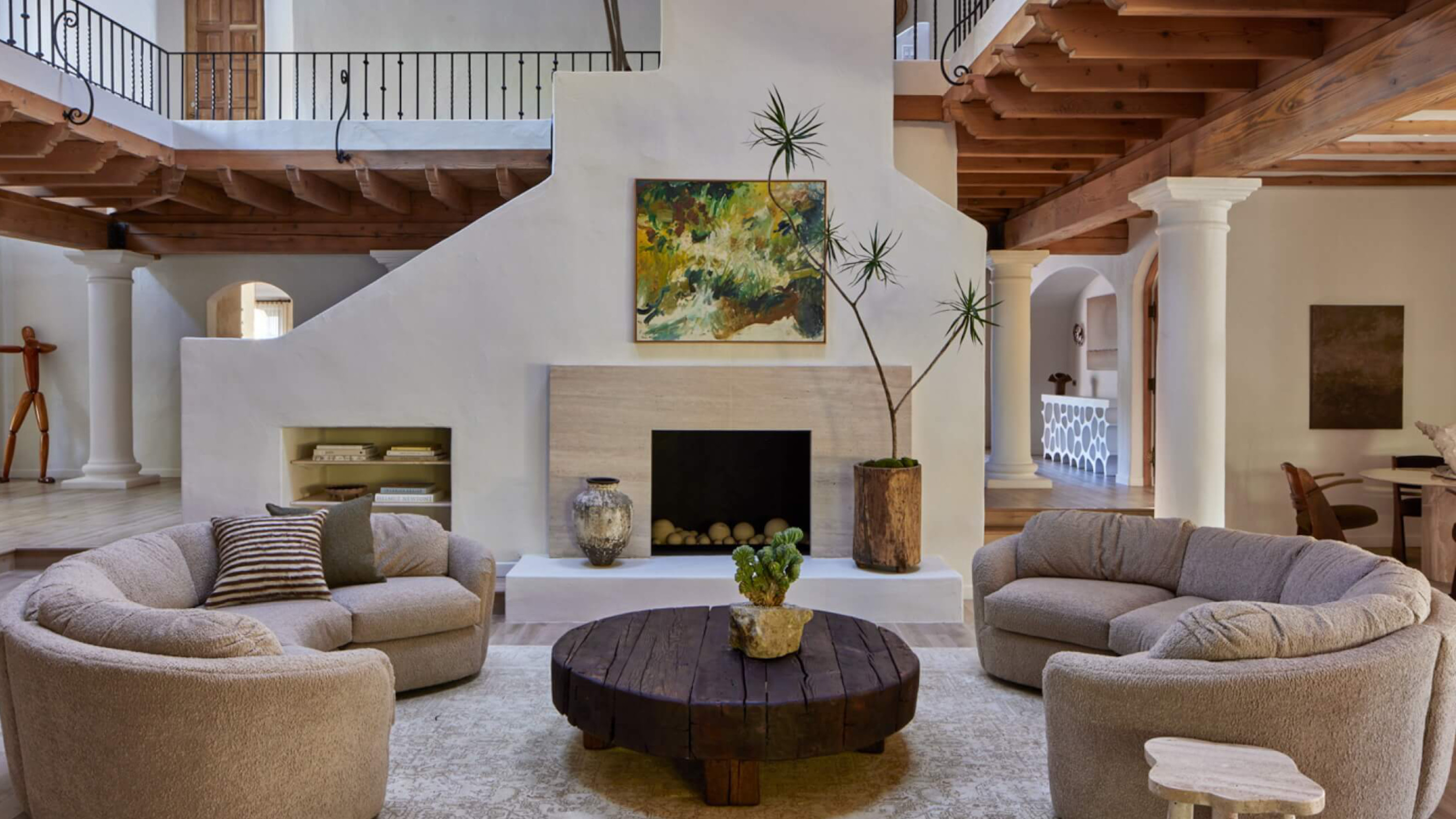
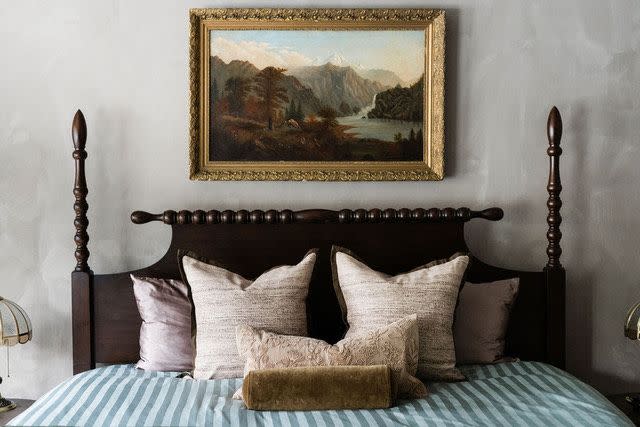
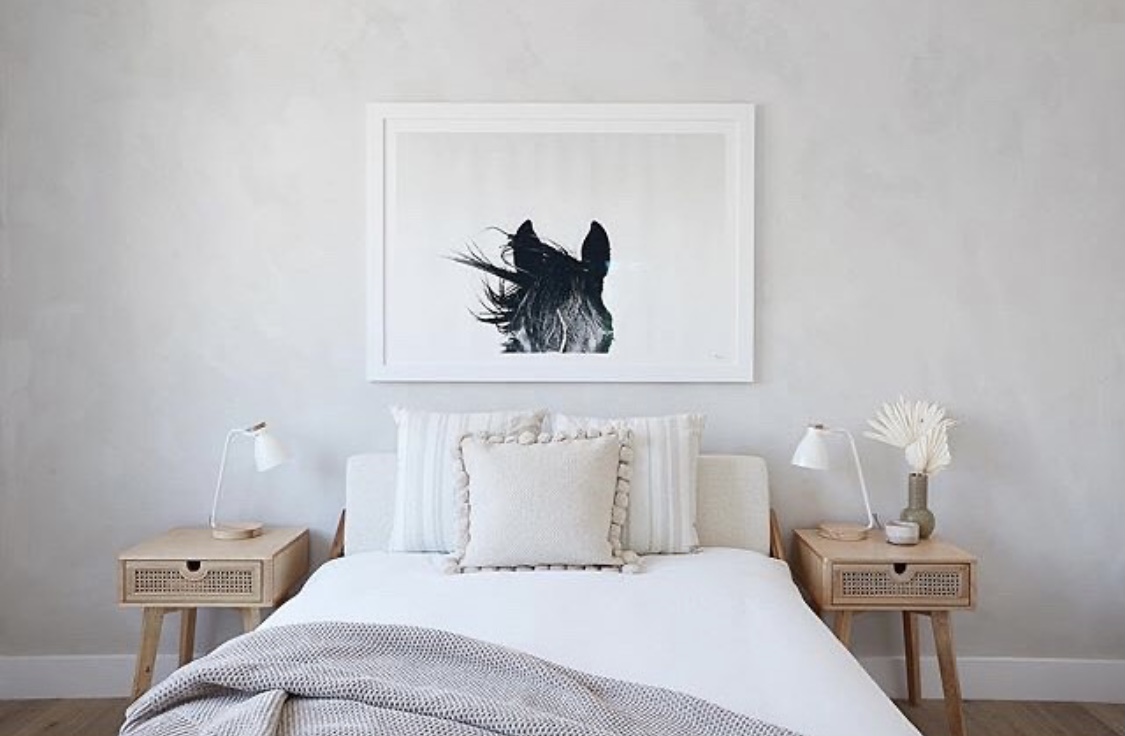
The article presents ten distinct ways to incorporate limewash paint into home decor. First, opting for neutral colors like beige and taupe limewash creates a luxurious yet tactile backdrop, complementing materials such as linen, boucle fabrics, wood, and marble. This approach allows minimalist schemes to rely on texture rather than vibrant colors for impact. Second, despite the prevalence of neutral limewash on social media, the paint is available in a wide range of colors, from pastels to vivid brights and deep hues. This provides a unique opportunity to introduce vibrant colors, as seen in a pink kitchen where the soft and deep finish of Bauwerk limewash paint adds warmth without the harshness of standard emulsion.
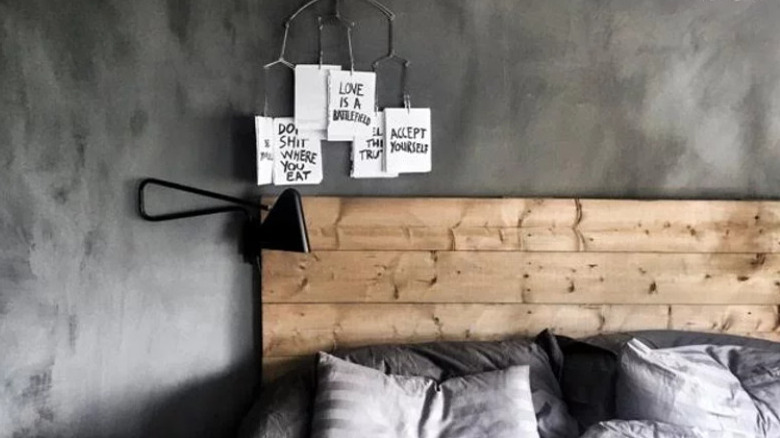
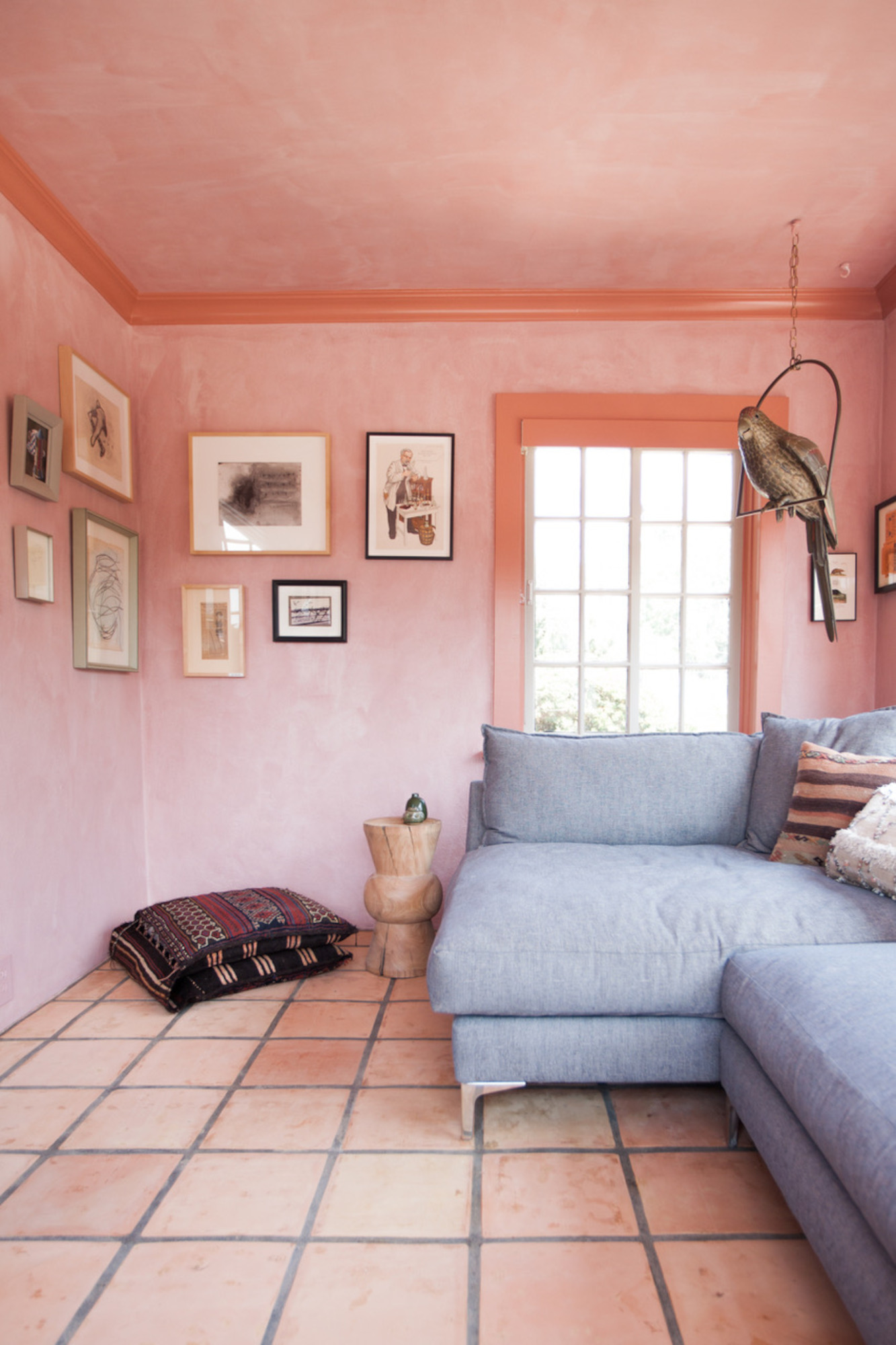
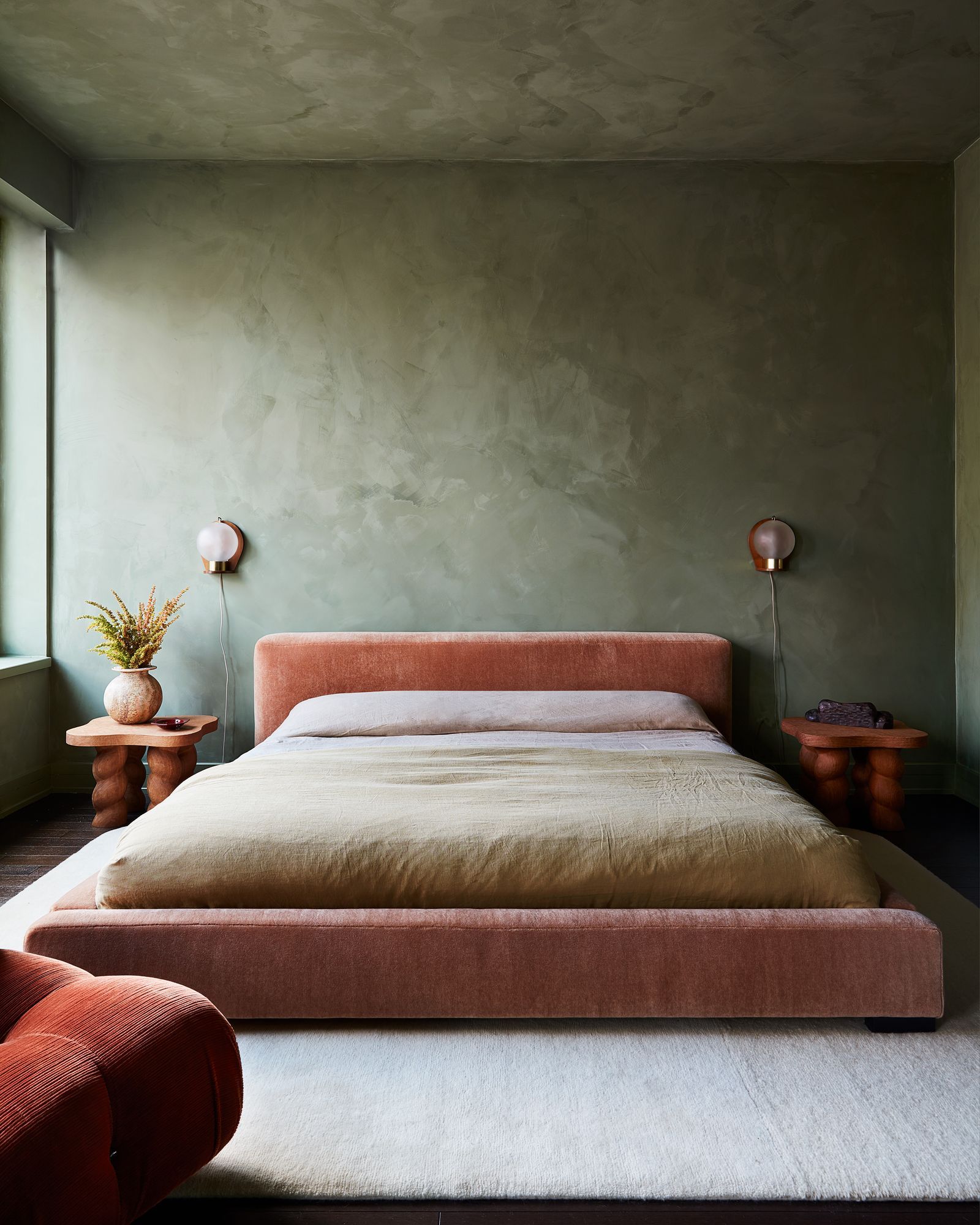
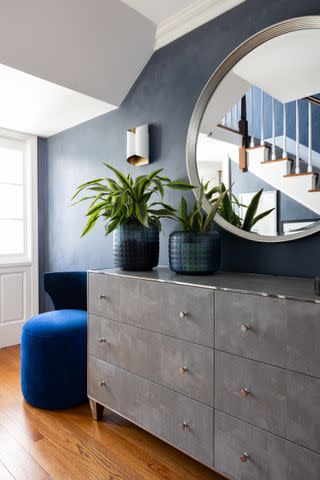
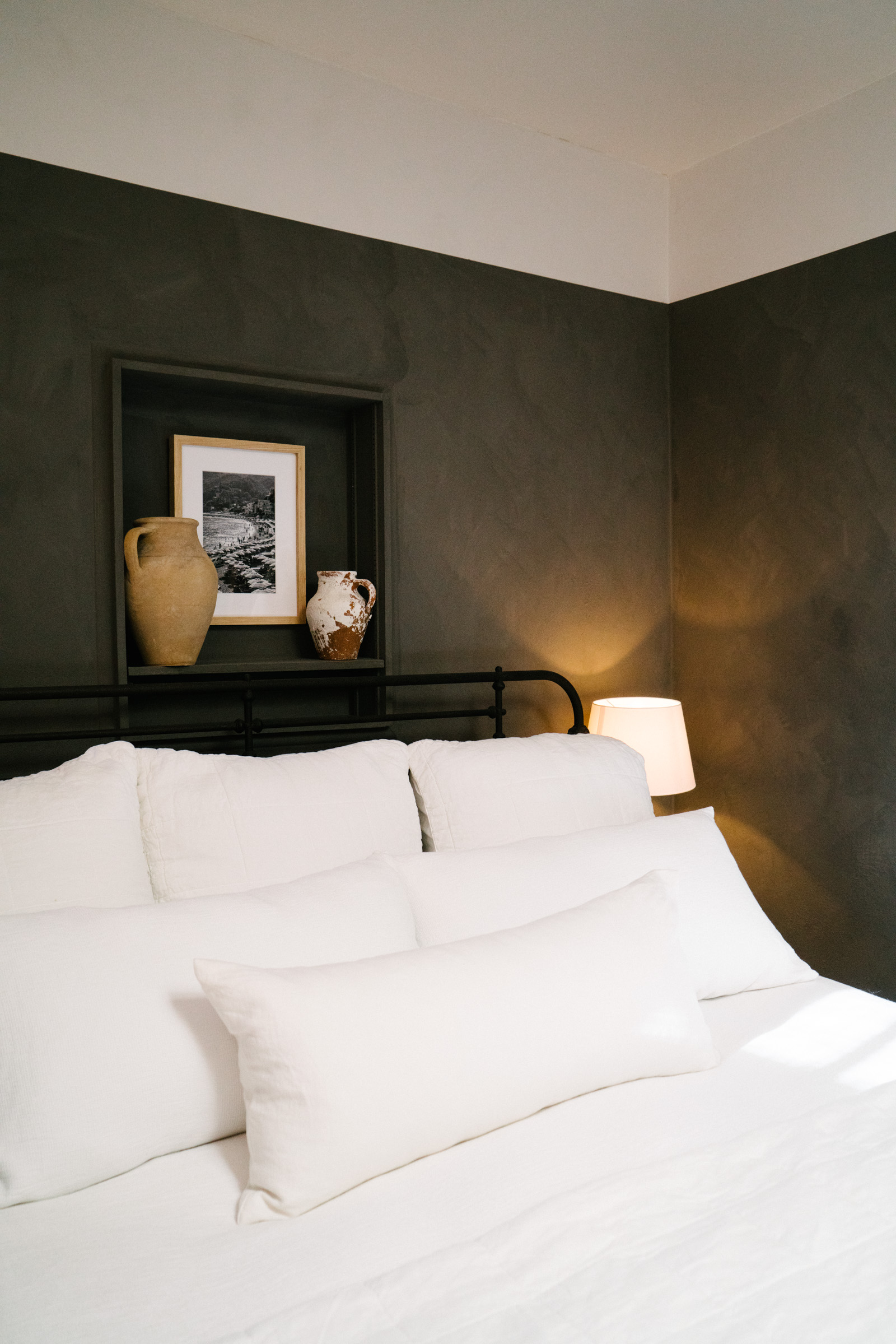
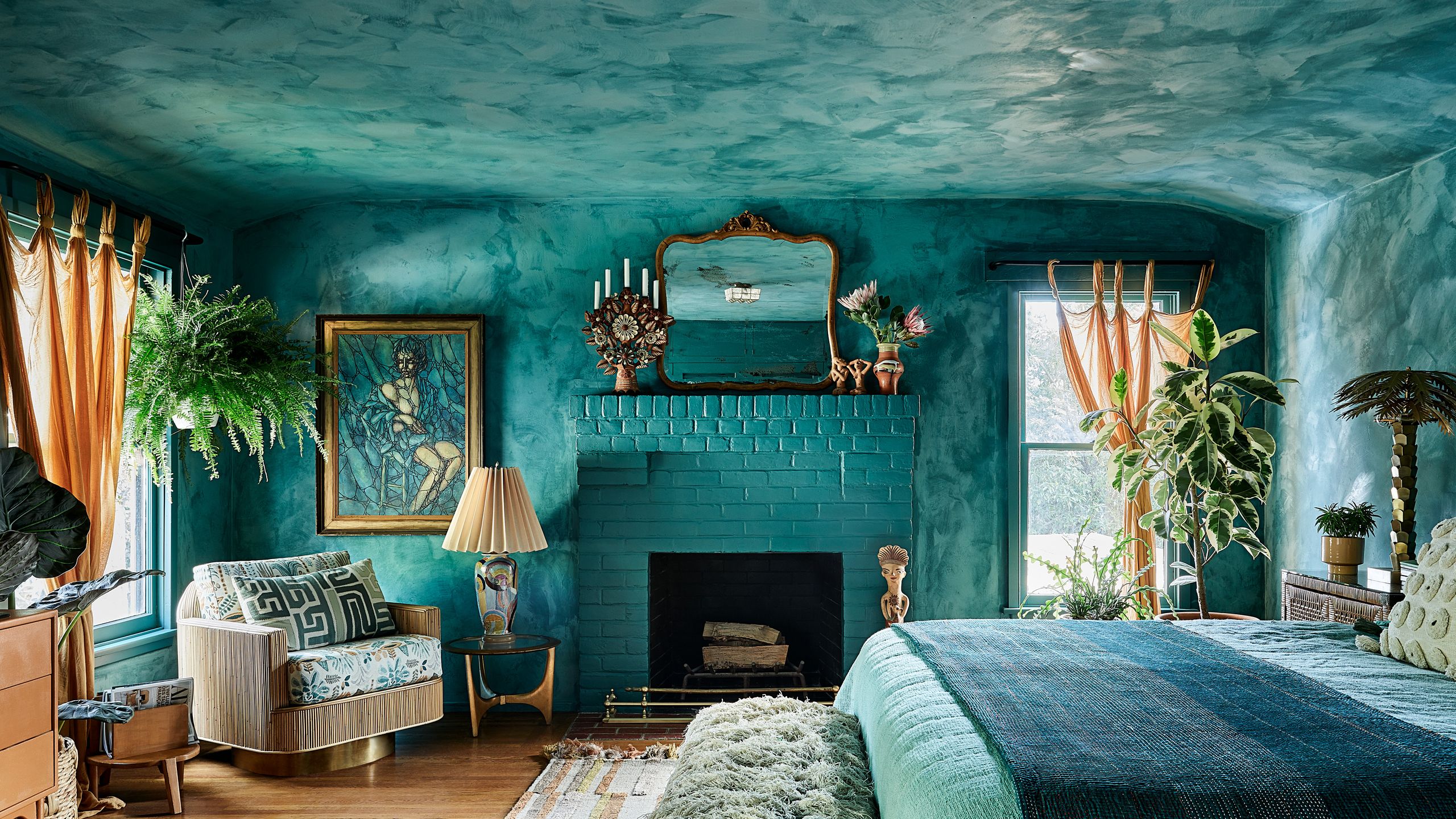
Third, dark limewash colors can create a moody atmosphere. Unlike matt emulsions, which can make saturated dark colors appear flat, limewash paint's cloudy finish retains softness and an organic feel, even with shades like black and midnight blue. An example is the shade 'Nurture' from the Visual Silence collection, a collaboration between House of Grey and Bauwerk, highlighting the natural ingredients and no-VOC content of limewash. Fourth, the technique of 'color drenching' can be applied using limewash, where the same shade covers walls, ceilings, and even architectural elements like coving, creating a bold, cozy, and cocooned atmosphere, as demonstrated with Kalklitir limewash paint.
Fifth, ceilings can become a focal point for limewash application. With the trend of experimenting with color, pattern, and texture on ceilings, limewash offers a dramatic effect. Waking up to a vibrant limewash ceiling, as suggested by Poppy Pearce of Milc Interiors, can set a positive tone for the day. Sixth, a nuanced look can be achieved by simple up-and-down application. This subtle method adds richness and depth to a space without the pronounced cloudy effect, as showcased by Francesca's Paints, where light interactions create wonderfully atmospheric rooms.
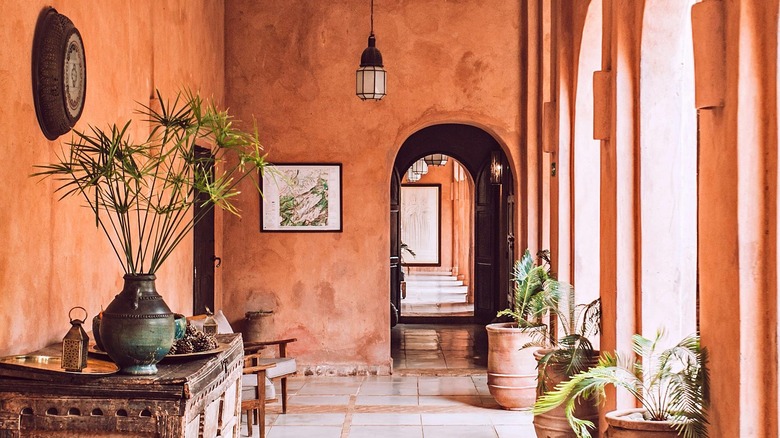
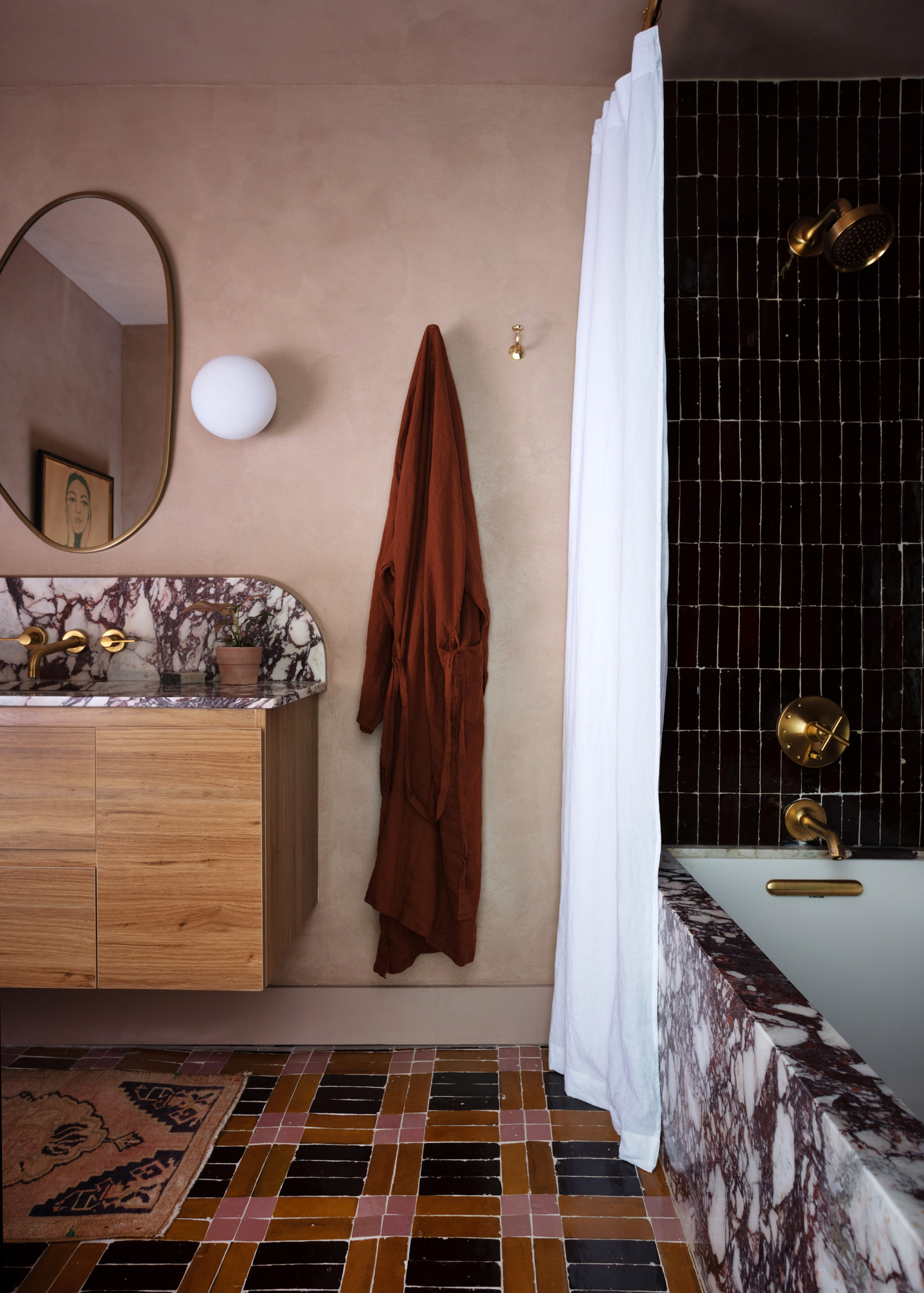
Seventh, for a more decorative and textured finish, limewash paint can be applied in large criss-cross strokes using a large stain brush. This technique intensifies the cloudy appearance, creating a concrete-like finish that can be warmed with earthy tones and wood accents, such as the dark grey Fresco Lime paint from Pure & Original. Eighth, limewash can replicate the look of tadelakt-style walls, particularly in bathrooms. While traditional tadelakt is costly and requires specialists, limewash paints like Pure & Original's Marrakesh Walls offer a similar decorative patterning. When treated with lime soap, it can become water-repellent, and its natural bacteria and mold-resistant properties make it suitable for bathrooms.
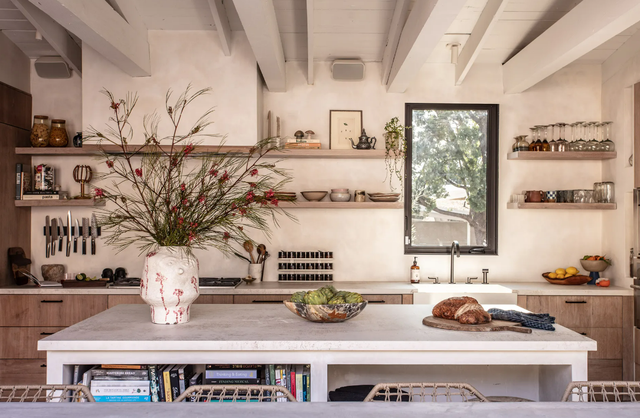
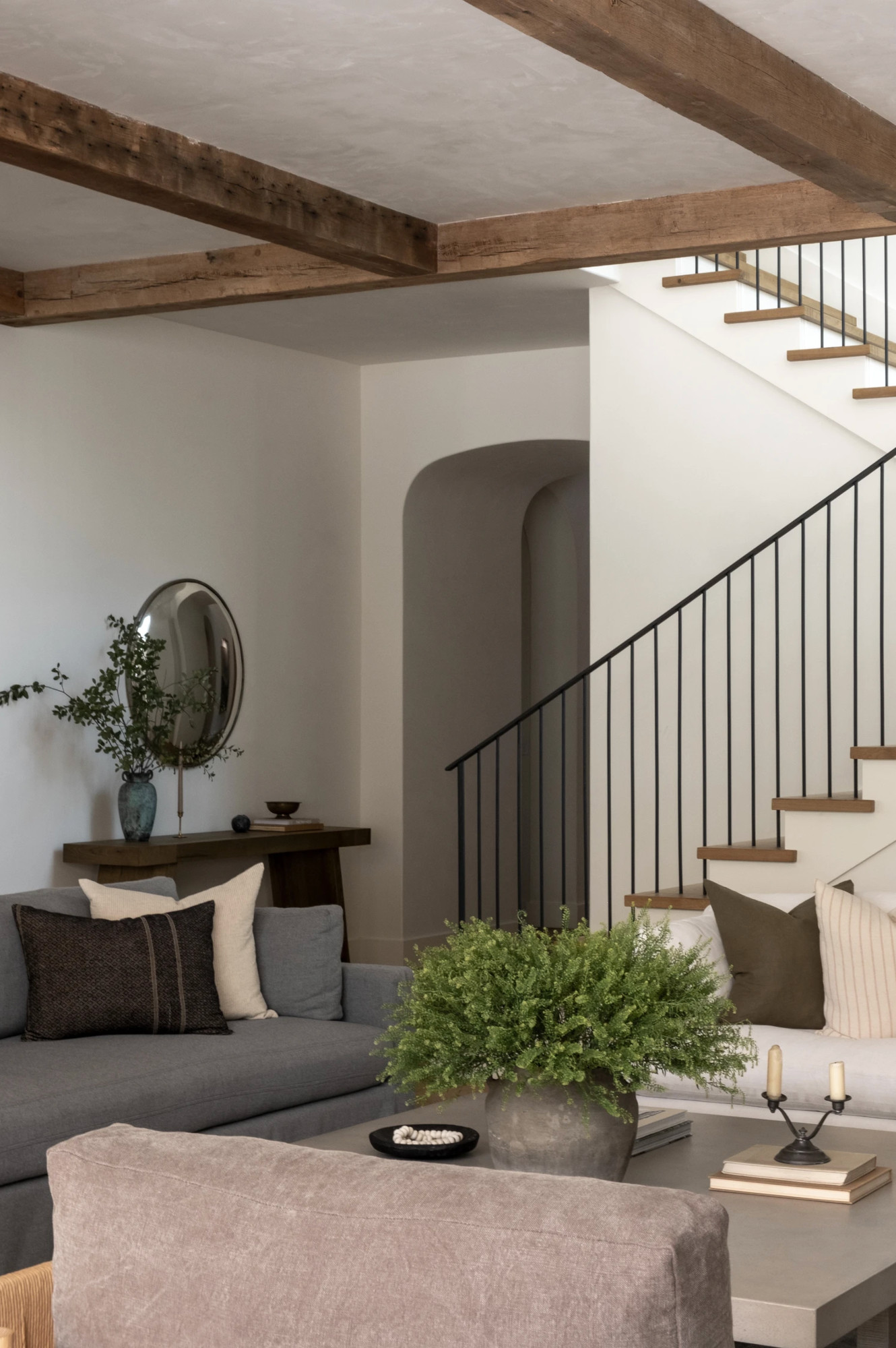
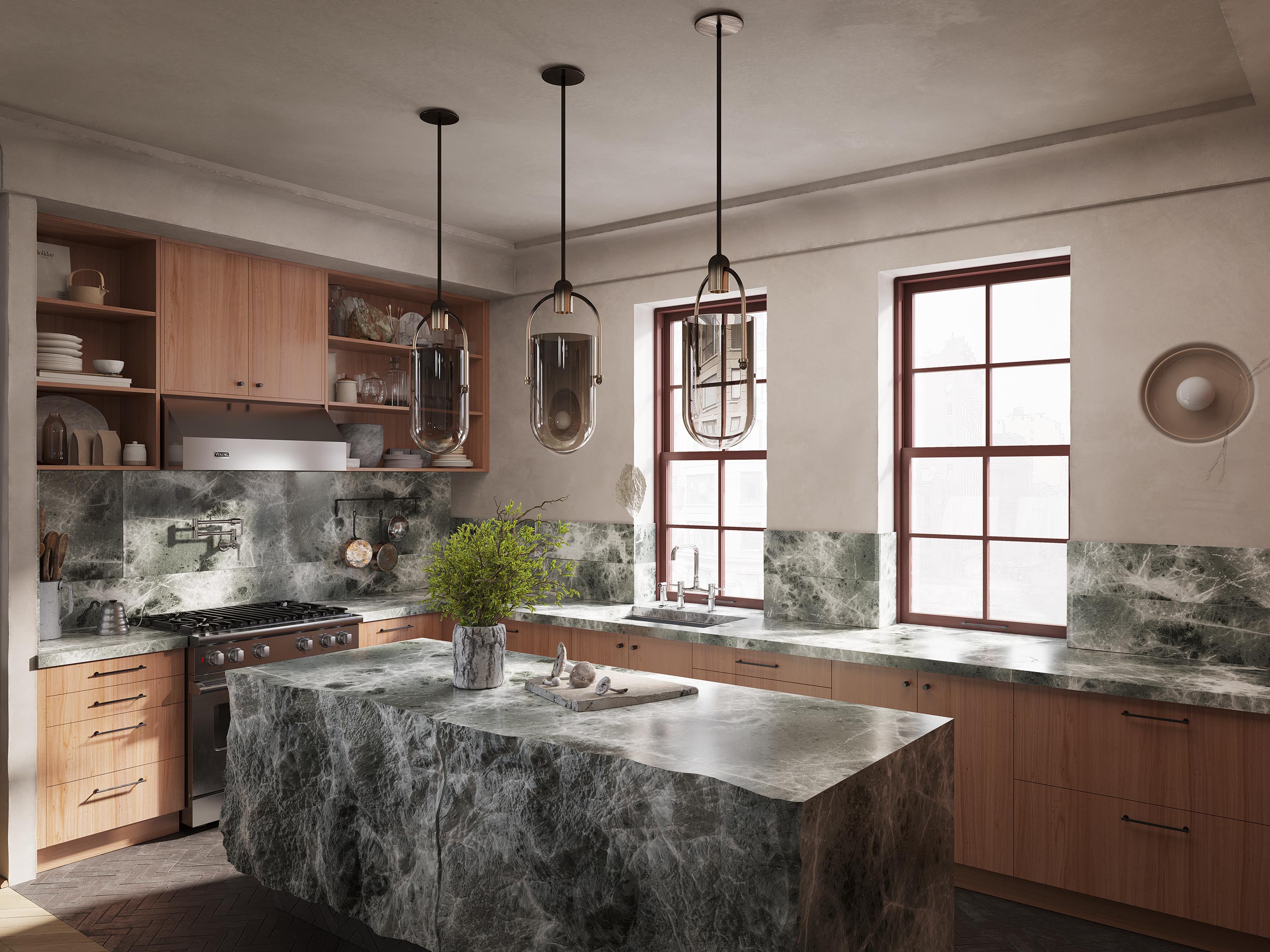
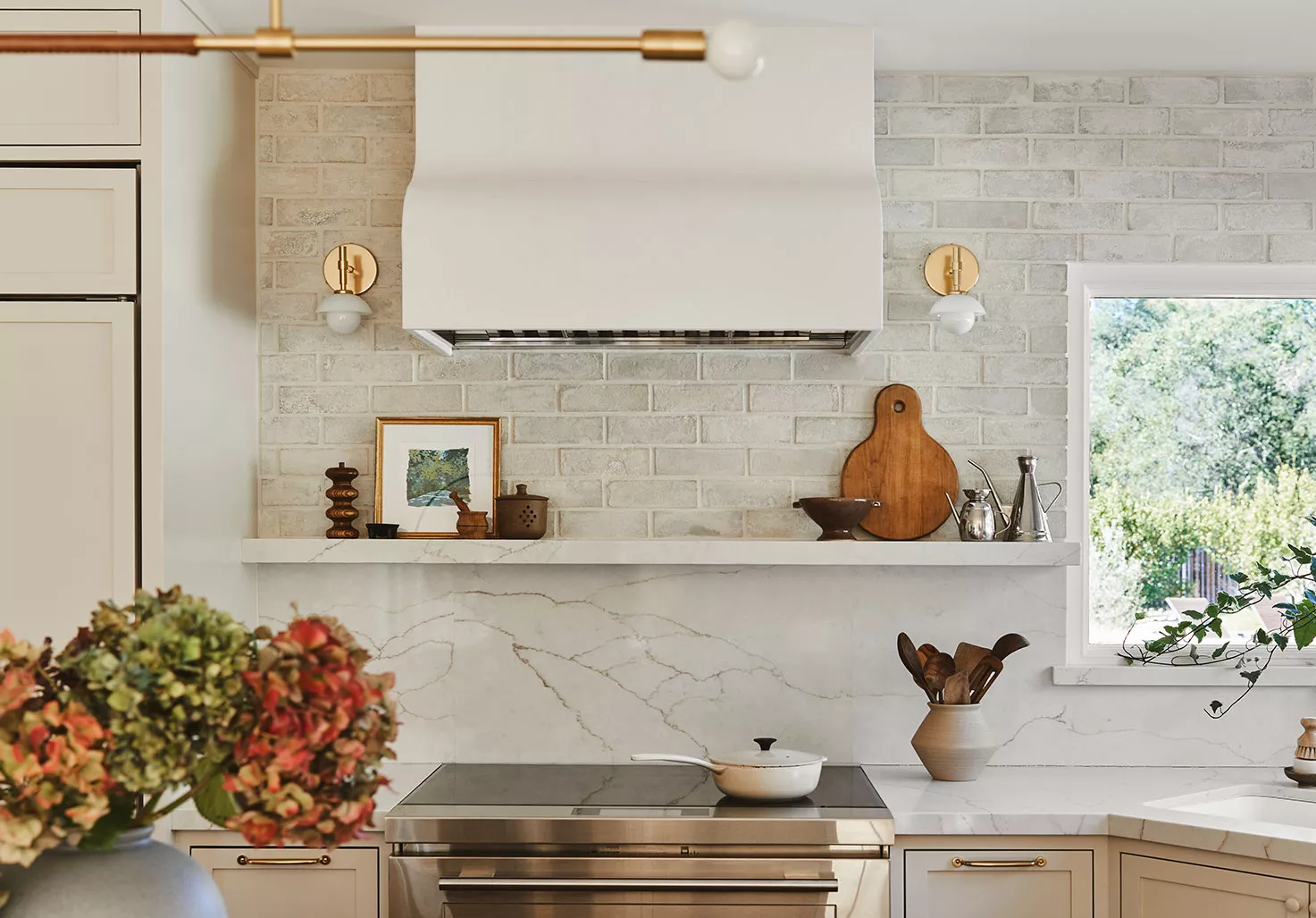
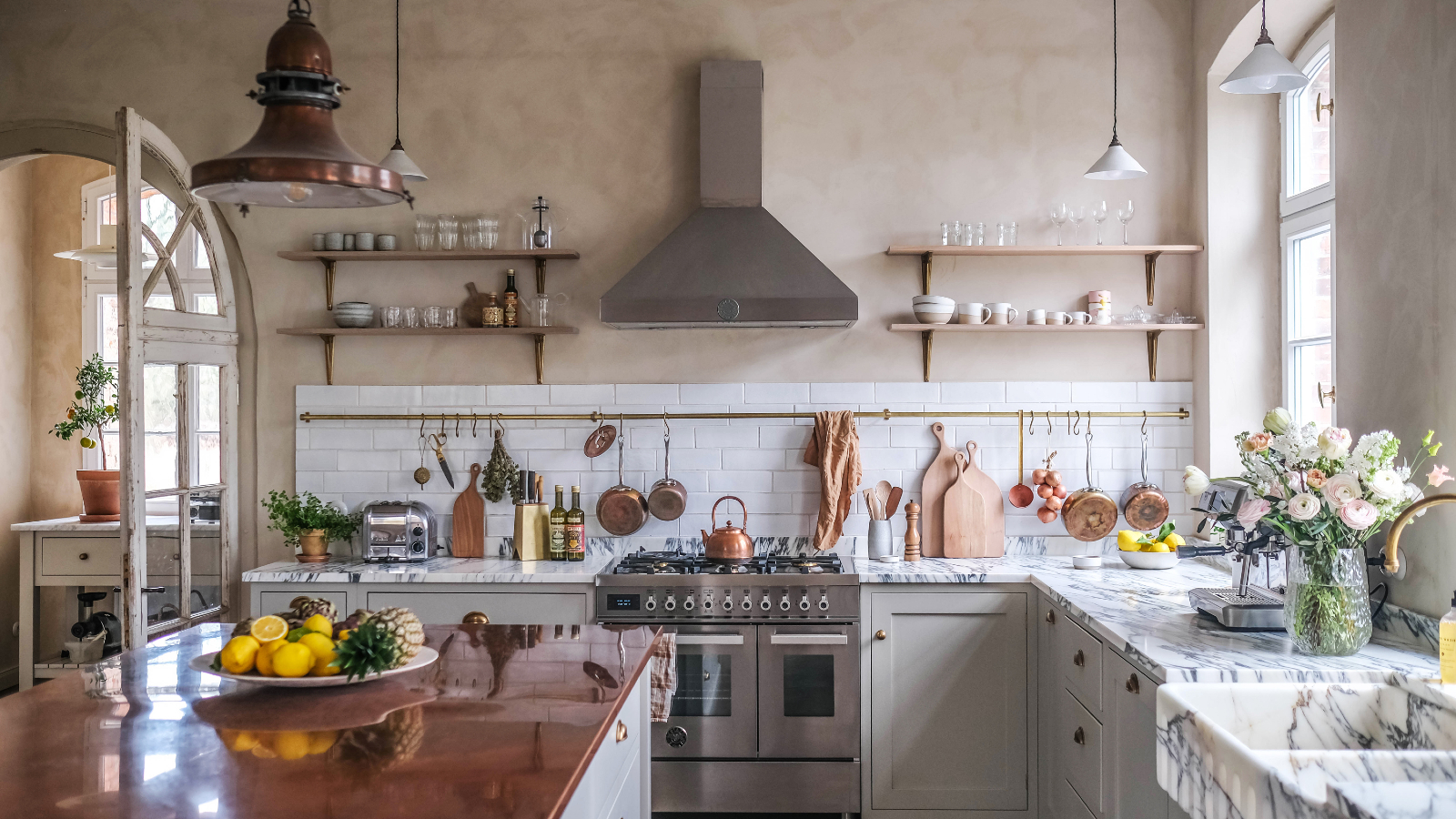
Ninth, the essence of Venetian plaster, known for its polished sheen, can be captured using limewash mineral paint combined with wax. This method, exemplified in architect Siri Zanelli's home, creates a durable, easy-to-clean, and subtly reflective surface, making it an ideal choice for staircase walls. Finally, limewash is not limited to walls and can be applied to wood, brick, concrete, and other porous surfaces. This expands design possibilities to include fitted furniture, matching cabinetry with the wider scheme or creating a feature. An example is extending the limewash effect onto a kitchen range hood, integrating it into the design while subtly highlighting its form.
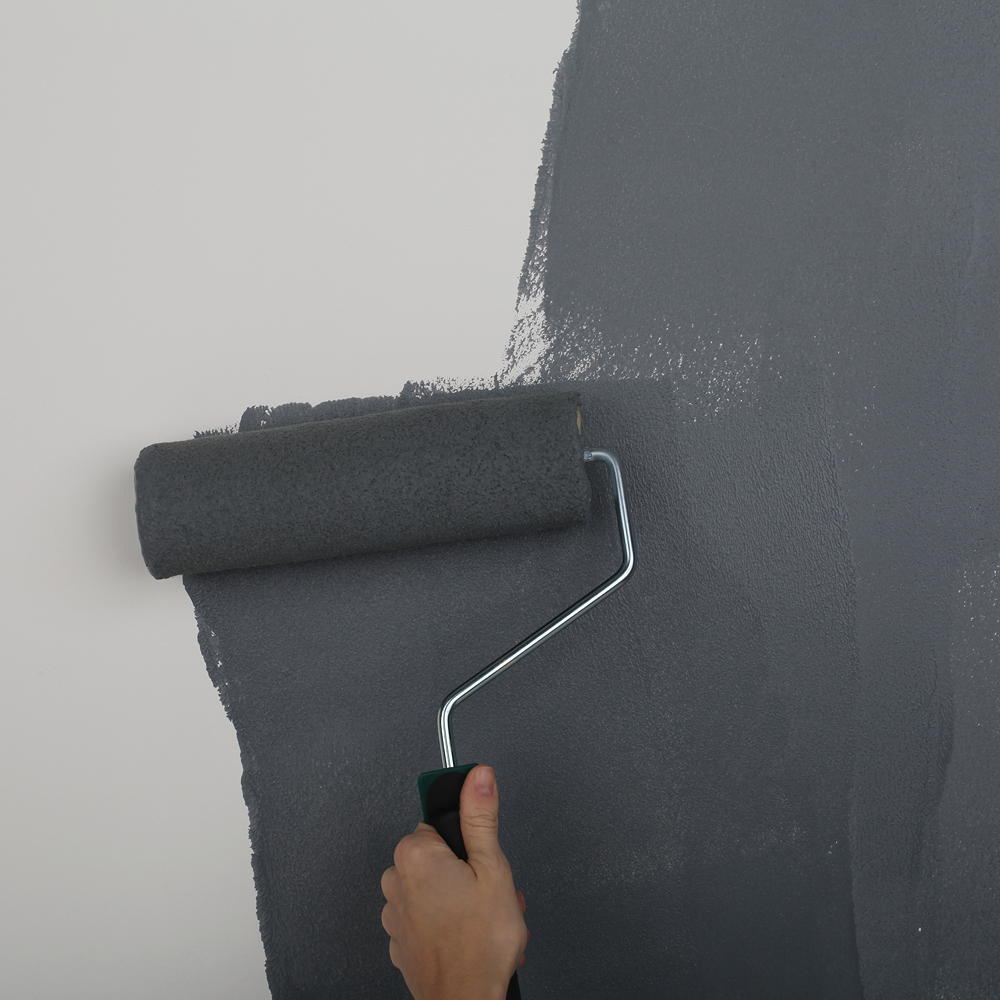
Limewash paint is typically applied in several thin coats, solely with a brush, in a criss-cross fashion to spread the paint and build color. This criss-cross motion is fundamental to achieving the characteristic cloud effect, with the size of the brush strokes influencing the overall look. For a less cloudy appearance, an up-and-down application method can be used, as noted by Audur Skula, CEO of Kalklitir. Ultimately, the application method and choice of limewash paint allow for considerable creative control over the final aesthetic.
#LimewashPaint #InteriorDesign #WallFinishes #TexturedWalls #HomeDecor #PaintTrends #ColorDrenching #CeilingDesign #ModernMinimalism #LimewashPaint #InteriorDesign #WallFinishes #TexturedWalls #HomeDecor #PaintTrends #ColorDrenching #CeilingDesign #ModernMinimalism
0 comment in total
 No comments yet
You may also like
4 Creative Ways To Use Limewash Paint To Transform Your Home

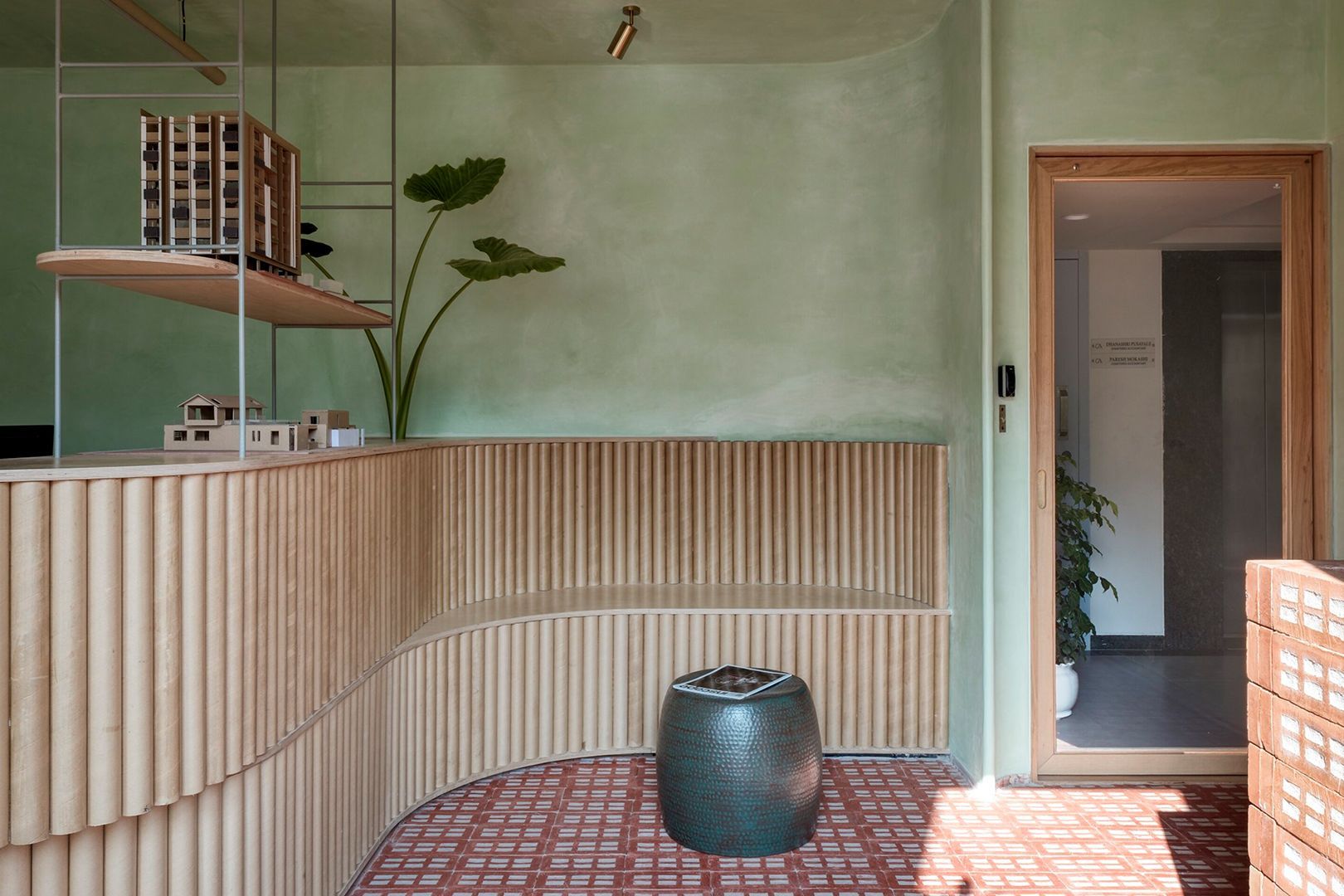
What is limewash paint: Four places to use it in your home

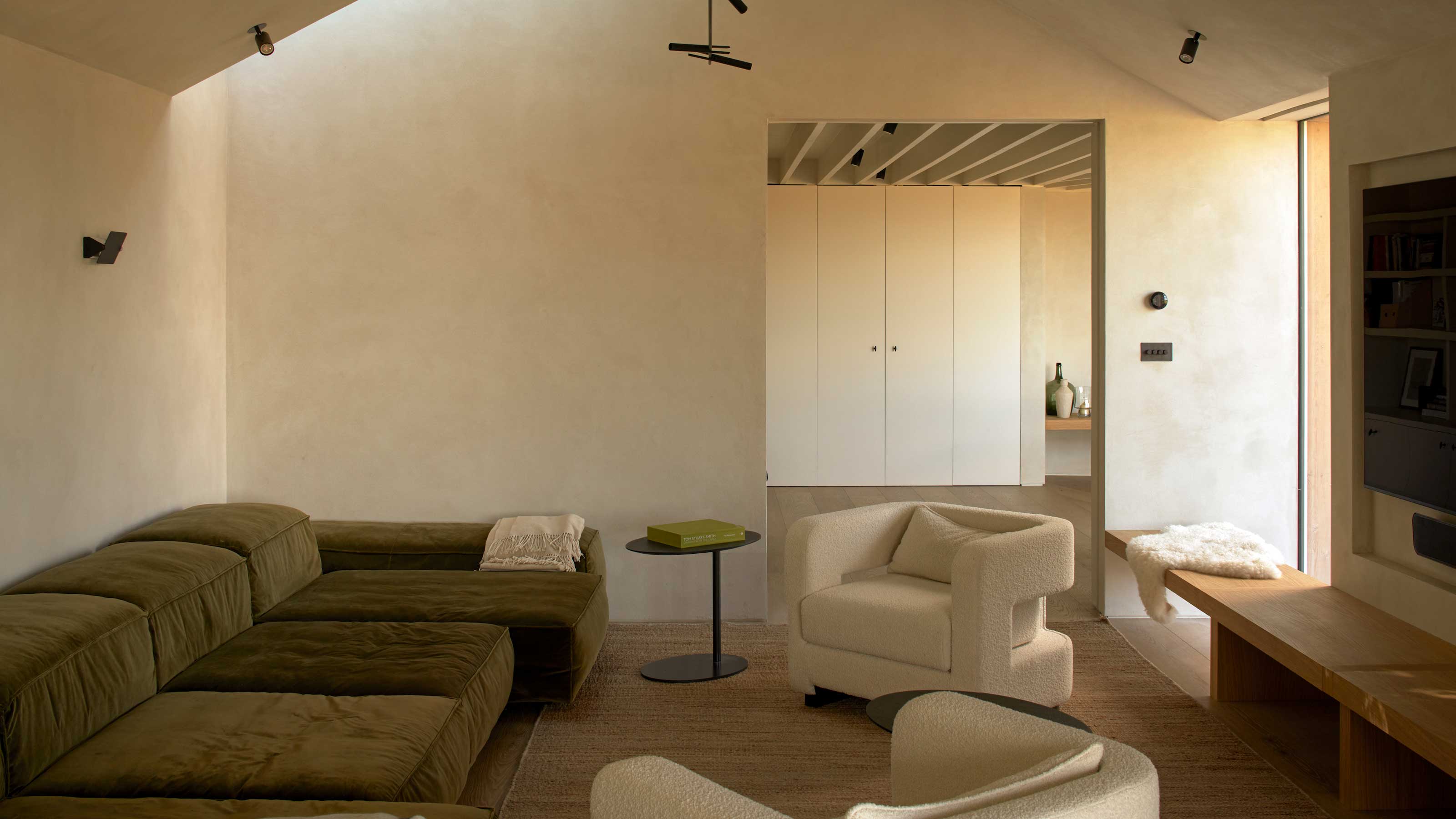
This Simple DIY Limewash Paint Hack Costs Less Than $20 — But the Results Look Way More Expensive
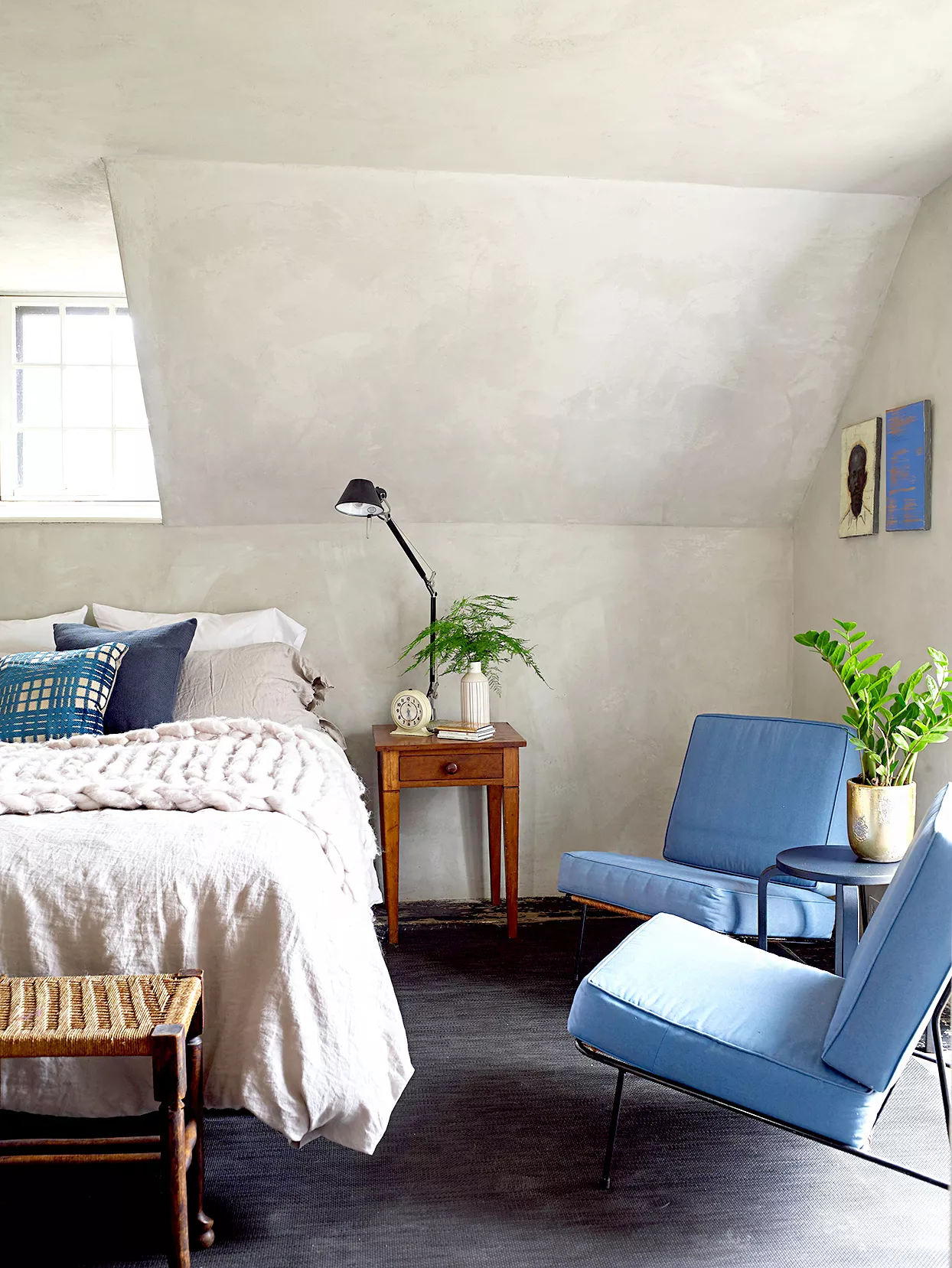
What Is Limewash Paint? Plus, How to Use It In Your Home

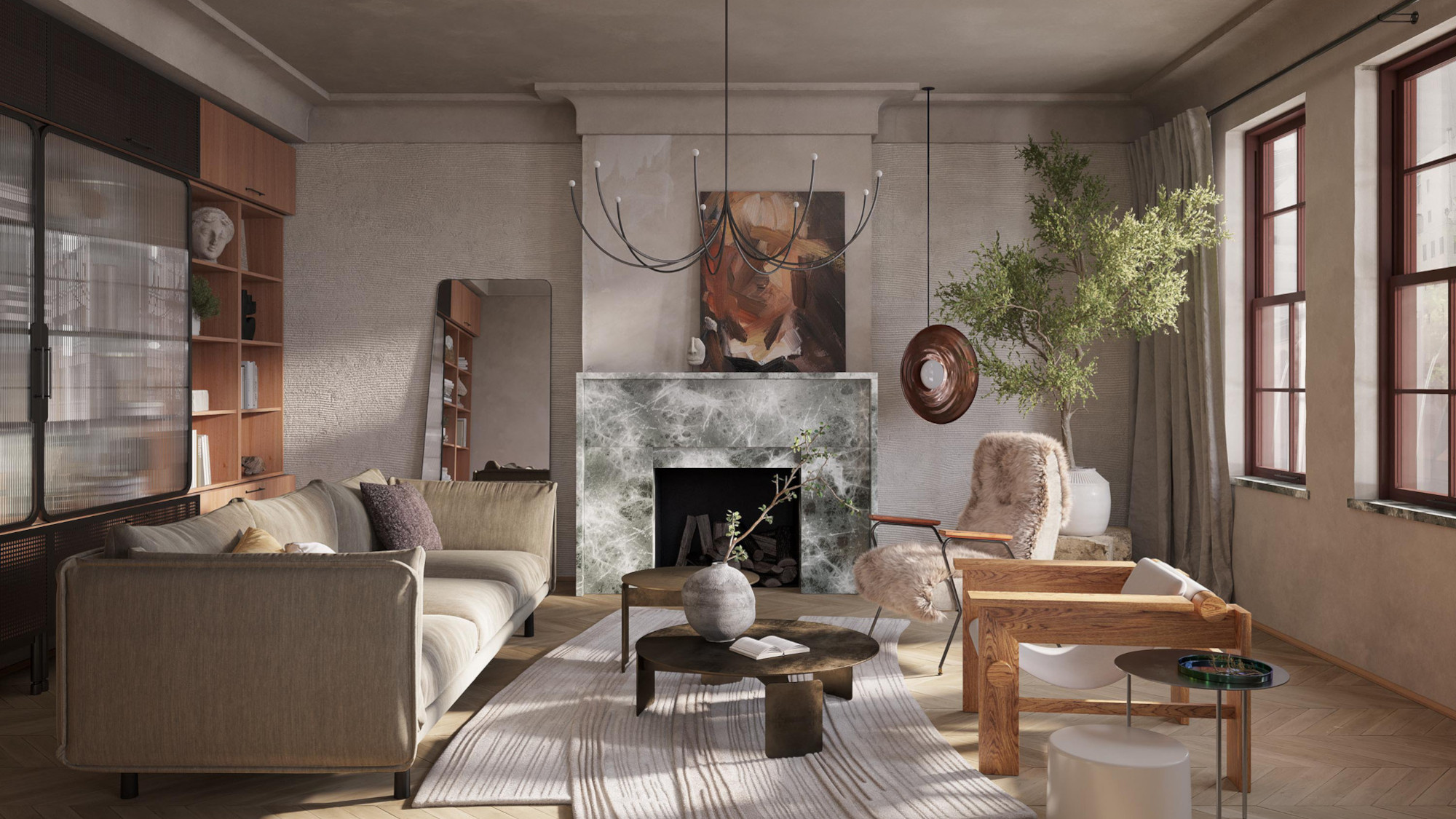
10 living rooms with limewash walls that prove that this textural wall finish is the perfect cozy-but-chic finishing touch
10 Limewash Wall Color Ideas That Add Old-World Elegance To Your Space
Rediscover Limewash Paint, the Old-World Finish That's Trending Again

This Kitchen Trend Can Make Your Space Look Like a Charming, Tuscan Retreat — "It's Instantly Warming"
Instagram can't get enough of this new textured paint craze - here's how to get the look
8 Limewash Paint Colors That Will Add Elegance and Style to Your Home

If You Want Your Home to Look Like a Charming Tuscan Villa, Try This

Limewashing trend: why this European paint trend is perfect for your kitchen

8 Limewash Paint Colors for a Beautiful, Timeless Home, According to Interior Designers
What Is Limewash Paint: Four Places to Use It in Your Home

What Paint Finish is Replacing Limewash? This is the Richly Textured Alternative Designers Are Using on Walls Now
10 ways to use textured paint in your home
This Texture-Rich Finish Is Designers' Go-To for Instant Patina

8 Limewash Paint Colors That Will Add Elegance and Style to Your Home
The Allure of Limewash Paint
Faux-Limewashing: The DIY Technique Taking Over TikTok