1/2
How to Use Ambient Sensing in Smart Lighting for Energy Efficiency
Smart lighting systems are evolving beyond basic automation, now incorporating ambient sensing technology and 5G connectivity to significantly enhance energy efficiency, reduce operational costs, and improve user well-being. Ambient sensing involves devices, equipped with wireless sensors, that detect environmental factors such as light levels, temperature, humidity, and room occupancy. These sensors enable smart lights to make intelligent decisions: dimming or turning off when natural light is sufficient or a room is unoccupied, and activating gently when movement is detected.
The importance of energy efficiency is underscored by the fact that lighting accounts for a substantial portion of commercial electricity consumption, with the US Energy Information Administration reporting 17% for commercial spaces. Wasted lighting directly translates to wasted money and an increased environmental footprint. Smart lighting with ambient sensing addresses this by optimizing light usage, leading to lower energy bills and a more sustainable approach. This principle also extends to energy-intensive environments like data centers, where intelligent lighting can significantly reduce power consumption by adjusting based on occupancy and ambient light levels, complementing strategies like server virtualization, energy-efficient hardware, and renewable energy sources.
The functionality of ambient sensing in smart lighting is akin to giving lightbulbs a 'tiny brain'. These systems leverage sensors to detect daylight, measure brightness, sense motion, and track room occupancy. This allows for dynamic adjustments: lights dim or switch off when daylight is strong, go dark in empty rooms, and turn on smoothly as people enter. This eliminates the need for manual control and ensures energy is only expended when and where necessary.
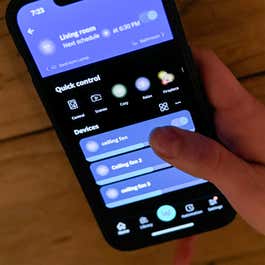
The integration of 5G technology further amplifies the capabilities of ambient-sensing smart lighting. 5G provides fast data transfer and low latency, enabling seamless communication among multiple devices in real-time. This is particularly beneficial for large or busy environments such as retail shops, cafes, offices, and warehouses. 5G-enabled lighting systems allow for centralized management across multiple buildings, remote control via applications, collection of real-time energy data, and remote adjustment of settings, thereby simplifying energy management.
Small businesses stand to gain considerably from these advancements. The global smart lighting market is projected to grow substantially, indicating a strong trend toward adoption. Benefits include reduced electricity bills, extended bulb lifespan, automated lighting control, enhanced employee comfort, and a greener brand image. Beyond commercial applications, ambient sensing in smart lighting can also create therapeutic and welcoming environments in sensitive spaces, such as teen treatment centers, by dynamically adjusting lighting levels and color temperatures to minimize harsh contrasts and promote relaxation.
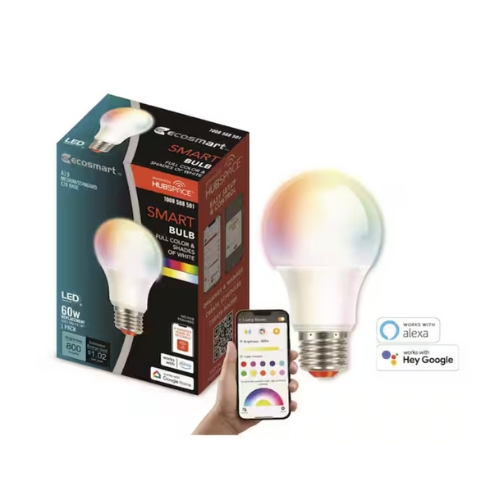
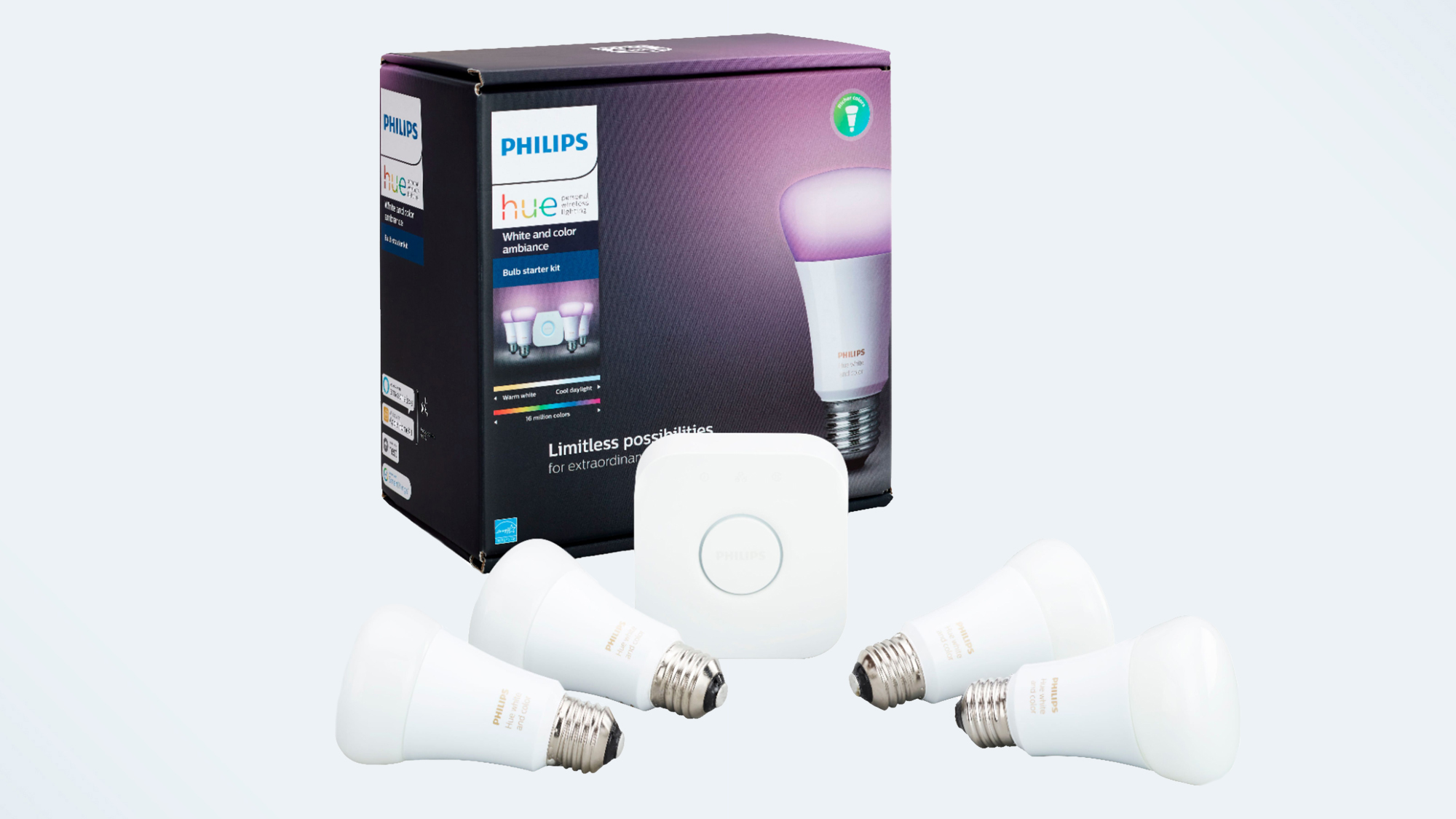
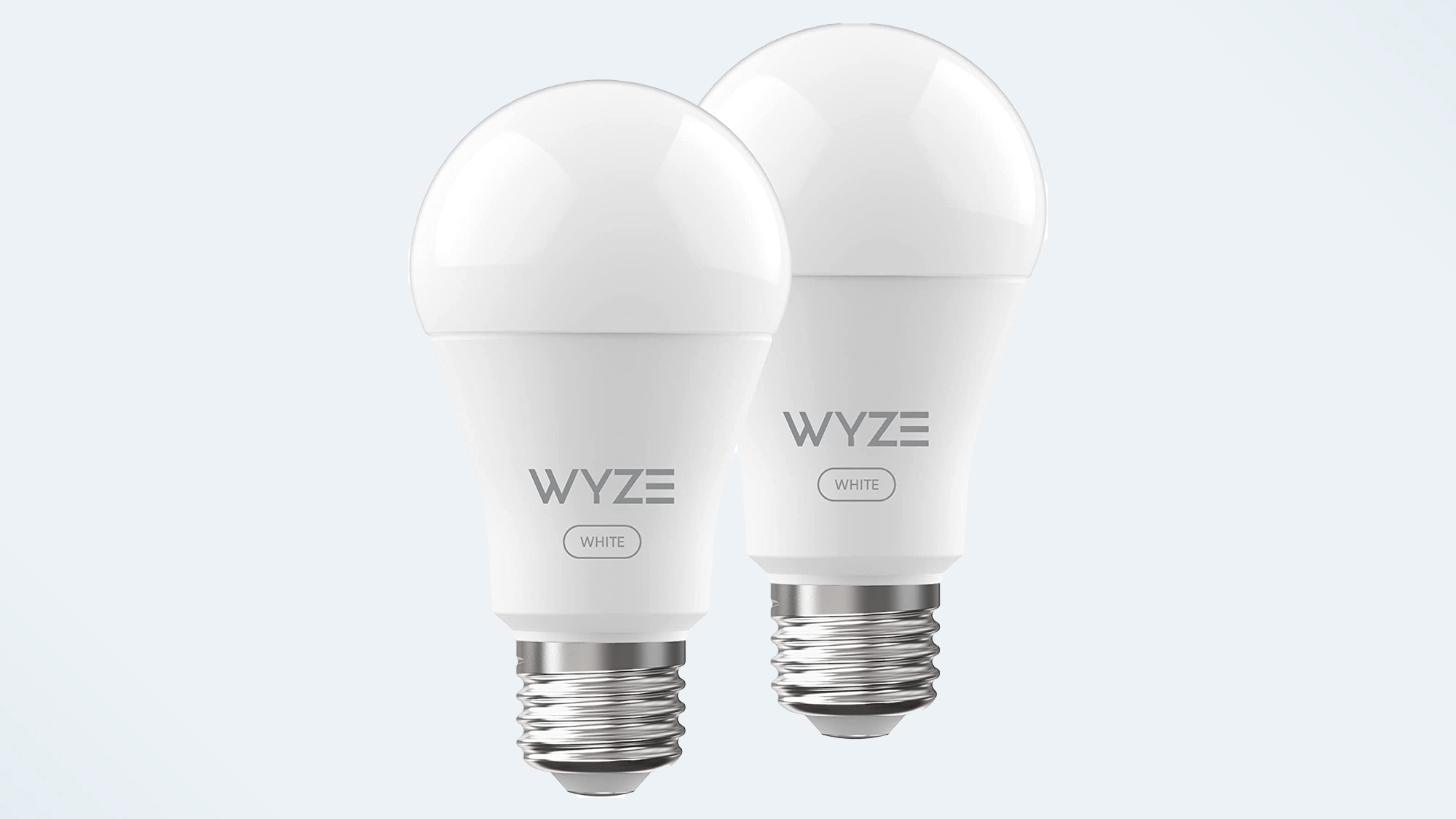
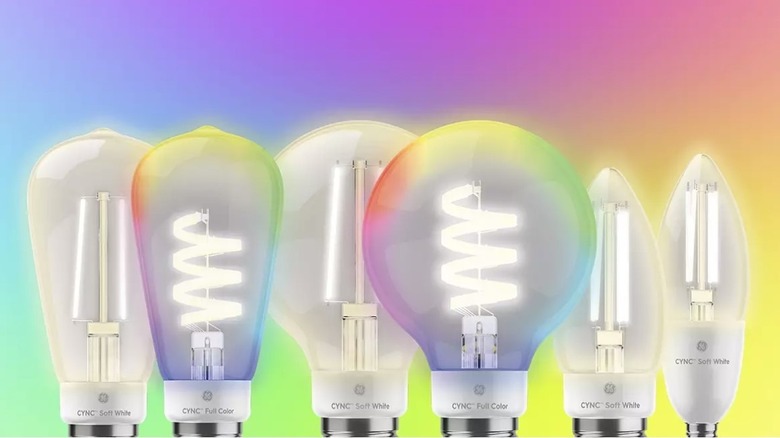
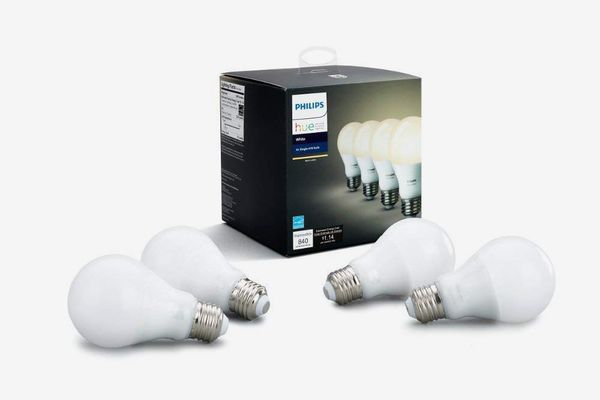
Several 5G-compatible smart devices with integrated ambient sensing capabilities are available. Examples include Philips Hue bulbs with motion sensors, which adjust based on natural light; the Samsung SmartThings Motion Sensor paired with a 5G hub for comprehensive room awareness; Wyze Bulbs with Wyze Sense, offering affordable motion and ambient light detection; GE CYNC Smart Bulbs, which support scheduling, voice control, and auto-dimming via 5G connections; and the Aqara Motion Sensor P1, a compact sensor that detects light and motion and can be paired with smart bulbs over 5G or Zigbee networks.
These smart lighting systems are versatile and can be applied in various settings: retail shops to illuminate shelves only when customers are present, offices to dim lights when daylight is abundant, warehouses to follow worker movement, and cafes/restaurants to automatically create mood lighting. Implementing these systems involves selecting appropriate bulbs and sensors, ensuring 5G connectivity, installing sensors strategically, setting preferences via an app, and tracking energy usage to observe savings. Starting with a single room or area is recommended to evaluate effectiveness before scaling up. This approach demonstrates that ambient sensing in smart lighting, especially with 5G, offers a practical, eco-friendly, and cost-effective solution for modern lighting needs, accessible even to non-technical users.
#SmartLighting #EnergyEfficiency #5GSmartLights #MotionSensorLighting #SmartBusinessLighting #LightingAutomation #SustainableLighting #AmbientSensing #SmartLighting #EnergyEfficiency #5GSmartLights #MotionSensorLighting #SmartBusinessLighting #LightingAutomation #SustainableLighting #AmbientSensing
0 comment in total
 No comments yet
You may also like

5 tactics for sustainable architectural lighting
Major Smart Lighting Brands Ranked Worst To Best


The Magic of ADAPTIVE’s 8 Layers of Lighting Design

What Is Ambient Light? Here's How to Use It in Your Home

4 Ways Smart Lights Can Elevate Indoor Holiday Gatherings and Save Up to 90% of Your Usual Energy Usage

This DIY Lighting Solution is Perfect for Closets and Other Dark Spaces


How to Use Smart Lights Better | Reviews by Wirecutter

The Secret to Making Your Kitchen Great for Cooking and Entertaining: Smart Lighting

The best smart lights

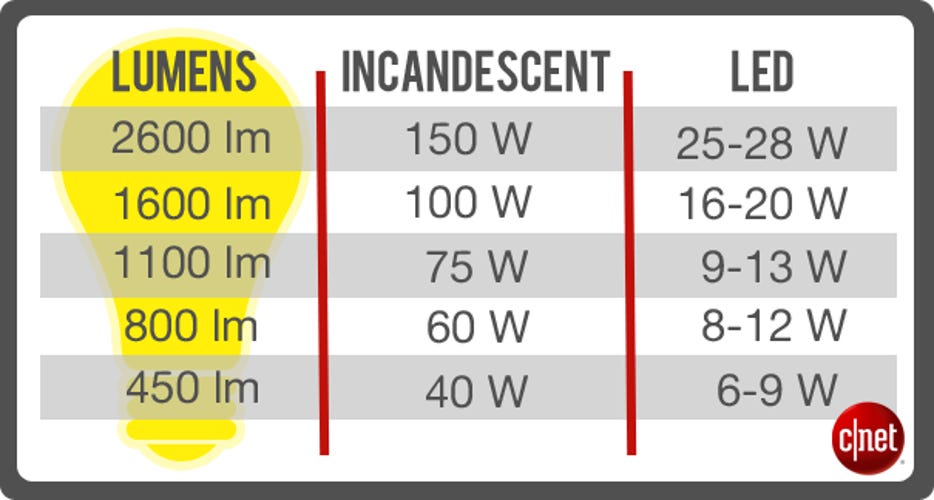
Light Bulb Moment: 5 Things to Consider When Switching to LED Bulbs

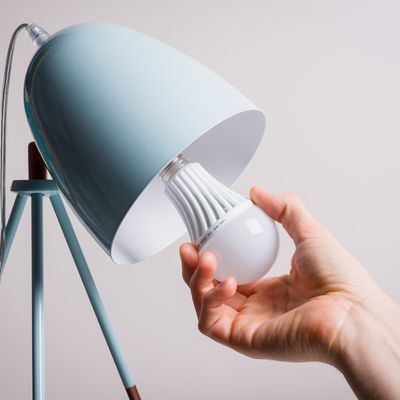
How to Find Energy-Efficient Bulbs That Give Off Not-Horrible Light, According to Interior Designers

iguzzini’s all-in-one ‘light shed’ solution unites smart lighting, sound control & ecodesign
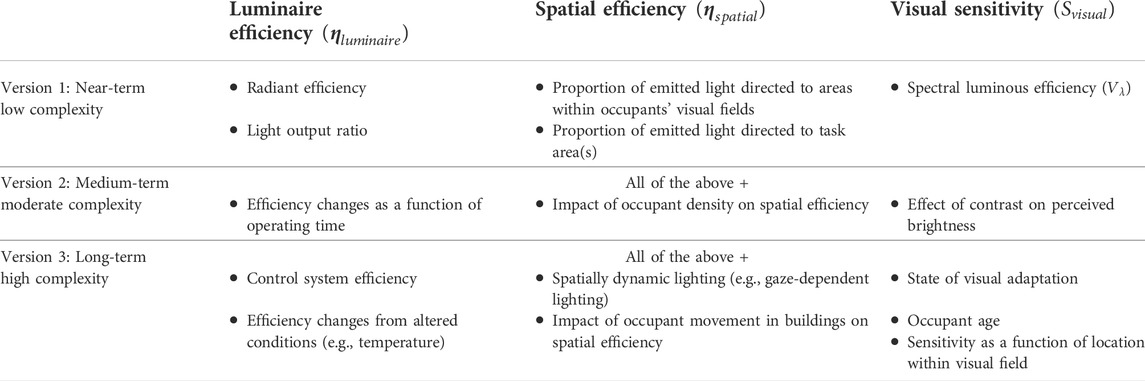
Lighting application efficacy: A framework for holistically measuring lighting use in buildings
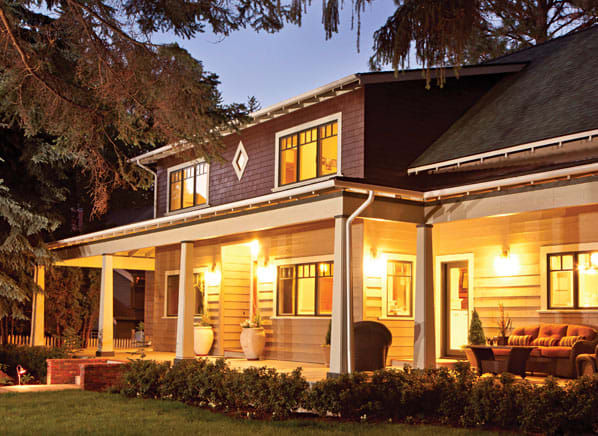
Room-by-Room Lightbulb Guide | Lightbulb Reviews
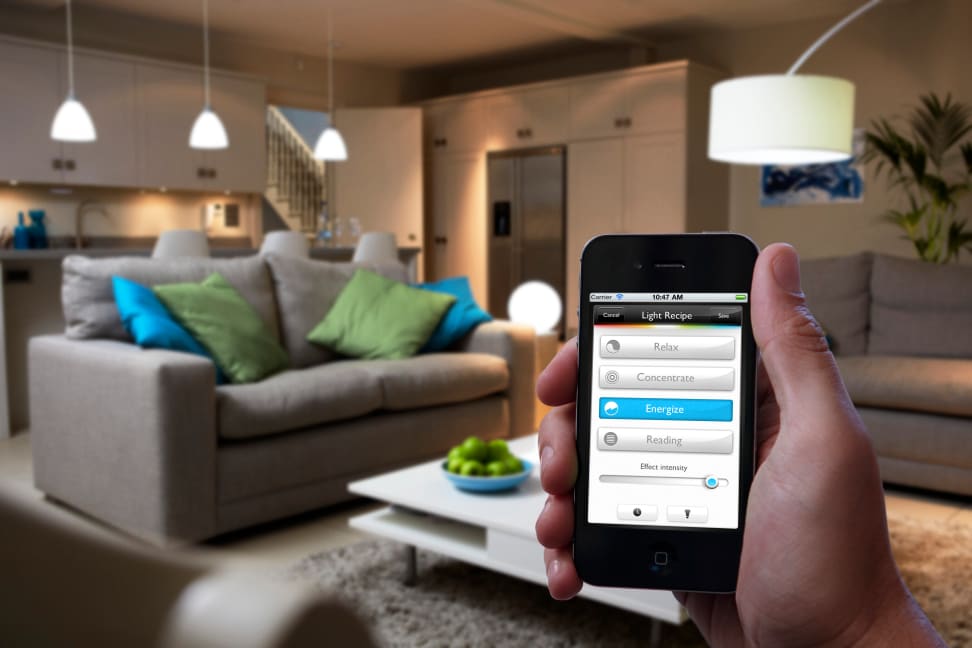
10 ways to add 'smart lighting' in your home and never touch a switch again

Bye-bye, wiring! I swear by these $10 energy-efficient rechargeable lights to illuminate my tiny under-the-stairs closet
5 ways you didn't know smart lighting can improve your living space and wellbeing
Fall into smarter lighting

This Smart Bulb Rescued My Rental Apartment From the Horror of ‘The Big Light’ | Reviews by Wirecutter
Experts Told Us Why Our Home LED Lights Die Out So Fast