1/6
5 tactics for sustainable architectural lighting
Architects are at the forefront of sustainable building design, with lighting emerging as a crucial area for innovation. Thoughtfully integrating lighting can significantly enhance a project's aesthetics and functionality while simultaneously reducing its carbon footprint. This article outlines five key tactics architects can employ to advance sustainability in lighting design.
First, selecting high-efficacy lighting is paramount. The operational carbon generated by lighting throughout a building's lifespan far outweighs the embodied carbon of a luminaire. Higher efficacy directly translates to lower power consumption and, consequently, reduced greenhouse gas emissions over the fixture's life. Advances in LED lighting have drastically cut the lighting load in commercial buildings from 30% in 2005 to under 10% today. Specifying high-efficacy luminaires is a straightforward yet impactful method for architects to meet energy codes like ASHRAE 90.1 and achieve green building certifications such as LEED and WELL. Architects should look for a luminaire's LPW rating or its DesignLights Consortium (DLC) or Energy Star classification to assess efficiency, noting that LED efficacy continuously improves, leading to further energy savings.
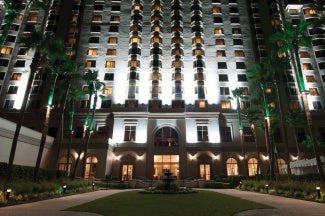
Second, incorporating networked lighting controls offers additional energy savings beyond fixture efficiency. Technologies such as occupancy sensors, daylight harvesting, and programmable scheduling optimize energy use by ensuring light is provided only when and where it's needed. A study involving 194 commercial buildings demonstrated that networked lighting controls can deliver an additional 49% energy savings, with offices experiencing over 70% savings. An example is the Westin Savannah Resort, which achieved 94% energy savings with a payback period of less than two years by implementing LED lighting with wireless networked controls. Architects should choose controls that support evolving code requirements, such as California's Title 24, and contribute to building-wide energy reduction goals for programs like LEED and WELL.
Third, prioritizing luminaires with lower embodied carbon is an emerging opportunity for sustainability. While operational carbon constitutes 80-90% of a luminaire's total carbon cost, embodied carbon—emissions from production, transportation, and end-of-life—is becoming increasingly important. Lighting manufacturers are crucial in this area by rethinking materials and product life cycles. This involves using less material, incorporating recycled content, and exploring biorenewable materials like coffee chaff and seashells. Products designed with replaceable drivers and components extend their lifespan and minimize waste. Luminaires featuring field-adjustable selectors for wattage, color temperature, and photocell controls can also reduce the carbon footprint by minimizing unused products and shipping. Although product declarations like Declare are not as common for lighting as for other building materials, this trend is growing, providing vital information for calculating embodied carbon. By selecting luminaires designed for circularity, architects contribute to a sustainable ecosystem and prepare structures for a resilient future.
Fourth, minimizing environmental disruption with exterior luminaires is essential. Light pollution harms ecosystems, endangers nocturnal wildlife, and wastes energy. Architects can mitigate these effects by specifying Dark Sky-compliant, full-cutoff luminaires. Prioritizing fixtures that protect the night environment helps balance human needs with ecological health, meeting both regulatory standards and public expectations for responsible design. For instance, the Cincinnati Children’s Hospital reilluminated its exterior to reduce light pollution while improving lighting uniformity.
Finally, collaboration with lighting design professionals can significantly enhance project outcomes. Lighting can be complex, and a dedicated designer can help integrate thoughtful designs, ensure code compliance, perform photometric models for sufficient lighting, and enhance architectural features. For projects with budget constraints, manufacturers like RAB Lighting offer design services to meet local ordinances and industry best practices for various project scales. These tactics—high-efficacy luminaires, integrated controls, renewable materials and replaceable parts, Dark Sky compliance, and expert lighting design support—provide architects with powerful tools to create beautiful, efficient, and environmentally responsible spaces, positioning them to lead as codes and client expectations evolve.
#SustainableLighting #ArchitecturalDesign #EnergyEfficiency #LEDLighting #NetworkedLightingControls #EmbodiedCarbon #DarkSkyCompliance #LightingDesign #GreenBuilding #SustainableLighting #ArchitecturalDesign #EnergyEfficiency #LEDLighting #NetworkedLightingControls #EmbodiedCarbon #DarkSkyCompliance #LightingDesign #GreenBuilding
0 comment in total
 No comments yet
You may also like
Forget the Ceiling Light — These Are the 5 Ways You Should Be Lighting Your Living Room

Design cut out of light: Villa in Austria
Design experts offer lighting tips for upgrades that shine

4 Lighting Trends to Latch Onto

5 outdated lighting trends designers say to avoid – and the designs and techniques to use, instead

4 rules for luxurious lighting according to interior design experts

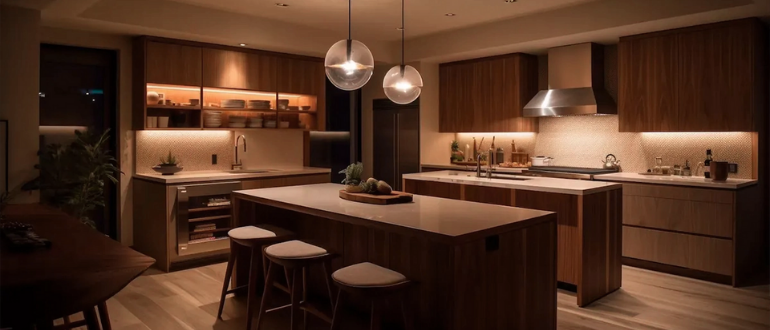
Lighting Beyond Function: How The Licht Project Transforms Modern Spaces
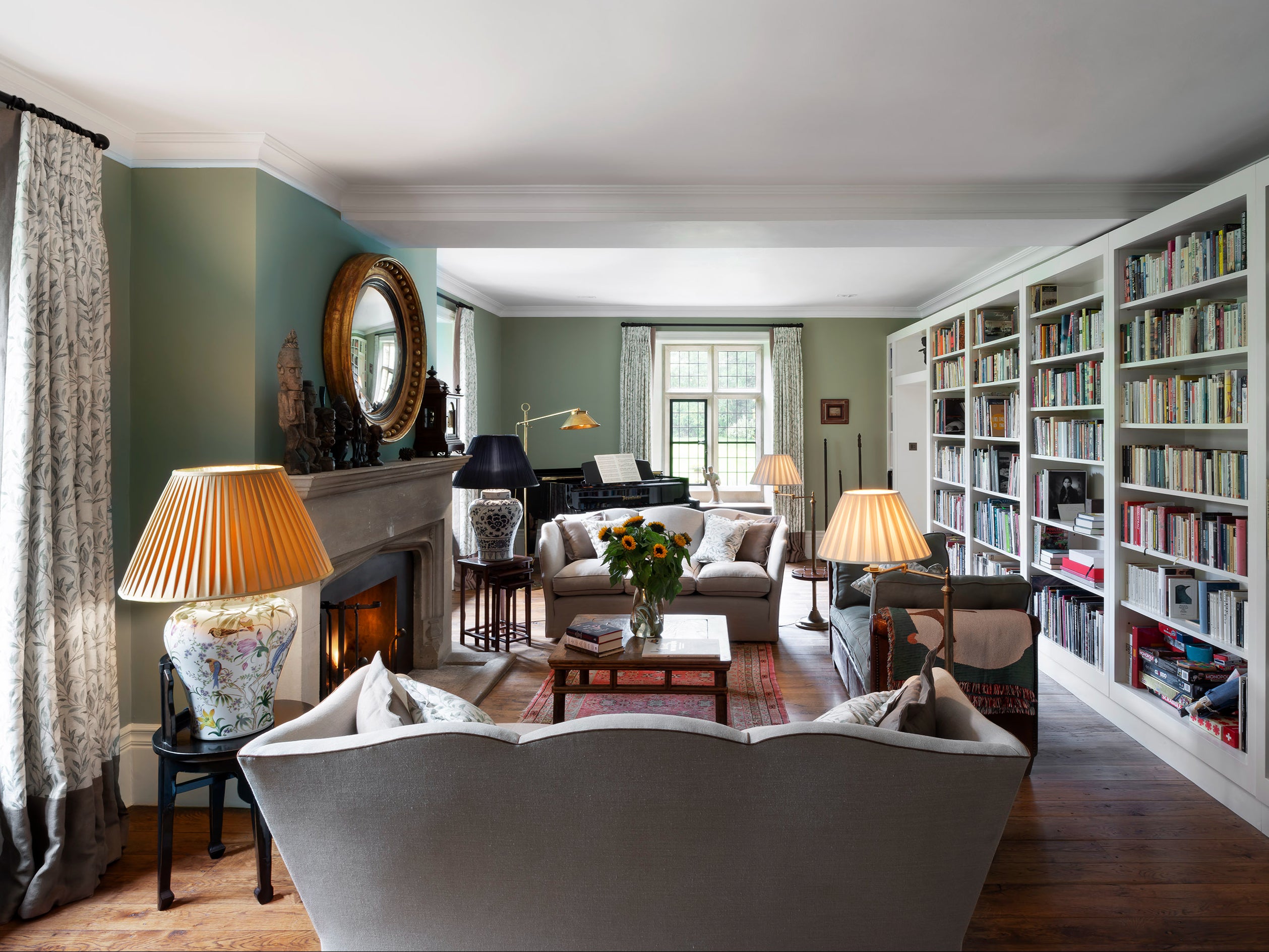
As clocks go back, expert lighting tips to get you through the darker months
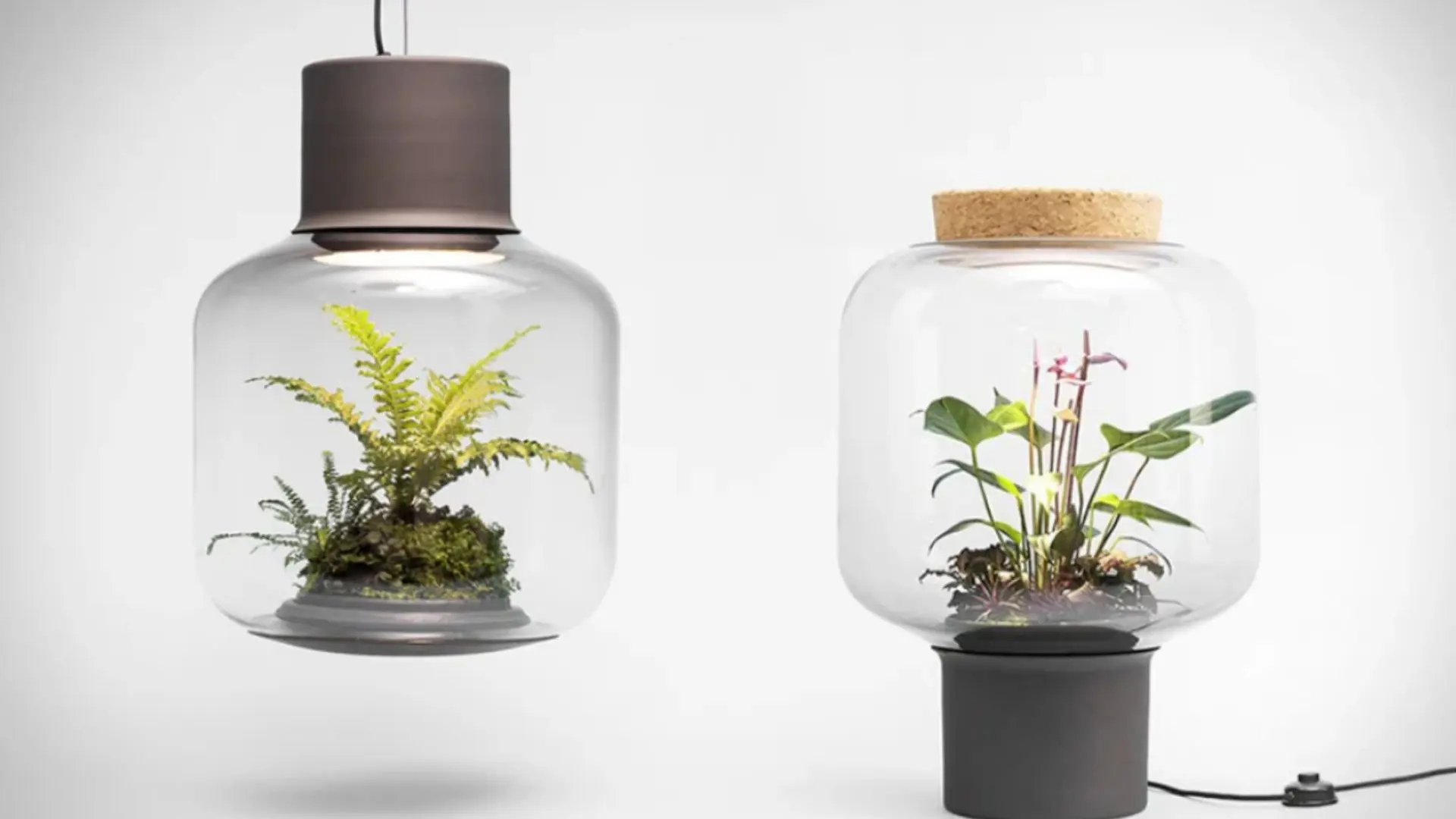
10 biophilic lighting designs that leverage the power of light

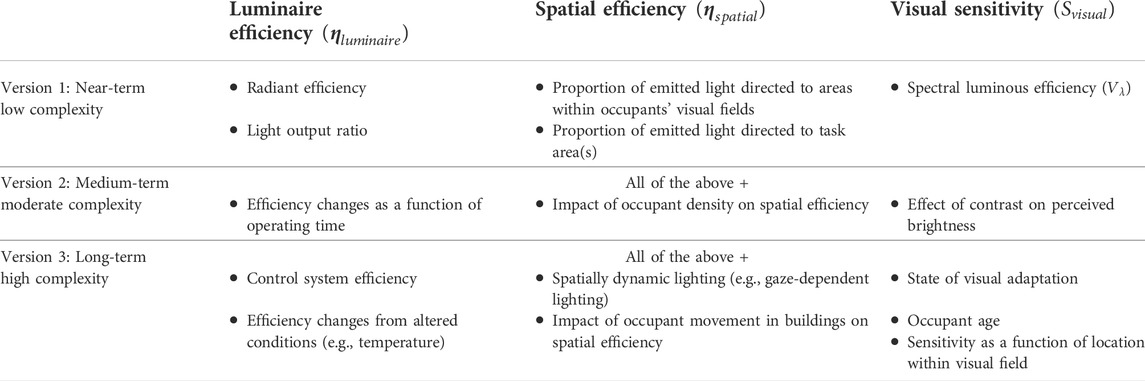
Lighting application efficacy: A framework for holistically measuring lighting use in buildings

Best new lighting designs to brighten up your space

Designers Share Their Best Tips for Acing Ambience in the Living Room with Lighting
5 Easy, Designer-Approved Lighting Hacks to Brighten Up Your Home

Get your home's lighting just right: Seven questions answered
5 sustainable home solutions that won’t cramp your style

An interior designer’s guide to lighting your home

Light up your home with these top lighting trends for 2024

5 Design-Friendly Smart Lighting Styles to Personalize Your Home | Reviews by Wirecutter
Lighting Trends 2025: 12 illuminating ways to elevate your interiors with on-trend designs

Experts Say These 6 Lighting Trends Will Be Illuminating Homes in 2025