1/4
As clocks go back, expert lighting tips to get you through the darker months
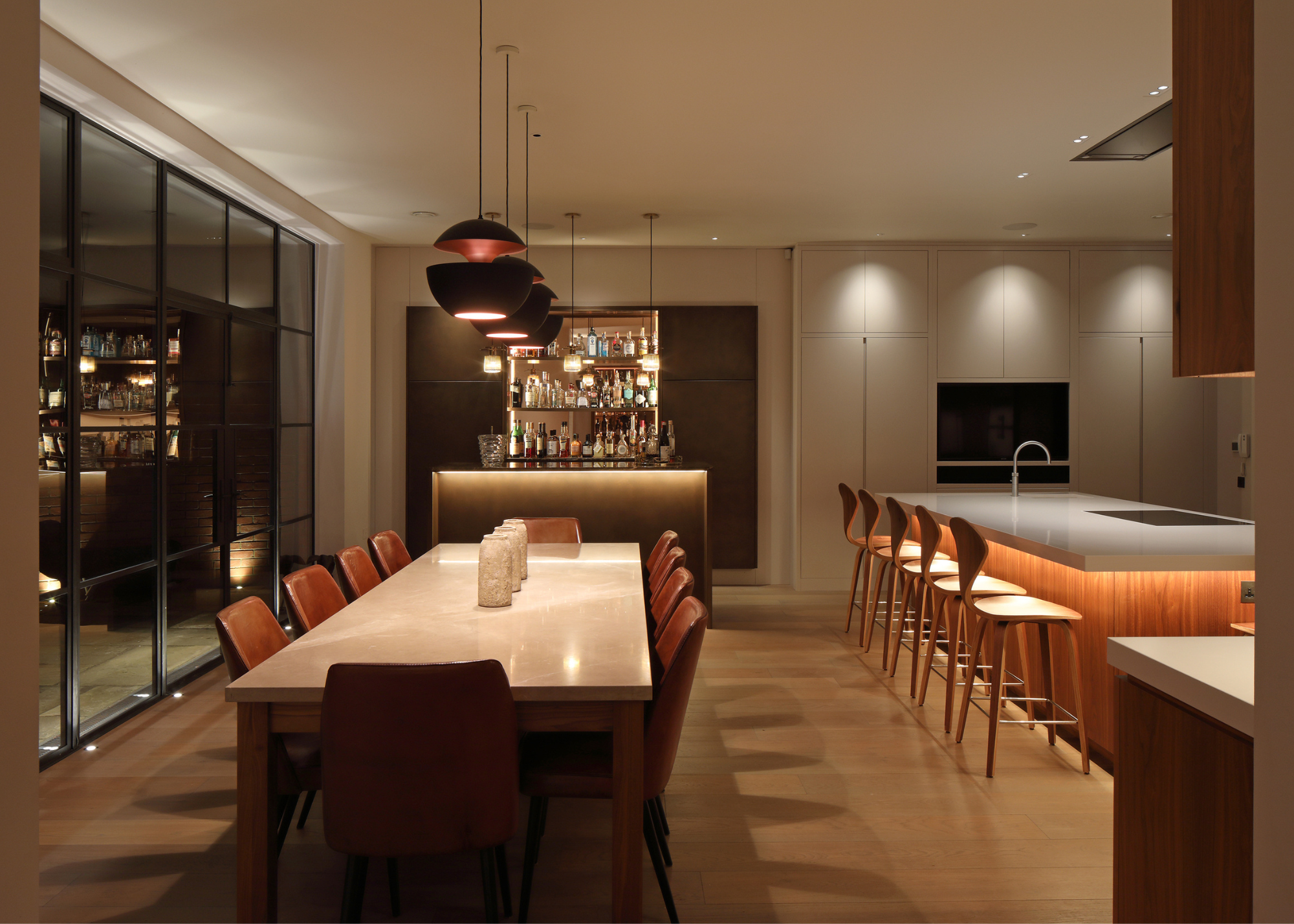
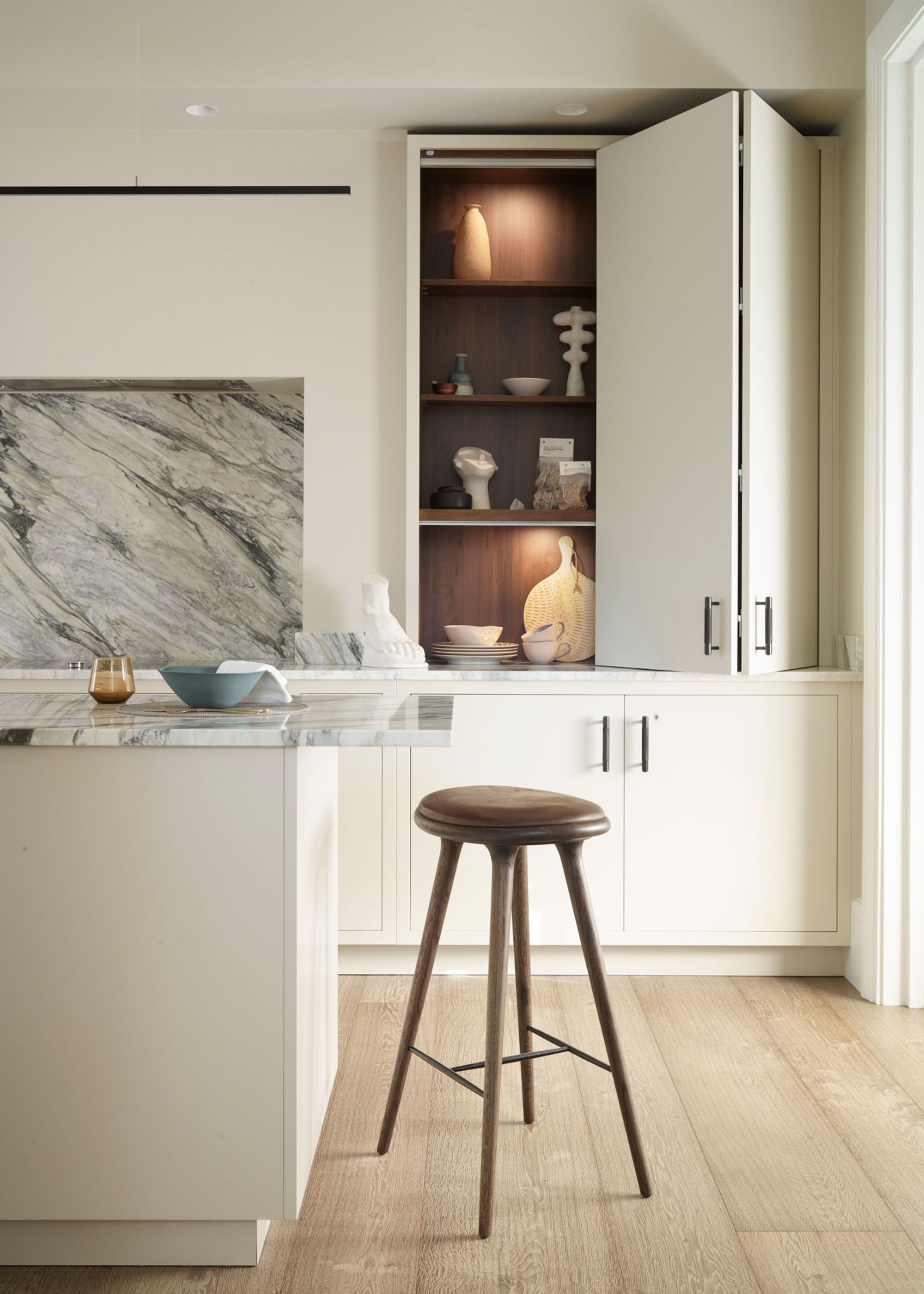
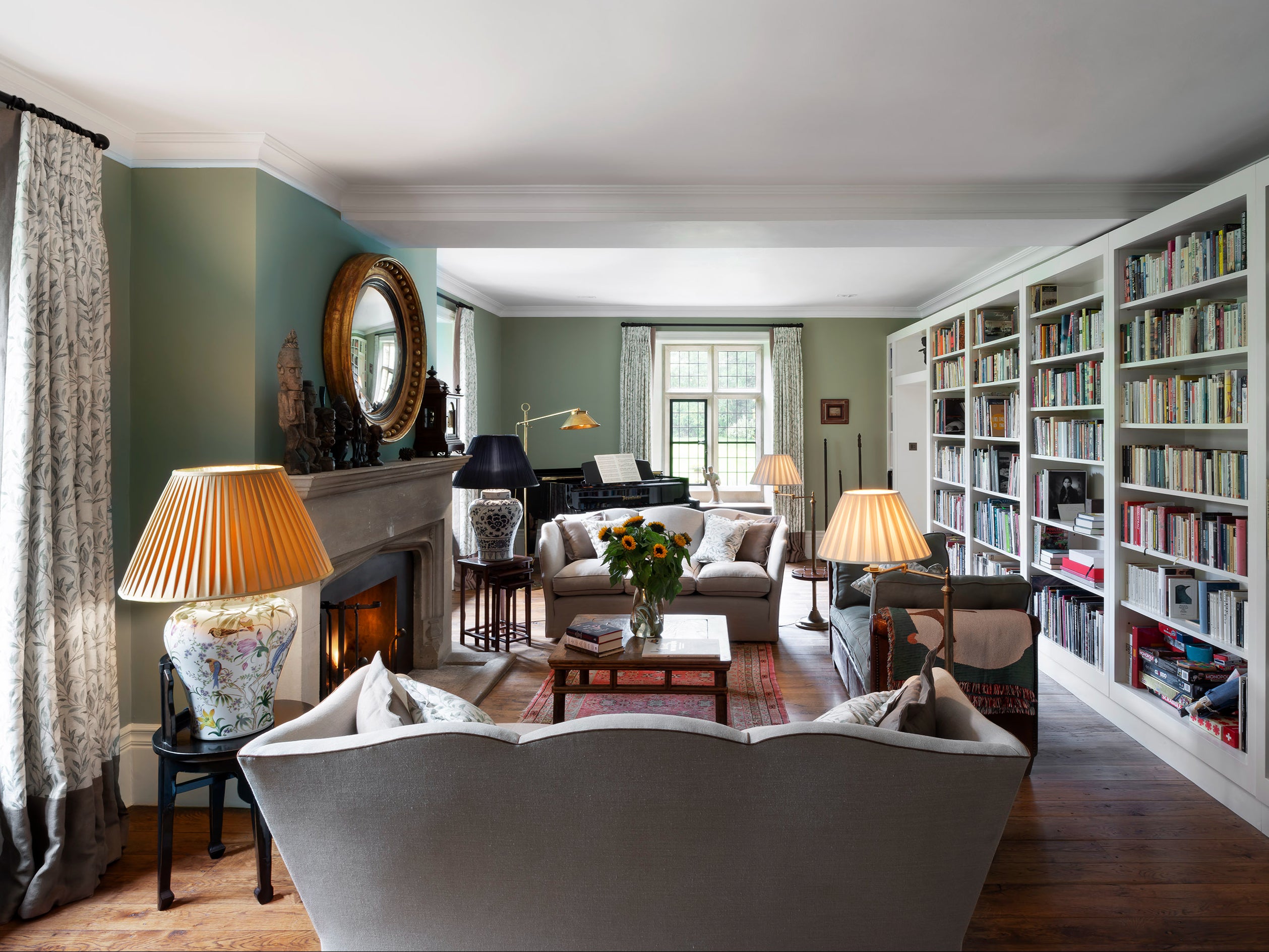
As the colder, darker months approach, effective home lighting becomes crucial not only for practical tasks but also for enhancing mood and ambiance. This article compiles expert advice on how to optimize lighting in your home, moving beyond basic illumination to create a more inviting and functional living space. Richard Parr, founder of Richard Parr Associates, emphasizes the importance of separating task lighting from atmospheric lighting. While task lighting is essential for activities like cooking, reading, and personal grooming, atmospheric lighting offers an opportunity for creativity and enjoyment, adding a vital dimension to interiors and architecture. He suggests considering how lighting can enhance appreciation for art, furniture, and plants, ultimately aiming to improve well-being.
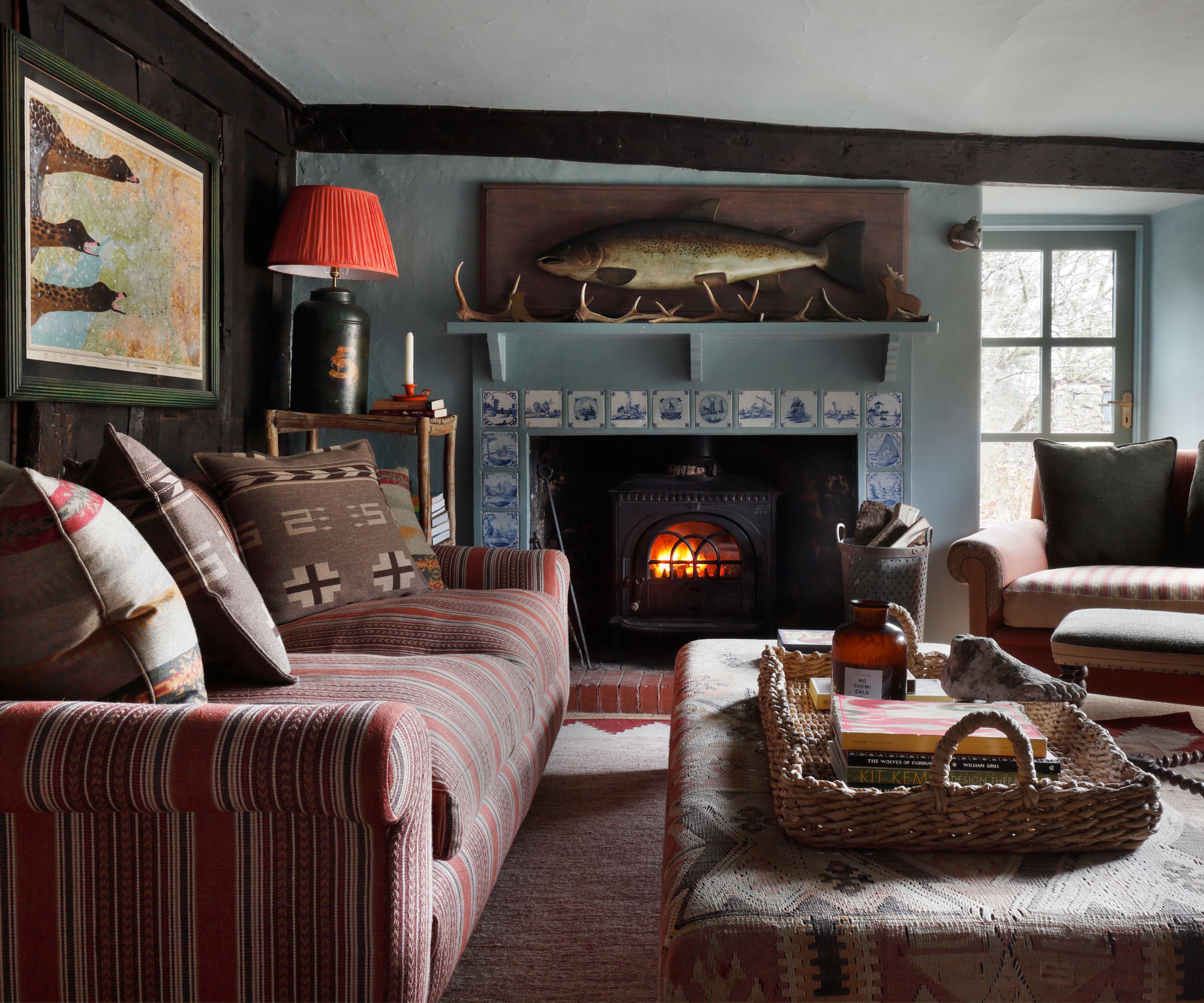
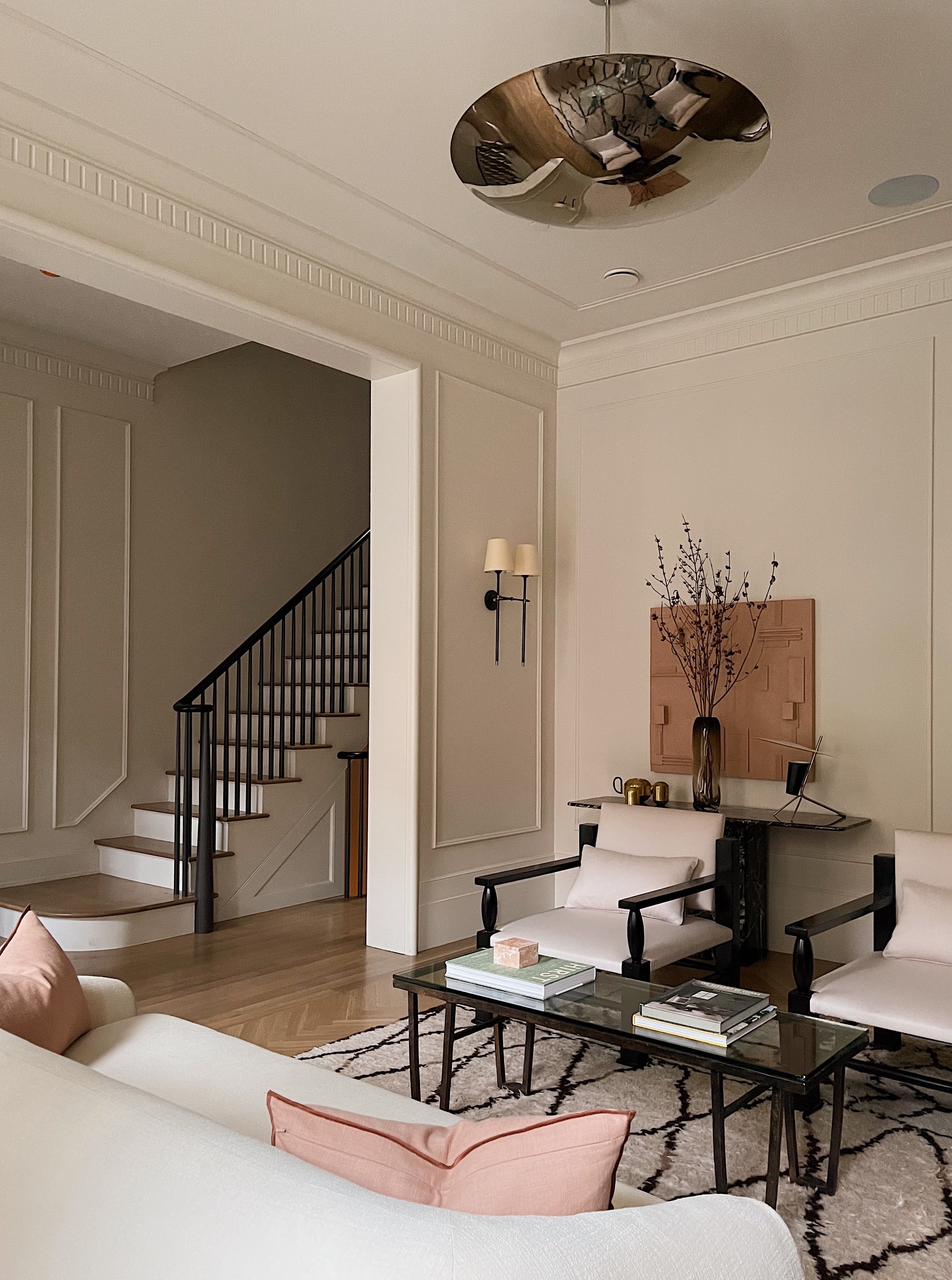
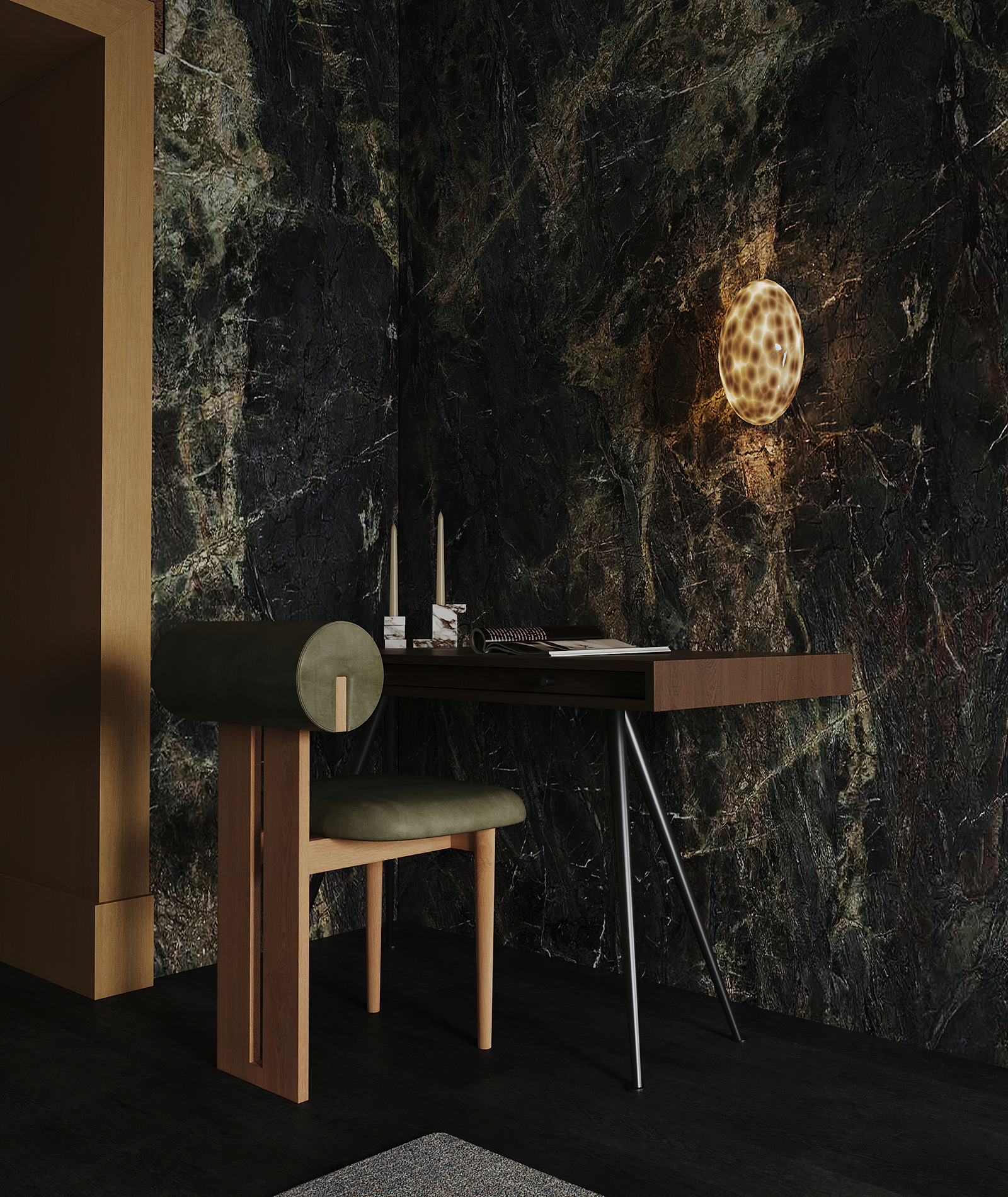
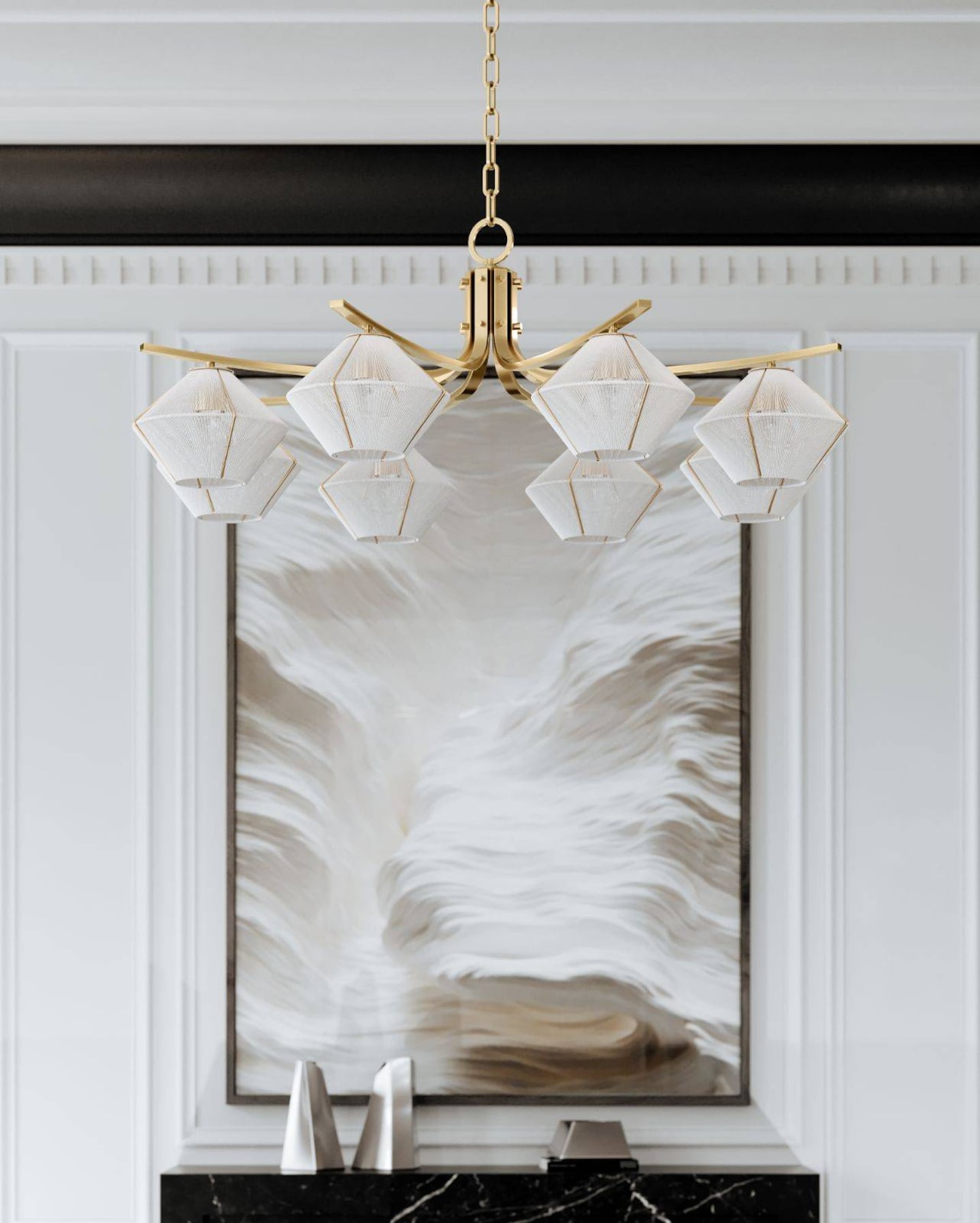
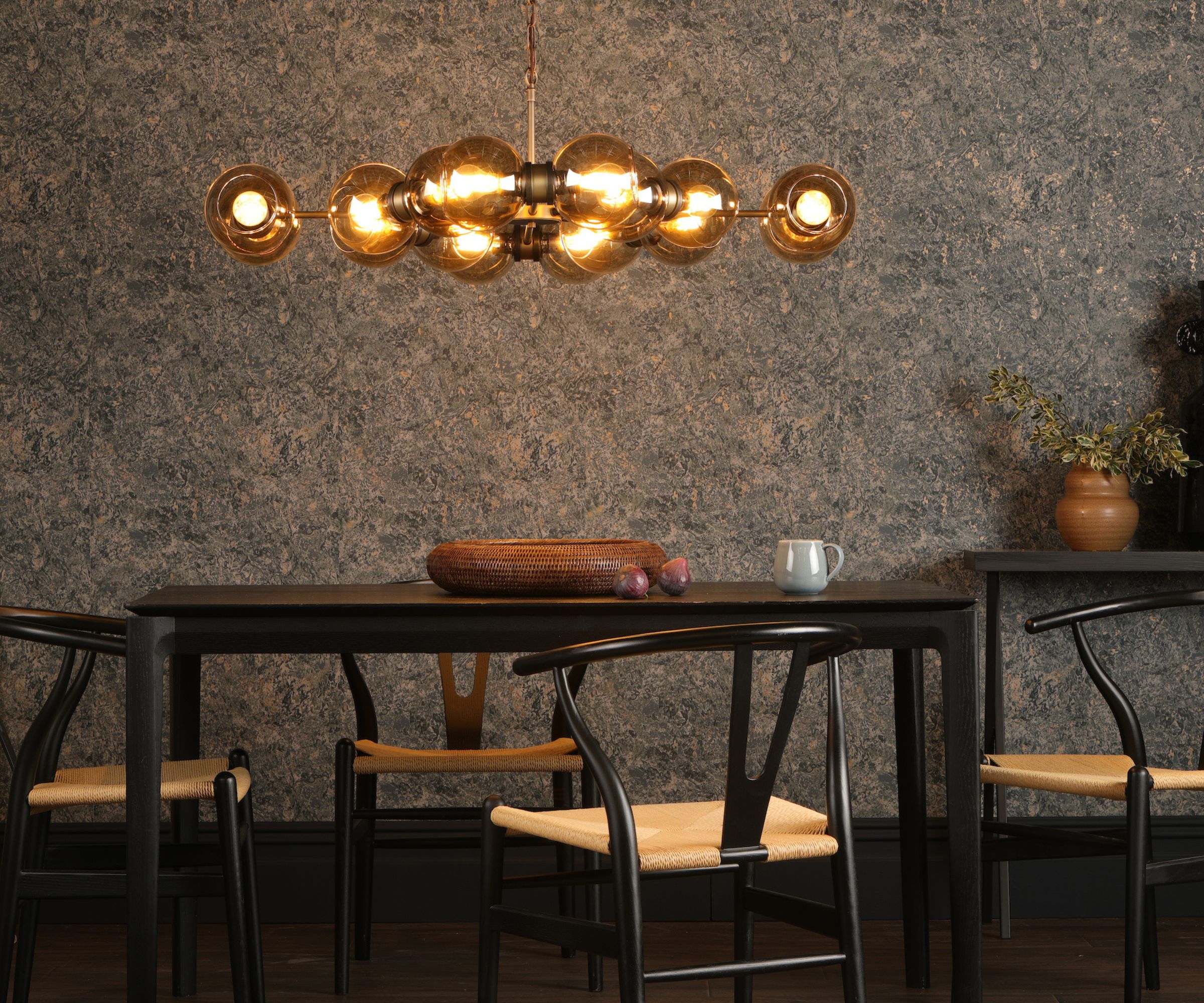
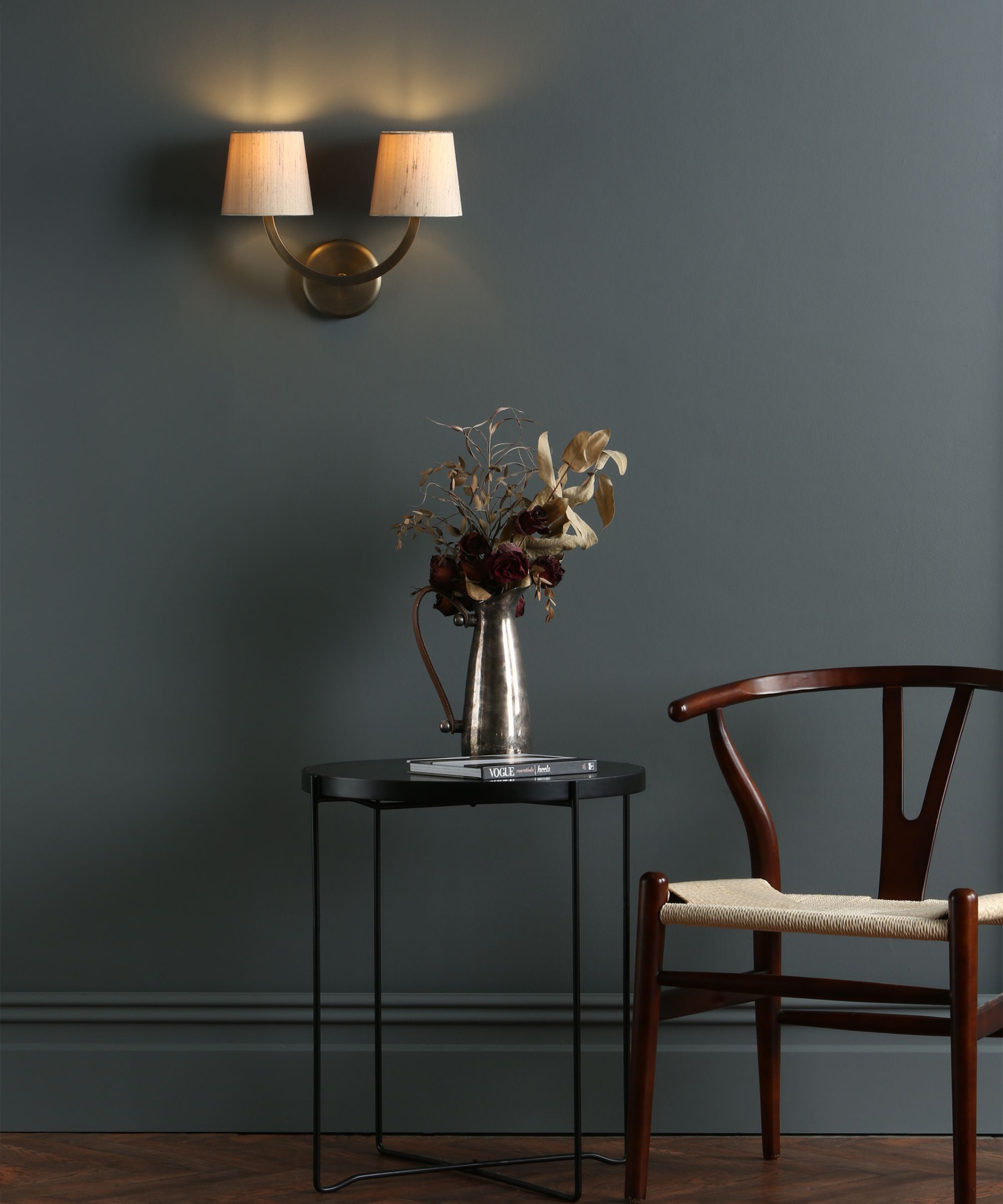
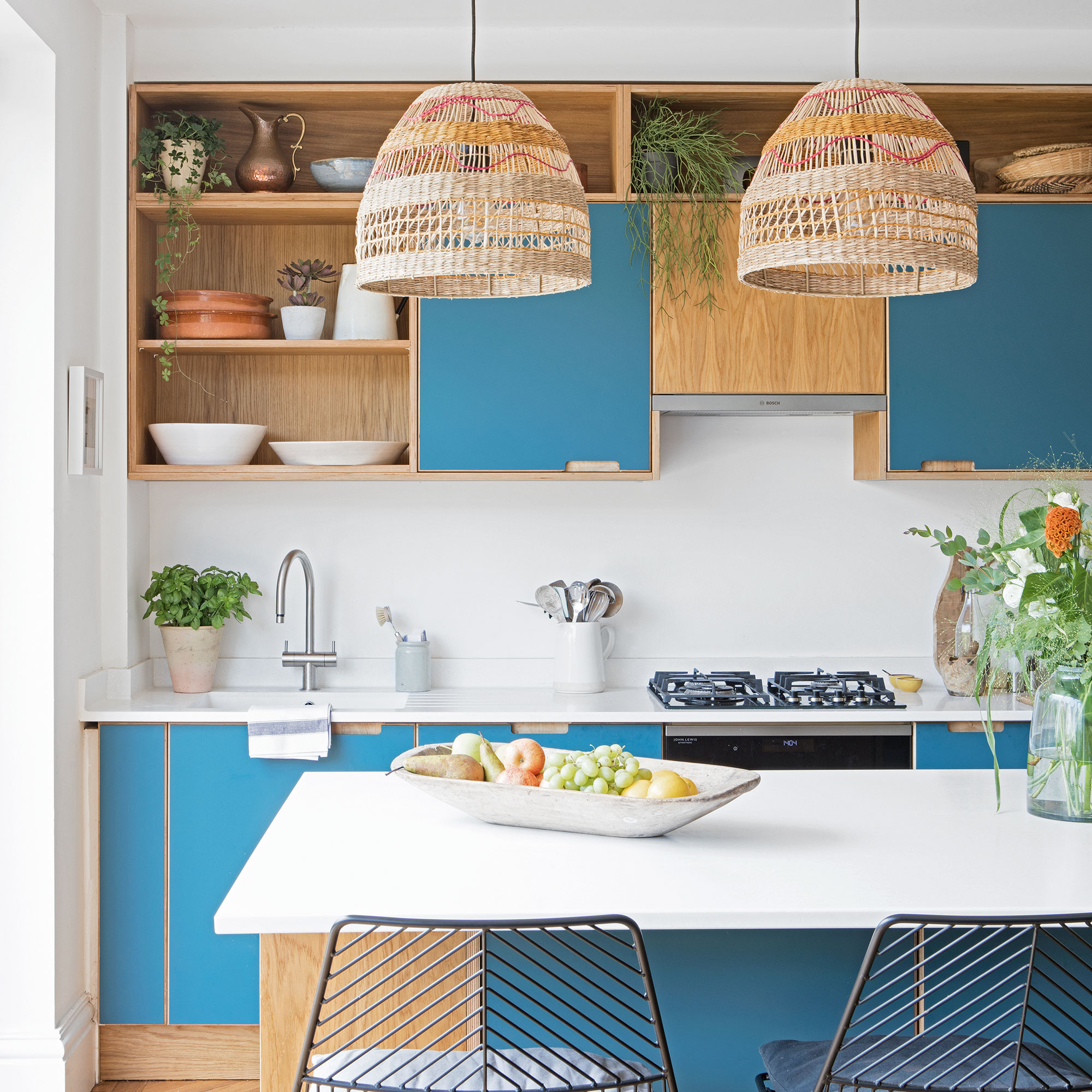
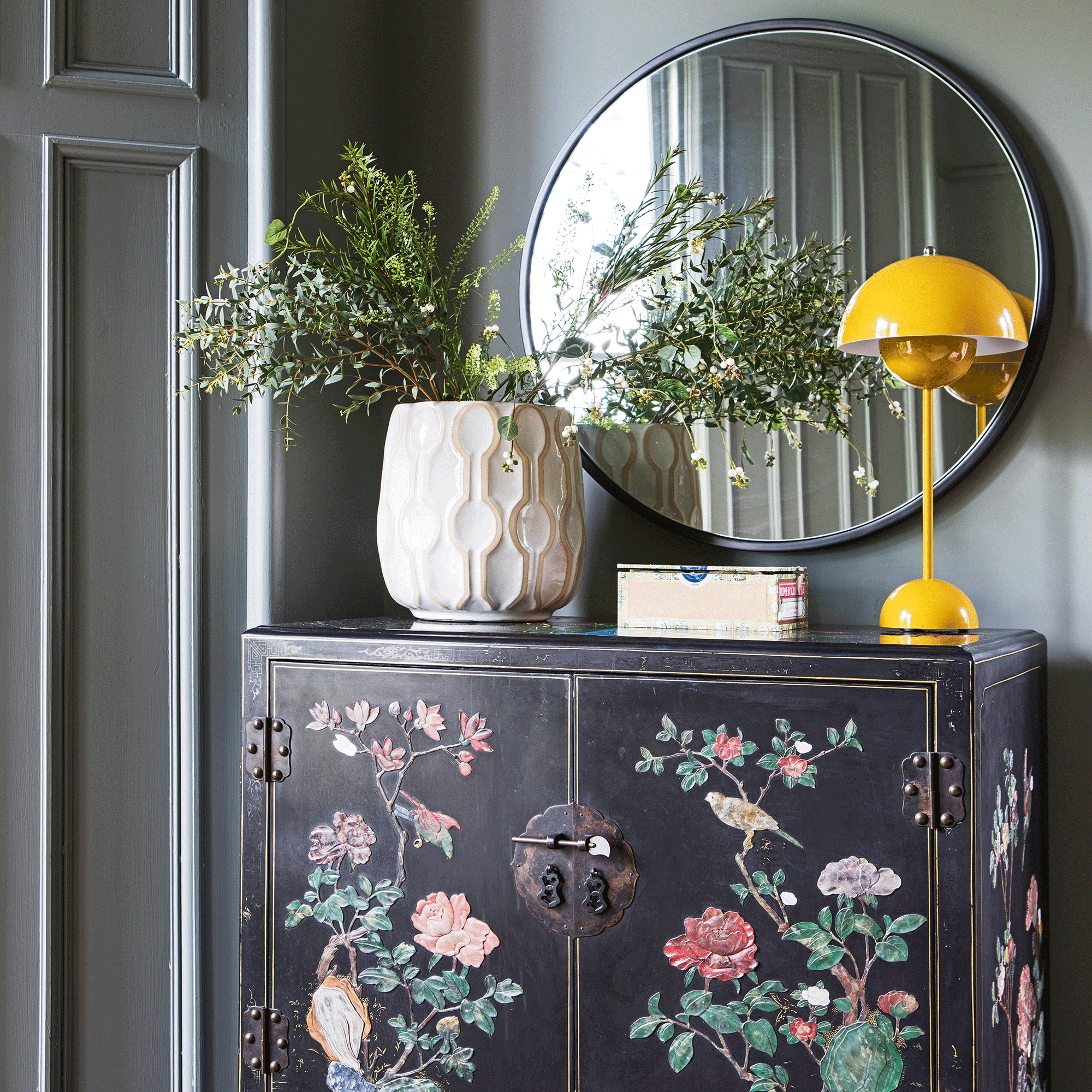
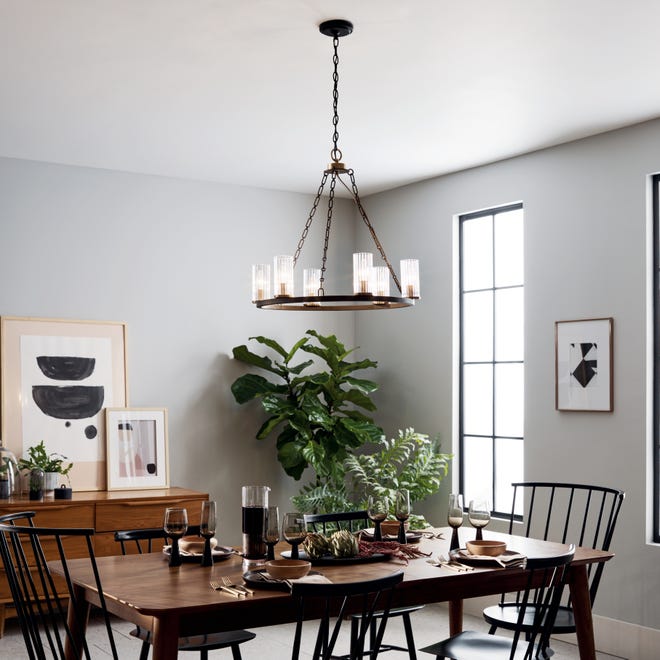
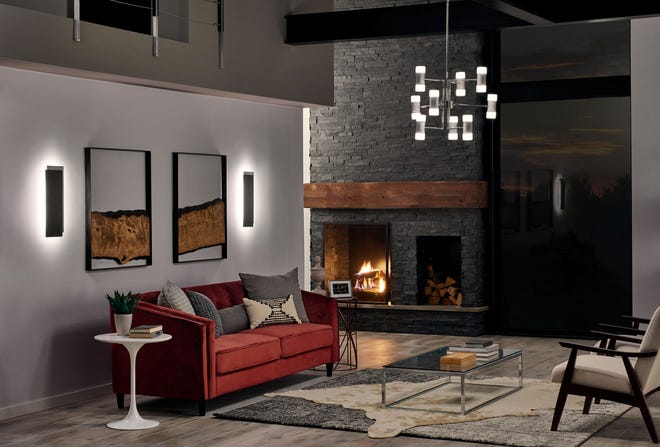
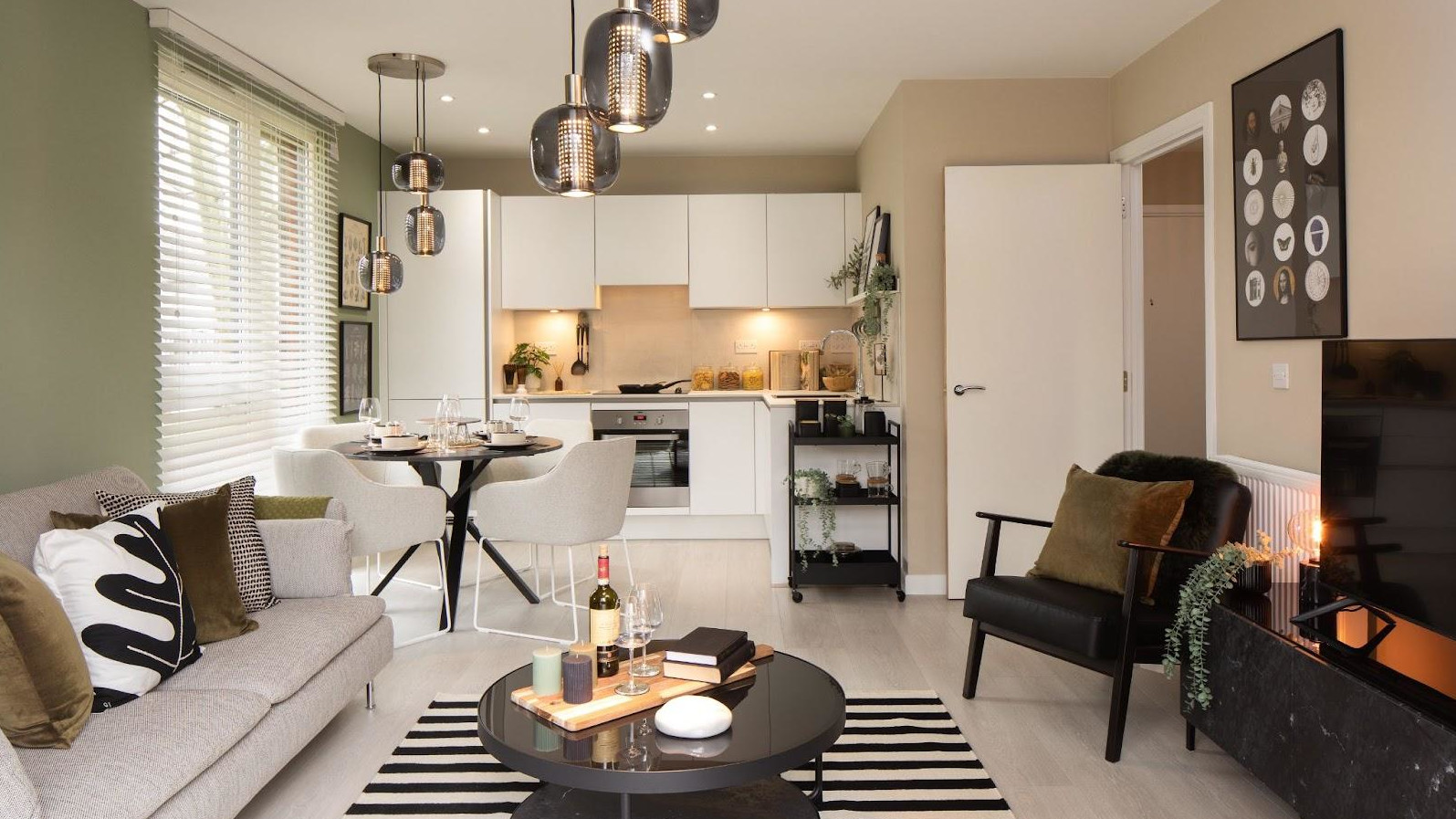
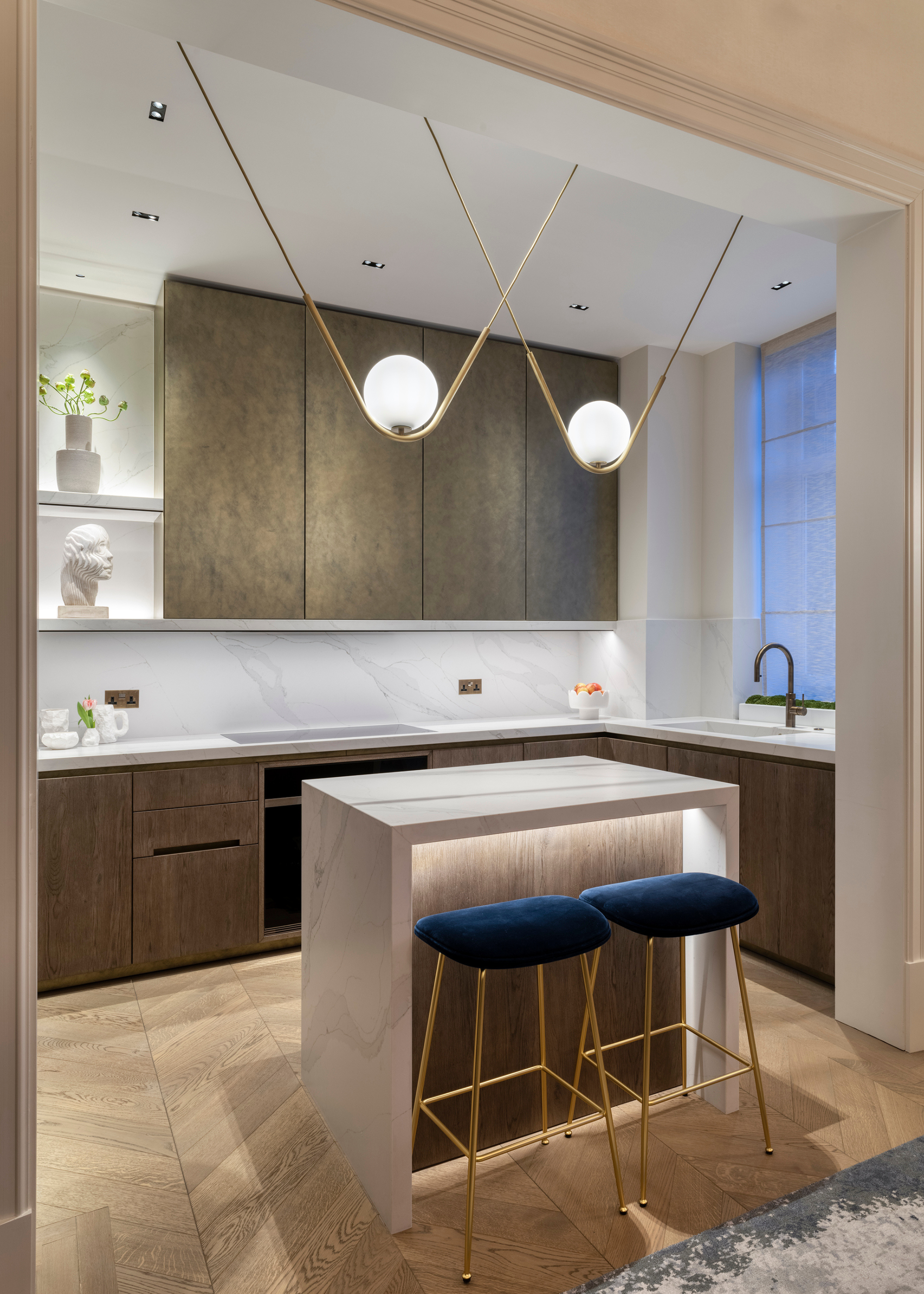
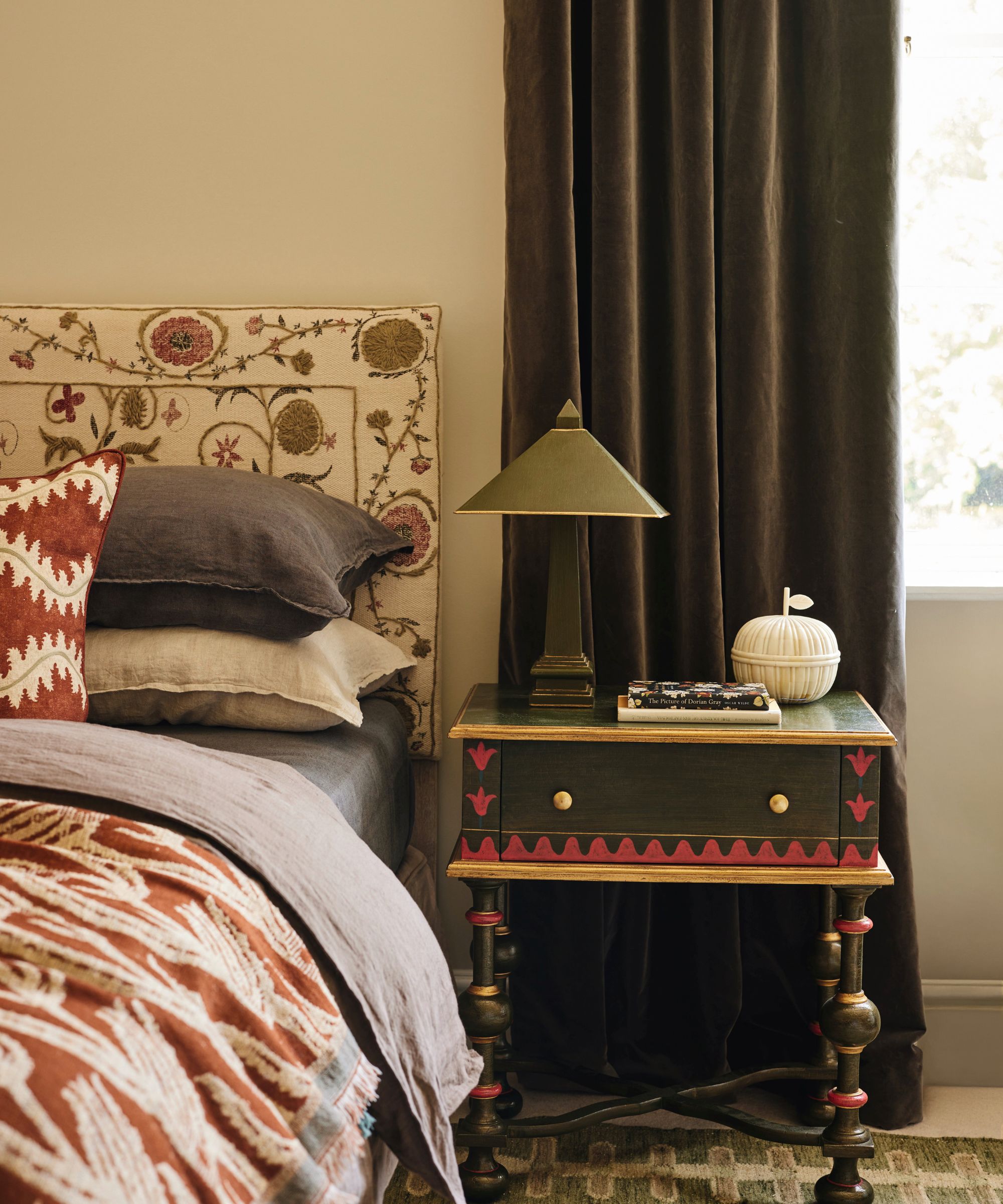
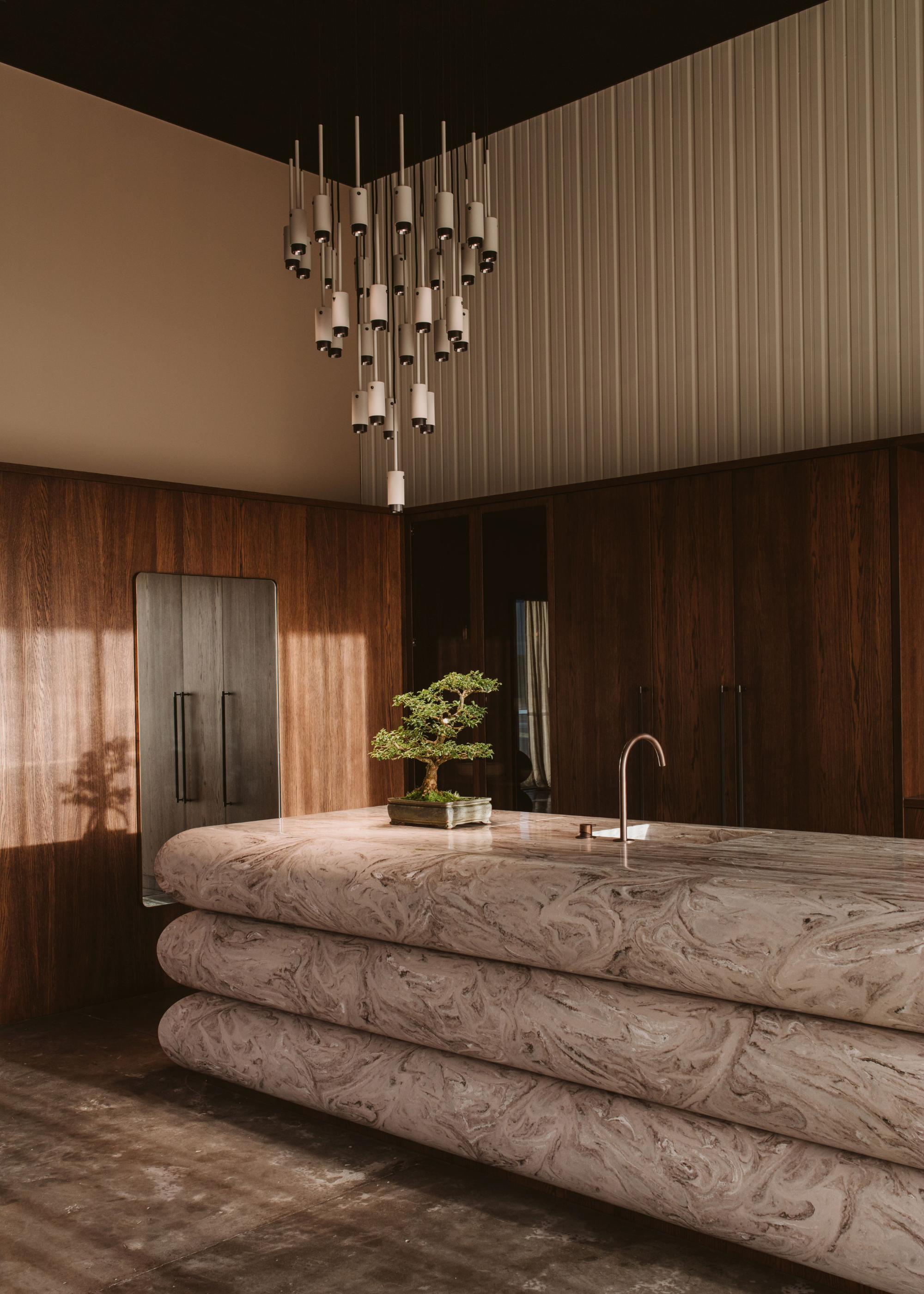
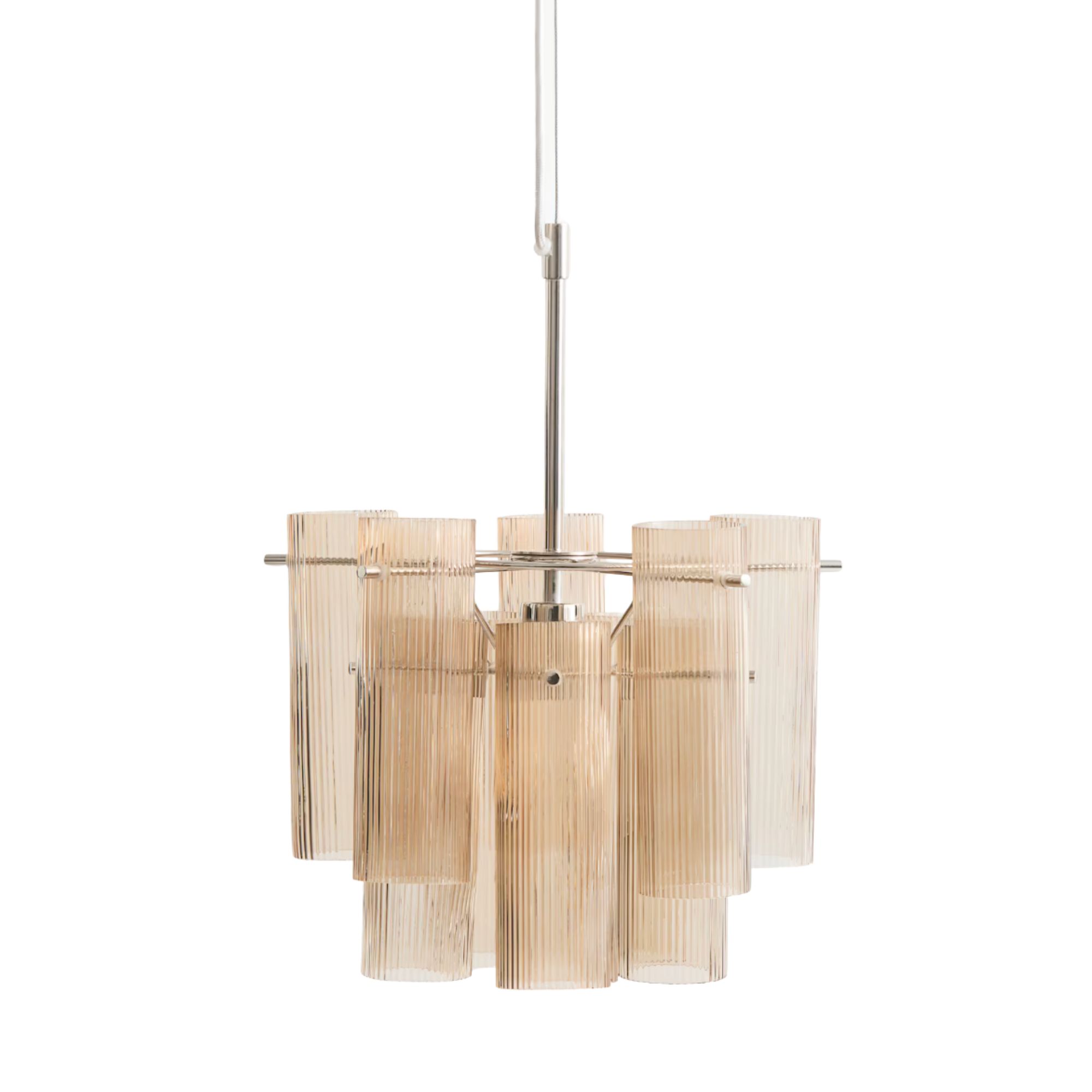
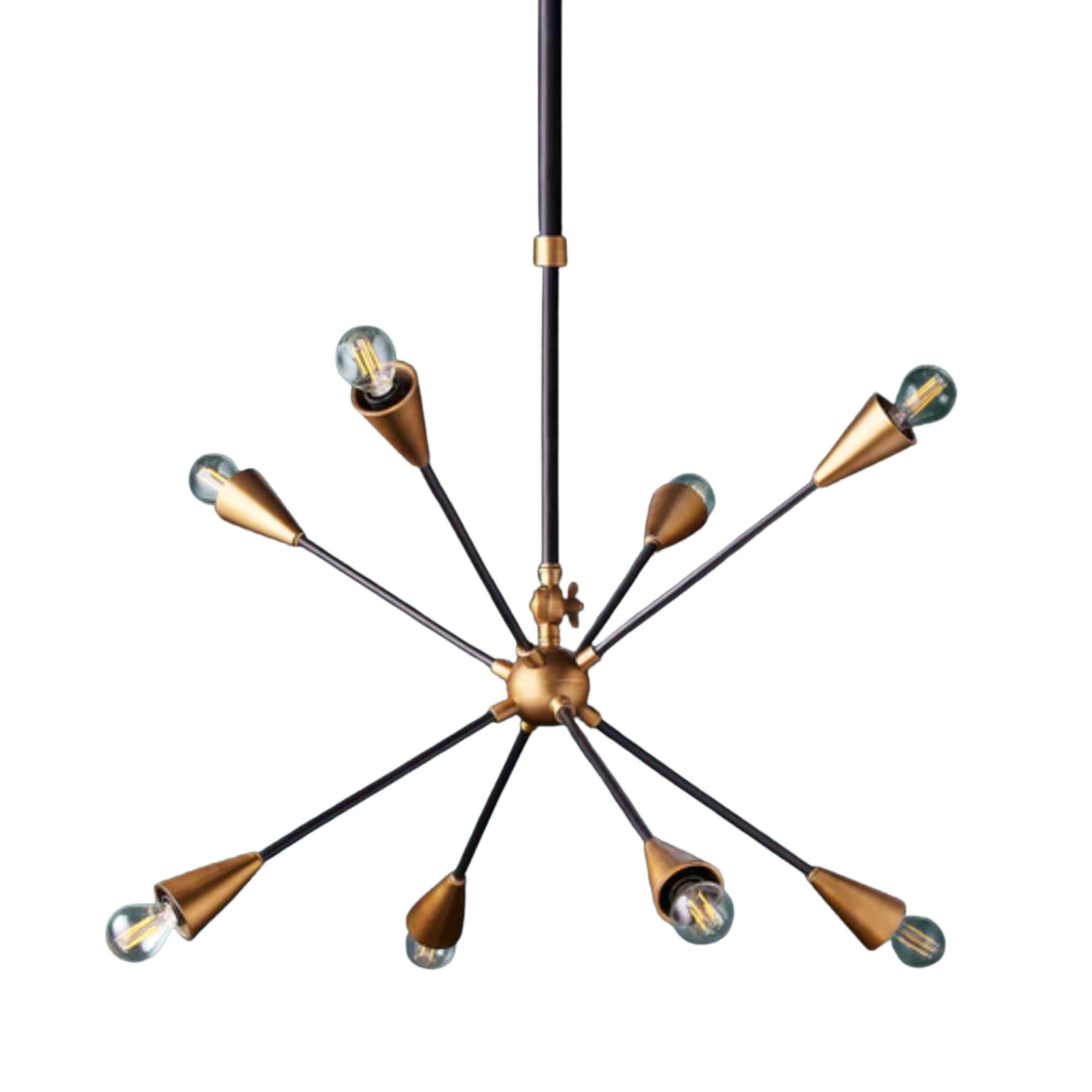
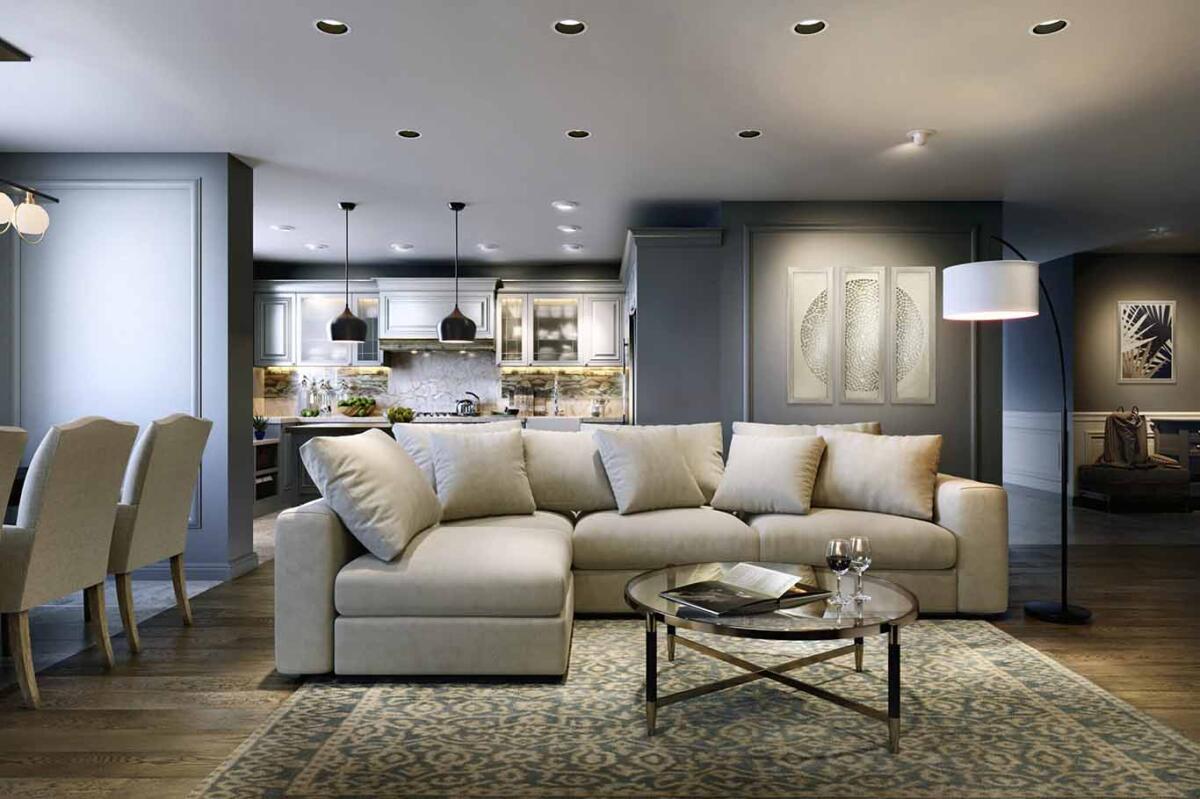
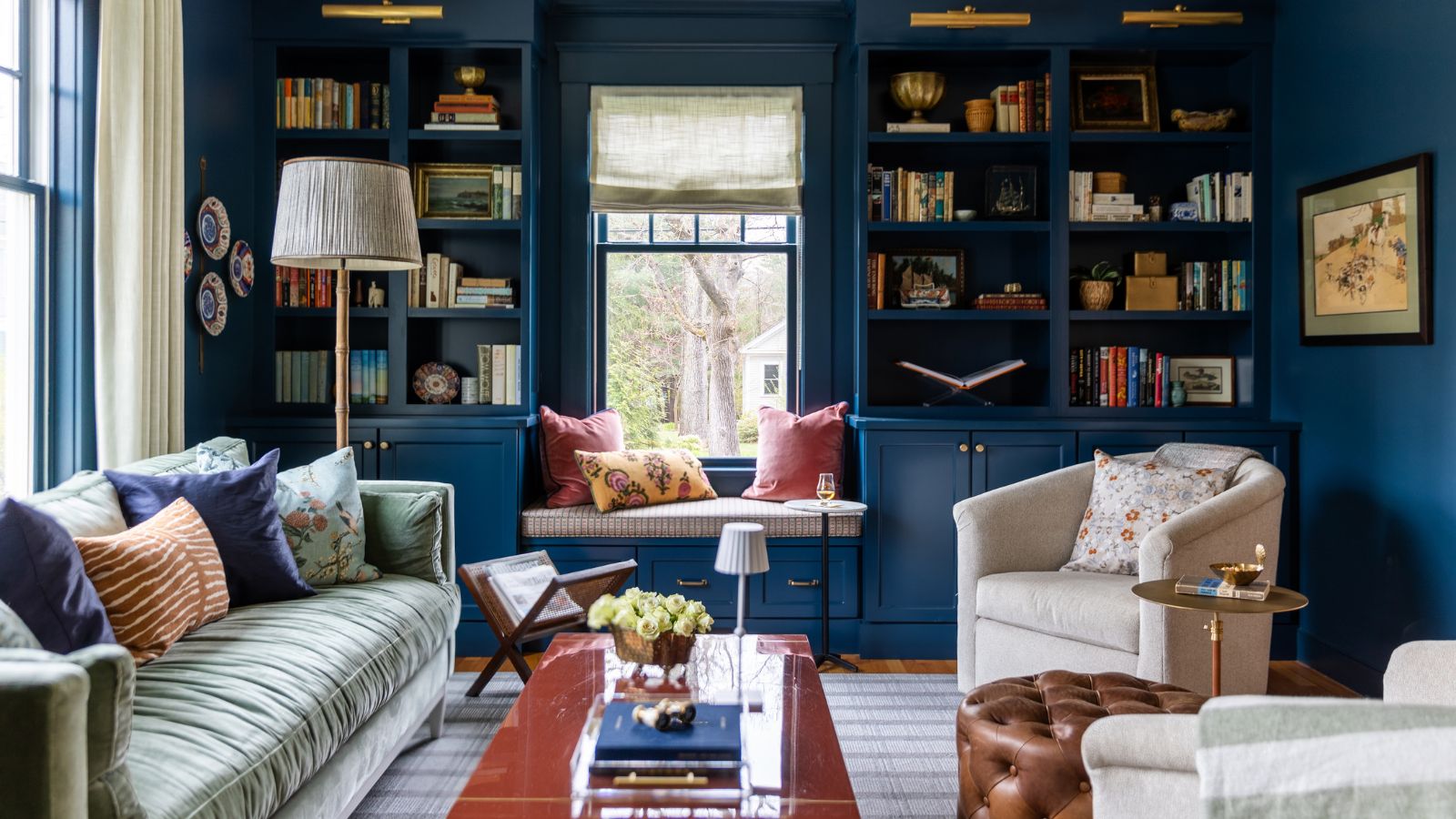
Martin Waller of Andrew Martin advises using lighting to make a statement, suggesting dramatic pendant lights as a primary source, complemented by statement table lamps to build atmosphere. Wall lights can serve as accent lighting to highlight specific features. He also notes that strategic lighting can create distinct zones within a room, with pendant lights over dining areas and task lamps for cozy reading corners. Naomi Astley Clarke, an interior designer, warns against overhead spotlights and cool-white bulbs, which can make a space feel clinical. Instead, she recommends soft, warm wall lighting for areas like entryways and living rooms, along with picture lights for bookshelves and wall art to achieve a high-end finish. For darker rooms, she suggests gilded or pearlescent wallpaper on ceilings to subtly brighten the space.
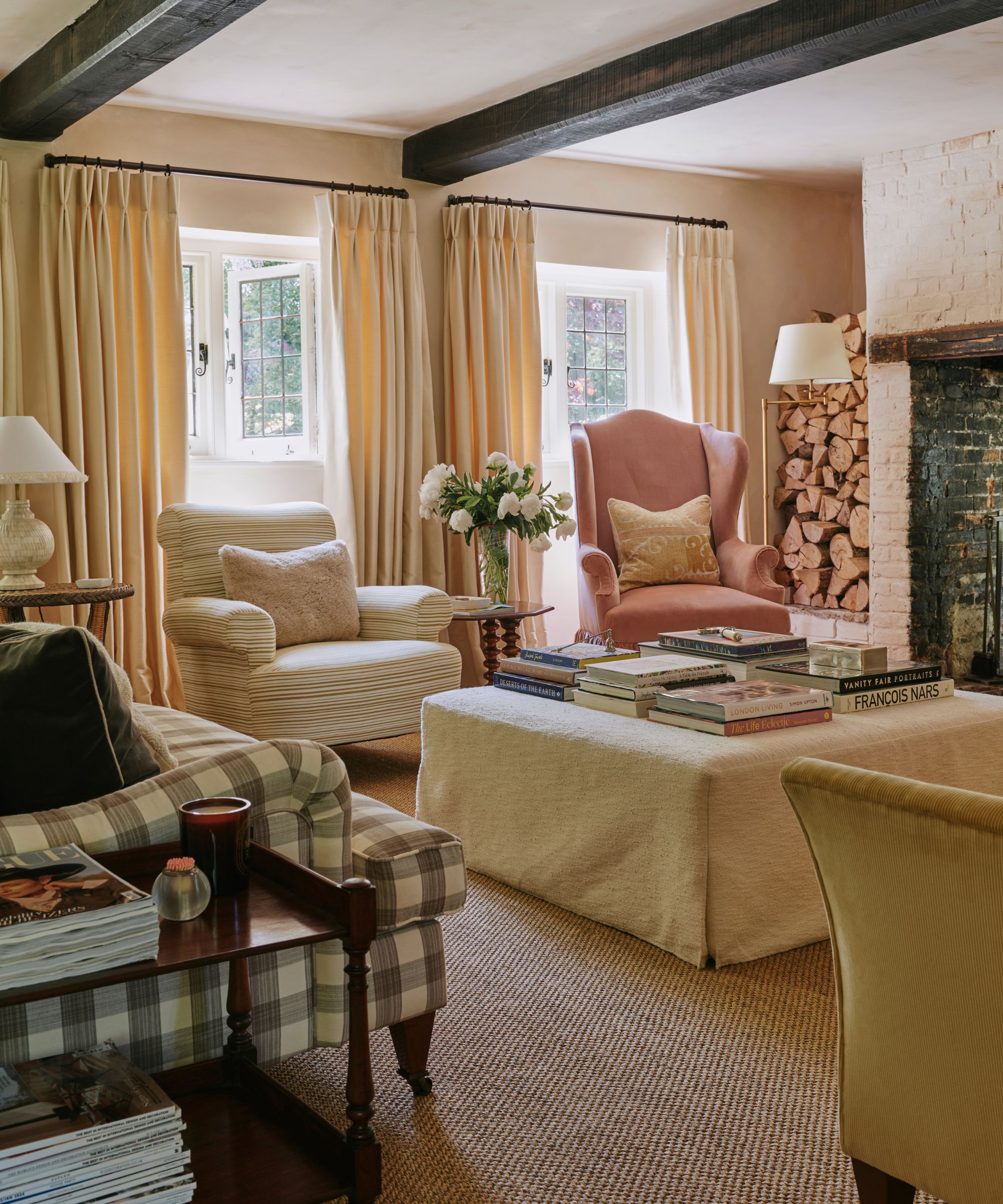
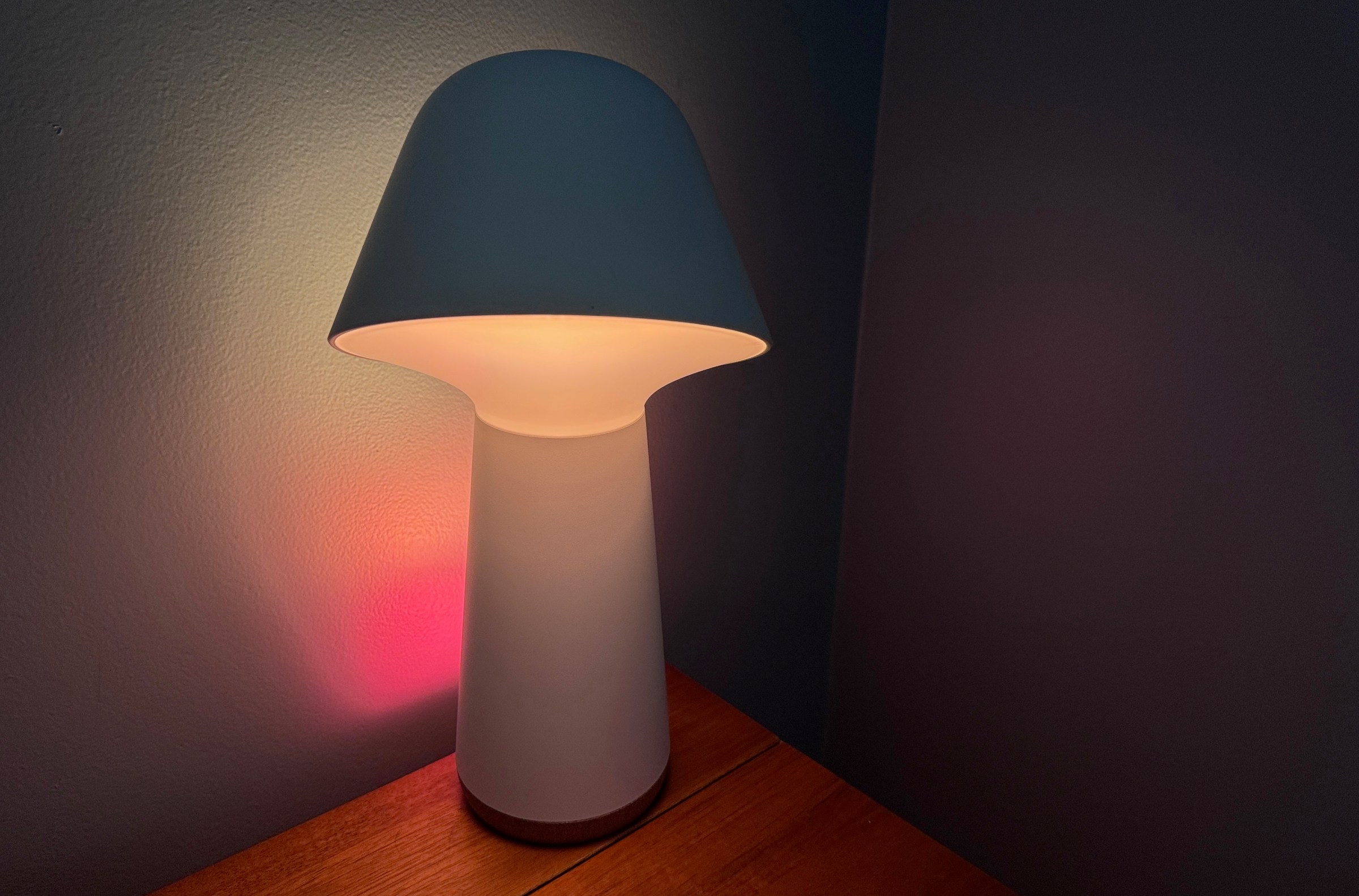
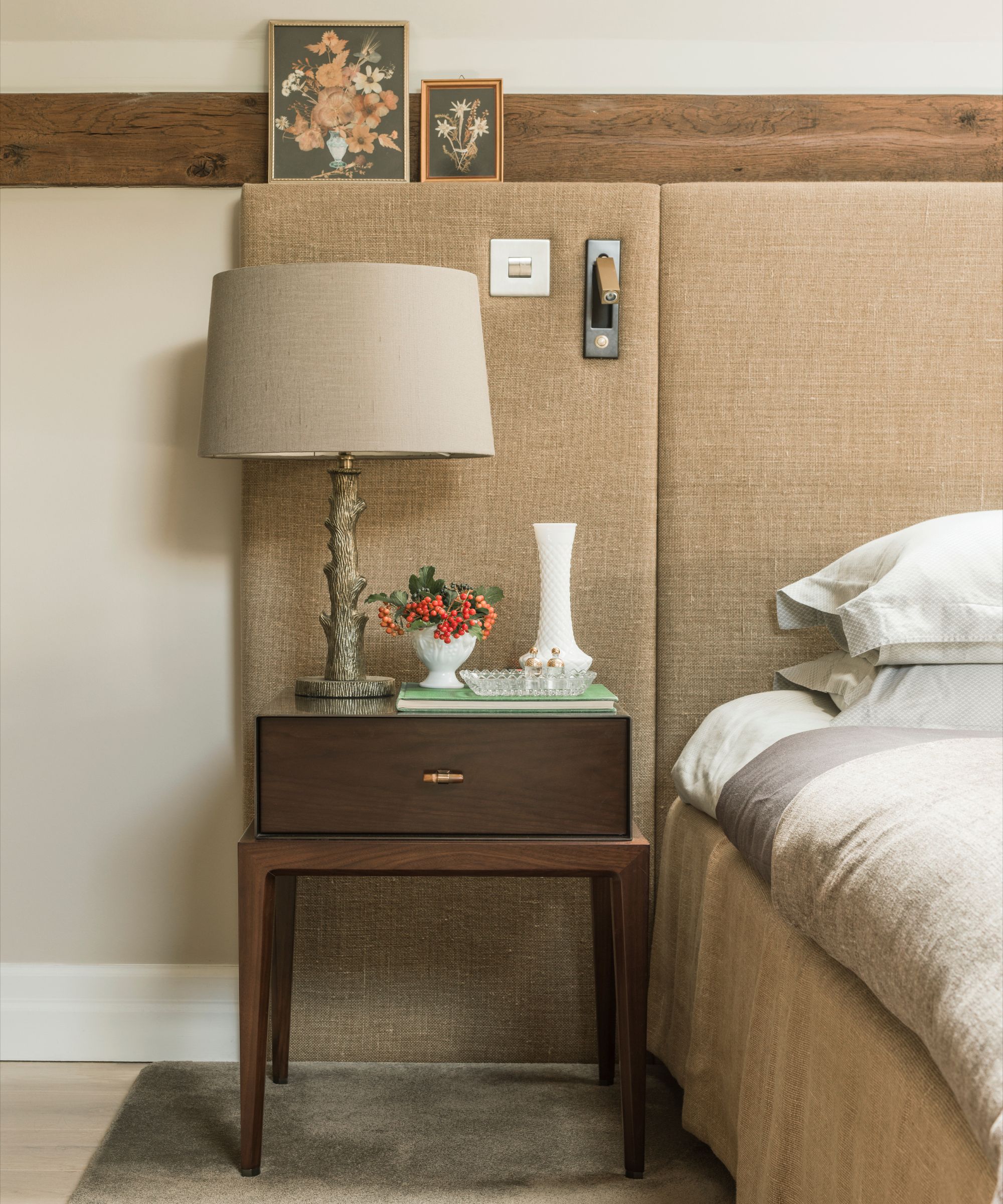
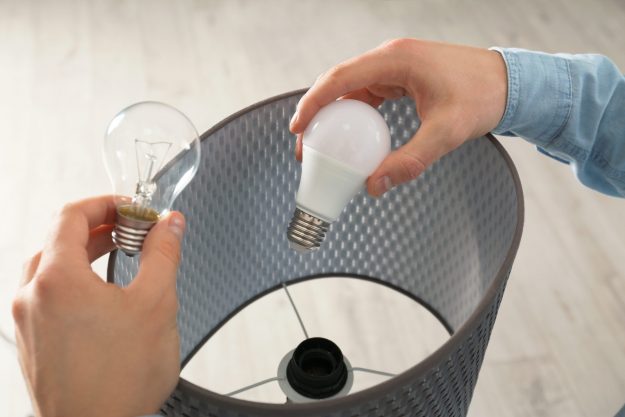
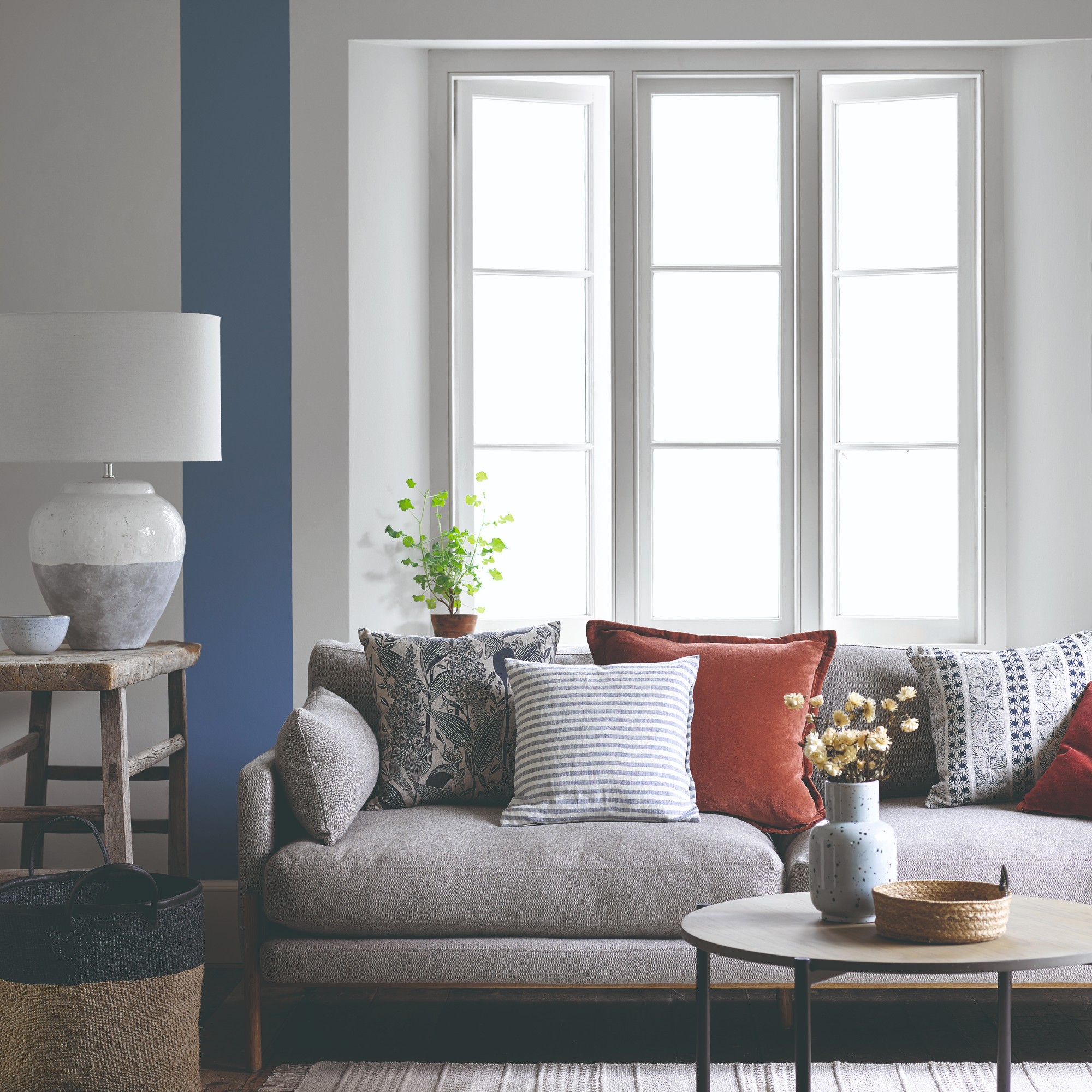
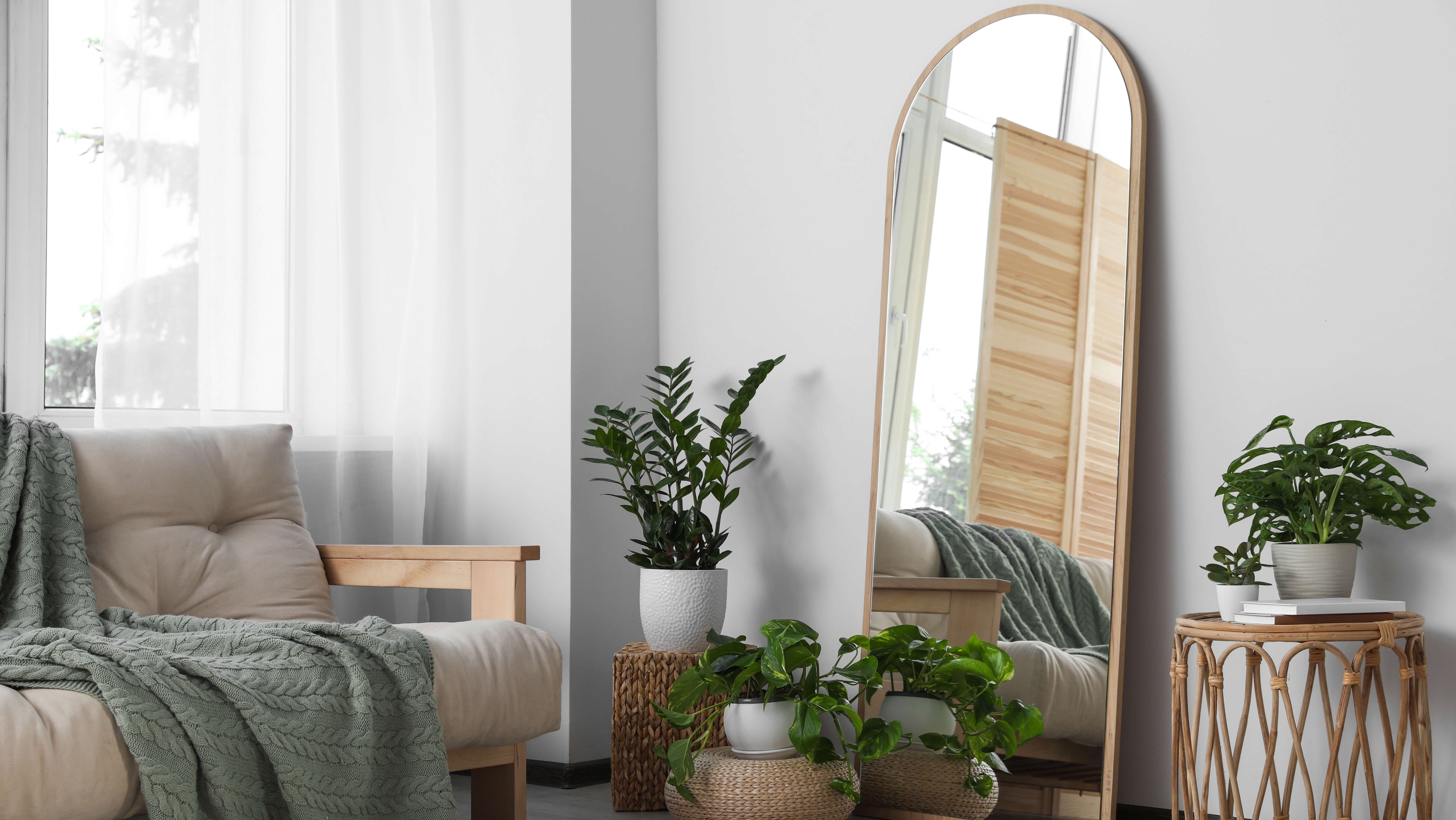
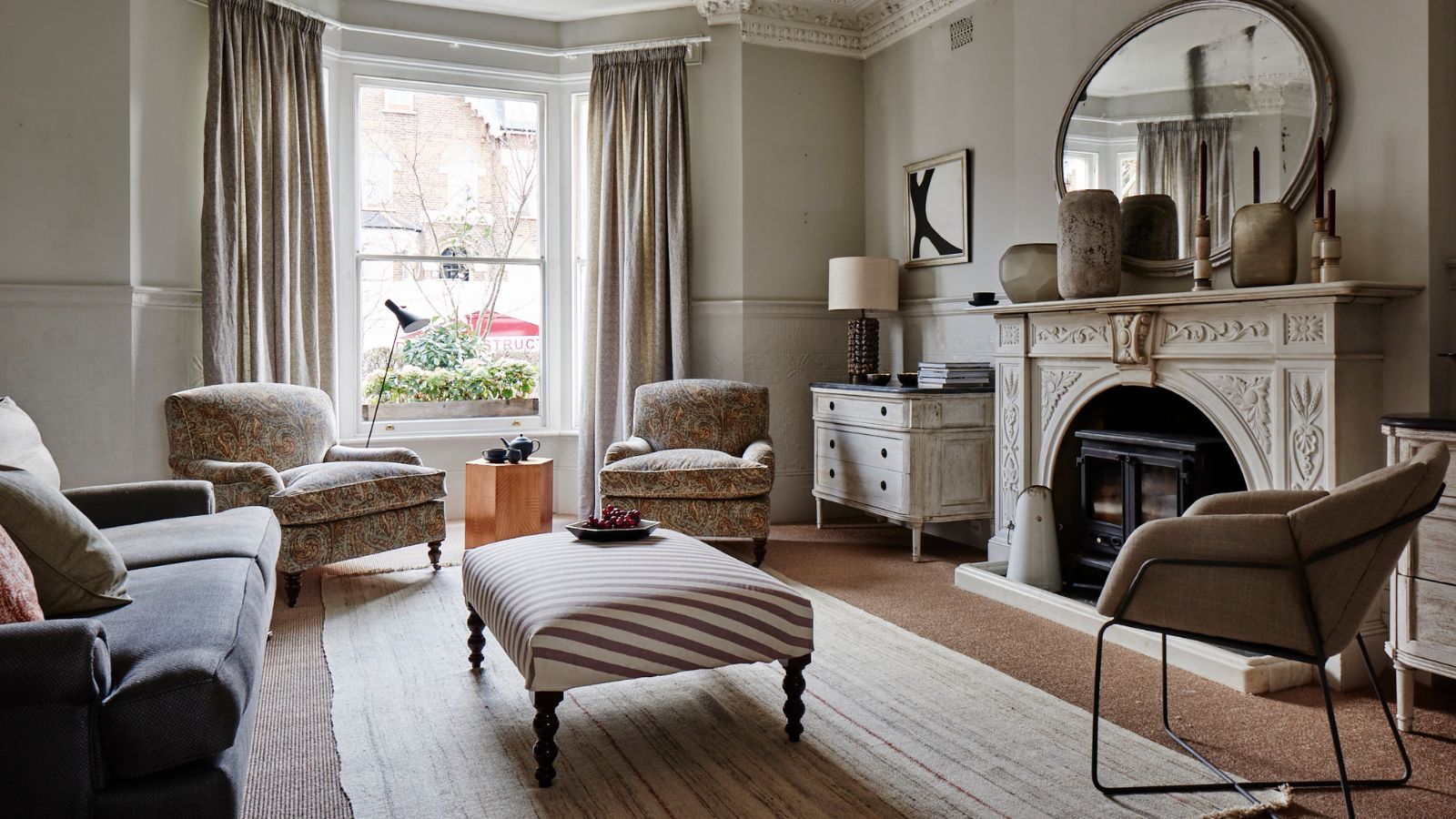
Niki Wright, co-founder of Lights & Lamps, highlights that lighting should adapt throughout the day. Even during dull daylight hours, artificial lighting can brighten a room and lift spirits. As evening approaches, she suggests incorporating lamps on side tables, worktops, or floor lamps to illuminate corners, and then dimming or switching off ceiling lights in favor of layered table lamps at different heights to create a cozy, cave-like atmosphere. Margit Argus of Studio Argus recommends using warm or soft white bulbs with lower color temperatures to mimic candlelight, and favoring concealed, minimalist, and long-lasting LED solutions for energy efficiency. She also emphasizes the strategic placement of mirrors to reflect both natural and artificial light, thereby enhancing perceived brightness and spaciousness.
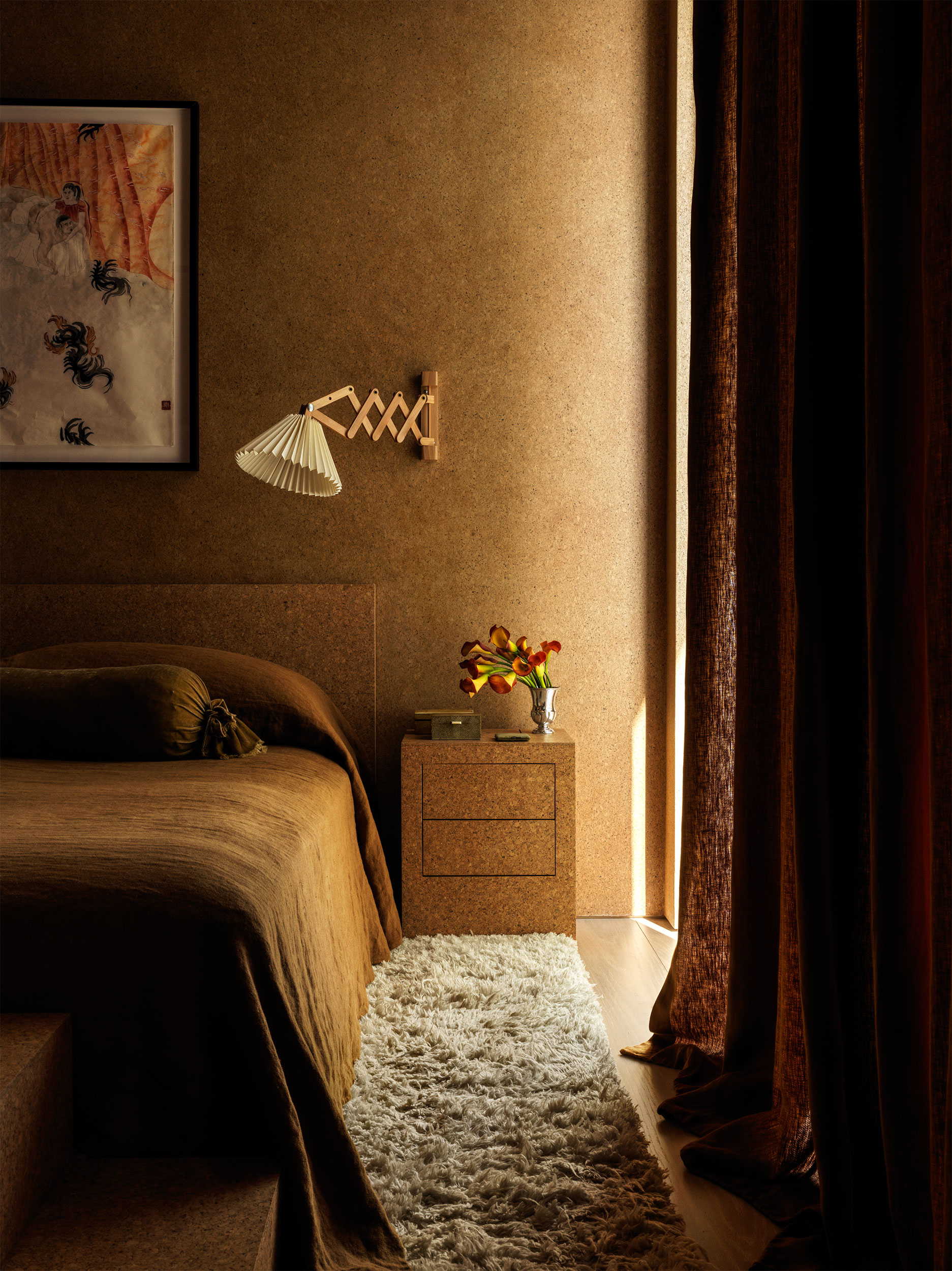
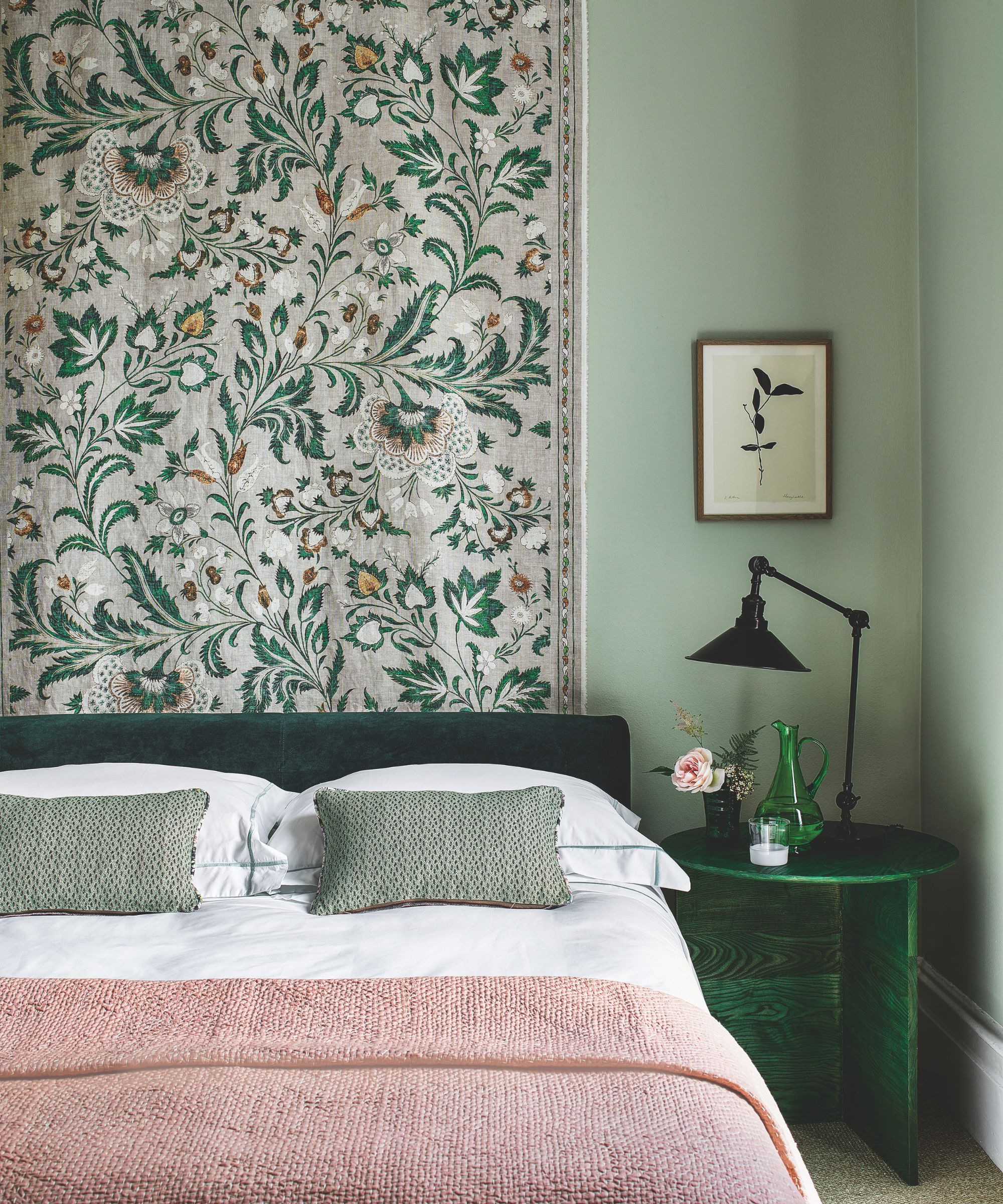
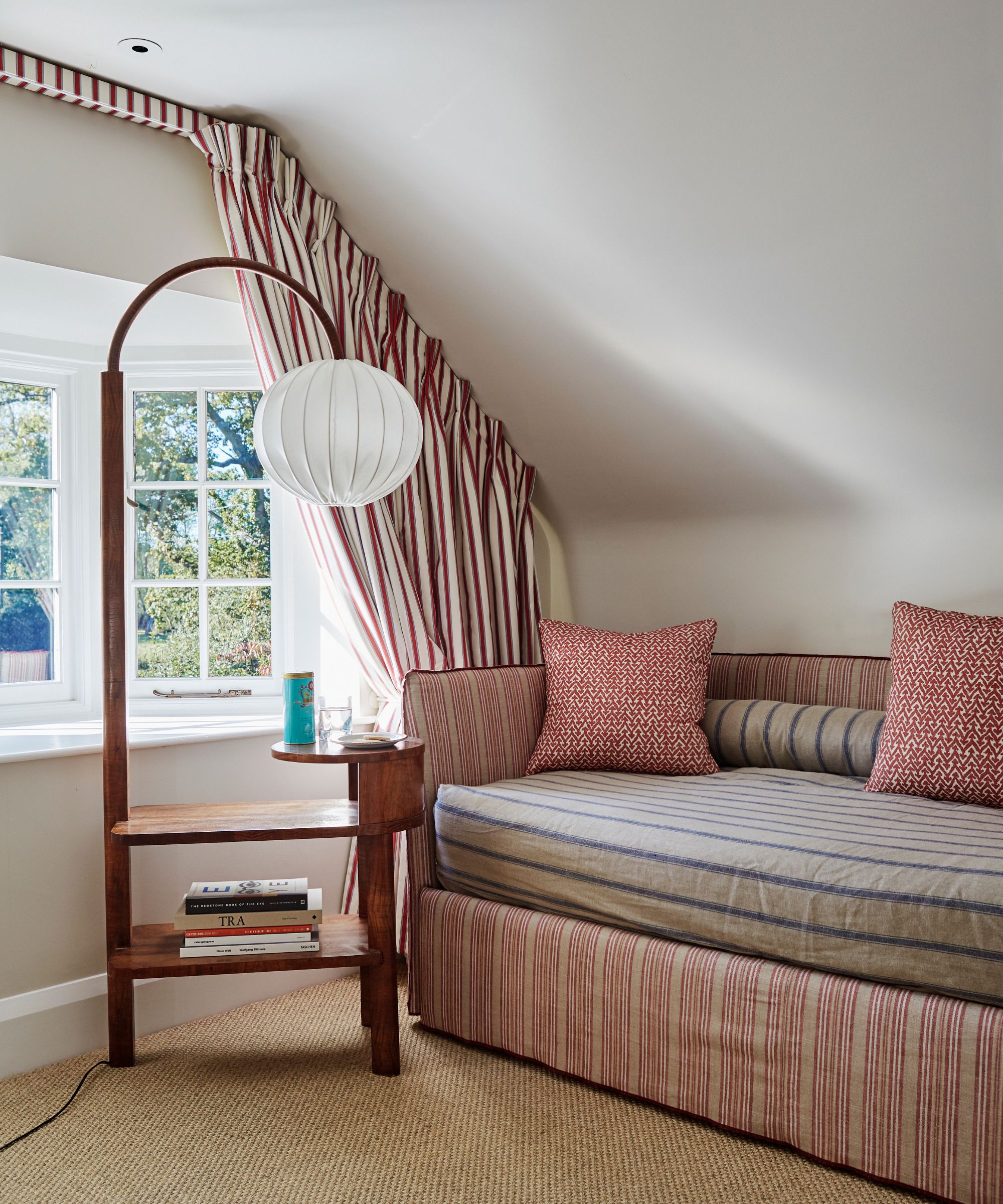
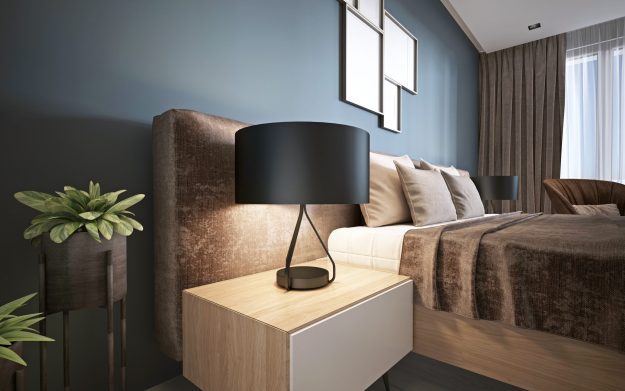
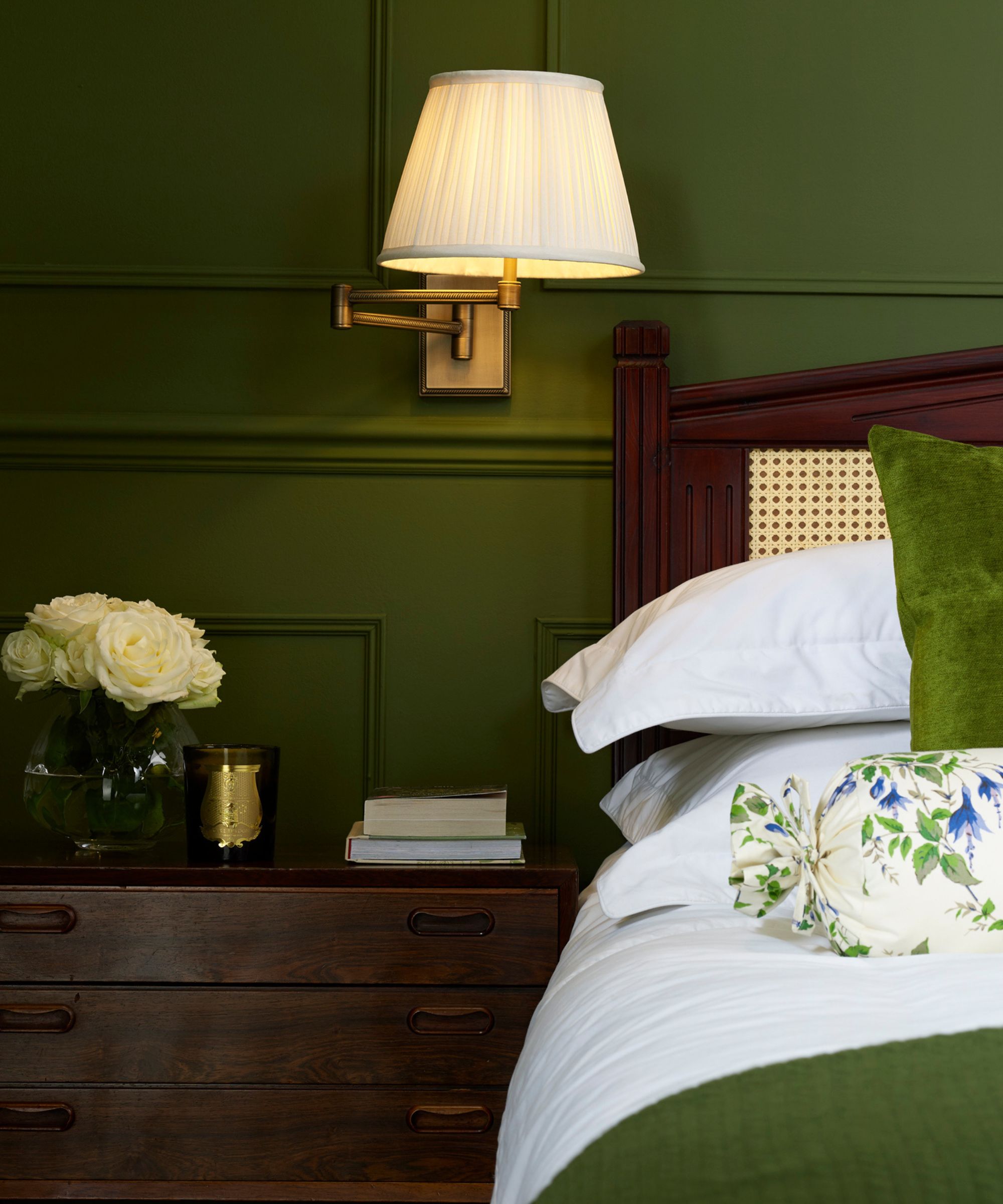
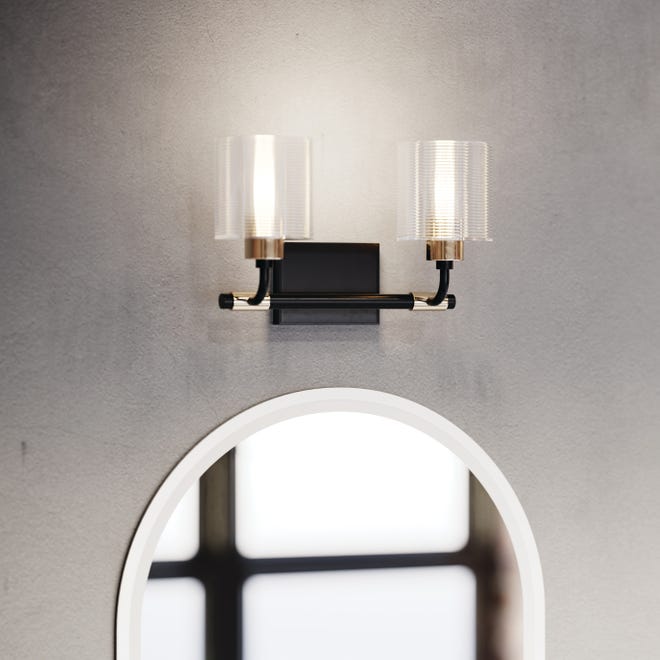
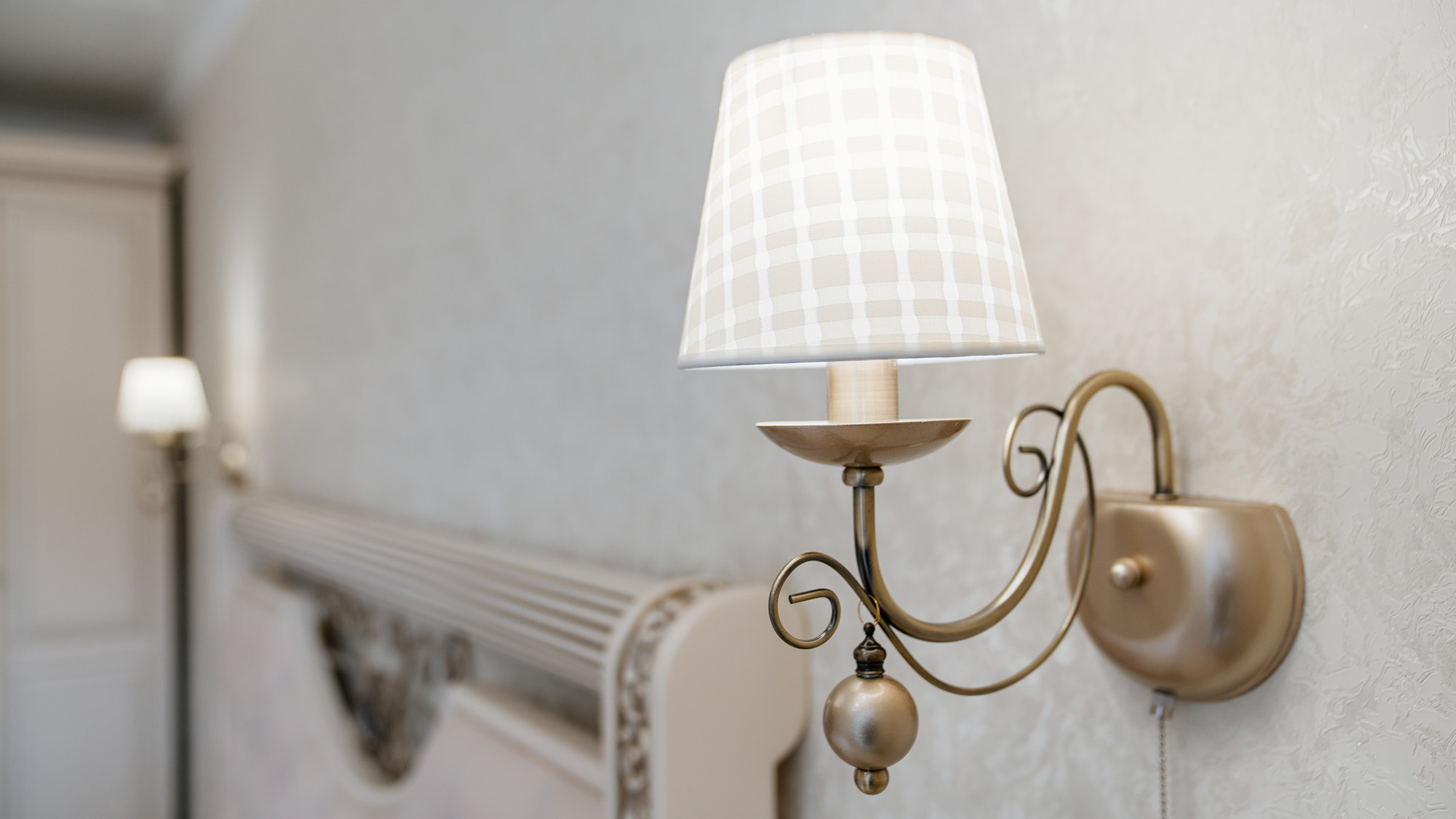
Matthew Williamson, an interior designer, compares choosing lamps to selecting accessories for an outfit, advising against a single main light source. He suggests illuminating several lamps around a room for a more flexible, interesting, and flattering lighting scheme. For instance, a swan-neck wall light might suit a reading corner, while two table lamps could flank a piece of art on a credenza. Martin Millard, director at Cheffins auction house, points out that auctions can be excellent sources for unusual and unique lamps and lighting, offering a sustainable and often more affordable alternative to new purchases. He advises checking condition reports and having electrical items inspected by a qualified electrician.
Andrew Molyneux, co-founder of TM Lighting, suggests creating intentional “pockets of light” with picture lights, spotlights, and lamps during autumn and winter to foster a warm and cozy feeling. This layering of light draws the eye to cherished objects and artworks, an effect not achievable with a single pendant. He also advocates for energy-efficient LED lighting. Shelley Simpson, founder of Mud Australia, expresses a preference for pendants and lamps over spotlights, especially in homes with ornate ceilings that she believes should not be obscured by wiring. She uses multiple lamps as statement pieces, incorporating color and style that transcend seasonal trends.
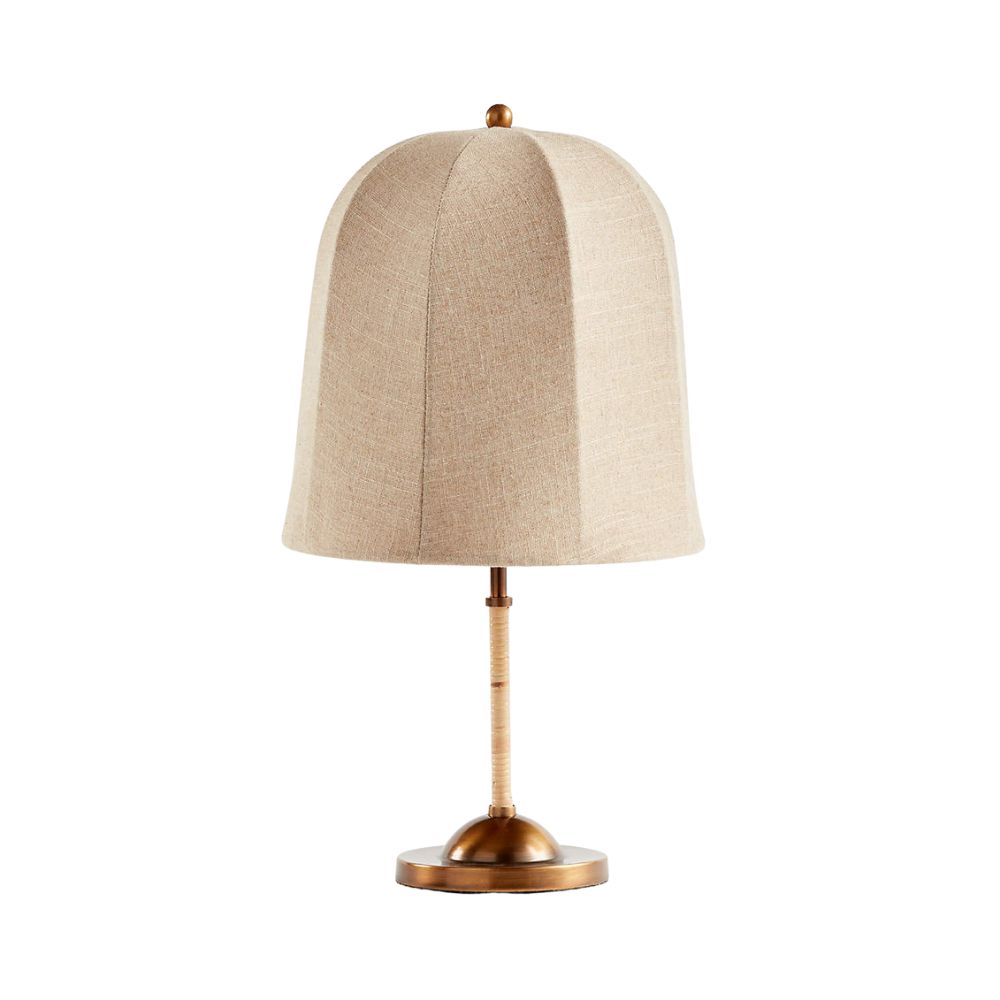
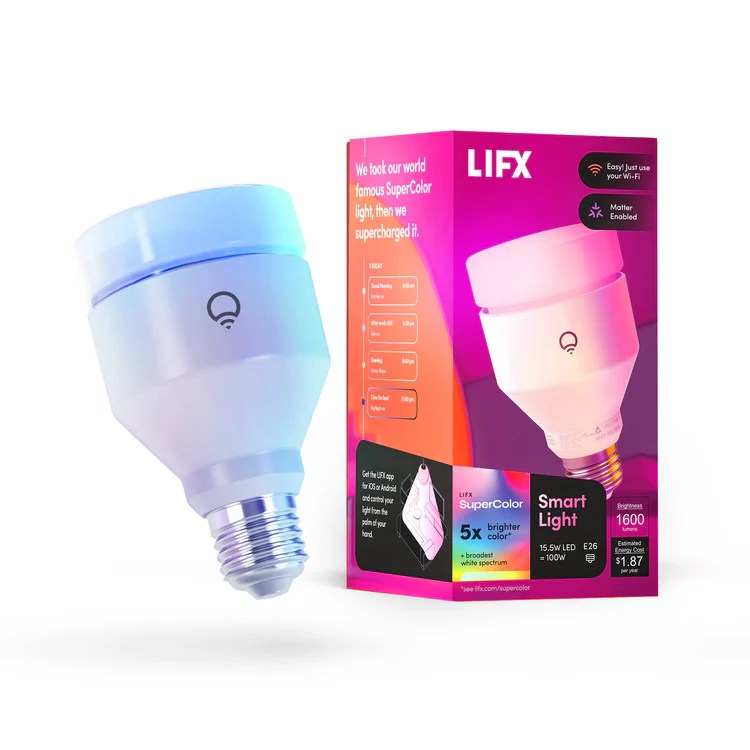
Clemence Pirajean, co-founder of Pirajean Lees, advises a comprehensive approach to atmospheric lighting during darker months, including lampshades made from textured sheer materials and warm wall finishes like neutral pale colors with earthy undertones. She stresses tailoring lighting to the specific function of each space, such as soft, low-level lighting with task lighting for a reading nook. Finally, Louise Wicksteed, creative director of Sims Hilditch, distinguishes between architectural and decorative lighting, emphasizing the importance of layering both. For older properties with limited wiring, she suggests cordless, rechargeable LED lamps or wall lights for flexibility. Massimiliano Tosetto, managing director of Lodes, highlights the value of investing in attractive, accessible, durable, and technological cordless, dimmable lamps that serve multipurpose spaces and various tasks, uplifting any environment.
#HomeLighting #InteriorDesign #AtmosphericLighting #WinterDecor #LightingTips #HomeDecor #LEDLighting #SustainableDesign #ArchitecturalLighting #HomeLighting #InteriorDesign #AtmosphericLighting #WinterDecor #LightingTips #HomeDecor #LEDLighting #SustainableDesign #ArchitecturalLighting
0 comment in total
 No comments yet
You may also like
Winter Lighting 101: Essential ambient lighting tips to transform your home in the cold season | Hindustan Times

Fall into smarter lighting
4 expert lighting schemes to make guests feel welcome in the rooms they'll use most

Why Designers Are Calling Layered Lighting the Winter Upgrade Every Home Needs

As the Days Get Darker, These Are the 2 Lighting Shifts Designers Make in Every Home They Design
Pros Reveal 3 Feng Shui Lighting Tips for Cozy November Nights
We Asked Designers How to Get More Natural Light in Our Homes and We're Following This Advice All Winter

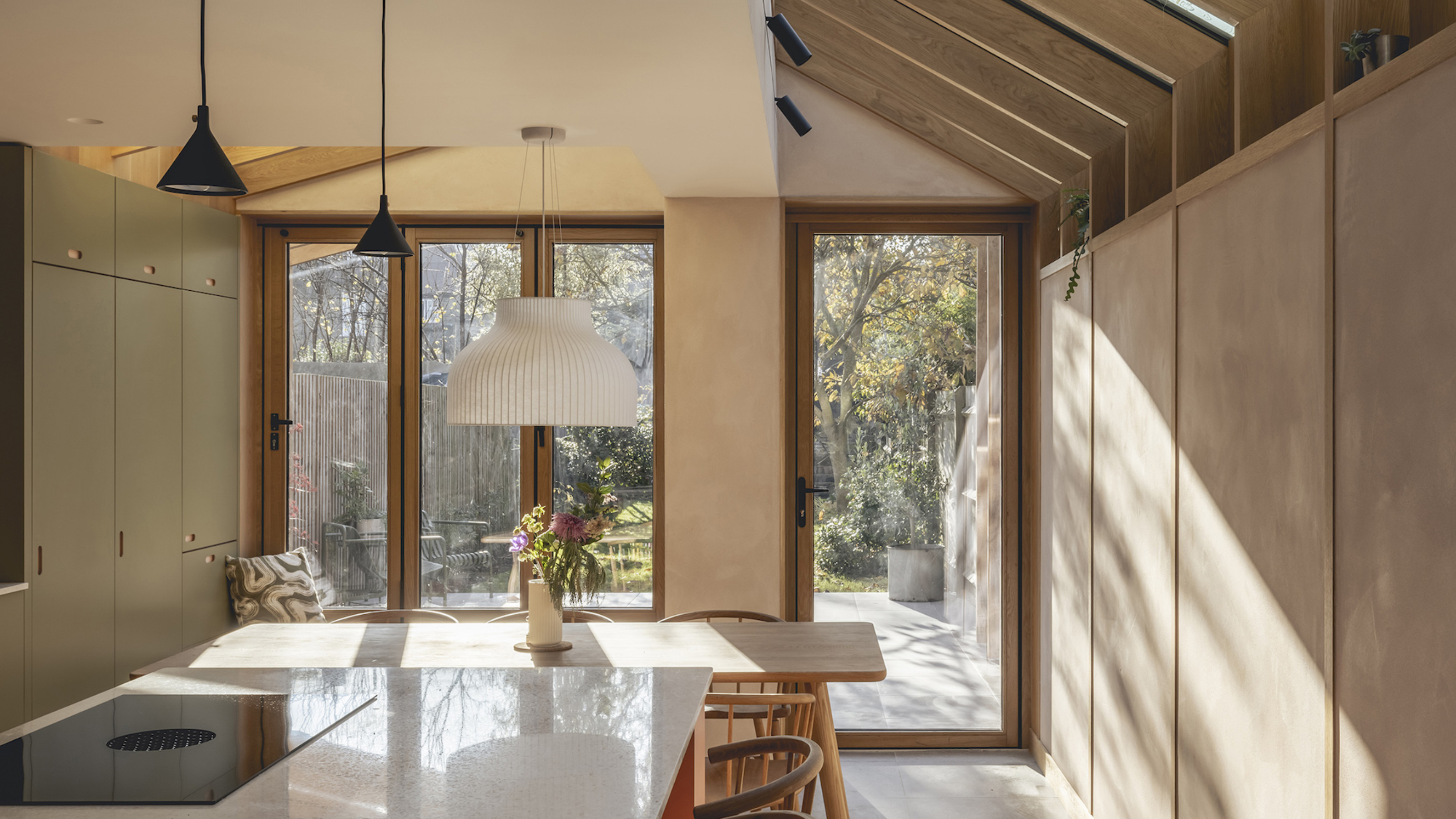
7 Tips to Save Your Kitchen Lighting From Being Too Harsh

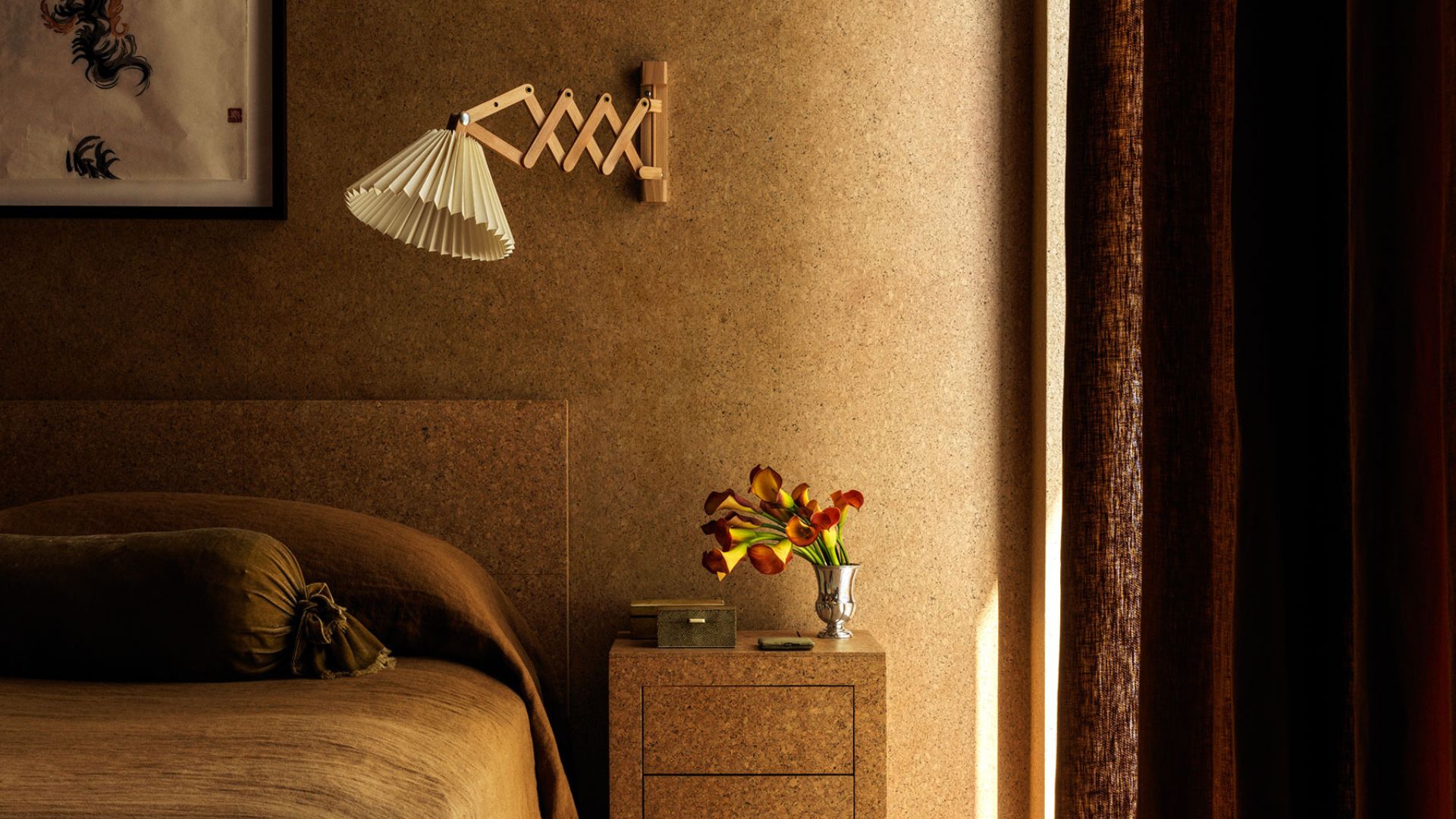
5 Tricks to Maximize Your Home's Natural Light on Darker Autumnal Days Using Artificial Lighting
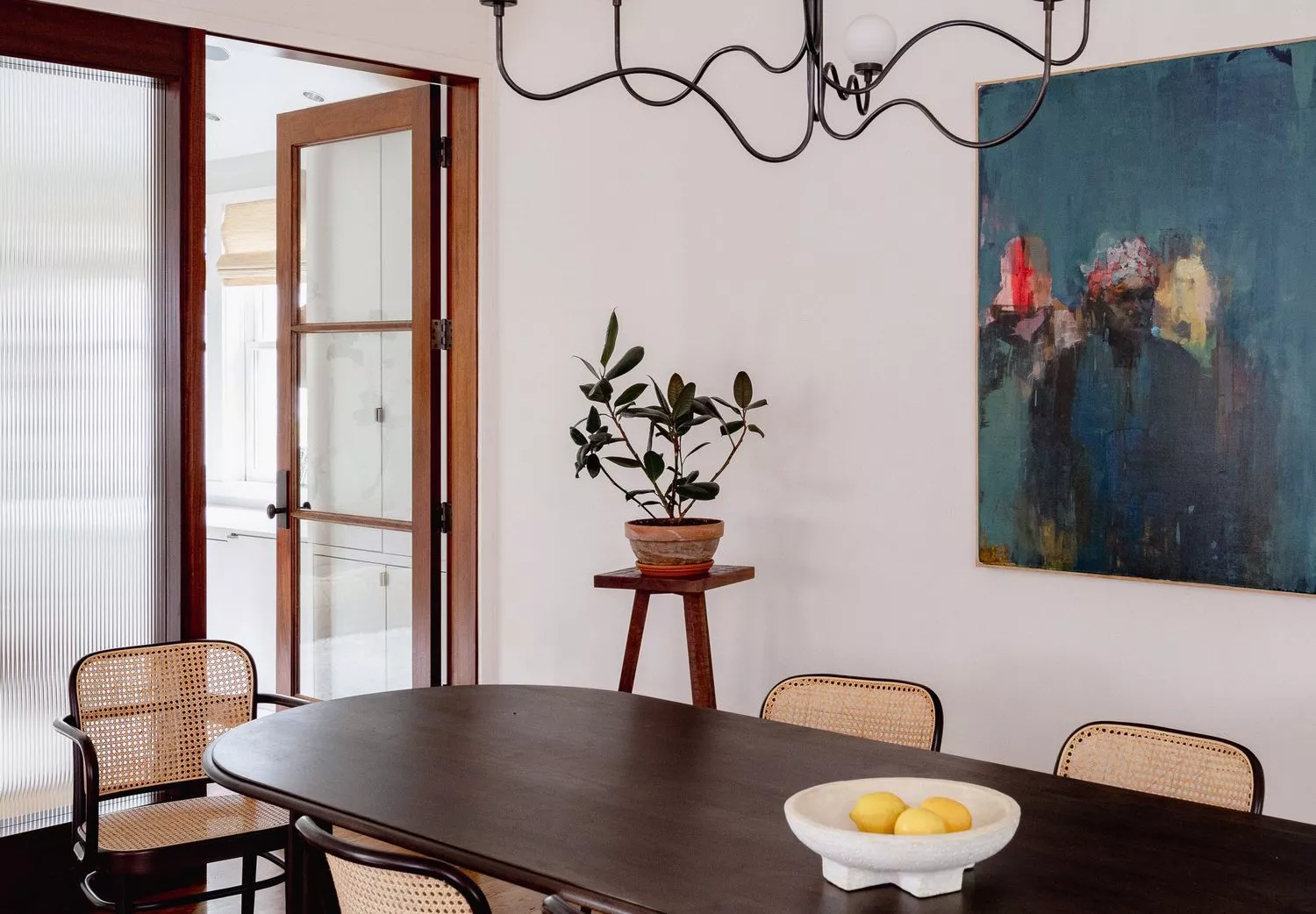
We Asked Designers How to Brighten a Dark Room and We’re Using These All Winter
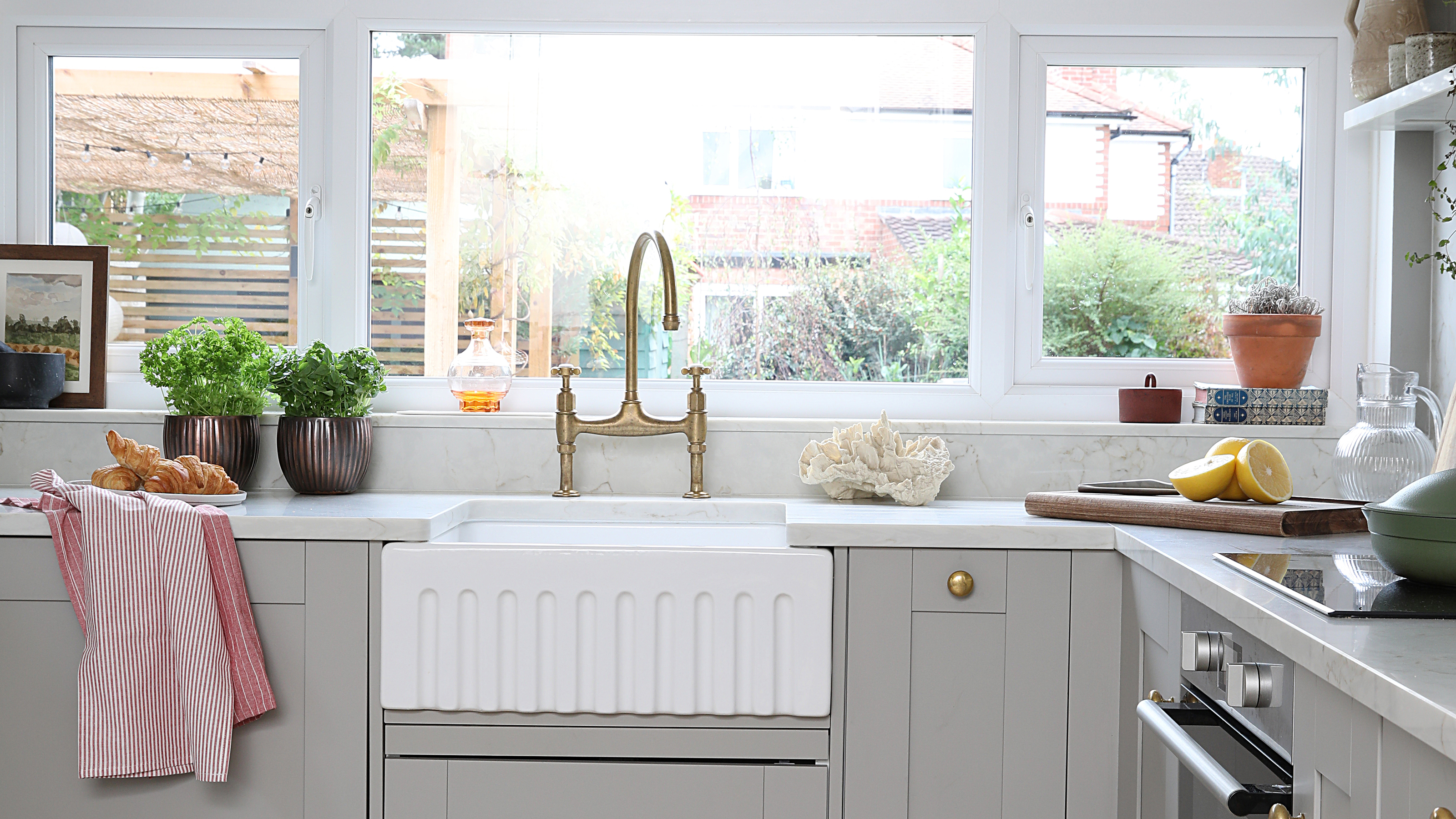
How to fake natural light in a dark room - 5 design tricks to brighten up a gloomy space
Feng shui tips to tweak your wealth, career, and health this month
14 Tips for Lighting Your Home Like a Designer Before Daylight Savings Ends
5 SAD Lamps That Would Actually Look Good In Your Apartment, Because Fighting The Winter Blues Should Be Snazzy
Homestyle: Lighting the way
Chandeliers Are Back — Here's How To Make Them Feel Fresh
Design experts offer lighting tips for upgrades that shine

6 Best Indoor Winter Lighting Tips for Homeowners in Utah

How to brighten any room in your home — 5 tips from a lighting expert

Festive tips: Lanterns, hanging lights to brighten up the house