1/8
The Secret to Making Your Kitchen Great for Cooking and Entertaining: Smart Lighting
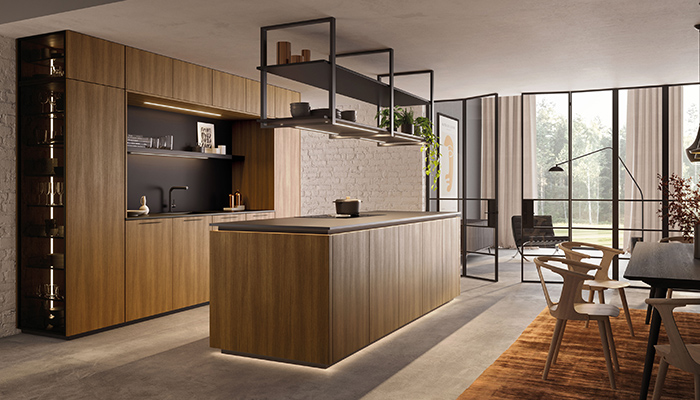
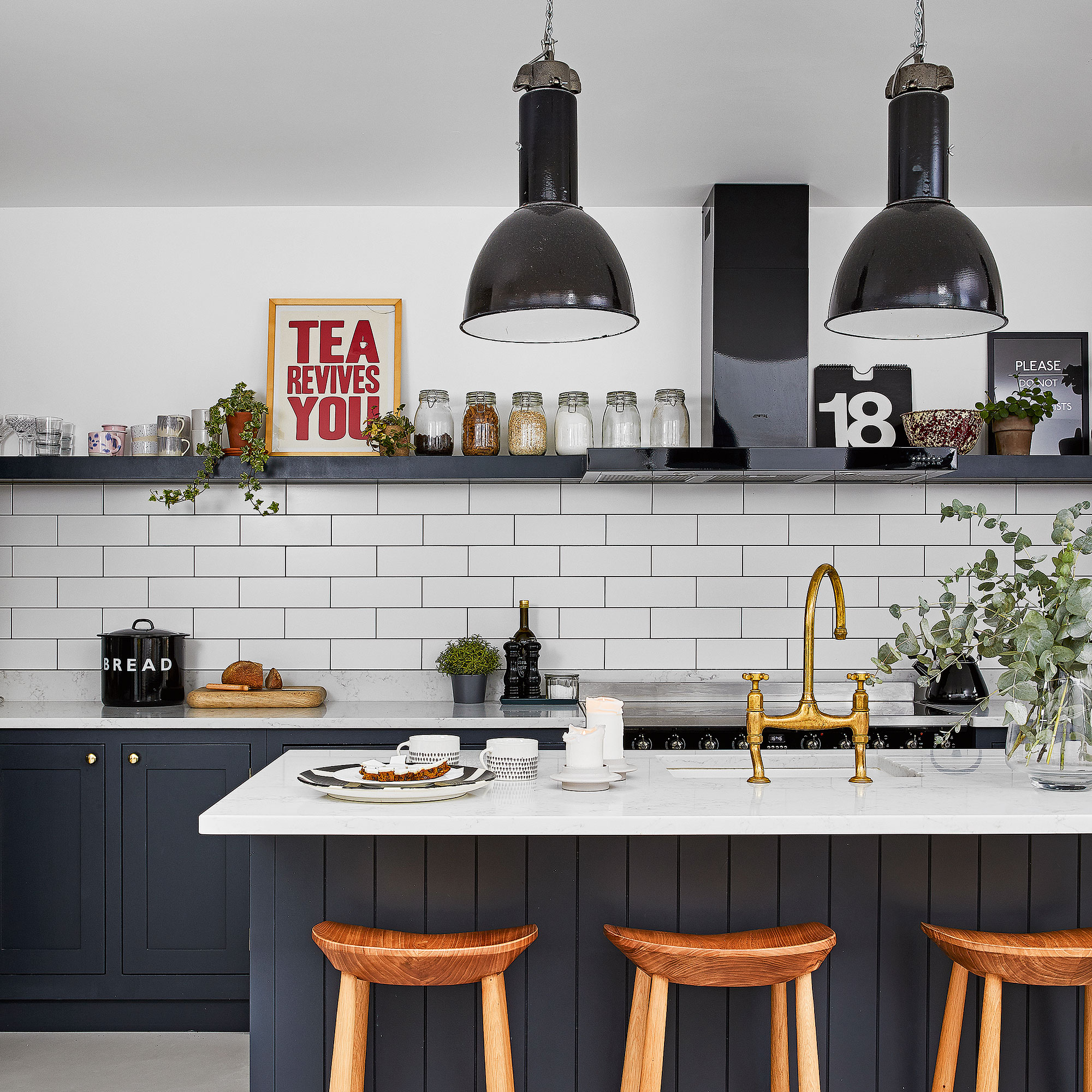
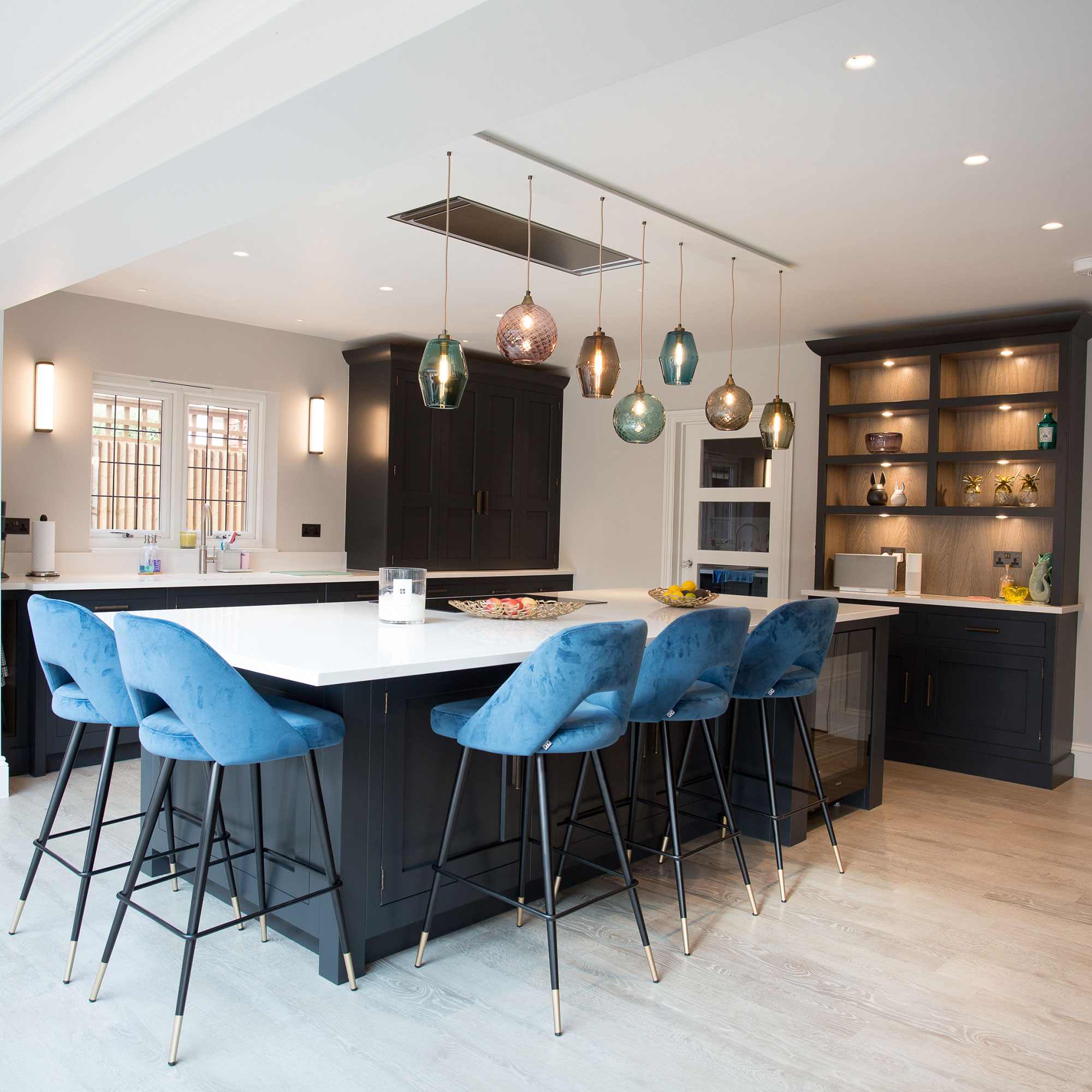
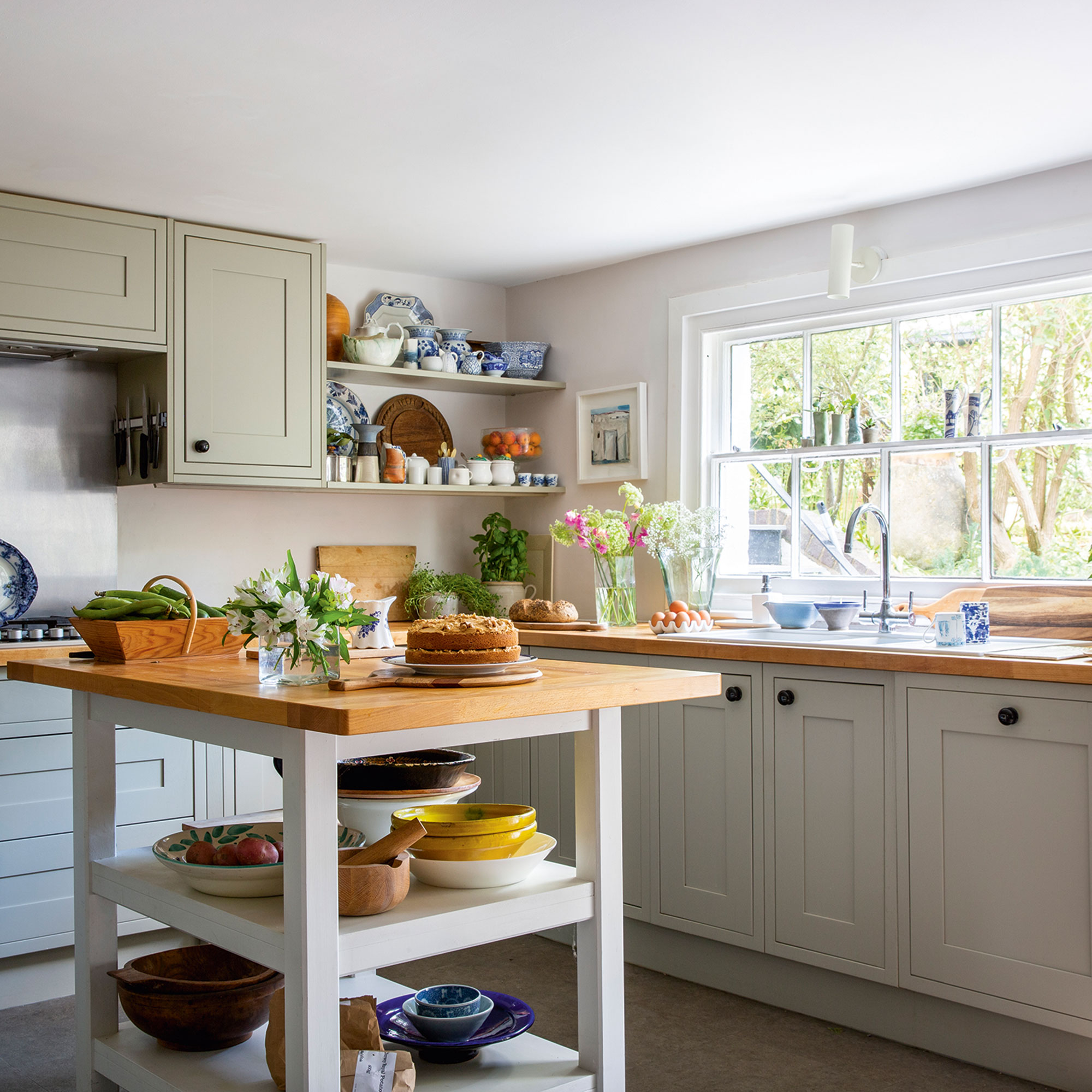
Modern kitchens serve as multifaceted hubs for cooking, eating, socializing, organizing, playing, working, and relaxing, demanding versatile lighting solutions. Smart lighting systems, encompassing smart bulbs, fixtures, and control devices, offer superior adaptability compared to conventional options. These systems allow for automatic dimming, tunable white tones, and a spectrum of colors, along with the ability to save preferred settings as presets for various moods or activities. Carly Cannell, founder of Weetu, emphasizes the critical role of lighting in design, particularly in multi-use spaces like kitchens, advocating for a systematic approach to lighting design rather than arbitrary choices.
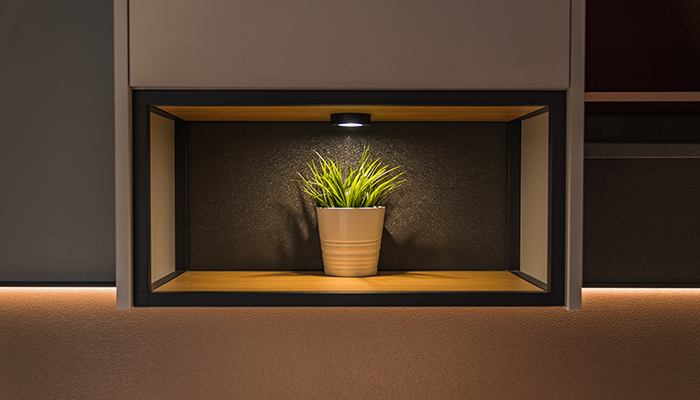
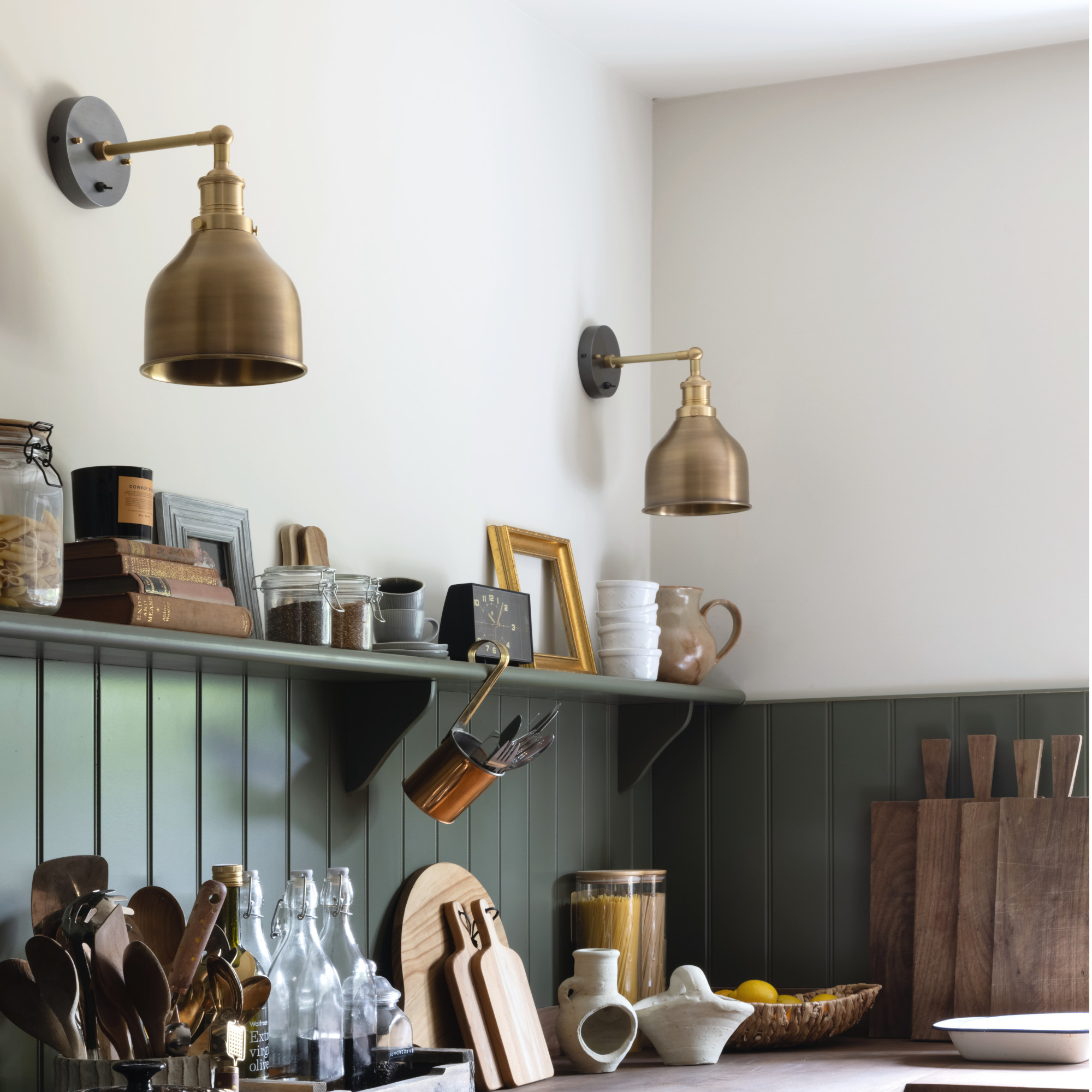
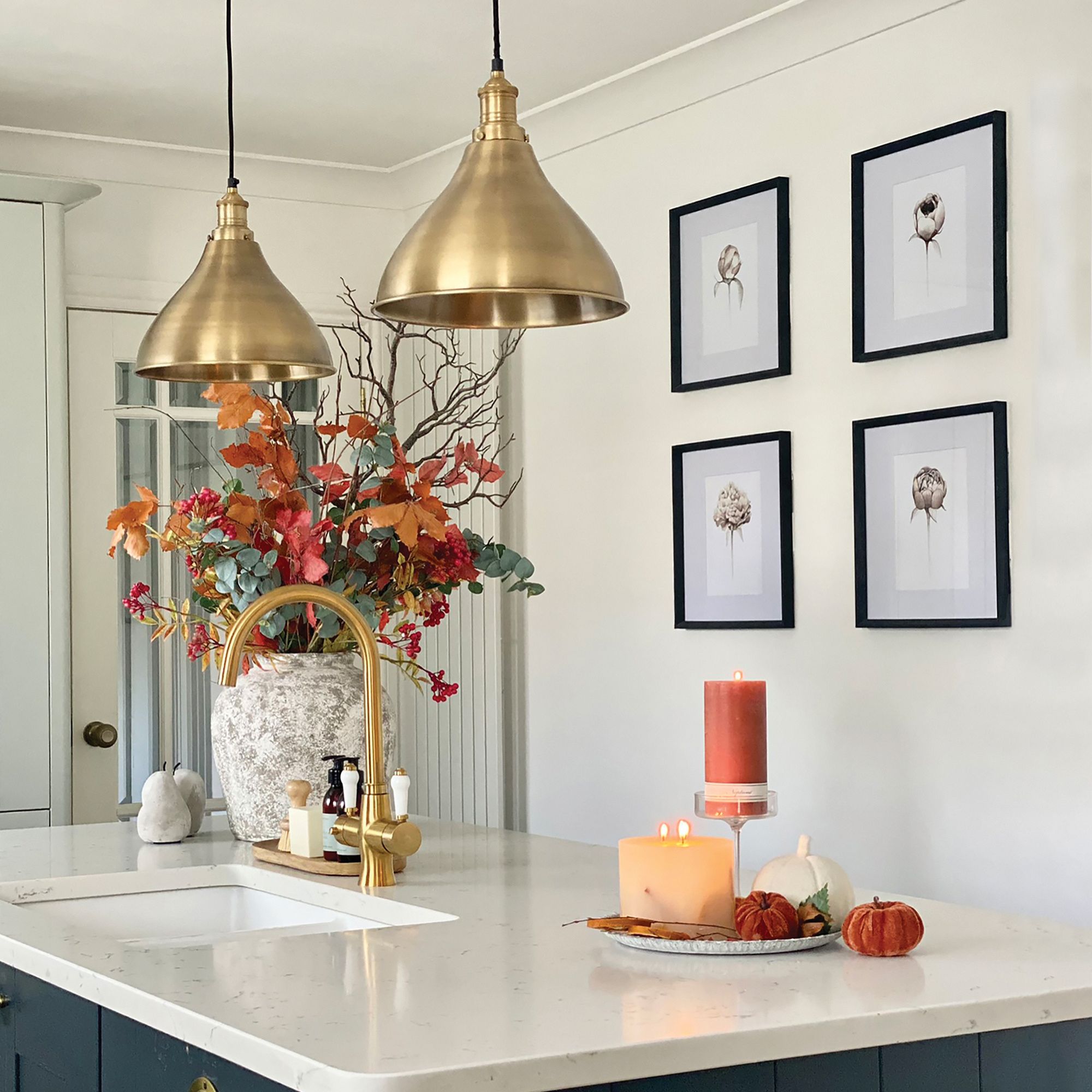
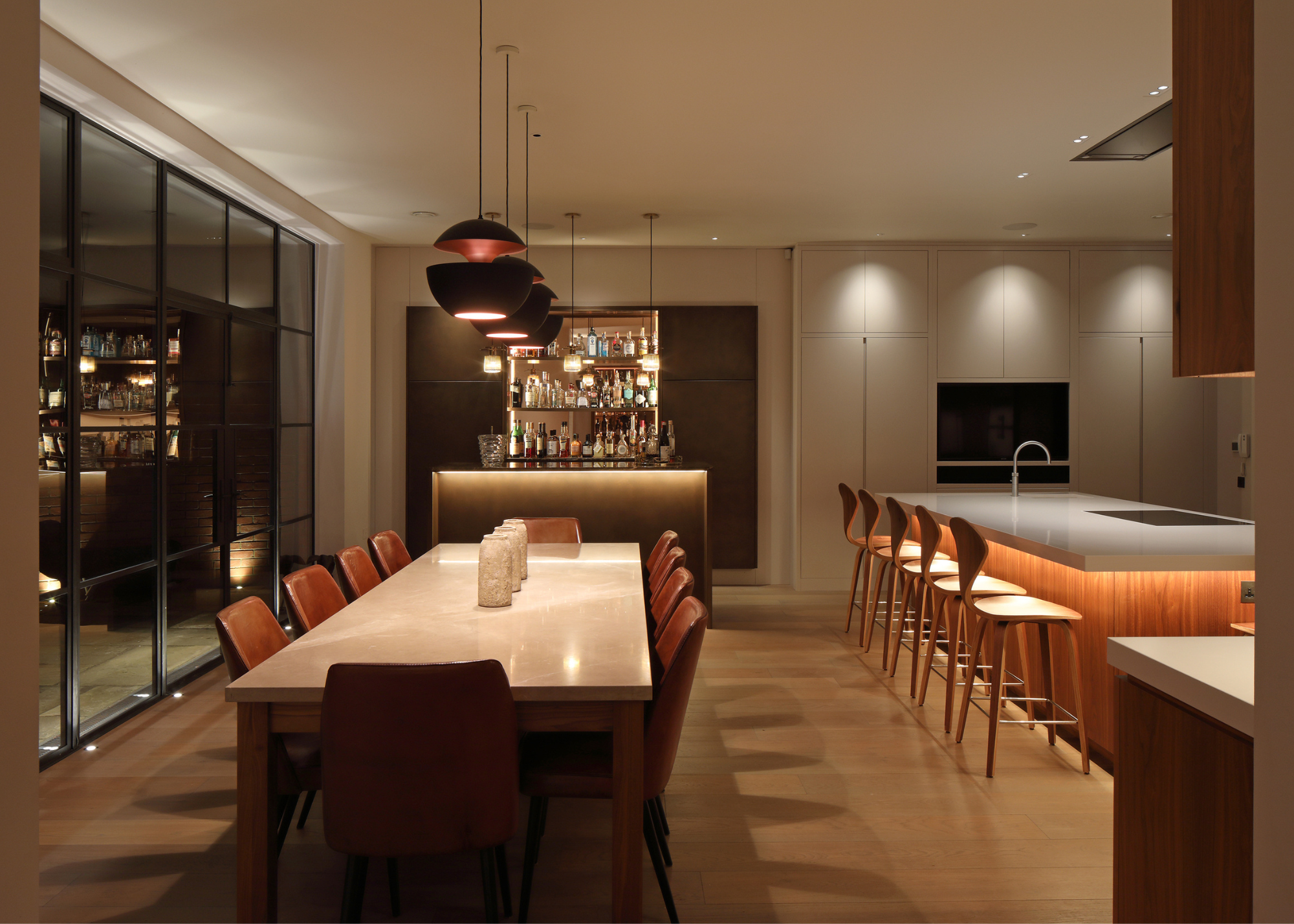
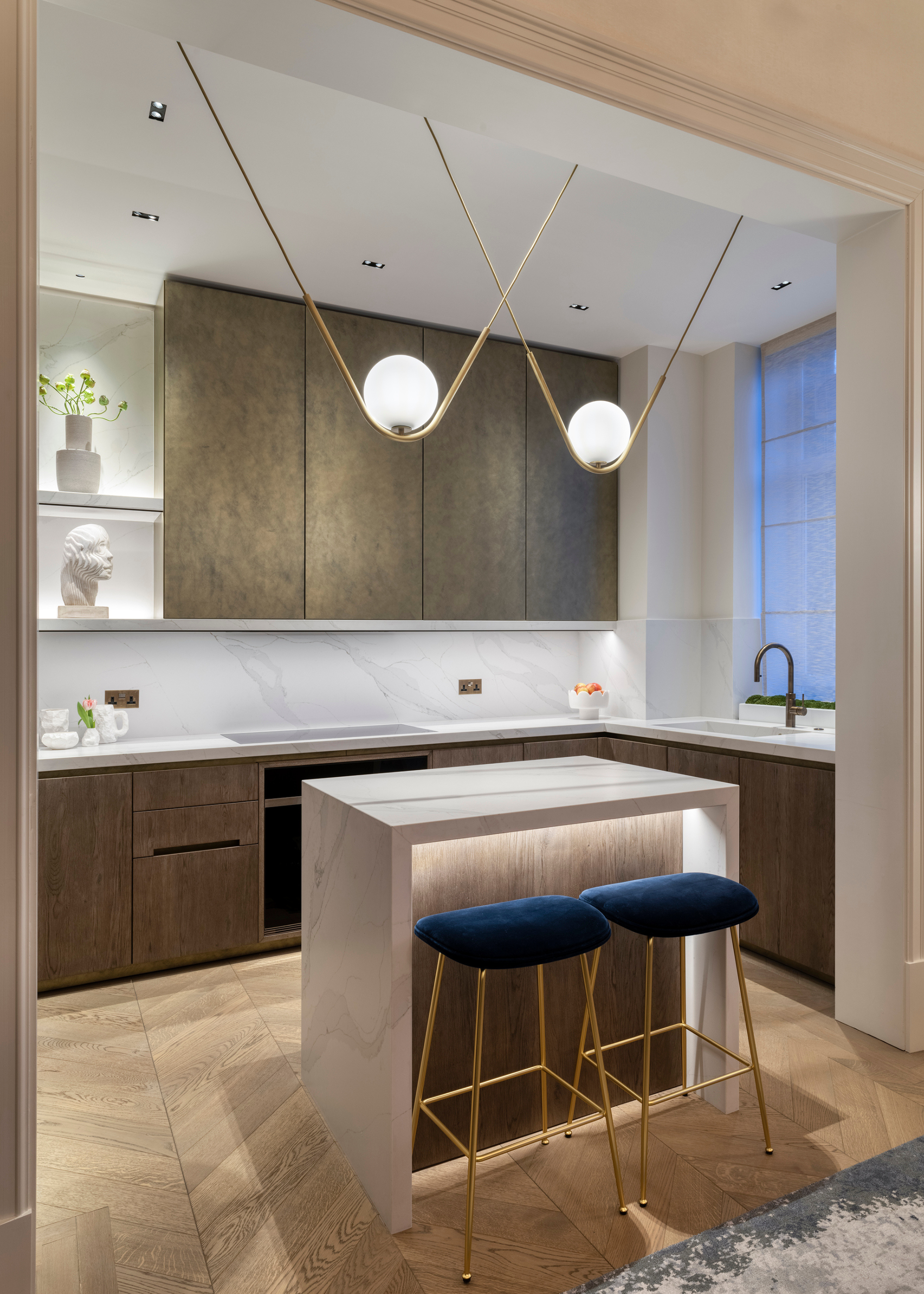
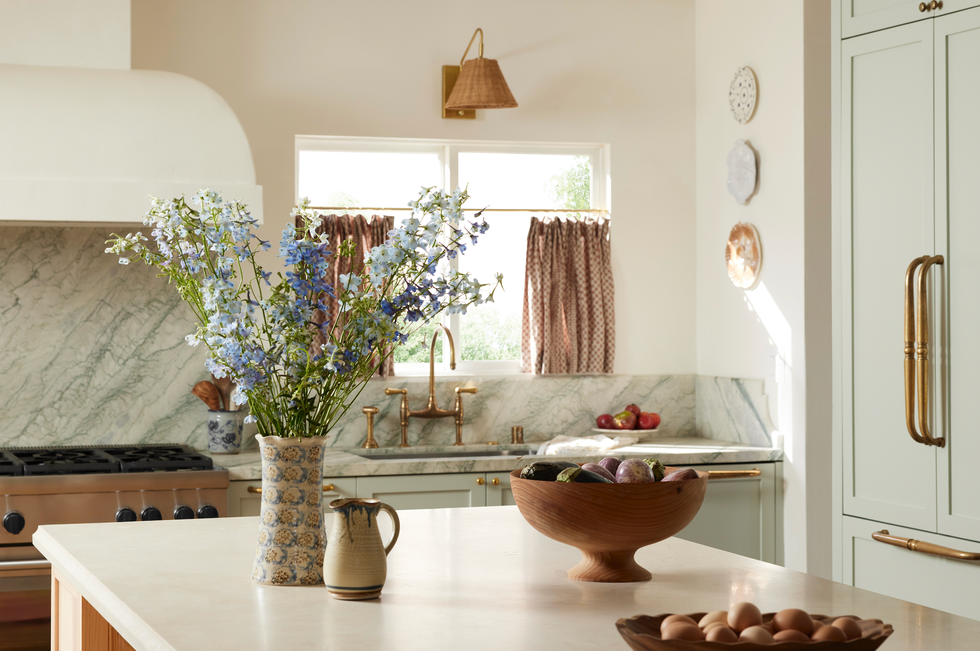
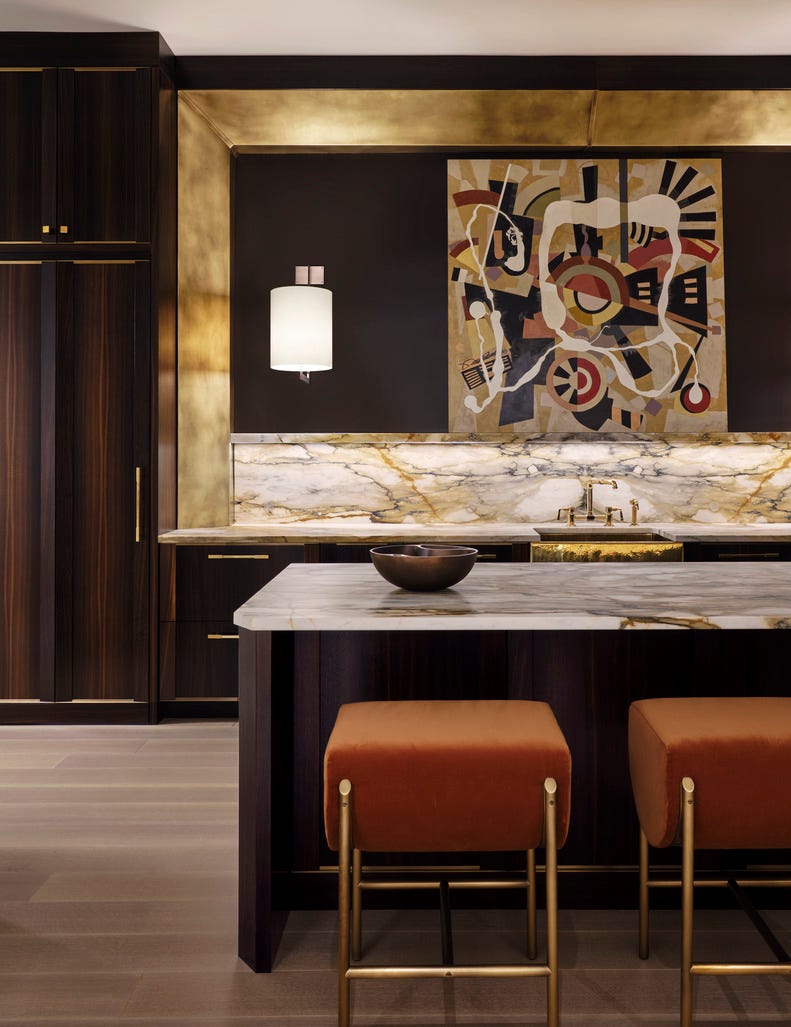
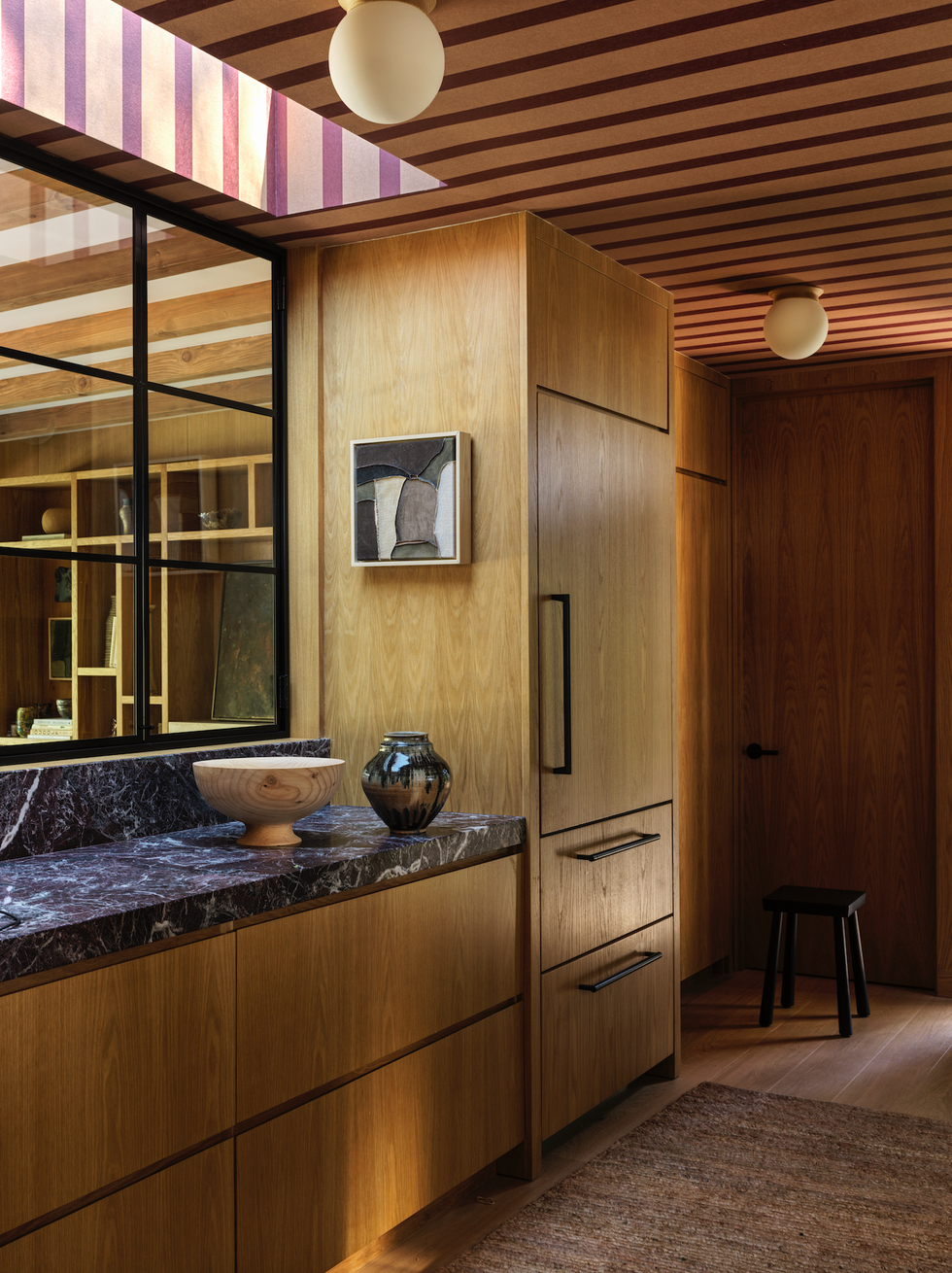
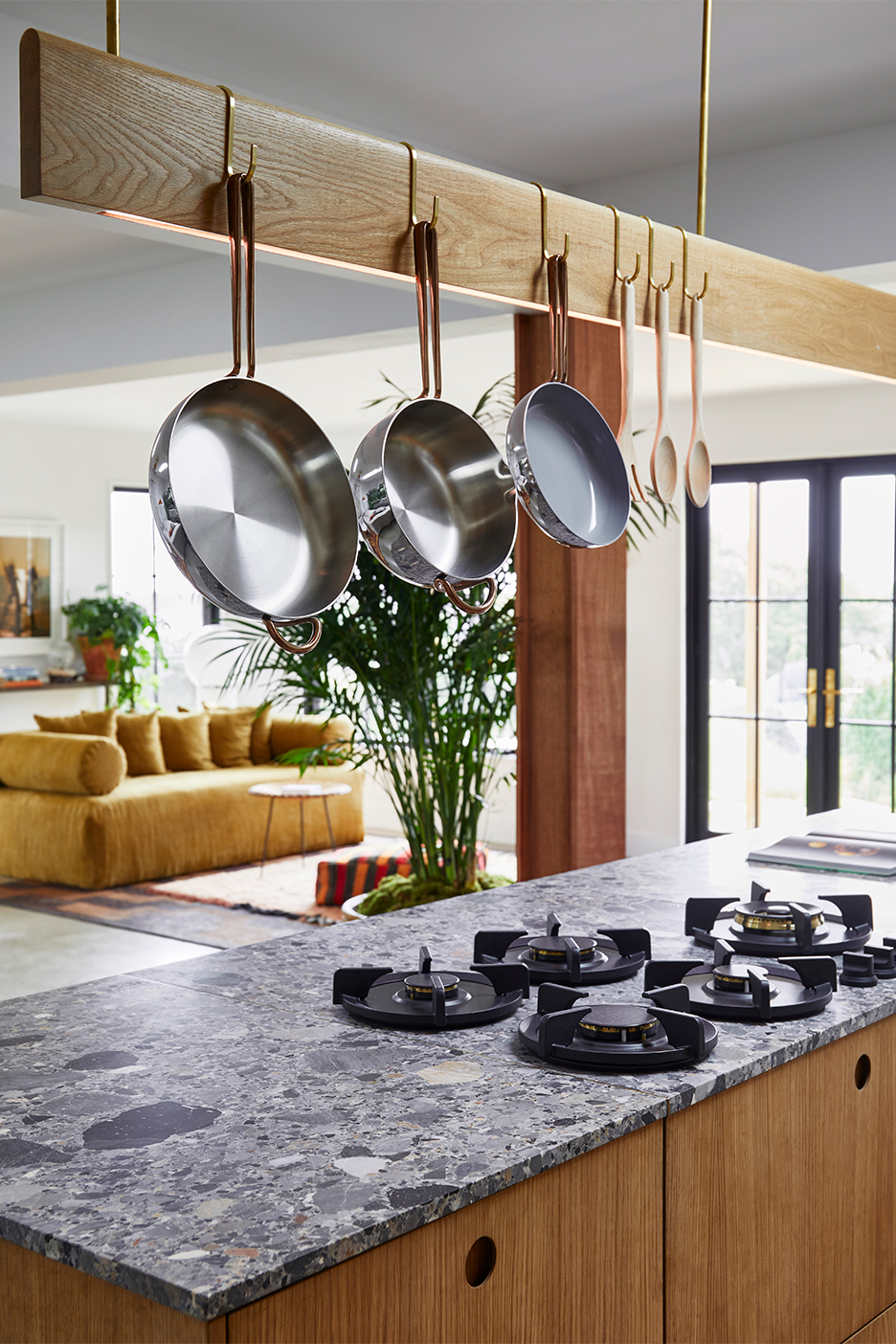
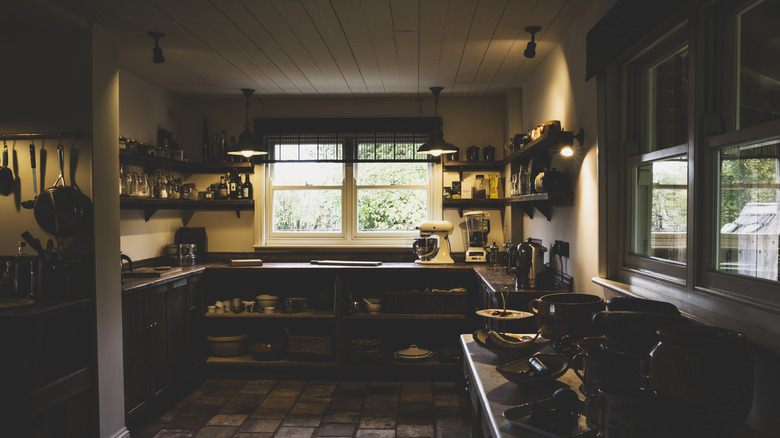
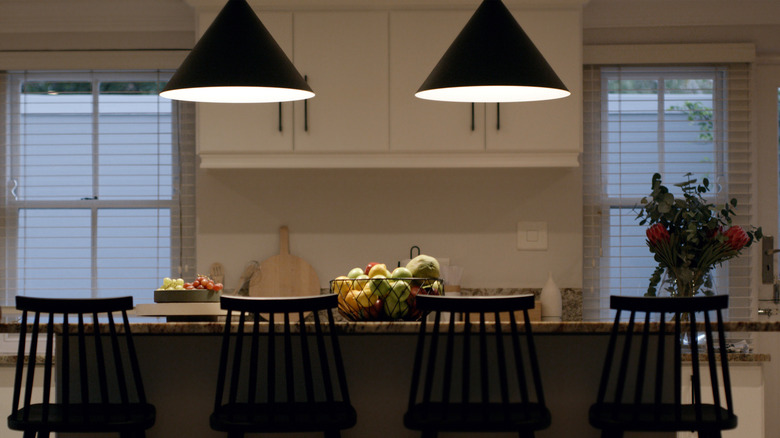
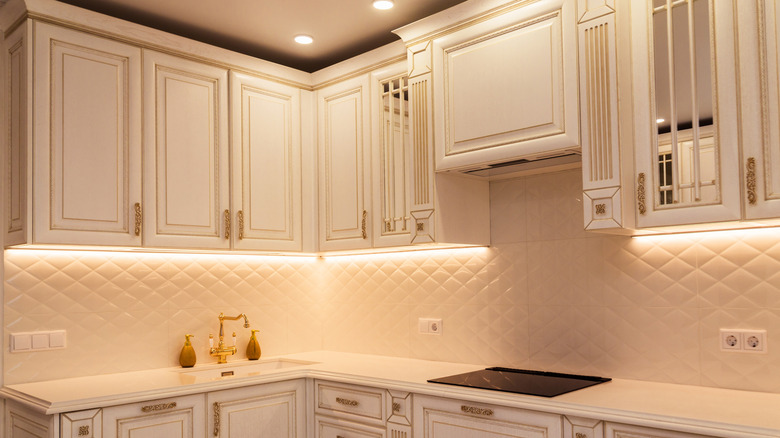
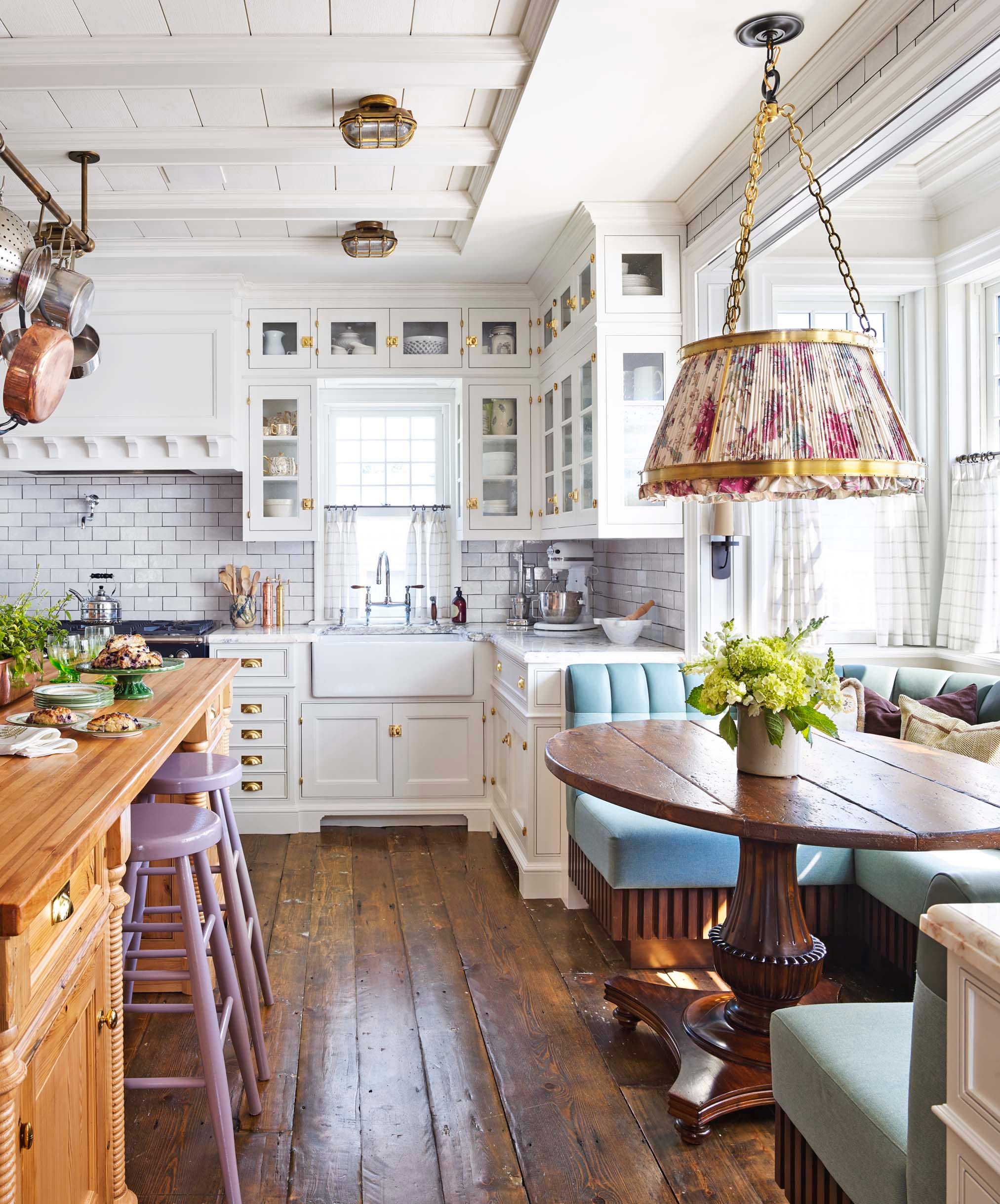
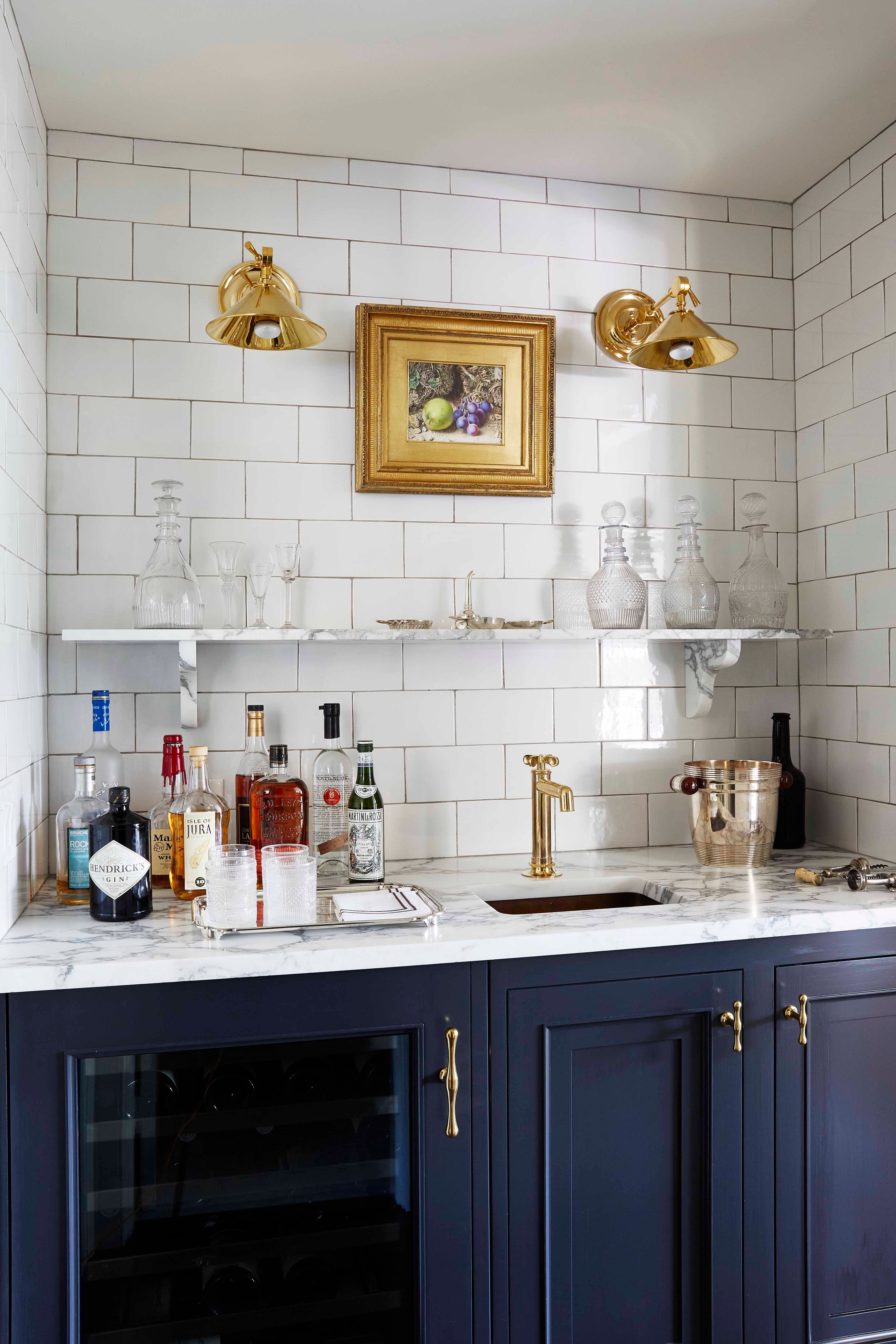
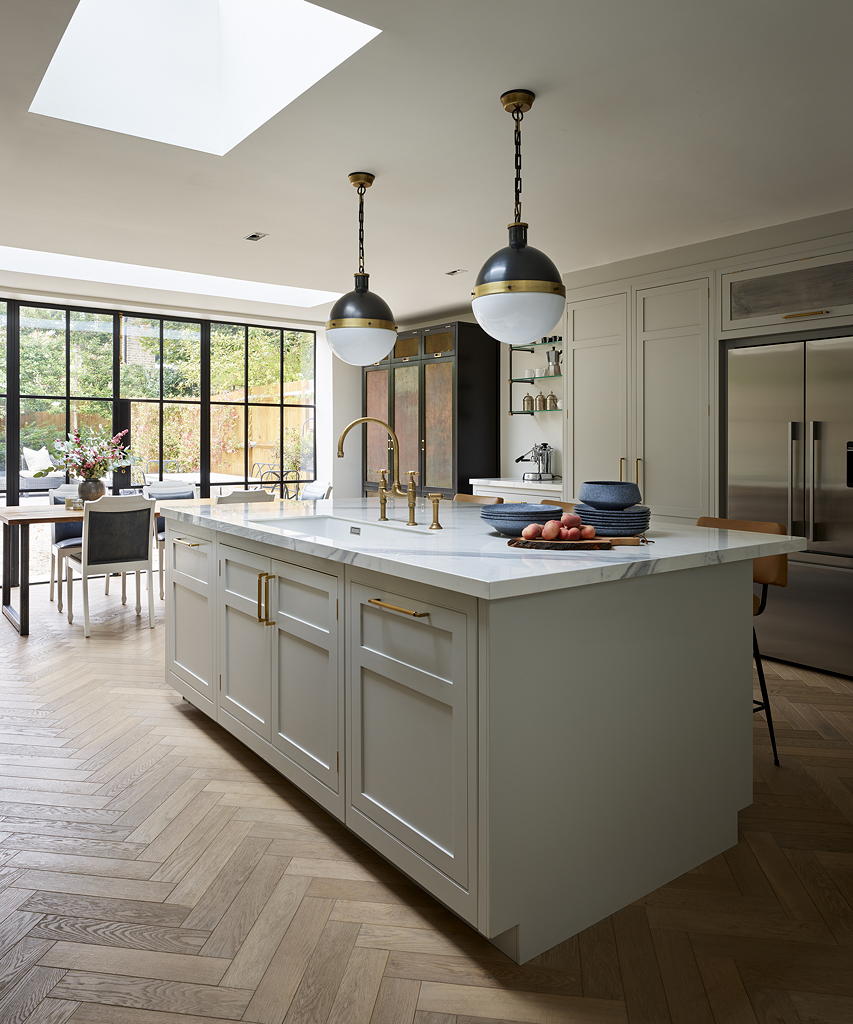
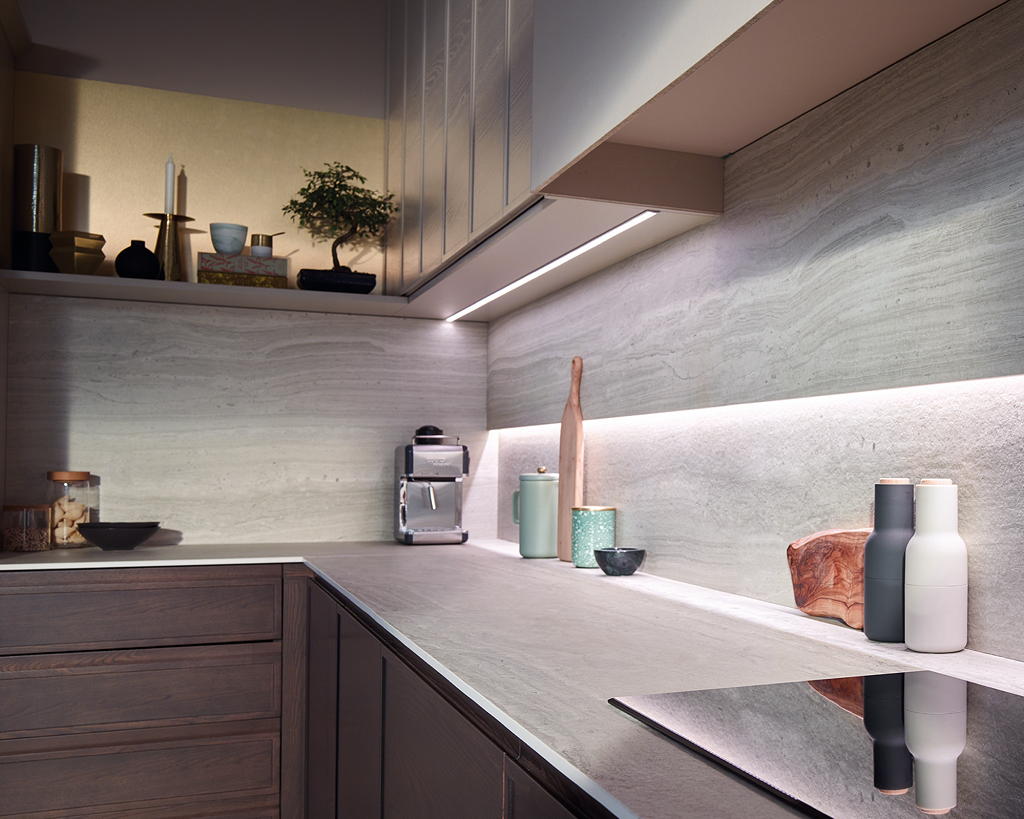
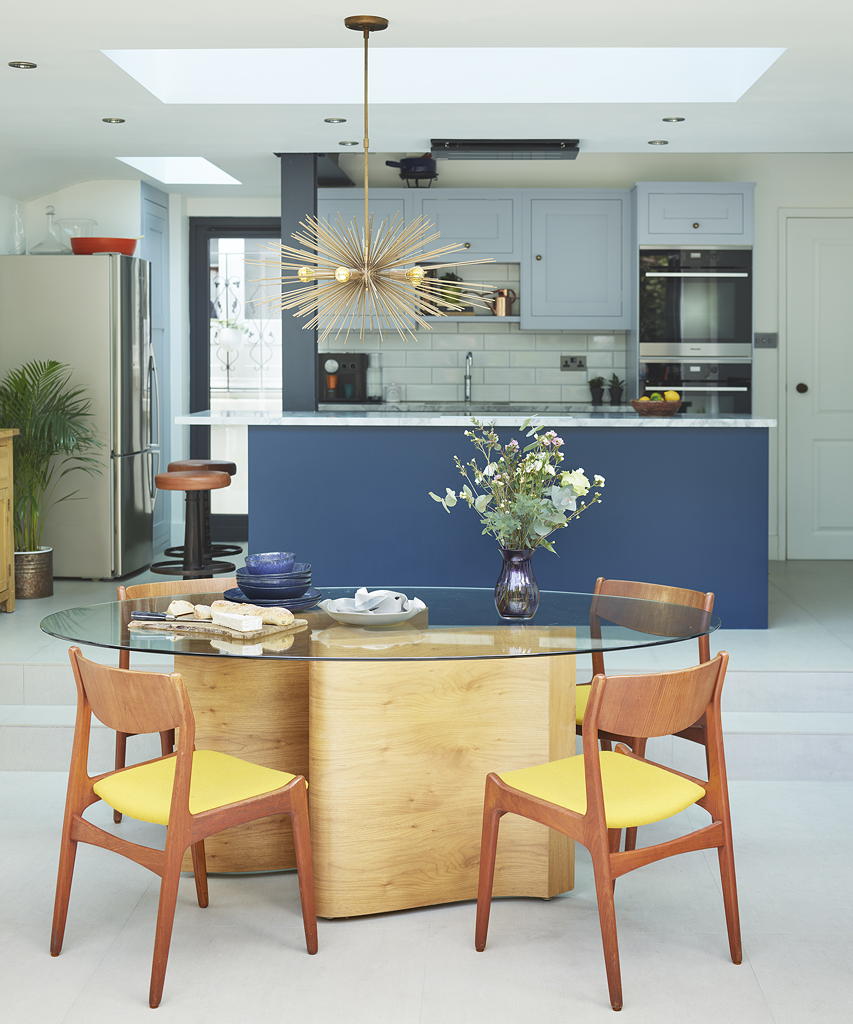
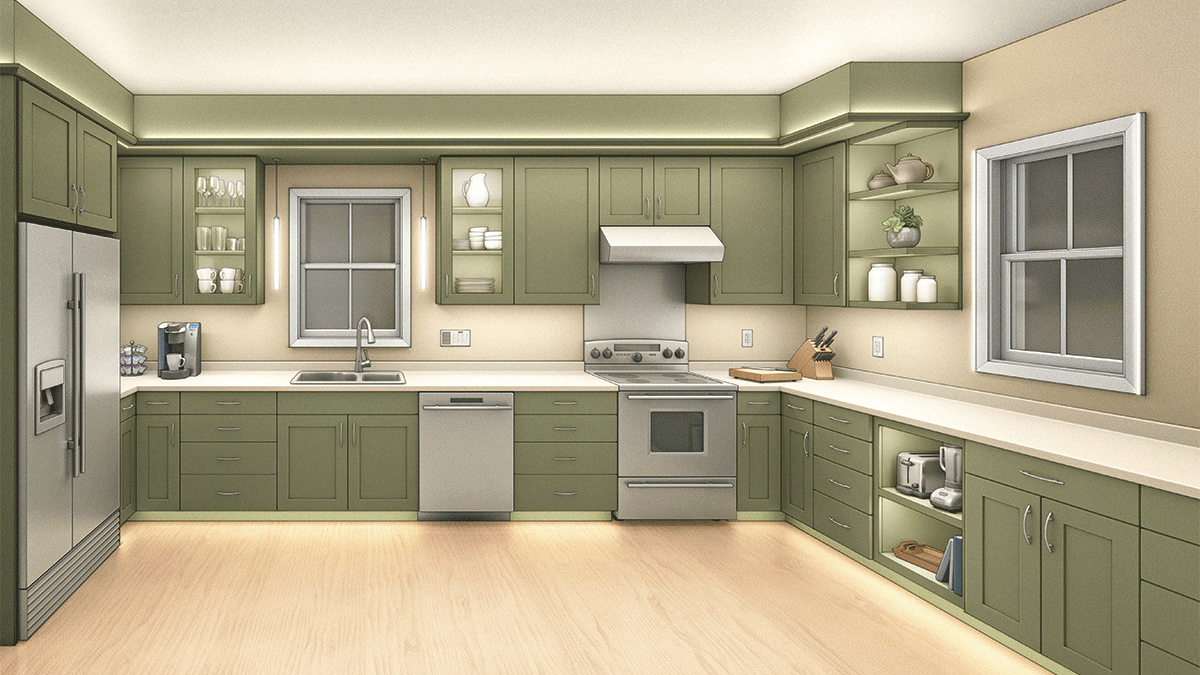
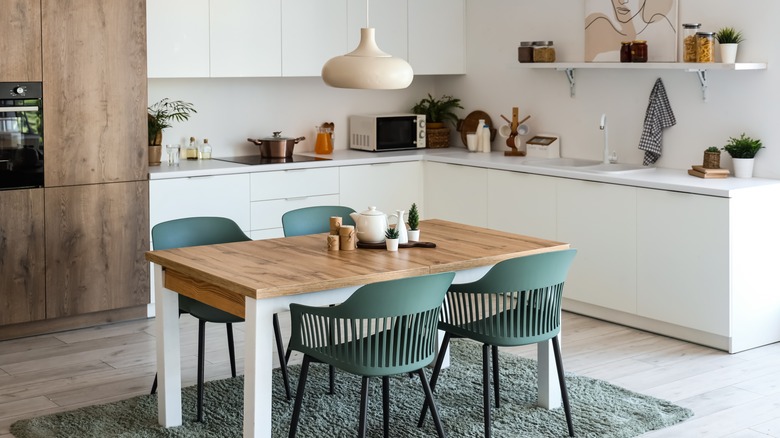
Effective lighting design hinges on understanding how the kitchen is used throughout the day. Three primary types of lighting are crucial: ambient, task, and decorative. Ambient lighting provides general illumination, often incorporating natural daylight, which benefits health and well-being. Electrical ambient lights, such as dimmable and color-tunable ceiling lights and sconces, should complement natural light to establish mood, function, and experience. Task lighting offers focused, brighter illumination for specific activities like meal preparation on countertops and islands. Decorative lighting, conversely, highlights visual elements and creates a particular atmosphere, similar to candlelight, rather than providing functional brightness.
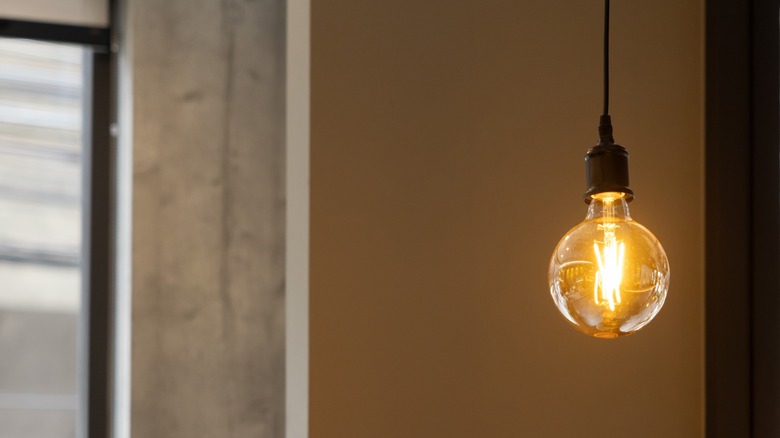
When selecting smart lighting, key technical specifications include color temperature, color rendering index (CRI), and lux. Color temperature, measured in Kelvin (K), dictates the white light's tone, ranging from warm orangey-gold (around 1,000 K) to cool blue-white (up to 10,000 K). For dining and entertaining, a warm temperature (2,500 K to 2,700 K) is recommended, while task lighting benefits from brighter, clearer light (3,000 K to 4,000 K). Decorative lighting for relaxation can be set to 2,000 K or lower to mimic candlelight. CRI, scored from 0 to 100, indicates how accurately a light source renders an object's natural colors; a CRI over 90 is considered excellent. Lux measures the actual illuminance on a surface, providing a more effective gauge of brightness coverage than lumens alone.
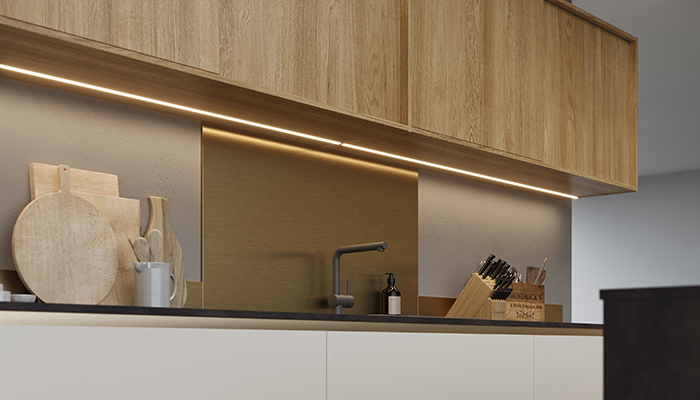
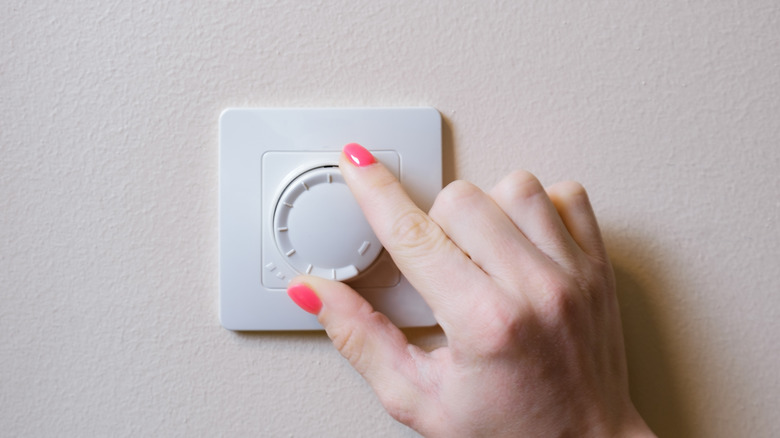
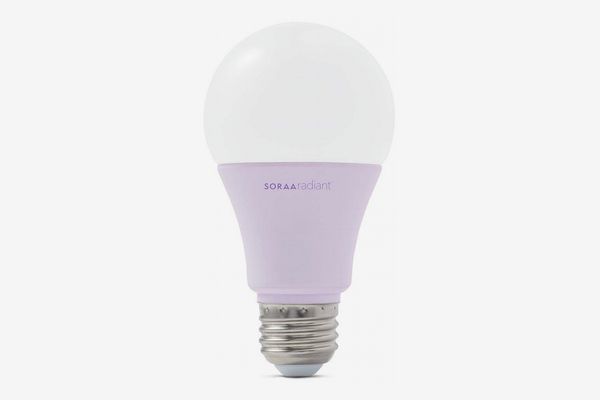
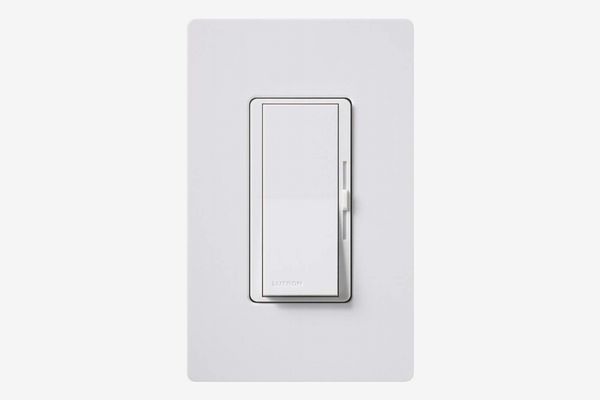
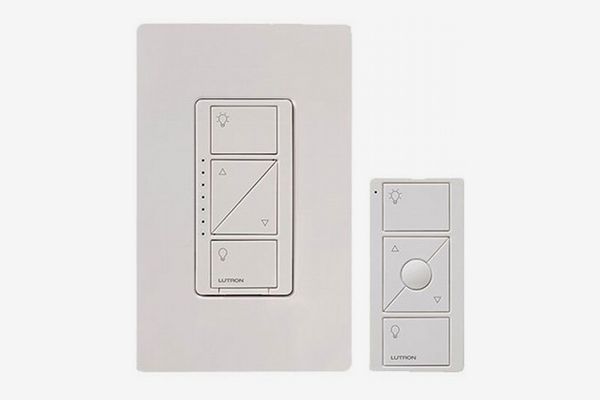
Smart lighting enhances versatility and ease of use through features like dimming, temperature tuning, color adjustment, and automation. Control options range from smartphone apps and voice commands via smart speakers (Amazon Alexa, Google Assistant, Siri) to wireless switches. Smart accessories like dimmer switches can also extend some smart capabilities to non-smart lighting. For some systems, a hub may be required to facilitate communication between devices and the home network. Automation allows for scheduled lighting changes, such as turning on under-cabinet lights in the morning, and the creation of custom scenes for specific activities, like a "Dinner party" preset that adjusts multiple lighting elements and even activates a smart speaker playlist. This advanced control is particularly beneficial for individuals with physical limitations, offering alternative ways to manage lighting without physical interaction with switches. Smart lighting devices are available in various forms, including LED bulbs, light strips, and in-wall switches and dimmers, with installation difficulty varying from DIY-friendly screw-in bulbs to more complex wired switches requiring professional assistance.
Specific product recommendations include the WiZ 60W A19 Color LED Smart Bulb for its ease of setup and customizable color features, the TP-Link Tapo Smart Wi-Fi Light Strip L930-5 for its bright, precise colors and user-friendly design, the TP-Link Kasa Smart Wi-Fi Light Switch Dimmer KS220 as an attractive and simple wired smart switch, and the Philips Hue Dimmer Switch for reliable wireless control specifically for Philips Hue bulbs. Each of these options offers distinct advantages, catering to different needs and preferences within a smart kitchen lighting setup.
#SmartLighting #KitchenDesign #HomeAutomation #LightingDesign #SmartHome #InteriorDesign #HomeImprovement #LEDLighting #ColorTemperature #SmartLighting #KitchenDesign #HomeAutomation #LightingDesign #SmartHome #InteriorDesign #HomeImprovement #LEDLighting #ColorTemperature
0 comment in total
 No comments yet
You may also like
Kitchen focus: Why great lighting is key to a successful design
Best kitchen lighting: top picks to brighten up your kitchen space

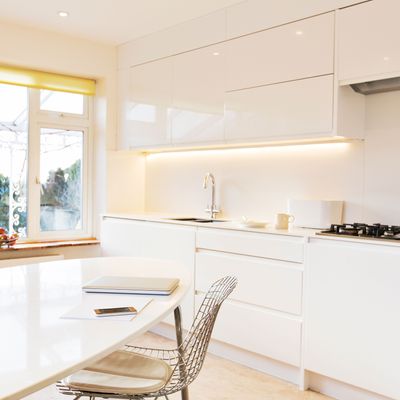
How to Brighten Up Your Sad Kitchen Lighting, According to Interior Designers
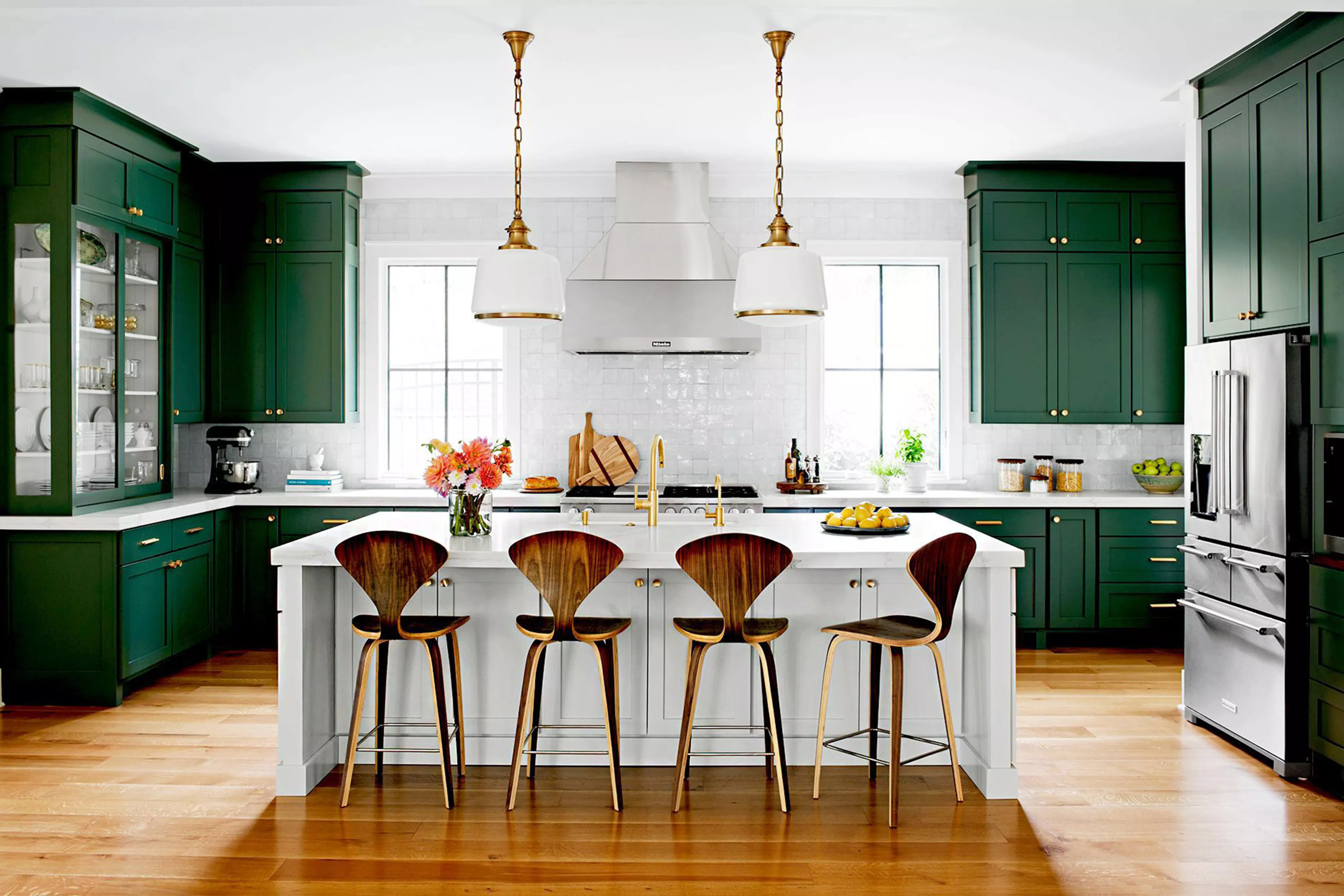
Say Goodbye to Cooking in Harsh Lighting: Cabinet Lights Are Here to Save Your Cookspace’s Ambiance

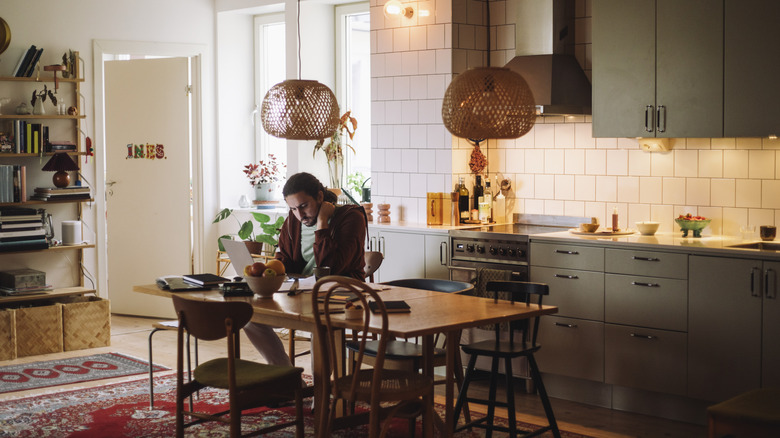
17 Best Creative Lighting Ideas For Your Kitchen

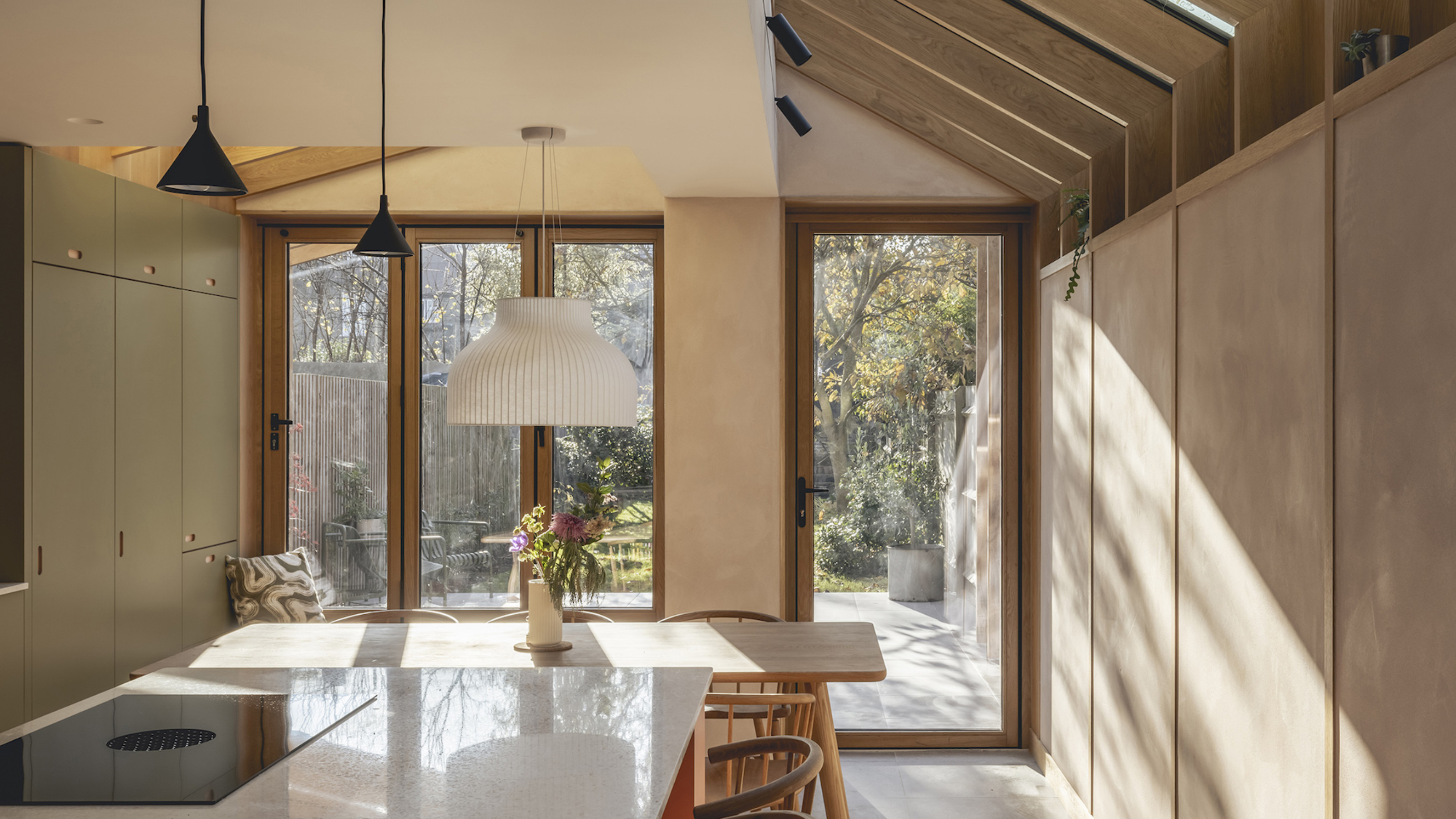
7 Tips to Save Your Kitchen Lighting From Being Too Harsh

Your Kitchen Lighting Is a Missed Opportunity for Storage
How to plan kitchen lighting — create a scheme in sync with your routine

Designers say that lighting is the easiest way to elevate your kitchen
3 Steps to Perfect Kitchen Lighting, According to an Expert
12 Kitchen Lighting Mistakes (And How To Avoid Them)

Lighting for the Long Term: A Detailed Illustration of Ideal Kitchen Lighting

Essential Kitchen Lighting Tips, According to Industry Pros
The BEST Way to Light Your Kitchen Is Not What You Think

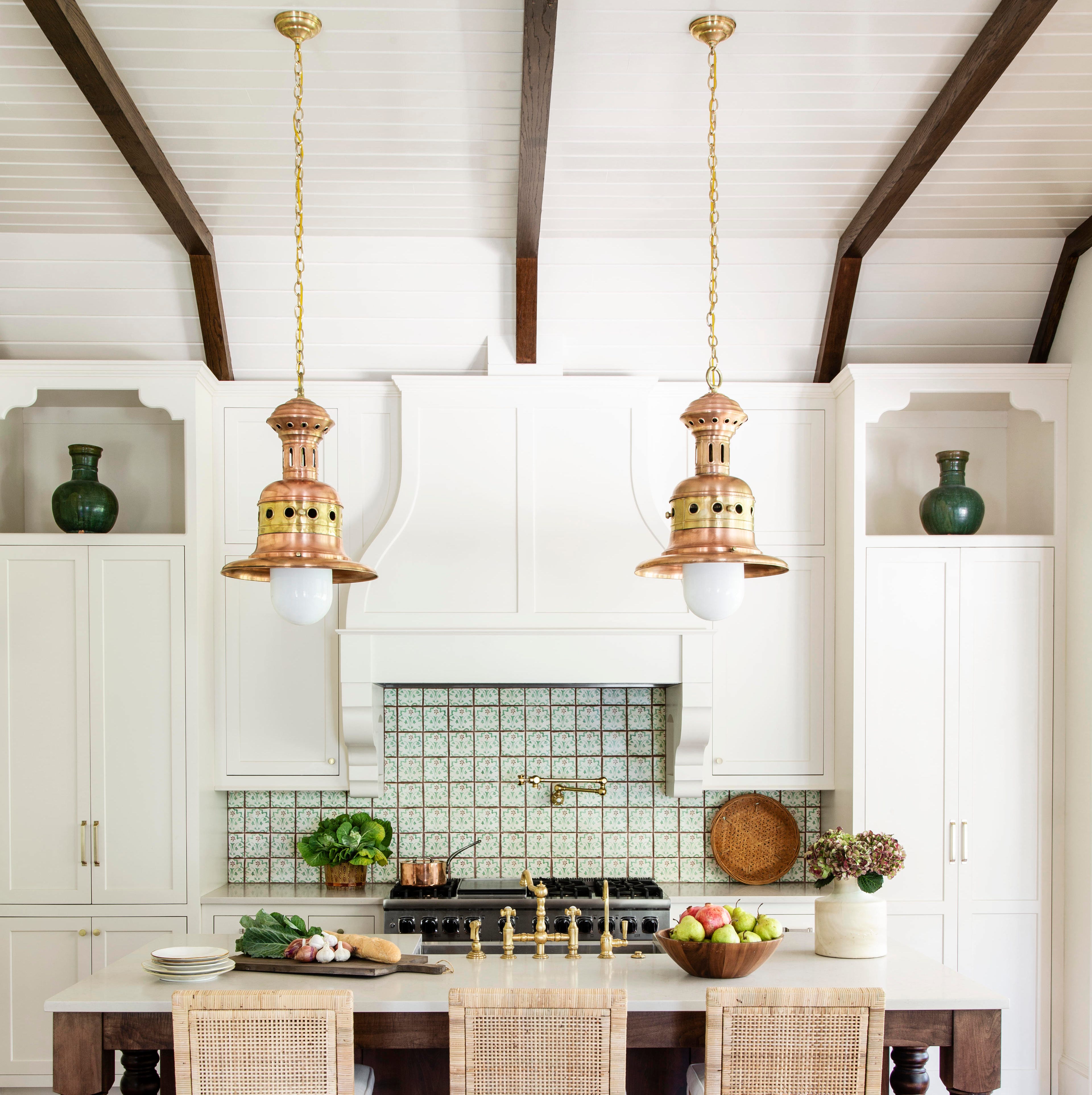
These Kitchen Lighting Ideas Will Bring Idyllic Ambiance to the Heart of Your Home
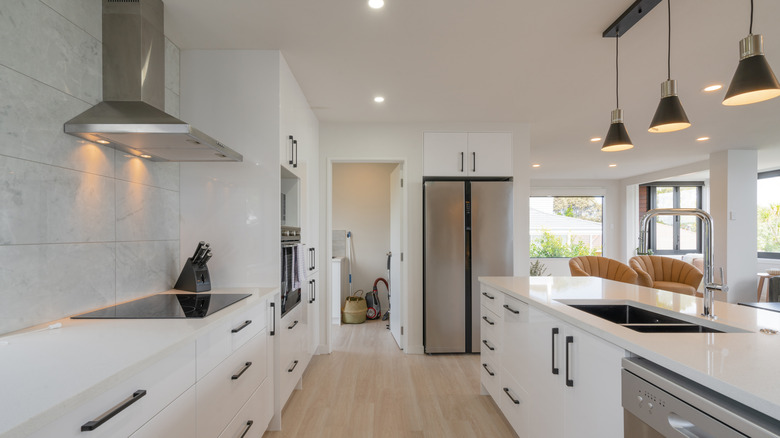
15 Kitchen Lighting Mistakes Everyone Makes
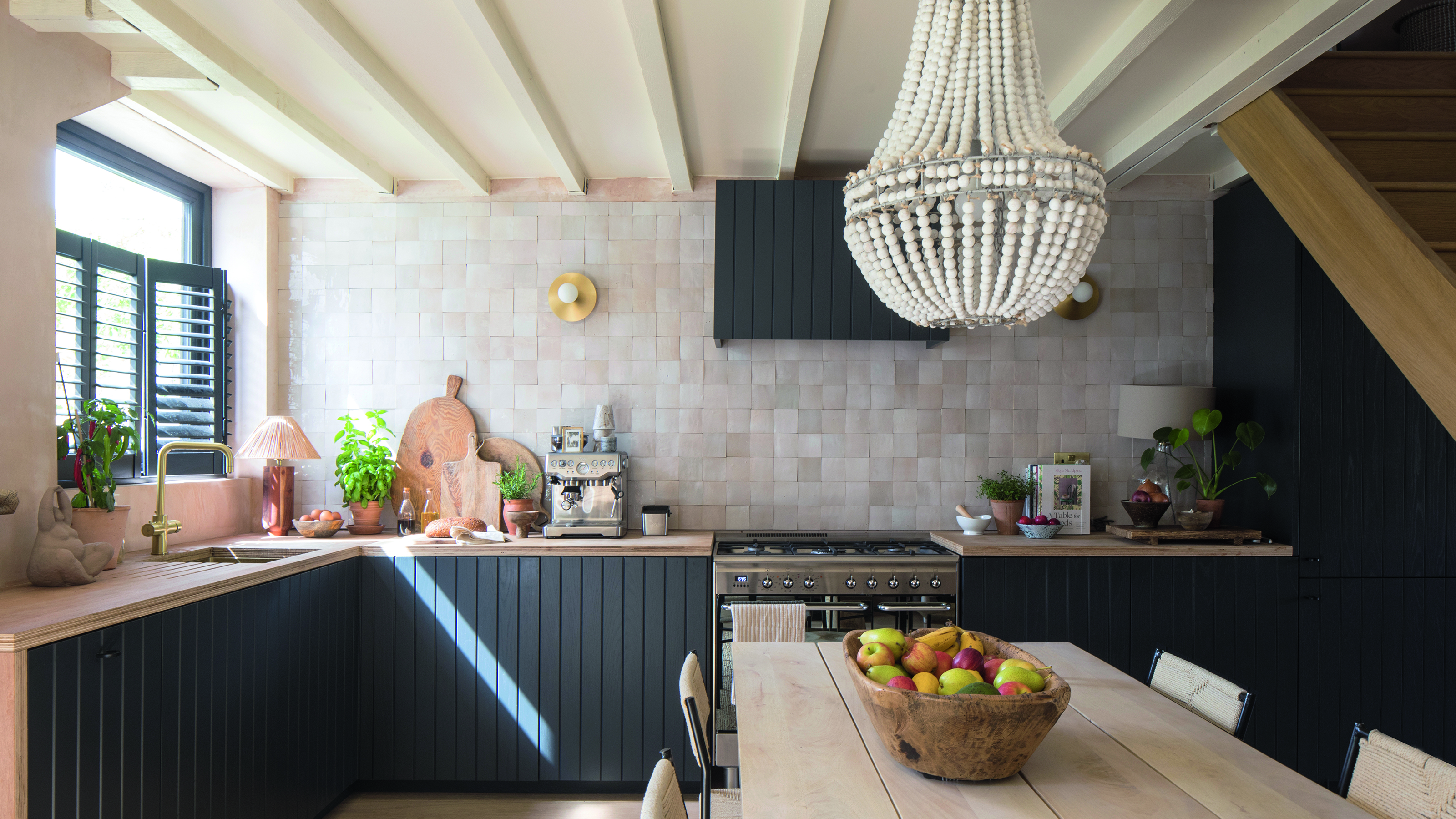
27 smart kitchen lighting ideas that will illuminate your space and add style
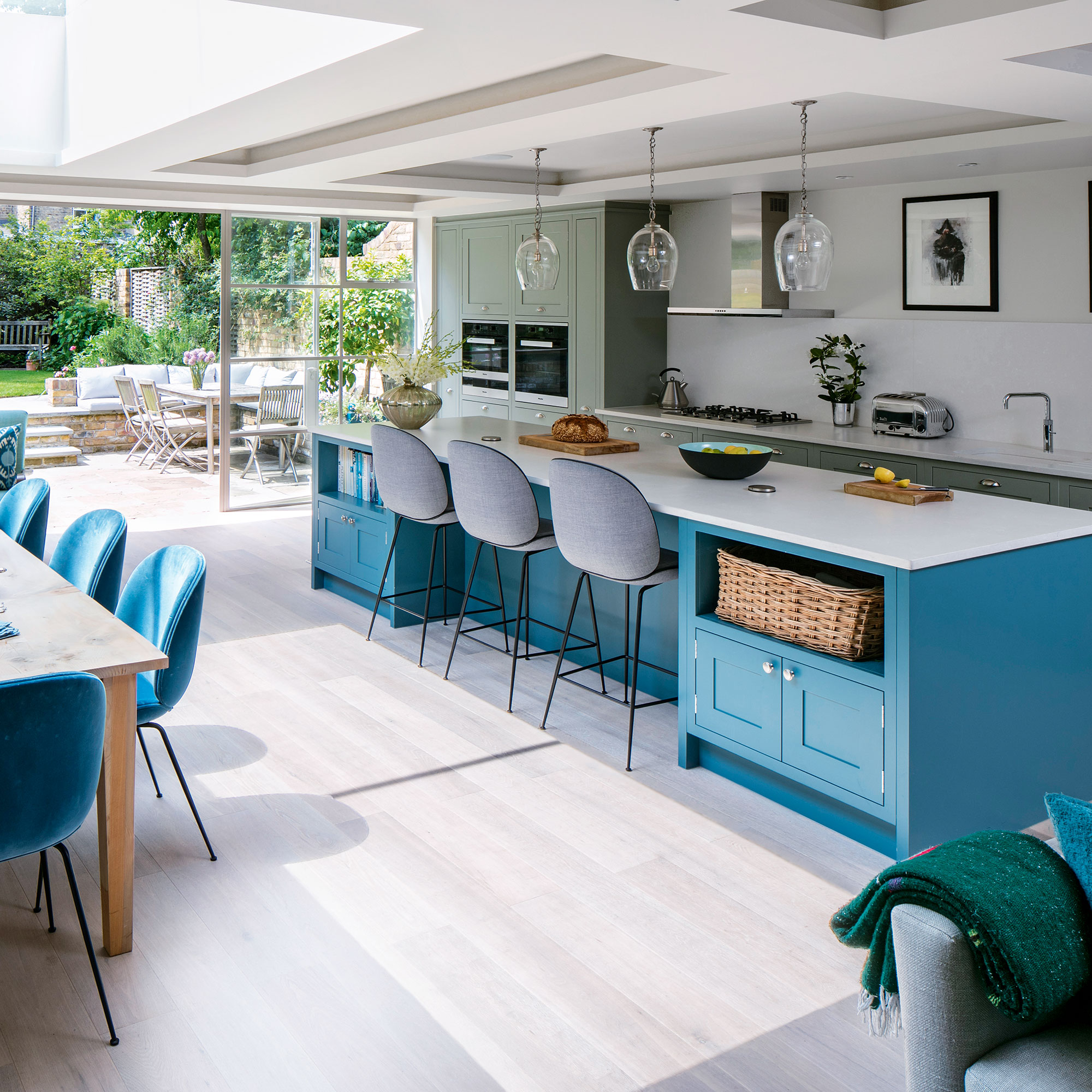
5 kitchen lighting layouts to illuminate your space to perfection
The 5 kitchen trends designers say will be huge in 2025

The Low-Effort Kitchen Lighting Trend That Adds Instant Elegance