1/4
Lighting for the Long Term: A Detailed Illustration of Ideal Kitchen Lighting
The role of lighting in everyday life is undergoing a revolution due to the convergence of scientific discoveries and technological advancements. Light significantly influences human circadian rhythms, overall health, and mood. The article emphasizes the importance of regulating the quantity and quality of light exposure, particularly as individuals age. With age, the eye's lenses become less flexible, can discolor and cloud, leading to scattered light, increased glare perception, and difficulty distinguishing colors. Additionally, the muscles controlling pupils weaken, making them less responsive to ambient light changes. Unlike other rooms where additional lamps or brighter bulbs can be easily introduced, kitchen lighting is often fixed, necessitating careful planning from the outset.
Research from the Lighting Research Center (LRC) at Rensselaer Polytechnic Institute highlights the profound effects of appropriate lighting on human health. Studies indicate that the right lighting can mitigate the risk of falls, reduce the progression of macular degeneration and cloudiness, and potentially alleviate symptoms of dementia. Furthermore, scientific discoveries reveal that specific retinal cells transmit signals not to the visual cortex but to a distinct brain region responsible for regulating the body's 24-hour circadian clock. This system dictates daily rhythms, orchestrates the release of melatonin at night and cortisol in the morning, and influences fluctuations in core body temperature.
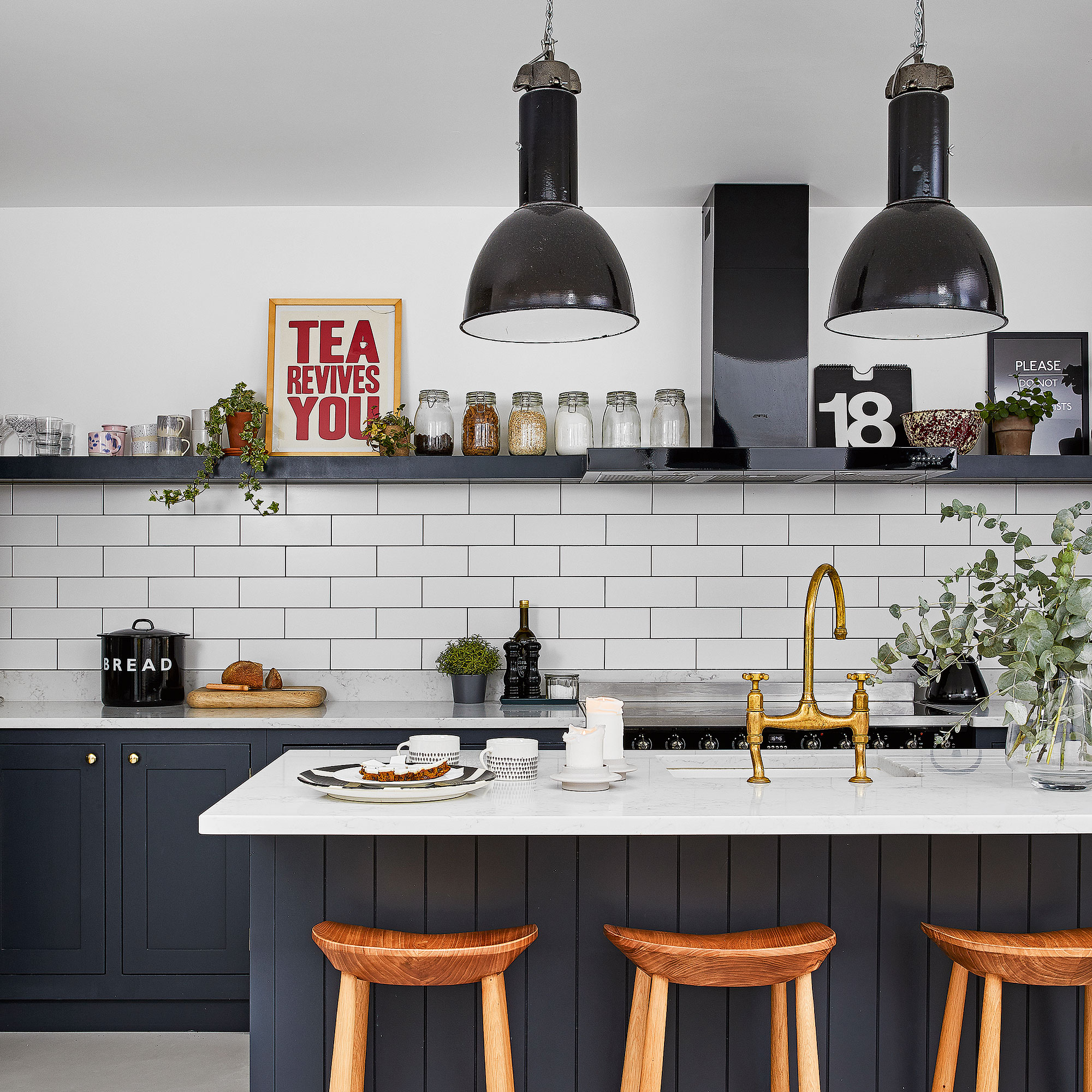
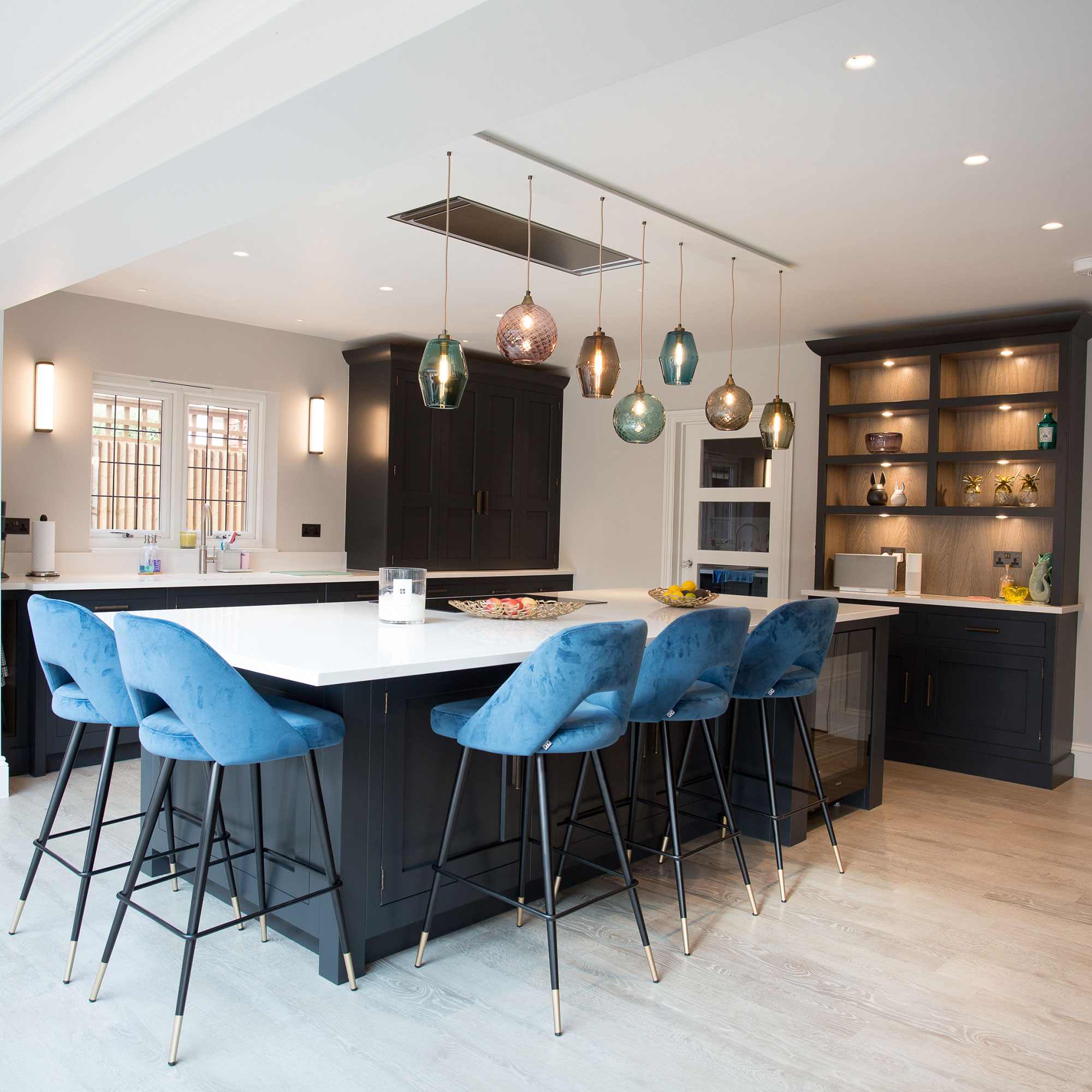
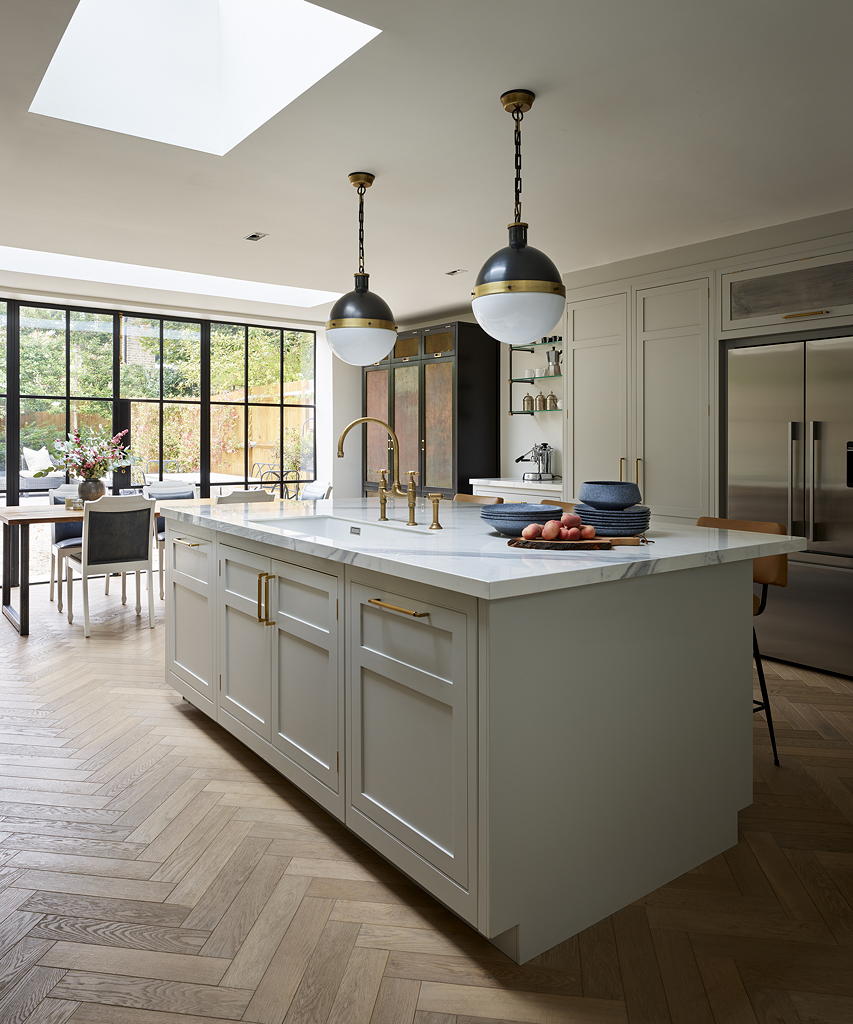
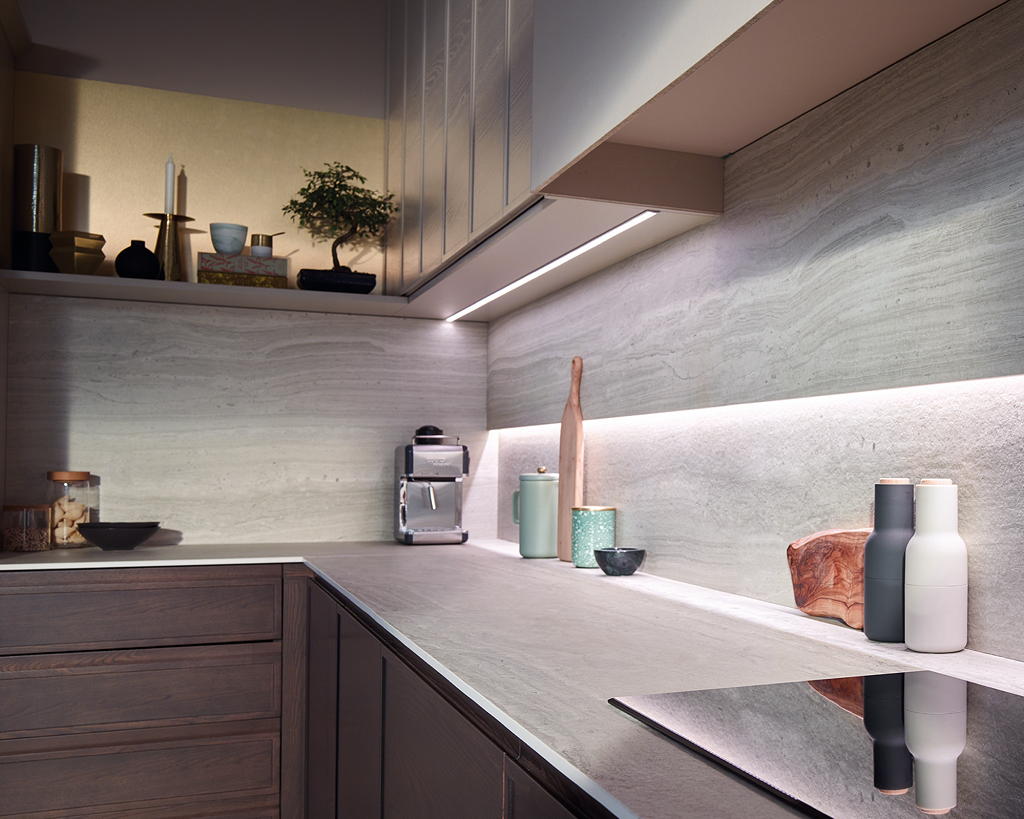
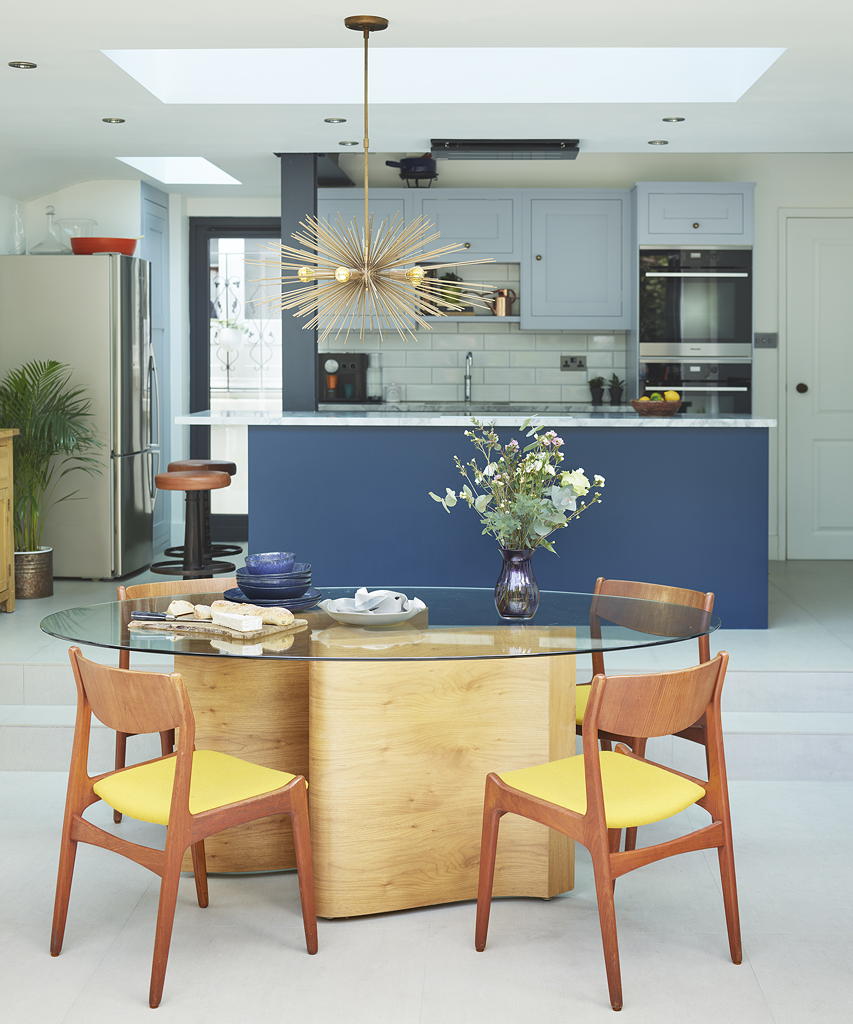
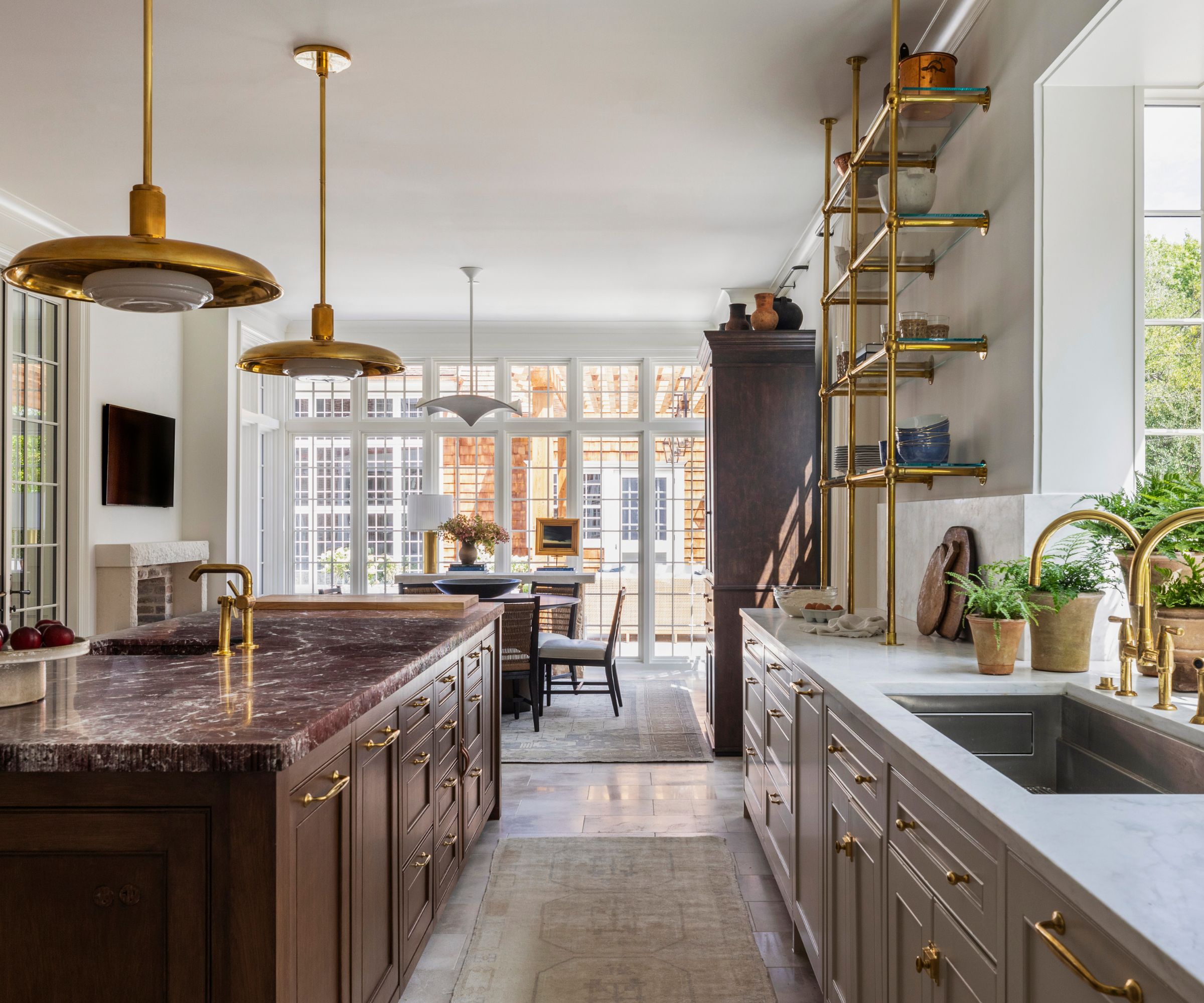
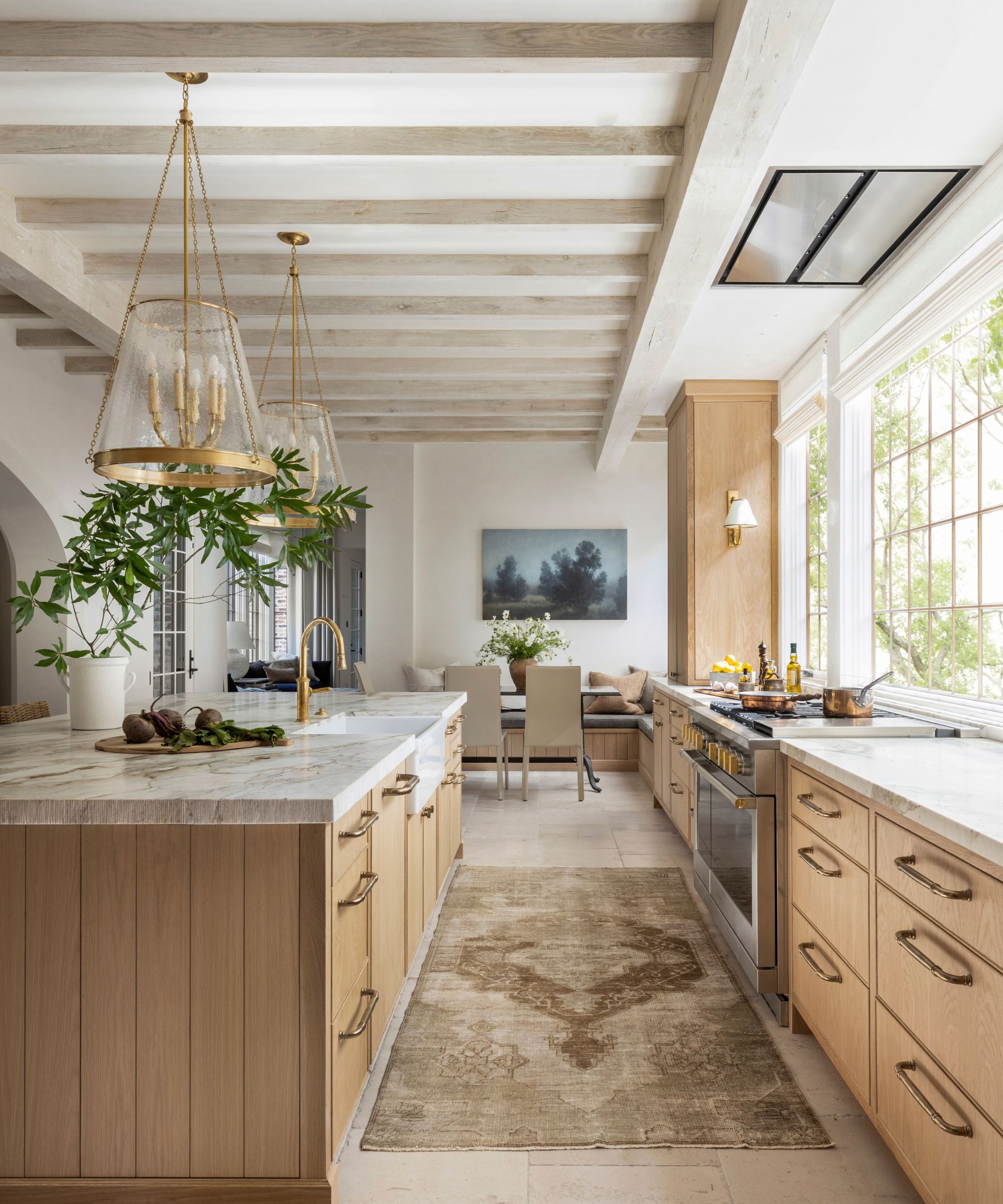
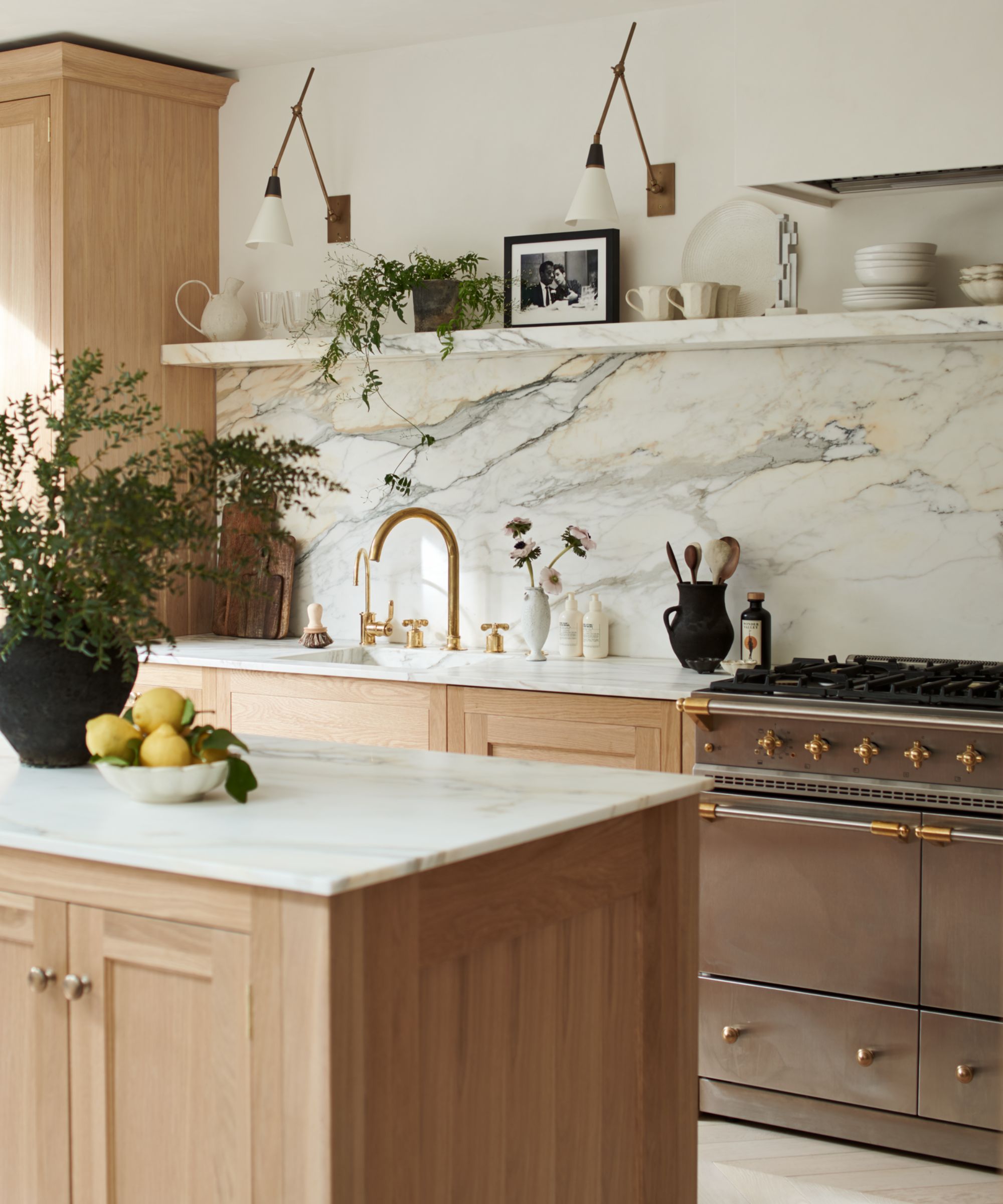
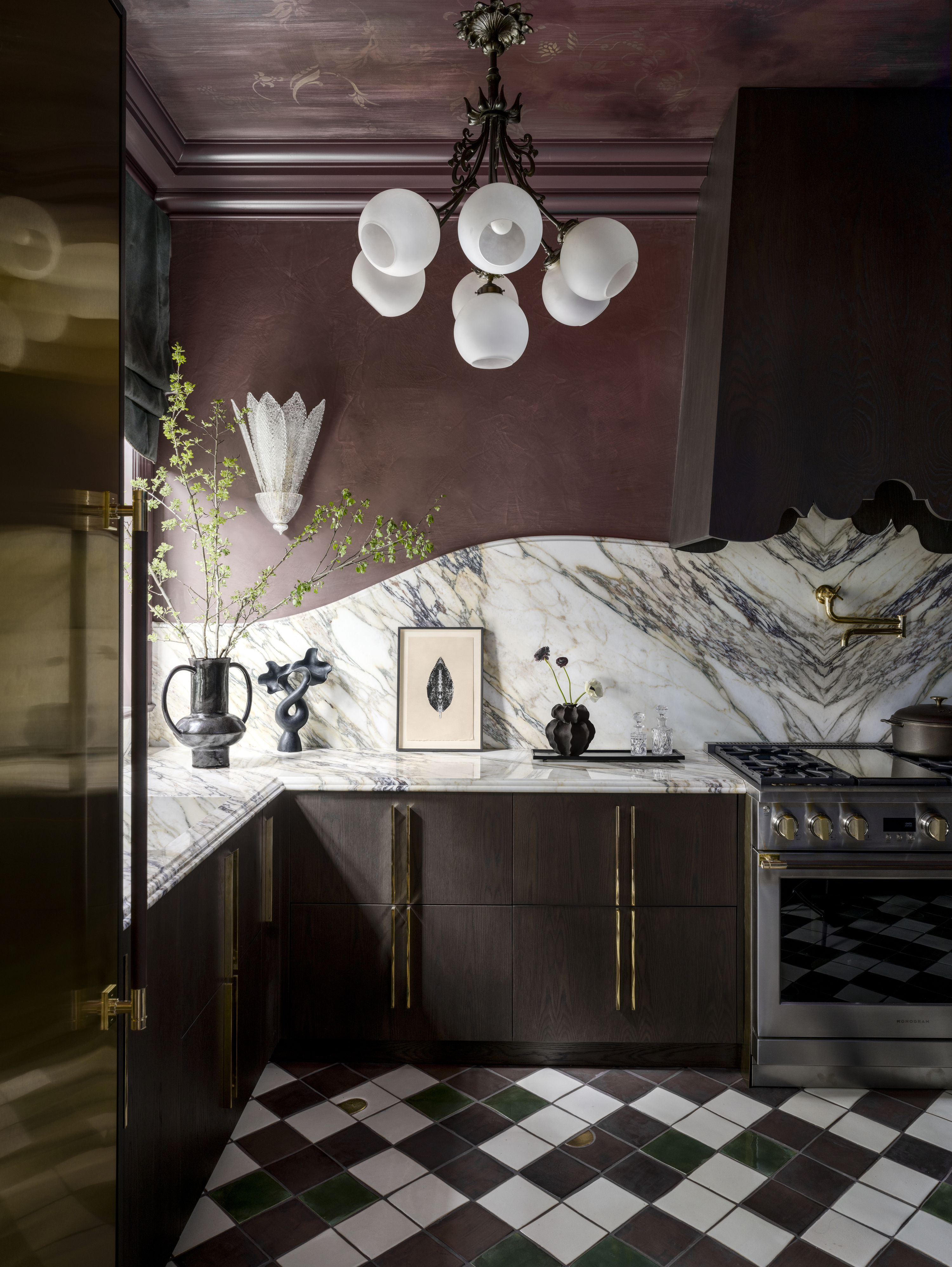
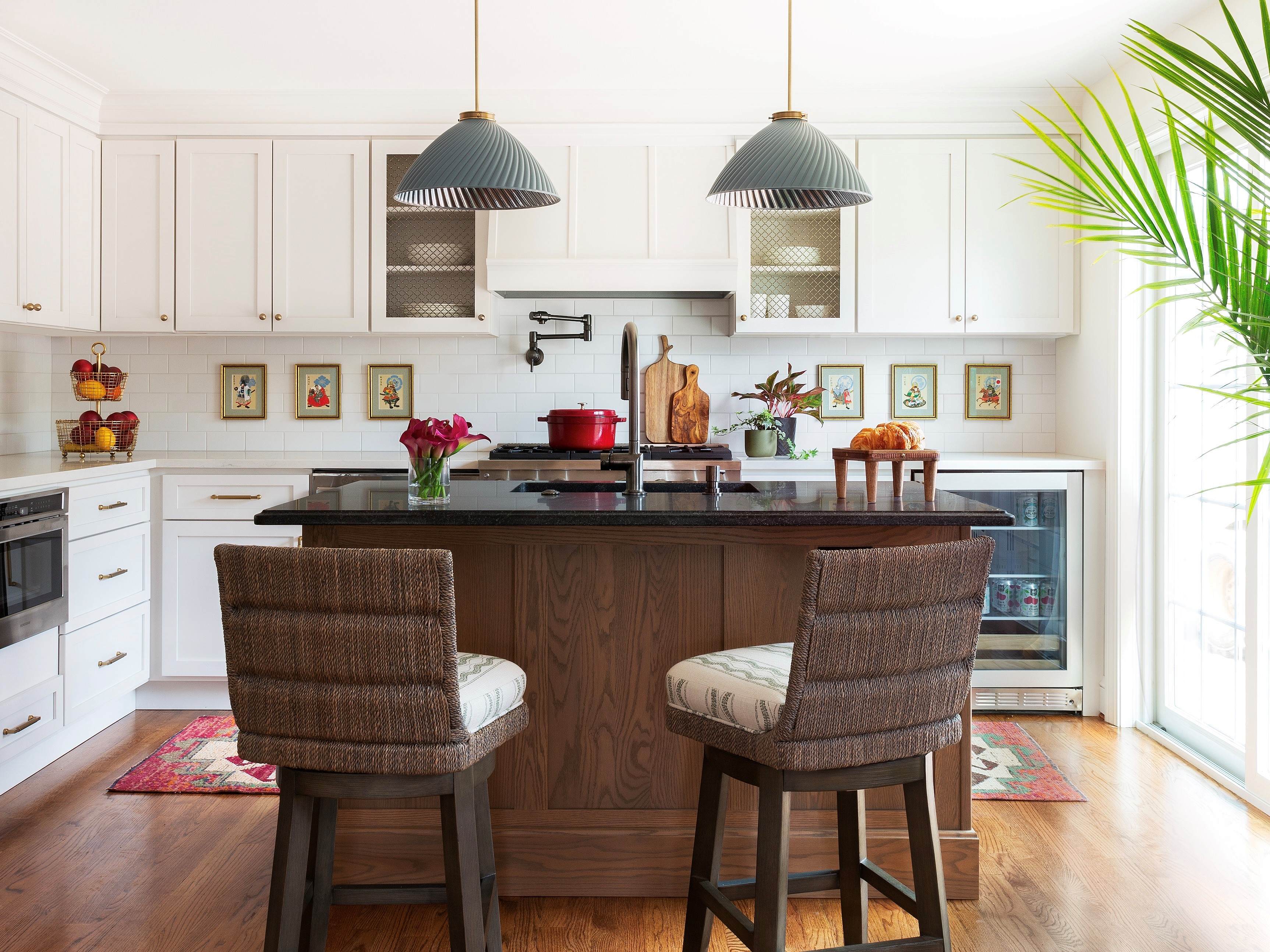
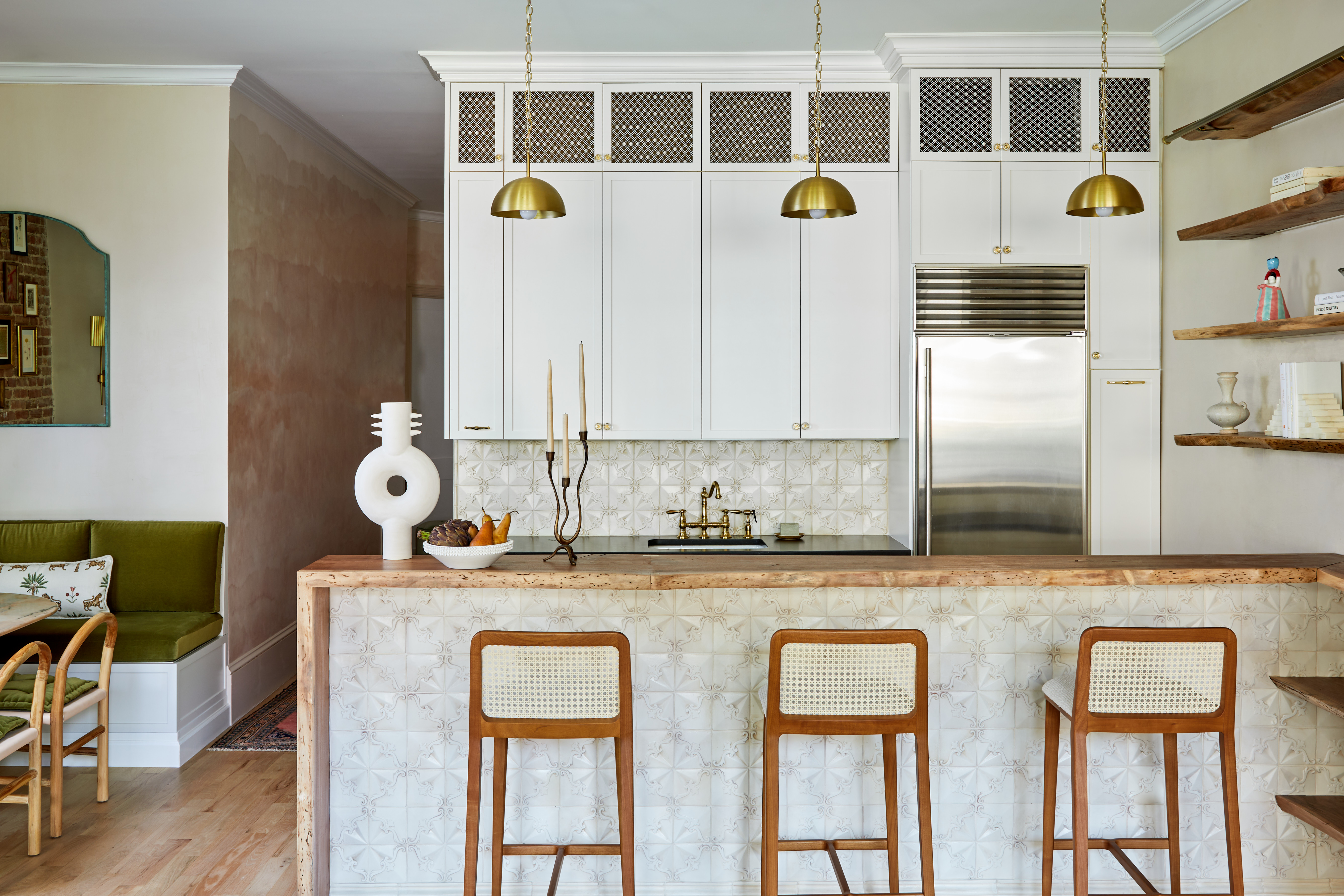
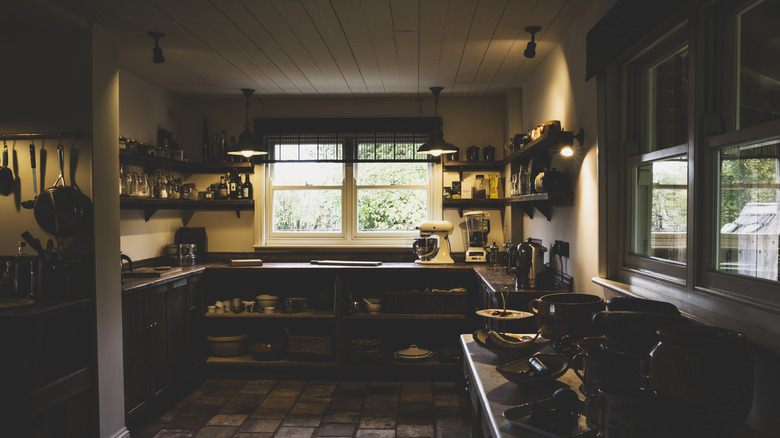
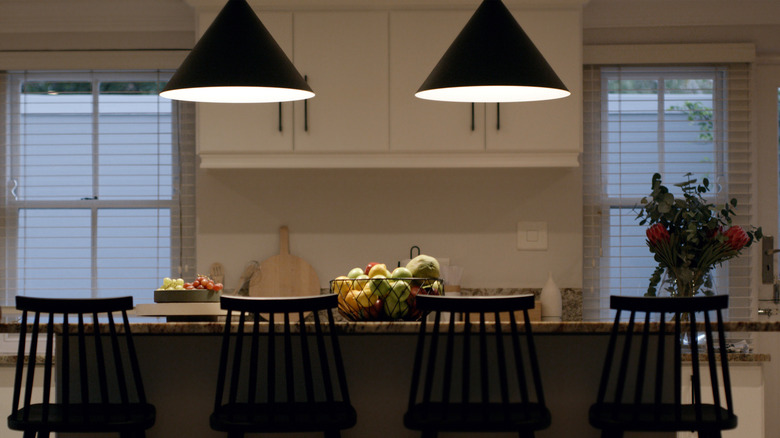
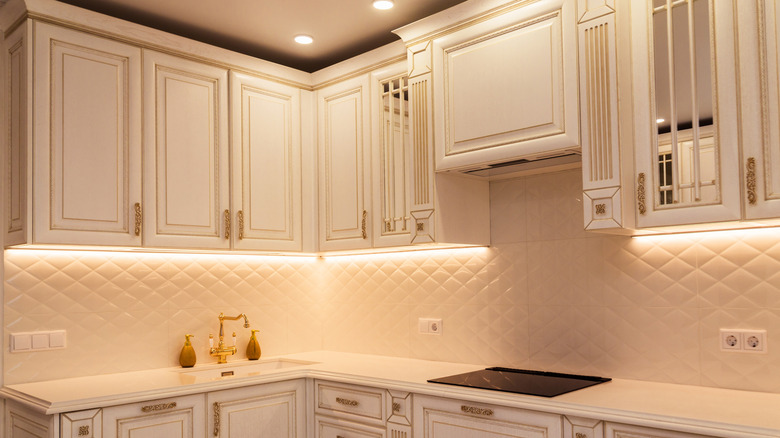
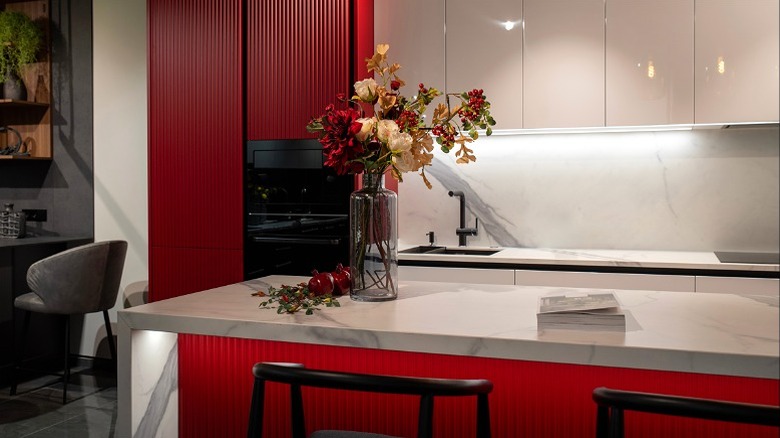
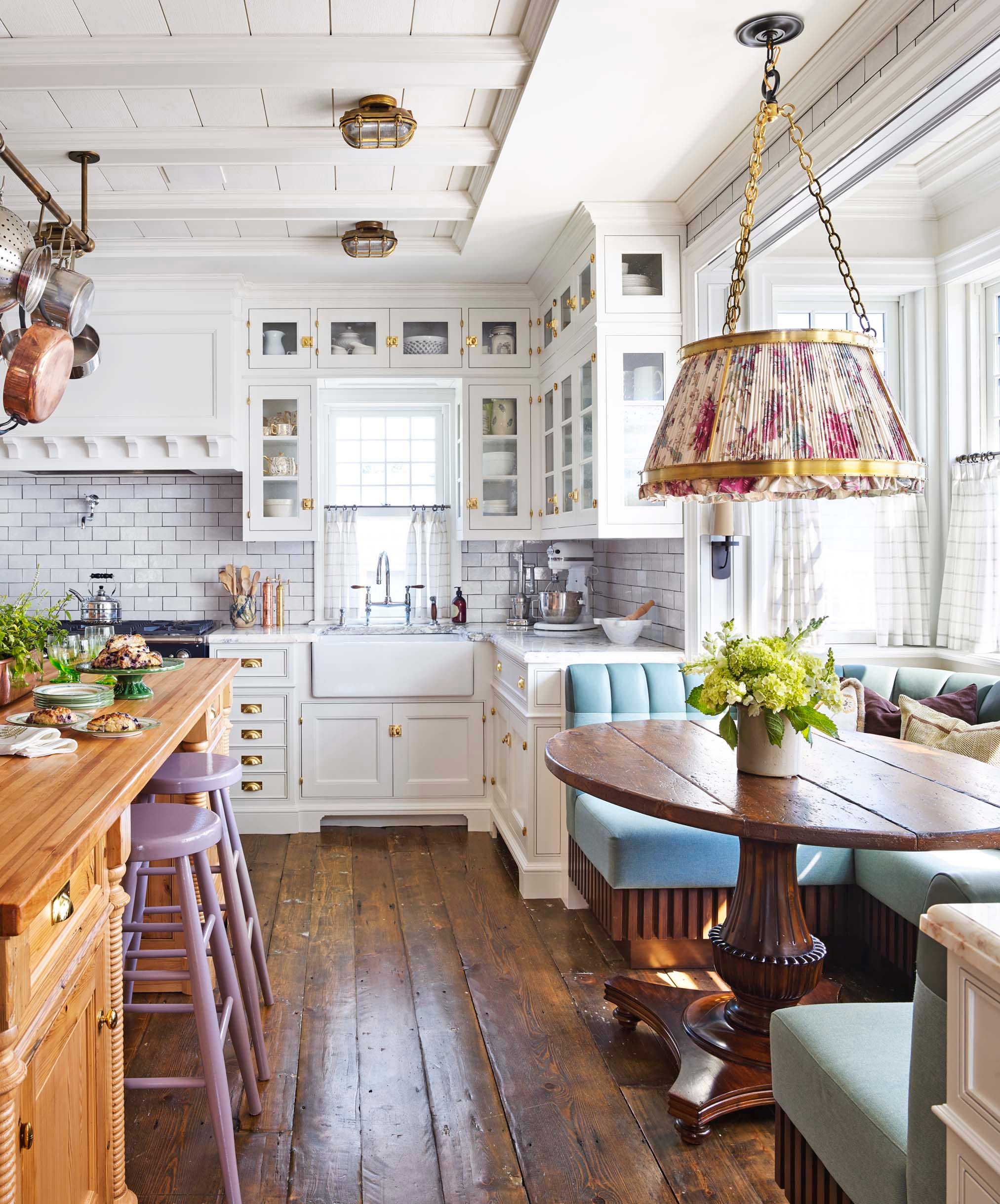
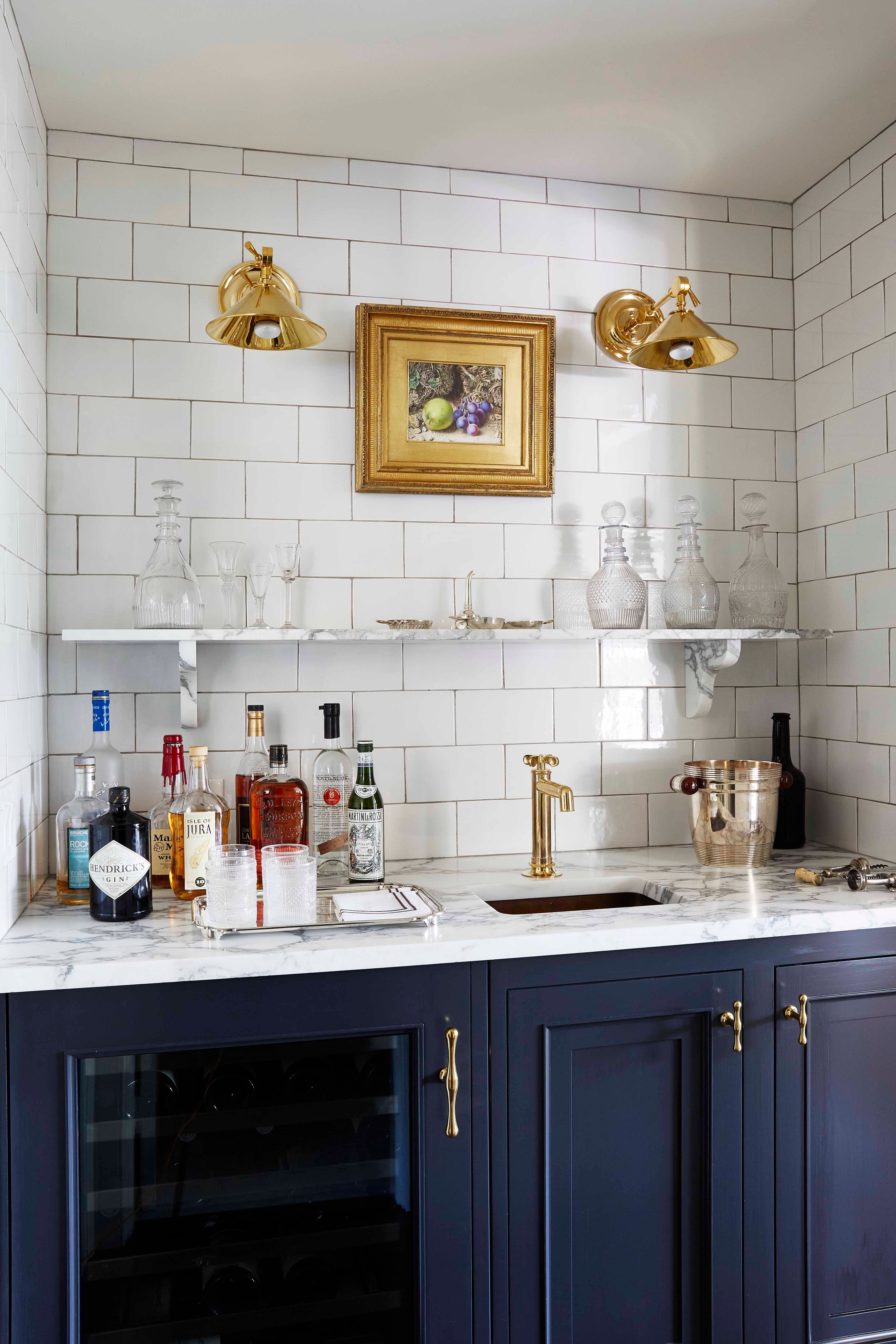
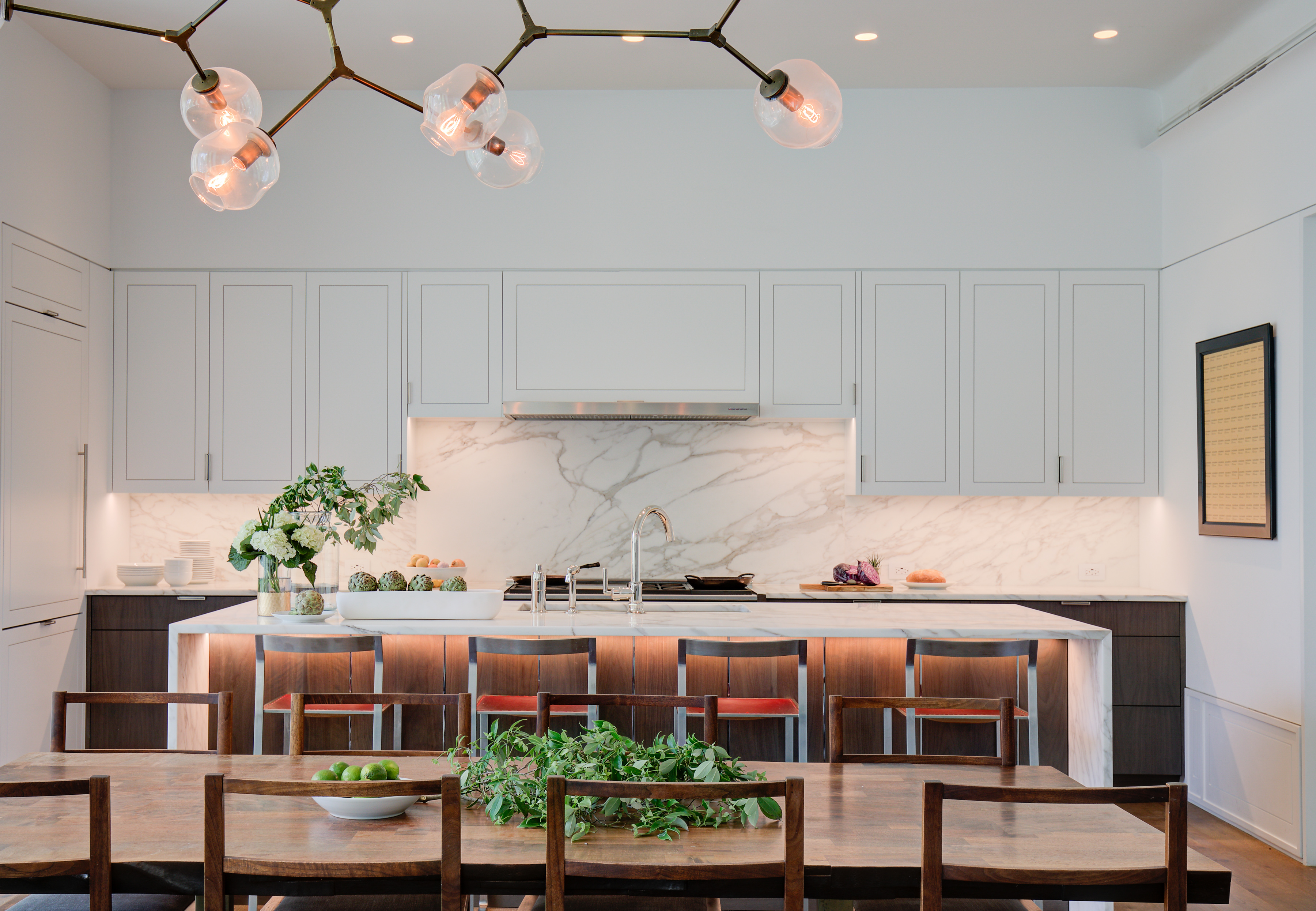
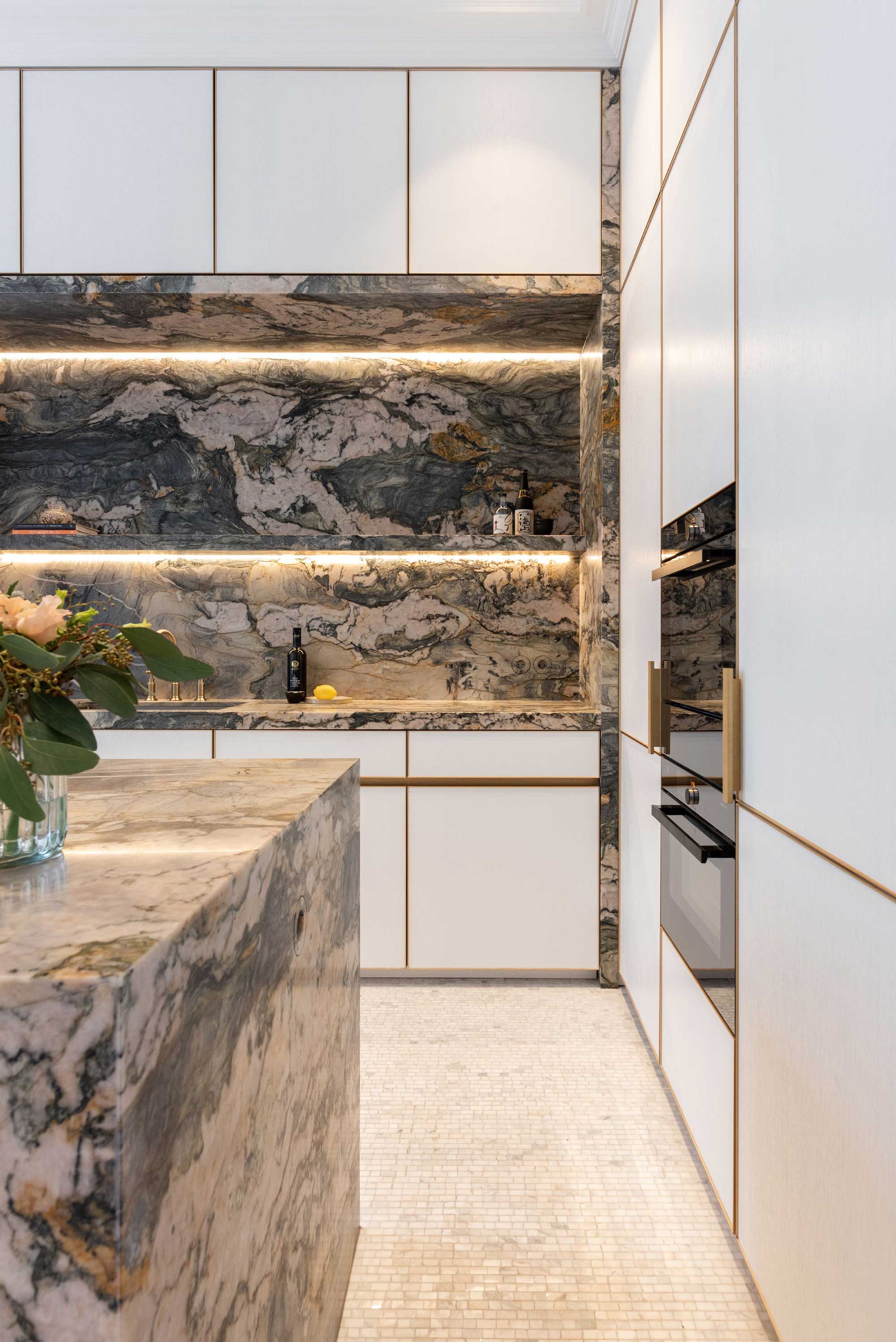
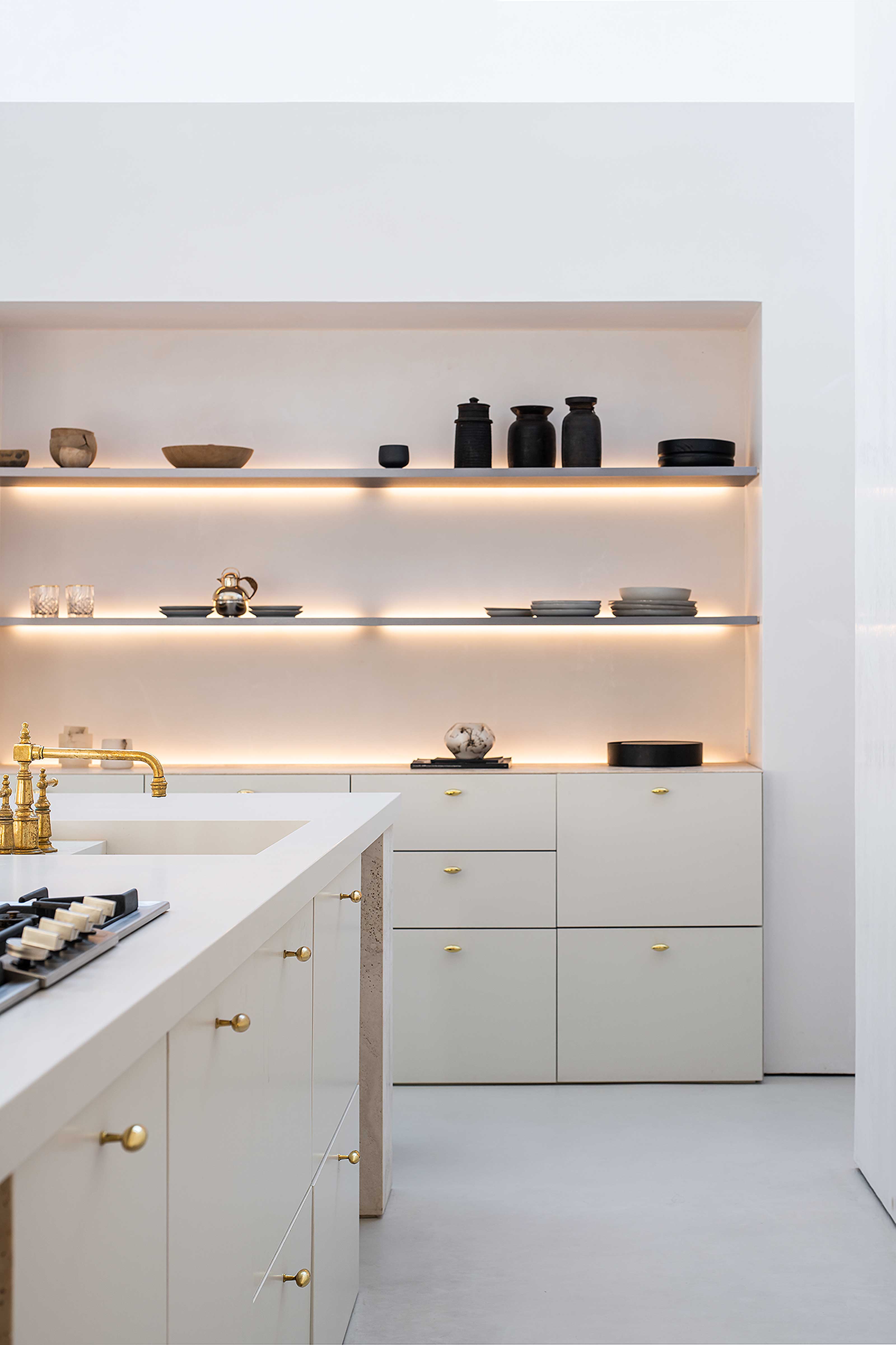
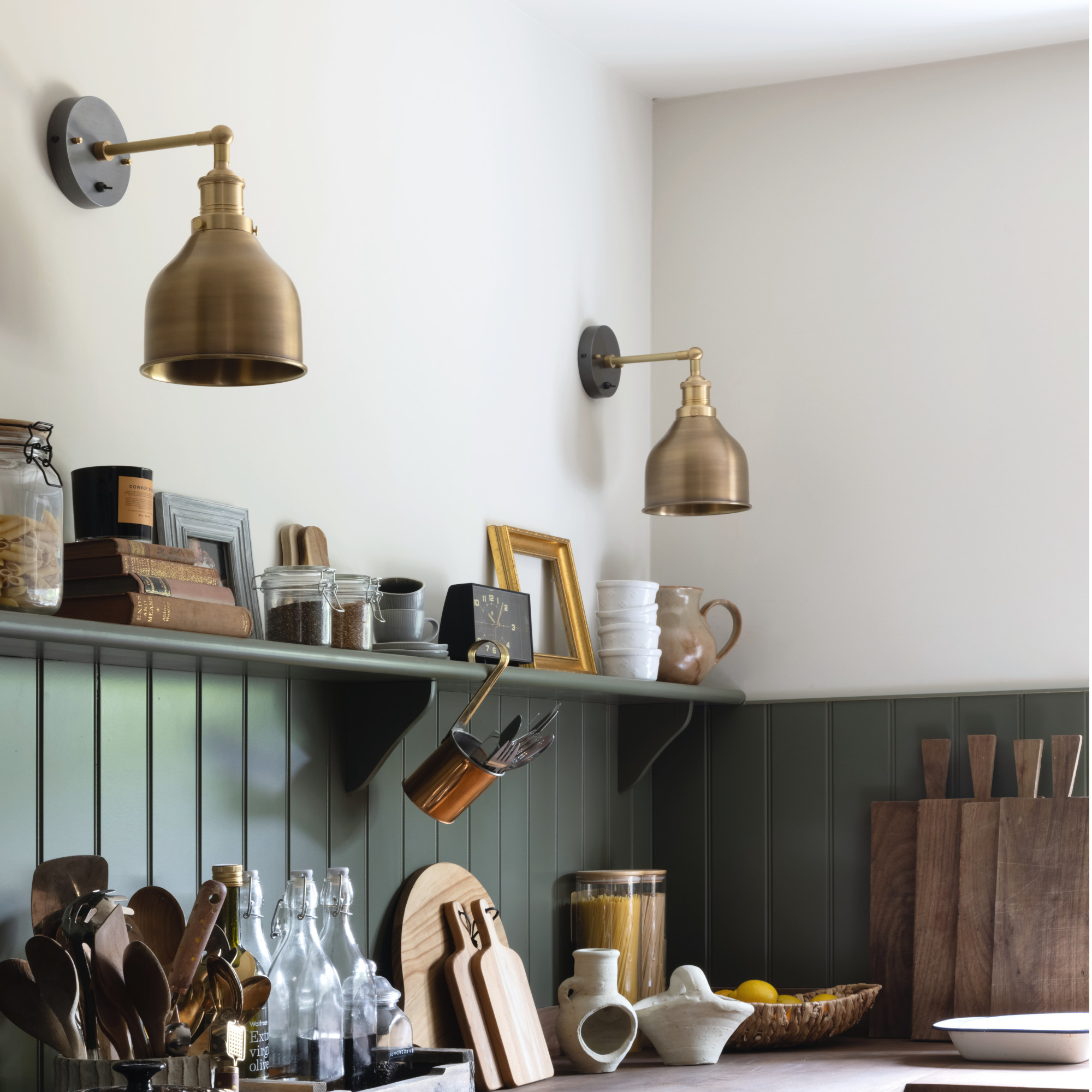
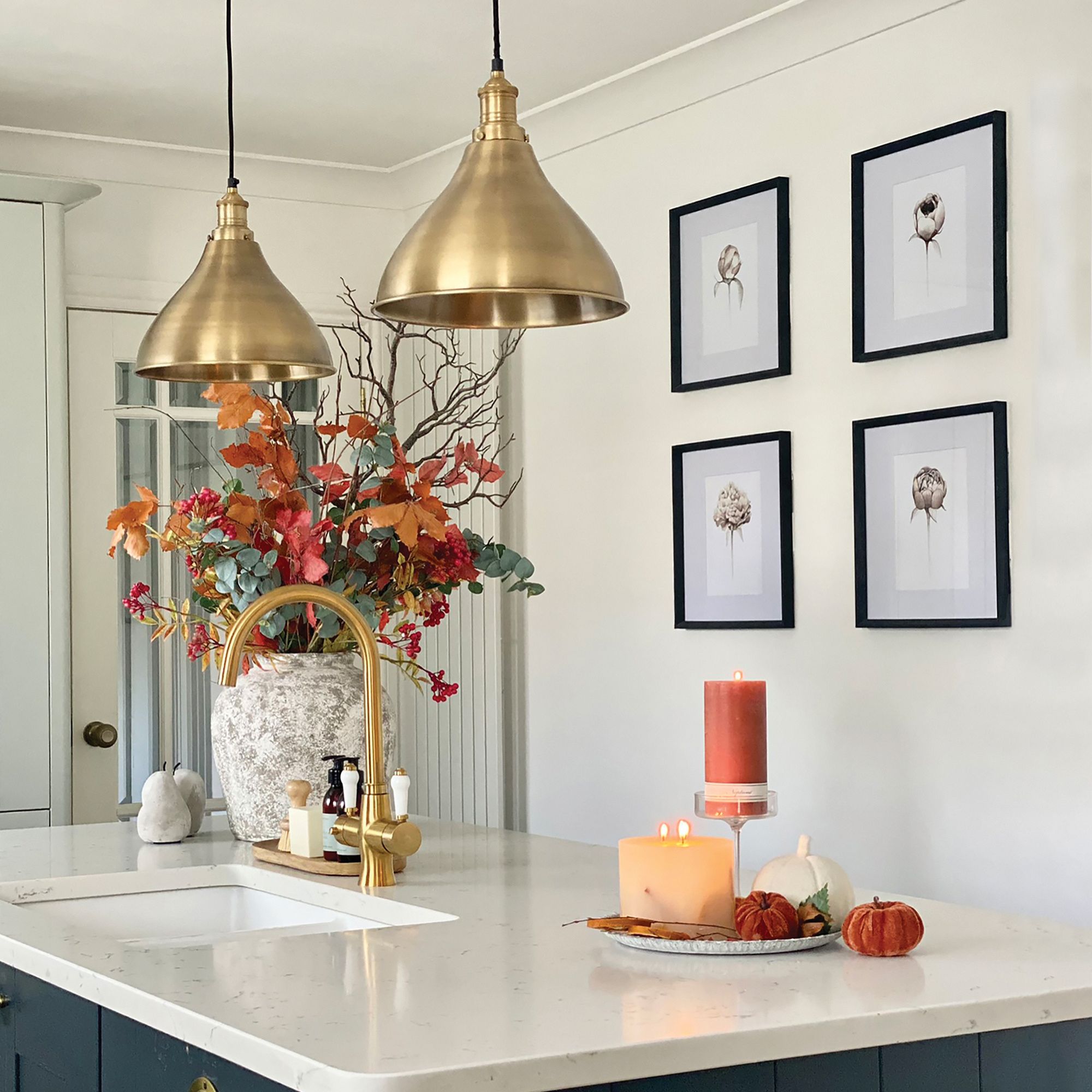
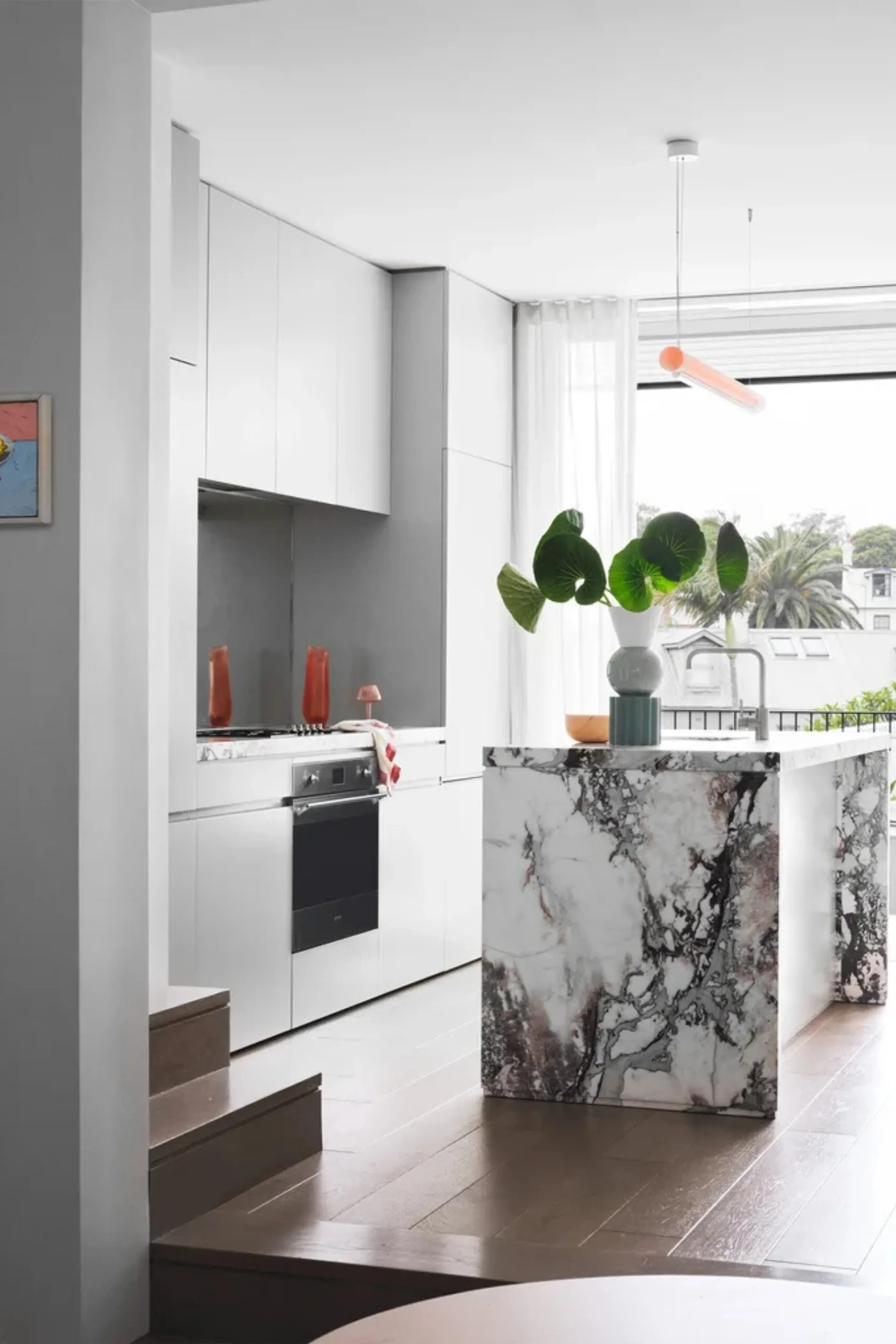
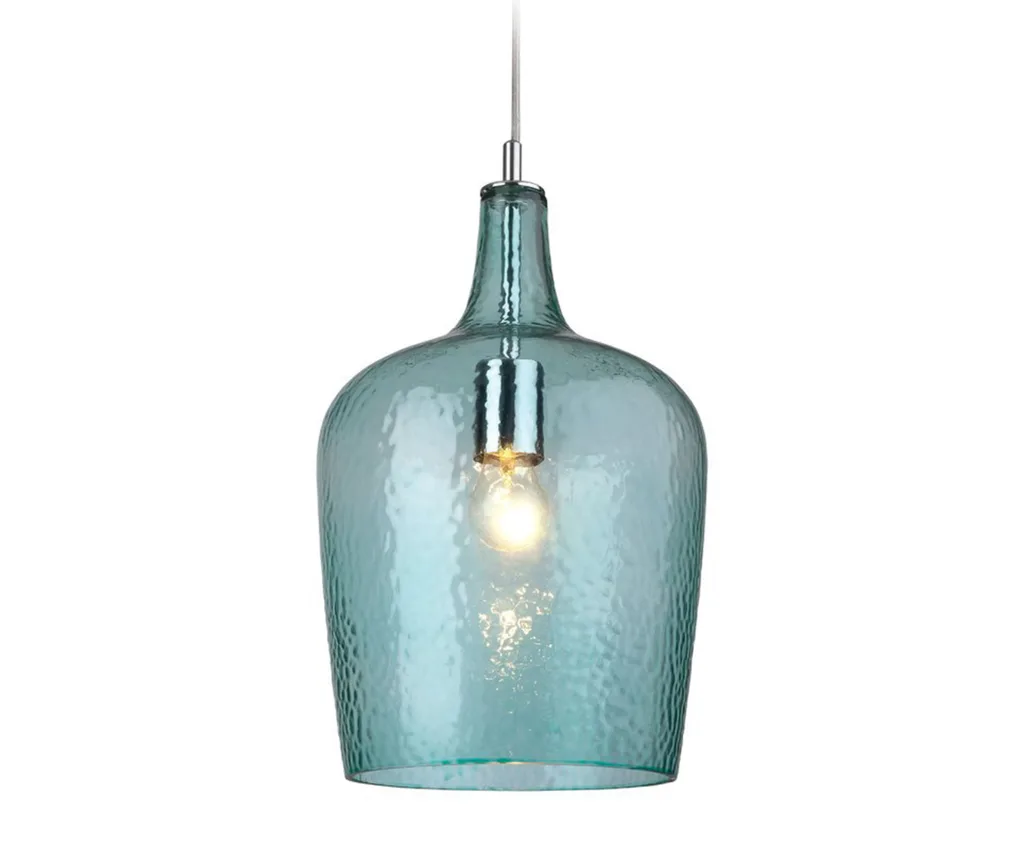
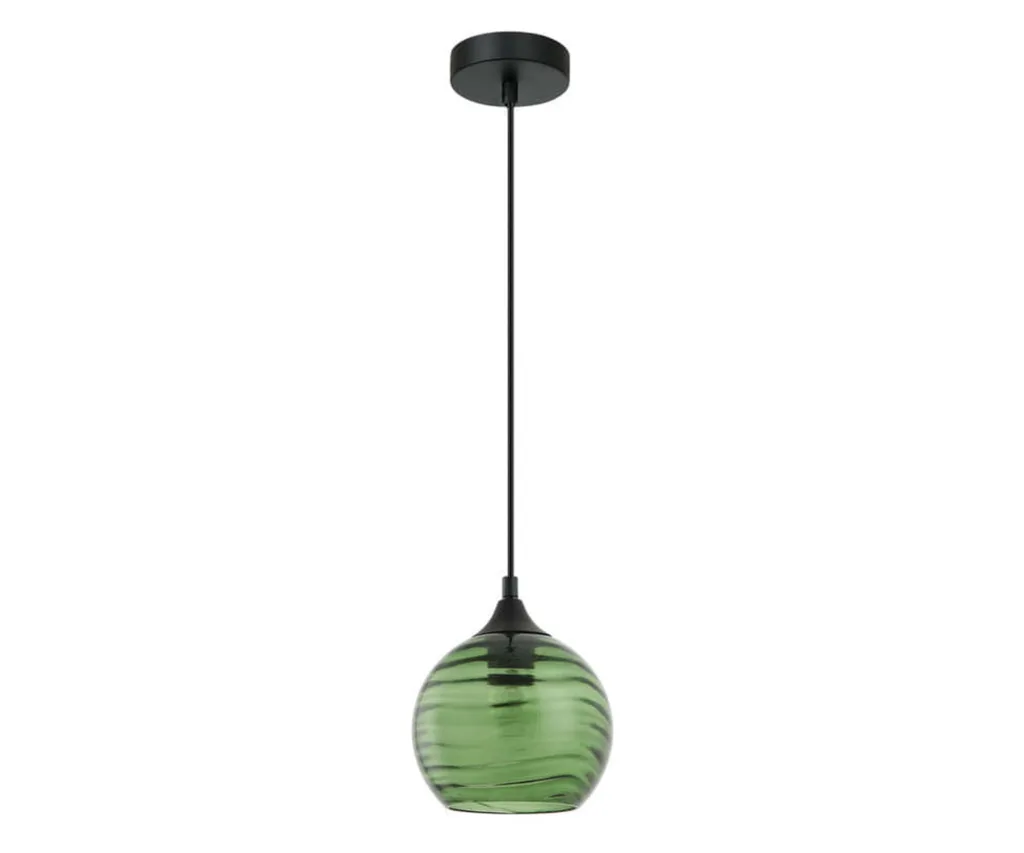
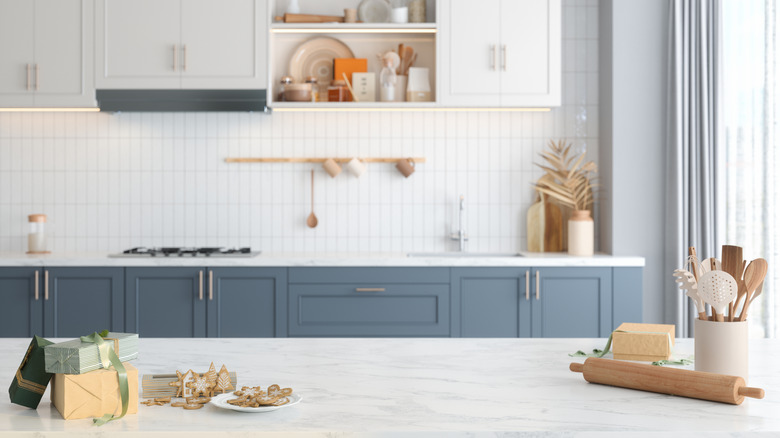
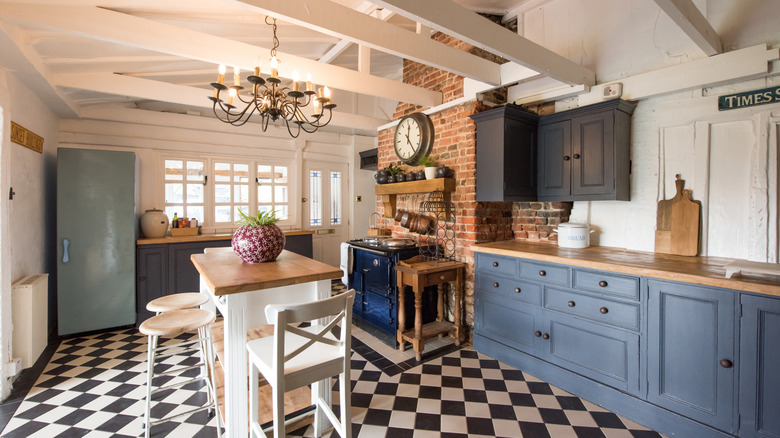
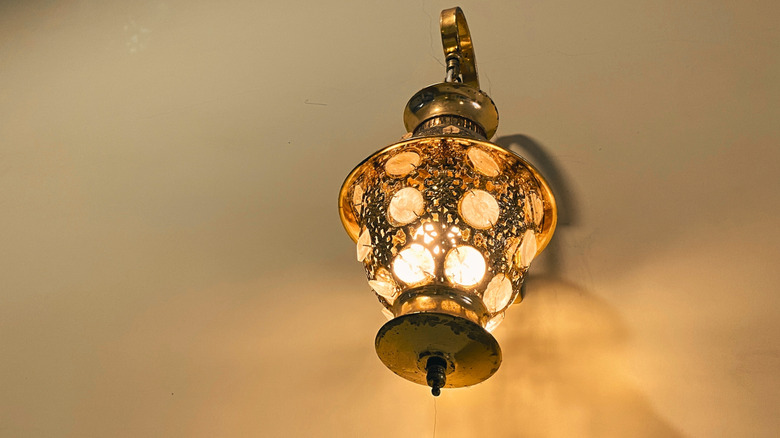
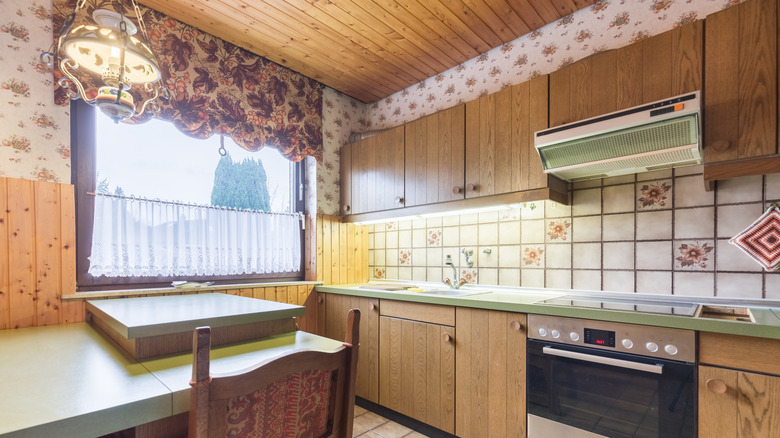
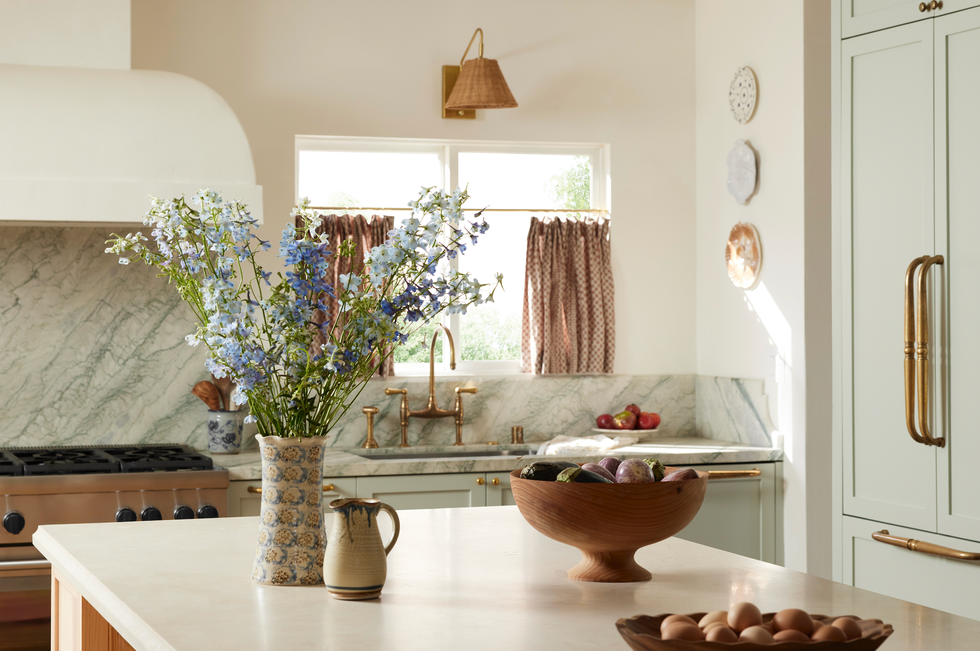
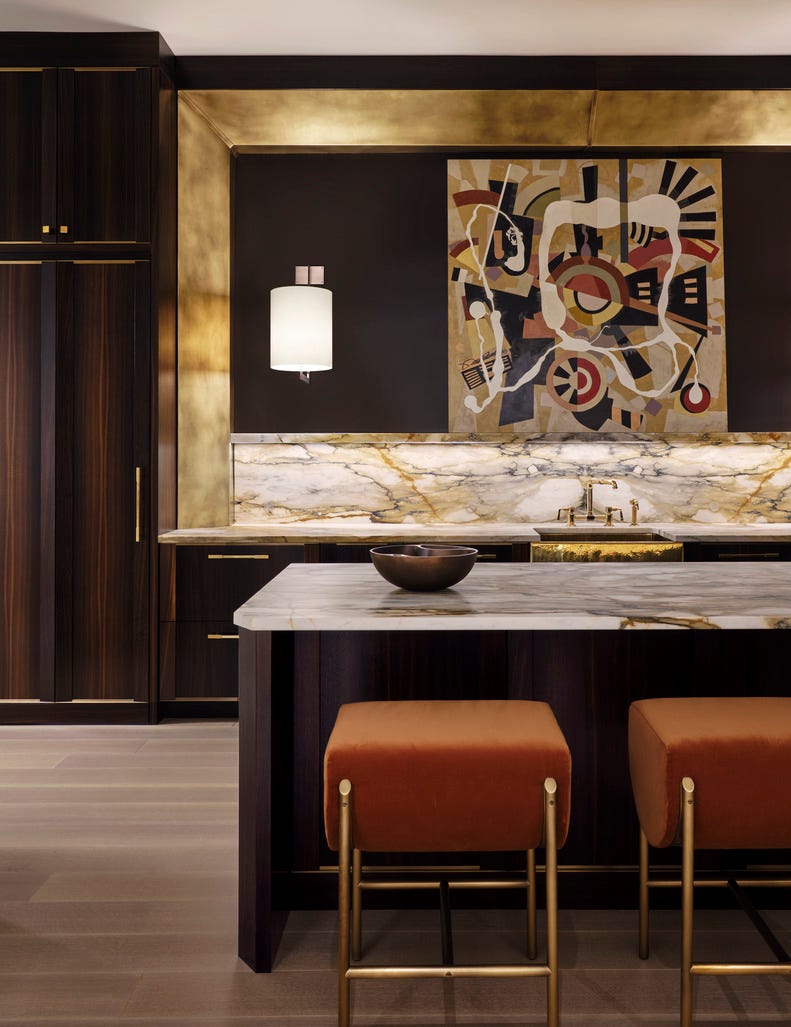
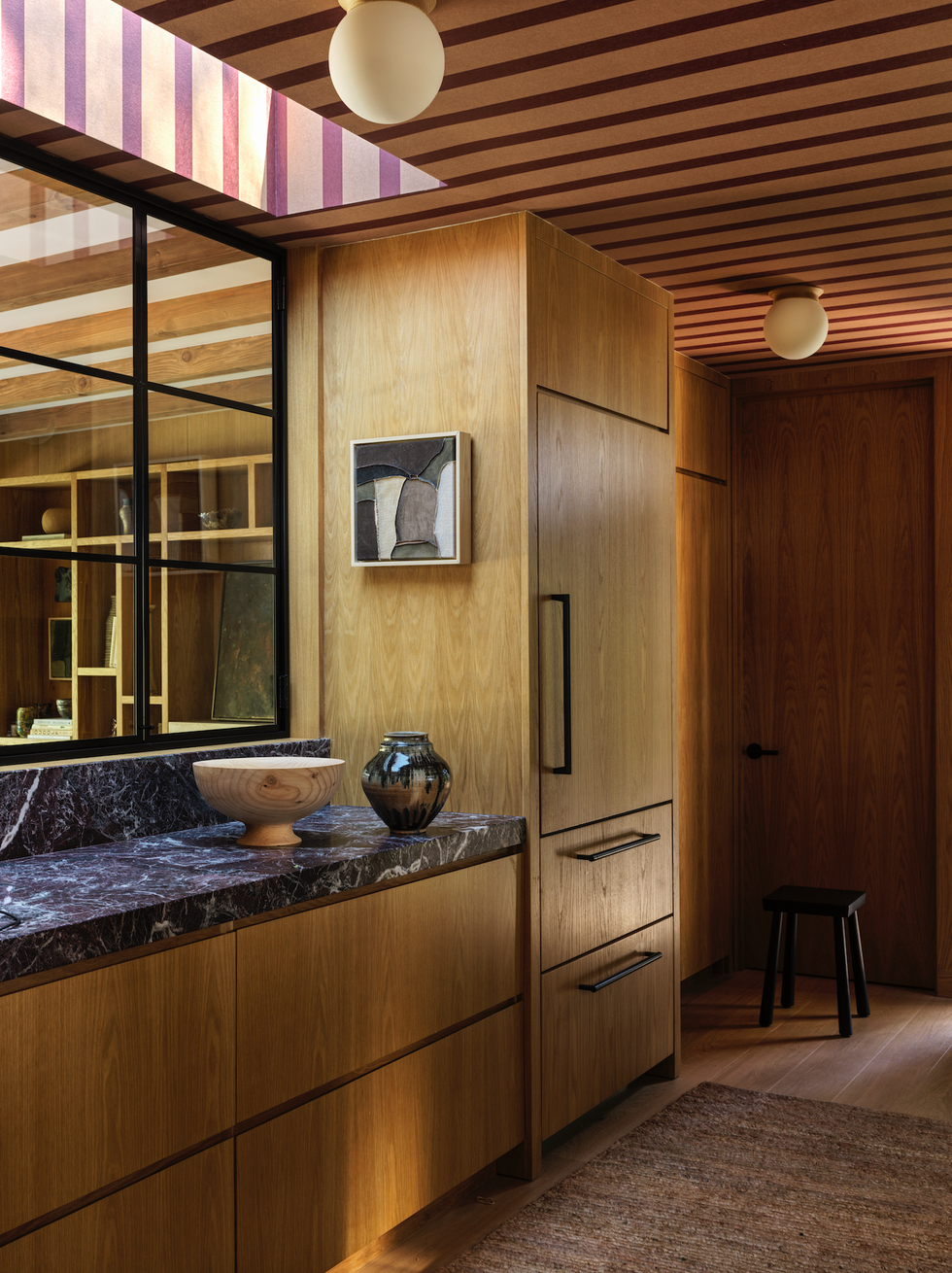
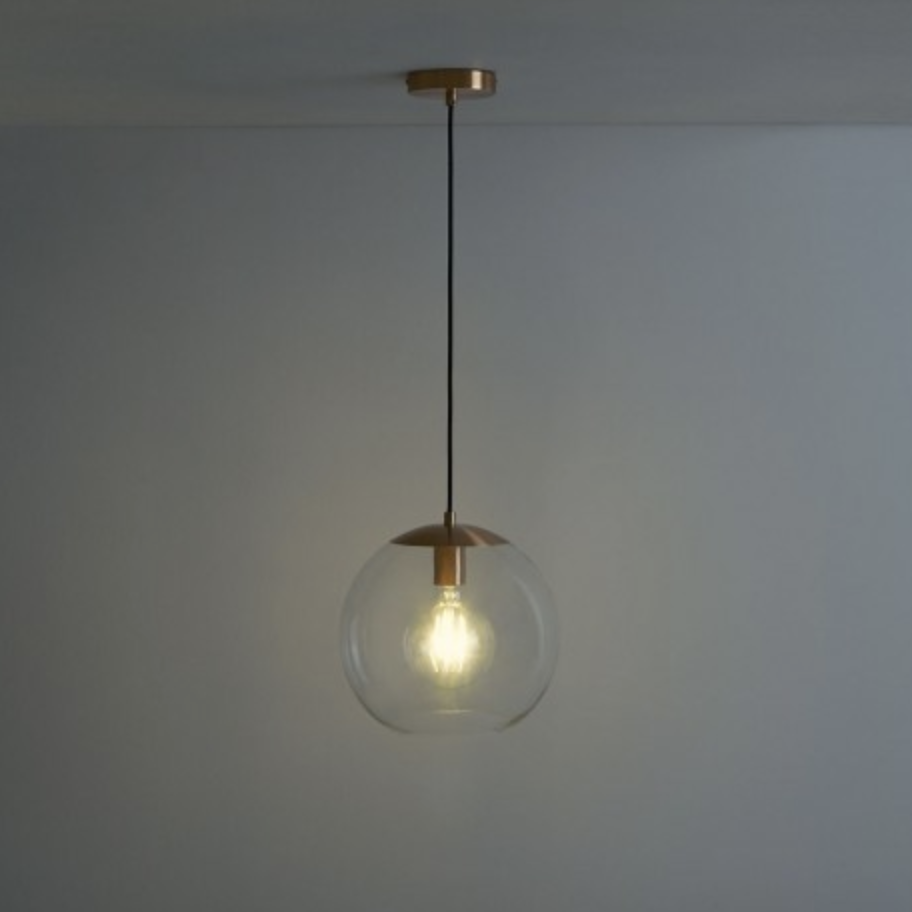
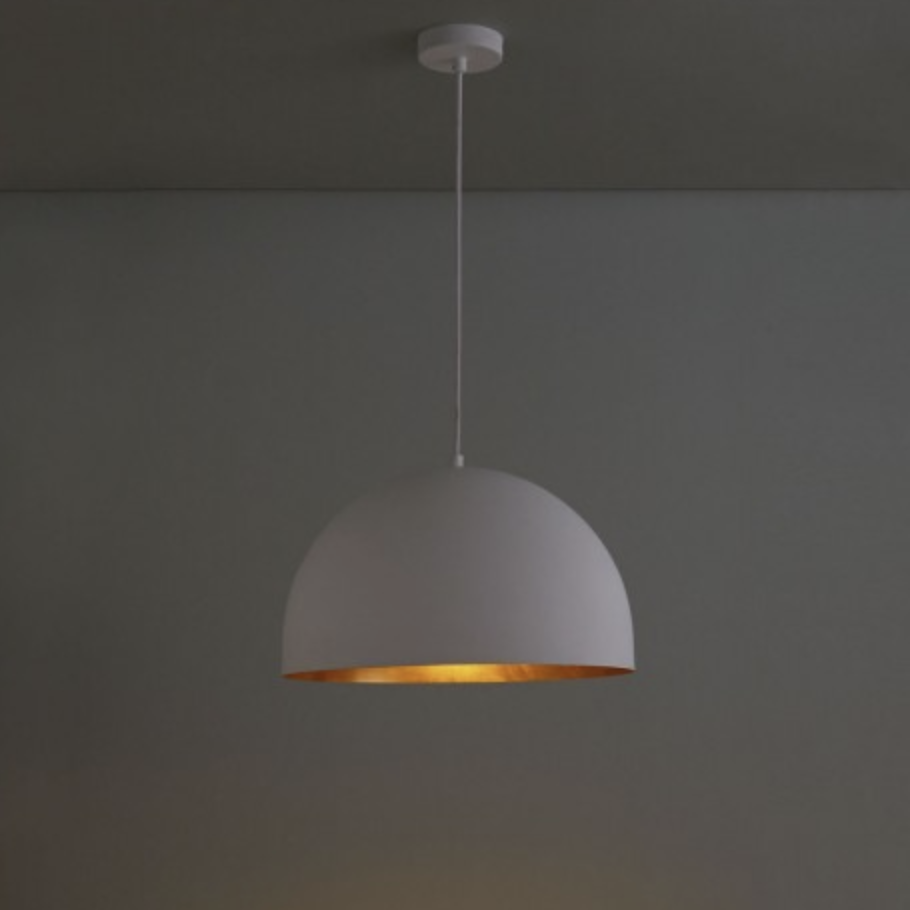
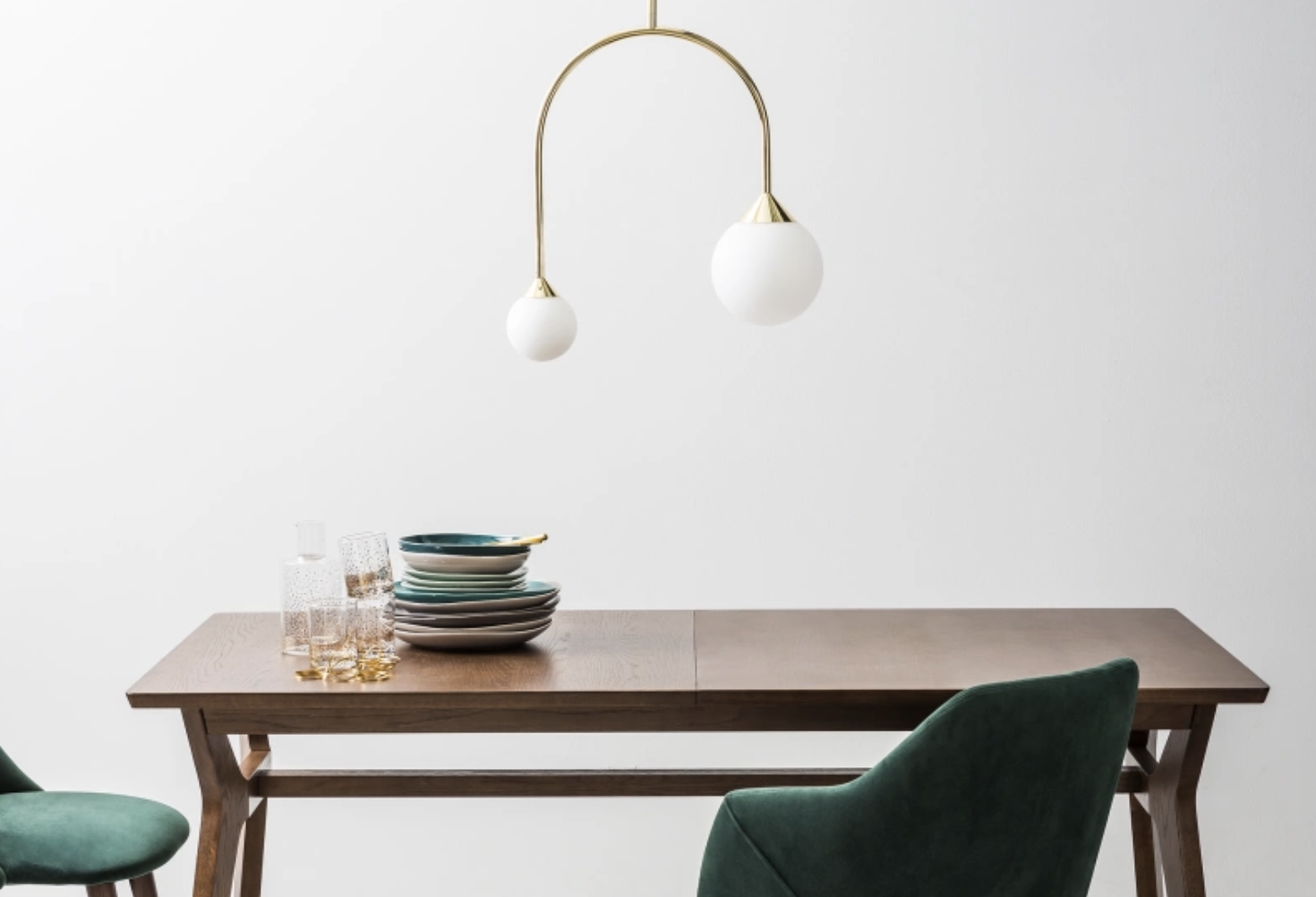
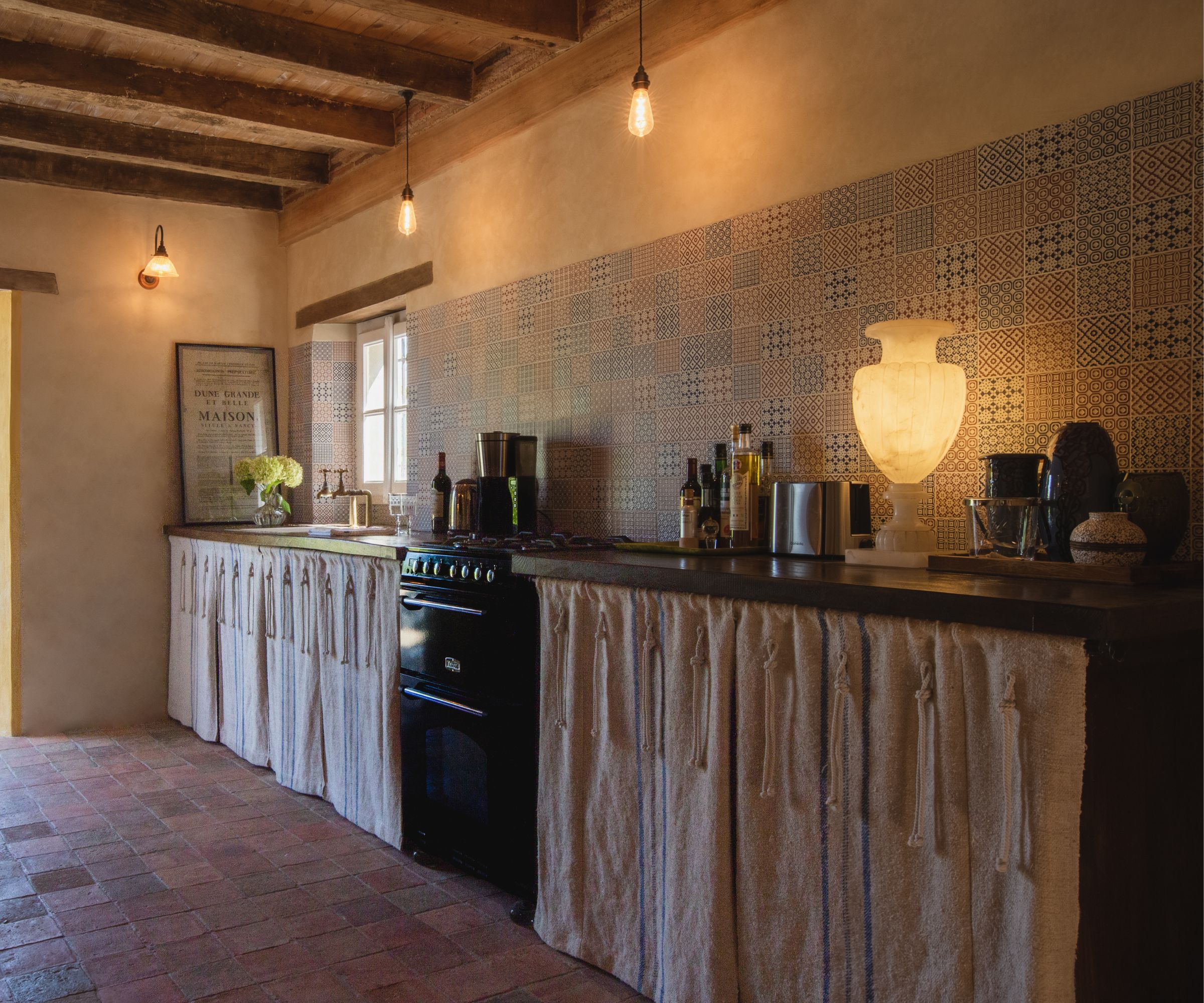
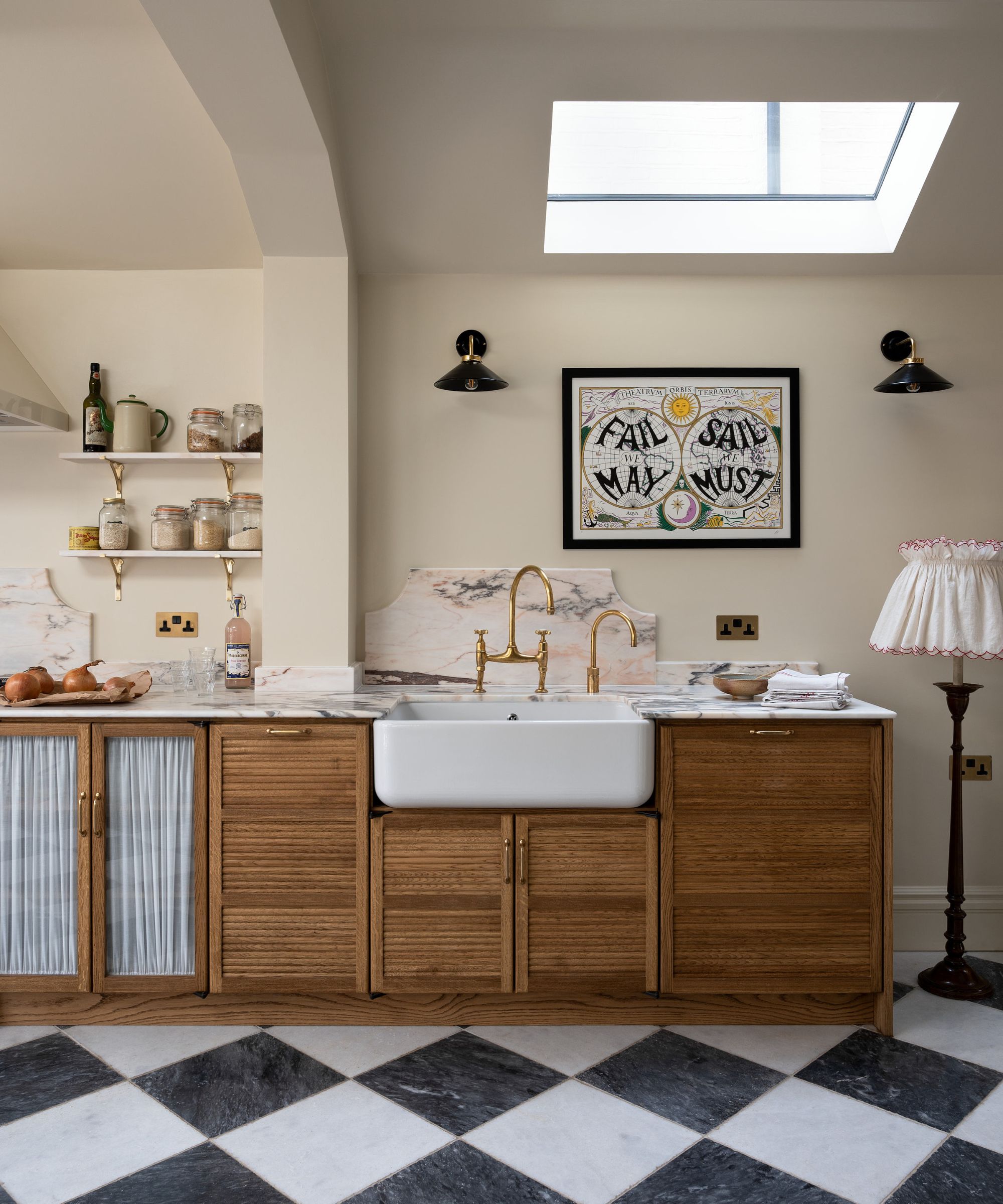
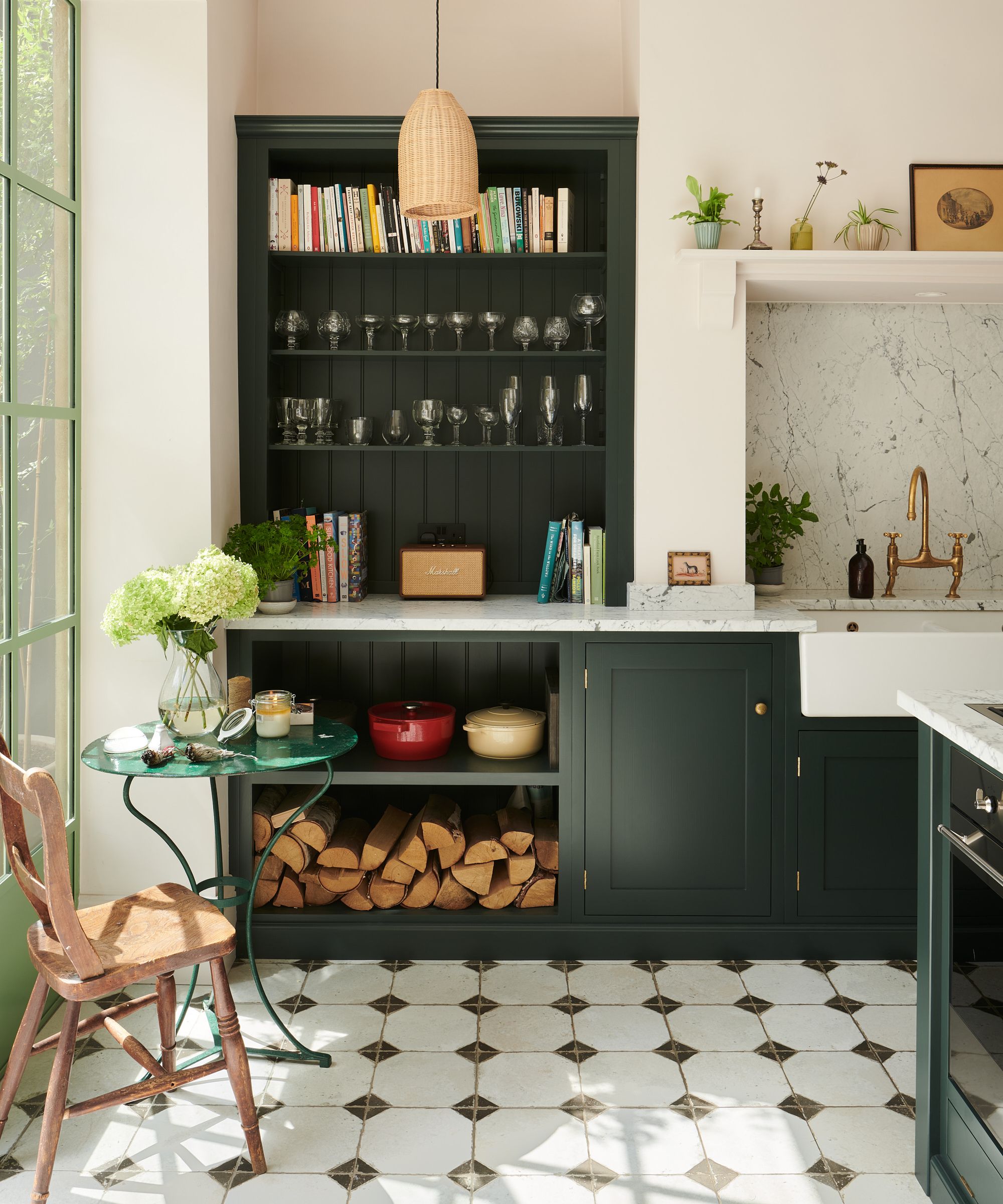
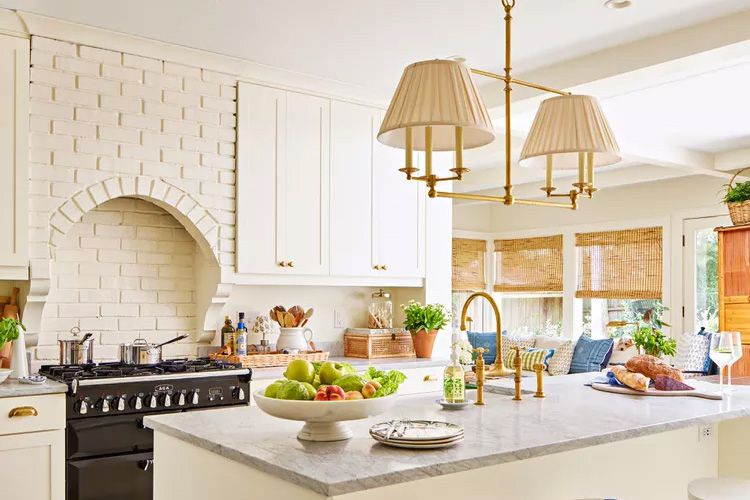
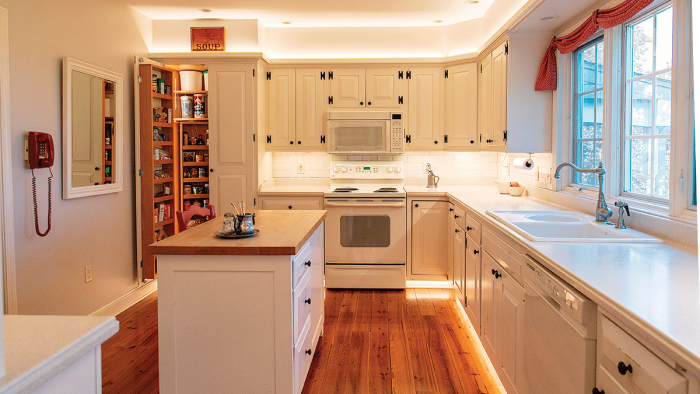
The article provides a detailed illustration of ideal kitchen lighting, enumerating various lighting types and their benefits. Undercabinet lighting illuminates countertops for task work, reducing shadows. Pendant lighting can provide both ambient and task lighting over islands or dining areas. Toe-kick lighting offers subtle illumination for safety and ambiance, particularly at night. Window lighting integrates natural light, which is crucial for circadian health, and shelf lighting can highlight decorative items or provide functional light within open shelving. These lighting types contribute to creating a kitchen environment that is safe, practical, comfortable, and conducive to health.
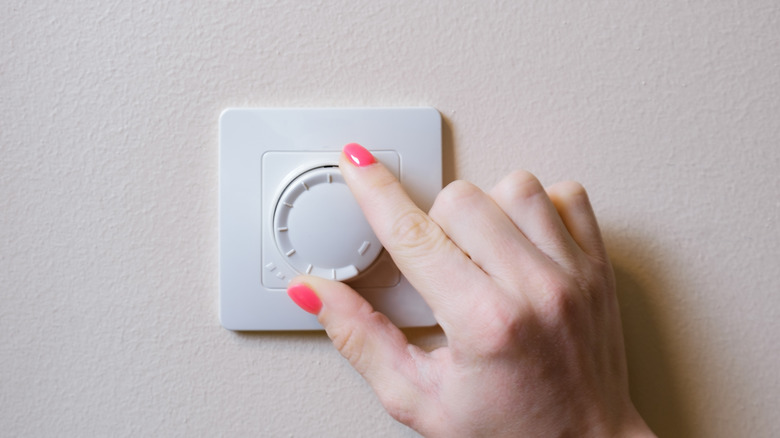
The discussion extends to smart-controlled lighting, covering a spectrum of options from smart switches and bulbs to fully integrated systems operable via smart devices. This technological integration allows for dynamic control over light intensity, color temperature, and scheduling, enabling users to customize their kitchen's lighting environment to suit different activities and times of day. Such flexibility supports optimal visual comfort and aligns with the body's natural rhythms. The article underscores that thoughtful lighting design in the kitchen is not merely aesthetic but a critical component of a functional, healthy, and age-friendly home environment, with proper consideration given to both natural and artificial light sources and their control mechanisms.
#KitchenLighting #LightingDesign #CircadianRhythms #AgingInPlace #SmartLighting #HomeDesign #HealthAndWellness #KitchenRemodel #LightingControls #KitchenLighting #LightingDesign #CircadianRhythms #AgingInPlace #SmartLighting #HomeDesign #HealthAndWellness #KitchenRemodel #LightingControls
0 comment in total
 No comments yet
You may also like
5 kitchen lighting layouts to illuminate your space to perfection
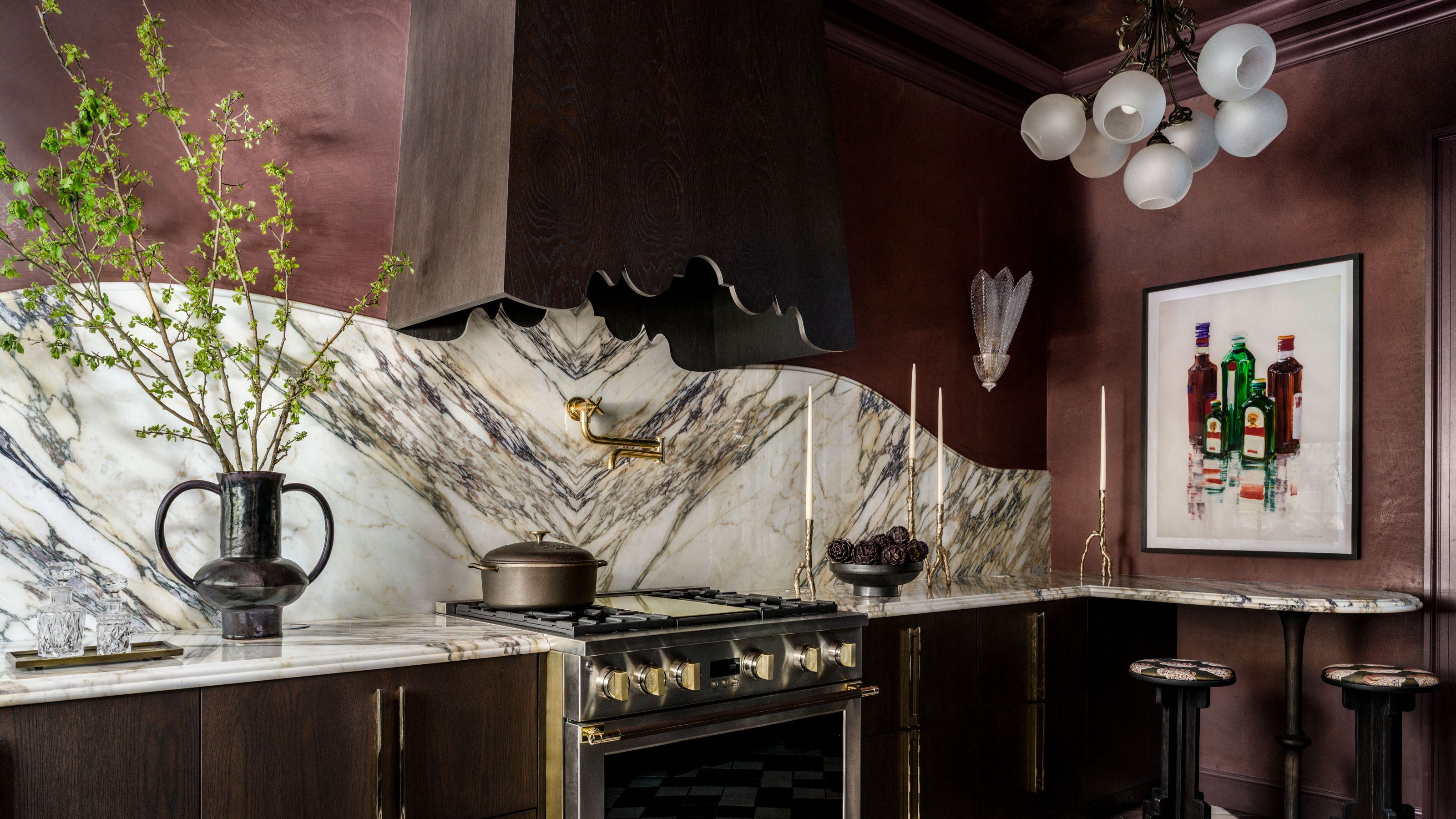
5 Kitchen Lighting Design Rules Interior Designers Warn You Should Never Ignore for a Well-Lit Space

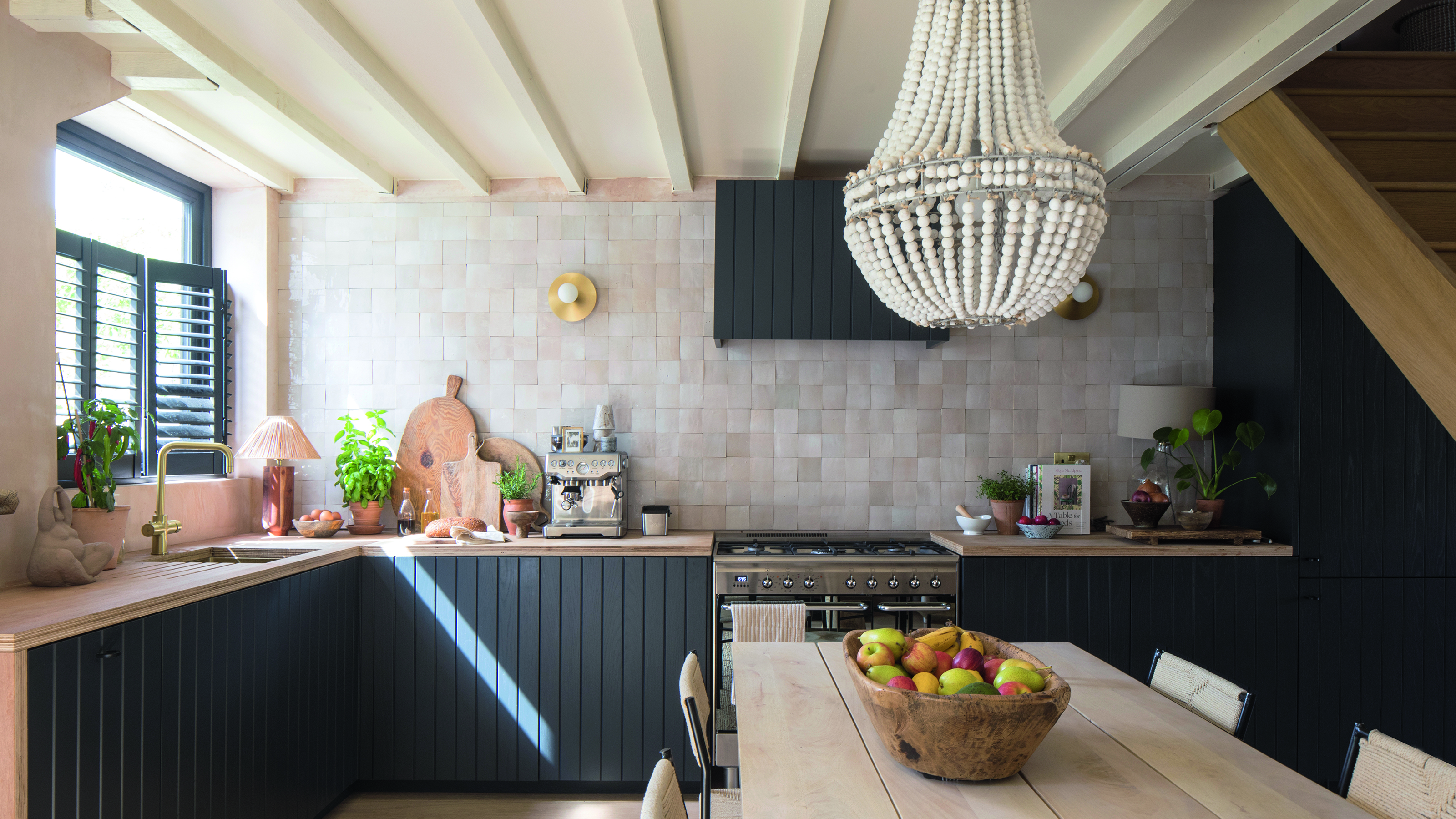
27 smart kitchen lighting ideas that will illuminate your space and add style
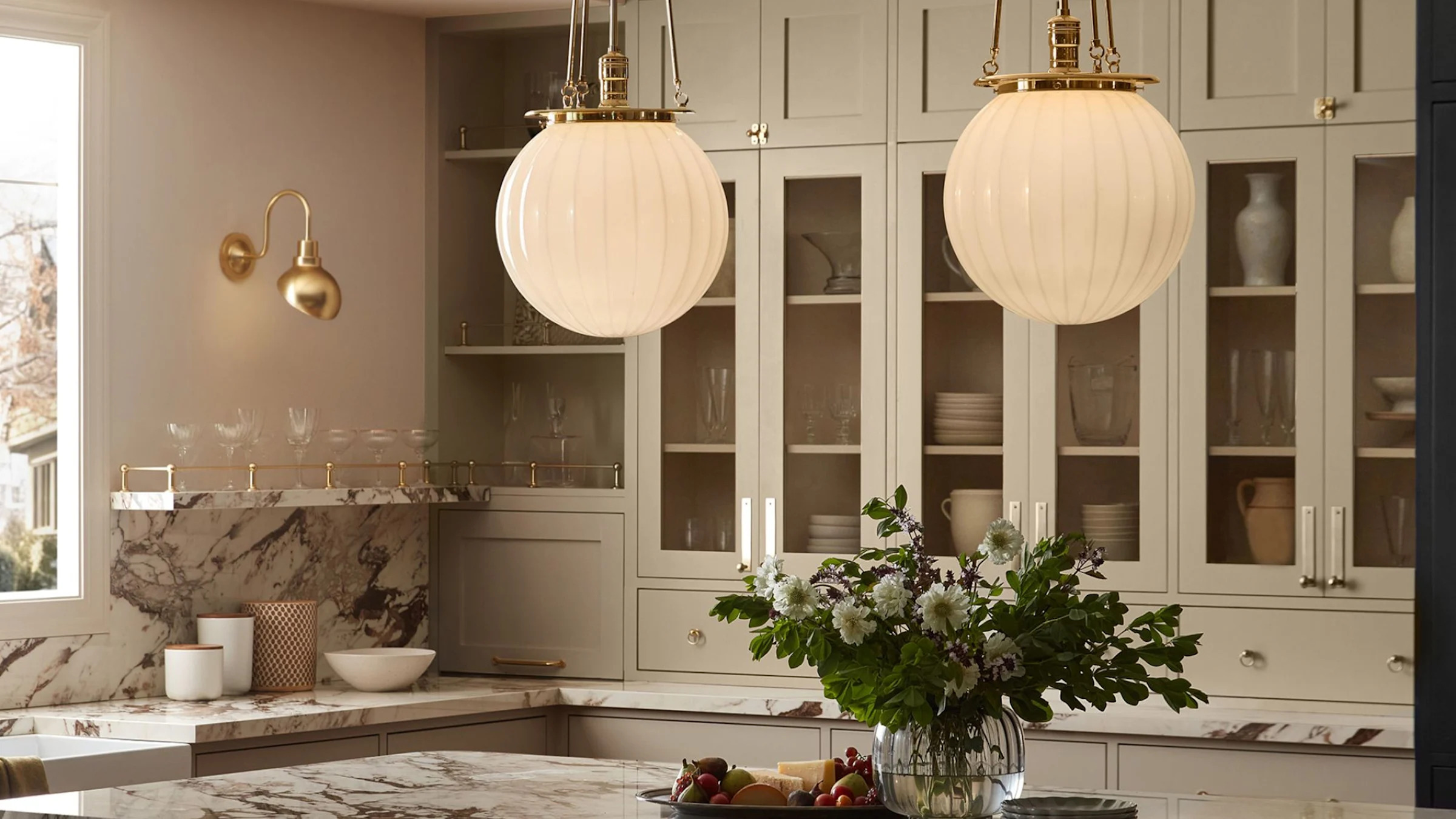
From Now On, We're Exclusively Stealing Our Kitchen Lighting Inspiration From Fancy Restaurants

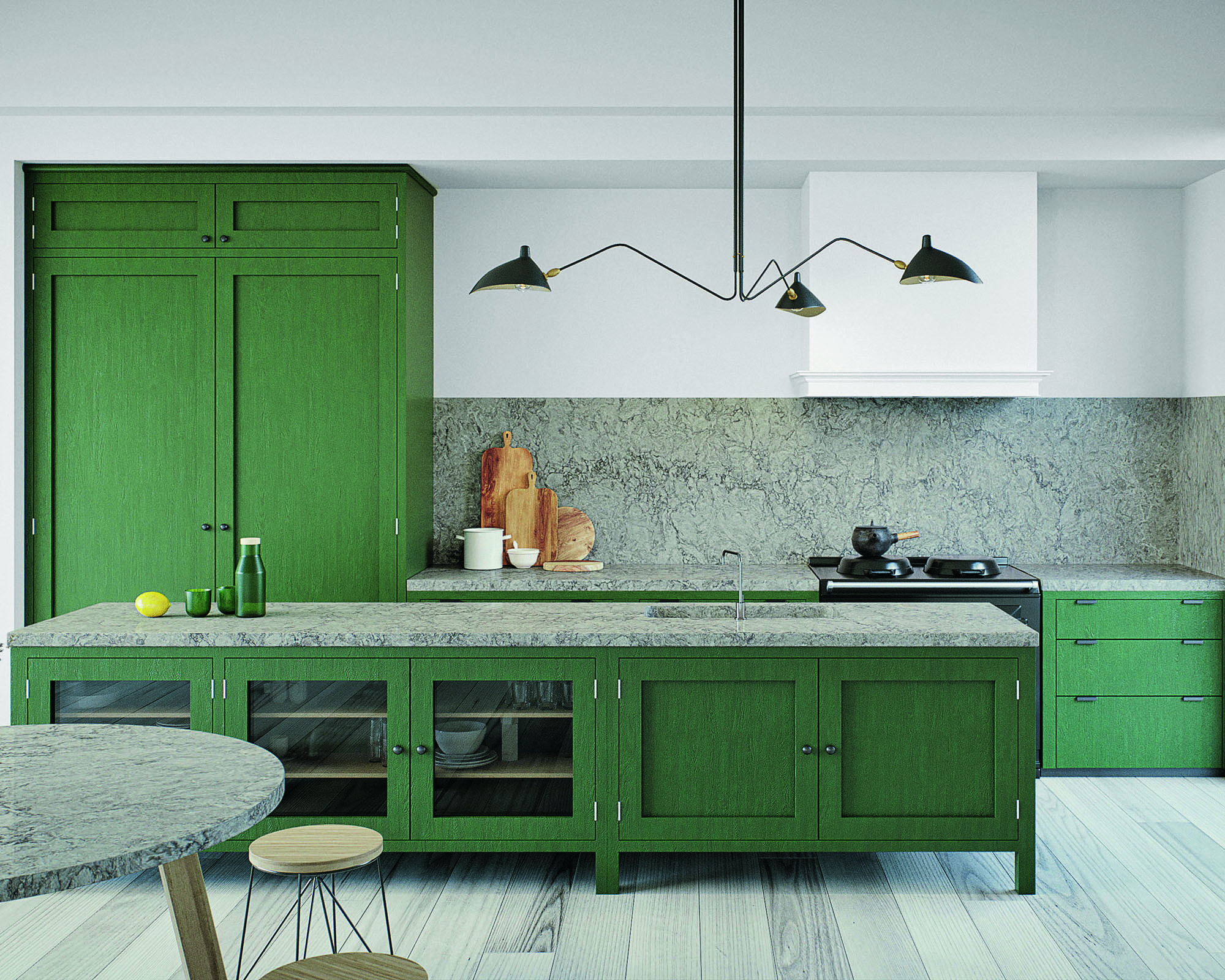
How to plan kitchen lighting — create a scheme in sync with your routine

12 Kitchen Lighting Mistakes (And How To Avoid Them)

Essential Kitchen Lighting Tips, According to Industry Pros

The BEST Way to Light Your Kitchen Is Not What You Think

The Kitchen Lighting 'Rule Of 3' Will Instantly Make Your Space Look Expensive – And Designers Swear By It For A Perfectly Layered Scheme
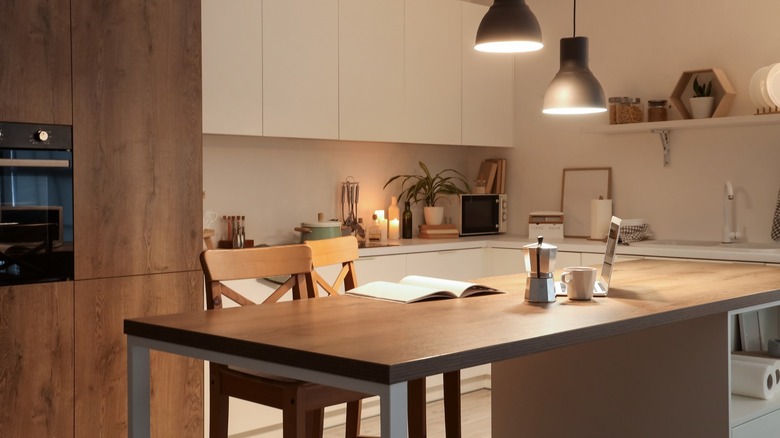
The Low-Effort Kitchen Lighting Trend That Adds Instant Elegance

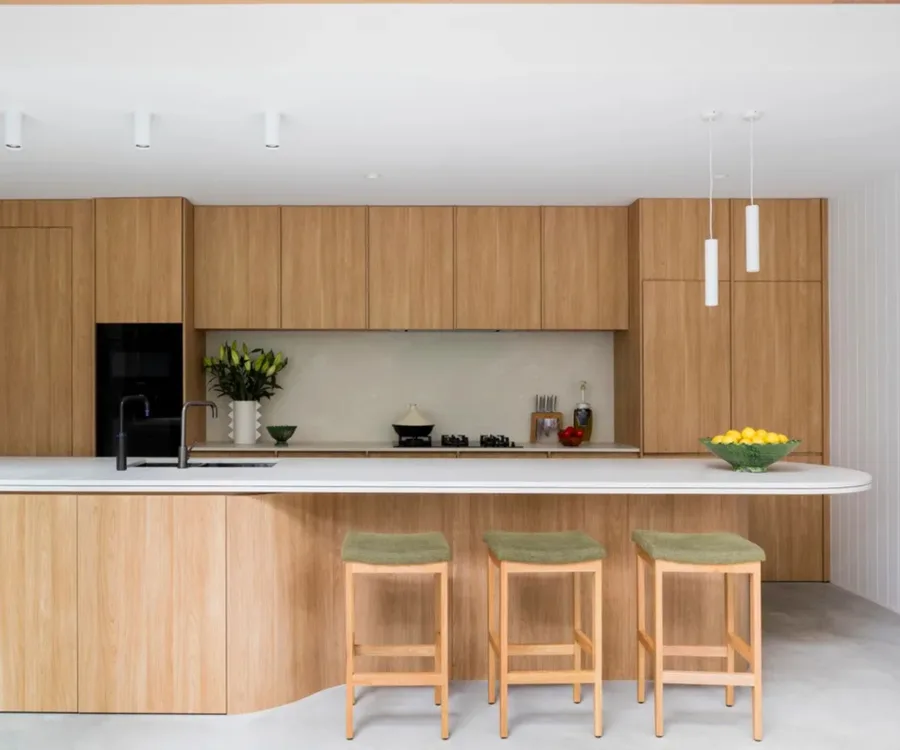
A buyer’s guide to the best indoor kitchen and pendant lights (and beyond)

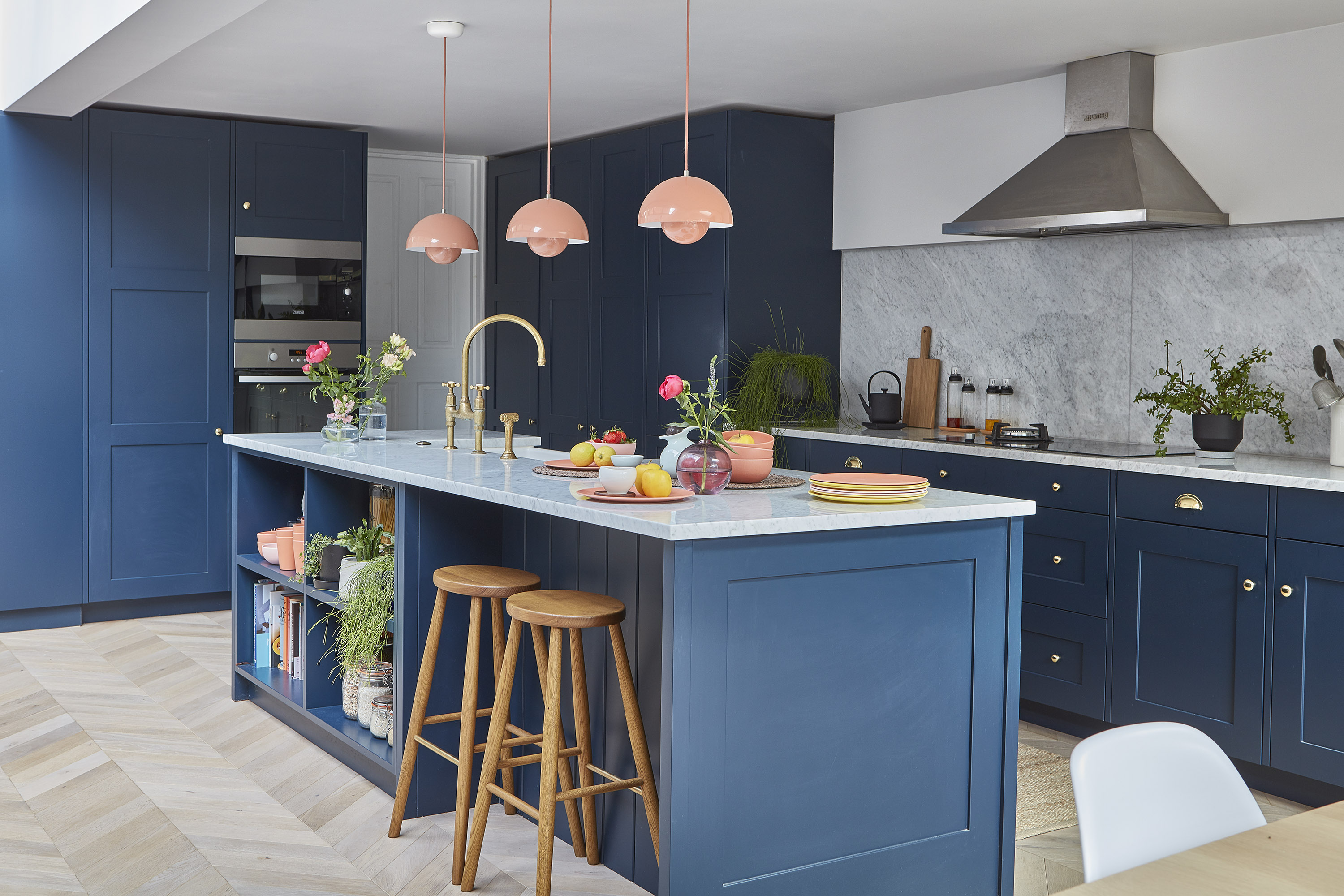
Best kitchen lighting: top picks to brighten up your kitchen space

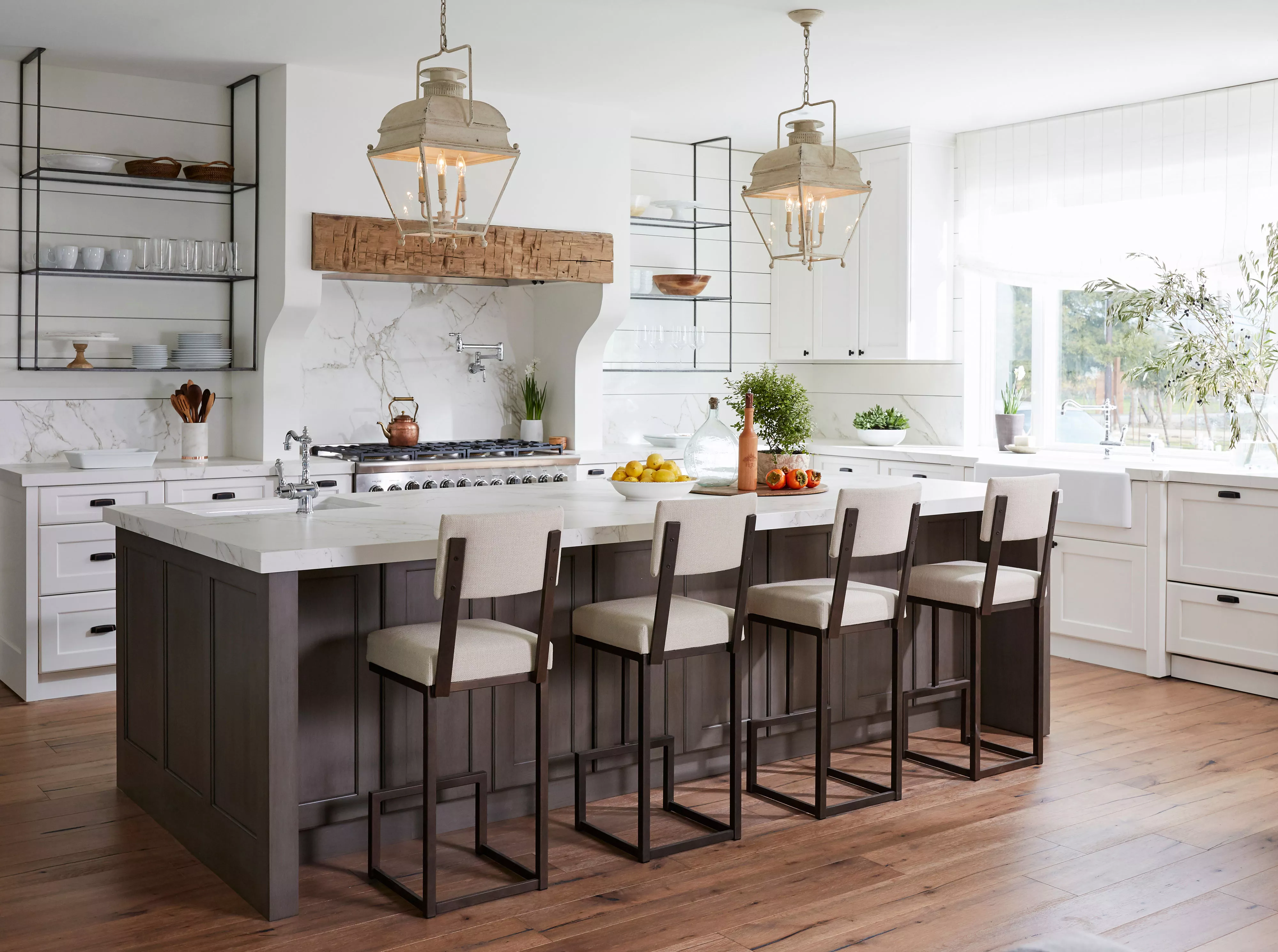
3 Steps to Perfect Kitchen Lighting, According to an Expert
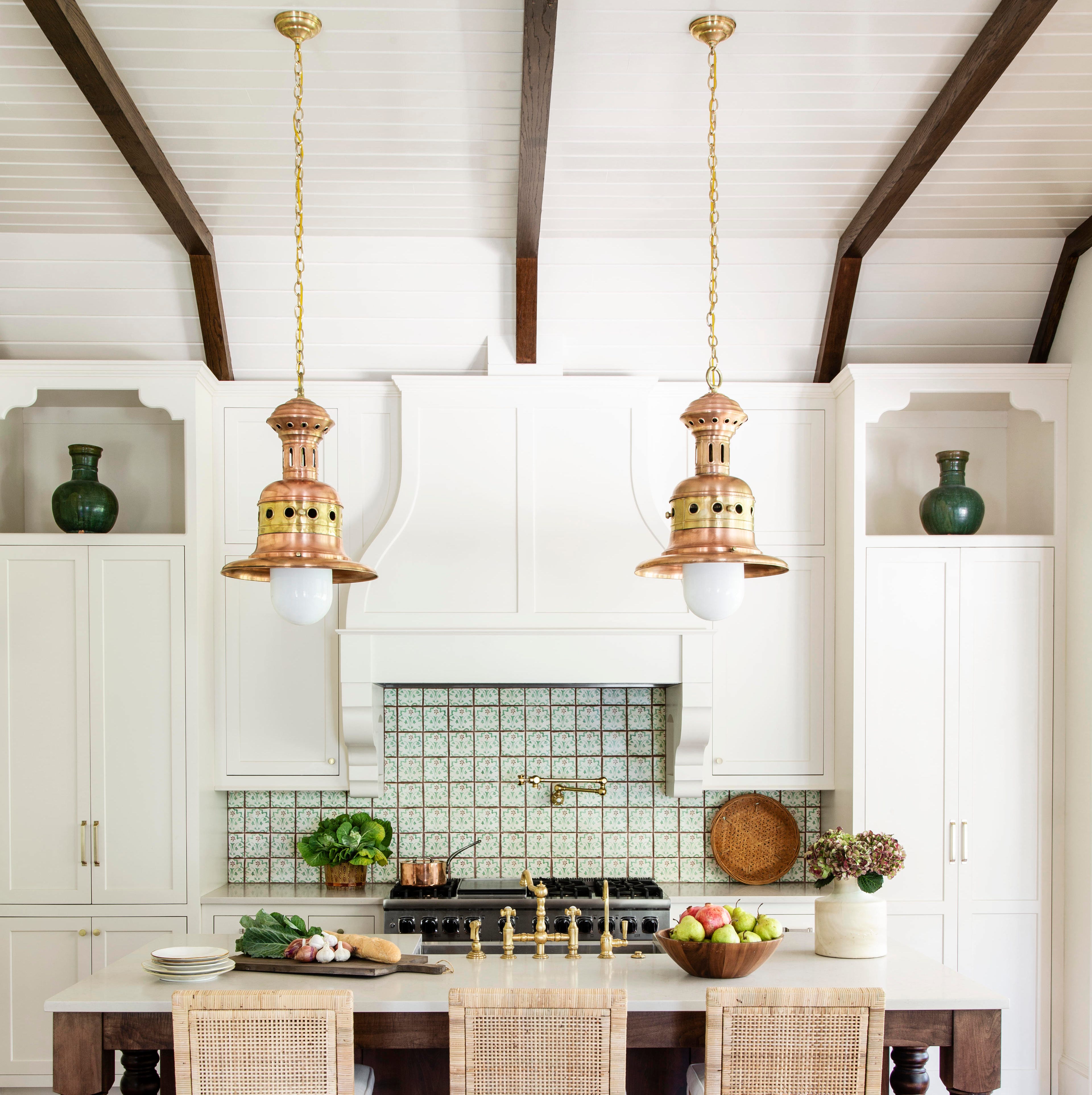
These Kitchen Lighting Ideas Will Bring Idyllic Ambiance to the Heart of Your Home
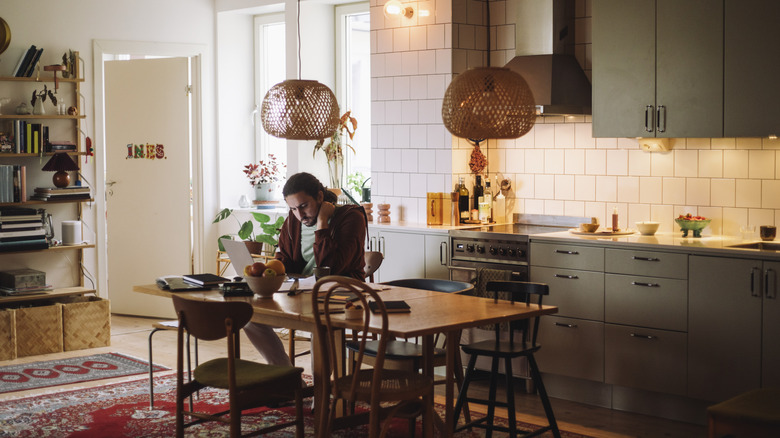
17 Best Creative Lighting Ideas For Your Kitchen
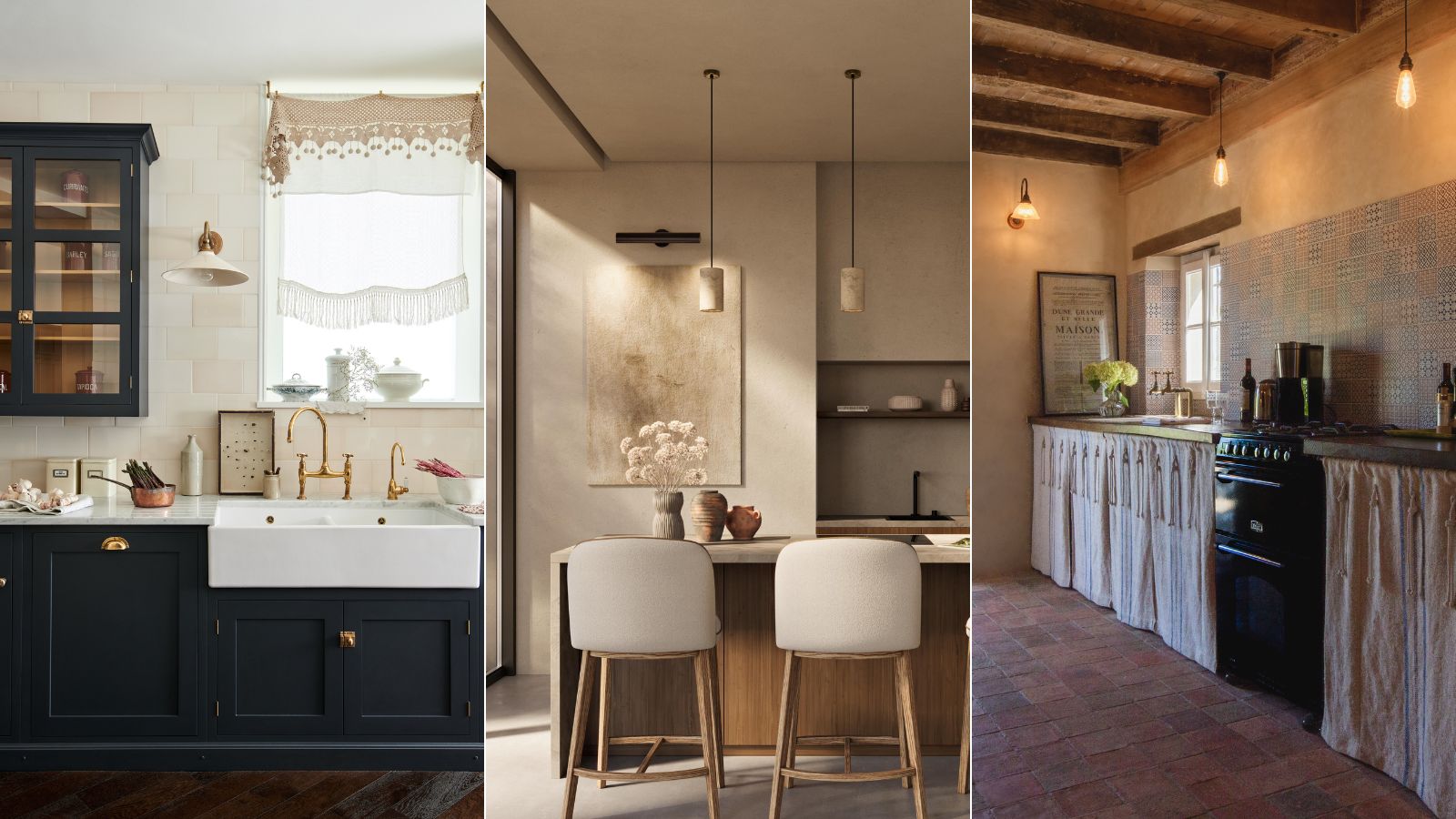
Designers say that lighting is the easiest way to elevate your kitchen
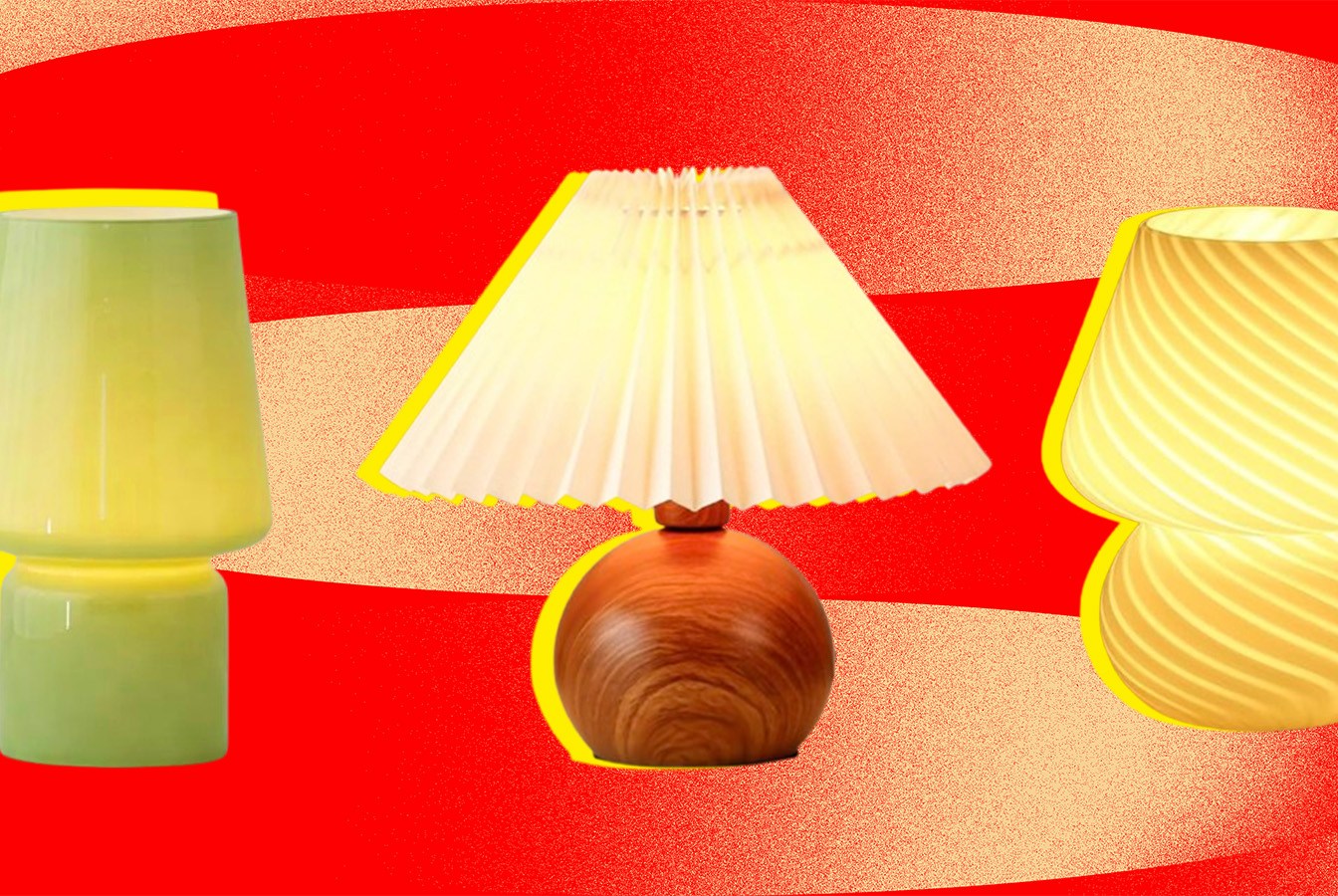
Why Everyone Needs a Kitchen Lamp
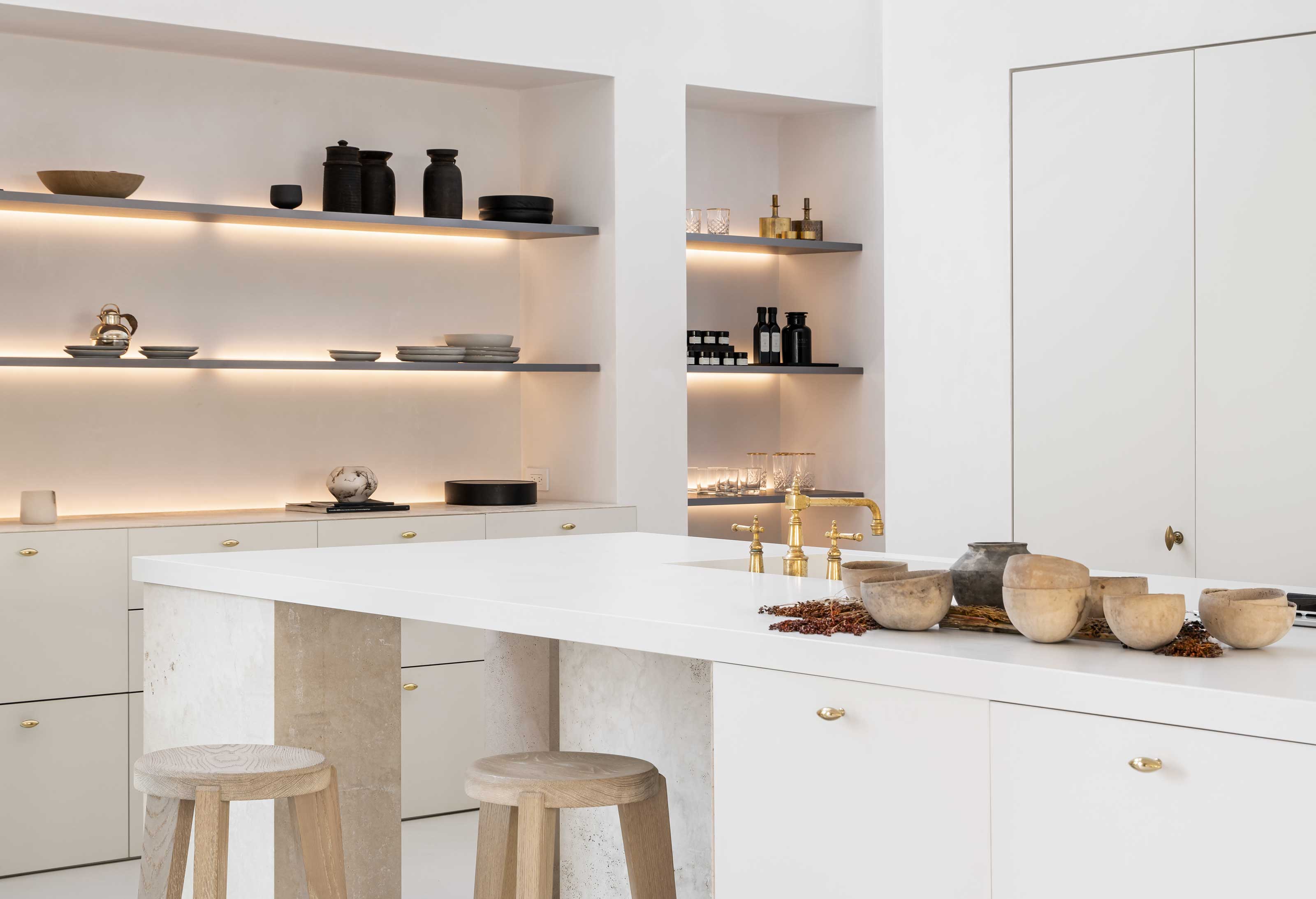
5 ideas for using LED lighting in a kitchen that make me regret not including it in my own remodel
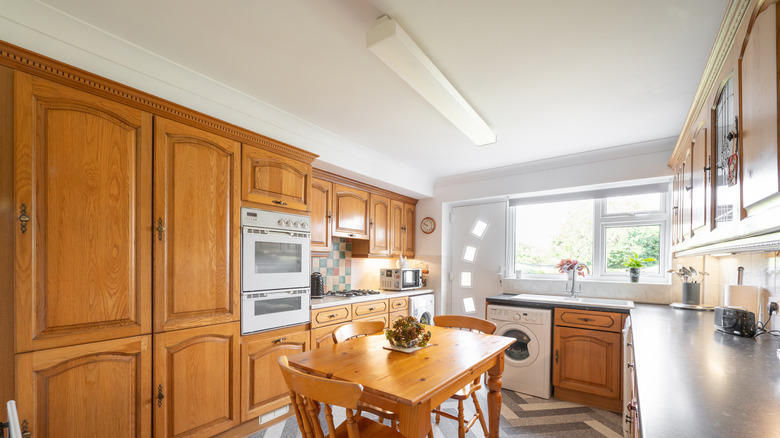
Kitchen Lighting Mistakes That Are Making Your Space Look Dated
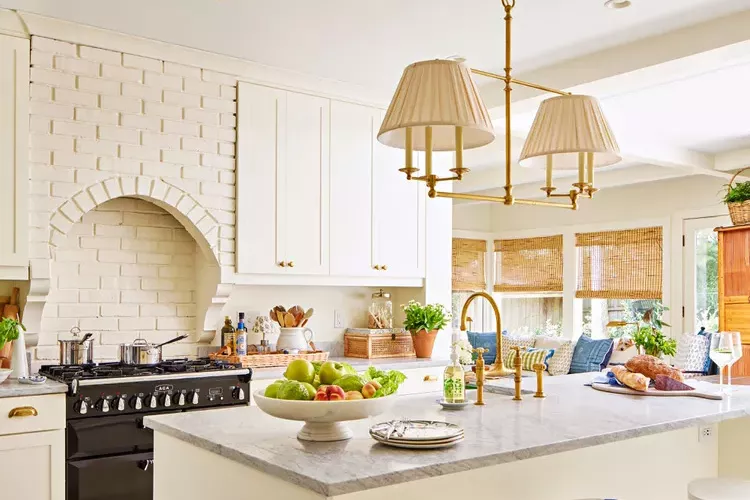
62 Kitchen Lighting Ideas That'll Transform Your Space