1/2
Read This Before Installing Recessed Lighting In Your Living Room
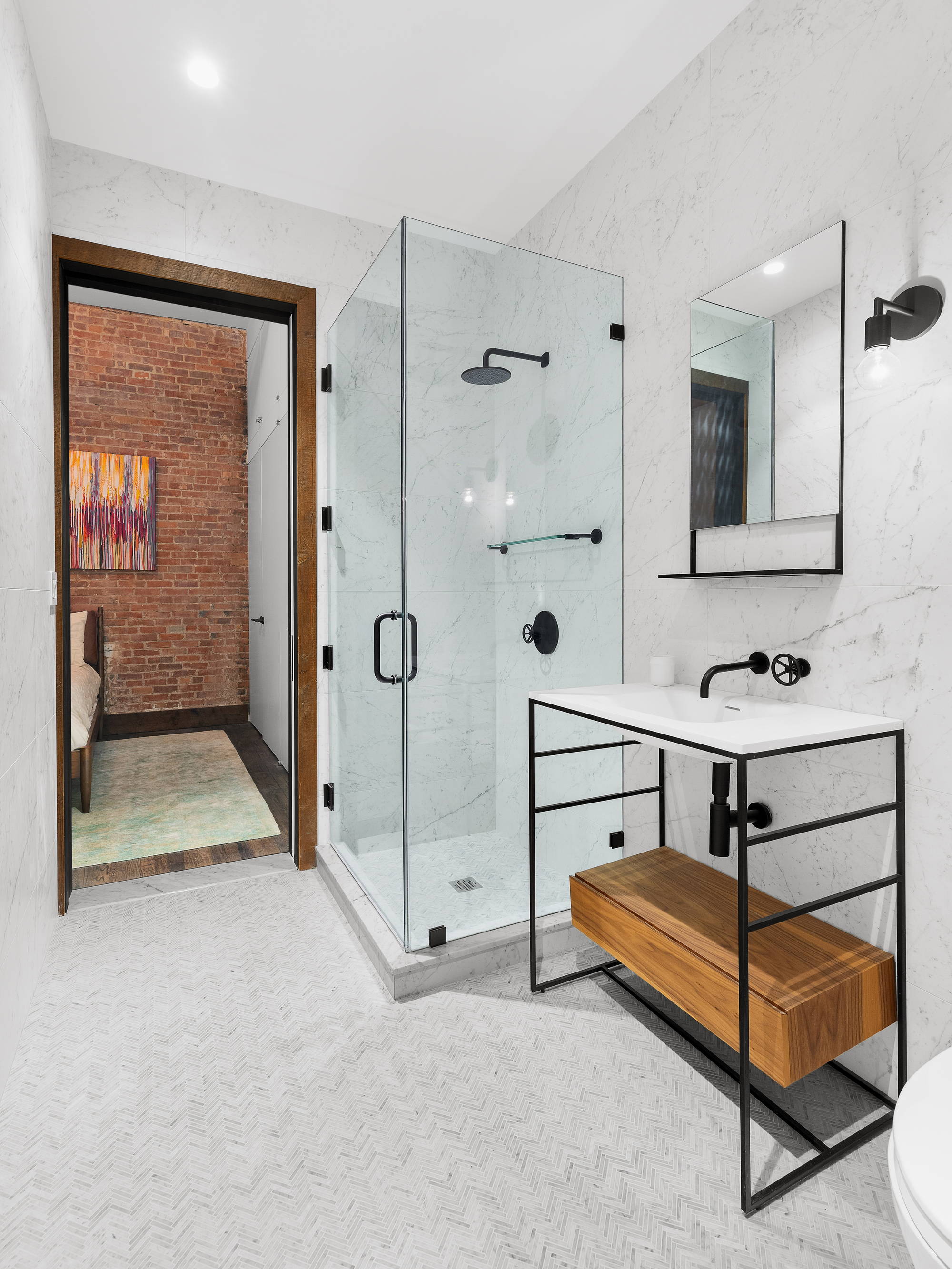
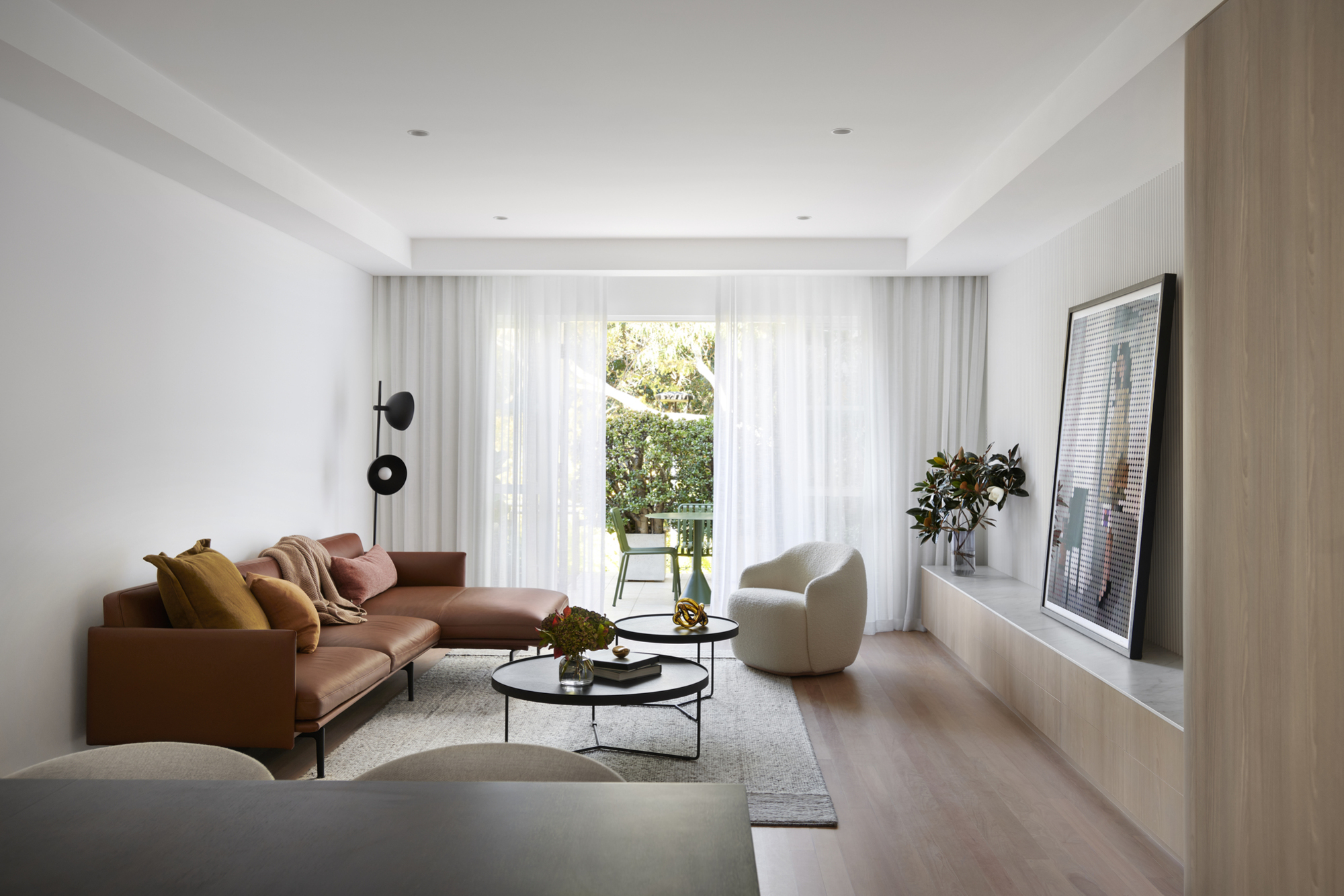
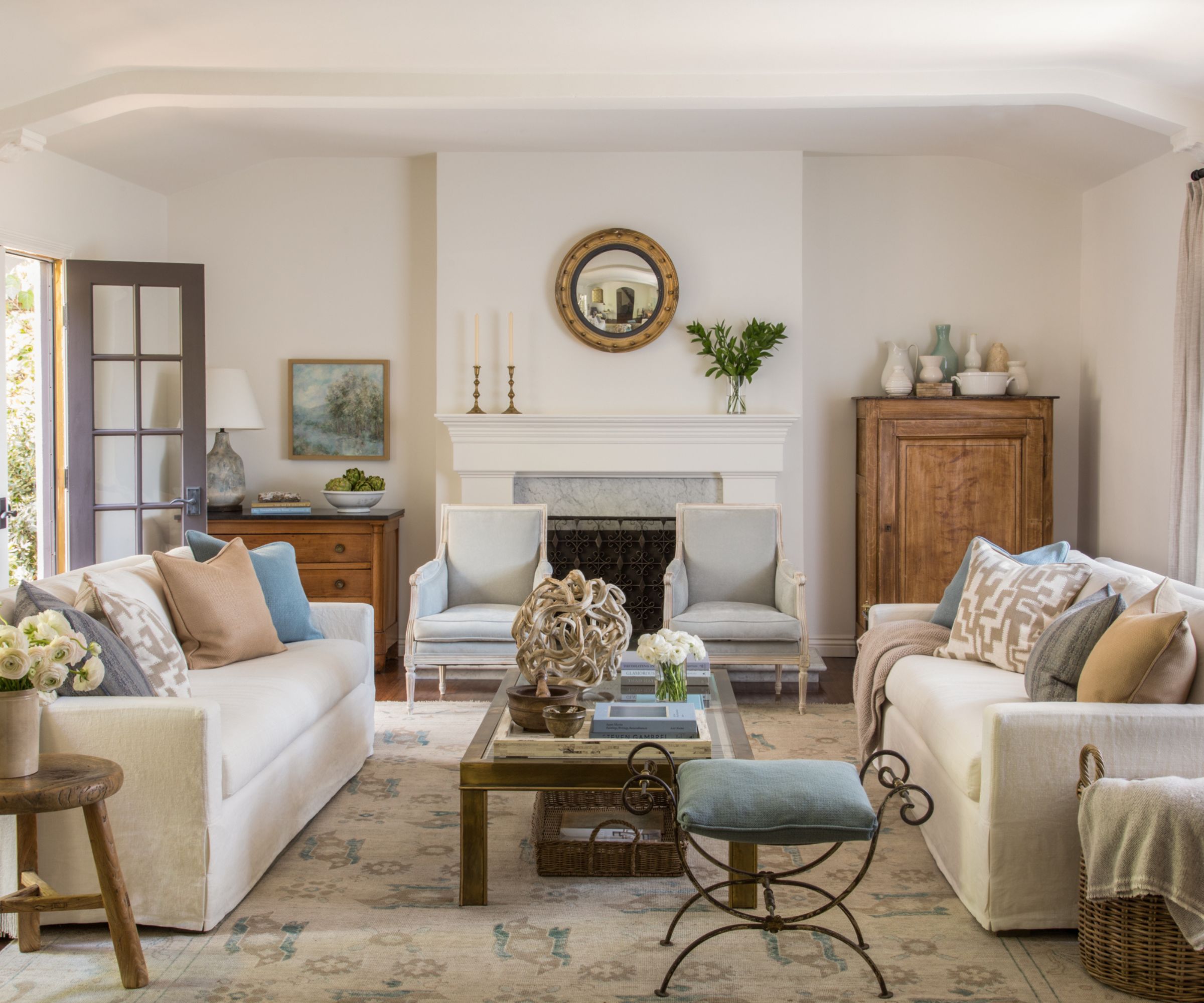
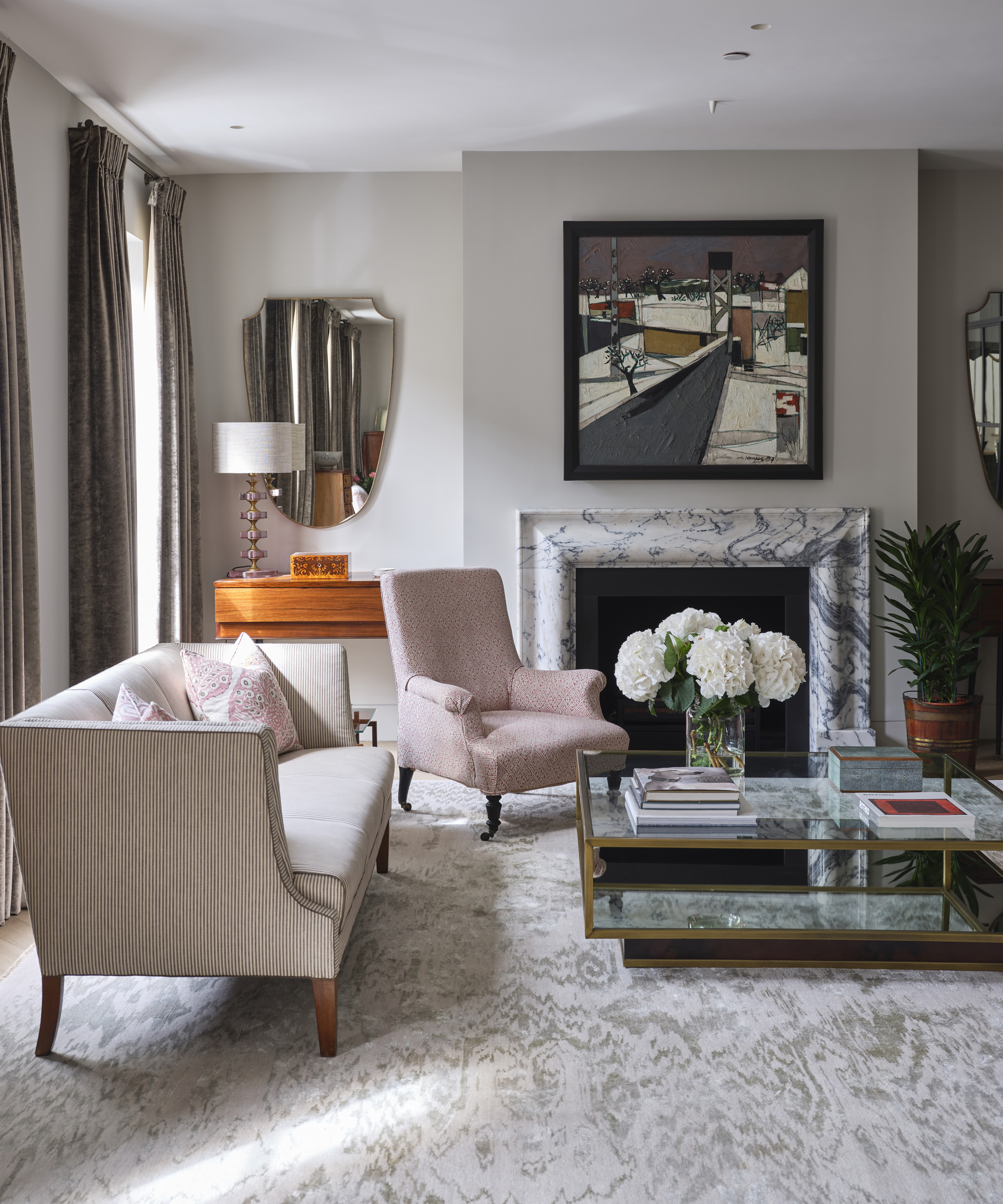
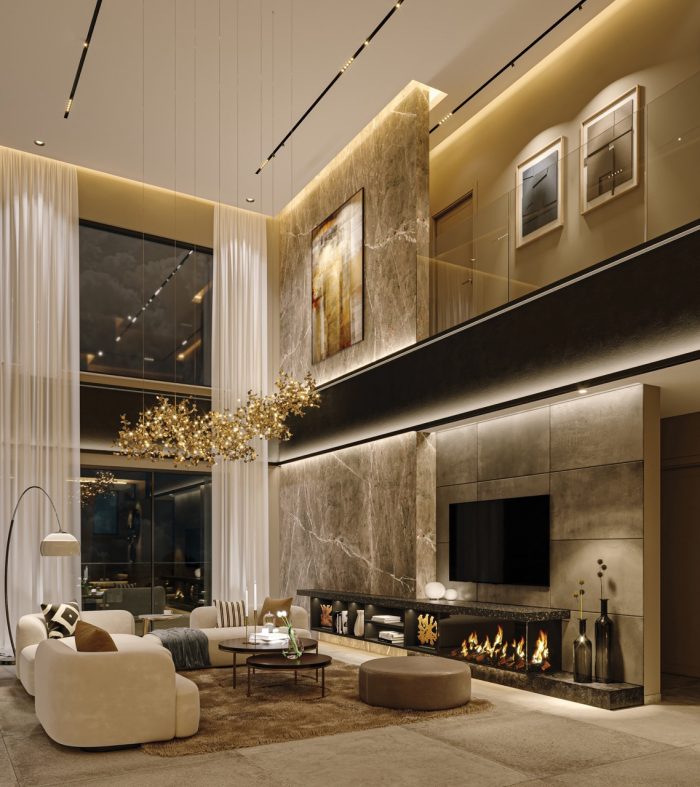
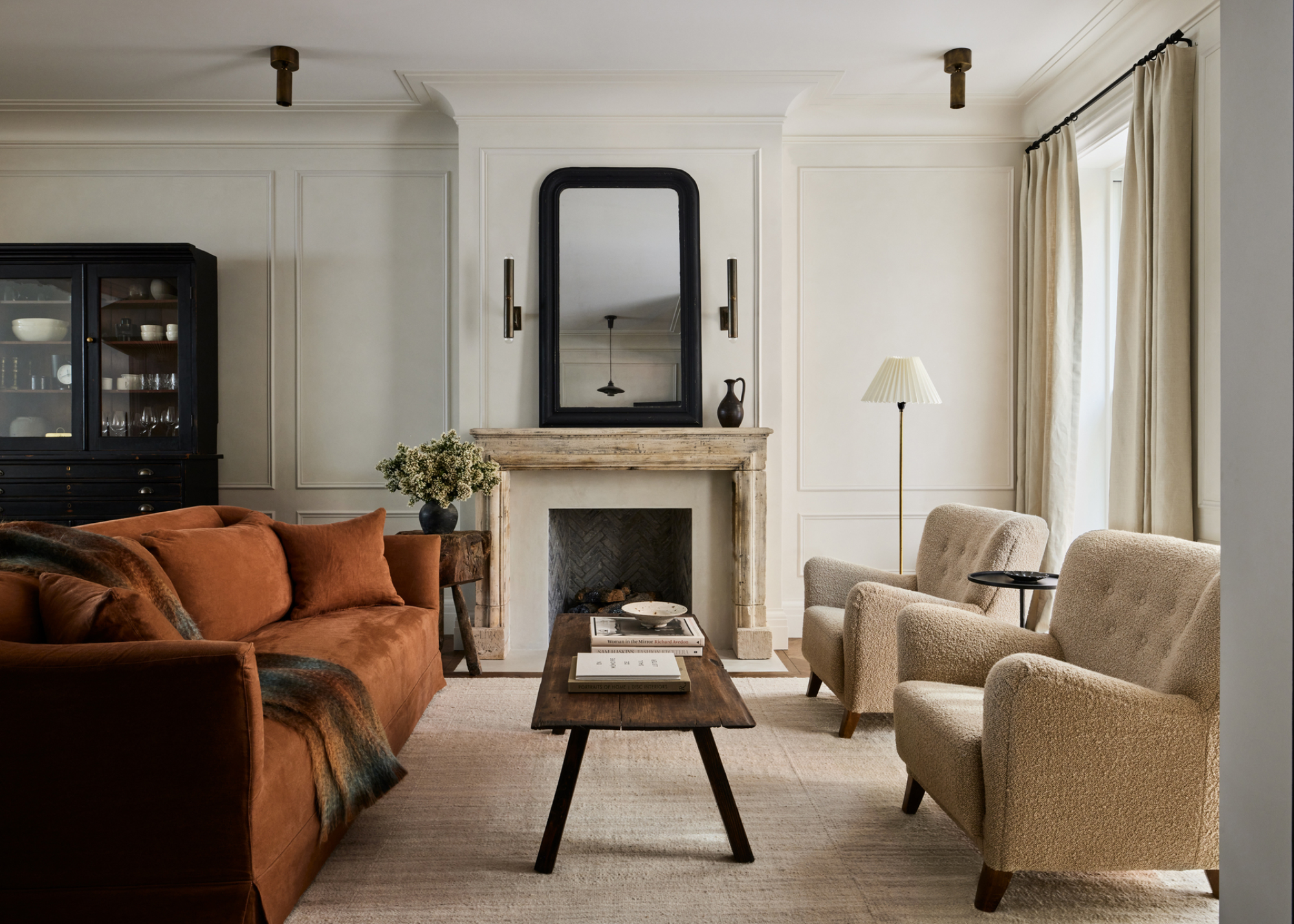
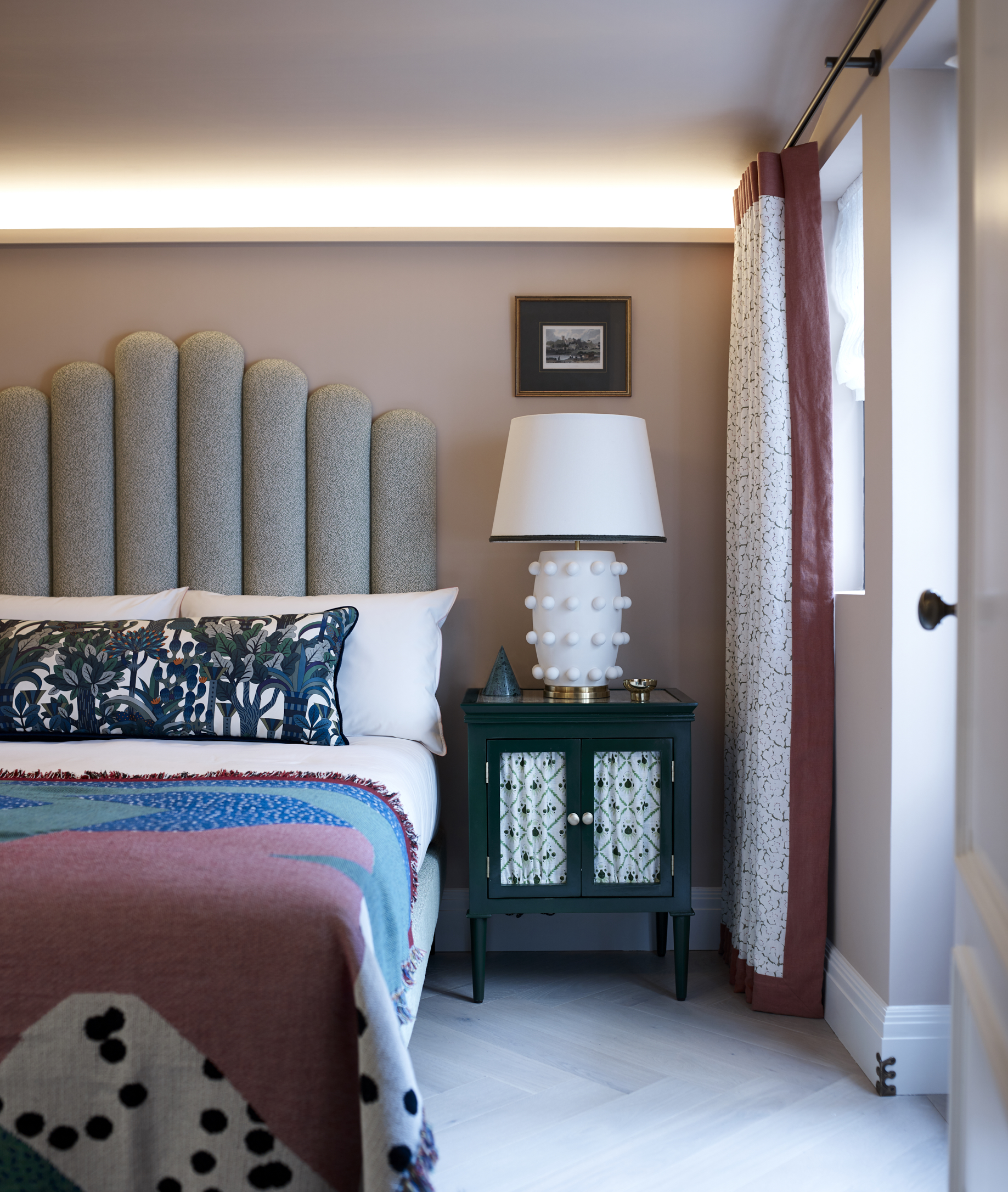
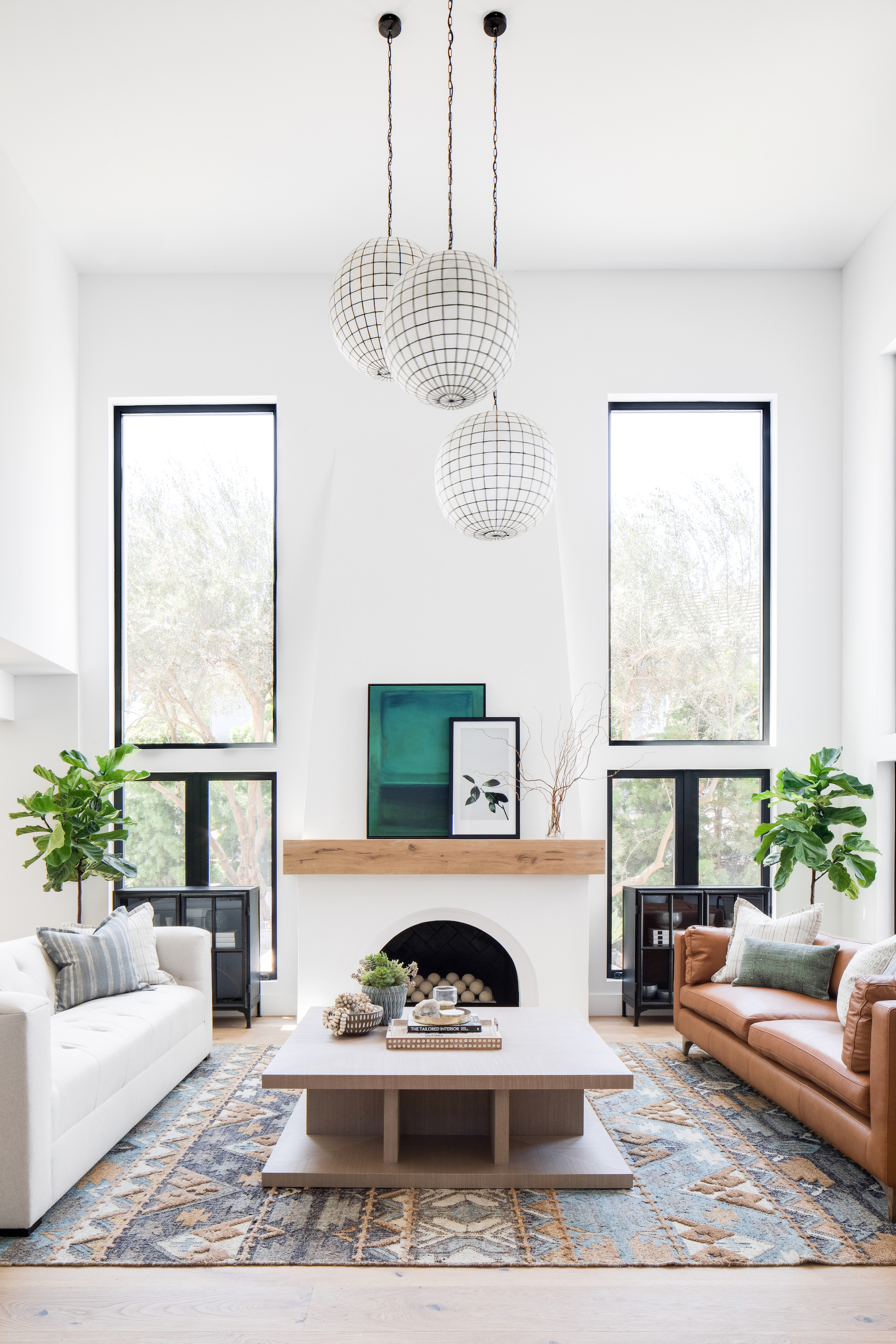
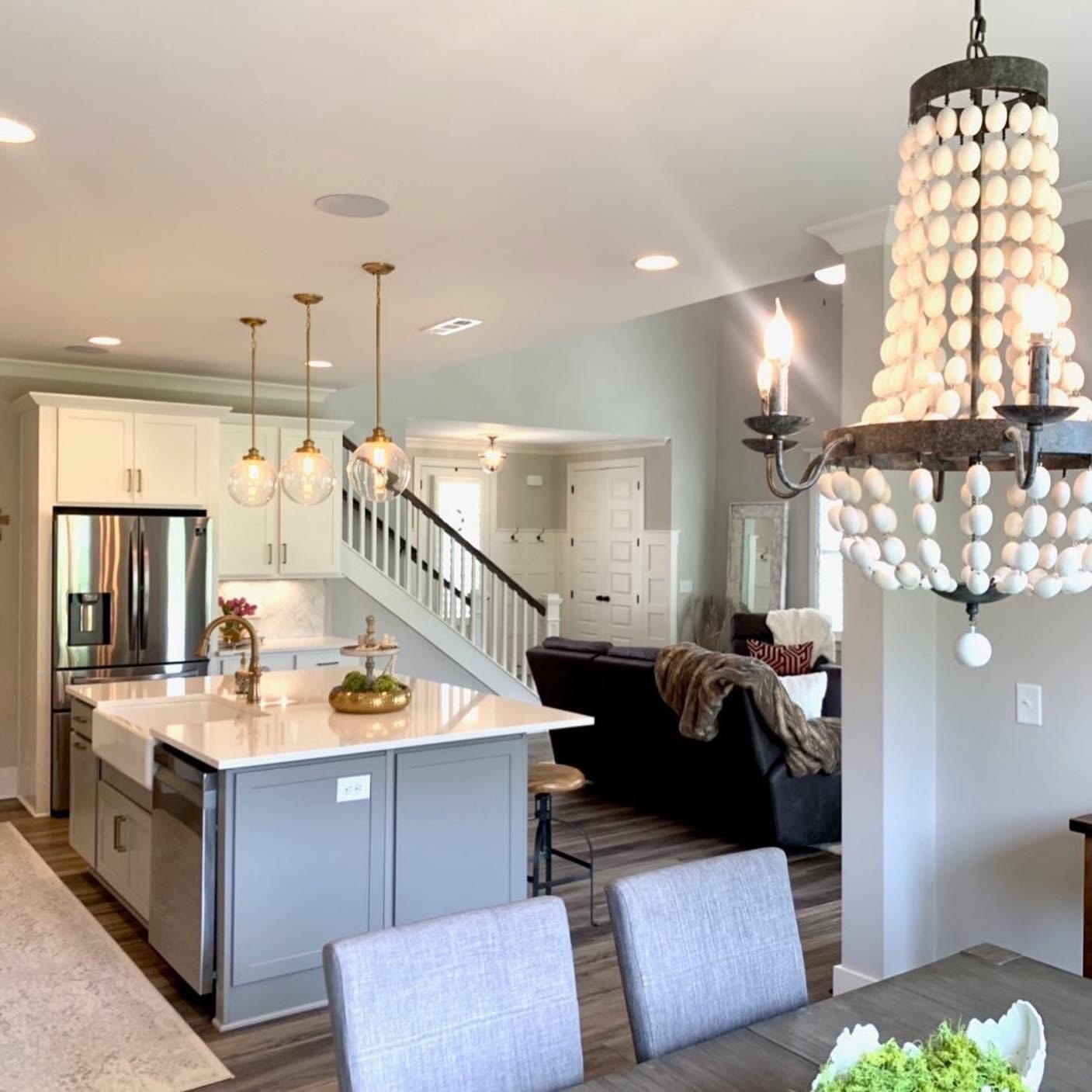
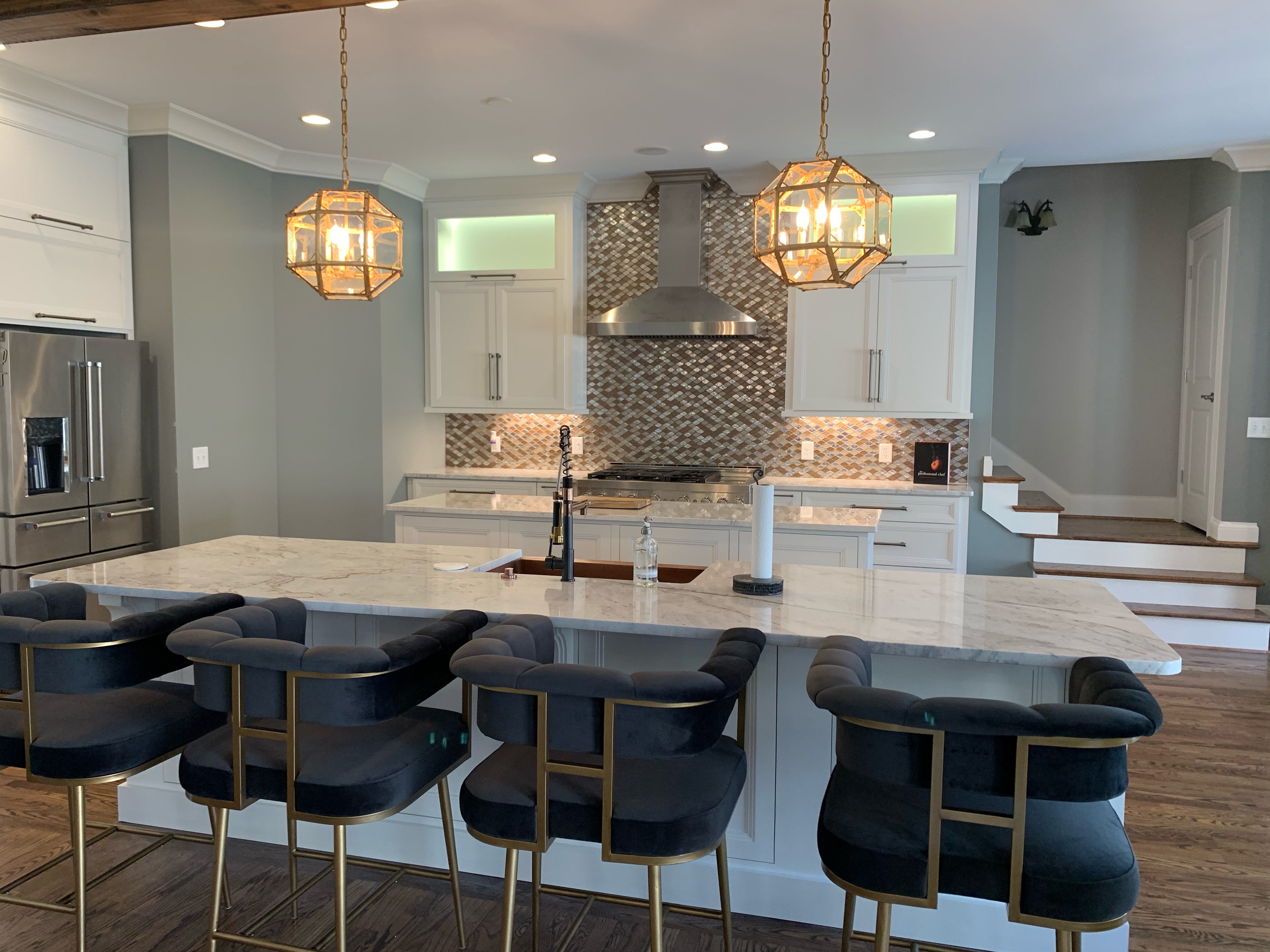
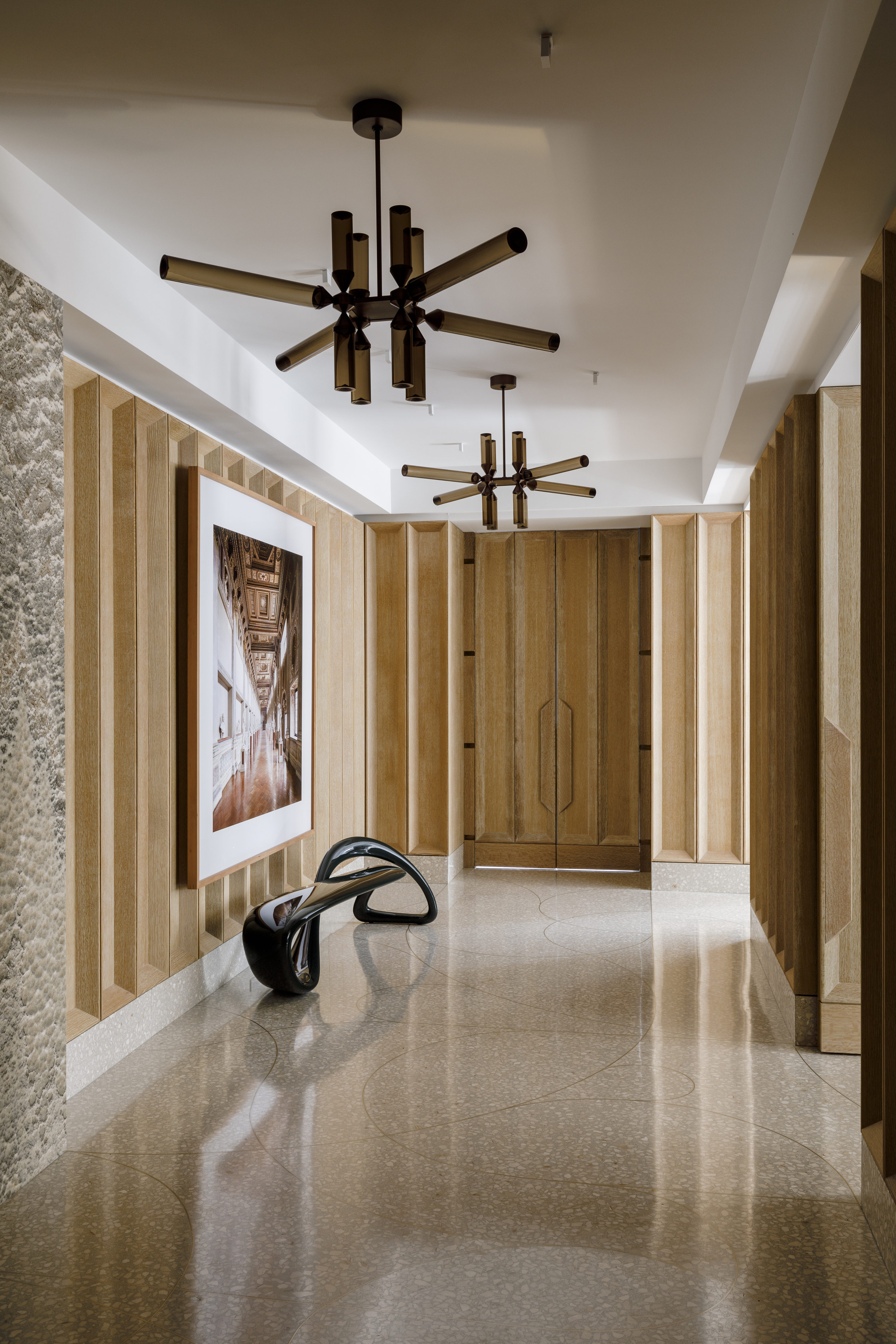
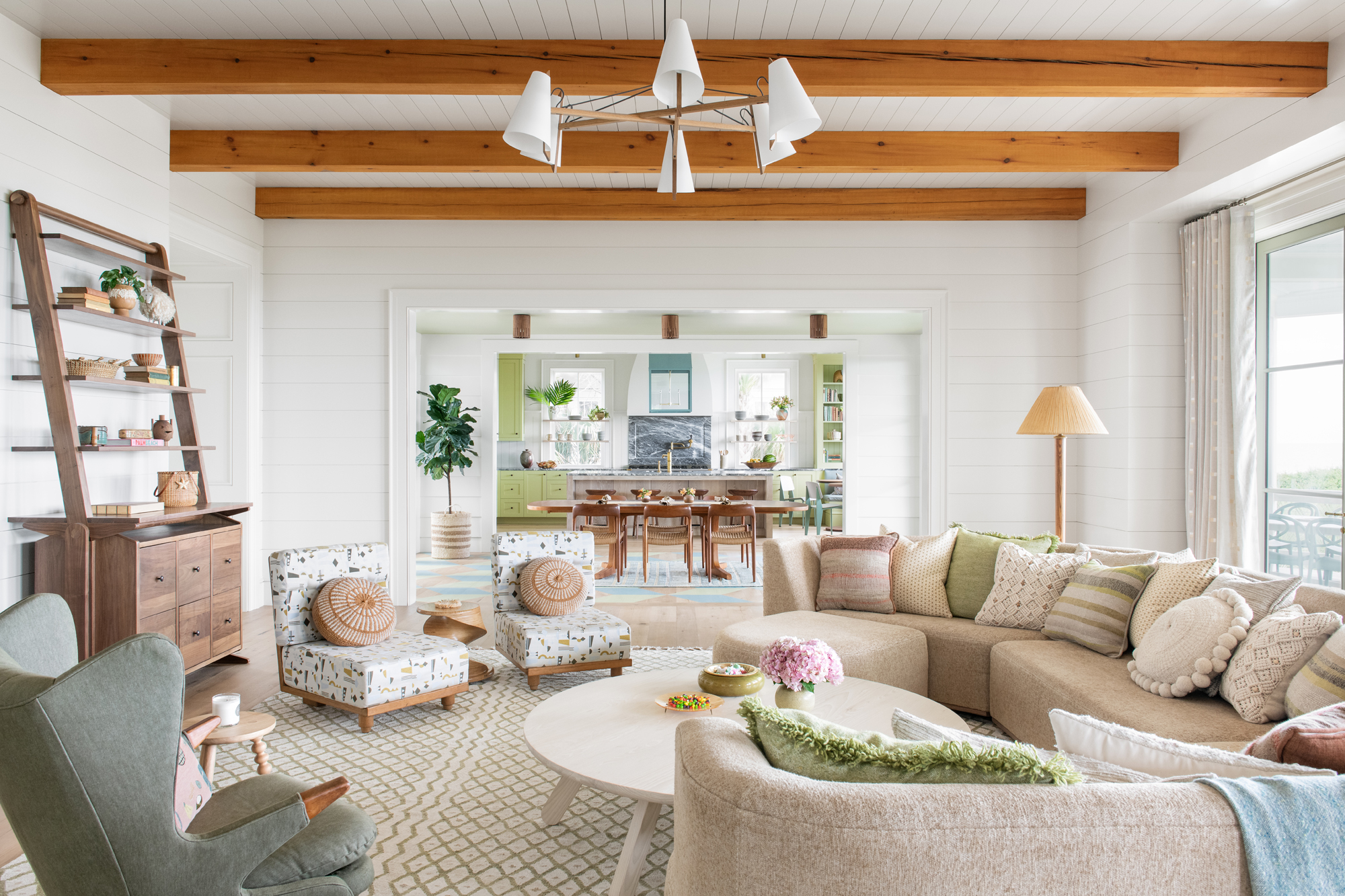
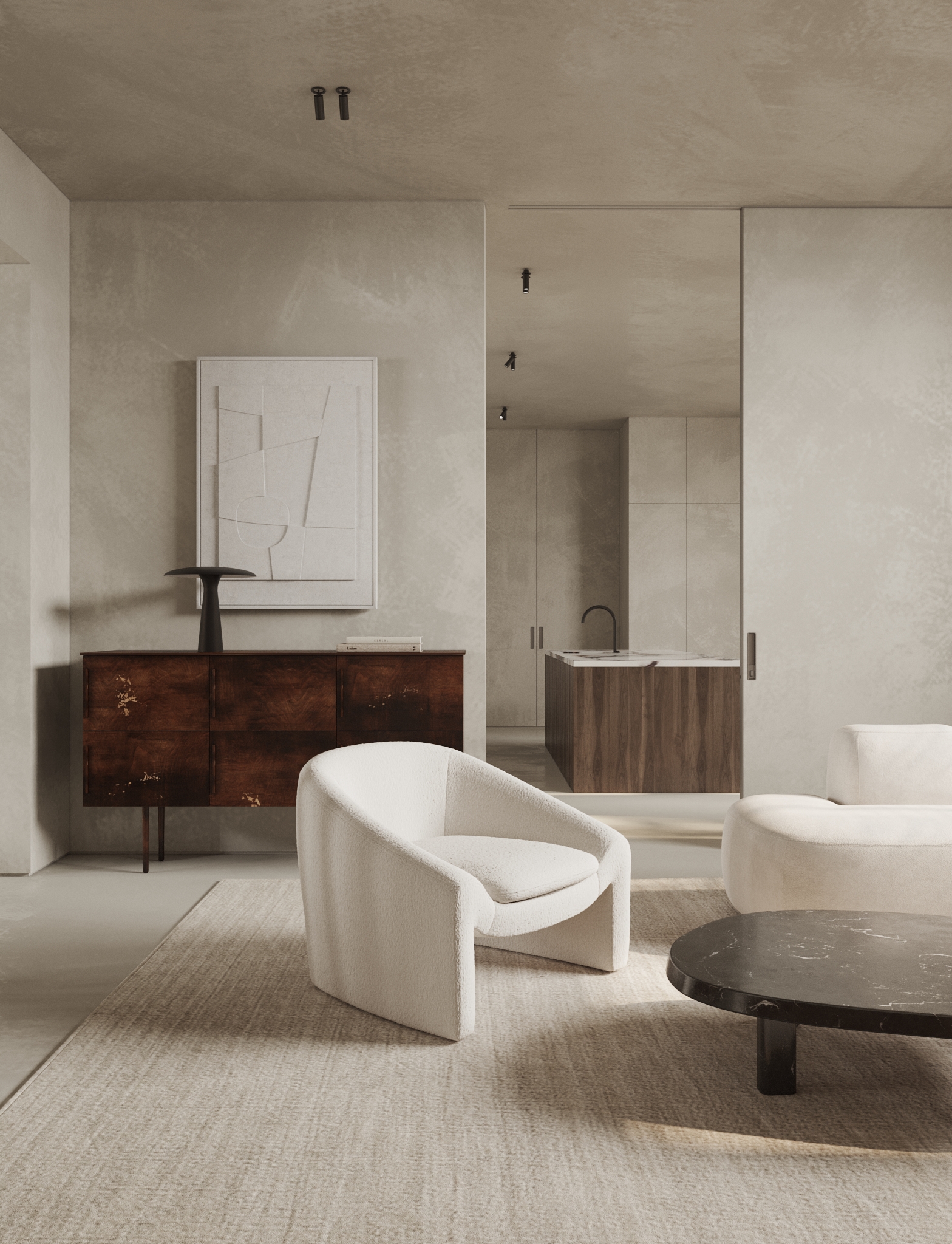
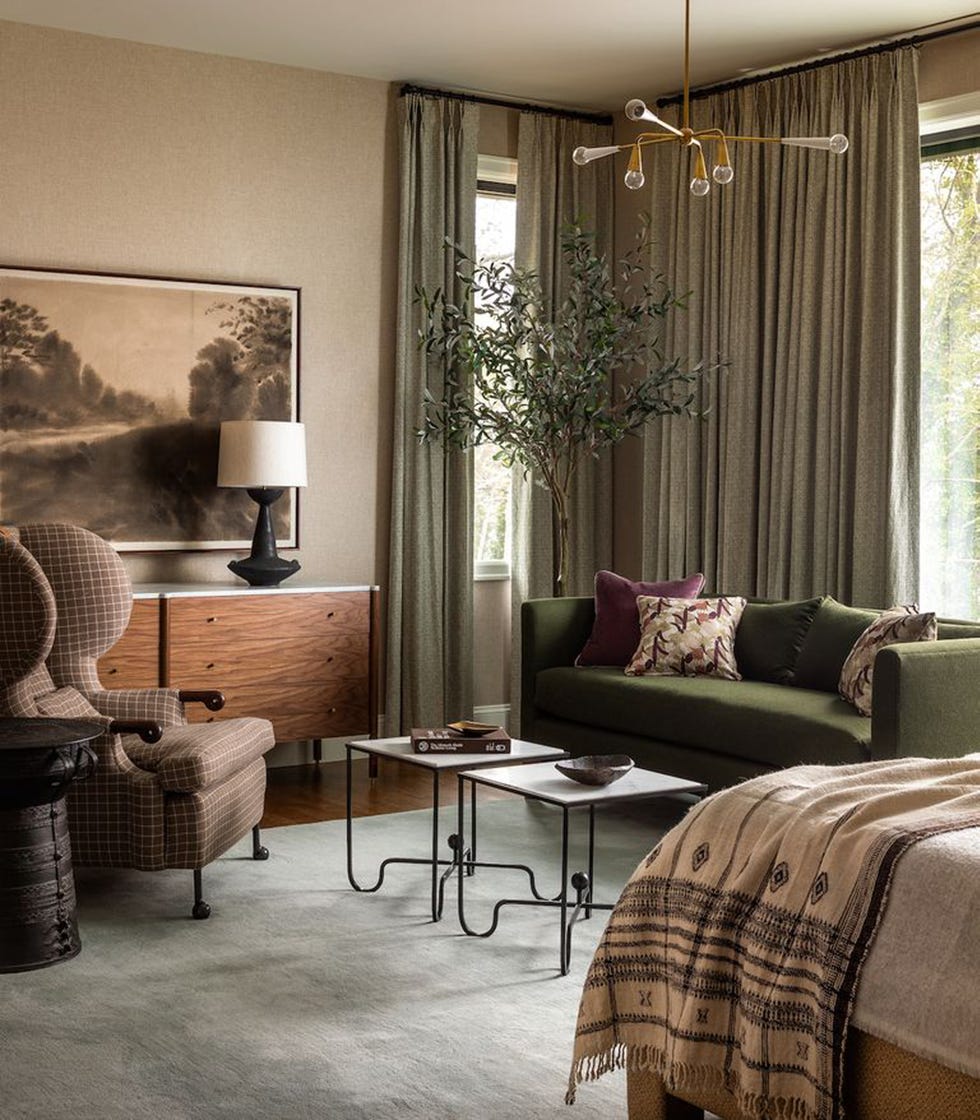
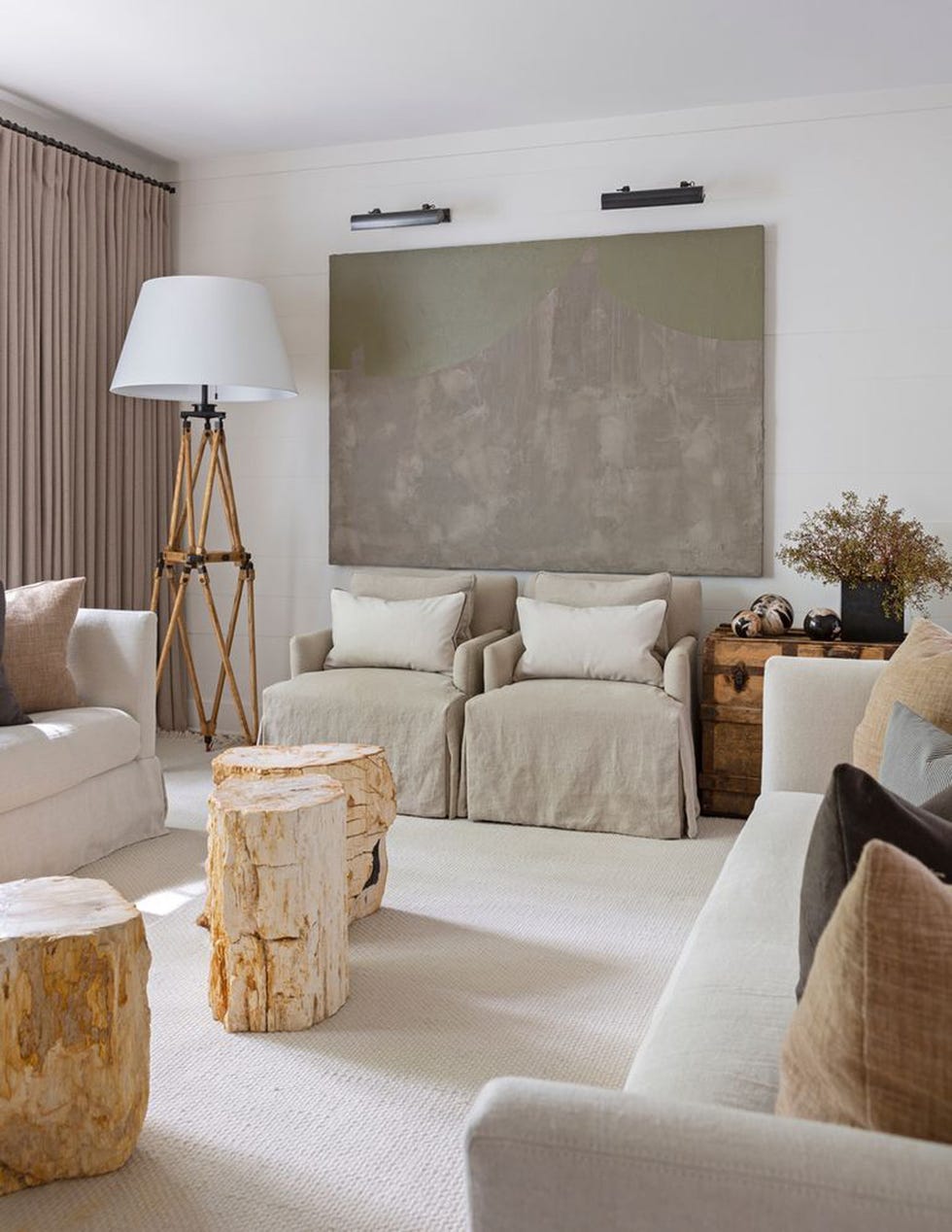
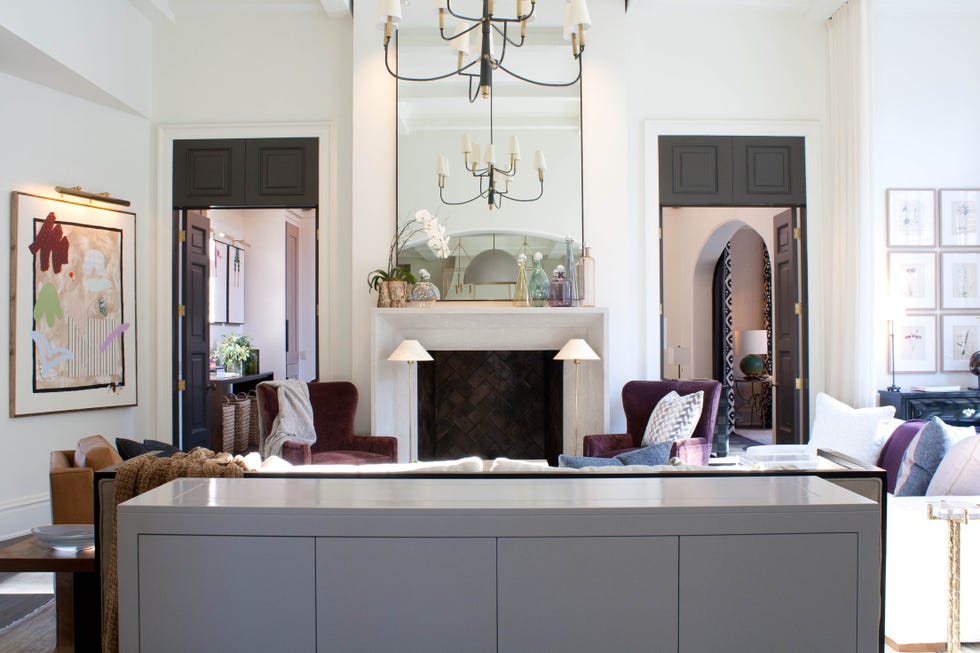
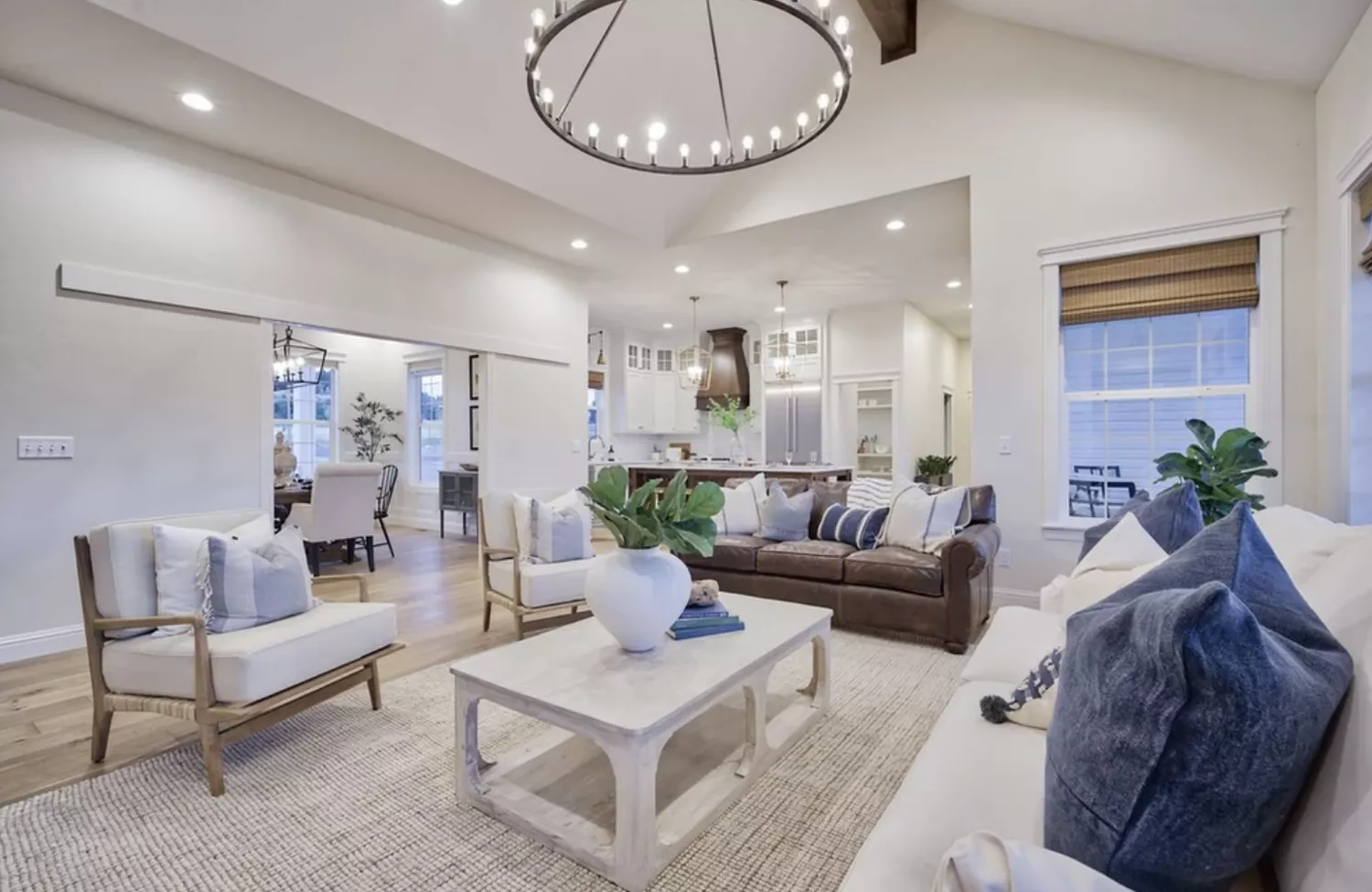
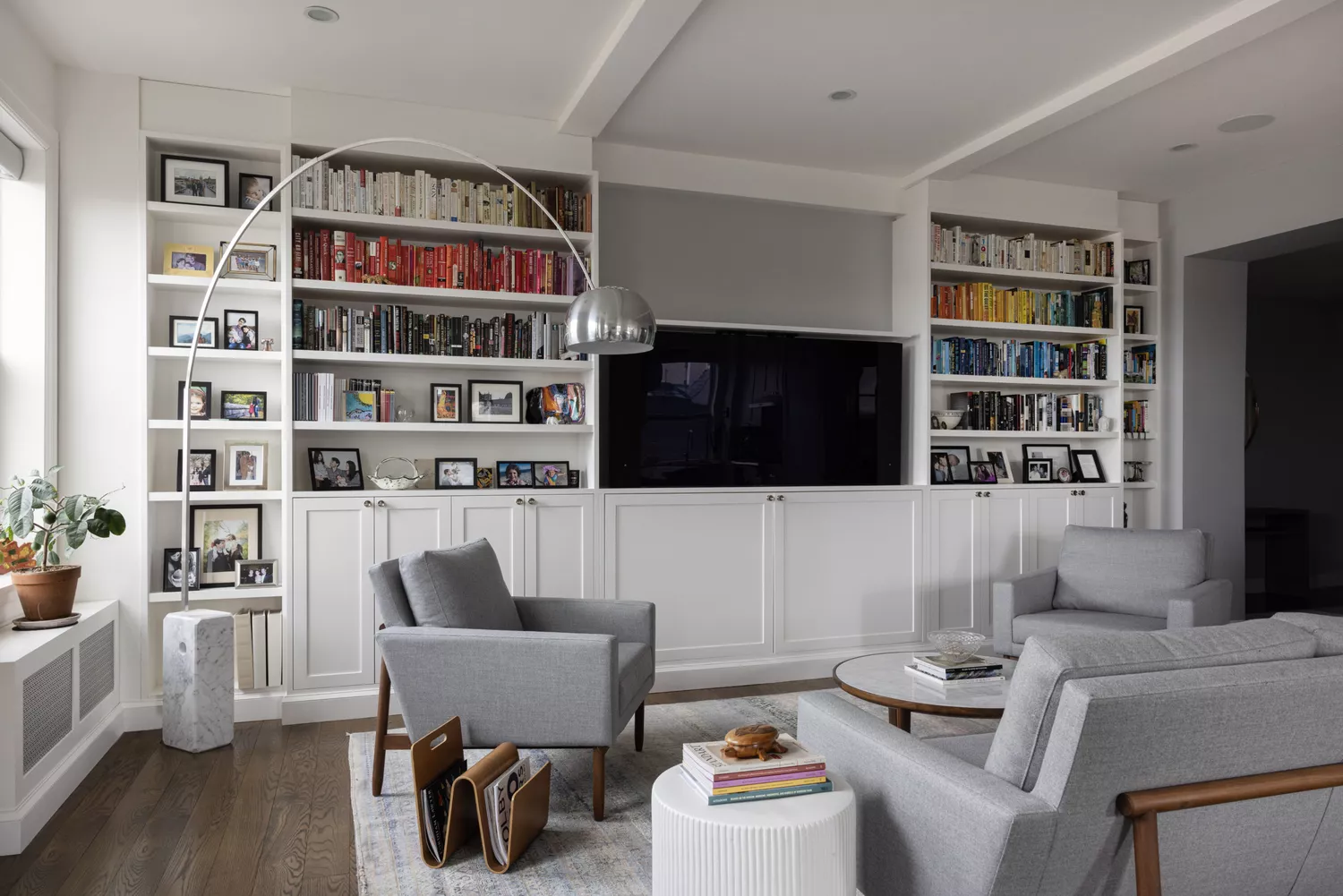
Recessed lighting offers a functional and modern solution for illuminating living spaces, providing a streamlined look that doesn't occupy visible space. However, designers caution against relying solely on recessed lighting, as it can create an overly bright, harsh, and unwelcoming atmosphere. Instead, they recommend layering recessed lighting with other forms of illumination, such as wall or floor lamps, to achieve a warmer and softer ambiance. Integrating dimmer switches is crucial for controlling light intensity and adapting the room's mood to different uses. Additionally, incorporating decorative pendants or chandeliers alongside recessed lighting adds style and variety to the overall lighting design.
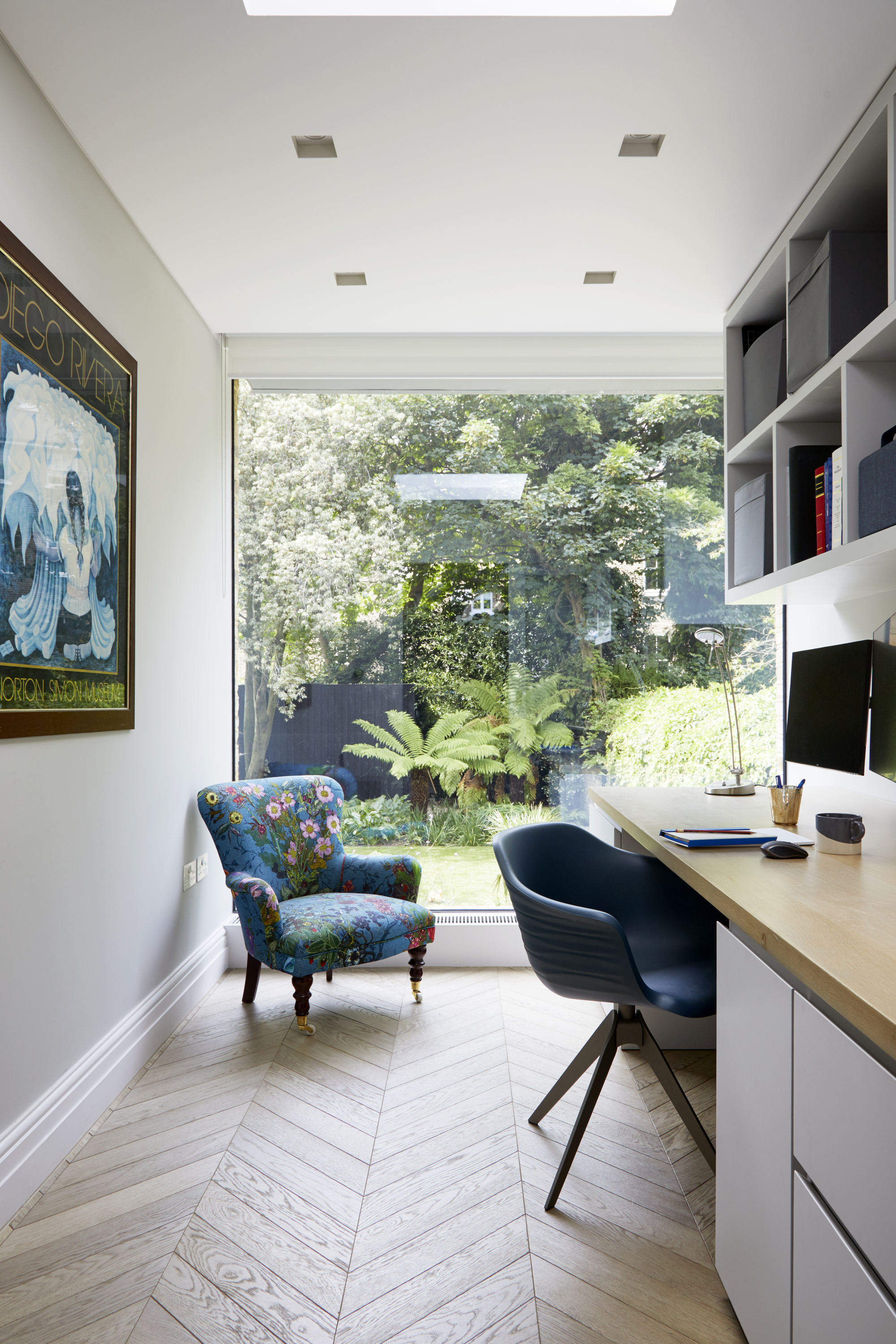
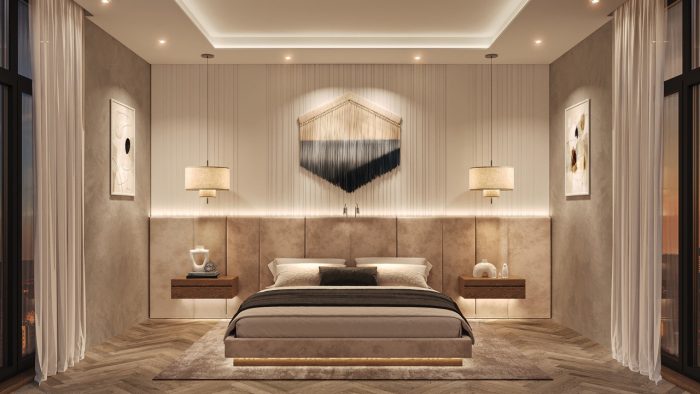
Proper spacing of recessed lights is essential for achieving a balanced and aesthetically pleasing effect. A common guideline is to divide the ceiling height by two to determine the ideal spacing between each fixture, ensuring consistent lines and adequate light spread without creating dark spots or lighting gaps. Professionals in lighting design can offer valuable assistance in calculating precise spacing. It is also advised to position recessed lights approximately three feet away from walls to prevent the creation of distracting shadows or scalloping effects on surfaces.
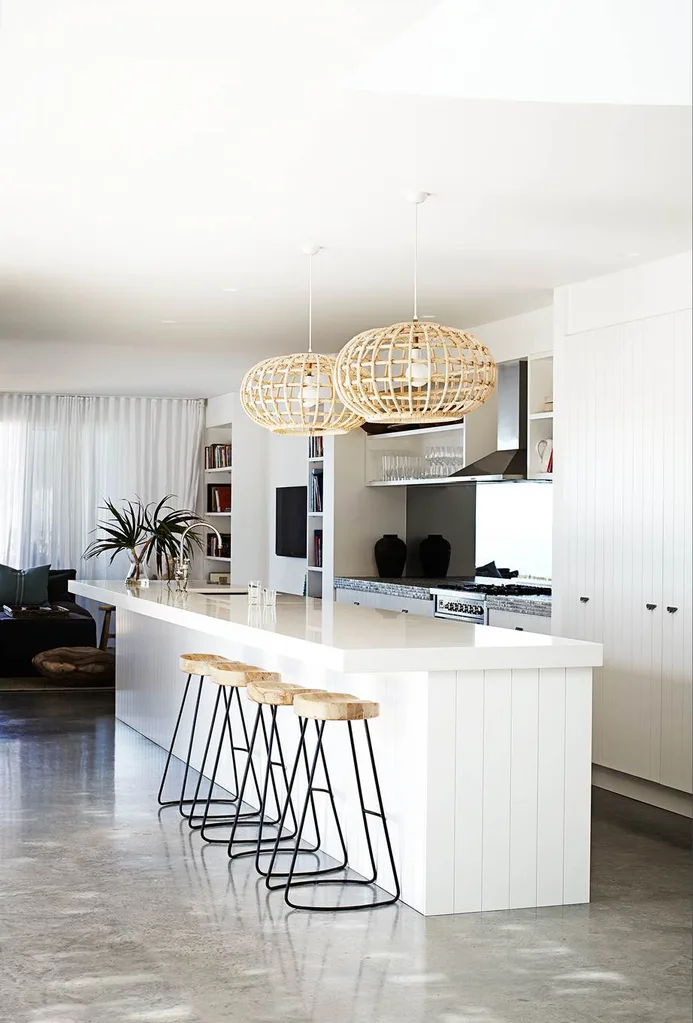
When planning a living room's lighting layout, several factors should be taken into account, including the amount of natural light available and the room's primary functions. For instance, a living room used for watching television may require less intense lighting than a kitchen, which typically demands more task-oriented illumination. Designers suggest placing recessed lighting around the room's perimeter to highlight doorways, illuminate pathways, and accentuate architectural features or artwork, rather than directly over seating areas, which can cause discomfort and unflattering shadows.
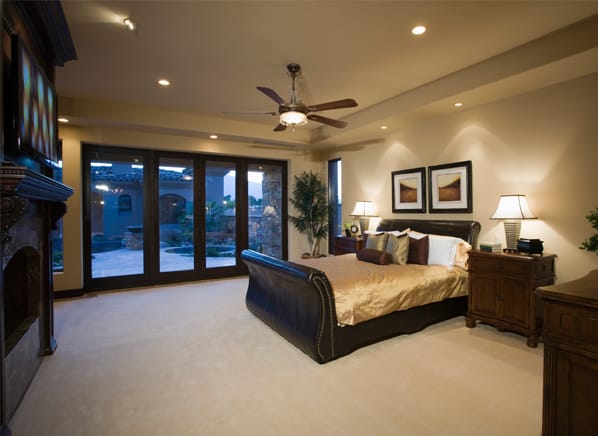
Creating distinct lighting zones is another effective strategy for maximizing the versatility of recessed lighting. By wiring different groups of lights to separate switches, occupants can individually control brightness levels for various sections of the room, such as a TV area versus a seating arrangement. This zoning capability allows for flexible lighting scenarios, including dimming lights to reduce glare or spotlighting specific elements like a fireplace mantel for accentuation. For rooms equipped with ceiling fans, careful planning is necessary to avoid a 'strobe effect' from the fan blades interfering with the lights; recessed lights should be placed at least two to three inches beyond the fan blades.
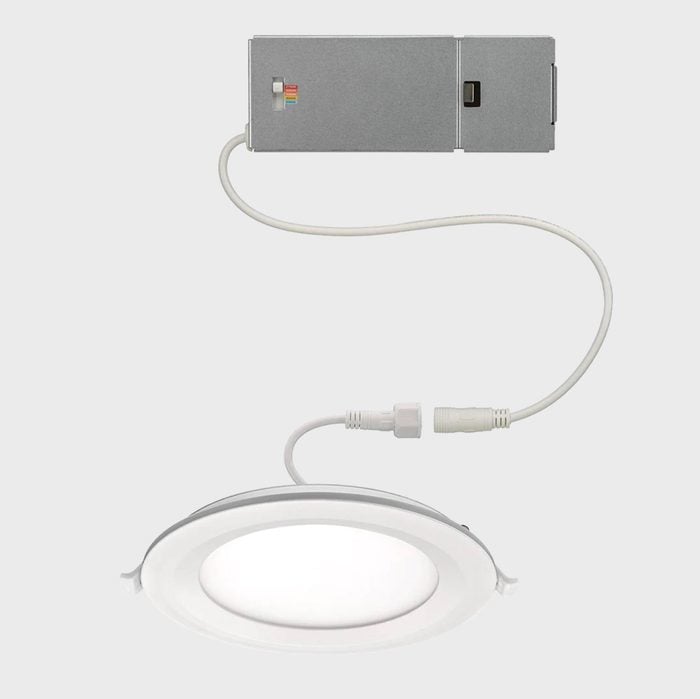
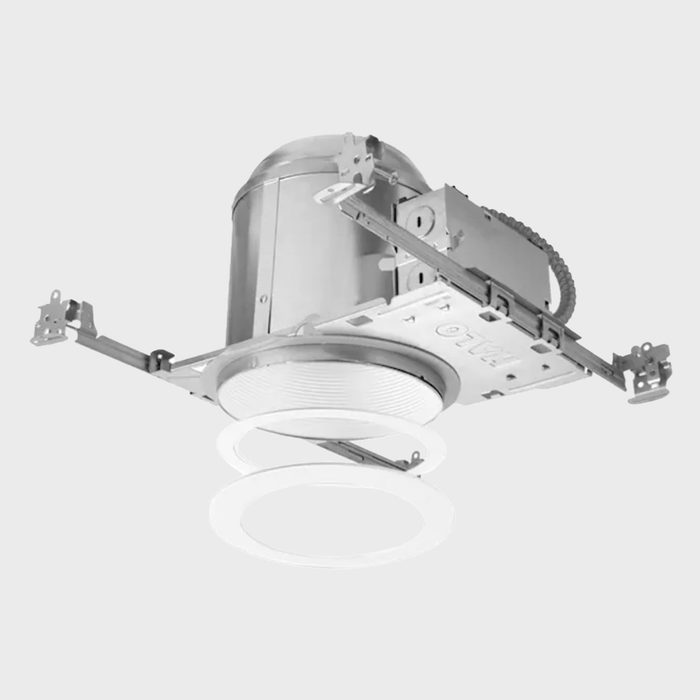
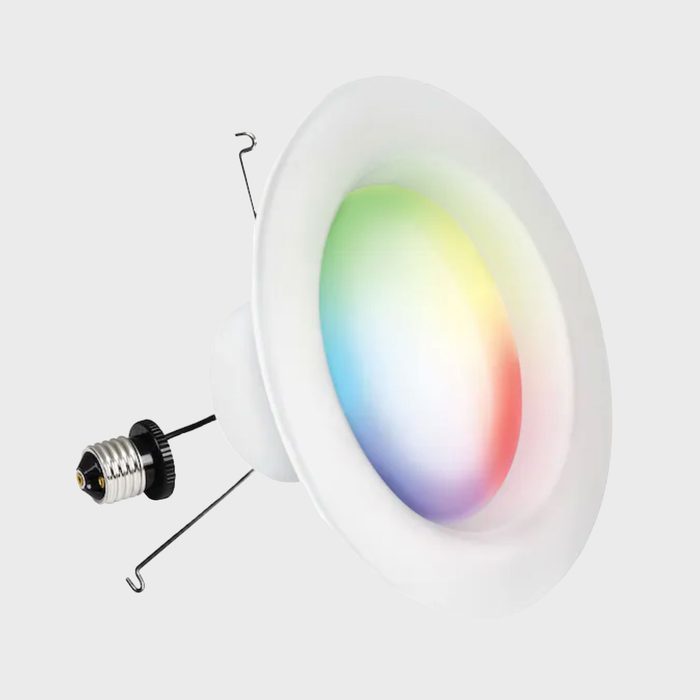
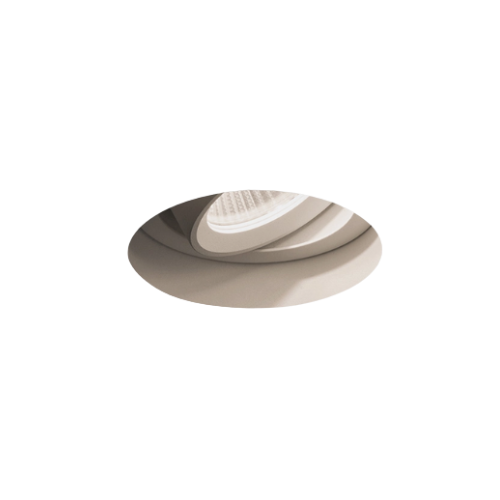
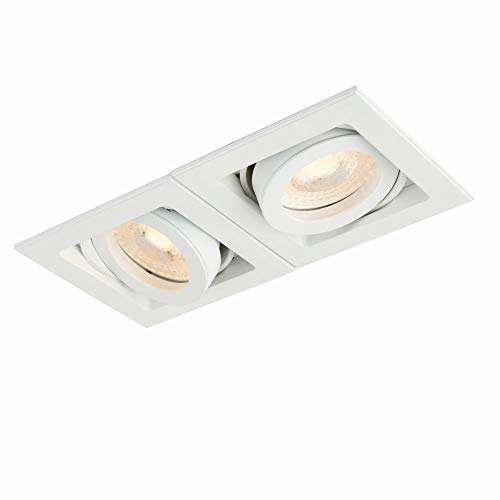
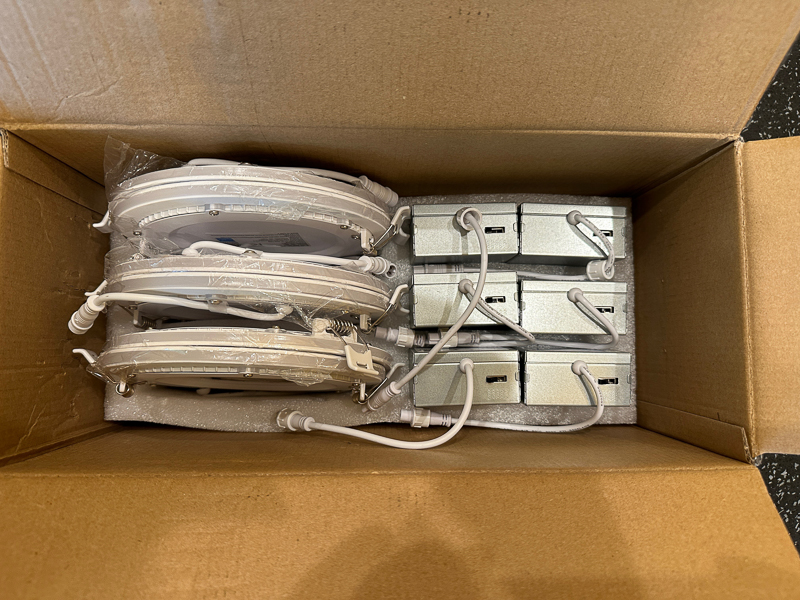
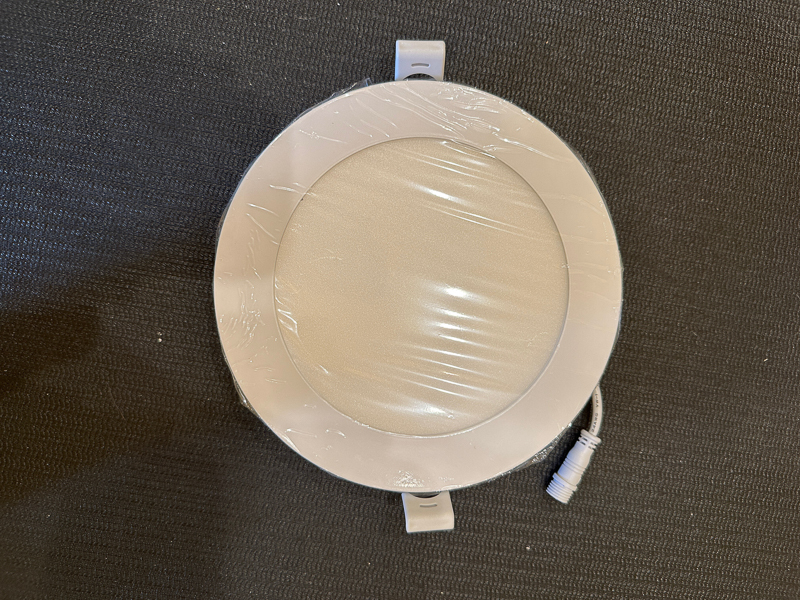
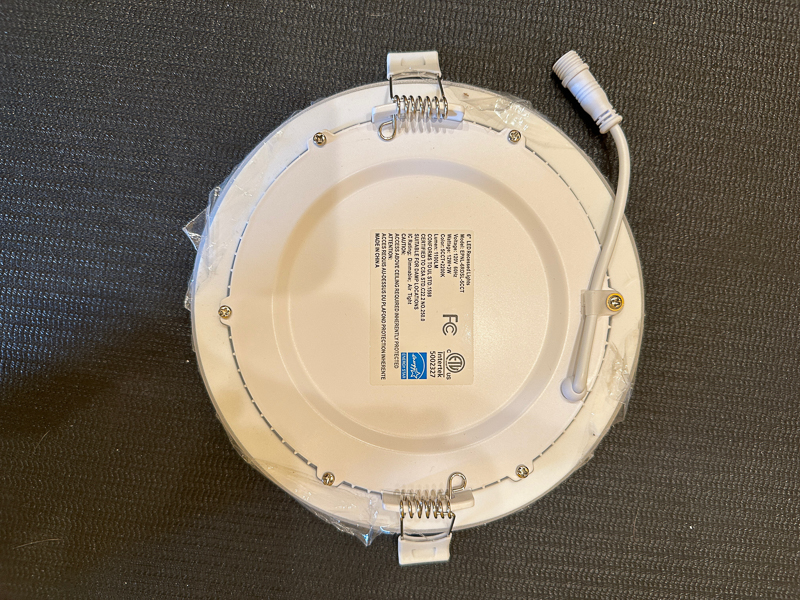
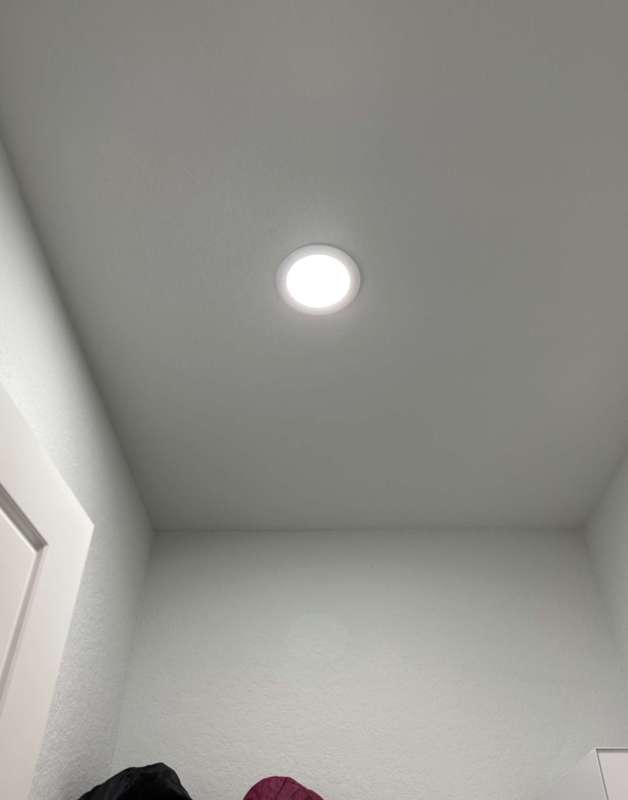
Recessed lighting offers extensive customization options, including various sizes, shapes (round or square), and trim finishes (white, black, chrome). There are also options for trimless designs, linear configurations, and multi-light housings to suit diverse home styles. Modern LED-style recessed lights are particularly popular due to their energy efficiency and the ability to adjust color temperature, further enhancing the adaptability of the lighting system.
#RecessedLighting #LivingRoomDesign #HomeLighting #InteriorDecorating #LightingDesignTips #CeilingLighting #HomeImprovement #DesignersAdvice #RecessedLighting #LivingRoomDesign #HomeLighting #InteriorDecorating #LightingDesignTips #CeilingLighting #HomeImprovement #DesignersAdvice
0 comment in total
 No comments yet
You may also like
How do you layout recessed lighting? Top designers answer your questions

5 Types of Lighting Designers Would Never Use —They're Harsh and Unflattering and Here's Why
These Reading Lamps Tuck Away When You're Not Using Them |
6 Outdated Lighting Trends to Skip in 2024, According to Designers
10 Best Recessed Lights to Buy for Your Home in 2025

An interior designer’s guide to lighting your home


Why Do Homes These Days Have So Much Recessed Lighting?

Proper lighting can add drama and coziness to any space

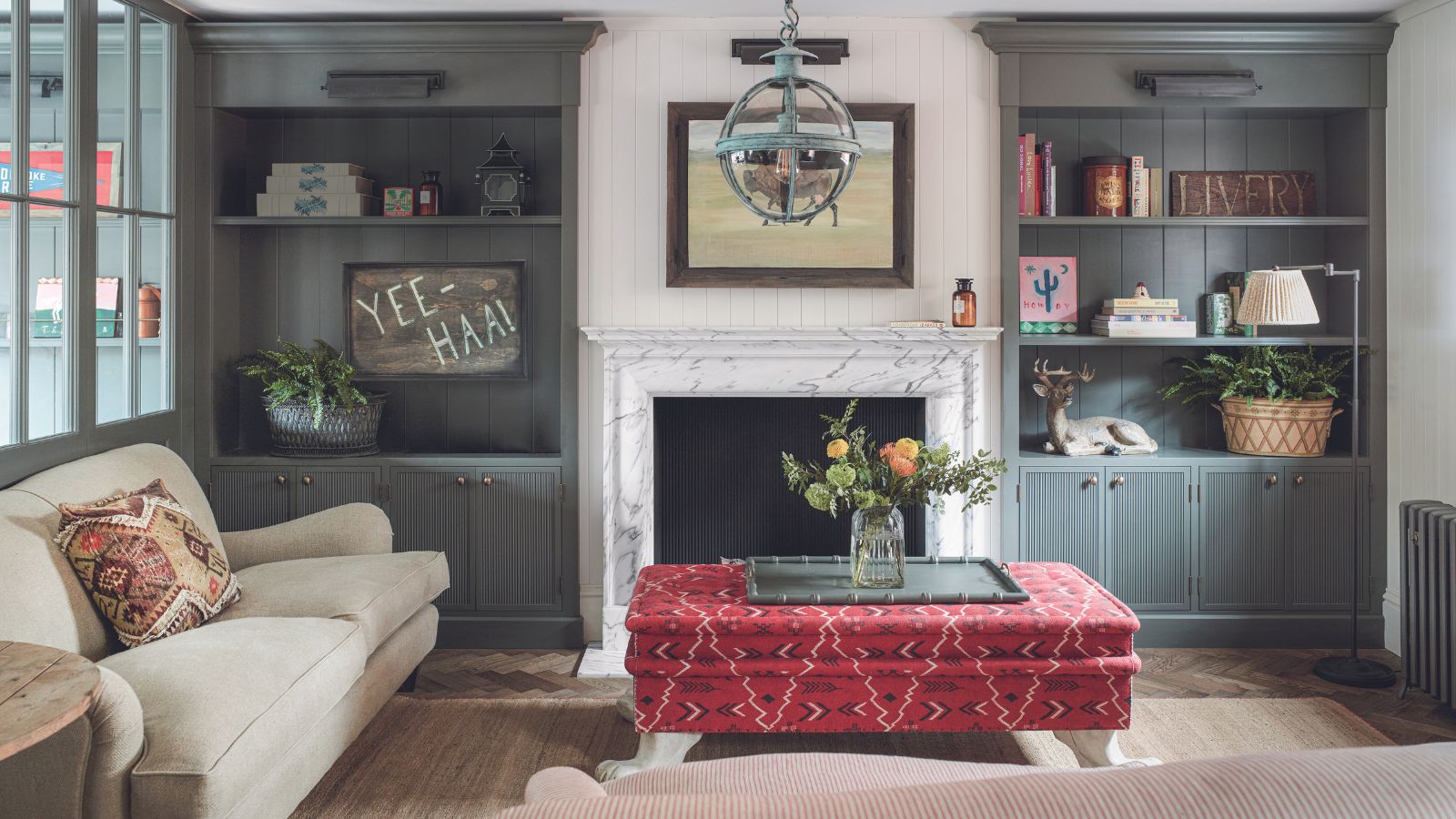
How to make a living room lighter – an interior designer's 10 tips for a creating brighter space
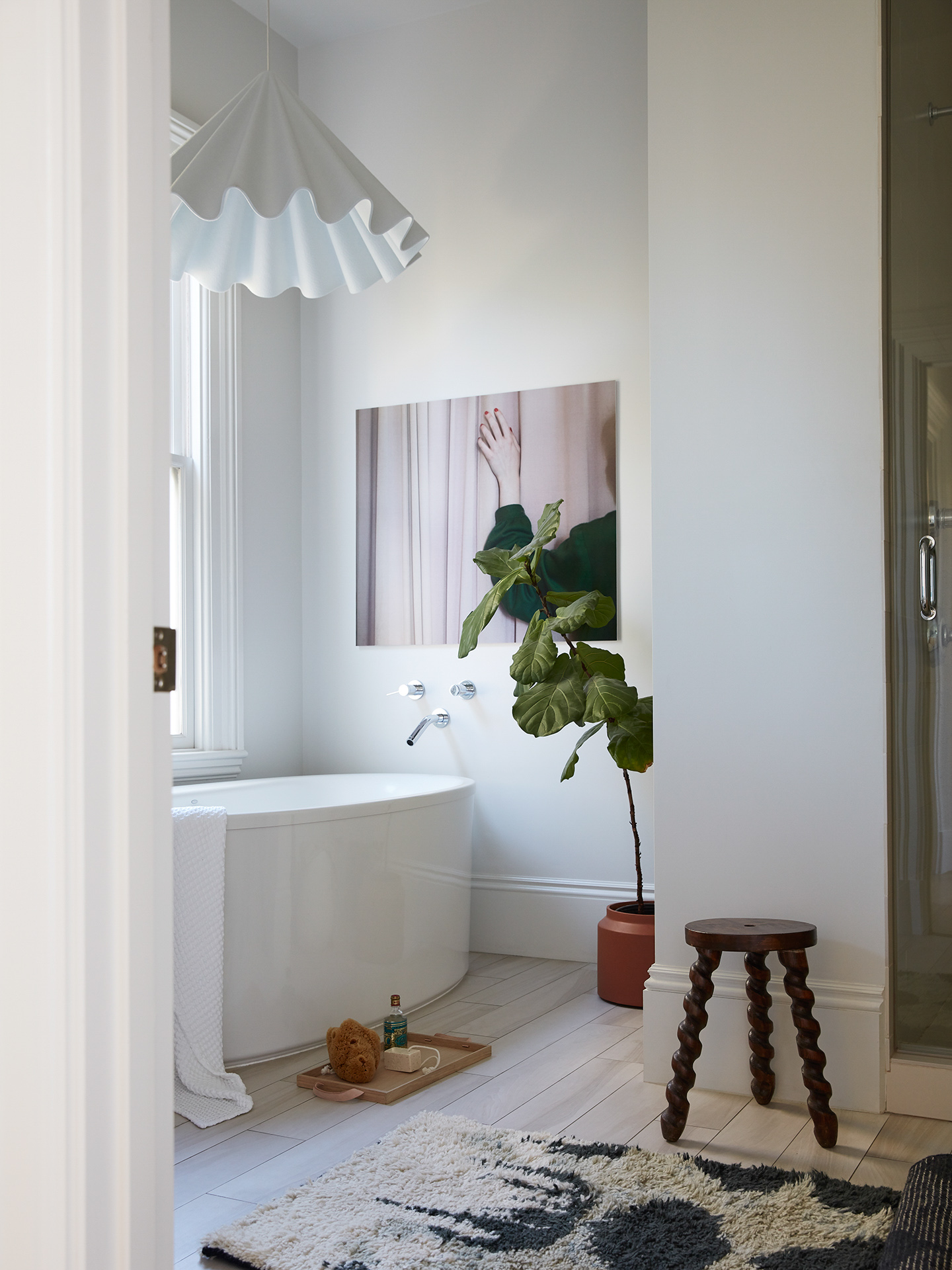
The One Lighting Feature Designers Hate But Home Buyers Love

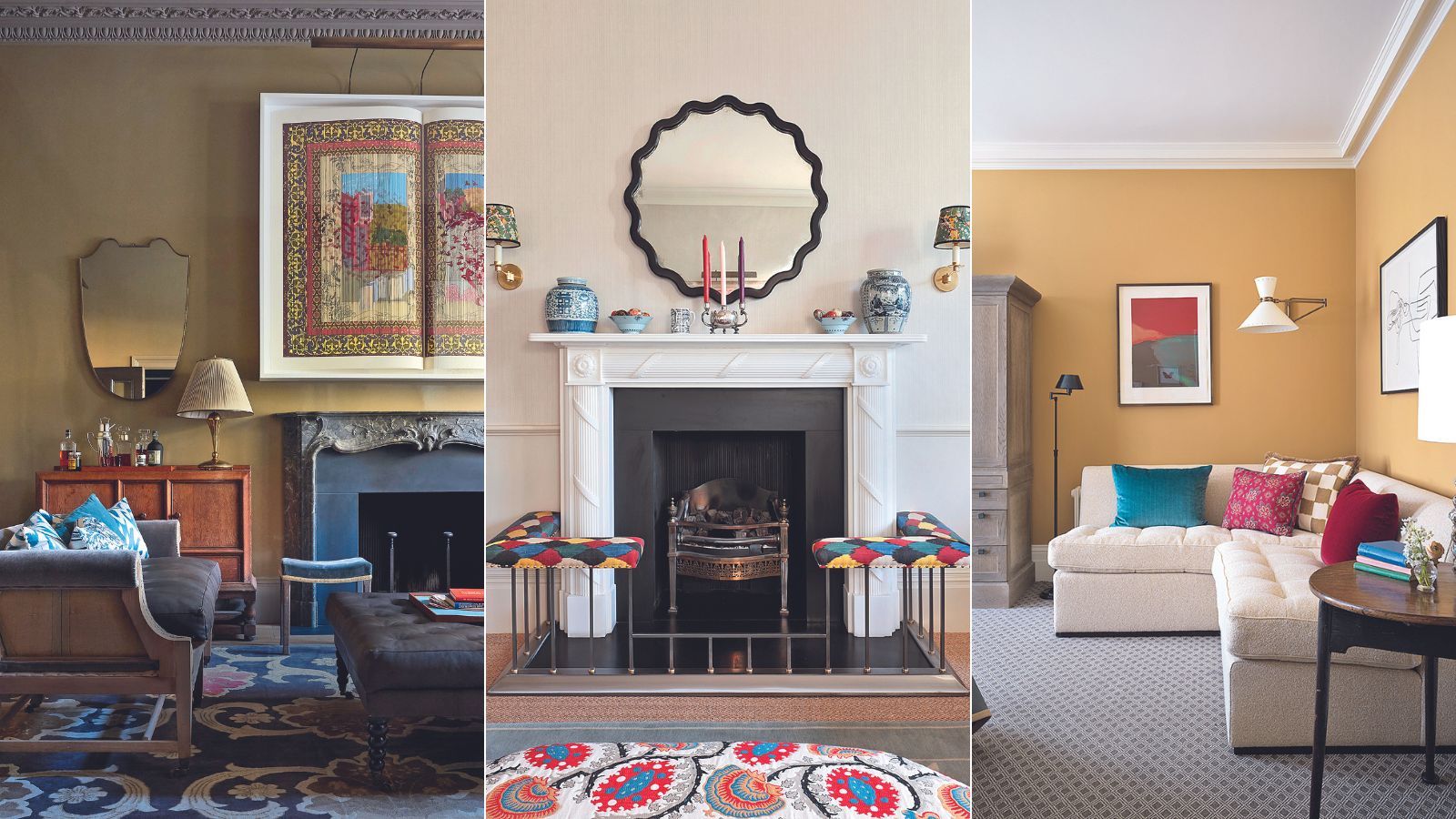
10 living room lighting mistakes that make yours look uninviting, smaller and cold

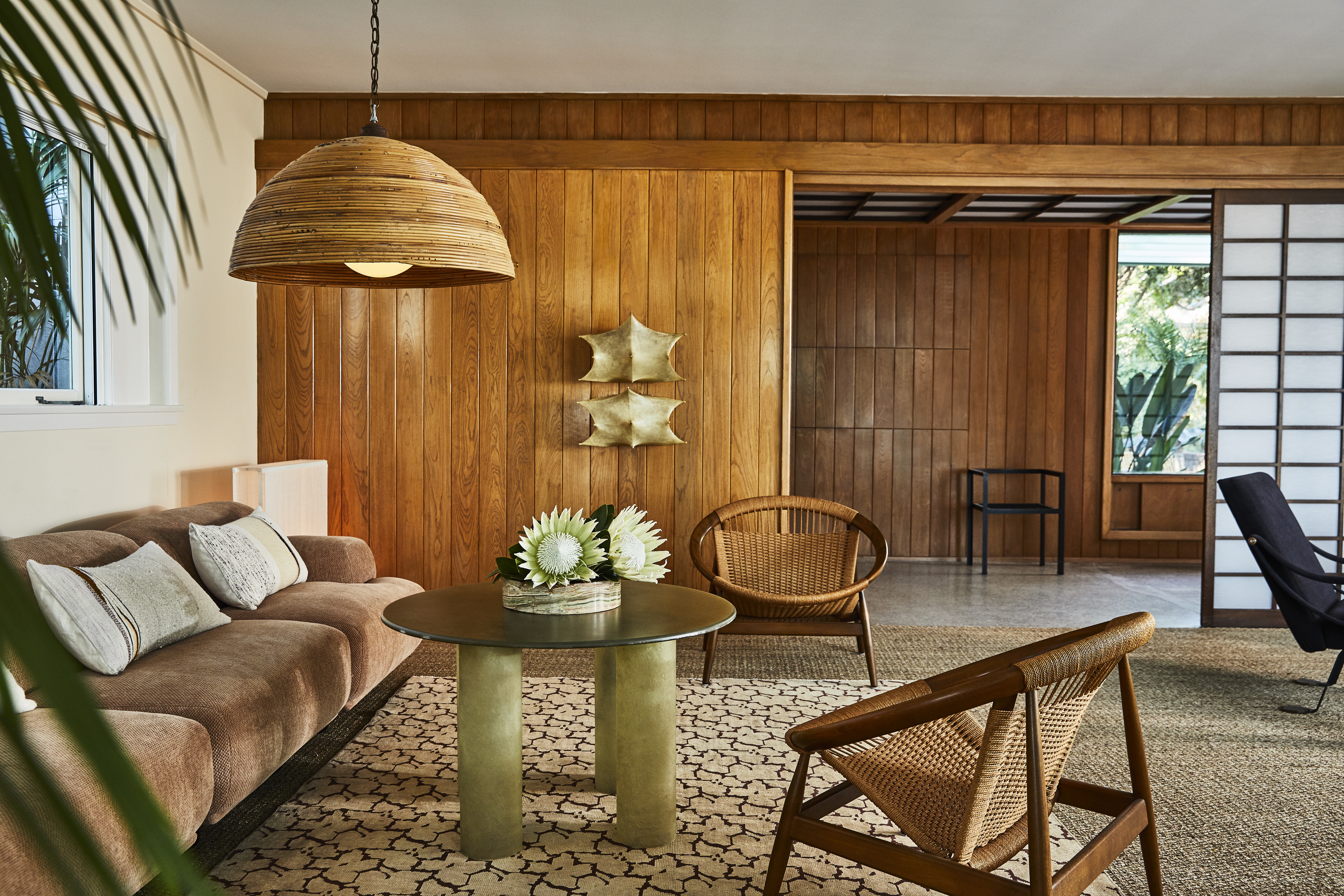
Should light fixtures match throughout a house? The answer is more nuanced than you'd expect
5 Easy, Designer-Approved Lighting Hacks to Brighten Up Your Home
Rollin Light Canless LED Recessed Lighting review – Yes, you can install these yourself!

Room-by-Room Lightbulb Guide | Lightbulb Reviews
Designers Share Their Best Tips for Acing Ambience in the Living Room with Lighting
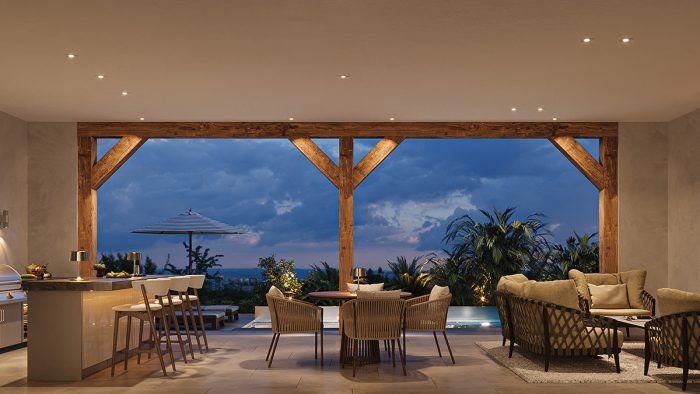
A Recessed Downlighting Guide for Every Budget

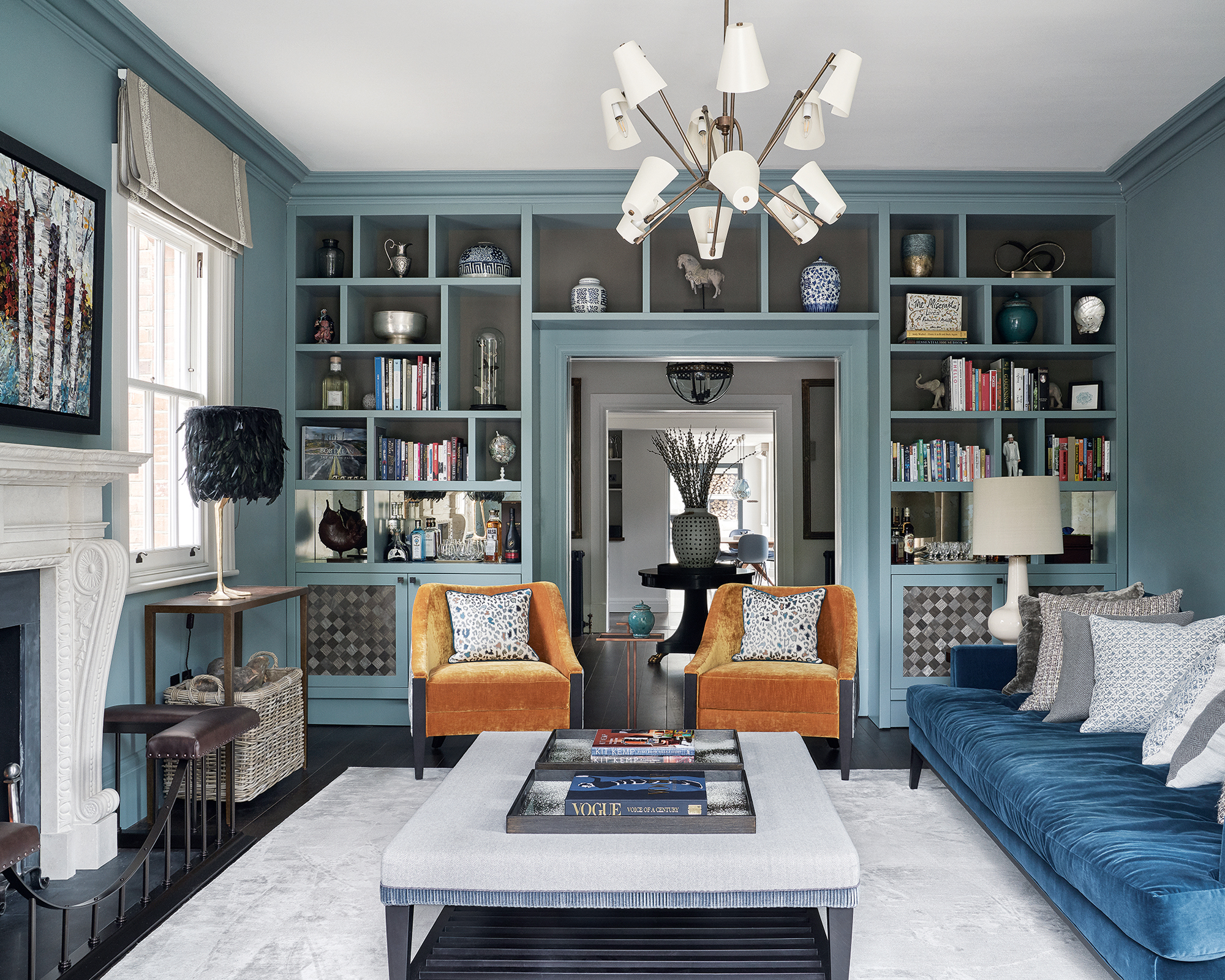
Lighting a dark room – 10 top tips from experts
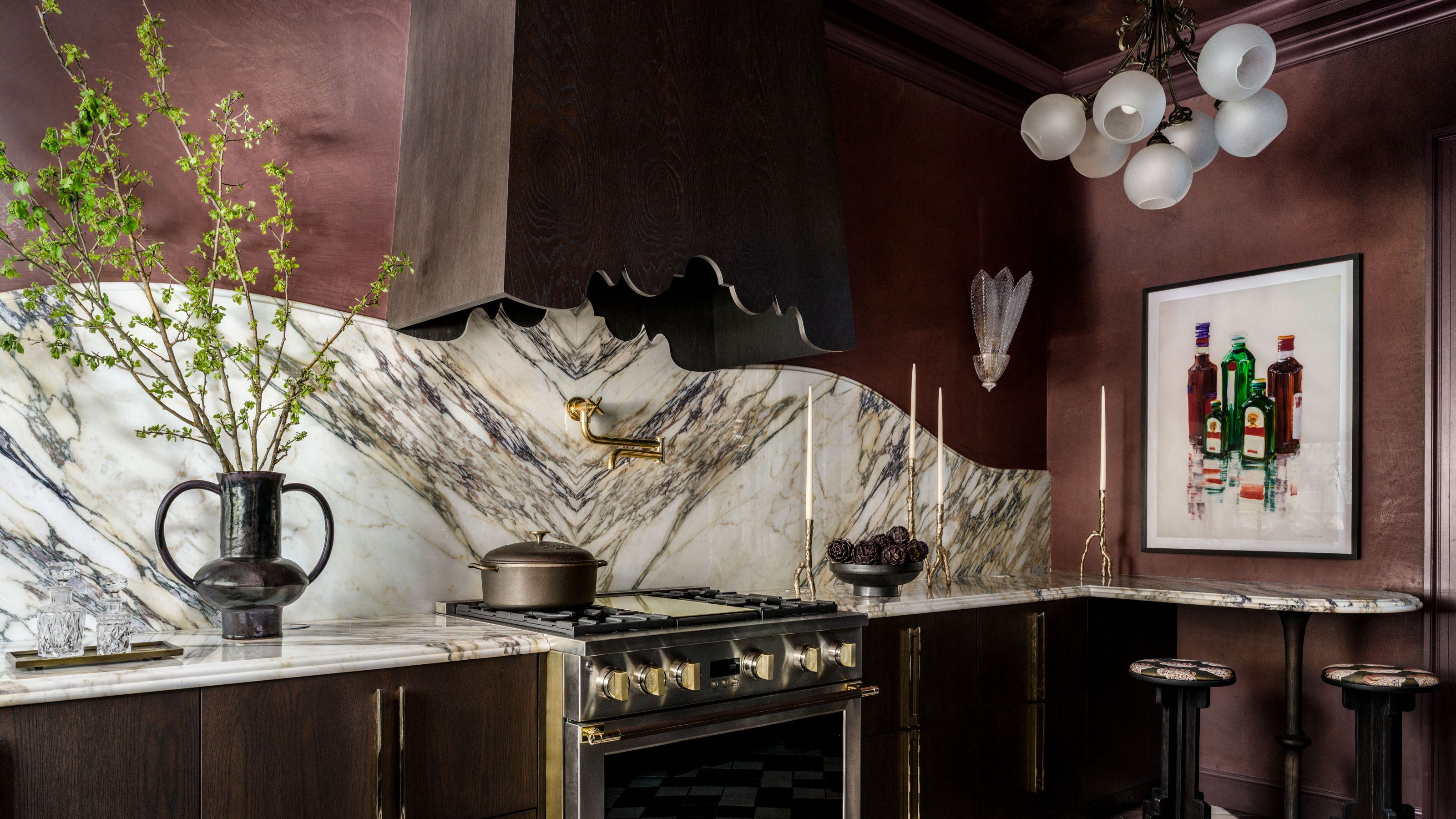
5 Kitchen Lighting Design Rules Interior Designers Warn You Should Never Ignore for a Well-Lit Space

The Secrets To A Well-Lit Room