1/22
A Recessed Downlighting Guide for Every Budget
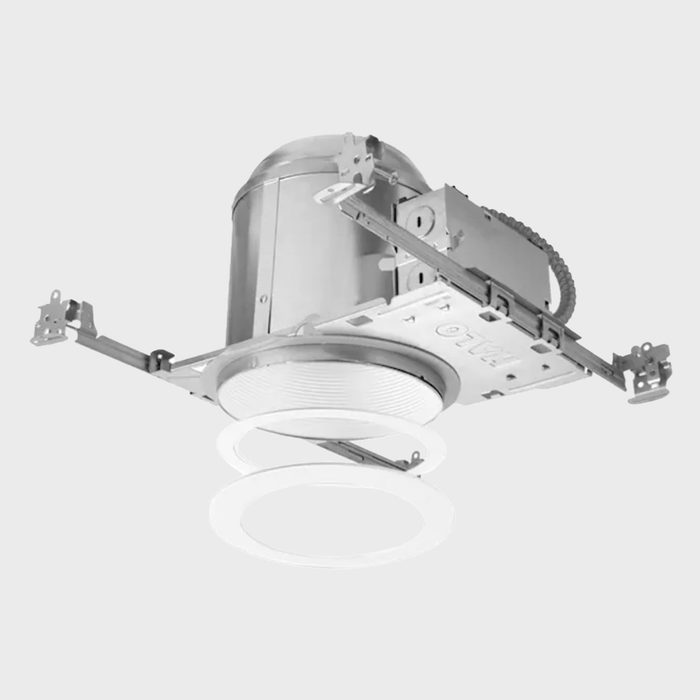
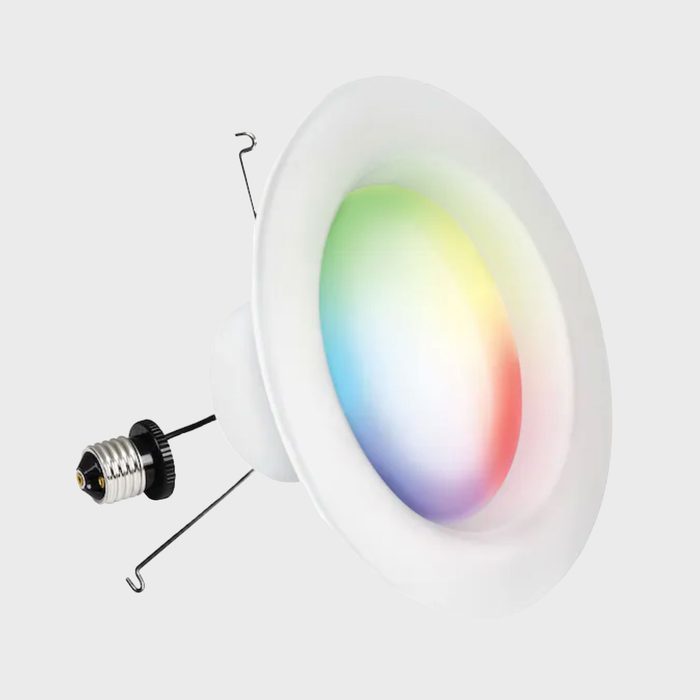
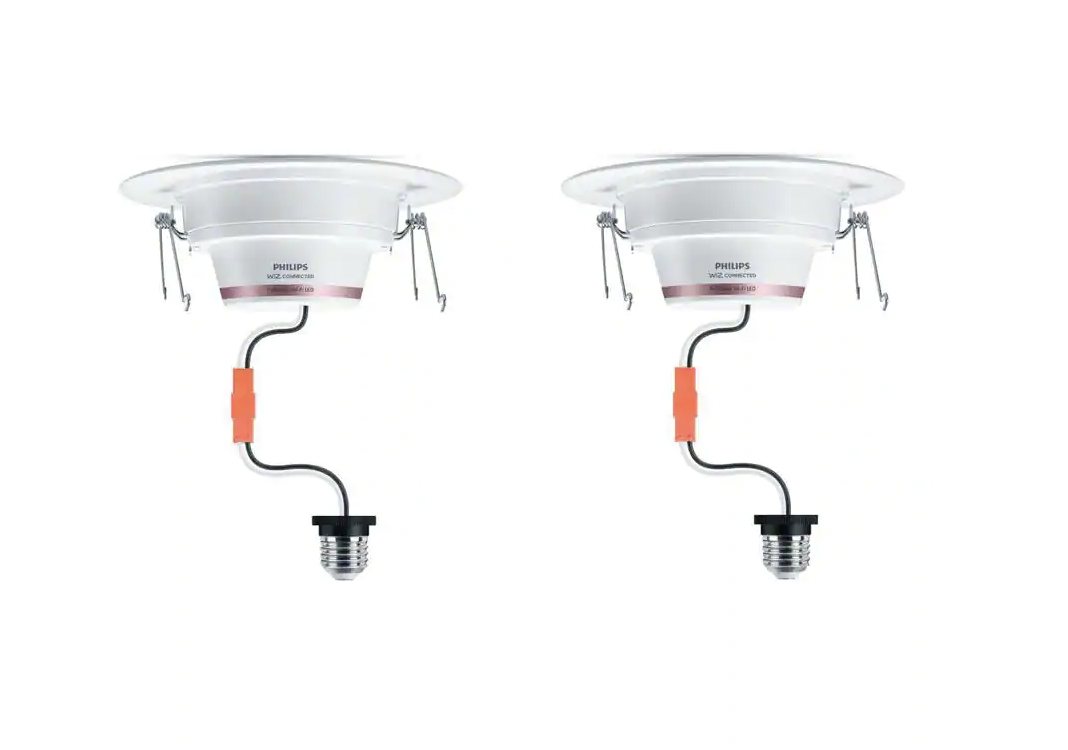
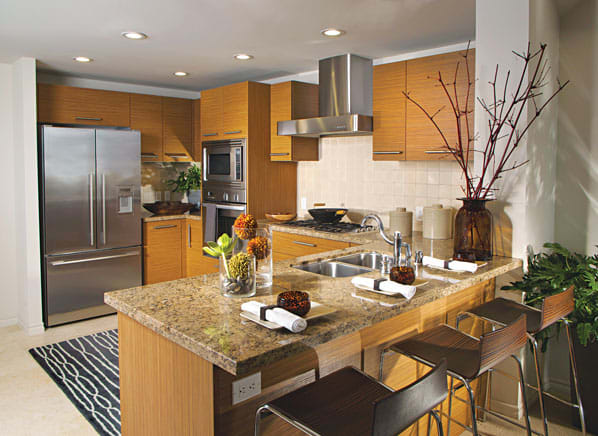
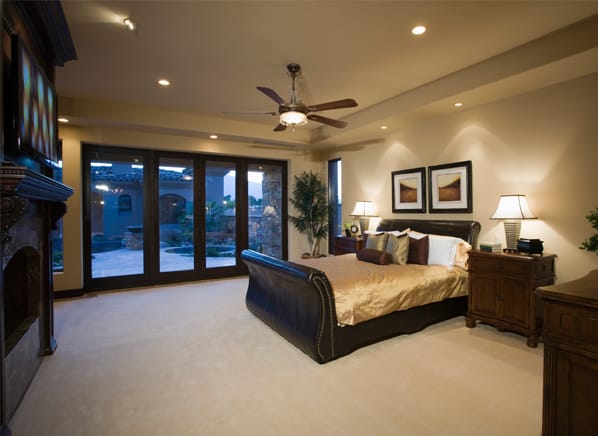
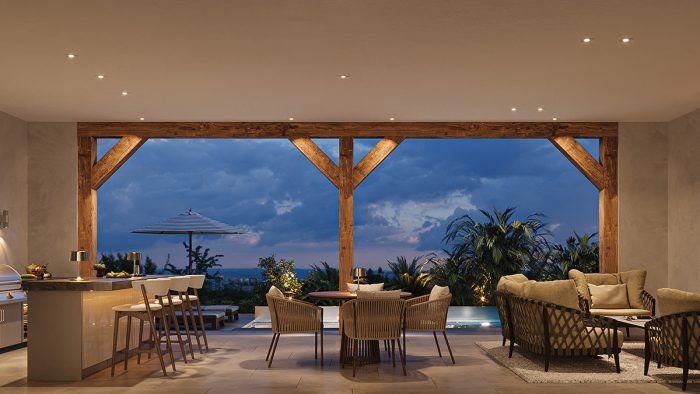
This article explores the selection of recessed downlights, a staple in modern home lighting design, offering guidance on various factors to consider beyond just budget and lumen output. David Warfel, a lighting designer, details four key criteria for choosing downlights: ceiling brightness (to minimize glare), beam spread (to direct light effectively), color (including warm-dimming, tunable-white, and full-dynamic-color options), and tilt (for adjustable focus on specific features). The article categorizes 14 specific downlight models into five price ranges, from under $75 to over $750, providing insights into their performance based on these criteria. Each price category highlights different features and performance levels, demonstrating how even affordable options have evolved with technology.
The author emphasizes that while watts were historically used to measure light output, lumens are now the critical metric, representing the volume of light. He recommends fixtures with 800 to 1000 lumens for most applications, suggesting higher lumens for rooms with tall ceilings. The article also introduces crucial terminology such as Color Rendering Index (CRI), optics, and regress, which define how well colors are rendered, how light spreads, and how deeply a light source is recessed, respectively. Higher CRI values indicate better color accuracy, while deeper regress generally helps reduce glare and create a "quiet ceiling" effect, where the light source is less noticeable.
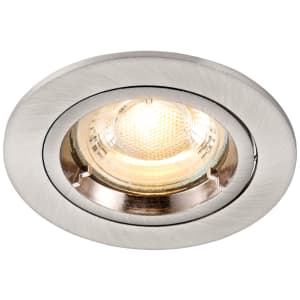
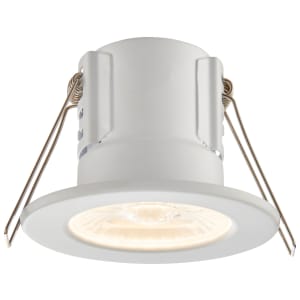
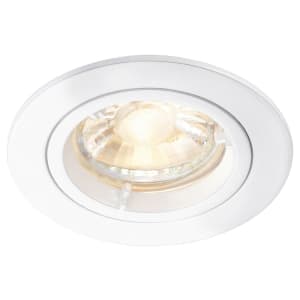
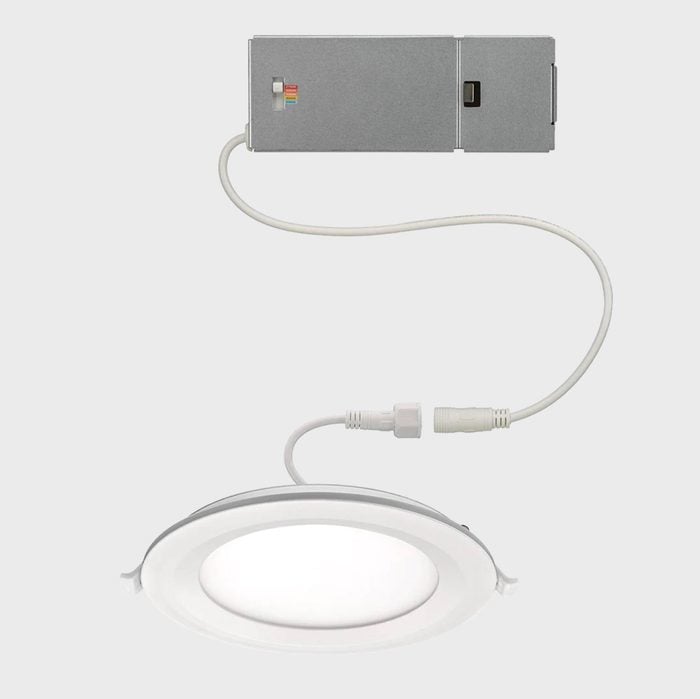
Downlights under $75 are presented as a step up from basic disk lights, with examples like the WAC Lighting Lotos R 4-in. and American Lighting Axis 3-in. offering selectable color temperatures and decent light output, though with a higher potential for glare. The Lusa Lighting Adjustable Trim 3-in. in this category notably offers warm-dimming capabilities, a feature typically found in higher-priced fixtures. Moving into the $75 to $150 range, options like the Liteline Luna 4-in., American Lighting Warm Dim 3-in., and Visual Comfort Entra 3-in. CL offer improved glare reduction and more advanced warm-dimming functionalities, representing a noticeable upgrade in user experience.
The $250 to $400 category marks the beginning of luxury lighting, featuring higher CRIs, more optic choices, and superior dimming performance. Examples include the DMF Lighting M Series 4-in. with its modular construction and excellent mounting, the WAC Lighting Ocularc 3-in. with its articulating tilt, and the Visual Comfort Entra 3-in. known for its quieter ceiling. For $400 to $600, fixtures like the DMF Lighting Artafex 2-in. stand out for their compact design, high CRI, and unprecedented tilt capability from a pinhole trim, while the Visual Comfort Element 3-in. offers extensive adjustability and customizable options.
Finally, the over $750 category includes high-end, flexible options primarily for art collectors or interior designers, often requiring sophisticated digital control systems. The Aispire Lighting Atmosphere 3.5-in. Tunable offers wide-ranging tunable white light, and the Ketra D3 3-in. provides exceptional light quality and smart controls for perfect synchronization with daylight or enhancing artwork. The article concludes by emphasizing that each downlight acts as a specialized tool, with its own strengths and weaknesses, suitable for specific applications and budgets.
#HomeLighting #RecessedDownlights #LightingDesign #Lumens #BeamSpread #ColorTemperature #GlareReduction #InteriorDesign #HomeImprovement #BudgetLighting #HomeLighting #RecessedDownlights #LightingDesign #Lumens #BeamSpread #ColorTemperature #GlareReduction #InteriorDesign #HomeImprovement #BudgetLighting
0 comment in total
 No comments yet
You may also like
Downlights

Where To Go For Affordable, Stylish Lighting
15 Lighting Products That Will Work in Any Home, From a Cramped Studio to a Windowless Basement

5 Designer-Approved Ways to Brighten Your Basement on a Budget That Actually Work

10 Best Recessed Lights to Buy for Your Home in 2025


RS Recommends: The Best Under-Cabinet Lighting for Your Studio or Home

5 Easy, Designer-Approved Lighting Hacks to Brighten Up Your Home

Room-by-Room Lightbulb Guide | Lightbulb Reviews
How do you layout recessed lighting? Top designers answer your questions

The One Lighting Feature Designers Hate But Home Buyers Love

27 Light Fixtures That Don't Cost A Fortune

I'm sharing my little black book of lighting – where I find big statement pieces at prices much smaller than you'd imagine
Read This Before Installing Recessed Lighting In Your Living Room
10 Best Under Cabinet Lighting
Nice-Looking Lamps Are No Longer Expensive | The Strategist
Twenty stylish lamps and lights to update your home without breaking the bank

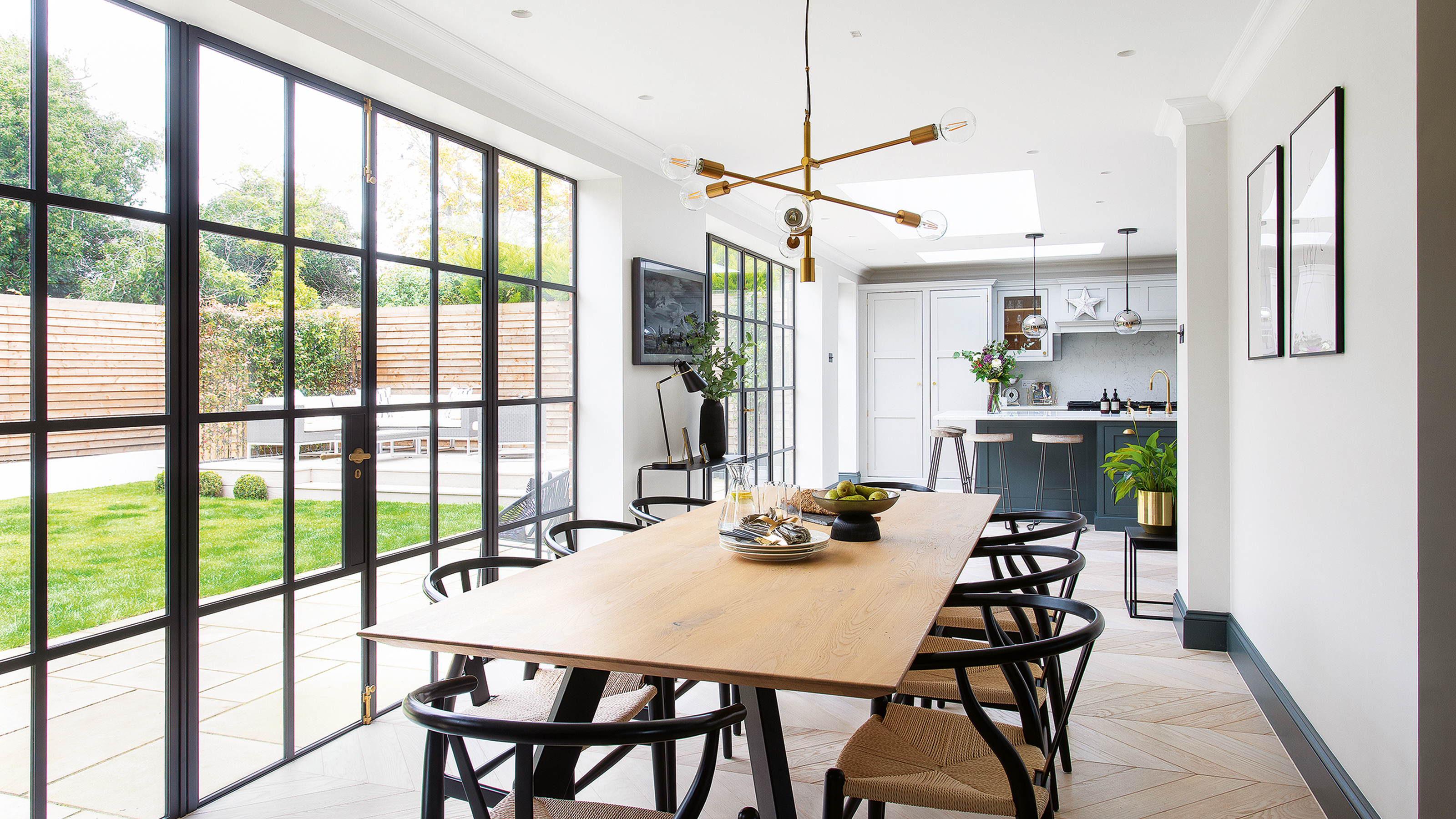
B&Q is the best place to shop art deco style opulent lighting
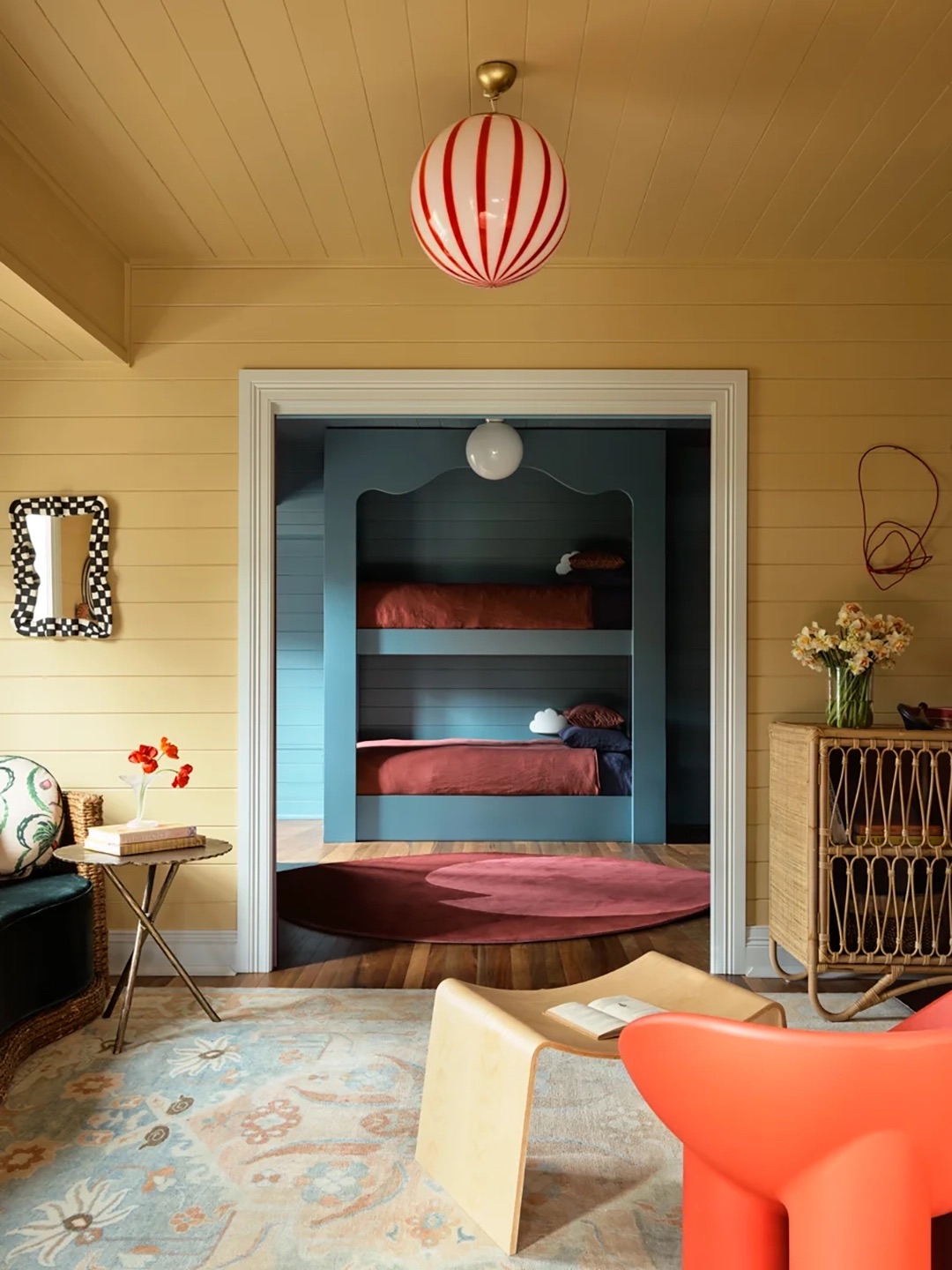
Designers Notoriously Hate This Feature—Here’s Why I (Respectfully) Disagree
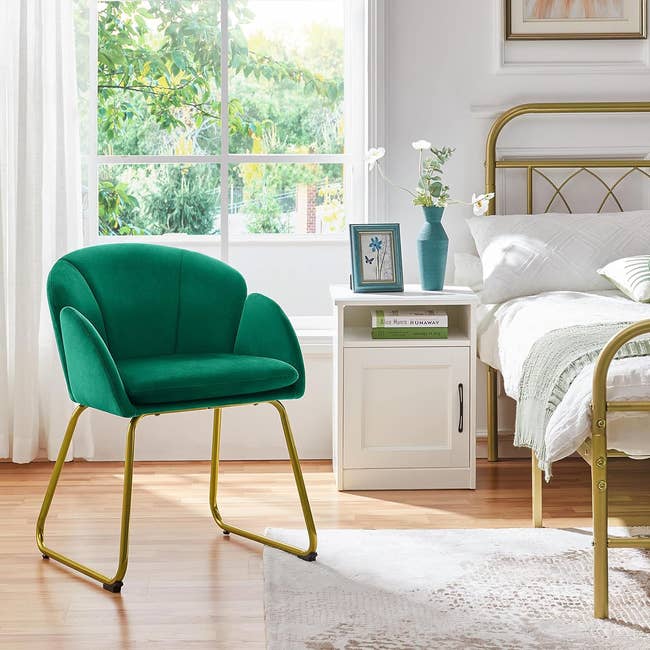
37 Chic Finds Under $100 That’ll Make Your Home Look Like A Million Bucks
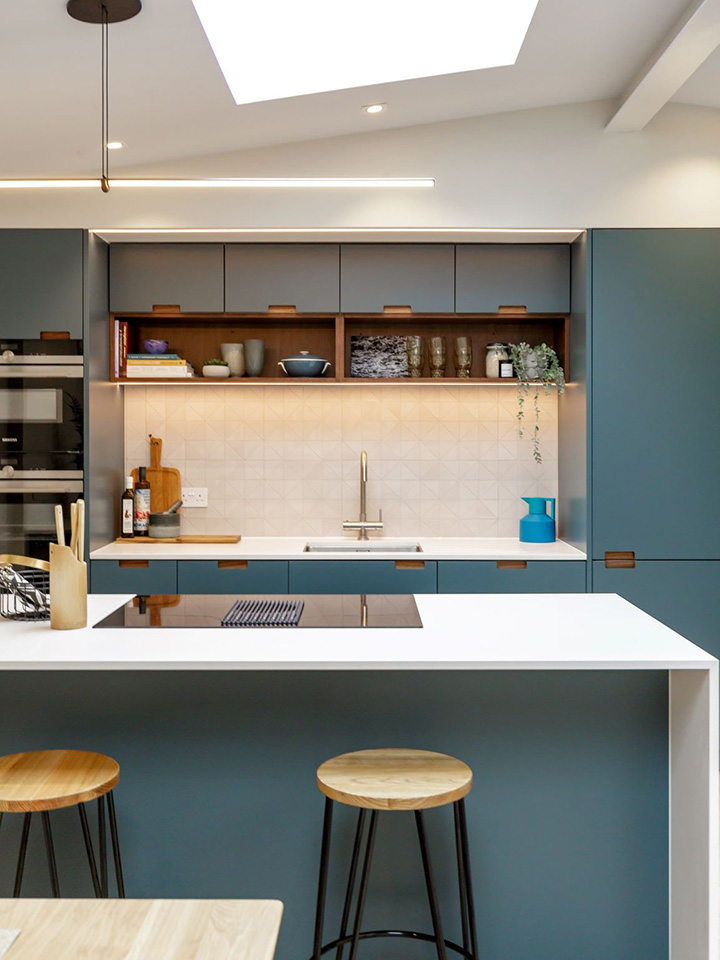
The Best Under-Cabinet Lighting Has Nearly 4K Positive Reviews