1/2
Are Heated Floors Worth It? 2 Real Estate Pros Weigh In
Heated floors, also known as radiant floor heating, offer a blend of comfort and efficiency that is gaining popularity, particularly in colder climates. This article explores the various benefits and drawbacks of installing heated floors, drawing insights from real estate professionals Judi Kutner and Joy Aumann.
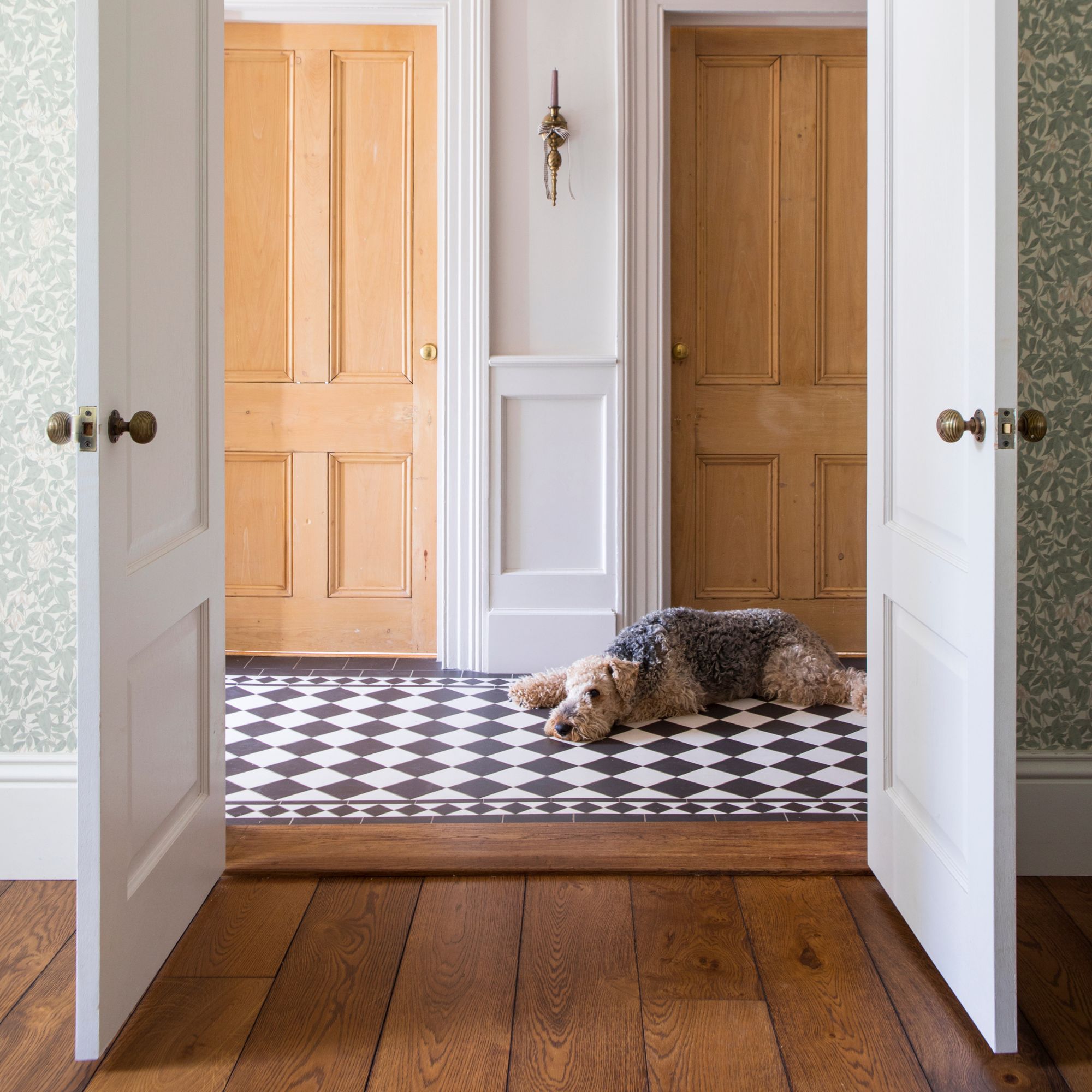
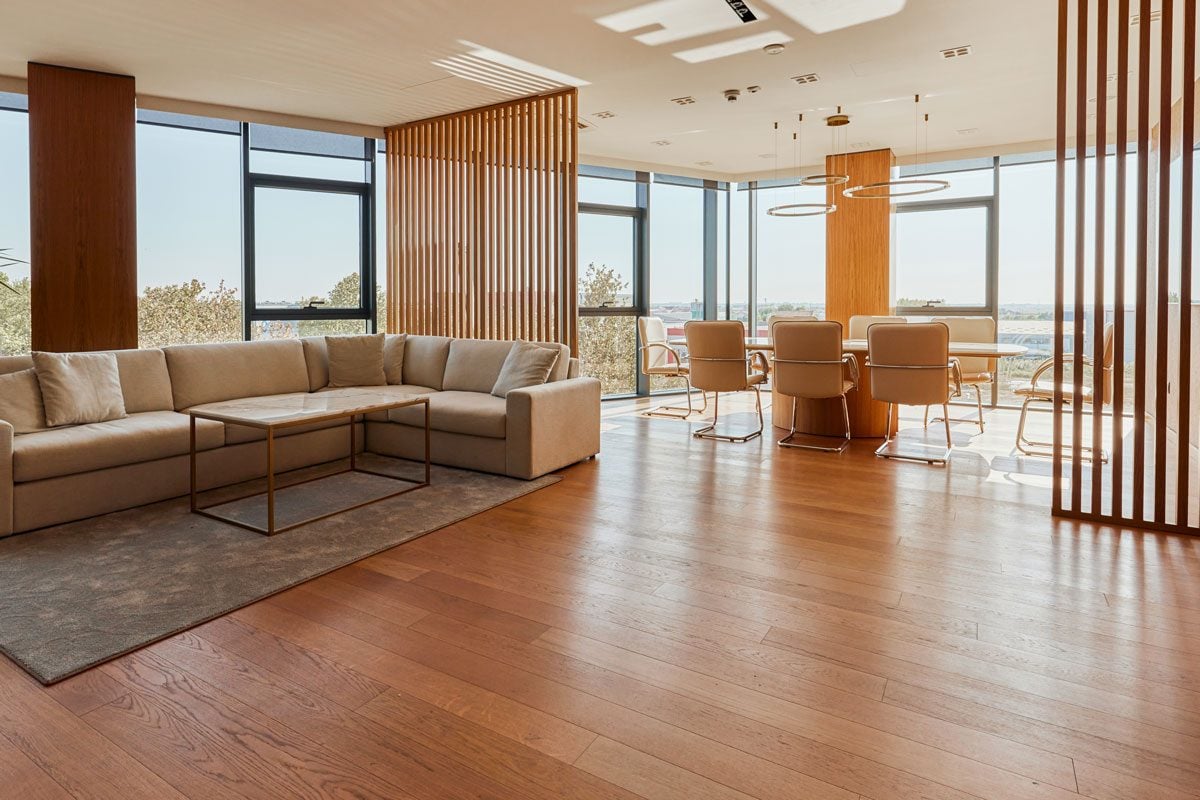
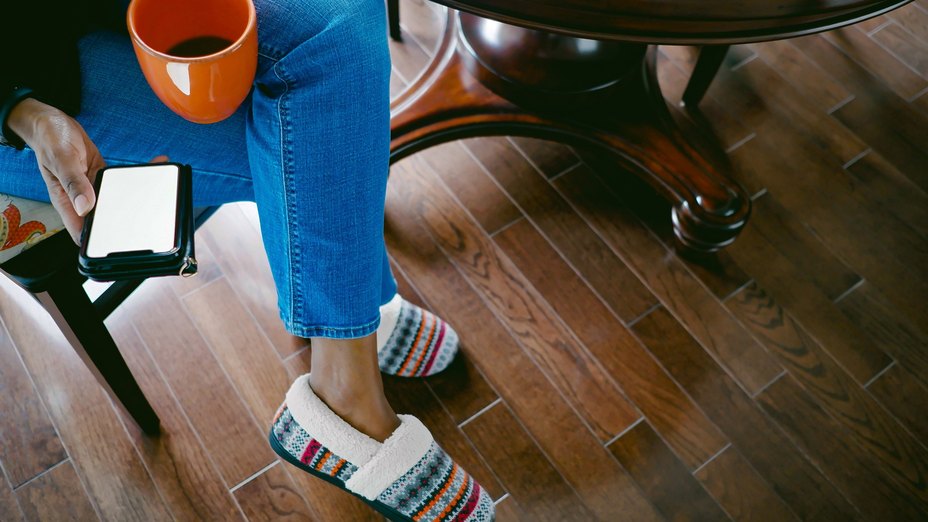
One of the primary advantages of heated floors is the unparalleled comfort they provide. The even distribution of warmth, without cold spots, creates a uniformly cozy environment for both humans and pets, a significant improvement over traditional heating systems like baseboard or forced air. This comfort factor is a major draw for homeowners and can enhance a property's appeal.
However, a notable disadvantage is the time it takes for radiant heating systems to warm a room. Unlike forced air systems that provide immediate heat, radiant floors must first warm the floor surface before radiating heat into the space. This process can take several hours, depending on factors such as floor construction and insulation, making them less ideal for quick temperature adjustments.
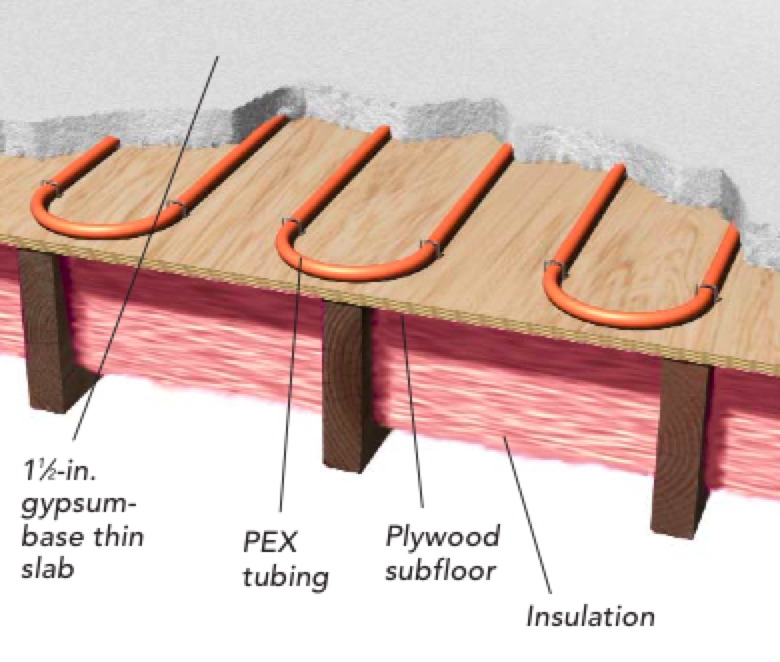
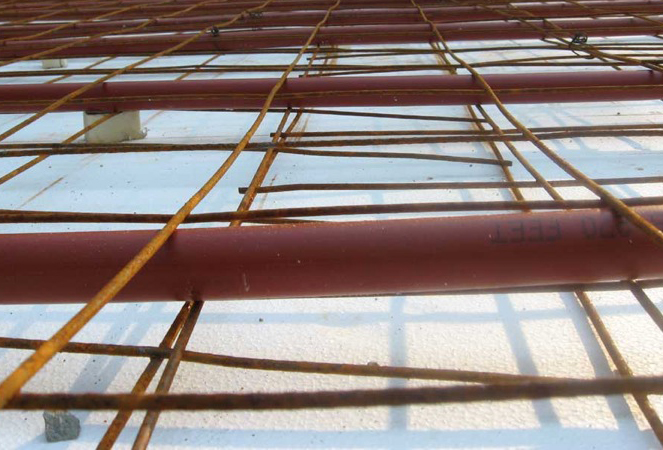
From an energy efficiency standpoint, radiant heating generally outperforms baseboard and forced-air systems by eliminating duct losses. Hydronic systems, which use heated water, are more energy-efficient than electric systems. Electric systems are most effective when integrated with significant thermal mass, like a concrete floor, allowing for heating during off-peak hours. Joy Aumann estimates annual energy savings of approximately 15-20%, which can help offset the considerable initial installation costs.
The cost of installing heated floors is a significant consideration, varying based on the type of heating (electric or hydronic), installation method, floor covering, and surface area. A whole-house radiant heating system can cost $20,000 or more. While electric systems typically require minimal maintenance, hydronic systems need occasional servicing. Repairing either type can be costly, as it often necessitates removing the flooring to access the system.
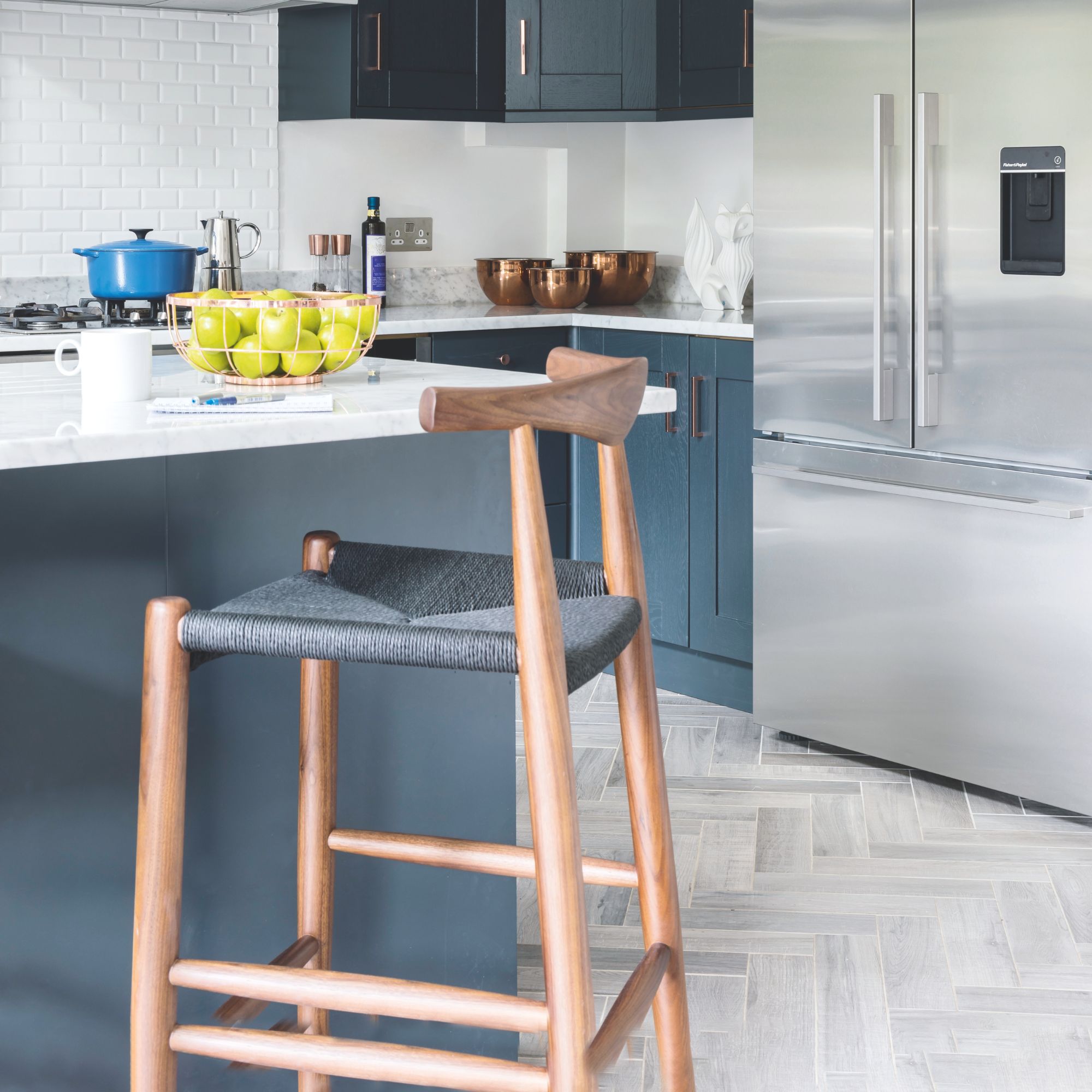
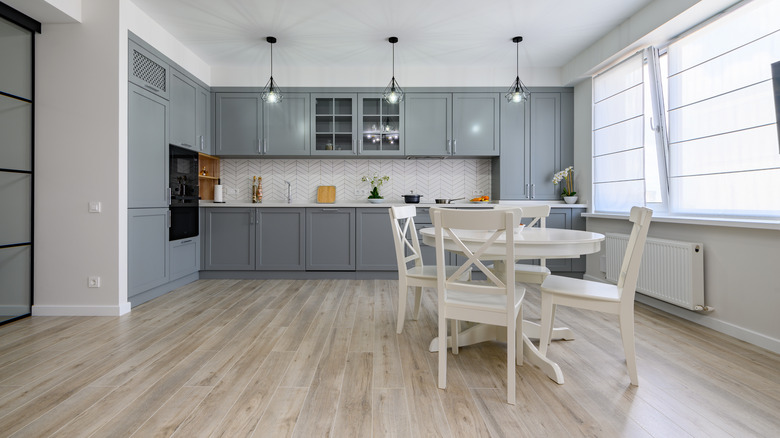
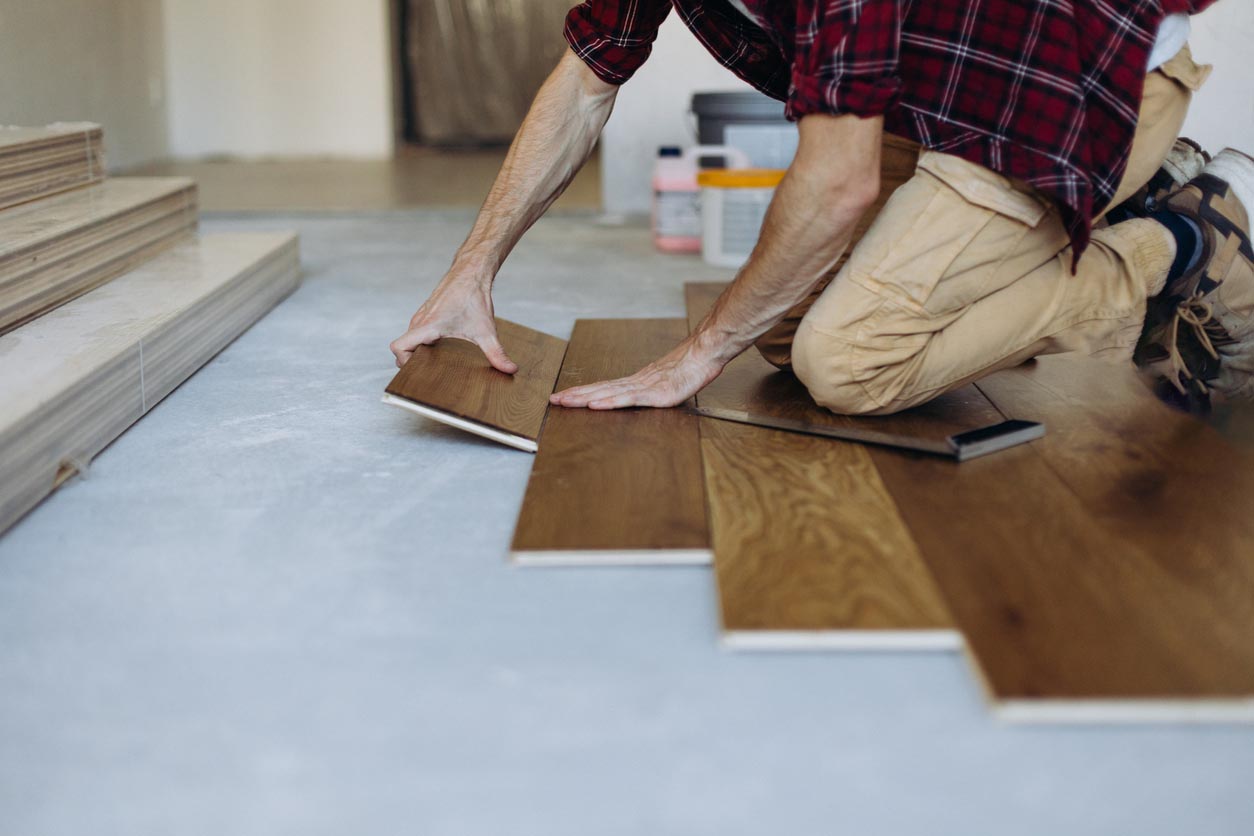
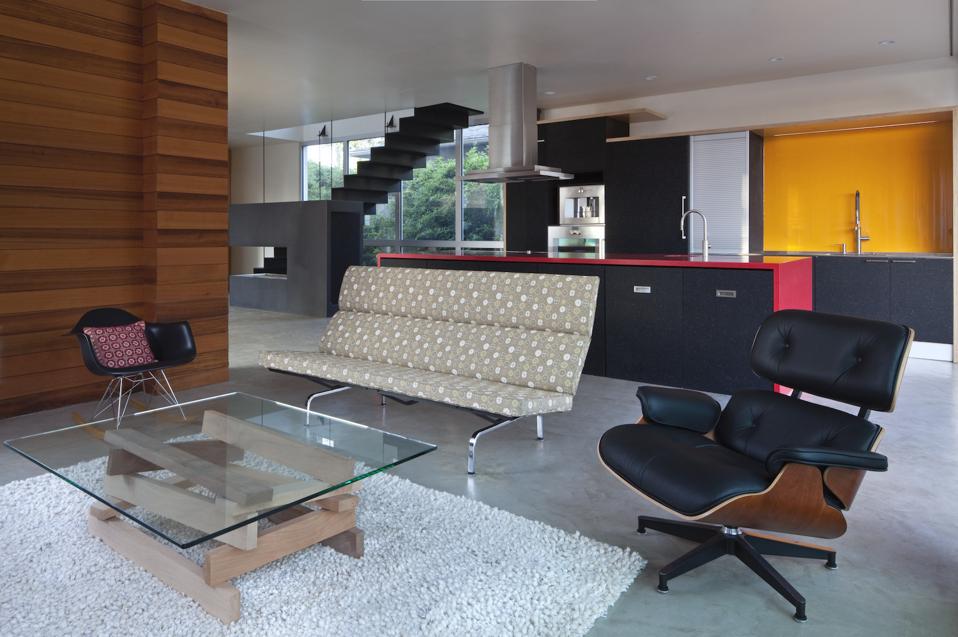
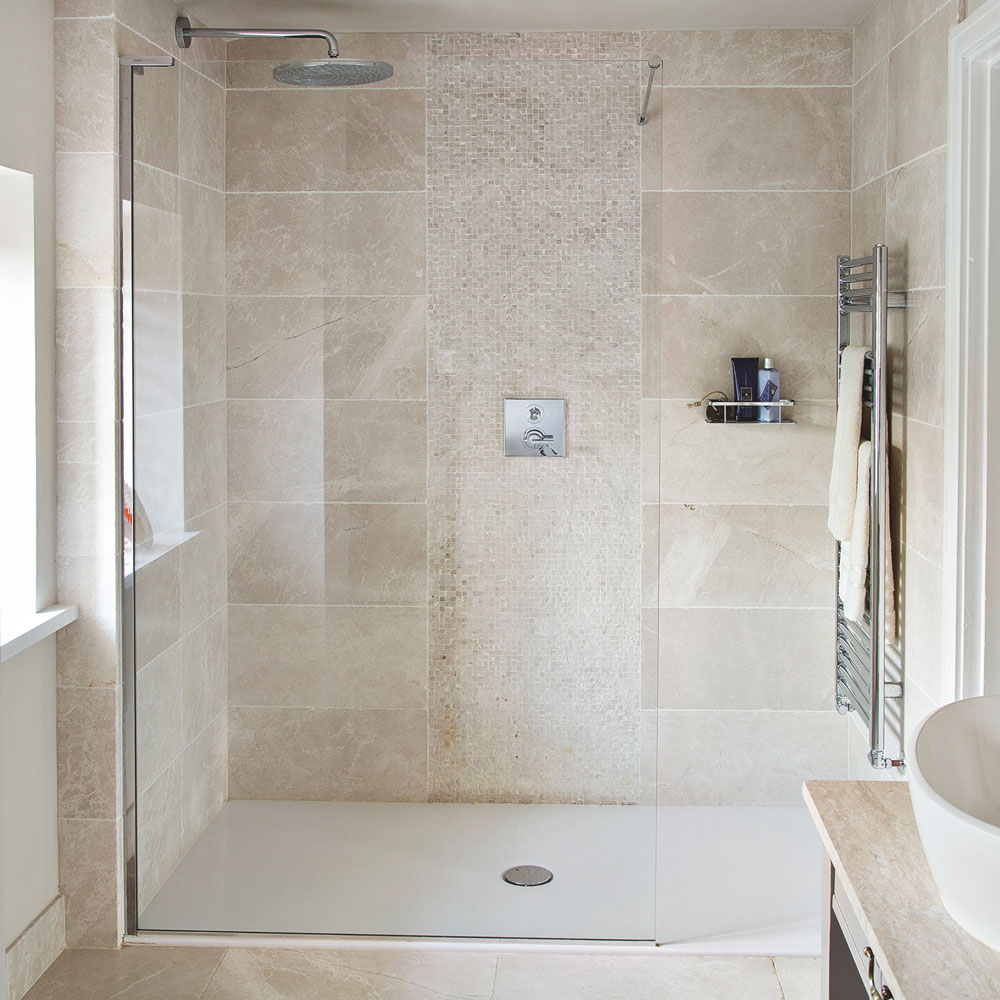
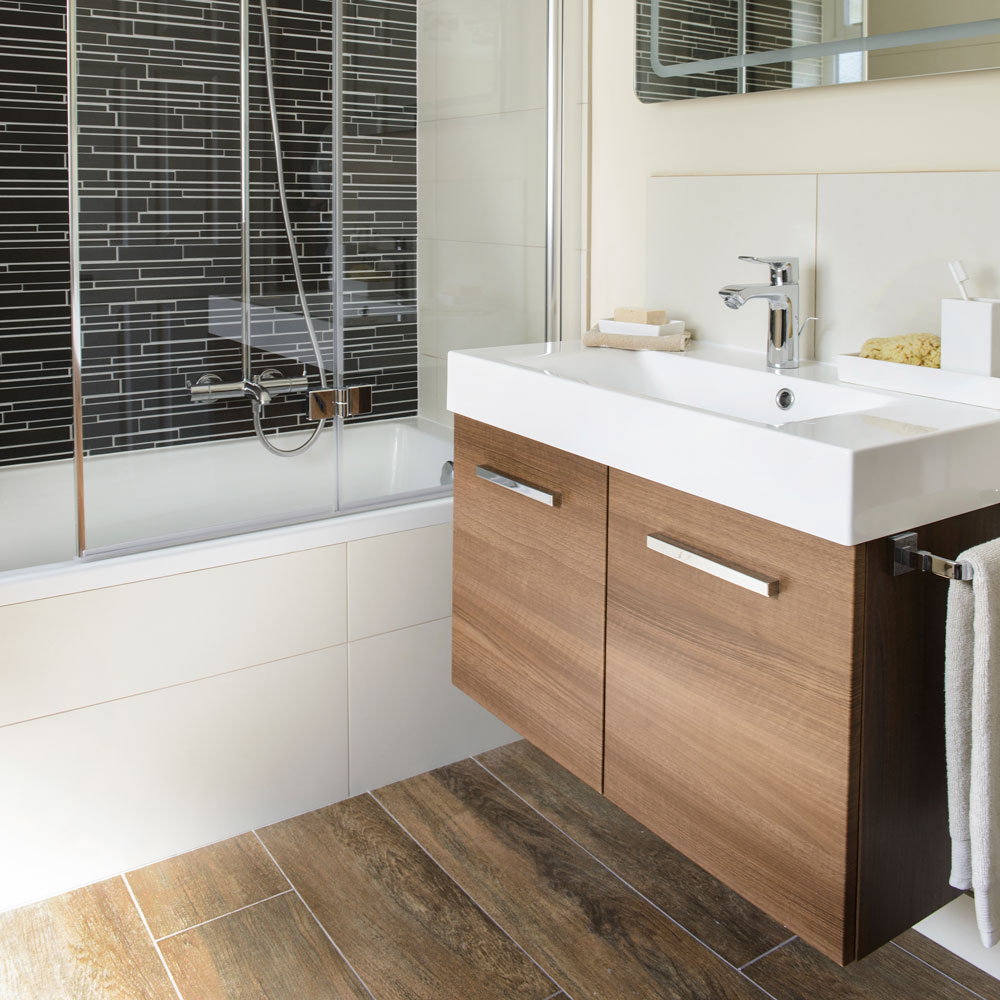
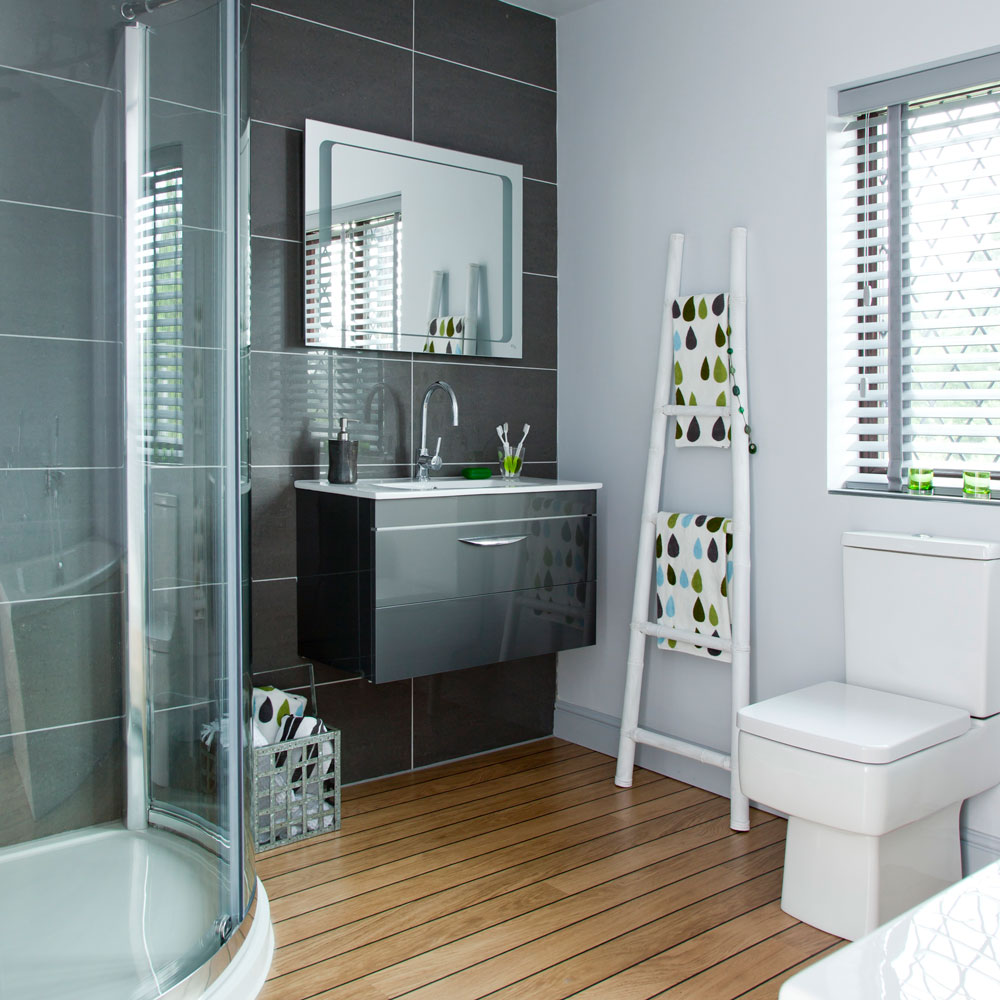
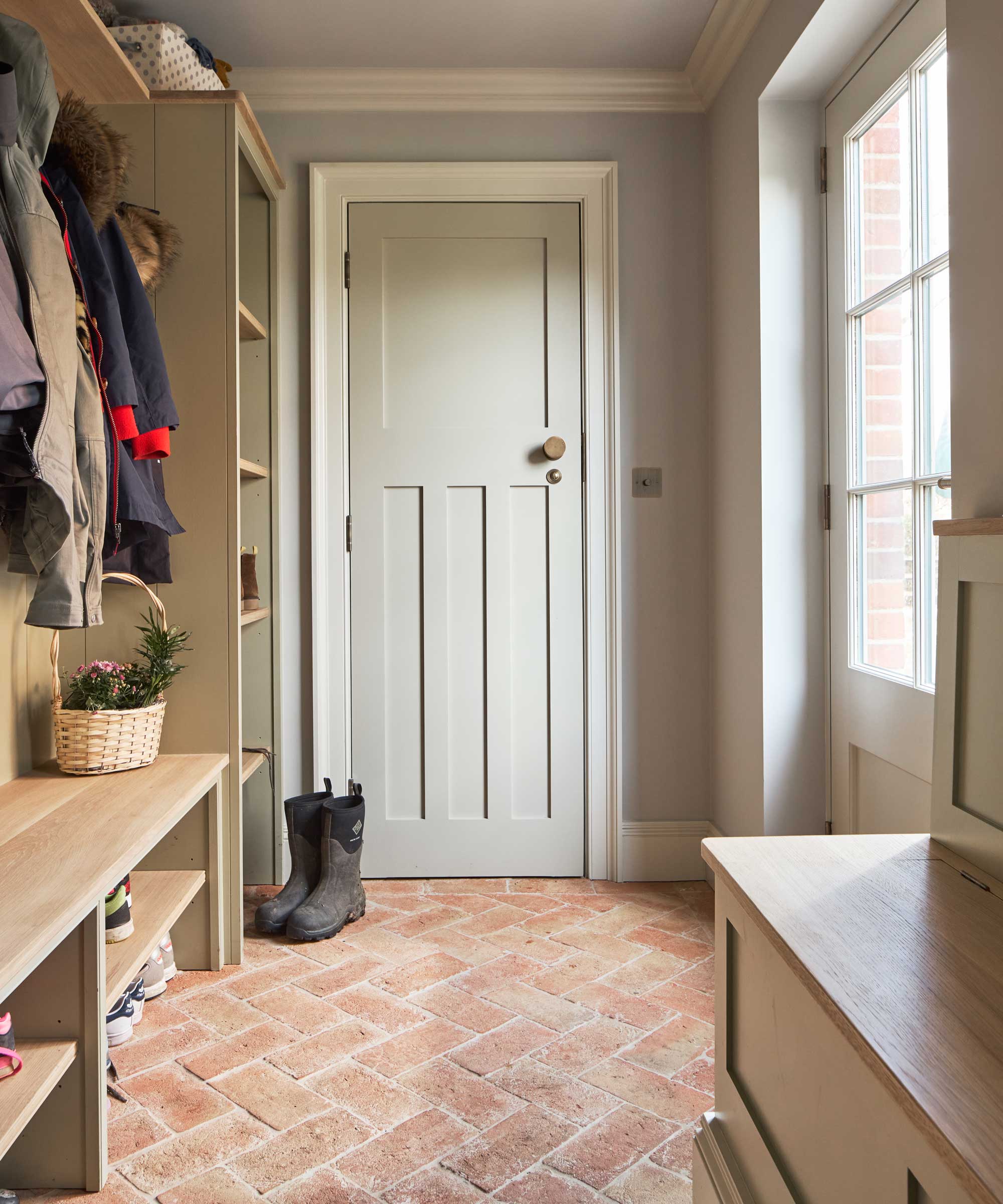
Radiant heating also offers design flexibility. The absence of bulky radiators and vents frees up wall space, allowing for more versatile layouts and improved aesthetics. Heated floors are compatible with various flooring types, including wood and carpet, though ceramic tile is the most conductive and therefore commonly used in bathrooms, kitchens, and mudrooms.
Retrofitting an existing home with radiant heating can present challenges. Installation may slightly raise floor height, though low-profile systems can sometimes mitigate this. Hydronic systems, in particular, might require structural modifications such as screeding and curing, along with the installation of a new water heater, heat pump, or boiler.
Beyond comfort and aesthetics, heated floors contribute to a healthier and quieter home environment. They operate silently and, by eliminating ducts, reduce the circulation of dust and allergens, benefiting individuals with allergies. Furthermore, without exposed hot surfaces or sharp edges, they pose fewer safety risks for children and pets.
In conclusion, while heated floors may not offer an immediate return on investment, their long-term benefits in terms of energy savings, enhanced comfort, improved design possibilities, and health advantages often justify the initial expense for many homeowners. For buyers, especially in the luxury and energy-efficient home markets, radiant heating can be a significant draw. For those on the fence, integrating heated floors into a planned renovation project can be a practical approach.
#HeatedFloors #RadiantHeating #HomeImprovement #EnergyEfficiency #HomeDesign #RealEstate #FloorHeating #HomeComfort #Renovation #HeatedFloors #RadiantHeating #HomeImprovement #EnergyEfficiency #HomeDesign #RealEstate #FloorHeating #HomeComfort #Renovation
0 comment in total
 No comments yet
You may also like

6 Flooring Upgrades That Are Worth The Extra Cost (And 3 To Skip)
5 flooring choices that will make it harder to sell your home
This Is the Best Time to Buy Flooring (and the 2 Times When You Absolutely Should Not)

Radiant Floor Heating: Can One Floor Heat Two Stories?

3 reasons I regret not putting underfloor heating in my home office – it’s definitely moving up my priority list
Best Flooring From Consumer Reports' Tests
Is Radiant Floor Heating the Best Way To Warm A Well-Insulated House?
10 tips for using underfloor heating in a bathroom
Flooret Flooring Review: Direct-to-Consumer Floors That Are Worth the Hype
Underfloor heating pros and cons
Concrete Floors: The Hot And Cold Of Them

How to keep your mudroom warm – 5 expert-recommended tips

What to know before you spring for radiant heat floors
Our Real Estate Expert Names The Kitchen Flooring Choice That Can Hurt Your Resale Value
5 things designers look at to compare carpet vs hardwood floors – they'll help you choose the right one for your room


Should living room flooring be lighter or darker than the walls? Experts weigh in

Are infrared heaters cheap to run? For targeted heat they could be better value than an oil-filled radiator, say experts

The best floor insulation options for your home, explained
Future of Flooring: Home Pros Talk Through the Latest and Greatest Flooring Trends

Ask the Builder: Radiant heating systems deserve to be hyped