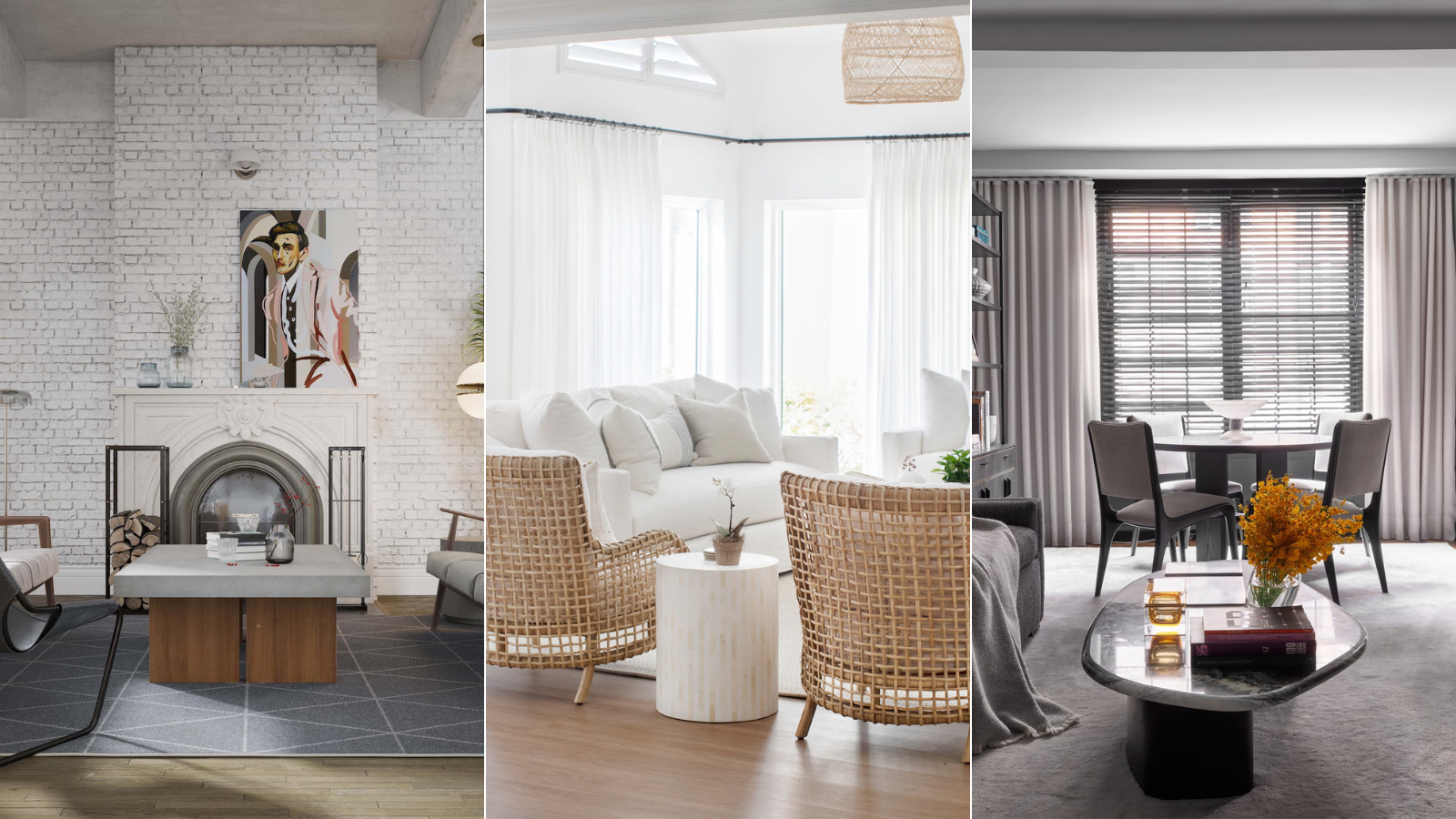
1/6
Should living room flooring be lighter or darker than the walls? Experts weigh in
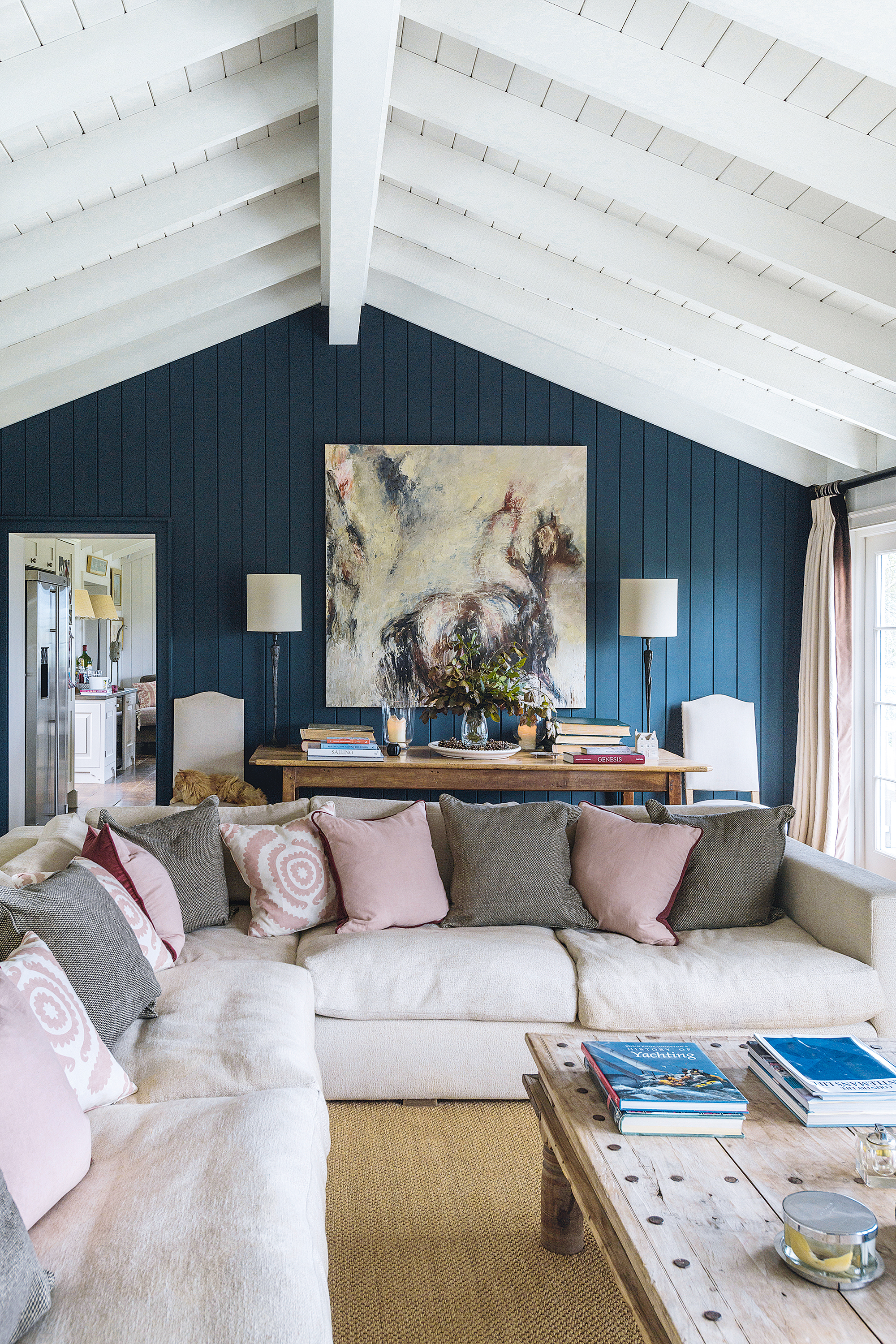
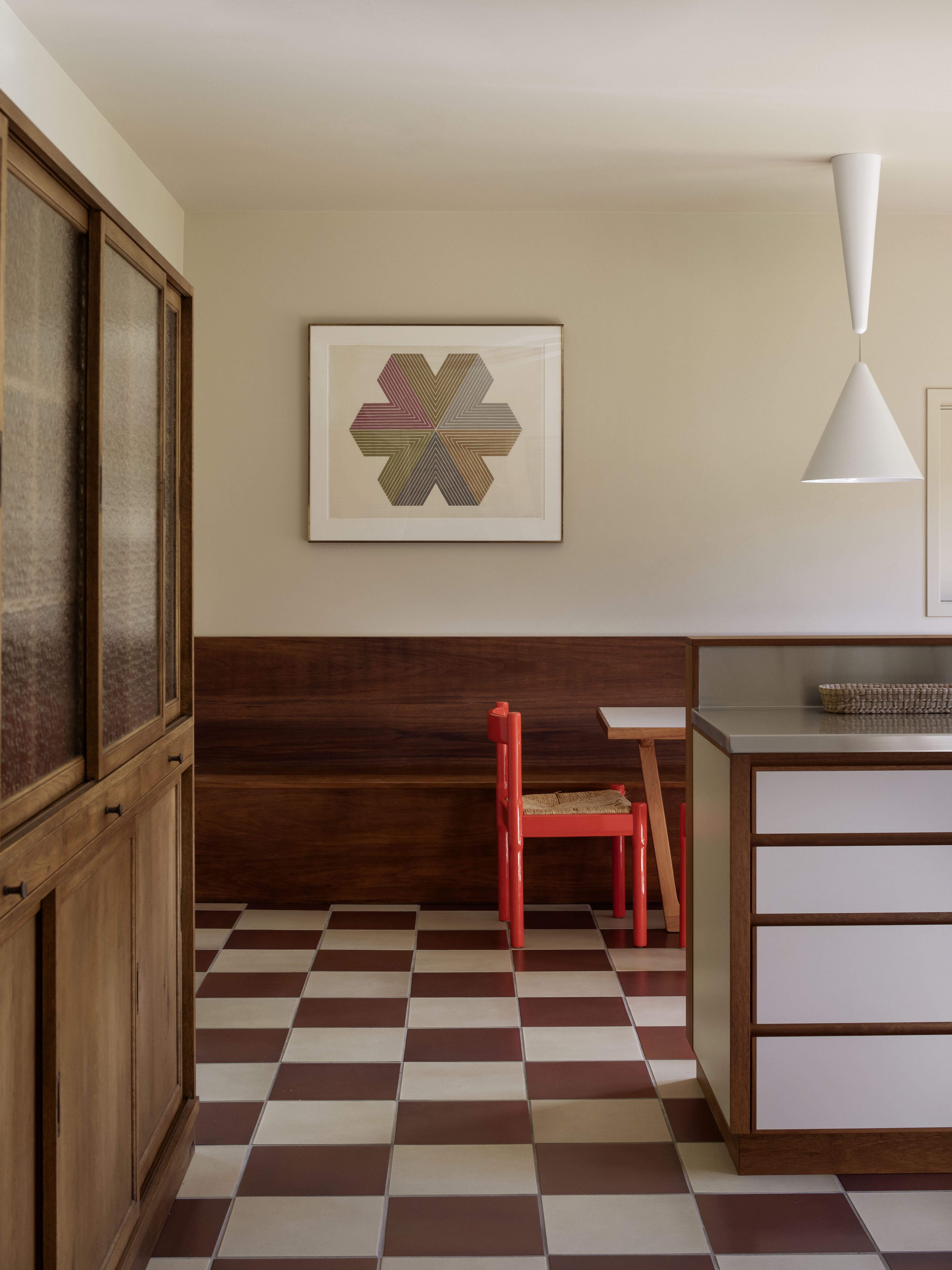
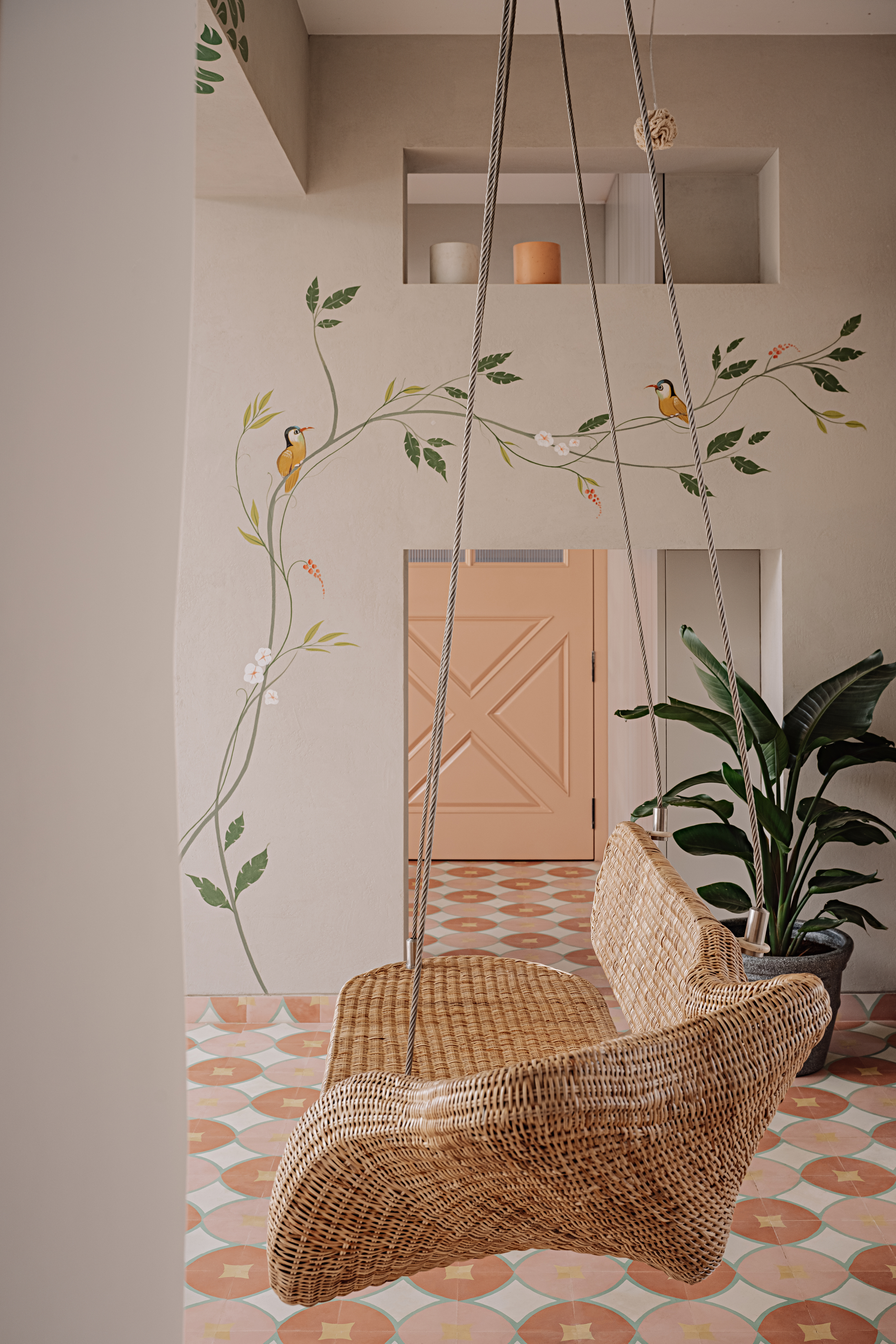
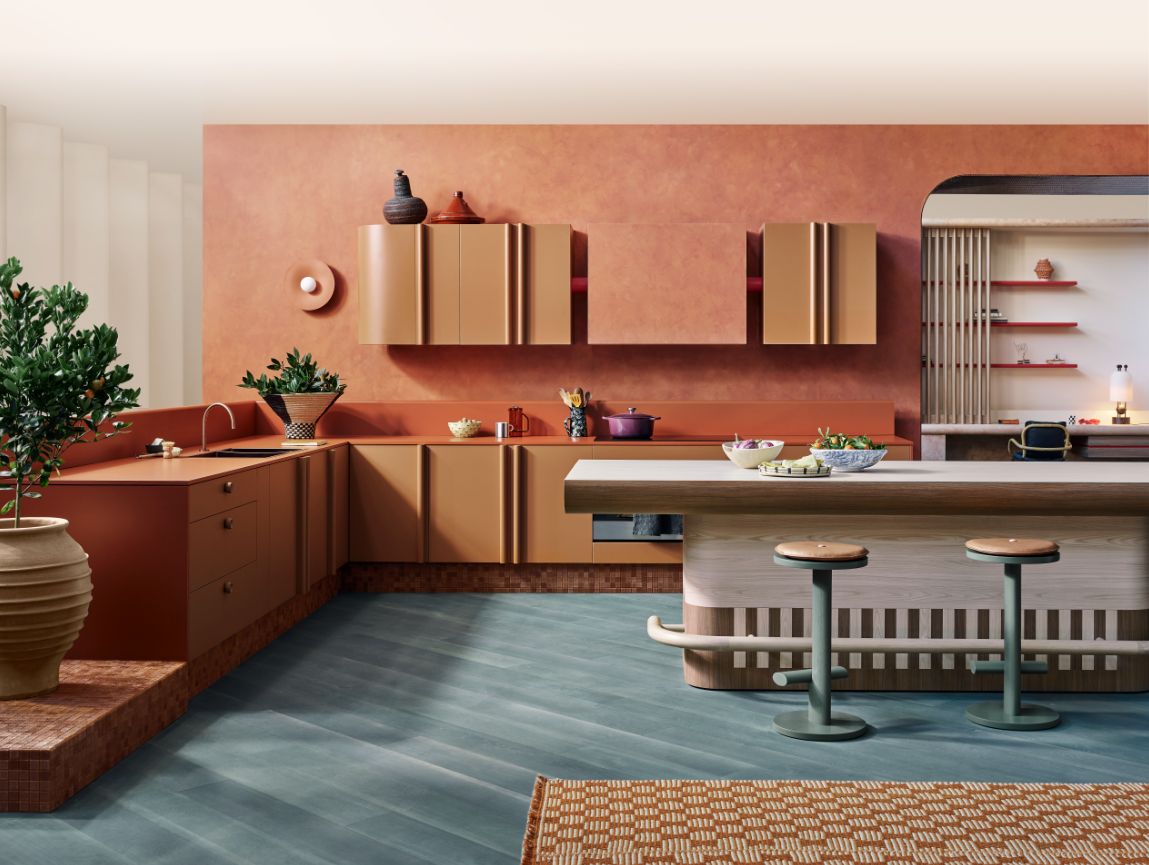
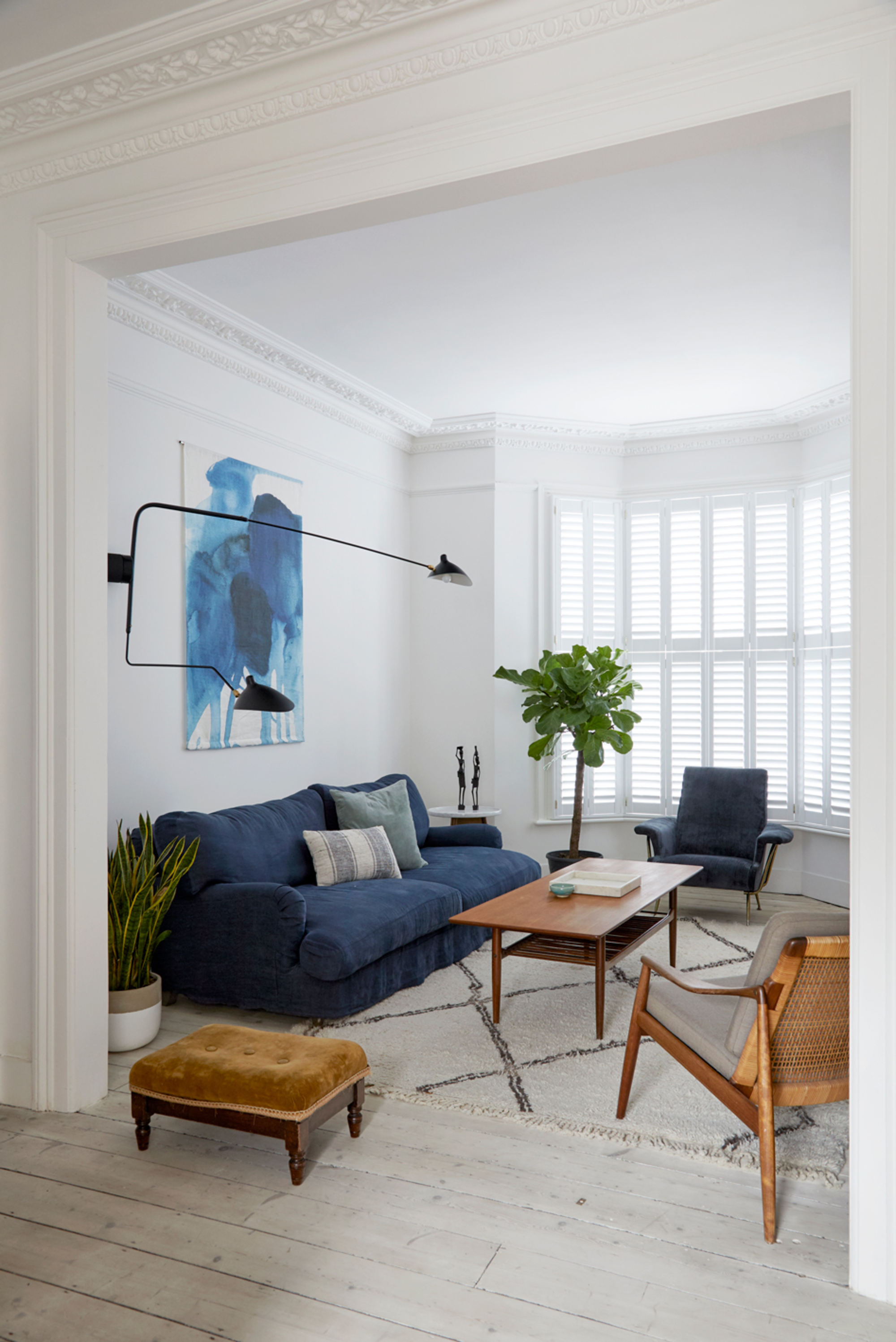
When designing a living room, the color relationship between flooring and walls significantly impacts the overall aesthetic and feel of the space. While wall colors can be changed relatively easily, flooring is a more permanent decision, necessitating careful consideration. Interior design experts offer guidance on whether living room flooring should be lighter or darker than the walls, considering various design objectives.
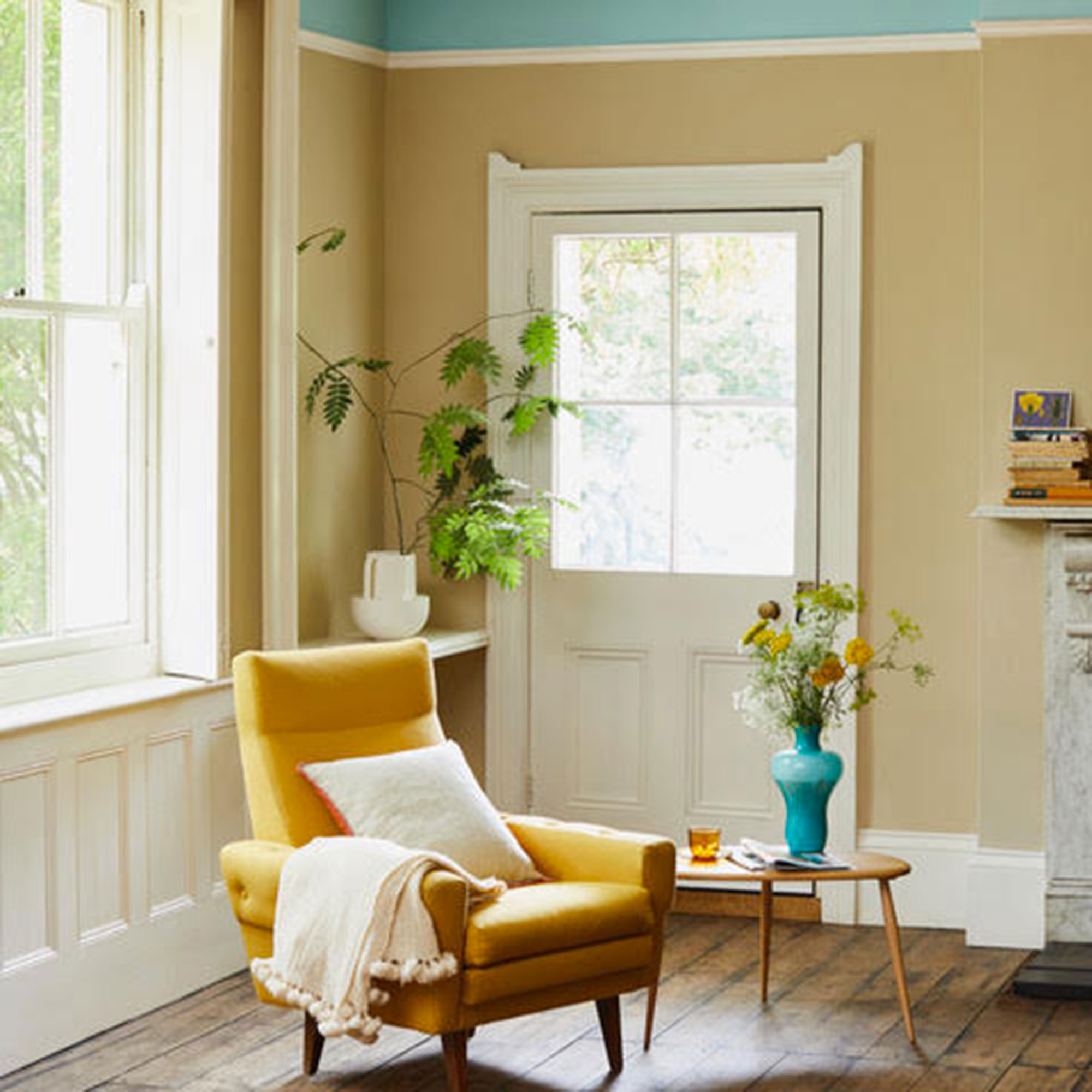
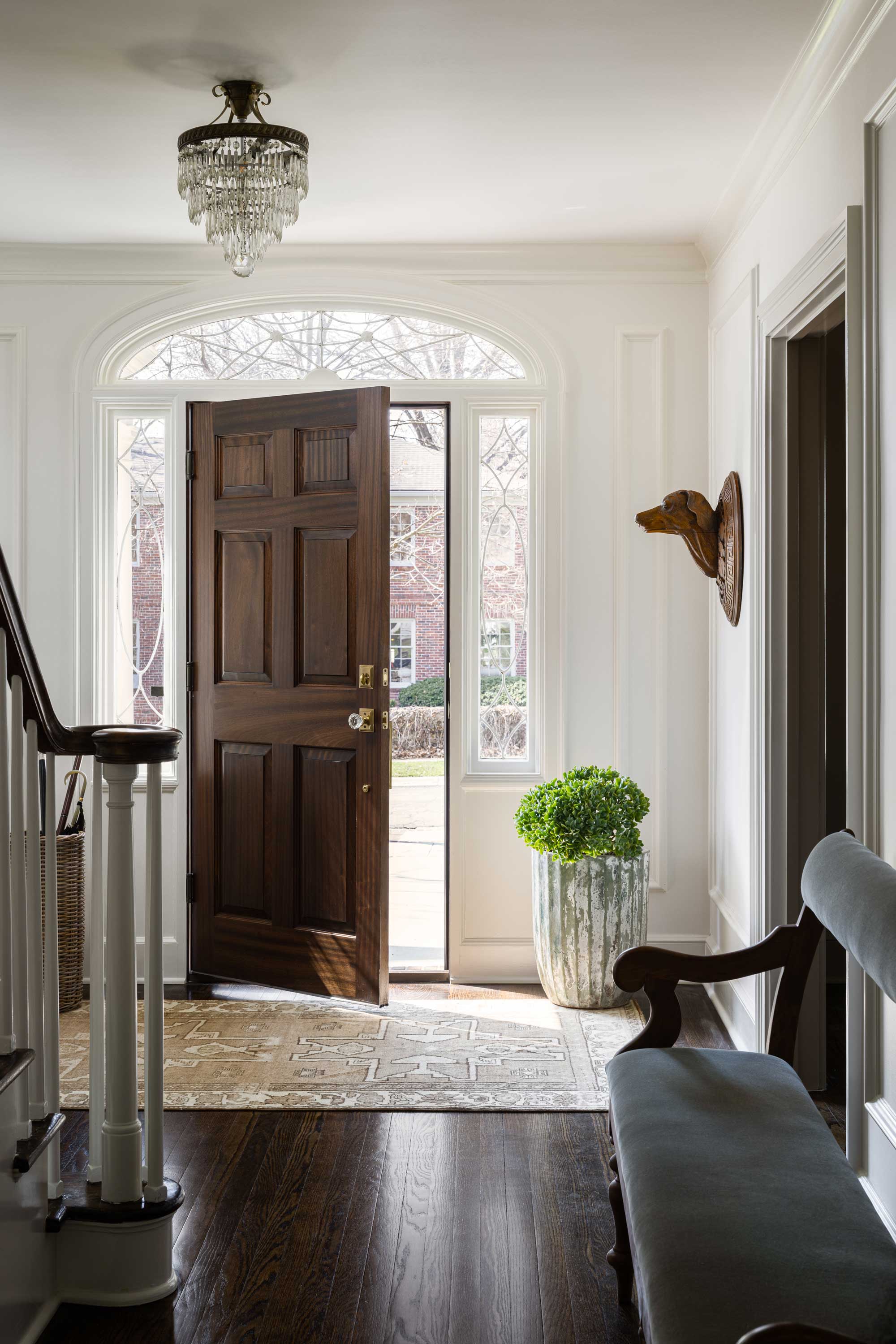
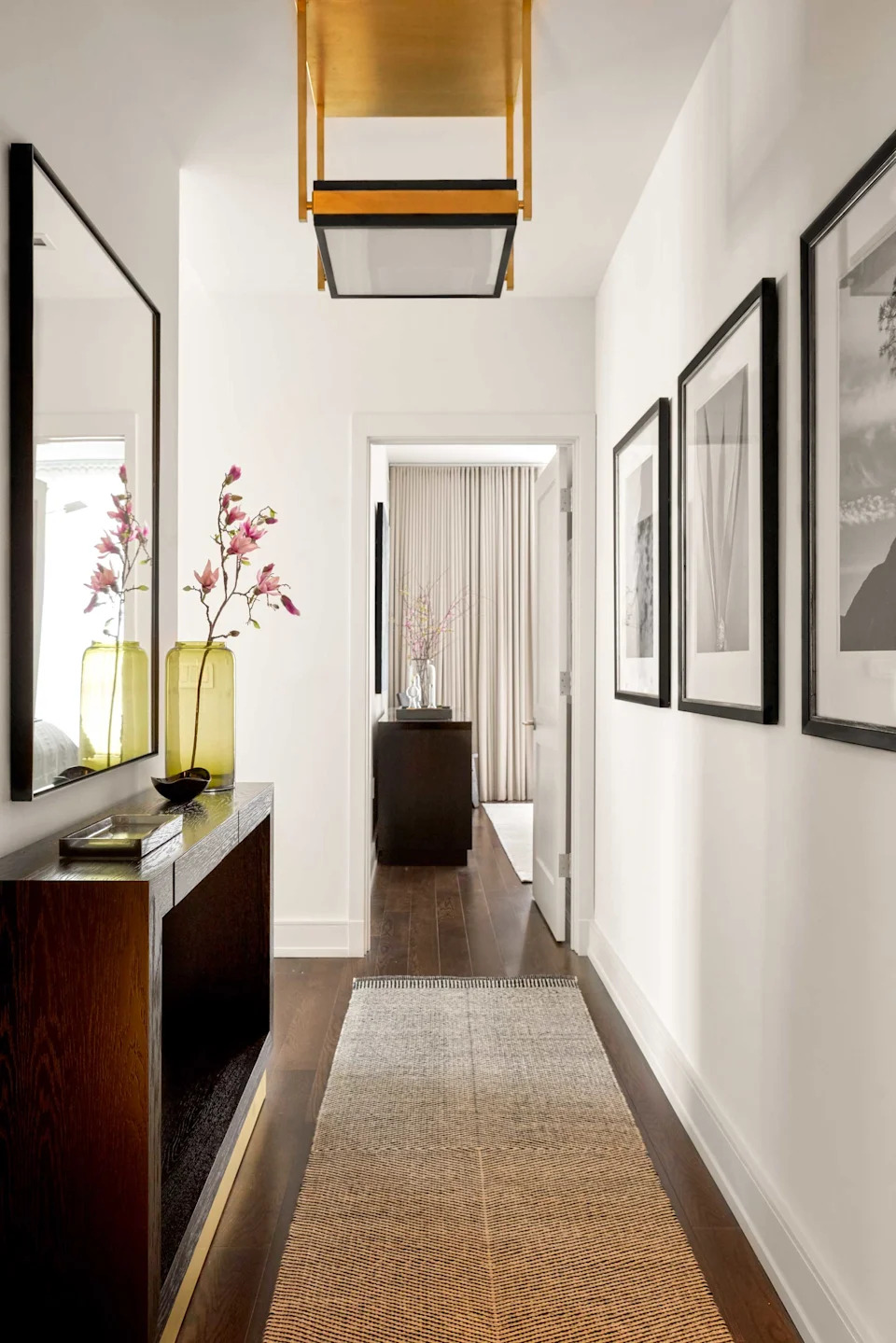
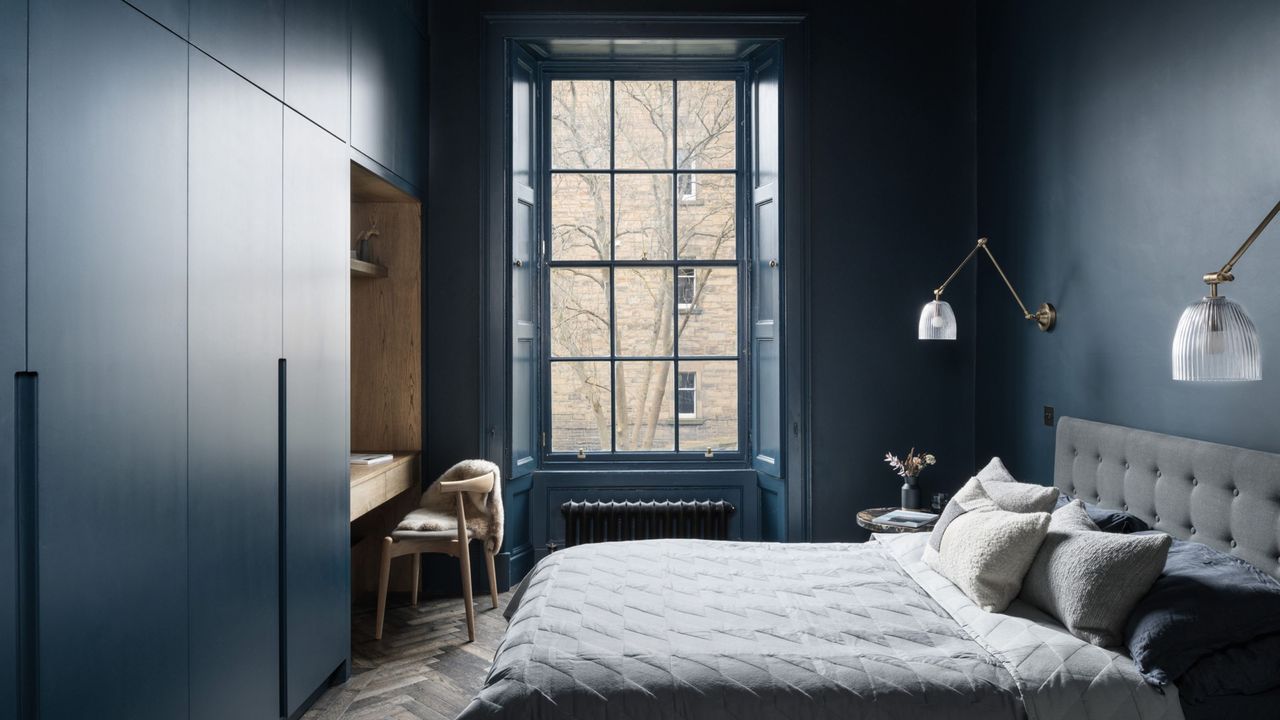
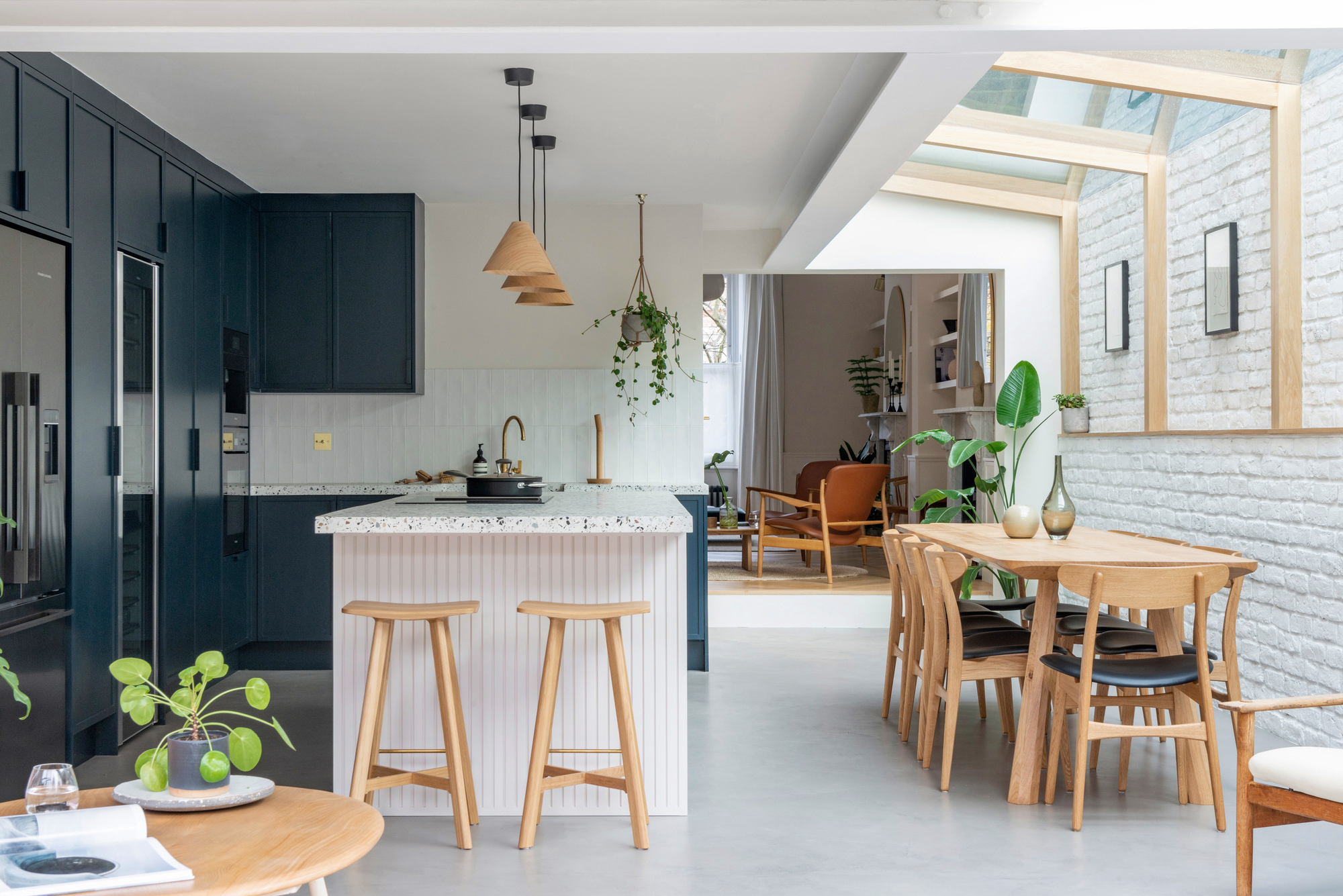
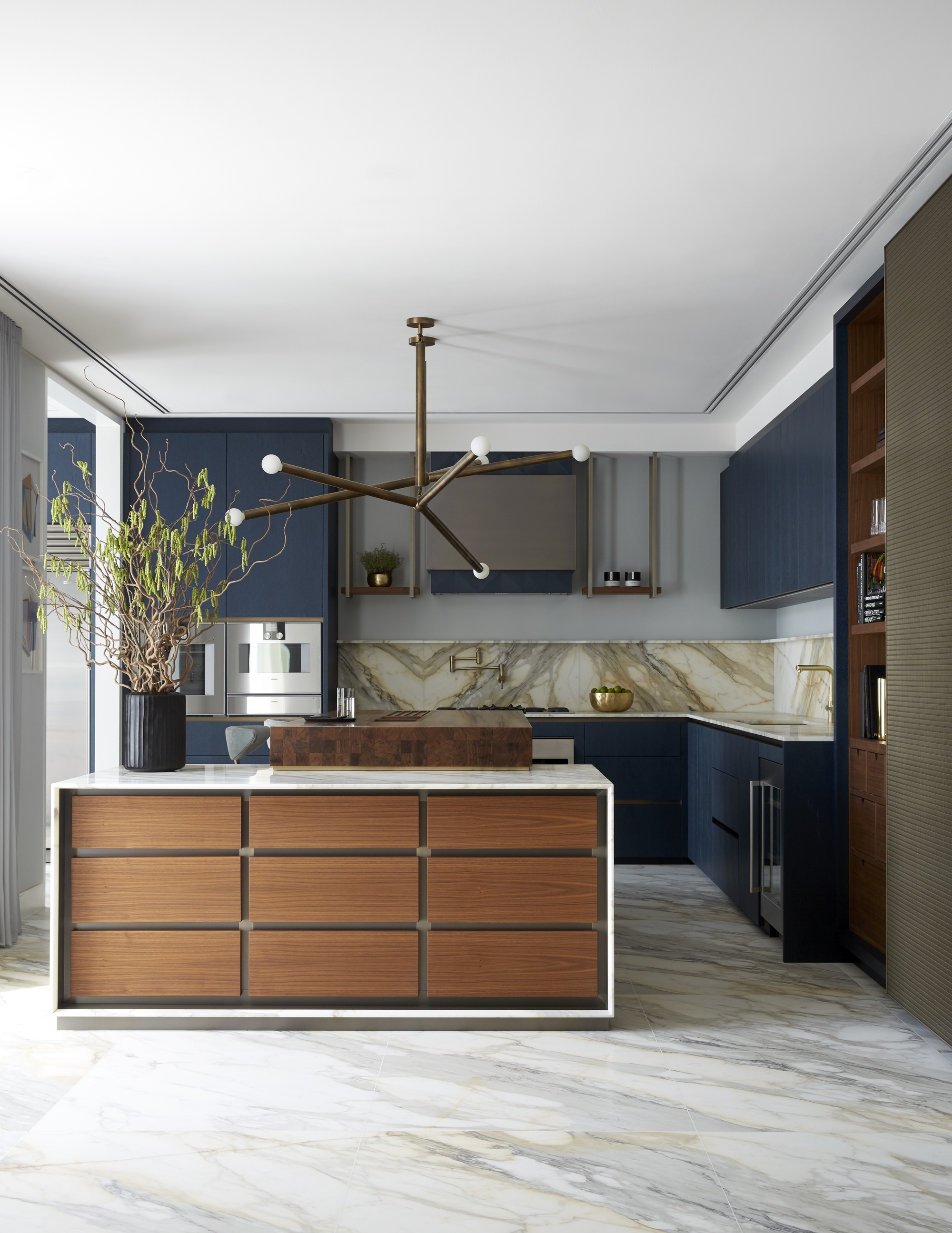
One approach suggests that darker flooring can visually expand a room. Interior designer Robbie Maynard notes that darker flooring adds contrast, making a space appear larger, and also has the practical benefit of showing less dirt, making it easier to maintain. Medium to dark wood tones are frequently requested by clients for these reasons. This strategy is particularly effective when aiming for a sophisticated, grounded feel.
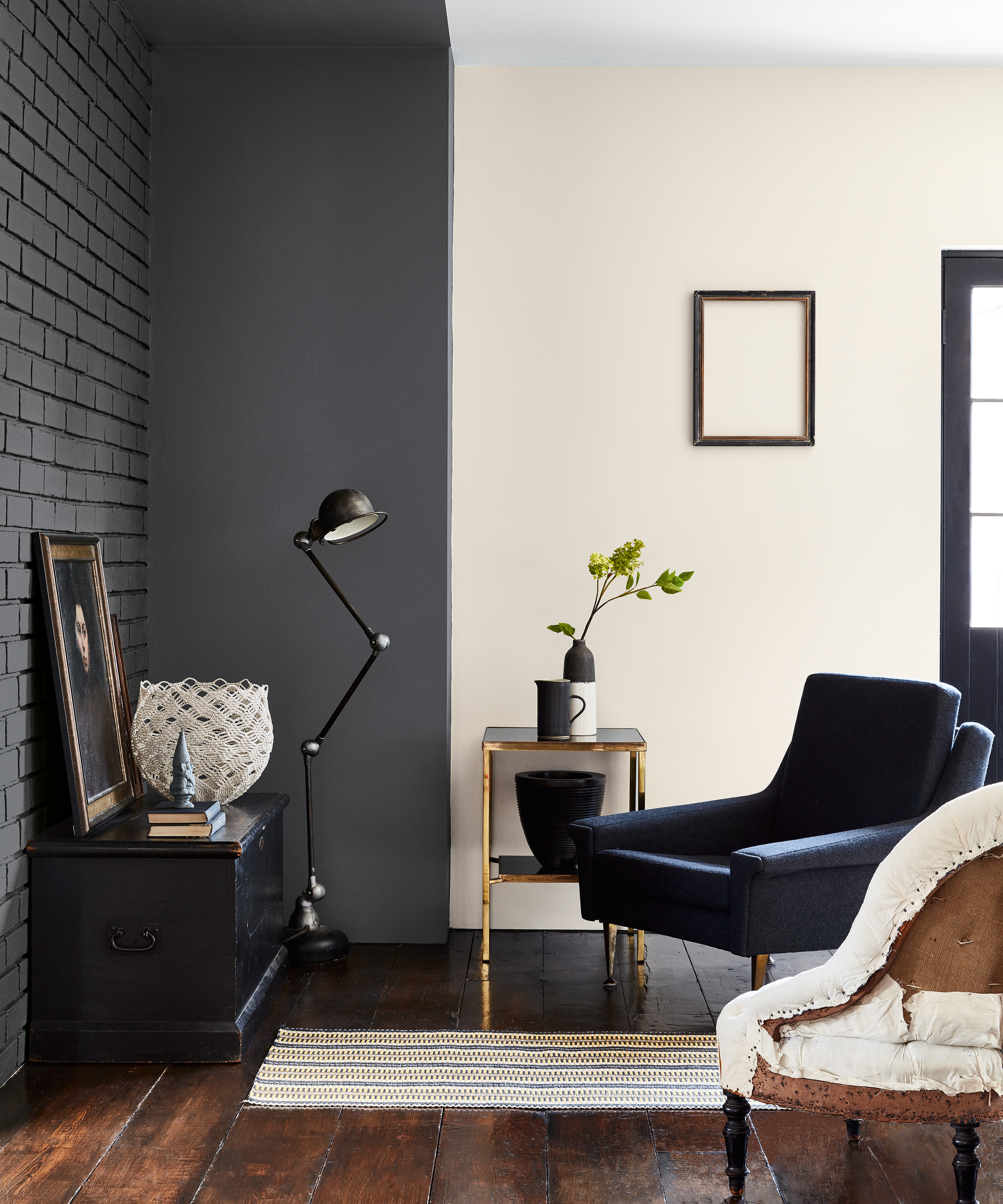
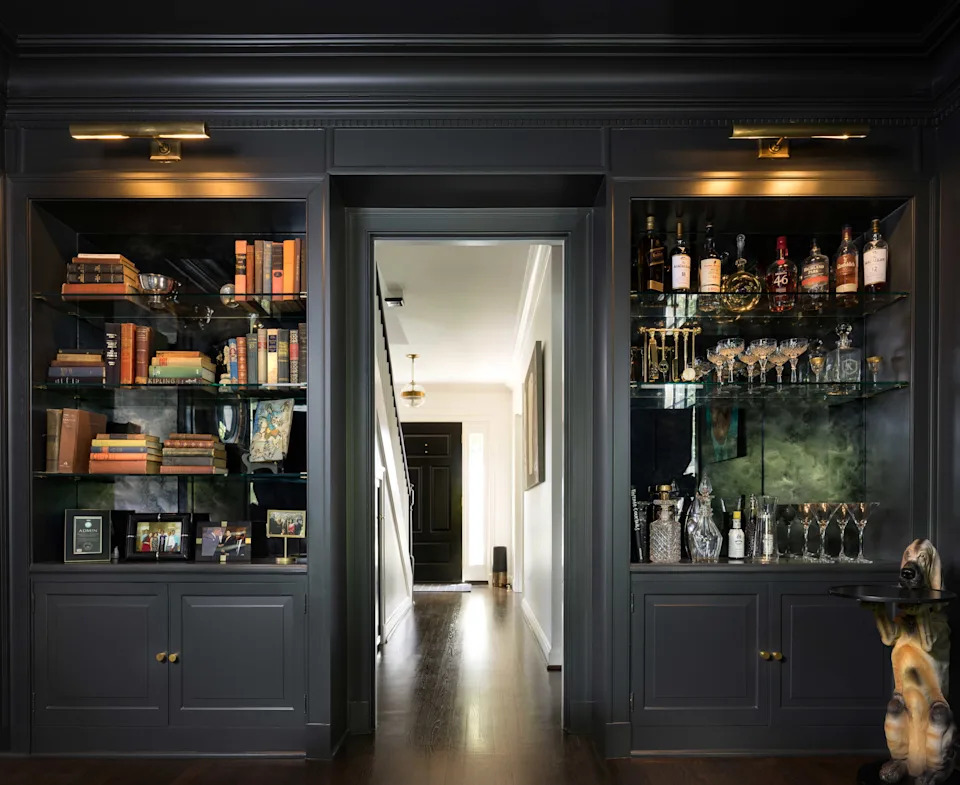
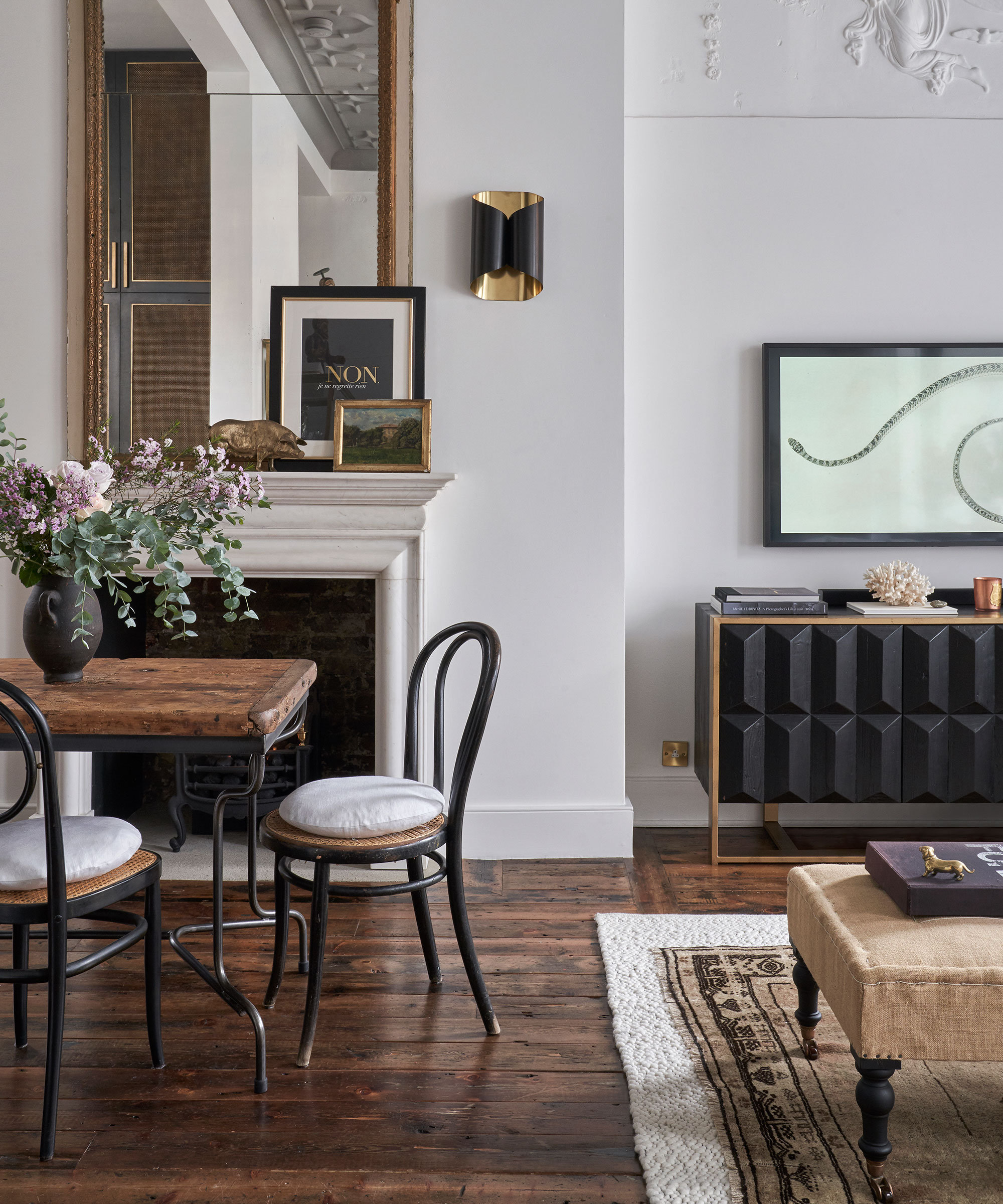
Alternatively, darker floors can be used to emphasize the walls. Artem Kropovinsky, an interior designer, explains that employing a darker floor allows the walls to become a dominant element, especially if they feature unique textures like brickwork. This creates a strong visual distinction between the vertical and horizontal surfaces and ensures that furniture, regardless of its color, stands out against the floor. The level of contrast between the floor and walls is key to managing visual focus.
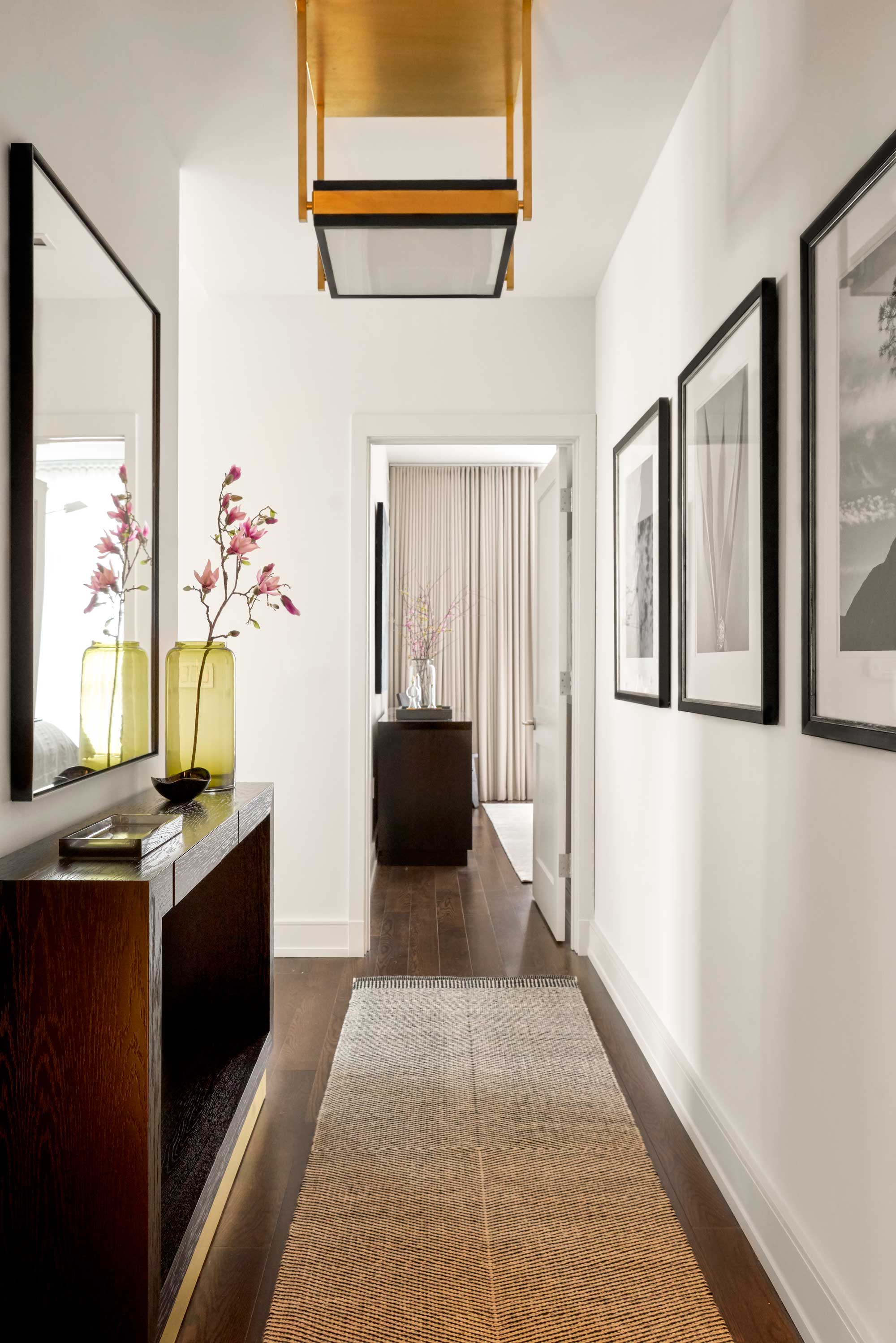
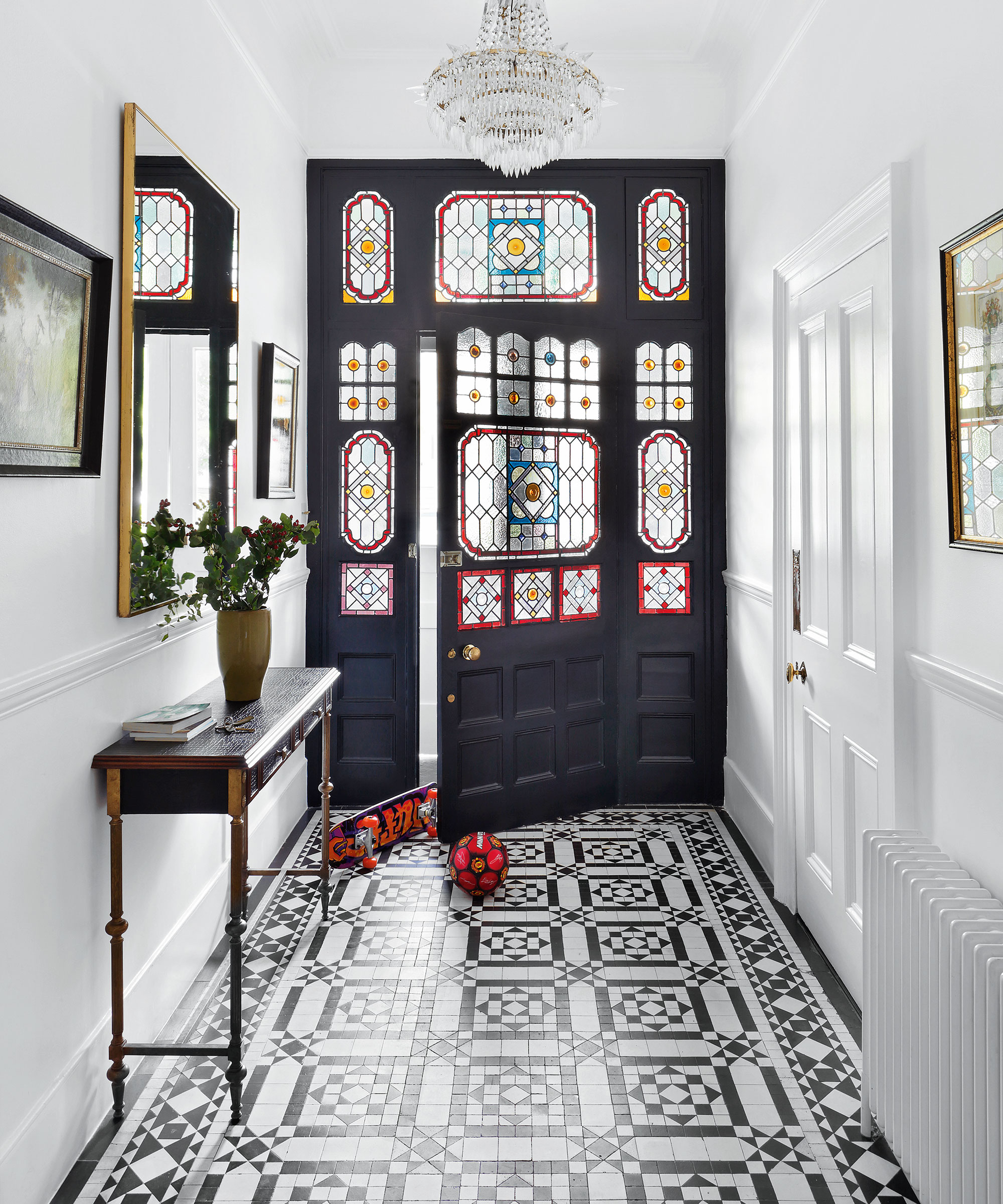
Achieving balance is another primary goal. Angela Hamwey of Mackenzie & Co. emphasizes the importance of selecting neutral palettes for both walls and flooring as a foundational step in home renovation. She recommends a subtle contrast, often achieved with darker flooring against lighter walls, trim, and ceilings. In coastal settings, for example, dark floors not only provide aesthetic balance and grounding to an airy design but also offer practical benefits by concealing sand and minor imperfections in high-traffic areas.
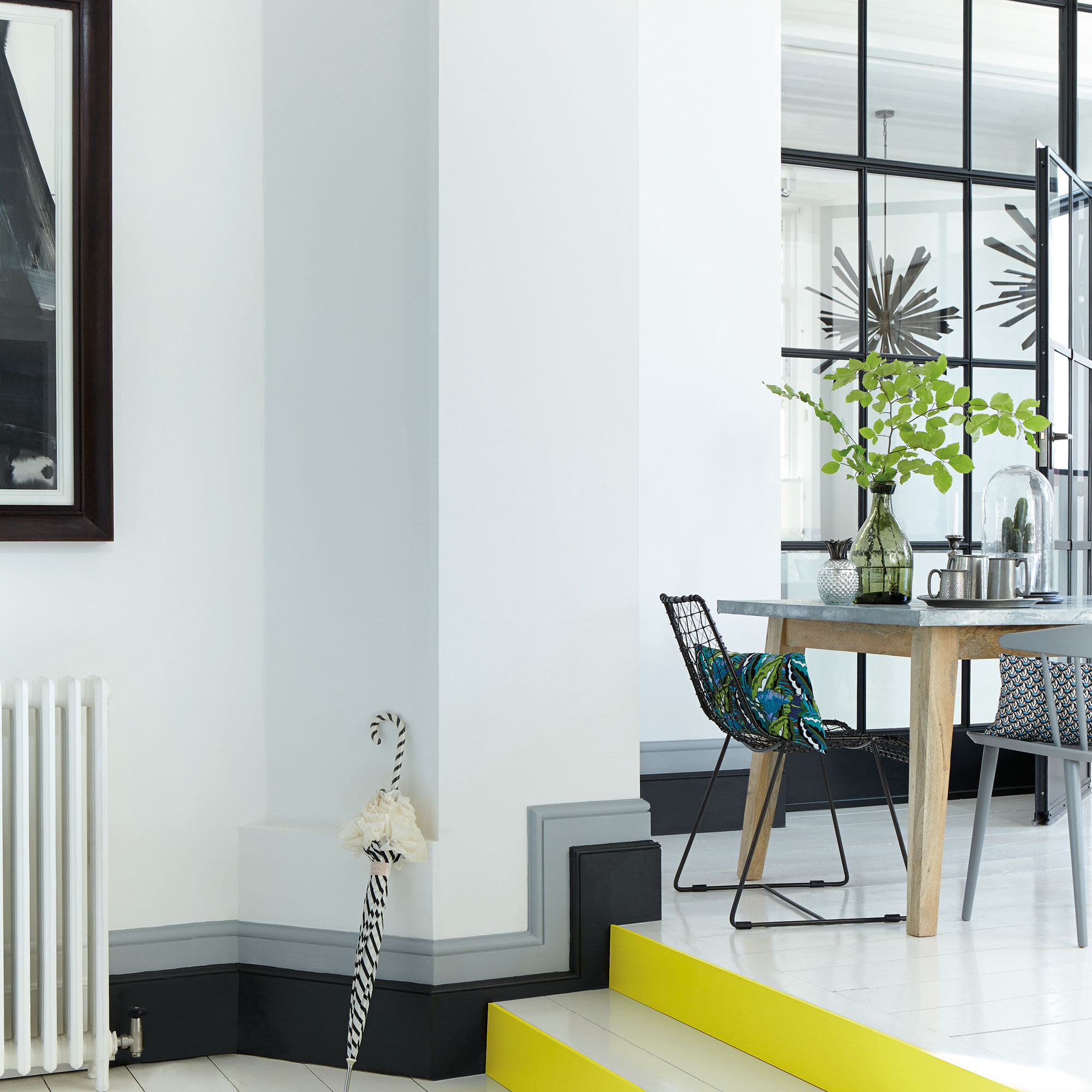
Consistency in interior decor can also dictate the floor-to-wall color relationship. Eric Winnick, CEO of E Lawrence Design, generally prefers lighter walls with darker floors to maintain an overall cohesive scheme, particularly when aiming for a masculine vibe. He suggests using medium-toned floors with muted wall hues and incorporating darker trim to add depth and contrast. This approach helps unify the design elements within the room and across the home.
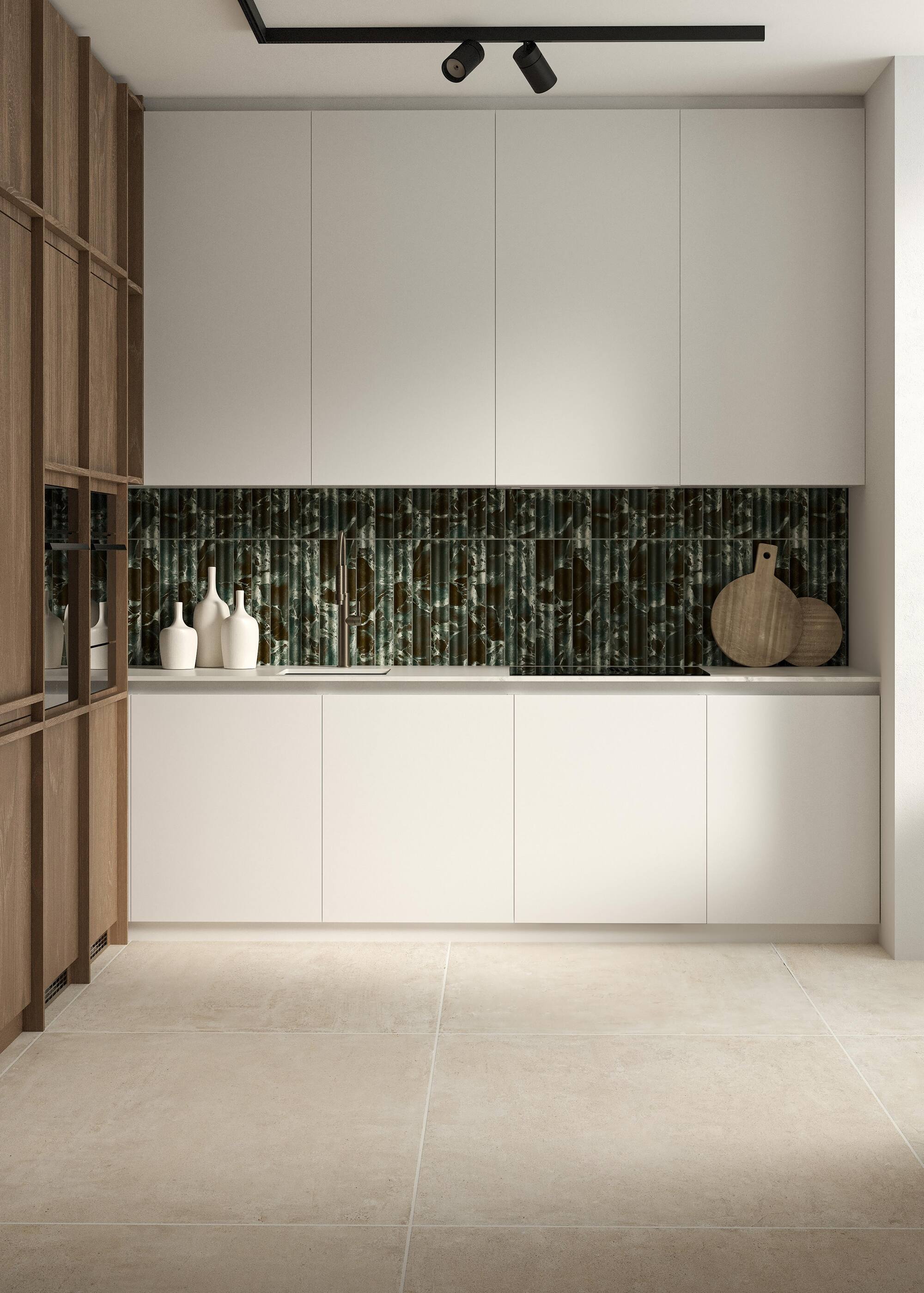
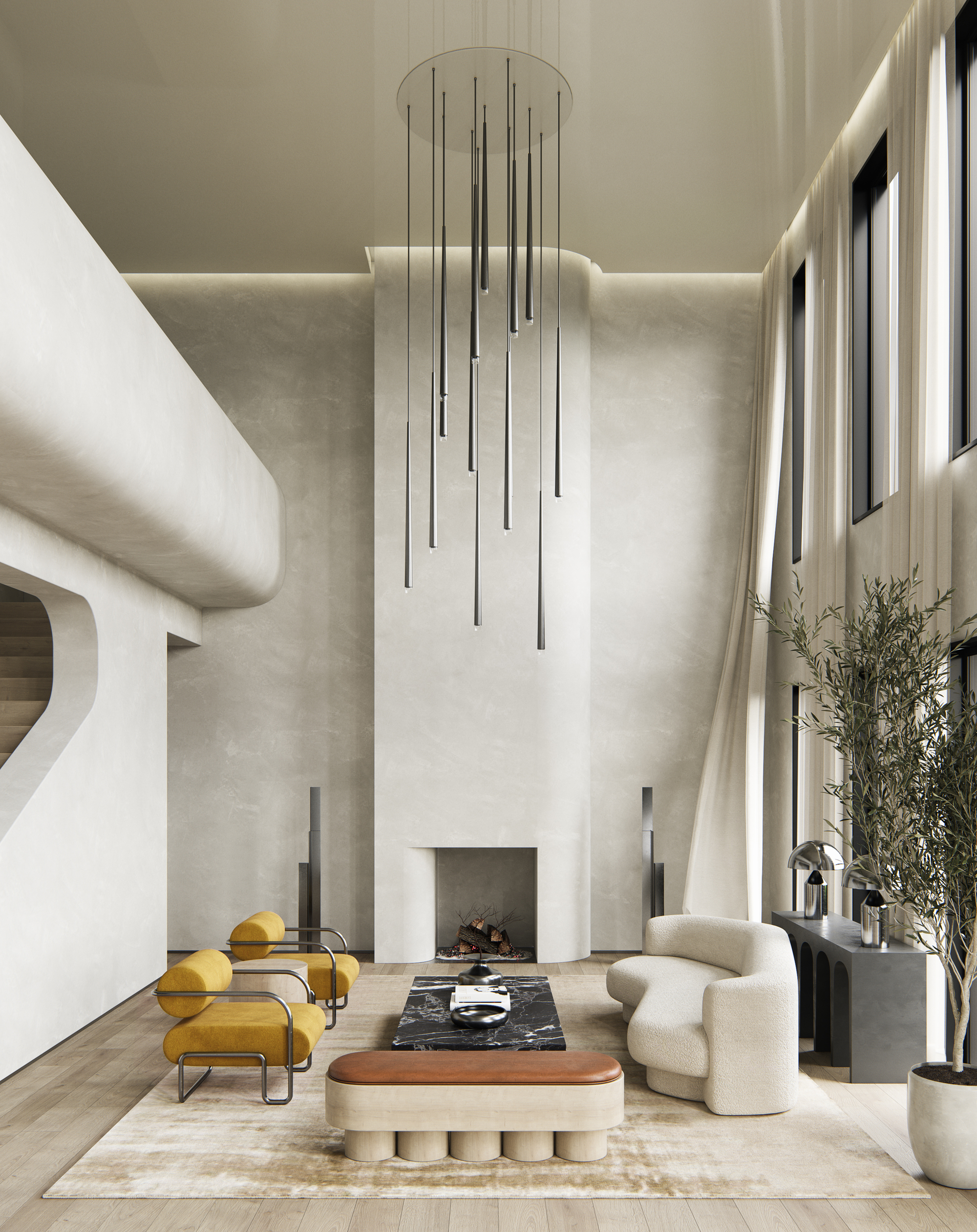
Ultimately, the decision of flooring color relative to wall color hinges on where the designer wishes to direct visual attention. Luis Carmona, an interior designer, points out that darker colors tend to draw the eye. Therefore, a dark floor against lighter walls will make the floor a focal point, appearing as a 'void' that absorbs light. Conversely, if the flooring is lighter, even with slightly darker walls, the eye will be drawn to the wall surface. Carmona advises selecting neutral flooring that can extend throughout the home, with wall paint and tile in complementary shades to avoid visual competition. The goal is to allow art, furniture, and light fixtures to serve as conversational pieces, with the flooring and walls providing a harmonious, neutral foundation. Careful consideration of living room paint ideas and finishes, along with proper floor protection during painting, is essential to achieve the desired interior design.
#InteriorDesign #LivingRoomFlooring #WallColor #HomeDecor #ColorScheme #DesignTips #SpatialPerception #RenovationAdvice #NeutralPalette #InteriorDesign #LivingRoomFlooring #WallColor #HomeDecor #ColorScheme #DesignTips #SpatialPerception #RenovationAdvice #NeutralPalette
0 comment in total
 No comments yet
You may also like
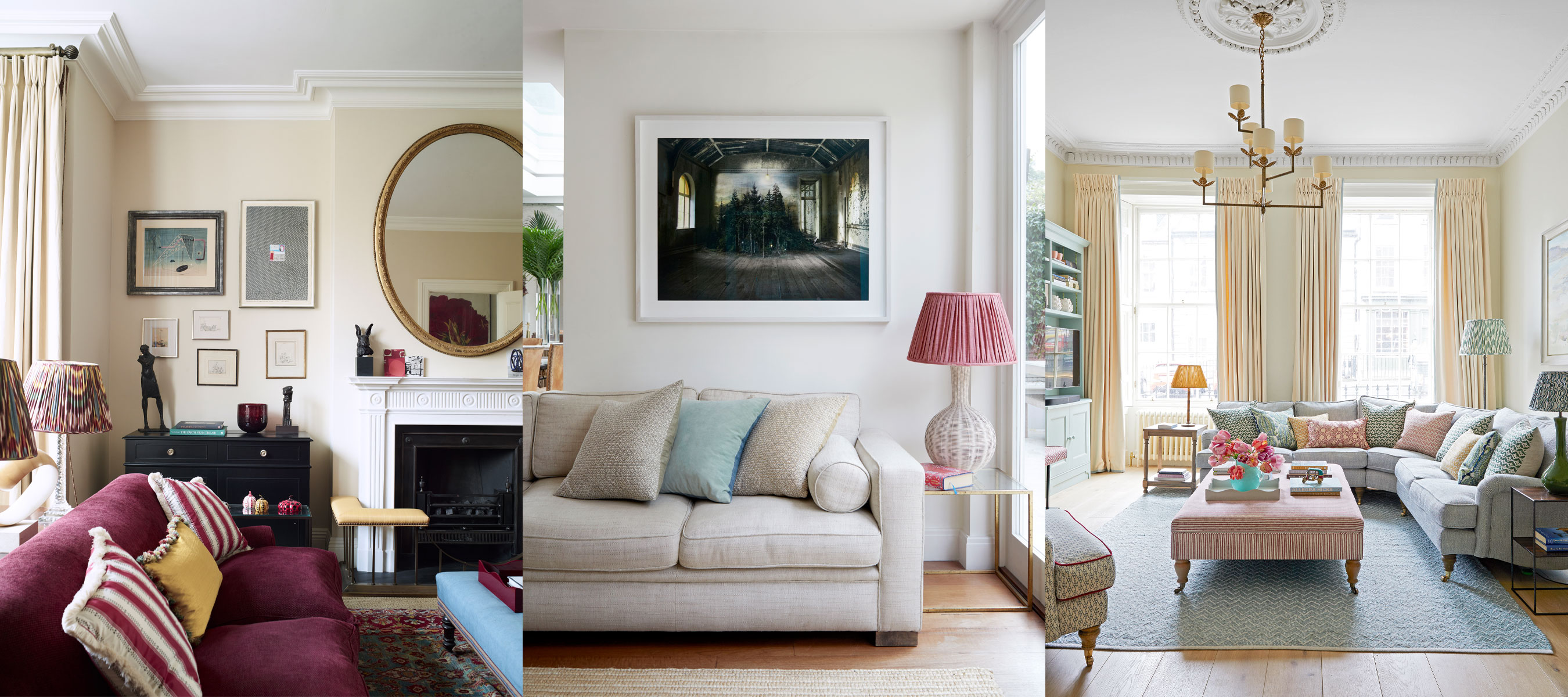
Should a sofa be lighter or darker than walls? We ask the designers in the know
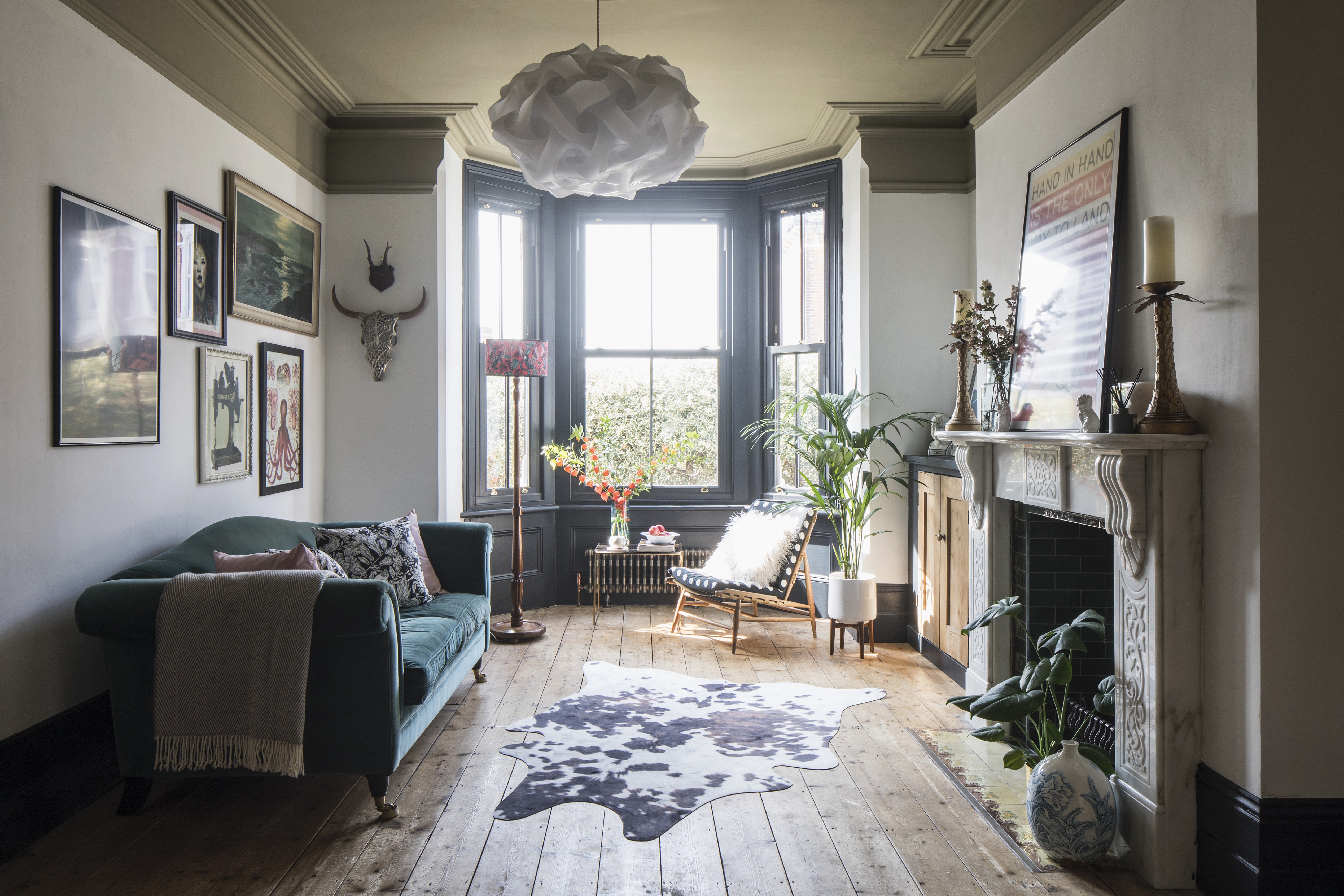
Should you paint dark ceilings with light walls? Experts weigh in on the pros and cons

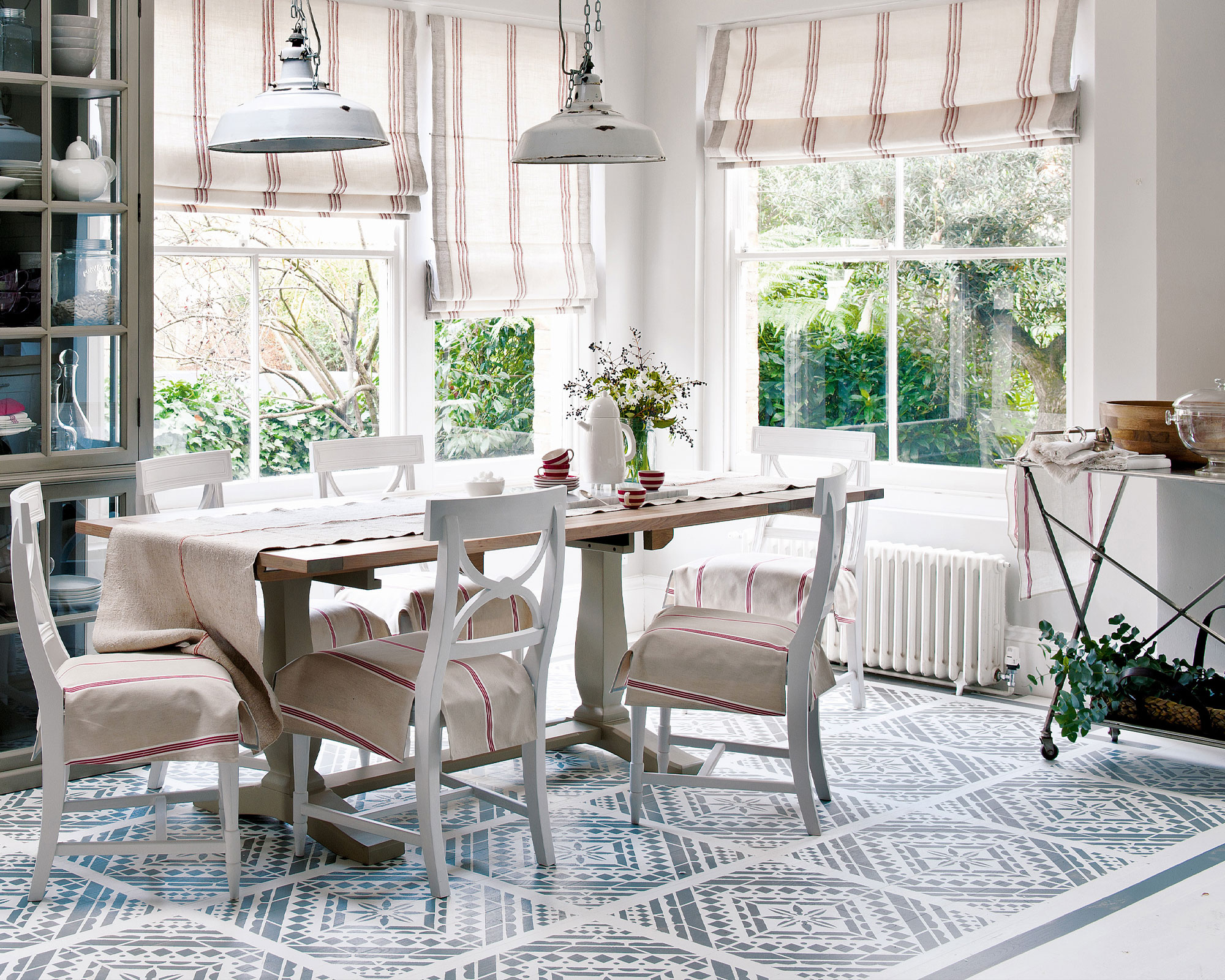
5 flooring mistakes to avoid – according to architects and interior designers
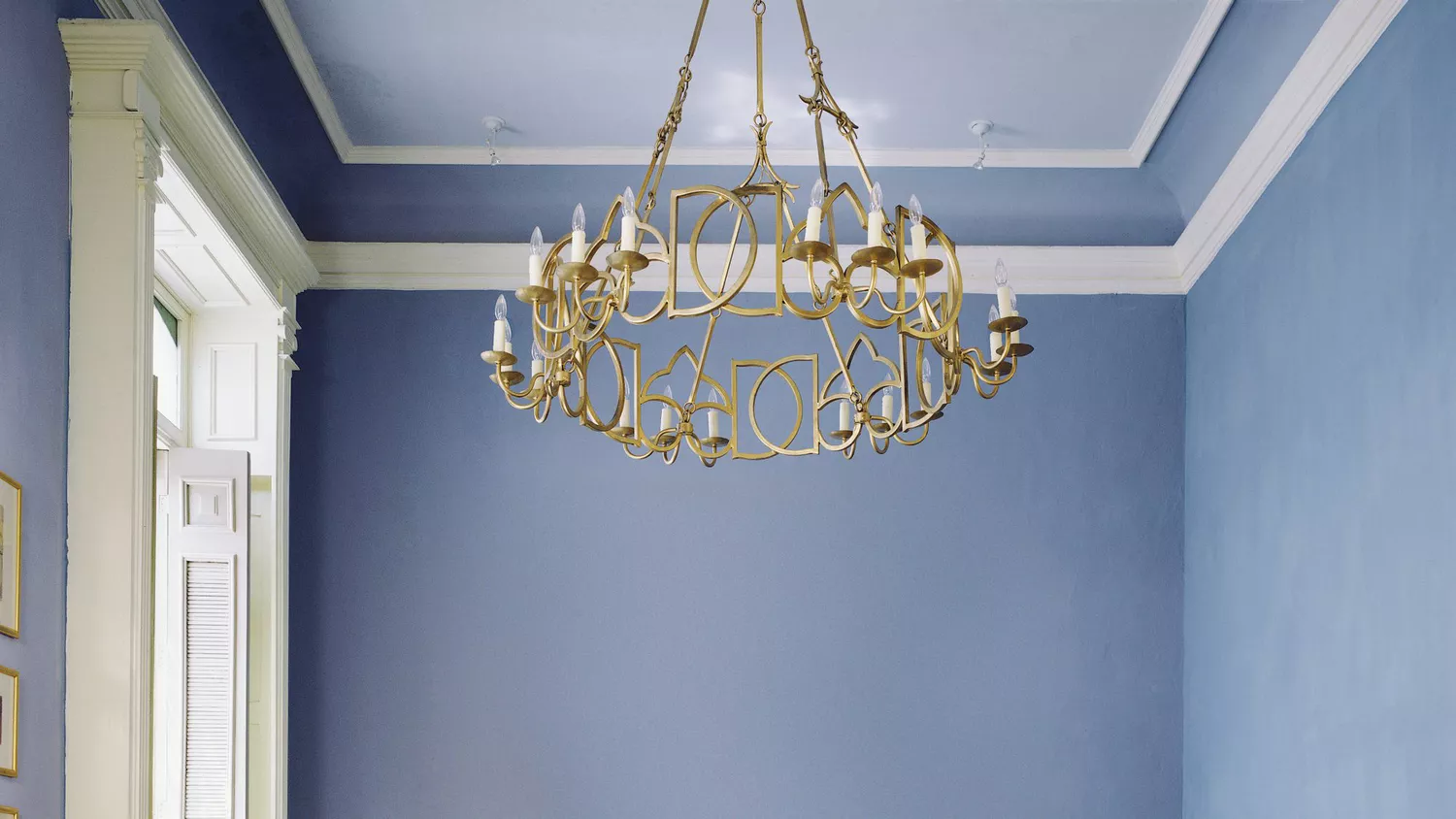
Should You Paint the Ceiling and Walls the Same Color? Interior Designers Share Their Thoughts

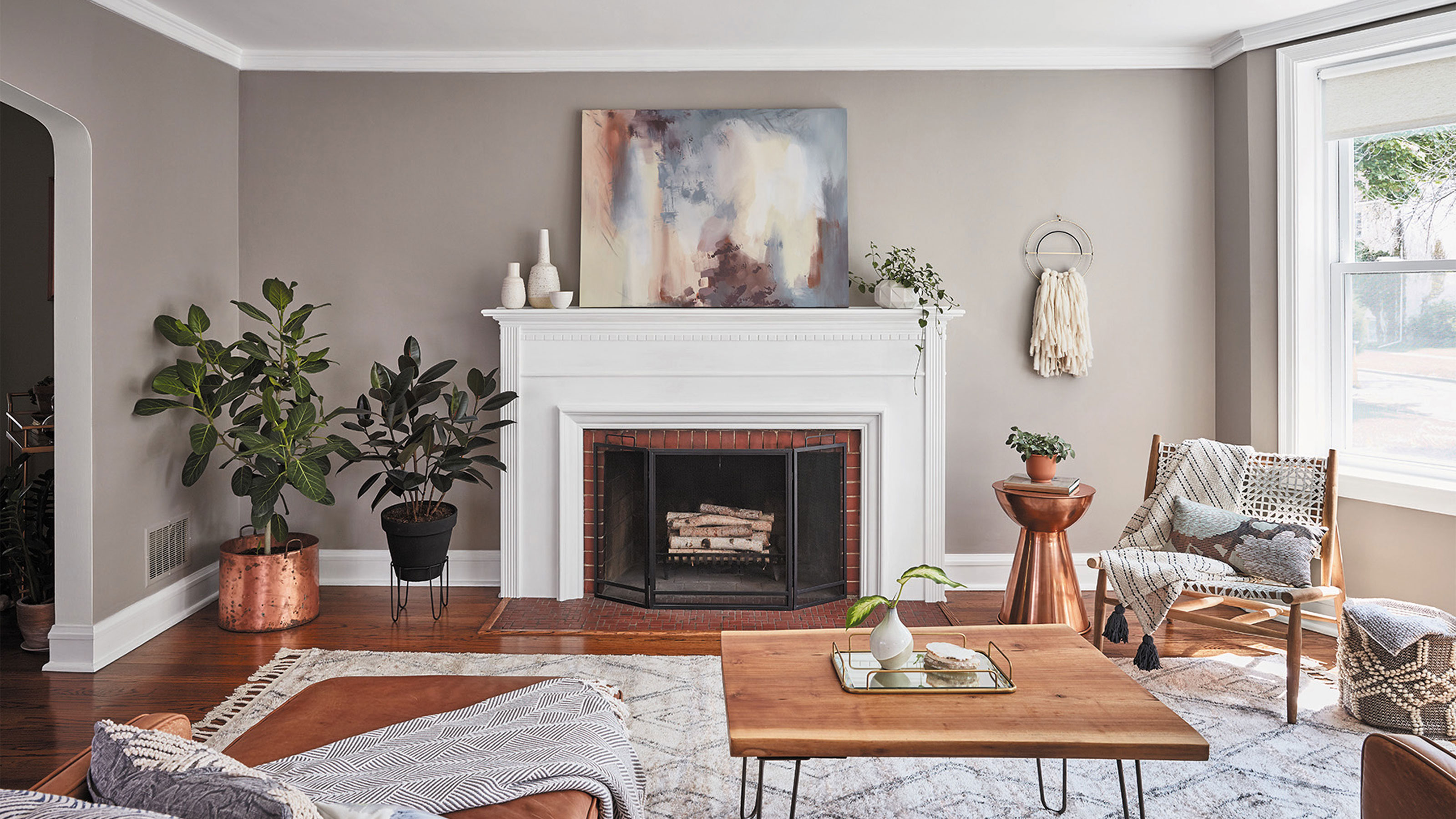
Should woodwork be lighter or darker than walls? The rules colour experts use to choose the perfect colour
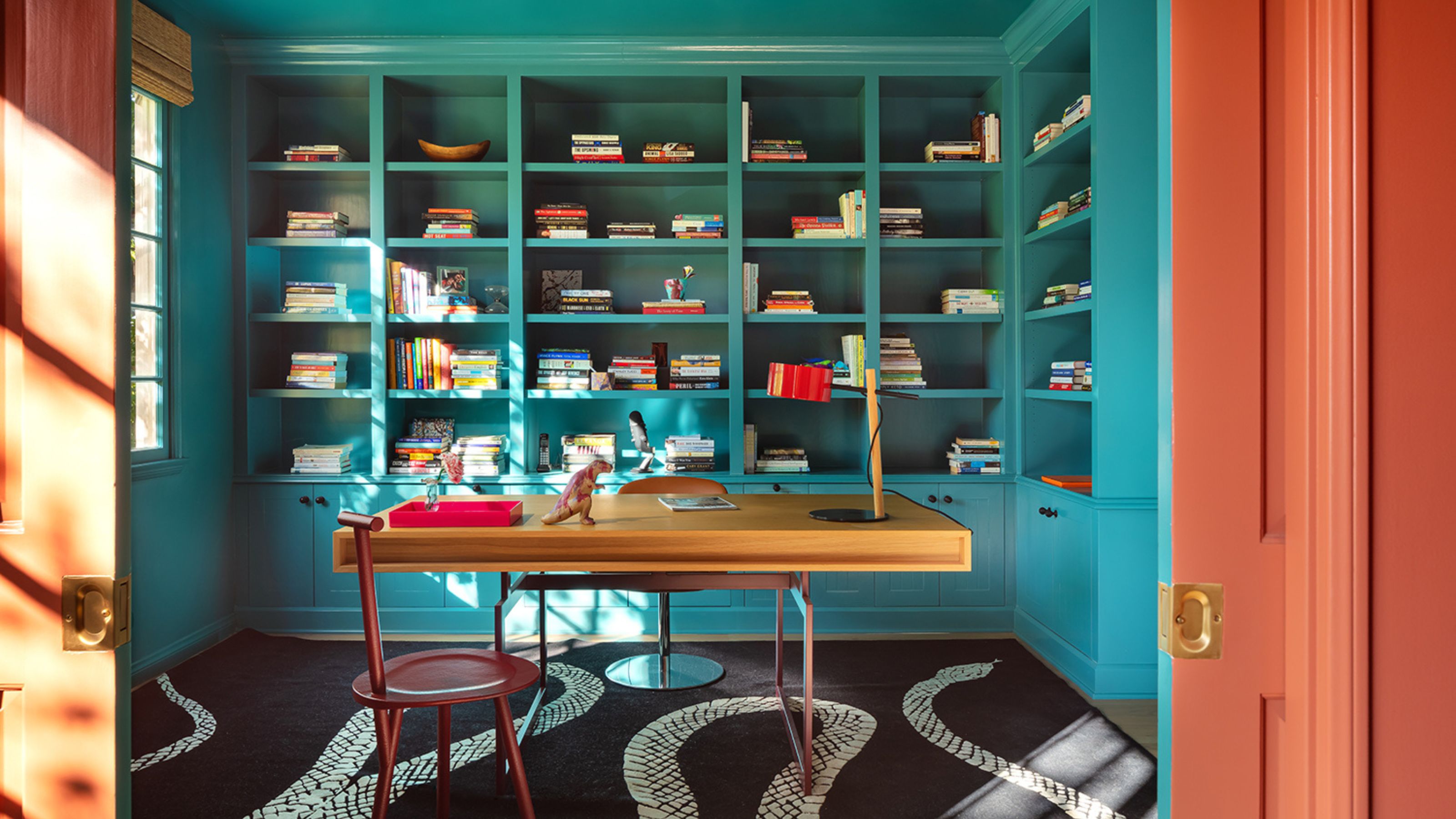
Should You Paint Ceilings and Walls the Same Color? Experts Give Their Verdict
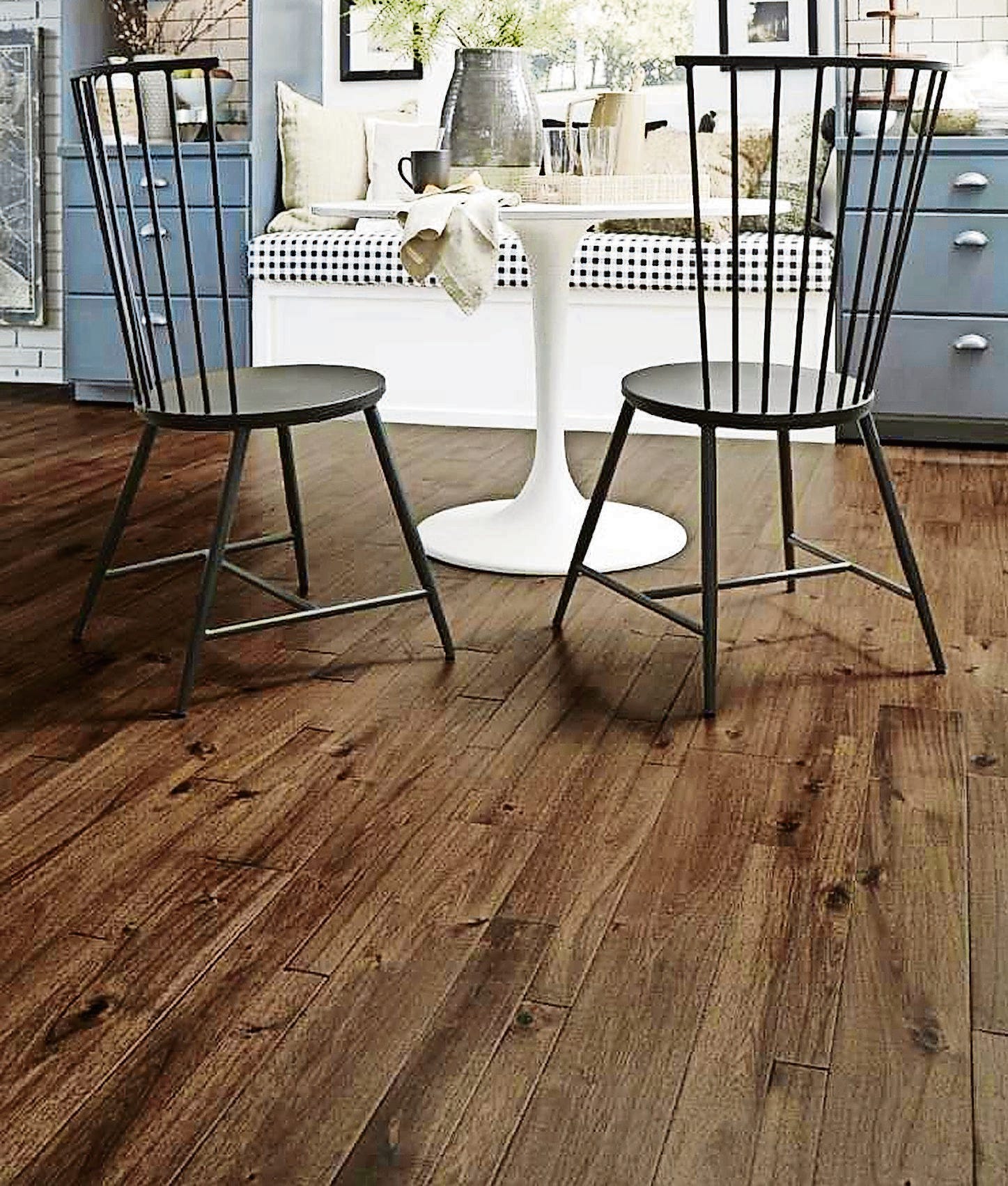
Hardwood floor color advice

Should a living room have a ceiling light? Finally, design experts settle the debate
Is it better to paint small rooms light or dark? Here's what the top colour experts have to say
Hardwood floor color advice
Should Your Carpet Be A Darker Color Than Your Walls? How to Make This Bold Look Work

Introducing Colour Theory, The Freedom Is Yours To Create With 45 Hues
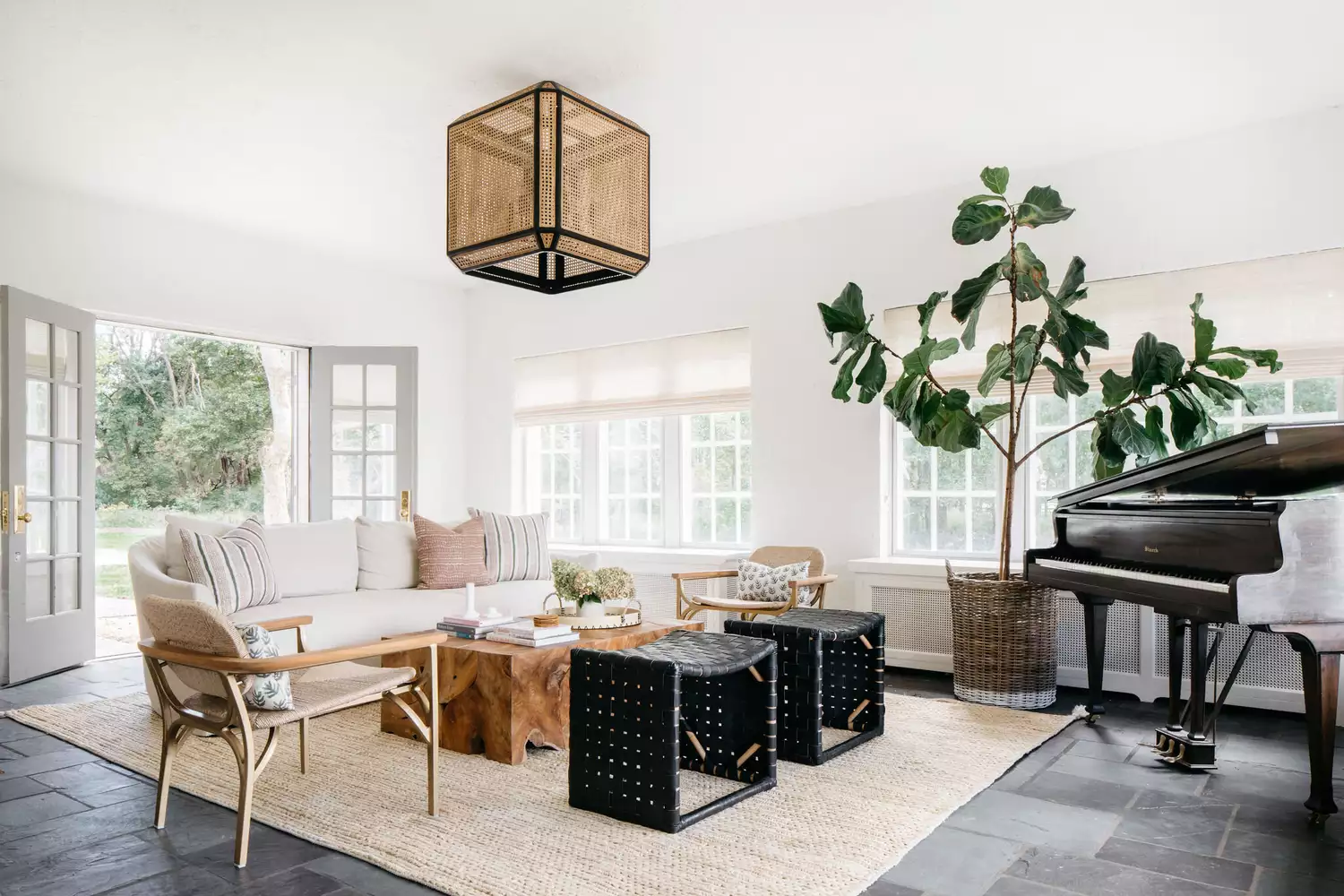
Designers Share Their Favorite Tips for Decorating With Dark Floors

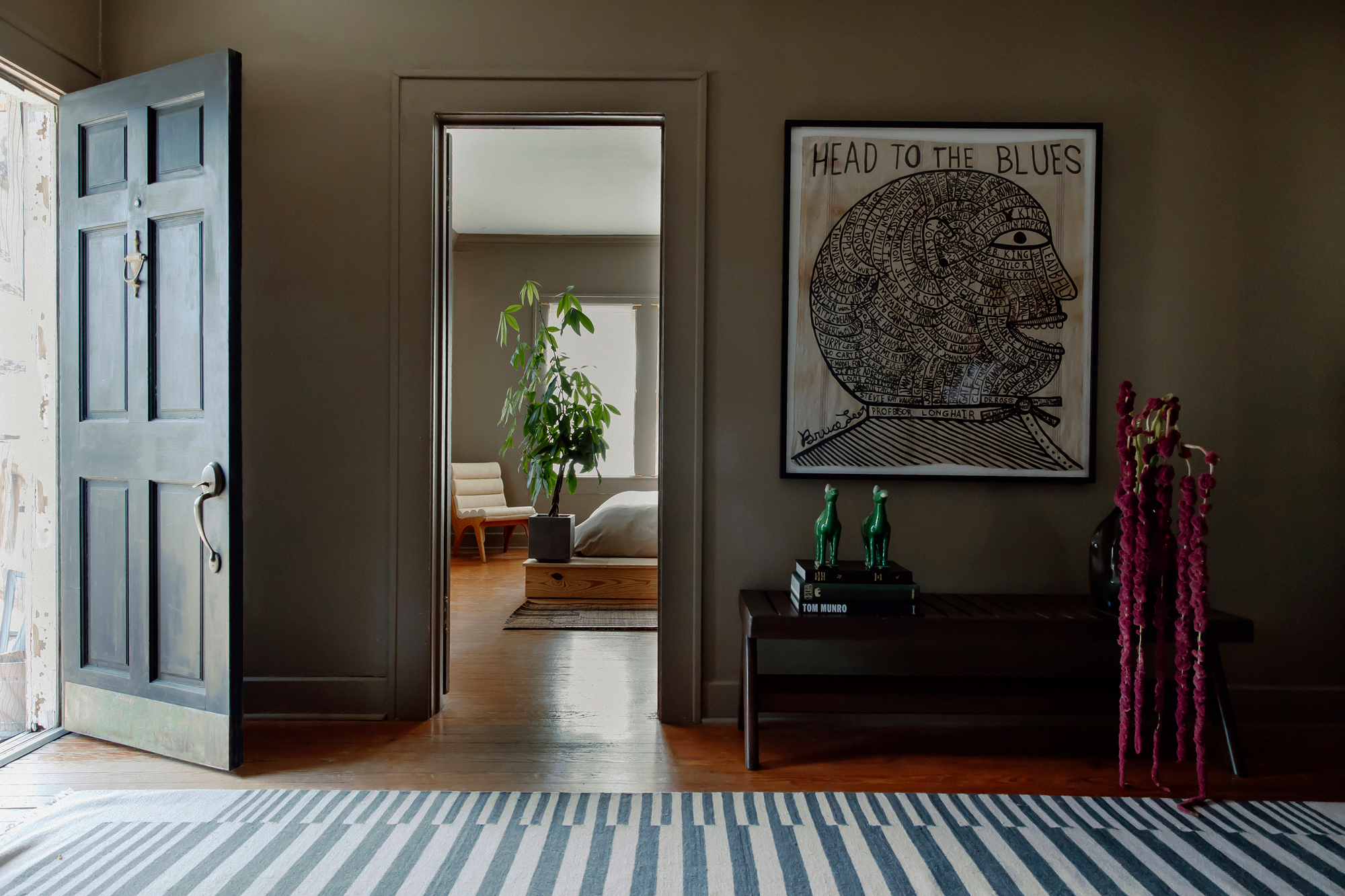
Should I paint an entryway light or dark? Here’s what the experts suggest
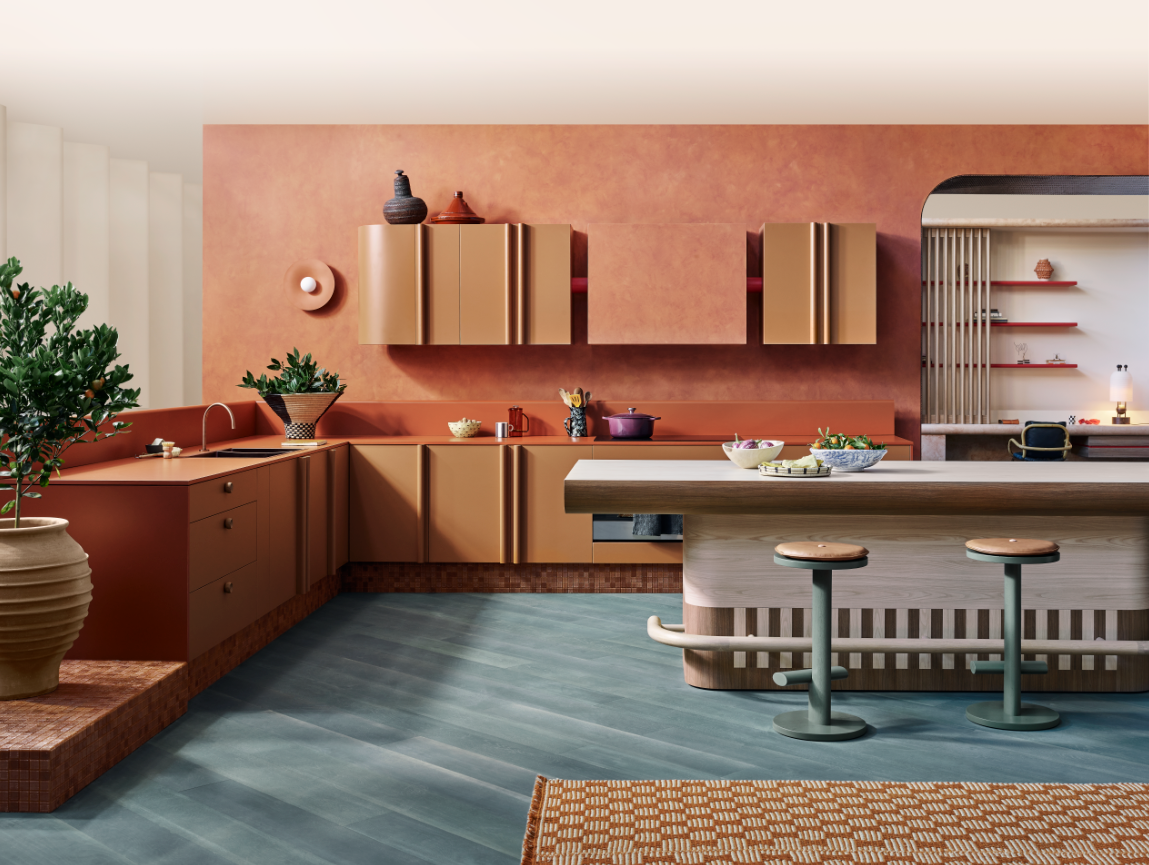
Colorful floors are the joyful design trend our homes need right now – here's how 6 designers embraced 6 different colors
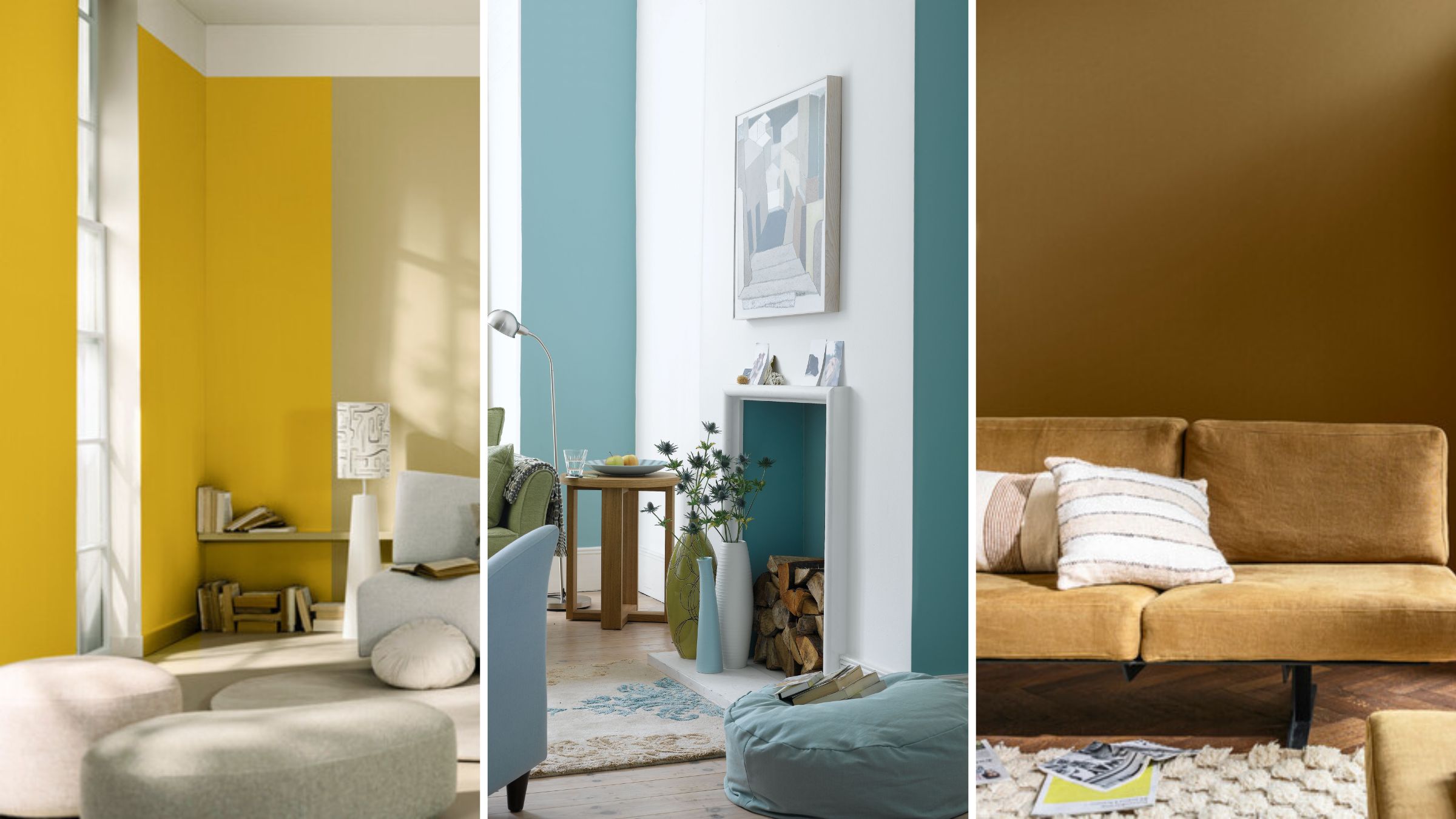
Experts reveal the best living room paint colours to transform every space

Should Your Kitchen Floors Be Darker Than Your Cabinets?
Should I paint an entryway light or dark? Here’s what the experts suggest
Forget What Color You Paint the Walls, It's the Flooring That Does the 'Quiet' Work in Making Your Room Feel Bigger — Here's How
Is Wall-to-Wall Carpeting Coming Back in Style? Designers Didn't Hold Back