1/2
Is Radiant Floor Heating the Best Way To Warm A Well-Insulated House?
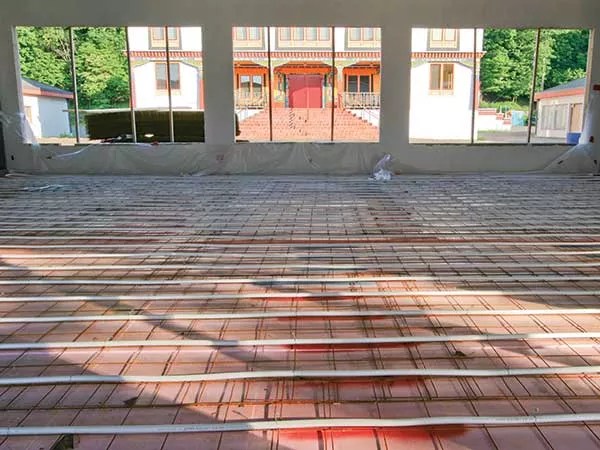
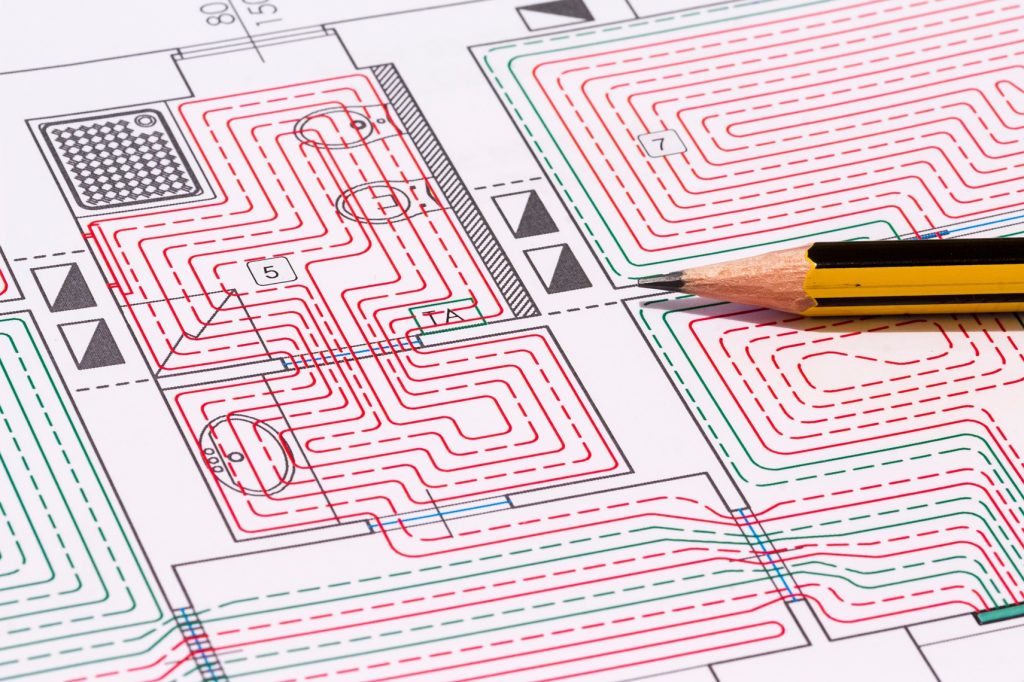
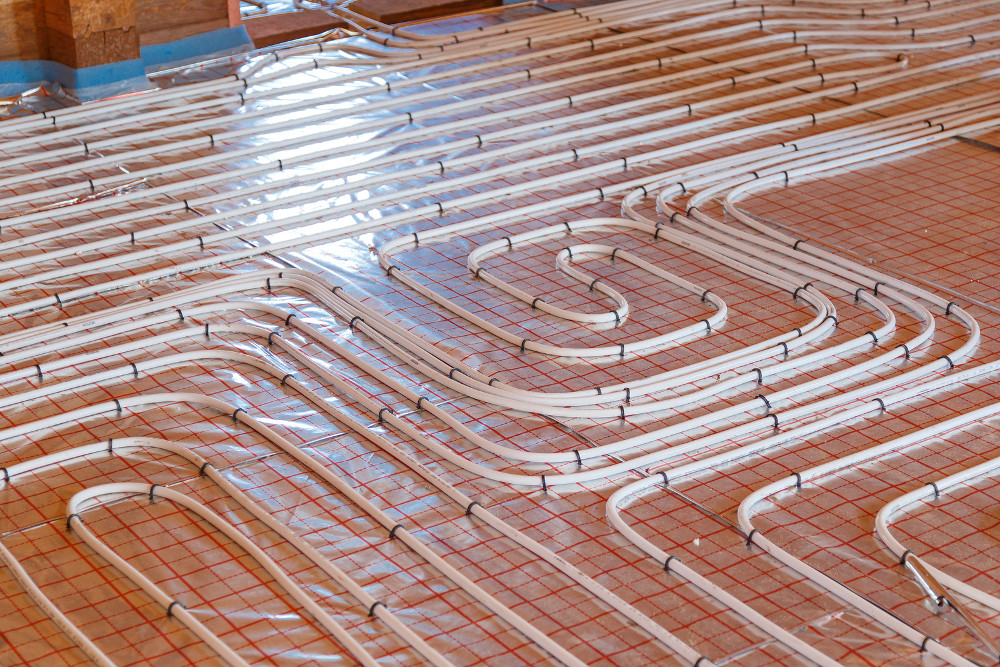
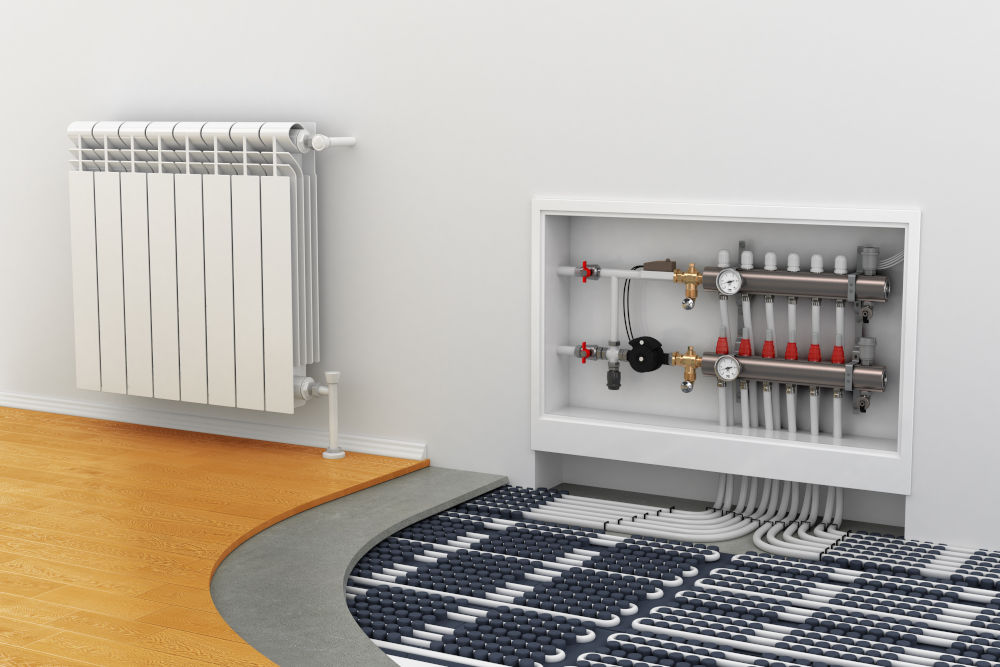
Lukas Smith, a builder in southern Ontario, is planning a radiant-floor heating system for his well-insulated house. He is seeking clarity on whether a water heater can supply hot water instead of a boiler and how to integrate air conditioning into the system. His inquiry in GreenBuildingAdvisor's Q&A; forum sparked a discussion regarding the optimal design and alternatives for heating well-insulated homes.
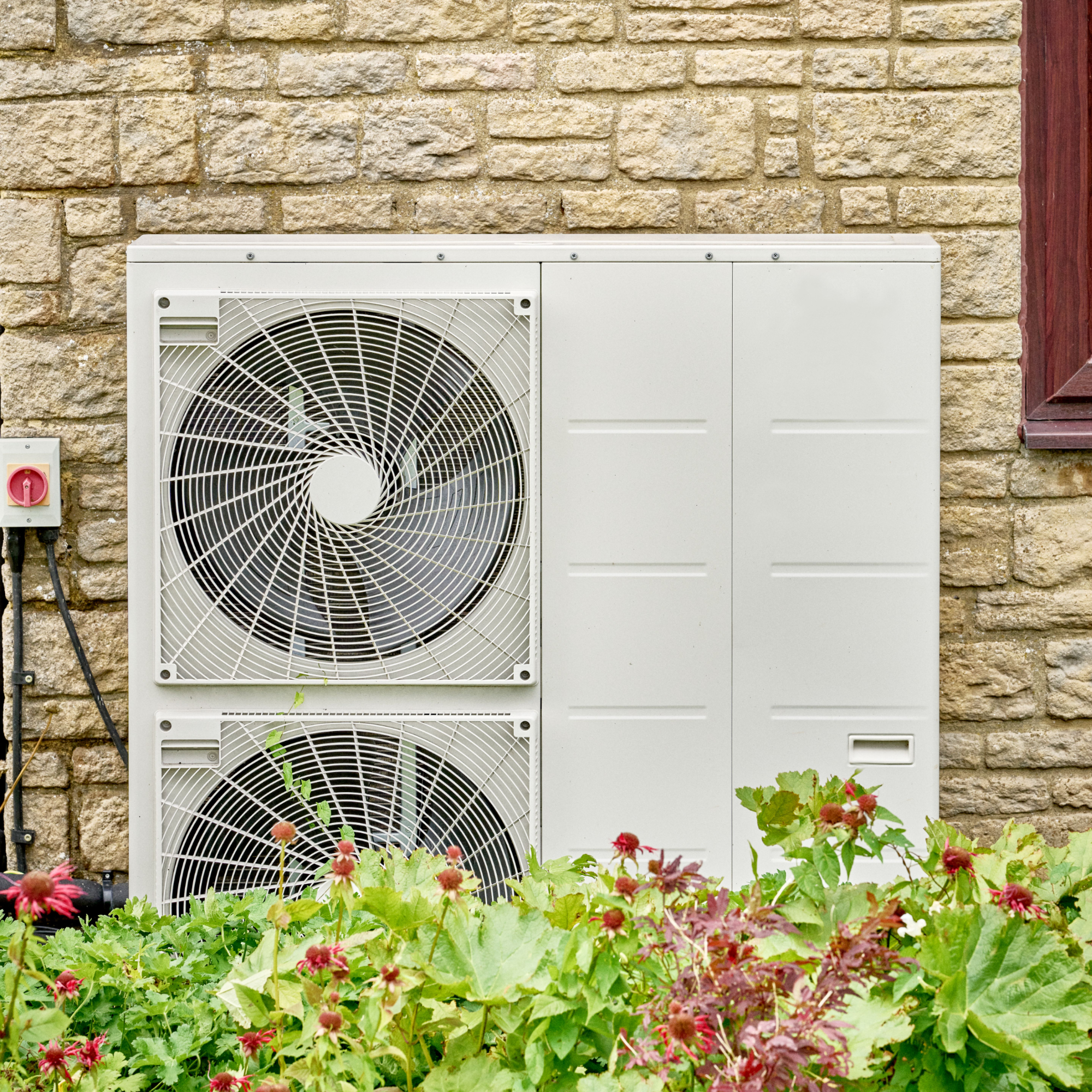
Responses from the forum provided varied perspectives. Some participants supported the use of non-boiler options for heating water for the radiant-floor tubing. However, other contributors suggested more economical heating methods, particularly for houses with good insulation. A prominent alternative discussed was the ductless mini-split system, which is a type of air-to-air heat pump. These systems offer improved efficiency even in low temperatures, unlike conventional air source heat pumps. One homeowner from Connecticut reported a significantly low heating cost for the year using such a system. An additional benefit of heat pumps is their dual functionality, providing both heating and air conditioning, a capability that radiant-floor heating systems inherently lack.
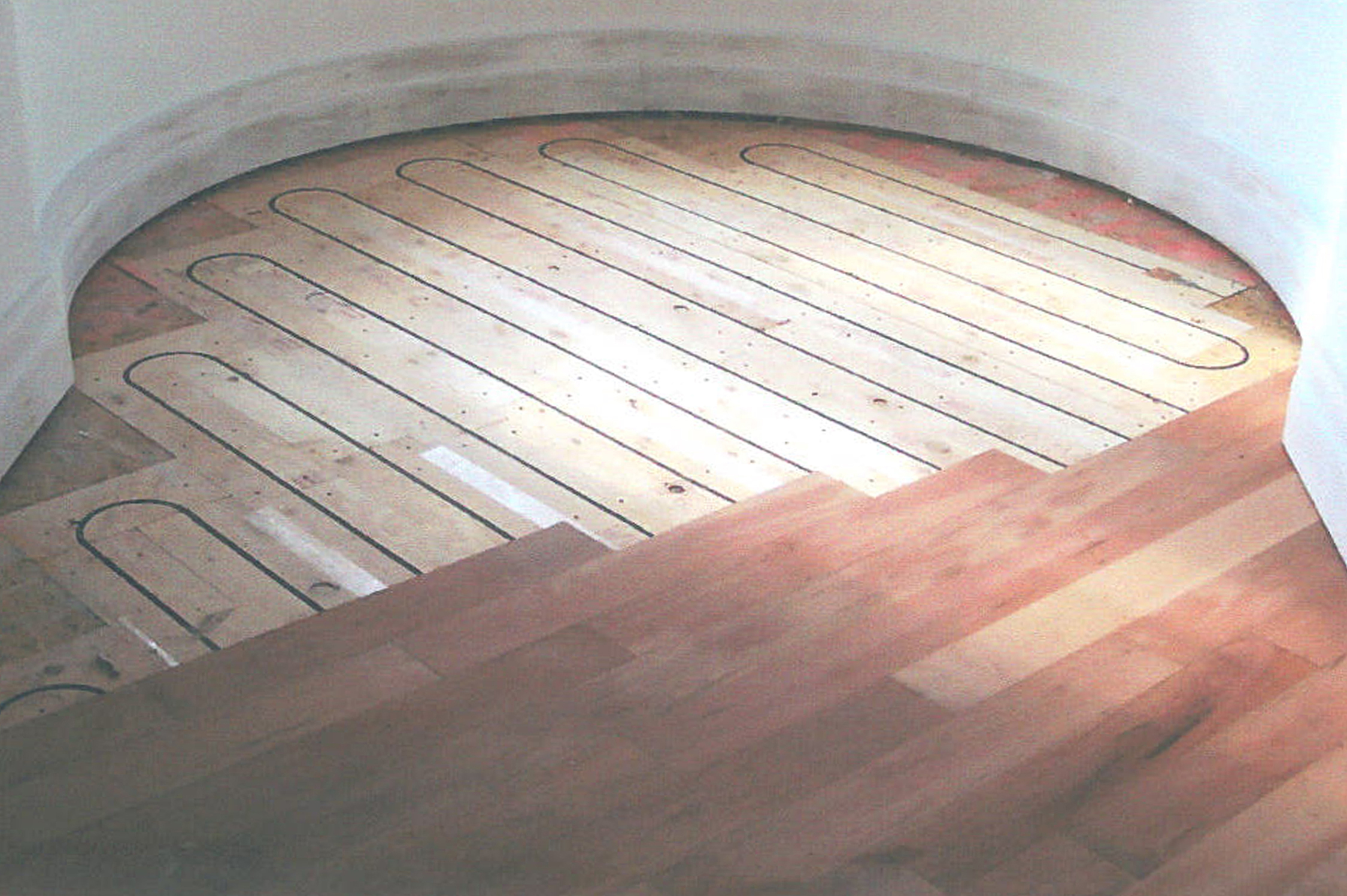
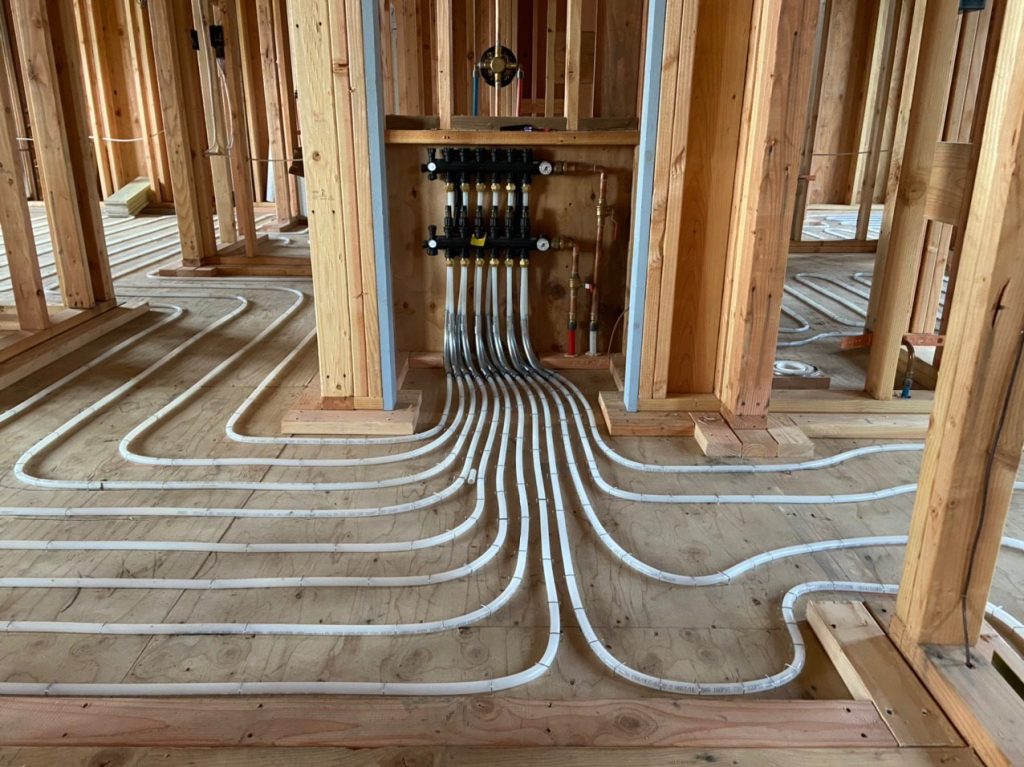
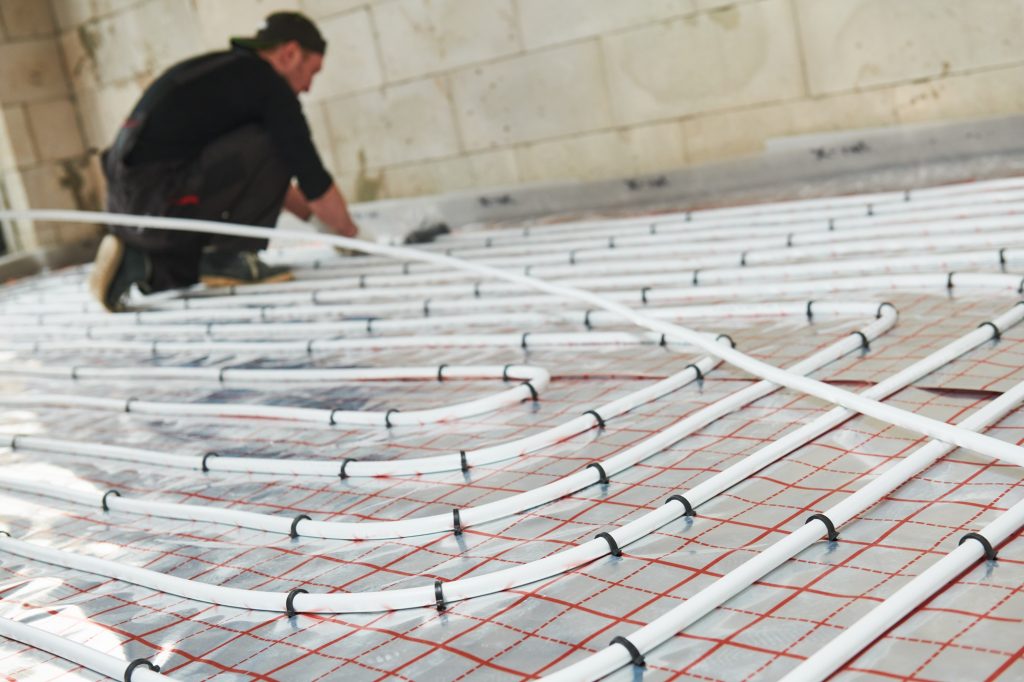
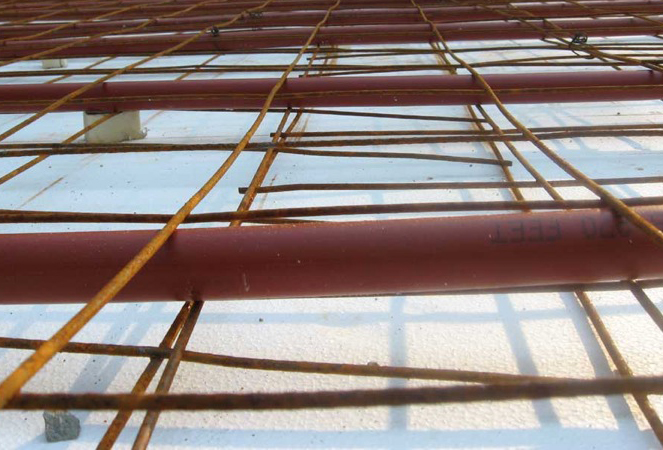
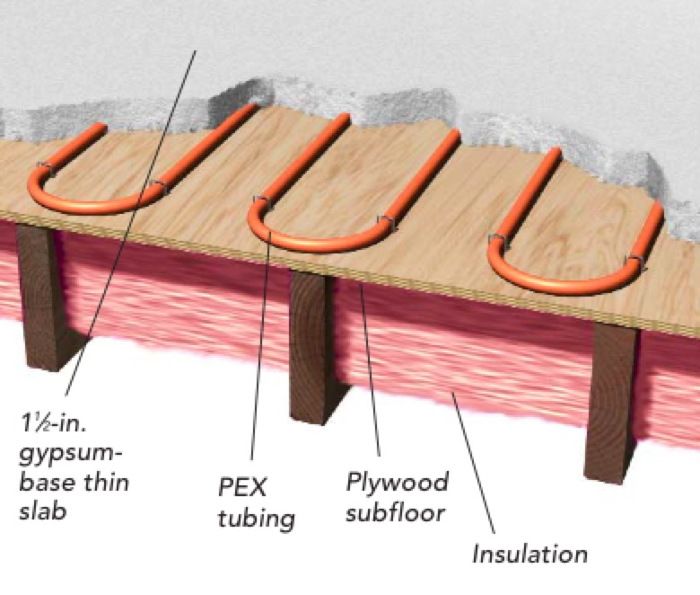
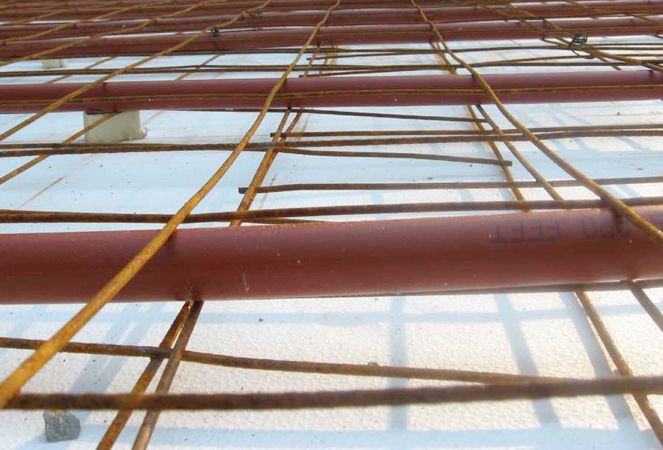
The discussion also delved into the specifics of radiant heat installation and its perceived benefits and drawbacks. One commenter noted that the comfort provided by radiant heating is a primary draw. They also highlighted the environmental quality aspect, suggesting that radiant systems avoid the circulation of air, which can be an issue with forced-air systems if filtration is not excellent. Another comment described a successful installation in a four-unit townhouse using PEX tubing under the sub-floor, heated by a high-efficiency instant natural gas hot water heater via a water-to-water heat exchanger. This setup ensured separation between domestic water and heating loops and allowed for zoning. The system reportedly performed well in a cold climate with temperatures dropping to -40 degrees and occupied a minimal footprint.
Electrically-based radiant heating was also mentioned, with one individual noting their experience with low-voltage ultra-thin cabling under floor coverings, which they believed to be more efficient. However, this method seemed less common in the discussion. A representative from a radiant heating company emphasized comfort as the main reason customers choose radiant heat and addressed the perception of high installation costs. They suggested that significant savings could be achieved through DIY installation of the tubing. They also recommended using floor controls instead of ambient air thermostats for better regulation. For cooling in conjunction with radiant heat, the suggestion was to use ductless mini-splits or spot air conditioning units for specific areas.
The overall consensus from the forum posts indicates that while radiant floor heating offers superior comfort and can be efficient in well-insulated homes, especially if installation costs are managed, alternative systems like ductless mini-splits present a compelling option due to their efficiency, lower operating costs in some cases, and integrated heating and cooling capabilities, which radiant systems alone cannot provide.
#RadiantFloorHeating #HomeHeatingSystems #WellInsulatedHouse #DuctlessMiniSplits #HeatPumps #HVACSystems #EnergyEfficiency #HomeComfort #GreenBuilding #RadiantFloorHeating #HomeHeatingSystems #WellInsulatedHouse #DuctlessMiniSplits #HeatPumps #HVACSystems #EnergyEfficiency #HomeComfort #GreenBuilding
0 comment in total
 No comments yet
You may also like

The best floor insulation options for your home, explained

I used to struggle to keep my open plan layout warm in winter — but these 4 methods now keep it cosy all day long
10 tips for using underfloor heating in a bathroom
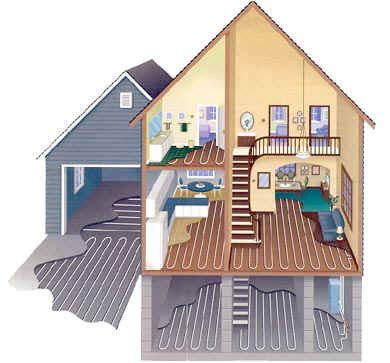
How to Live With Radiant-Floor Heat

How to warm up your first floor – 7 expert tricks to hold heat downstairs for a cozy winter

How to make a conservatory warmer - ways to heat and insulate for all-year round use
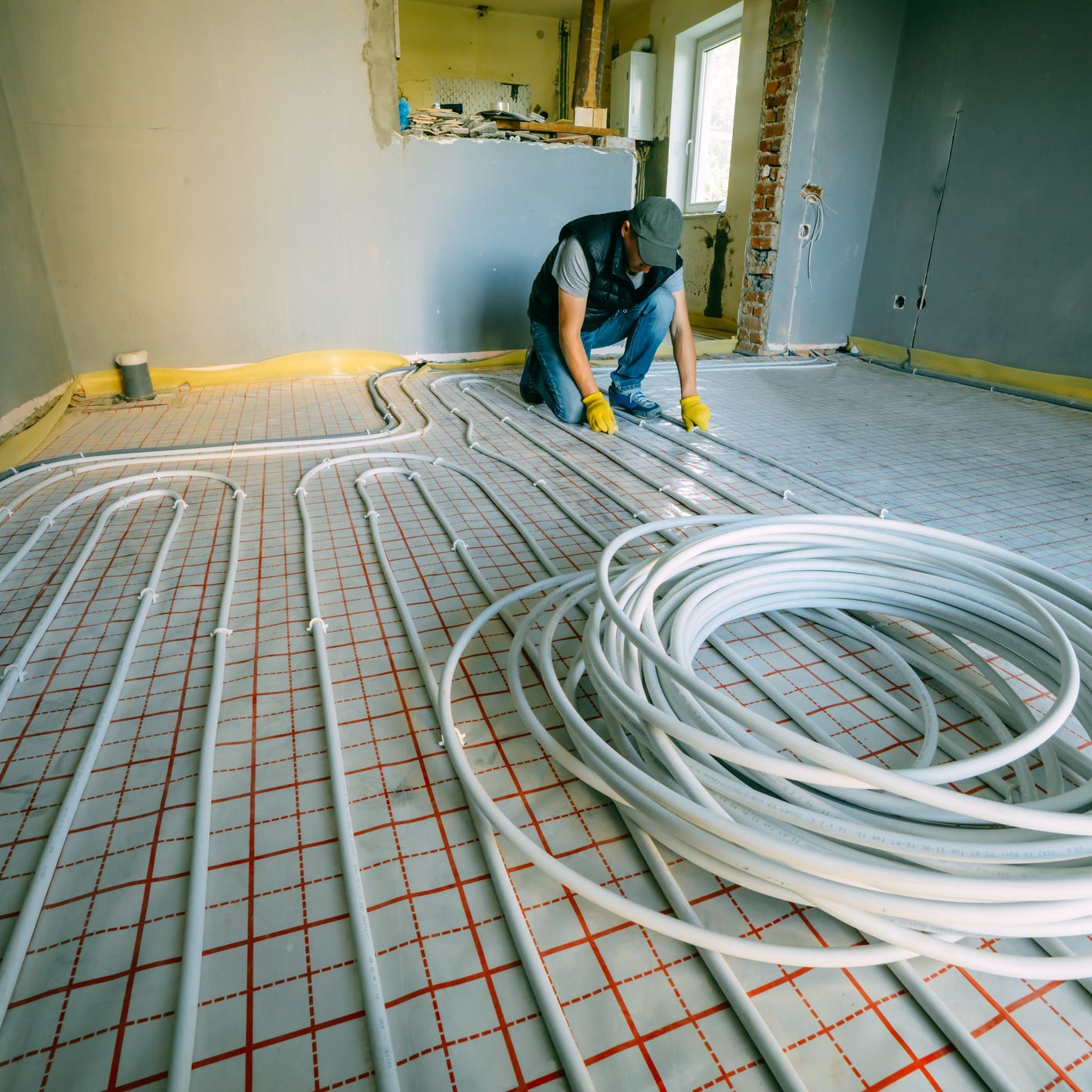
Installing Electric Radiant-Floor Heating Will Have You Staying Warm All Winter
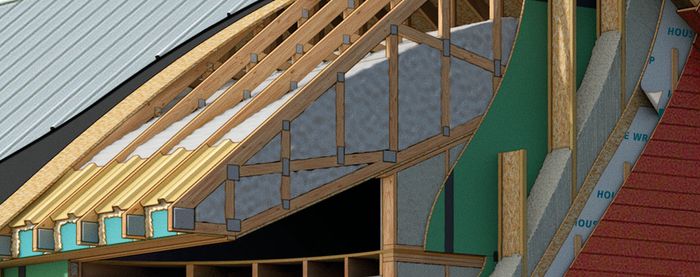
An Easy Way To Build a Well-Insulated House
Radiant heat can be used indoors or outside

Are Heated Floors Worth It? 2 Real Estate Pros Weigh In

Why electric underfloor heating is gaining popularity in high-end interiors in 2025

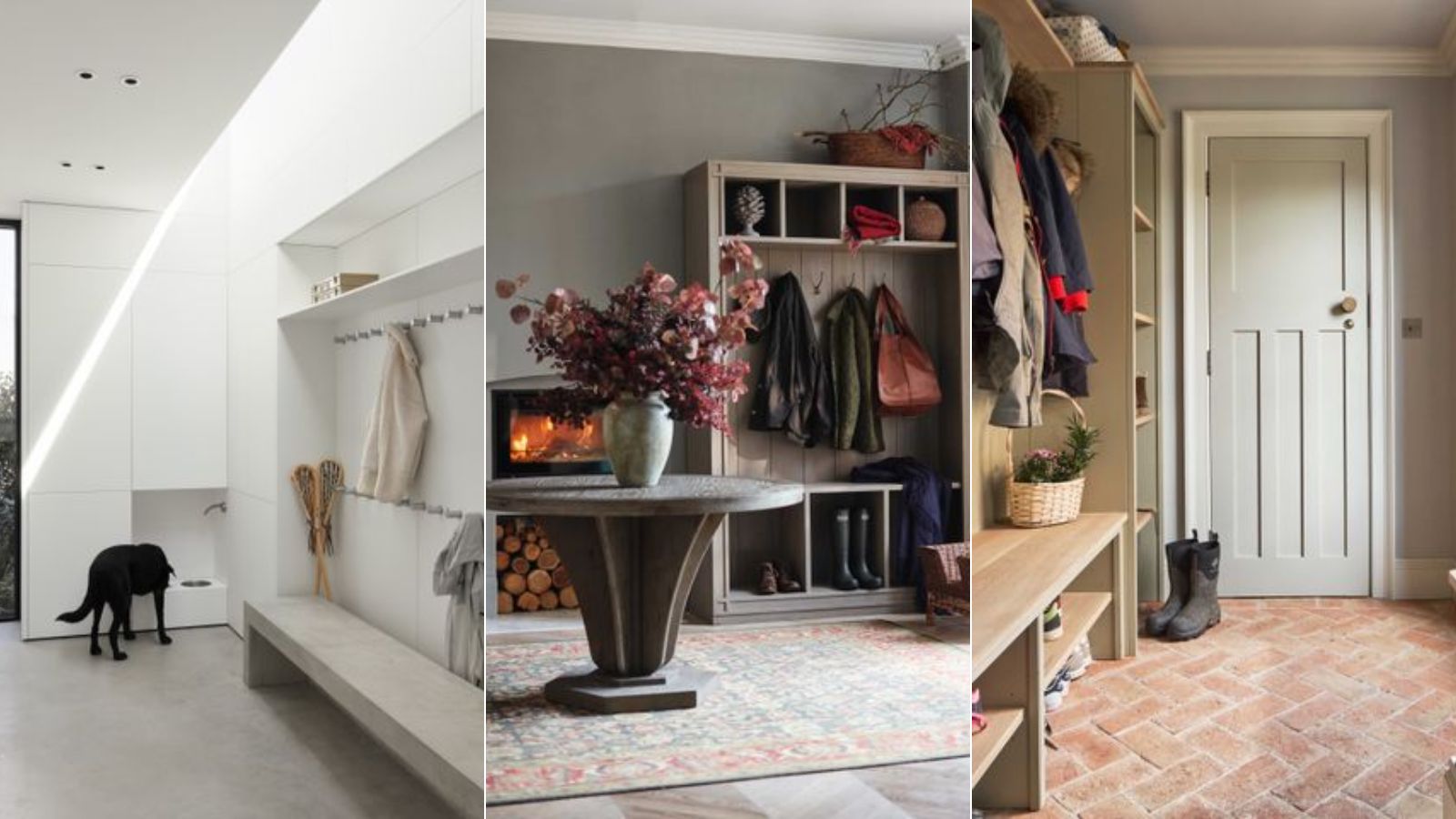
How to keep your mudroom warm – 5 expert-recommended tips

What’s radiant floor heating? How to heat your home from your feet up

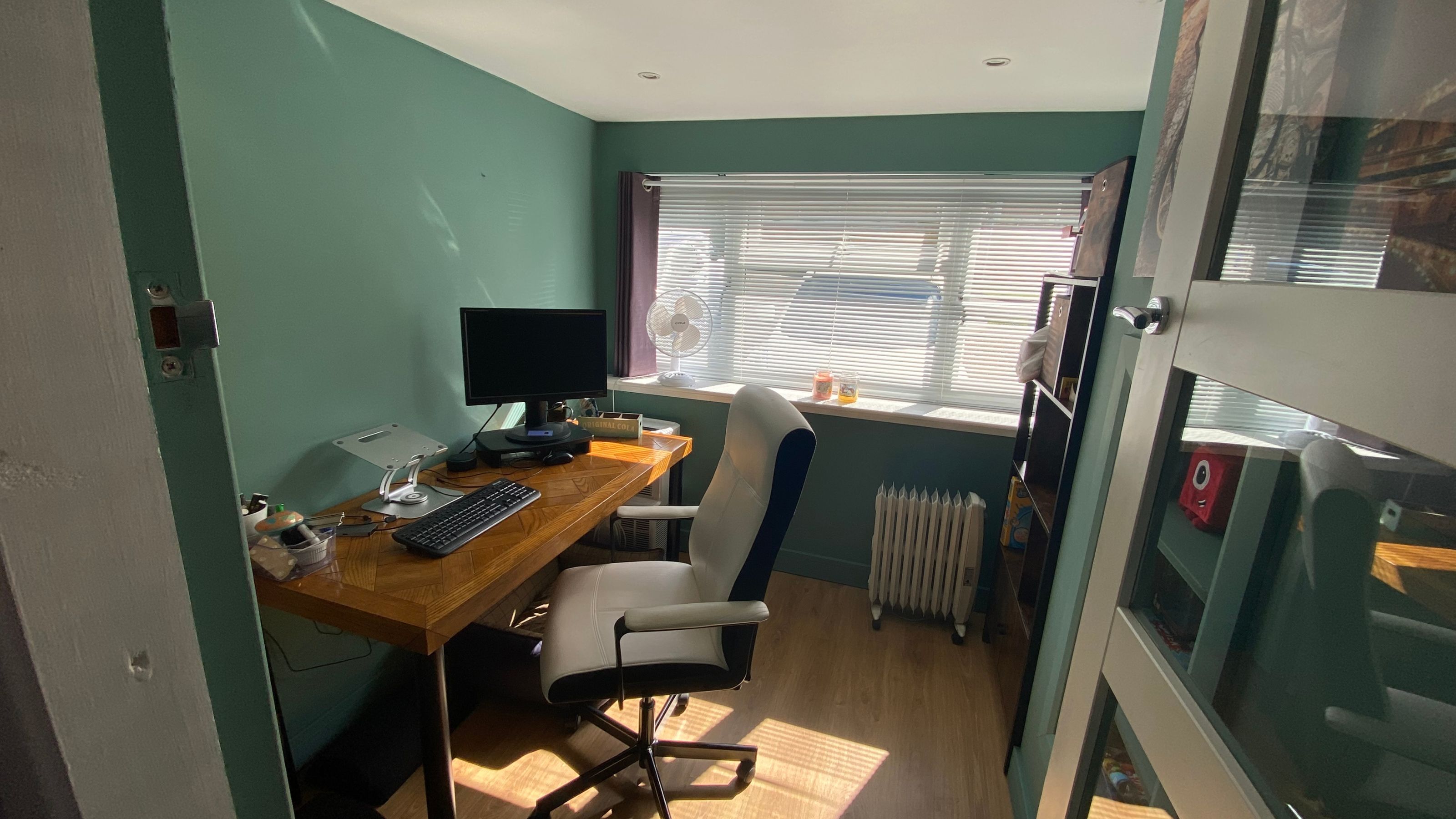
3 reasons I regret not putting underfloor heating in my home office – it’s definitely moving up my priority list
This is how to get your roof and loft insulation right so that your home stays warm and energy efficient all winter long

Should you insulate a basement ceiling? Expert advice for a comfortable home
Radiant Heating
How Radiant Heat Can Transform Your Home for the Better With Barron Heating, AC, Electrical & Plumbing

What’s the most efficient way to heat a house? How to heat your home for less, according to experts

Radiant Floor Heating: Can One Floor Heat Two Stories?