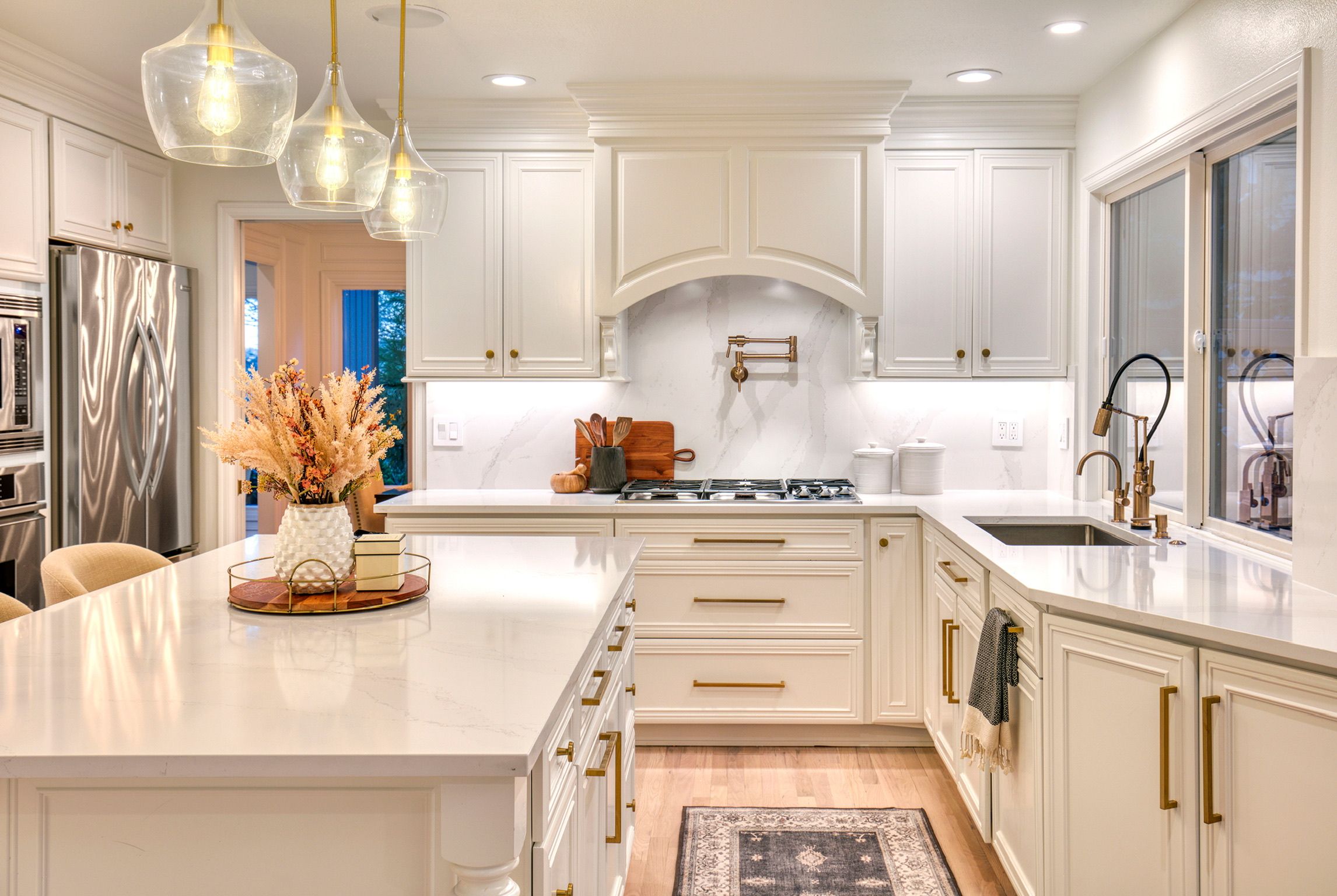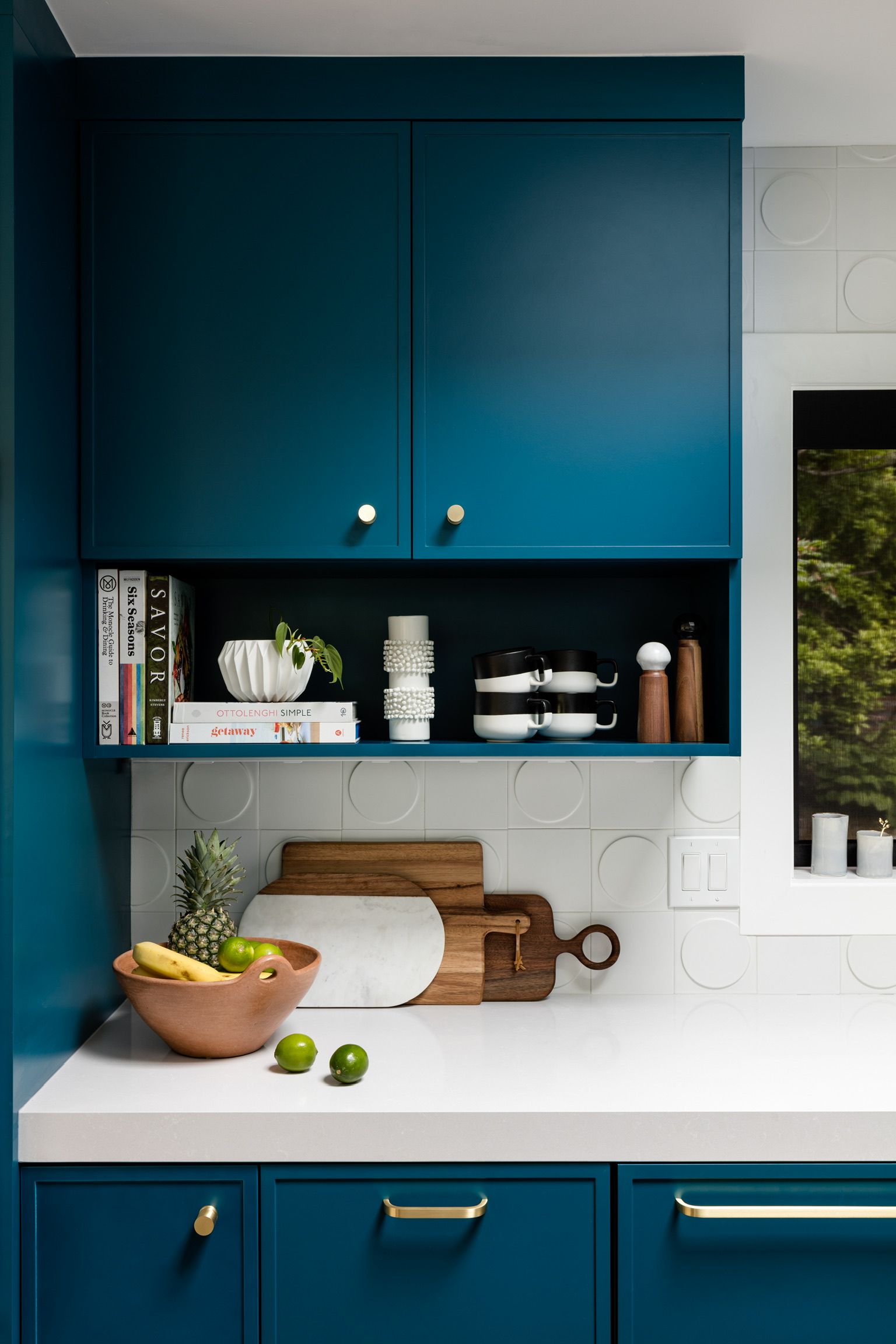
Reinvent Your Kitchen Backsplash On A Budget With This Affordable Material
Traditional kitchen backsplash materials like subway tile or mosaic can be expensive and complex to install. However, a highly affordable and effective alternative exists in the form of joint compound, commonly used for drywall repairs. This material, also known as drywall mud, offers significant cost savings and allows for a wide range of aesthetic possibilities for a kitchen backsplash.
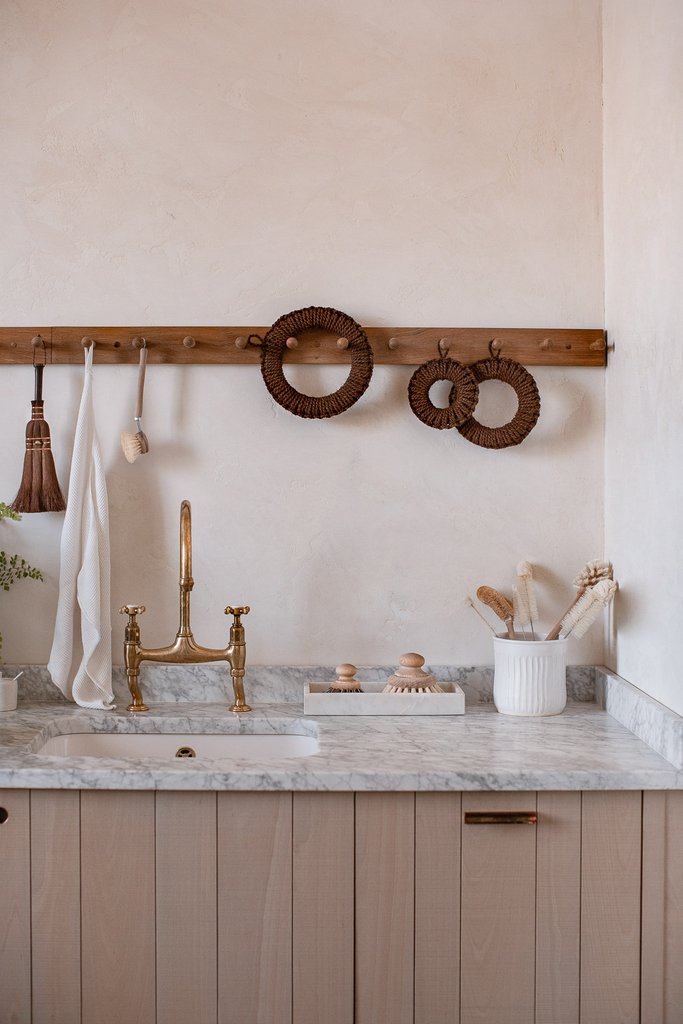
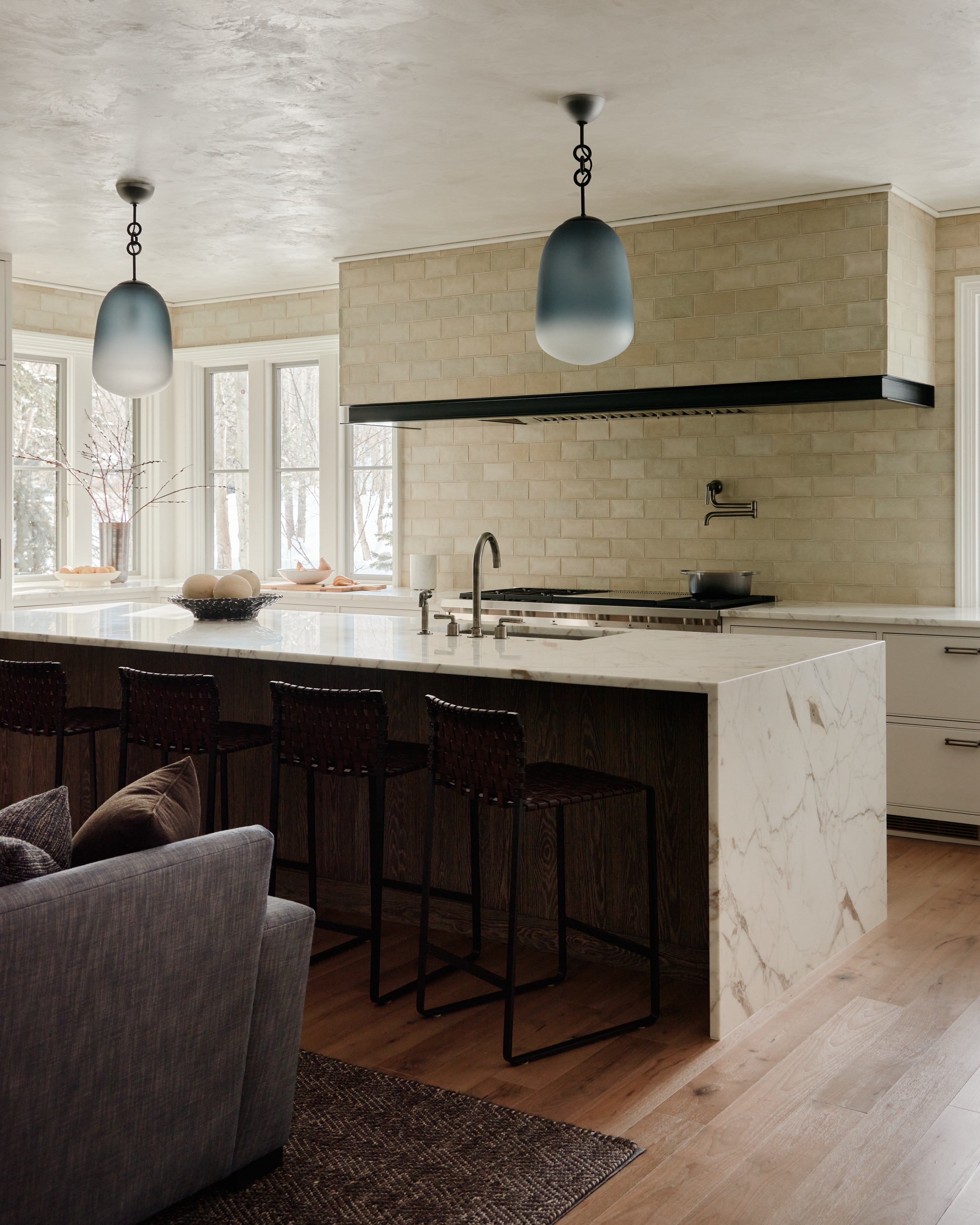
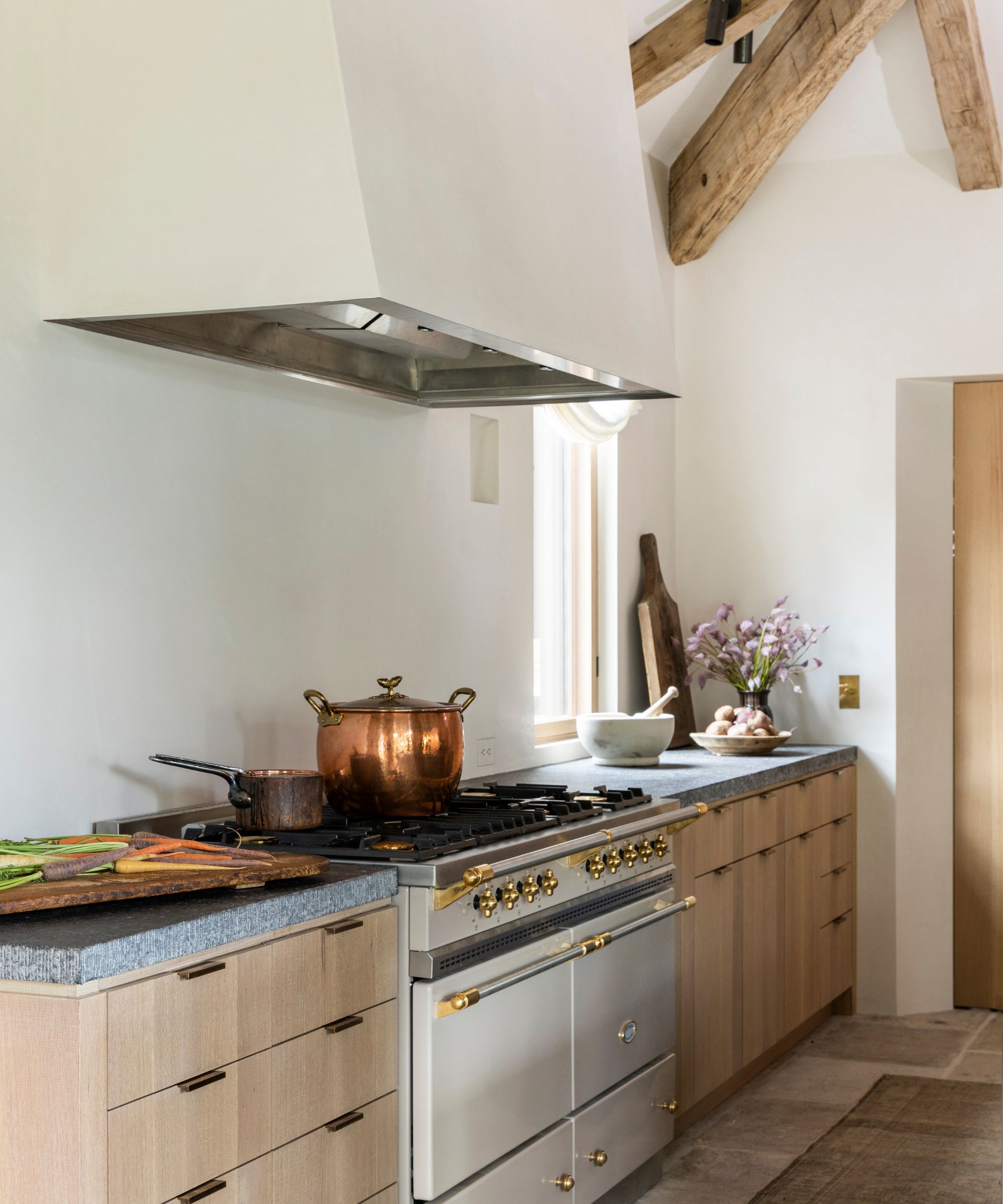
The process of creating a joint compound backsplash involves applying the compound directly to the wall or a substrate. One popular technique is a Venetian plaster-inspired look, which creates a textured and visually rich surface. This involves applying multiple thin layers of joint compound with a trowel, allowing each layer to dry before applying the next. The technique allows for the creation of subtle variations in texture and depth, mimicking the sophisticated appearance of Venetian plaster at a fraction of the cost.
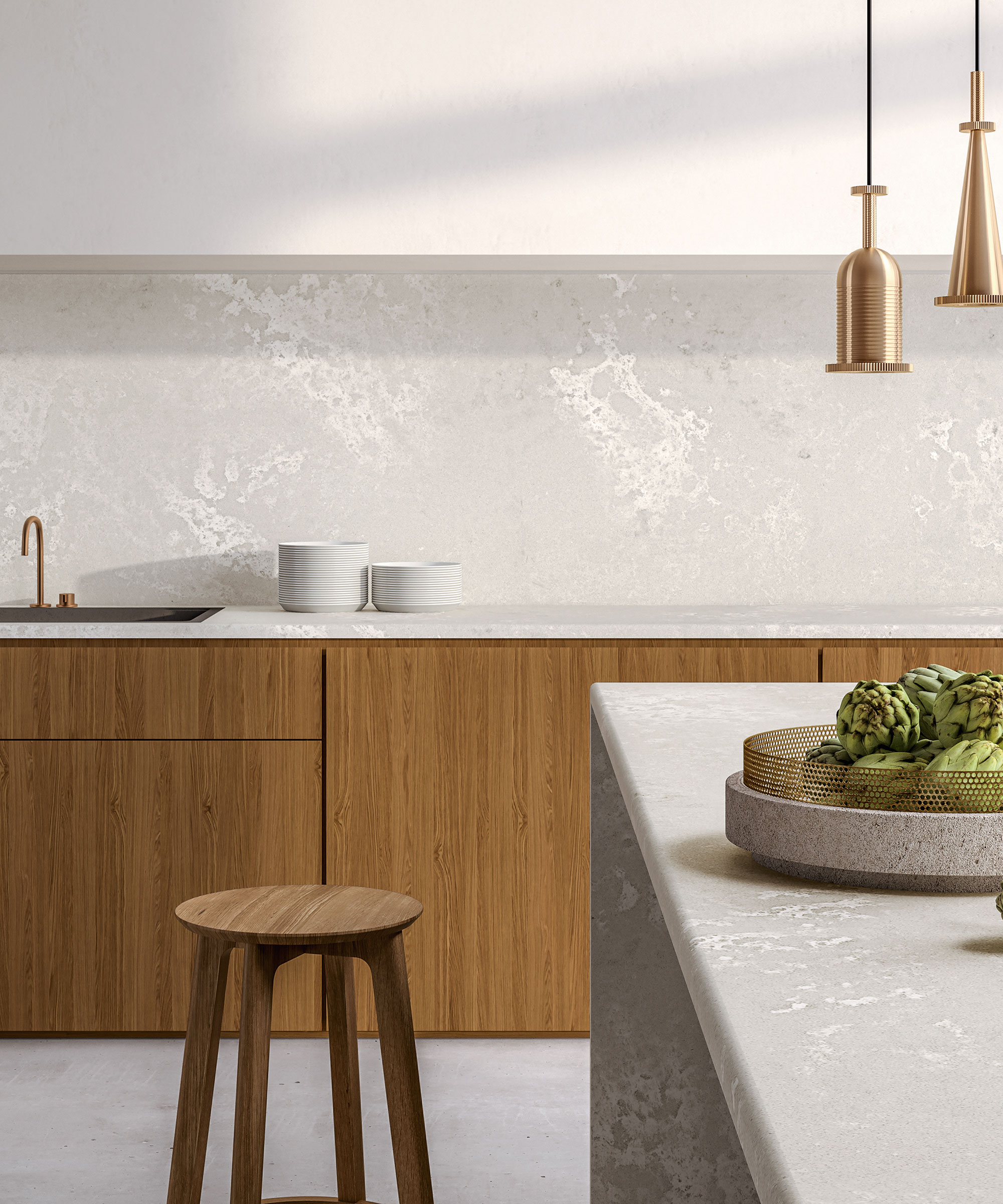
Another approach is to achieve a concrete-like finish. This method often involves a thicker application of joint compound, which can then be sanded and smoothed to create a matte, industrial aesthetic. The versatility of joint compound also extends to creating custom patterns or geometric designs. Using stencils or painter's tape, individuals can create unique patterns, adding a personalized touch to their kitchen decor. Once the desired texture or pattern is achieved and fully dry, the surface can be sealed with a clear topcoat to protect it from moisture and stains, making it durable for a kitchen environment.
The benefits of using joint compound for a backsplash go beyond just cost. The material is relatively easy to work with for DIY enthusiasts, allowing for creative expression without the need for specialized tools or extensive professional experience. It can be painted any color to match or complement existing kitchen elements, providing design flexibility. The resulting surface is smooth and seamless, contributing to a modern and minimalist look, or it can be heavily textured for a more rustic or artisanal feel. Furthermore, if the design becomes dated or if a change in kitchen aesthetic is desired, the joint compound backsplash can be easily painted over or removed, offering a flexible and temporary solution.
While joint compound offers many advantages, it is important to acknowledge certain limitations. Unlike ceramic tiles, joint compound is not inherently waterproof. Therefore, proper sealing with a high-quality sealant is crucial to prevent water damage and ensure longevity in a kitchen setting where spills and splashes are common. Additionally, while durable once sealed, it may not withstand harsh impacts as well as traditional tile. However, for those seeking a budget-friendly, customizable, and visually appealing backsplash option, joint compound presents a compelling choice, allowing for a personalized and modern kitchen upgrade without breaking the bank.
#KitchenBacksplash #JointCompound #DIYHomeDecor #AffordableHomeImprovement #ModernKitchen #TexturedWalls #BudgetFriendlyDesign #HomeRenovation #InteriorDesign #KitchenBacksplash #JointCompound #DIYHomeDecor #AffordableHomeImprovement #ModernKitchen #TexturedWalls #BudgetFriendlyDesign #HomeRenovation #InteriorDesign
0 comment in total
 No comments yet
You may also like
Freshen up the look of your kitchen with a unique backsplash

This DIY Backsplash Is Even More Renter-Friendly Than Peel-and-Stick

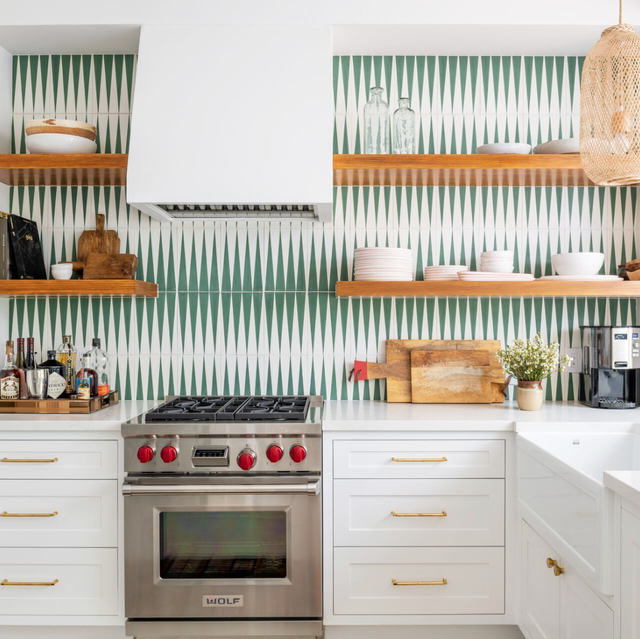
This Striking Geometric Backsplash Is Just the Thing to Upgrade Your Kitchen

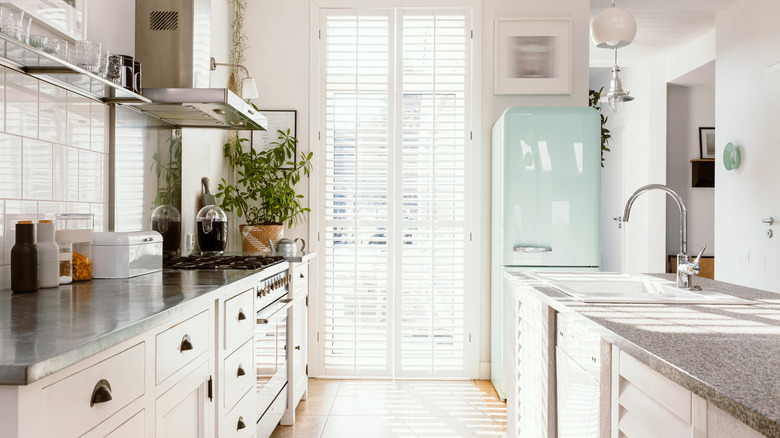
This Modern Backsplash Alternative Makes Your Kitchen Look Bigger And Brighter

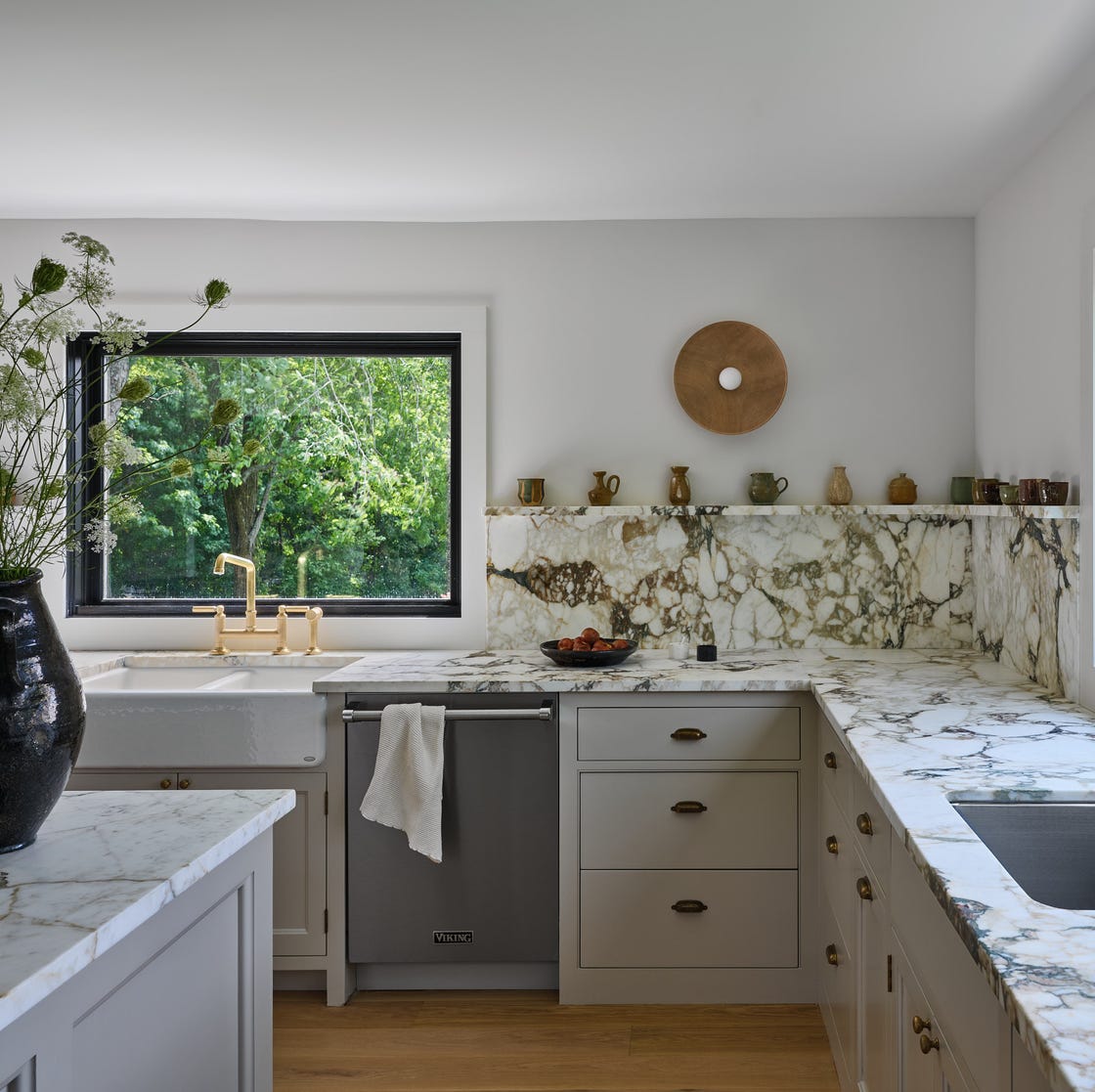
Your Backsplash Is Cheapening Your Kitchen—Here's How to Fix It, According to Designers

20 Amazing Kitchen Backsplash Ideas

Before You Splurge on Backsplash Tile, Consider This Clever Hack
Three Interior Designers Discuss the Dynamics of Choosing a Kitchen Backsplash

This Kitchen Reno Trick Is Basically Money Back in Your Pocket
Your Backsplash Is Cheapening Your Kitchen—Here's How to Fix It, According to Designers
Kitchen splashback ideas for beautiful wall protection that is packed with style
All the most stylish kitchens in 2025 forgo this key feature

DIY backsplash makes a big impact on a tight budget

13 Subtle Ways To Make Your Kitchen Backsplash Look More Expensive

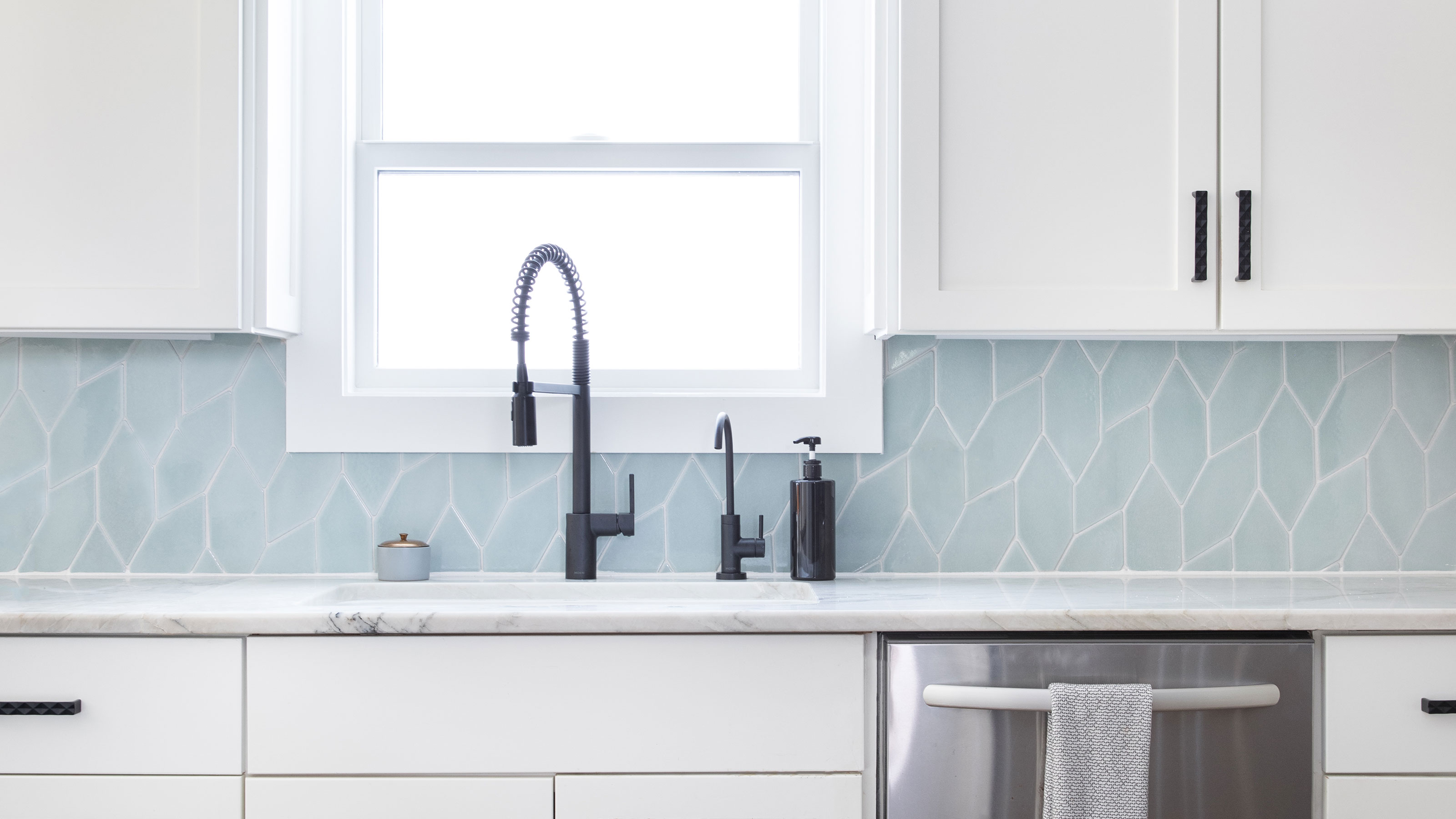
12 subway tile alternatives for a fresh backsplash

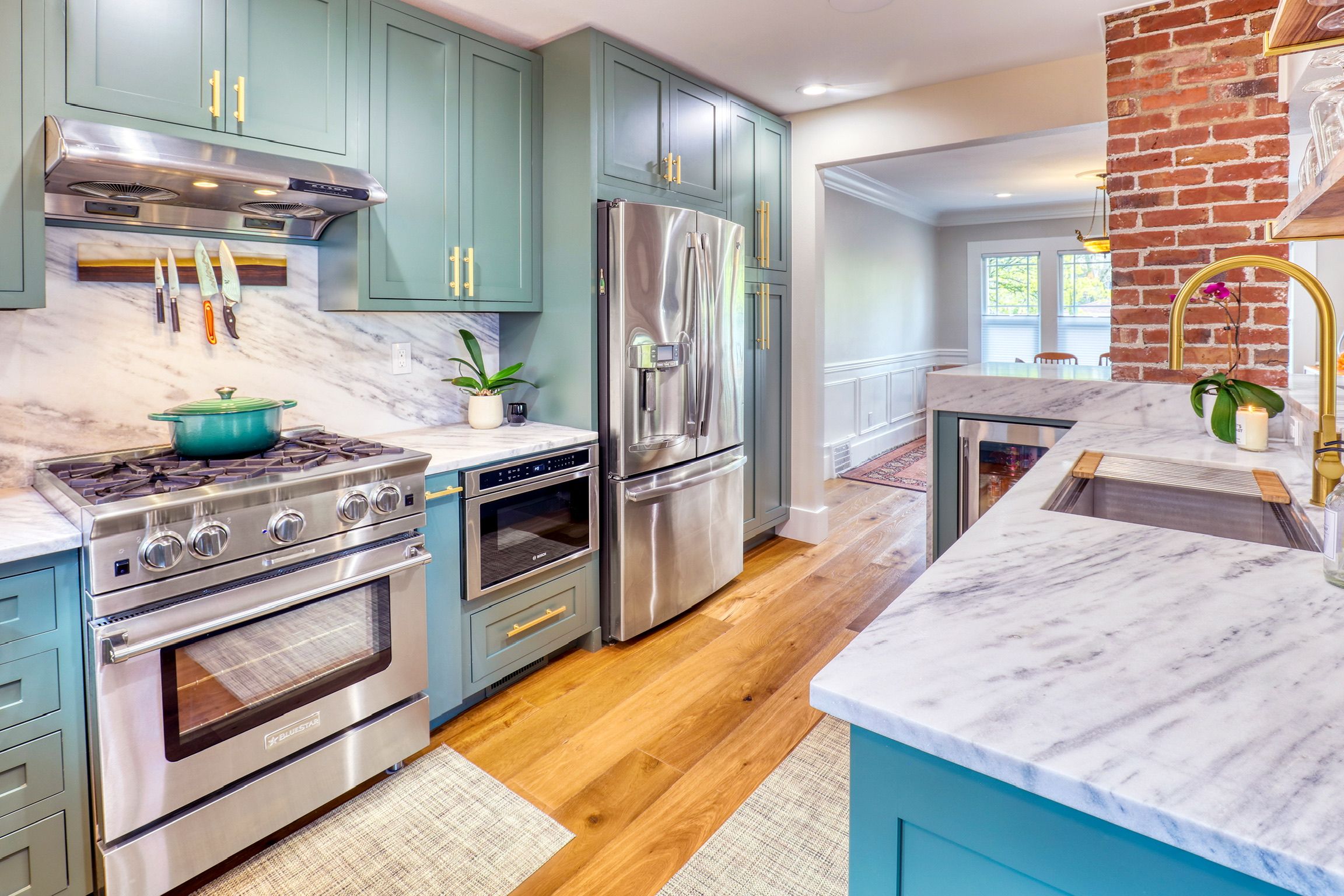
Transform the look of your kitchen with a new backsplash | Produced by Seattle Times Marketing

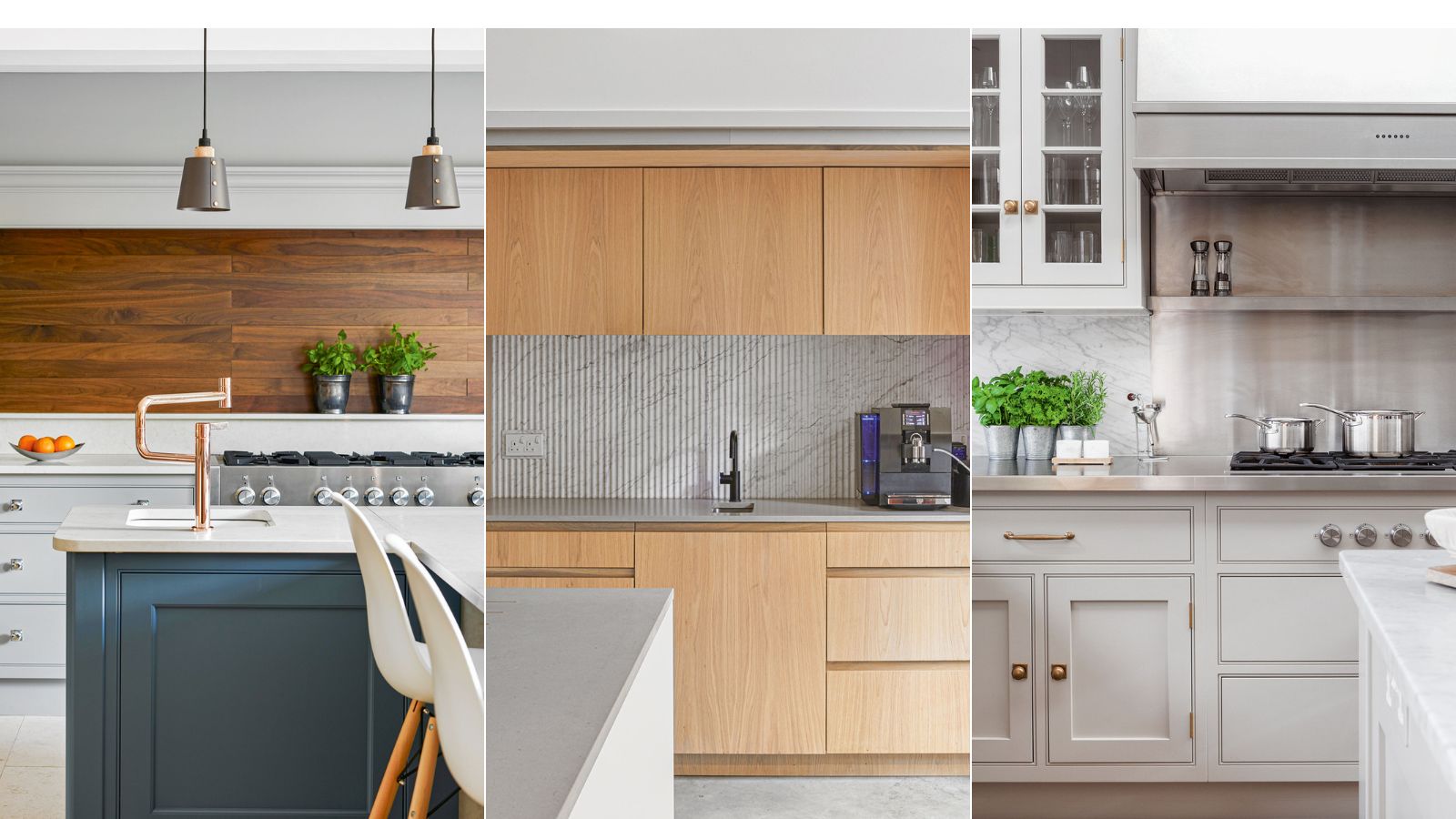
The 'wallpaper' of the kitchen – why choosing the right kitchen backsplash can make or break a space
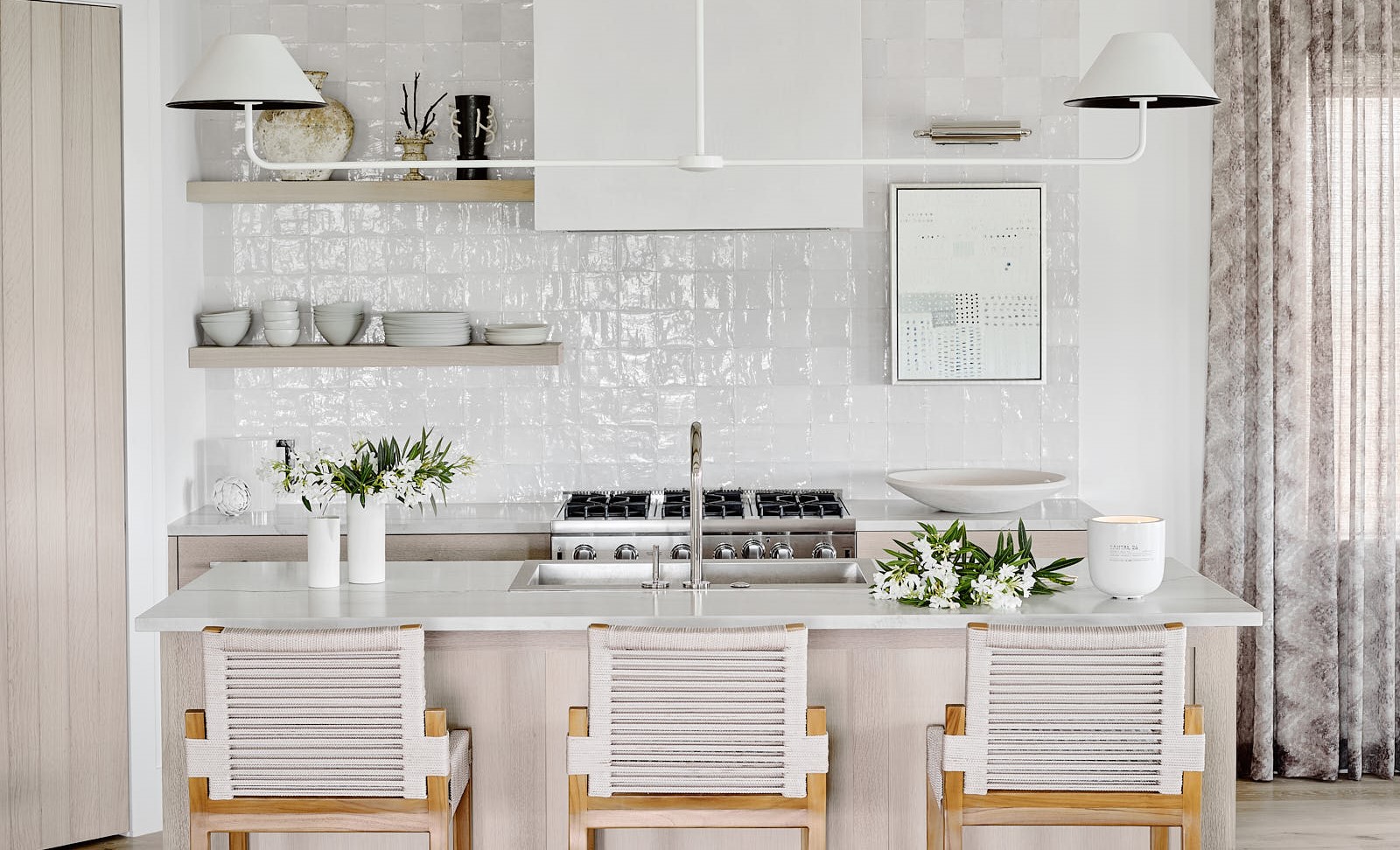
Kitchens Without Backsplashes — 15 Attractive Alternatives That Throw Out the Rule Book

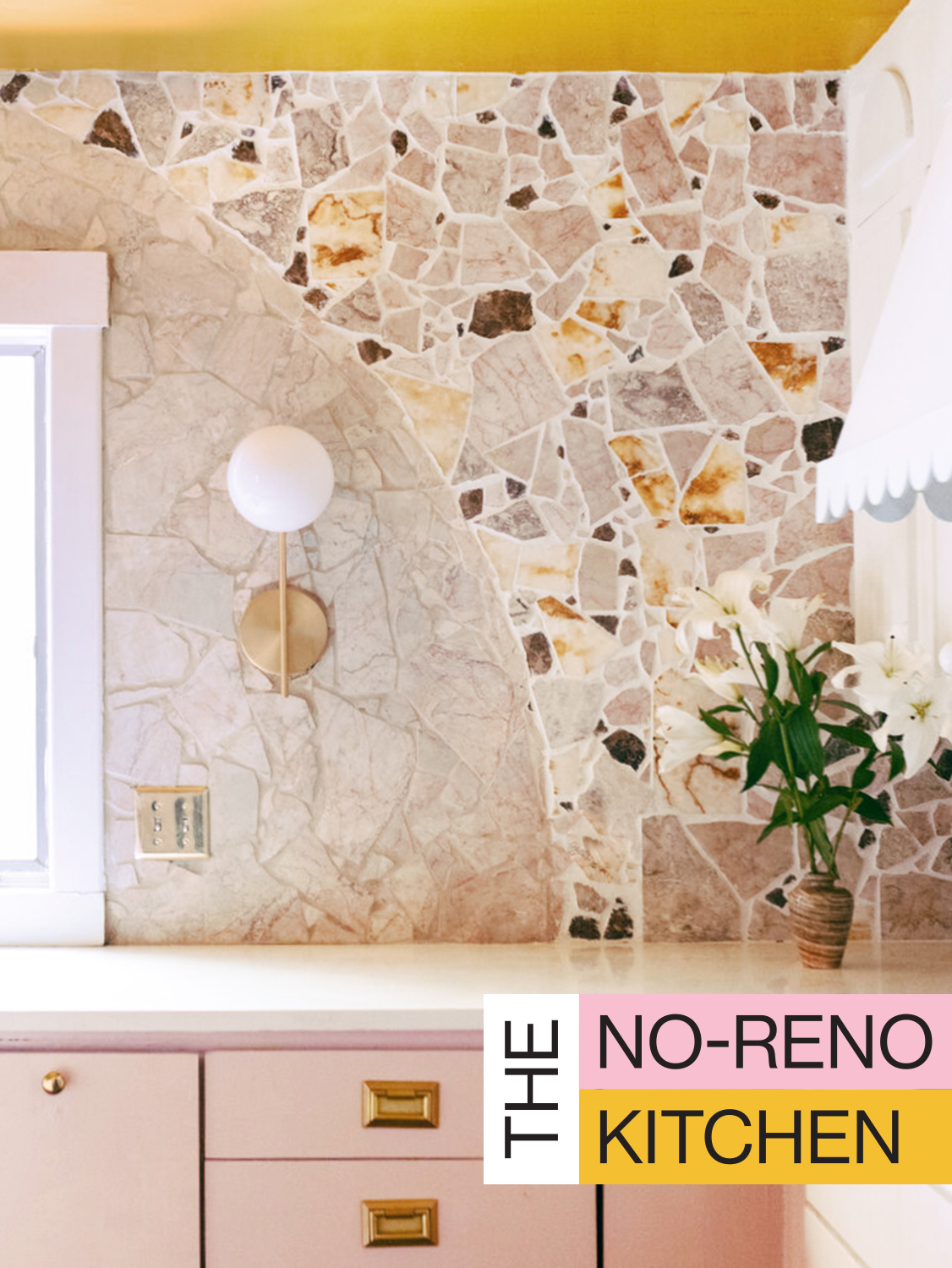
This $150 DIY Backsplash Is a Made Entirely of Marble Remnants No One Else Wanted
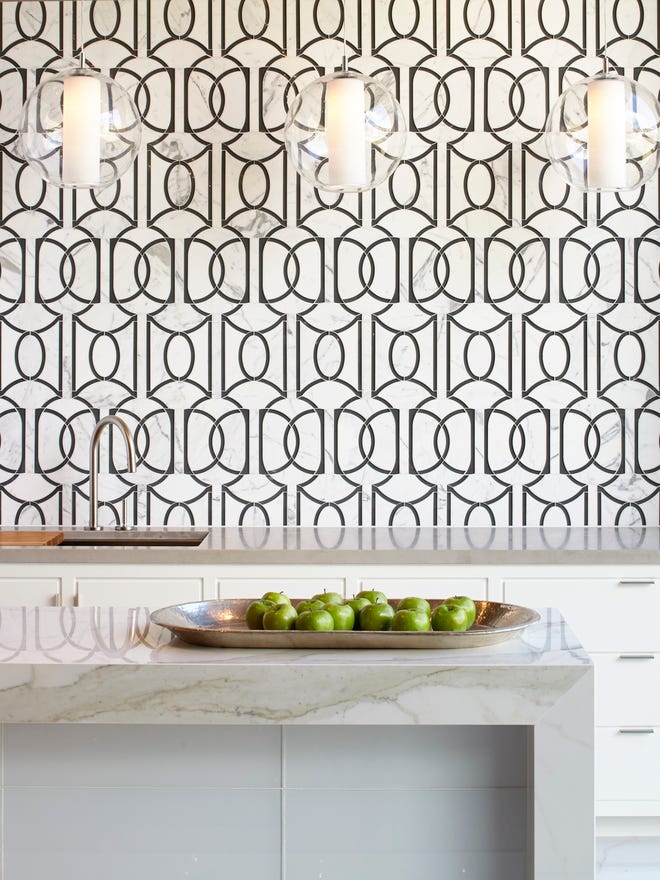
Backsplash gives your kitchen a smooth finish