1/4
This Kitchen Reno Trick Is Basically Money Back in Your Pocket
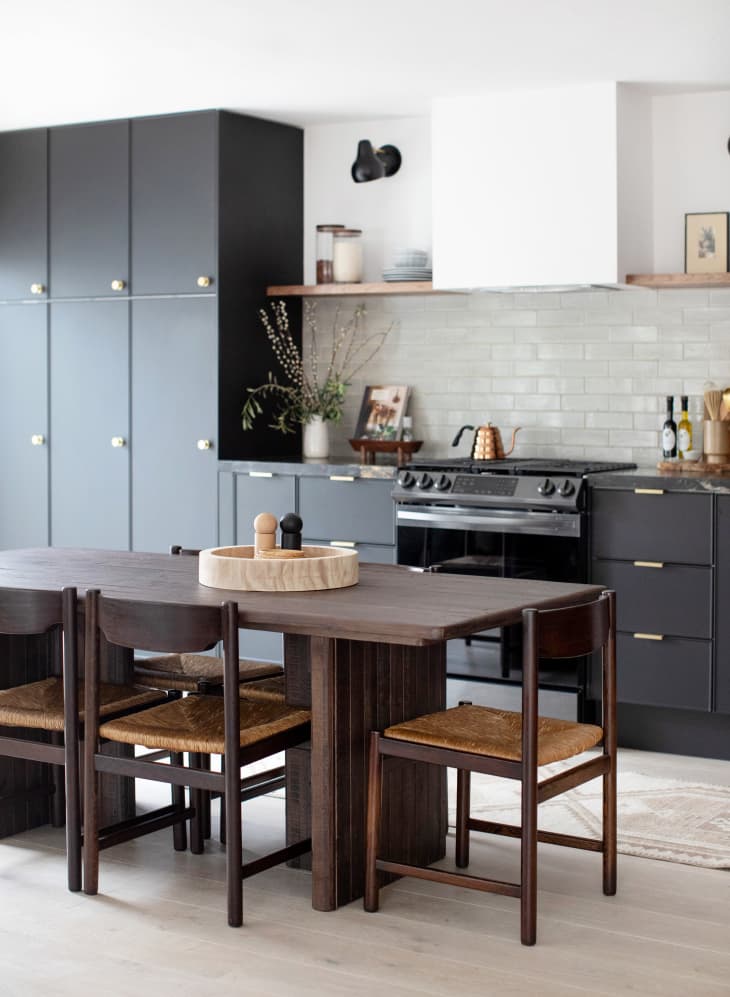
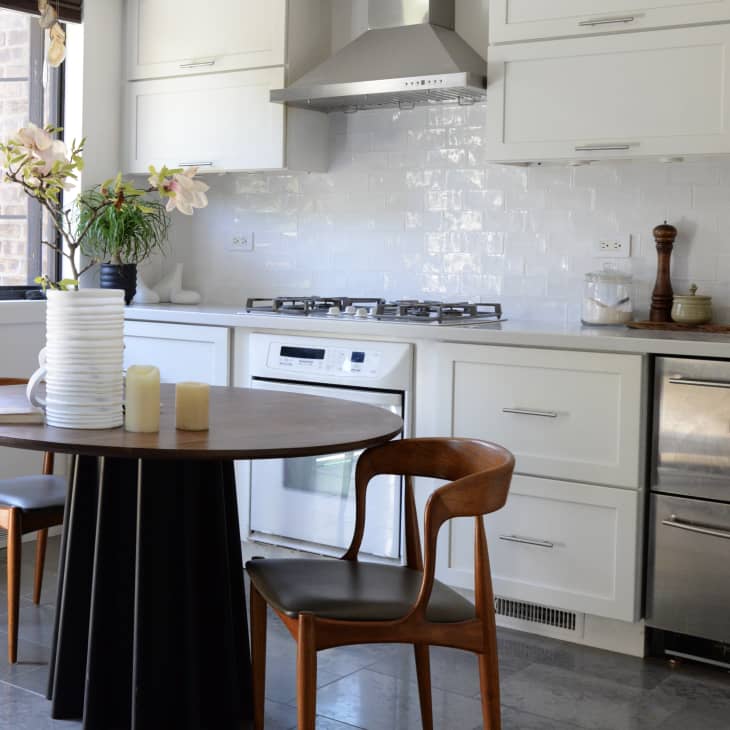
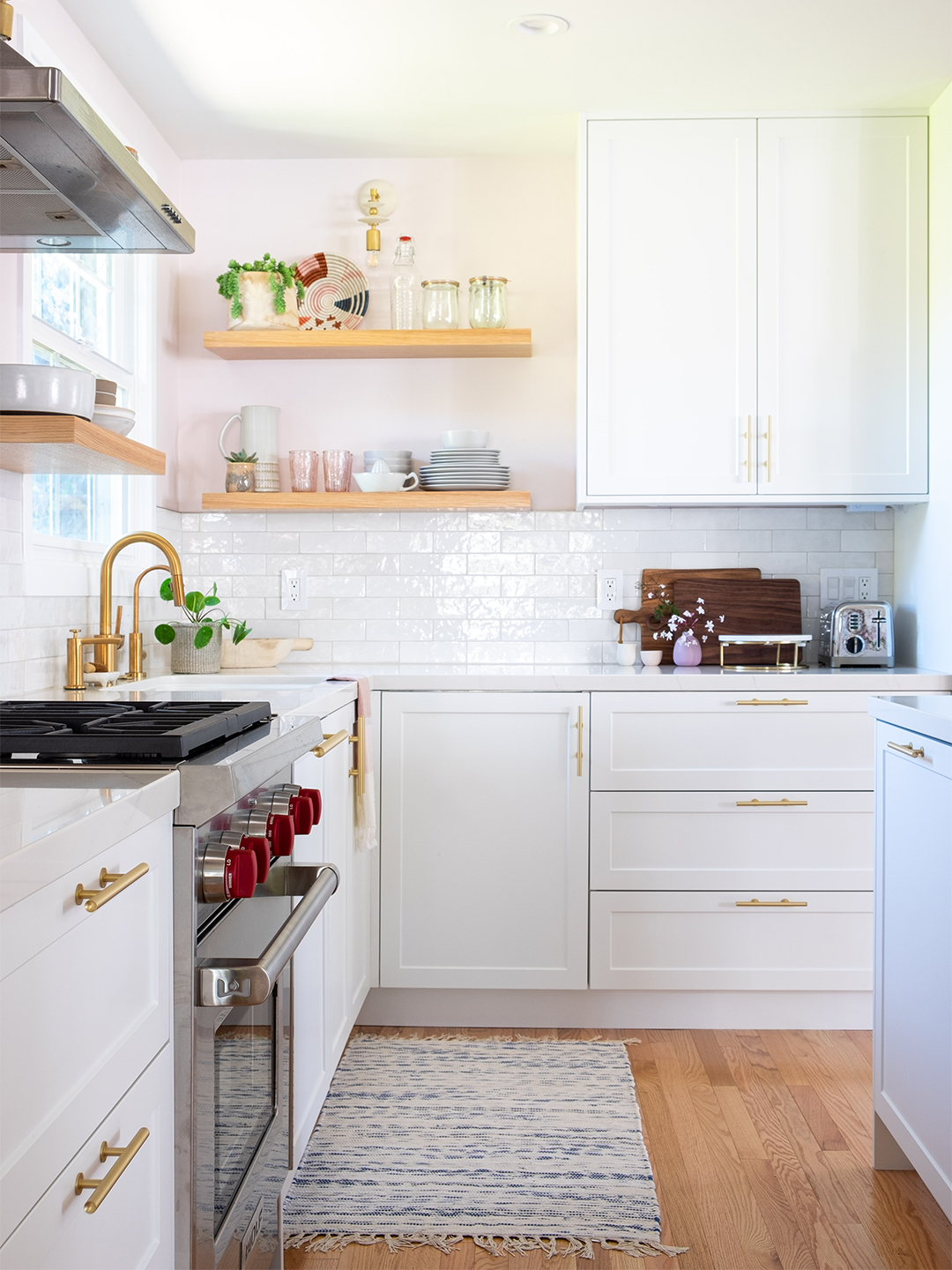
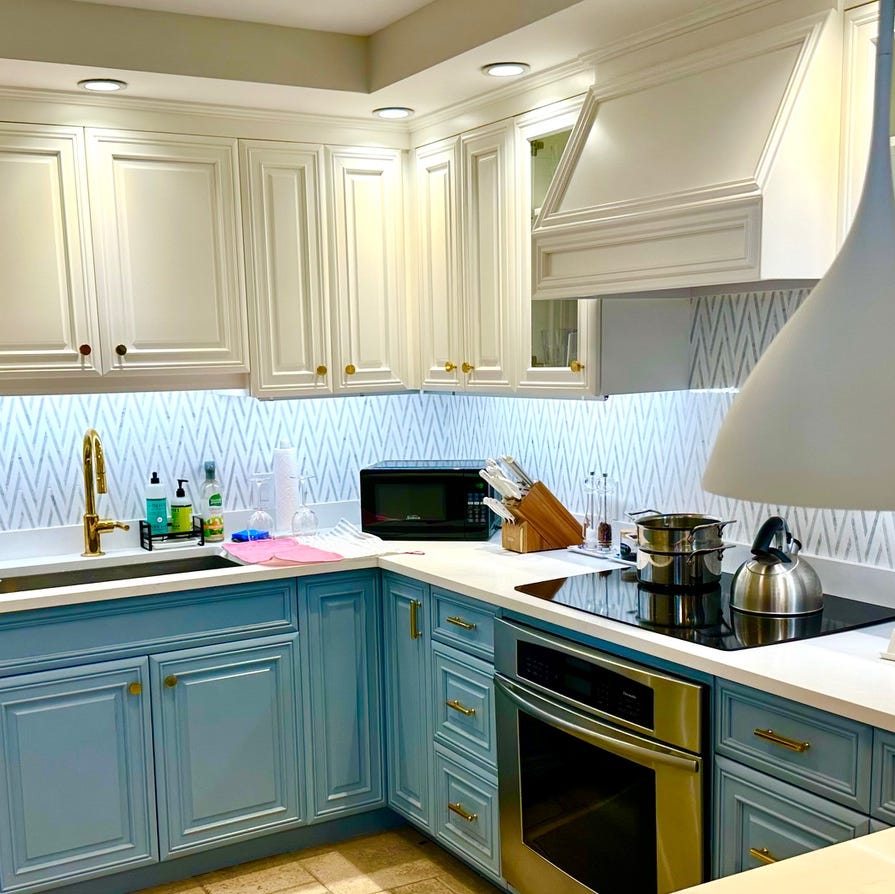
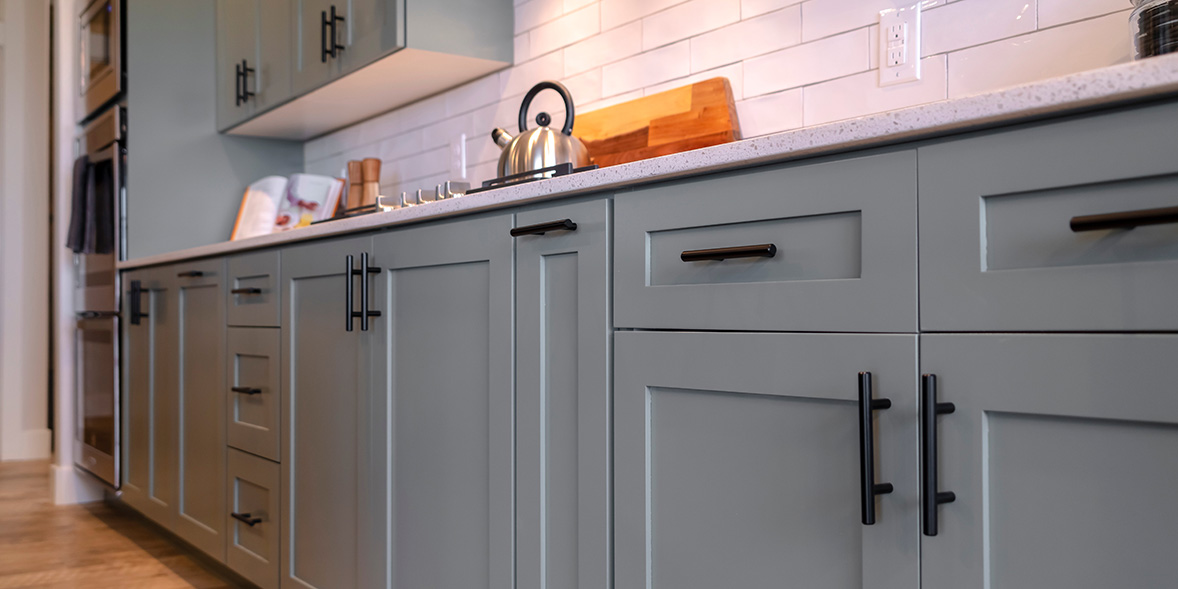
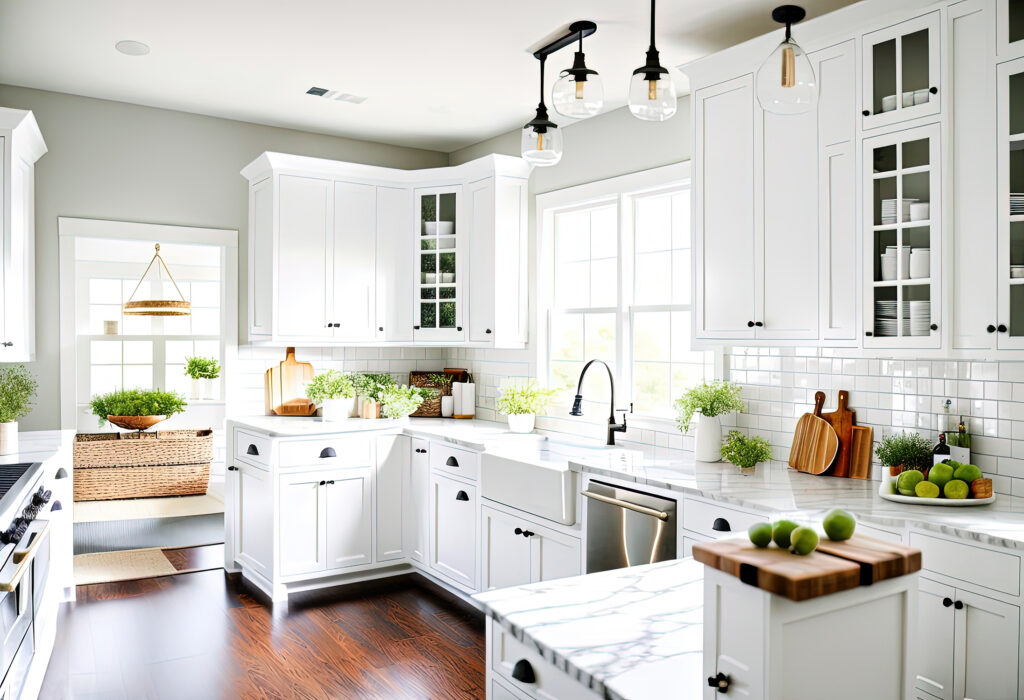
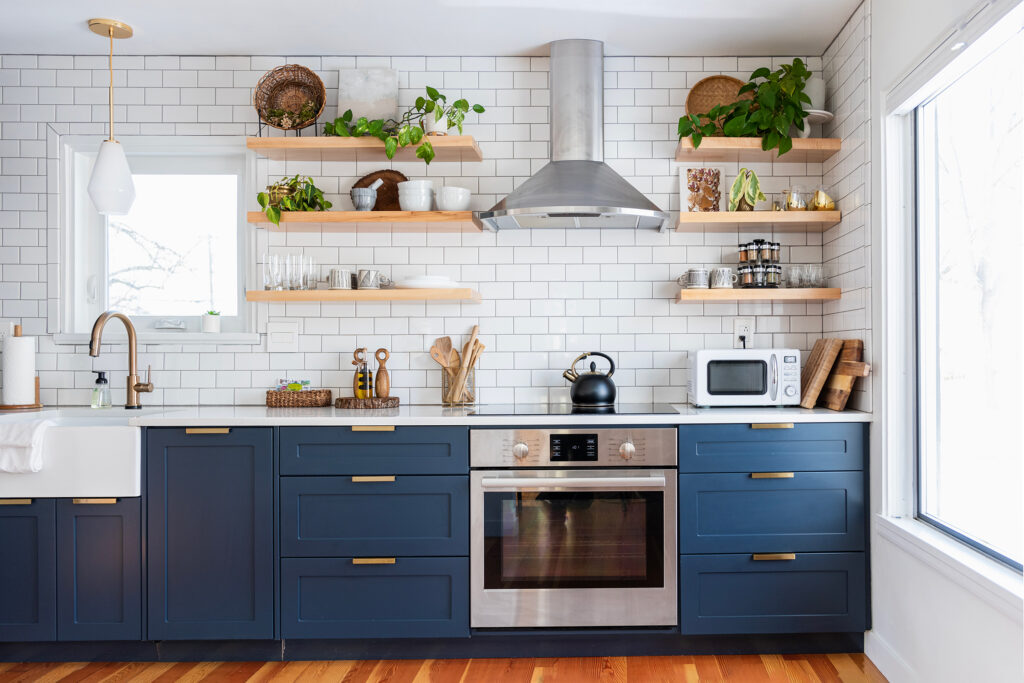
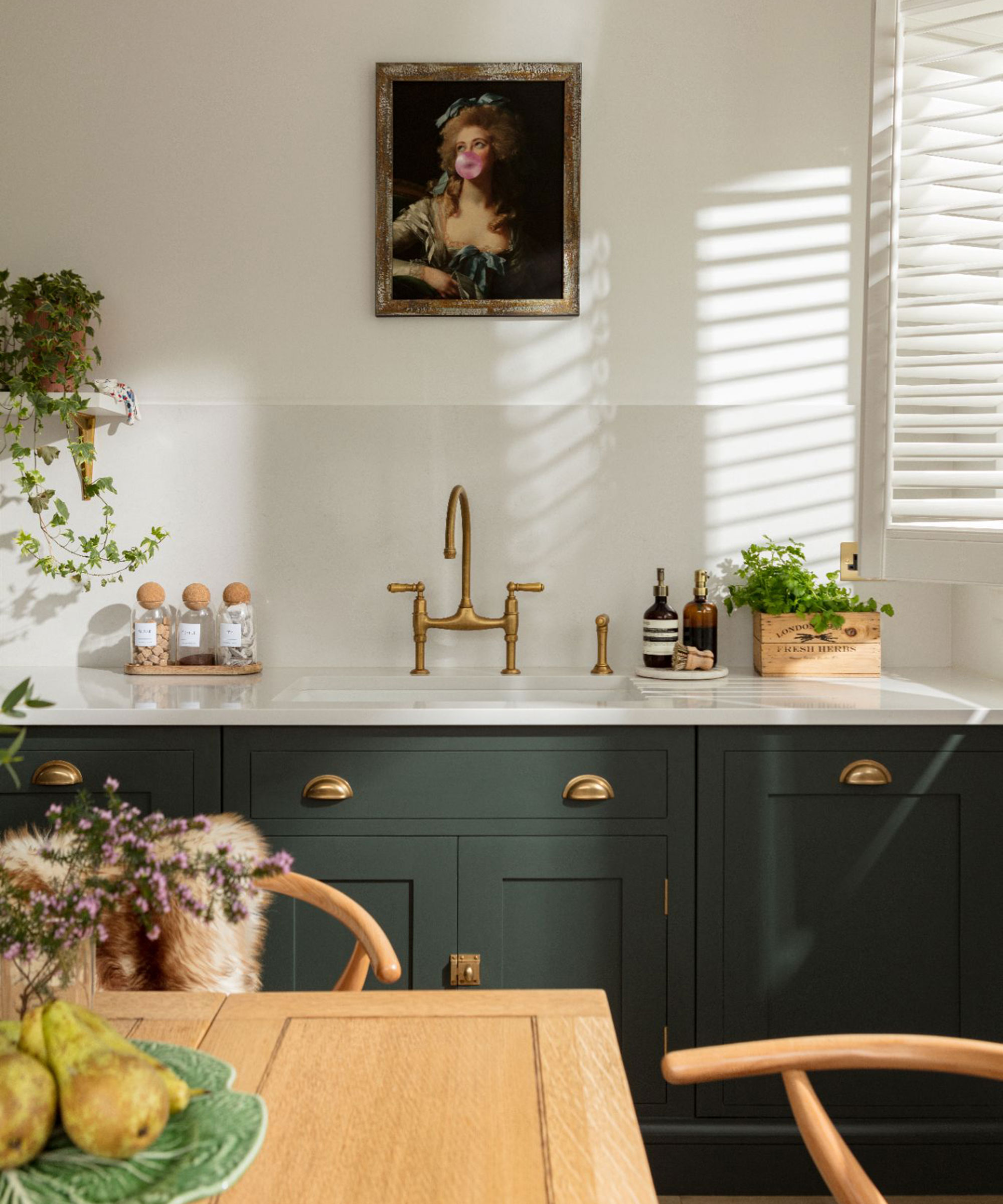
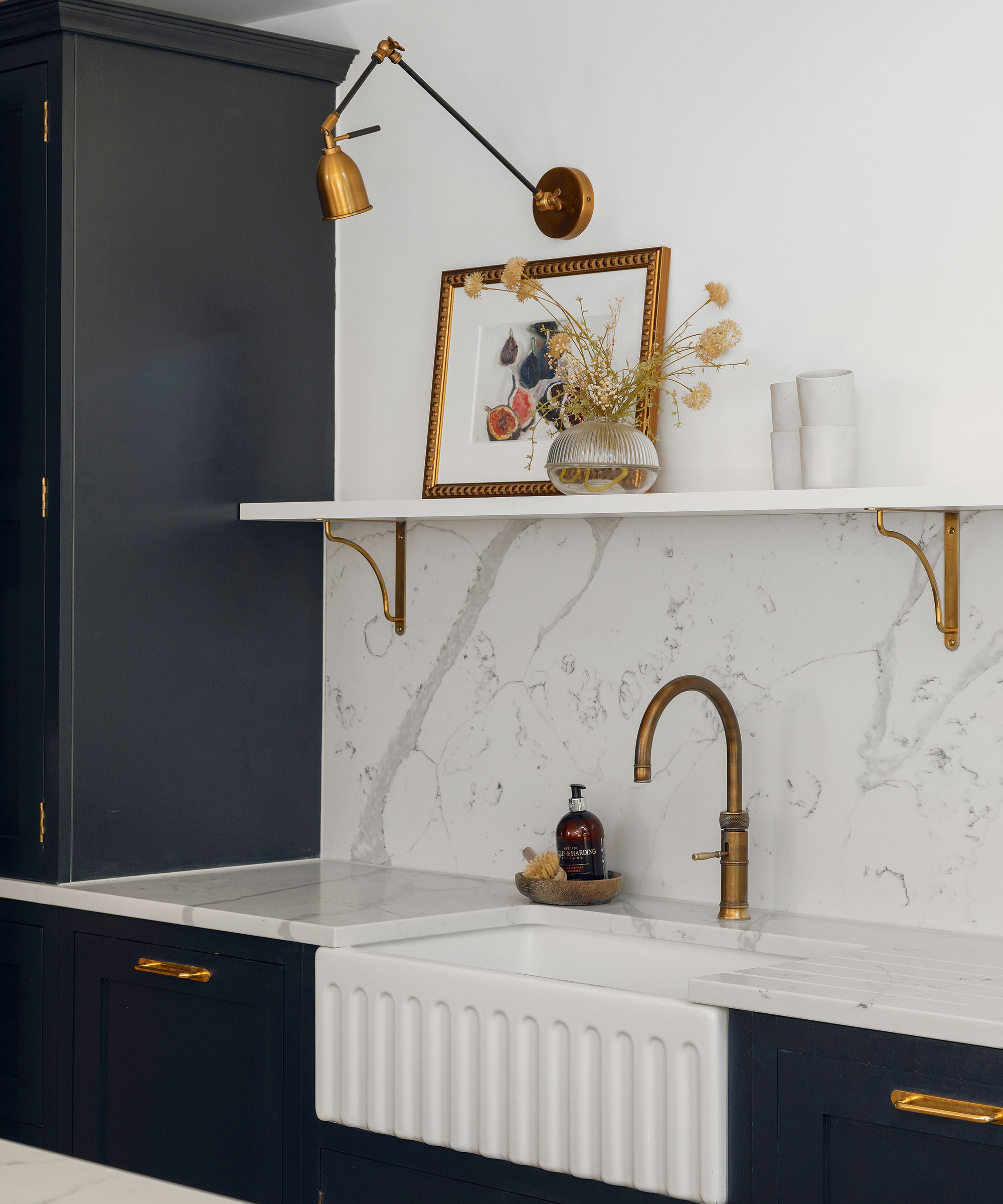
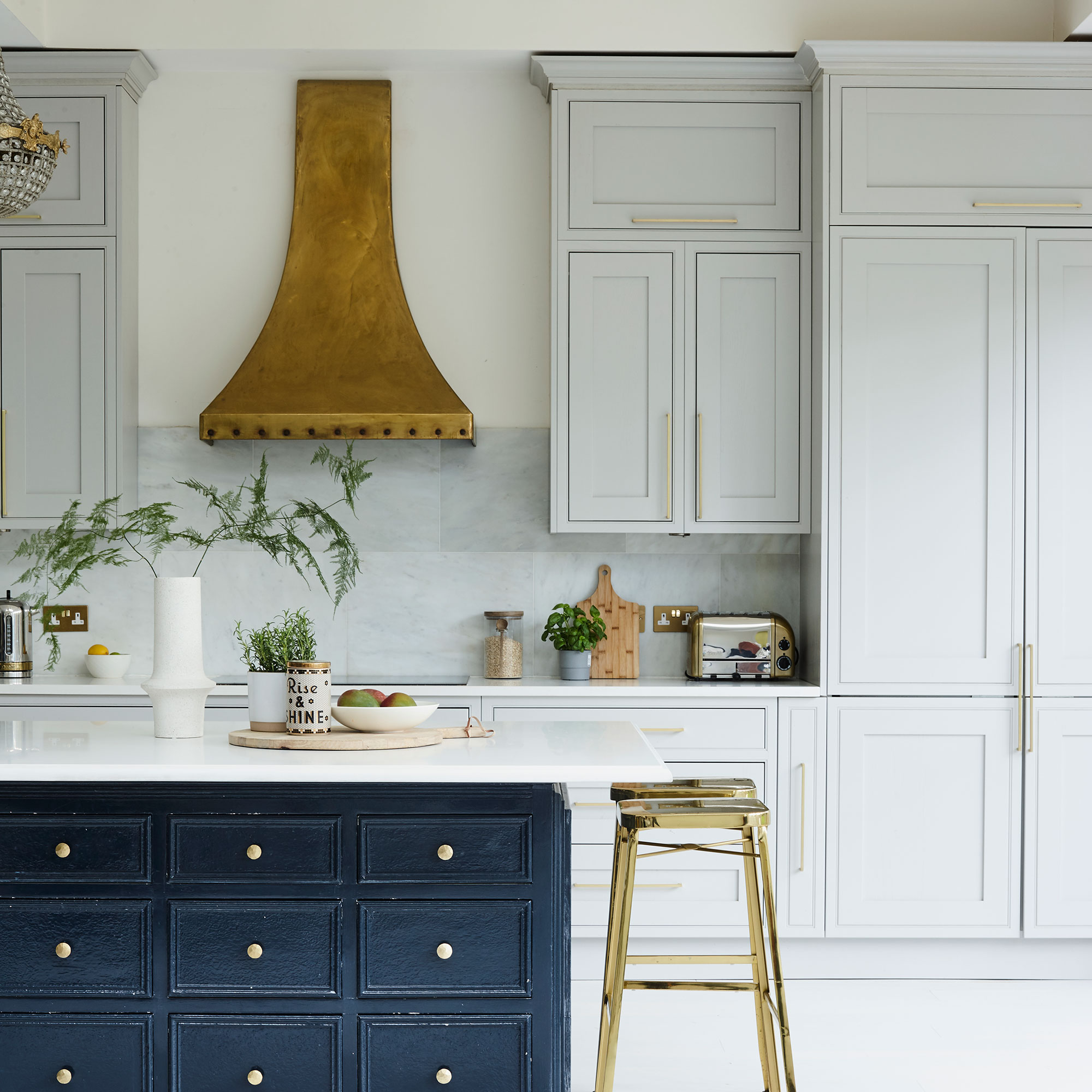
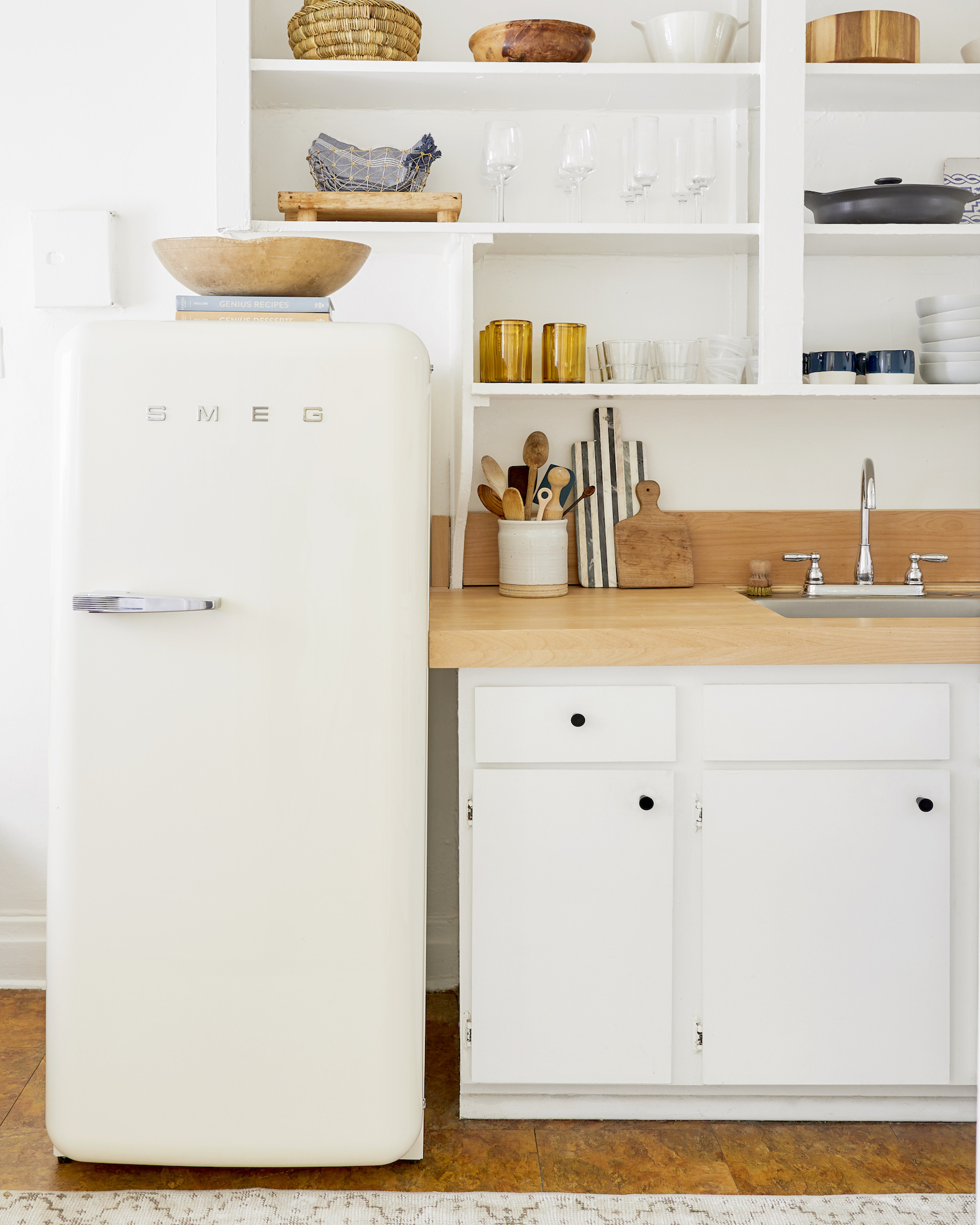
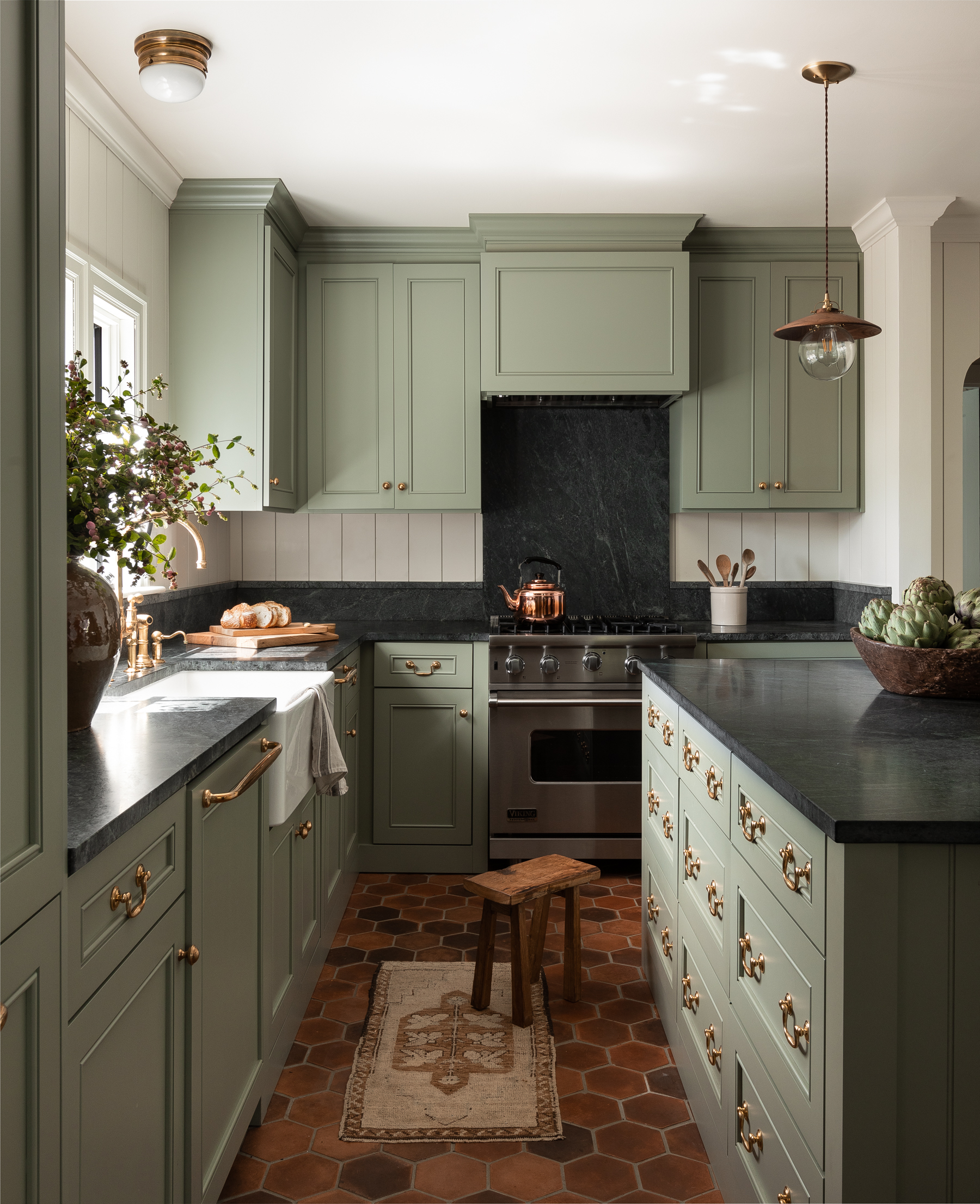
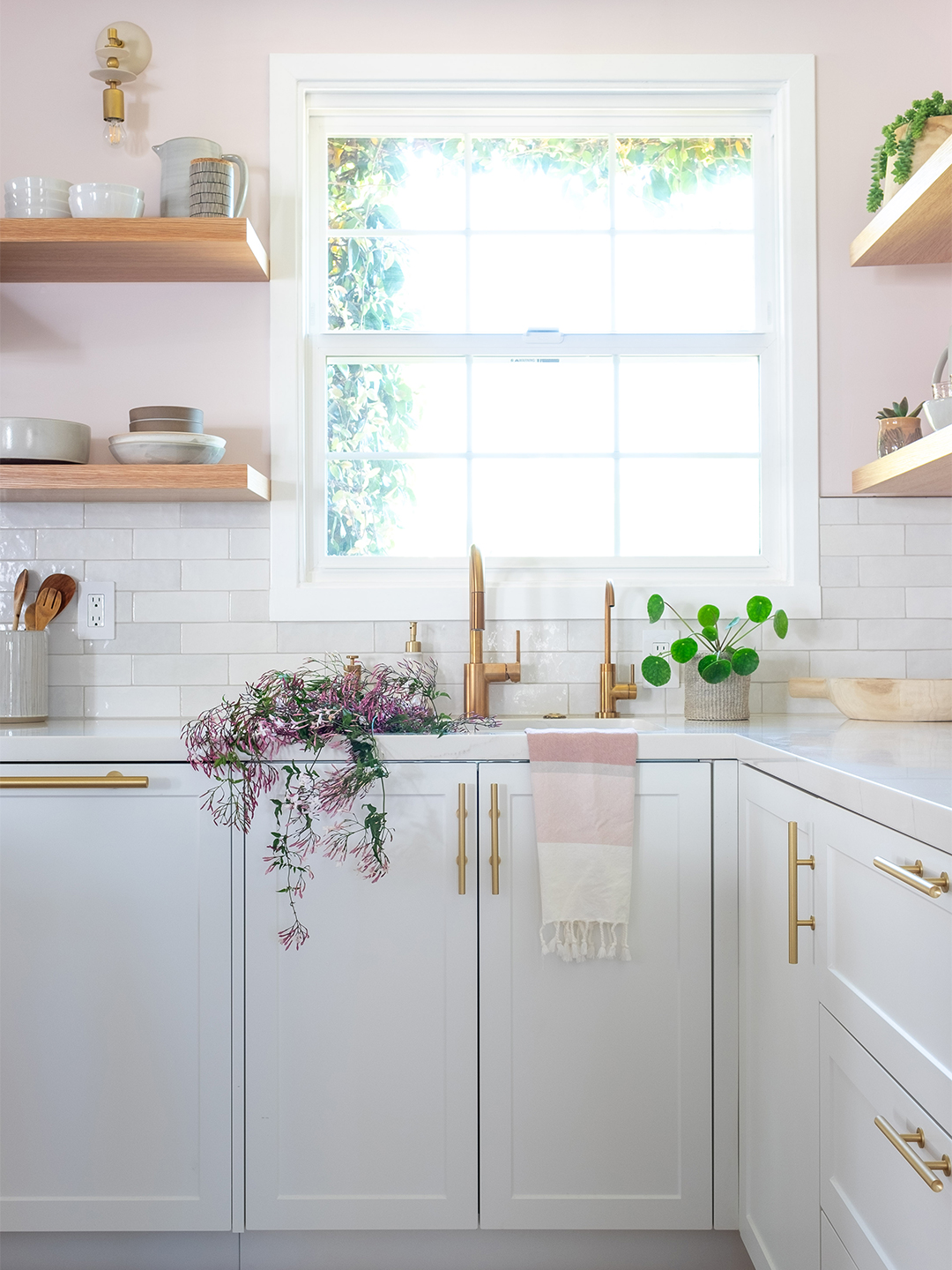
Renovating a kitchen can be an expensive undertaking, but clever design choices can significantly reduce costs without compromising style or functionality. One effective strategy focuses on the kitchen backsplash, a component that, while critical, often incurs substantial expenses. The standard backsplash height typically ranges from 15 to 20 inches, but a budget-friendly alternative involves reducing this to approximately 6 inches. This seemingly small adjustment can lead to considerable savings, as demonstrated by designer Jaclyn Peters, who saved around $3,000 on one project.
Peters' client, an avid baker, wanted to incorporate soapstone counters, a material costing approximately $150 per square foot. Extending this material for a full-height backsplash would have added nearly $3,000 to the total cost, excluding installation. By limiting the backsplash to 6 inches, Peters enabled the client to have her desired soapstone counters while keeping the budget in check. This approach not only saves money but also offers several other design advantages.
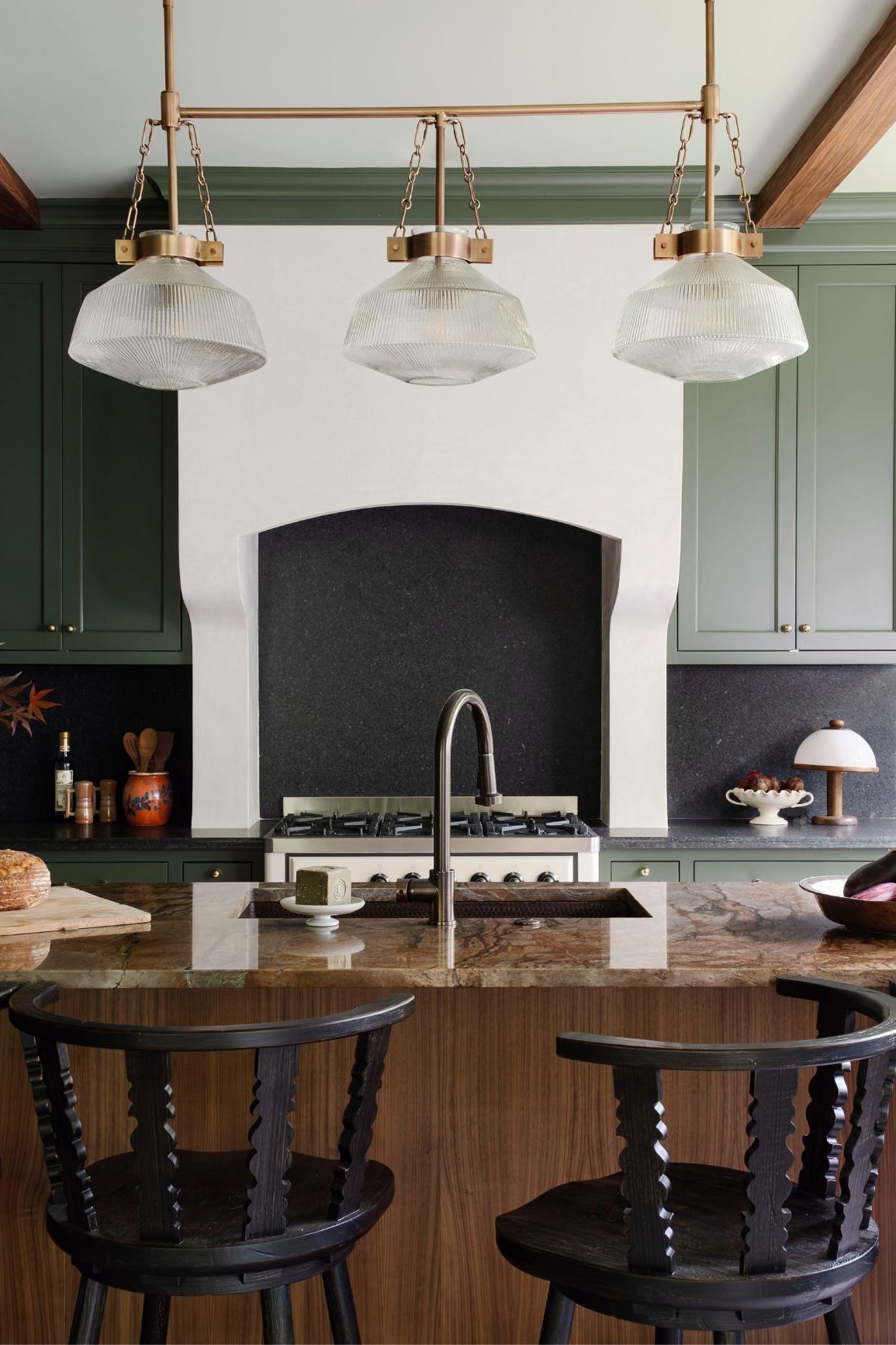
One benefit is the ability to brighten and soften a space that might otherwise feel cold or overly contemporary. For instance, in a kitchen with poured concrete finishes, a full-height backsplash of the same material could be jarring. Becca Stoltzfus, a designer at The Chris and Claude Co., used a subtle six-inch border in such a scenario, making the space less intense and saving between $500 and $750. This shorter backsplash allows for a break in materials, which can introduce visual warmth and complexity.
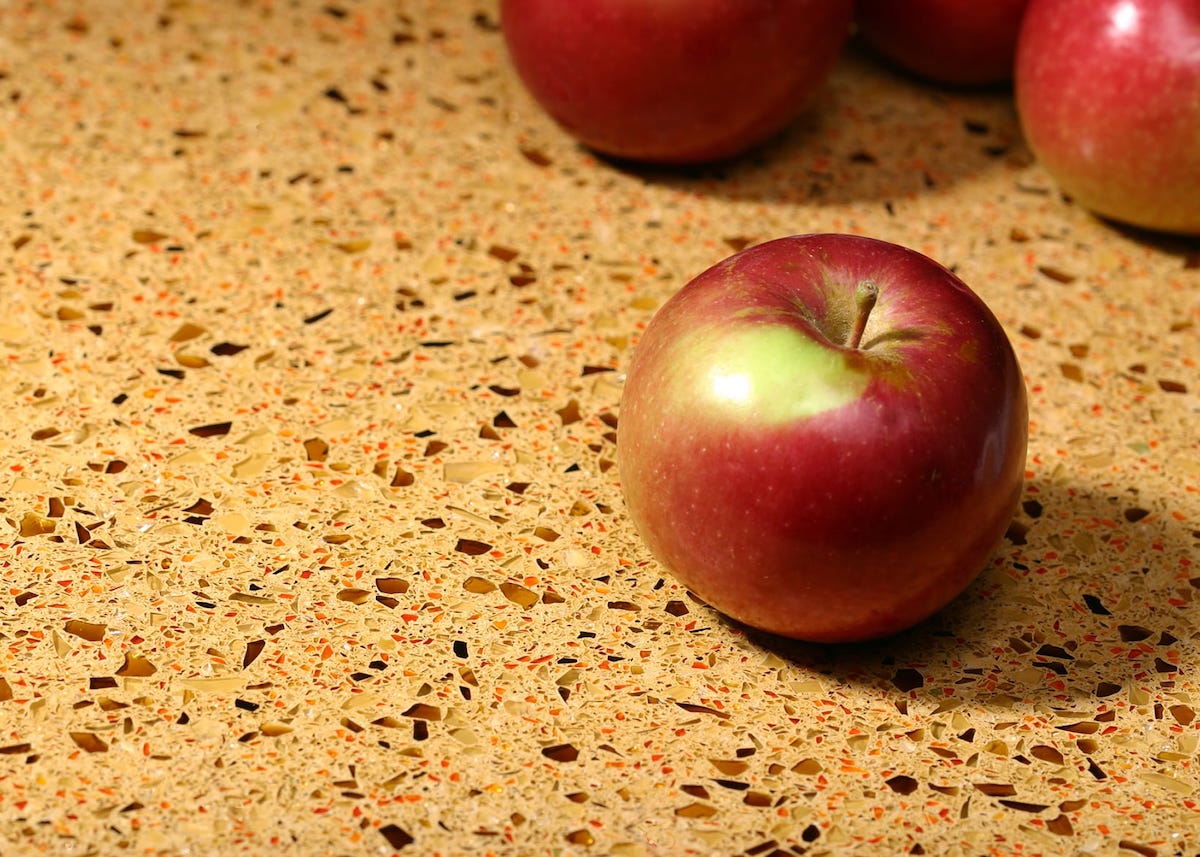
Another practical advantage of a shorter backsplash is the utilization of countertop offcuts. When working with expensive materials like marble or soapstone, leftover pieces from countertop fabrication can be repurposed for the backsplash. This minimizes waste and maximizes the value of the materials purchased. While matching patterns in veined stone requires careful planning, materials like terrazzo, with their uniform patterns, are particularly well-suited for this approach, eliminating the need for precise alignment.
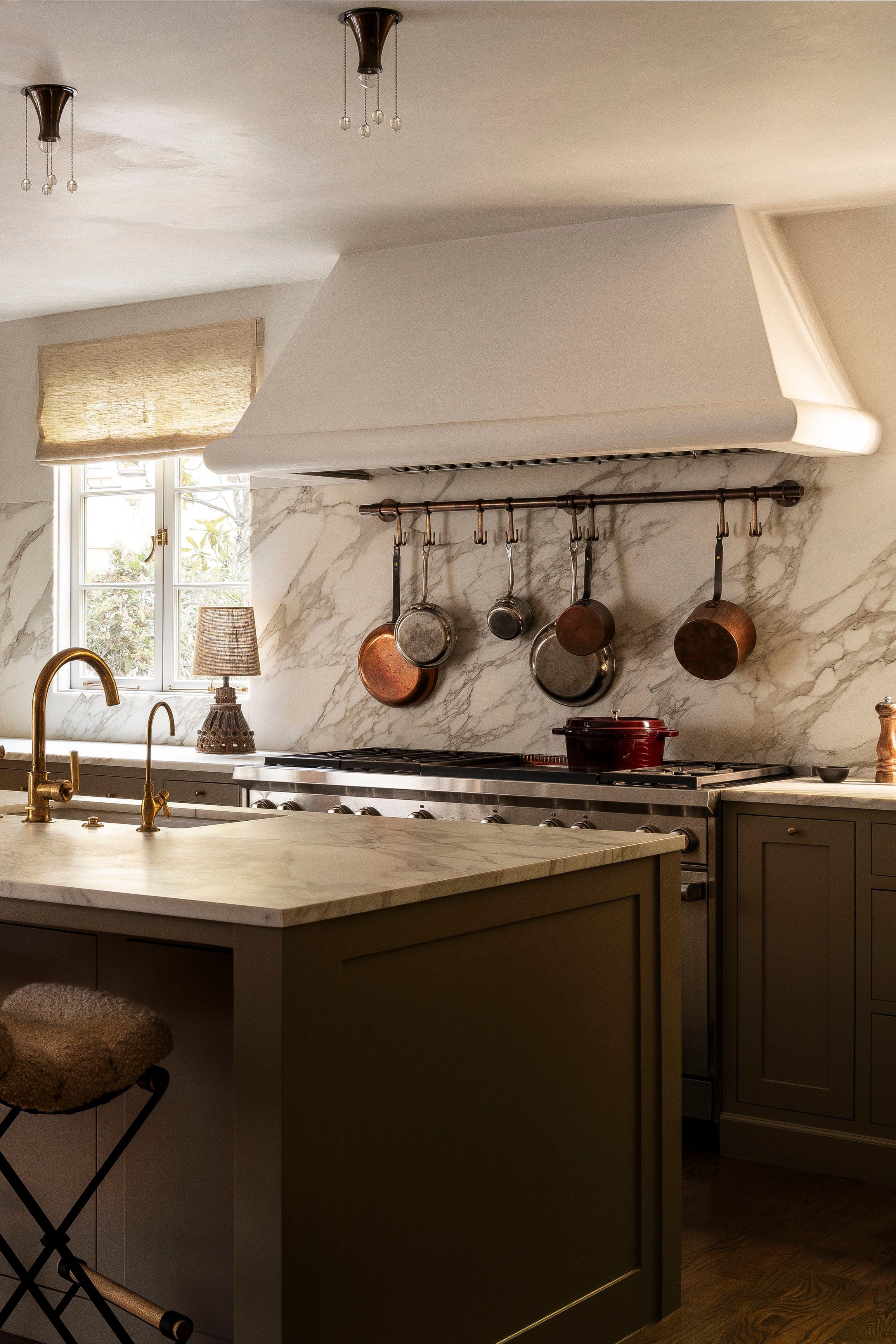
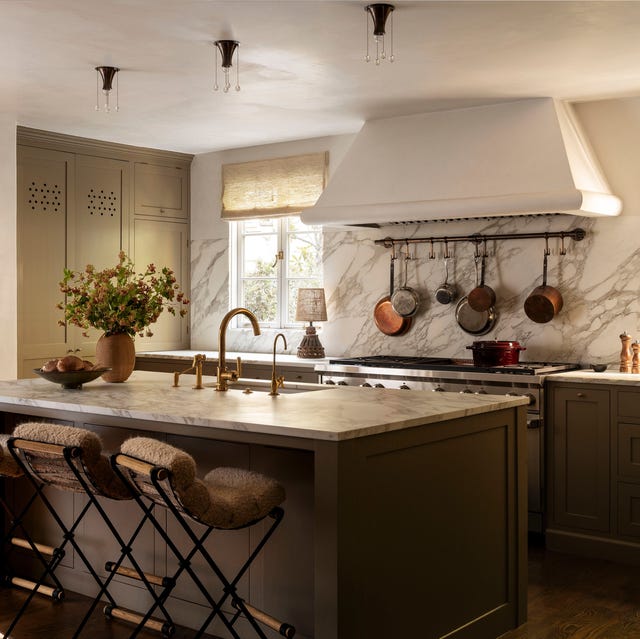
Finally, a shorter backsplash provides an opportunity to add texture and unique finishes to the walls above it. Since the primary function of a backsplash is to protect drywall from moisture, the area above a 6-inch backsplash still needs appropriate treatment. Instead of extending tile, designers can use finishes like Venetian plaster, as seen in a kitchen by Ingredients LDN. This not only adds richness and visual interest to the room but also offers a waterproof, easy-to-clean surface, effectively protecting the wall without the cost and effort of extensive tiling. This method combines aesthetic appeal with practical protection, all while adhering to a budget-conscious renovation strategy.
#KitchenRenovation #BudgetDesign #BacksplashIdeas #DIYHacks #HomeImprovement #InteriorDesign #CostSaving #MaterialEfficiency #KitchenRenovation #BudgetDesign #BacksplashIdeas #DIYHacks #HomeImprovement #InteriorDesign #CostSaving #MaterialEfficiency
0 comment in total
 No comments yet
You may also like
This Smart Kitchen Layout Trick Might Save You Space — and Thousands of Dollars!— in the Long Run
Designers Say Making This Small Change Can "Transform" Your Kitchen

A Sustainable Kitchen Remodel Can Actually Save You Money—Here’s How

Exactly How Much to Spend on a Kitchen Reno to Make It Worth the Investment

This Easy Upgrade Will Transform Your Kitchen

This DIY Upgrade Transformed My Kitchen
6 Easy Ways to Update Your Kitchen So You Can Finally Stop Hating It, Straight From the Pros


'Home Town' hosts share budget-friendly kitchen renovation ideas

One Decision Saved This Homeowner $9,000 on Her Kitchen Transformation


This Kitchen Decor Hack Remixes a $5 Target Find in Such a Fresh Way

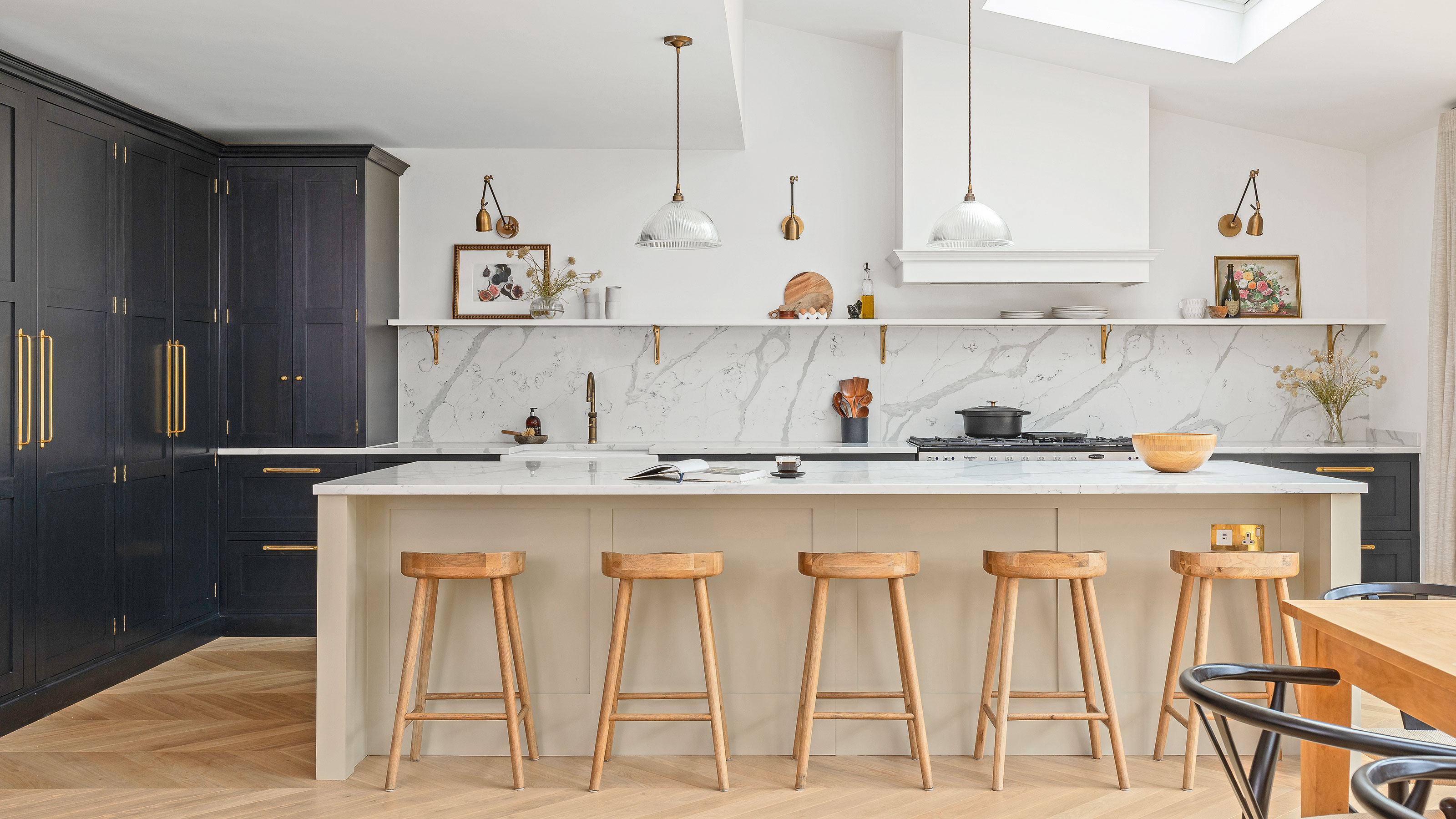
27 budget kitchen ideas - the best low cost ways to spruce up your cooking space

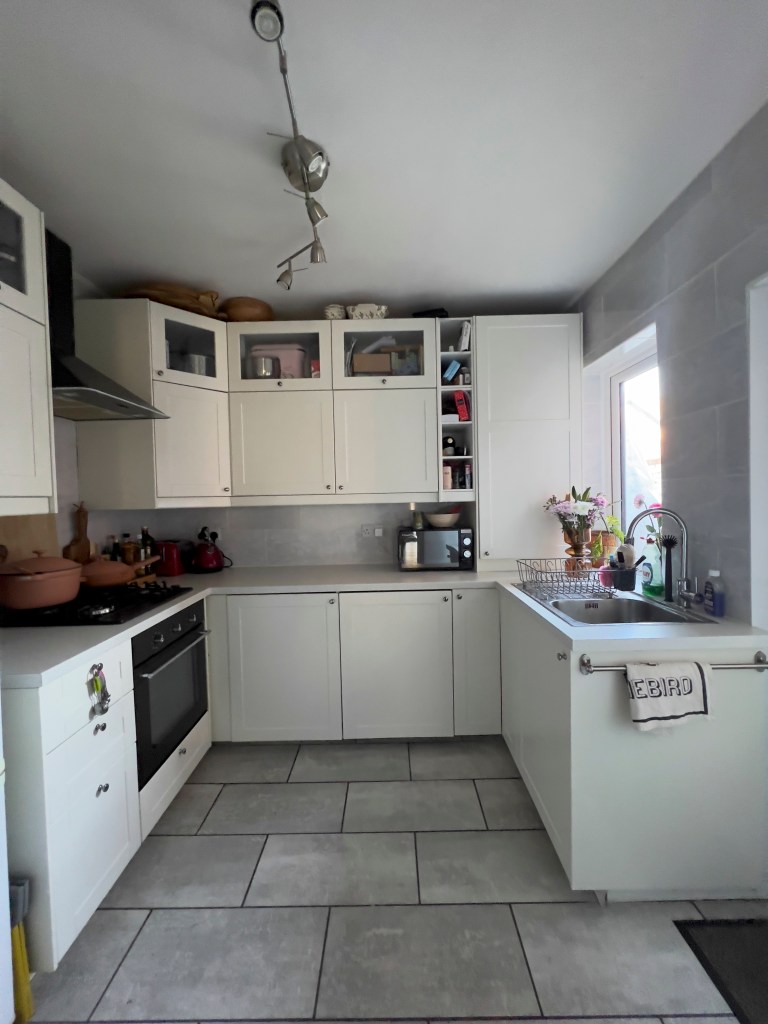
I saved thousands on my kitchen renovation just by watching a few DIY videos — it was easy
With a little pro advice, a kitchen refresh creates a clean look without the expense of a total remodel
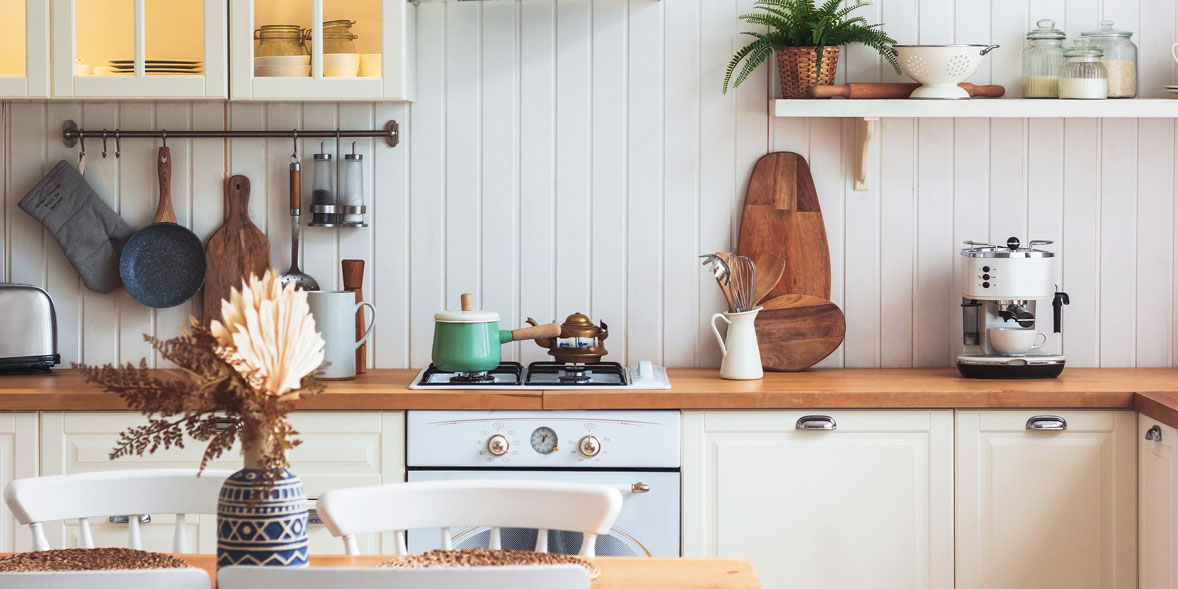
How to renovate your kitchen on a budget
‘Very simple’: Mum-of-two creates kitchen bar for £19 using genius space-saving hack
A $1K Reno Decision Was the Key to Transforming This Narrow D.C. Kitchen
Why I'm an Advocate for a "Slow Reno" (and My 1970s Kitchen Has Taken 13 Months to Update So Far)
7 Things You Can Actually Cut Corners on During a Home Renovation, According to Experts
You Don’t Need a Sprawling Kitchen When You Have These Designer Tricks
Home appliance experts uncover the little-thought-of upgrade that could slash your utility costs: 'You can save over $800'