6 Things You Should Never Store in Your Kitchen Cabinets—and Where to Keep Them Instead
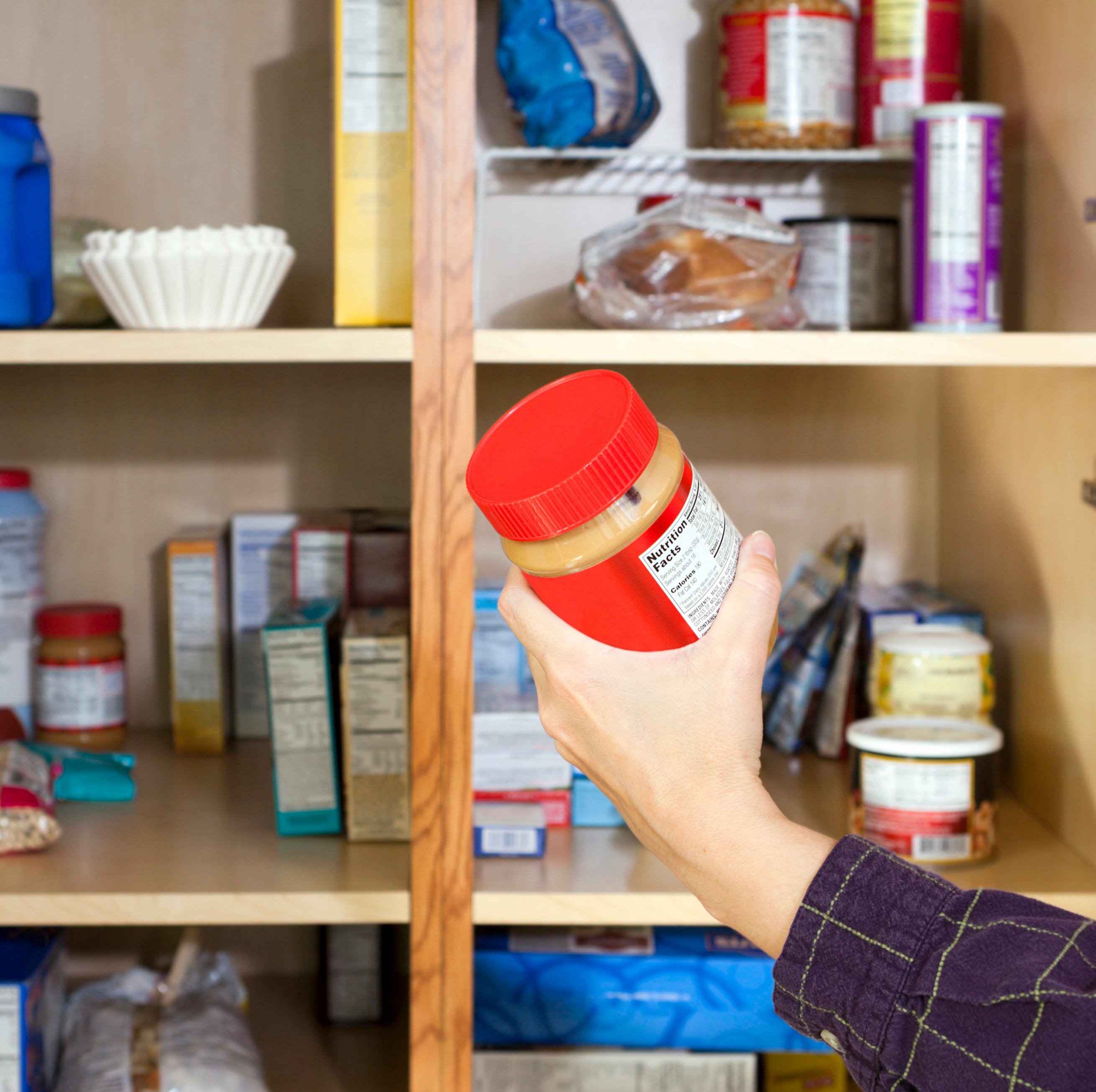
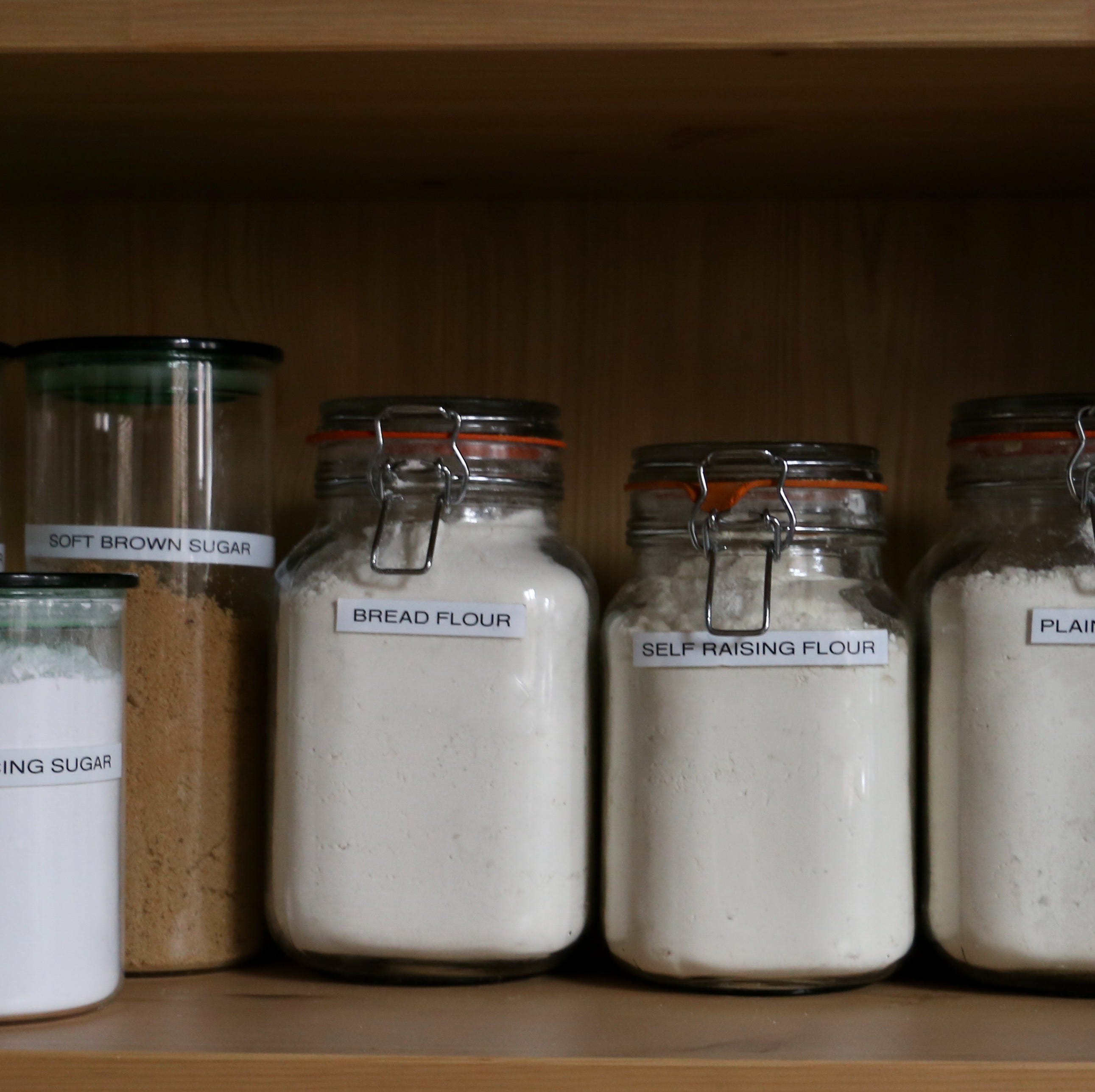
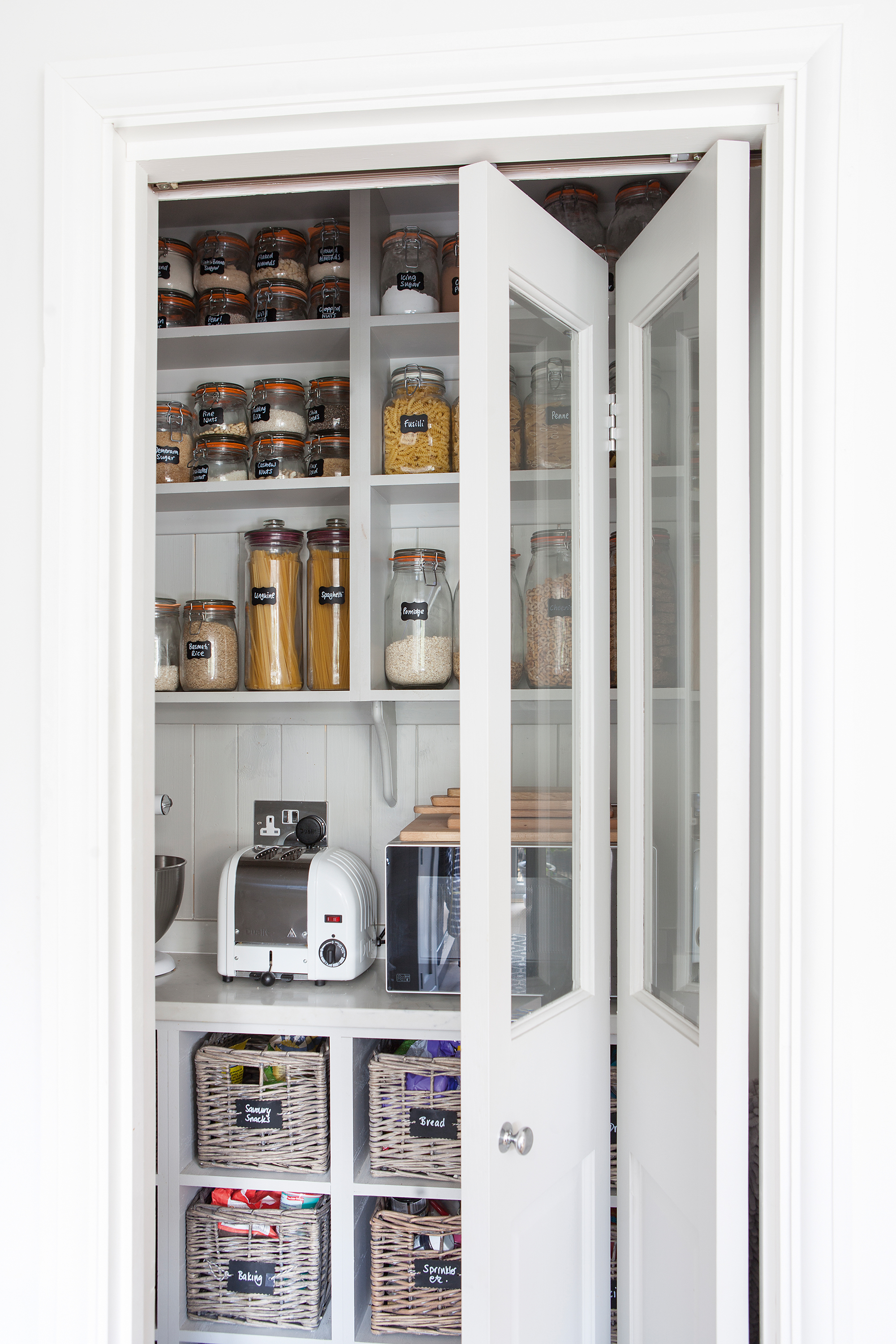
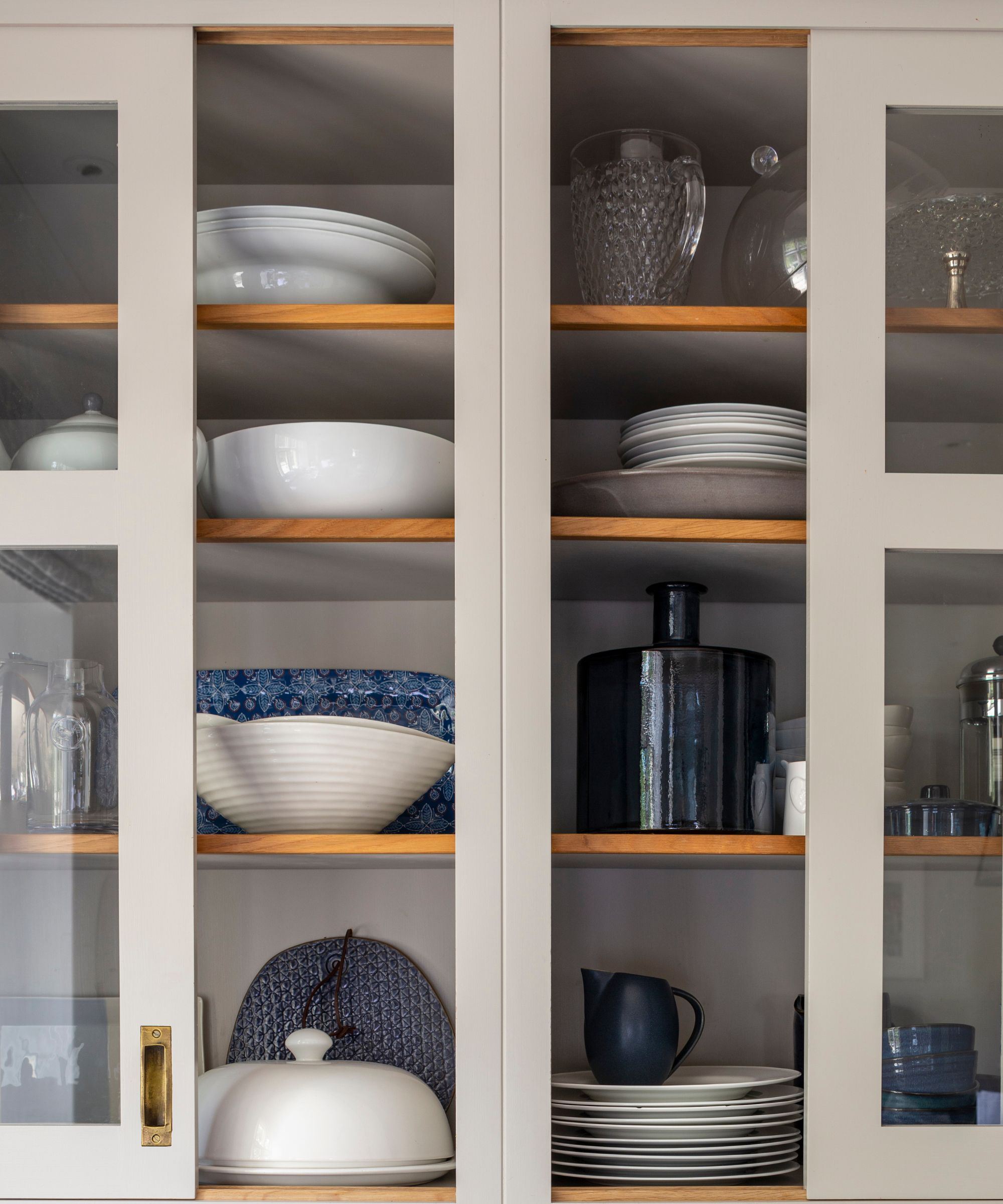
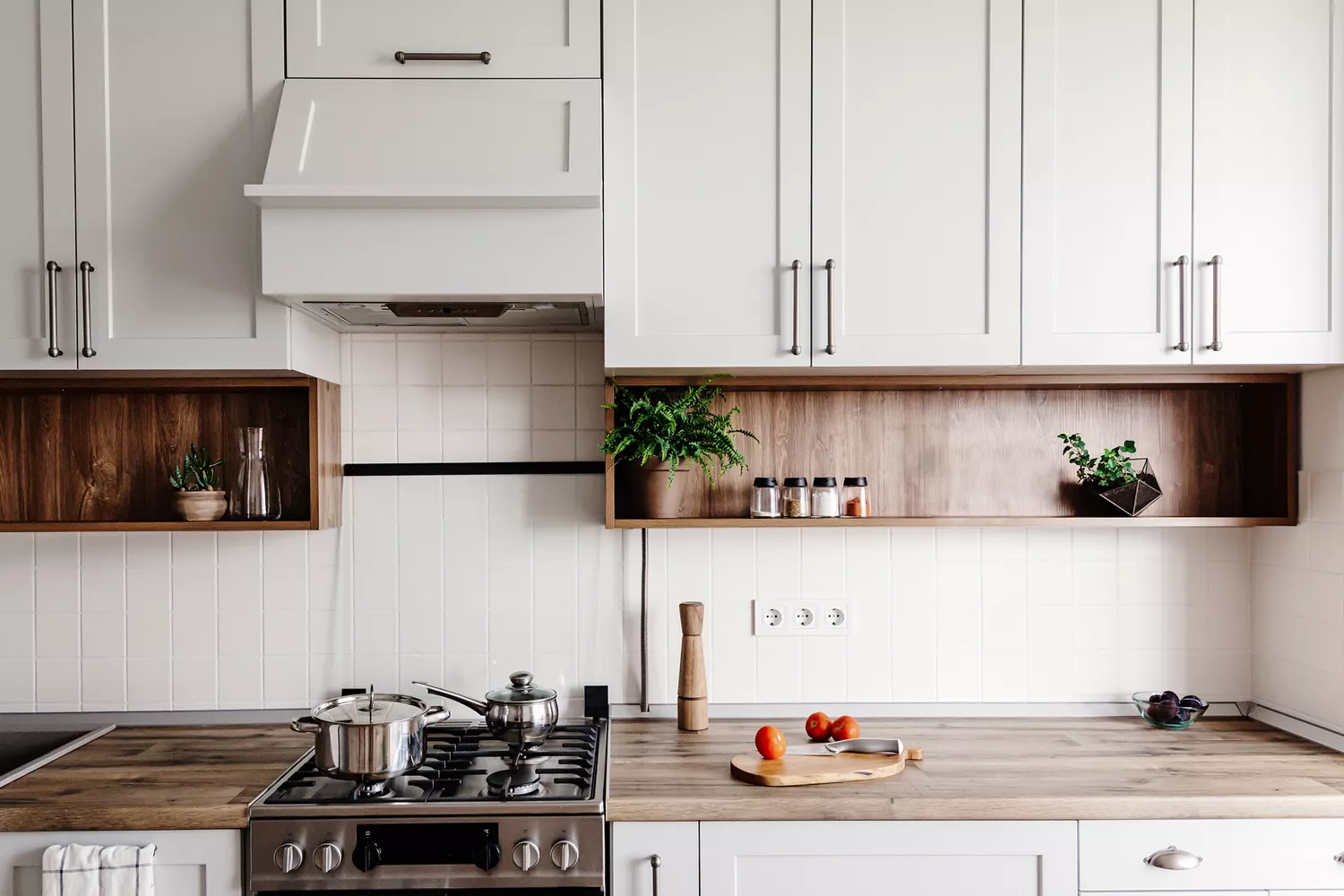
While kitchen cabinets are essential for organizing a variety of items, from blenders to serving pieces and bulk food supplies, certain items are often improperly stored within them, leading to potential damage or inefficiency. Expert Laurie Hise, founder of Passionate Penny Pincher, emphasizes that not everything belongs behind cabinet doors, as temperature fluctuations, moisture buildup, or simple navigational challenges can negatively impact stored goods.
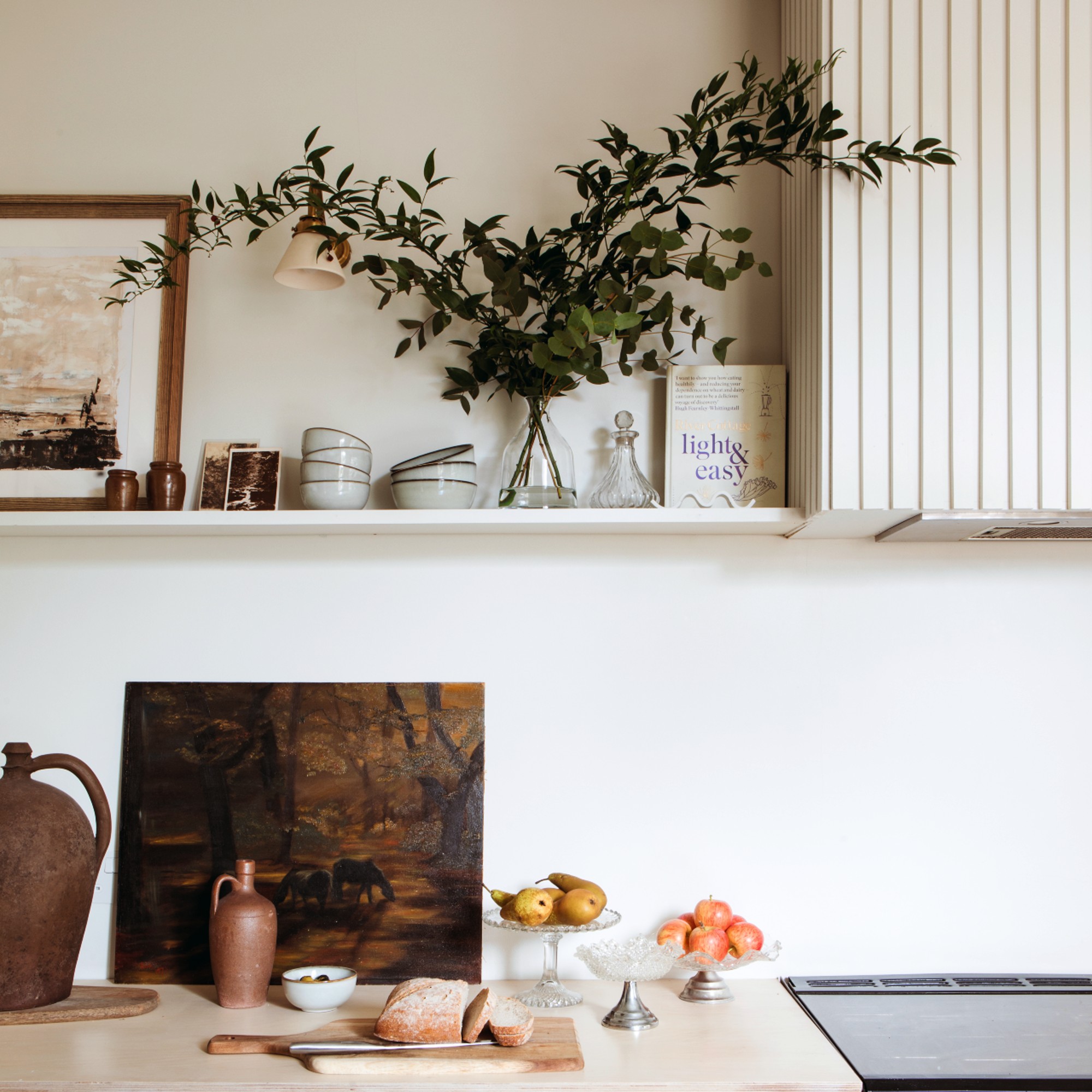
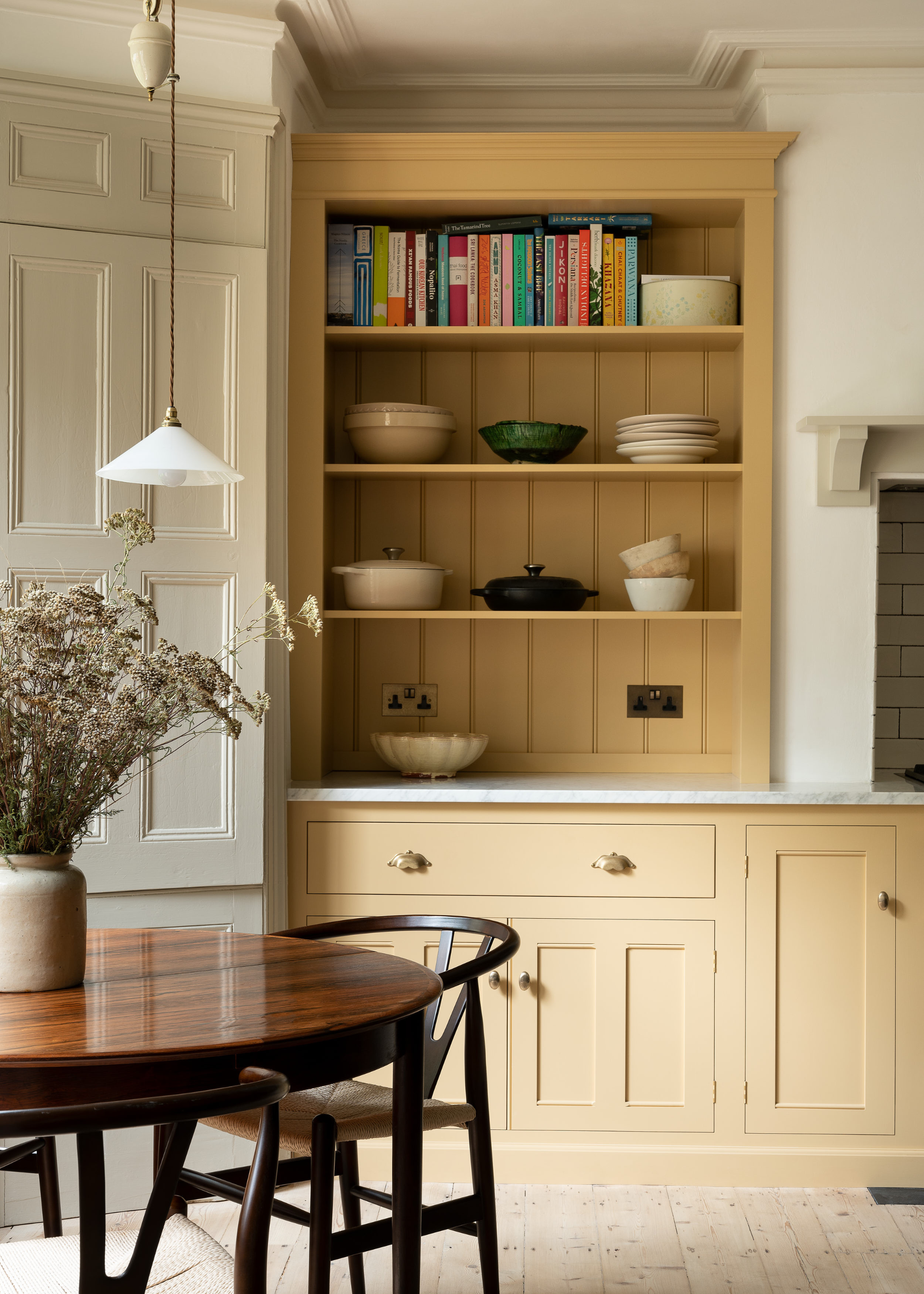
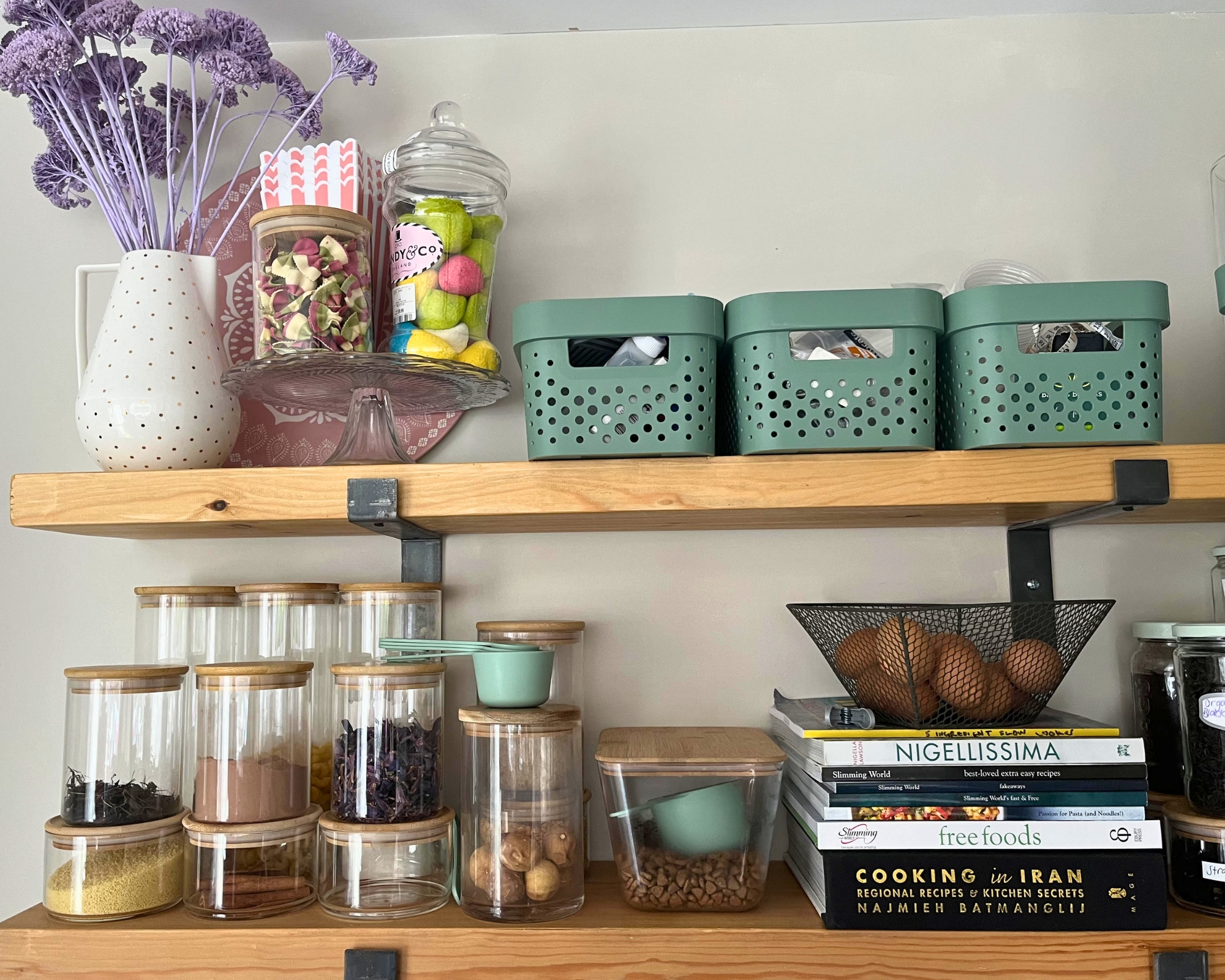
One common mistake is storing cookbooks in kitchen cabinets. Despite their utility in the kitchen, cooking and dishwashing generate humidity that can warp pages or cause moisture issues in cookbooks and handwritten recipes. Hise recommends relocating them to a dry, cool area, such as a bookshelf in a nearby dining room or a dedicated kitchen nook.
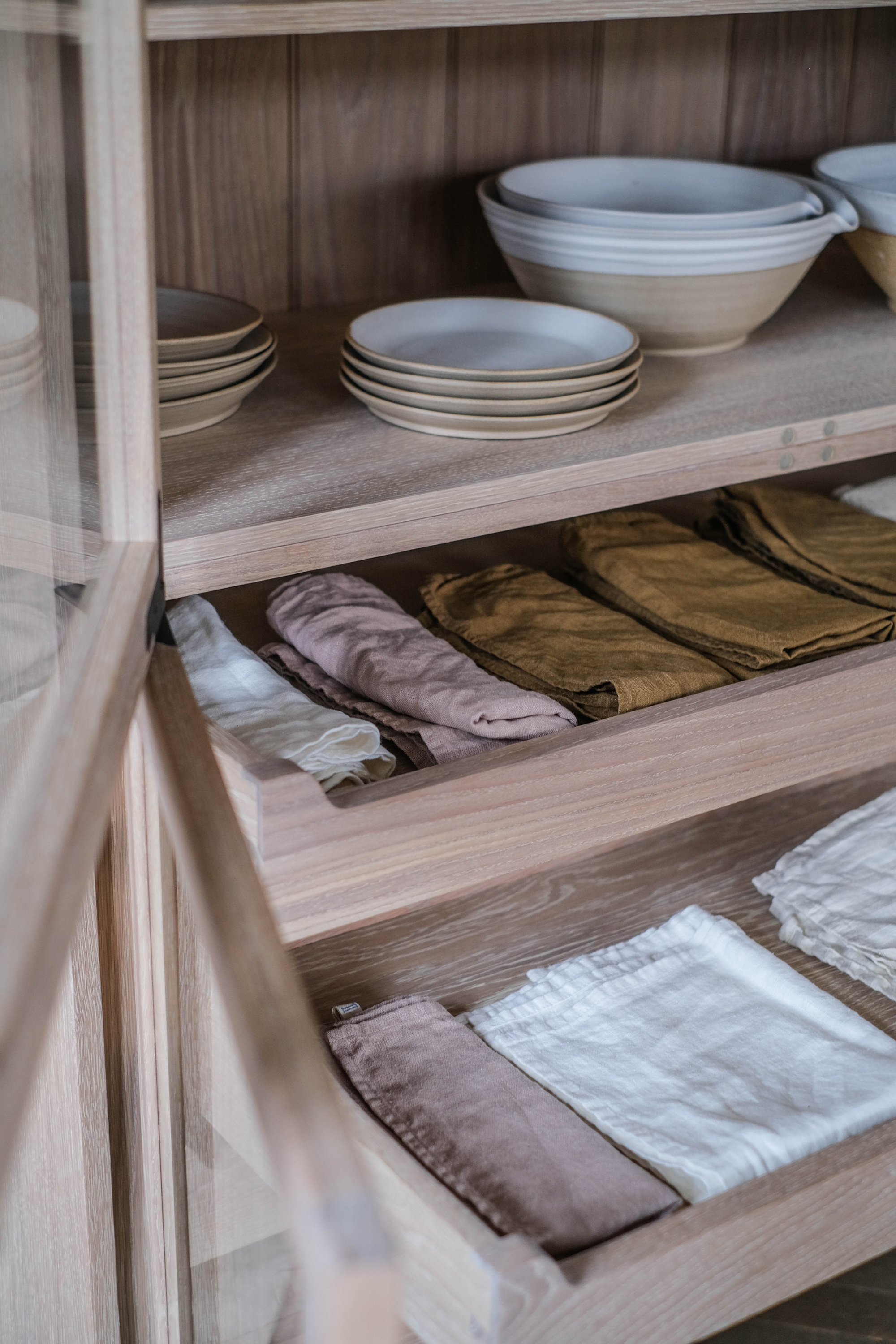
Paper tableware, including napkins, plates, and cups, also requires careful storage. Humidity in cabinets can render paper products flimsy, damp, or susceptible to mold. Hise advises keeping these items in a dry location, like a pantry or a high shelf, to preserve their condition.
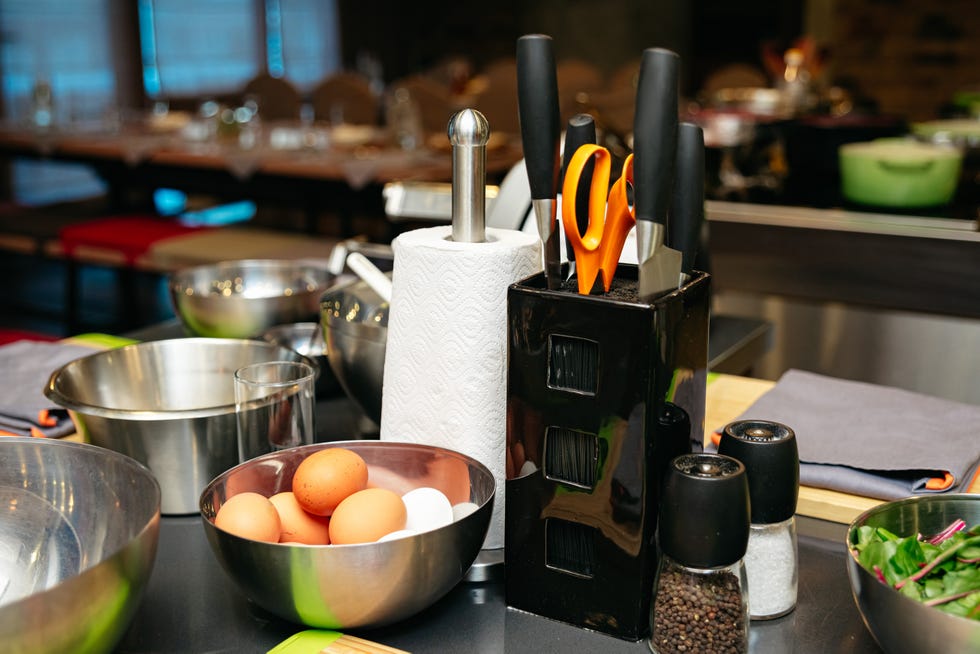
Similarly, paper towels, often stored under sinks or in lower cabinets, are vulnerable to water damage from spills. Jessica Litman of The Organized Mama suggests moving paper towels to a pantry or a cabinet that is not exposed to water sources to prevent them from becoming unusable.
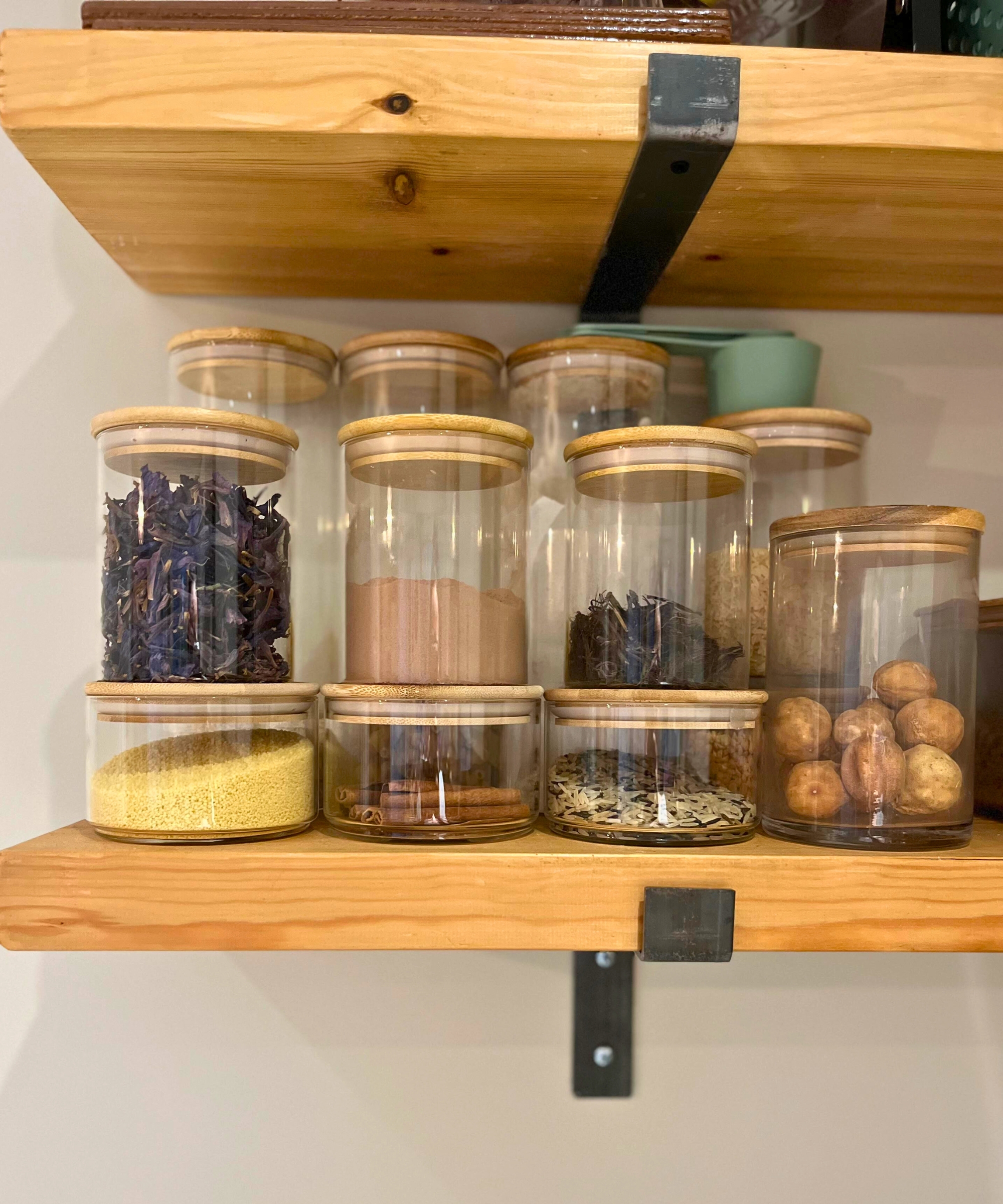
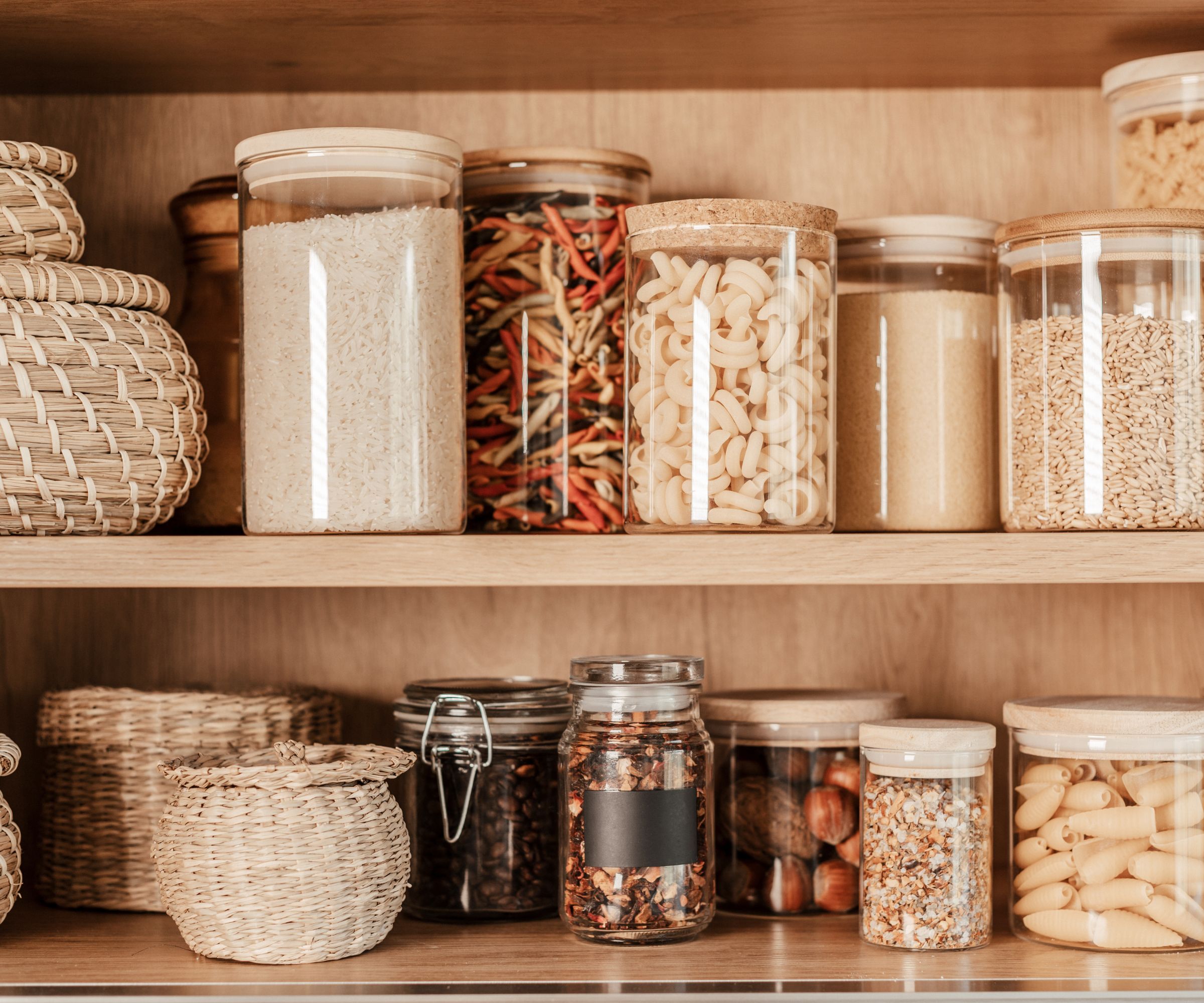
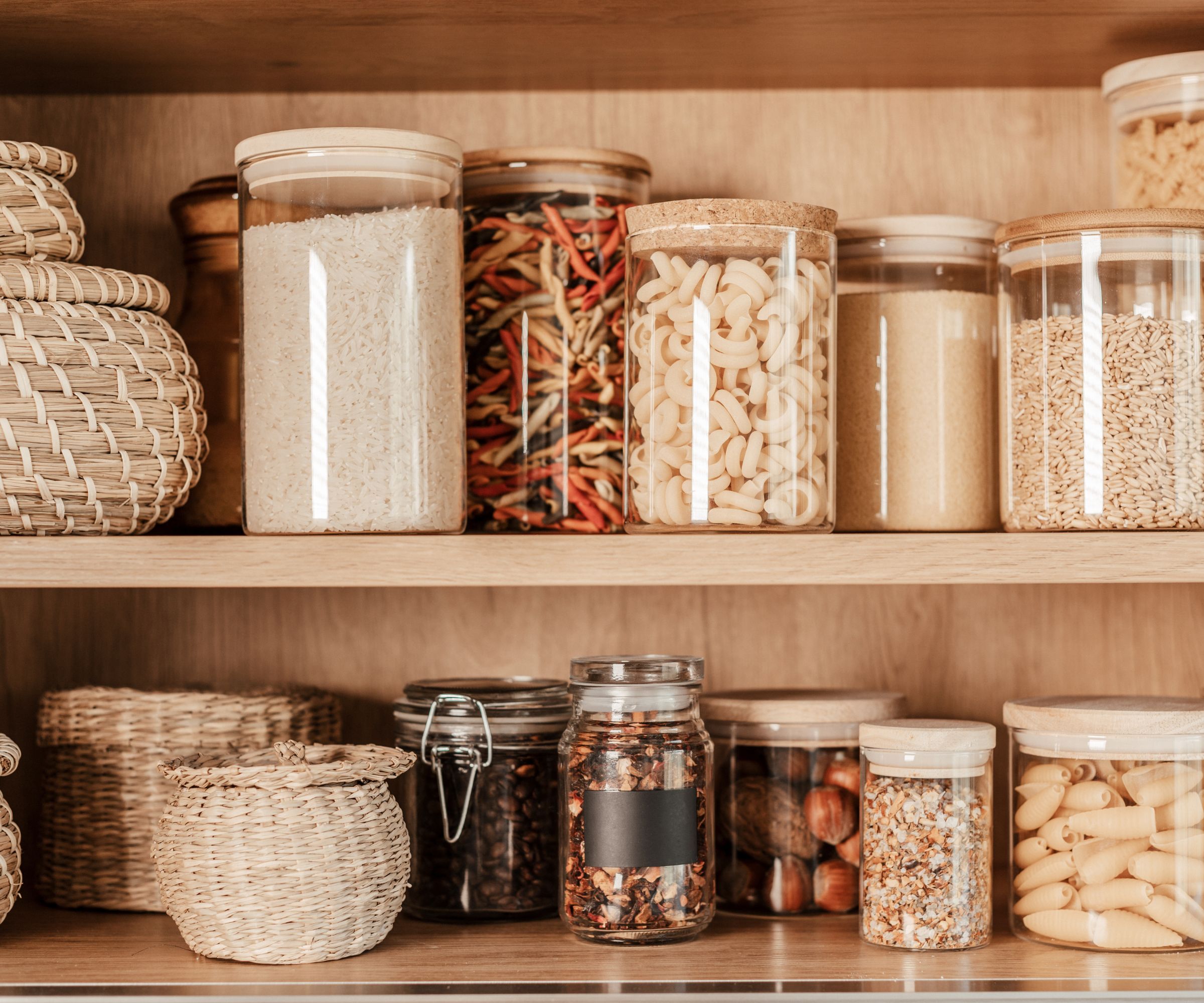
Spices, while belonging in the kitchen, should not be kept in just any cabinet. Heat and steam, particularly from nearby stoves, can diminish their flavor and shorten their shelf life. Hise recommends storing spices in a cool, dry place, such as a drawer, a cabinet away from heat, or a countertop rack, to maintain their freshness and taste.
Cleaning products and chemicals, although necessary for kitchen hygiene, pose safety and contamination risks when stored alongside food, cookware, or utensils. Katie Dills, president of The Cleaning Authority, highlights that such products contain harsh chemicals and their accessibility in kitchen cabinets can be dangerous for children and pets. These items should be stored securely and separately.
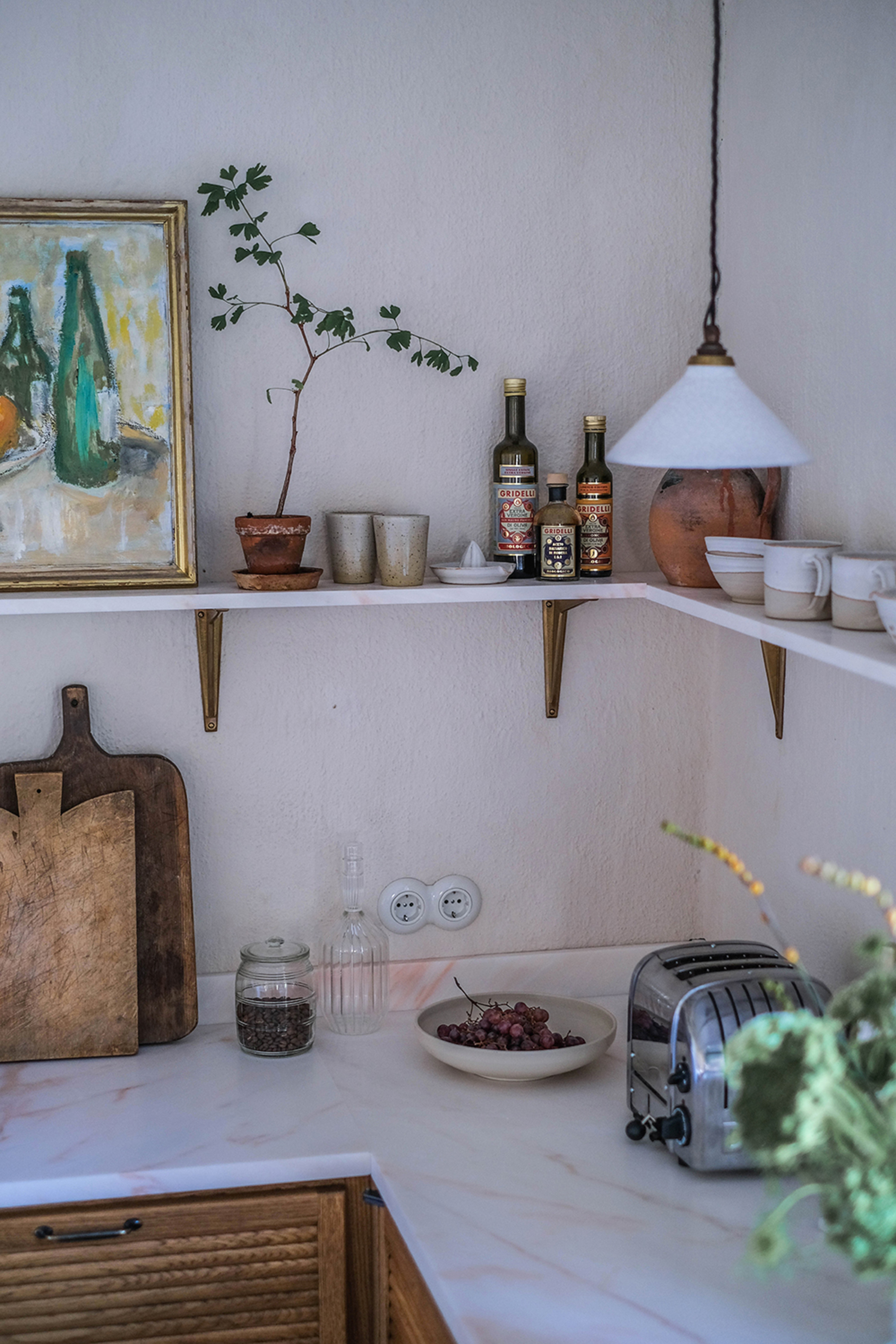
Finally, bulk oils, like olive or avocado oil, can go rancid quickly if exposed to heat, such as from an oven or warm cabinet. Litman advises keeping only a small bottle of oil accessible and storing larger quantities in a cool pantry or basement to prolong their freshness. Adhering to these storage guidelines can contribute to a more organized, safer, and efficient kitchen environment.
#KitchenOrganization #HomeStorage #CabinetStorage #FoodStorage #CleaningSupplies #KitchenTips #HomeImprovement #Decluttering #KitchenOrganization #HomeStorage #CabinetStorage #FoodStorage #CleaningSupplies #KitchenTips #HomeImprovement #Decluttering
0 comment in total
 No comments yet
You may also like
6 Things You Should Never Keep on Your Kitchen Counter


7 Kitchen Storage Trends That Designers say are Best Avoided

11 items not to store in a bathroom cabinet, and what experts say to do instead

5 Things You Should Never Keep on Your Kitchen Island

6 Things You Should NEVER Keep In Your Pantry, According To Pro Organizers & Chefs
11 things you should never store in a pantry, according to experts
5 Things You Should Never Store In Your Bathroom Cabinets
7 kitchen storage mistakes you're making – and how to fix them
Never store these 6 things on open kitchen shelving, warn pro organisers
3 Things You Should Never Store On Your Kitchen Counter (Plus, What Actually Belongs!)
5 Outdated Types of Kitchen Storage Experts Are Urging You to Avoid
4 things to get rid of in your kitchen cabinets — experts say ditch these items right now

7 Items You Should Never Store In Kitchen Cabinets
Pros warn never to keep these 8 things in your pantry
'Most kitchens don't suffer from a lack of storage, just inefficient use of it' – 7 things people with tidy kitchen cabinets never do
10 things decluttering experts won't keep in their kitchen cupboards

8 Things You Should NEVER Keep On Your Kitchen Counter
The 5 kitchen storage mistakes interior designers always avoid

7 types of storage you should never use in a pantry – they'll make utilizing this space well 10 times harder, pros say
8 Things Pro Organizers Say You Should NEVER Keep On Your Kitchen Counter