Open kitchen shelves may look great, but are they for you? | At Home with Marni
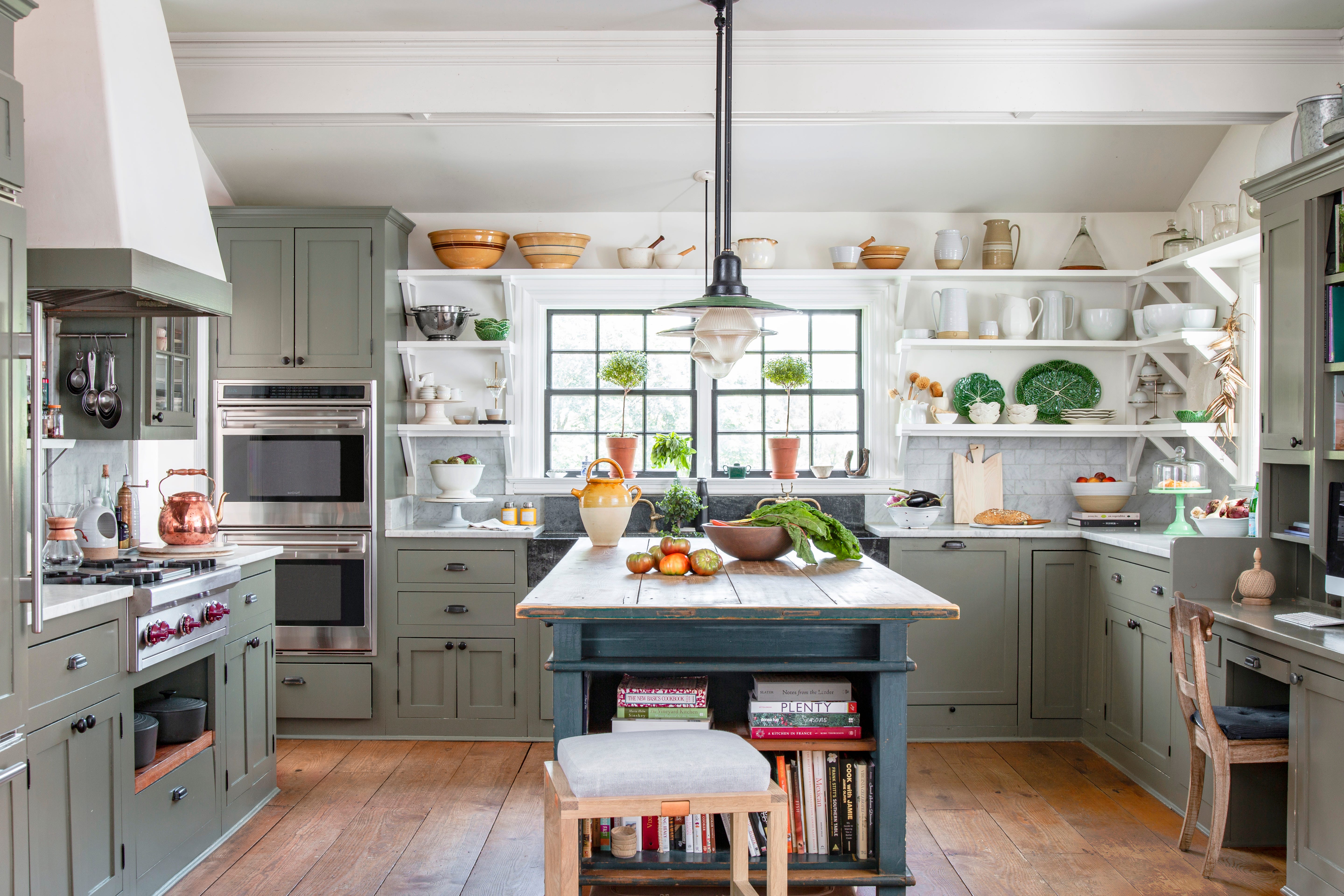
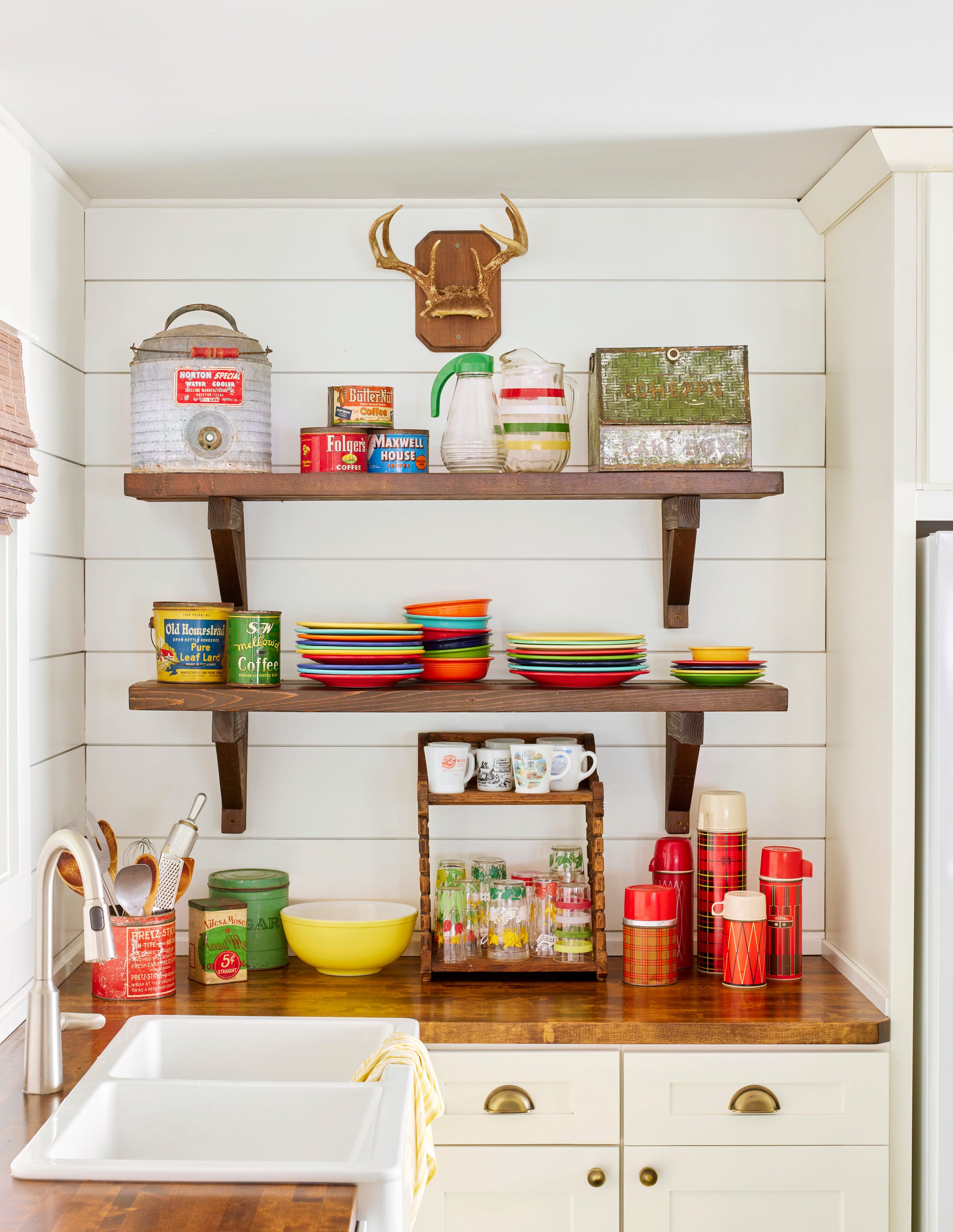
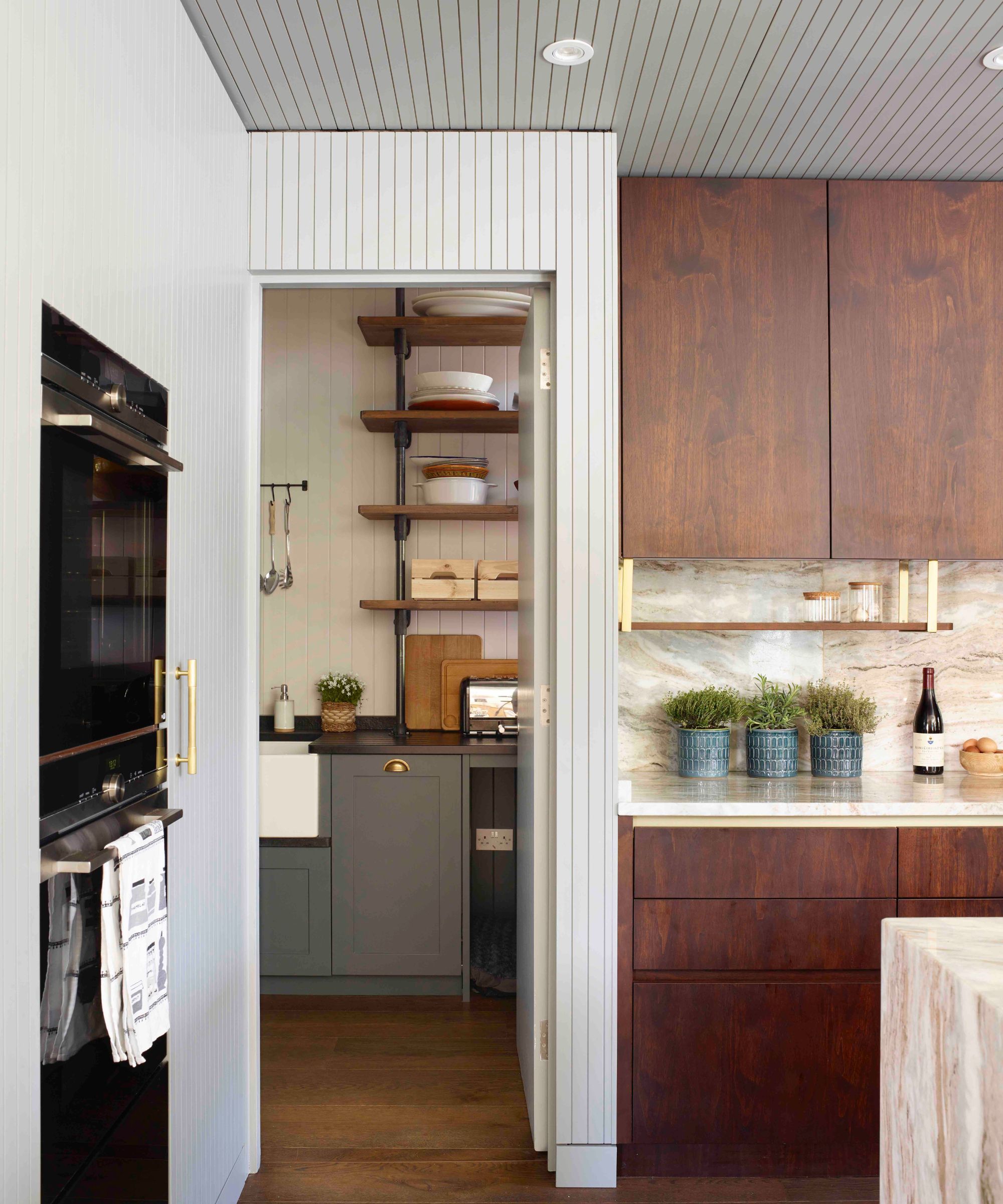
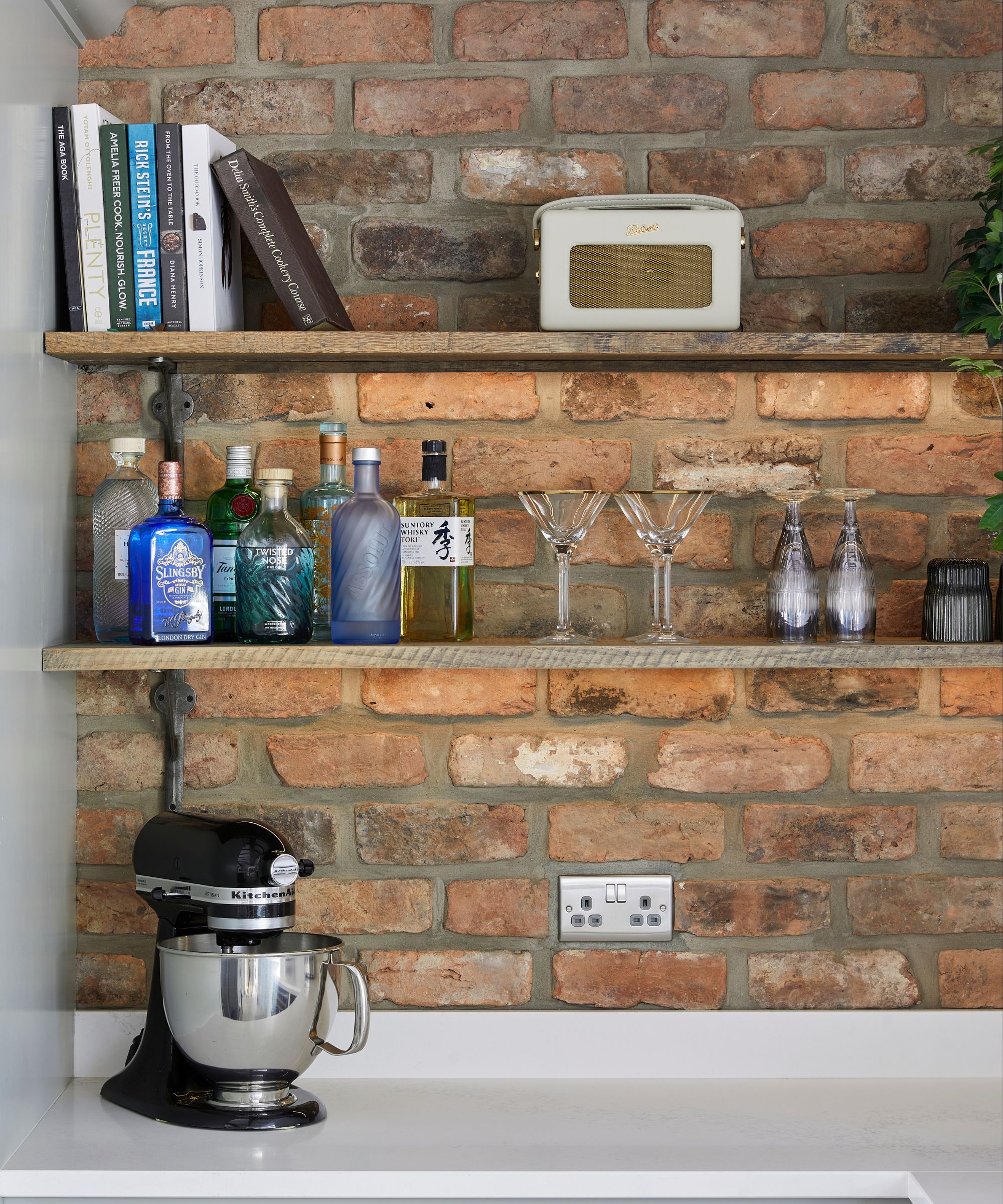
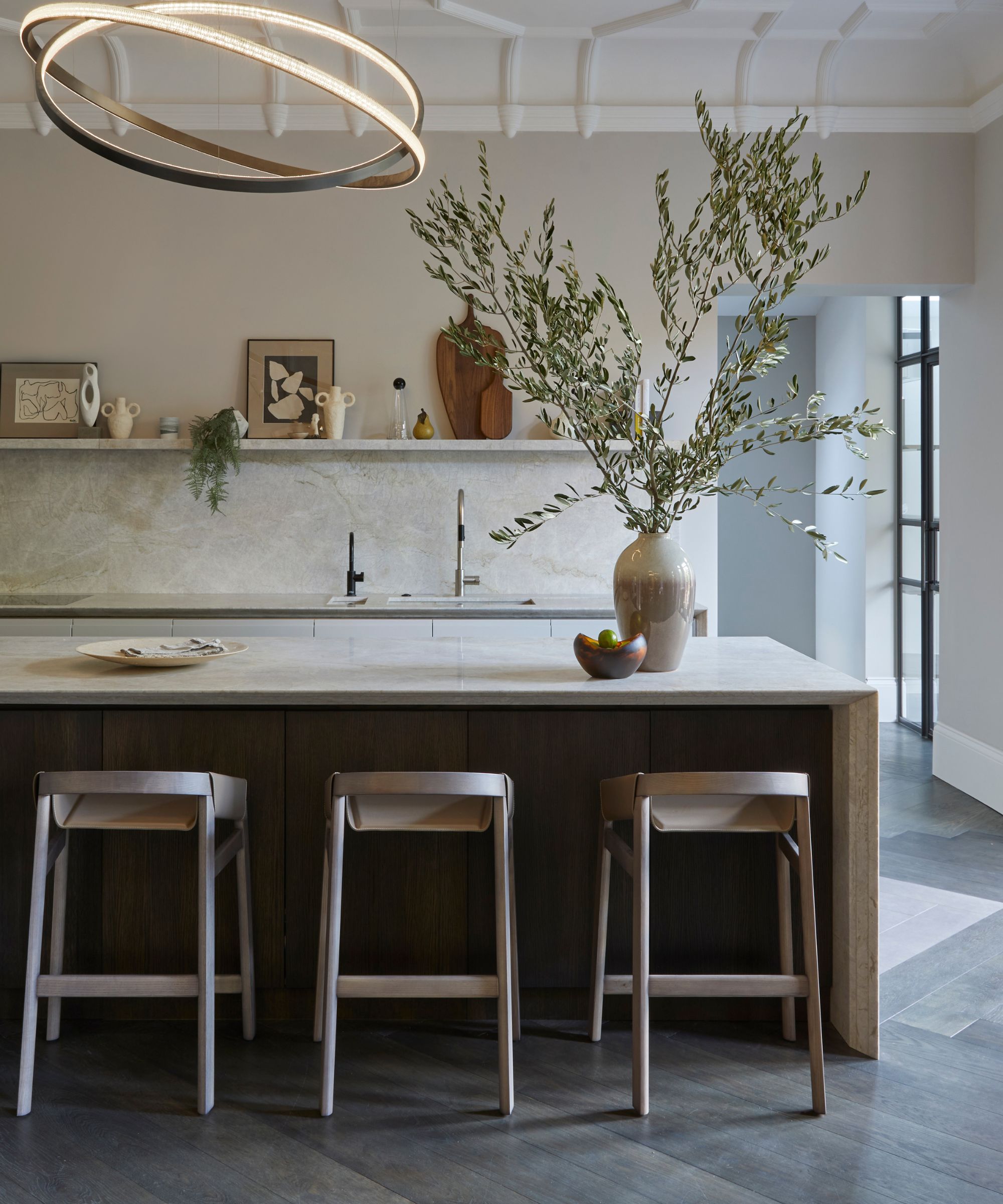
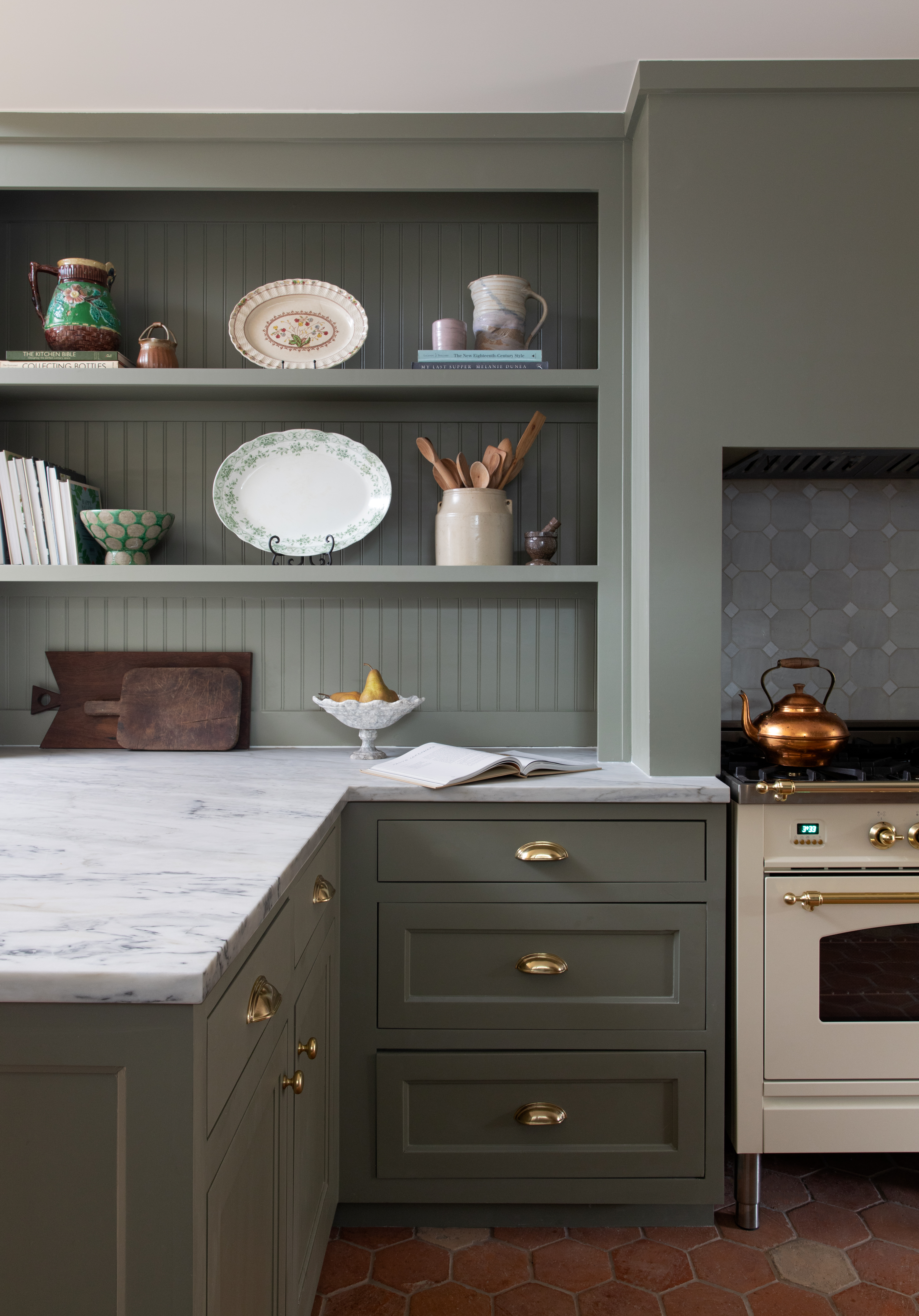
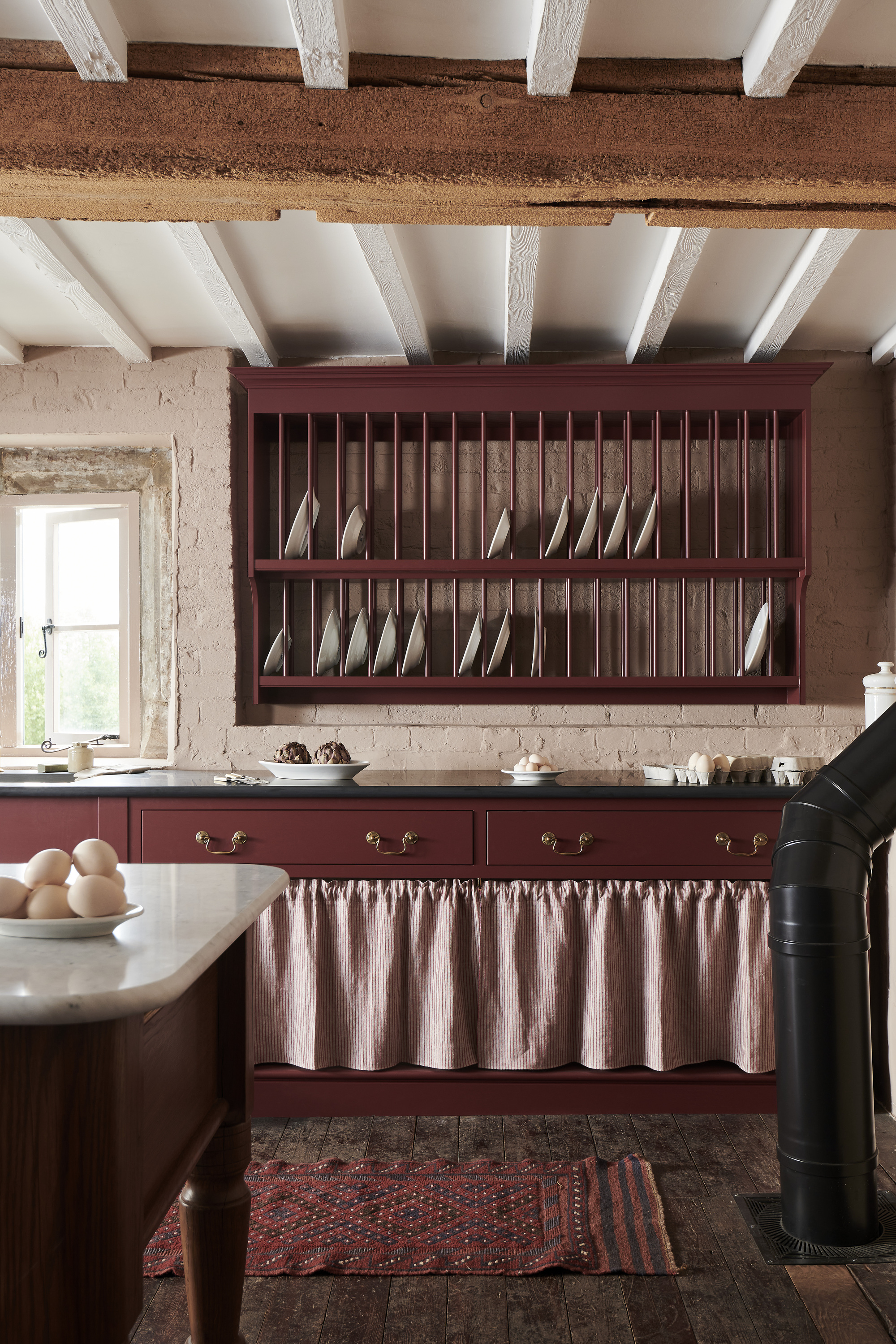
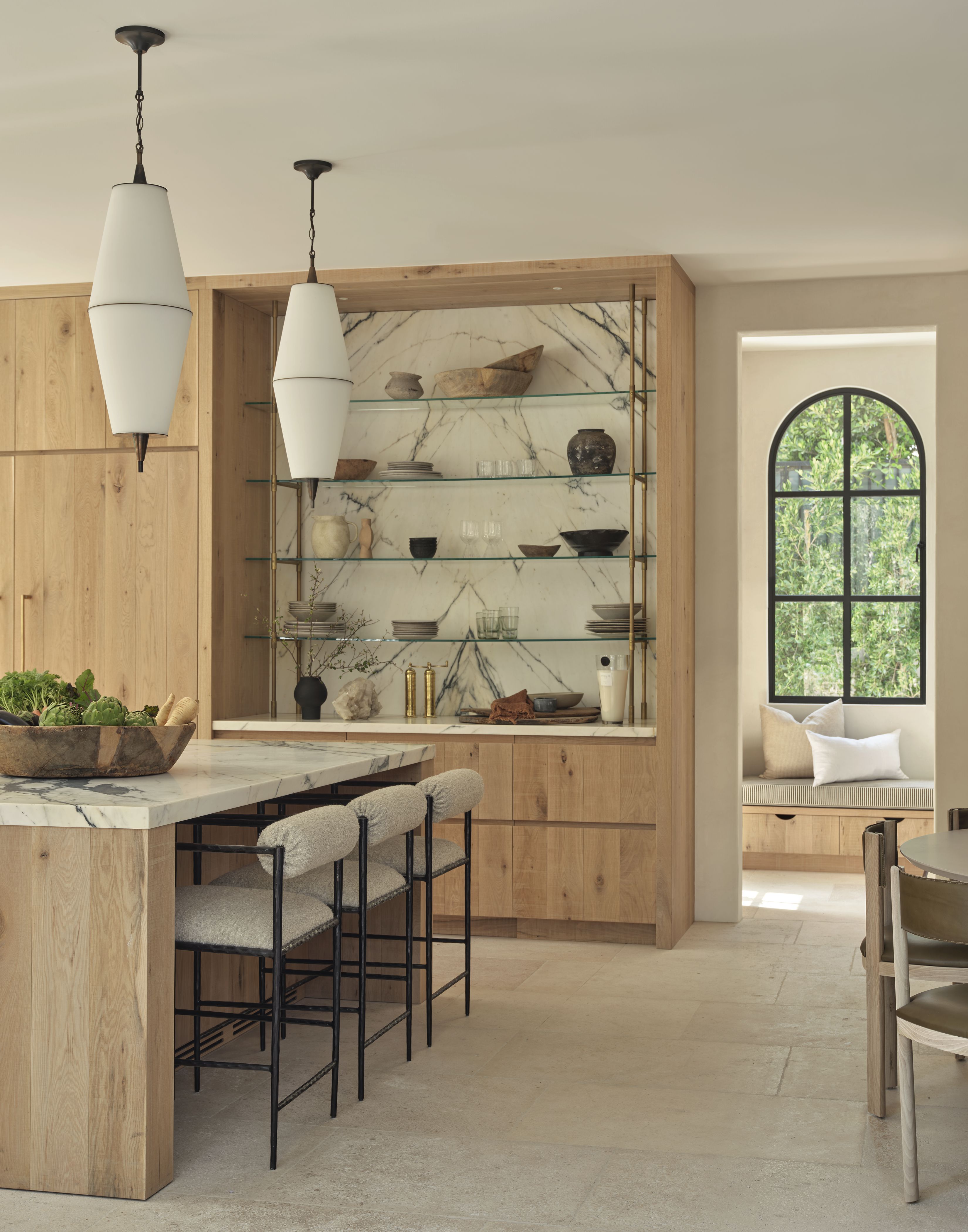
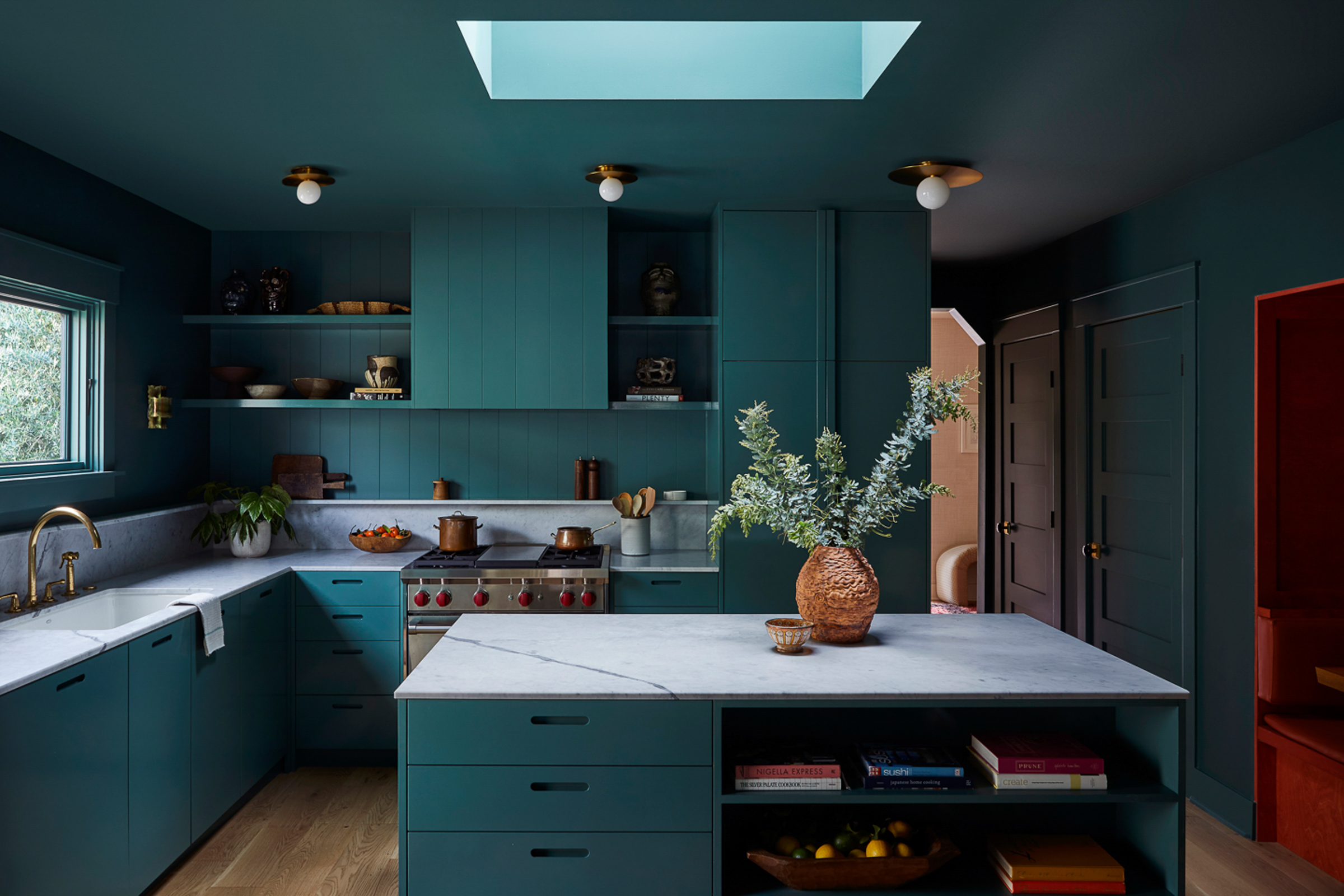
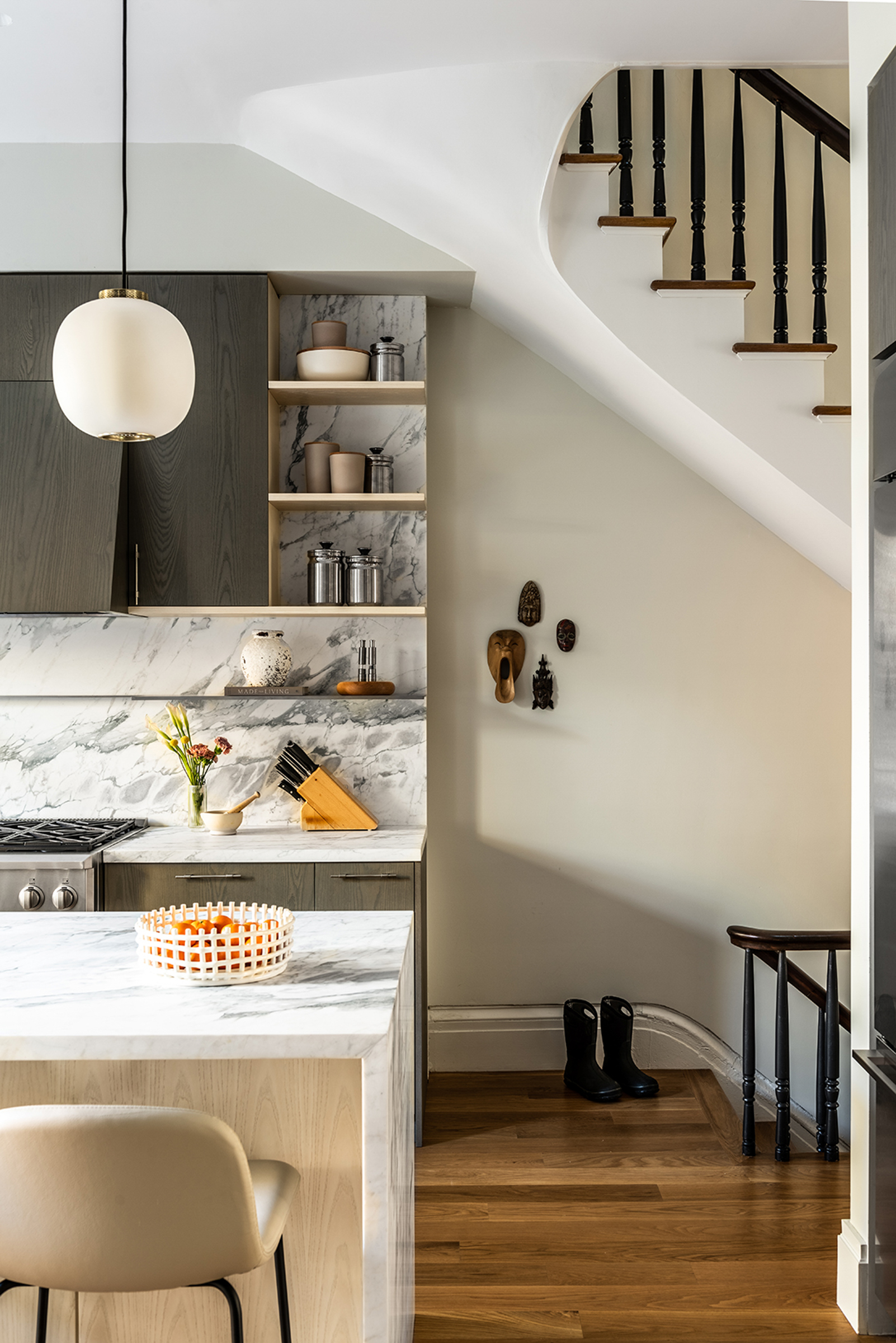
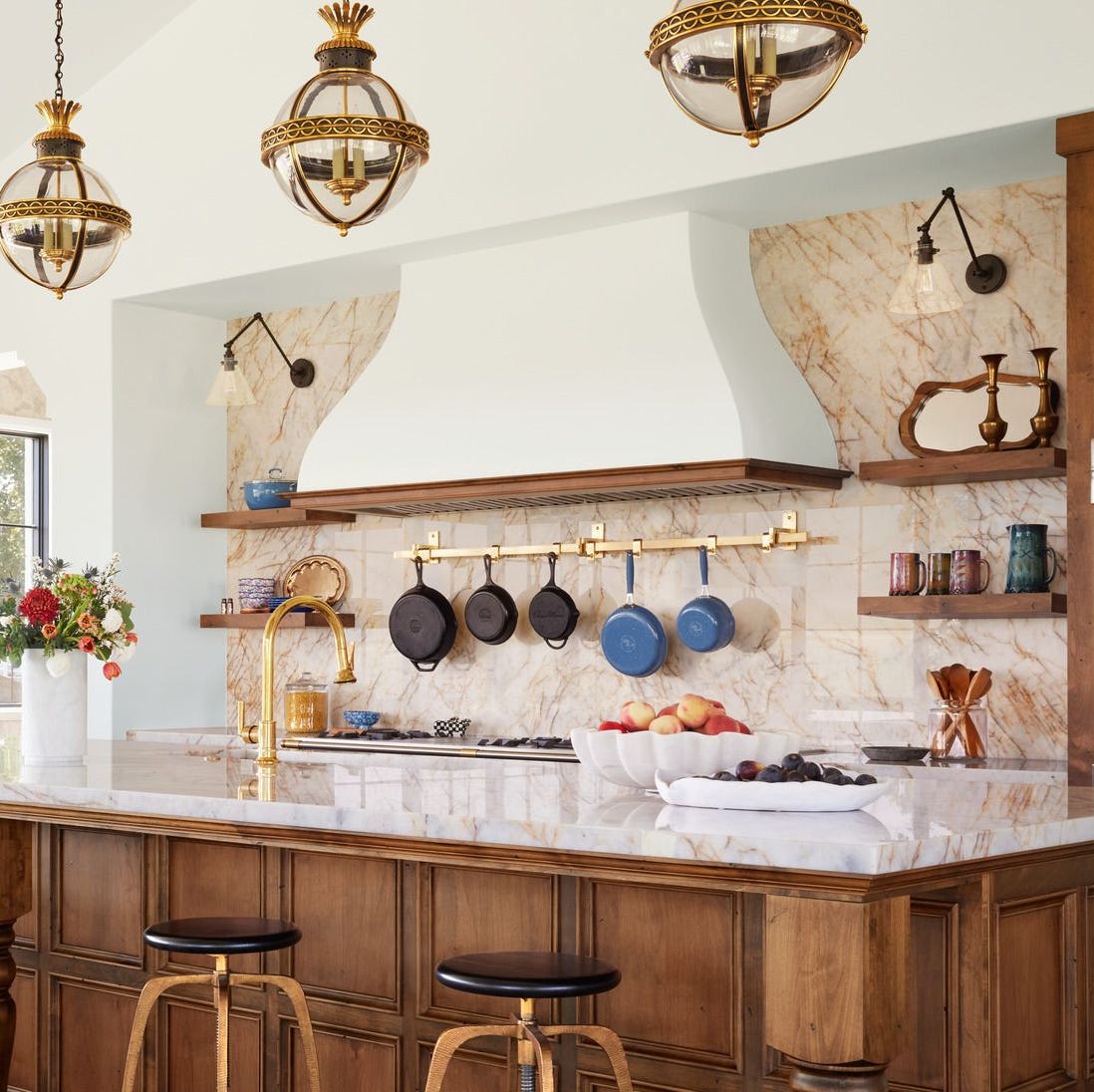
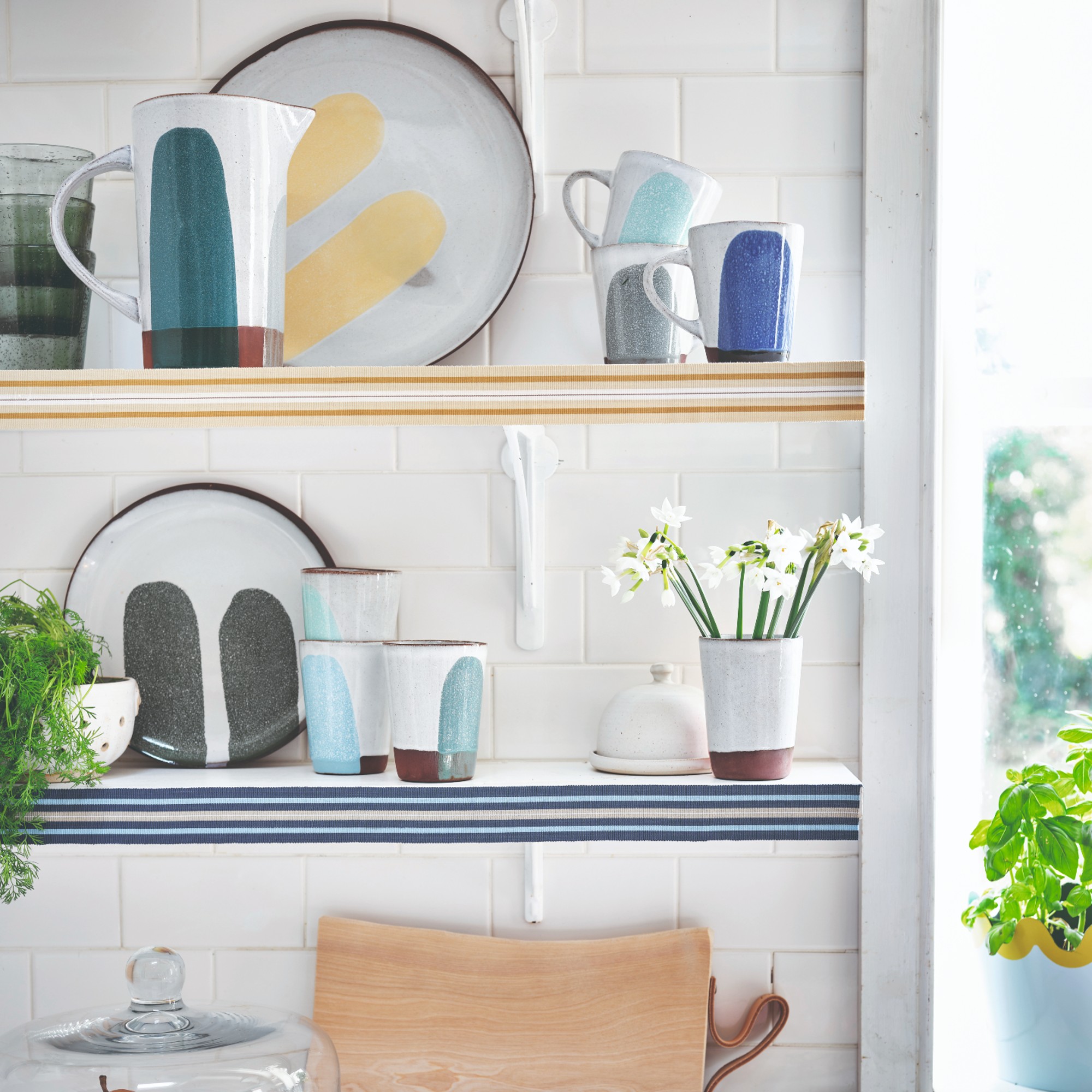
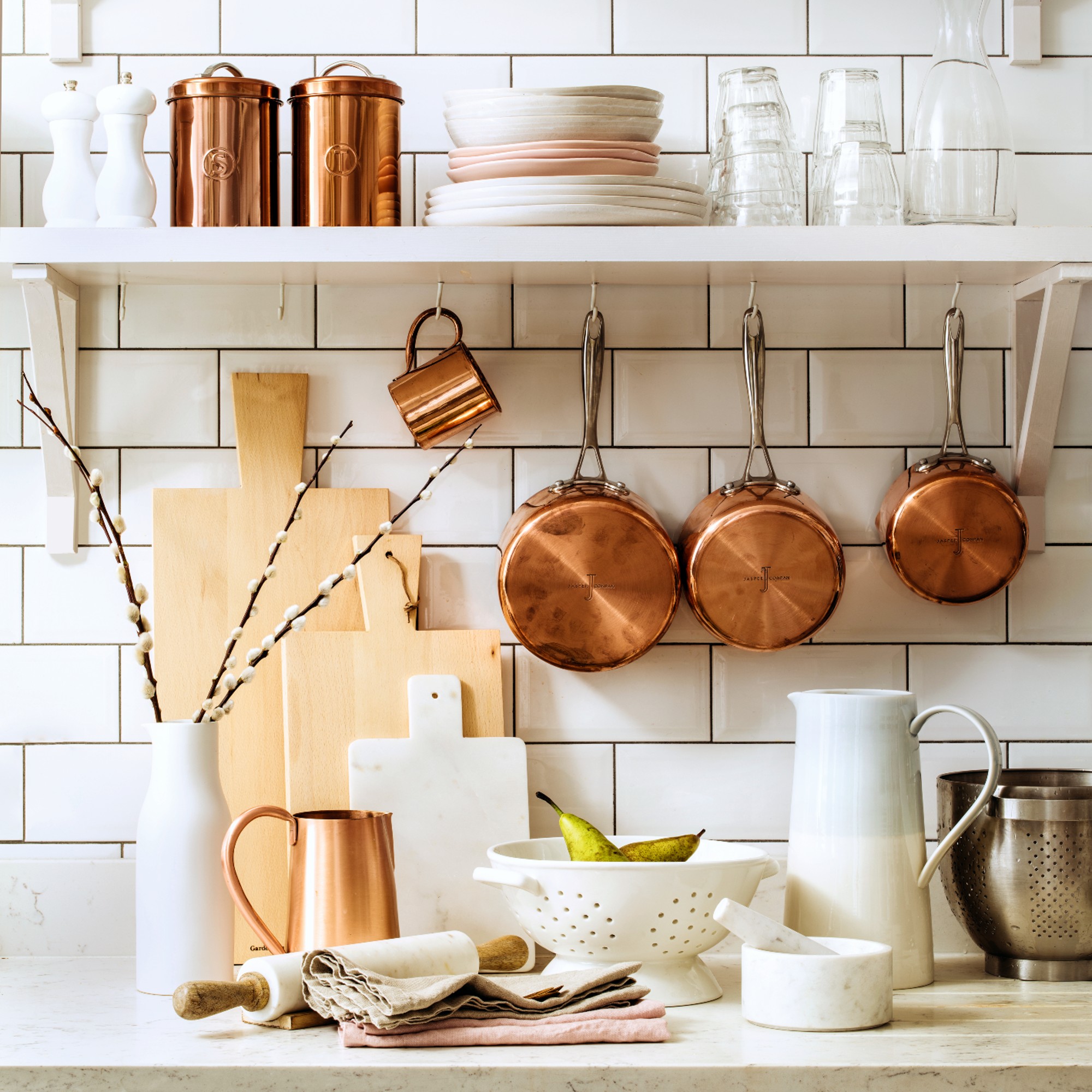
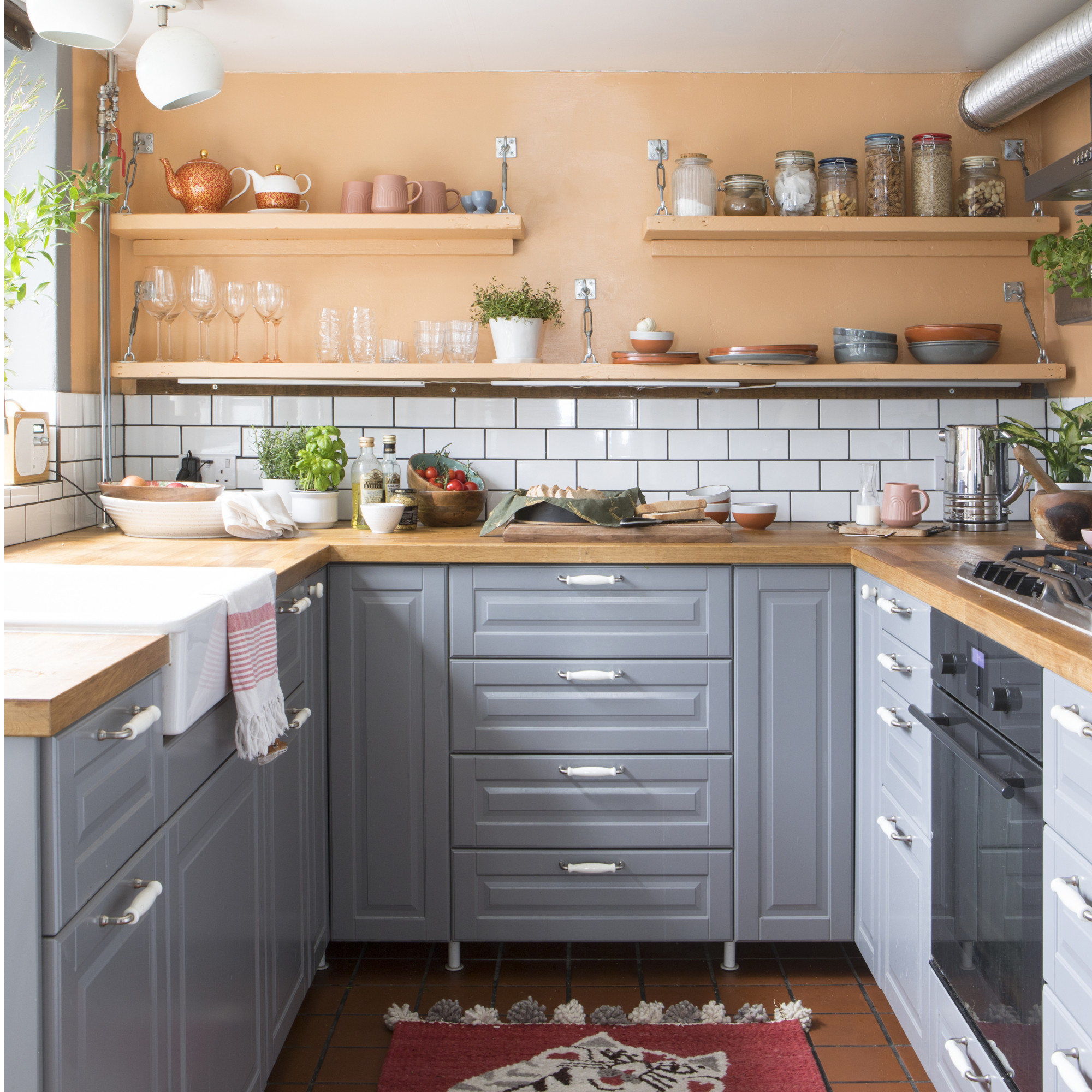
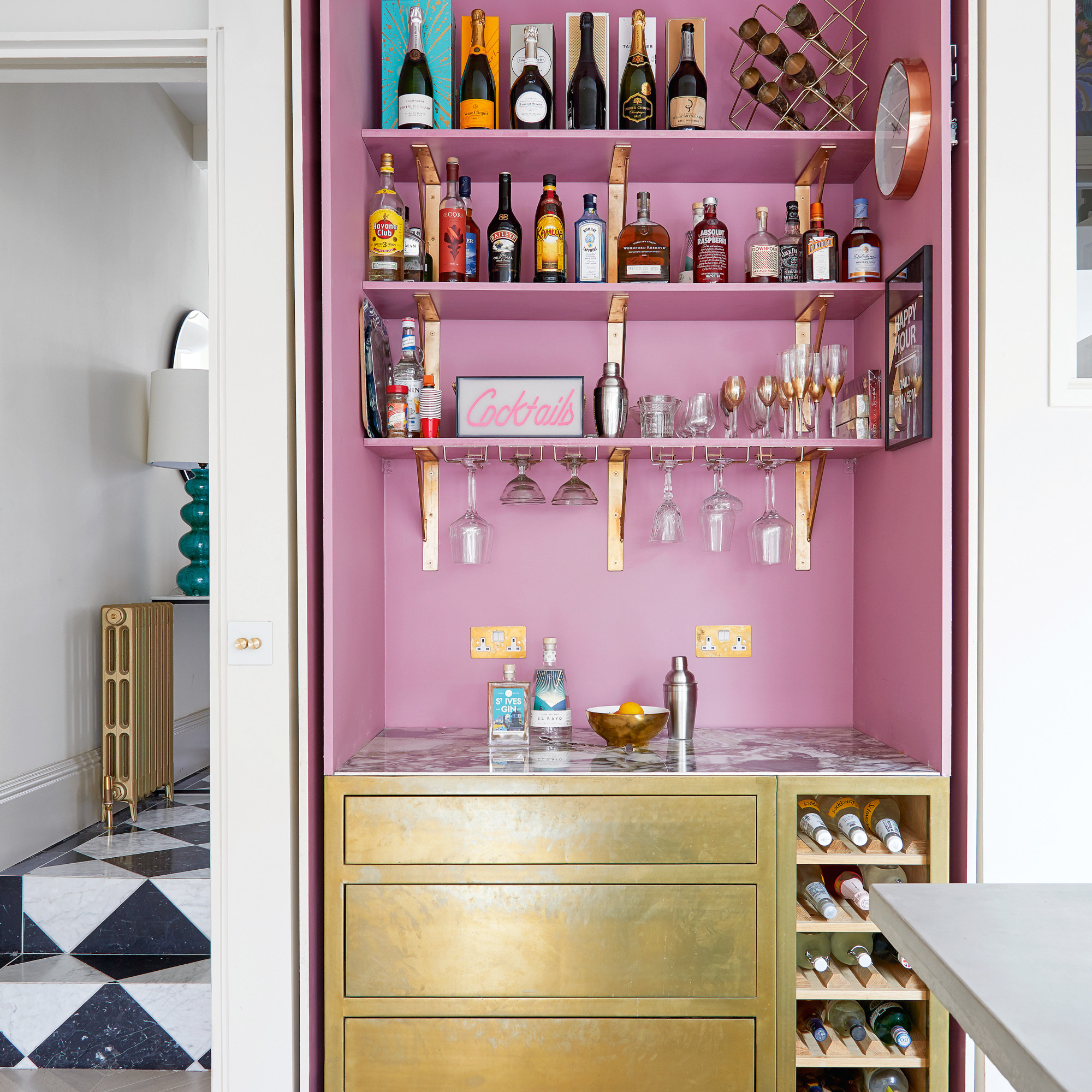
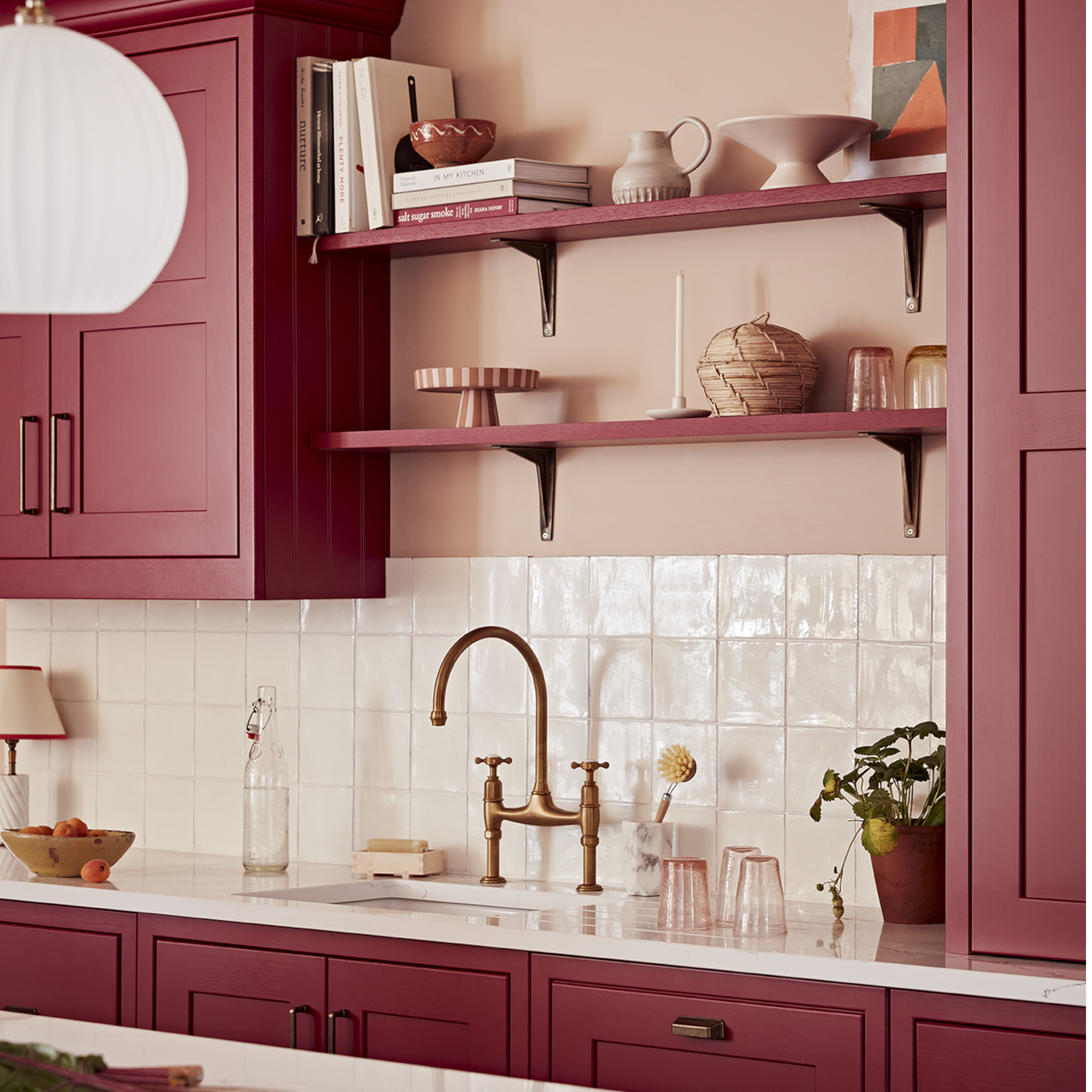
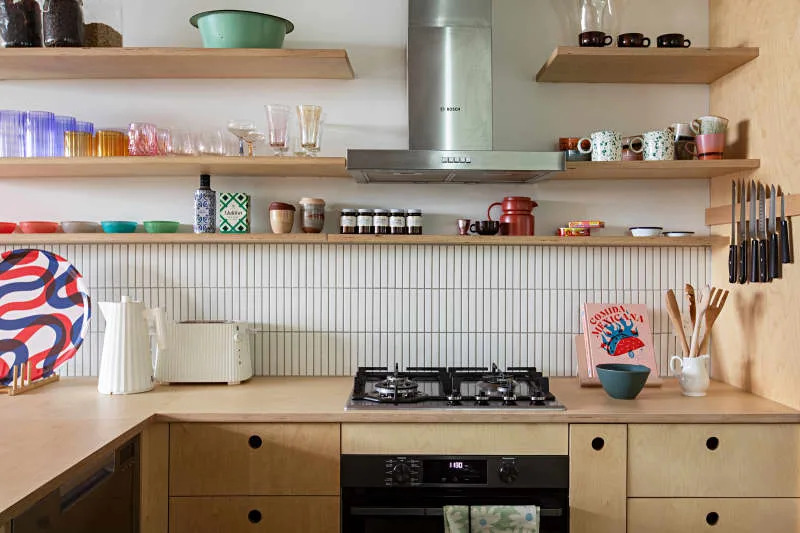
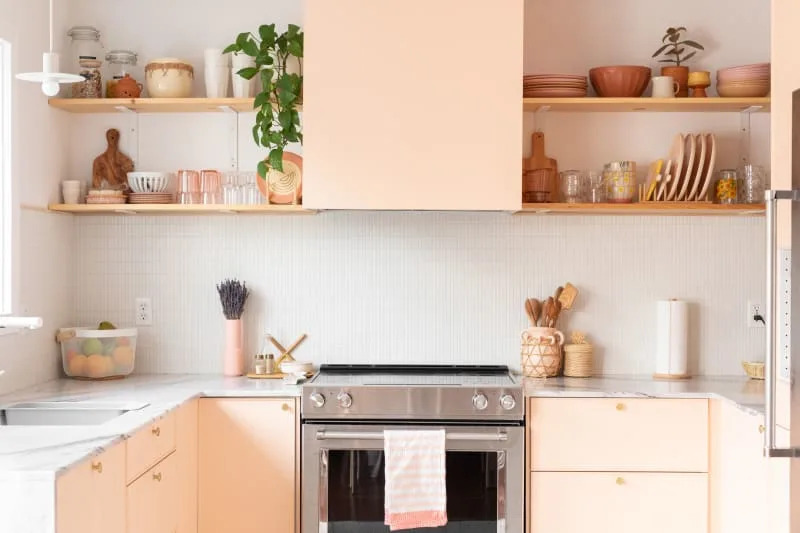
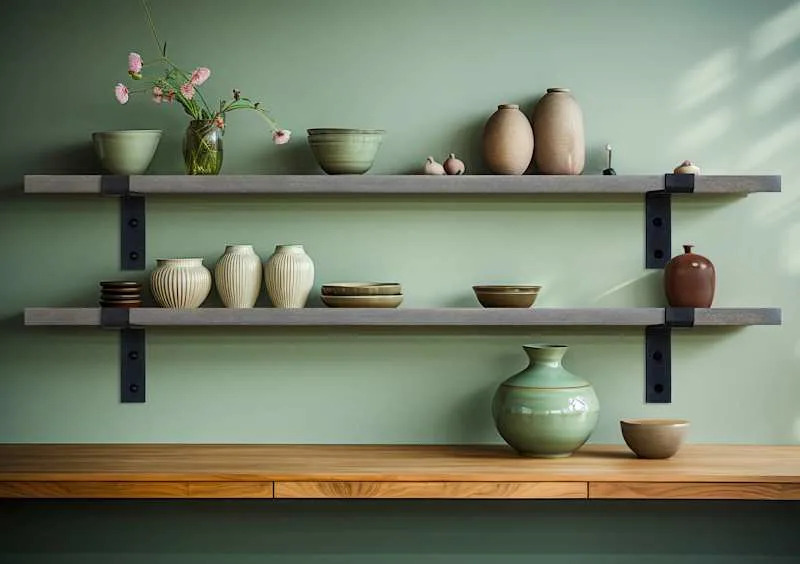
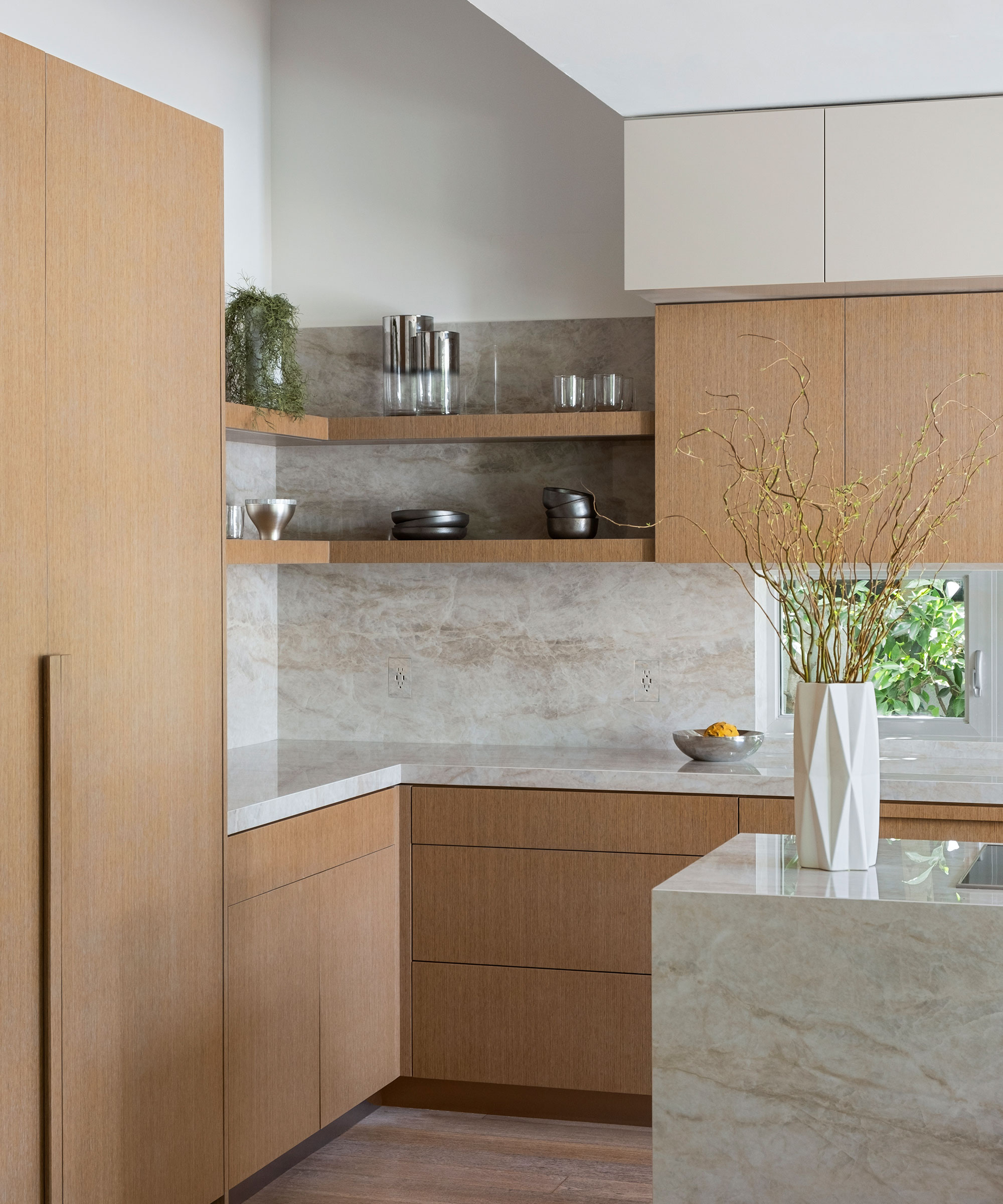
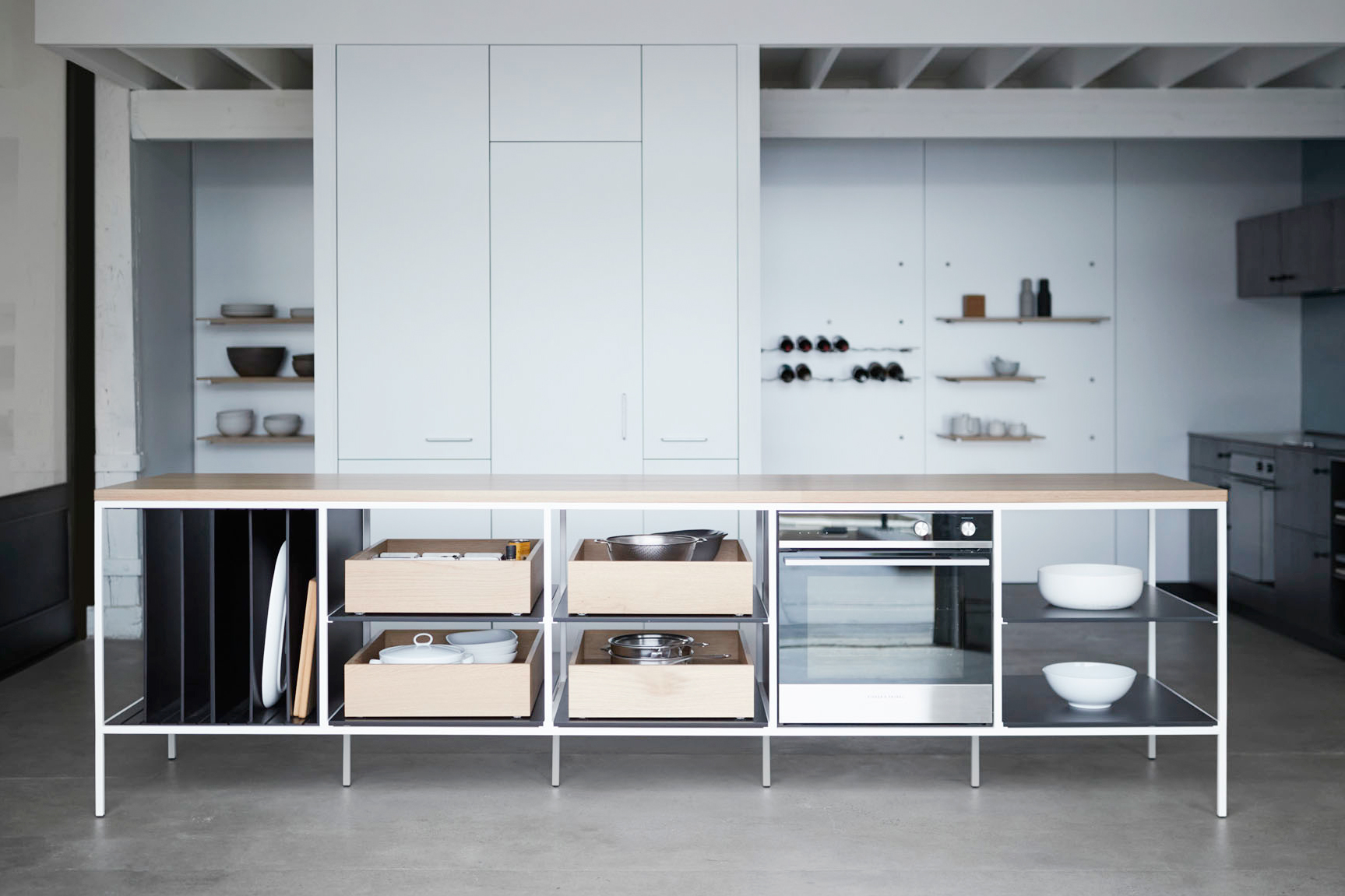
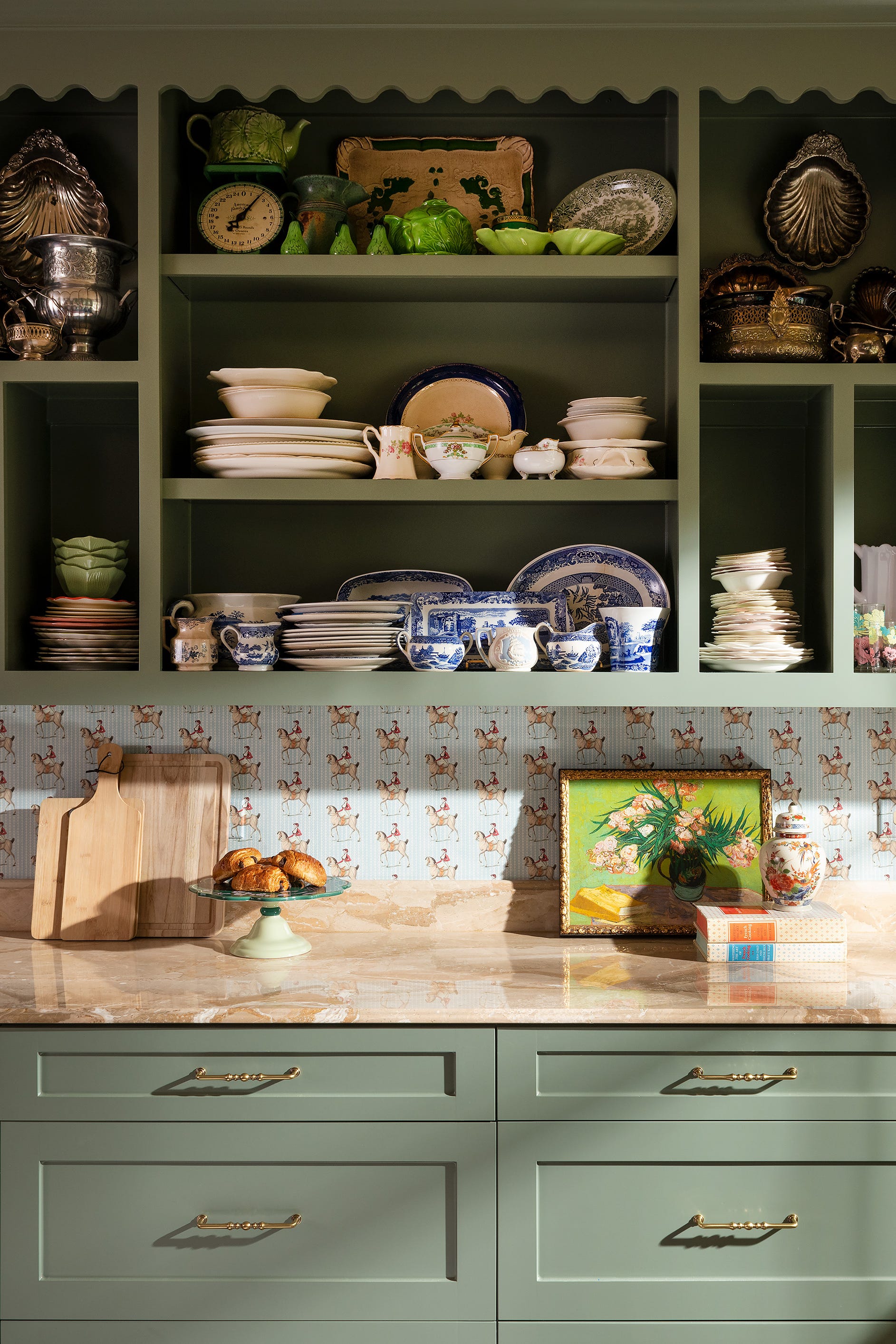
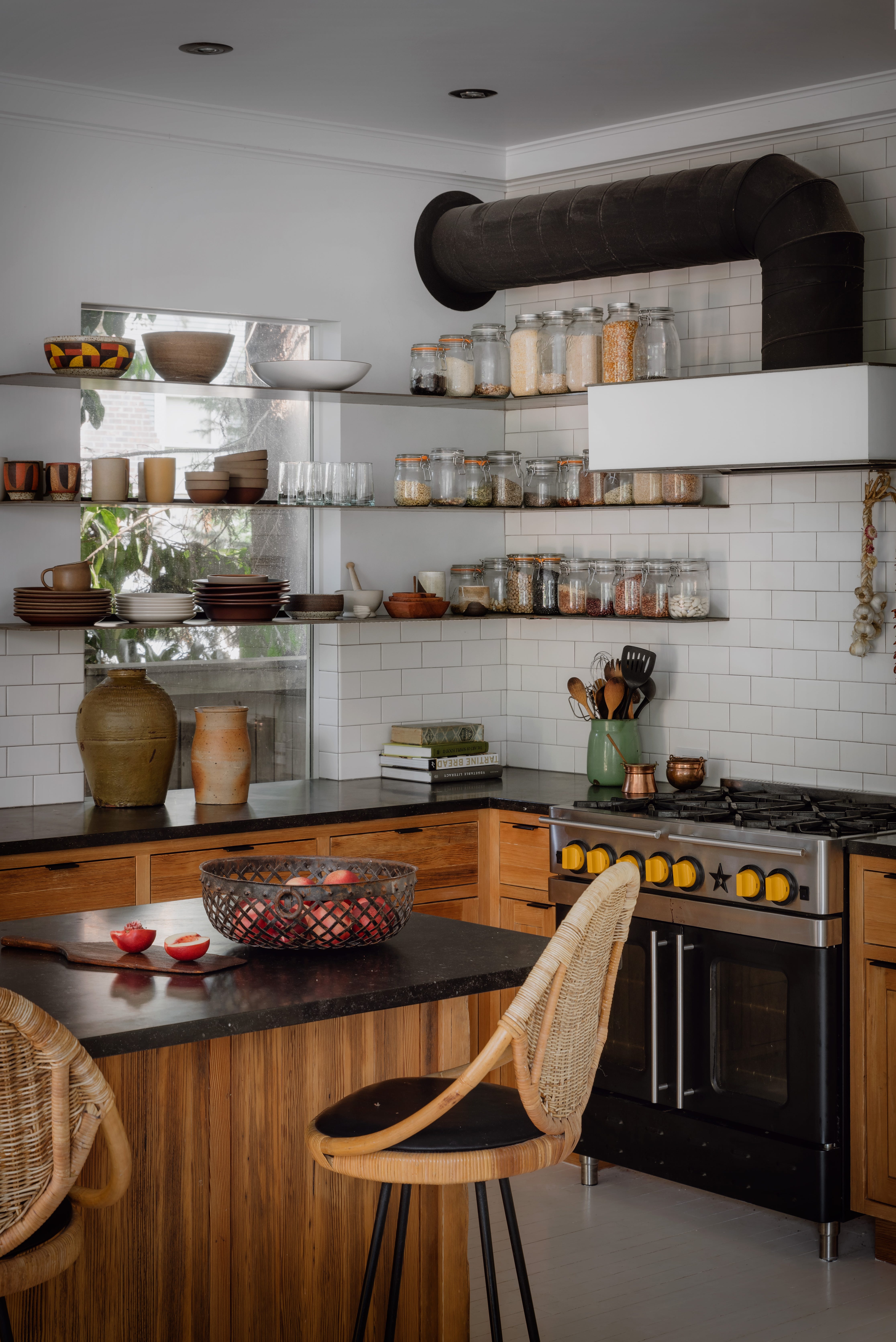
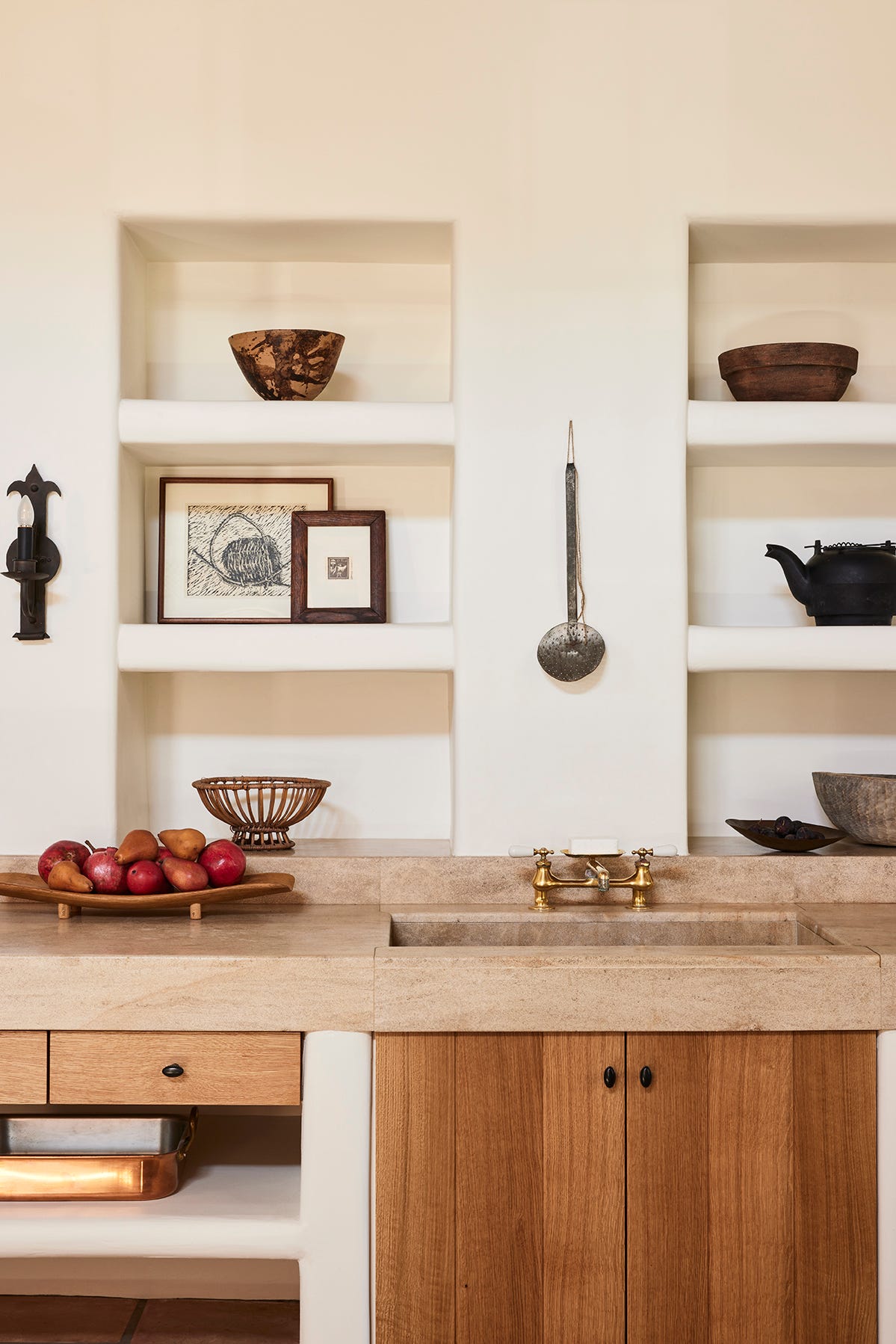
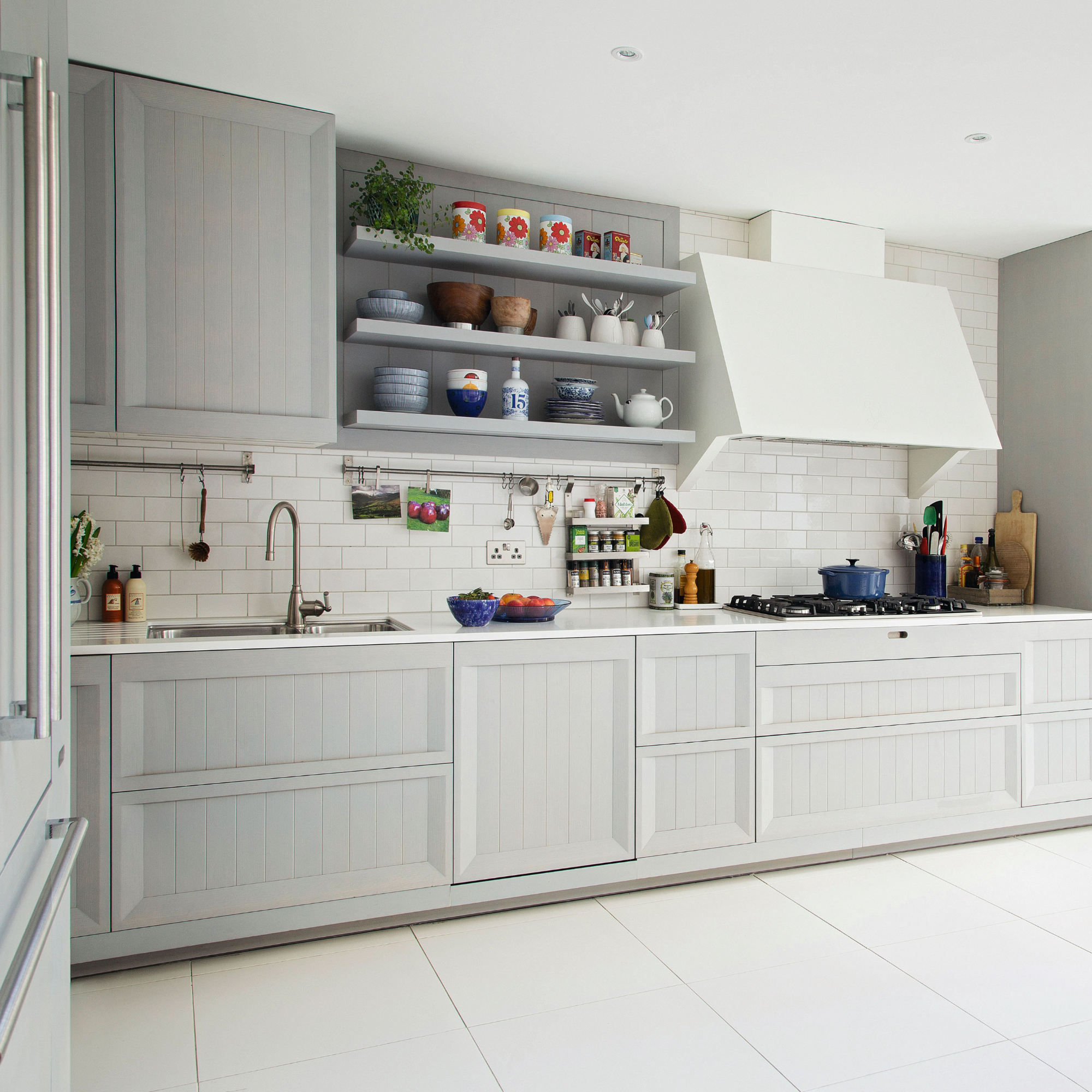
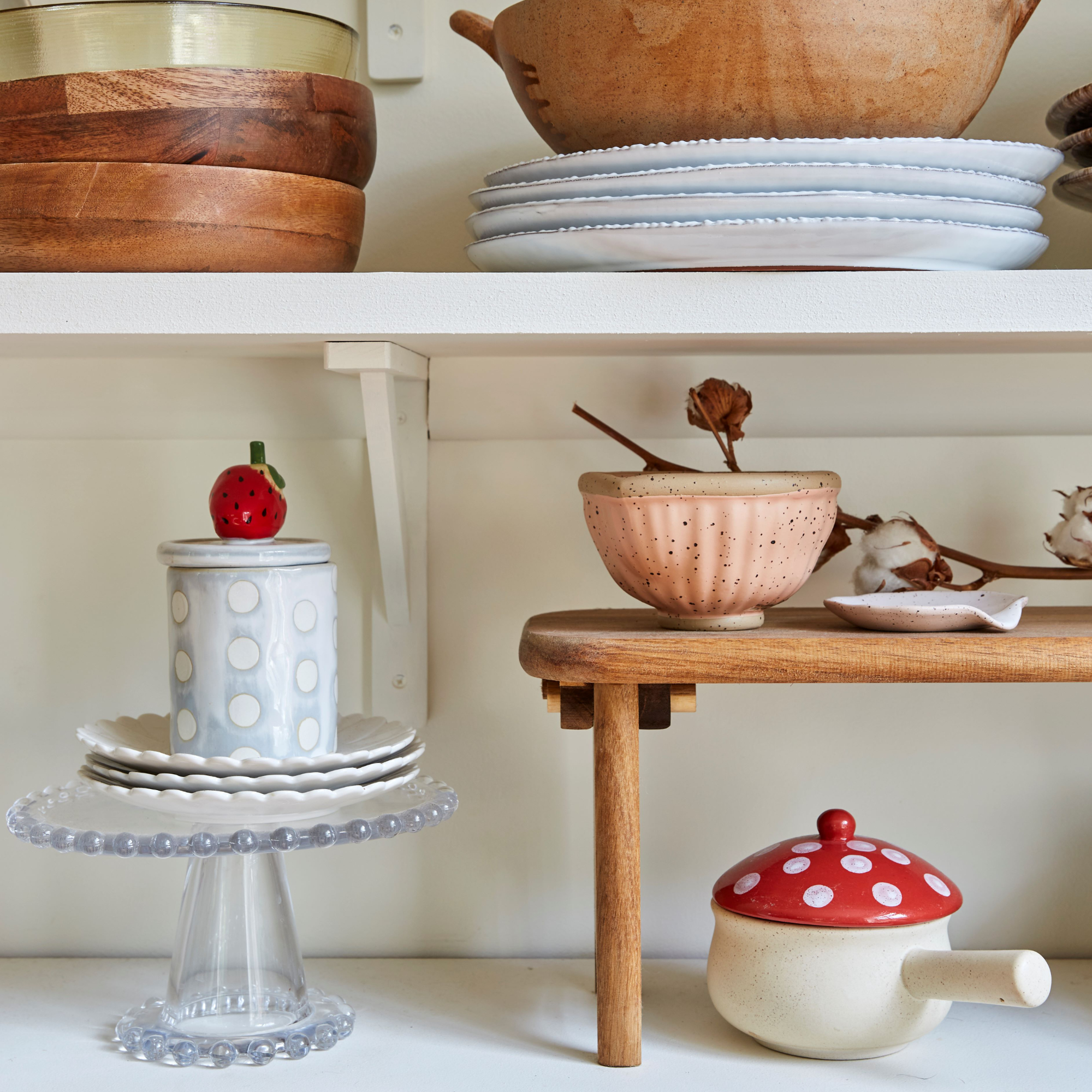
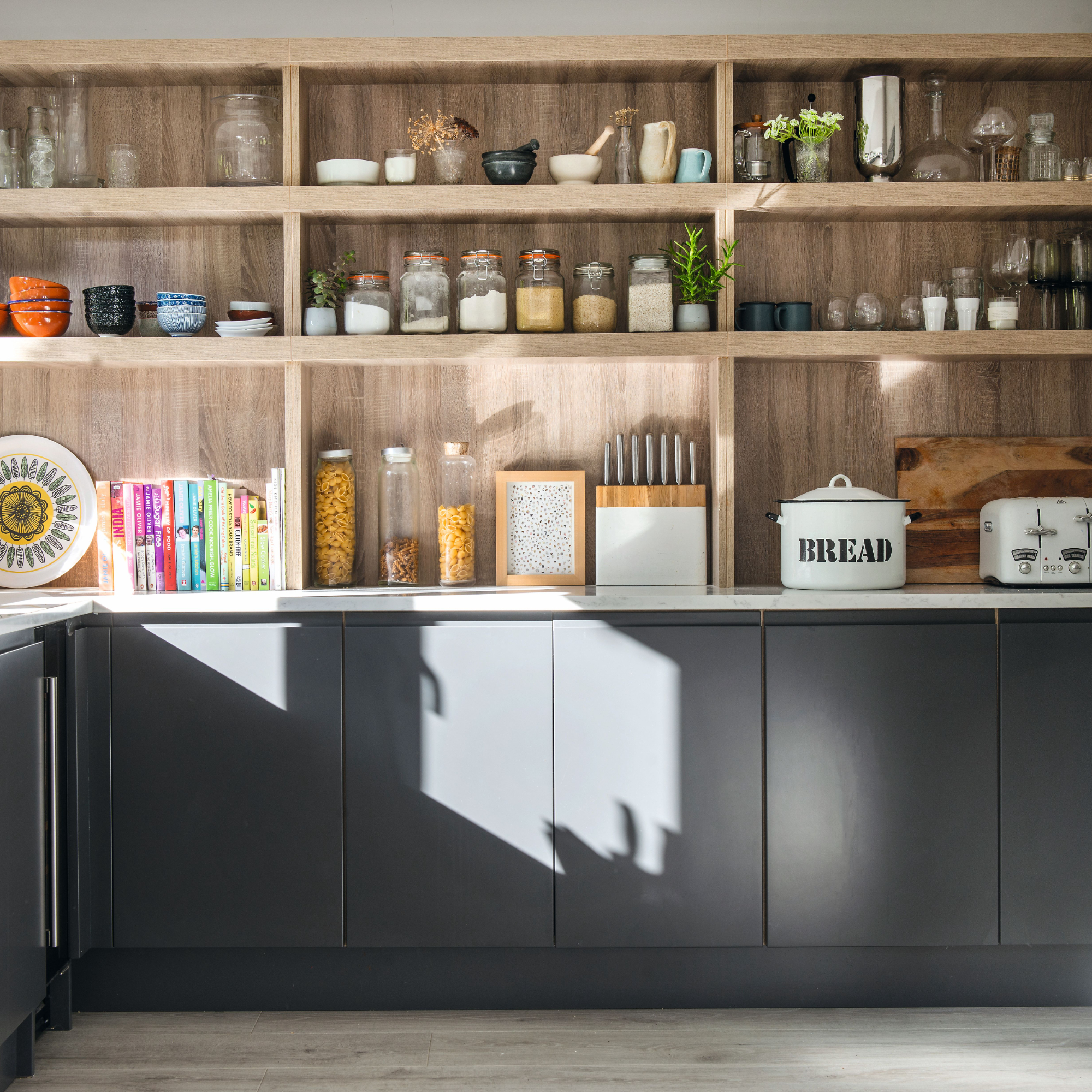
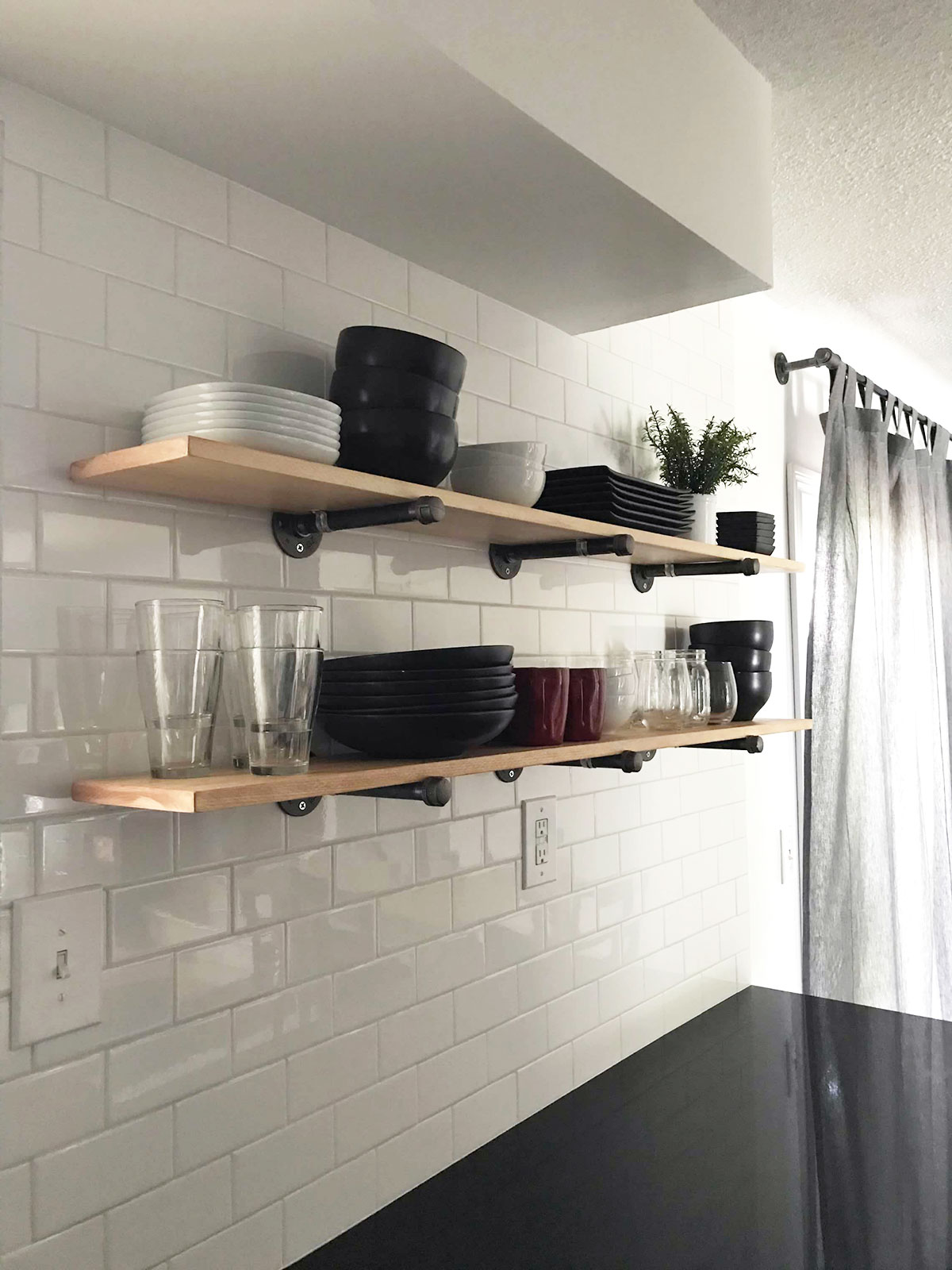
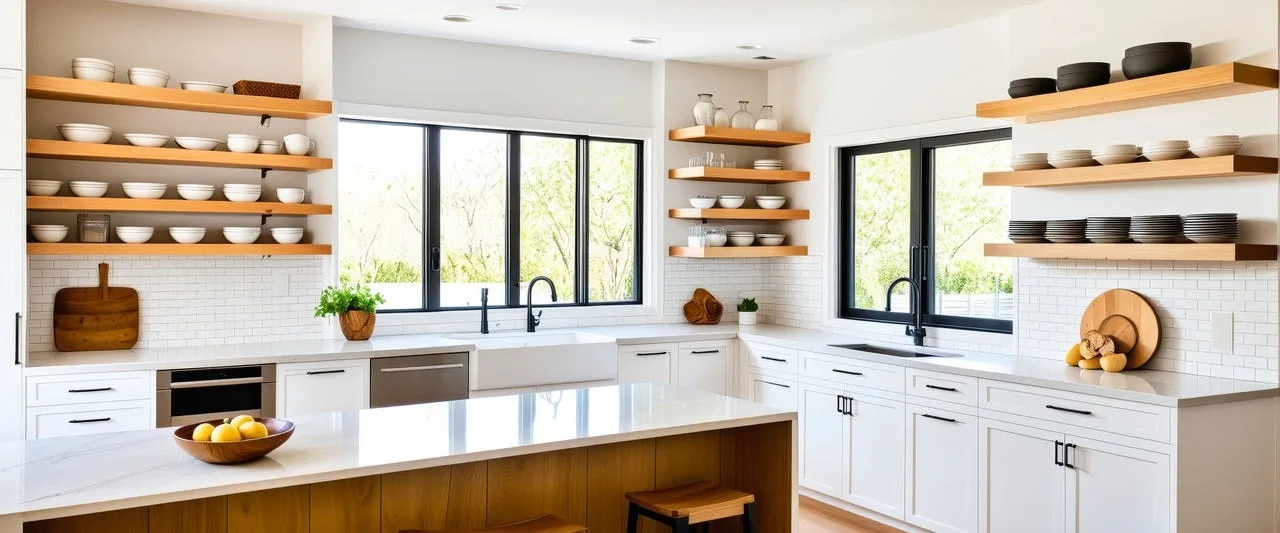
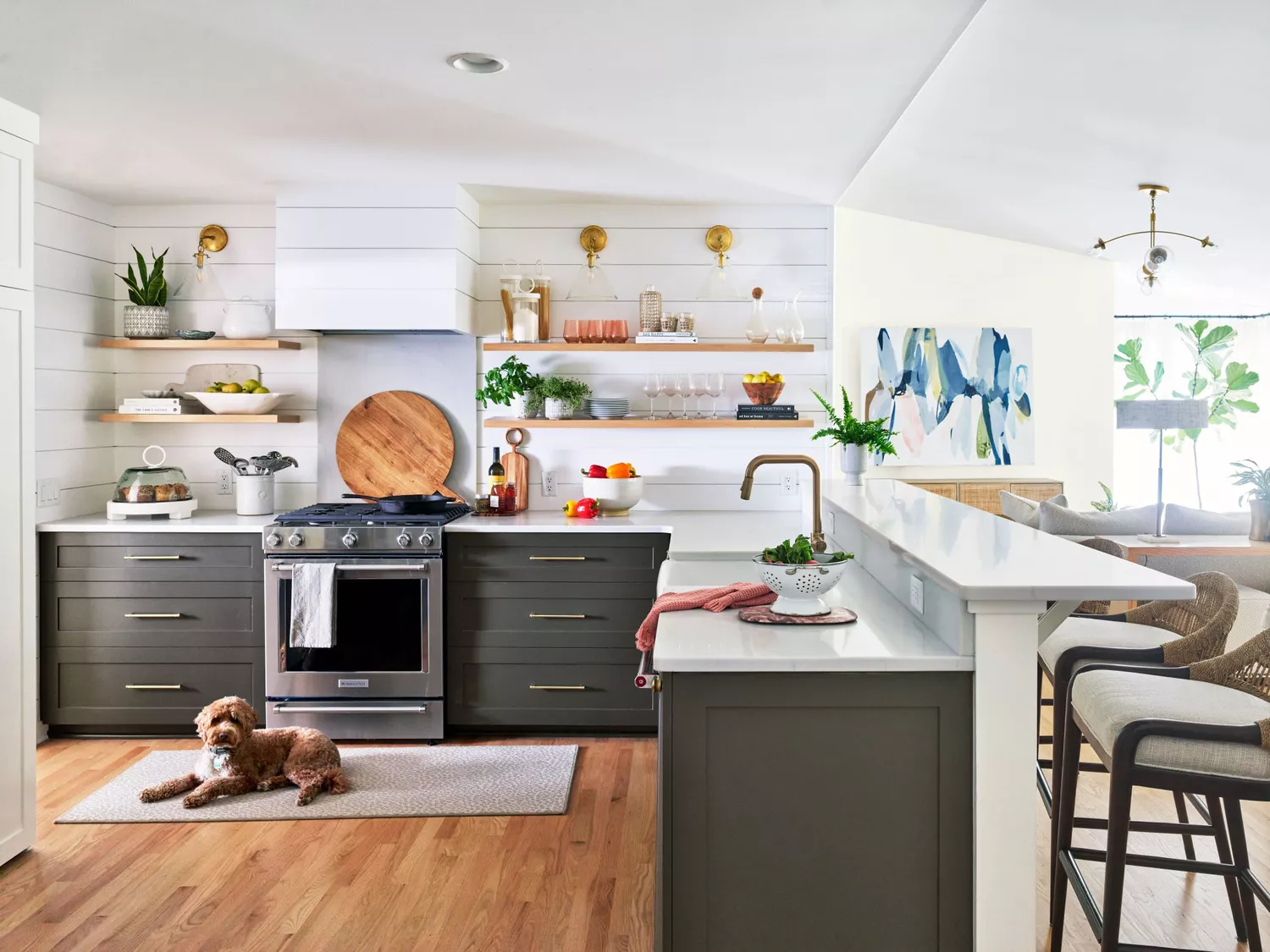
Open kitchen shelving has emerged as a popular design trend, frequently showcased on social media and in home decor magazines. However, before homeowners commit to this aesthetic, it is crucial to consider the practical implications and individual lifestyle factors that might make open shelving unsuitable. While visually appealing and capable of creating an open, airy feel, open shelves come with significant downsides, especially for those who are not true minimalists, do not live alone, or frequently cook.
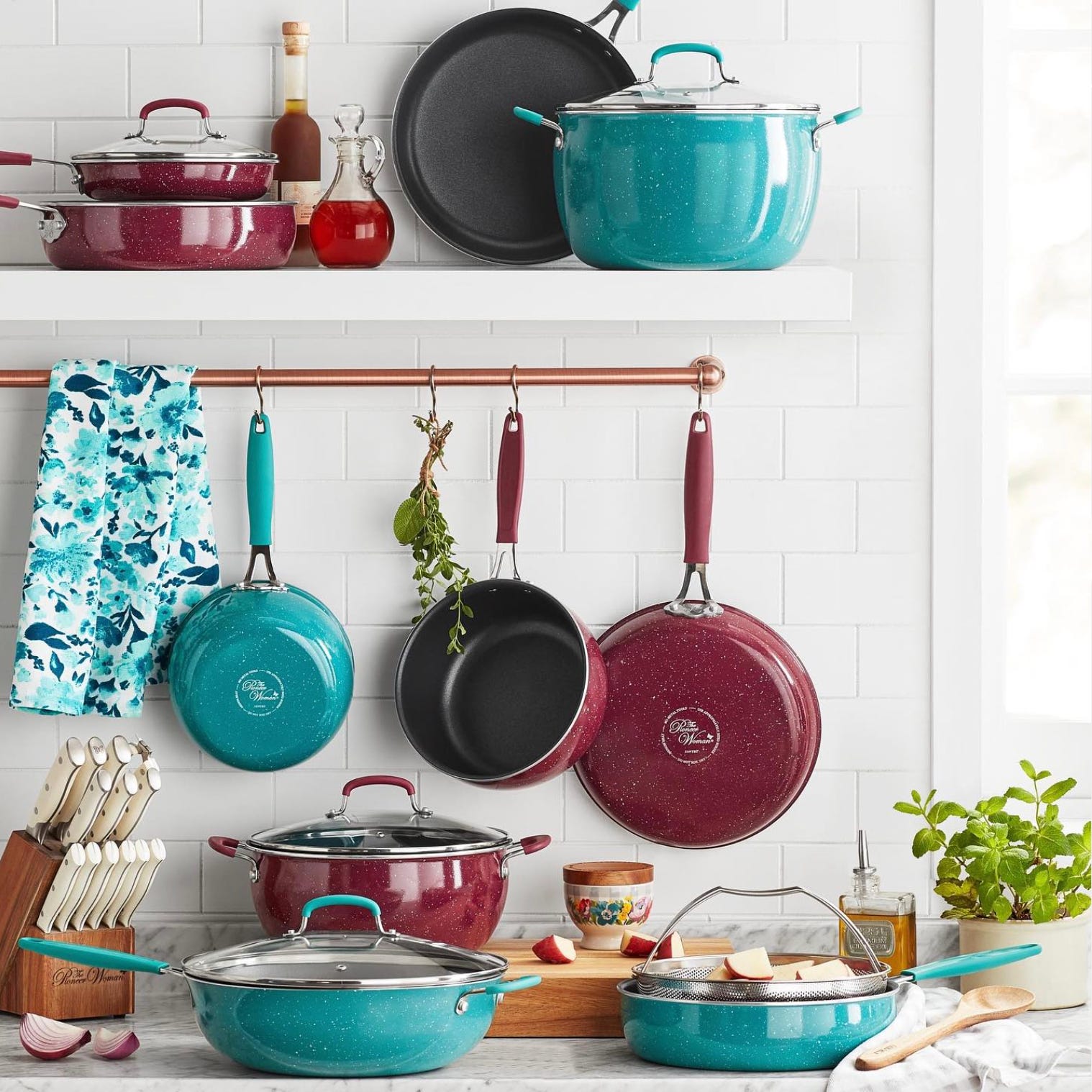
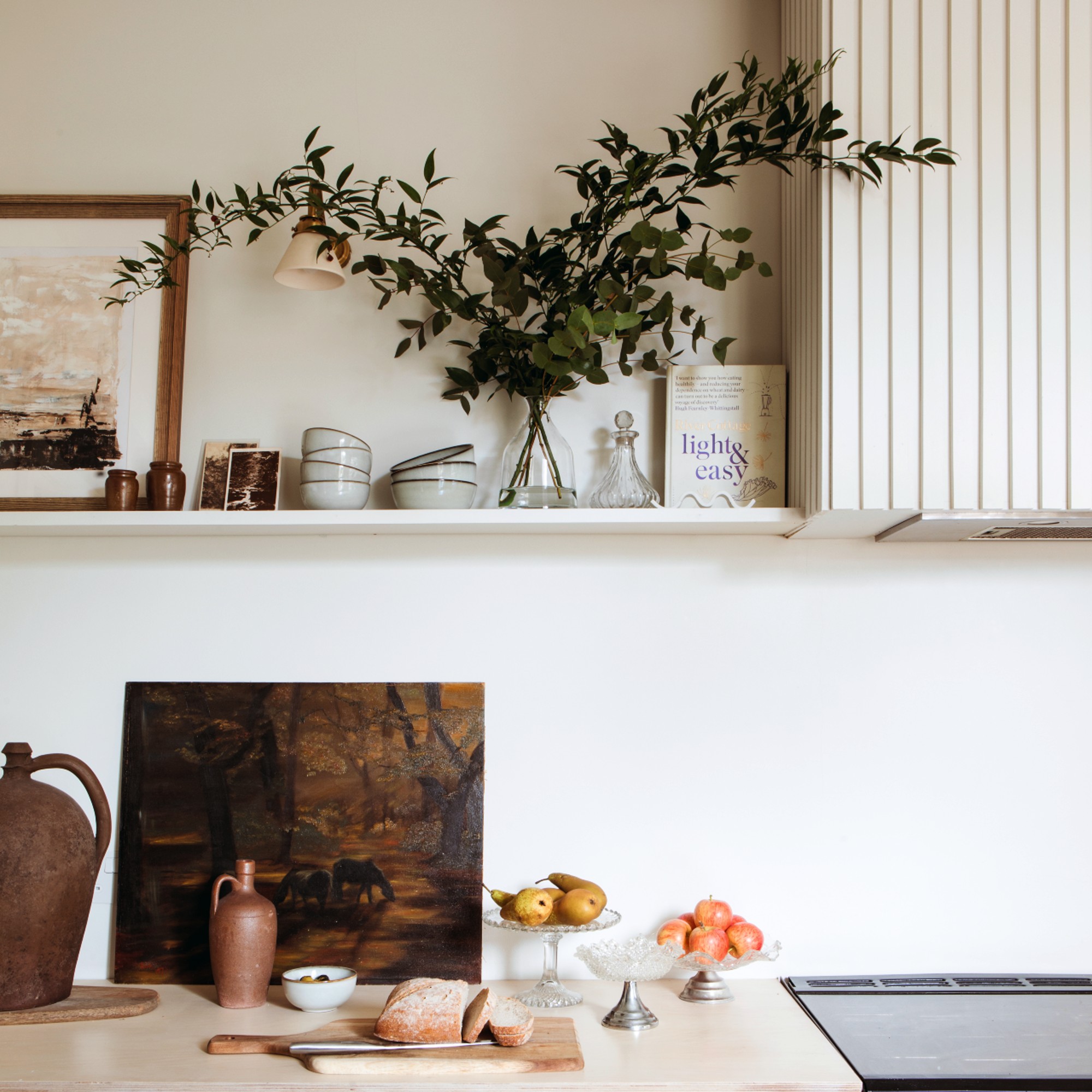
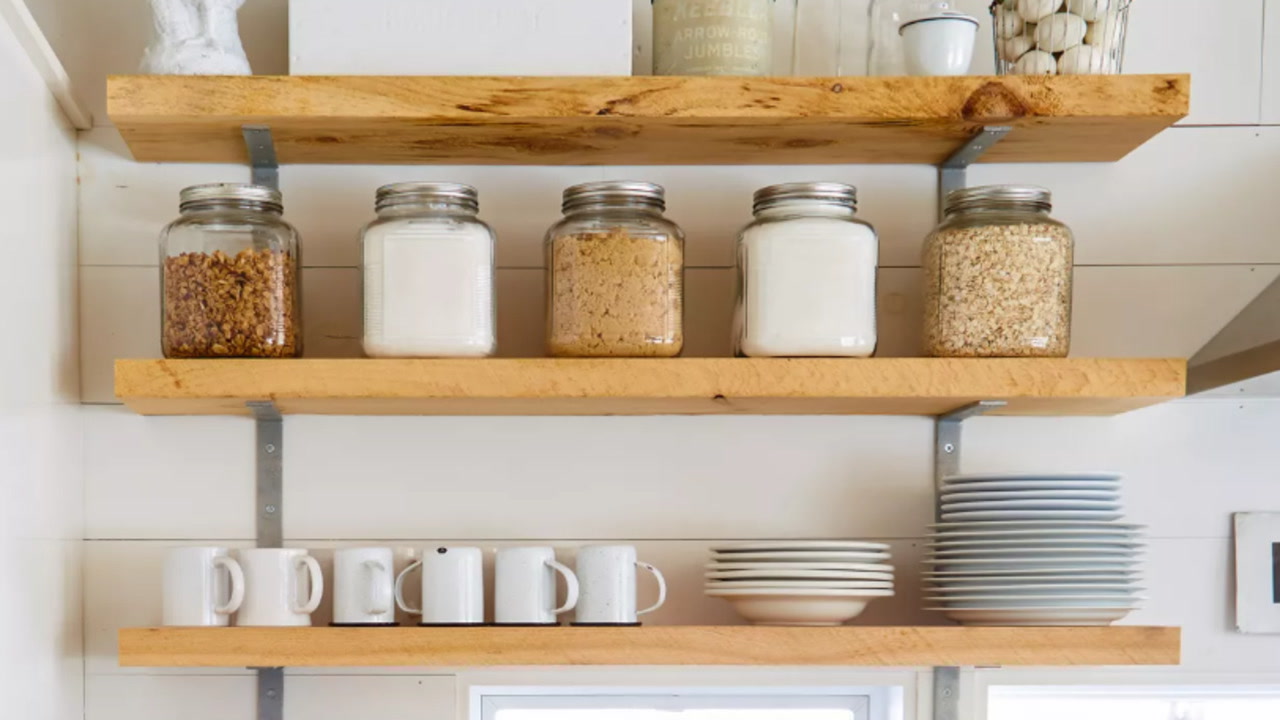
One of the primary considerations is the constant need for tidiness. Unlike closed cabinets, open shelves expose everything to view, demanding that all items be perfectly arranged and aesthetically pleasing at all times. This can be challenging for busy households or individuals who accumulate kitchenware and appliances. Clutter quickly becomes an eyesore, undermining the intended minimalist or organized look. The items displayed on open shelves must also be cohesive in style and color, adding another layer of curation and effort.
Another practical concern is the accumulation of dust and grease. Kitchens are inherently messy environments where cooking inevitably leads to airborne particles of food, oil, and dust. Items on open shelves are directly exposed to these elements, requiring frequent and thorough cleaning. This can be particularly problematic for items used less often or those made of porous materials that absorb odors and stains. Closed cabinets, in contrast, offer protection from these everyday kitchen nuisances, preserving the cleanliness and condition of stored items.
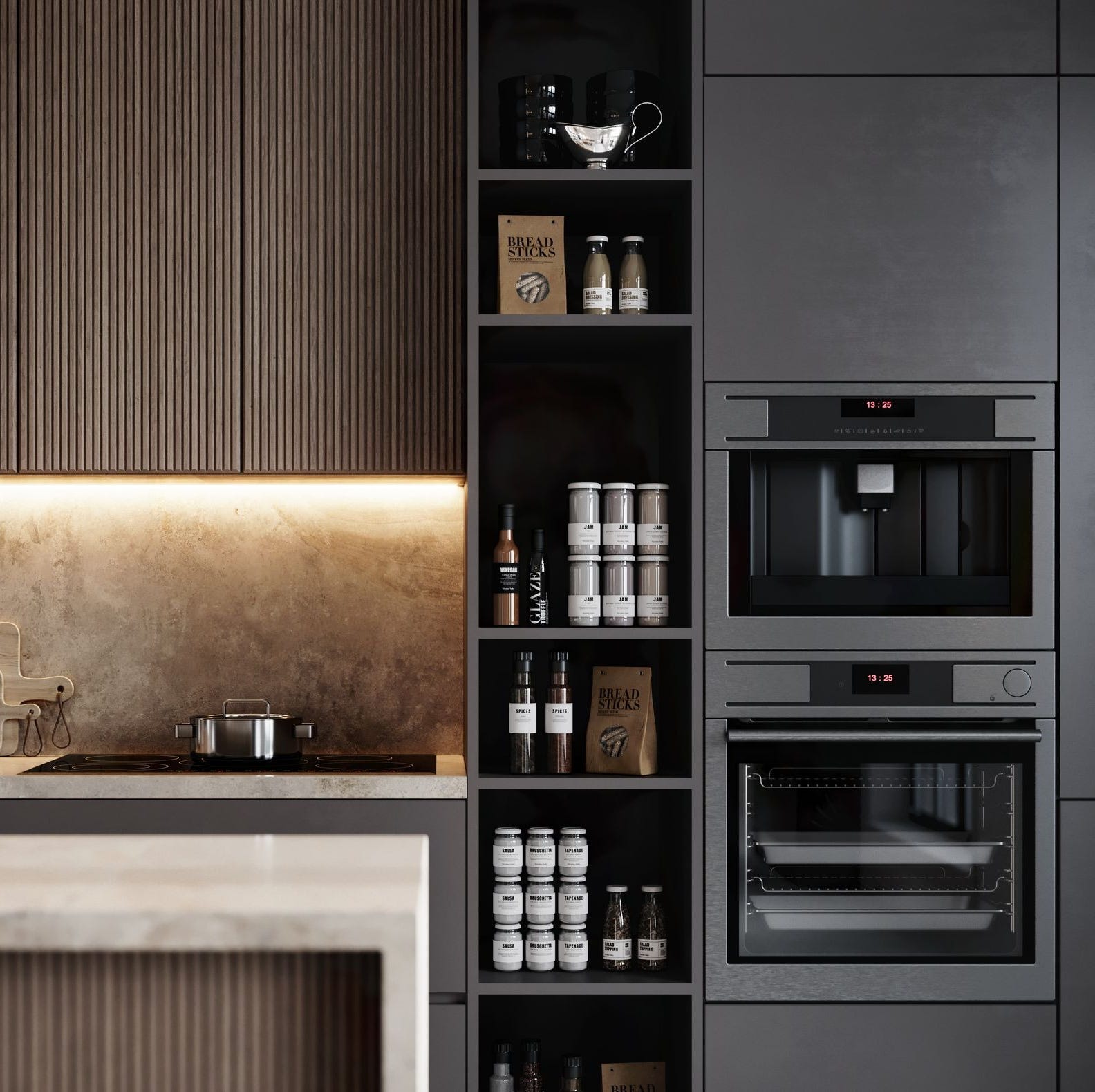
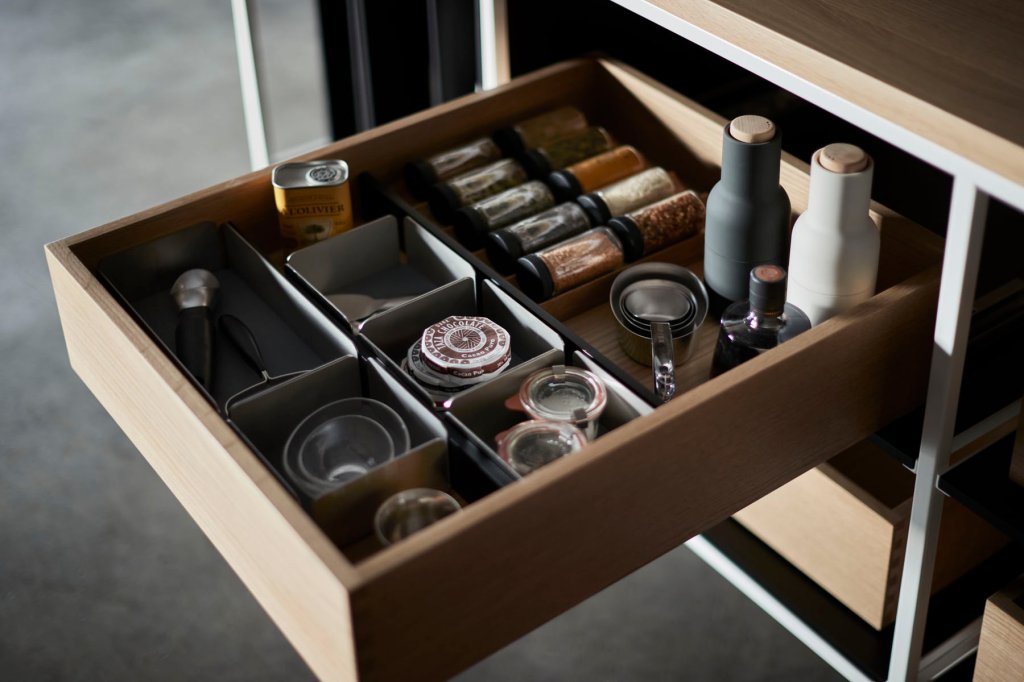
Storage capacity is also a significant factor. Open shelves, by their nature, offer less usable storage space compared to traditional wall cabinets. The absence of cabinet doors means that items cannot be stacked haphazardly, and a certain amount of negative space is often required for the arrangement to appear organized and not overcrowded. This reduction in functional storage can be a major drawback for families or individuals who own a large collection of dishes, pots, pans, and pantry staples. Many households rely on the hidden storage of upper cabinets to keep less attractive but necessary items out of sight.
Furthermore, the perceived cost savings of open shelving can be misleading. While open shelves might initially appear cheaper than custom cabinetry, the hidden costs of maintaining their aesthetic appeal and functionality can add up. This includes investing in attractive, matching dinnerware, storage containers, and decor, as well as the increased time and effort spent on cleaning and organizing. Moreover, if a homeowner later decides open shelving is not practical, converting to traditional cabinets can be an additional expense.
Ultimately, open kitchen shelves are best suited for specific individuals or lifestyles, such as minimalists, those who rarely cook, or people living in small spaces where an open feel is prioritized over maximum storage. For most typical households, the aesthetic benefits of open shelving may not outweigh the practical challenges of maintenance, limited storage, and constant organization. Therefore, careful consideration of one's cooking habits, lifestyle, and storage needs is essential before making a design choice that could lead to long-term frustration.
#KitchenDesign #OpenShelving #HomeDecor #KitchenStorage #InteriorDesign #MinimalistKitchen #HomeImprovement #KitchenDesign #OpenShelving #HomeDecor #KitchenStorage #InteriorDesign #MinimalistKitchen #HomeImprovement
0 comment in total
 No comments yet
You may also like
Yes, Open Shelving in a Kitchen Can Be Stylish and Functional
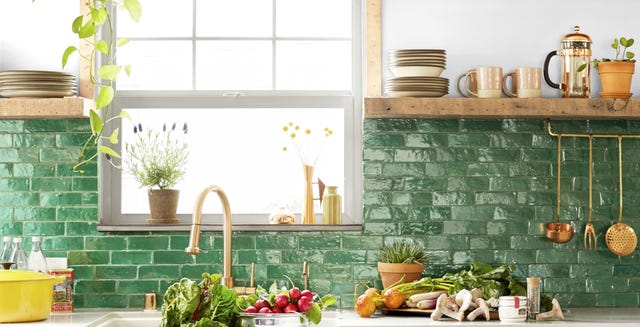
Maximize Your Kitchen Space With These Open Shelving Ideas

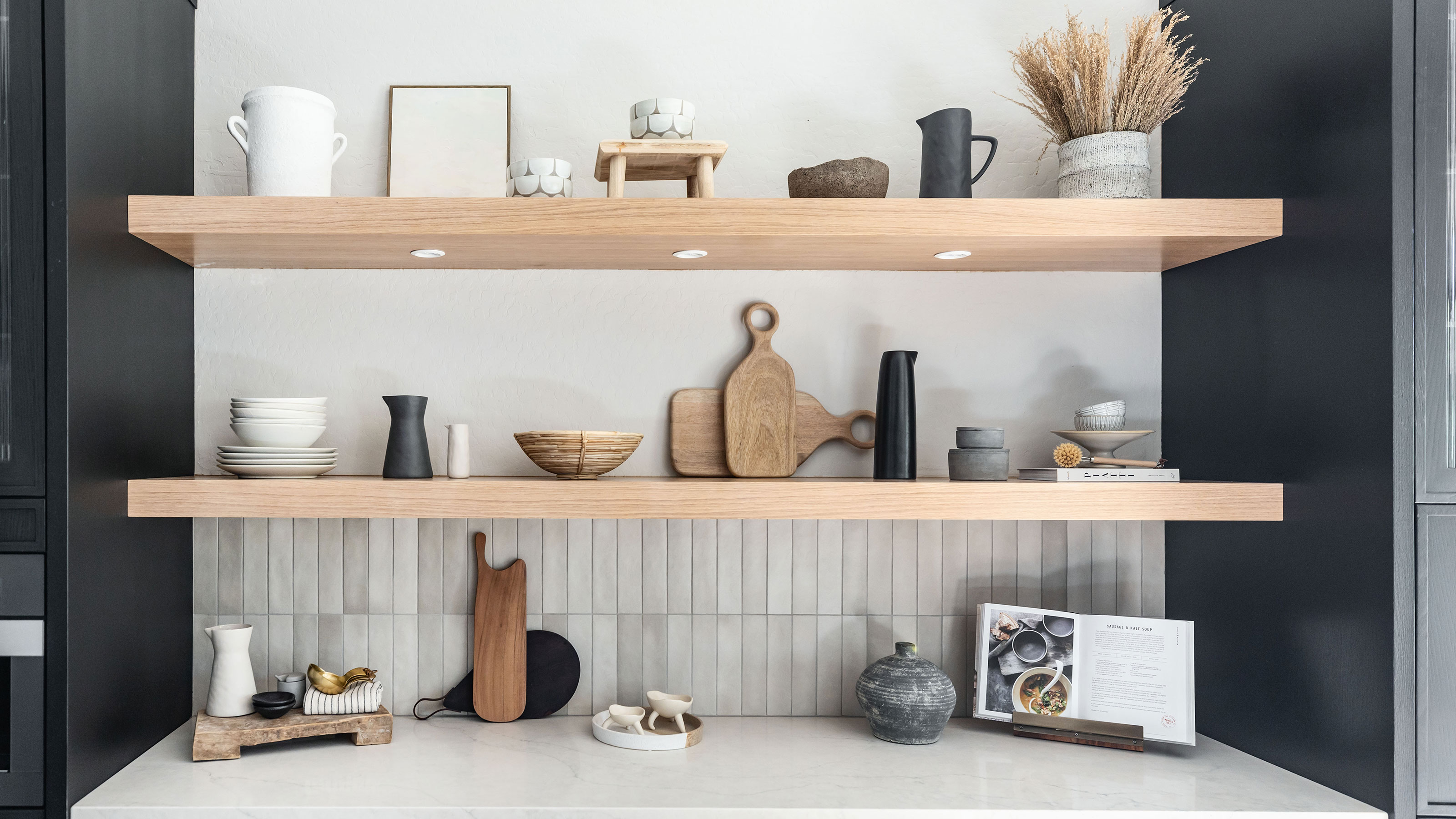
The 3 golden rules of organizing open shelving in the kitchen

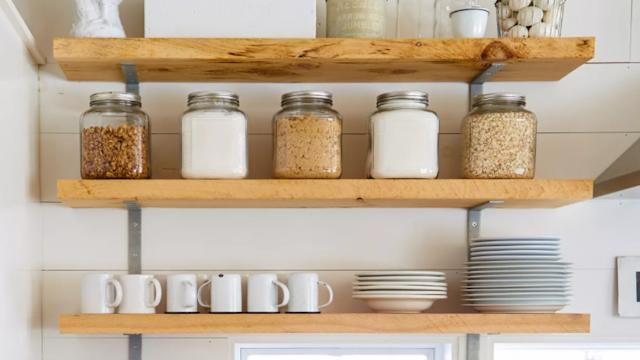
How to Optimize Storage on Open Kitchen Shelves
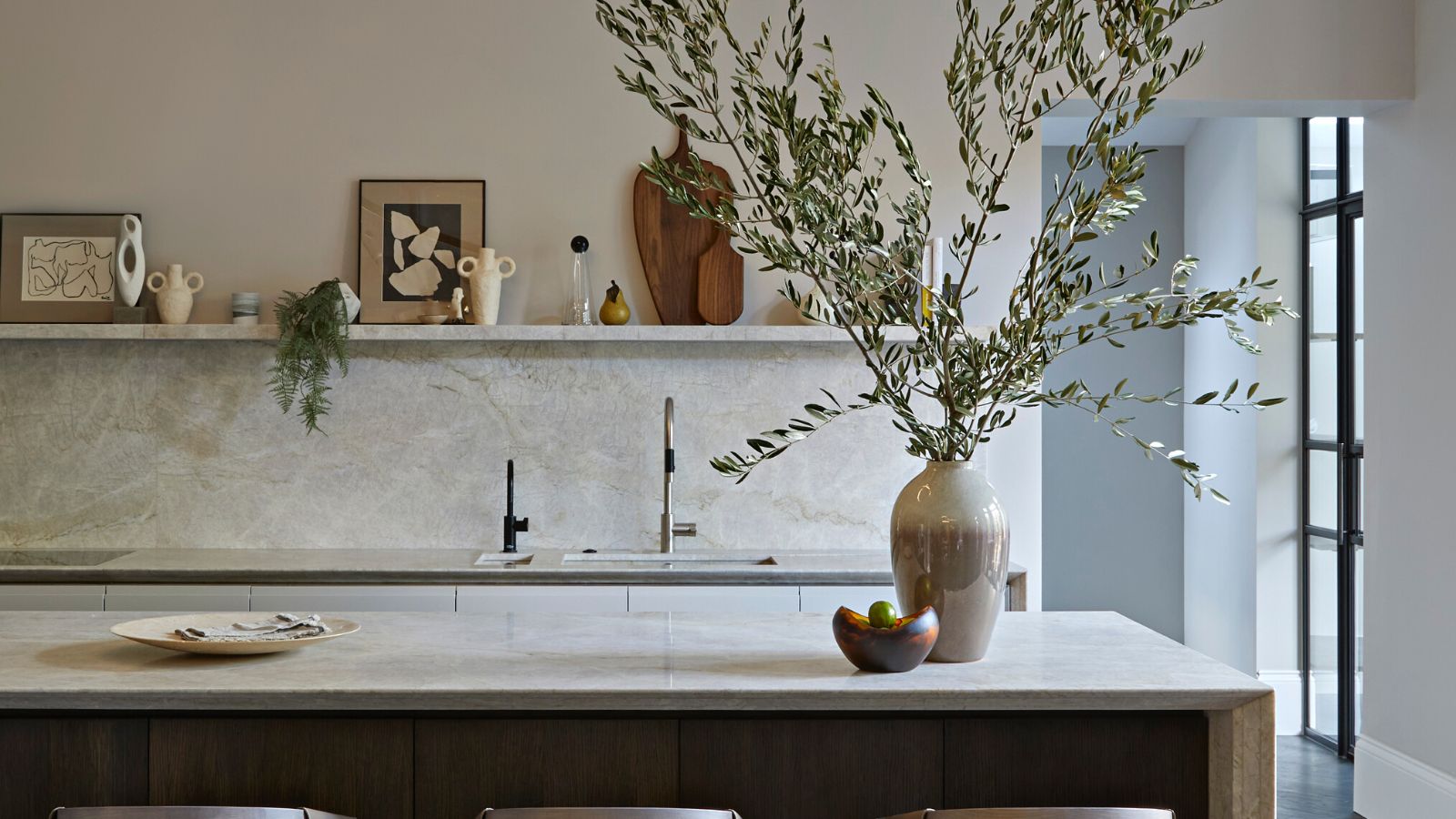
The downsides of open shelving – why this much-loved kitchen look may not be for you
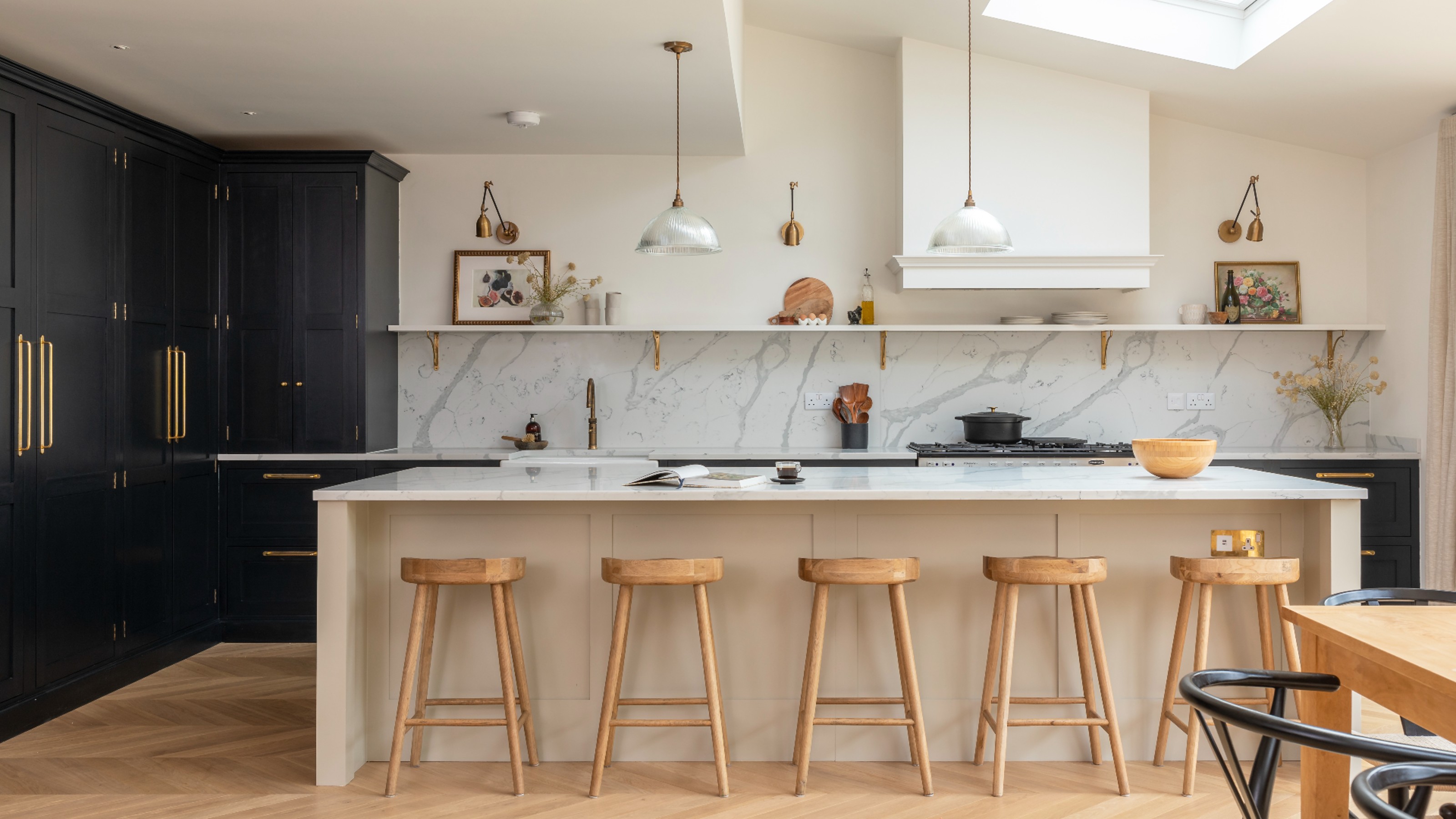
Never store these 6 things on open kitchen shelving, warn pro organisers
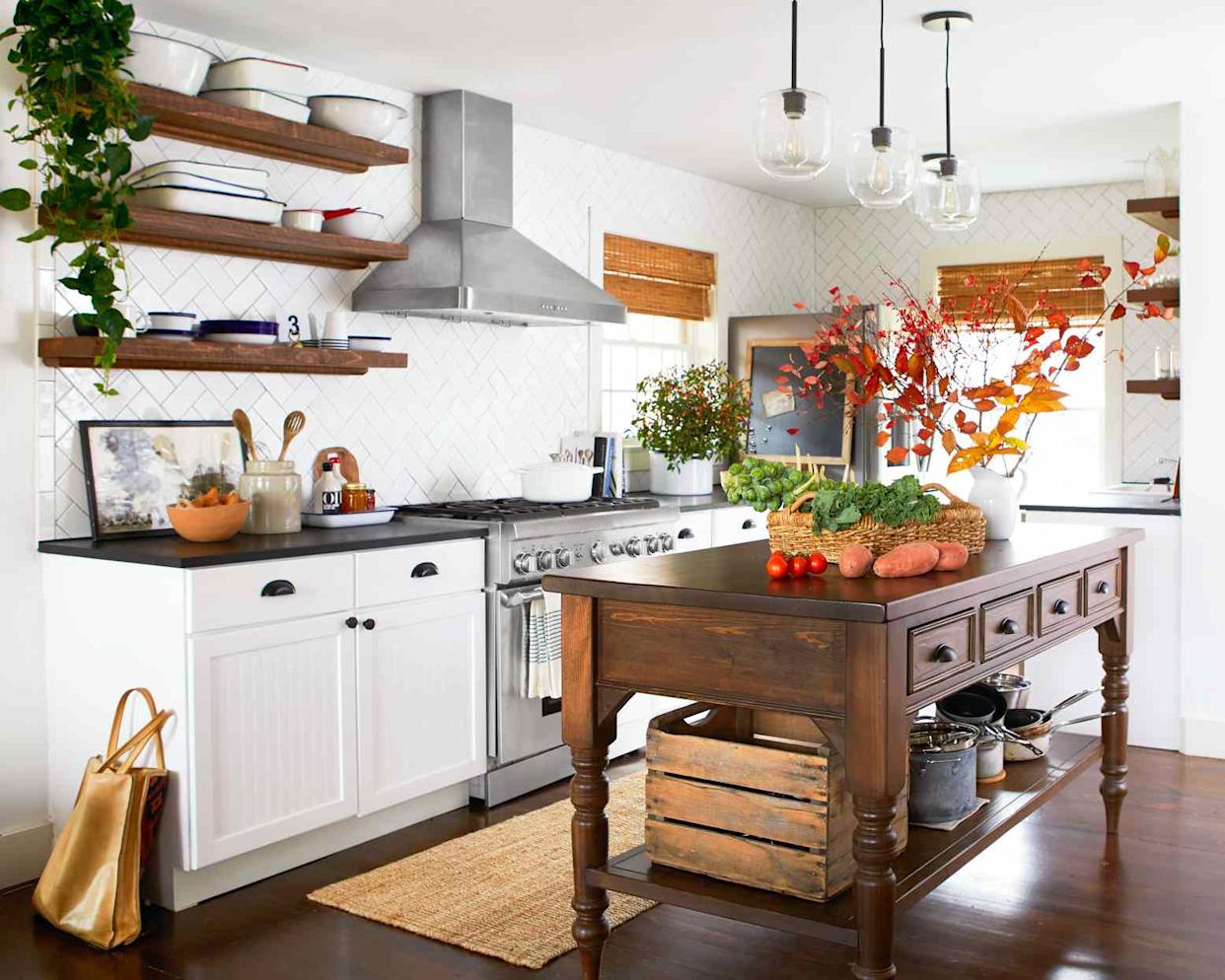
Designers Agree: This Kitchen Trend Instantly Makes Your Home Look Outdated

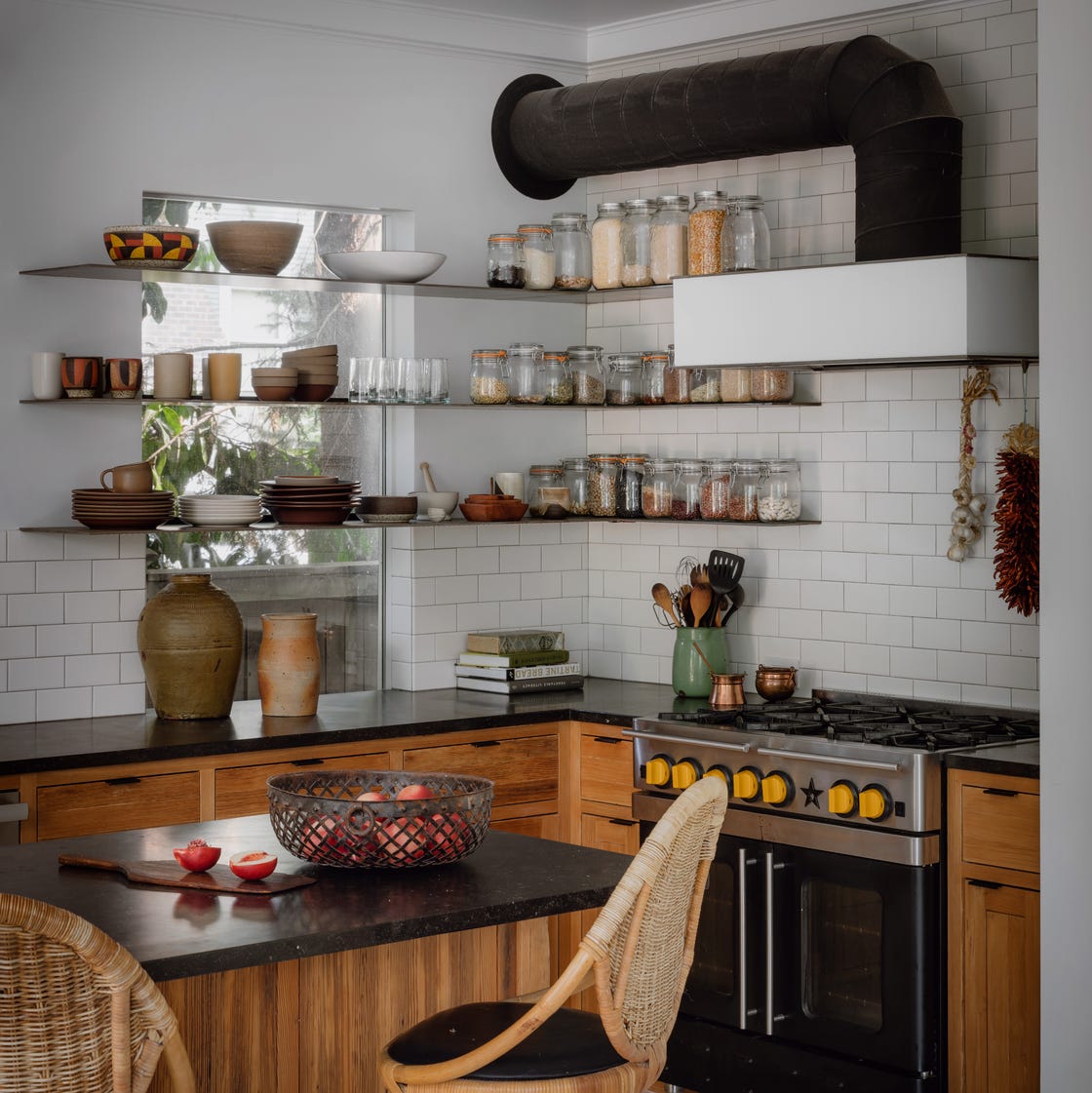
28 Open Shelving Ideas That'll Inspire You to Ditch Those Kitchen Cabinet Doors

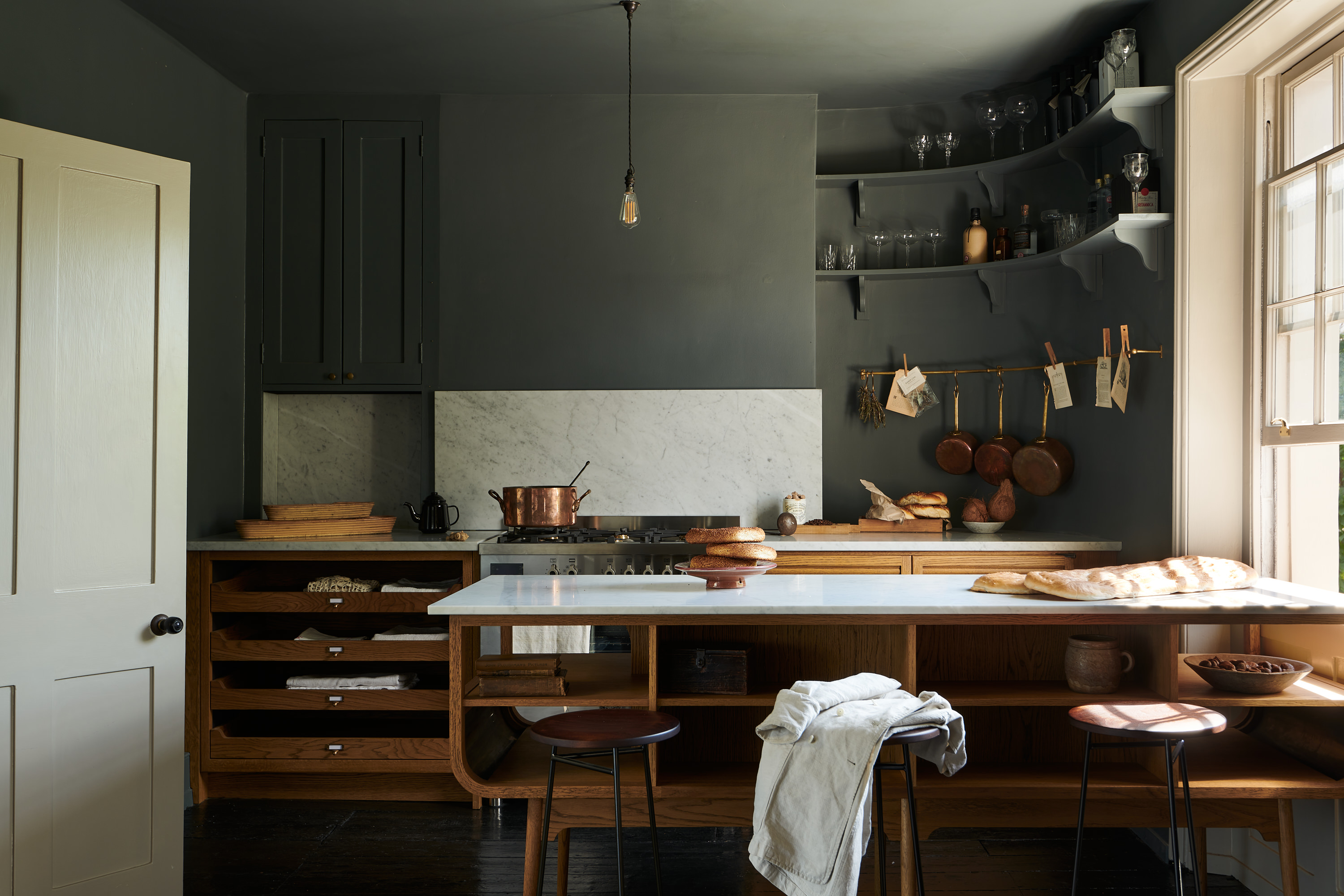
Are Open Kitchen Shelves Still in Style? This Interior Designer Told Us to Ditch Them — Here's Why

Open Shelving Is The Budget-Friendly Secret To Completing Your Kitchen, According To An Expert
The Open-Plan Kitchen: Is It Right for You?

Rita Ora has taken a side in the ongoing open shelving vs wall cabinet debate – and it's easy to recreate
Kitchen cabinets? Or open shelving? We asked an expert for the pros and cons.
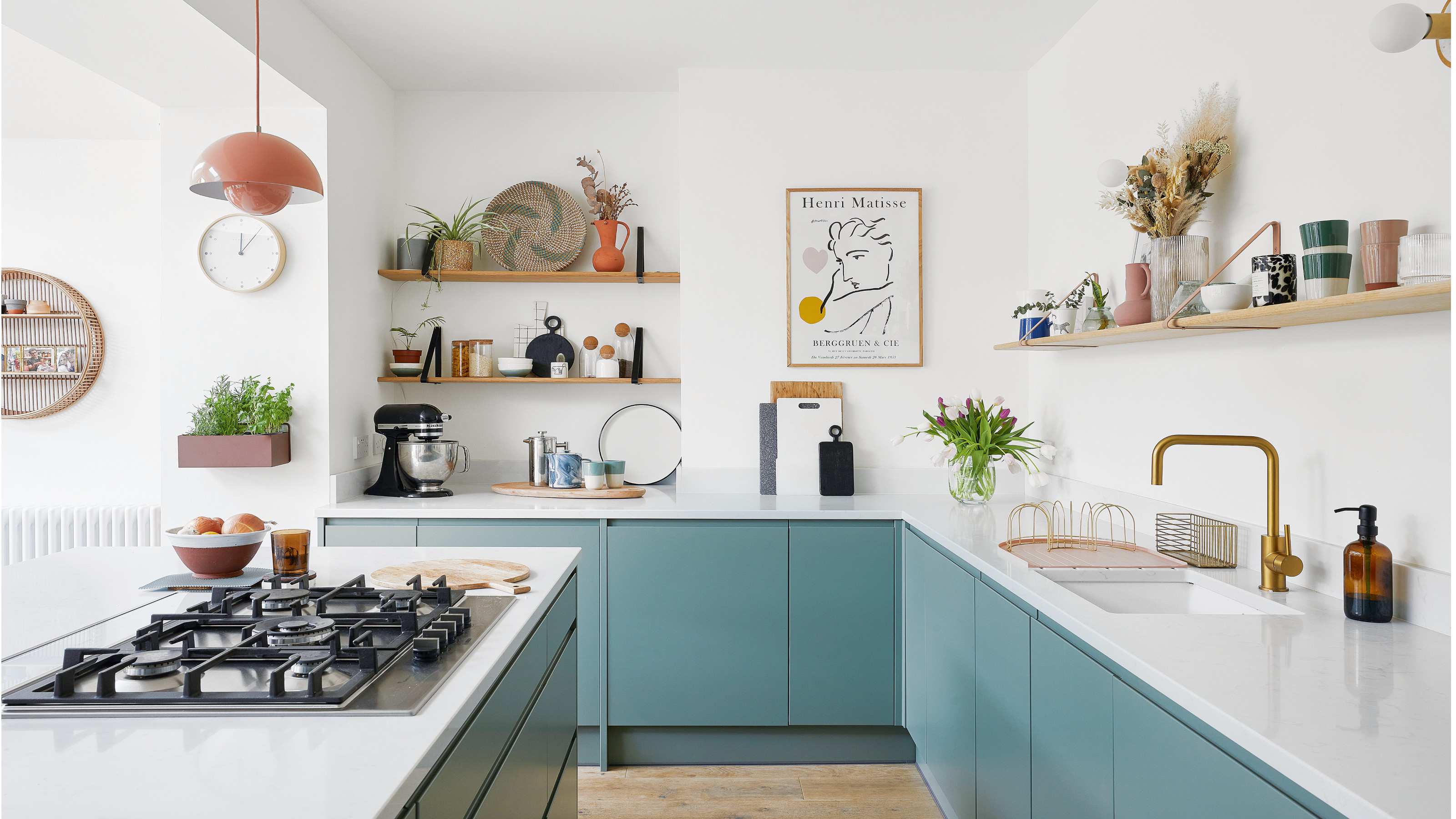
22 Kitchen shelving ideas for a stylish display that doesn't compromise storage

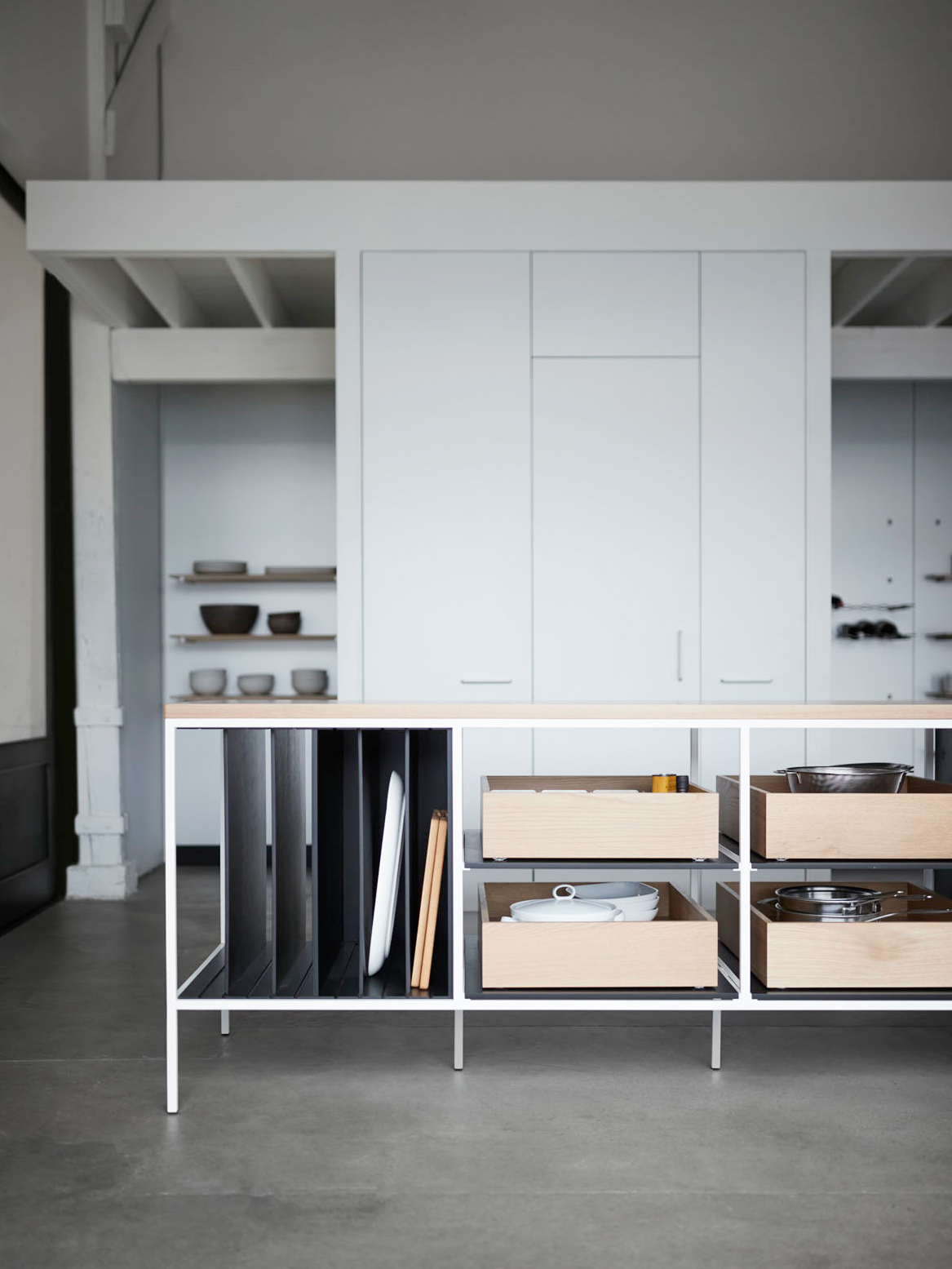
You’re Familiar With Open Kitchen Shelving, But What About an Open Island?

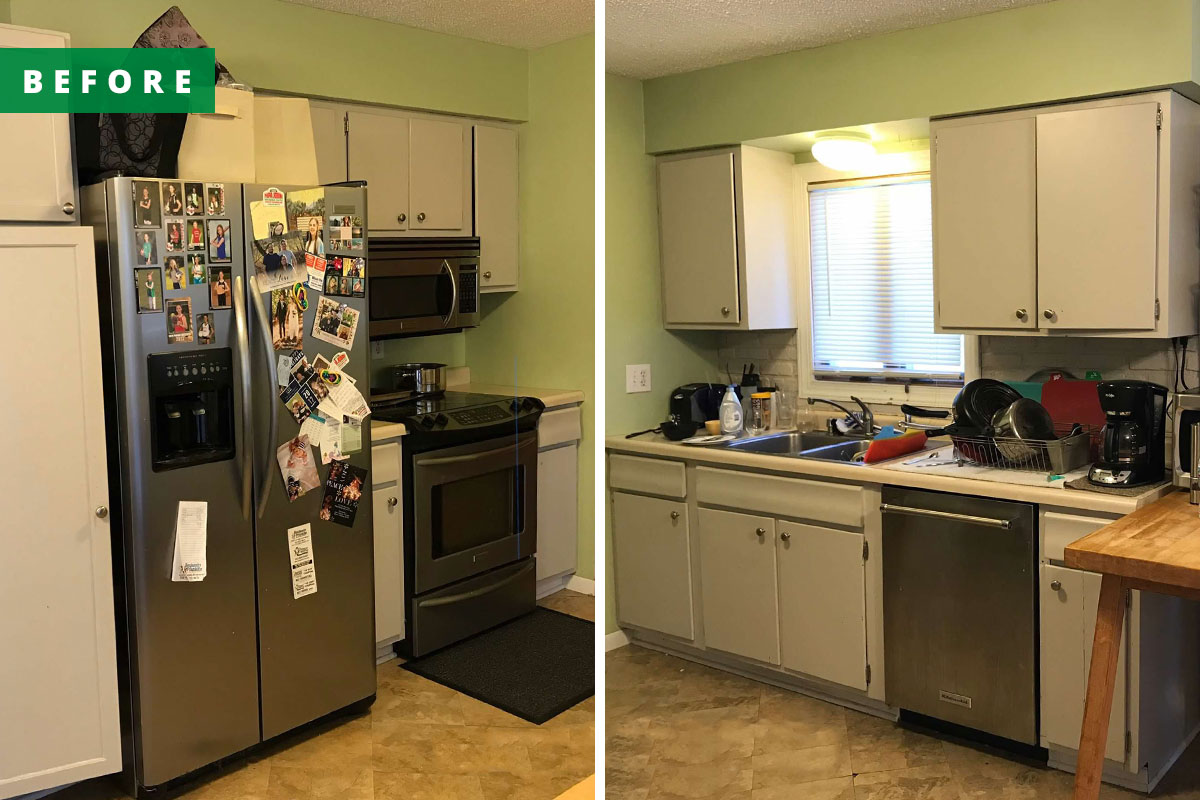
I Swapped My Upper Kitchen Cabinets for Open Shelves—Here’s How I Feel About It Now
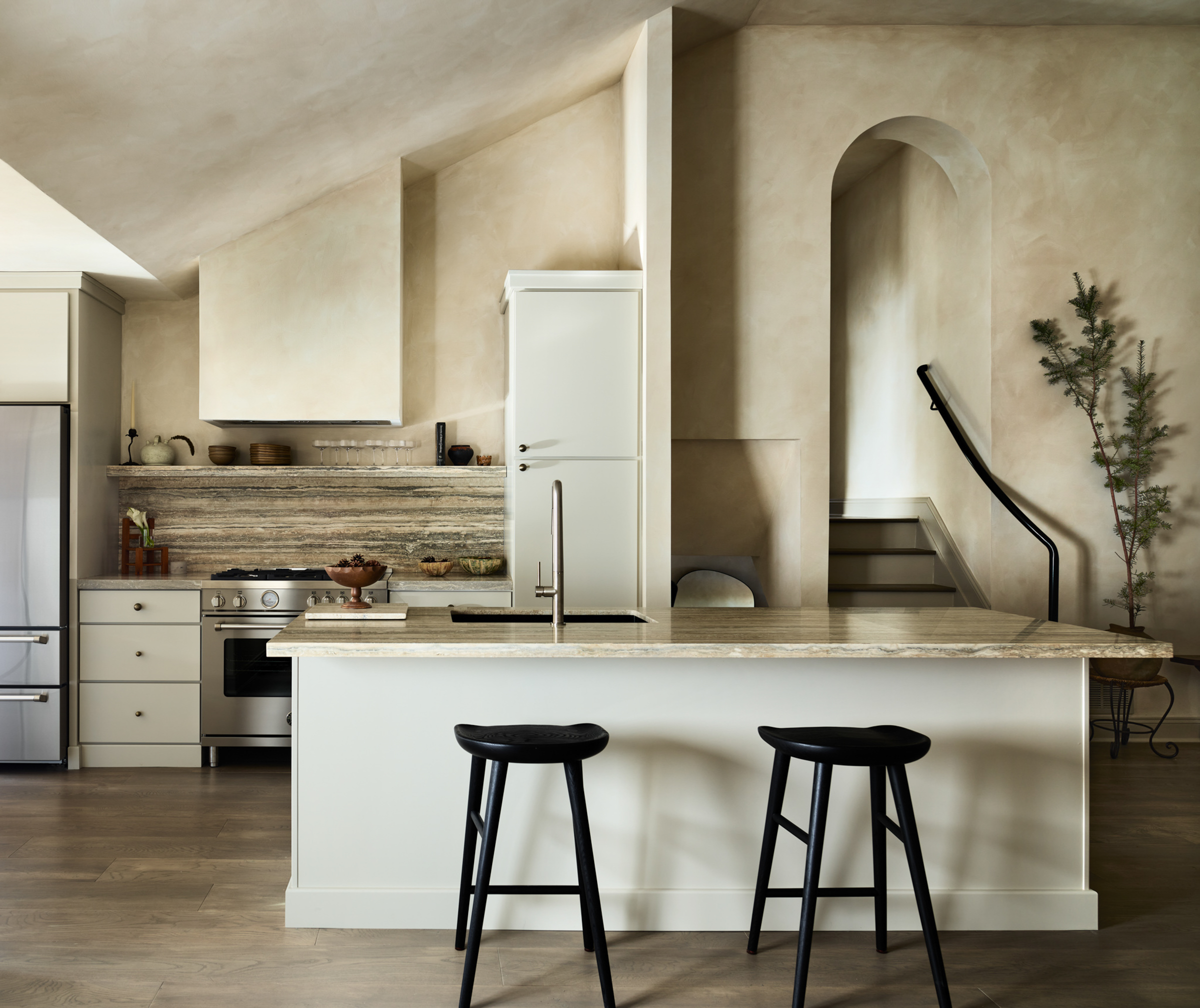
This Is the Most Optimal Place for an Open Shelf in Your Kitchen

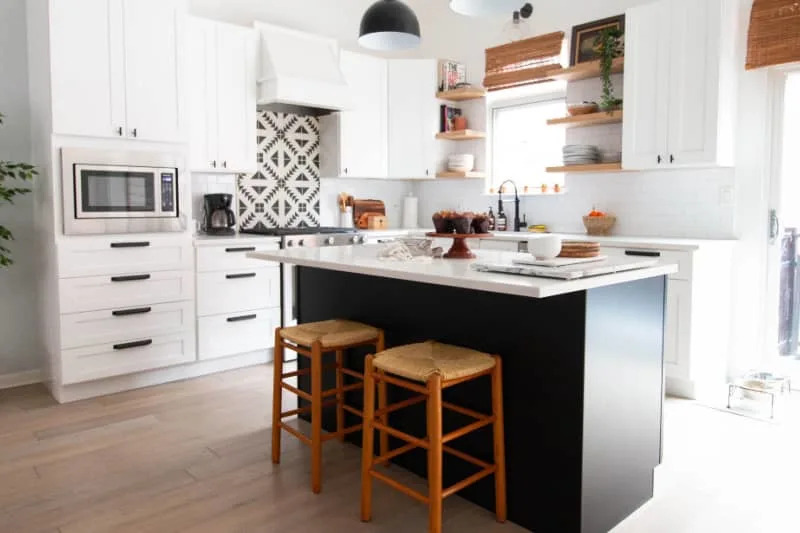
Upper Kitchen Cabinets Are on Their Way Out in 2025 — Here’s What’s Replacing Them
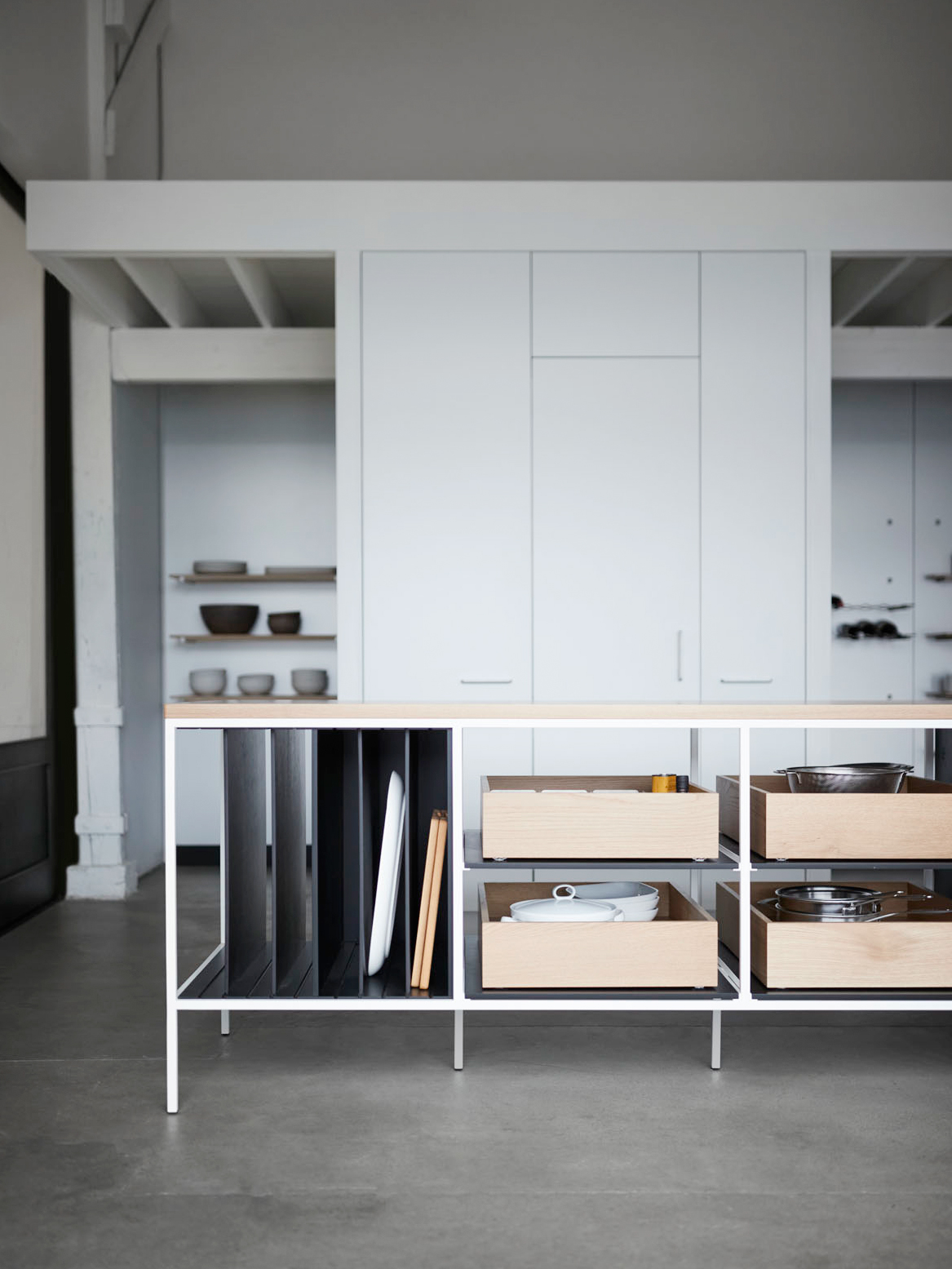
You’re Familiar With Open Kitchen Shelving, But What About an Open Island?

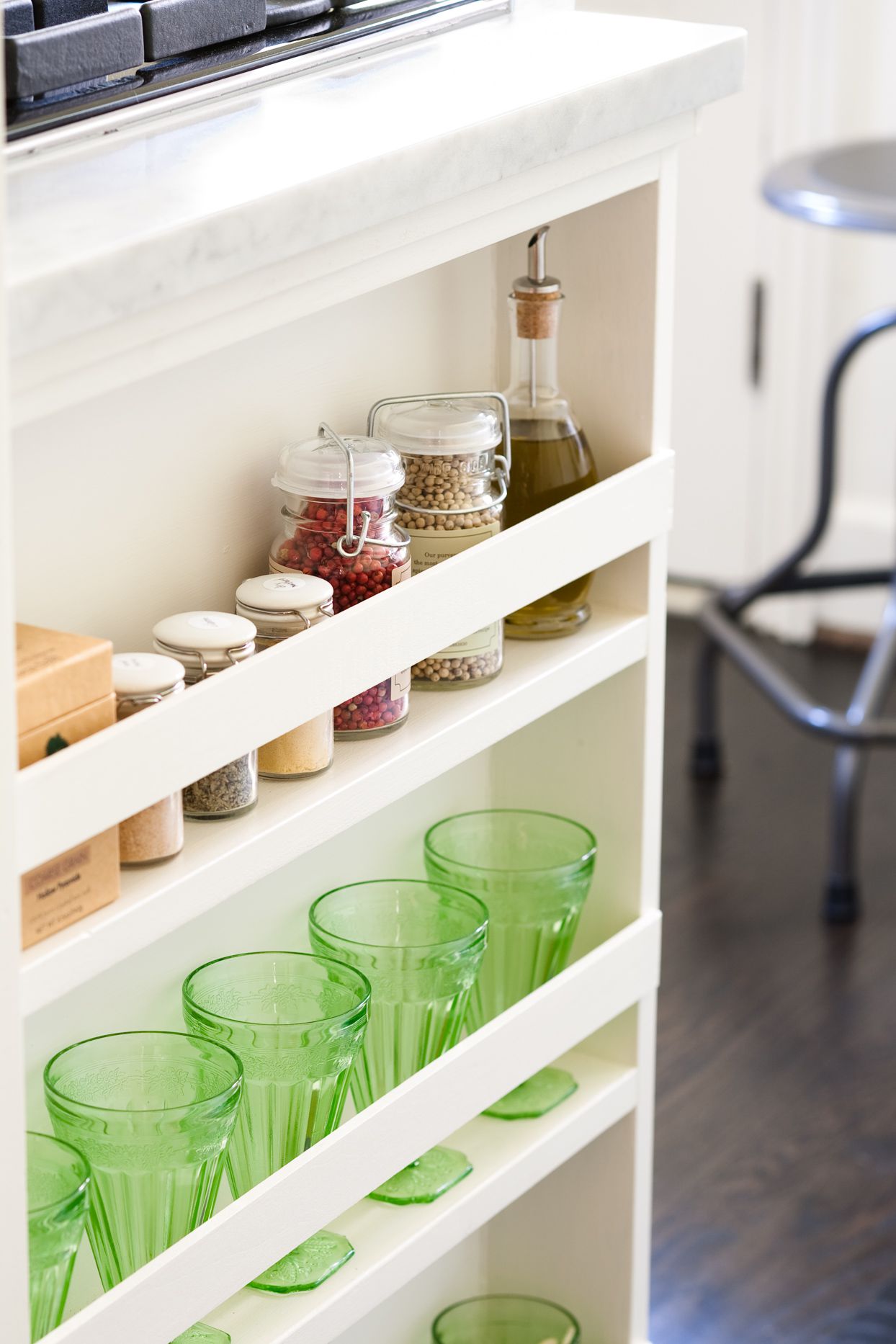
10 Organization Tips for Optimizing Open Kitchen Shelving