1/5
“Design Feeling” and Neo-Transitional Objects - COOL HUNTING®
The article explores the concepts of "design thinking" and "design feeling" in the context of everyday objects and their impact on human experience. While design thinking focuses on optimizing user experience and functionality, "design feeling" emphasizes the ability to align objects with broader socio-cultural contexts, thereby enriching the perceived quality of design. This concept becomes particularly relevant in an era marked by digital inconsistency and economic uncertainty, where people seek tangible reassurance and comfort through their surroundings.
The article highlights that many everyday objects are often poorly designed, leading to incoherent routines. Design thinking attempts to streamline these routines, but it is insufficient to address the deeper meaning and emotional connection individuals form with objects. "Design feeling" aims to bridge this gap by considering the intangible aspects of design that resonate with contemporary societal shifts.
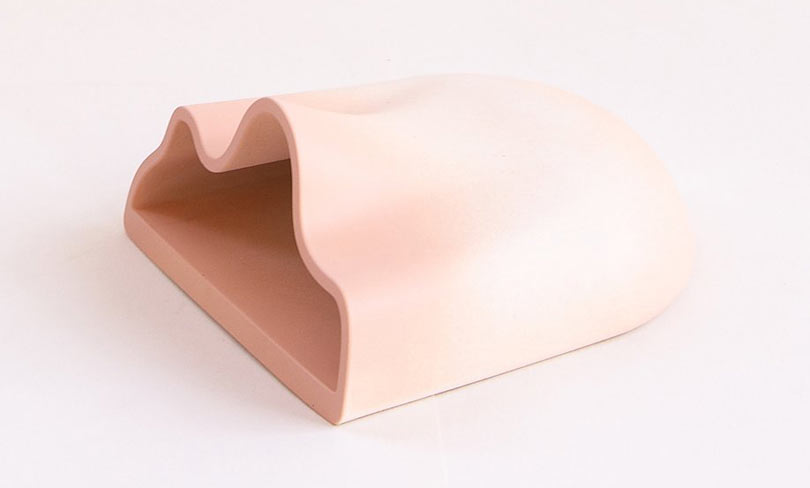
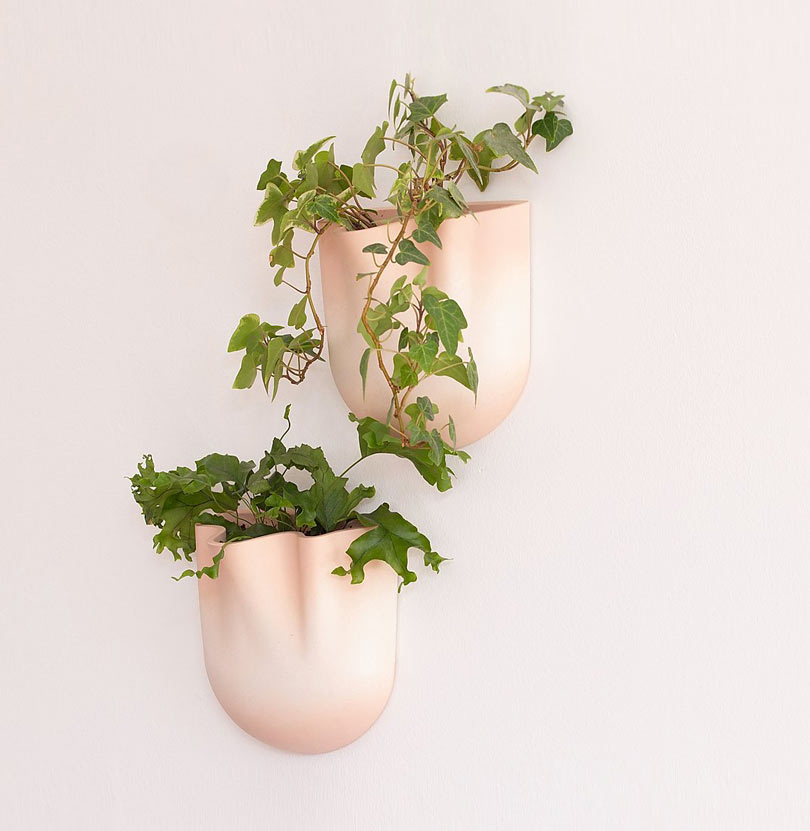
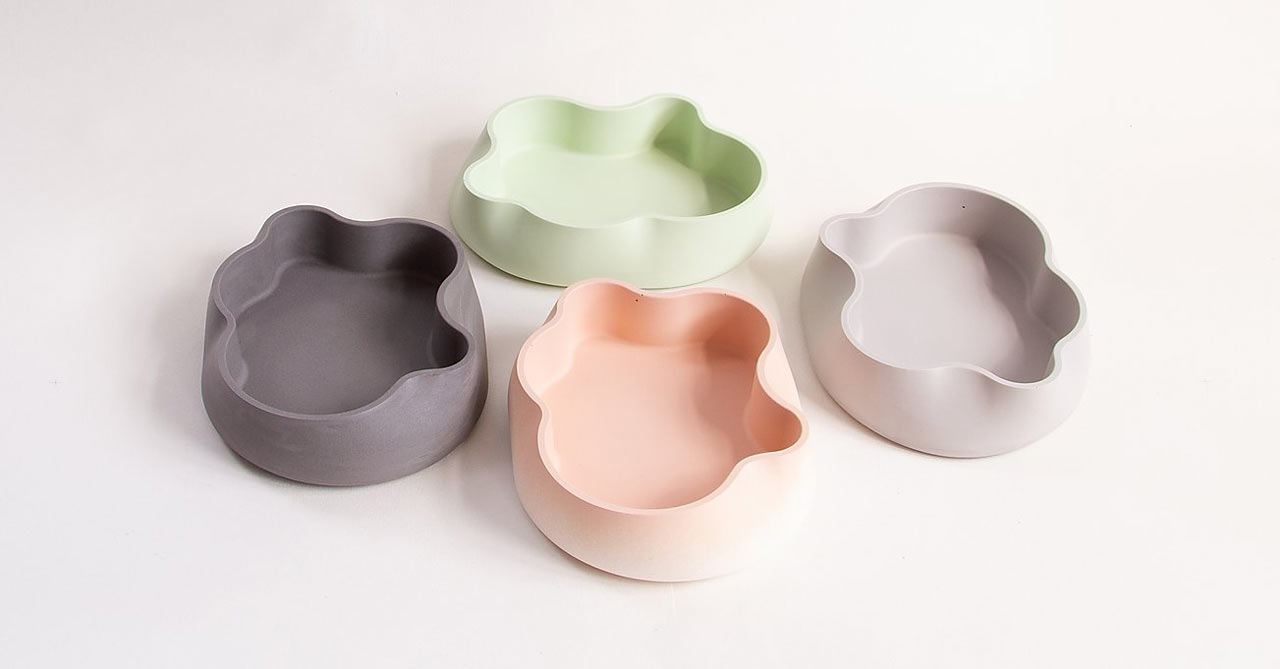
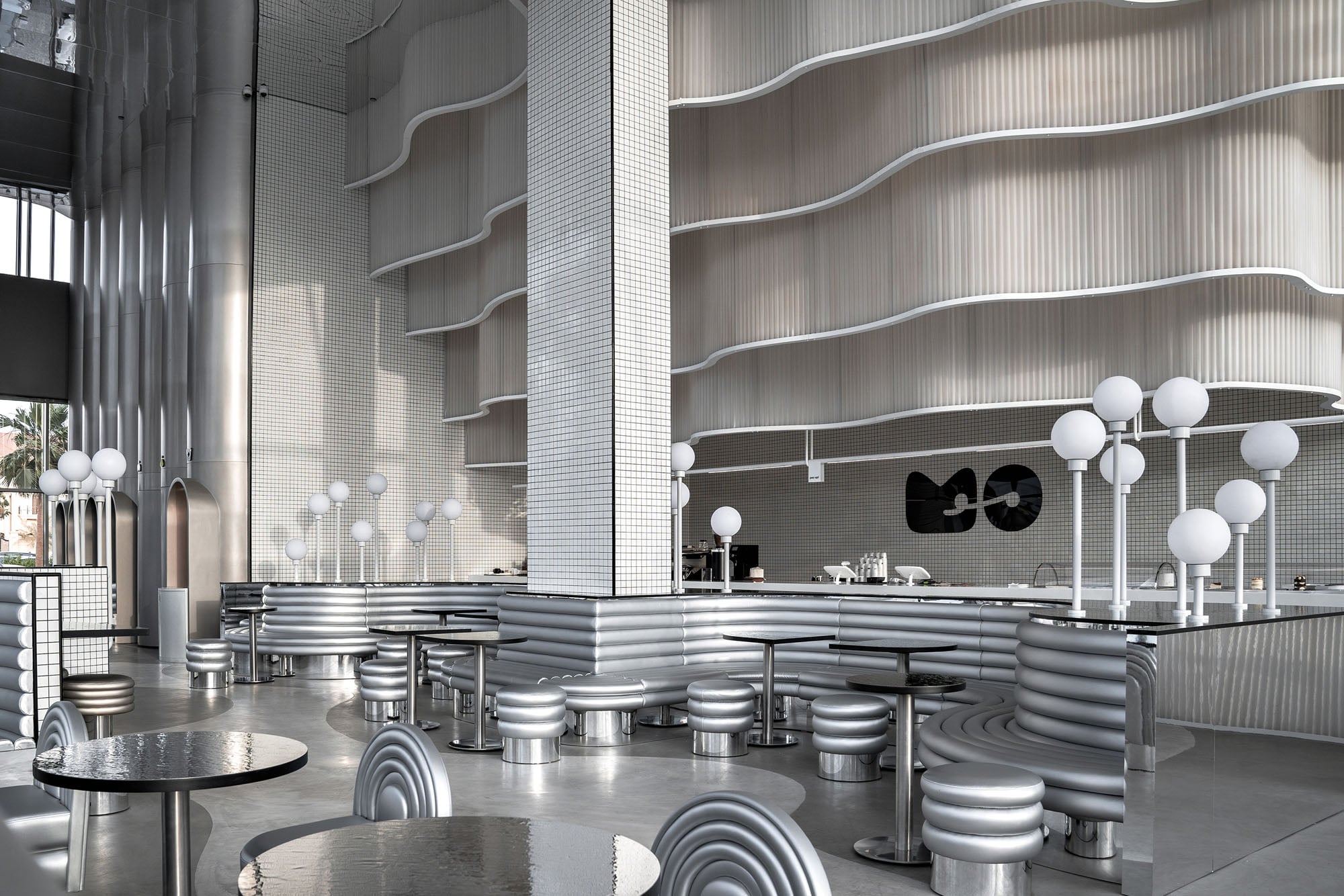
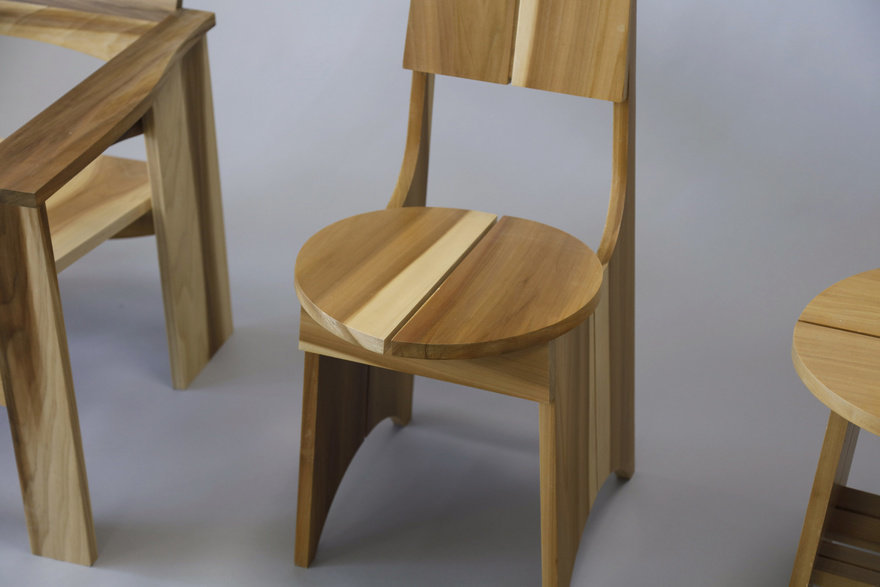
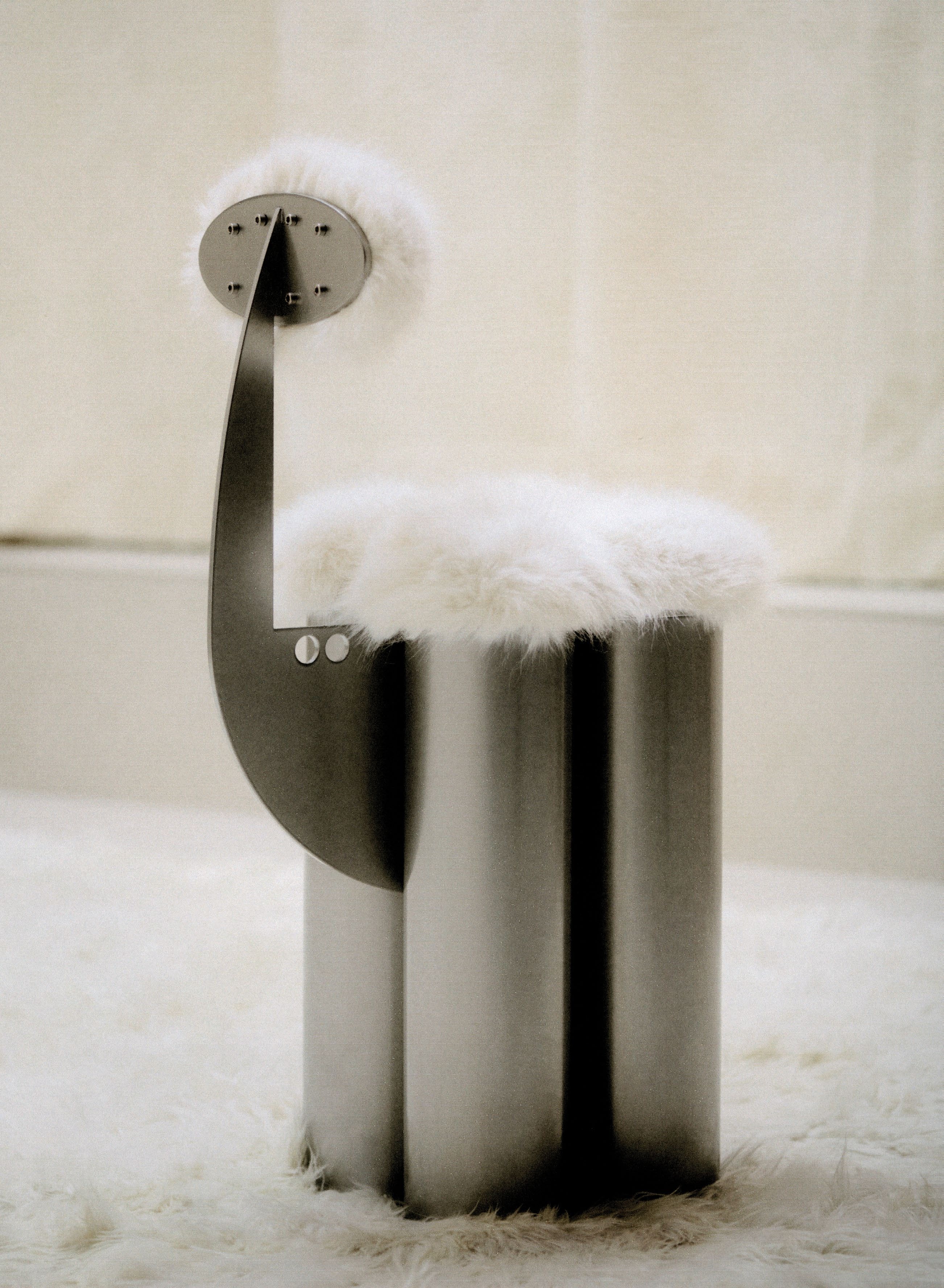
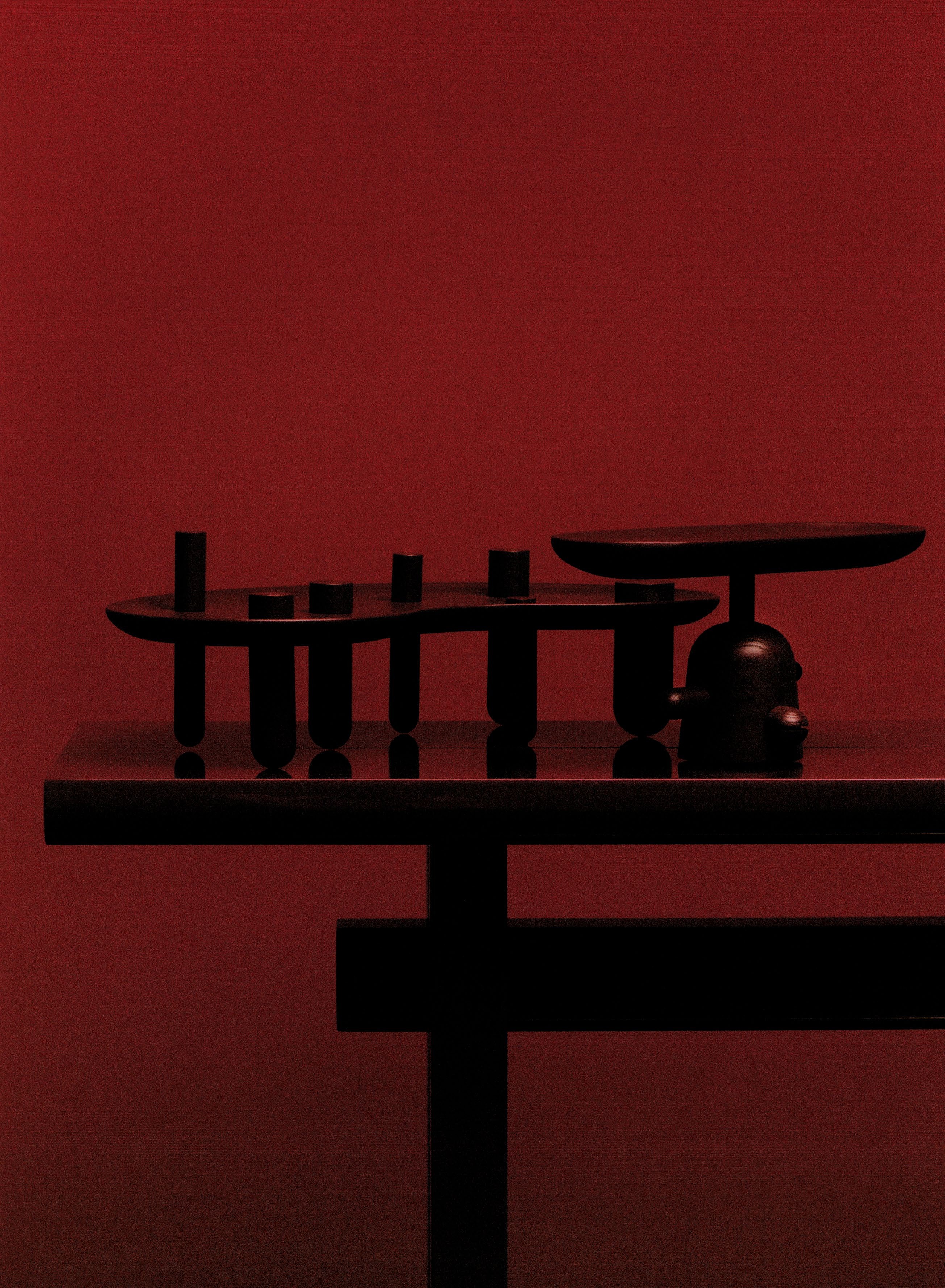
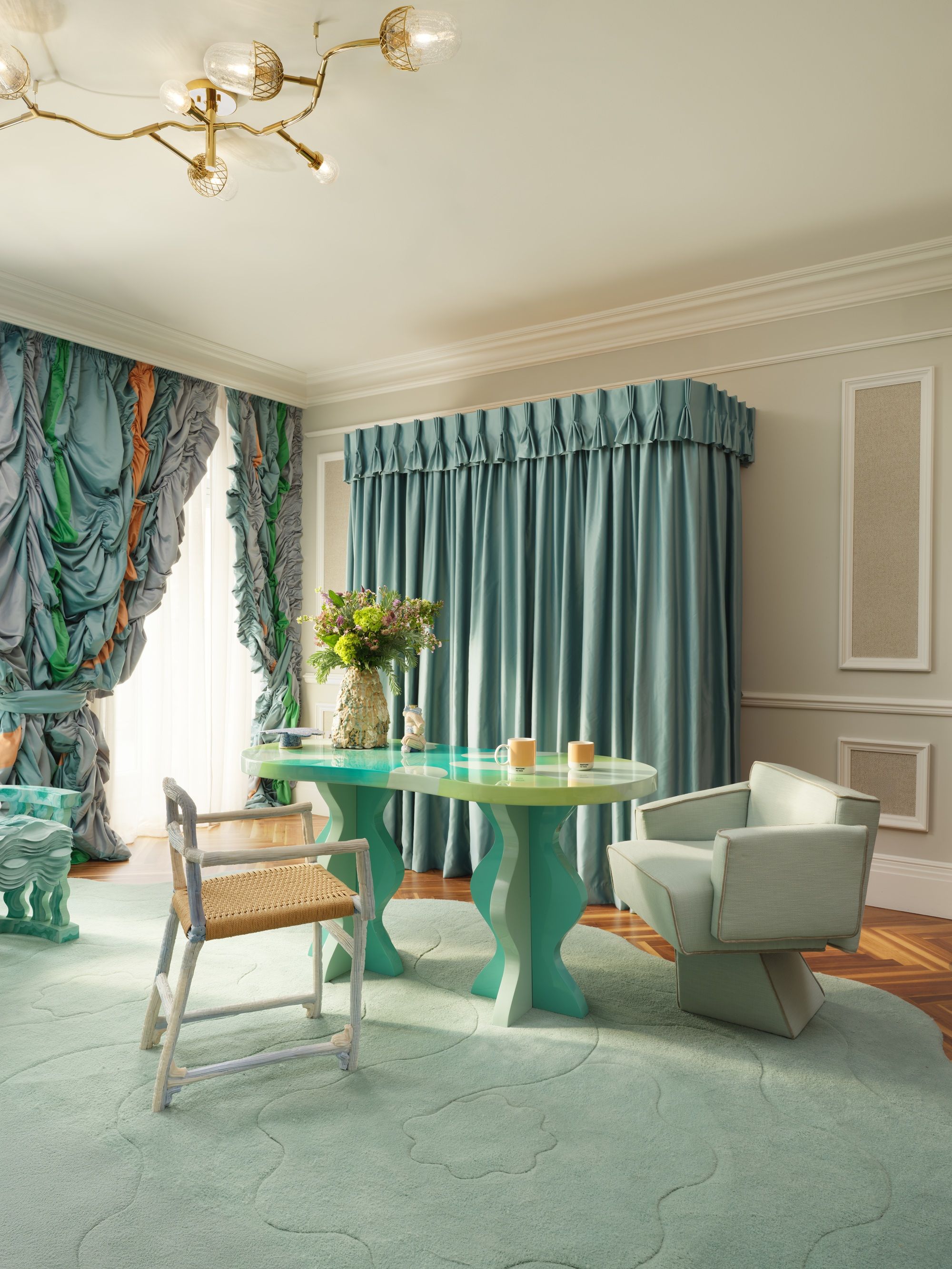
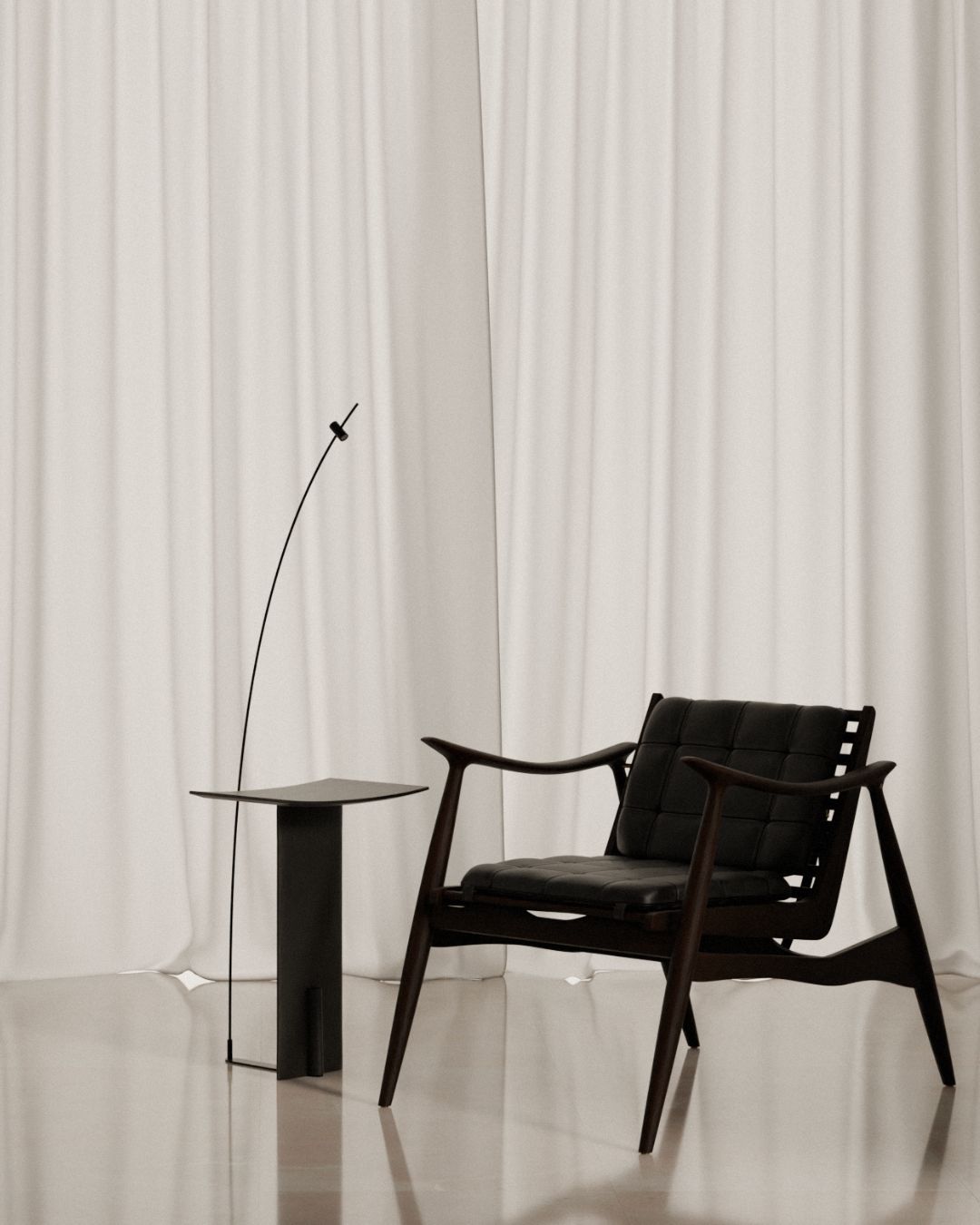
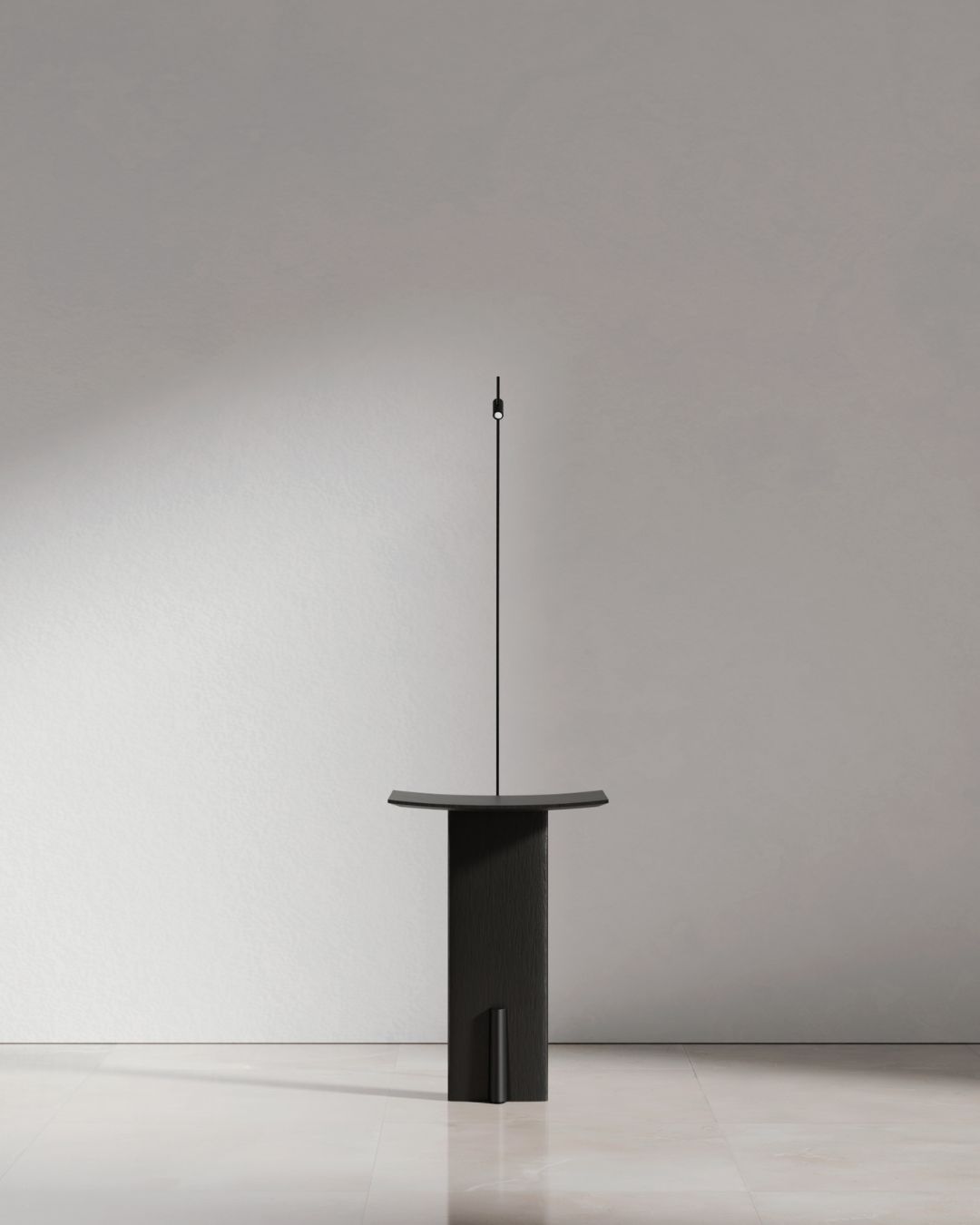
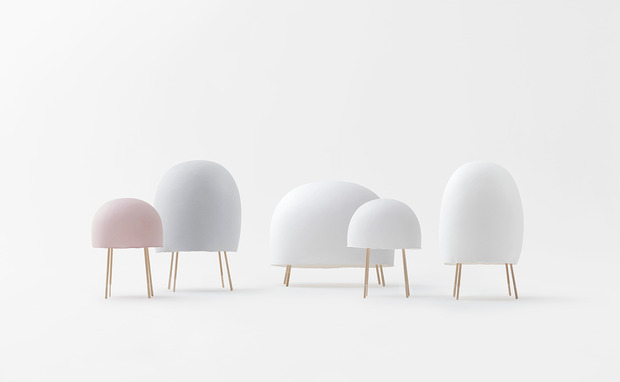
Several contemporary design pieces are presented as examples of "neo-transitional objects." These objects are characterized by their mild appearance, cozy feel, soft bends, and light-porous colors. They offer a sense of comfort and stability in a world increasingly dominated by digital abstraction and economic precarity. The term "neo-transitional objects" is derived from psychologist Donald Winnicott's concept of "transitional objects," which are items like teddy bears or blankets that help children navigate the transition from dependence to individuality.
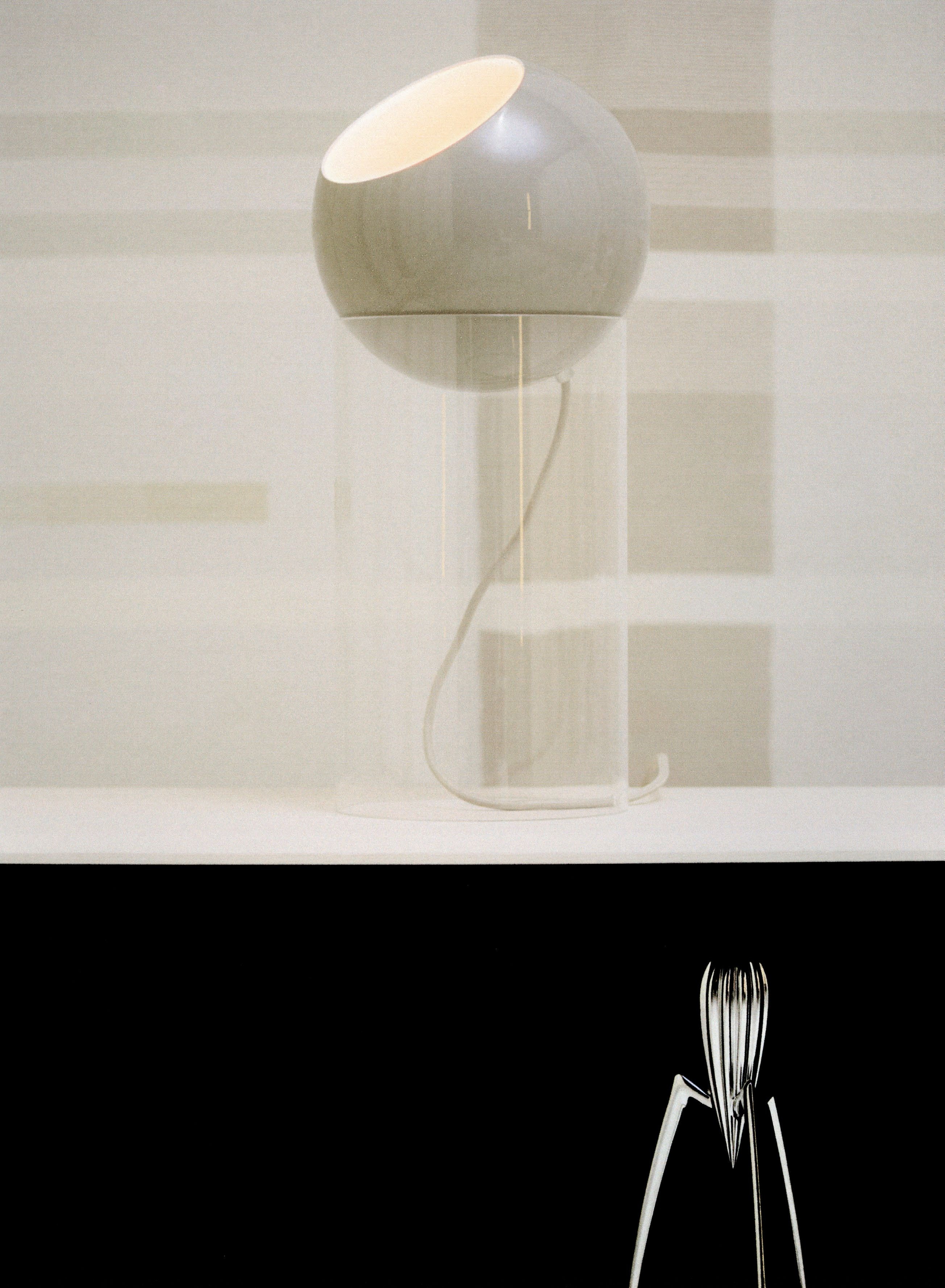
Specific examples of such designs include the "Up" lamp by Mattias Ståhlbom for Muuto, "Apps" by Richard Hutten for Artifort, and the "Basset" armchair by Iskos-Berlin for Versus. These designs are described as embodying the transition from a more tangible past to a digitally defined future, providing comfort rather than unease. The "Mega" series by Chris Martin for Massproductions and the "Haiku" sofa by GamFratesi for Fredericia are also cited as exemplifying this trend, balancing Italian expressiveness with Nordic strictness to create beautiful, reassuring pieces.
Luca Nichetto's work, such as the "Stewie" lamp for Foscarini and the "N=N" collection with Oki Sato (Nendo), demonstrates weightless lines and cozy colors that sublimate the objects. Similarly, Karim Rashid's "Float" sofa for Sancal showcases a softening of tones, contributing to the overall sense of cognitive kindness. These designs aim to provide a sense of belonging and familiarity, helping individuals cope with the uncertain reliability of a digitally-influenced reality. The article concludes by emphasizing the importance of designing objects with layered aesthetic meaning to foster a sense of being "at home" amidst increasing intangible complexity.
#DesignFeeling #NeoTransitionalObjects #ProductDesign #InteriorDesign #ContemporaryFurniture #PsychologyOfDesign #LucaNichetto #RichardHutten #GamFratesi #DesignFeeling #NeoTransitionalObjects #ProductDesign #InteriorDesign #ContemporaryFurniture #PsychologyOfDesign #LucaNichetto #RichardHutten #GamFratesi
0 comment in total
 No comments yet
You may also like
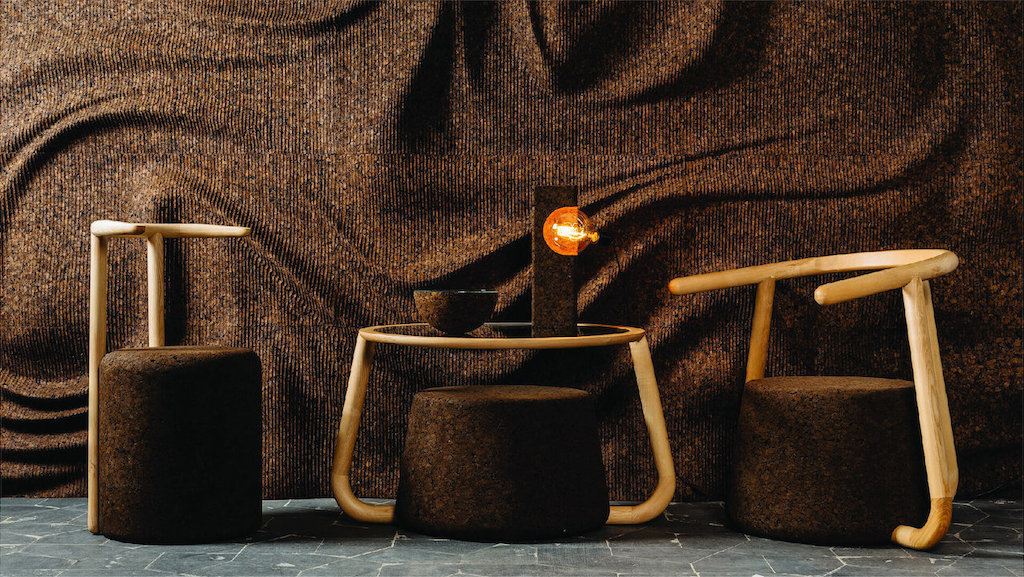
A new vision for cork, that is attractive and utilizes contemporary digital designs

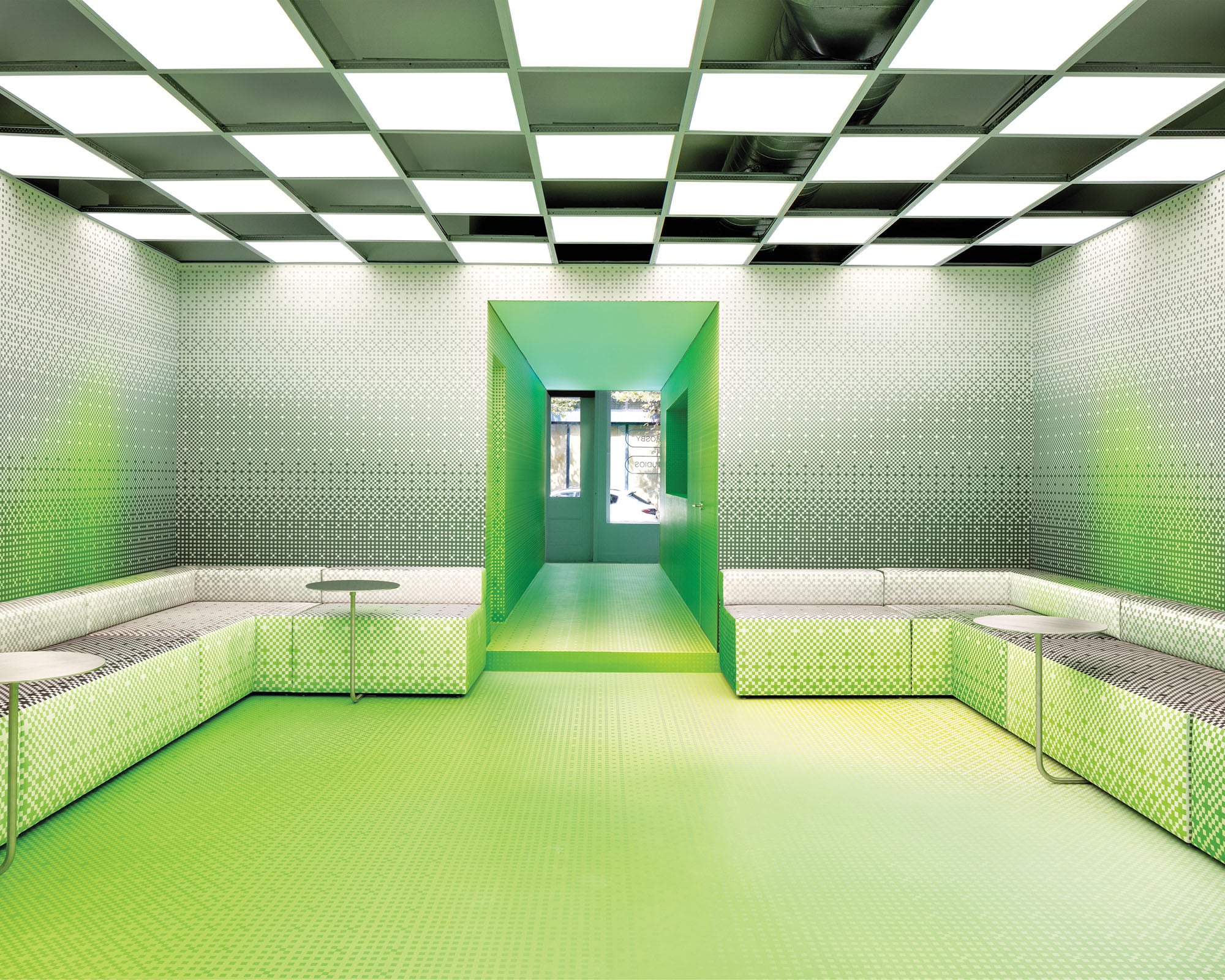
Inside the High-Tech Interiors Revival

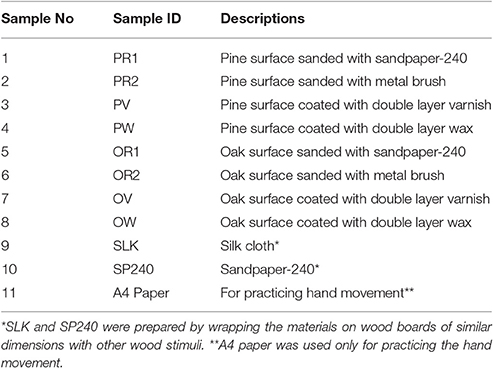
Sensory and Emotional Perception of Wooden Surfaces through Fingertip Touch
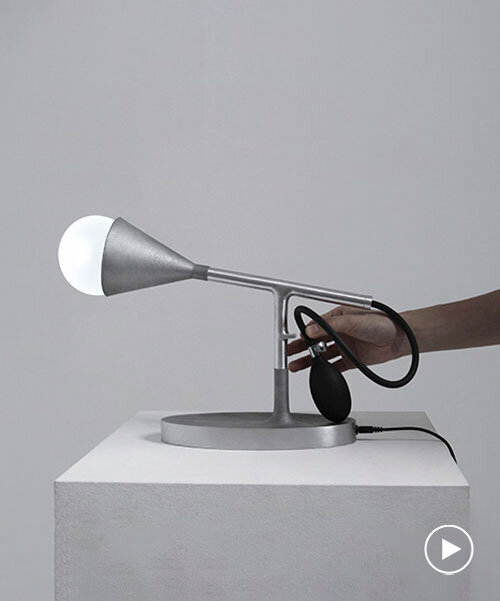
manual air pump inflates glowing bubble lighting series
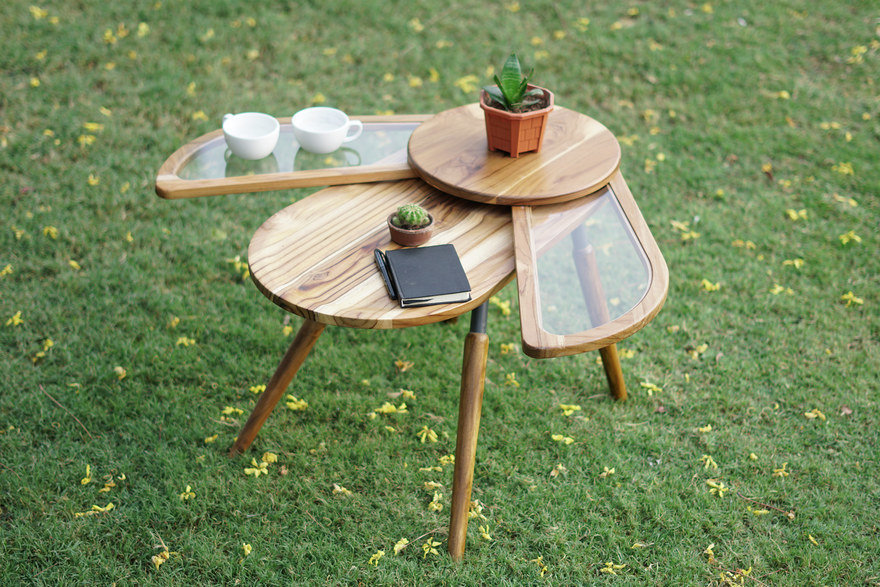
Experimental Kinetic Furniture Design: Aaron Preyer's Blooming Project

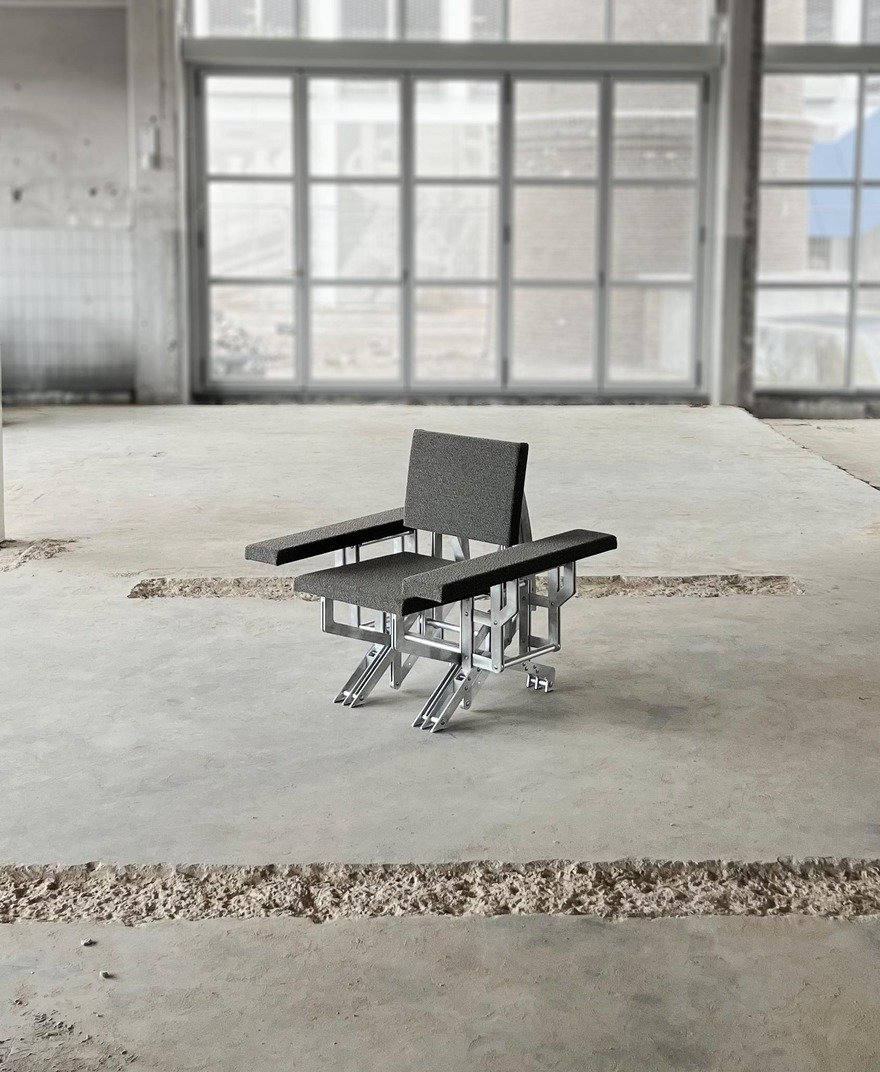
Best Industrial Design Student Work Spotted in 2022
The Soul in the New Machines (Published 2008)
brick and cement furniture collection by nexus
Extra&ordinary Design Transforms the Ordinary into Extraordinary Objects

These shelves reveal colour gradients when brought together

6 inspiring sensory surface trends to expect in 2023
Returning to the essential is the real innovation in design
What is transitional design? Get the scoop on the trend from a local expert

What’s the most underused design element?


"It’s all about matching the energy of a brand": A day in the life of interior designer Kirsty Vance


Meet Krysti Lyn | Whole Home Designer
Beyond Aesthetics: How Tech is Redefining Interior Design
Explore our visual compendium of timeless design, from classic to contemporary furniture, objects and lighting

The Zeitgeist Edit — The Design Moments an Editor Is Talking About in November


Design Evolution