How To Make a Bathroom Accessible for Anyone
Making a bathroom accessible is increasingly a conscious choice driven by foresight for potential future needs, such as injury, aging parents, or enhancing resale value. Experts emphasize that accessibility, also known as universal design, benefits everyone. Consulting with an occupational therapist (OT) is a recommended first step to tailor accessibility modifications to specific individual needs. These professionals can provide guidance on features like grab bar placement and shower functionality. Specialized designers and contractors with expertise in accessibility are invaluable resources, offering knowledge of best practices, current design concepts, and products that can save time and money while creating a perfectly functional bathroom for all family members. Resources like the National Kitchen and Bath Association’s planning guidelines and the National Institute on Aging (NIH) offer additional information.
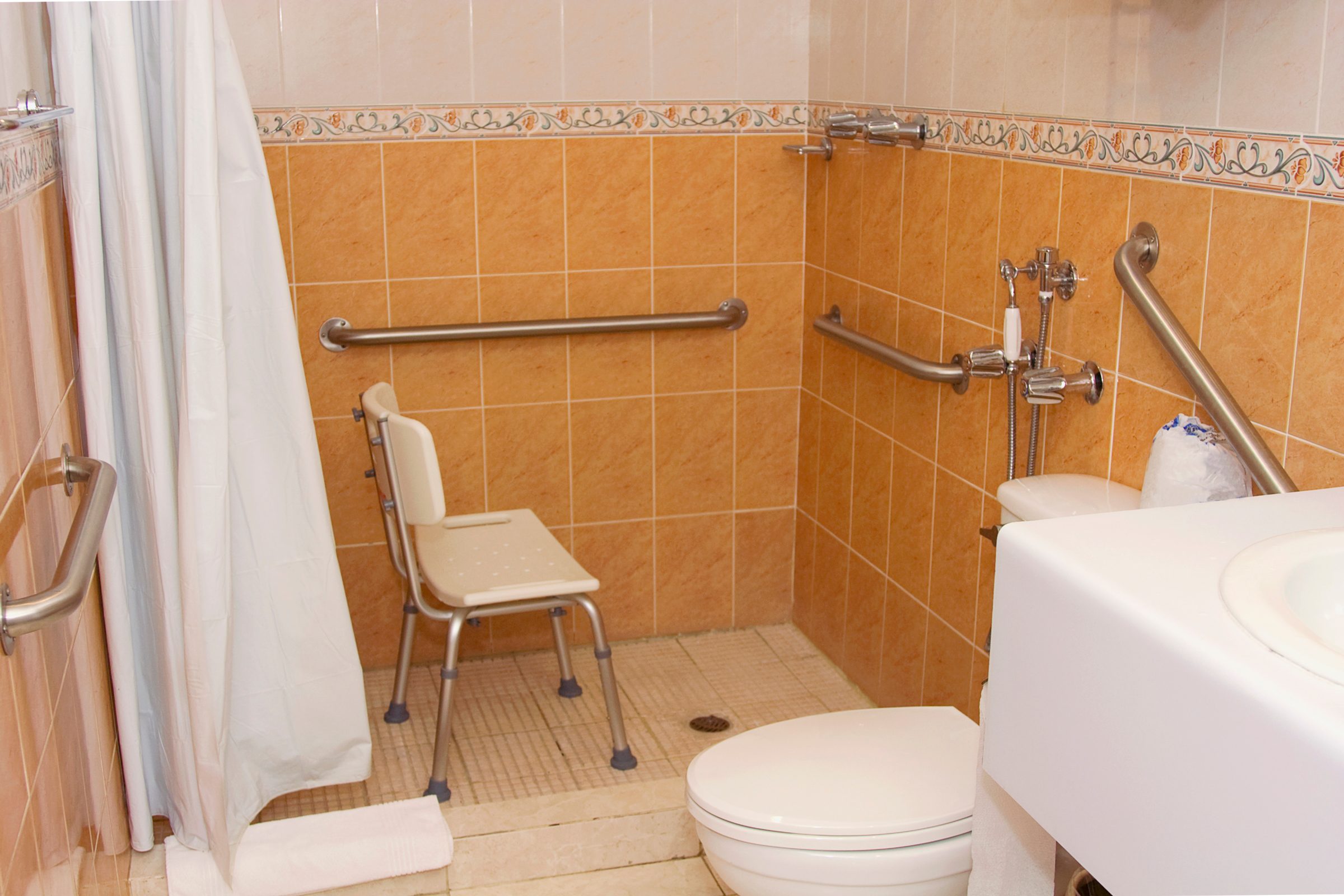
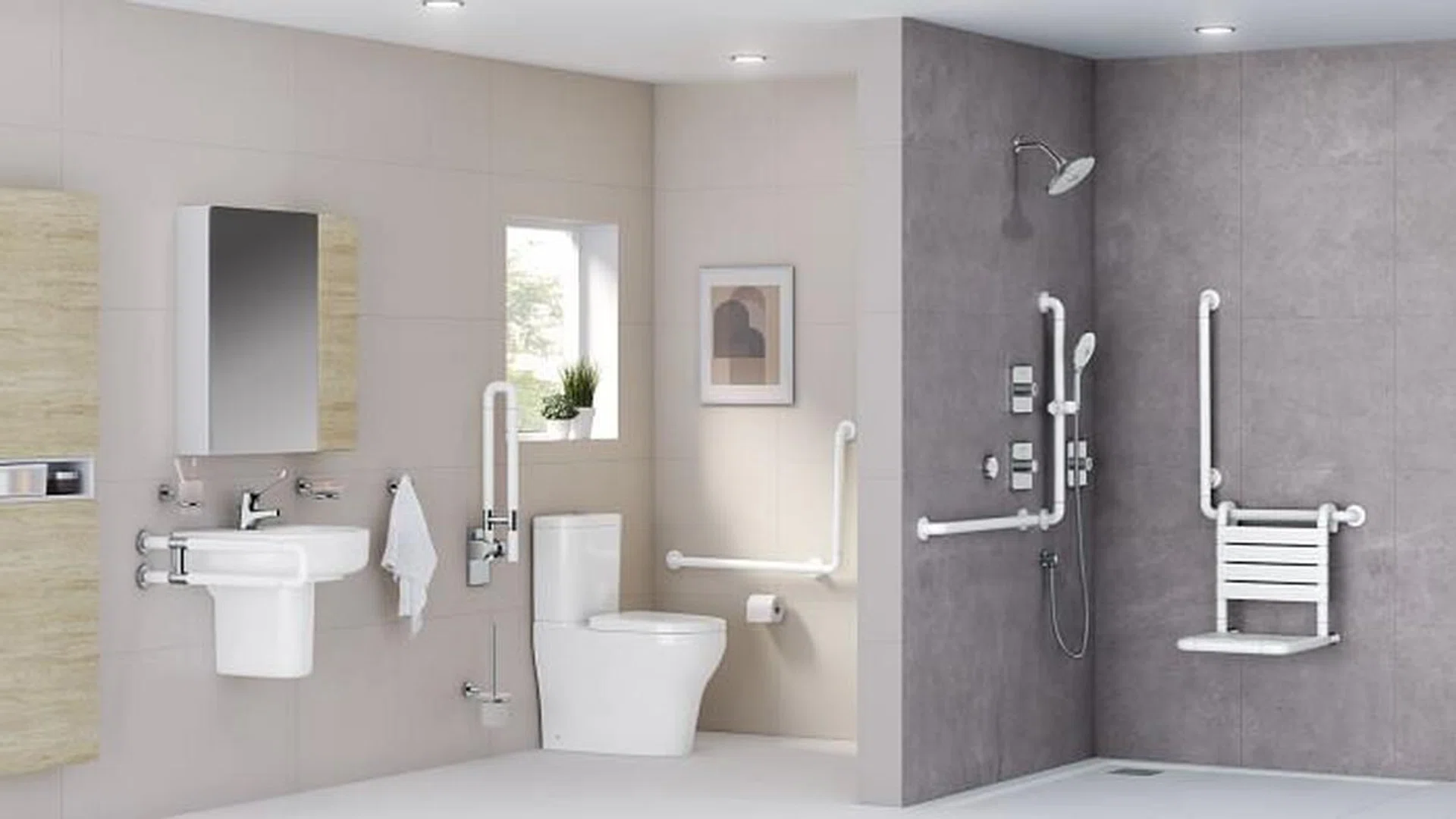
While ADA compliance is not mandatory for private residences, its standards are widely used by designers and contractors for accessible home modifications. Key ADA requirements for bathrooms include a 60-inch diameter clear space for wheelchair maneuverability, a minimum 42-inch wide entry door with a threshold no higher than 1/2 inch, and a toilet area with at least 15 inches from the bowl's center to any obstruction. The toilet height should be a minimum of 17 inches from the floor to the seat. Grab bars are crucial for safety and should be installed 42 inches high on the side of the toilet and 36 inches high on the rear wall, securely attached to wall studs. In showers or tubs, their placement should be customized to individual needs.
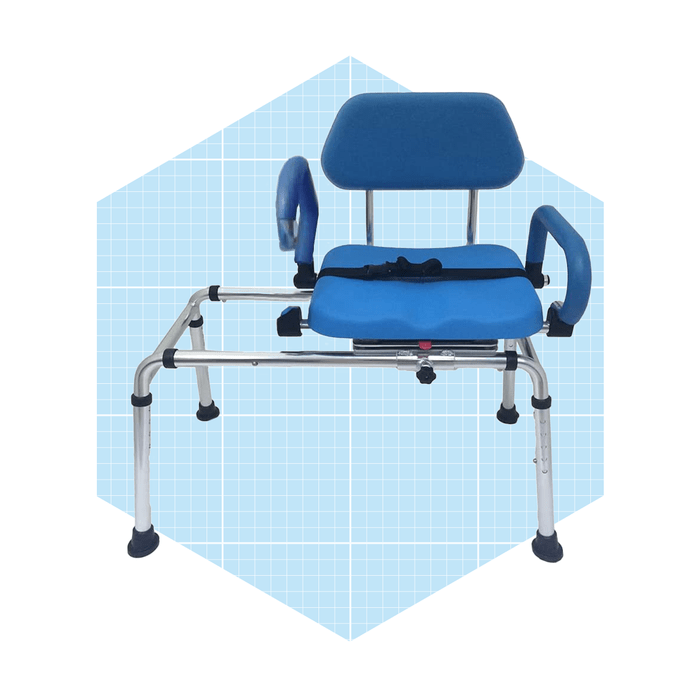
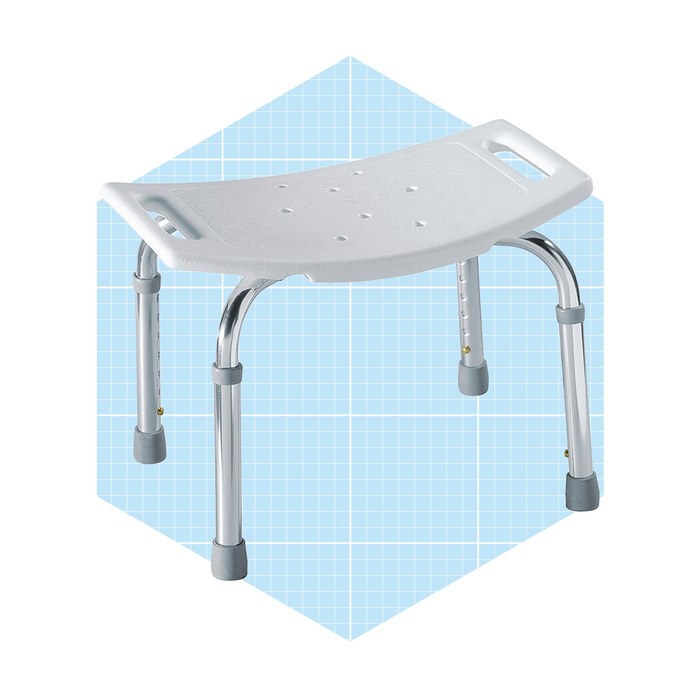
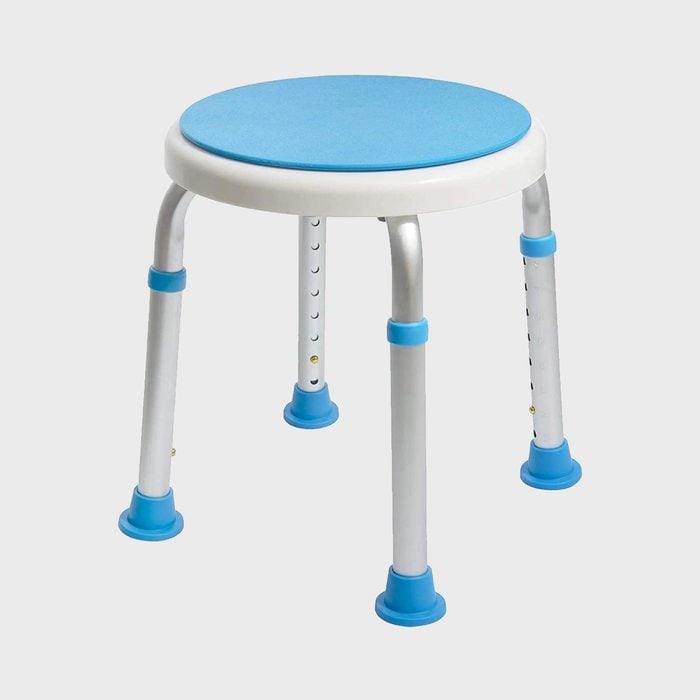
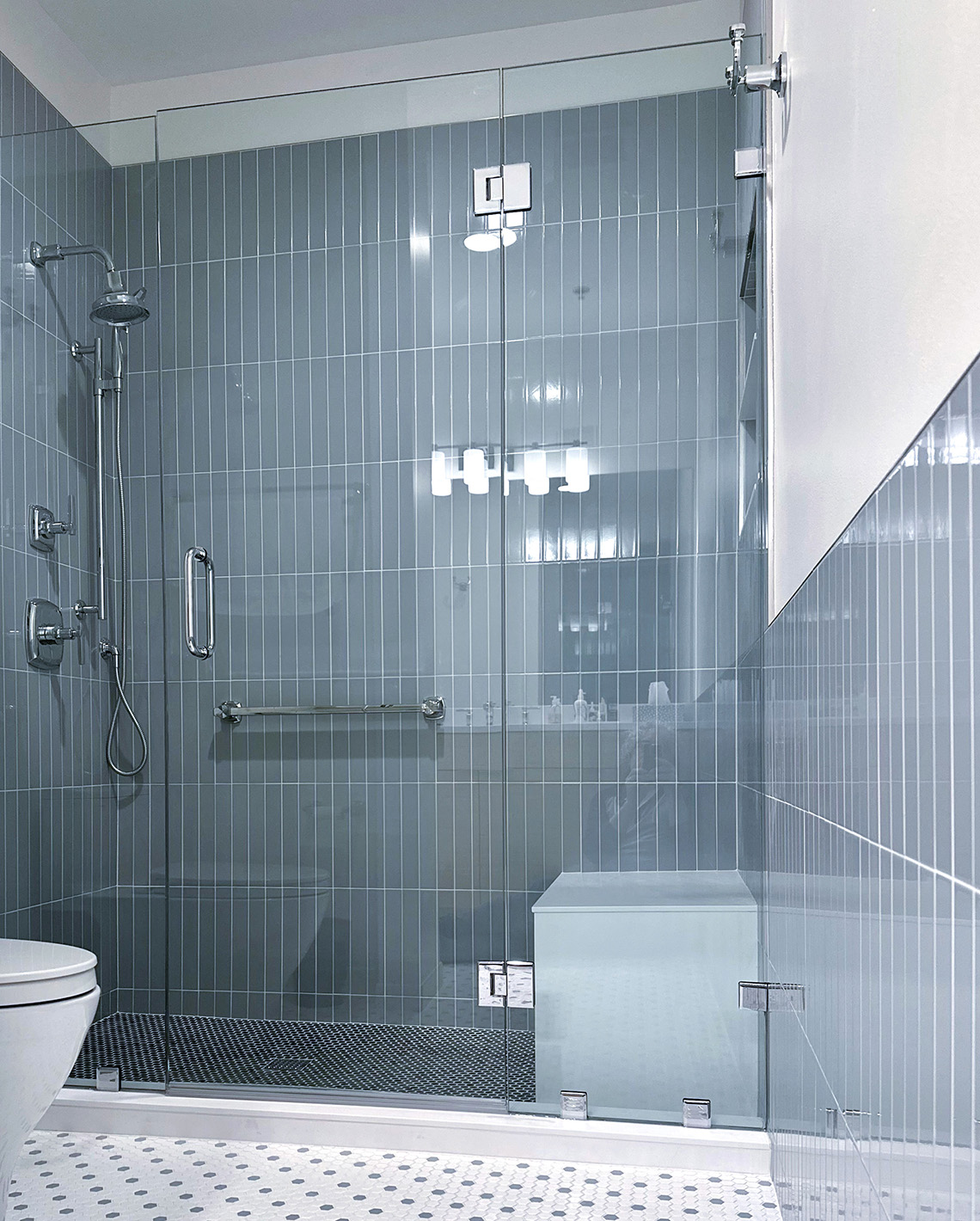
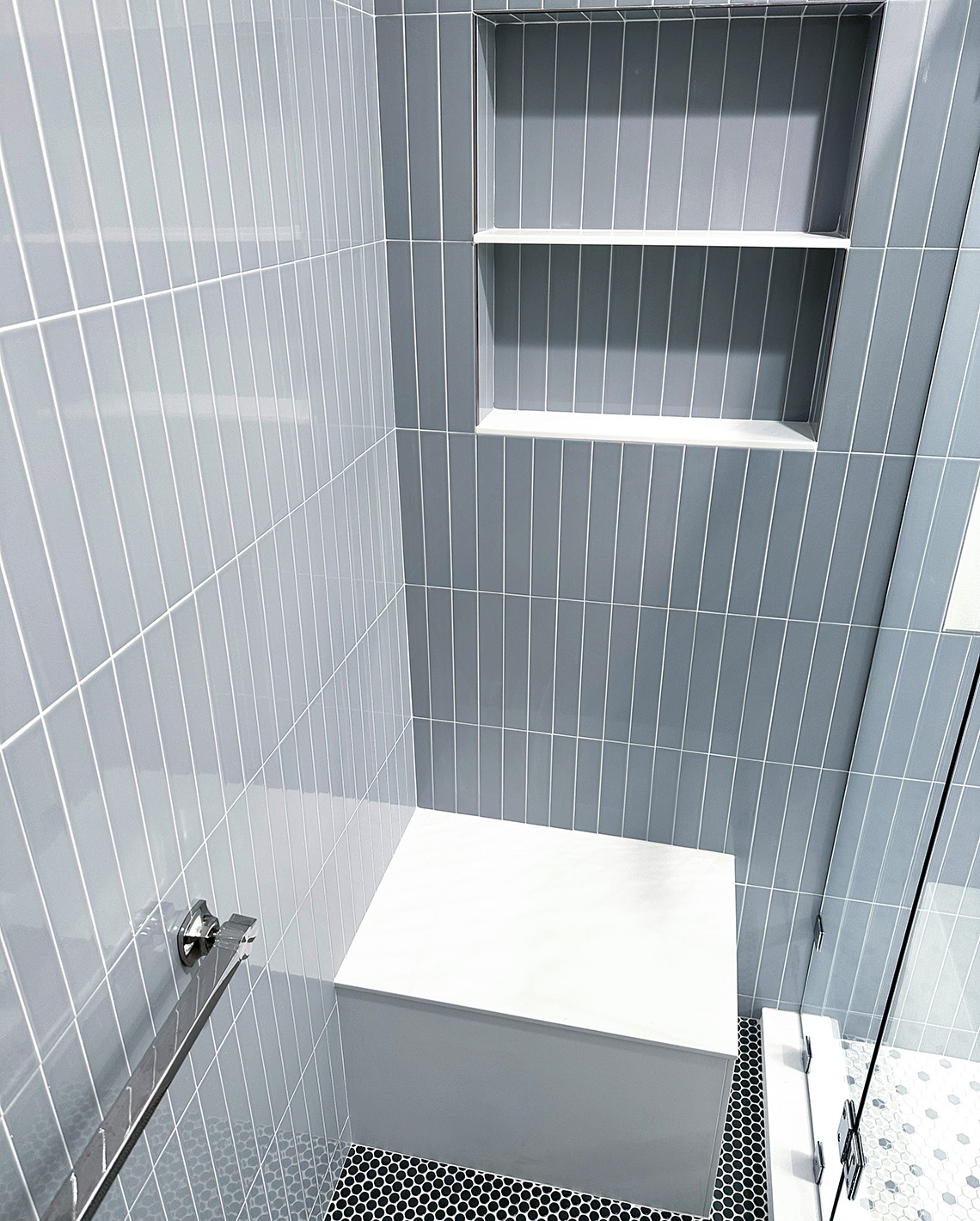
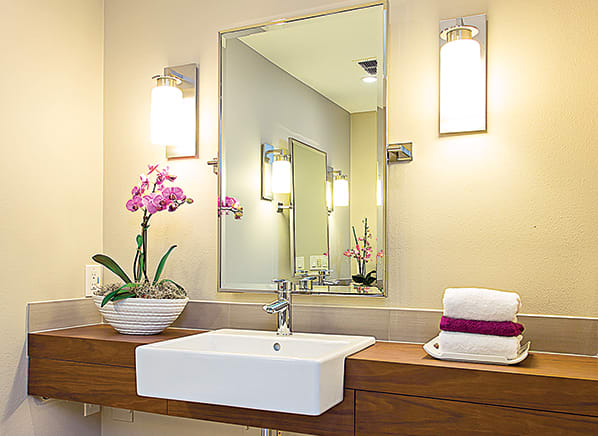
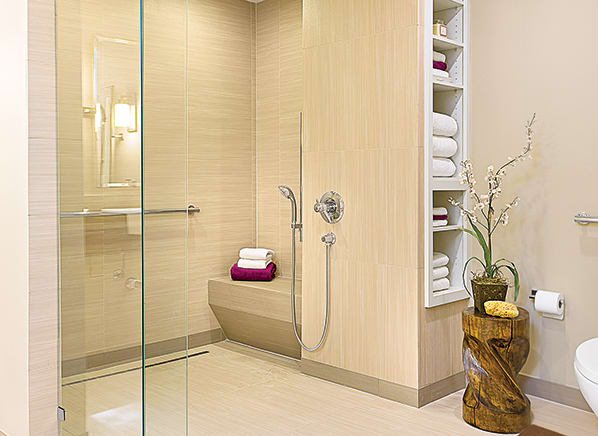
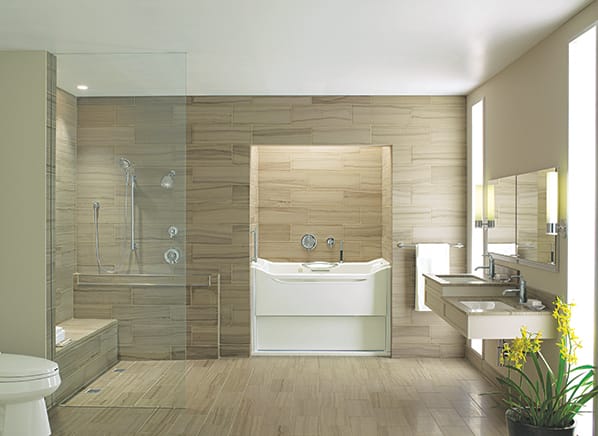
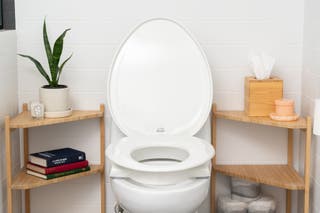
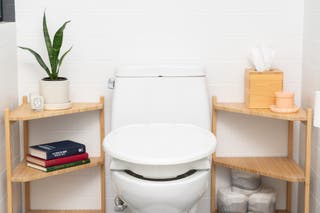
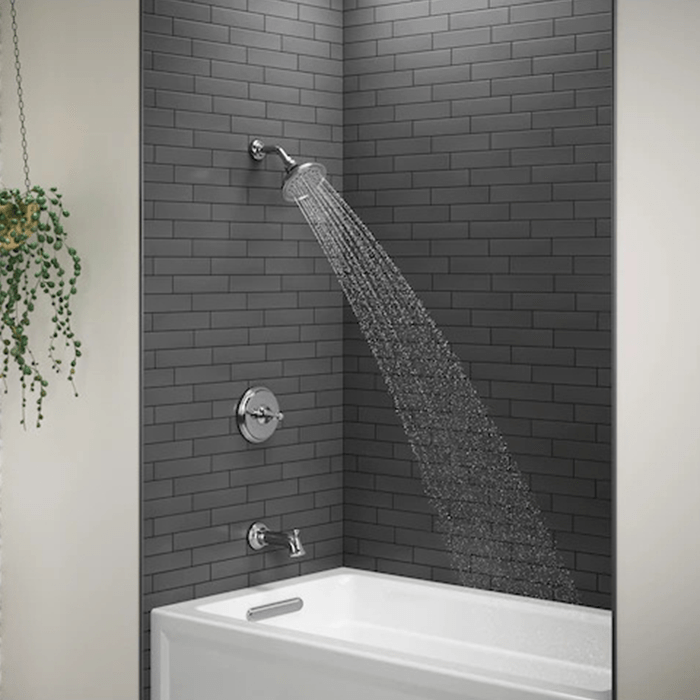
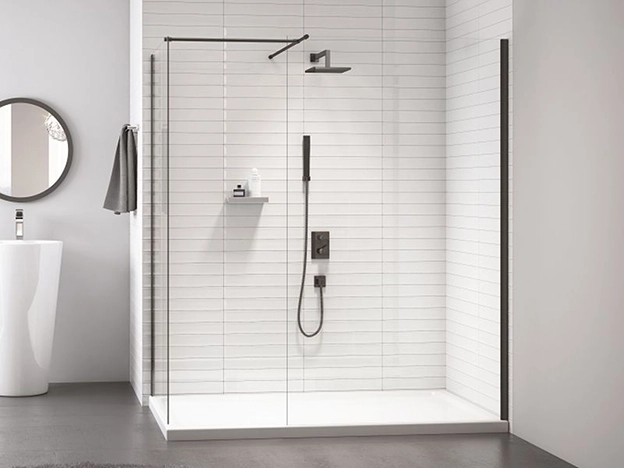
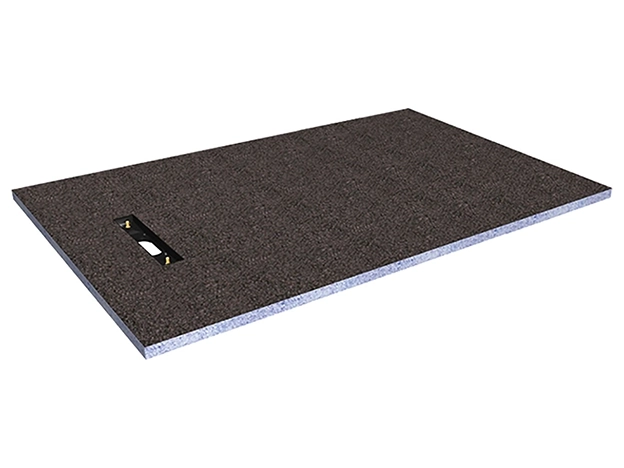
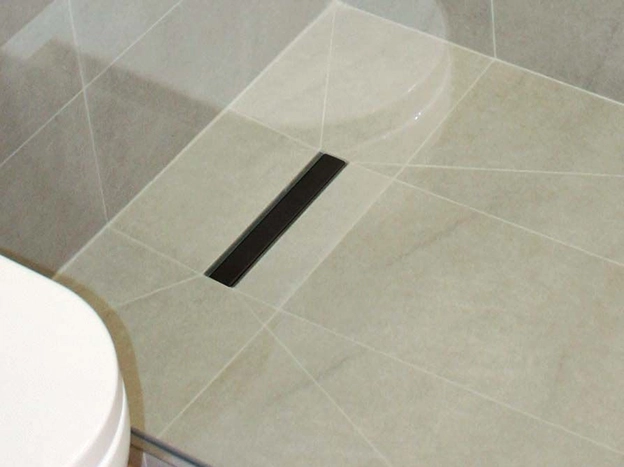
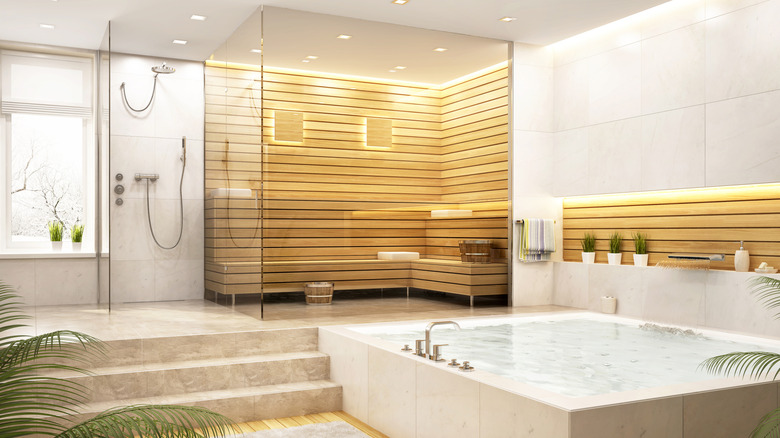
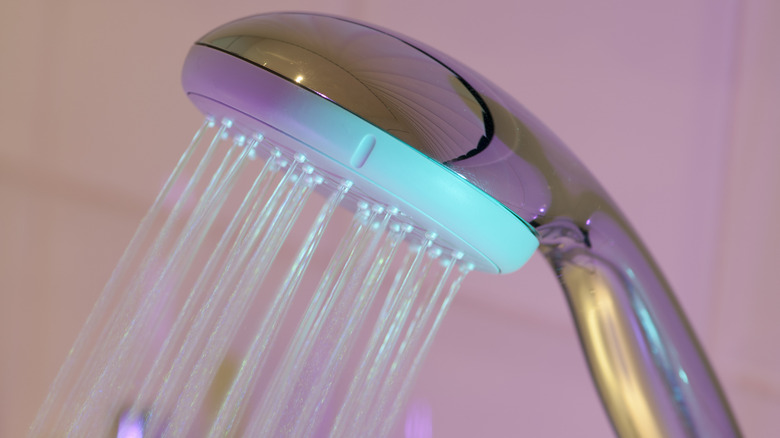
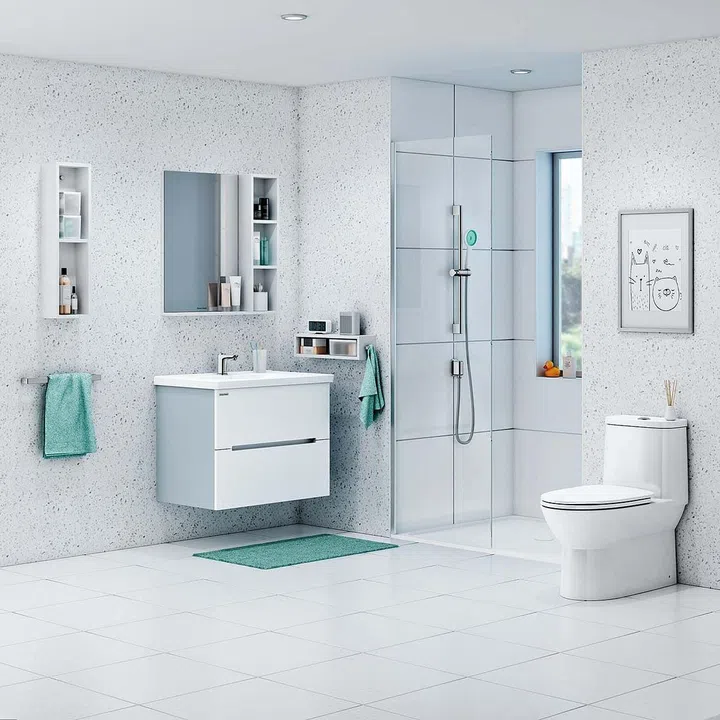
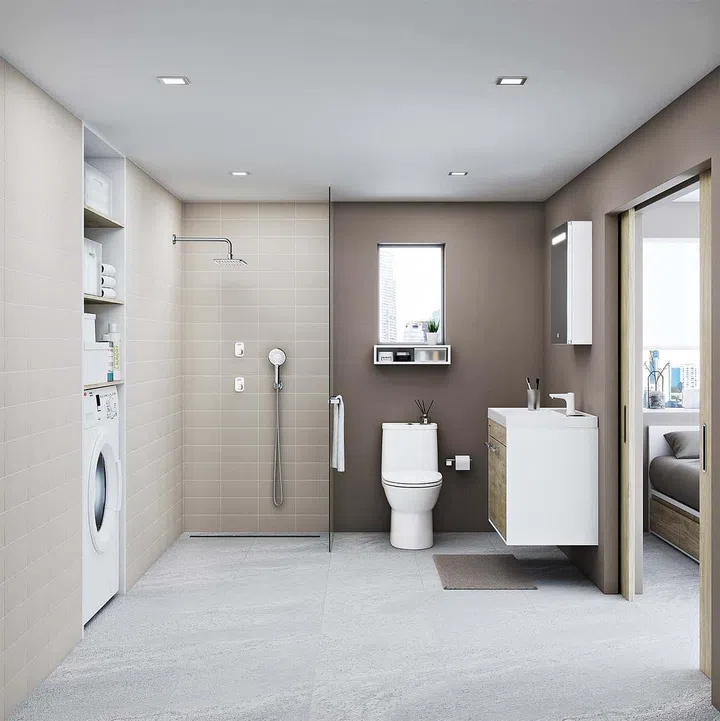
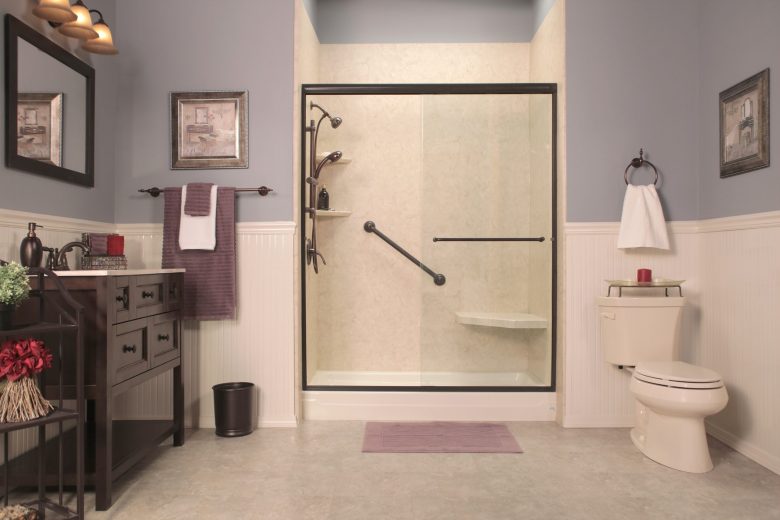
Essential elements for an accessible bathroom also include unobtrusive entry doors that swing outwards, easy-to-use lever-handle faucets, and wide shower entries of at least 36 inches to accommodate wheelchairs. Handheld showerheads on sliding arms offer adjustable functionality, and wall-mounted, fold-down shower seats provide convenience and save space. Proper lighting is vital for fall prevention, with recommendations for recessed ceiling lights, overhead or wall sconces by mirrors, and waterproof recessed lights in showers, possibly automated. When selecting fixtures, comfort-height toilets (16.5 to 18 inches high) are preferred over standard heights. ADA-standard walk-in tubs or low-curb/no-curb showers, at least 48 inches square, facilitate easy access. Sinks and vanities should be wall-mounted with their tops 34 inches from the floor, allowing wheelchair clearance, and placed outside the 60-inch clear space.
Innovative grab bars are available that blend seamlessly with bathroom aesthetics or serve dual purposes, such as towel racks or soap holders. Financial assistance for accessibility improvements can be obtained through federal and state grants, low-cost loans from agencies like the FHA, and local disability advocacy groups. While general construction or remodeling involving structural, plumbing, or electrical changes will require inspection by local building code officials, accessibility compliance itself is typically not a focus for home inspectors. The extent of modifications depends on the bathroom size, remodel scope, and budget.
#AccessibleBathroom #UniversalDesign #ADACompliance #HomeRenovation #BathroomFixtures #GrabBars #AgingInPlace #HomeAccessibility #AccessibleBathroom #UniversalDesign #ADACompliance #HomeRenovation #BathroomFixtures #GrabBars #AgingInPlace #HomeAccessibility
0 comment in total
 No comments yet
You may also like
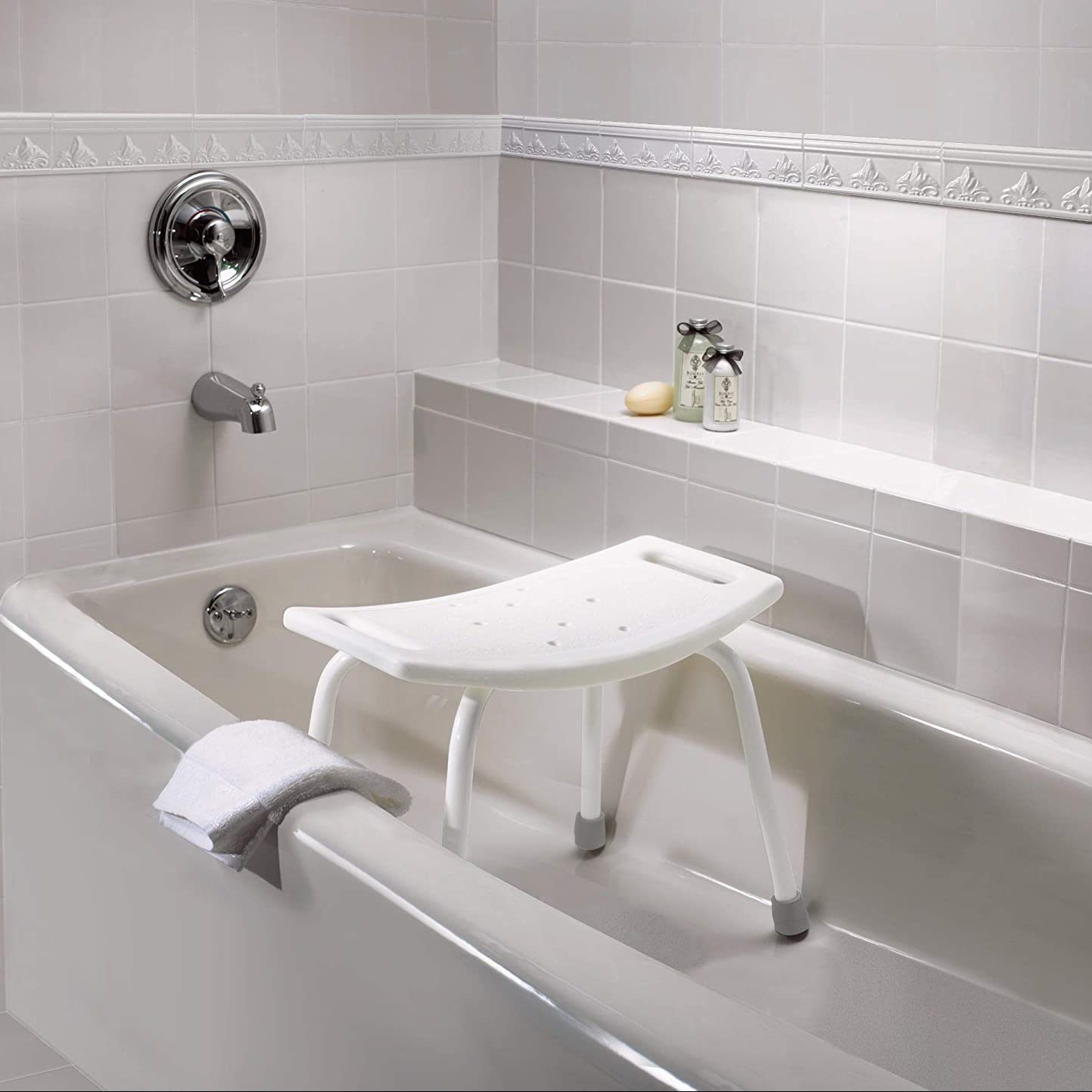
5 Best Shower Chairs to Make Your Bath Comfortable and Accessible

The 2 Best Toilet Seat Risers of 2026 | Reviews by Wirecutter


Bathrooms

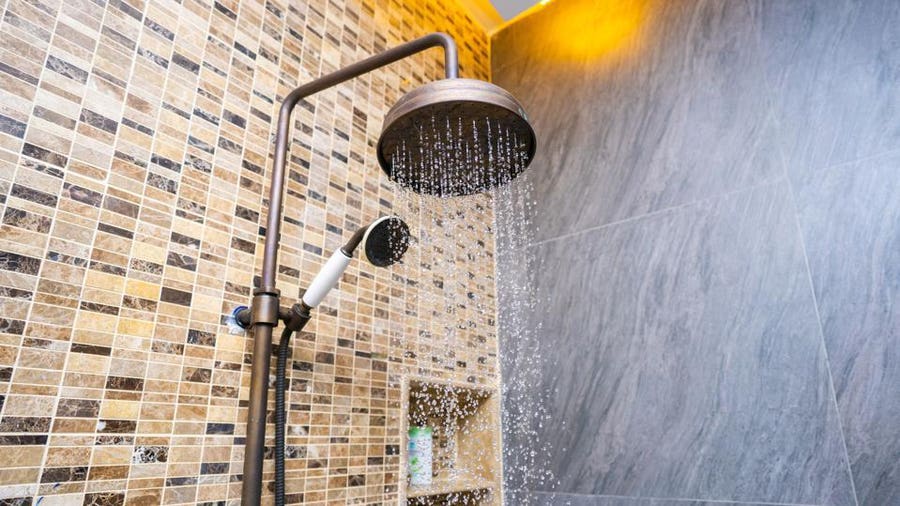
Best Walk-In Tubs With Showers In 2025

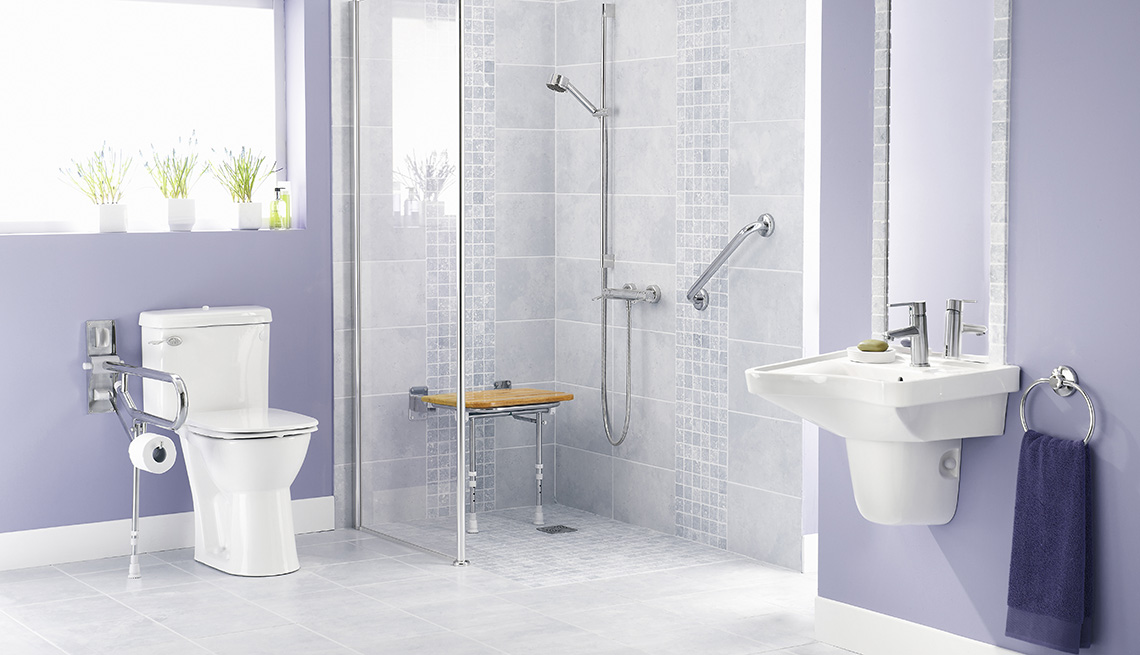
14 Bathroom Updates for Now and Later as You Age in Place
Clever bath vanity design helps give special needs child more independence
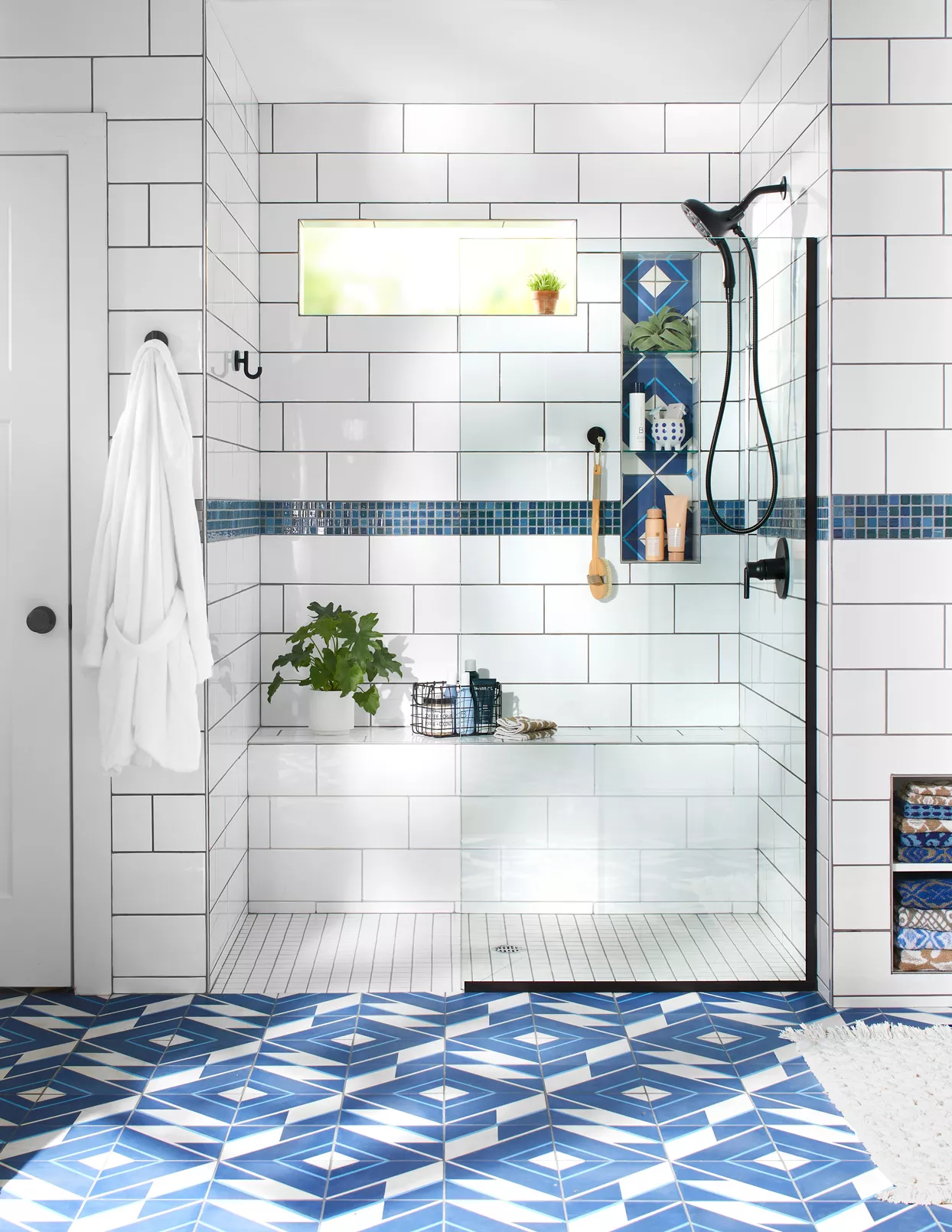
19 Universal Bathroom Design Ideas to Incorporate in Your Remodel

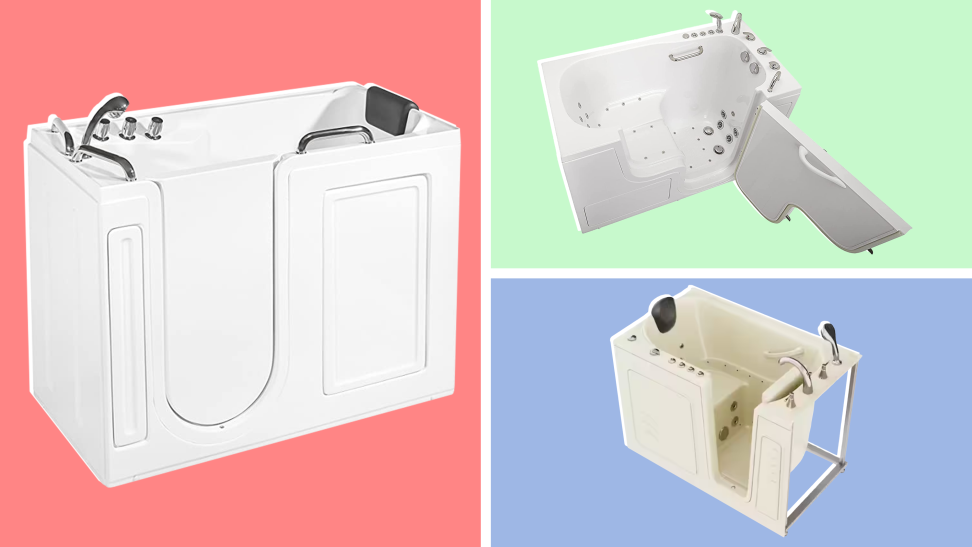
The Best Walk-In Tubs of 2025

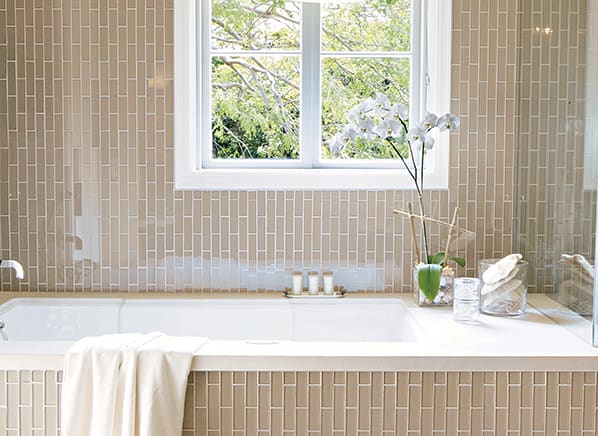
The Aging-in-Place Bathroom
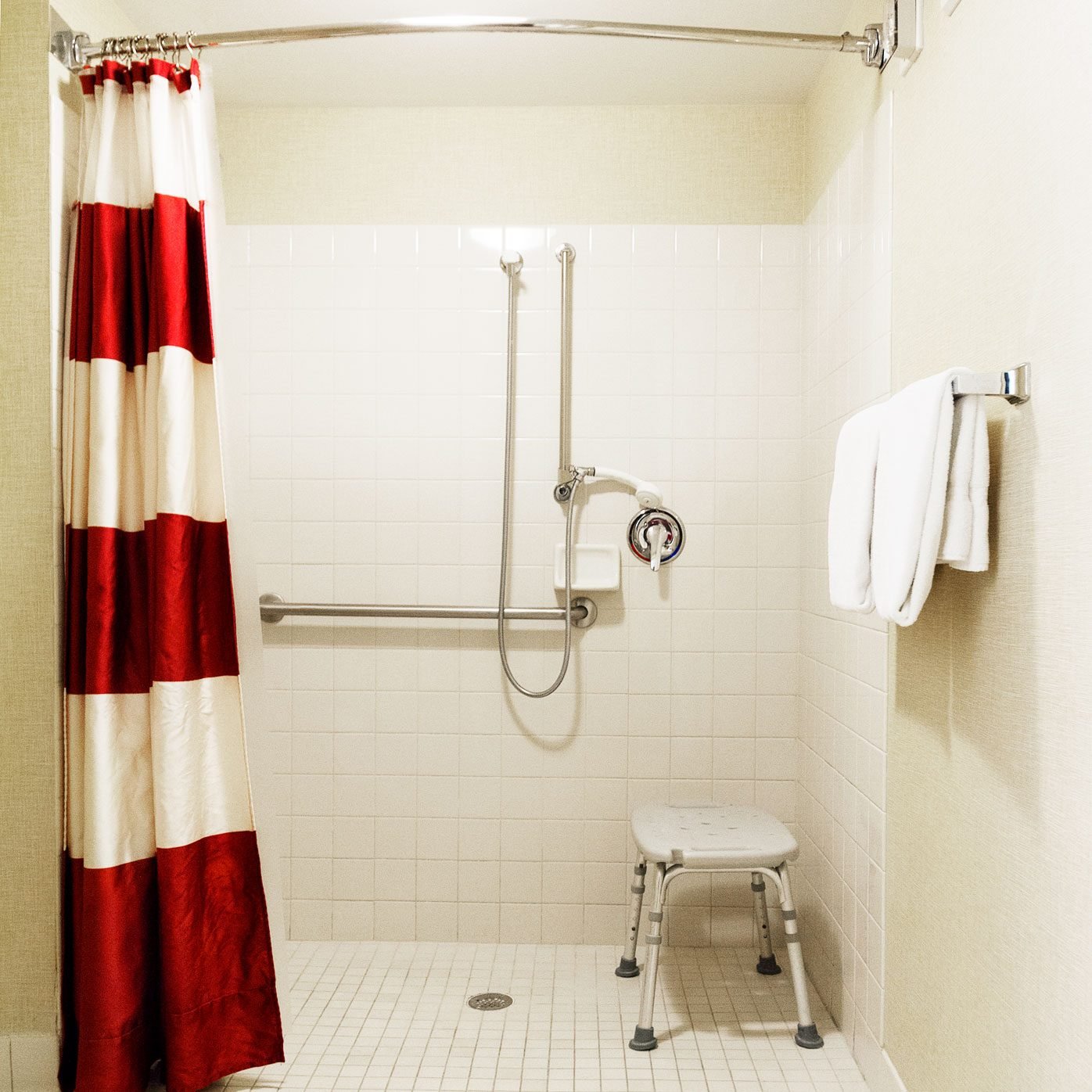
Tips for Making a Shower More Accessible

How to design a bathroom: decor ideas and tips
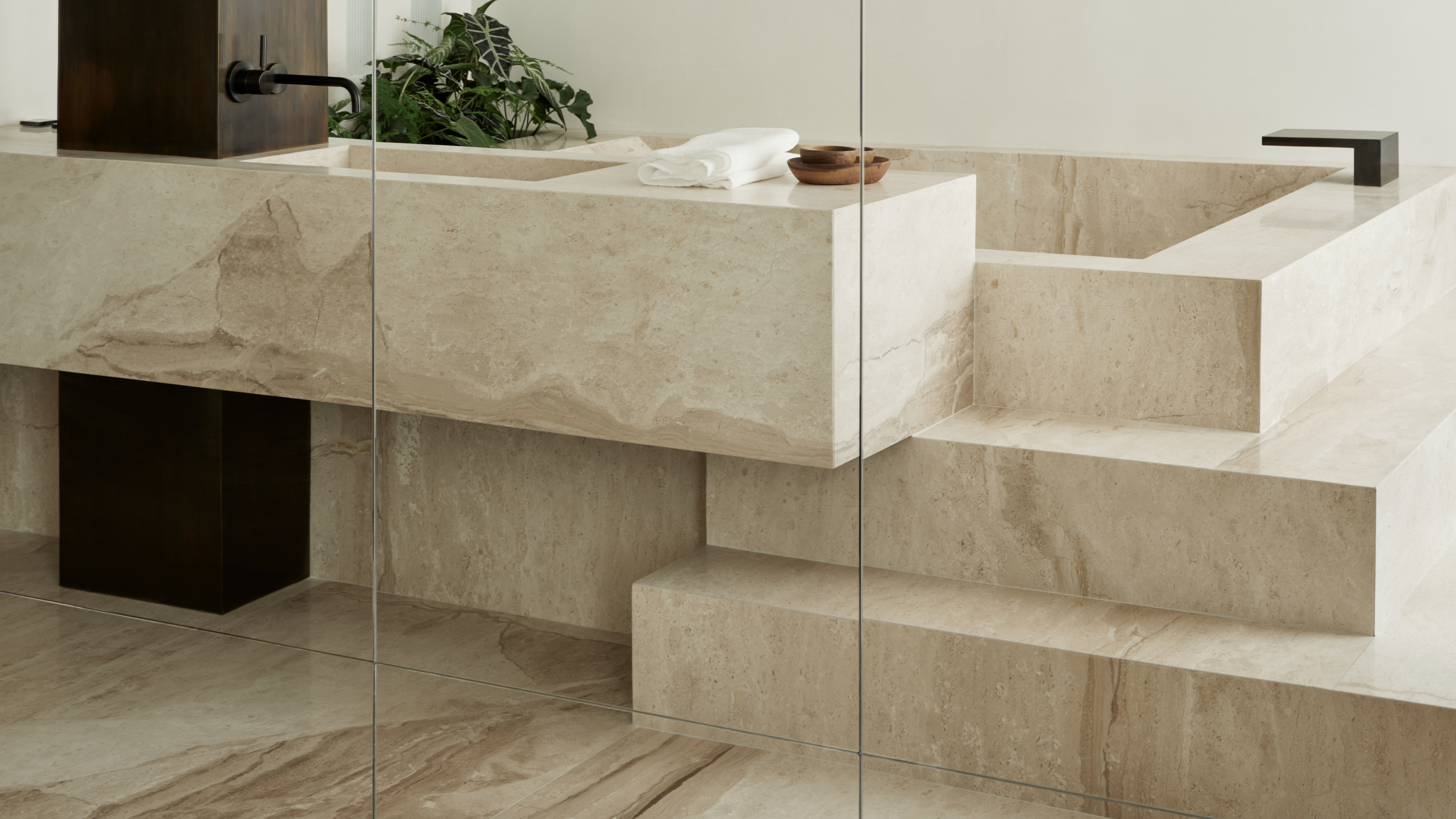
Sorry Freestanding Tubs, but the 'Step-Up' Bath Trend Is the Best Choice to Make for 2025 Remodels

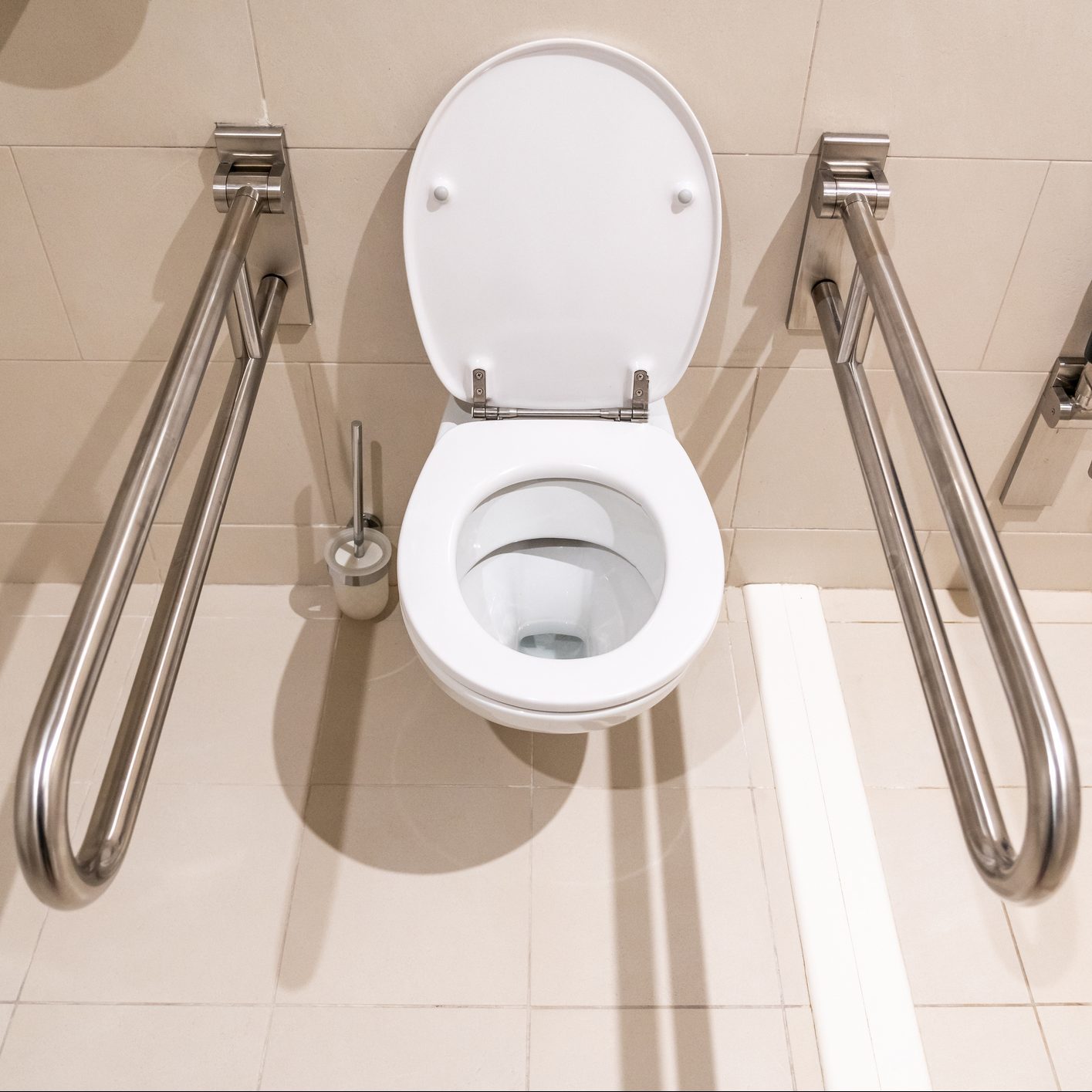
How To Make a Toilet More Accessible
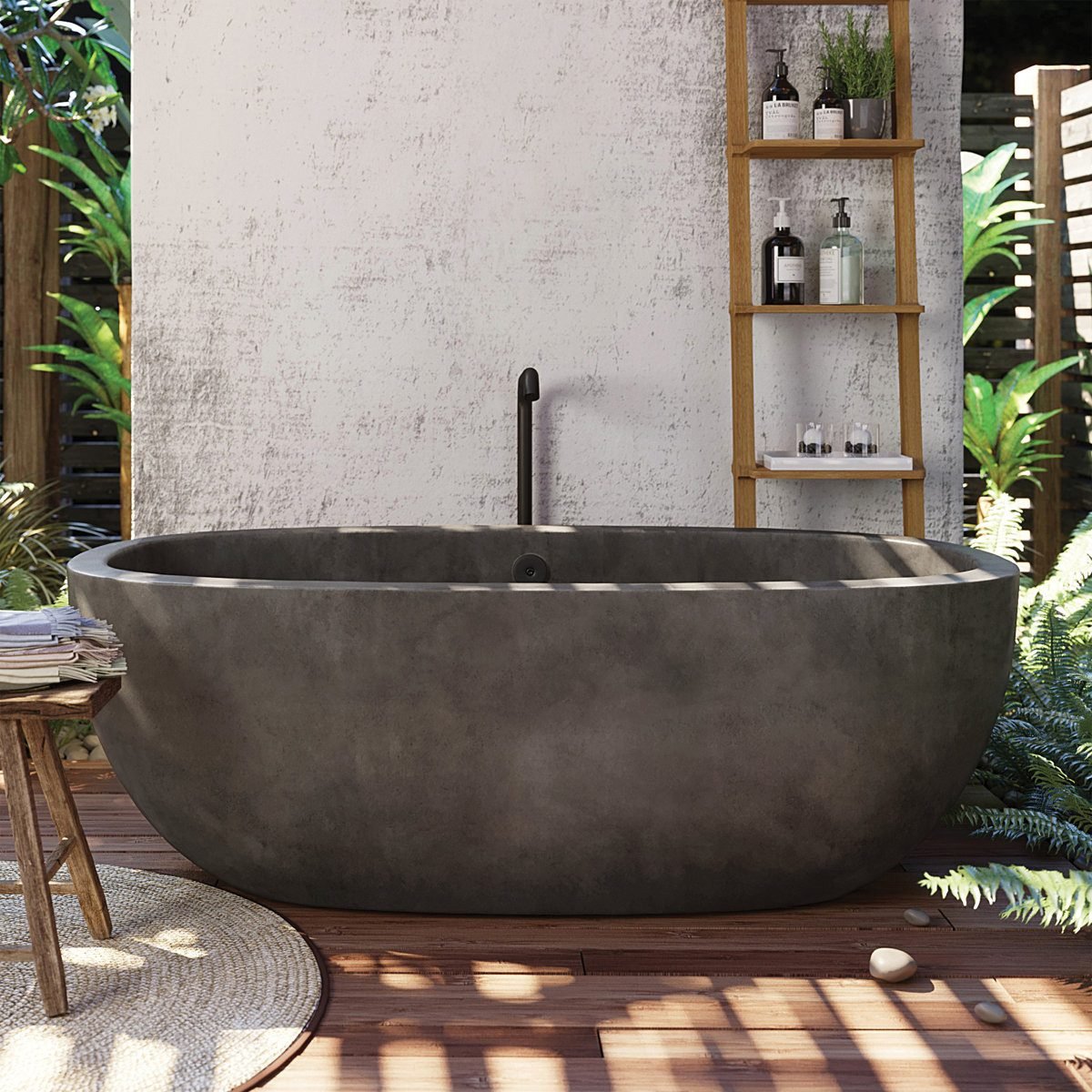
The 8 Best Bathtubs for a Satisfying Soak
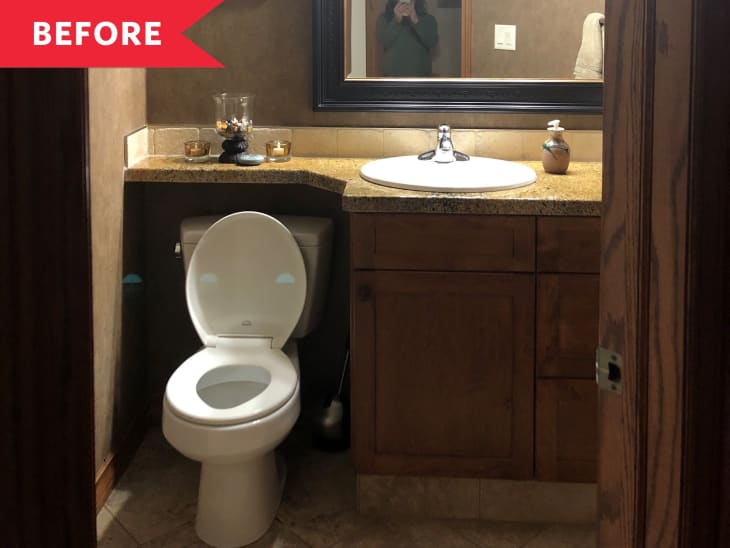
Before and After: A Brown, Bland Bathroom Got a Wheelchair-Friendly Update
3 Bathroom Design Ideas for Elderly (& Trends in 2023) by Lixil
How to create a family-friendly bathroom


Walk-In Showers & Wet Rooms
All The Bathroom Trends That Will Be Taking Over In 2026

One-Day Bathroom Upgrades That Help Seniors Stay in the Homes They Love