Best Walk-In Tubs With Showers In 2025
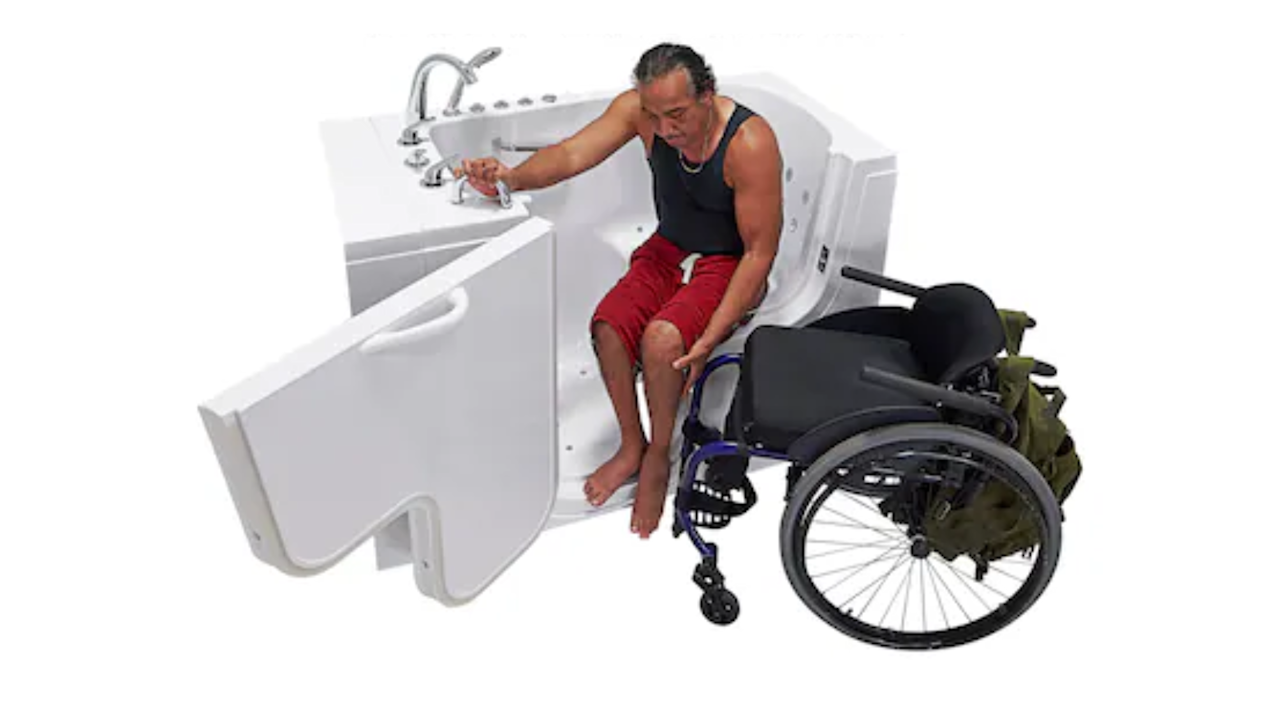
Falls are a significant cause of injury and death among adults aged 65 and older, with bathroom falls being particularly hazardous. Installing a walk-in tub with a shower can mitigate these risks by offering a low entry threshold, eliminating the need to step over a high tub ledge, and incorporating various safety features. These fixtures are primarily designed for older adults and individuals with limited mobility, providing a safer and more convenient bathing experience.
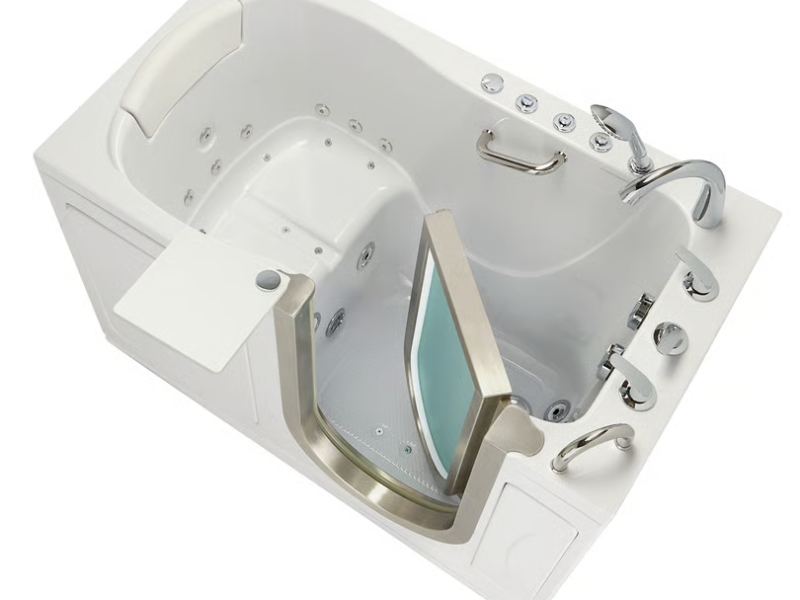
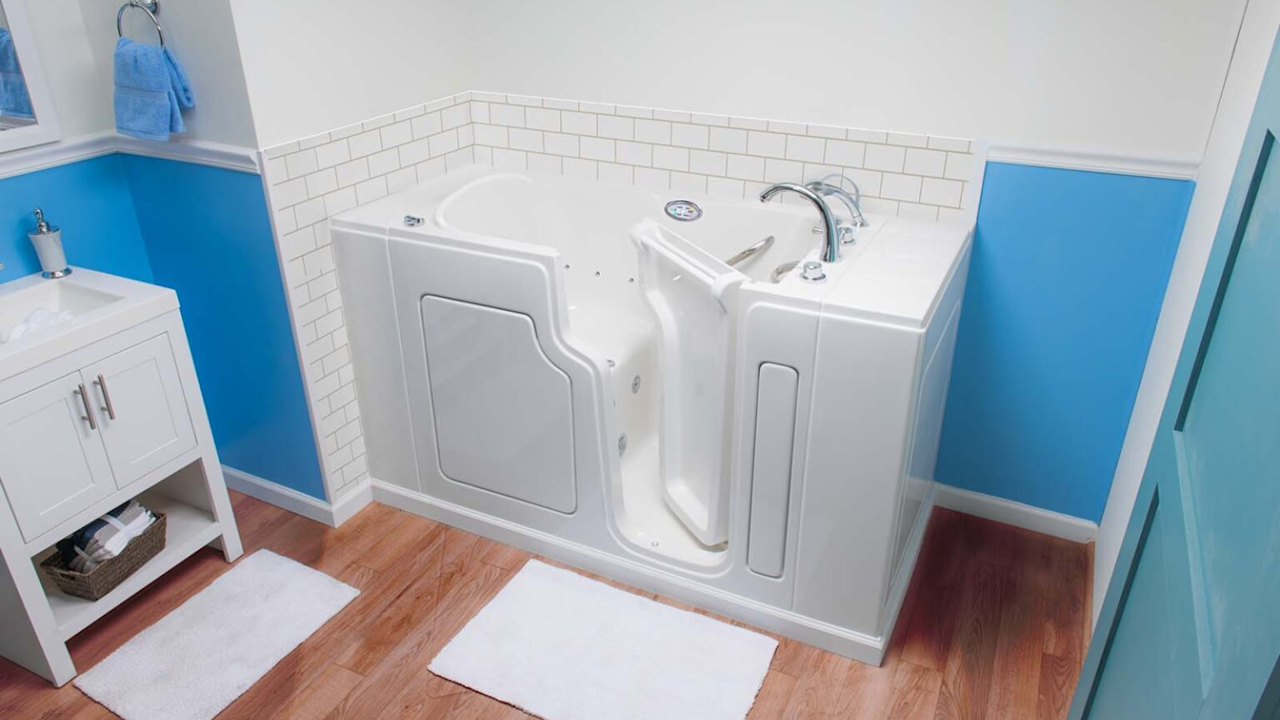
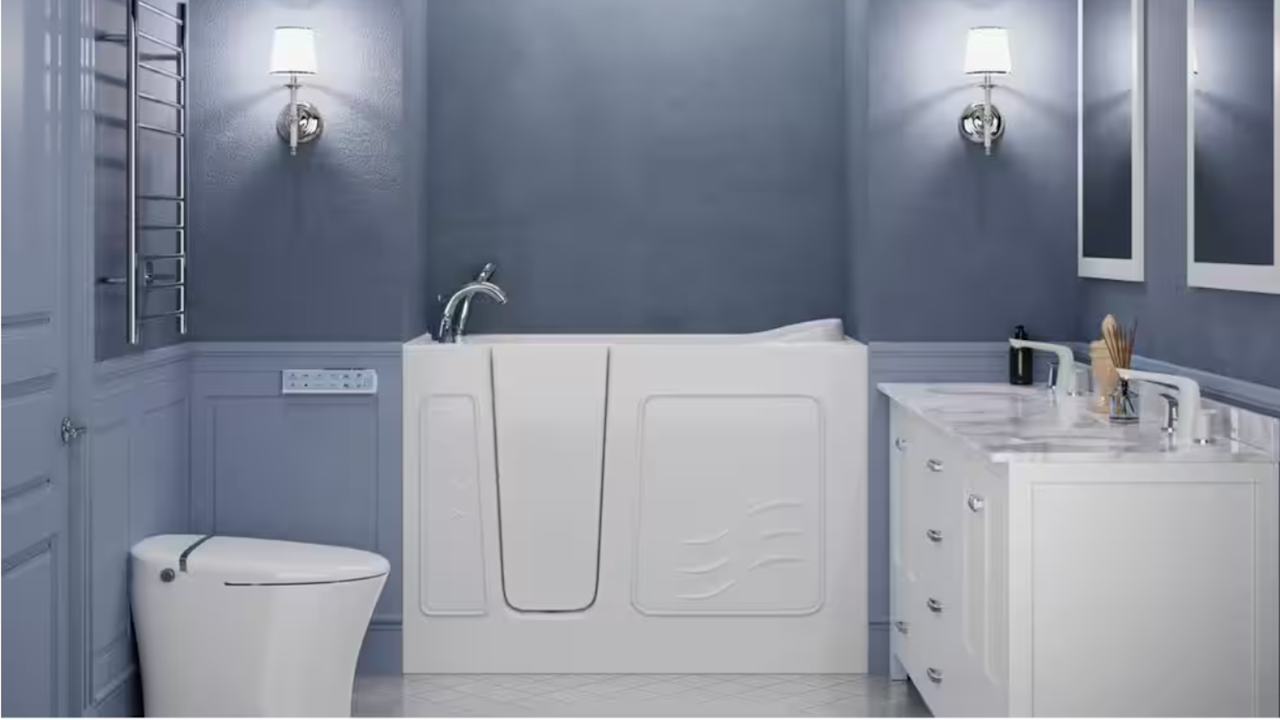
A walk-in tub is a home modification equipped with a watertight, outward- or inward-swinging door, allowing users to easily step into the tub. When combined with a shower feature, it offers the flexibility of both bathing and showering without waiting for the tub to fill. Most models include handrails and ergonomic seats to further enhance safety and comfort. Installation typically involves a home modification service or the tub manufacturer, who assesses the home for necessary plumbing and architectural adjustments.
While walk-in tubs with showers offer enhanced safety and convenience, especially with overhead or handheld shower systems, they can be a significant investment. The cost of a walk-in tub alone can range from $2,000 to $20,000, and a tub-shower combination, often considered a specialty bath, can cost between $2,500 and $15,000. Additional shower features and accessories also add to the overall price. Installation costs, which can vary from $2,500 to $8,000, are influenced by factors such as tub size, necessary electrical or plumbing upgrades, and the removal of existing fixtures.
Medicare generally does not cover the cost of walk-in tubs or their installation because they are not classified as durable medical equipment (DME). However, financial assistance might be available through state Medicaid programs, with eligibility varying by state. Veterans may also qualify for grants from the Department of Veterans Affairs (VA) through programs like Veteran Directed Care, which supports aging in place. Some manufacturers and retailers offer financing options, allowing for incremental payments.
Key features to consider when purchasing a walk-in tub with a shower include essential safety components like ADA-compliant seats and grab bars. Buyers can also choose from various optional accessories, such as aromatherapy or hydrojets, depending on their preferences and budget. The decision between a walk-in tub with a shower and a traditional tub-shower combination often depends on available bathroom space, mobility limitations of the users, and long-term residency plans. If aging in place is a priority, a walk-in tub can significantly improve home safety. However, for those planning to sell their home, a standard tub-shower combination might appeal to a broader range of potential buyers.
Alternatives to walk-in tubs with showers for enhancing bathroom safety include using non-slip mats or decals, bath chairs or benches, single-lever faucets, and non-skid bathmats. Walk-in tub-shower combinations are available from major home improvement stores, online retailers, and directly from manufacturers. Evaluating different models and suppliers is crucial to finding the best fit for individual needs and budget. Ultimately, these units offer a valuable solution for those seeking increased safety and independence in their bathing routines, particularly if a quick shower is preferred alongside the benefits of a low-threshold tub.
#WalkInTubs #ShowerCombos #HomeAccessibility #ElderlySafety #BathroomRemodel #MobilityAids #HomeModification #AgingInPlace #AdaptiveTechnology #WalkInTubs #ShowerCombos #HomeAccessibility #ElderlySafety #BathroomRemodel #MobilityAids #HomeModification #AgingInPlace #AdaptiveTechnology
0 comment in total
 No comments yet
You may also like
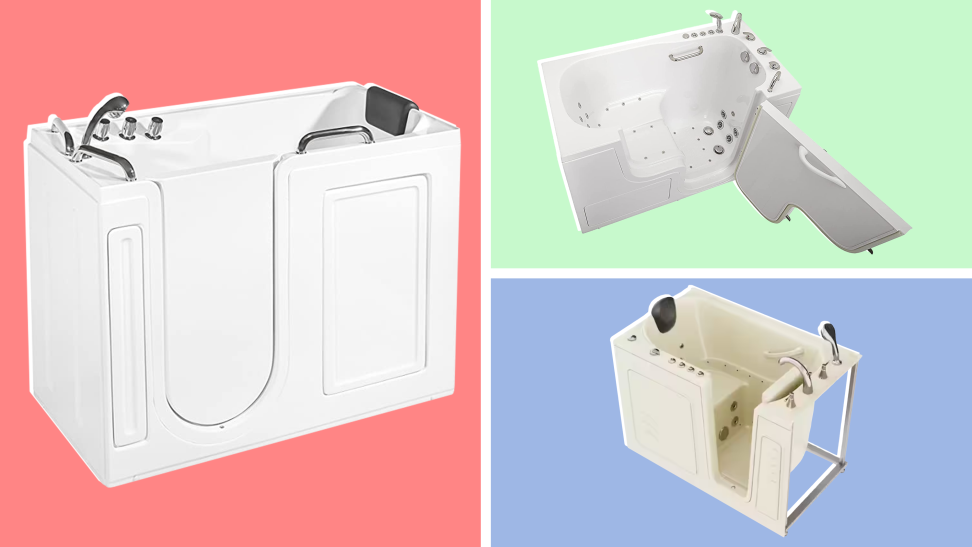
The Best Walk-In Tubs of 2025

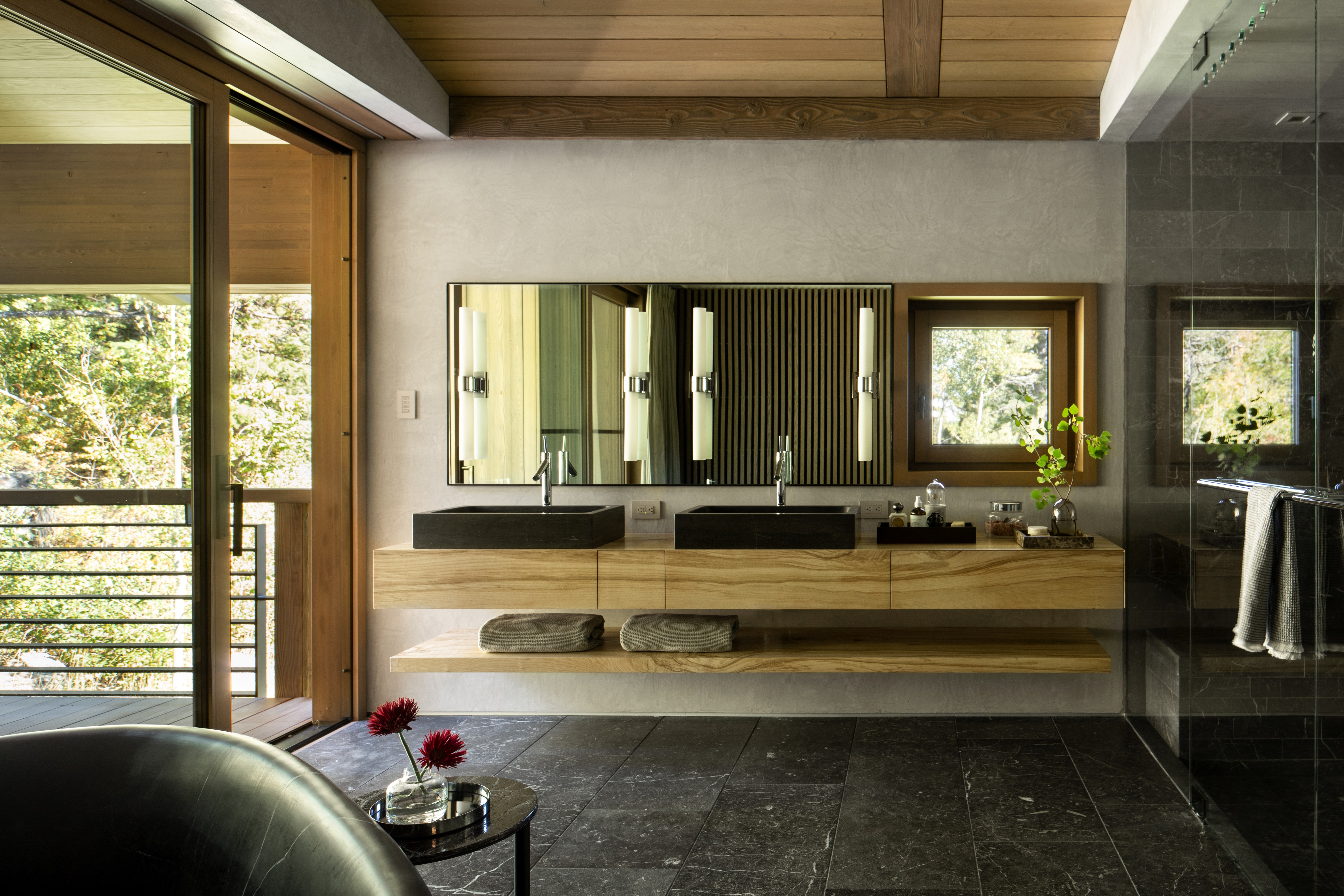
7 Shower Trends That Are Setting the Tone for Relaxing, Creative Bathrooms in 2024

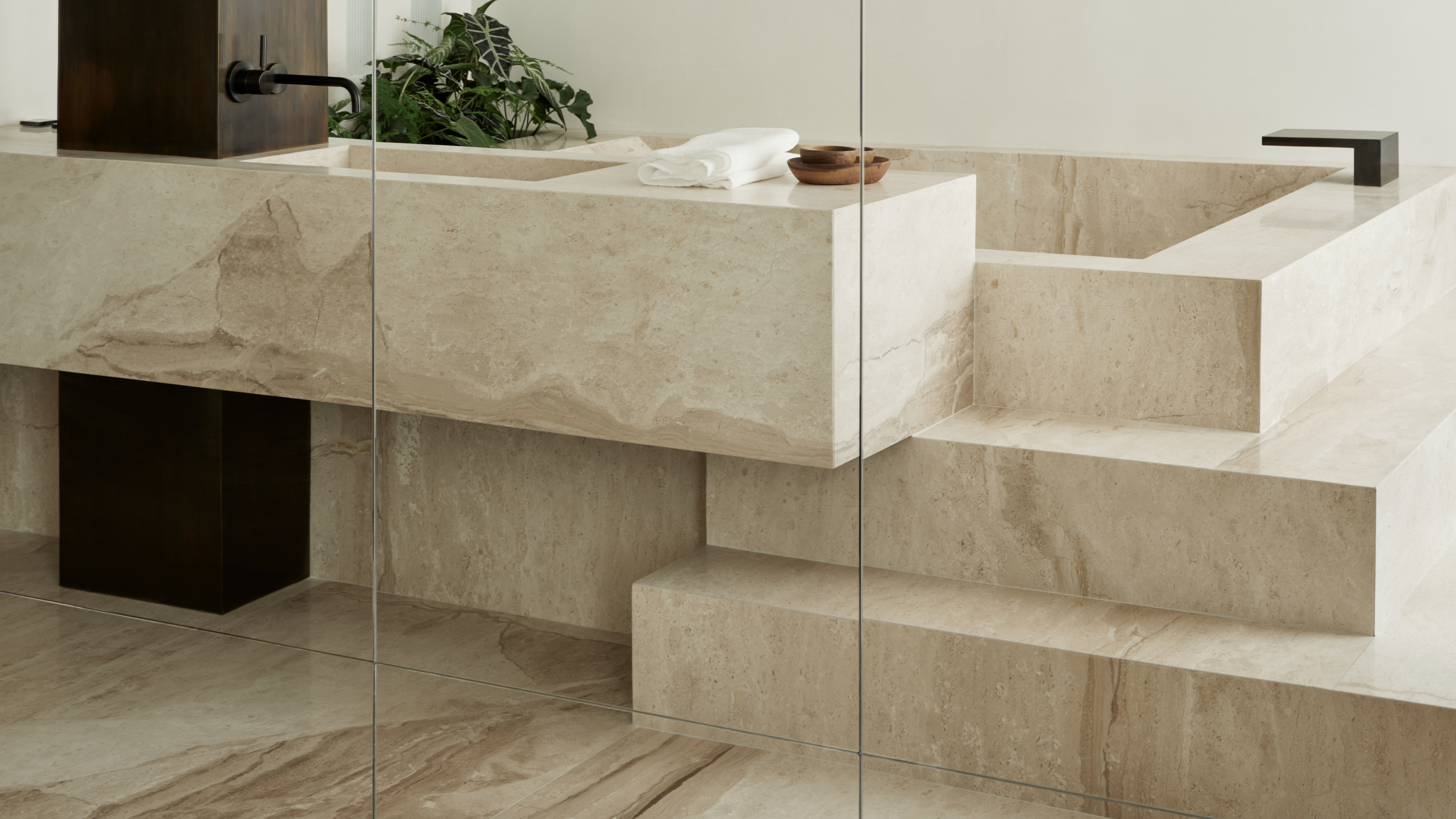
Sorry Freestanding Tubs, but the 'Step-Up' Bath Trend Is the Best Choice to Make for 2025 Remodels
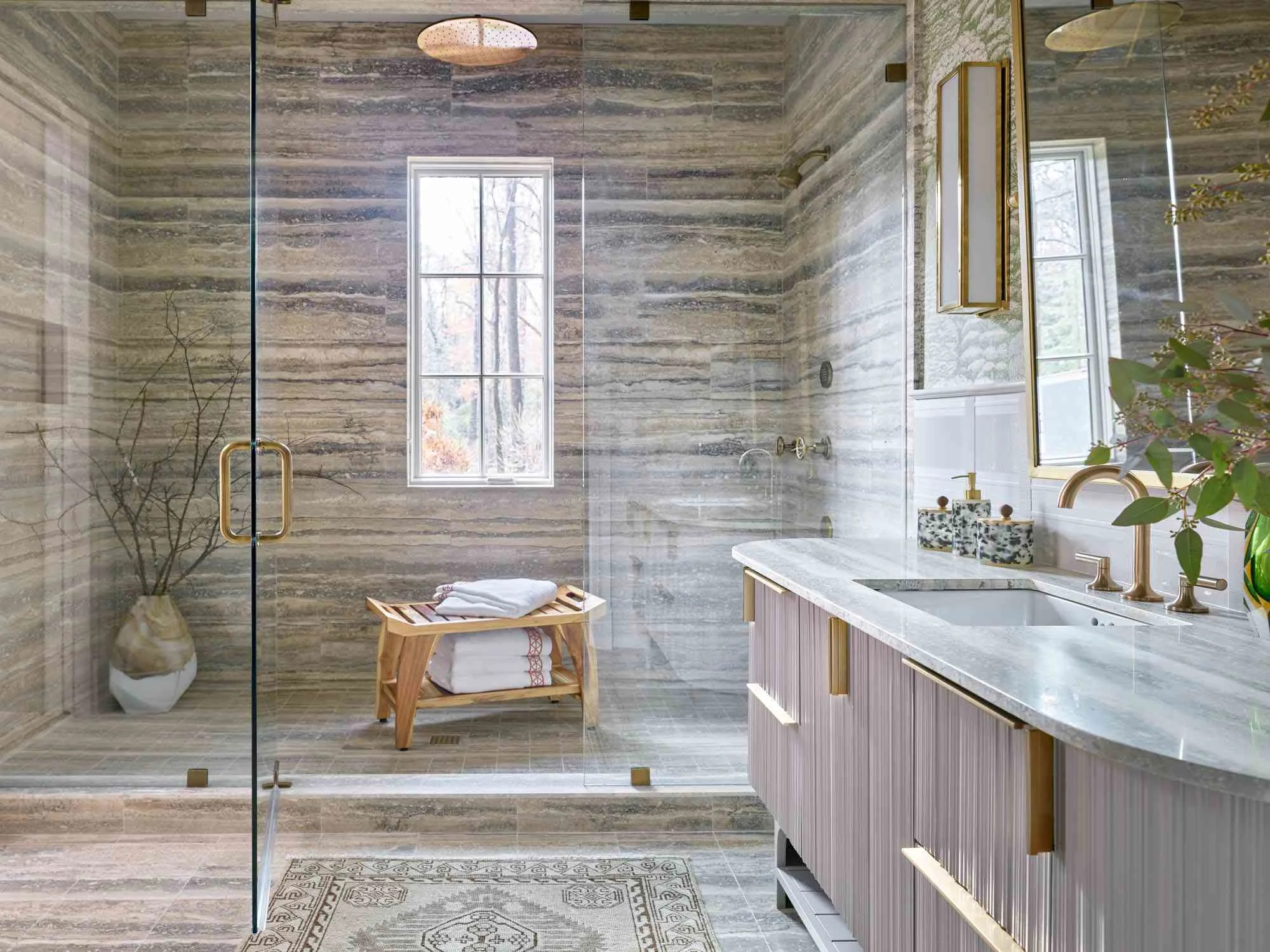
35 Walk-In Shower Ideas For Any Size Bathroom

9 Shower Trends to Know for a 2025 Bathroom Reno
Our 2025 Ella’s Walk-In Tubs Review
17 Luxurious Walk-In Shower Ideas That’ll Transform Any Bathroom Into a Spa

Beautiful new bathroom trends for 2025 | loveproperty.com
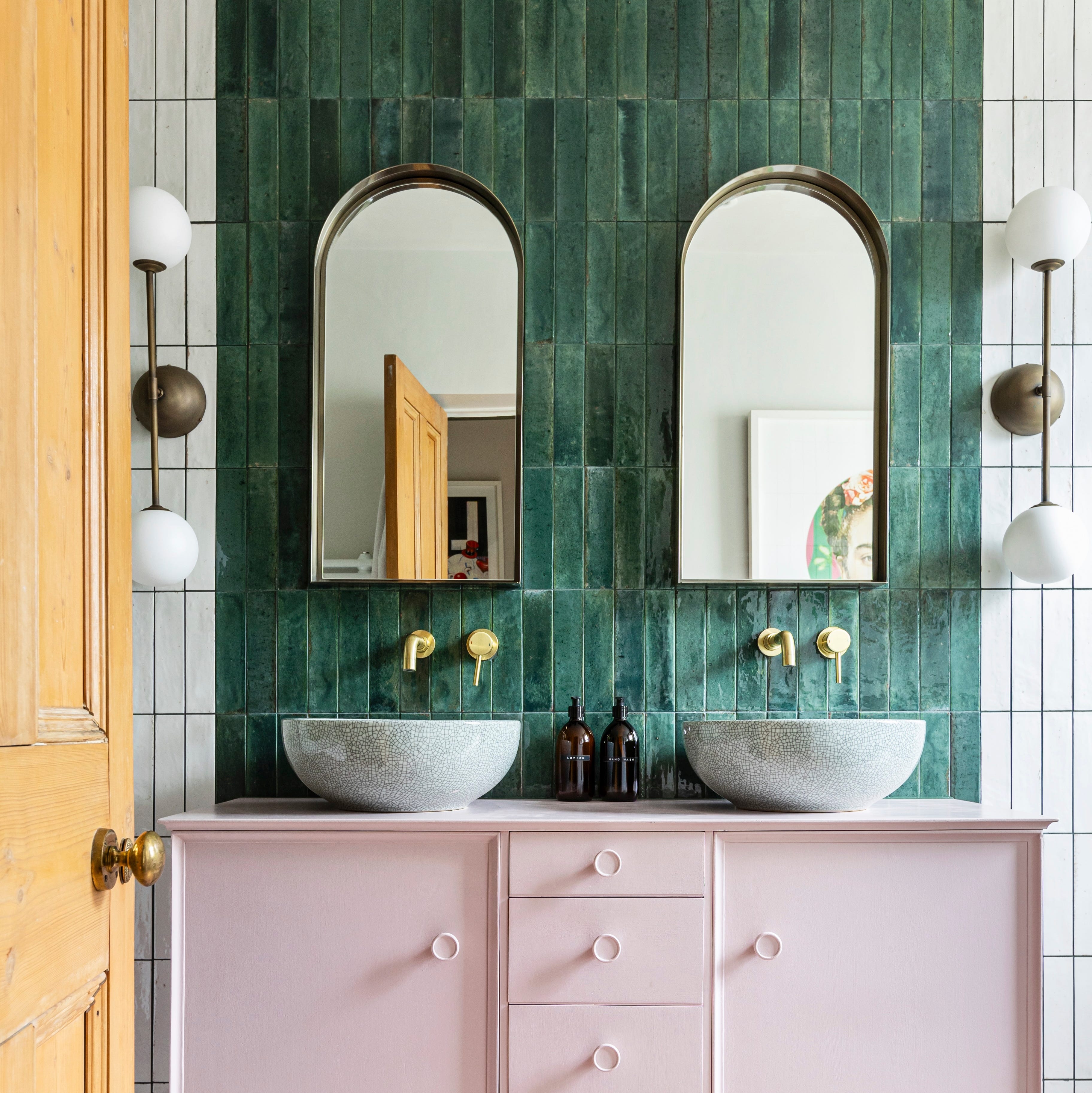
6 Biggest Bathroom Trends Of 2025 – From Walk-In Showers To Double Basins

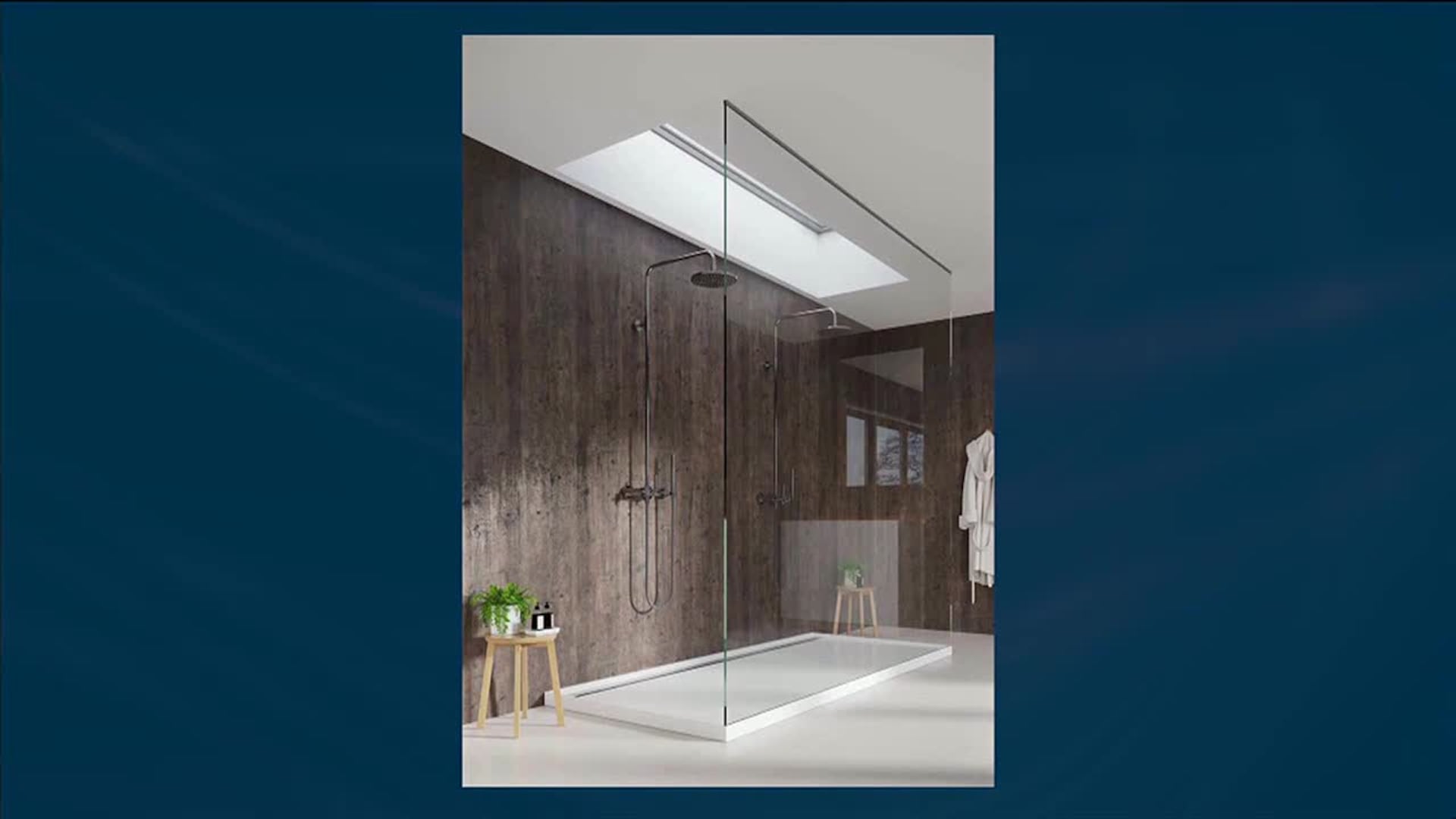
Walk-in Showers and Tub-to-Shower conversions with CustomFit Baths


Walk-In Showers & Wet Rooms

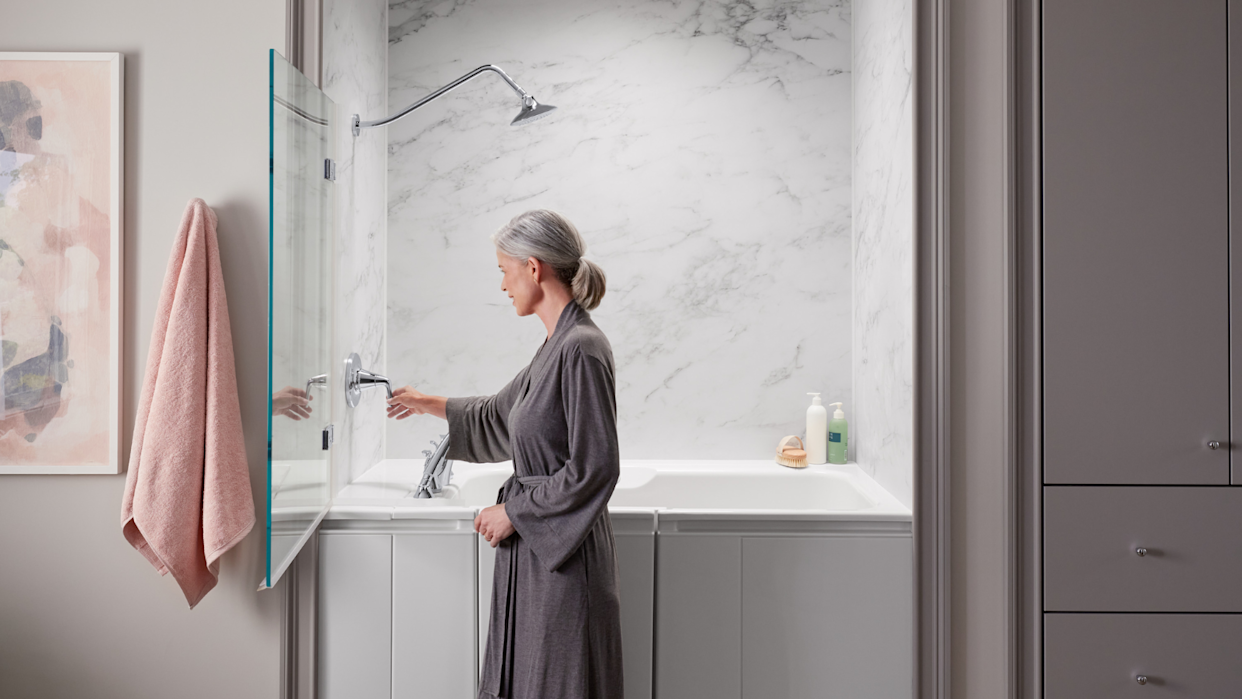
The best walk-in tubs, according to mobility experts

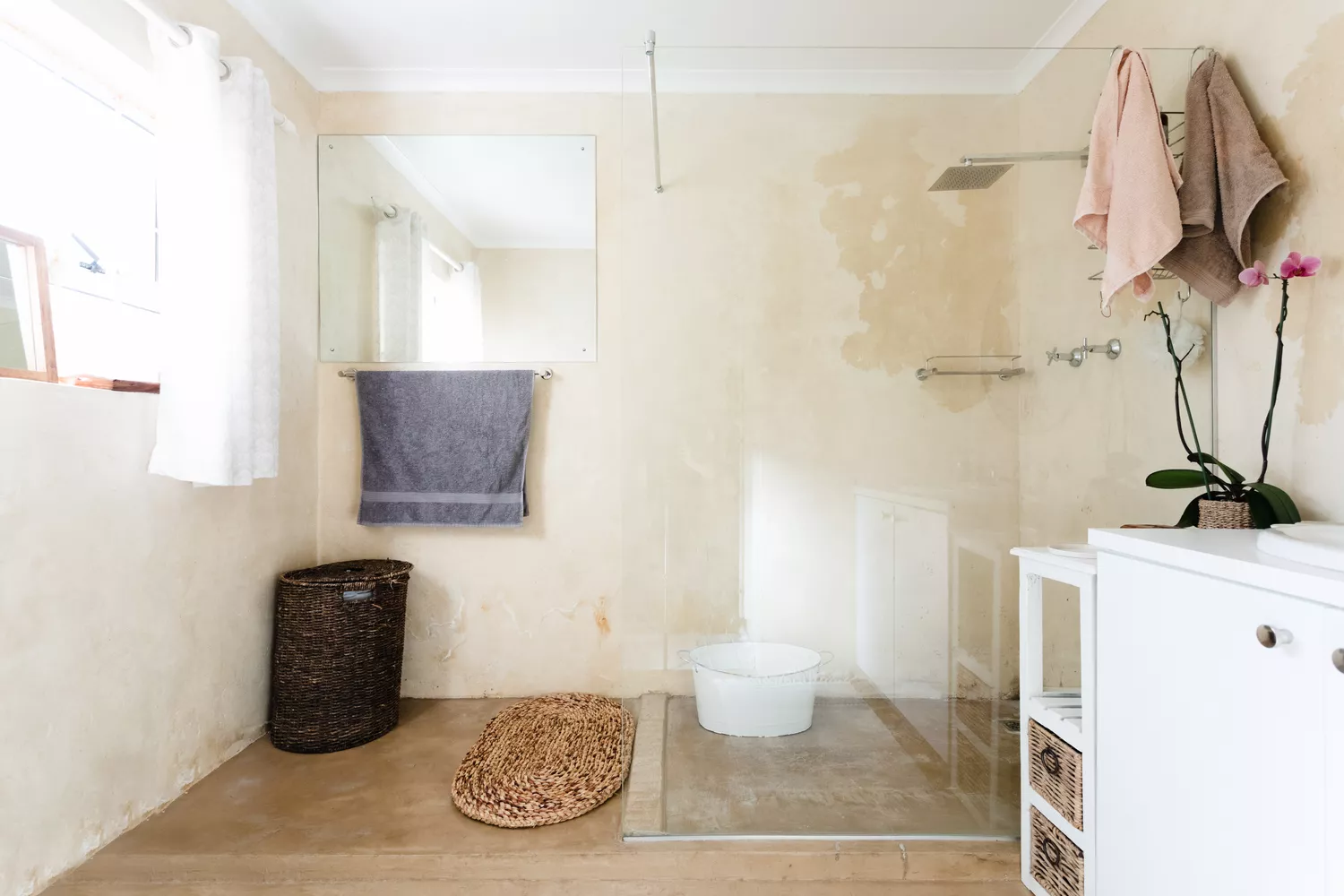
20 Doorless Walk-In Shower Ideas for a Modern Retreat

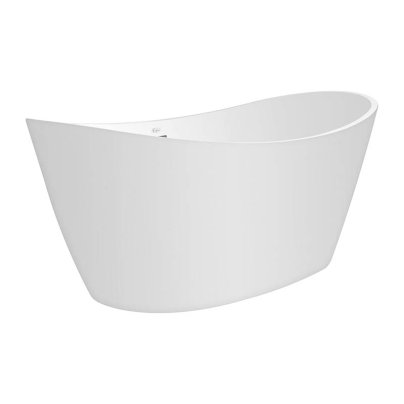
Soak Off a Stressful Day in One of The Best Freestanding Tubs of 2025

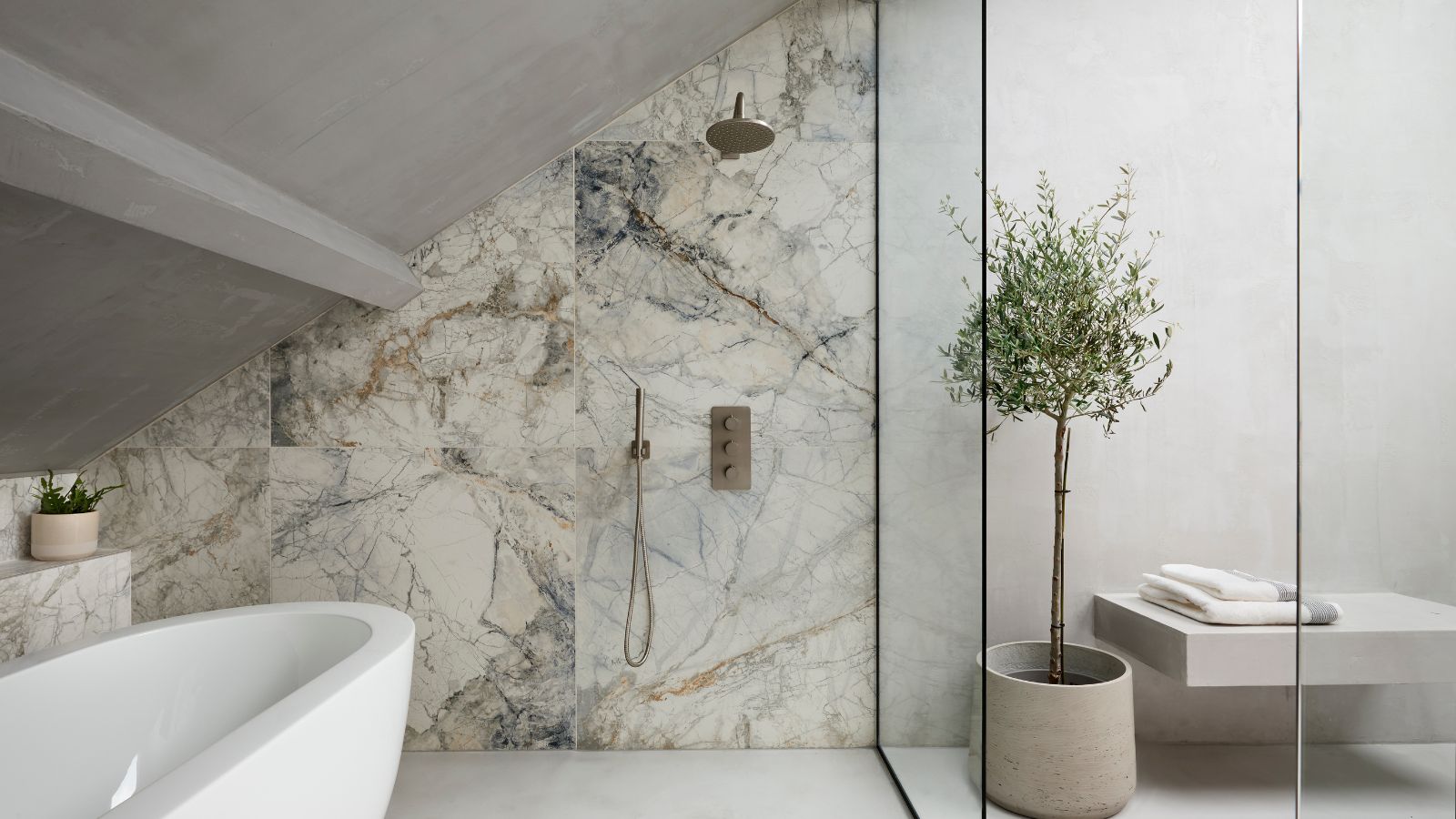
9 Shower Trends to Transform Your Bathroom in 2026, According to Interior Designers

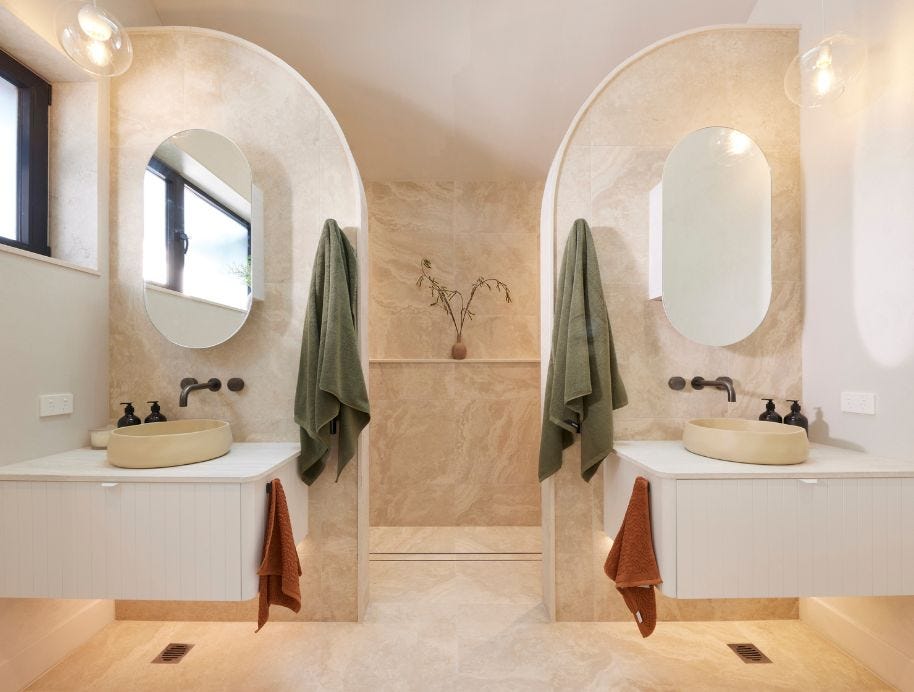
2025 Best Bathroom Trends
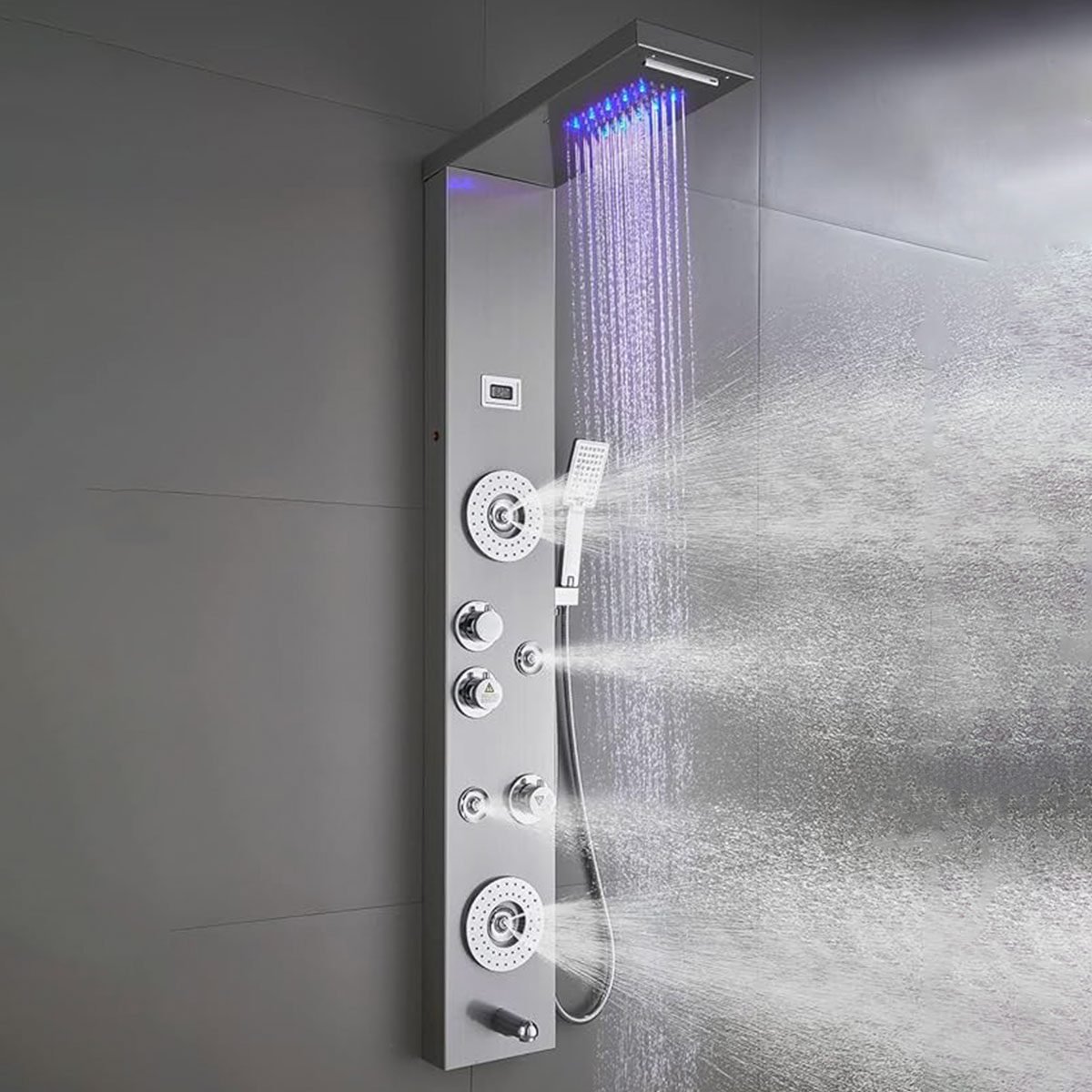
6 Best Smart Showers of 2025

27 stunning walk-in shower ideas to revamp your bathroom

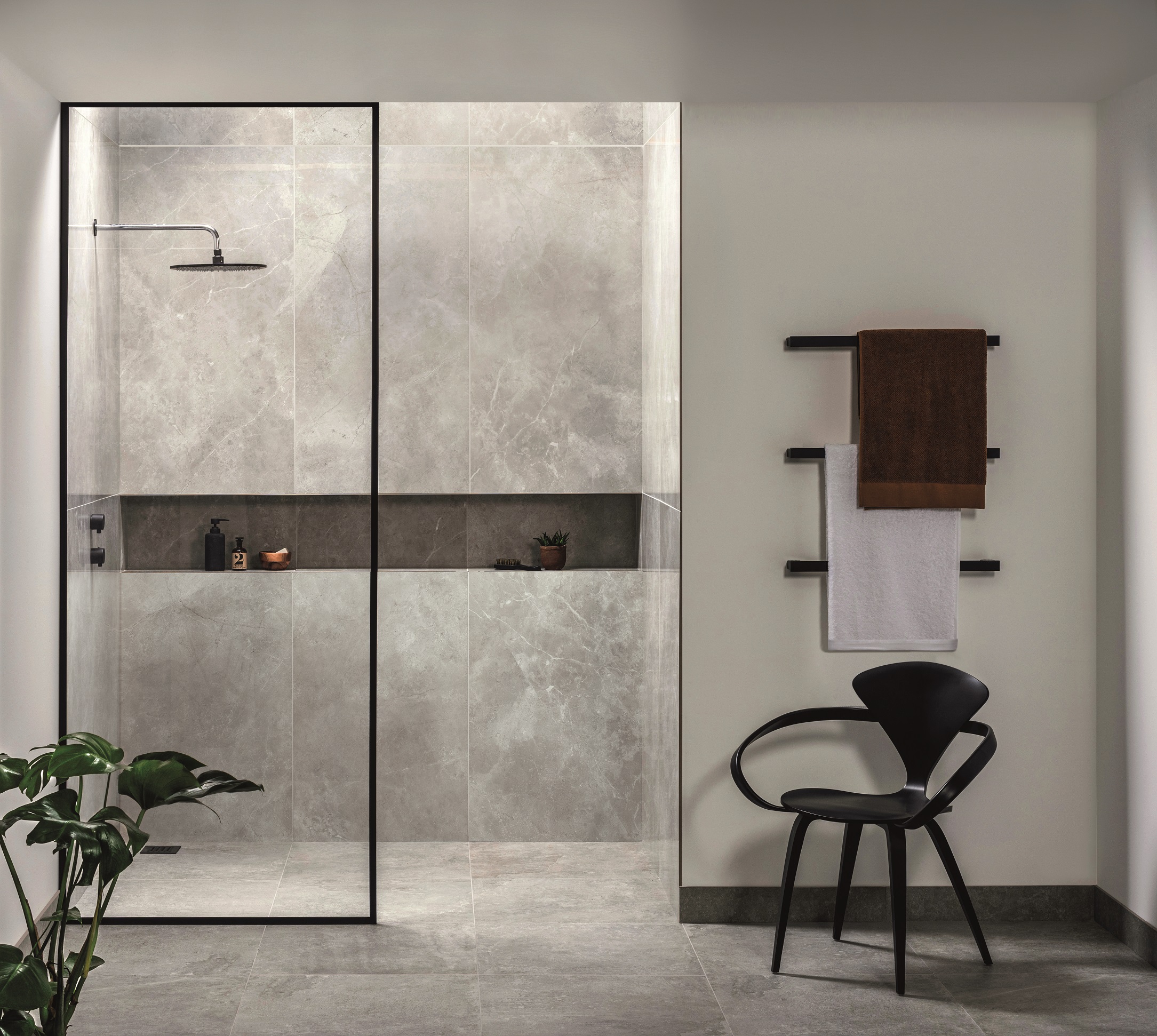
21 walk in shower ideas to add a luxury feel to your bathroom

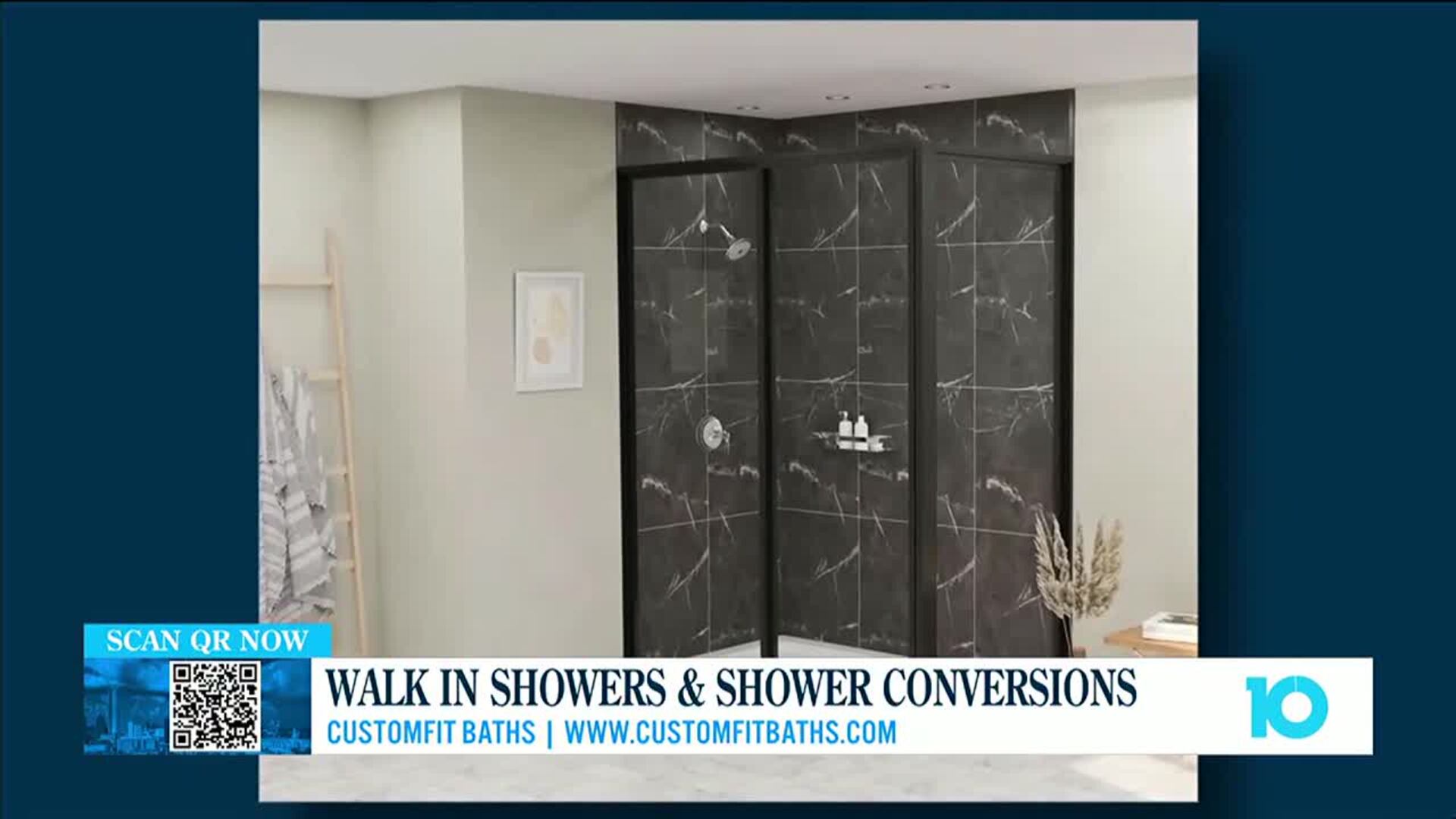
Walk-in Showers & Shower Conversions with CustomFit Baths