1/6
The best walk-in tubs, according to mobility experts
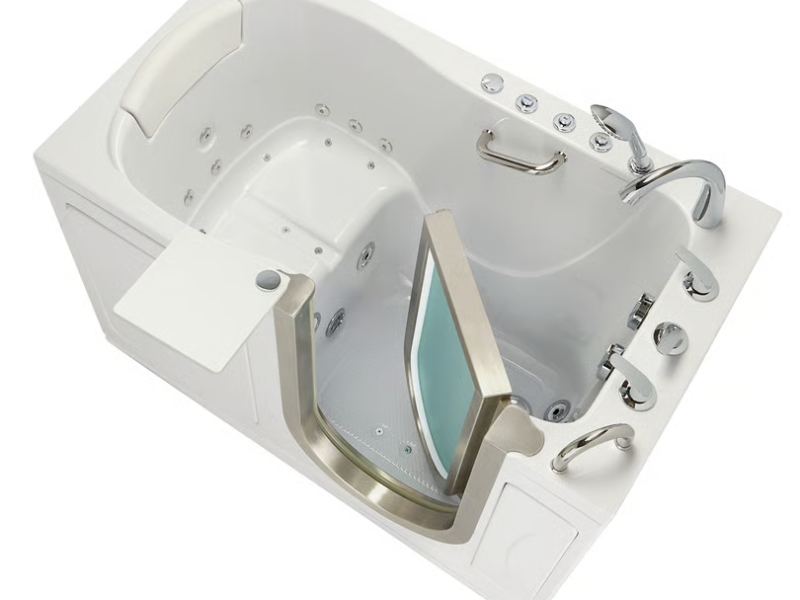
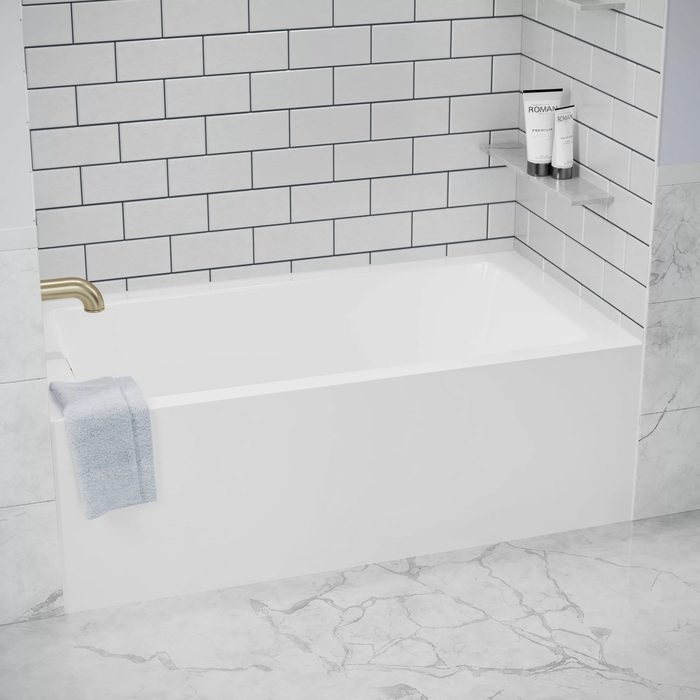
The article evaluates the best walk-in tubs for individuals with limited mobility, emphasizing their role in preventing falls, particularly in bathrooms, which are identified as high-risk areas for adults aged 65 and over. Drawing on insights from geriatric nurse practitioners, architectural psychologists, and home renovation experts, the content highlights various walk-in tub options tailored to different needs and budgets. It categorizes walk-in tubs into several types: soaker tubs, whirlpool tubs (including air and hydrotherapy jets), walk-in tub and shower combos, bariatric walk-in tubs, and wheelchair-accessible models.
Key features for selecting a walk-in tub are discussed, prioritizing safety, comfort, and convenience. Recommended safety features include low step thresholds, non-slip surfaces, grab bars, and quick-drain systems. For those requiring wheelchair access, wide doors that swing outwards are crucial. Enhanced comfort features, such as heated seats, air or water massage jets, and handheld showerheads, are also considered valuable upgrades, especially for individuals with chronic pain or arthritis.
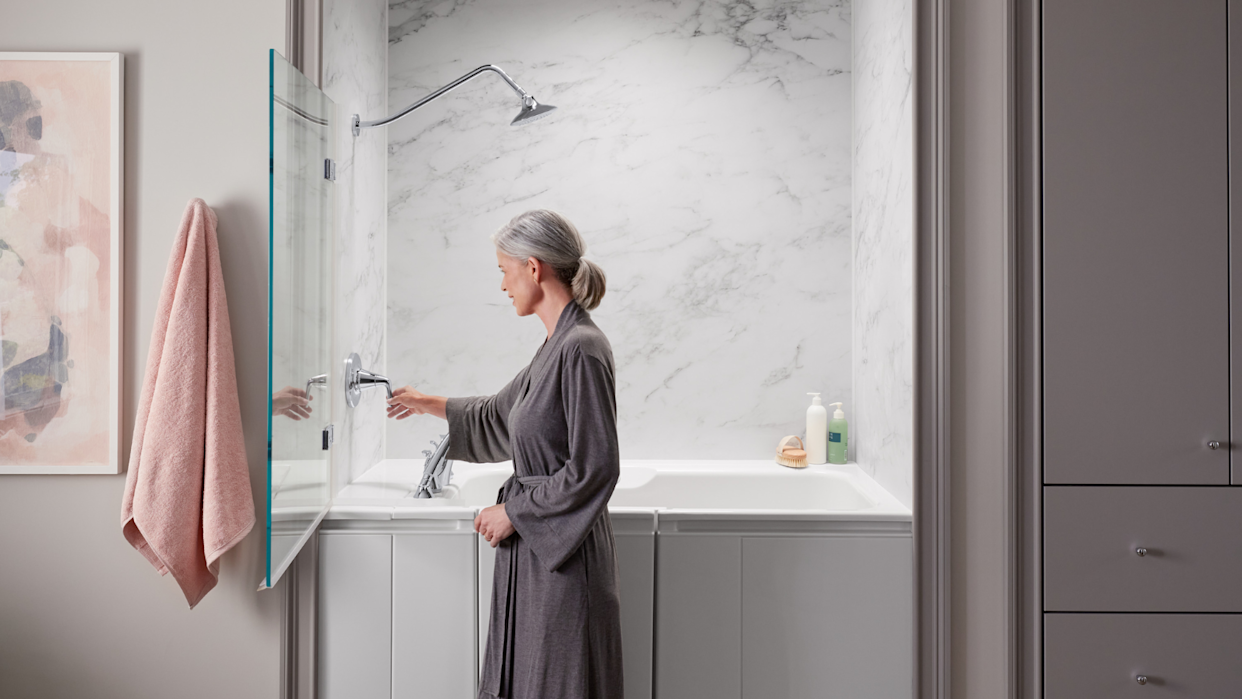
Five specific walk-in tubs are reviewed: Safe Step Walk-in Tub, praised for its comprehensive safety and customizable features like MicroSoothe Air Therapy and chromotherapy; Builder's Choice, highlighted as a budget-friendly option with essential safety features; Kohler Walk-In Bath with Shower, noted for its low 3-inch threshold, customizable bathing options, and lifetime warranty; Ella Transfer, recommended for wheelchair accessibility due to its extra-wide outward-swinging door, various jet options, and self-cleaning system; and American Standard, recognized for its long-standing reputation, whirlpool system, quick-drain technology, and professional installation services.
The article addresses common questions regarding walk-in tubs, including average installation costs, ranging from $3,000 for basic models to over $15,000 for premium versions, plus an additional $1,500 to $3,000 for installation. It clarifies that standard Medicare typically does not cover walk-in tubs unless deemed medically necessary by some Medicare Advantage plans. Other financial assistance sources like Medicaid, the U.S. Department of Veterans Affairs, and non-profit organizations are mentioned. The functionality of walk-in tubs, potential leakage issues (often due to poor design or installation), and the importance of professional installation and regular maintenance are also covered.
#WalkInTubs #MobilityAids #BathroomSafety #AgingInPlace #HomeRenovation #AccessibleDesign #SeniorLiving #HealthAndWellness #HomeImprovement #WalkInTubs #MobilityAids #BathroomSafety #AgingInPlace #HomeRenovation #AccessibleDesign #SeniorLiving #HealthAndWellness #HomeImprovement
0 comment in total
 No comments yet
You may also like
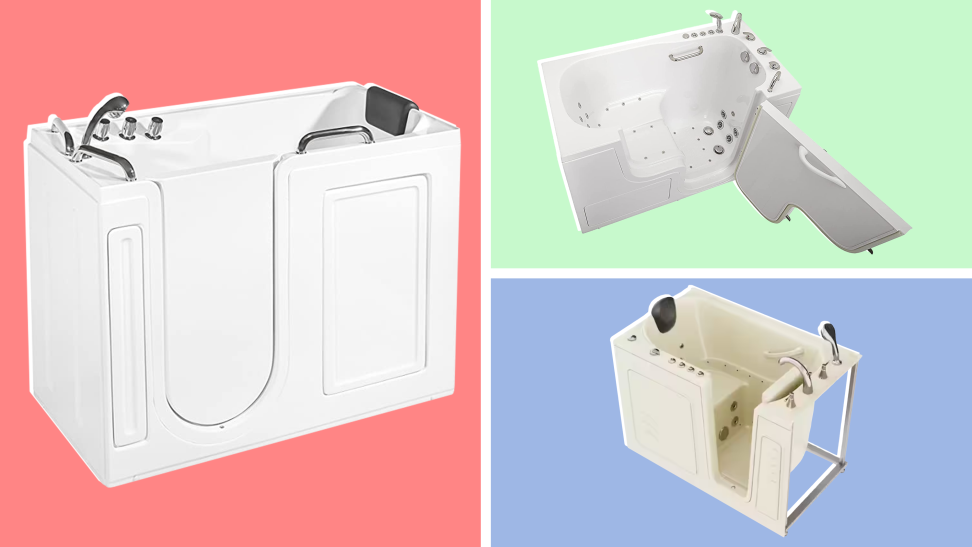
The Best Walk-In Tubs of 2025

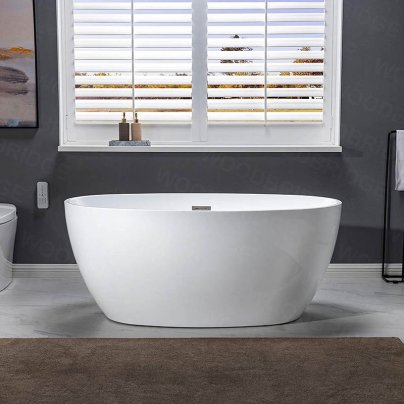
The Best Bathtubs for Your Style and Budget, Vetted

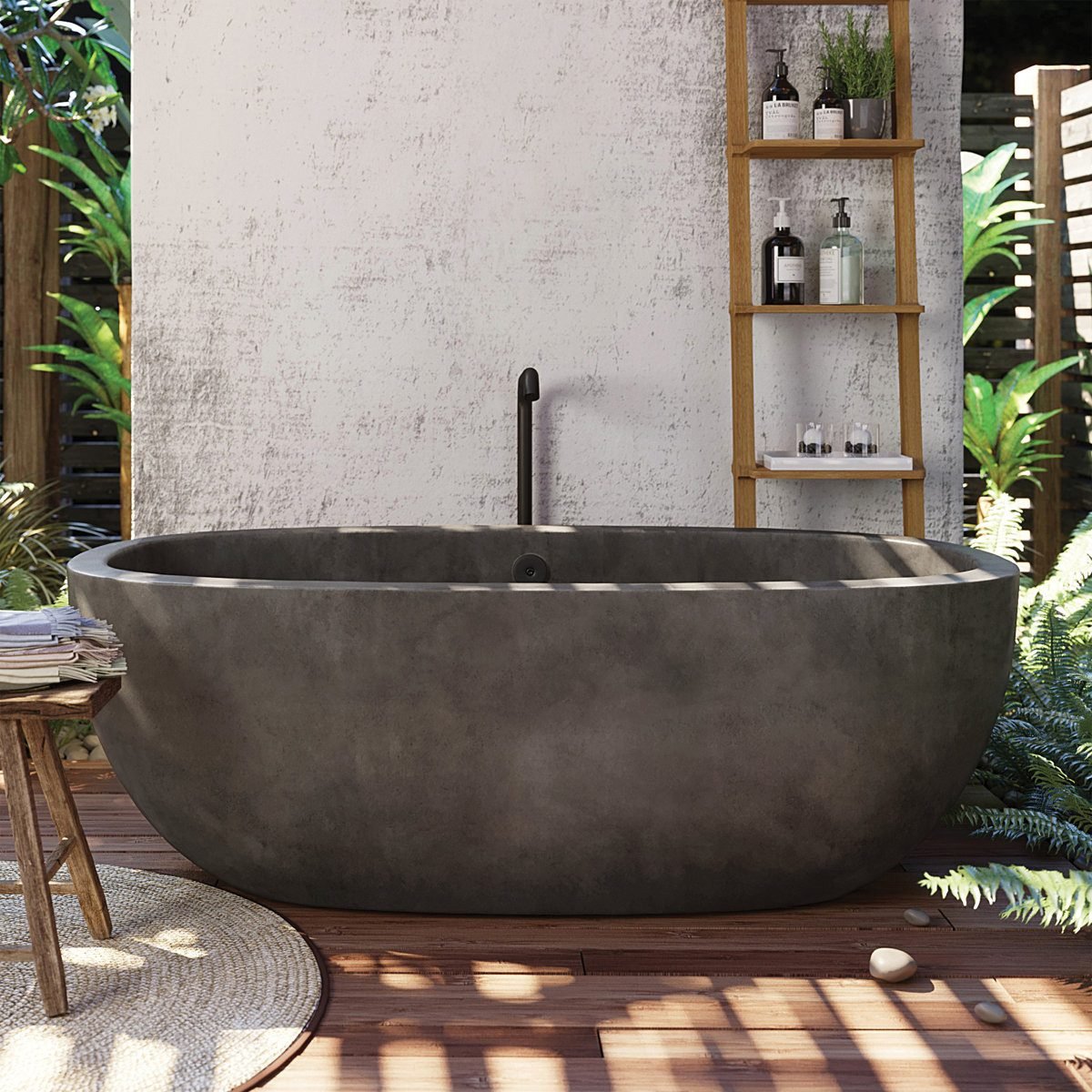
The 8 Best Bathtubs for a Satisfying Soak

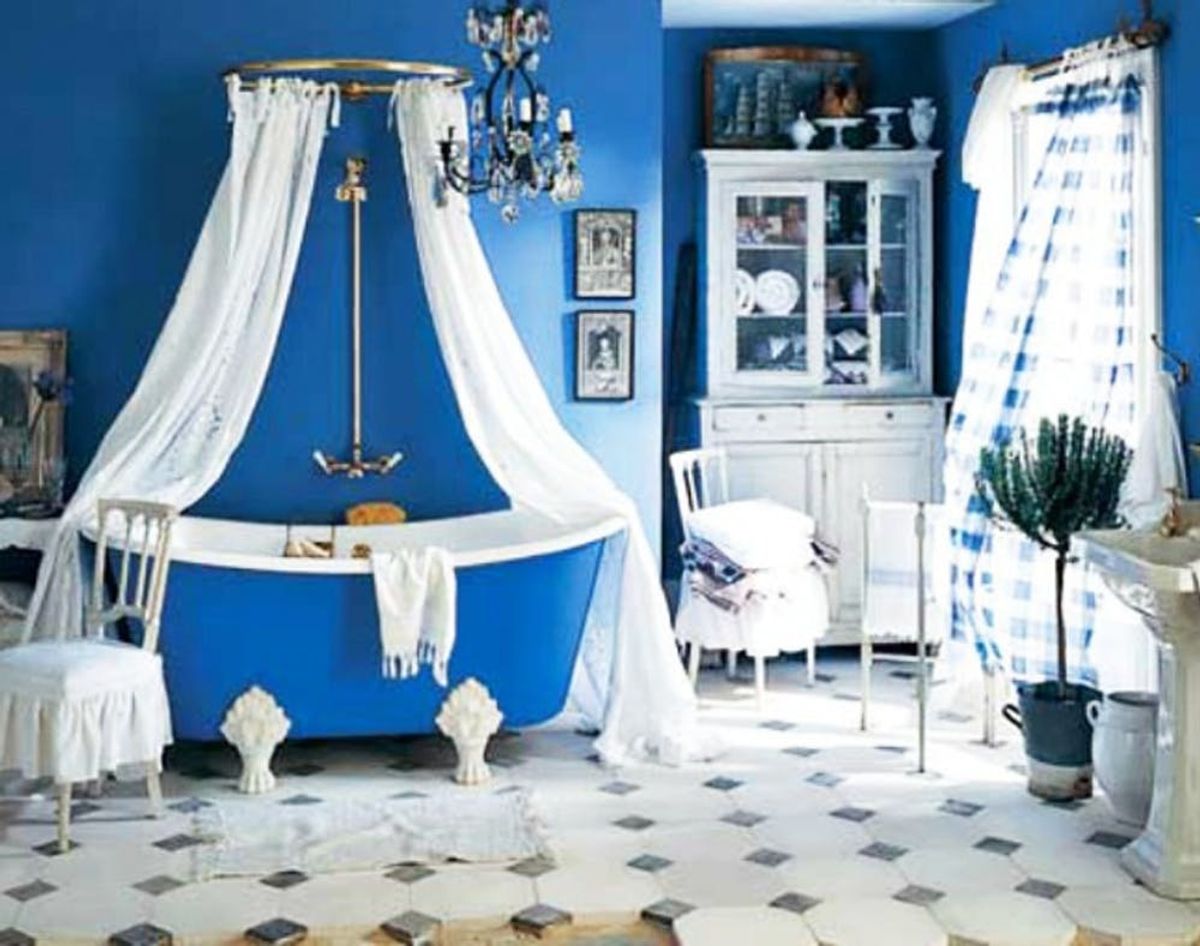
Interior Envy: 22 Clawfoot Tubs We Love

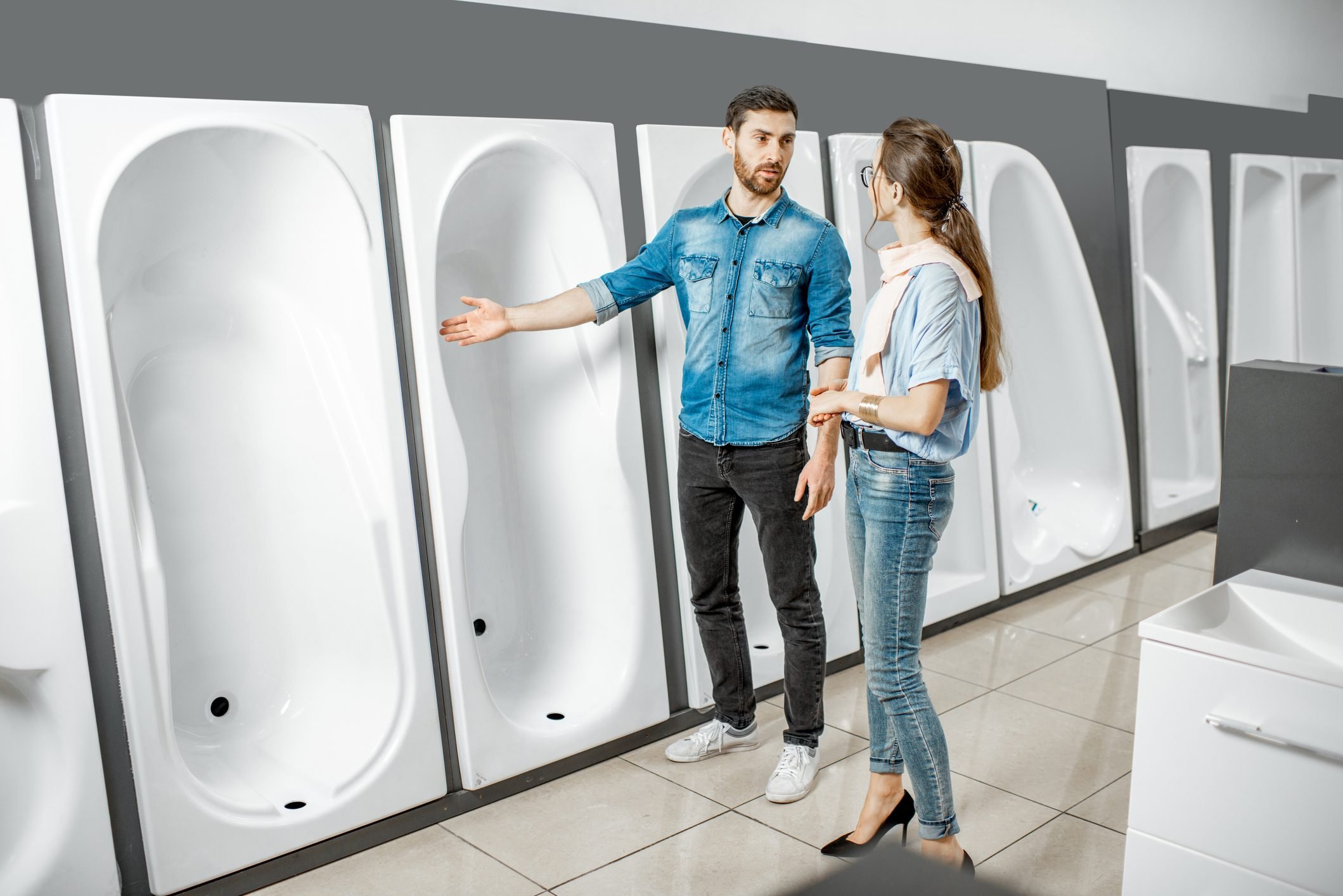
Bathtub Styles, Fixes and Cleaning
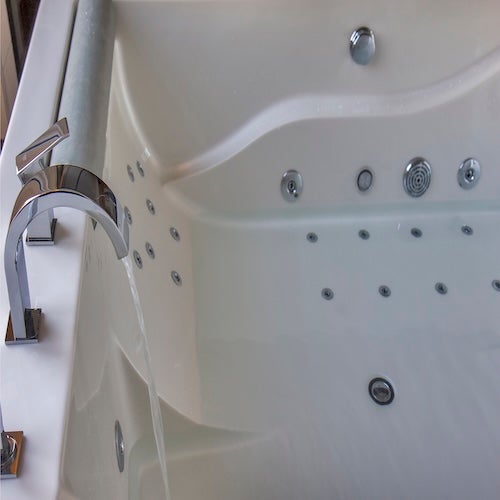
Our 2025 Ella’s Walk-In Tubs Review
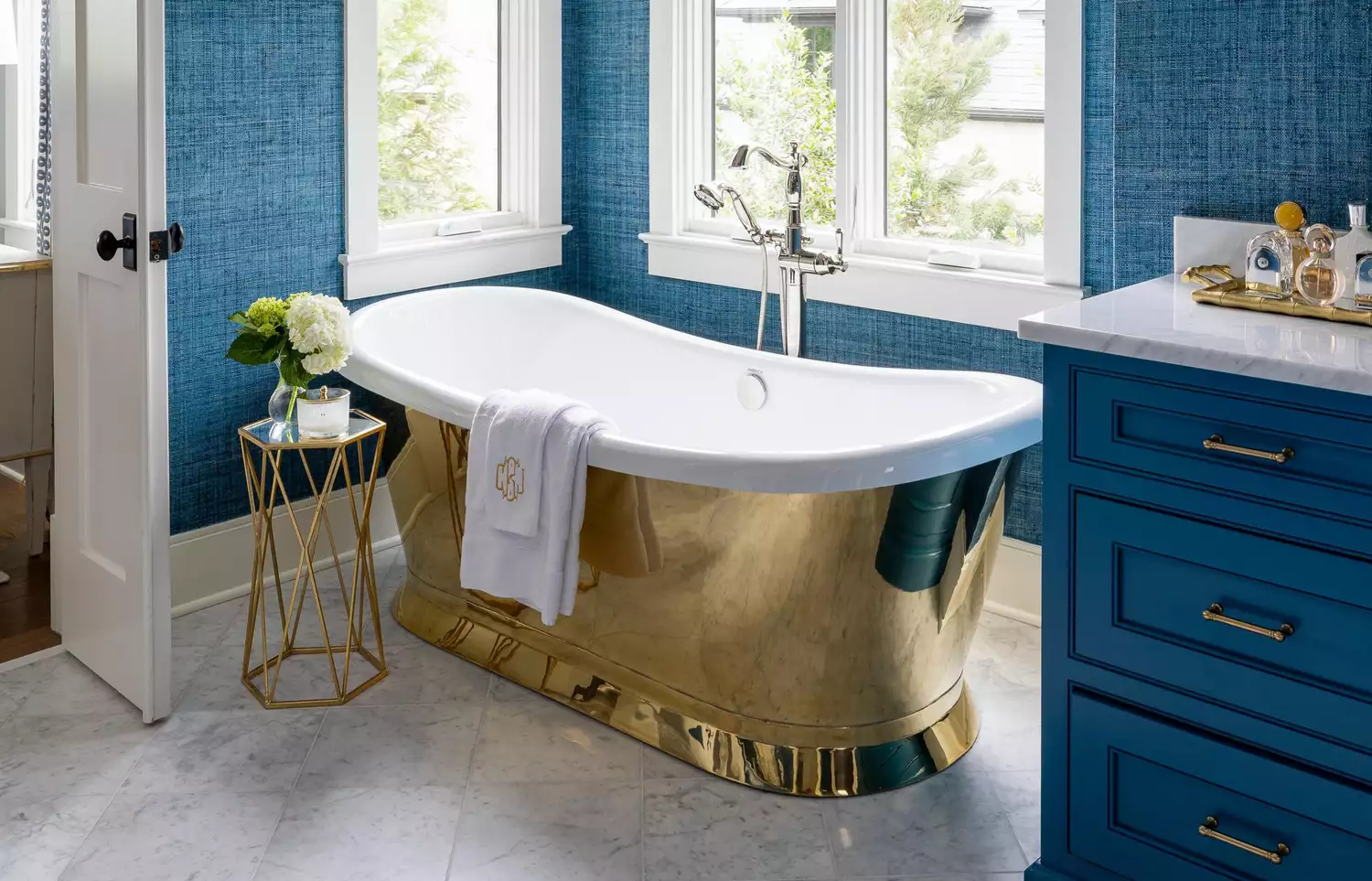
These 17 Bathtub Ideas Will Make Your Bathroom Feel Like a 5-Star Spa
Soak Off a Stressful Day in One of The Best Freestanding Tubs of 2025

Walk-In Showers & Wet Rooms

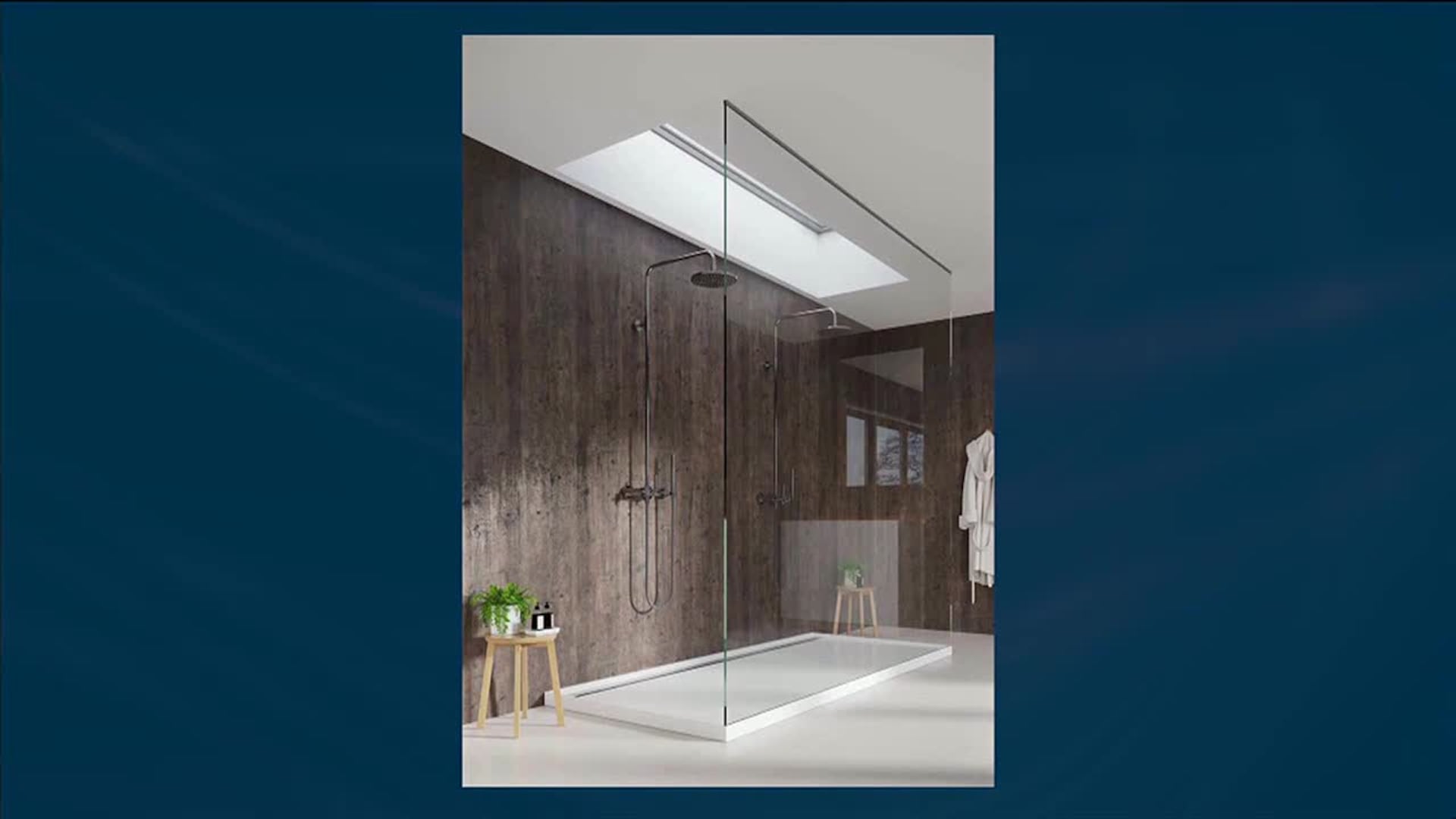
Walk-in Showers and Tub-to-Shower conversions with CustomFit Baths

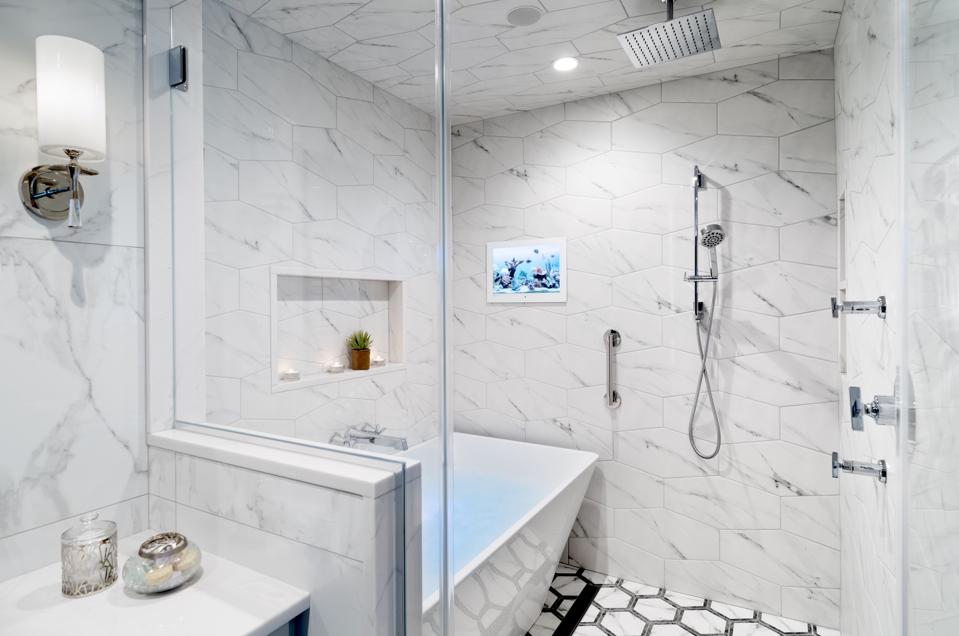
Creating Spa Bathrooms With The Latest Wellness Design And Technology Trends


6 Designers on the Best Freestanding Tub Brands for Sudsy Soaks
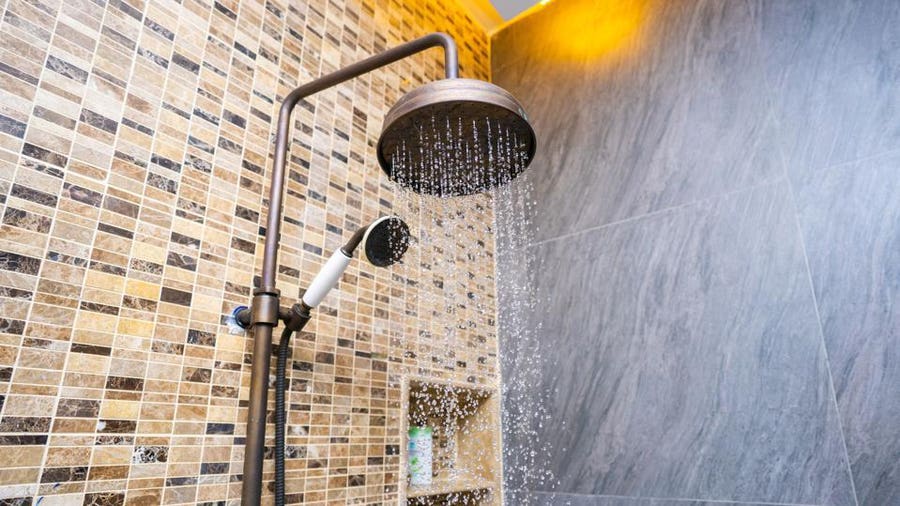
Best Walk-In Tubs With Showers In 2025
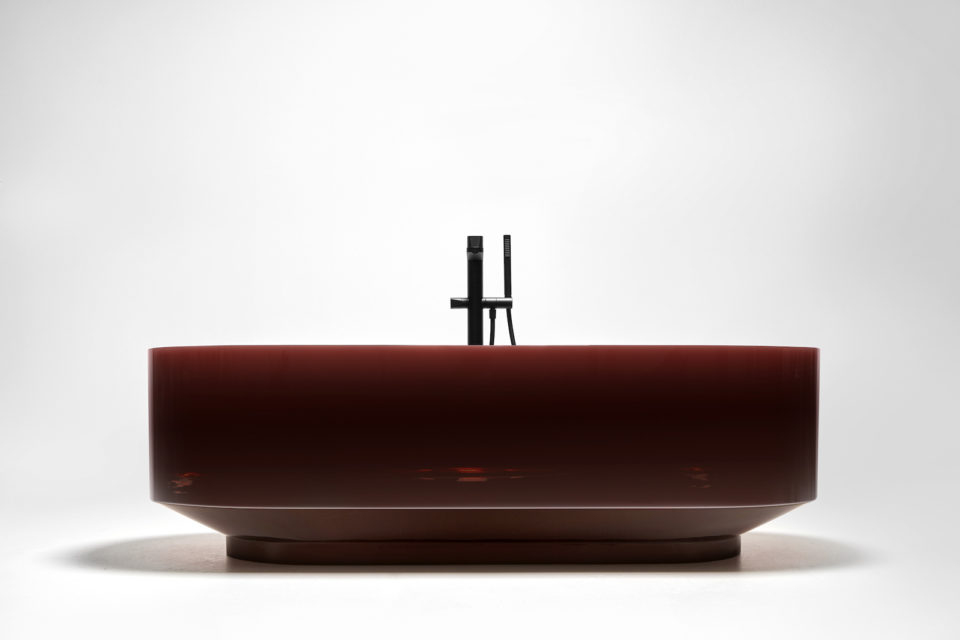
Level Up Your Soaking Sanctuary With These Gorgeous Bathtubs

Laufen's new freestanding bath range offers a solution for every space
The Best Soaking Tubs to Transform a Bathroom Into a Spa

Best Spa and Jacuzzi Tubs For Your Bathroom
Soak Off a Stressful Day in One of The Best Freestanding Tubs

Walk-In Shower Enclosures

17 Bathtub Ideas That Will Transform Your Bathroom Into a Spa-Like Escape