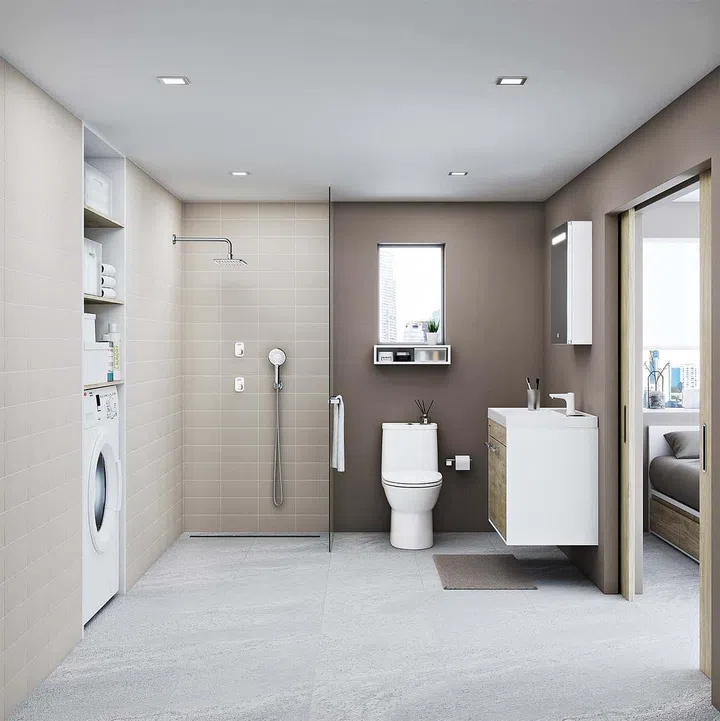
How To Make a Toilet More Accessible
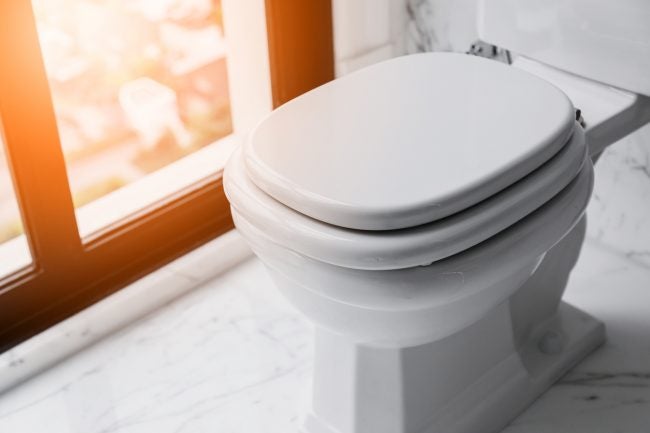
Making a toilet more accessible is a practical home improvement that can benefit individuals with changing mobility needs or those planning to age in place. The process involves either modifying an existing toilet or installing a new one designed with accessibility in mind. While the Americans with Disabilities Act (ADA) primarily sets standards for commercial buildings, its guidelines offer valuable insights for residential accessibility. The ADA recommends a toilet rim height of 17 to 19 inches from the floor, a significant increase from the standard 14.5 inches. This elevated height facilitates easier standing and transfer from wheelchairs, though it might be less comfortable for children and able-bodied adults.
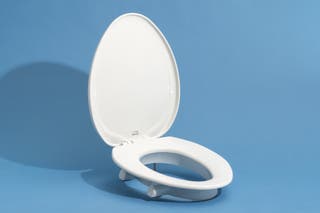
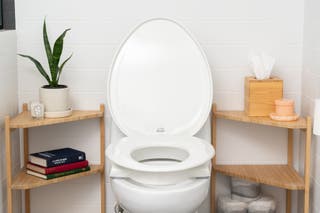
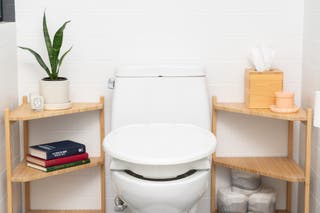
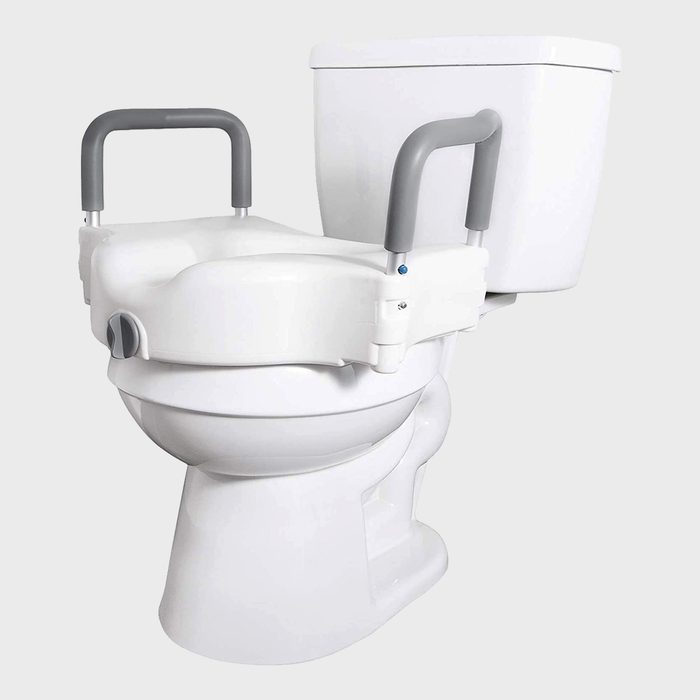
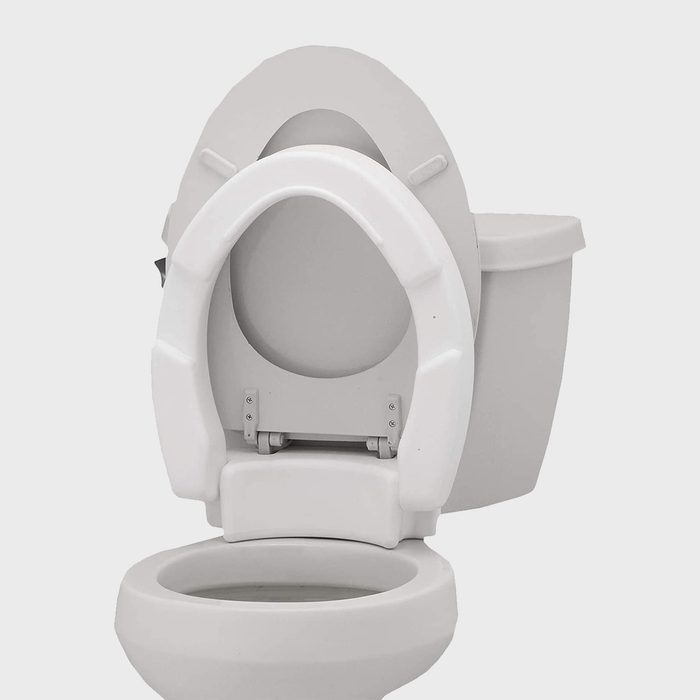
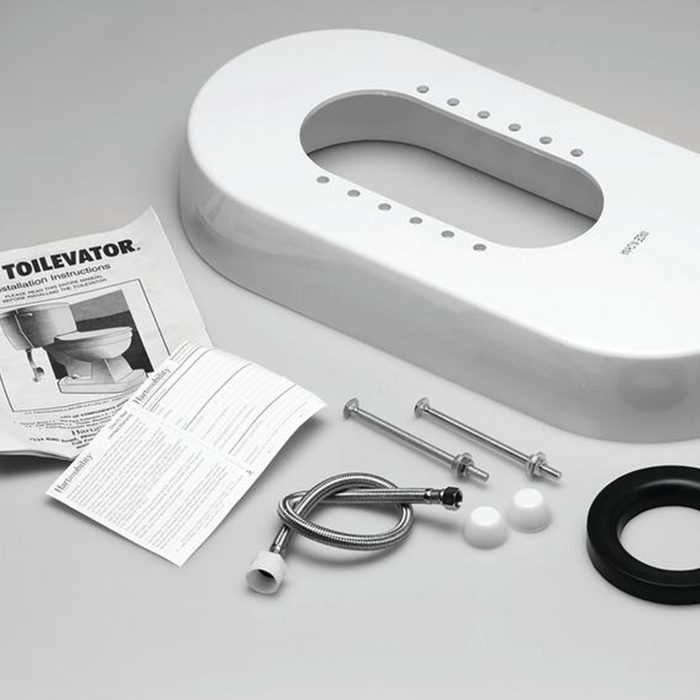
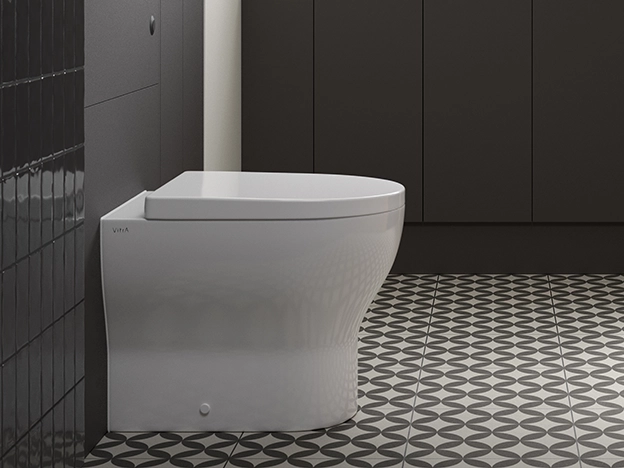
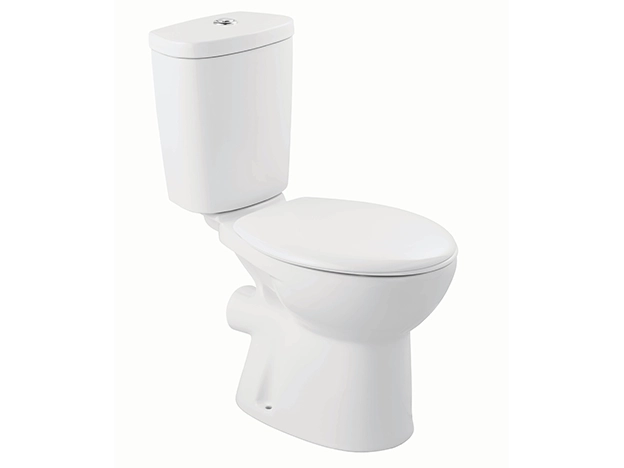
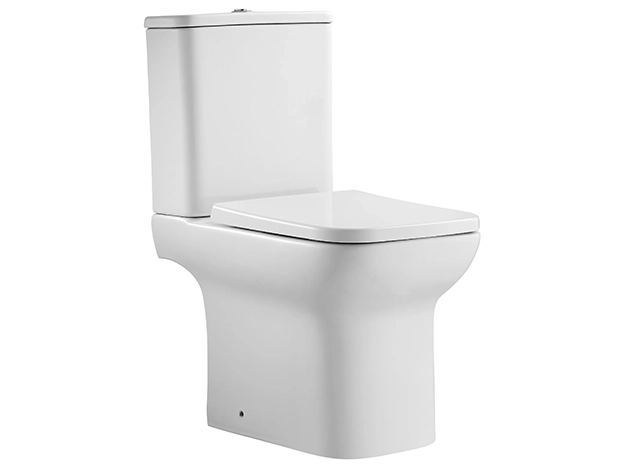
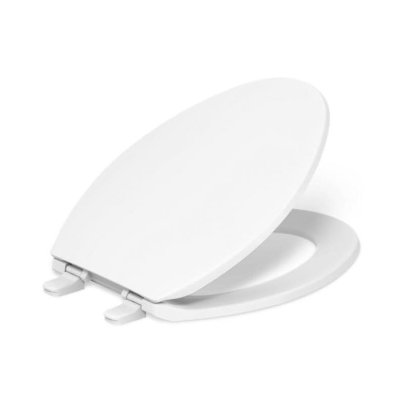
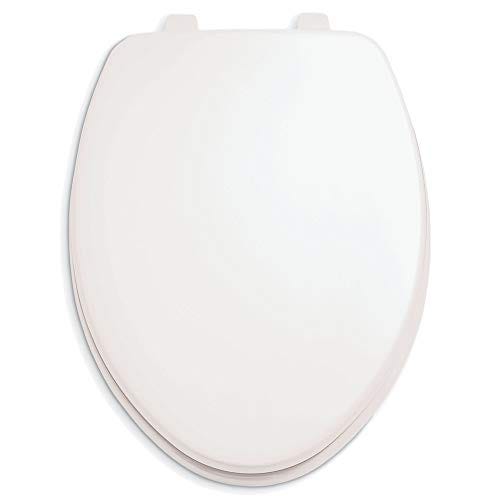
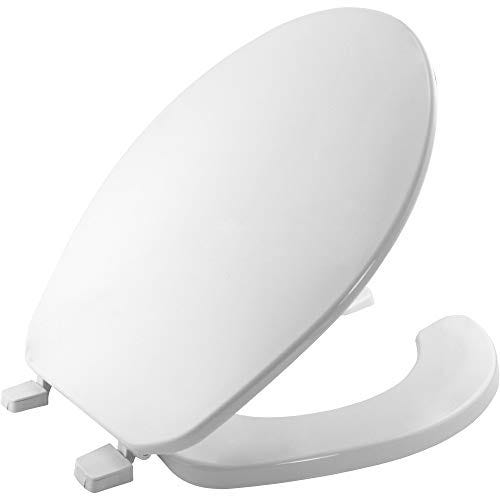
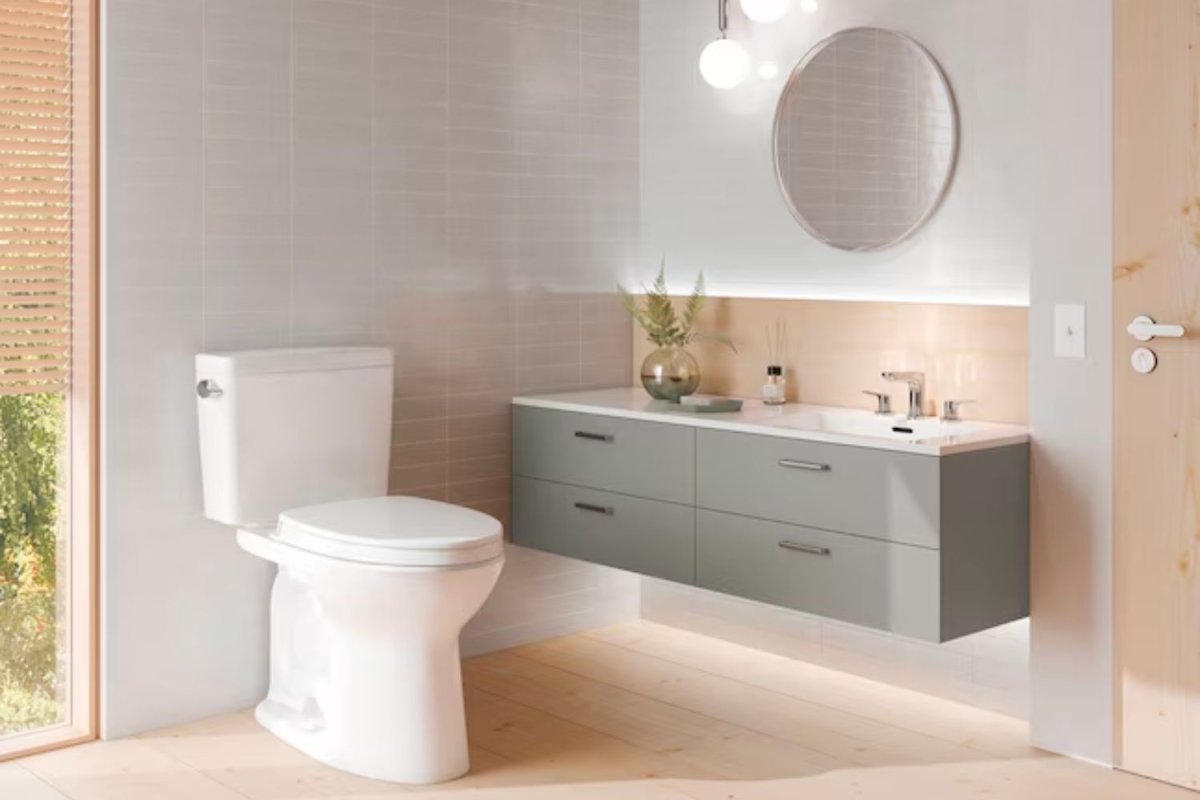
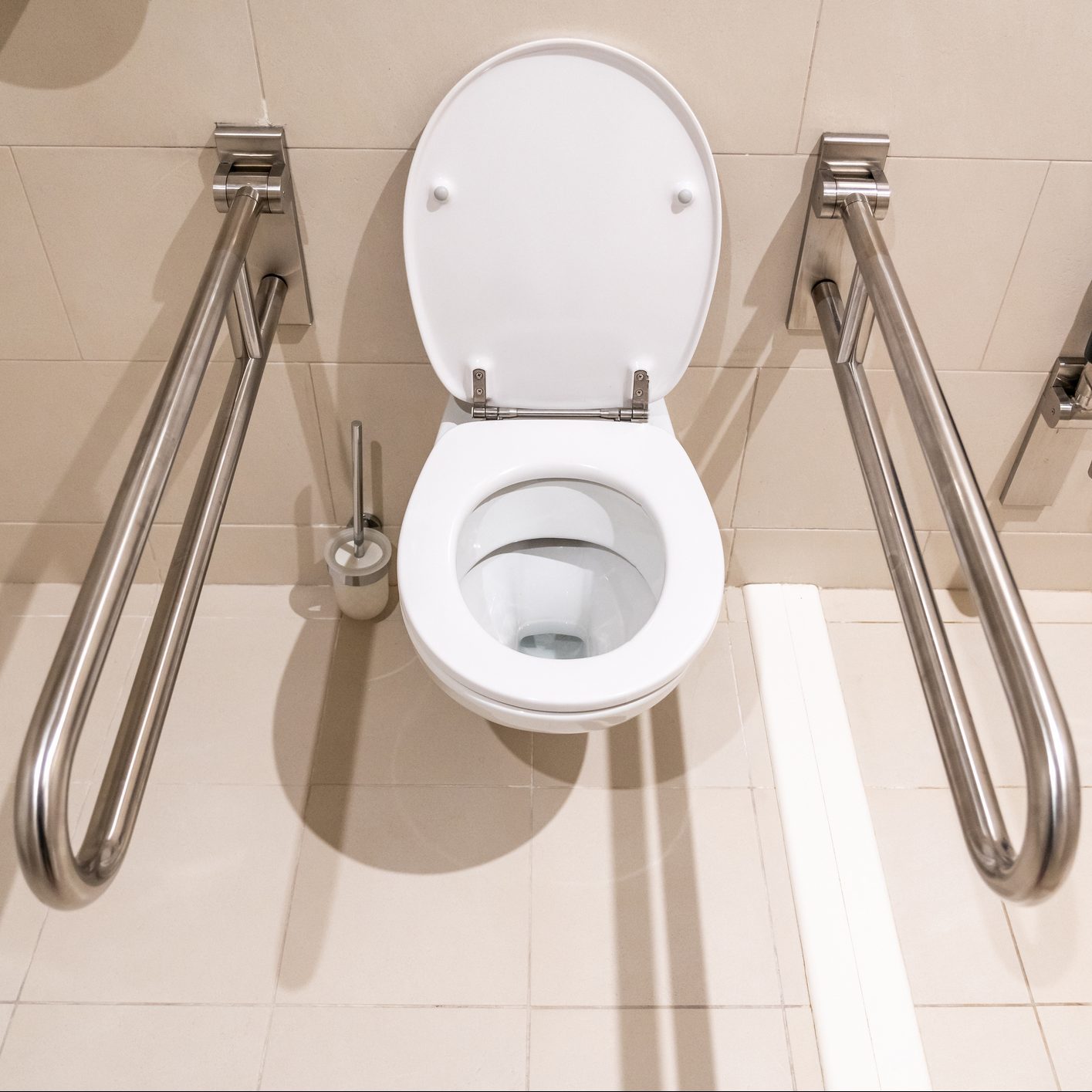
Several key components are necessary to create an accessible toilet. A taller toilet is fundamental; many manufacturers now produce ADA-compliant models that blend with various home aesthetics, avoiding the institutional look of commercial restrooms. Alternatively, a seat riser can be added to an existing standard-height toilet to achieve the desired elevation. Grab bars are another critical feature, providing stability and support. These should be positioned to the left or right of the toilet, depending on its location, and ideally include an L-shaped or looped bar on the back wall, mounted 34 to 38 inches from the floor. The flushing mechanism also plays a role in accessibility; a front-mounted lever or a push-button on top of the tank can be easier to operate than a traditional side lever.
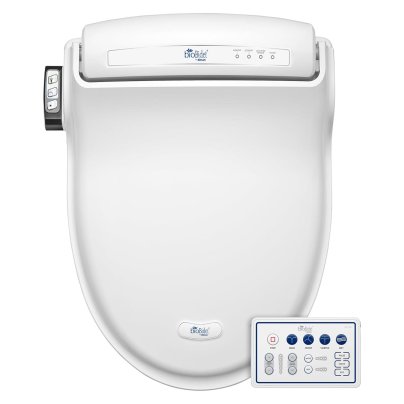
For enhanced hygiene and independence, particularly for those with difficulty cleaning themselves, a bidet is a highly recommended addition. Bidets can be integrated into new toilet models, added as bidet toilet seats to existing units, or installed as simple bidet attachments. Beyond the toilet itself, sufficient floor space in the bathroom is crucial for accessibility. Standard building codes mandate at least 30 inches of side-to-side clearance for a toilet, meaning a minimum of 15 inches from the center of the toilet to any adjacent wall or vanity. While the ADA doesn't specify this exact measurement for residential settings, it requires a 60-inch clear turning circle in the bathroom for full ADA compliance, enabling a wheelchair to rotate freely and facilitating transfers to the toilet.
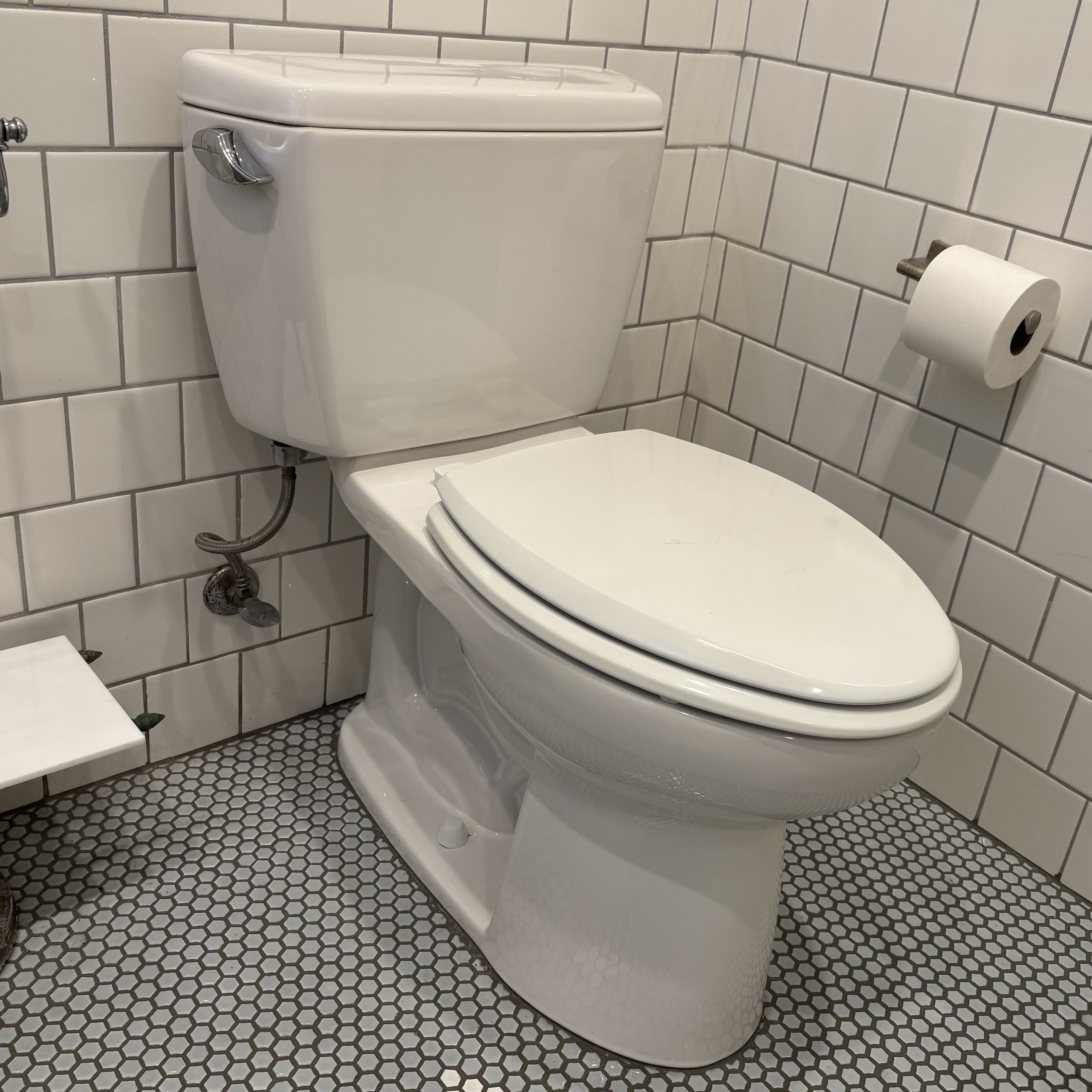
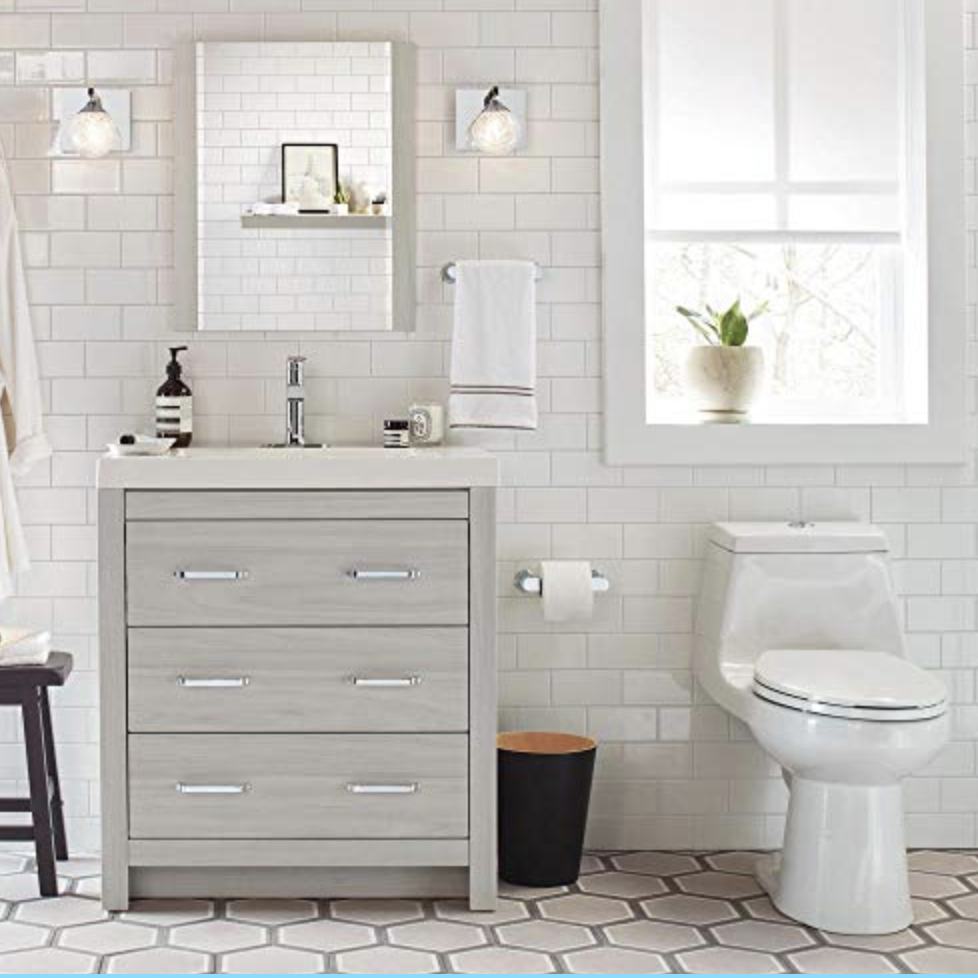
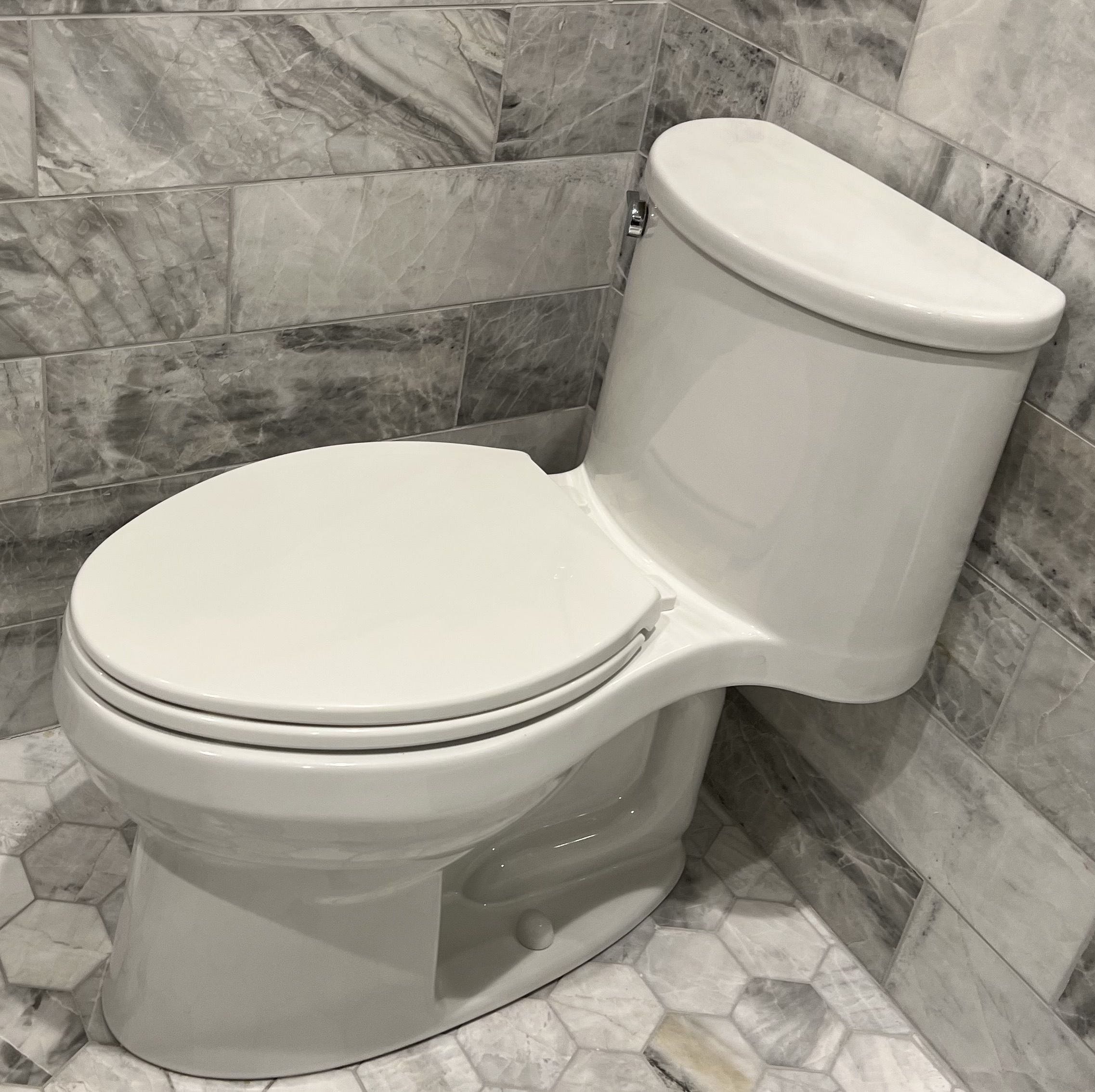
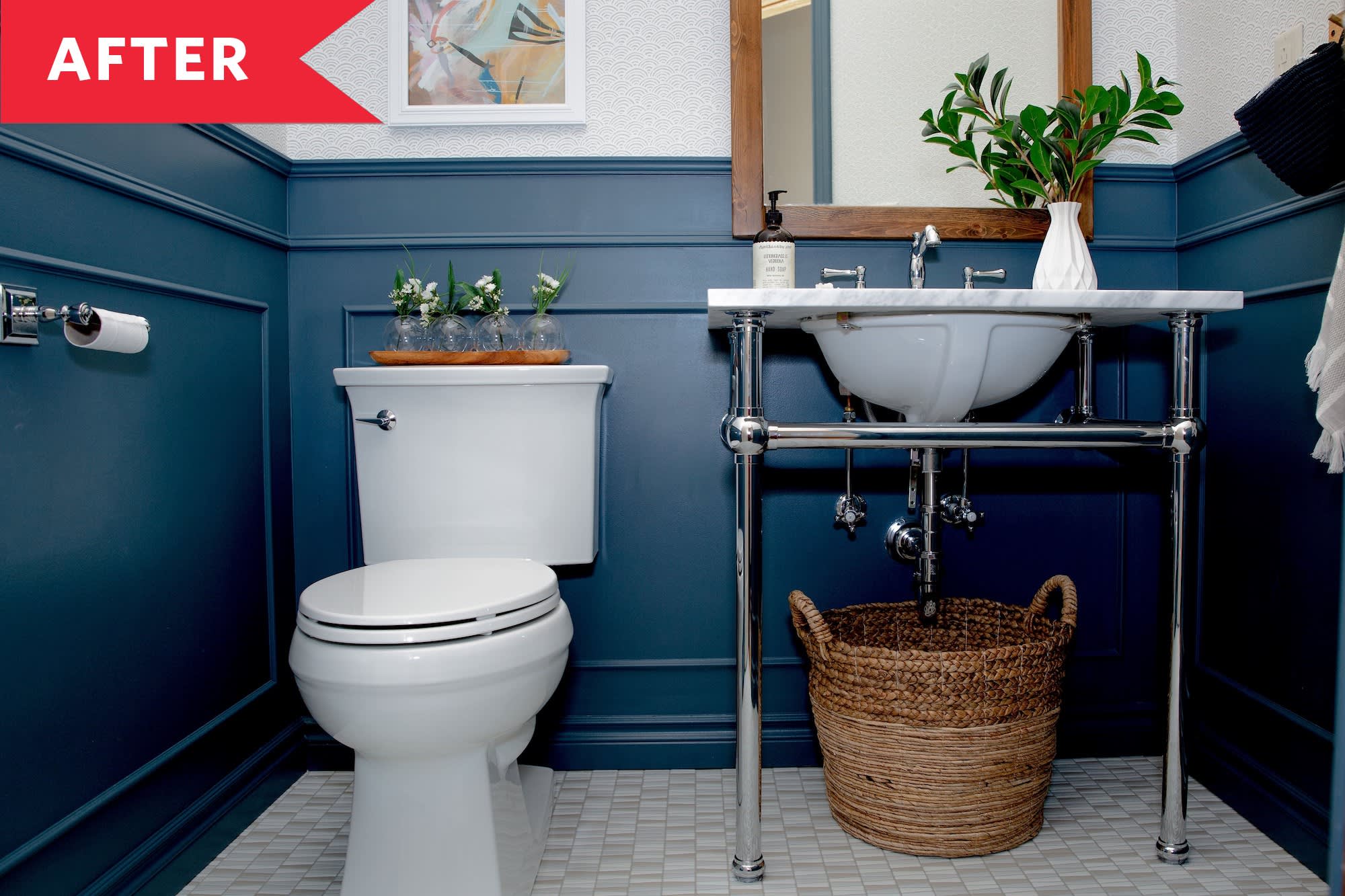
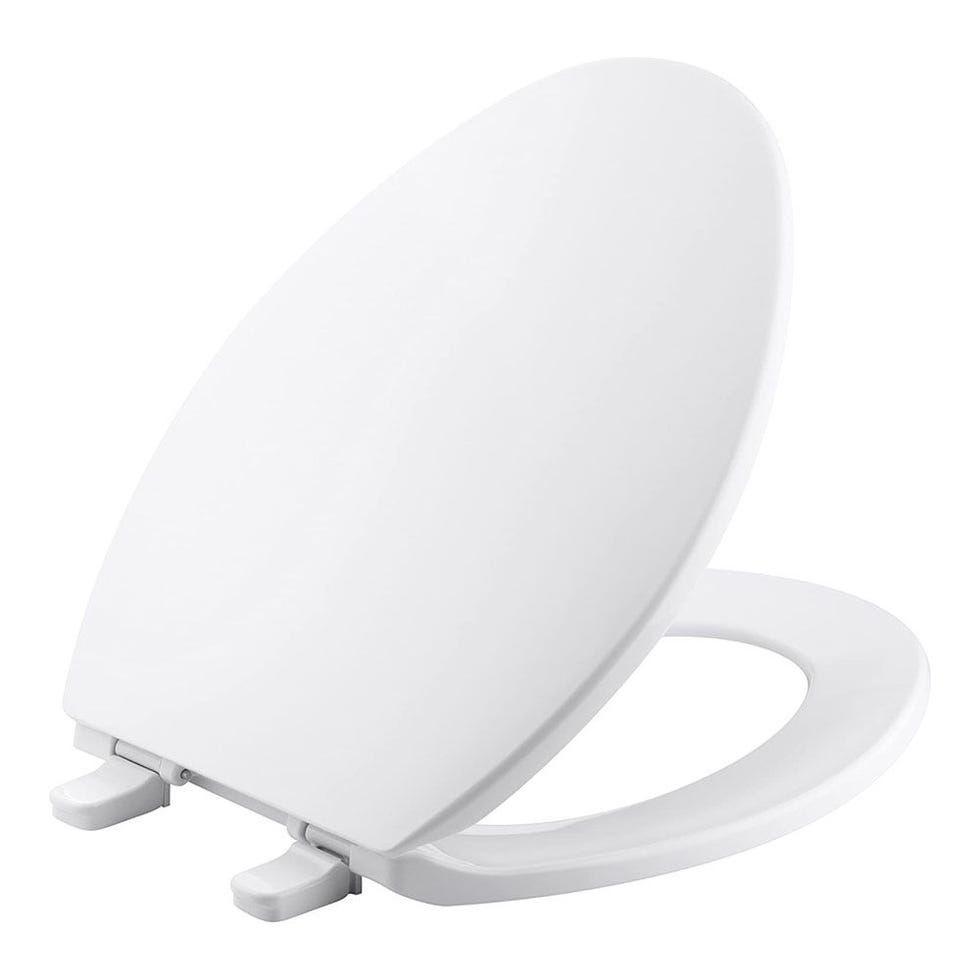
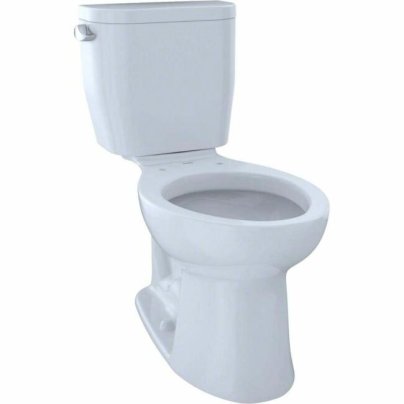
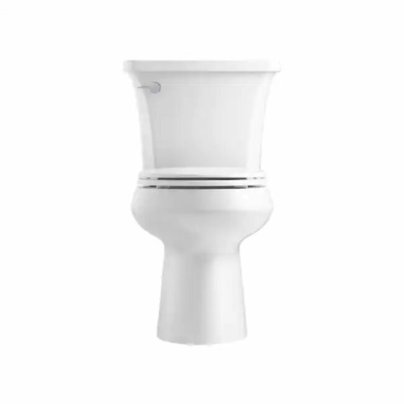
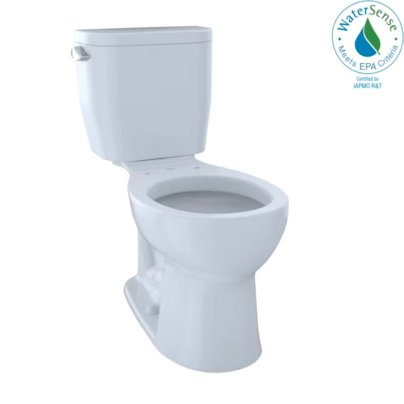
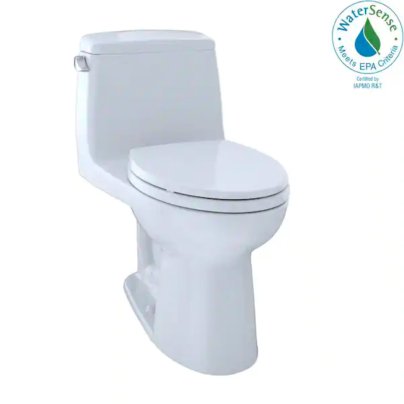
Replacing a toilet with an accessible model is often a straightforward DIY project that a plumber can complete quickly, typically in under an hour. When selecting a new toilet, prioritize models with higher rim heights, often referred to as "chair height," which are approximately two inches taller than standard models. Recommended brands offer various options to suit different budgets and design preferences. For value, models like the American Standard Cadet provide functionality and style at a reasonable price. Mid-range options, such as the Kohler San Rafael, offer attractive designs that meet ADA guidelines without appearing commercial. For those seeking premium features, the Toto Neorest series includes advanced functionalities like water efficiency, bidet toilet seats, and heated seats, along with multiple flushing mechanisms. These options underscore the growing availability of accessible toilet solutions that combine practicality with modern design.
#AccessibleToilet #HomeAccessibility #AgingInPlace #ADAGuidelines #BathroomRemodel #GrabBars #ToiletHeight #Bidet #DIYHomeImprovement #AccessibleToilet #HomeAccessibility #AgingInPlace #ADAGuidelines #BathroomRemodel #GrabBars #ToiletHeight #Bidet #DIYHomeImprovement
0 comment in total
 No comments yet
You may also like

The 2 Best Toilet Seat Risers of 2026 | Reviews by Wirecutter

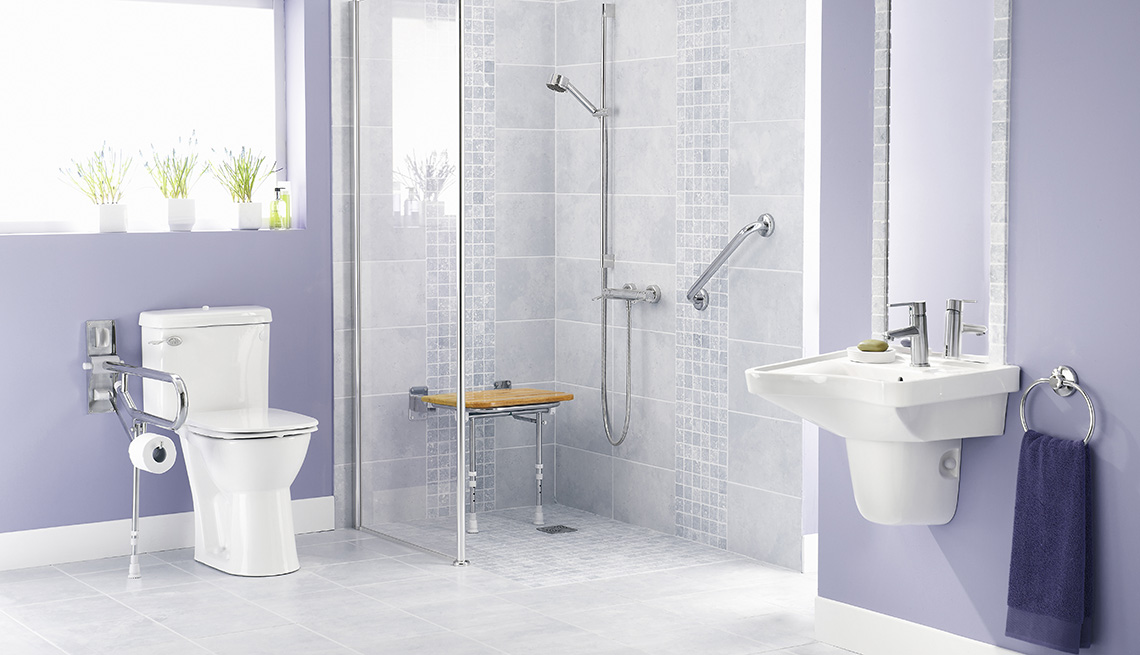
14 Bathroom Updates for Now and Later as You Age in Place
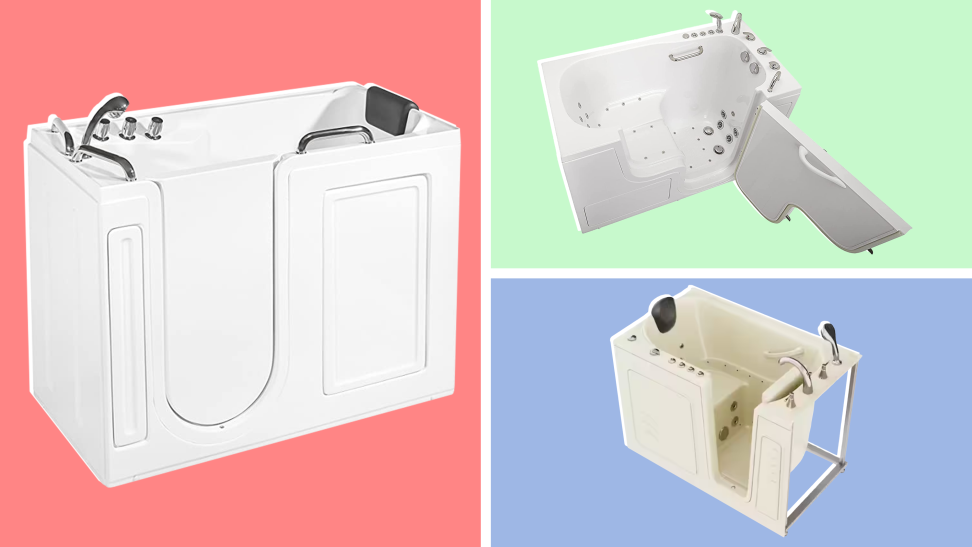
The Best Walk-In Tubs of 2025

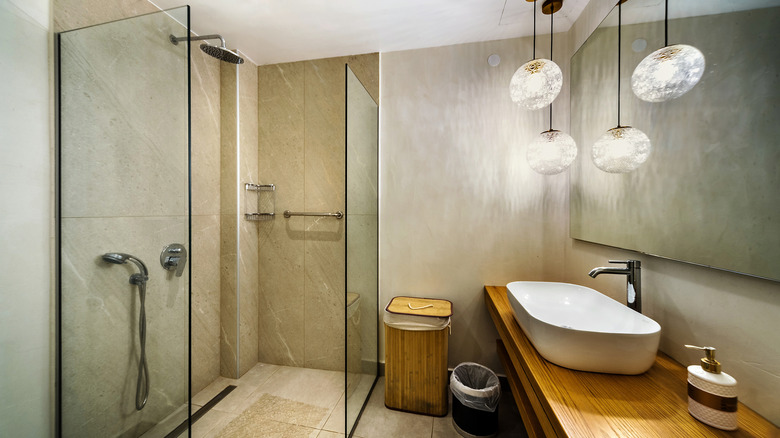
The Bathroom Shower Upgrade That Is On Trend For 2026
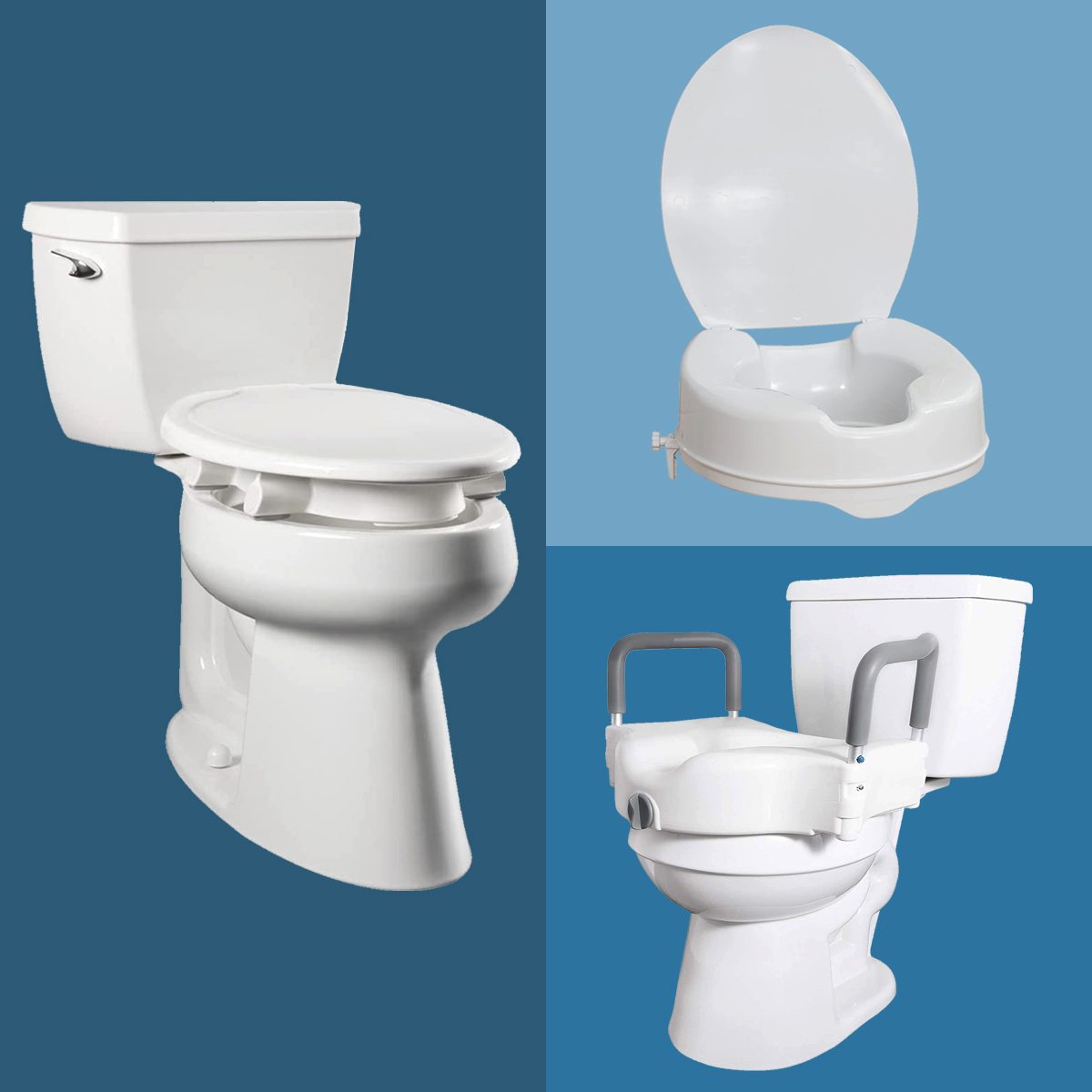
10 Best Raised Toilet Seats
The Easy Upgrade That Can Change Your Bathroom Experience

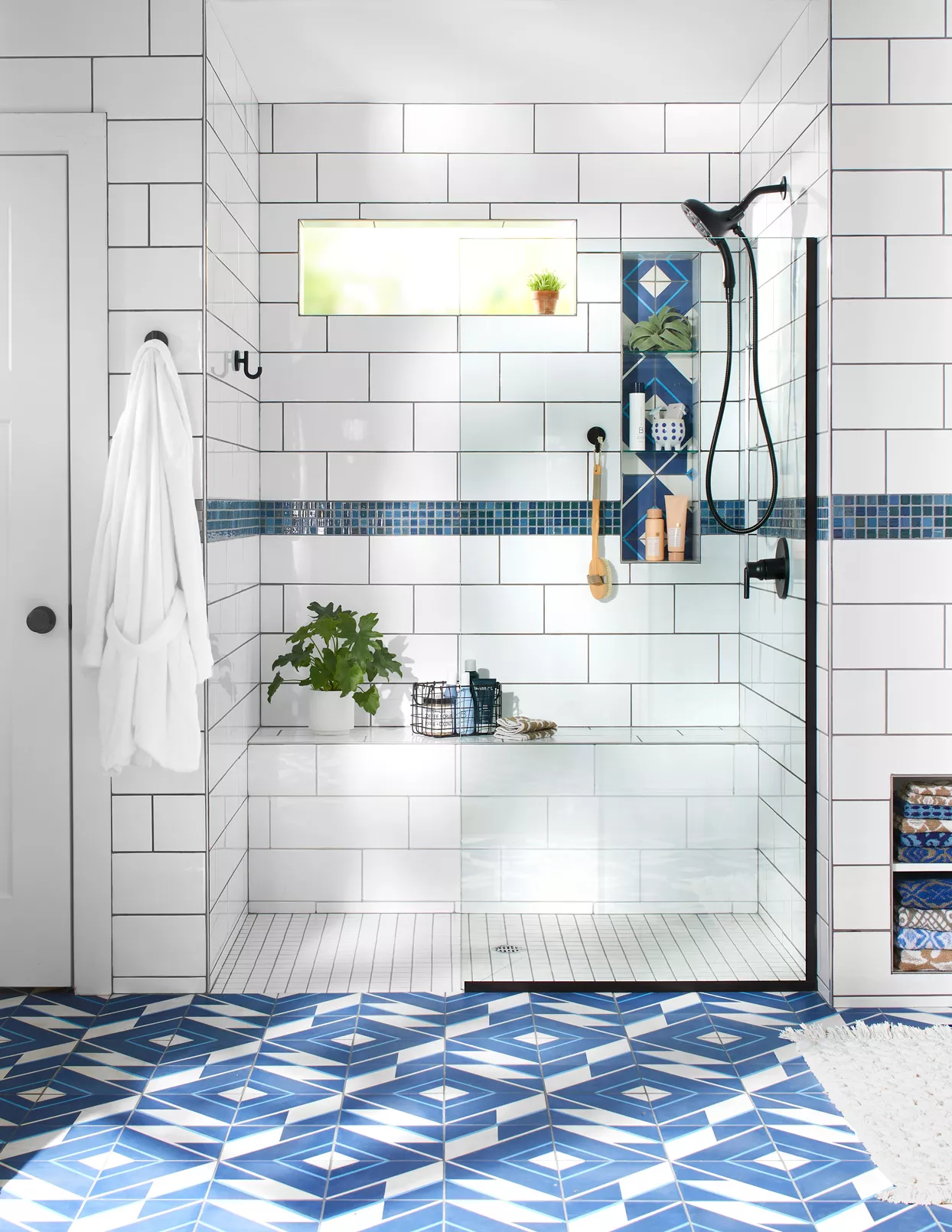
19 Universal Bathroom Design Ideas to Incorporate in Your Remodel

The Best Toto Toilets You Can Get
5 Best Shower Chairs to Make Your Bath Comfortable and Accessible
Tips for Making a Shower More Accessible
The 9 Best Toilet Seats to Buy in 2024
Clever Design Ideas To Hide The Toilet

How To Make a Bathroom Accessible for Anyone
After 25 Years of Testing Toilets, These Are My Top Picks for Every Bathroom


How to design a bathroom: decor ideas and tips
3 Bathroom Design Ideas for Elderly (& Trends in 2023) by Lixil

Toilets & Accessories

Before and After: A Brown, Bland Bathroom Got a Wheelchair-Friendly Update
The Best Toilets for Today’s Home, Vetted
Best Walk-In Tubs With Showers In 2025