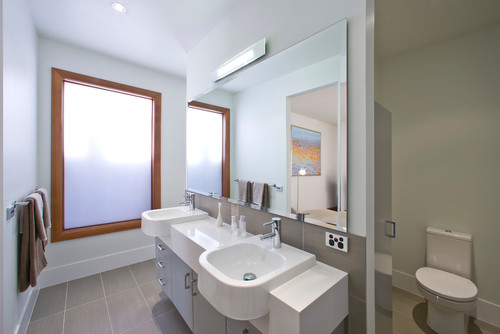
1/10
Clever Design Ideas To Hide The Toilet
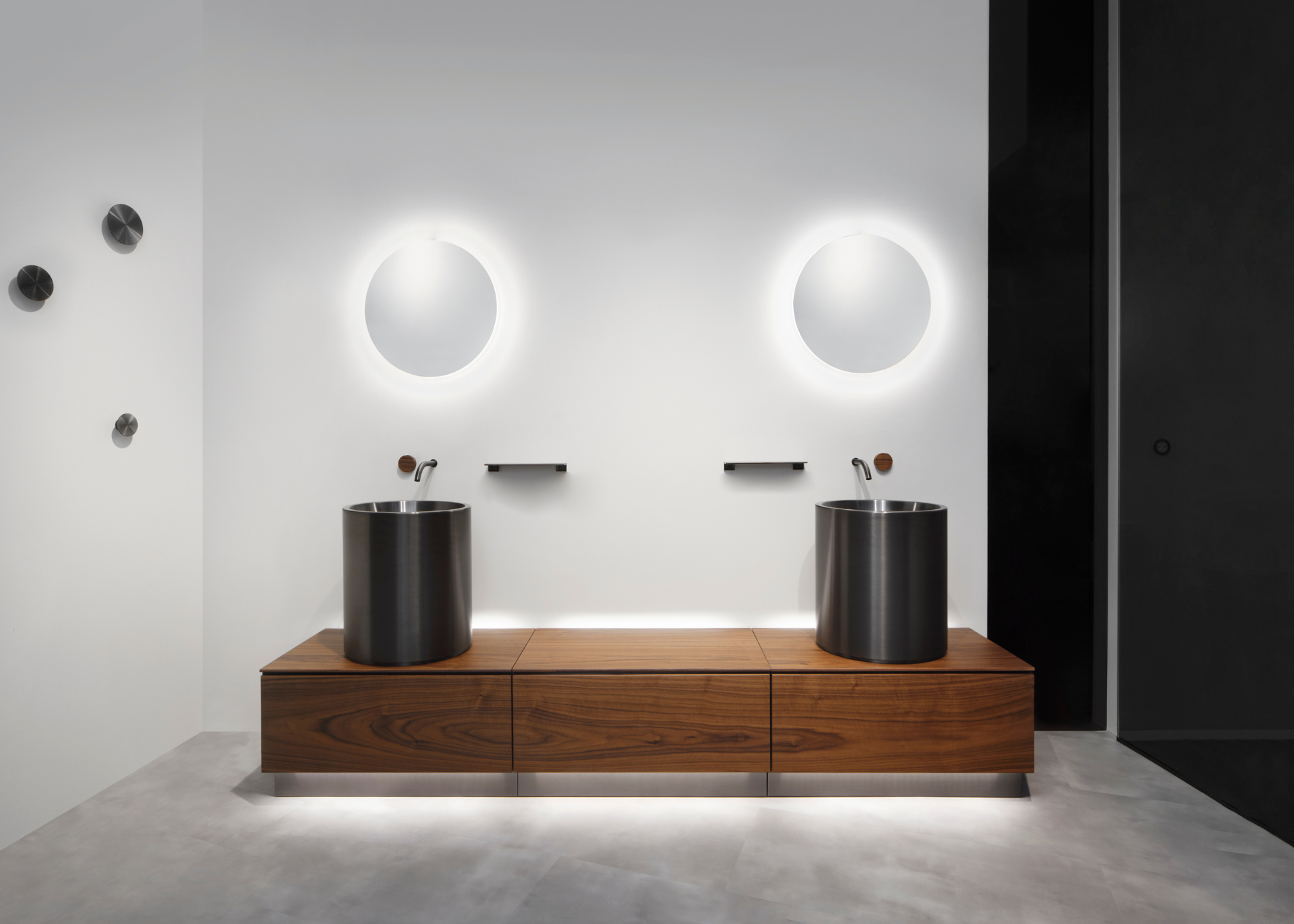
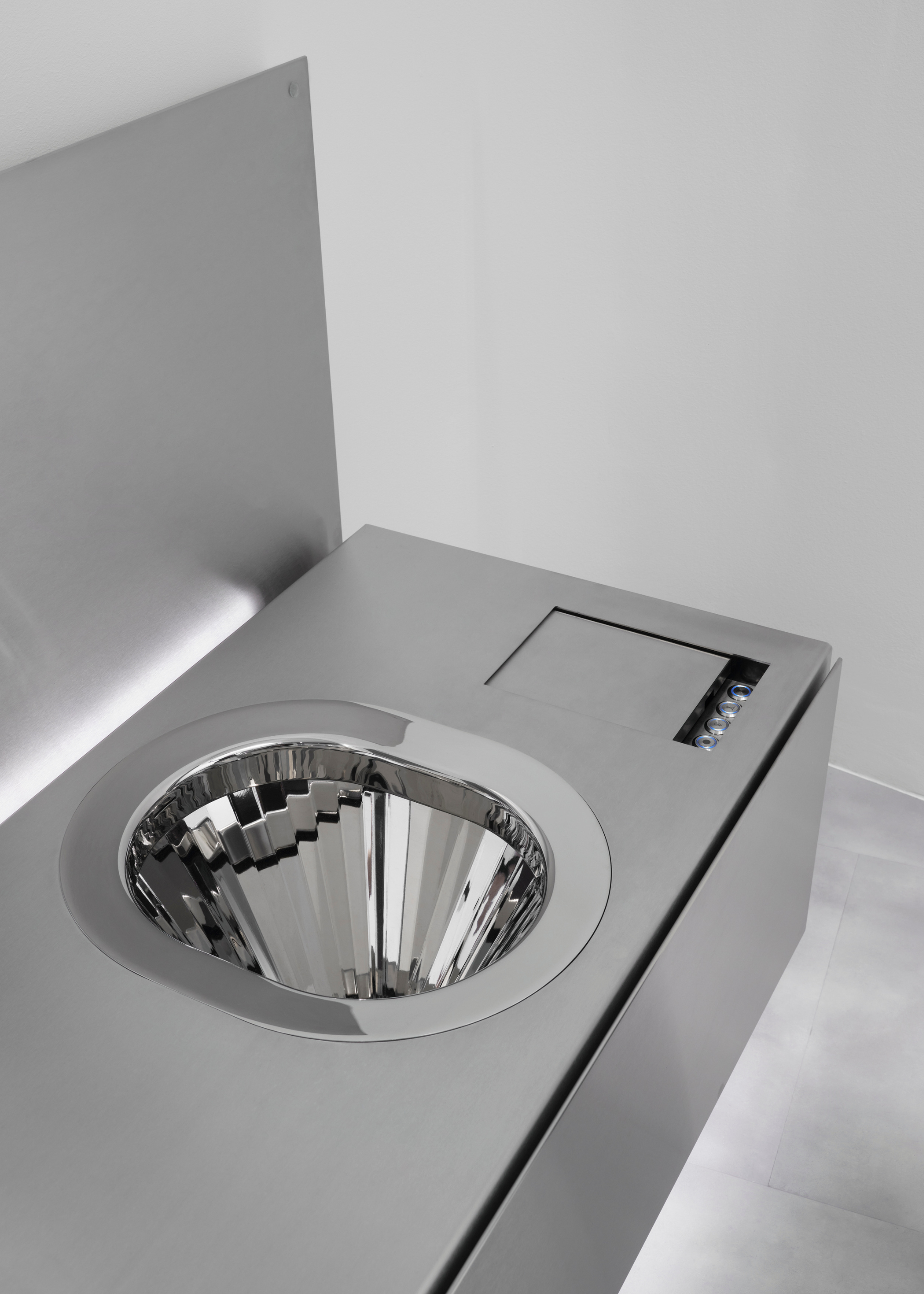
This article discusses various design strategies to minimize the visual prominence of toilets in bathrooms, transforming them from a focal point to a more discreet element within the overall aesthetic. The core idea revolves around using clever design techniques to distract the eye or integrate the toilet seamlessly into the bathroom's layout.
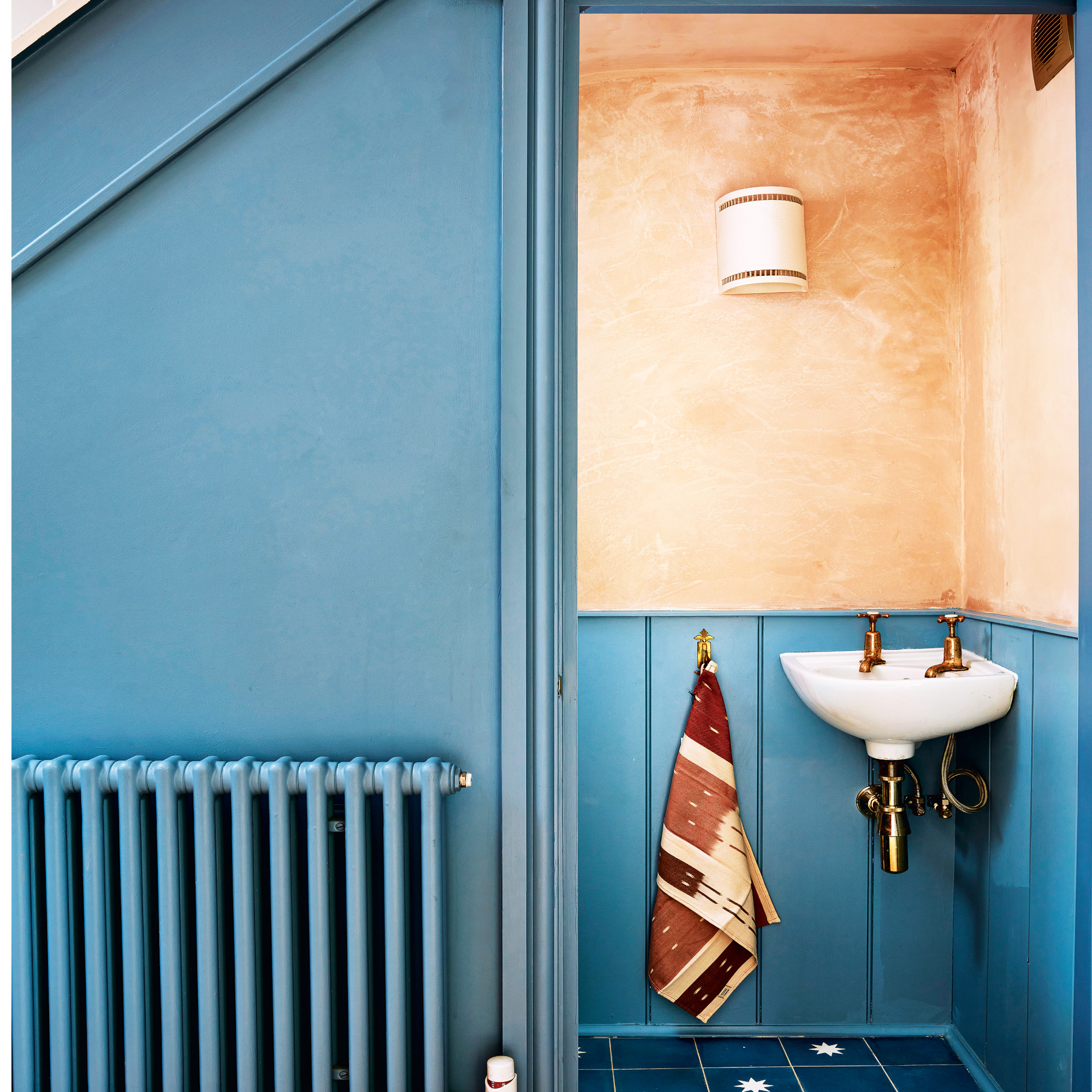
One primary approach highlighted is strategic layout planning. The "T-shape" bathroom configuration is presented as an effective method where the vanity becomes the central feature, with the toilet positioned discreetly behind one side of the 'T' and the shower behind the other. This design ensures functionality while prioritizing form. Another layout strategy involves creating "defined areas" within the bathroom, essentially forming a room within a room for the toilet. This can be achieved by using a cabinet or other structural elements to divide the space, offering privacy and extra storage without the need for a full wall.
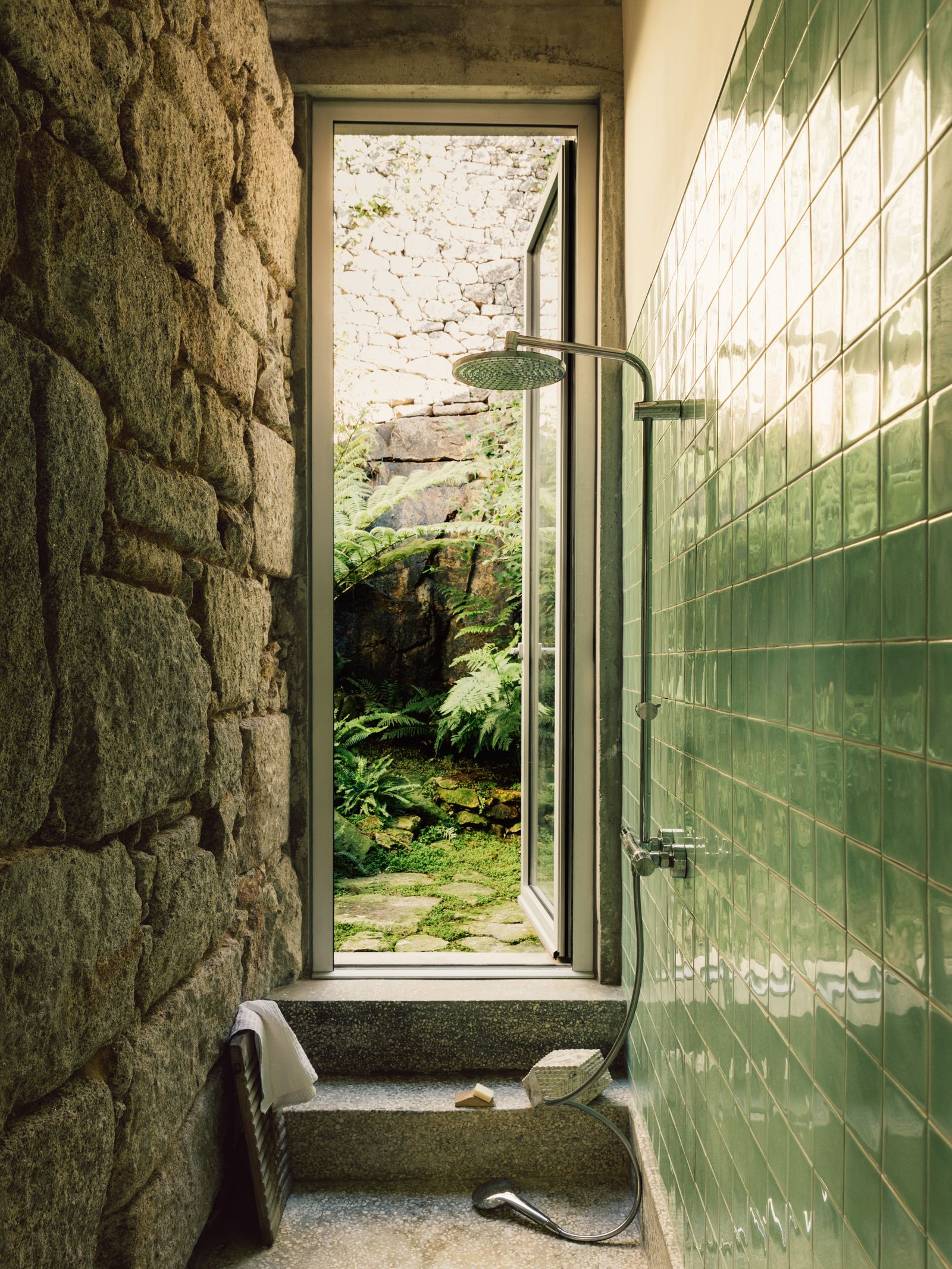
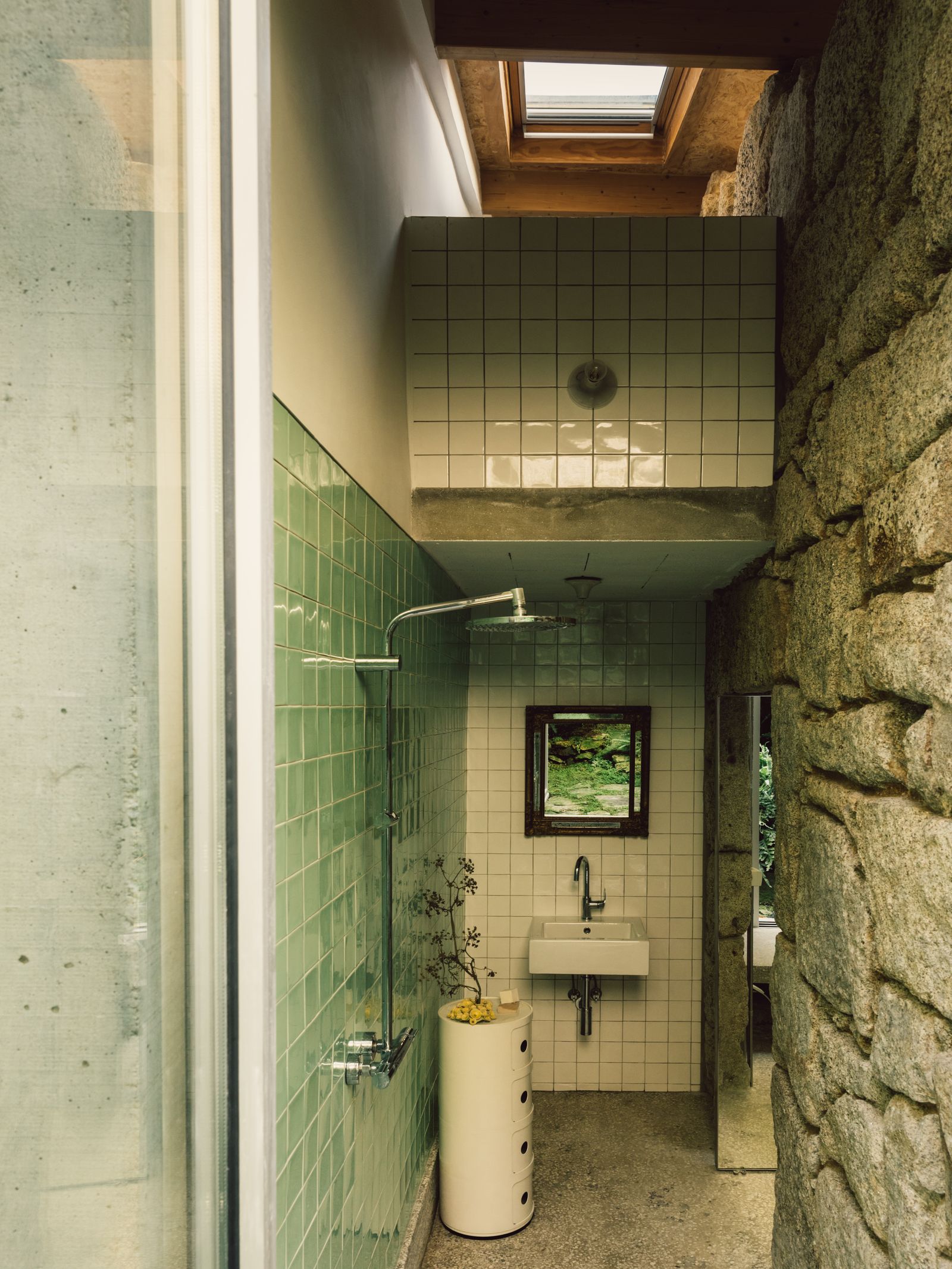
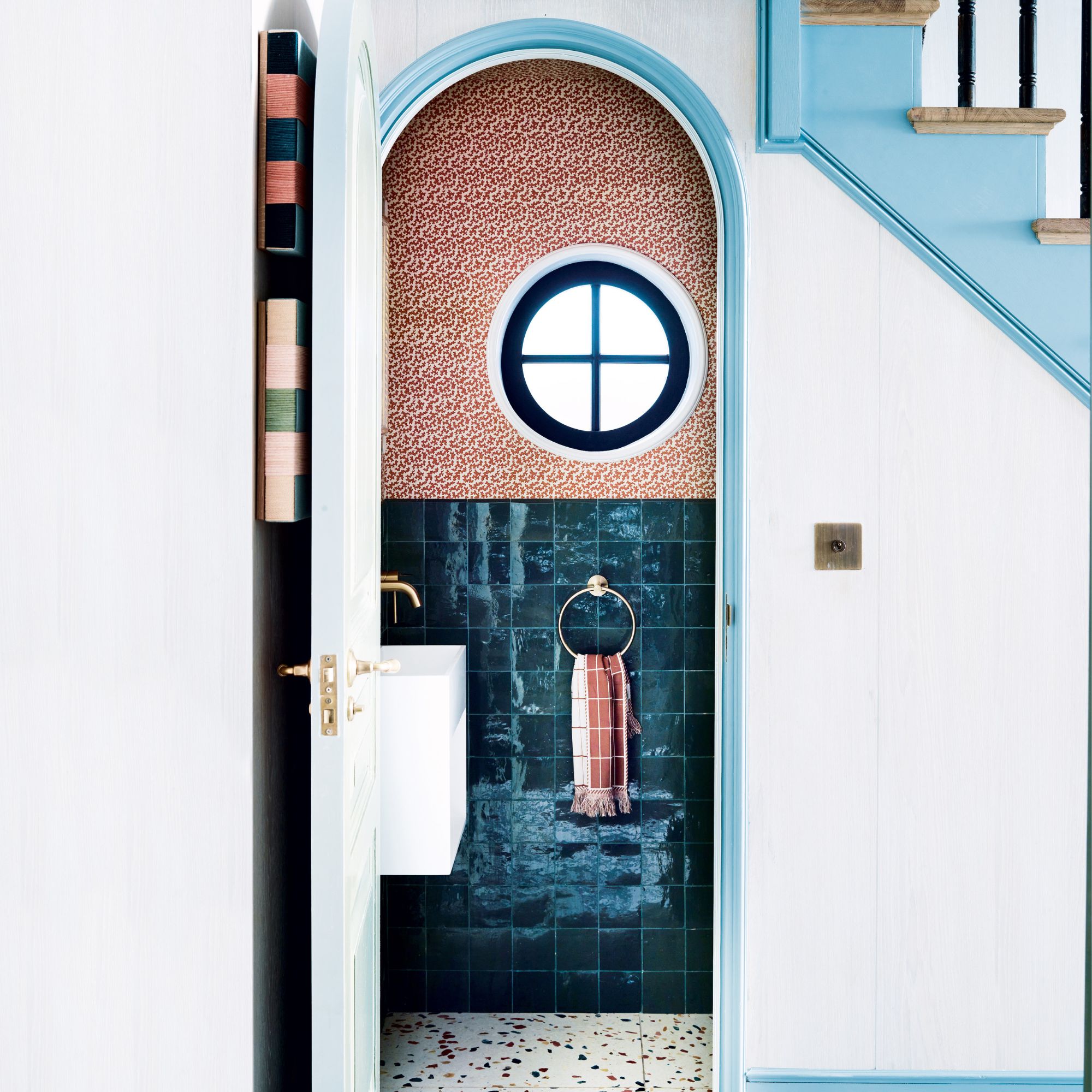
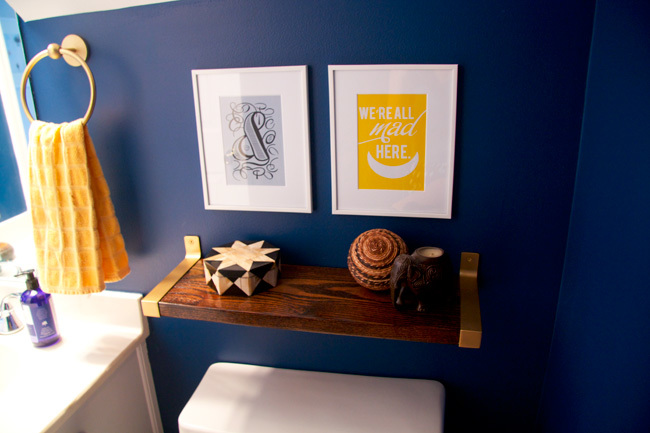
The article also emphasizes the power of distraction as a design tool. In one example, a bathroom's central focus is shifted to an outdoor view, such as a pool, by removing a brick wall and replacing it with a window. This allows the vanity and toilet to become secondary elements, making the toilet's presence almost unnoticeable. Similarly, drawing attention upwards can be effective, for instance, by highlighting a striking green feature tile that harmonizes with timber elements, making the wall-hung toilet a subtle part of the vanity area.
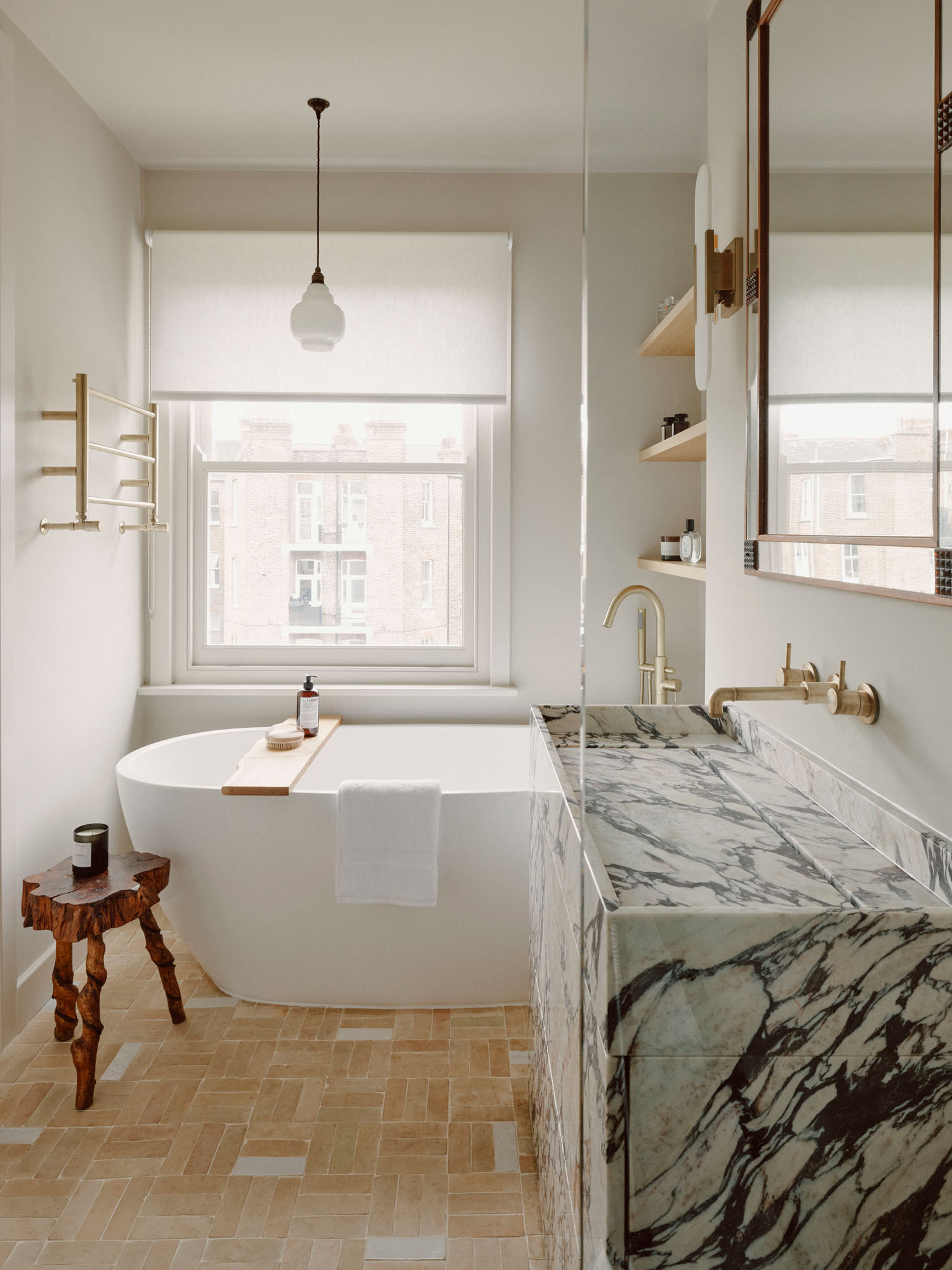
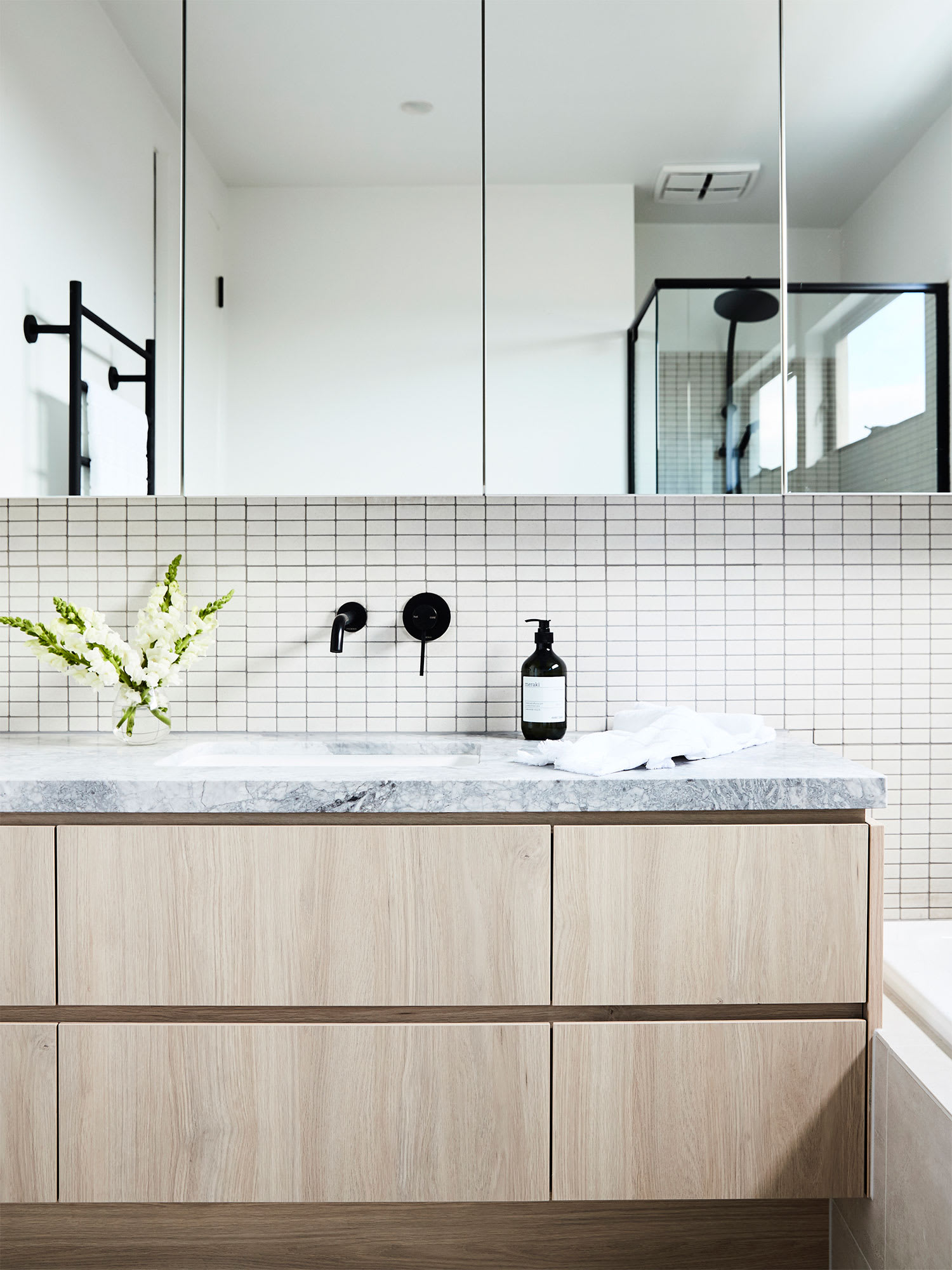
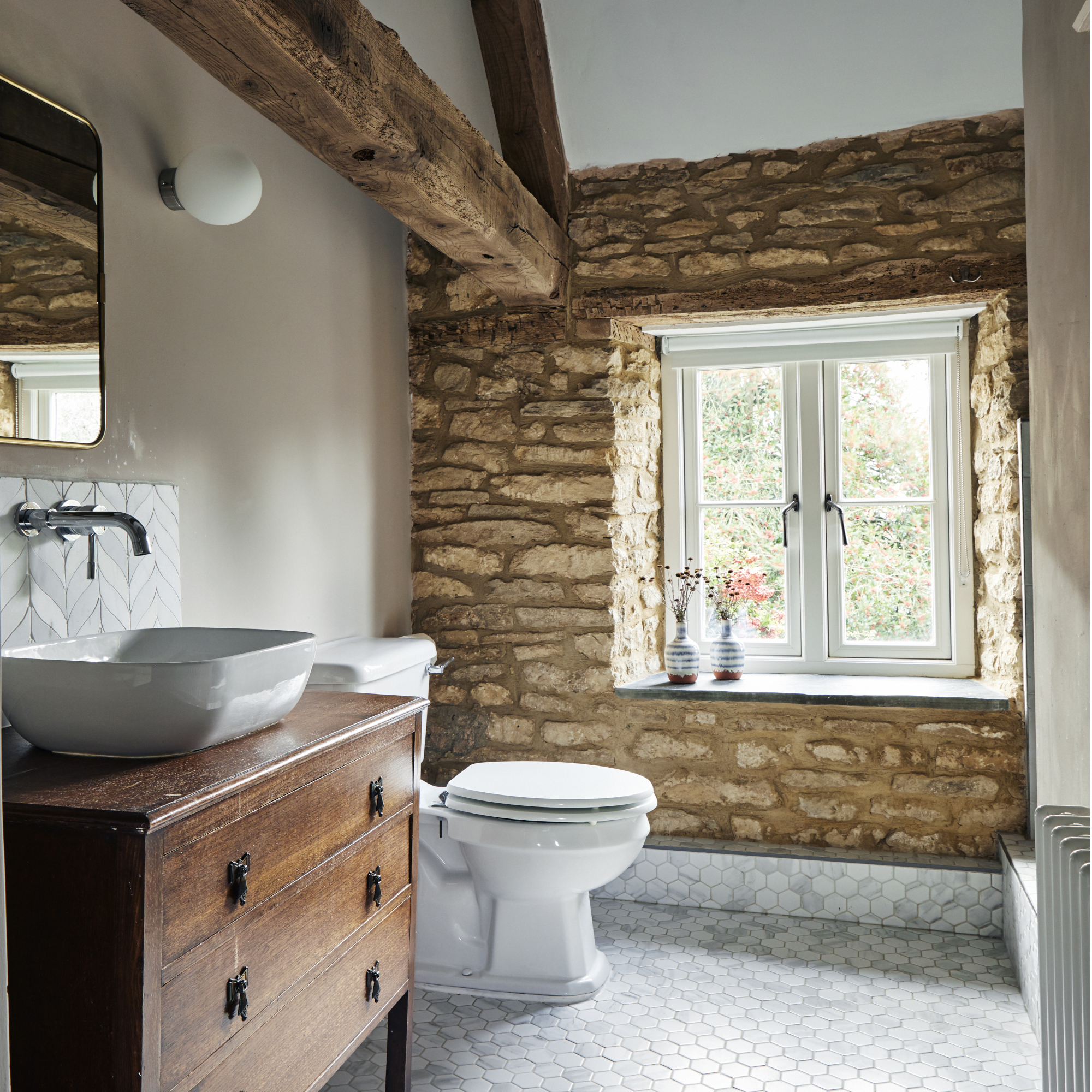
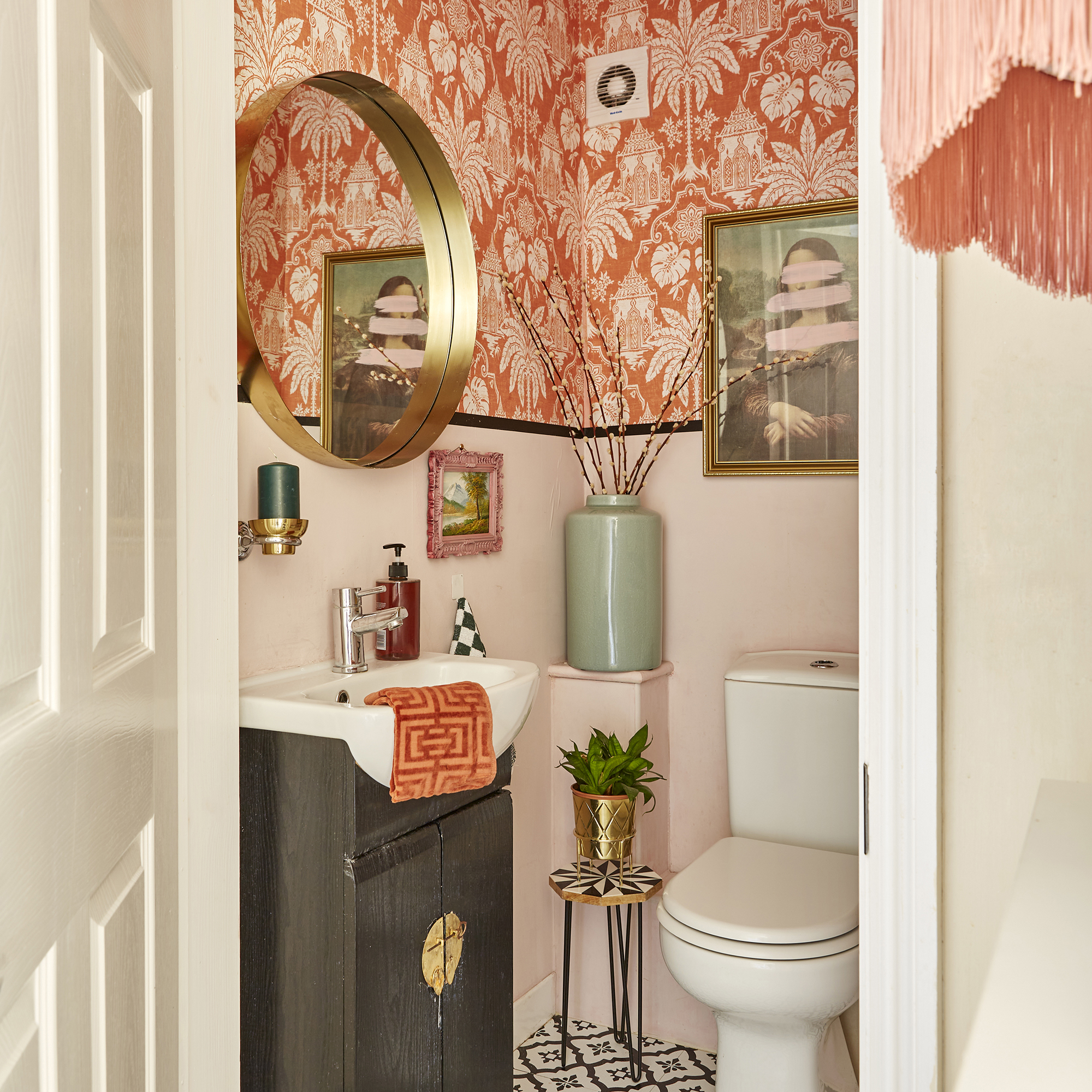
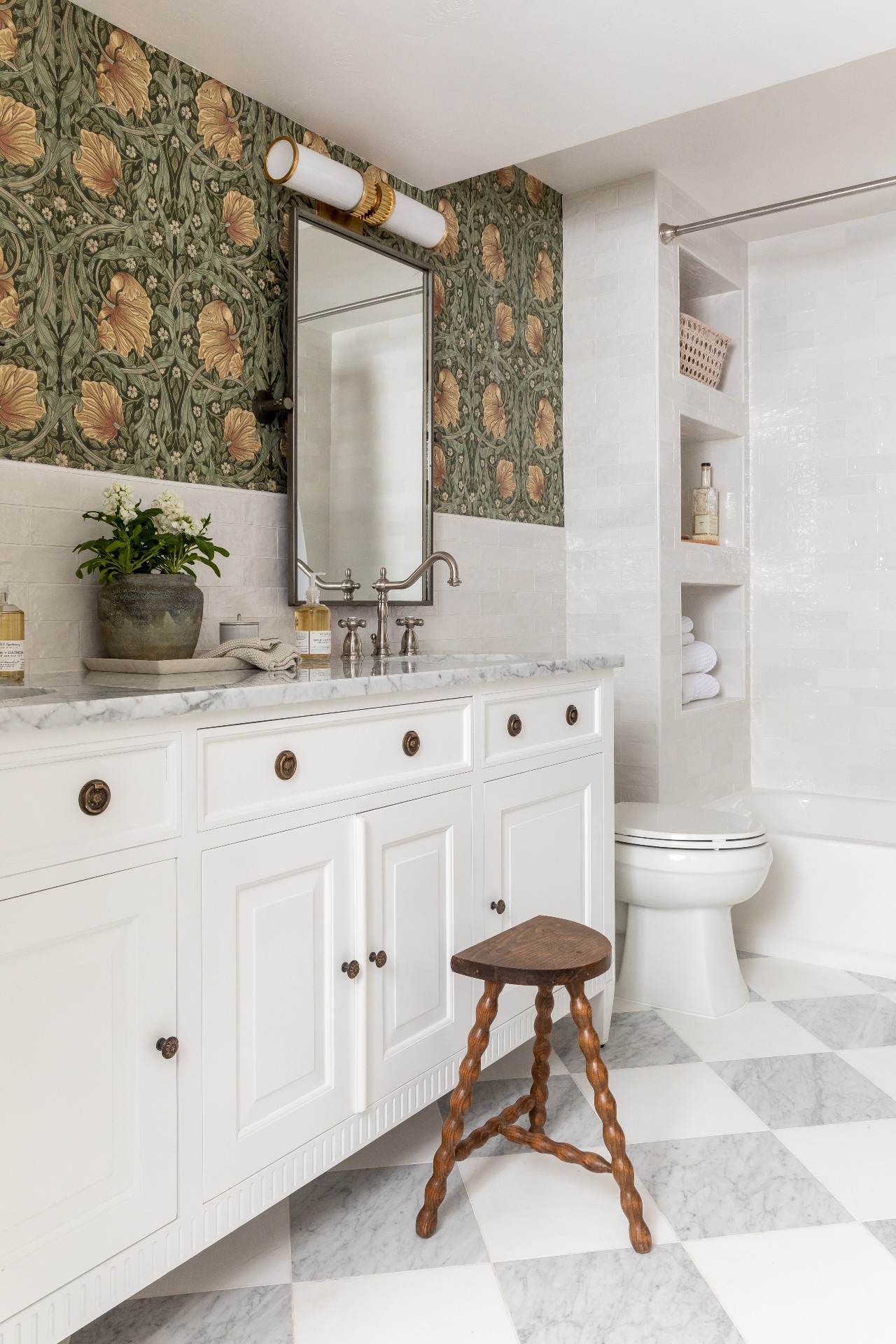
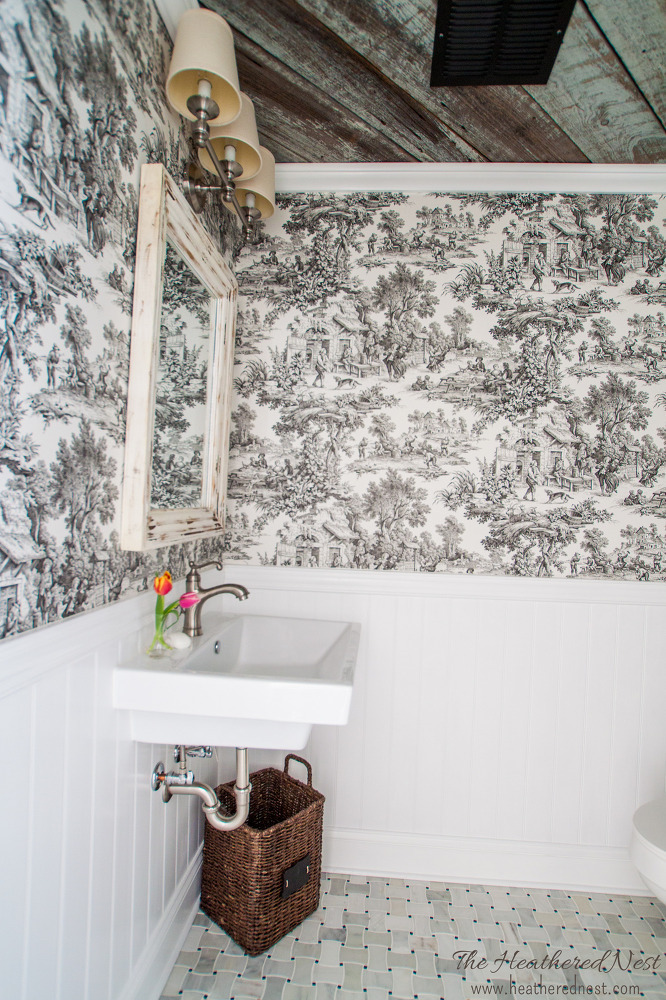
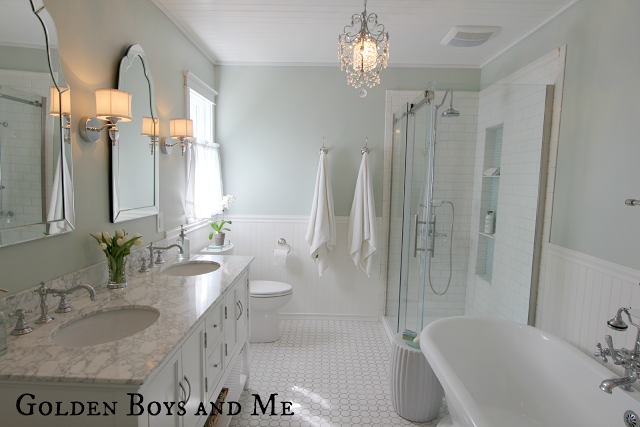
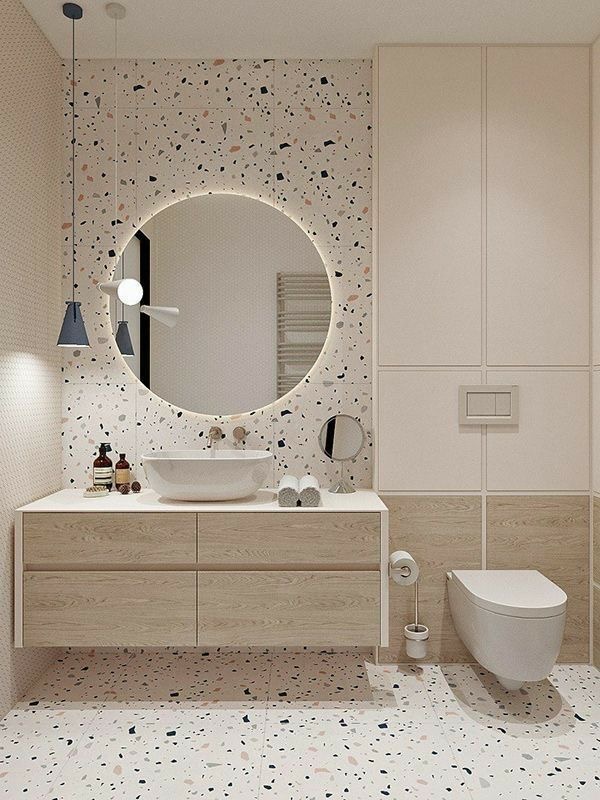
Feature walls are another significant way to divert attention. A mosaic wall in a shower area can captivate the eye, making the toilet less prominent. Keeping the toilet off the floor further contributes to a sense of lightness and space, while timber flooring can add linear interest to the room. When the toilet cannot be completely concealed, decorative items such as screens and lights can be used to redirect focus. Employing a monochromatic scheme, such as white floor and accessories with a white toilet, can help the toilet blend into the overall composition rather than standing out.
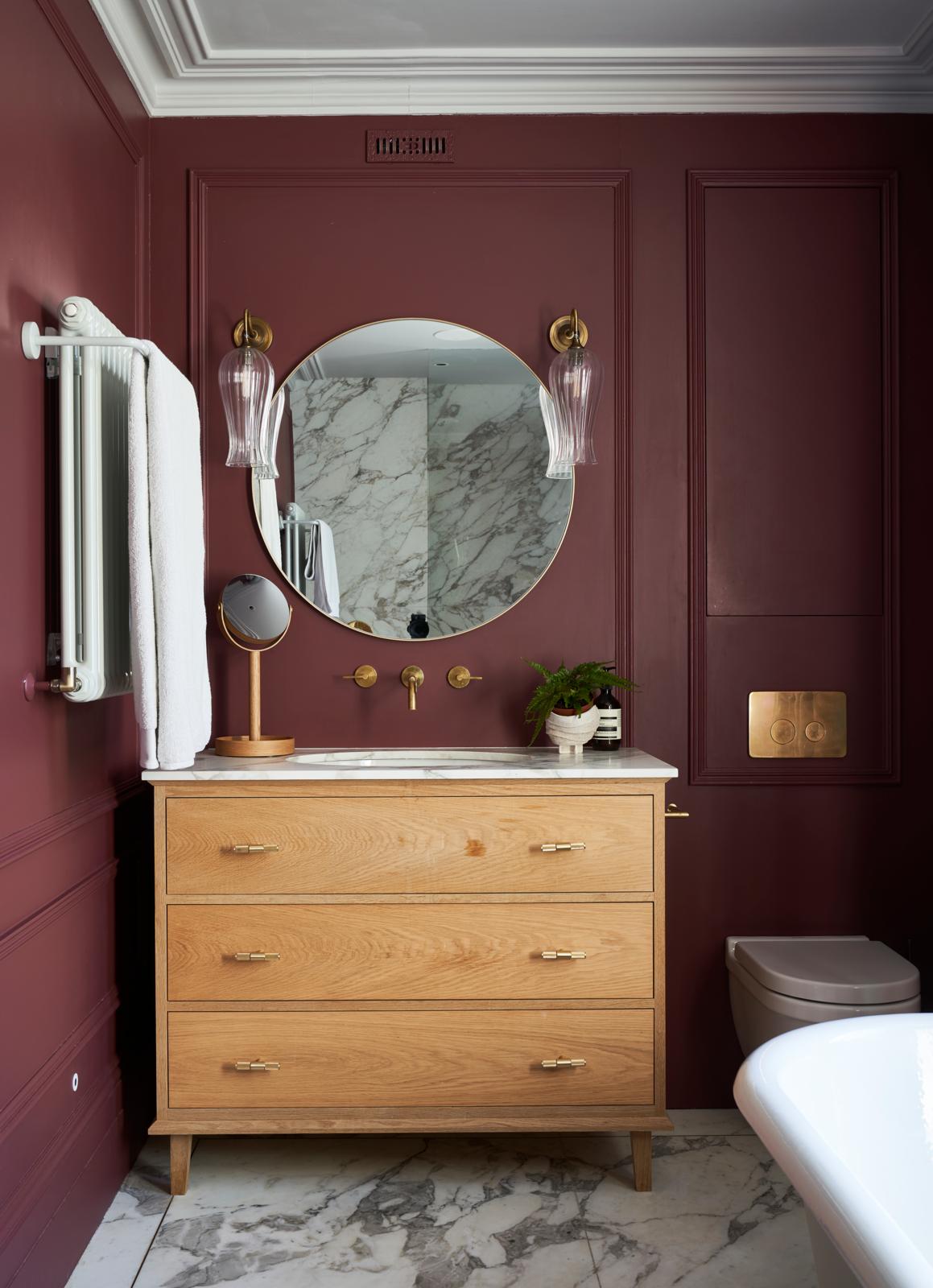
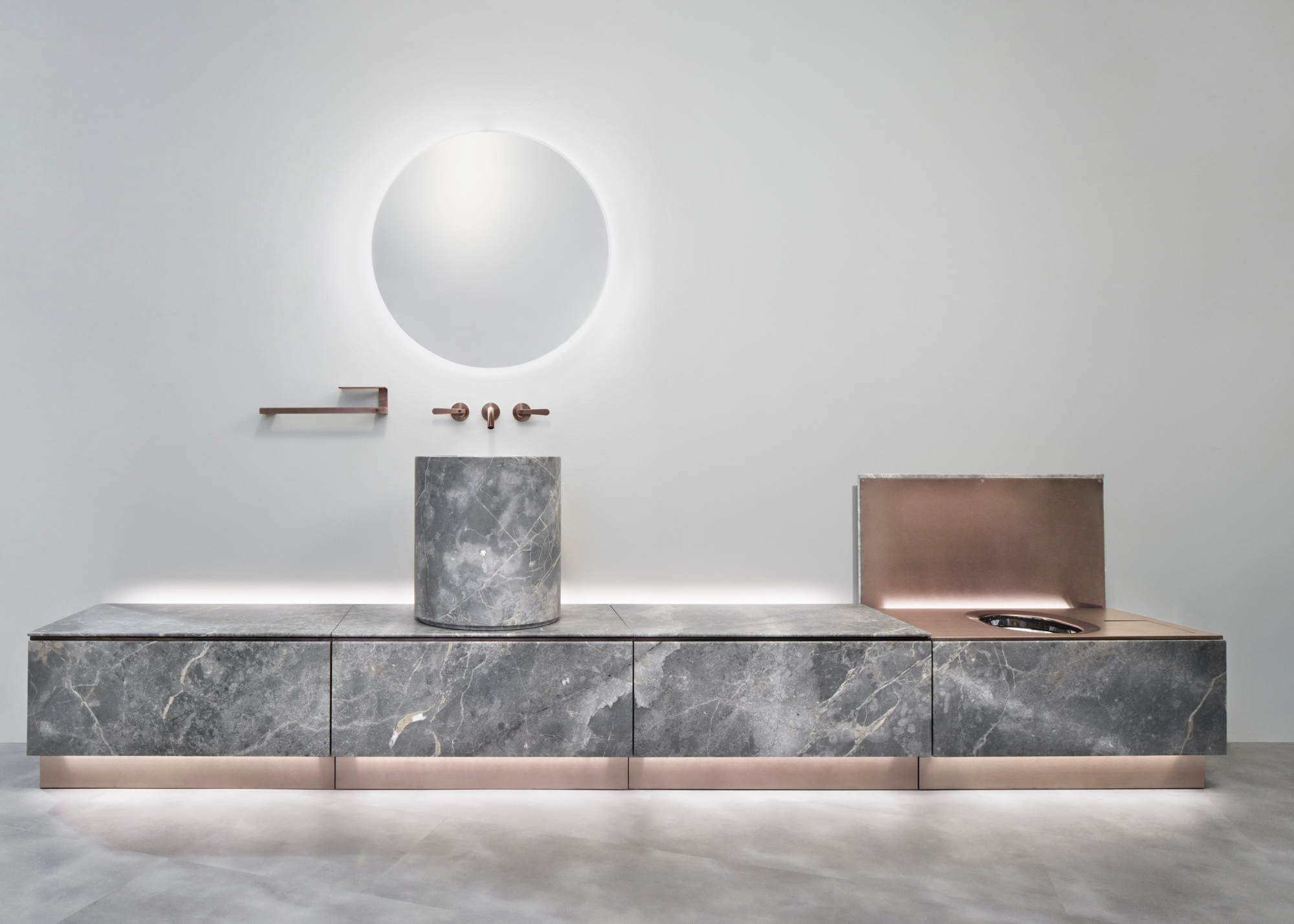
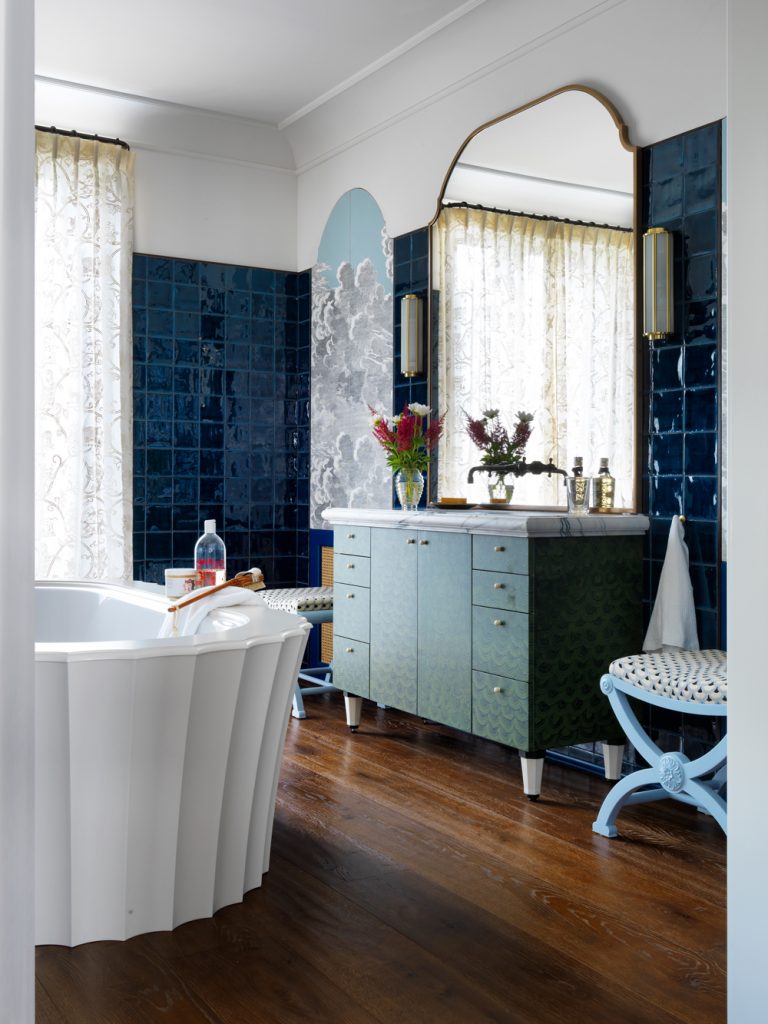
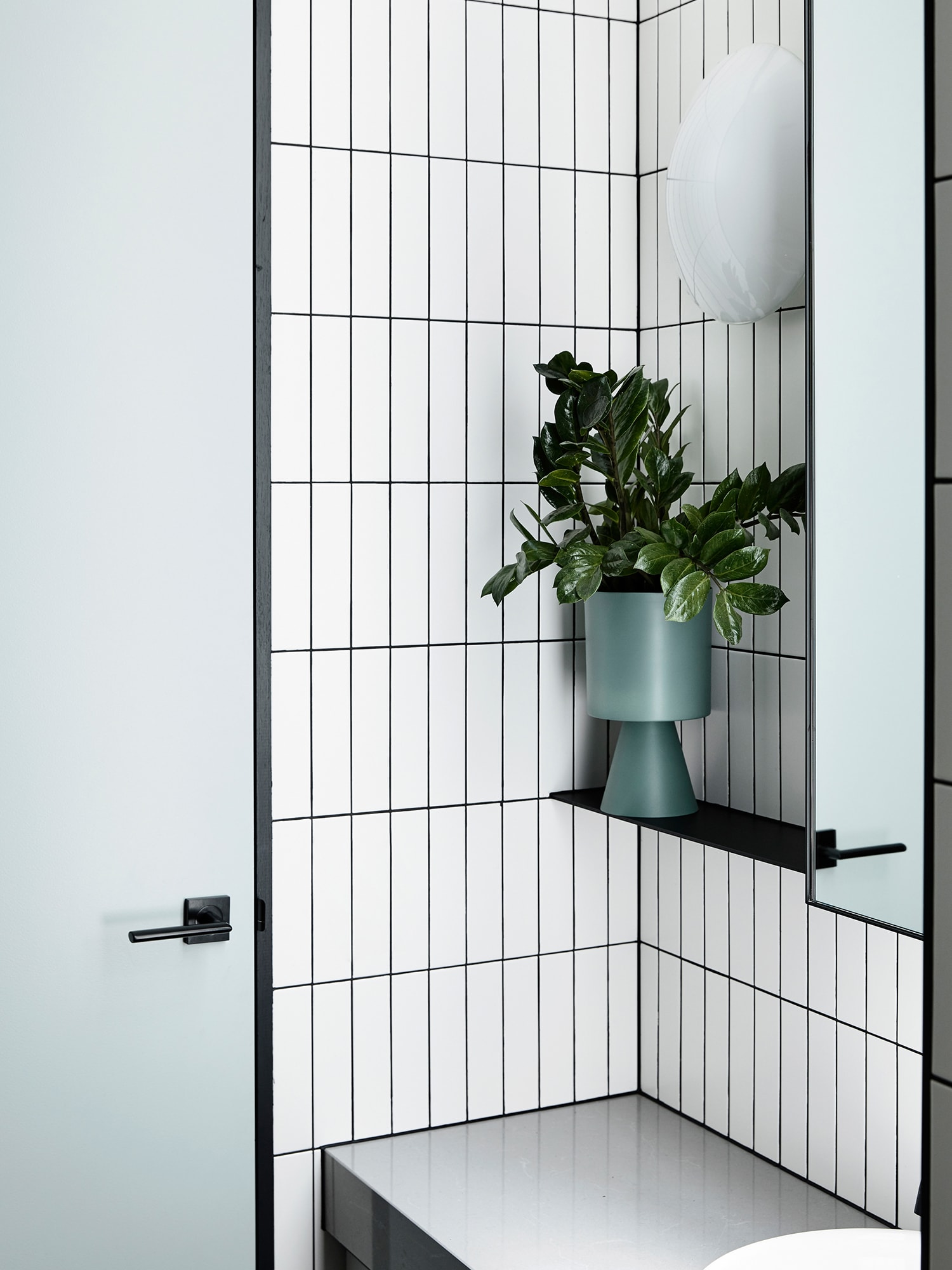
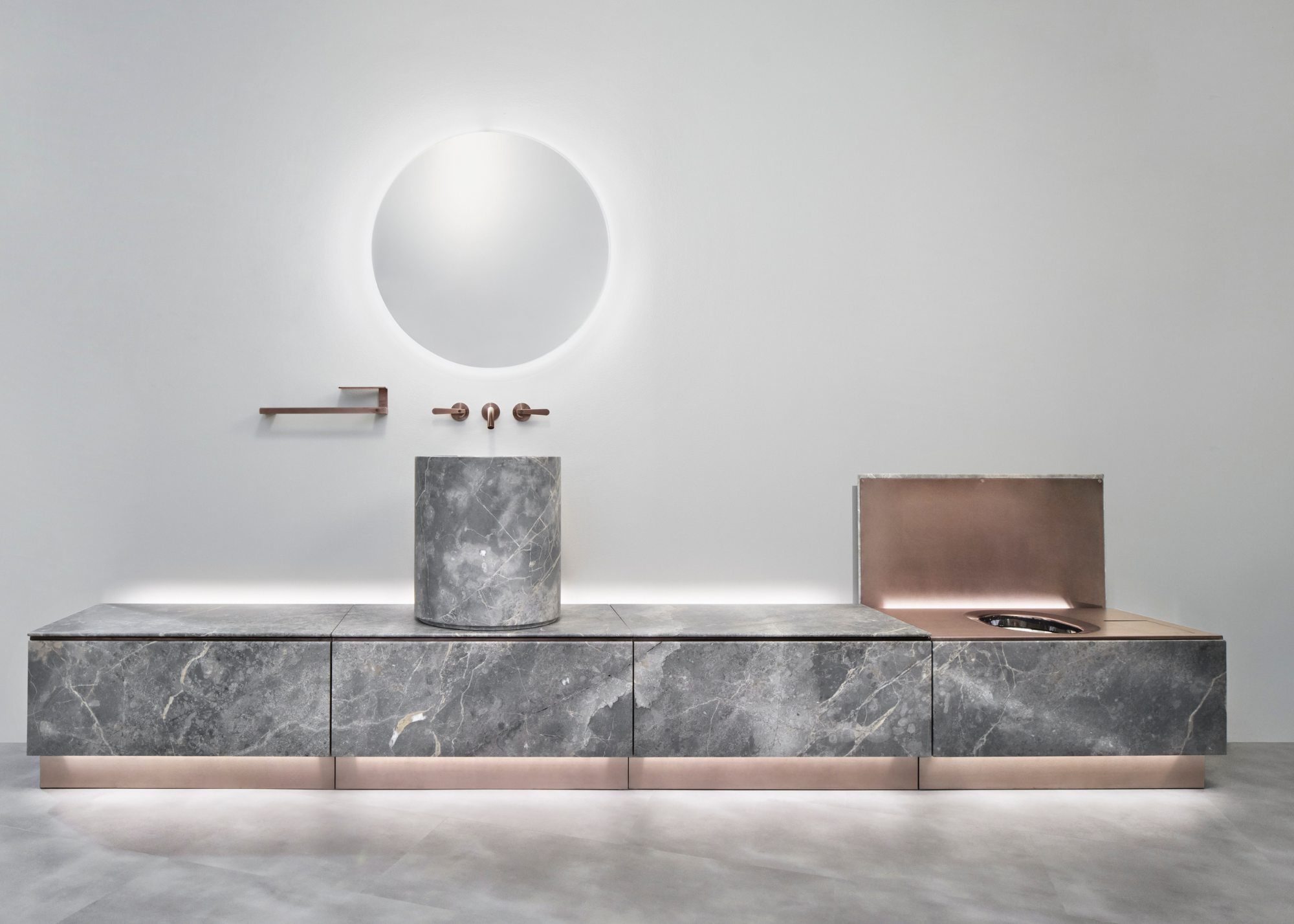
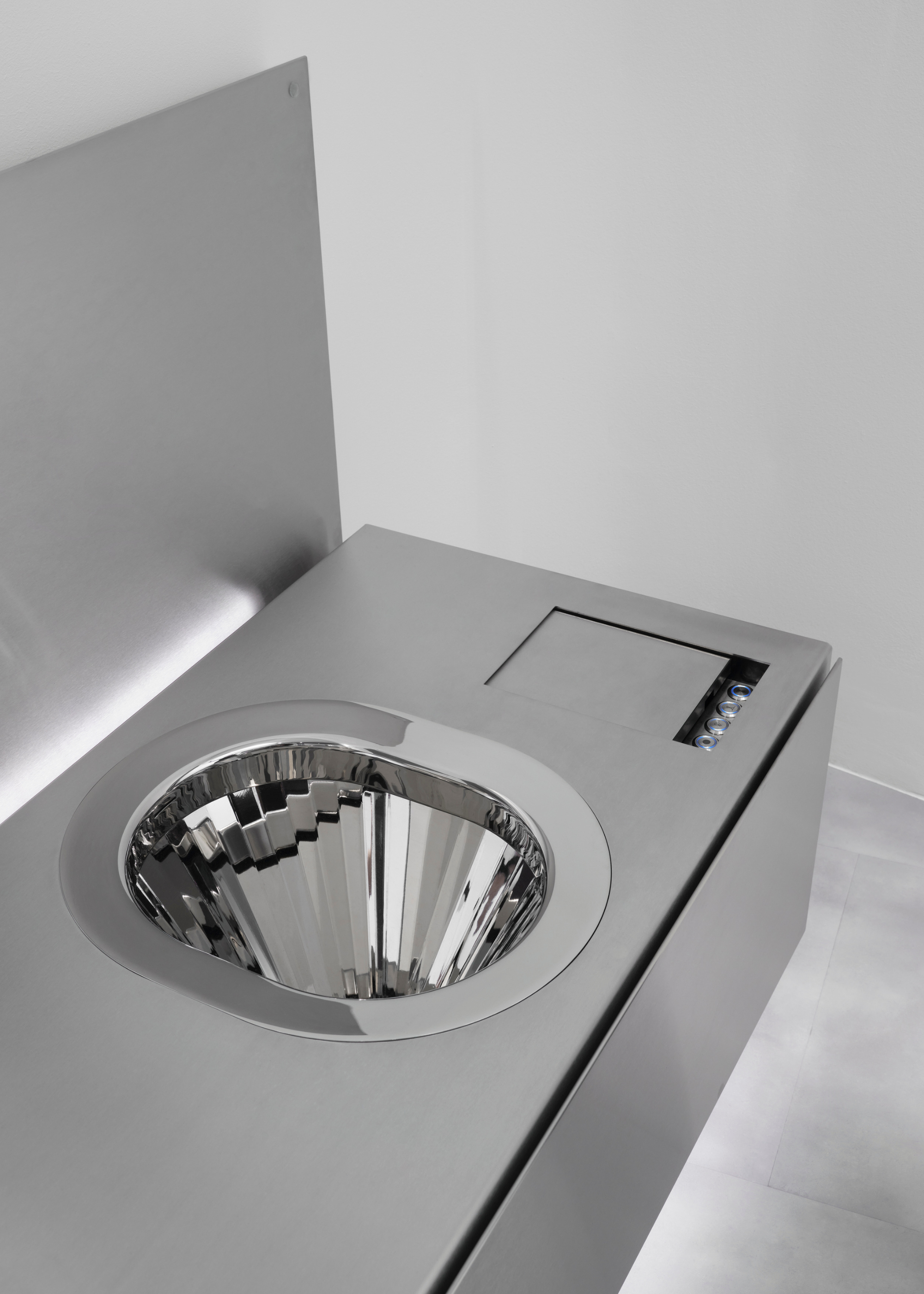
"Tricks of the Eye" are also explored, such as floating features. By creating highly textural and inviting floors and walls, and incorporating a slim, complementary sink, the toilet becomes the least noticeable element. An innovative example includes a bench-mounted toilet, where a high sink allows a single stone bench to serve as both a seating surface for the toilet and a built-in shower seat, effectively camouflaging the toilet's presence. Finally, the article touches upon the impact of color; while dark, moody colors can make a toilet stand out, light colors, particularly whites that match the wall and floor, can make a wall-hung toilet almost disappear.
#BathroomDesign #InteriorDesign #HomeDecor #ToiletConcealment #SpaceSaving #ModernBathroom #ArchitecturalDesign #HomeRenovation #BathroomDesign #InteriorDesign #HomeDecor #ToiletConcealment #SpaceSaving #ModernBathroom #ArchitecturalDesign #HomeRenovation
0 comment in total
 No comments yet
You may also like
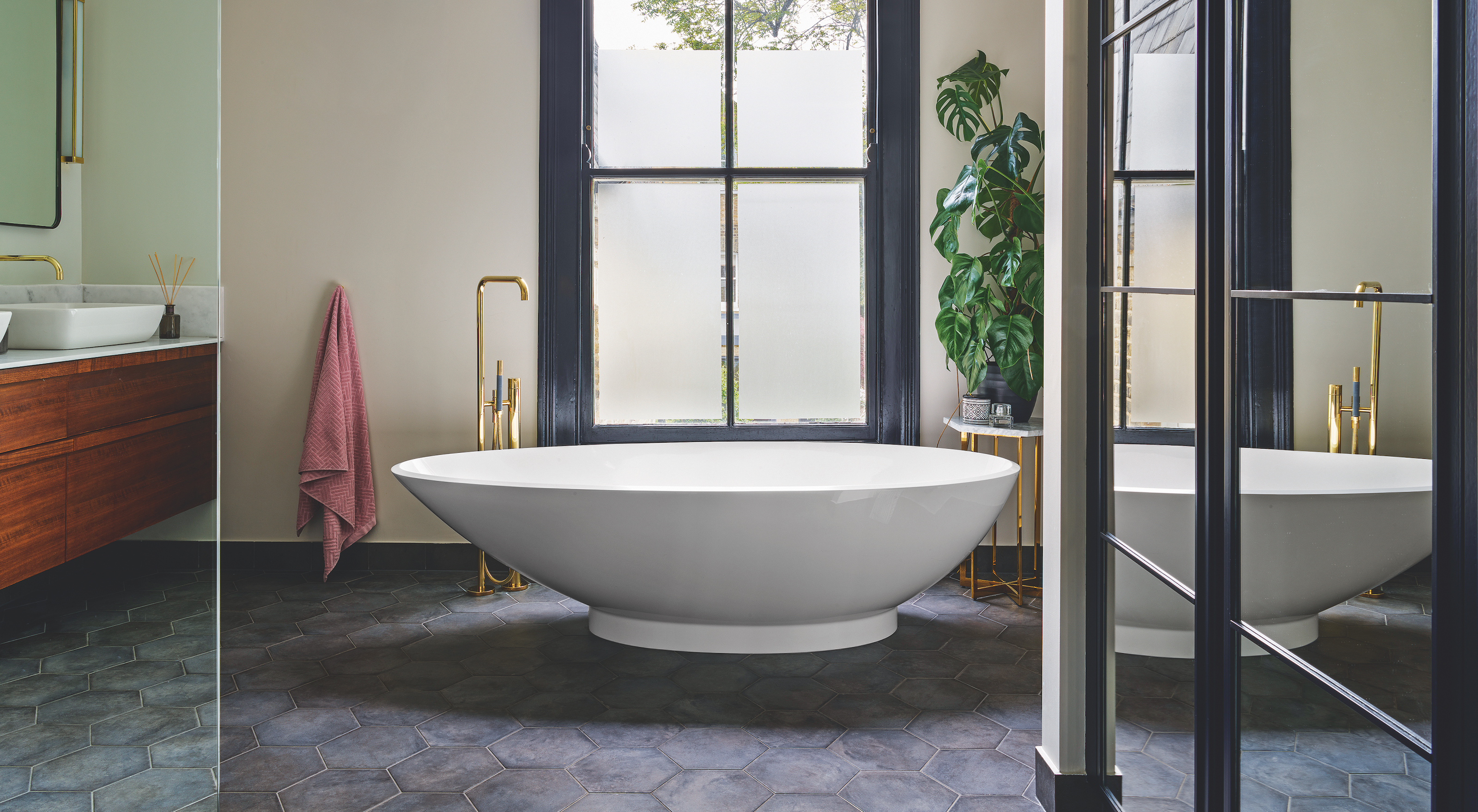
How to hide a toilet in a small bathroom - 7 clever tricks to maximize space and style

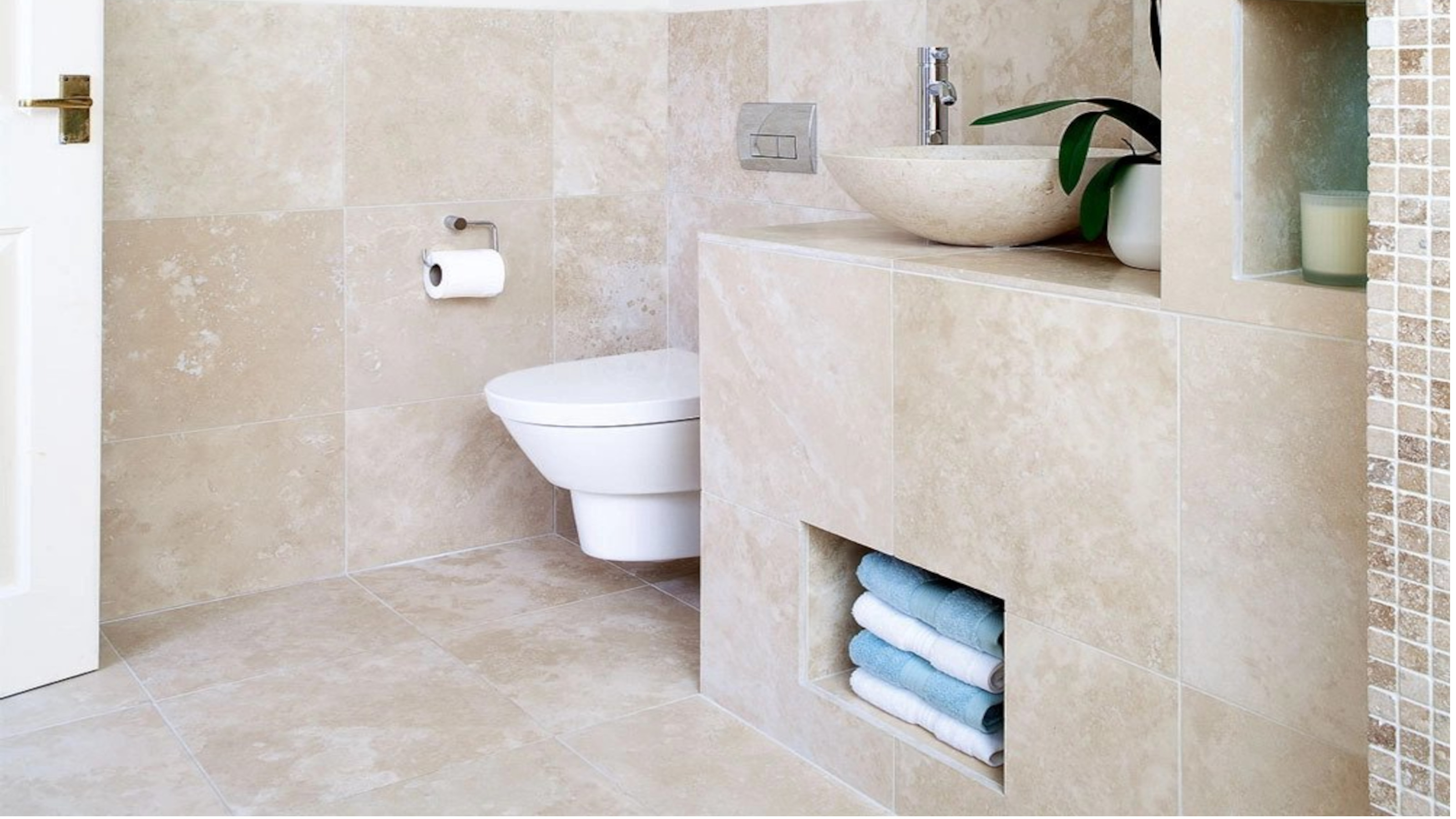
Cloakroom storage ideas to turn your downstairs toilet into a clutter-free zone
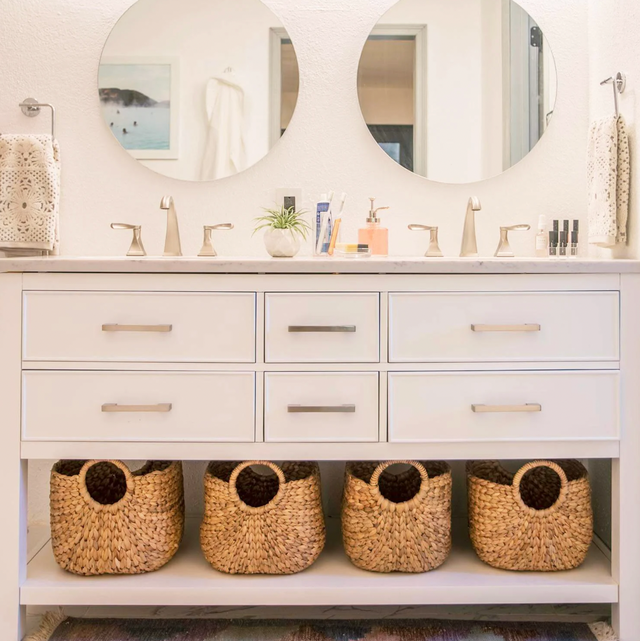
Keep Your Bathroom Tidy With These Clever Storage Ideas and Hacks

Should You Have a Separate Room Just for Your Toilet? We Asked Designers and We Did Not Expect This

This 'Invisible' Toilet Is the Future of Bathroom Design
7 Bathroom Storage Deals To Organise A Small Toilet
Bathroom Design Ideas

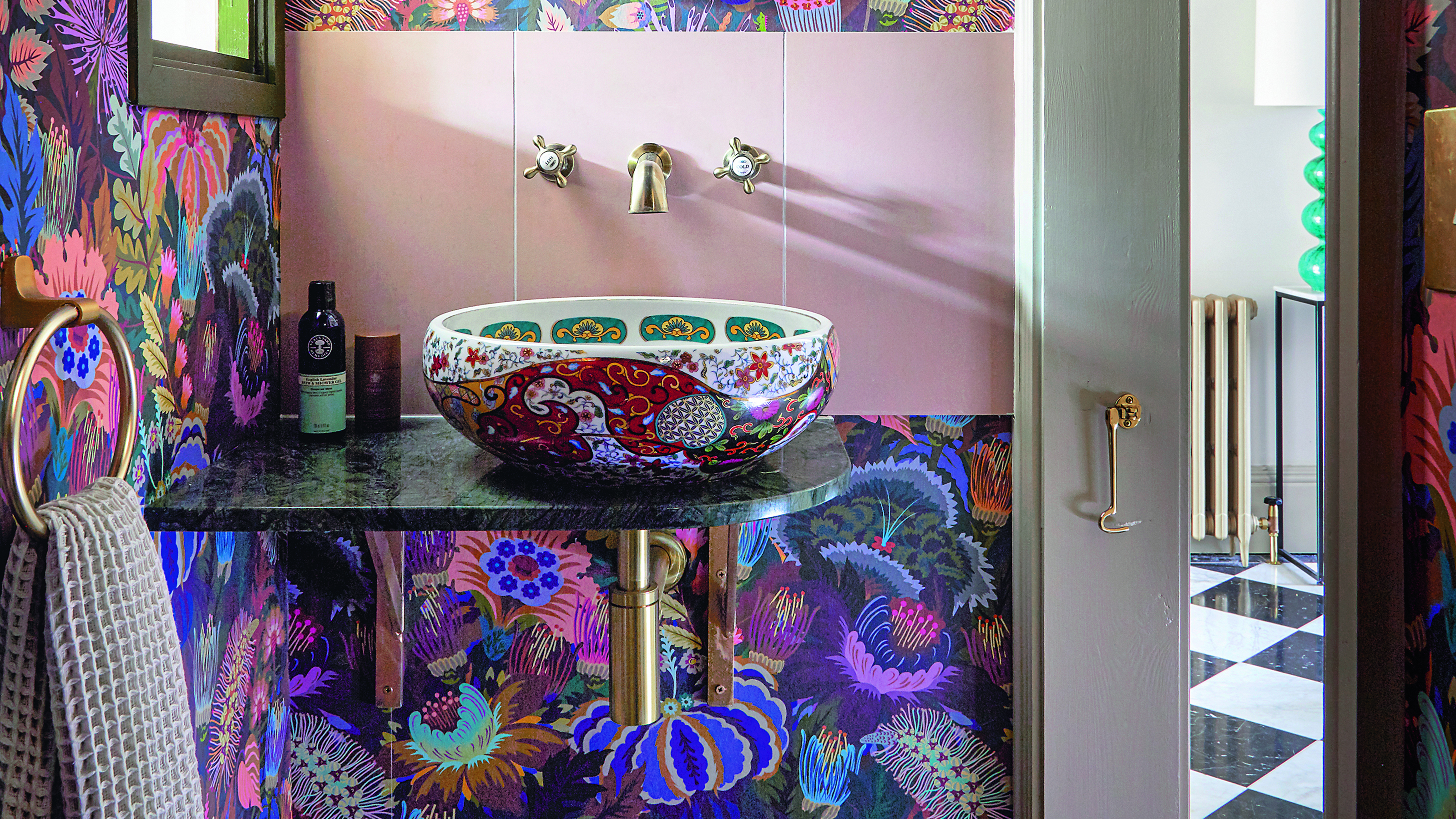
14 downstairs toilet ideas that turn a compact cloakroom into an on-trend feature
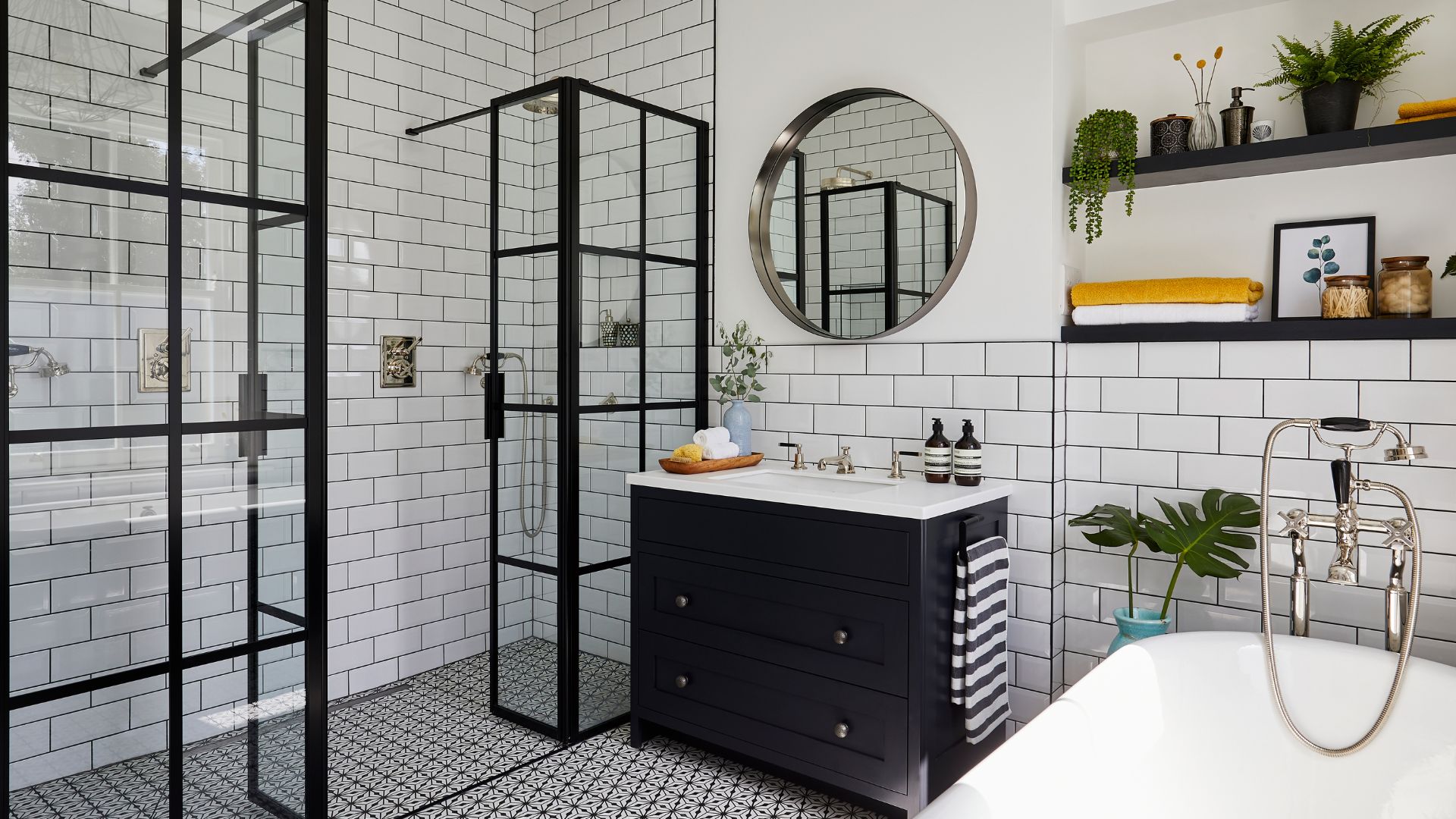
11 Ways to Conceal Clutter in a Bathroom — Trust Us, These Tips Will Change Your Space Drastically
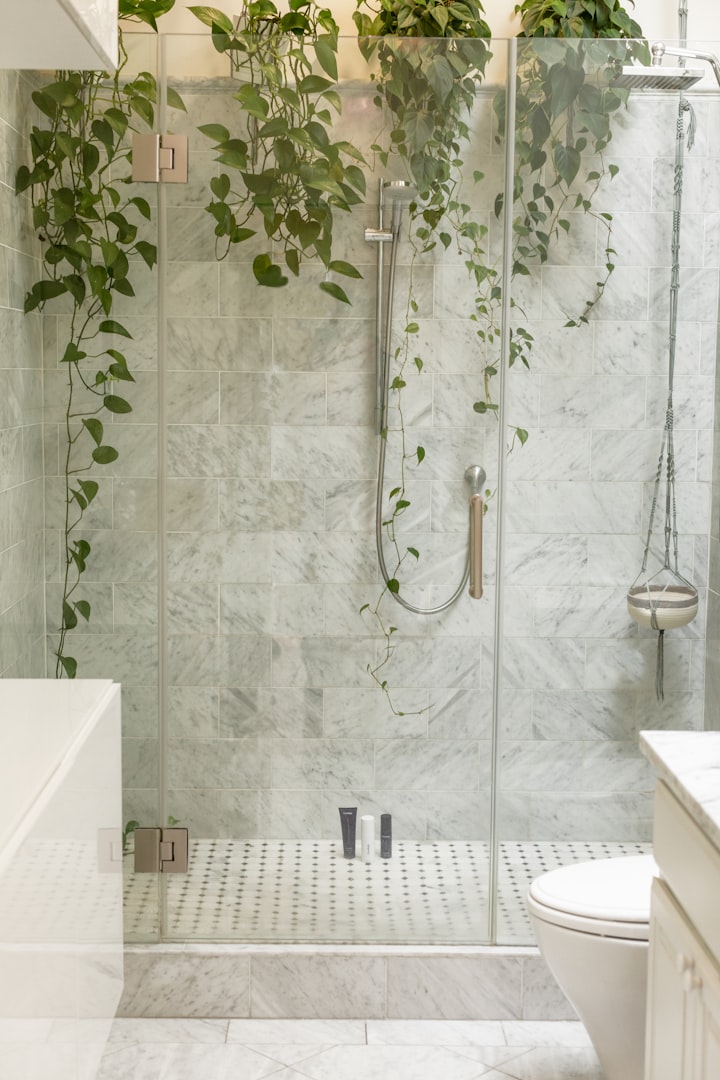
Bathroom Design Ideas
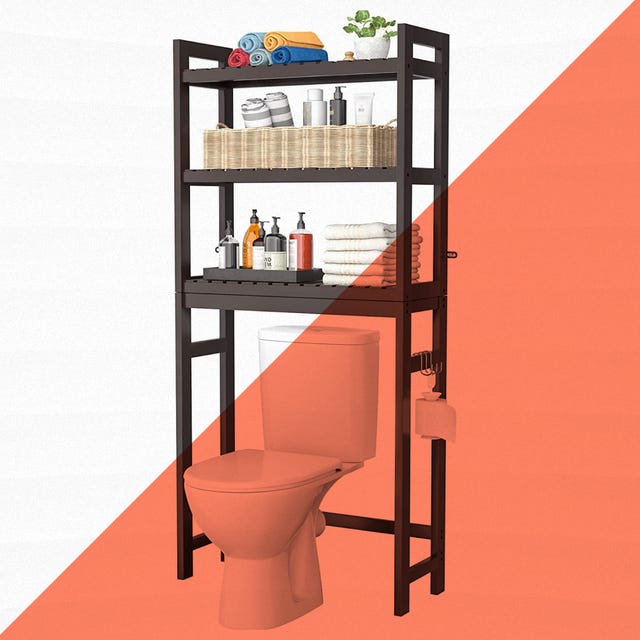
Keep Your Bathroom Clutter-Free With These Over-the-Toilet Storage Units
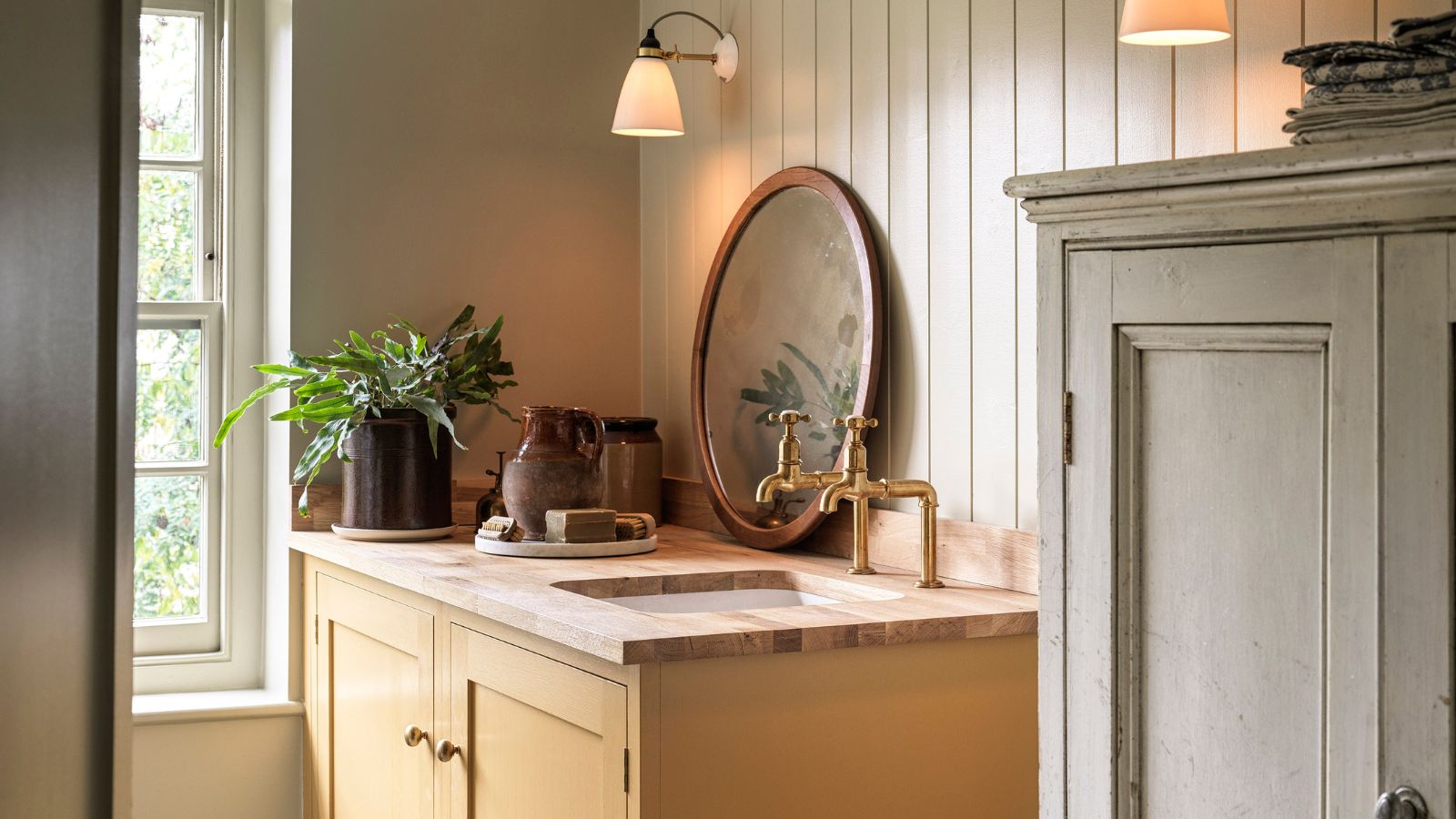
5 stylish and smart ways to store your toilet paper so it’s accessible but out of sight

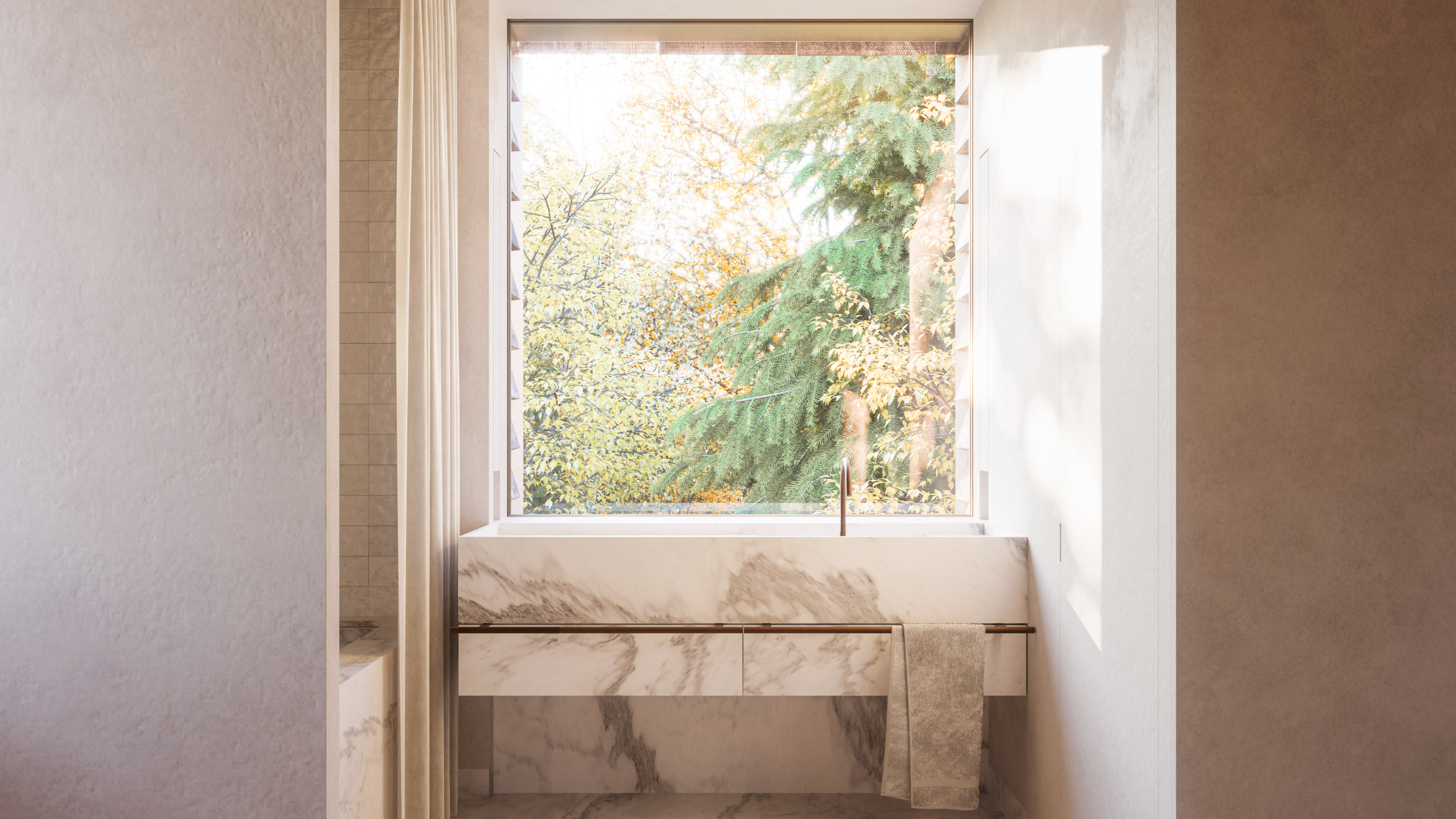
This Genius Bathroom Design Hides Its Mirrors and Cabinets
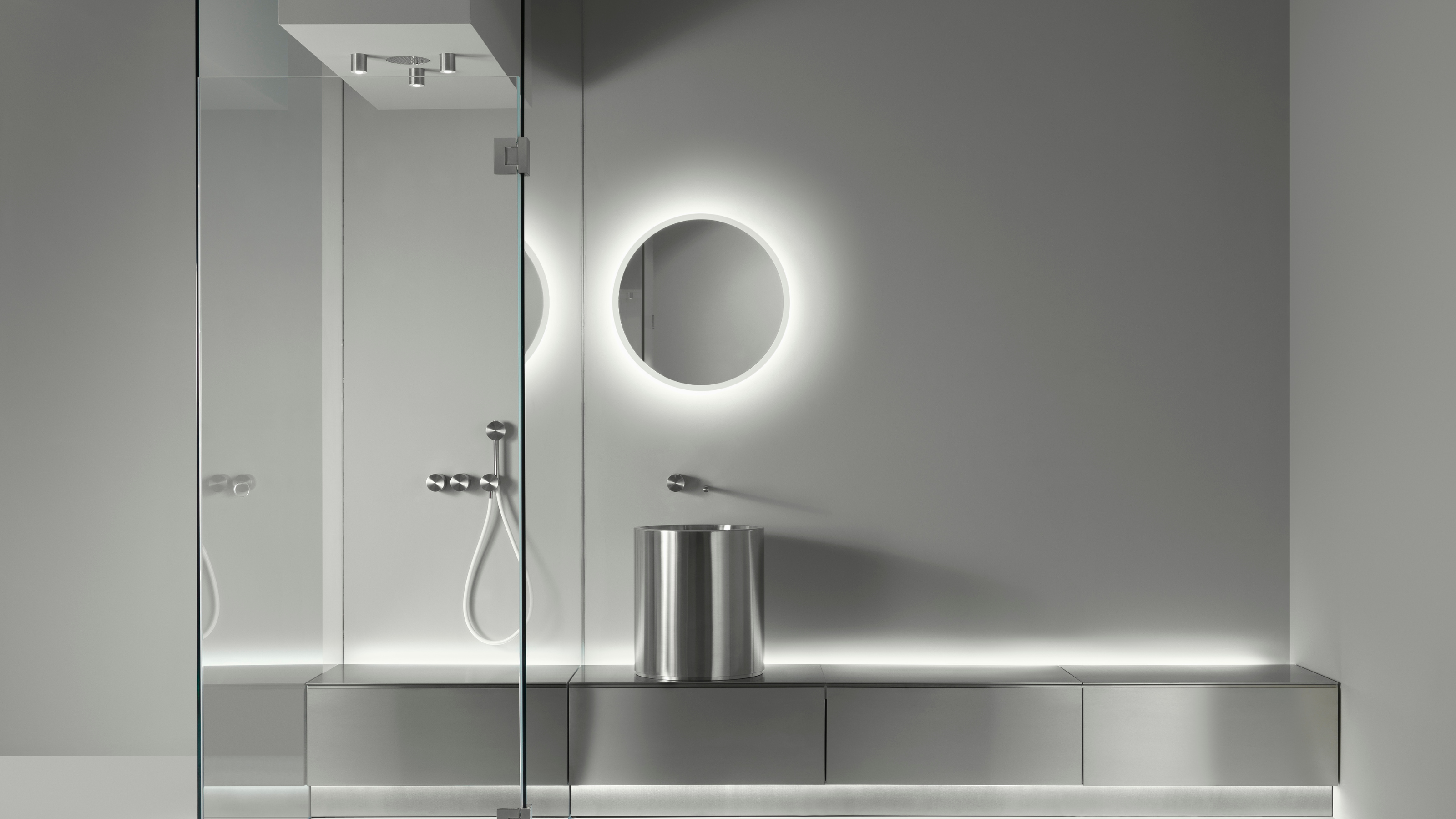
I'm Convinced This 'Invisible' Toilet Is the Future of Bathroom Design — It's Ultra Modern and Totally Hidden When Not in Use
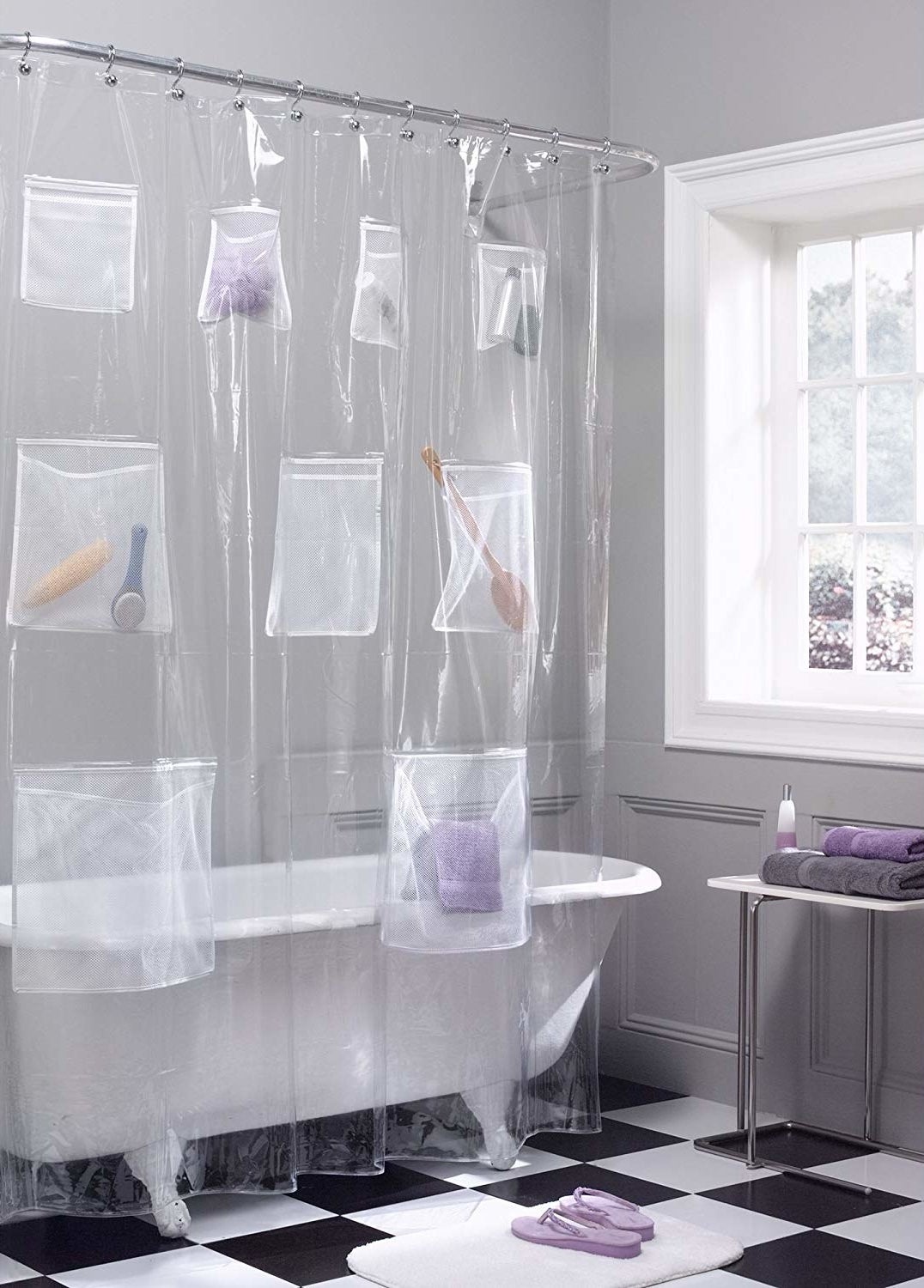
28 Ridiculously Clever Storage Ideas For Your Bathroom

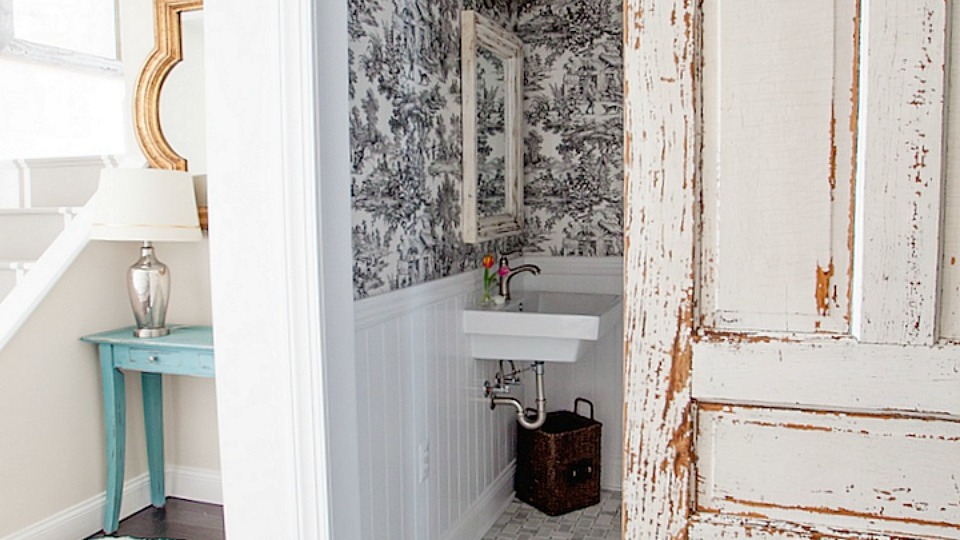
Add some character to your bathroom with these budget-friendly design ideas
Small Bathroom Design Ideas and Solutions
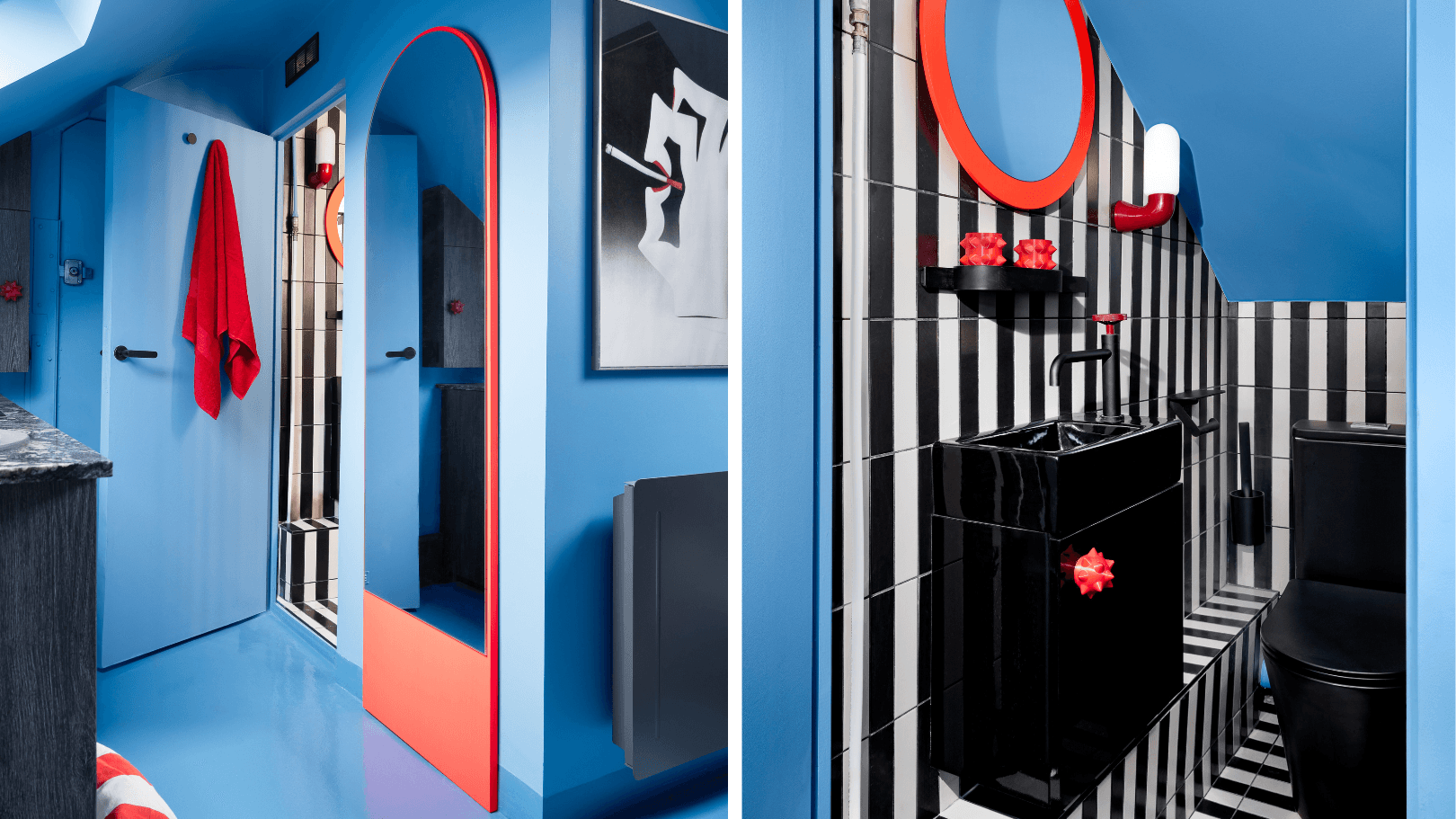
6 unusual and original bathroom design ideas for small homes

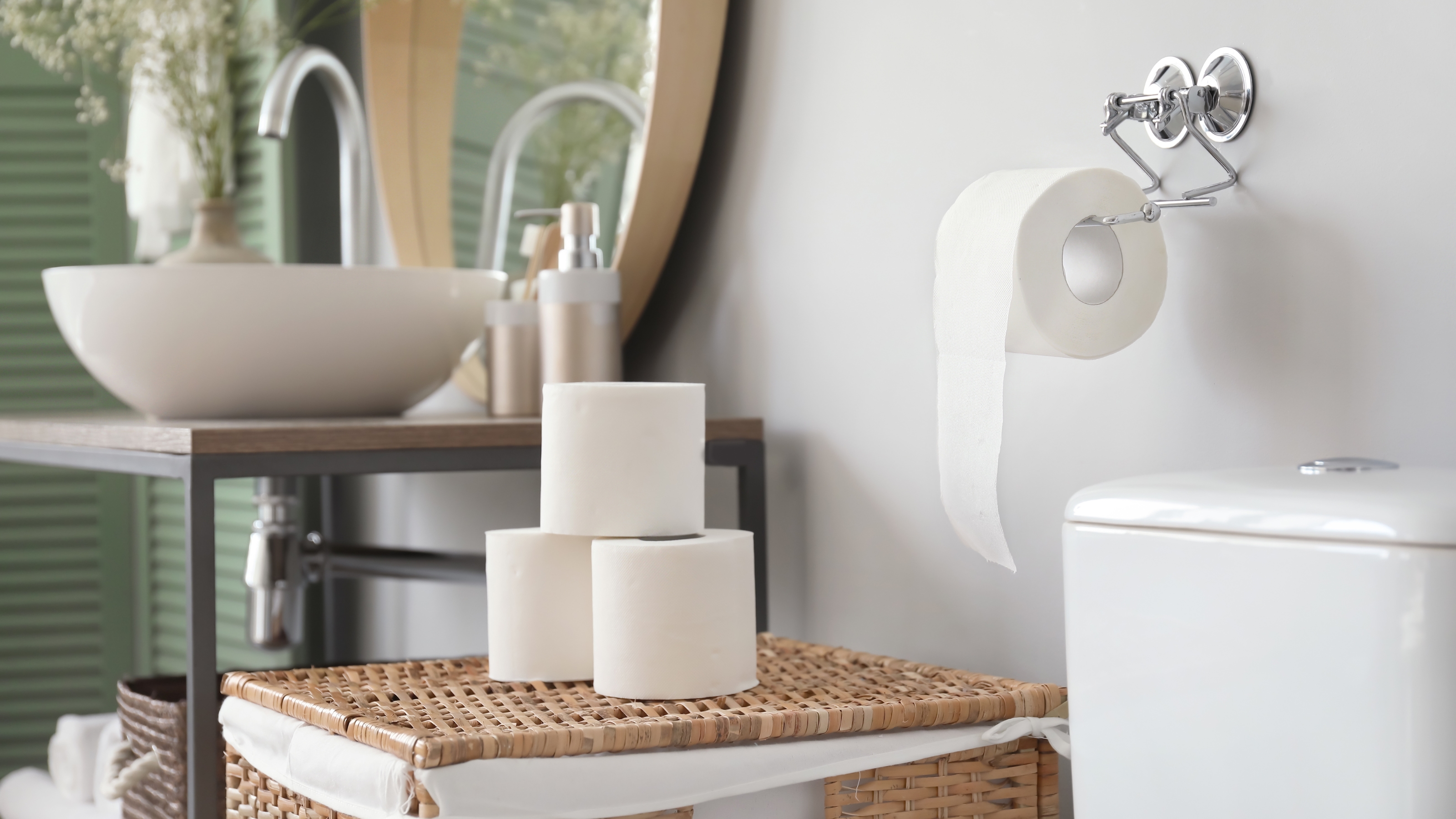
6 toilet paper storage ideas for small bathrooms

Bathroom Decor Ideas