5 Essential Home Design Ideas to Make Aging in Place Easier
Many individuals aspire to remain in their homes as they grow older, adapting their living spaces to meet evolving needs. This desire often involves repurposing rooms and retrofitting them for hobbies, guests, or family. The primary considerations for these renovations are accessibility, mobility, and overall comfort. While extensive remodeling might not always be feasible due to budget or structural limitations, interior design experts highlight five critical areas to focus on when creating a 'forever home.'
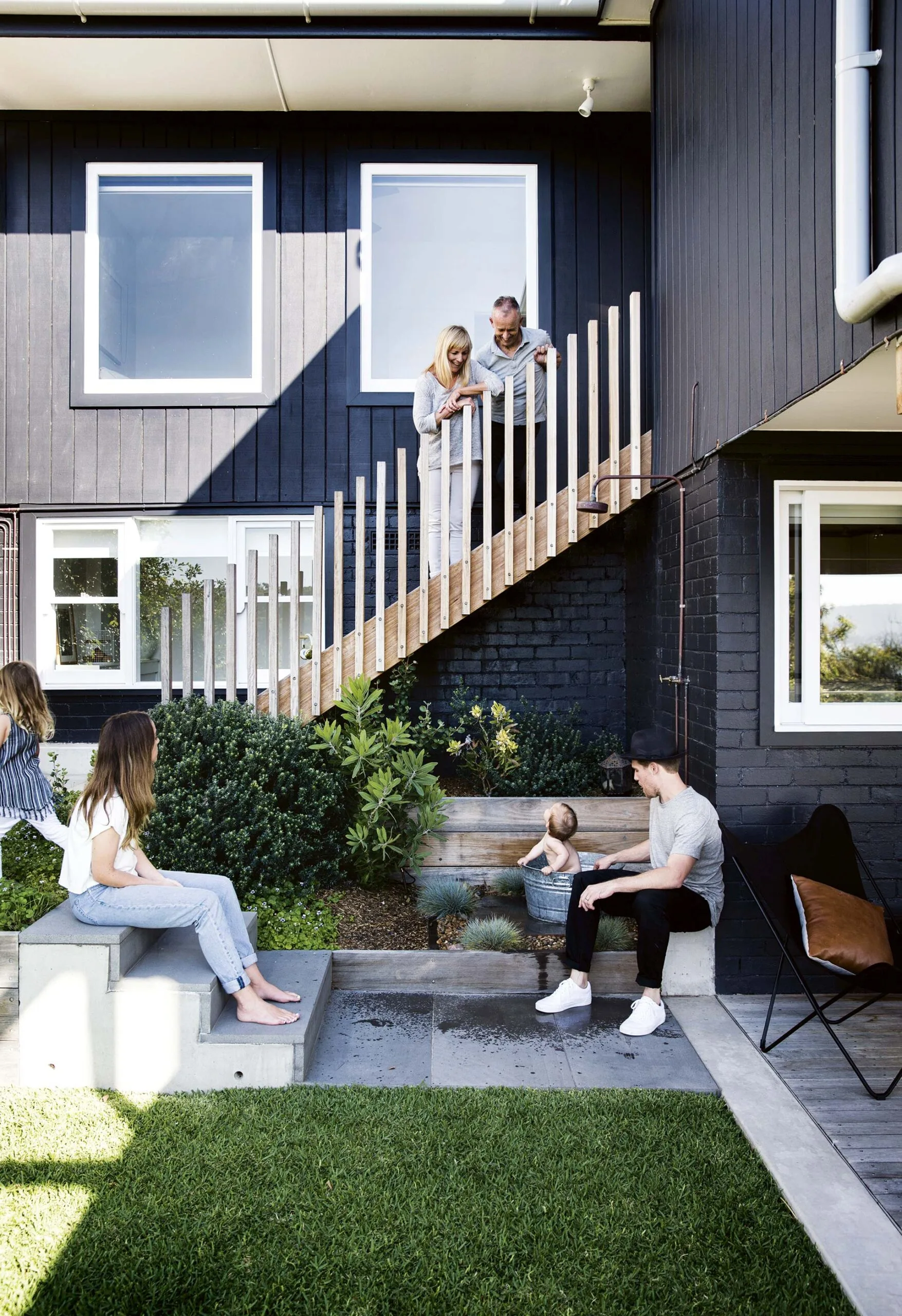
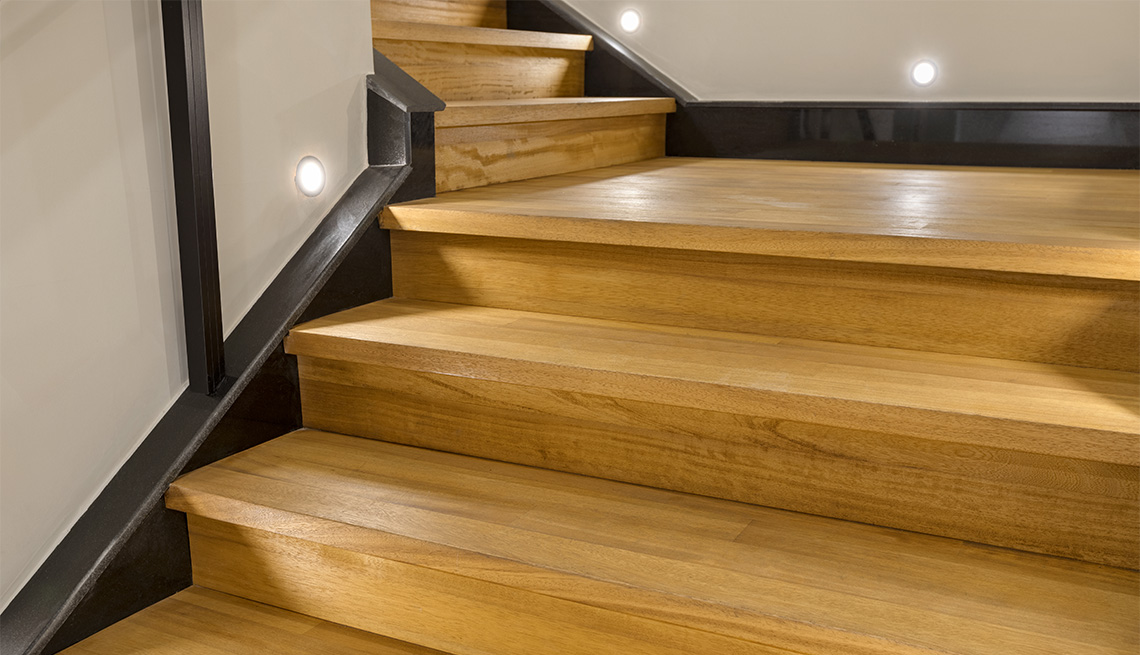
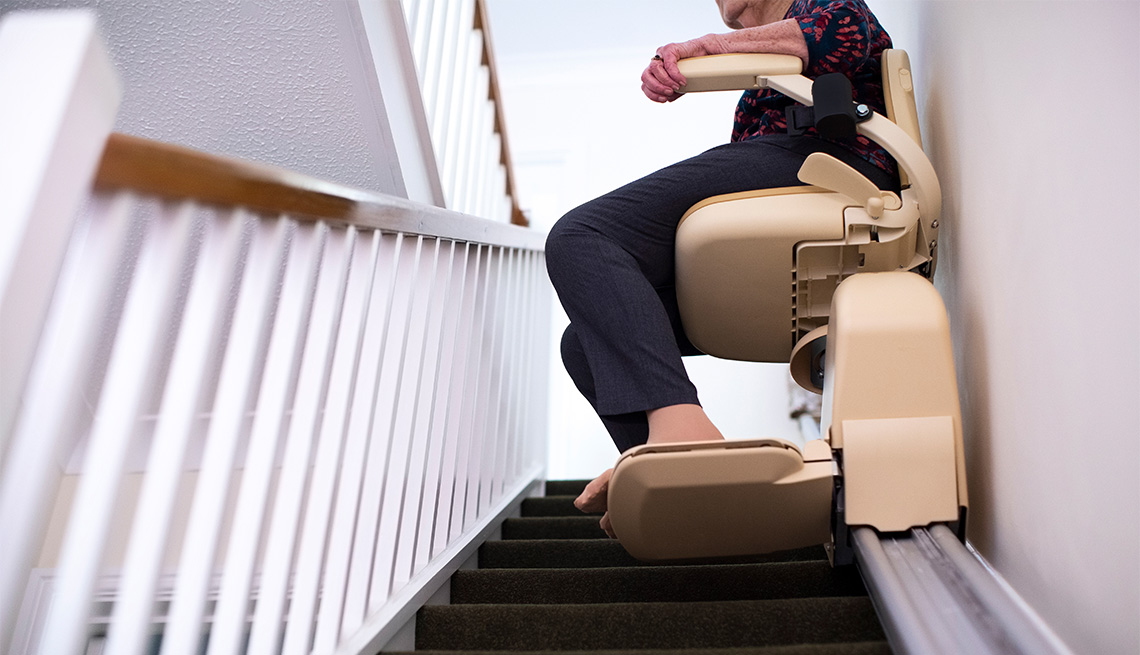
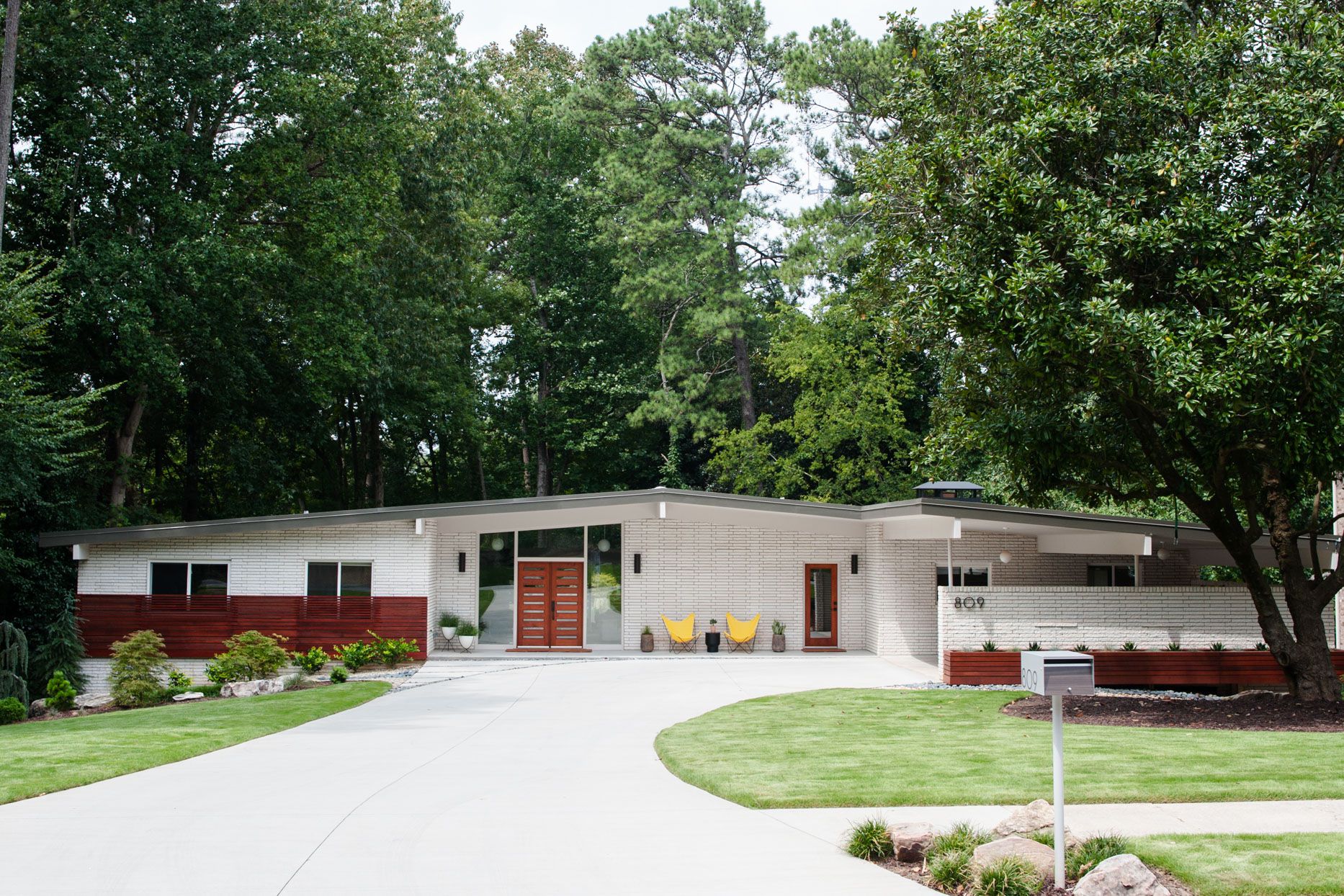
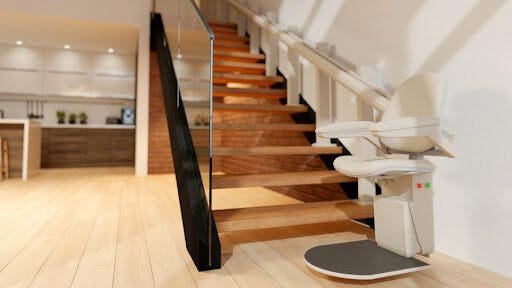
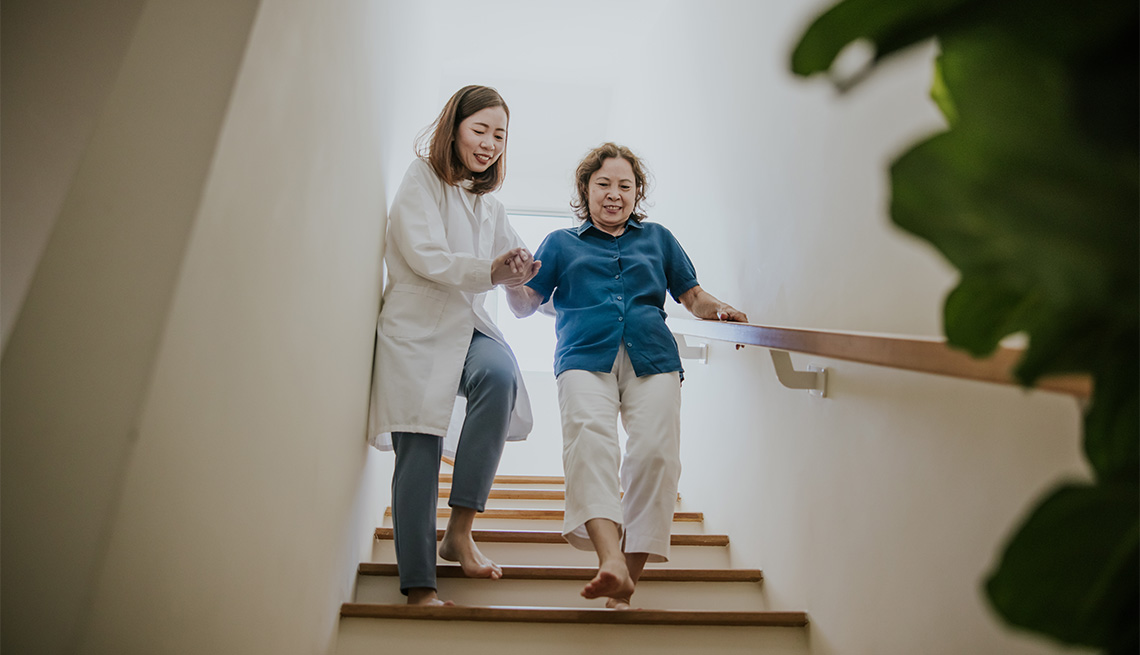
One crucial aspect is rethinking stairs. Single-floor homes, such as ranch-style houses, are ideal as they eliminate exterior stairs from sidewalks or driveways, enhancing safety and ease of access. For those residing in multi-level homes, solutions like chair lifts or modern elevators can be installed. Robin Wilson, a sustainable design expert, notes that contemporary hydraulic or pneumatic elevators can often be fitted into existing spaces like coat closets within a few days, requiring only a standard electrical outlet, which makes installation less disruptive than traditional elevator systems.
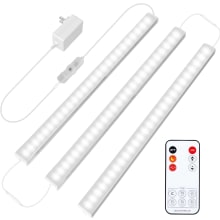
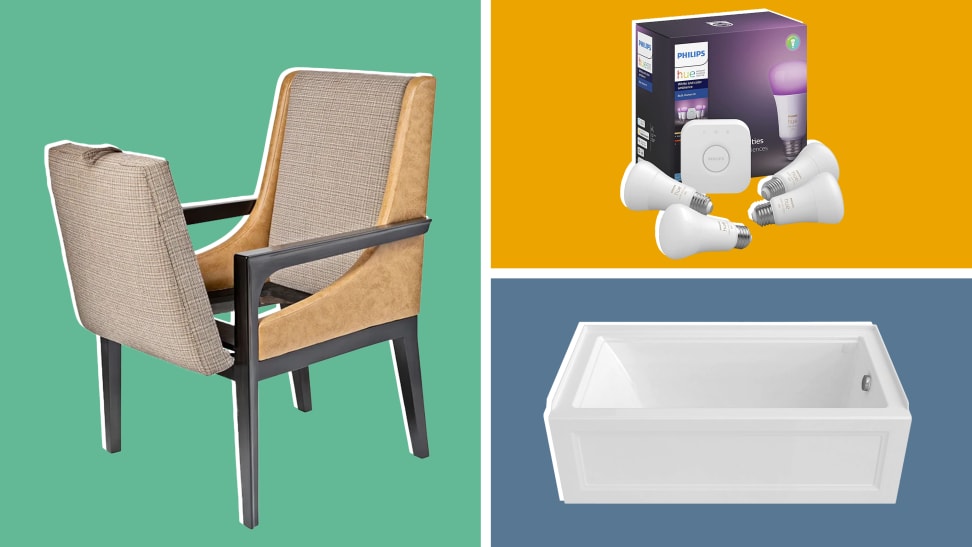
Another significant element is smart lighting. As people age, their eyes require more light to perceive surroundings clearly, reducing the risk of falls and accidents. Lisa M. Cini, a senior living design expert, recommends incorporating additional lamps, skylights, and airy window treatments to maximize natural light. Motion sensor lighting is beneficial for high-traffic areas like closets and hallways, automatically illuminating spaces. For bathrooms, LED lighting under counters, cabinets, and above vanities provides soft illumination at night, which is crucial for not disrupting circadian rhythms and sleep patterns. Ensuring exterior pathways are well-lit with solar lights or motion-sensor spotlights further enhances safety outside the home.
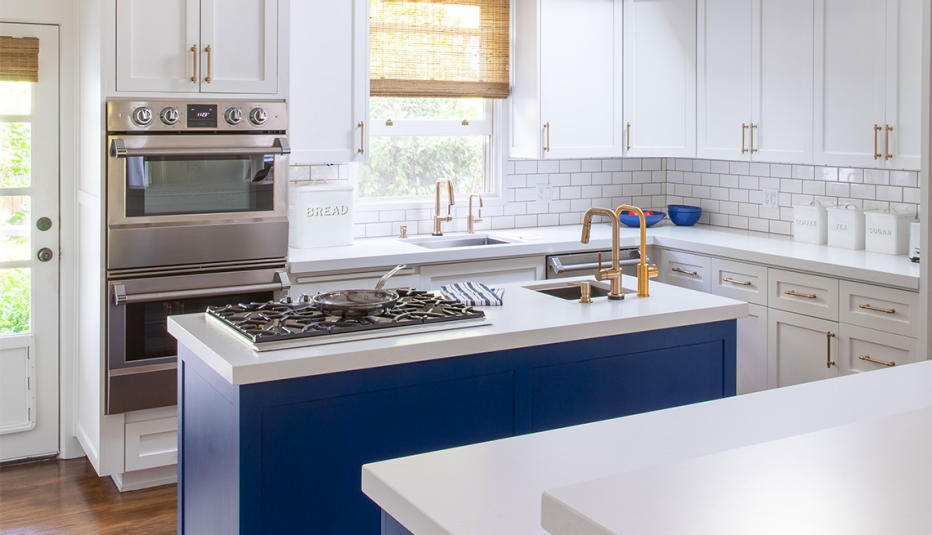
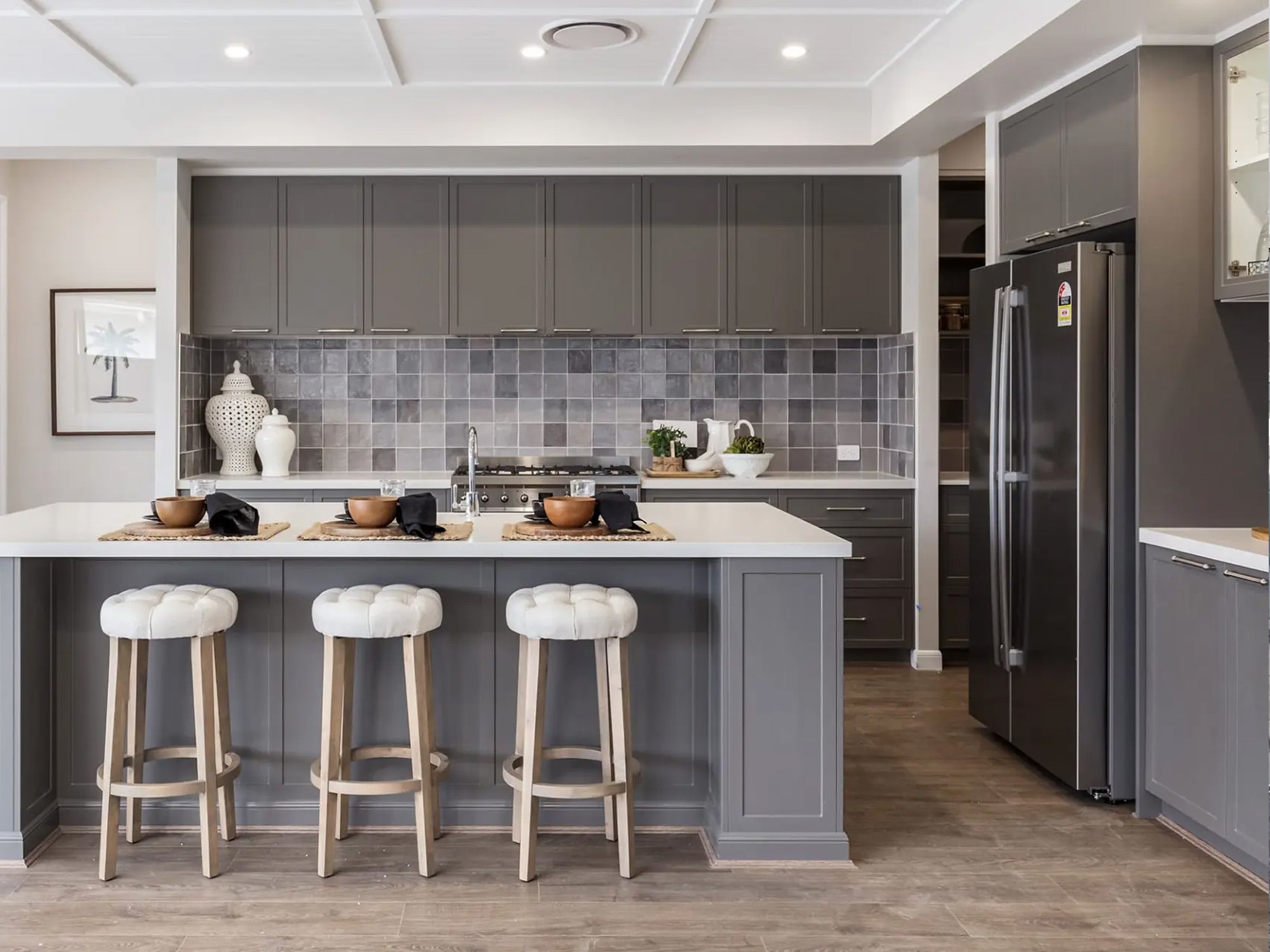
Adjustable heights for various fixtures and furniture are also essential. Products such as height-adjustable desks for reading and adaptable sinks for kitchens promote comfort and usability. Adjustable kitchen cabinets and countertops are practical for accommodating individuals of different heights, ensuring all household members can access items easily. Step stools equipped with handrails positioned near beds and in closets offer additional support. Cini suggests a bed height of 21 inches for optimal ease of entry and exit, emphasizing the importance of an accessible nightstand large enough for essentials like glasses, medications, and water. Modern overbed or swing-arm tables can serve as functional alternatives to traditional nightstands if existing furniture does not meet these requirements.
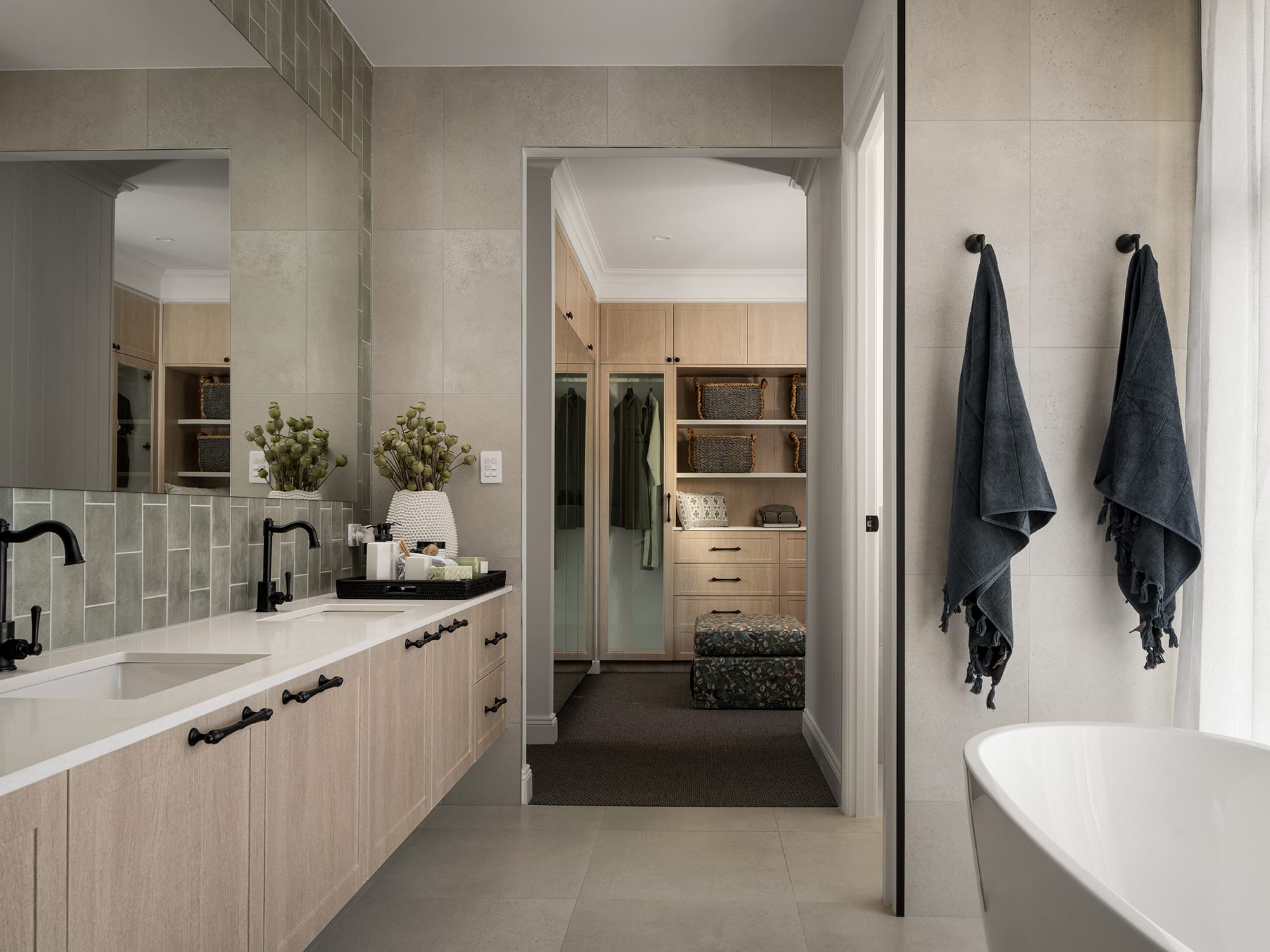
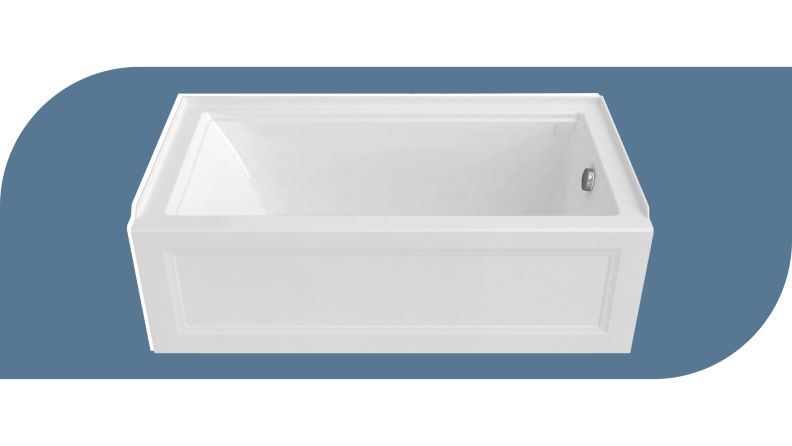
Bathrooms are identified as a high-priority area for retrofitting due to the elevated risk of slips and falls. Experts advise installing curbless showers with hand wands, allowing for safe entry and use by individuals with wheelchairs or walkers, thereby extending independent bathing capabilities. Wilson points out that proper installation involves a slightly sloped floor and a deeper shower pan for effective drainage. Shower flooring should be non-slip, and controls should be positioned at wheelchair height. Hand wands or sprayers are simple yet highly functional additions. Grab bars are critical safety features that should be installed near the shower, toilet, and above the toilet area. For those who prefer bathtubs, selecting models with side-panel doors offers easier access and reduces the risk of injury. These bathroom modifications collectively enhance safety and independence.
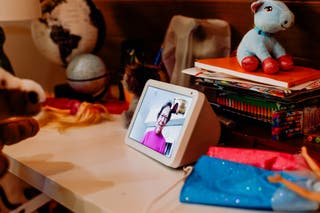
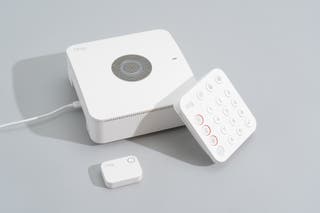
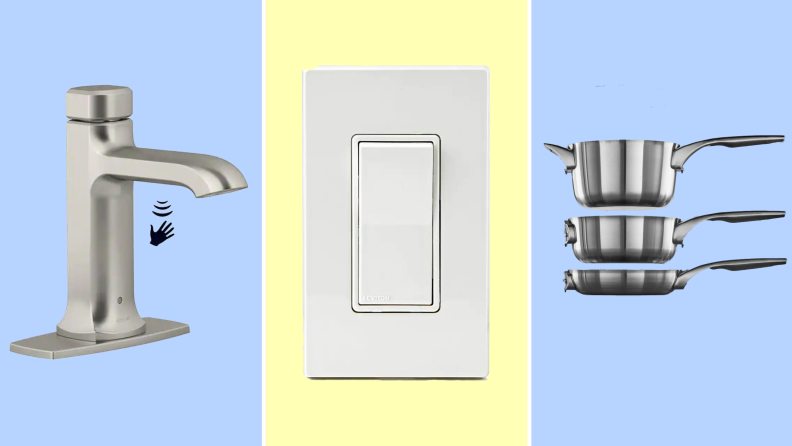
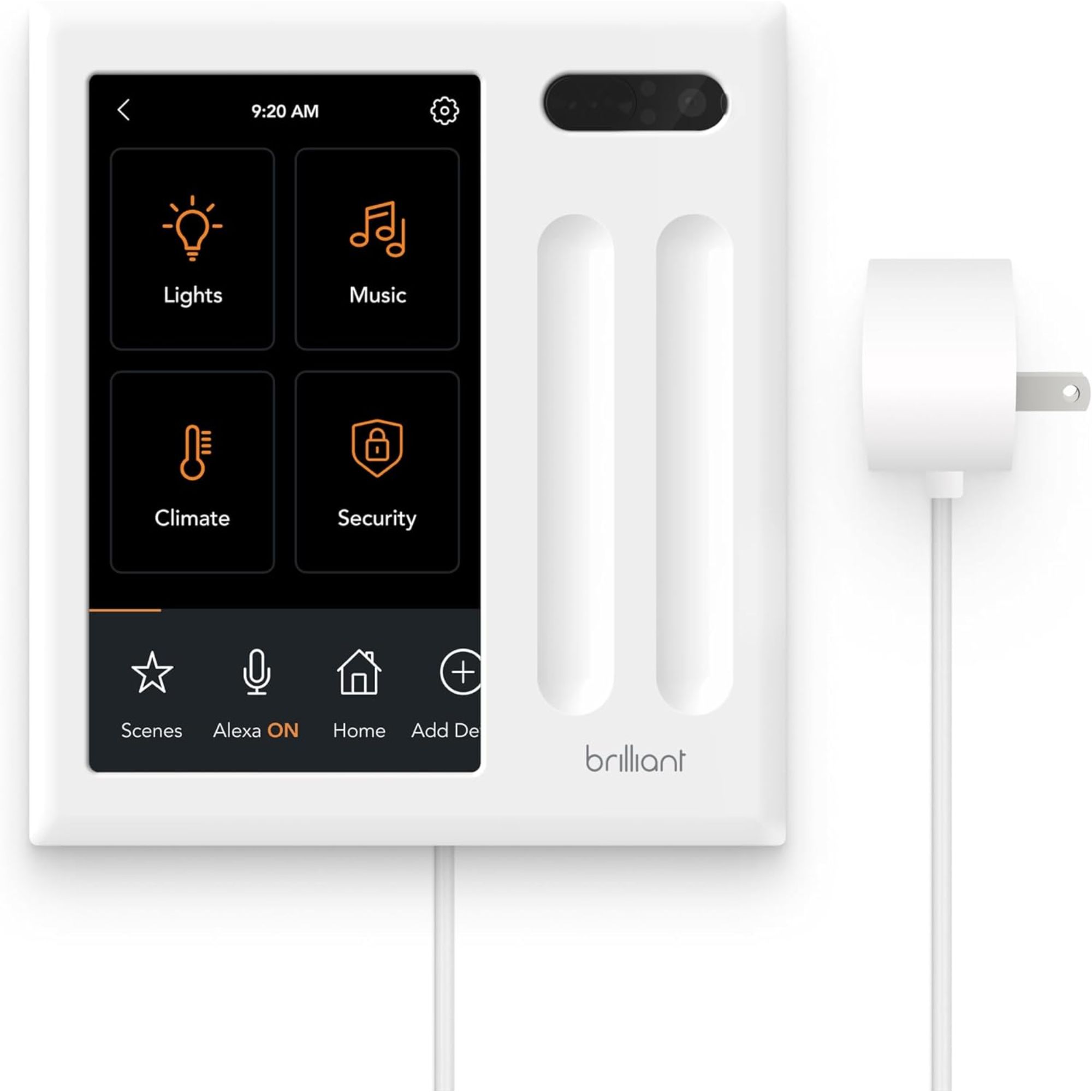
Finally, leveraging technology can significantly improve home safety and efficiency for aging in place. Modern smart home technologies offer various solutions, including safe and discreet sensors embedded in flooring that can detect falls and alert caregivers. Other innovations, such as automatic shut-off features for stoves, help prevent cooking-related accidents, adding a layer of security. Voice-command-activated smart home systems can simplify daily tasks, ranging from contacting neighbors to ordering groceries. Embracing these technological advancements can ease the physical and mental burdens associated with daily living, allowing individuals to age comfortably and safely in their own homes.
#AgingInPlace #HomeDesign #Accessibility #SmartHome #HomeRenovation #BathroomSafety #LightingDesign #MobilityAids #IndependentLiving #AgingInPlace #HomeDesign #Accessibility #SmartHome #HomeRenovation #BathroomSafety #LightingDesign #MobilityAids #IndependentLiving
0 comment in total
 No comments yet
You may also like

The Best Smart Home Devices to Help Aging in Place

5 Design Choices That Make Your House Look Super Dated, According to Designers

Research on architectural space design based on an empirical investigation of the communication life of older adults: taking unit-type nursing home as examples


How is an aging baby boomer generation changing the design of homes?

Your Home Checklist for Aging in Place

Flexible space: Design for aged care
Quietly accessible furniture aids aging in place with safety and style
Is open-plan living dead? Here's what the design experts say

6 Tips For Creating The Perfect Home For Any Life Stage
Aging In Place Remodeling: A Checklist For Senior Homes

How to make a home more accessible – 7 universal design tips to improve your space

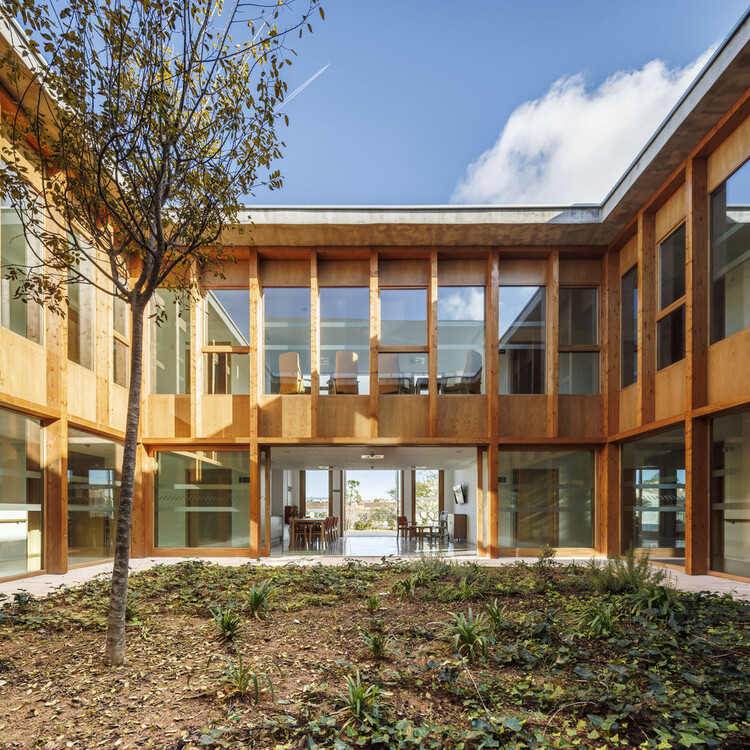
Courtyards, Gardens, and Terraces for Seniors: Residences that Integrate Community Life into the Natural Environment

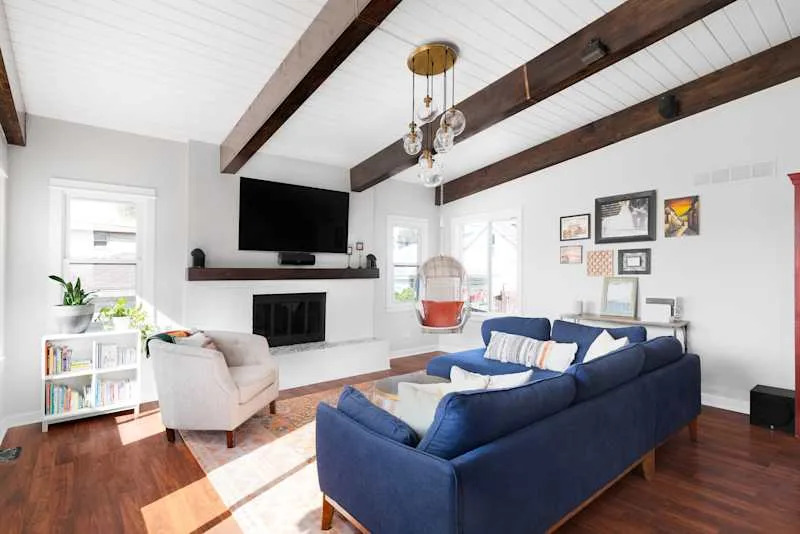
These 5 Living Room Trends Are Aging Your Space, According to Designers

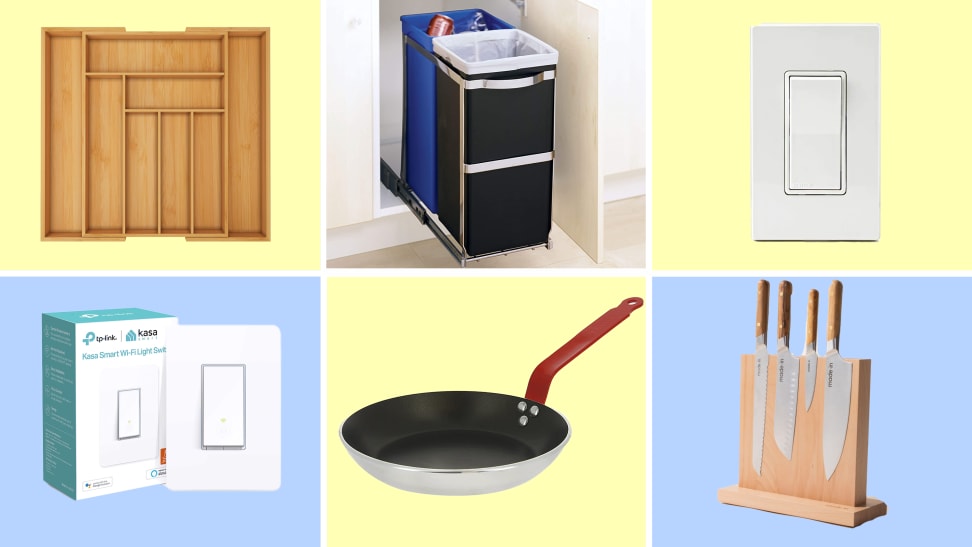
5 aging-in-place remodeling ideas for the kitchen

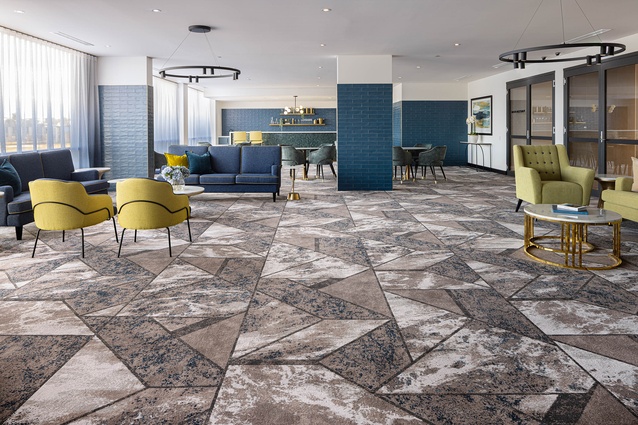
Better with age: Flooring trends in senior living
8 Ways to Make the Stairs Safer at Home
7 aging-in-place remodeling products with major style
Home Remedies Inspires Living Areas That Are Lasting and Loved
9 Popular Home Trends Interior Designers Say Won't Age Well

8 Ways to Turn Your Home Into a Granny Chic Oasis