How Window Placement Can Make Or Break Your Home Design
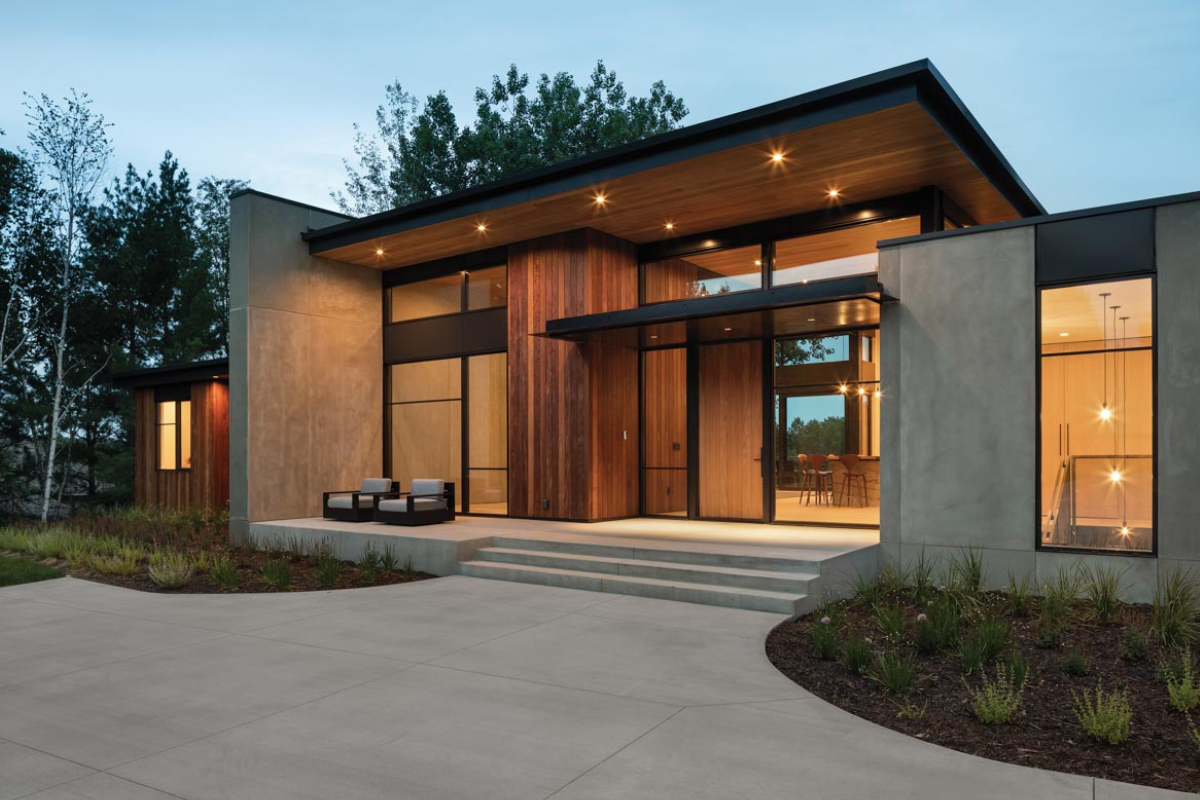
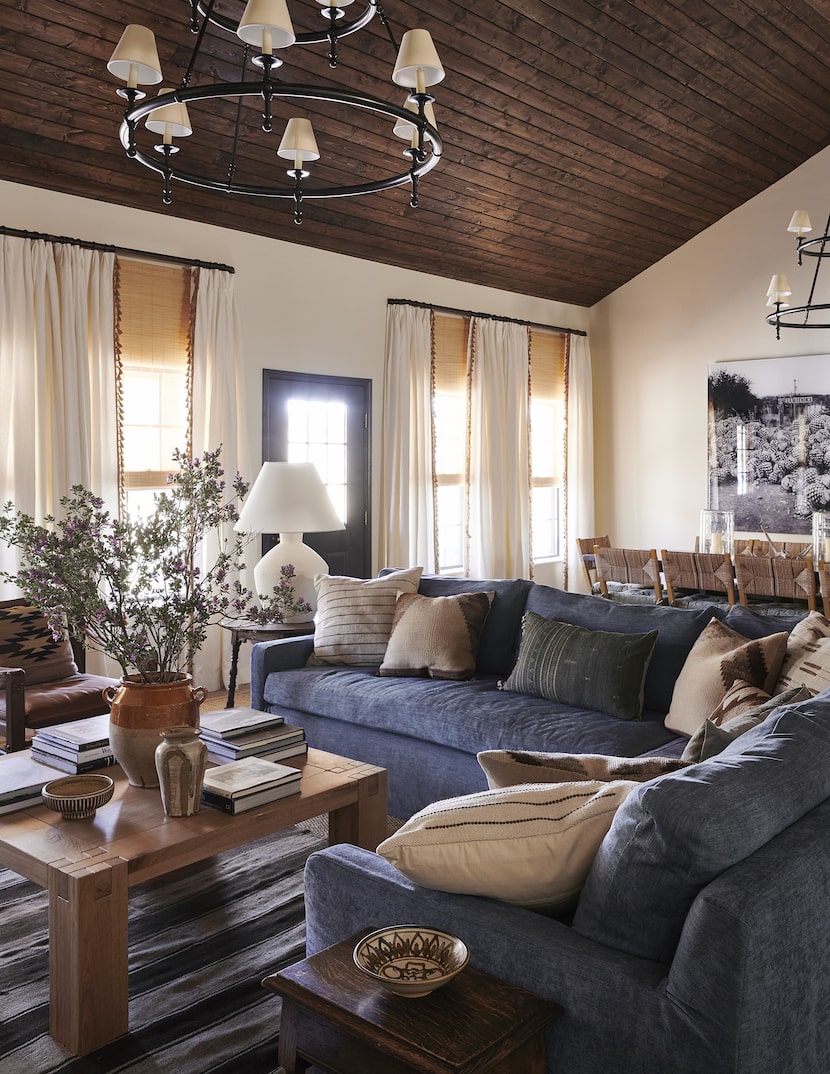
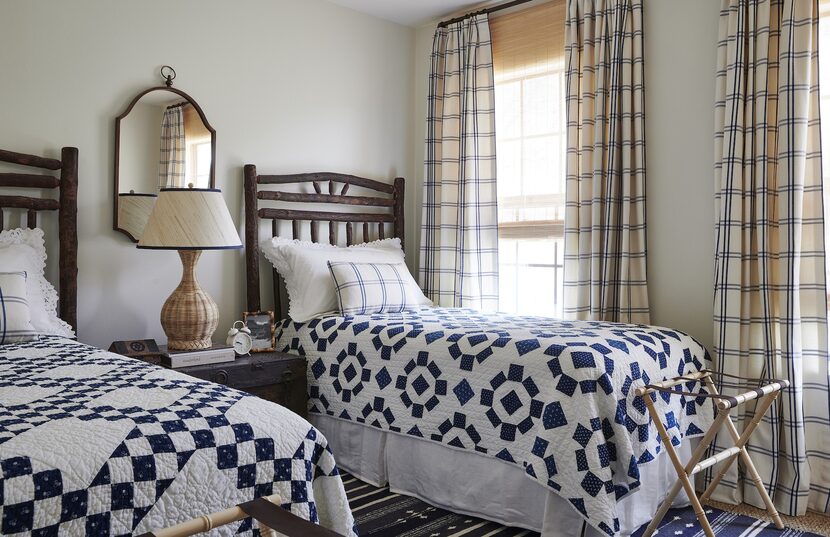
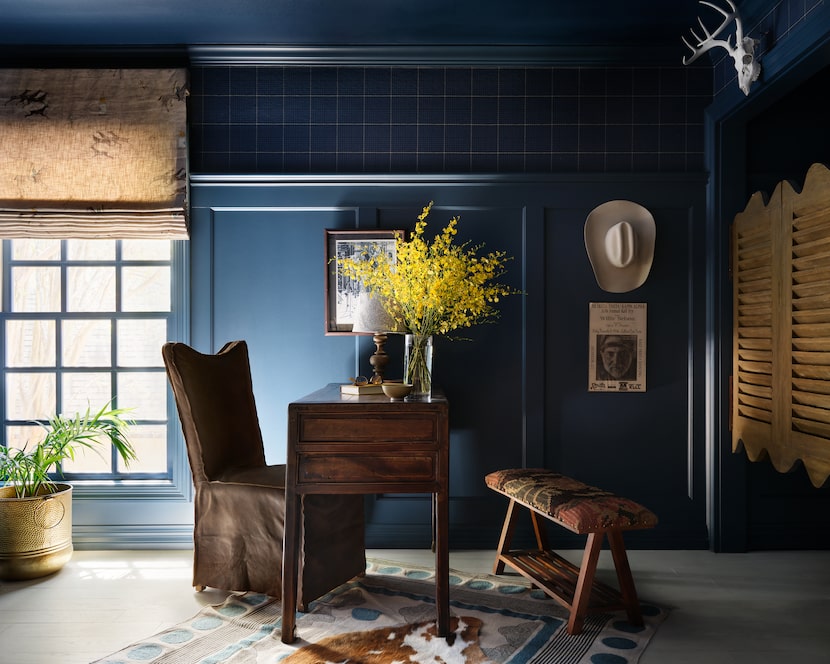
Window placement is a crucial and complex element in home design, significantly impacting both the exterior aesthetic and interior functionality of a residence. It is a decision that requires careful consideration of multiple interconnected factors, including architectural style, symmetry, scale, and the natural environment. Overlooking these aspects can lead to an unbalanced facade and a less-than-optimal living experience.
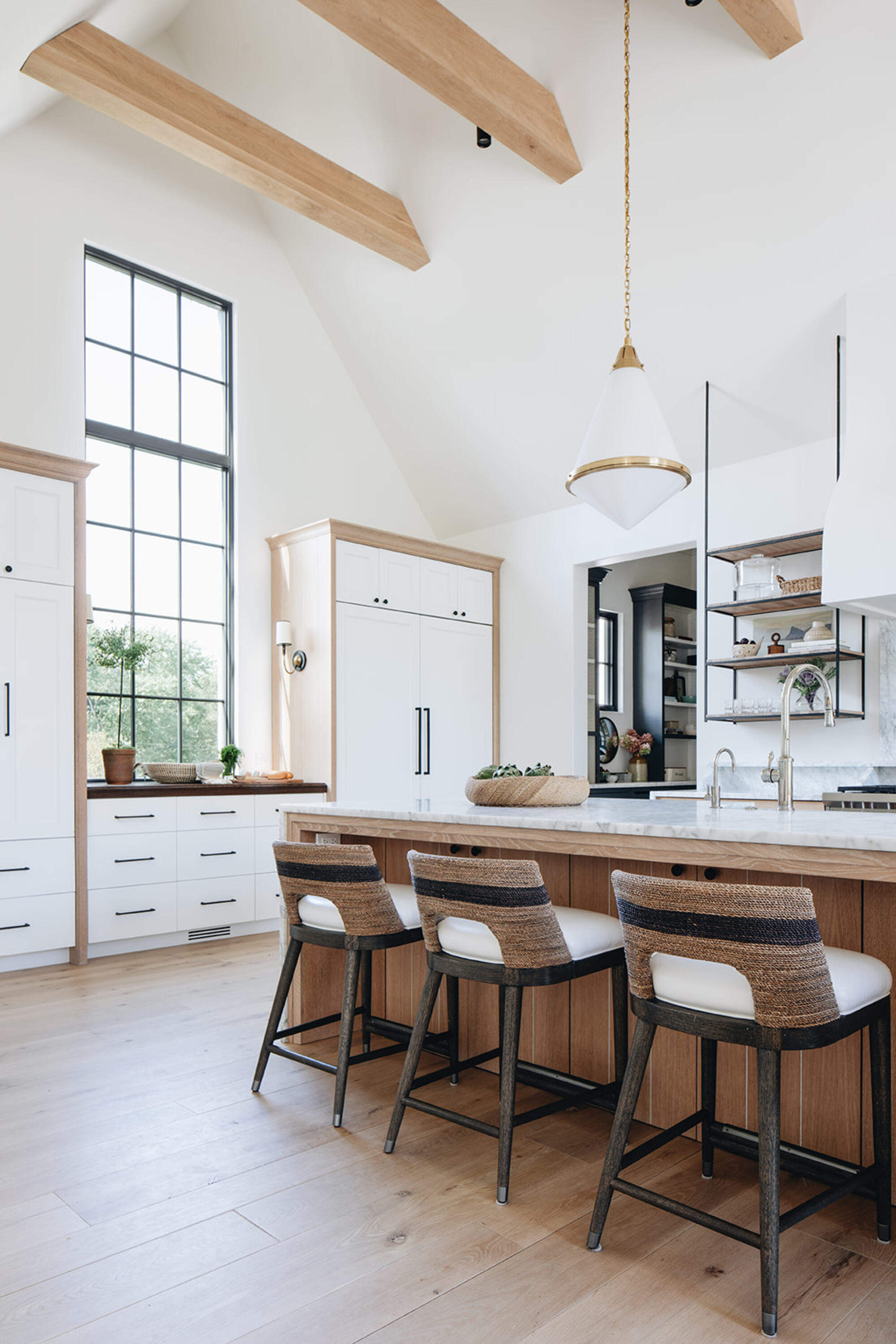
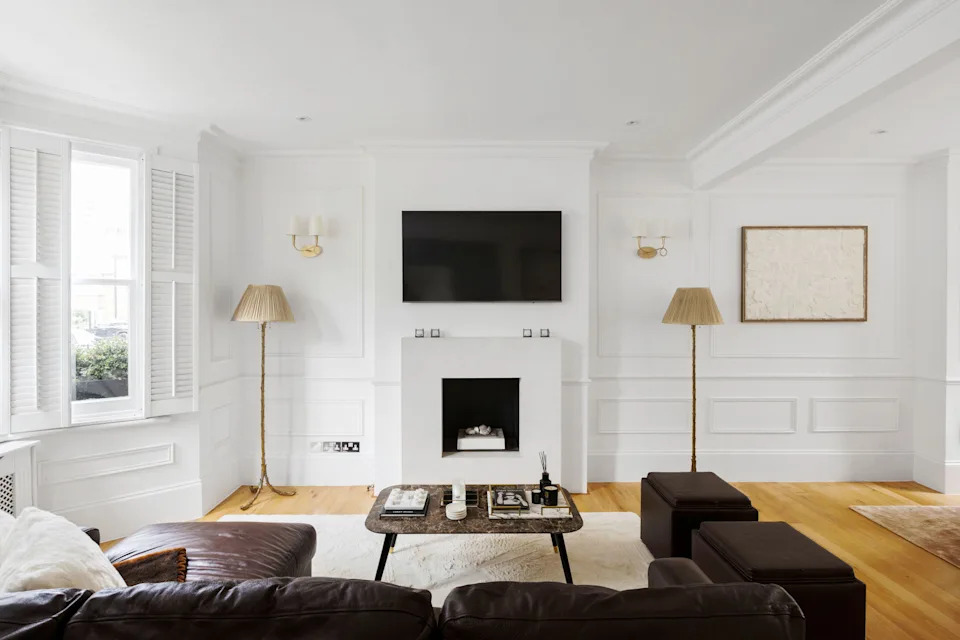
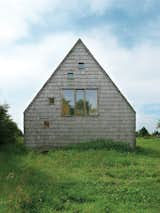
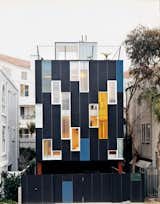
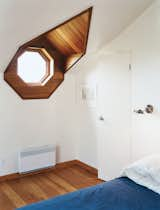
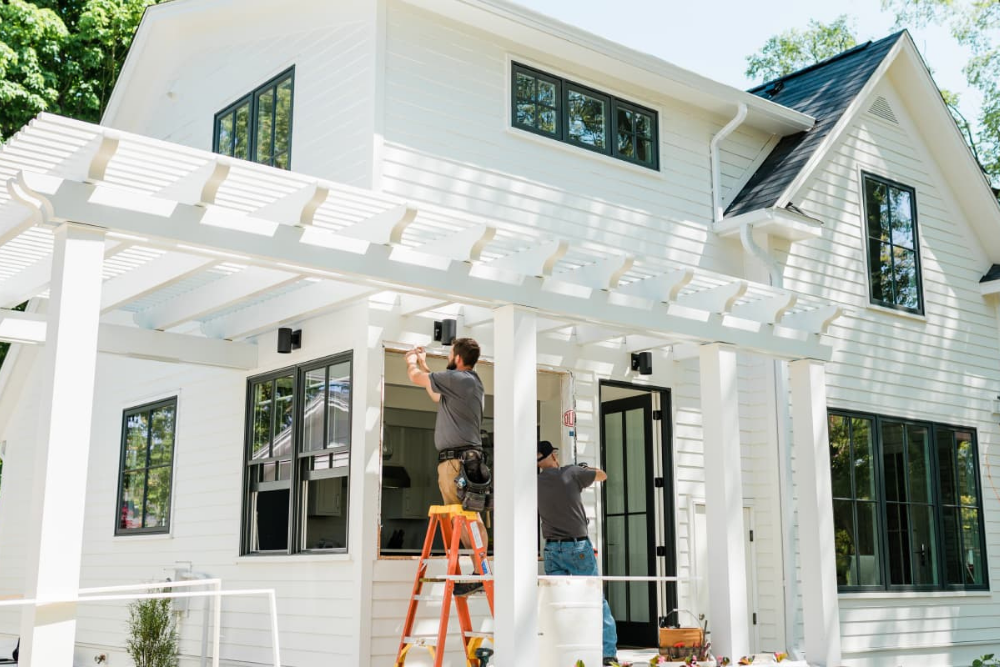
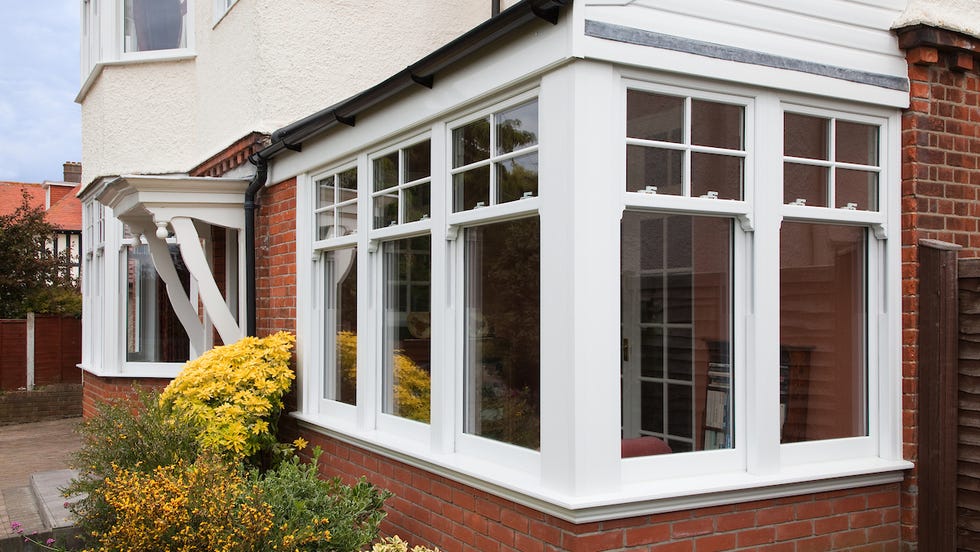
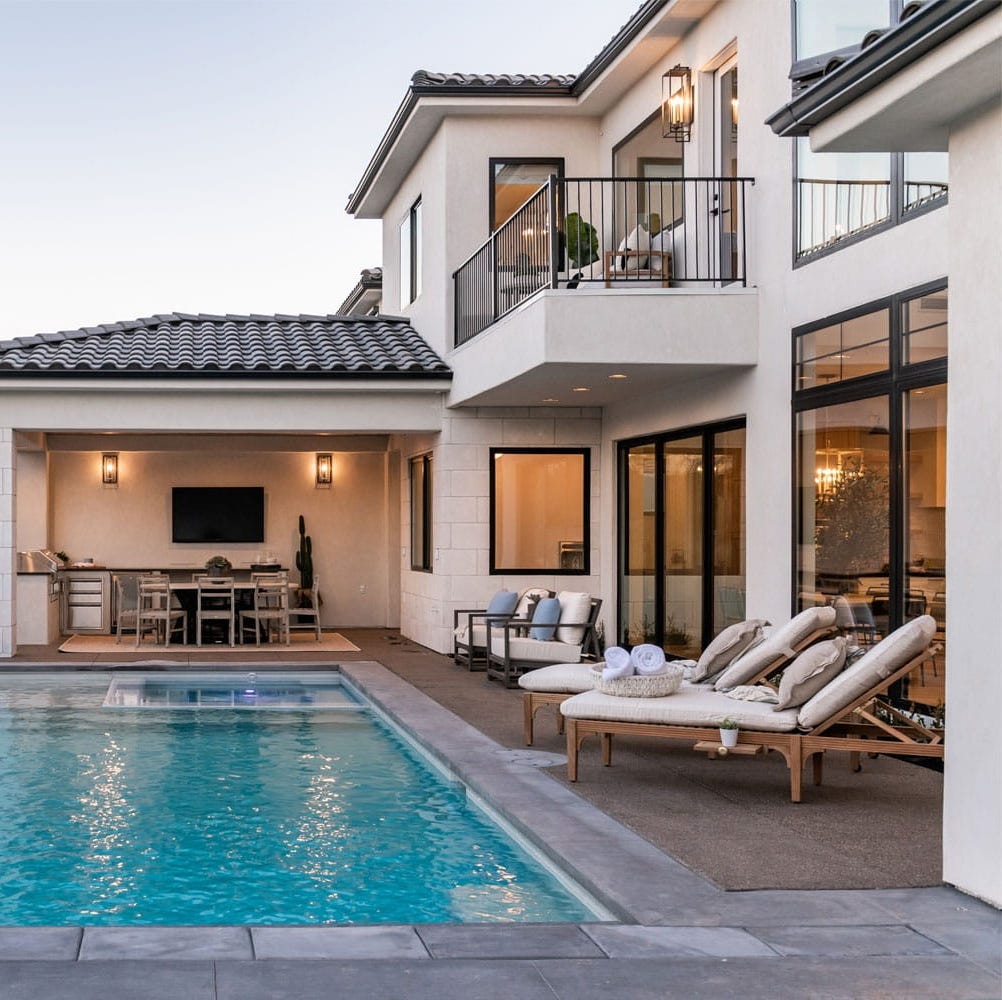
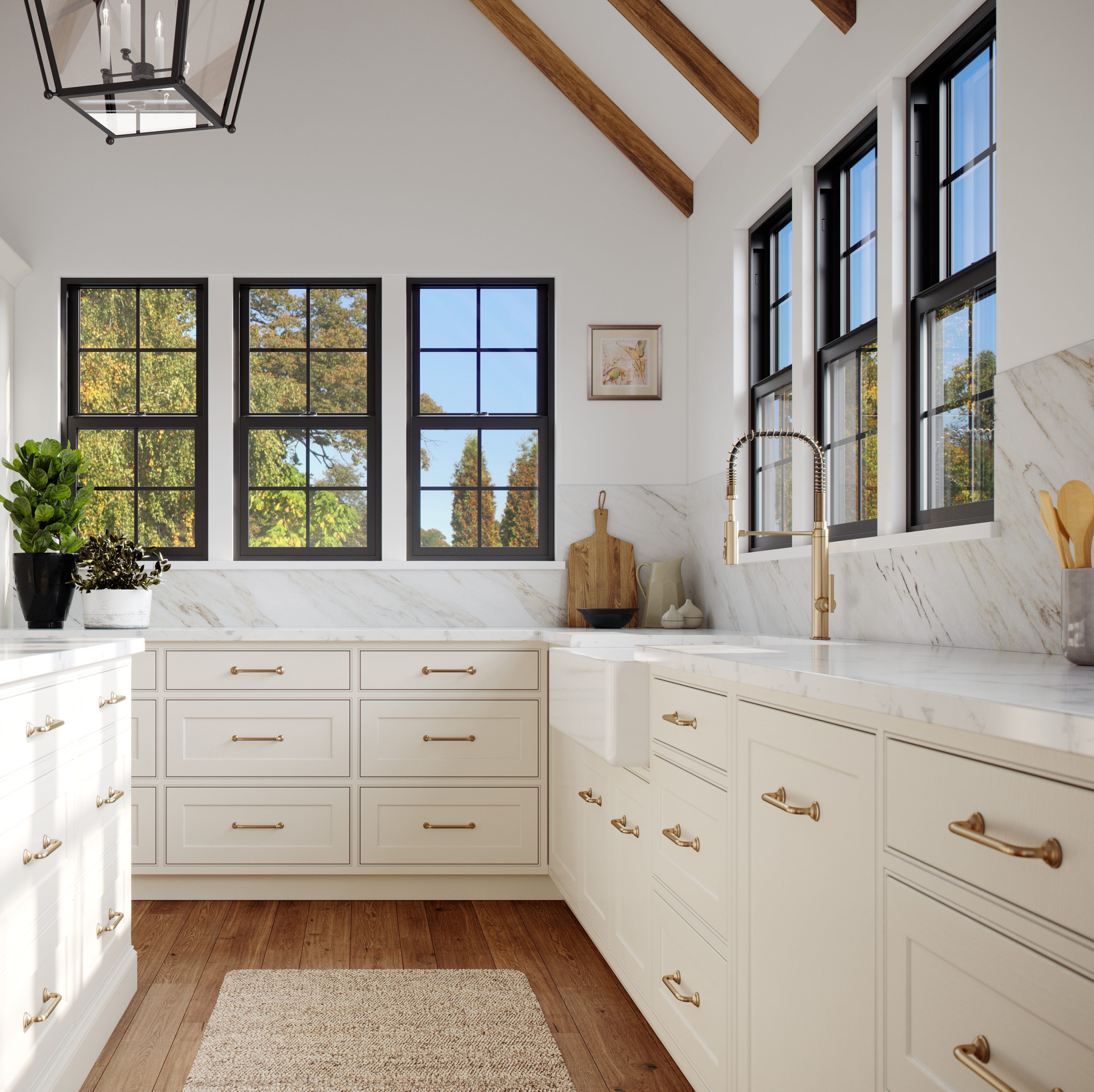
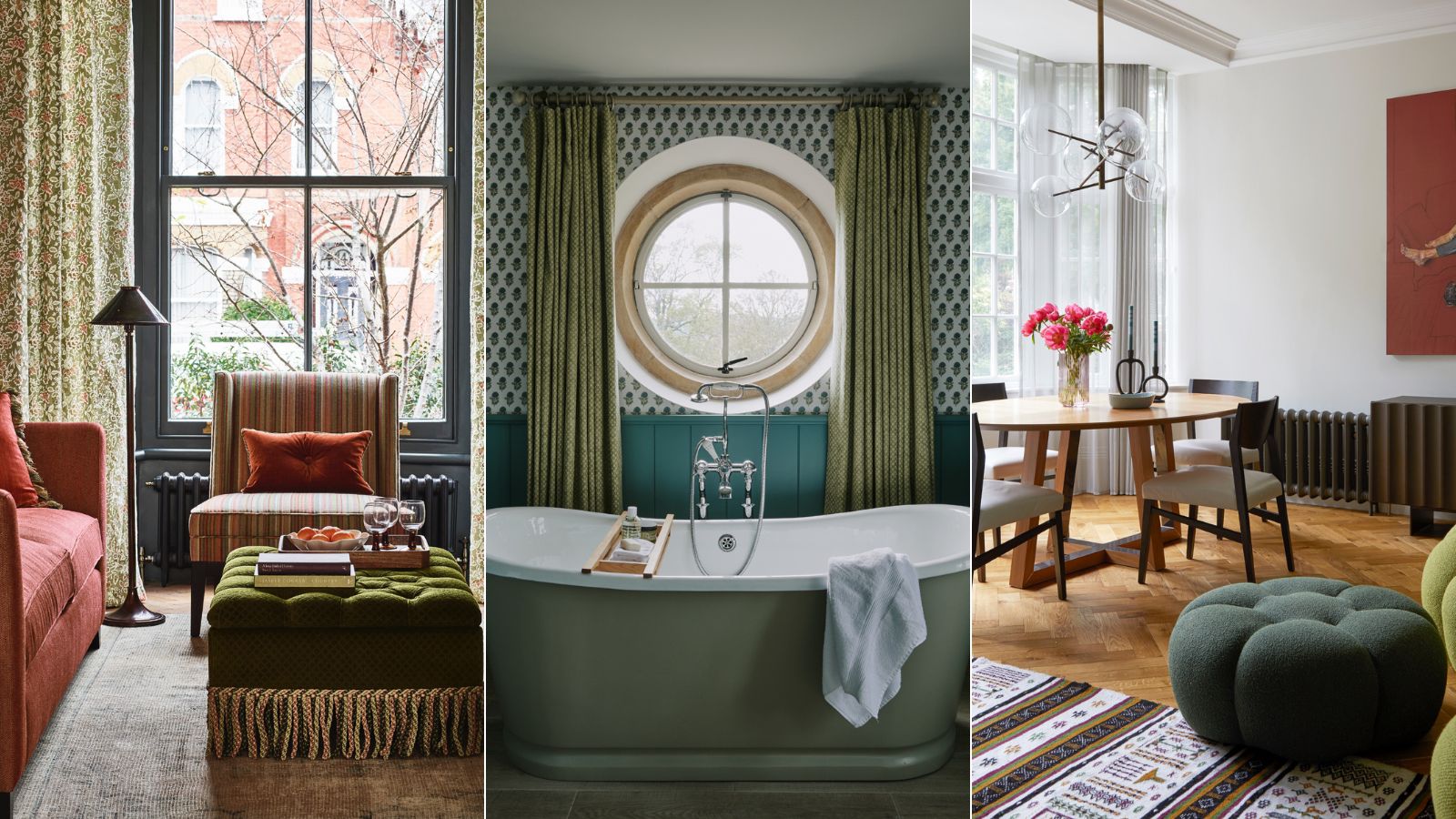
Architects and designers emphasize the importance of addressing window placement early in the schematic design phase. For instance, Leigh Misso, owner and designer at River Brook, highlights that well-designed homes exhibit consistency in window size, symmetry, architectural style, and scale. To achieve an appealing exterior, Misso often recommends windows that are taller than they are wide to draw the eye upwards, grouping windows in odd numbers for visual interest, and incorporating unique shapes like ovals or circles to add character and break predictability.
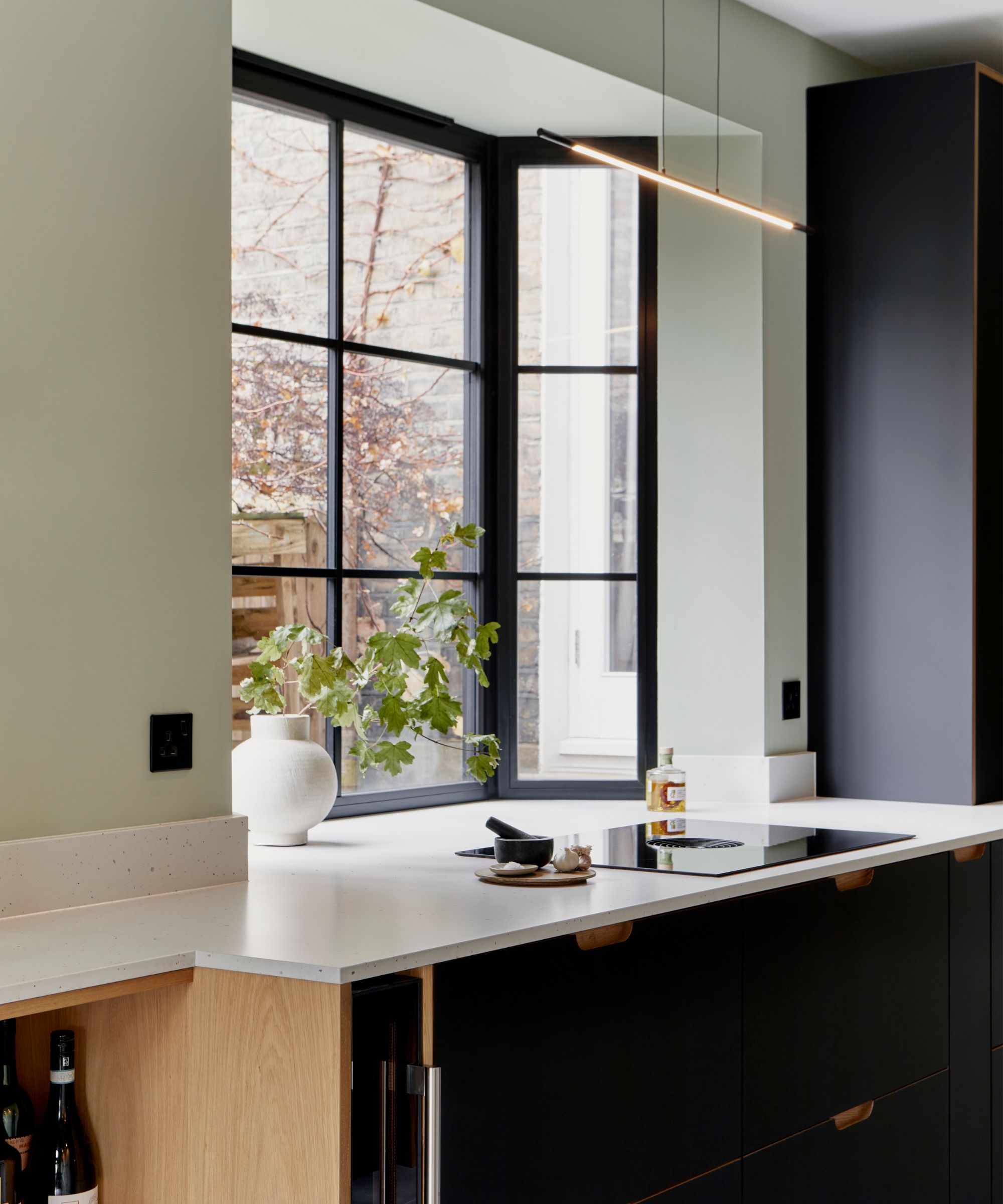
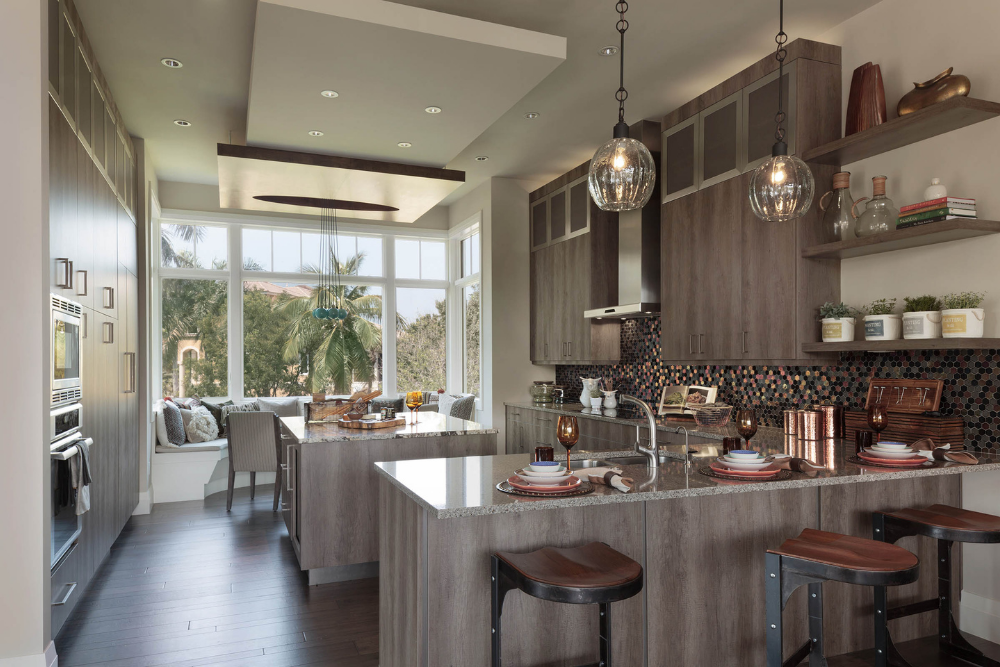
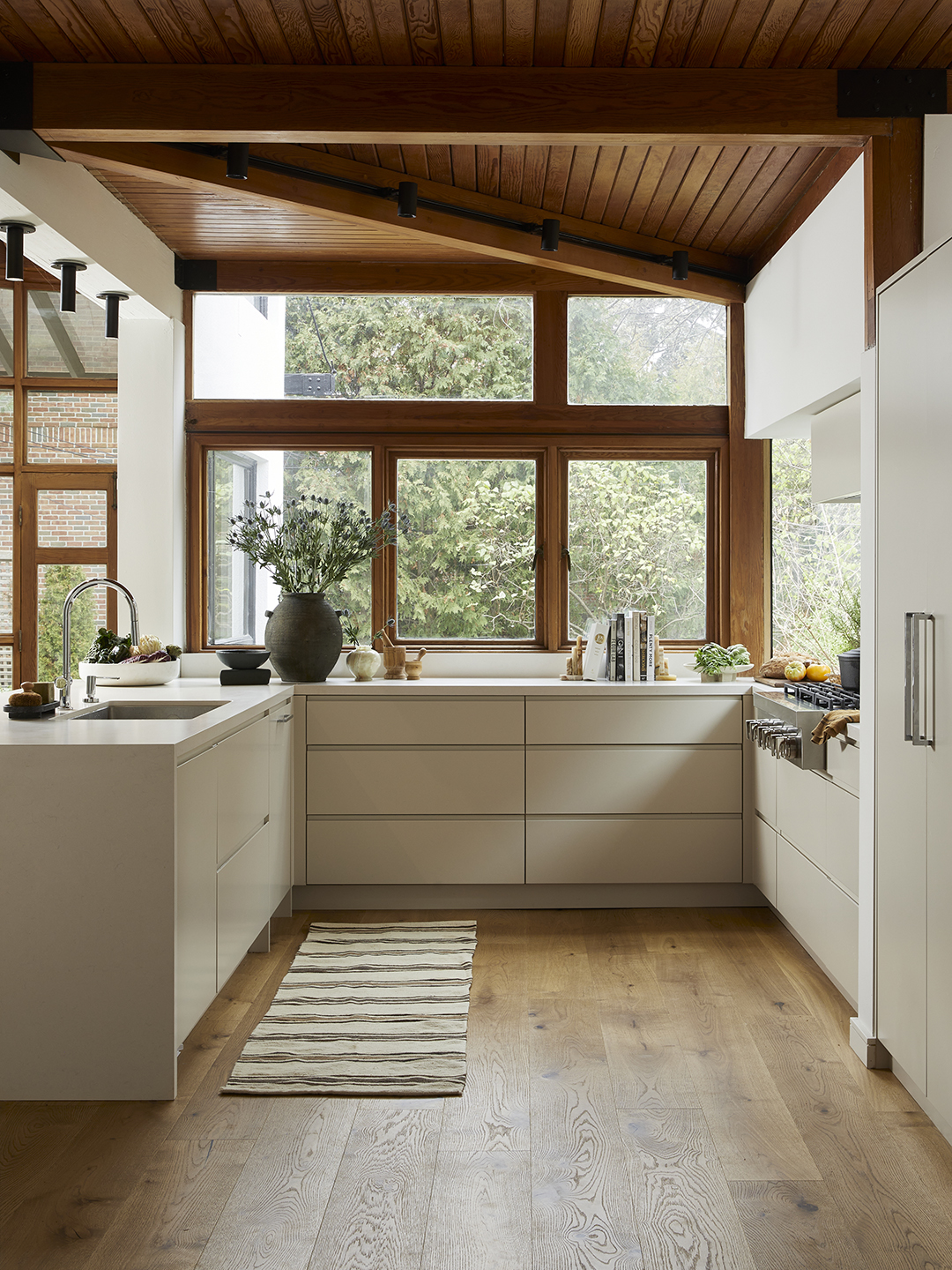
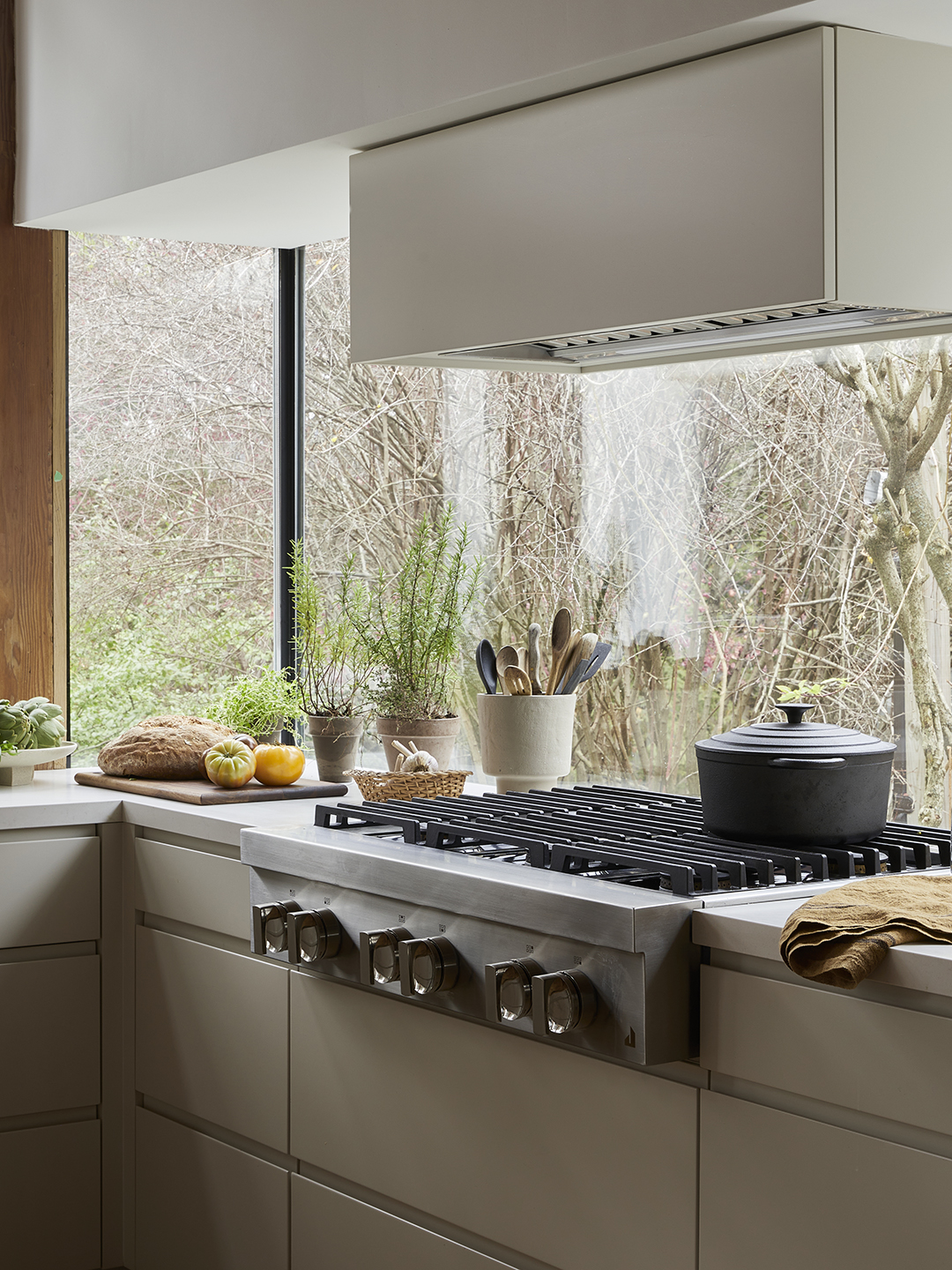
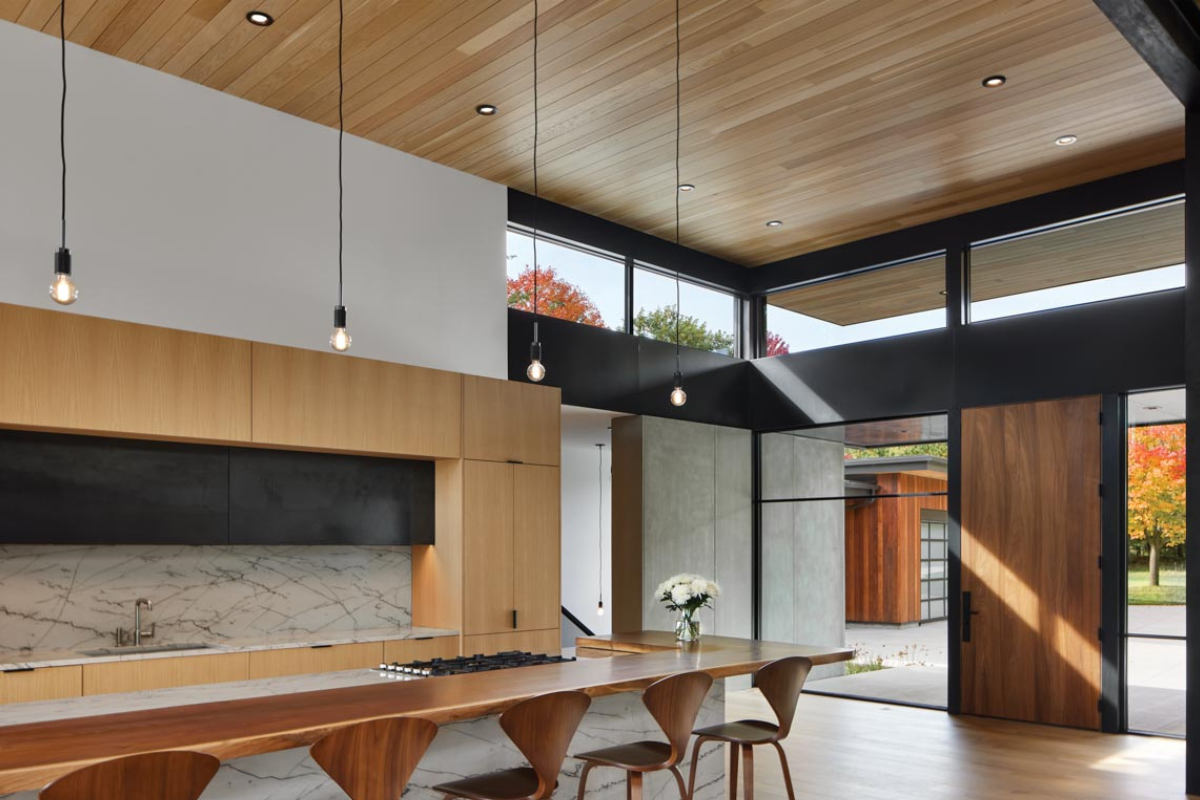
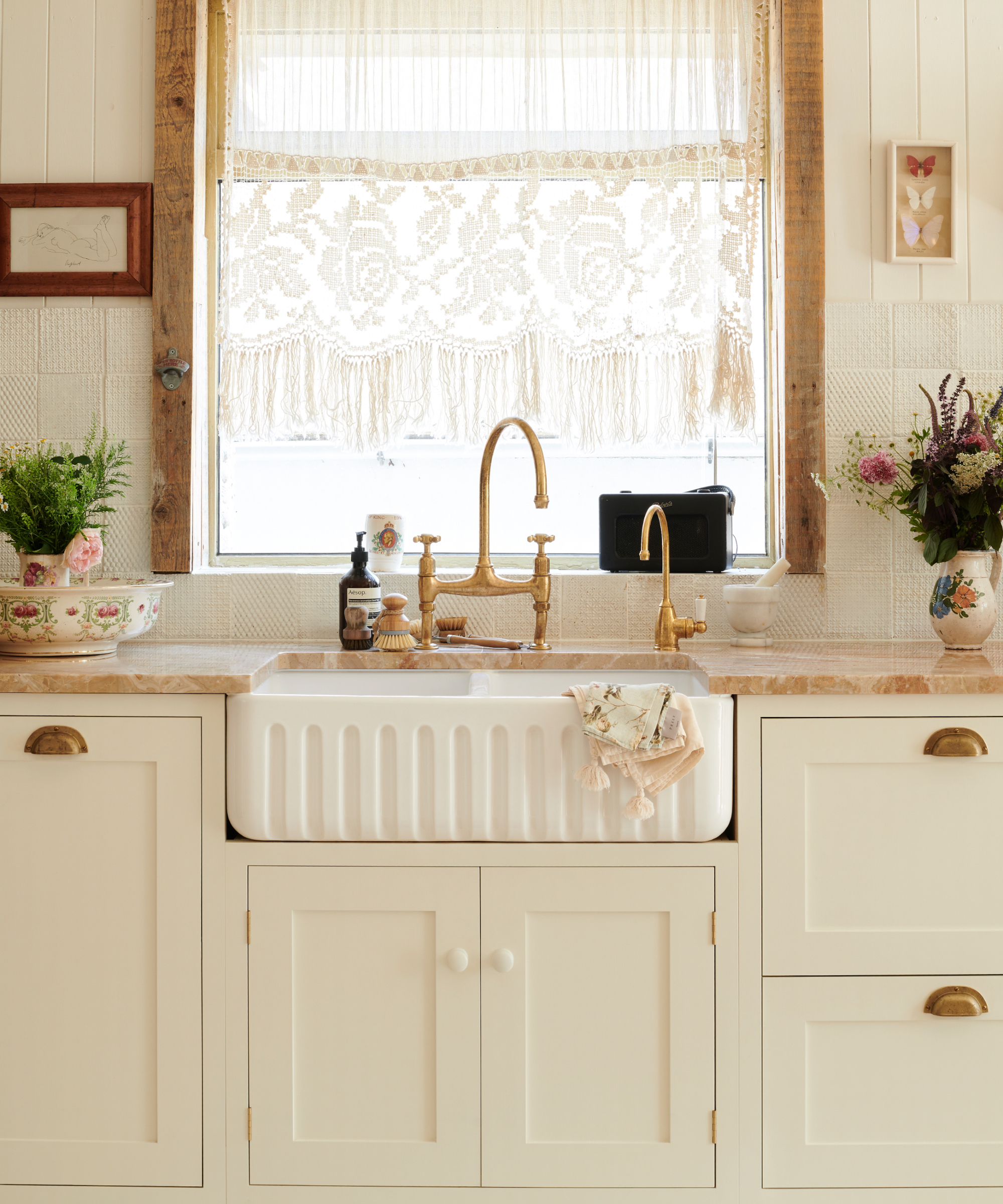
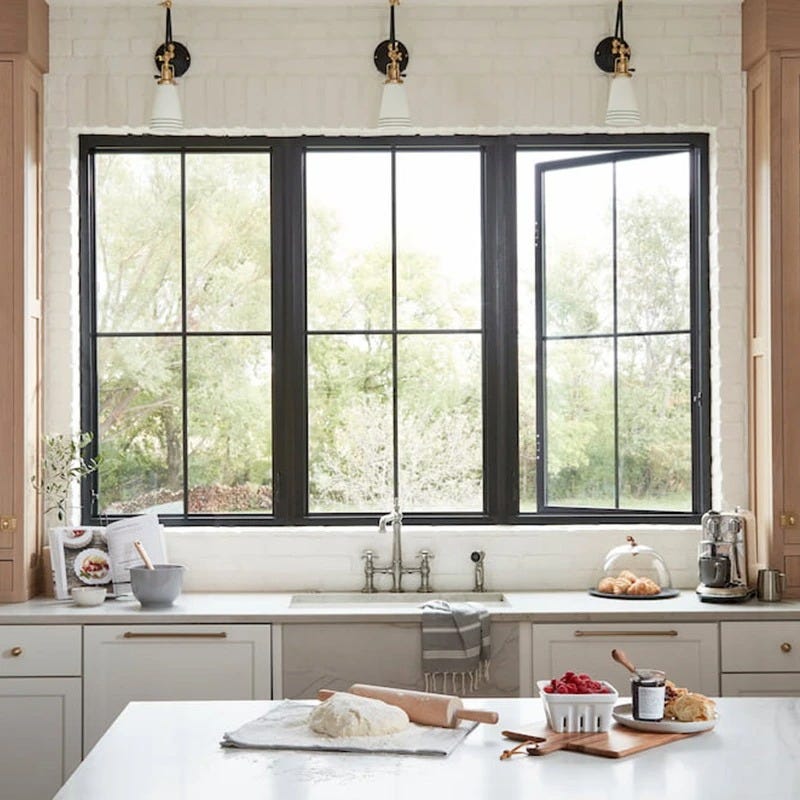
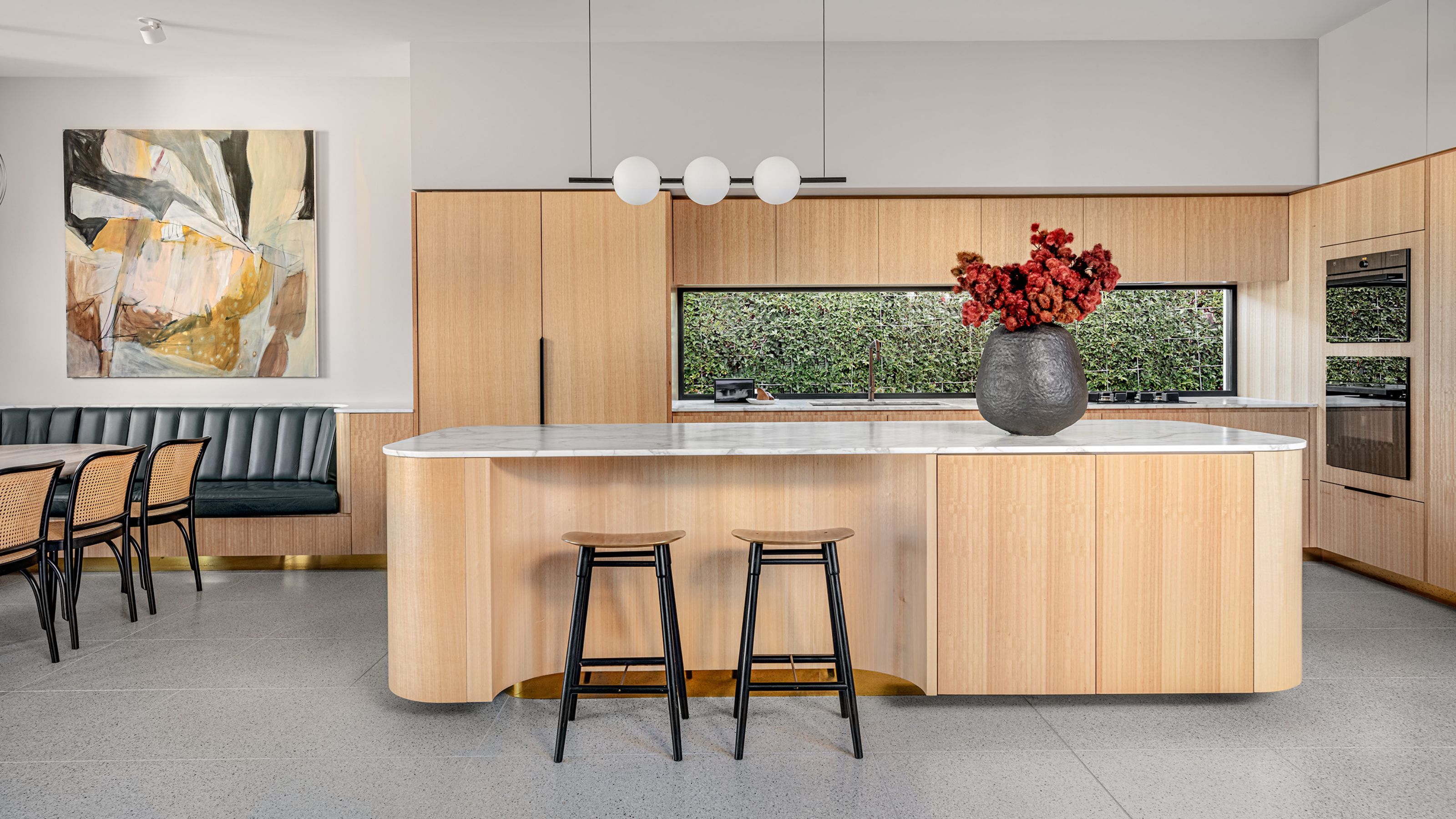
Beyond external appearance, window placement must also align with the home's interior floor plan and the occupants' lifestyle. Kirsten Schoettelkotte, Studio Director at MHK Architecture, points out that window layouts should support daily activities, such as placing a window over a kitchen sink to provide a view. This integration ensures that natural light, privacy, and overall aesthetic appeal are harmonized with practical living needs. However, every decision has consequences; for example, adding windows in the kitchen will reduce available cabinet space, underscoring the need for thoughtful planning.
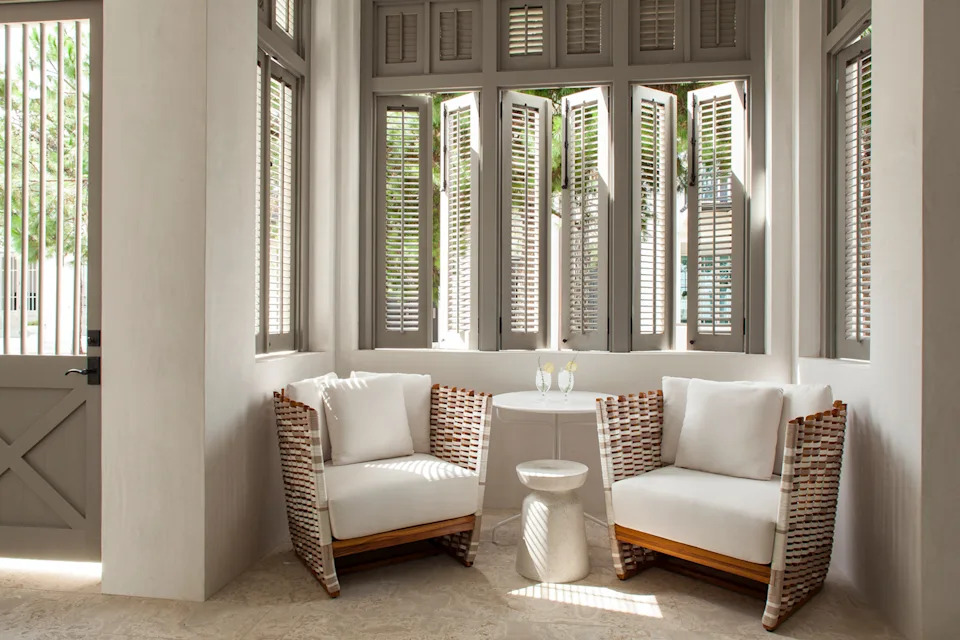
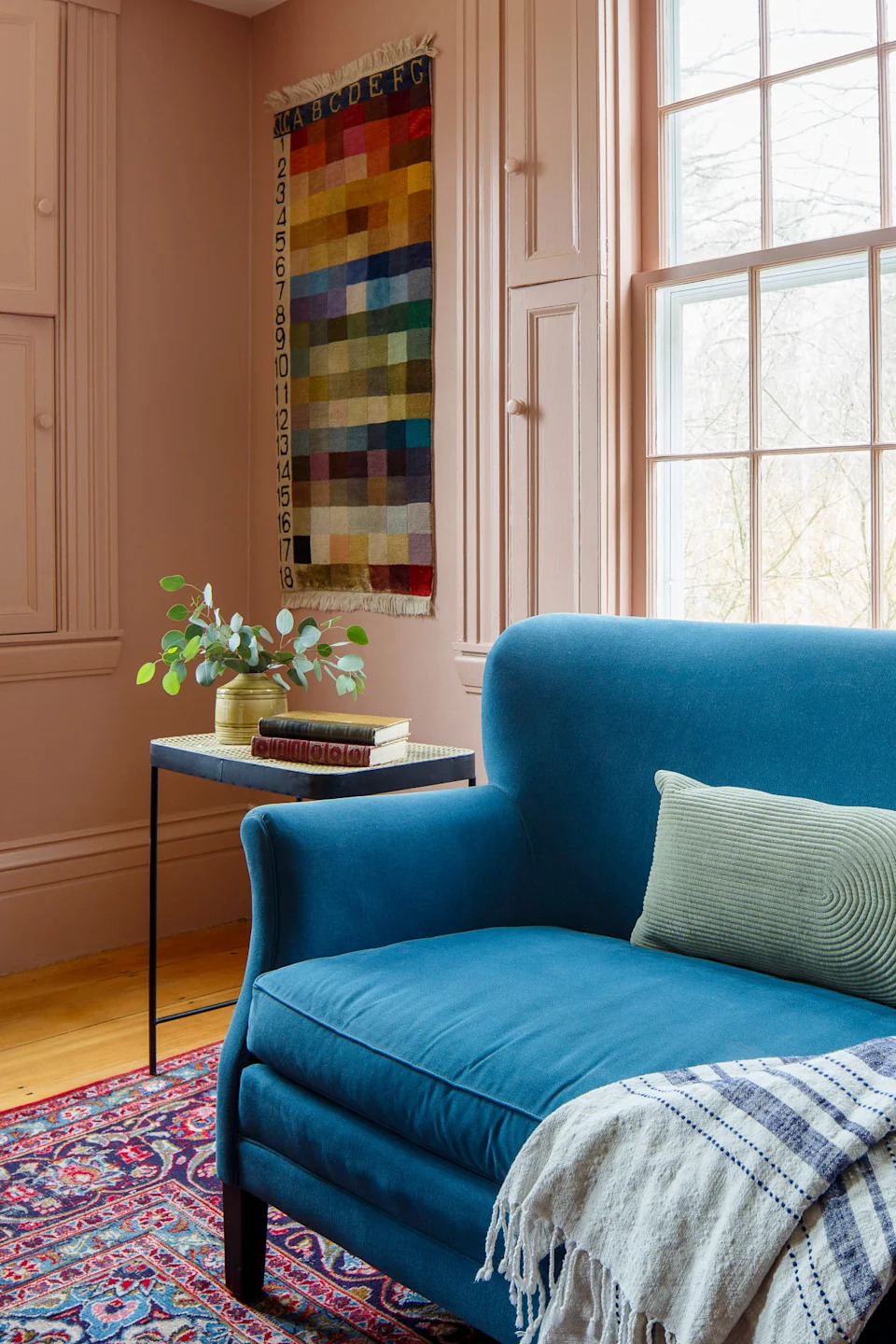
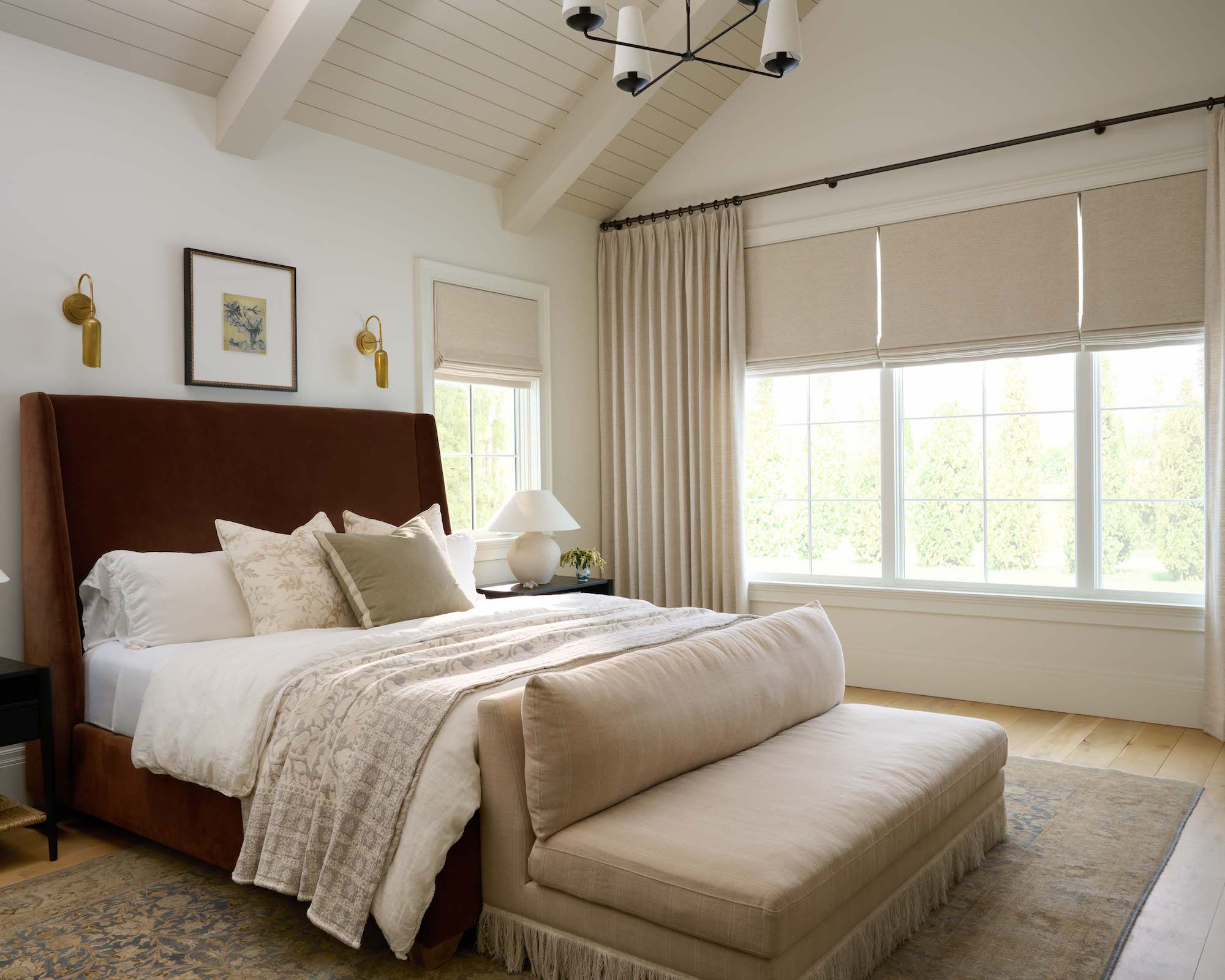
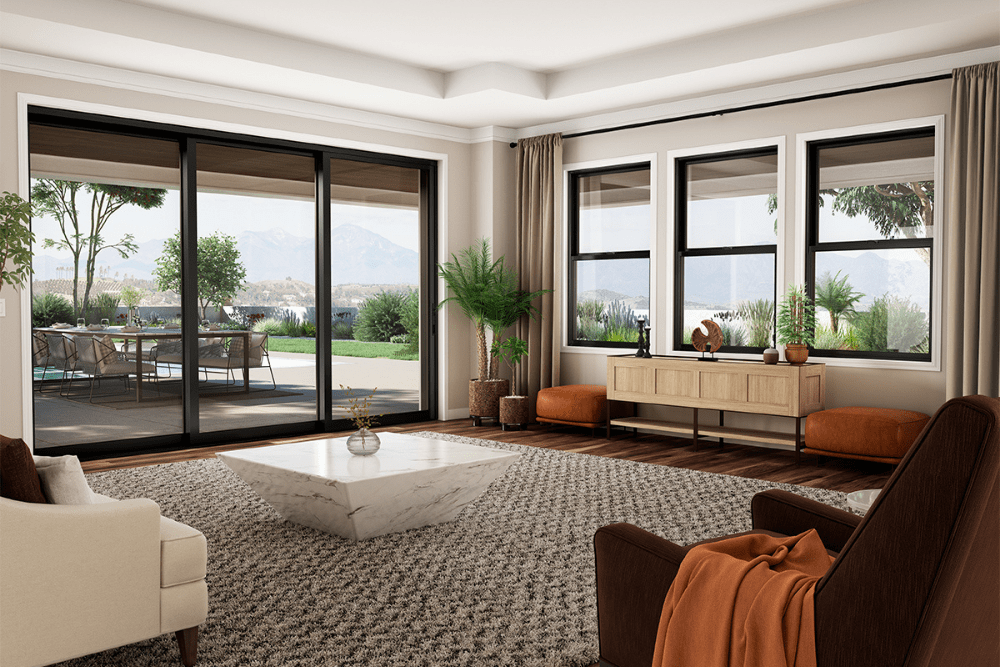
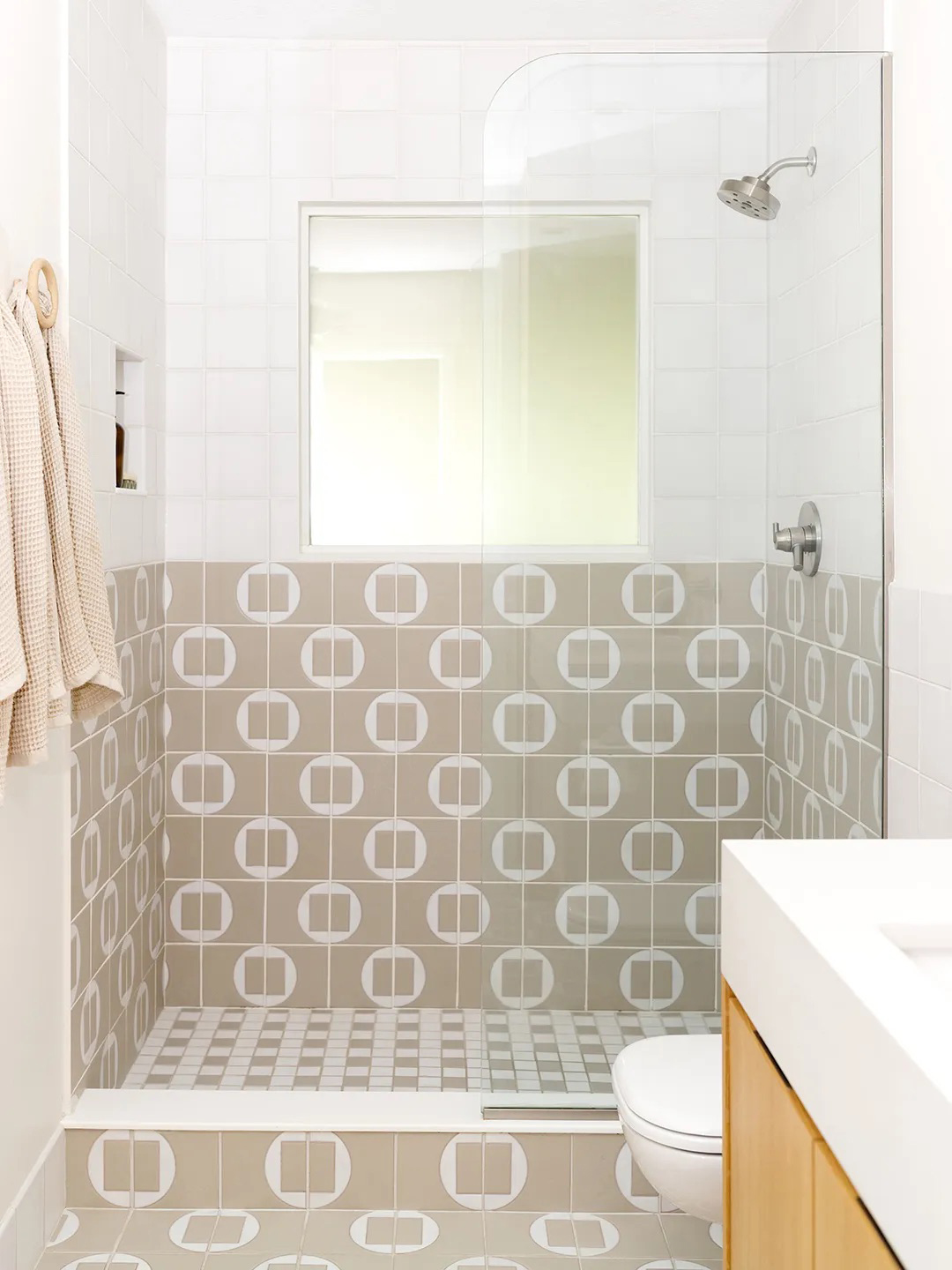
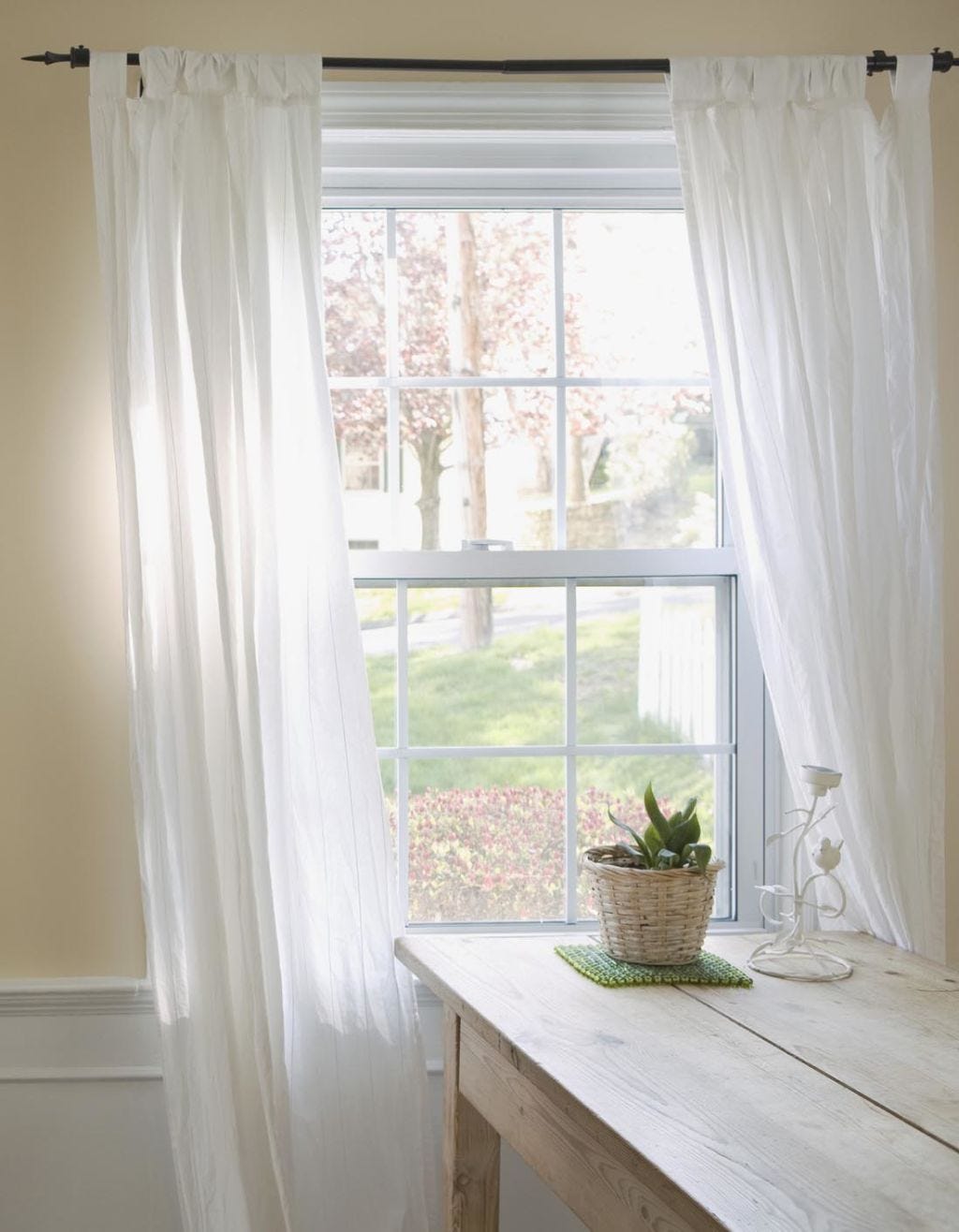
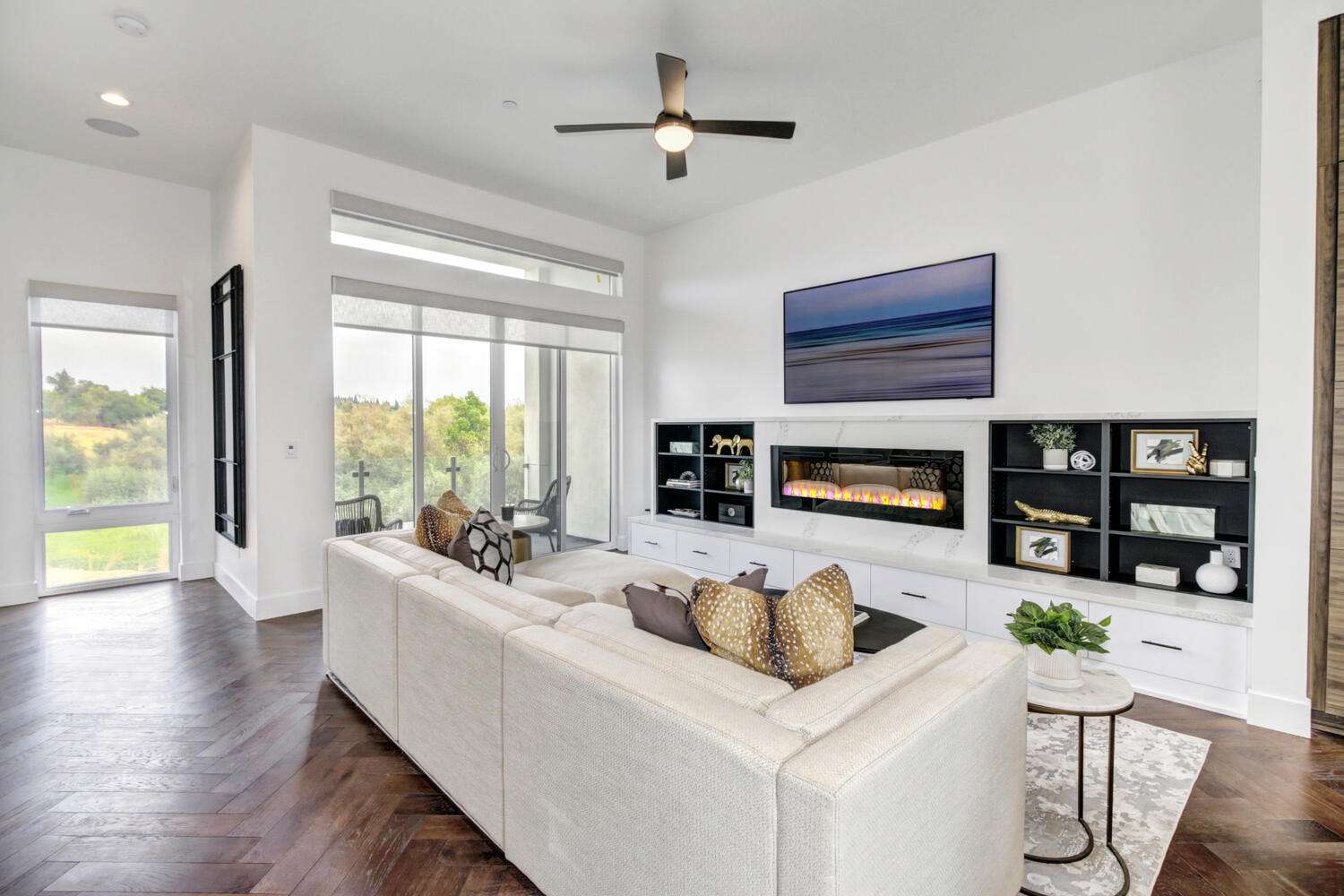
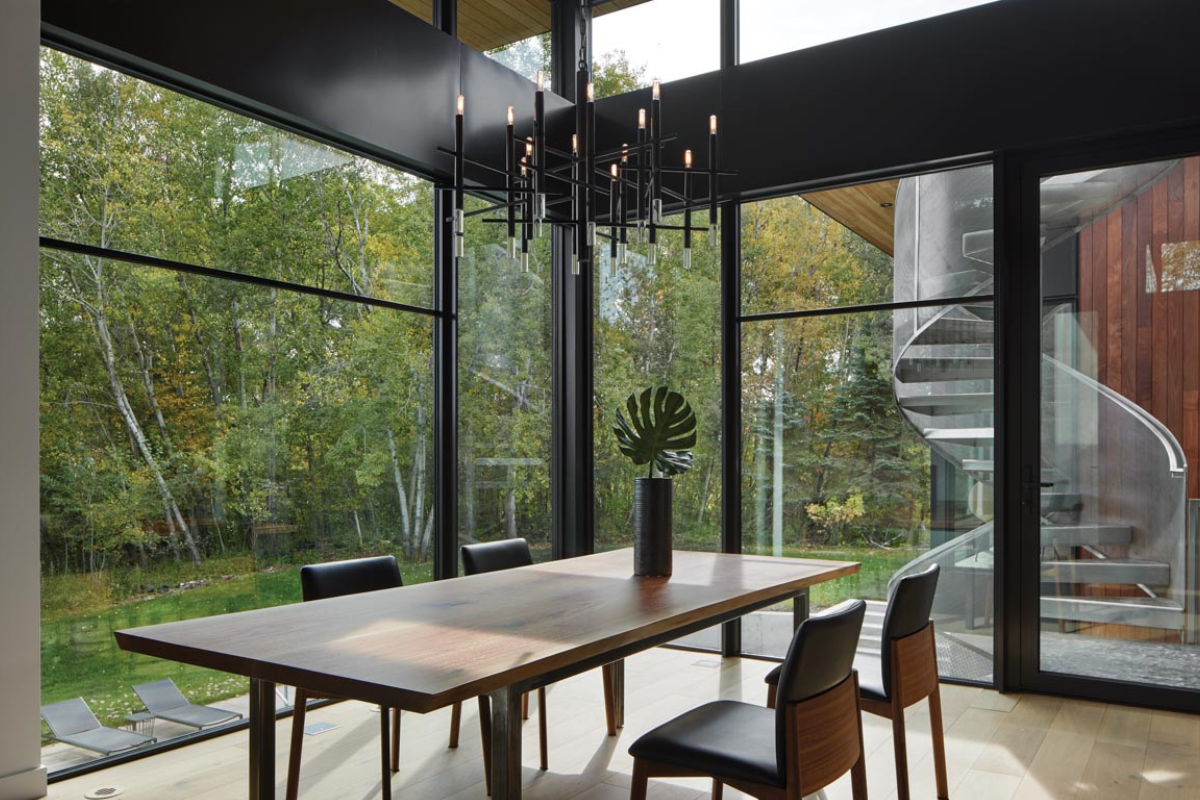
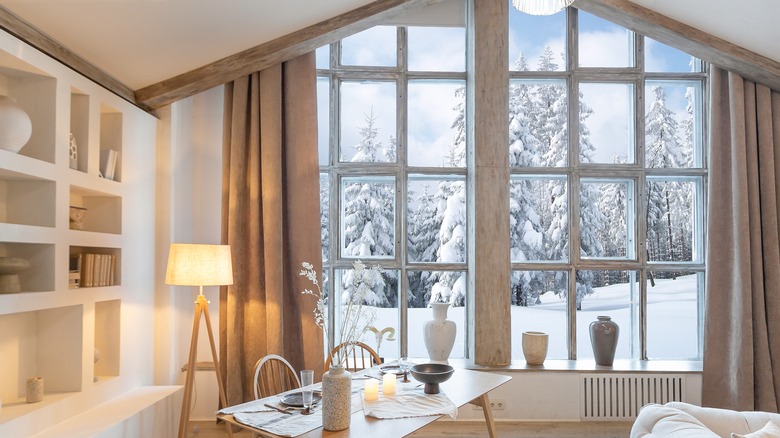
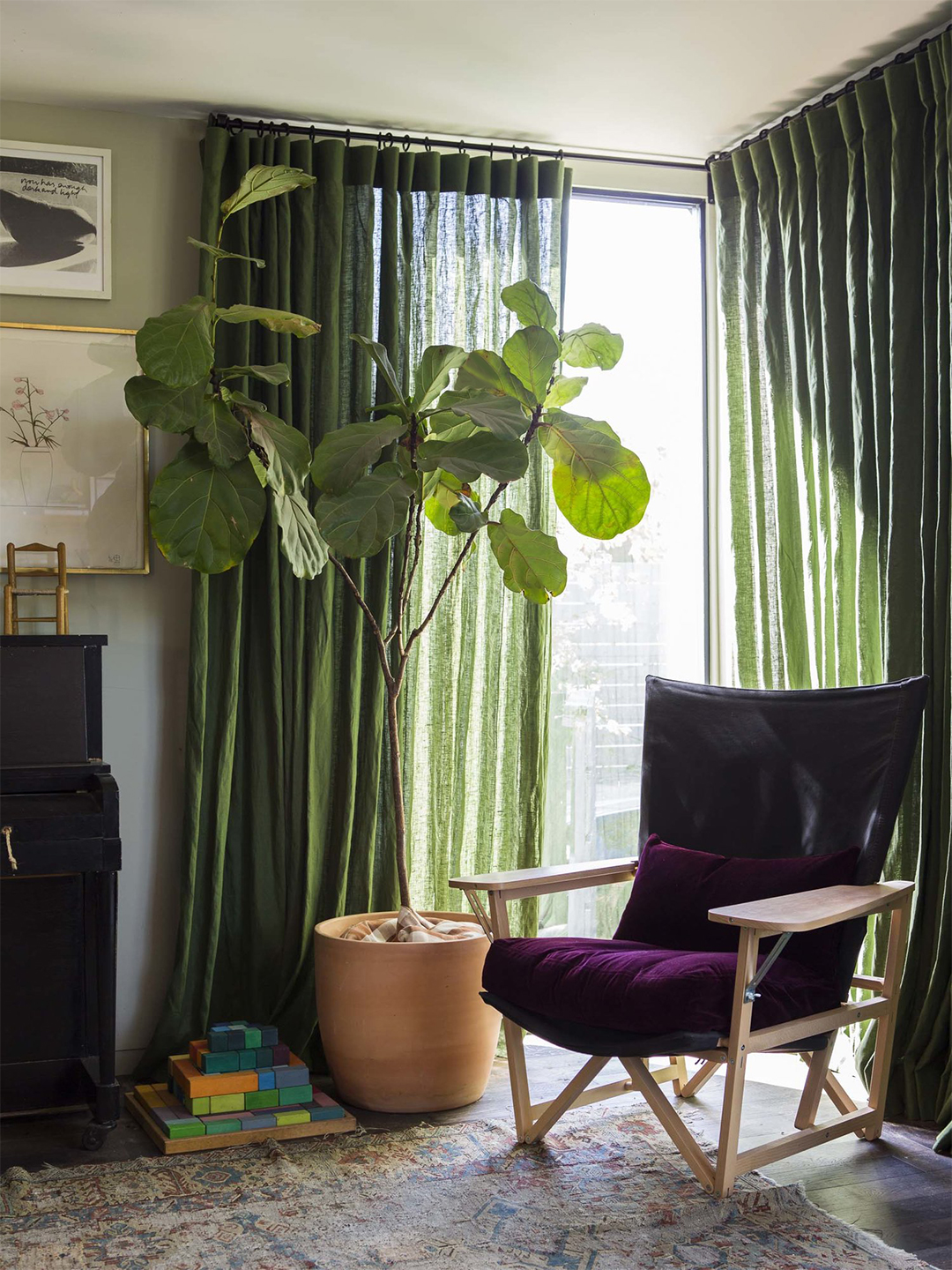
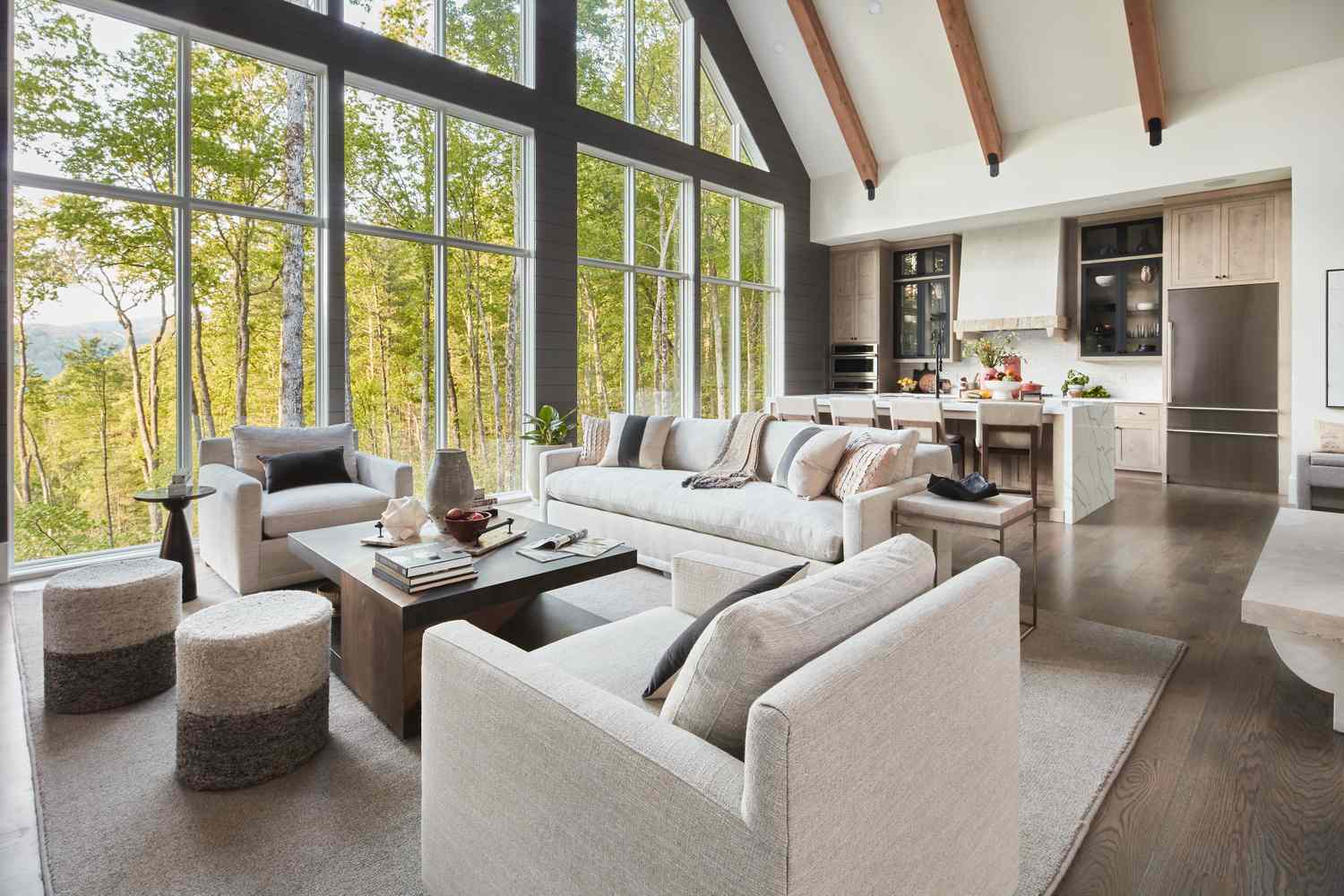
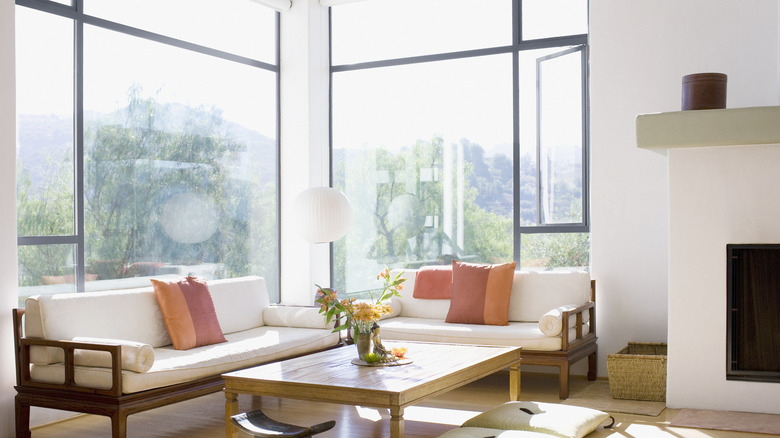
The natural environment also plays a vital role in guiding window decisions. Designers consider factors such as the home's orientation and the path of the sun. For instance, south-facing windows can lead to excessive brightness and warmth in bedrooms, particularly during summer months. While maximizing views is desirable, especially for properties with scenic landscapes, it is also important to avoid creating a 'fishbowl' effect that compromises privacy, particularly on busy streets. Modern window technology allows for large banks of windows that can capture expansive views without sacrificing energy efficiency.
Ultimately, investing adequately in window placement and the number of windows is a decision that homeowners should prioritize. Misso notes that clients rarely regret spending more on a comprehensive window package, as the abundant natural light significantly enhances the interior atmosphere and serves as a mood booster. This long-term benefit reinforces the idea that strategic window placement is an investment in both the beauty and livability of a home.
#HomeDesign #WindowPlacement #ArchitecturalStyle #InteriorDesign #NaturalLight #CurbAppeal #FunctionalDesign #EnvironmentalFactors #HomeImprovement #HomeDesign #WindowPlacement #ArchitecturalStyle #InteriorDesign #NaturalLight #CurbAppeal #FunctionalDesign #EnvironmentalFactors #HomeImprovement
0 comment in total
 No comments yet
You may also like
5 Kitchen Window Mistakes to Avoid, According to an Architect — Some May Seriously Surprise You

"Should All My Window Treatments Match?" Here's How Designers Decide, and Make It Work Either Way
13 Professional Tricks to Make Your Windows Look Bigger
6 Ways to Choose the Right Window Designs for Your Home

Window Pros Break Down Six Styles

The Best Window Brands for the Home

Tackle Oddly Placed Windows Like the Pros With These 7 Design Tips

8 Best Window Brands, According to Home Renovation Experts

Are shutters outdated? Here’s what interior designers say, and how they're decorating for 2023 and beyond
4 Outdated Window Treatments That Are Secretly Aging Your Home, Designers Say

Kolbe Windows & Doors Enhances a Sleek Indoor/Outdoor Oasis
D-FW designers reveal the do’s and don’ts of window treatments


How to Pick Windows: 5 Factors to Consider
Everest’s window designers reveal how to add value to your home

An Interior Design Expert Explains How To Style Your Windows To Make Them Look Bigger

Why You Should Be Extending Your Drapes Beyond the Window Frame
These 8 Unusual Windows Will Take You by Surprise

Awkwardly Placed Windows Are No Match for These Designer Tricks

Should you choose drapes or blinds? We asked interior designers which window treatment is best

We Asked Designers Which Window Treatments People Always Regret—These 6 Came Up the Most