1/6
D-FW designers reveal the do’s and don’ts of window treatments
The selection of window treatments for a home can significantly impact a room's aesthetic and functionality. Natural light is a crucial element in interior design, and window dressings serve to enhance or control this aspect. Three Dallas-Fort Worth designers offer insights into the do's and don'ts of choosing and installing window treatments, covering various considerations from practical needs to decorative flair.
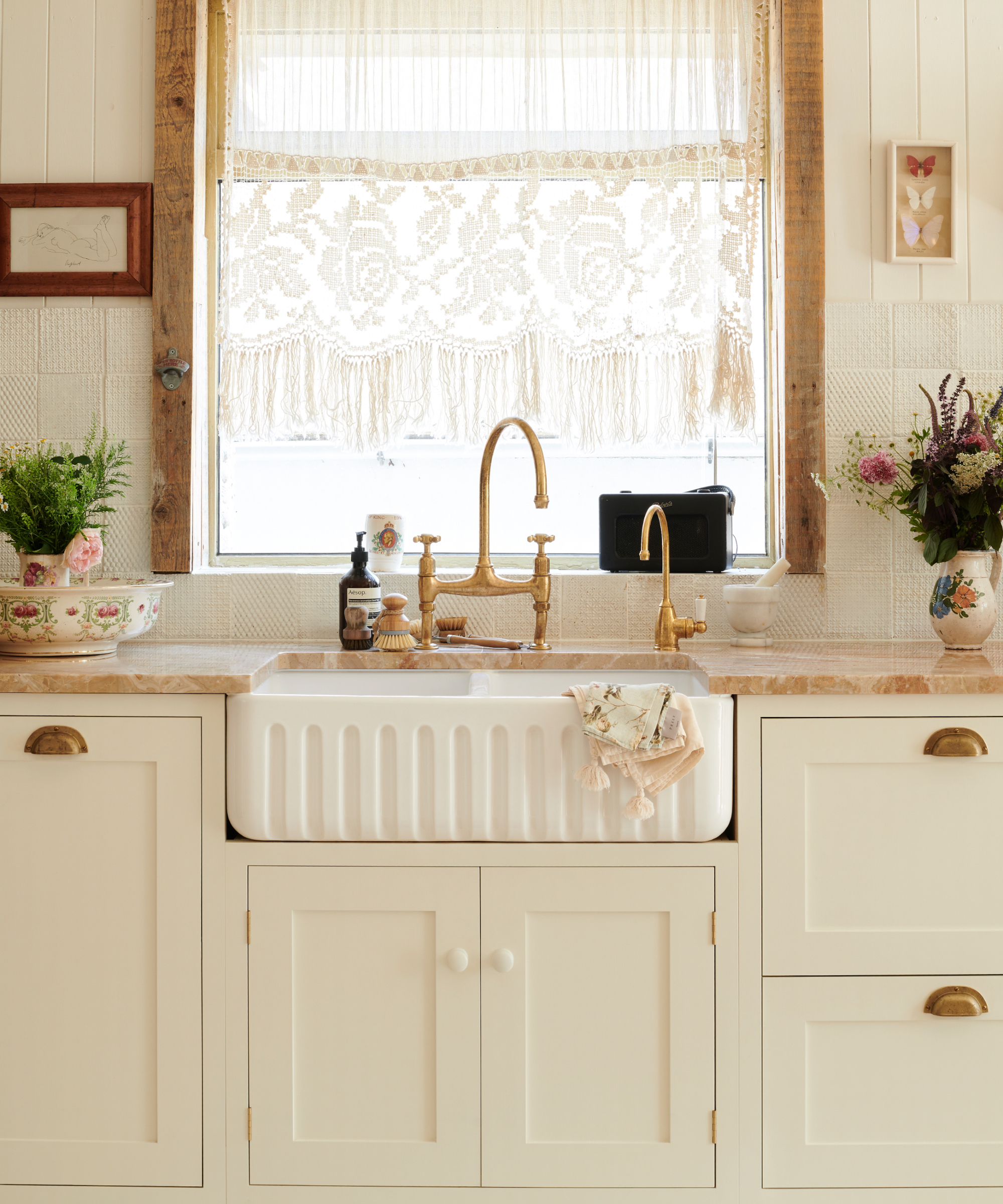
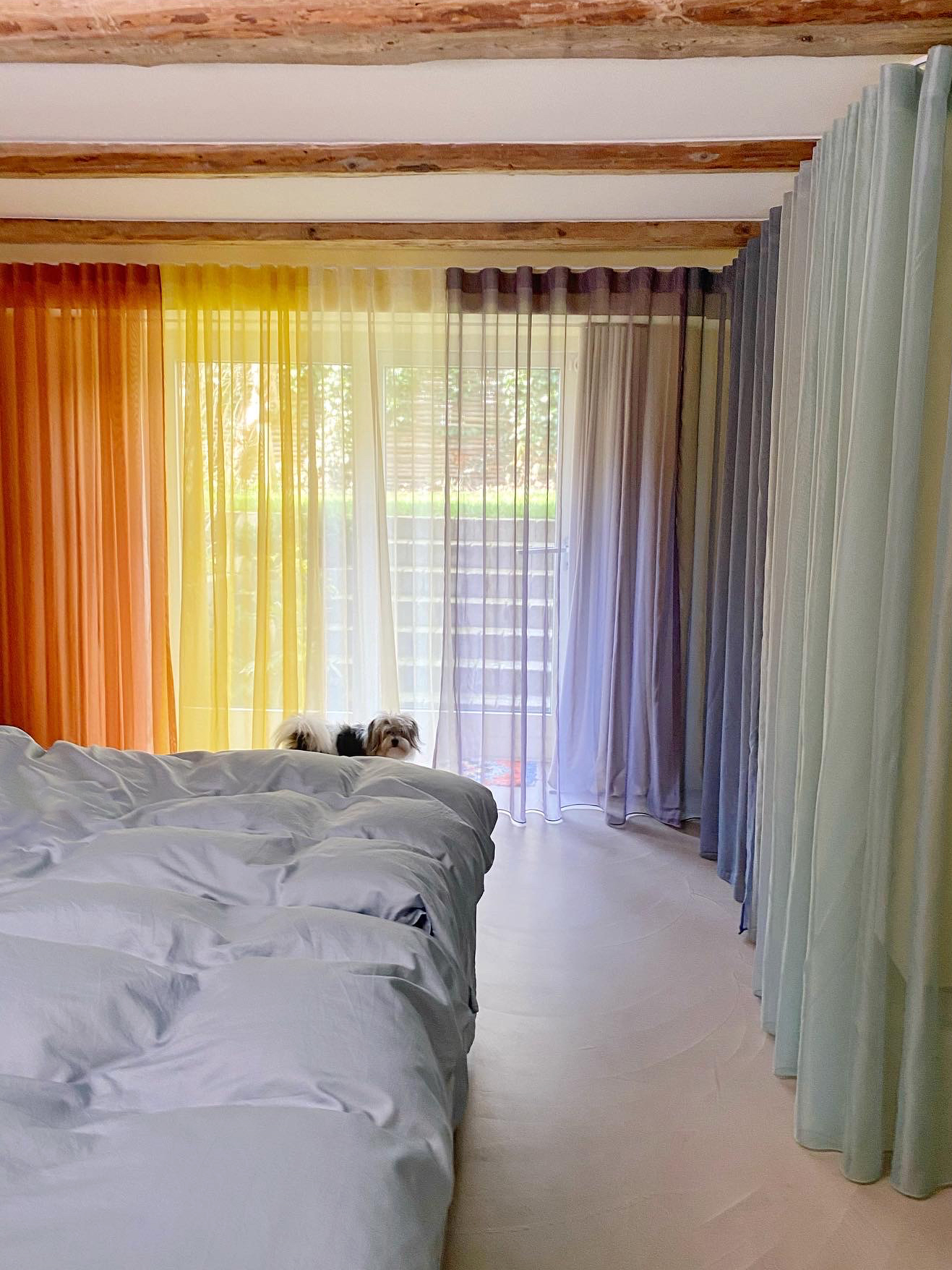
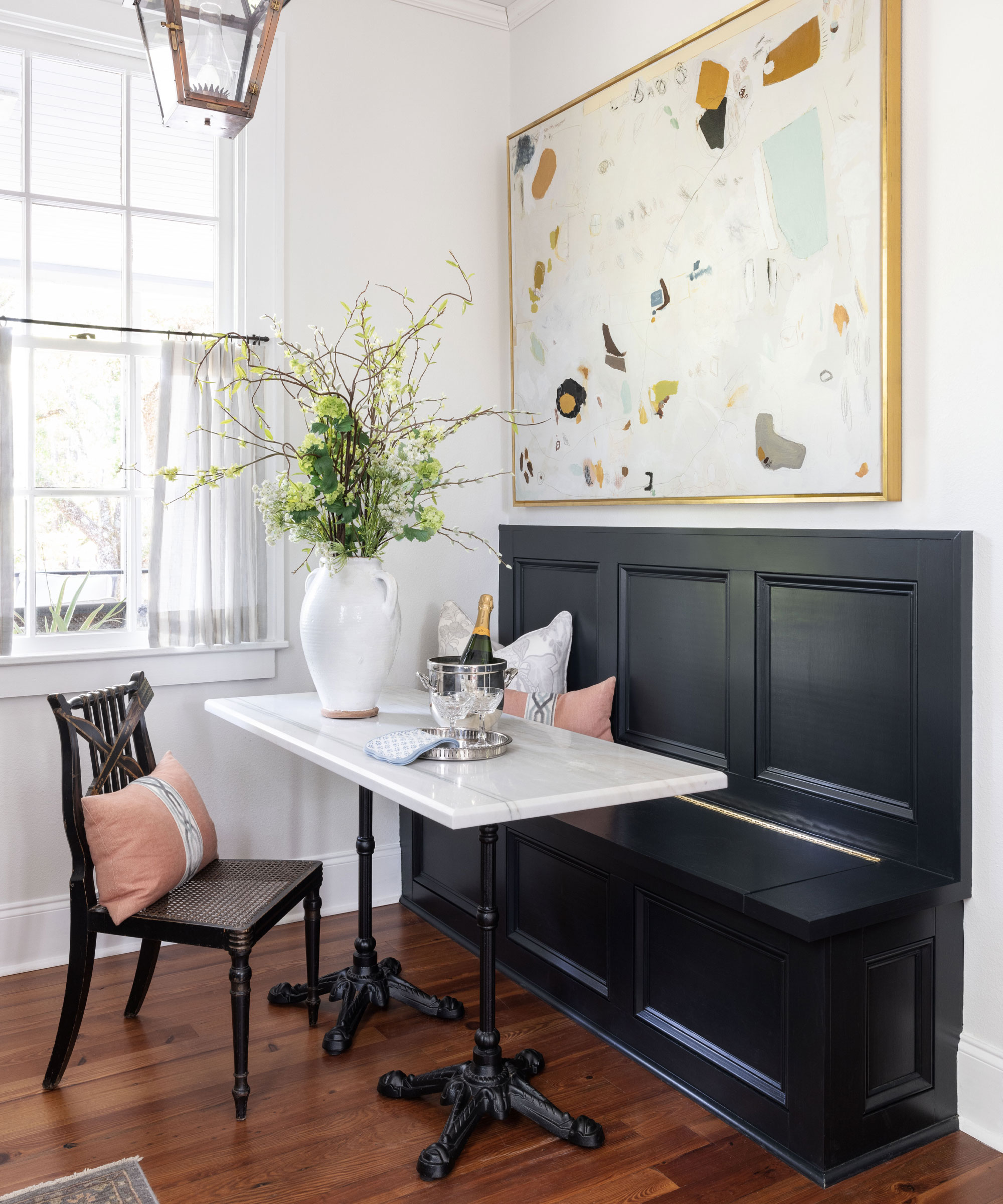
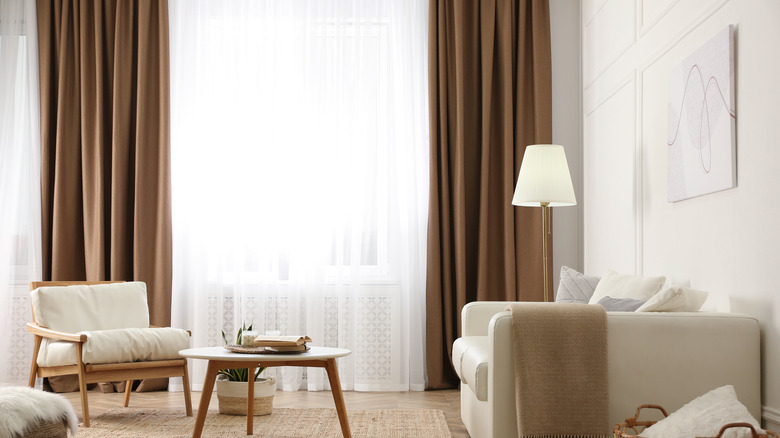
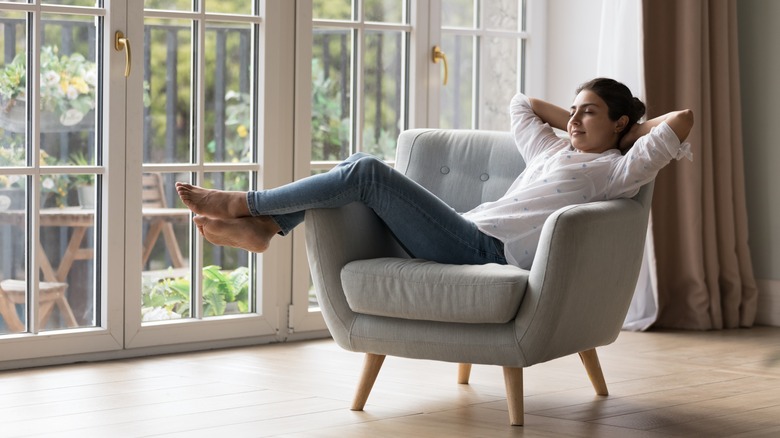
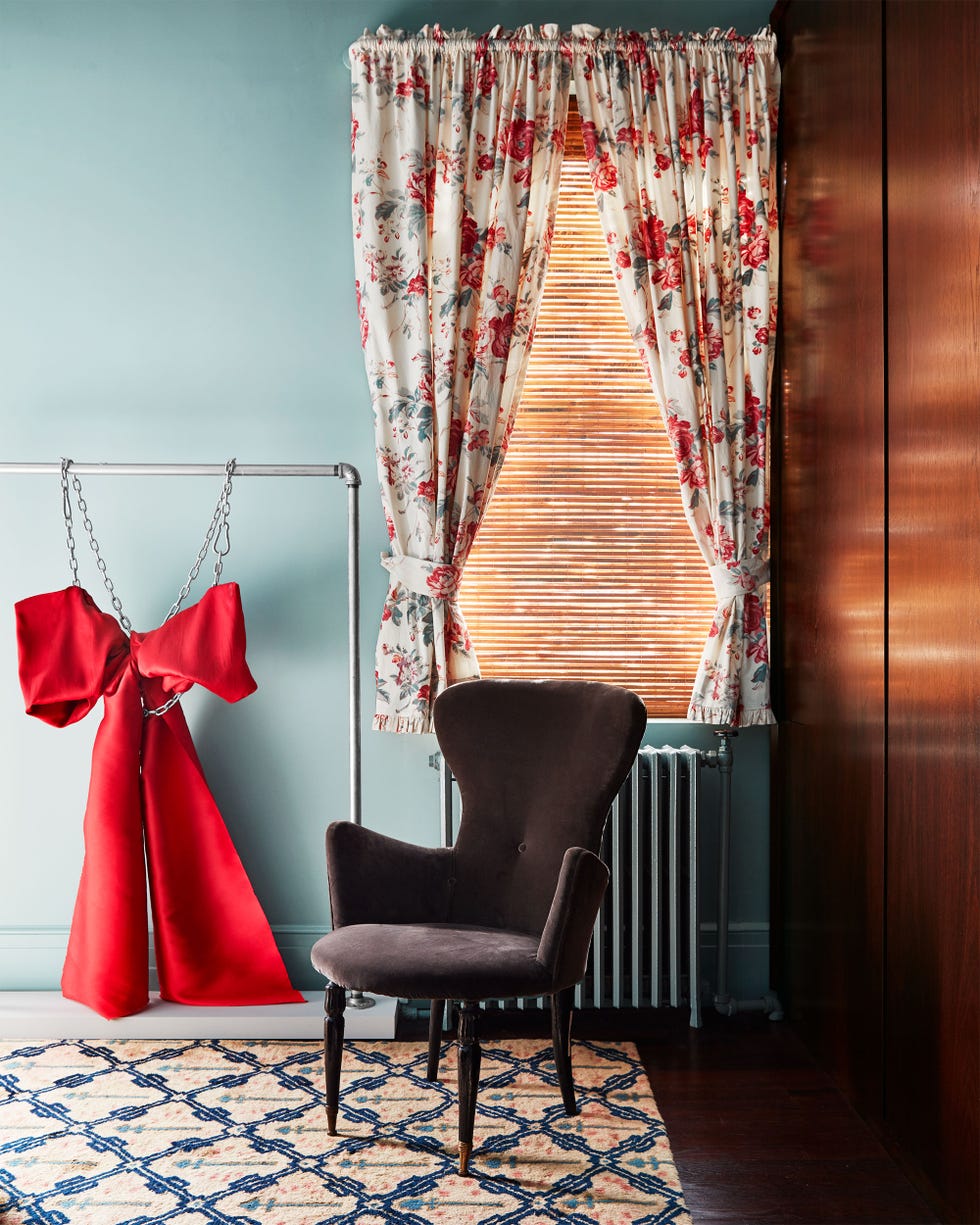
Functionality should be the primary consideration when selecting window treatments. These coverings are essential for blocking or filtering light, ensuring privacy, and providing insulation against temperature fluctuations. Designer Holly Hickey Moore emphasizes that the functional aspects, such as privacy and light control, should be addressed before decorative elements. For instance, if a homeowner desires privacy without entirely blocking light, semi-sheer drapes or cafe curtains are suitable options. Cafe curtains, which hang from the middle of the window, are particularly effective in ground-floor bedrooms or rooms facing public areas, allowing light to enter while maintaining privacy. The placement of furniture also influences the choice of window treatments; for example, a shade might be more appropriate than drapes if a couch is positioned in front of a window.
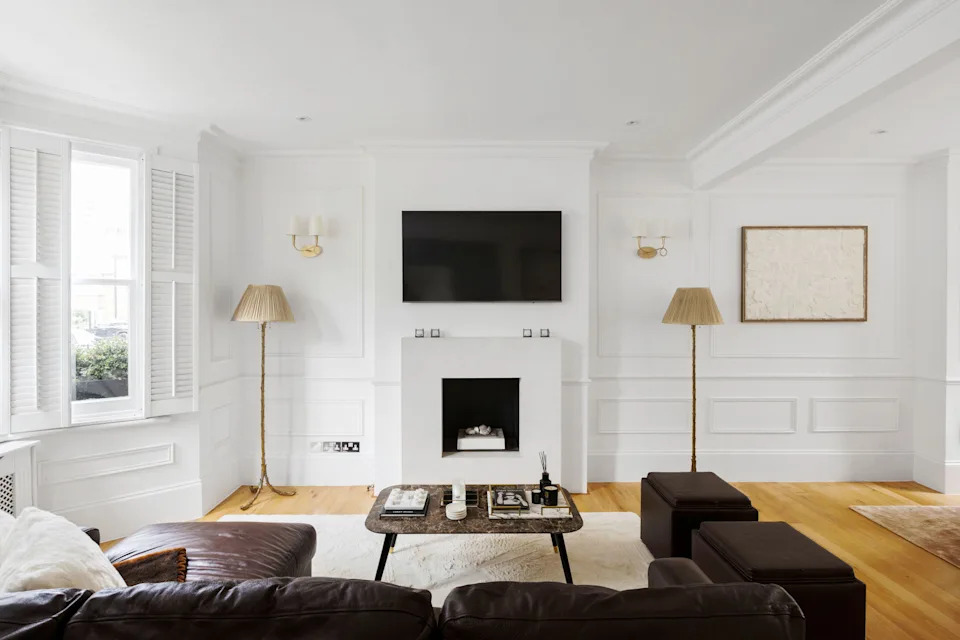
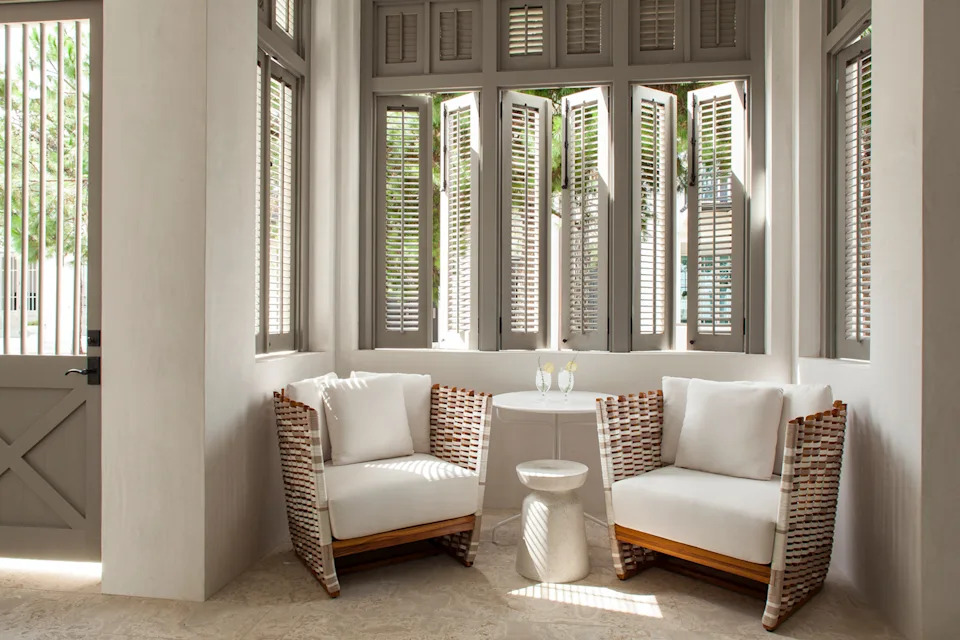
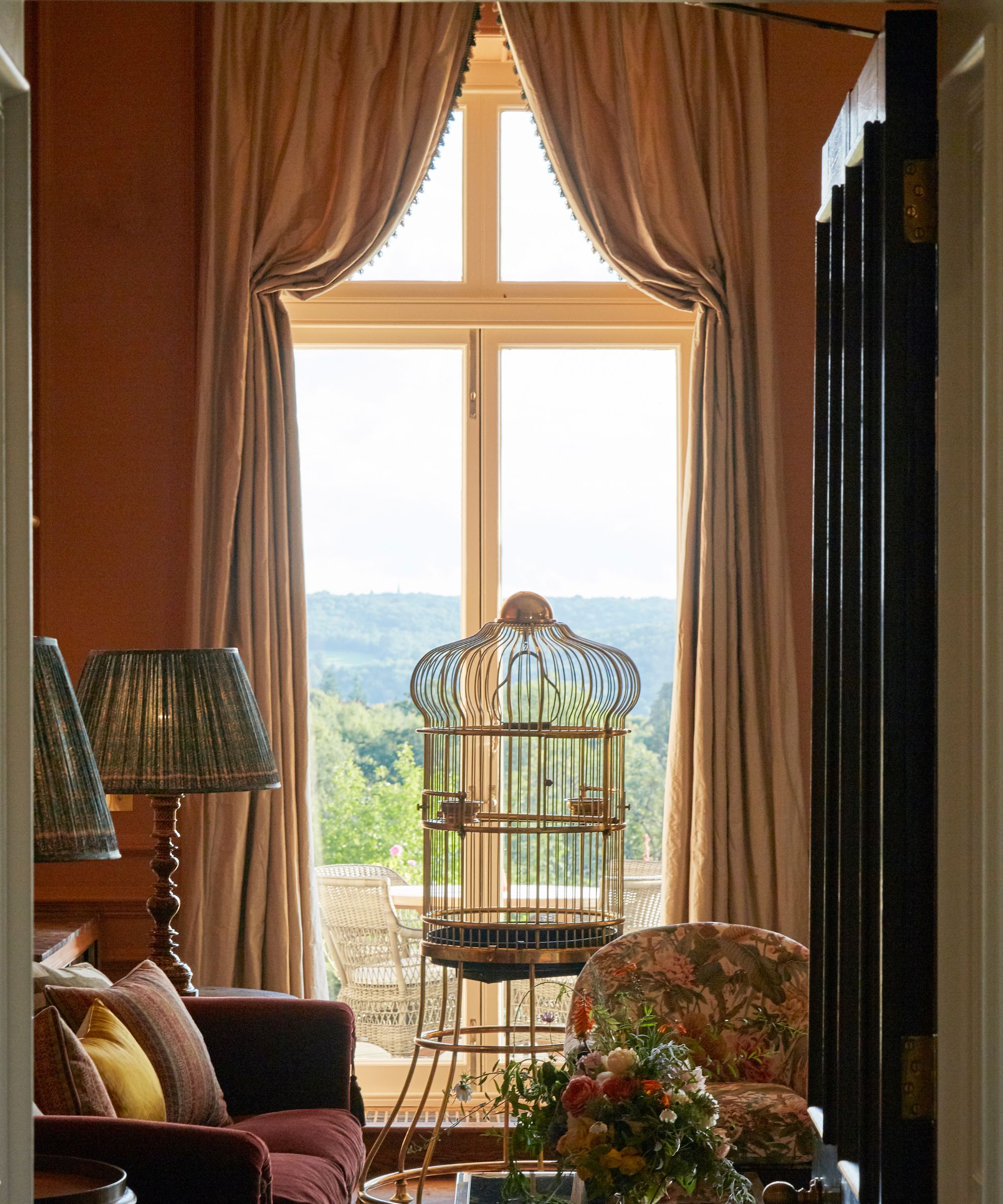
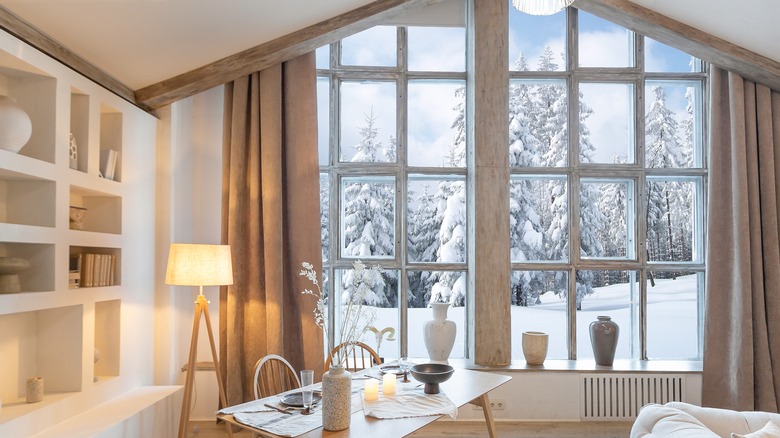
Window treatments should not obstruct natural light or detract from appealing outdoor views. Designer Kim Armstrong advises against shutters, as they can significantly reduce light filtration and introduce an additional hard surface, altering the quality of light within a room. Shutters are estimated to block about 70% of incoming light, even when open. Similarly, Noel Pittman suggests that if a room offers a beautiful exterior view, simpler window treatment designs are preferable to bold patterns that could create a distraction. The aim is to complement the view, not overshadow it.
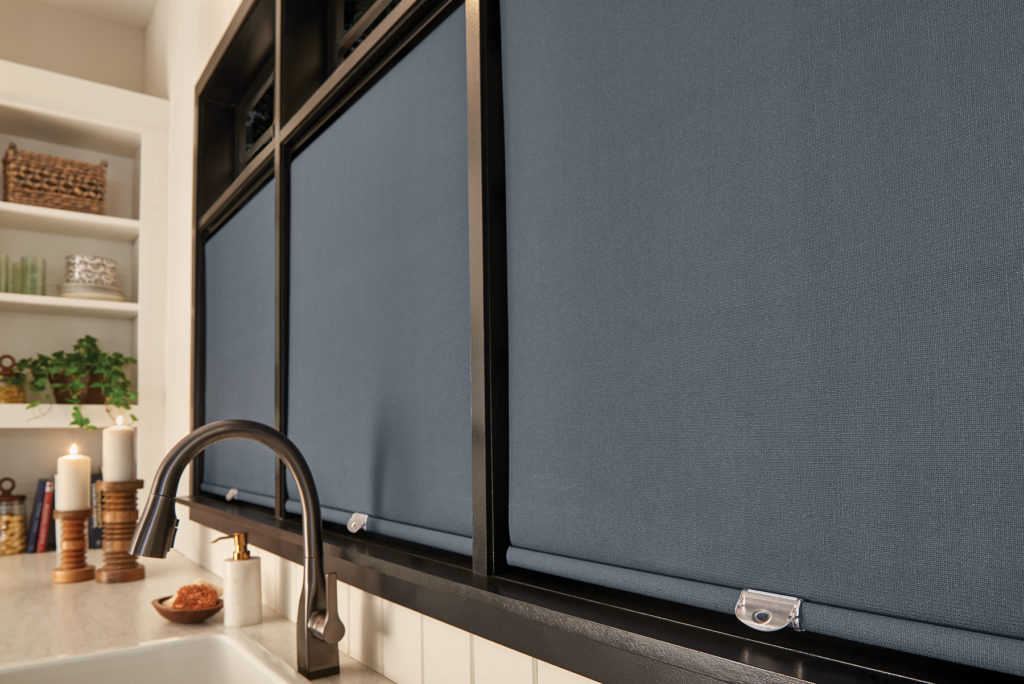
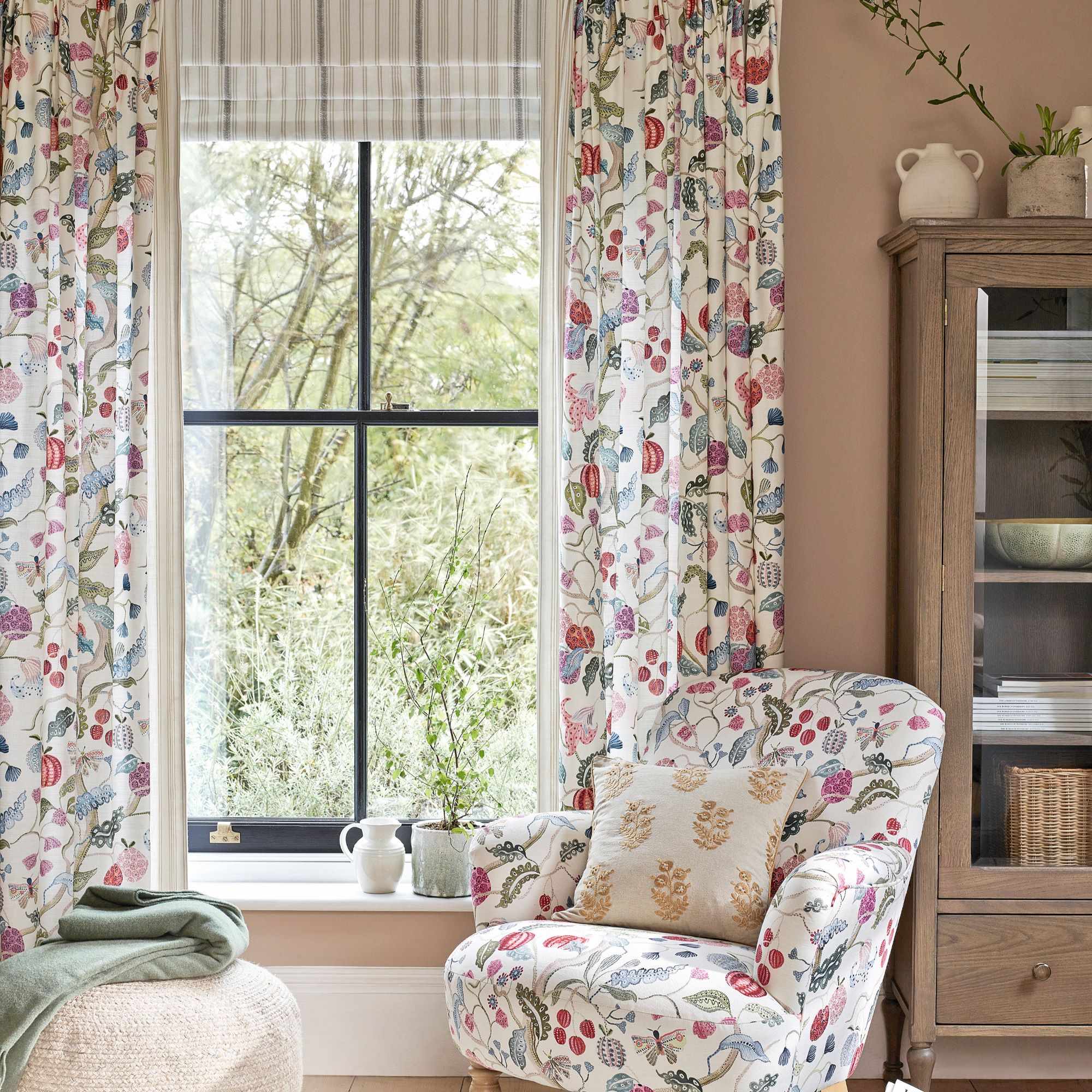
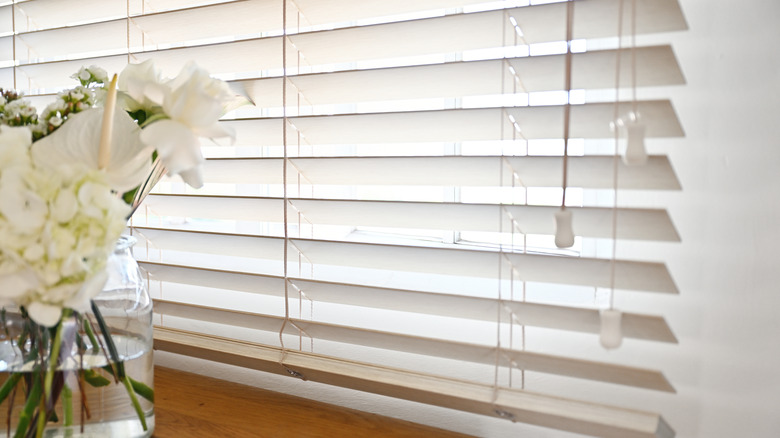
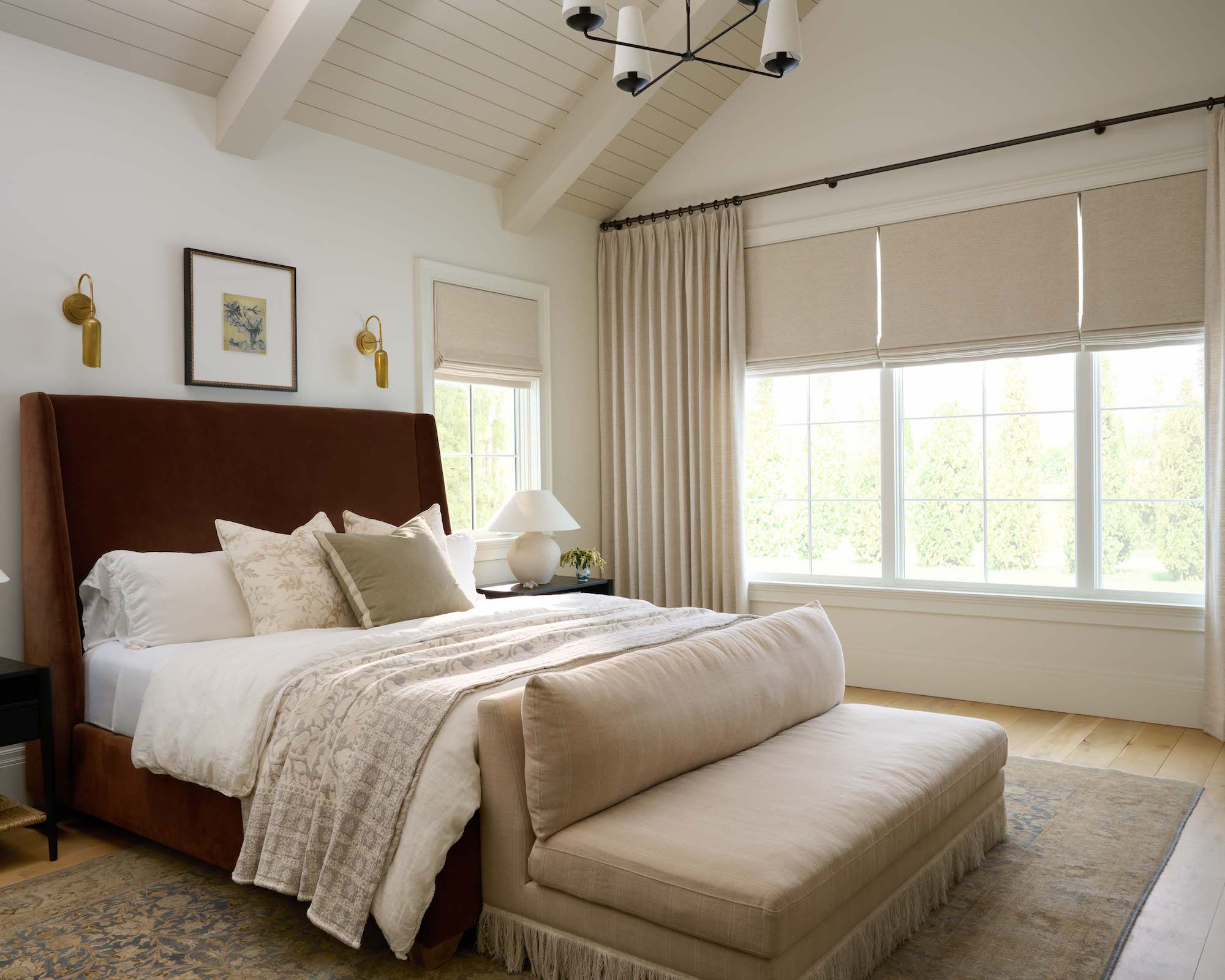
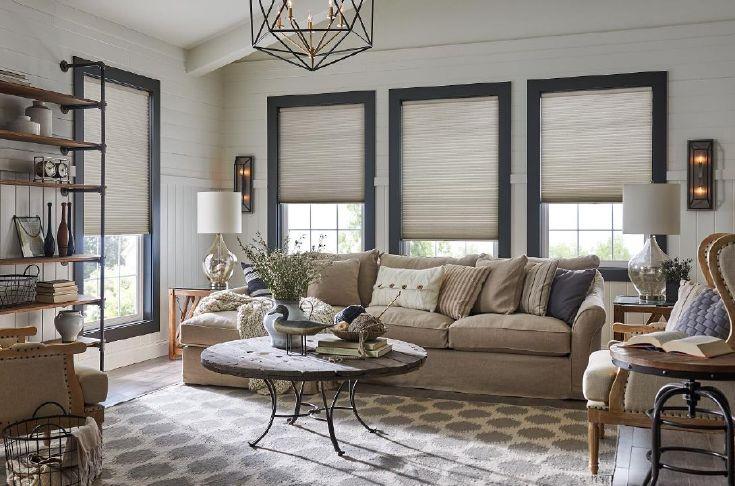
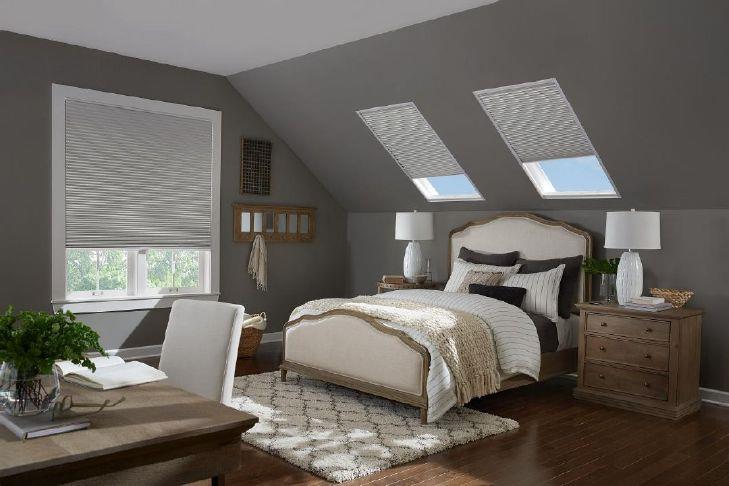
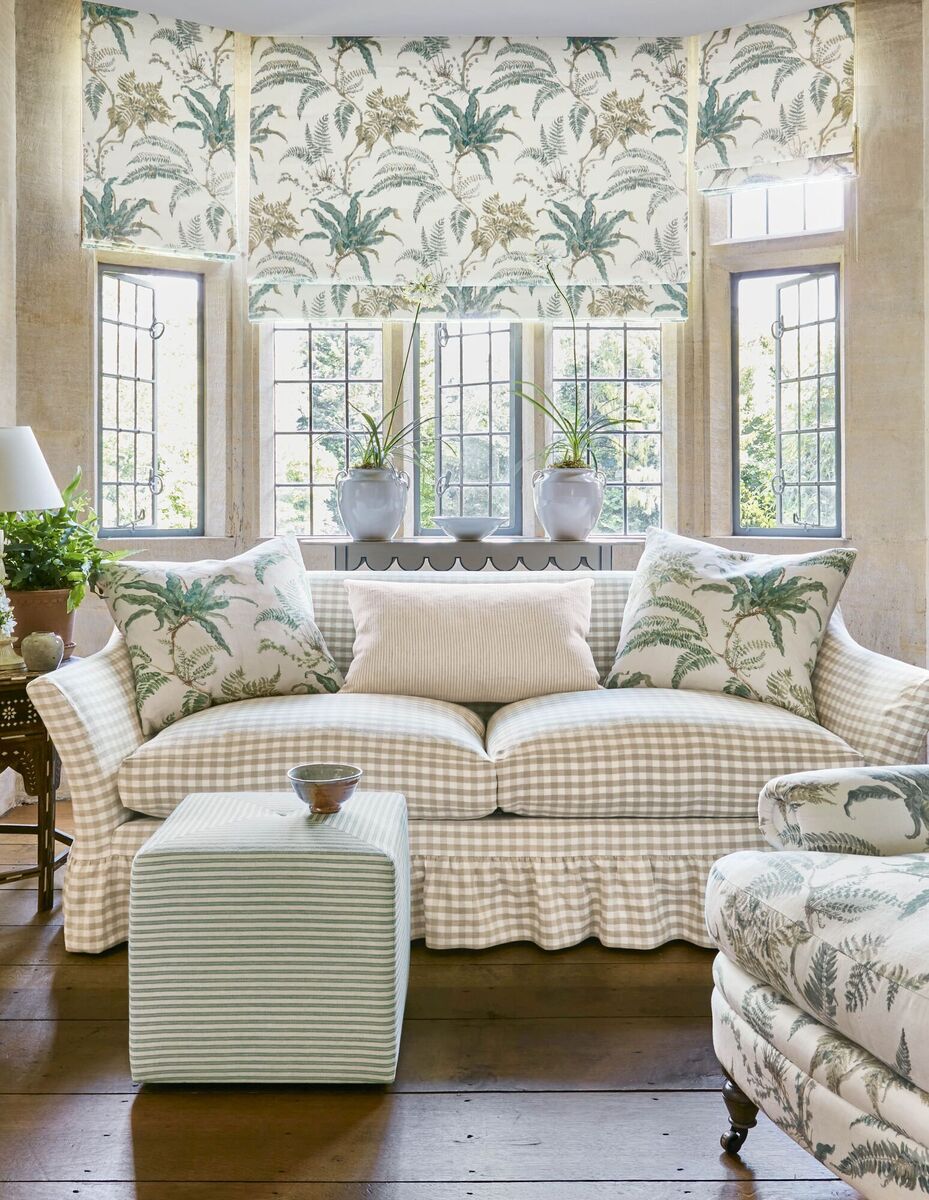
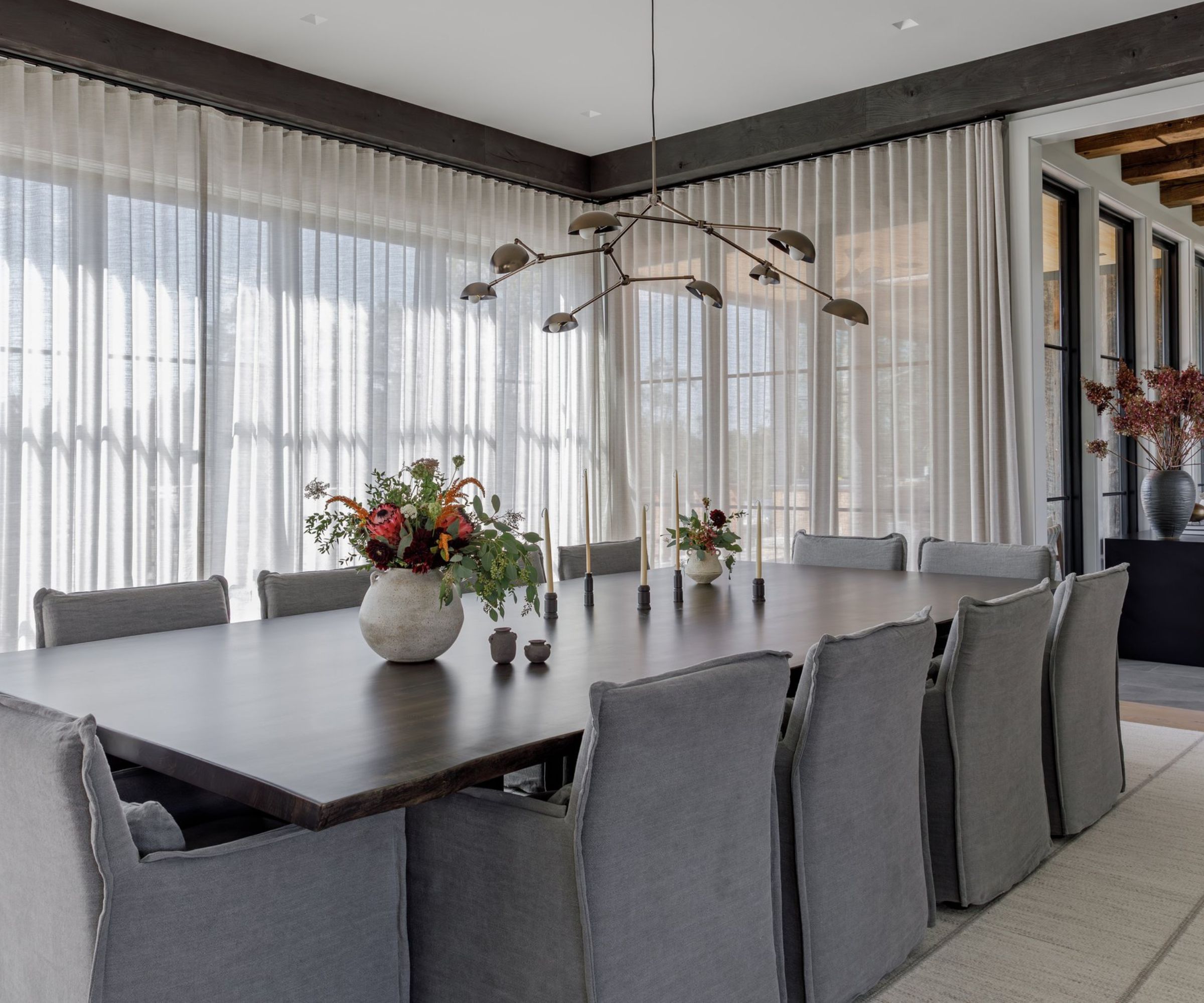
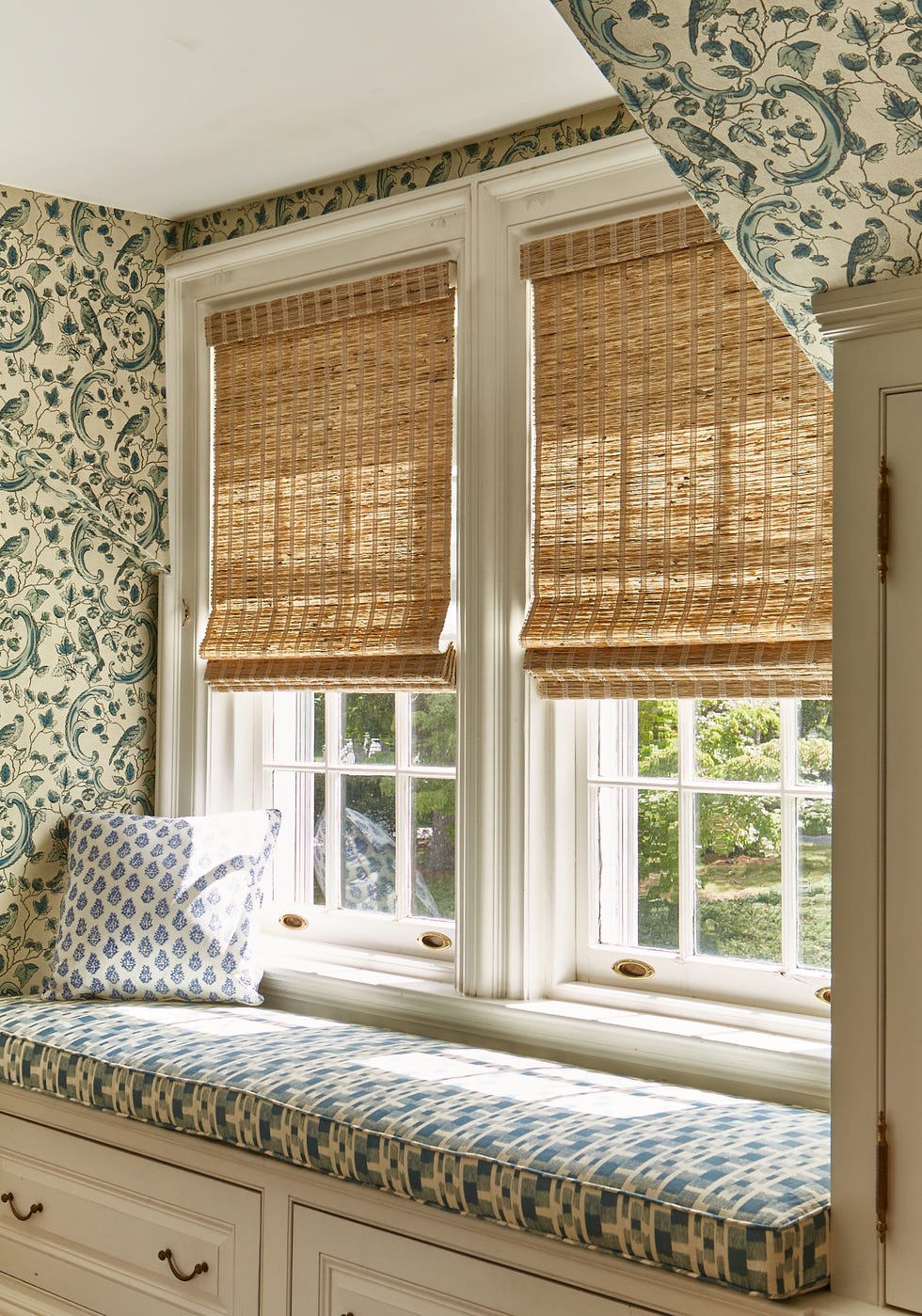
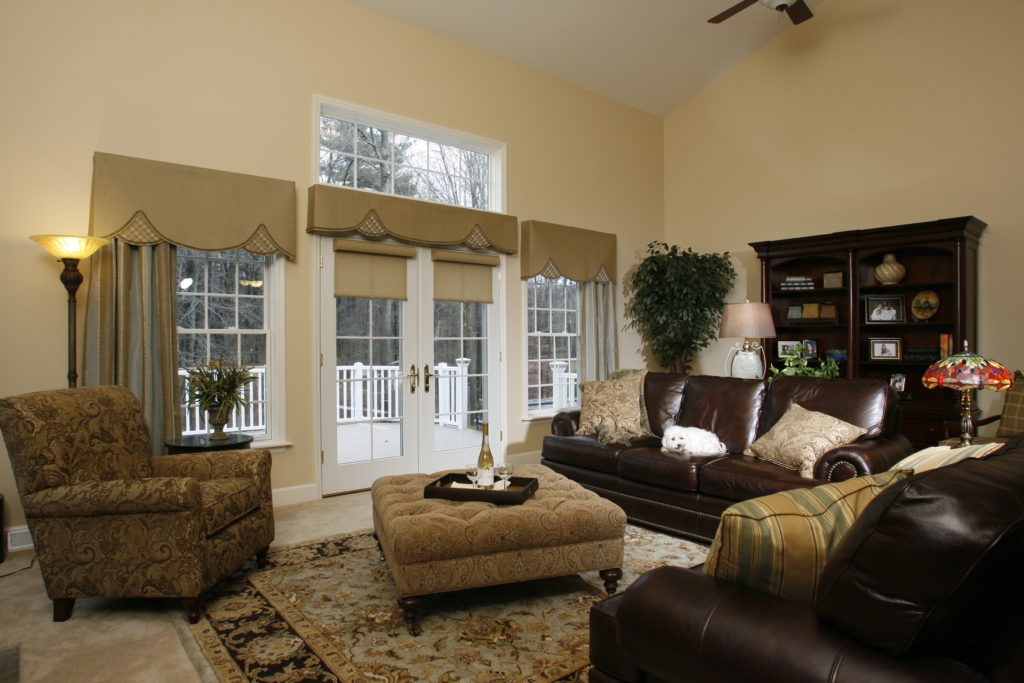
Layering different window treatments can create a sophisticated and functional look. Pittman often incorporates natural-fiber blinds, such as those from Hartmann & Forbes, behind curtains to add warmth and additional privacy without completely blocking light. When combining a window shade with curtains, Moore recommends an outside-mount shade, installed above the window frame at the same height as the curtain rod. This arrangement prevents an awkward gap between the top of the window and the rod, creating a cohesive appearance.
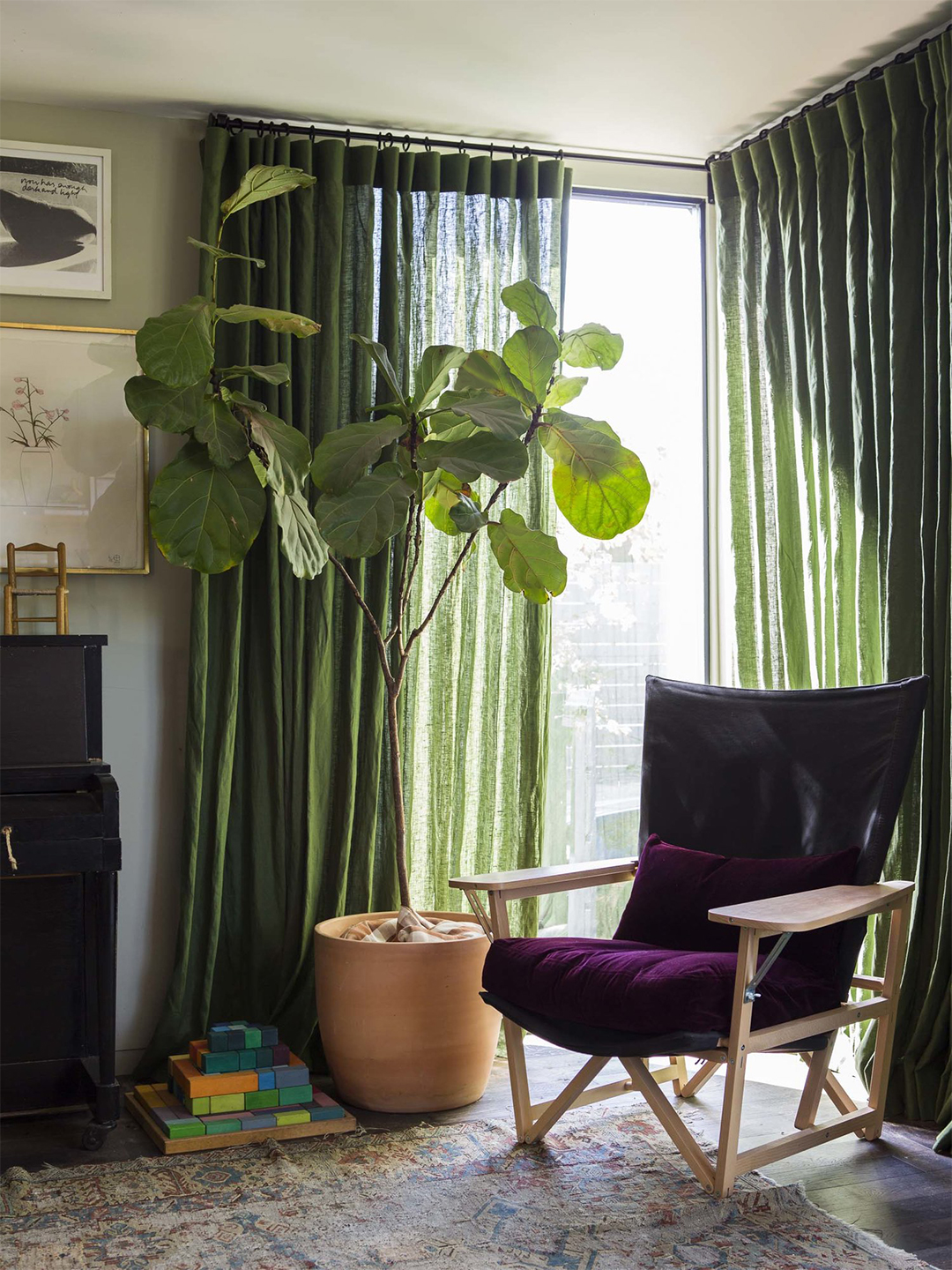
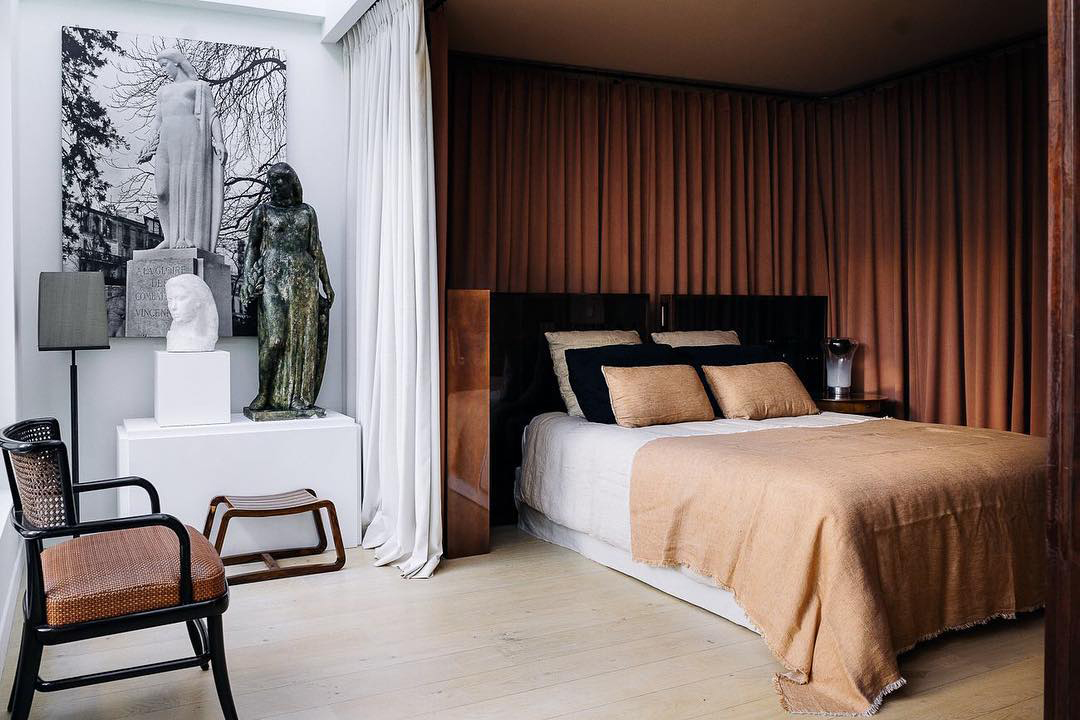
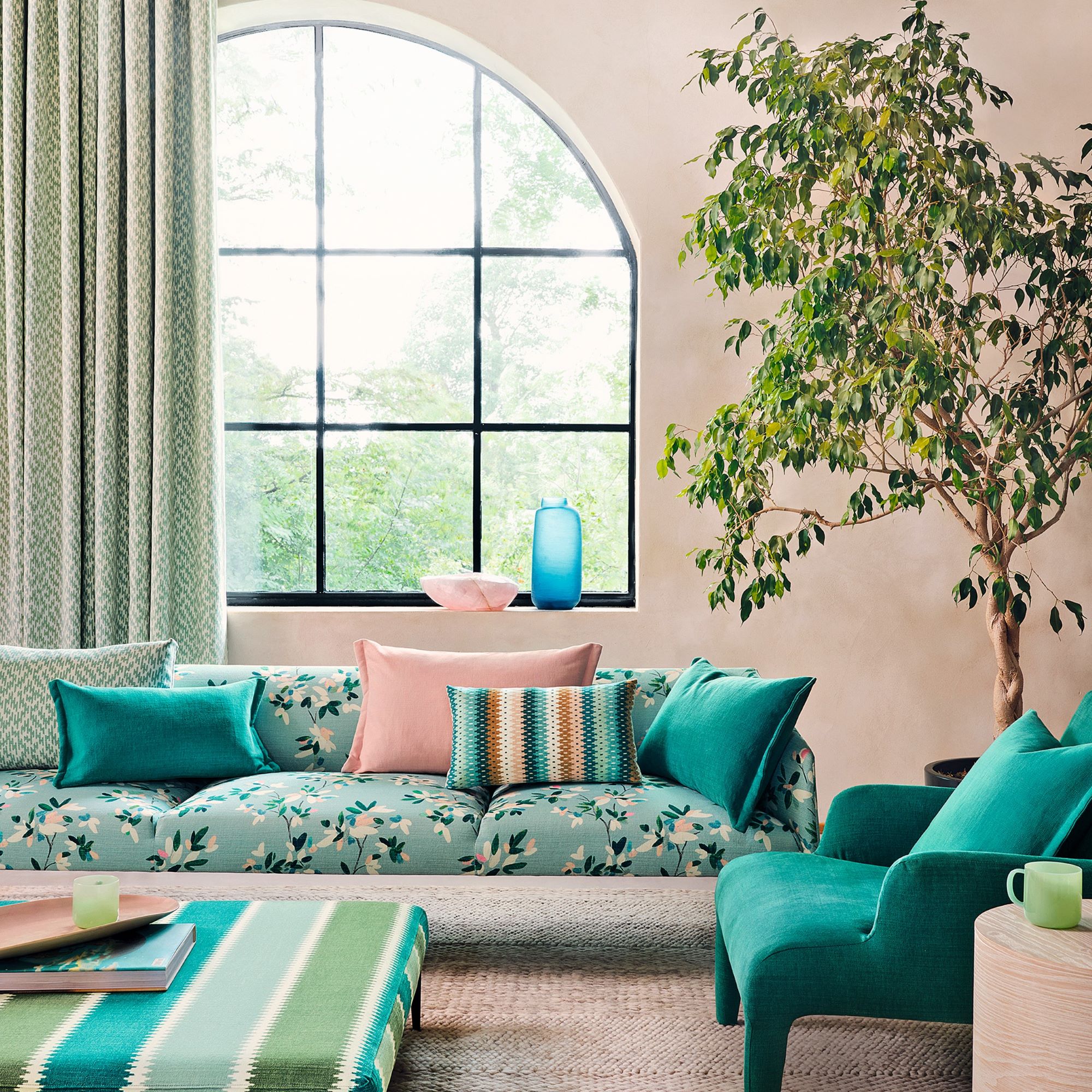
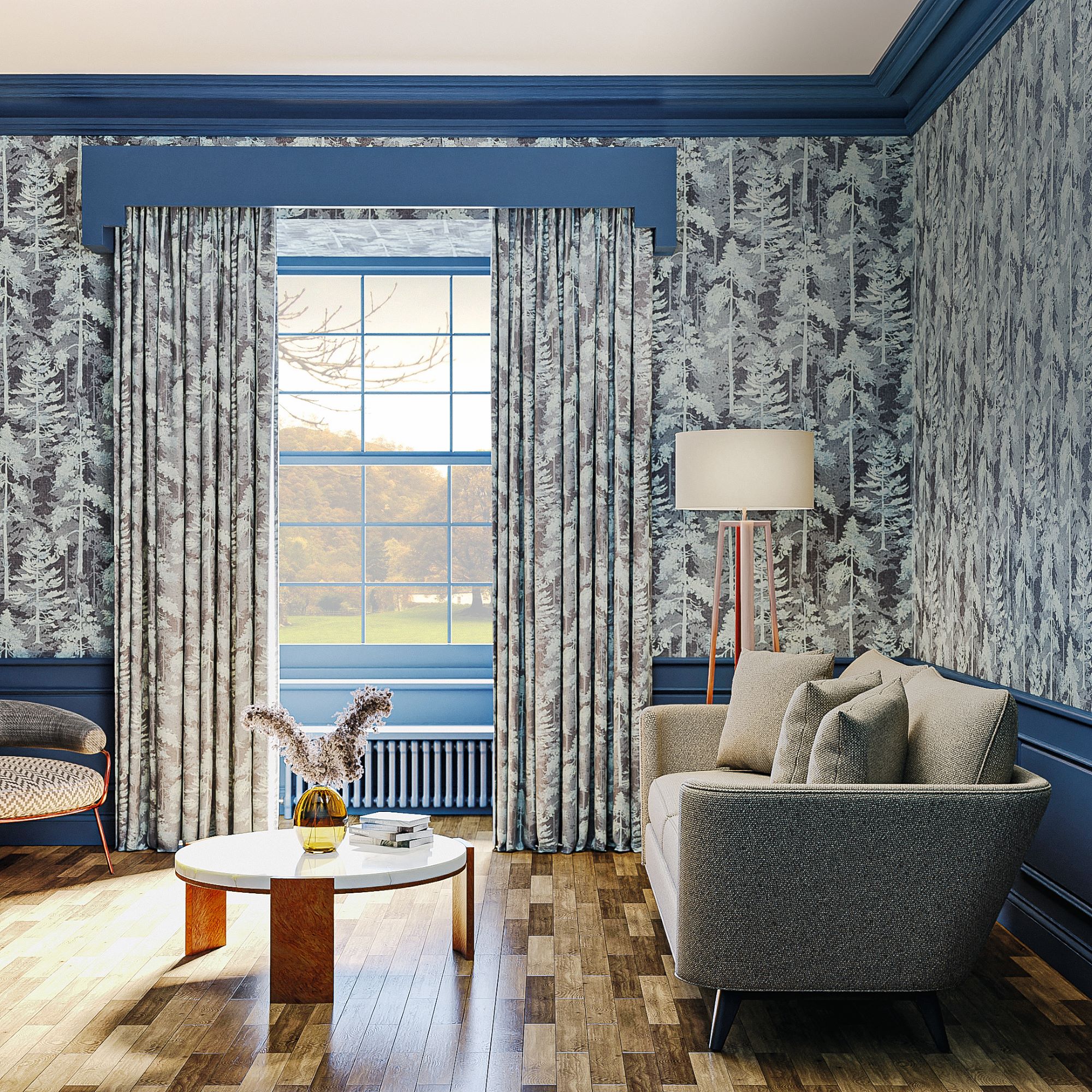
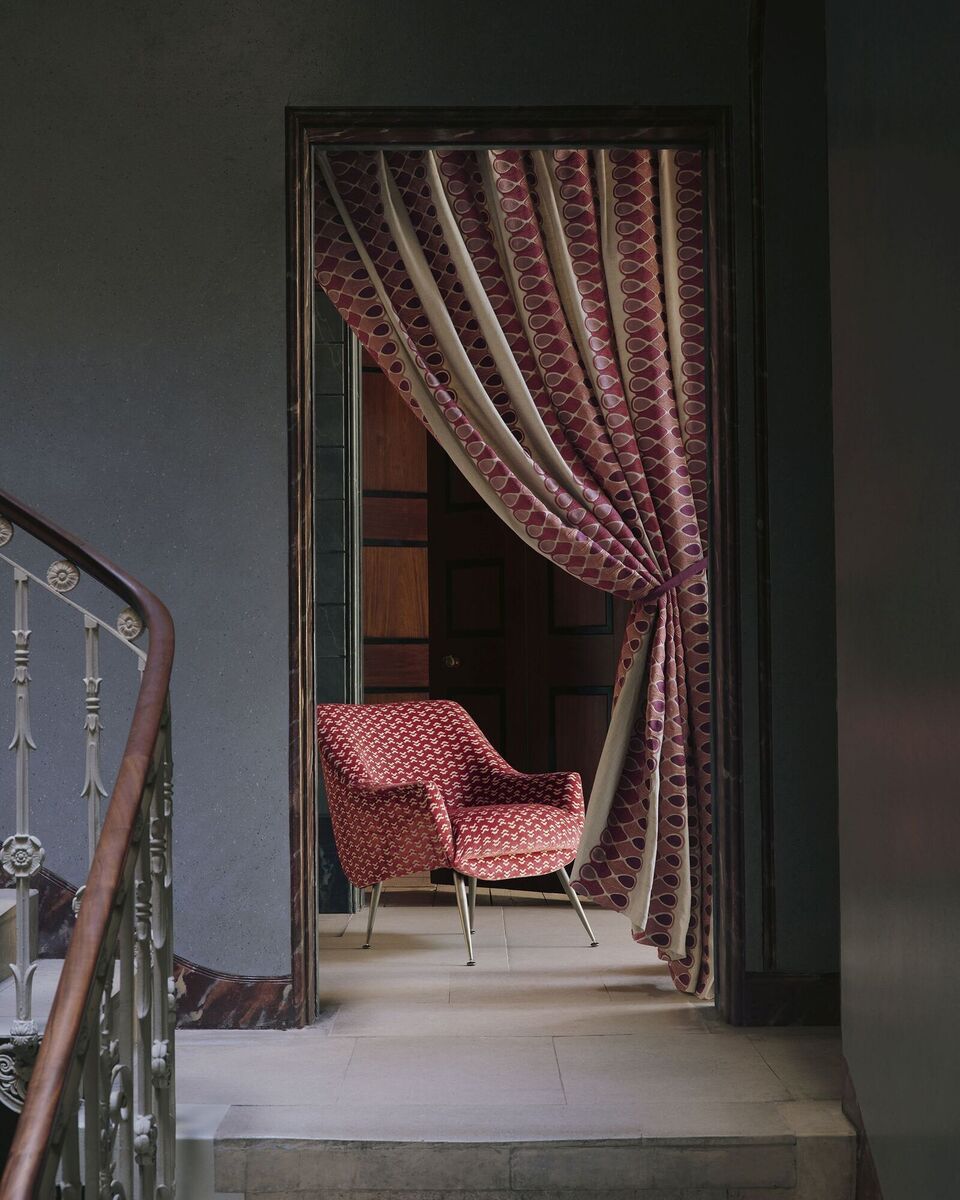
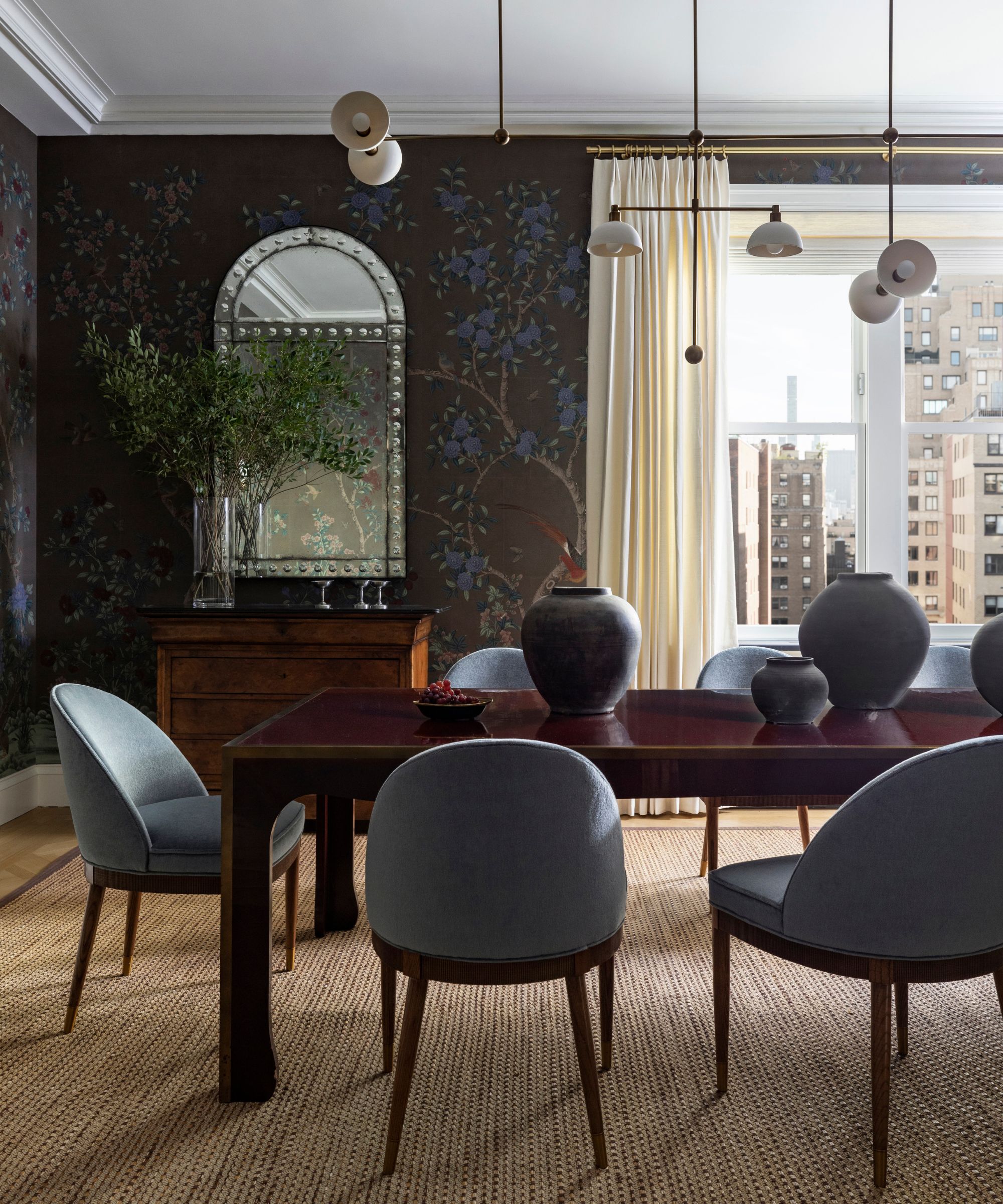
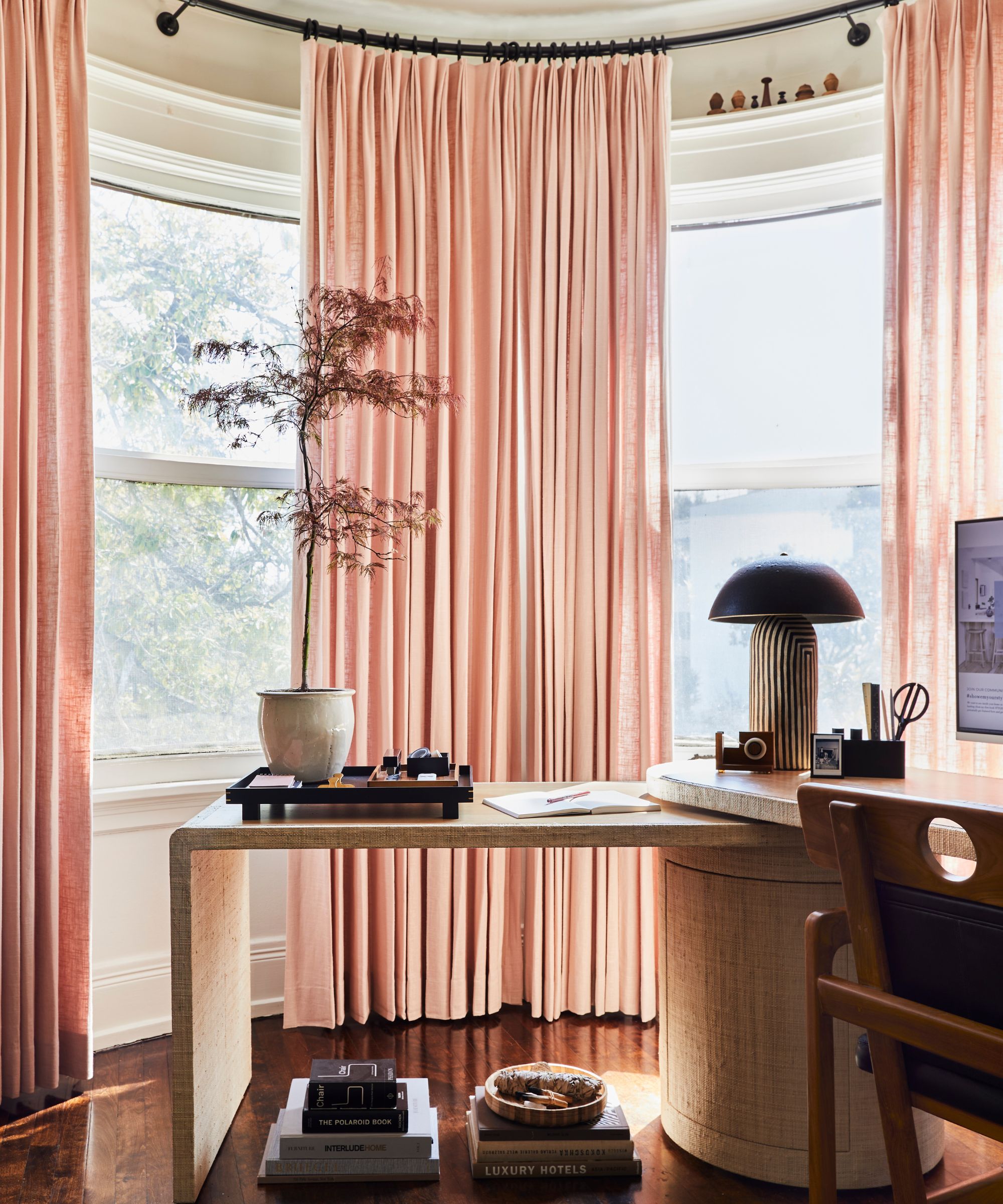
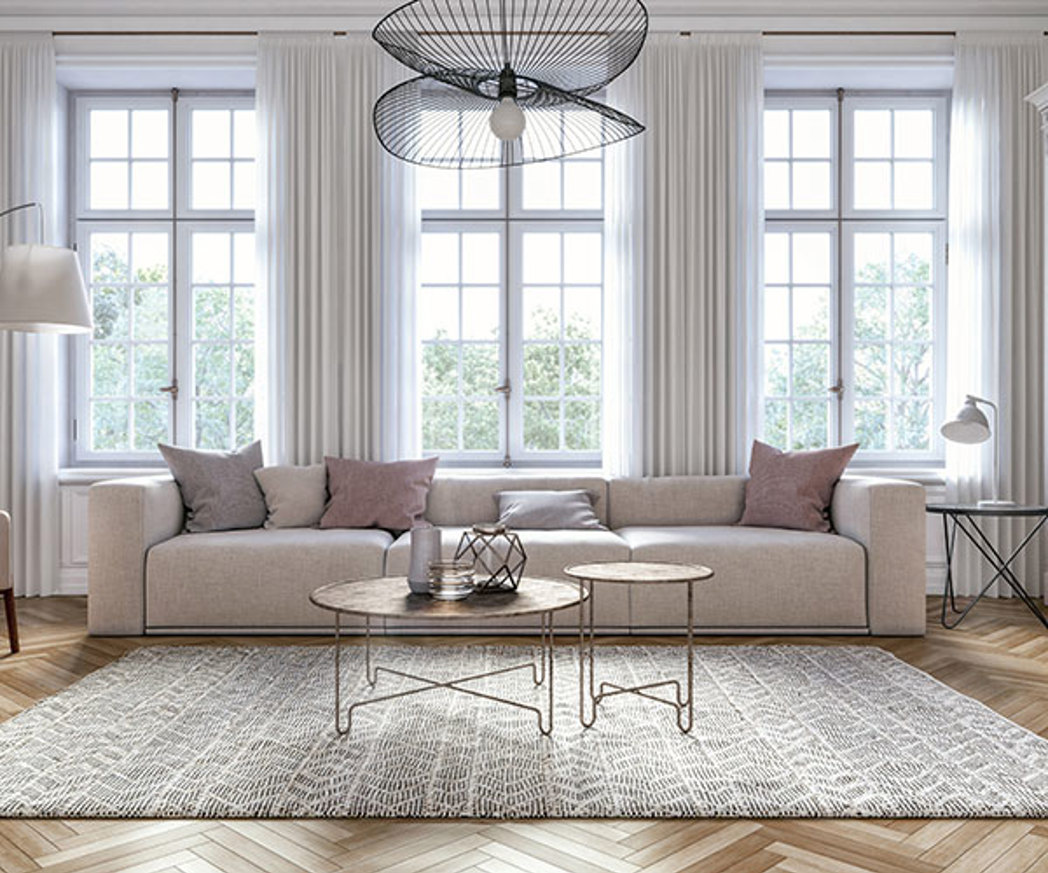
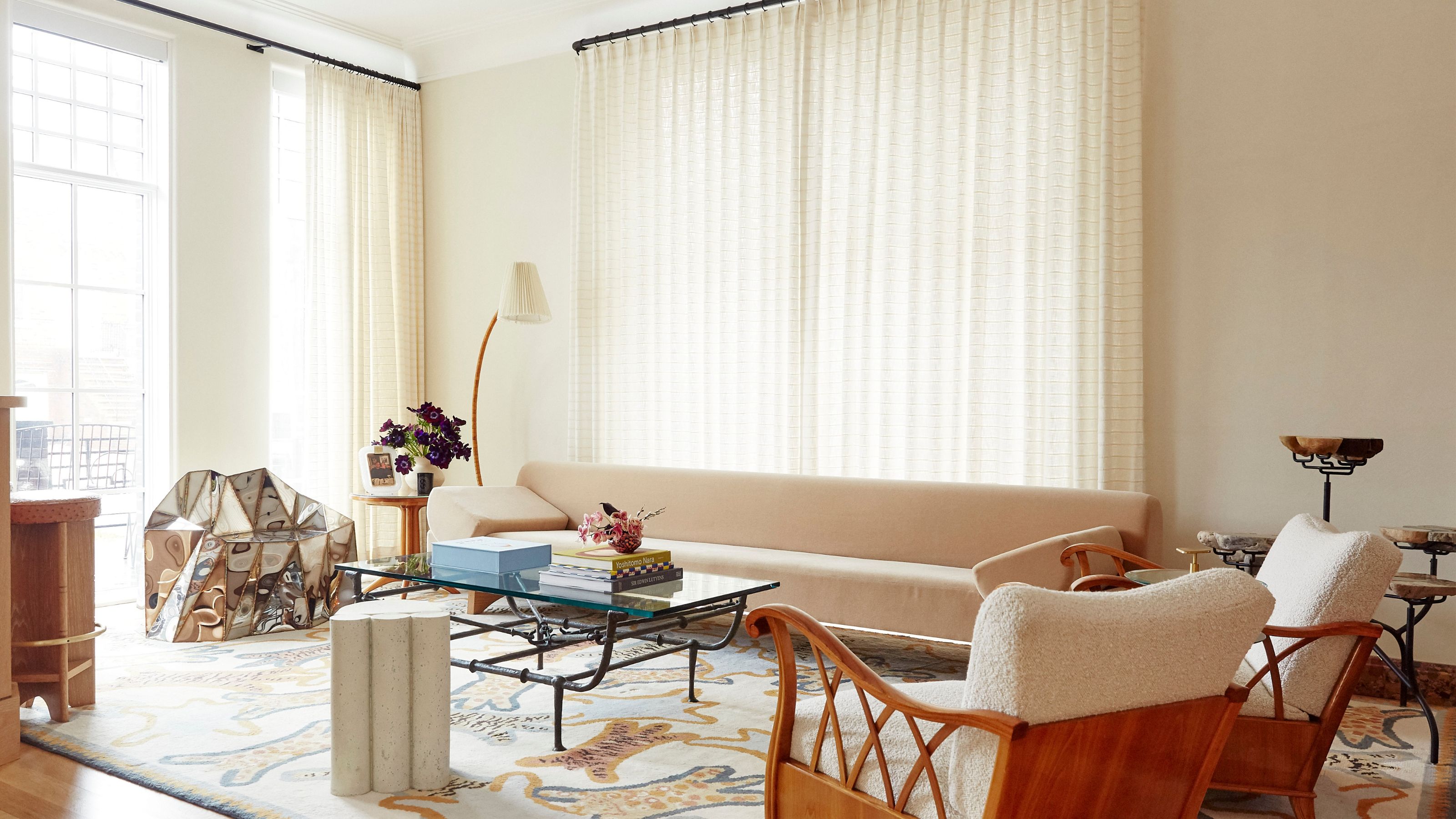
Proper installation of window treatments is critical for maximizing their aesthetic impact. Hanging curtain rods too low or too close to the window can visually diminish a room's height. Armstrong recommends mounting rods closer to the ceiling or crown molding to create an illusion of vertical expanse. Additionally, extending the curtain rod six to eight inches beyond the window frame allows the curtains to be drawn back fully, exposing the entire window and maximizing light entry. For shades, an outside-mount option typically allows more light than an inside-mount shade, which can obscure part of the window. Regarding drapery length, preferences vary among designers; some prefer curtains that skim the floor for a tailored look, while others favor a slight pooling on the floor for a more relaxed aesthetic.
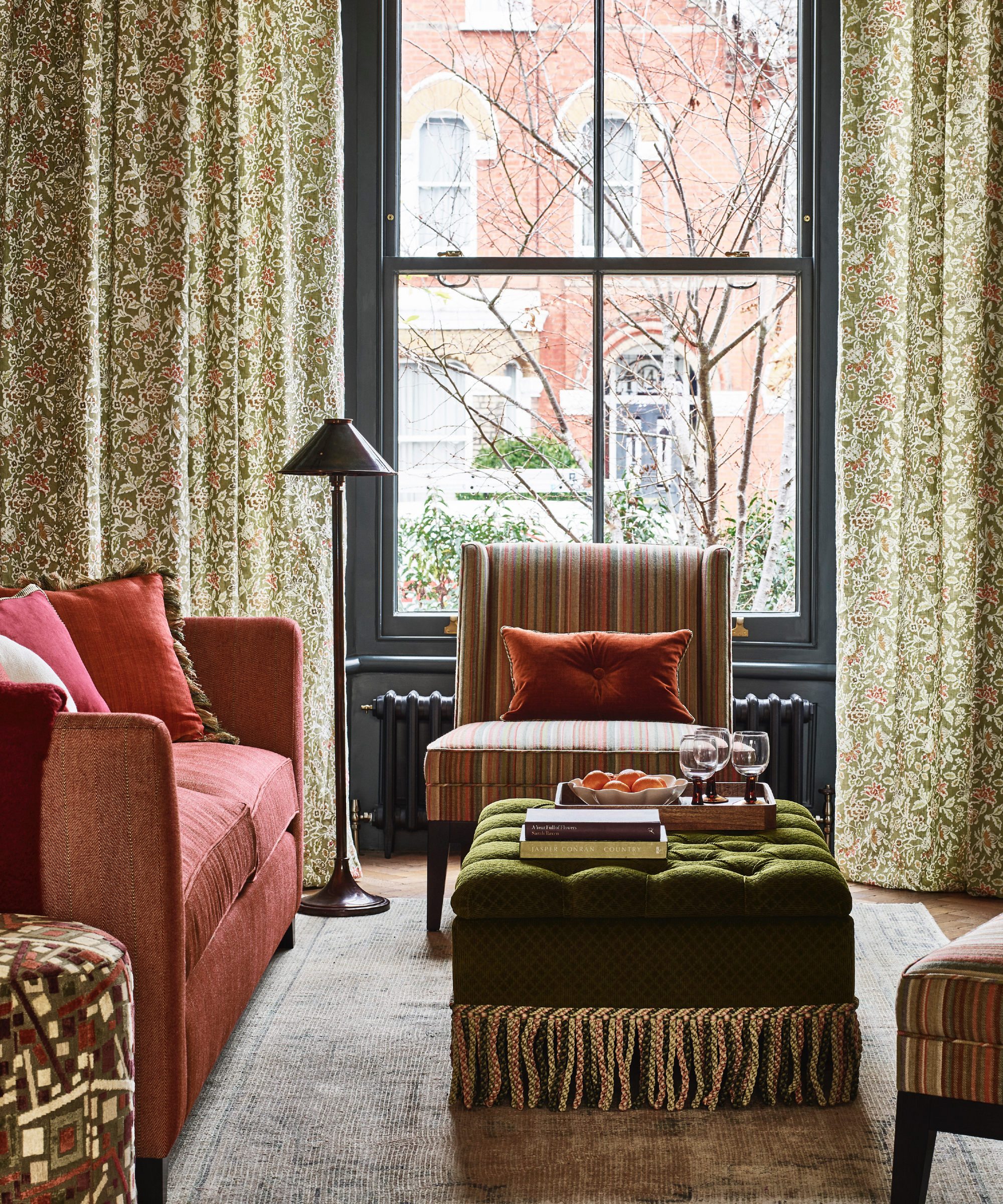
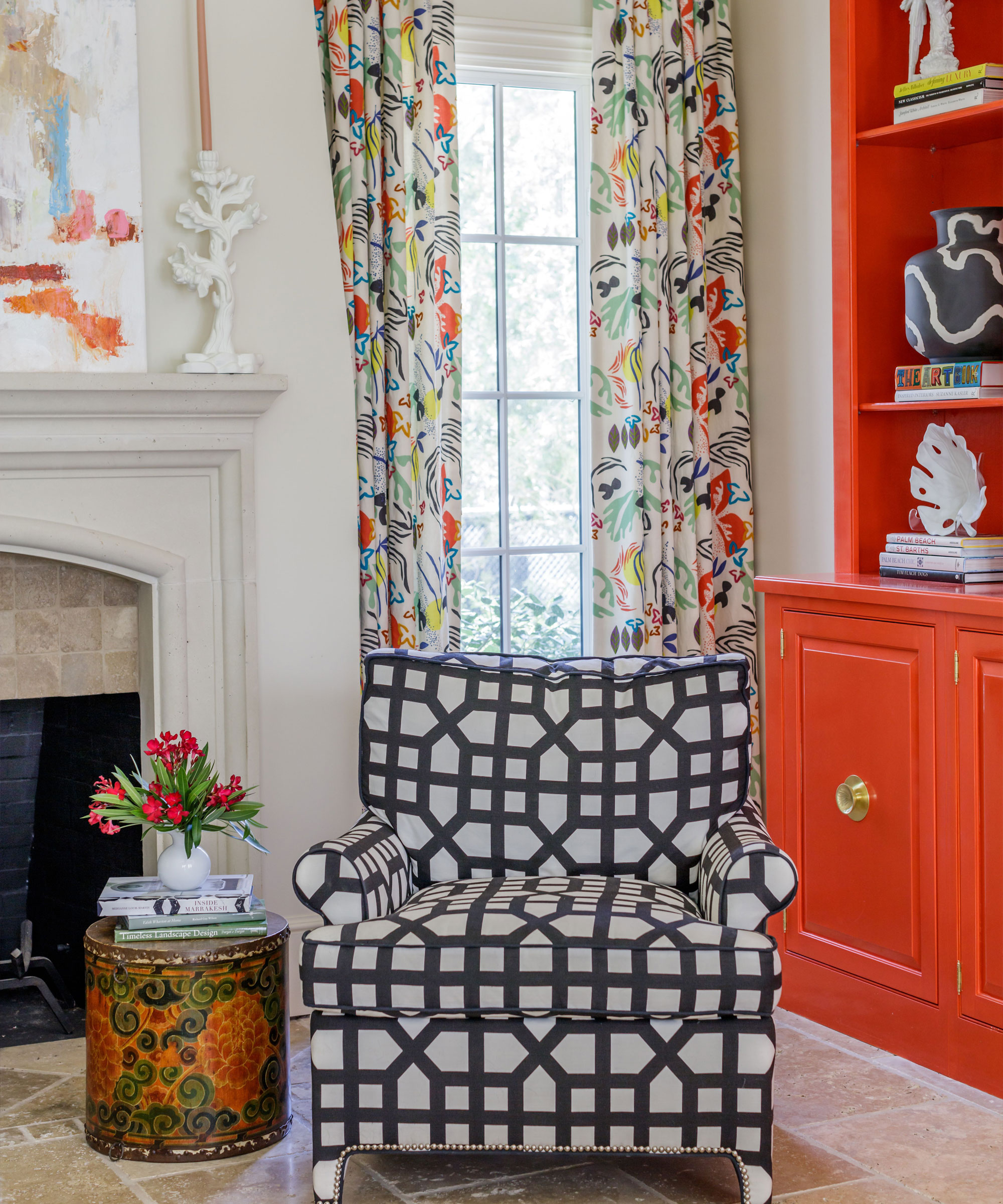
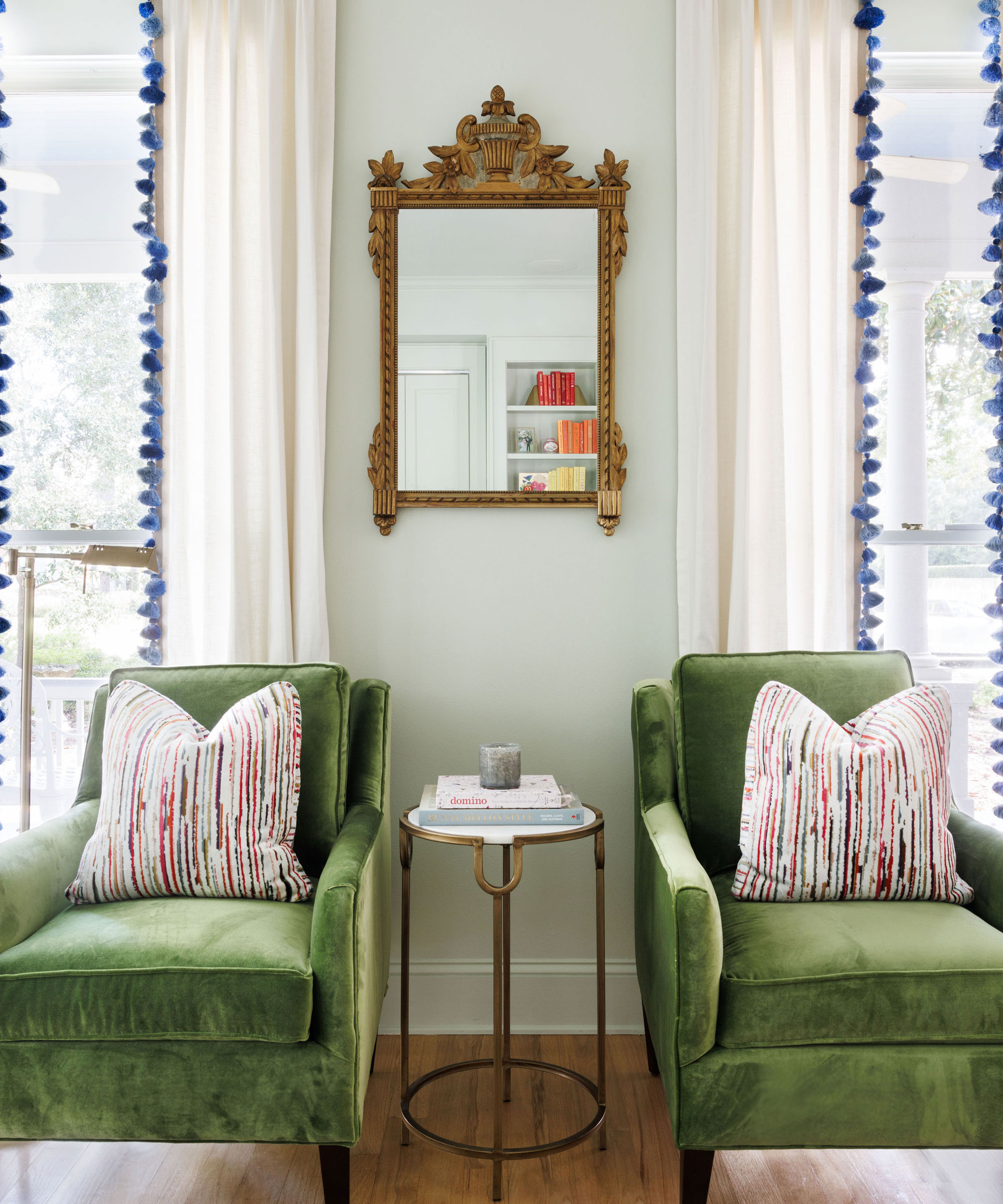
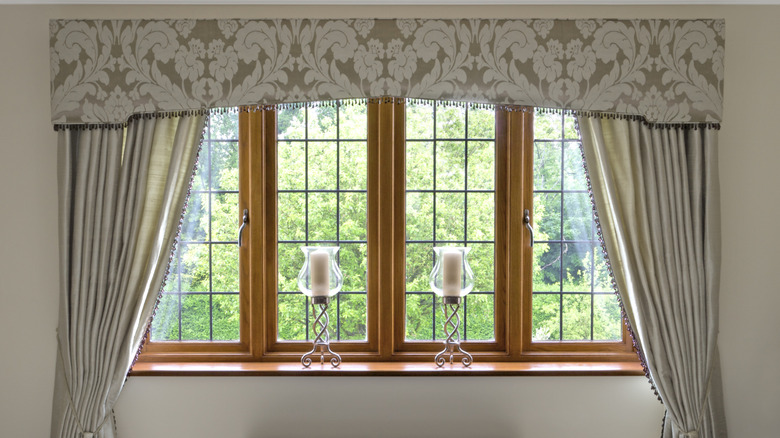
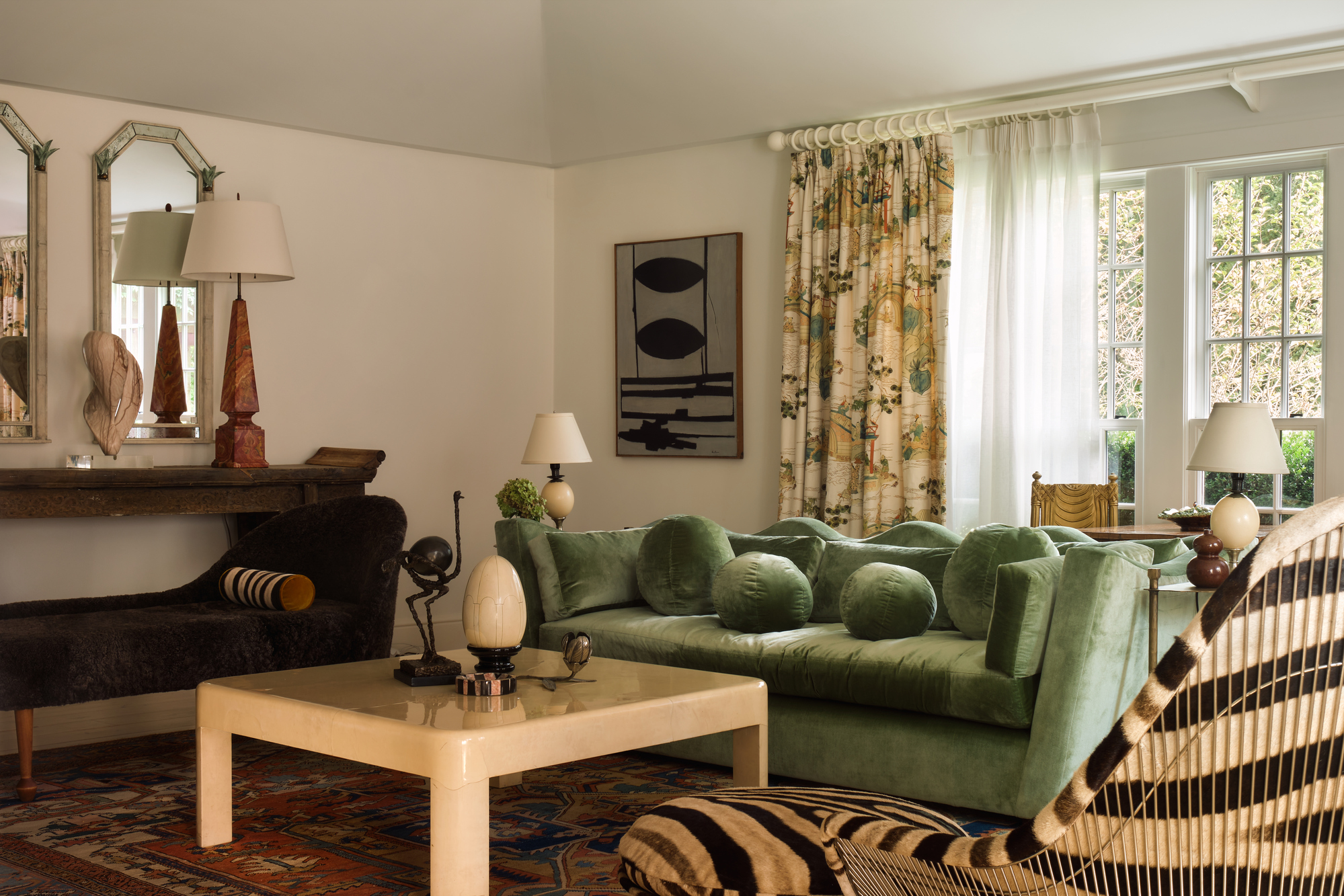
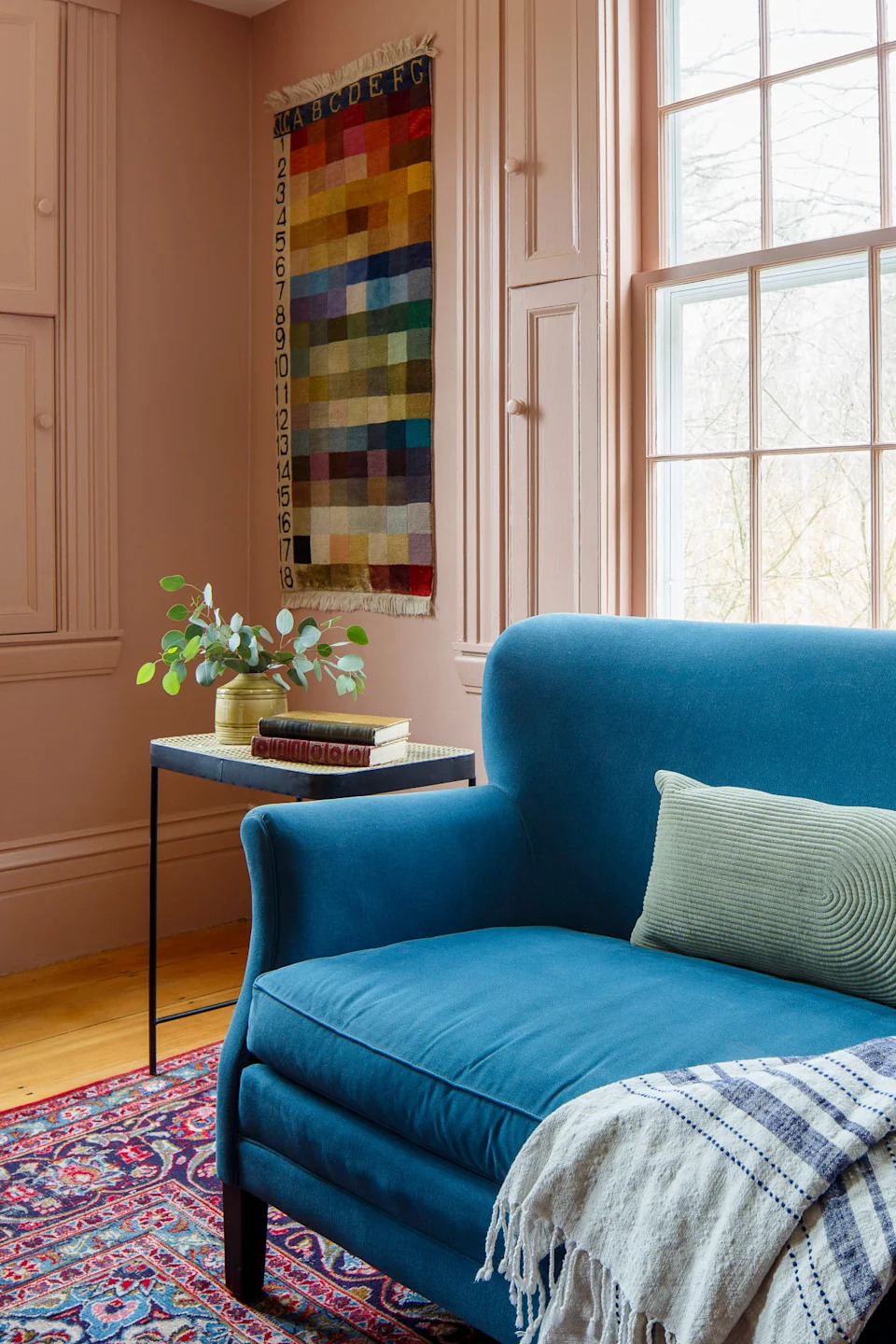
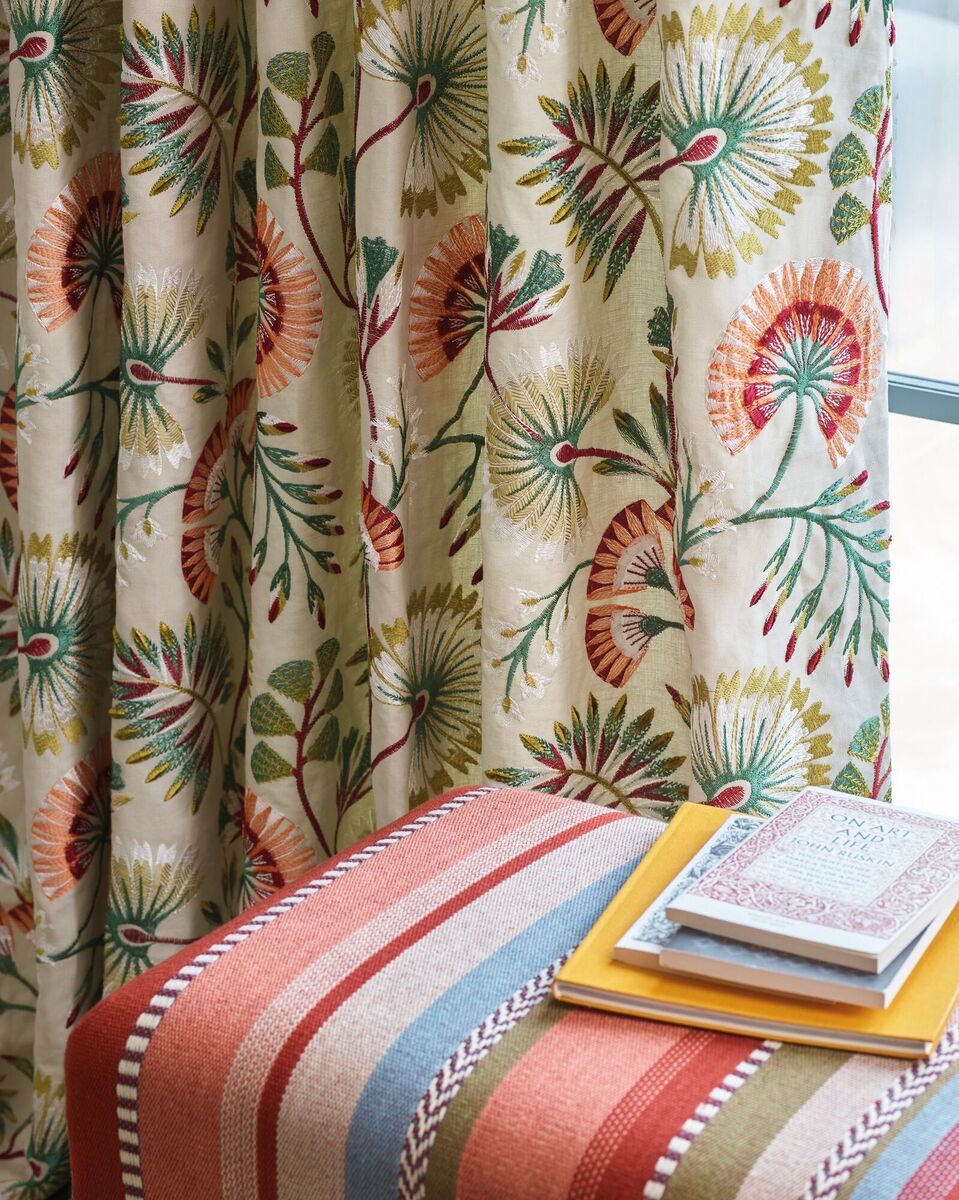
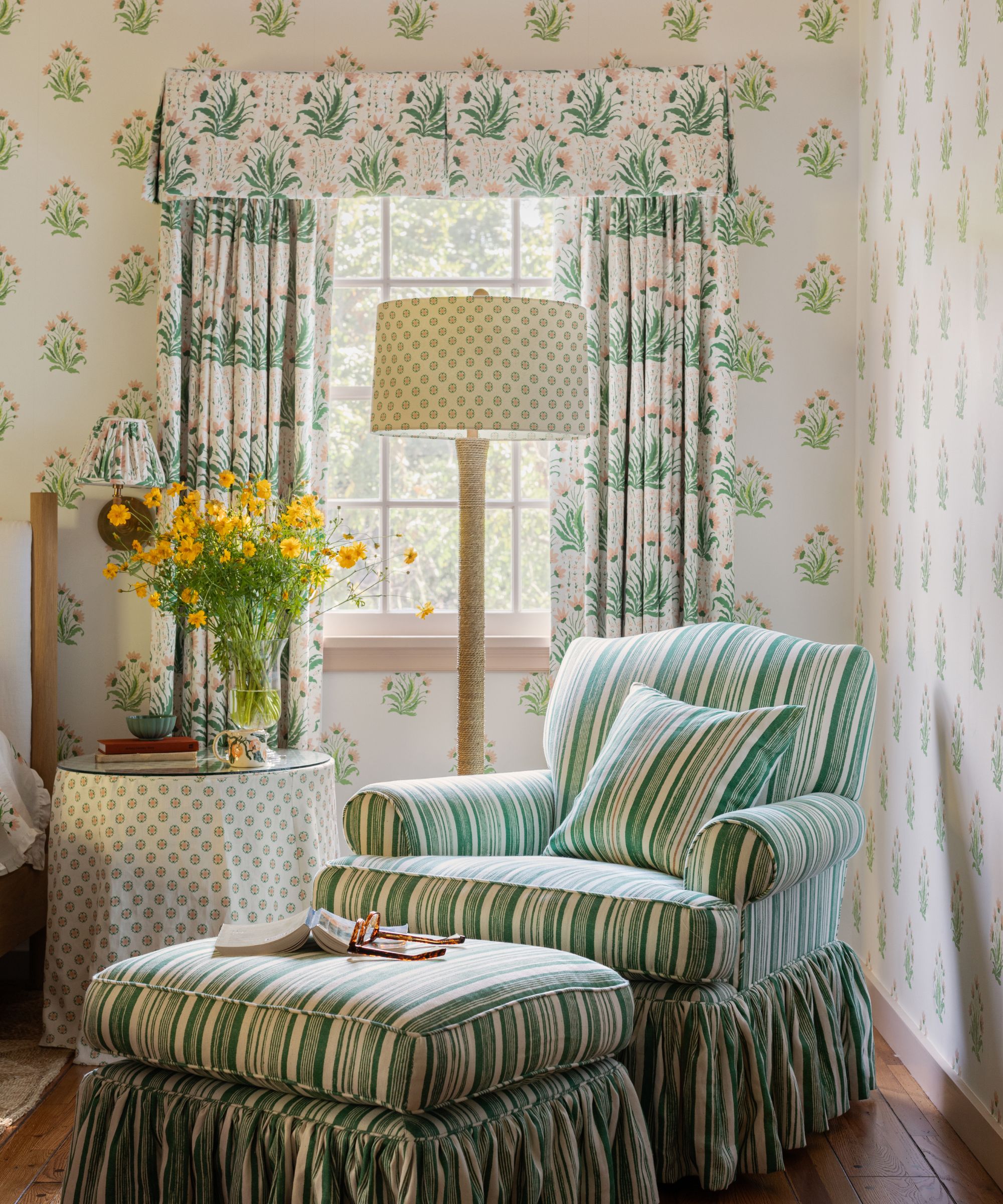
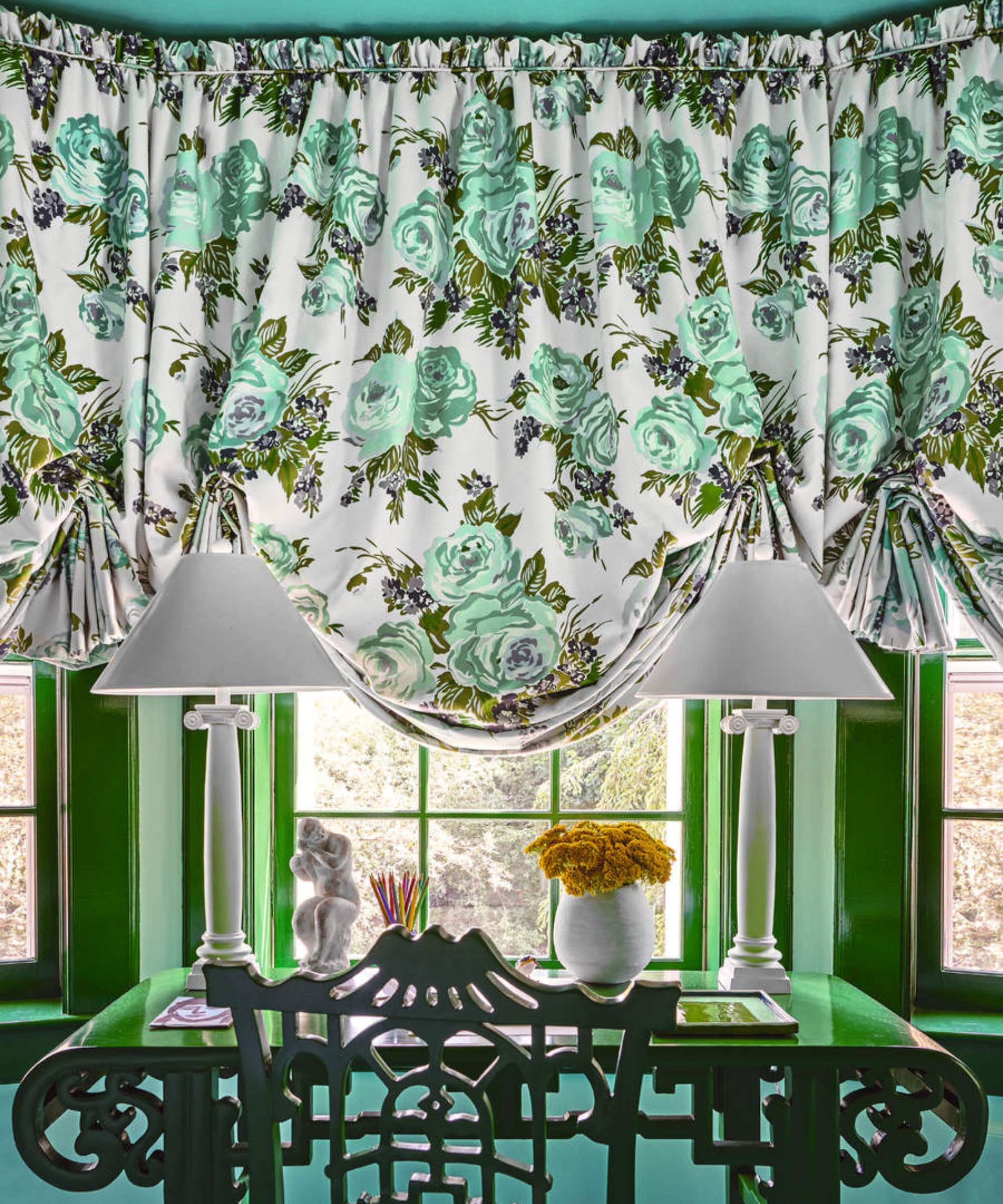
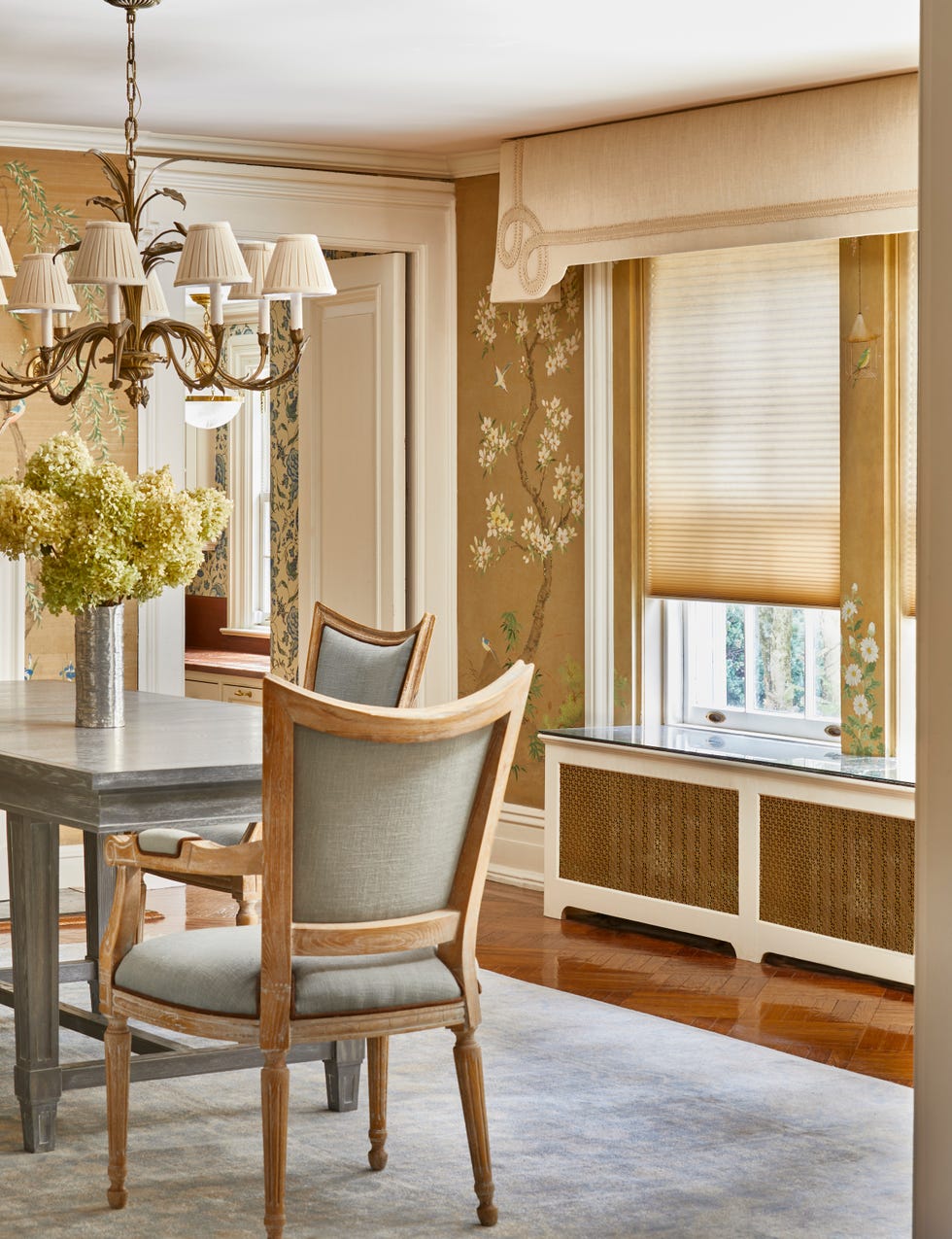
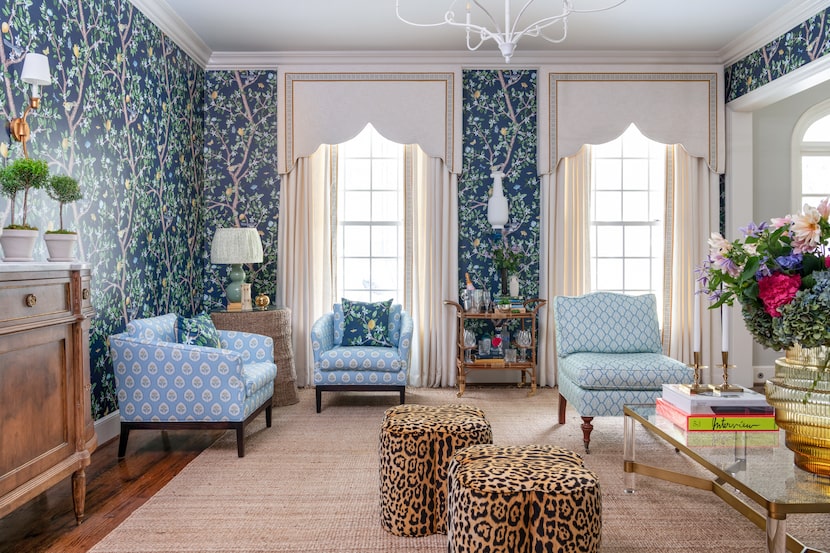
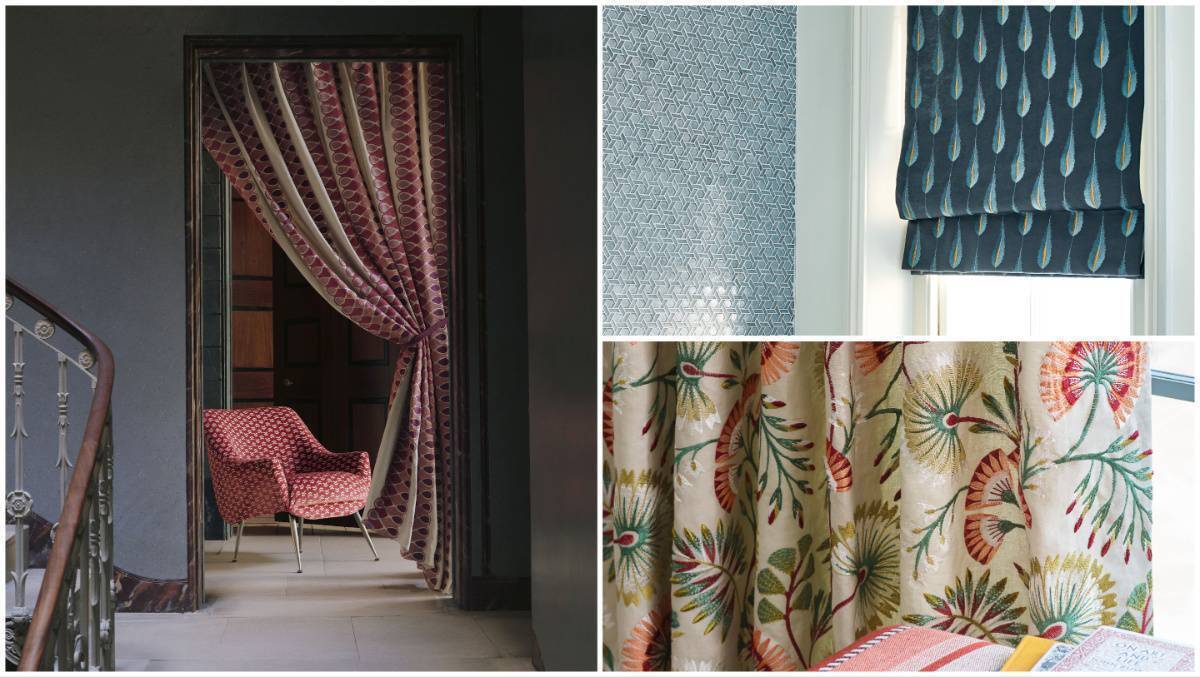
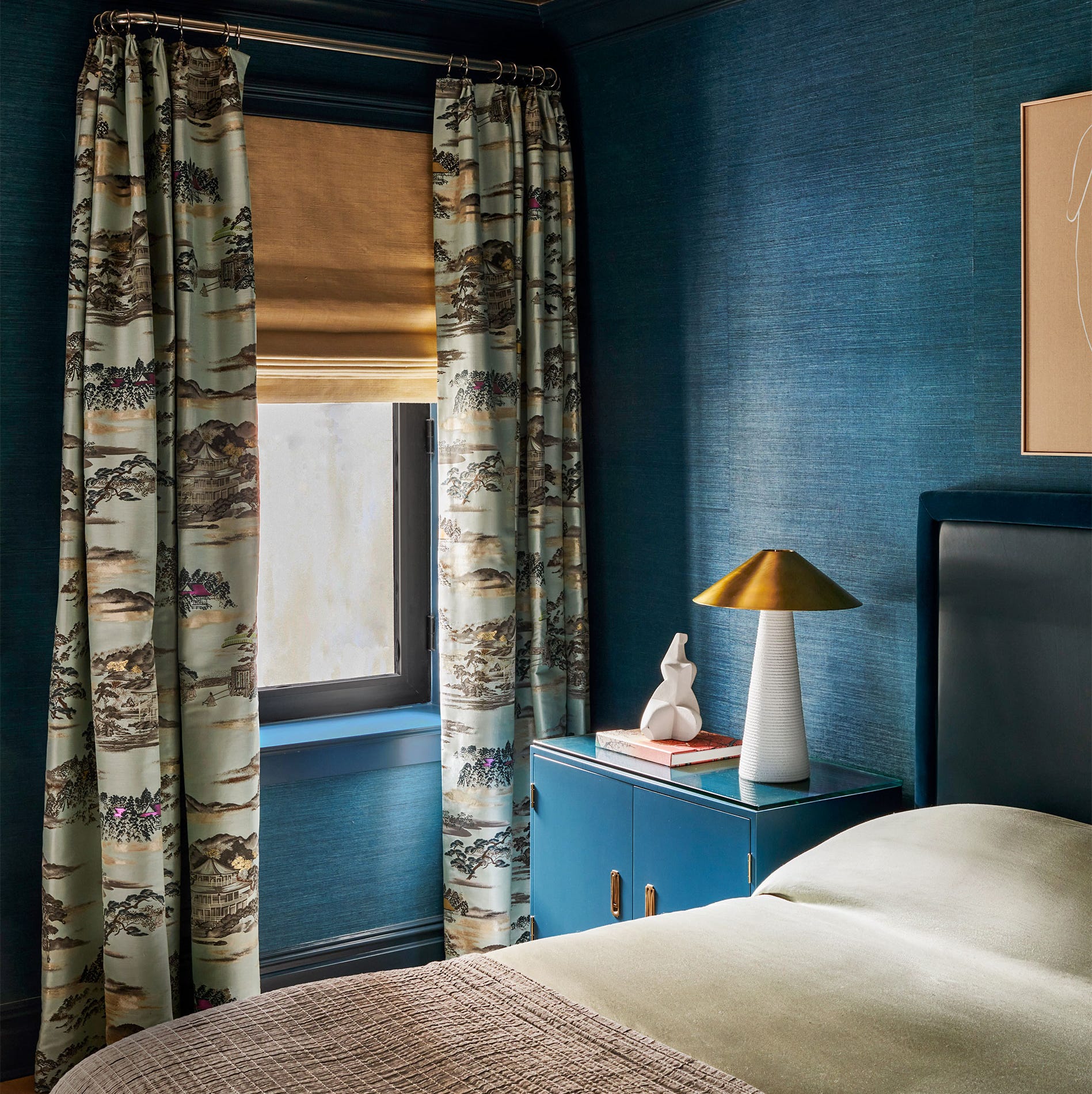
The choice of fabric is also paramount. Armstrong prefers cotton and linen for their graceful drape, often using printed window treatments in rooms with simple, painted walls and more subtle options in wallpapered rooms. Moore suggests selecting patterns that will remain appealing over time, favoring small-scale or classic block-print designs for a timeless appeal. While plain panels have been a long-standing trend, there is a resurgence of more decorative elements like valances and cornice boards, influenced by English design. Adding decorative trims, such as tassels or poms, can introduce texture, color, and uniqueness to plainer curtains.
Investing in custom window treatments is often recommended, despite the higher cost, to ensure a perfect fit, fullness, and impactful design. While Armstrong typically avoids pre-made options, she acknowledges resources like Anthropologie and Pepper Home for curated choices. Cost-saving measures for custom treatments include using less expensive fabrics, selecting solid colors (which require less fabric due to no pattern repeat), or choosing wide-width fabrics to reduce the number of panels needed. Designers often note that the savings from pre-made options are minimal once hemming and lining costs are considered, reinforcing the value of a quality custom investment.
#WindowTreatments #InteriorDesign #HomeDecor #Drapery #PrivacySolutions #LightControl #CustomFabrics #DesignTips #HomeImprovement #WindowTreatments #InteriorDesign #HomeDecor #Drapery #PrivacySolutions #LightControl #CustomFabrics #DesignTips #HomeImprovement
0 comment in total
 No comments yet
You may also like
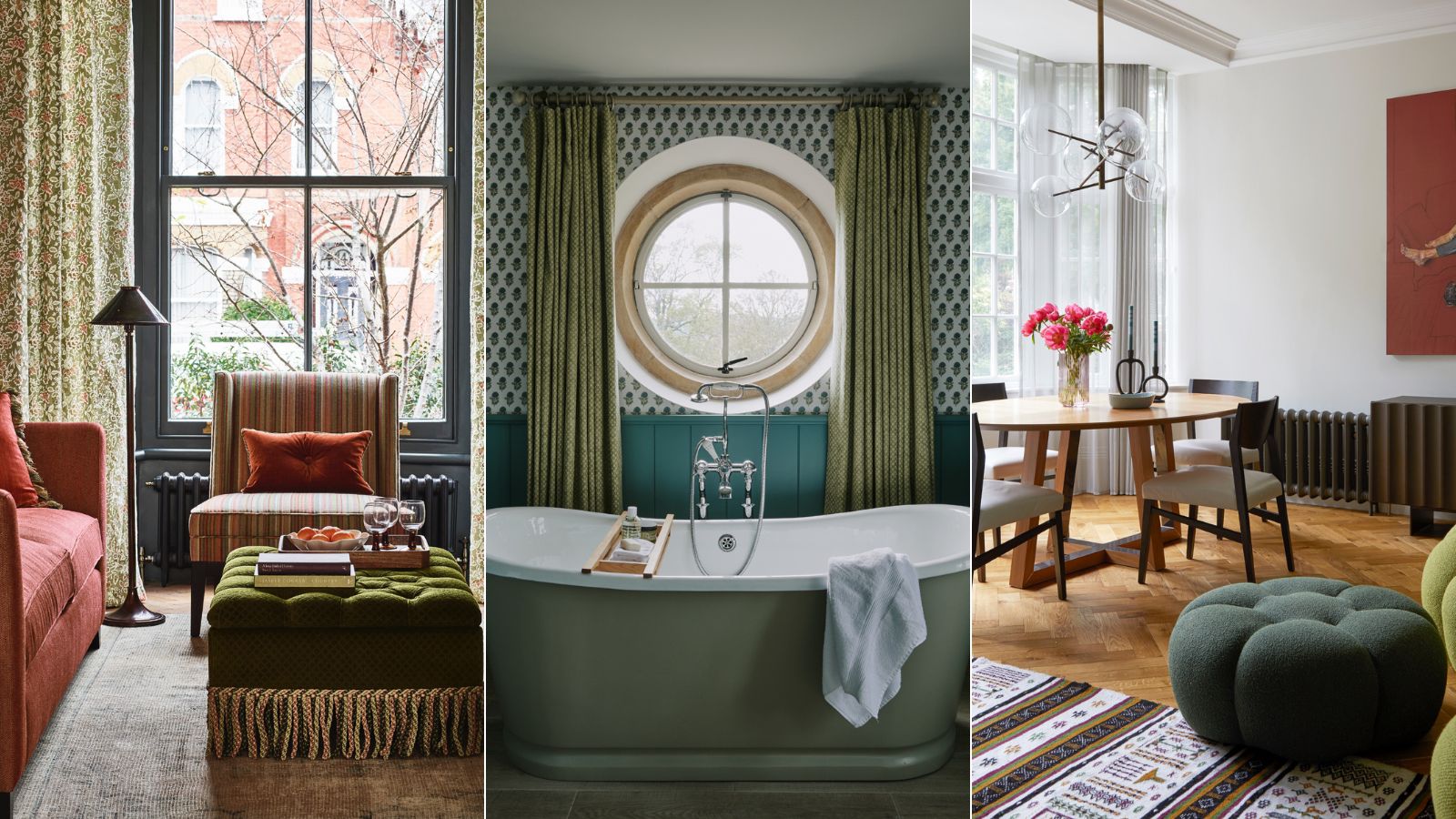
Should you choose drapes or blinds? We asked interior designers which window treatment is best

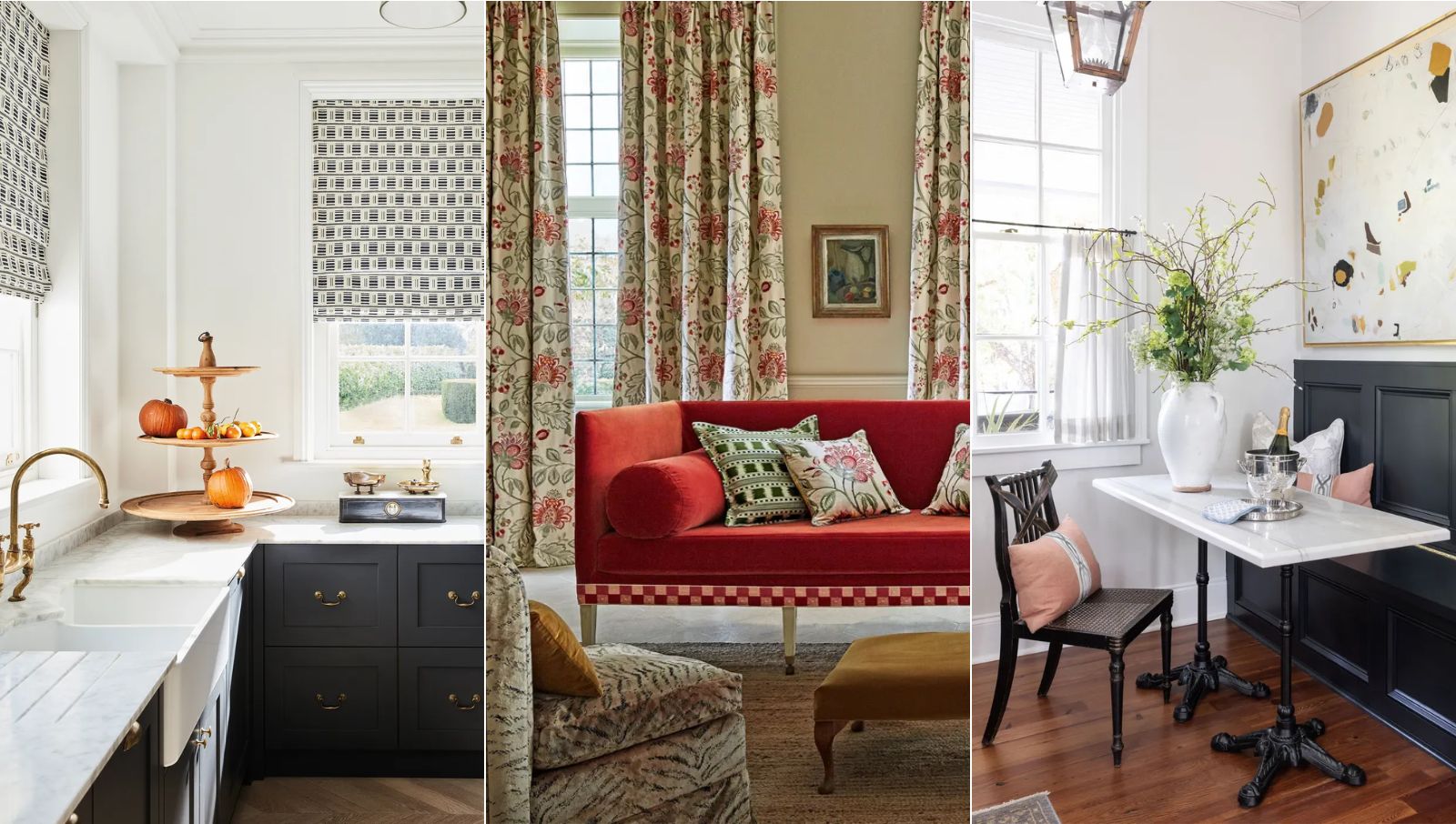
6 window treatment trends that interior designers swear by for a quick and easy update
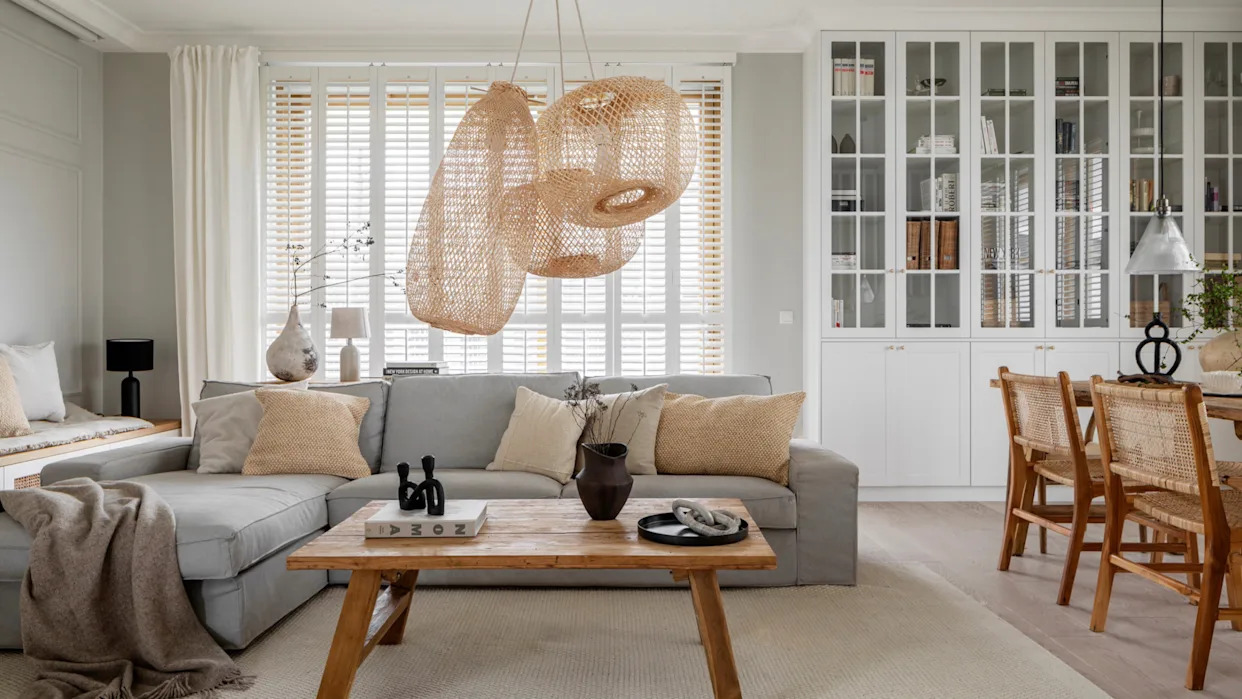
Are shutters outdated? Here’s what interior designers say, and how they're decorating for 2023 and beyond
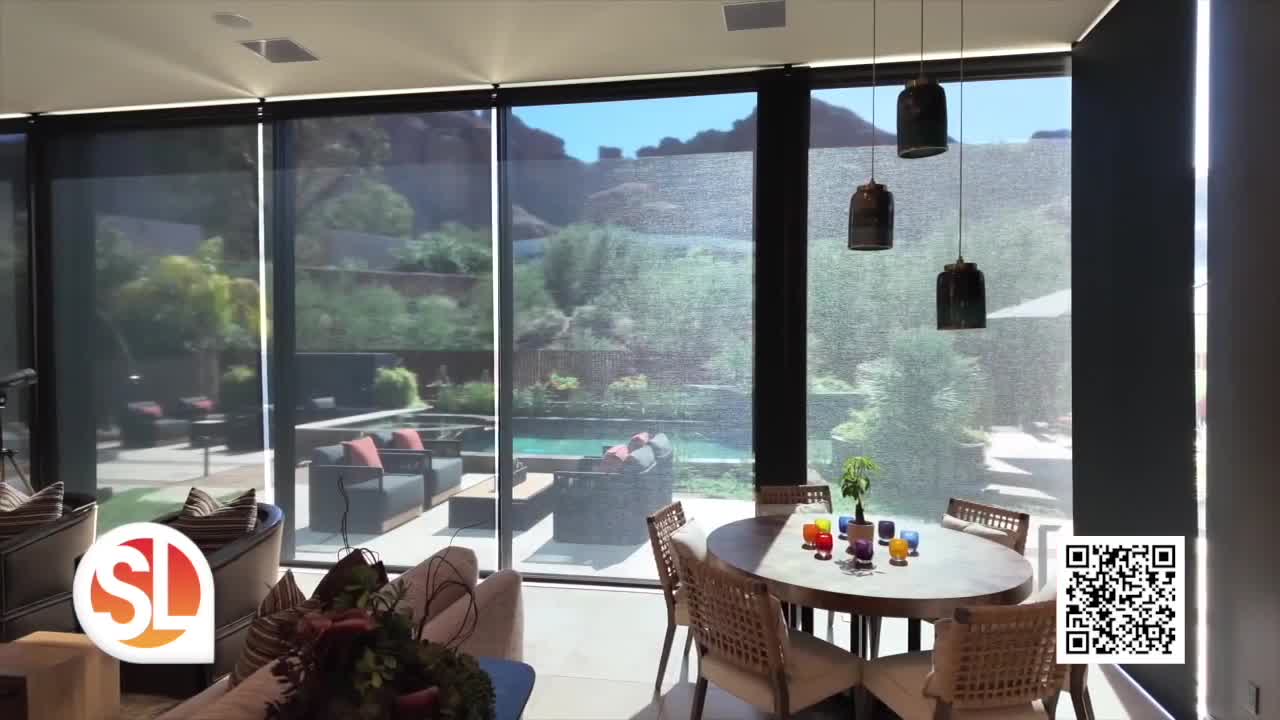
Arjay's Window Fashions blends science and style for better window treatments

Why You Should Be Extending Your Drapes Beyond the Window Frame
Once-Popular Window Treatments That Are Now Dating Your Home
We Asked Designers Which Window Treatments Are Out in 2026—These Made the List

Where do interior designers buy window treatments? The tried and tested stores to add to your list
Window Pros Break Down Six Styles

Window Dressing

Curtain call: How to choose window treatments
An Interior Design Expert Explains How To Style Your Windows To Make Them Look Bigger

Shedding Light on the Future of Window Treatments

"Should All My Window Treatments Match?" Here's How Designers Decide, and Make It Work Either Way


Window blinds, shutters and curtains: top trends for 2017

Why You Should Never Skip Curtains, According to Top Designers

How to dress a window - three design experts explain how to plan the perfect window dressing

Window Coverings, Elevated: How One Decorah Designer is Transforming Homes with Style and Function

These are the dated window treatments interior designers are encouraging you to avoid in 2024
4 Outdated Window Treatments That Are Secretly Aging Your Home, Designers Say