6 Ways to Choose the Right Window Designs for Your Home
Windows have evolved beyond mere structural openings to become integral components of a building's ecosystem, particularly in urban India where sustainable living is gaining traction. Modern window systems are now crucial for energy efficiency, thermal comfort, acoustic insulation, and aesthetic expression, influencing everything from indoor climate control to long-term maintenance and property value. Therefore, selecting the appropriate windows is a strategic decision that balances architectural demands, lifestyle needs, and environmental considerations.
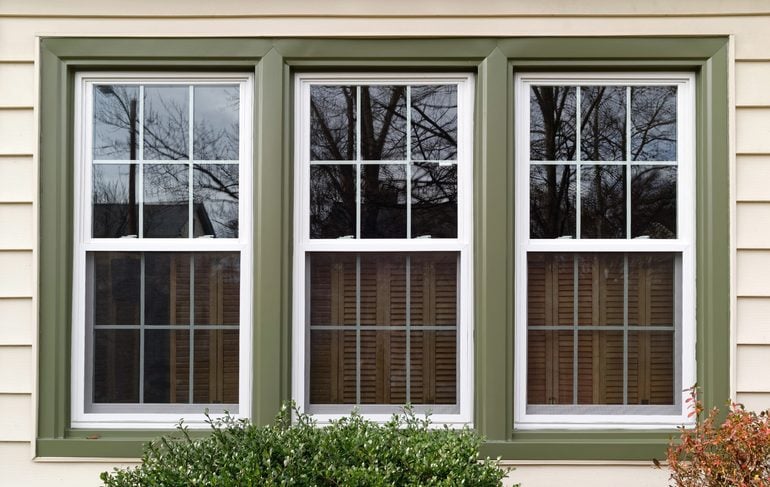
One of the primary factors in choosing windows is prioritizing energy efficiency through careful material selection and glazing technology. Homeowners should consider the insulation value (U-factor), solar heat gain coefficient (SHGC), and advanced glazing options. Double or triple-glazed windows, low-emissivity (low-E) coatings, and insulated frames are effective in reducing heating and cooling costs and maintaining consistent indoor temperatures. Materials like uPVC and thermally broken aluminum are favored for their energy-saving properties, durability, and resistance to environmental factors.
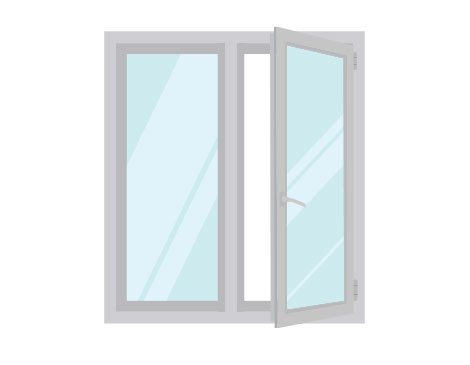
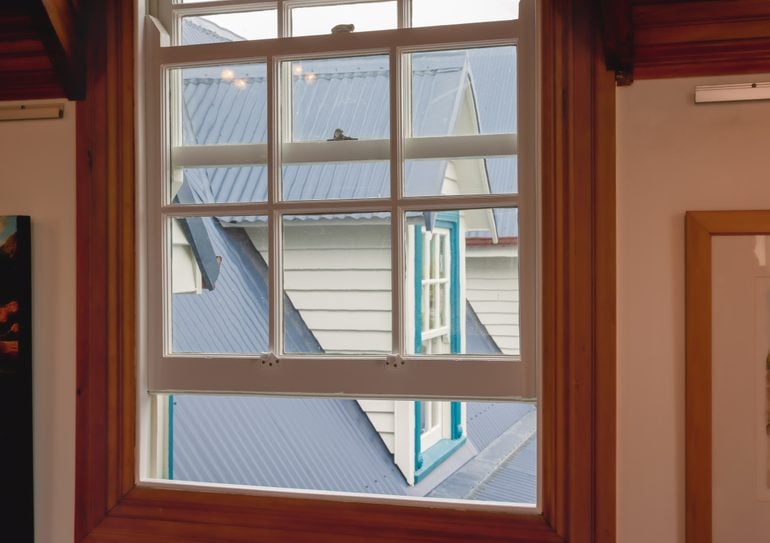
The strategic placement of windows, considering climate and orientation, can significantly enhance natural light, ventilation, and energy conservation. In hot regions, smaller, shaded windows on the western side minimize solar heat gain, while larger openings on the northern and eastern sides allow for diffused natural light. Different window styles are suited for various conditions; for instance, casement windows offer superior air sealing for windy areas, and sliding windows are ideal for optimizing space. Architects must account for wind direction, humidity, and sun exposure when recommending window types.
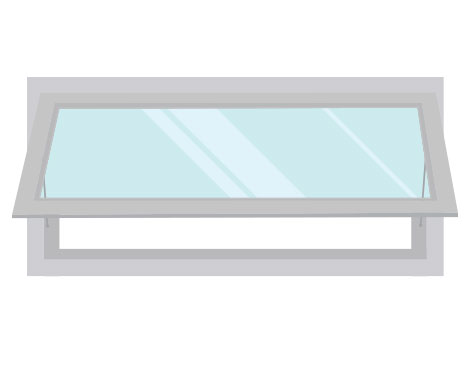
Effective ventilation and airflow dynamics are also critical for maintaining indoor air quality and comfort. Operable windows should be positioned opposite each other to facilitate cross-ventilation, particularly in high-traffic areas like living rooms and bedrooms. Louvered, tilt-and-turn, or top-hung awning windows are effective in ensuring airflow even during light rain. Window designs should offer flexibility to adapt to both seasonal and daily weather variations.
For urban environments, investing in acoustic insulation is a growing necessity due to increased noise pollution. Acoustic-grade windows, featuring laminated glass, double sealing systems, and airtight frames, can substantially mitigate external noise. This is especially important for properties located near busy roads, educational institutions, or airports. Such windows not only improve privacy but also contribute to mental well-being by fostering a tranquil indoor atmosphere.
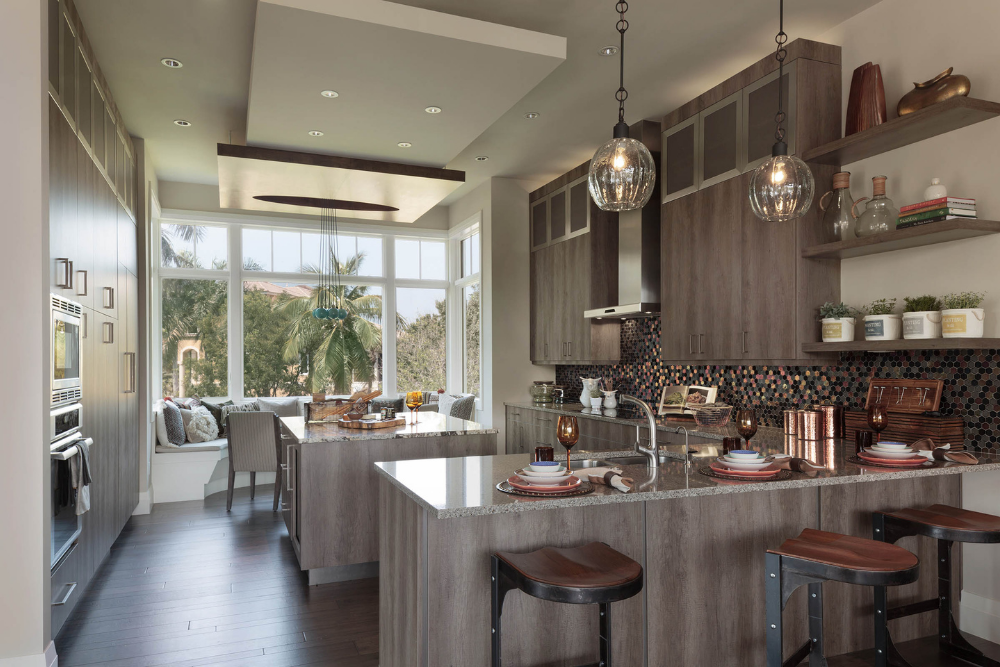
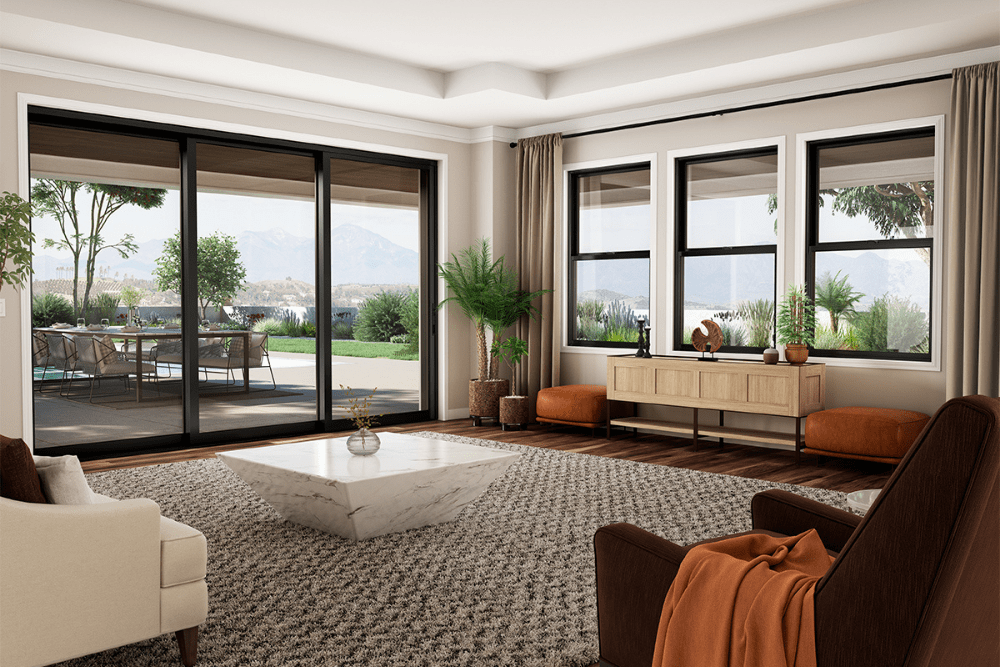
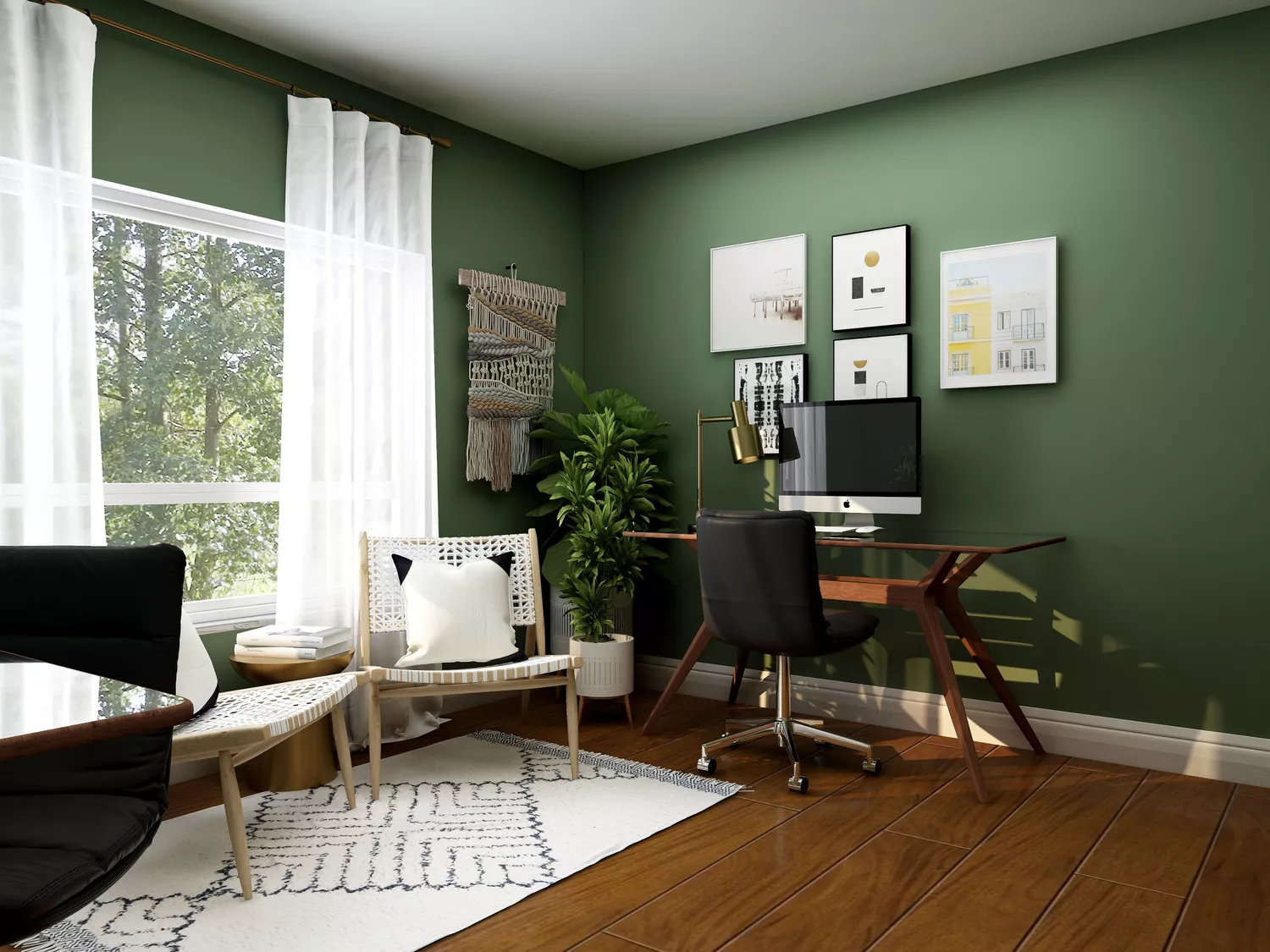
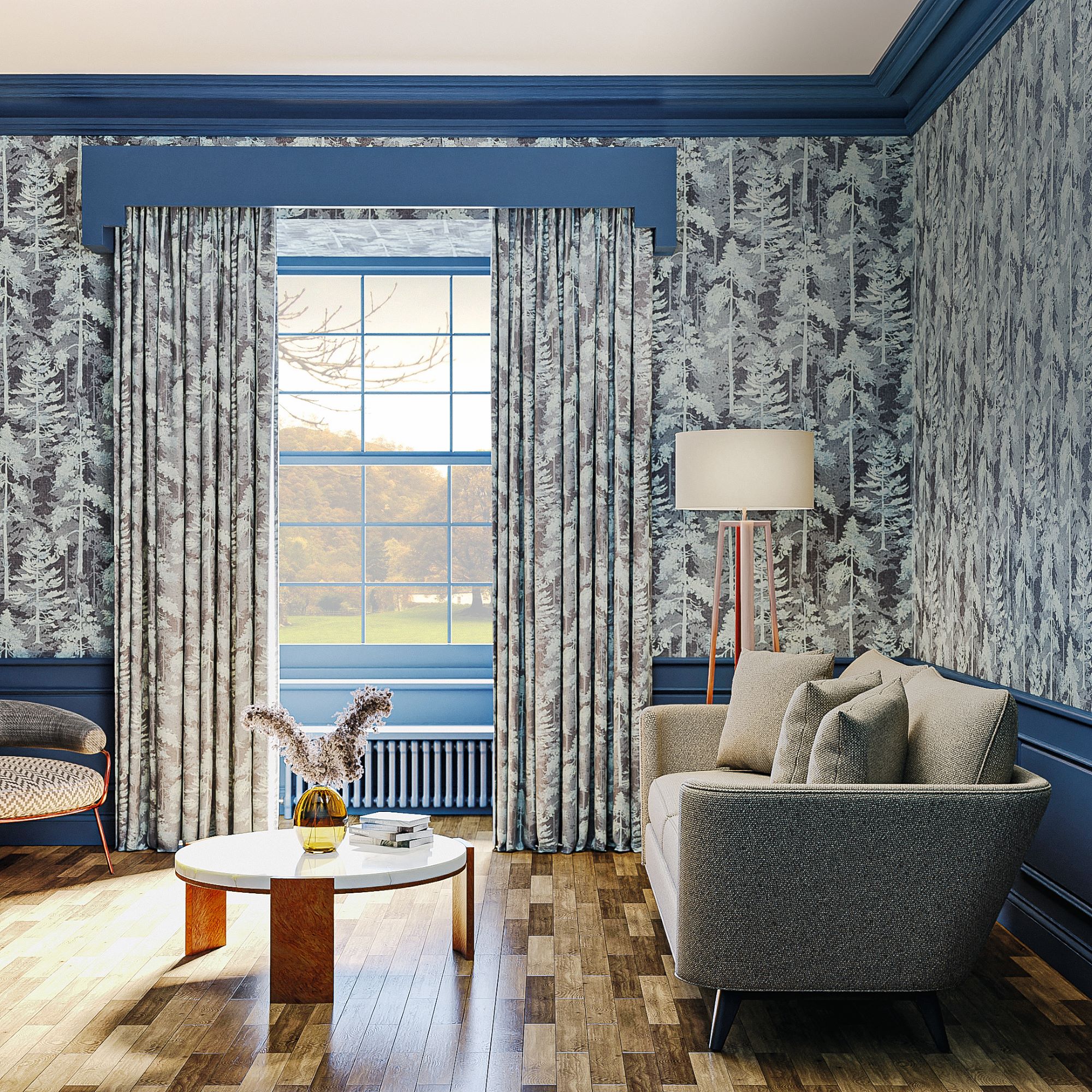
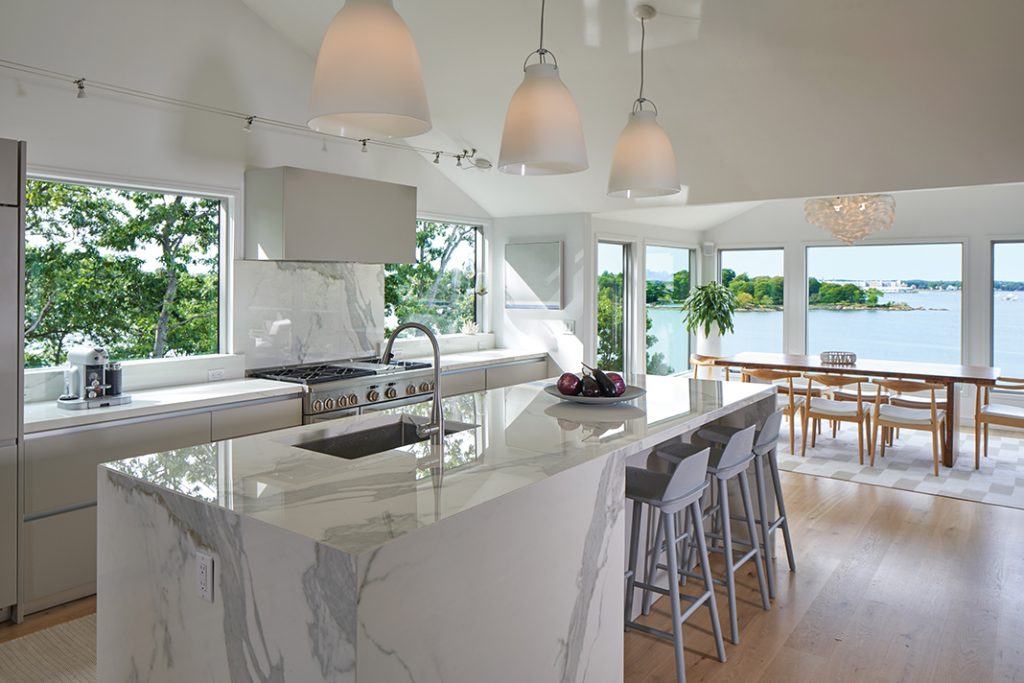
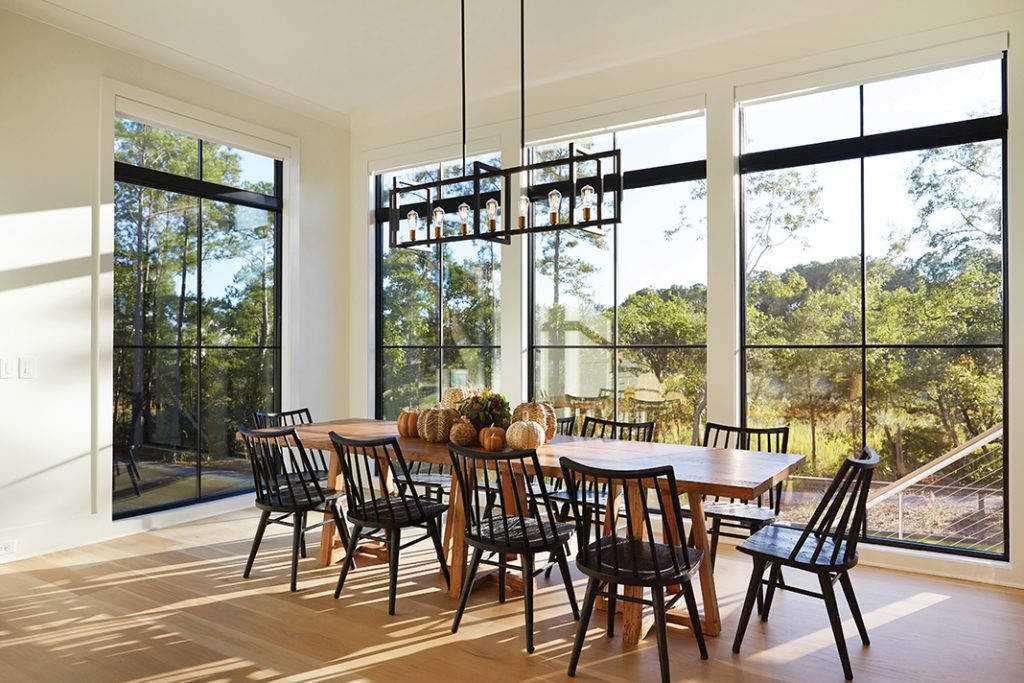
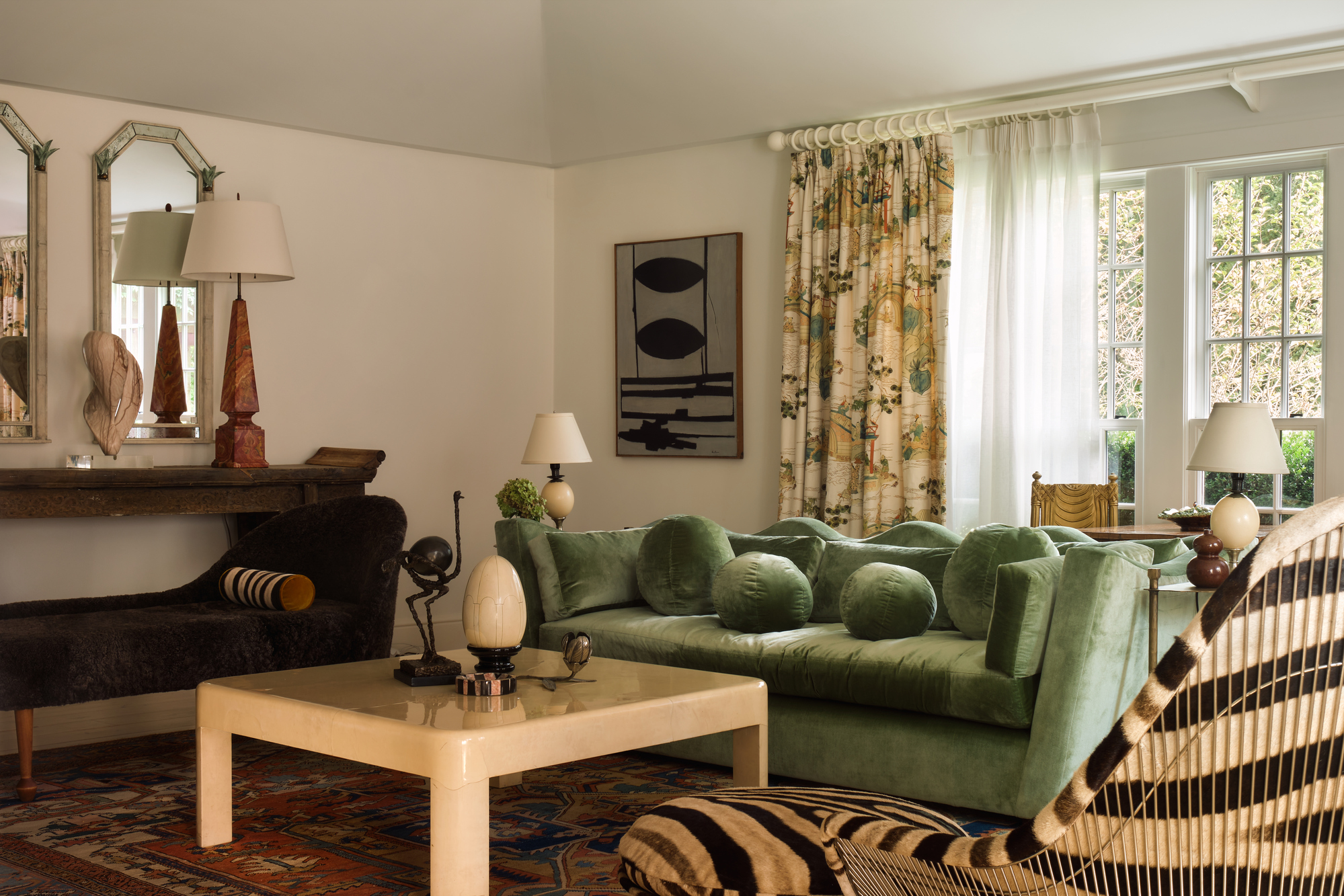
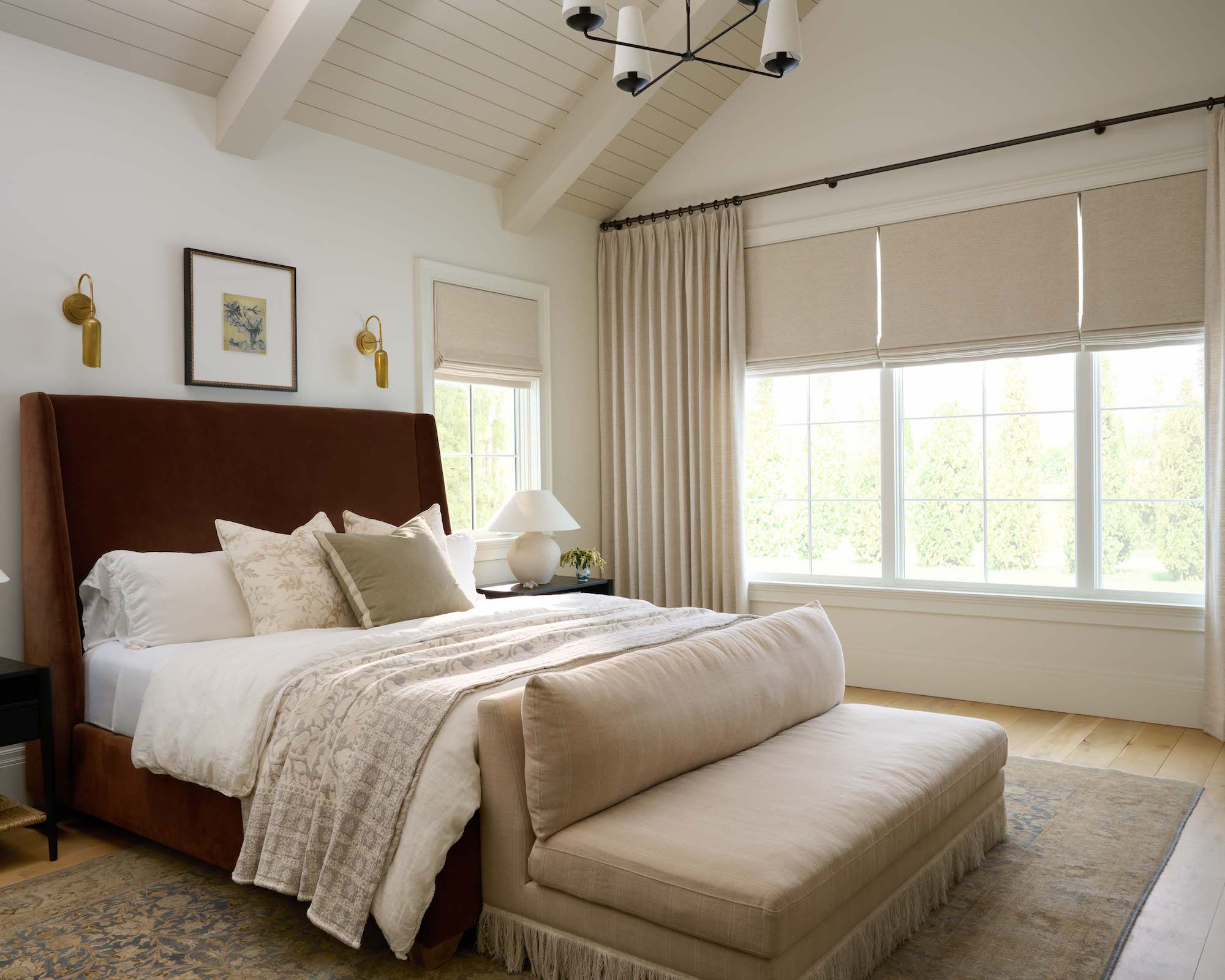
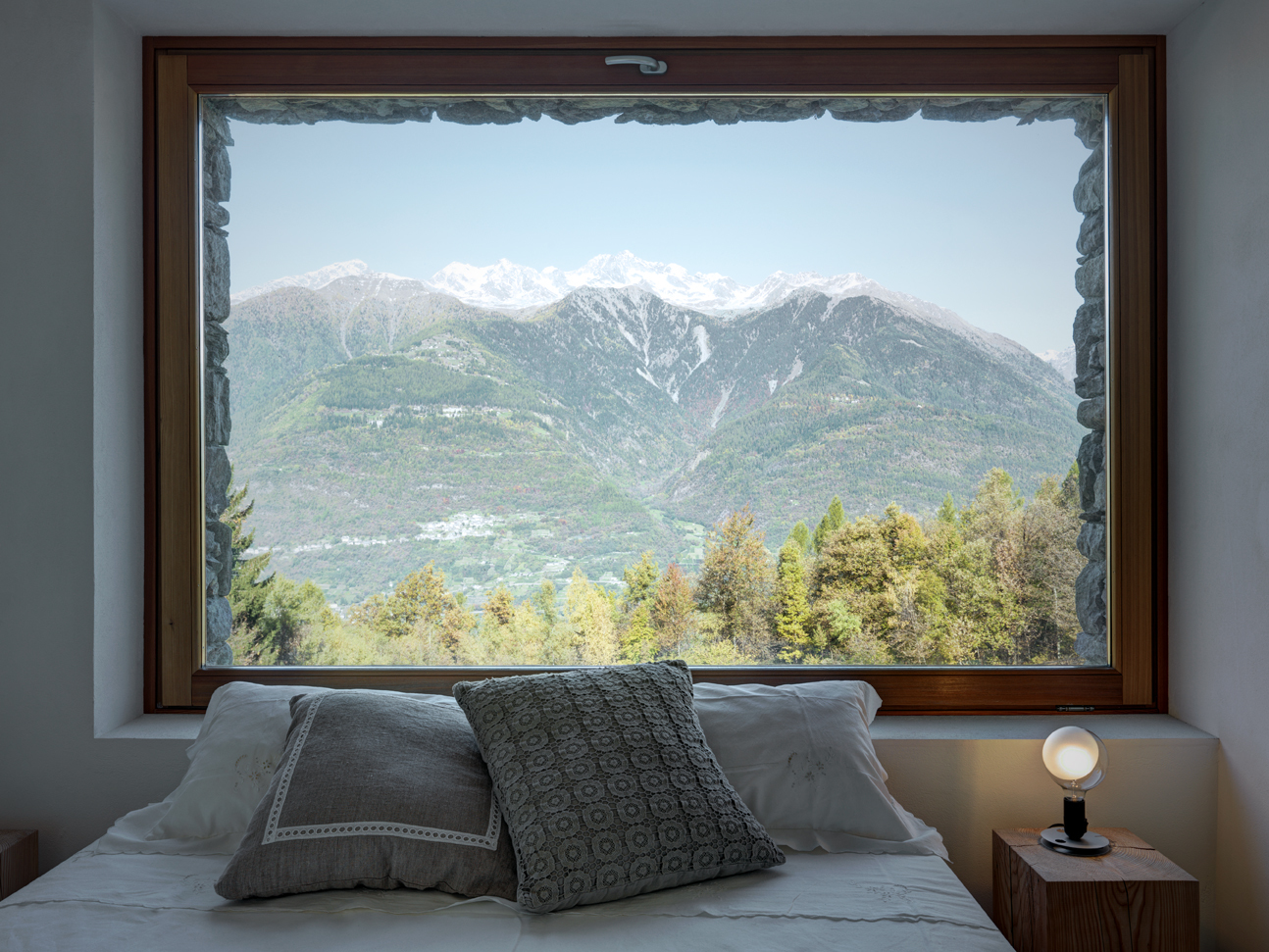
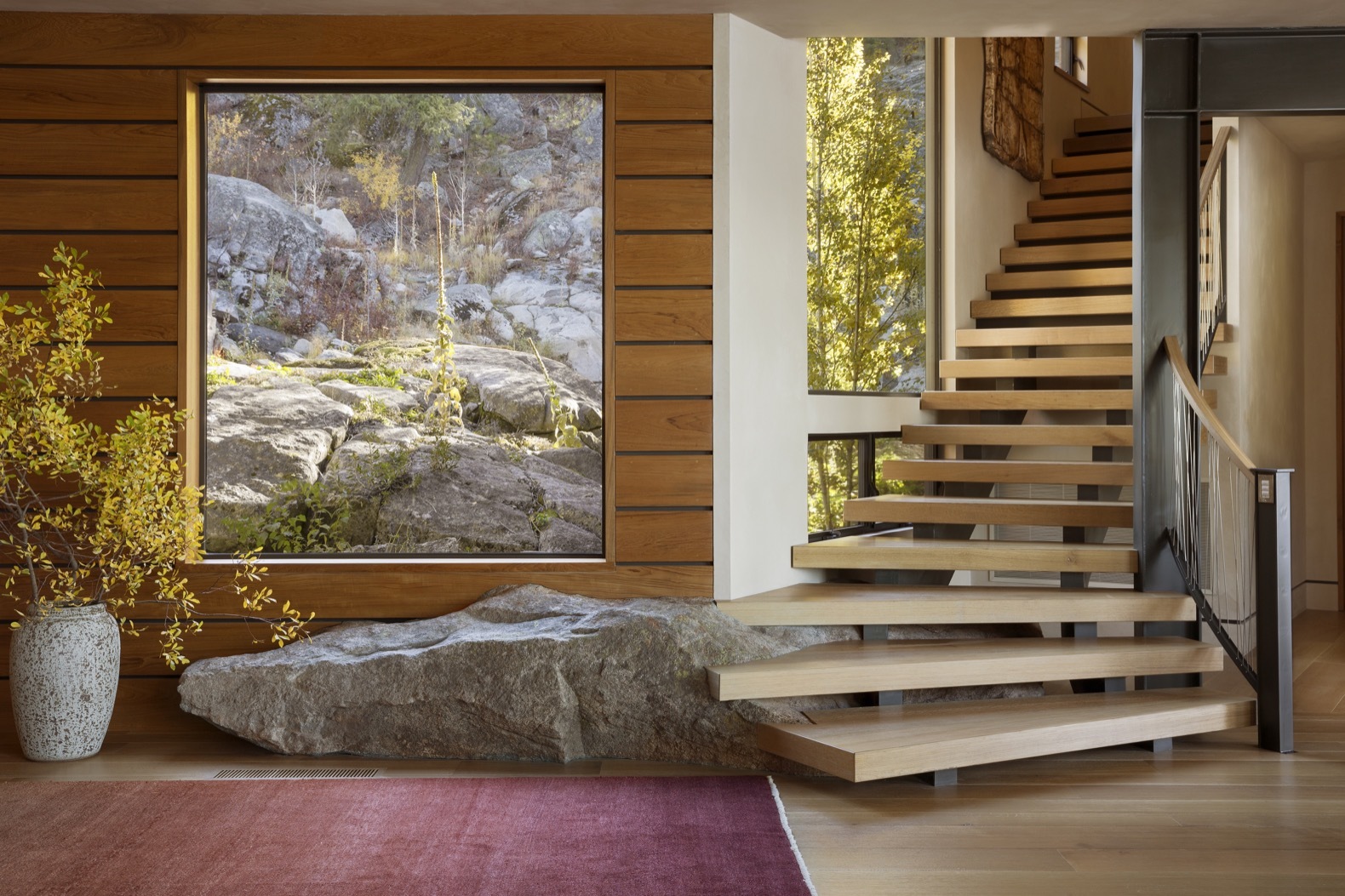
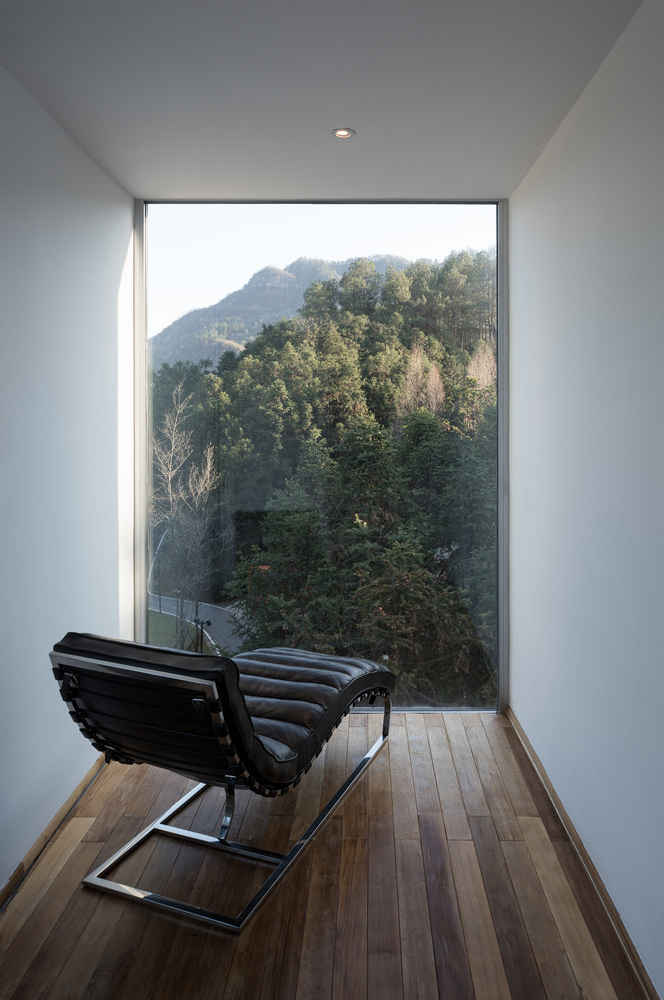
Modern homes also require windows to integrate both functional utility and aesthetic appeal without compromising performance. Whether the design involves large picture windows to capture views, corner glazing for a seamless connection to the outdoors, or custom shapes for historical buildings, windows must align with the architectural style. Contemporary manufacturing techniques allow for slim profiles, diverse color palettes, and hardware finishes that can complement any interior design while maintaining structural integrity and performance. Finally, selecting low-maintenance and durable materials is essential for the longevity of windows, particularly in harsh climates. Corrosion-resistant frames, weather-sealed joints, and UV-stabilized surfaces ensure sustained performance. uPVC and treated aluminum frames are popular choices due to their minimal maintenance requirements, resistance to termites, and fade-proof qualities. Beyond aesthetics, considerations such as ease of cleaning, hardware reliability, and warranty coverage are vital for homeowners.
#WindowDesign #HomeImprovement #EnergyEfficiency #SustainableLiving #ArchitecturalDesign #AcousticInsulation #Ventilation #DurableMaterials #ThermalComfort #WindowDesign #HomeImprovement #EnergyEfficiency #SustainableLiving #ArchitecturalDesign #AcousticInsulation #Ventilation #DurableMaterials #ThermalComfort
0 comment in total
 No comments yet
You may also like
Window Pros Break Down Six Styles

6 window treatment trends that interior designers swear by for a quick and easy update

We Asked 6 Designers Their Favorite Way to Dress Up a Kitchen Window, and They Did Not Disappoint
How Window Placement Can Make Or Break Your Home Design
The Best Window Brands for the Home

5 Best Window Brands for Your Home (2026)

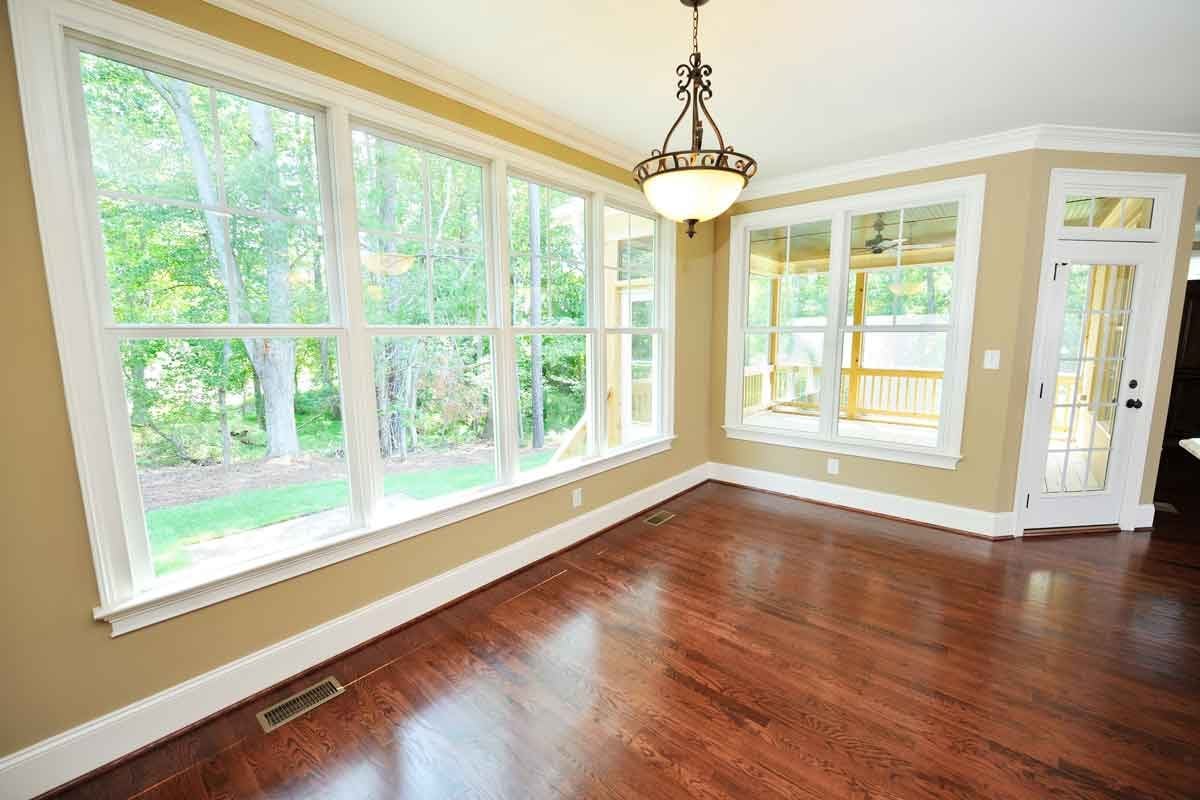
How to Choose Interior Window Trim

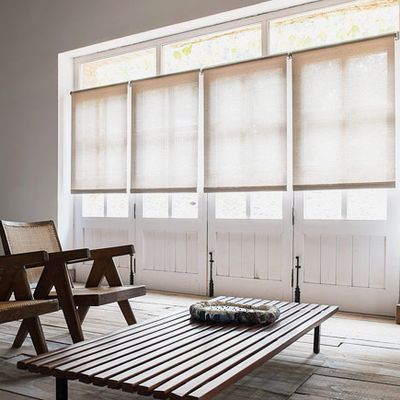
The Best Window Curtains and Shades, According to Interior Designers
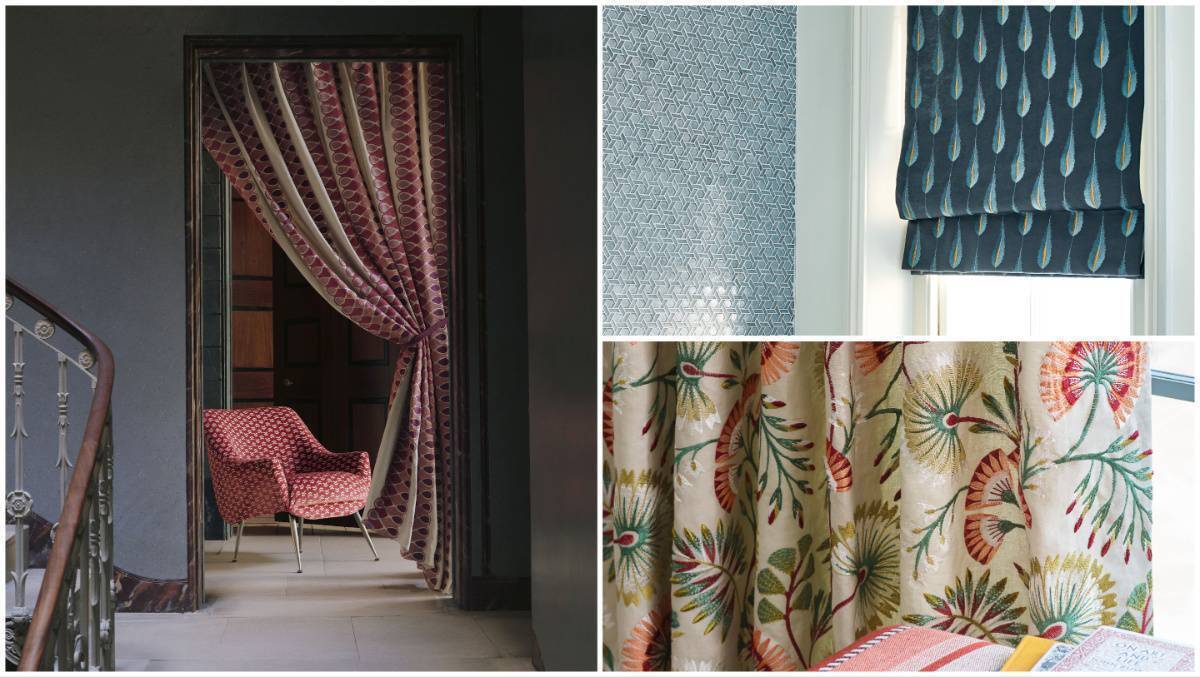
Curtain call: How to choose window treatments

How to Pick Windows: 5 Factors to Consider
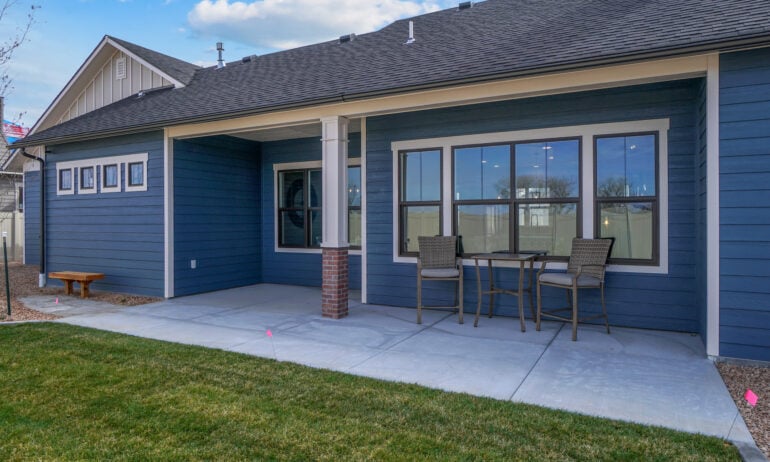
Single vs Double Hung Windows: Cost, Safety, Energy Efficiency

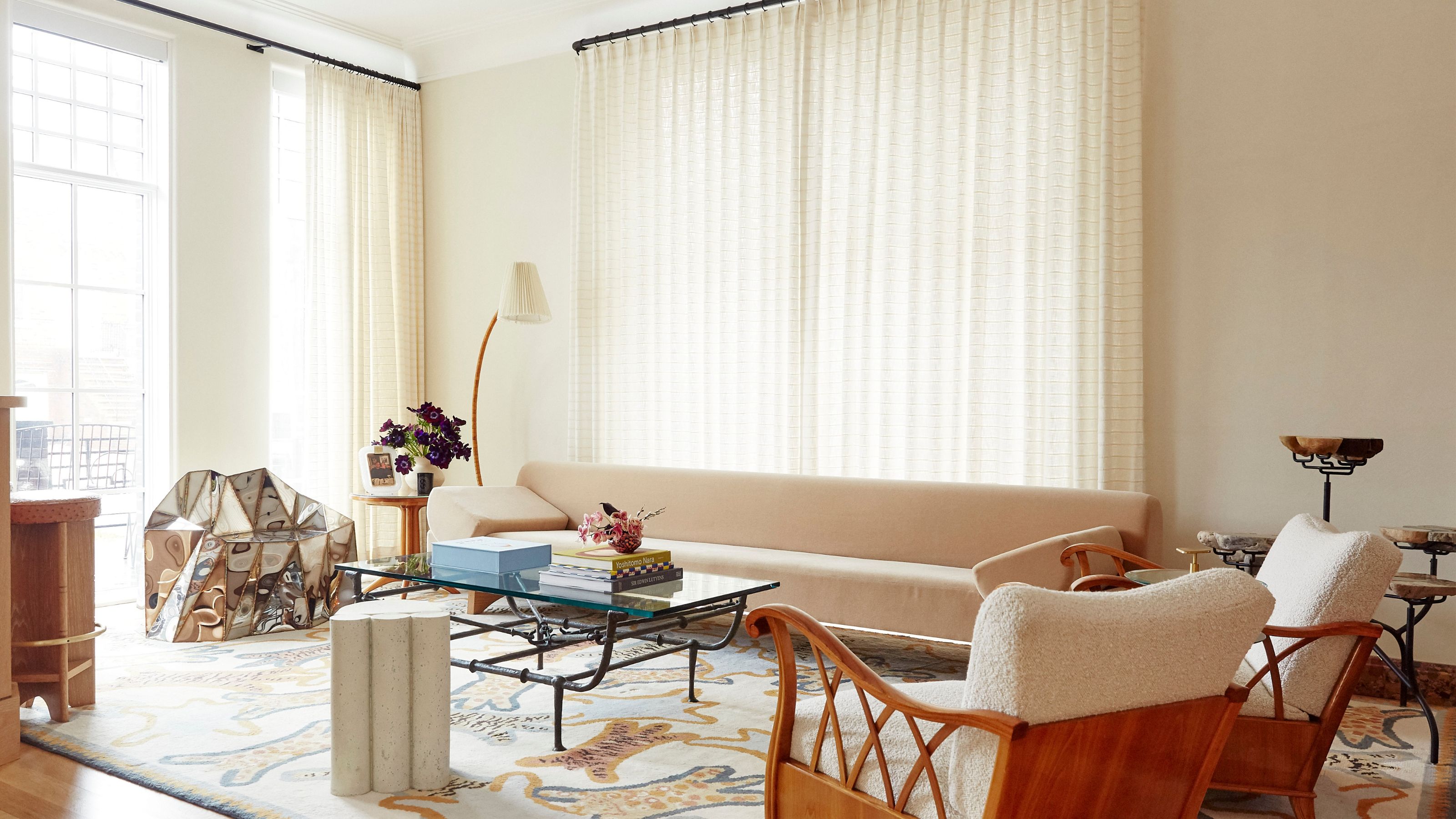
"Should All My Window Treatments Match?" Here's How Designers Decide, and Make It Work Either Way

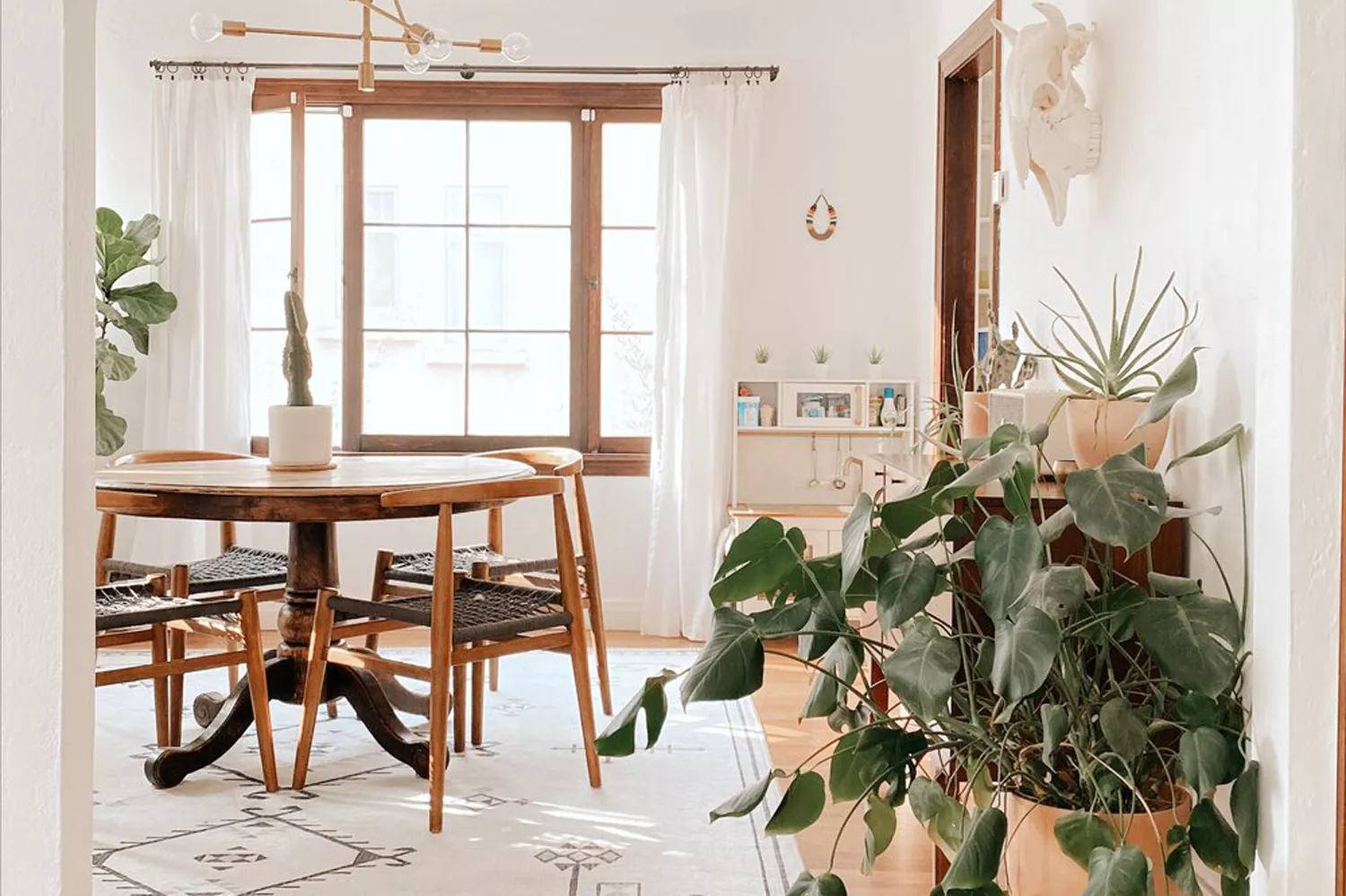
20 Window Treatment Ideas to Suit Every Room

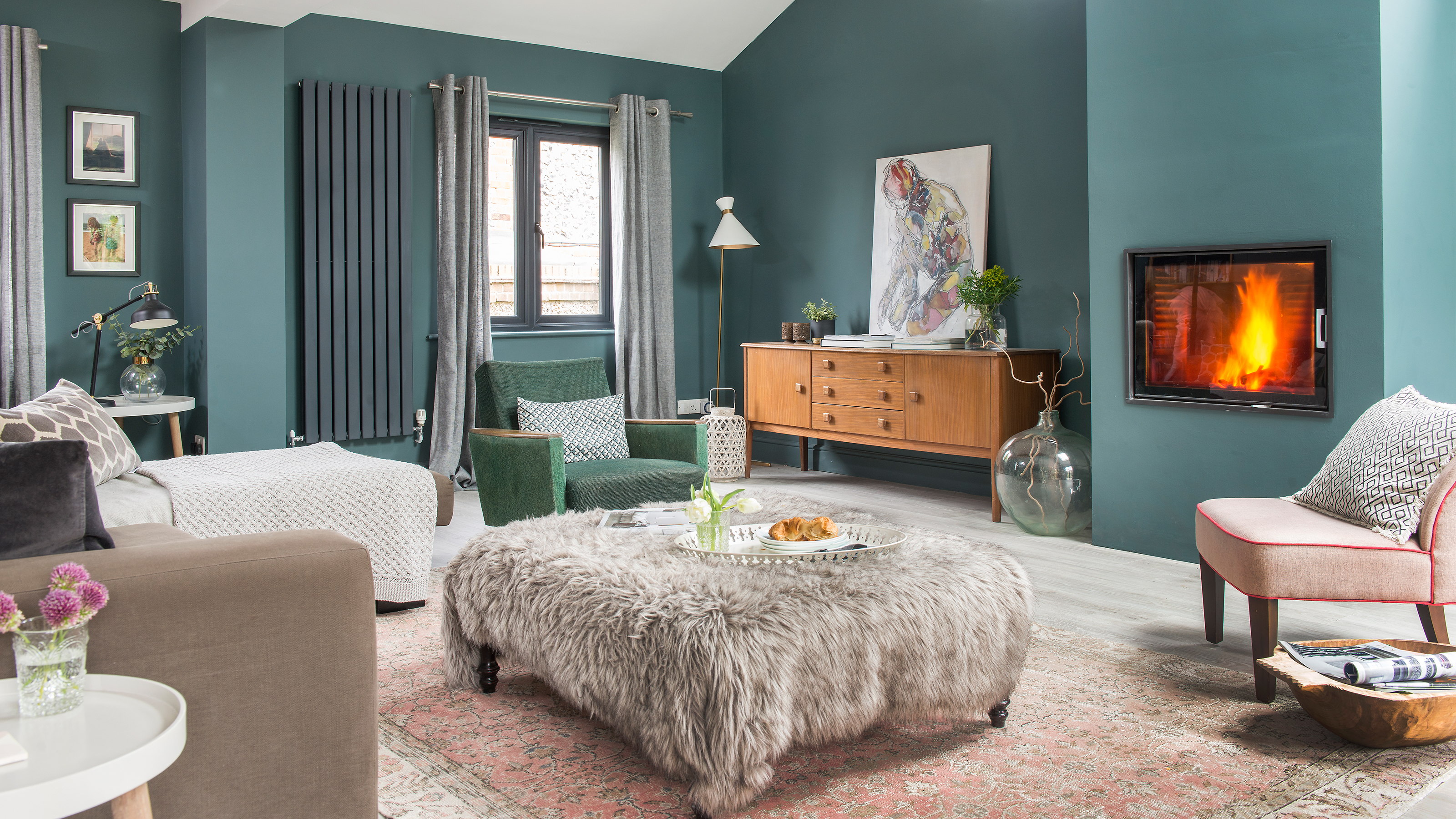
How to dress a window - three design experts explain how to plan the perfect window dressing

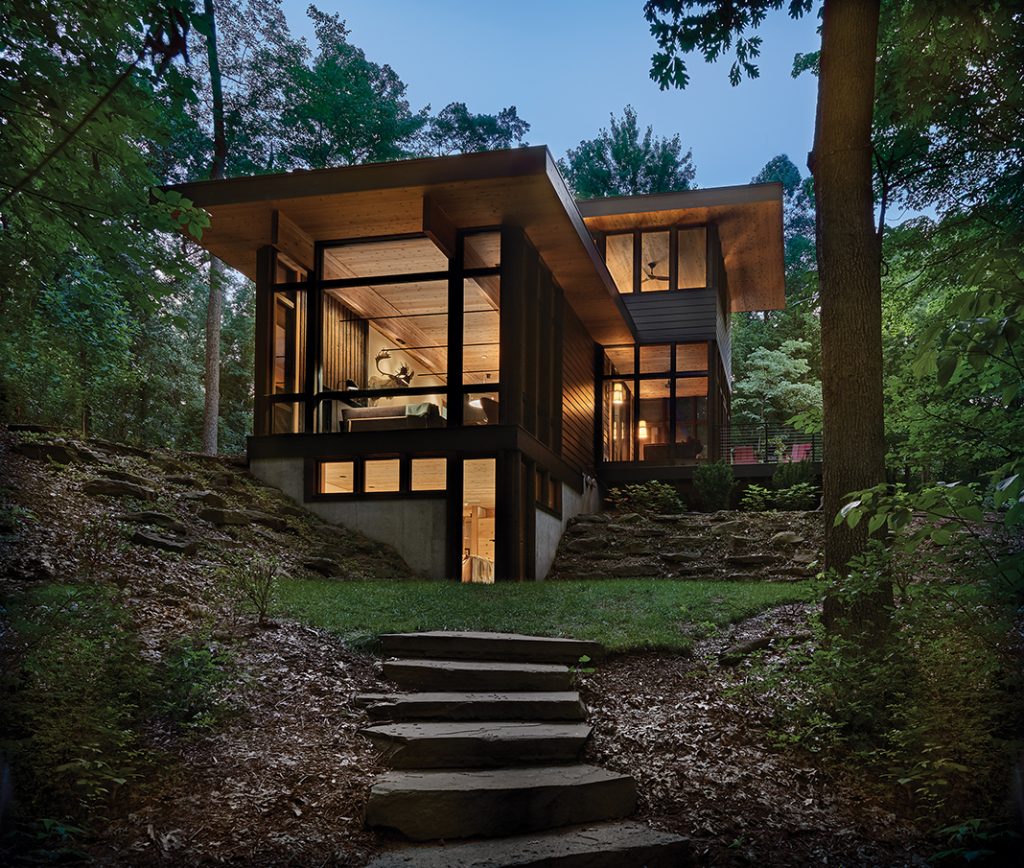
Glass Menagerie: Your Guide to Selecting The Best Windows For Your Midwestern Abode

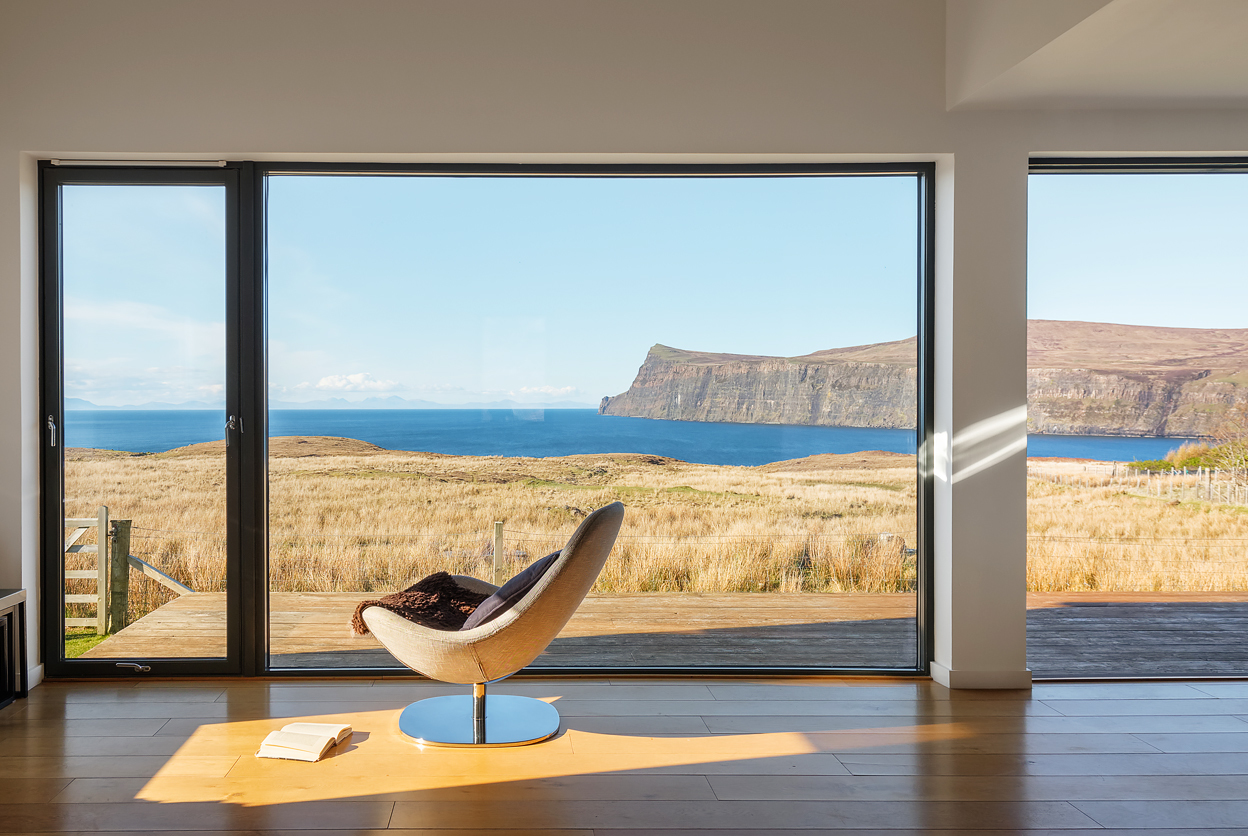
15 Magnificent Picture Windows That Frame Enviable Views

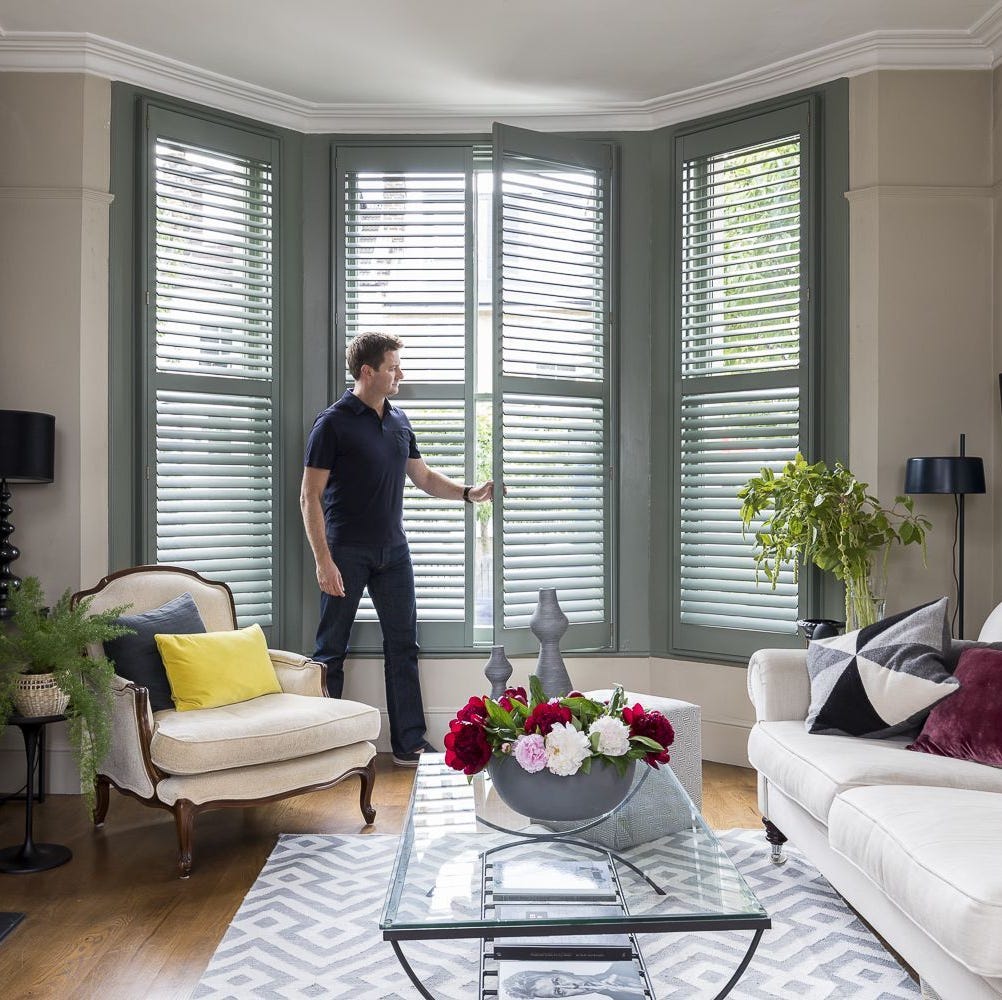
George Clarke's top tips on choosing the perfect window treatments for your space

5 Best Window Brands for Your Home (2025)

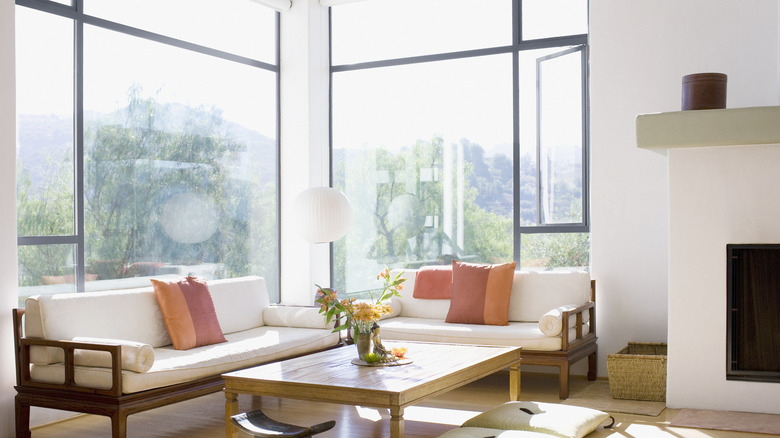
An Interior Design Expert Explains How To Style Your Windows To Make Them Look Bigger

4 Outdated Window Treatments That Are Secretly Aging Your Home, Designers Say