3 Things You Should Never Store On Your Kitchen Counter (Plus, What Actually Belongs!)
The kitchen countertop is often considered valuable real estate in a home, yet it frequently becomes a collection point for various items. To maximize functionality and maintain an organized space, it is crucial to differentiate between items that should be stored on the counter and those that are better kept elsewhere. This distinction is based on daily usage patterns and the need to keep the kitchen tidy and efficient.
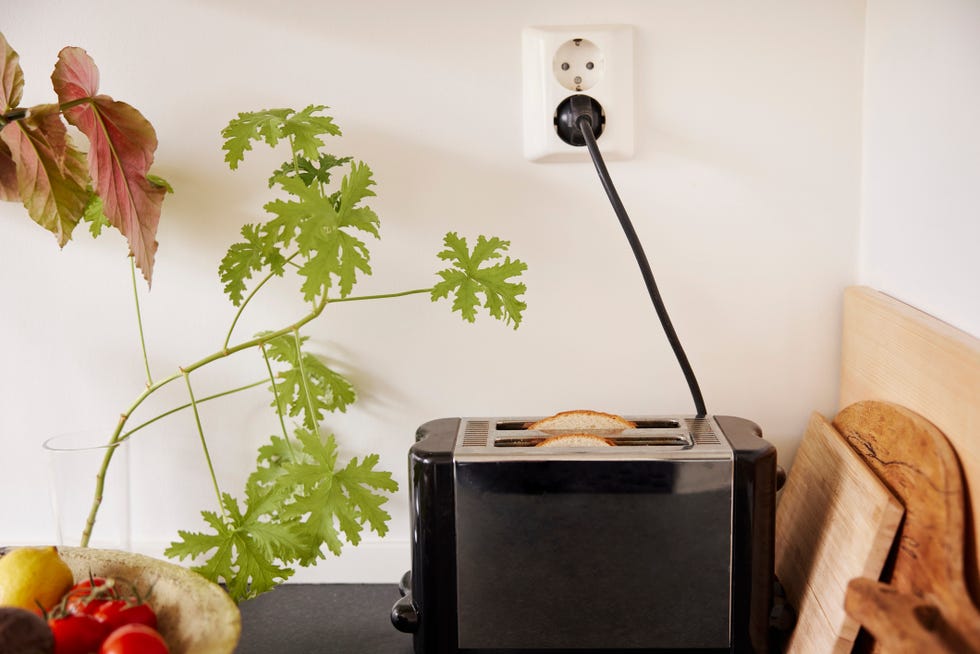
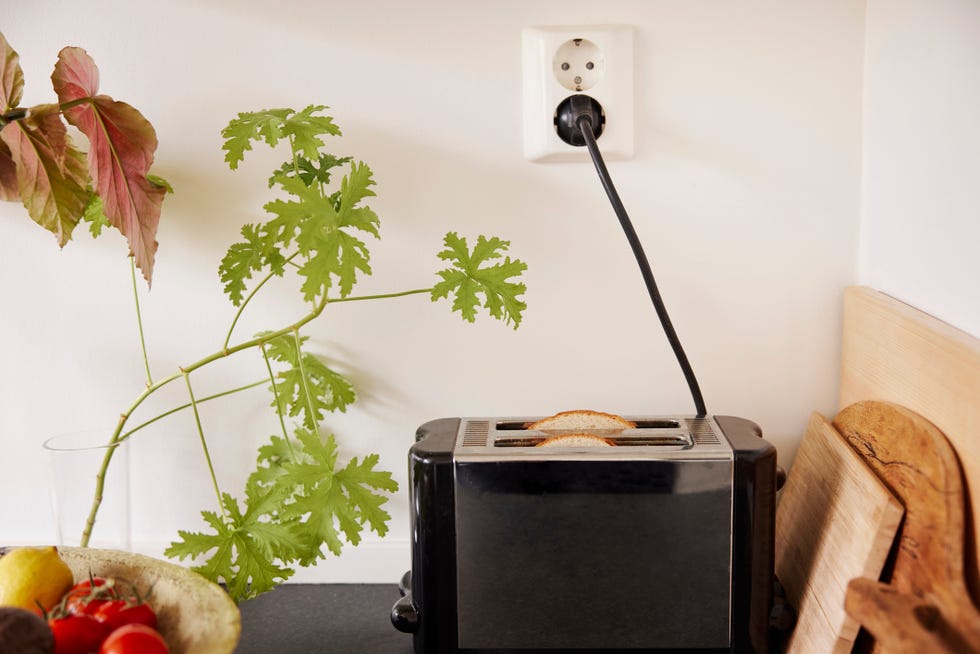
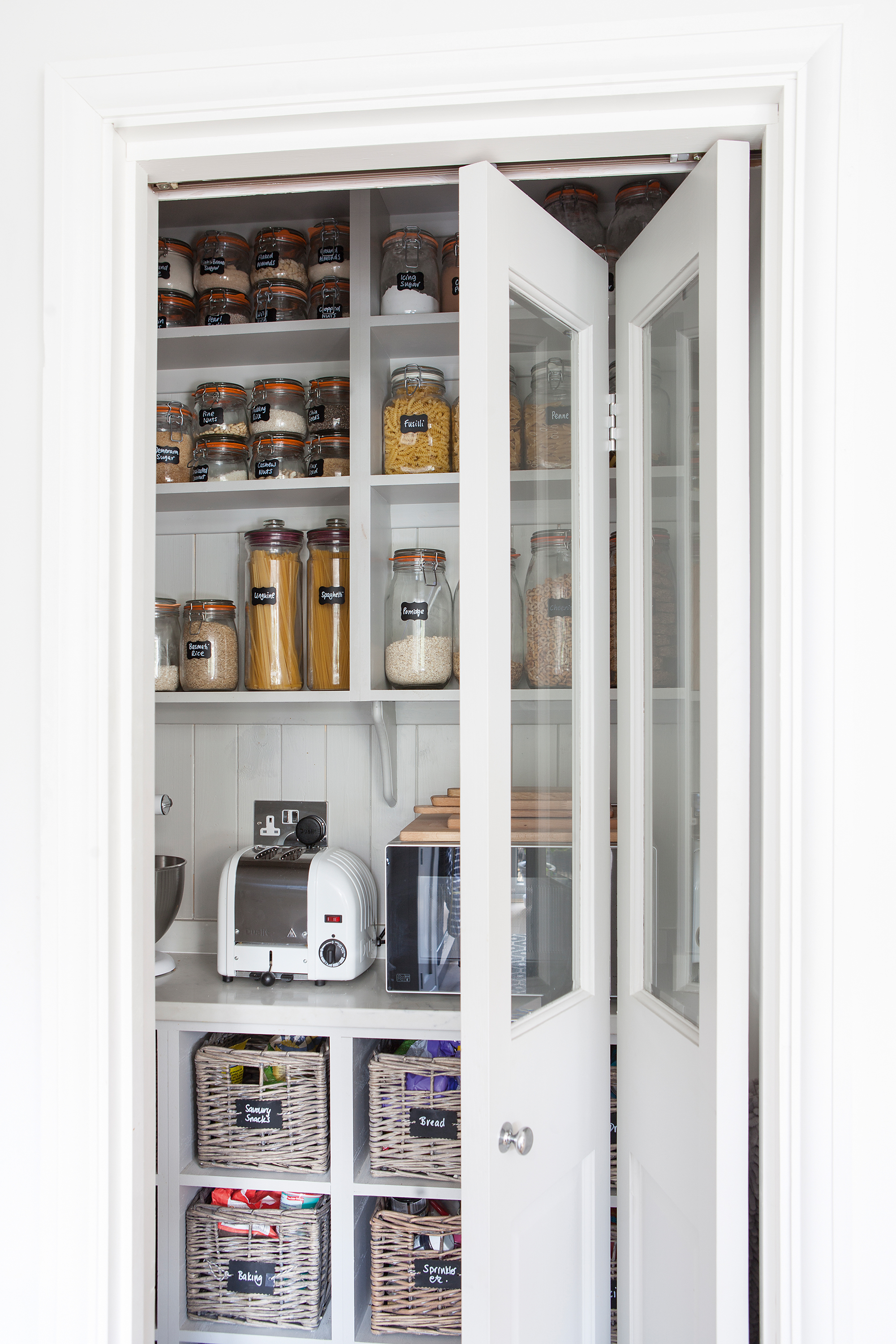
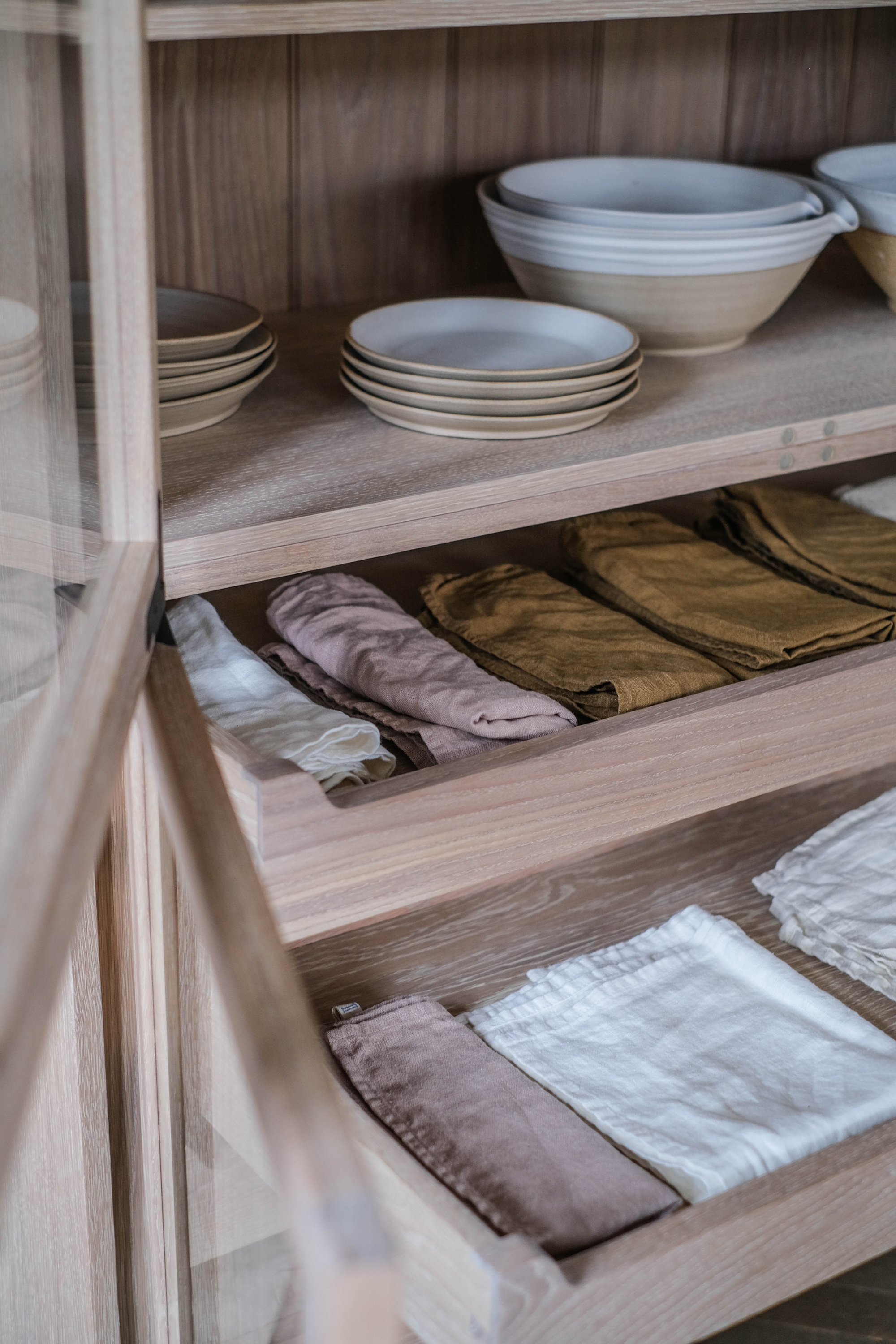
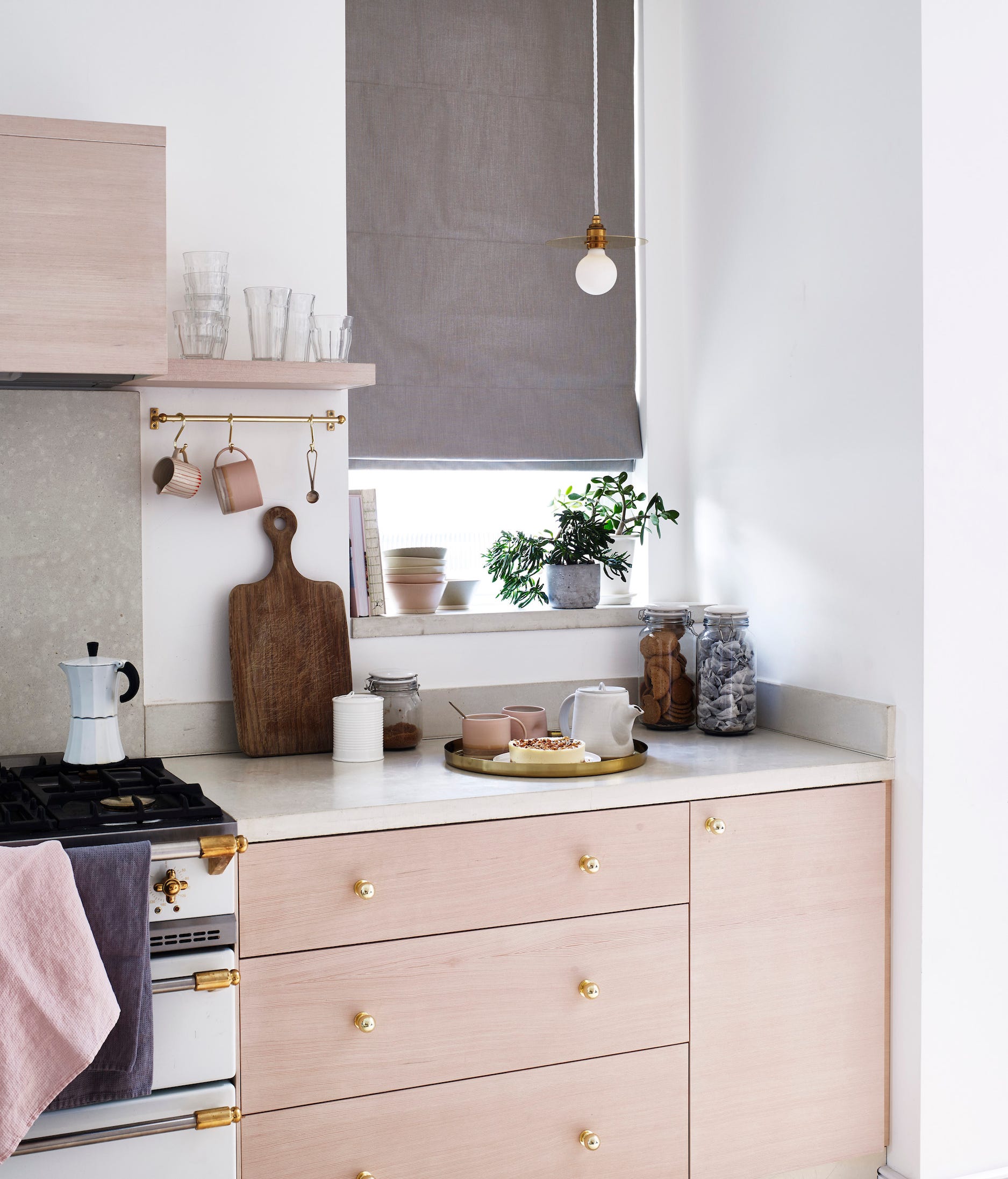
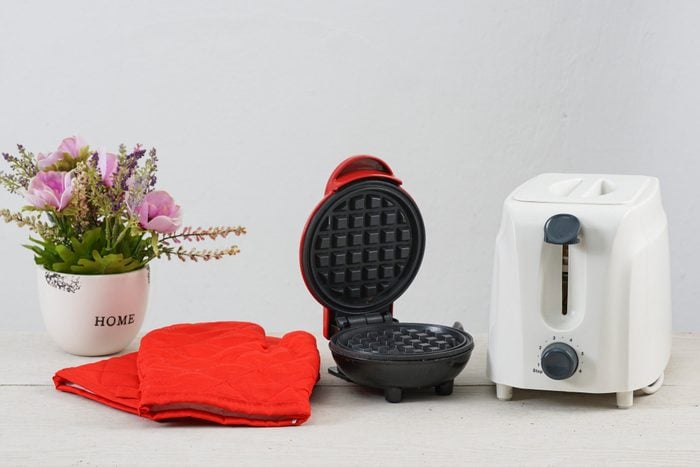
Small appliances are among the first items often over-displayed. While stand mixers, food processors, and blenders are essential kitchen tools, their constant presence on the counter might not be necessary if they are not used daily or even weekly. Storing less frequently used appliances in lower cabinets is a practical solution, leveraging often sturdier and more spacious storage areas. This principle also extends to items like cake stands and Dutch ovens, which, despite their aesthetic appeal, contribute to clutter if not in regular rotation.
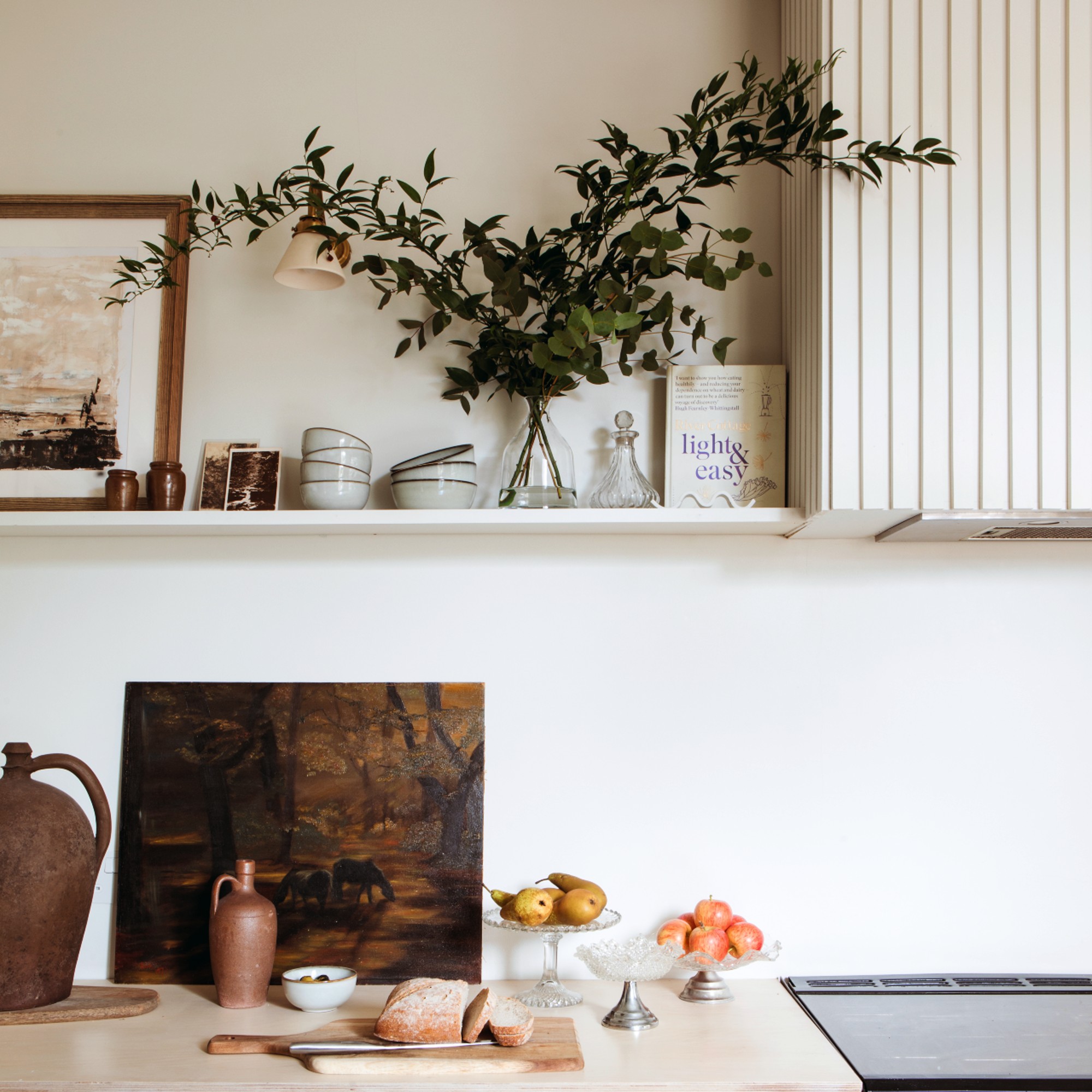
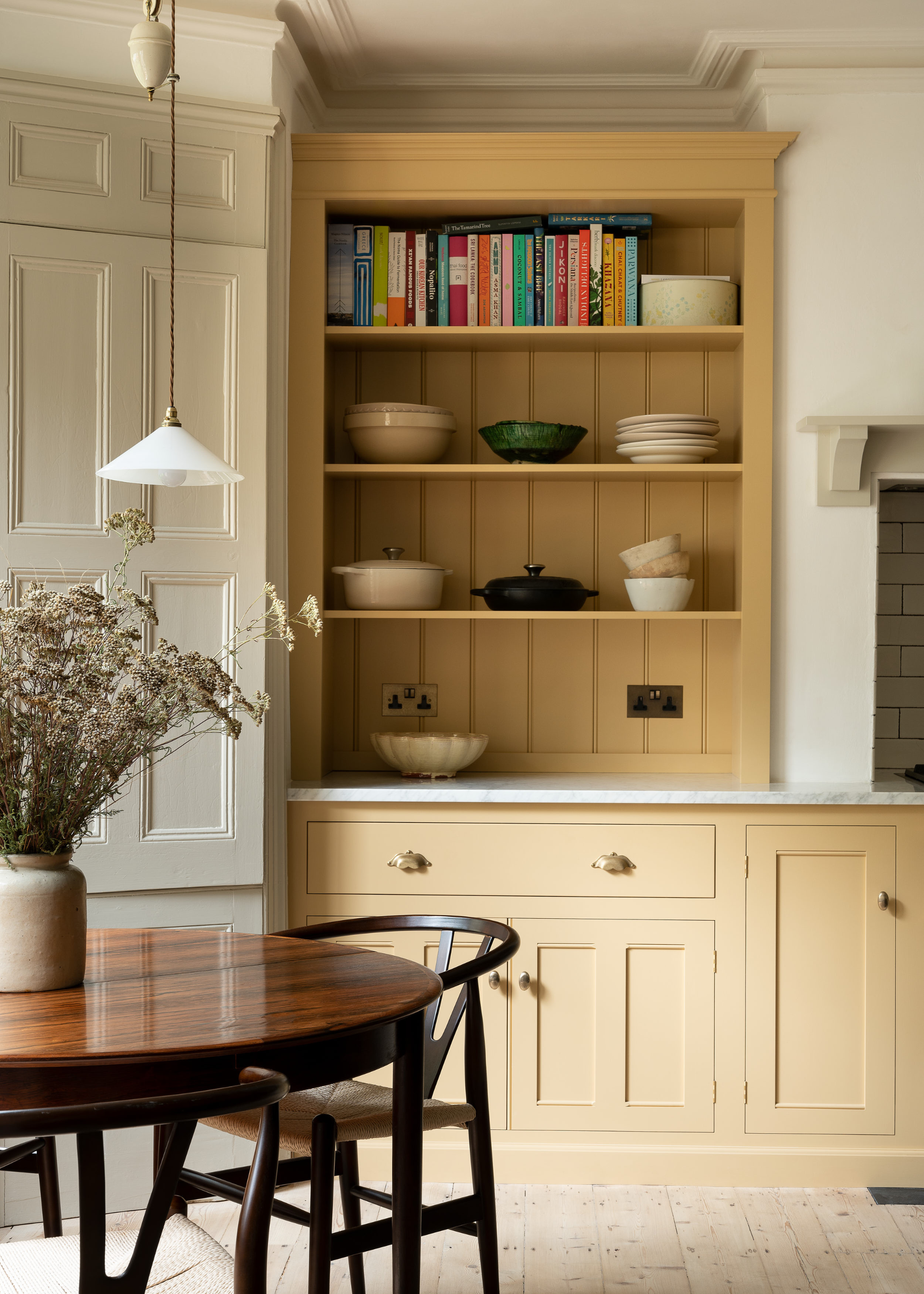
Cookbooks, though tempting to display, are another category that benefits from off-counter storage. They are susceptible to stains and splatters from cooking, and their presence can quickly add to visual clutter. Shelving them nearby or keeping them in a cabinet ensures they remain clean and keeps the countertop clear for food preparation.
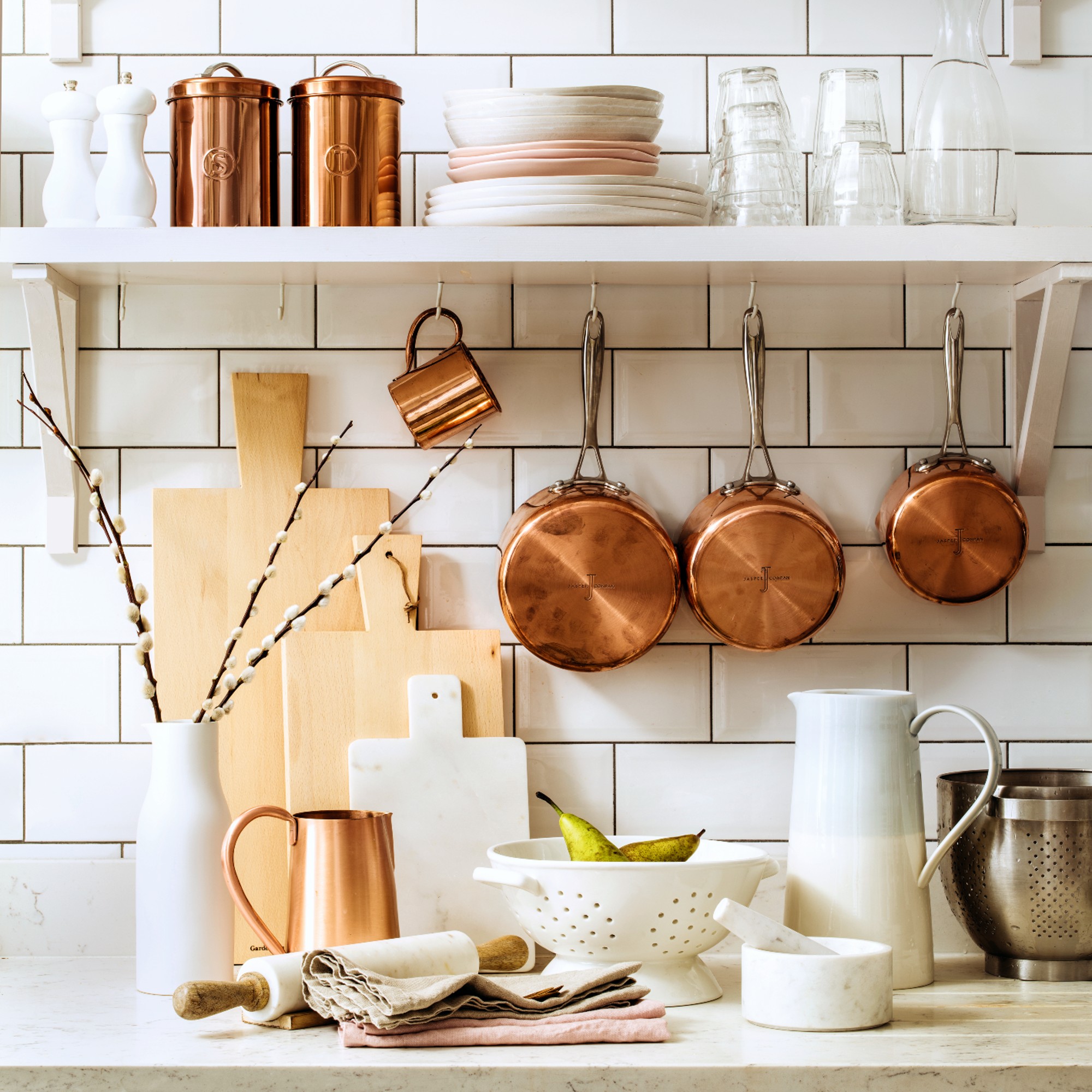
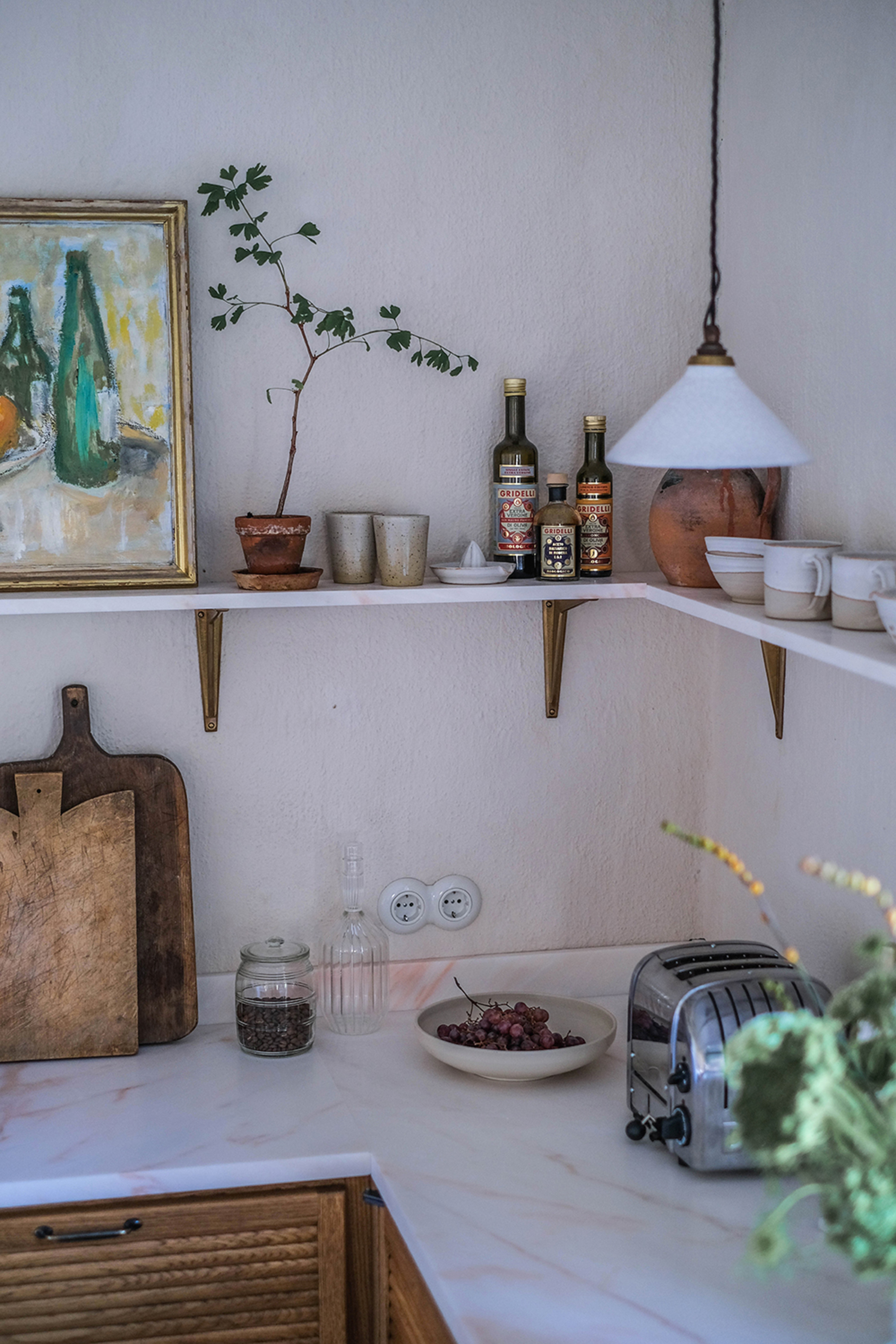
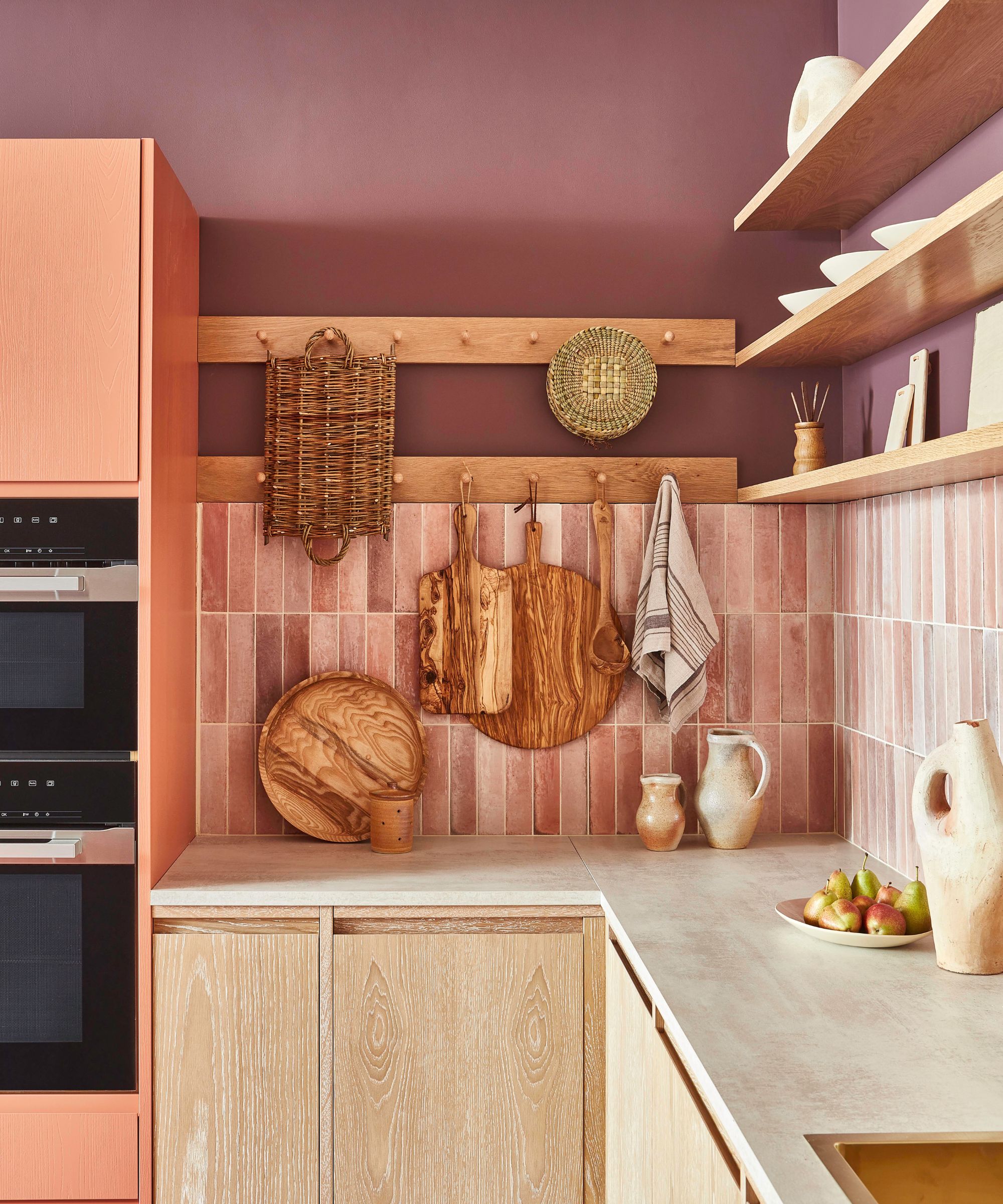
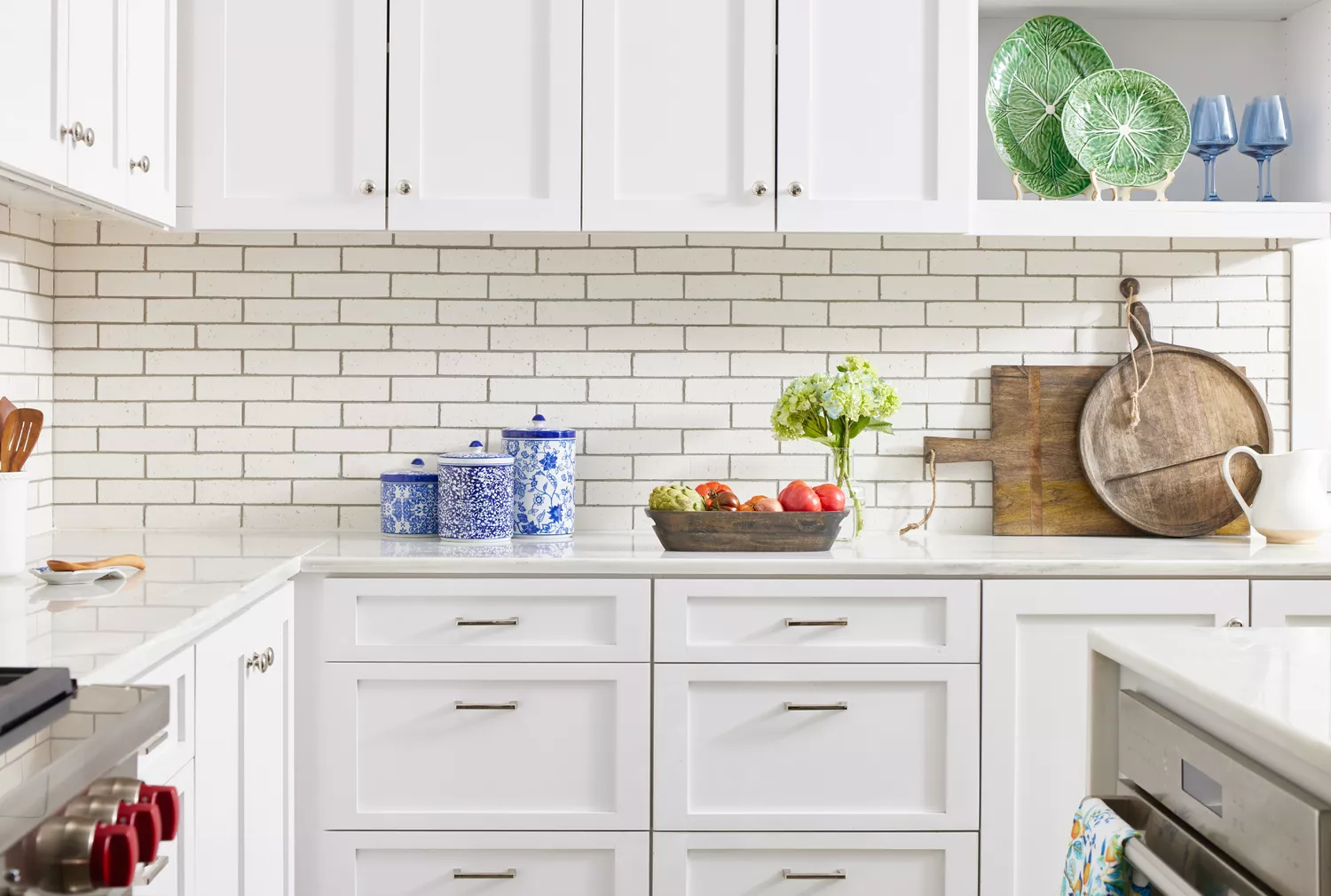
Cutting boards have become a trendy decorative element, with many homeowners leaning wooden ones against backsplashes. While this can work in kitchens with ample space, smaller kitchens or those seeking a tidier look should store cutting boards in a cabinet. This practice not only maintains cleanliness but also preserves valuable counter space.
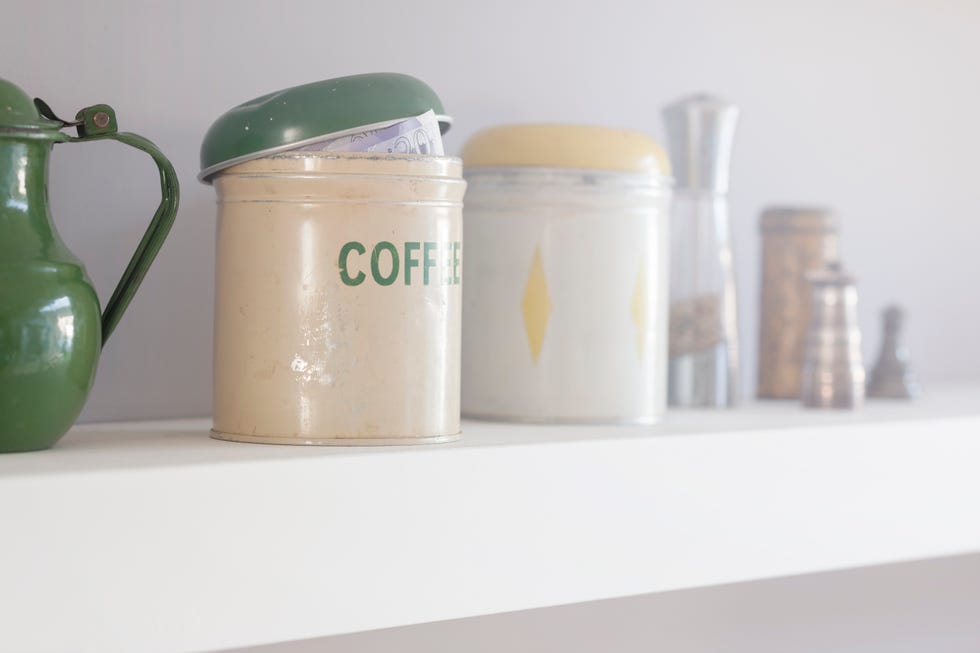
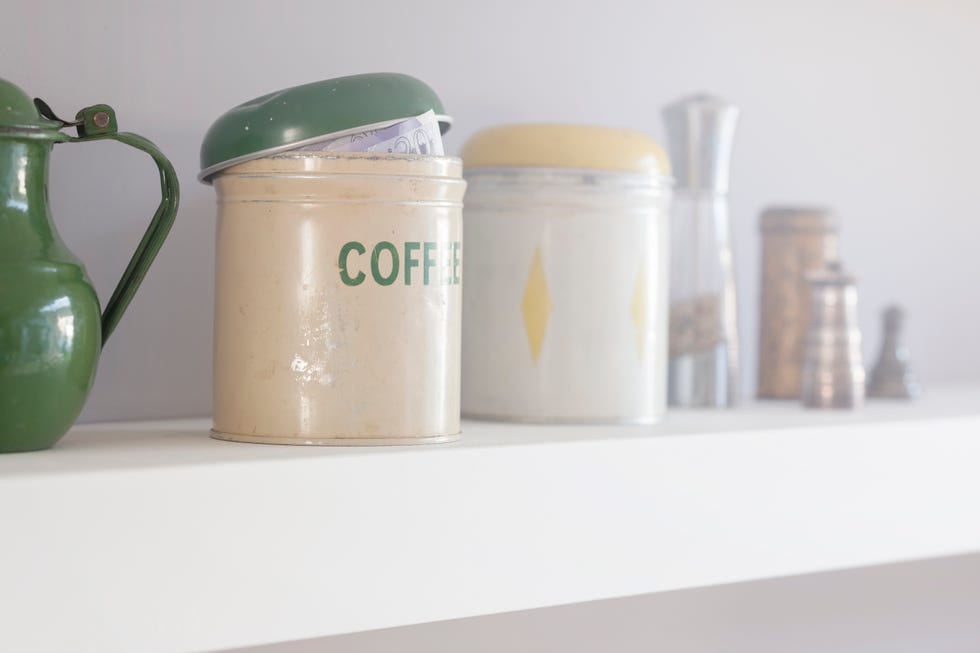
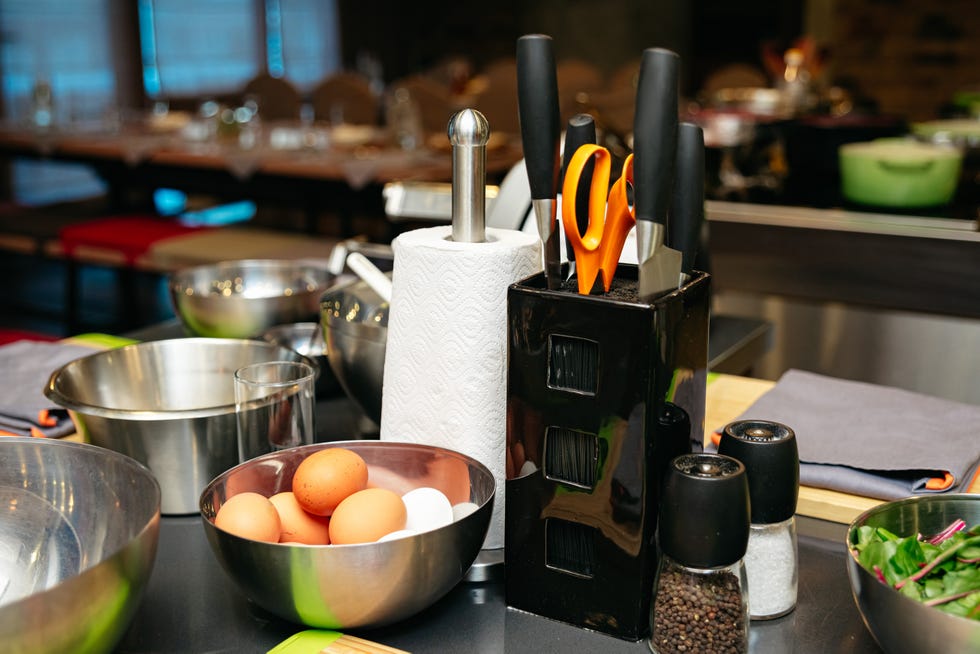
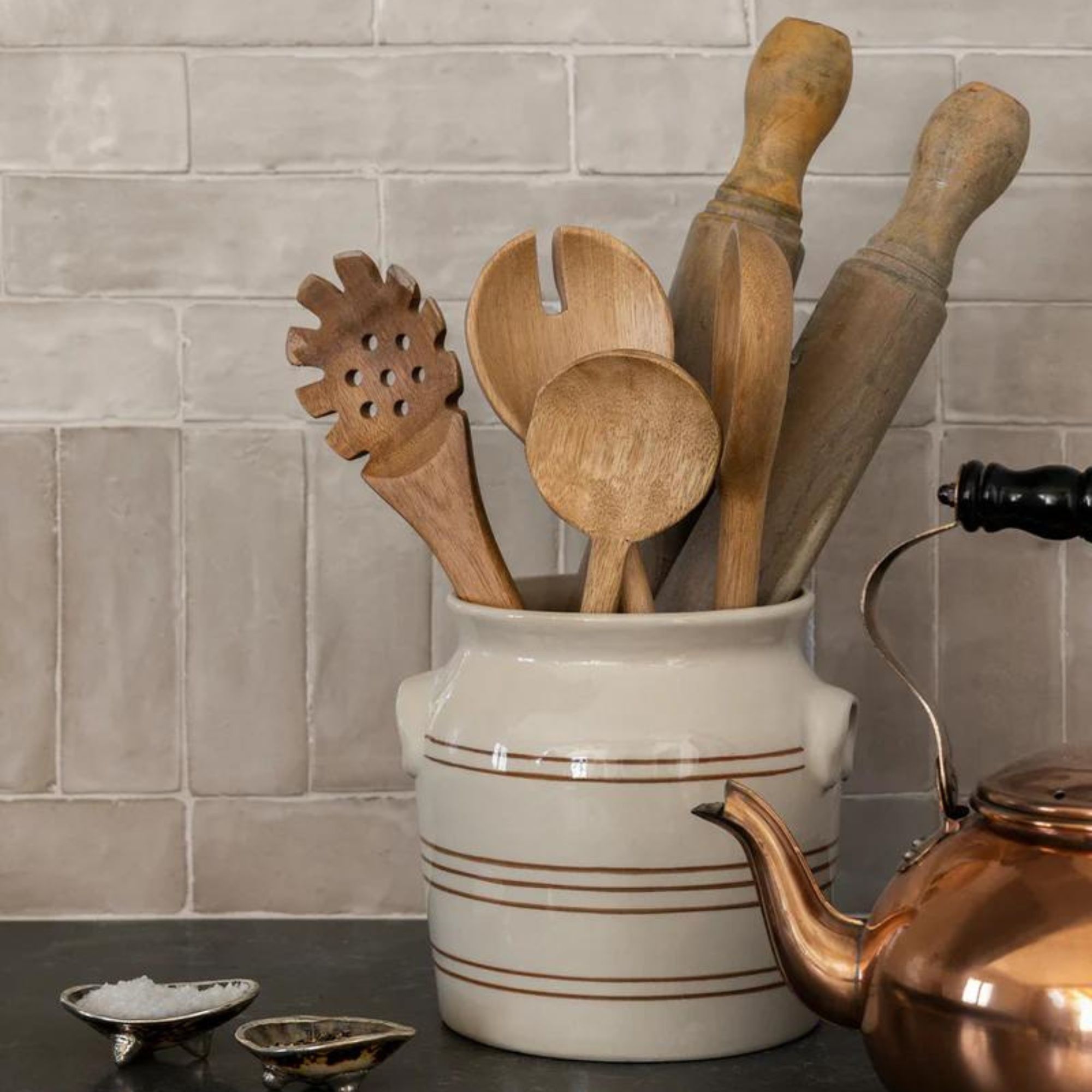
Conversely, several items are ideal for countertop storage due to their frequent use and functional necessity. A utensil crock placed near the cooktop provides easy access to cooking utensils like spoons and spatulas, streamlining meal preparation. It also offers an opportunity to inject personality into the kitchen through decorative crocks or antique jars.
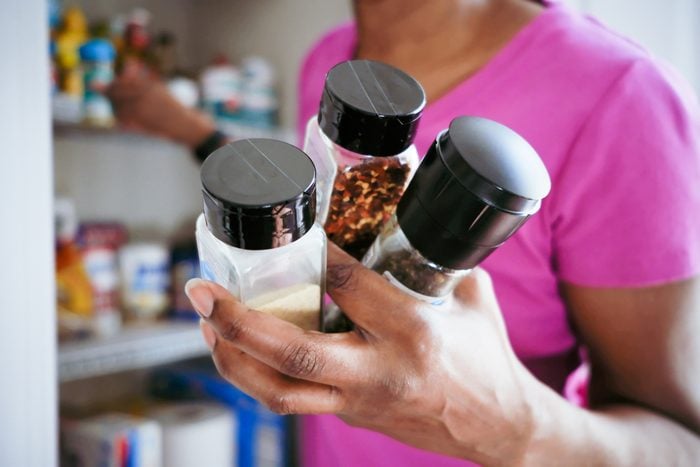
Essential condiments and ingredients such as salt, pepper, olive oil, and butter are encouraged to be stored on the countertop. These items are consistently used during cooking, and keeping them within reach enhances efficiency. Butter, in particular, can be stored in a crock to ensure it remains softened and ready for immediate use.
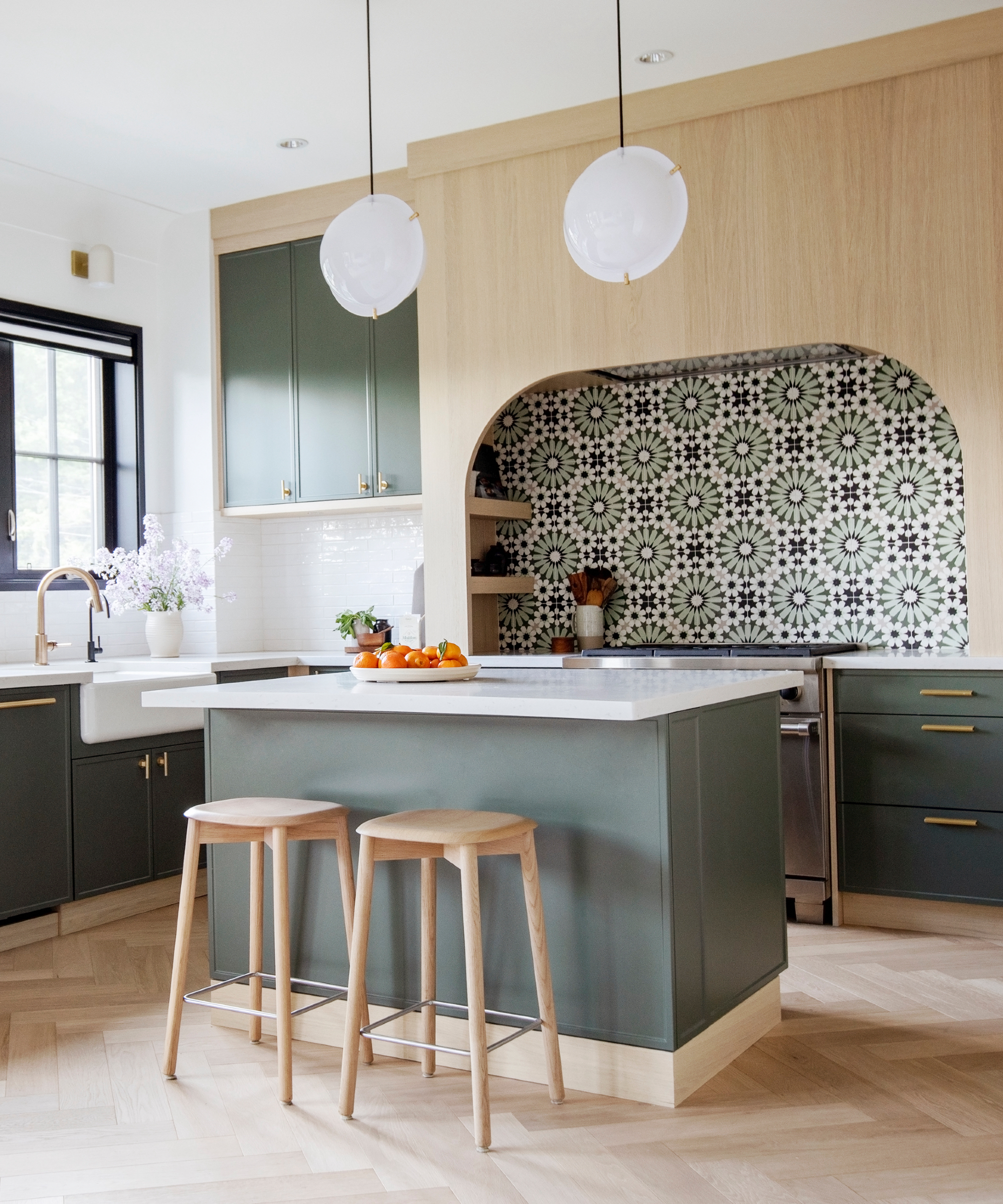
A fruit and vegetable basket is another excellent addition, especially for produce that does not require refrigeration, like tomatoes. Placing these items on the counter adds pops of color, and their visibility encourages healthier eating habits. Using a narrow vessel, such as a wooden dough bowl, can optimize counter space by allowing it to be placed against a wall or turned sideways during active food preparation.
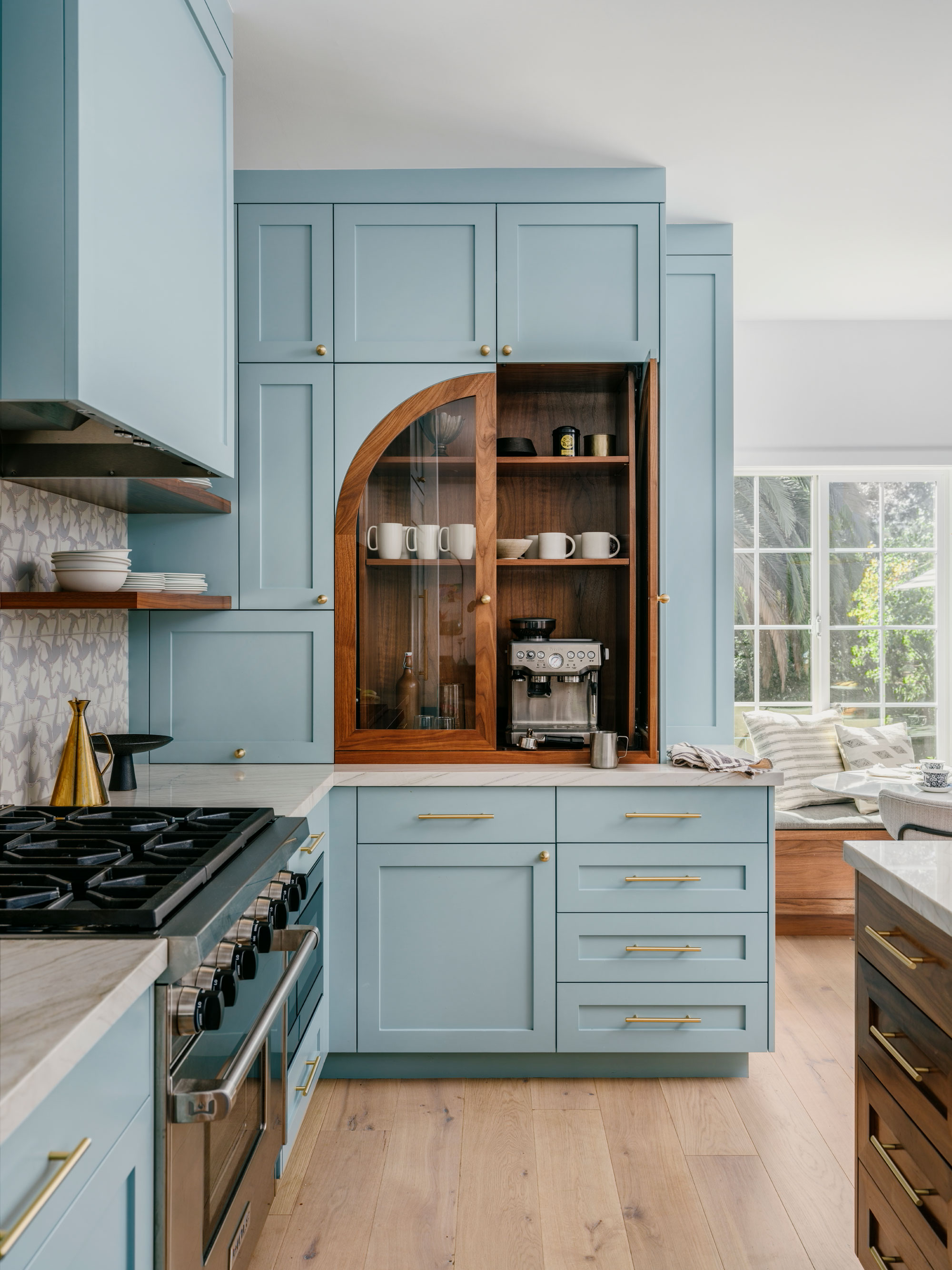
Paper towels, despite their utilitarian nature, are a kitchen necessity that should be easily accessible. Positioning them by the sink ensures quick clean-ups. Finally, the coffee maker, often the most used small appliance, warrants a dedicated spot. It should be near an outlet and allow easy access to its components. Creating a 'coffee station' by organizing pods, syrups, sugars, spoons, and cups on a tray or in a nearby cabinet further enhances convenience and maintains an organized appearance.
#KitchenOrganization #CountertopStorage #SmallAppliances #KitchenDesign #HomeDecor #CookingEssentials #KitchenClutter #KitchenOrganization #CountertopStorage #SmallAppliances #KitchenDesign #HomeDecor #CookingEssentials #KitchenClutter
0 comment in total
 No comments yet
You may also like
6 Things You Should Never Keep on Your Kitchen Counter

Pros warn never to keep these 8 things in your pantry

5 things to never put on your kitchen island, according to interior designers
5 Things You Should Never Keep on Your Kitchen Island

8 Things You Should NEVER Keep On Your Kitchen Counter
12 Things That People Over 30 Should NEVER Have In Their Kitchen

7 Items You Should Never Store In Kitchen Cabinets
10 things decluttering experts won't keep in their kitchen cupboards
6 Things You Should NEVER Keep In Your Pantry, According To Pro Organizers & Chefs
6 Things You Should Never Store in Your Kitchen Cabinets—and Where to Keep Them Instead


7 Kitchen Storage Trends That Designers say are Best Avoided

The 5 kitchen storage mistakes interior designers always avoid

8 Things Pro Organizers Say You Should NEVER Keep On Your Kitchen Counter

11 things you should never store in a pantry, according to experts
5 Outdated Types of Kitchen Storage Experts Are Urging You to Avoid
15 Items in Your Kitchen That Professional Organizers Would Throw Out

Never store these 6 things on open kitchen shelving, warn pro organisers
5 Things You Shouldn't Keep on Your Countertops if You Want an Uncluttered, Minimalist Kitchen
9 items never to store in a bathroom vanity – according to the experts
5 Things You Should Never Store In Your Bathroom Cabinets