1/2
I thought having my own office meant I'd 'arrived,' but it was depressing. Here's why open-plan office layouts are best.
The article presents Jennifer Moore's 20-year career experience across various office environments, including financial services, tech, and SaaS sectors. Her journey began in 2003 as a summer intern, working from a small desk in a hallway, initially feeling envious of another intern who had a cubicle. Over the years, Moore has experienced working in high-walled cubicles, open-plan offices, and private offices, forming distinct opinions on the advantages and disadvantages of each.
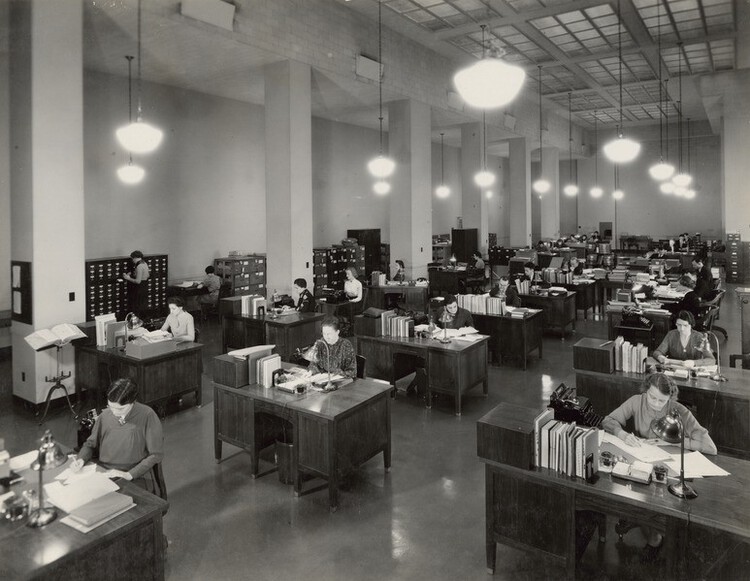
Moore notes that cubicles offer benefits such as privacy for deep work and one-on-one conversations. She recalls an instance in 2006 while working at Wells Fargo where the privacy of her cubicle was a 'blessing' during a personal crisis. However, cubicles also presented significant drawbacks, including isolation and a lack of natural light. She observed that only senior executives had offices with windows, clearly delineating hierarchy within the workplace.
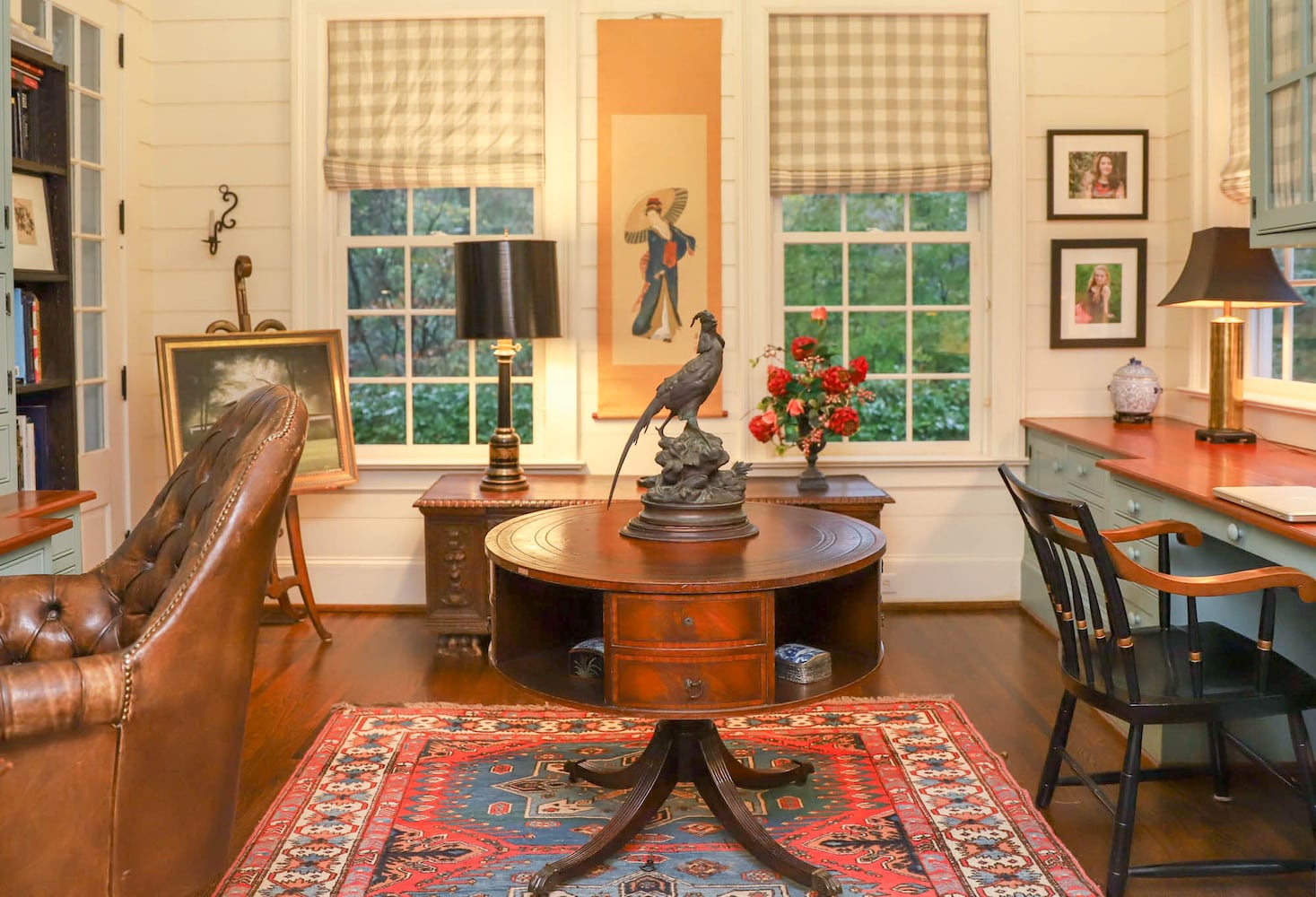
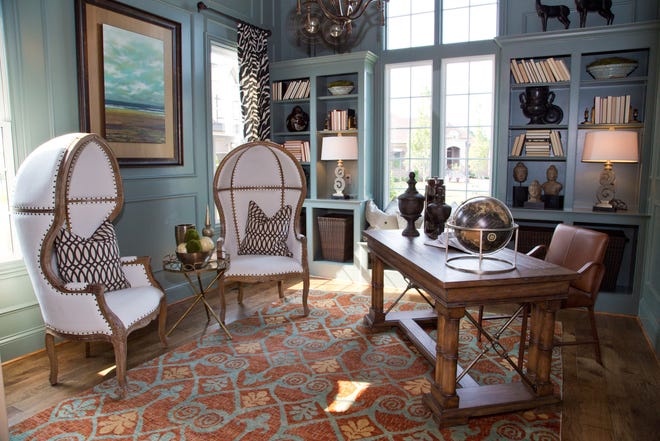
Her first experience with a private office in 2015, after achieving a product management role in financial services, was unexpectedly negative. Despite the perceived prestige and a budget for office furniture, she found the environment 'miserable.' The office lacked natural light, relying on dim fluorescent lighting, and its isolated location meant minimal foot traffic, contributing to feelings of depression and isolation. Moore emphasized that she could spend an entire day without interacting with anyone. The only perceived benefit of the private office was the ability to perform physical therapy stretches in complete privacy. This experience led her to conclude that the overall workplace environment and its encouragement of teamwork and collaboration are more crucial than the status associated with a private office.
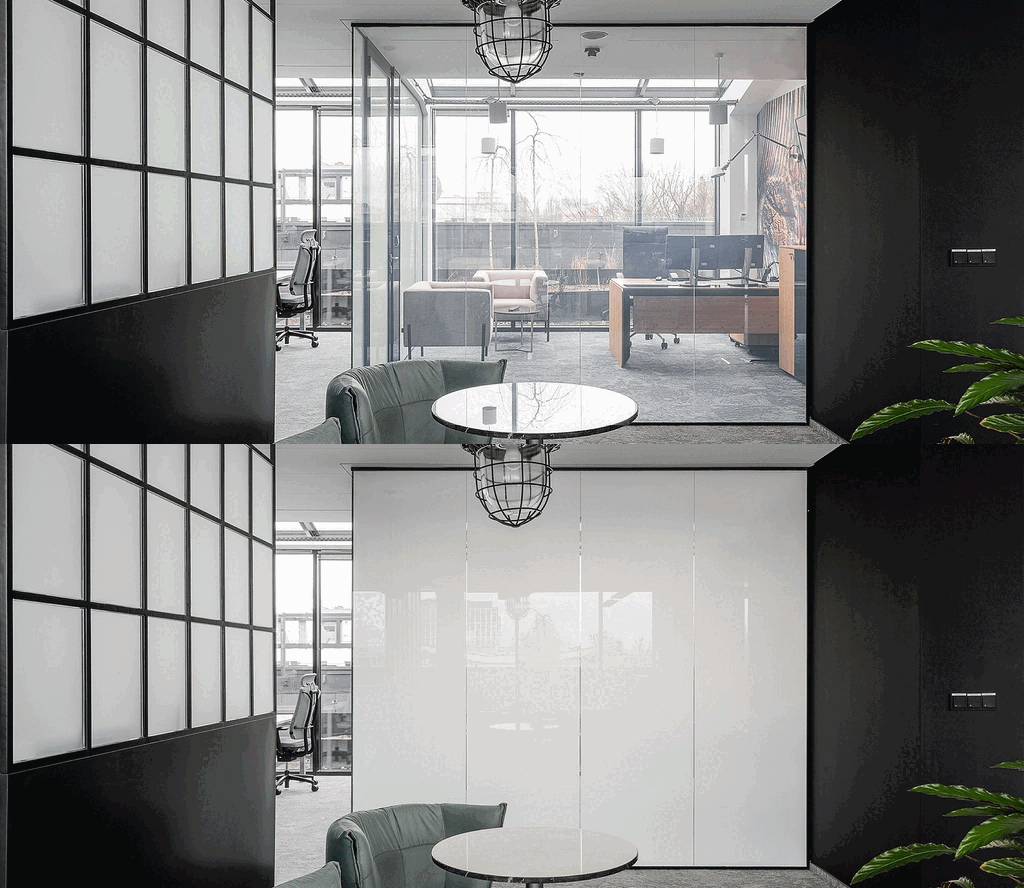
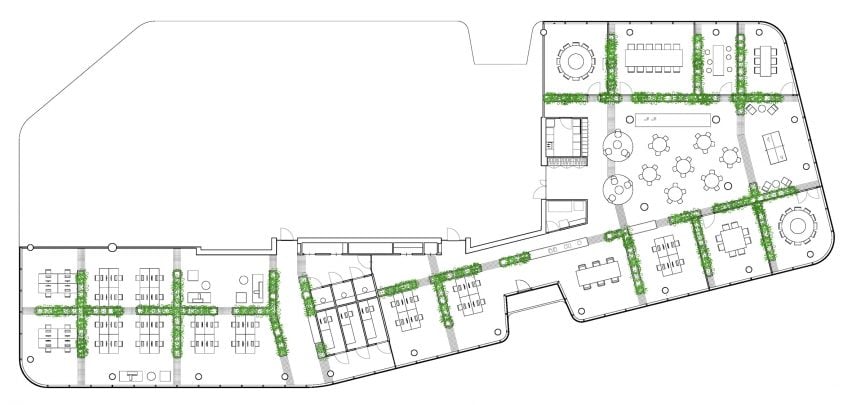
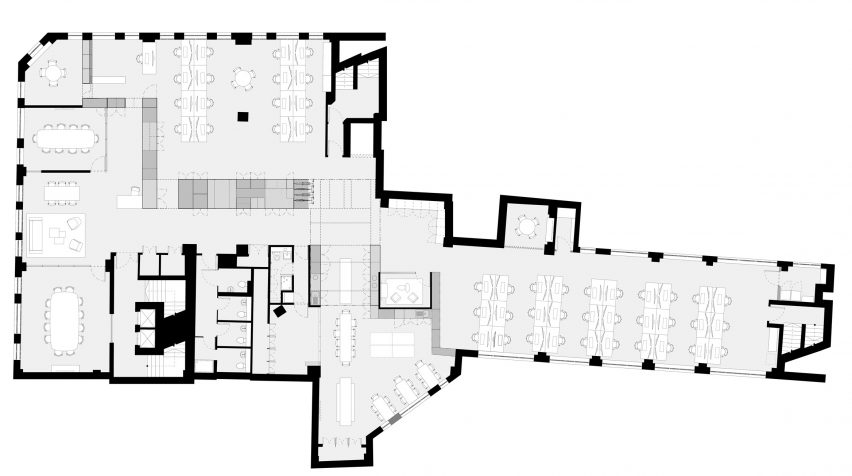
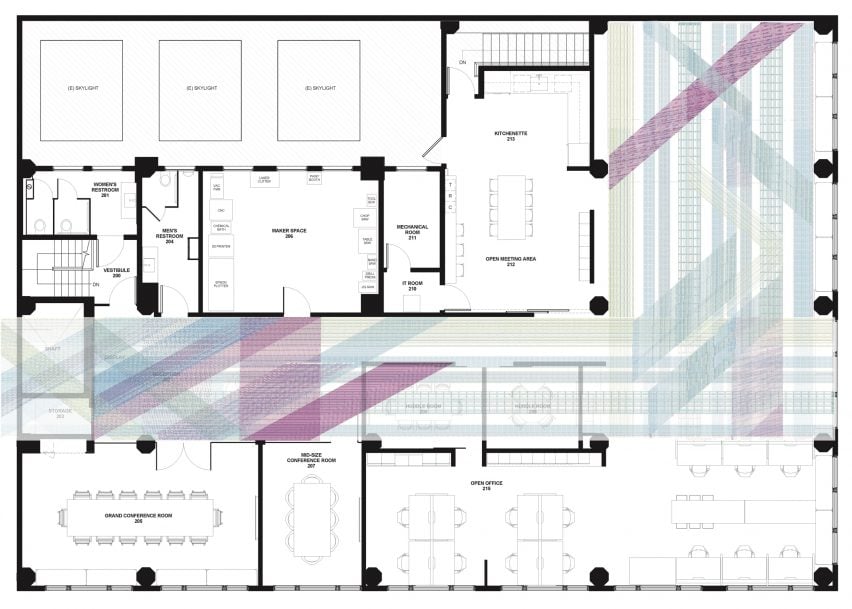
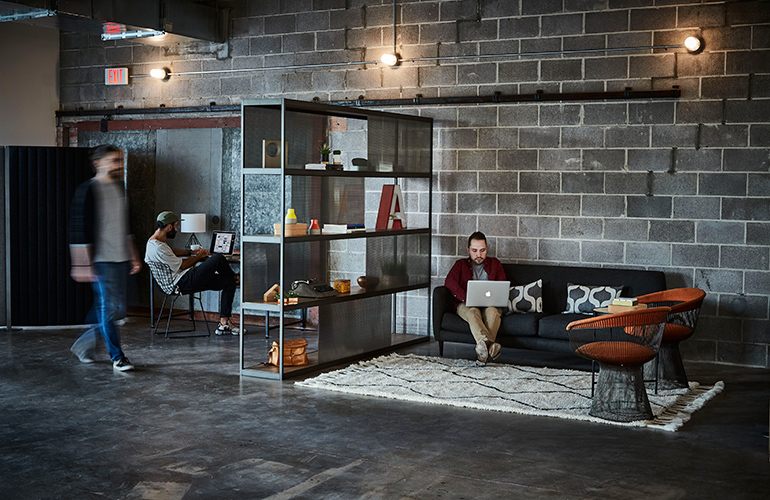
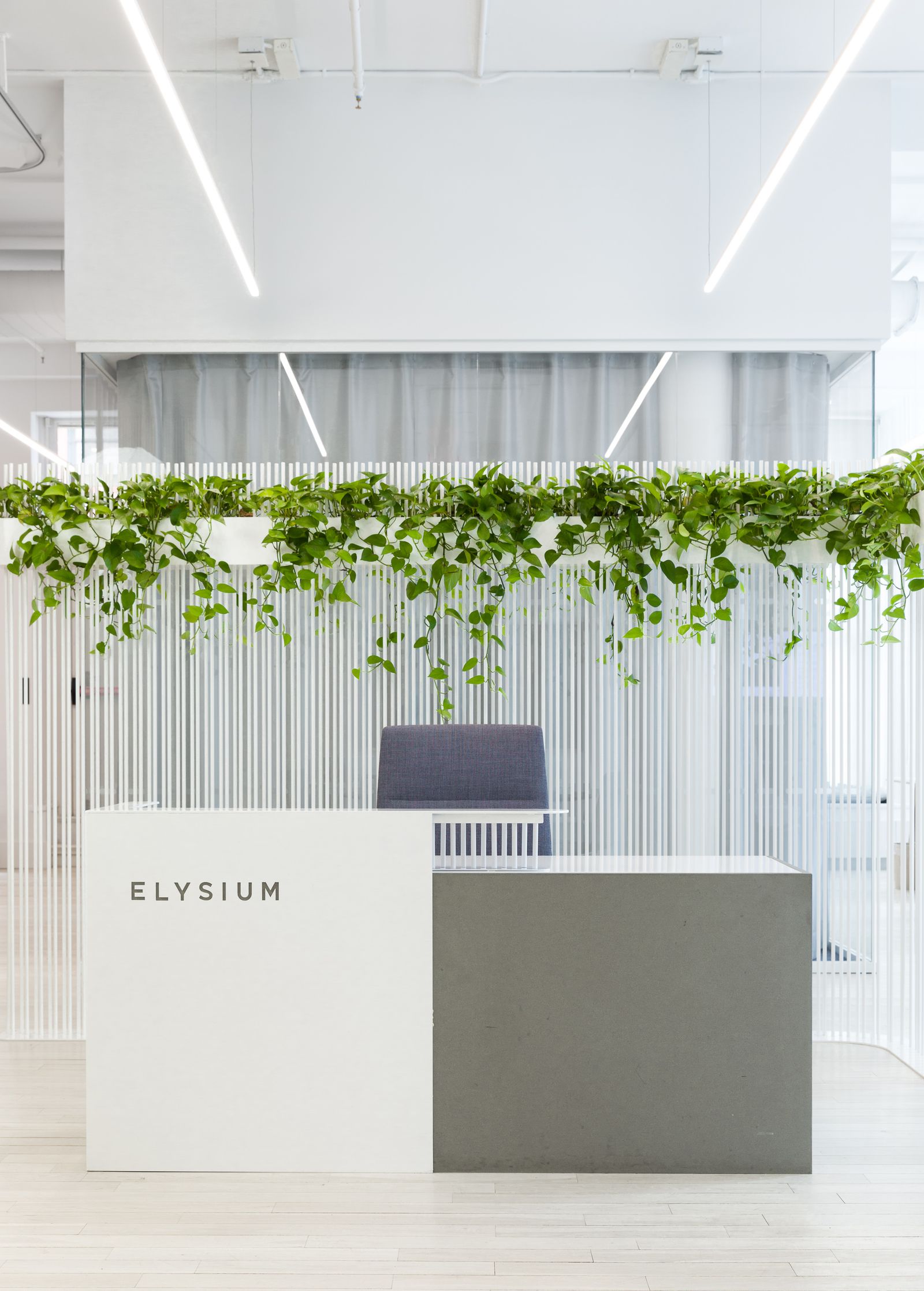
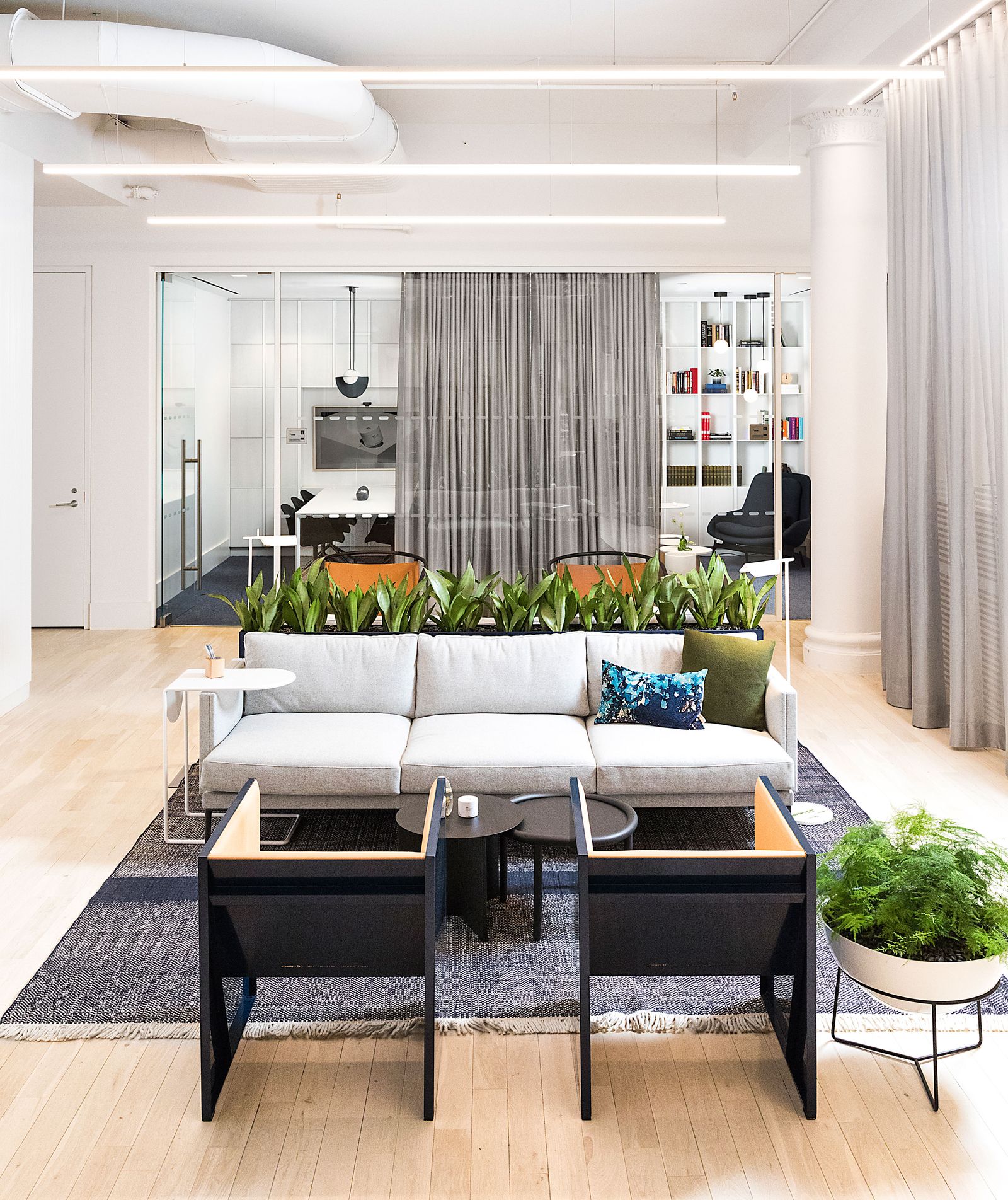
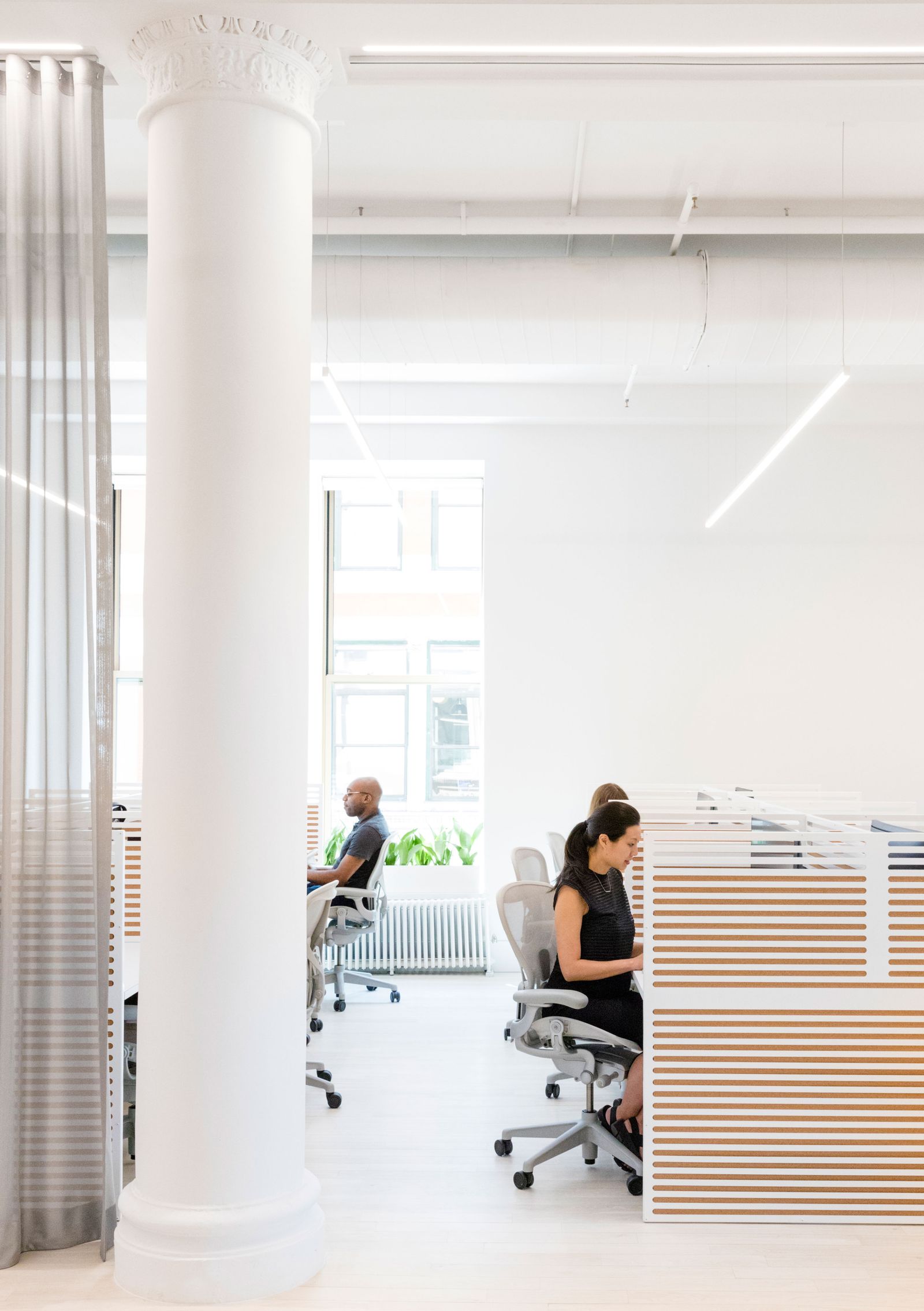
After leaving her previous company in December 2023, Moore started her own consulting business and now works in a coworking space. This space features an open-floor plan augmented with conference rooms, telephone booths, and various seating areas. She identifies open-plan offices as the superior choice for a modern workplace, particularly when combined with elements that provide privacy, such as soundproof booths for focused work or sensitive conversations. Moore highlights that open-plan offices can accommodate diverse work needs, including deep work, collaboration, and various meeting types, while also offering the significant advantage of natural light to a broader range of employees, unlike traditional office setups where window access is often reserved for senior staff. She also points out that cubicles consume considerable real estate, limiting the flexibility to create varied workspaces.
#OfficeLayouts #OpenPlanOffice #Cubicles #WorkplaceEnvironment #Productivity #EmployeeWellbeing #CoworkingSpace #CareerExperience #FinancialServices #OfficeLayouts #OpenPlanOffice #Cubicles #WorkplaceEnvironment #Productivity #EmployeeWellbeing #CoworkingSpace #CareerExperience #FinancialServices
0 comment in total
 No comments yet
You may also like
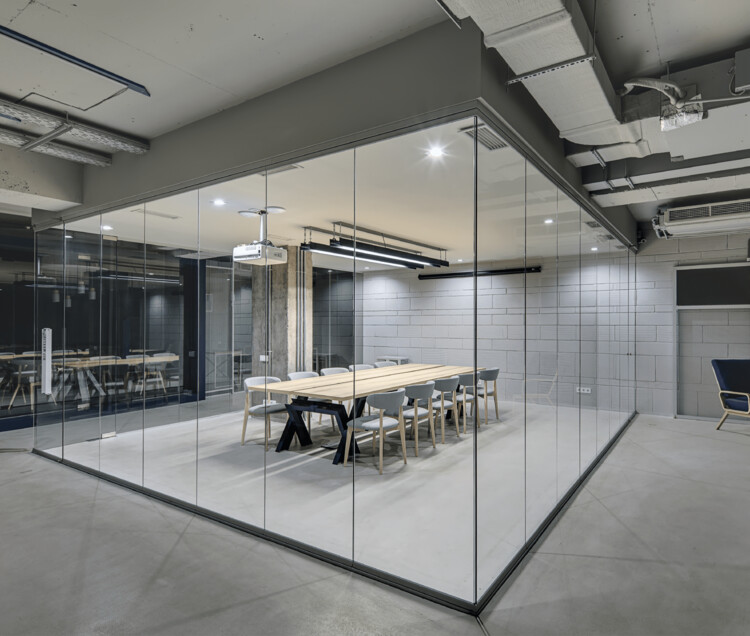
The Importance of Privacy in Open-Plan Offices

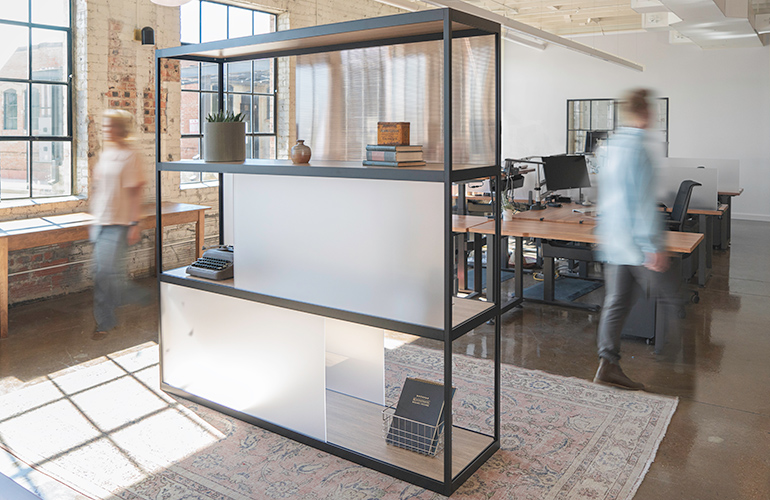
A New Solution for Open Office Shelving


How to make your home office a more pleasant place to work

How Leaders Can Decide If An Open-Plan Office Is Right For Their Company

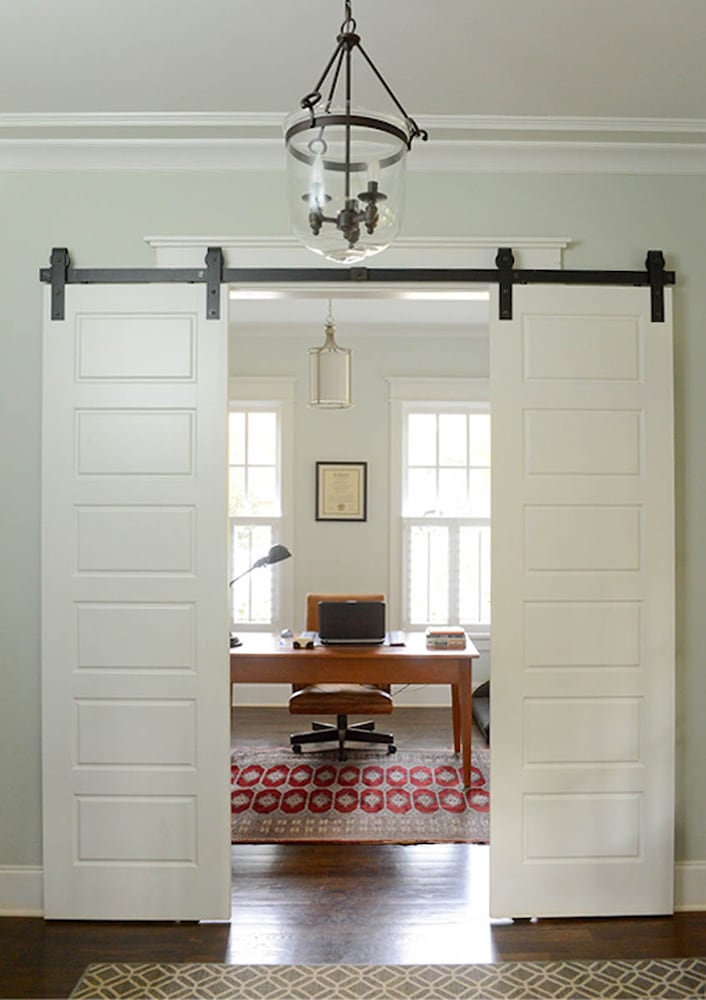
Open floor plans and home offices: How to make it work
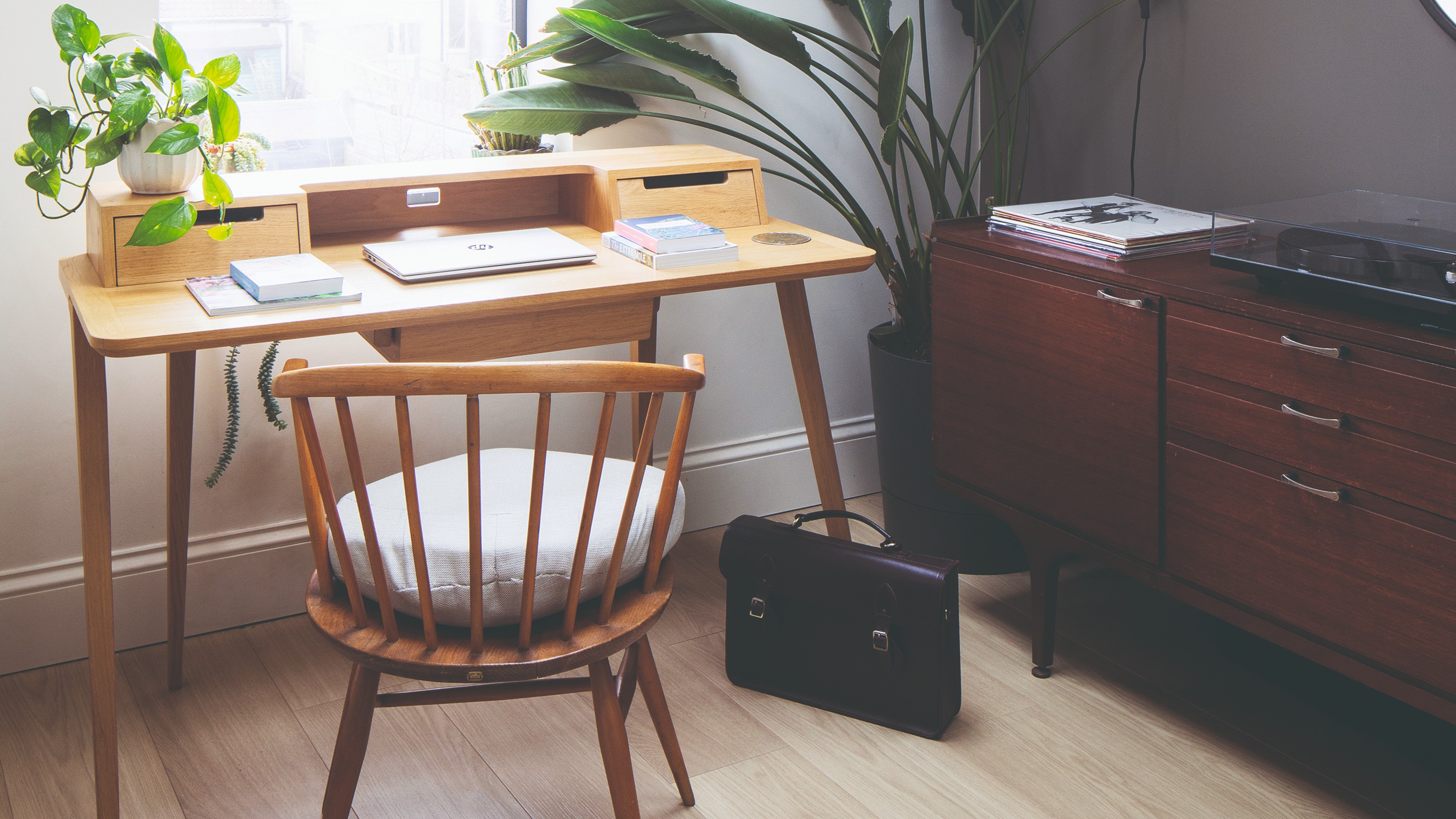
16 home office layout ideas to boost productivity and create a comfortable work space
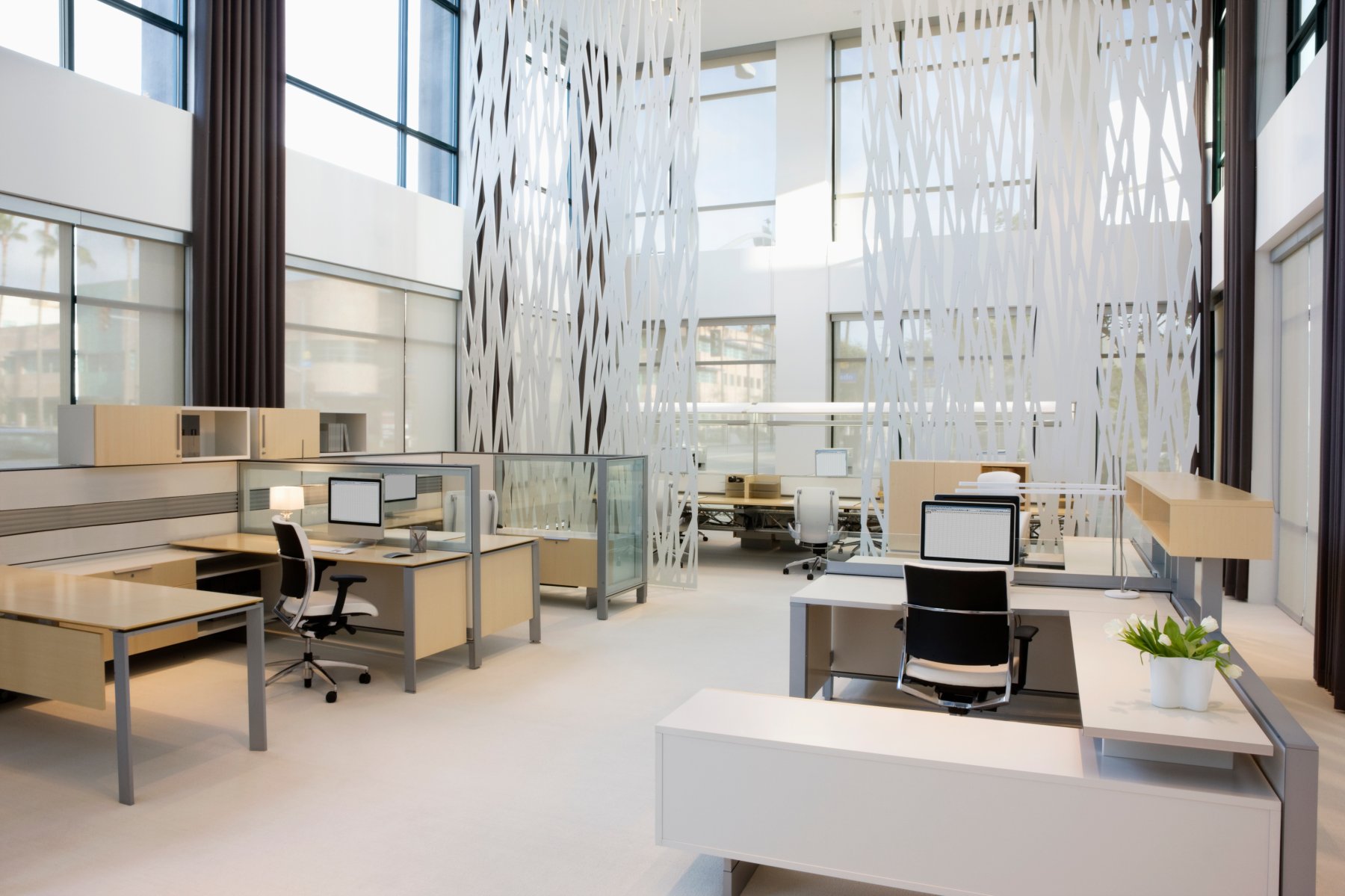
How to Deal When Your Company Moves to an Open Floor Plan
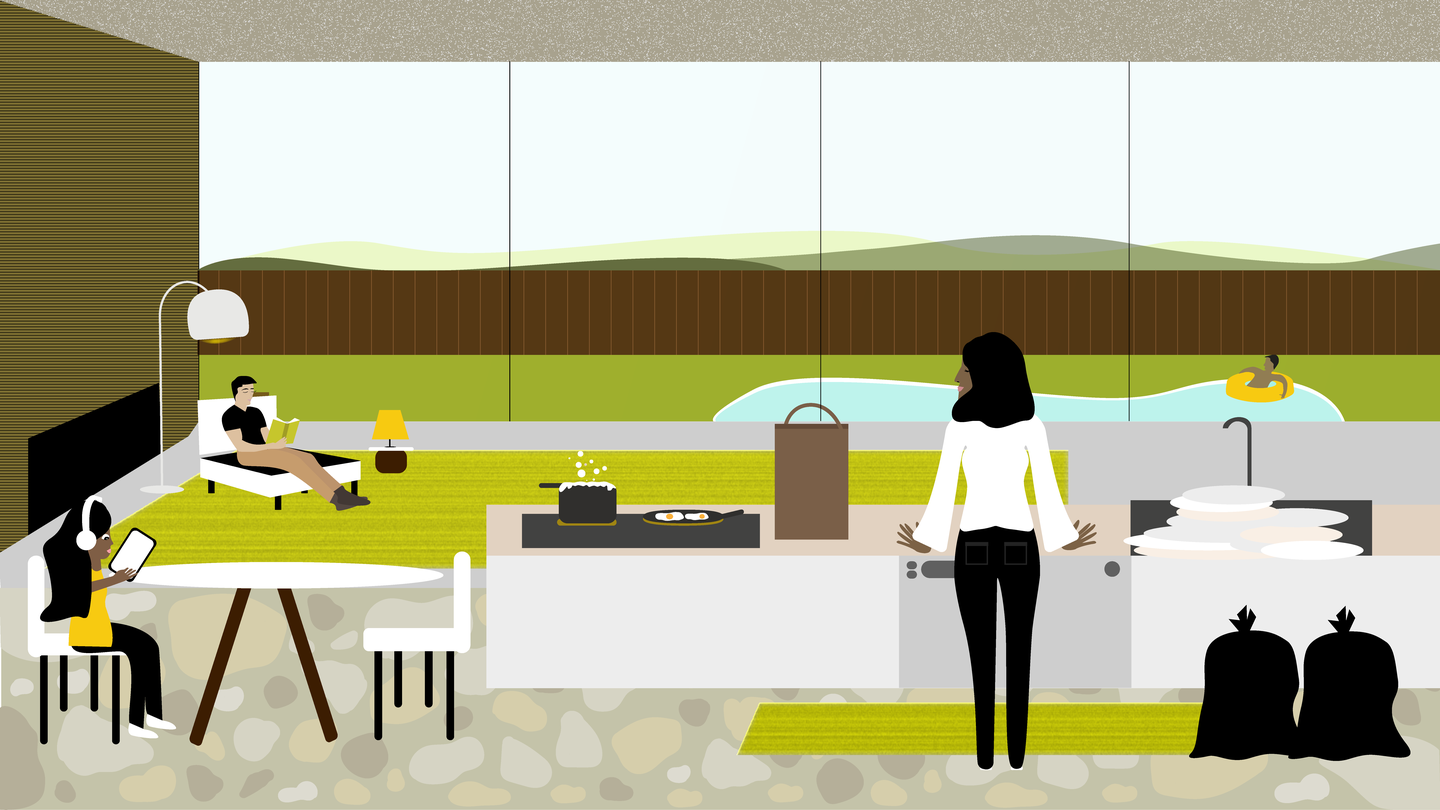
The Curse of an Open Floor Plan

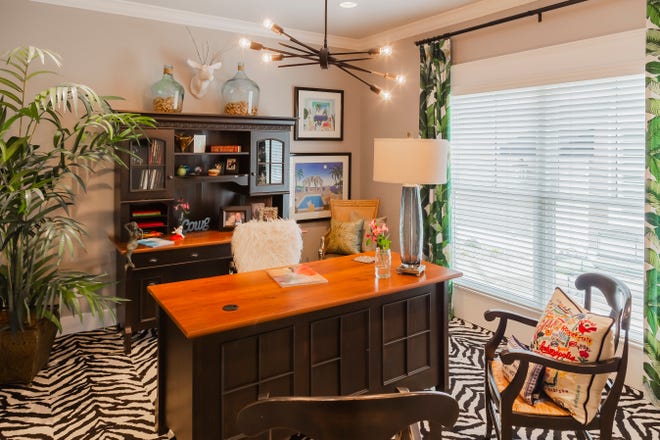
Step up your home office game with these tips from an interior designer
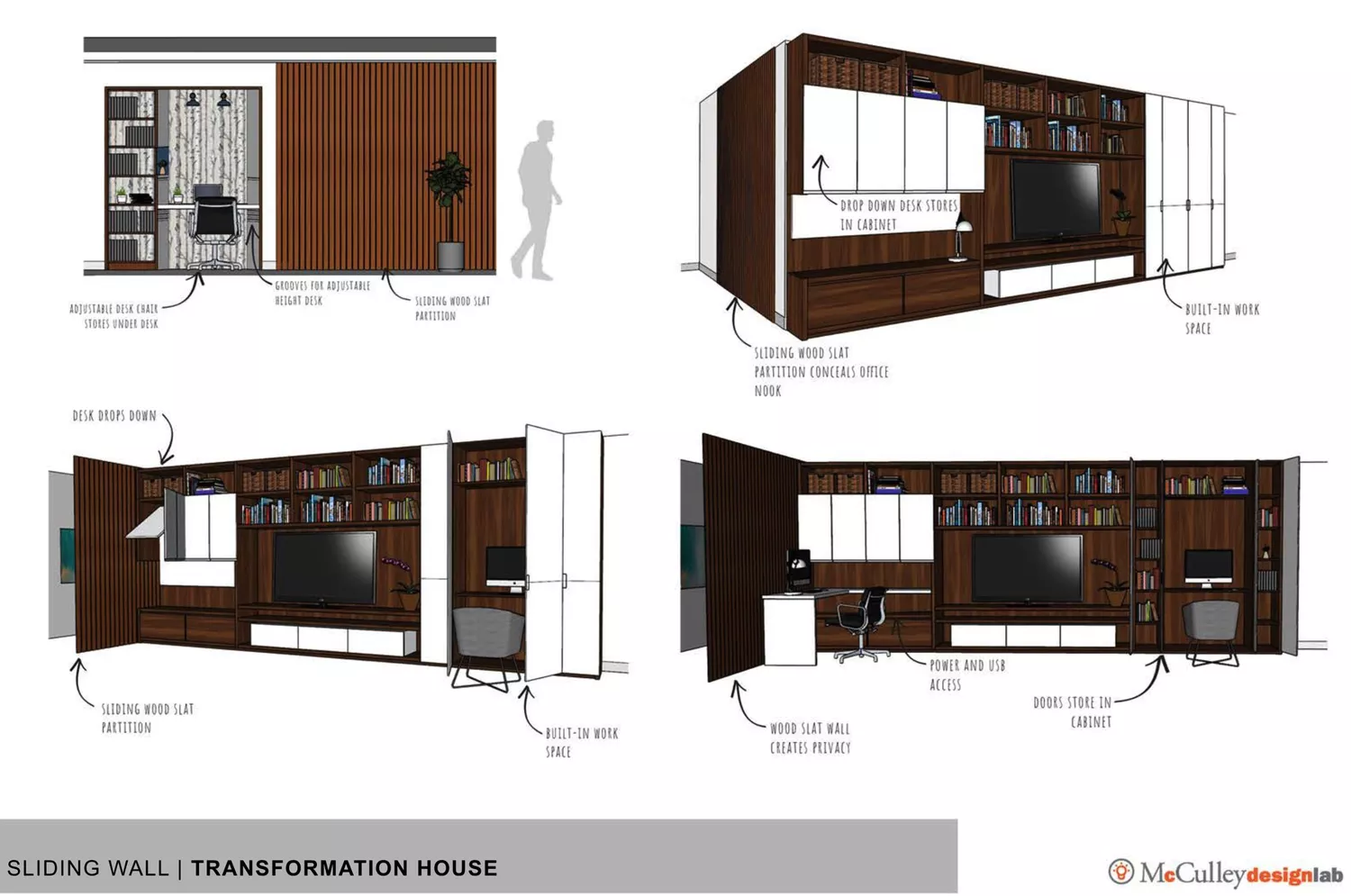
Home Office Ideas for Open-Plan Living
Who needs a Zoom background when your home office looks this good?

5 small office layout ideas you've never thought about before

Hate open floor office spaces? There’s a better way.
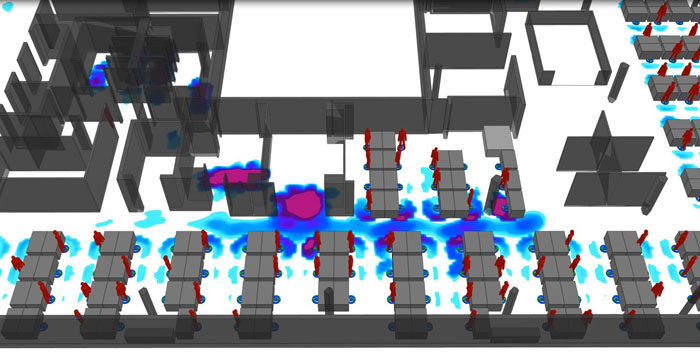
Planning the office space of the future
How I Set Up My Dream Desk in My Tiny Bedroom
Apartment office ideas – 10 ways to make room for a desk when space is tight

Ten offices with floor plans divided in interesting ways

Of Course, This Anti-Aging Startup Has the Most Zen Office of All Time

Creating a comfortable and luxury home office in 2024: From design to maintenance

The Reason Why People Despise Open-Concept Homes