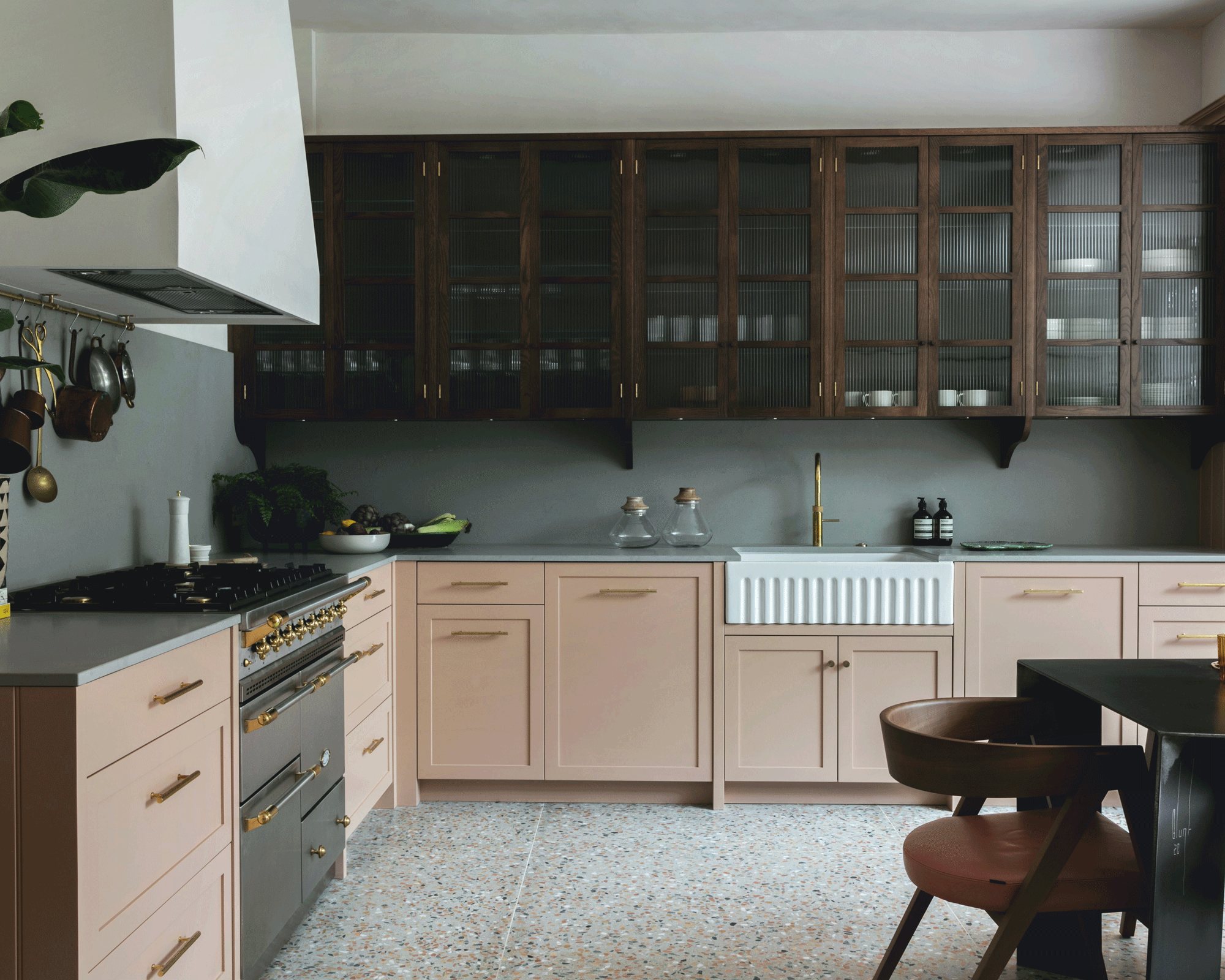
Never Use These 5 Cleaners on Wooden Kitchen Cabinets—You Could Ruin Them, Pros Warn
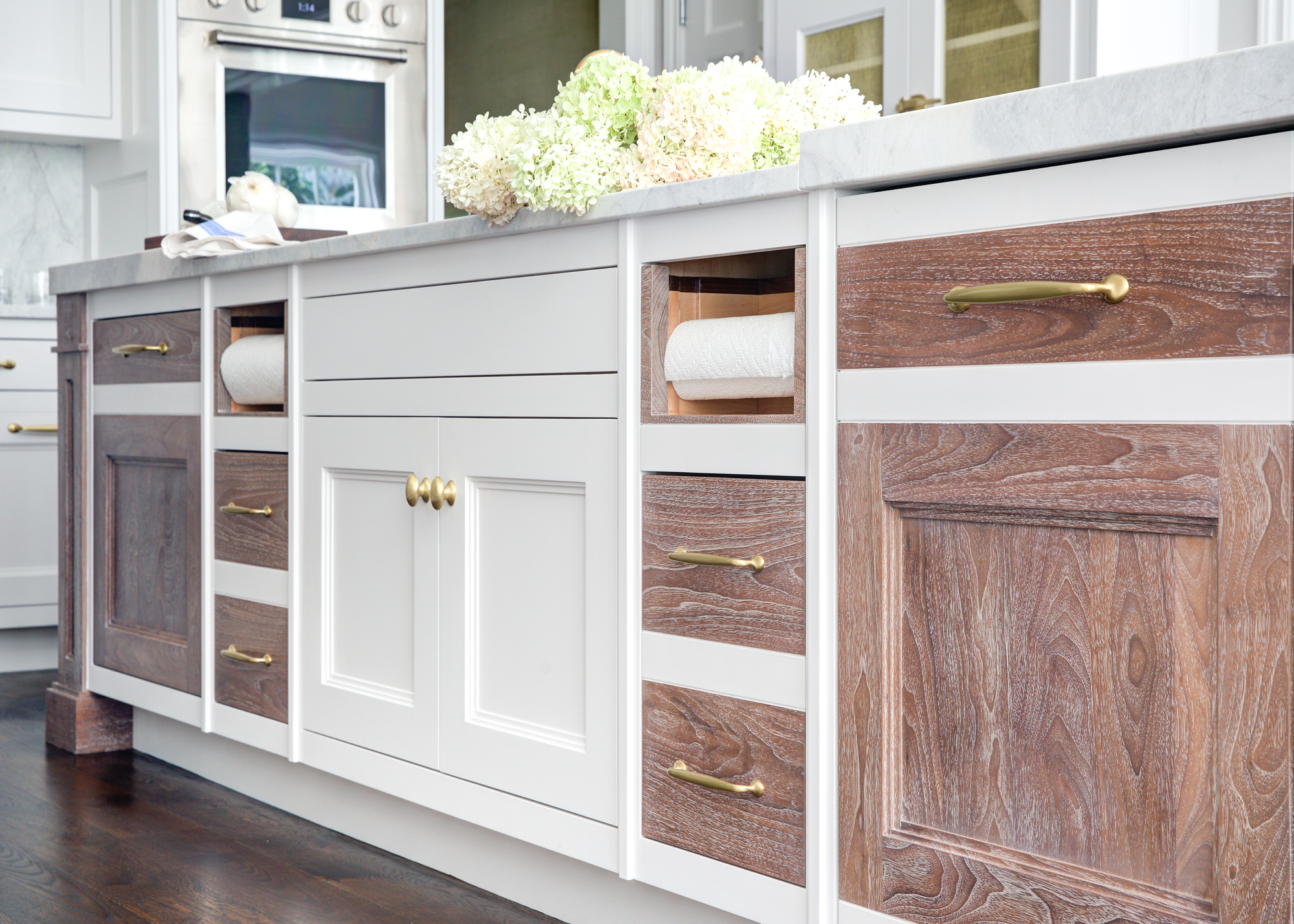
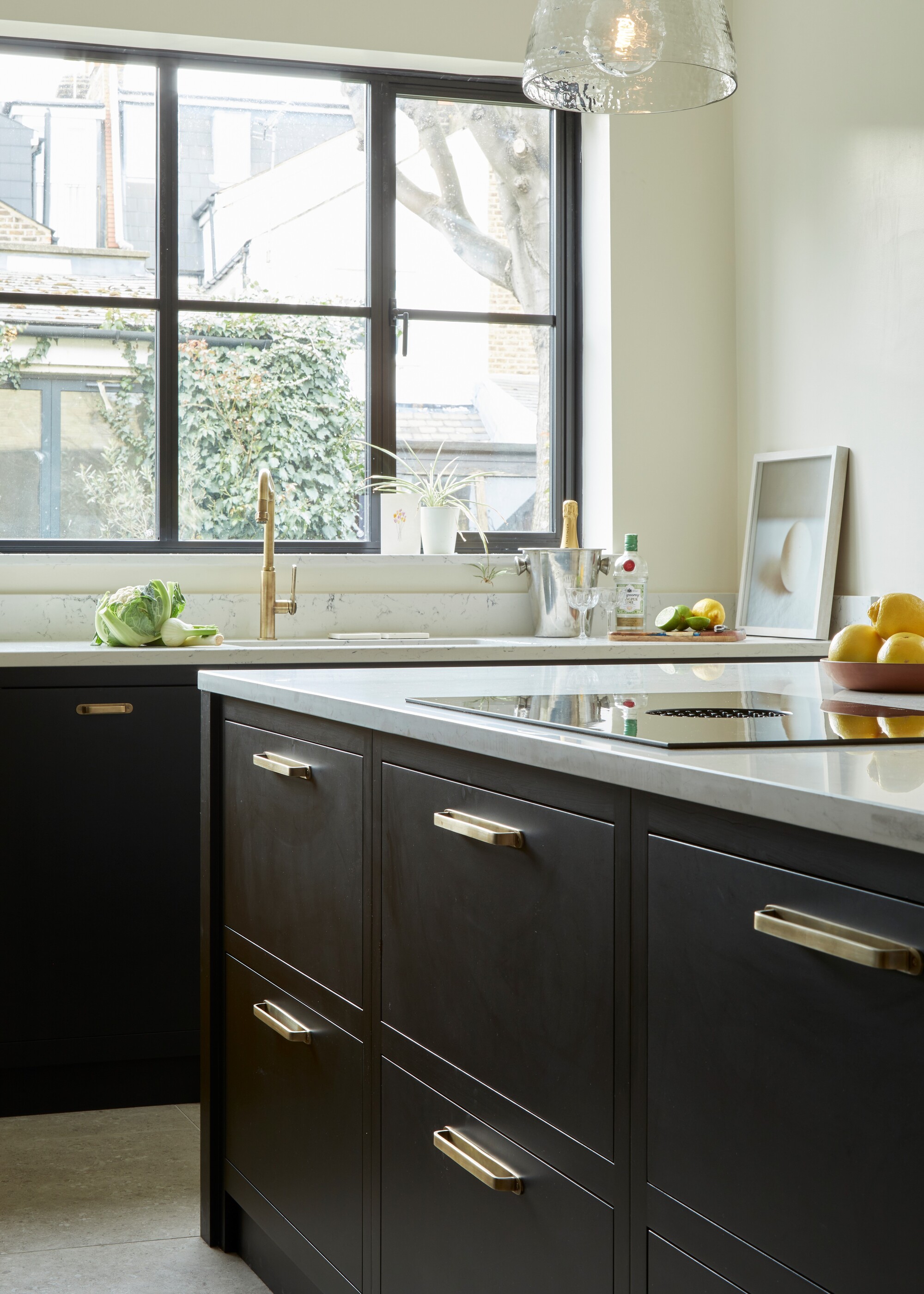
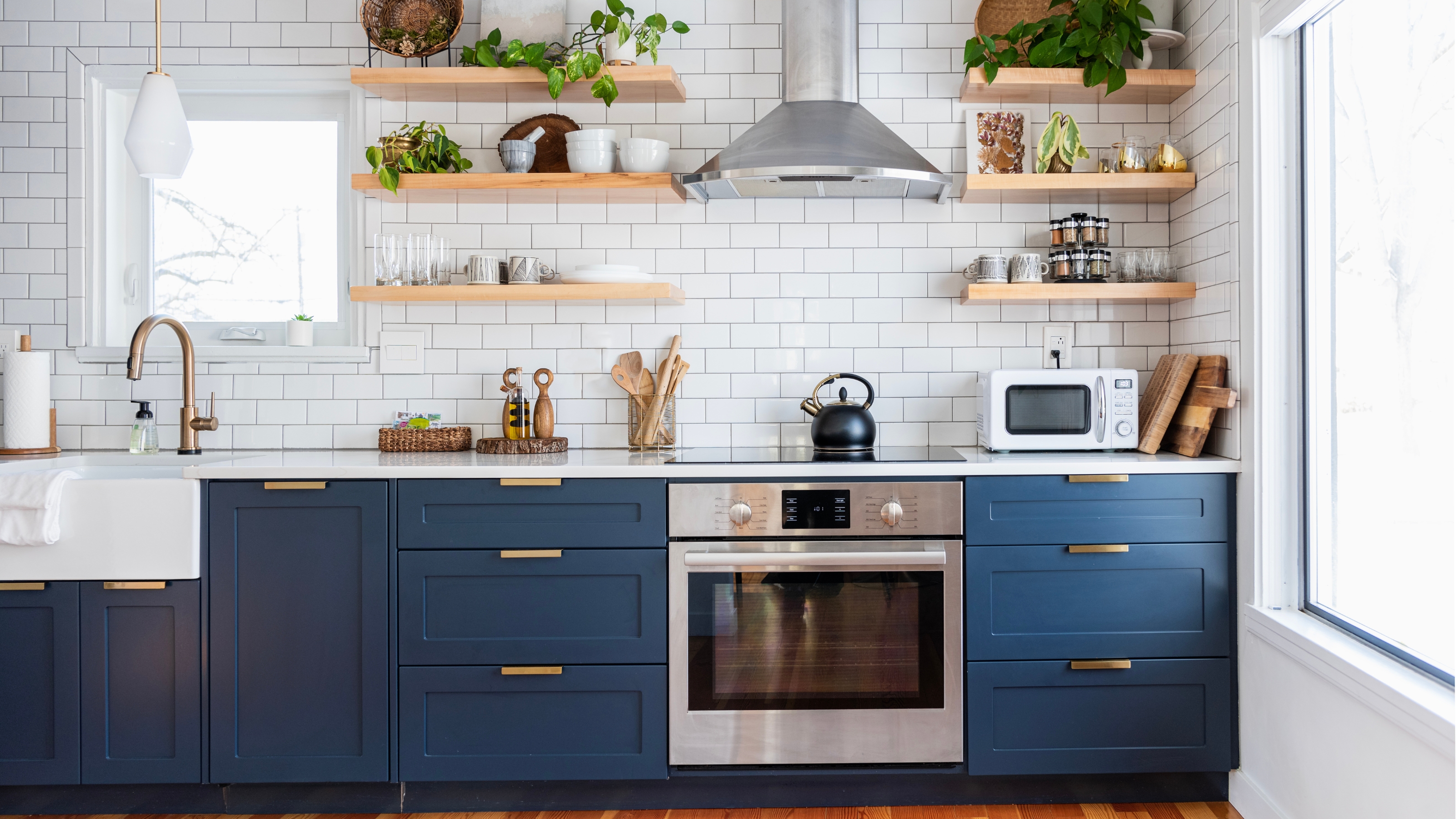
Maintaining the pristine condition of wooden kitchen cabinets is crucial for their longevity and aesthetic appeal. Incorrect cleaning practices can lead to irreversible damage such as surface scratches, sticky residues, dull finishes, and the stripping of protective layers, exposing the raw wood to further harm. Experts emphasize the importance of using appropriate tools, products, and methods to prevent such issues and avoid costly repairs.
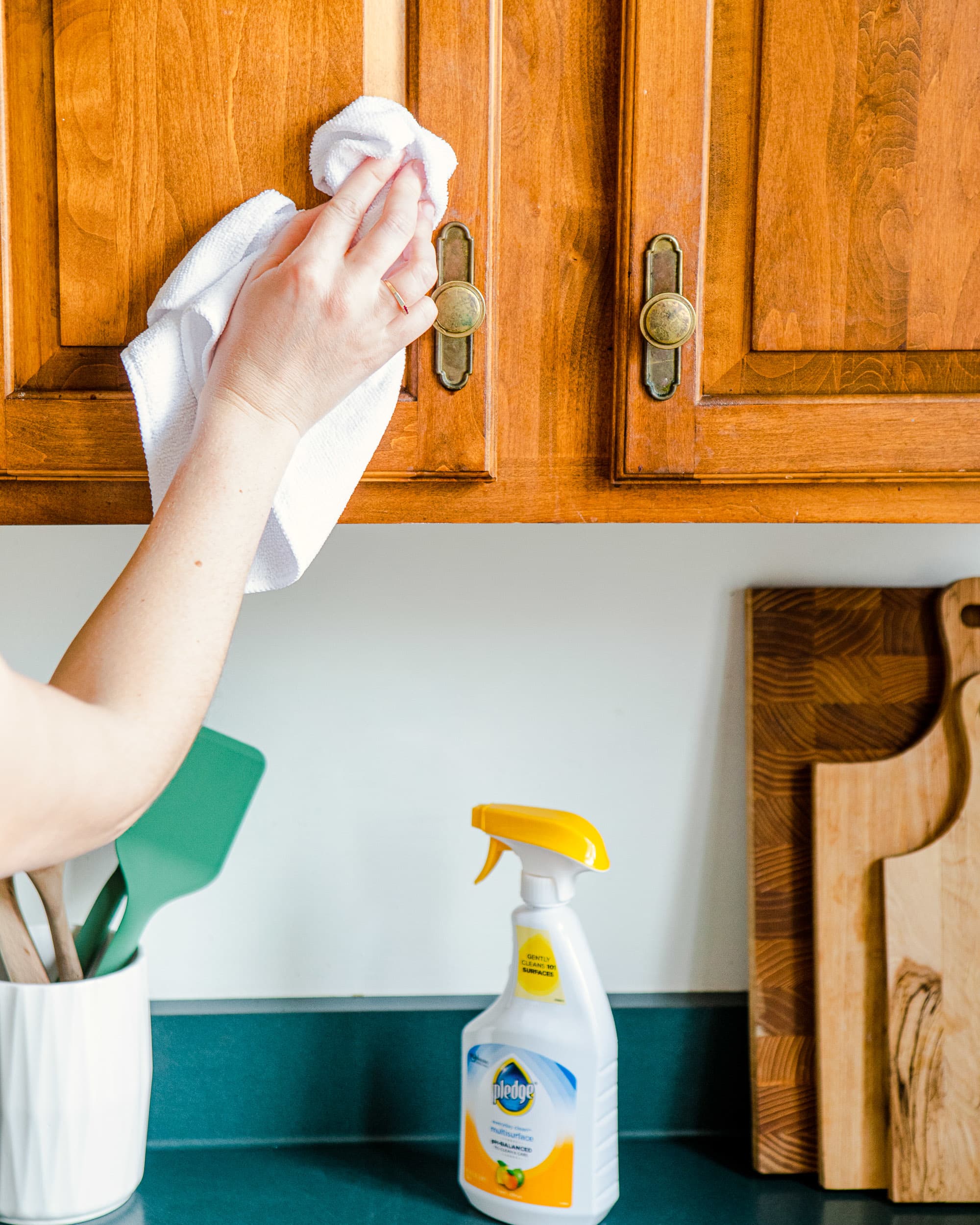
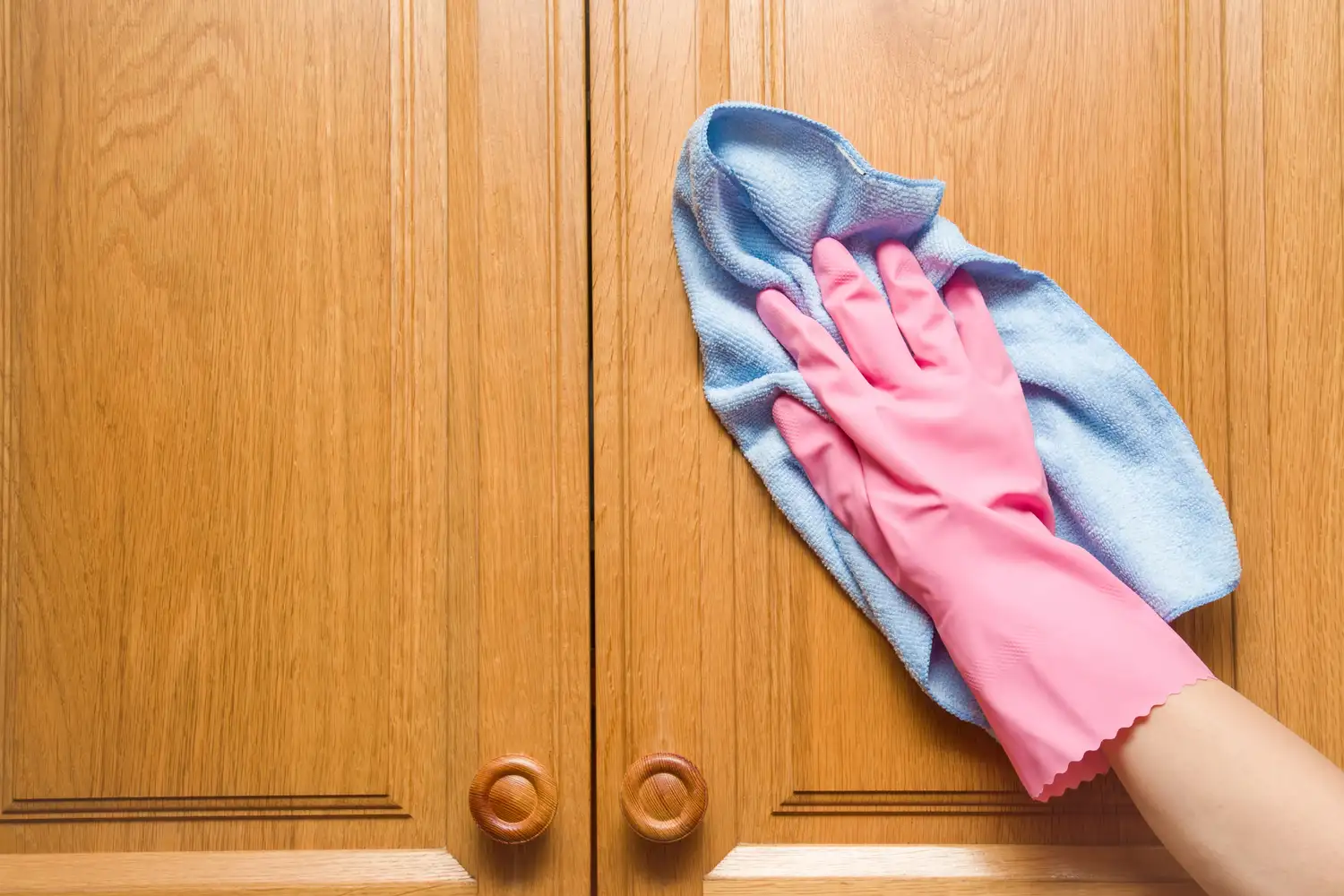
For new or freshly painted wooden kitchen cabinets, a cautious approach to cleaning is essential, particularly for the first six months. During this period, the finish is still settling, and aggressive cleaning can rub off the finish, creating glossy, spotty areas. Instead, gentle cleaning with soap, water, and a microfiber cloth is recommended, focusing on dabbing rather than scrubbing to preserve the finish.
One critical mistake to avoid is using excessive amounts of water or overly saturated cleaning cloths. Wood is highly susceptible to moisture, and saturation can cause irreparable damage like warping, swelling, or deterioration. Liquid and cleaning agents can seep into seams and edges, compromising the structural integrity of the cabinets over time.
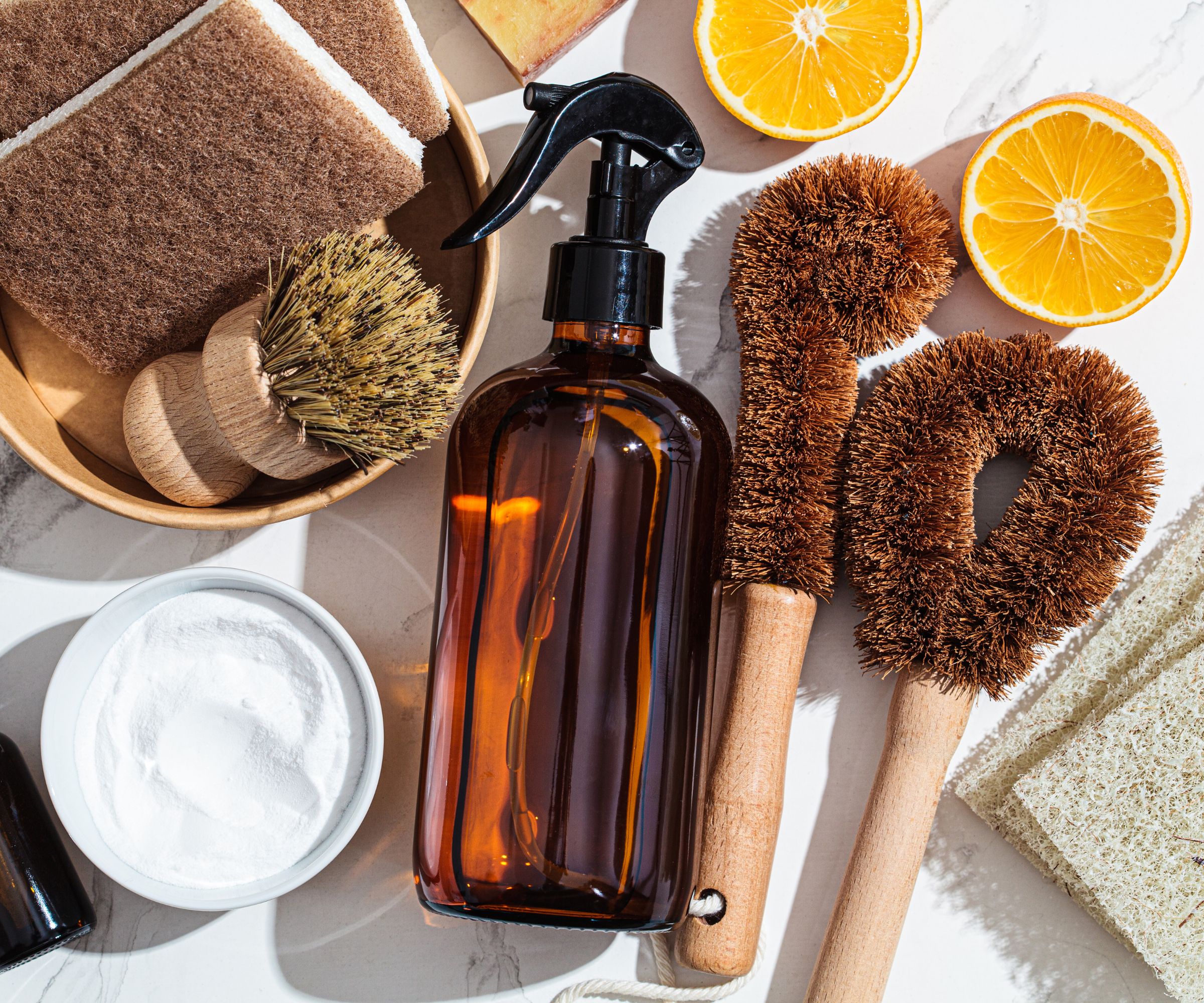
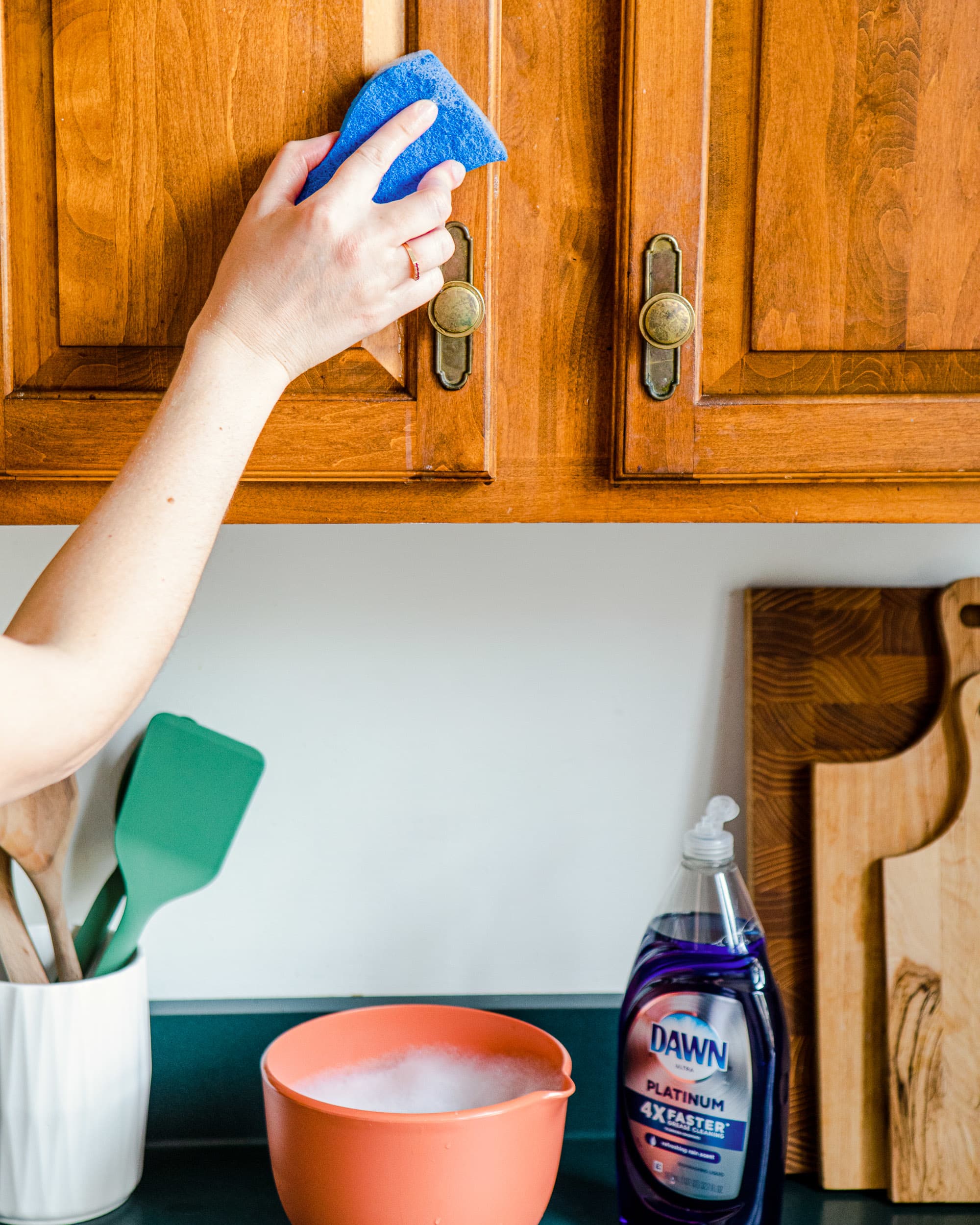
Abrasive cleaning tools, such as scouring pads, steel wool, or rough sponges, should never be used on wooden cabinets. These tools can leave permanent marks and unsightly scratches, significantly diminishing the cabinet's appearance. Beyond superficial damage, abrasive materials can compromise the protective layer, leaving the wood vulnerable to grease, food particles, and other forms of damage.
Harsh cleaners and generic degreasers are also detrimental to wooden cabinetry. Products not specifically formulated for wood can break down the protective finish, leading to discoloration, a dull and uneven look, and exposing the raw wood. This stripped state makes the cabinets more prone to stains and grease buildup.
Oil-based polishes and waxes should be used with caution, if at all. Unless explicitly recommended for a specific cabinet type, these products can leave behind a tacky residue that attracts dust and dirt, making the cabinets appear dirty and difficult to clean. Always follow product instructions and perform a patch test in an inconspicuous area to ensure compatibility.
Finally, mixing different cleaning products is a significant risk. Combining various cleaners can result in harmful chemical reactions, create difficult-to-remove residues, and strip or damage the protective finish of the cabinets. Adhering to specific, recommended cleaning solutions for wooden surfaces is paramount to maintaining their condition and appearance.
#WoodenCabinets #KitchenCleaning #HomeMaintenance #CleaningTips #CabinetCare #InteriorDesign #CleaningHacks #WoodCare #HomeImprovement #WoodenCabinets #KitchenCleaning #HomeMaintenance #CleaningTips #CabinetCare #InteriorDesign #CleaningHacks #WoodCare #HomeImprovement
0 تعليق إجمالاً
 لا توجد تعليقات بعد
قد تعجبك أيضًا
8 colors you should never paint kitchen cabinets according to the experts

5 Outdated Types of Kitchen Storage Experts Are Urging You to Avoid

5 things you should never clean with baking soda – according to professionals

6 Things You Should Never Clean With All-Purpose Cleaner

5 cleaning myths that will damage your countertops – and what to do instead
4 things to get rid of in your kitchen cabinets — experts say ditch these items right now

The One Cleaning Product That’s Ruining Your Countertops, Experts Warn


5 outdated kitchen cabinet color trends to avoid if you don't want your kitchen to look unfashionable, say designers
Five Mistakes People Make When Selecting Kitchen Cabinets—and How to Avoid Them

6 Things You Should Never Use to Clean Wood Floors (Unless You Want to Ruin Them)


The Color to Never Paint Your Kitchen Cabinets, According to a Top L.A. Designer

5 things not to put on your bathroom countertops, according to interior designers
5 Things You Should Never Use to Clean Wood Kitchen Cabinets (Unless You Want to Ruin Them)
I Just Discovered a Brilliant 2-Minute Cabinet Cleaning Trick (It Was Hiding in My Pantry!)
These are the 7 things to get rid of first in your kitchen cabinets, according to cleaning pros

5 things to never put on your kitchen island, according to interior designers
5 surfaces you shouldn't use a steam cleaner on
5 Storage Mistakes You're Making With Your Kitchen Drawers That Are Sabotaging Your Space's Potential
10 things decluttering experts won't keep in their kitchen cupboards
6 Things You Should Never Clean With All-Purpose Cleaner