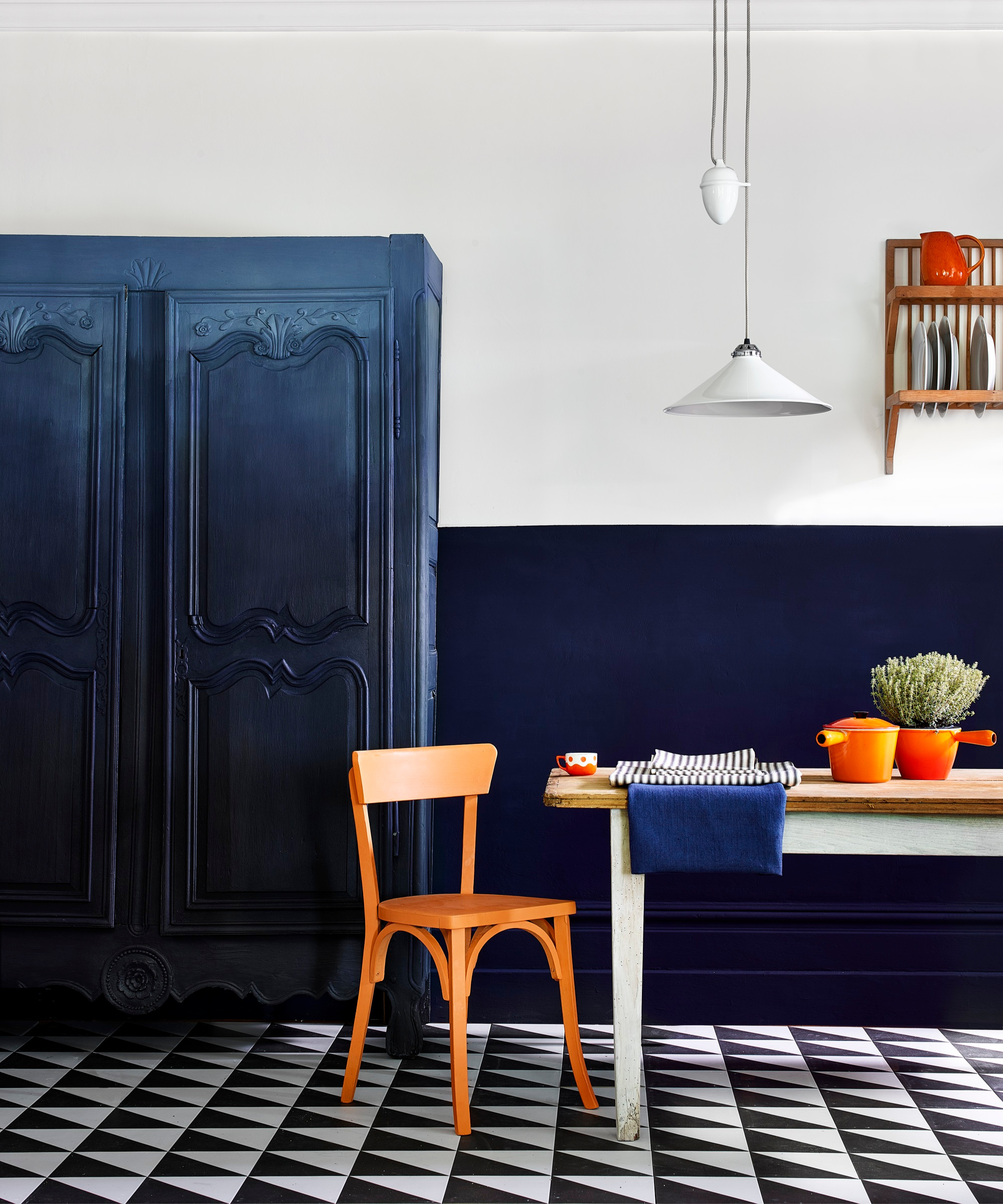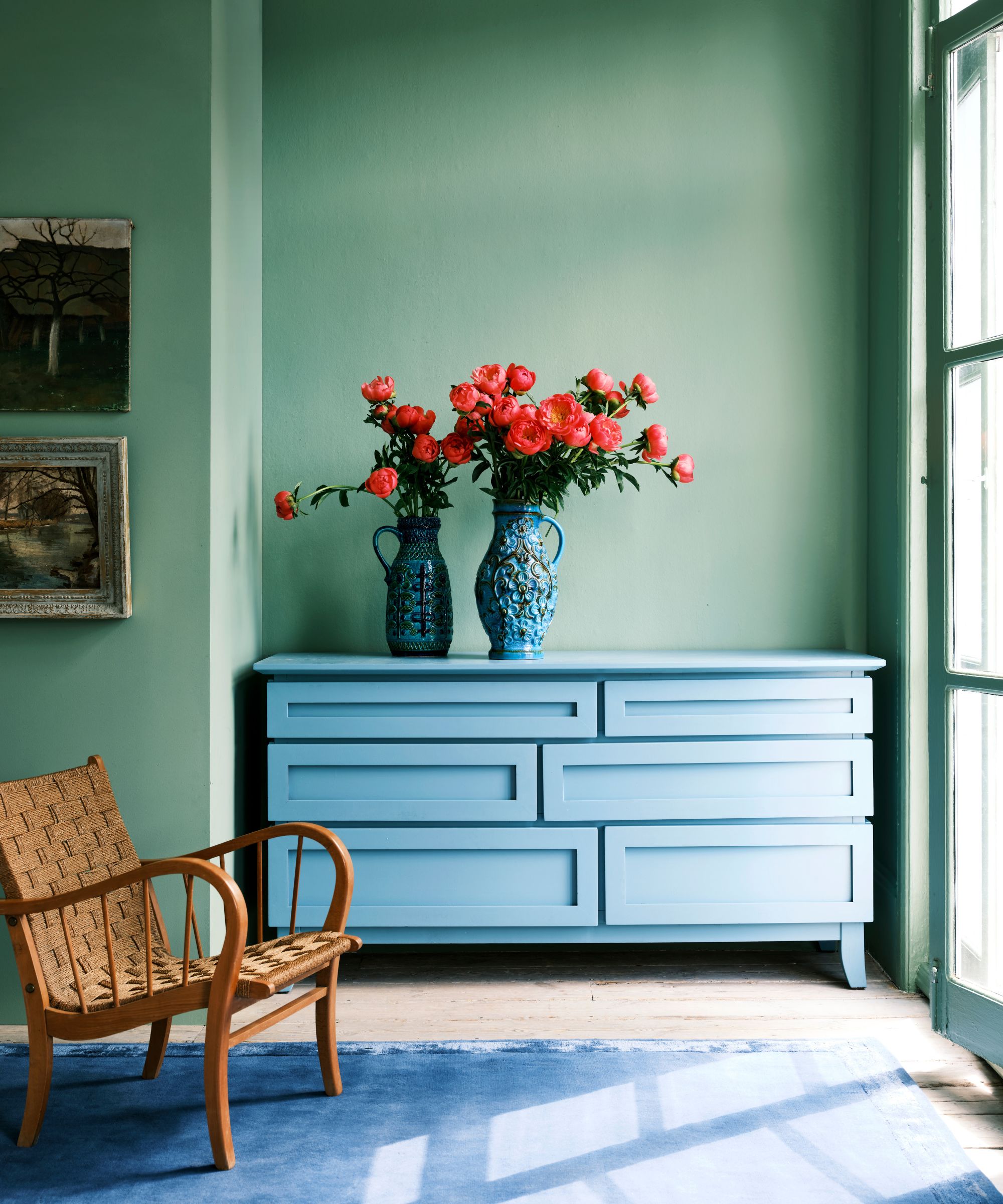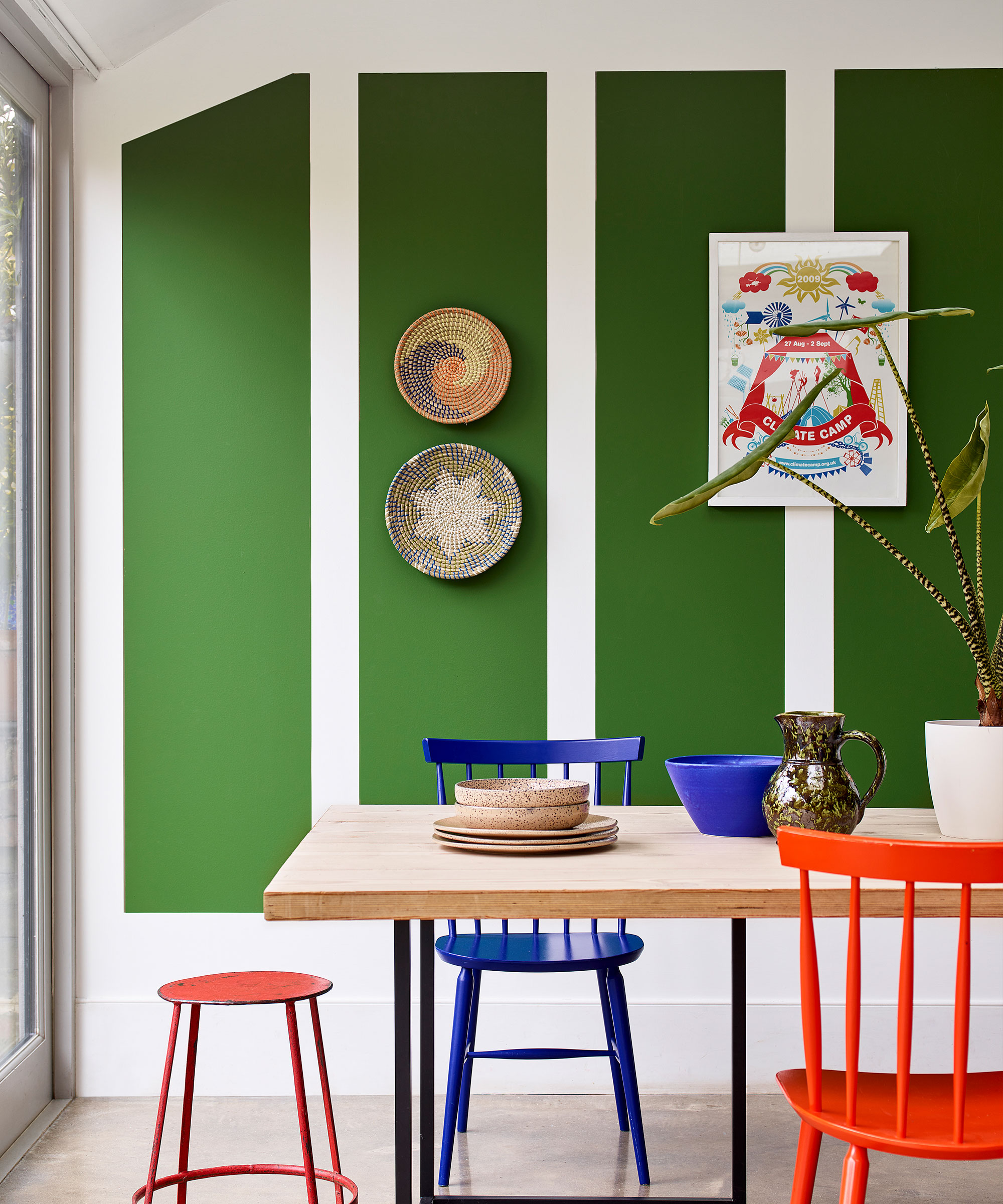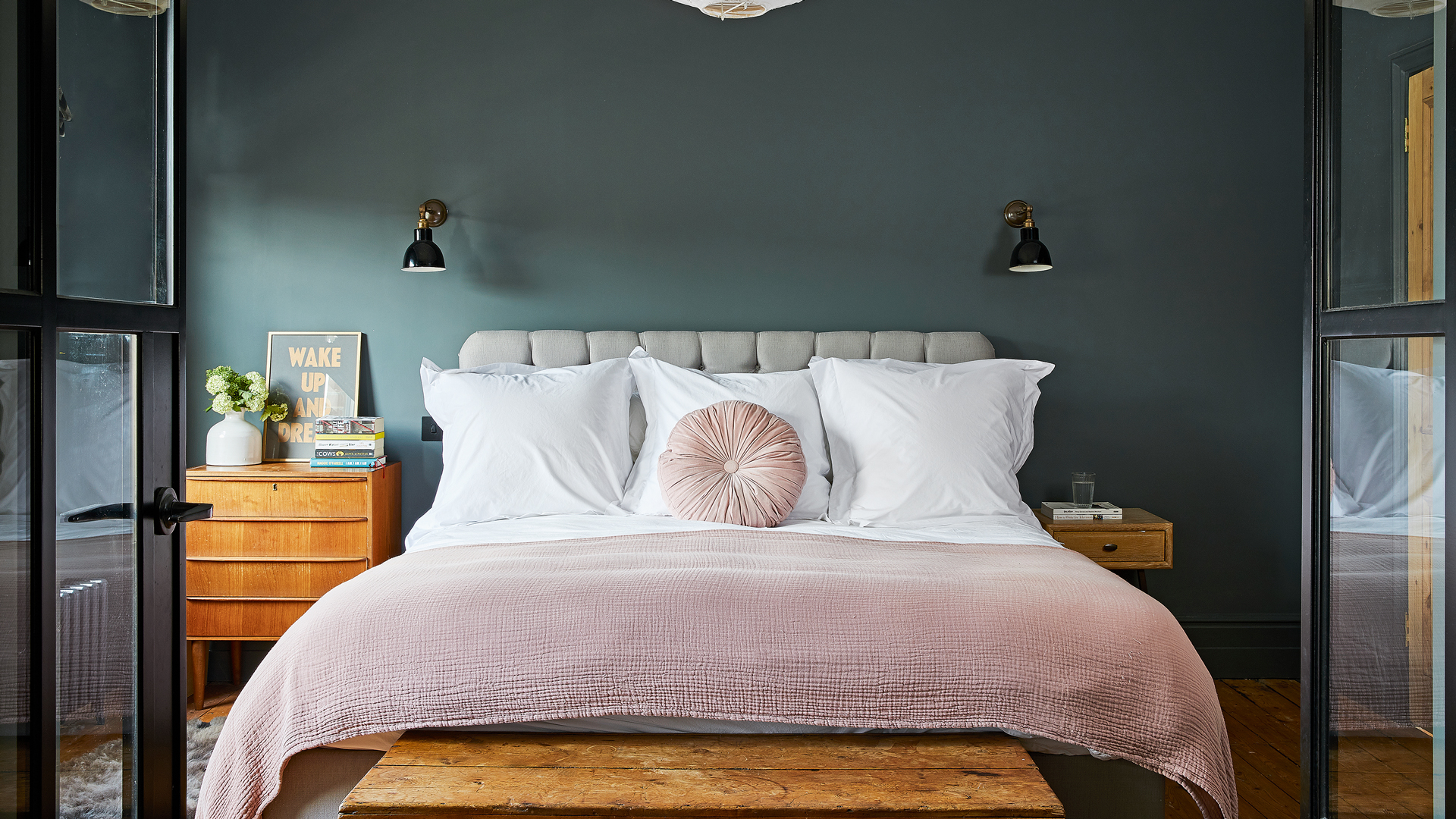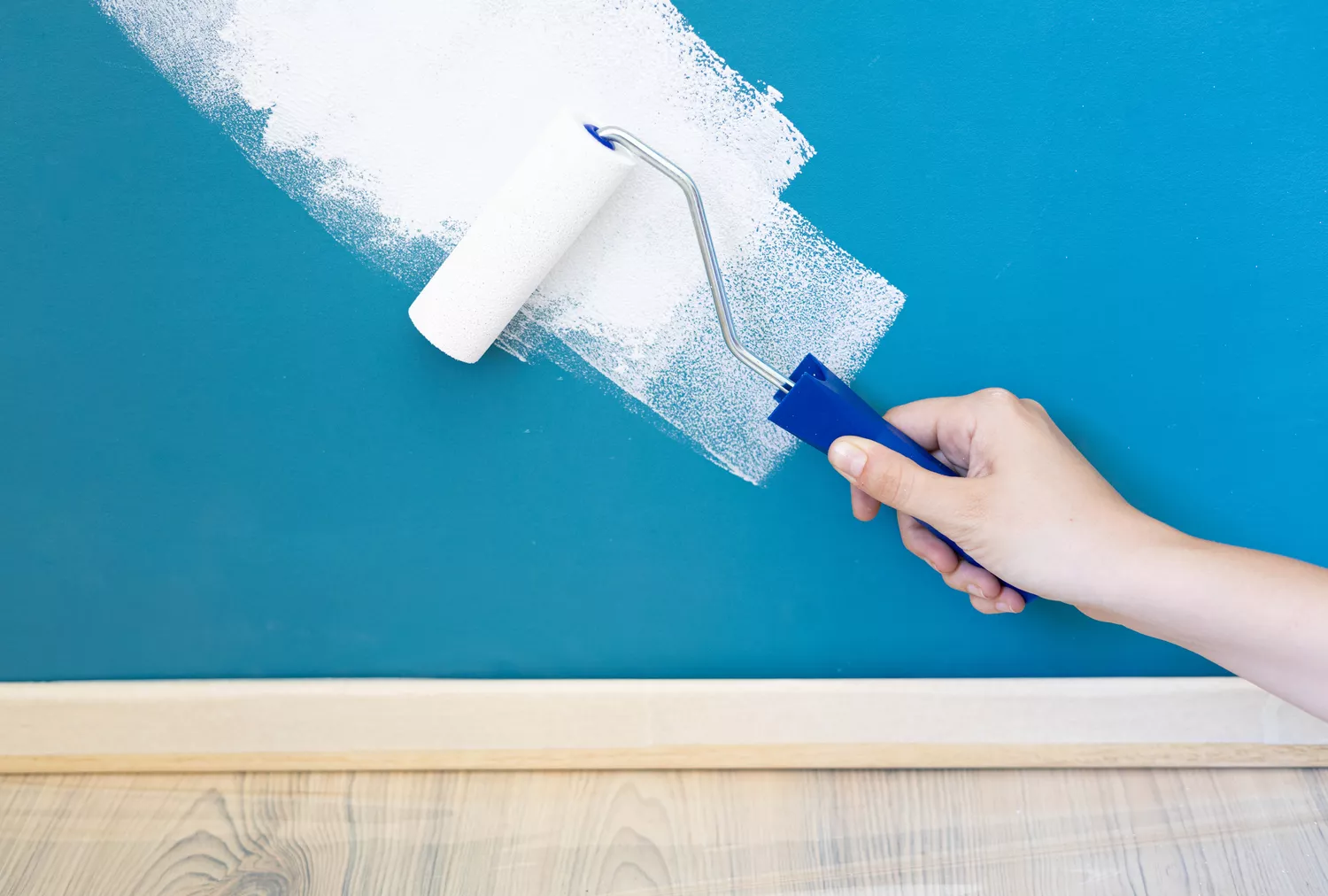
5 Painting Mistakes That Are Actually Ruining Your Projects, According to Reno Pros
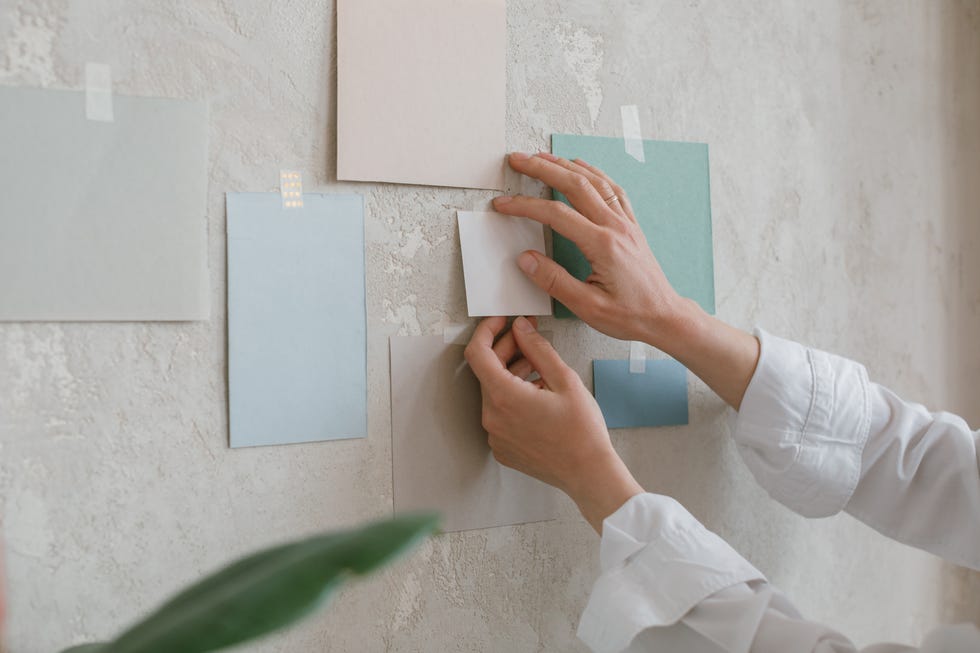
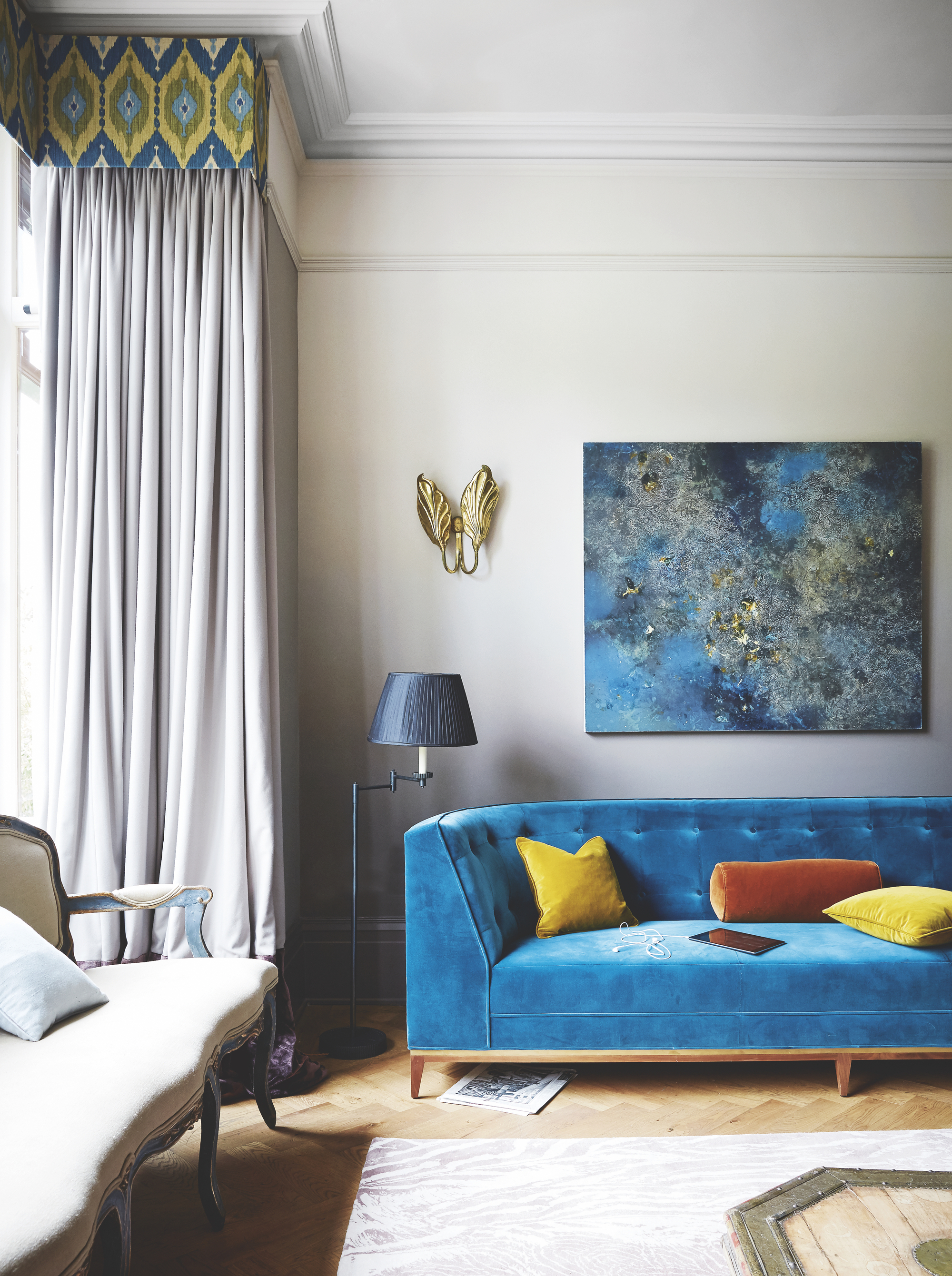
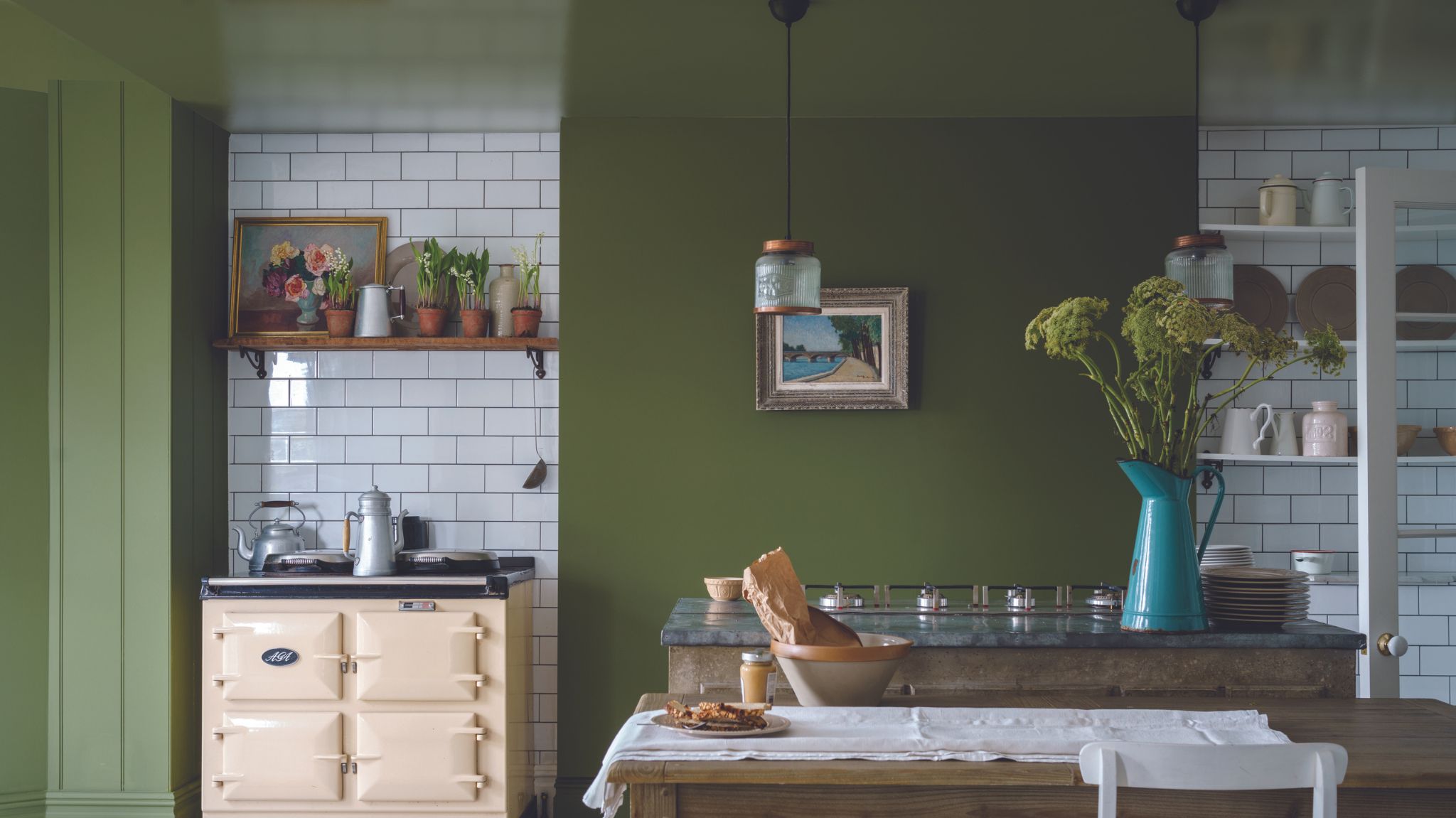
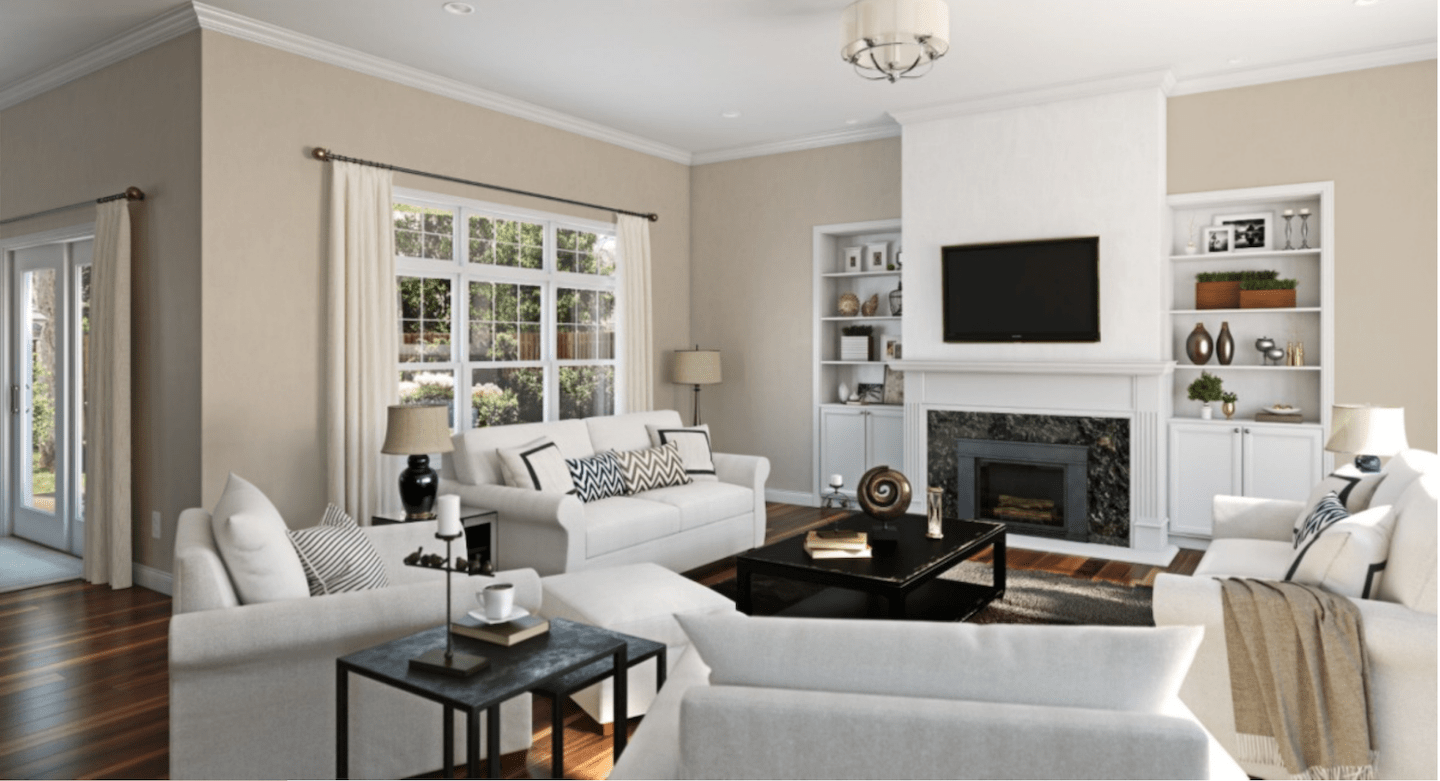
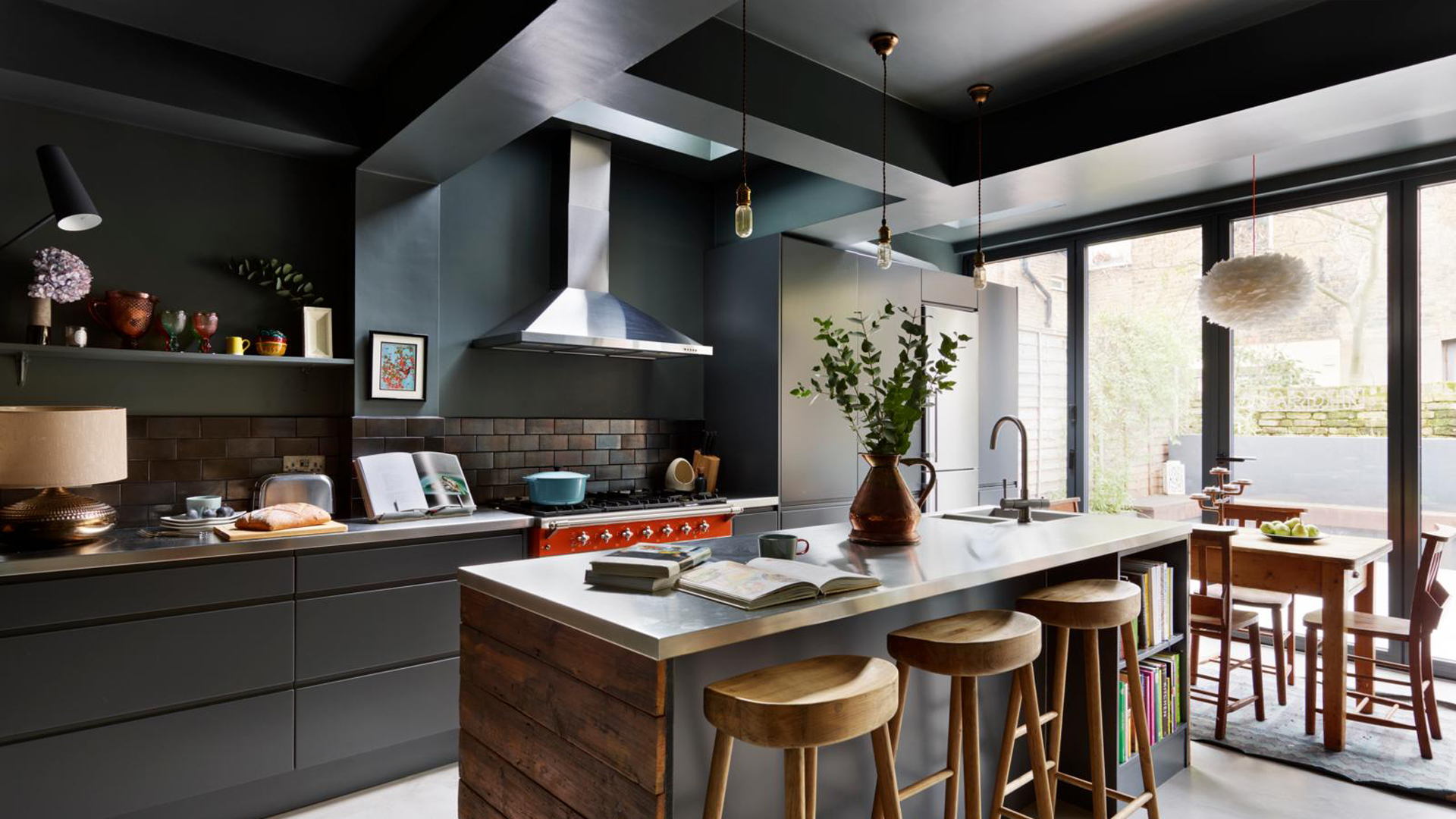
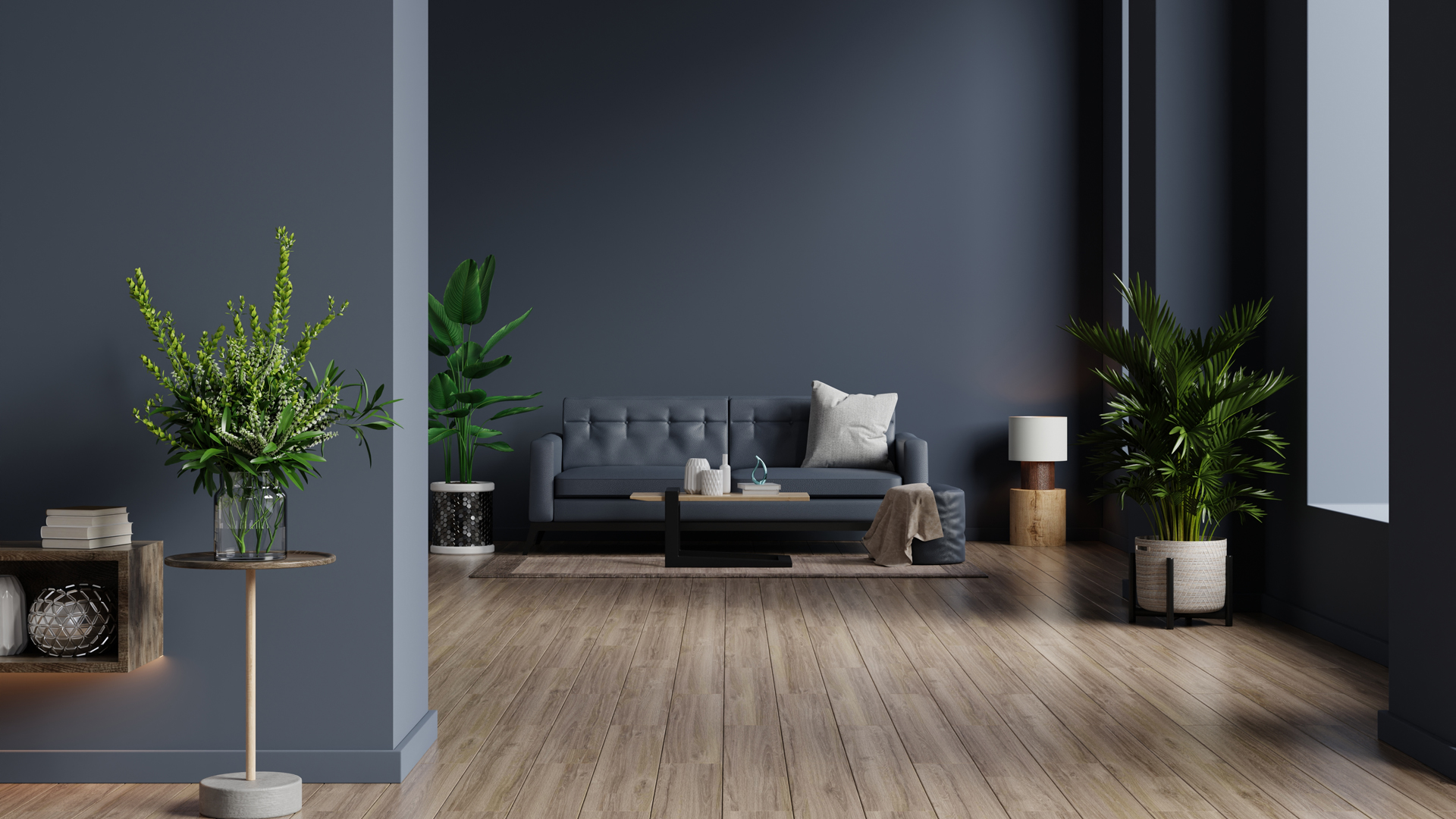
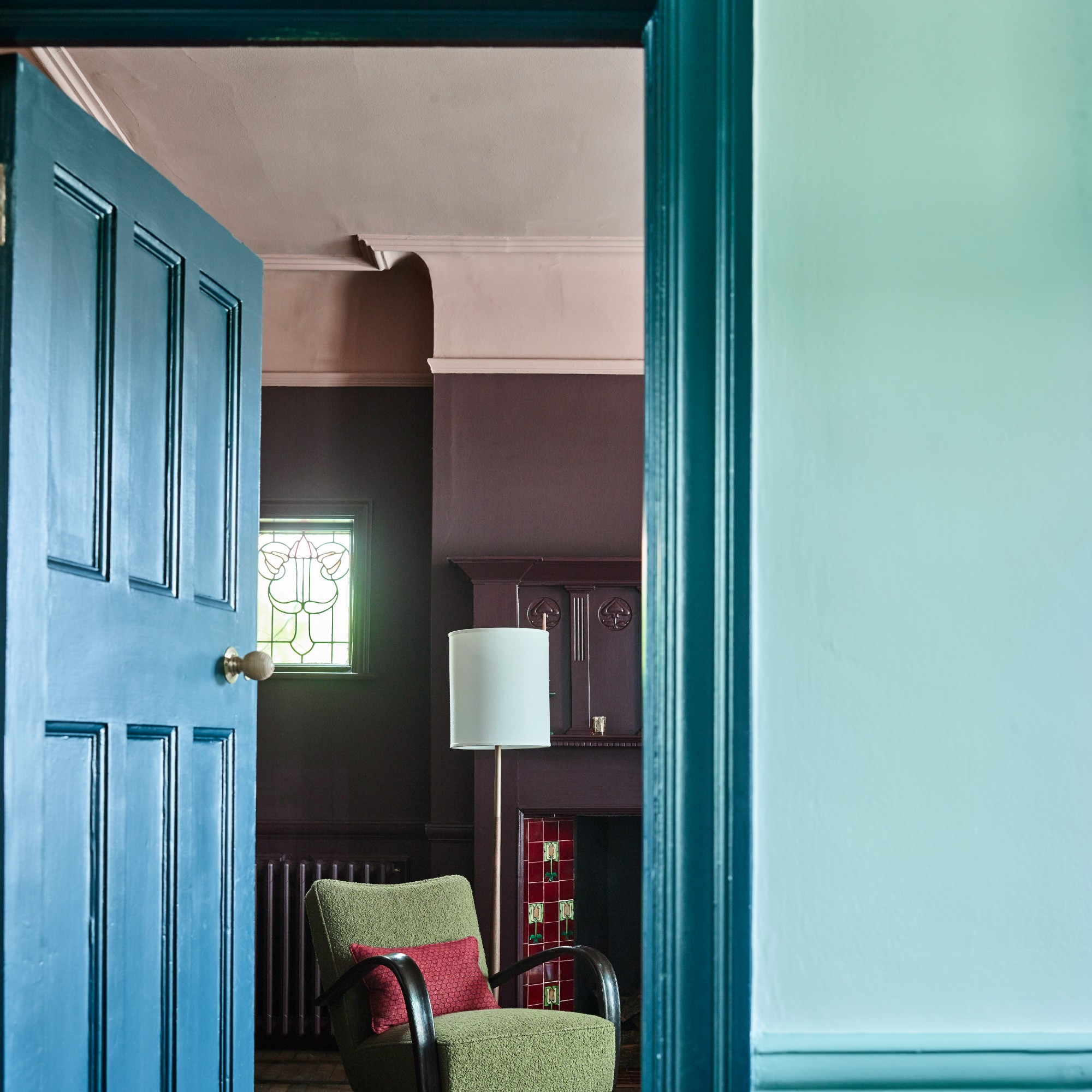
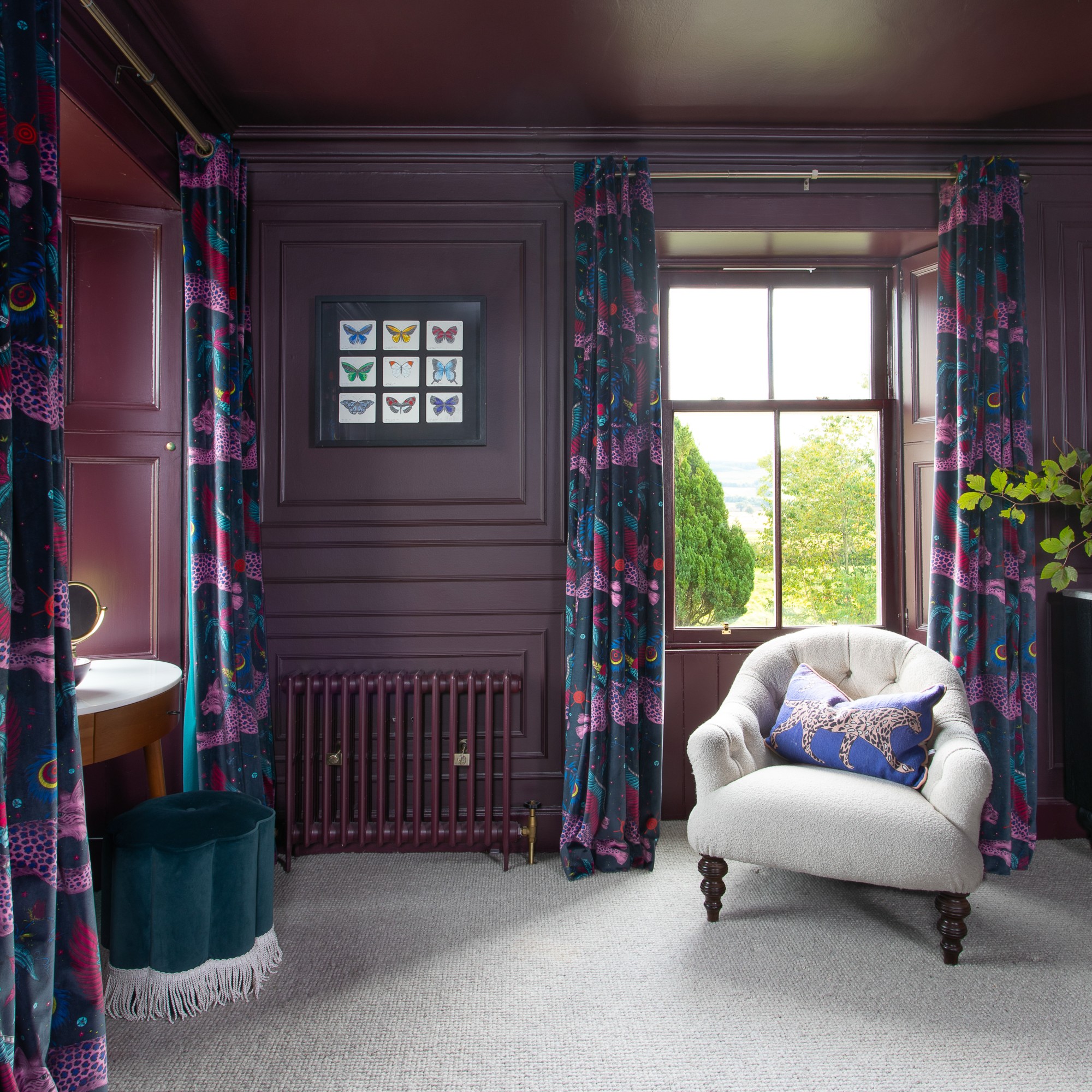
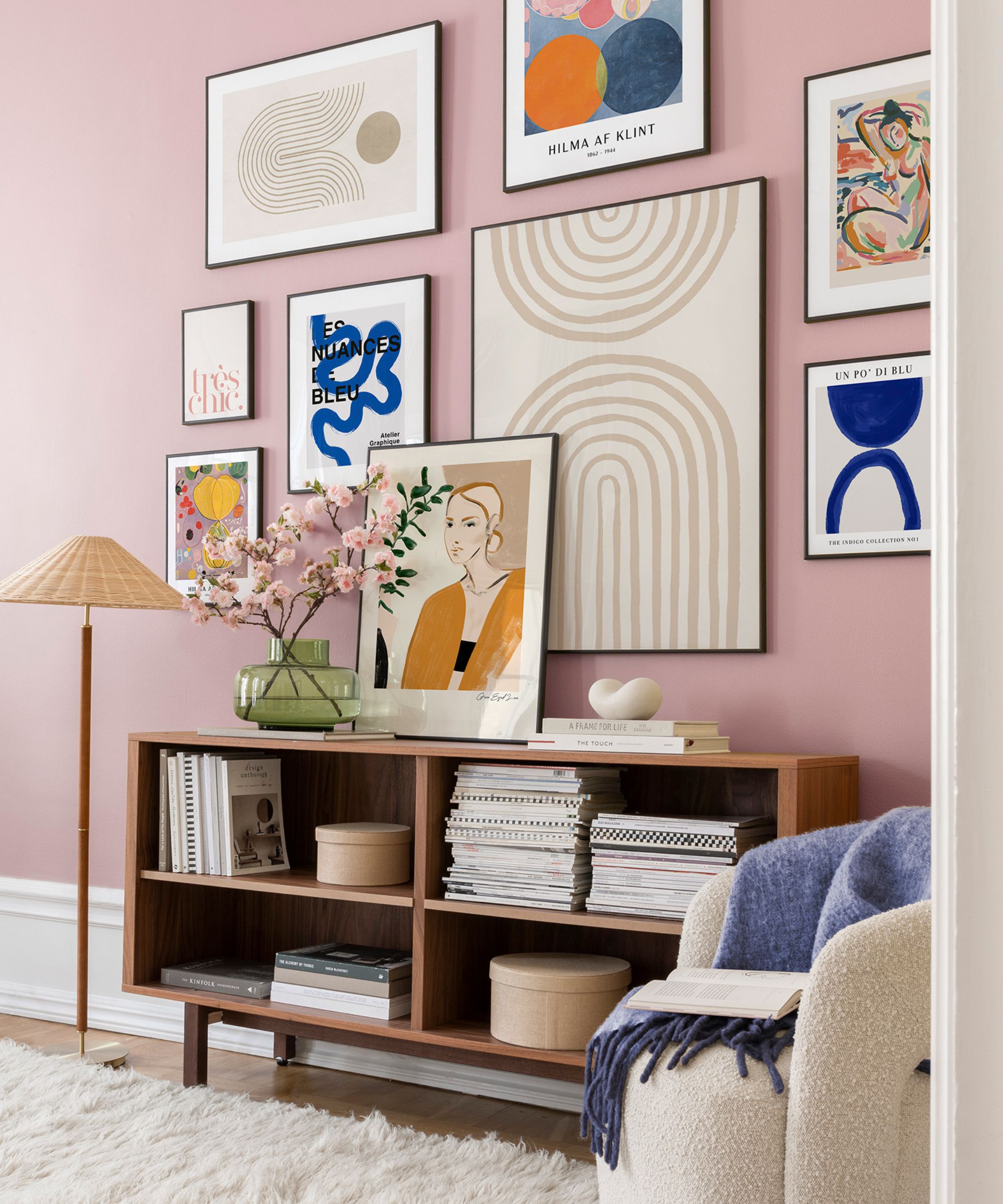
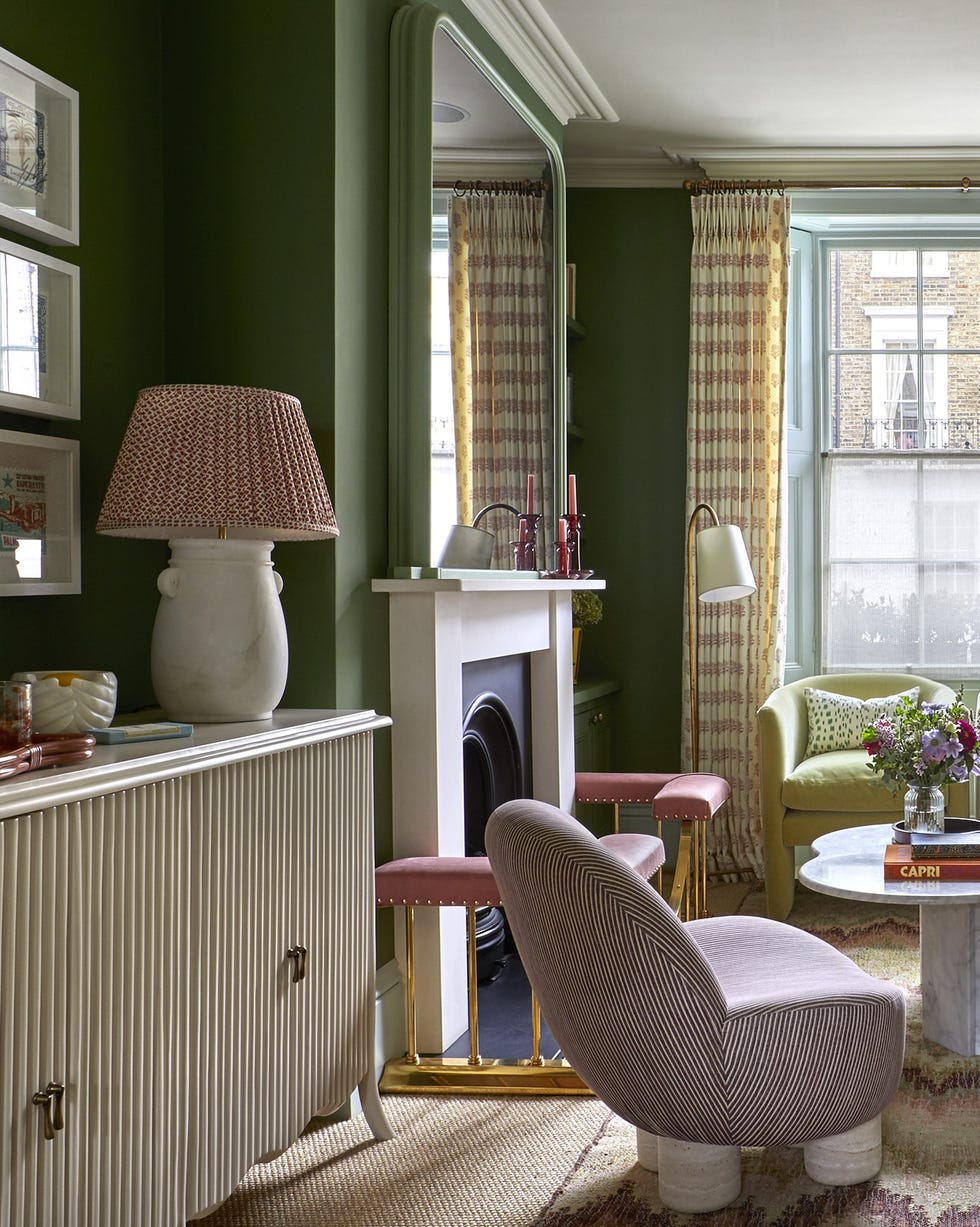
Painting projects, while seemingly straightforward, often encounter common pitfalls that can lead to disappointing results. Experts in painting and interior design highlight five key mistakes that DIYers frequently make. The first mistake is not carefully selecting paint colors. Many stores offer a wide array of color samples, but these can appear differently under various lighting conditions. Professionals advise taking sample paint pots, applying them to the wall or a poster board, and observing them throughout the day to see how natural and artificial light affect the shade. This practice helps eliminate unsuitable colors early in the process, preventing dissatisfaction after the entire project is completed.
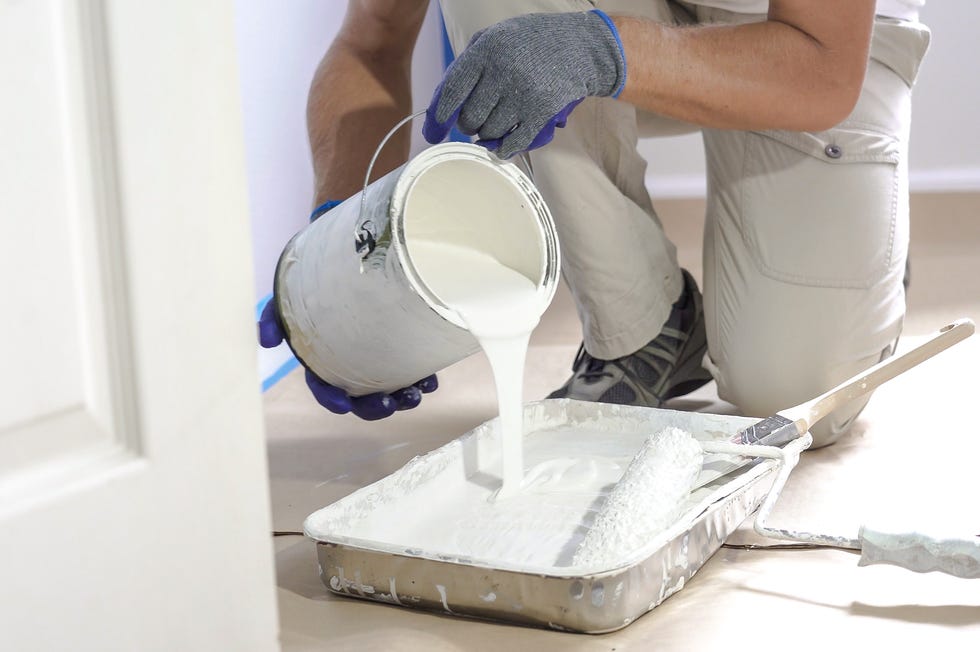
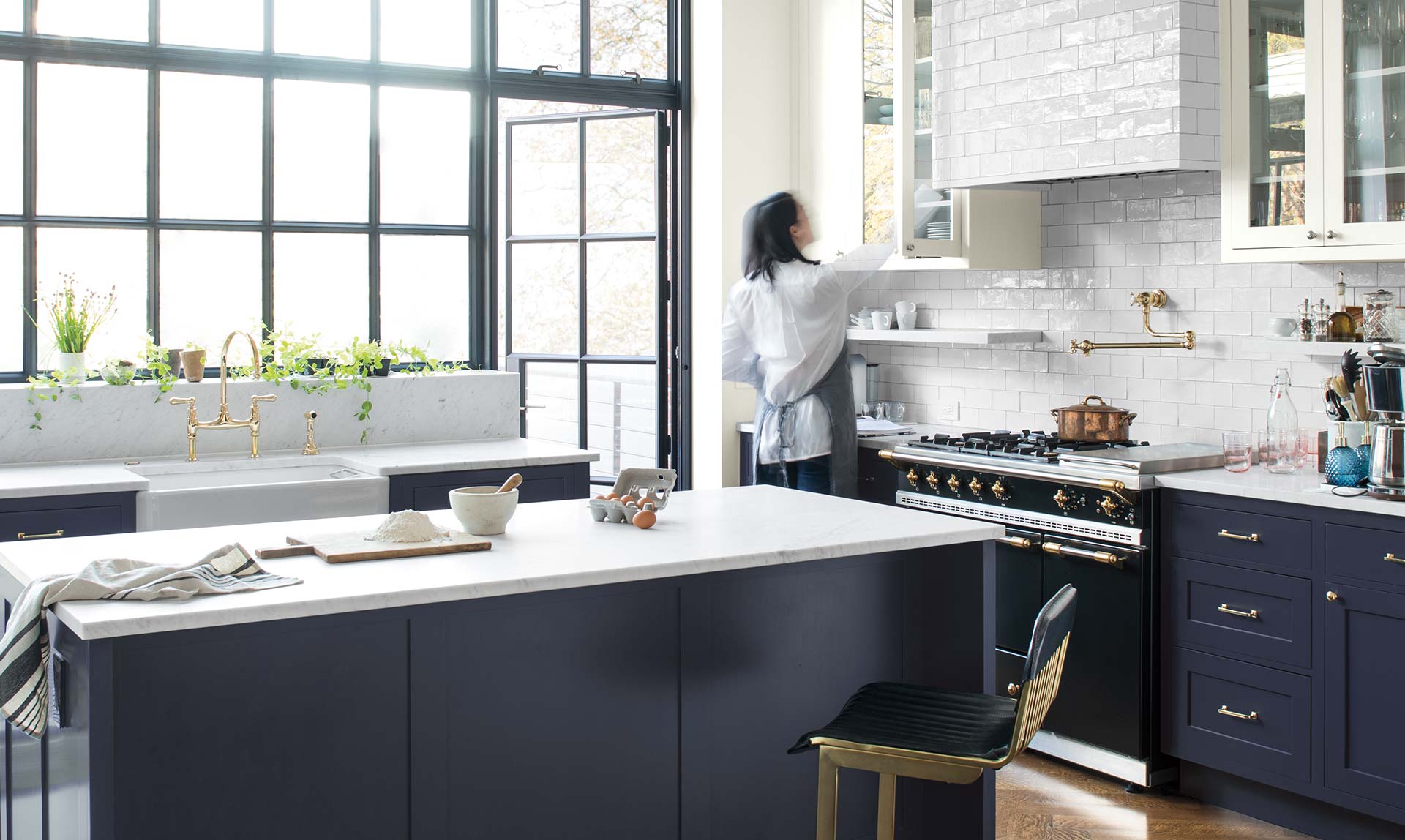
The second common error involves misunderstanding paint types. Paint is not a one-size-fits-all product; different types are formulated for specific uses and environments. For example, indoor paint cannot withstand the elements that outdoor paint can, and outdoor paint often contains chemicals that might be harmful for indoor use. High-moisture areas like kitchens and bathrooms require satin enamel paint due to its durability against humidity, while bedrooms might not benefit from its longer drying time. Selecting the correct paint type is crucial for both application success and the longevity of the finish.
Thirdly, many individuals neglect proper surface preparation. Rushing into painting without addressing wall imperfections like small holes, cracks, or dust can severely impact the final appearance and adherence of the paint. Experts recommend filling any holes or cracks with wall filler, allowing it to dry, and then sanding the area smooth. Even if walls appear flawless, they should be wiped down with a mild soap solution to remove dust and grime, which can prevent proper paint adhesion. Following this, an appropriate primer should be applied to enhance color and prevent future peeling or chipping.
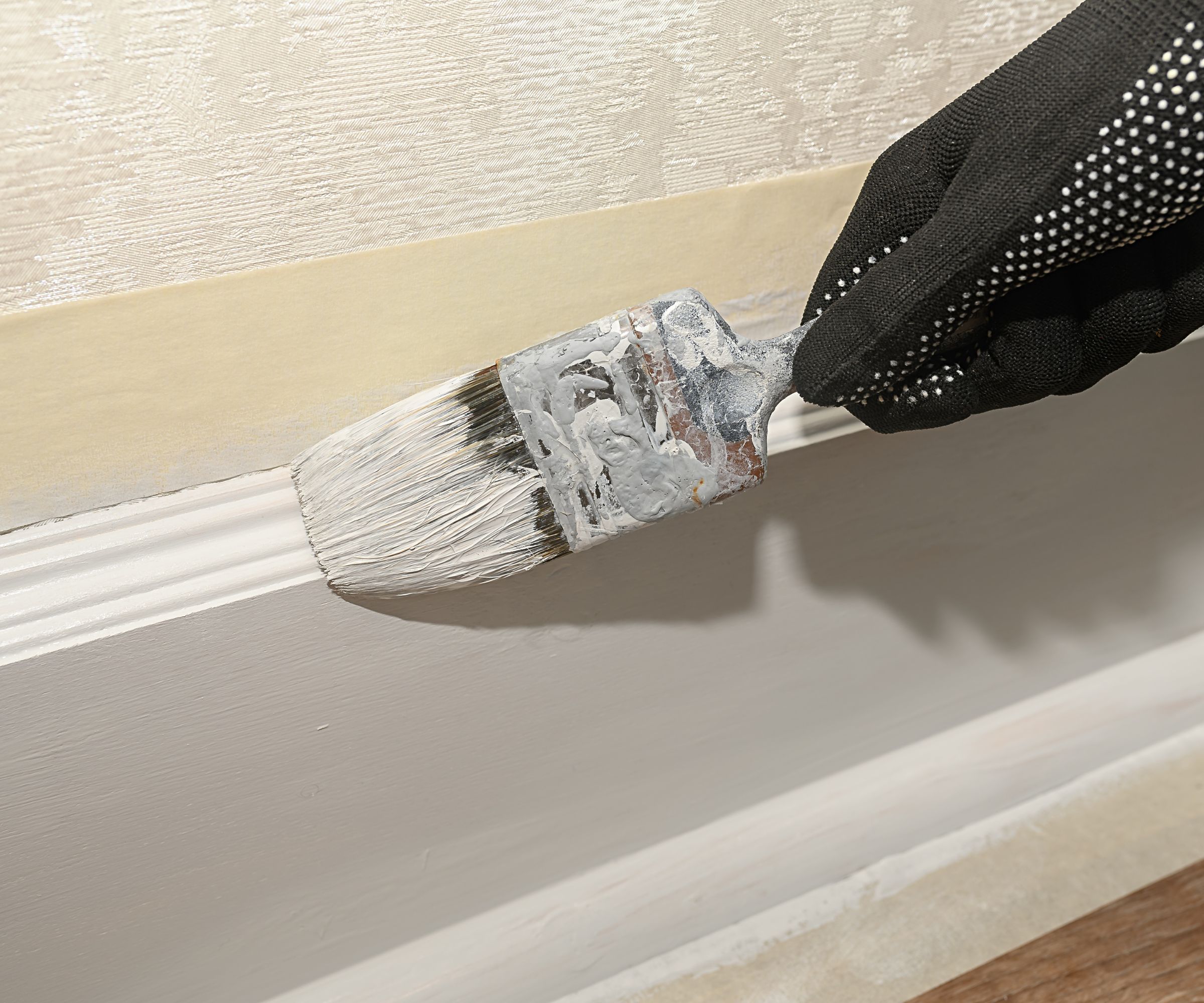
Another significant mistake is failing to adequately tape off boundaries. Achieving clean, crisp lines is essential for a professional-looking paint job. Without proper taping around trim, molding, and hardware, paint drips and smudges are almost inevitable. While experienced painters might have a steady hand, DIYers typically benefit immensely from taking the time to tape off all areas that should not be painted. This preparatory step, though time-consuming, saves more time and effort than correcting mistakes like repainting trim or removing dried paint from fixtures.
Finally, not allowing sufficient drying time between coats is a prevalent issue. Optimal drying times vary based on climate and paint type. Warmer, drier conditions generally accelerate drying, but each paint type has its own requirements. Applying a second coat before the first is fully dry can lead to uneven shading, cracking, and peeling. Water-based paints like acrylic typically dry within an hour in moderate temperatures, whereas oil-based enamel paints can take anywhere from eight to 24 hours to cure completely. Rushing this step can leave the paint tacky for days, compromising the finish. Consulting with professionals or paint stores for guidance on color, paint types, and proper techniques can help ensure a successful painting project.
#HomeImprovement #PaintingTips #DIYProjects #InteriorDesign #PaintSelection #SurfacePreparation #PaintingTechniques #HomeImprovement #PaintingTips #DIYProjects #InteriorDesign #PaintSelection #SurfacePreparation #PaintingTechniques
0 تعليق إجمالاً
 لا توجد تعليقات بعد
قد تعجبك أيضًا
7 Paint Mistakes That Make Designers Instantly Cringe When They Walk Into Someone's Home

10 baseboard painting mistakes to avoid – and what experts say to do instead

5 colors you should never paint your entryway – according to interior experts
Never Regret a Paint Color Again—Avoid These 6 Common Mistakes

6 painting mistakes that are making your walls look 'dirtier' – and what you should be doing instead

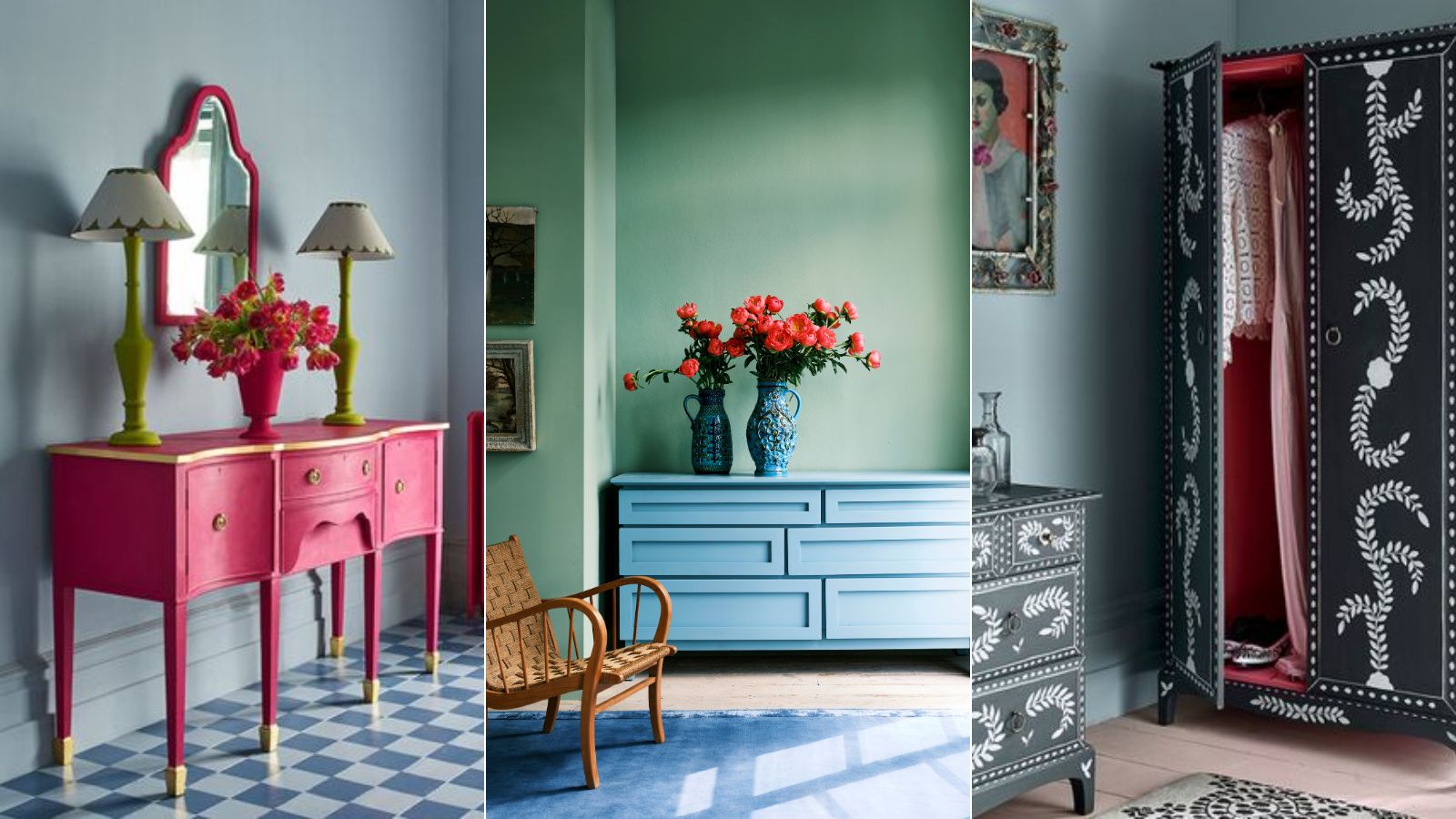
10 mistakes to avoid when painting wooden furniture, according to experts
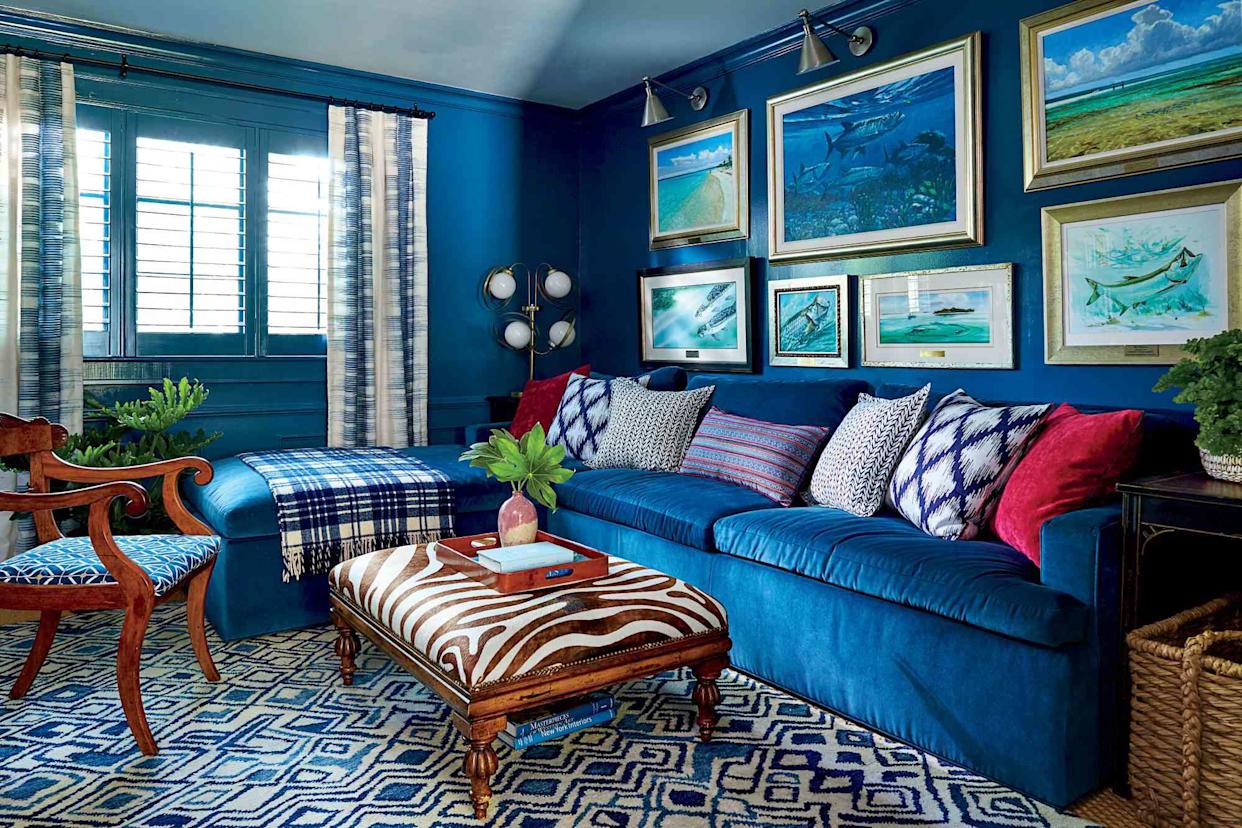
6 Paint Color Mistakes To Stop Making, According To Designers

5 small living room mistakes – designers share the worst decorating disasters that we need to stop doing right now
8 Paint Mistakes That Make Your House Look Dingy (and How to Fix Them)

6 Paint Color Mistakes To Stop Making, According To Designers
5 common gallery wall mistakes designers warn to always avoid – to create the chicest of displays
5 colors you should never paint a small room – designers warn us to steer clear of these hues, and what to pick instead
5 Paint Mistakes Your Realtor Wishes You Wouldn't Make
An interior designer reveals the 5 mistakes to avoid when painting with dark colours

The 5 small entryway color mistakes design experts say are big bloopers

Real Estate Experts Reveal the Paint Colors That Decrease Your Home Value—and Tricks for Finding the Perfect Hue
5 Exterior Paint Mistakes to Avoid If You Don't Want Your House to Become the Worst-Looking on the Street
7 places in your home you’re probably forgetting to paint – but design experts say you really shouldn’t
5 interior design regrets experts are always called in to fix

An interior expert reveals the one thing you should never do when painting your walls