11 Things You Should Never Clean with Rubbing Alcohol
Rubbing alcohol is often considered a versatile cleaning agent, effective for tasks ranging from skin disinfection to removing stubborn stains like gum or sticker residue. However, its potent solvent properties make it unsuitable for various surfaces and materials, potentially causing damage. This guide highlights eleven specific items or surfaces that should never be cleaned with rubbing alcohol to preserve their integrity and appearance.
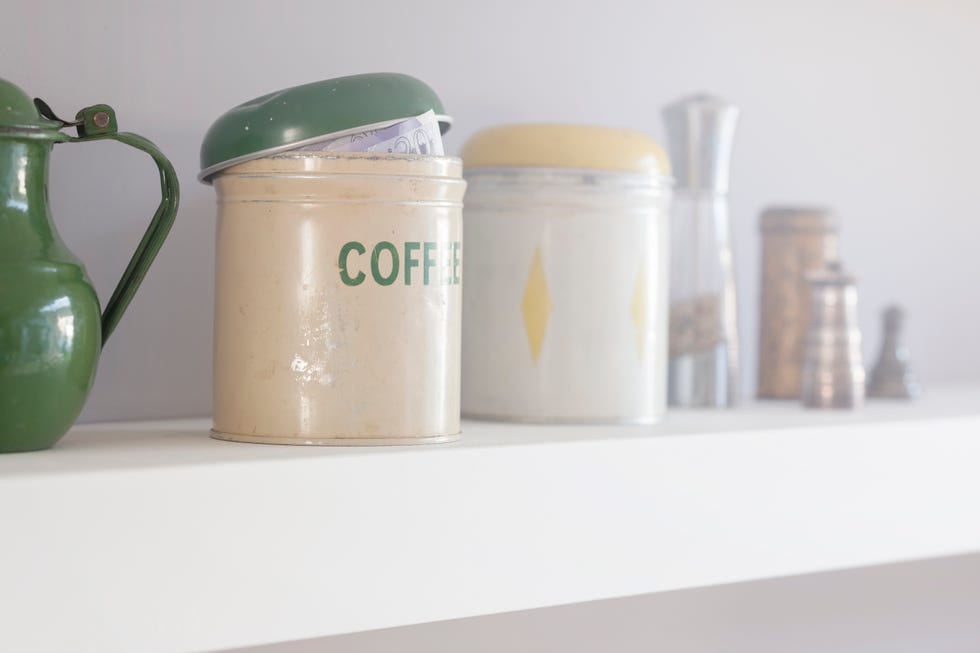
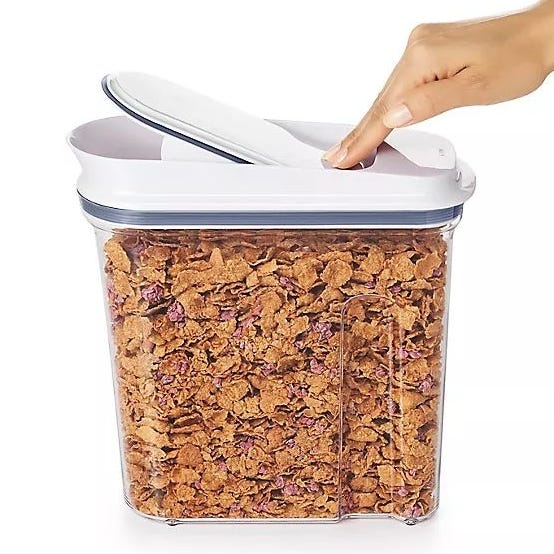
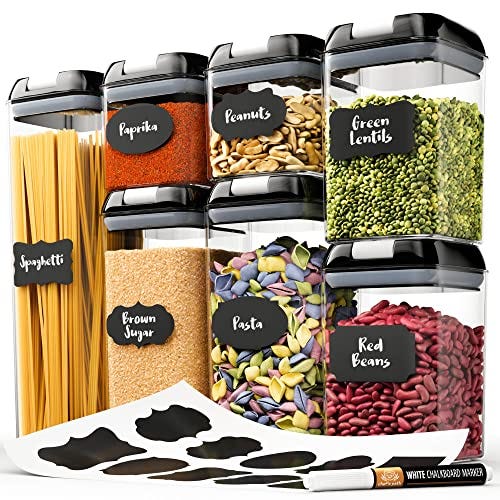
Clear acrylic containers, frequently used for organizing, are particularly vulnerable. Rubbing alcohol can lead to discoloration, cloudiness, or even cracking over time by breaking down the plastic. For these items, a soft microfiber cloth for dusting or a gentle hand wash with mild soap and water is recommended, followed by drying with a soft cloth to prevent scratches. Dishwashers should also be avoided due to high heat.
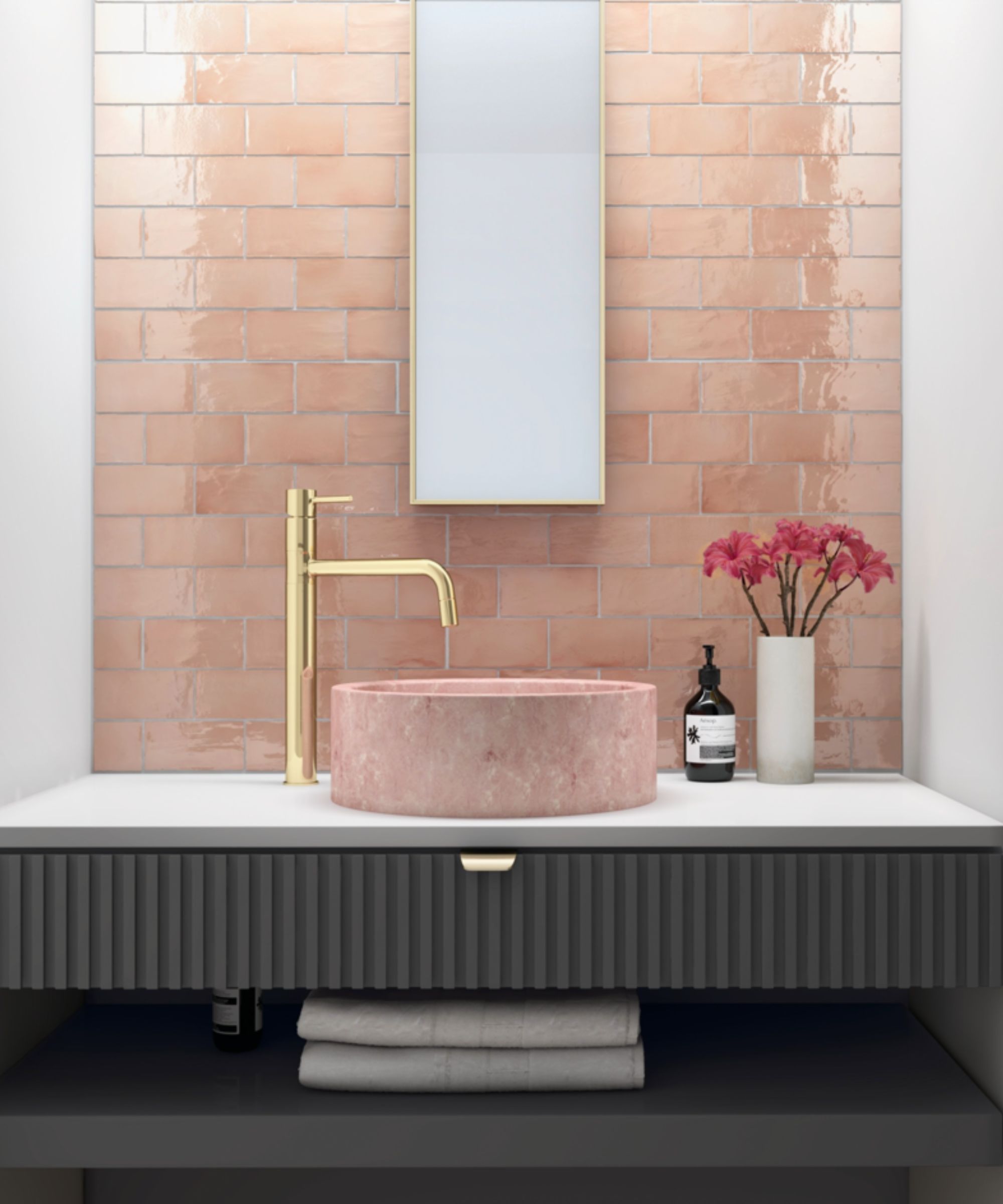
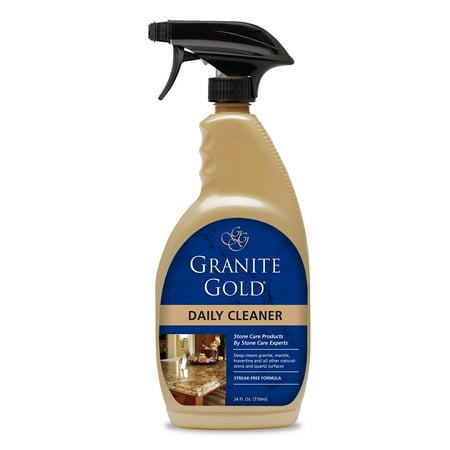
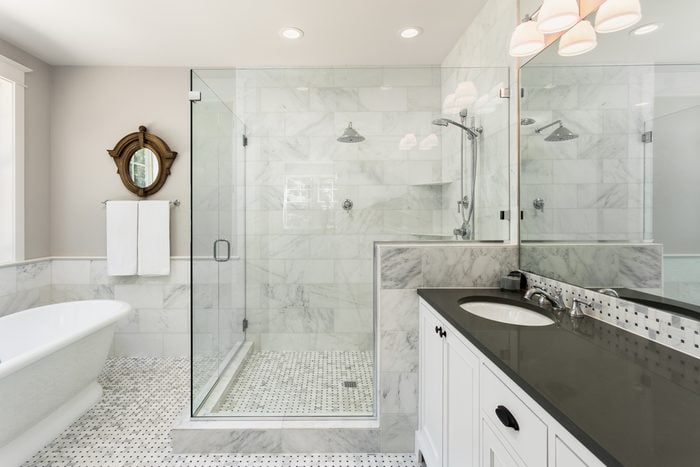
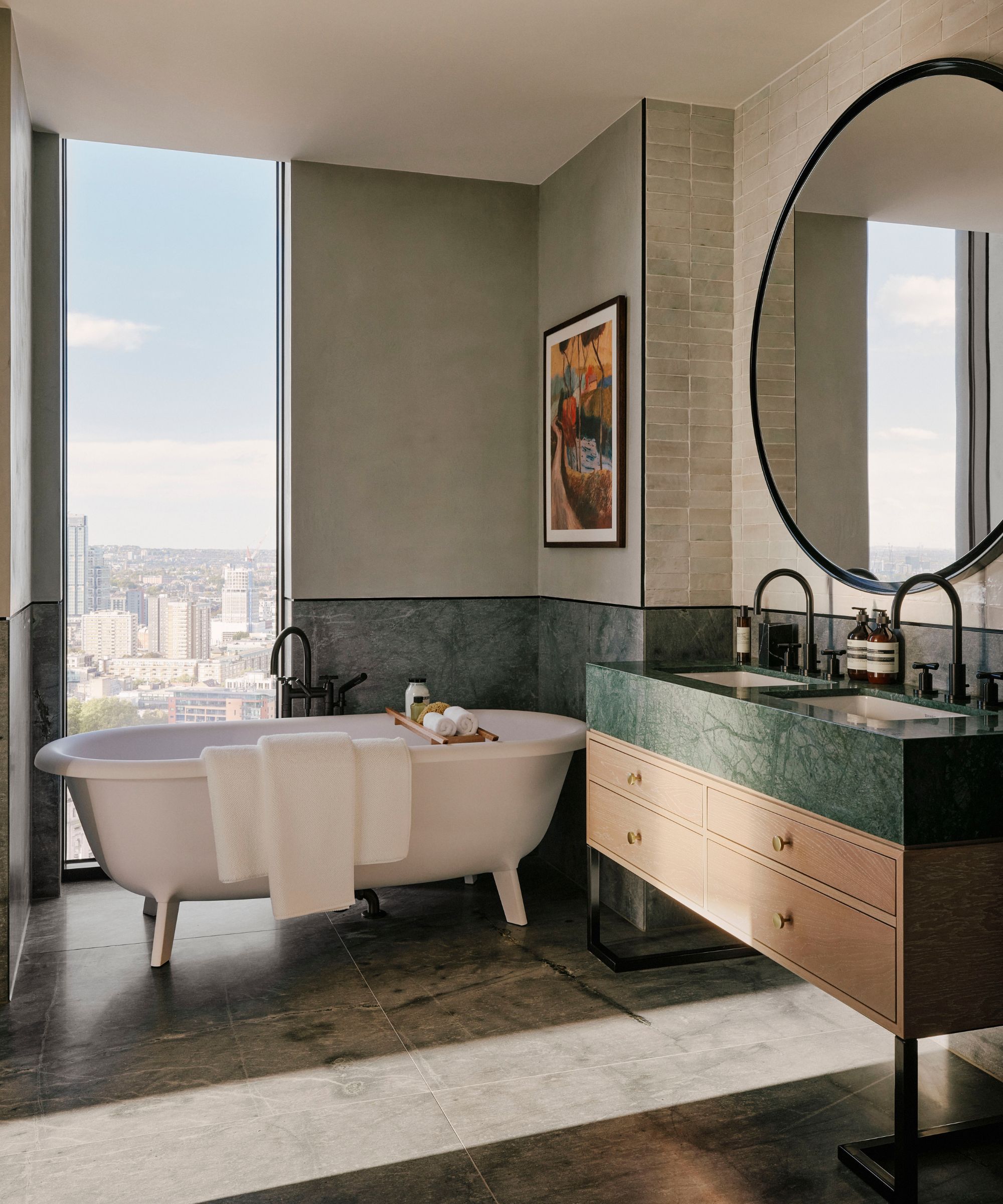
Natural stone surfaces like granite and marble are porous and susceptible to damage from alcohol. It can erode the protective sealer, leading to color alteration, visible stains, and marks. While diluted alcohol might be acceptable for occasional stain removal, it's best to use pH-neutral cleaners specifically designed for stone, or simply a solution of dish soap and water for daily maintenance.
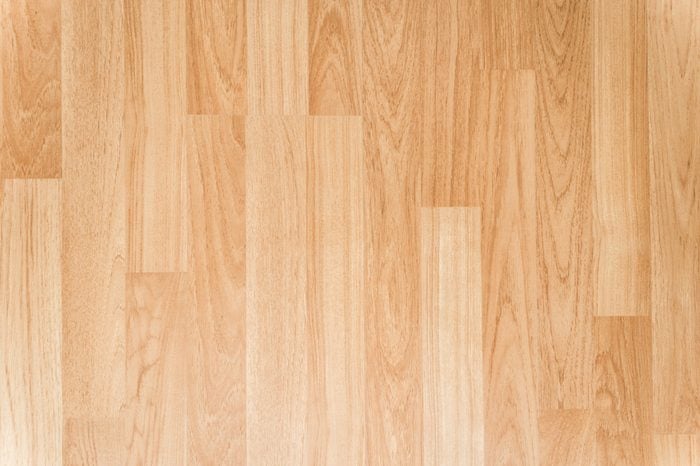
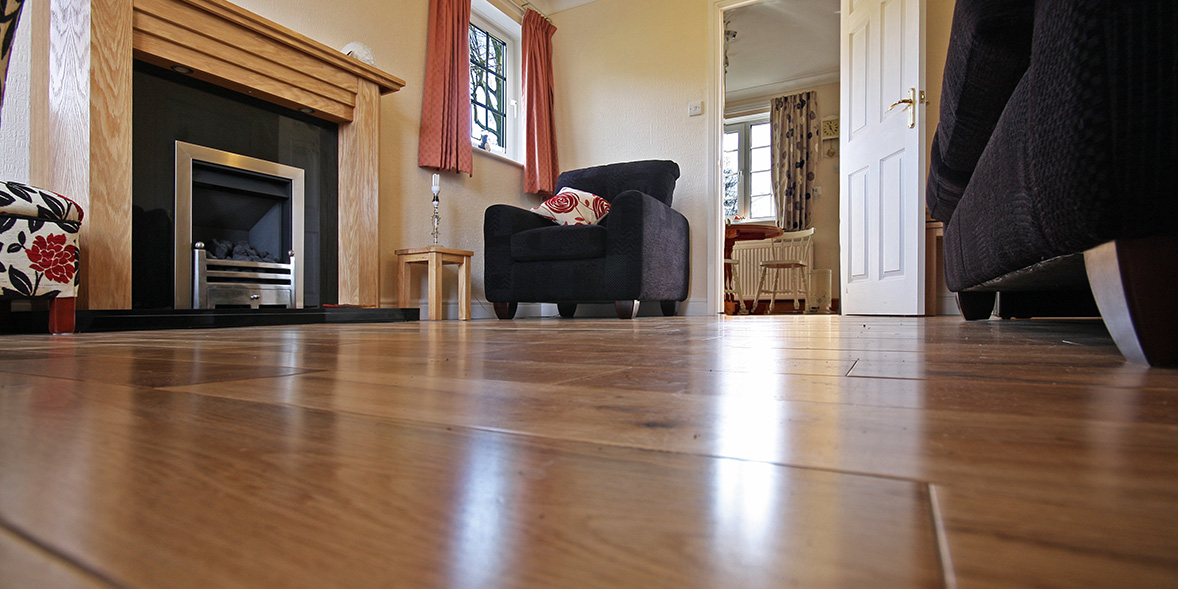
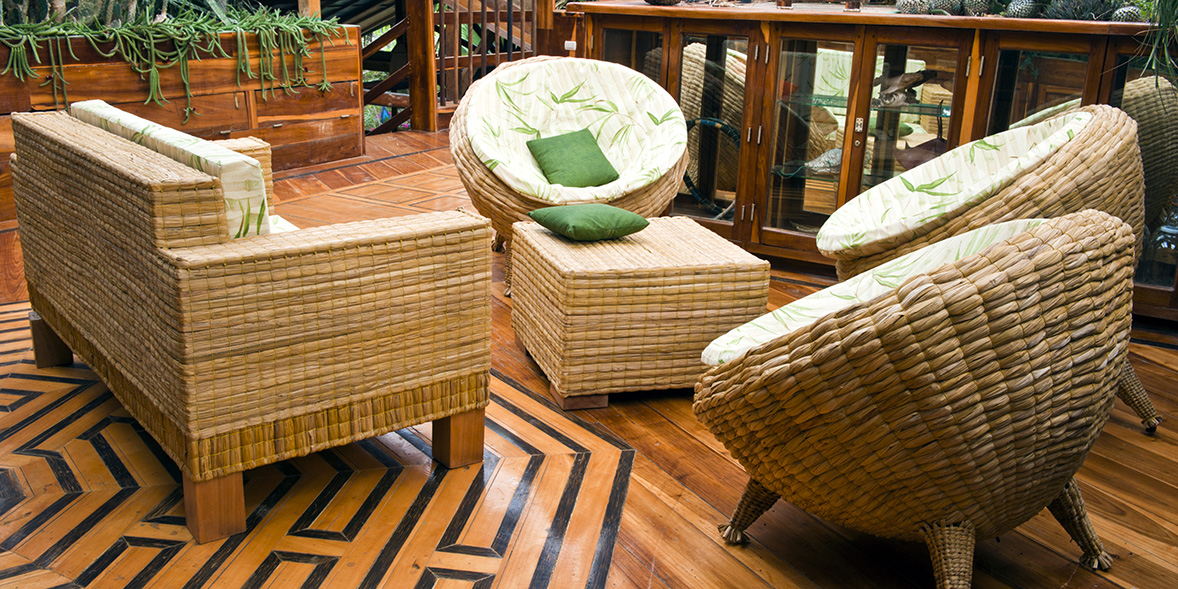
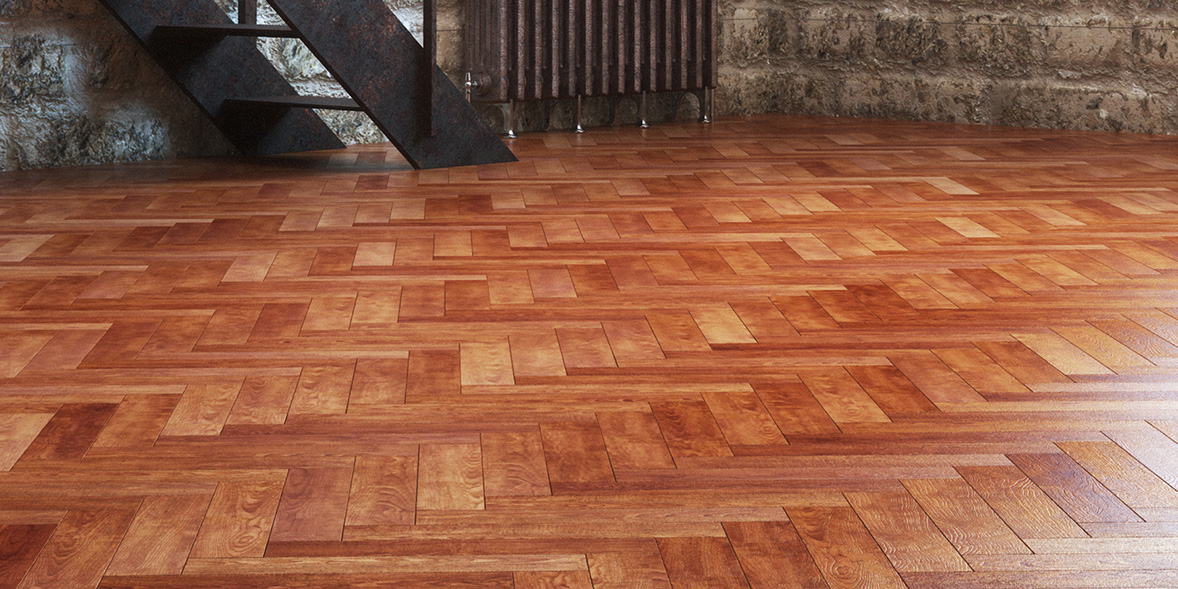
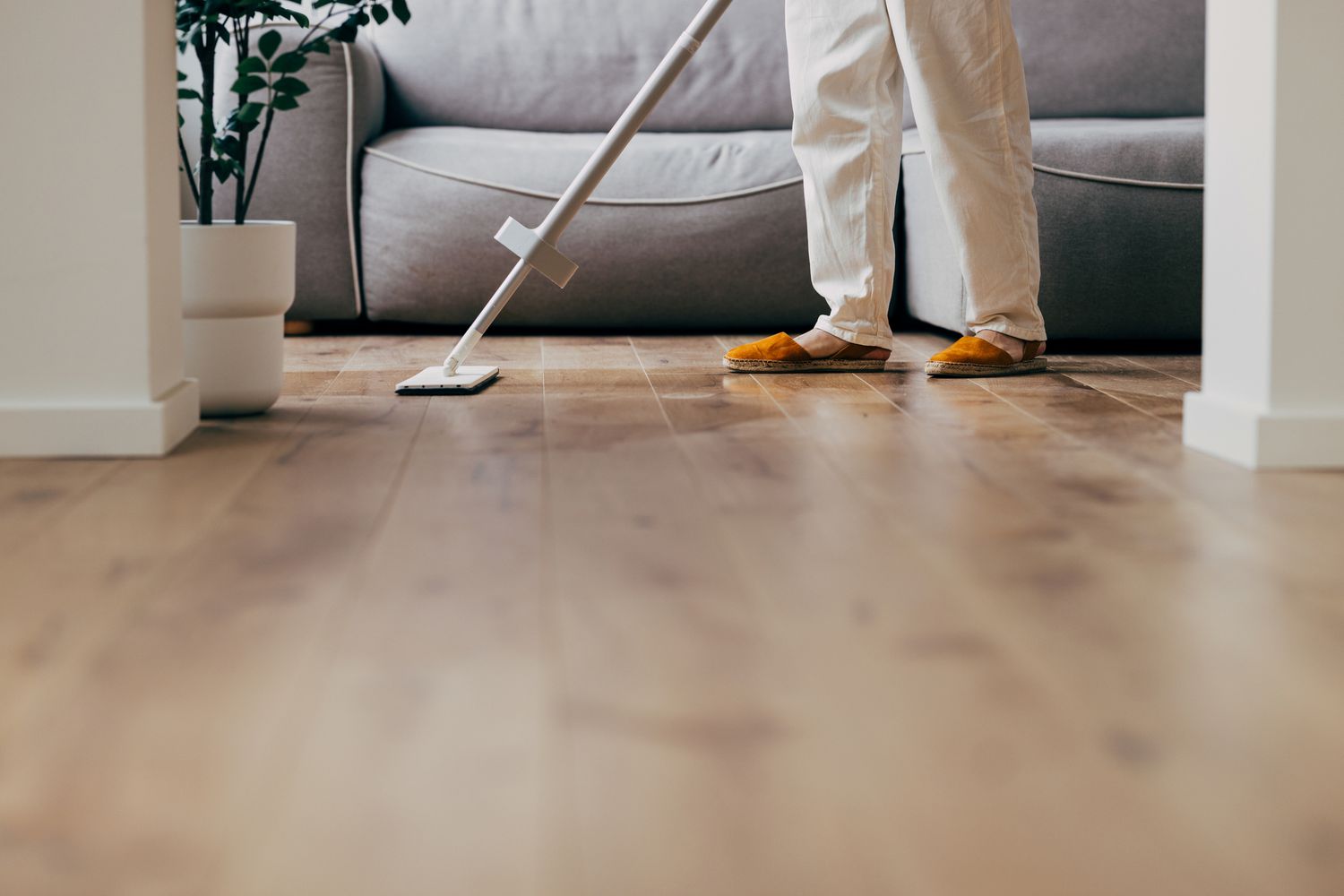
Wood furniture, surfaces, and floors should never be cleaned with rubbing alcohol, as it strips the finish and can cause the wood to split, leading to visible stains and splinters. Specialized wood cleaners or a simple soap and water solution are safer alternatives. Denatured alcohol, however, can be used for stain removal on hardwood floors, differentiating it from isopropyl alcohol.
Painted surfaces, whether furniture or walls, are also at risk. Rubbing alcohol can eat away at paint or lacquer finishes, resulting in an uneven appearance. An exception is using it to prep walls by removing dirt and oil before a fresh coat of paint. Otherwise, a mild soapy water solution or a paint-safe degreaser for stubborn stains is preferable.
Rubbing alcohol is highly flammable, making it unsafe for cleaning flammable surfaces or areas exposed to open flames, such as fireplaces or even gas stovetops. For stovetops, an all-purpose product safe for the appliance should be used. Grills should be cleaned with soapy water and a scouring pad after cooling completely.
Regular use of alcohol on rubber can cause it to deteriorate, despite being suitable for occasional stain removal. For routine cleaning, alcohol-free solutions, commercial cleaners, or soapy water are recommended. Specialized cleaners or degreasers are ideal for items like car tires.
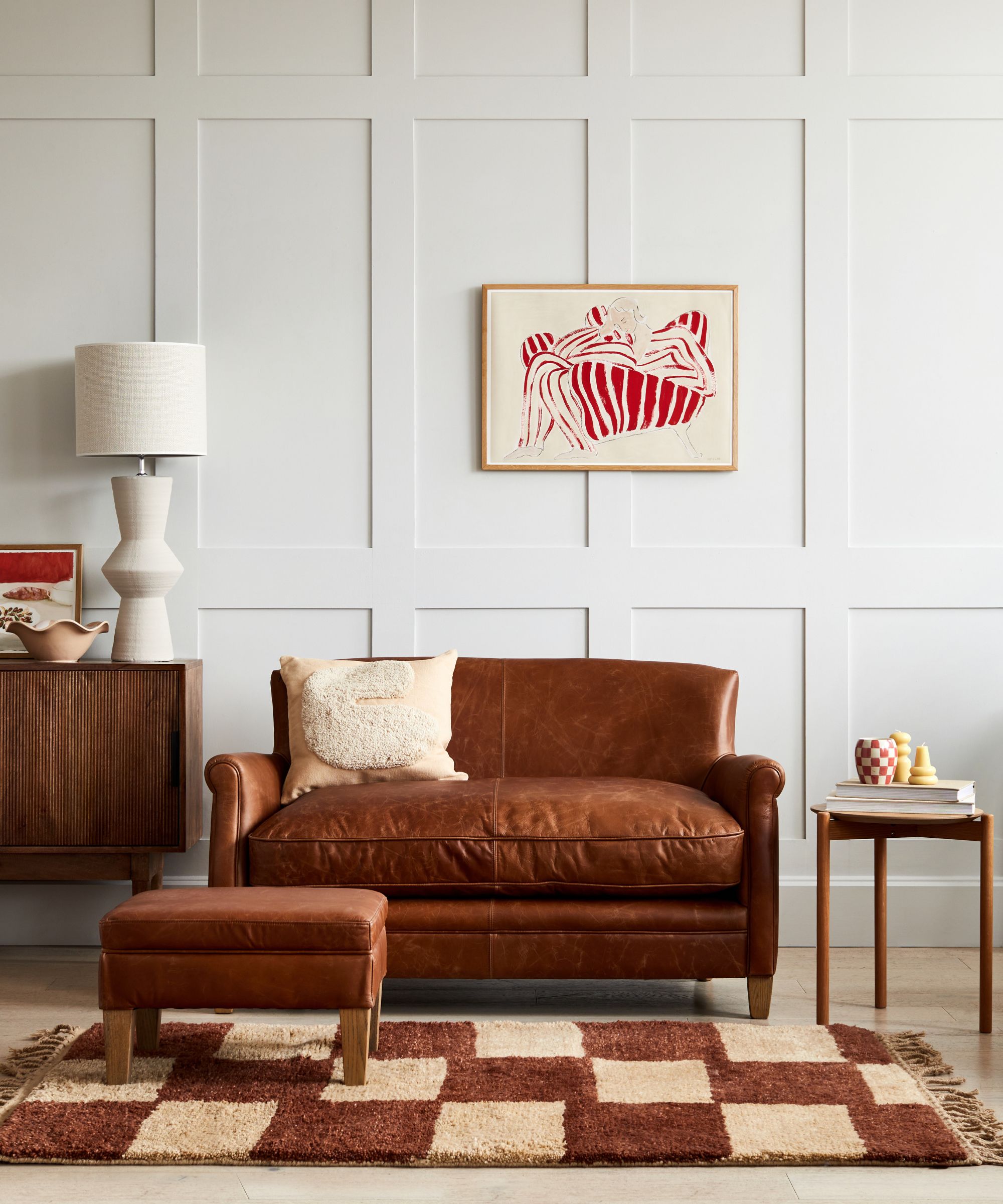
Leather items, including clothing, bags, shoes, and furniture, will have their lifespan shortened by alcohol, which dries out and degrades the material. Manufacturer-approved leather cleaners and conditioners are the best choice. Spills on leather furniture should be blotted immediately with a dry cloth and then wiped with a slightly damp cloth if necessary.
Delicate fabrics such as rayon, silk, and wool can shrink, discolor, and wear down if cleaned with rubbing alcohol, unlike more durable materials like denim. Always follow laundry tag instructions for stain removal and washing, and test cleaners on an inconspicuous spot first.
While generally safe for most jewelry, rubbing alcohol should not be used on delicate pieces containing pearls or opals, as it can corrode their coatings. Most costume jewelry also reacts poorly. These items can typically be cleaned by wiping with a lint-free cloth or washing with mild detergent and water. Other methods for various jewelry types include glass cleaner, baking soda, or hot water.
Contact lenses and eyeglasses also require careful consideration. Rubbing alcohol can cause burning and vision damage if used on contact lenses. For eyeglasses, while some optometrists permit its use, alcohol can strip frame finishes. Commercial lens cleaners often contain diluted isopropyl alcohol. A homemade glass lens cleaner can be made by diluting rubbing alcohol to 50% with water and adding a touch of dish soap.
Finally, electronics can be cleaned with rubbing alcohol, but it should never be sprayed directly onto devices or allowed to enter openings. Overuse can wear away protective layers, so it should be reserved for deep cleaning or sanitizing rather than daily maintenance. Combining alcohol cleaning with compressed air, microfiber cloths, and coffee filters is advised for comprehensive care.
#CleaningTips #RubbingAlcohol #HouseholdCleaning #HomeMaintenance #SurfaceCare #AcrylicCare #StoneCare #WoodCare #FabricCare #JewelryCare #ElectronicsCleaning #CleaningTips #RubbingAlcohol #HouseholdCleaning #HomeMaintenance #SurfaceCare #AcrylicCare #StoneCare #WoodCare #FabricCare #JewelryCare #ElectronicsCleaning
0 تعليق إجمالاً
 لا توجد تعليقات بعد
قد تعجبك أيضًا

6 things to never clean with rubbing alcohol around your home, and what to use instead

8 items to never clean with bleach – according to cleaning professionals
8 Things You Should NEVER Keep On Your Kitchen Counter
12 Unexpected Things You Can Clean With Vodka, From Cutting Boards to Sneakers

8 Things You Should Never Clean with a Swiffer

5 things you should never clean with baking soda – according to professionals
6 Things You Should Never Use to Clean Wood Floors (Unless You Want to Ruin Them)

6 Things You Should Never Keep on Your Kitchen Counter

13 Things You Should Never Clean with Windex
6 Things You Should Never Clean With All-Purpose Cleaner
5 surfaces you shouldn't use a steam cleaner on
10 things decluttering experts won't keep in their kitchen cupboards

6 Things You Should Never Clean With All-Purpose Cleaner

8 essential oil cleaning mistakes
9 items never to store in a bathroom vanity – according to the experts
5 things not to put on your bathroom countertops, according to interior designers
8 Things You Should Never Wash Down The Sink
9 Things Professional Declutterers Won’t Keep In Their Bathroom
6 Things You Should Never Put in a Guest Bathroom

5 Things You Should Never Use to Clean Vinyl Plank Flooring, Cleaning Pros Say