Biophilic Design Is the Decorating Trend You Need To Try if You Love Plants
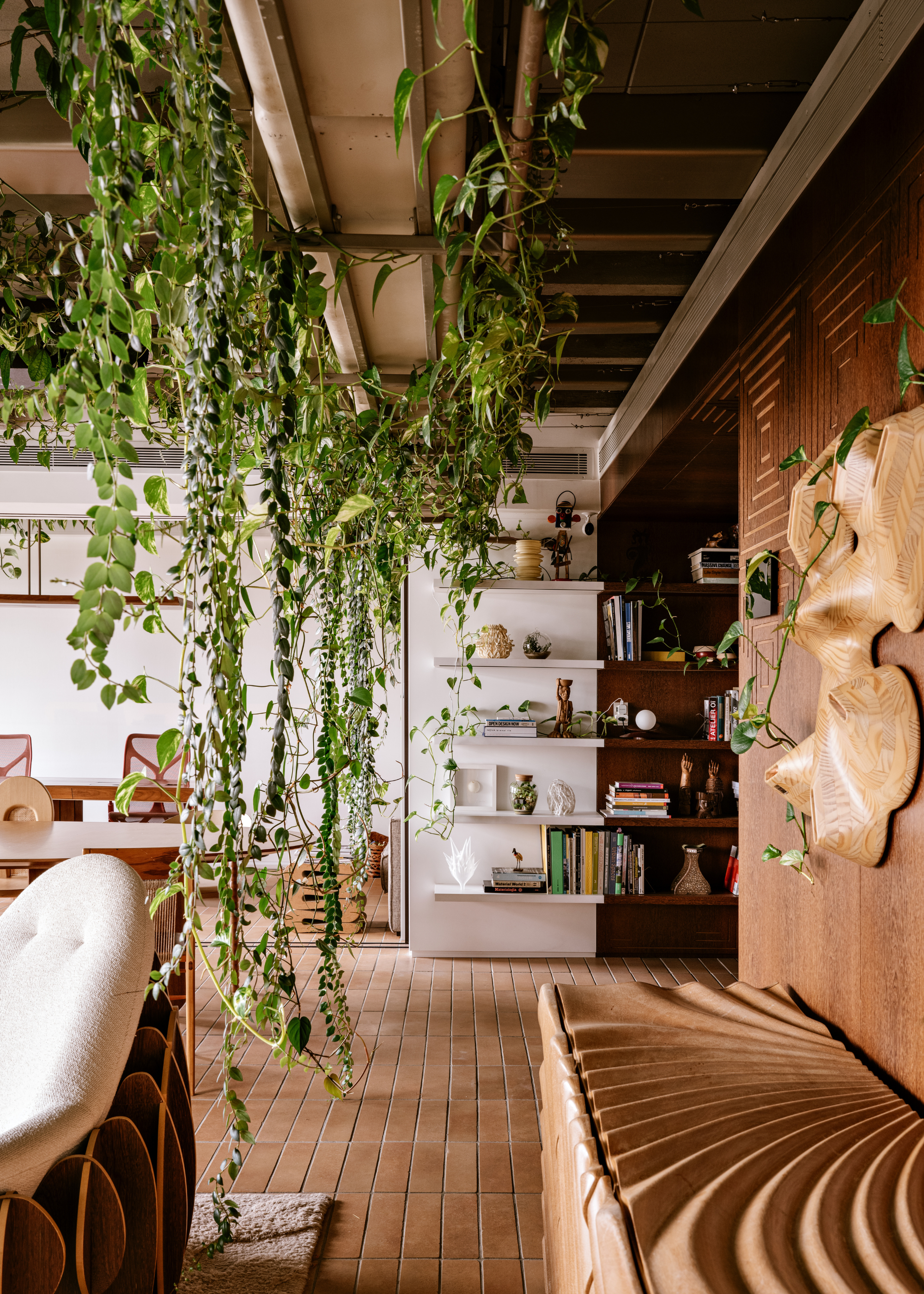
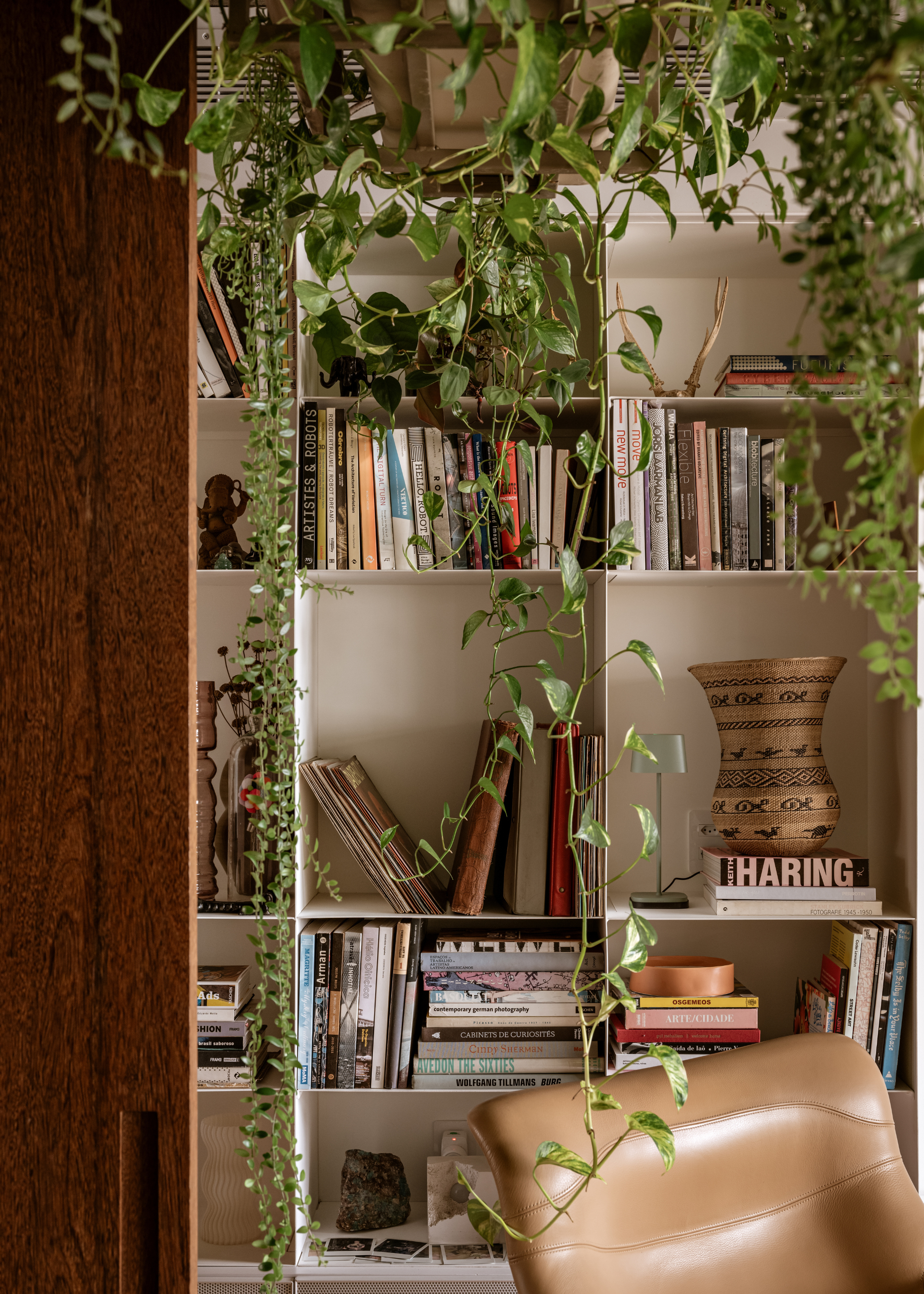
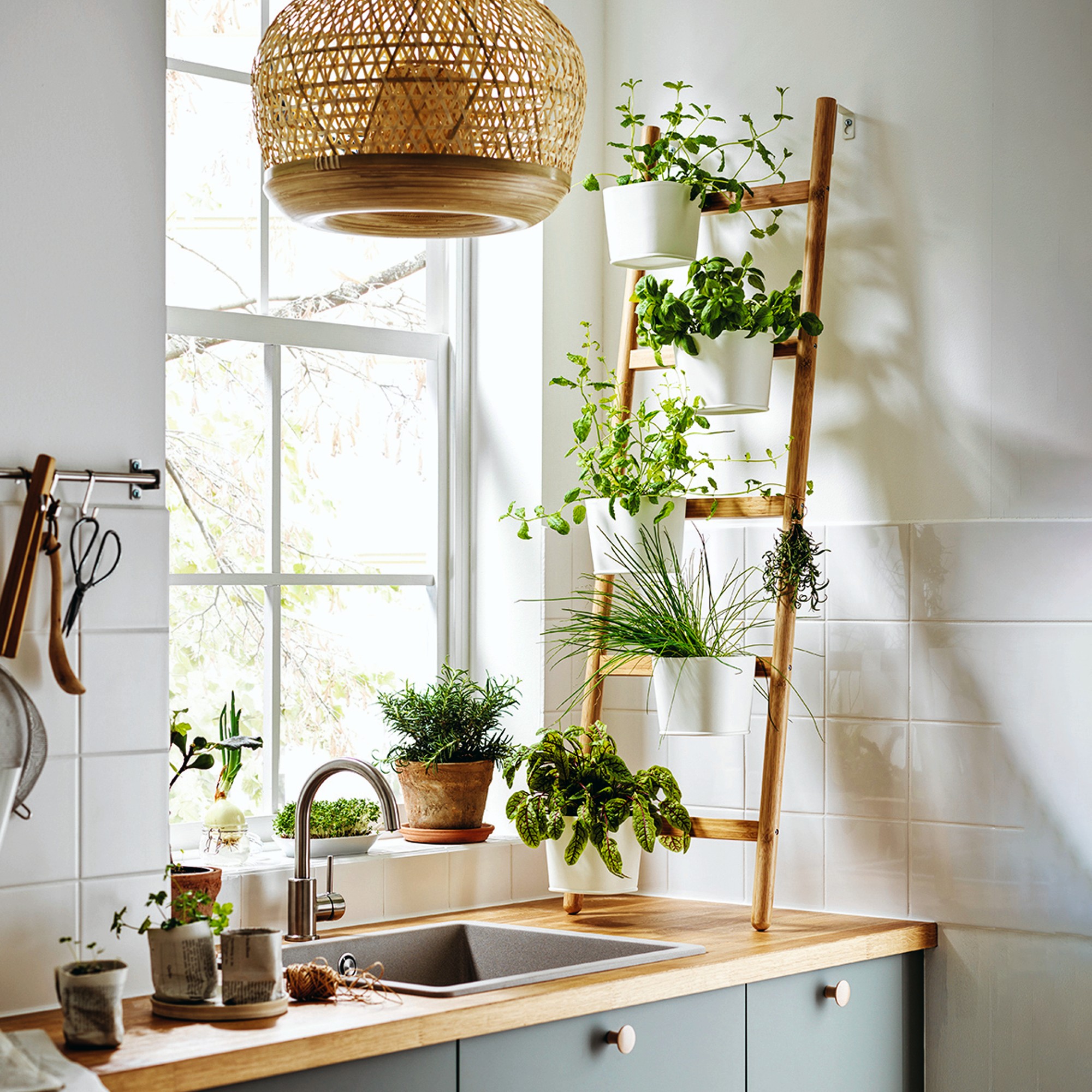
The article explores biophilic design, a decorating trend that emphasizes incorporating nature into interior spaces. It highlights the growing popularity of plants as a standard design accessory, akin to throw pillows or blankets, and positions them as central to the biophilic philosophy. The discussion begins by acknowledging that while indoor plants are not a new concept, the current expectation of their presence in a complete room reflects a deeper connection to nature-inspired aesthetics.
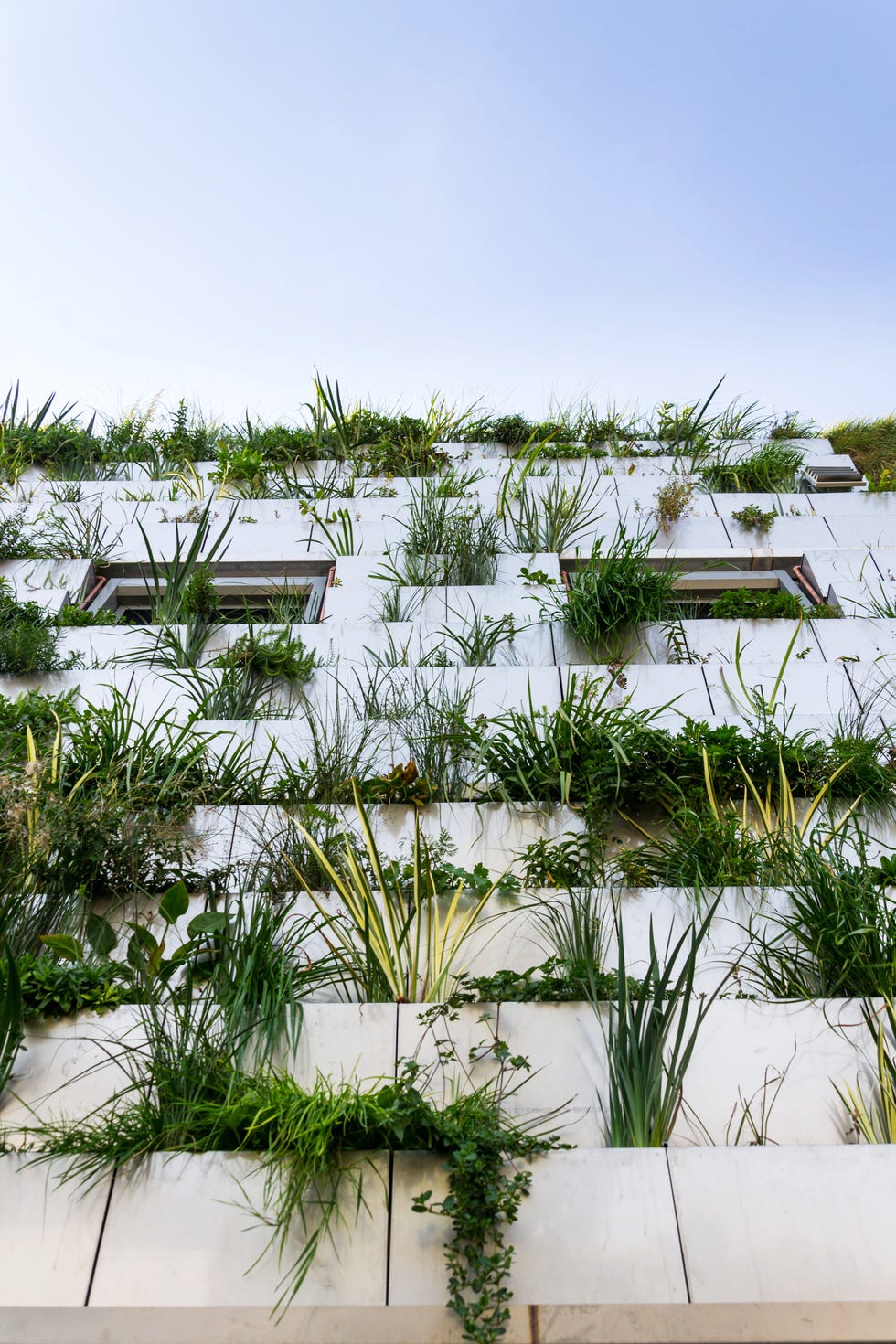
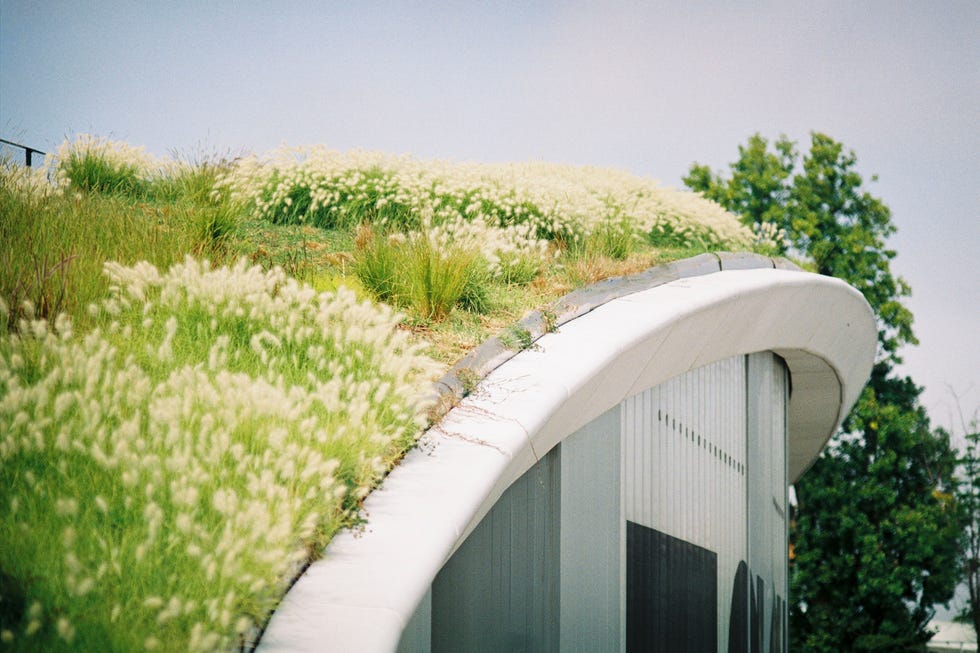
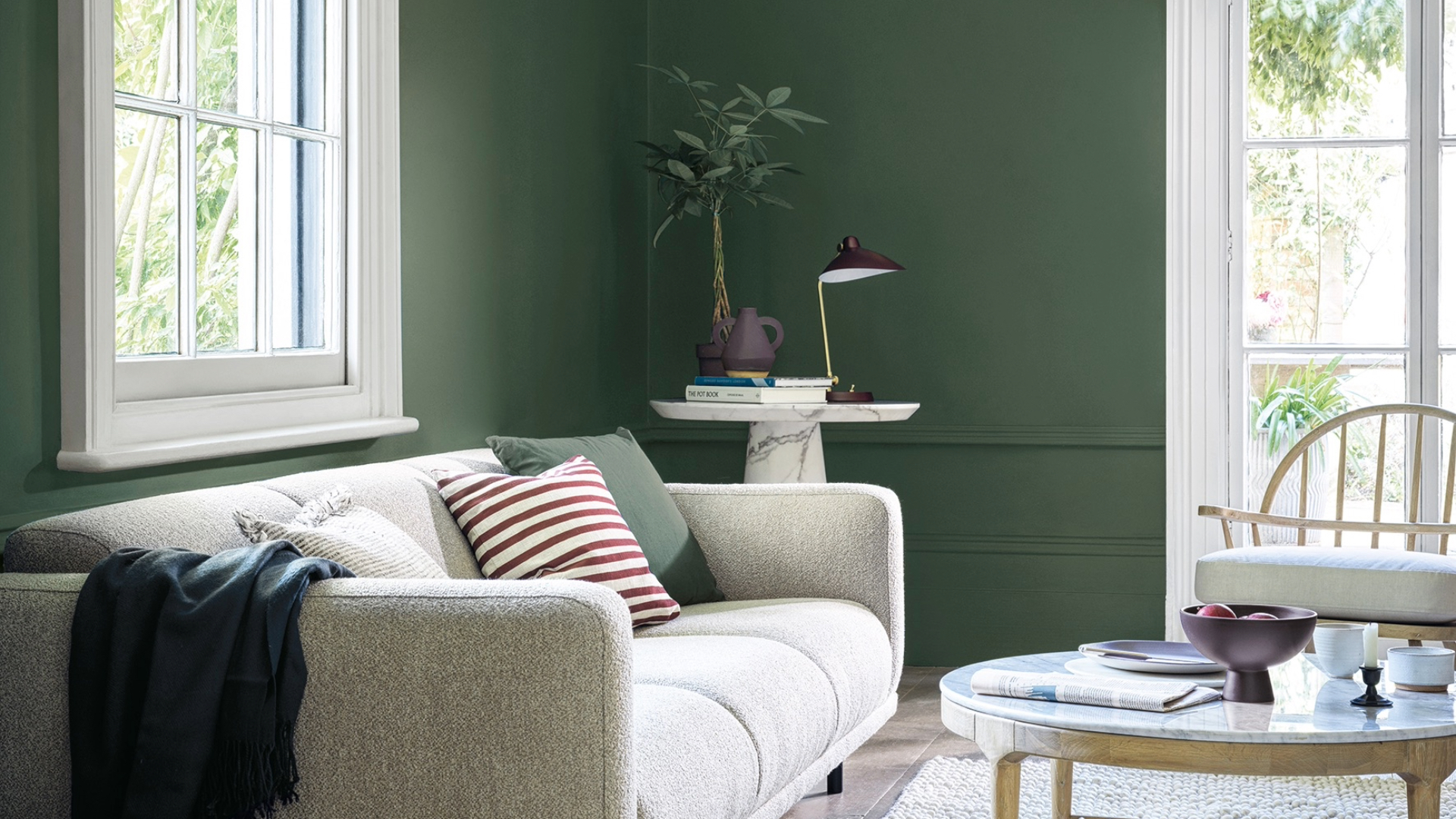
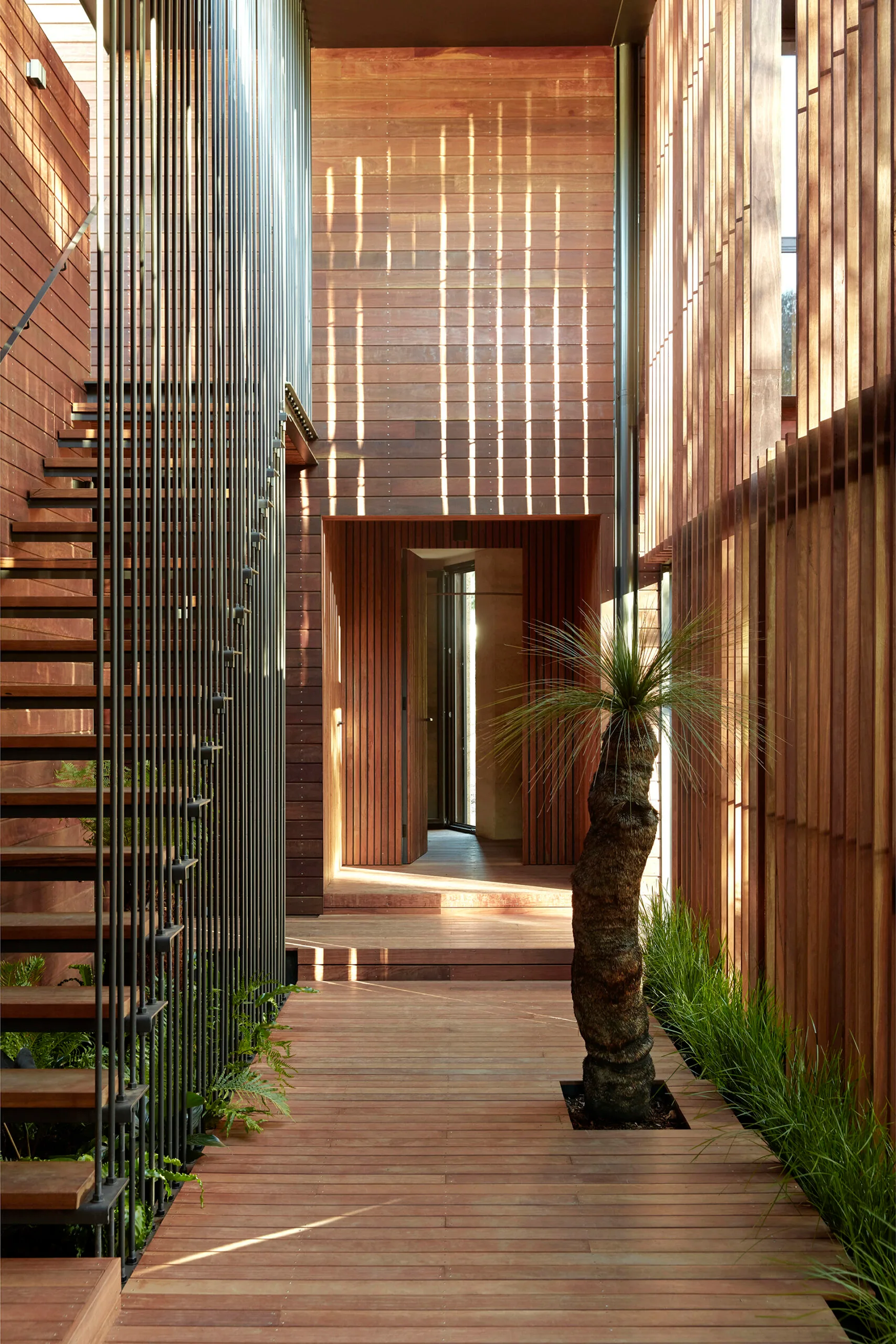
Architect and designer Nicholas Potts defines biophilic design as a strategy for reintegrating nature into building design, ranging from small-scale green walls to entire structures mimicking natural forms. The primary objective is to enhance comfort while simultaneously reducing the environmental impact of buildings. This approach aligns with a broader societal shift towards sustainability, as evidenced by a significant increase in Americans prioritizing environmental protection. This commitment manifests in household actions such as recycling and composting, and in design choices like natural wood floors, zero-VOC paints, and natural fibers.
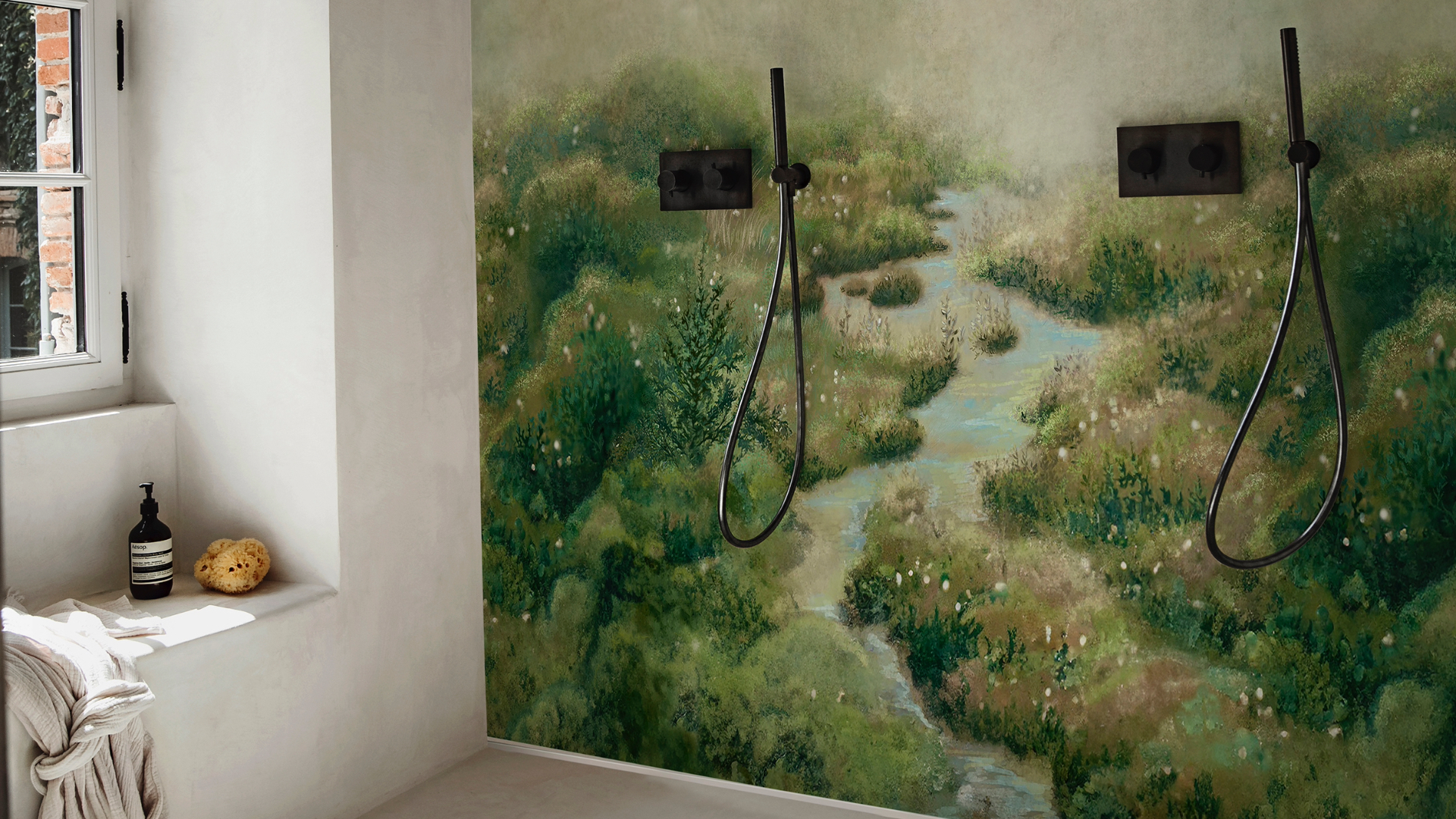
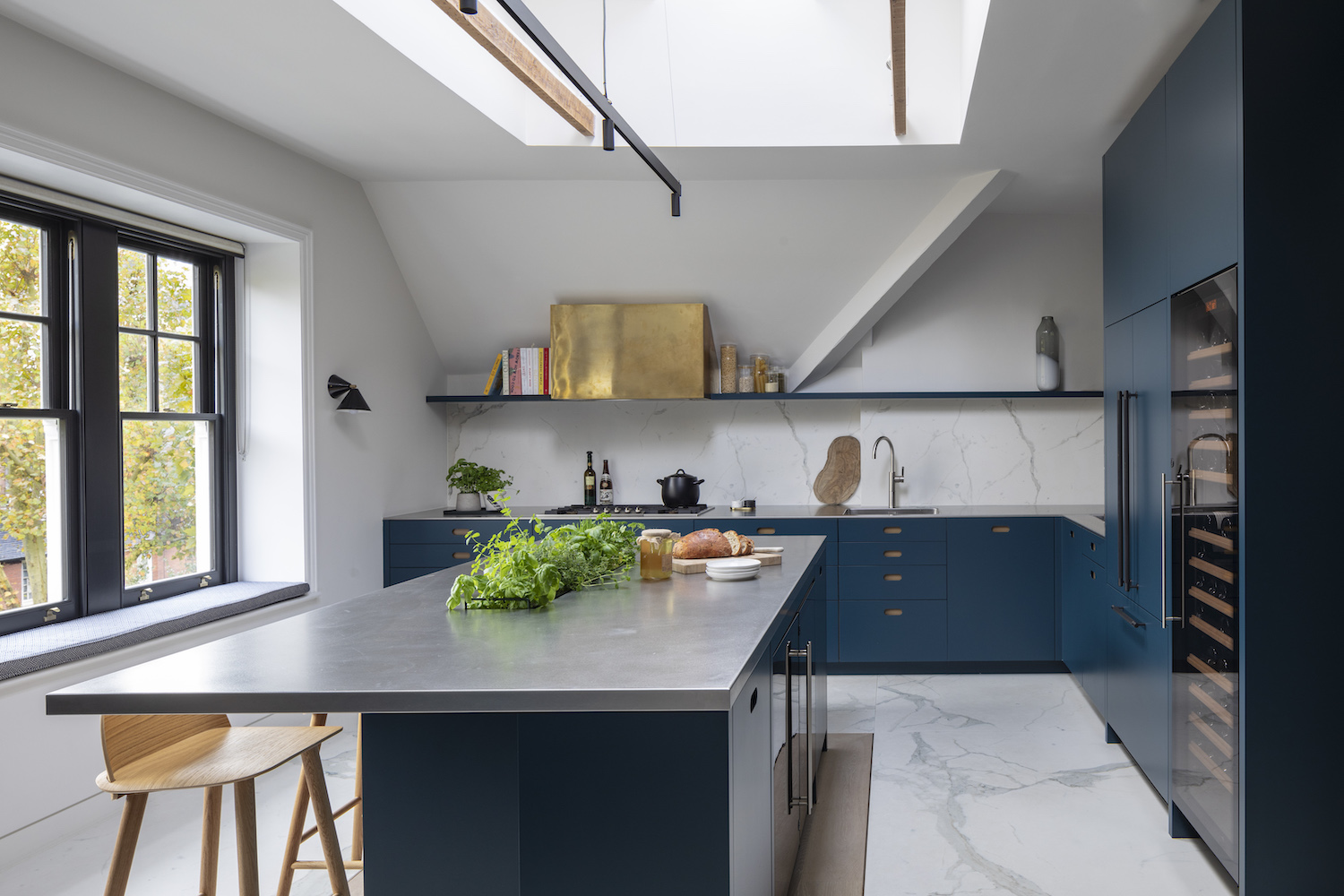
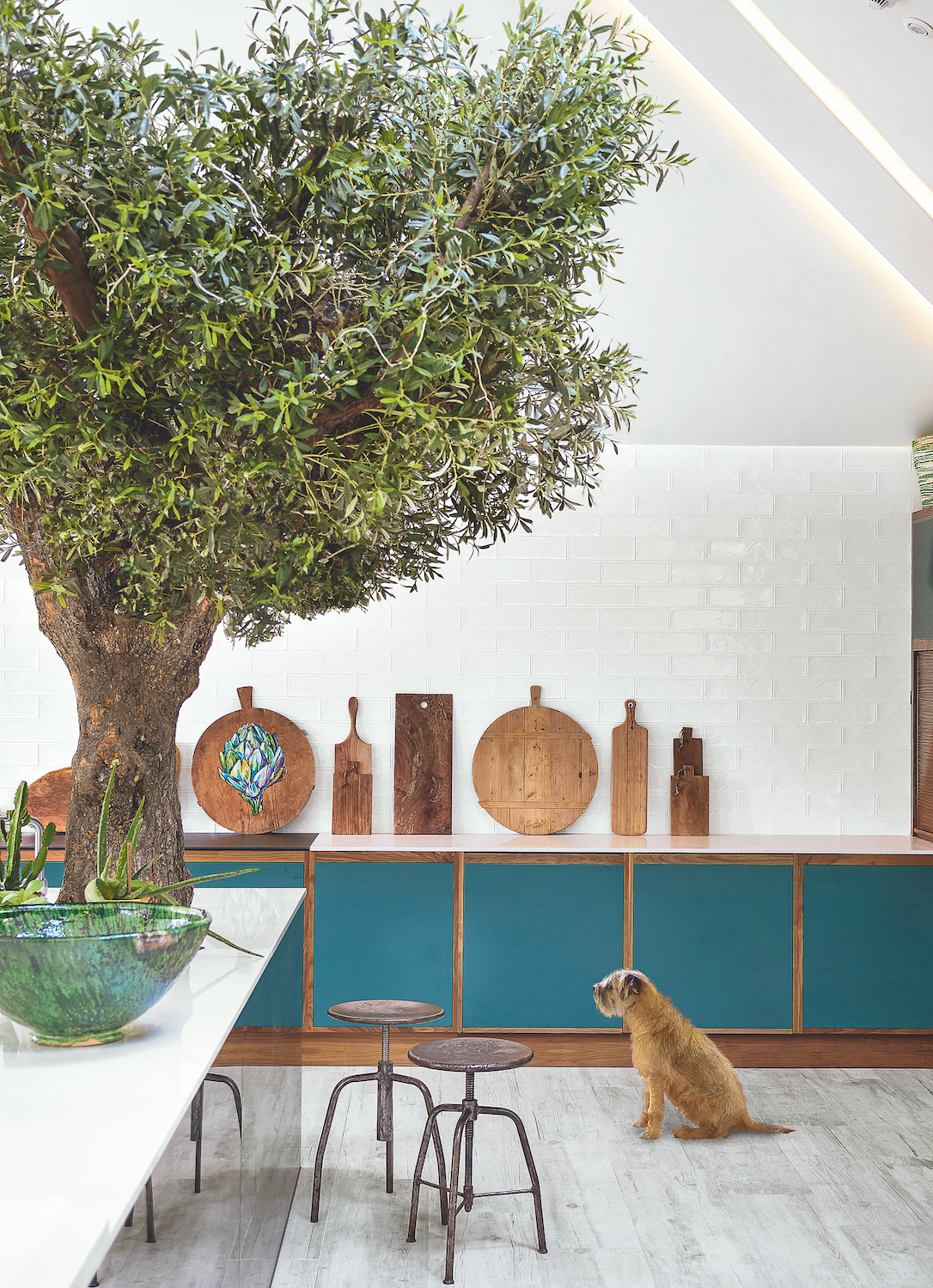
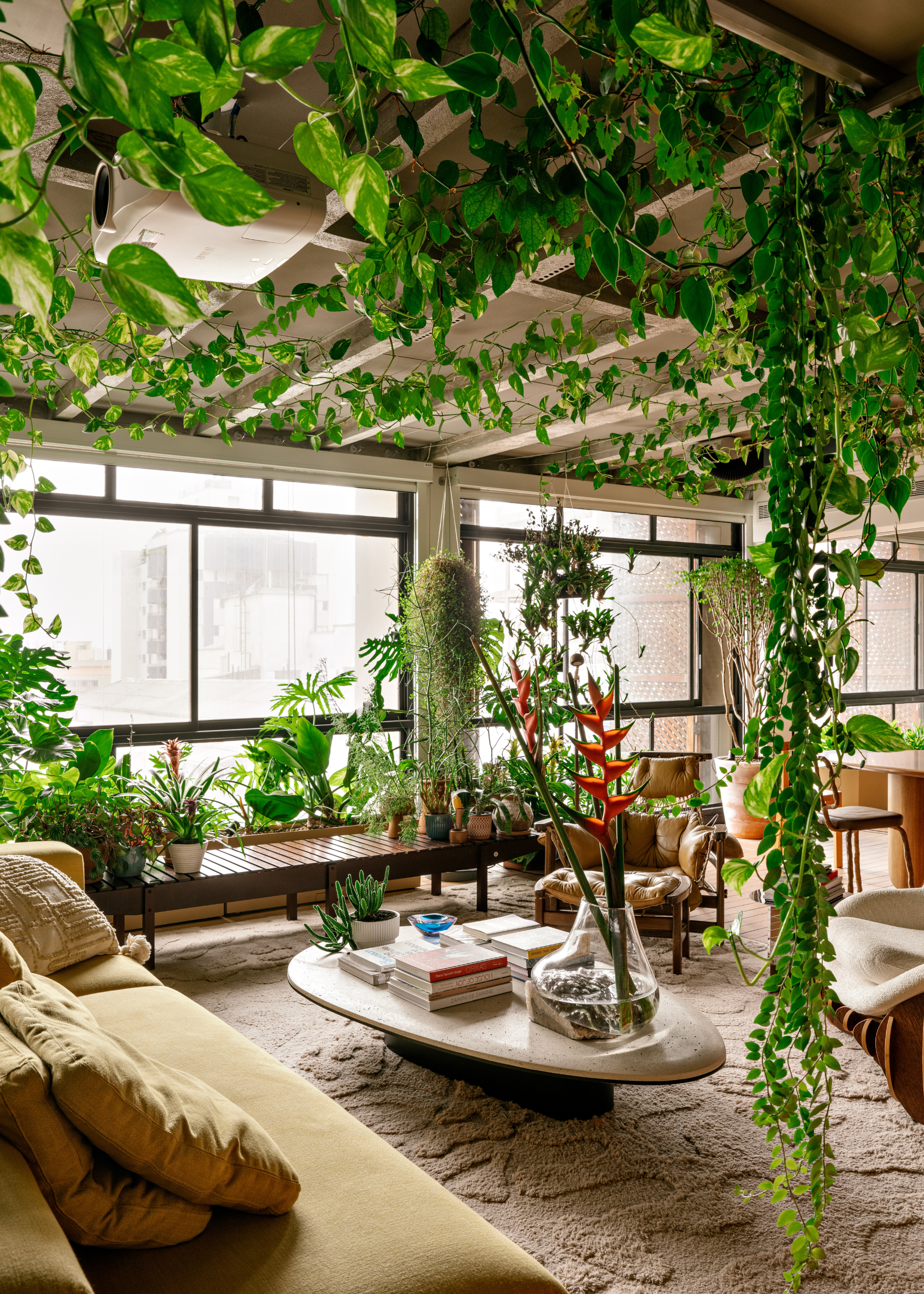
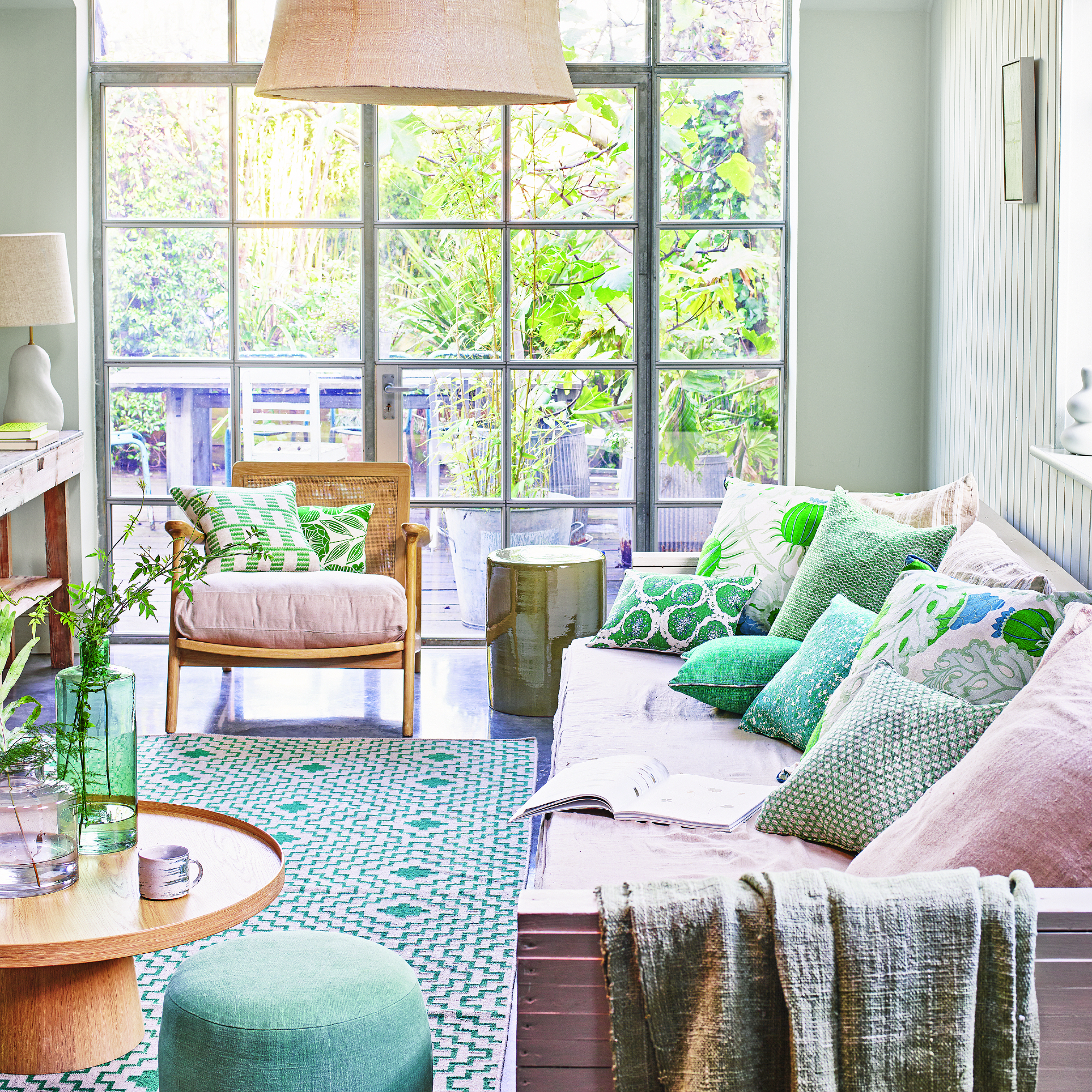
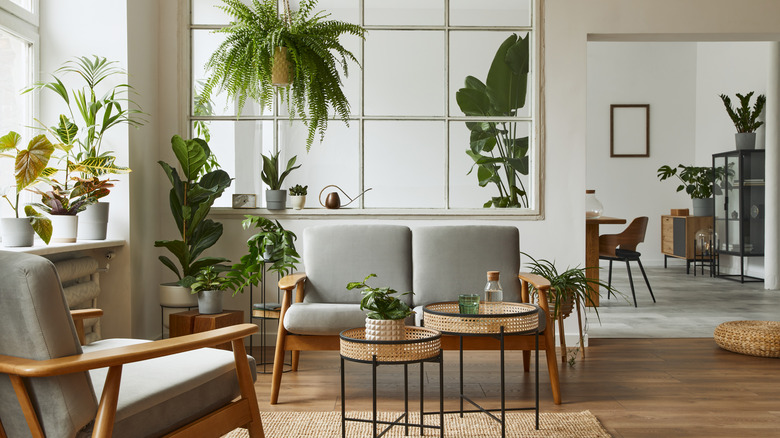
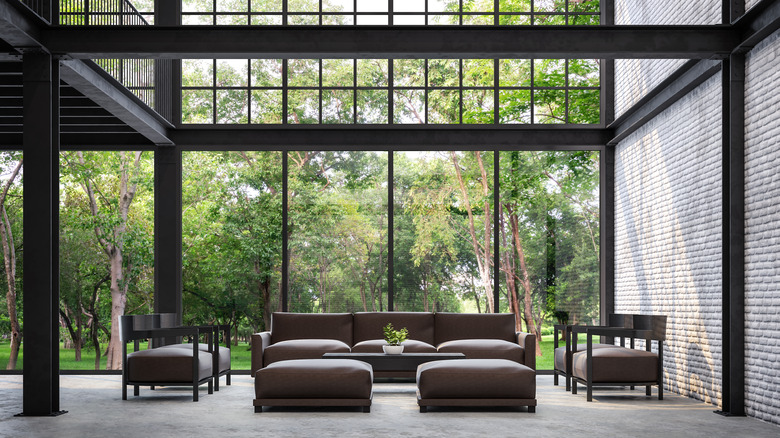
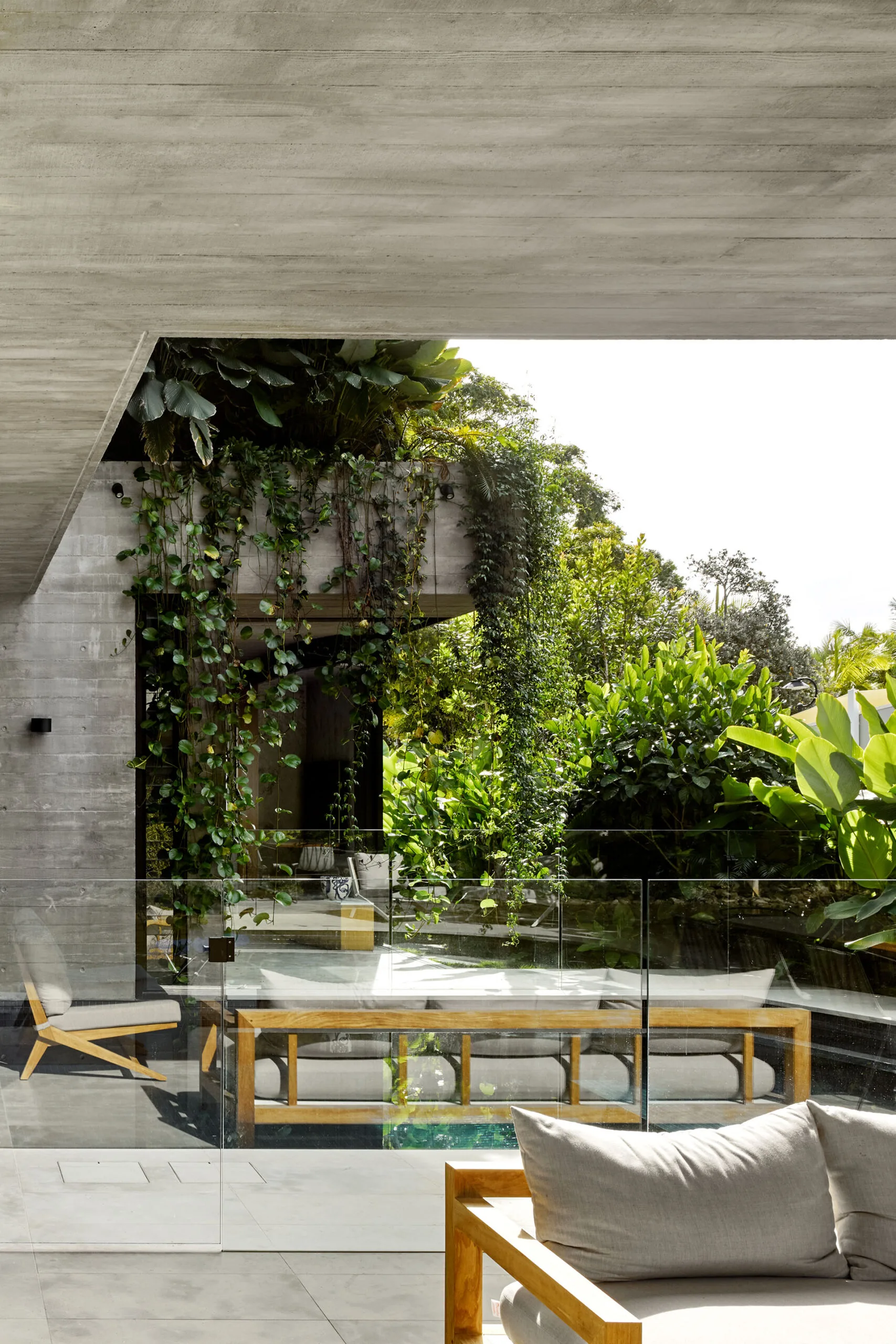
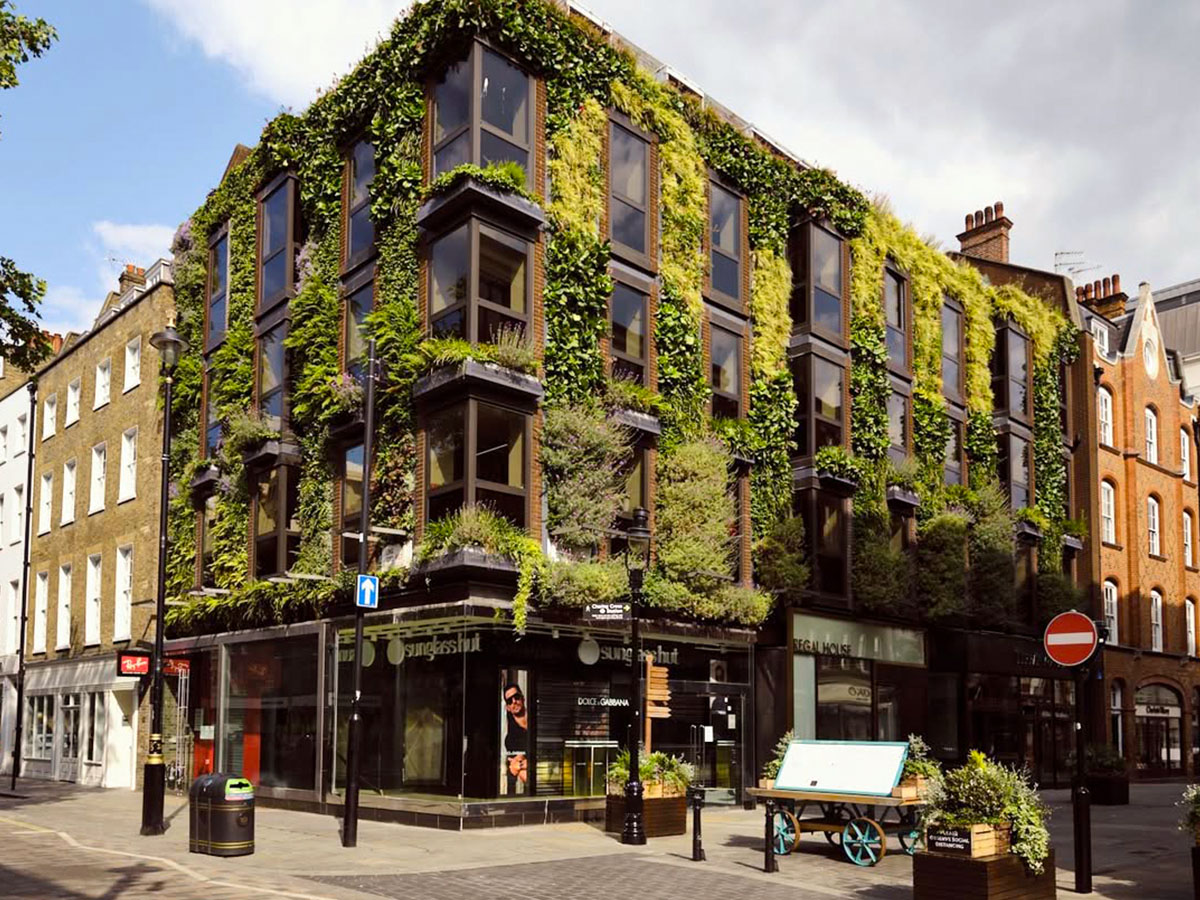
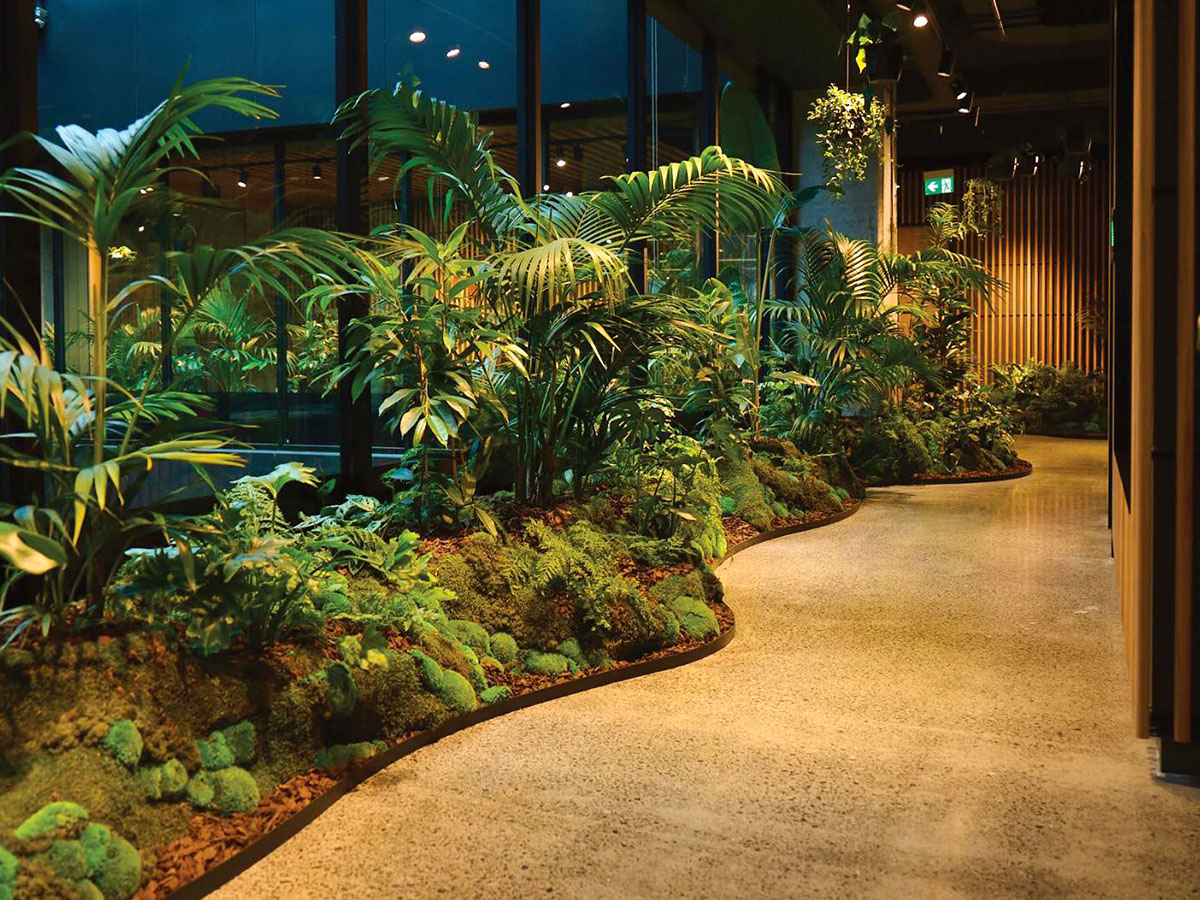
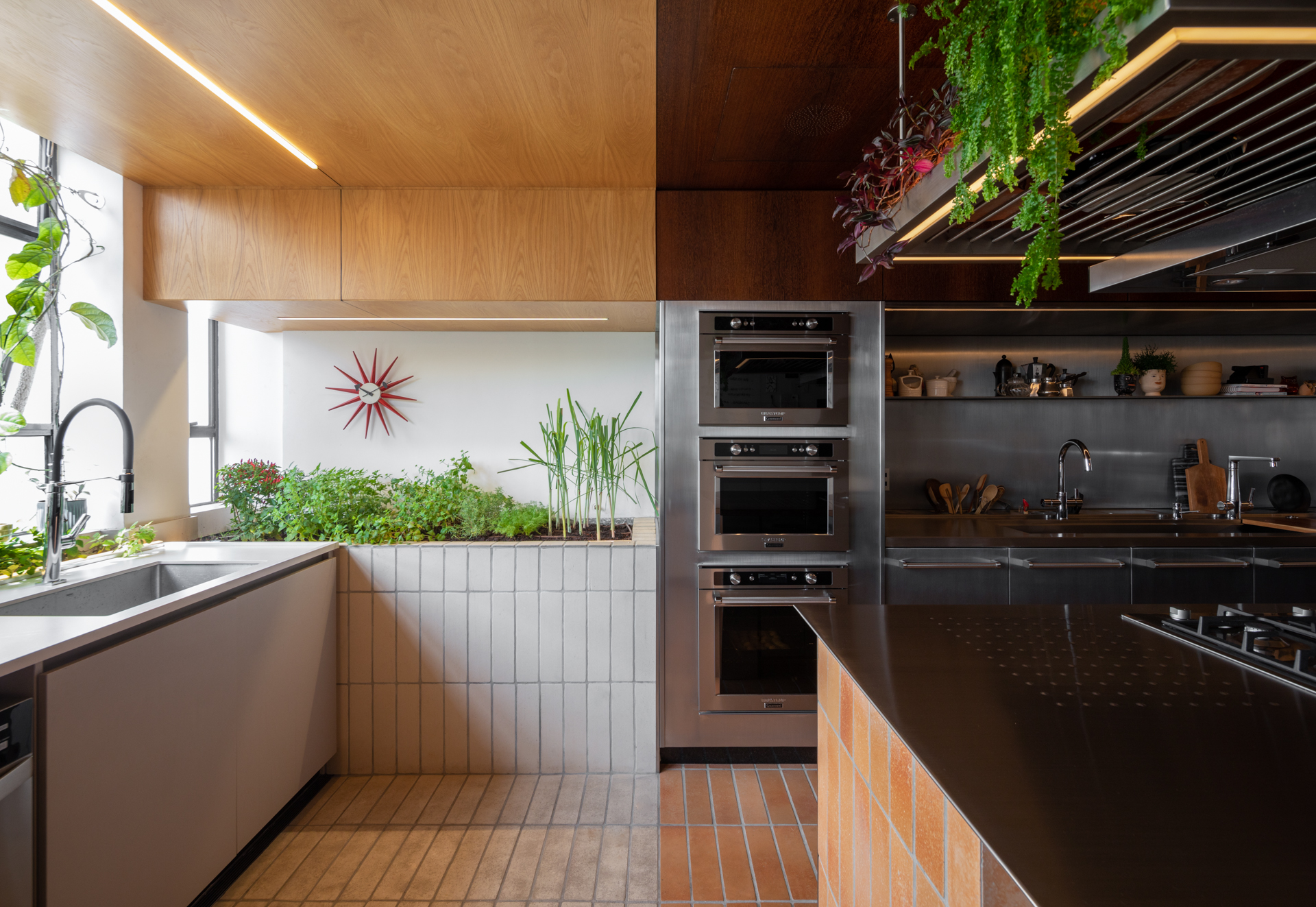
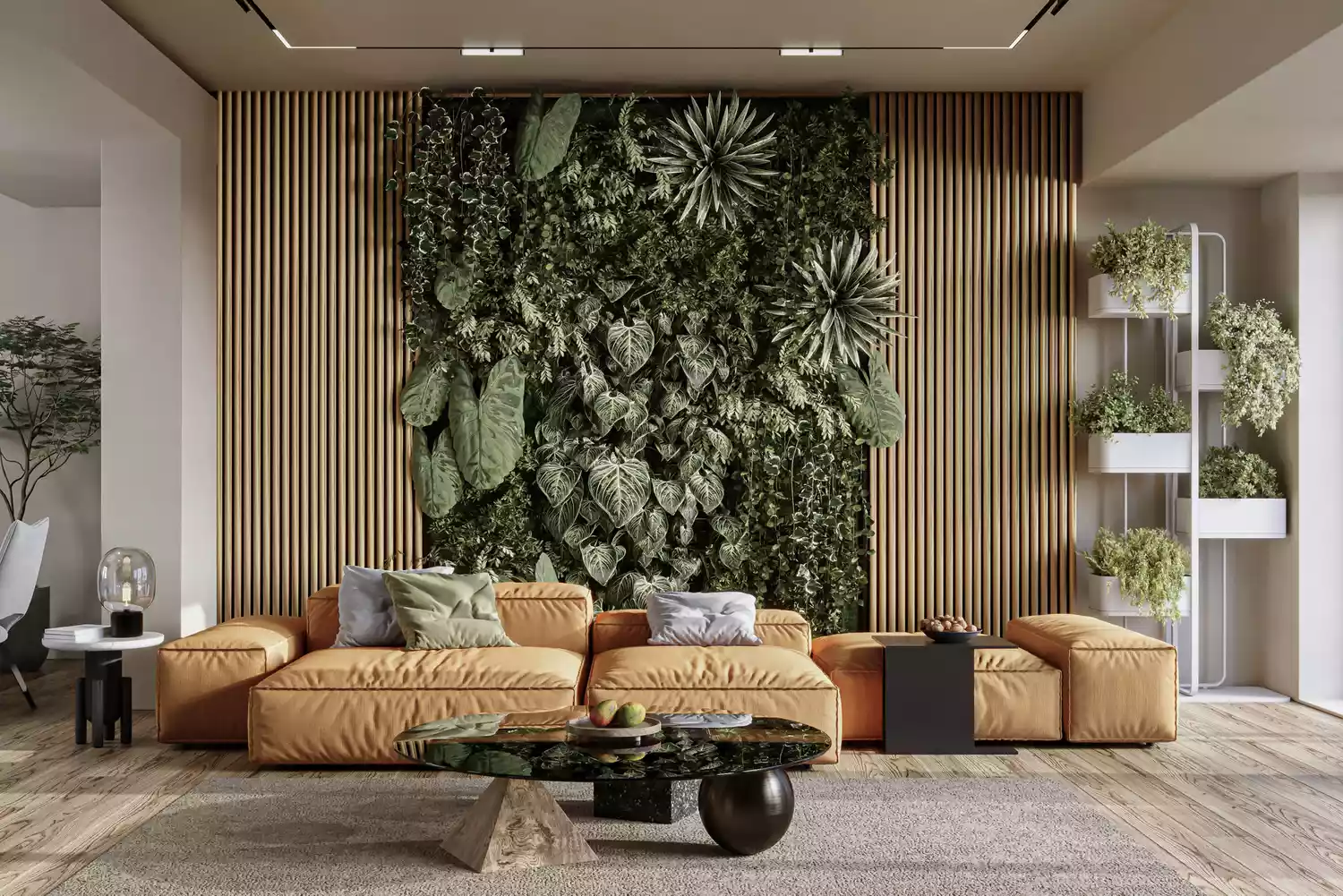
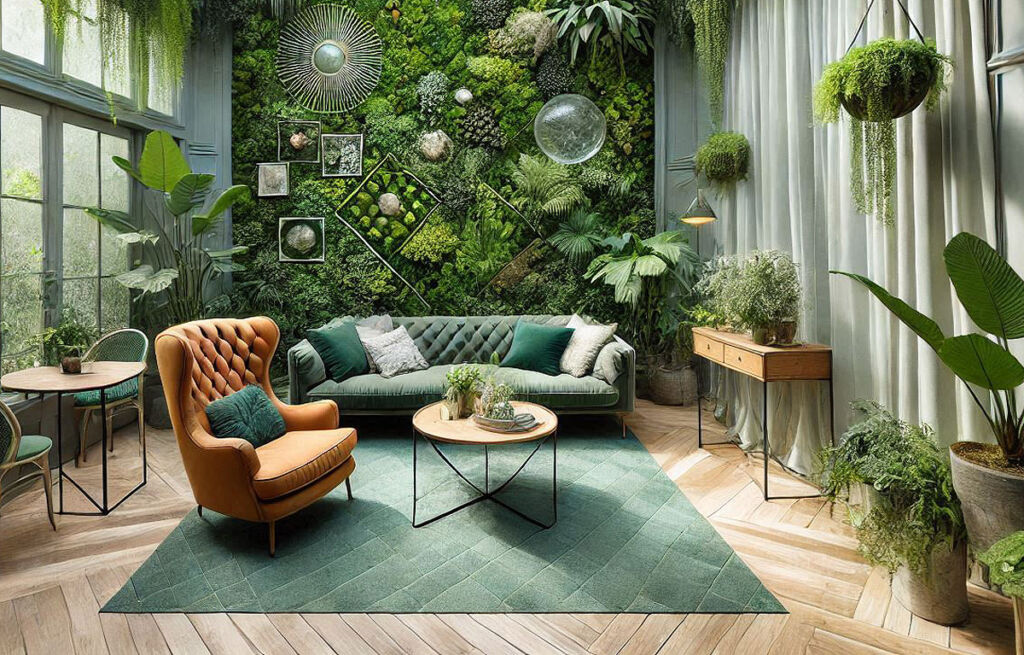
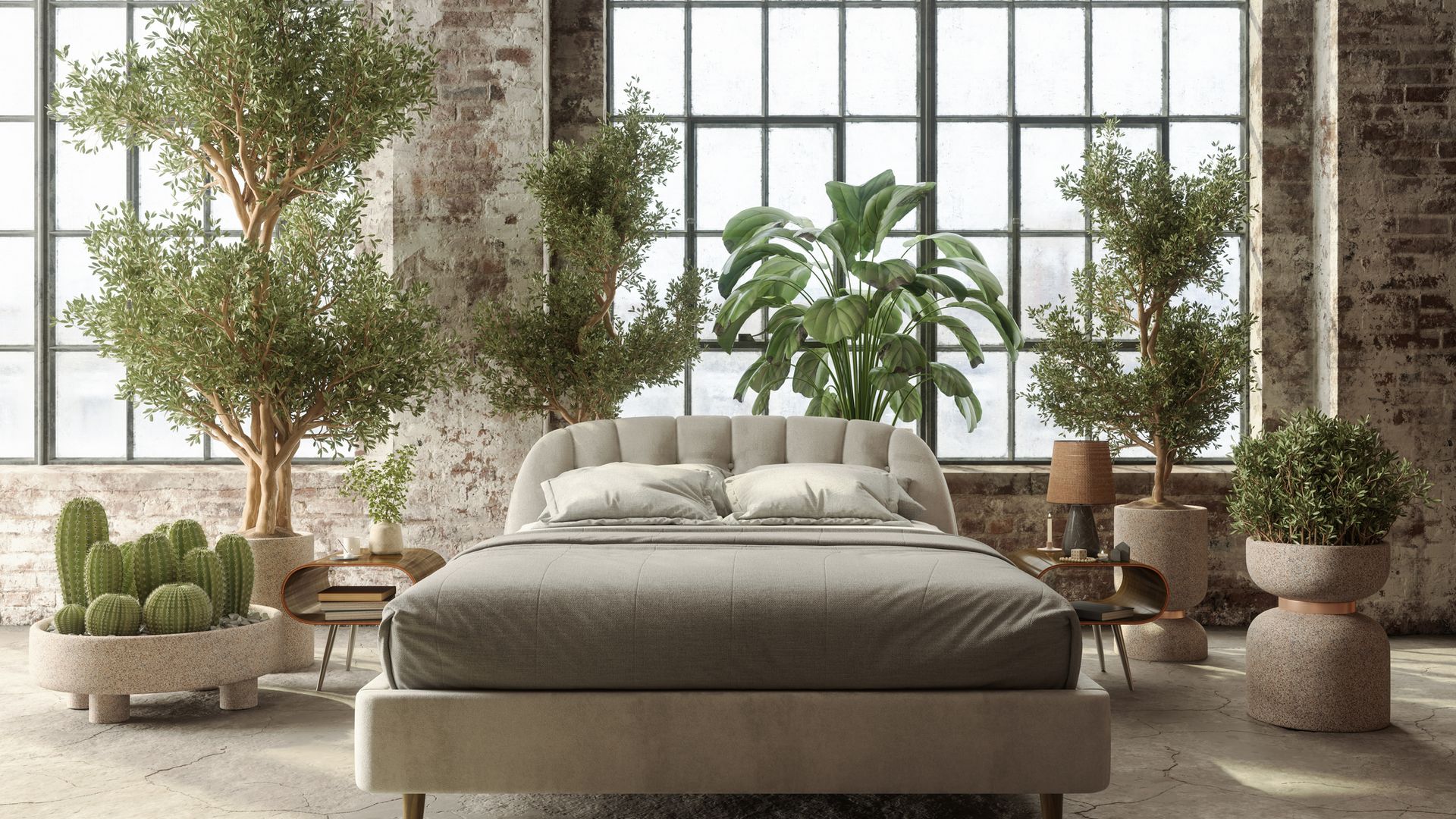
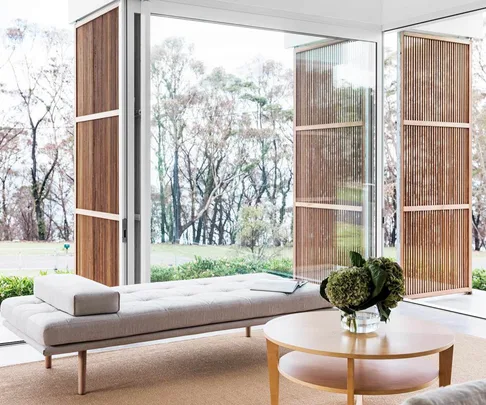
Potts explains that buildings are major consumers of natural resources, both in their construction materials and in their energy demands for heating, cooling, and electricity. Biophilic design addresses these inefficiencies by drawing inspiration from natural processes, leading to more sustainable practices. Examples include integrating skylights, full-length windows, indoor plant beds, and living walls, all of which aim to bring the outdoors in and cultivate an appreciation for nature. In some instances, biophilic design extends to architectural forms that directly emulate natural structures, such as tree canopies, or mechanical systems inspired by natural phenomena like evaporation and wind. These design elements not only benefit the environment but also positively impact building occupants by improving air quality and boosting cognition and productivity.
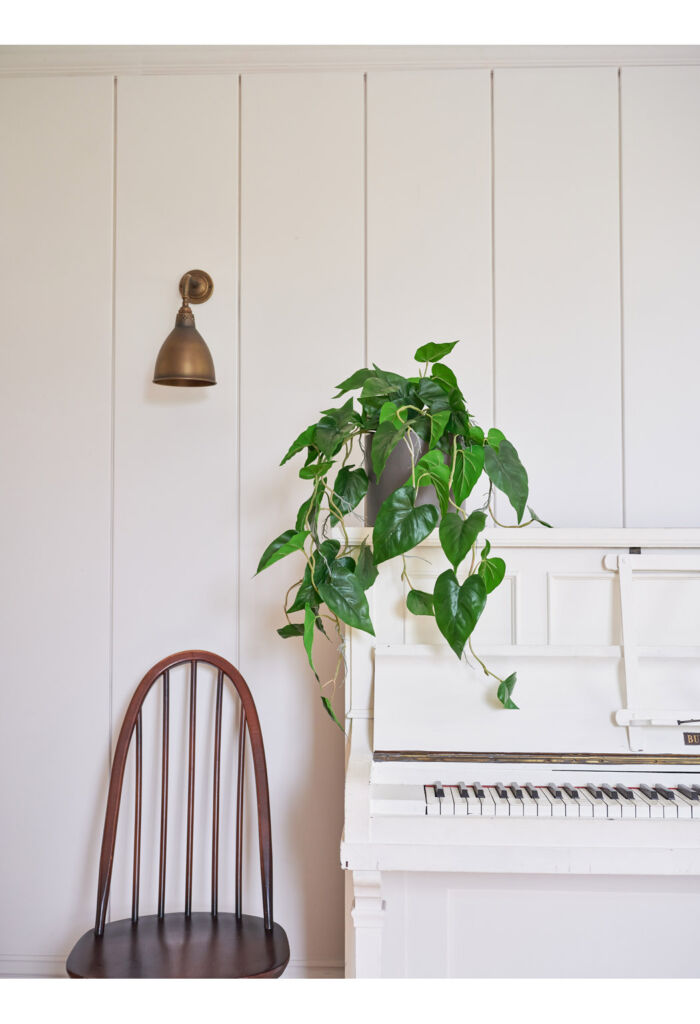
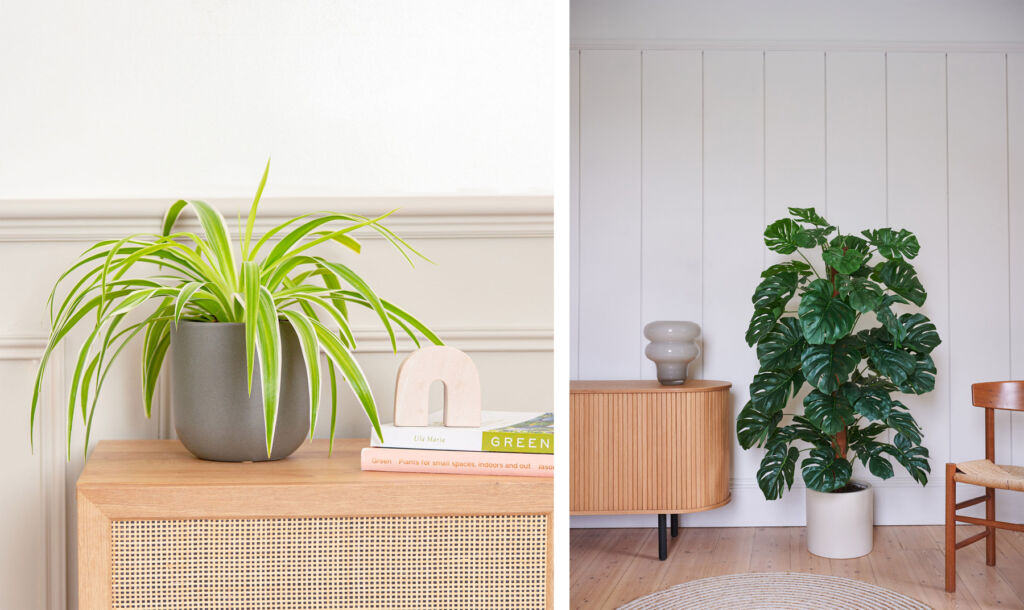
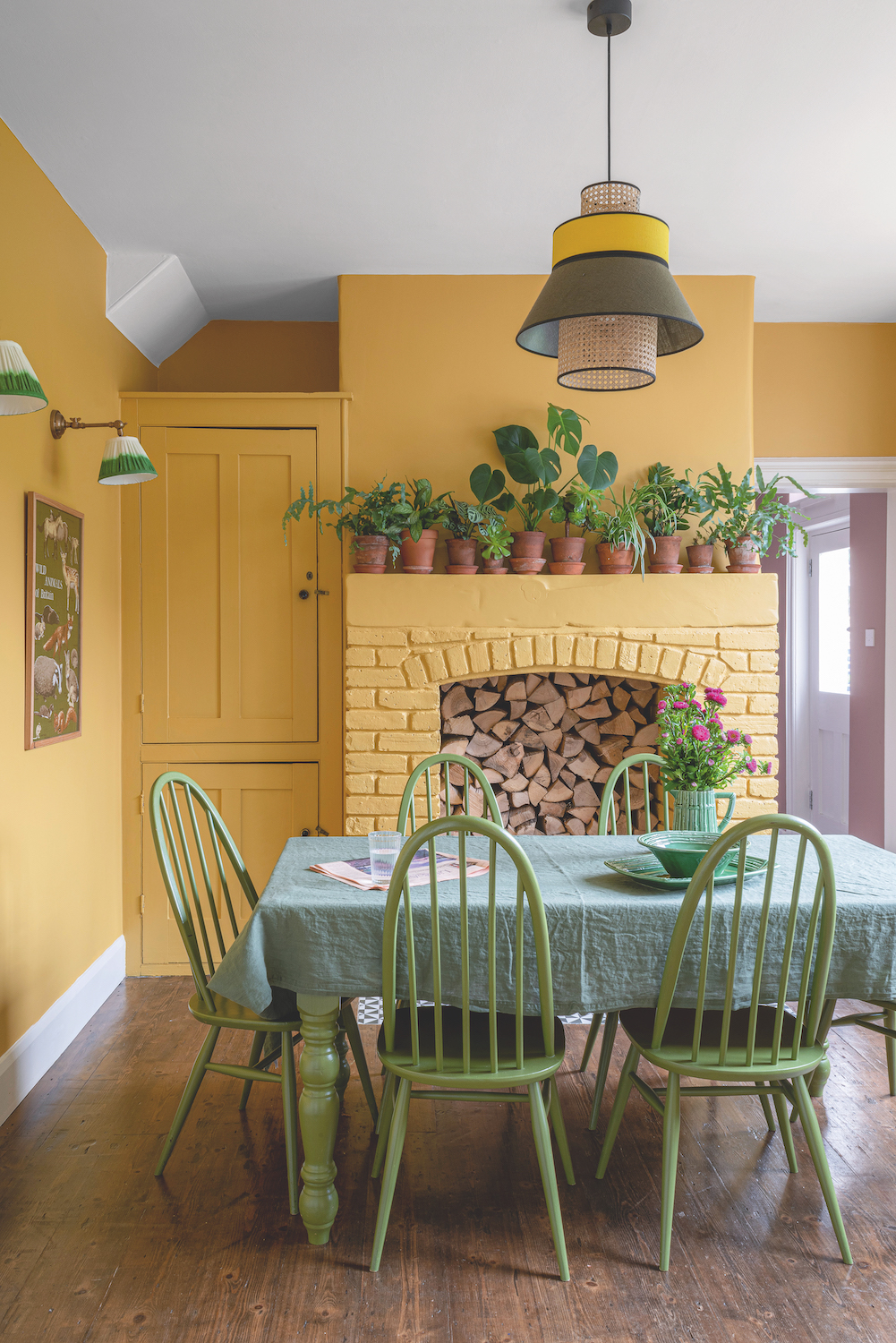
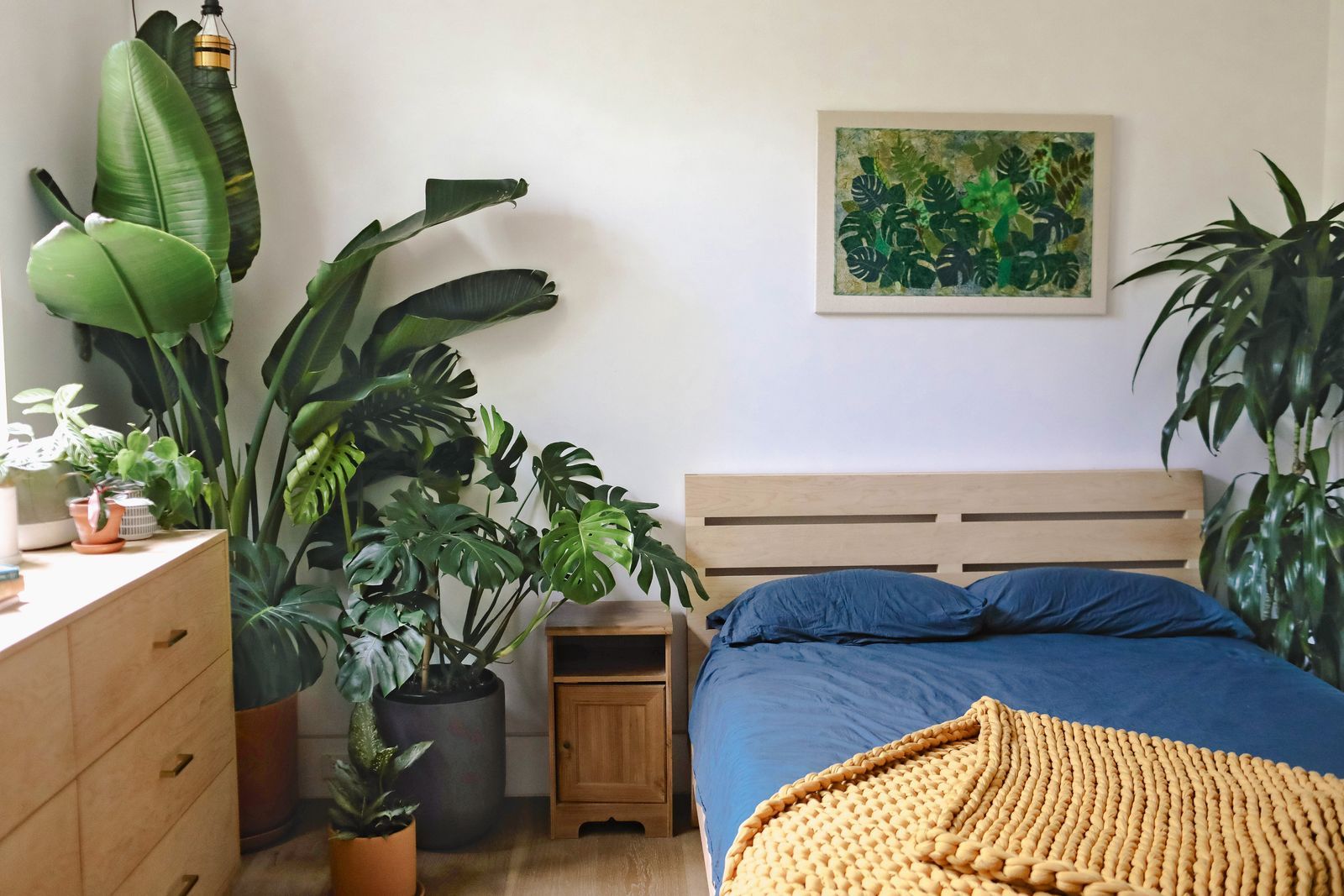
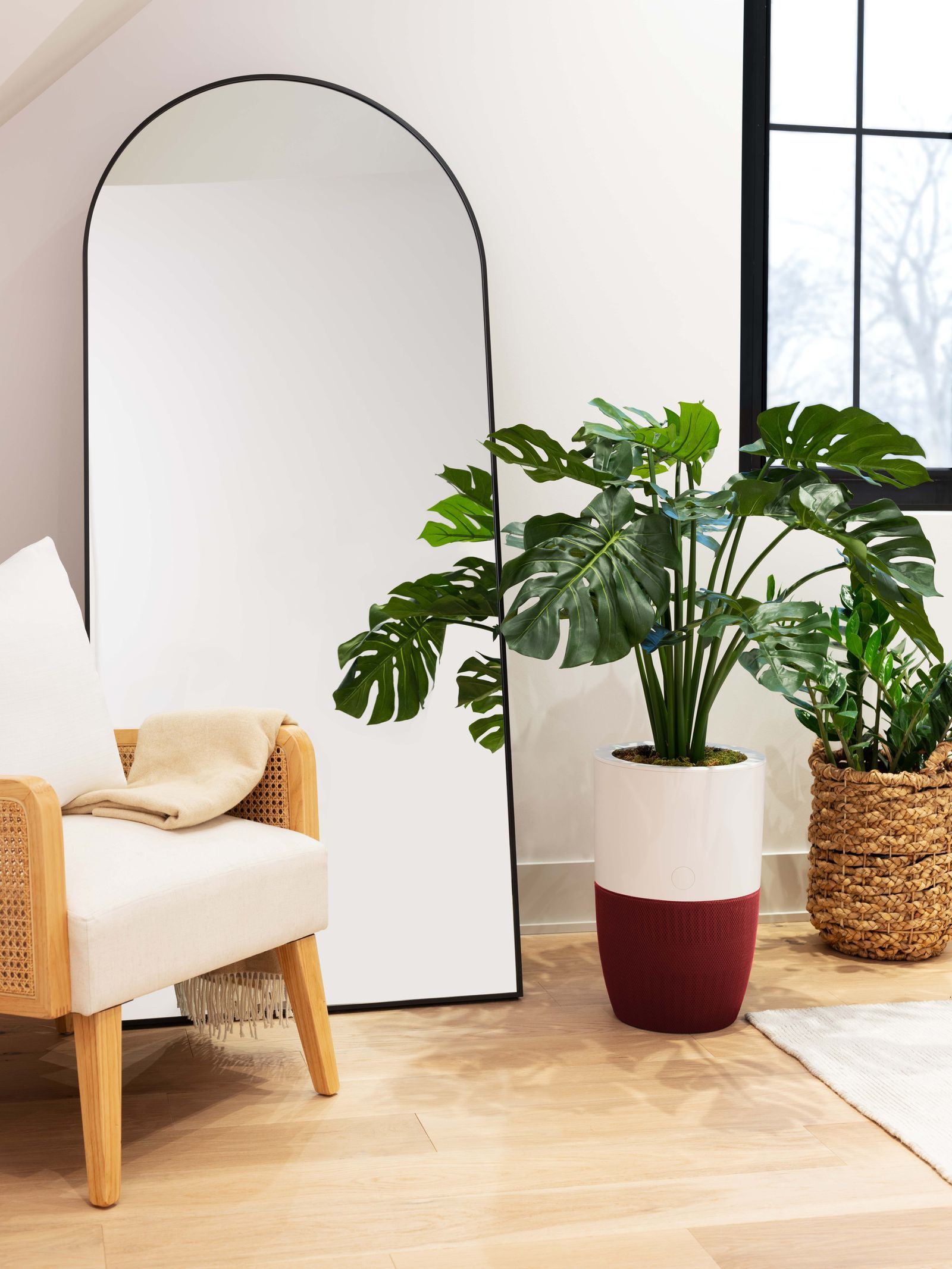
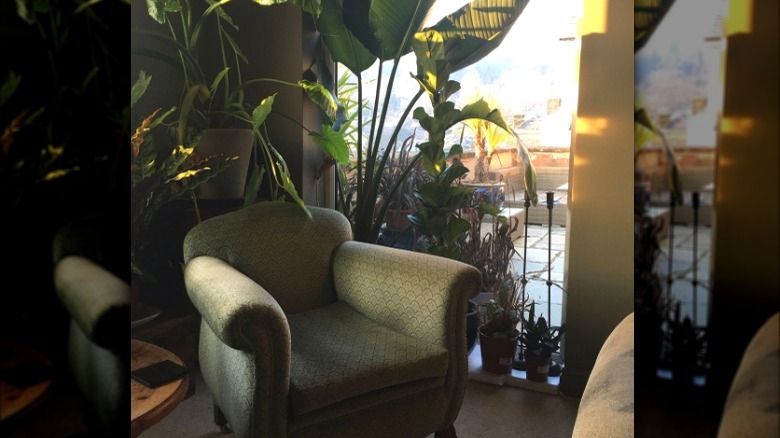
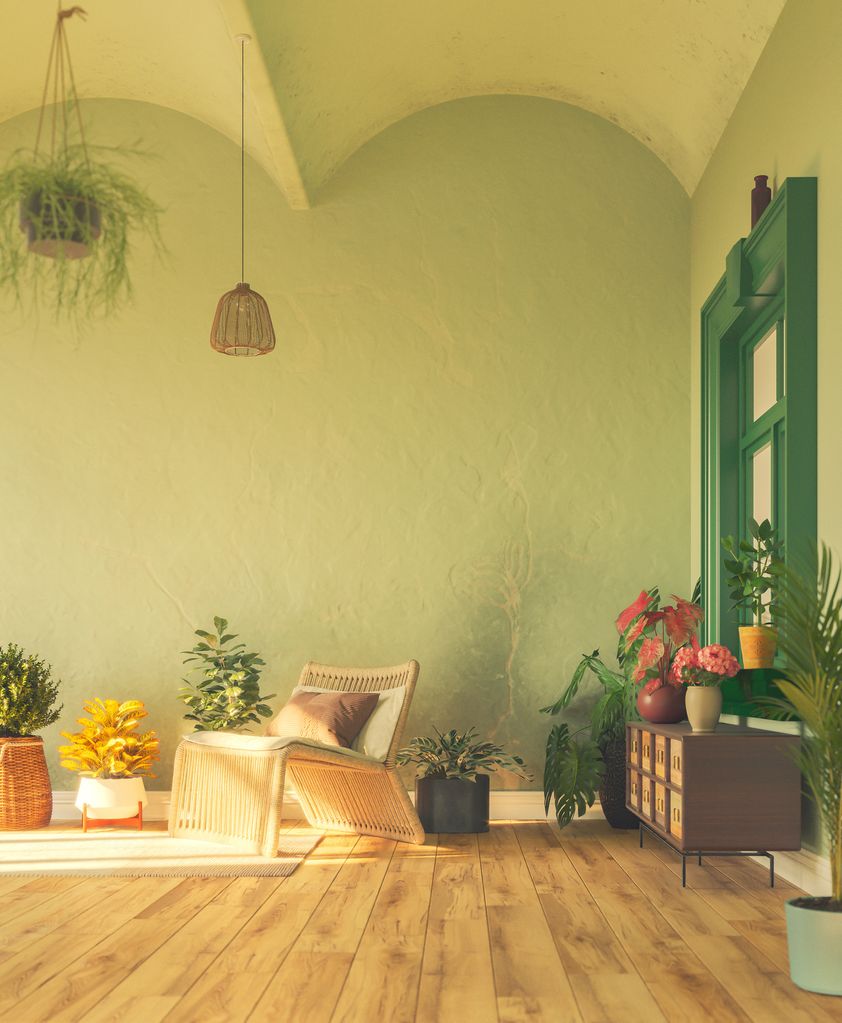
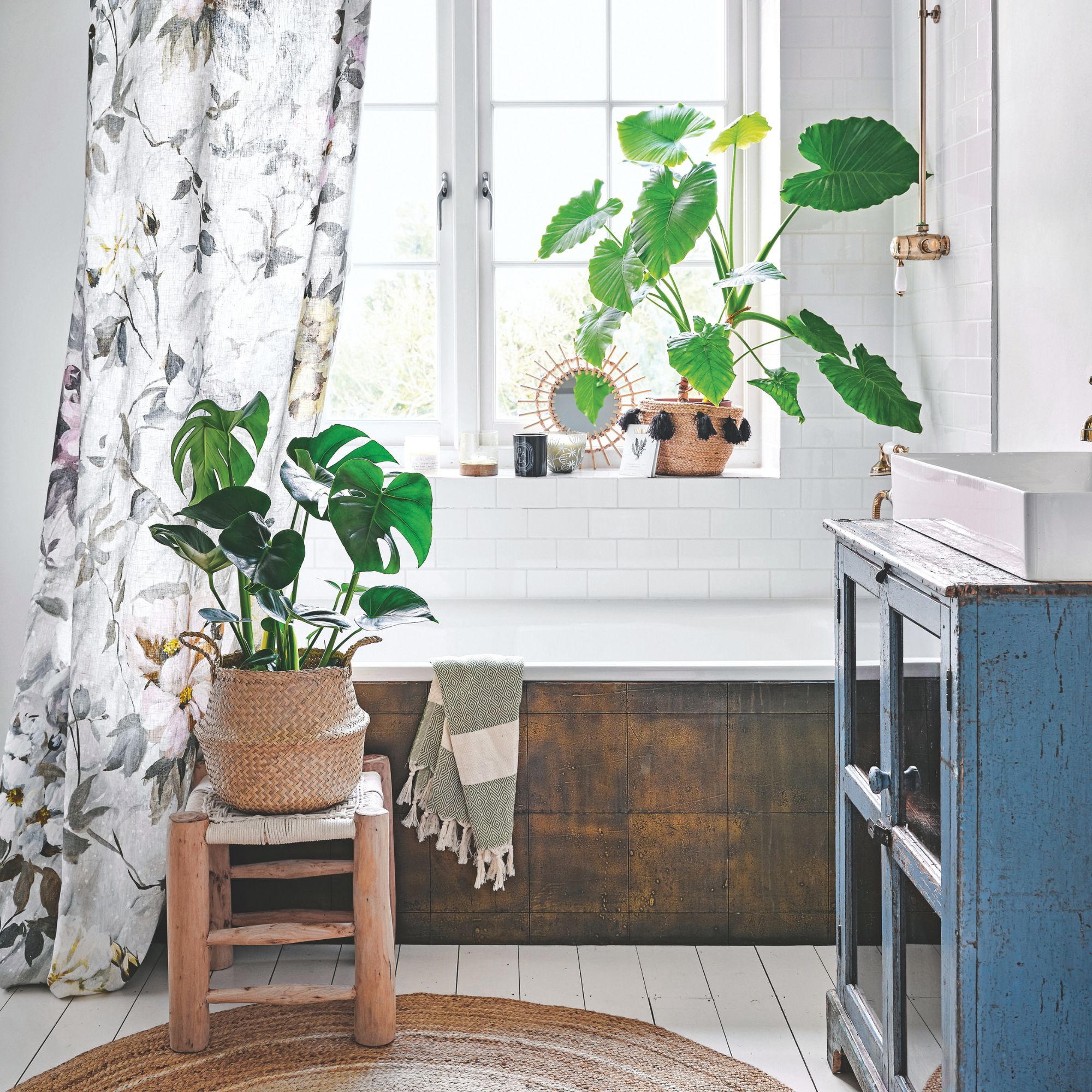
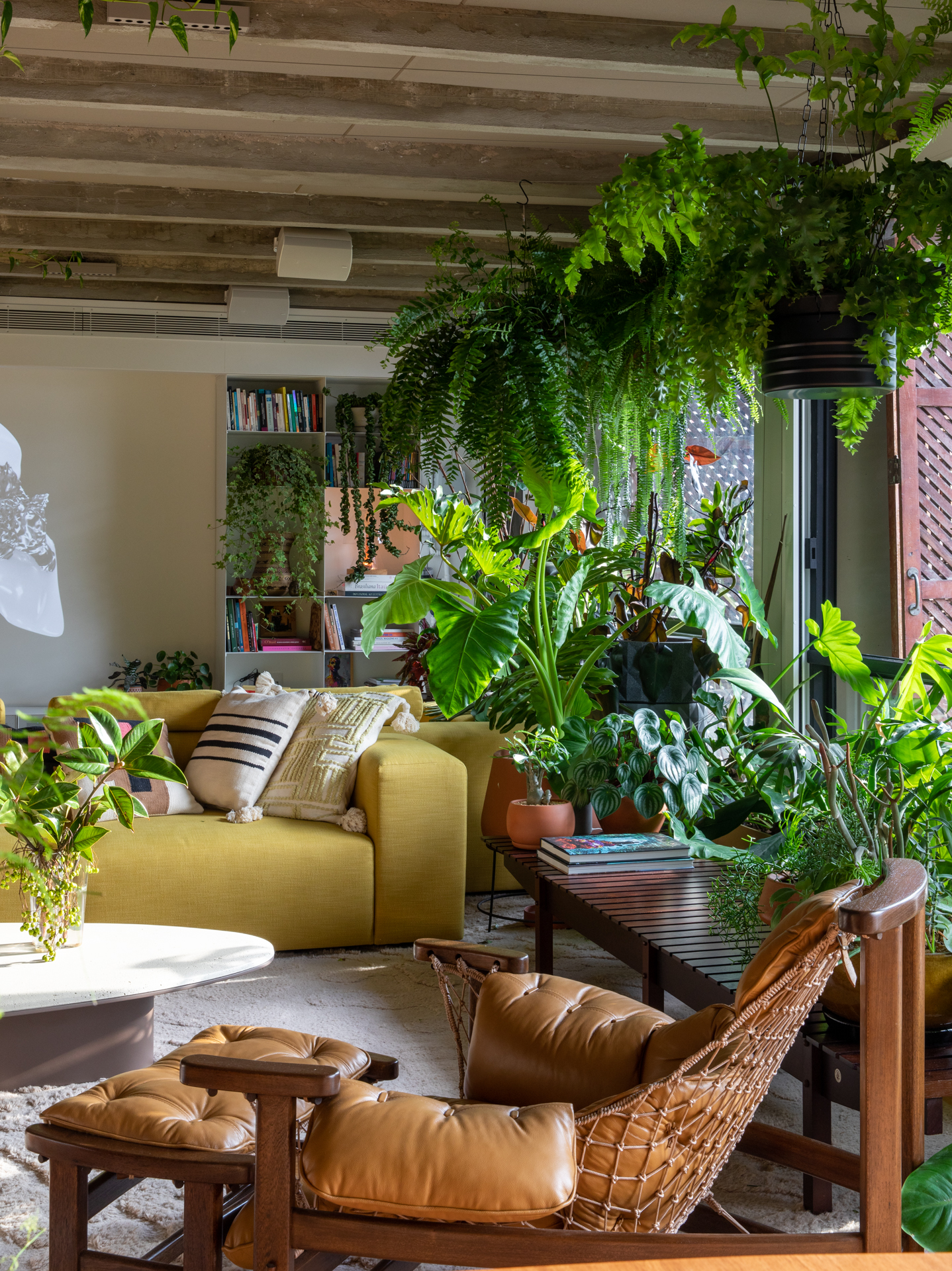
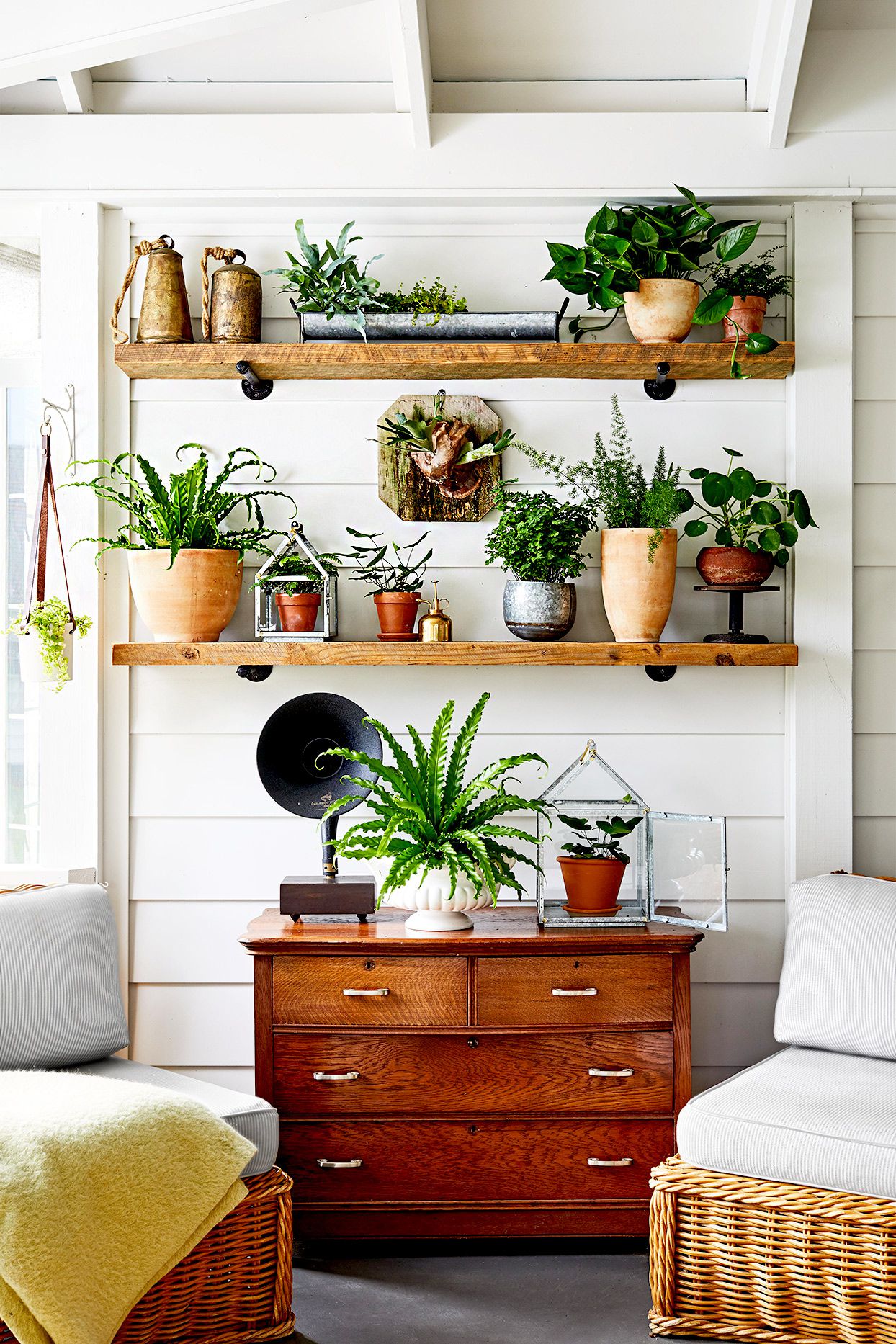
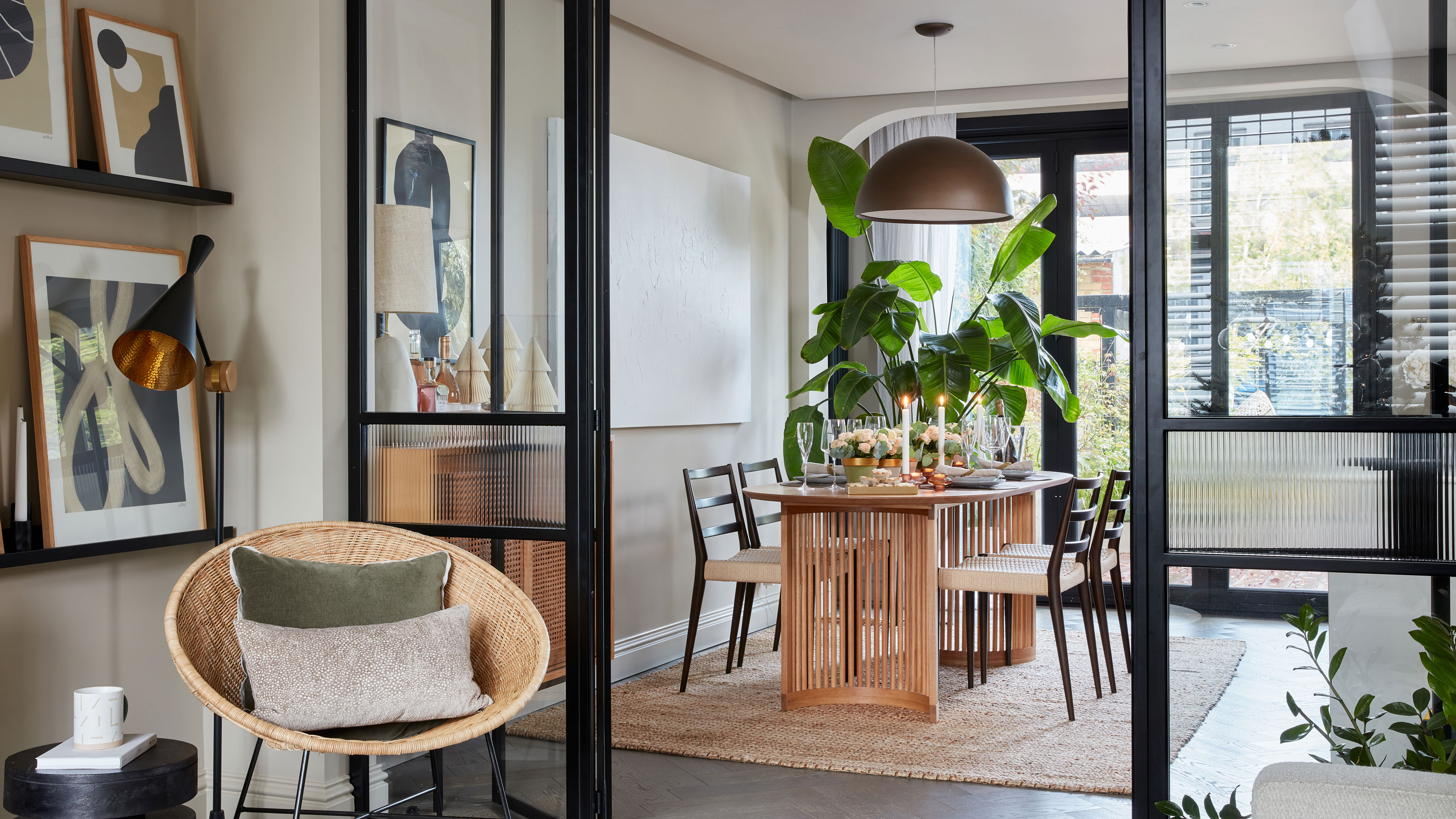
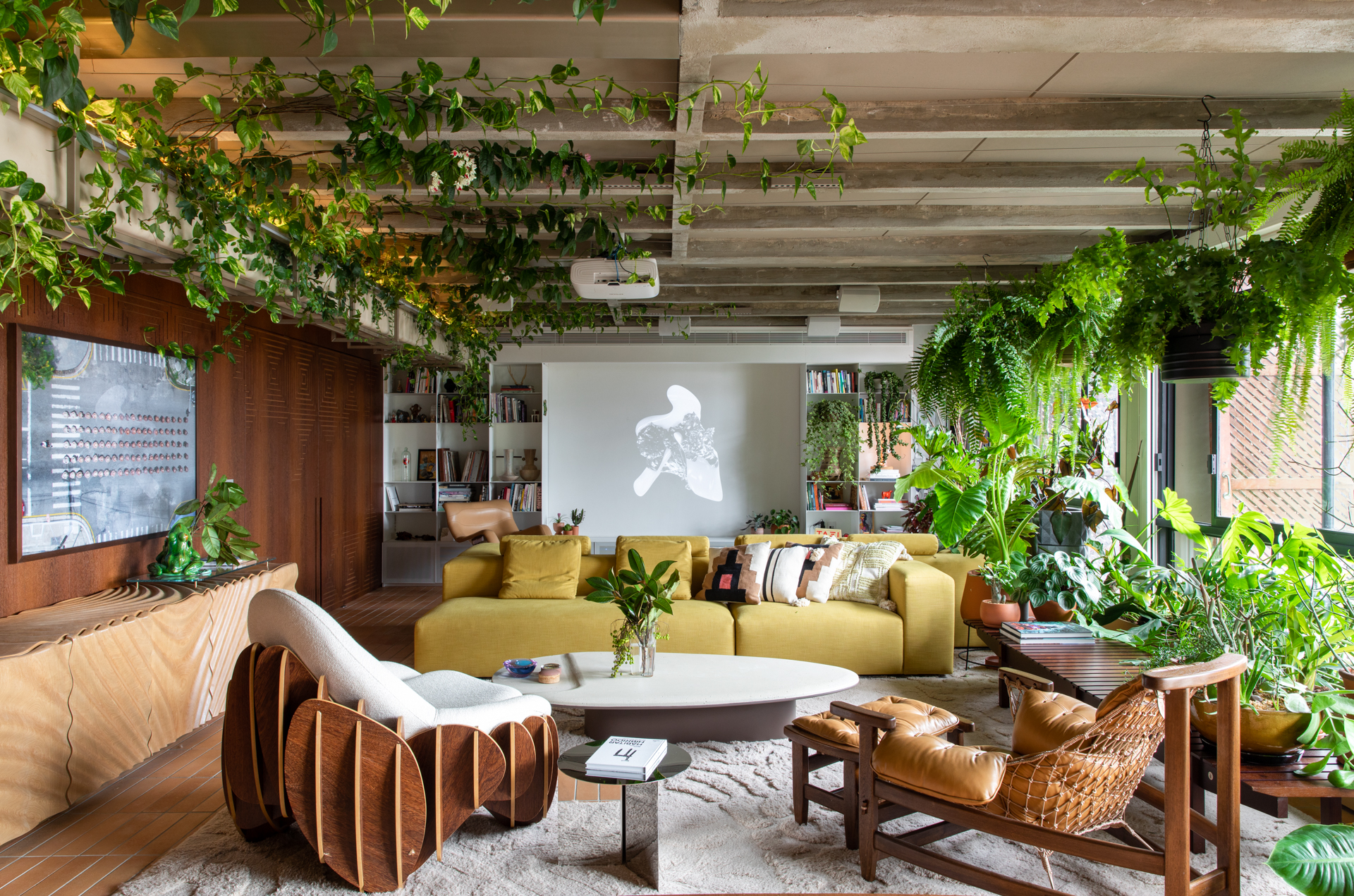
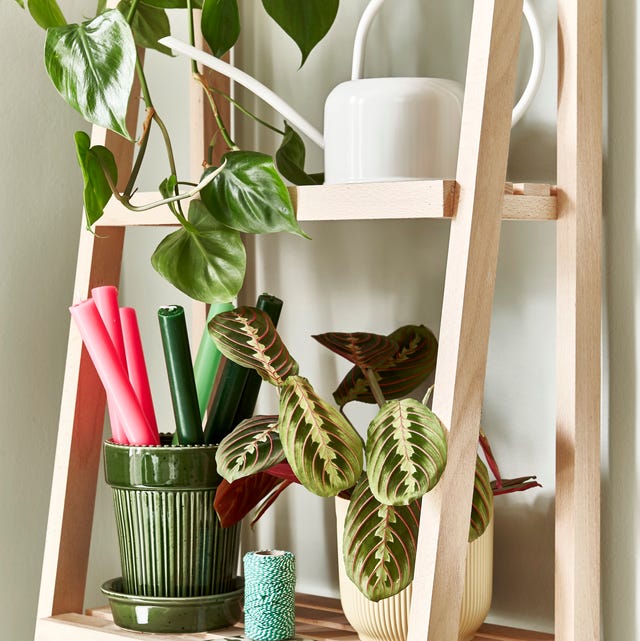
For those unable to undertake large-scale sustainable renovations, plants offer an accessible and high-impact solution. David Mann, principal and founder of MR Architecture and Decor, envisions a future where home interiors resemble well-maintained gardens, suggesting that current trends like terrariums and indoor plants are steps in that direction. Potts reinforces the idea that plants are more than just aesthetic elements; they actively improve indoor air quality by consuming carbon dioxide during photosynthesis and can help regulate indoor temperatures by filtering sunlight.
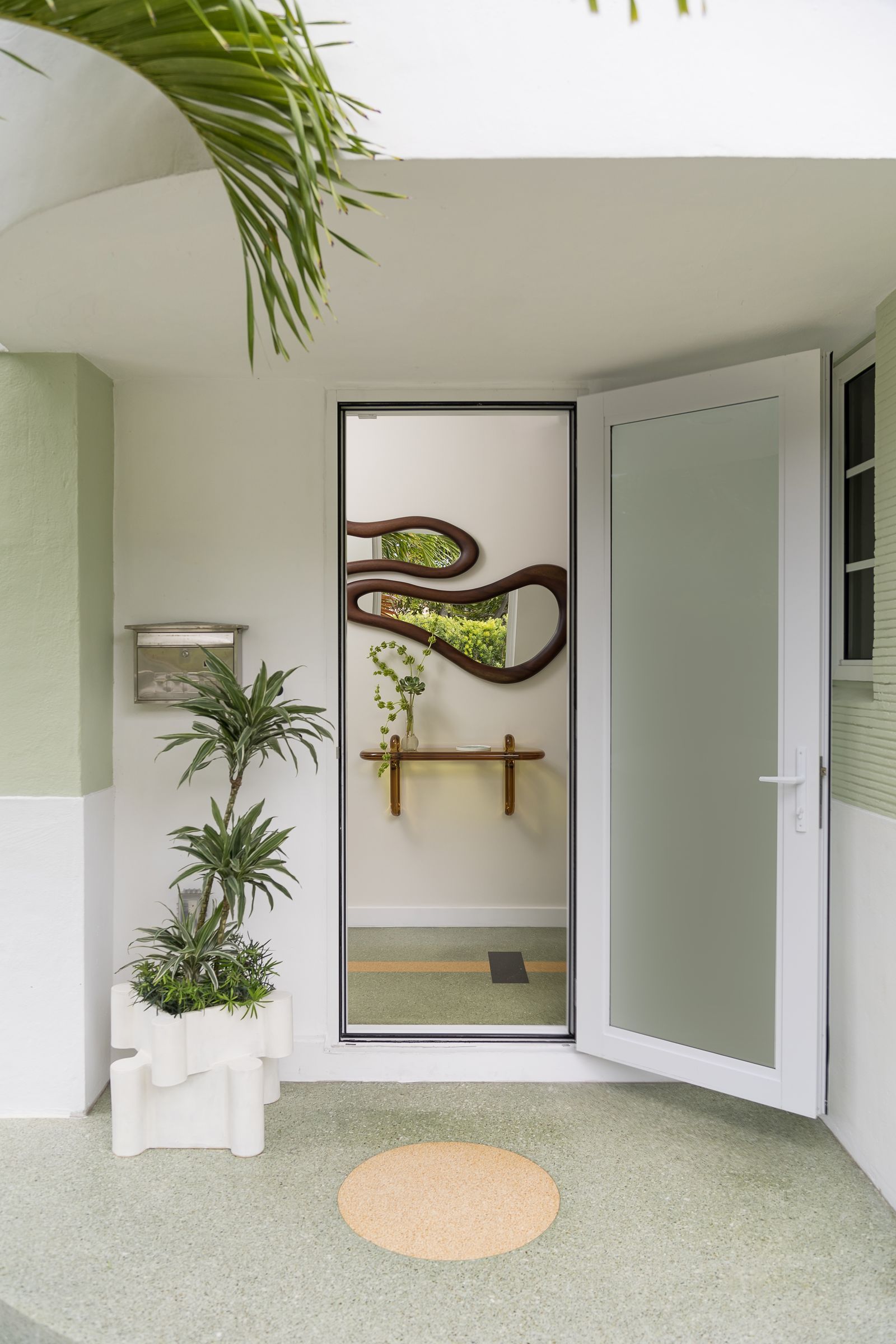
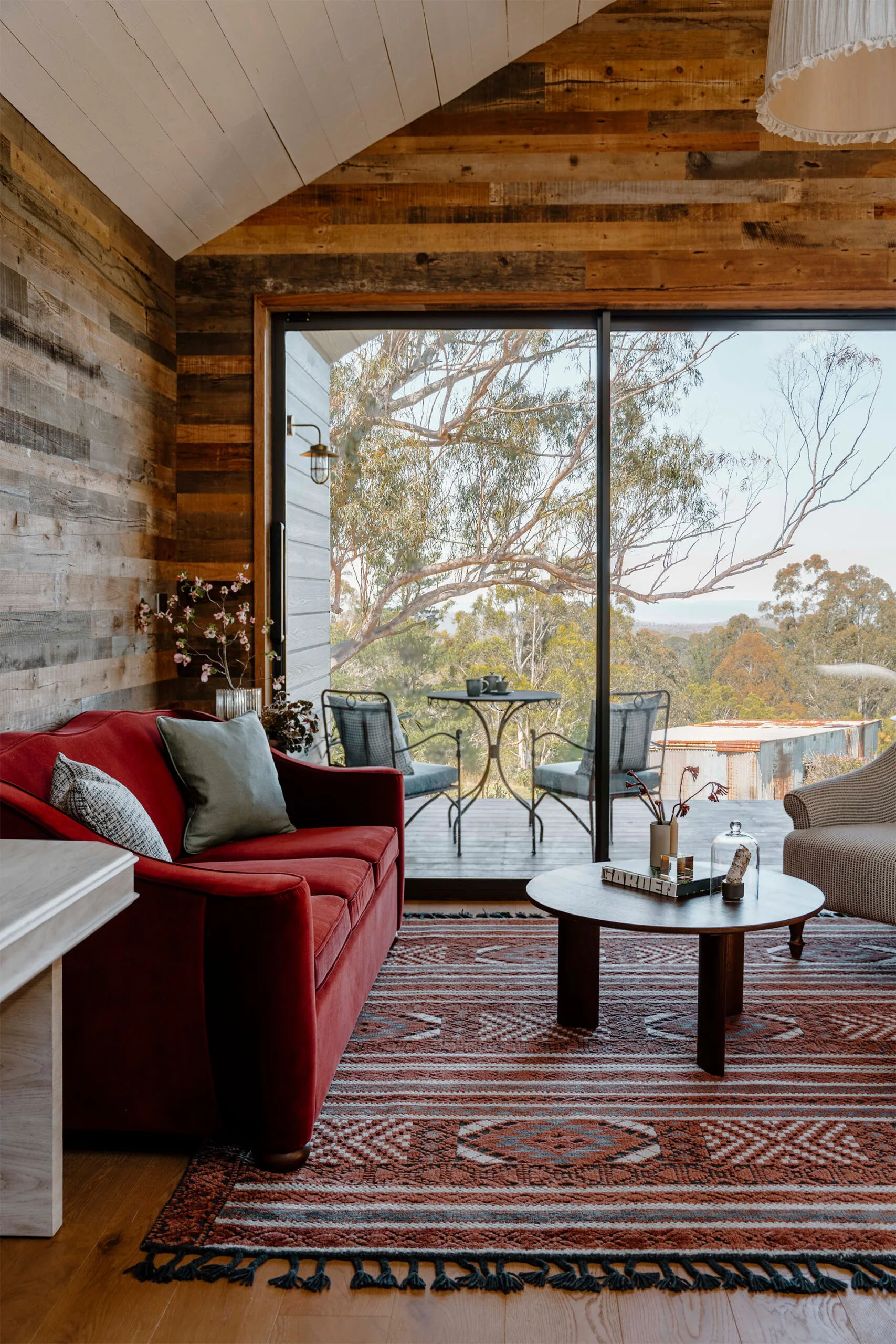
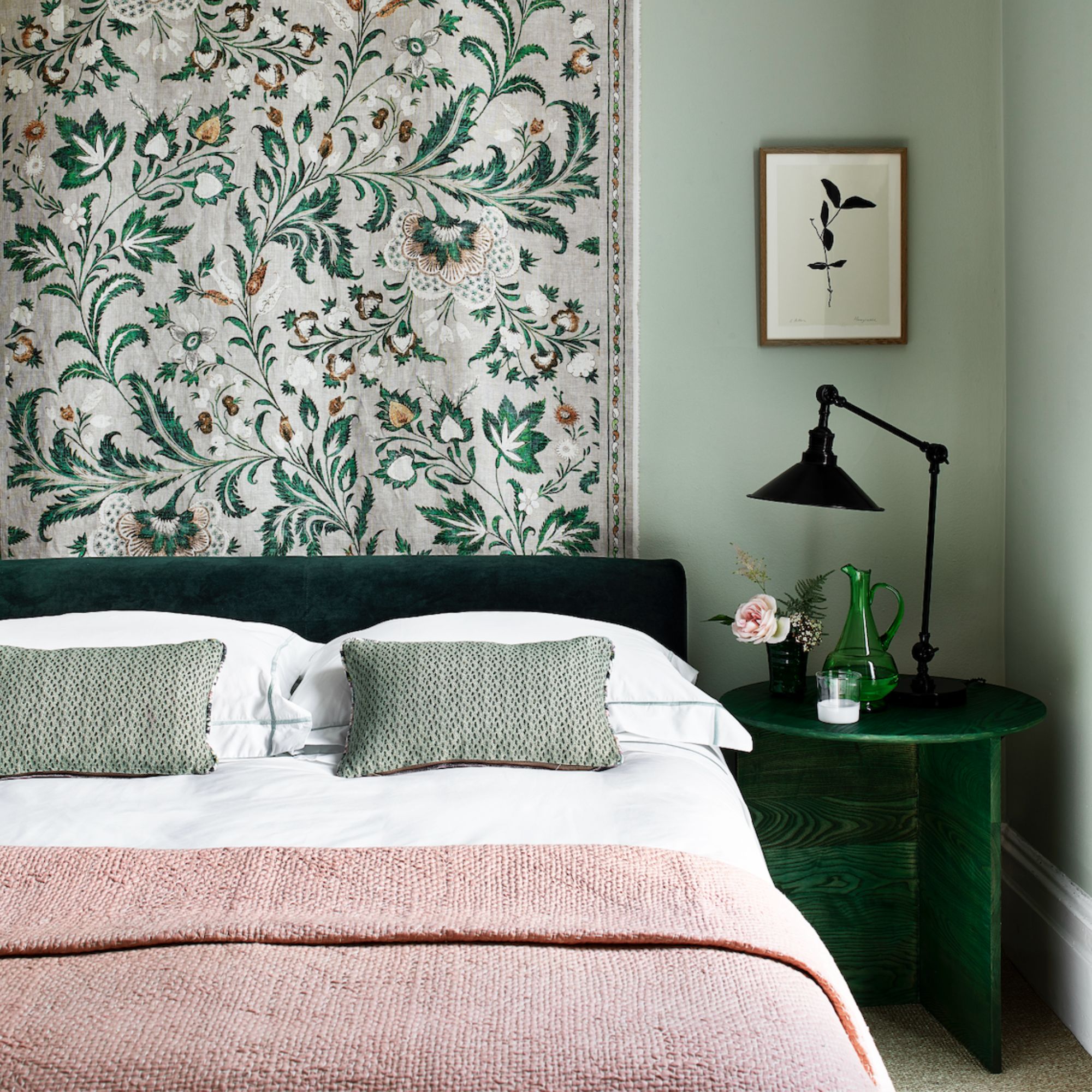
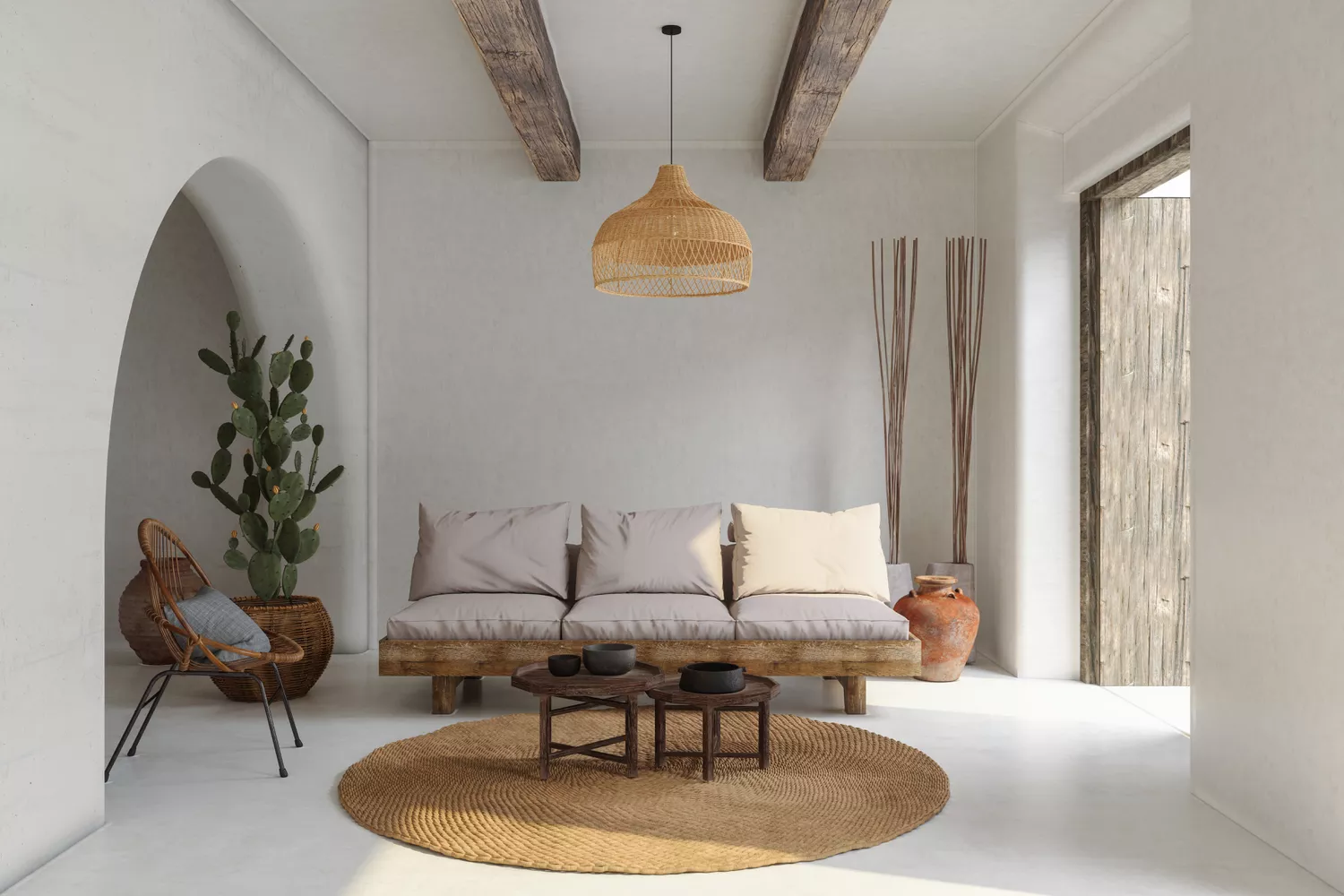
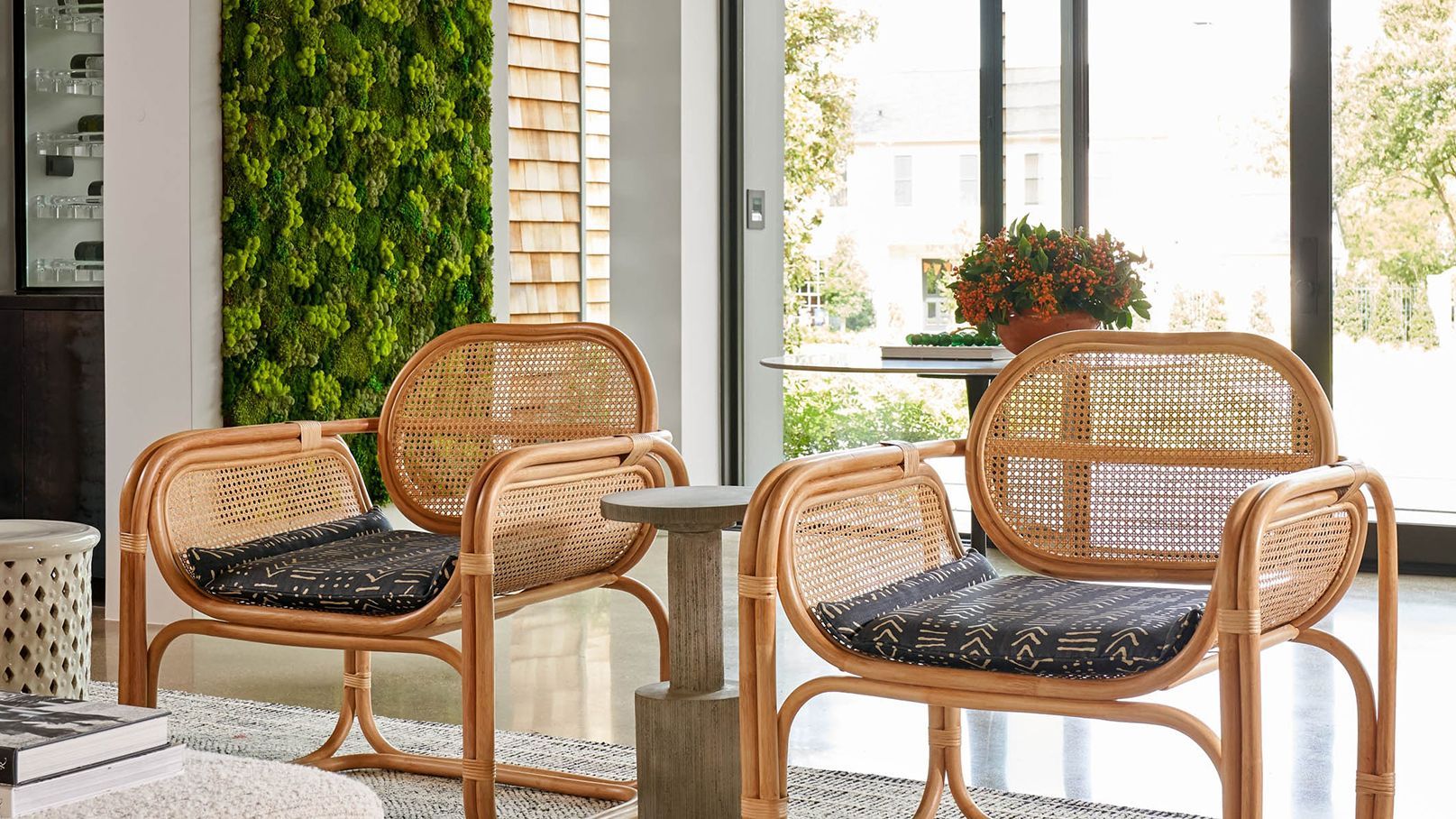
The article stresses the importance of using authentic natural materials in biophilic design, advising against artificial substitutes. Designer Alvin Wayne notes that genuine natural elements create a calming, tranquil environment, and suggests incorporating natural views and water features. Potts advocates for materials like mud plaster, unglazed terracotta, and natural oil-finished wood flooring over vinyl or composite options. He also recommends breathable fabrics such as wool, silk, and cotton instead of plastics. Ultimately, biophilic design encourages creating spaces that are harmonious with the local climate and the planet, emphasizing durable, timeless investments over fleeting trends.
#BiophilicDesign #InteriorDesign #HomeDecor #Sustainability #Houseplants #NatureInspiredDesign #GreenLiving #EcoFriendlyDesign #DecoratingTrends #BiophilicDesign #InteriorDesign #HomeDecor #Sustainability #Houseplants #NatureInspiredDesign #GreenLiving #EcoFriendlyDesign #DecoratingTrends
共0条评论
 暂无评论
暂无评论你可能还喜欢
Biophilic Design Is the Signature Style of Plant Lovers Everywhere

Decorating with plants – inspiring ways to use plants in interior design

26 Biophilic Living Rooms That Flawlessly Bring Nature Indoors
These 10 Biophilic Design Ideas Will Transform Your Home Into a Natural Oasis
Stunning biophilic design ideas to help you bring the great outdoors into your home

I'm an Architect Who Has Grown Hundreds of Plants Across My Biophilic Home

What Is Biophilic Design? 5 Ways to Incorporate This Style

What is Biophilic Design? This Nature-Based Interiors Trend Promises Wellness
Why Houseplants And Biophilic Design Will Front 2025's Interior Design Trends
Top 5 Biophilic Design Trends for Indoors: Illuminated Greenery and Functional Plant Solutions

What are Biophilic interiors? How bringing the outdoors in is proven to make you happier

Biophilia - Beyond the Bouquet

Biophilic Design Is About Connecting With Nature—Here's How to Utilize the Décor Trend In Your Home

Biophilic design ideas - clever ways to bring nature into your home for a calming space
What the heck is biophilic design?

Indoor Garden Ideas —14 Ways To Live Amongst Greenery That Will Make Your Life Better
The power of greenery! 5 ways that houseplants can elevate your interior

7 biophilic design ideas you can recreate on a budget

Sorry florals, botanical patterns are trending for 2025
Biophilic Design Helps Homeowners Connect to Nature