1/30
A 200-Year-Old German Farmhouse Gets a Quirky, Glass-Fronted Addition
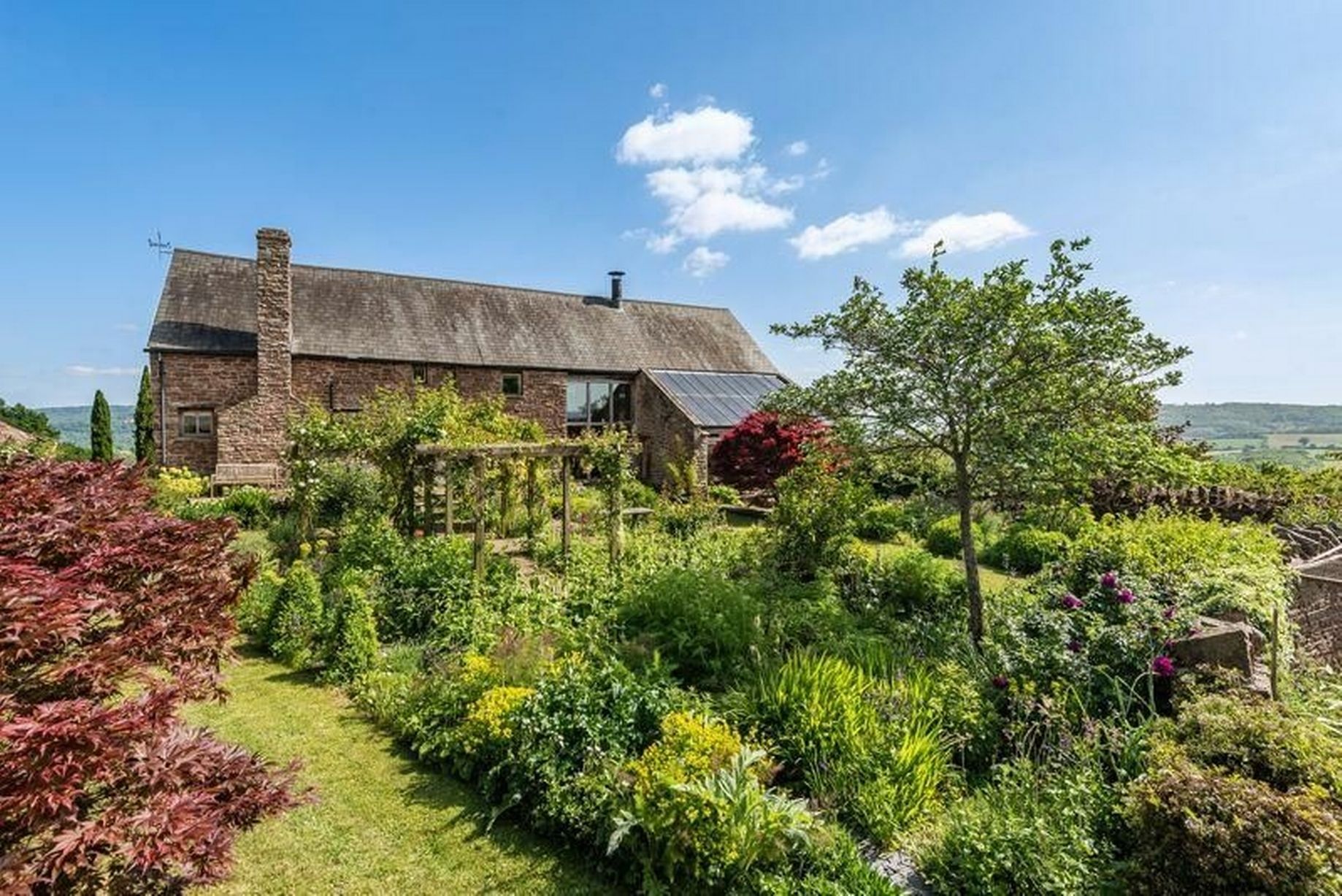
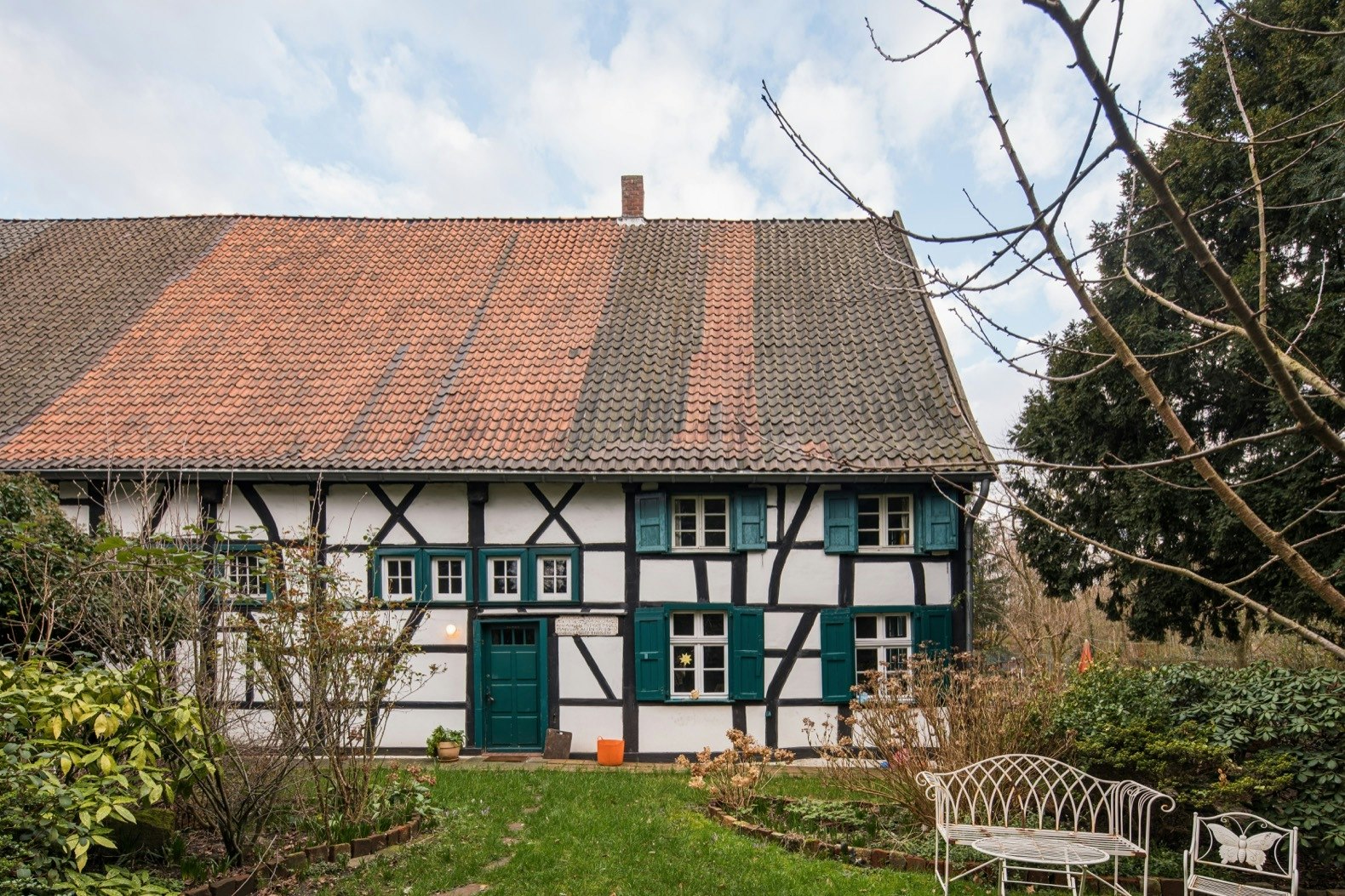
Milena and Max Schmiz acquired the Dortmannhof, a heritage-listed German farmhouse built in 1791, for their family in Essen. Despite initial challenges such as uneven floors, drafty windows, and stringent historic preservation laws, the couple successfully transformed the 200-year-old property into an art-filled residence. However, the northern side of the home lacked sufficient daylight, prompting them to seek a solution.
They enlisted Berlin-based architect Sigurd Larsen, known for his daylight-focused designs, after being impressed by his Roof House in Copenhagen. Larsen faced the challenge of enhancing daylight without altering the historic facade, as monument protection regulations required the preservation of all original walls and ceiling beams. Only two small skylights were permitted on the eastern roof slope. These constraints led Larsen to devise a "house within a house" concept.
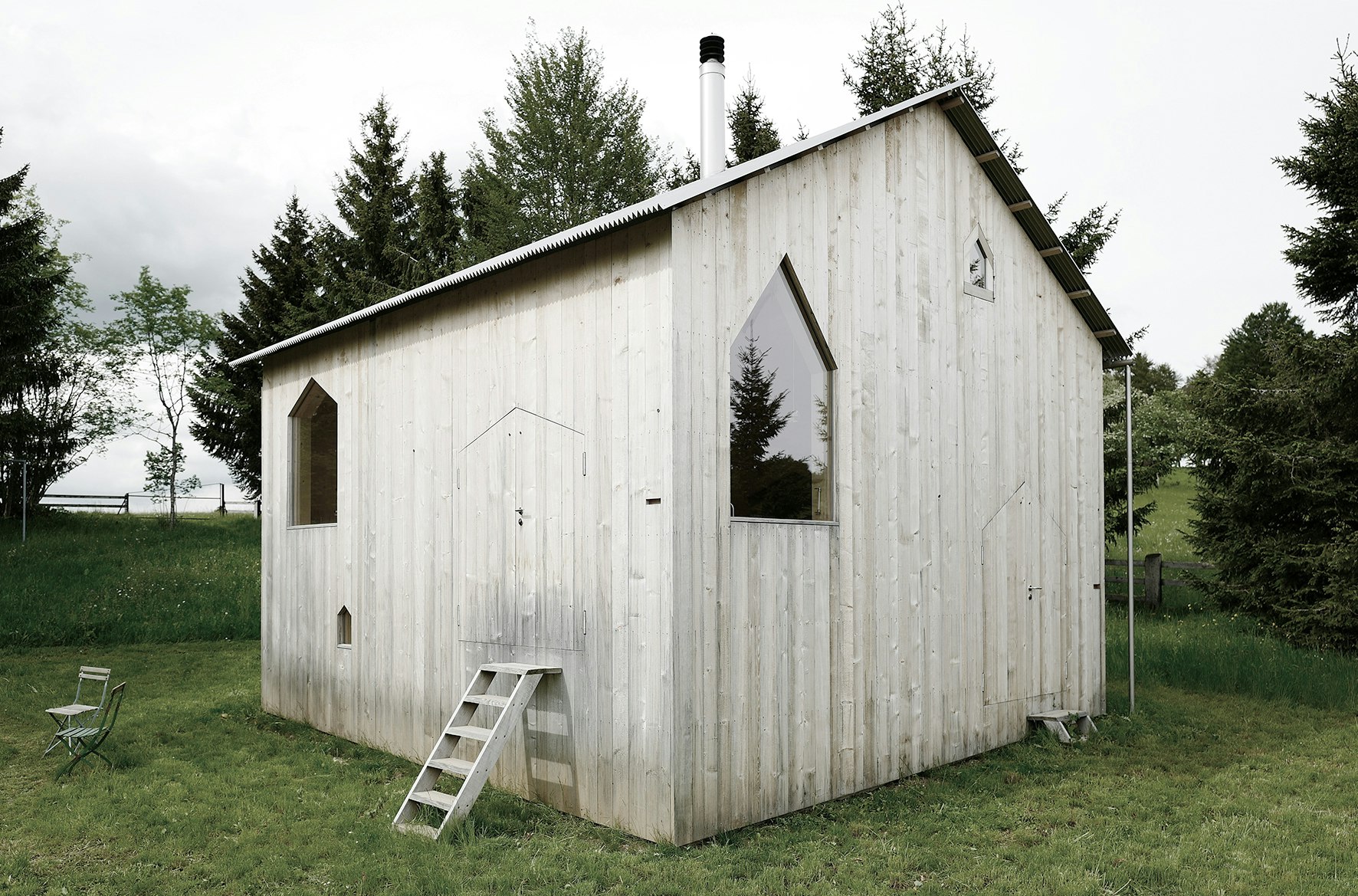
The architect inserted three new cross-laminated timber volumes into the building's northern half, which previously served as a barn. These additions, described as "oversized inhabitable furniture," were designed for easy installation and removal to comply with local historic preservation rules. The central and largest volume is a 36-foot-tall gabled music room, featuring a north-facing window wall, designed to accommodate the family's musical activities. The musicians desired a spacious area for piano rehearsals and a functional working desk, which this volume provides.
A smaller, gabled volume to the east houses a new guest suite with its own entrance, while a flat-roofed volume on the west side contains a large bathroom. The new volumes, totaling 860 square feet, were painted with white chalk inside and out, honoring the historic facade. Larsen noted that the tall and narrow design of the new spaces, particularly the music room and guest house, was influenced by the surrounding crops and optimized for morning light from the new skylights.
The original structure's features, such as the stone floors from 1791, were preserved and integrated into the new music room. Large, north-facing windows were incorporated to allow additional daylight to filter through the old, perforated walls, which originally provided ventilation for hay. The historical layout, characterized by multiple entrances and internal connections, was maintained to allow for the simultaneous coexistence of family life, creativity, and work, reflecting the building's original multipurpose spirit.
#GermanFarmhouse #HistoricPreservation #ArchitecturalRenovation #DaylightDesign #SigurdLarsen #CrossLaminatedTimber #HouseWithinAHouse #MusicRoom #GuestSuite #HeritageListed #GermanFarmhouse #HistoricPreservation #ArchitecturalRenovation #DaylightDesign #SigurdLarsen #CrossLaminatedTimber #HouseWithinAHouse #MusicRoom #GuestSuite #HeritageListed
共0条评论
 暂无评论
暂无评论你可能还喜欢
New Homeowners Finally See Potential in This 200-Year-Old Farmhouse

Daring Dormers Breathe New Life into a Derelict 1930s Farmhouse
Inside a Modern Swiss Chalet That Takes Design Cues From Old-World Architecture

Crocodile Wallpaper and Fridges like Armoires: Inside a One-of-a-Kind Vienna Farmhouse
An Outdated Swiss Chalet Is Treated to a Playful New Look
19th Century Montclair Home Undergoes Stunning Makeover

Antique Beams & Boards Gives Old Barns New Life
A thoughtful renovation brings a 100-year-old home into the 21st century

A 19th-Century Farmhouse in Garrison Gets a Modern Update
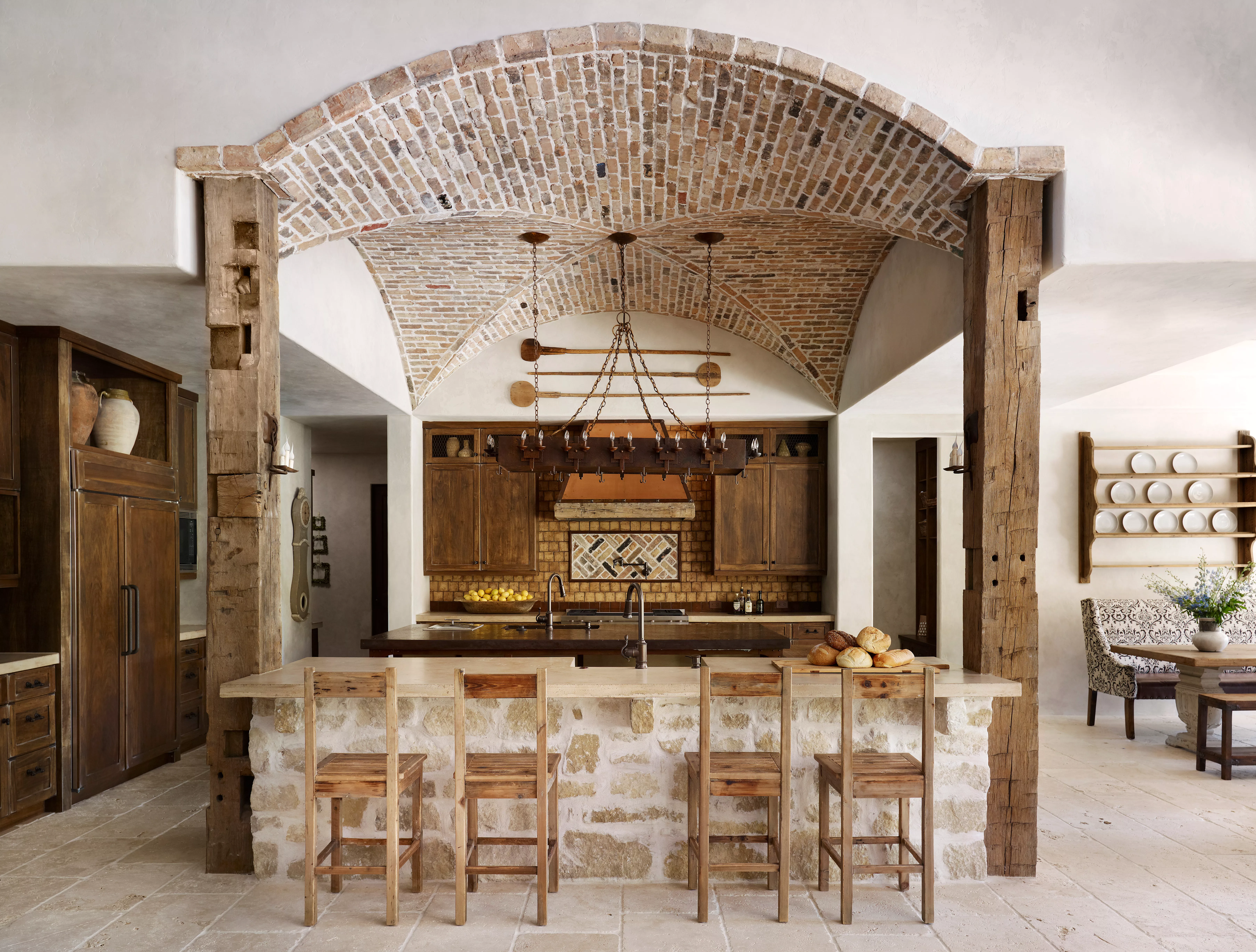
The German Schmear (or German Smear) Updates Brick for a Rustic Farmhouse Look

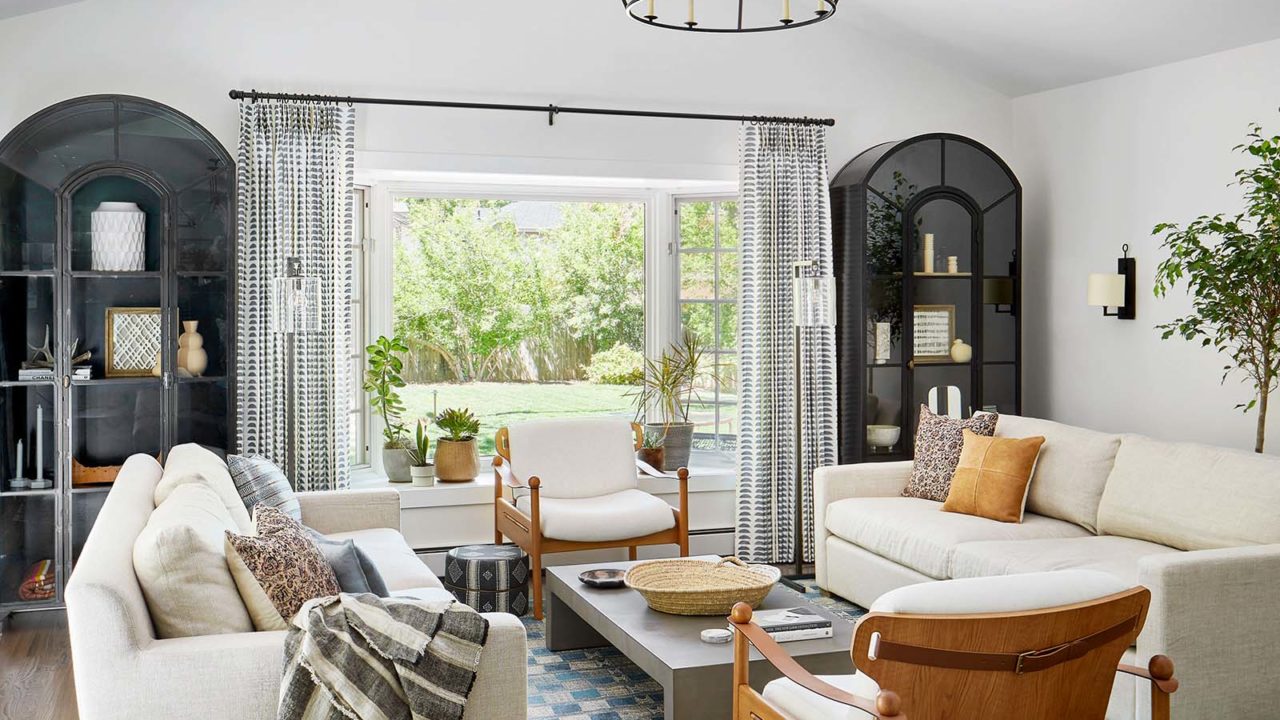
A Grandmother’s House in Observatory Park Gets a Next-Gen Makeover

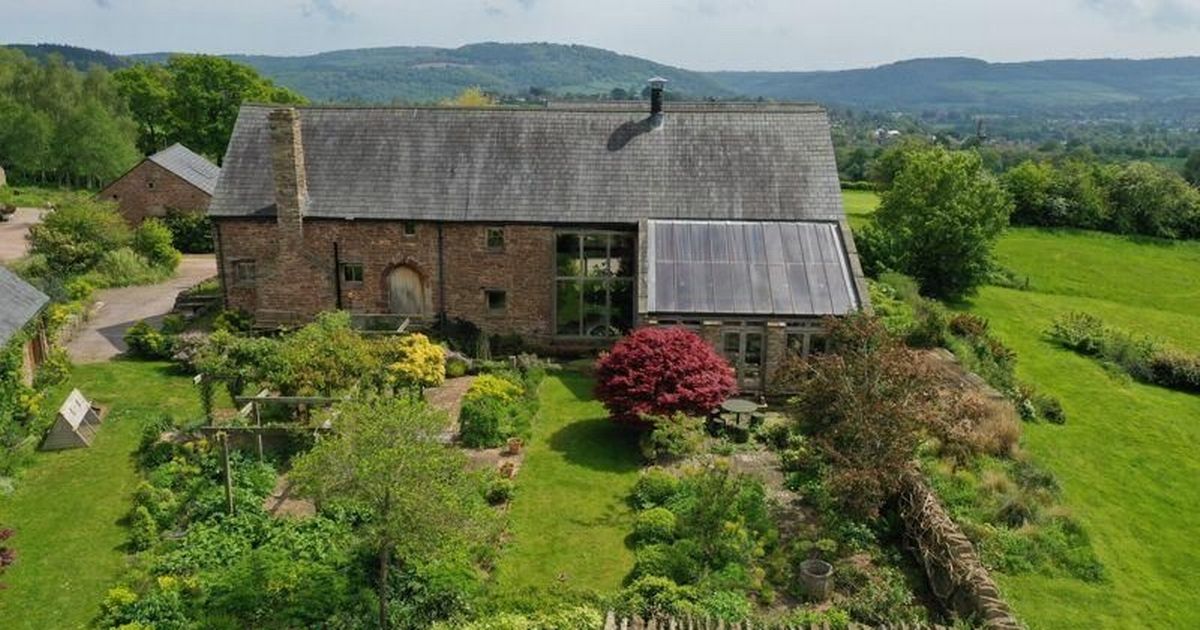
The massive medieval rural barn that's now a stunning dream home
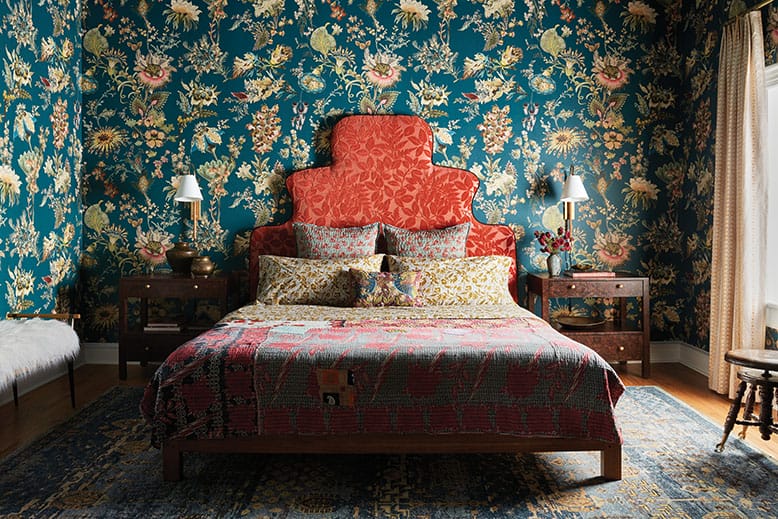
18th-Century Lumberton Farmhouse Gets an Eclectic Makeover
A calm Wiltshire farmhouse transformed into an antique collector’s paradise
An Old Stables Turned Contemporary Home, Designed For Entertaining

A Mid-Century Eichler Home Gets Respectfully Updated for 21st Century
Modern sophistication and historic charm are balanced to perfection in this historic farm property

The 'glass box' living room is the perfect place to experience the wildness surrounding this 19th-century cottage
Peek Inside: A Century-Old Park Hill Home Gets a Major Facelift
The House that Glass Built