The German Schmear (or German Smear) Updates Brick for a Rustic Farmhouse Look
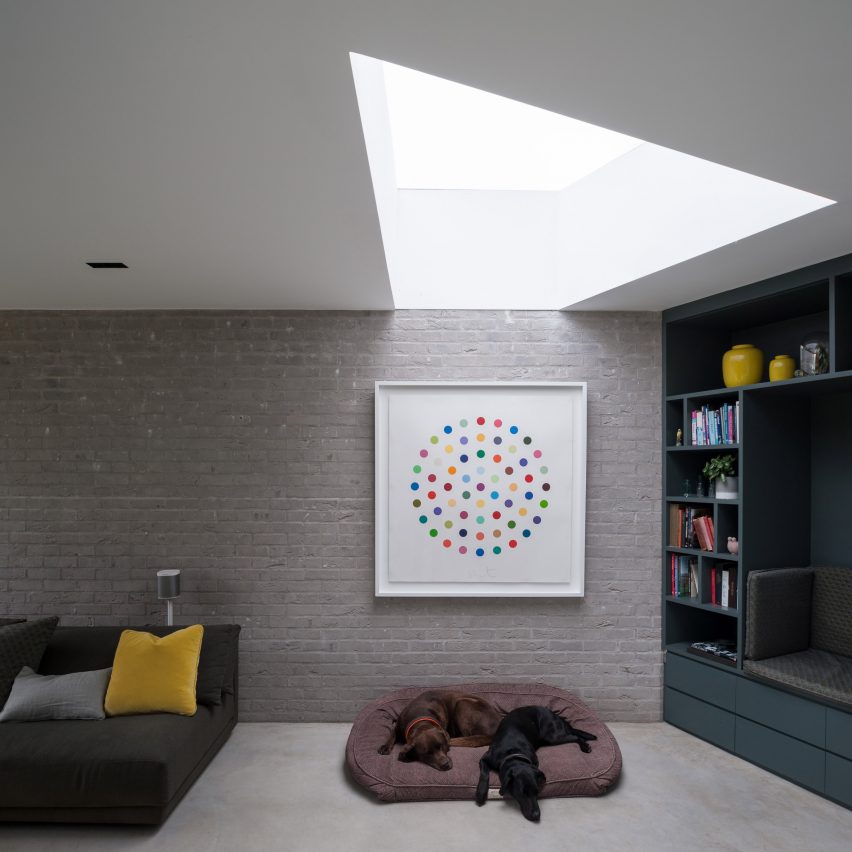
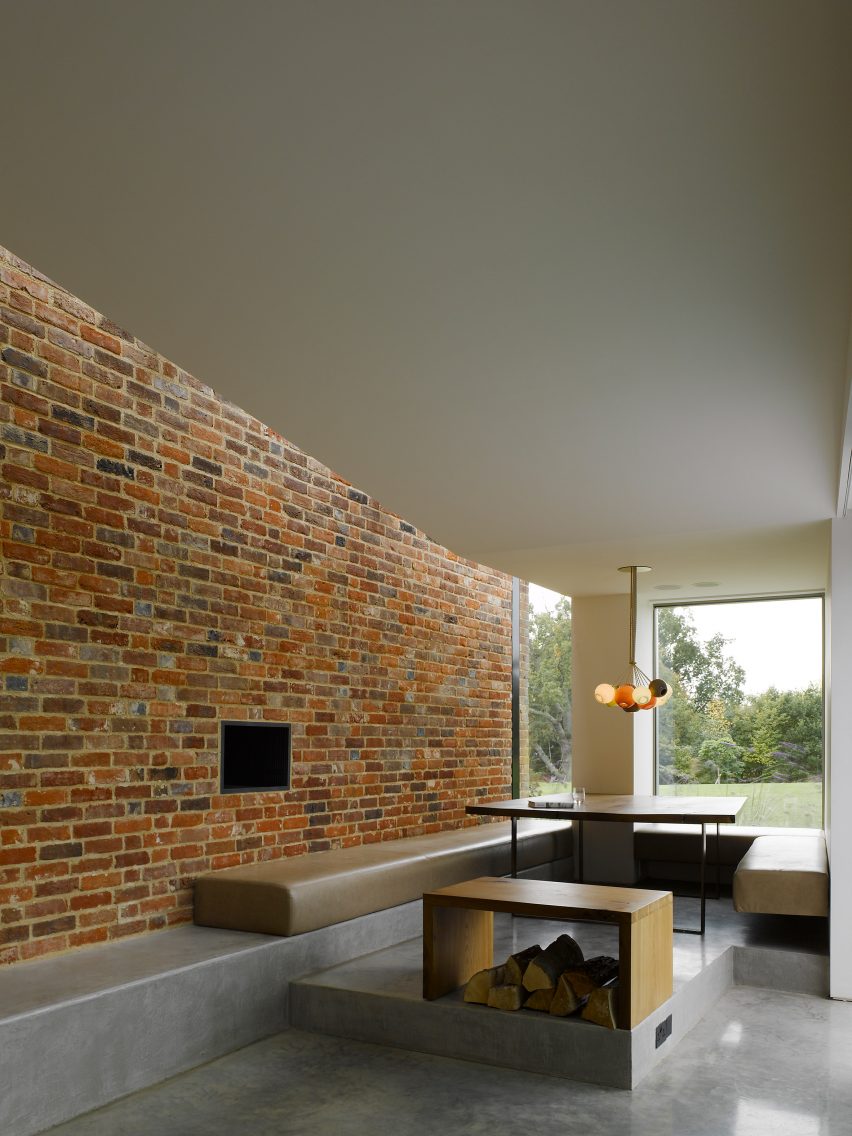
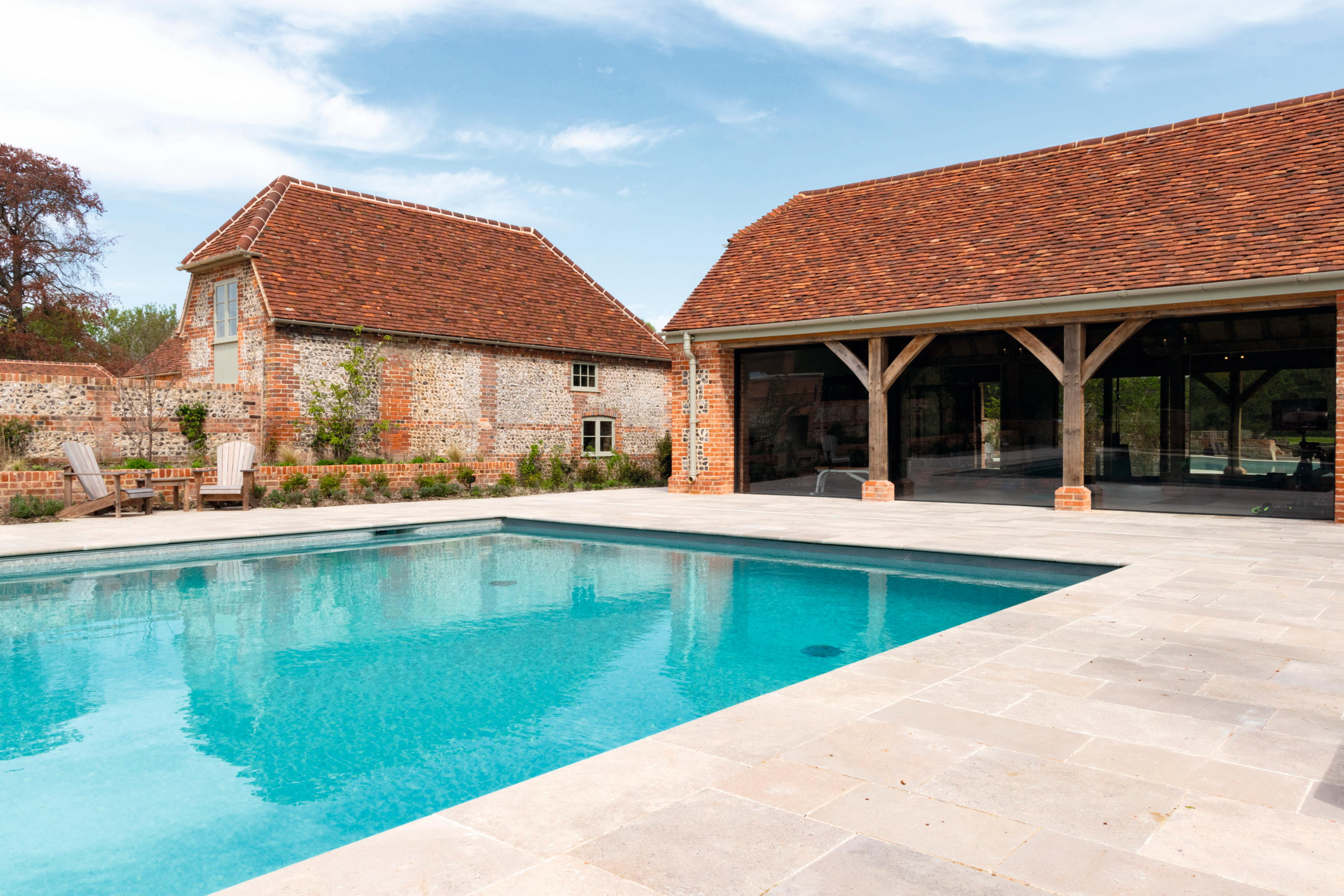
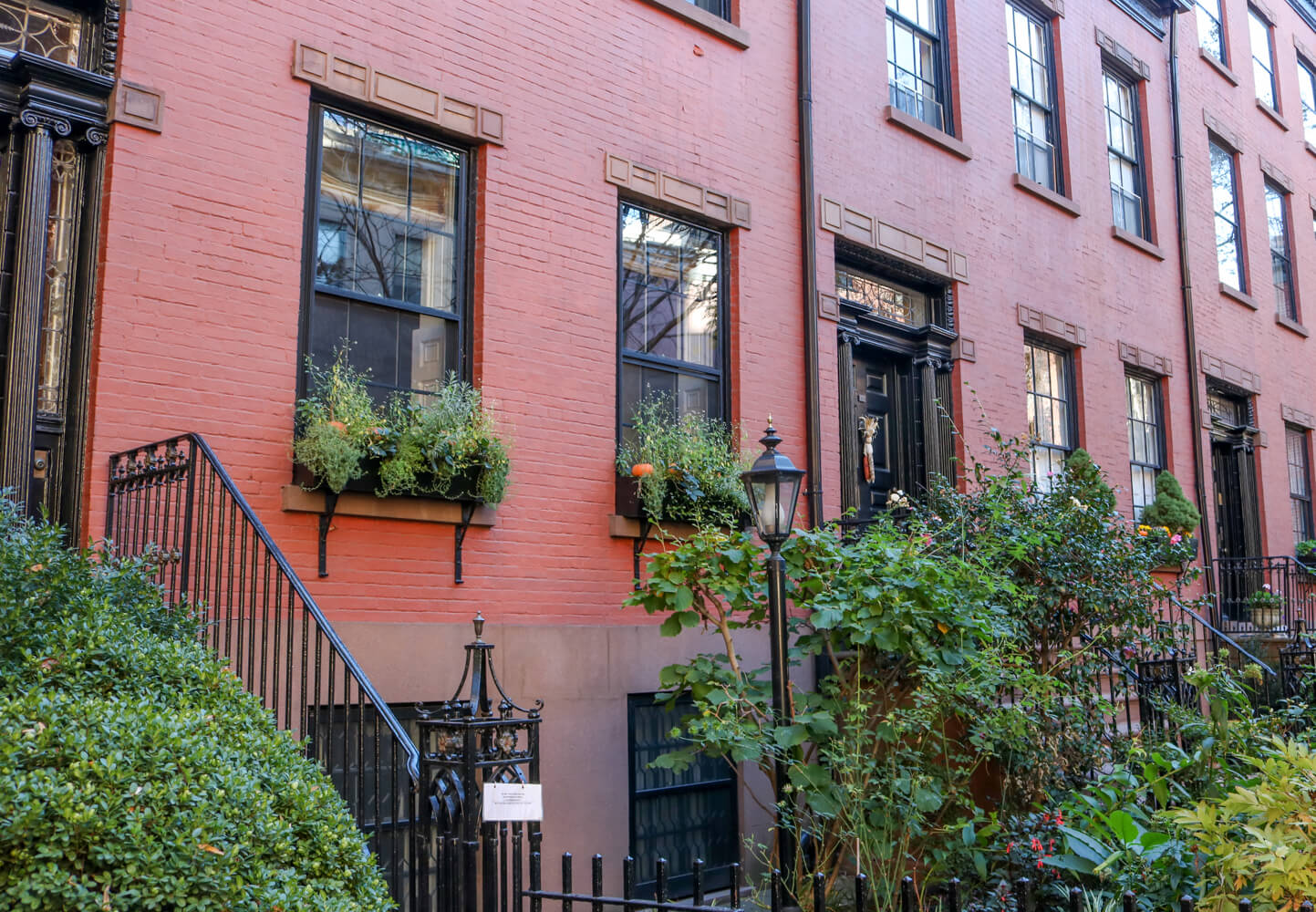
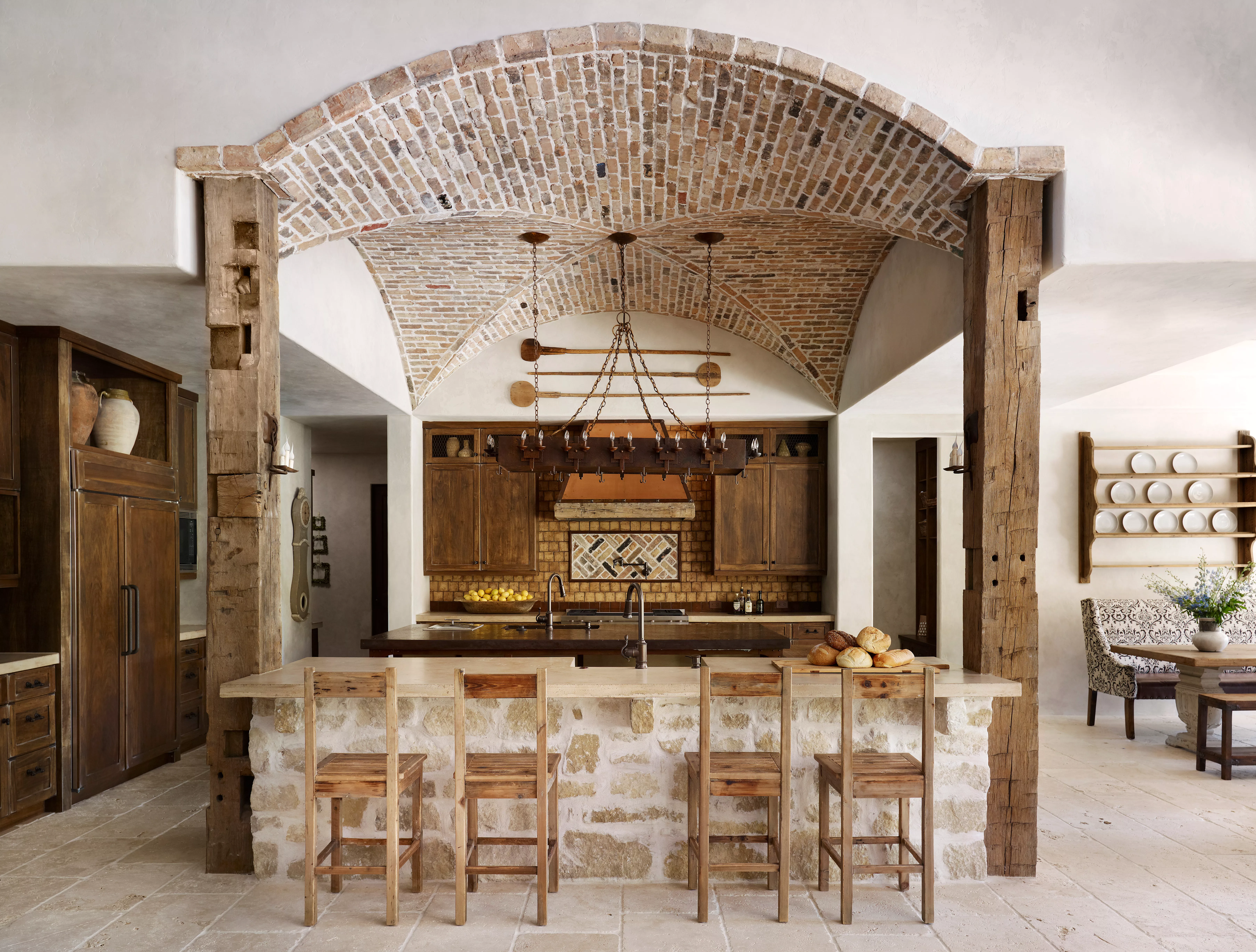
German schmear is a centuries-old brick treatment technique that creates a patinated, rustic, or farmhouse aesthetic on brick surfaces. This method involves applying a thick mortar paste to masonry, giving it a 'smeared' appearance. Originating in Germany in the 1500s, it was initially used for finishing brick and stone walls and is now primarily an aesthetic choice for updating outdated brickwork. German schmear is often more cost-effective than painting a house, making it an attractive option for homeowners seeking a historic feel.
However, it's crucial to understand the permanence and specific application requirements of German schmear. Unlike some other brick treatments, mistakes in application can be expensive to rectify, often costing more to remove than the initial application, and in some cases, removal may not be possible at all. Improper application can also lead to moisture getting trapped between the mortar and brick, potentially causing cracks, peeling, or flaking, as the technique, when done with traditional mortar, does not allow the brick to breathe. Therefore, it is important to ensure correct application to prevent these issues.
German schmear differs significantly from other popular brick treatments like limewash and whitewash. Limewash uses lime-based paint that calcifies to the brick, allowing it to breathe and creating an Old World finish that patinas over time. This contrasts with German schmear, which, when applied with mortar, does not change over time. Whitewash, on the other hand, refers to a look created by heavily diluting acrylic paint. This is generally not recommended for masonry as acrylic paint can prevent brick from breathing. Experts suggest using a limewash technique to achieve a whitewash look while maintaining the brick's breathability.
For those seeking the German schmear aesthetic, there are modern alternatives that offer more flexibility. While traditional German schmear uses a thick mortar paste applied with a trowel, a similar effect can be achieved using limewash. Applying a moderately diluted mixture of Classico Limewash with a trowel can mimic the German schmear technique while providing the breathability of limewash. Another option is using authentic Italian plaster, such as Romabio Travertino, for a thicker, more textured finish. A lime slurry can also be used with a trowel for a look that bridges plaster and paint finishes.
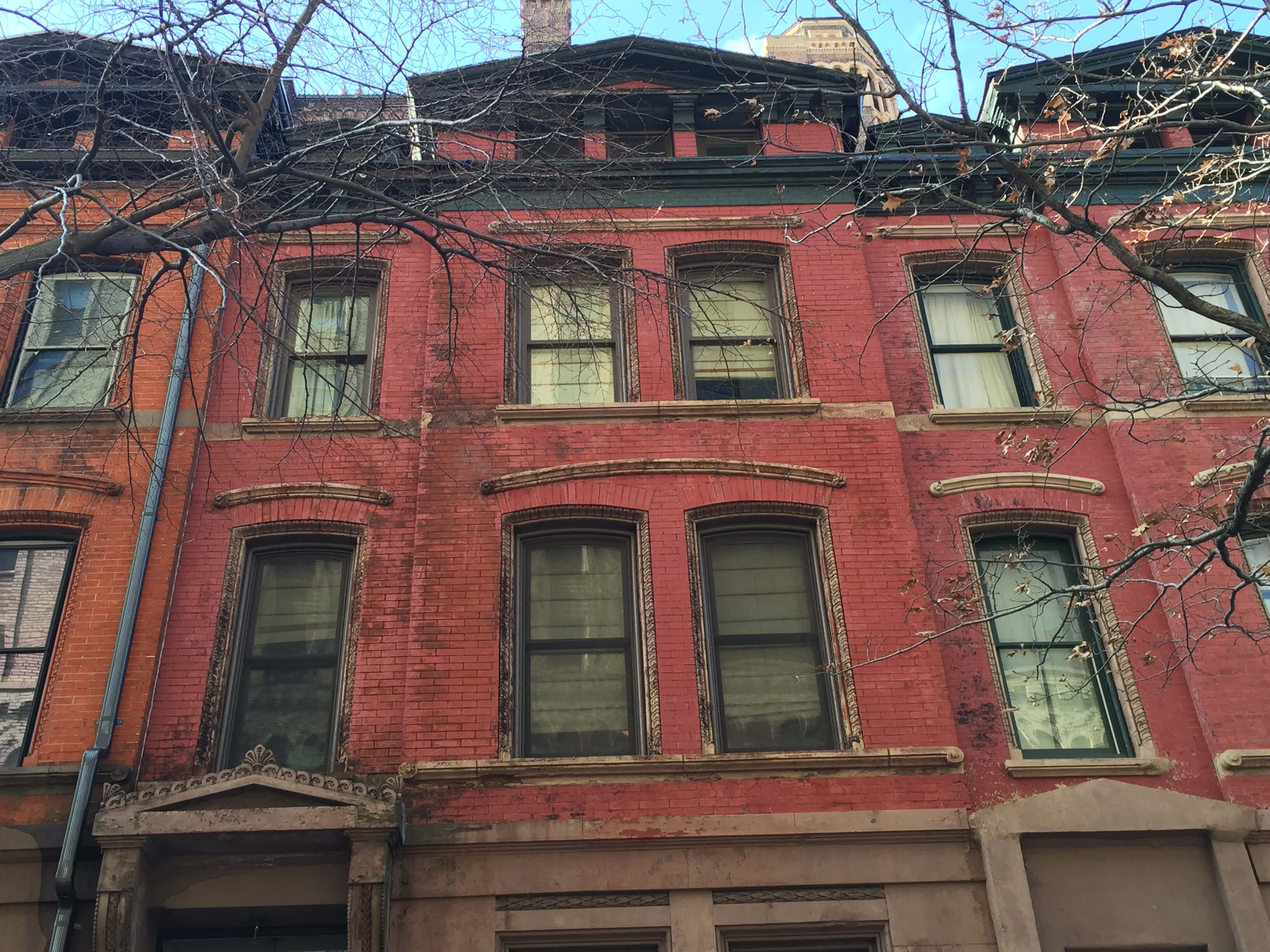
This technique is best suited for revitalizing rough, textural, and porous brick, as the irregular surface allows the mortar to adhere effectively. It is not recommended for smooth brick surfaces, which may not accept the finish properly. Additionally, German schmear should be avoided on historic brick that might be soft, cracked, or crumbling, as it is not a solution for structural issues. In such cases, consulting a professional mason for brick preservation is advisable. German schmear is a significant commitment that, when applied correctly to the appropriate brick type, can dramatically enhance a home's exterior with a timeless, rustic charm.
#GermanSchmear #BrickTreatment #HomeImprovement #ExteriorDesign #RusticStyle #FarmhouseLook #Limewash #Whitewash #Masonry #HomeRenovation #GermanSchmear #BrickTreatment #HomeImprovement #ExteriorDesign #RusticStyle #FarmhouseLook #Limewash #Whitewash #Masonry #HomeRenovation
0 comment in total
 No comments yet
You may also like
A 200-Year-Old German Farmhouse Gets a Quirky, Glass-Fronted Addition


Completing Mies van der Rohe's Brick Country House

Statement bricks are the latest design trend

5 Reasons You Should Think Twice Before Painting Brick, Pros Say

Ten homes where exposed brickwork creates textured interiors
Is exposed brick still on trend? Designers debate whether this 'timeless' look really is a classic


Transformative touch


Plastered In Style
A German house appears as a monolithic stone structure

florim refashions farmhouse with rustically modern wooden and slate touches
Fake exposed brick with wallpaper – see this savvy homeowner's trick
How to create an exposed brick feature wall or fireplace - and clean and maintain it like an expert
Have We Gone Too Far With Painting Our Brick Houses White?
A Suburban Countryside Home’s European-Inspired Makeover

The Faux Brickwork in Lisa Says Gah’s New L.A. Store Is Also Reno-Friendly

18 Ideas to Steal from a Rustic-Modern Ranch House
‘It’s a tough lesson to learn’ – brick homeowners must complete this outdoor maintenance task to avoid costly repairs and structural failure
The best country house specialists in Britain, from stonemasons and joiners to builders and paint specialists

A Homeowner’s Guide to Maintaining and Restoring a Brick Facade

51 Farmhouse Wall Decor Ideas to Warm Up Your Home