1/4
This SURPRISING Feature May Make Your Home Harder to Sell, According to Designers
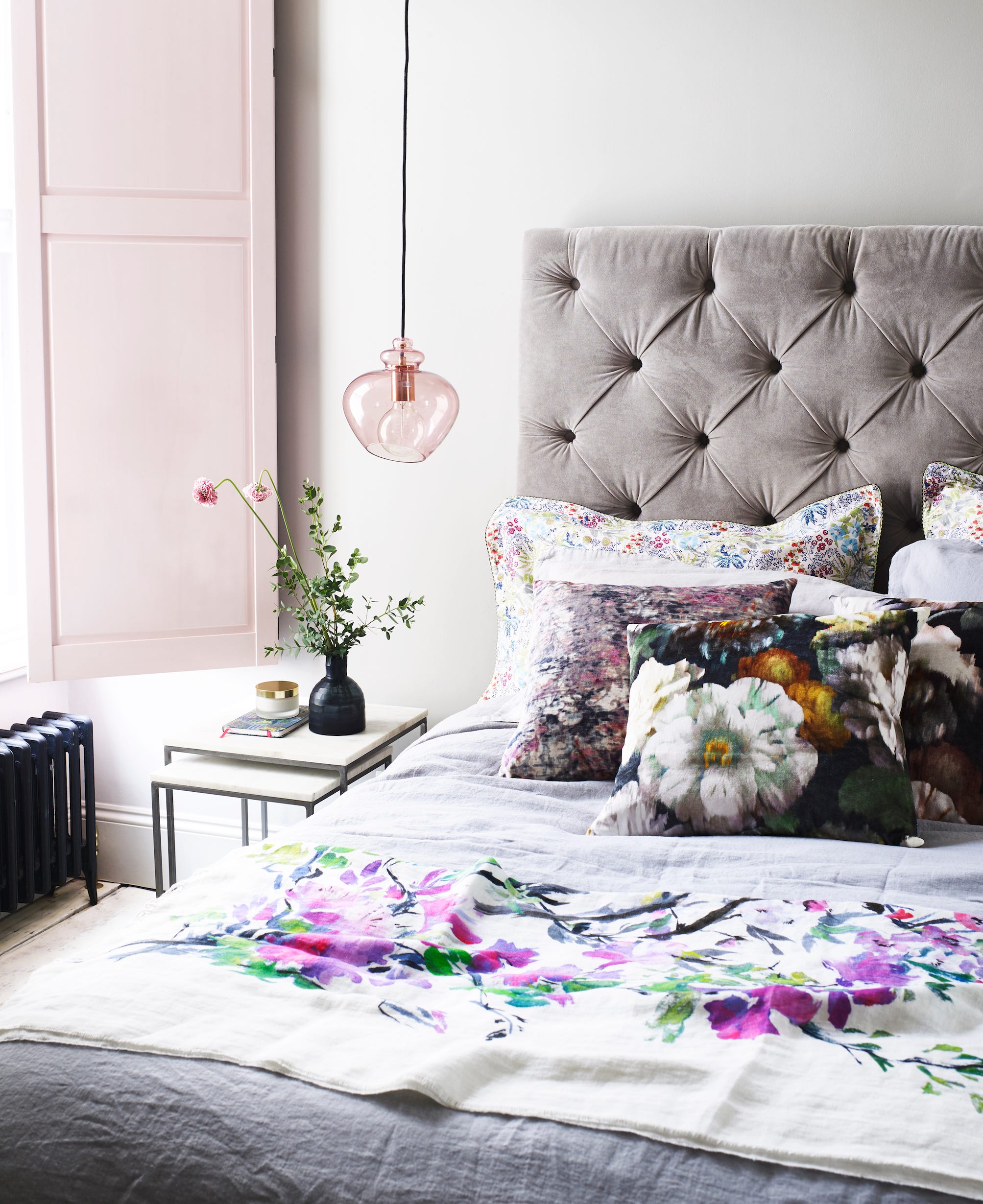
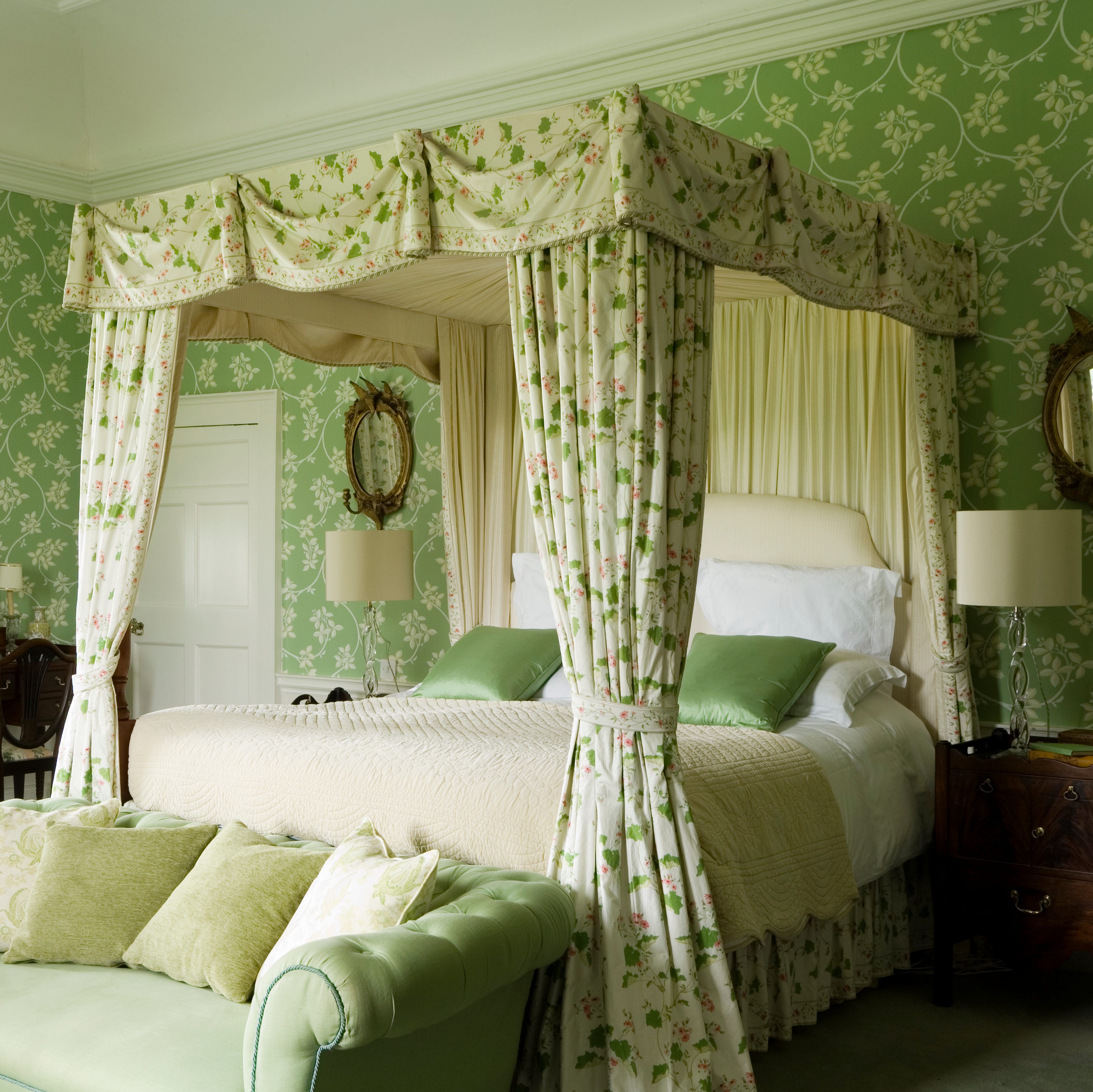
The article explores the long-standing real estate adage that wallpaper can hinder a home's sale, examining whether this conventional wisdom still applies in today's market. Wallpaper, a design feature known for adding flair and personality, often represents a very personal choice, and not everyone shares the same aesthetic preferences, particularly for bold patterns or vibrant colors. Even subtle options like solid-color grasscloth are more challenging to change than a simple coat of paint. Traditionally, real estate brokers have advised sellers to opt for neutral paint tones to appeal to a broader audience. However, wallpaper has seen a resurgence in popularity recently, with the advent of easier-to-install options like peel-and-stick varieties, making wall coverings less permanent.
The article delves into the impact of existing, potentially outdated, wallpaper on a home's marketability and whether sellers should undertake the costly process of stripping walls before listing. Experts offer nuanced perspectives, suggesting that the effect of wallpaper on home sales is not uniform. Tita Omeze, a Corcoran broker with an interior design background, notes that stylish wallpaper from the last 15 years can be a positive attribute, even opening buyers' eyes to design possibilities. She points out that cool mid-century modern wallpaper from the 1950s and 60s can sometimes be a bonus, illustrating how she once layered art over vintage wallpaper in a West Village listing, which generated positive feedback from buyers who appreciated the eclectic look, even if they intended to remove it later.
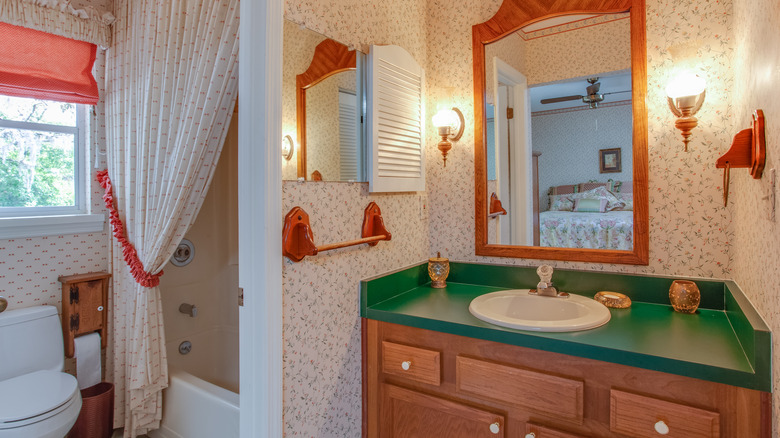
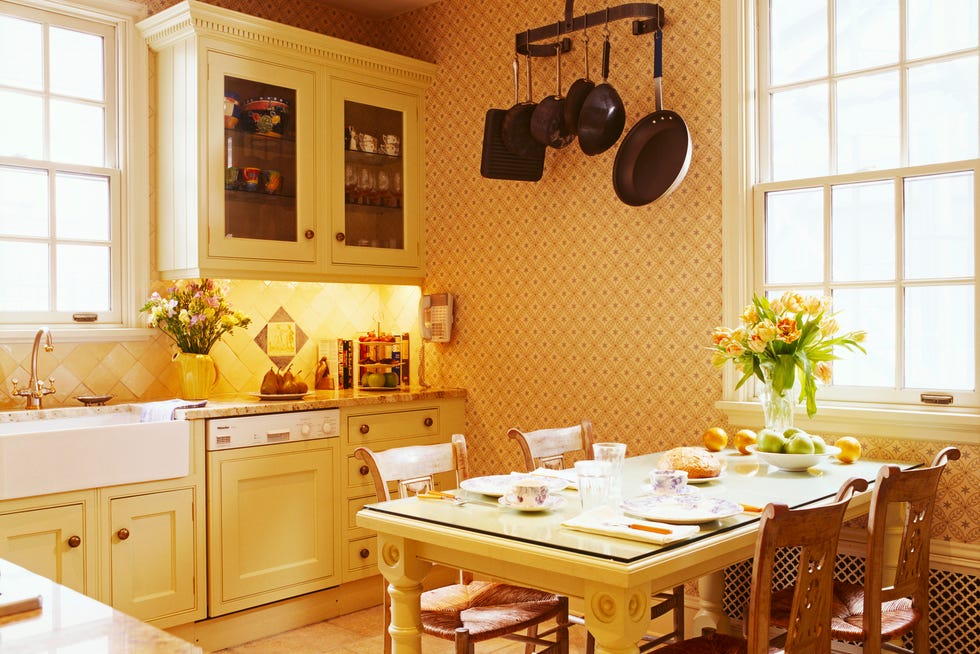
Conversely, Drew Coleman, a realtor from Oregon and founder of Opt Real Estate, identifies older, dated wallpapers, particularly those from the 1980s with ornate floral designs and strong adhesives, as significant deterrents. These types of wallpaper can signal a huge and difficult removal task to potential buyers. The condition of the wallpaper also plays a crucial role. Faded wallpaper or peeling seams indicate neglect, according to Omeze, suggesting to buyers that the home has not been well-maintained. In such cases, she advises sellers to remove the wallpaper and repaint with a fresh coat.
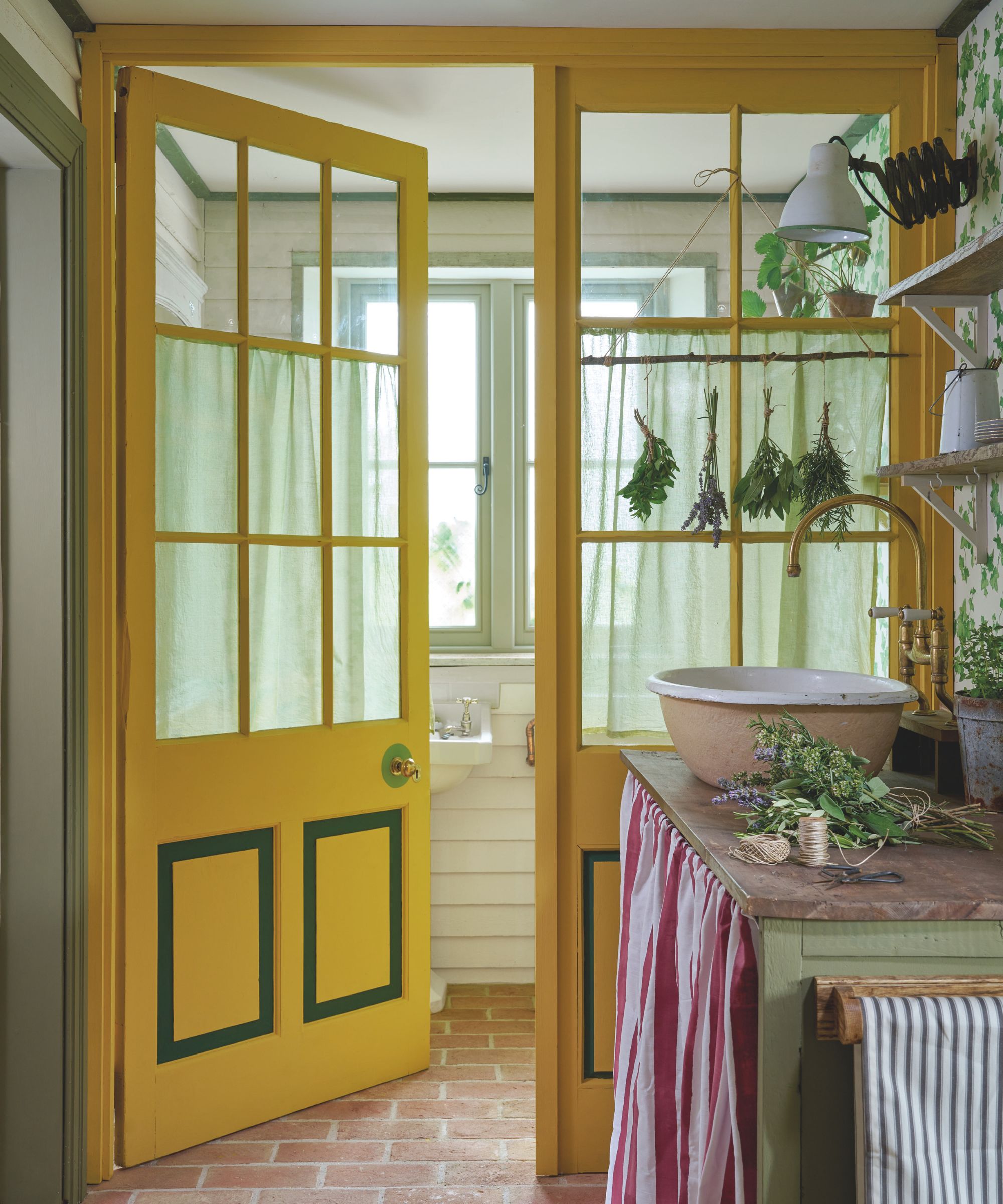
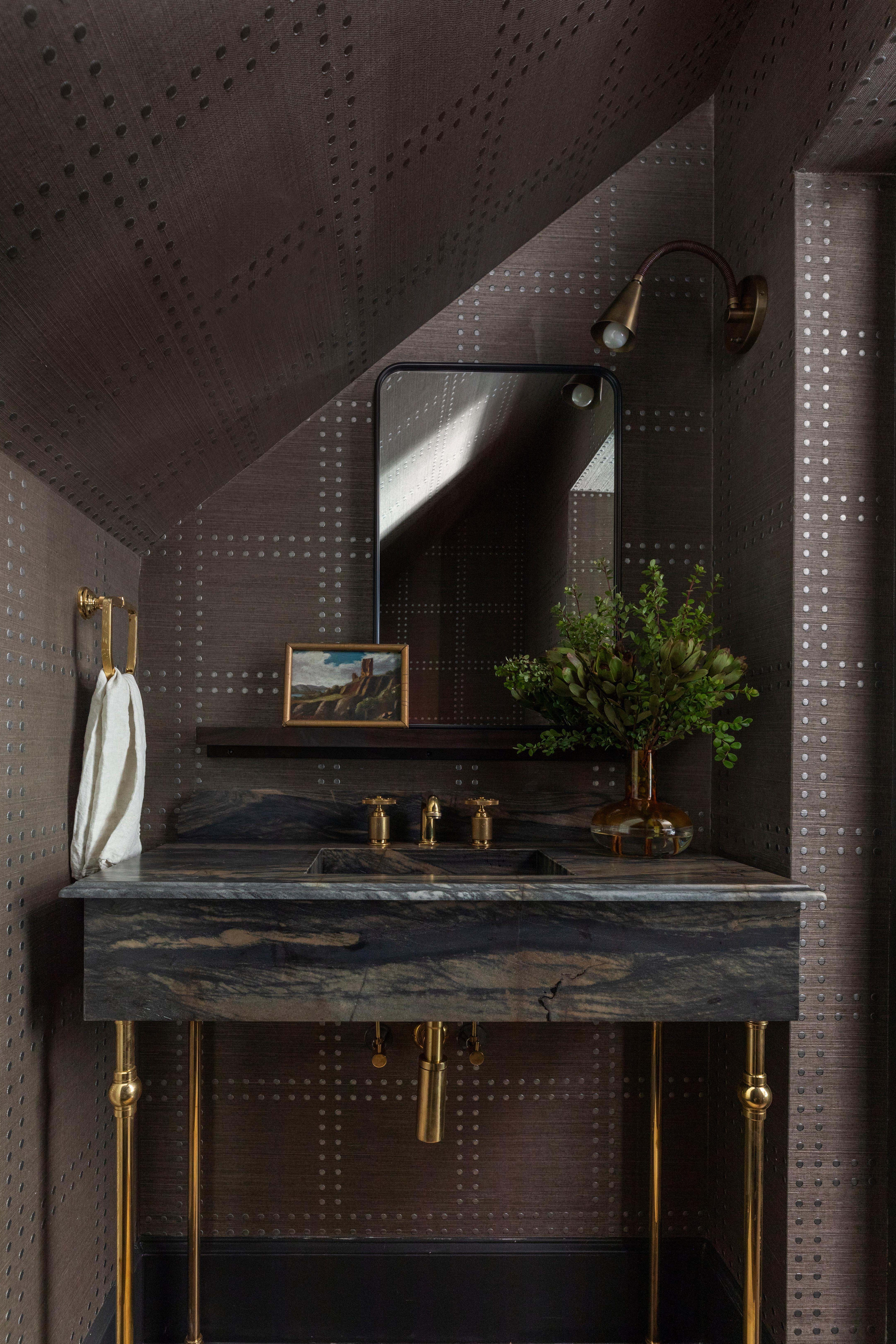
Both experts emphasize the importance of neutrality when aiming to attract the largest pool of potential buyers. Coleman reiterates that wallpaper can be divisive, and a neutral palette typically helps buyers envision their own style in the space, often recommending removal and repainting in neutral tones. The quality of installation is another critical factor. Expertly applied wallpaper is key; bubbles, tears, or misaligned patterns can create a negative impression. The article also suggests strategic use of wallpaper in specific areas. Coleman advises treating wallpaper like a spice in cooking, using it sparingly to elevate certain spaces without overwhelming the entire home. He recommends incorporating wallpaper in smaller, less high-traffic areas such as powder rooms, foyers, or on accent walls, where it can differentiate the home without dominating the aesthetic.
Ultimately, while the decision to use wallpaper in one's home is a personal one that should bring joy, the article advises homeowners to consider the long-term commitment and potential impact on resale. If there's a possibility of growing tired of the design, a more permanent wallpaper choice might warrant reconsideration. The overarching message is that while modern, well-maintained, and strategically placed wallpaper can be an asset, outdated or poorly installed wallpaper remains a potential hurdle in the home-selling process.
#HomeSales #WallpaperTrends #InteriorDesign #RealEstateTips #HomeStaging #DesignDecisions #PropertyValue #RenovationAdvice #HomeSales #WallpaperTrends #InteriorDesign #RealEstateTips #HomeStaging #DesignDecisions #PropertyValue #RenovationAdvice
Toplam 0 yorum
 Henüz yorum yok
Bu da beğenebilirsiniz
Designers say this 1 unassuming and affordable feature will make your home look more expensive

Backyard Design Choices That Are Making It Harder For You To Sell Your House
Realtors Say "Screen Appeal" Is One the BIGGEST Reasons Homes Fly Off the Market

This Once-Popular Feature Is Dating Your Bathroom and Making Your Home Harder to Sell, Designers Say

'Potential buyers may see it as a DIY job gone wrong' – this popular interior trend may be devaluing your home
This Popular Kitchen Color Can Actually Hurt a Home’s Sale Price

The Window Treatment Mistake That Will Make It Harder To Sell Your Home

Contractors Swear By These Weird Things That Make Your Home Look Way More Expensive

Upgrading THIS Simple Feature Makes Your Home Look More Expensive, According to Designers
Upgrading THIS Simple Feature Makes Your Home Look More Expensive, According to Designers

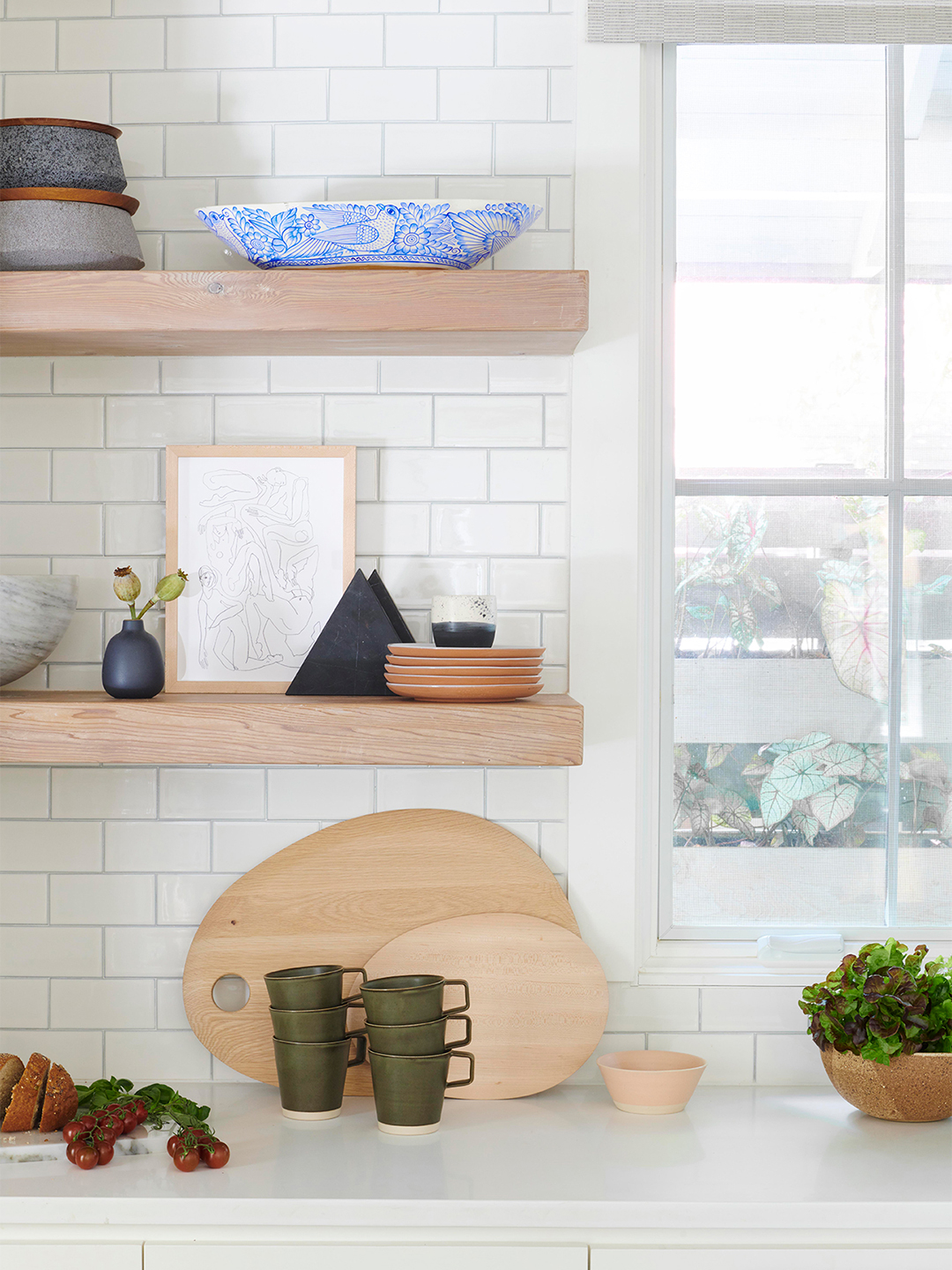
This Kitchen Color Might Be Trending, But It Could Hurt Your Resale Value
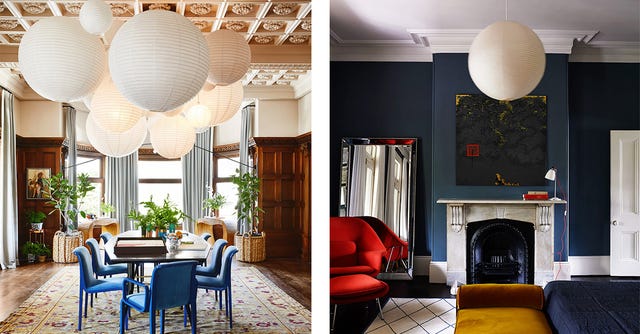
The $10 Trick That Makes Your Home Look Way More Expensive Than It Is
This Design Mistake Could Lower The Resale Value Of Your Home

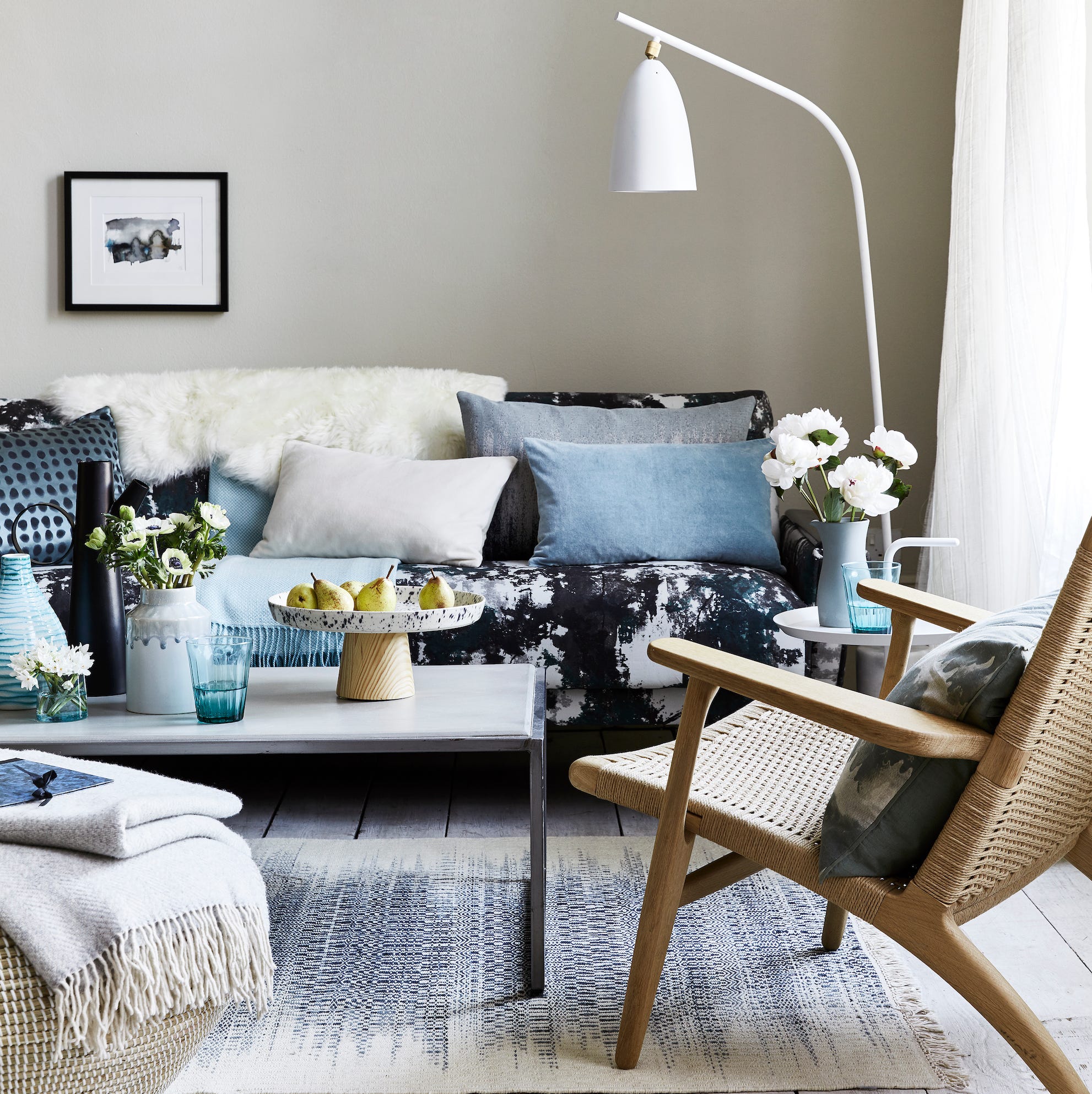
Money-wasting home improvements to avoid
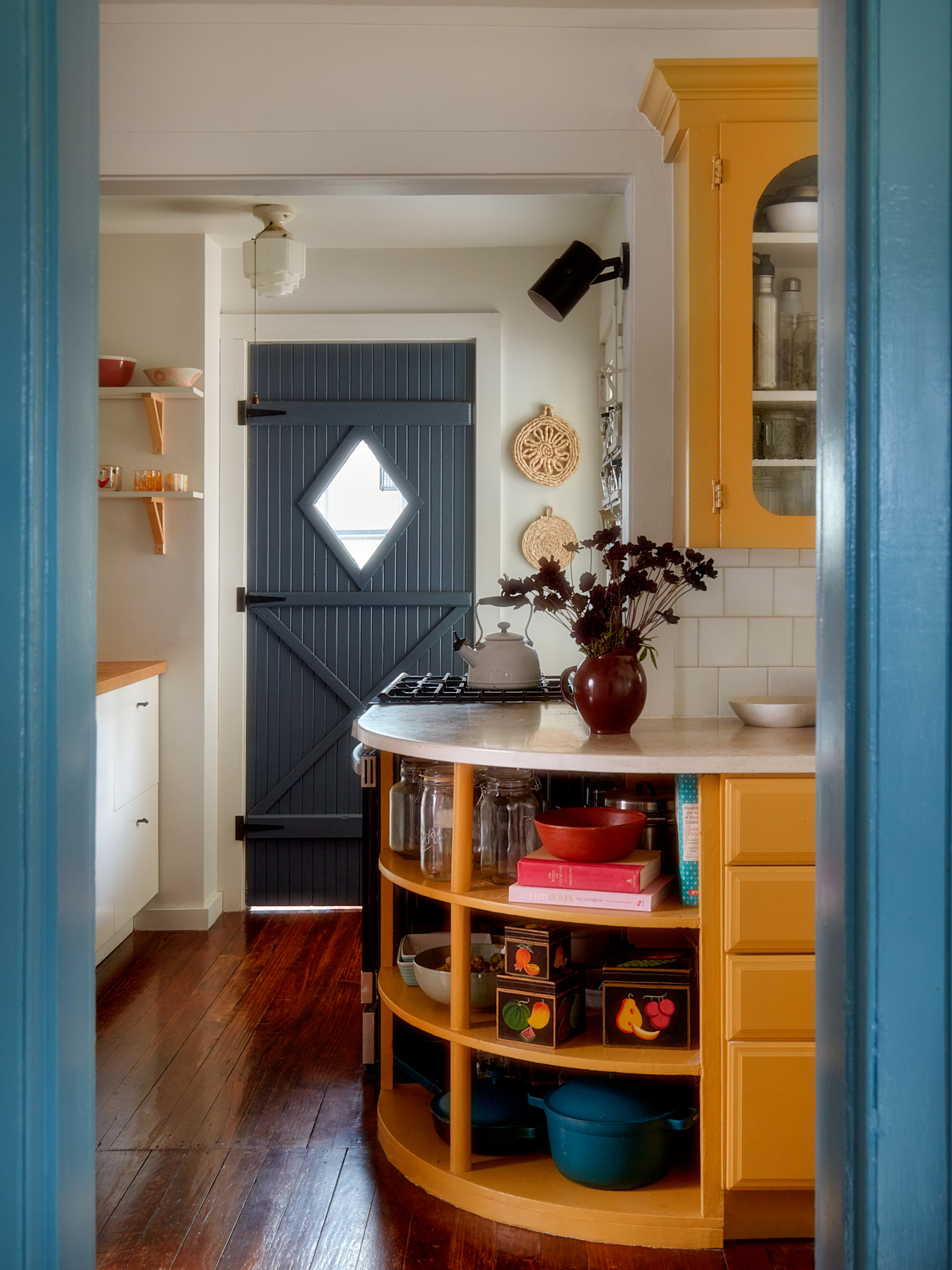
This Cheery Kitchen Color Could Hurt Your Home Value

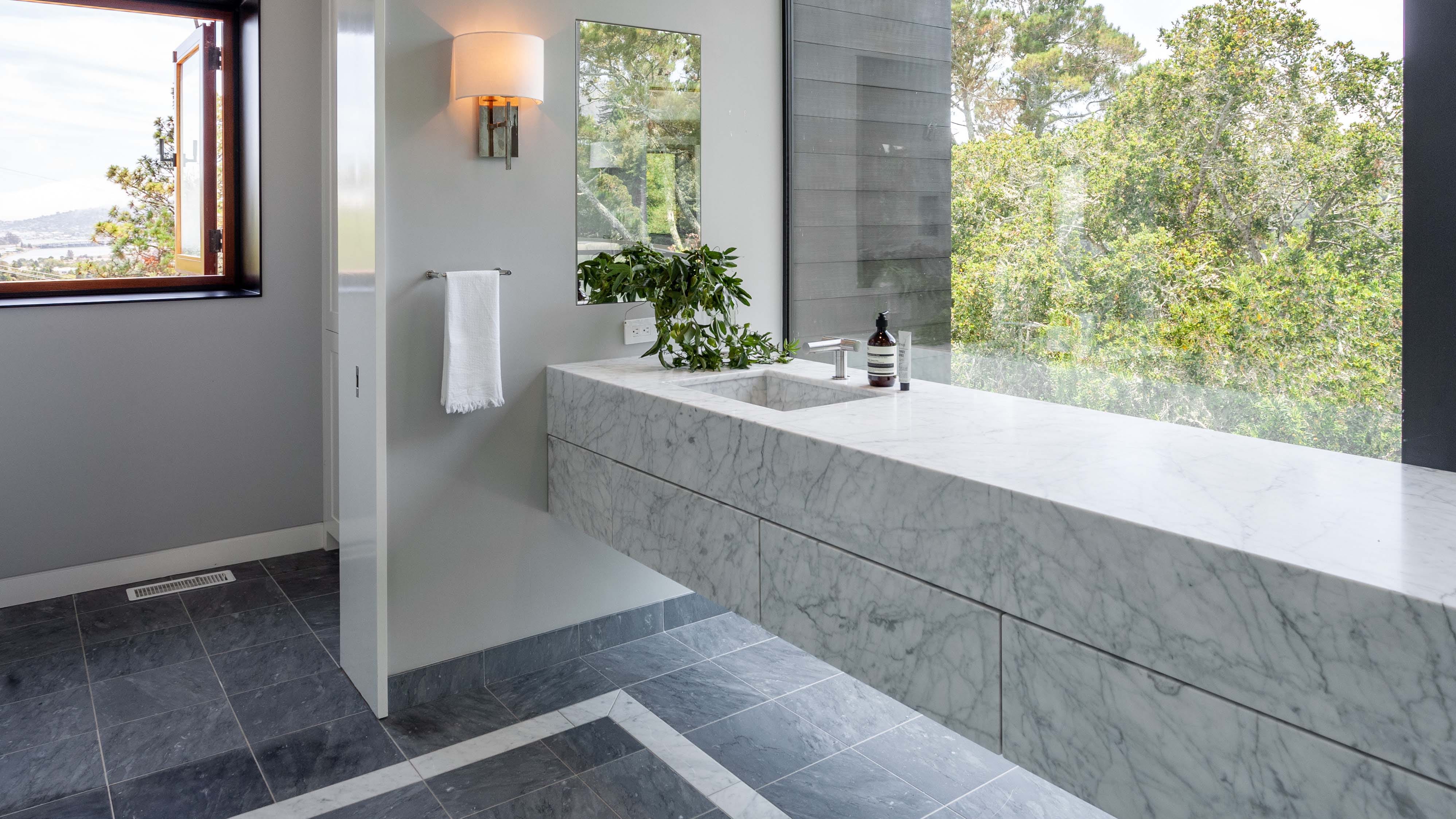
Upgrading THIS Simple Feature Makes Your Bathroom Look More Expensive, According to Designers
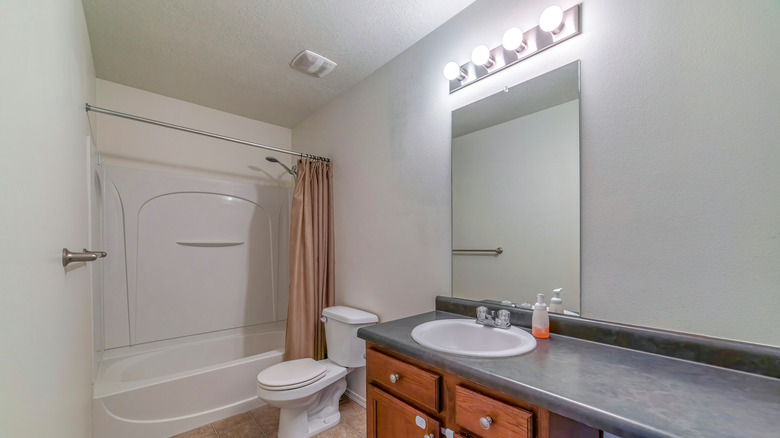
Bathroom Design Choices That Make It Harder To Sell A Home, According To Experts

20 Things Home Buyers Will Hate About Your House
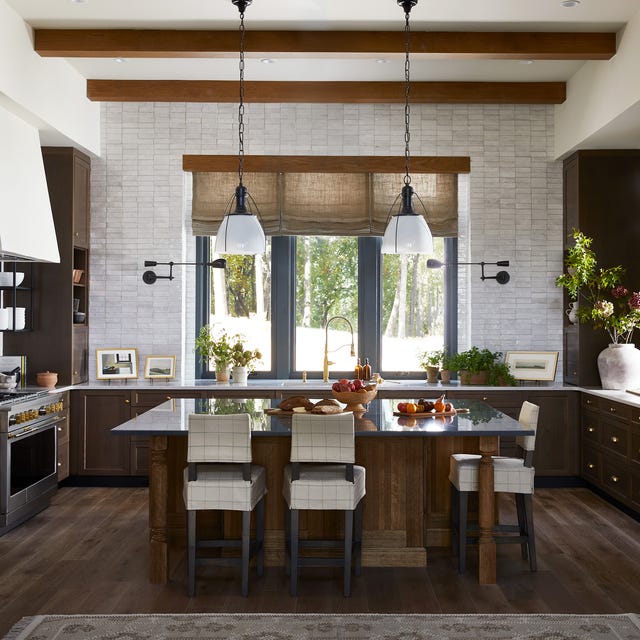
5 Kitchen Upgrades to SKIP if You're Trying to Sell Your Home, Warn Designers
7 "Stylish" Decor Trends That Are Secretly Hurting Your Home’s Value, Real Estate Pros Say